




Standoff Intensifies with Military Strikes
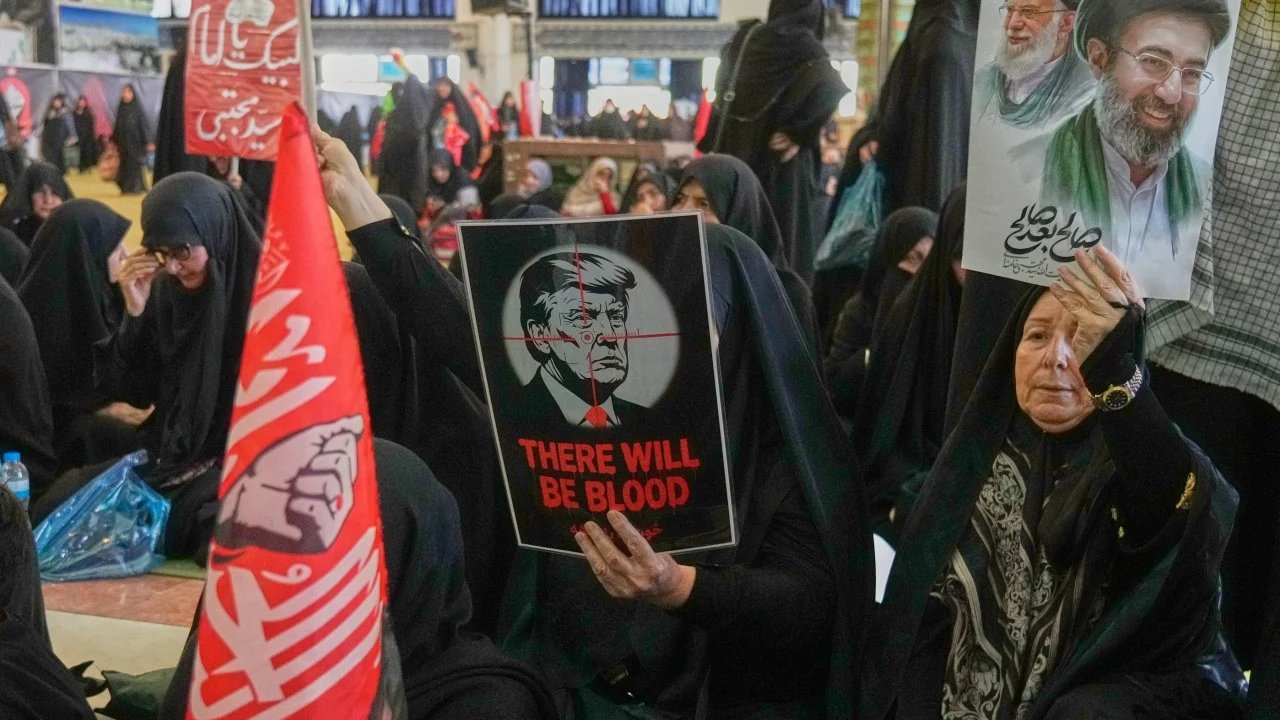
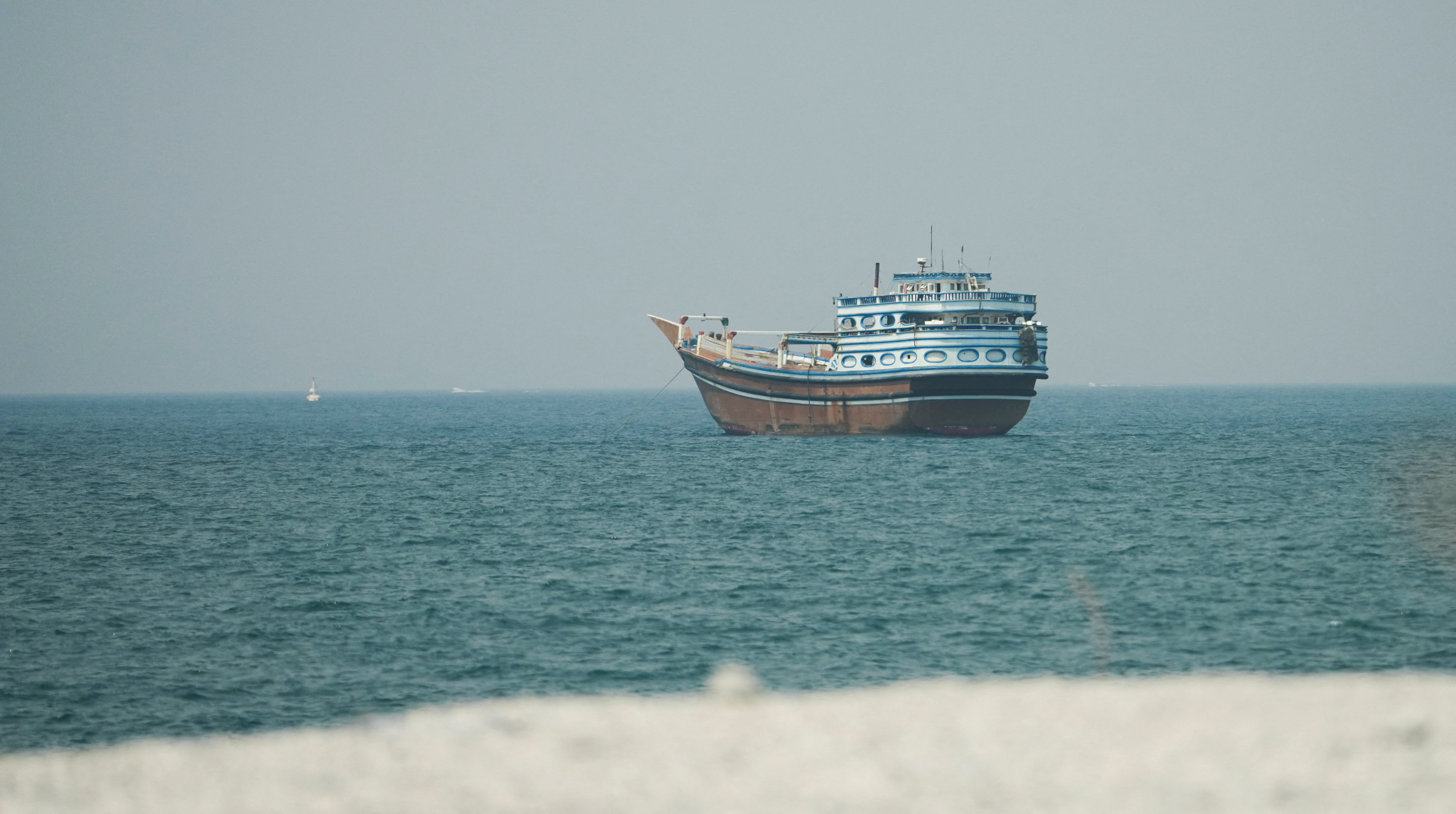
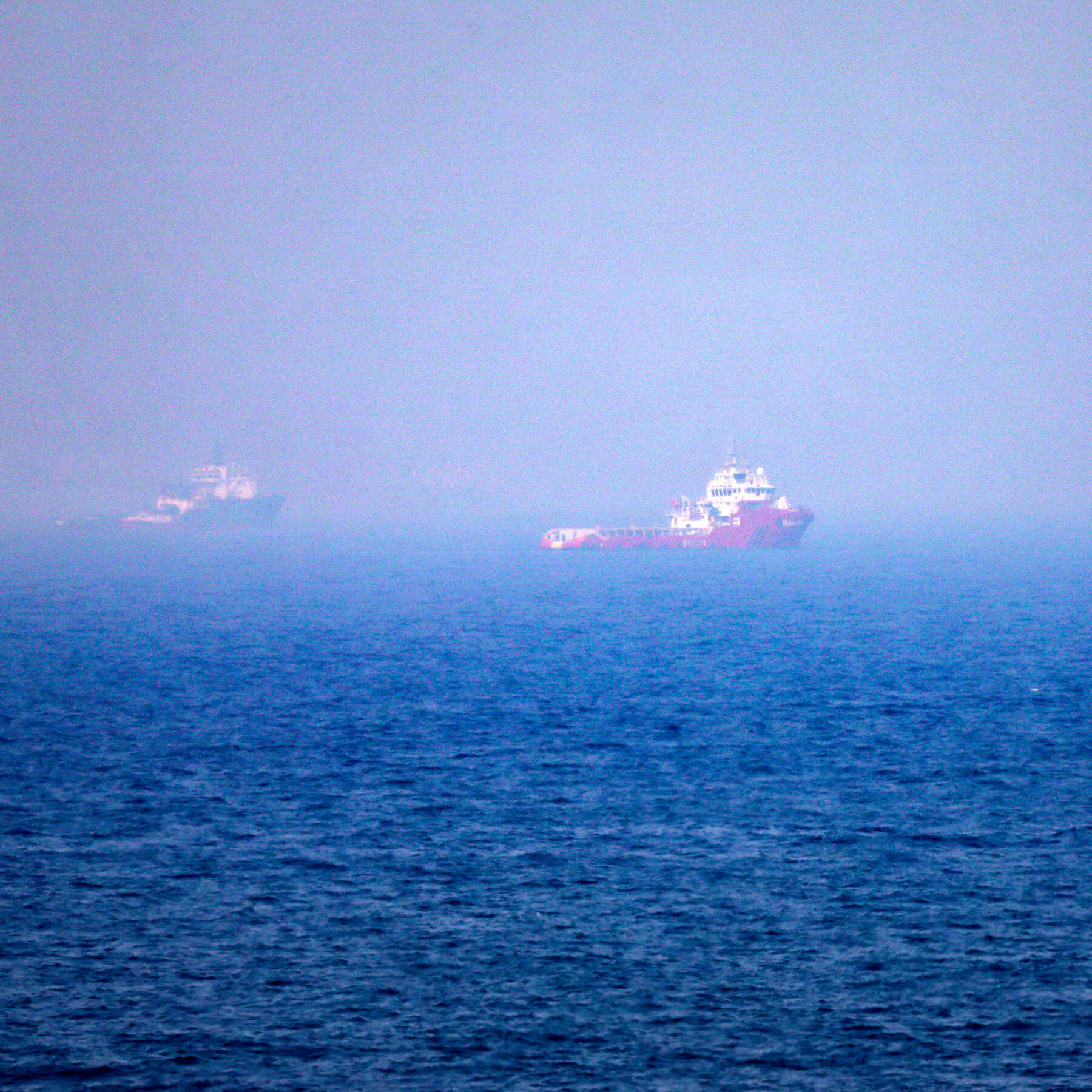
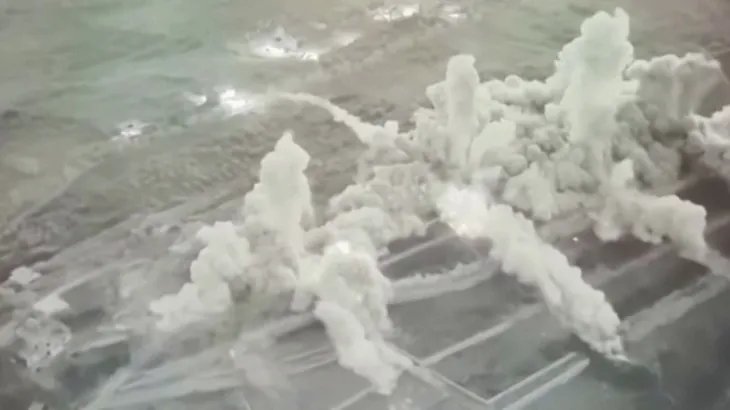
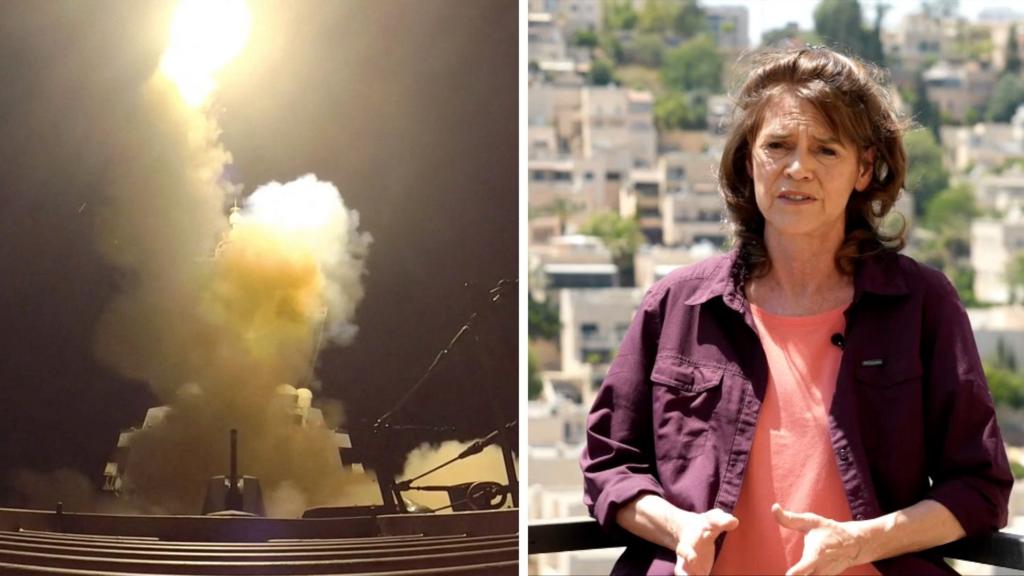
The standoff between the U.S. and Iran escalated dramatically on July 14, 2026, as the U.S. military launched strikes targeting Iranian cruise missile launch sites on Greater Tunb Island in the Strait of Hormuz. This marked a continuation of a five-day exchange of attacks, reigniting fears of a return to all-out war in a region critical for global oil supplies. The U.S. Central Command reported multiple strikes aimed at degrading Iranian military capabilities used against commercial shipping, which has faced increasing threats since the conflict reignited in February.
Iran's Threats to Block Oil Exports
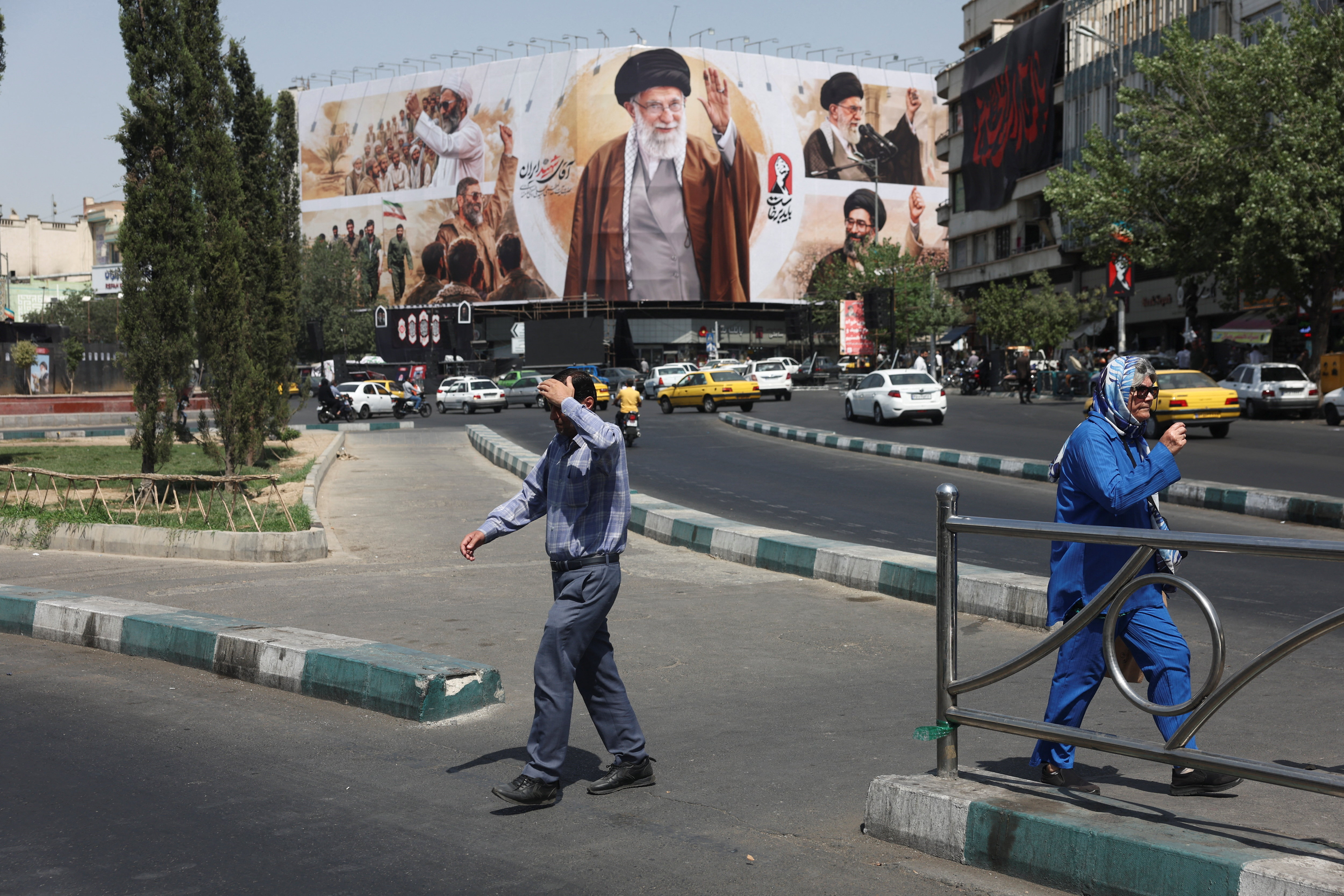
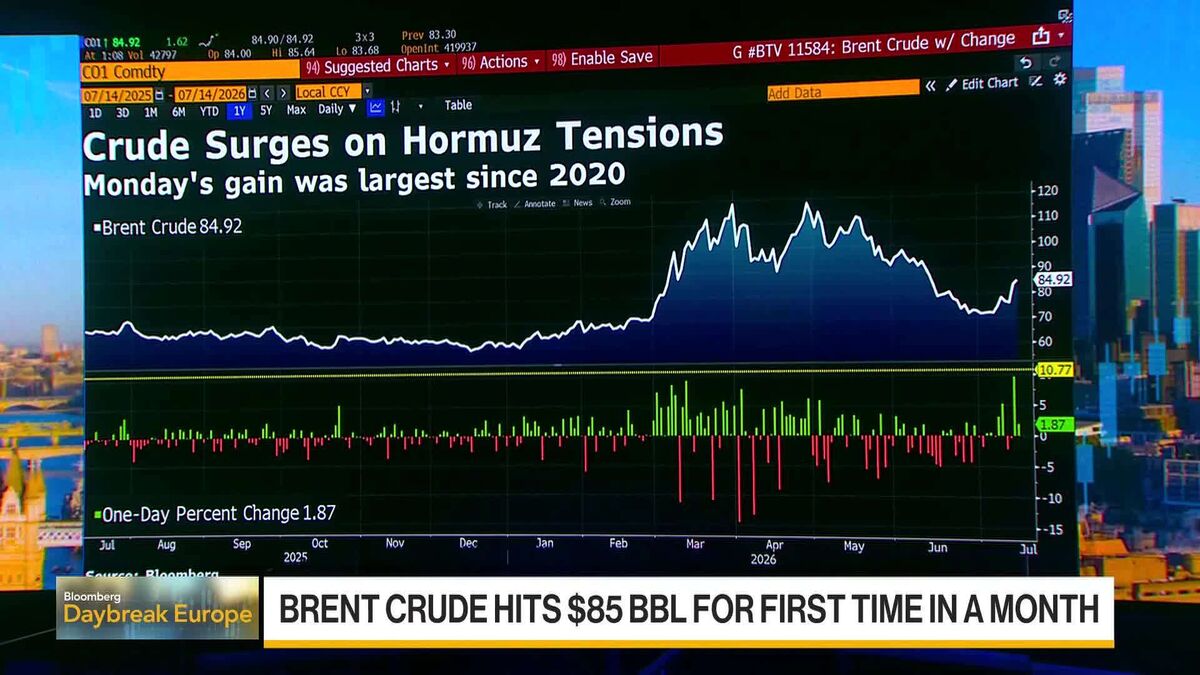
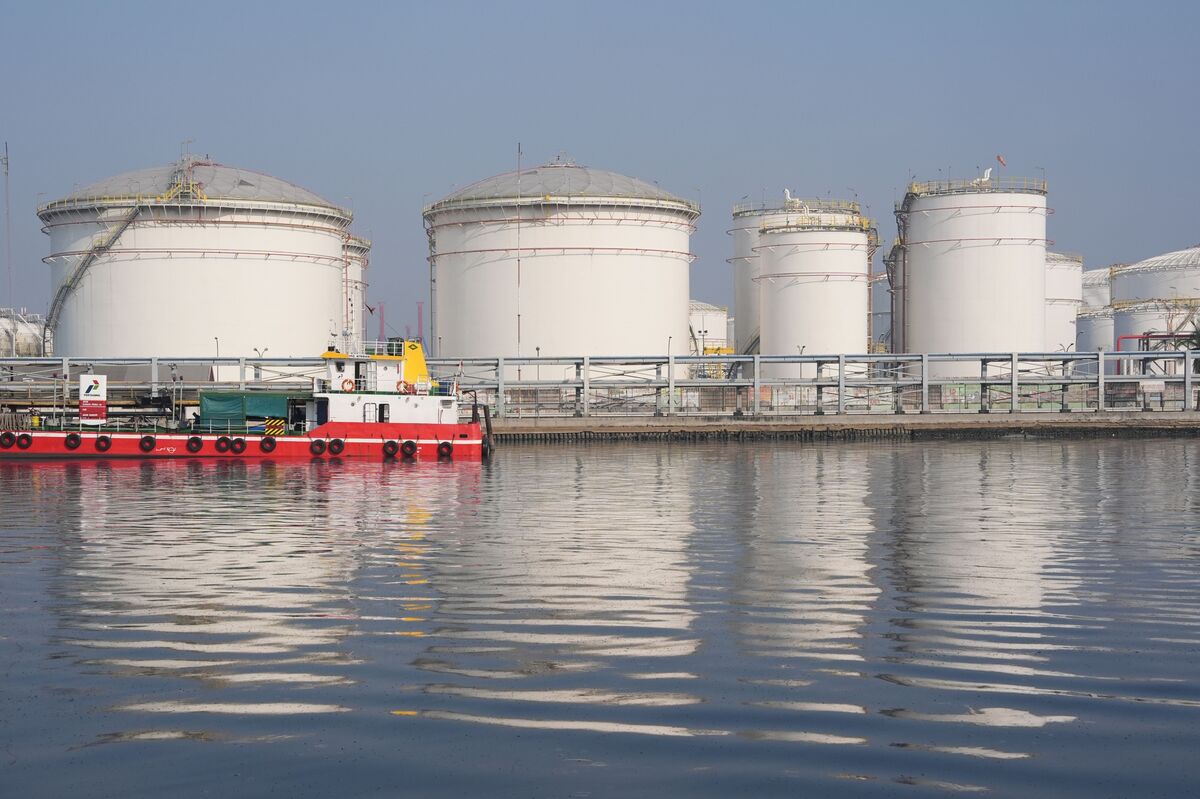
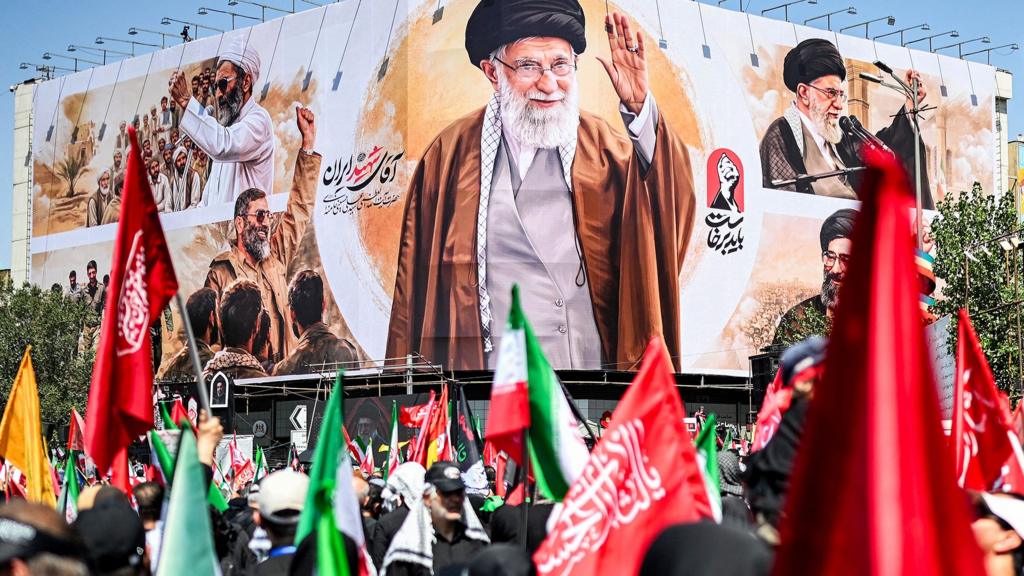
In response to the U.S. maritime blockade, the Iranian Revolutionary Guard issued a stark warning, stating that all oil exporting routes in the region could be blocked. "The export of oil and gas from the region will be either for everyone or for no one," the Guard declared, emphasizing Iran's intent to assert control over the vital waterway. The Strait of Hormuz is a crucial passageway, with approximately 20% of global oil trade flowing through it. Iran's threats to shut down this route have already begun to disrupt global oil markets, pushing Brent crude prices to a one-month high of $86 per barrel.
U.S. Naval Blockade Reinstated
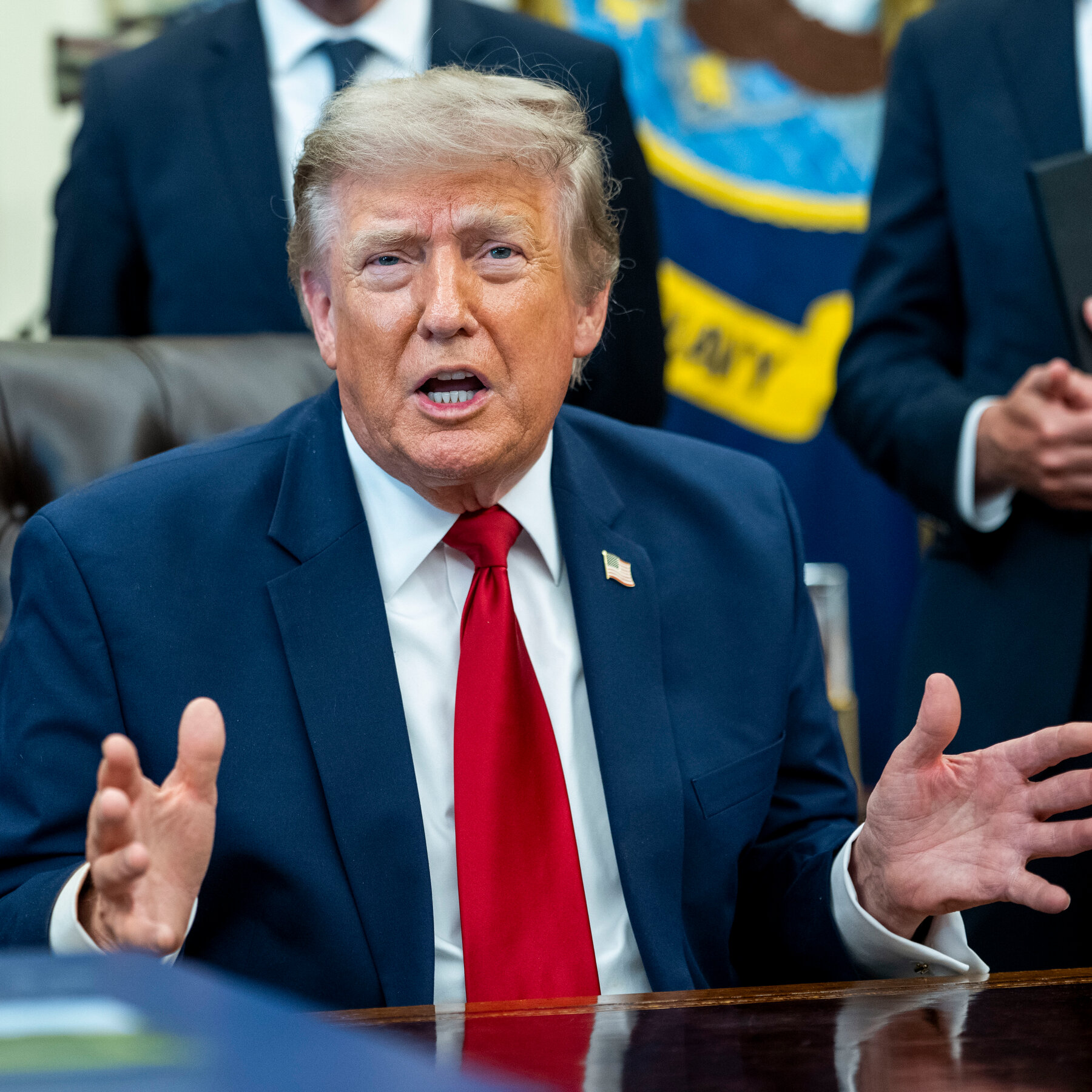
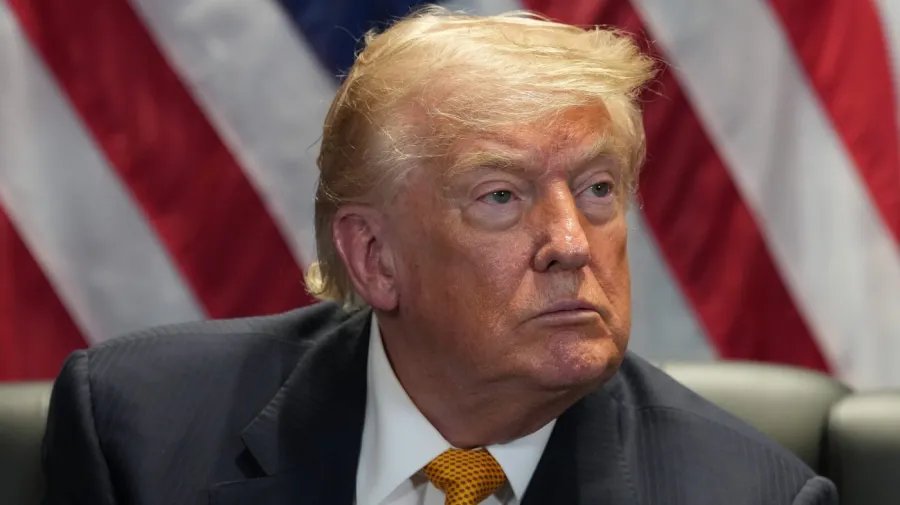
President Trump announced the reinstatement of a naval blockade on Iranian ports, claiming it was necessary to ensure safe passage for international shipping. This blockade, which had previously been in place from April to June, has already intercepted two vessels within its first hours of enforcement. Trump's initial proposal for a 20% fee on ships transiting the Strait was quickly abandoned, replaced by promises of investment deals with Gulf allies. "We are reinstating the Iranian blockade," Trump stated, asserting that all other countries would have fair access to the Strait.
Casualties Mount Amid Renewed Hostilities
The escalating military actions have resulted in significant casualties. Iranian health officials reported 35 deaths and over 300 injuries from U.S. strikes, with more than 72 individuals hospitalized. The U.S. military's Central Command confirmed that its latest barrage targeted Iranian military installations along the southern coast, including a barracks for the 388th Mechanized Infantry Brigade. As tensions rise, both nations have engaged in a series of retaliatory strikes, further complicating the situation.
Economic Implications for Global Oil Markets
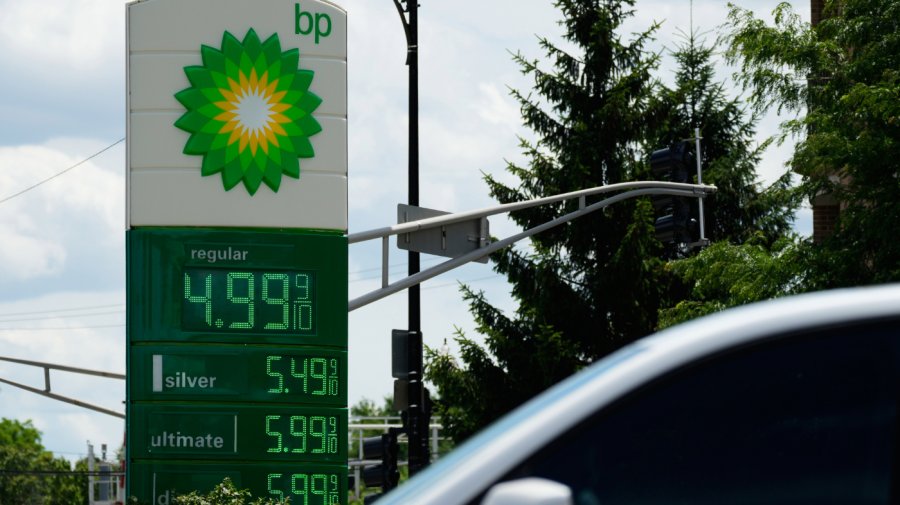
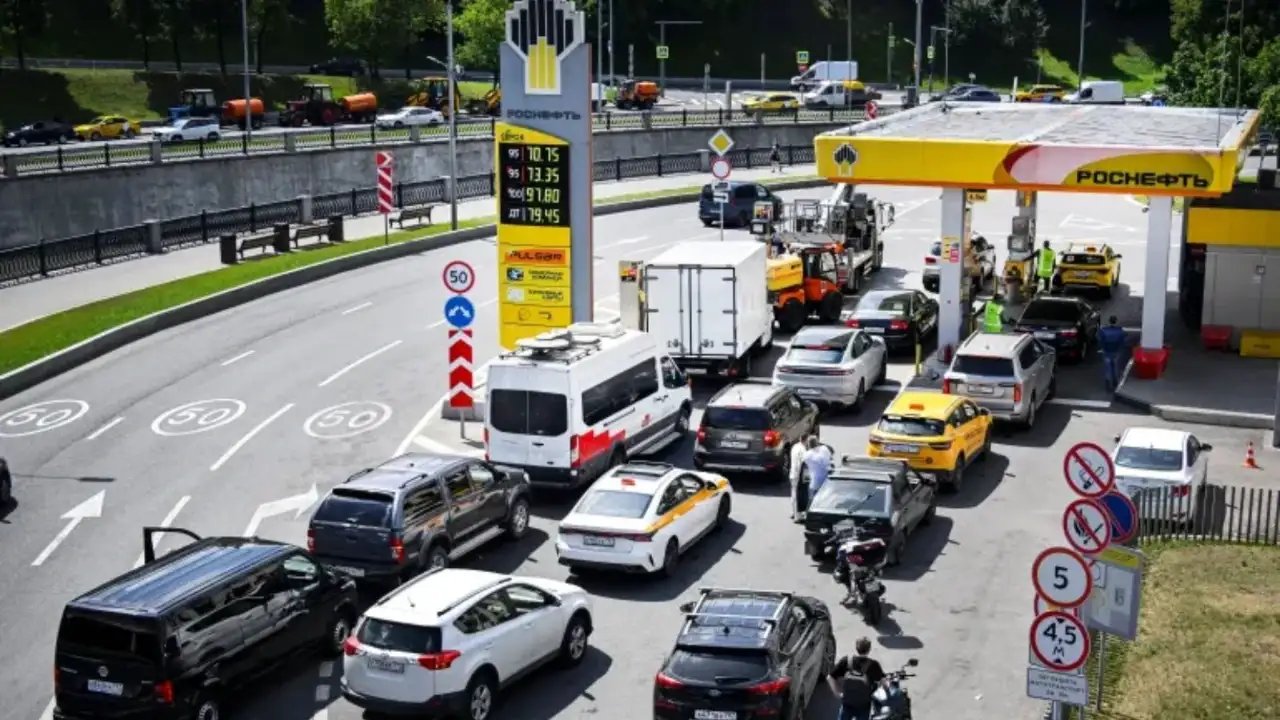
The ongoing conflict has put upward pressure on inflation, particularly affecting fuel prices. The price for Brent crude has fluctuated due to the uncertainty surrounding the Strait of Hormuz. Analysts from Kpler noted a deterioration in the security outlook for the strait, with 56 confirmed incidents and 17 fatalities among seafarers reported since the conflict reignited. The economic ramifications are already being felt globally, as markets react to the possibility of disrupted oil supplies.
Diplomatic Efforts and Challenges
Despite the military escalation, there remains a glimmer of hope for diplomatic resolution. Mediators from neighboring countries, including Oman and Qatar, continue to push for dialogue between the U.S. and Iran. However, the fundamental disagreements over control of the Strait of Hormuz and the terms of the recently collapsed memorandum of understanding complicate these efforts. Both sides appear entrenched in their positions, with Iran insisting on its right to manage the strait and the U.S. demanding free passage for all vessels.
Looking Ahead: A Fragile Balance
As both nations grapple with the potential for further conflict, the situation remains precarious. Experts suggest that neither side can afford to escalate the war indefinitely, with both facing considerable domestic and international pressures. The conflict, now entering its fifth month, has turned into a war of attrition, where patience and strategic decision-making will be crucial. The outcome of this standoff may ultimately hinge on the ability of both sides to negotiate terms that respect their respective interests without tipping the region into full-scale war.