




New Economic Sanctions Proposed
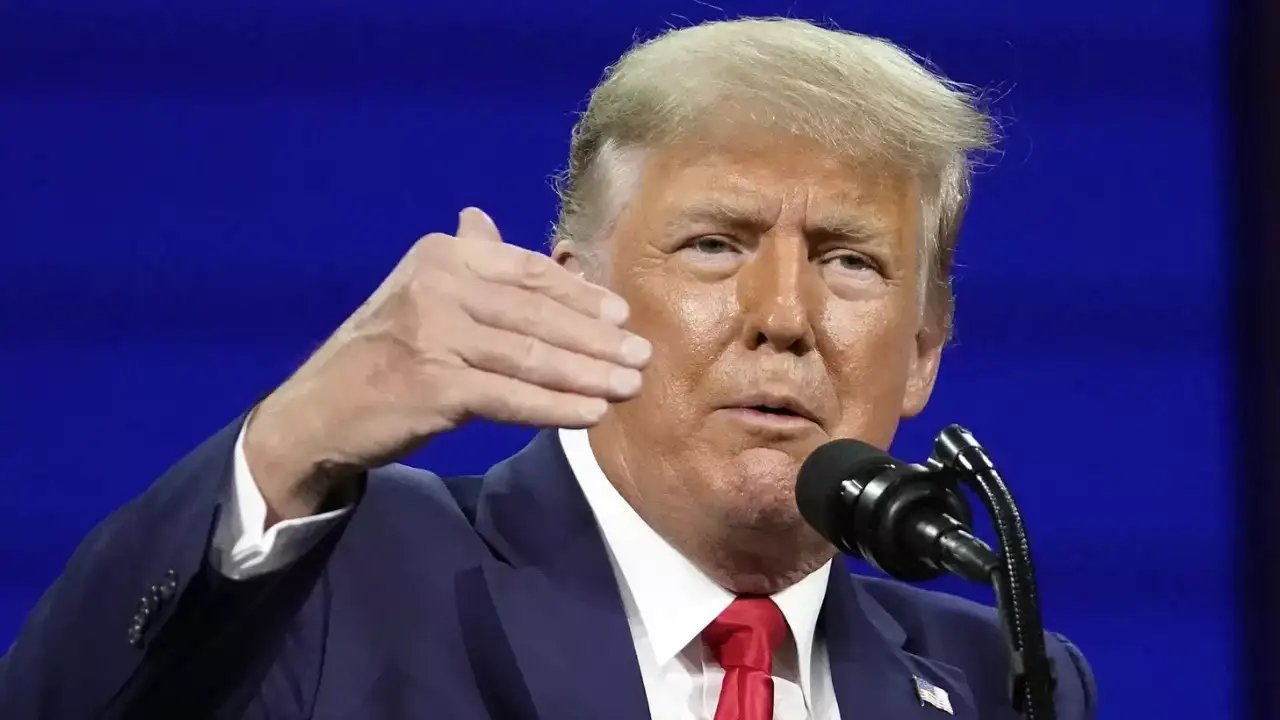
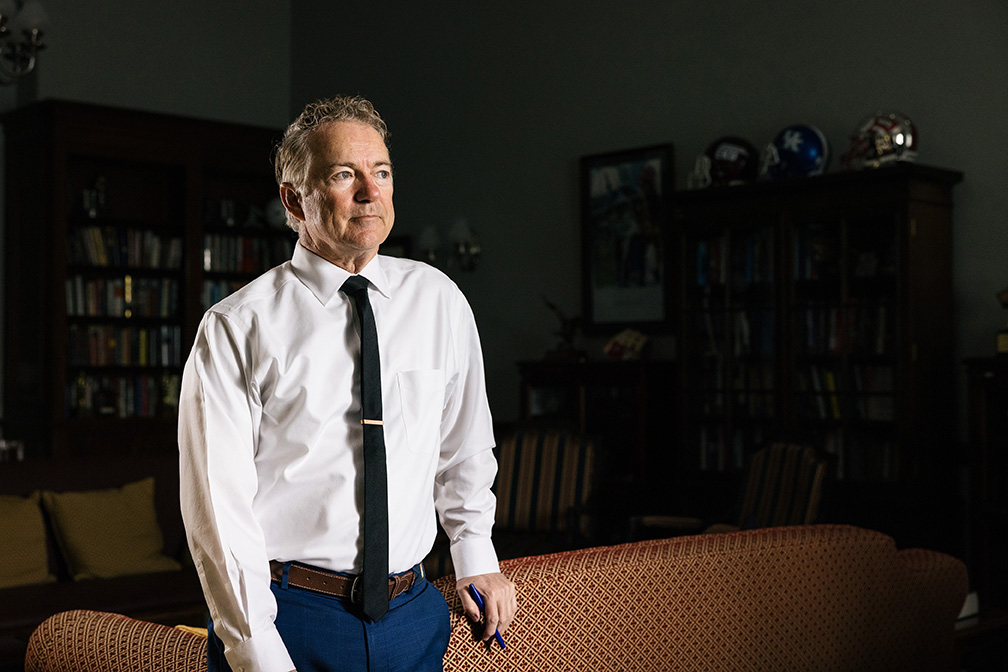
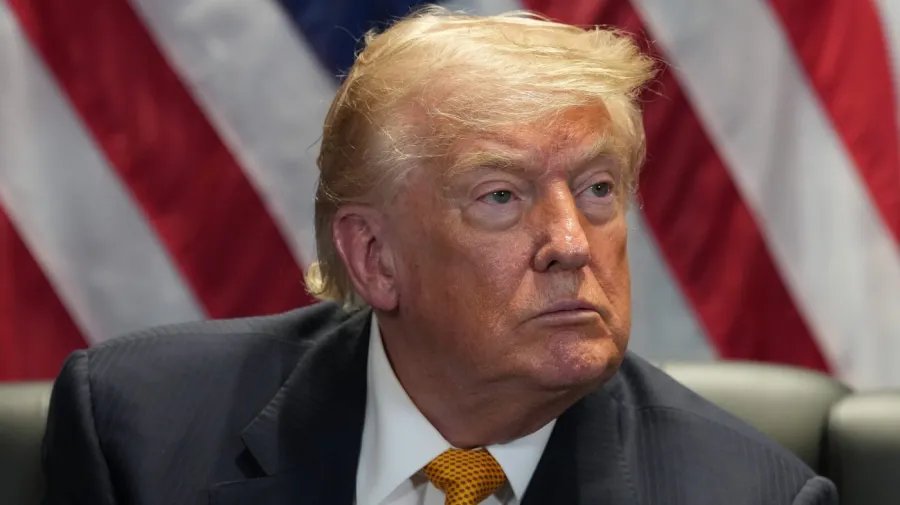
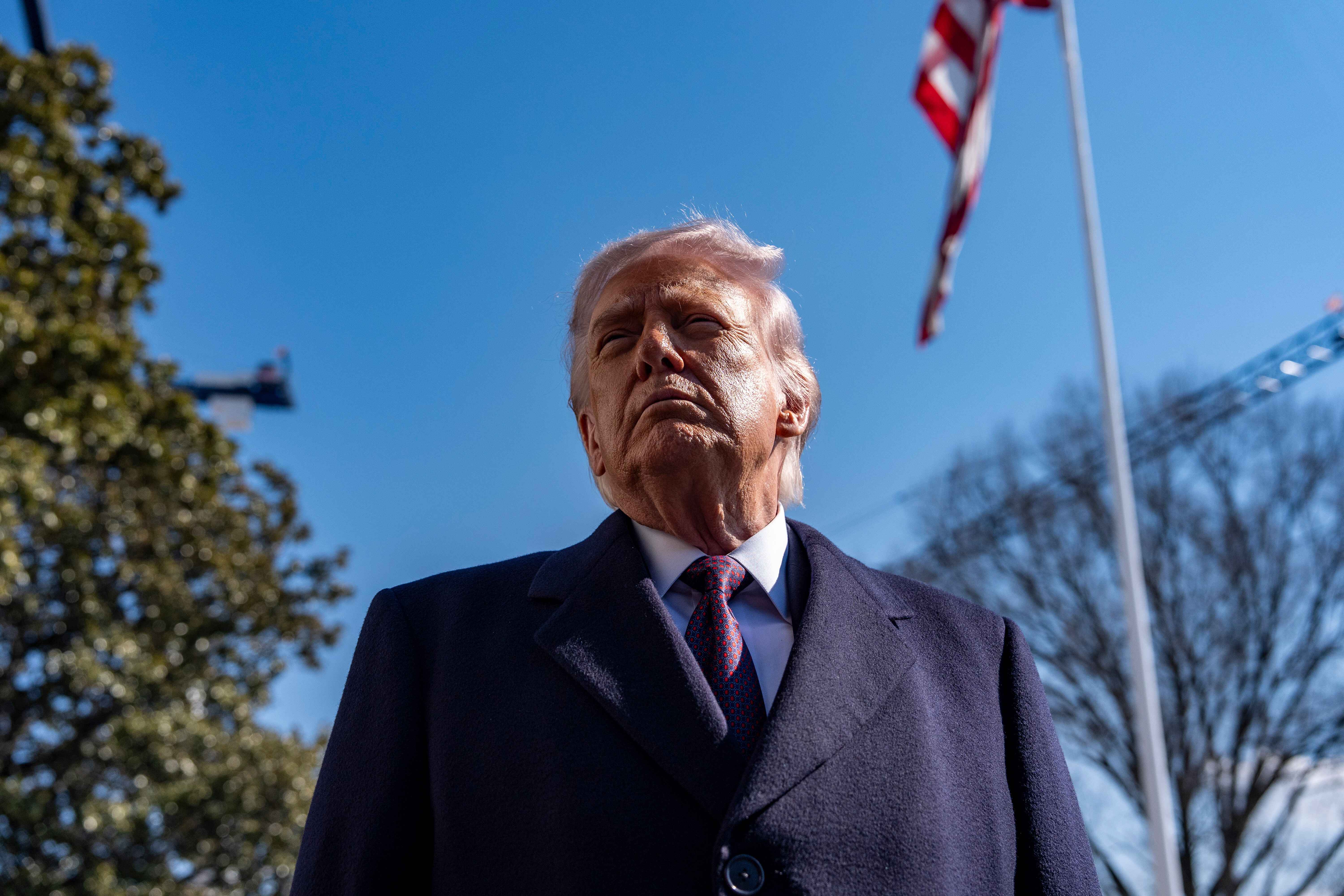
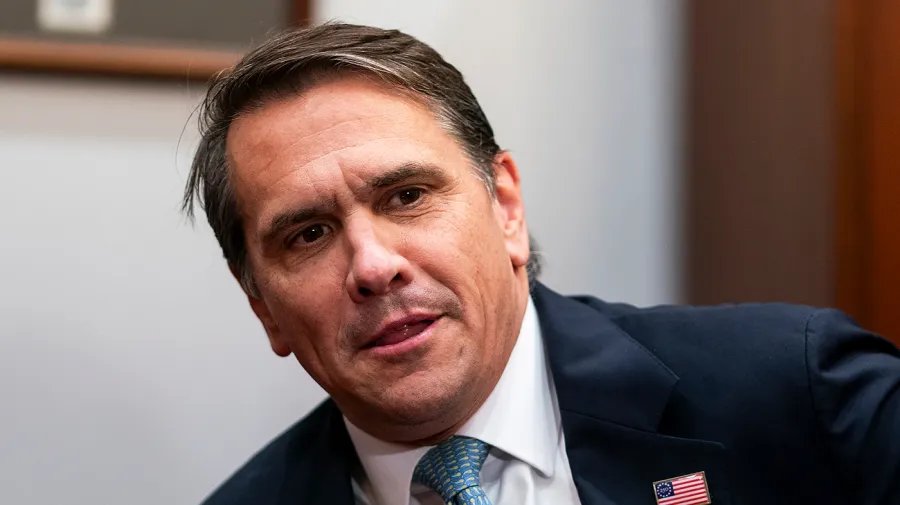
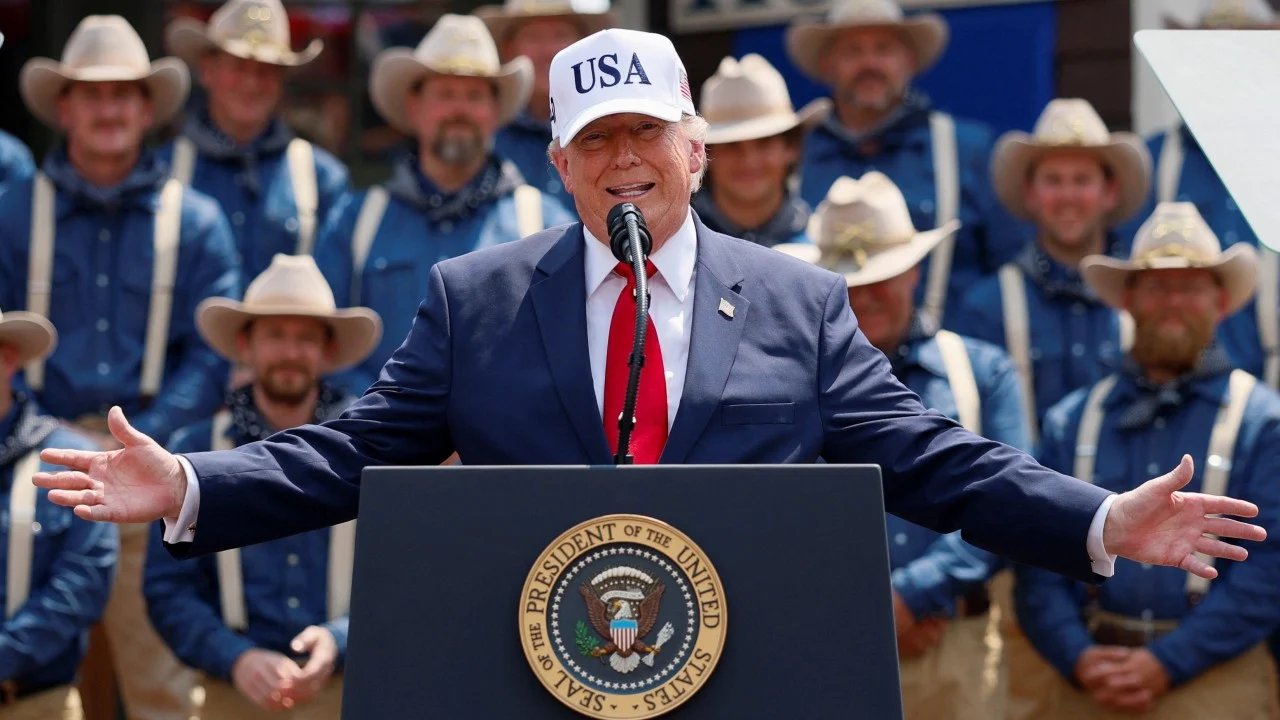
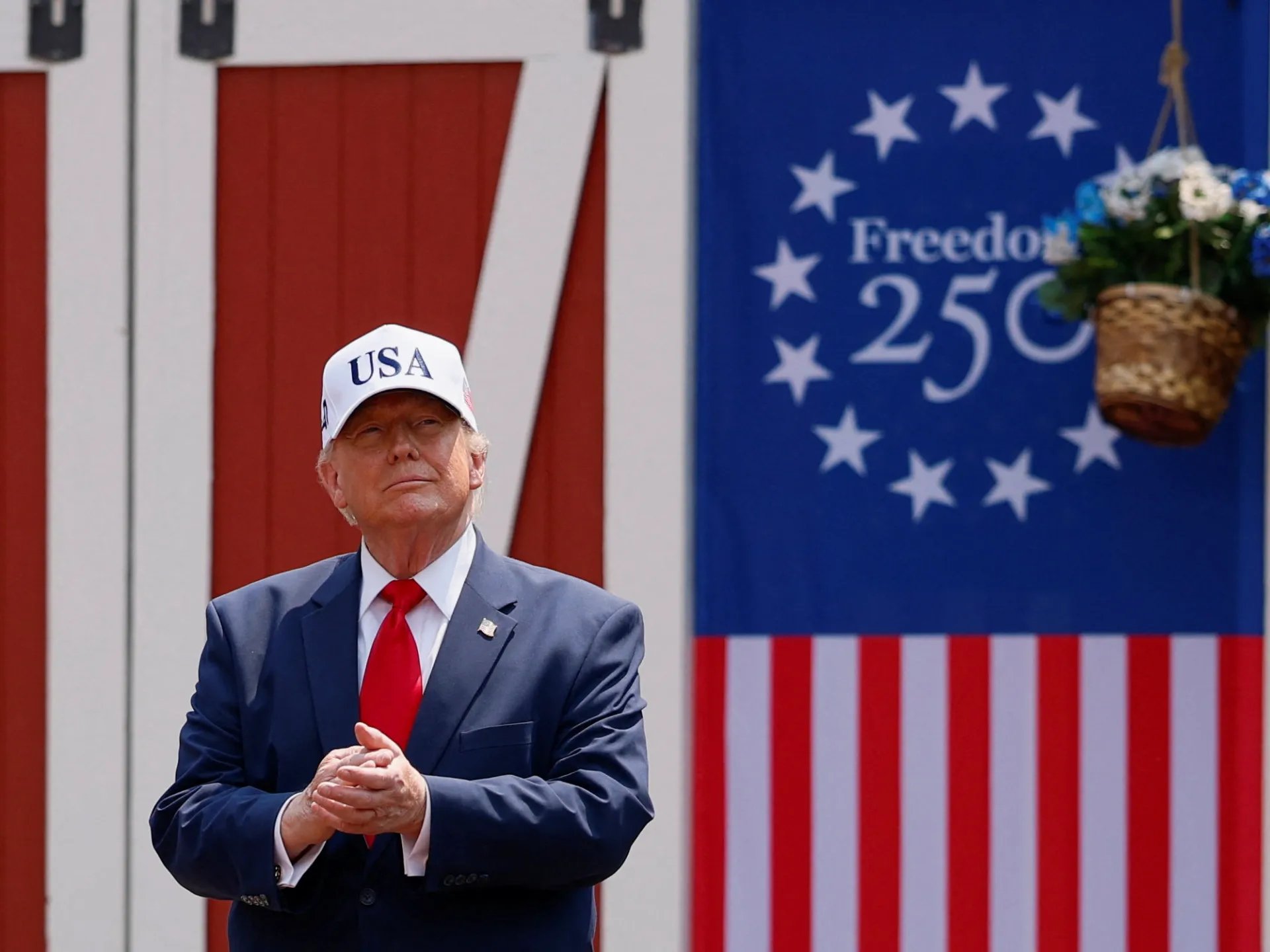
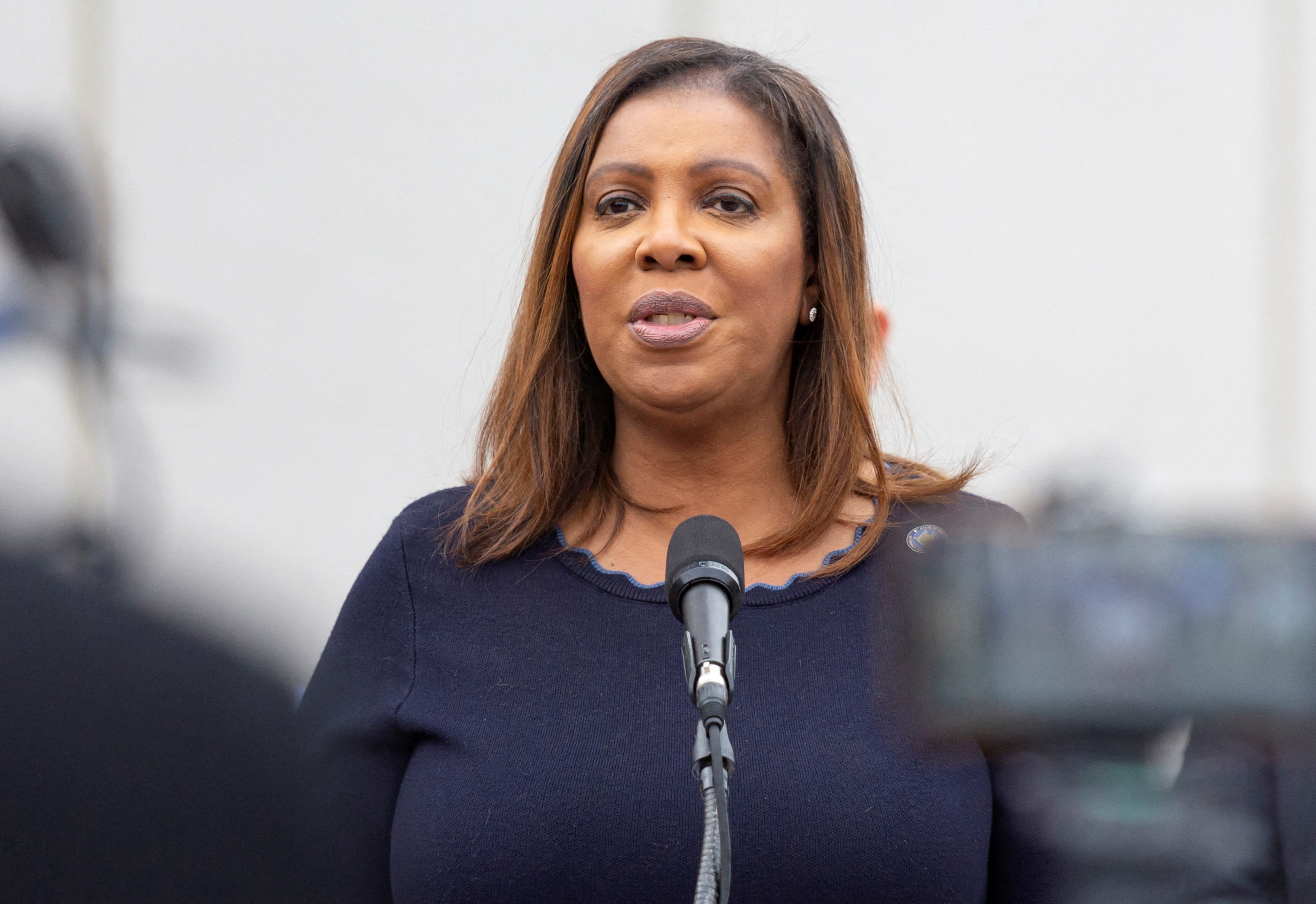
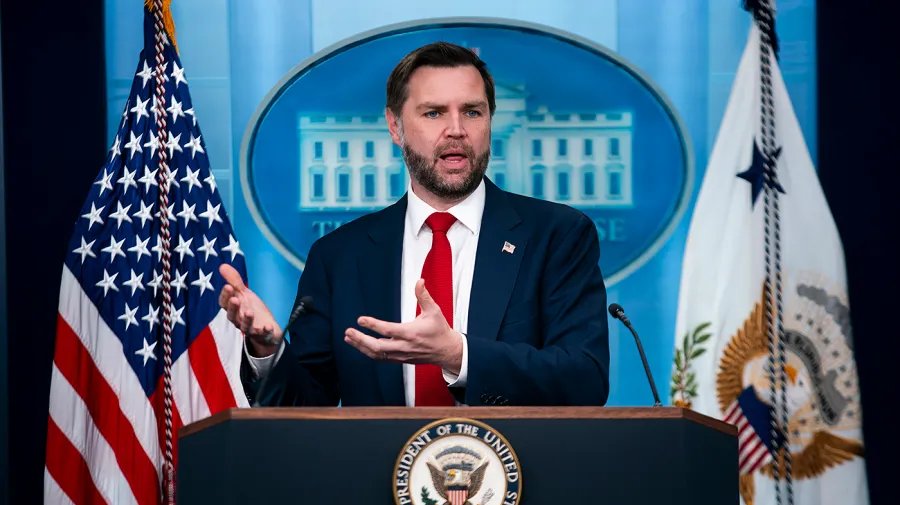
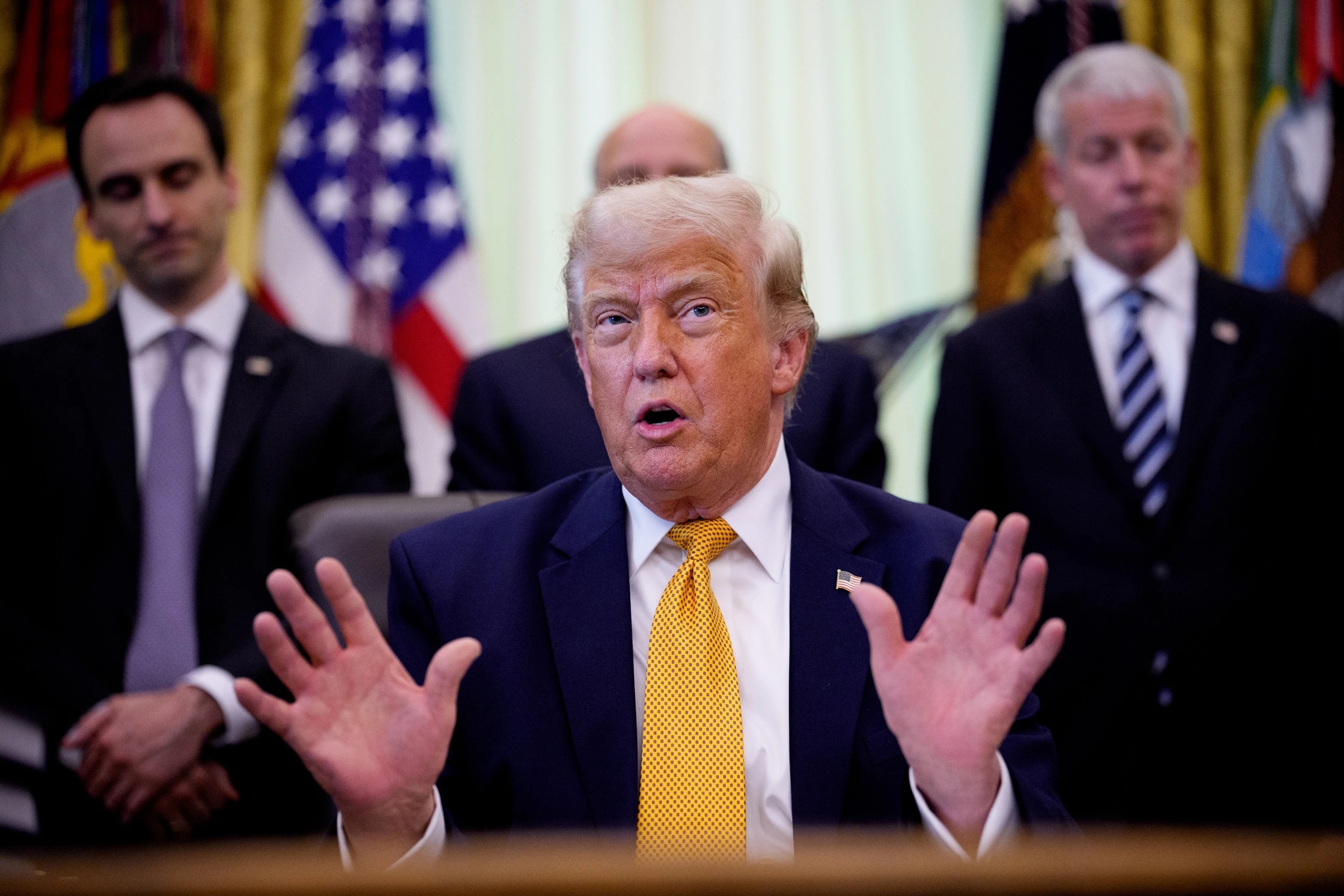
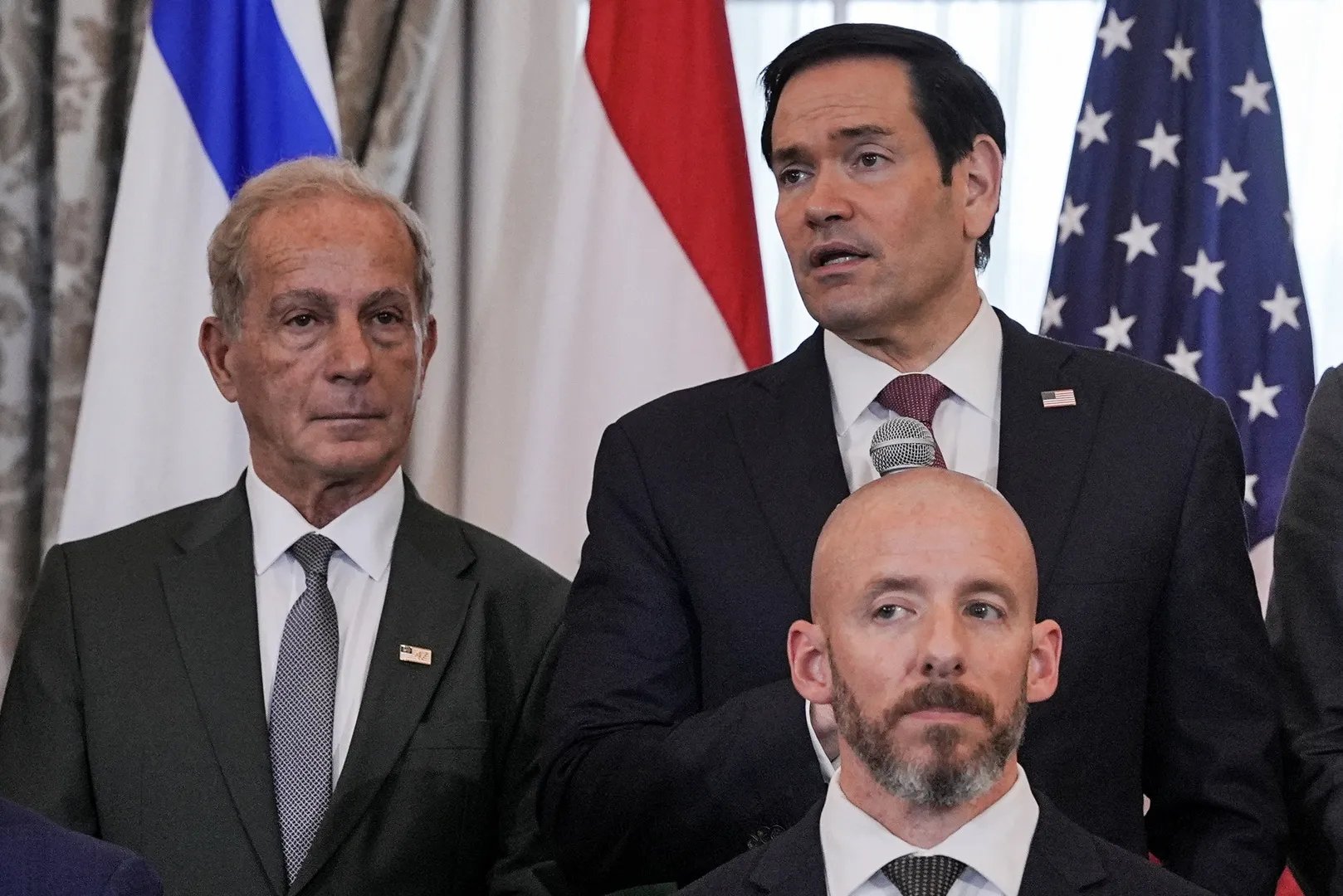
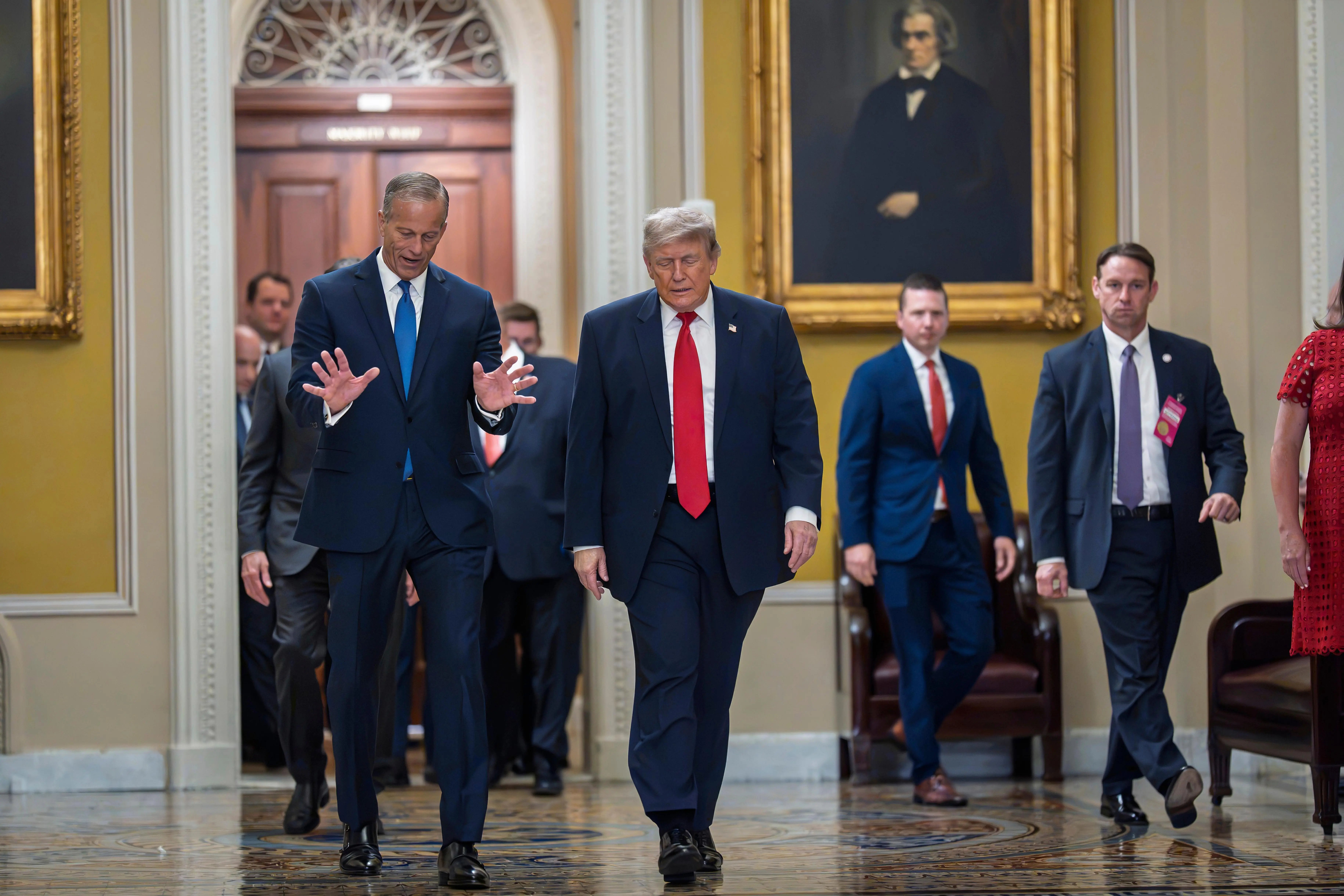
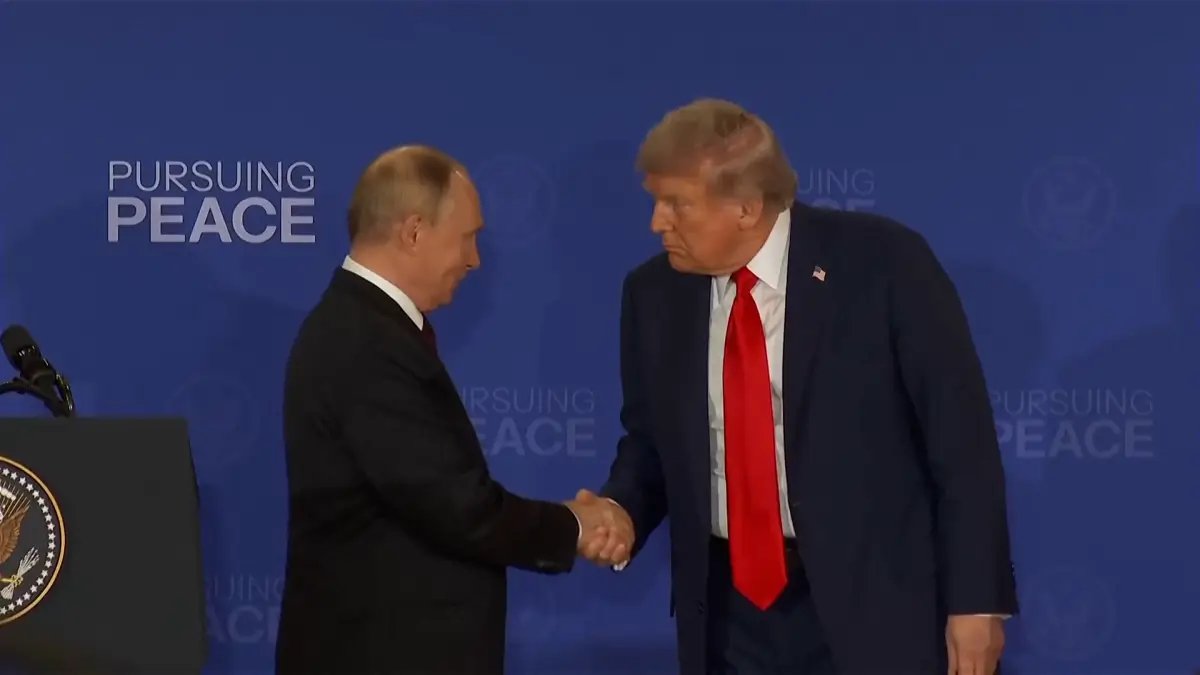
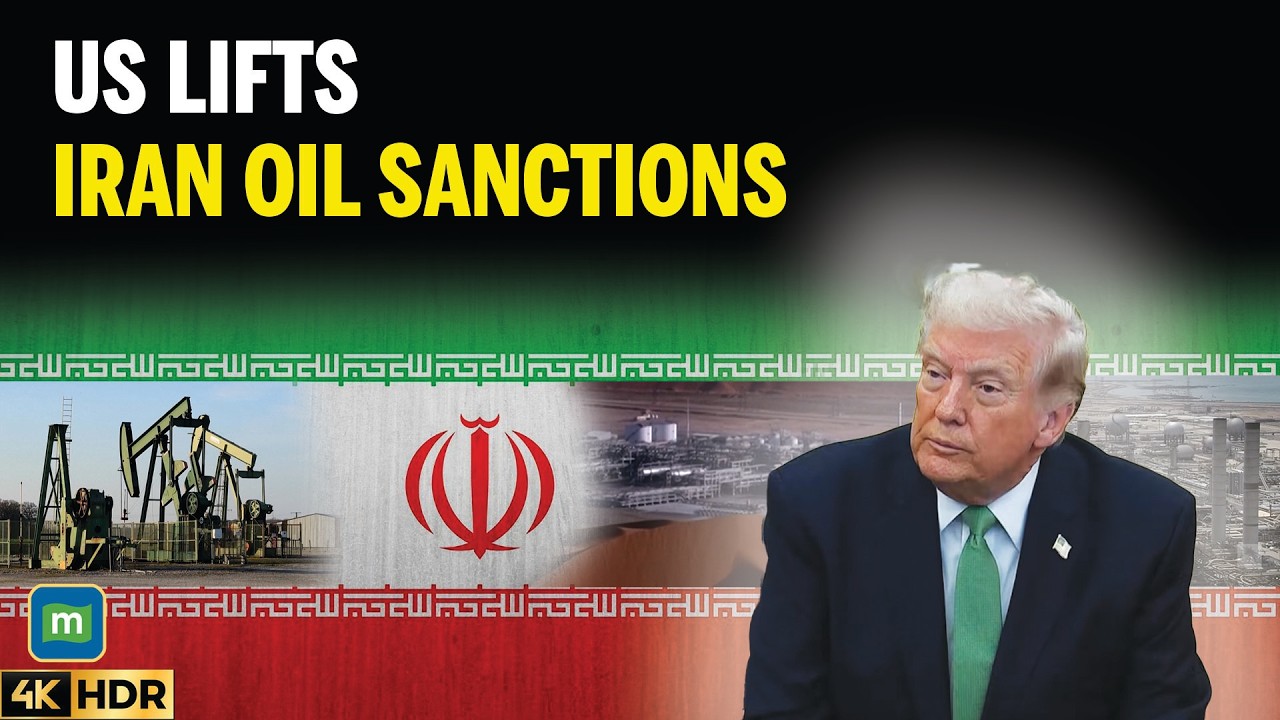
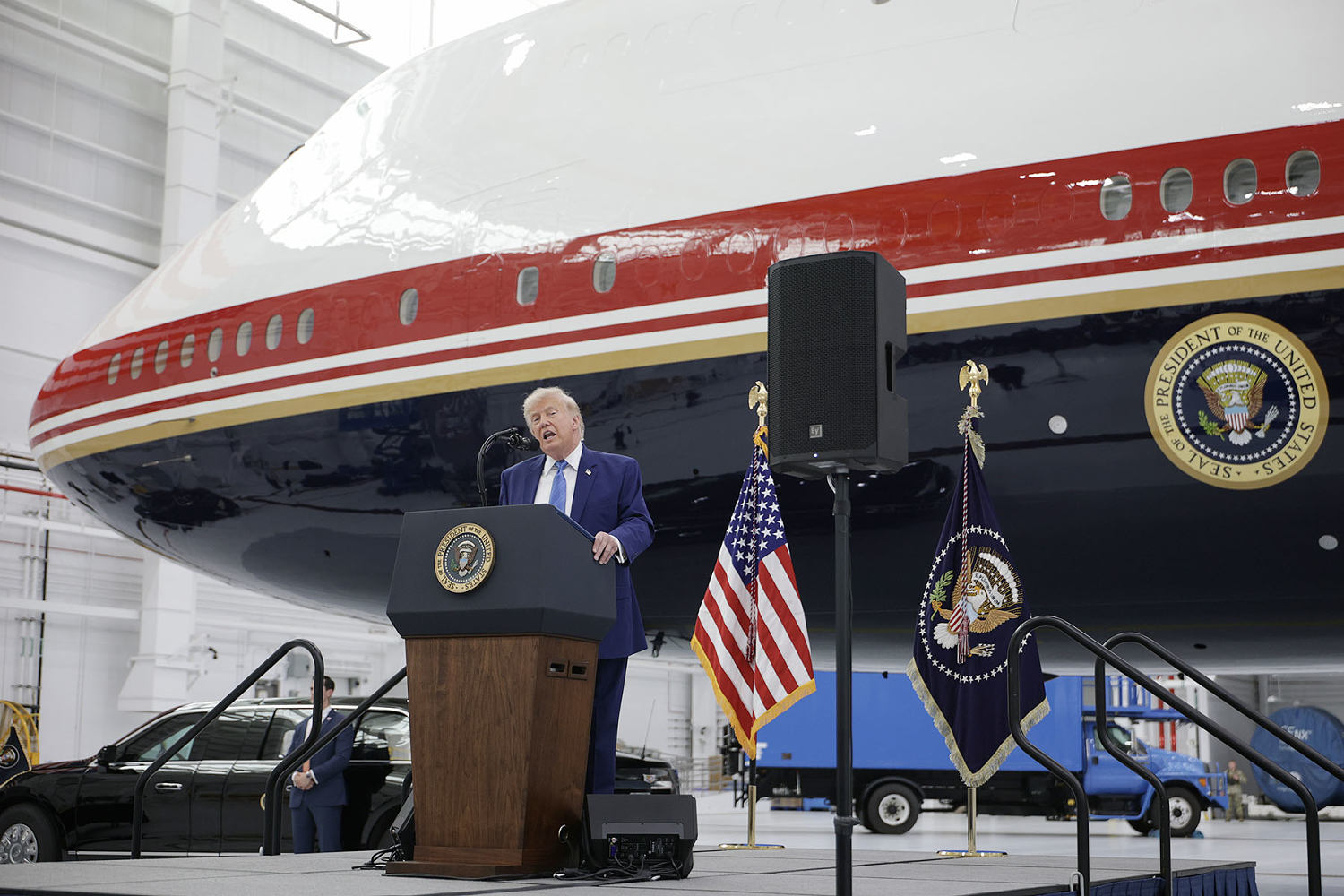
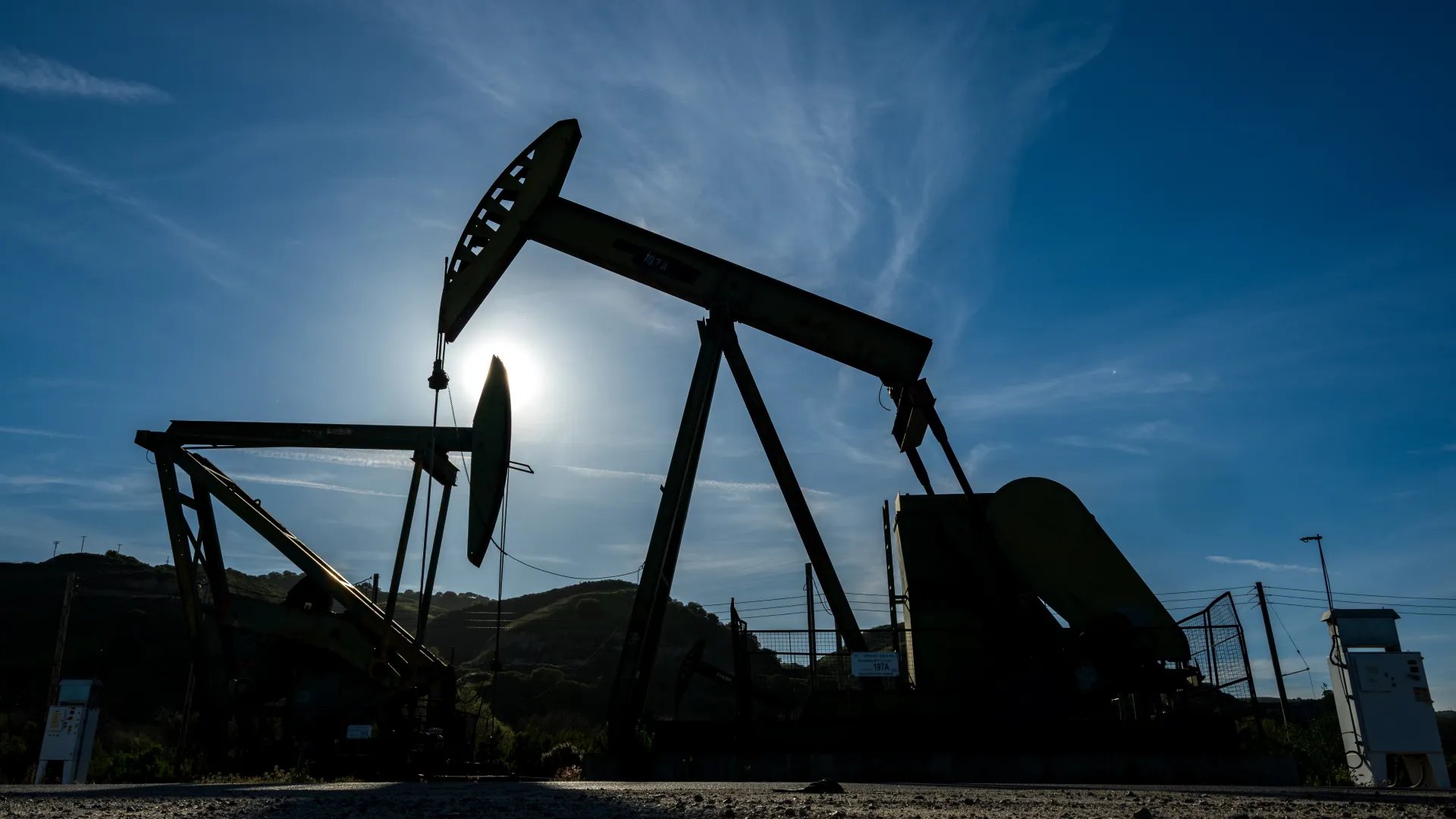
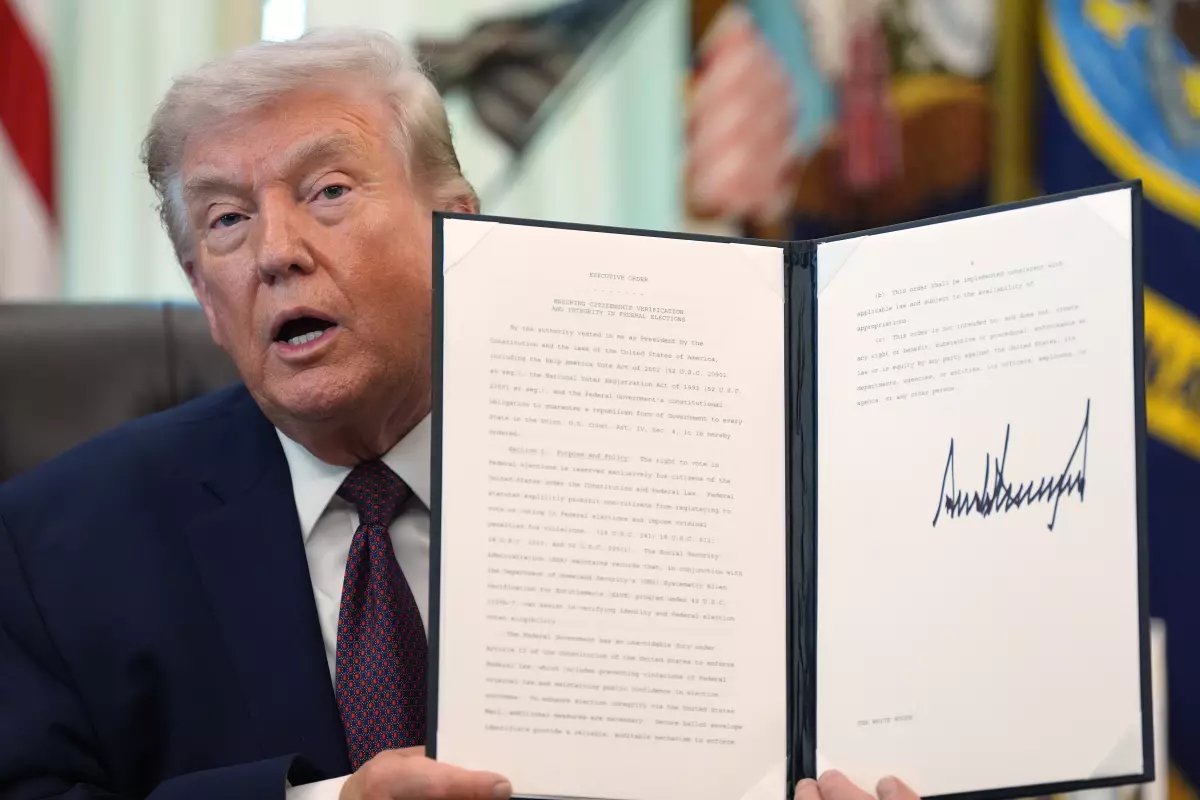
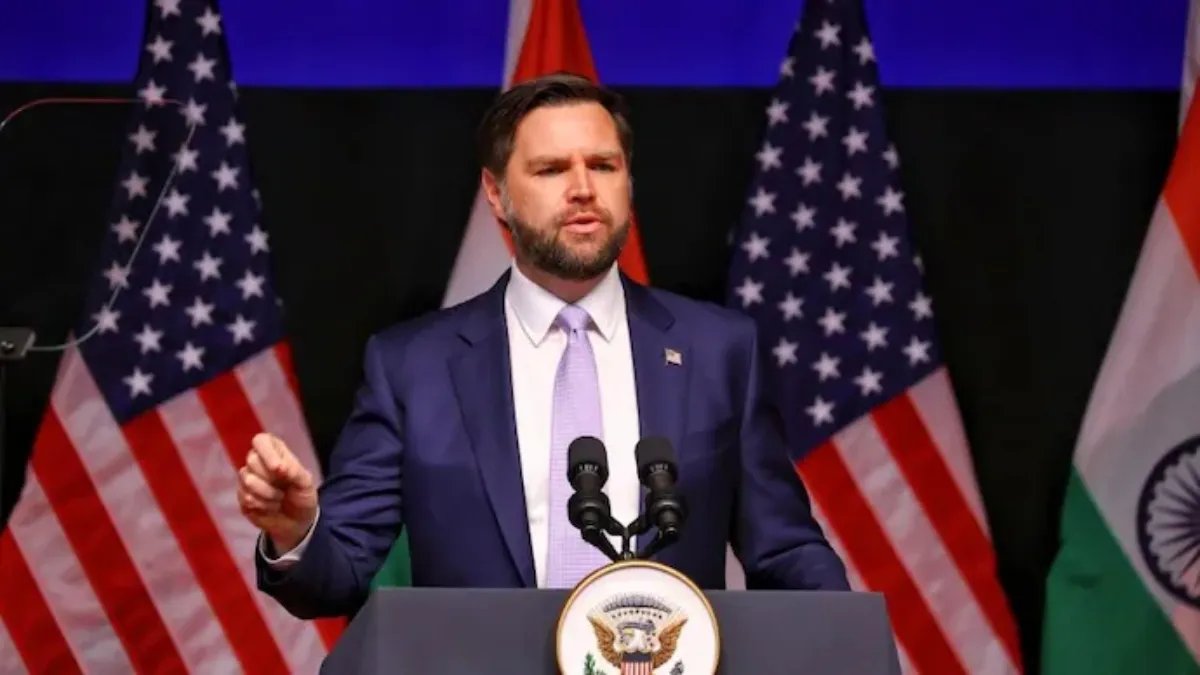
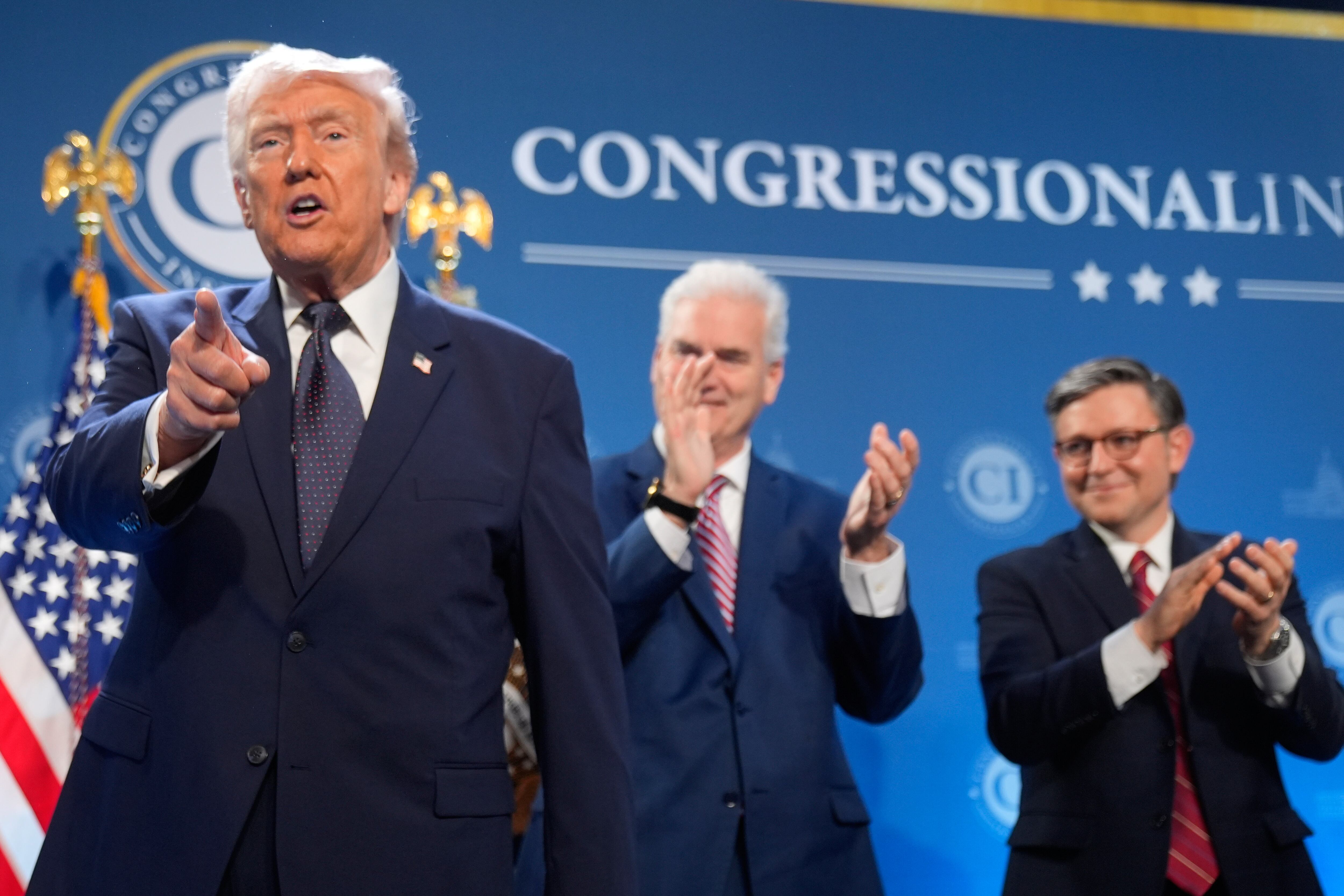
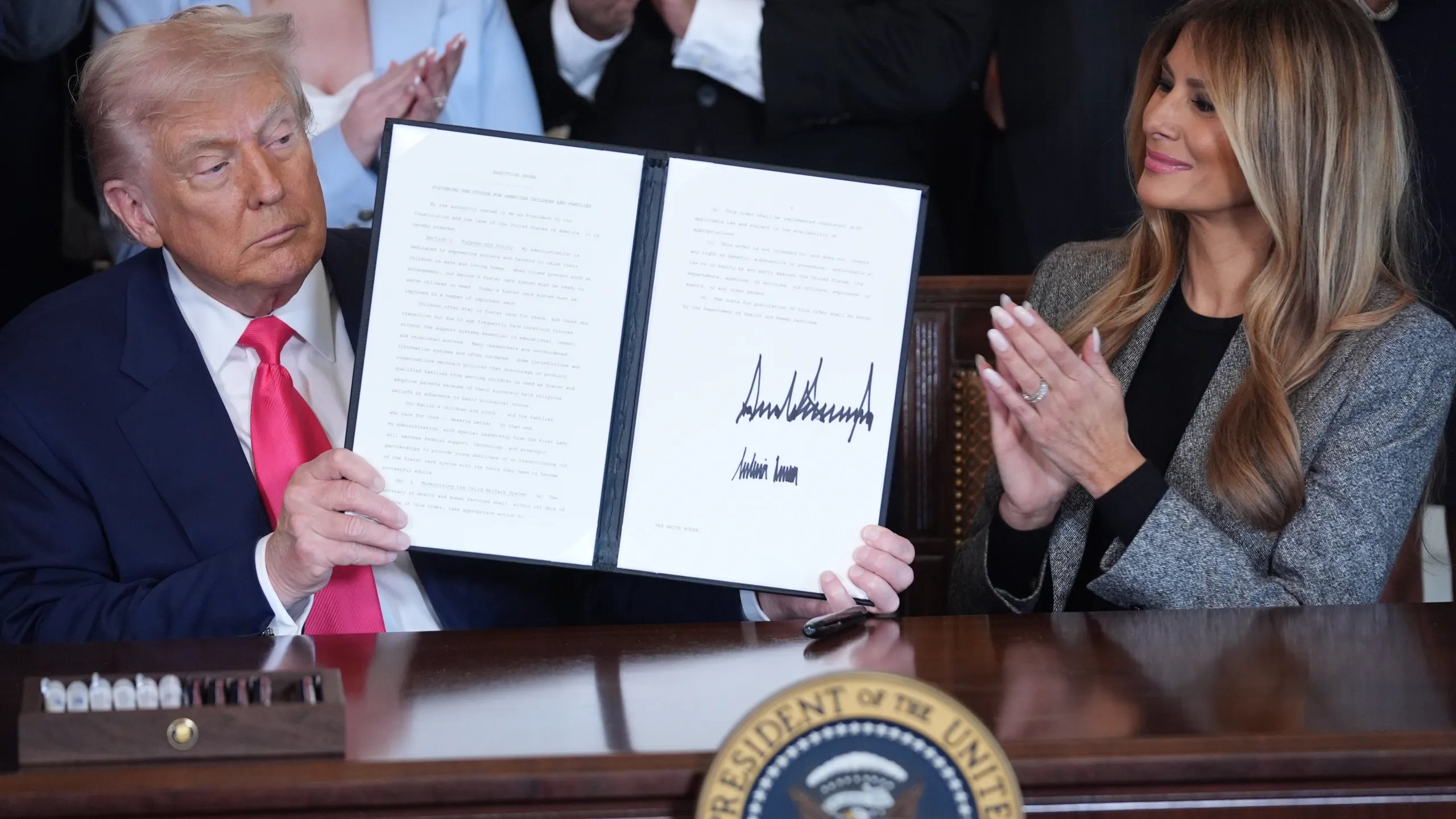
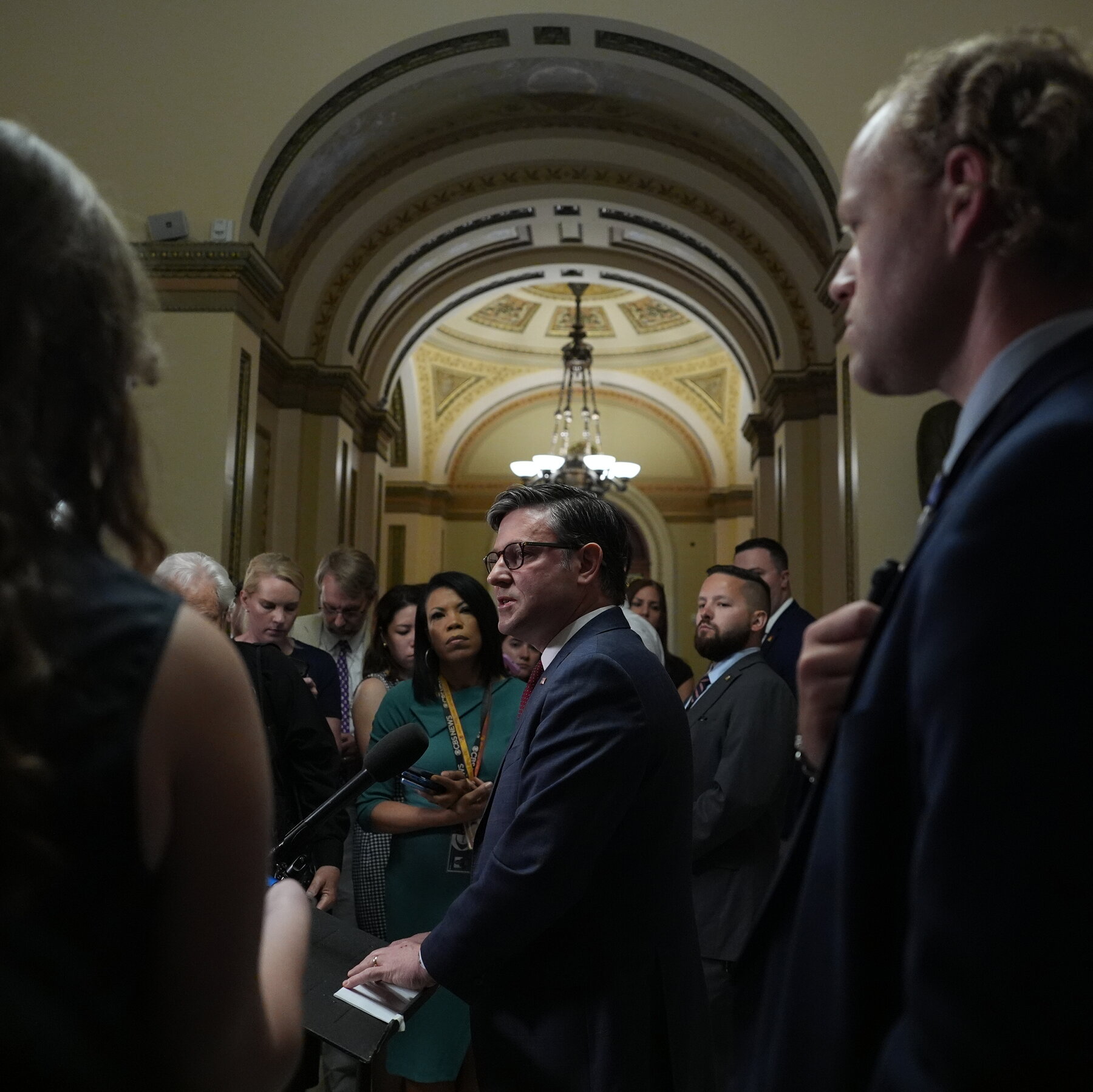
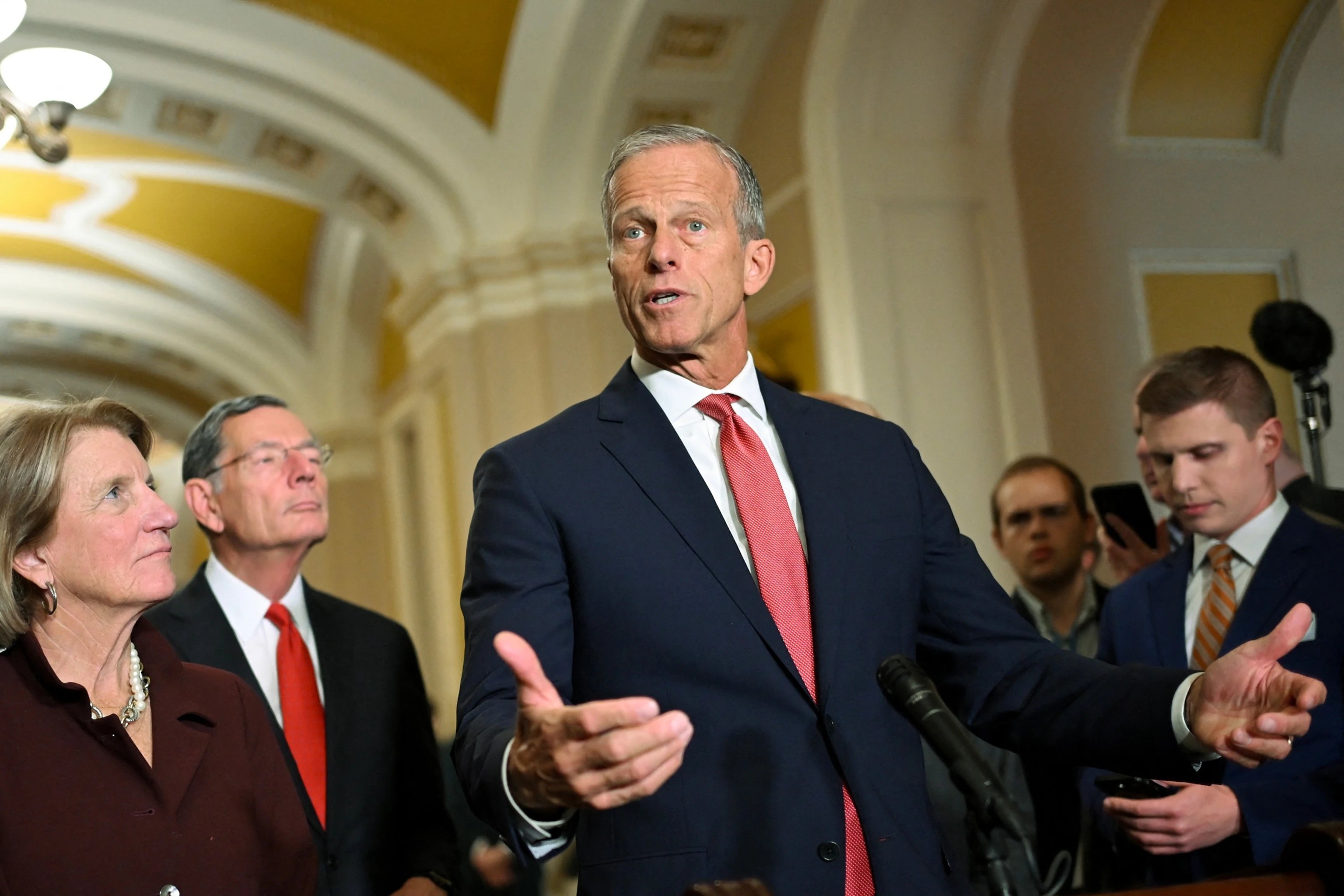
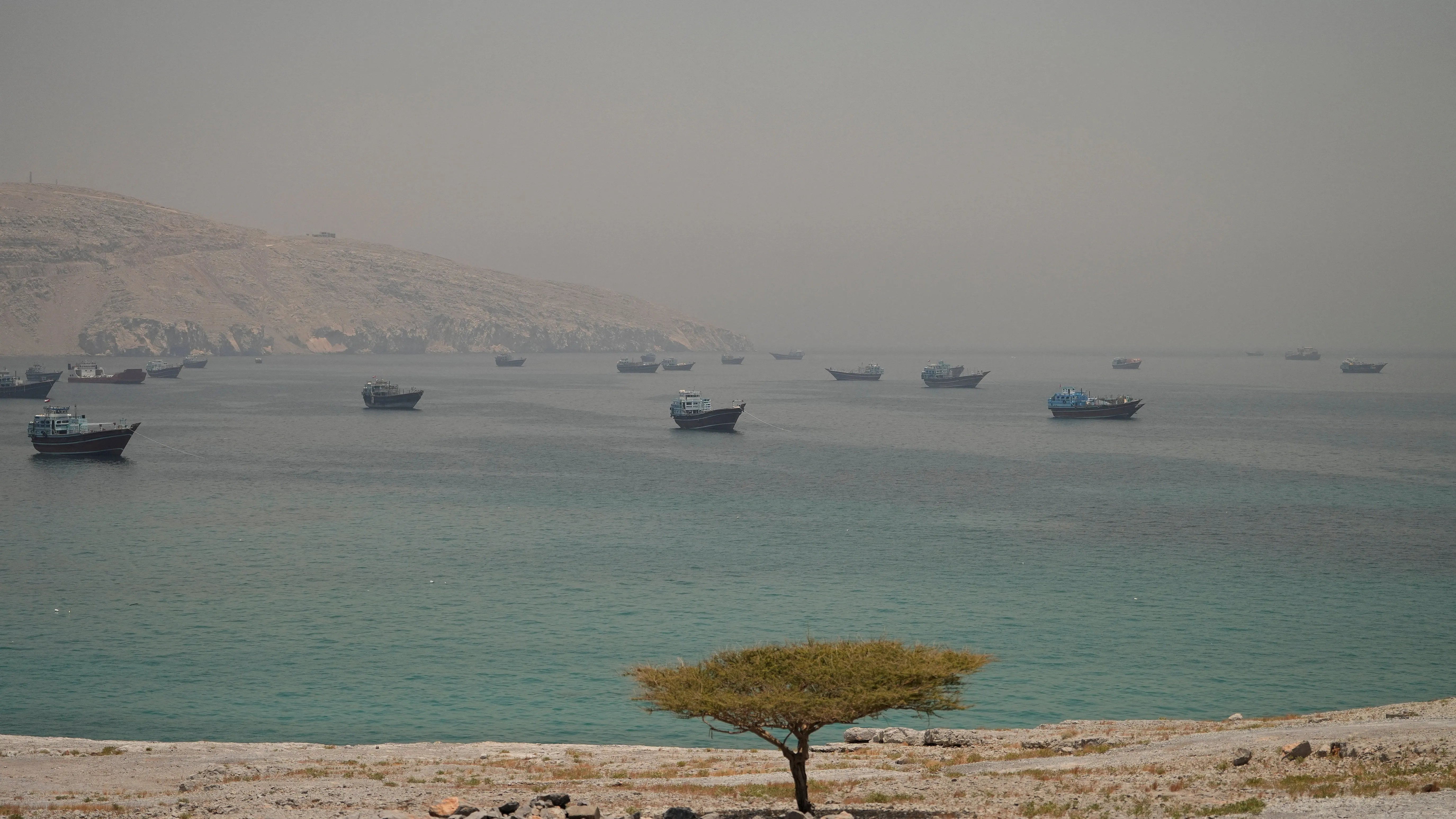
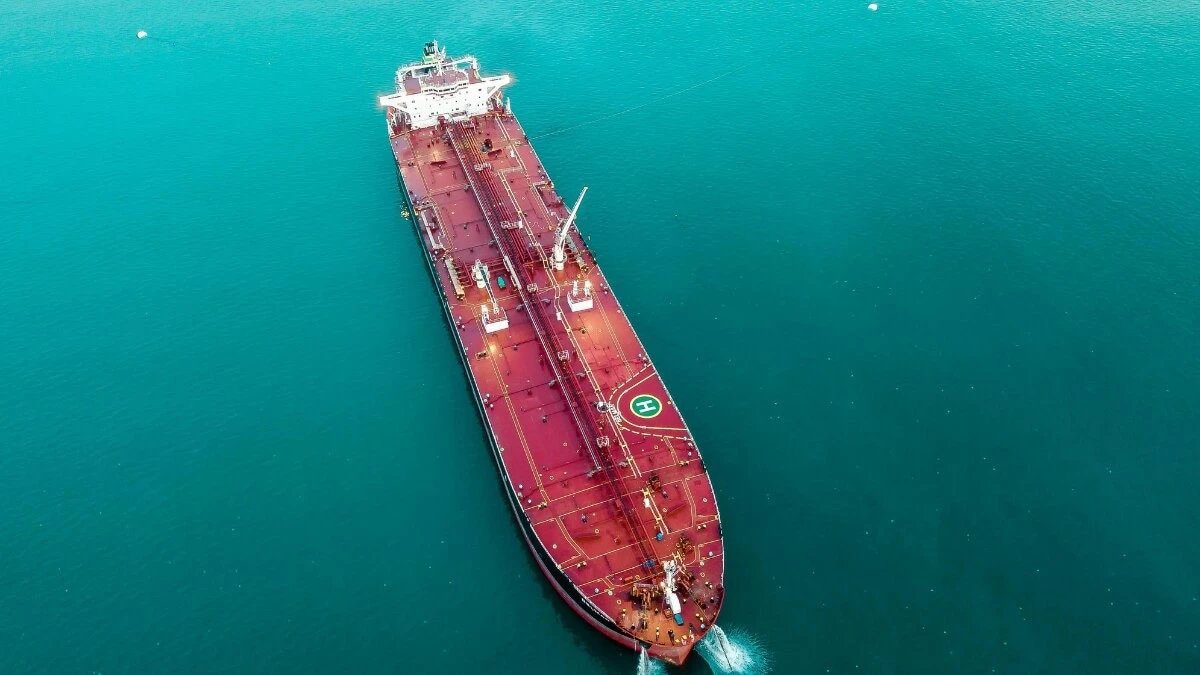
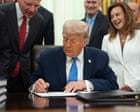
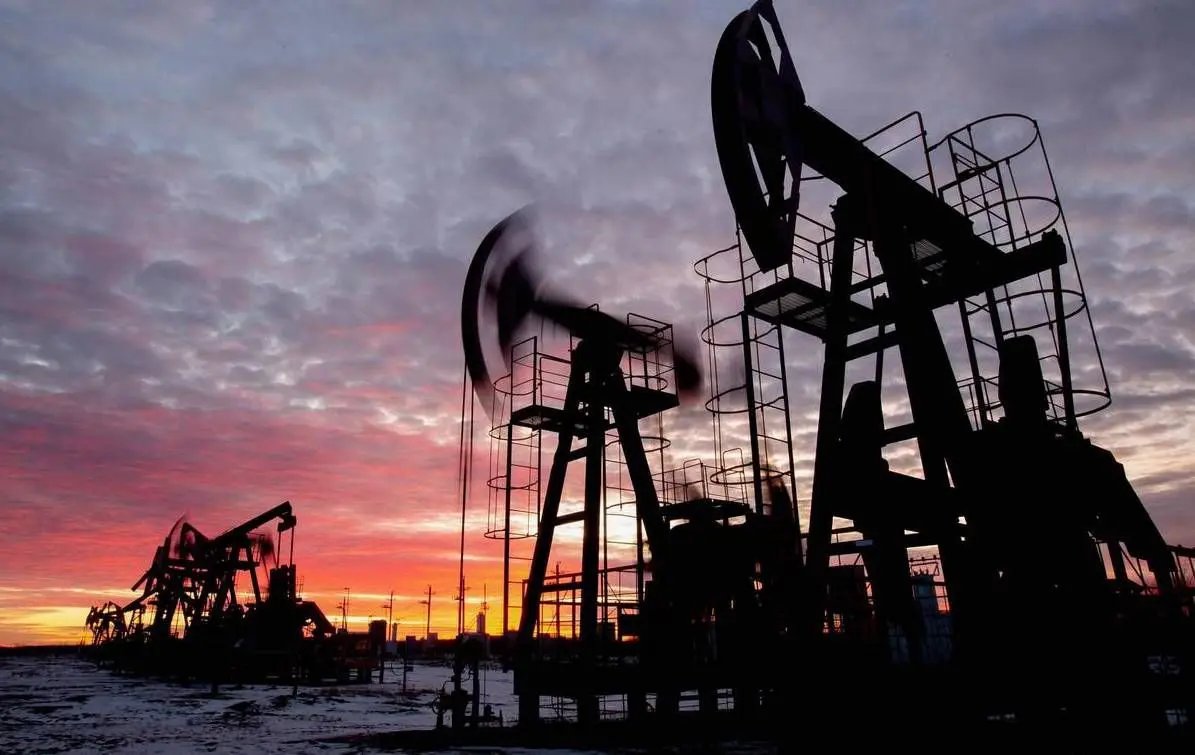
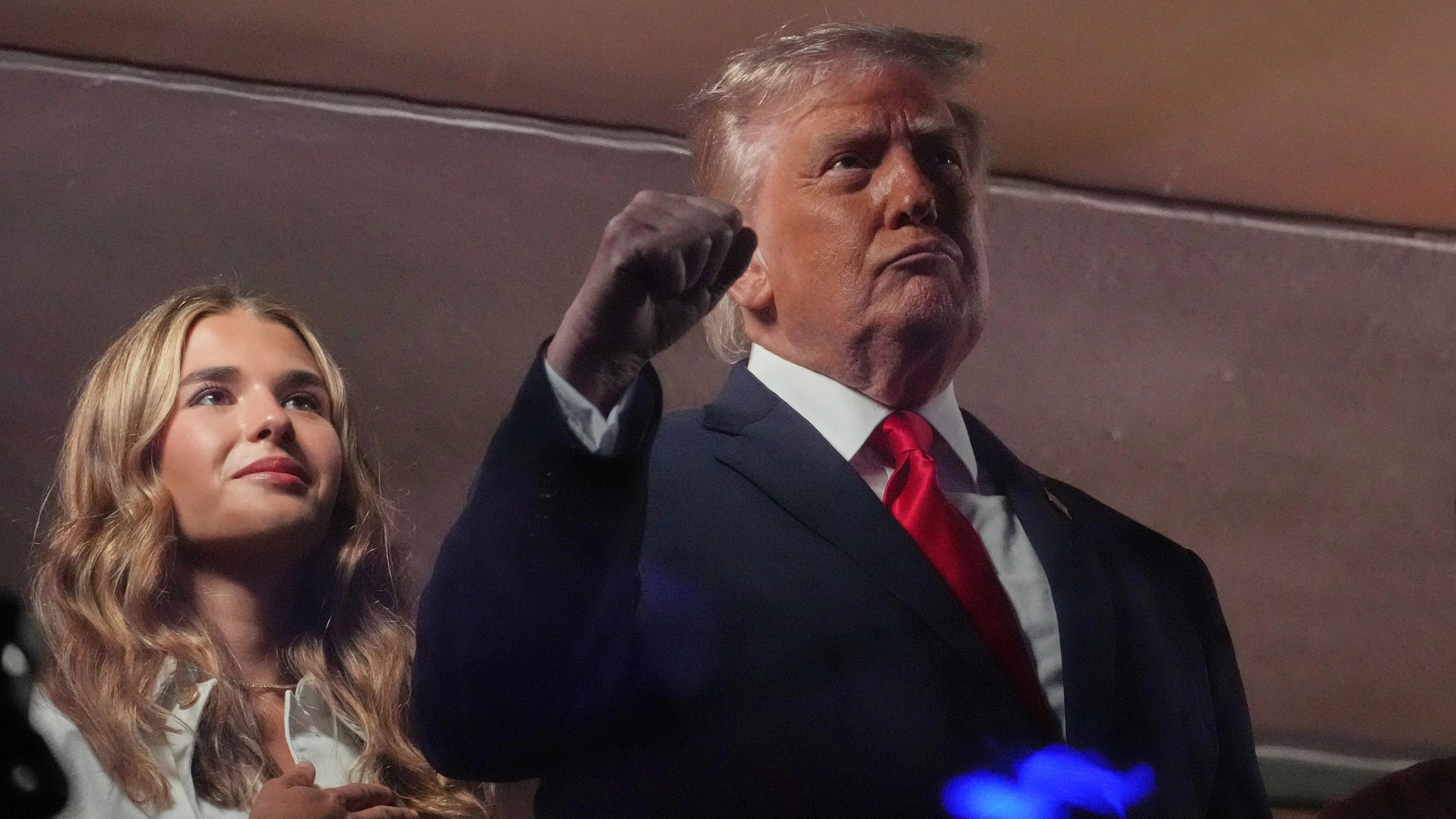
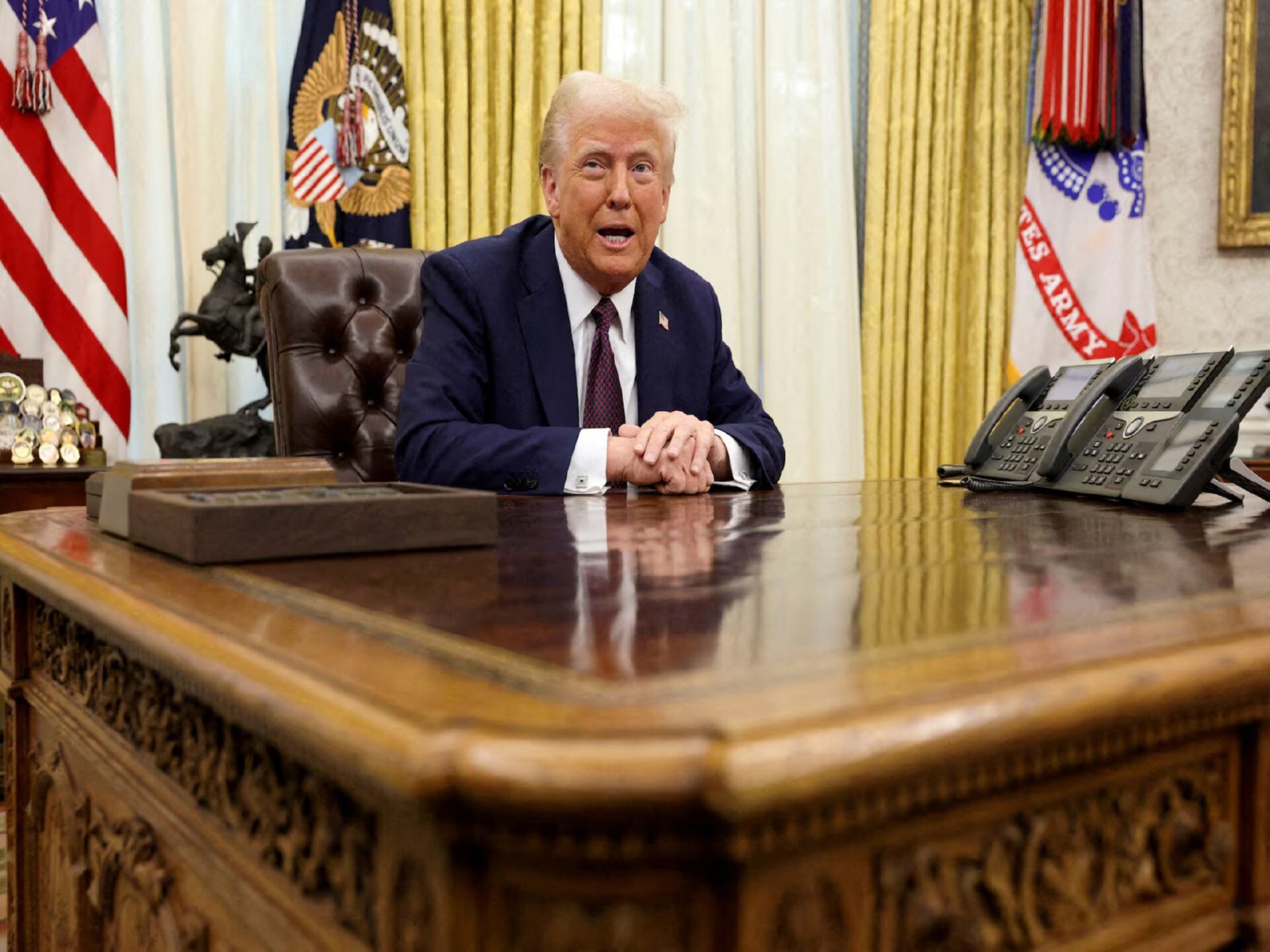
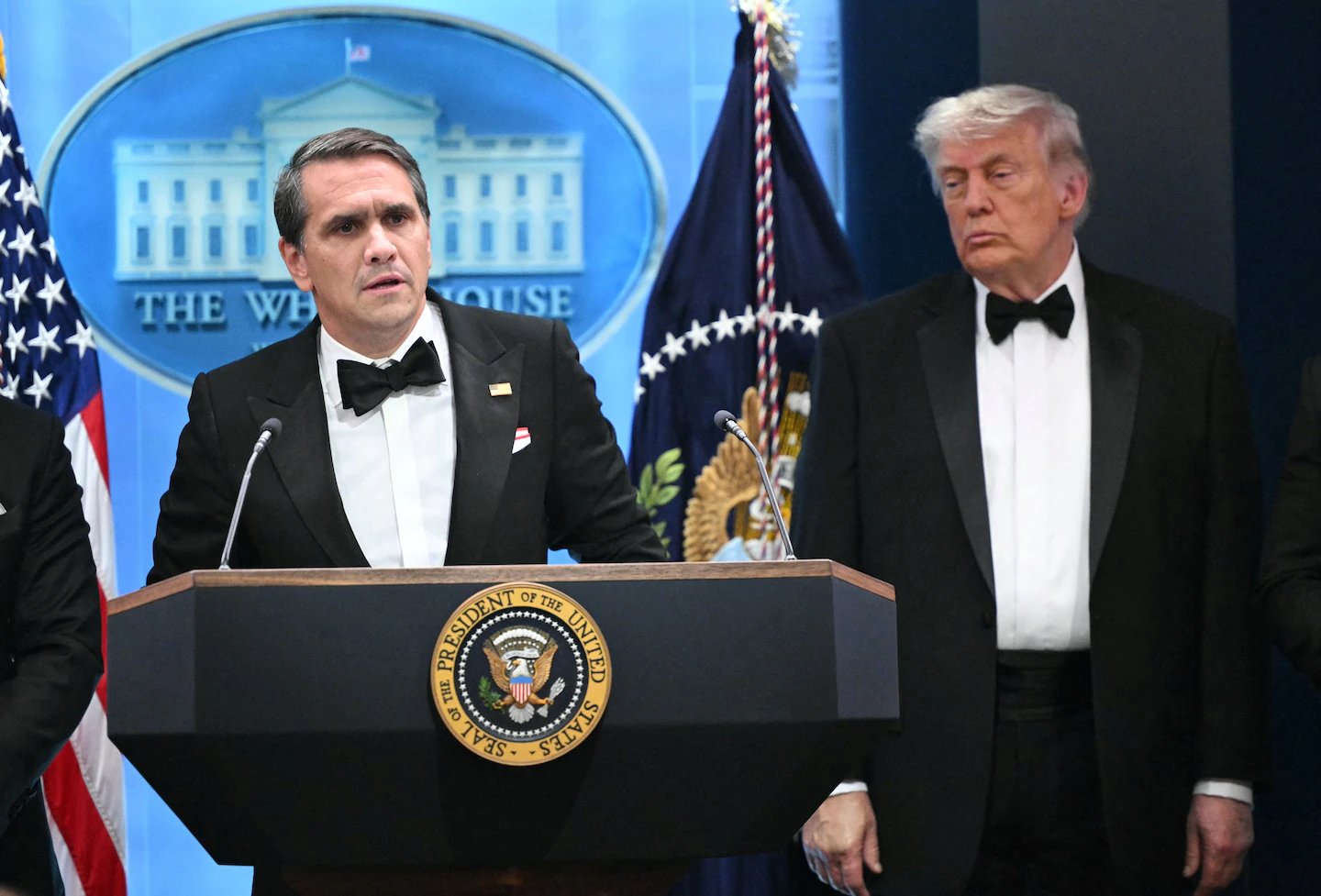
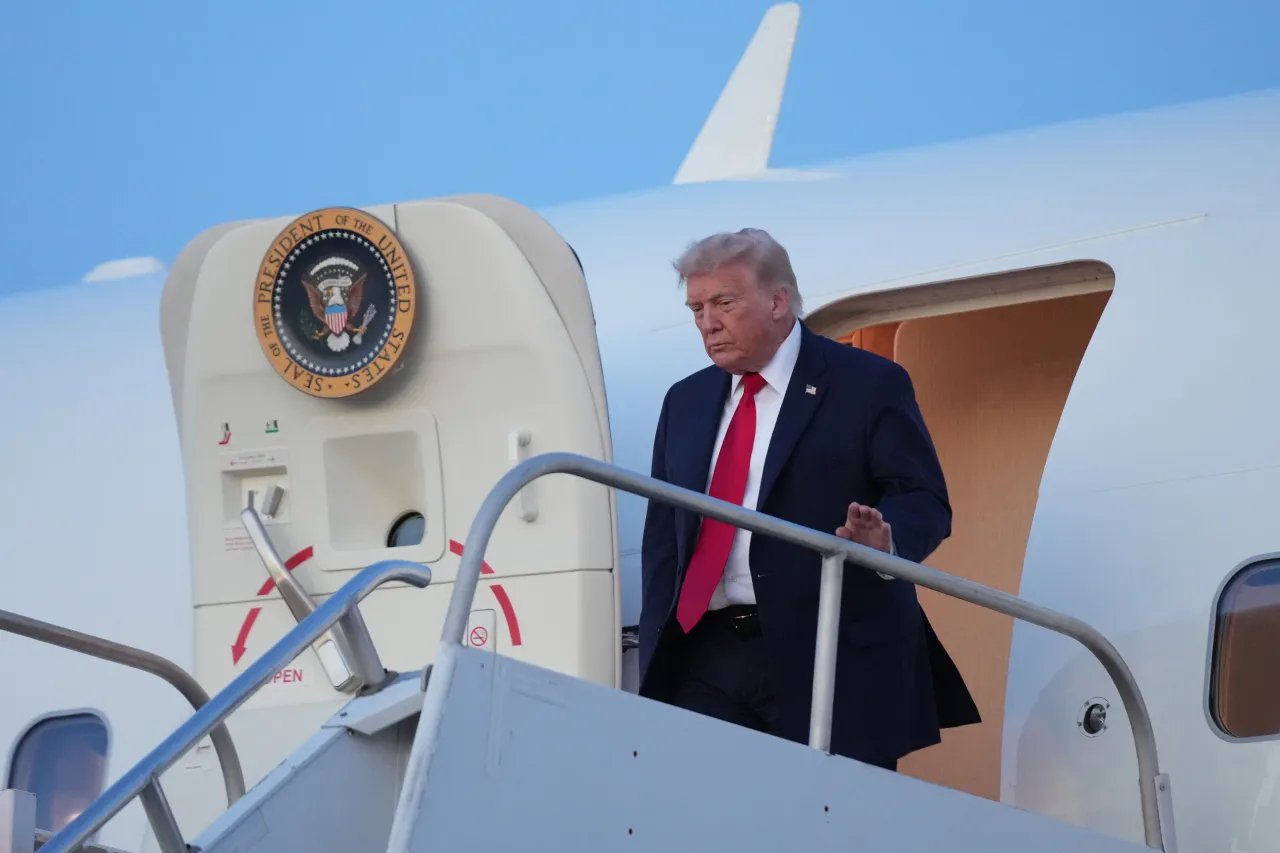
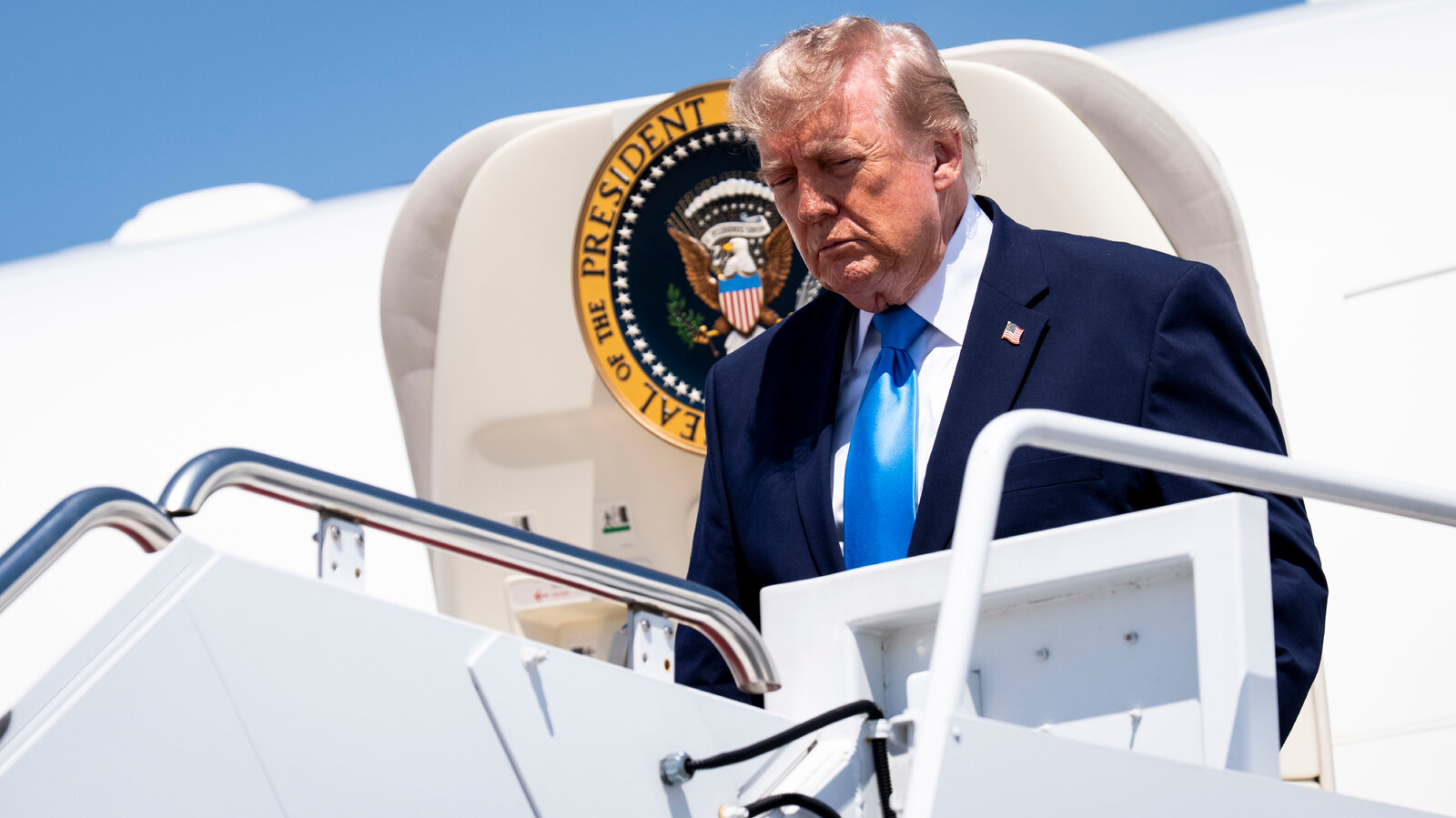
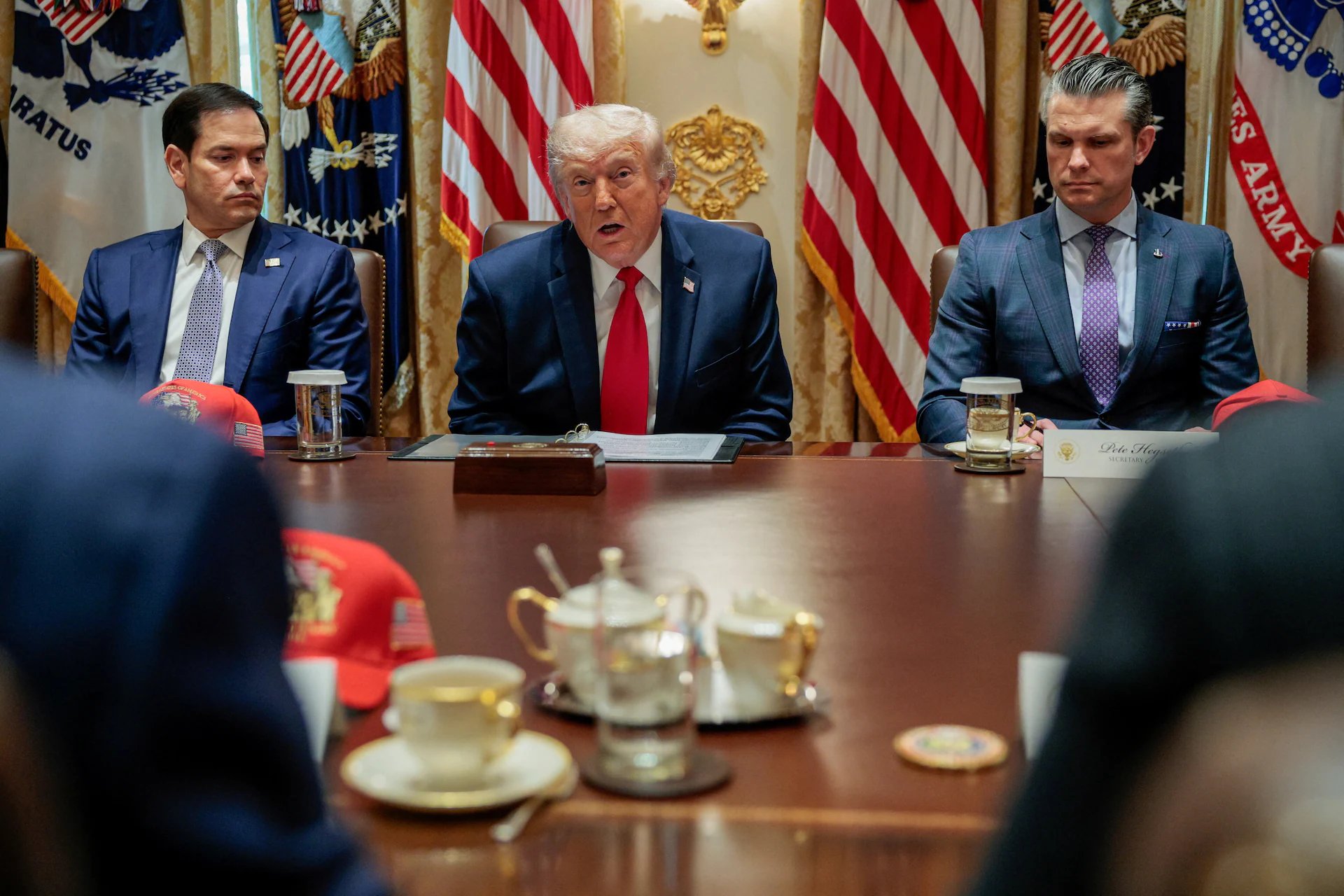
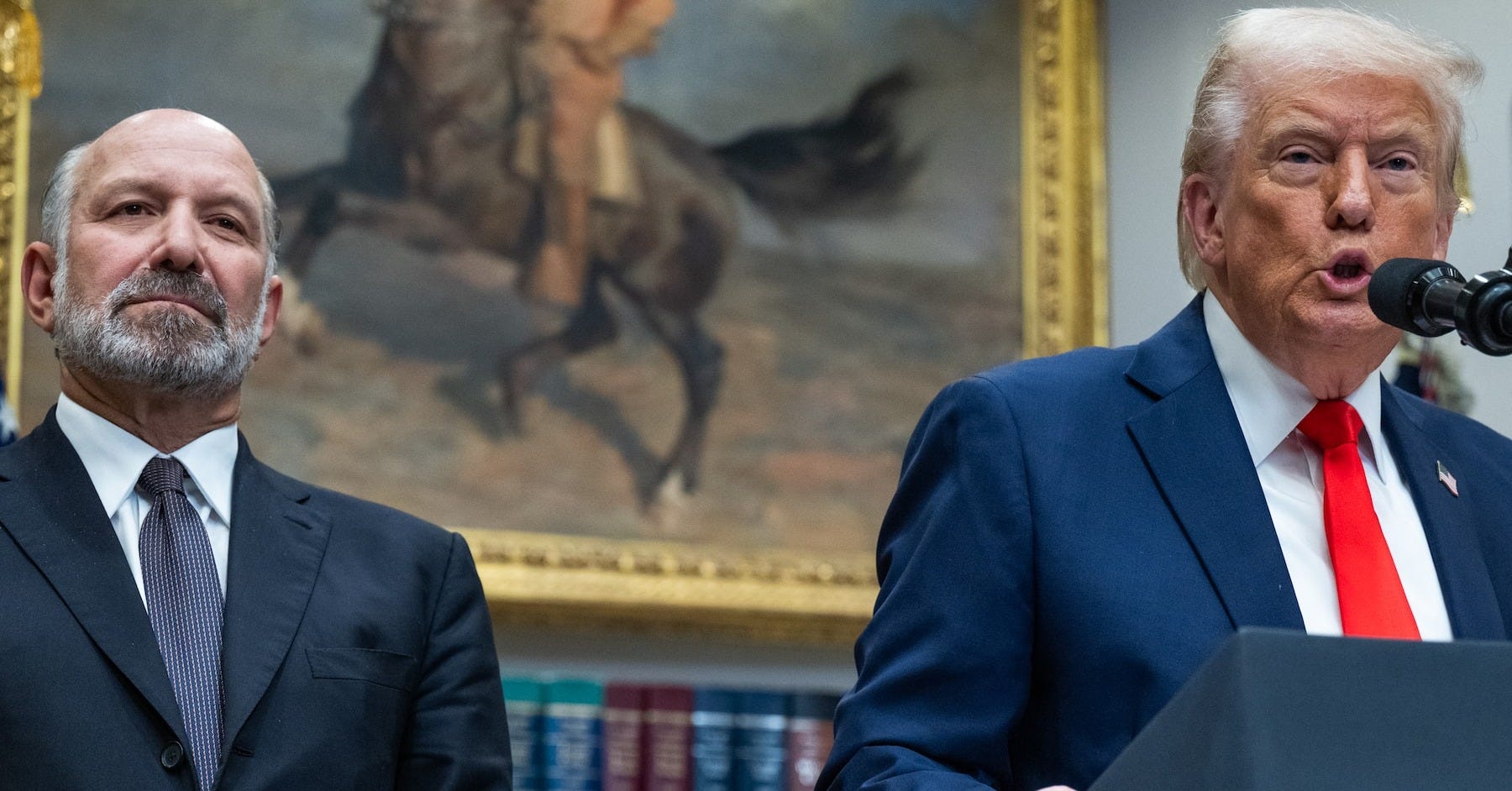
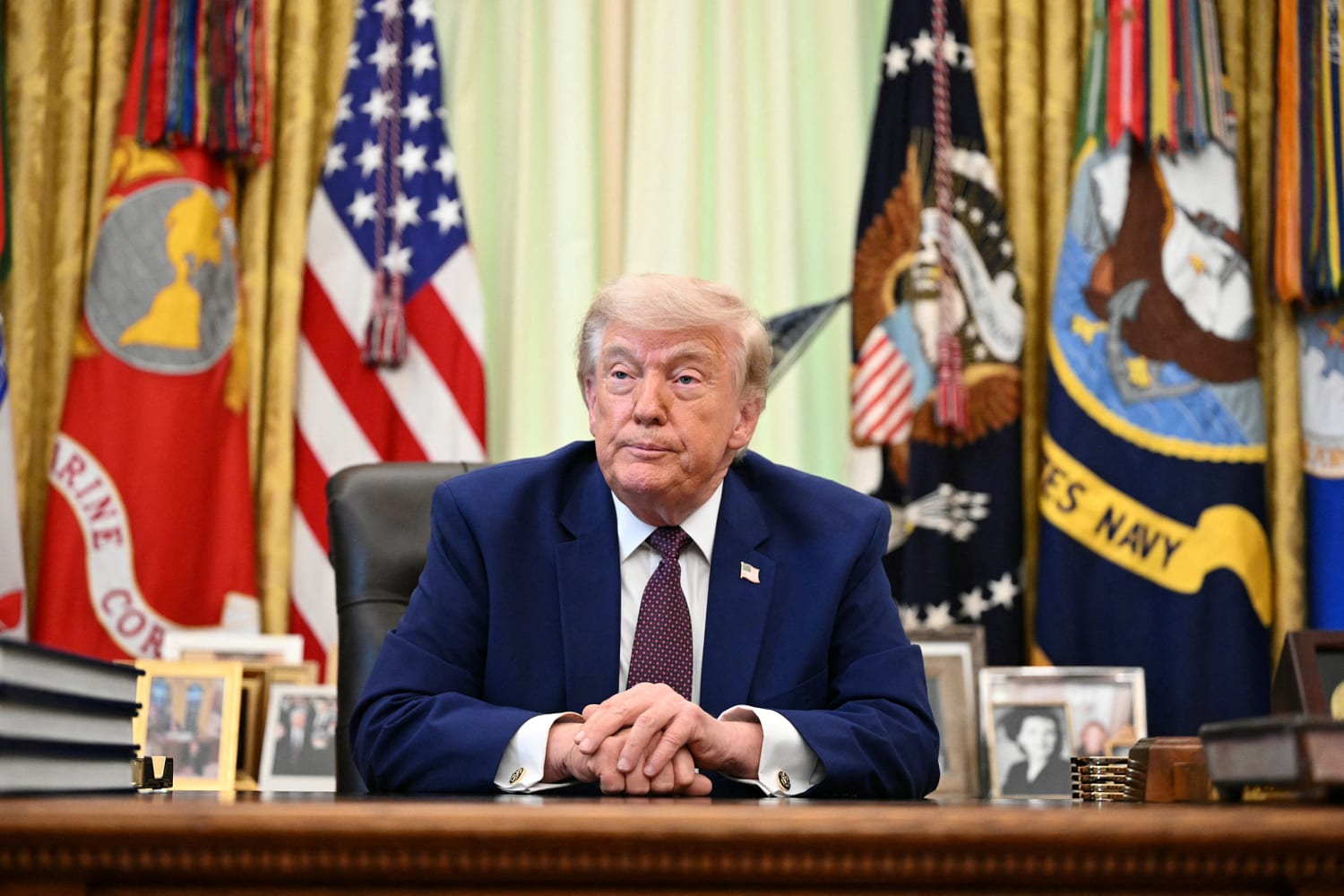
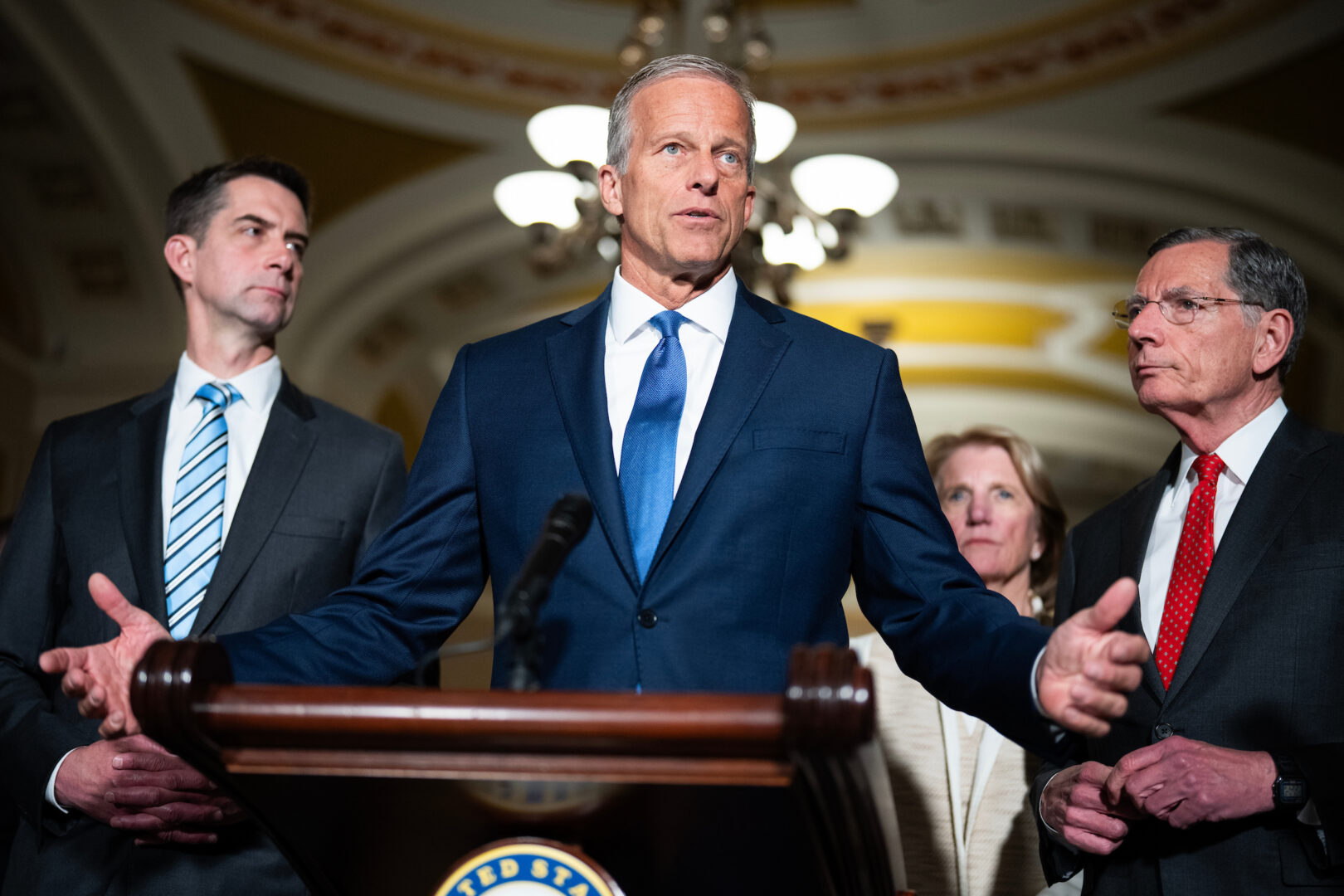
The Trump administration plans to support a bipartisan bill that would impose substantial tariffs on countries purchasing Russian oil, aiming to increase economic pressure on Moscow amid the ongoing war in Ukraine. Senators Lindsey Graham and Richard Blumenthal confirmed the administration's backing, stating that the legislative effort reflects a strategic shift in U.S. trade policy. The bill targets major buyers of Russian oil, particularly India and China, which are significant consumers of Russian energy resources.
Legislative Support and Timing
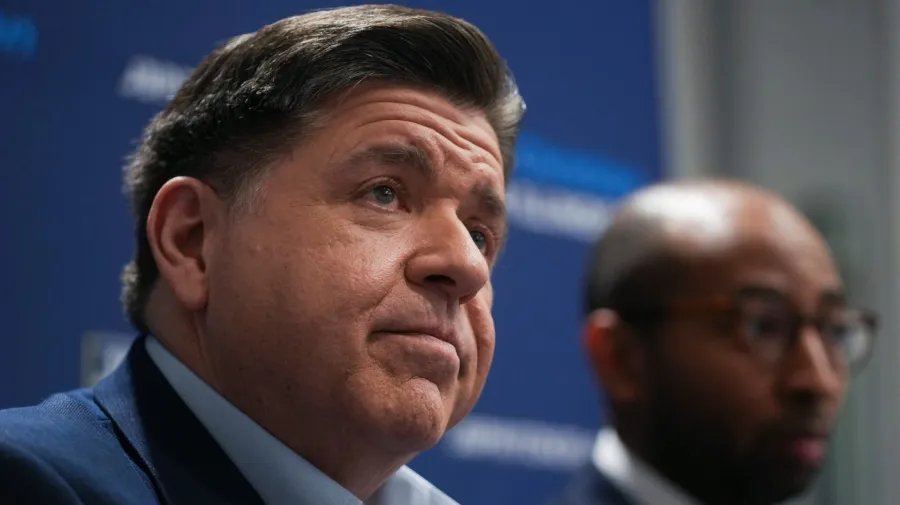
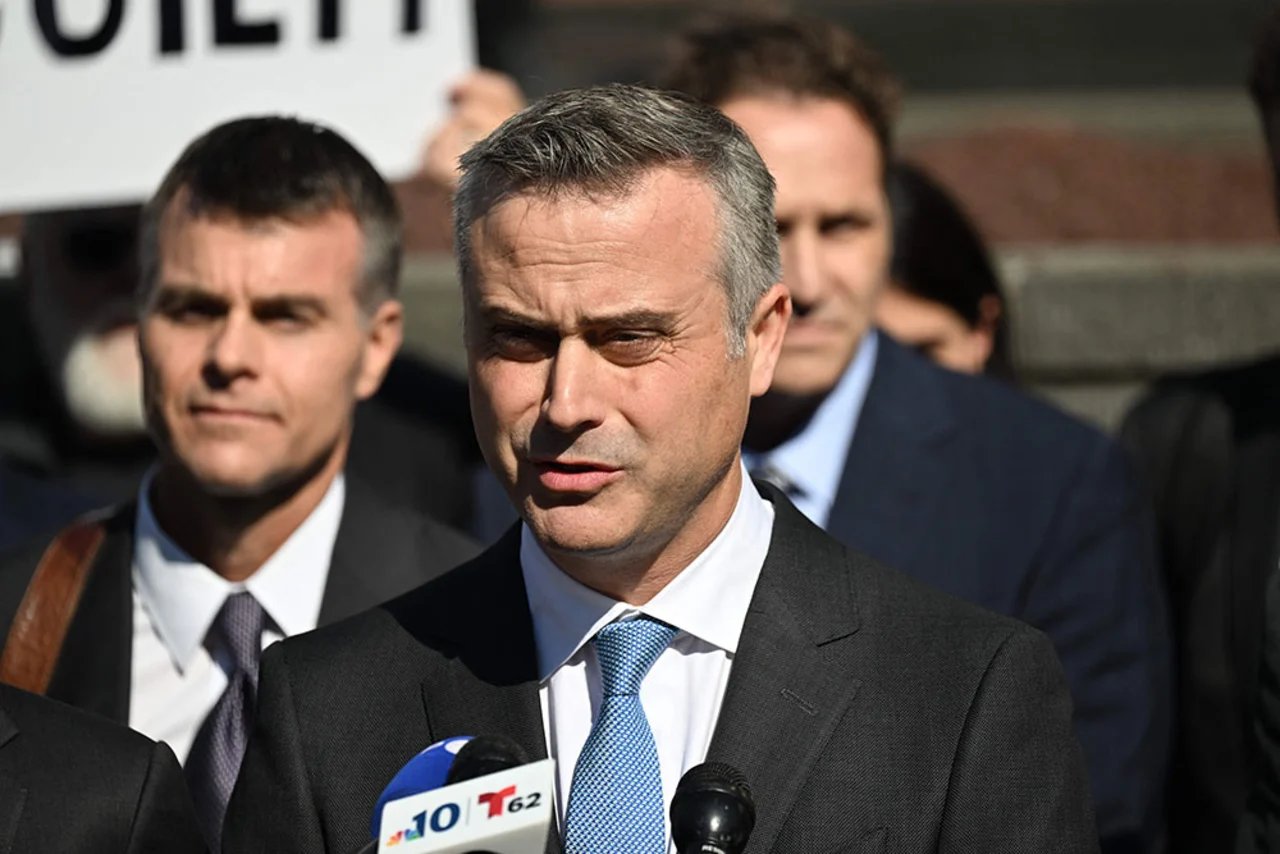
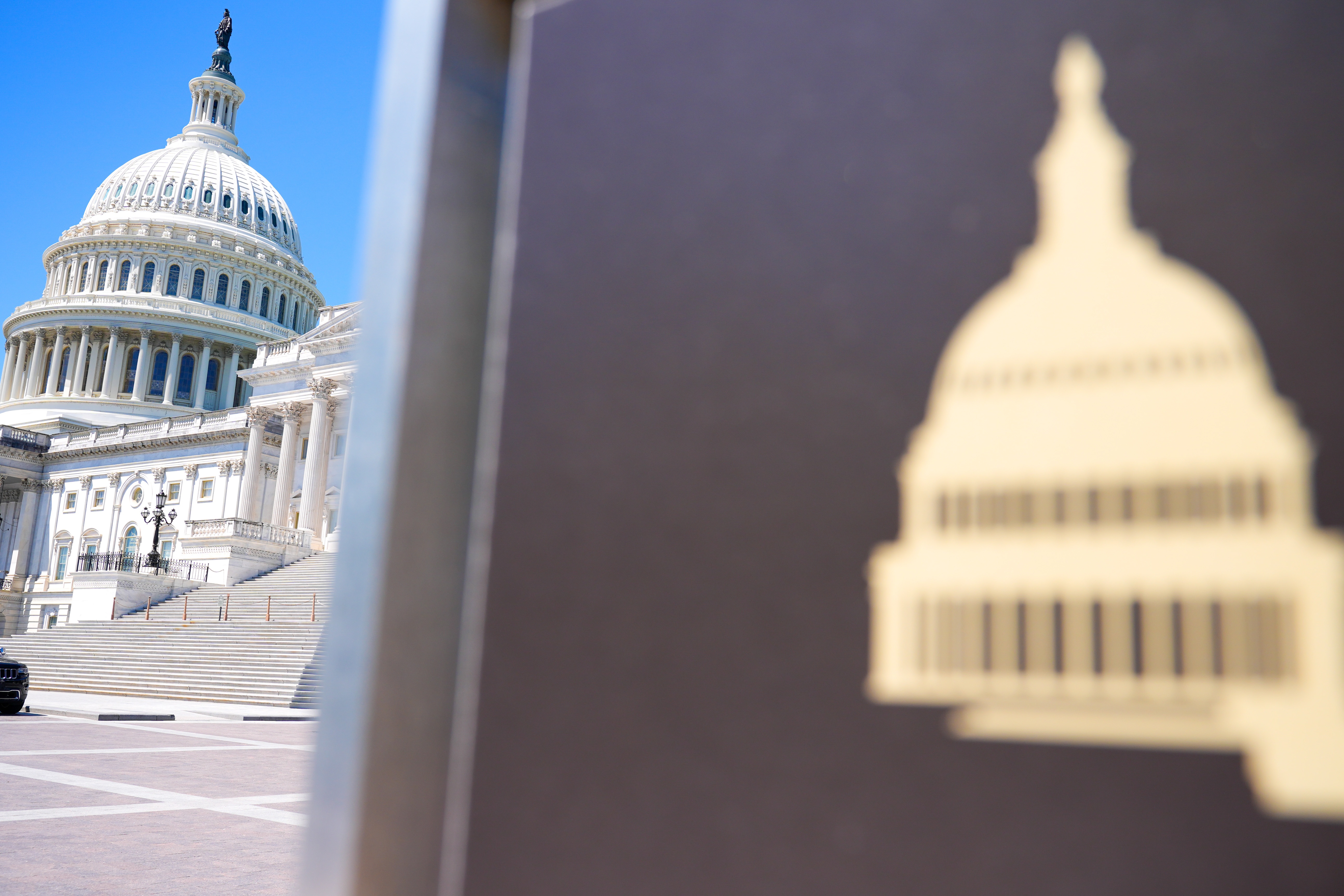
Senator Blumenthal expressed optimism about garnering Democratic support for the sanctions bill, emphasizing that recent declines in oil prices make this legislative move more feasible. The Senate is expected to return to Washington soon, where the bill will be discussed further. Both senators highlighted that Ukraine's recent military successes against Russian forces have influenced the administration's decision to escalate economic sanctions.
Ukraine's Offensive and Fuel Supply Strain
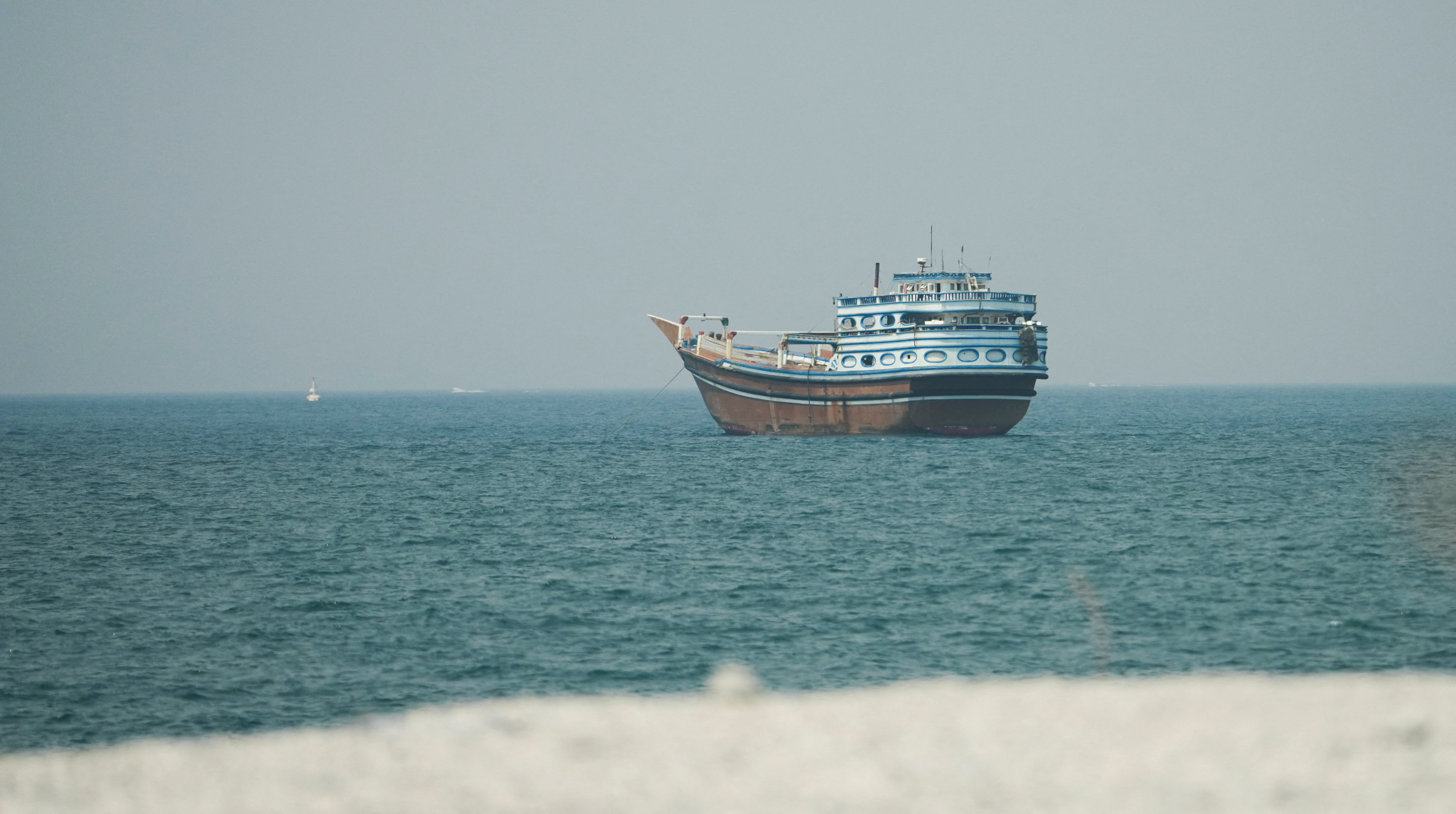
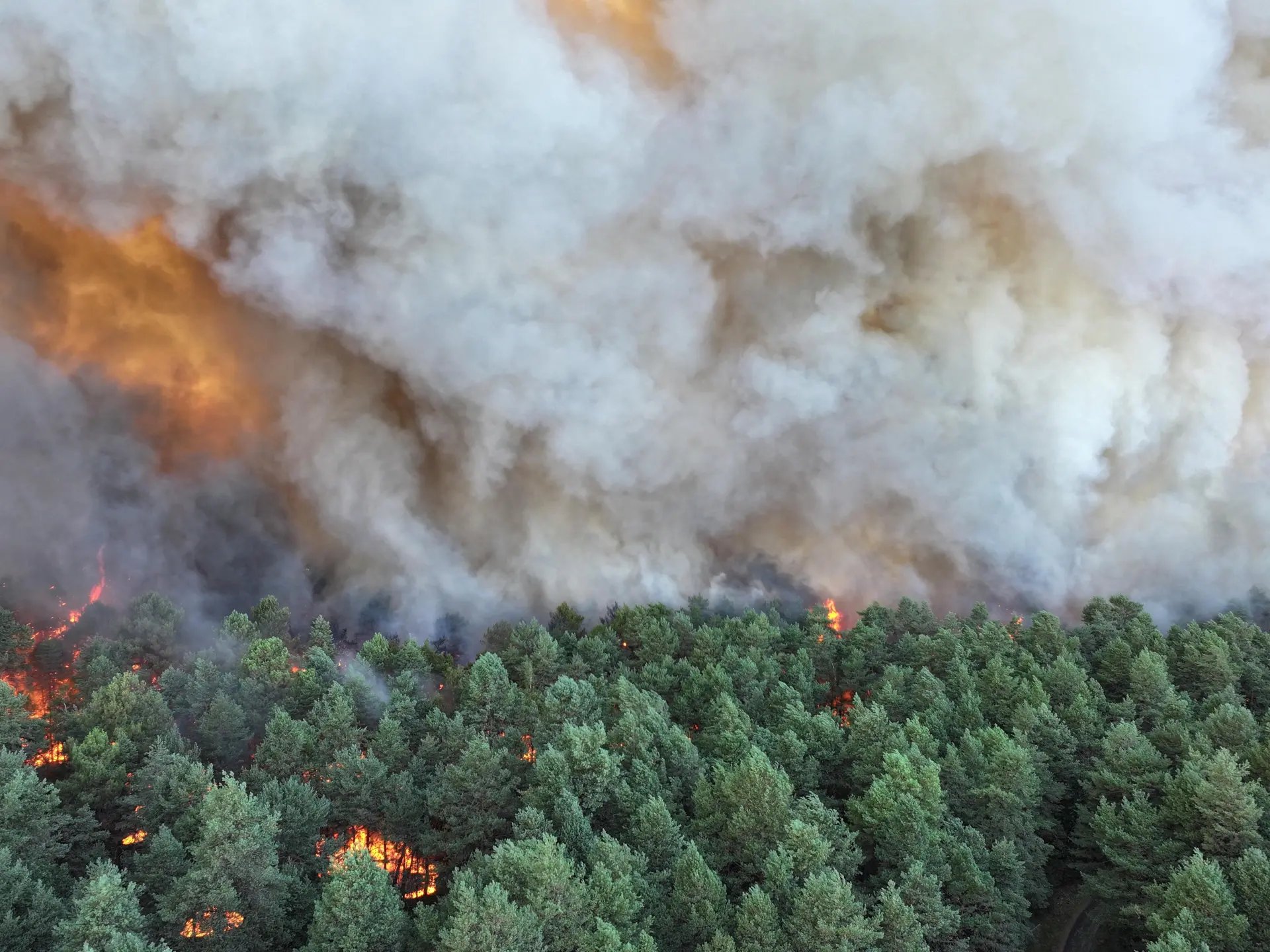
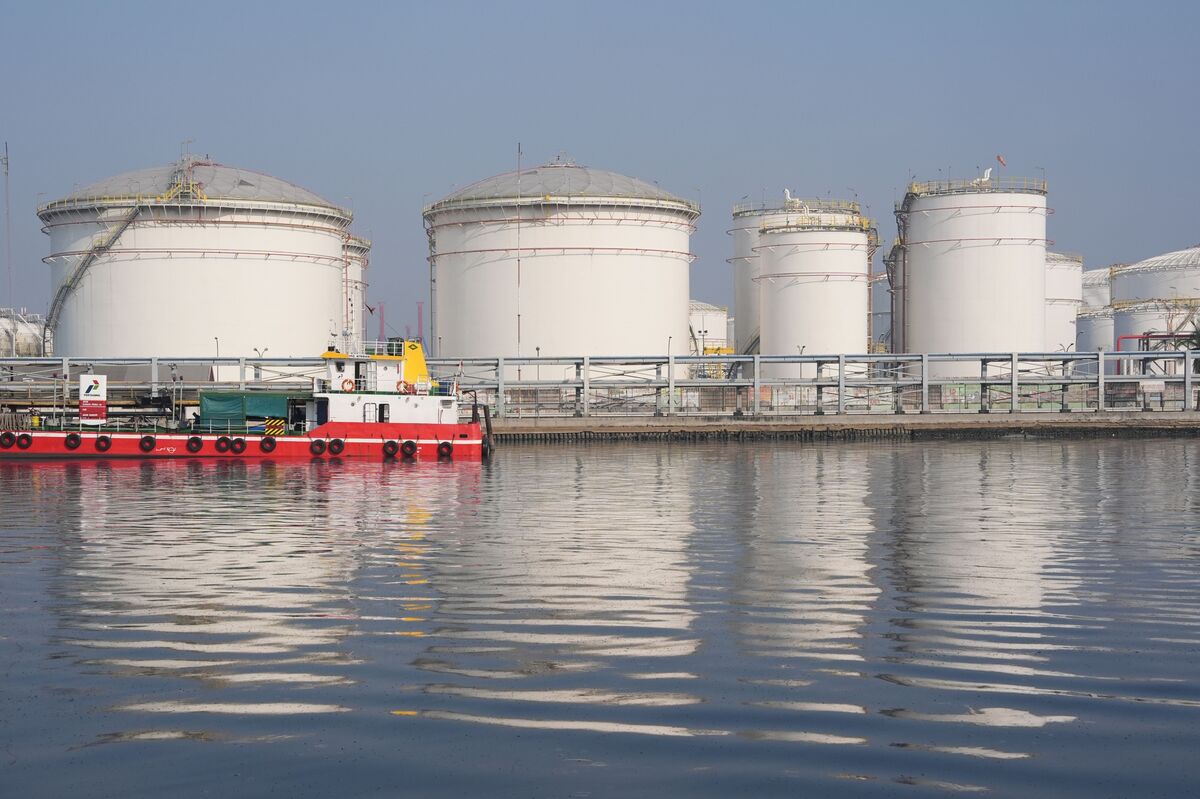
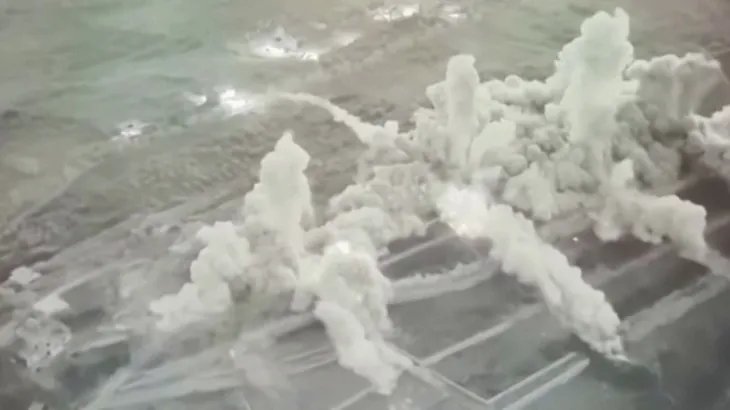
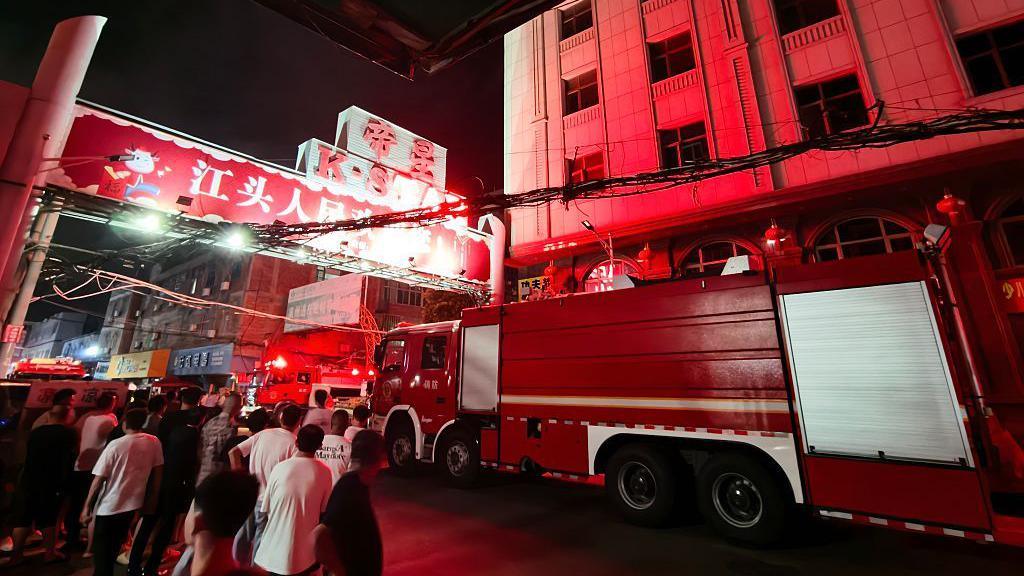
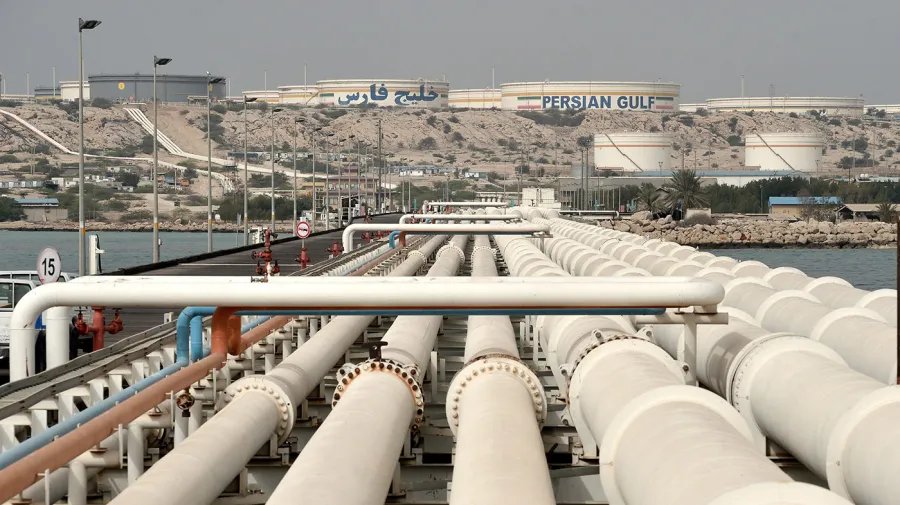
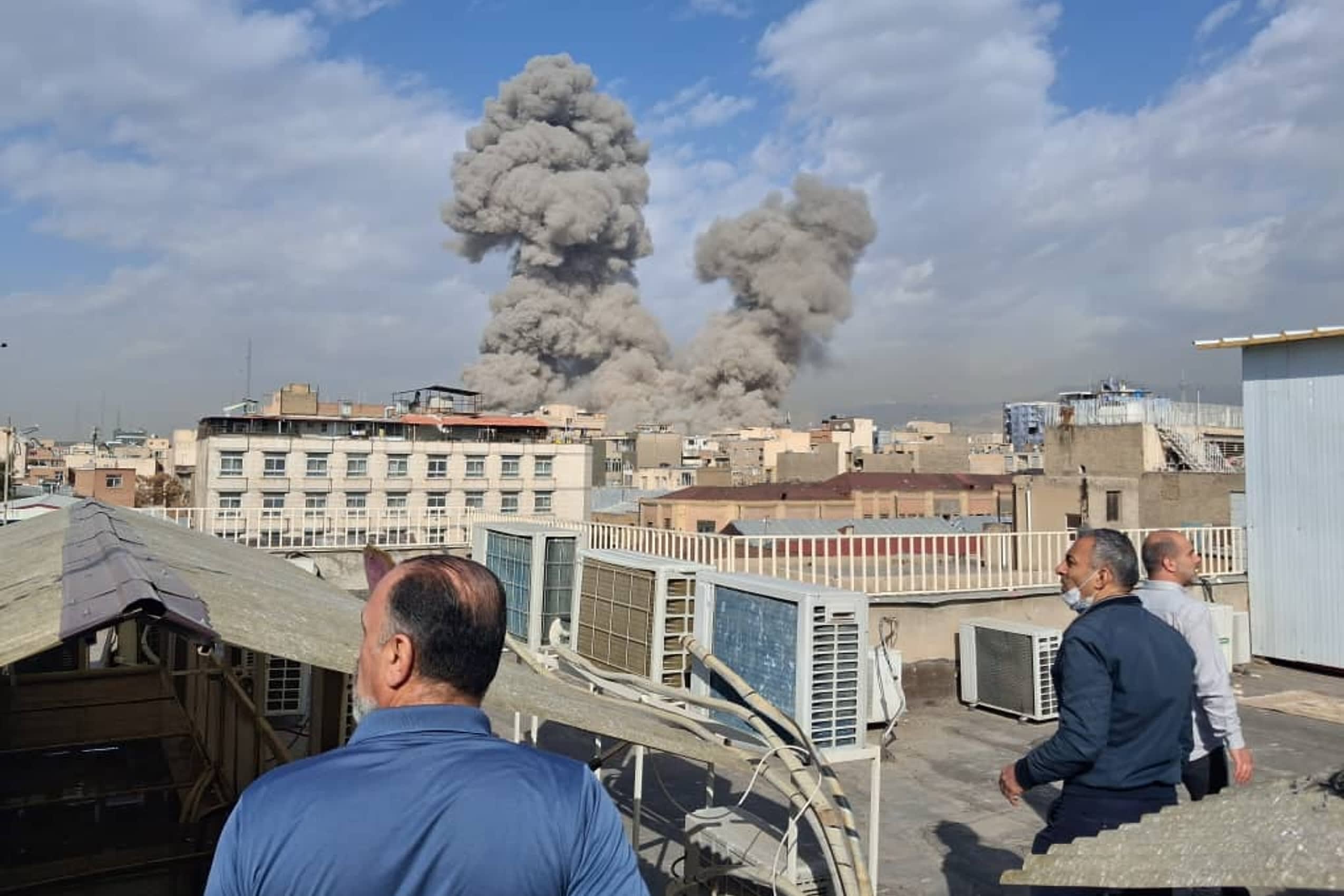
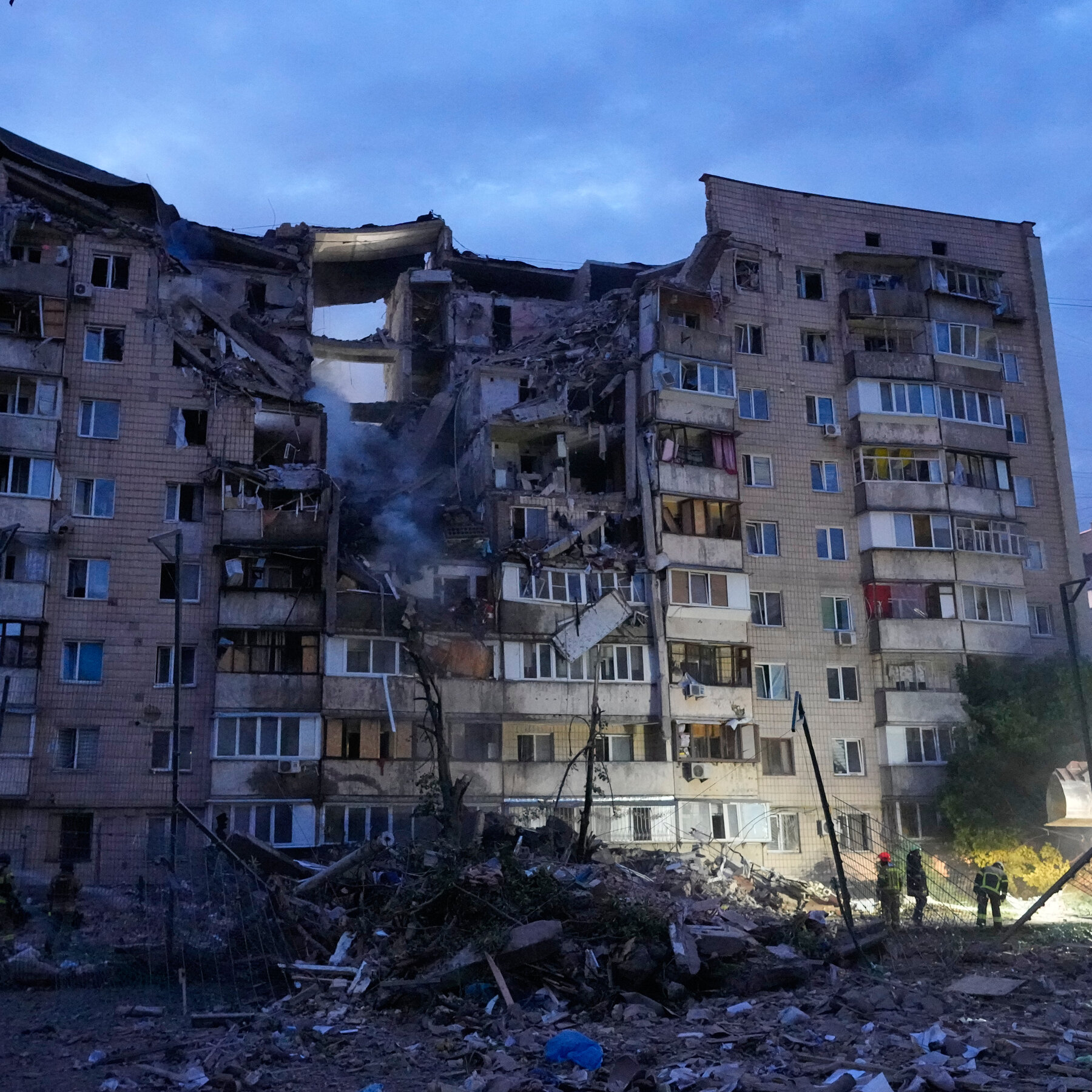
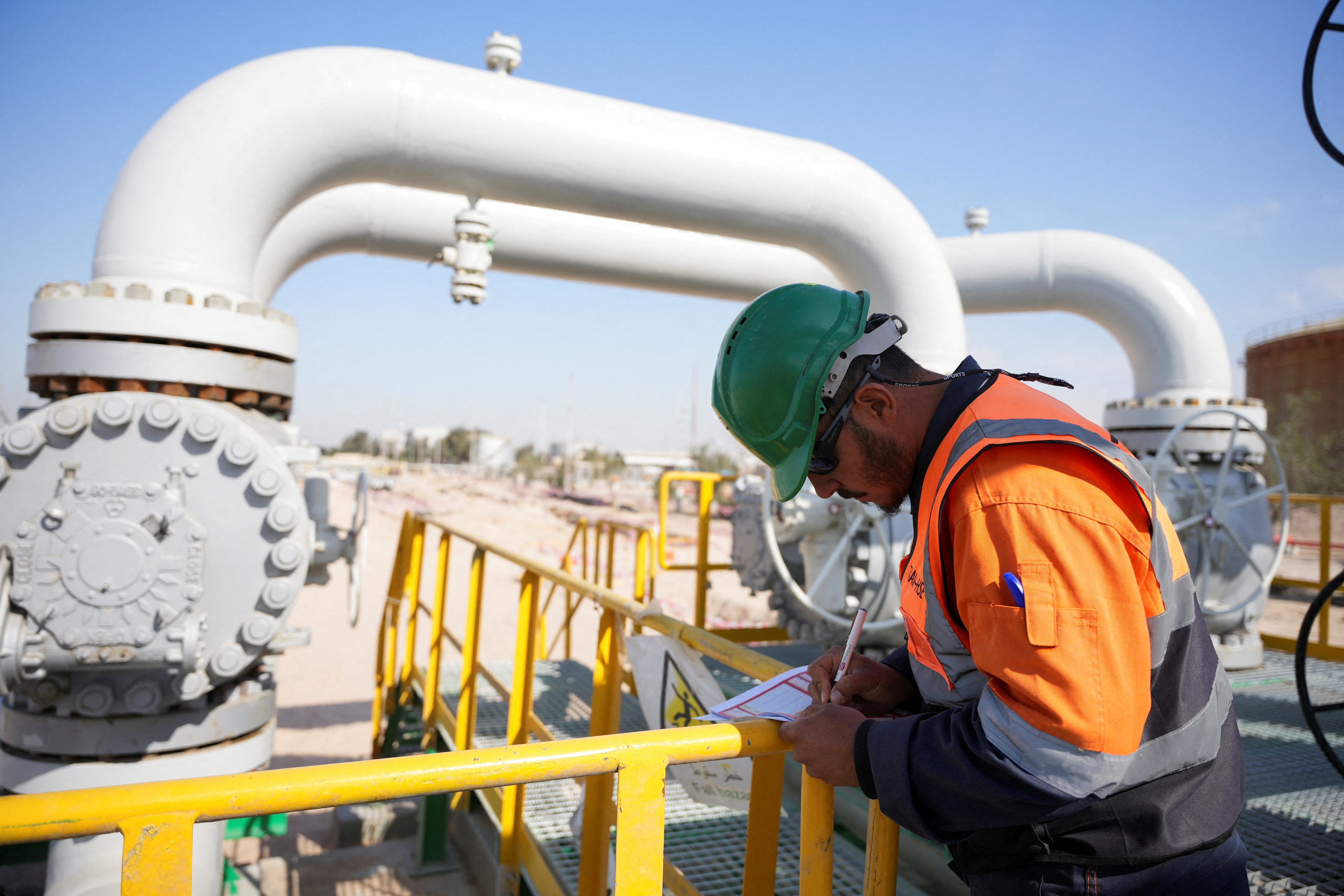
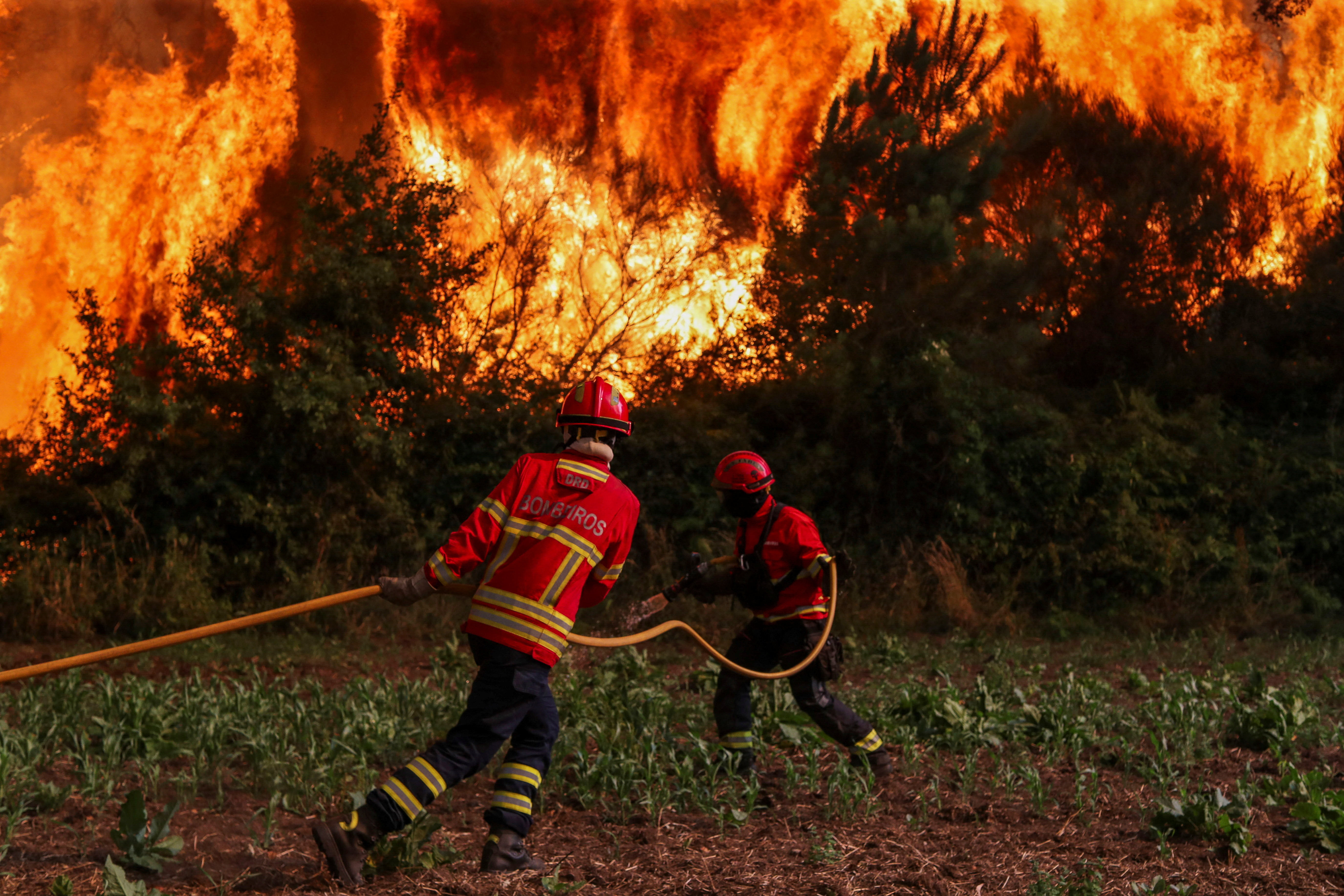
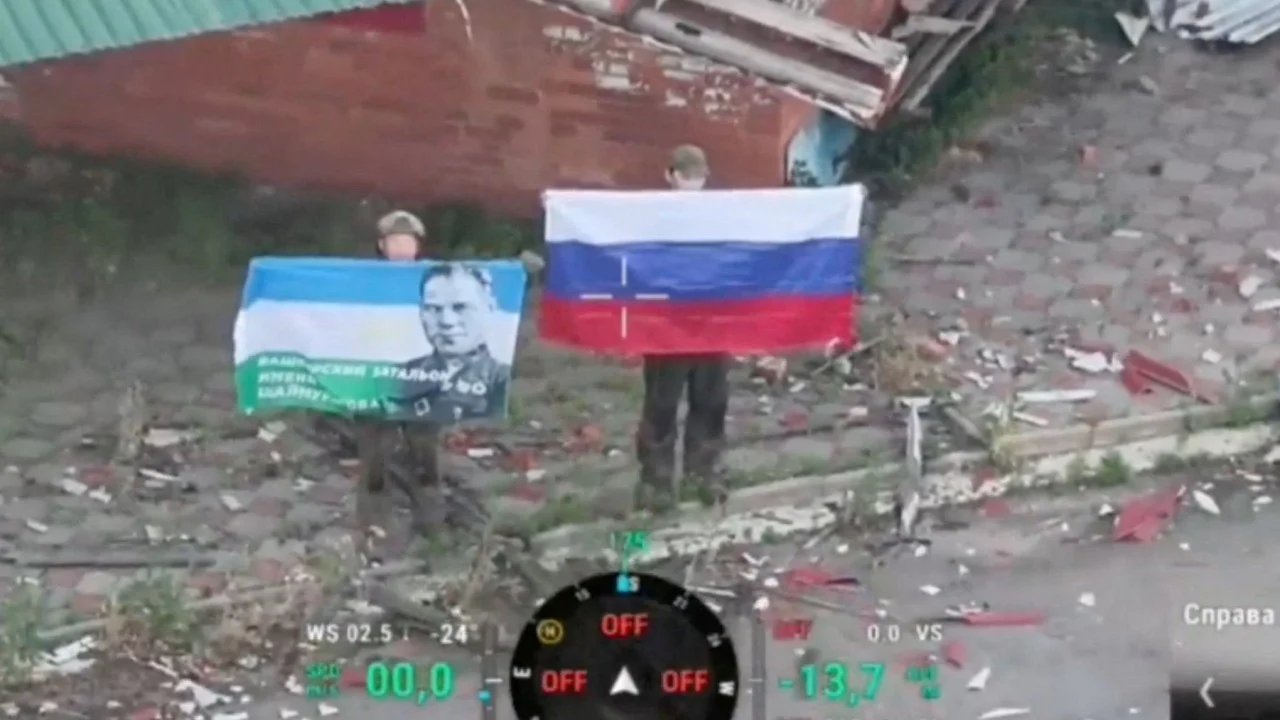
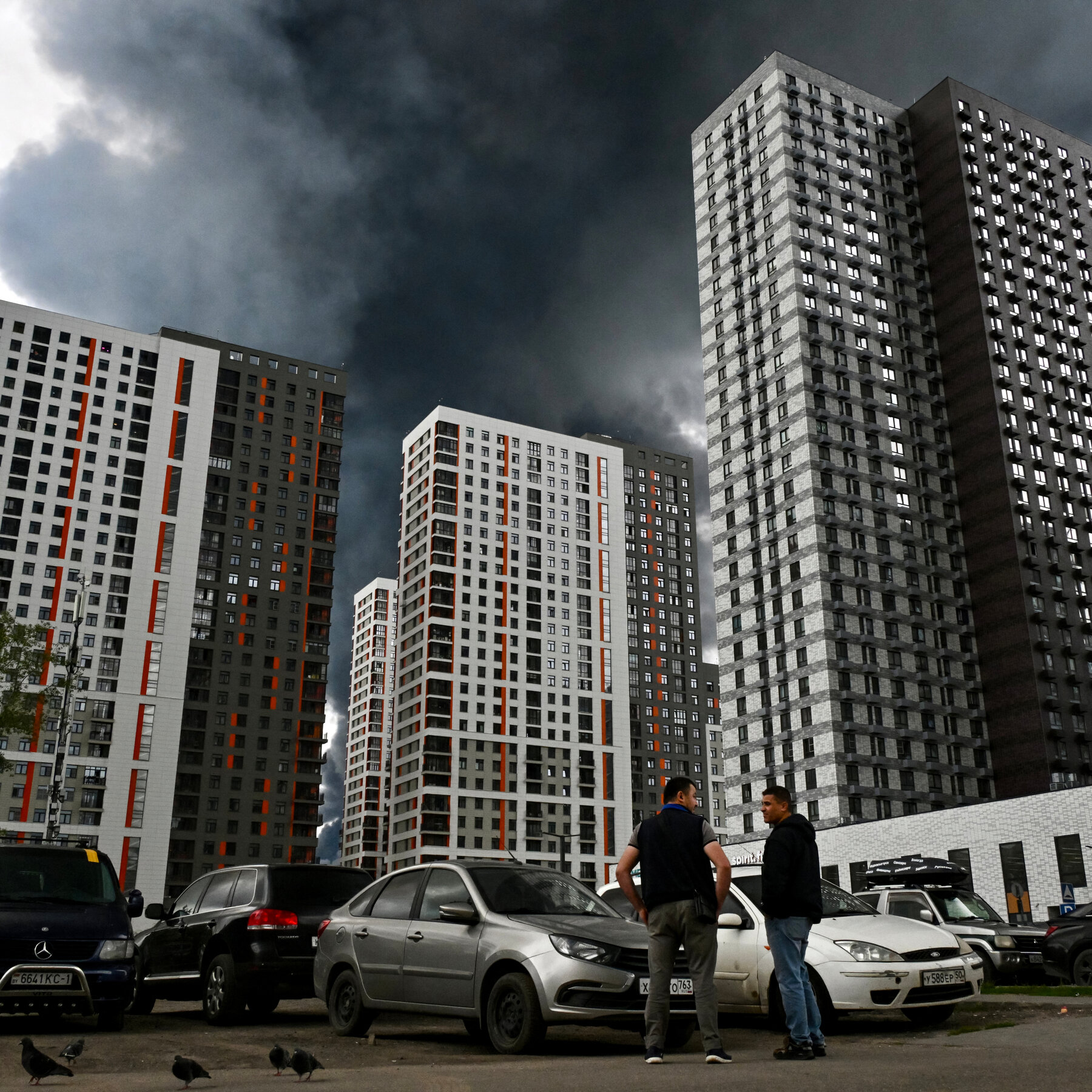
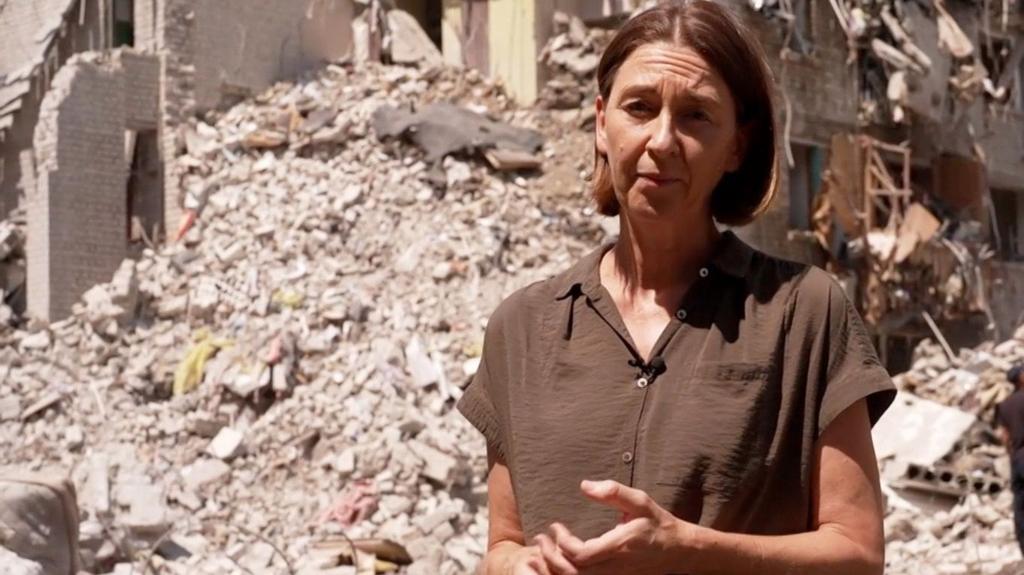
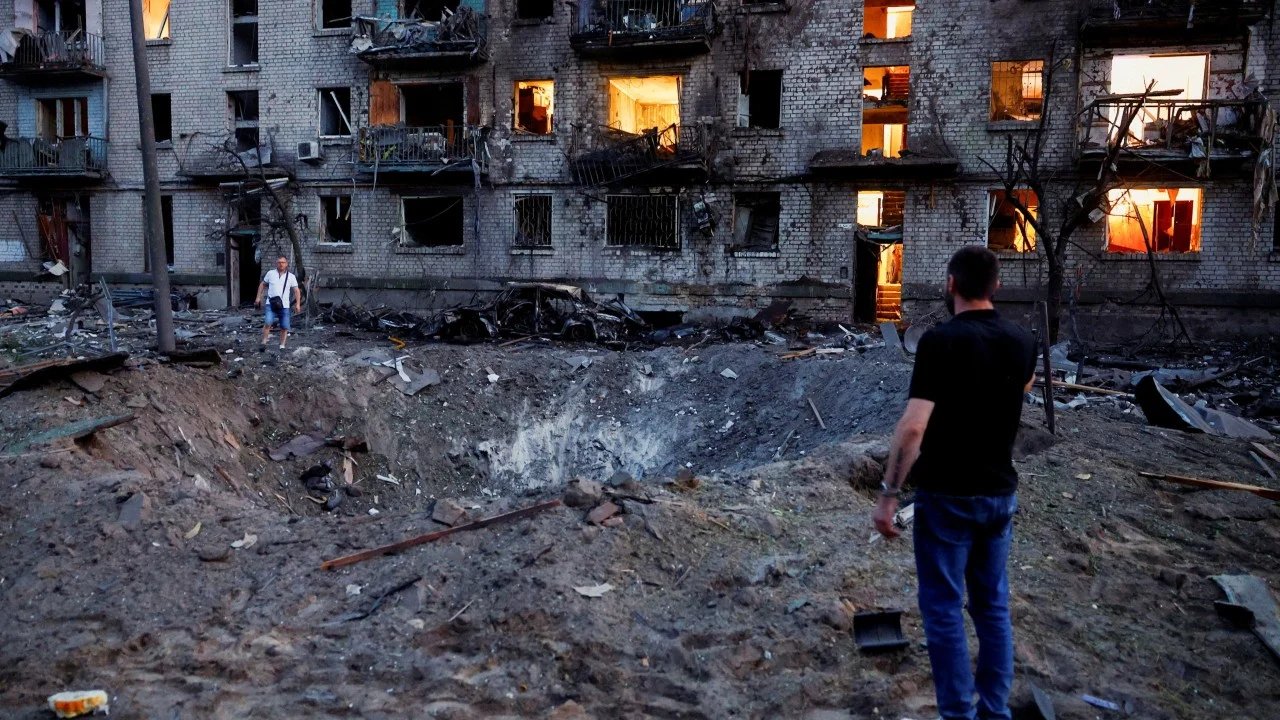
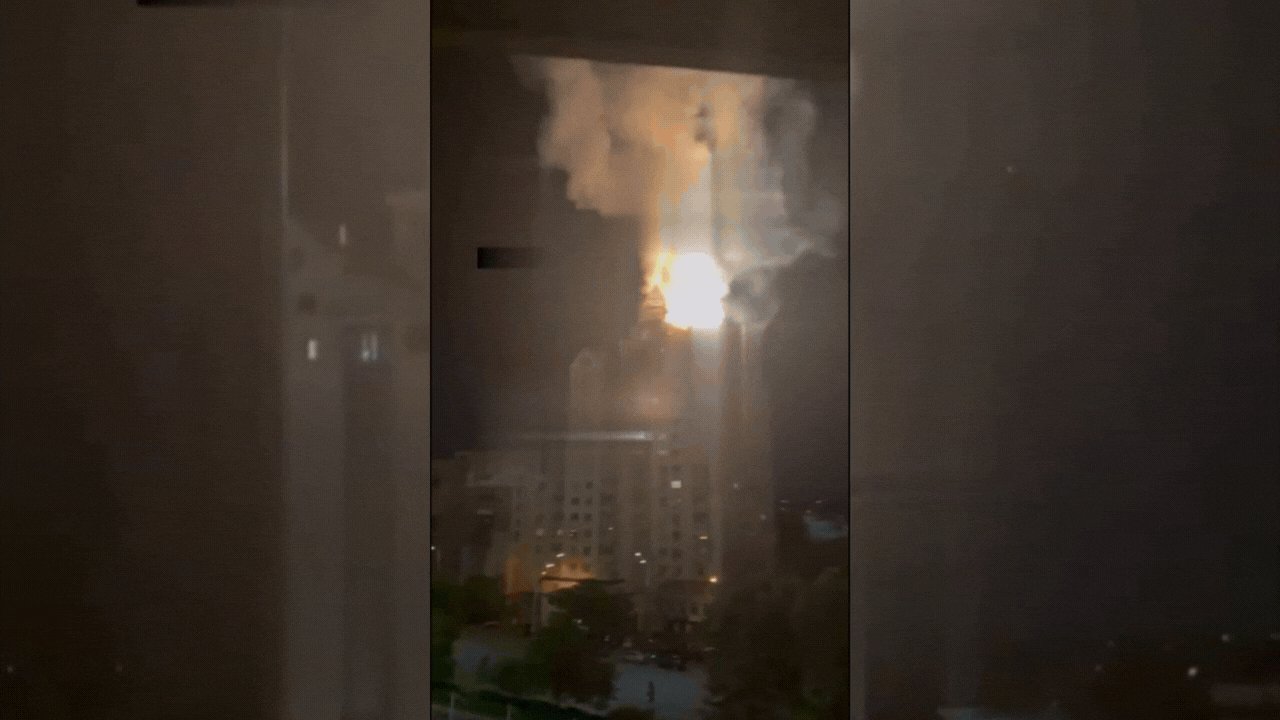
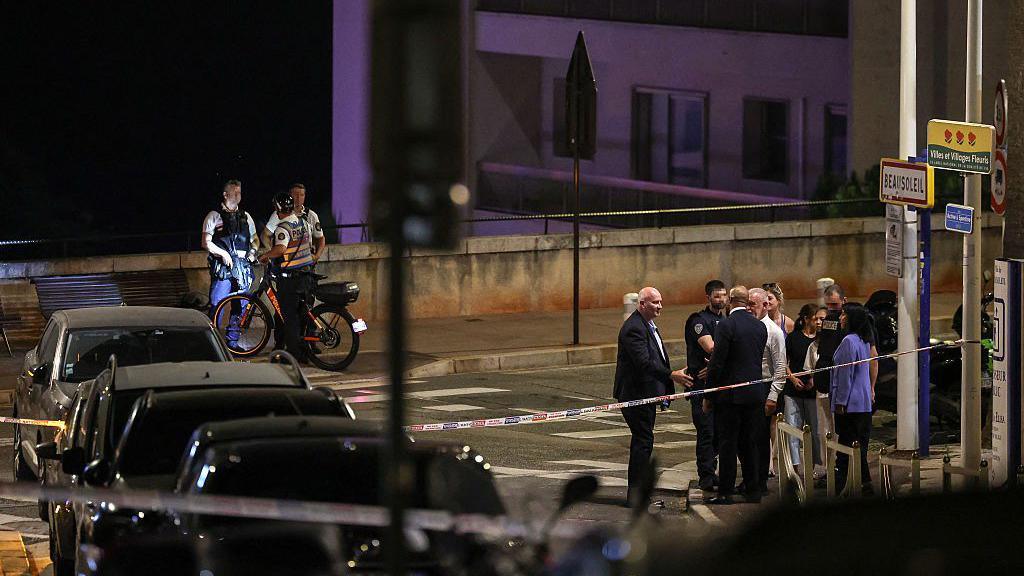
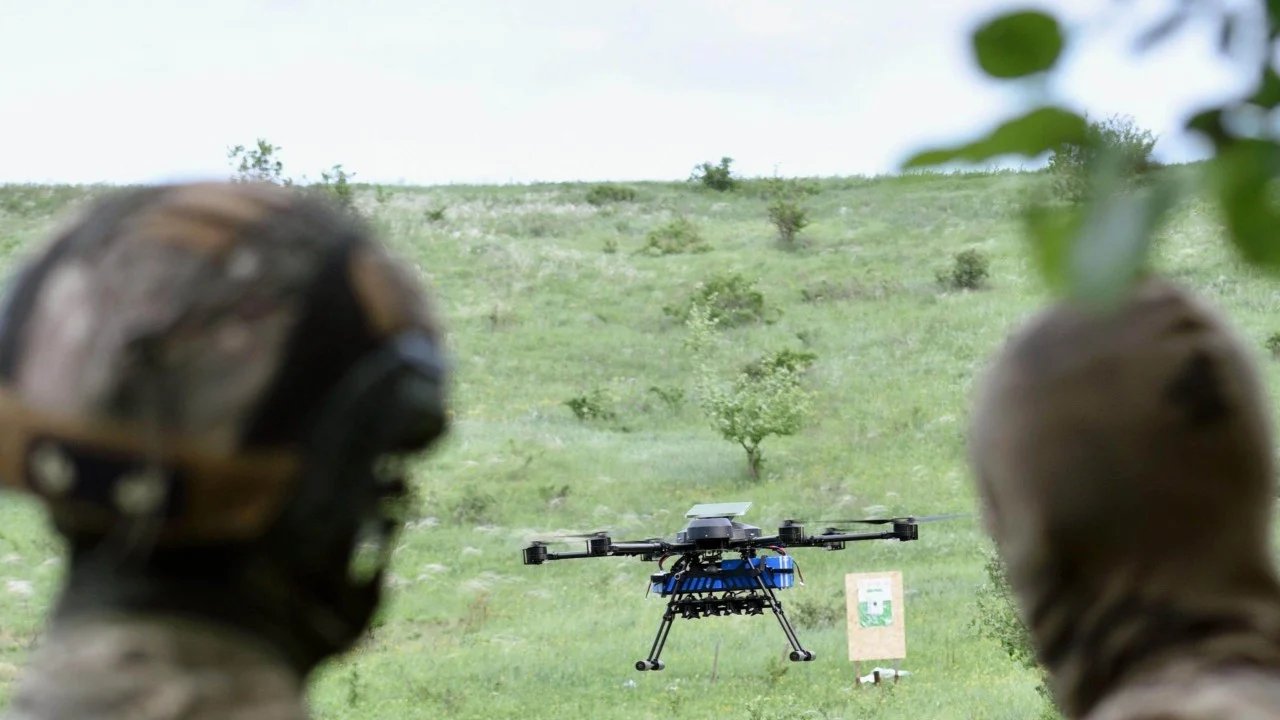
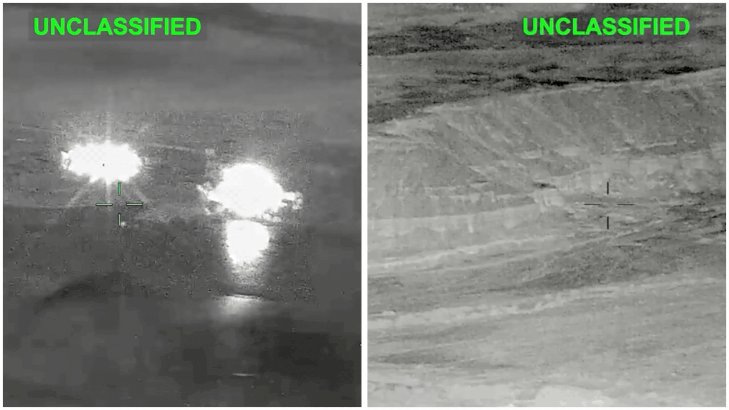
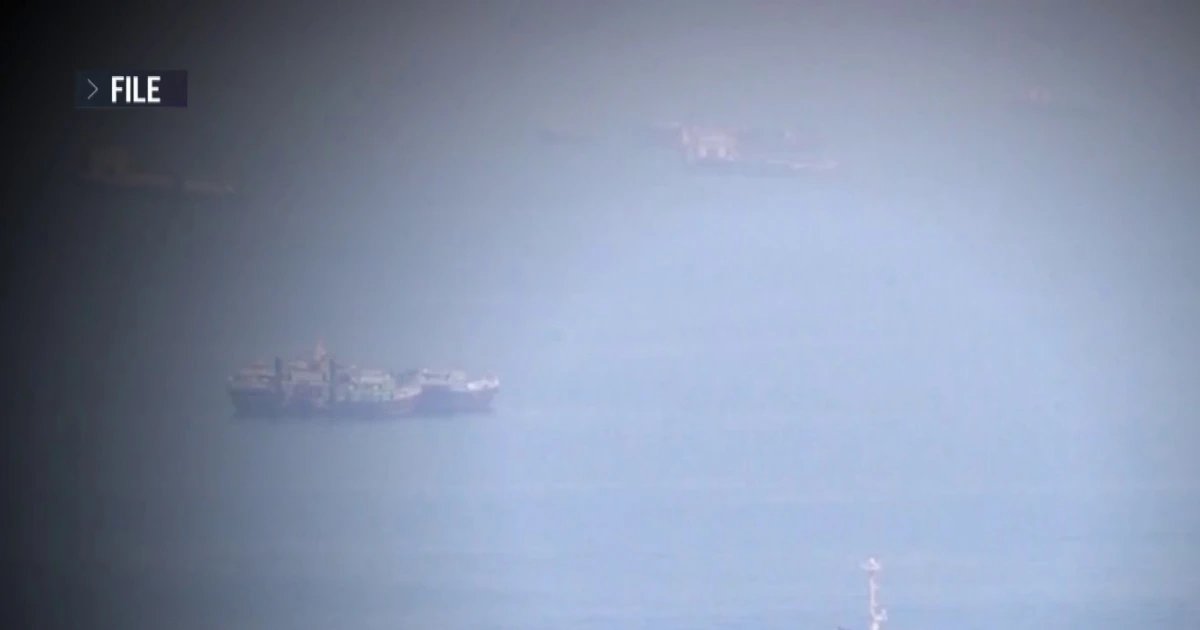
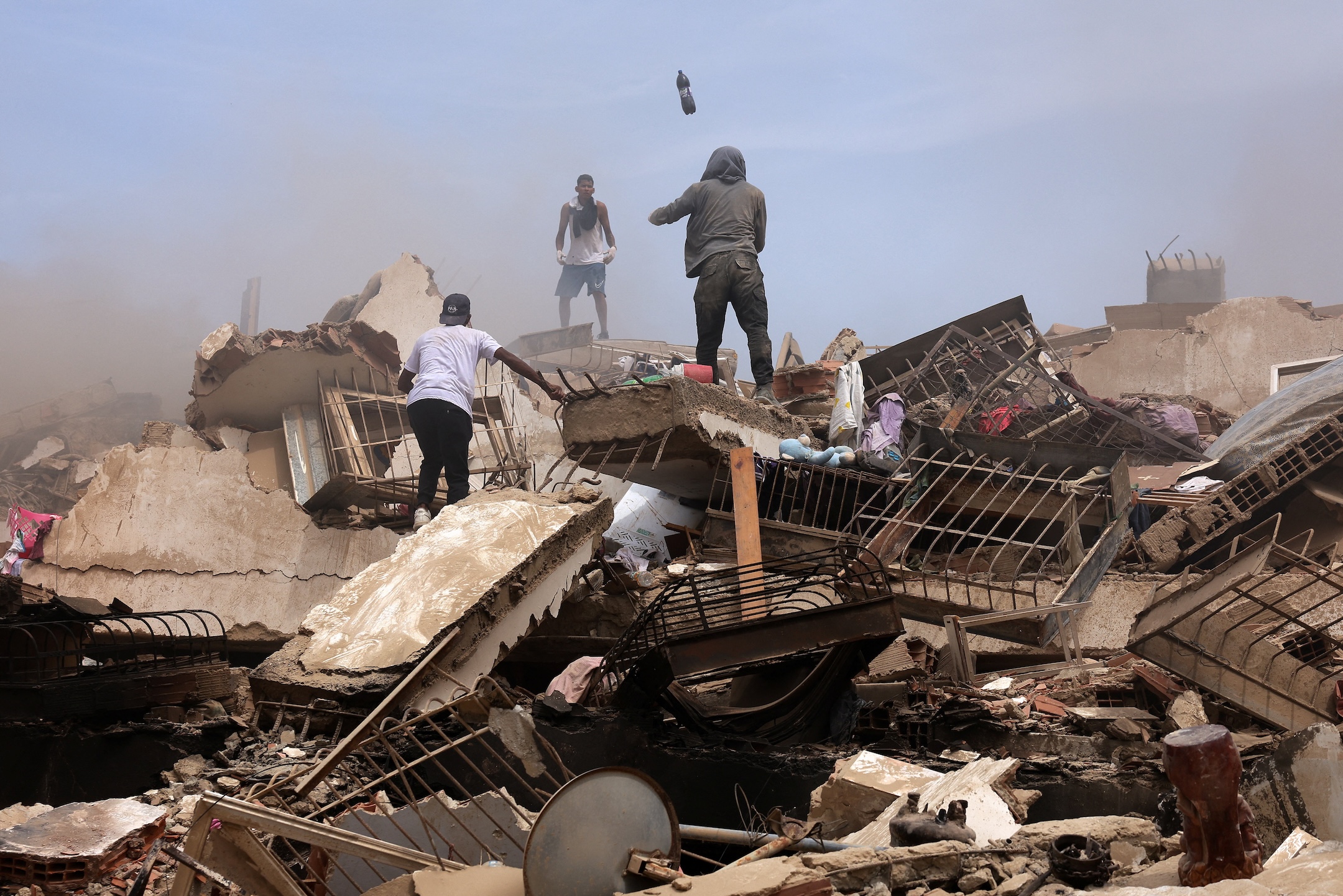
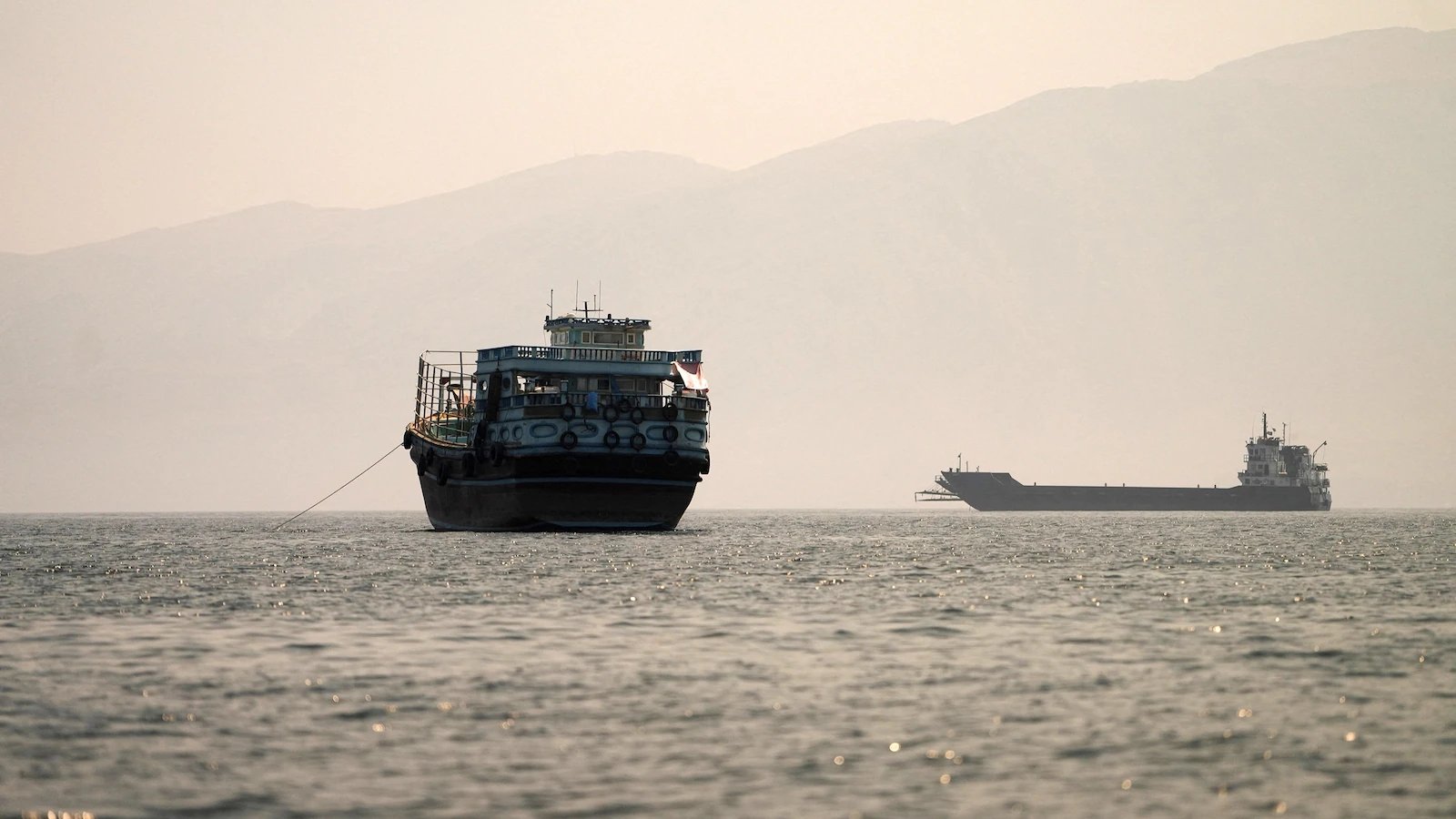
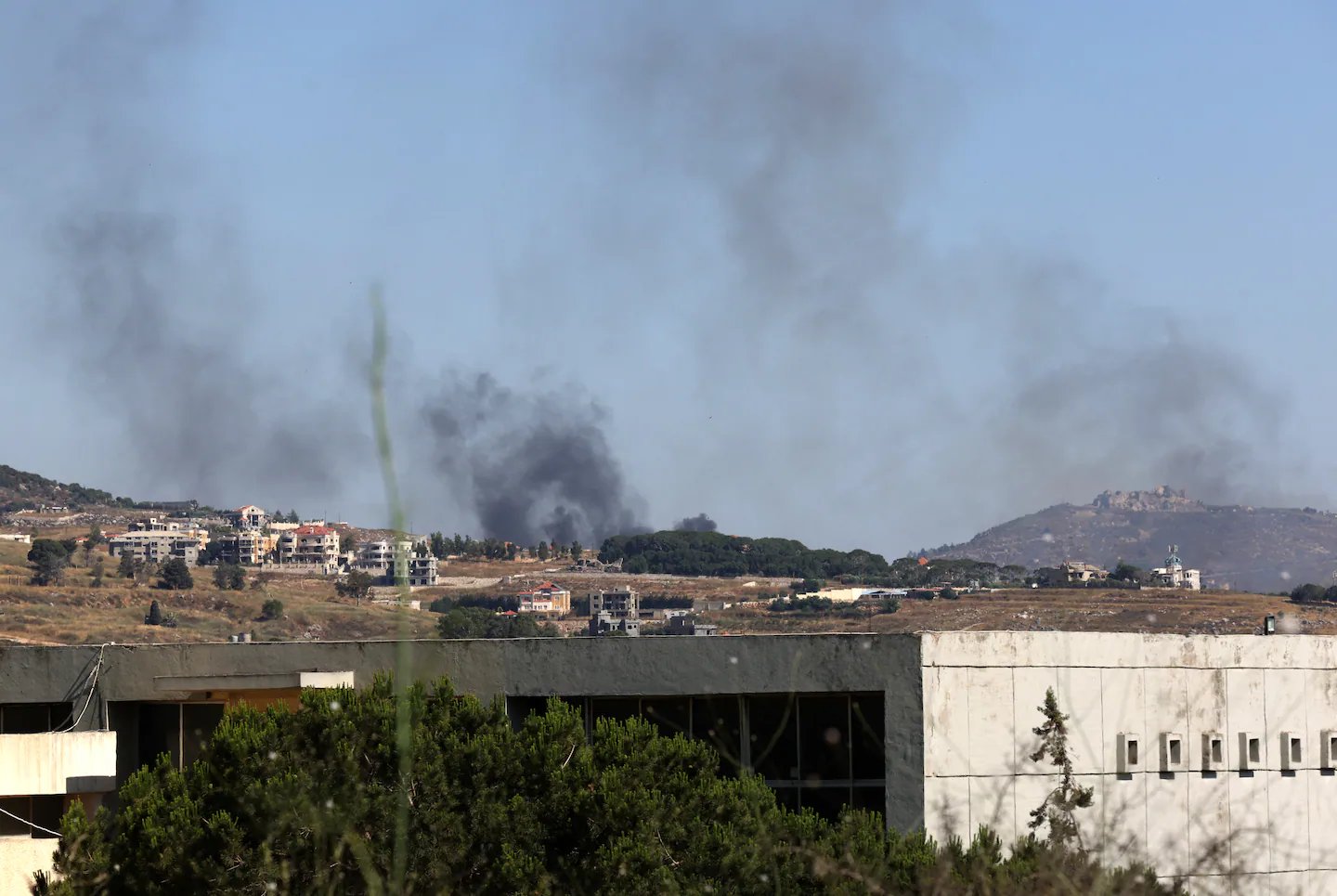
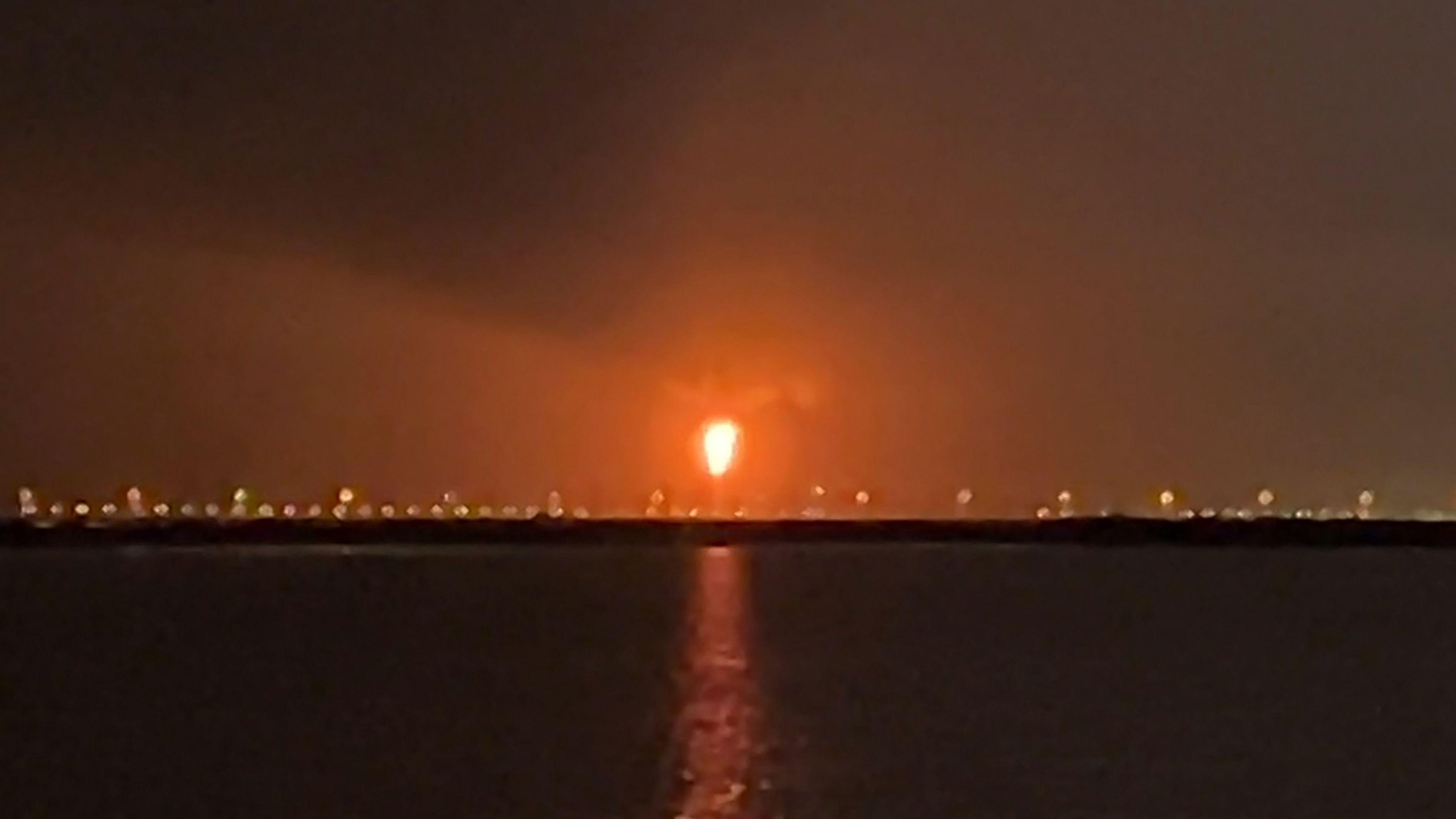
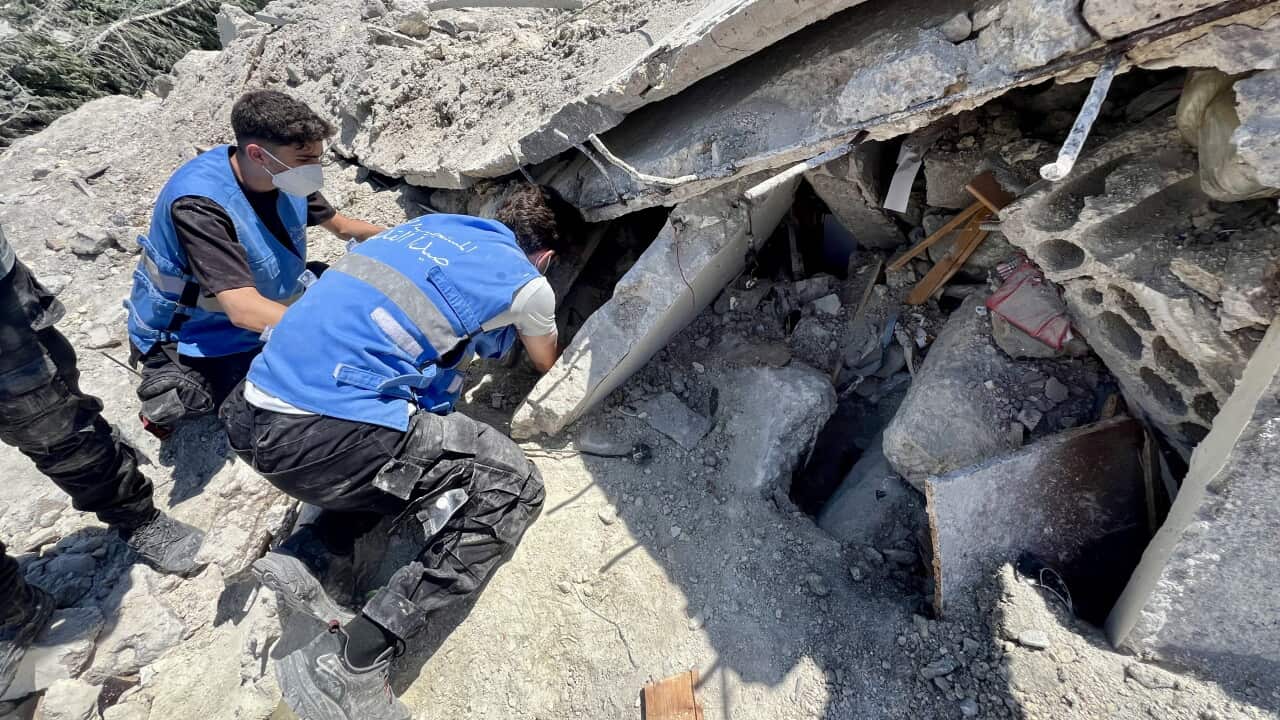
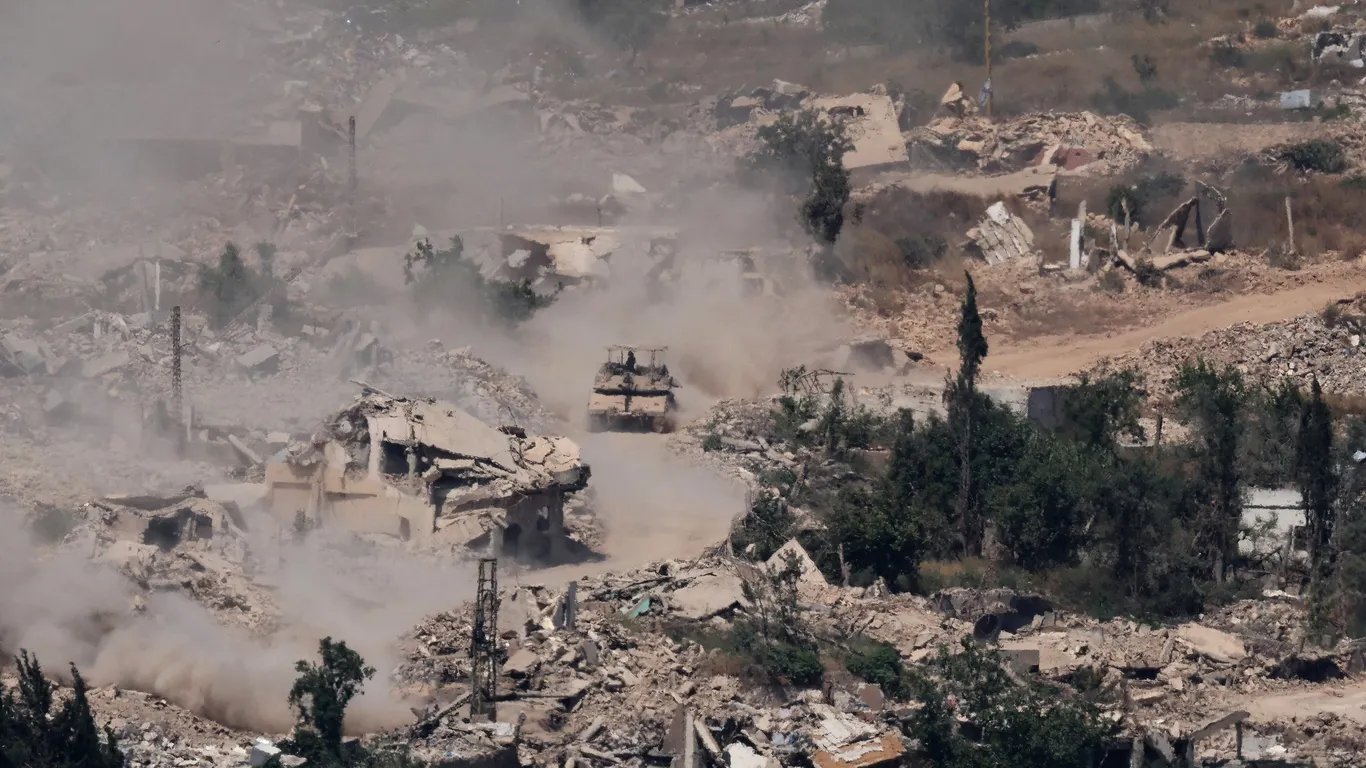
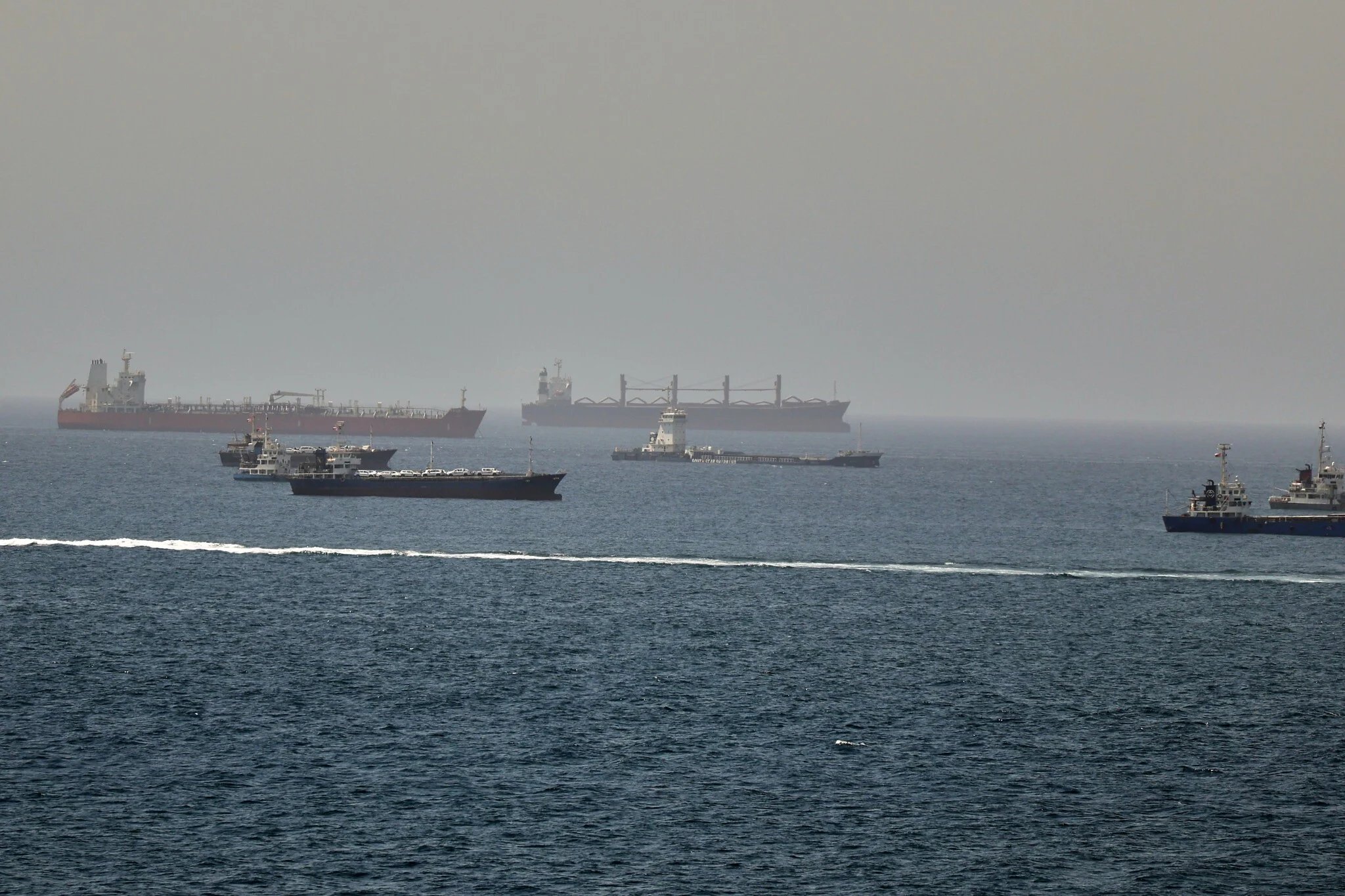
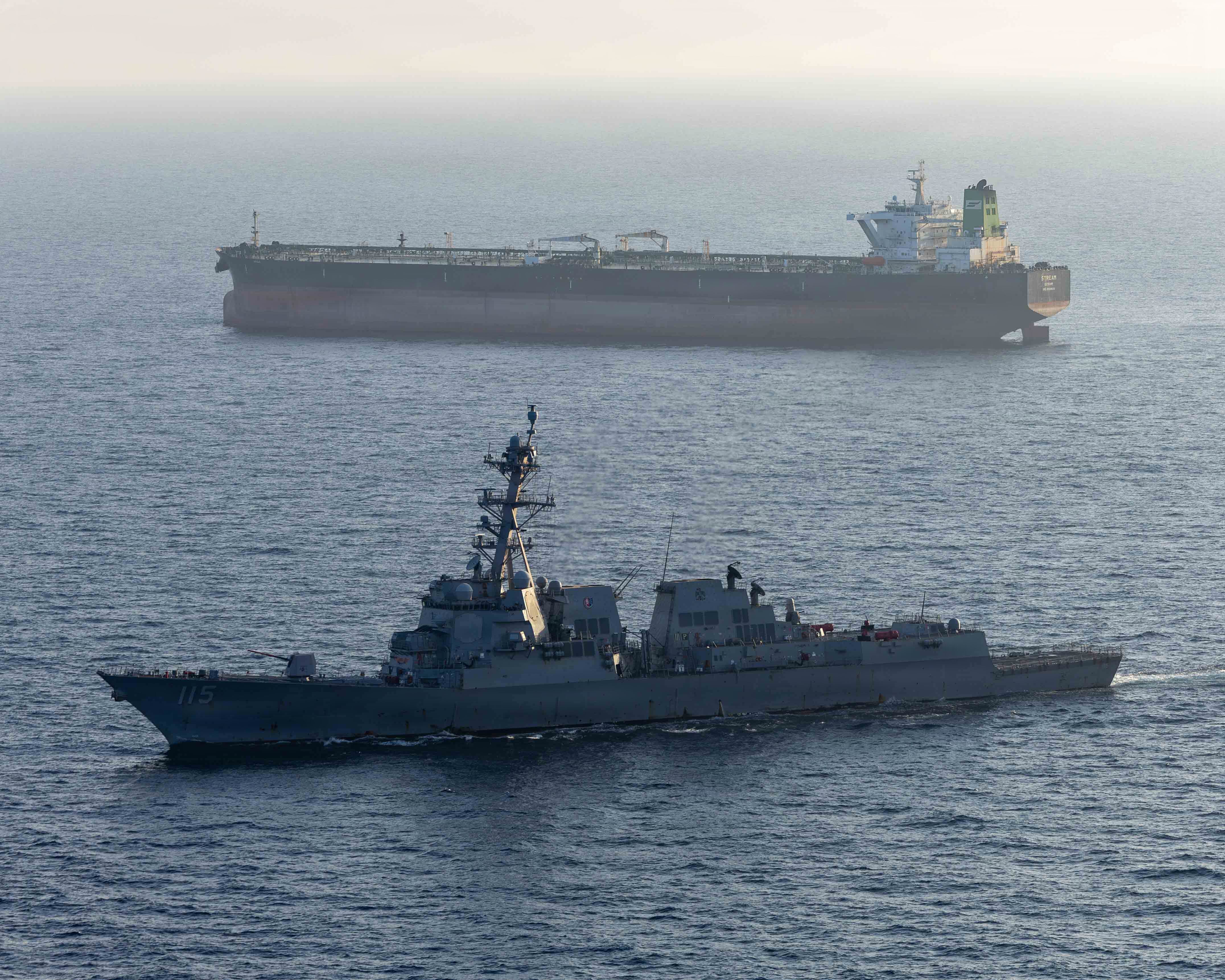
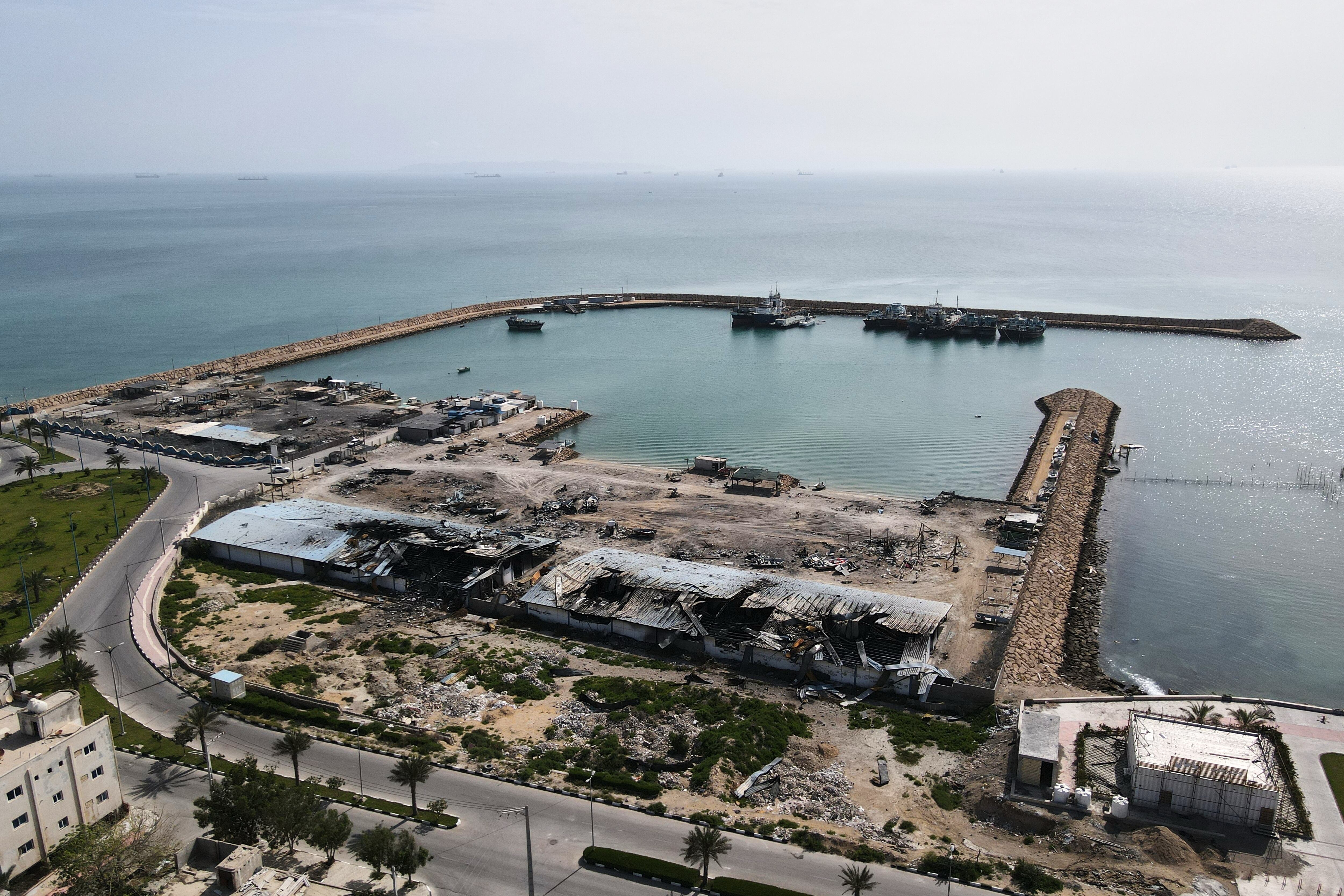
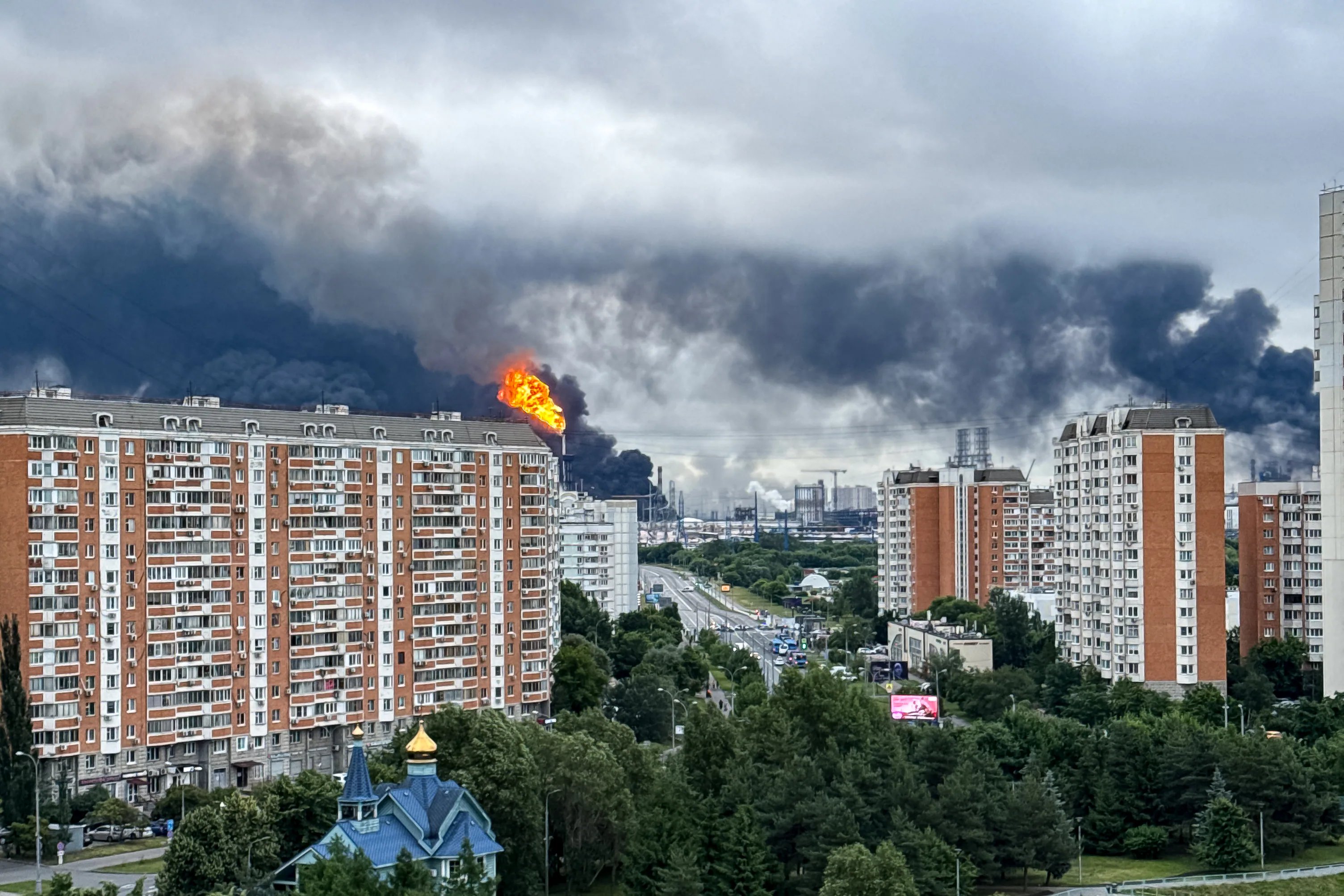
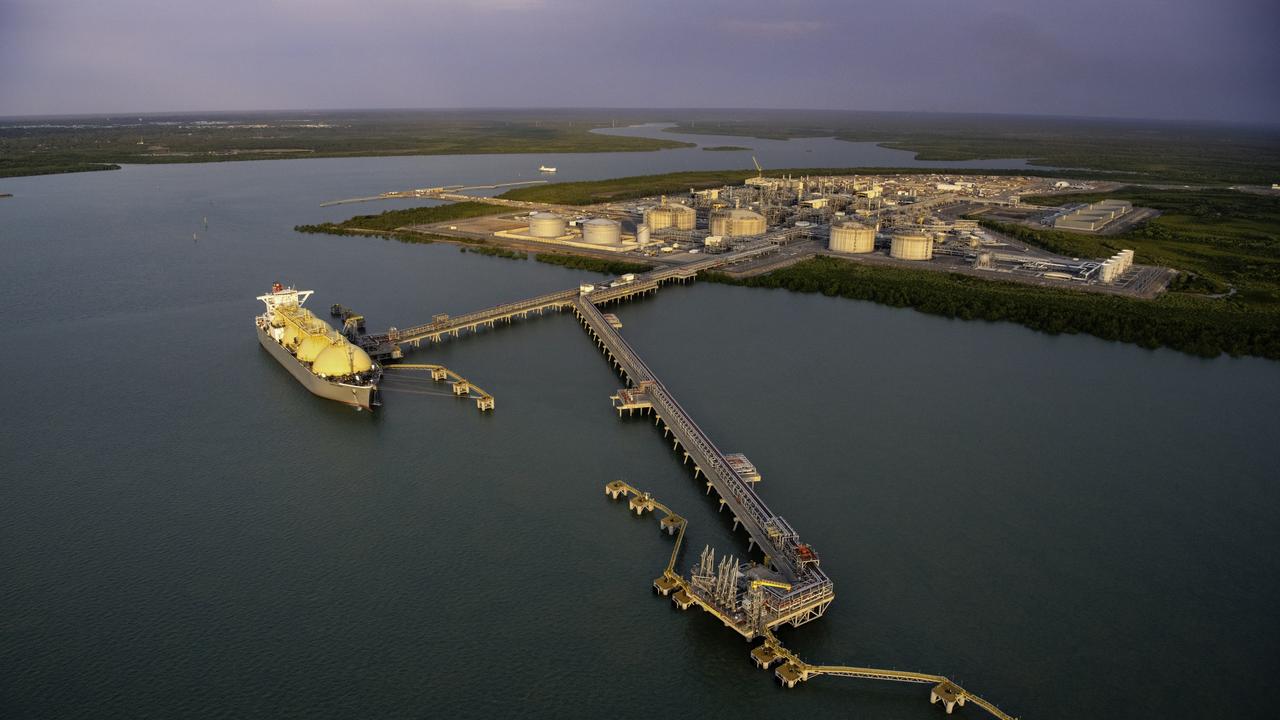
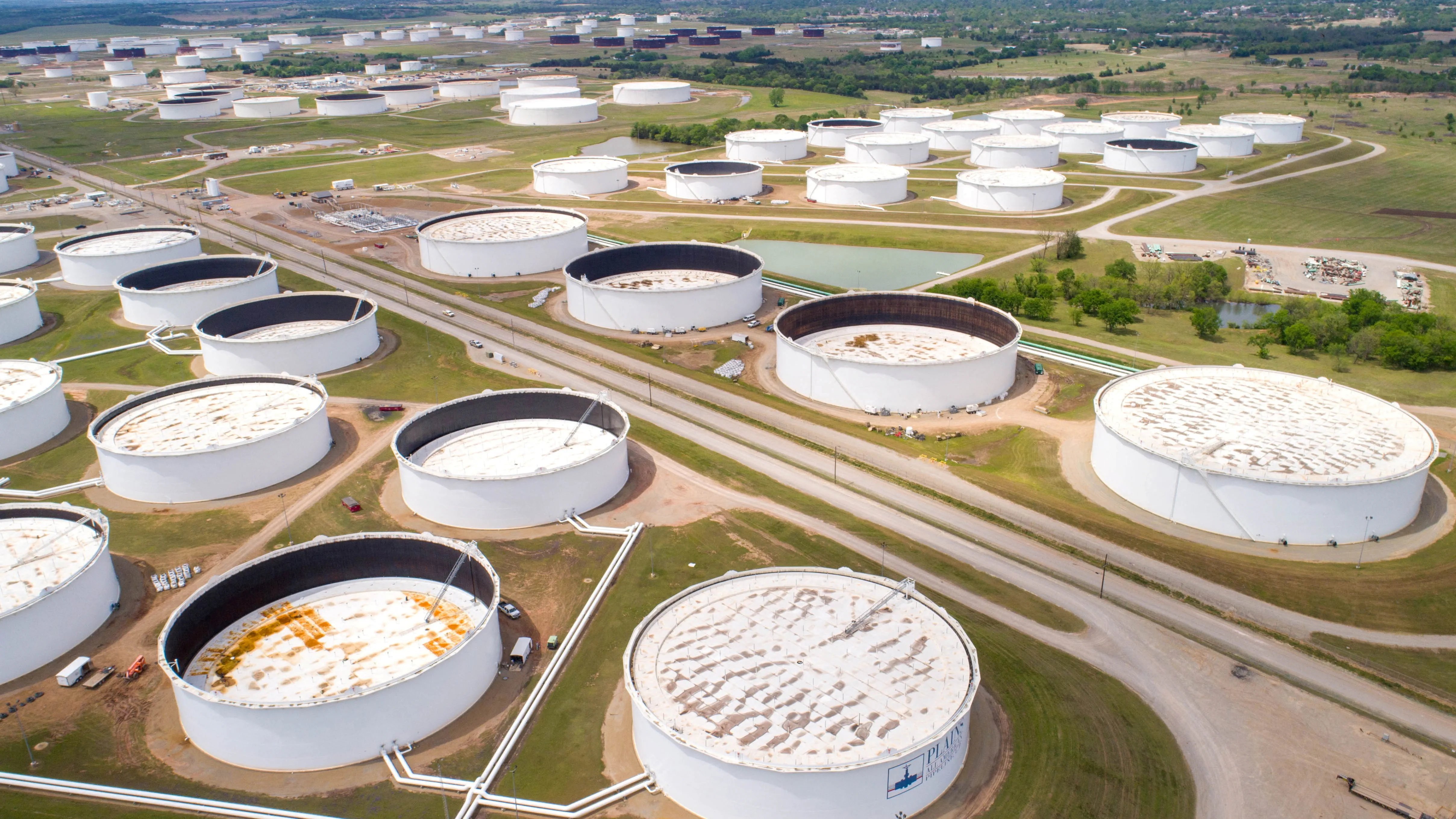
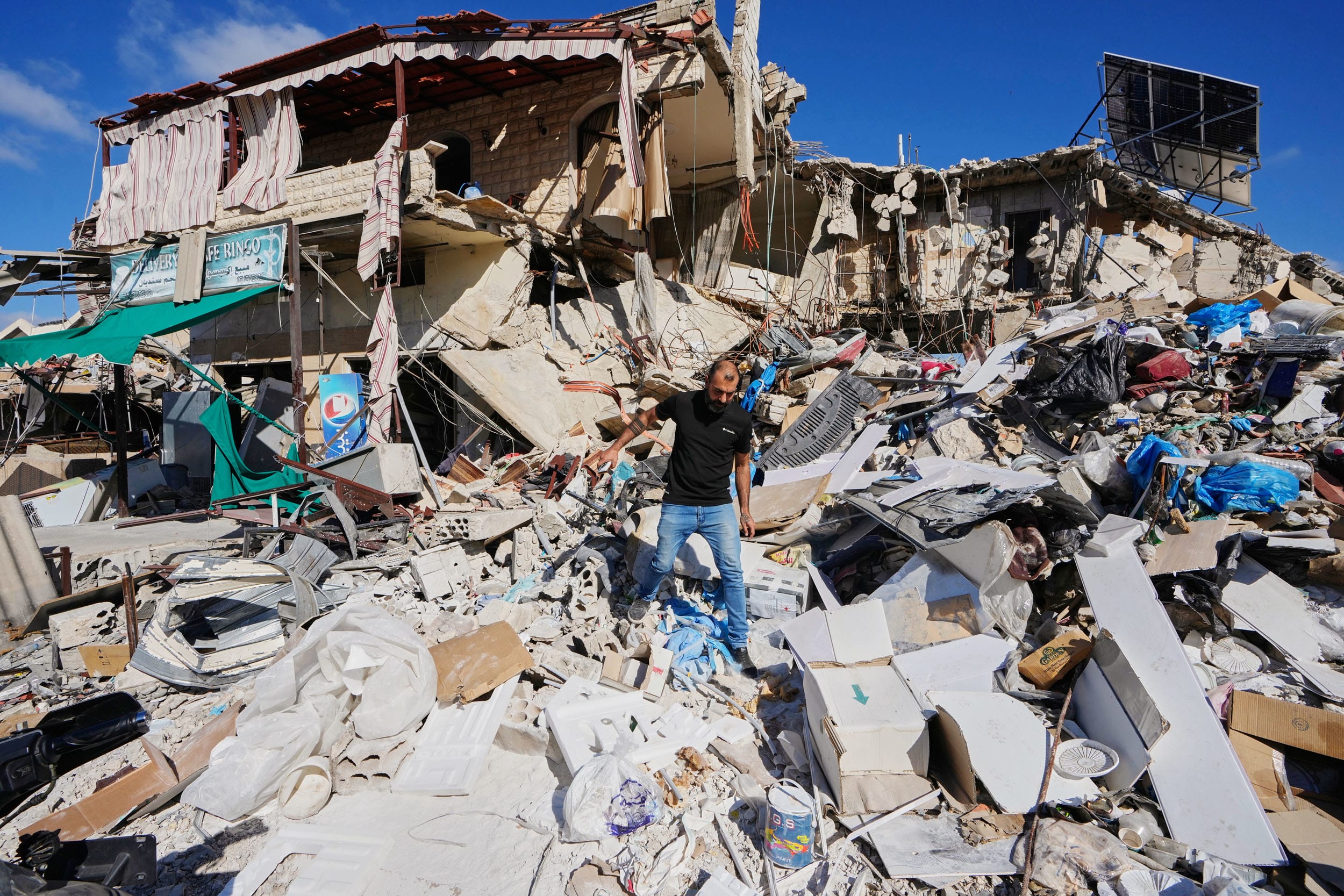
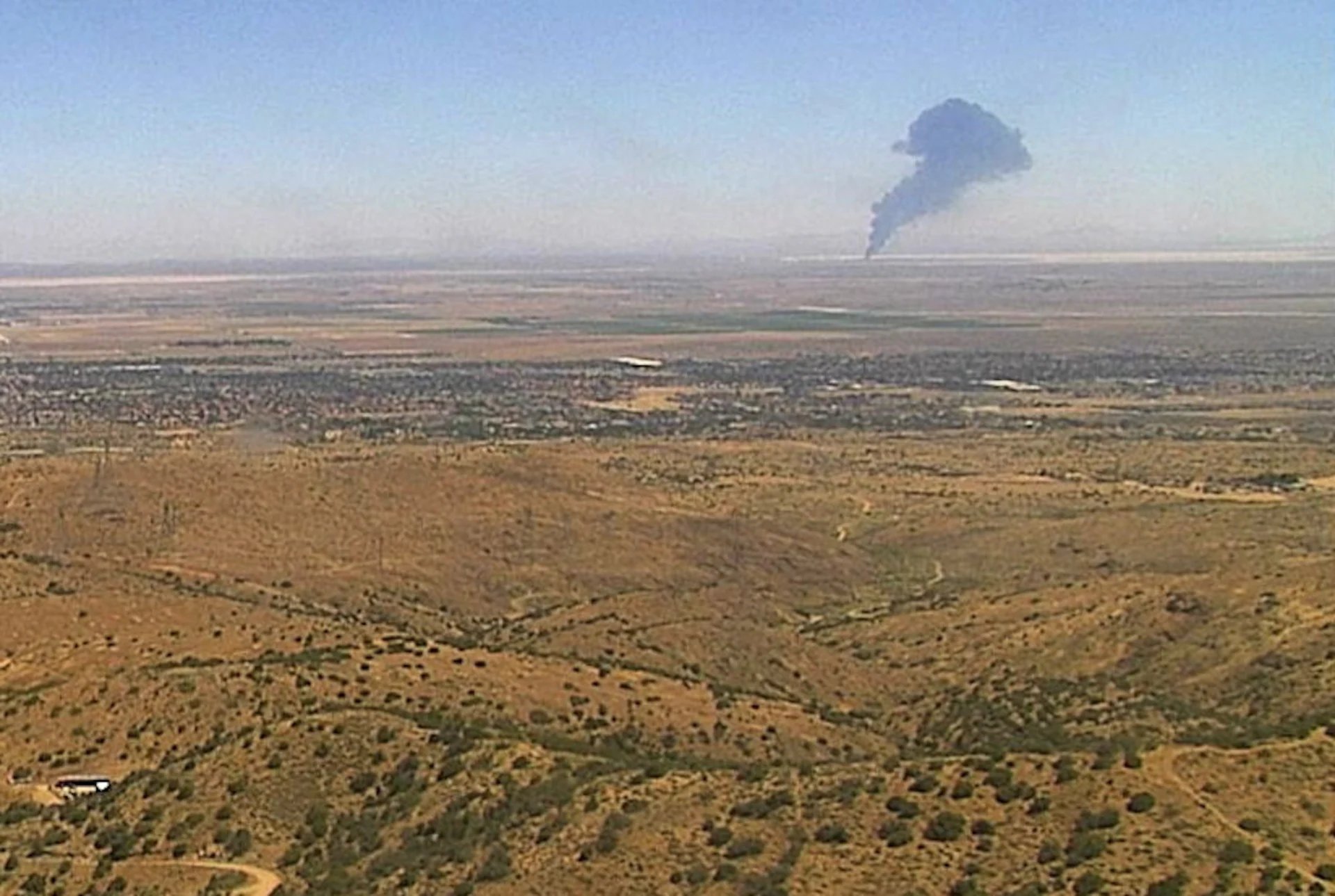
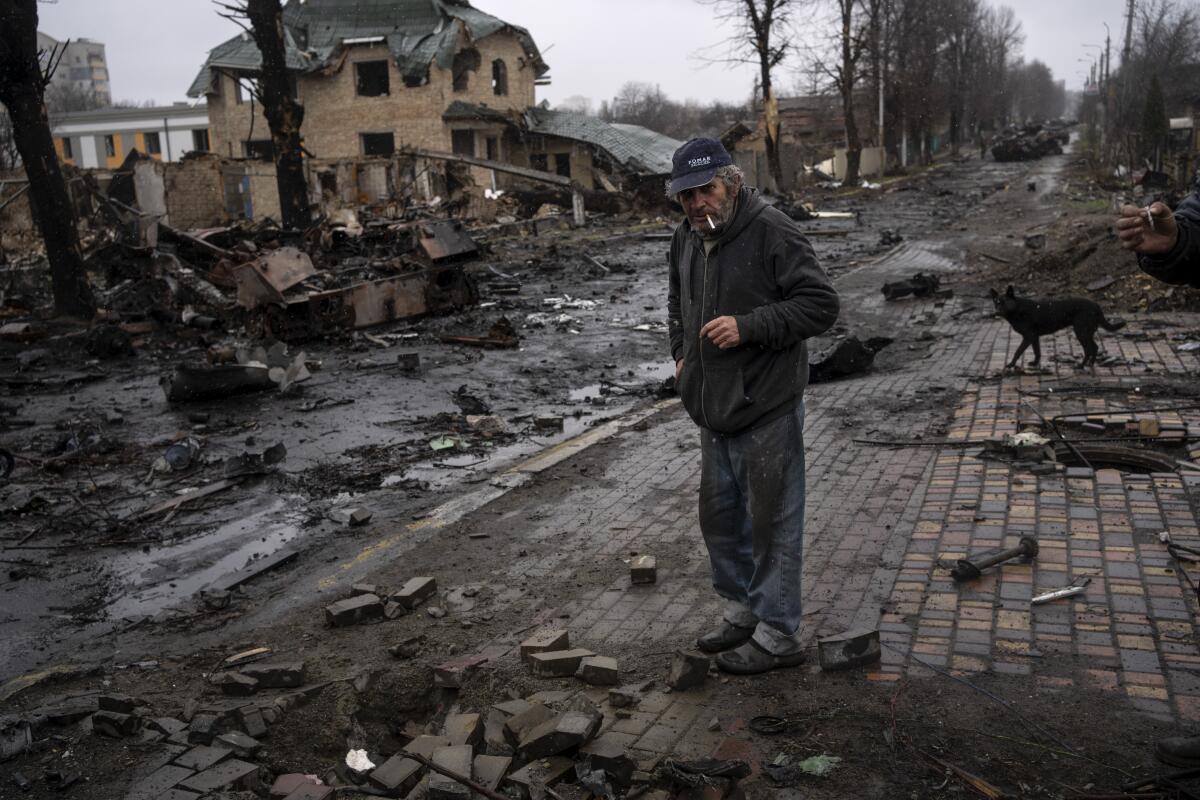
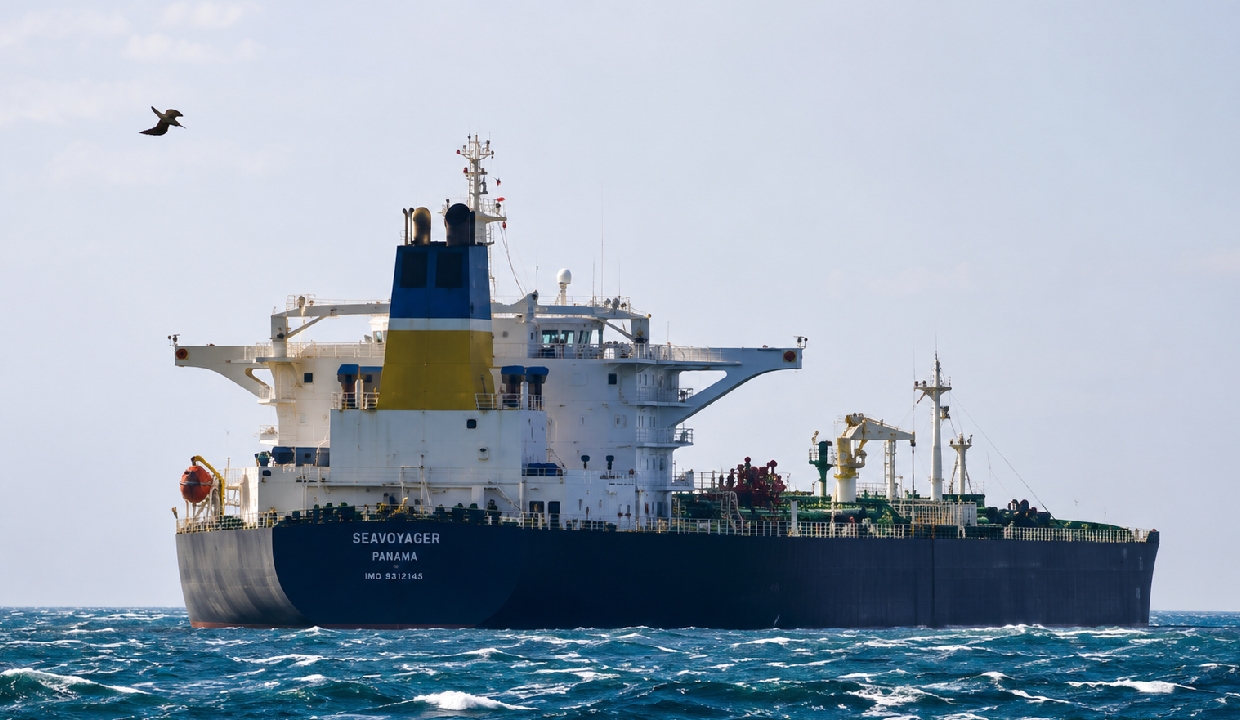
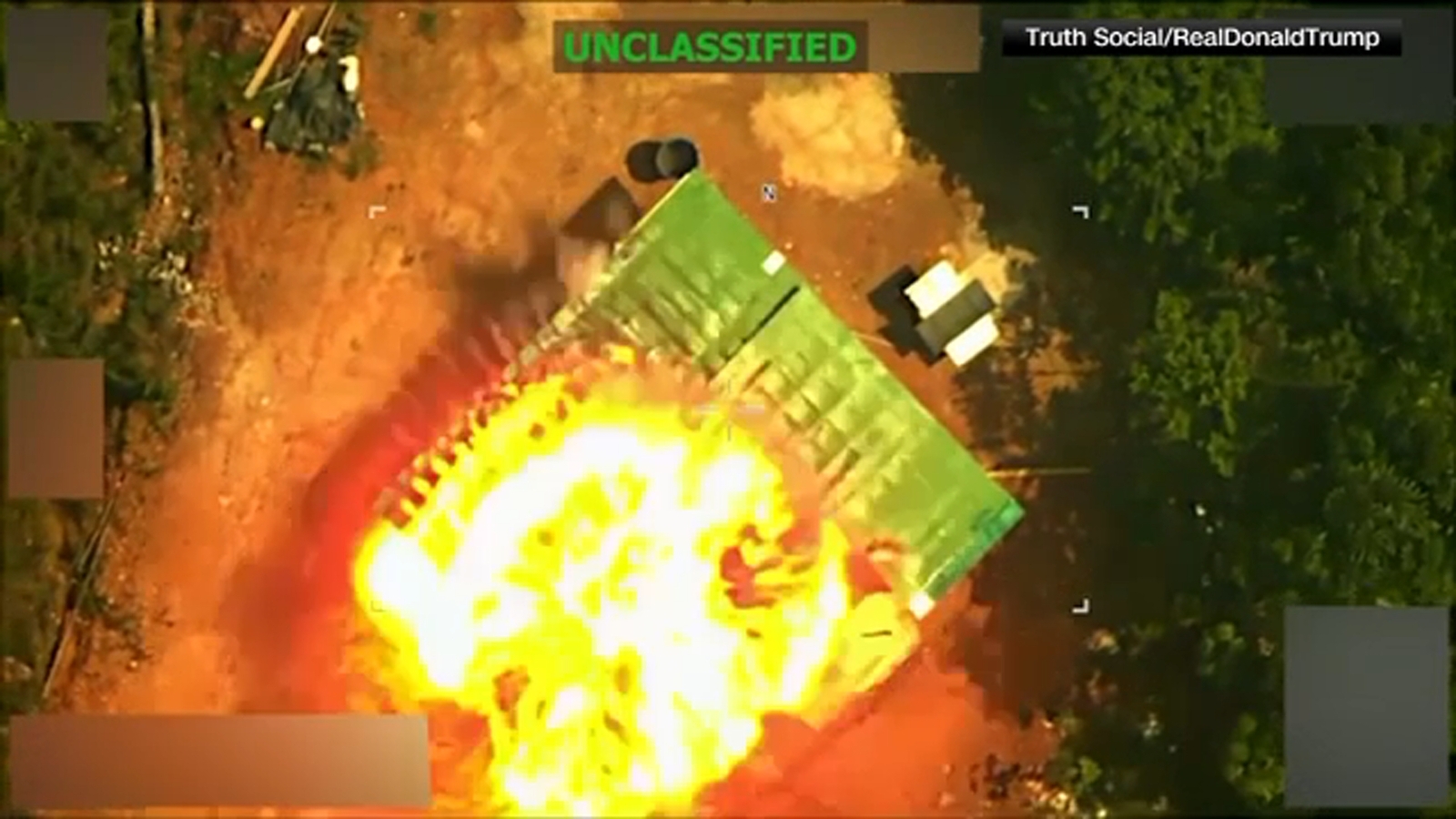
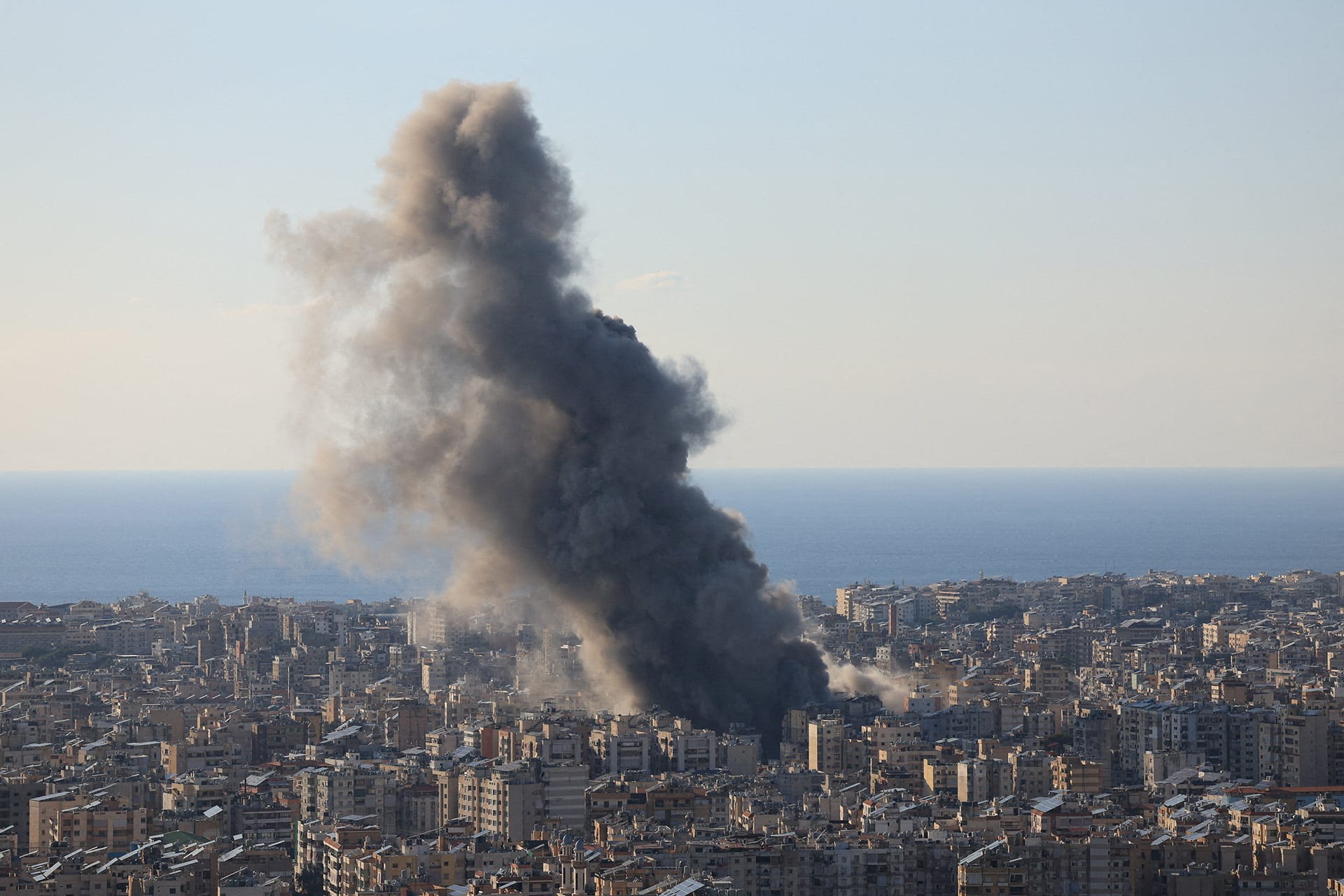
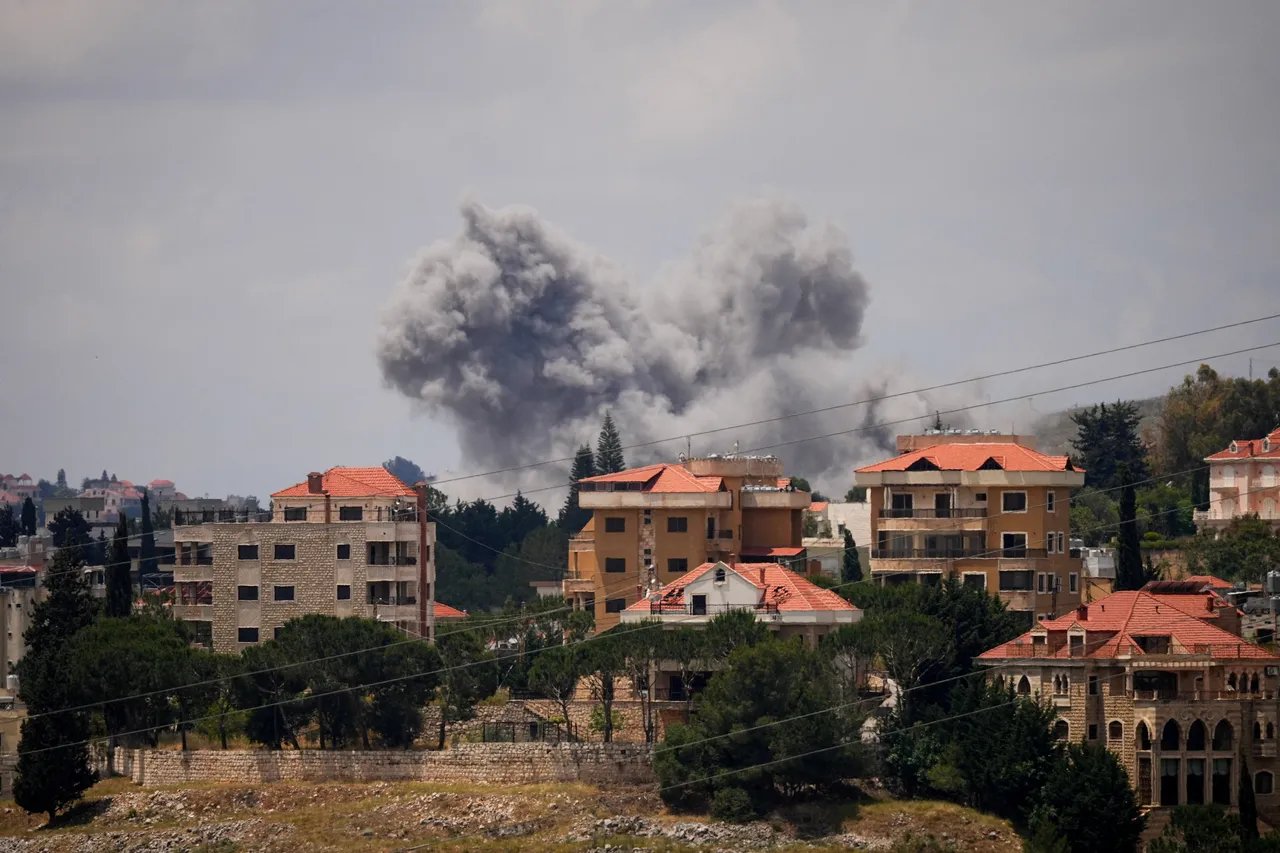
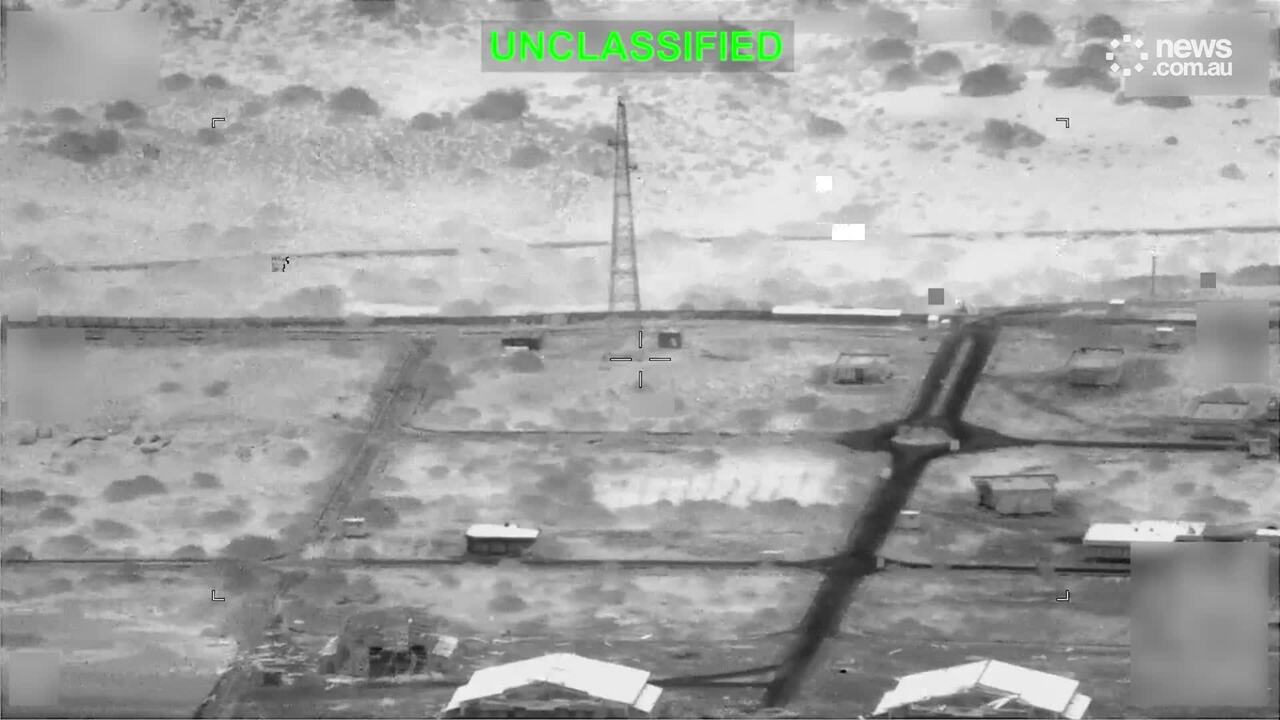
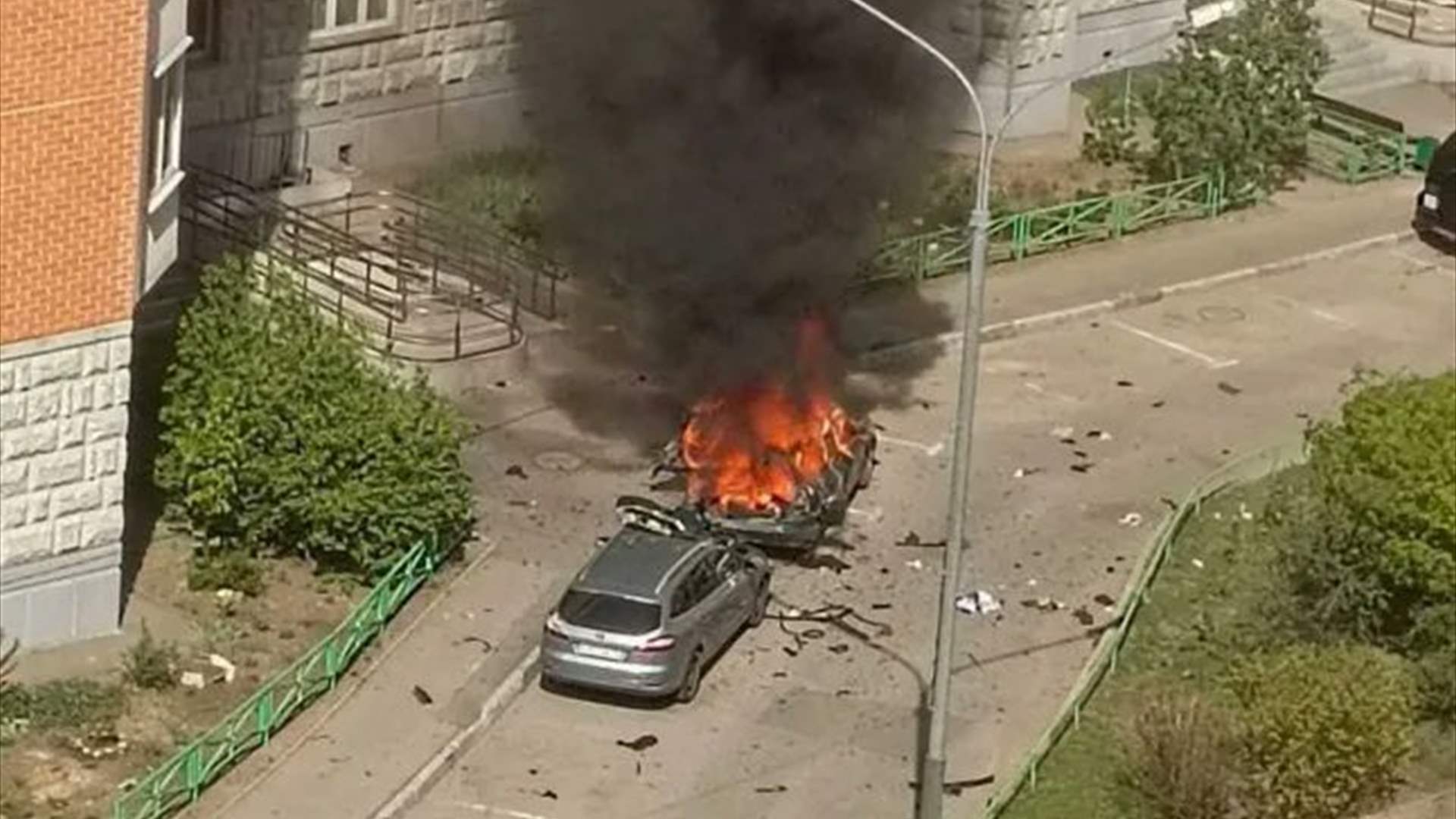
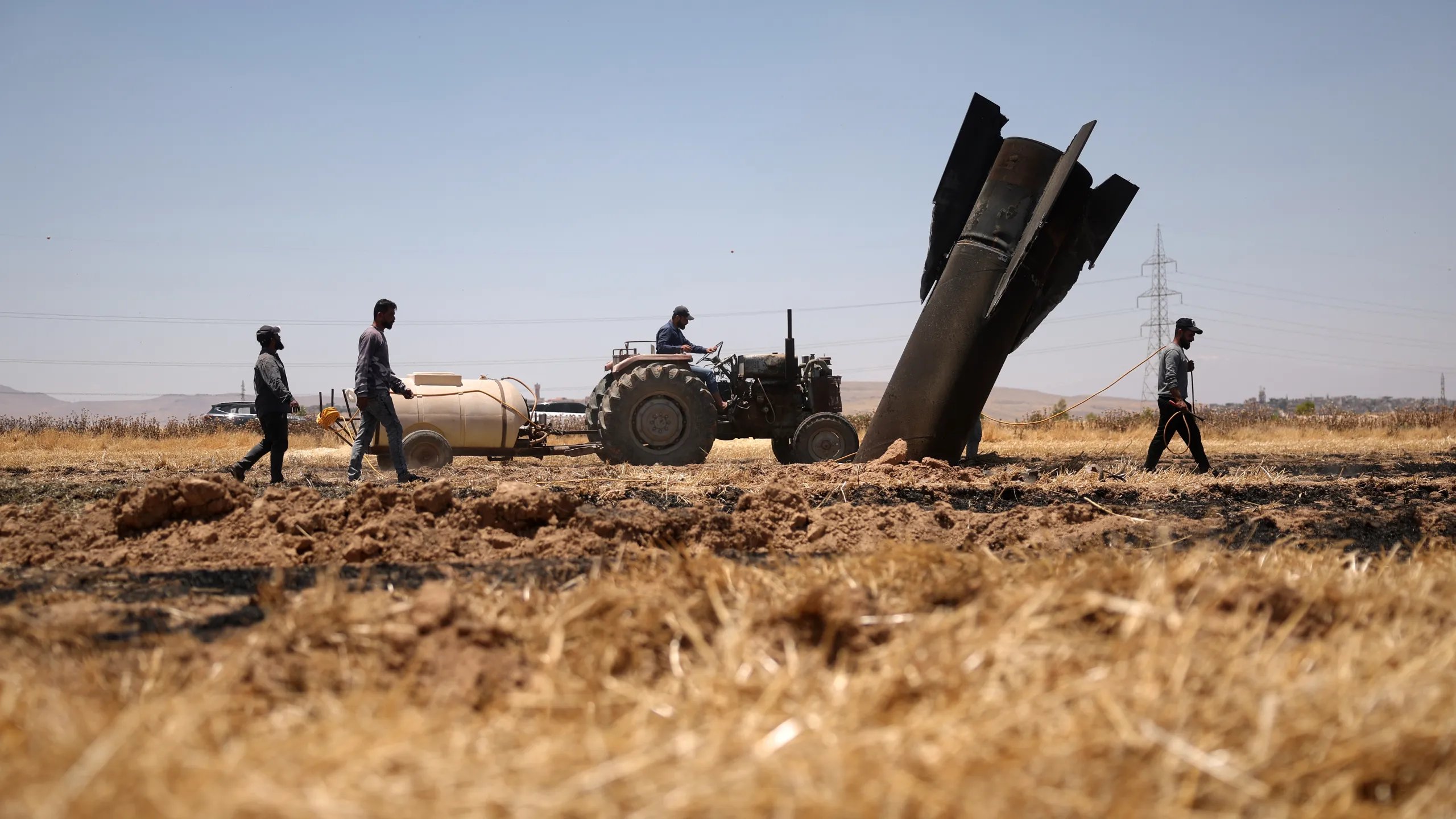
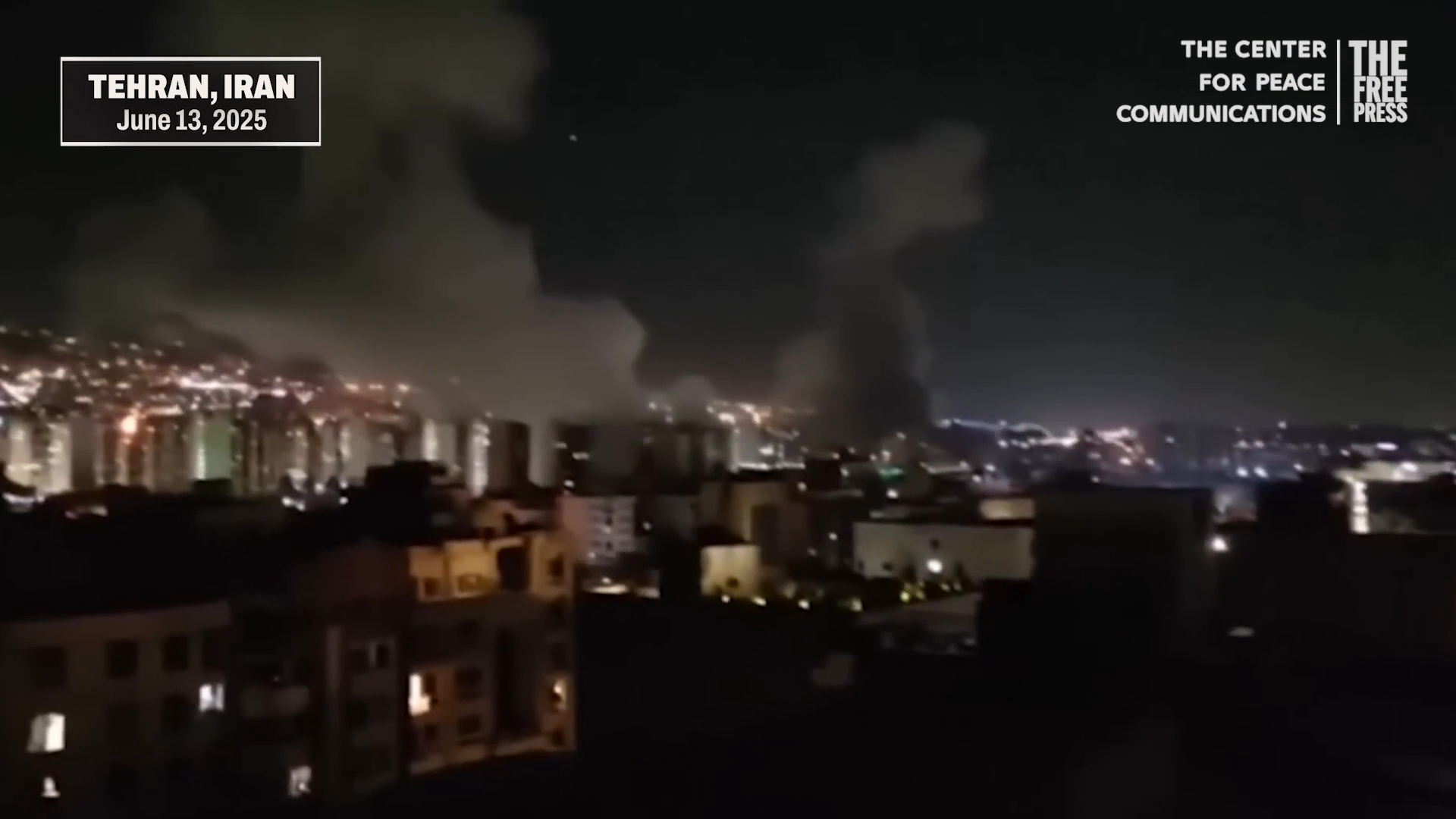
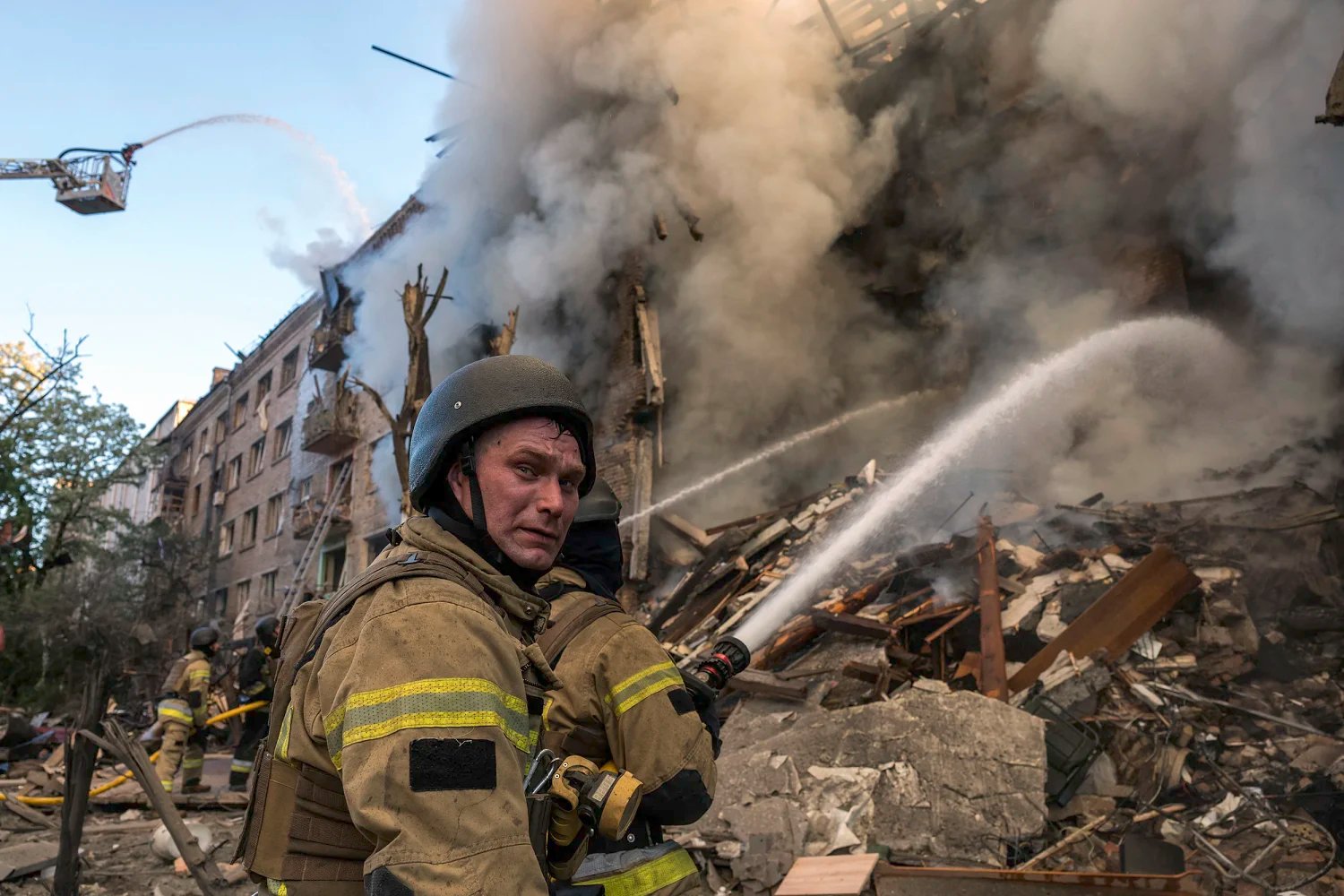
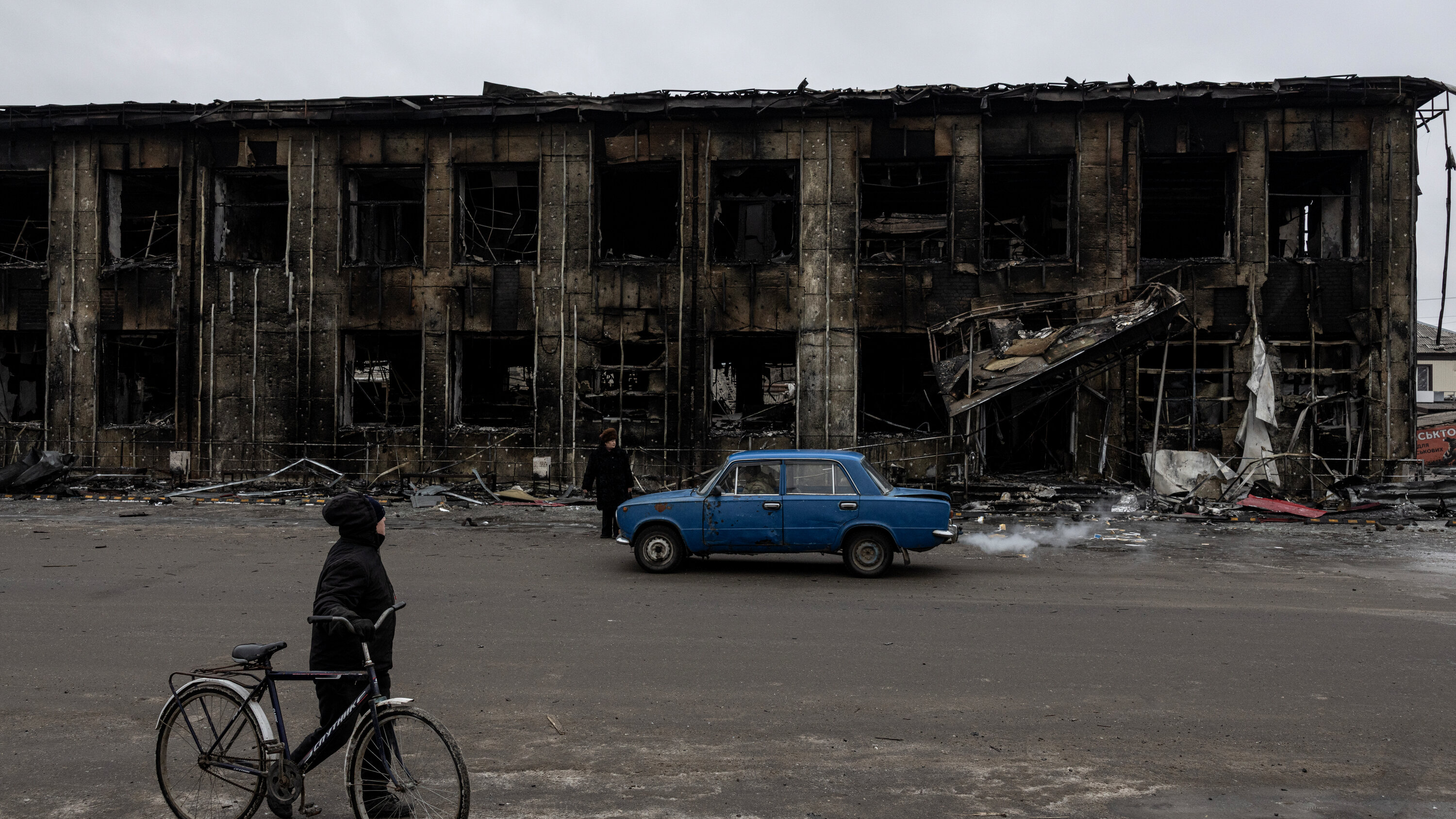
Ukrainian forces have intensified their strikes against Russian oil infrastructure, targeting refineries and tankers to disrupt fuel supplies. Recent attacks included drone strikes on oil facilities in southern Russia, leading to significant fires and evacuations in affected areas. Ukrainian military officials reported that these operations aim to choke off fuel supplies for Russian troops and have already resulted in substantial fuel shortages across Russia.
Impact of Tariffs on Global Energy Markets
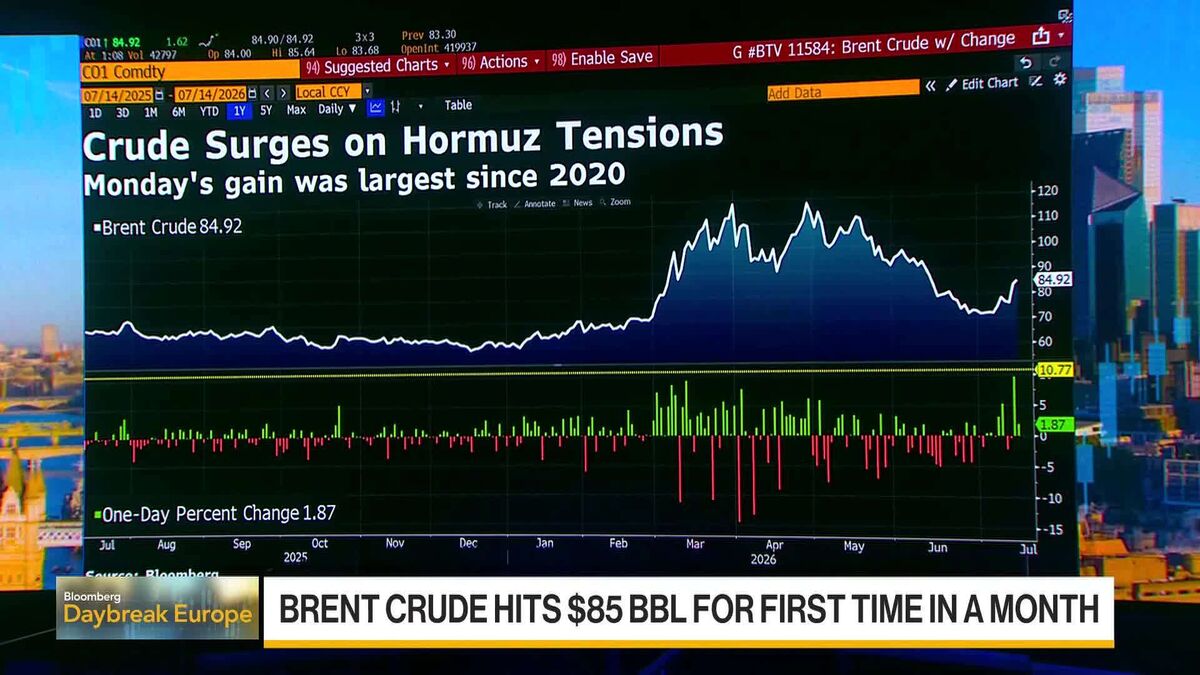
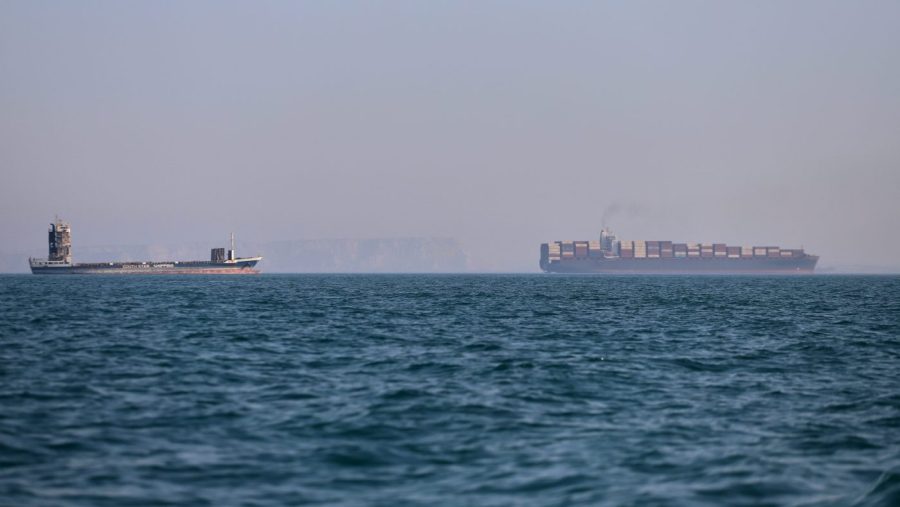
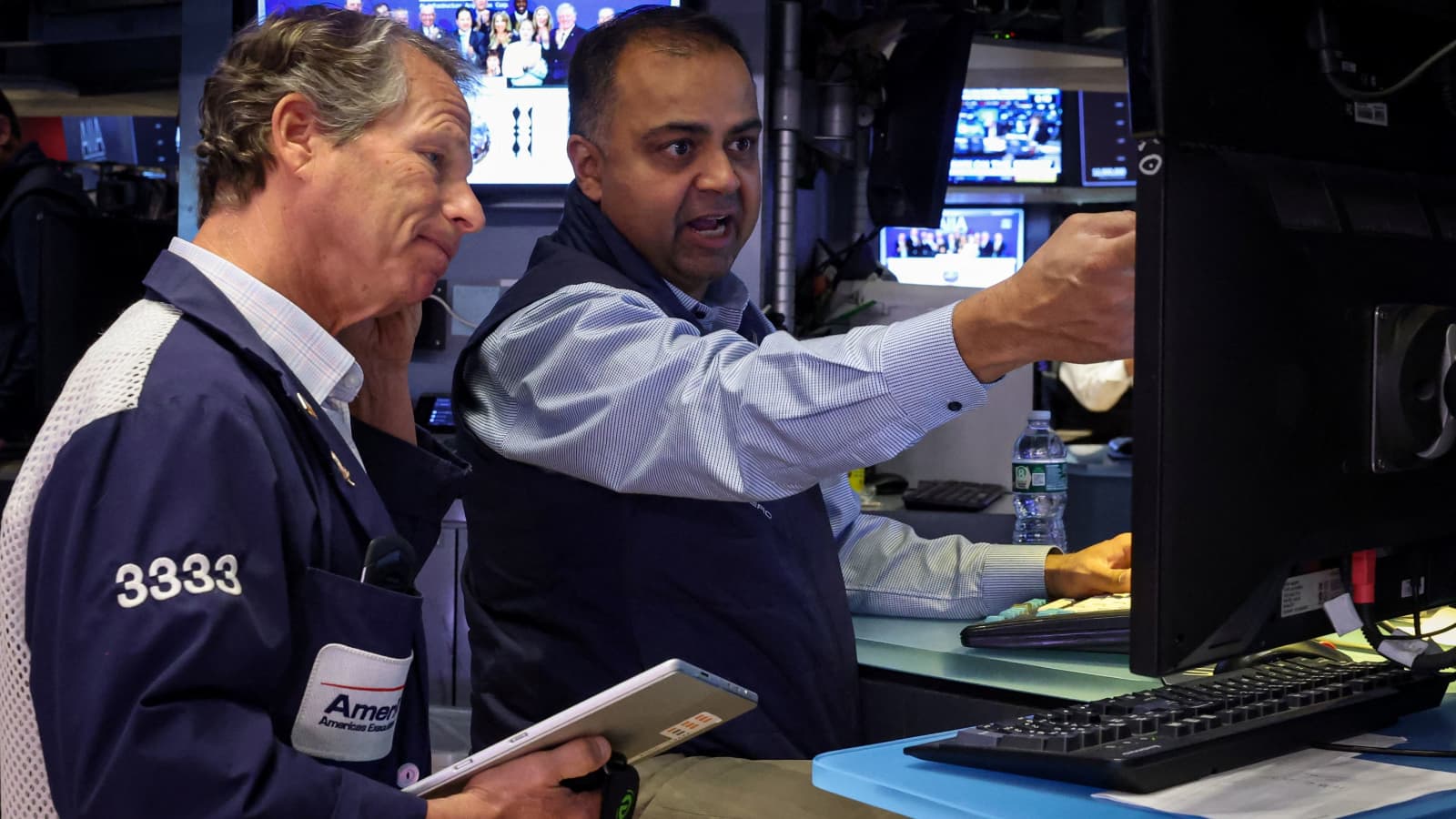
The anticipated tariffs could reshape global energy markets, particularly affecting countries that continue to rely on Russian oil. With Russia's oil exports already strained by ongoing military operations and Ukrainian counterattacks, the proposed sanctions could exacerbate the situation. Analysts warn that the tariffs may further isolate Moscow economically, potentially leading to increased tensions in international relations.
Ukrainian Military Strategy
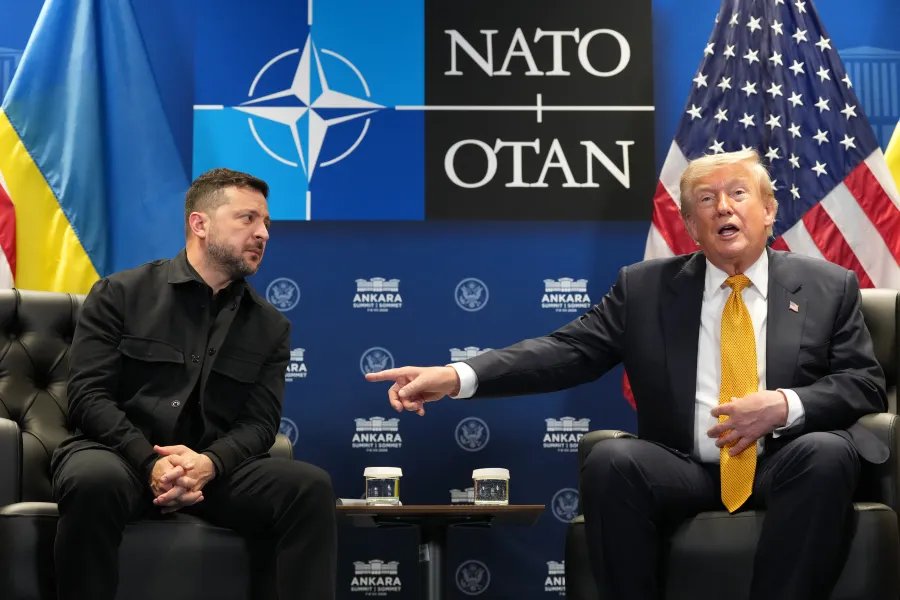
Amid these developments, Ukrainian President Volodymyr Zelenskyy has emphasized the importance of targeting Russian fuel supplies to weaken Moscow's military capabilities. By striking oil depots and refineries, Ukraine aims to hinder Russia's ability to sustain its war efforts. Reports indicate that Ukrainian drone attacks have successfully damaged key energy infrastructure, contributing to a growing fuel crisis in Russia.
Response from Russian Officials
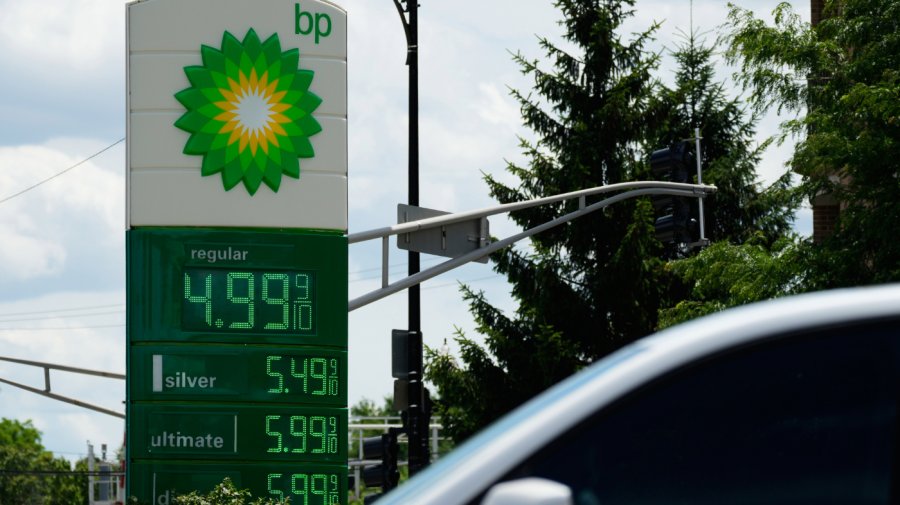
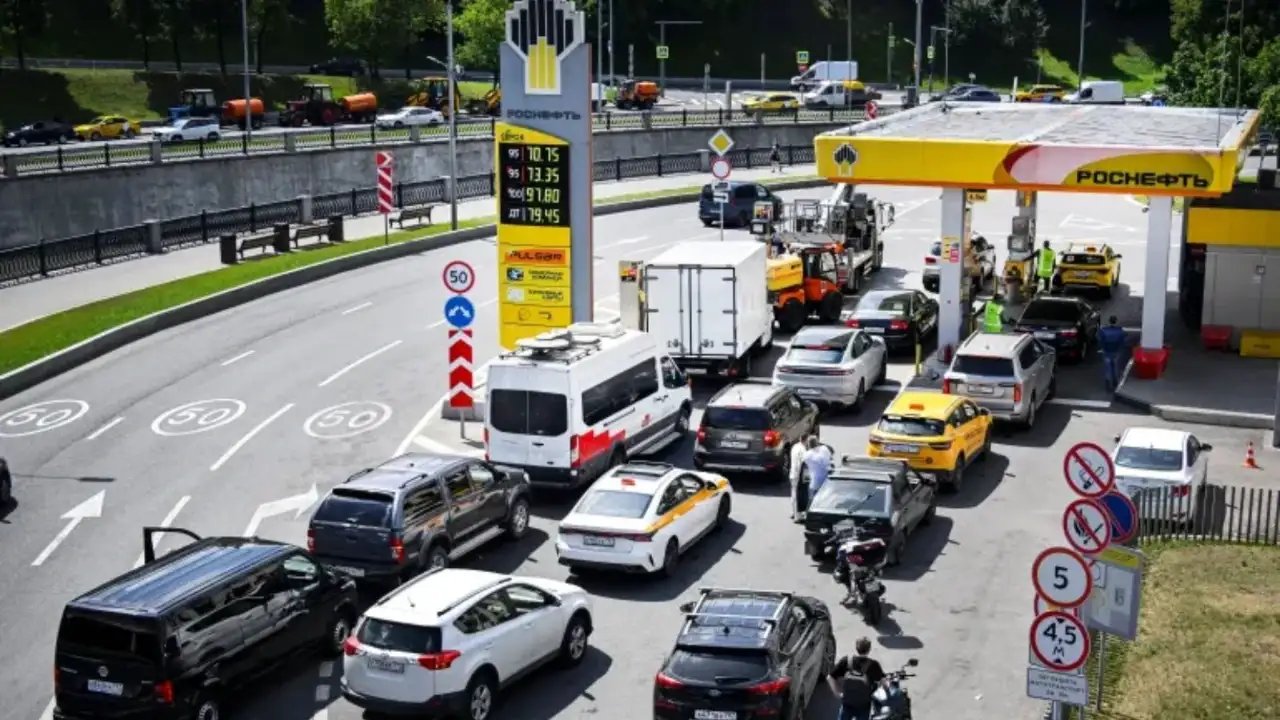
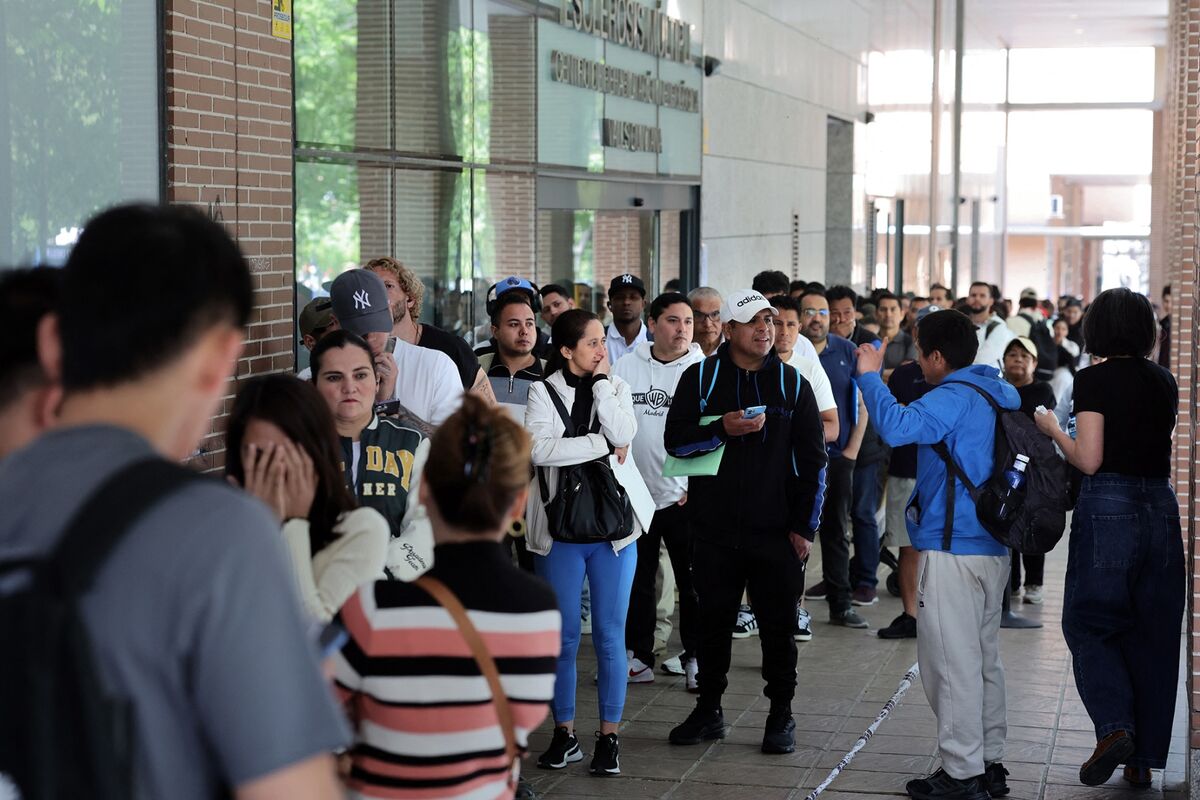
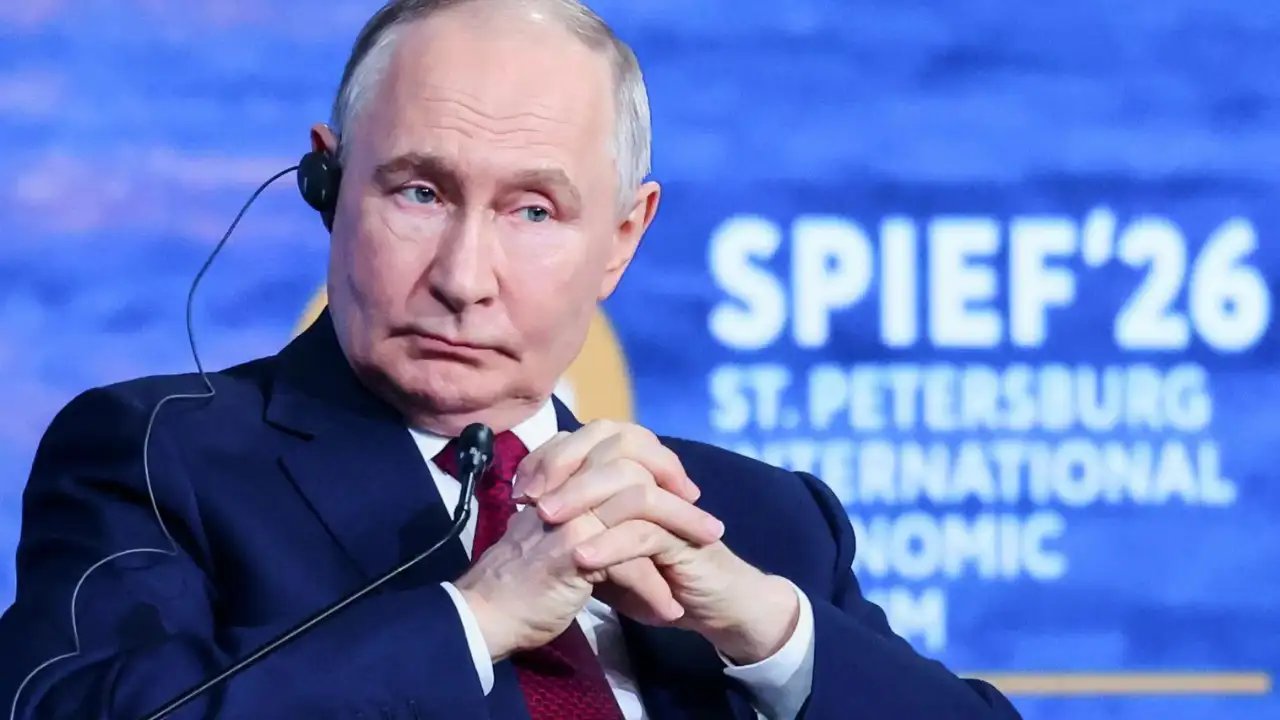
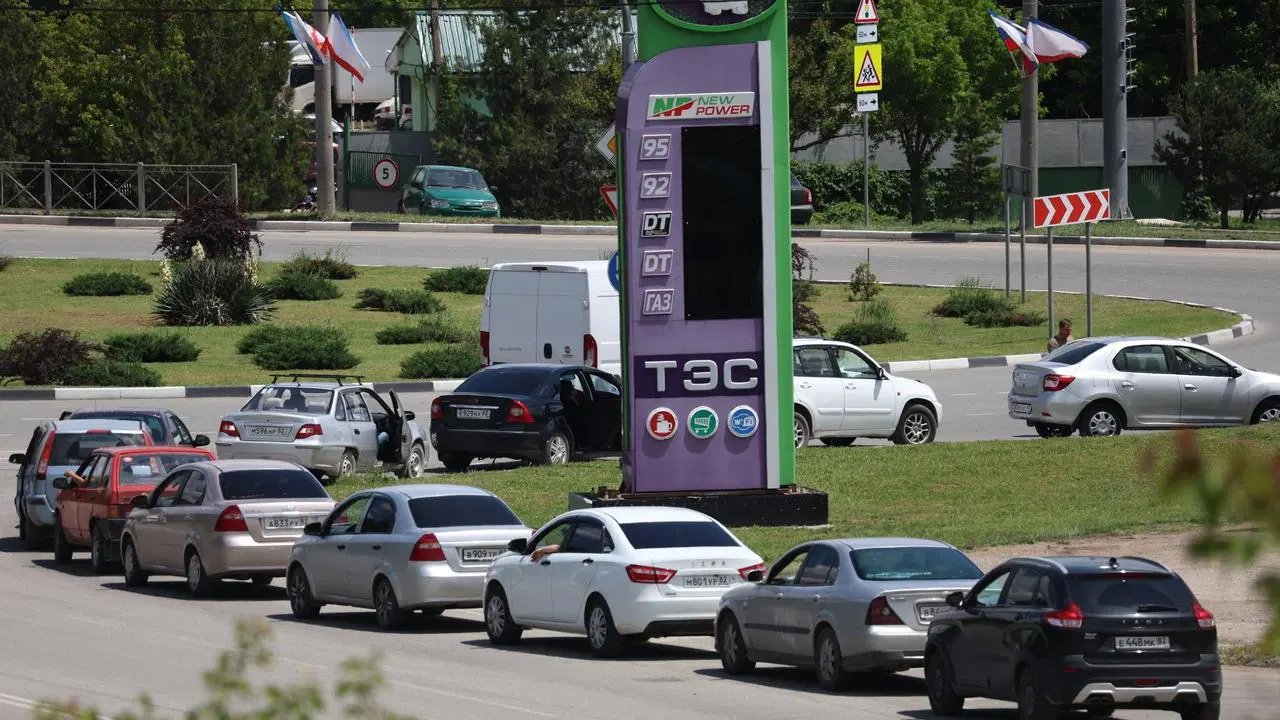
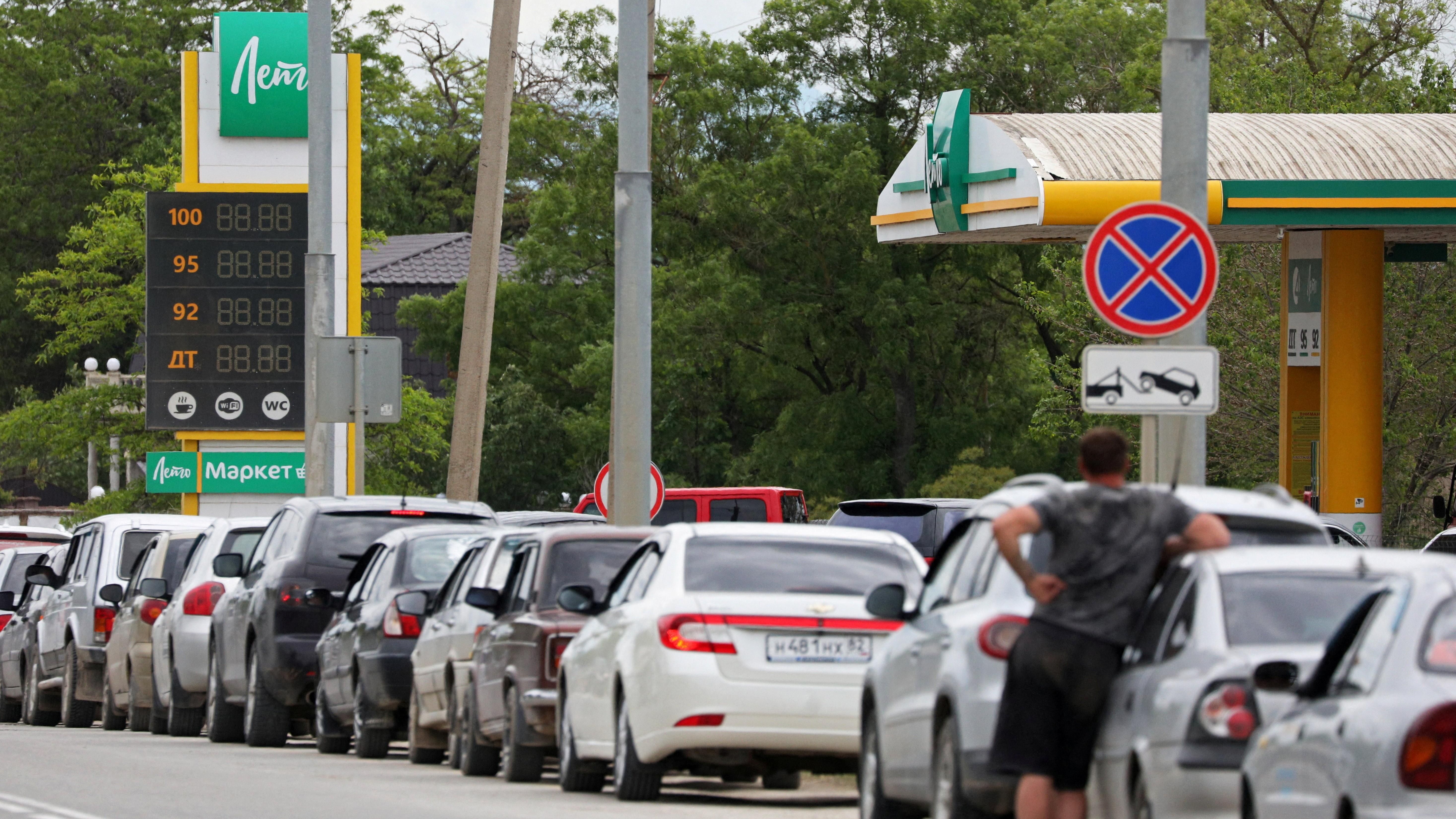
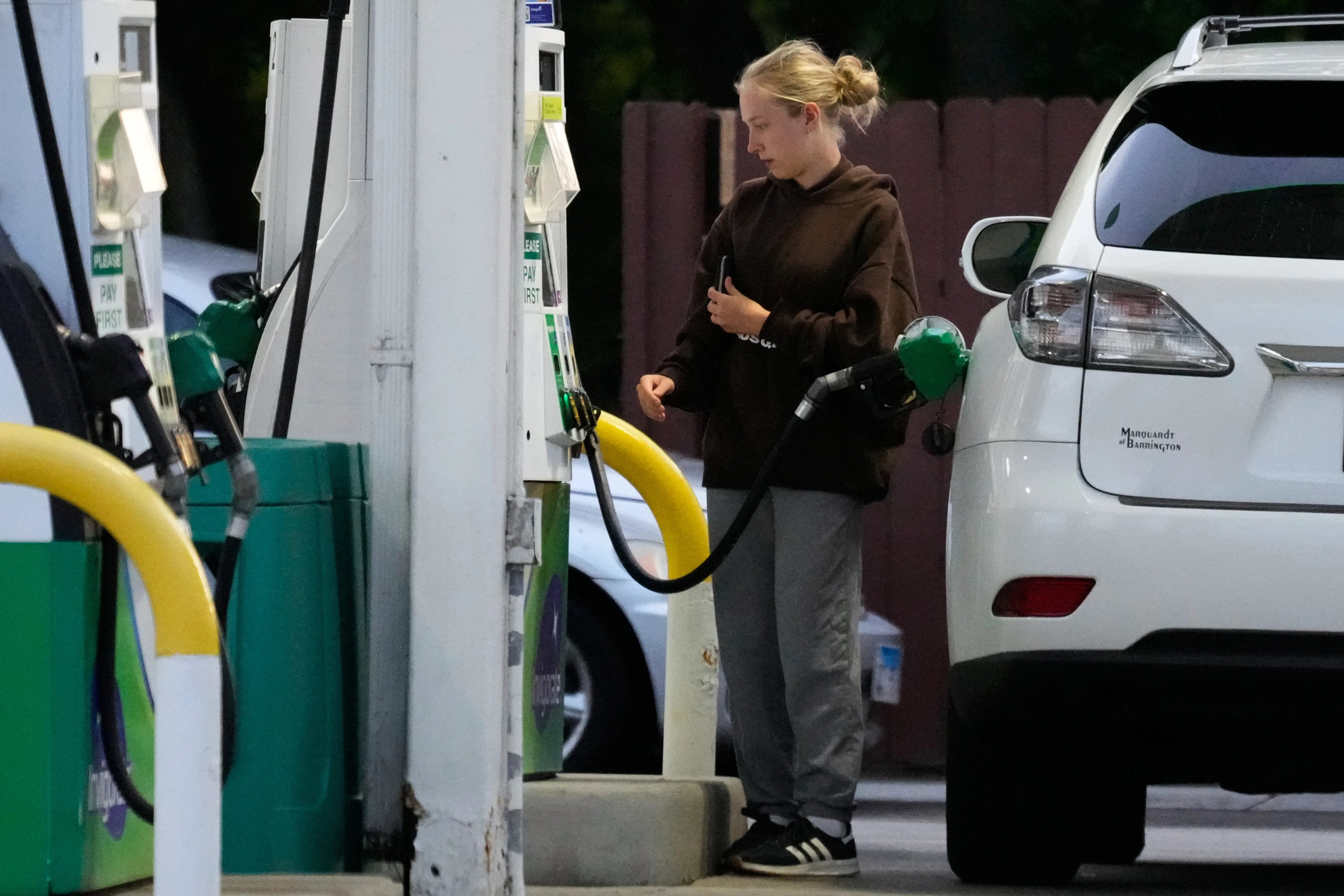
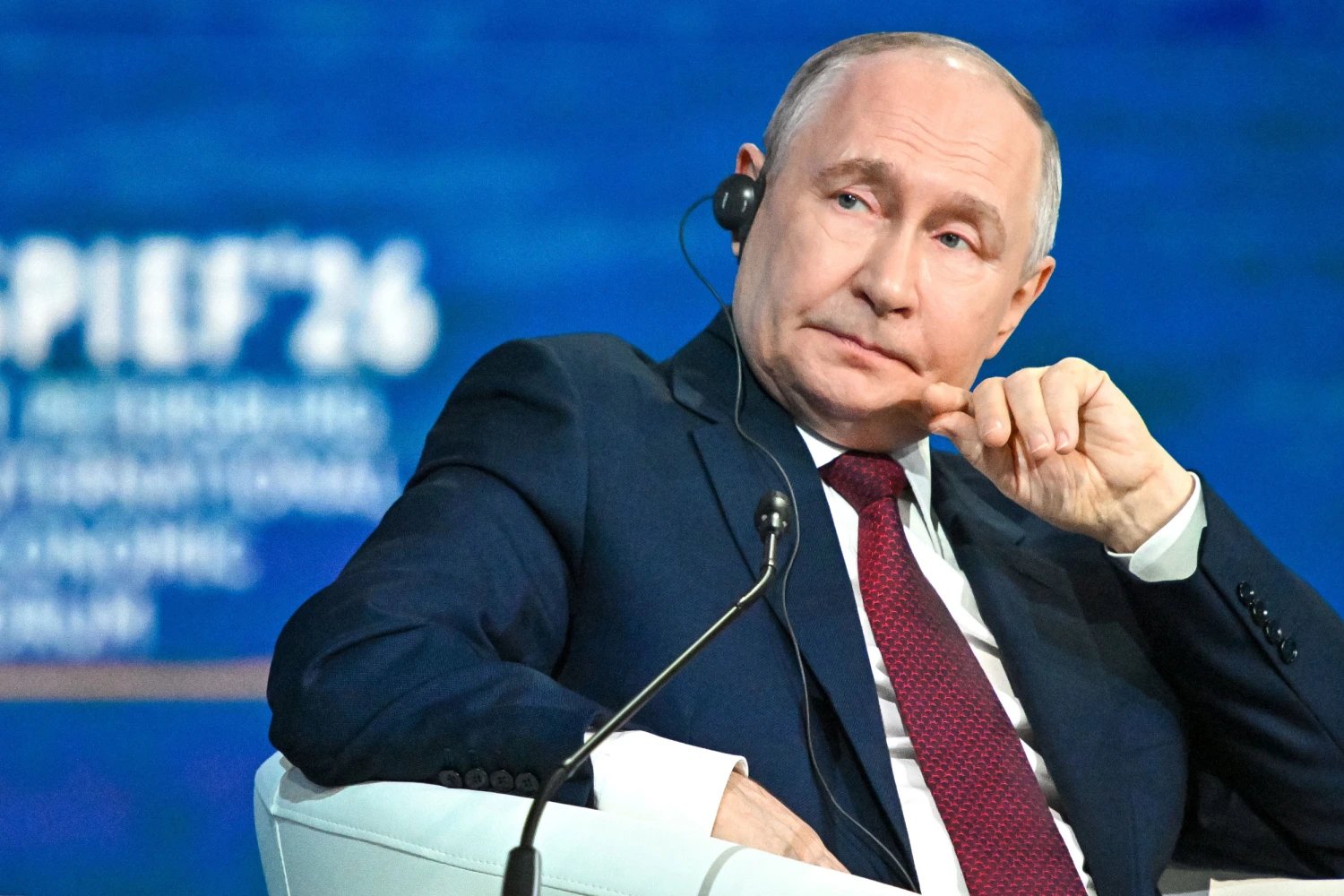
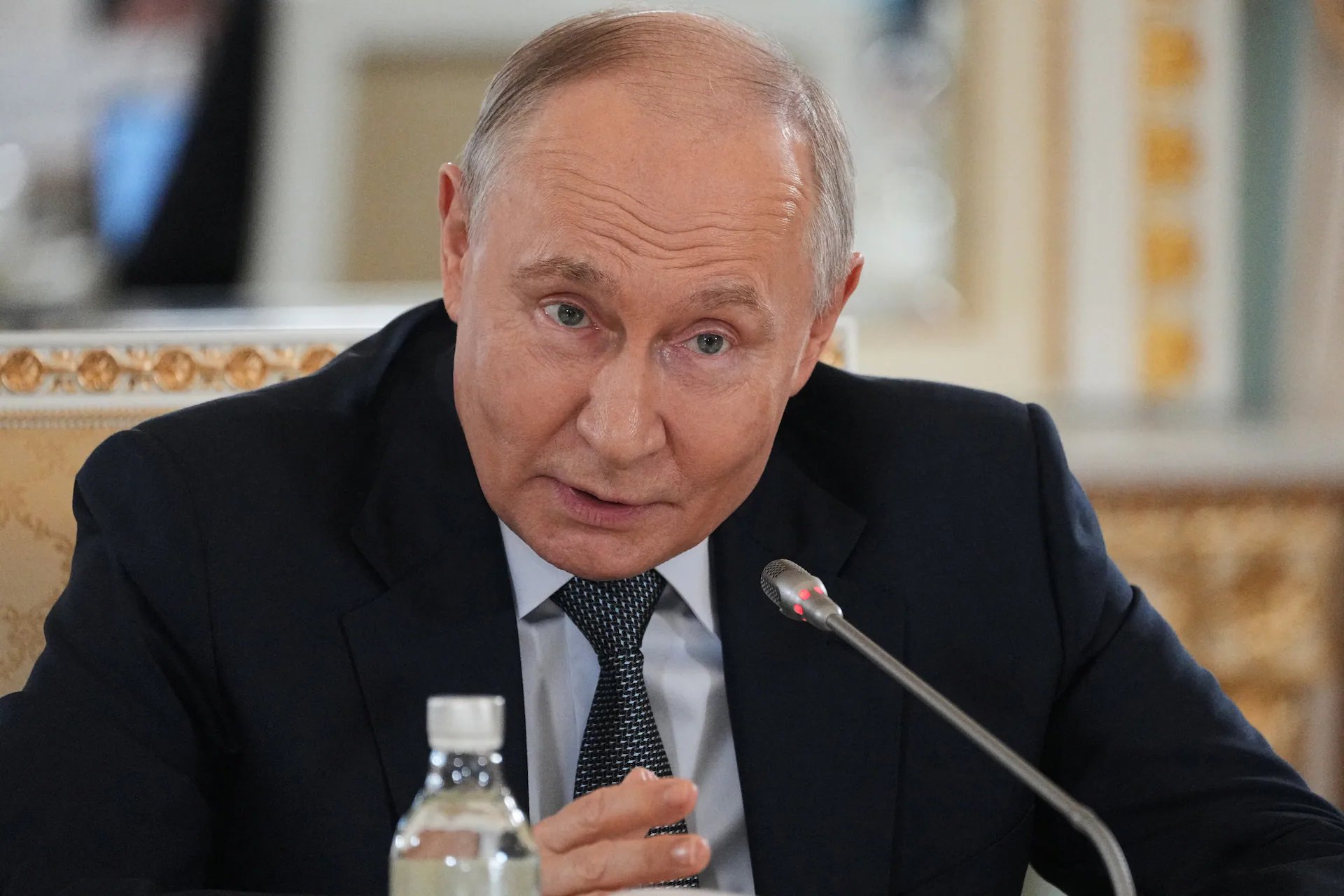
In response to the escalating Ukrainian strikes, Russian officials have acknowledged the challenges posed by fuel shortages. Deputy Prime Minister Alexander Novak stated that the government is taking measures to stabilize fuel availability and ensure that oil refineries maintain production capacity. Despite these assurances, President Vladimir Putin has admitted that the situation is causing significant strain on Russian consumers, with long lines forming at filling stations.
International Reactions and Future Implications
The proposed sanctions and ongoing military actions have drawn mixed reactions from the international community. While some countries support the U.S. initiative to impose tariffs on Russian oil, others express concerns about the potential for escalating conflict. The situation remains fluid, with both sides preparing for further military and economic confrontations as the war in Ukraine continues to unfold.
Conclusion: A Turning Point in U.S. Policy
The Trump administration's backing of tariffs on Russian oil marks a significant turning point in U.S. policy towards the Ukraine conflict. As both military and economic strategies evolve, the implications for global energy markets and international relations could be profound. The coming weeks will be crucial as lawmakers work to finalize the sanctions bill and as Ukraine continues its military campaign to reclaim territory and disrupt Russian supply lines.