





Coalition Agreement Details
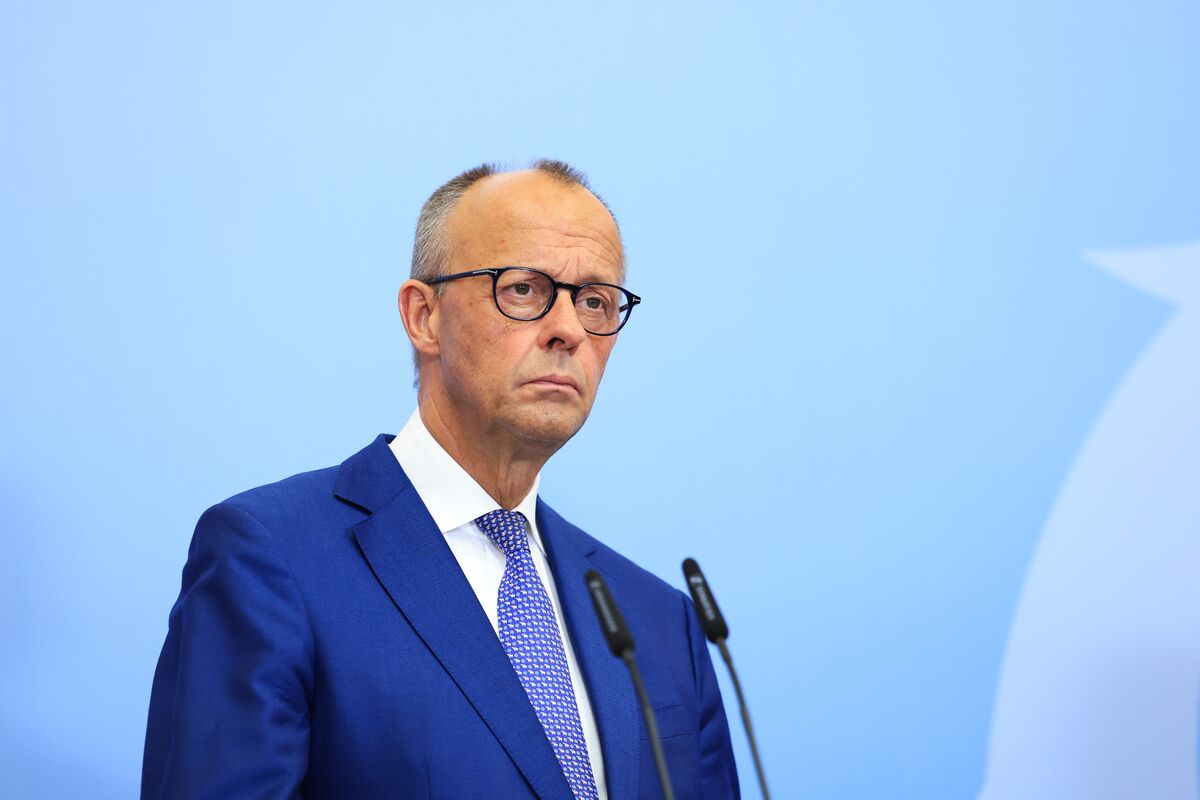
Germany's coalition government, led by Chancellor Friedrich Merz, has unveiled a comprehensive reform package aimed at revitalizing the country's economy. The plan includes €10 billion ($11.4 billion) in income tax relief, the elimination of phone-based sick notes, and the implementation of pension commission proposals. Merz stated, "We are providing relief to employees and businesses by cutting taxes and reducing bureaucracy," emphasizing the coalition's goal to "get Germany moving again."
Economic Projections and Political Context
This announcement follows a year of political pressure, with polling indicating that Merz's CDU/CSU party is trailing the far-right Alternative for Germany party by five percentage points. The urgency for reform has intensified as the coalition seeks to address economic stagnation and improve public sentiment, which currently shows only 13% of respondents satisfied with the coalition's performance.
Support for the Reforms
Various sectors have expressed support for the reform package. Deutsche Bank CEO Christian Sewing described the reforms as a "very successful starting point" for restoring Germany's competitiveness. Jörg Asmussen, Managing Director of the German Insurance Association, emphasized the need for swift implementation, stating, "What is now decisive is swift and consistent implementation as part of the parliamentary process." Rainer Dulger, president of the Confederation of German Employers' Associations, called the package a "long-overdue change of course" that strengthens competitiveness.
Criticism from Labor Unions
The reform package has faced significant criticism from labor unions and opposition parties. Frank Werneke, head of the Verdi services trade union, denounced the requirement for workers to provide a doctor's certificate from the first day of illness, calling it a sign of mistrust. IG Metall, Germany's largest trade union, described the reforms as a "mixed bag," welcoming tax relief but opposing the expansion of fixed-term employment contracts, which they see as detrimental to workers' rights.
Political Reactions
The coalition's leaders presented the reforms at a press conference, where they expressed optimism about their potential impact. SPD co-leader Lars Klingbeil noted that the reforms would enjoy widespread public support, while Markus Söder of the CSU acknowledged the need for compromise within the coalition. However, opposition leaders criticized the package, with Felix Banaszak of the Green Party labeling it a "vote of no confidence in citizens" and the Left Party condemning it as a program of "mistrust and ignorance."
Future Implications
As the coalition prepares to move forward with the reform package, the success of these measures will depend on effective implementation and the ability to navigate the complex political landscape. Analysts suggest that the reforms could provide a vital boost to Germany's economy, but the mixed reactions from various stakeholders highlight the challenges ahead. The coalition's ability to maintain momentum and address the concerns of both supporters and critics will be crucial in shaping the future of Germany's economic policy.































































































































































































































































































































































































For example, Rainer Dulger, president of the Confederation of German Employers' Associations, specifically stated the reform package strengthens competitiveness and confidence.