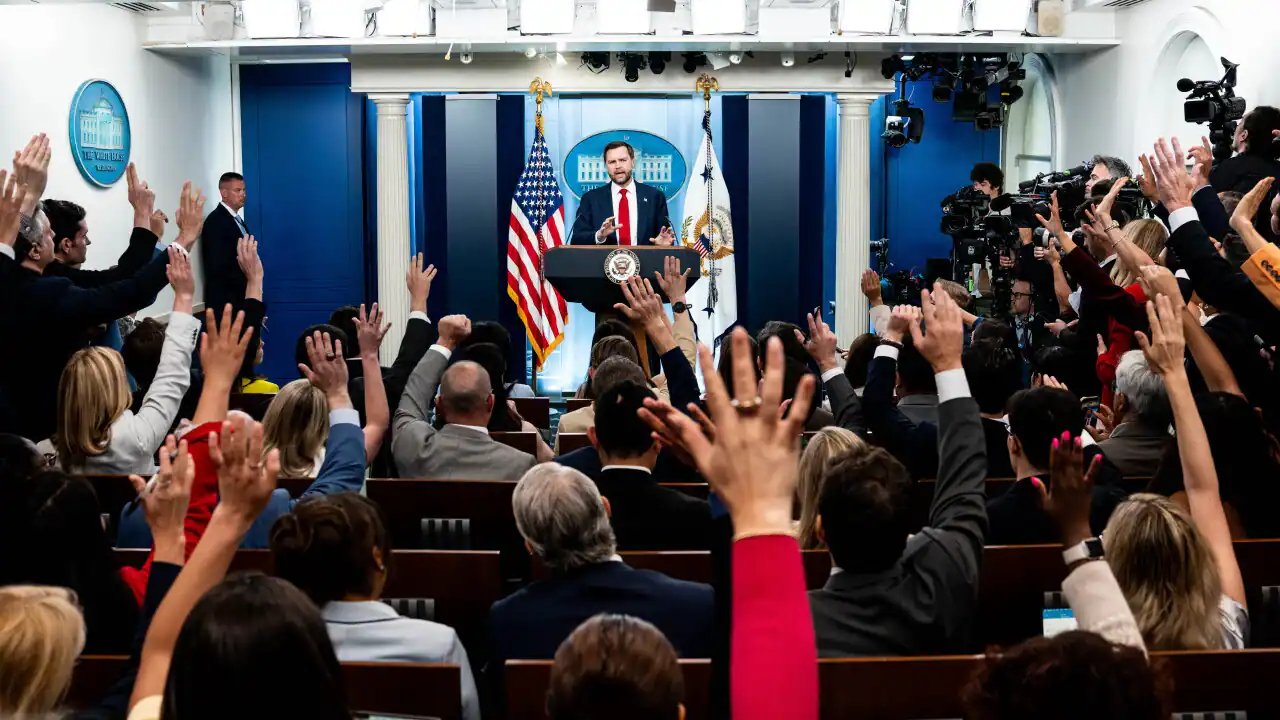





Cancellation of U.S.-Iran Talks
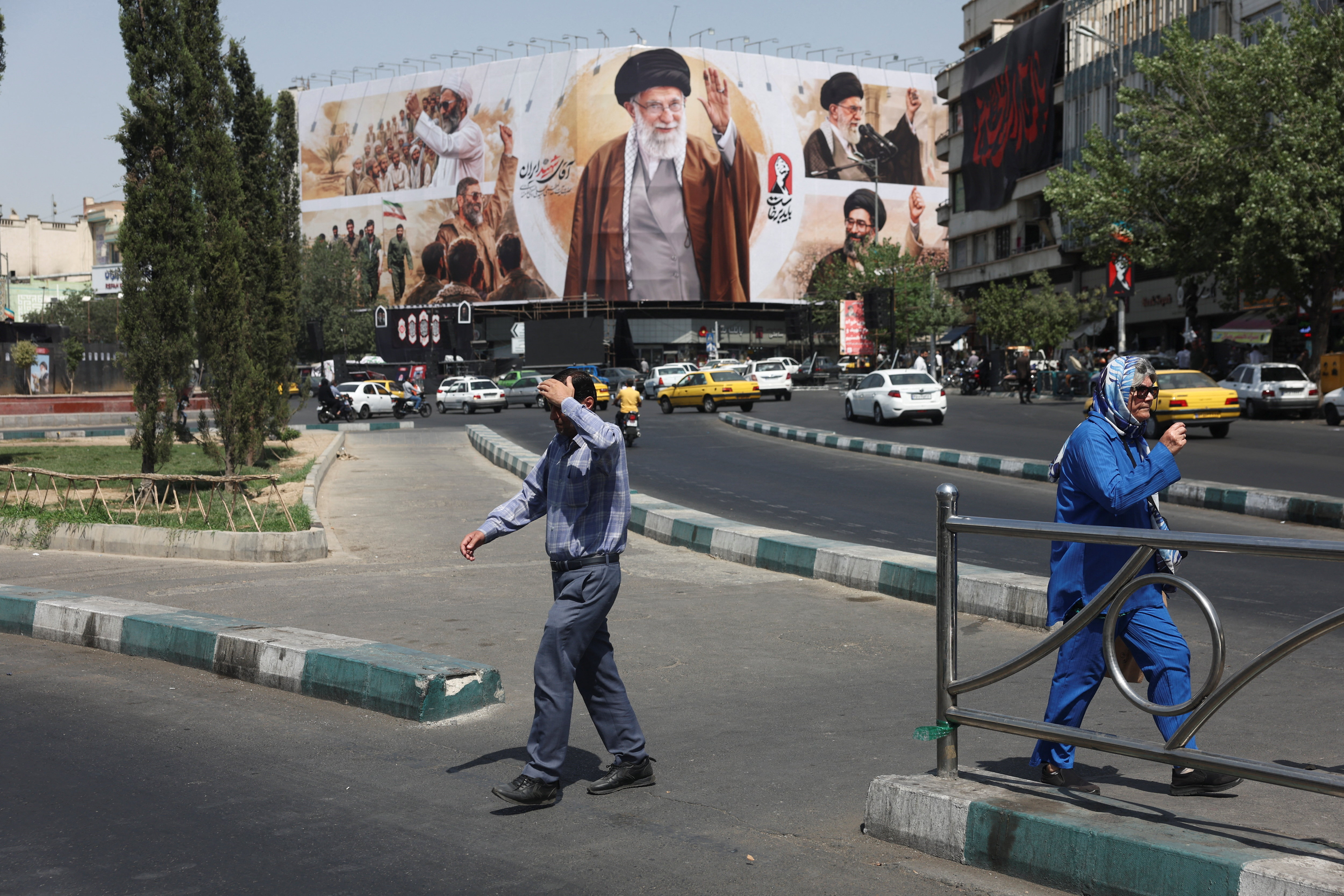
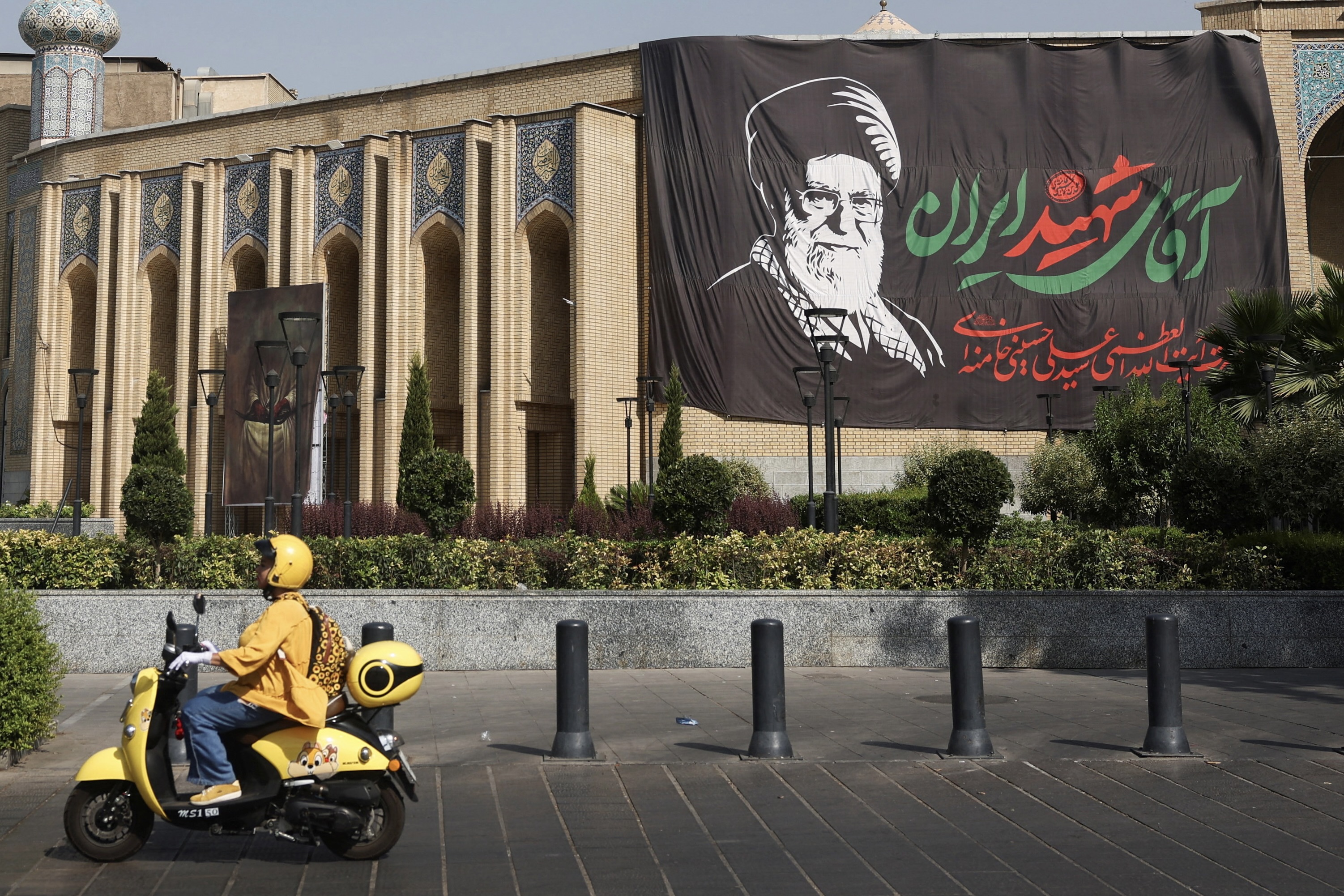
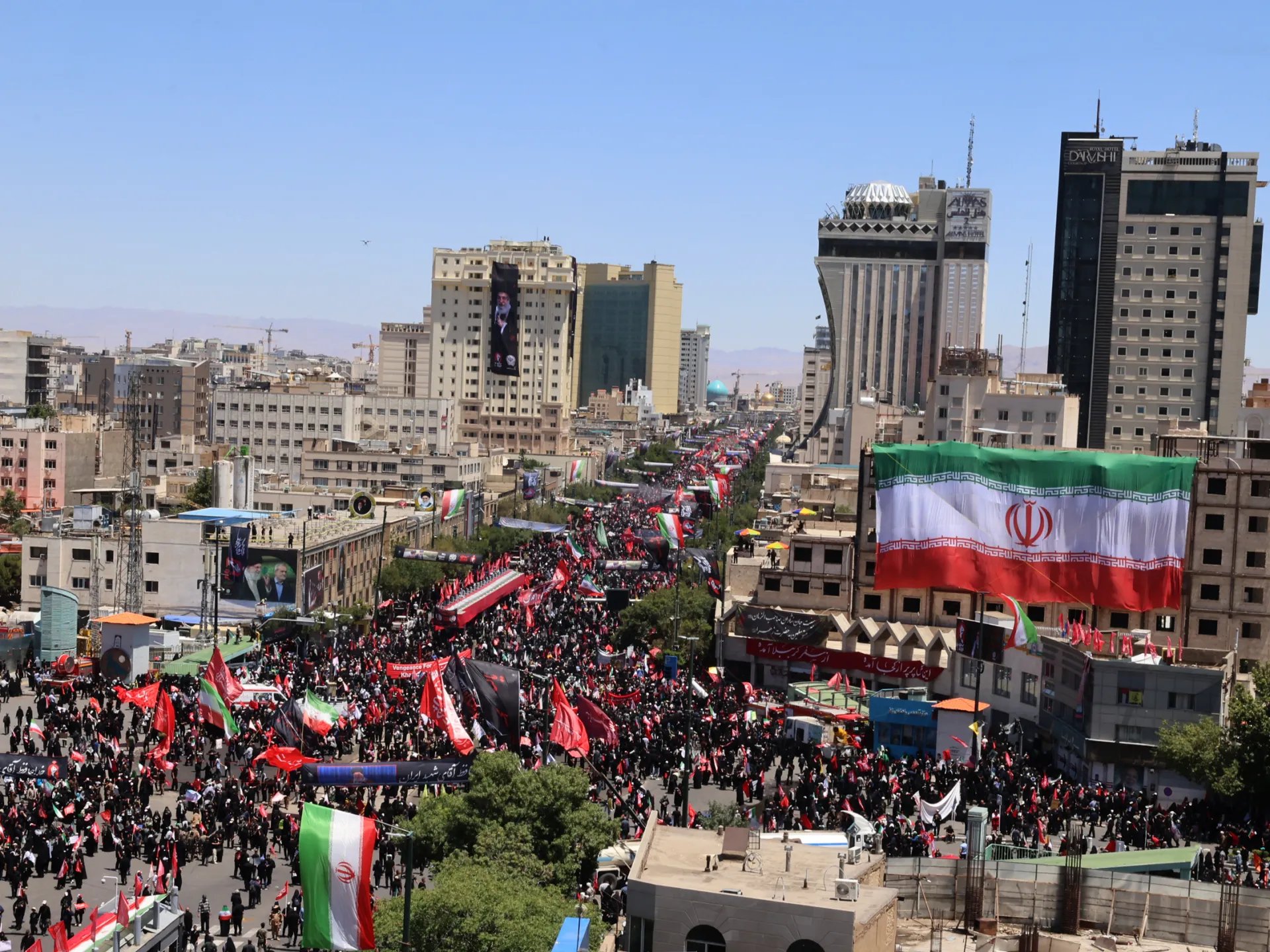
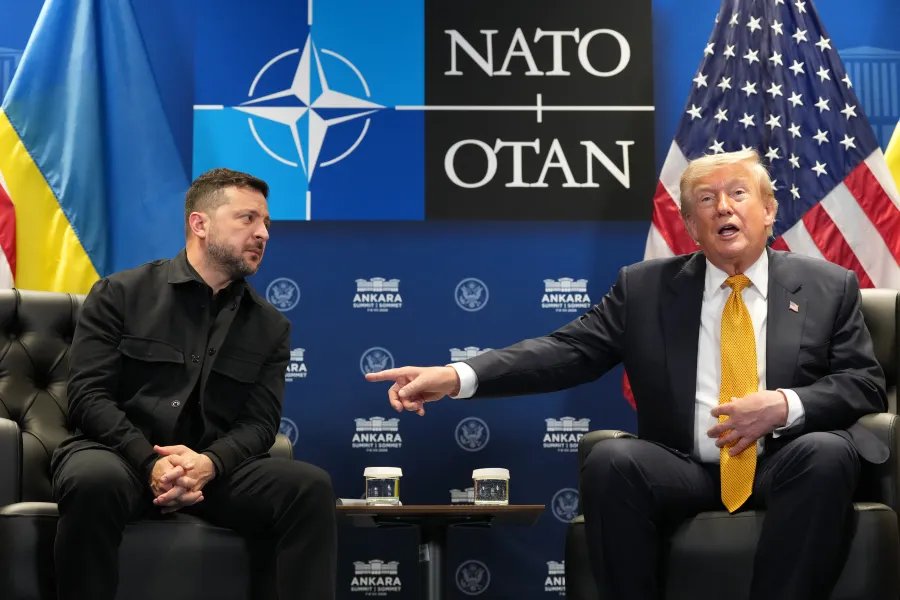
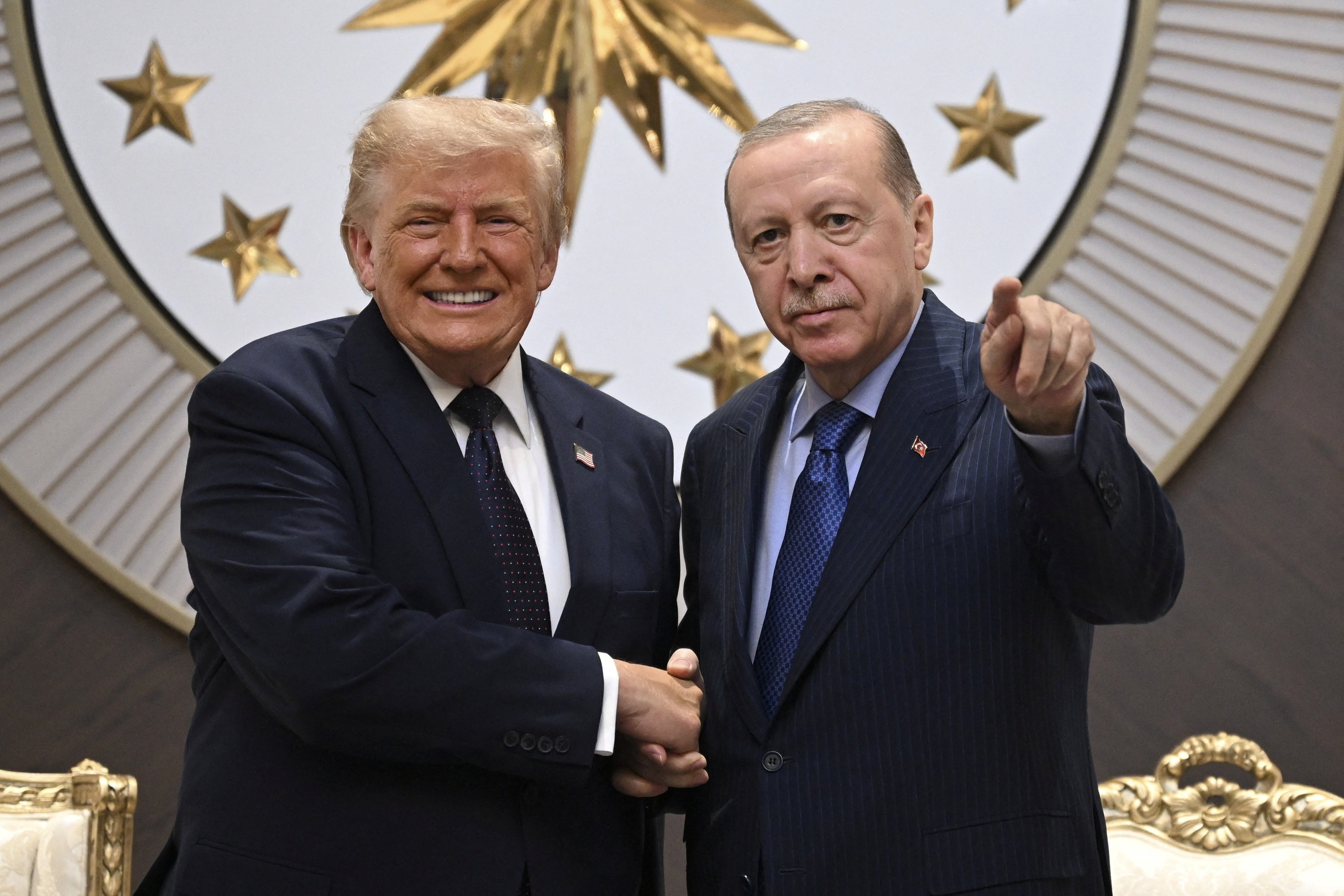
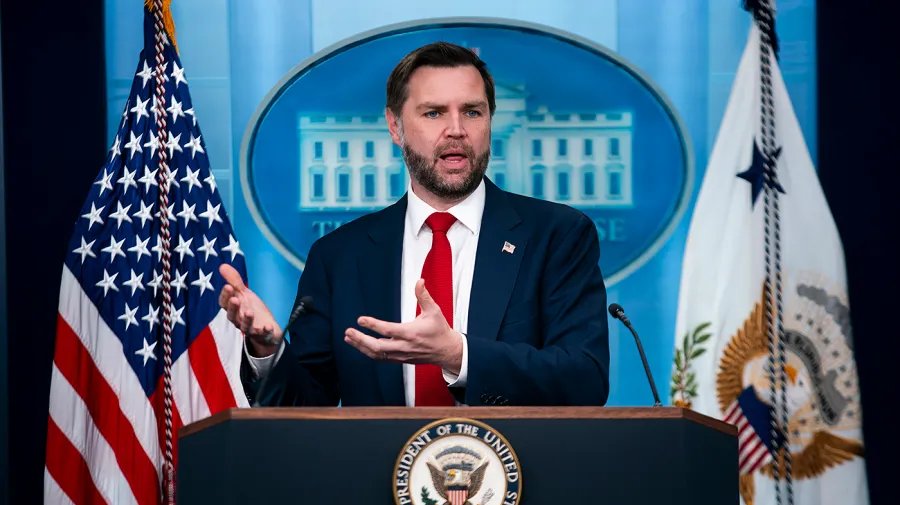
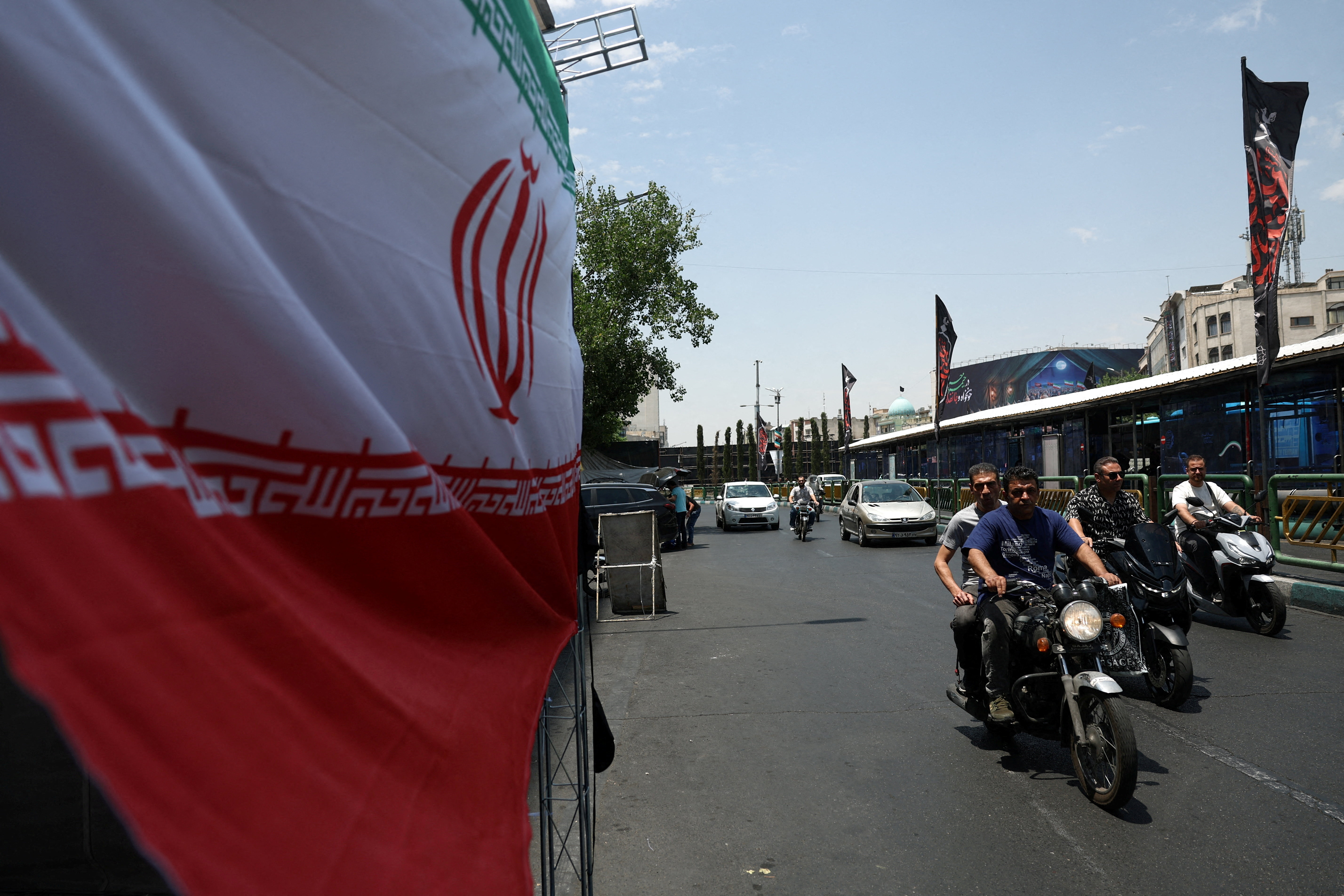
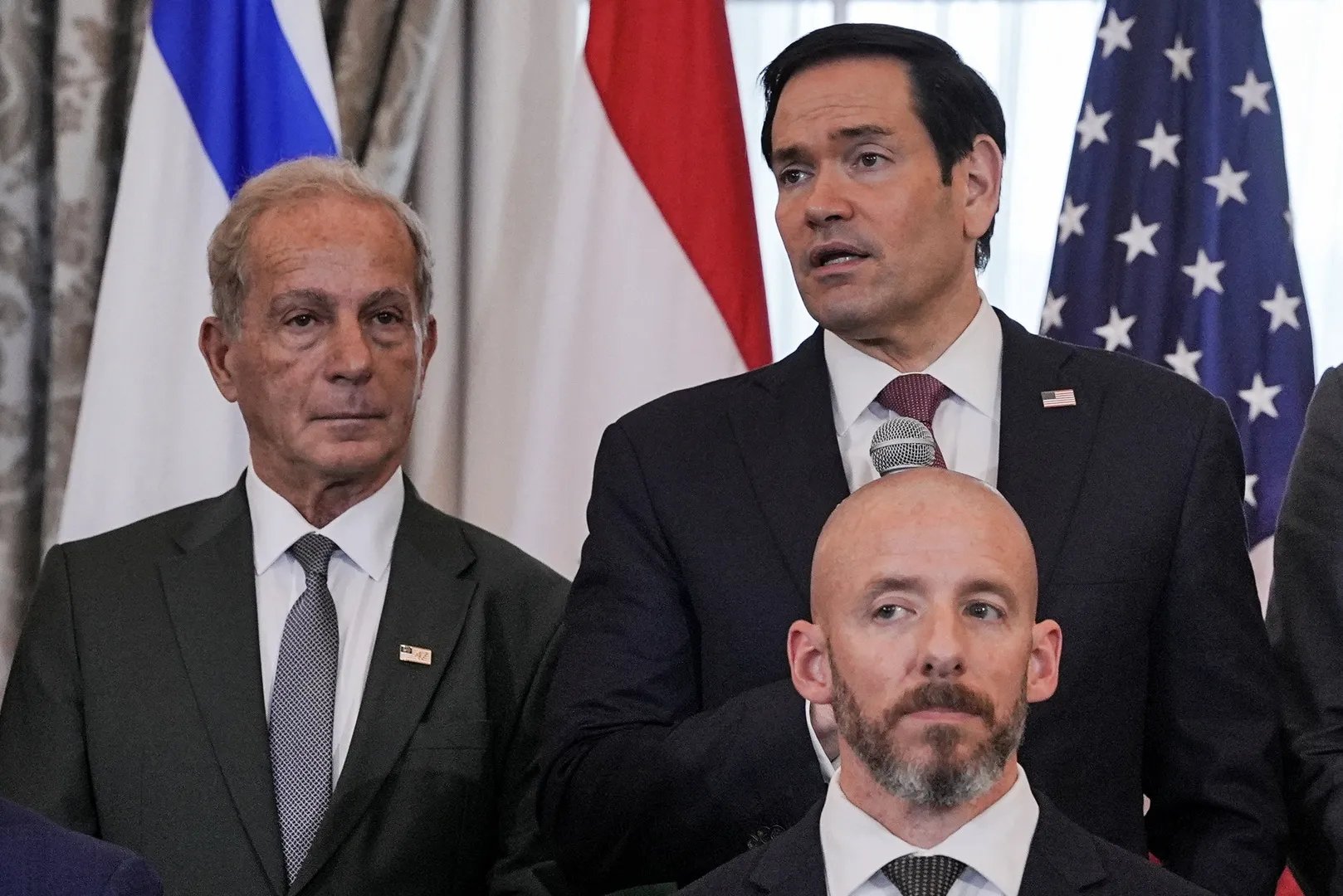
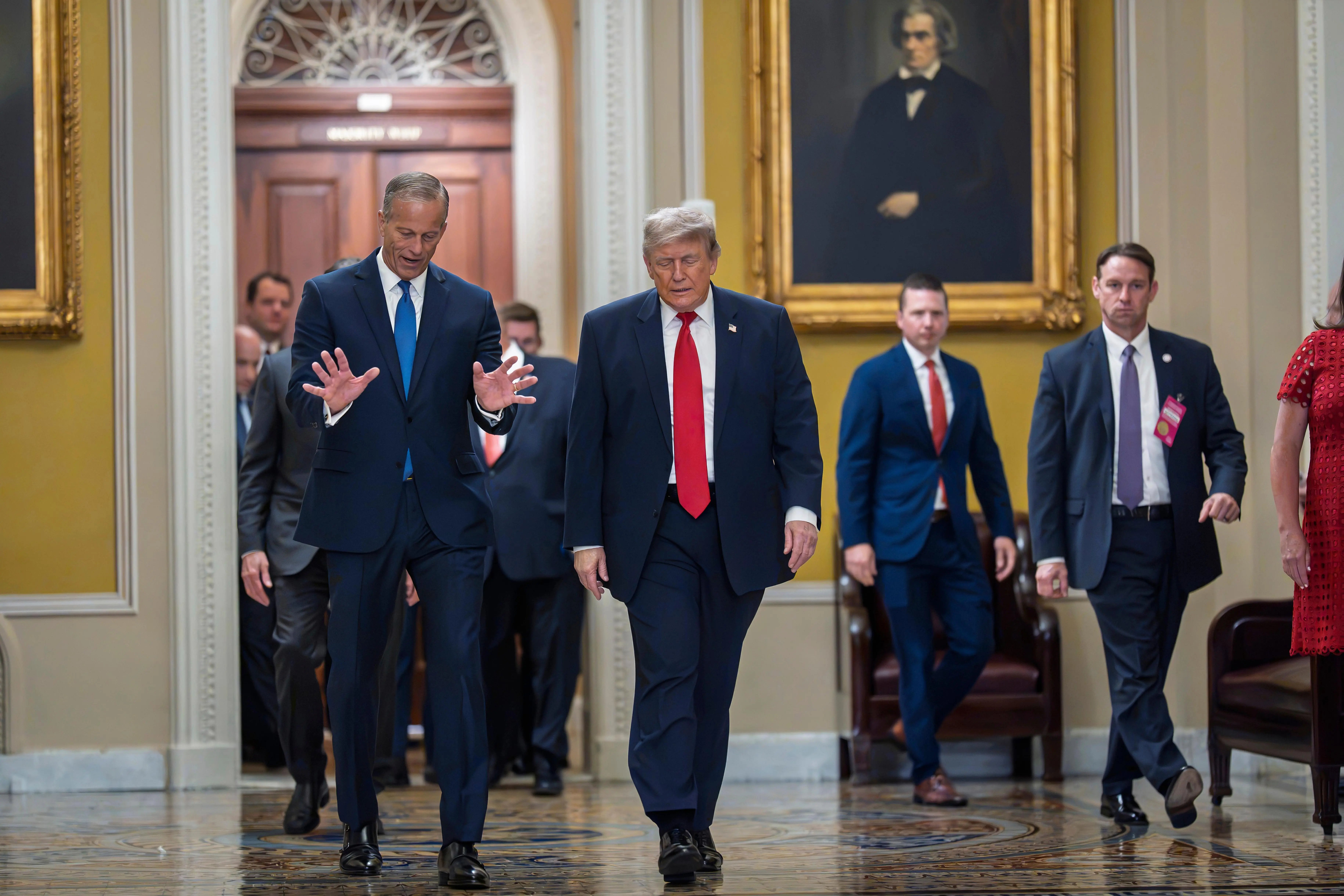
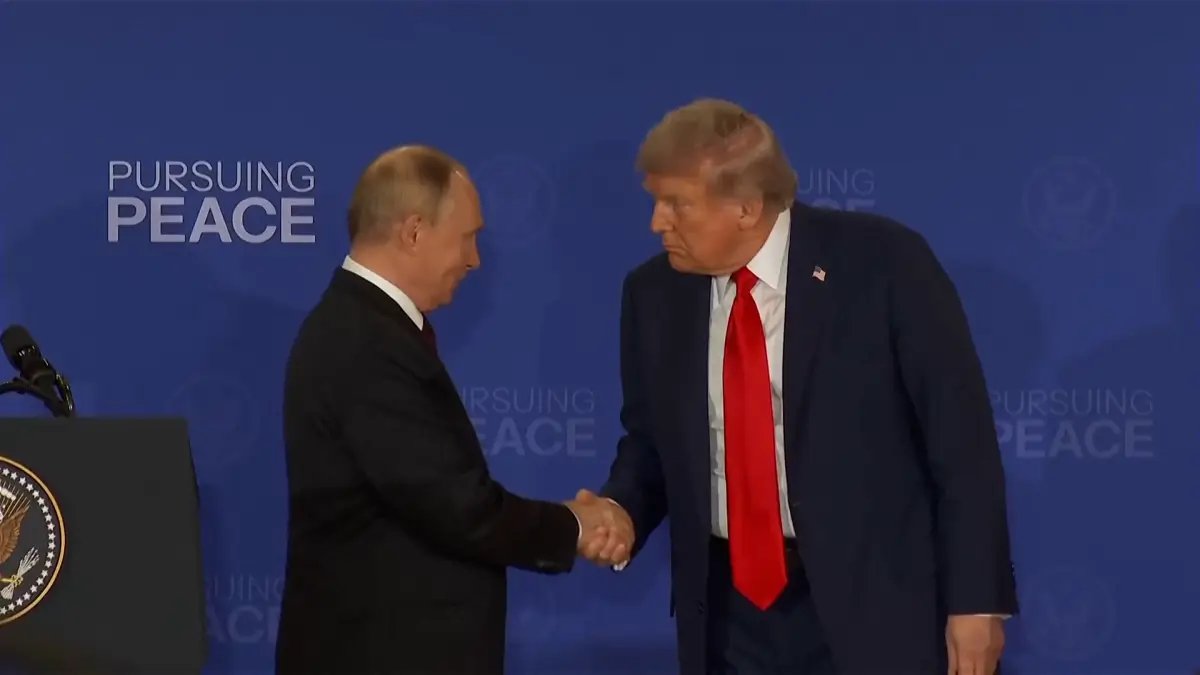
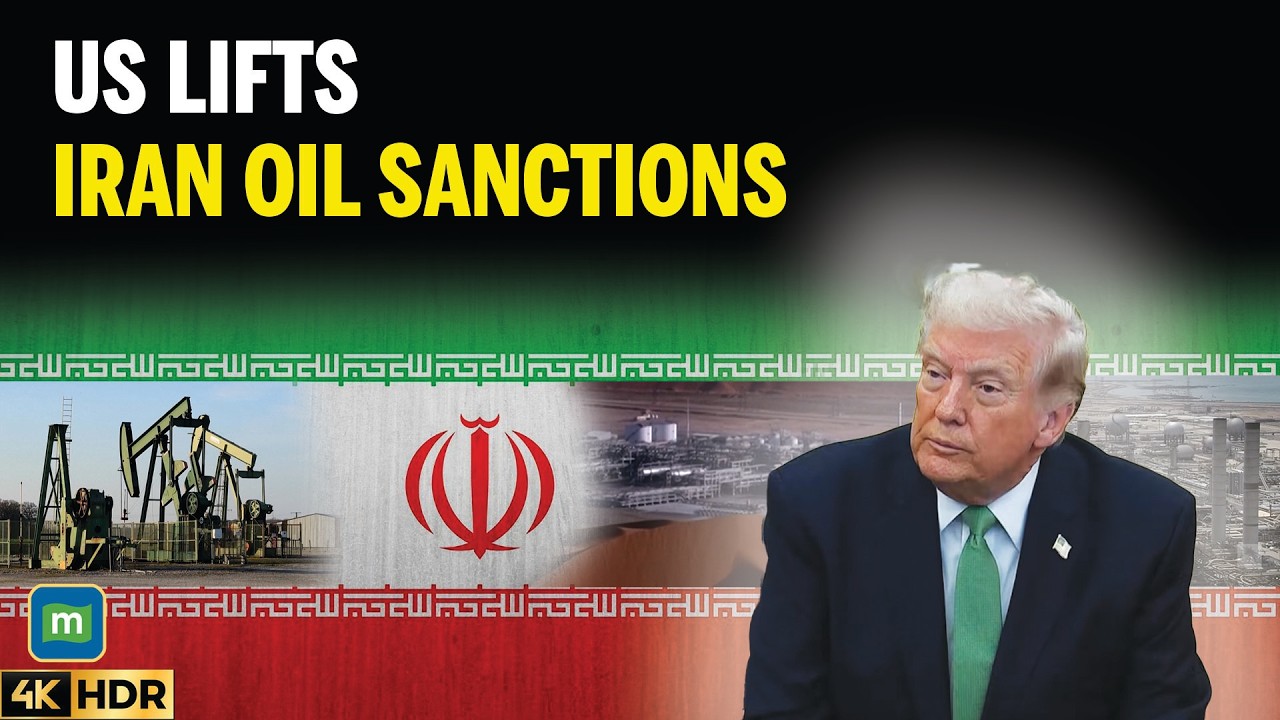
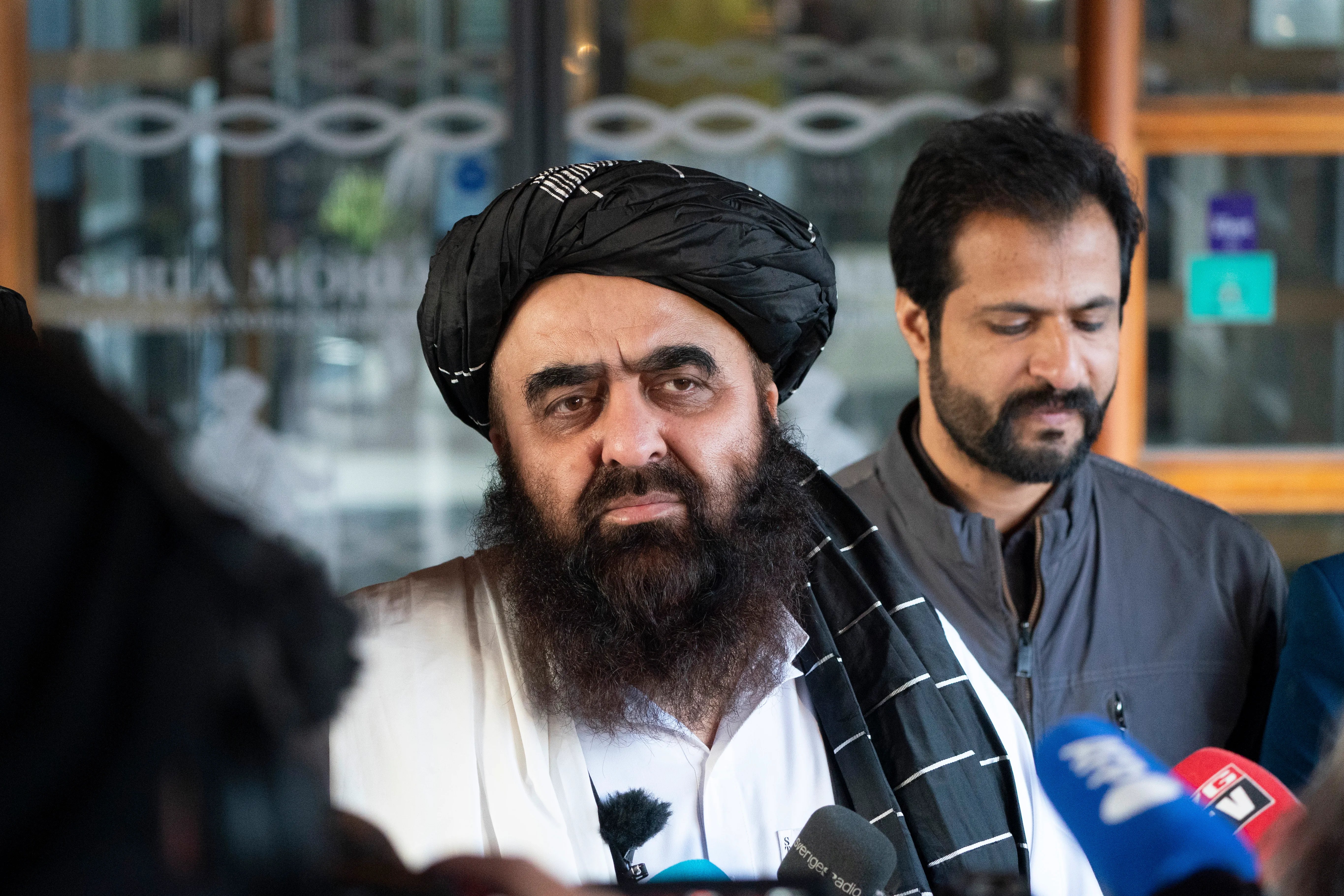
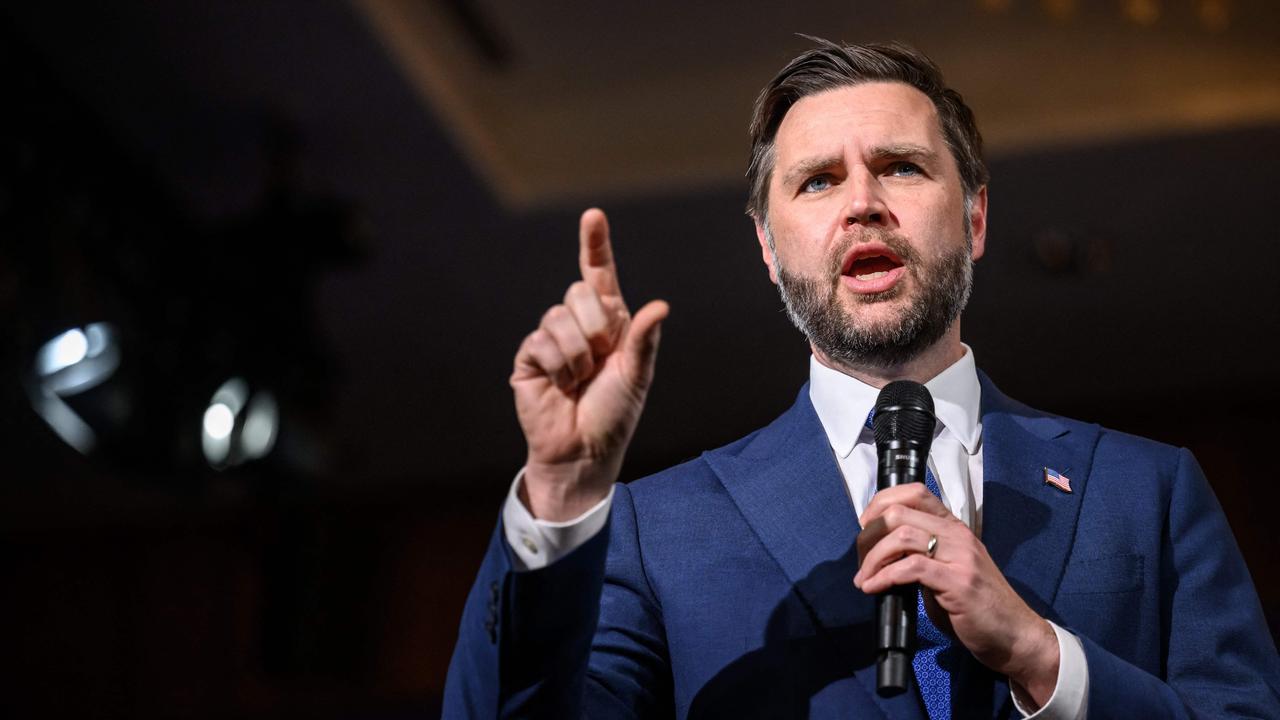
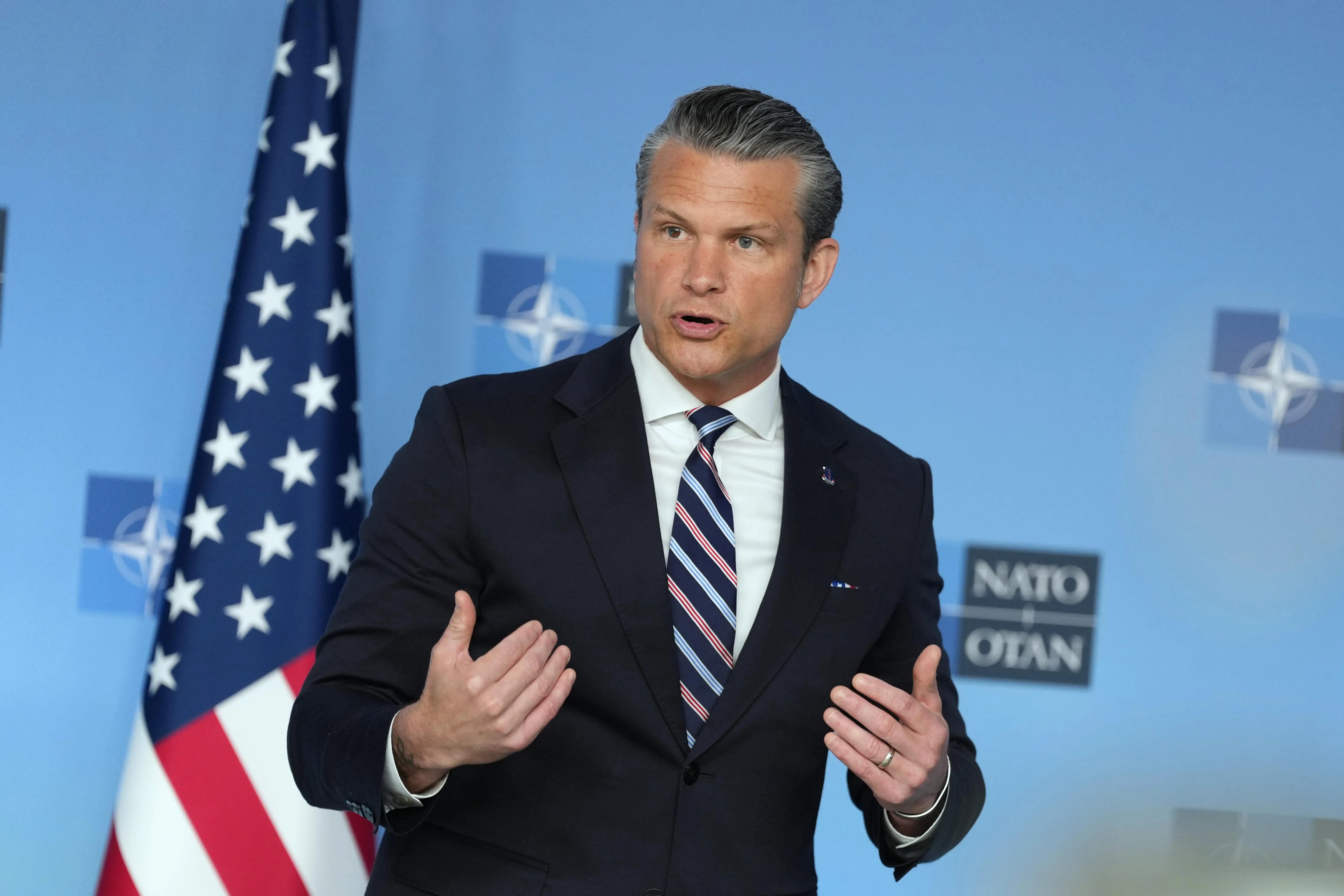
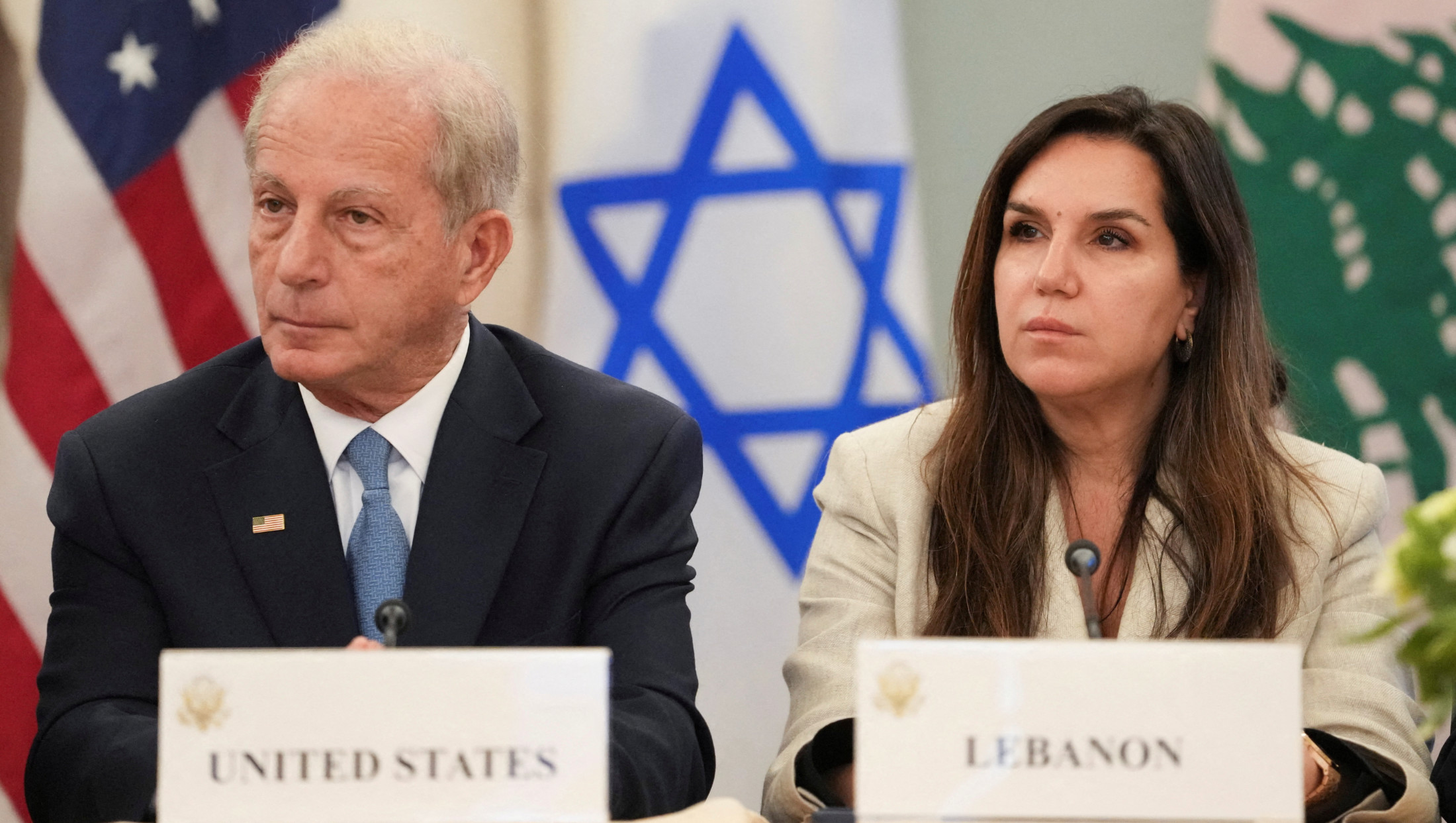
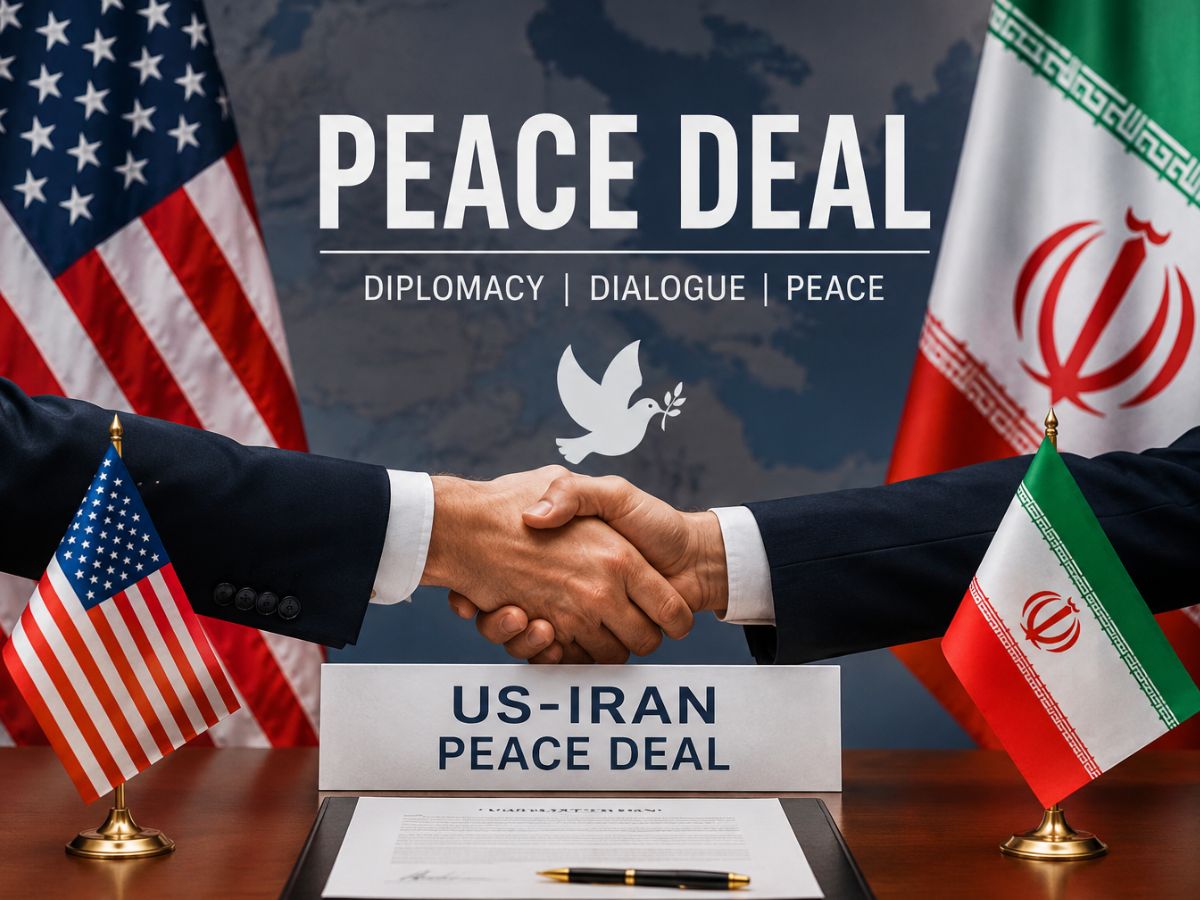
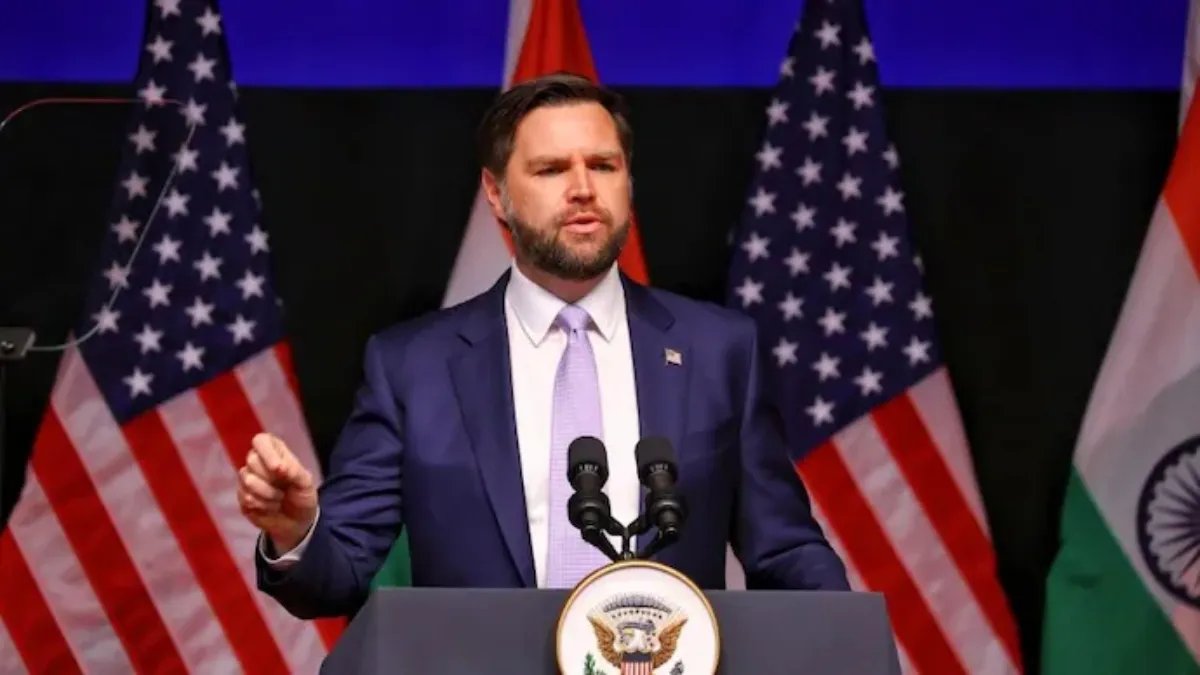
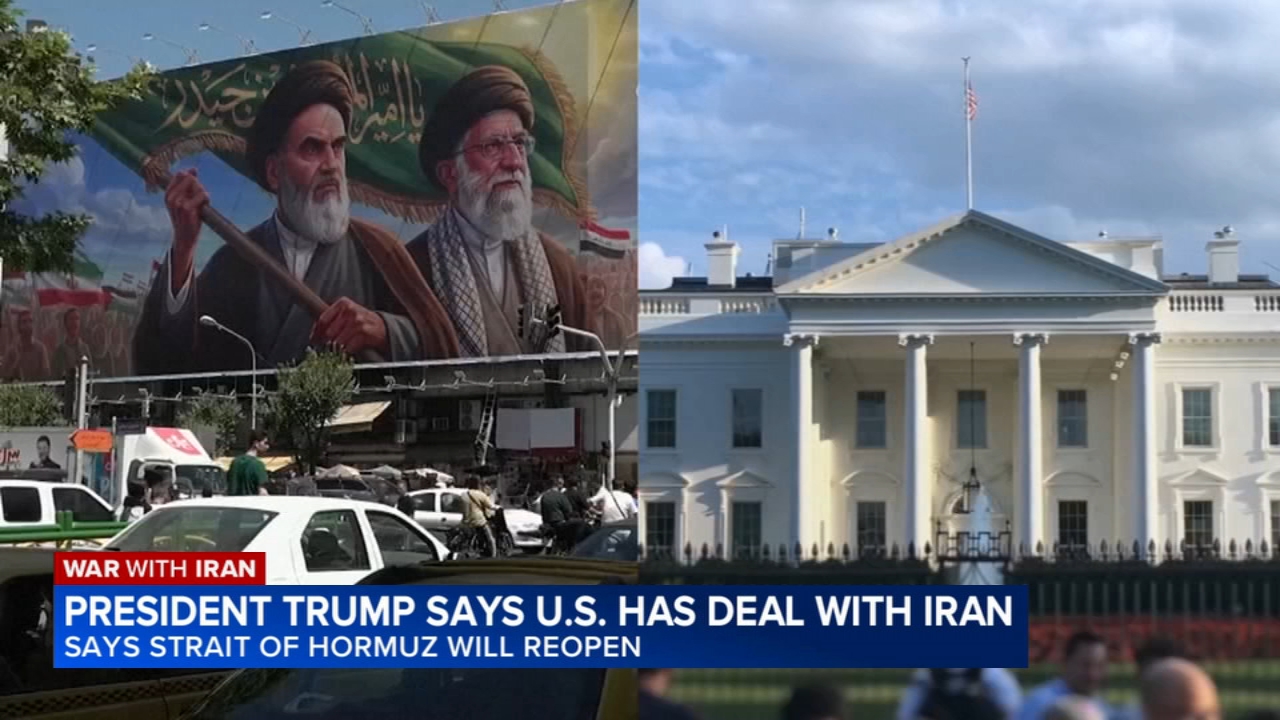
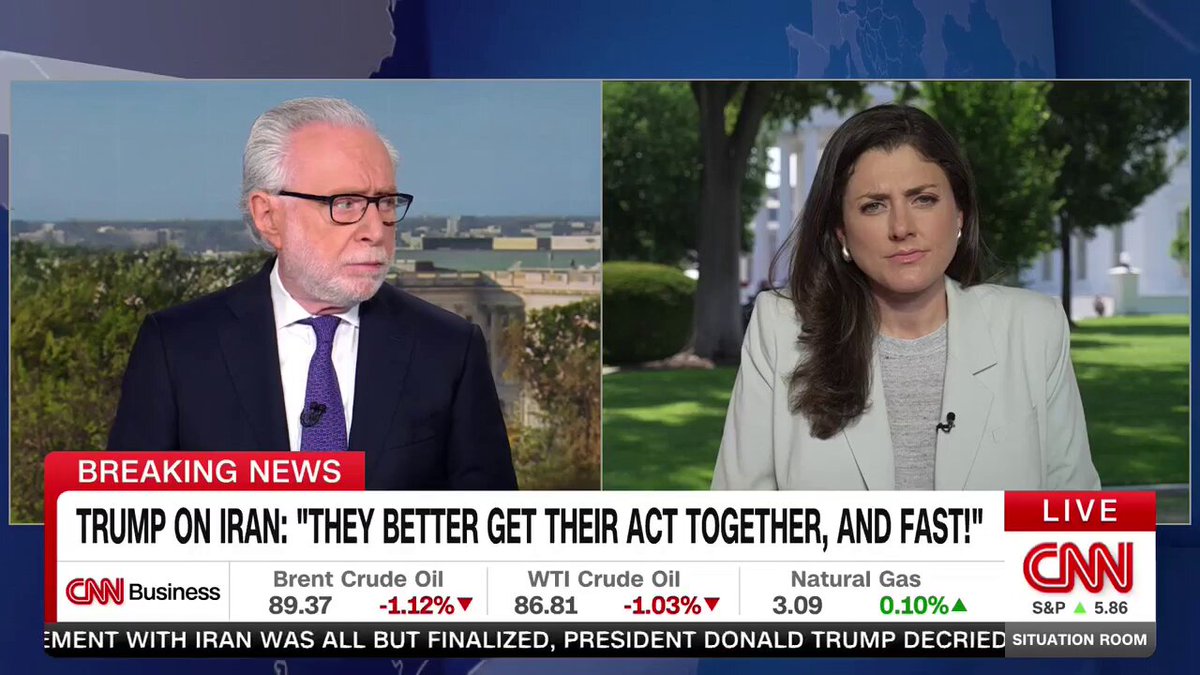
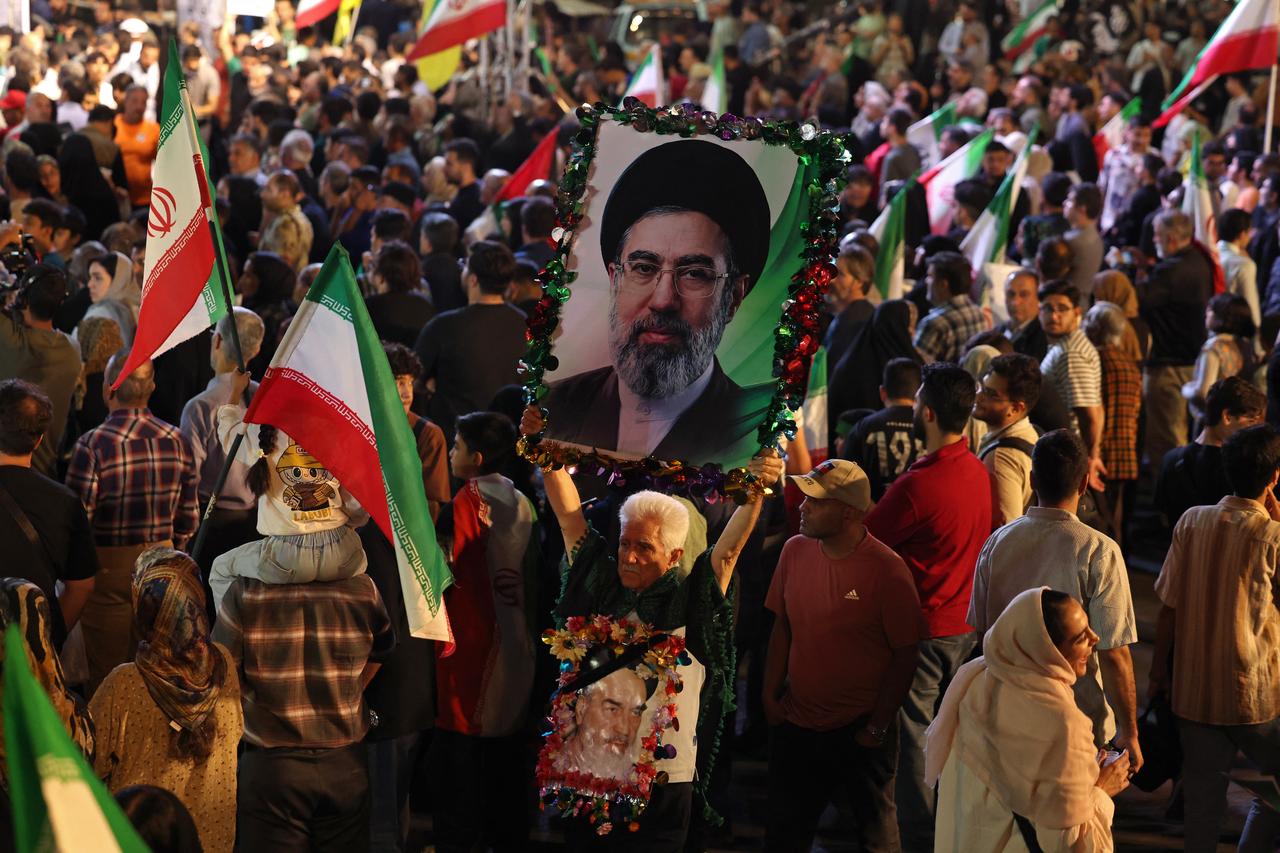
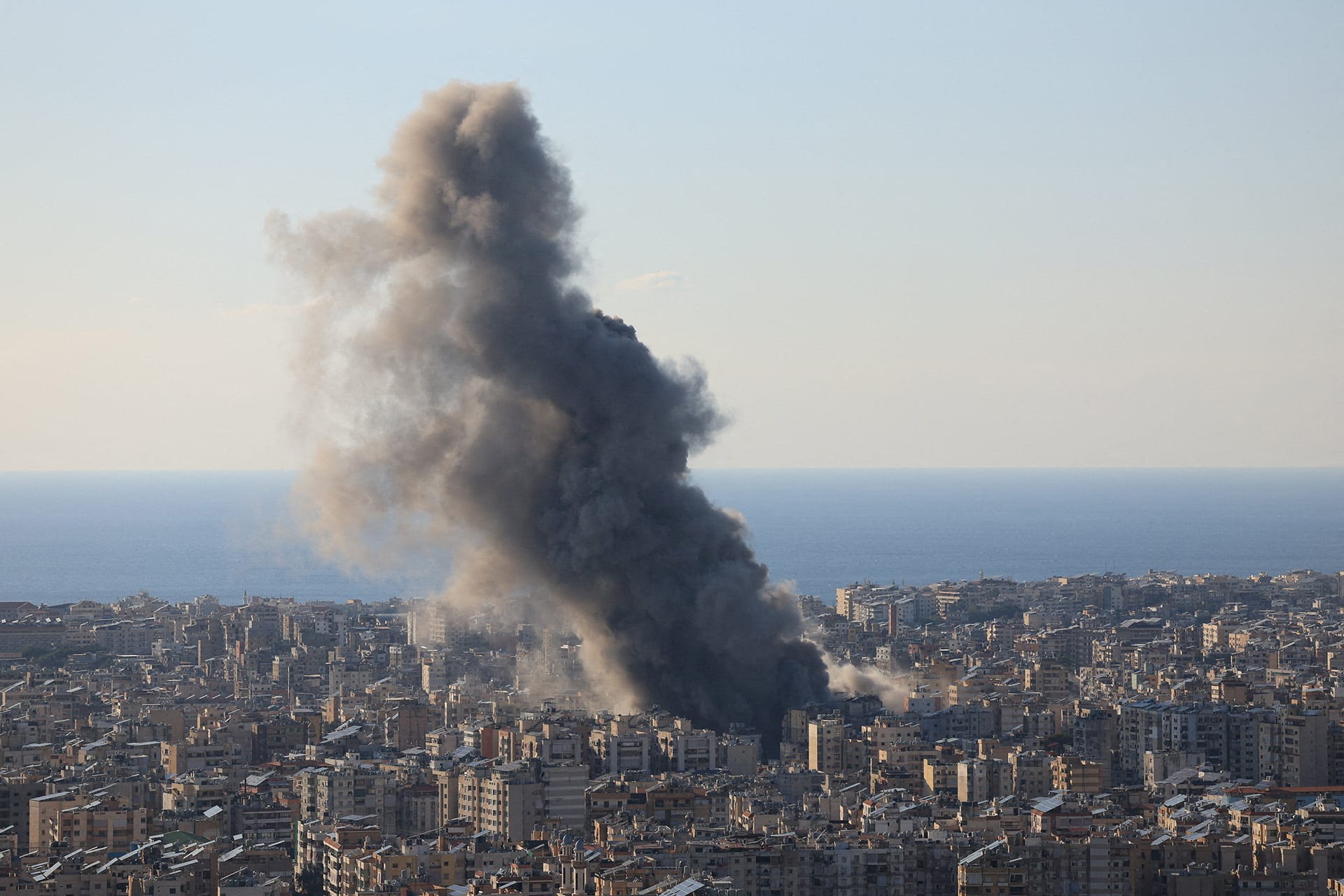
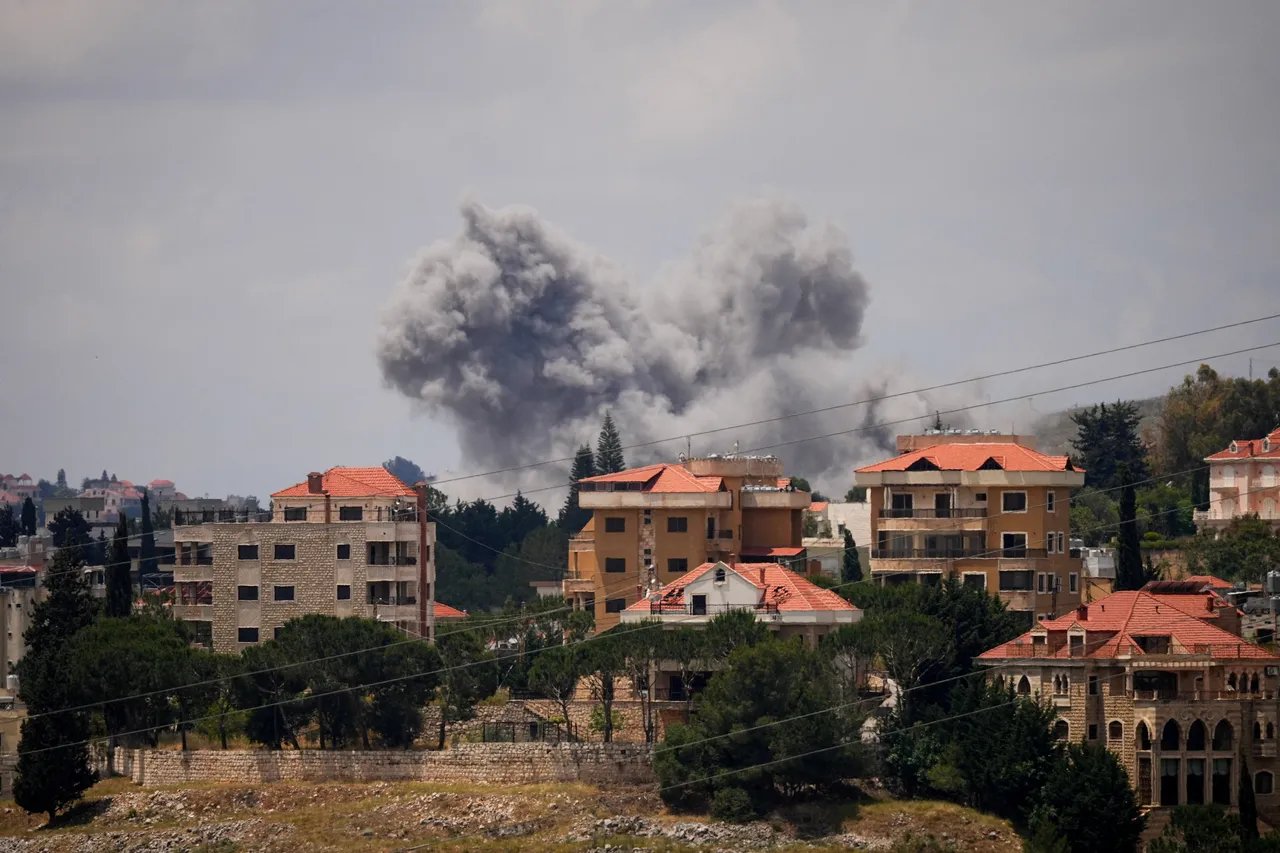
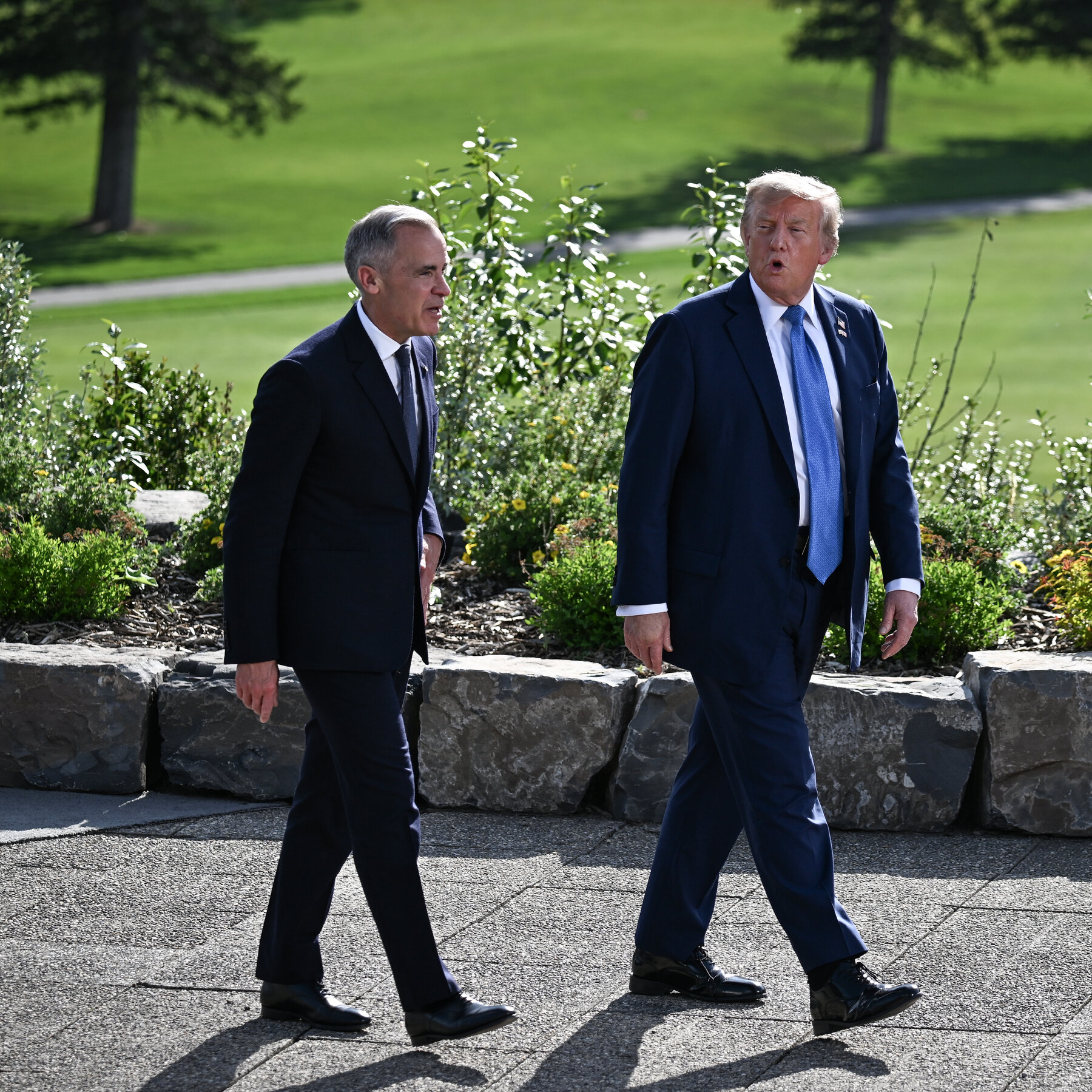
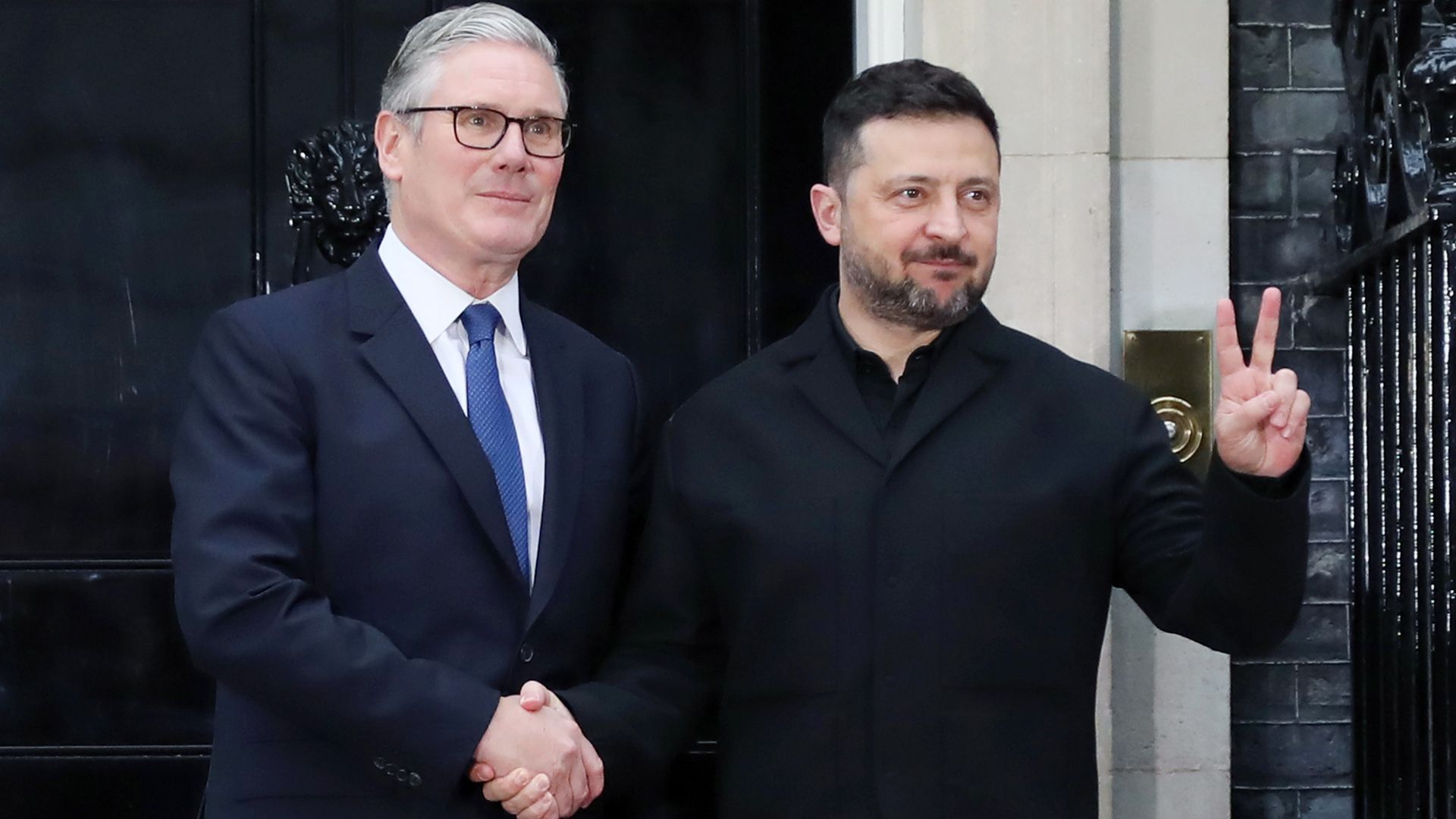
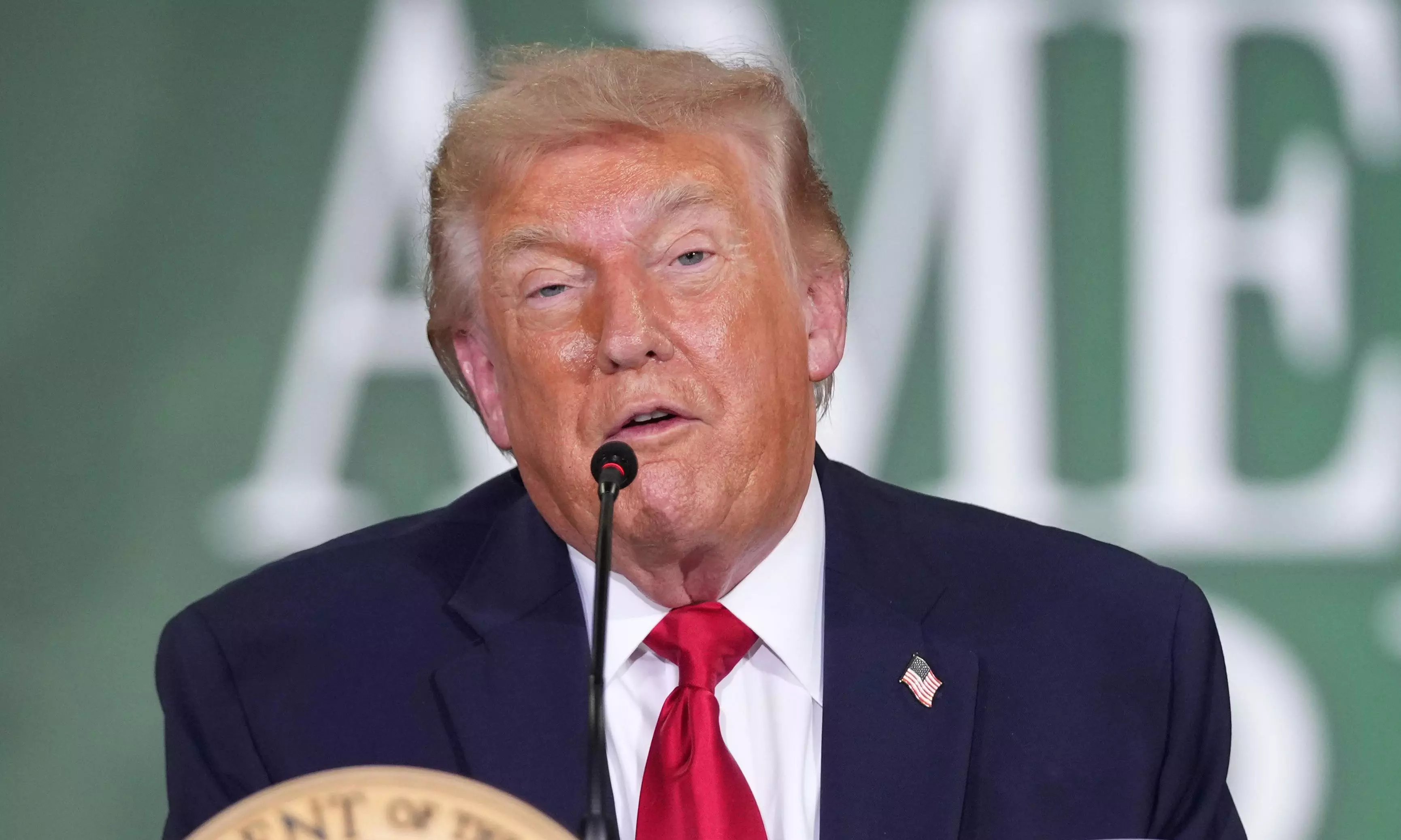
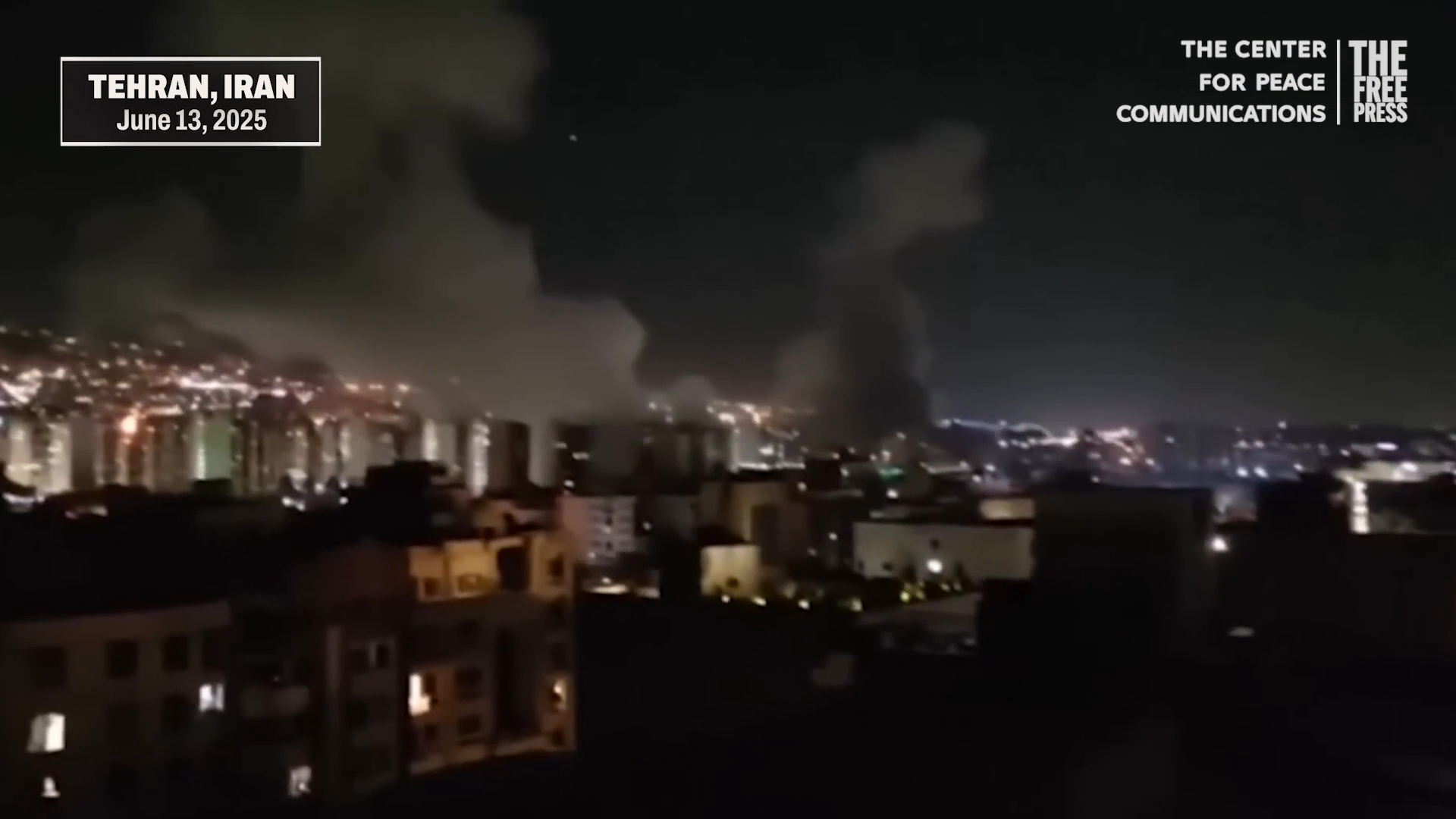
The U.S.-Iran talks scheduled to begin in Switzerland have been abruptly canceled, with the White House attributing the decision to logistical issues. Vice President JD Vance was expected to lead the U.S. delegation, but his trip was postponed just hours before the planned discussions. Iranian officials indicated that the cancellation was influenced by ongoing violence in Lebanon, where clashes between Israeli forces and Hezbollah have escalated significantly.
Impact of Violence in Lebanon
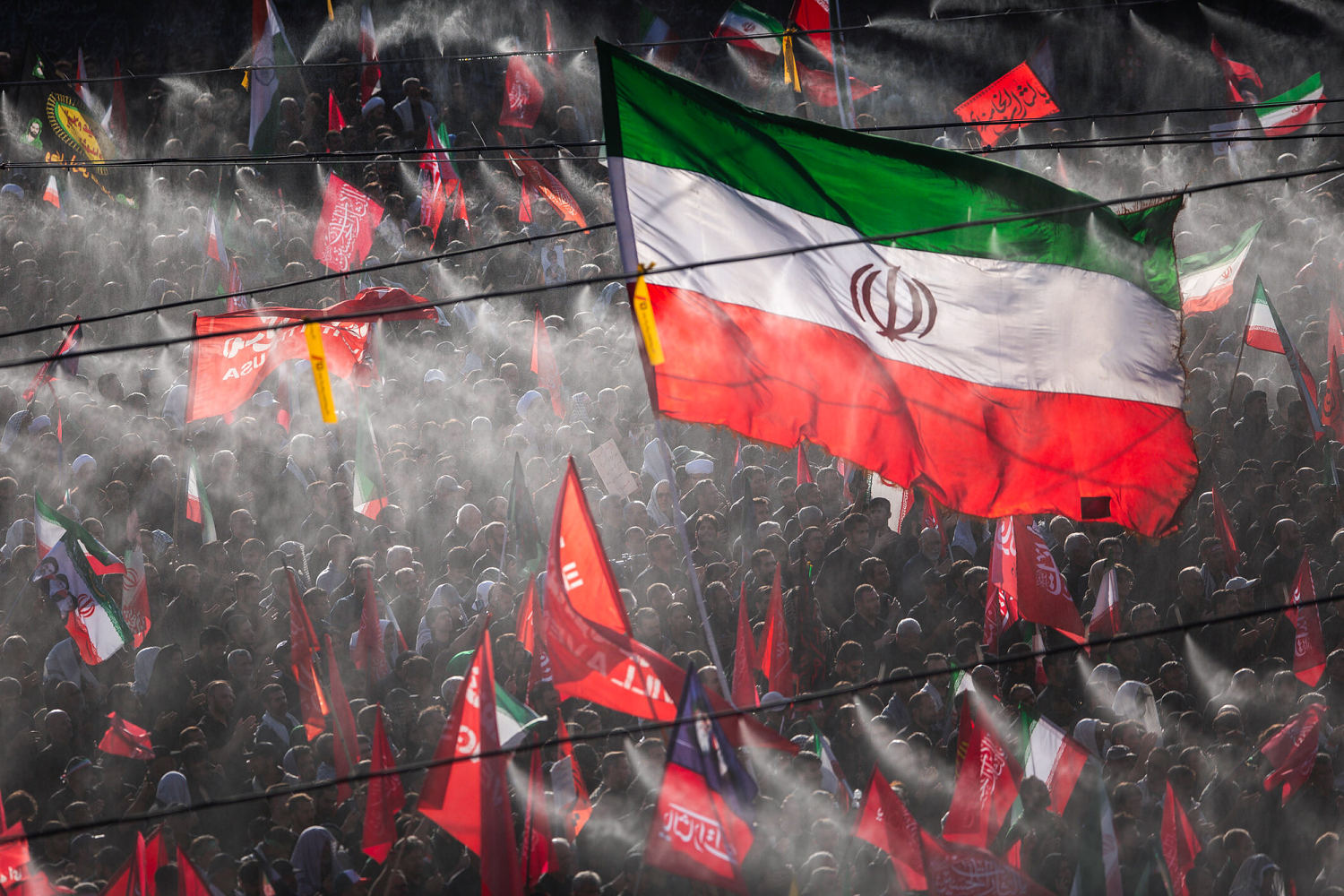
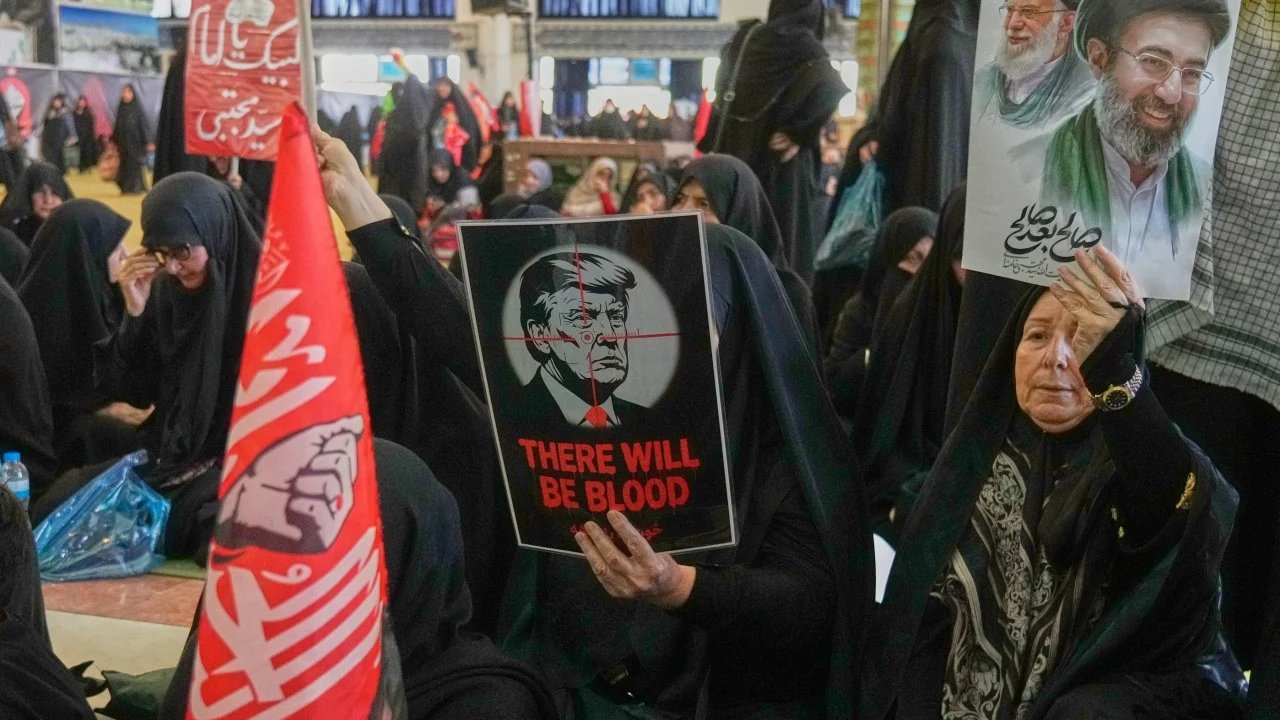
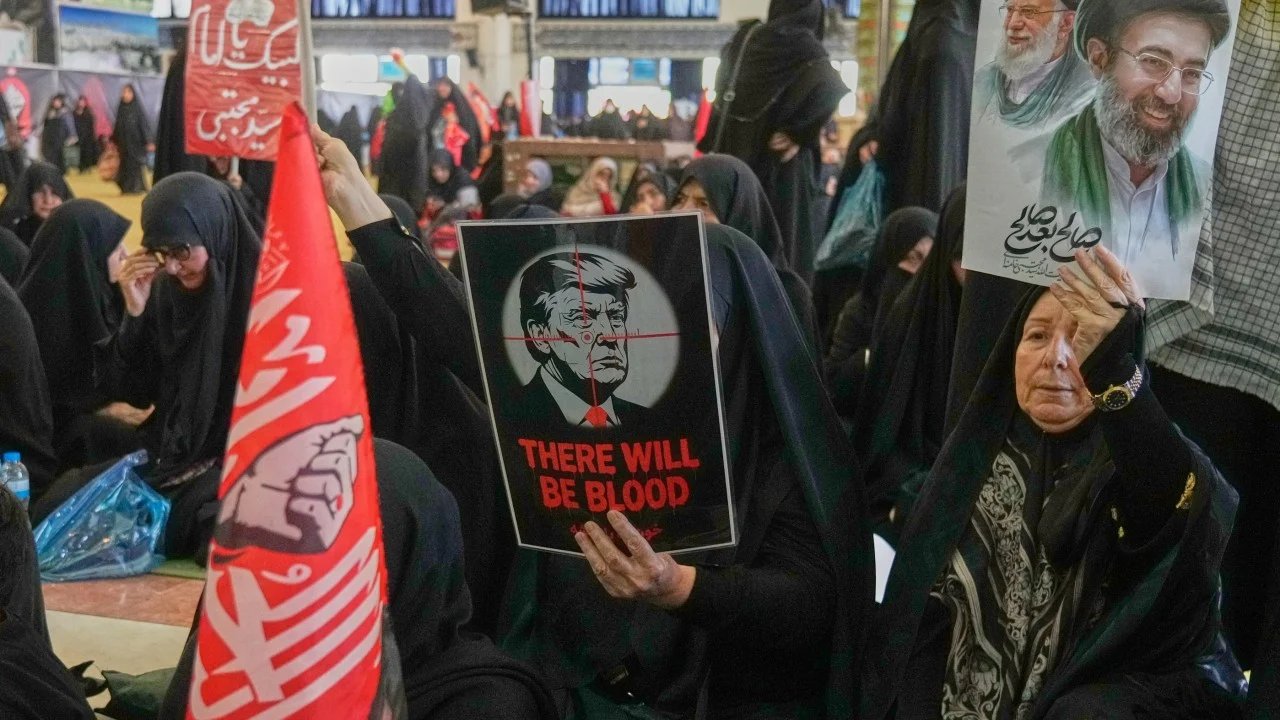
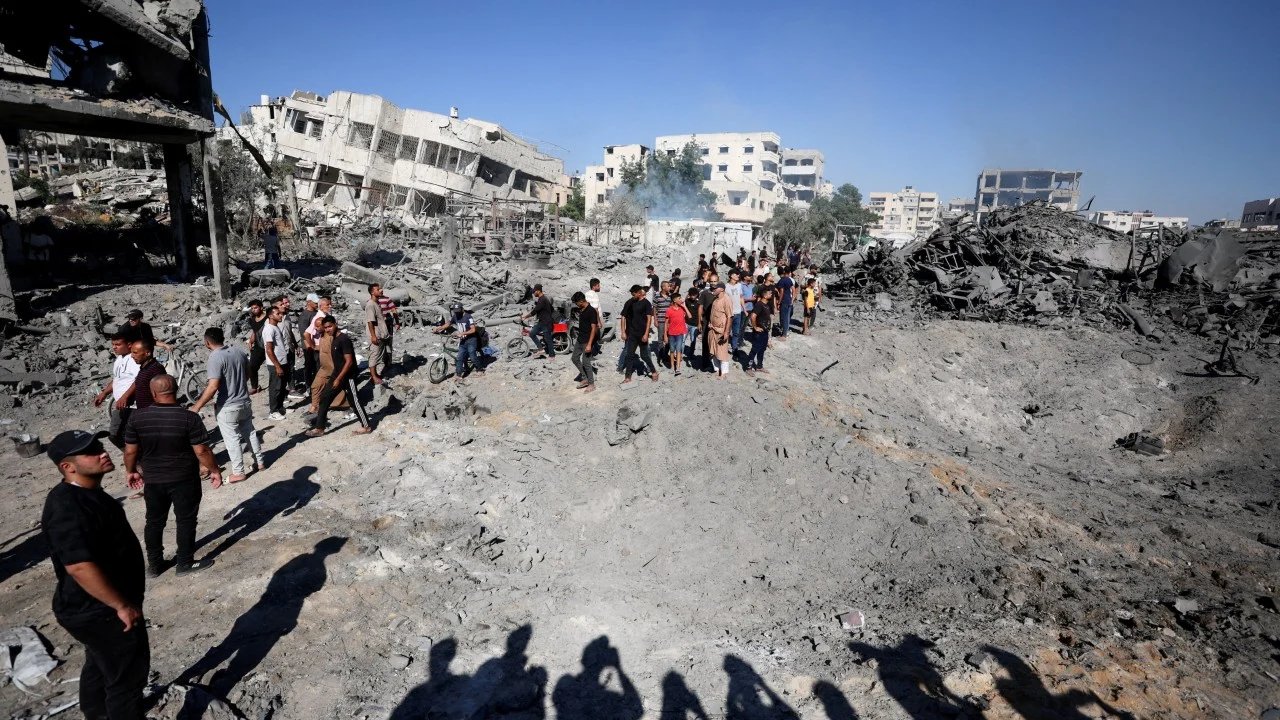
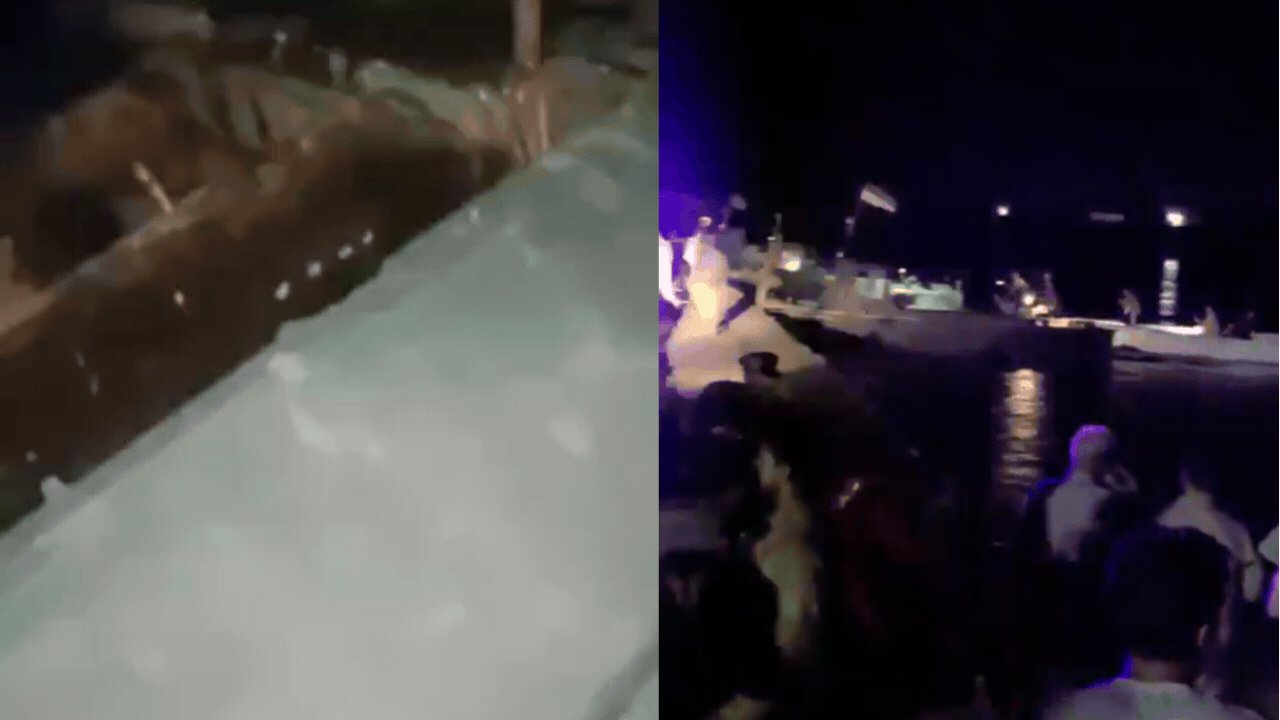
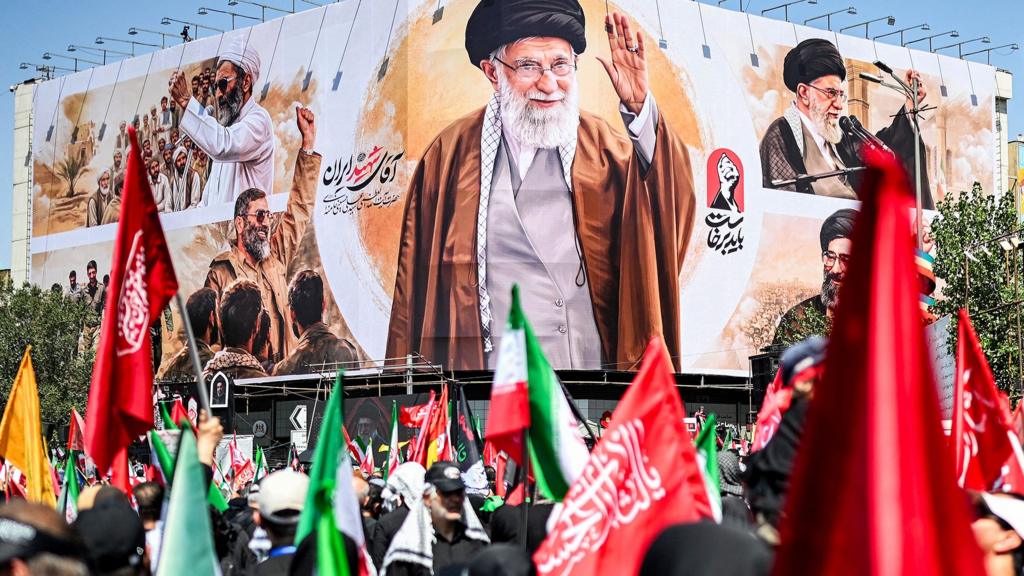
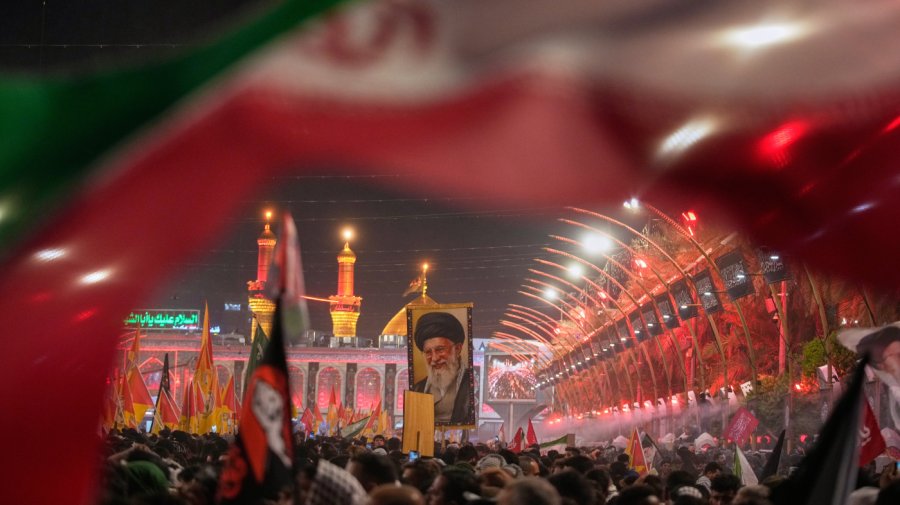
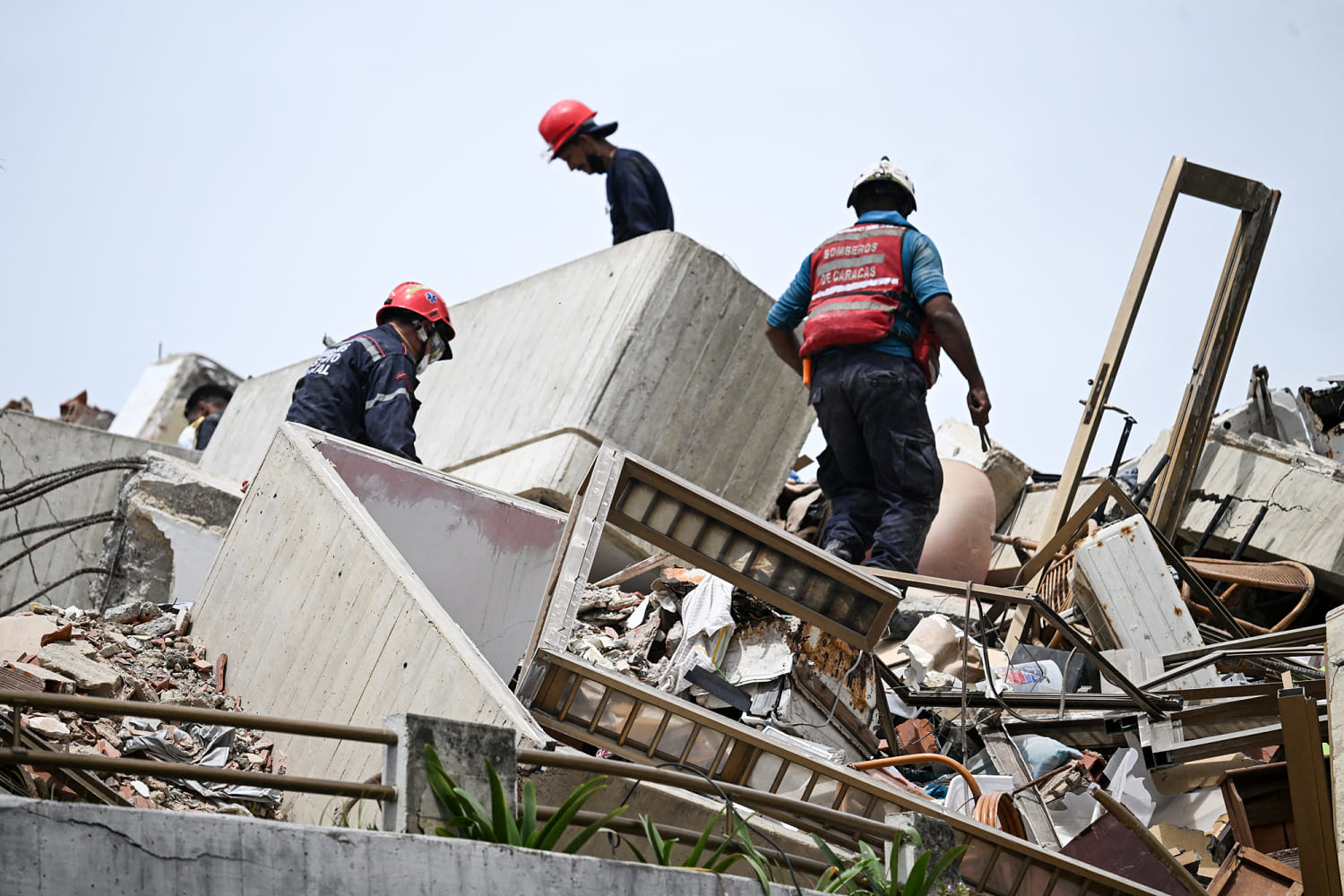
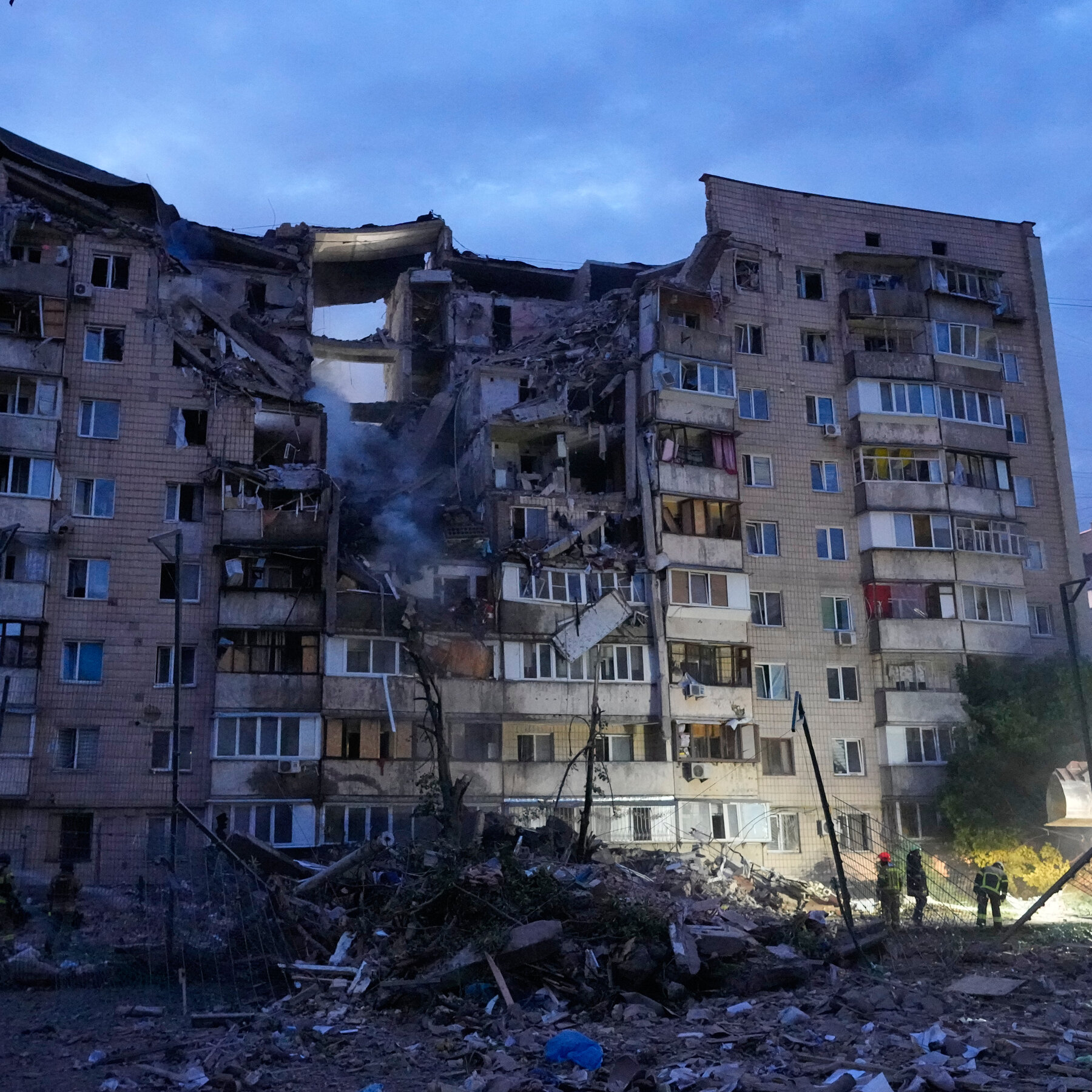
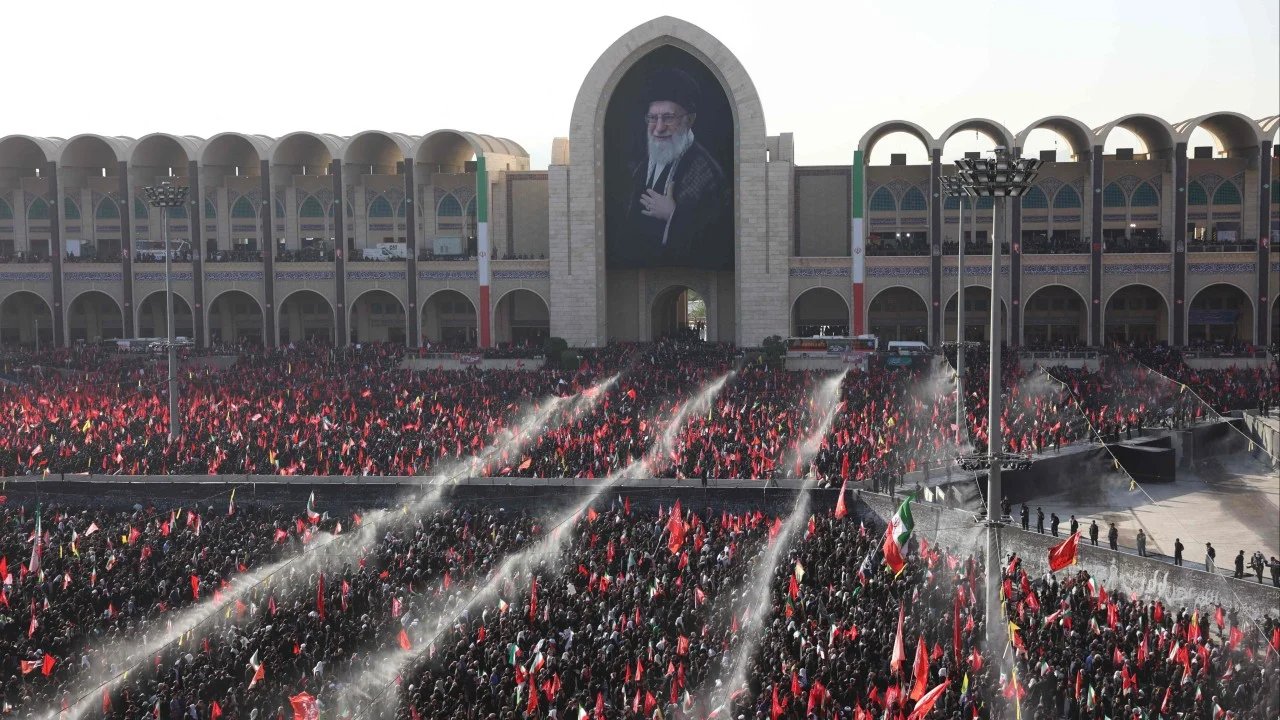
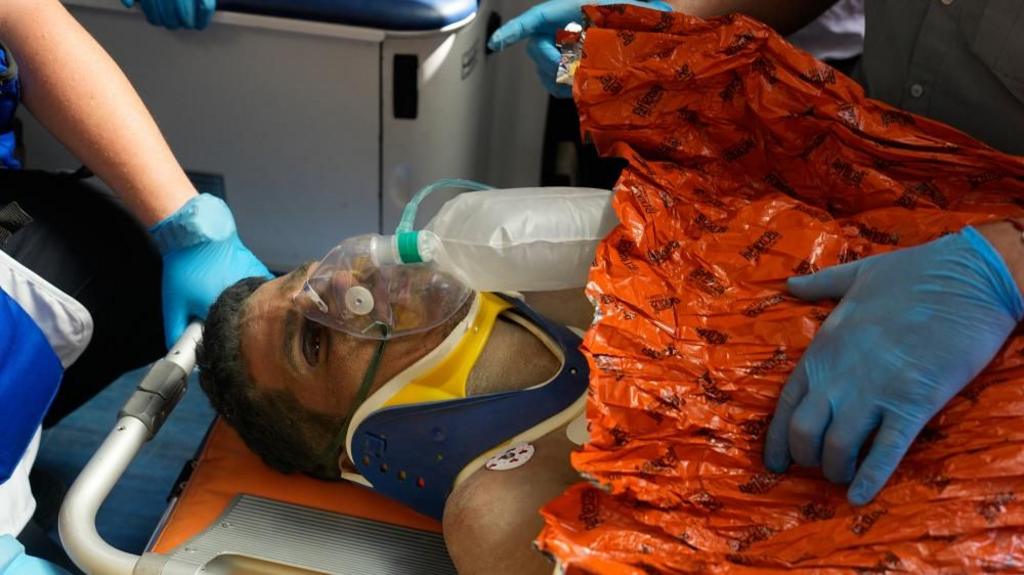
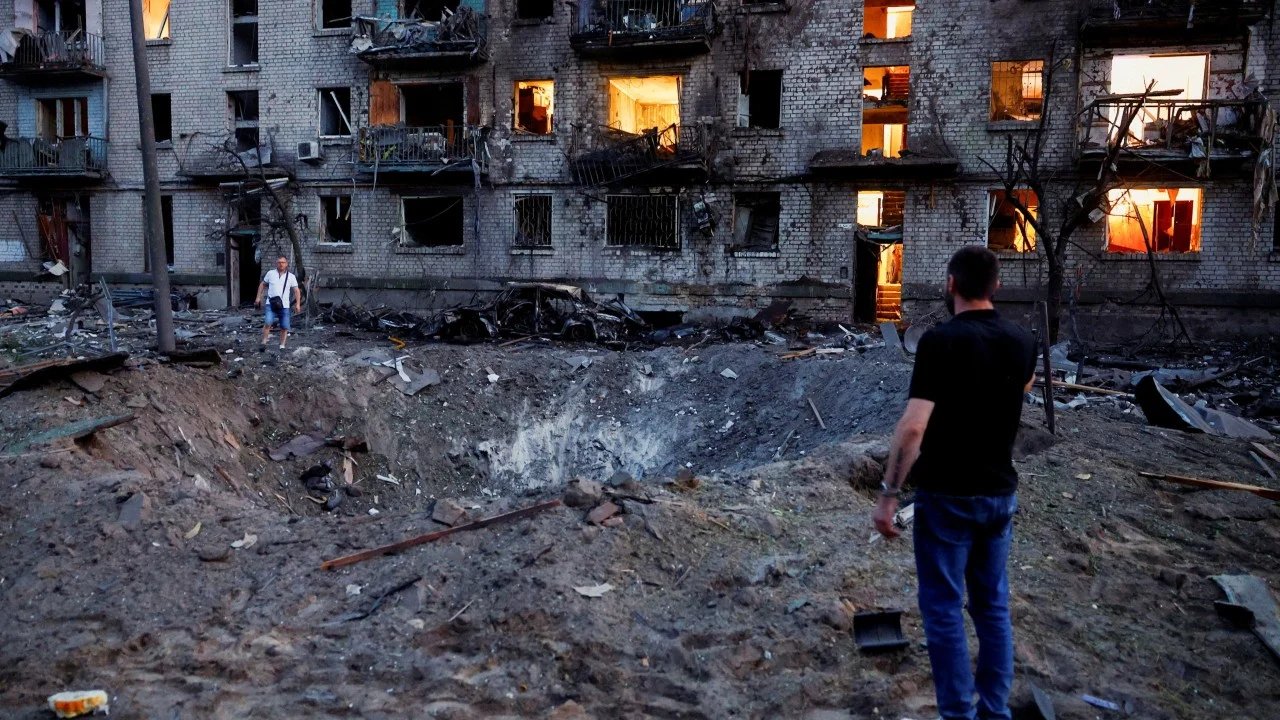
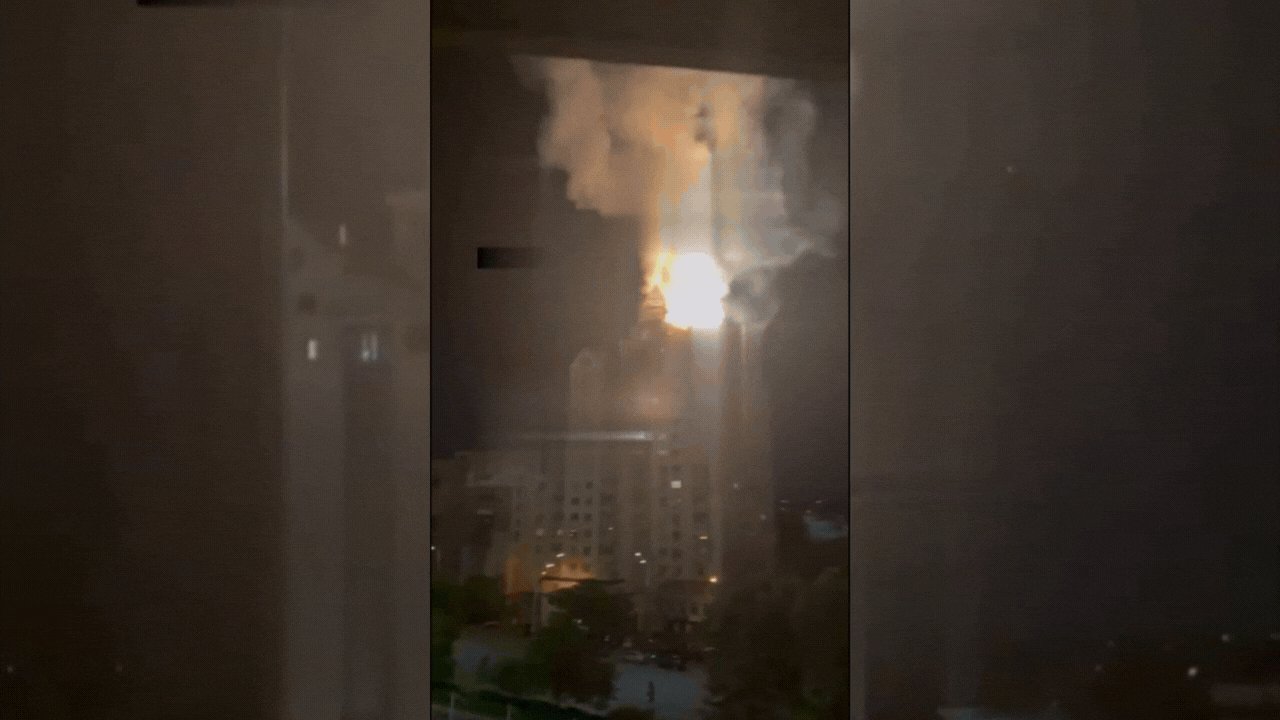
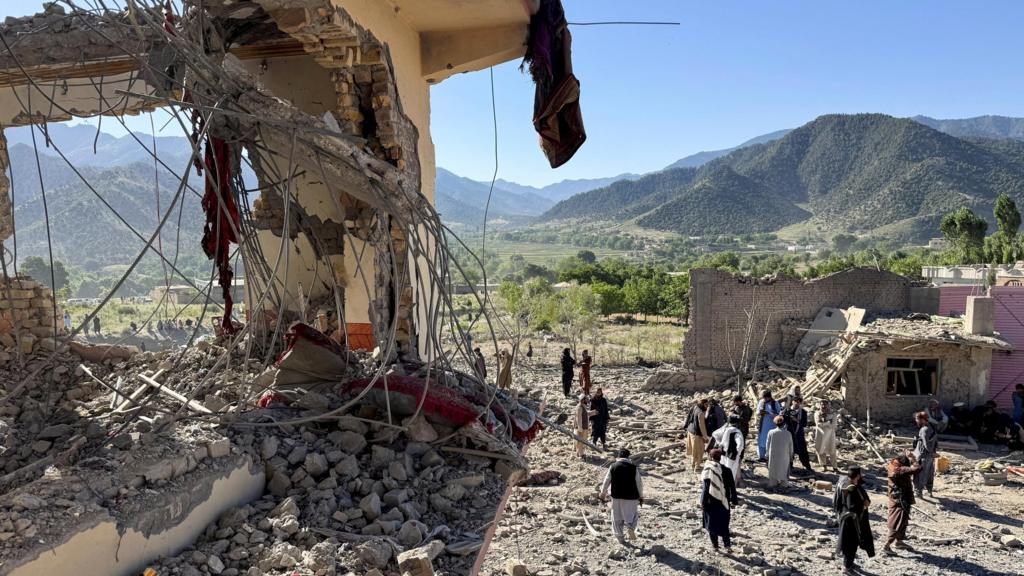
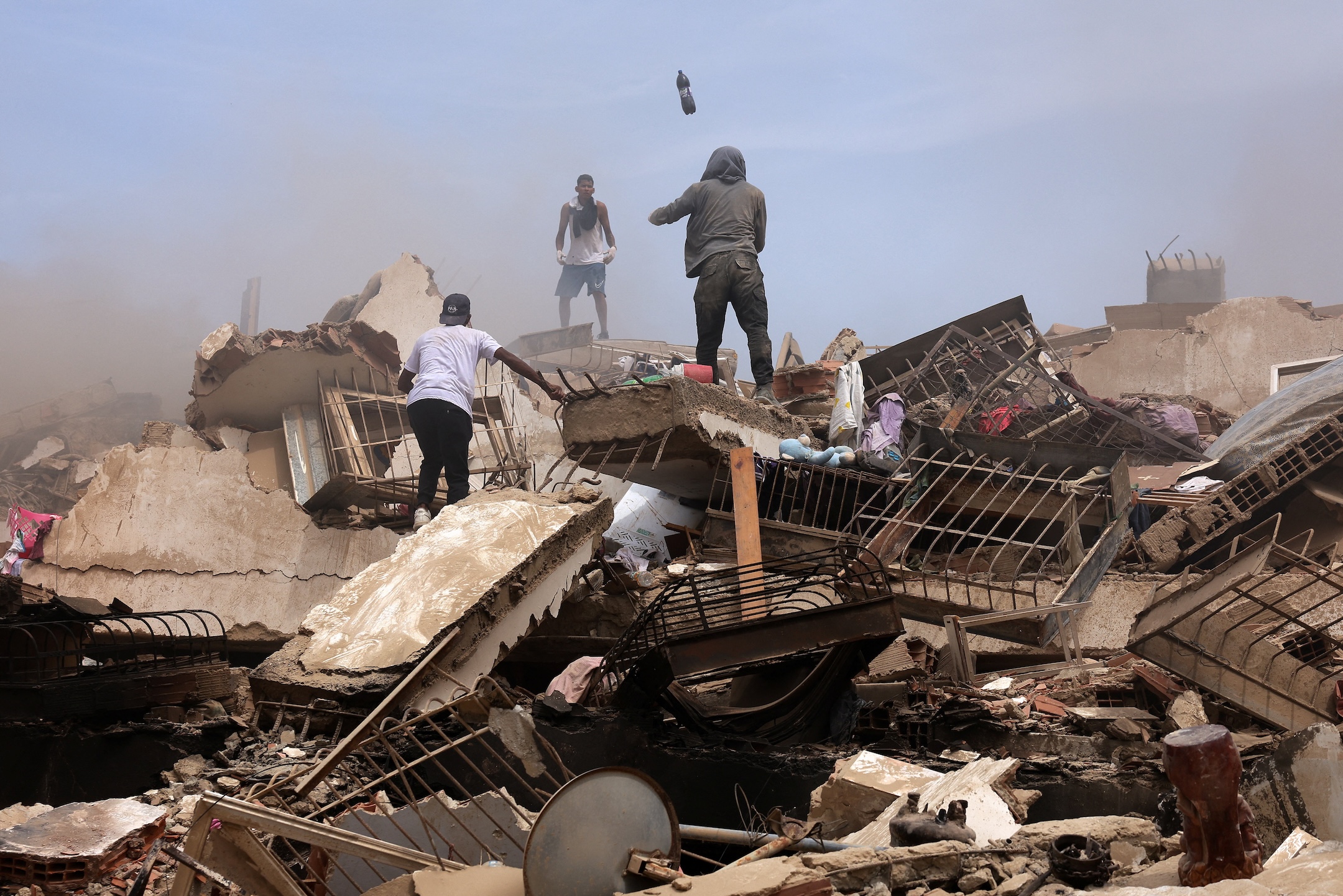
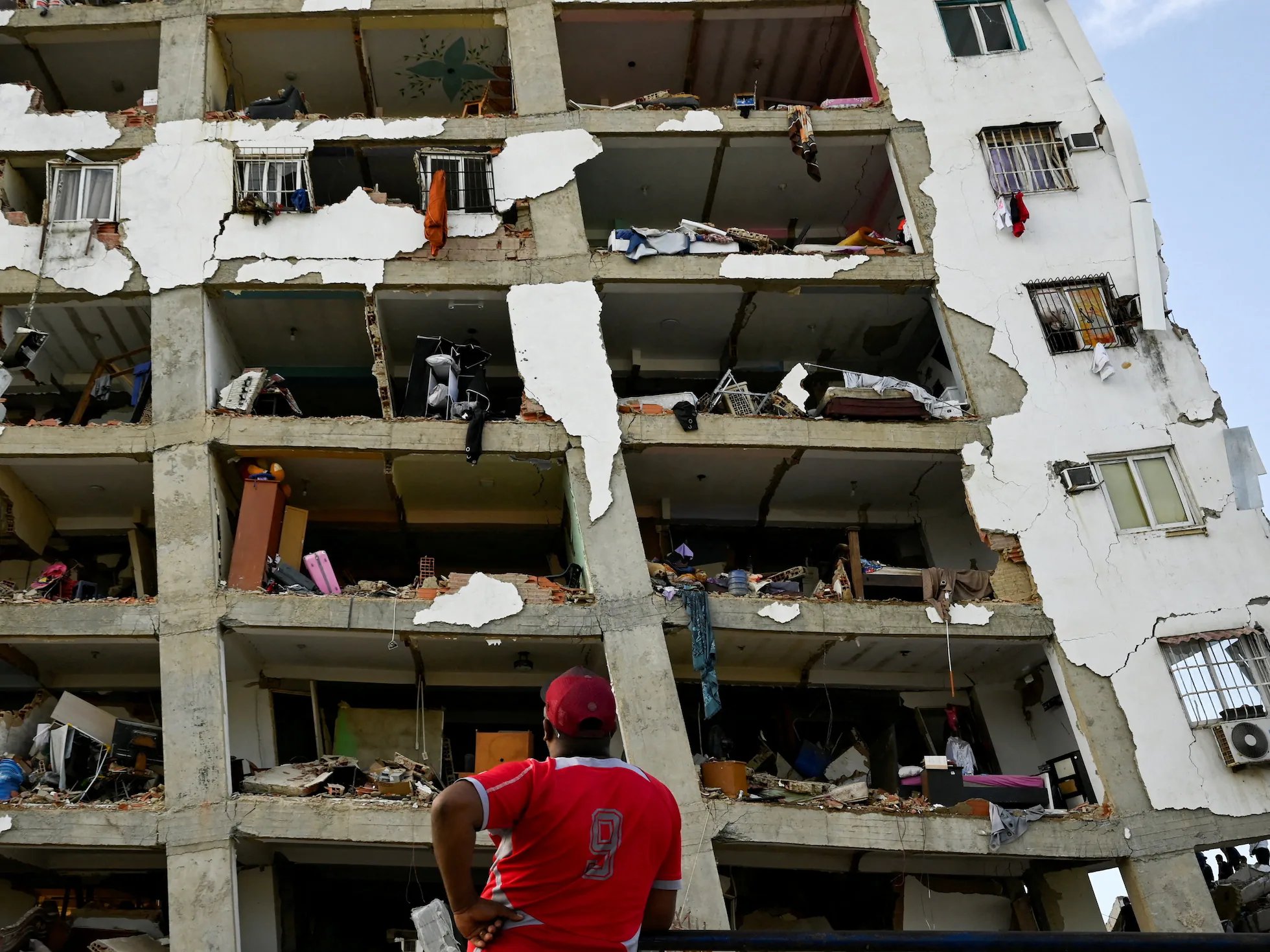
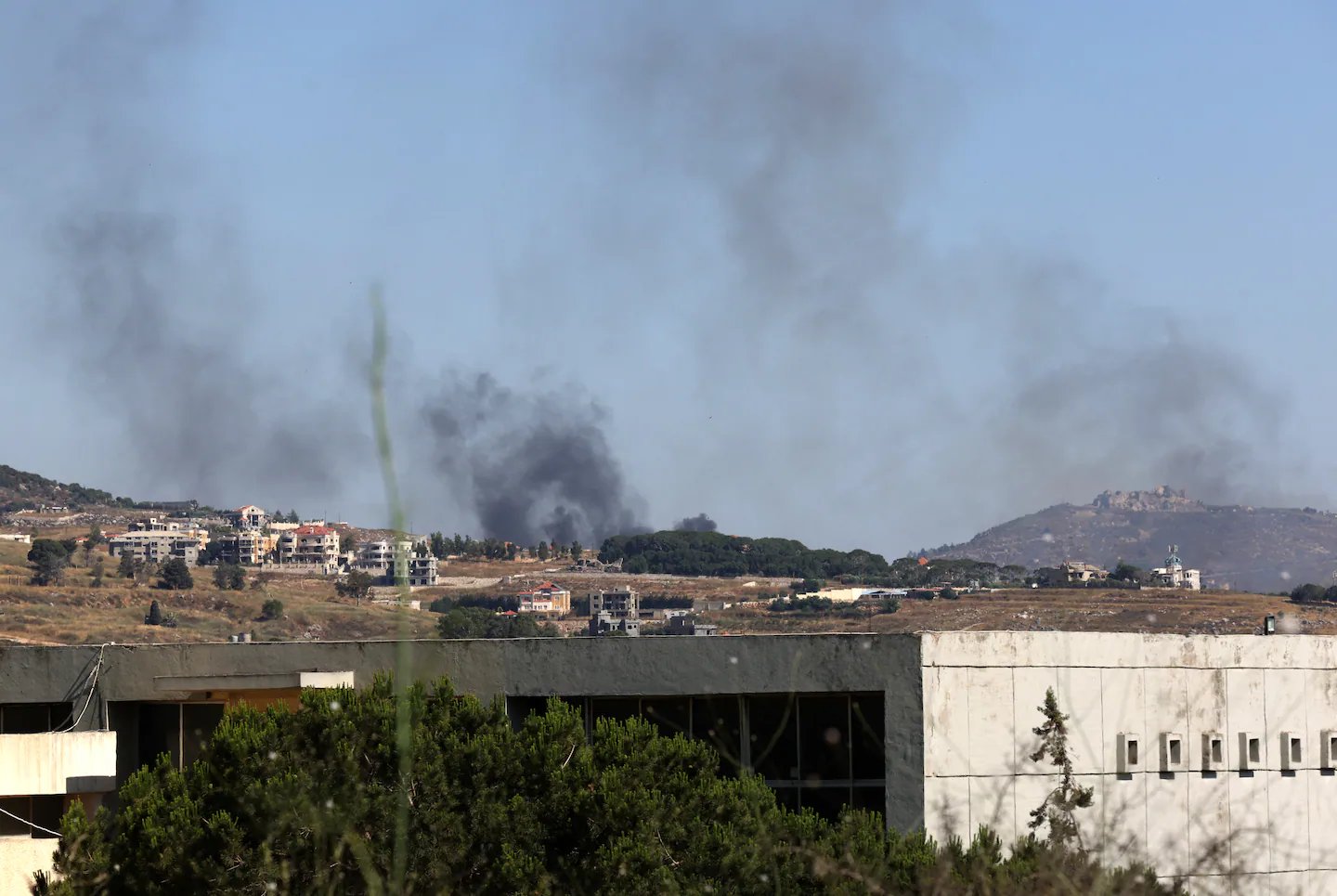
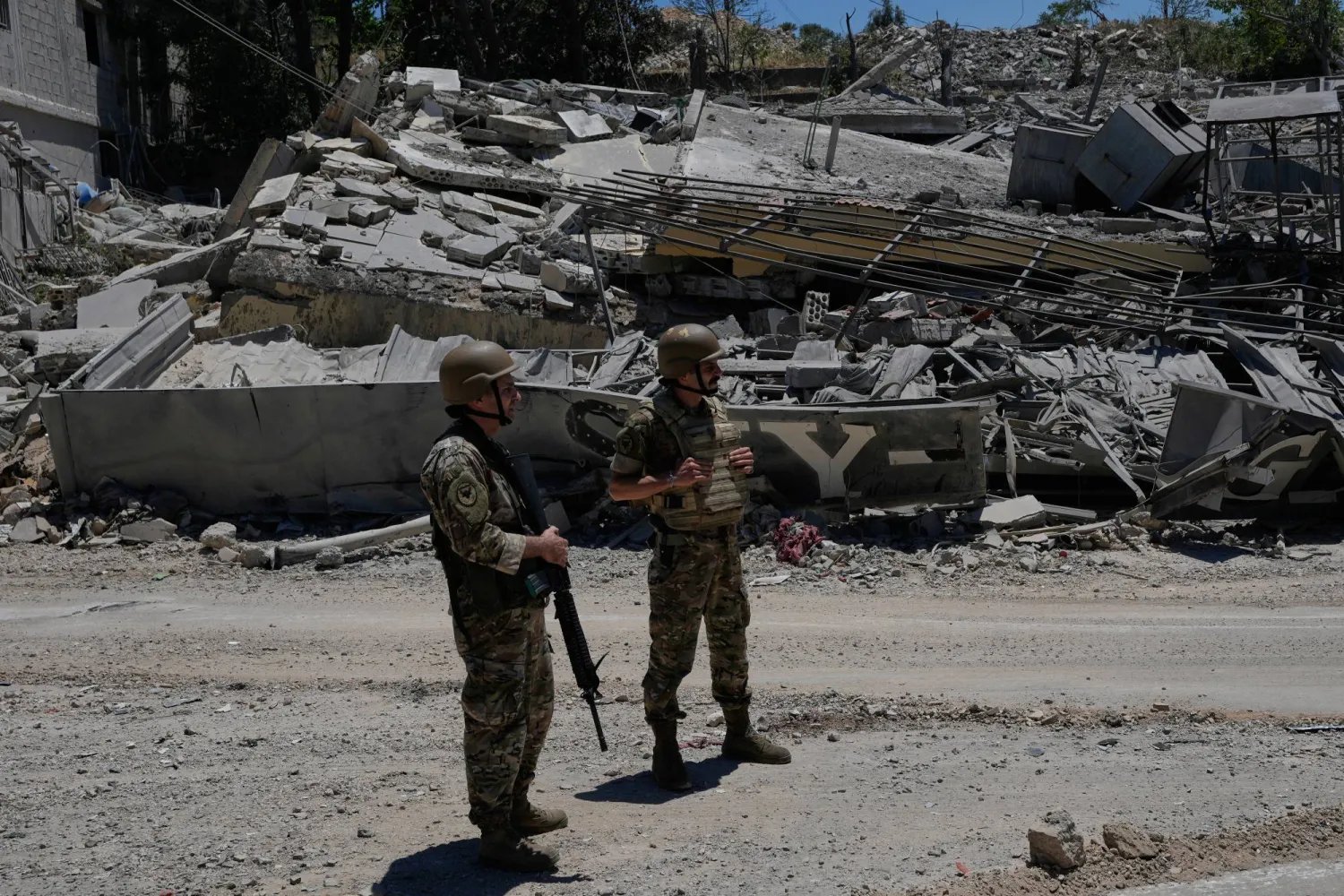
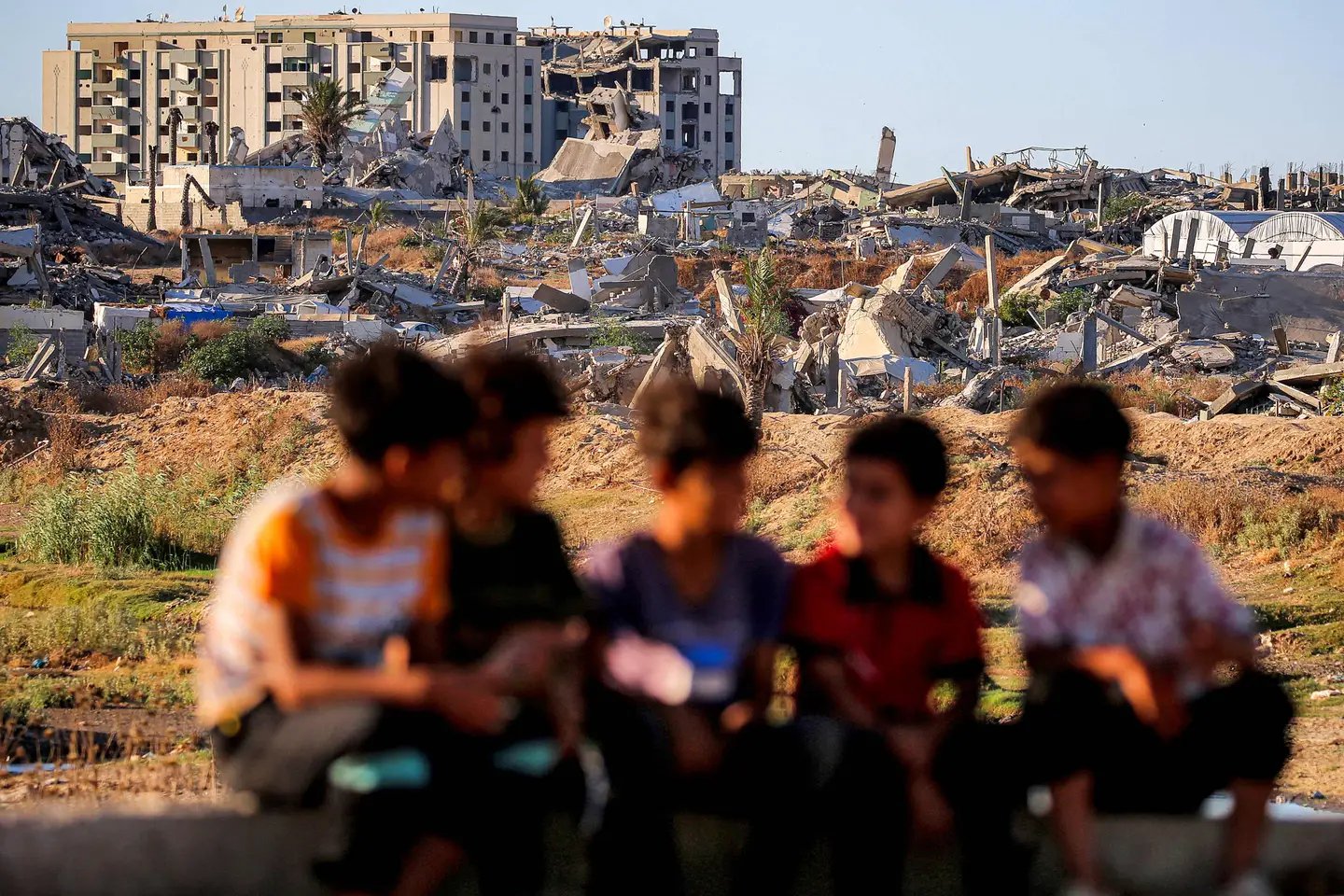
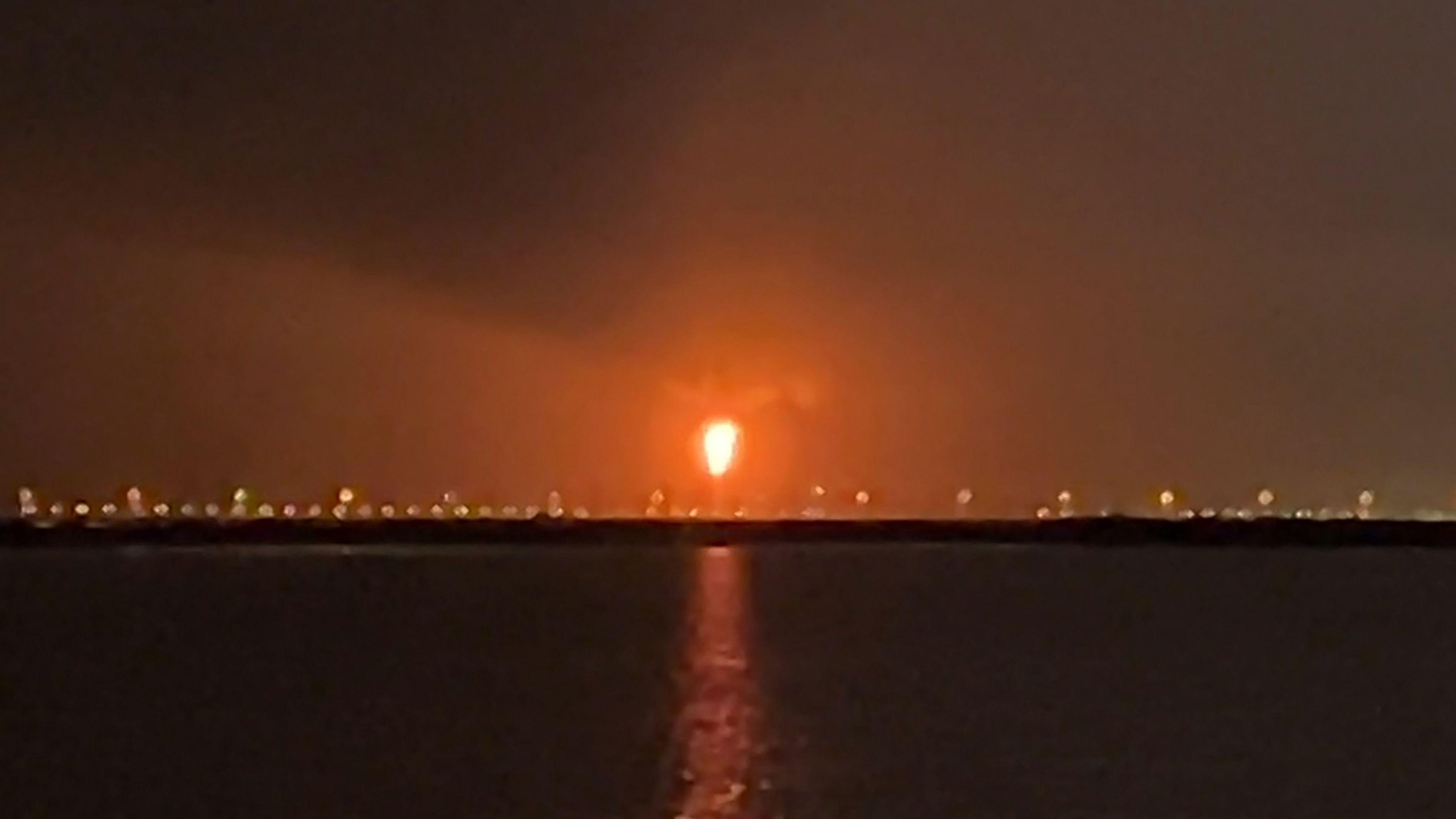
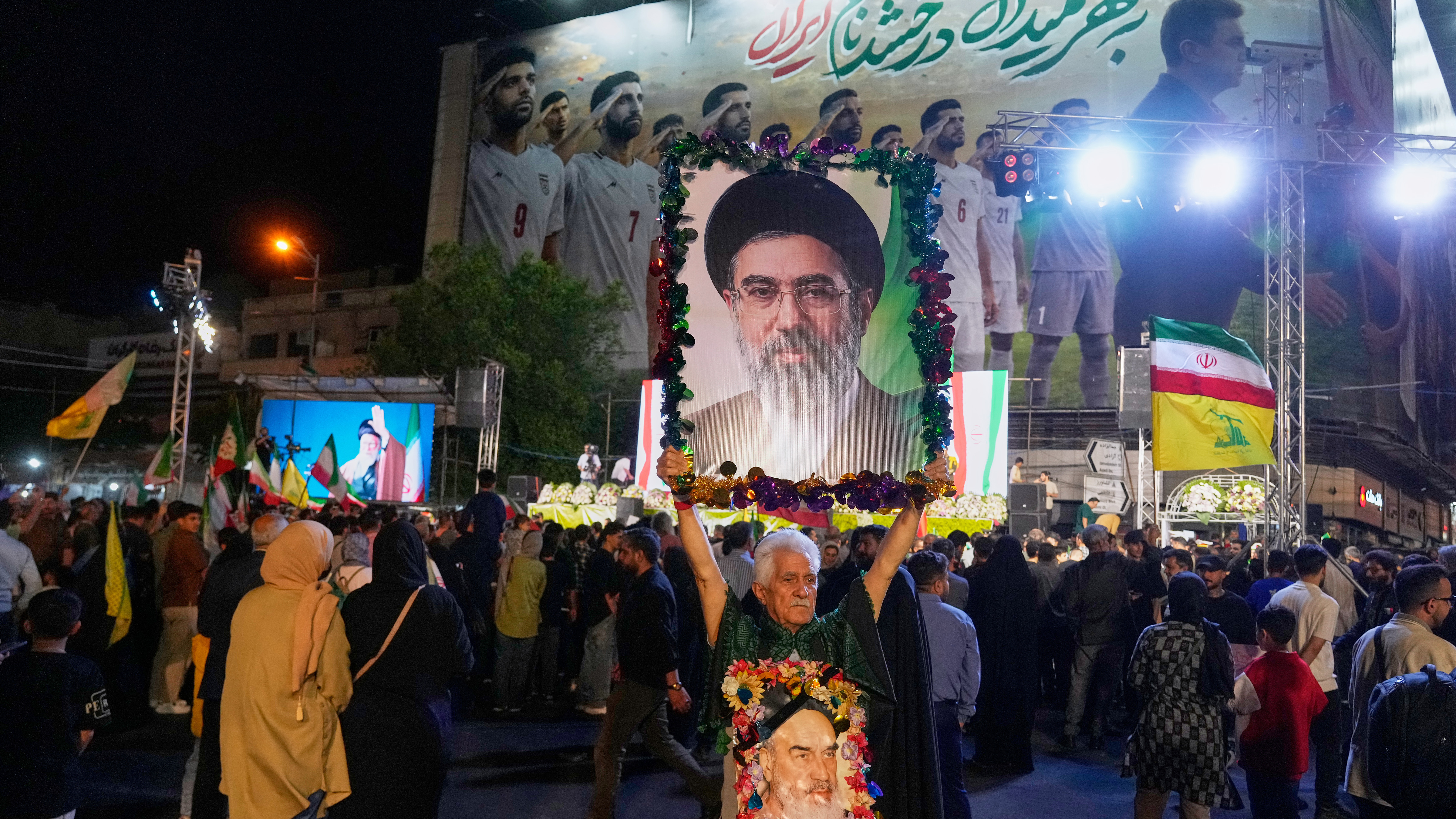
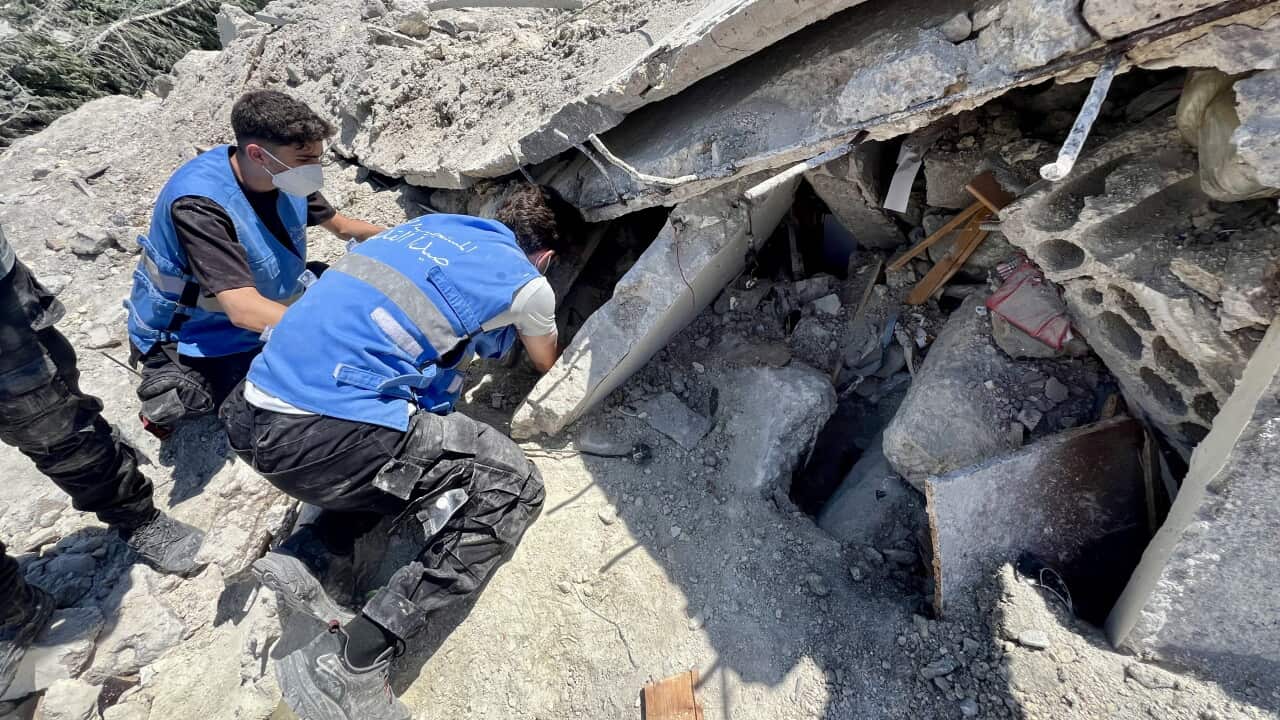
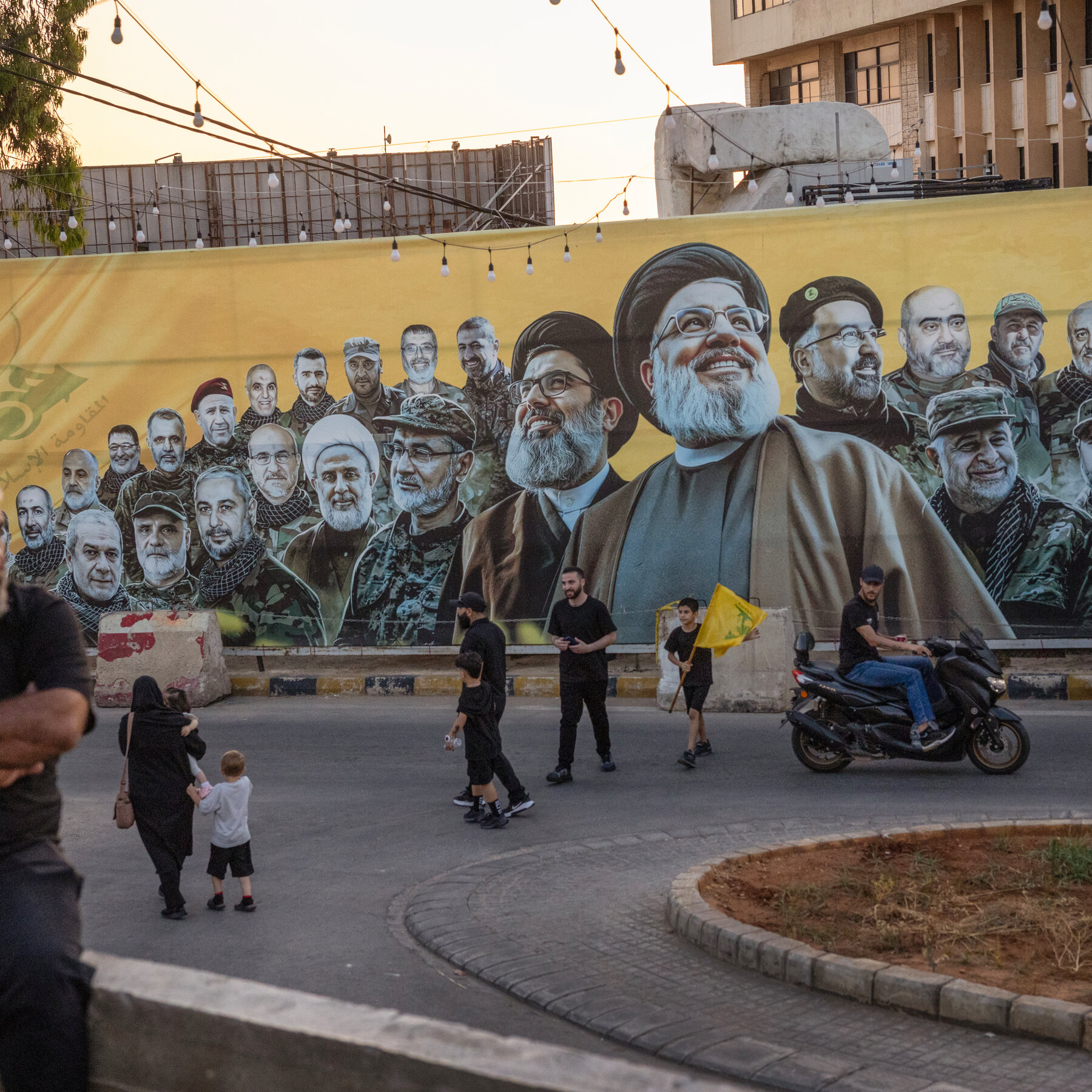
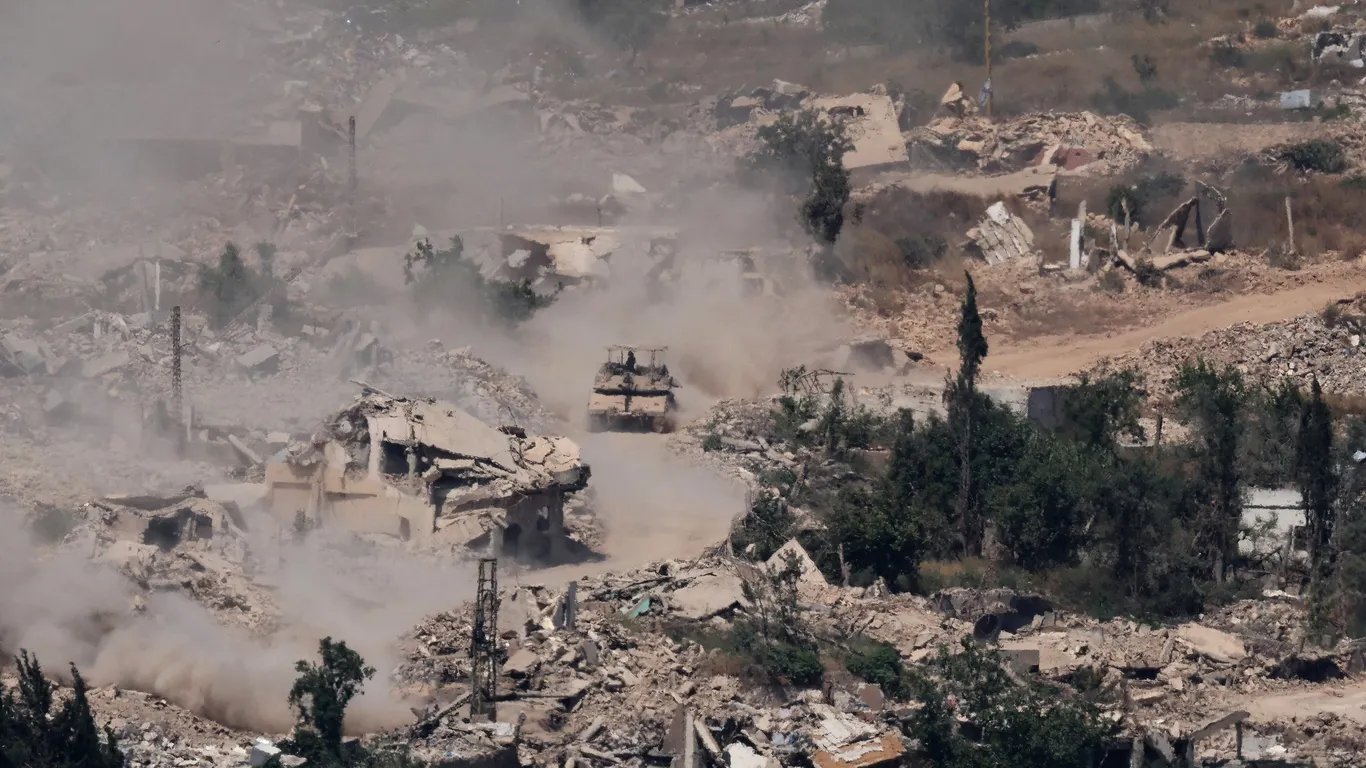
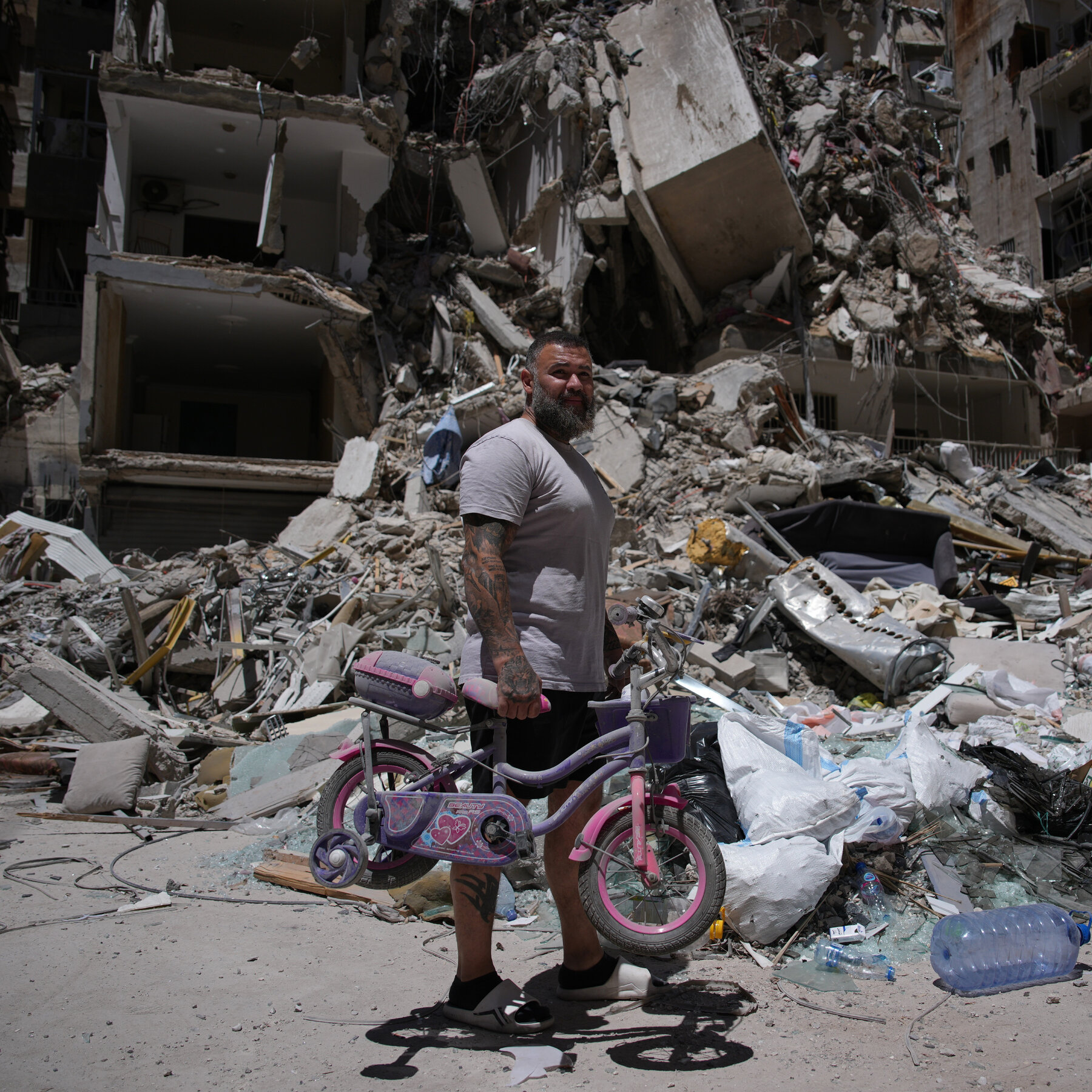
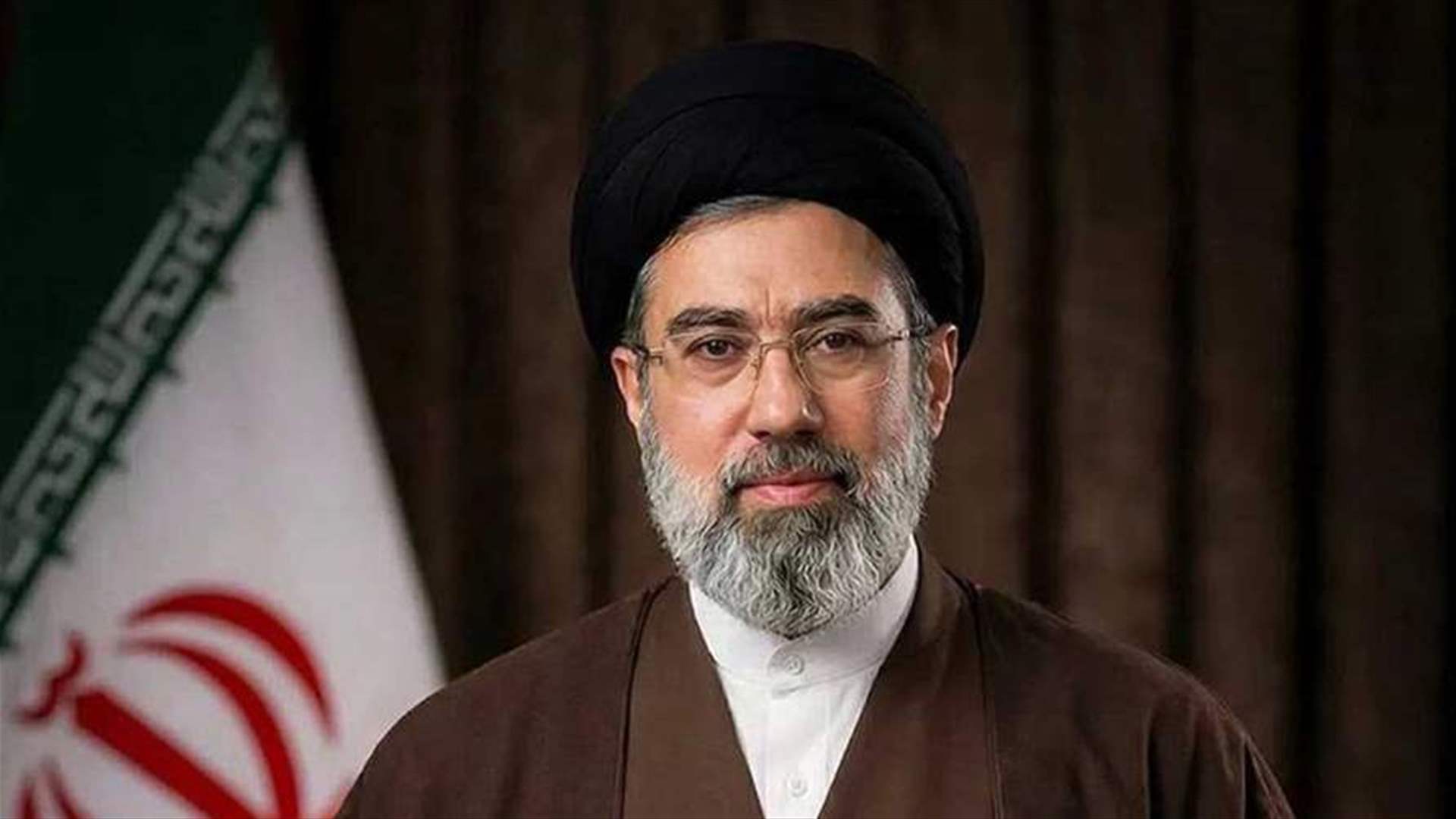
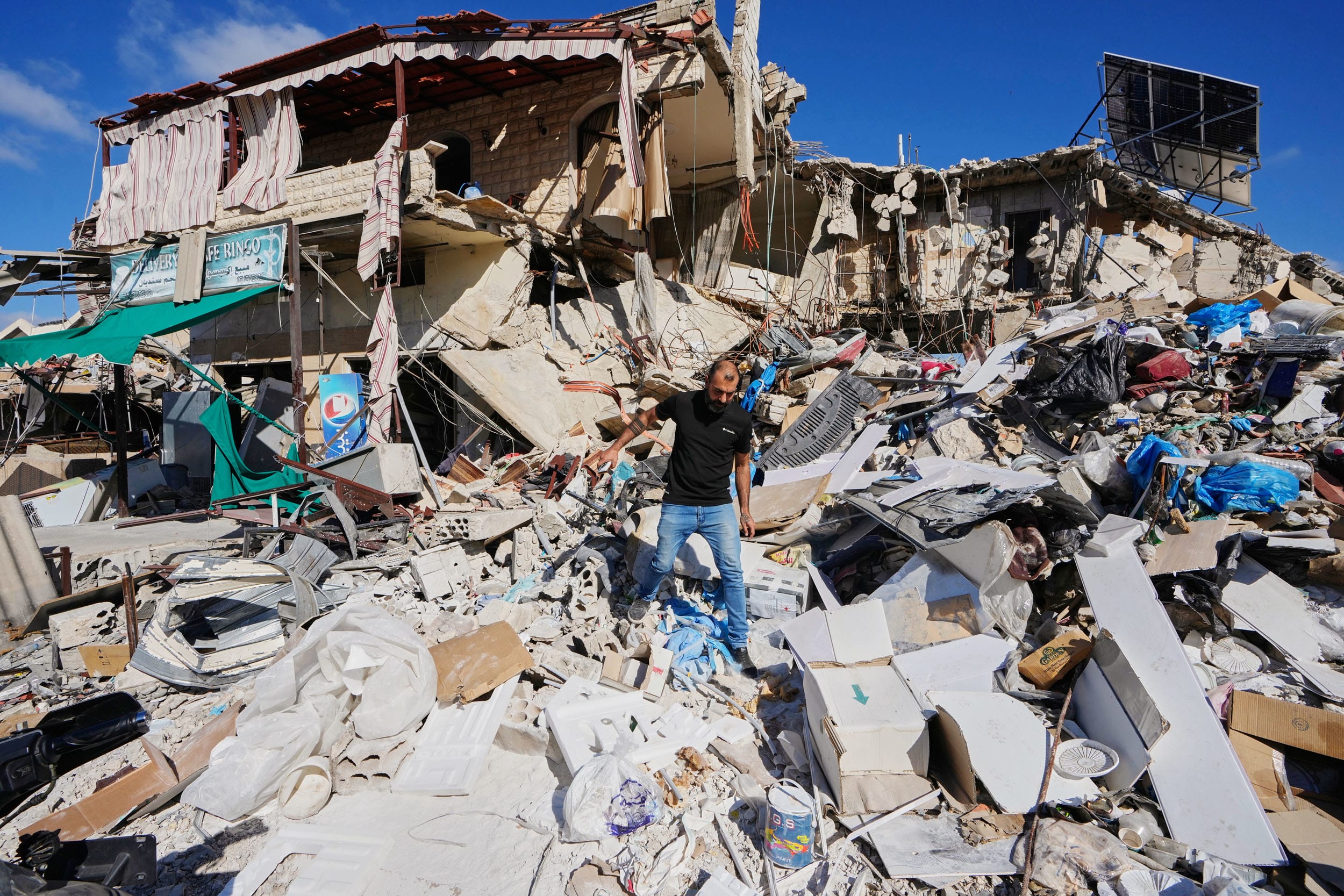
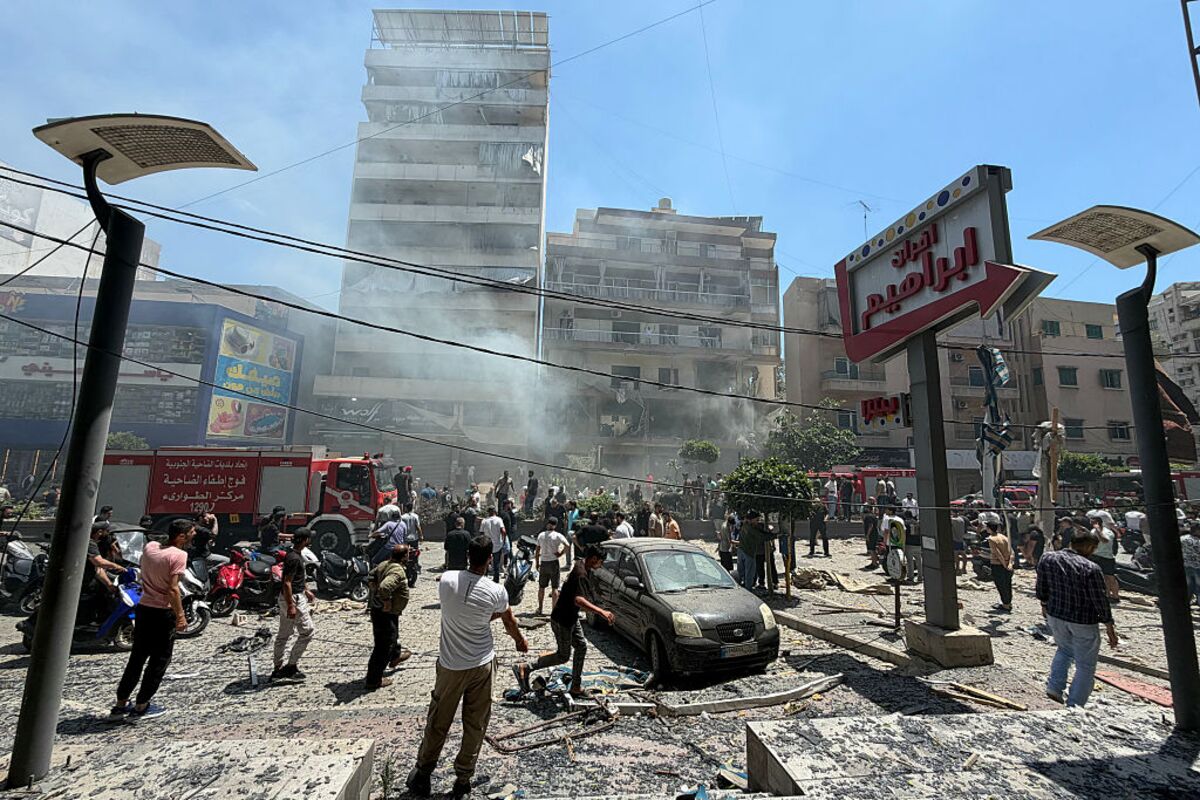
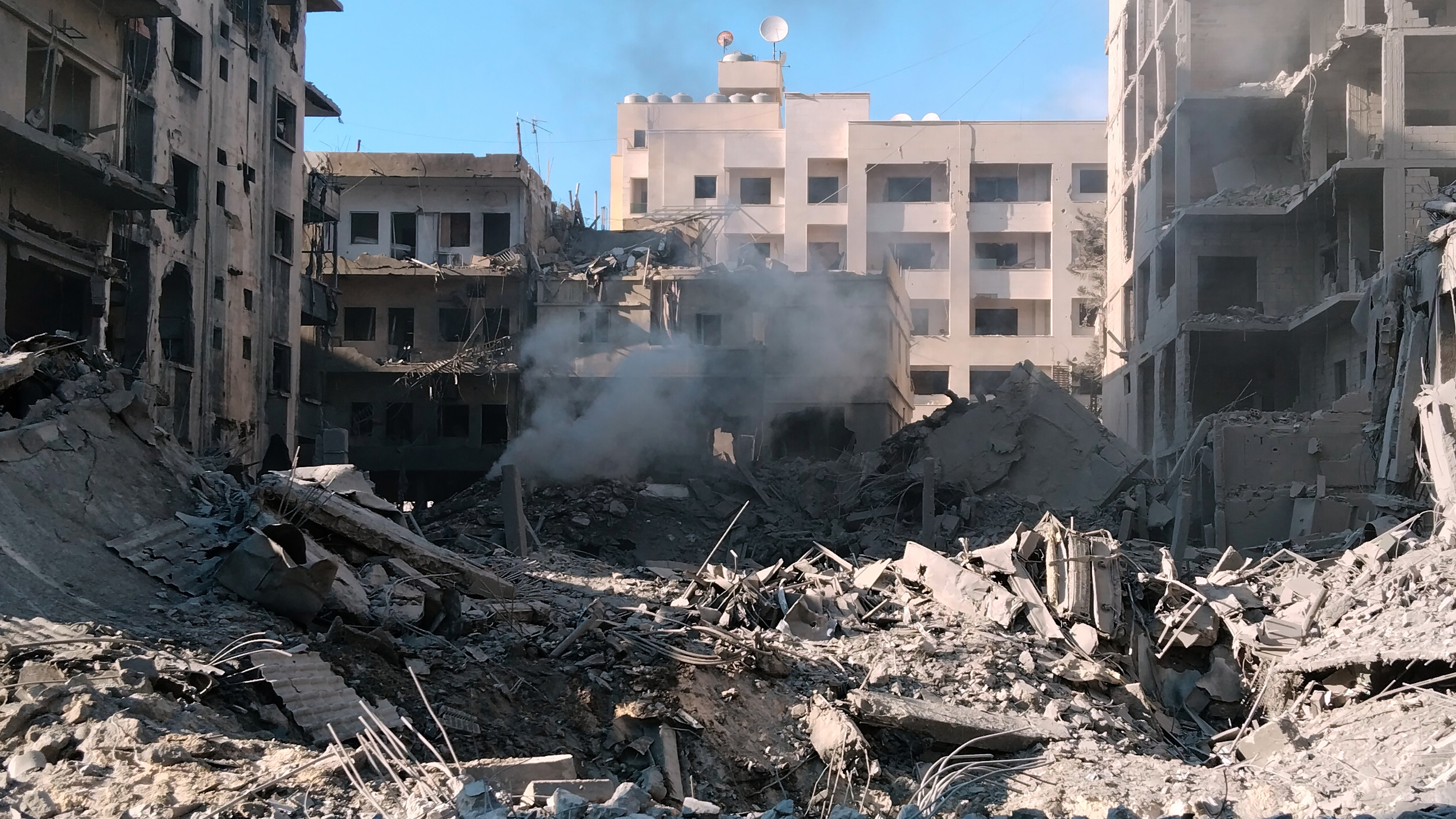
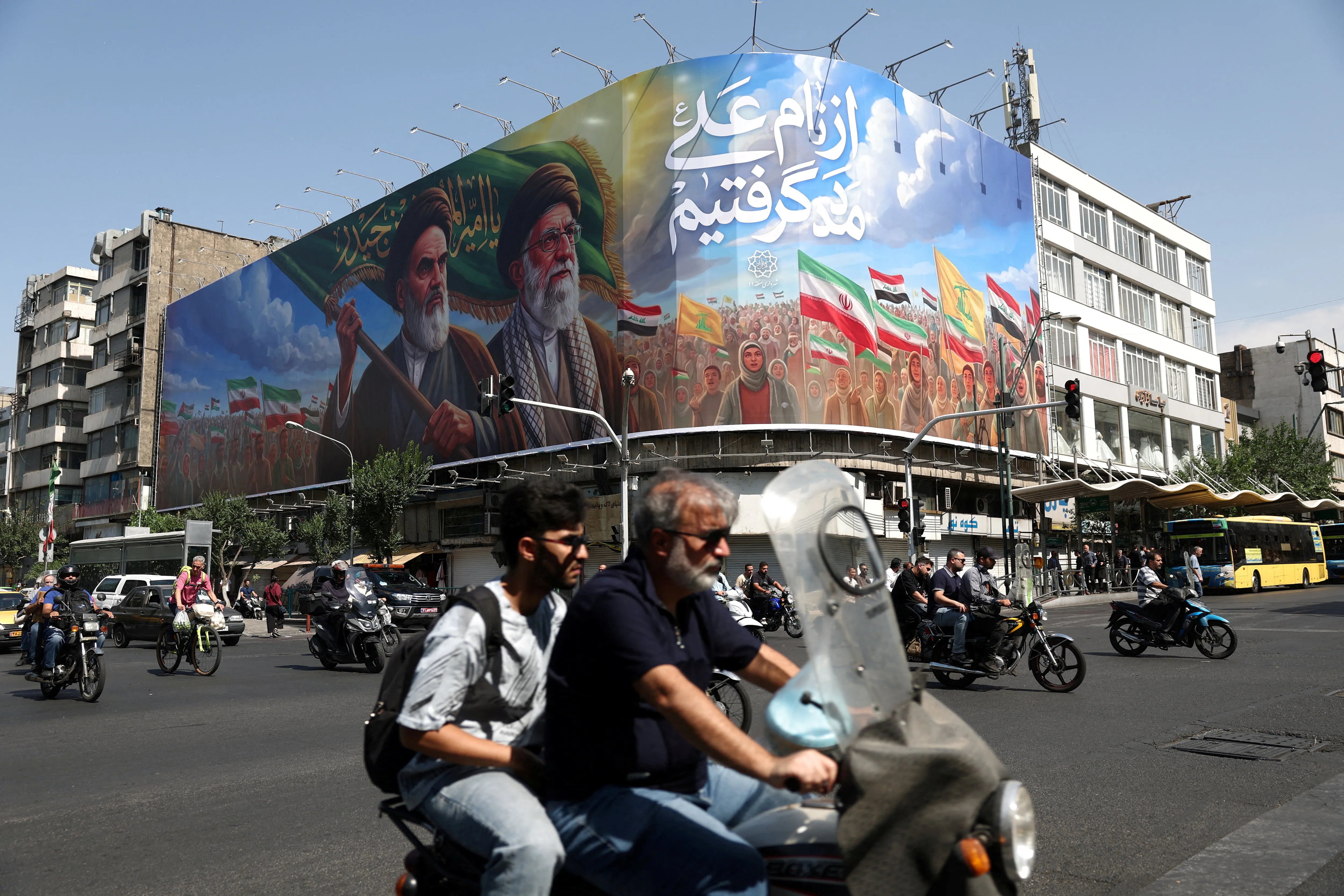
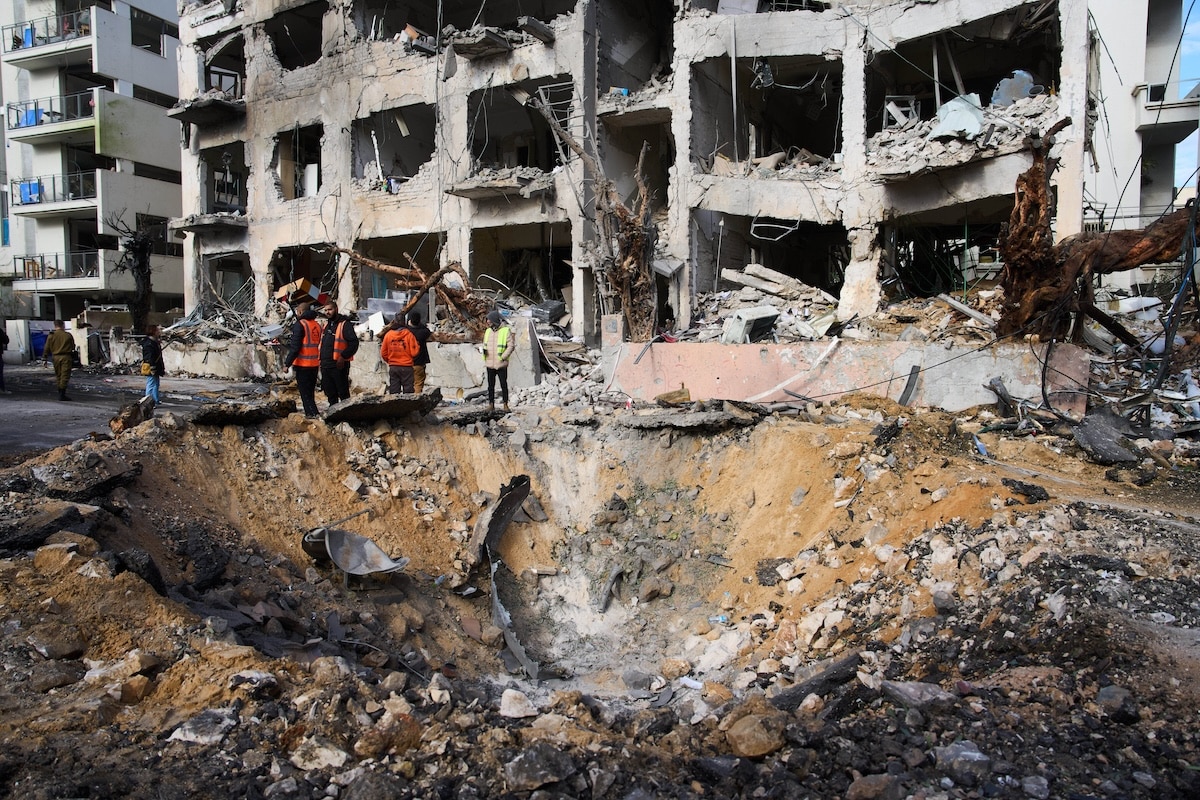
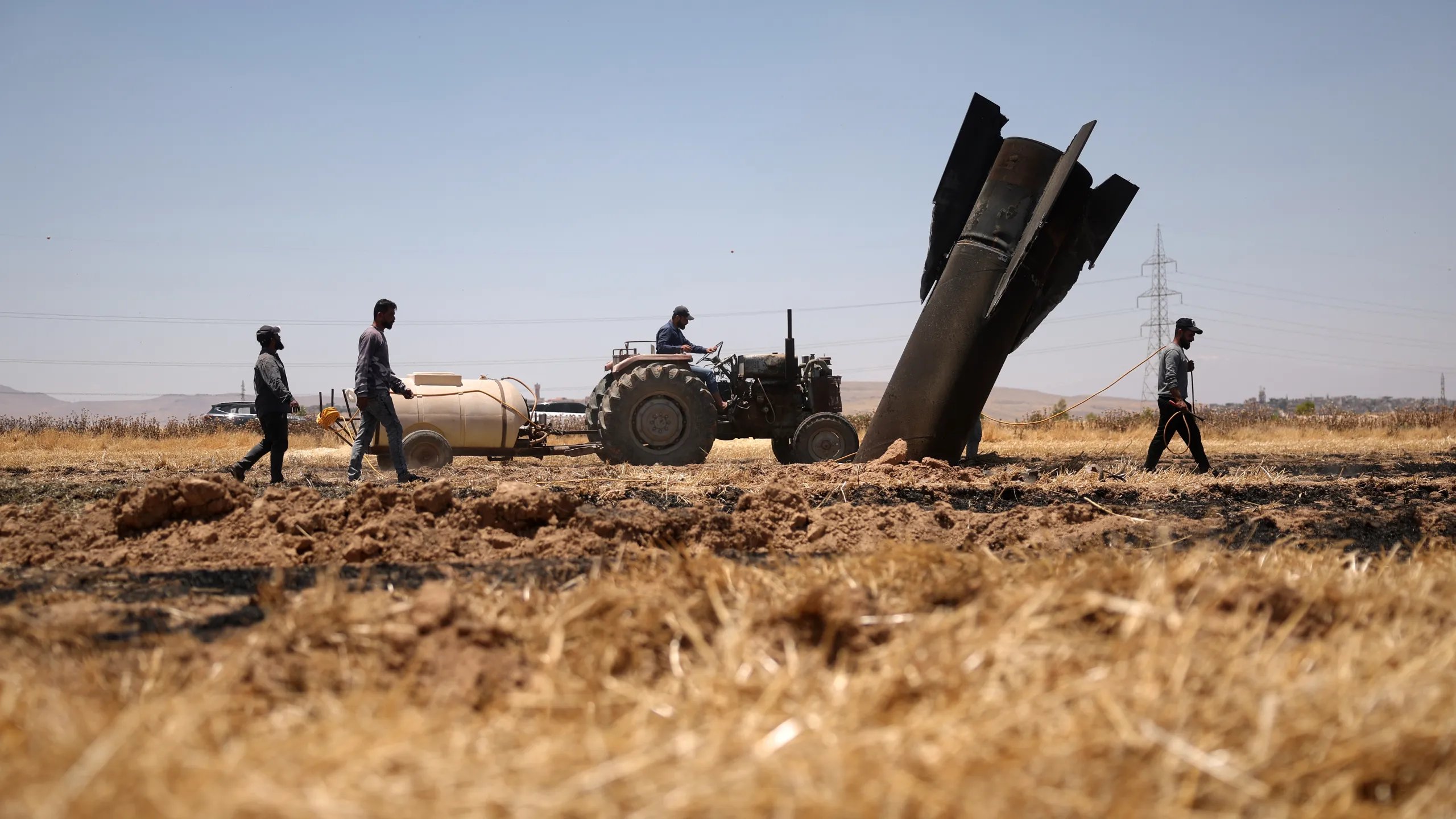
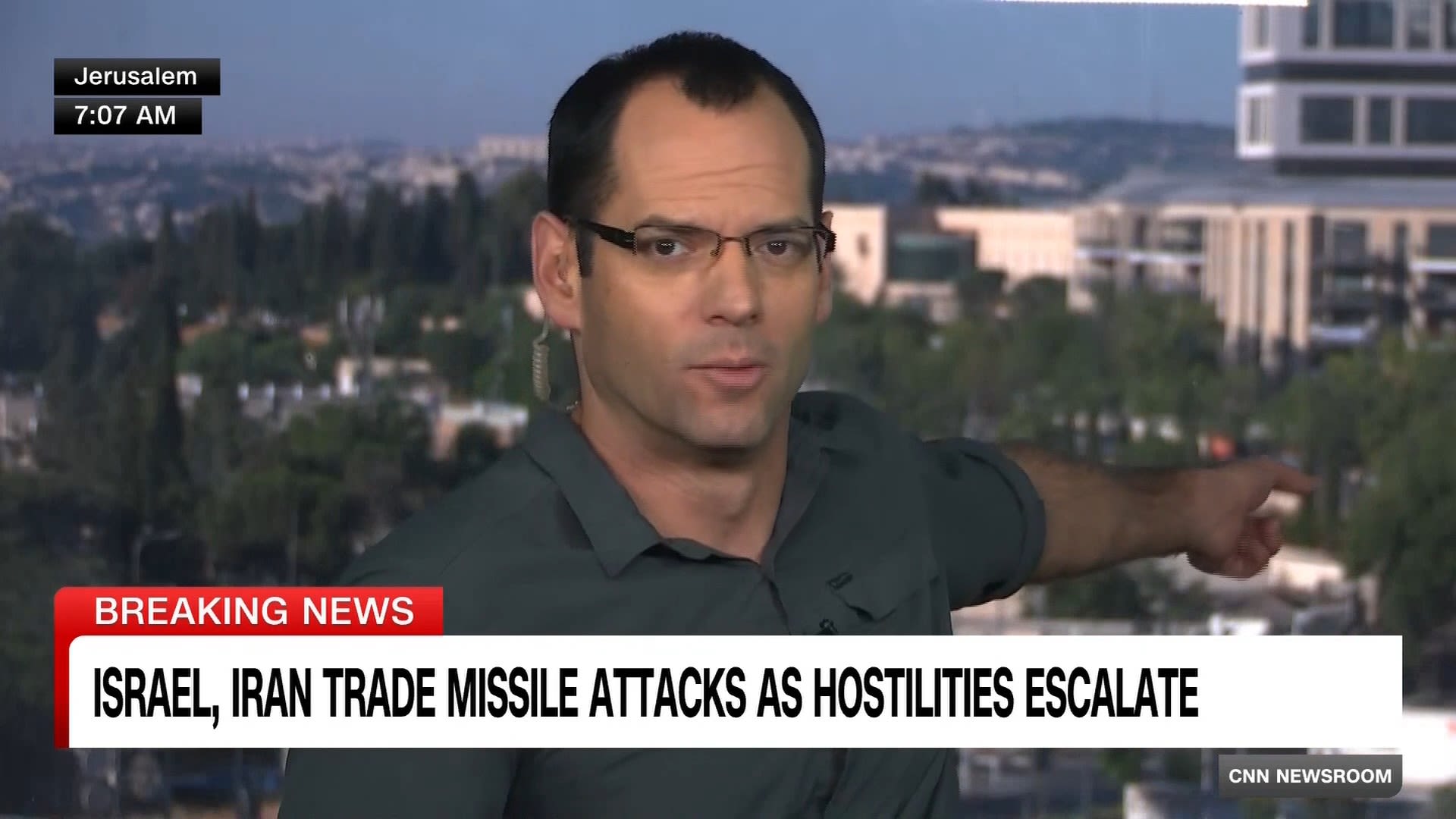
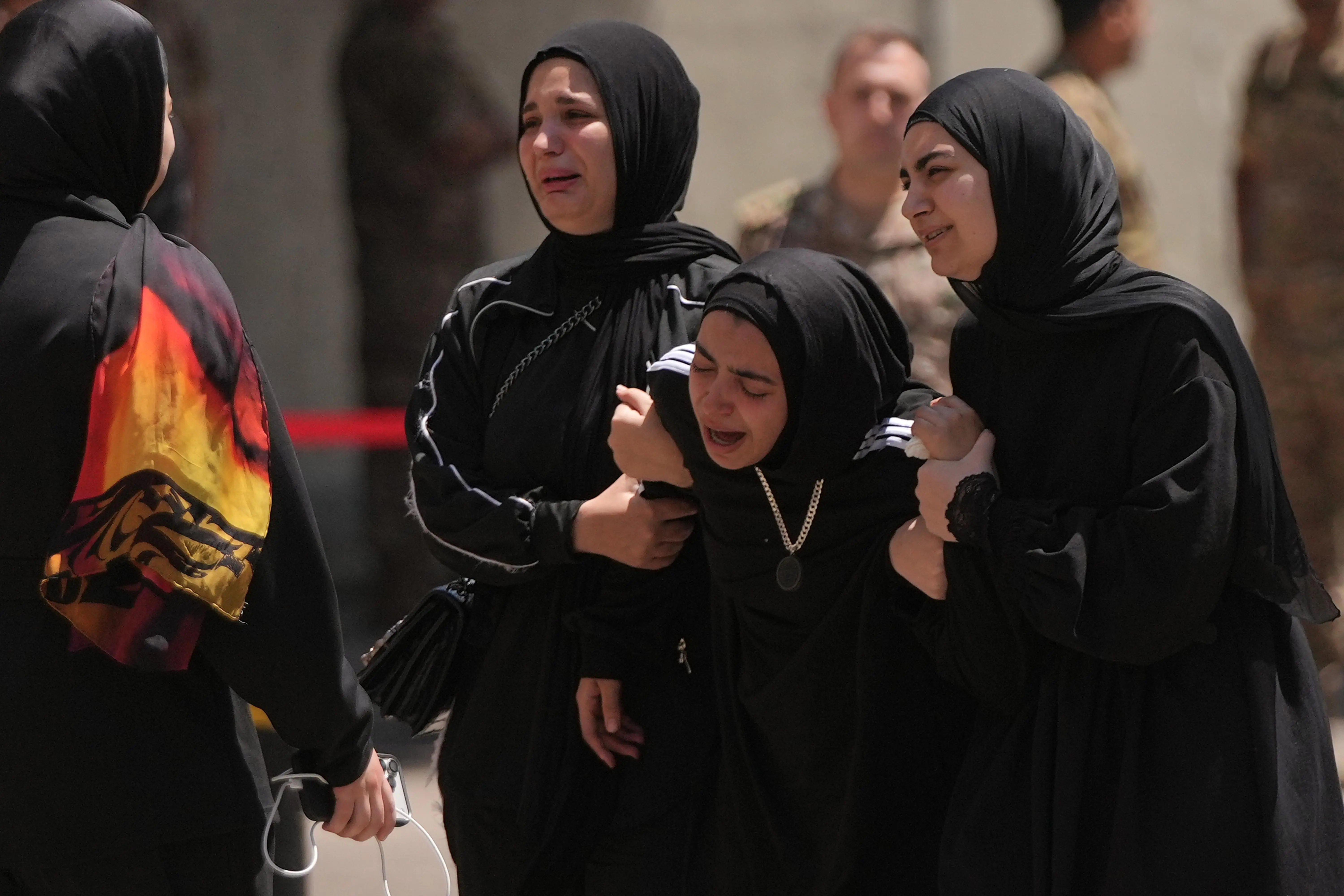
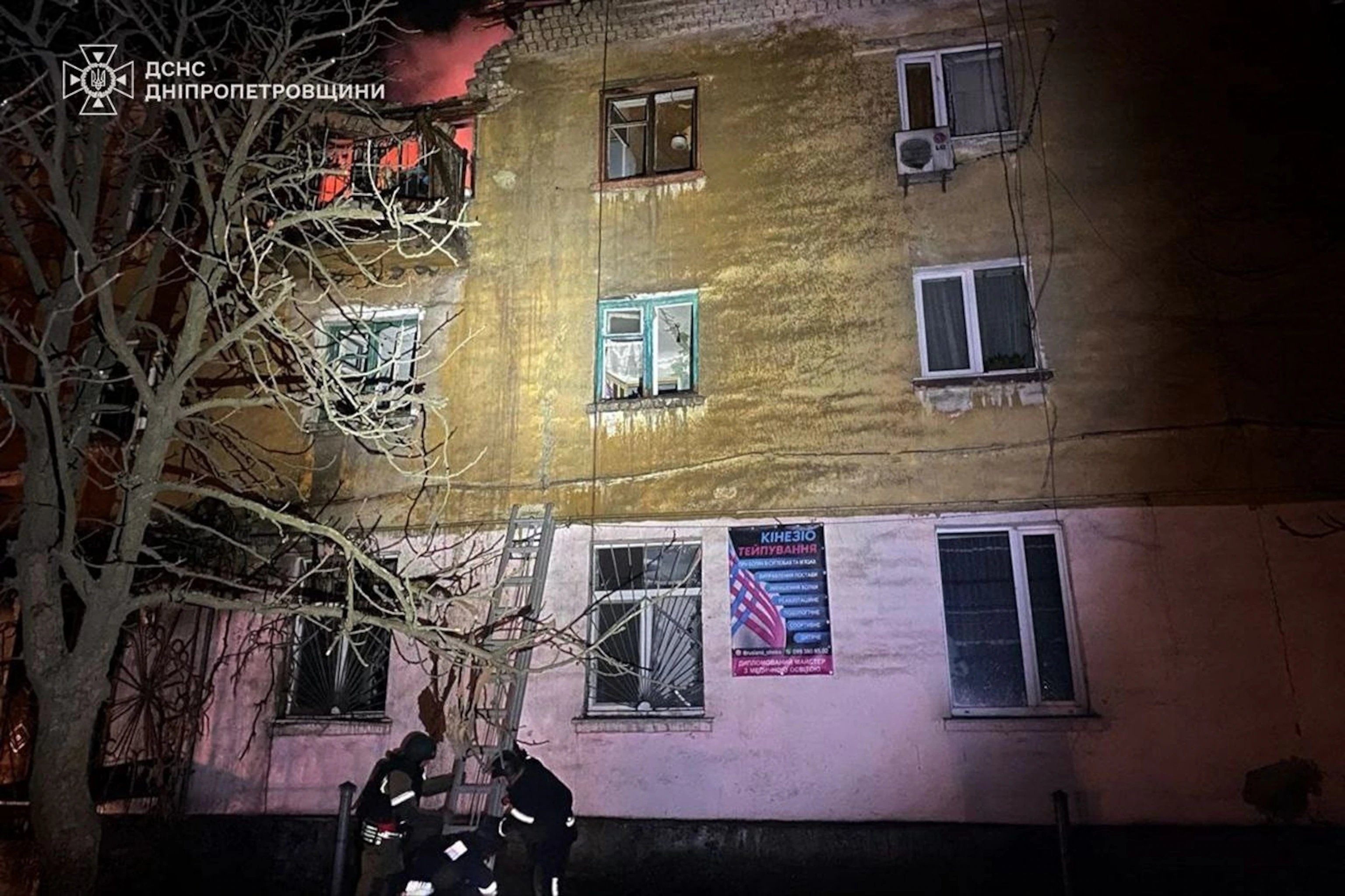
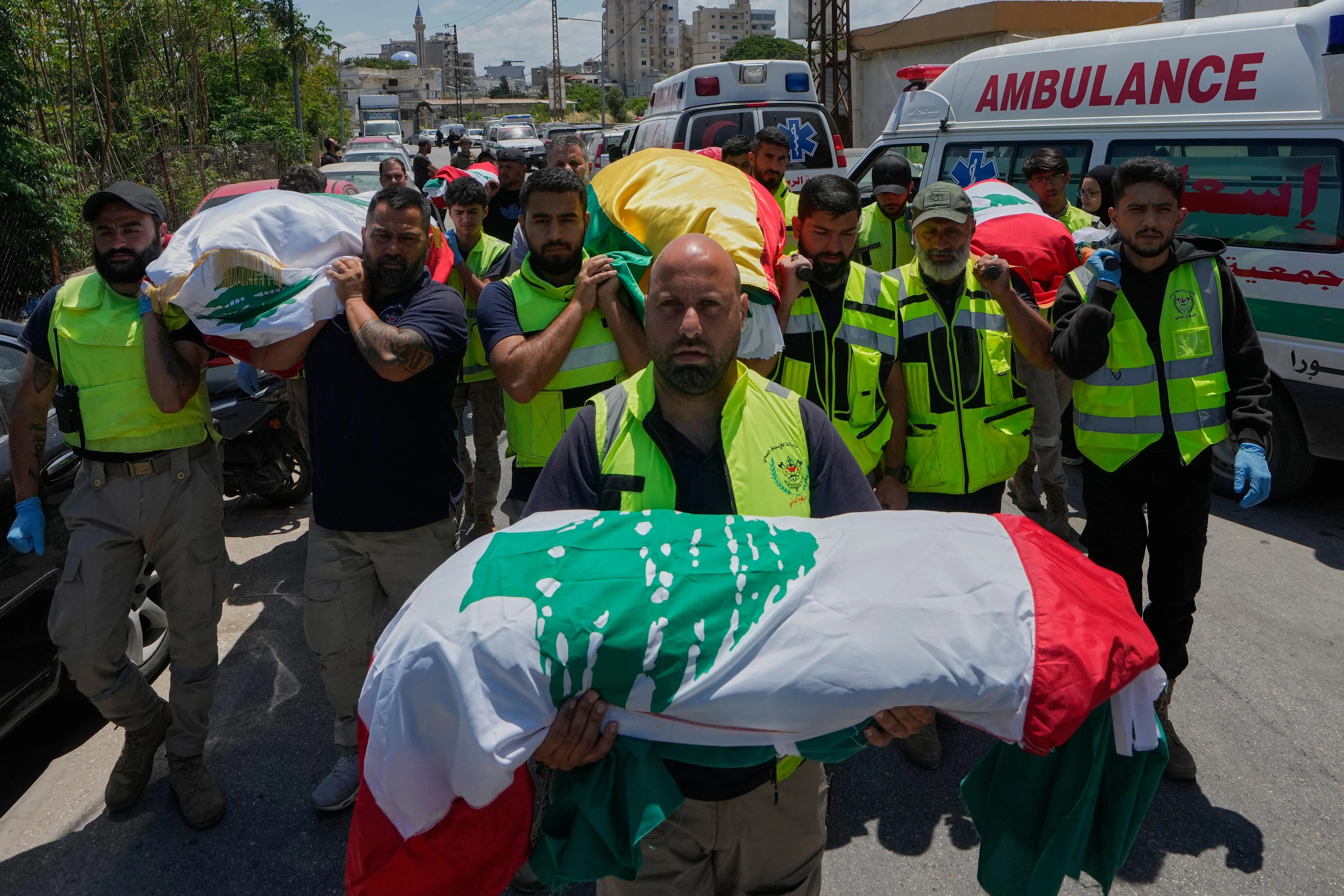
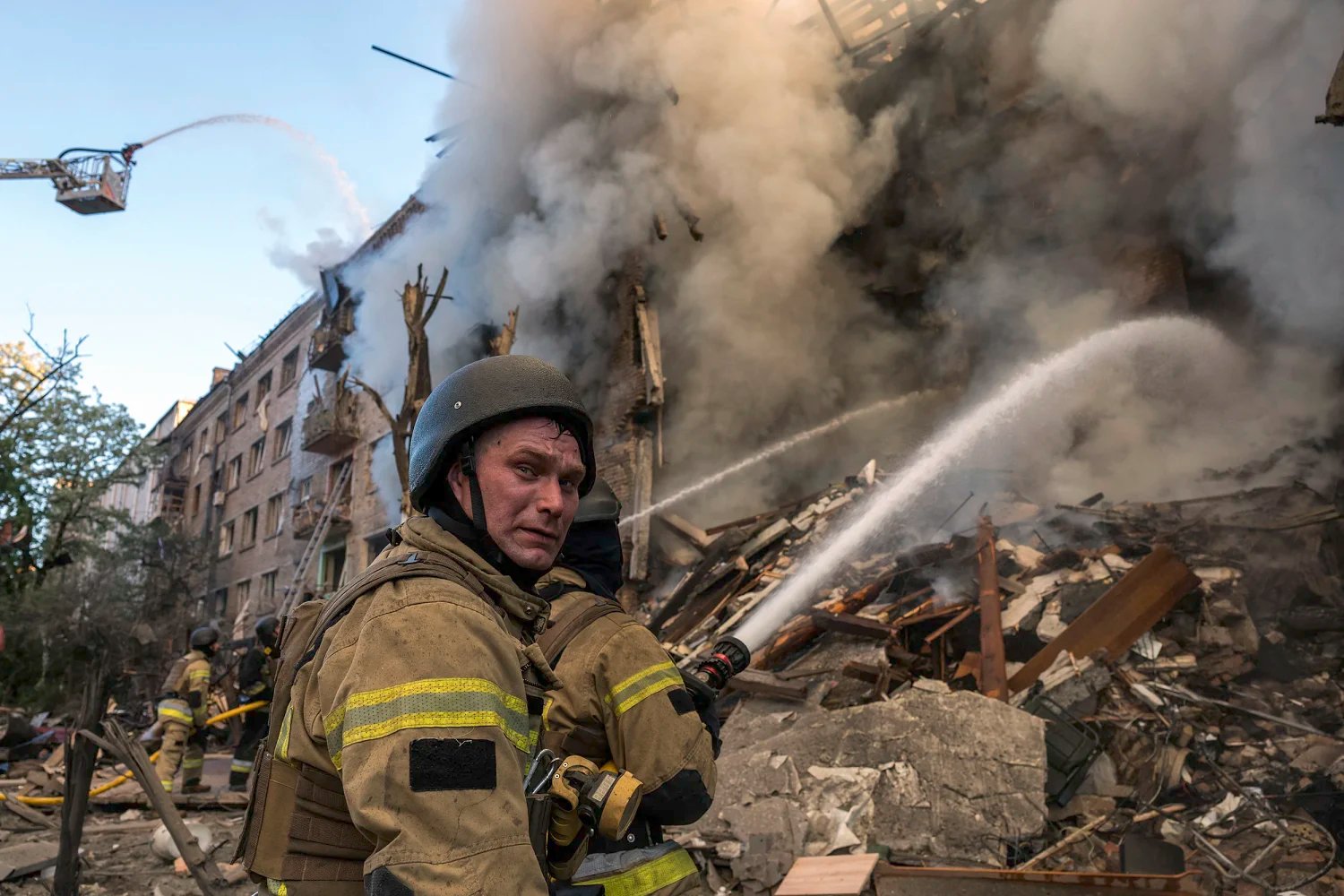
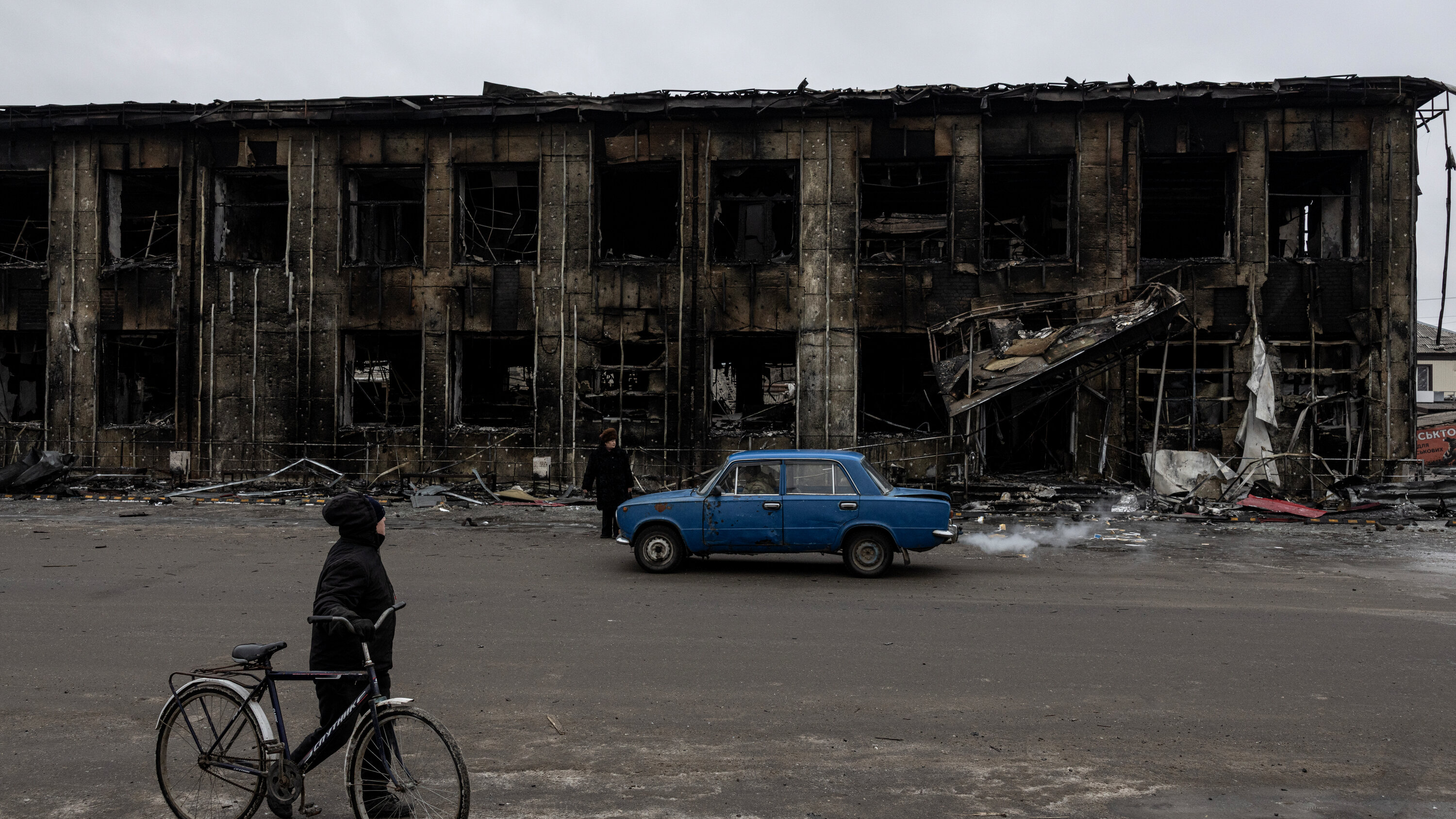
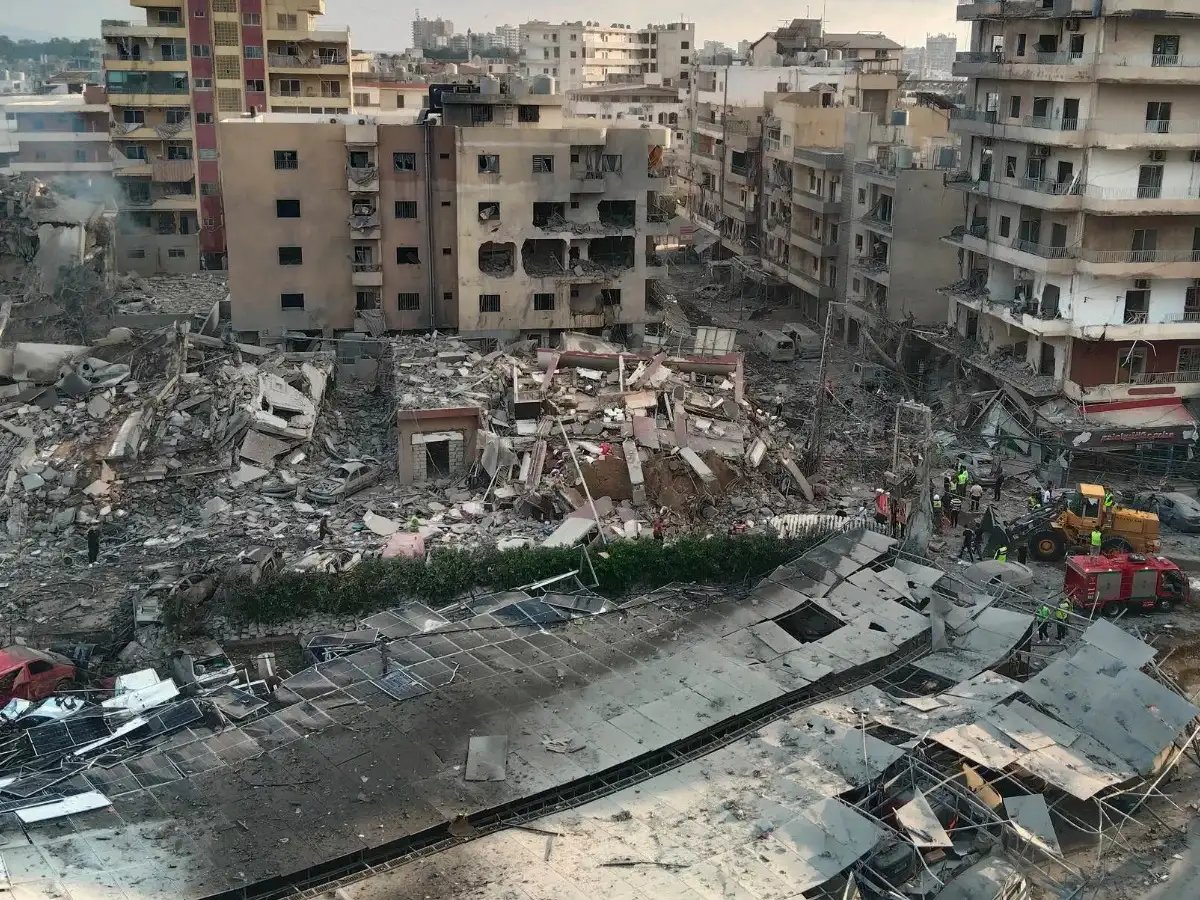
Renewed fighting in Lebanon has complicated diplomatic efforts between the U.S. and Iran. Reports indicate that Hezbollah launched multiple rocket attacks against Israeli positions in response to Israeli airstrikes that killed at least 18 people and injured 33. Iranian Supreme Leader Mojtaba Khamenei has emphasized that any peace talks require an end to Israel’s military operations in Lebanon, reinforcing Iran's commitment to its regional allies.
Diplomatic Context
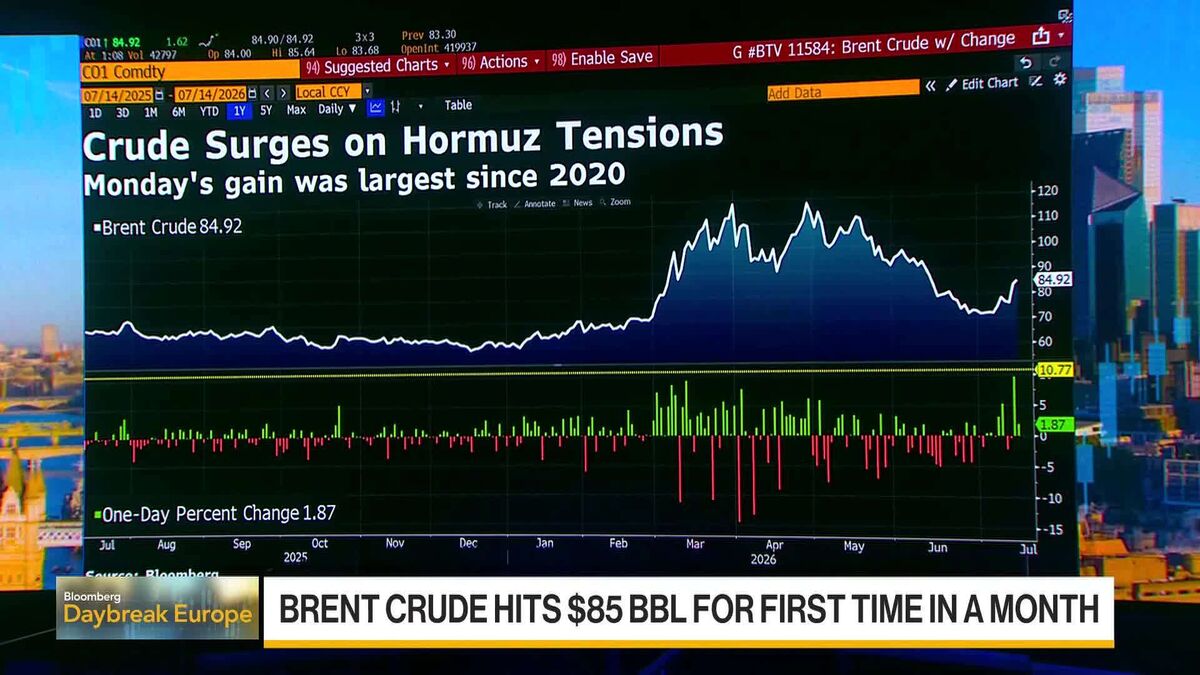
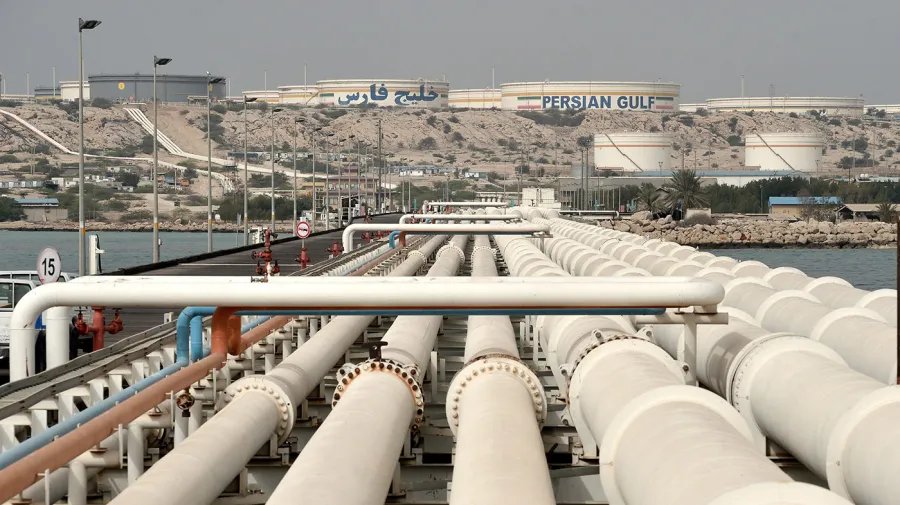
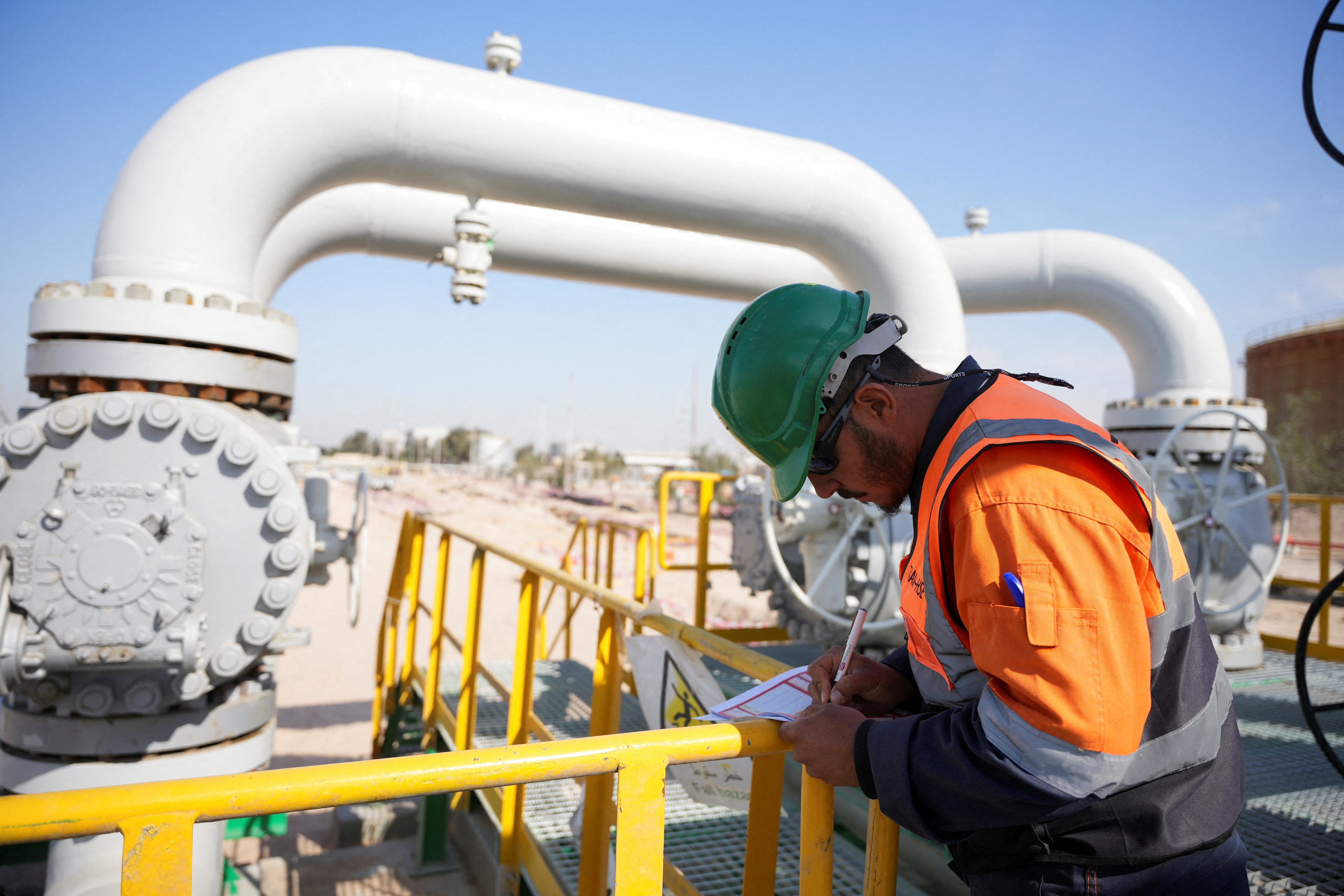
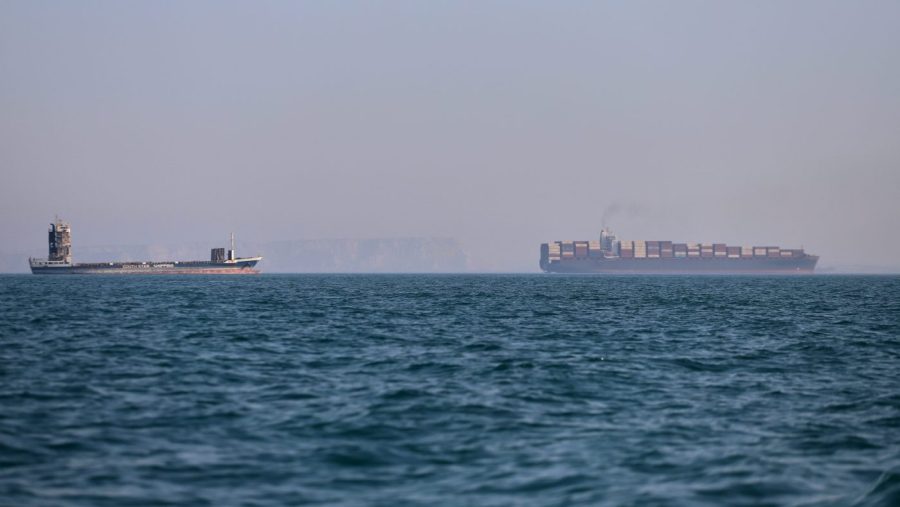
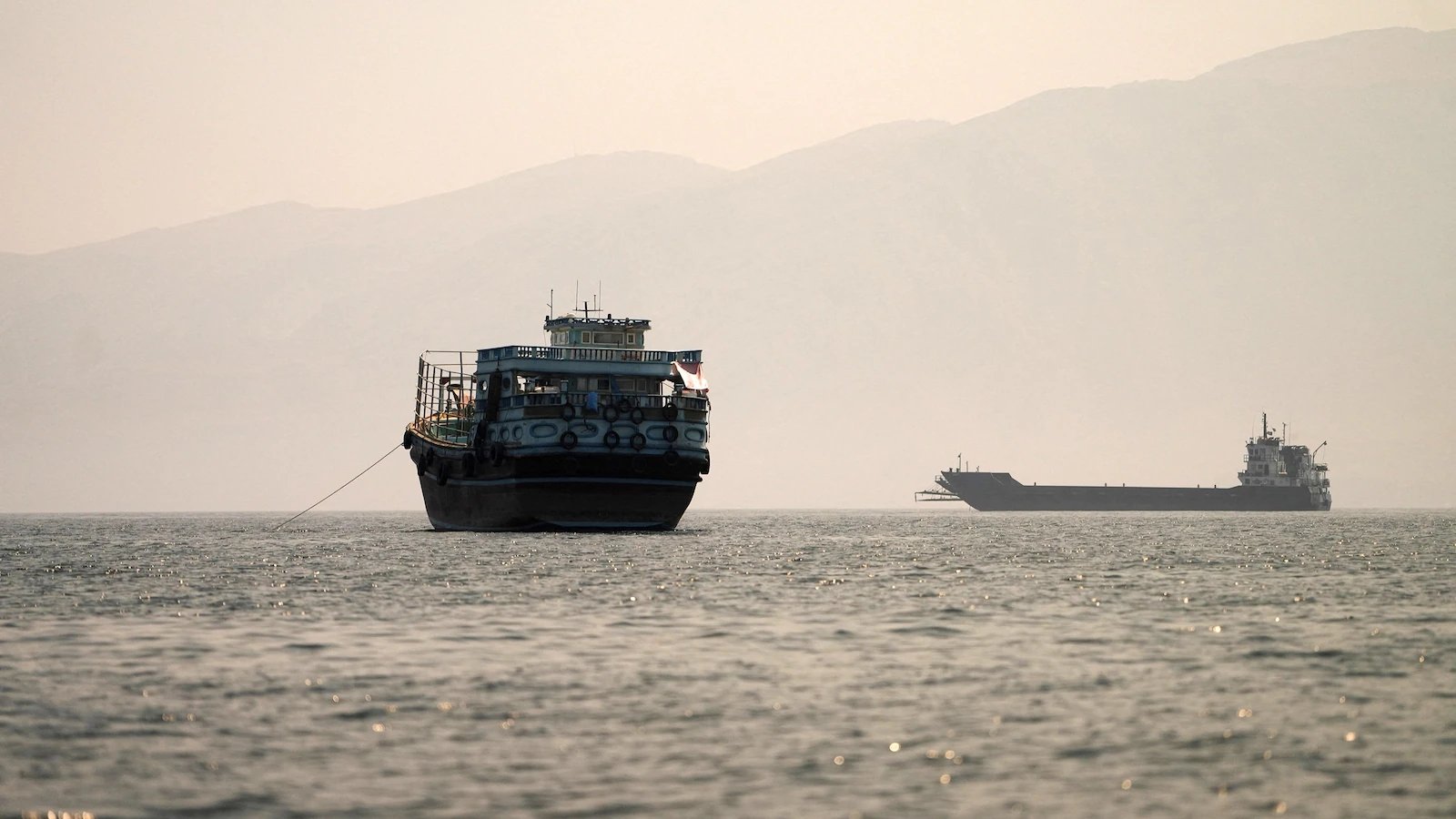
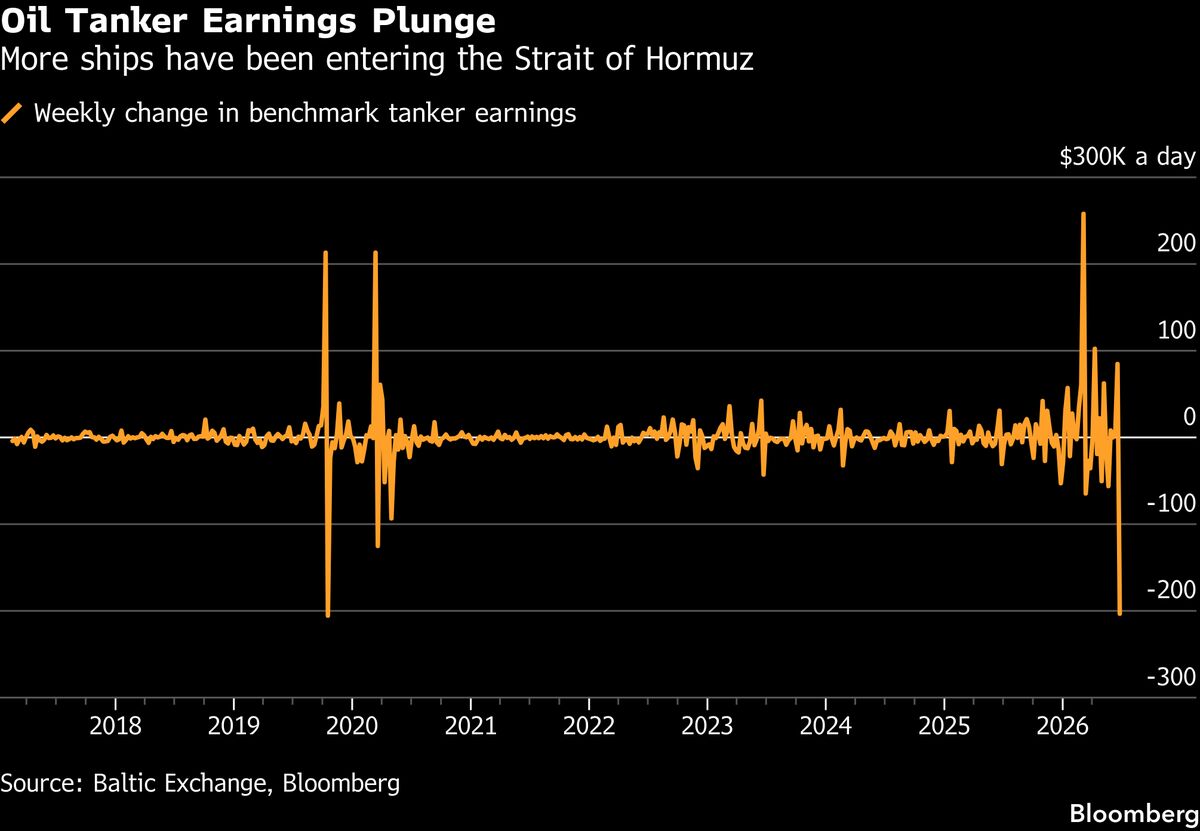
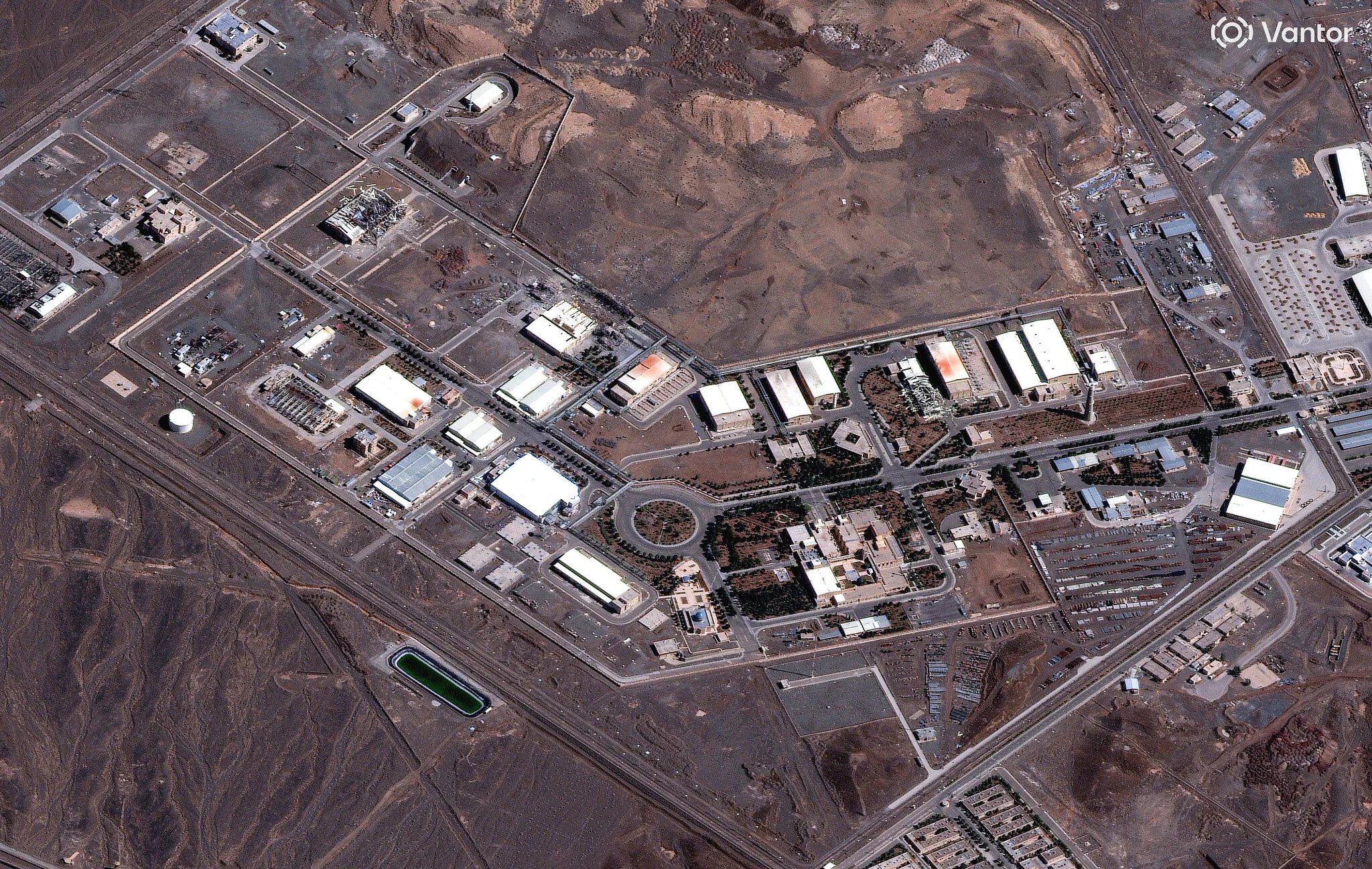
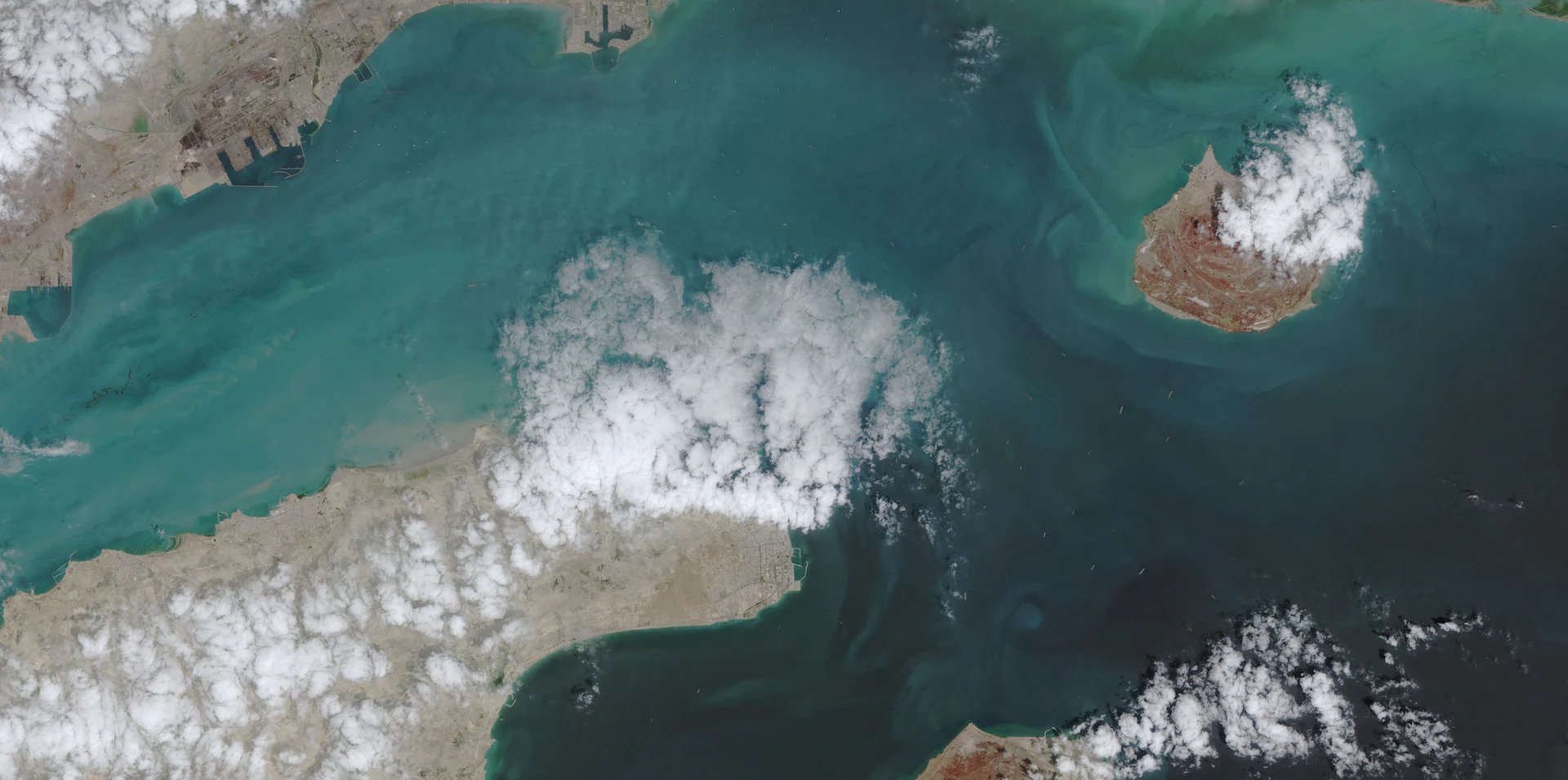
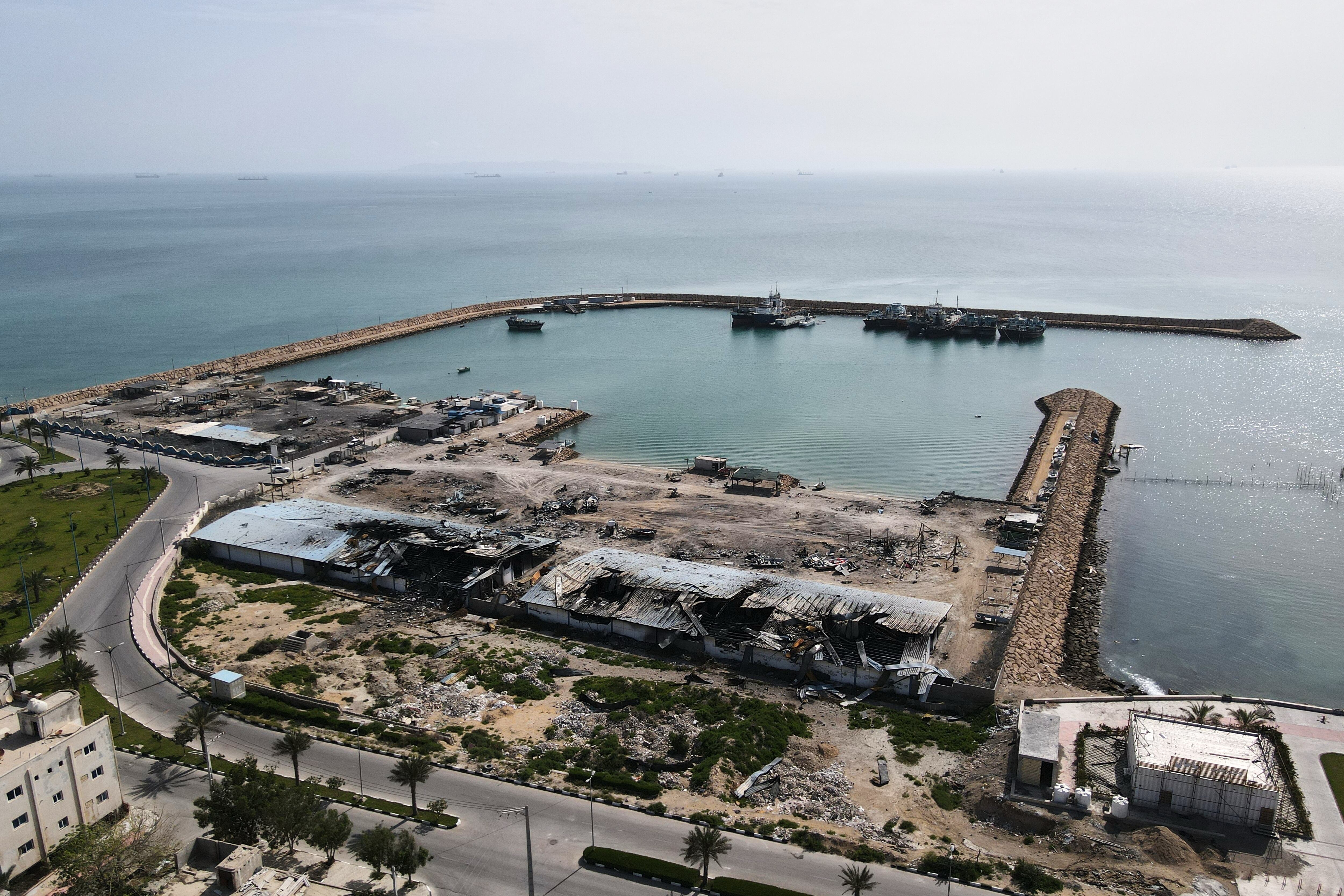
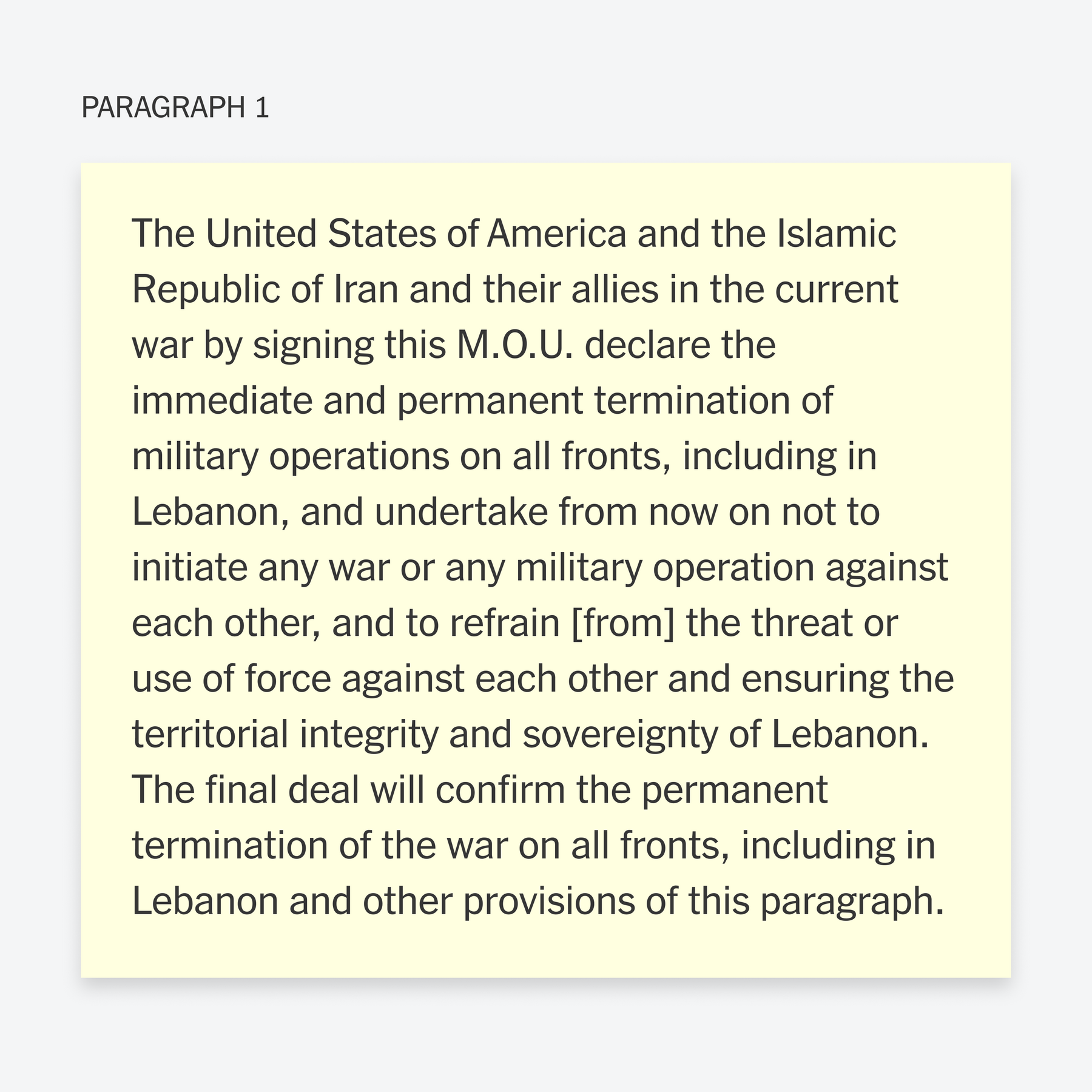
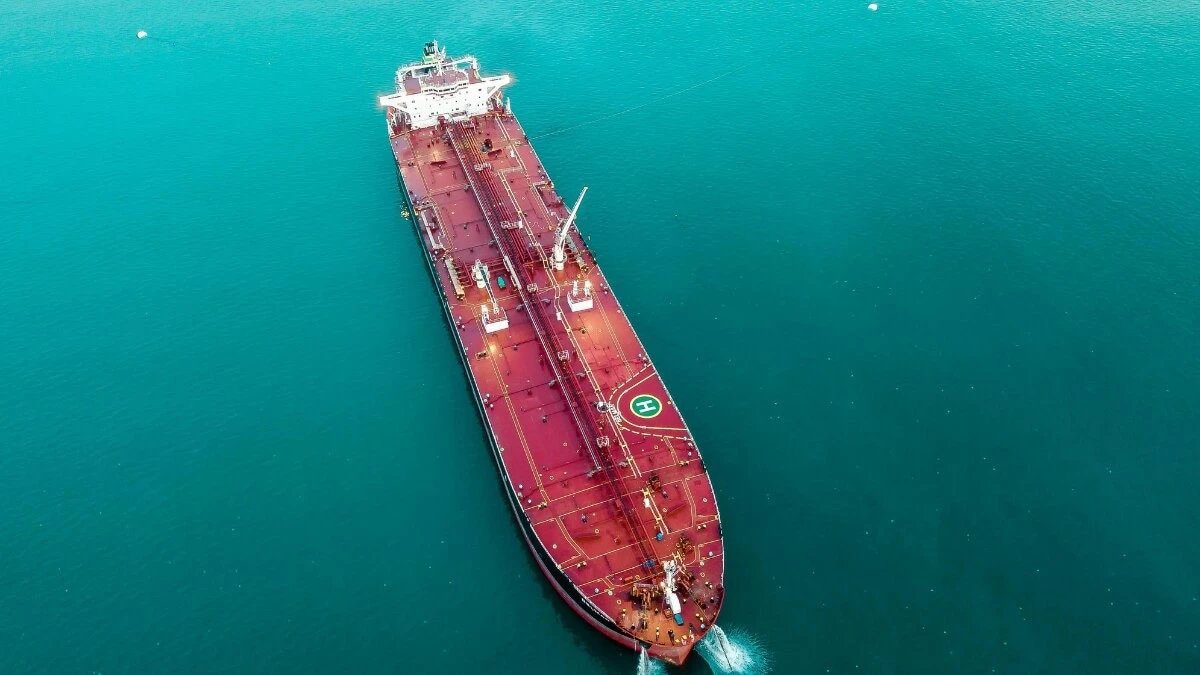
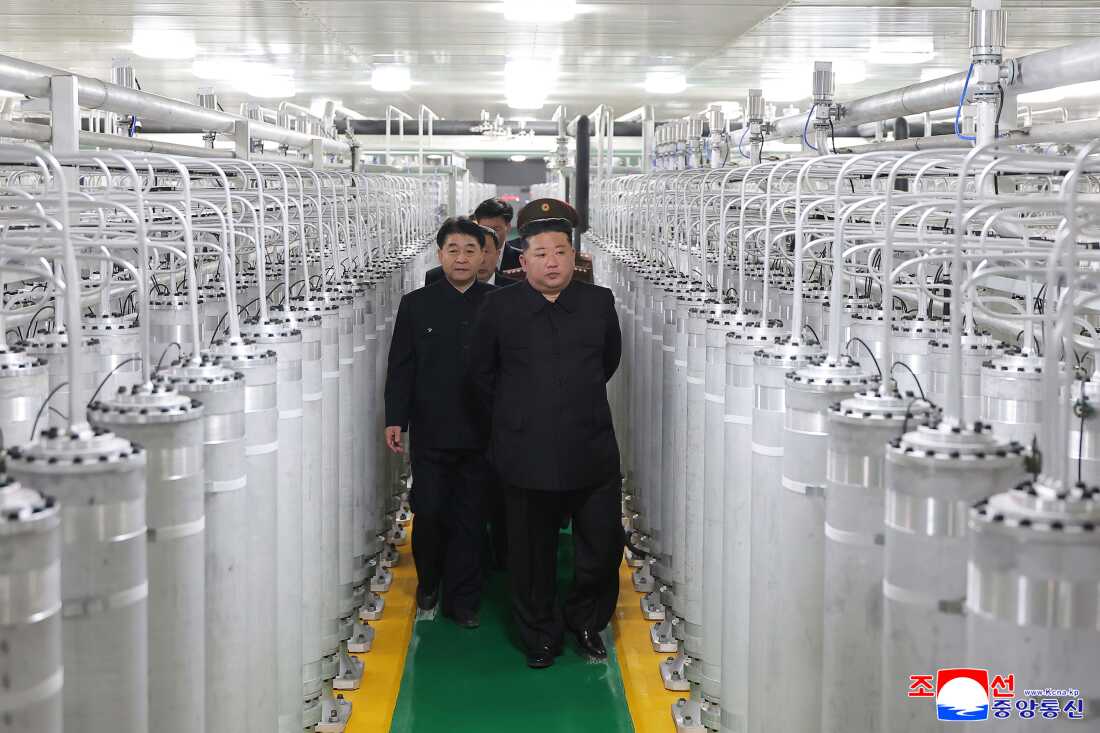
The talks were intended to explore a comprehensive agreement on Iran’s nuclear program, following a recent memorandum of understanding that set a 60-day timeline for negotiations. The agreement aimed to address critical issues, including the reopening of the Strait of Hormuz, which is currently blocked by about 80 mines. The situation in Lebanon, however, has created a challenging backdrop for these discussions, with U.S. officials pointing to Iran’s claims of Israeli violations of a ceasefire as a potential reason for the talks' delay.
Domestic Surveillance Developments
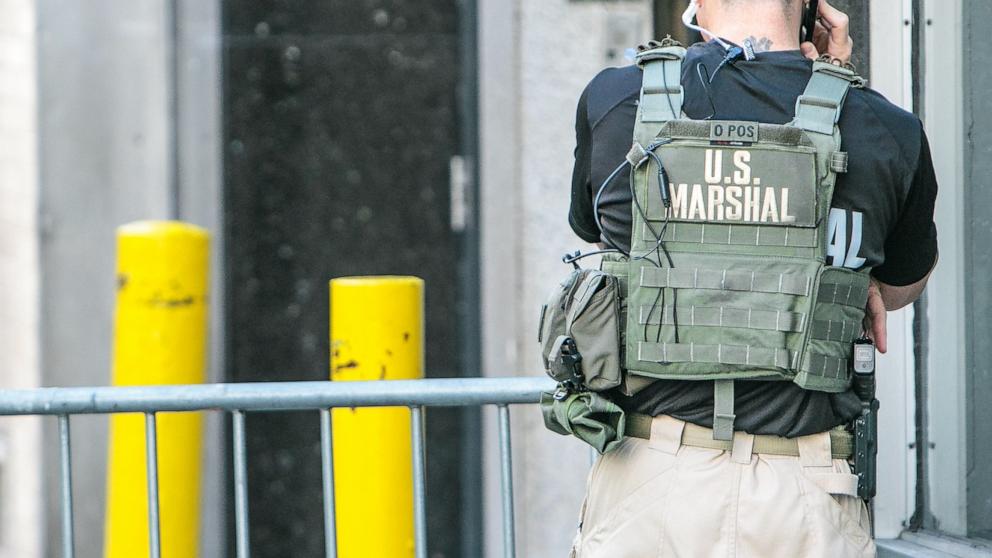
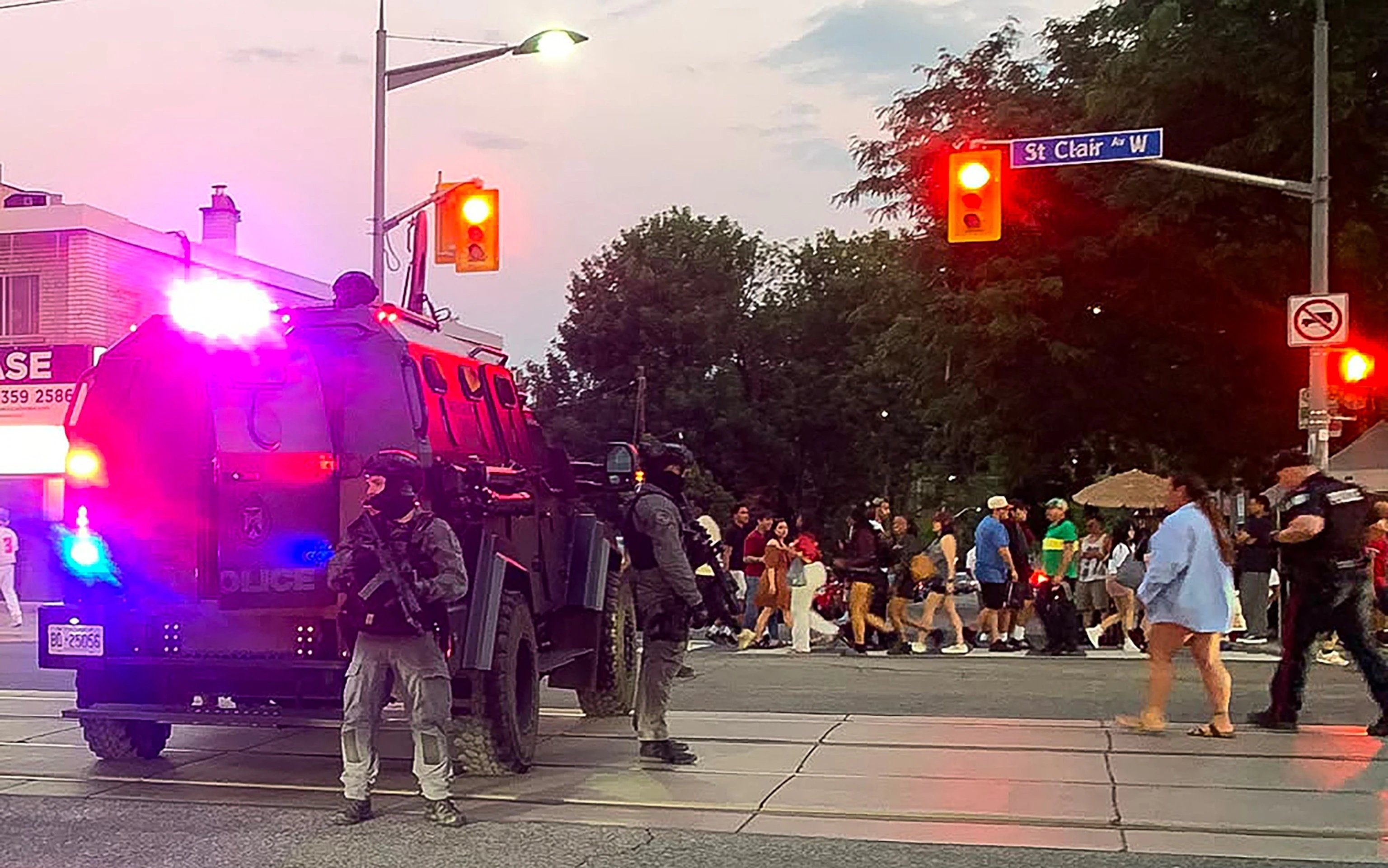
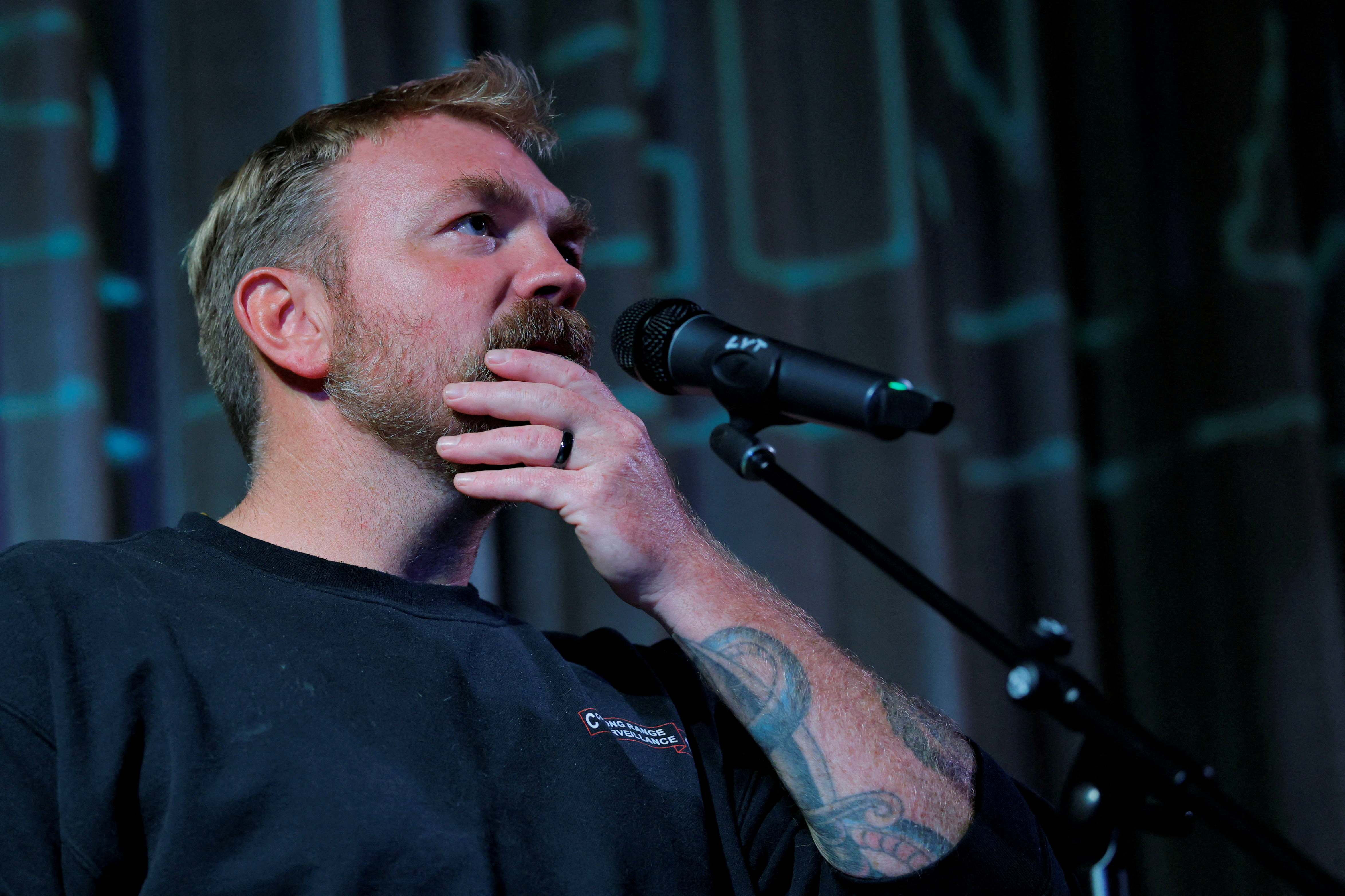
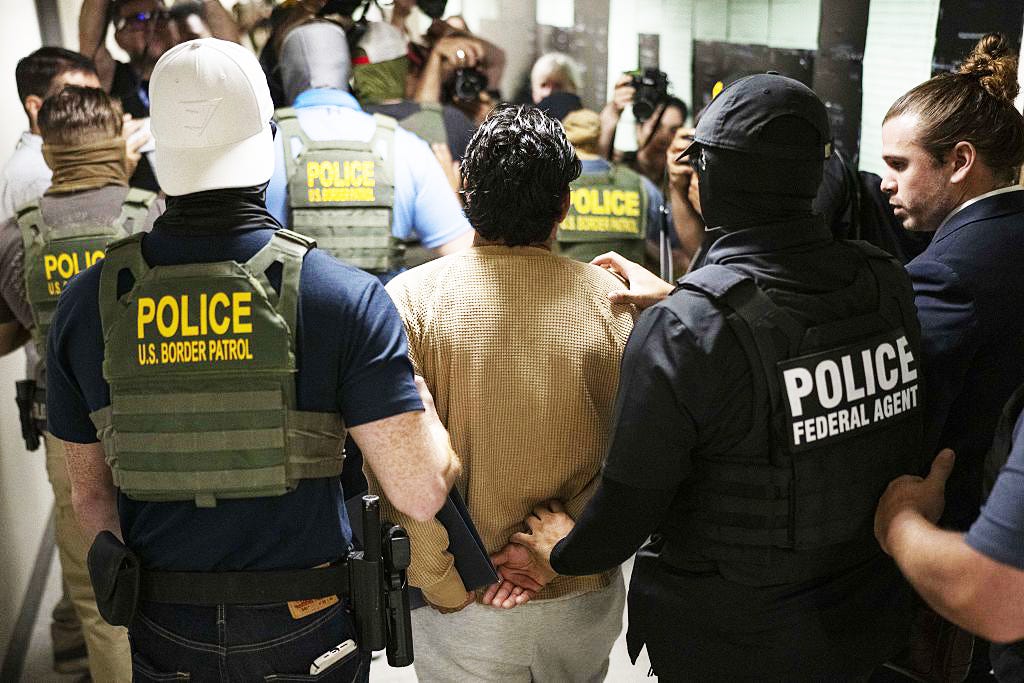
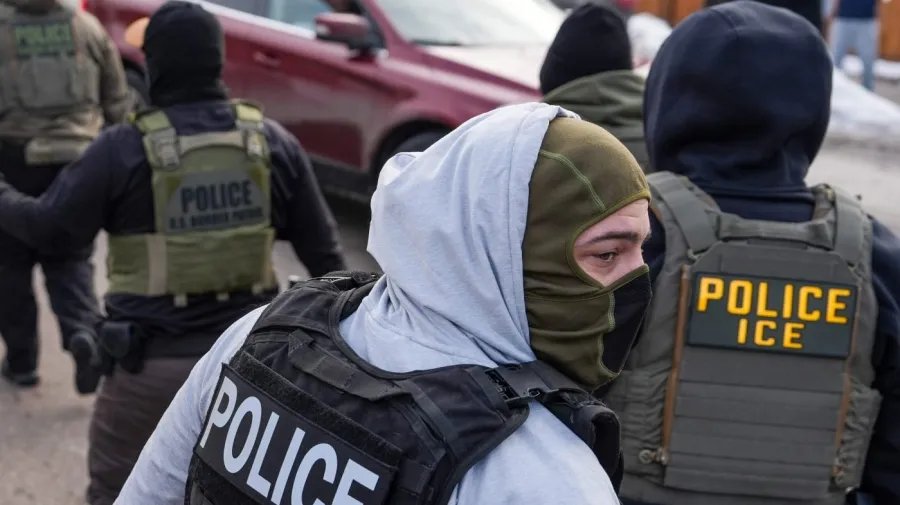
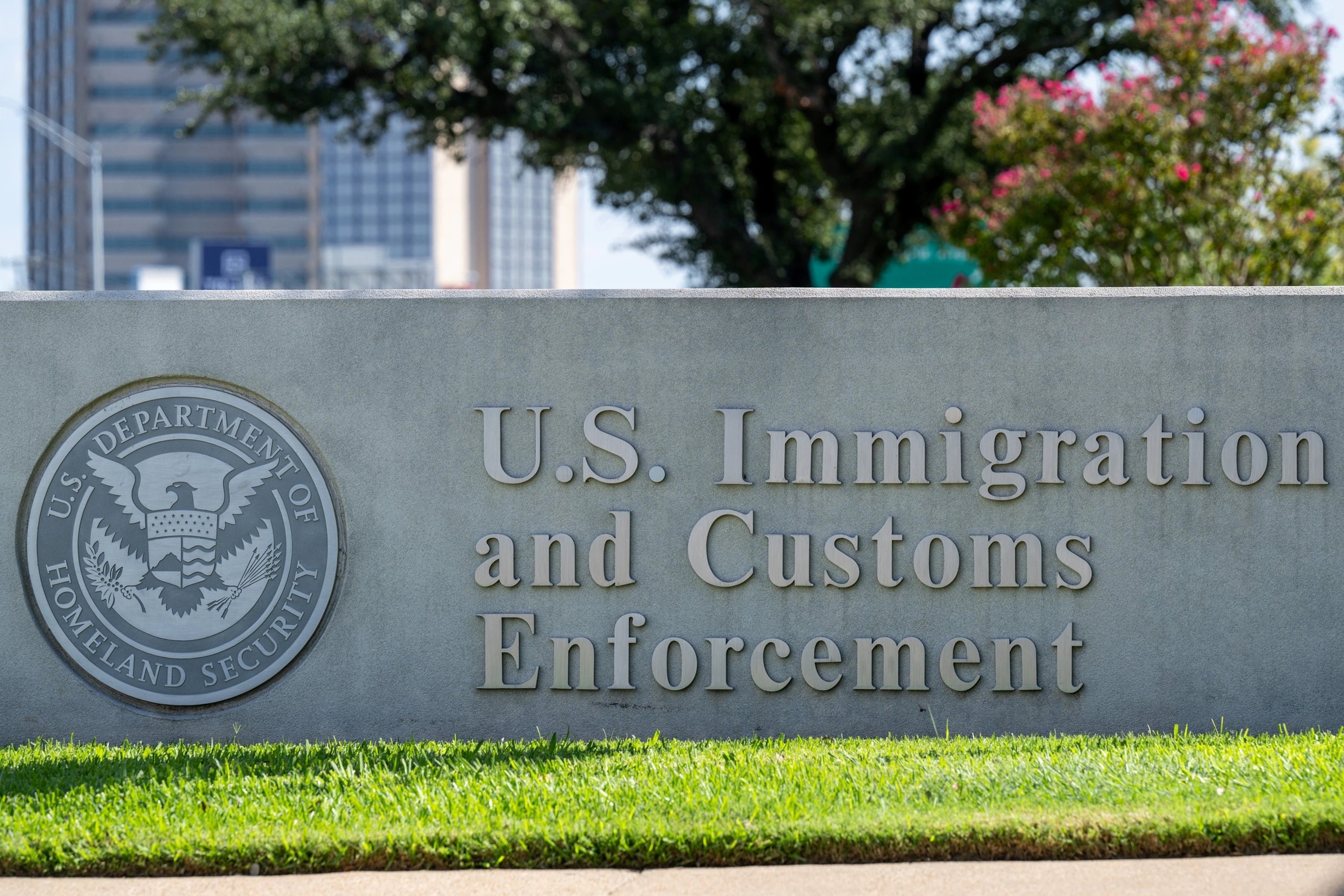
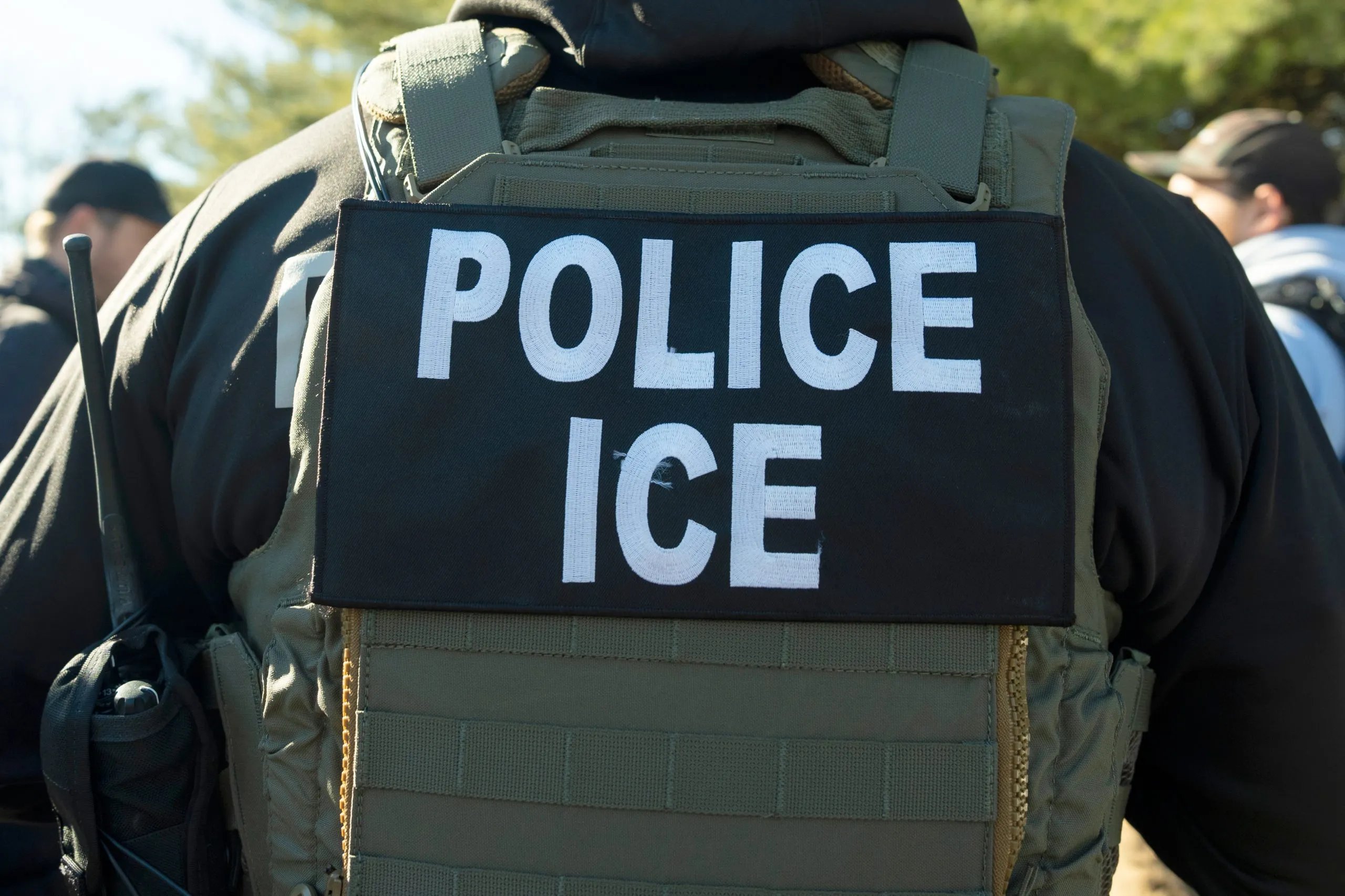
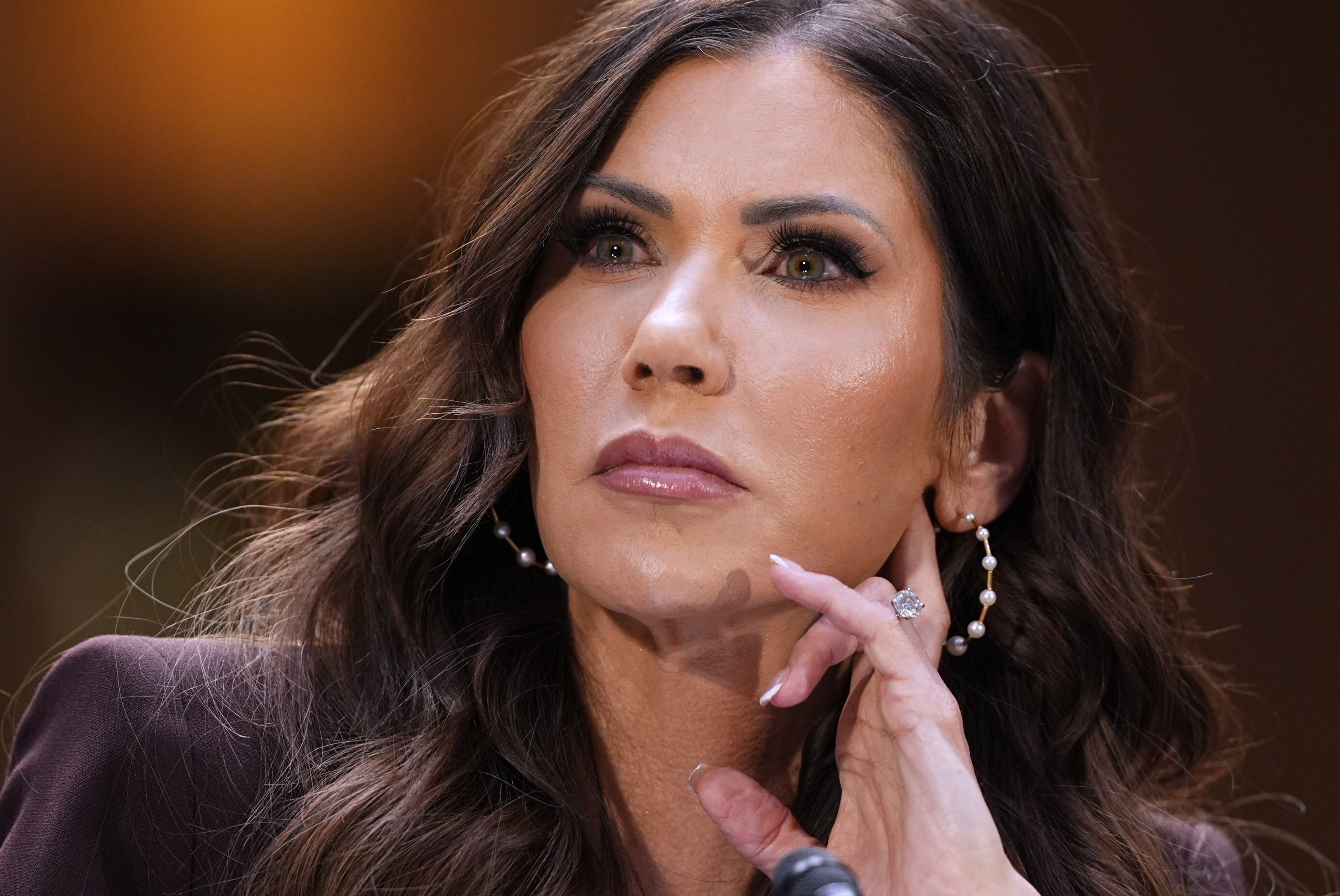
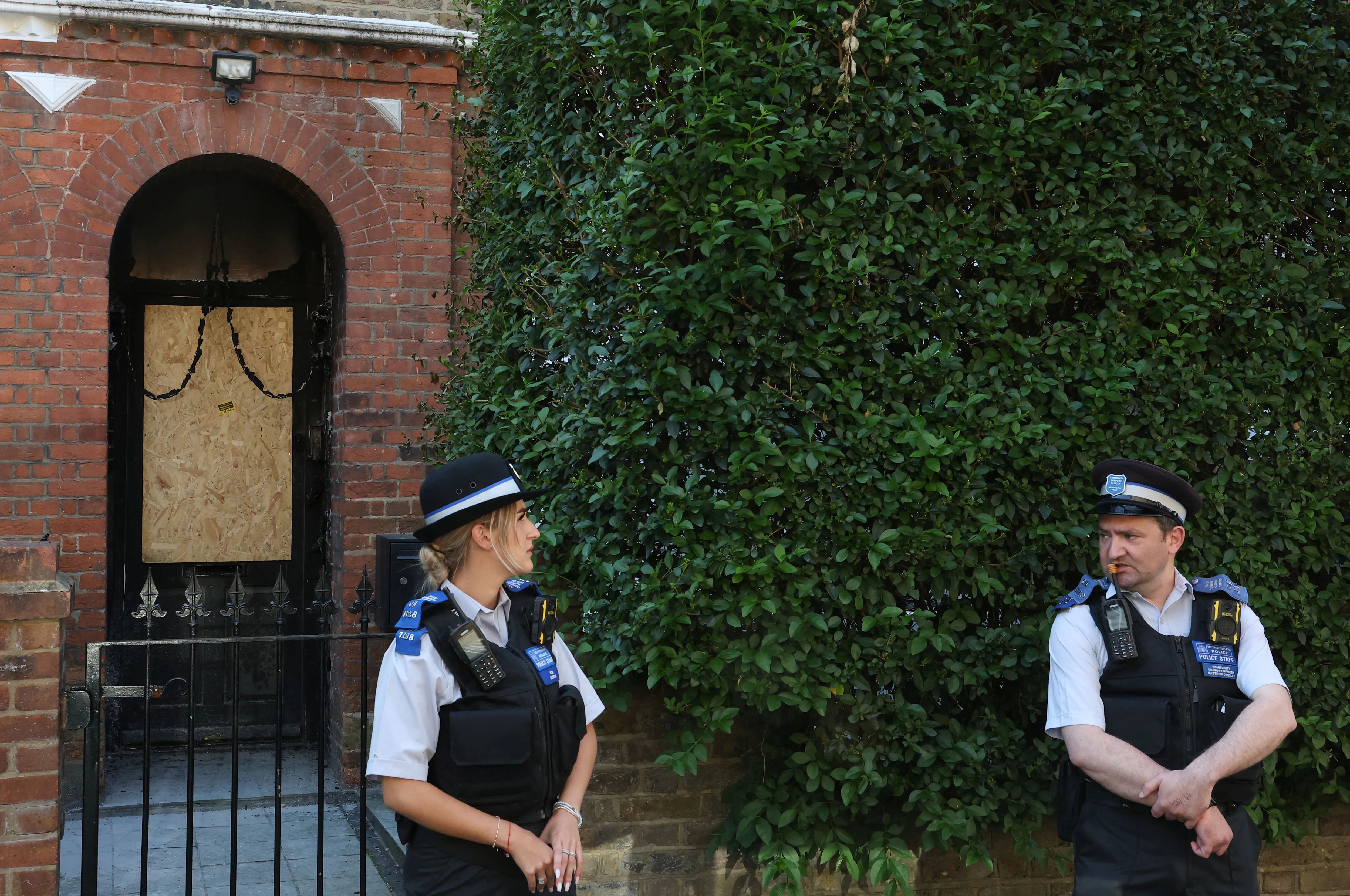
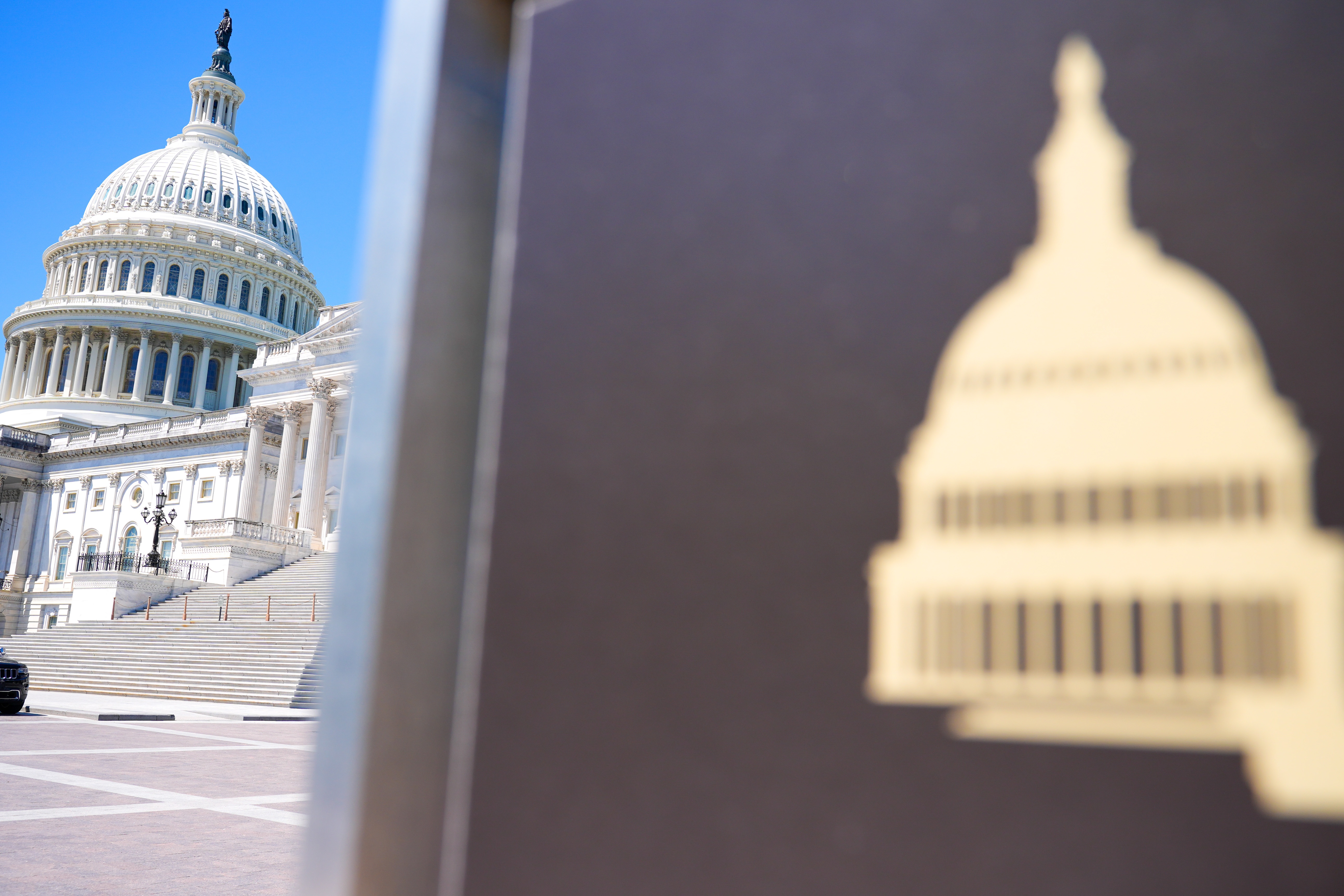
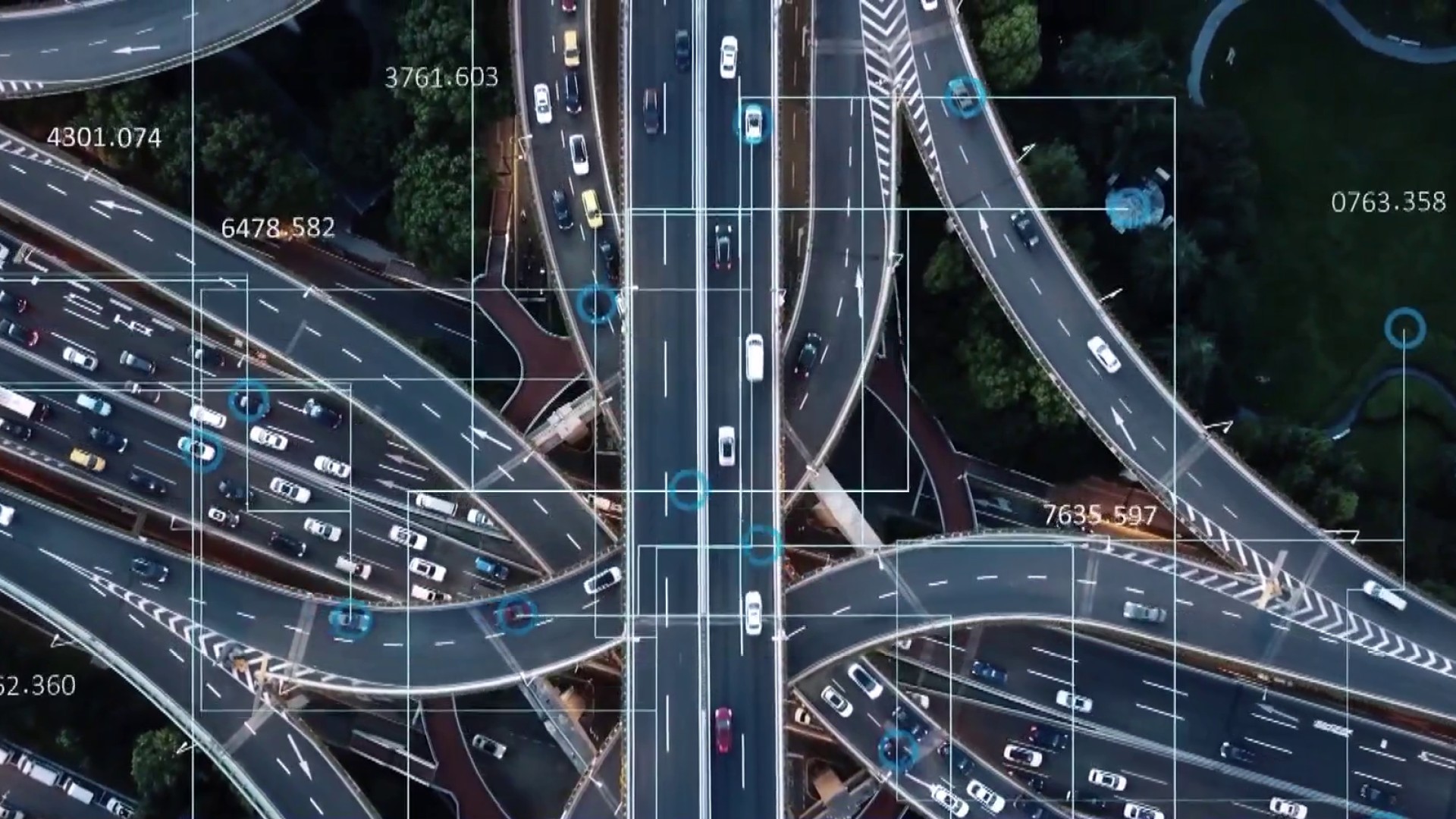
In a separate but related issue, the Department of Homeland Security plans to provide local police departments with access to facial recognition technology previously utilized by Immigration and Customs Enforcement (ICE). This initiative raises concerns about privacy and civil liberties, as law enforcement gains enhanced surveillance capabilities. Critics argue that such measures could lead to increased scrutiny of communities and potential misuse of the technology.
Broader Implications
The cancellation of the U.S.-Iran talks and the rollout of facial recognition technology reflect broader tensions in both international relations and domestic policy. The failure to engage diplomatically with Iran amid rising violence in Lebanon may hinder progress toward stabilizing the region and addressing nuclear proliferation concerns. Concurrently, the expansion of surveillance tools by law enforcement could provoke public backlash over civil rights and privacy issues.
Next Steps
As the situation unfolds, both the U.S. and Iran face pressing decisions regarding their diplomatic strategies and internal policies. The U.S. administration remains committed to pursuing negotiations with Iran, despite the current setback. Meanwhile, local police departments will prepare to implement the new facial recognition technology, prompting discussions about its ethical implications and oversight mechanisms. Citizens and lawmakers alike will need to monitor these developments closely as they could significantly impact both international relations and domestic civil liberties.