




176 Measures to Reshape Communist Economy
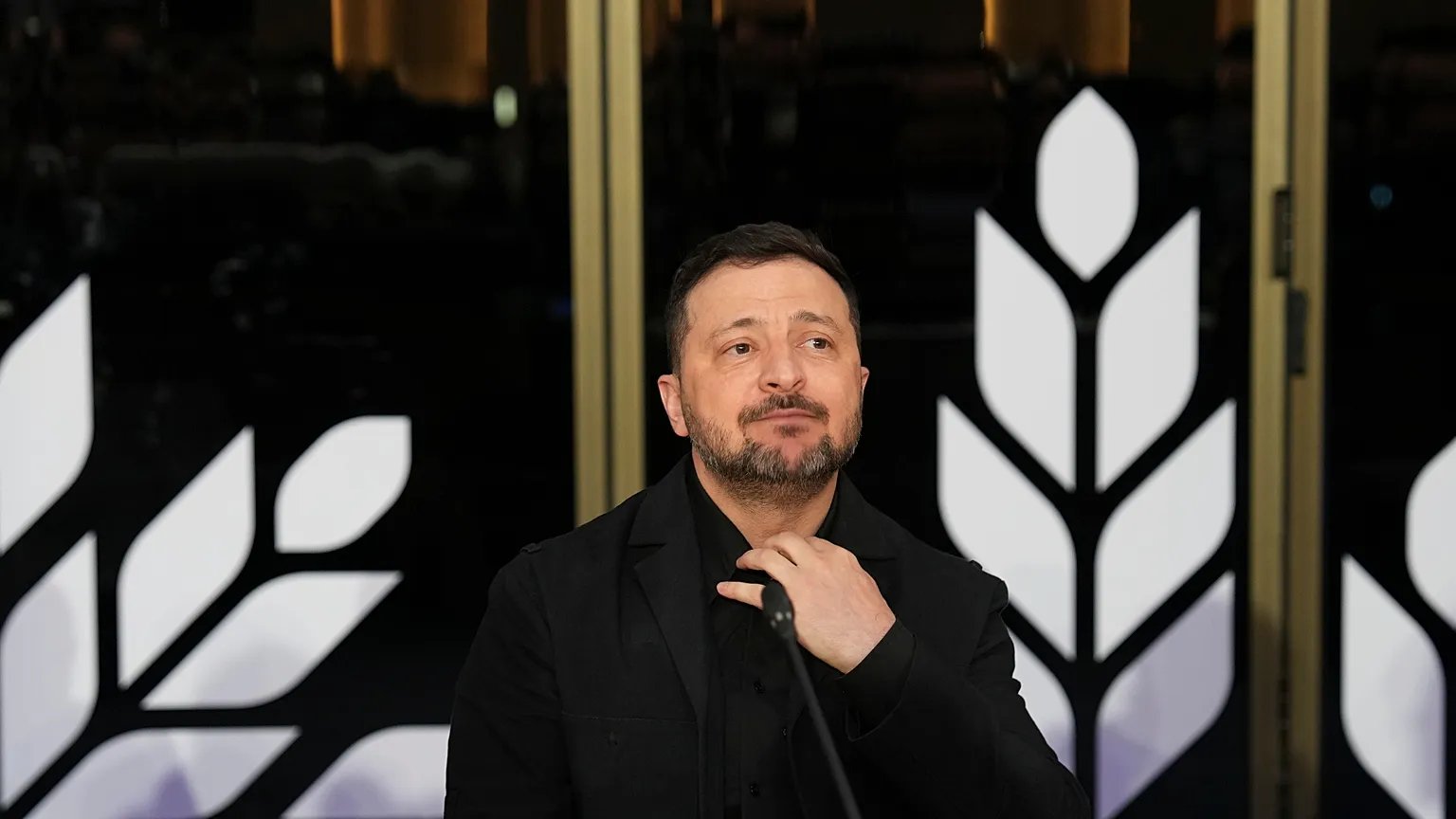
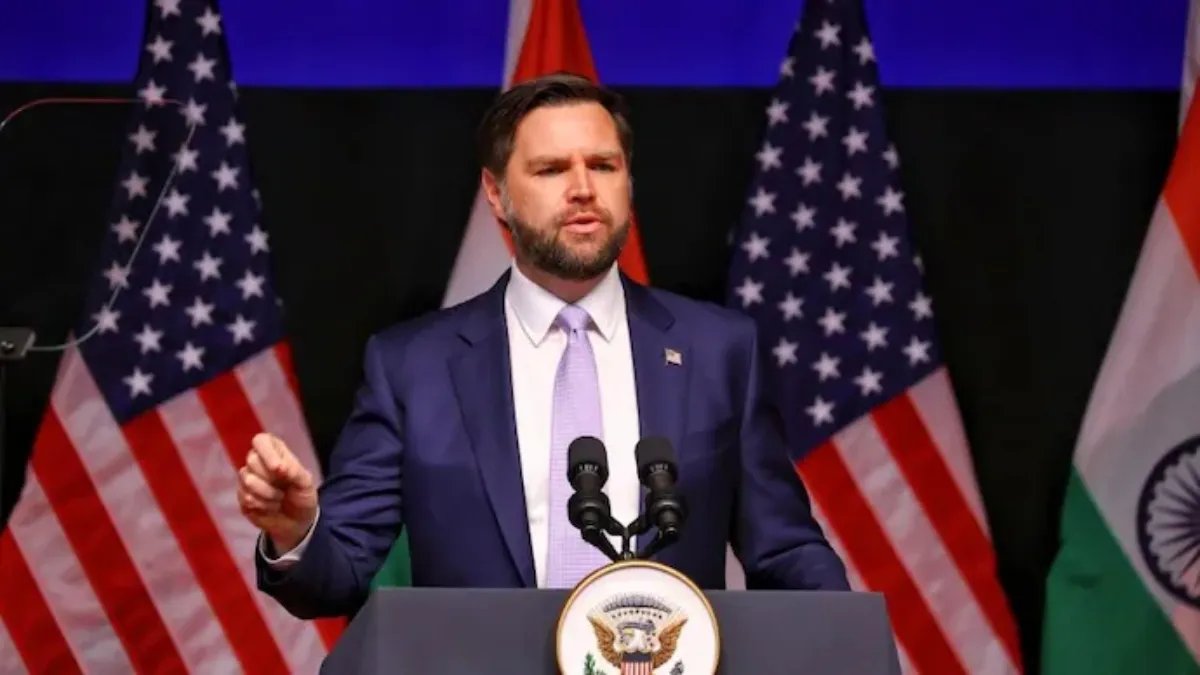
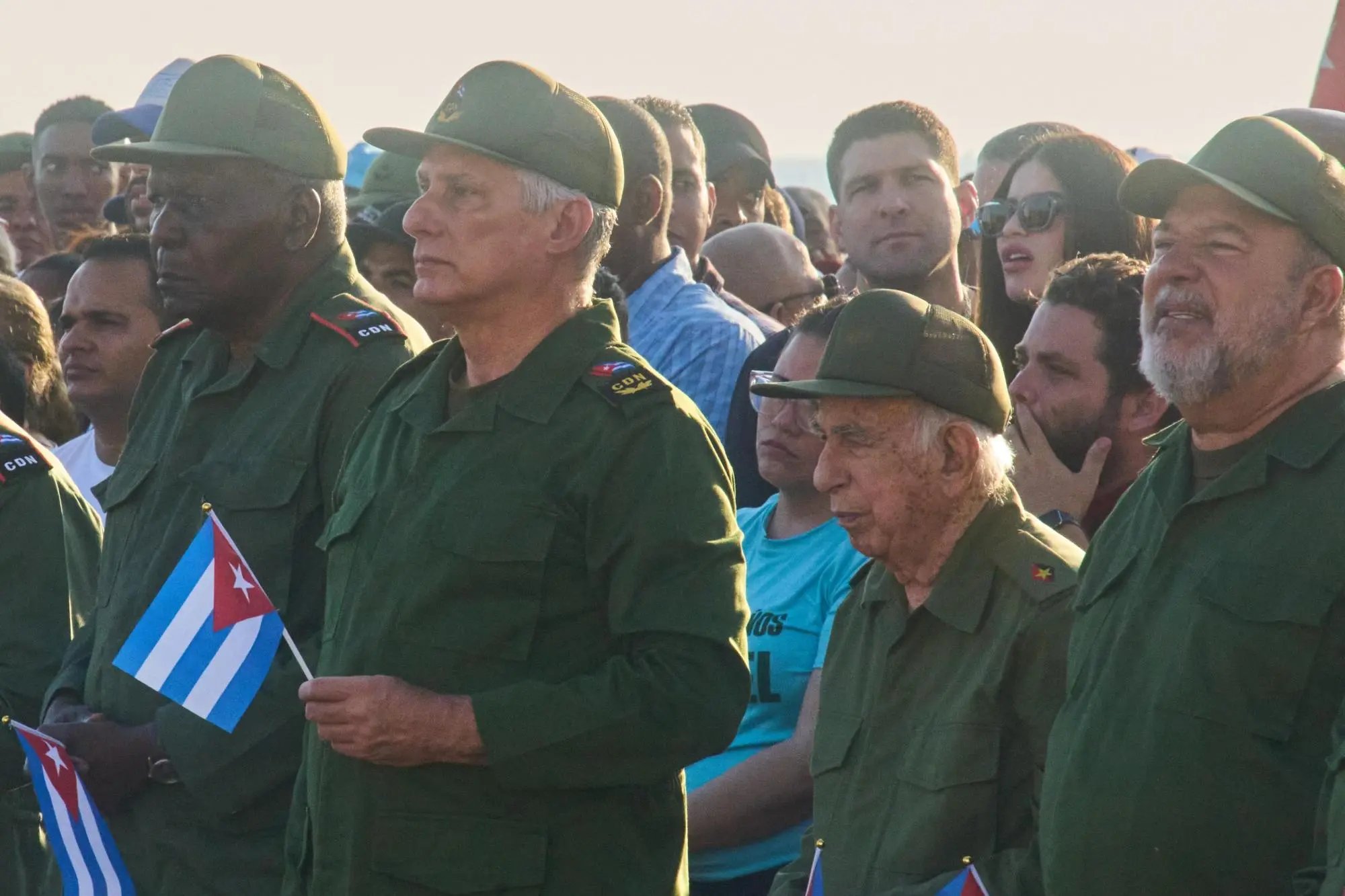
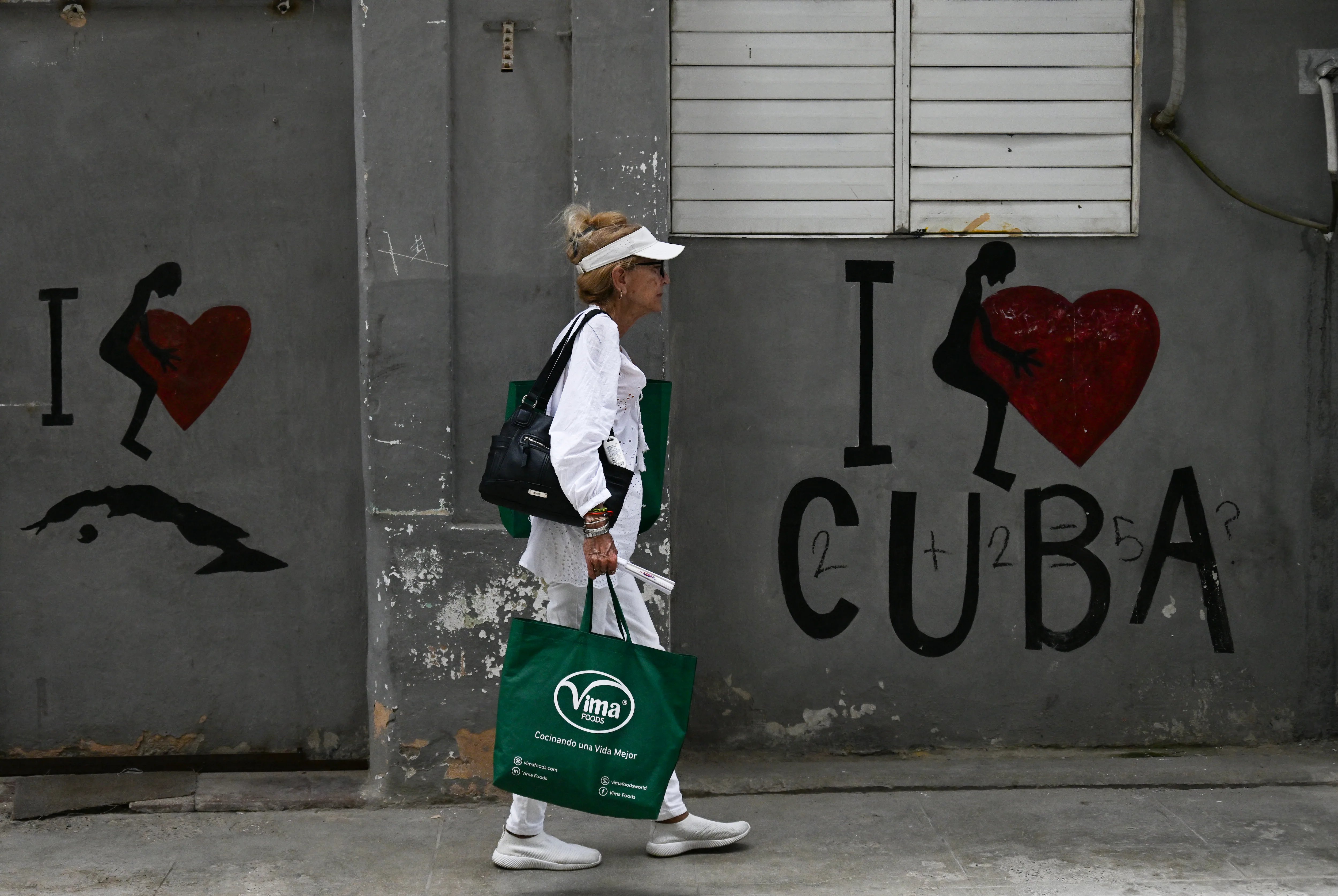
Cuban lawmakers on Thursday adopted 176 historic free-market reforms aimed at rescuing the communist island from a severe crisis aggravated by a US oil blockade. Prime Minister Manuel Marrero unveiled the measures in a landmark speech to the National Assembly, fundamentally rolling back the state's role in the economy and opening sectors from banking to tourism and agriculture to private investment.
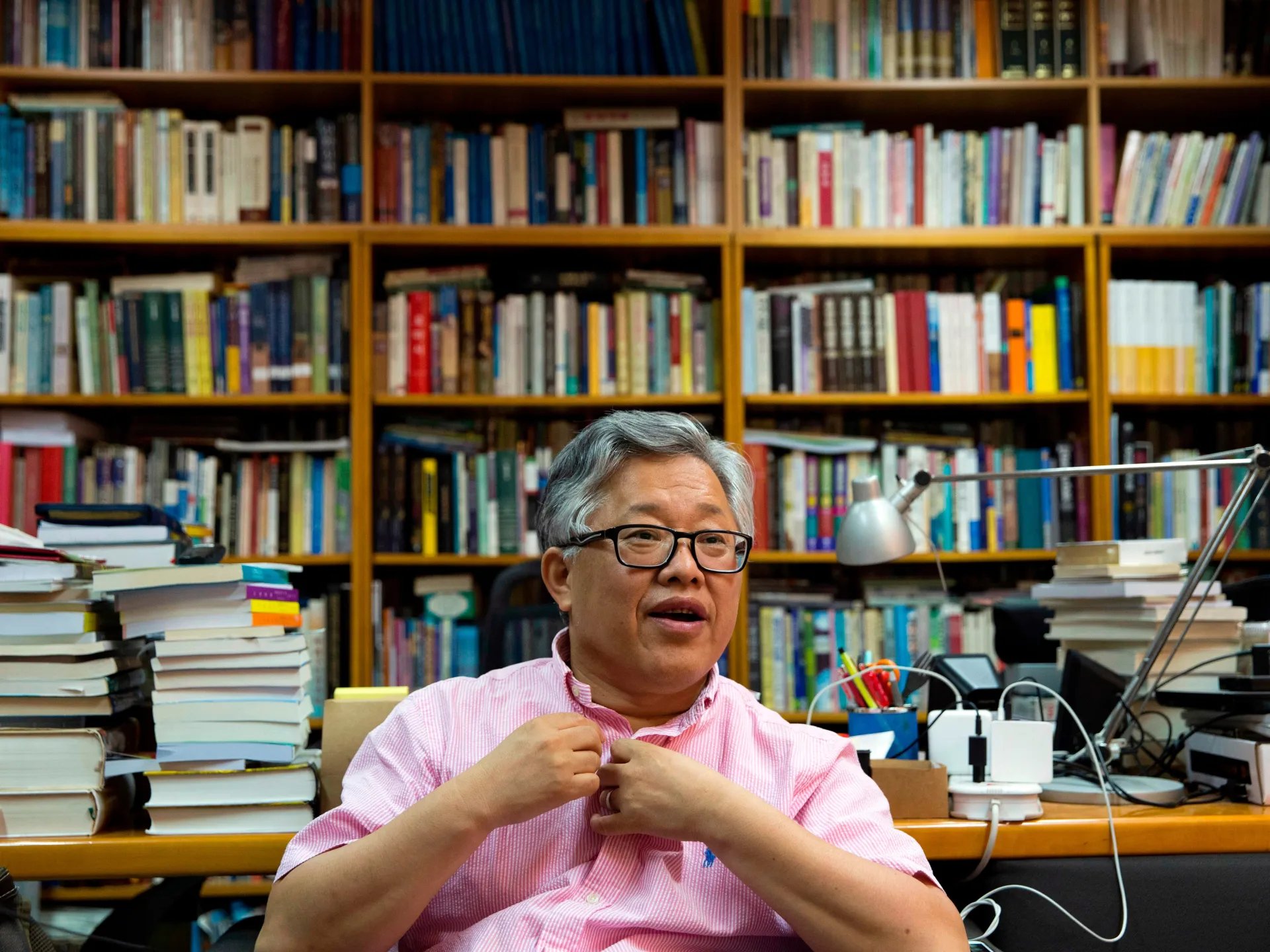
The reforms represent a dramatic departure from Cuba's post-1959 economic model. Foreign investors no longer face requirements to form joint ventures with the state. Large private enterprises will now be authorized to operate, and both Cuban and foreign investors can acquire stakes in state companies. Daniel Torralbas, a London-based Cuban economist, described the reforms as "the most profound" since the 1959 revolution led by Fidel Castro.
Shortages and Sanctions Drive Policy Shift
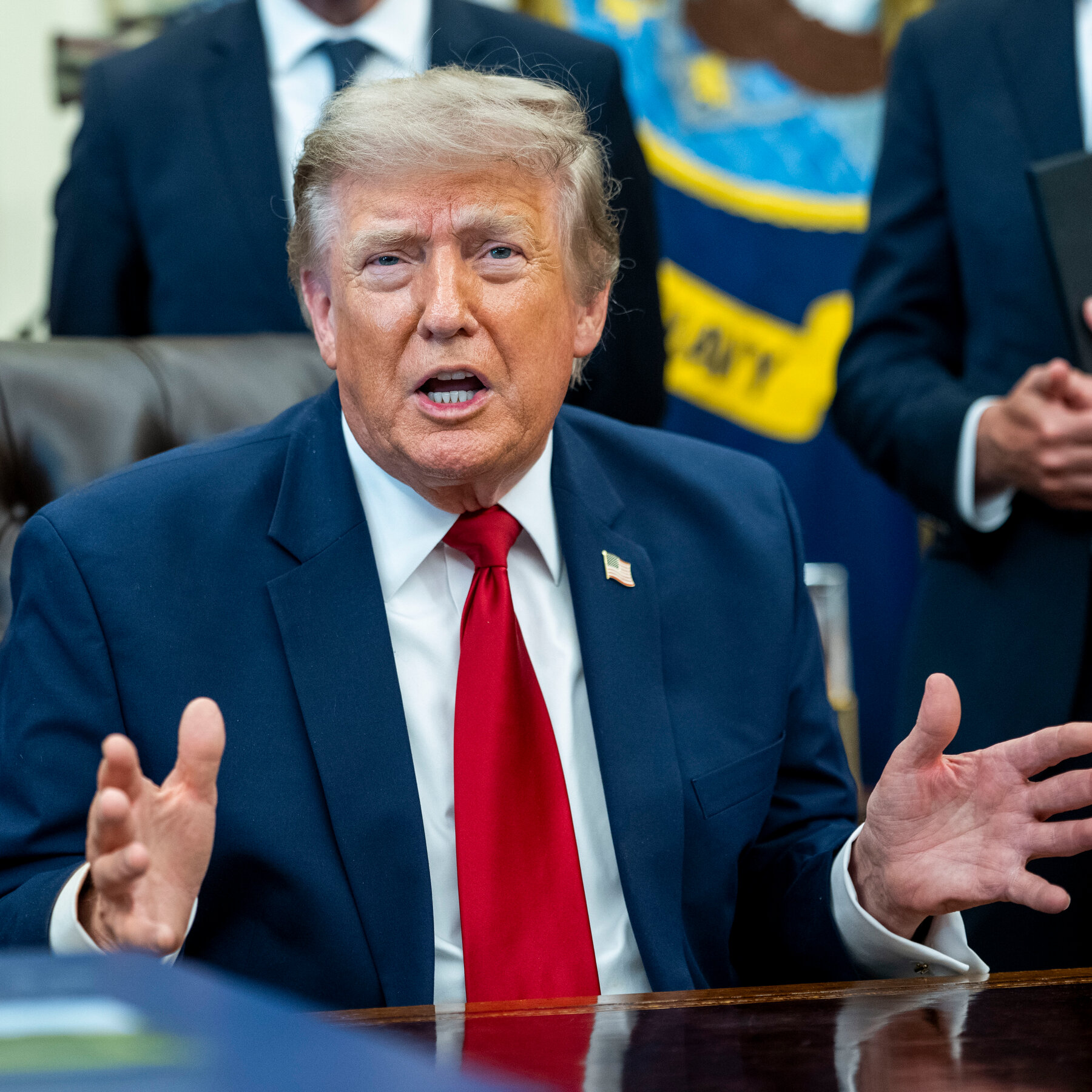
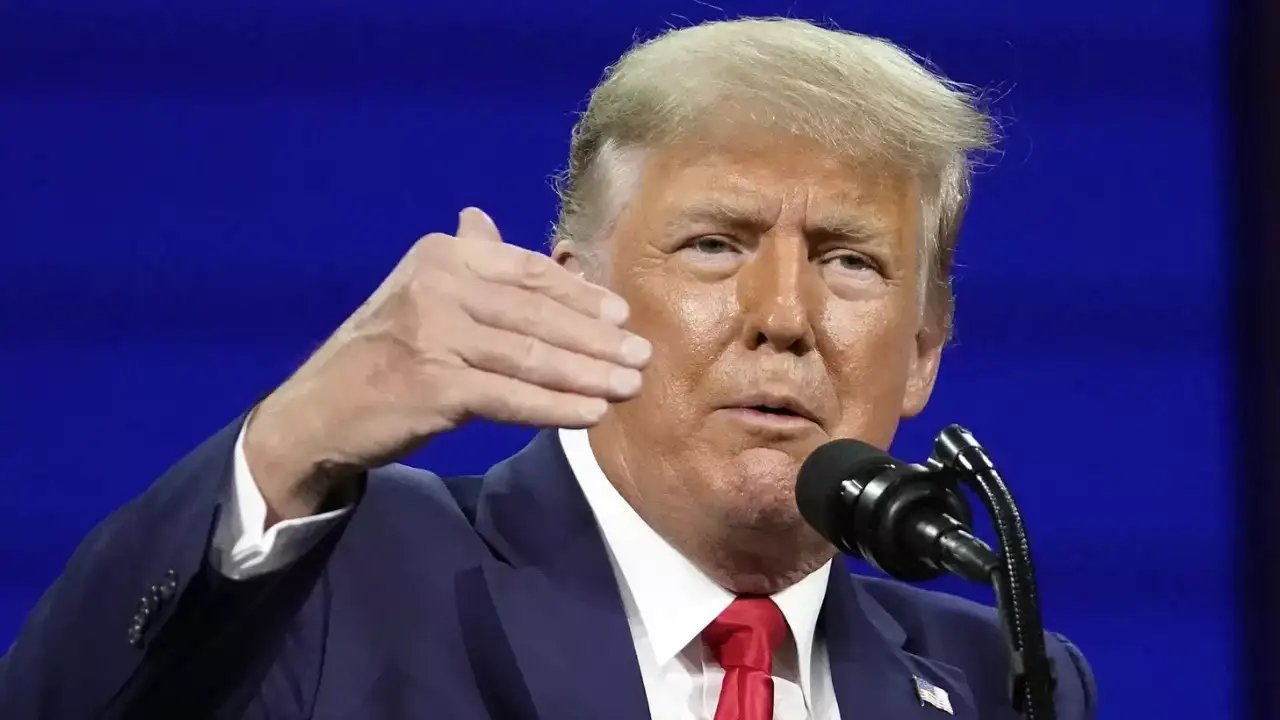
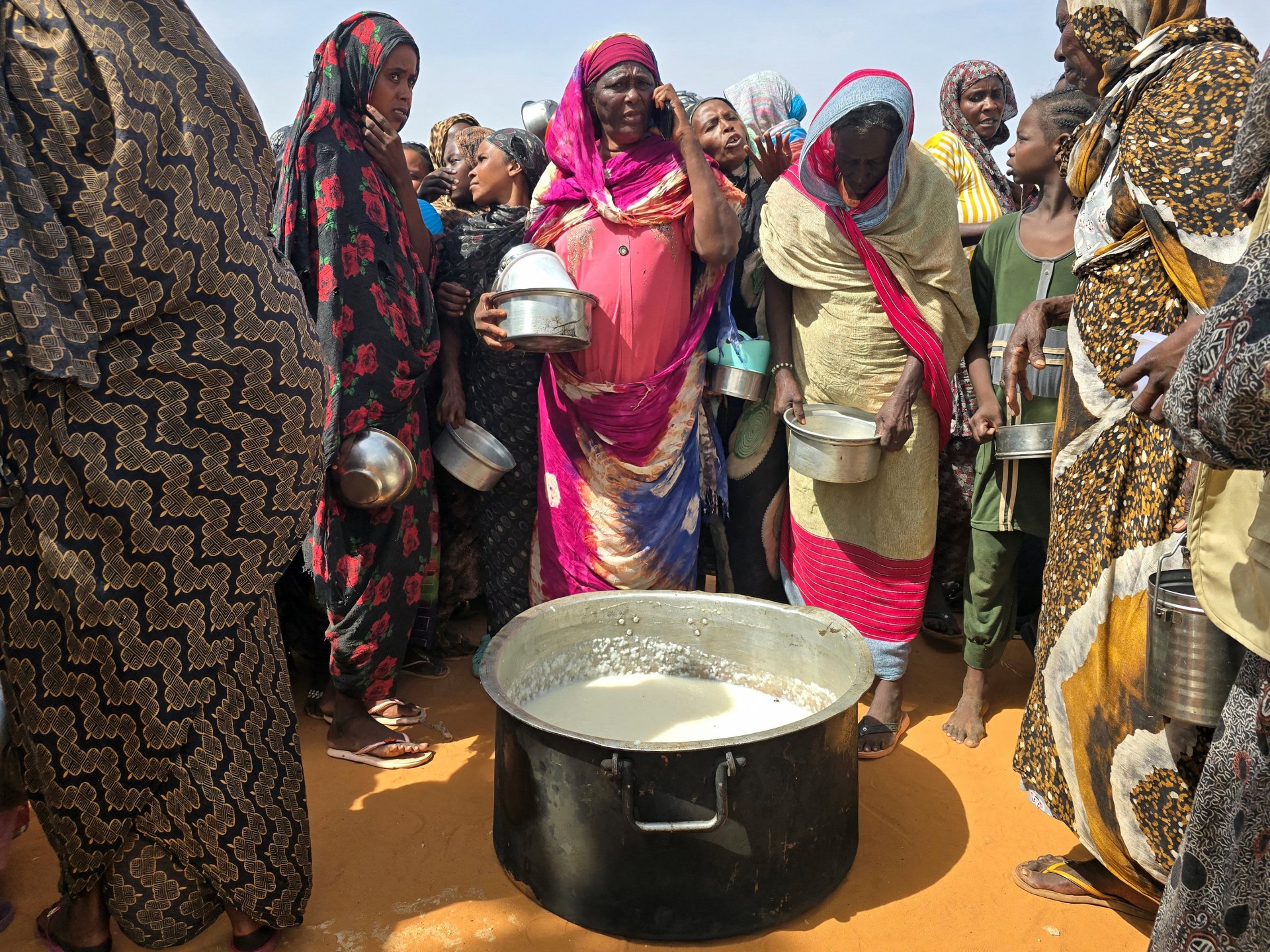
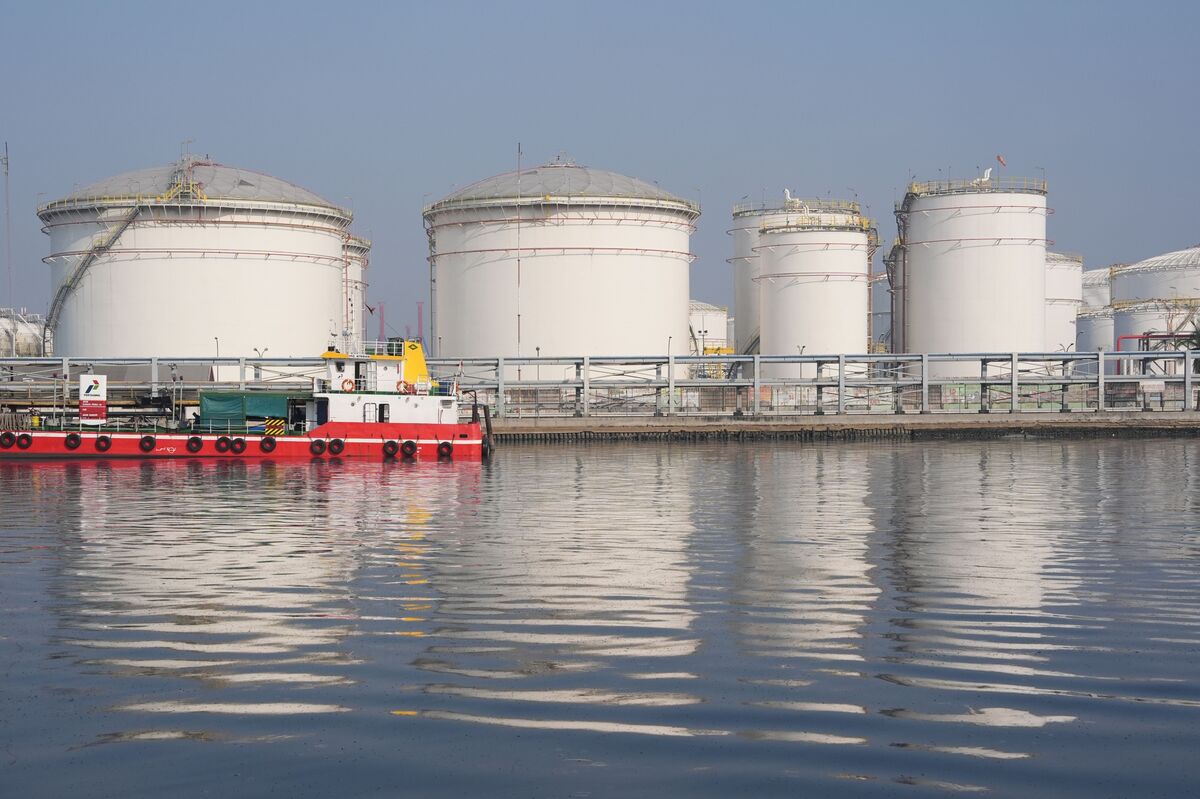
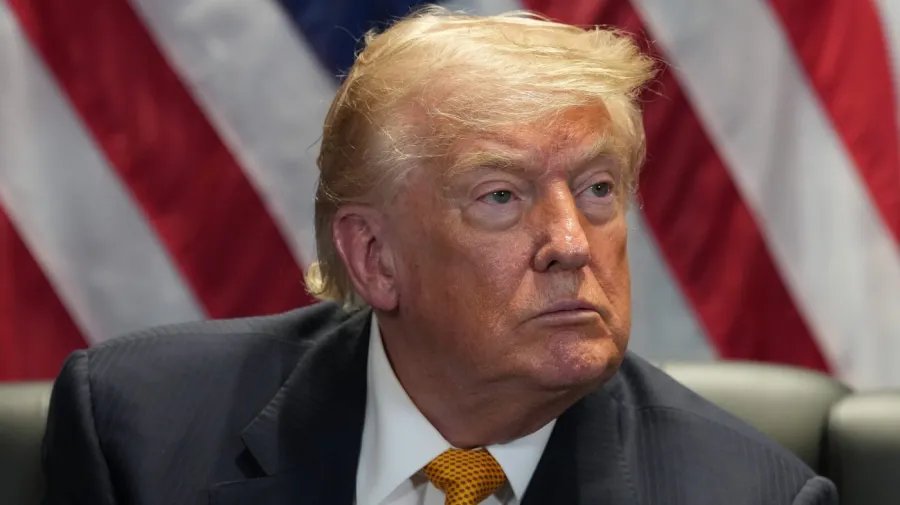
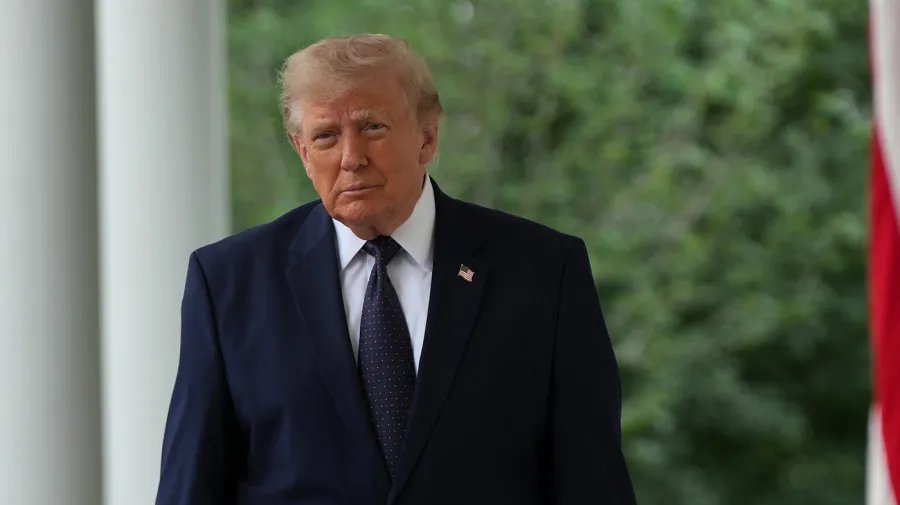
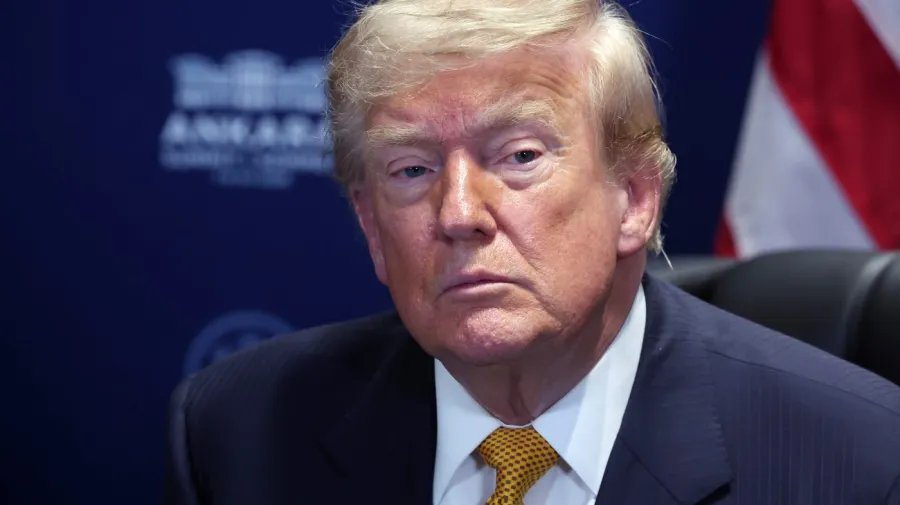
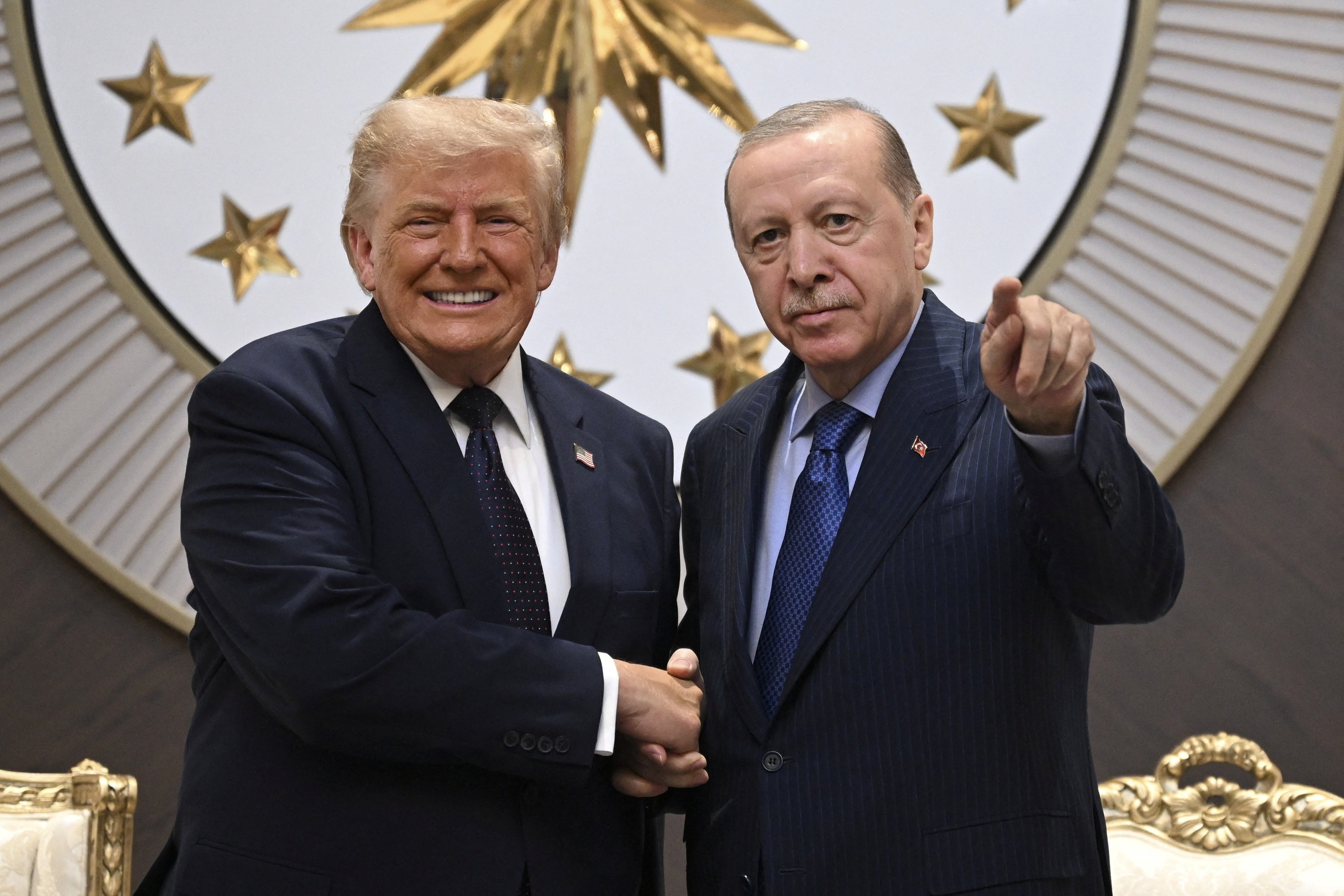
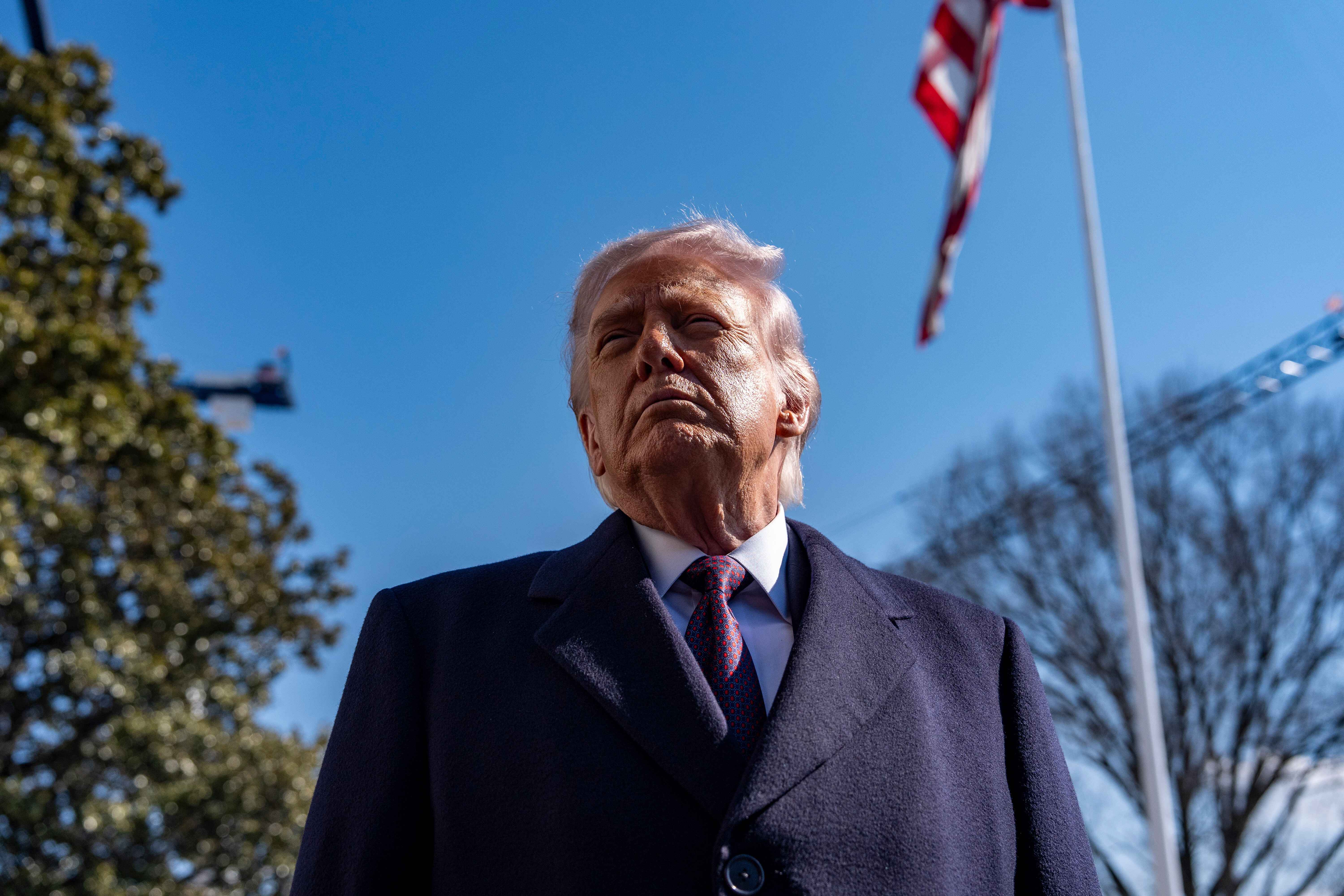
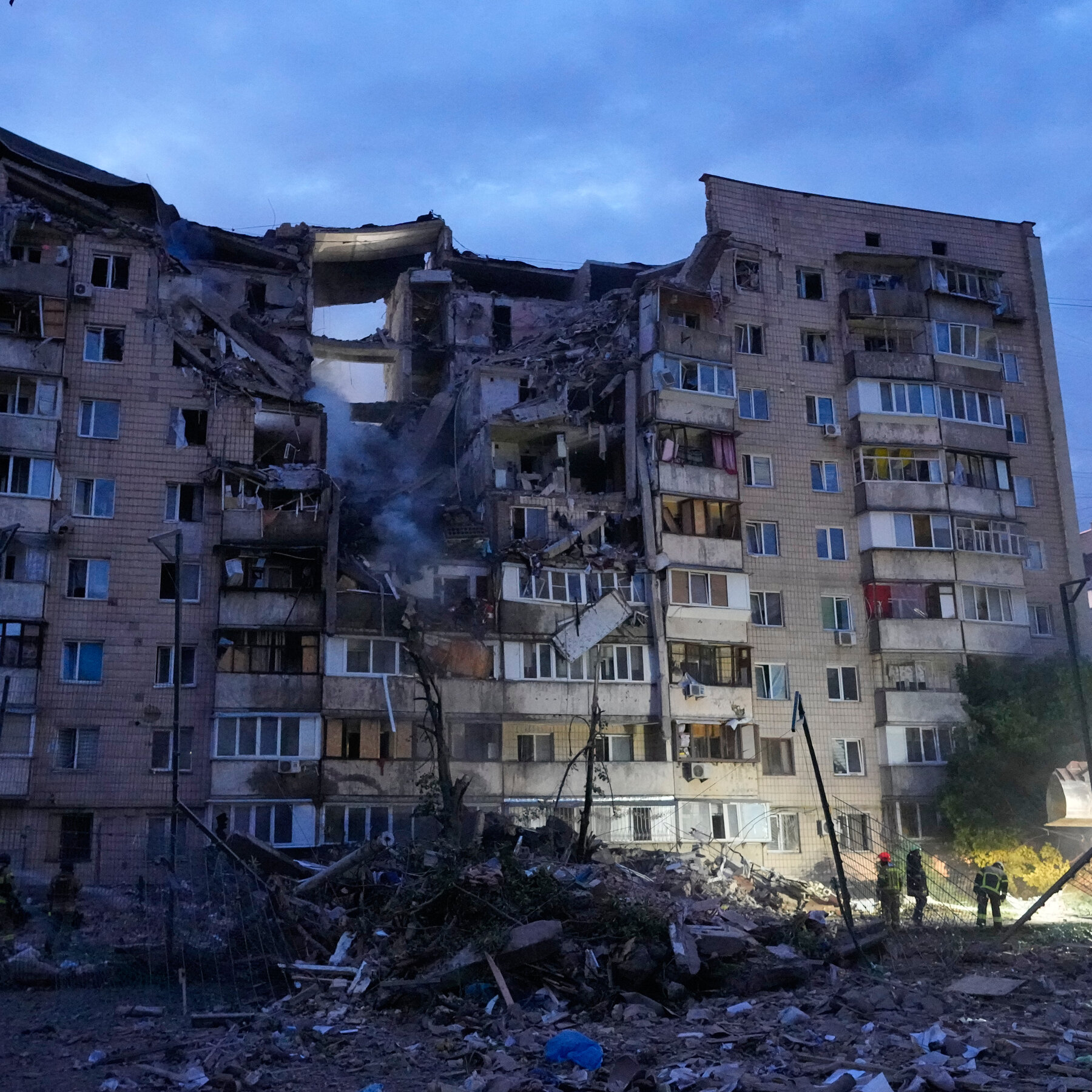
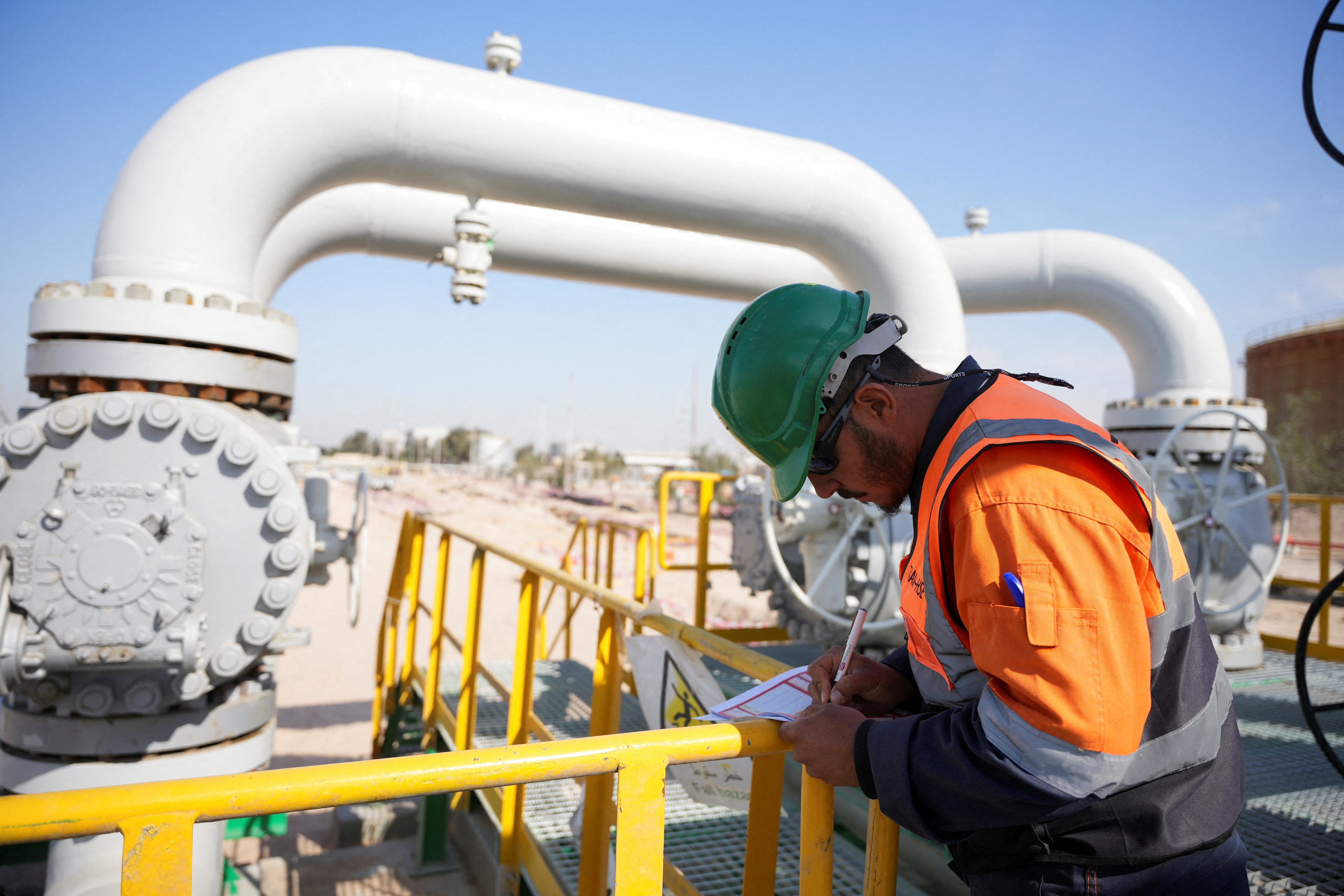
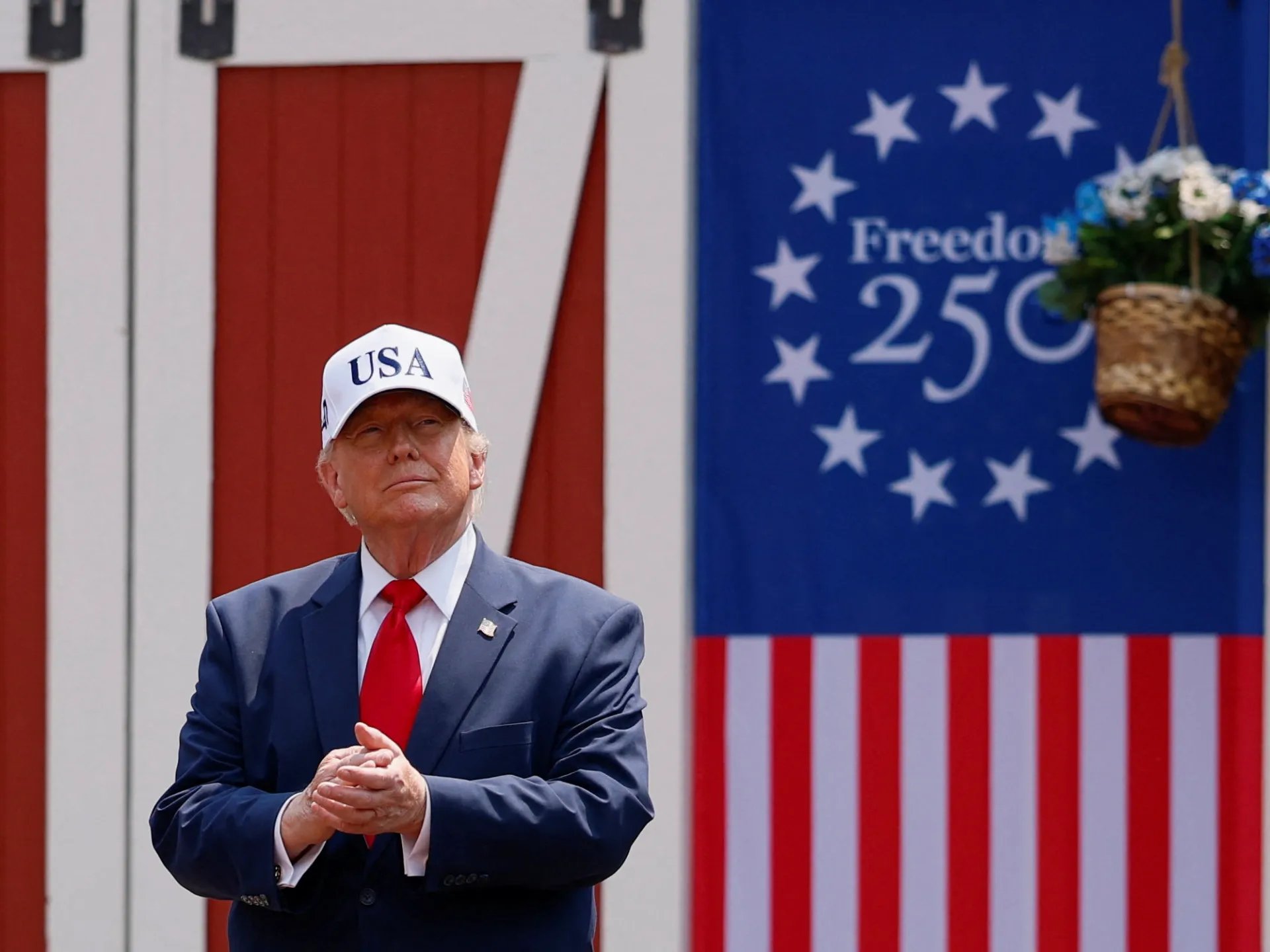
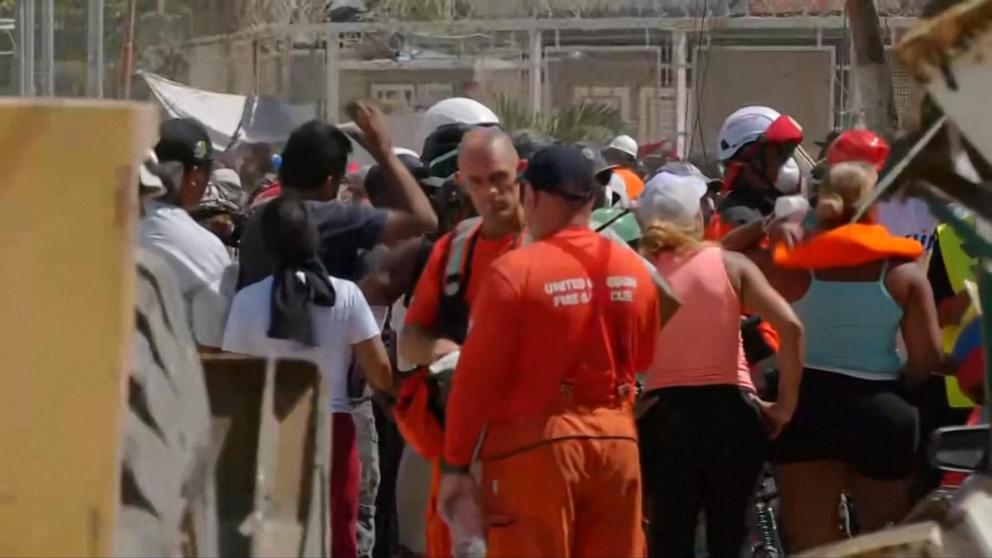
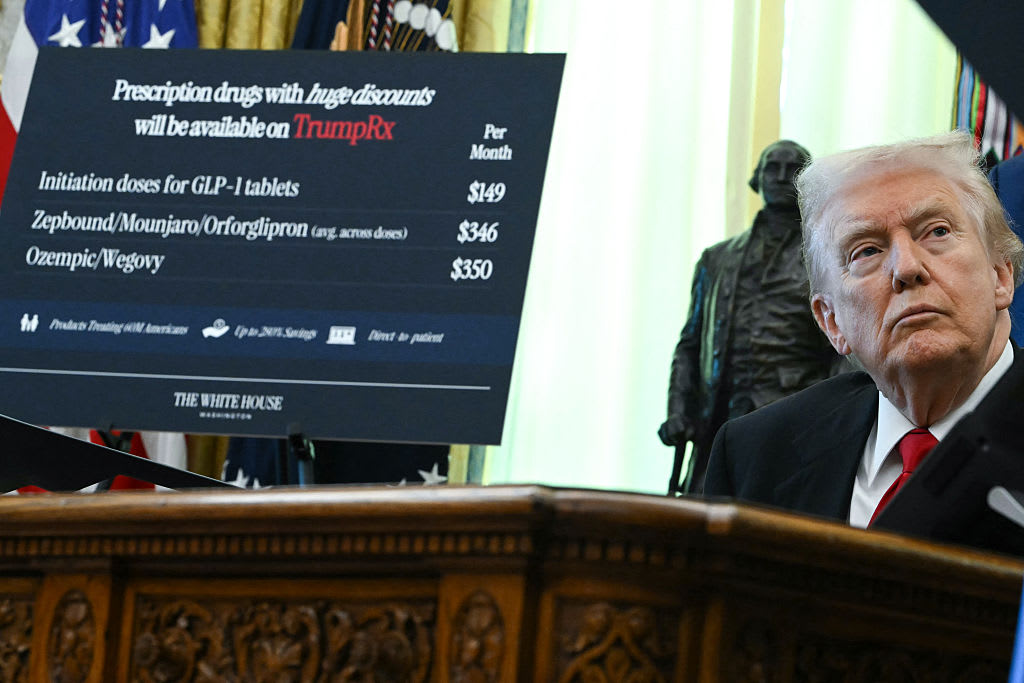
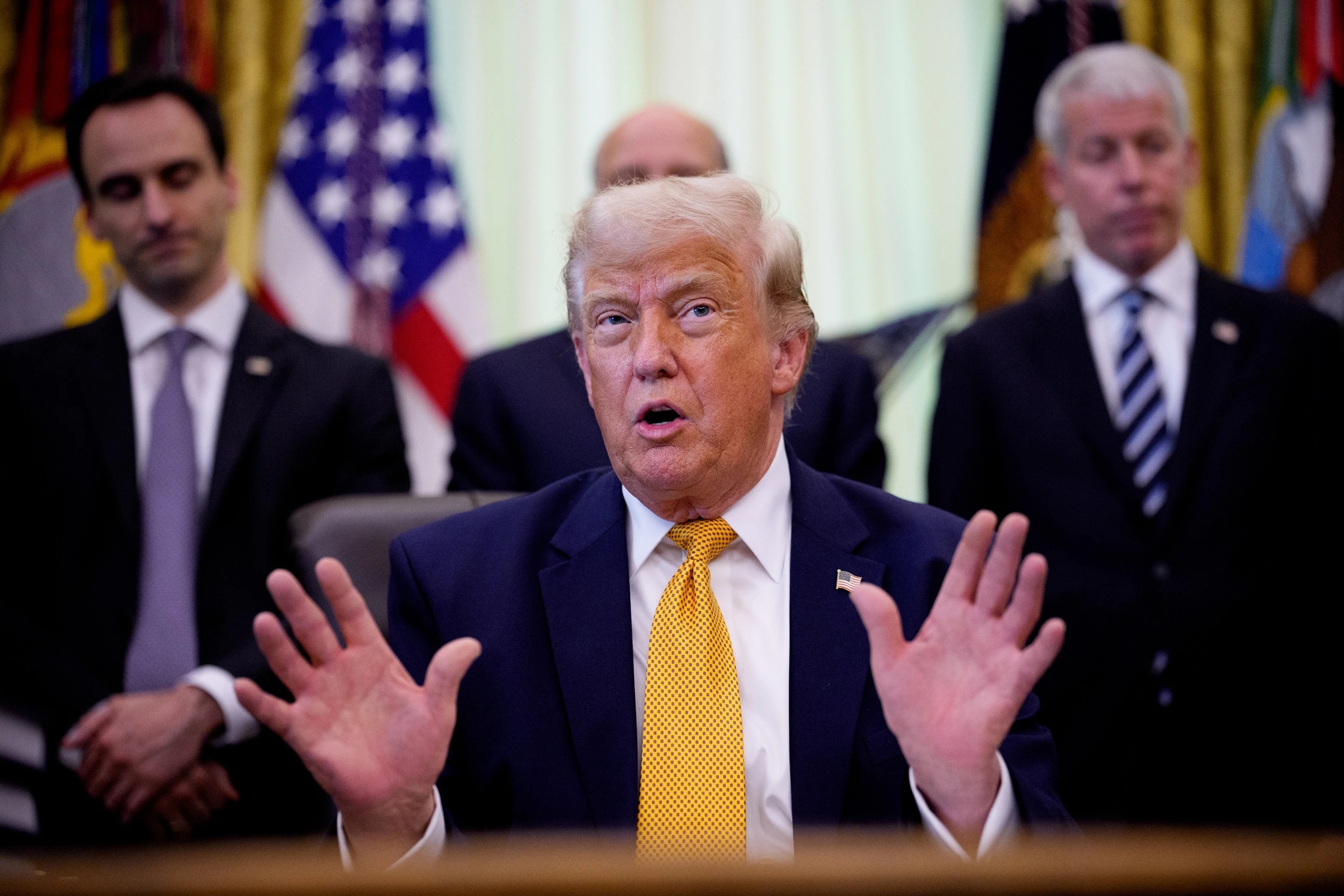
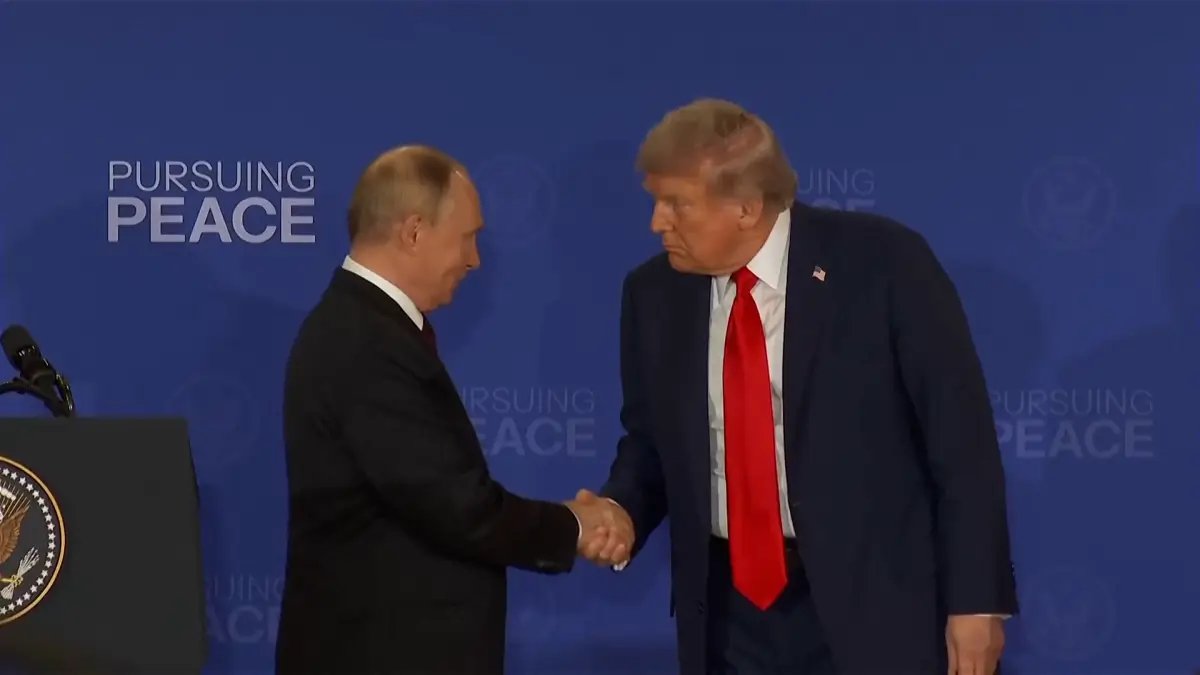
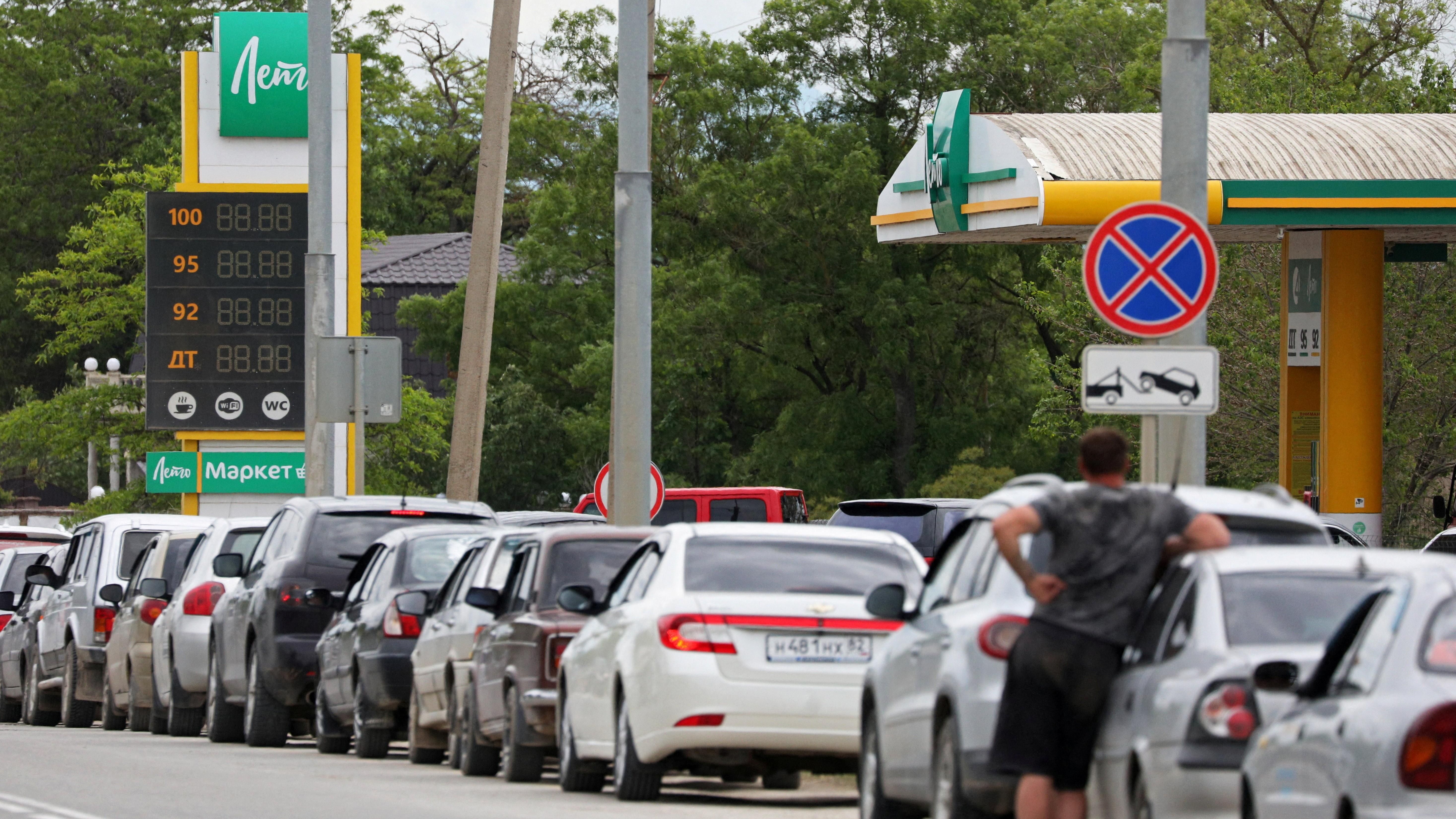
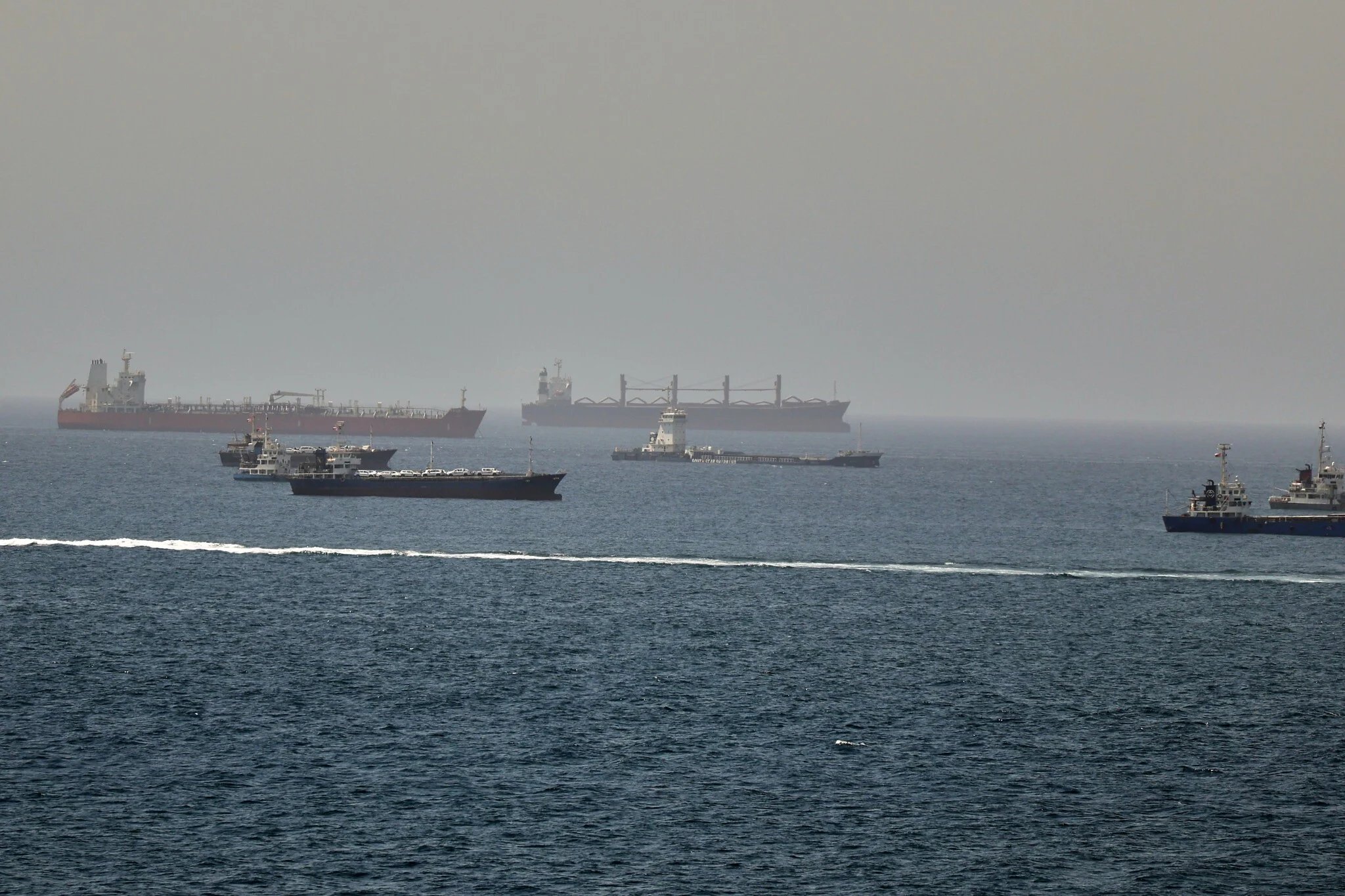
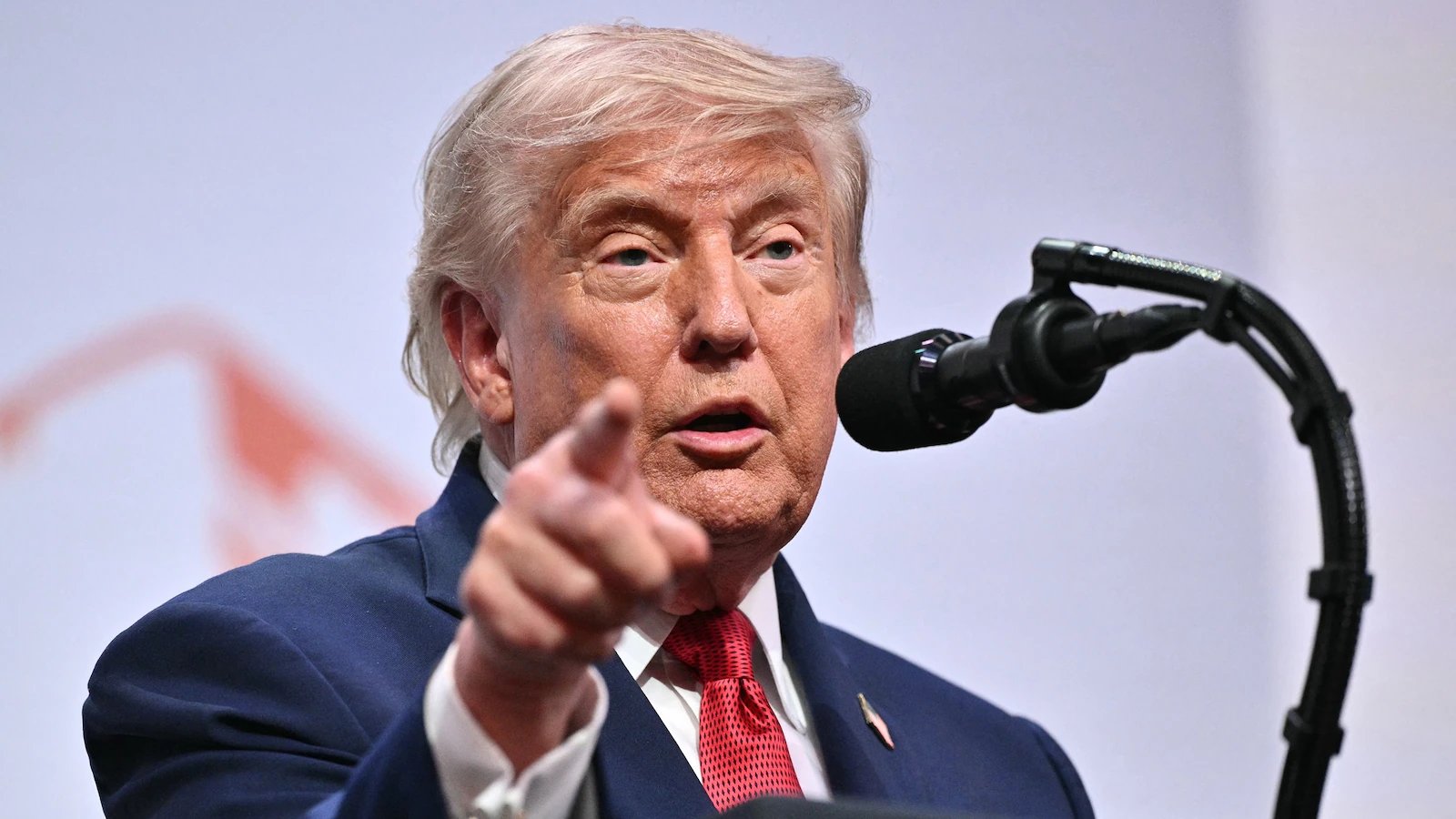
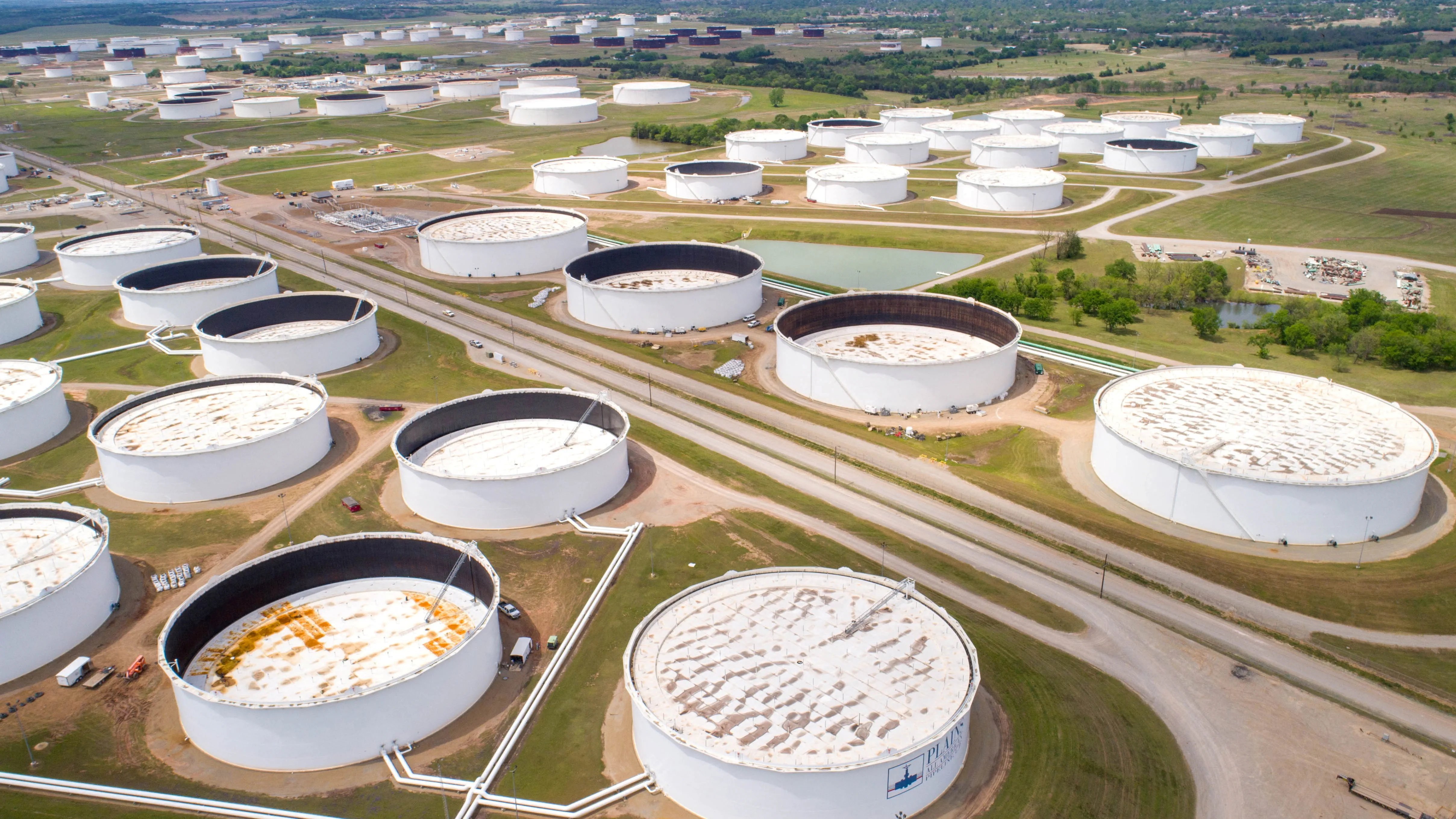
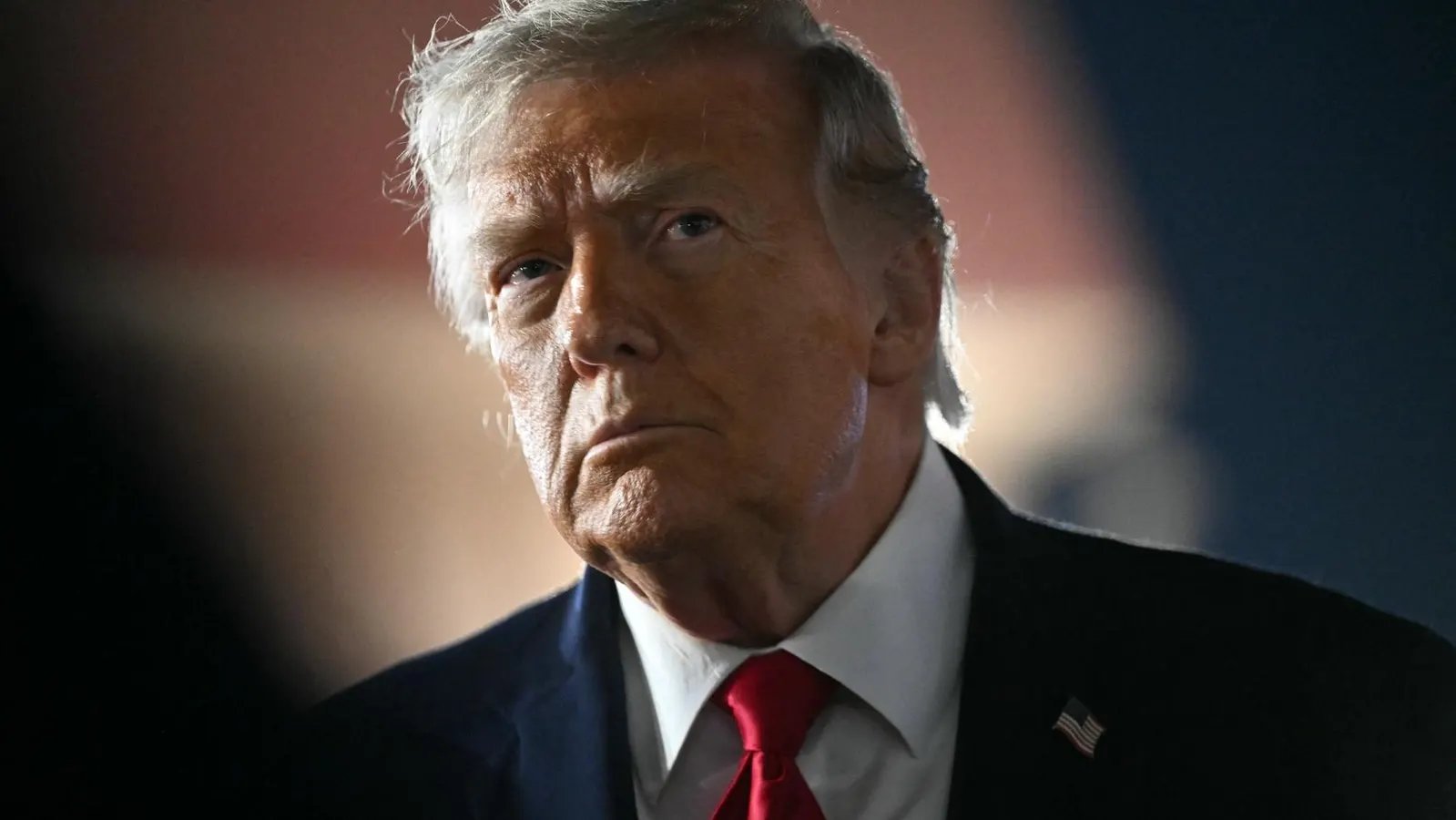
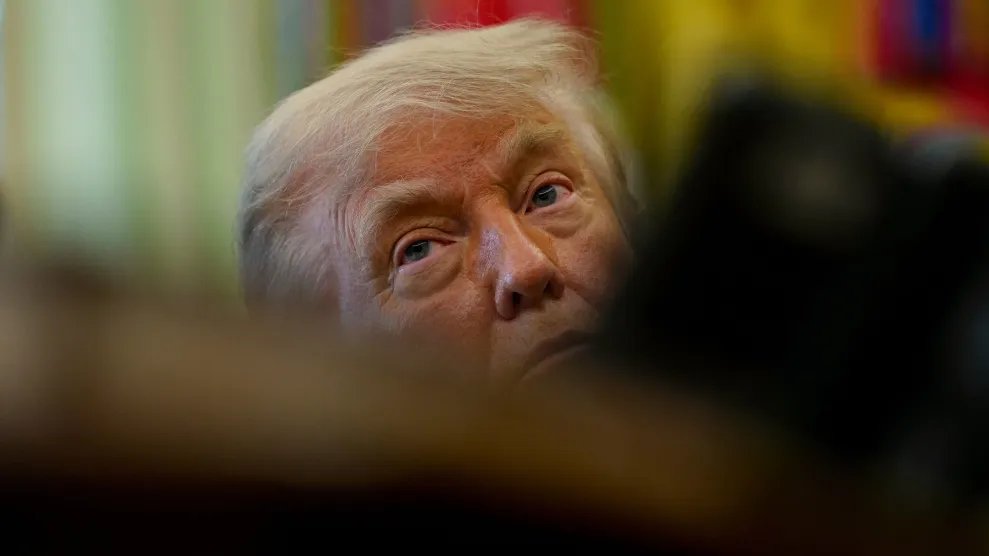
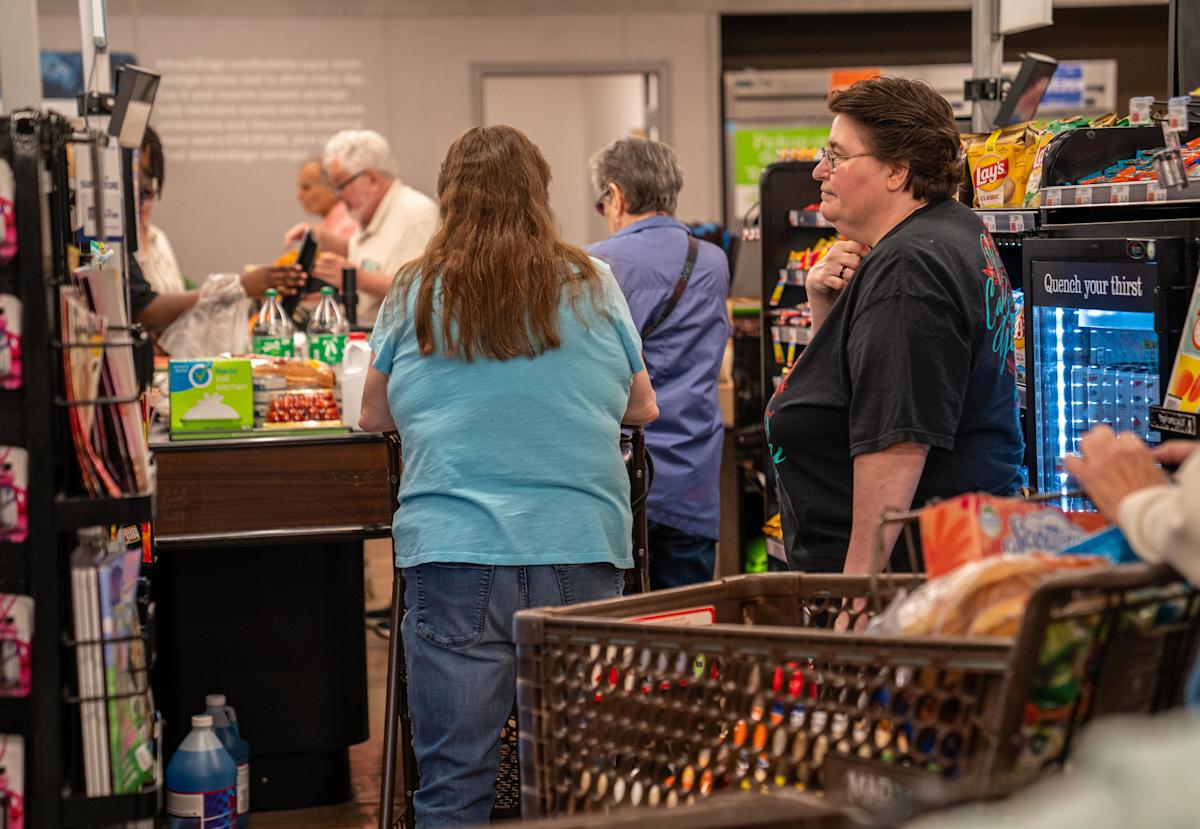
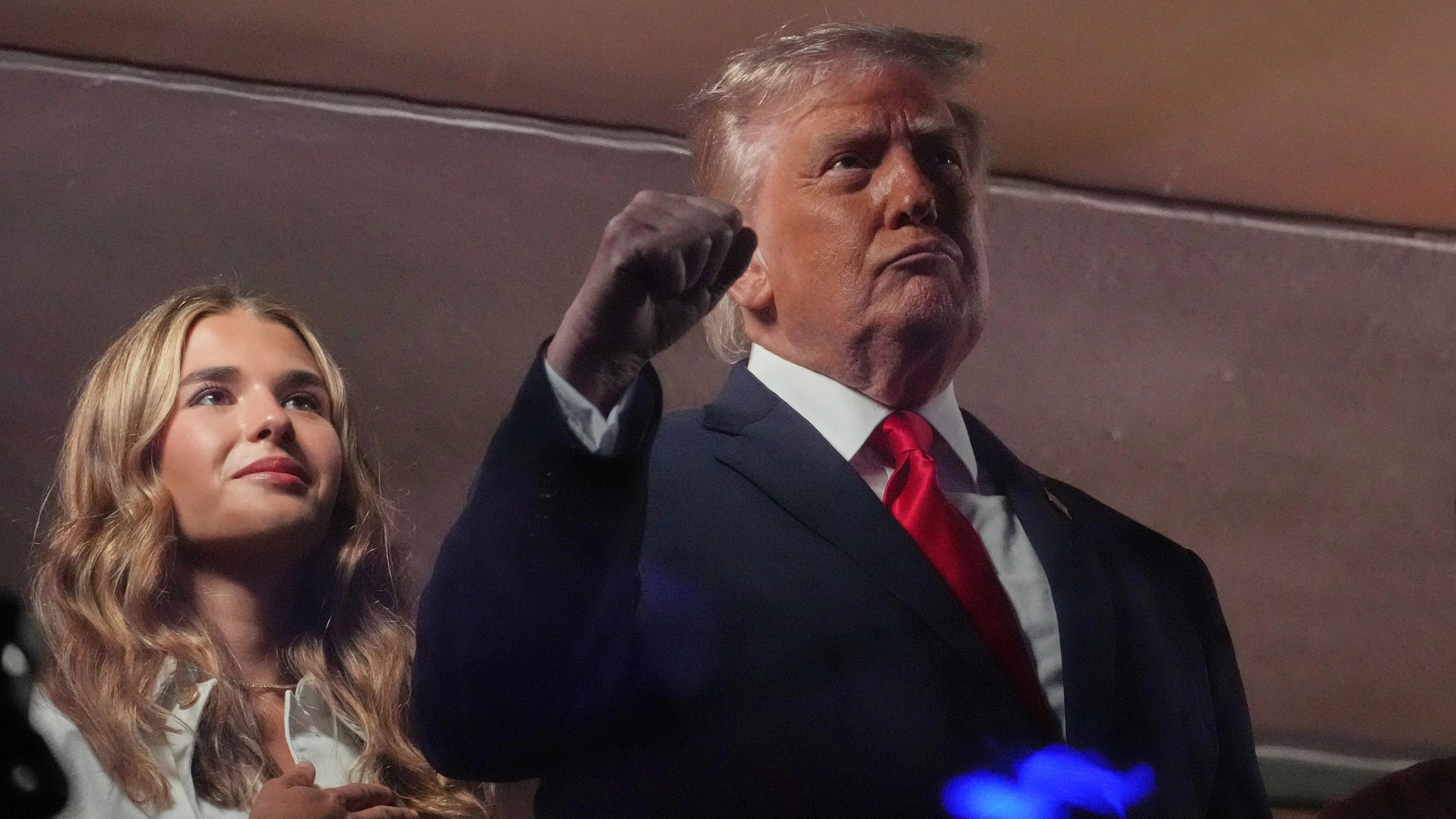
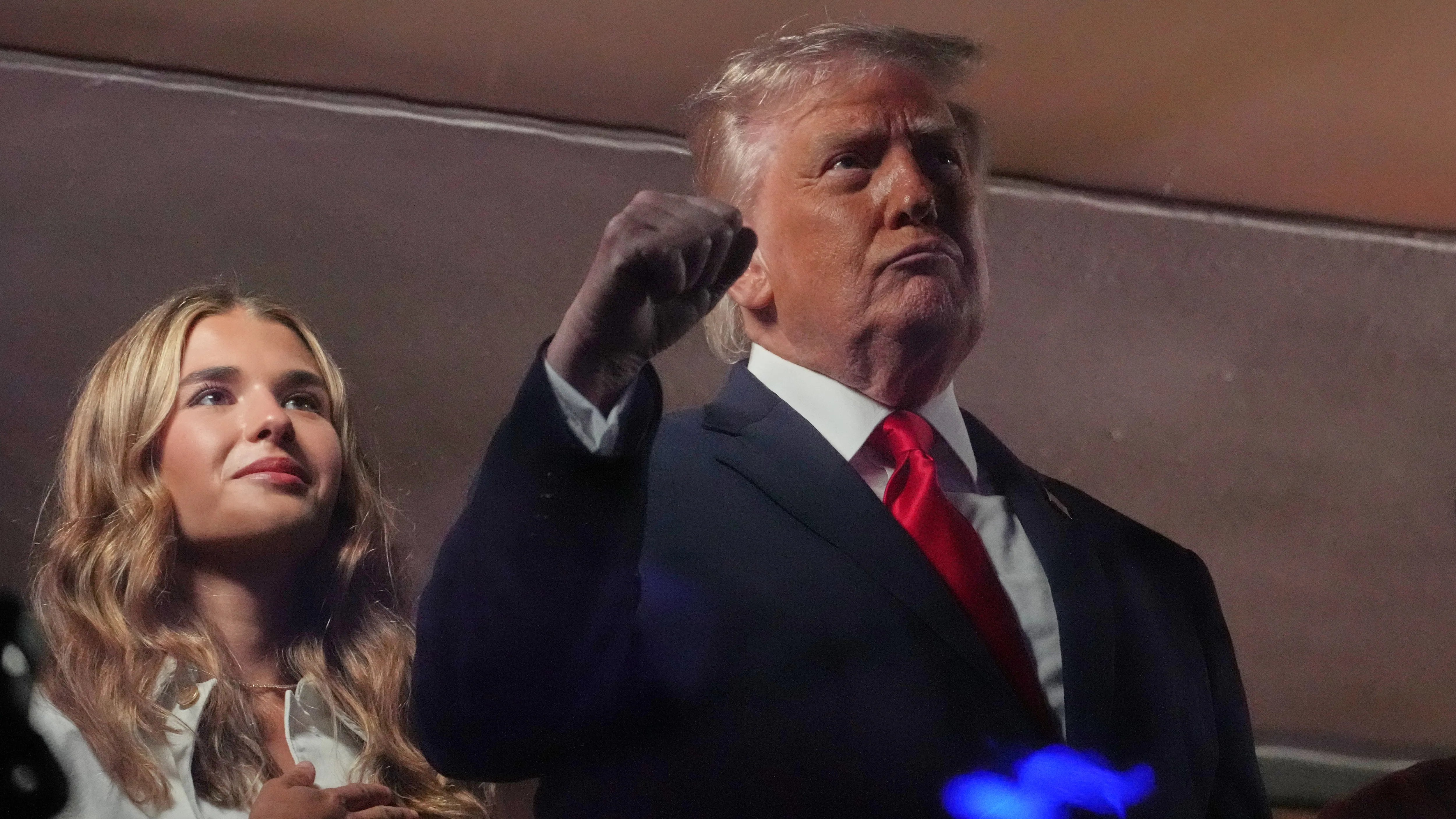
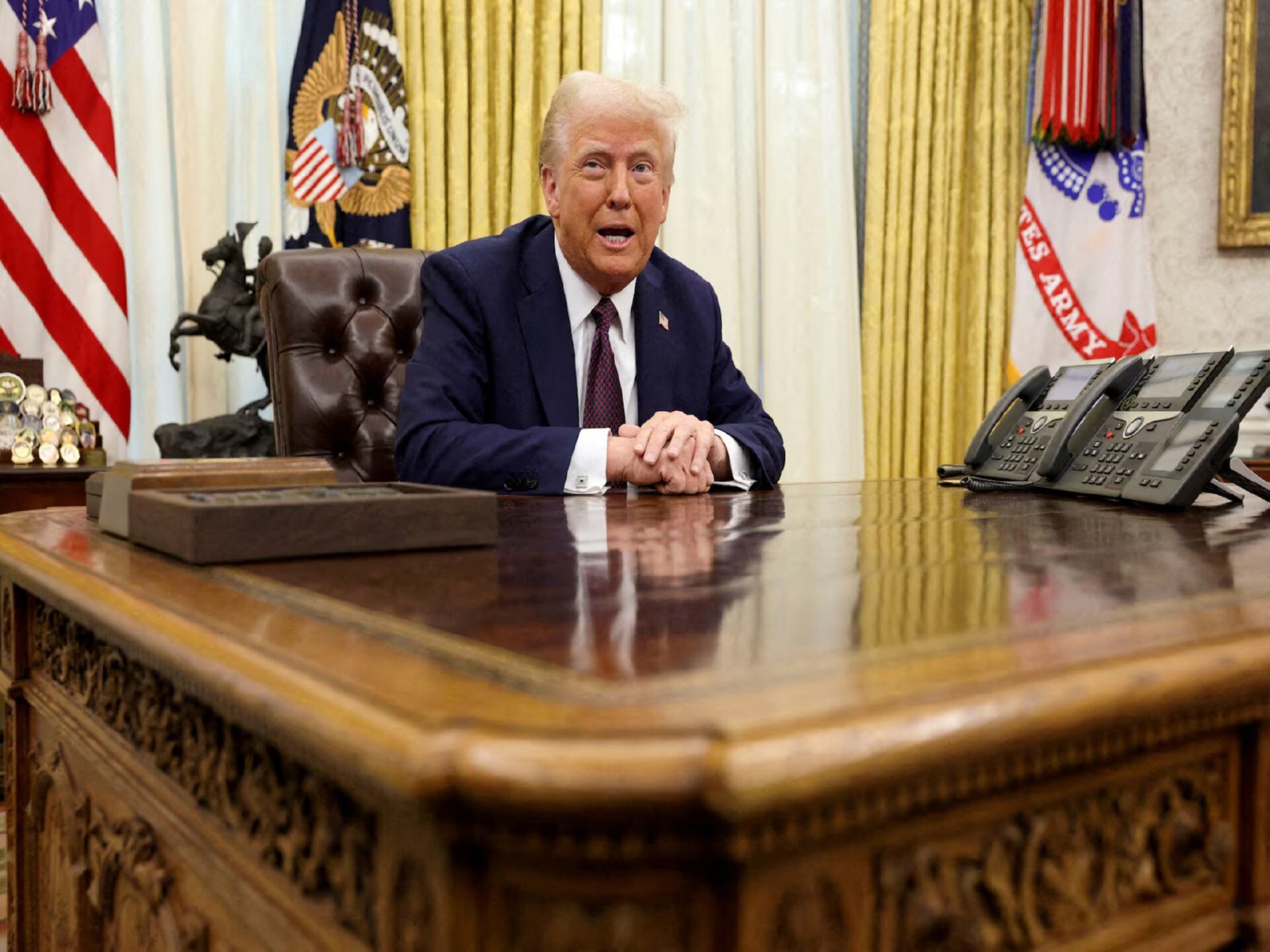
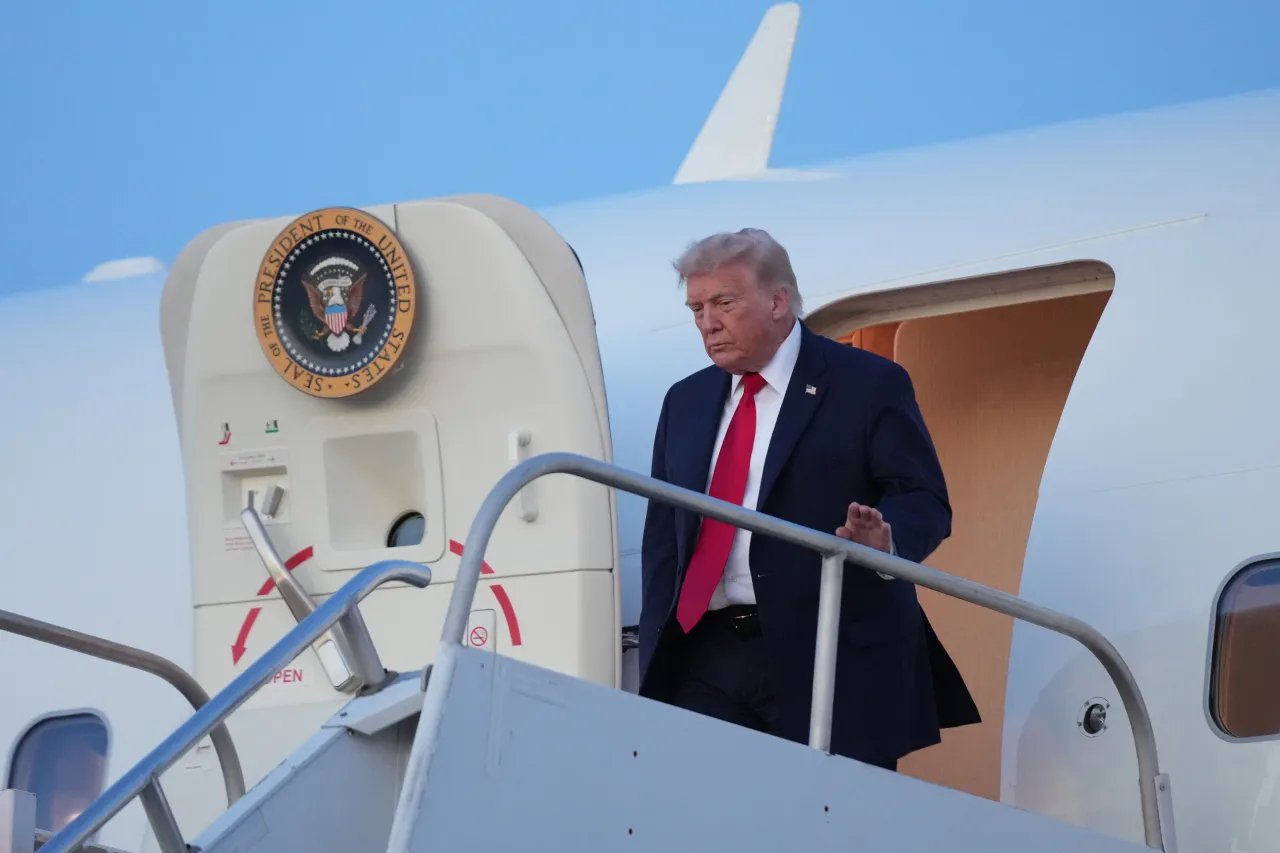
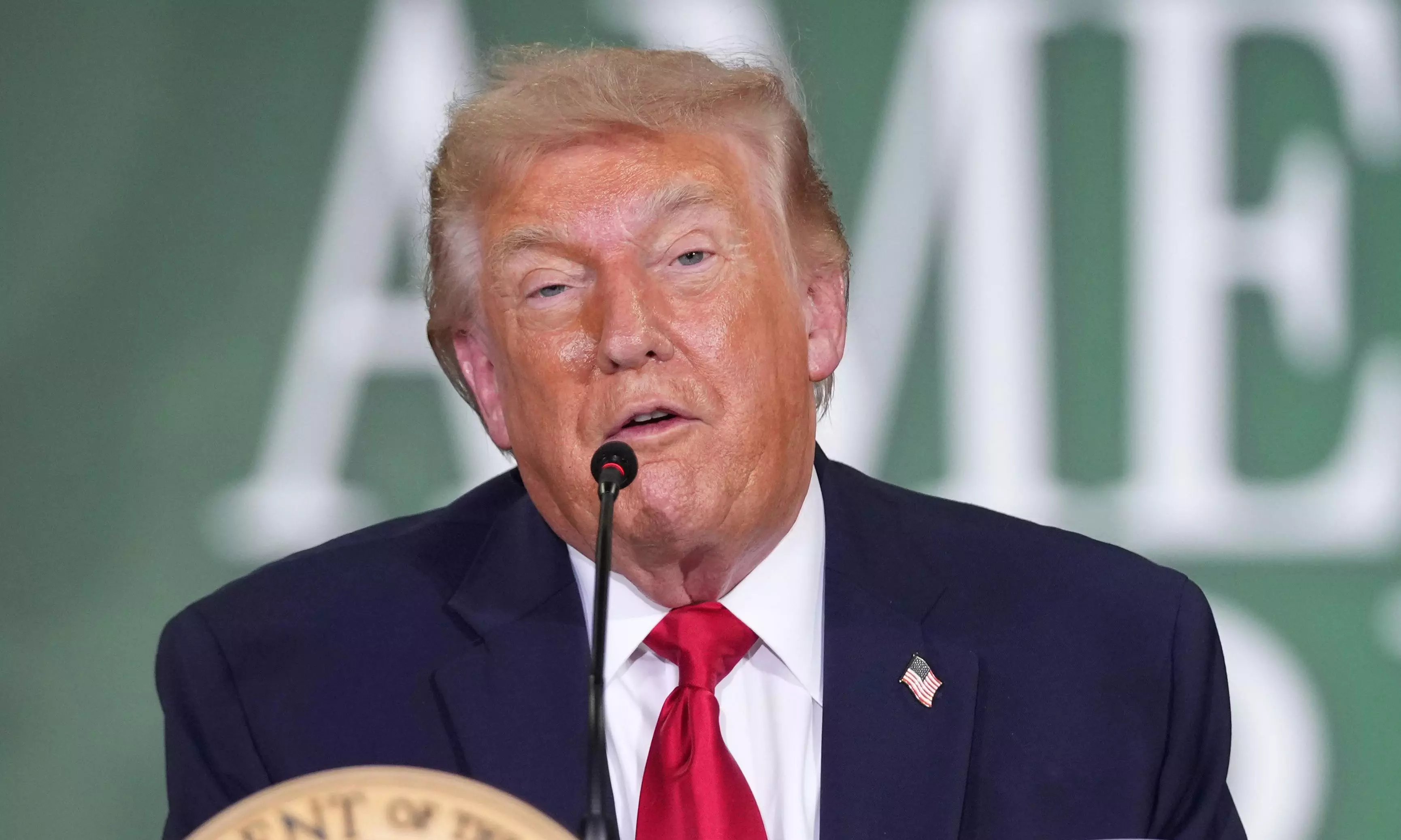
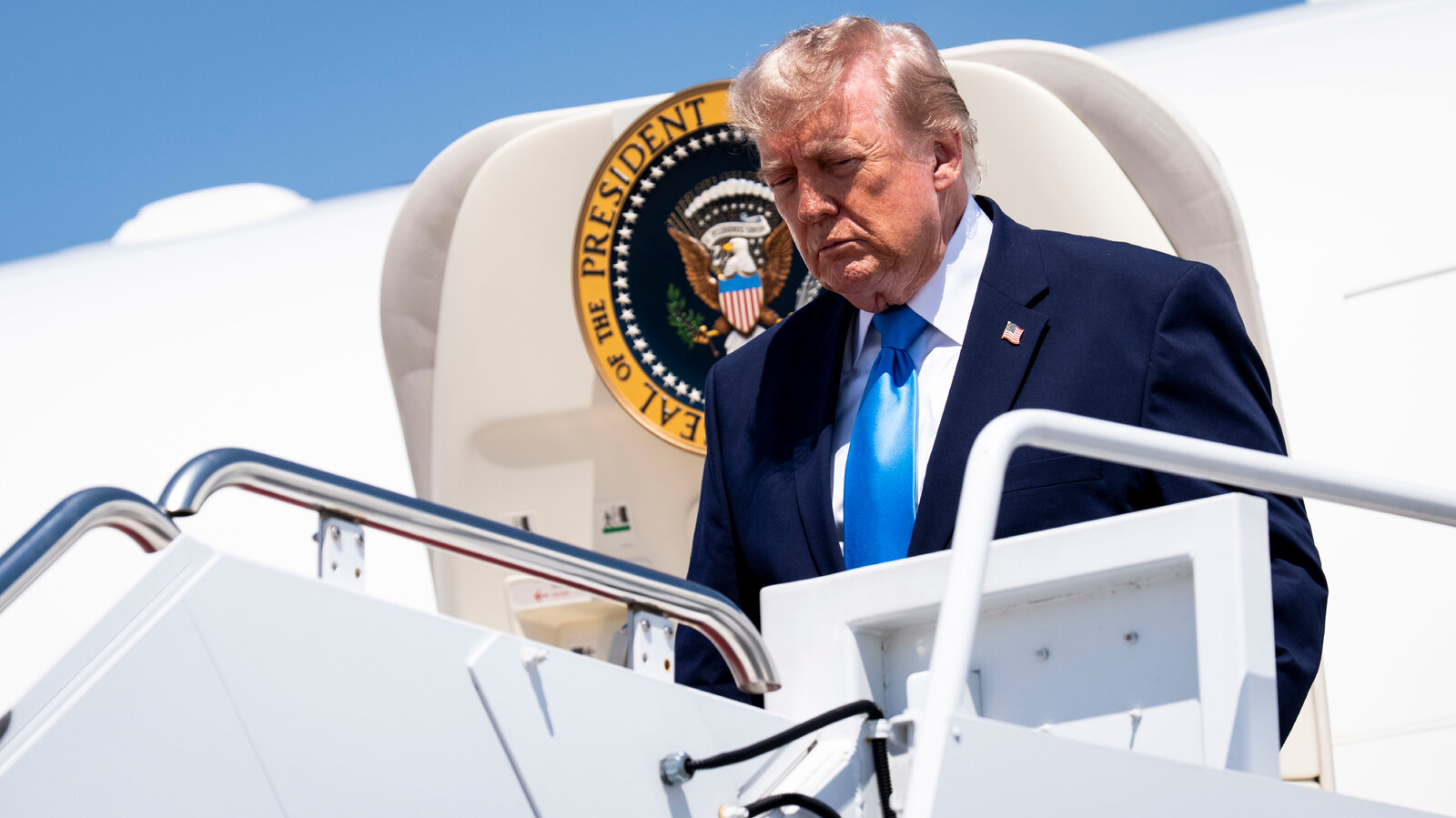
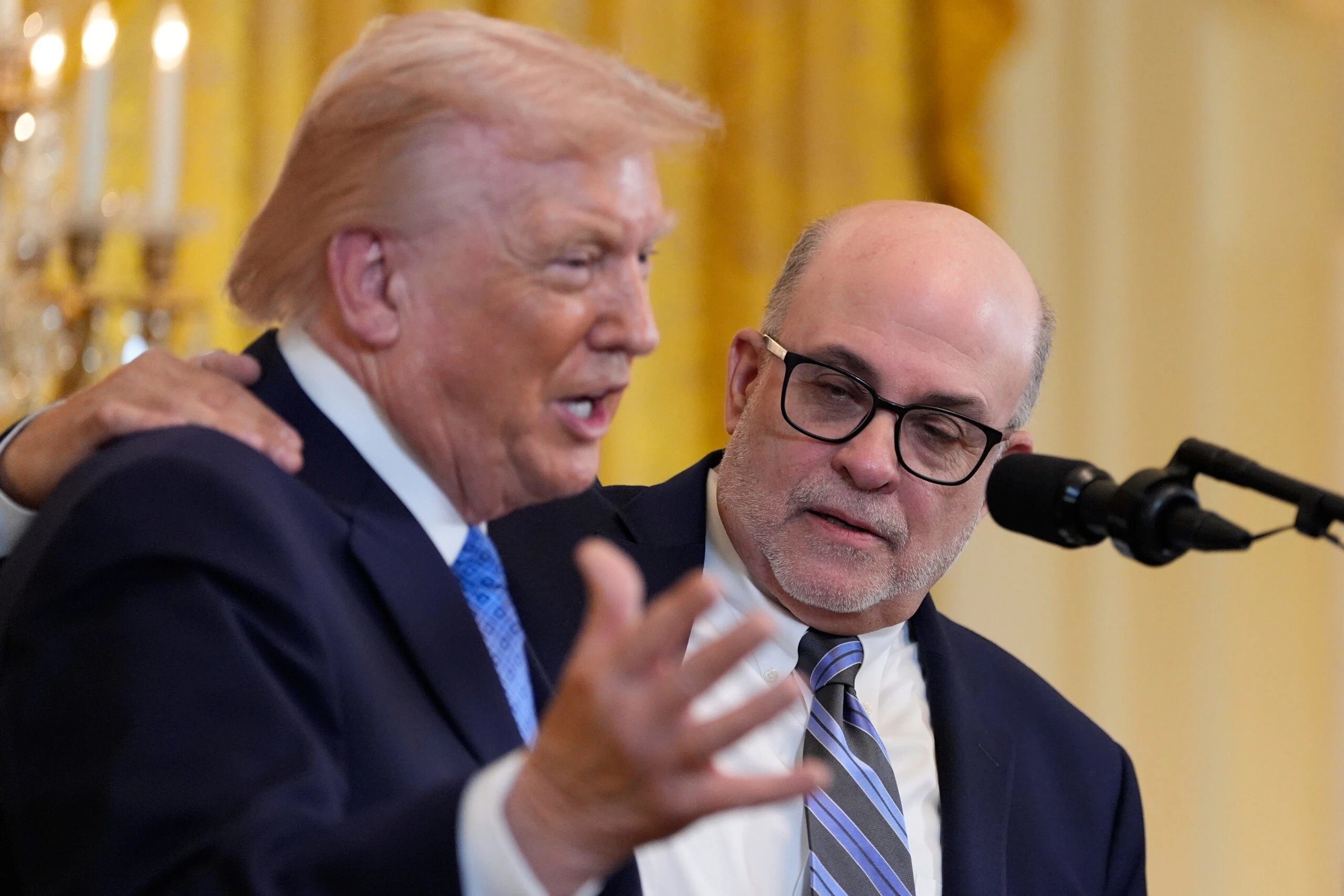
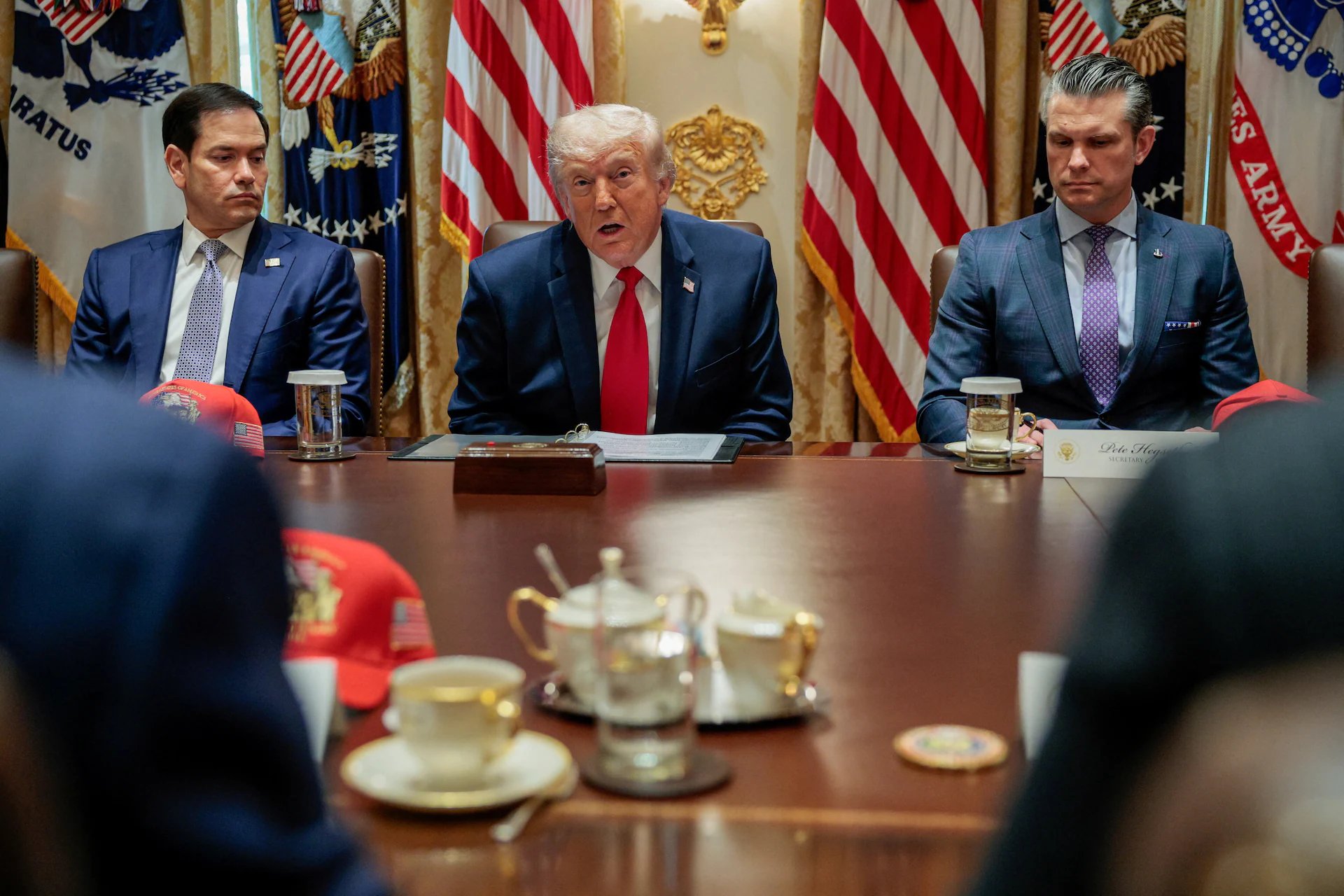
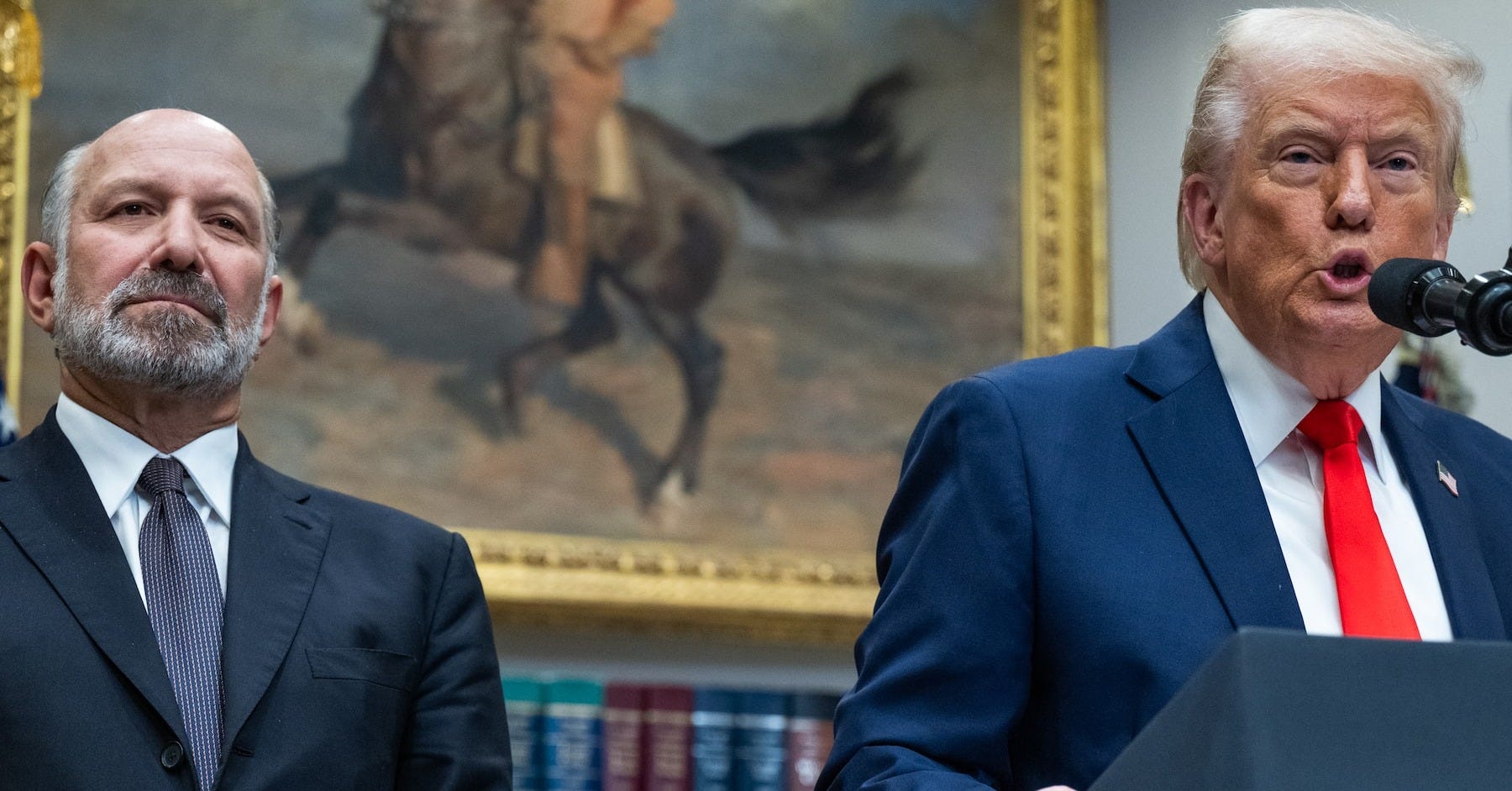
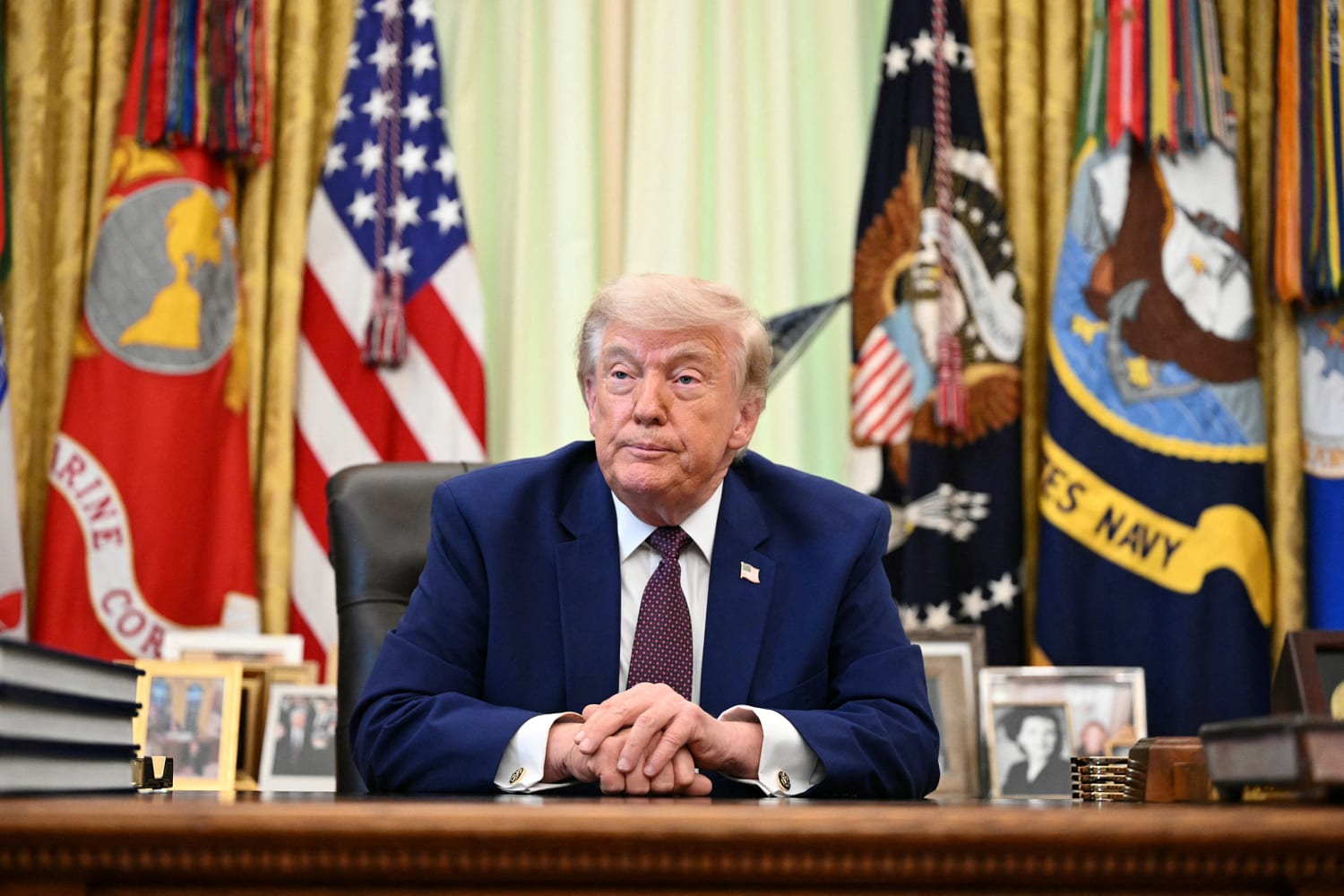
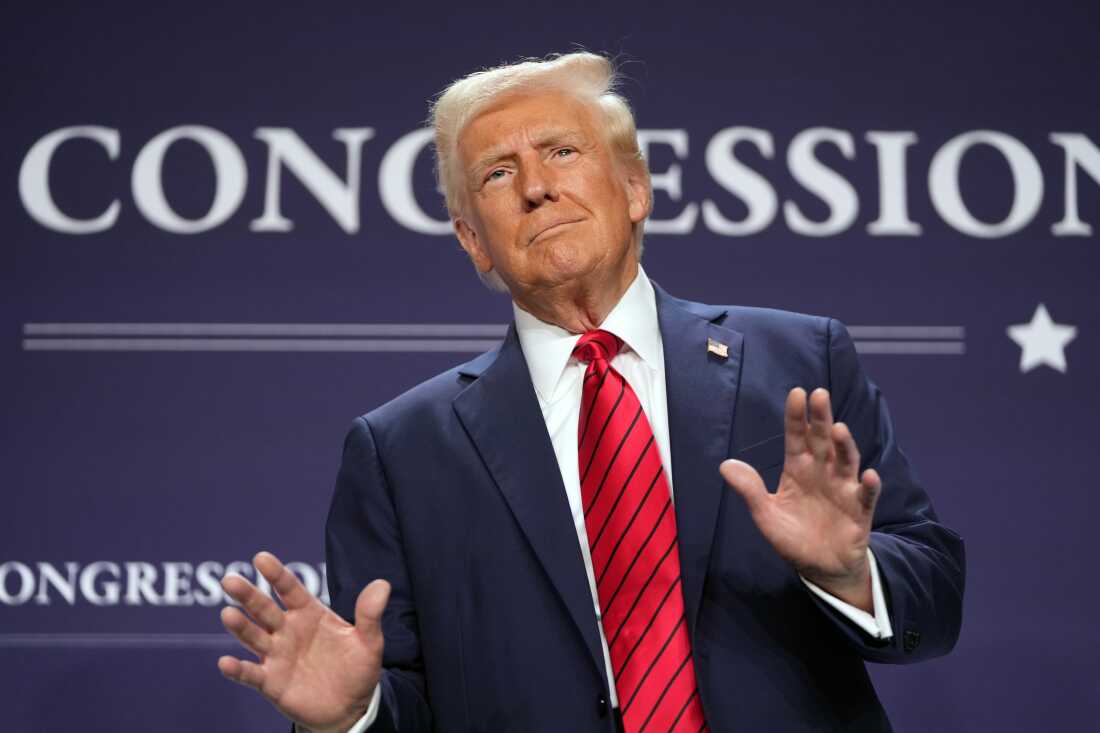
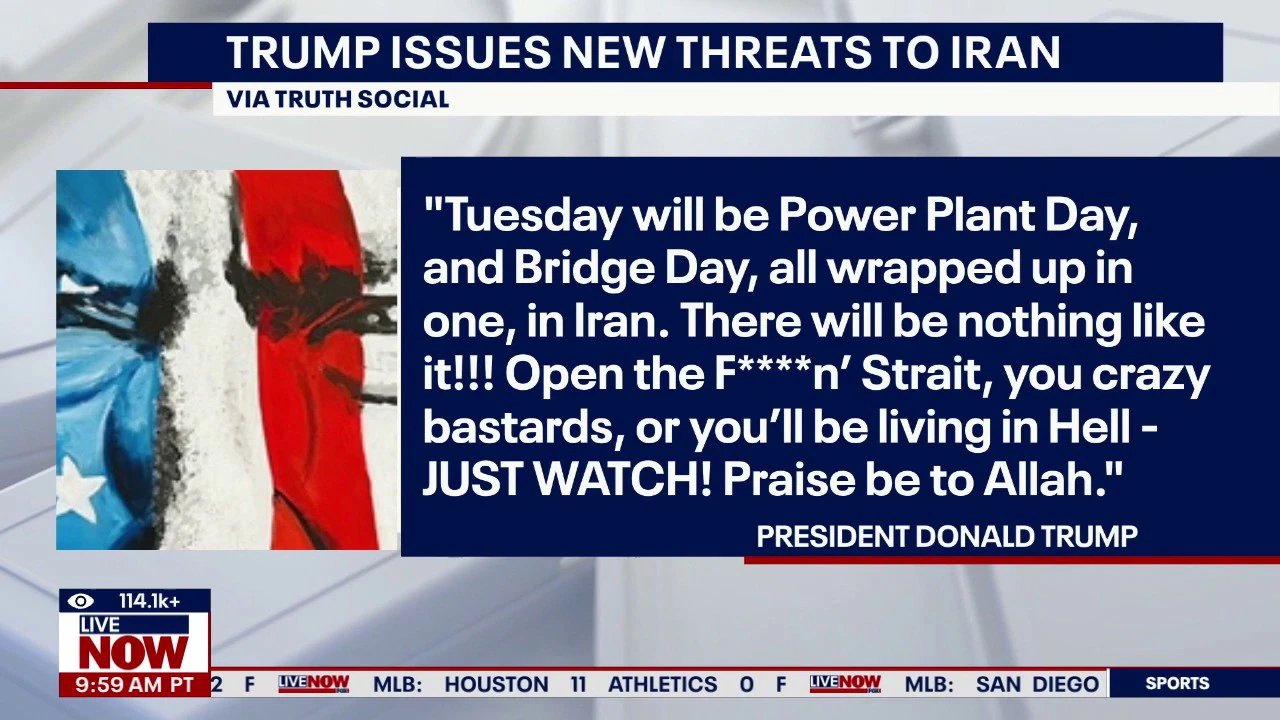
Cuba grapples with its worst economic crisis in decades, marked by widespread shortages of food, fuel, and medicine alongside frequent blackouts. The island's economy has deteriorated under a US oil blockade that President Donald Trump has intensified, even musing openly about taking over the Caribbean nation just 145 kilometers from Florida.
These cascading pressures left the government with limited options. The National Assembly voted unanimously to approve the reforms, with President Miguel Diaz-Canel closing the session by intoning Castro's famous revolutionary slogan: "Socialism or death!"
The contradiction between the slogan and the market-opening measures underscores the government's desperation to stabilize the economy while maintaining ideological continuity. By opening state enterprises to private capital and eliminating mandatory joint-venture requirements, Cuba hopes to attract the foreign investment needed to address chronic shortages and restart economic growth.