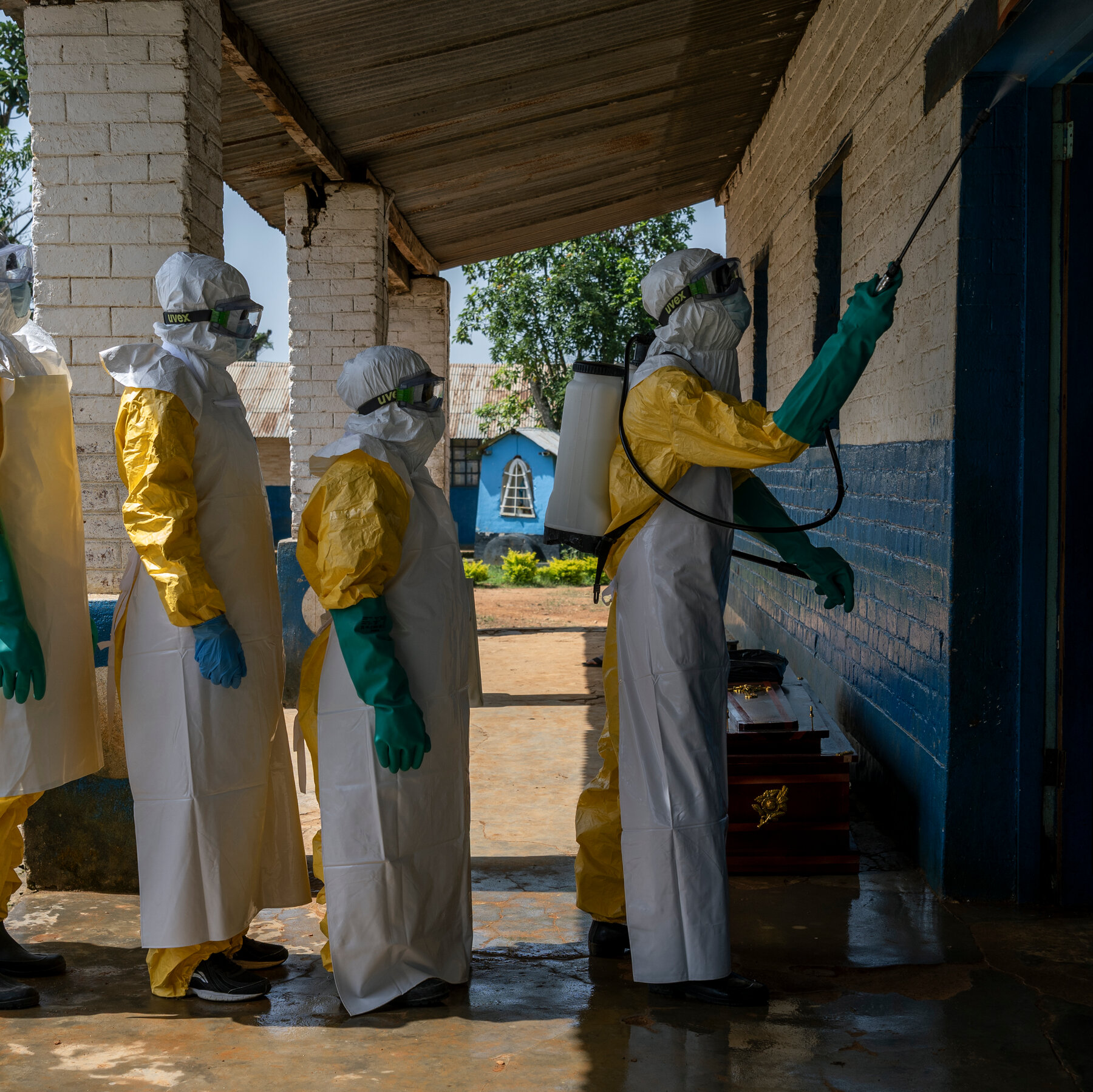
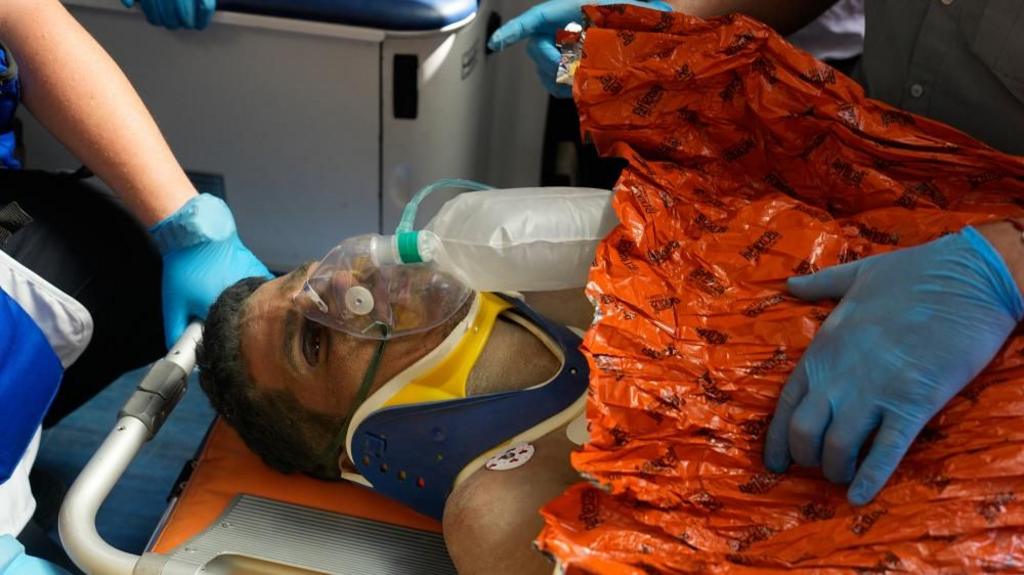
France has identified its first case of Ebola. The patient, a doctor who recently returned from a humanitarian mission in the Democratic Republic of Congo (DRC), is in stable condition and has been admitted to a specialized facility, according to the French health ministry. This marks the first confirmed Ebola case in Europe.
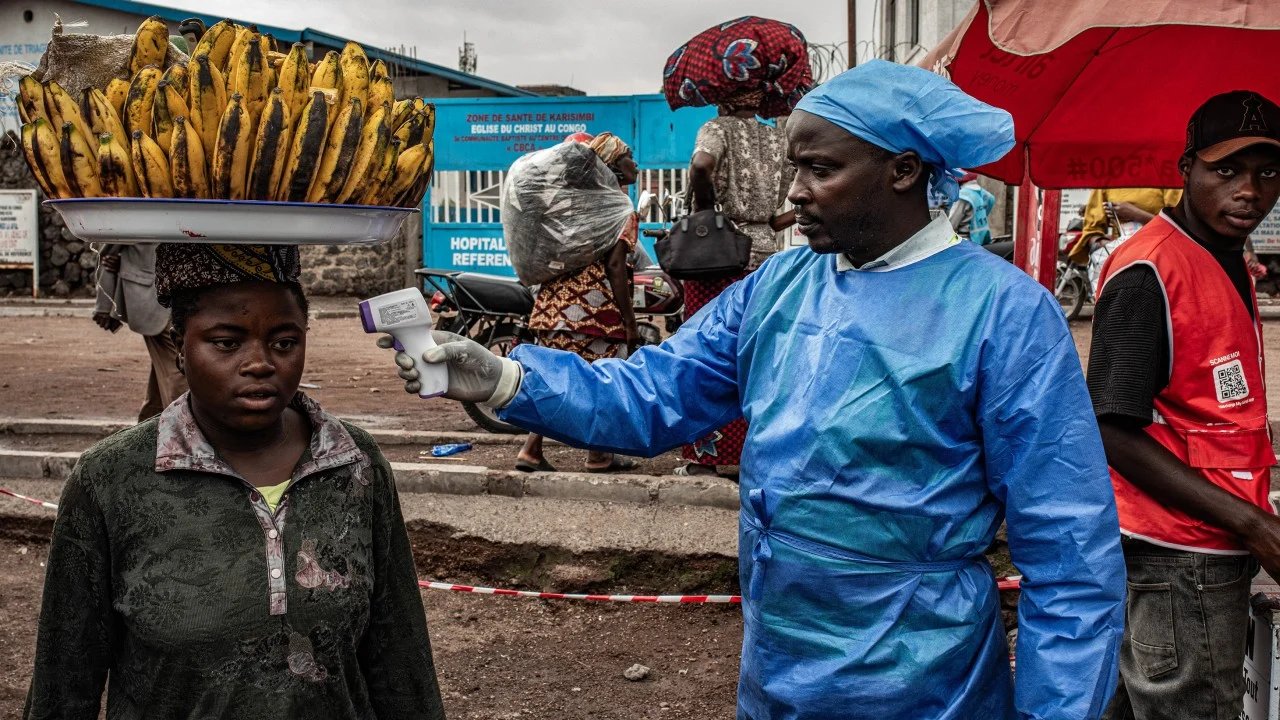
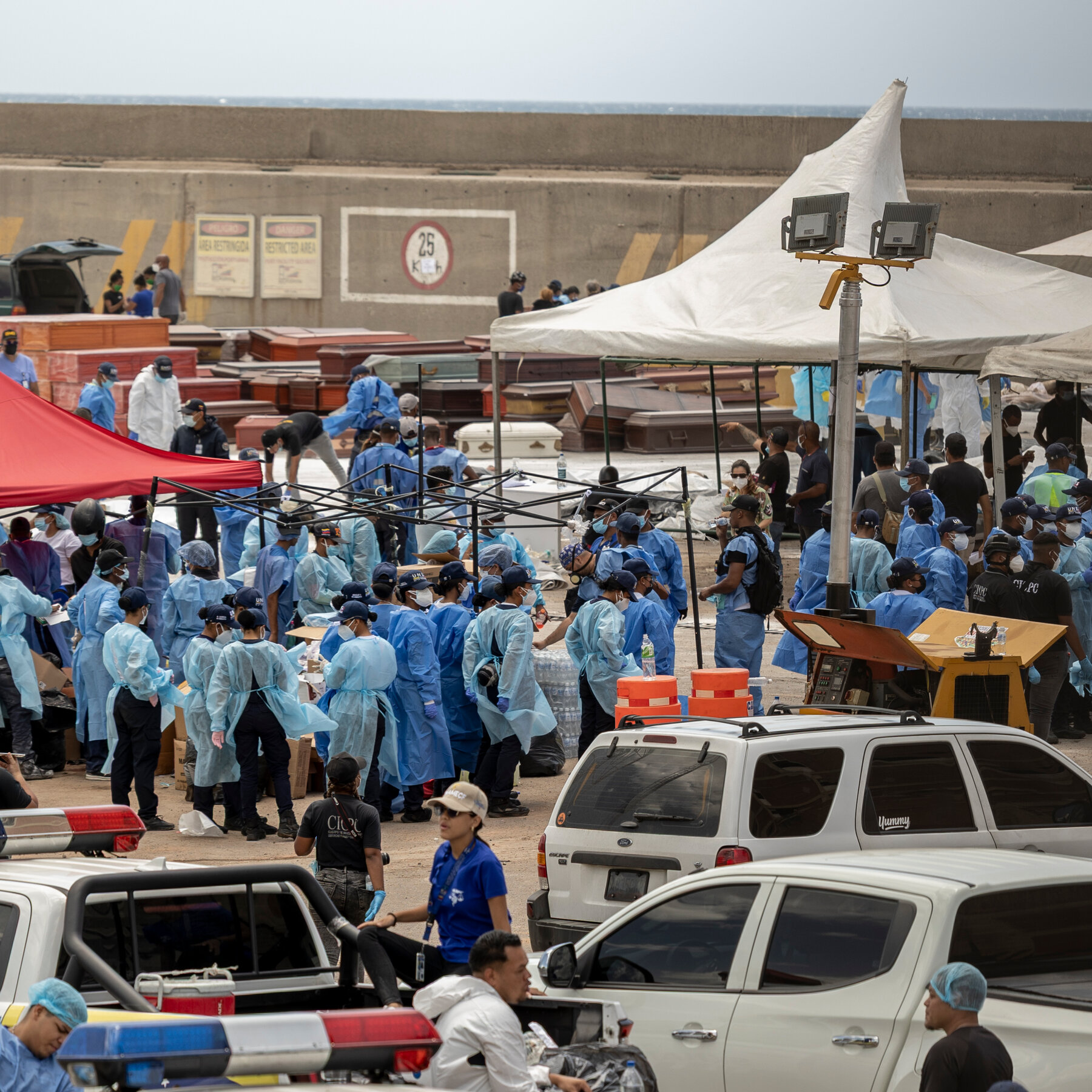
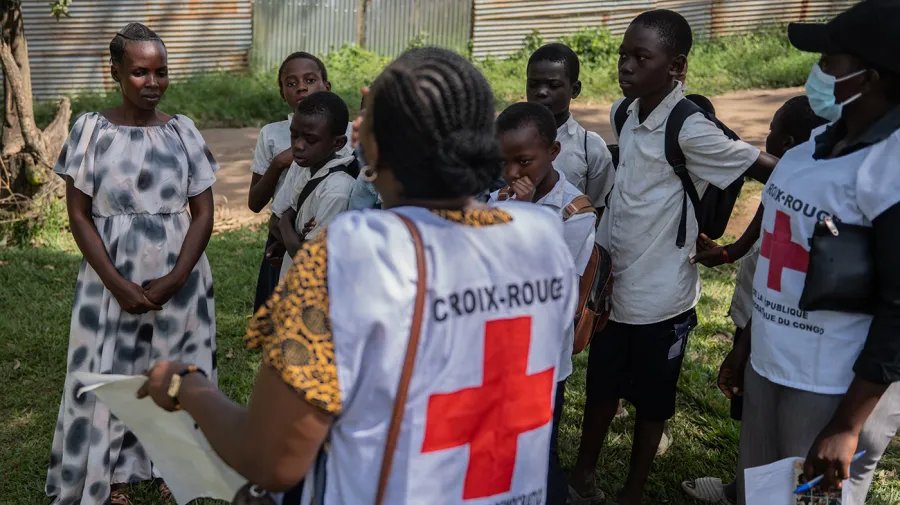
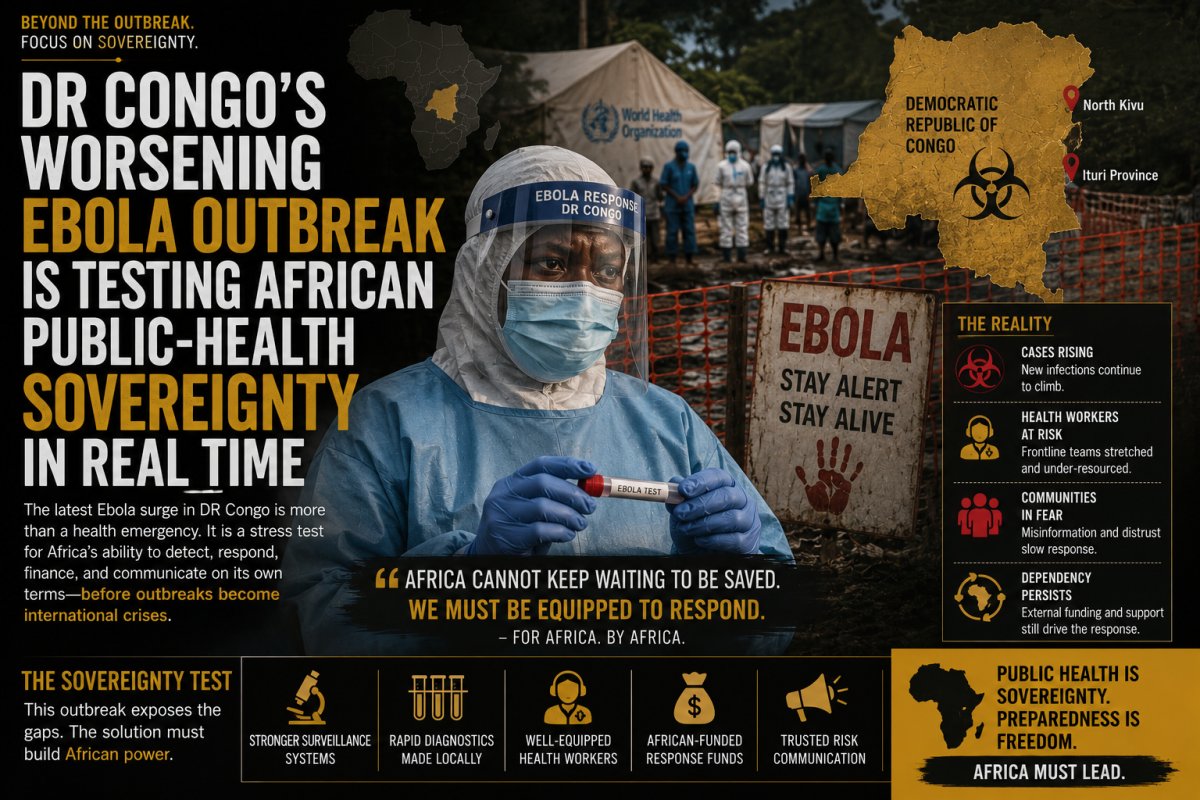
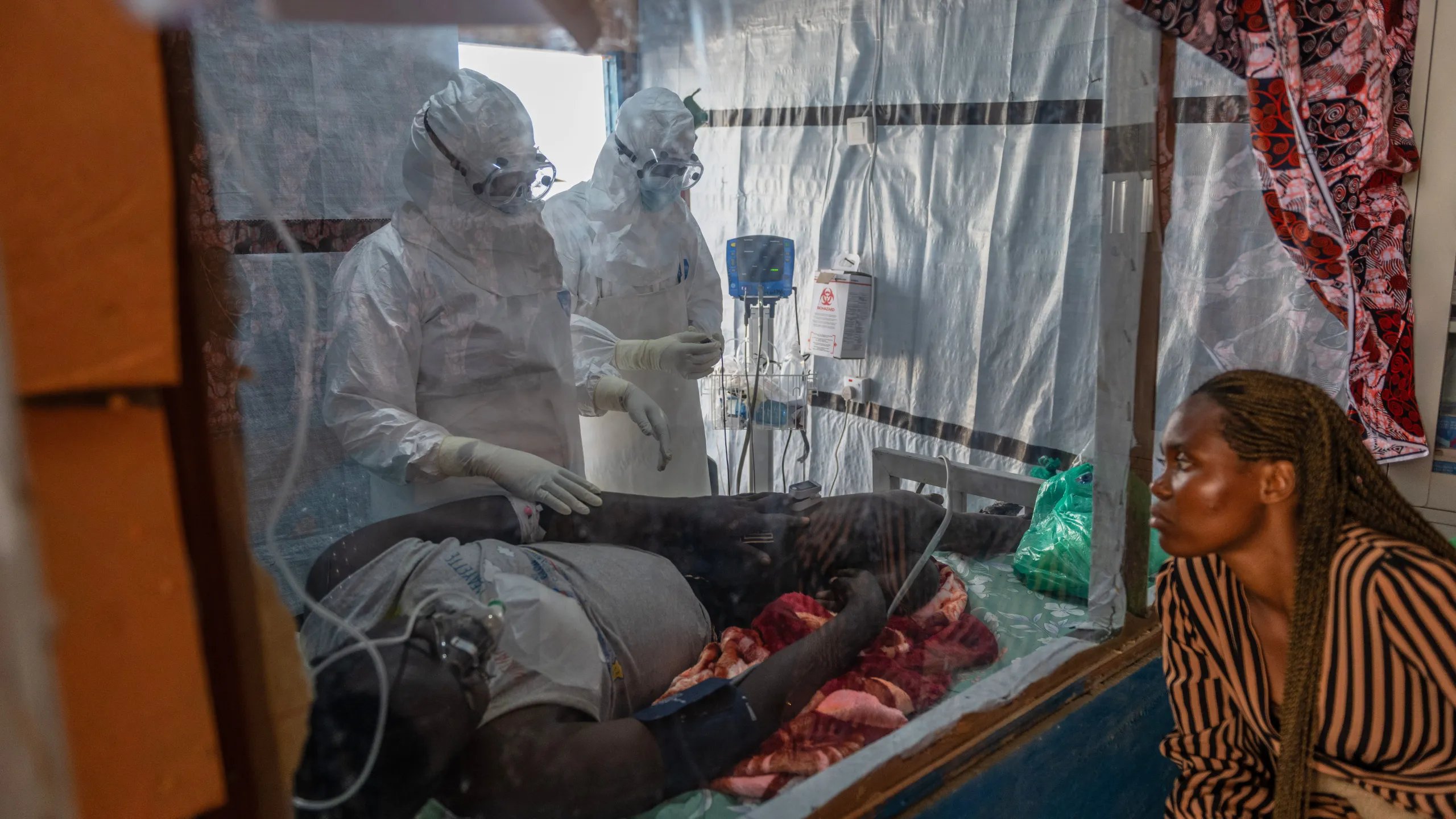
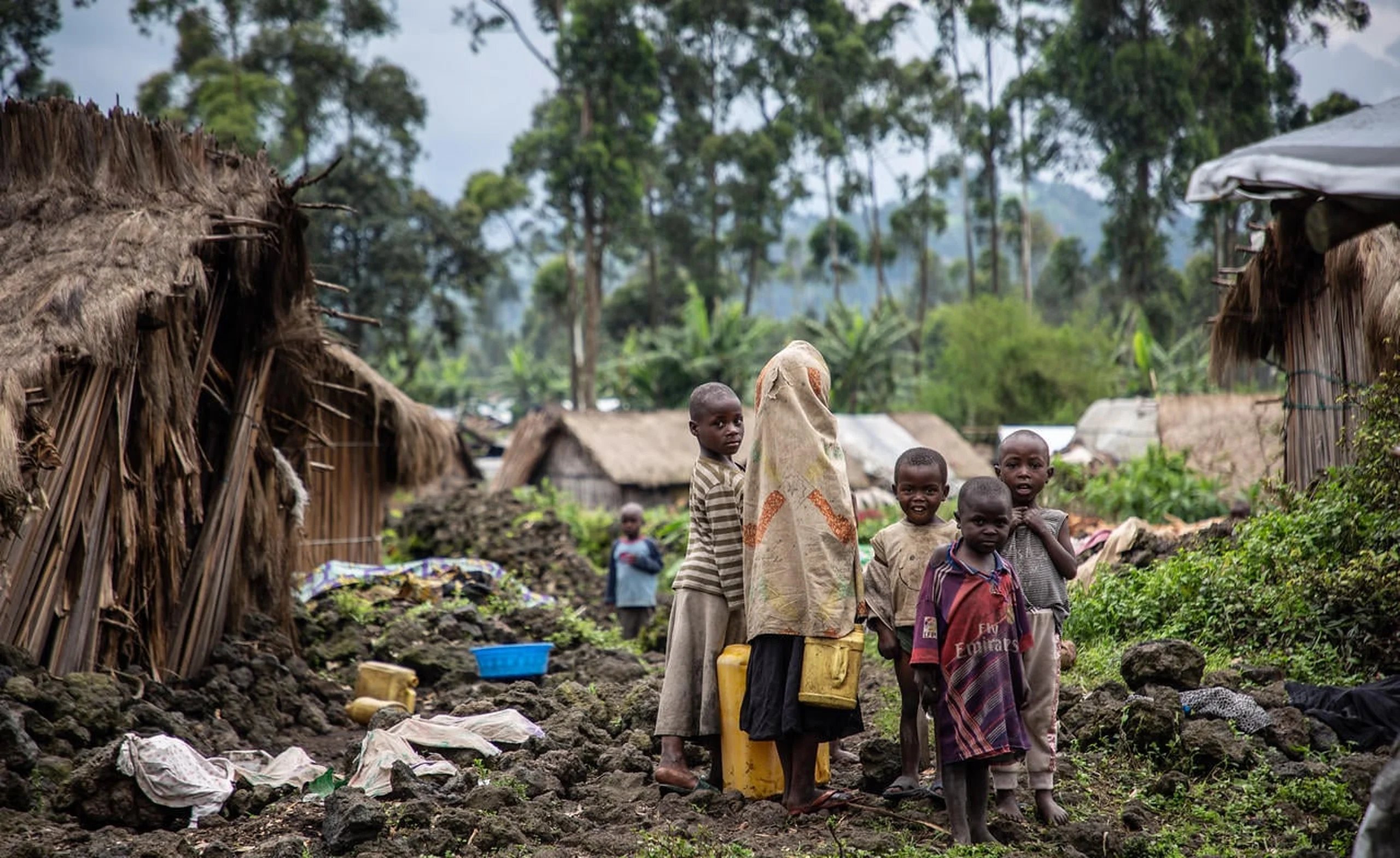
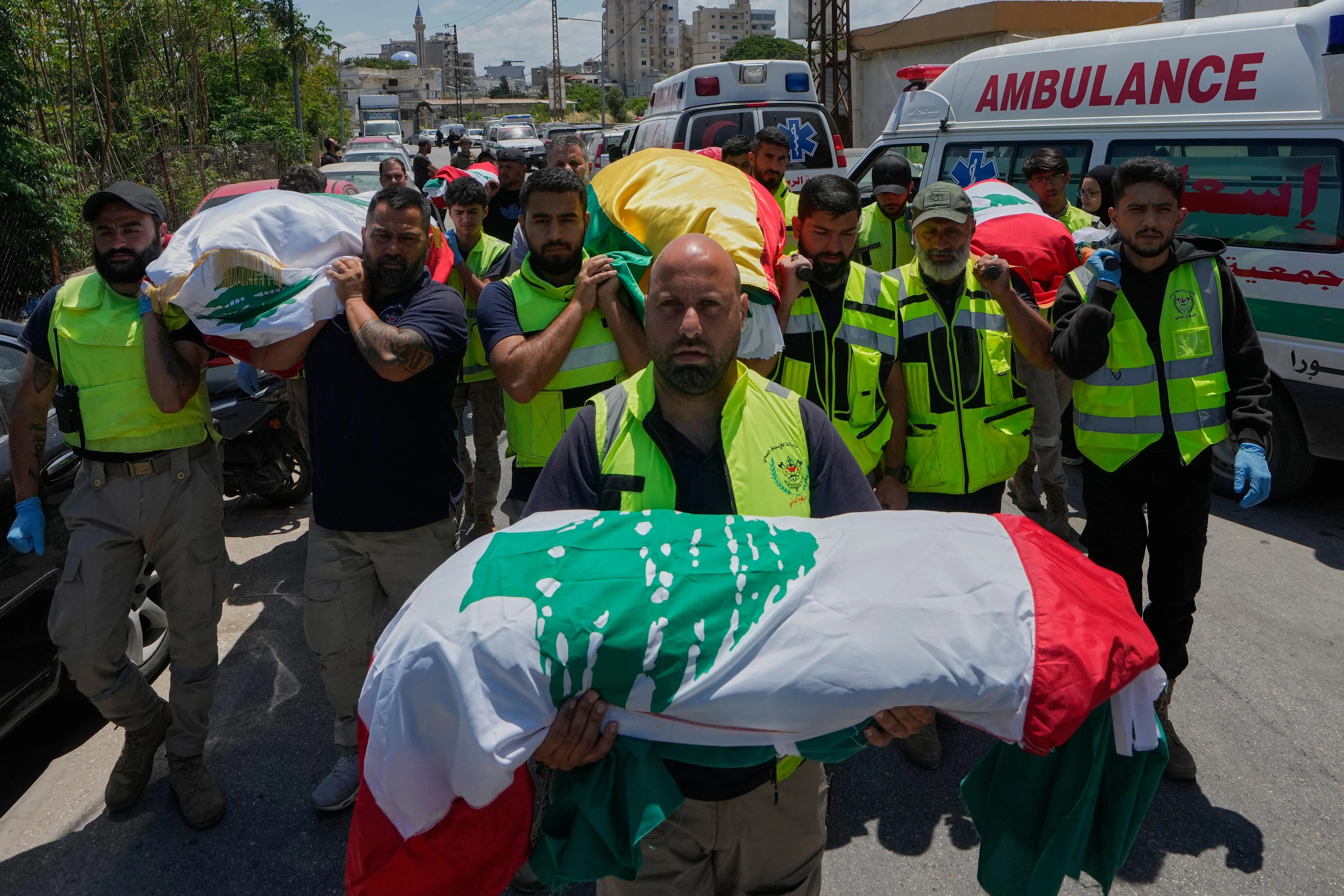
In the DRC, the current outbreak has resulted in over 260 confirmed deaths and 1,000 infections, as reported by the BBC. The outbreak was announced last month, but experts suspect the virus had been circulating for several weeks prior. Neighboring Uganda has also confirmed Ebola cases, with 20 infections and two deaths, as per the World Health Organization (WHO).
The French health ministry has stressed that the risk to the population is "very low." Authorities are actively working to trace individuals who may have come into contact with the infected doctor. The ministry has also established a "dedicated monitoring system" for aid workers returning from the DRC.
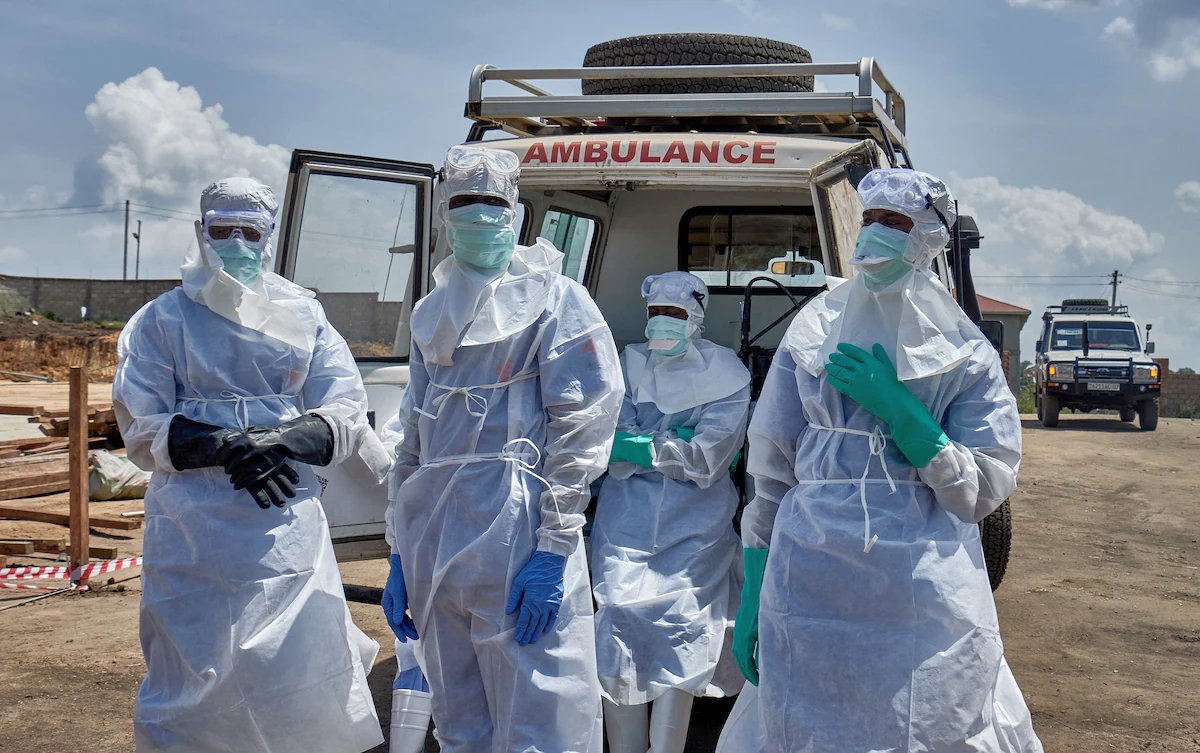
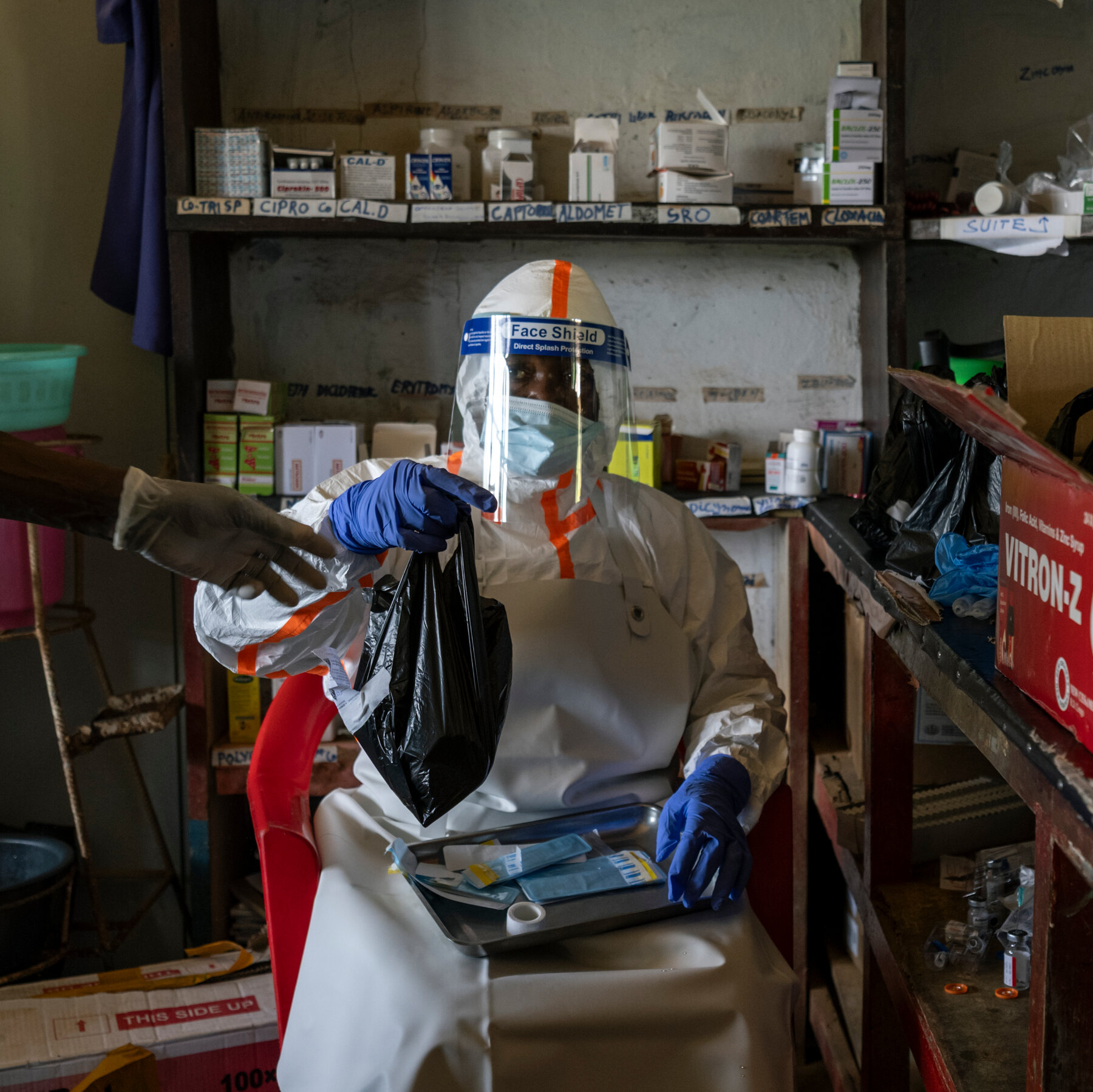
The current Ebola outbreak is caused by the Bundibugyo species, for which there is no vaccine. The WHO has warned that the conflict in eastern DRC, particularly with the M23 rebel group controlling parts of North and South Kivu, is complicating efforts to tackle the outbreak. Health workers are especially at risk, with 17 out of 75 who contracted Ebola in the DRC having died, according to the WHO.
France has identified its first case of Ebola, marking a significant development as the deadly virus spreads to Europe. The patient, a doctor who recently returned from a humanitarian mission in the Democratic Republic of Congo (DRC), is in stable condition and has been admitted to a specialized facility, according to the French health ministry. This marks the first confirmed Ebola case in Europe, raising concerns about the disease's potential spread and the continent's readiness to handle it.
In the DRC, the current outbreak has resulted in over 260 confirmed deaths and 1,000 infections, as reported by the BBC. The outbreak was announced last month, but experts suspect the virus had been circulating for several weeks prior. Neighboring Uganda has also confirmed Ebola cases, with 20 infections and two deaths, as per the World Health Organization (WHO).
While the French health ministry has stressed that the risk to the population is "very low," authorities are actively working to trace individuals who may have come into contact with the infected doctor. The ministry has also established a "dedicated monitoring system" for aid workers returning from the DRC.
The current Ebola outbreak is caused by the Bundibugyo species, for which there is no vaccine. The WHO has warned that the conflict in eastern DRC, particularly with the M23 rebel group controlling parts of North and South Kivu, is complicating efforts to tackle the outbreak. Health workers are especially at risk, with 17 out of 75 who contracted Ebola in the DRC having died, according to the WHO.
The identification of the first Ebola case in France highlights the need for heightened vigilance and preparedness in managing the spread of the disease. As the outbreak in the DRC and neighboring countries continues to evolve, the global community must collaborate to contain the virus and mitigate its impact on public health. The situation underscores the importance of international cooperation and the need for robust healthcare systems to address such crises.
Highlighted text was flagged by the council. Tap to see feedback.