




New Phase in U.S.-Iran Relations
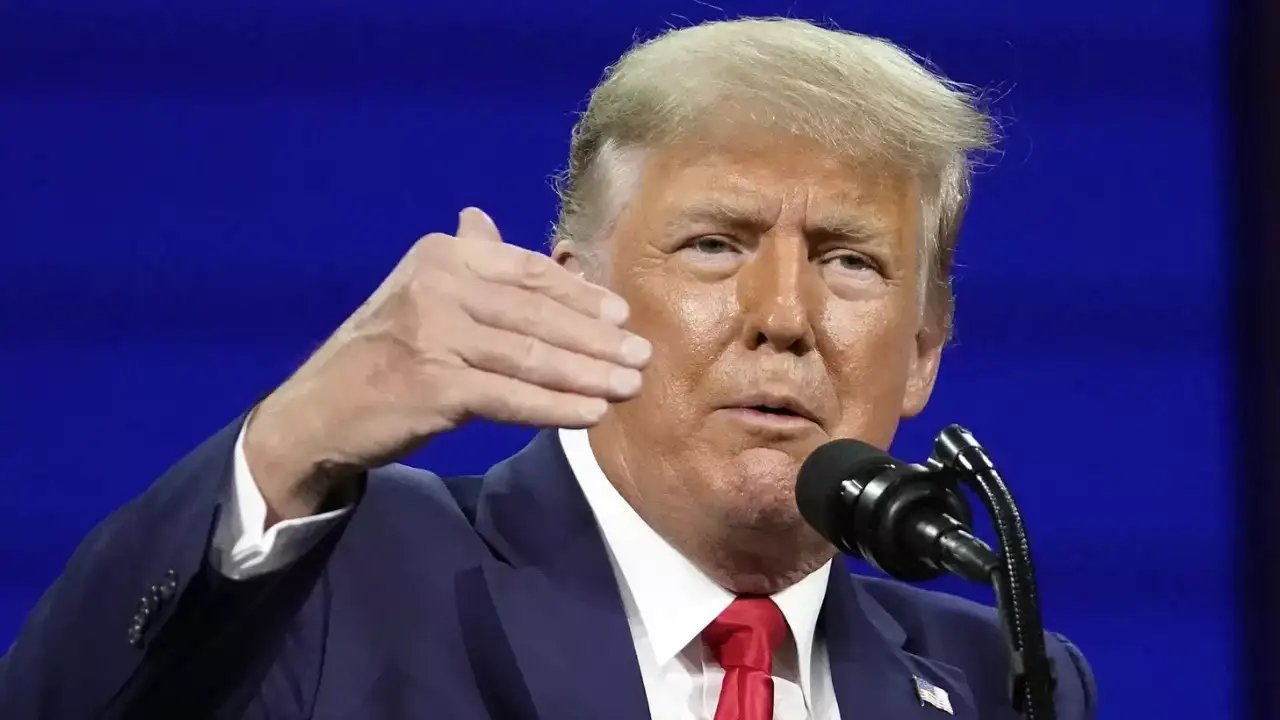
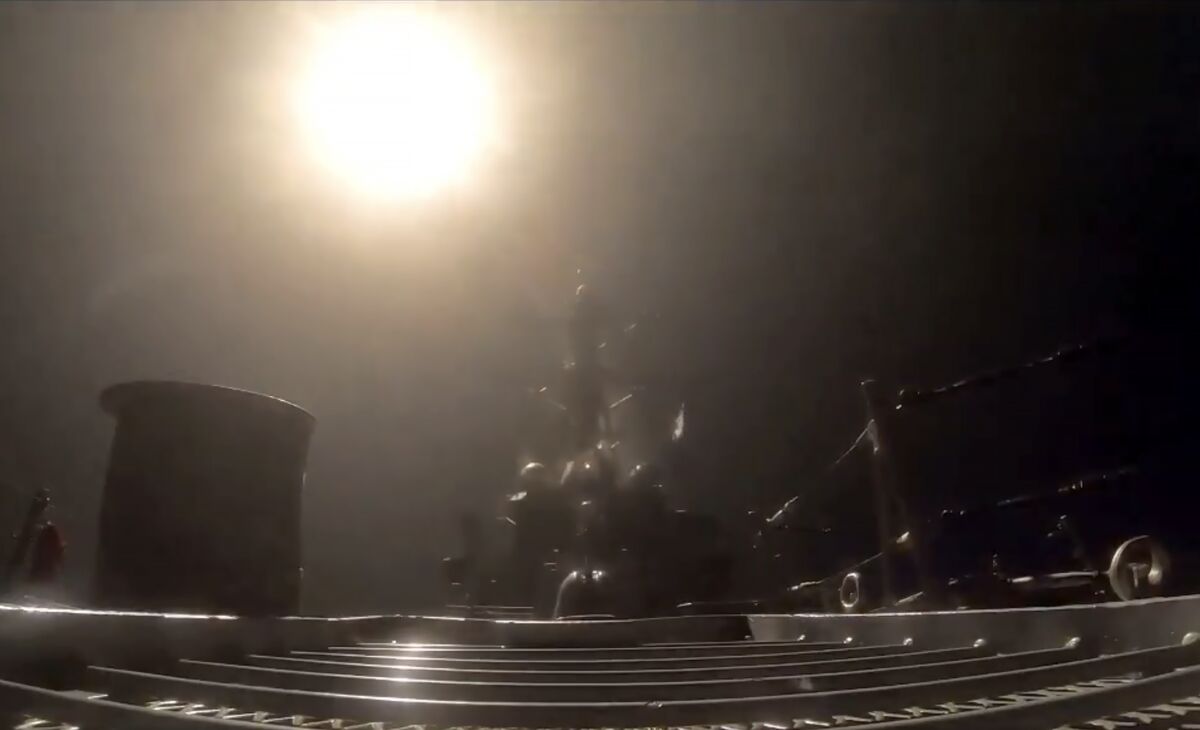
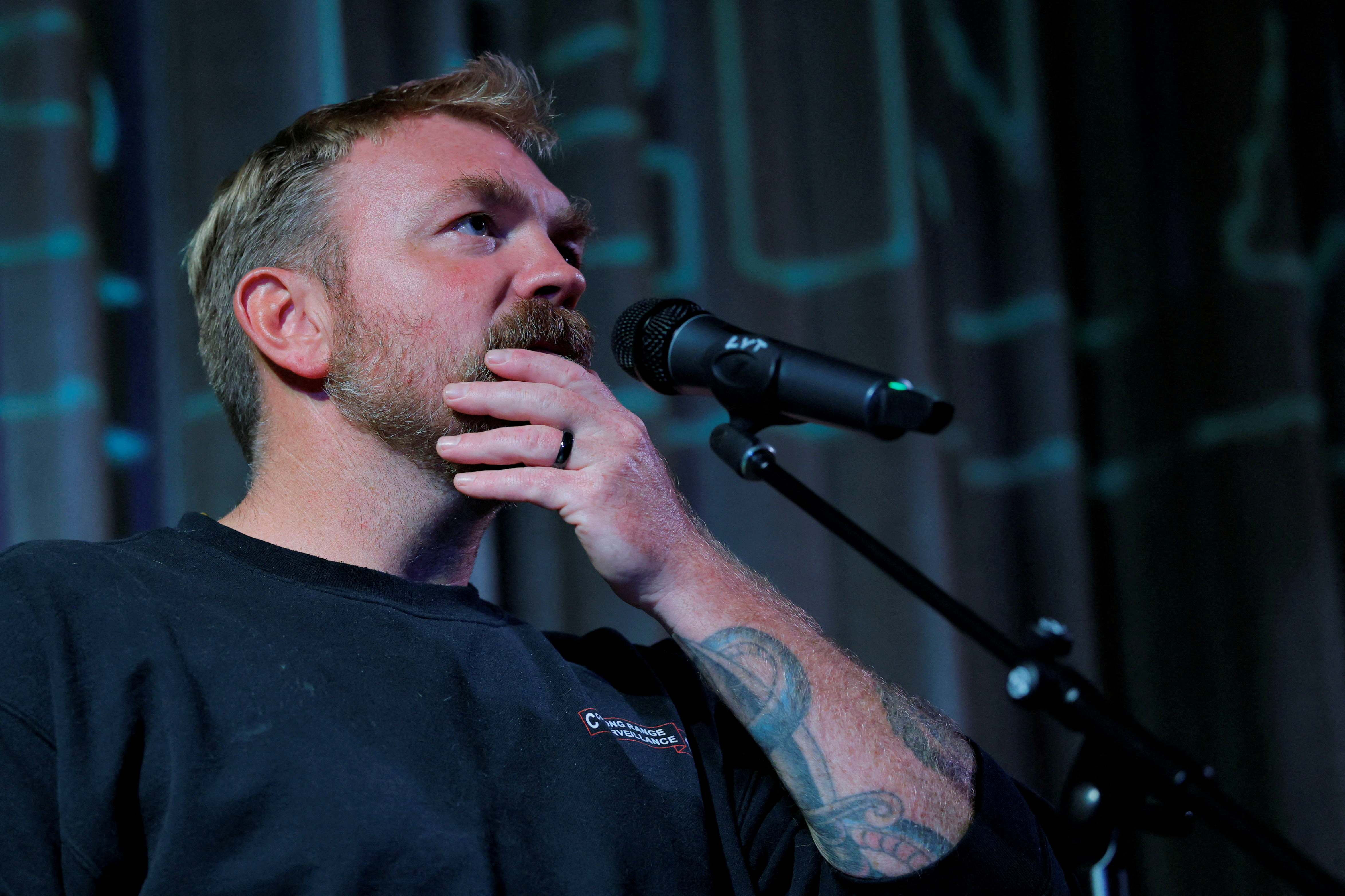
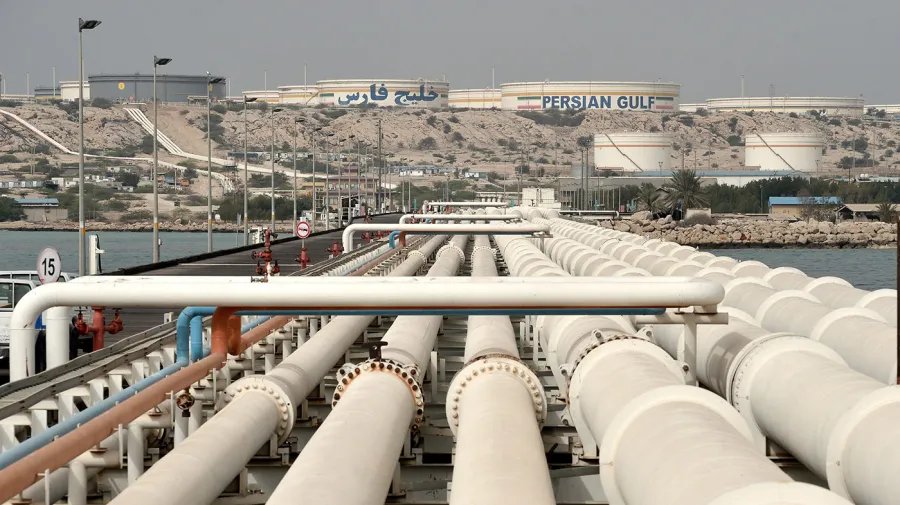
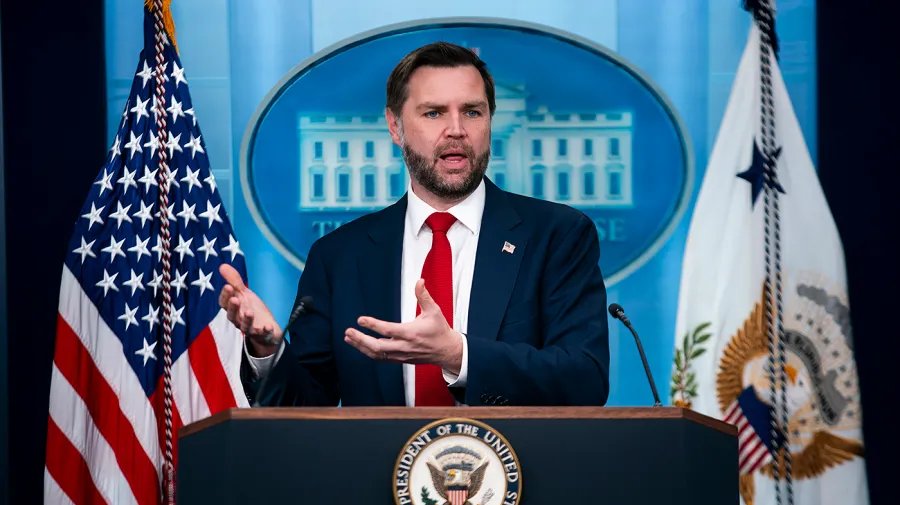
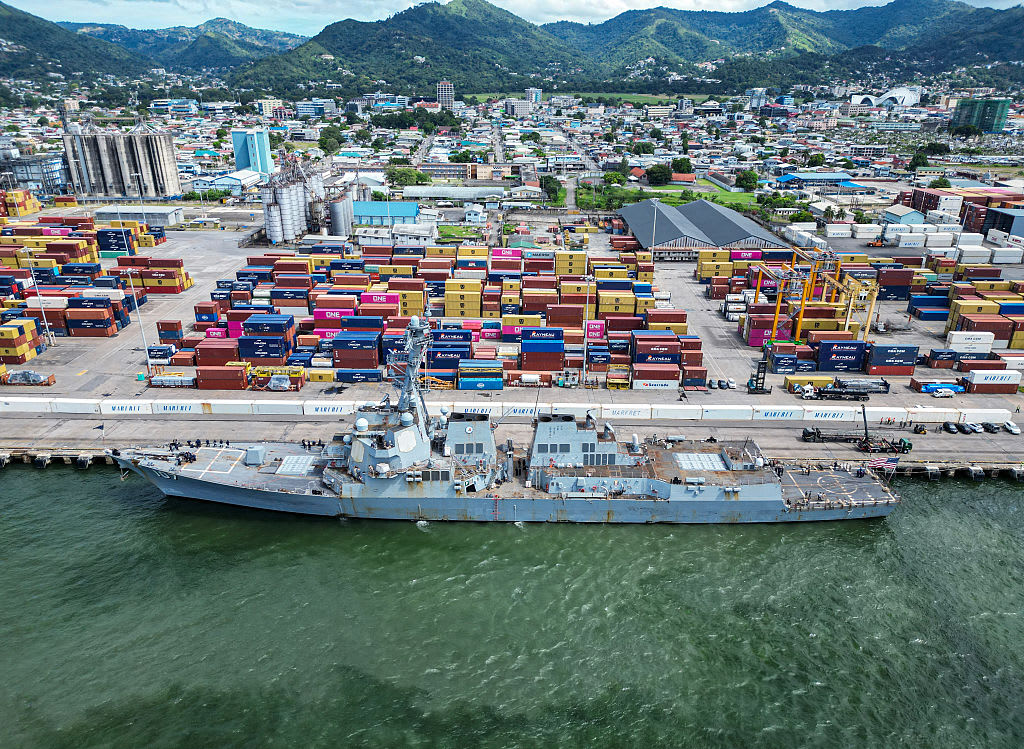
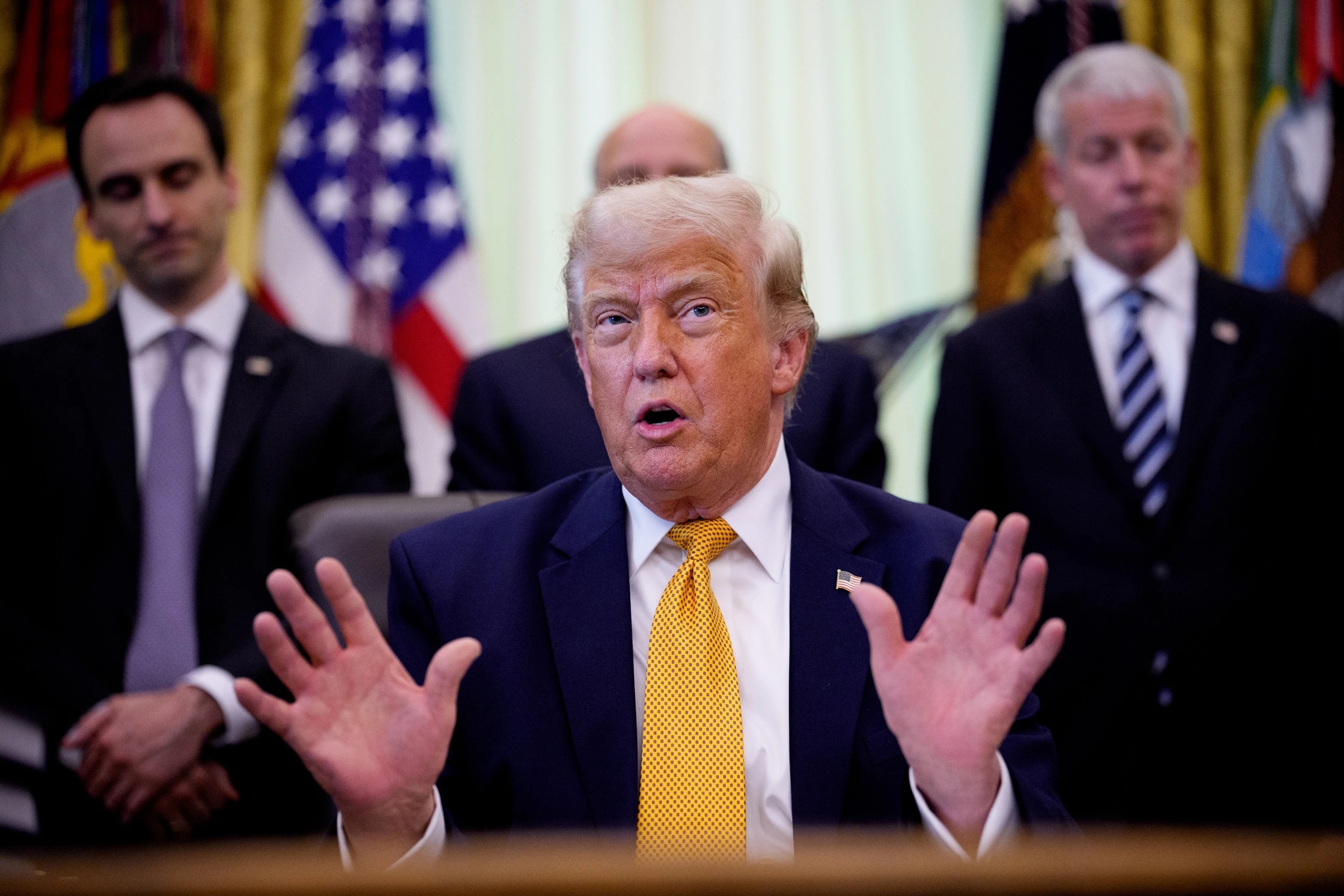
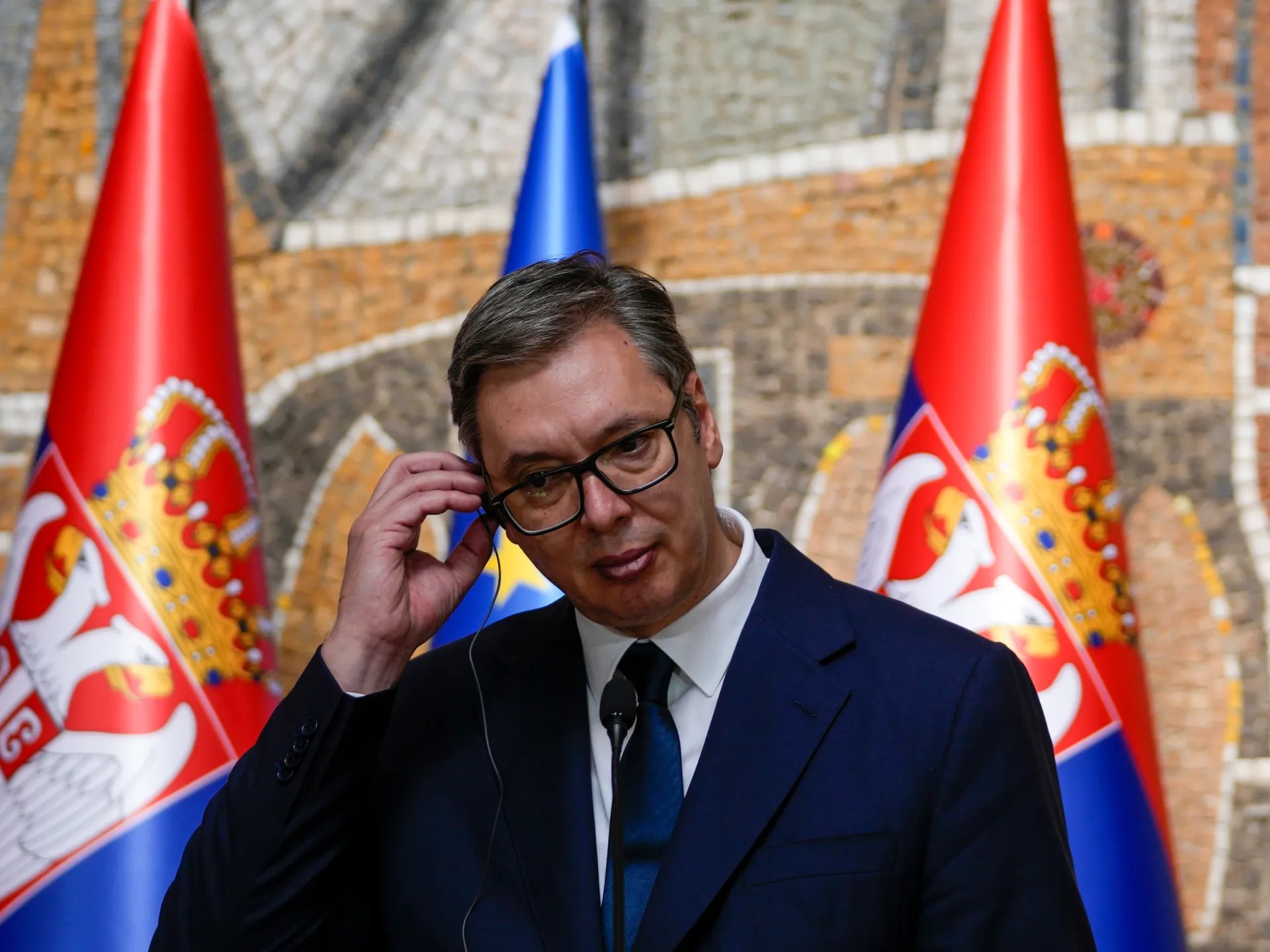
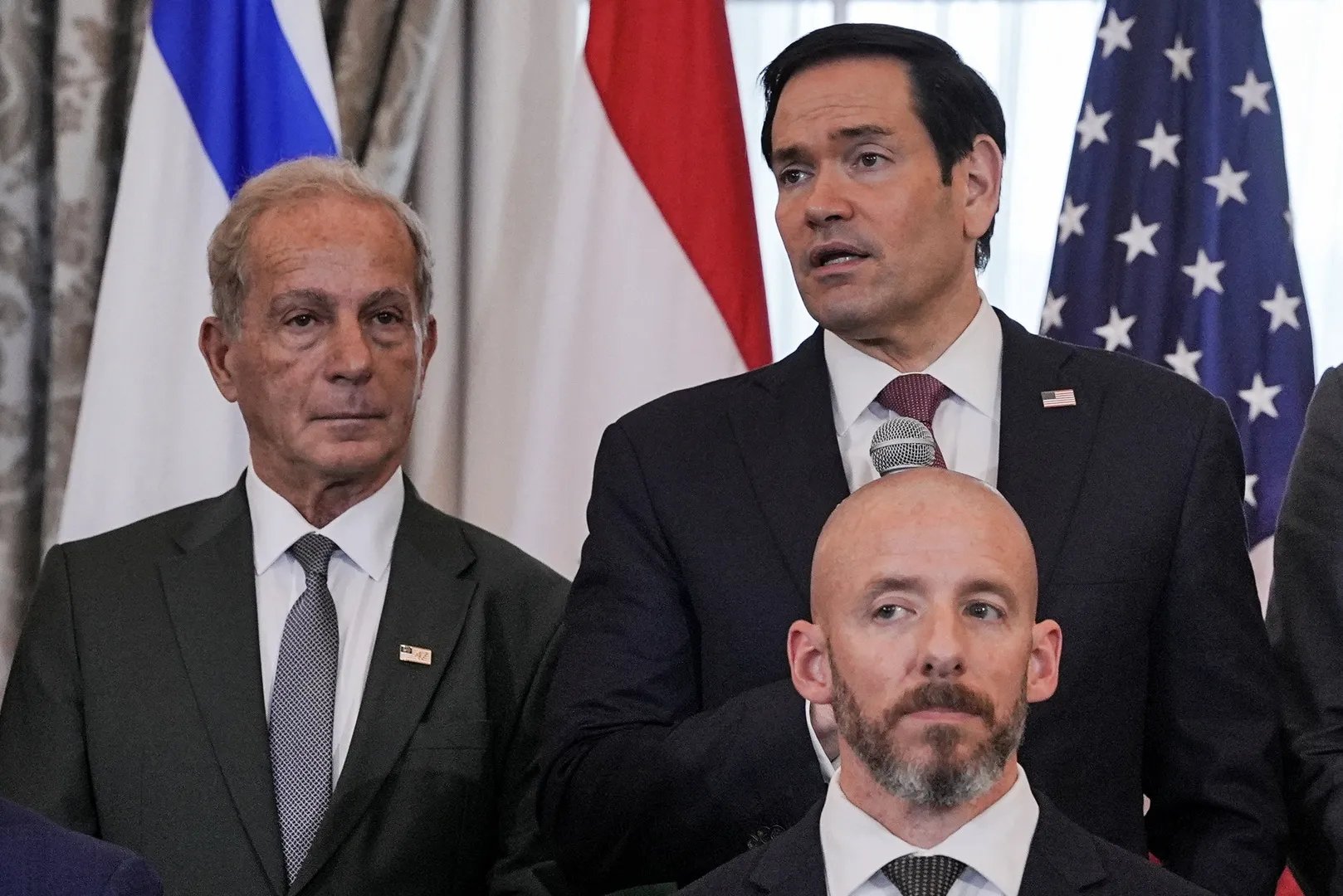
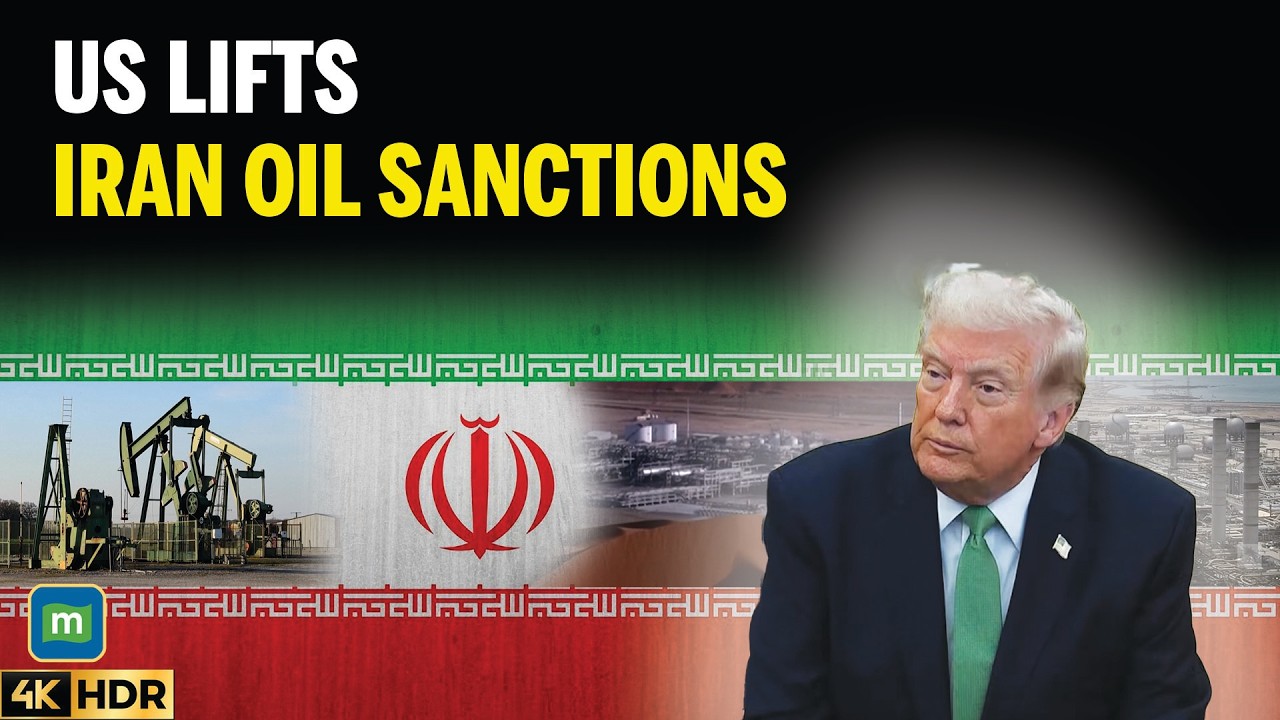
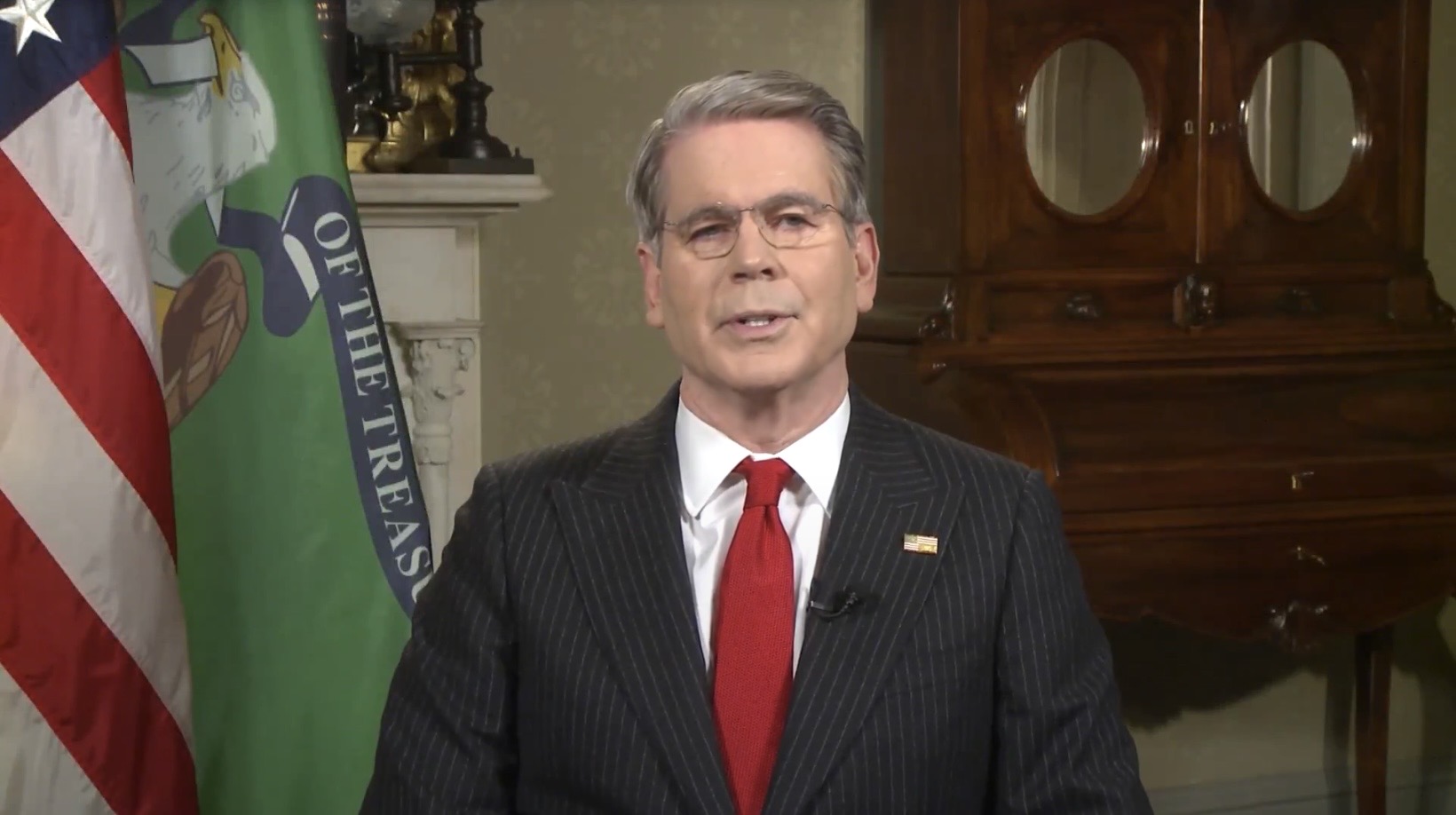
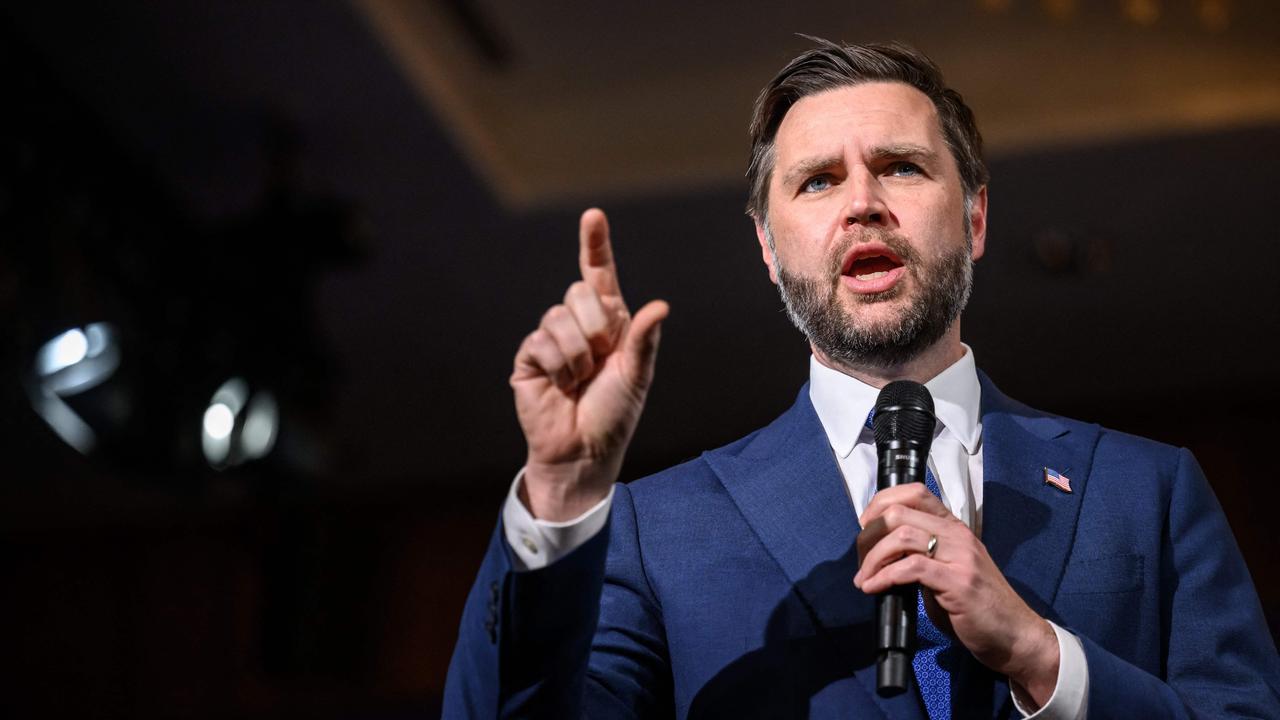
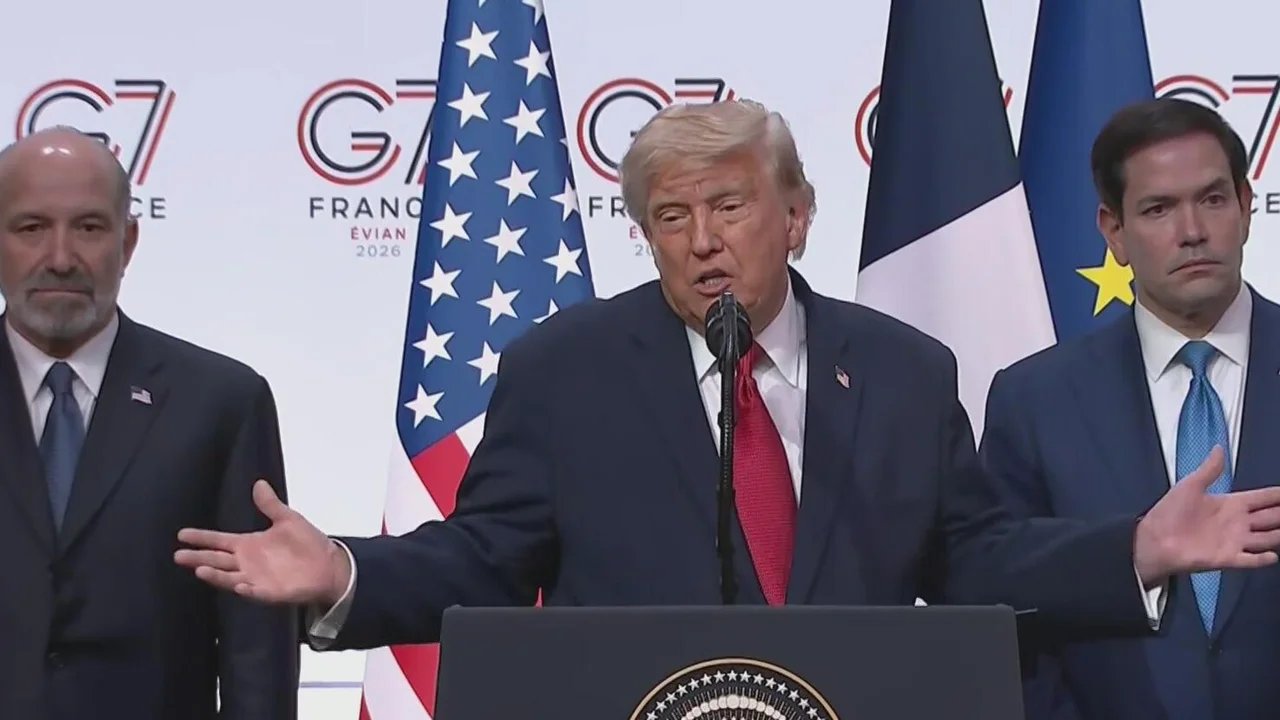
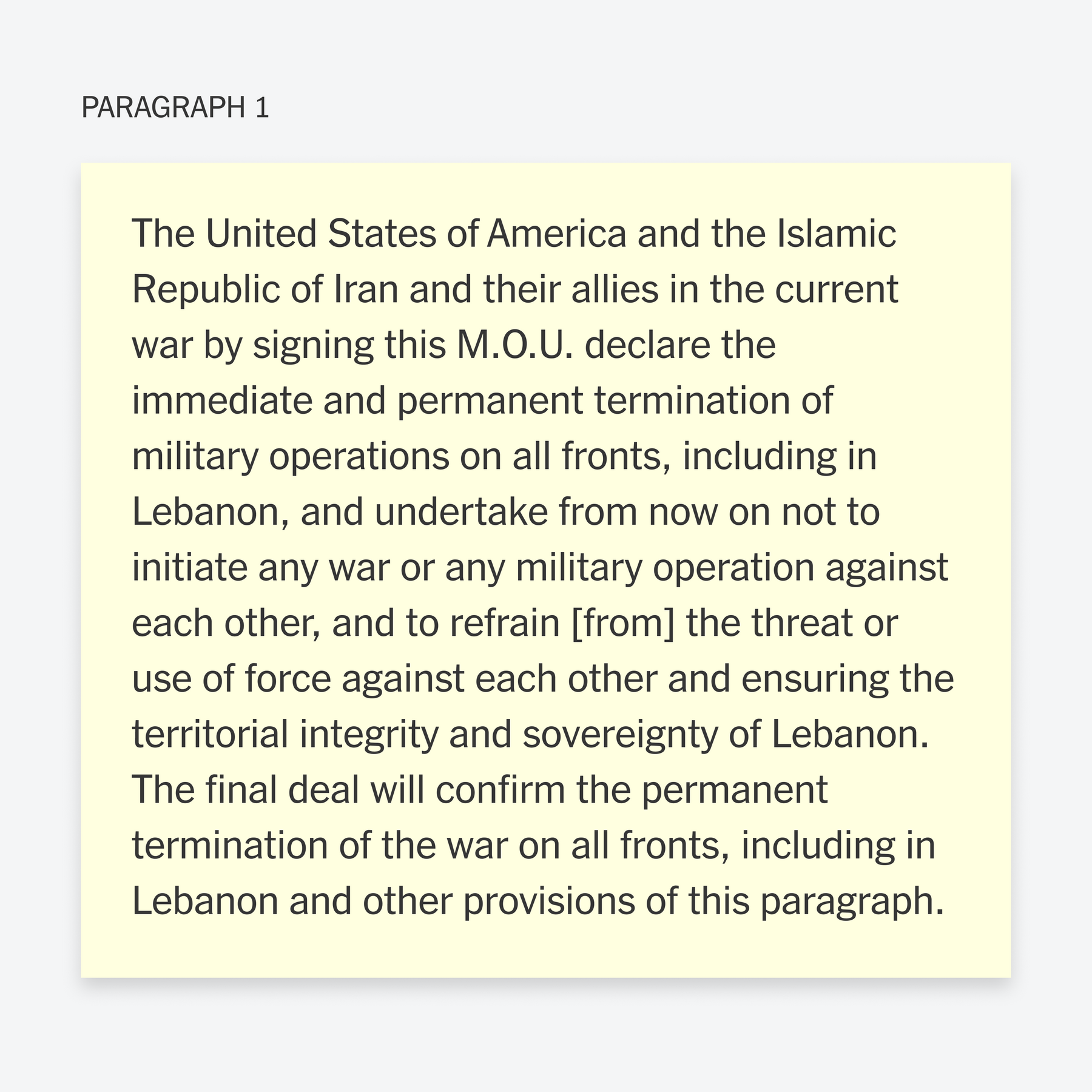
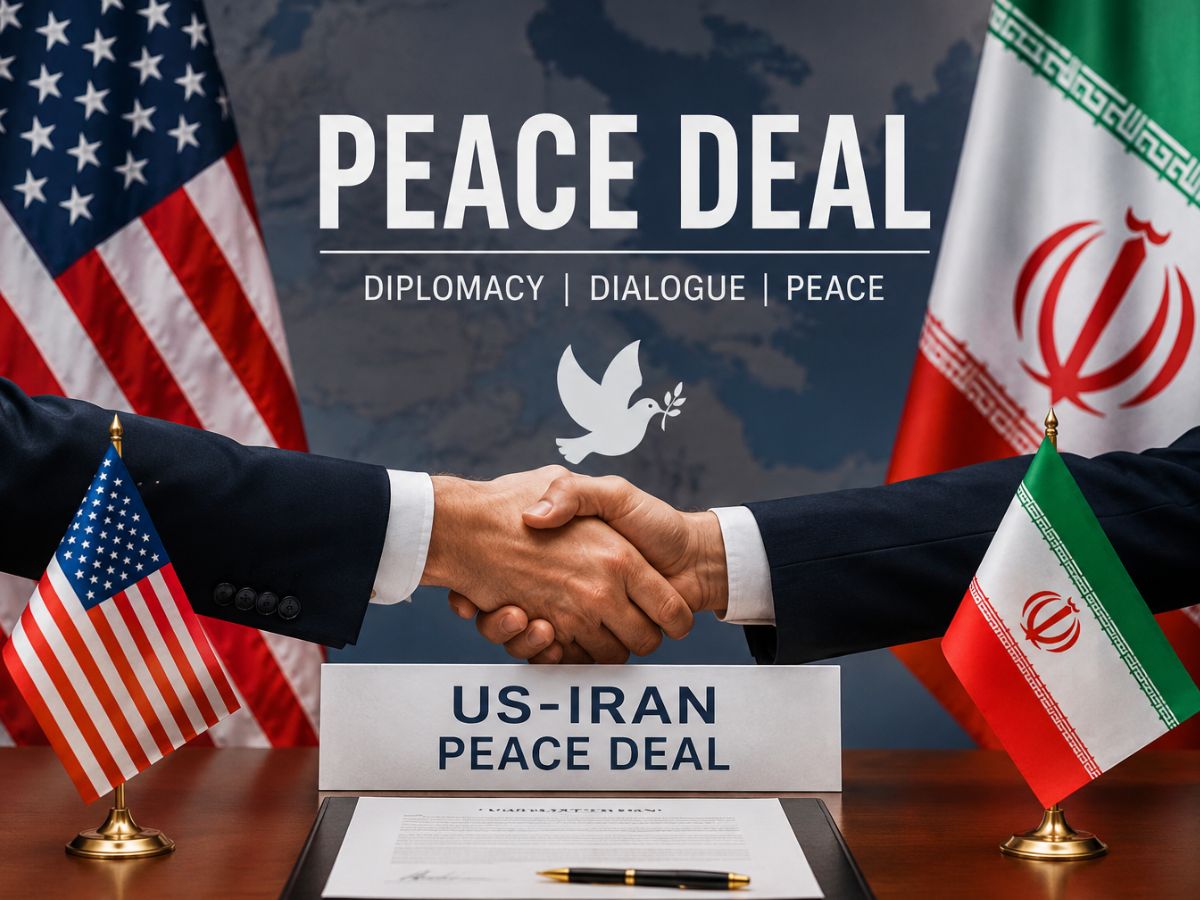
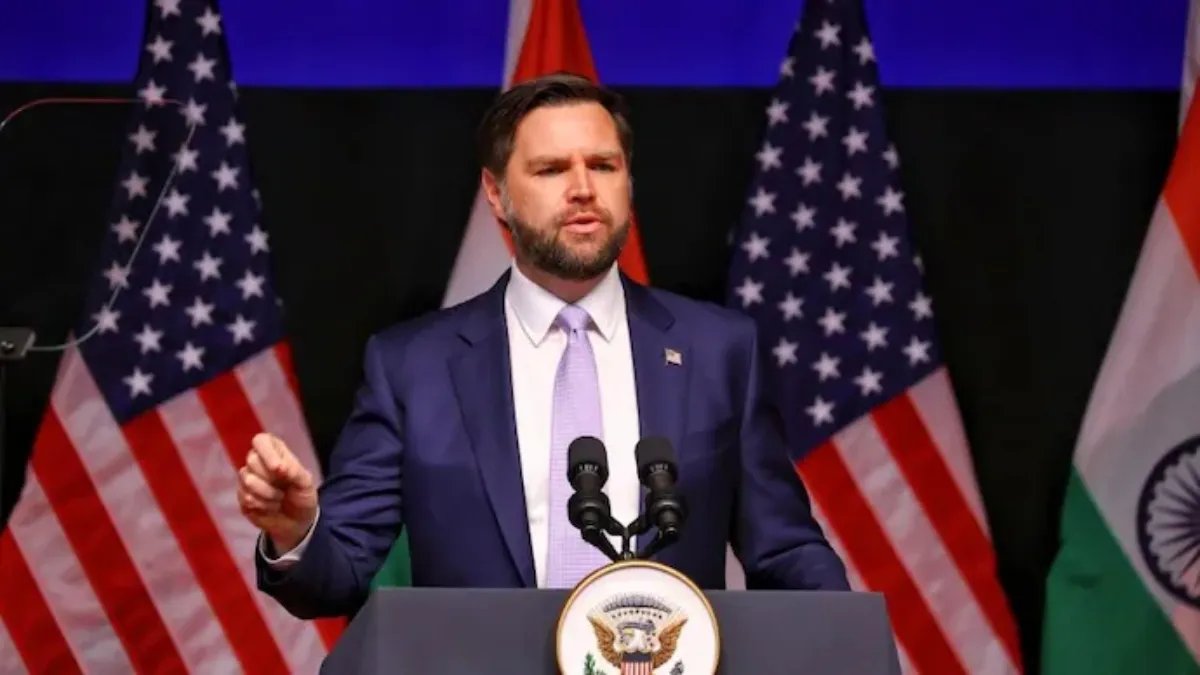
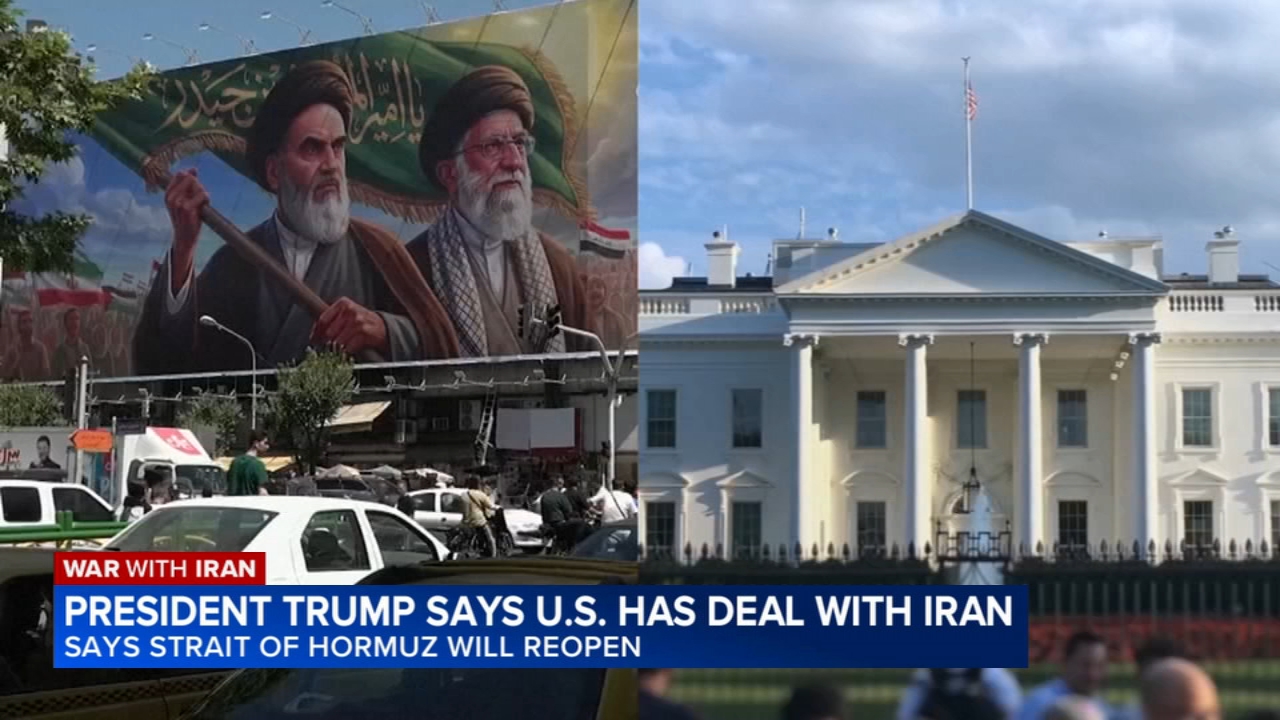
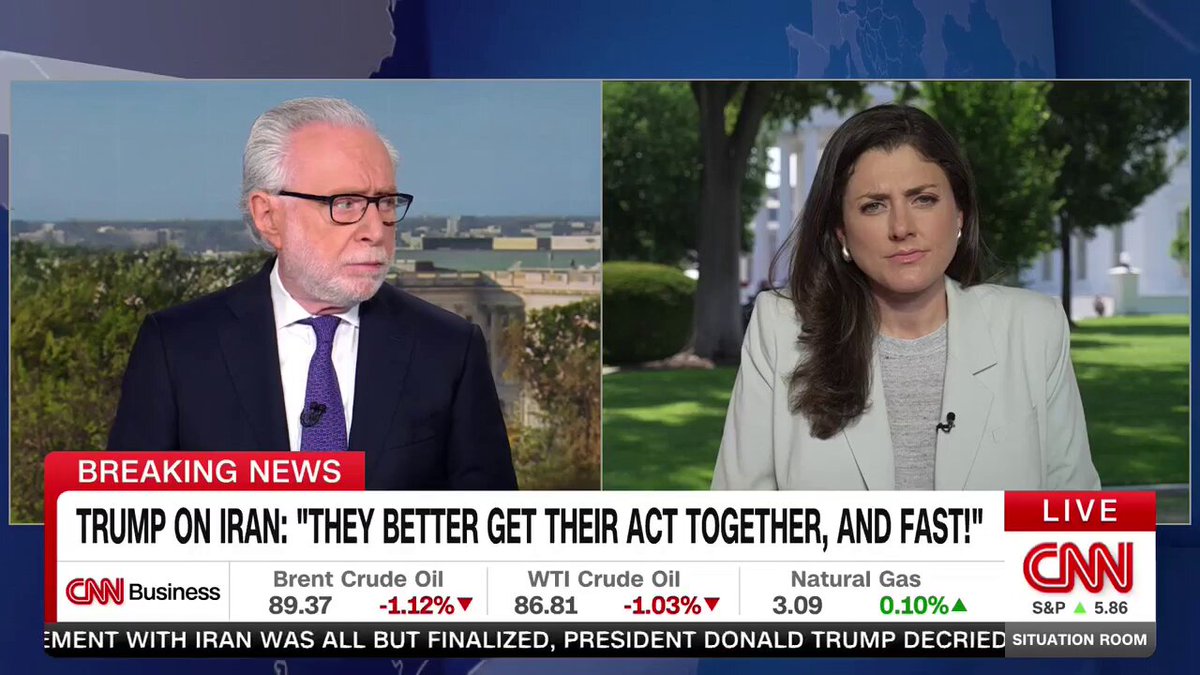
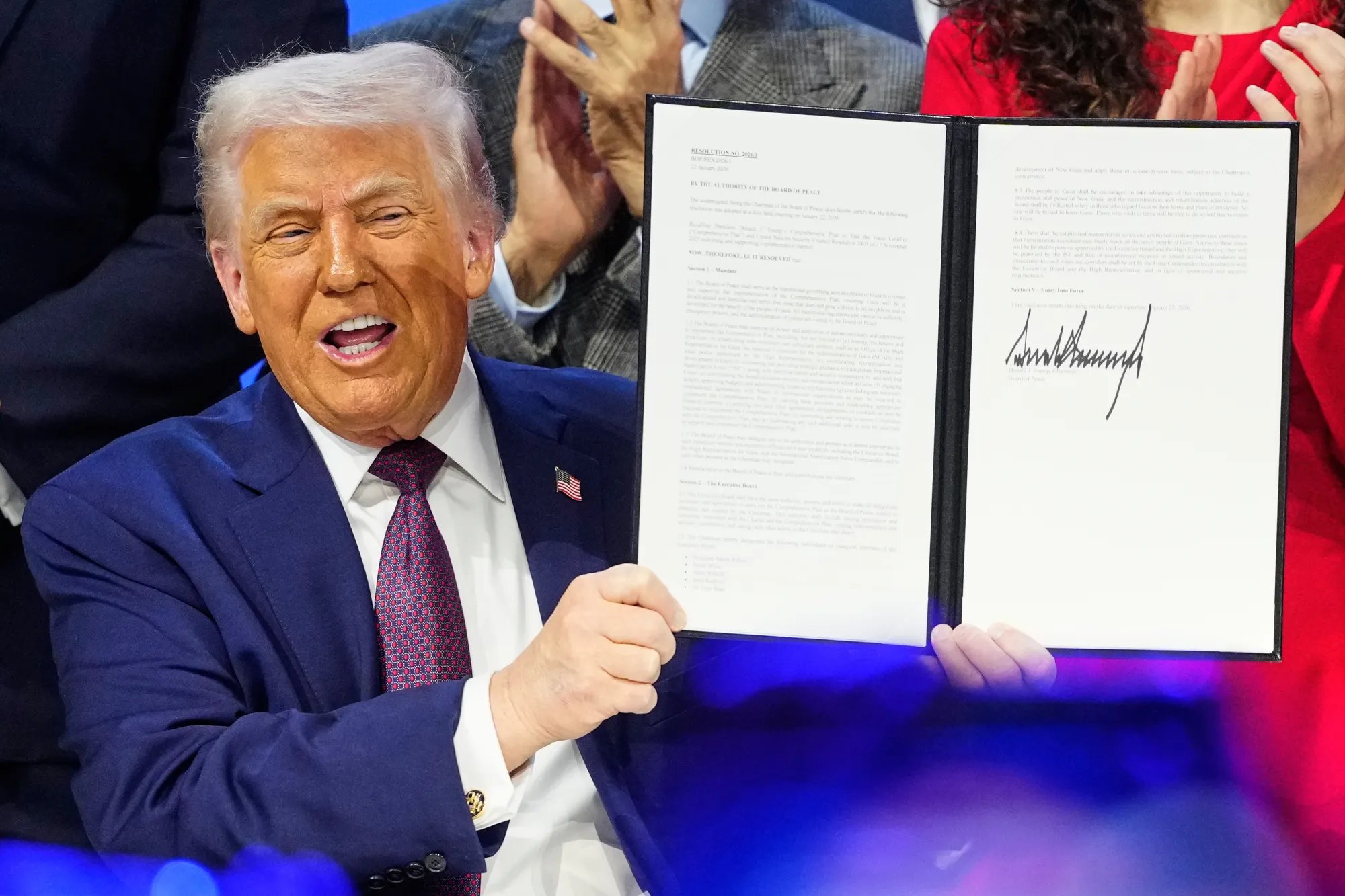
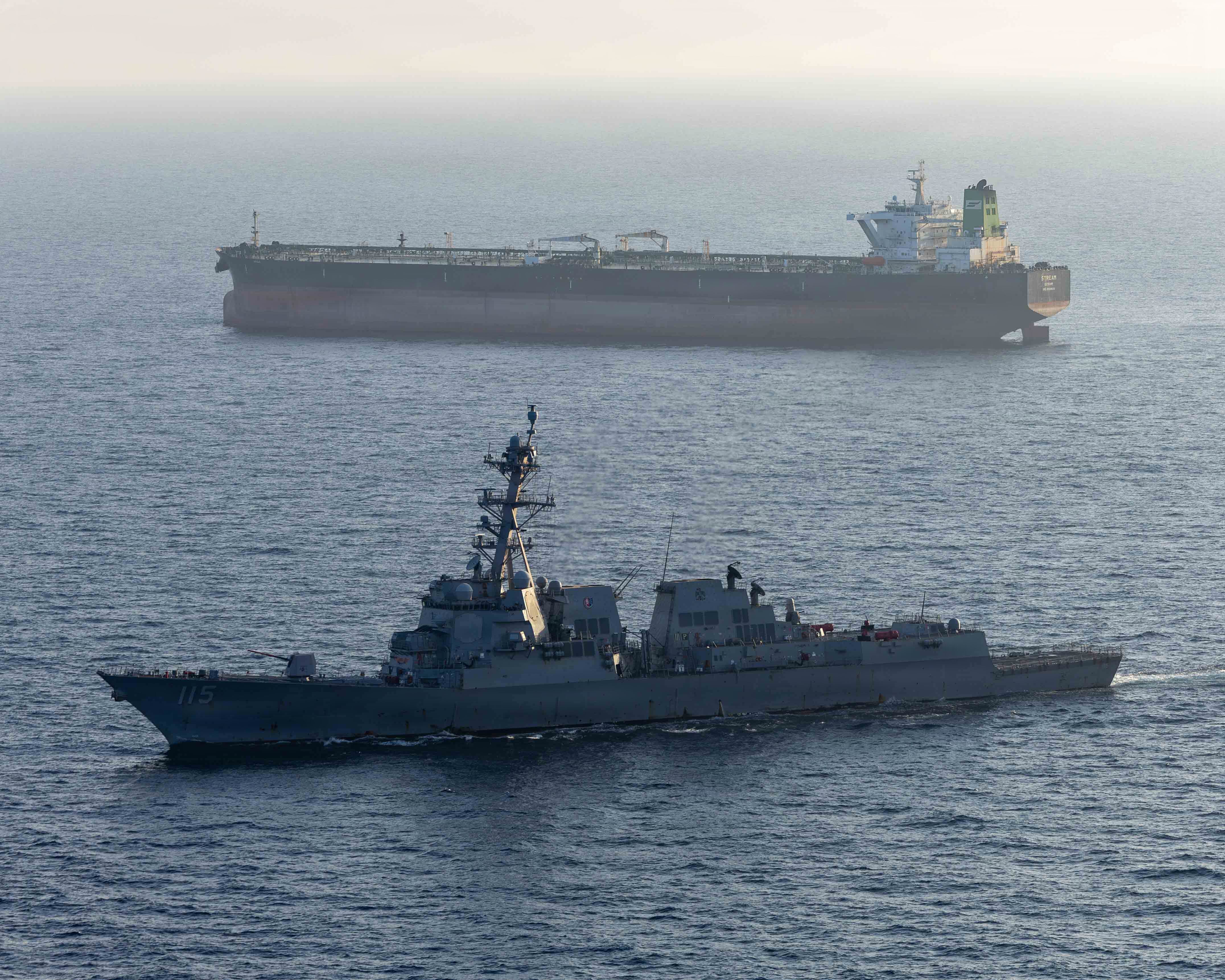
The U.S. has lifted its naval blockade on Iranian ports, allowing ships to move freely in and out of the region, following a newly signed memorandum of understanding (MOU) aimed at resolving ongoing tensions. U.S. Central Command announced the cessation of blockade enforcement, marking a significant shift in foreign policy as both nations embark on a 60-day window for critical negotiations. Vice President JD Vance stated the U.S. holds "all the cards" and that Iran will not significantly benefit until it demonstrates it is "changing their behavior" and meets its obligations, including destroying enriched uranium stockpiles and ceasing funding to proxy groups.
Terms of the Agreement
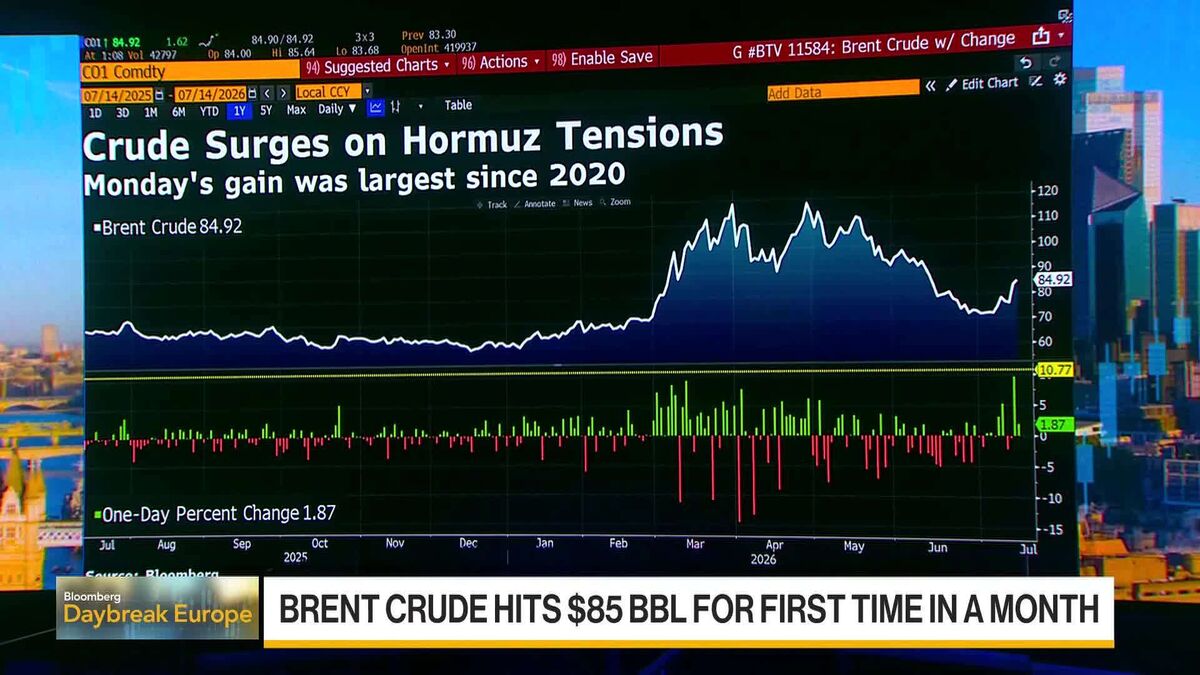
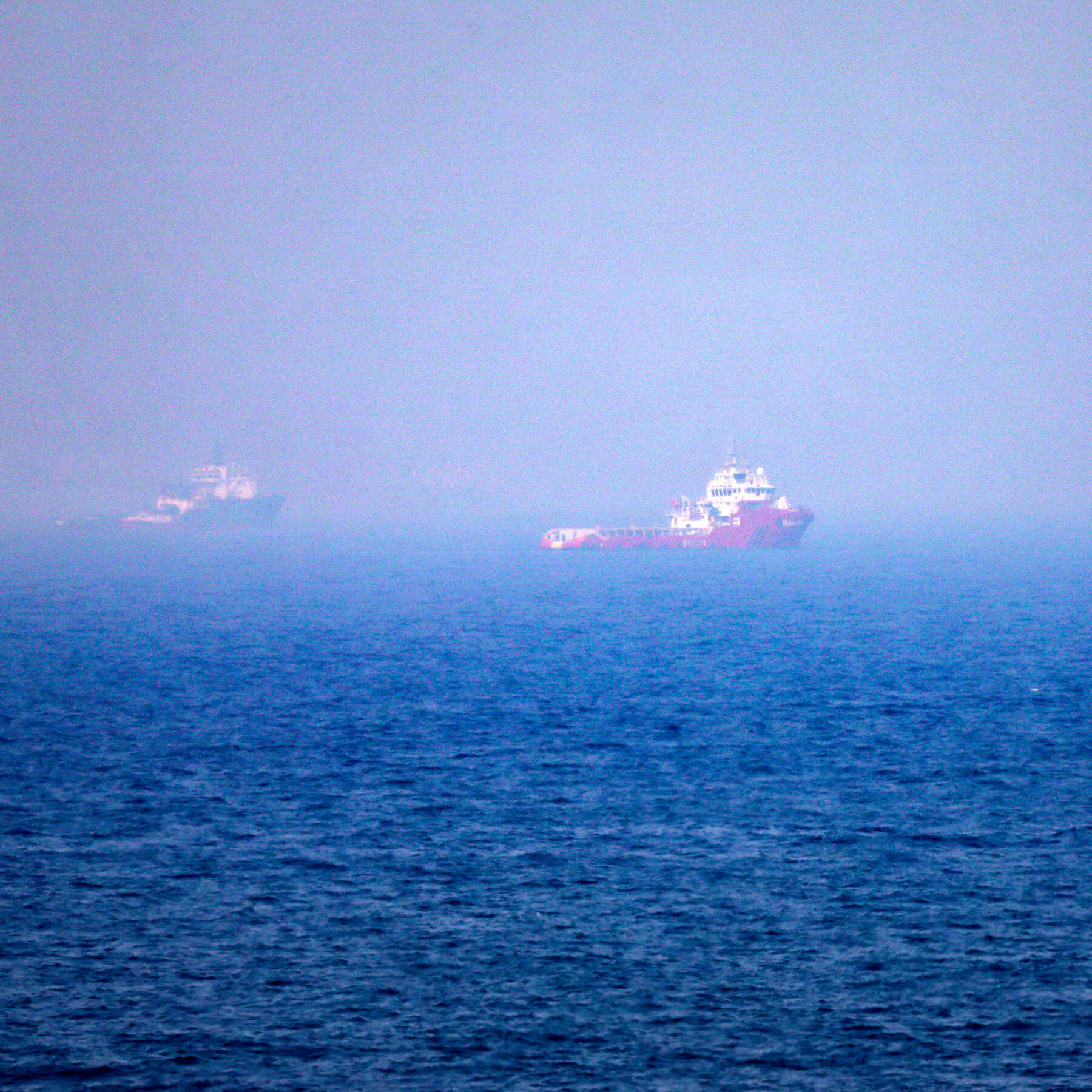
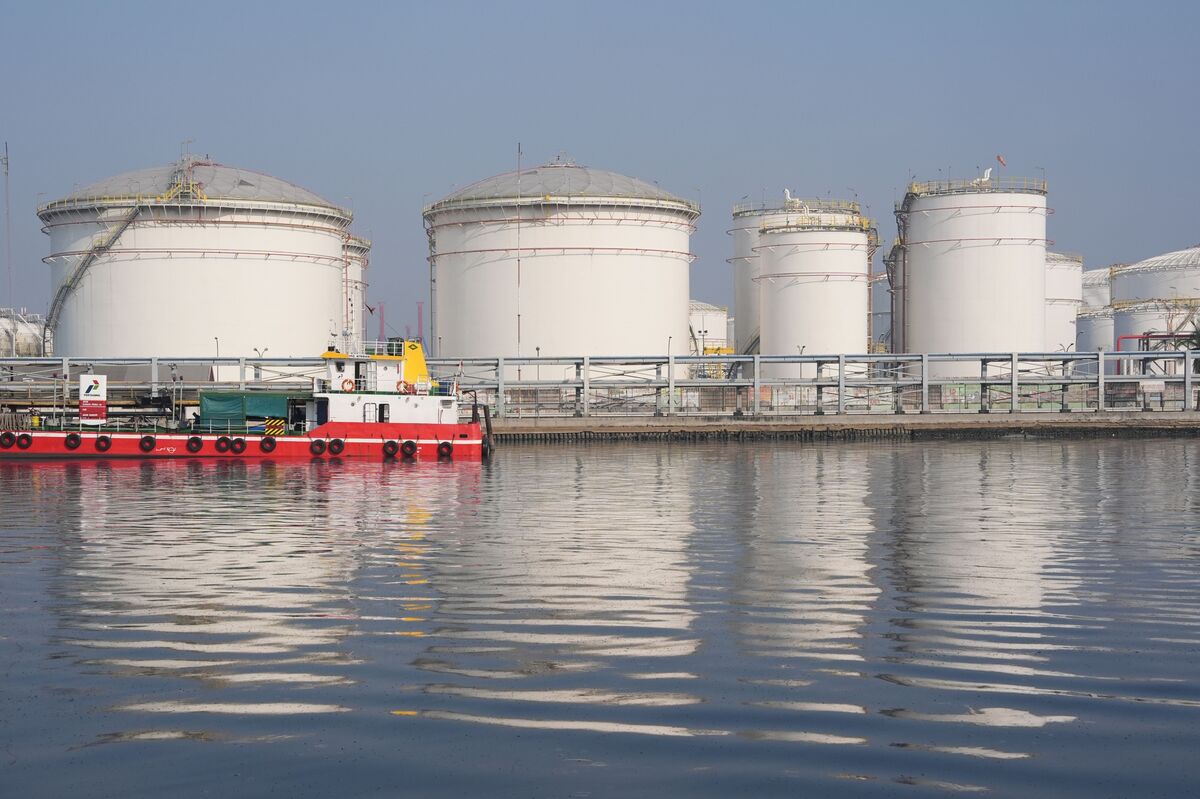
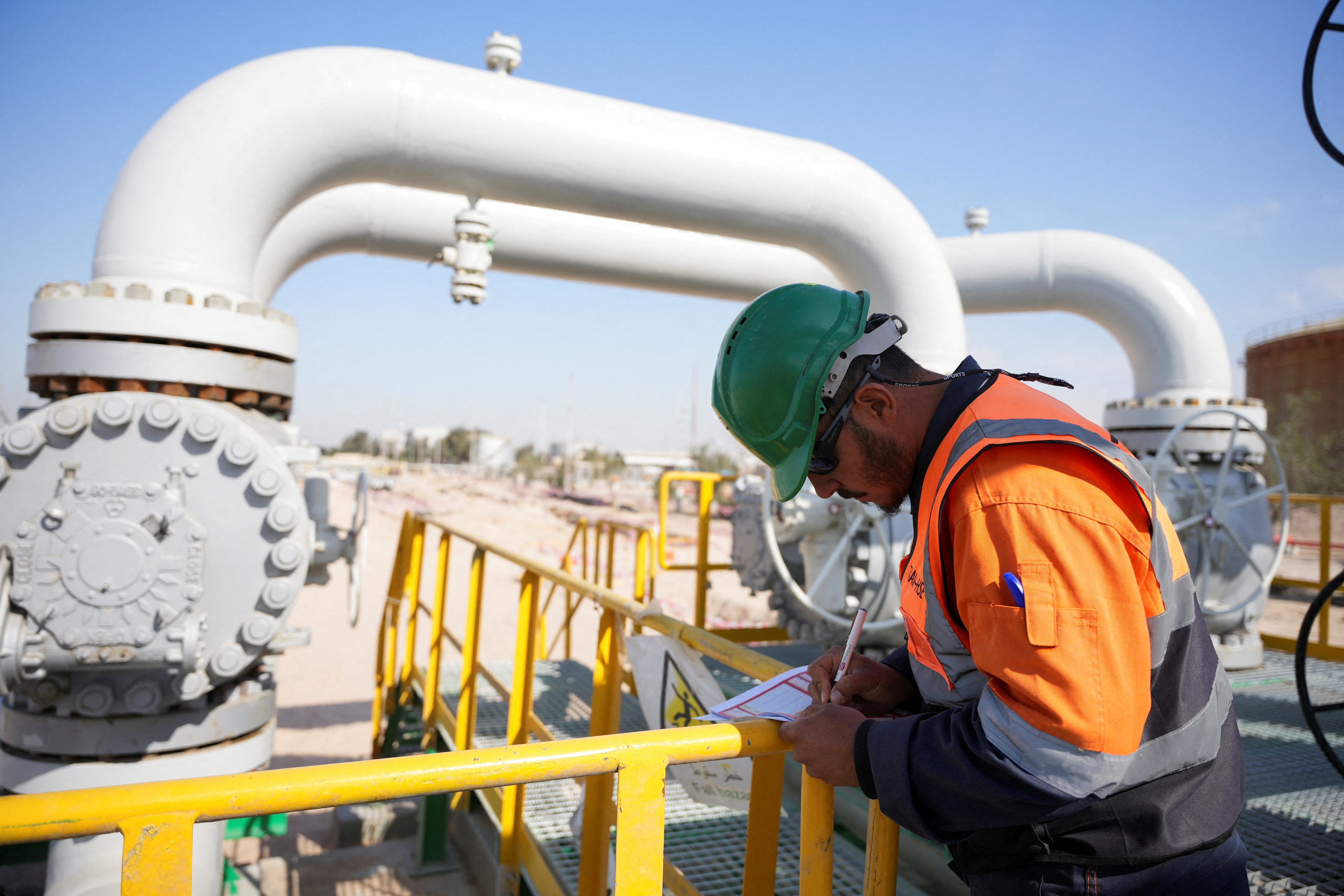
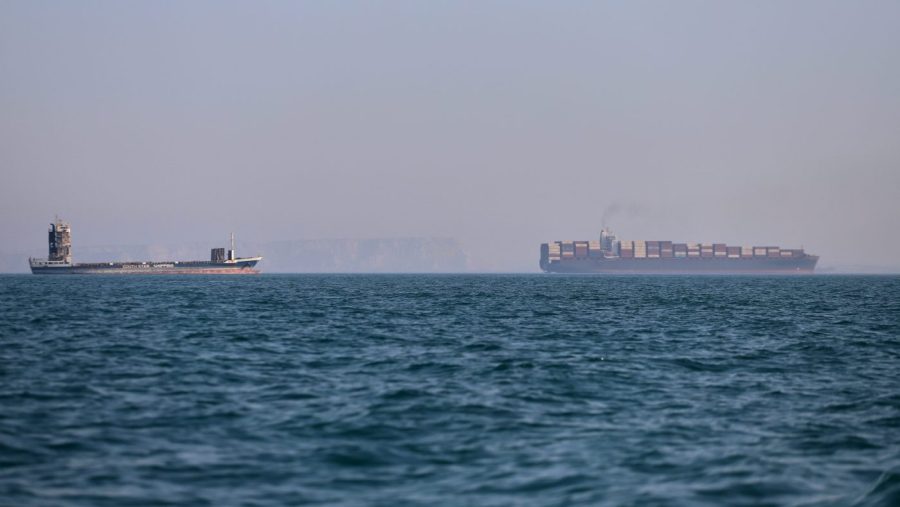
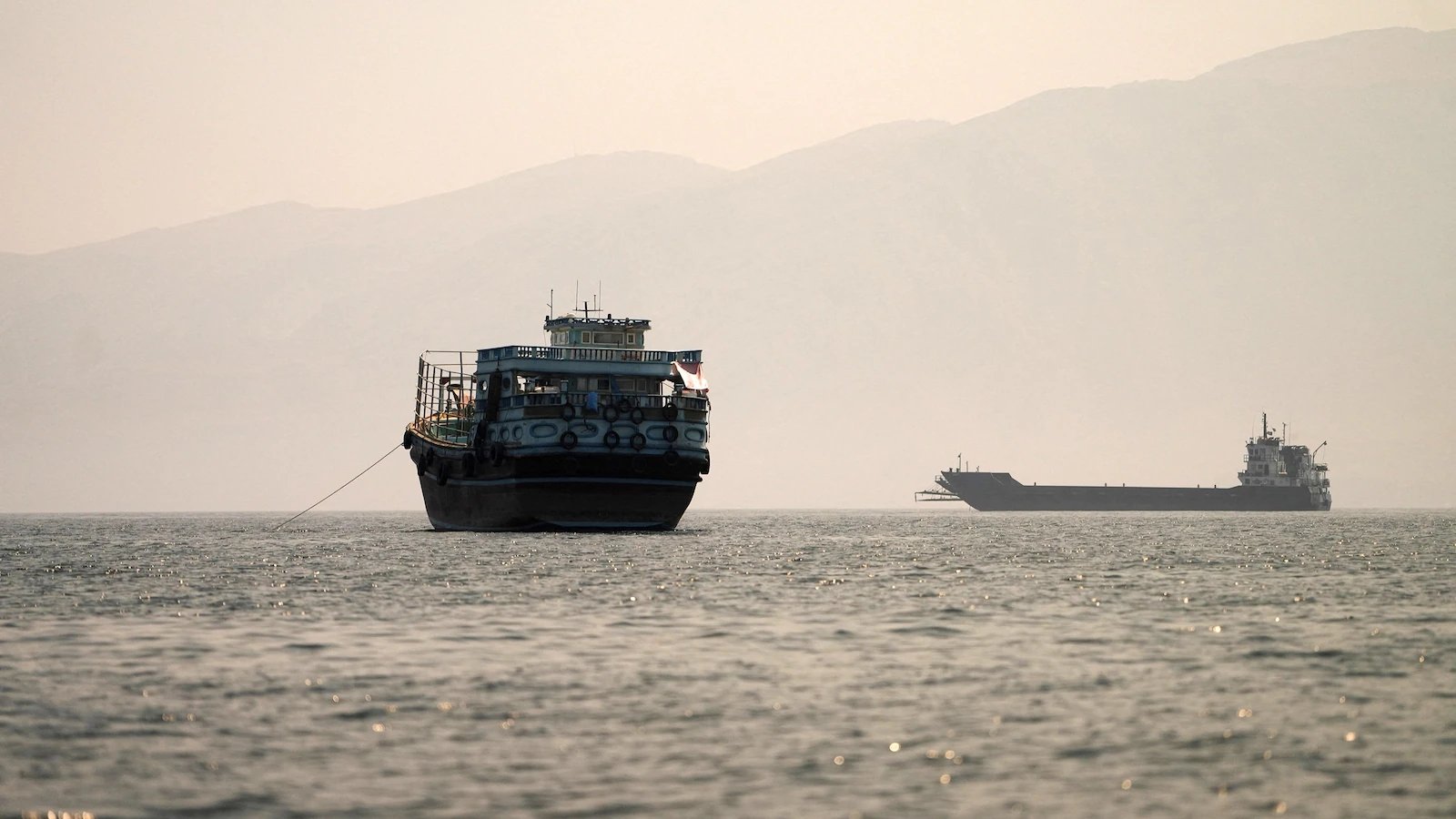
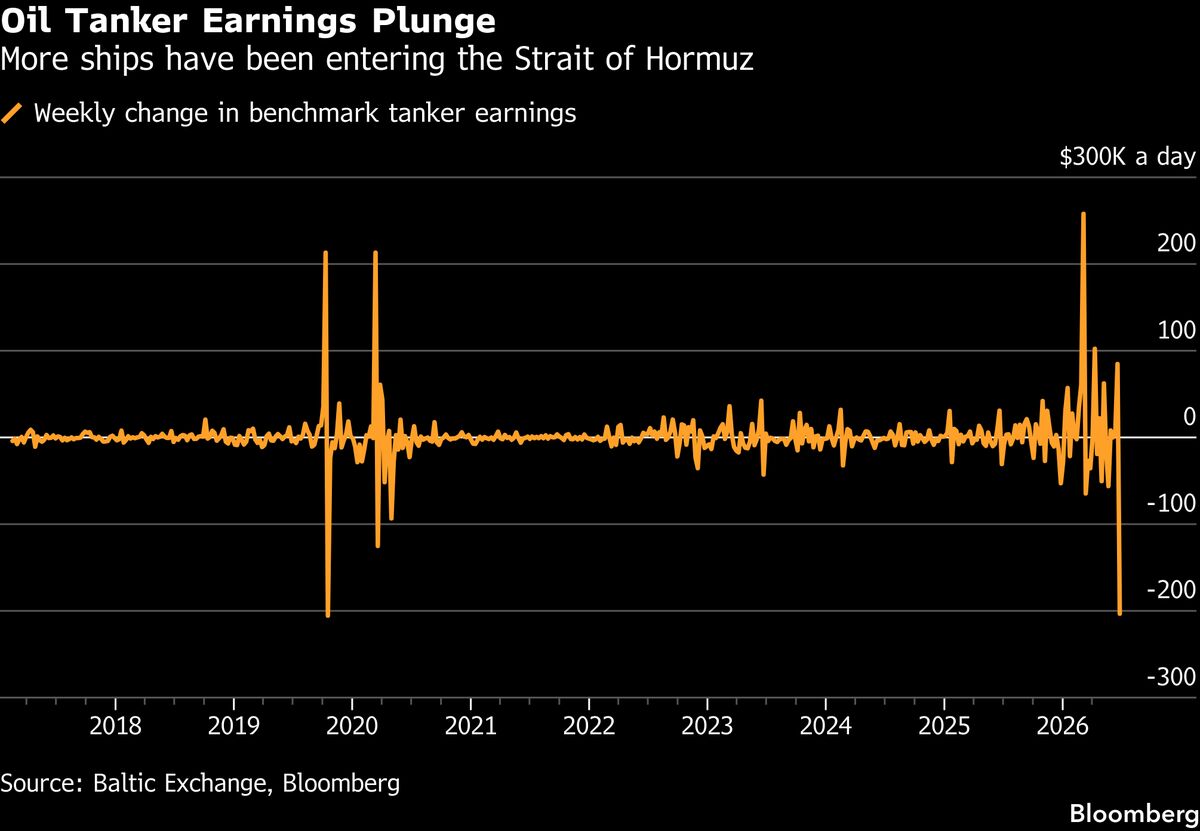
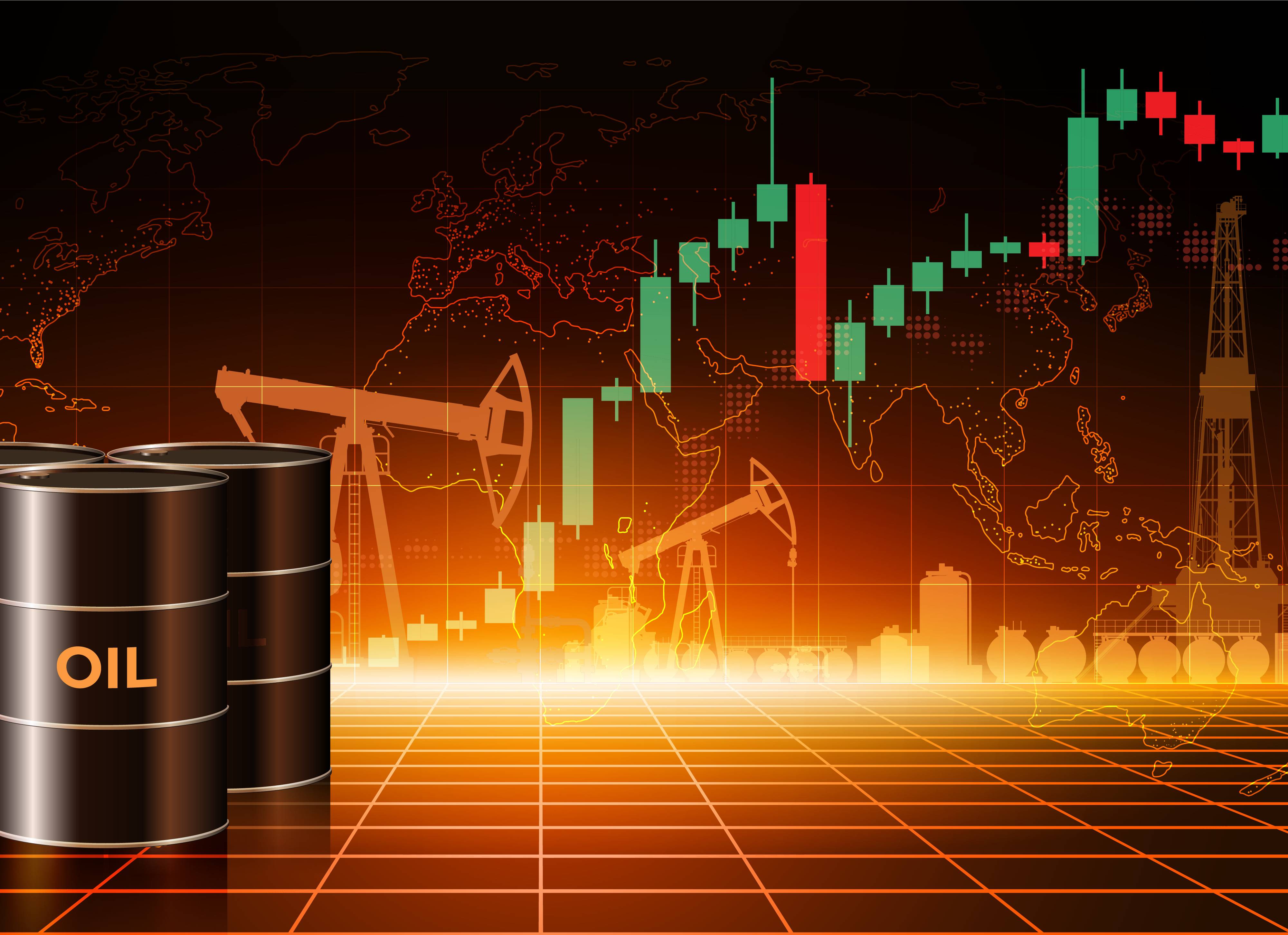
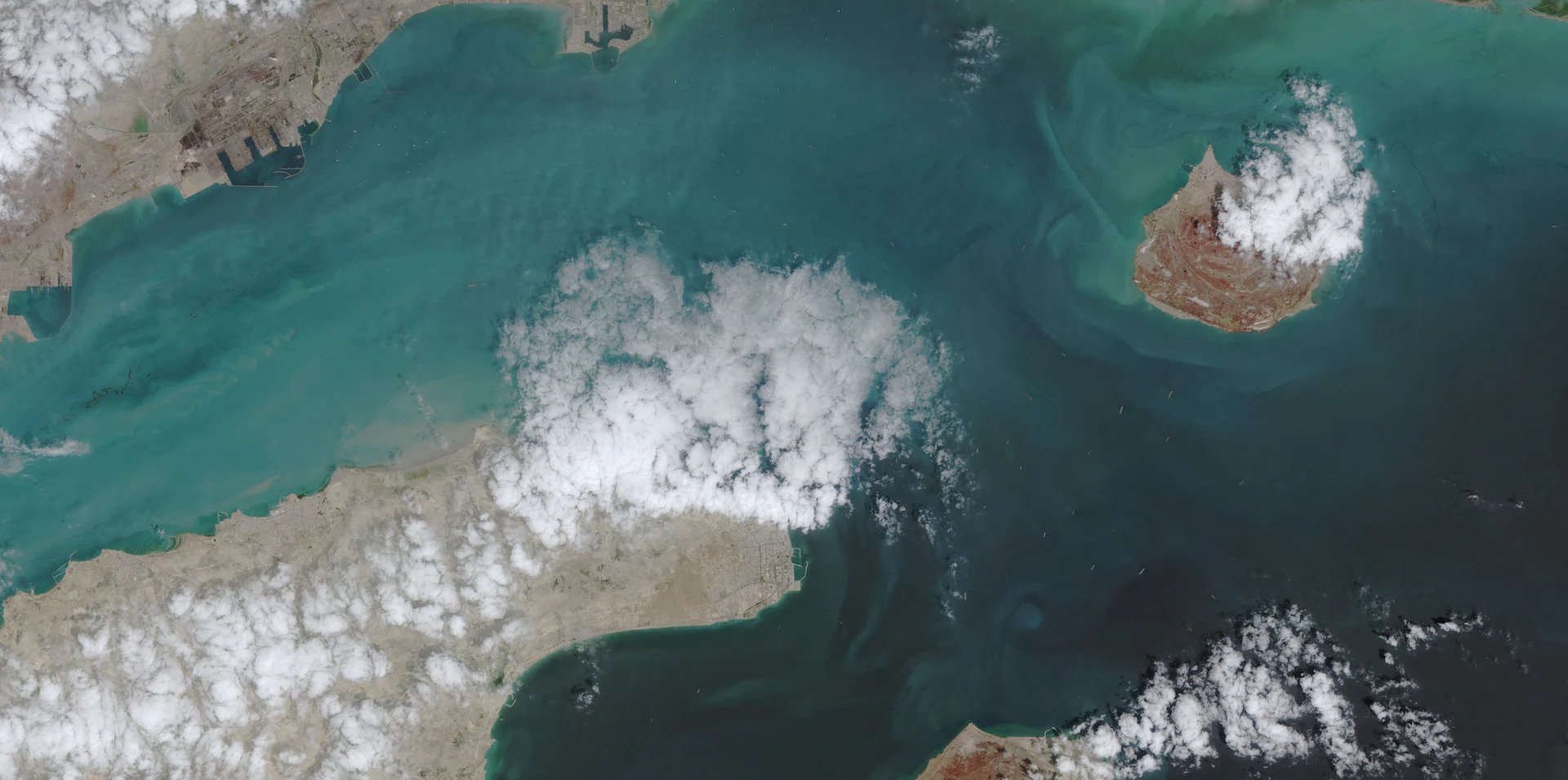
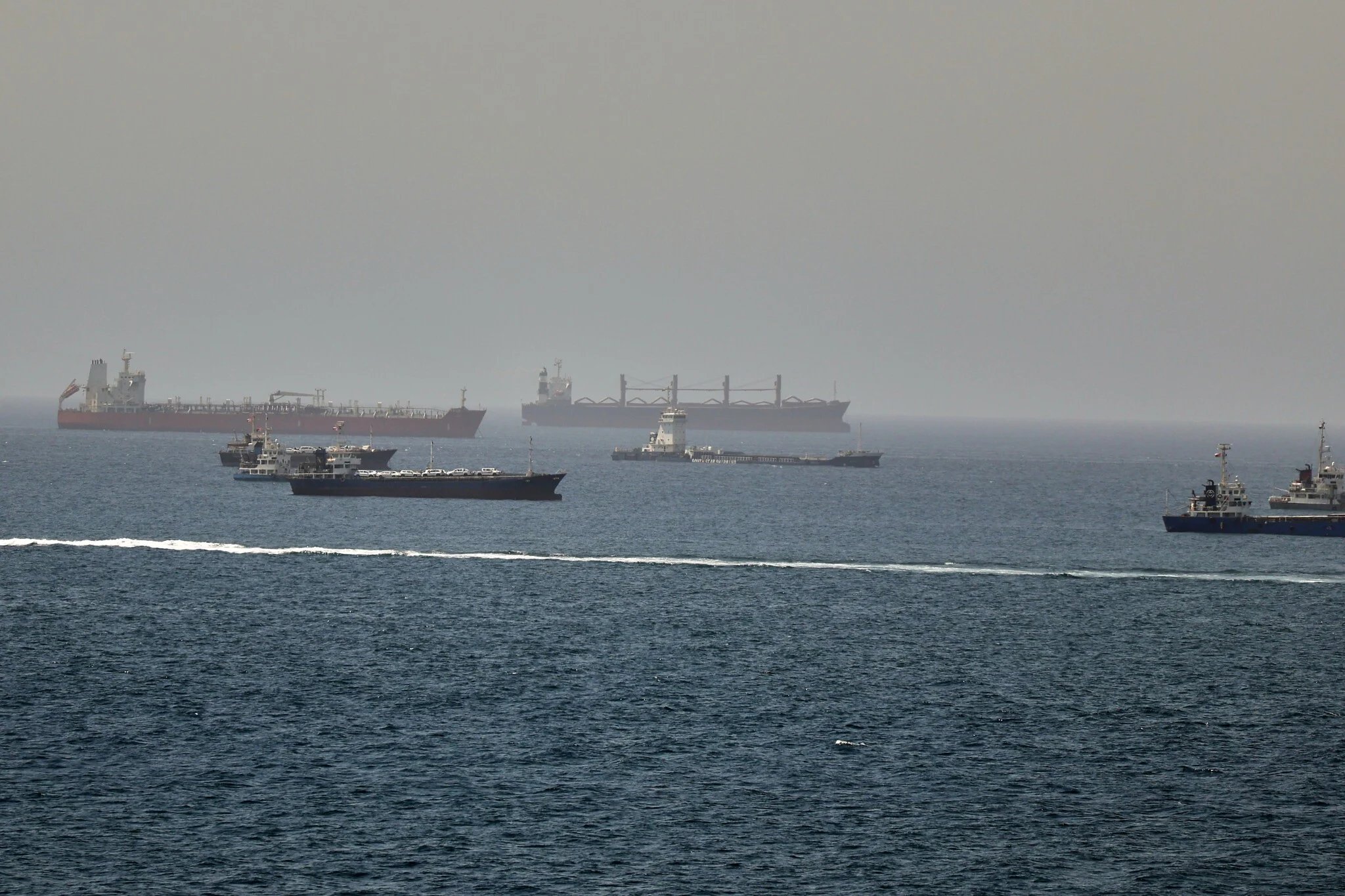
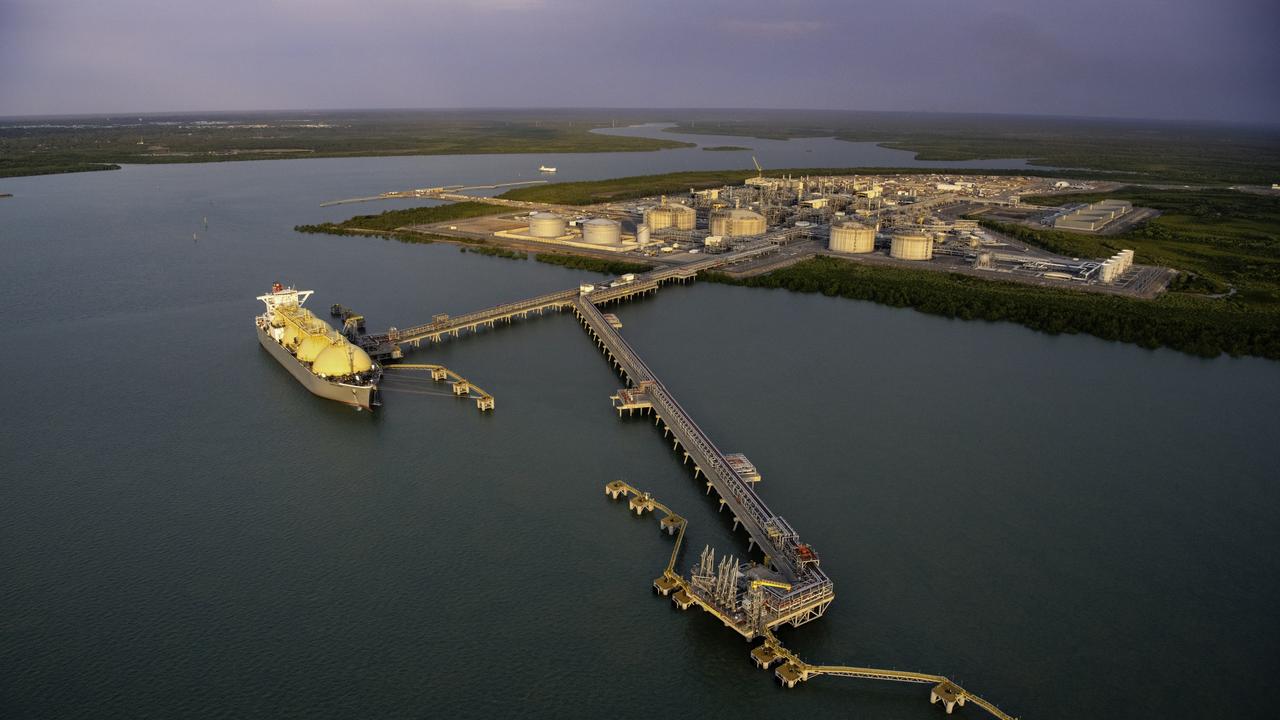
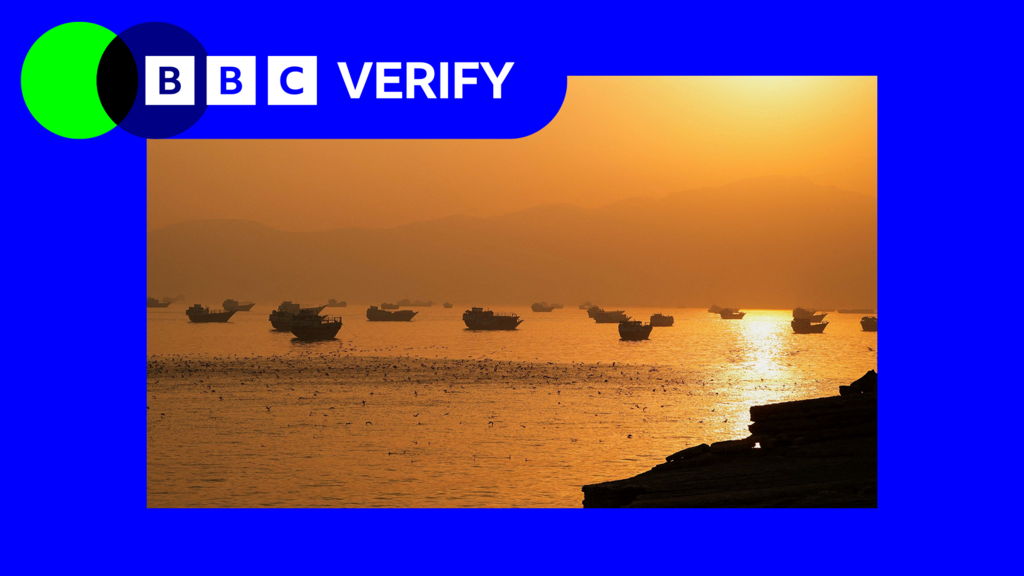
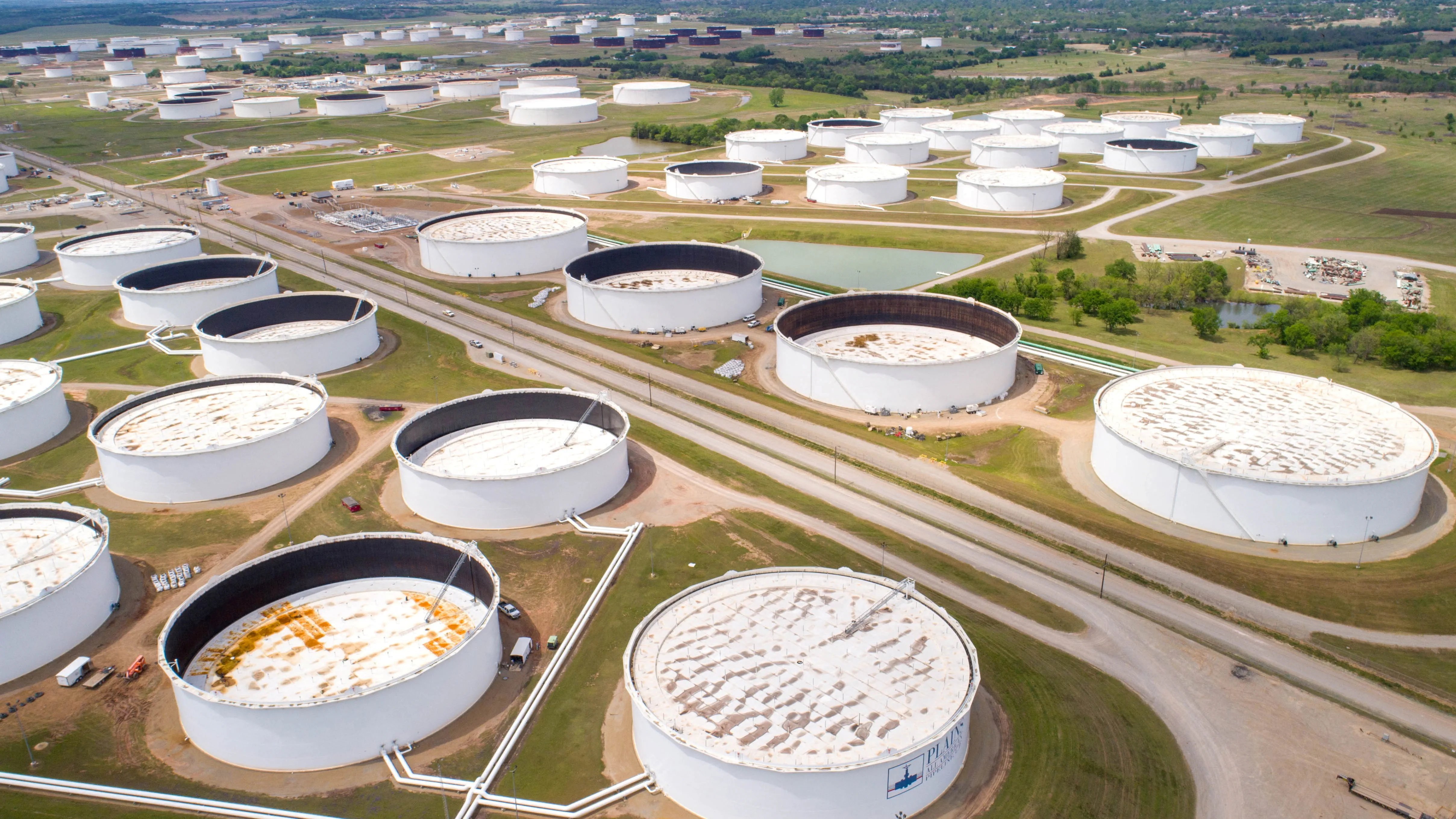
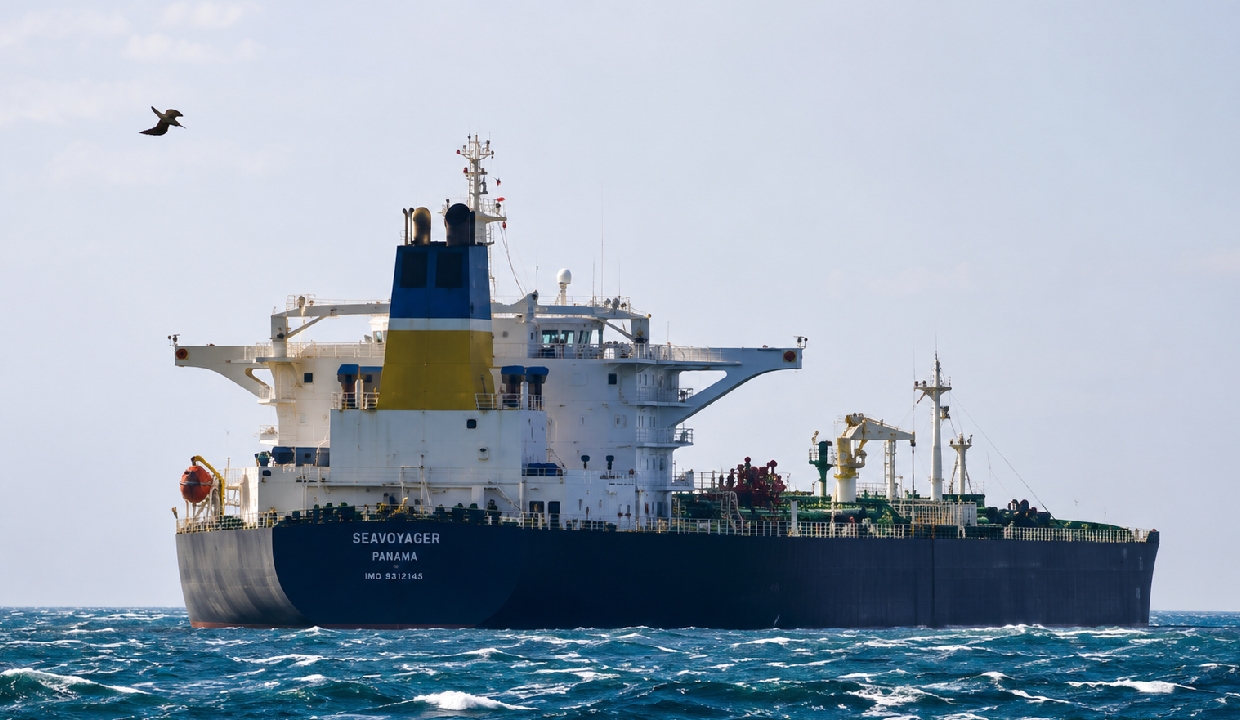
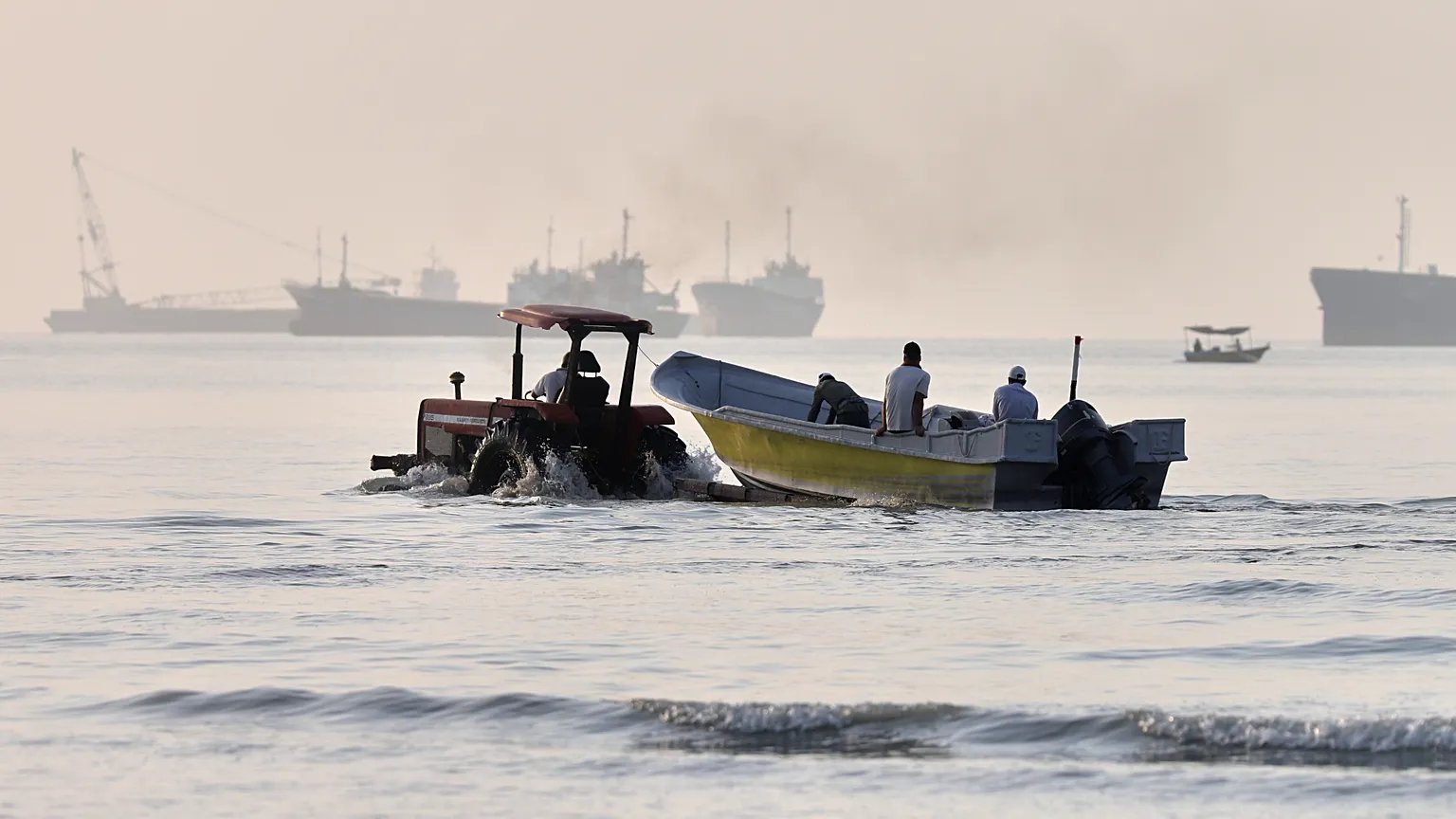
The MOU stipulates that Iran will permit commercial vessels to transit the Strait of Hormuz without charge for 60 days. After this period, Iran, in cooperation with Oman and other Gulf states, will determine future maritime regulations, potentially including service fees for passing ships. This area is crucial for global oil transportation, with approximately 20% of the world's oil transiting through the strait before the blockade was imposed.
Iran's Response and Domestic Reactions
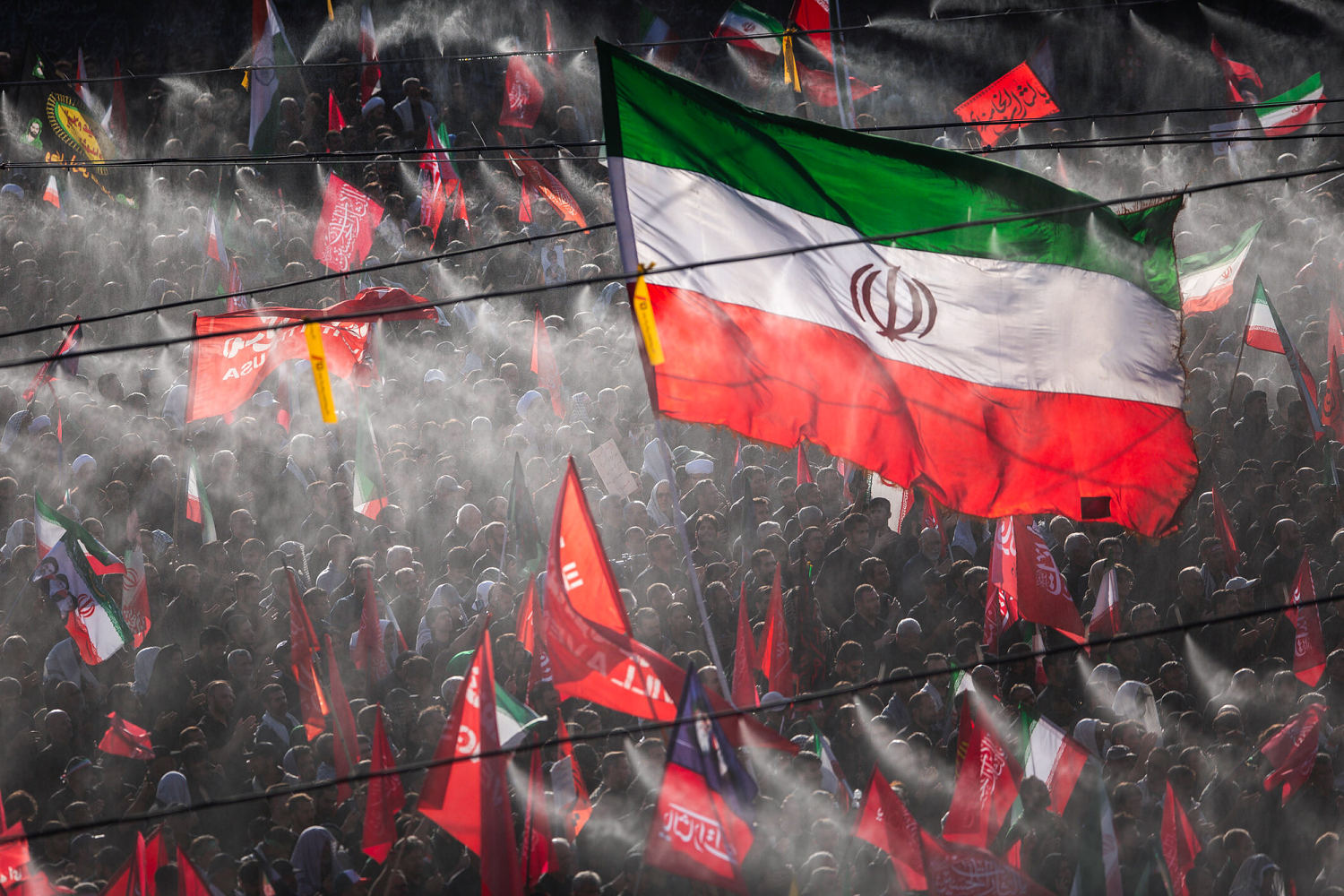
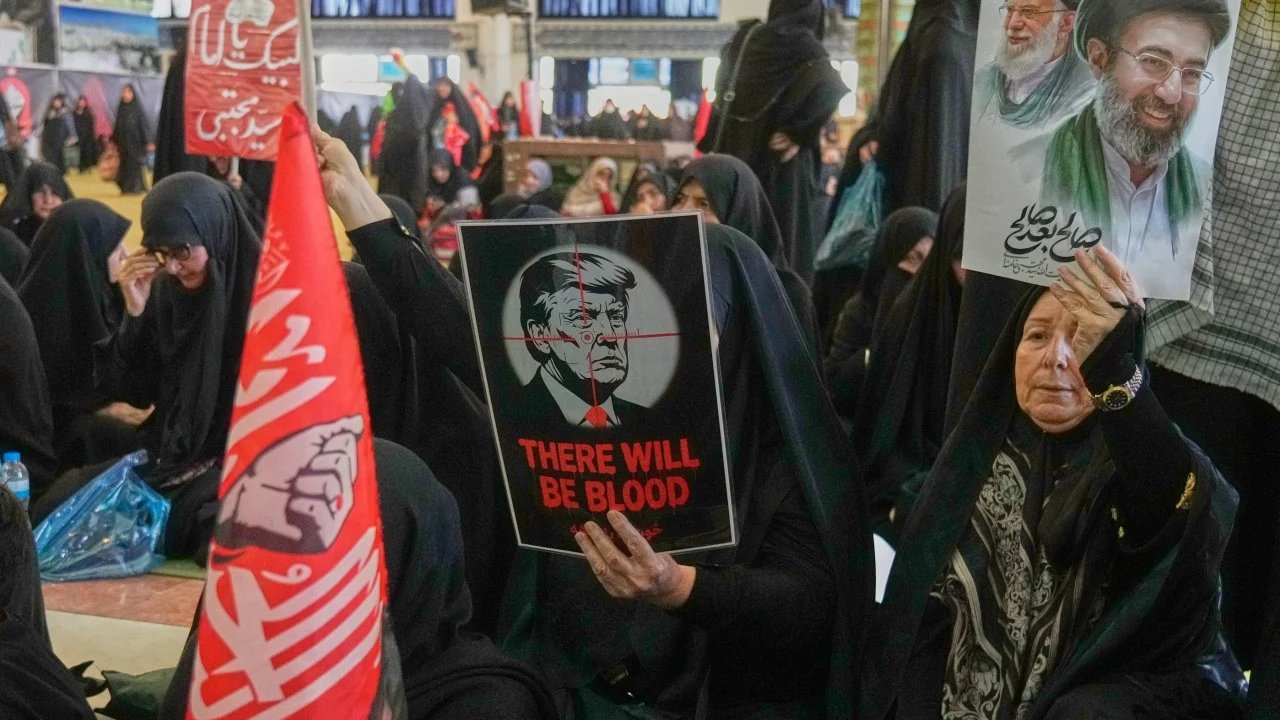
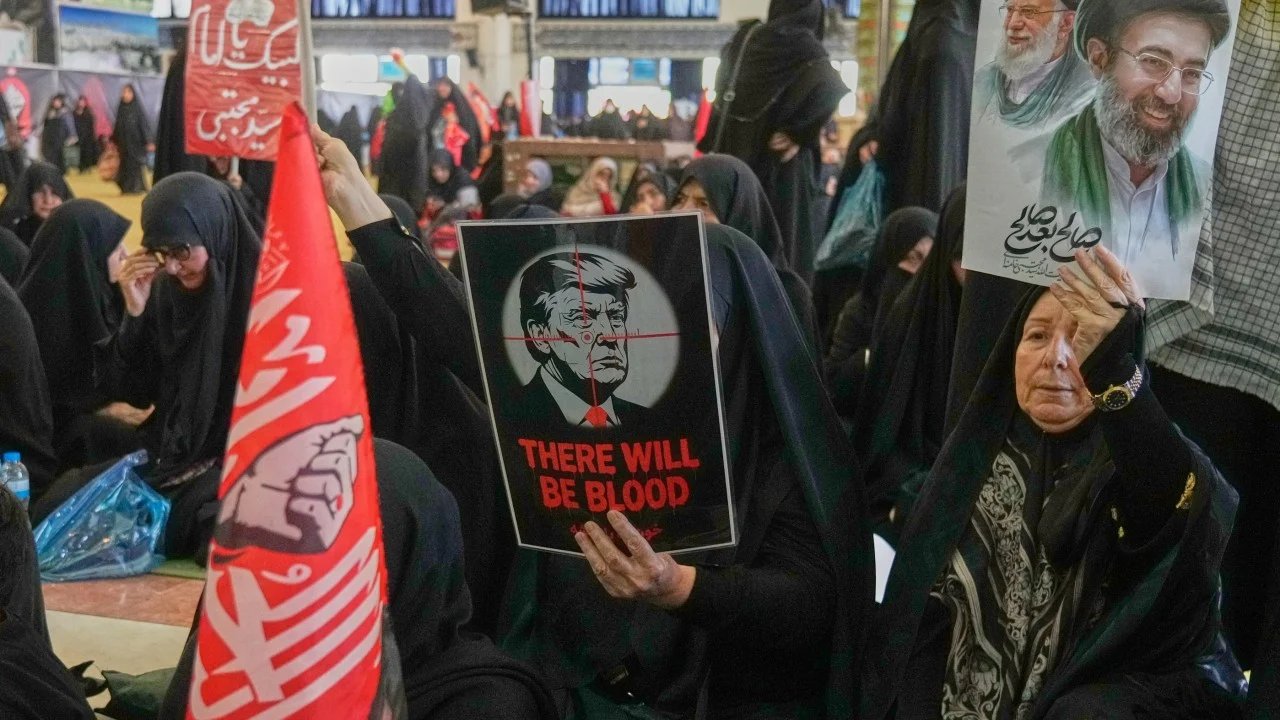
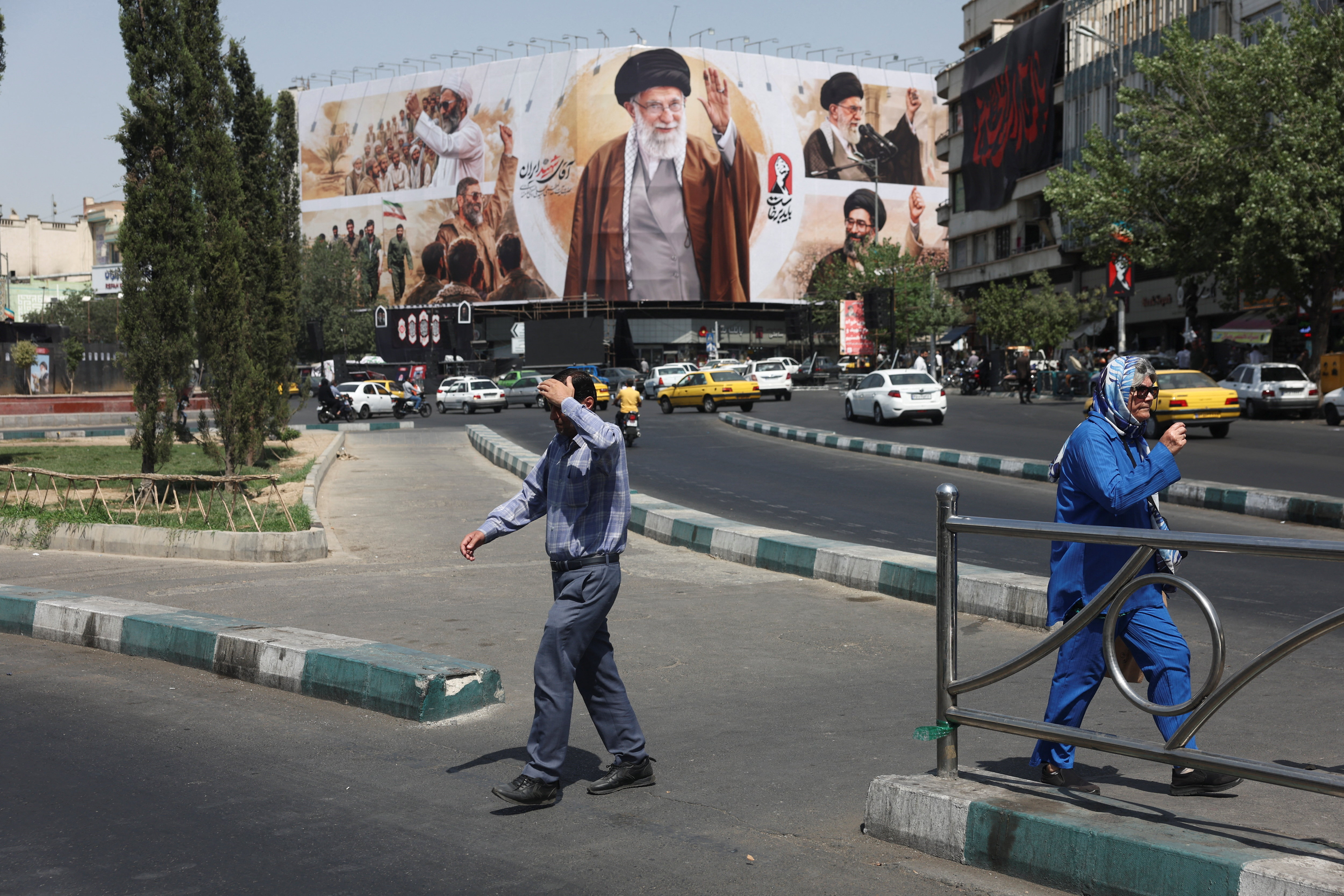
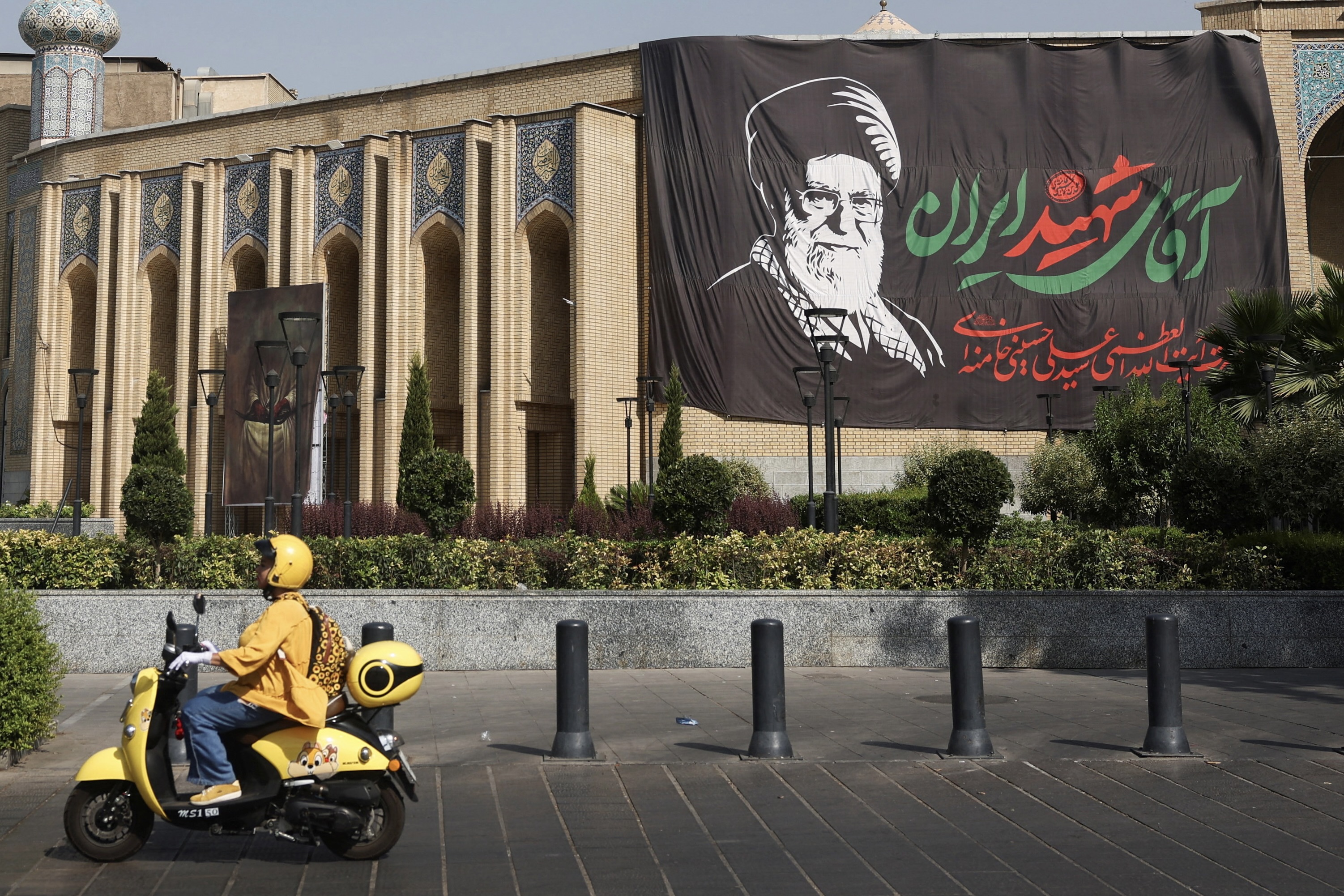
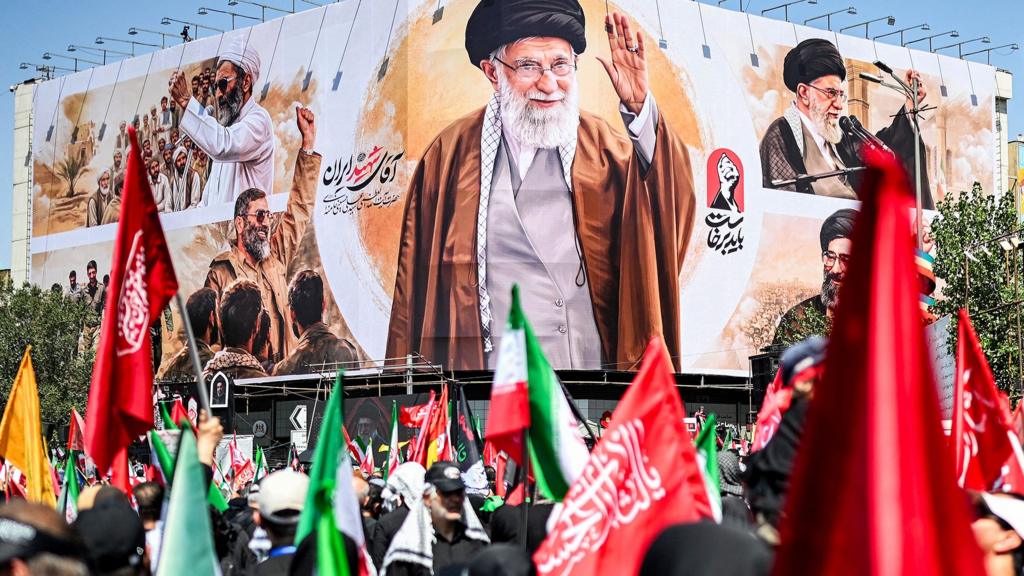
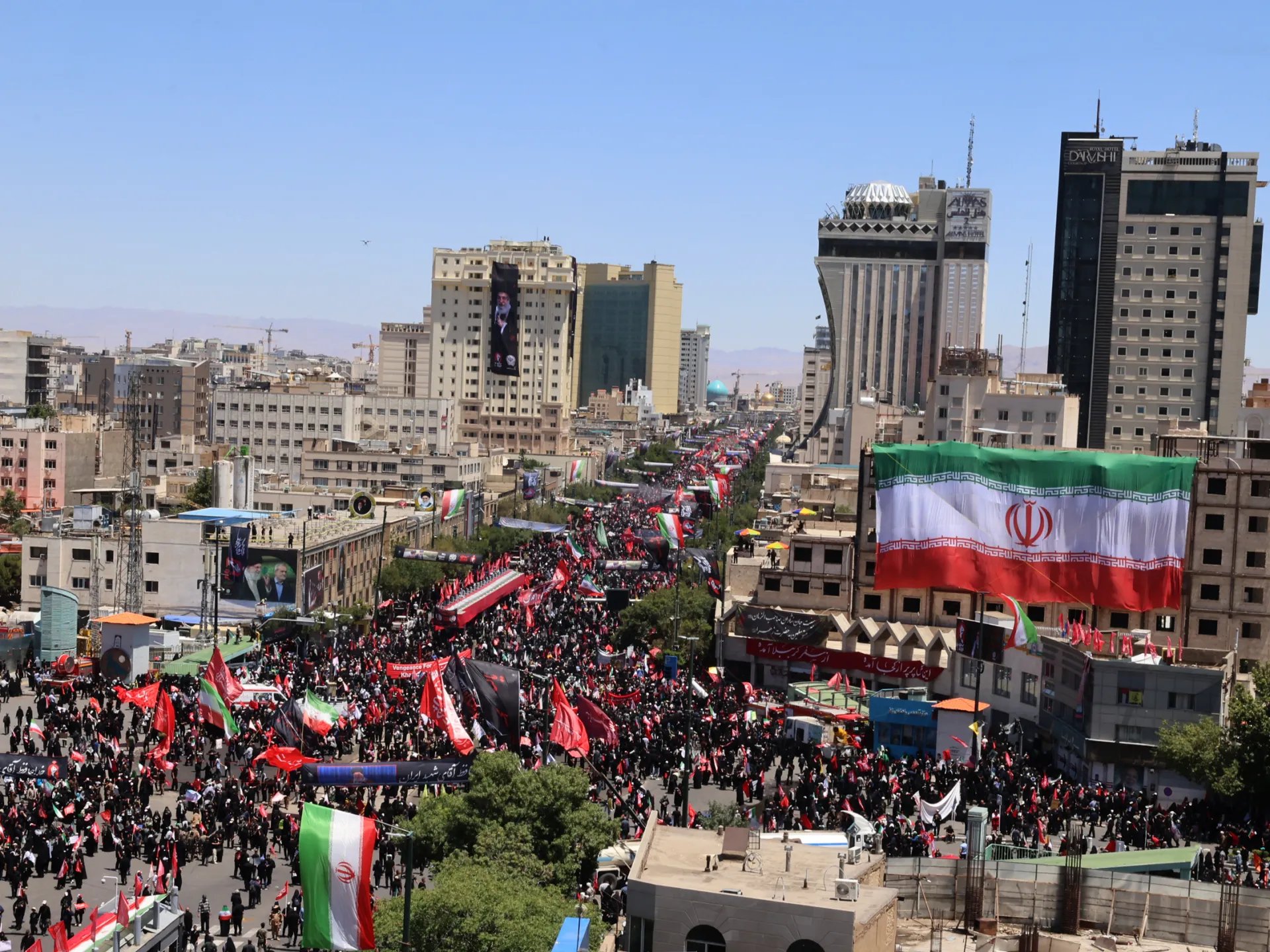
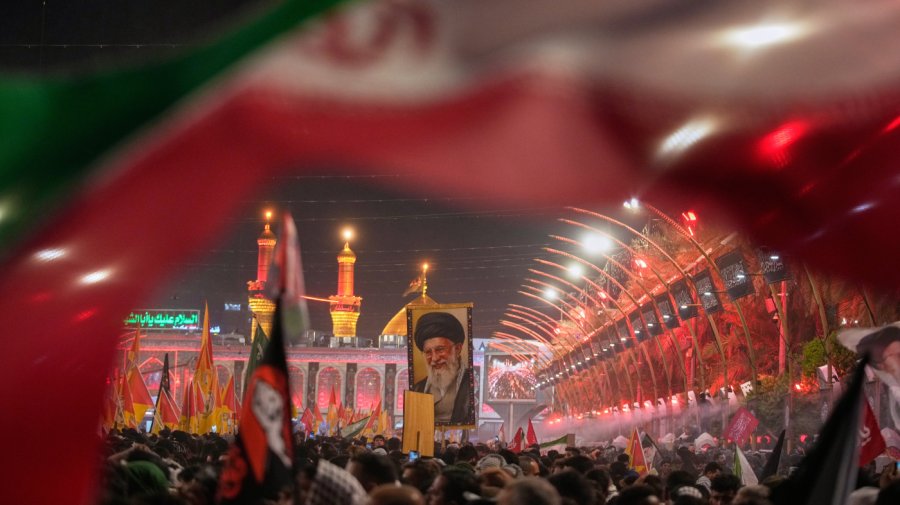
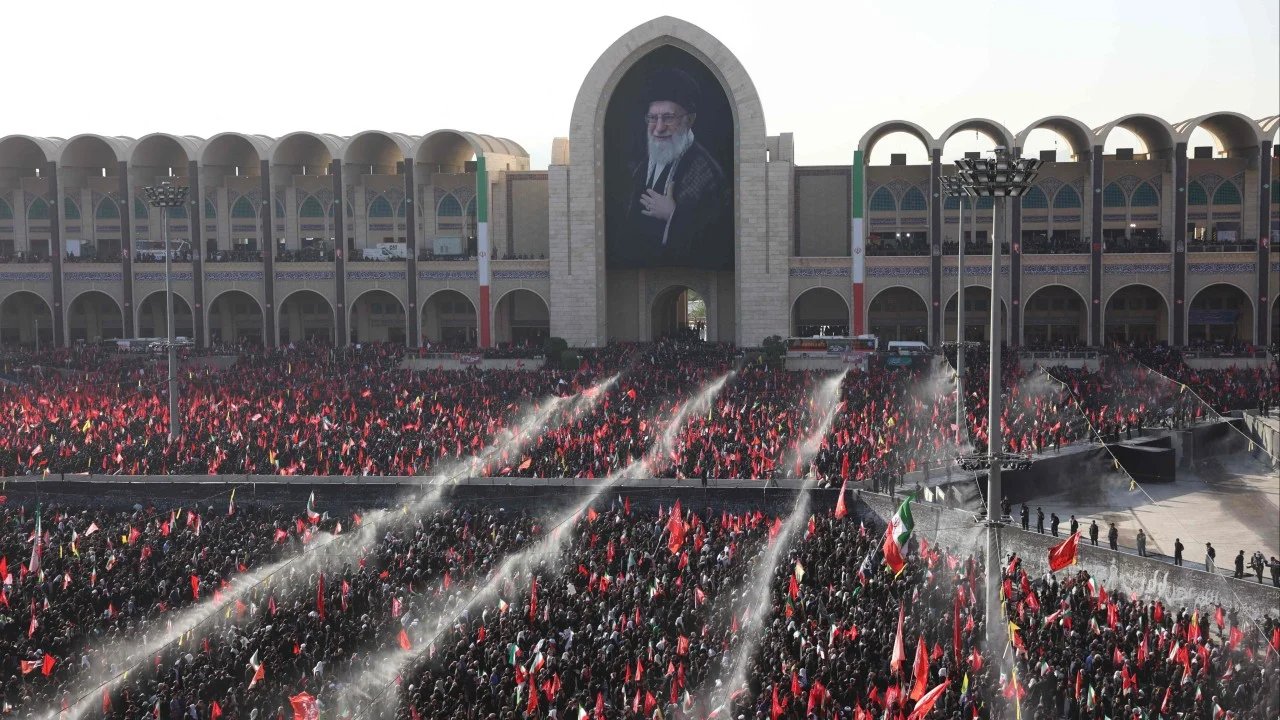
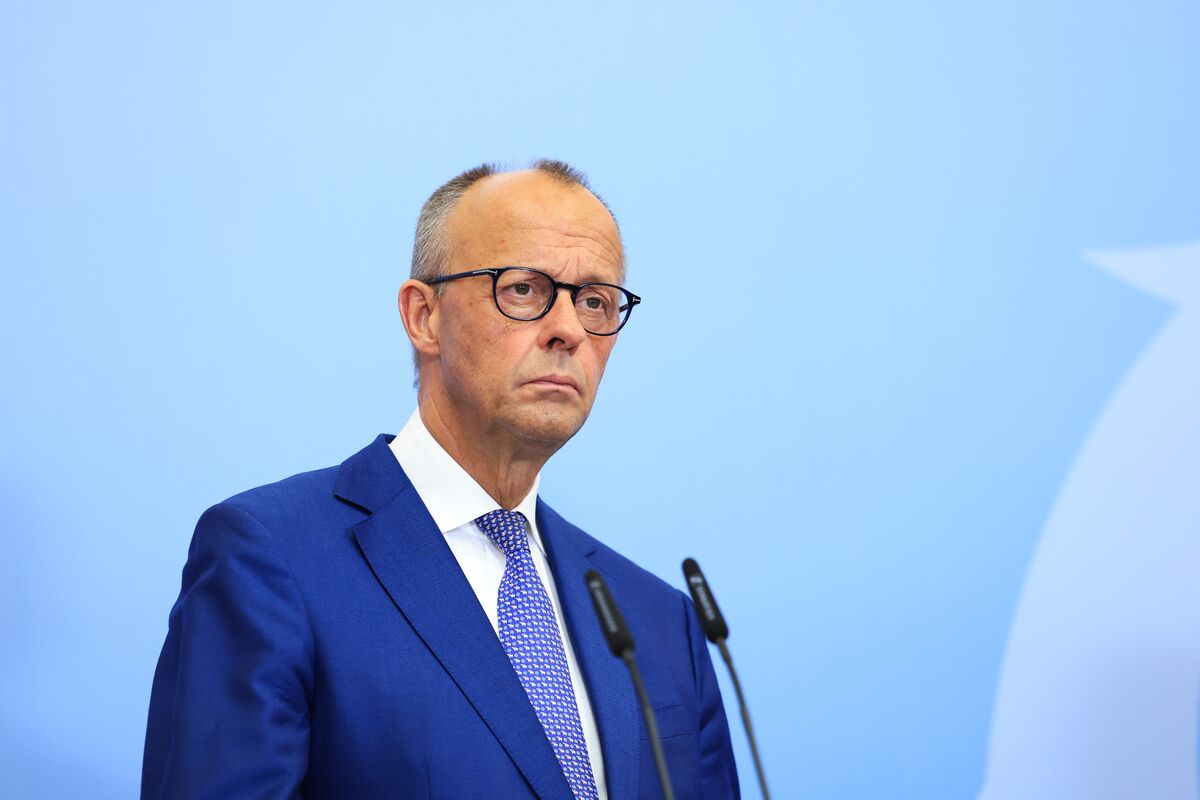
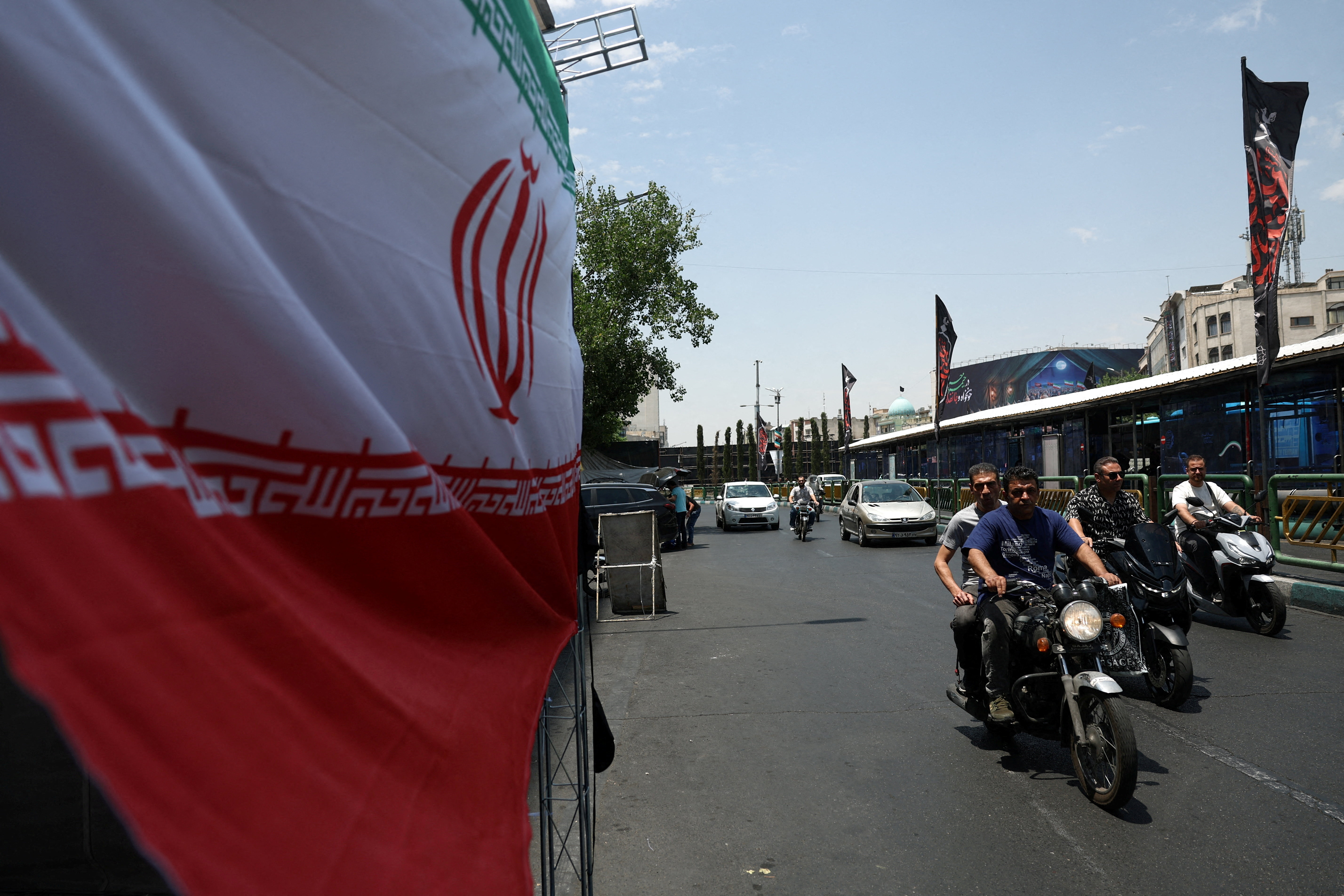
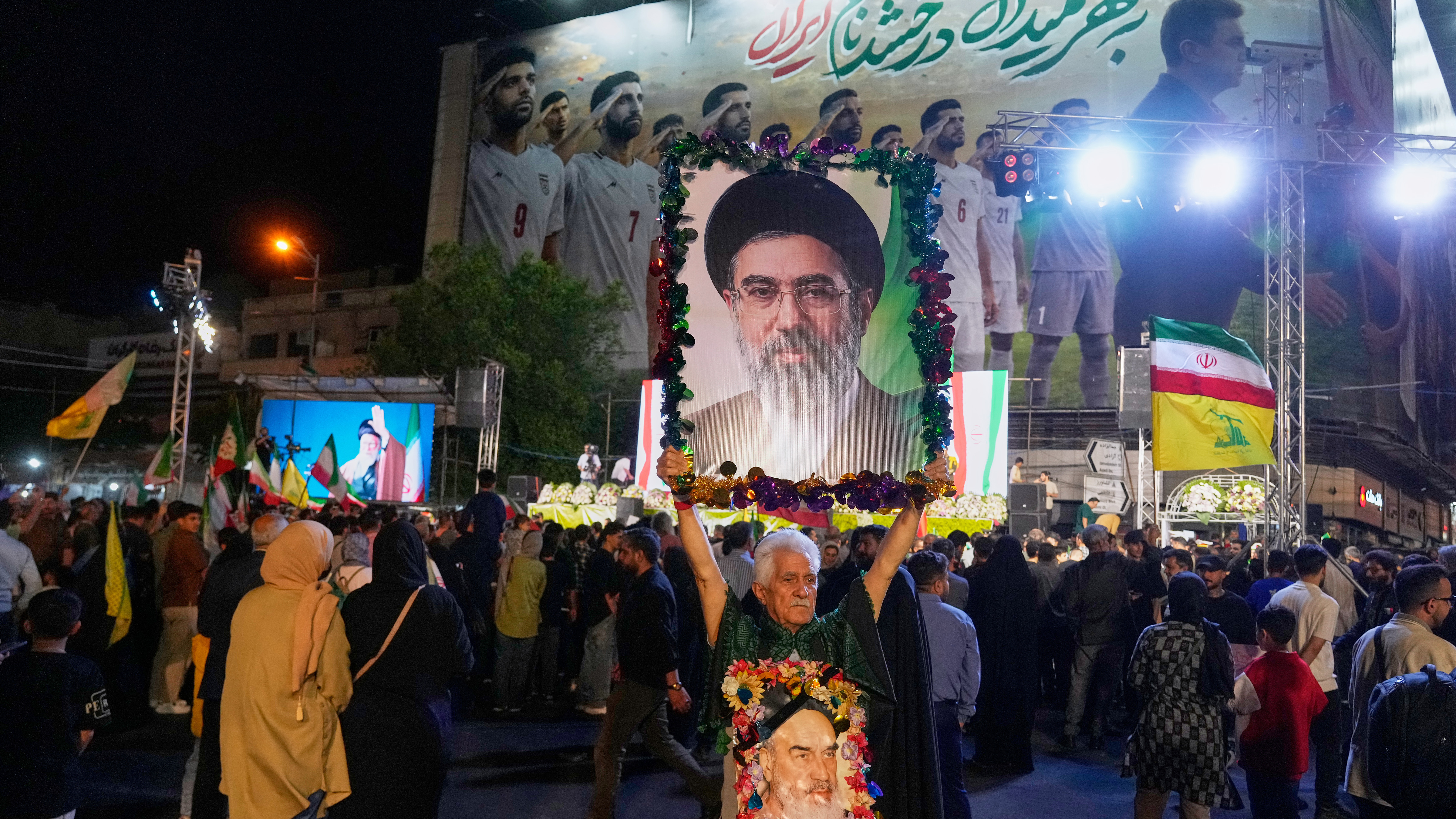
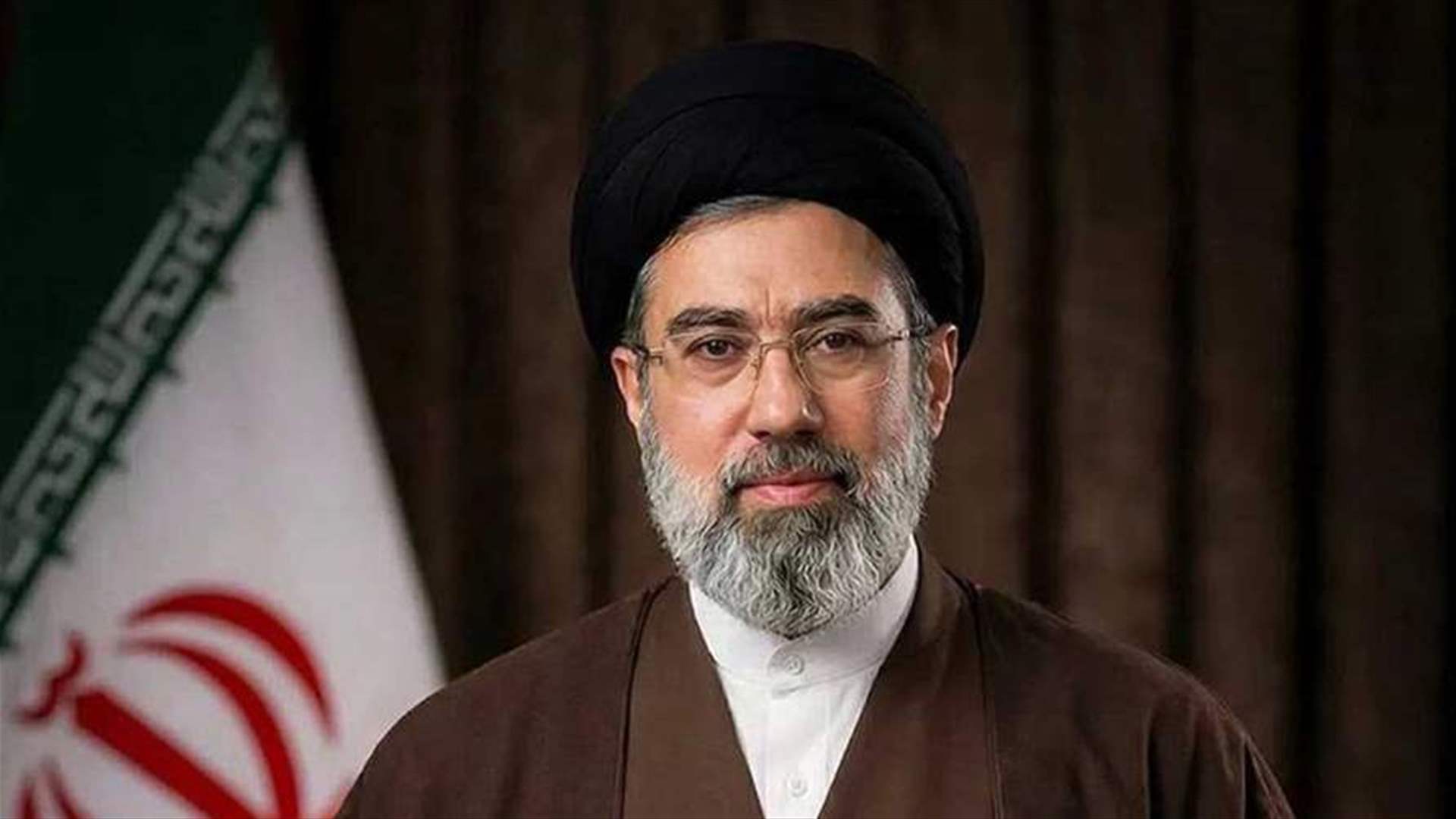
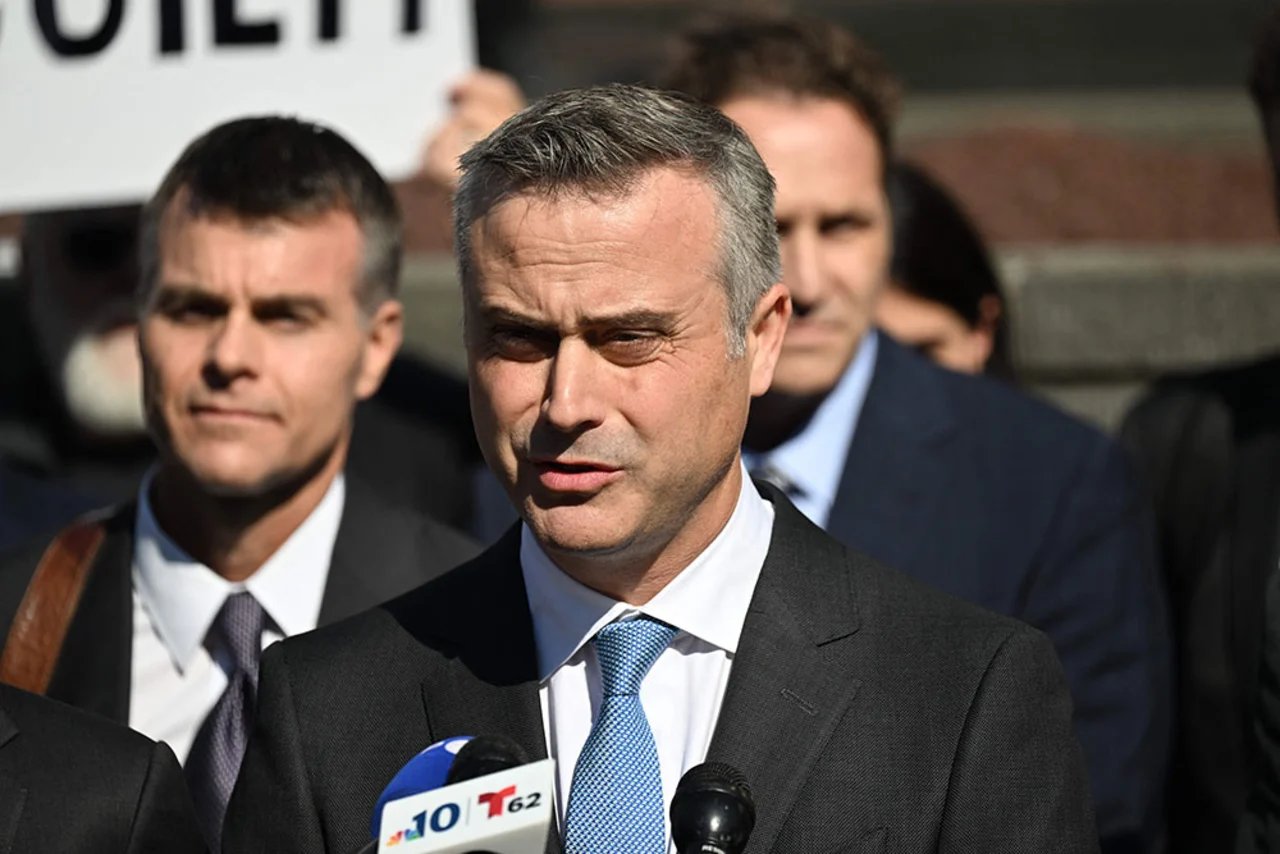
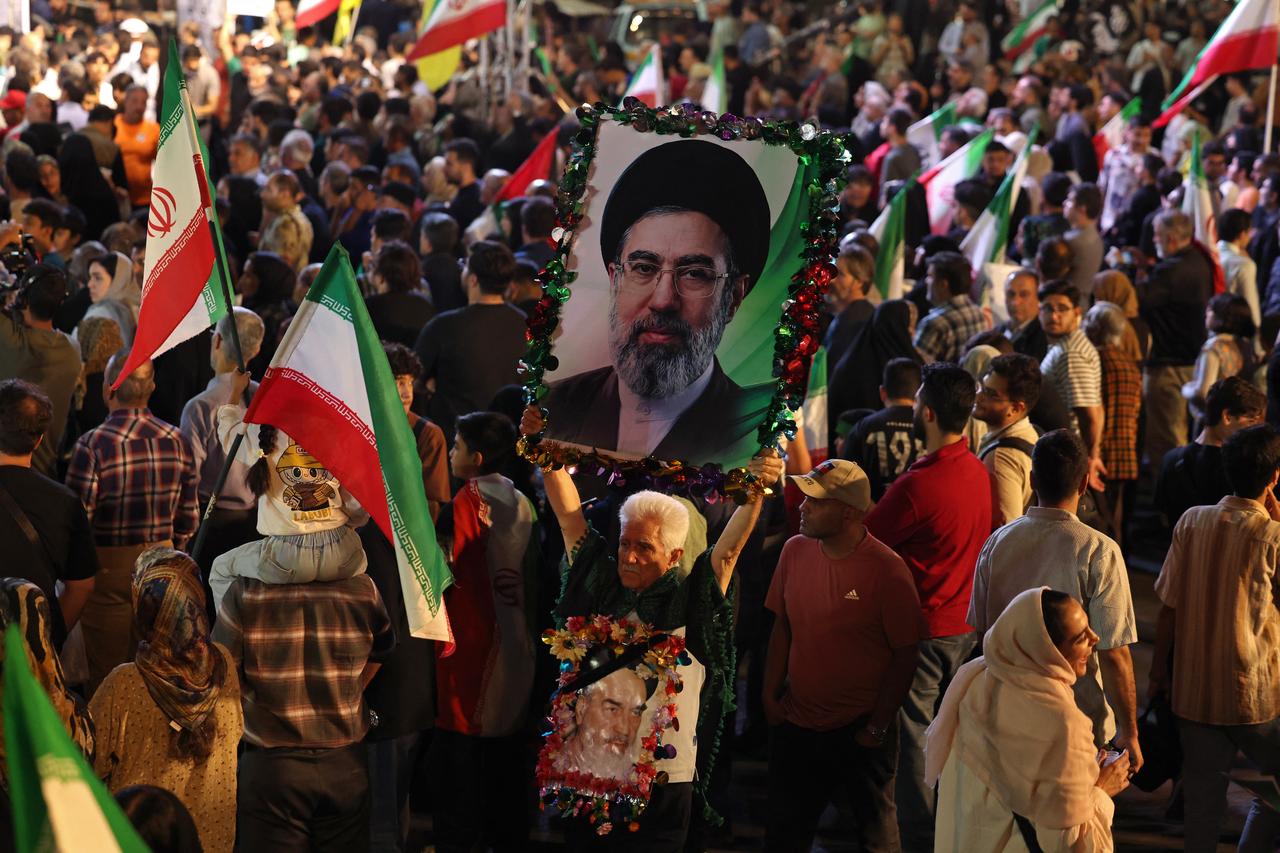
Iran's Supreme Leader Mojtaba Khamenei approved the deal, albeit with reservations, asserting that it should not be interpreted as acceptance of U.S. positions. Khamenei commented that the previous U.S. administration's actions were driven by desperation, but underscored his commitment to protect Iranian interests. Meanwhile, domestic critics, including Republican Senator Bill Cassidy, have labeled the agreement a major foreign policy blunder, arguing it fails to curb Iran's nuclear ambitions and encourages further regional aggression.
U.S. Military Presence Remains
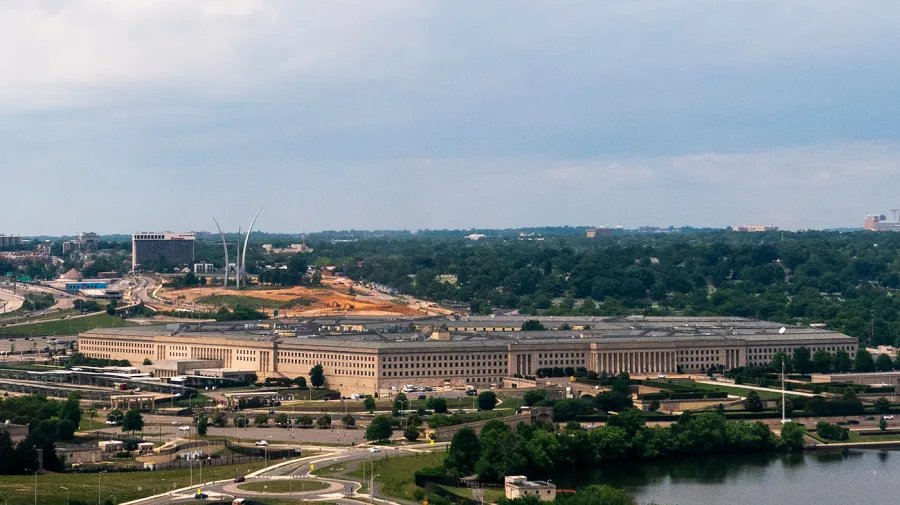
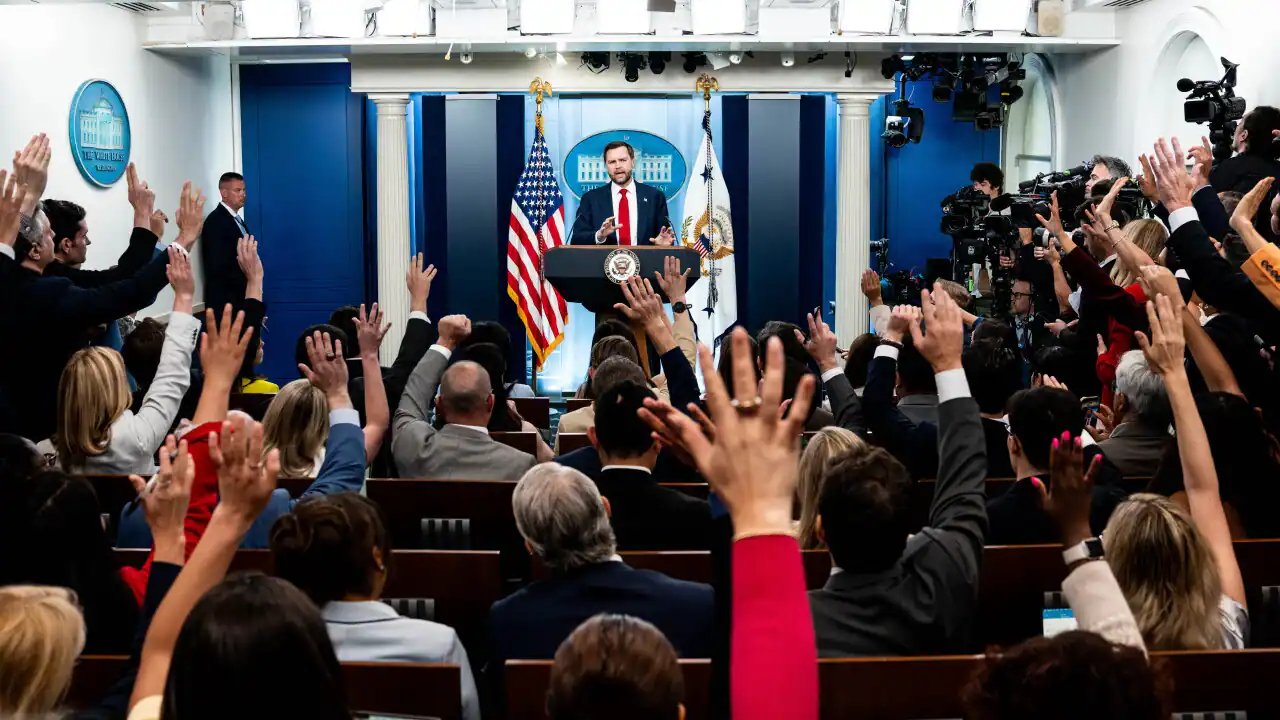
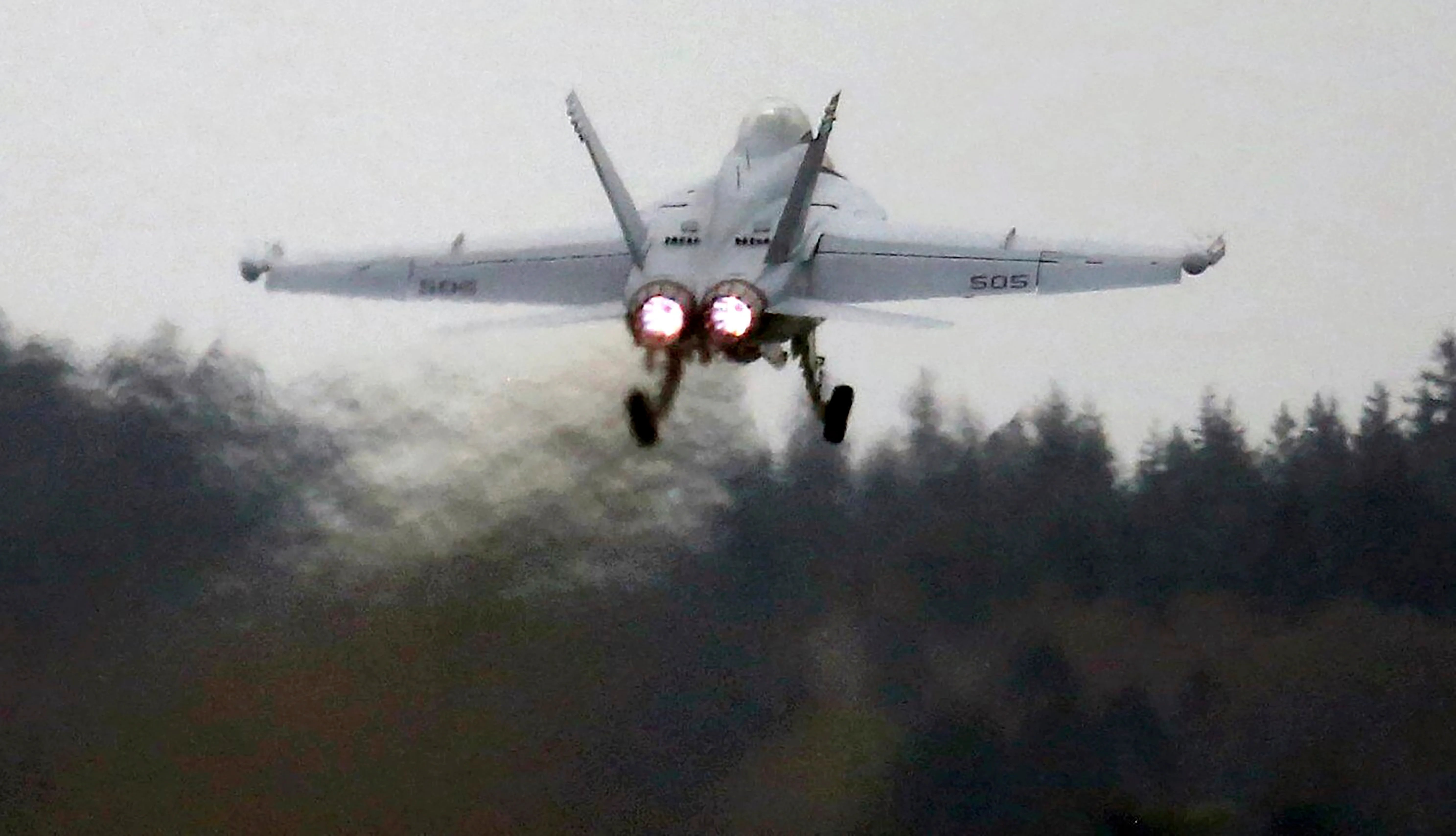
While the blockade has been lifted, U.S. military forces will continue to monitor the situation in the region. Centcom stated that its vessels will remain active to ensure compliance with the terms of the ceasefire. Vance defended the agreement during a White House press briefing, asserting that the U.S. holds "all the cards" and will not provide financial relief until Iran meets its commitments under the MOU, including the destruction of enriched uranium stockpiles.
Future Negotiations and Regional Implications
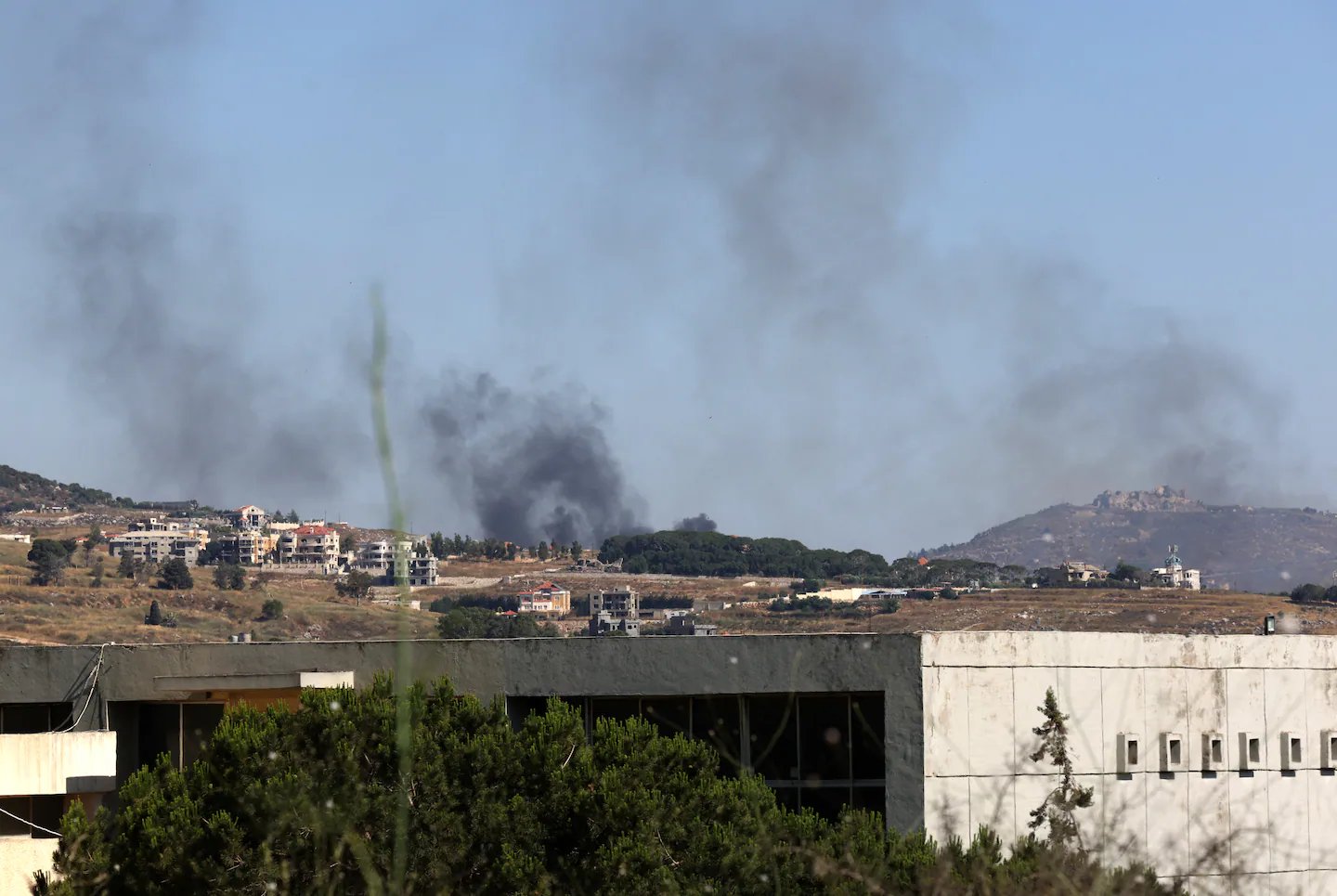
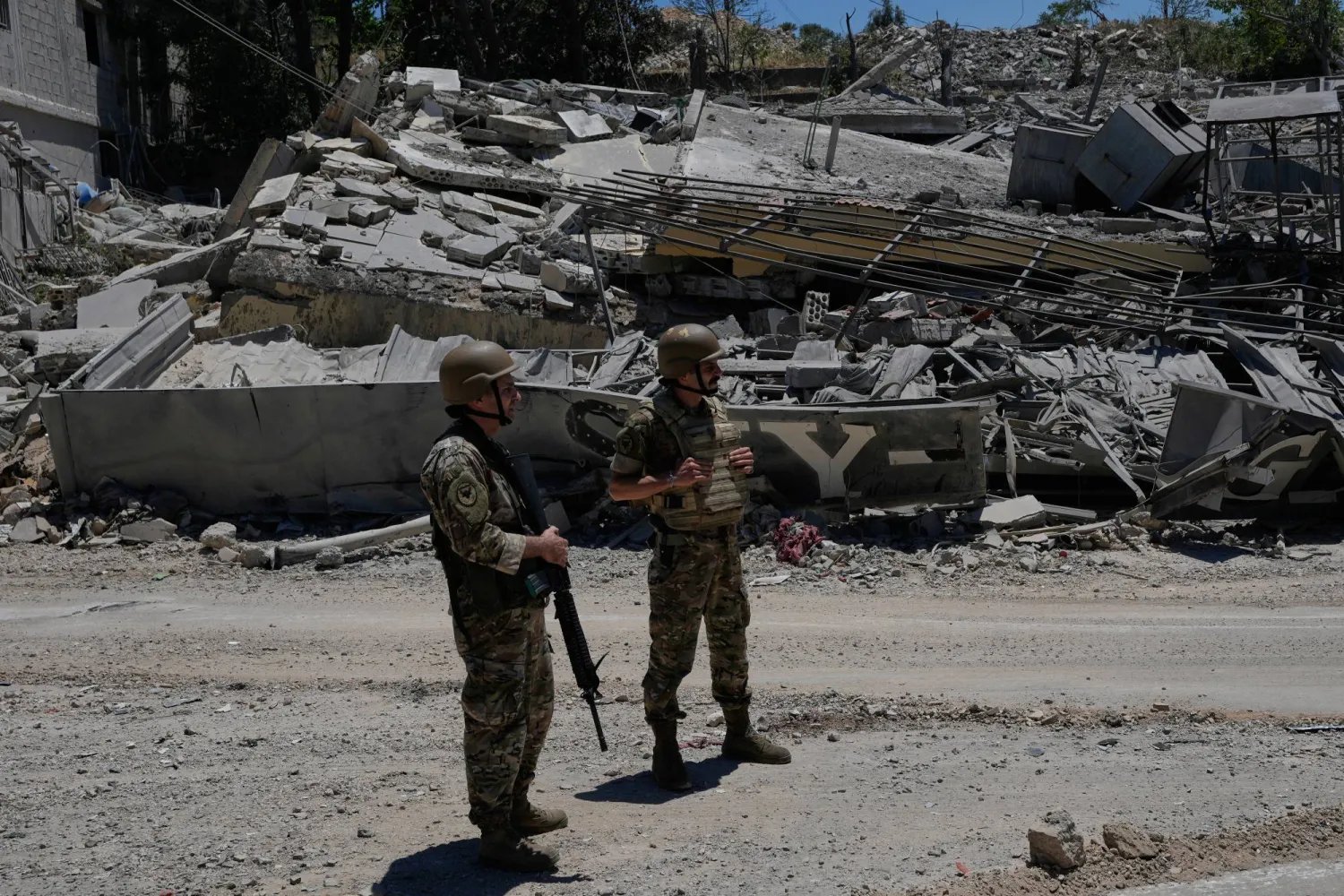
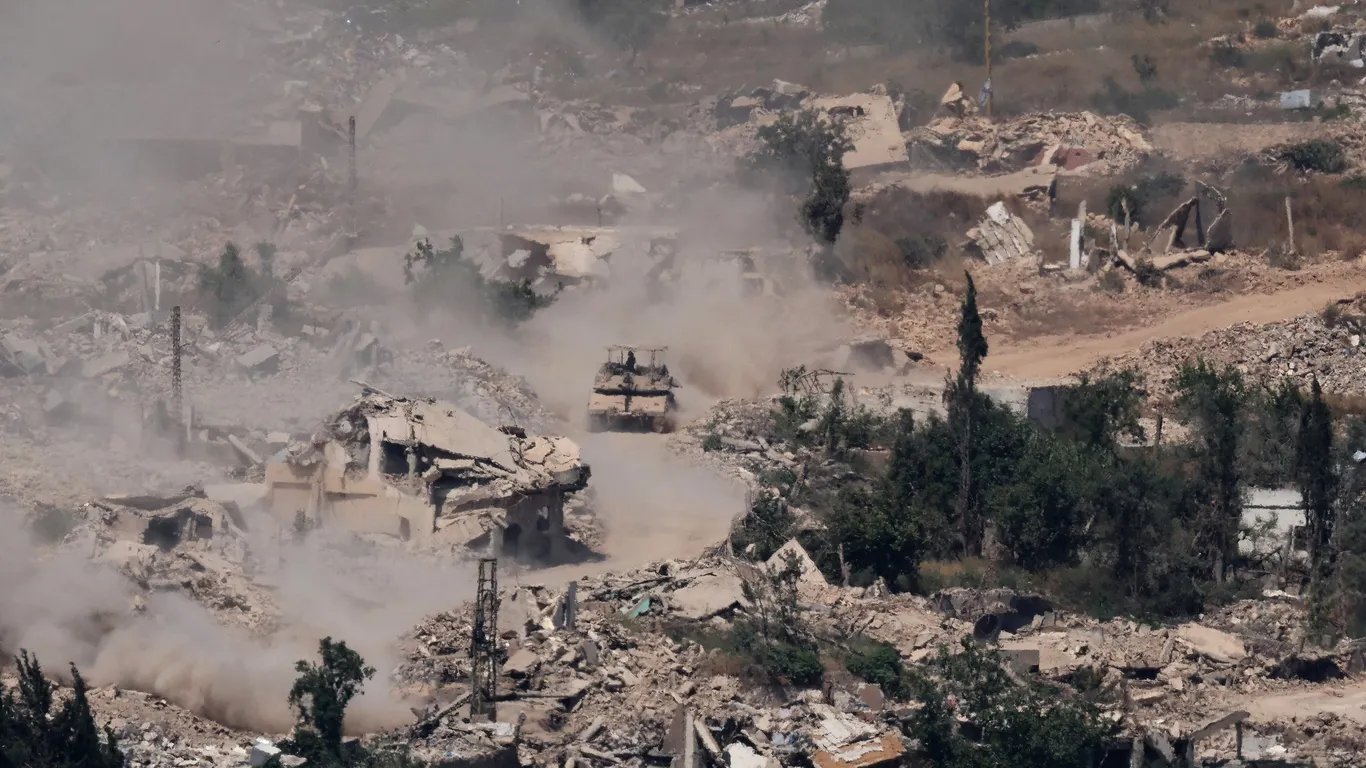
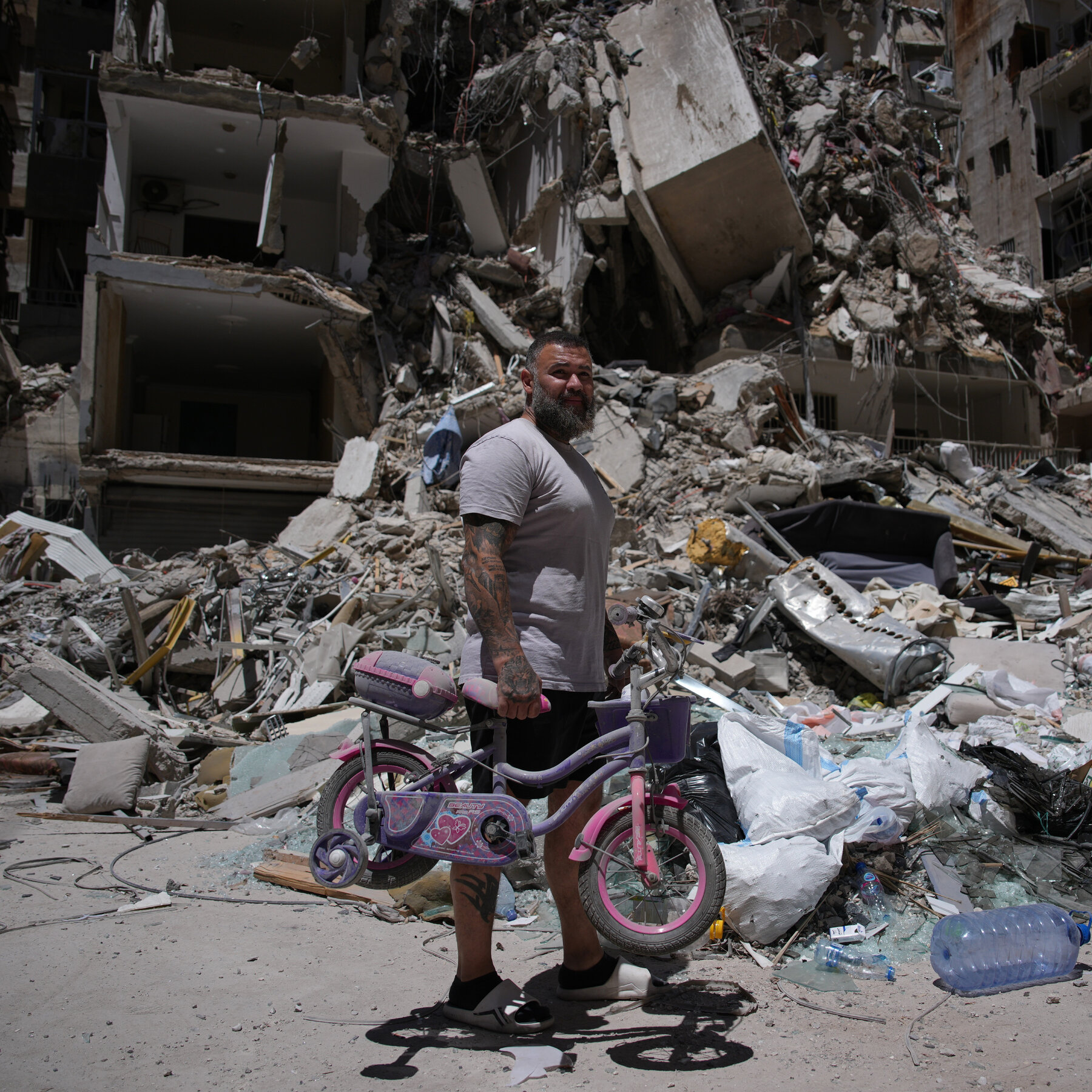
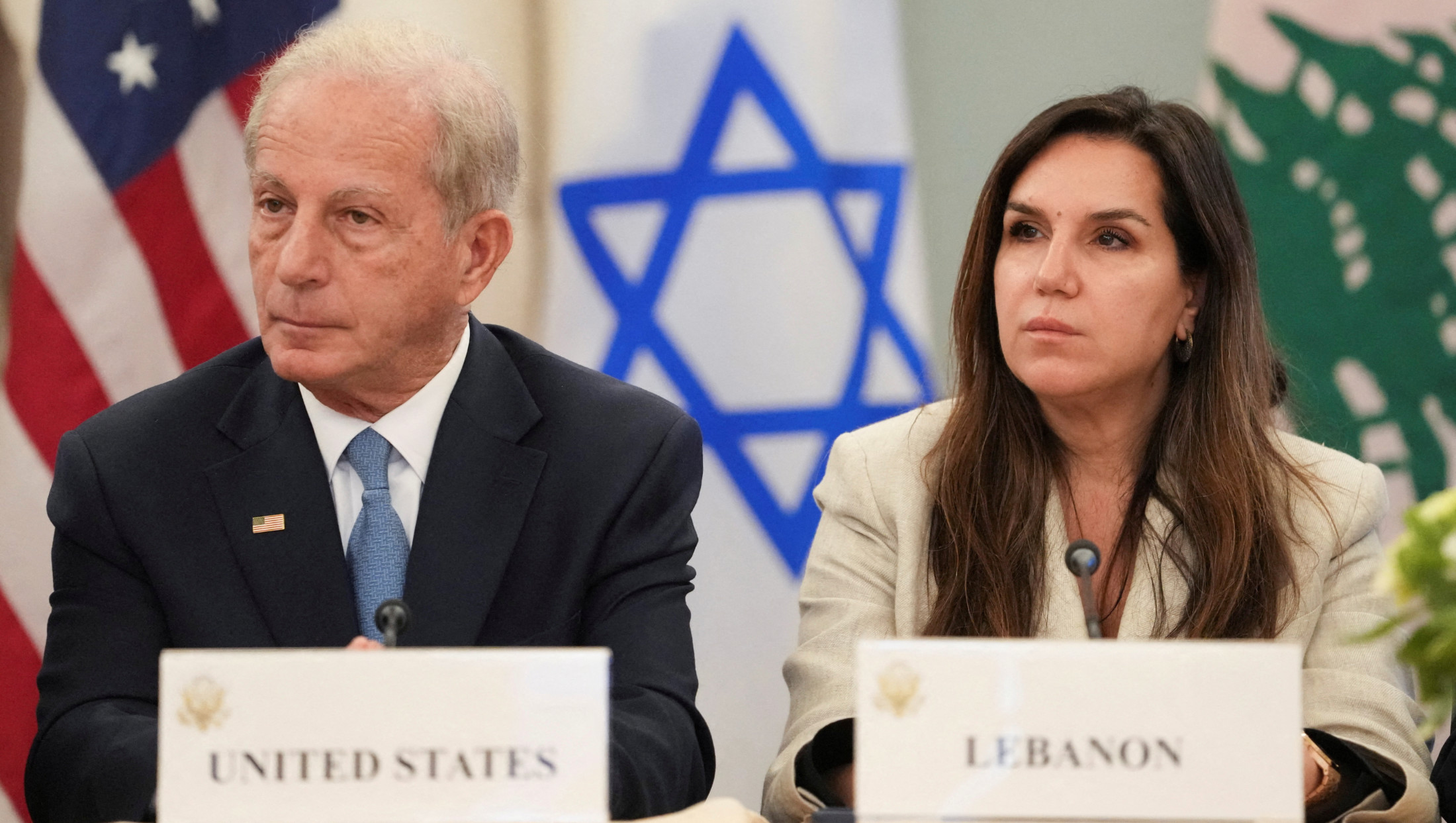
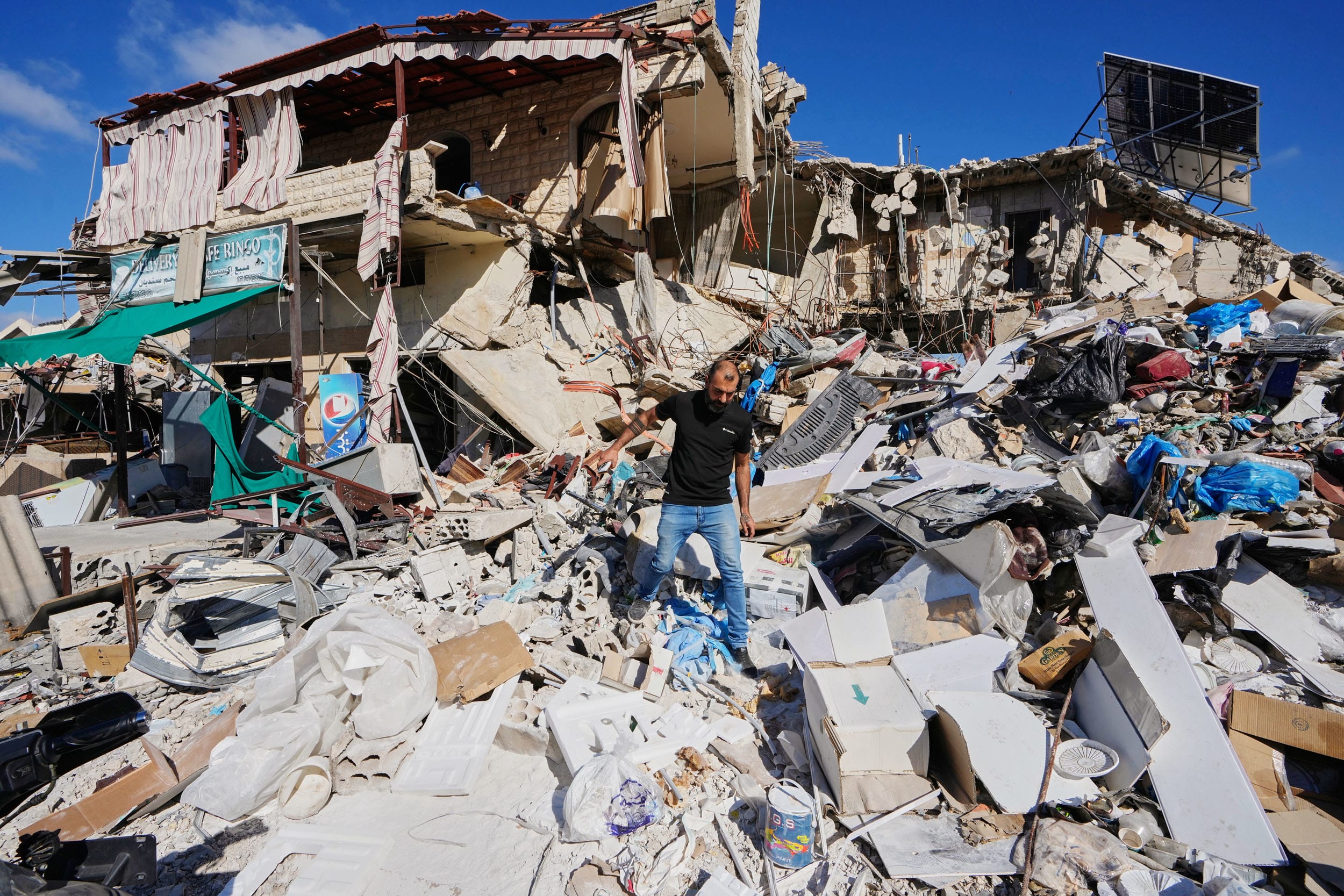
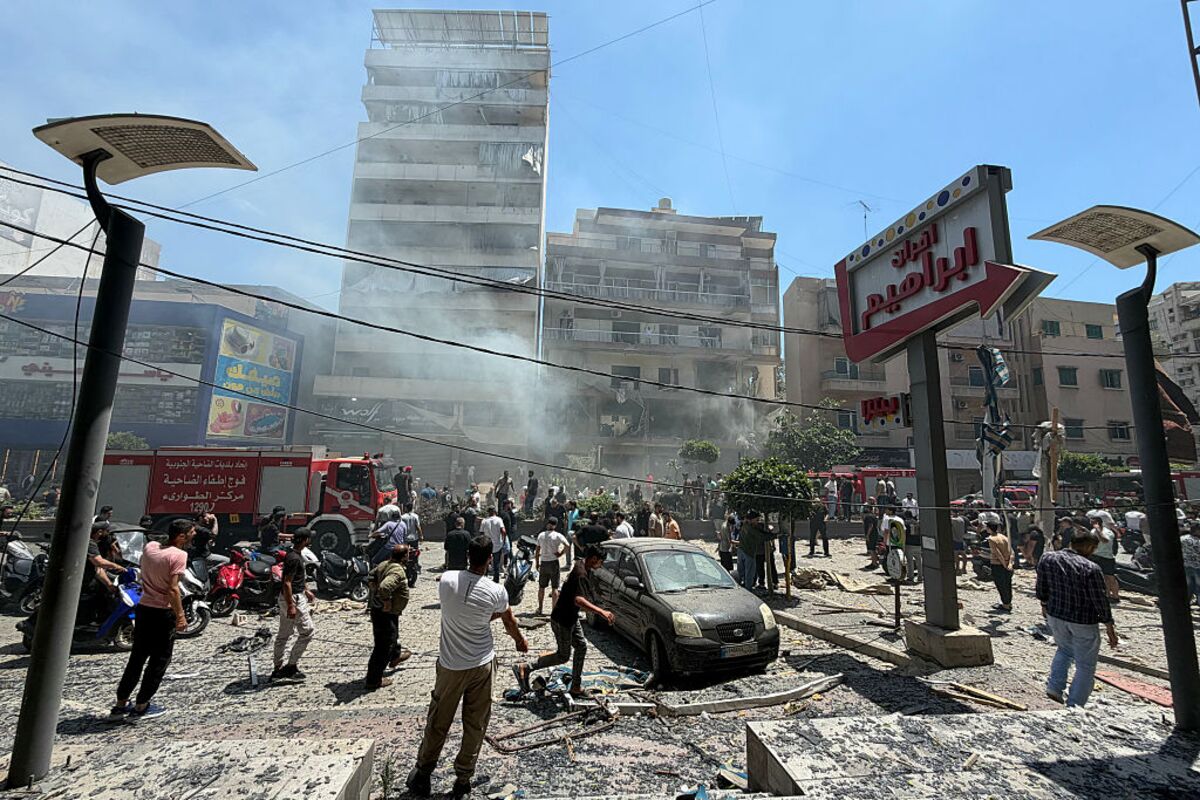
As the 60-day negotiation period commences, discussions are expected to focus on critical issues, including nuclear disarmament and a proposed $300 billion fund for Iran's reconstruction and development. This fund will be coordinated with regional partners but does not obligate the U.S. to contribute. The agreement also extends to ceasefire terms in Lebanon, necessitating cooperation from Israel, which remains wary of Iran's influence in the region.
International Reactions and Concerns
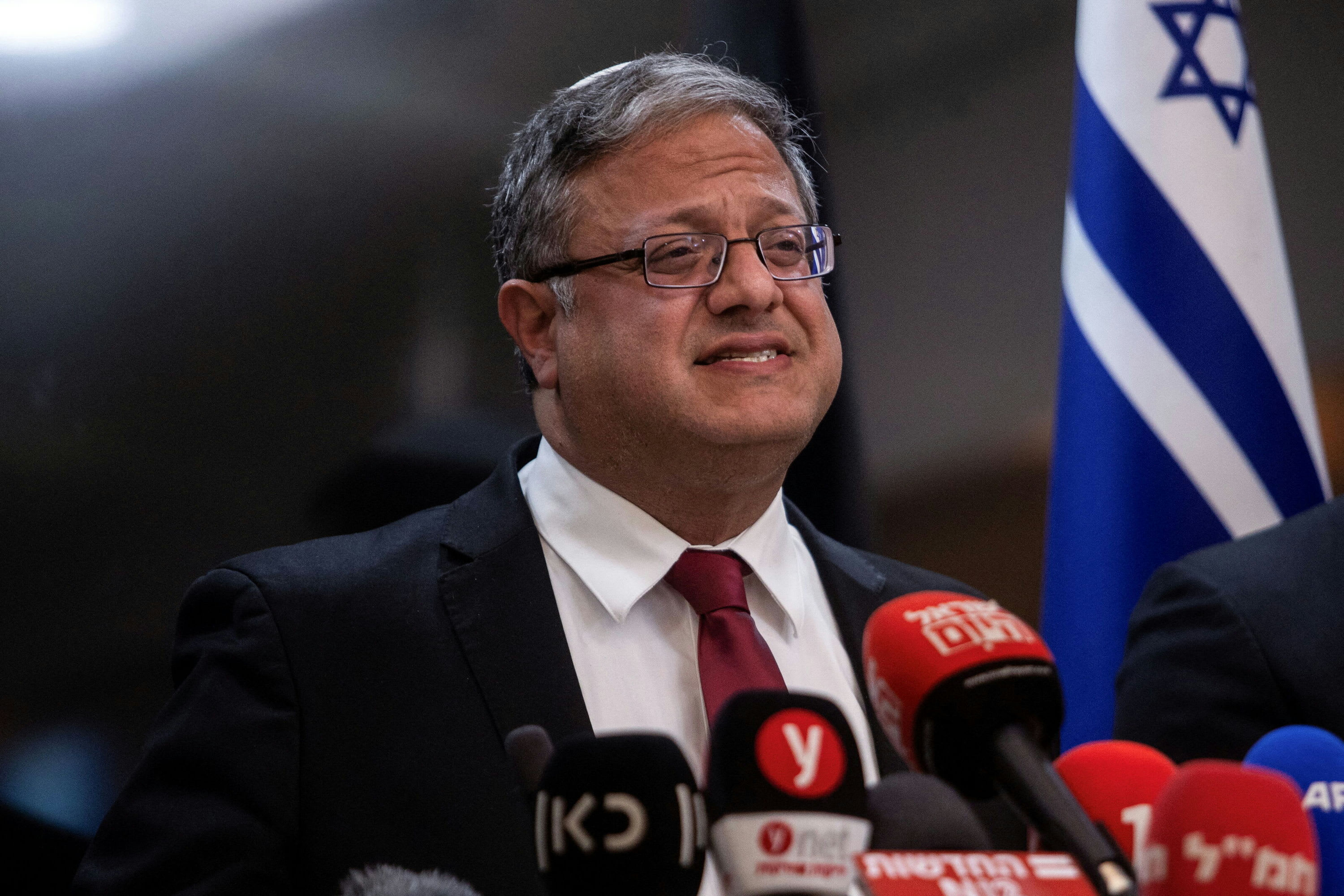
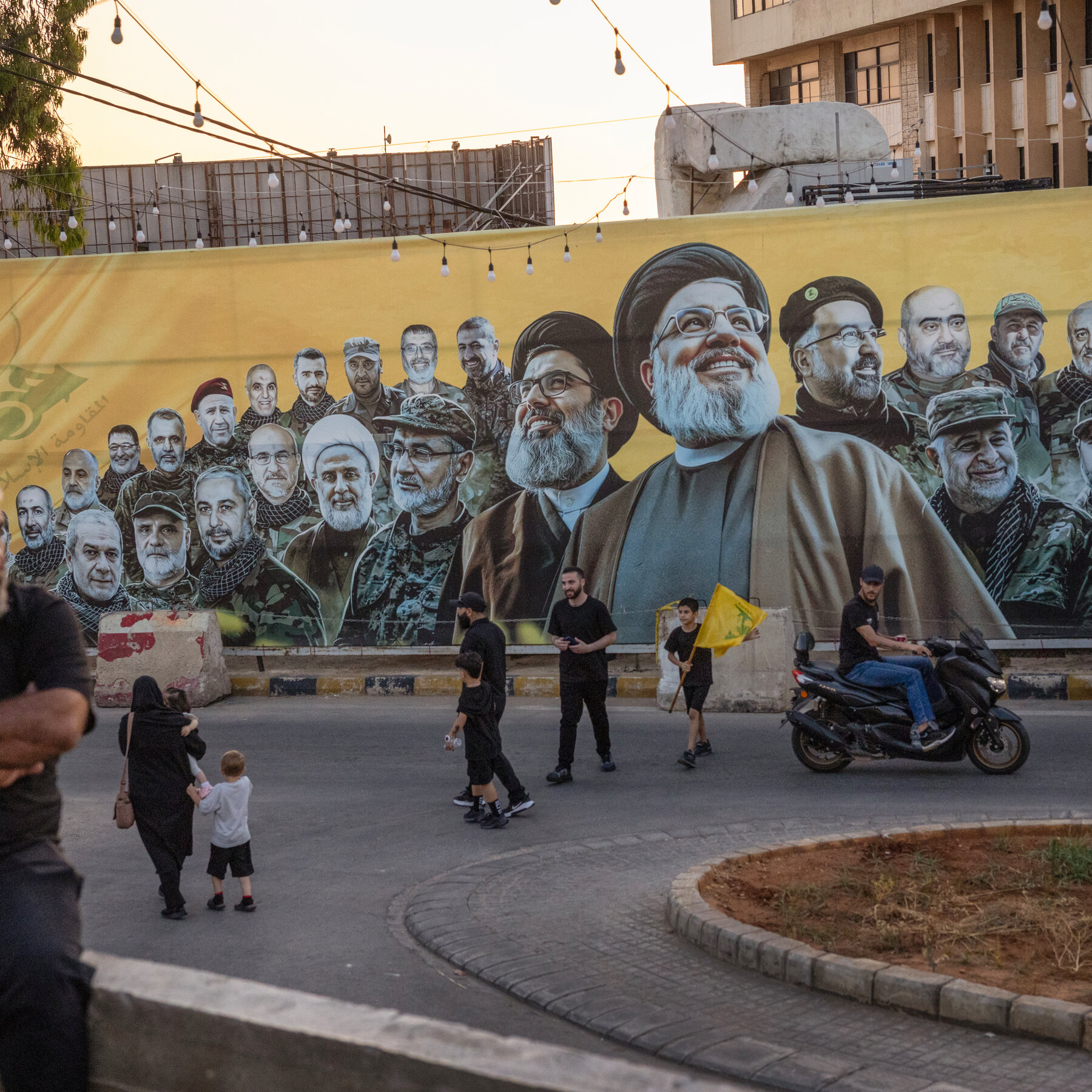
The international community is closely watching the developments stemming from this agreement. Israeli officials have expressed skepticism, with Prime Minister Benjamin Netanyahu stressing the importance of maintaining strong U.S. ties while also dealing with threats from Iranian-backed groups like Hezbollah. Criticism of the deal from within the Israeli government highlights concerns that the agreement may embolden Iran in its regional pursuits.
Conclusion: A Pivotal Moment
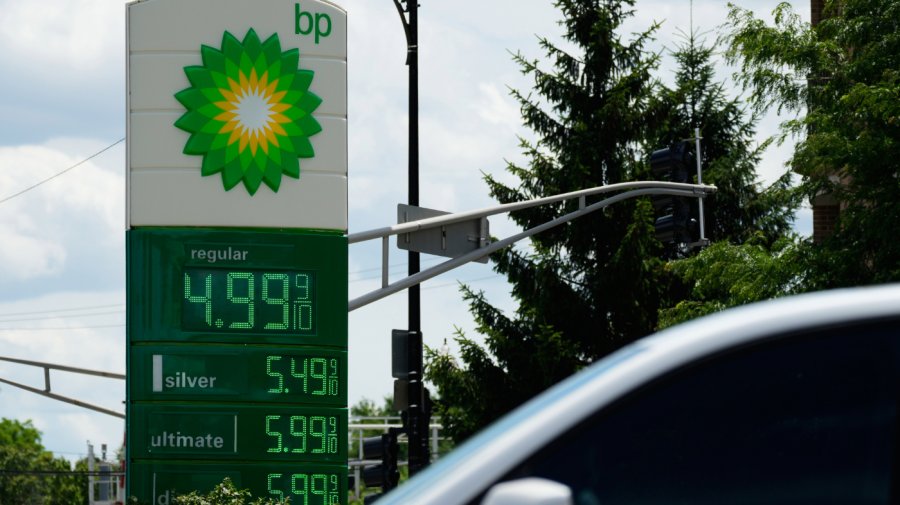
The lifting of the blockade signals a potential thaw in U.S.-Iran relations, but the coming weeks will be crucial as both sides navigate complex negotiations. The outcome of these discussions could reshape not only the geopolitical landscape of the Middle East but also the global oil market. As the clock ticks down, stakeholders from both nations must balance diplomacy with their respective national interests, making this a pivotal moment for international relations.