




Reserve Levels and Historical Context
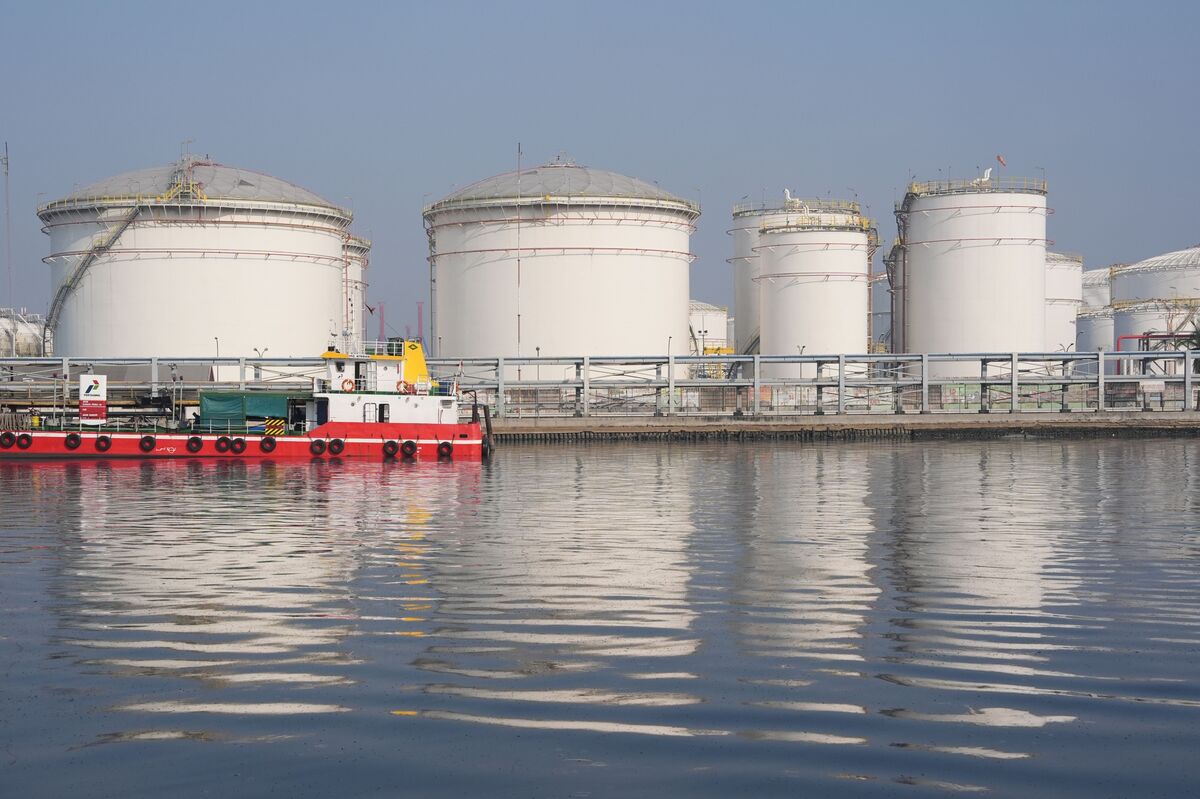
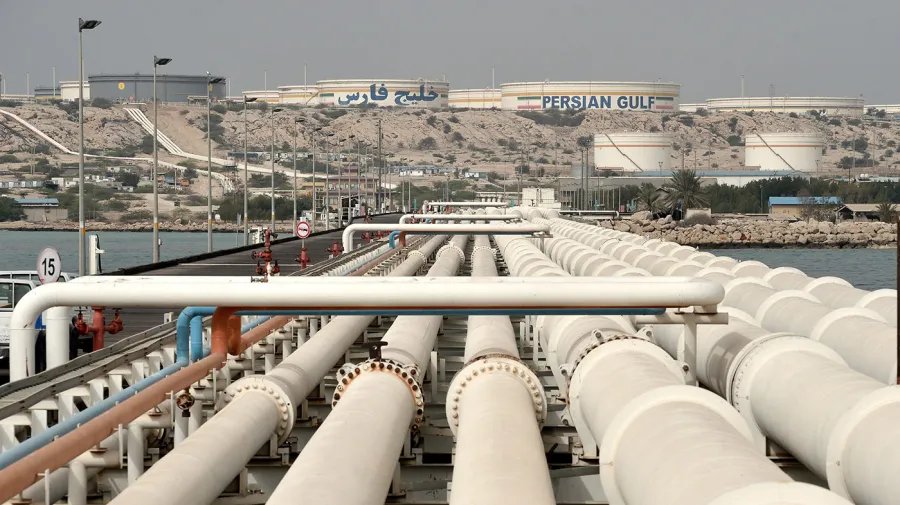
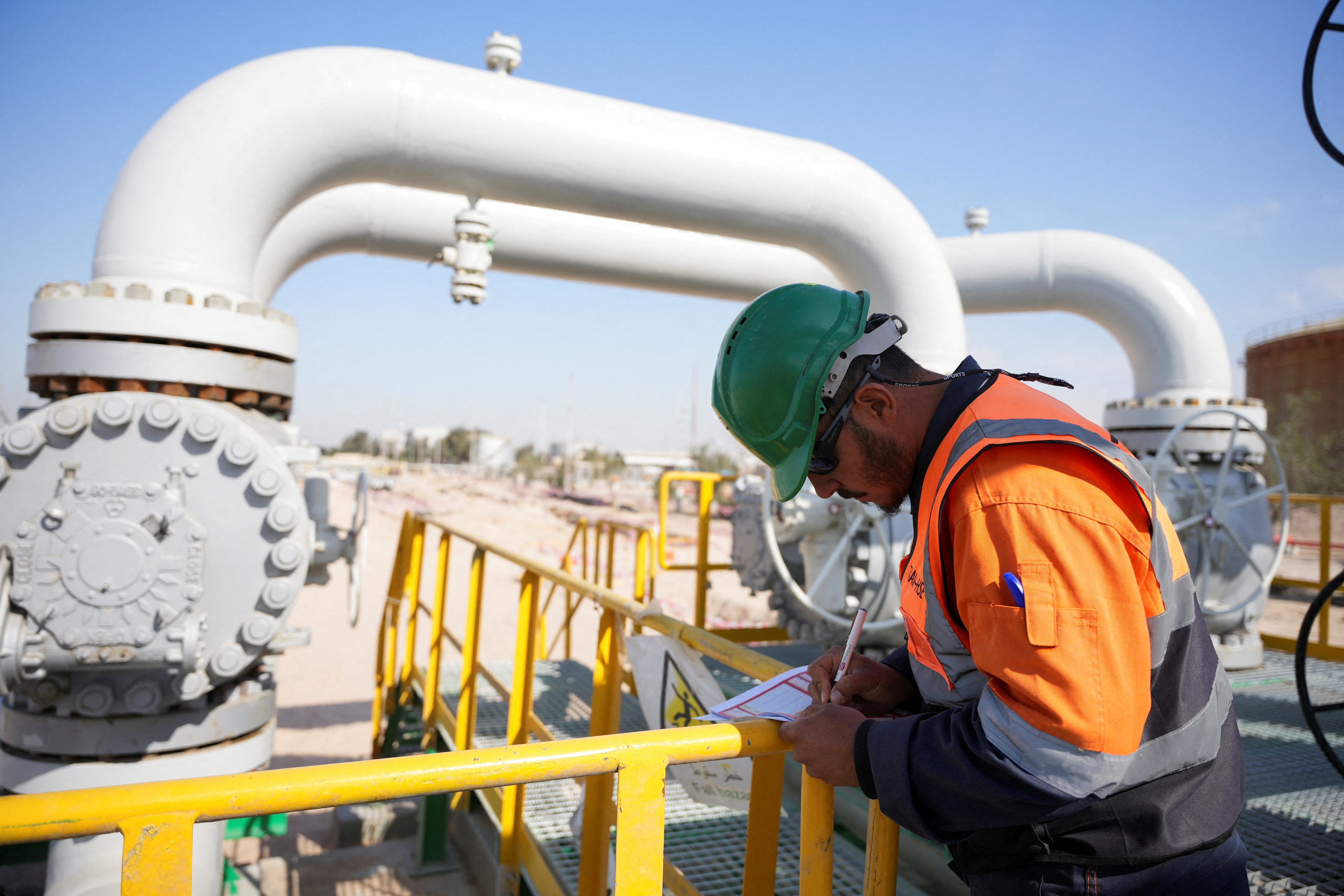
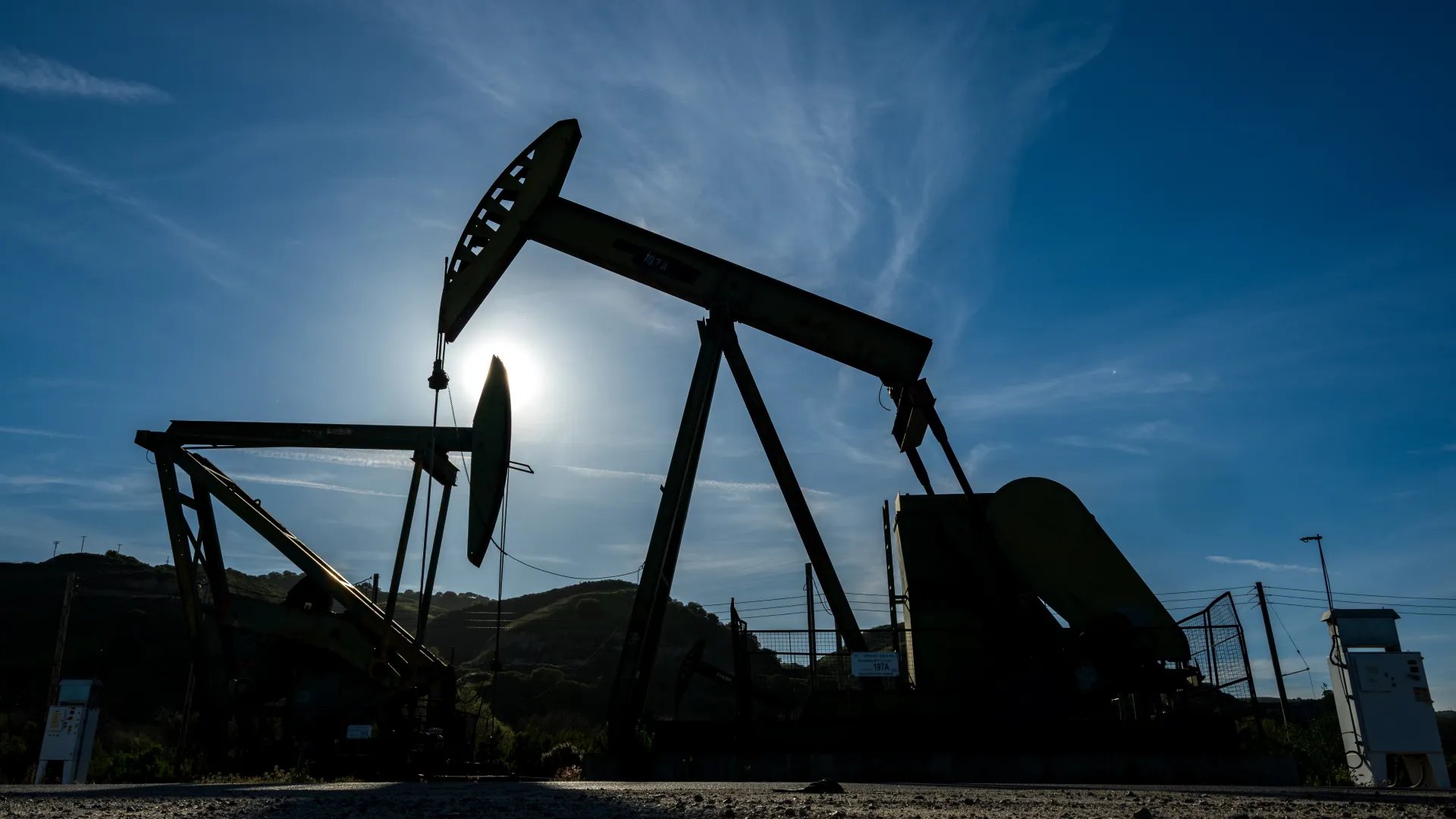
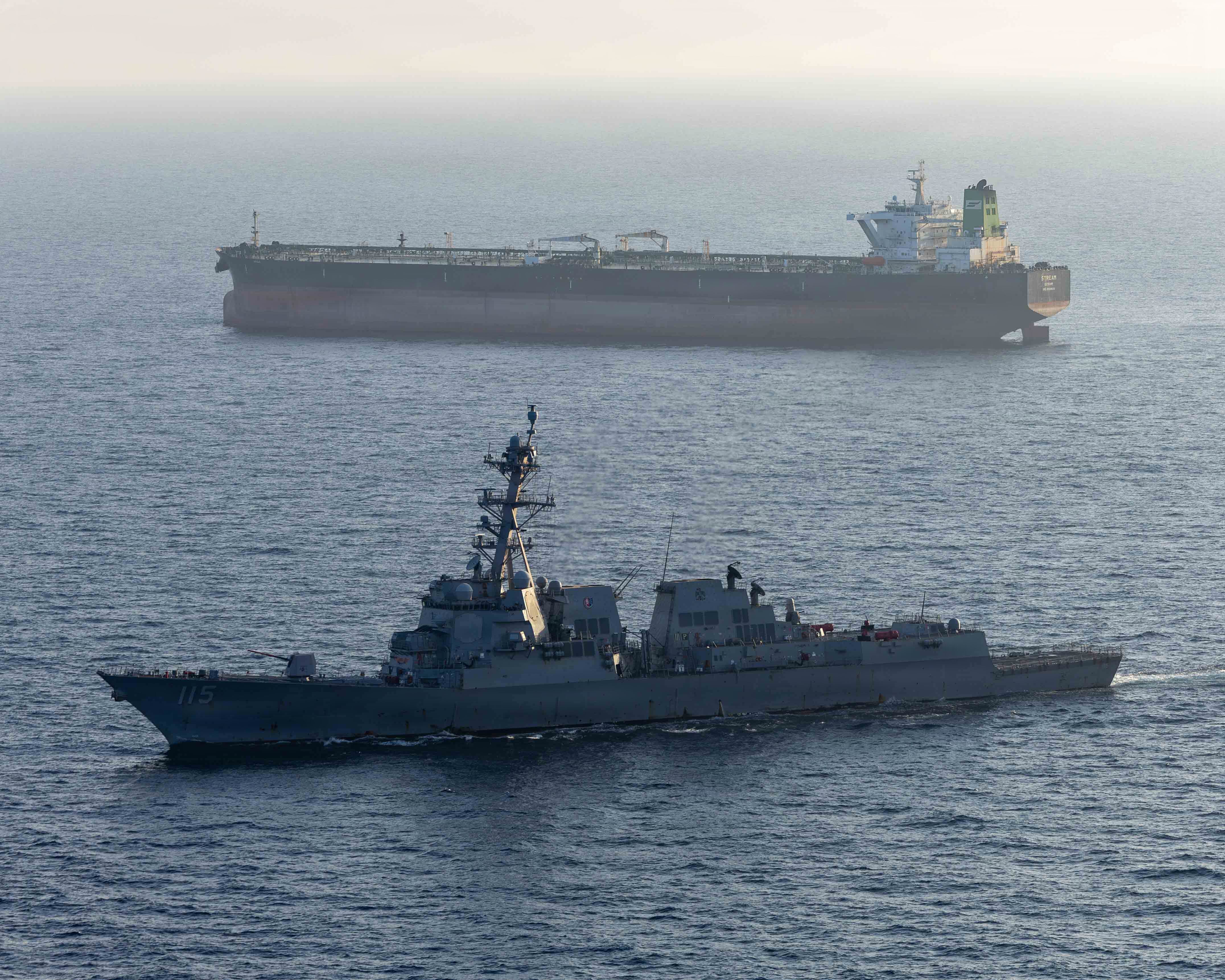
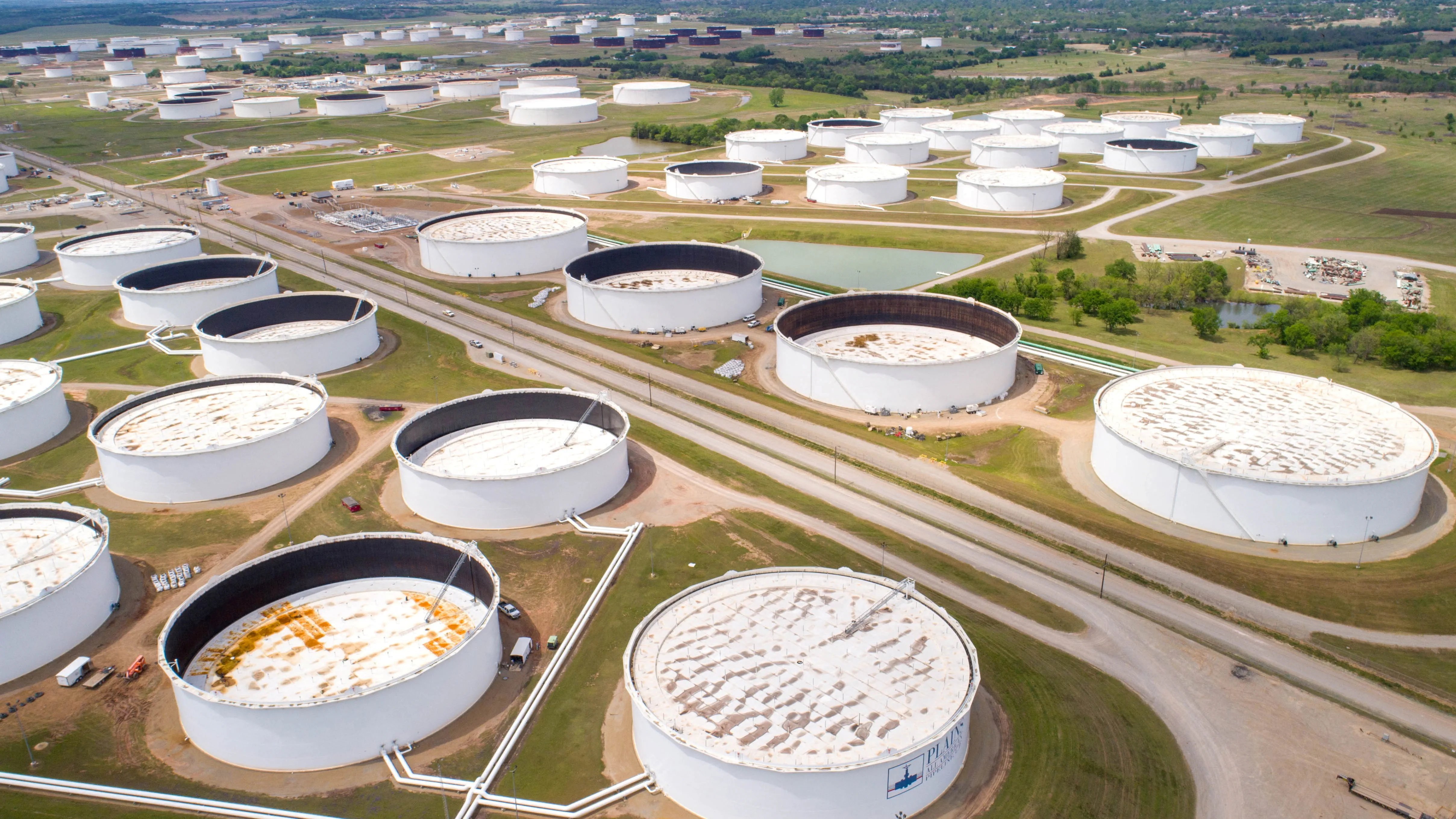
The United States Strategic Petroleum Reserve (SPR) has reached its lowest level since 1983, with current holdings at 340.3 million barrels, as reported by newly released federal data. The last time SPR levels were this low was 1983, during the Reagan administration.
Impact of Depleted Reserves on Oil Prices
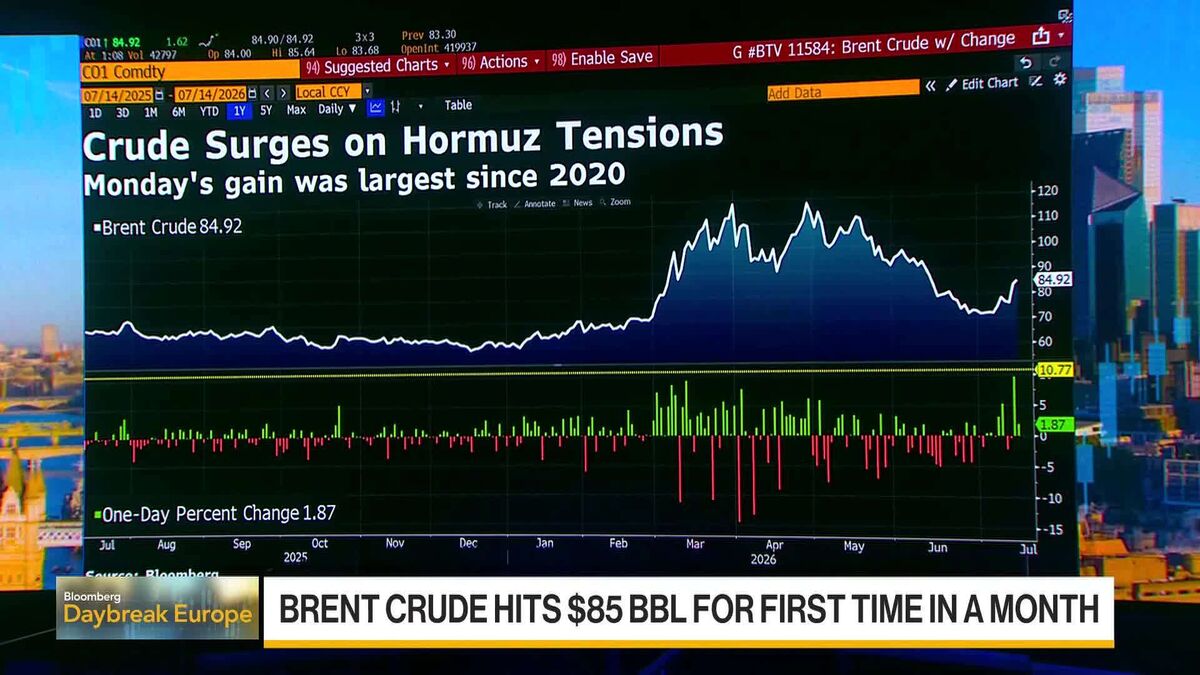
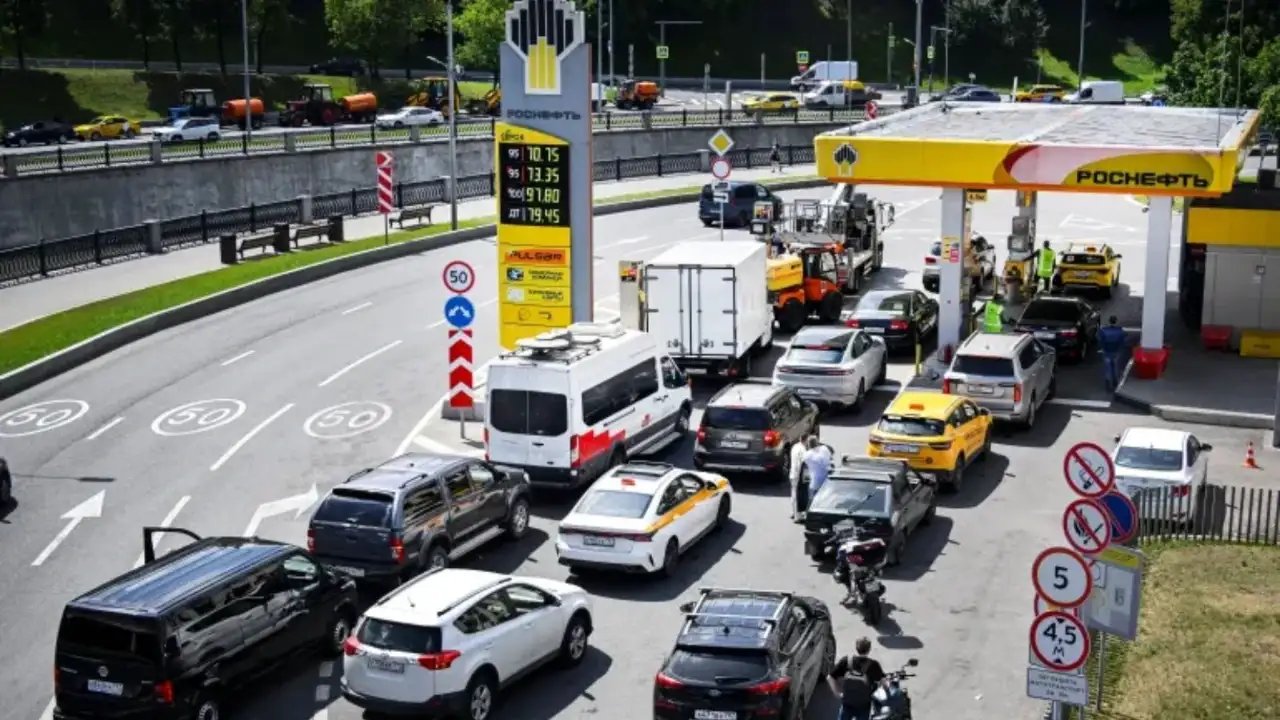
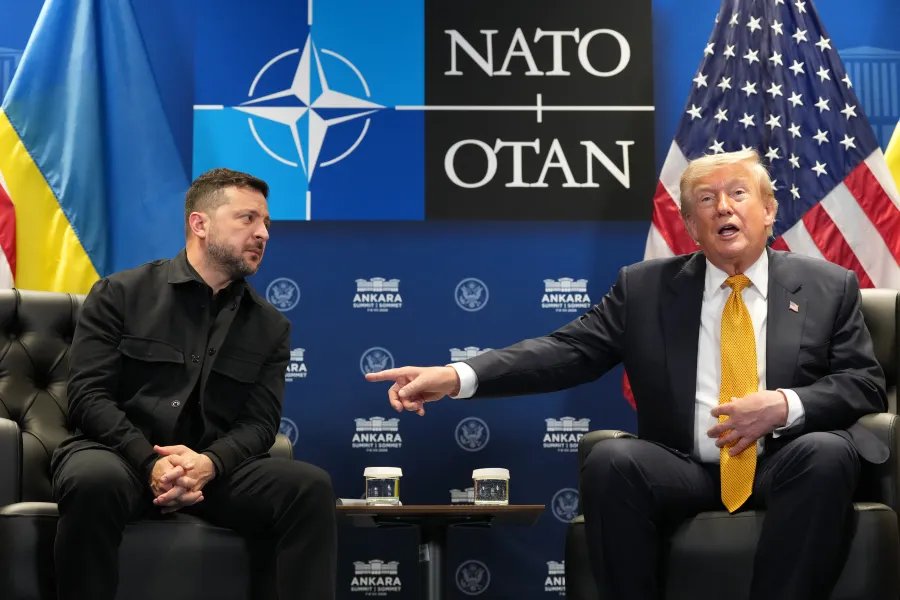
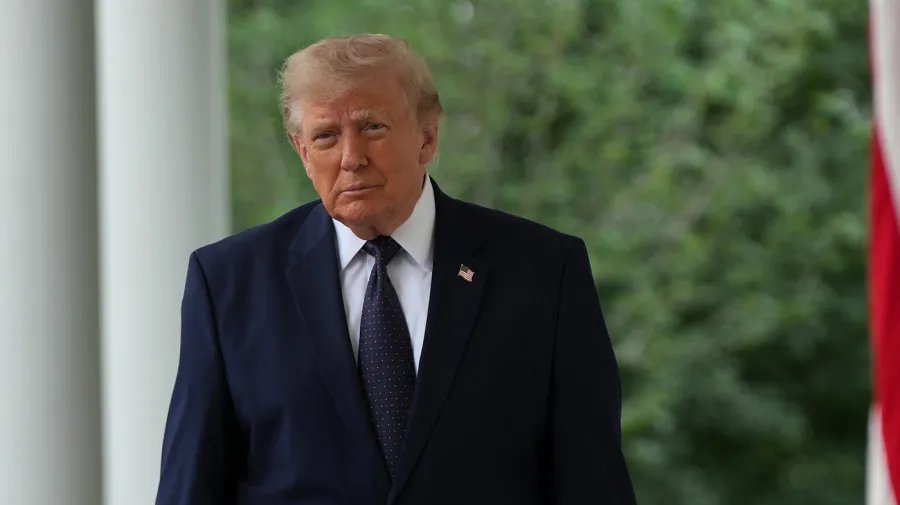
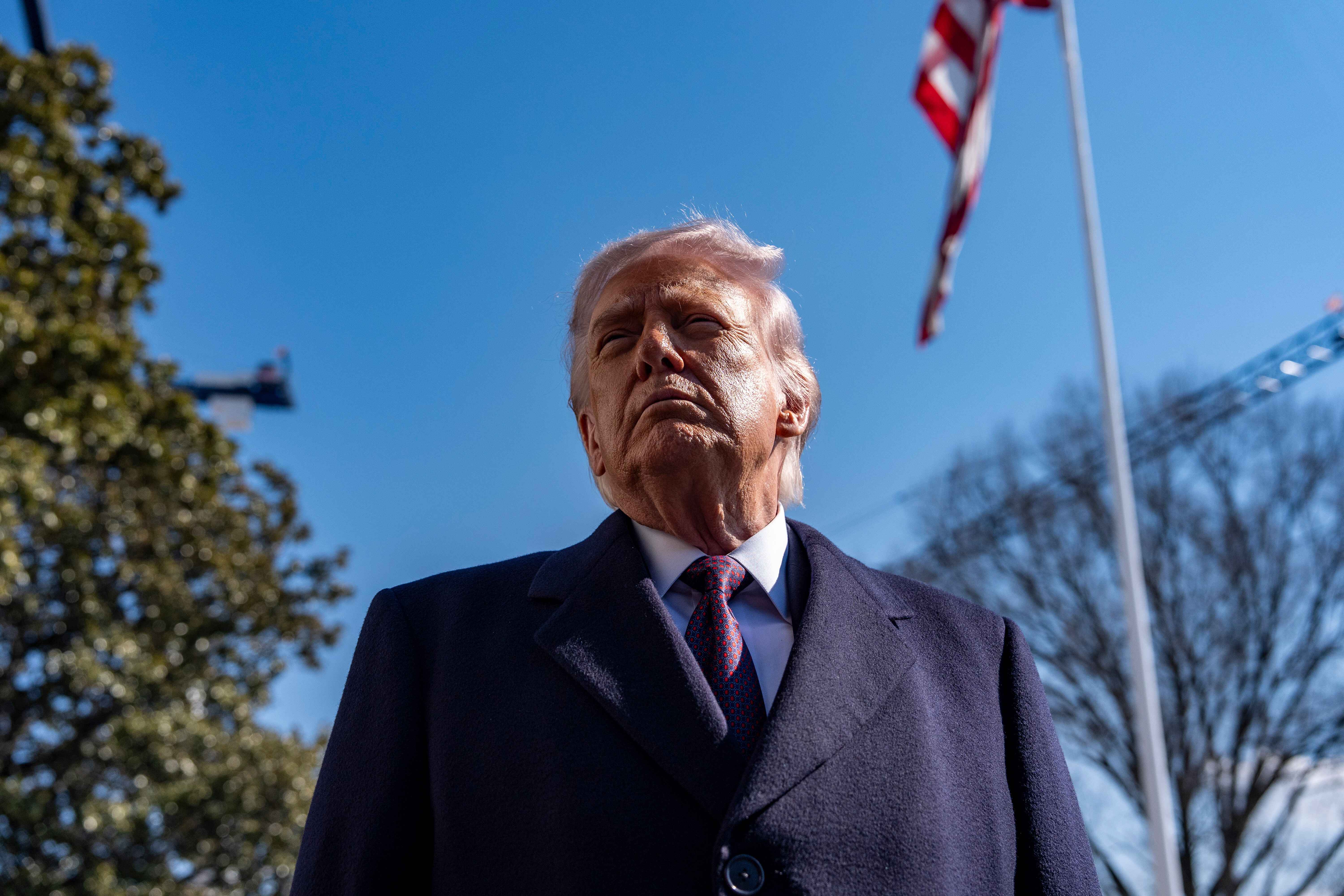
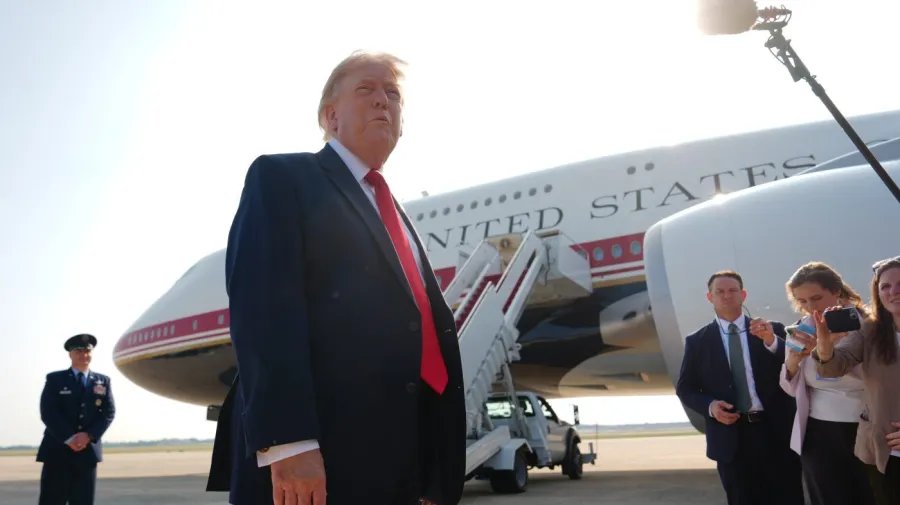
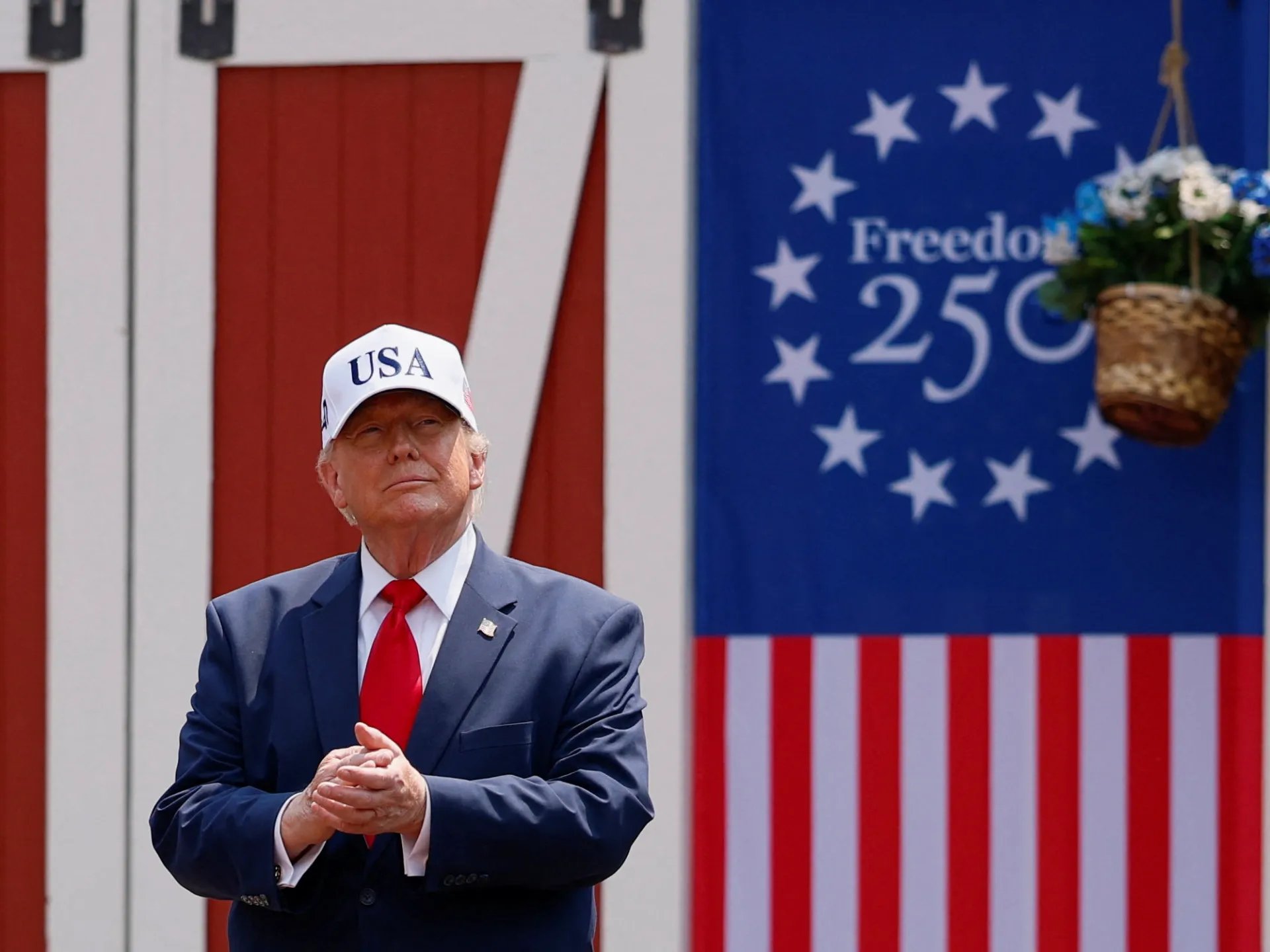
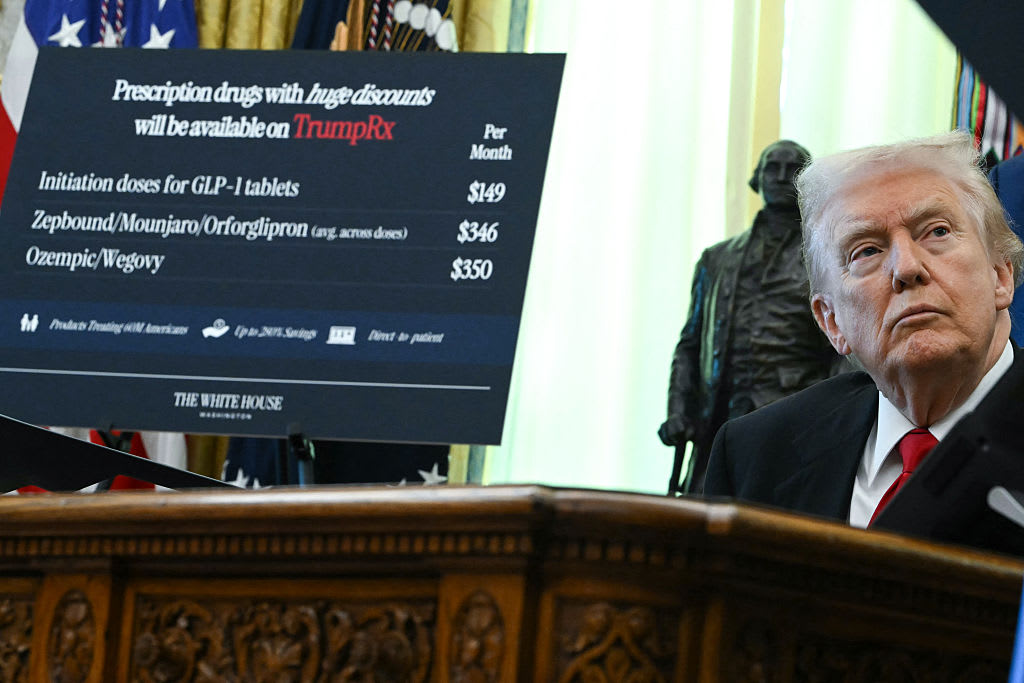
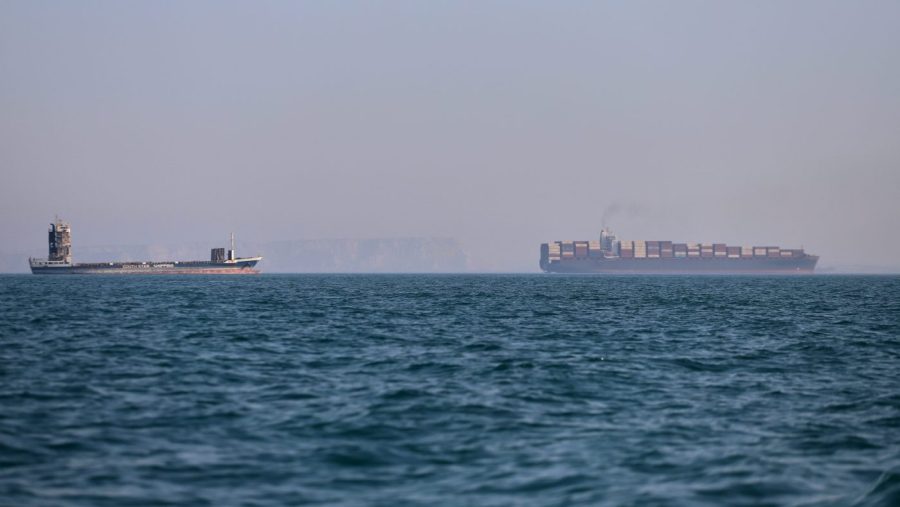
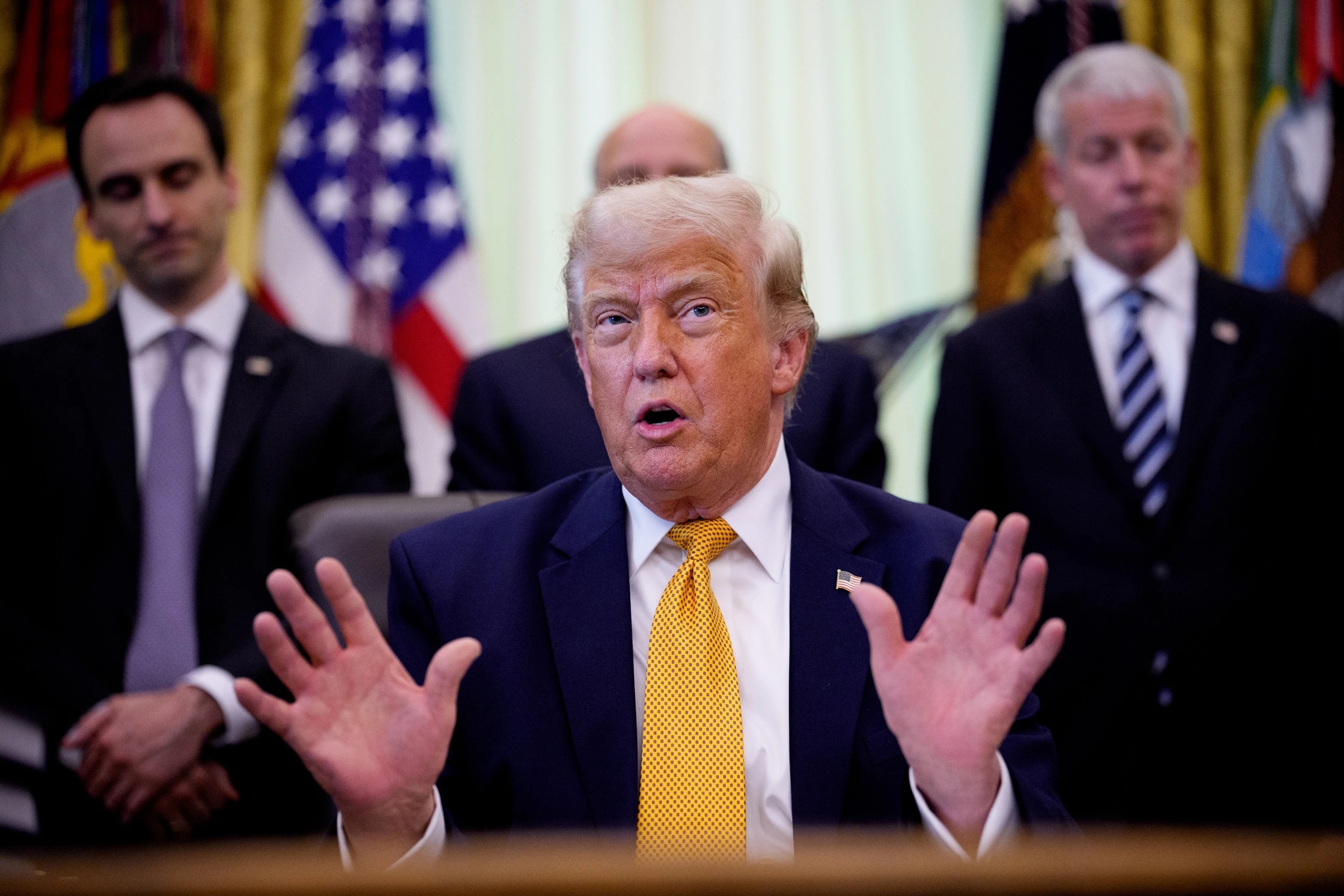
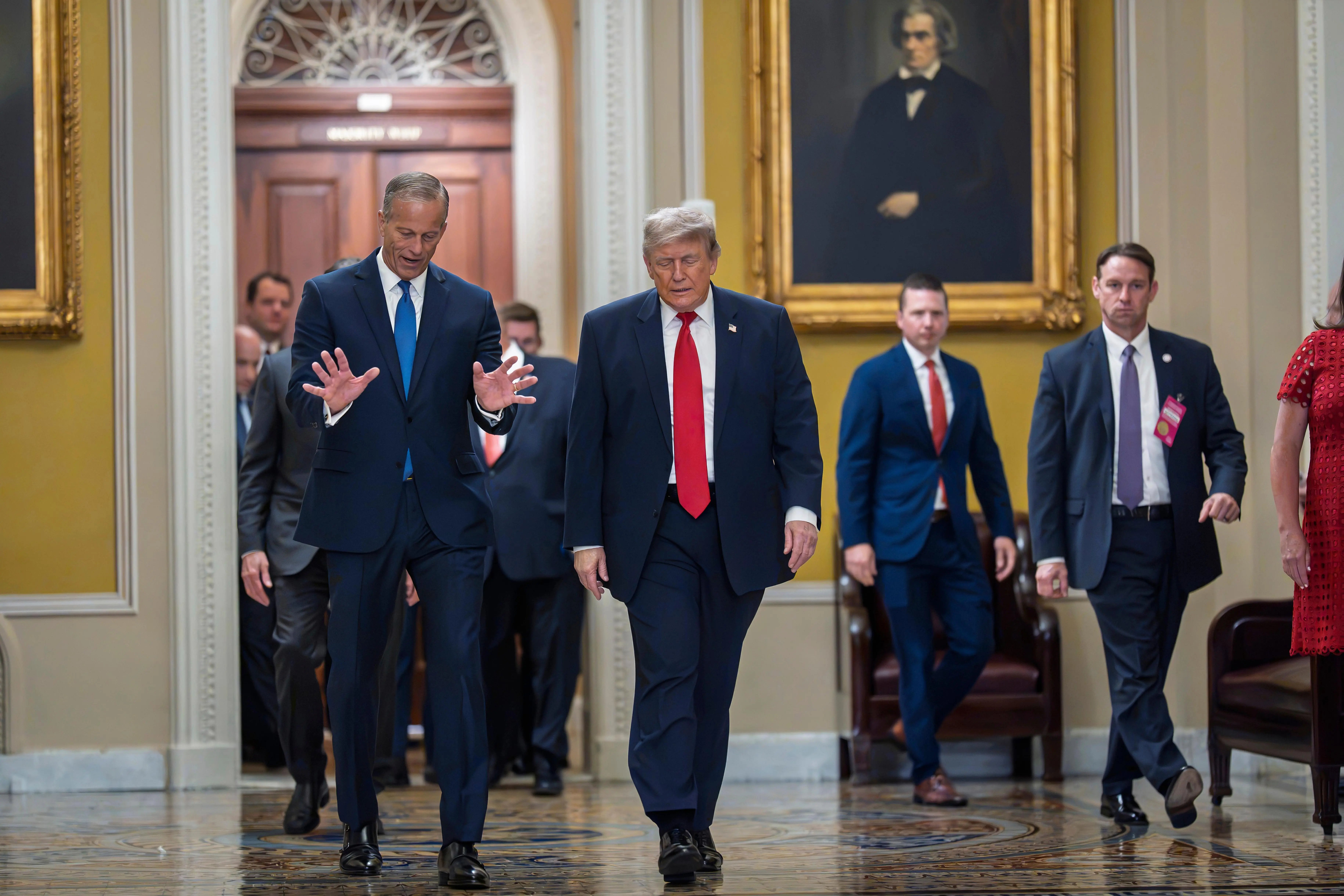
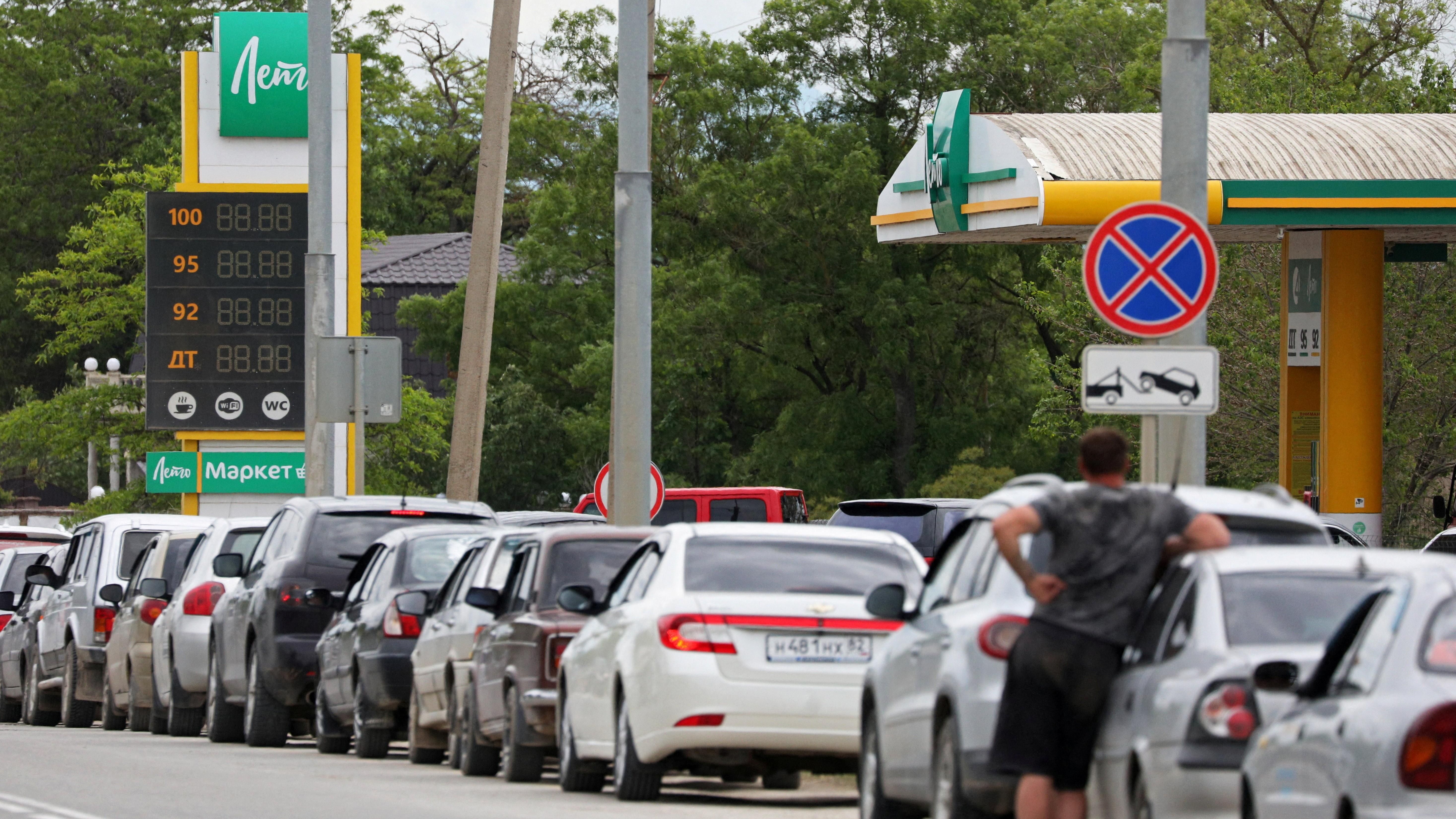
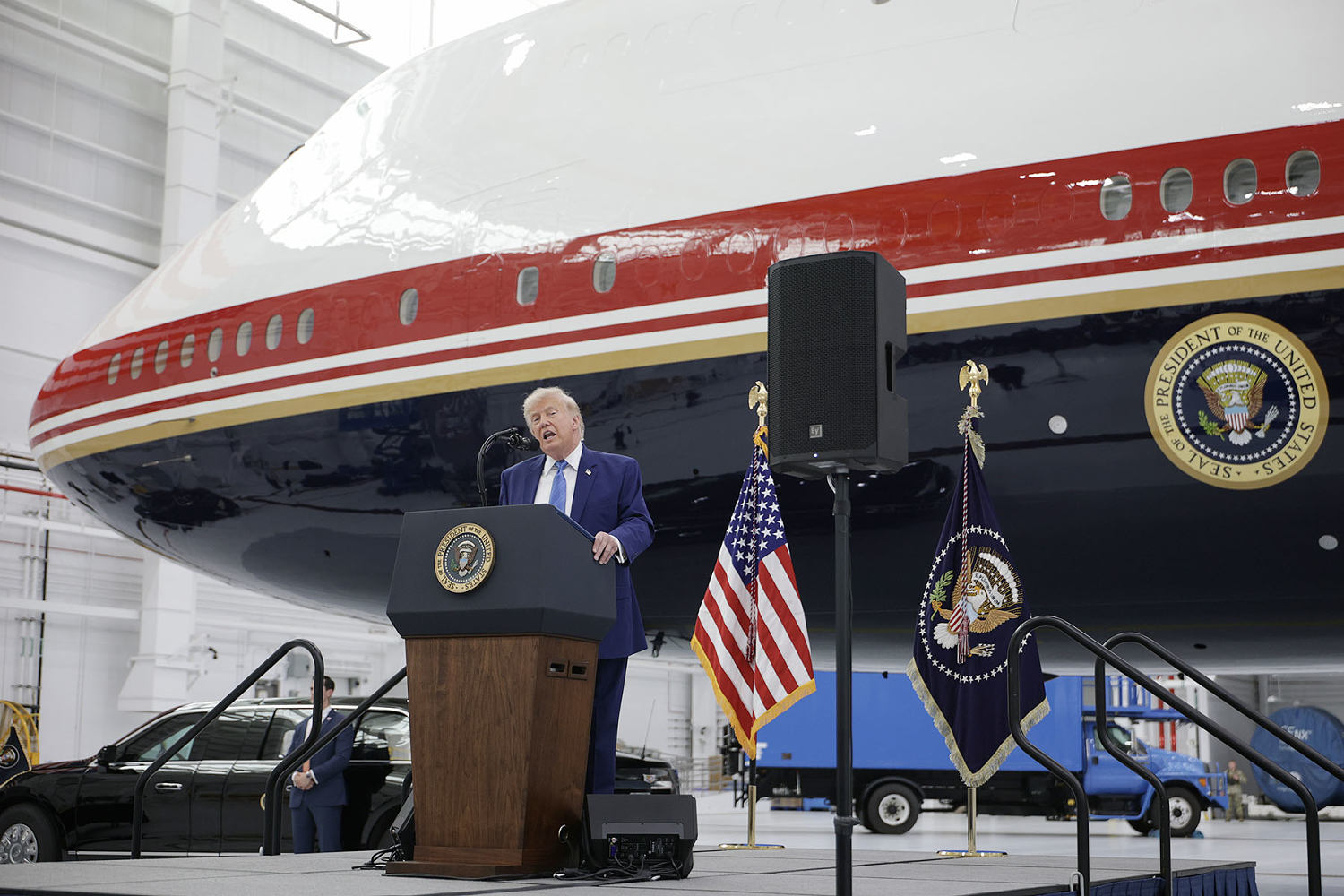
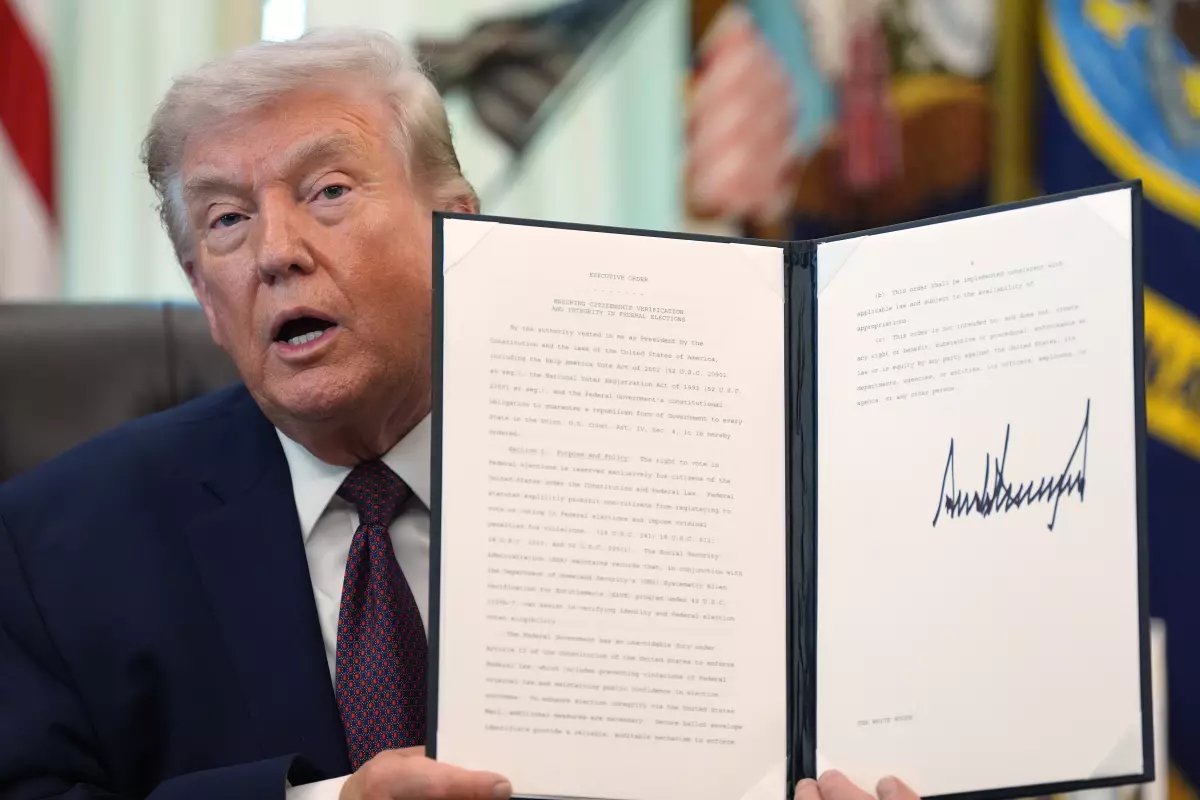
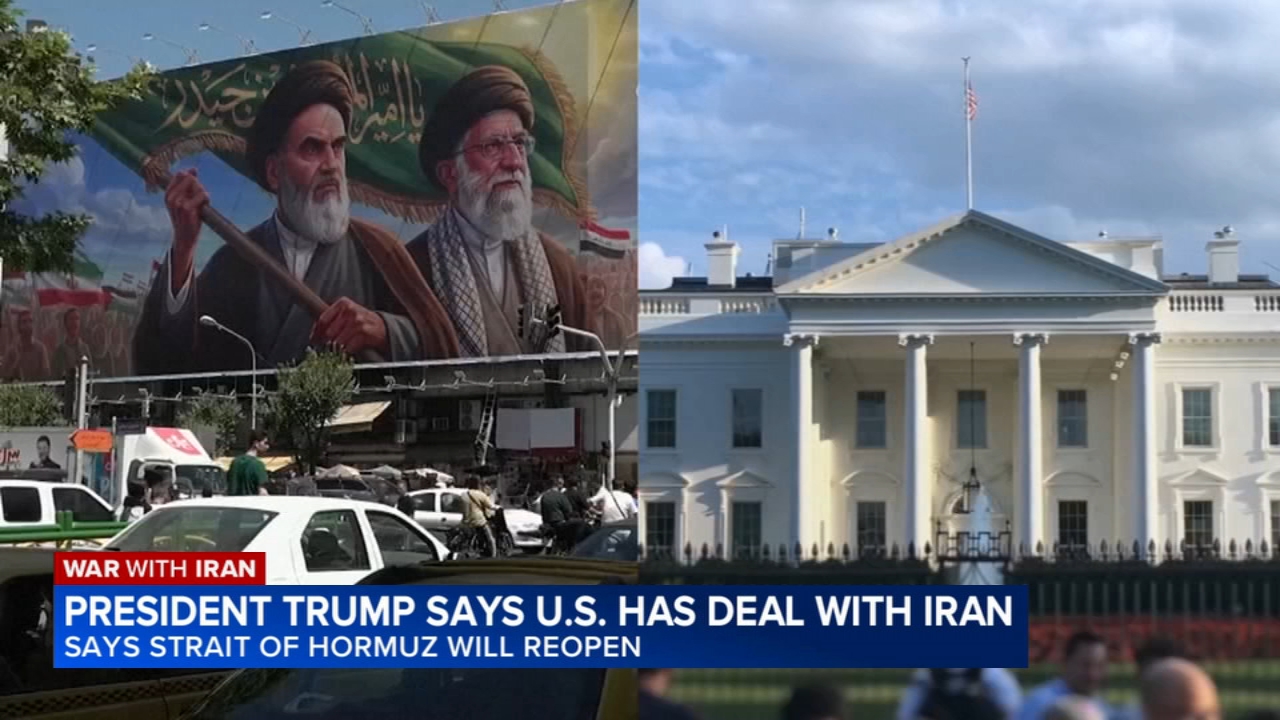
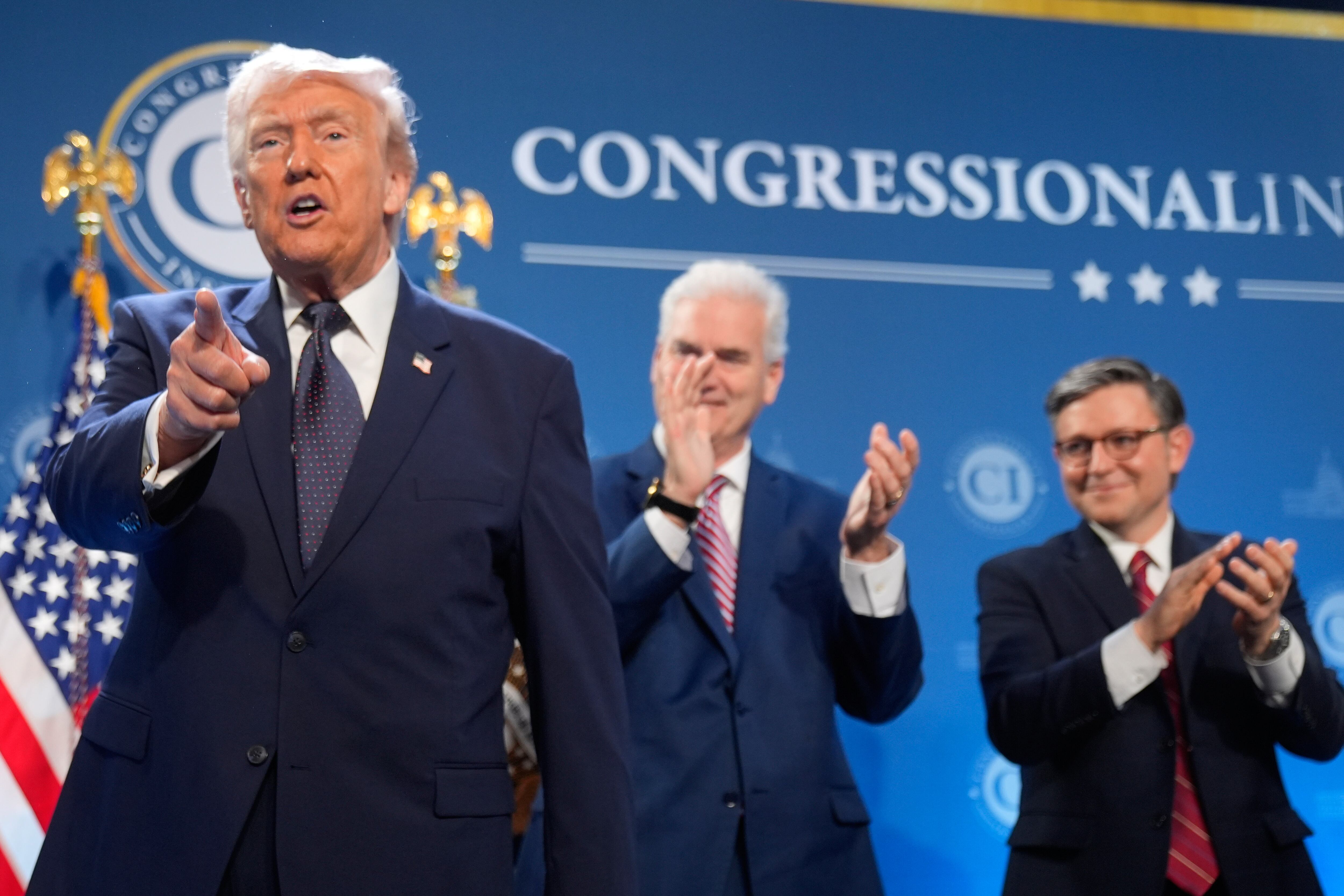
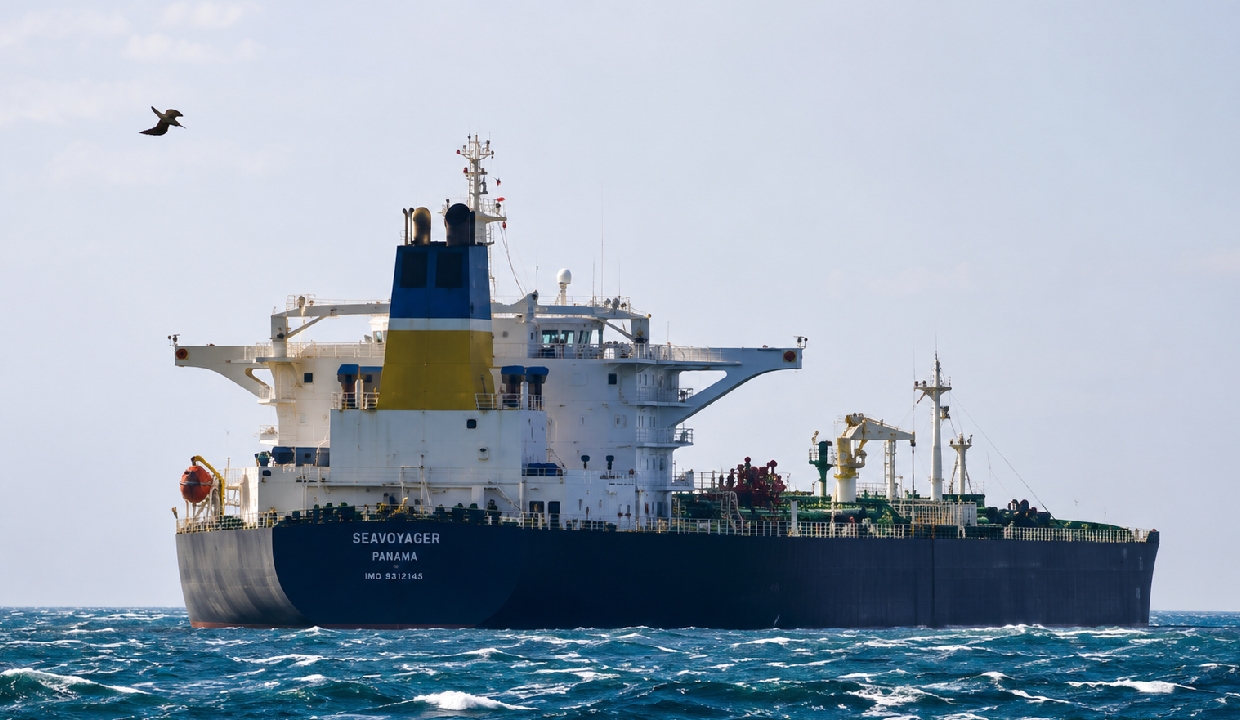
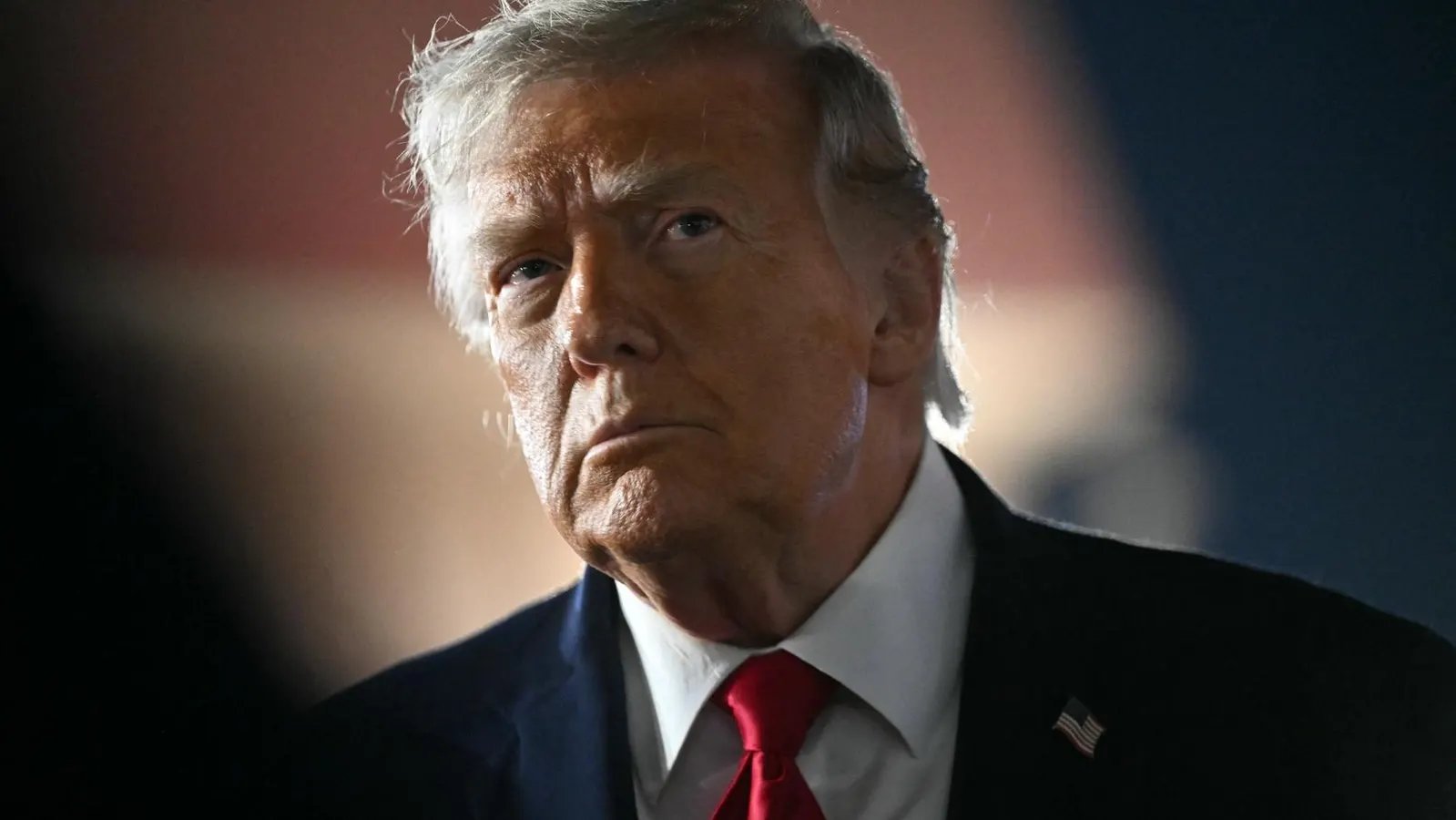
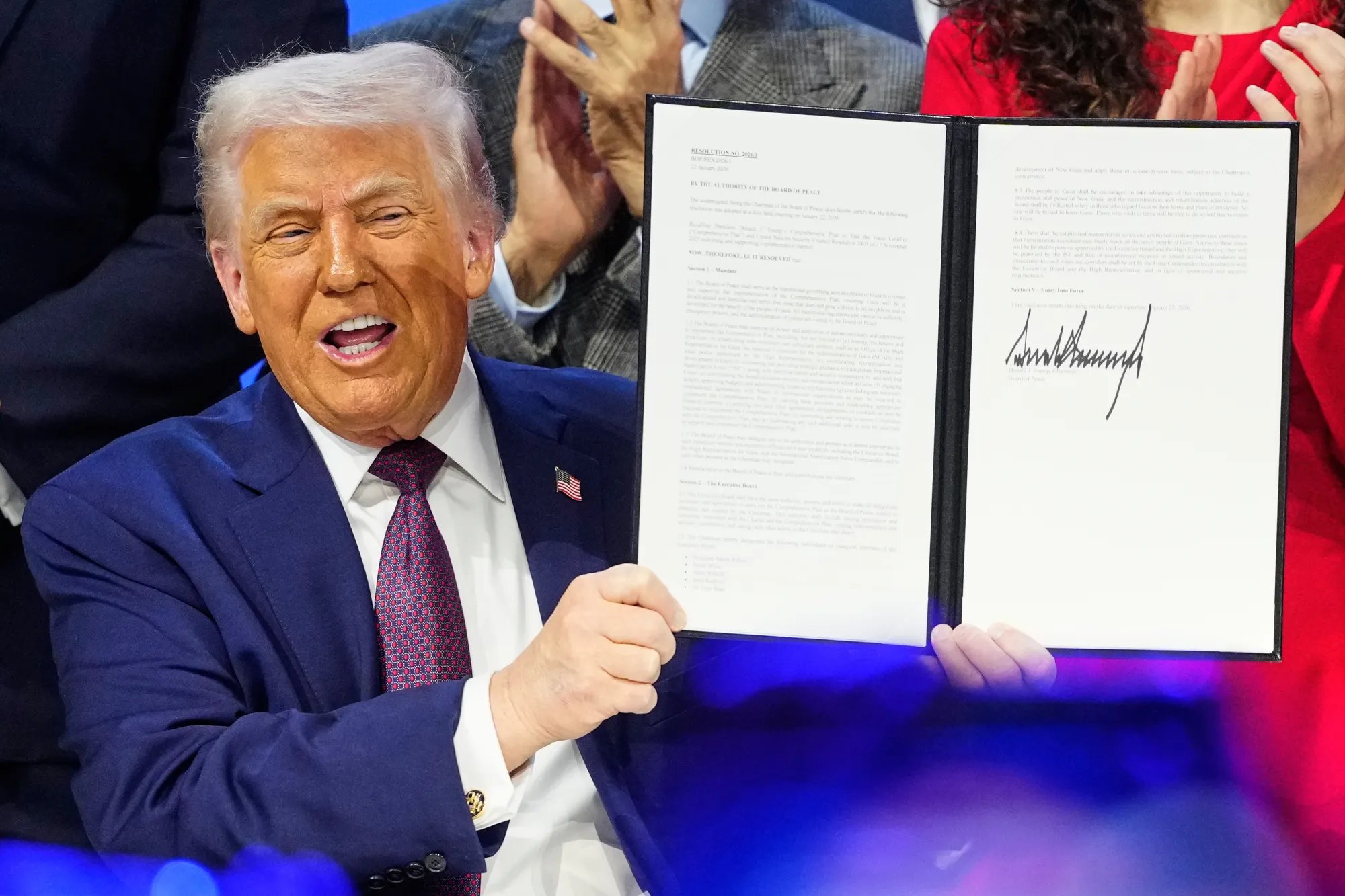
The Trump administration has released 172 million barrels from the SPR in response to surging fuel prices. This move underscores the government's response to geopolitical tensions affecting global oil markets.
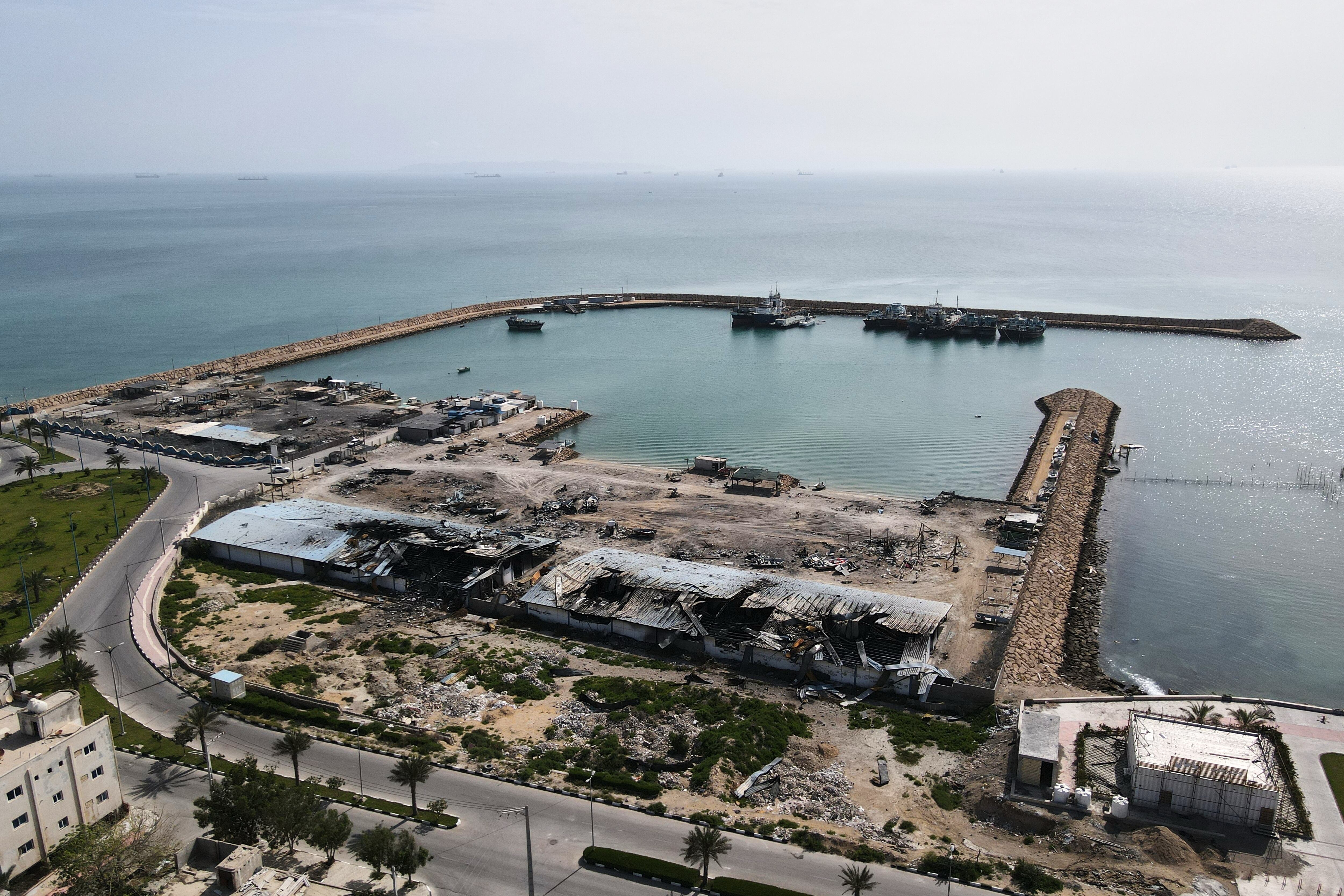
Escalation of Conflict and Energy Infrastructure
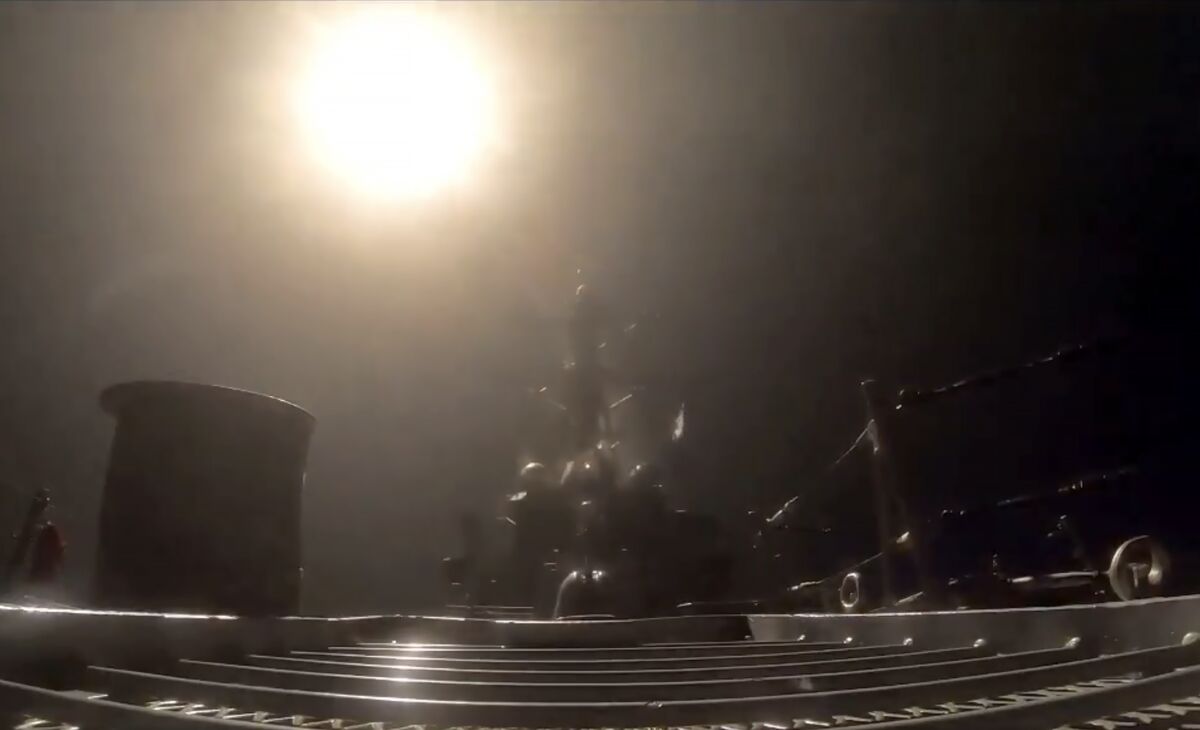
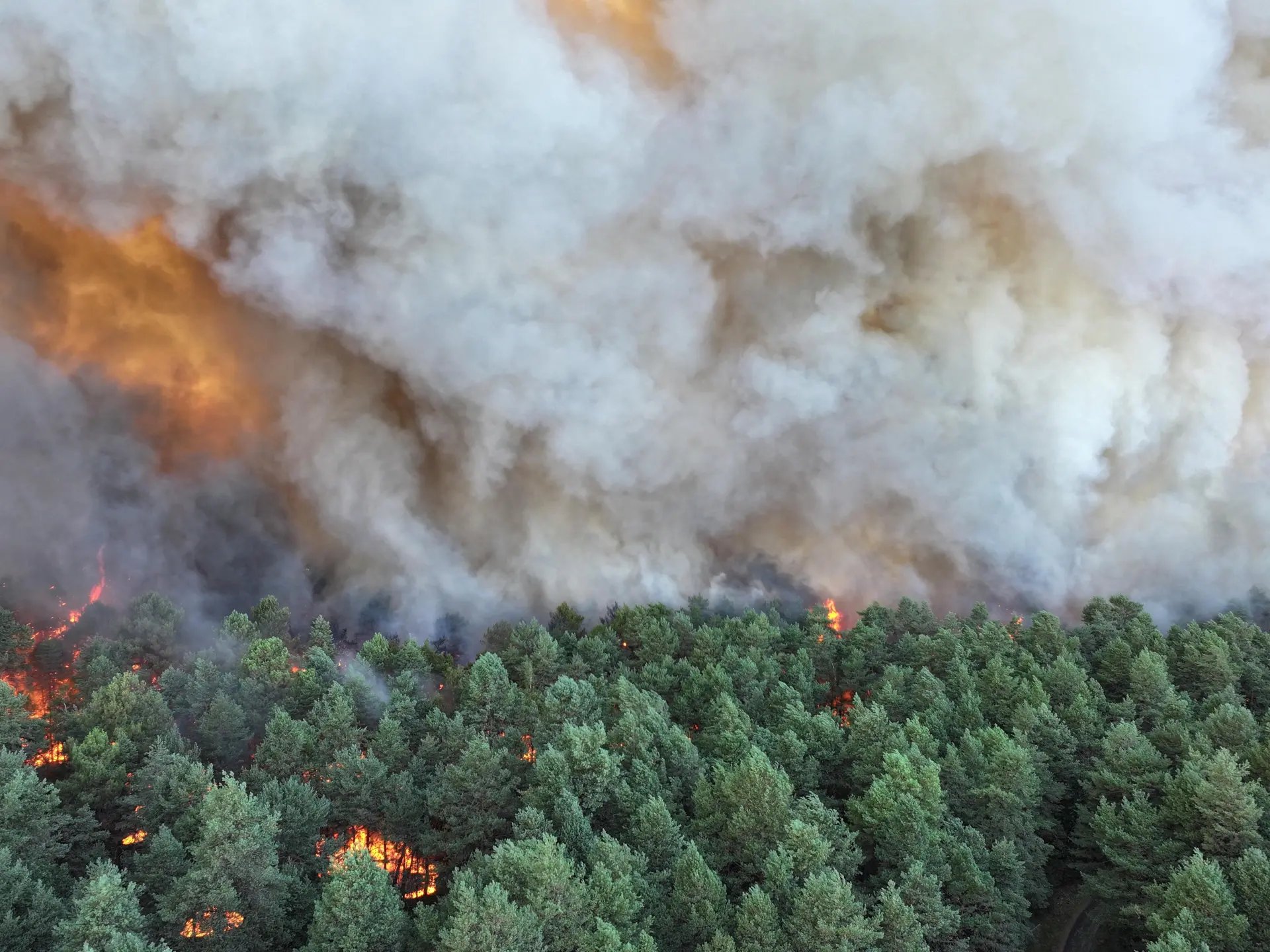
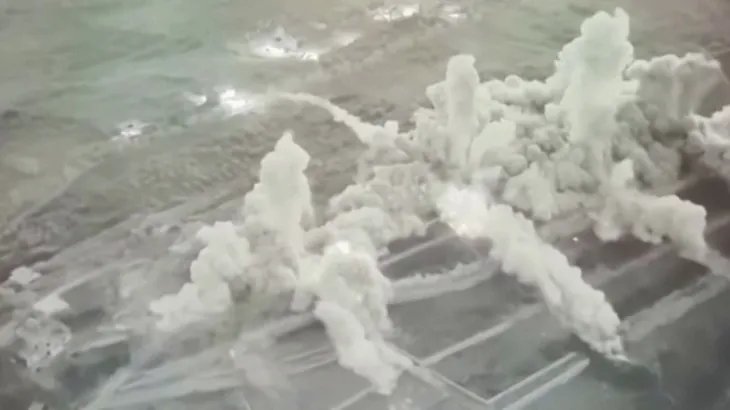
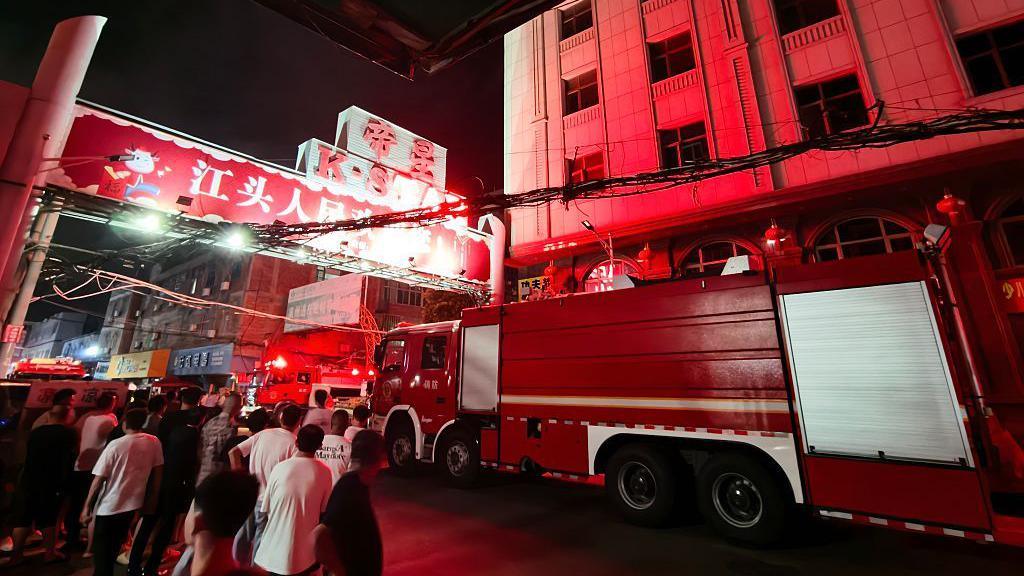
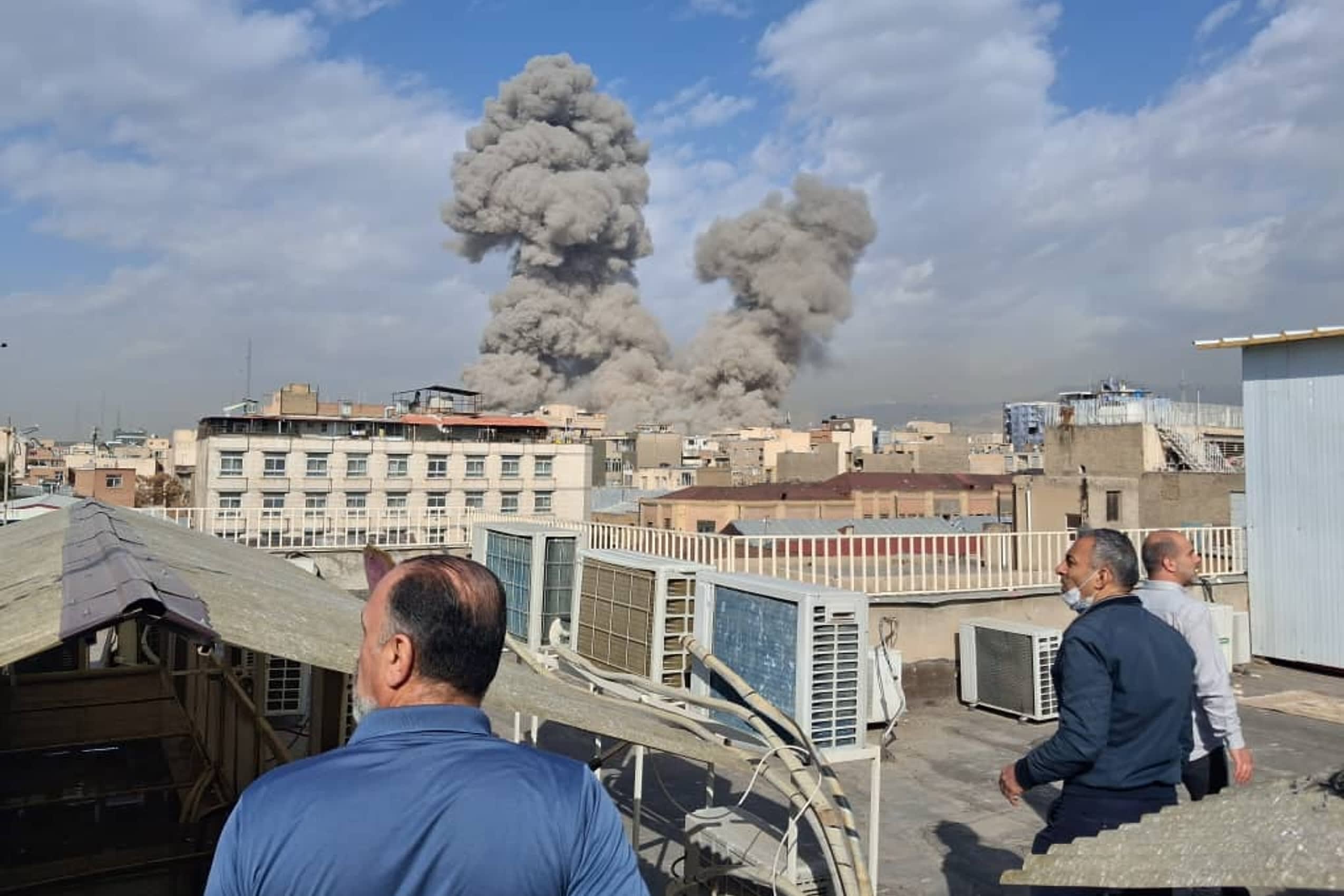
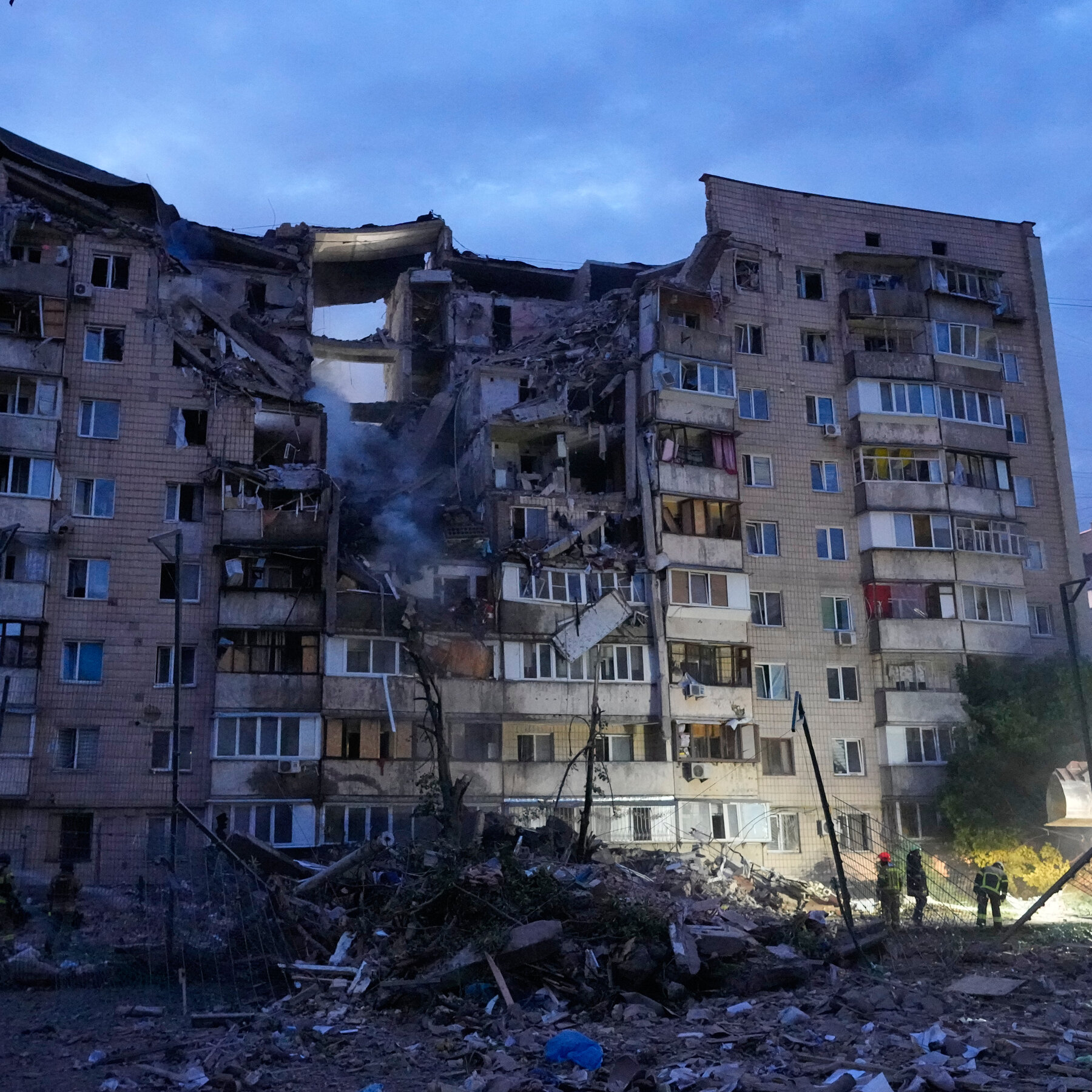
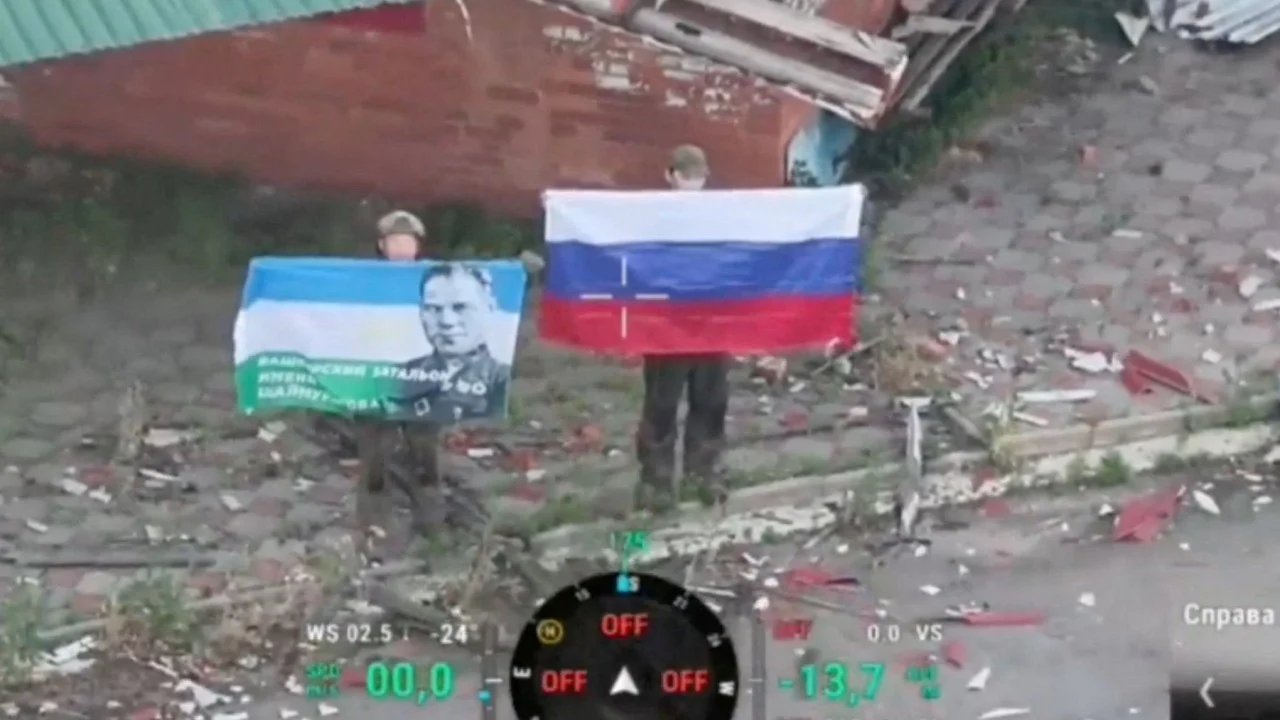
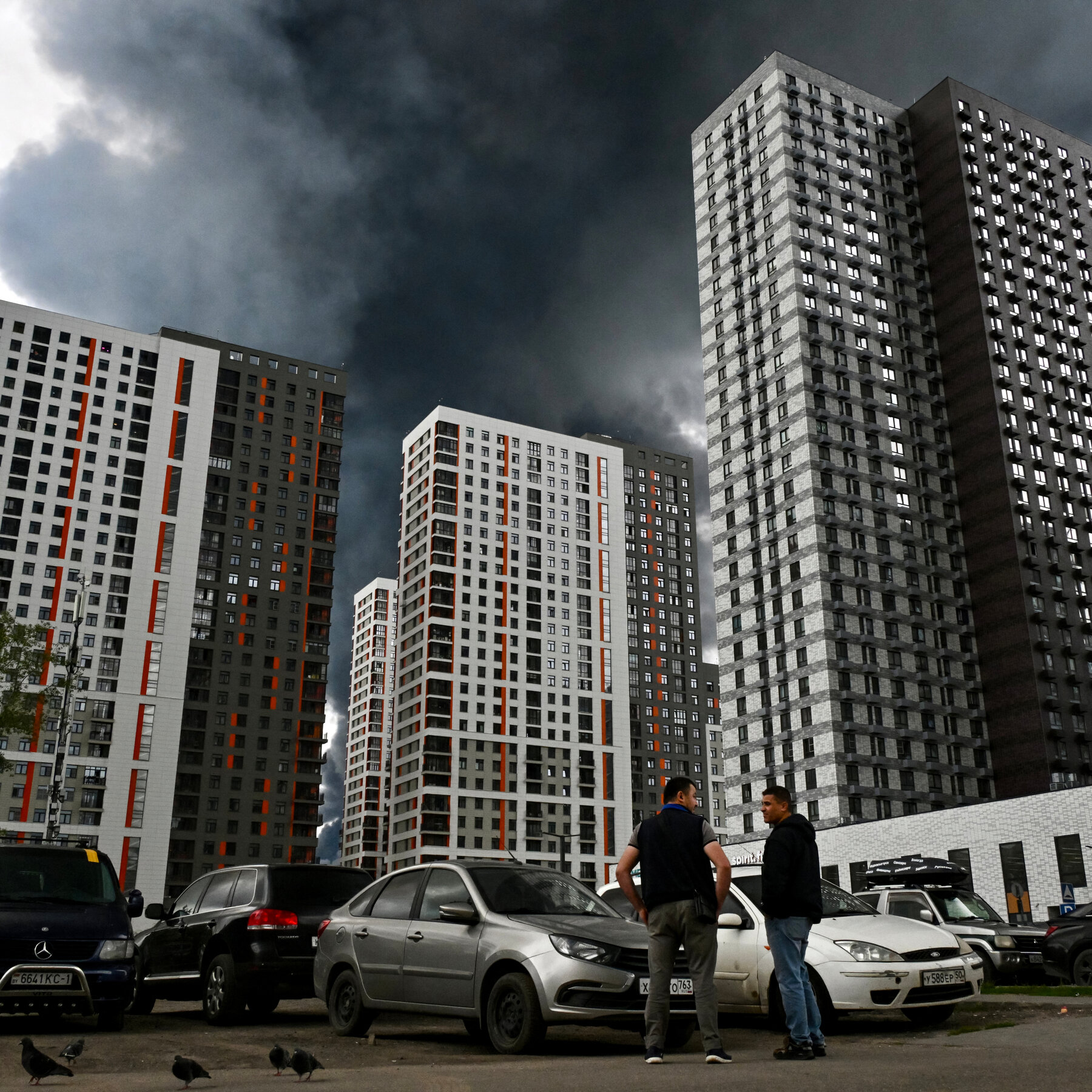
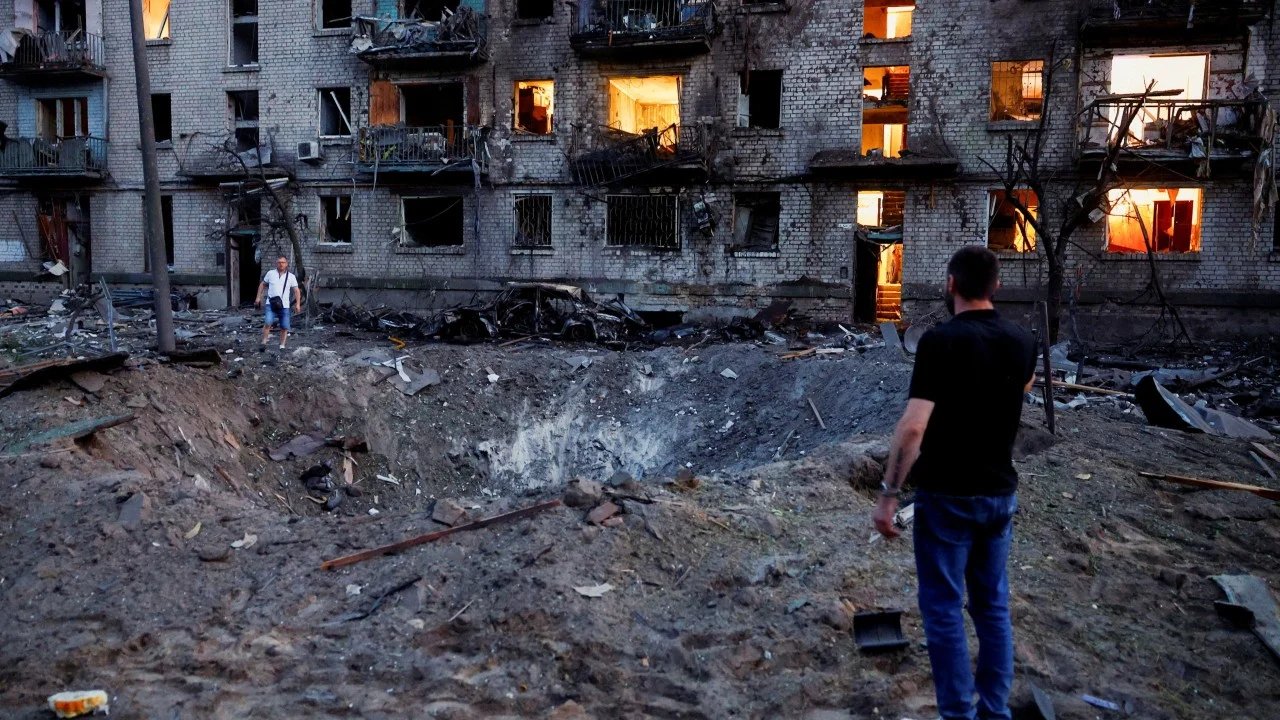
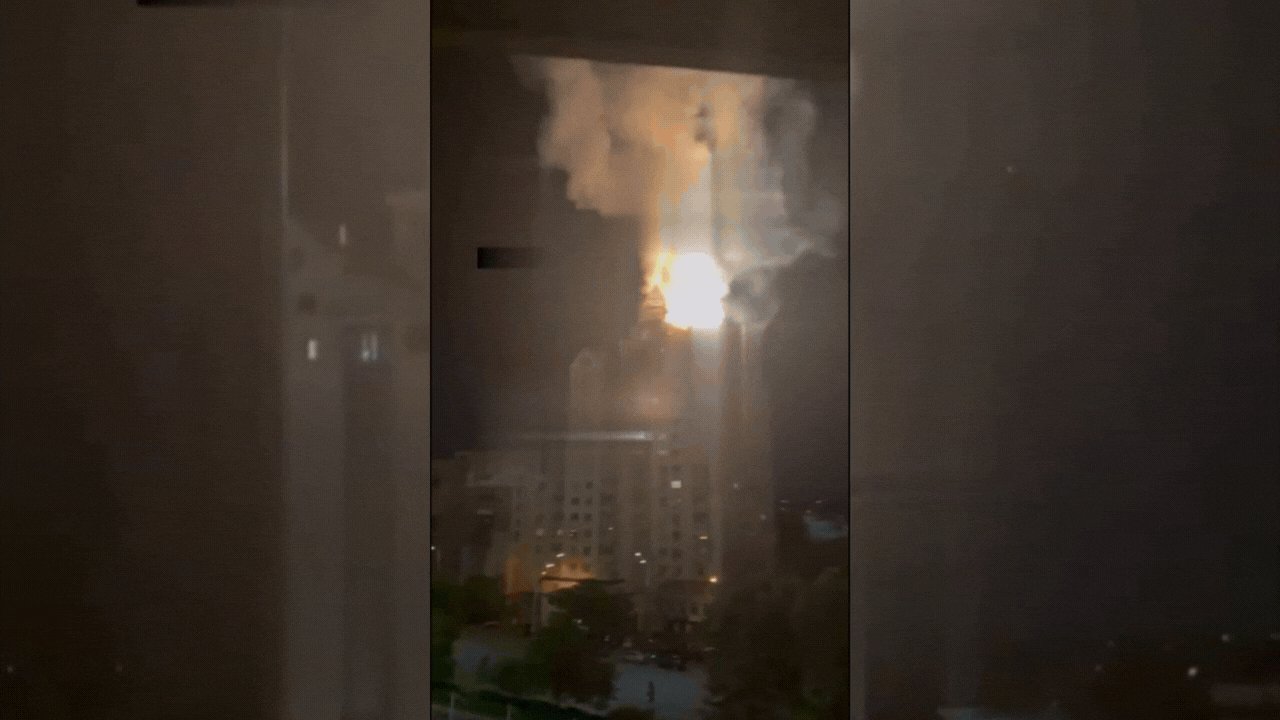
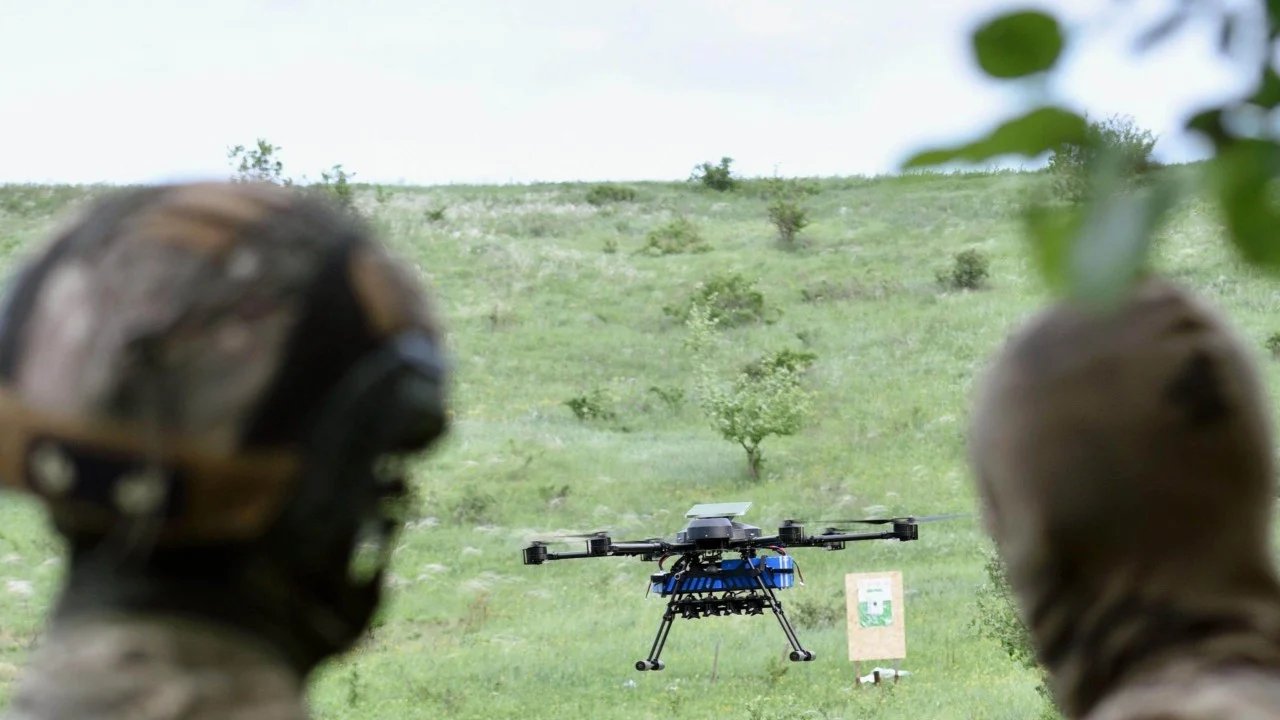
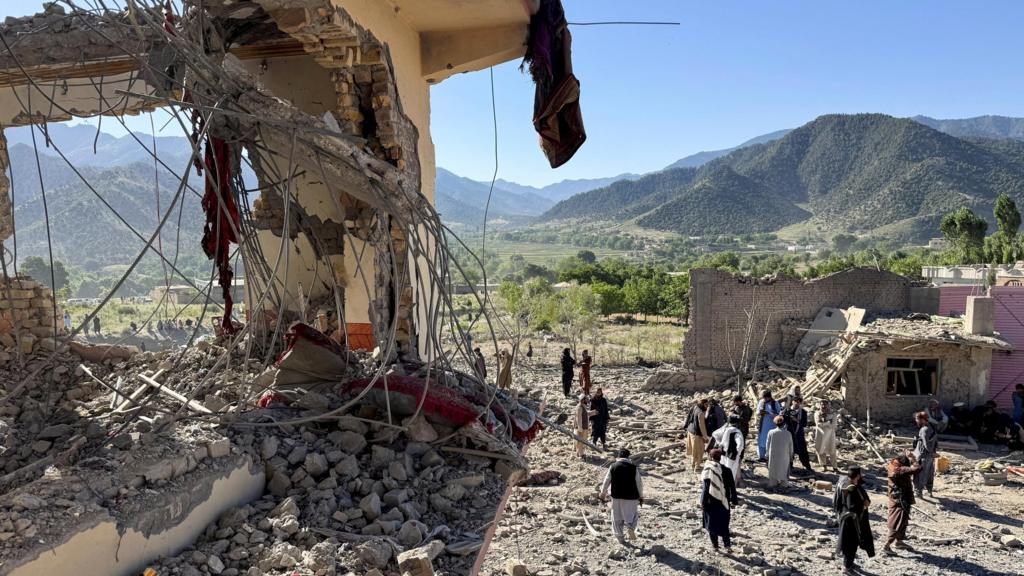
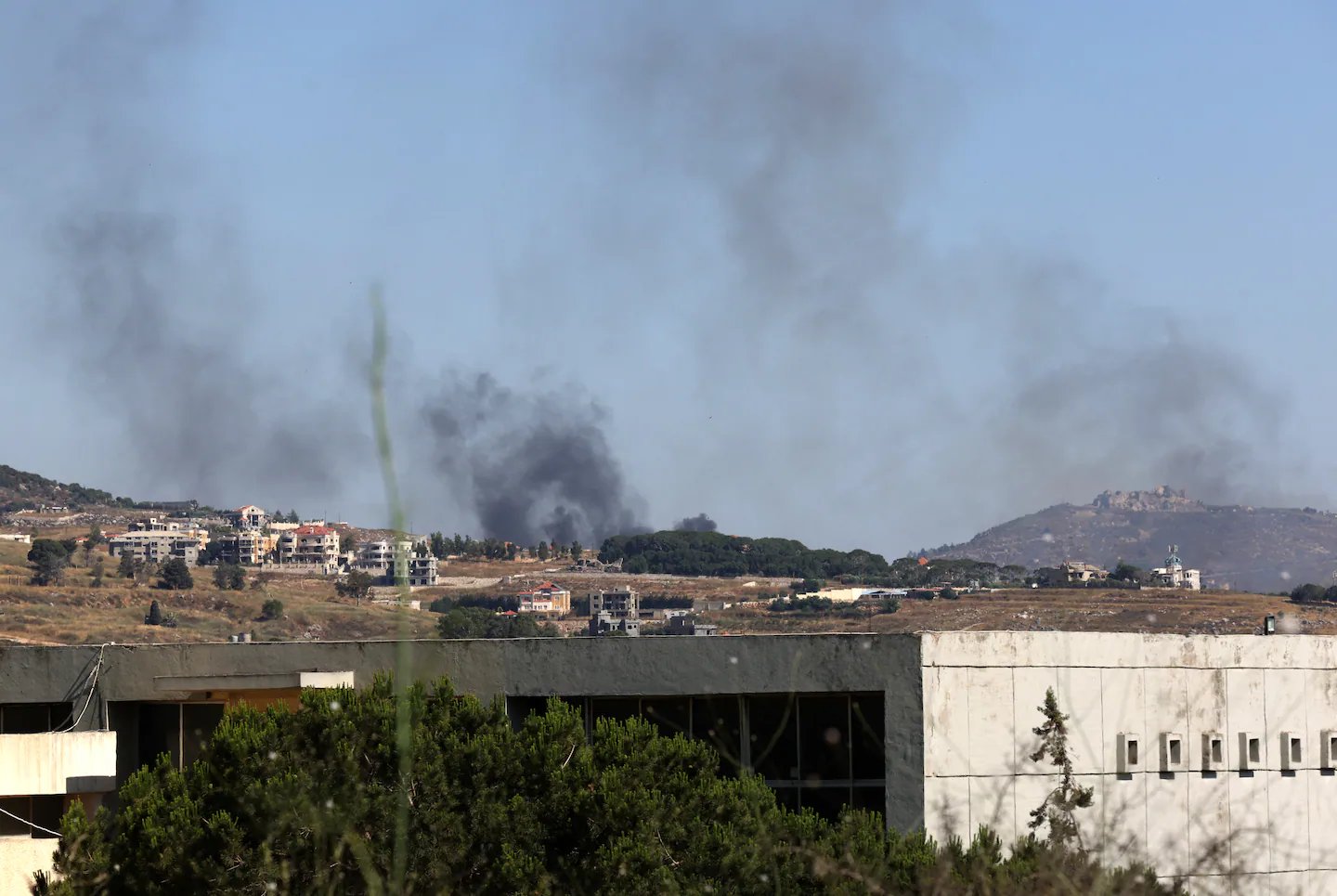
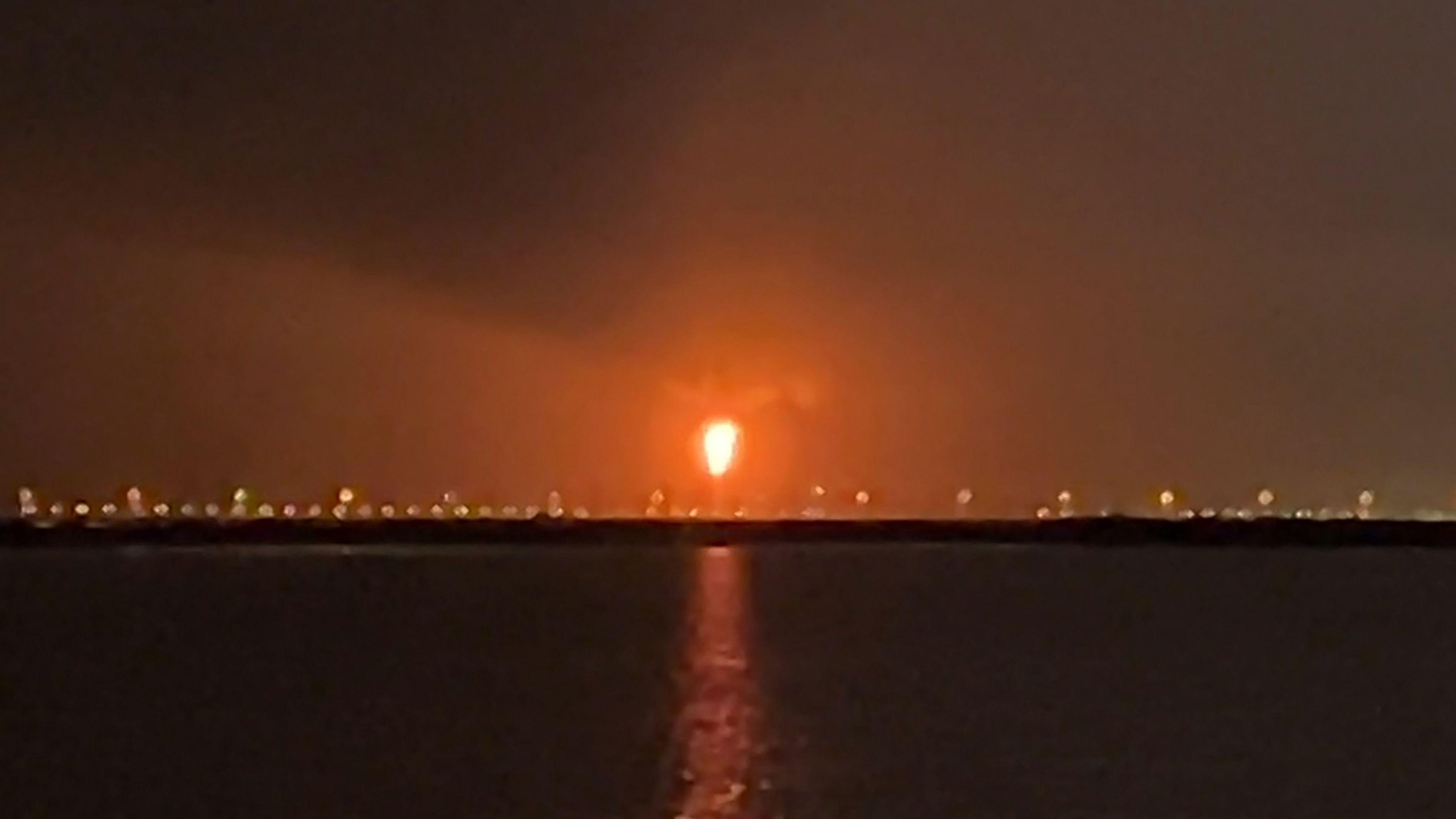
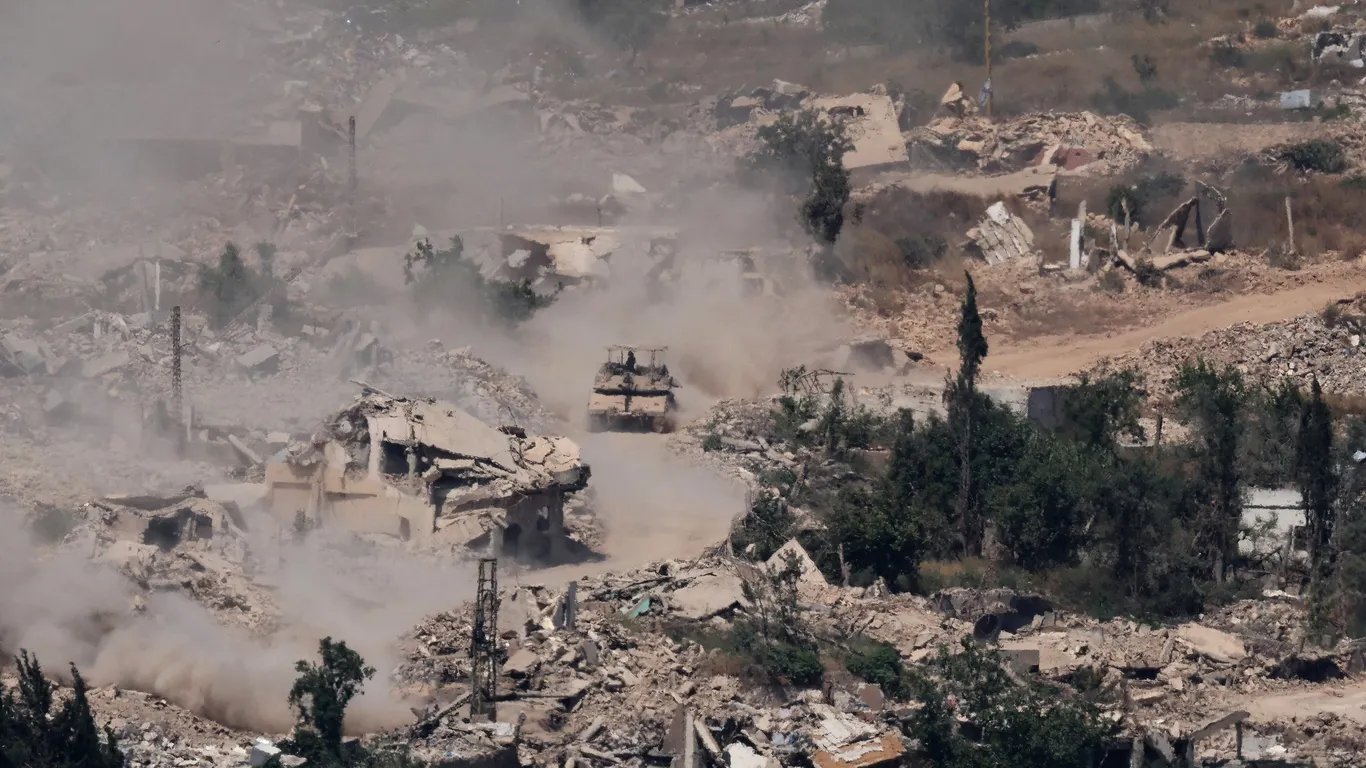
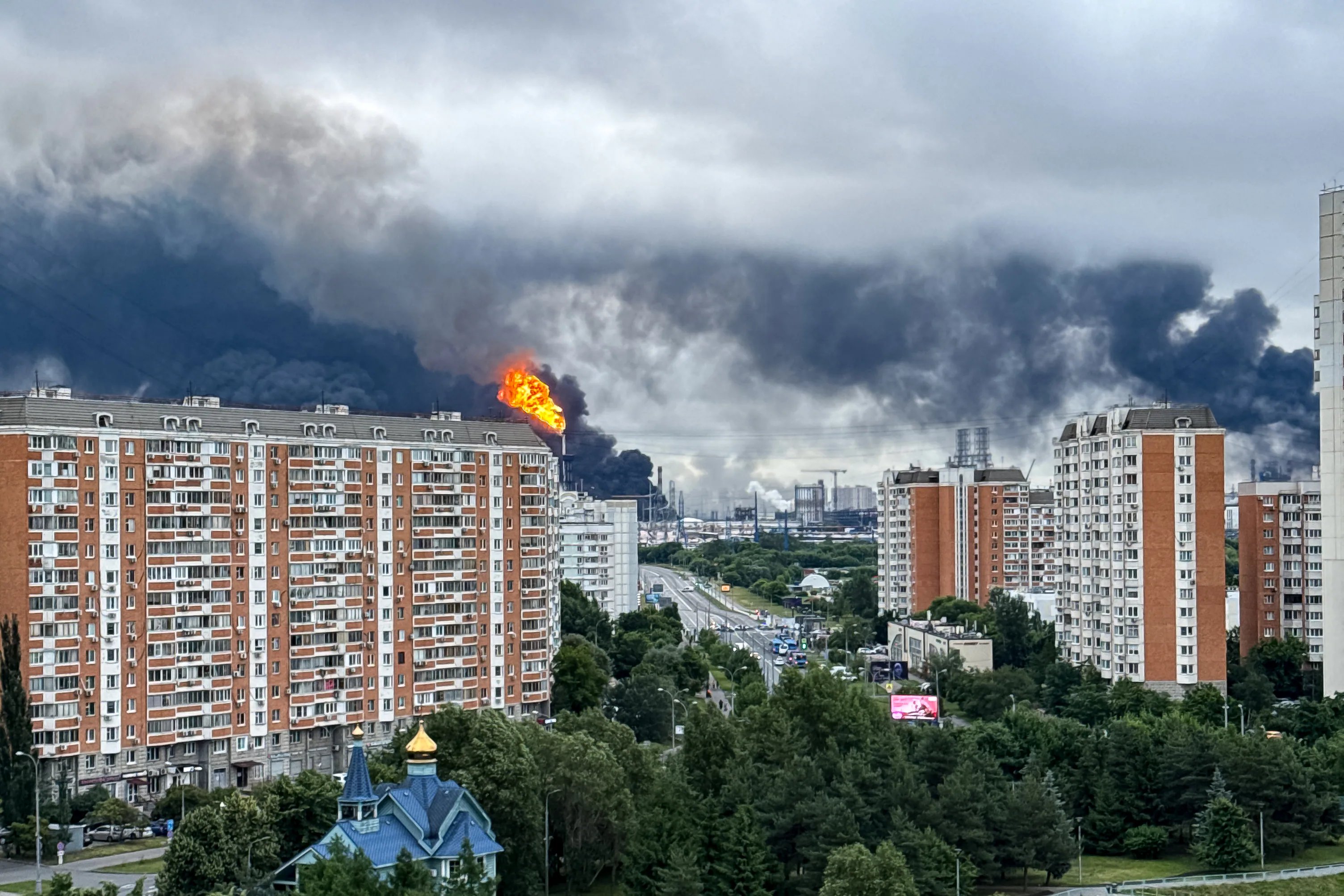
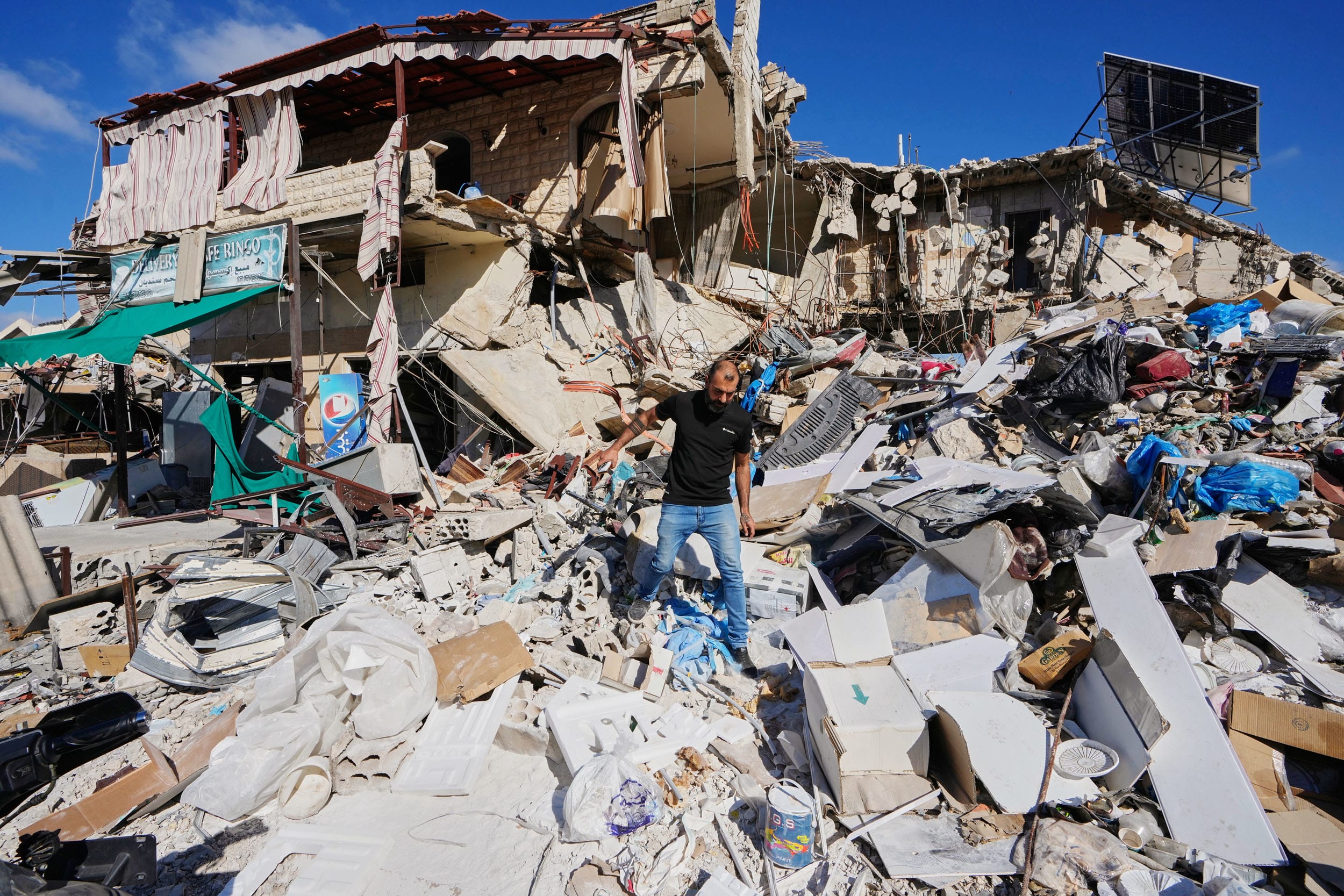
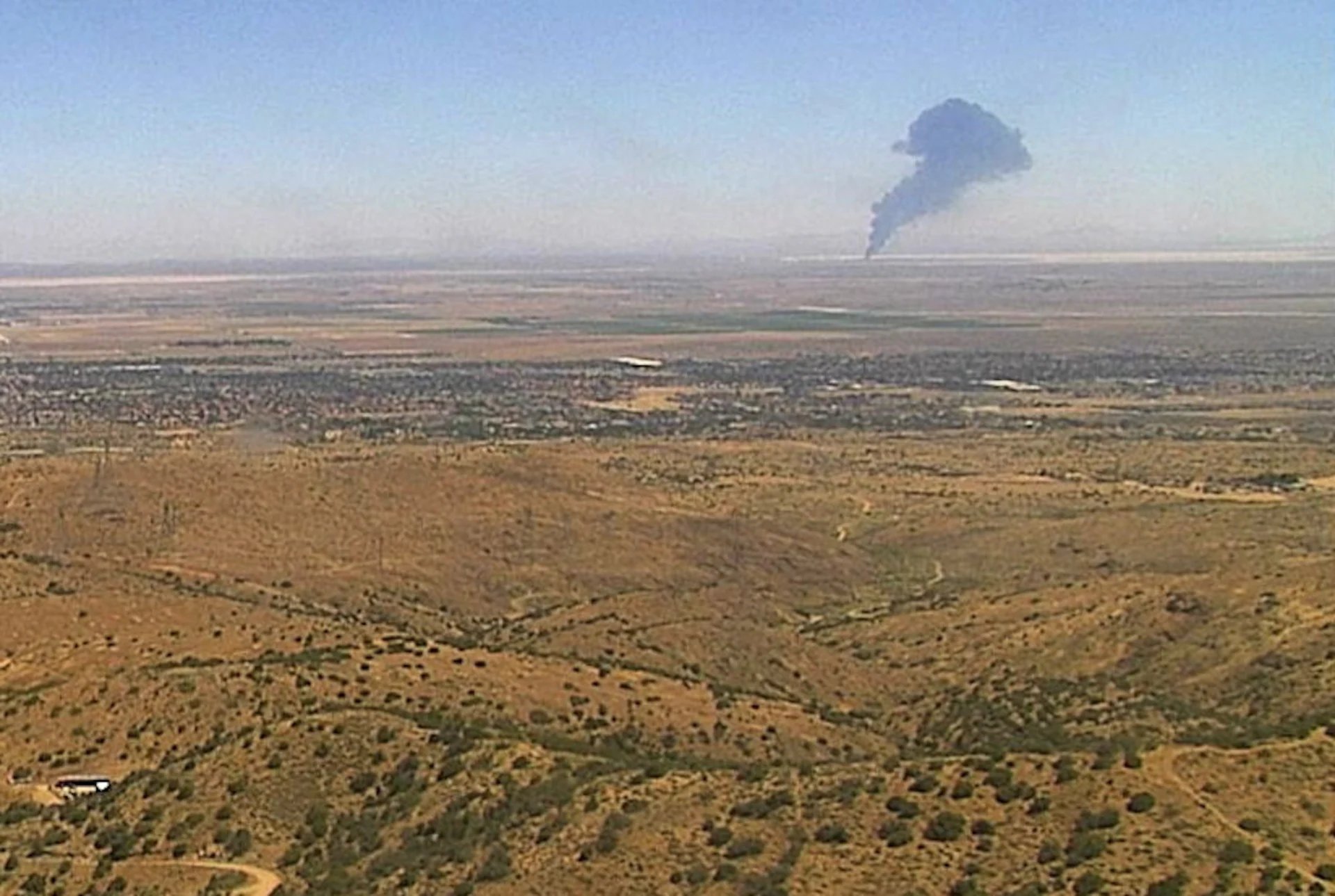
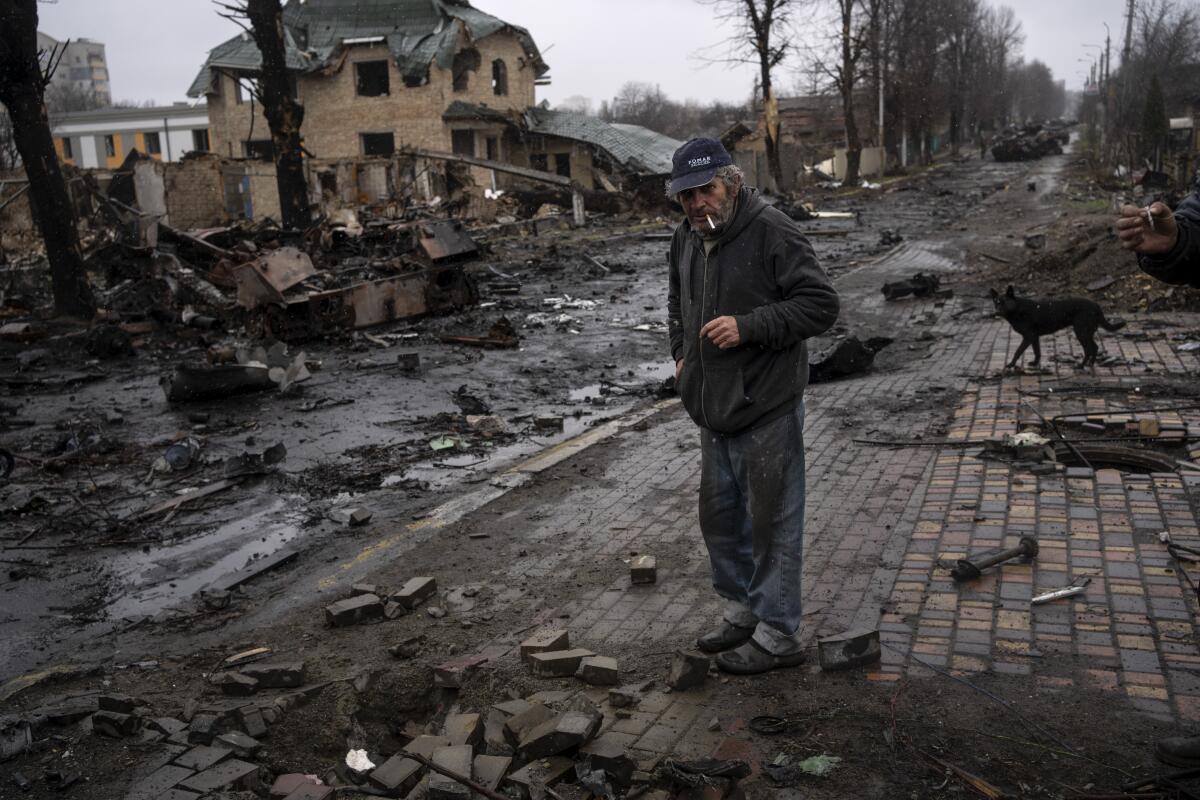
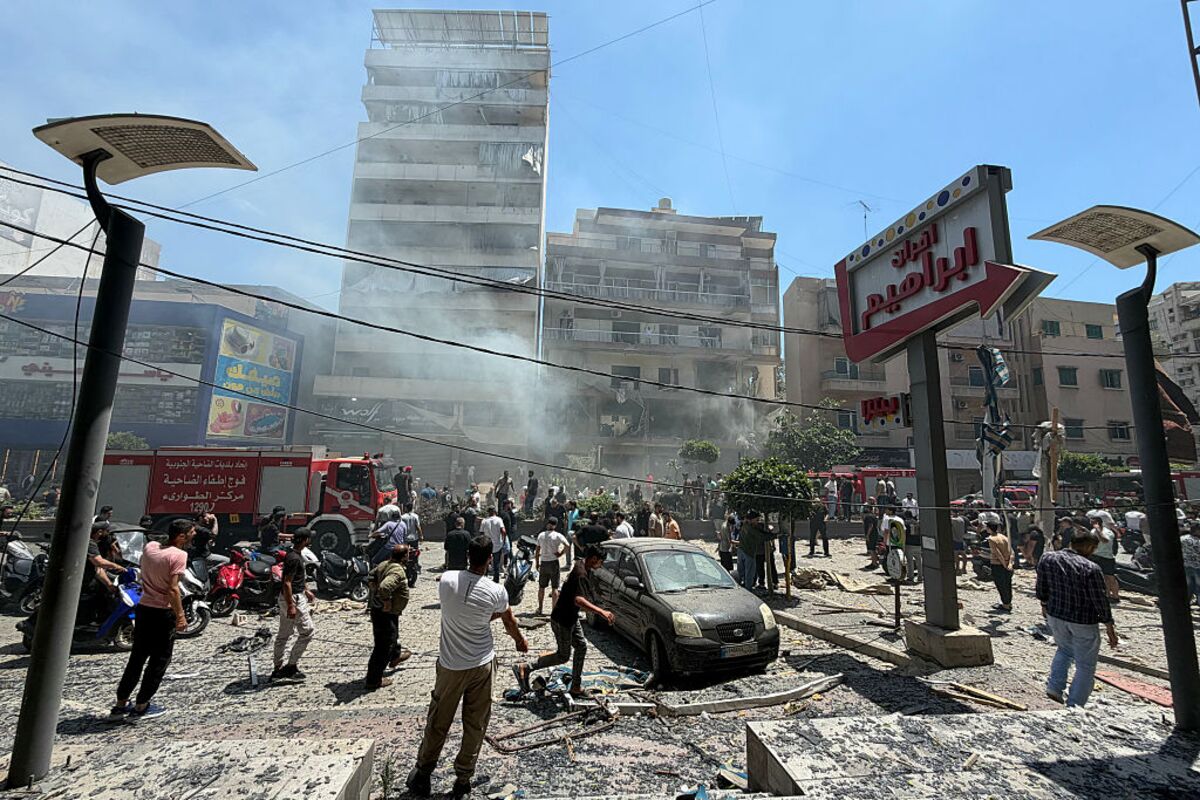
The situation is further complicated by recent Ukrainian drone strikes on Moscow's oil refinery, part of a pattern of attacks on Russia's energy infrastructure.
Ripple Effects on US Consumers
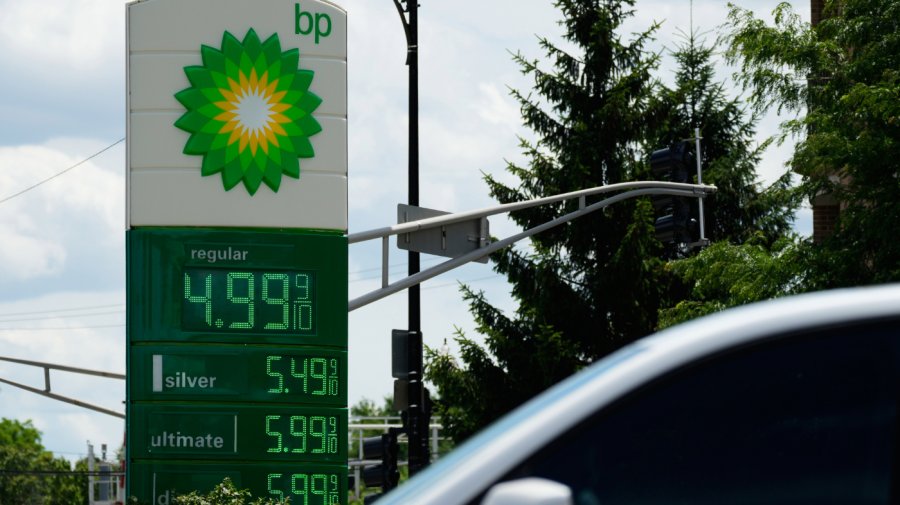
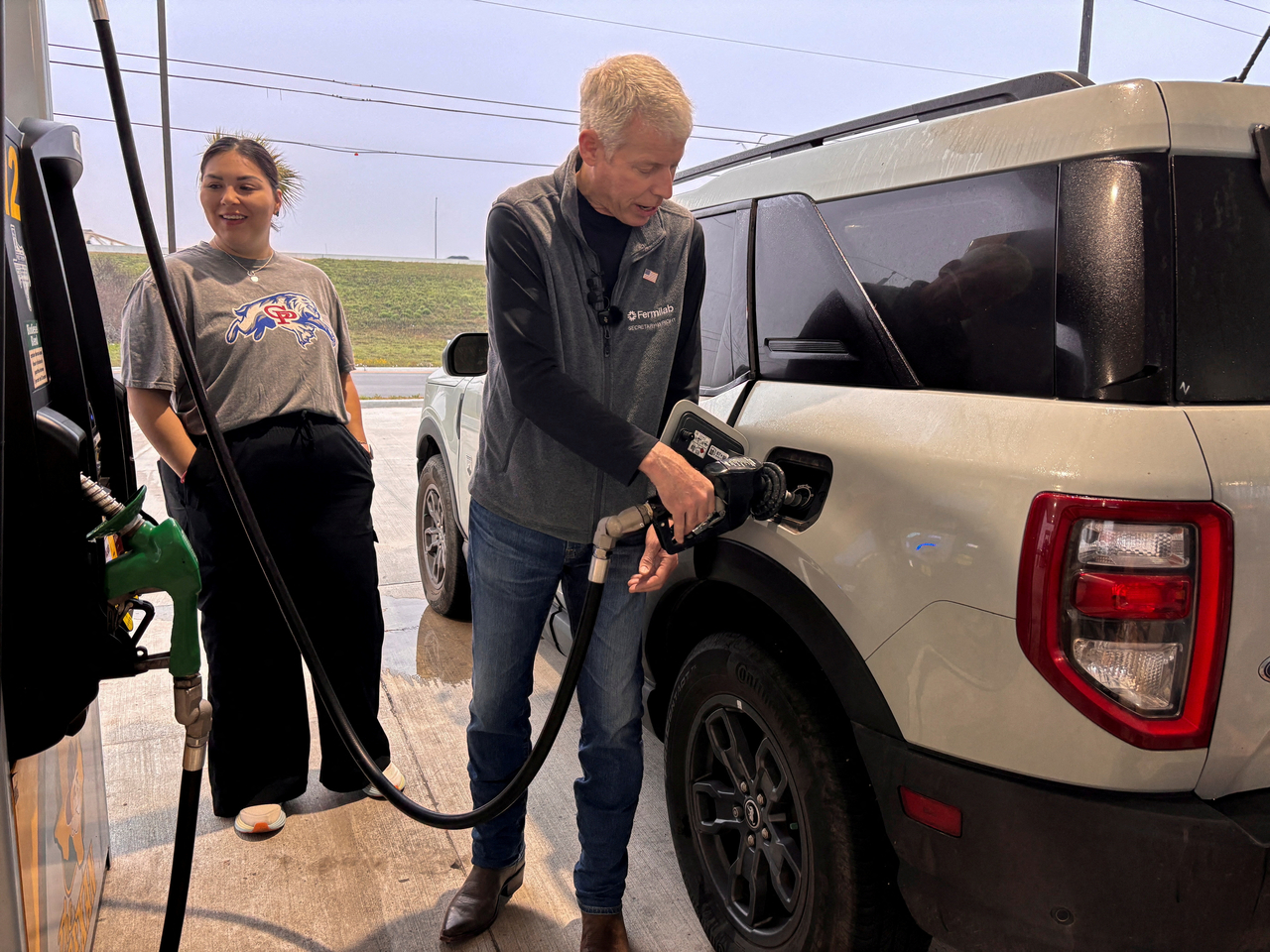
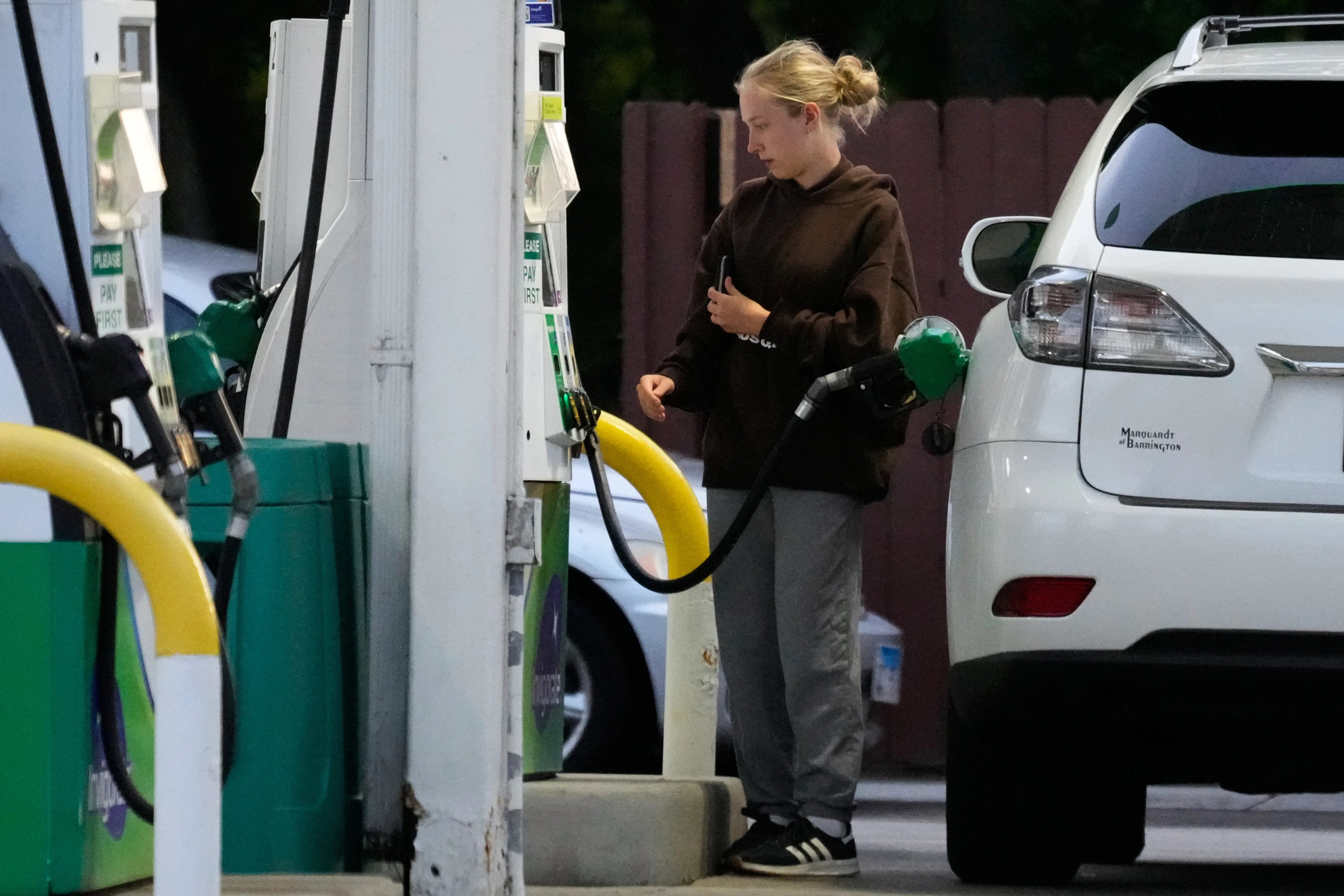
The depletion of the US strategic oil reserve could lead to increased oil prices, directly impacting American consumers. Higher energy costs affect not only household budgets but also the broader economy, influencing inflation and potentially impacting growth.
Future Implications for Energy Policy
The current state of the SPR signals a need for a reevaluation of US energy policy. As energy security becomes a pressing concern, policymakers may be compelled to consider strategies that ensure a more stable and resilient energy supply. This could involve increased domestic production, investment in alternative energy sources, or revised international relations to secure more reliable energy partnerships.
The United States is at a critical juncture where its energy security posture is being tested by both internal policy decisions and external geopolitical events. The implications of these developments are far-reaching, affecting not just the nation's strategic capabilities but also the daily lives of its citizens. As the situation evolves, it is crucial for the government to navigate these challenges with a keen eye on both immediate and long-term consequences.