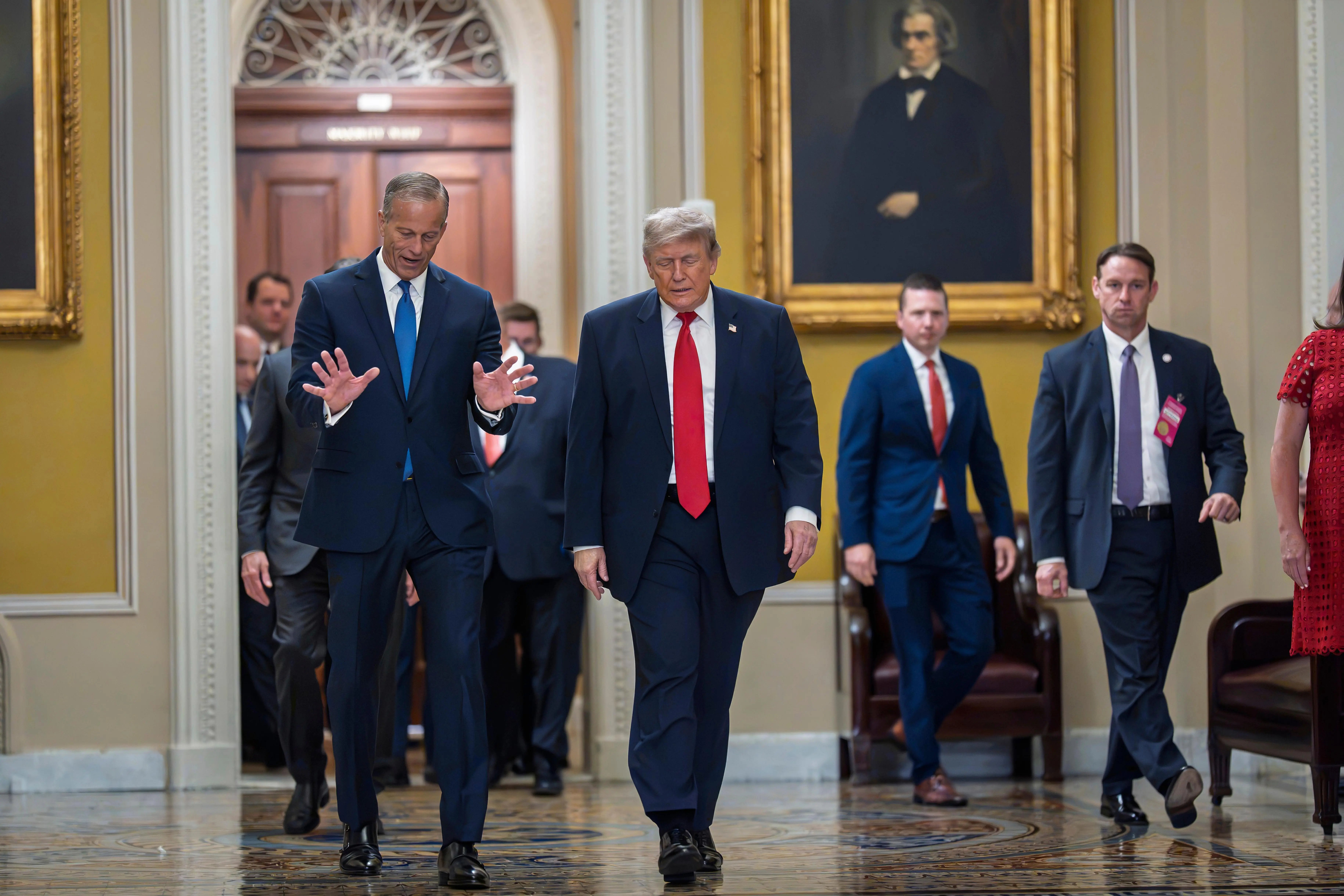
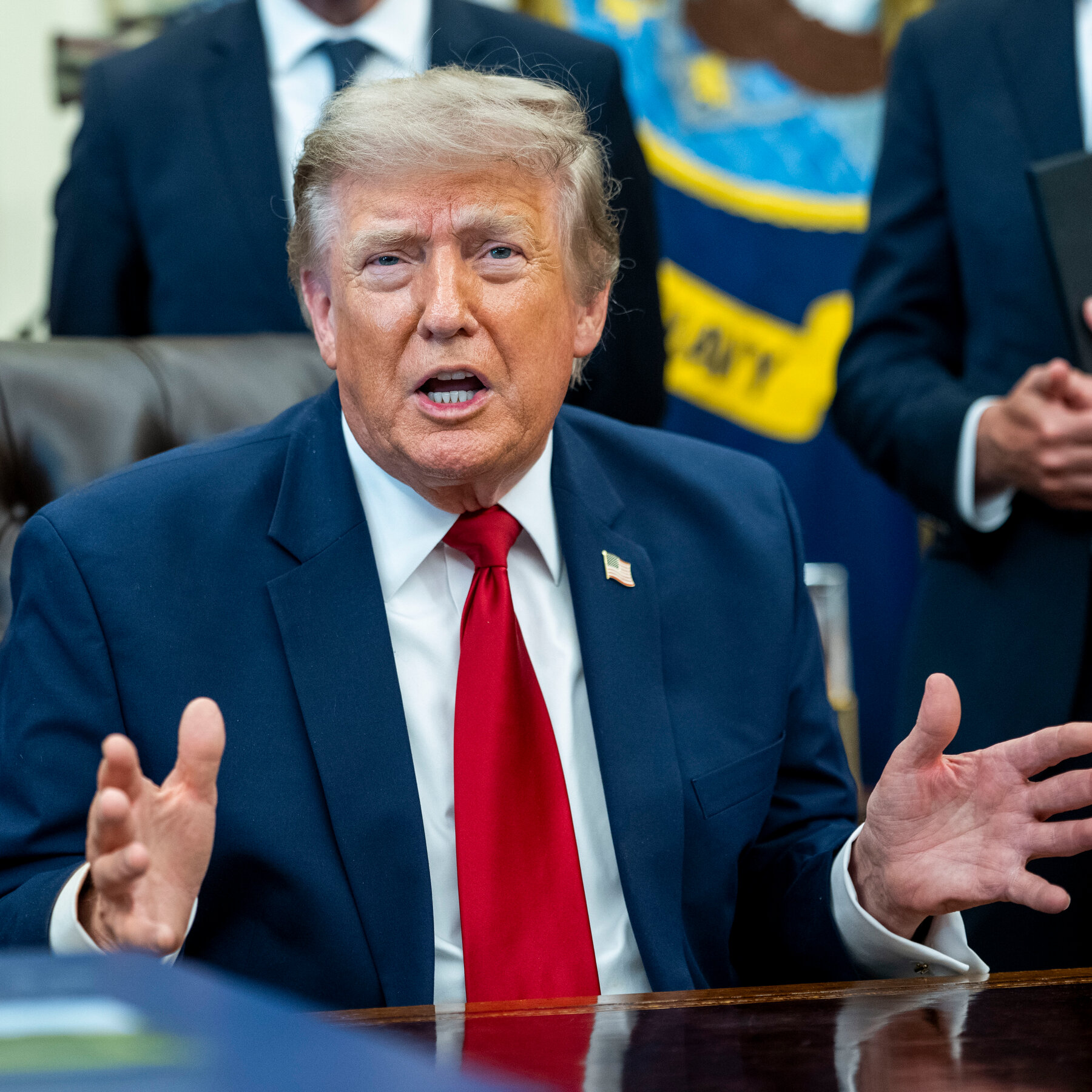
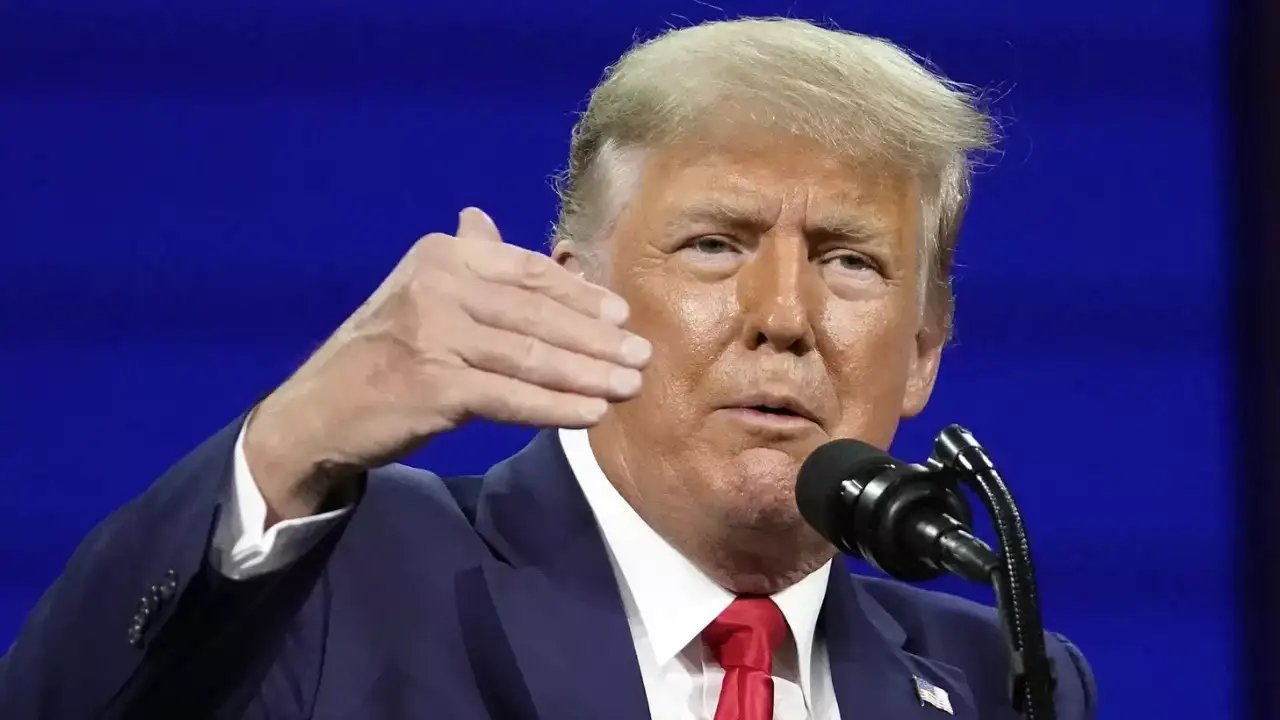
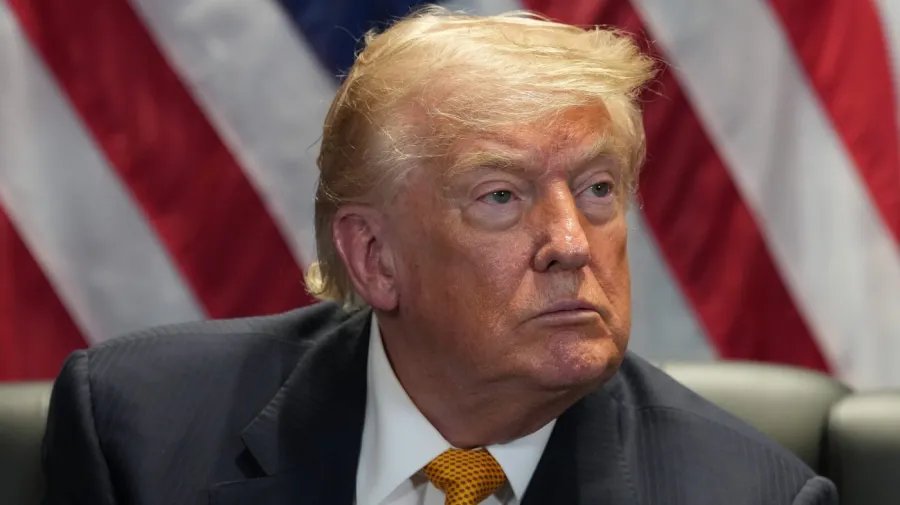
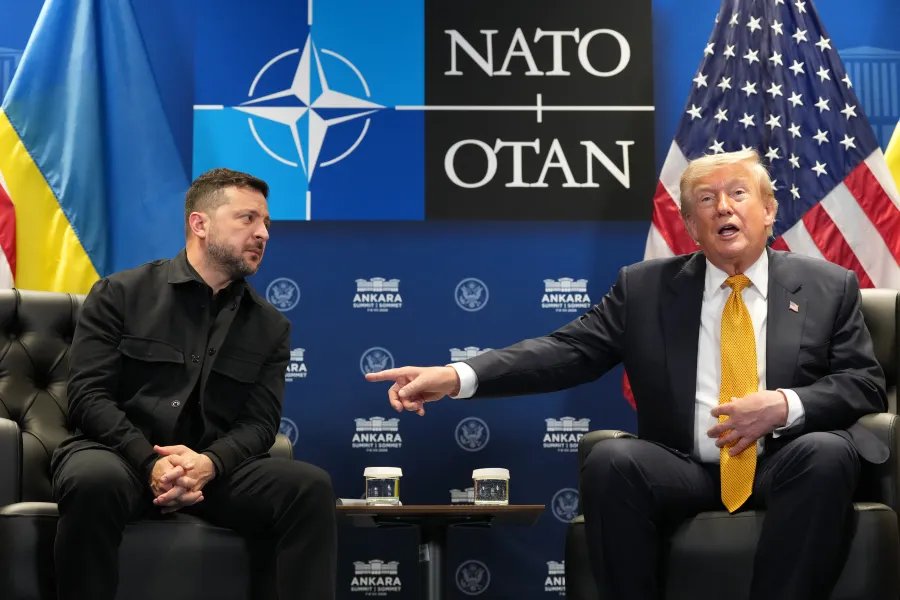
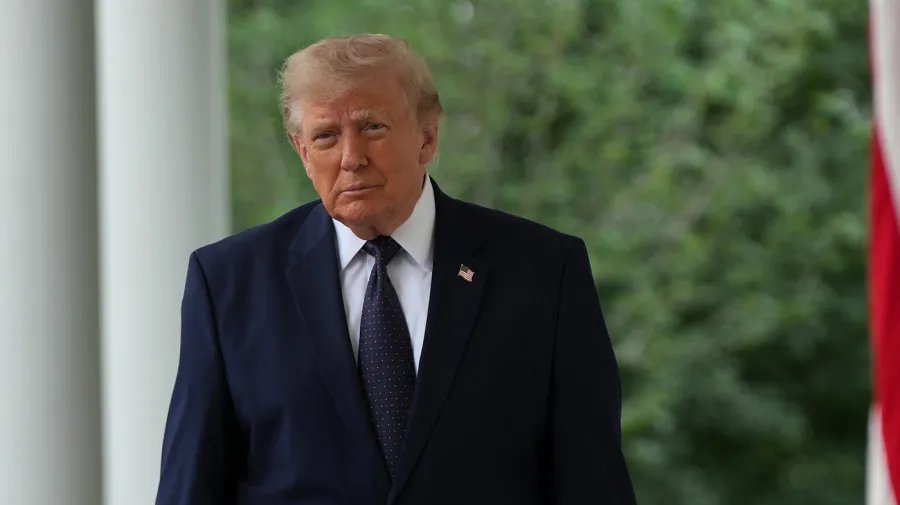
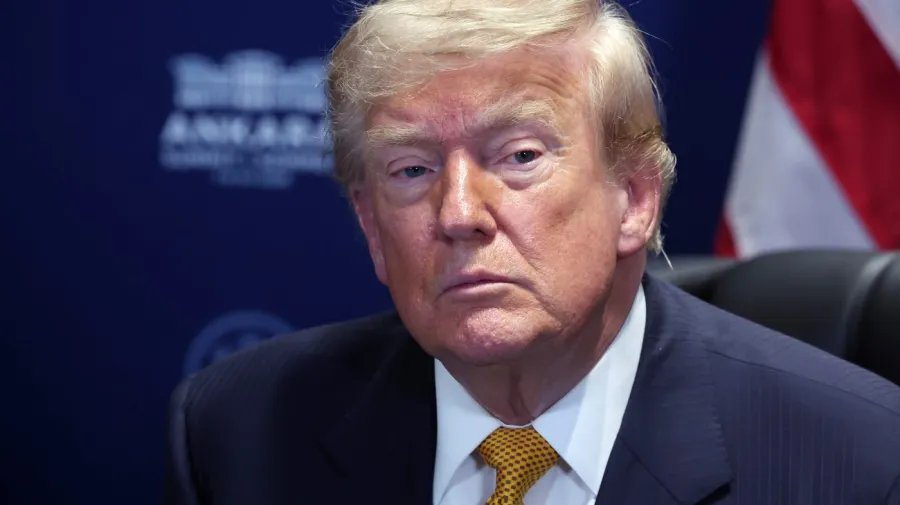
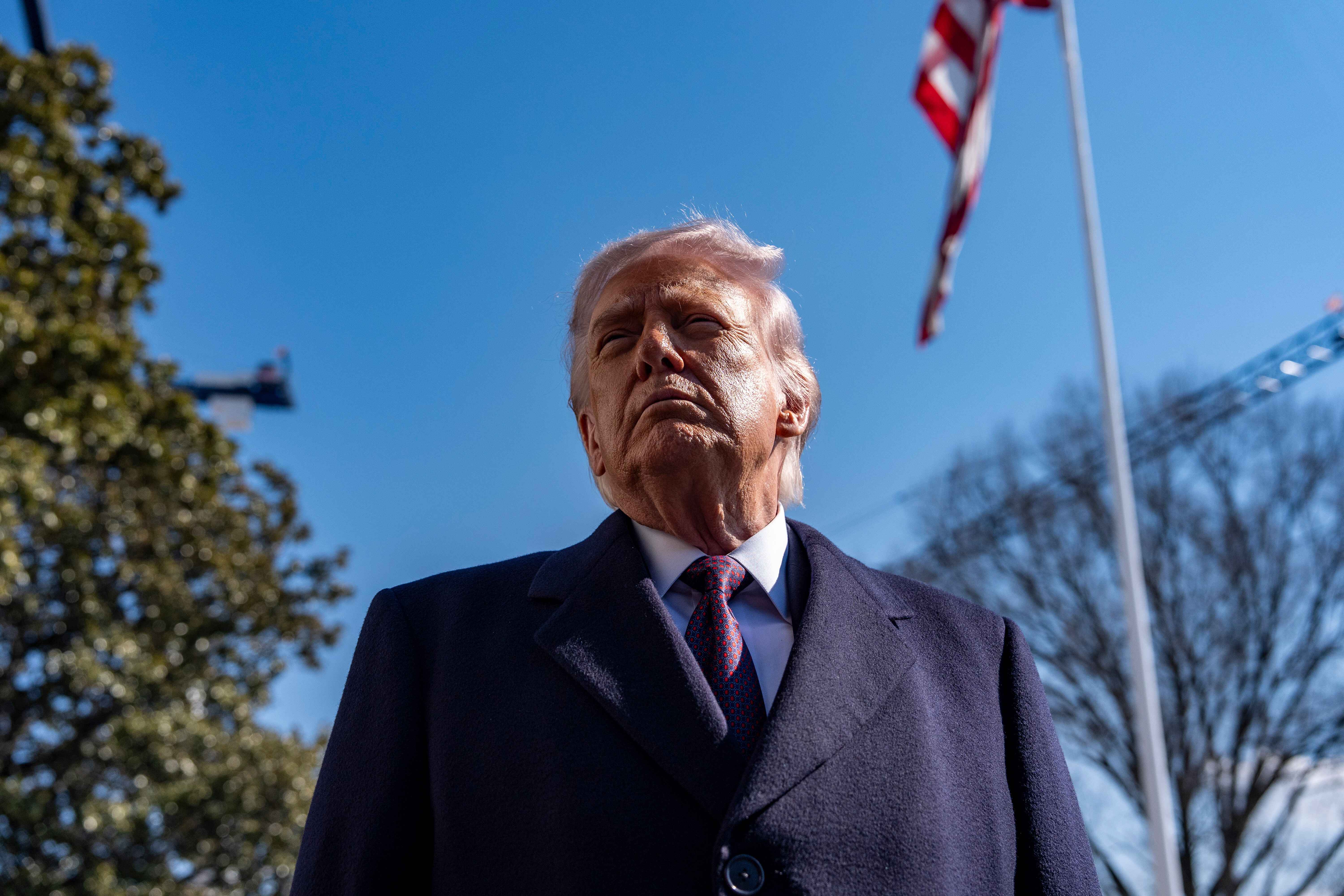
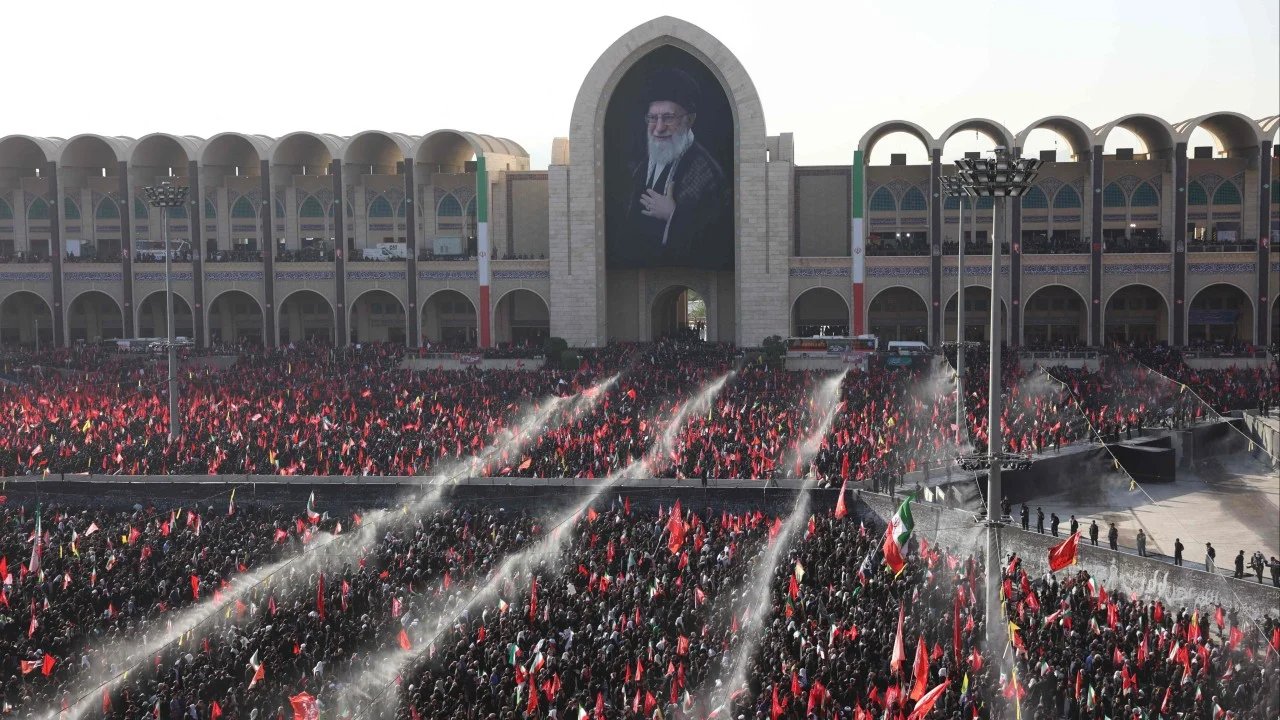
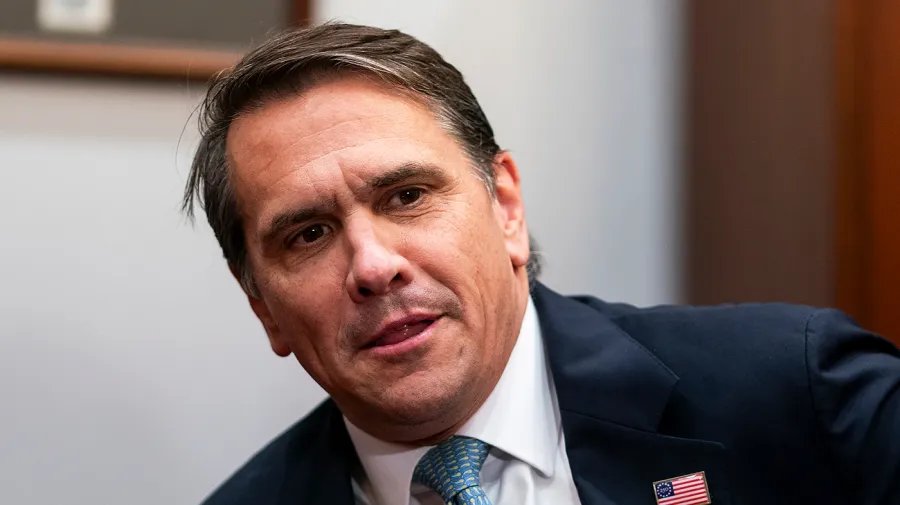
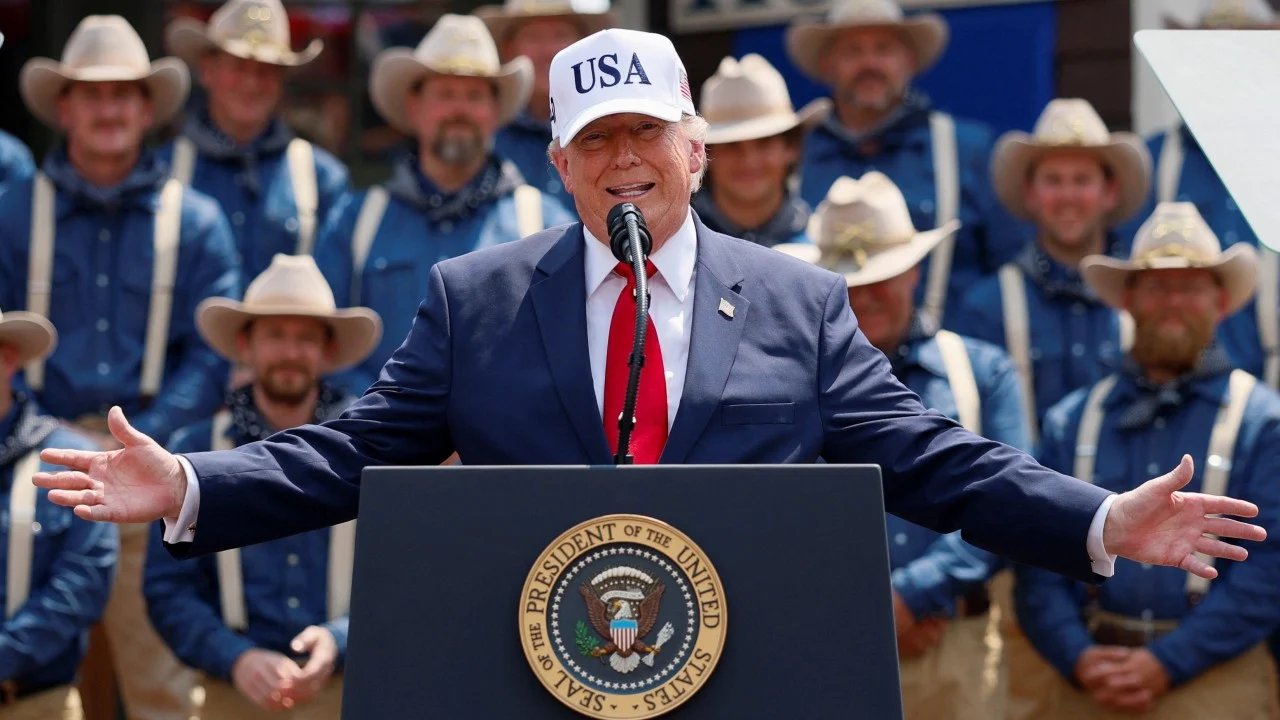
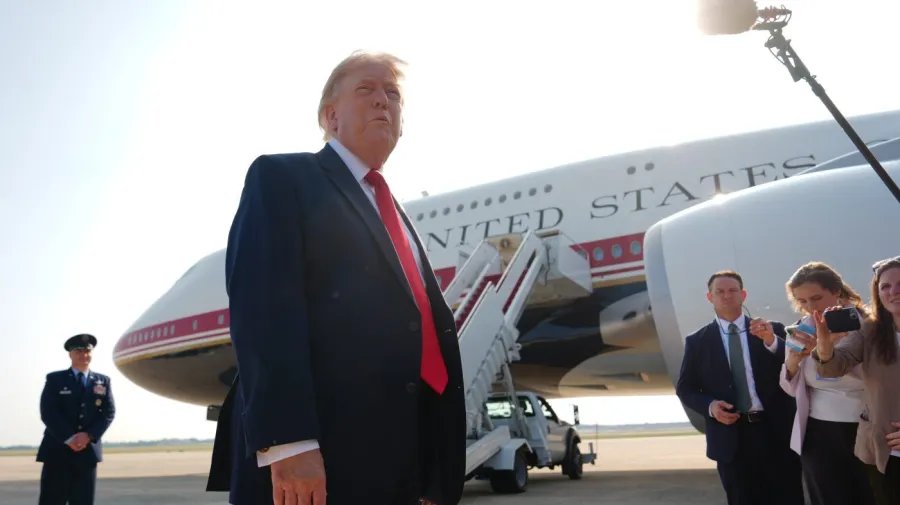
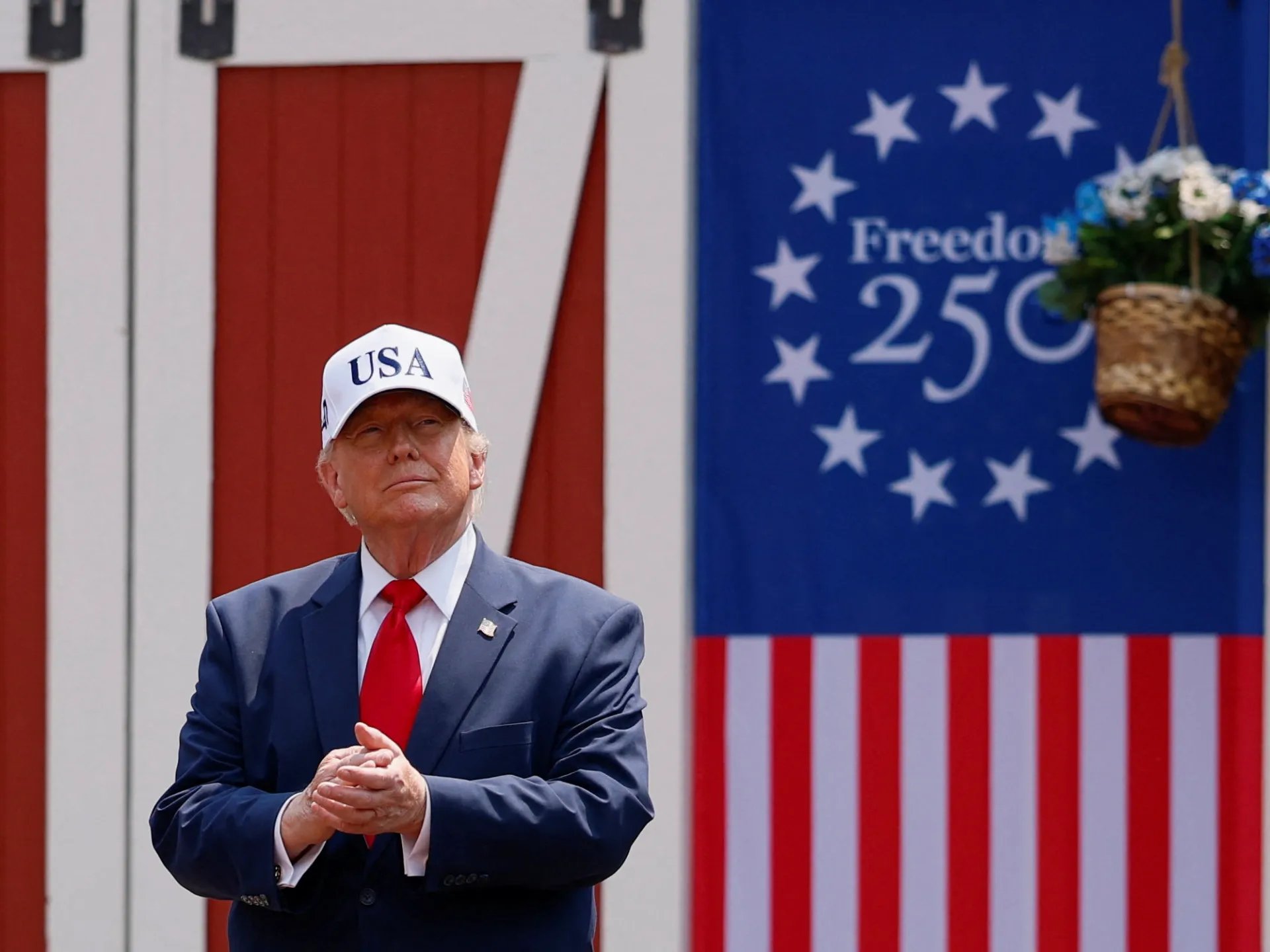
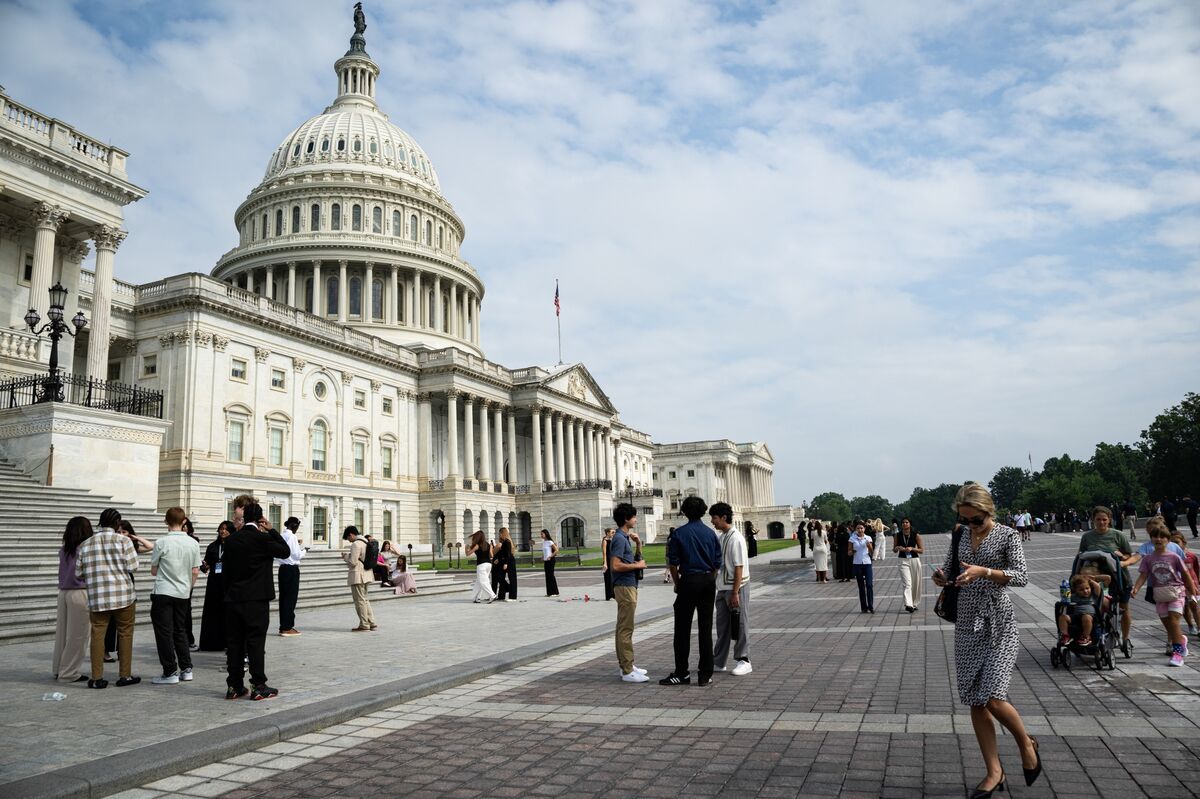
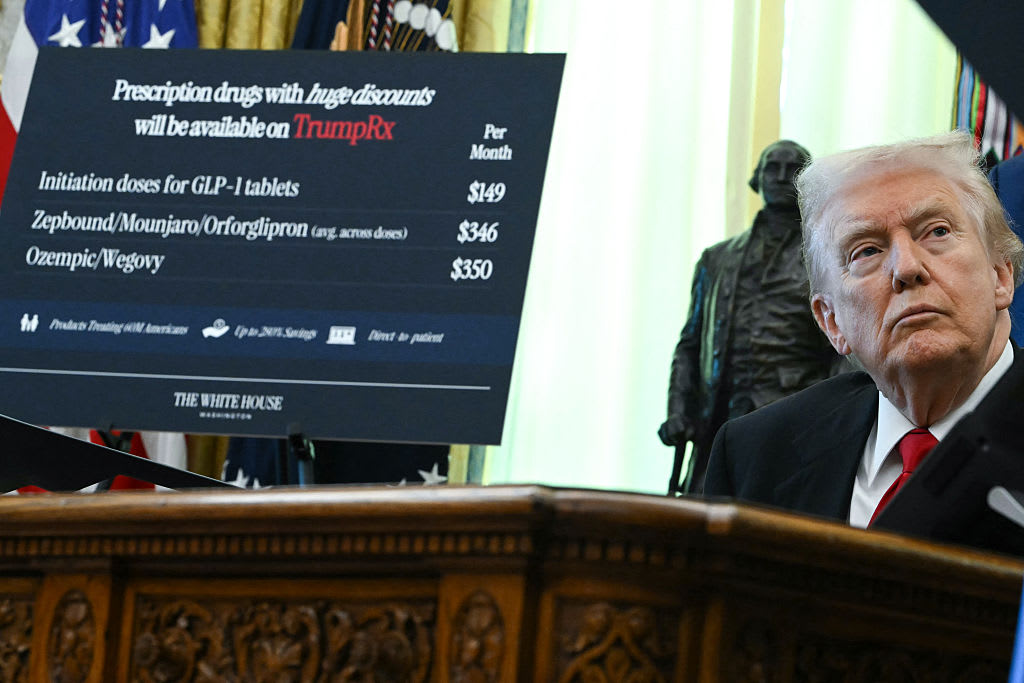
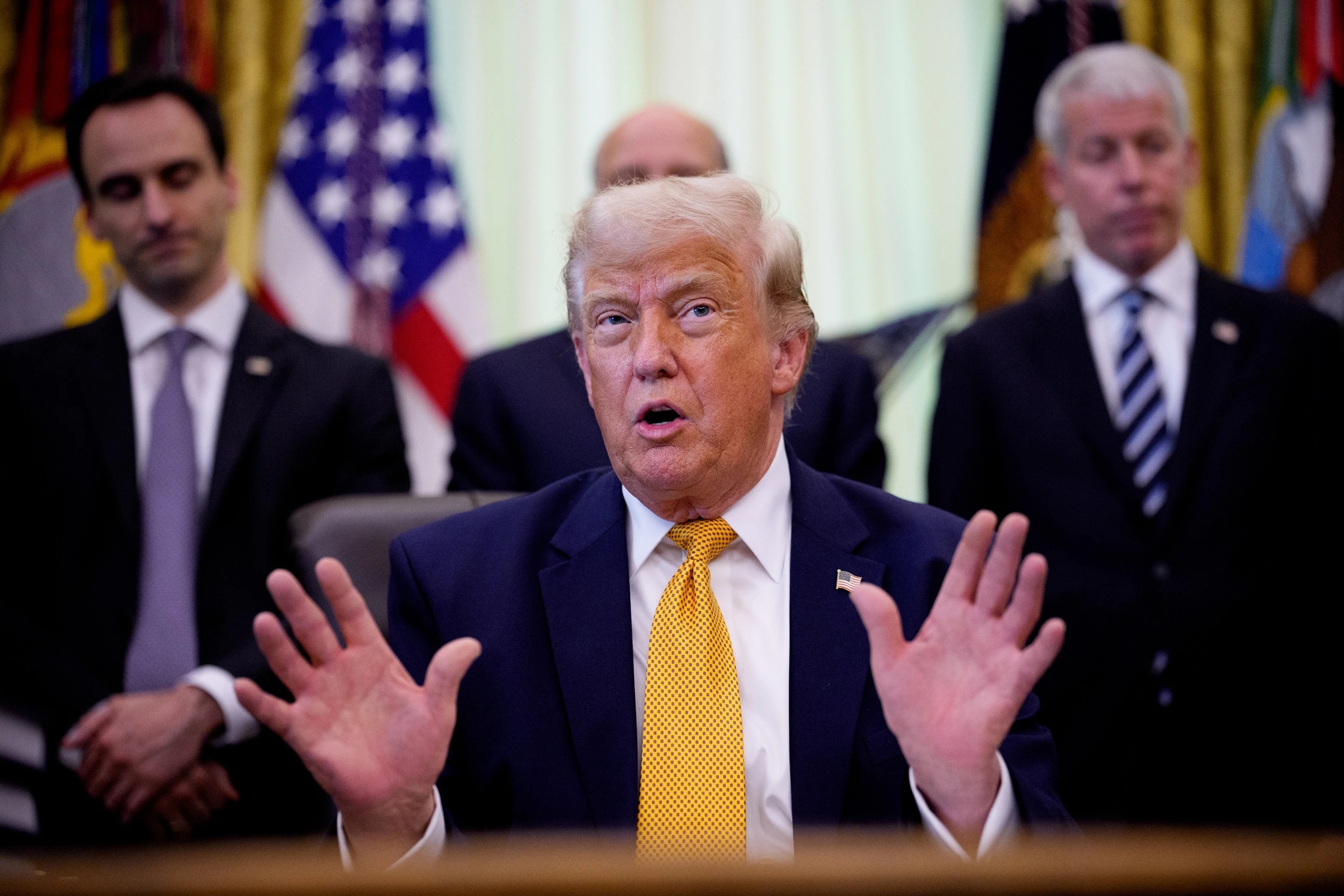
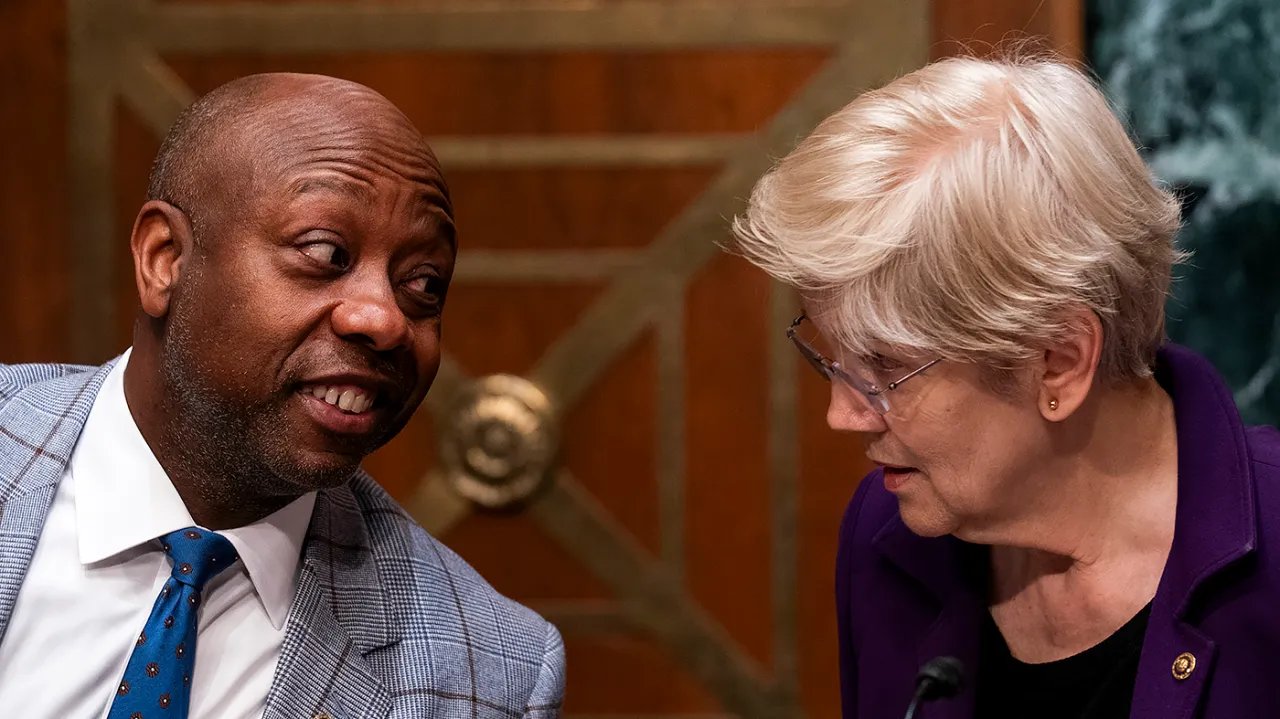
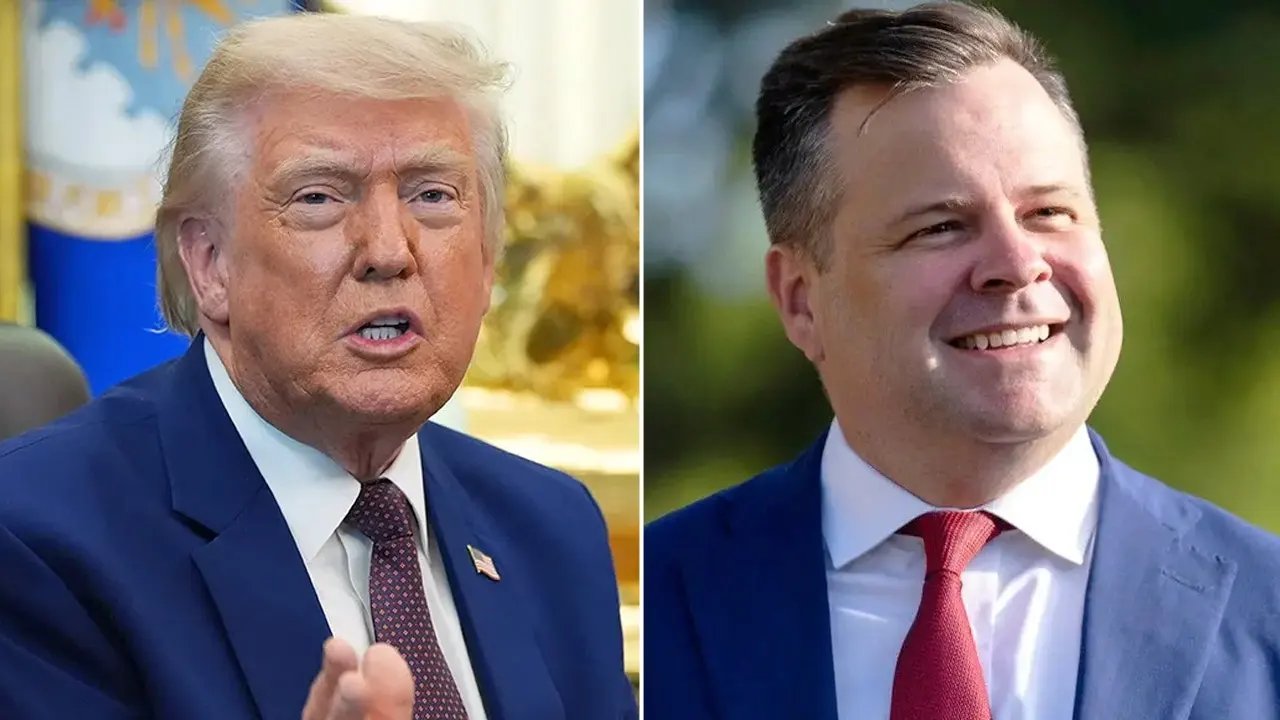
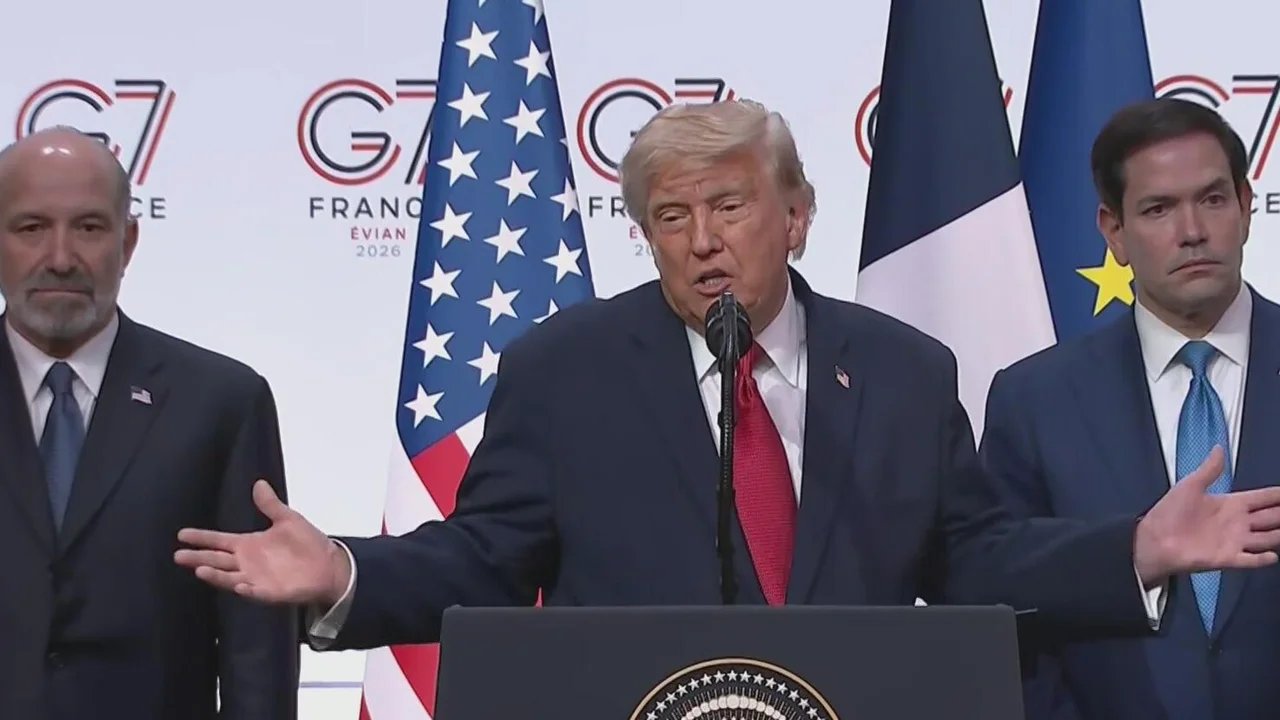
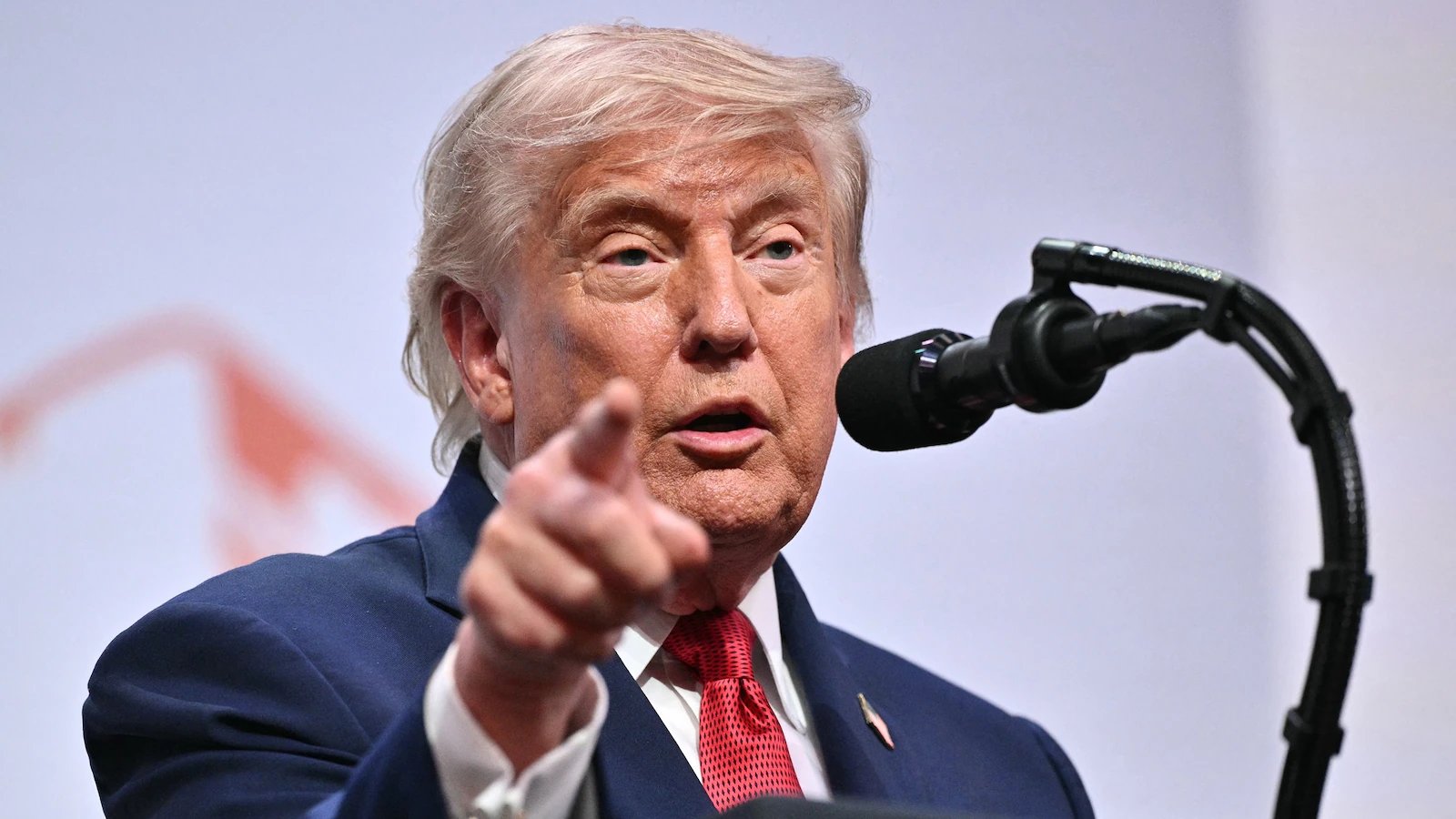
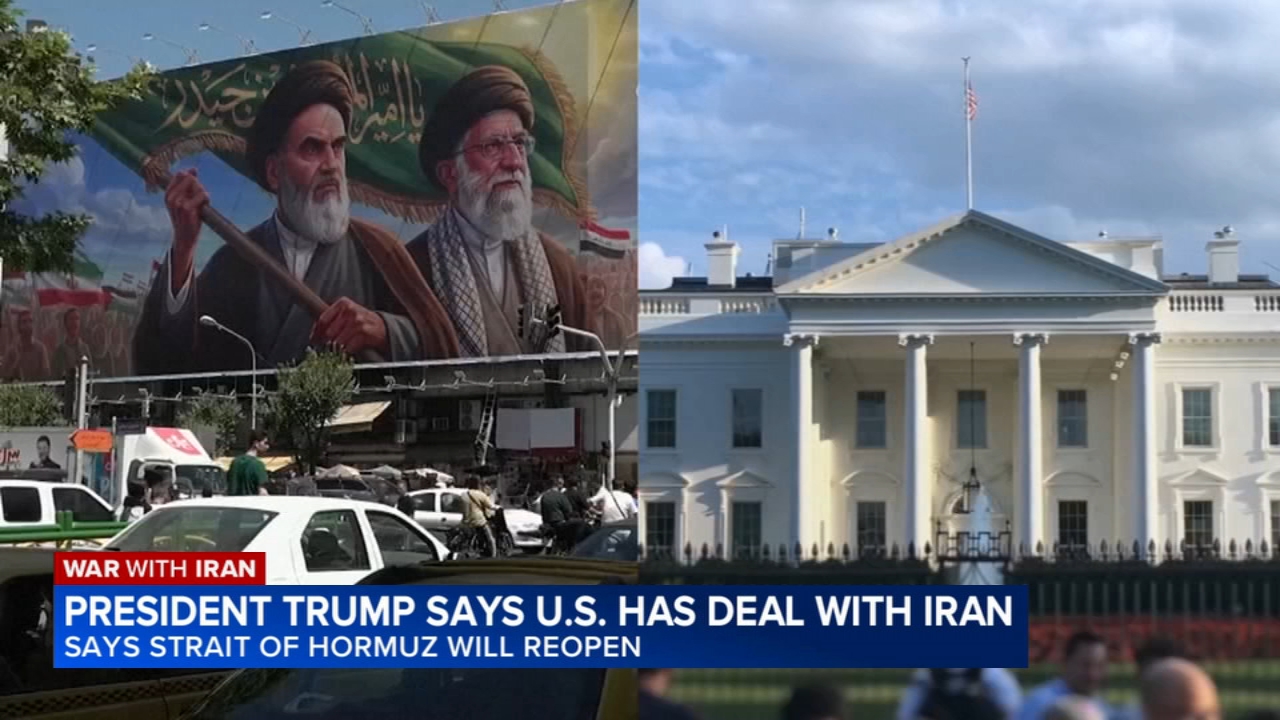
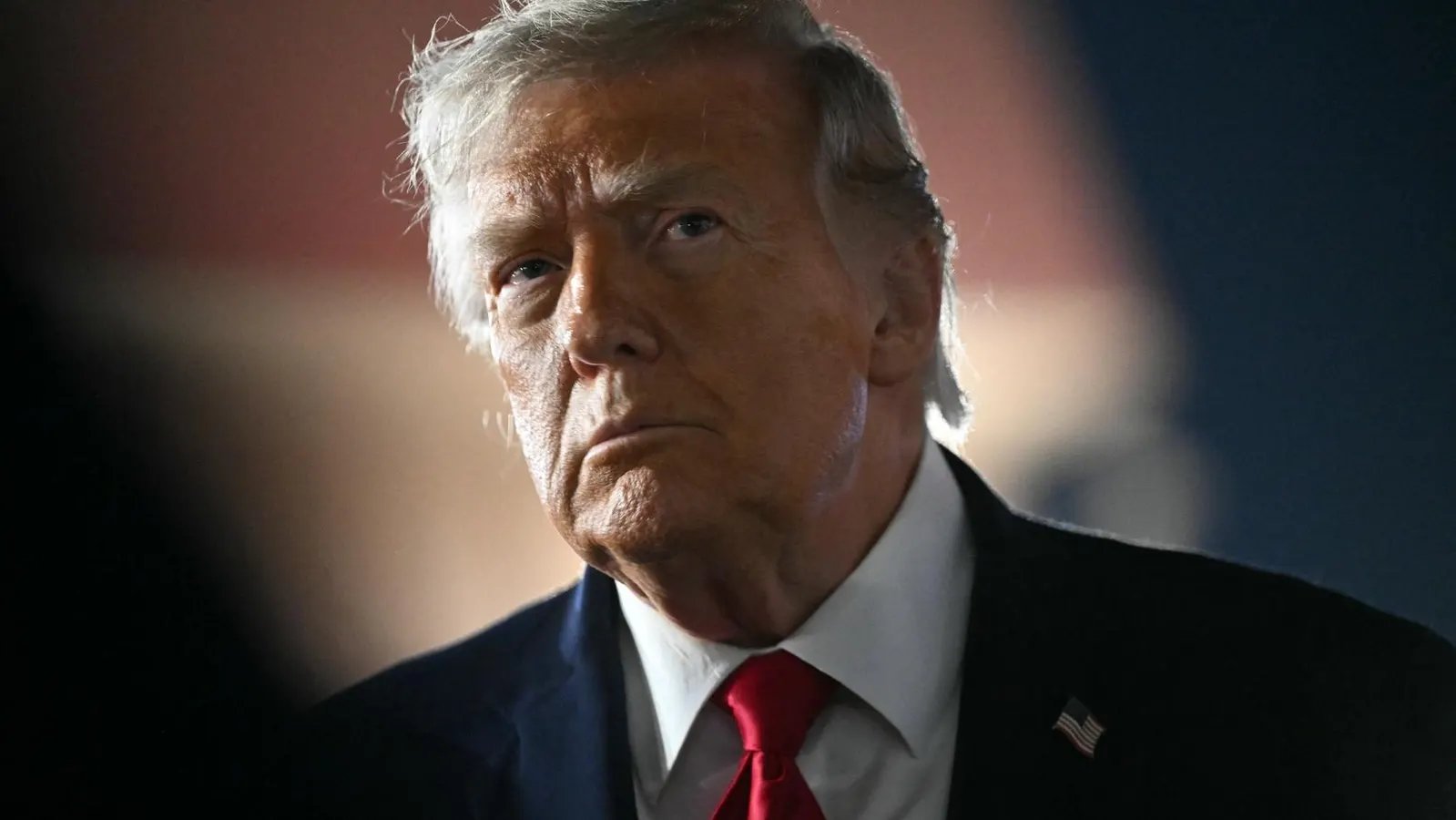
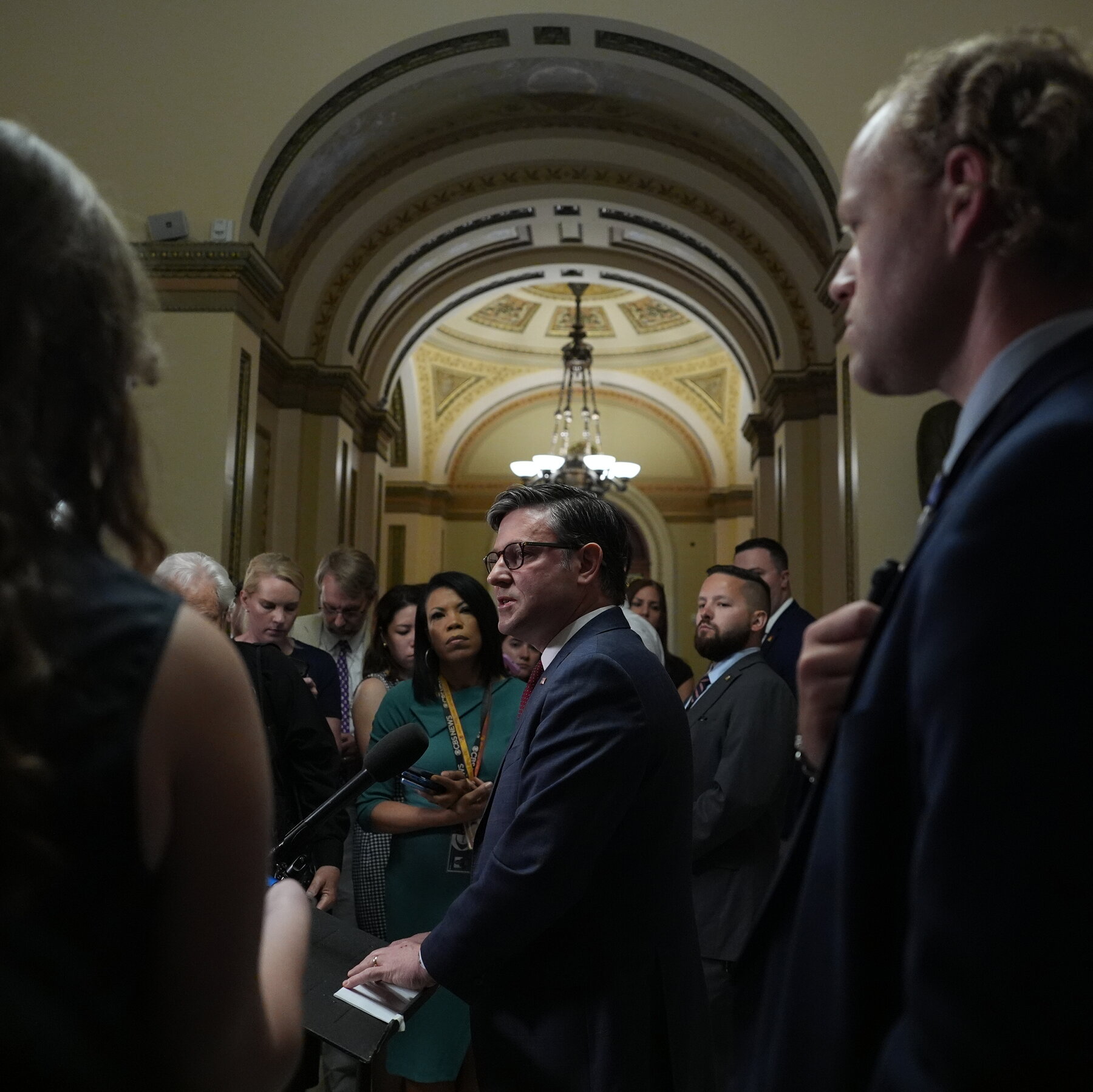
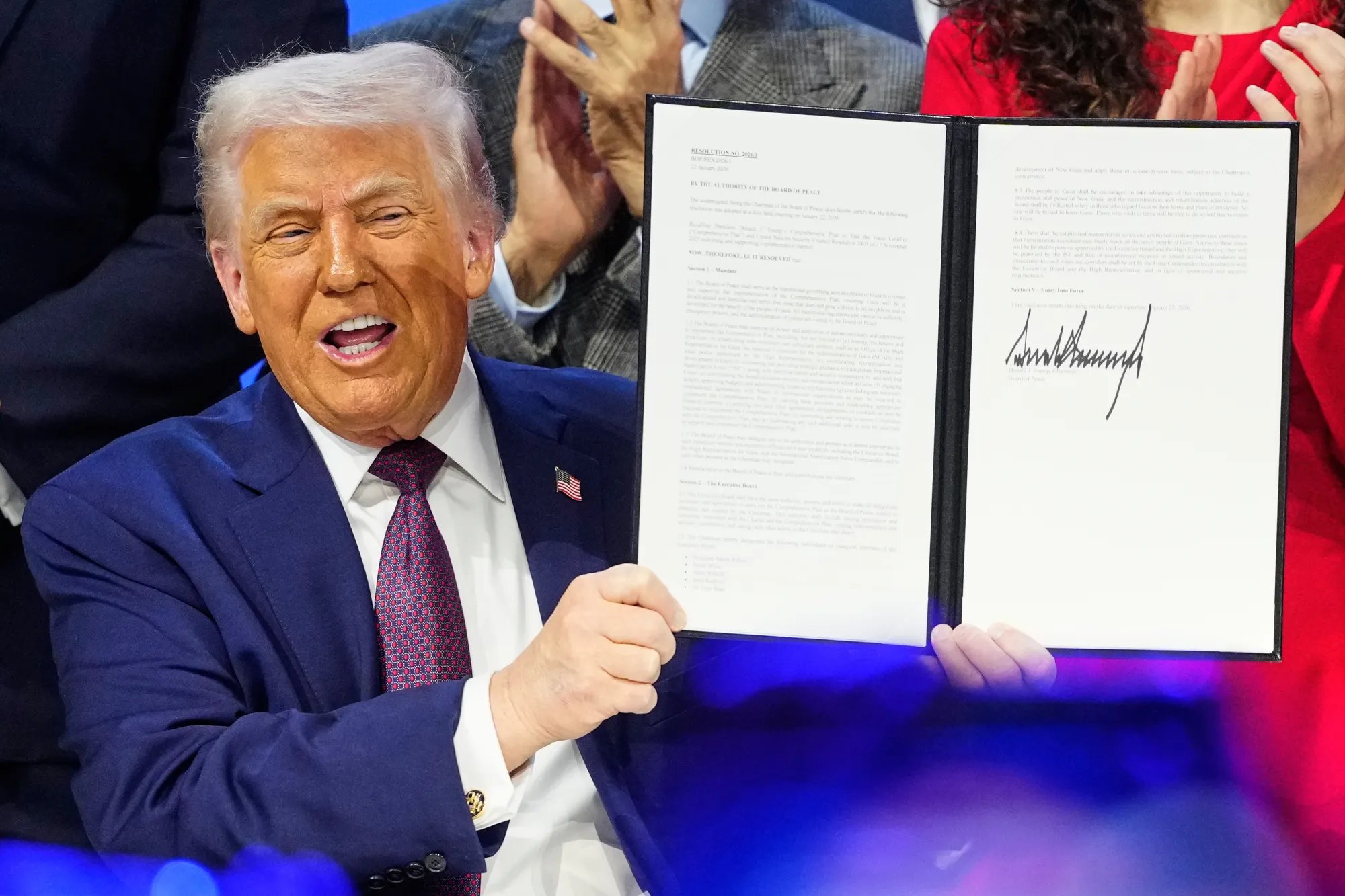
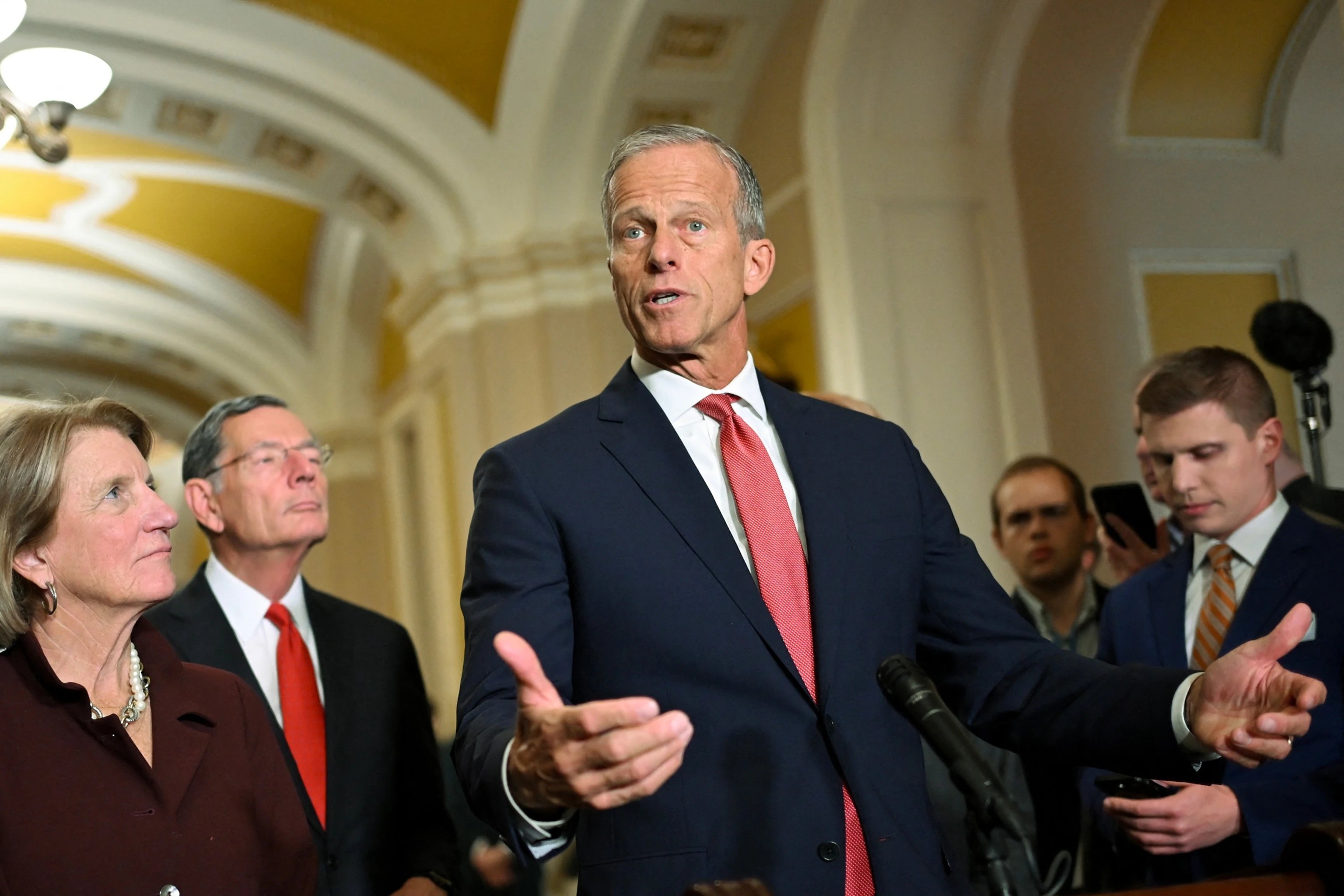
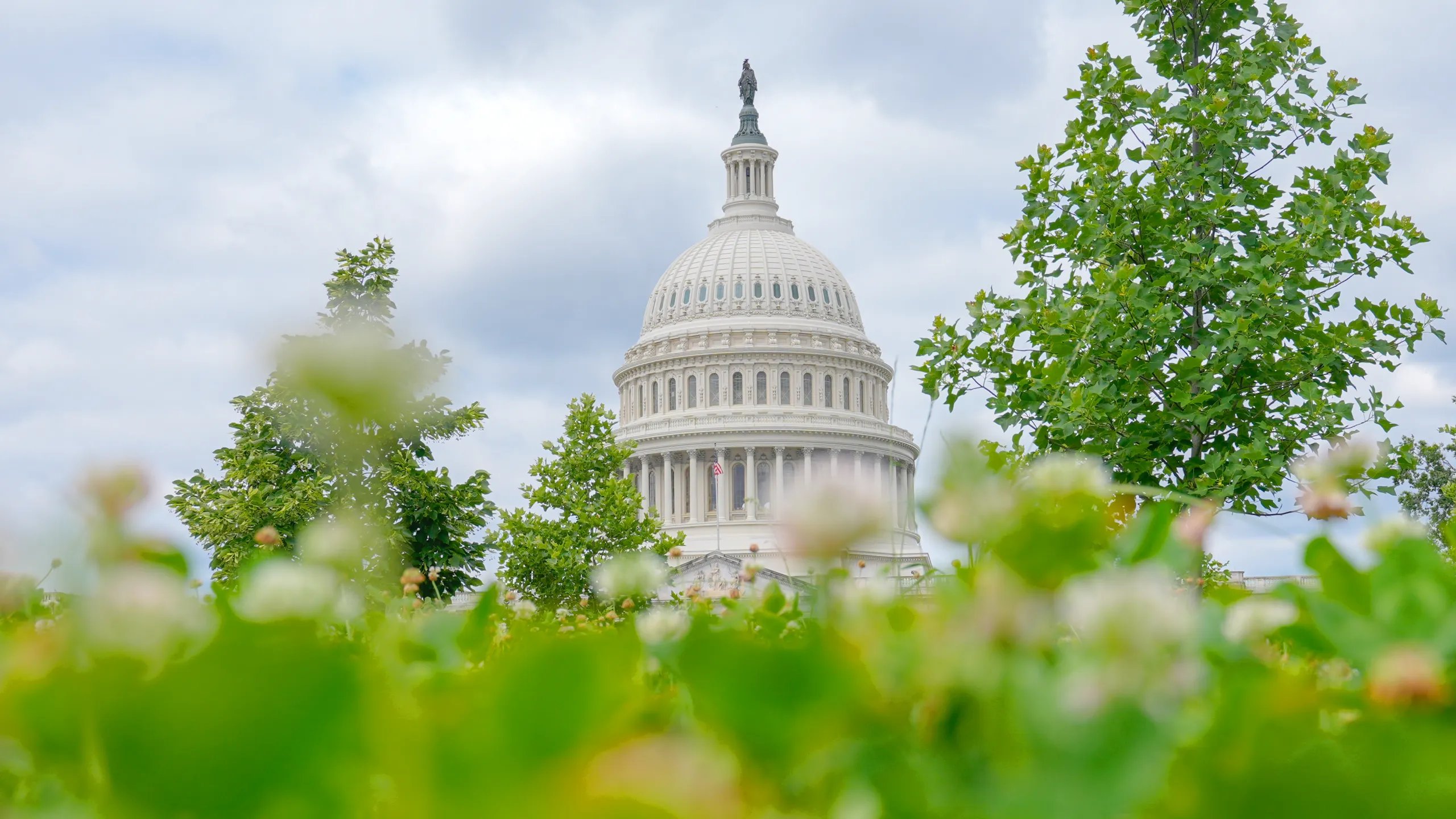
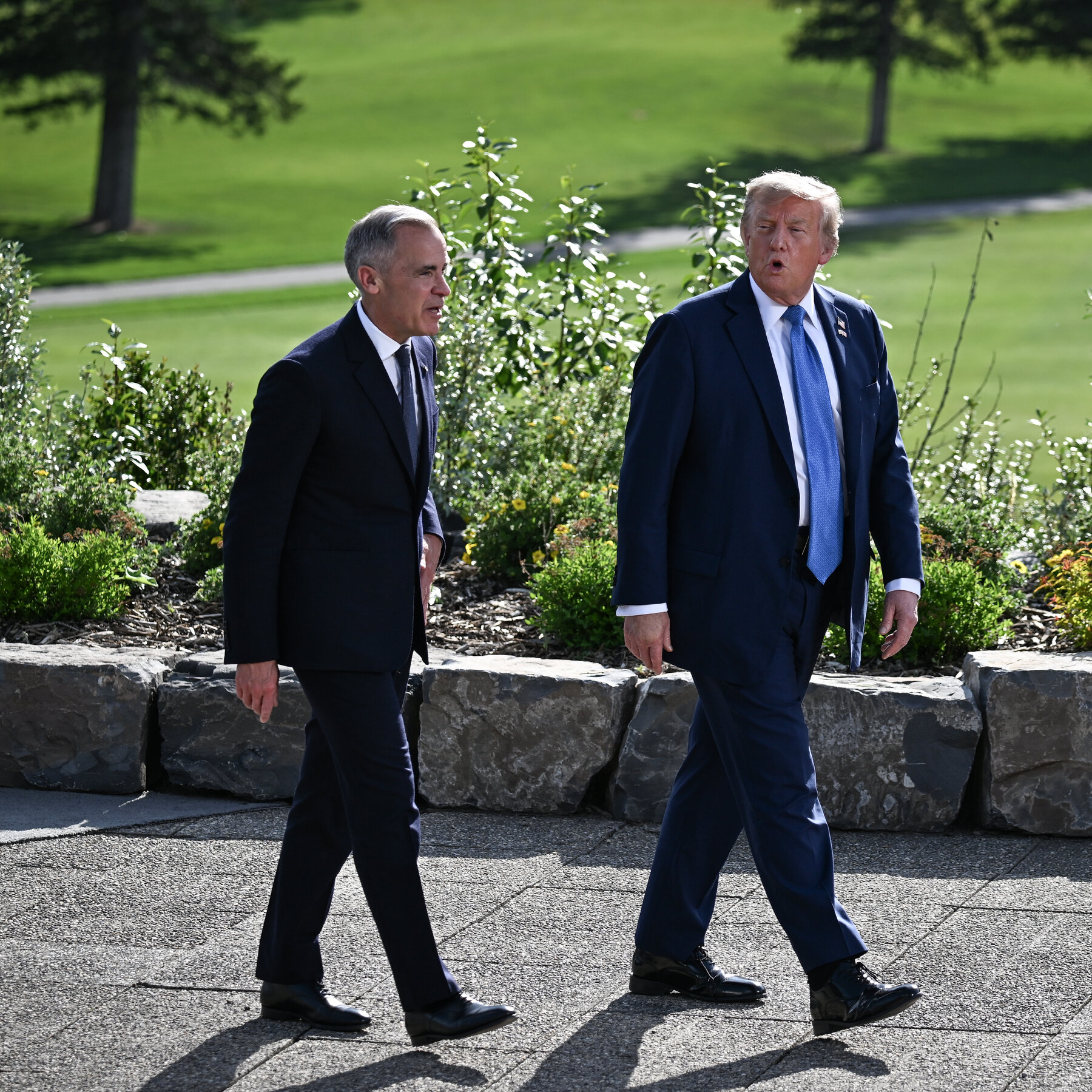
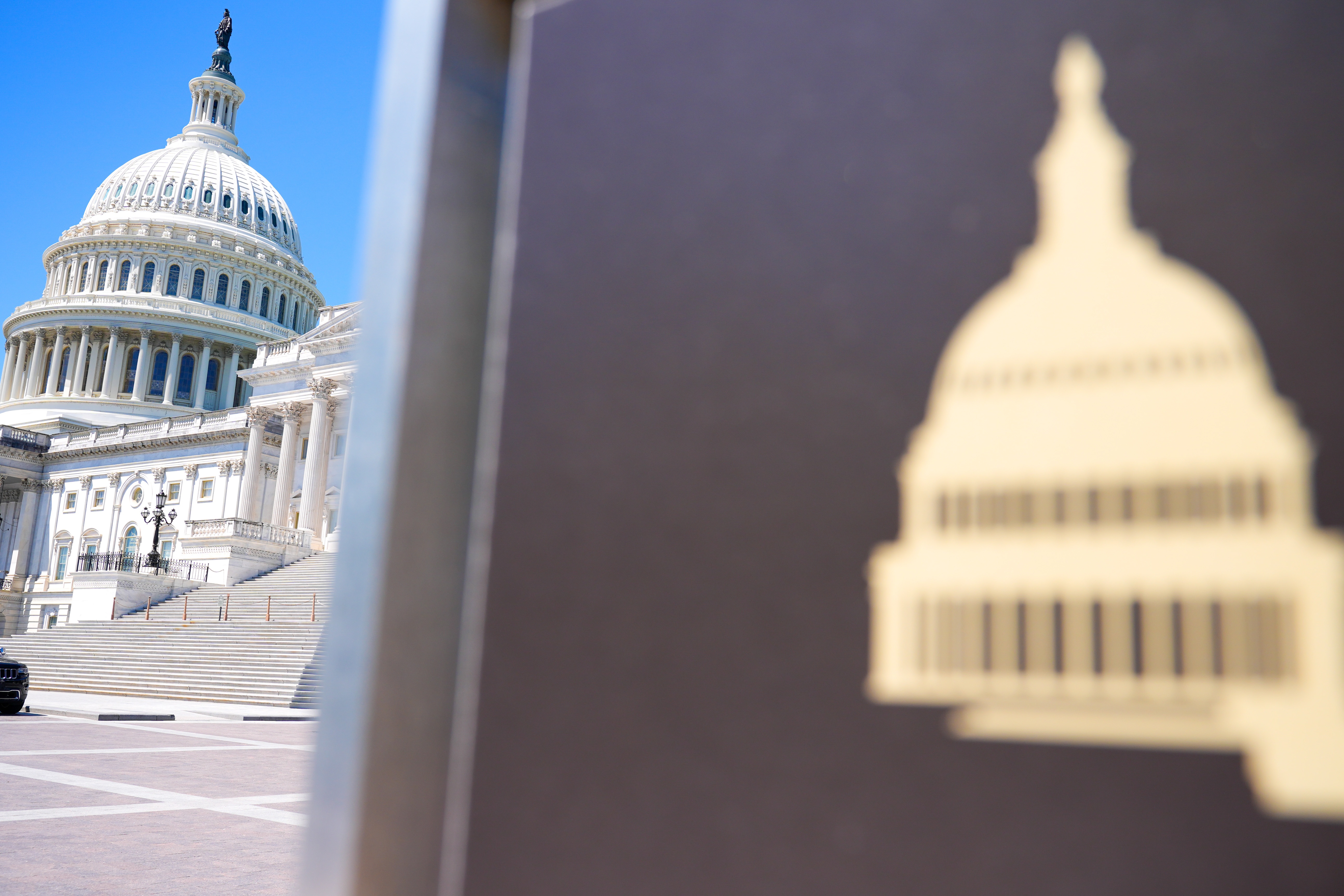
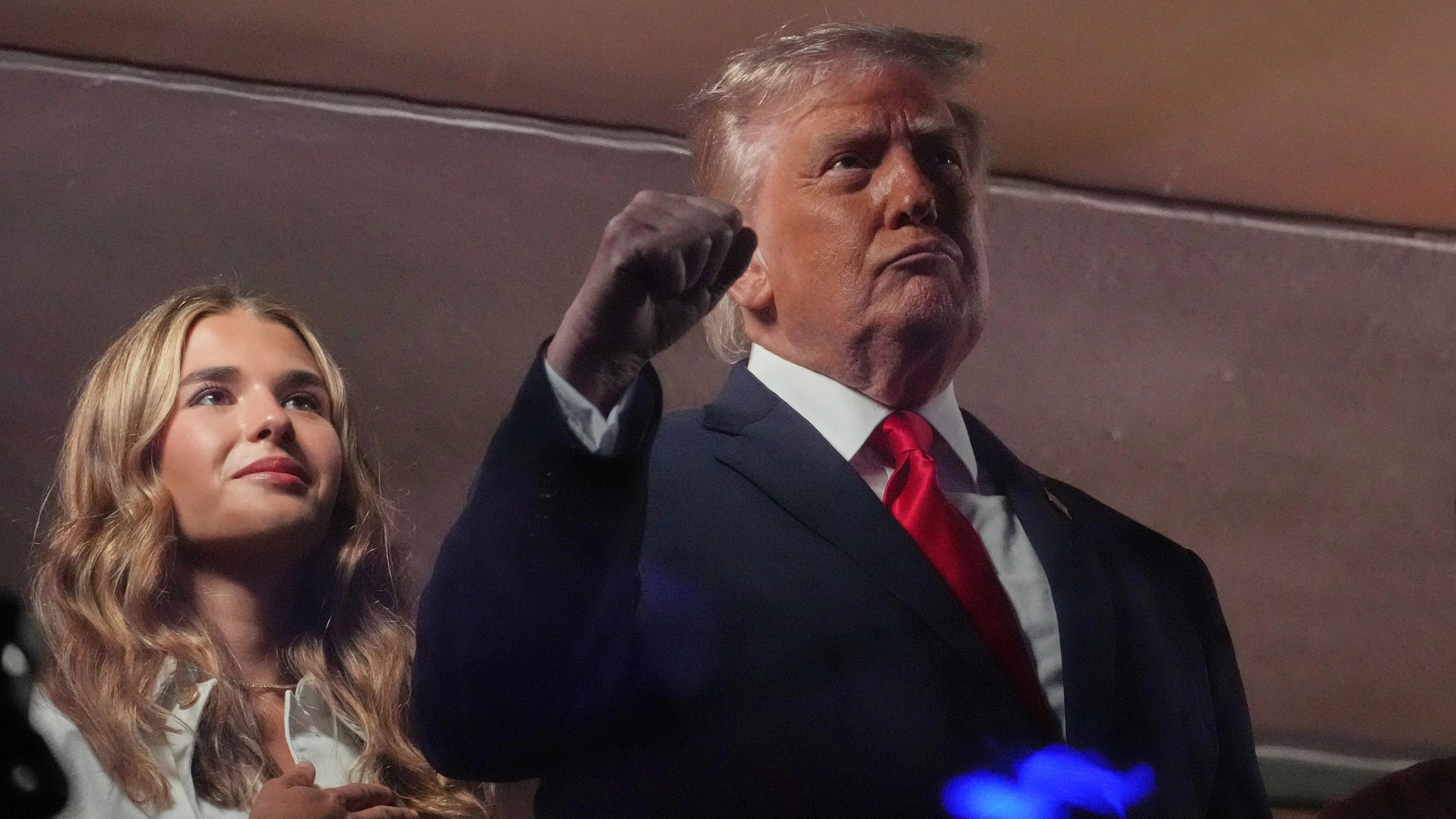
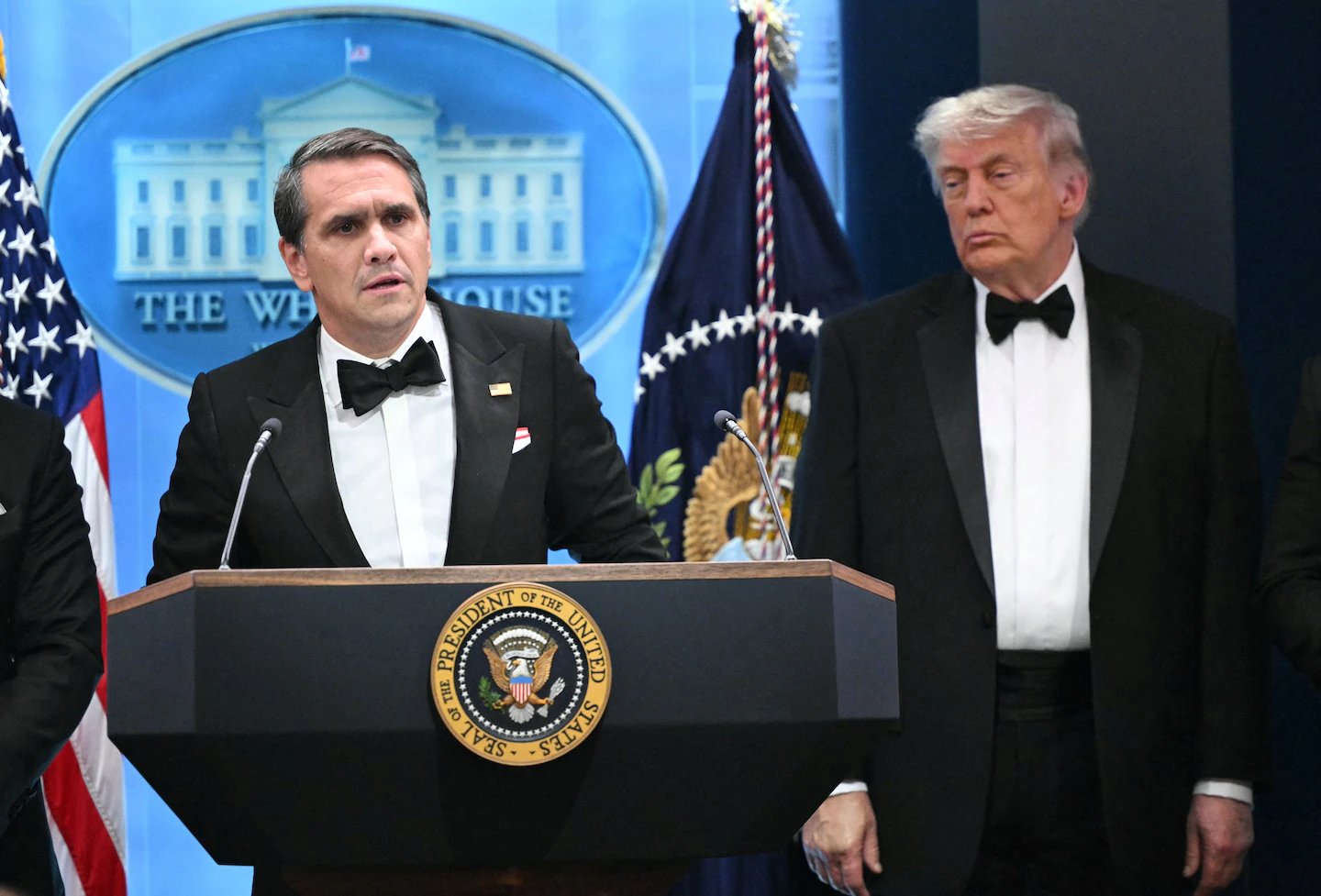
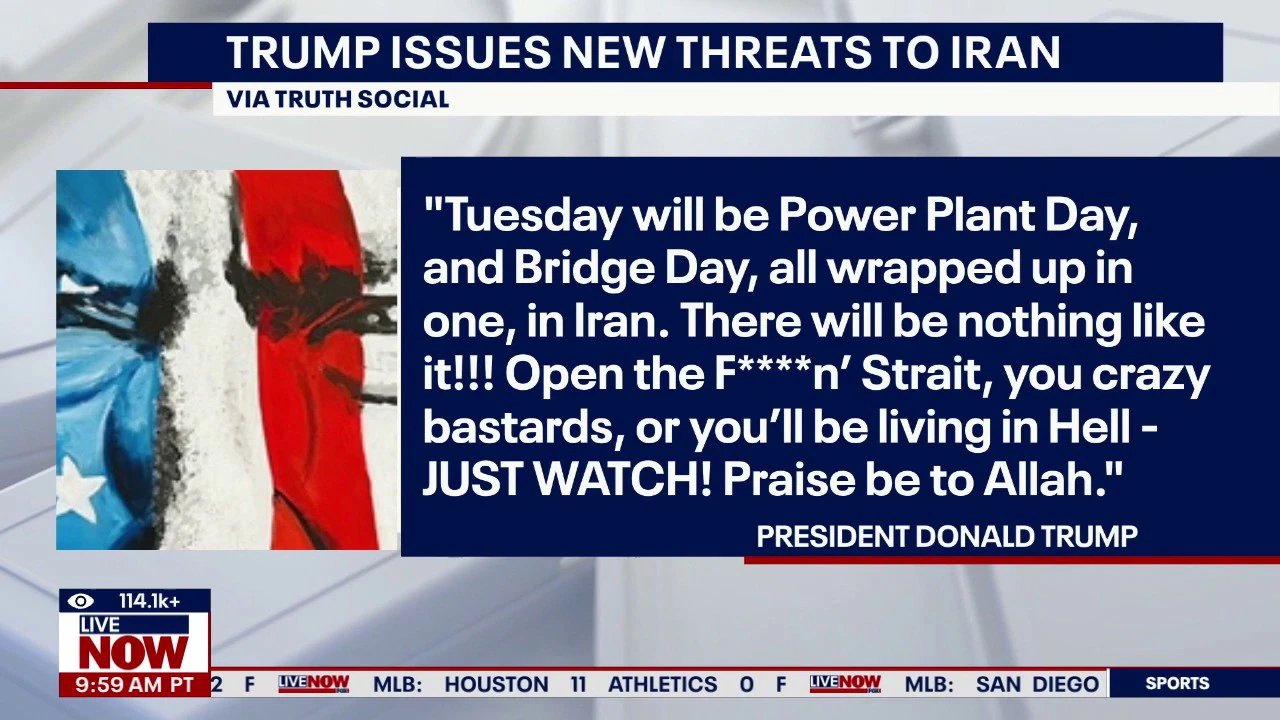
In a striking shift, Senate Republicans opted not to limit President Donald Trump's war powers just hours after he publicly criticized them for their previous actions. This decision came following a tense lunch meeting where Trump expressed his frustration over a resolution passed by the Senate that directed him to withdraw U.S. forces from Iran. The president's rebuke seemed to resonate, as GOP lawmakers quickly reversed their stance, signaling Trump's continued sway over the party.
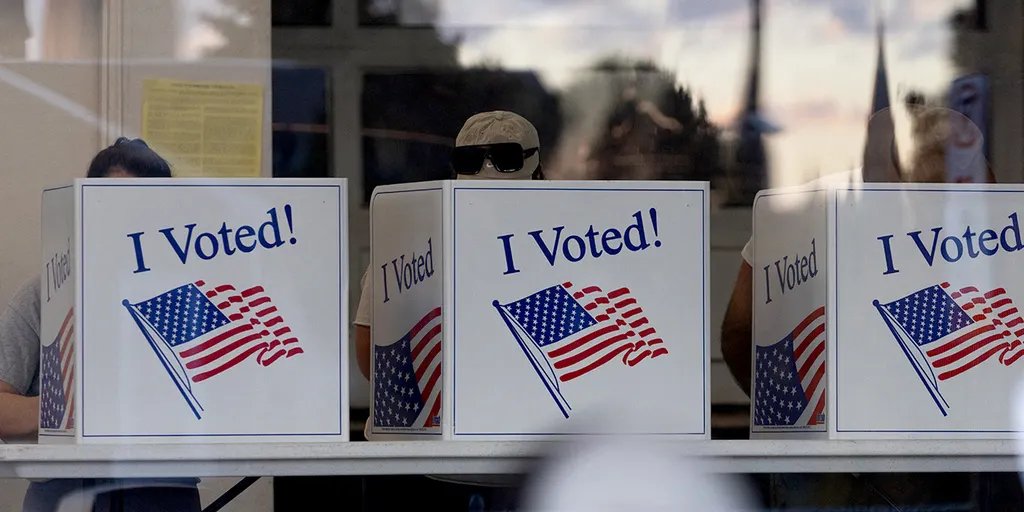
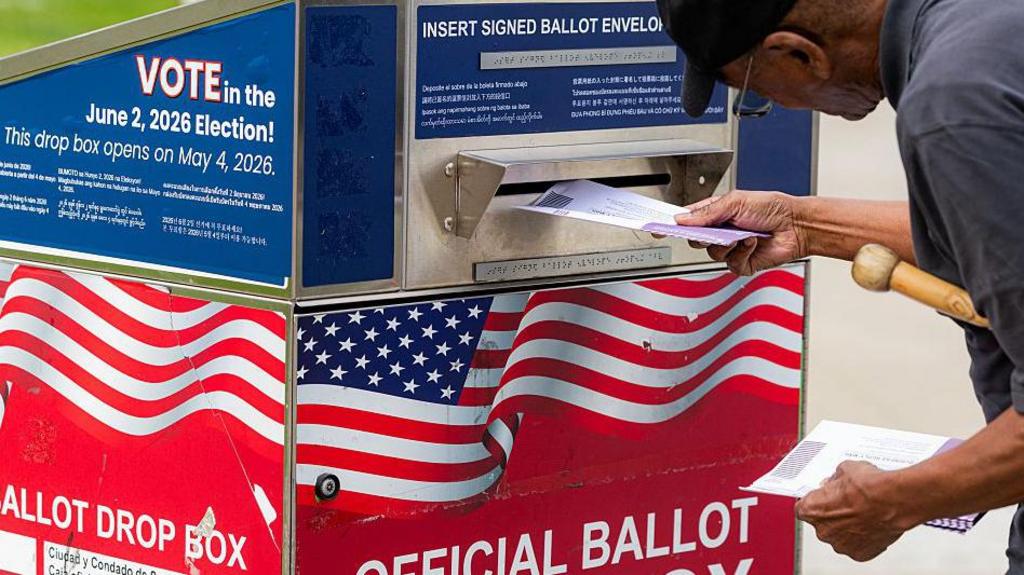
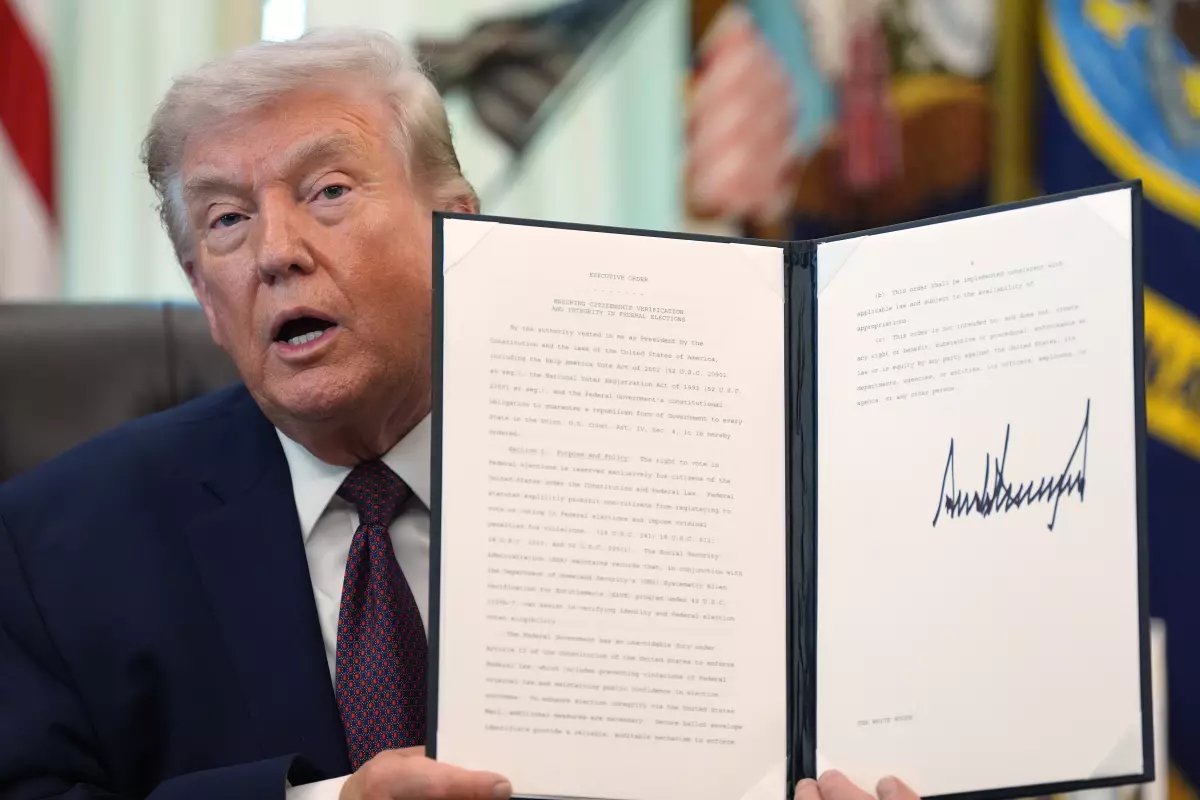
Earlier on the same day, Trump had refused to participate in a planned ceremony to sign a bipartisan housing bill, which had garnered overwhelming support across party lines. Instead, he demanded that the Senate first pass the SAVE Act, which mandates that voters provide proof of identification and citizenship to vote. This ultimatum underscored the growing friction between Trump and Senate Republicans, as they grappled with balancing their legislative priorities against the president's demands.
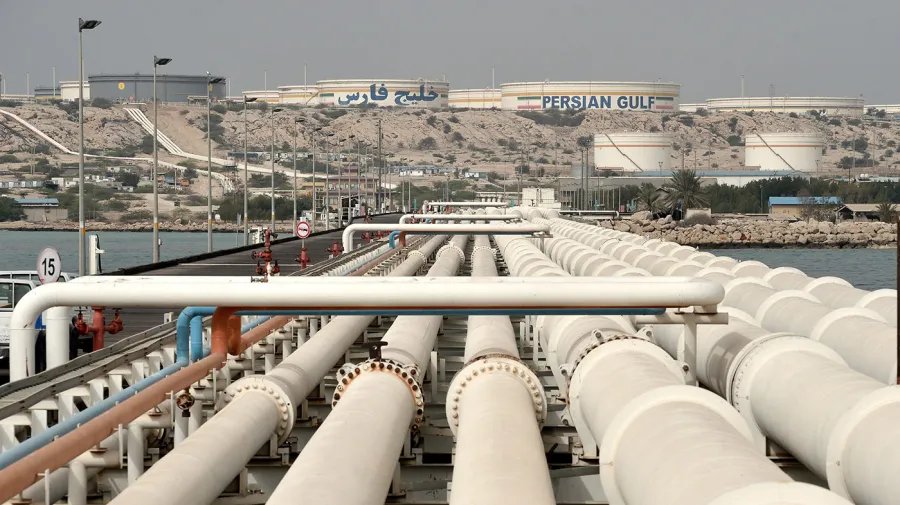
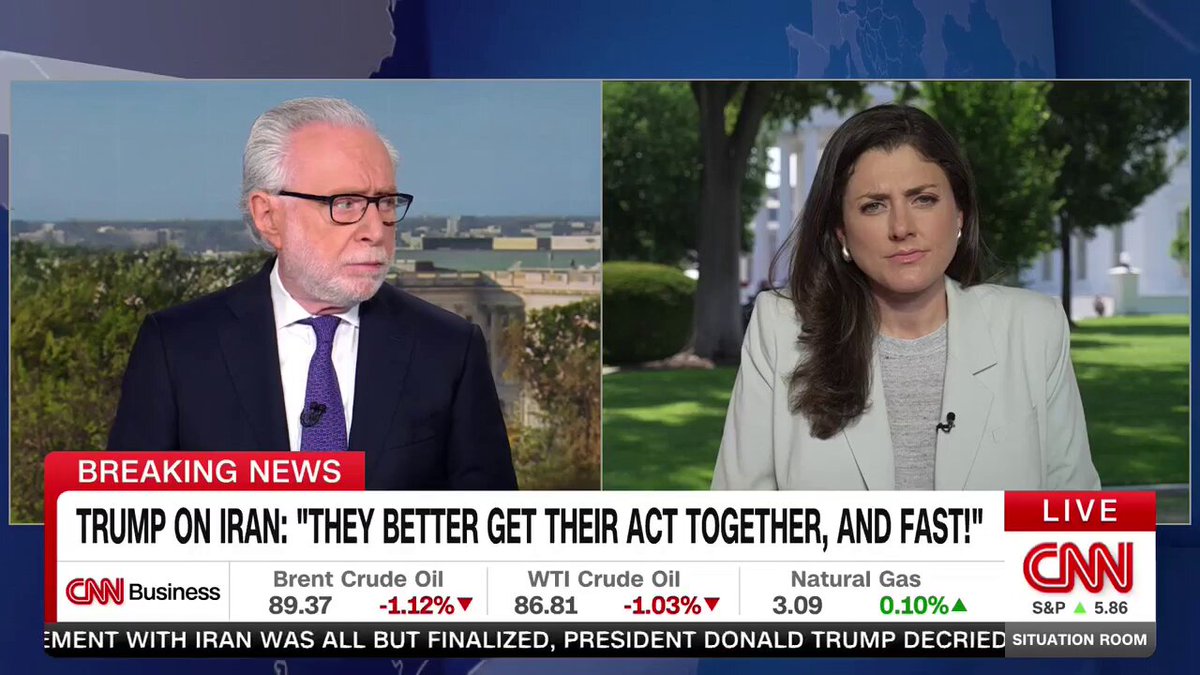
The lunch meeting revealed deep-seated tensions between Trump and Senate Republicans. Following the president's outburst, GOP senators were left grappling with the implications of their actions. Some members expressed discontent with Trump's handling of foreign policy, particularly regarding Iran, highlighting the growing divide within the party on these critical issues. The abrupt change in the Senate's approach to war powers illustrates how Trump's leadership style continues to shape legislative dynamics.
Trump's influence remains formidable as he navigates the political landscape during this election cycle. Trump's endorsement record has been largely successful, though he experienced two notable setbacks last month.
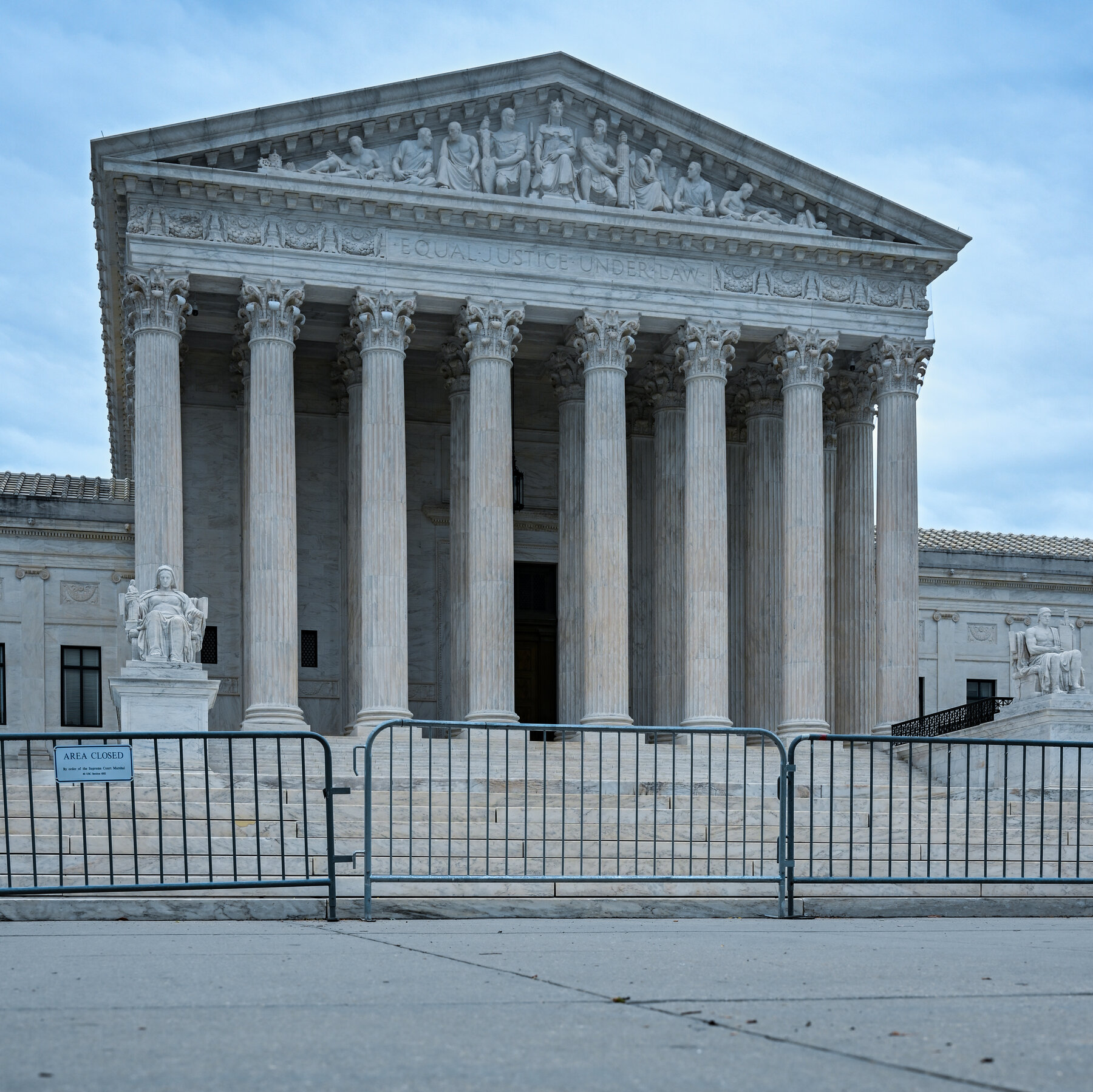
The Senate's recent actions signal a potential shift in how Congress interacts with the executive branch regarding military authority.
The outcome of the upcoming elections could hinge on how effectively Senate Republicans navigate their relationship with Trump while addressing the concerns of their constituents. Engaging with local representatives and voicing opinions on these matters may influence the direction of future legislation and the balance of power in Washington.
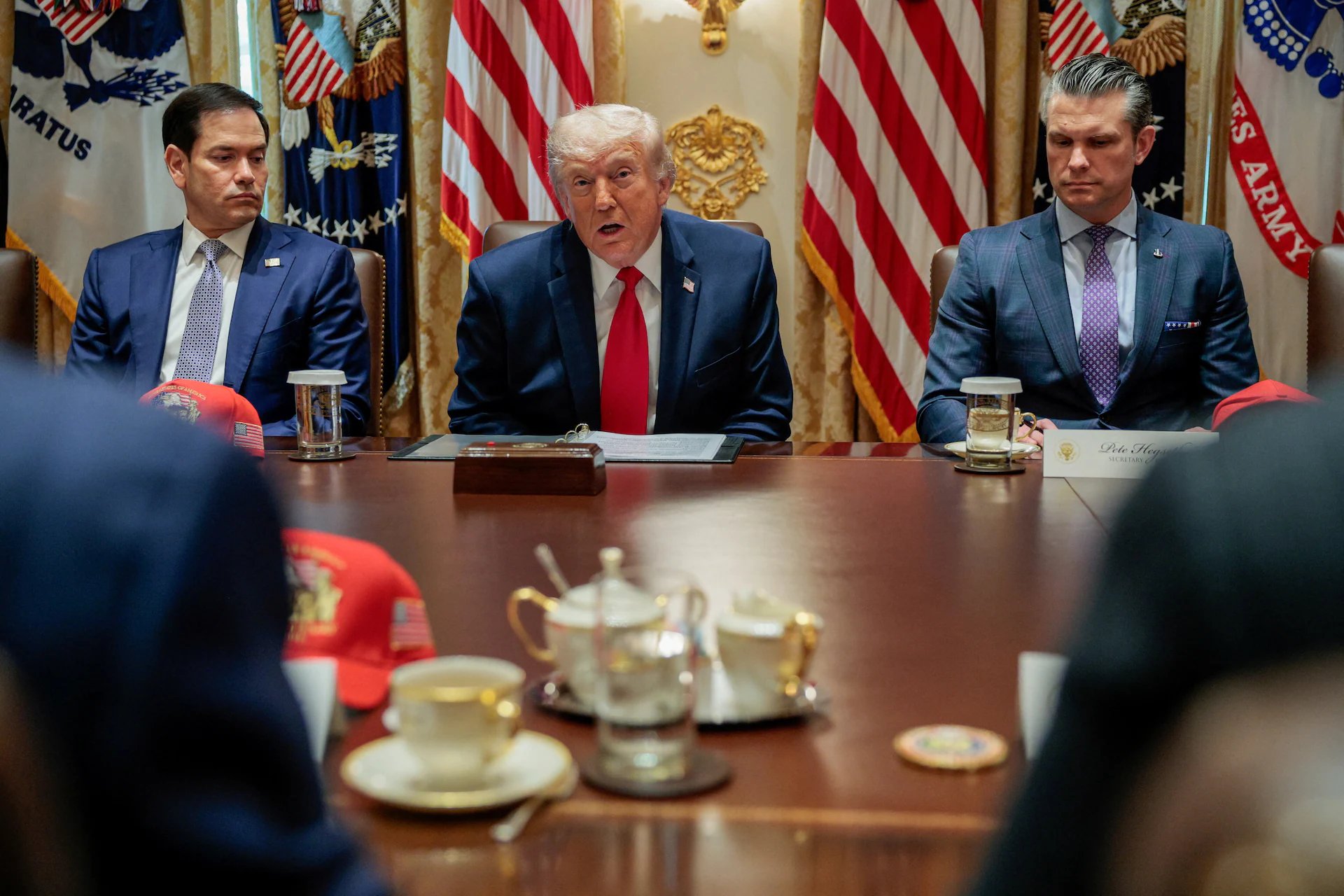
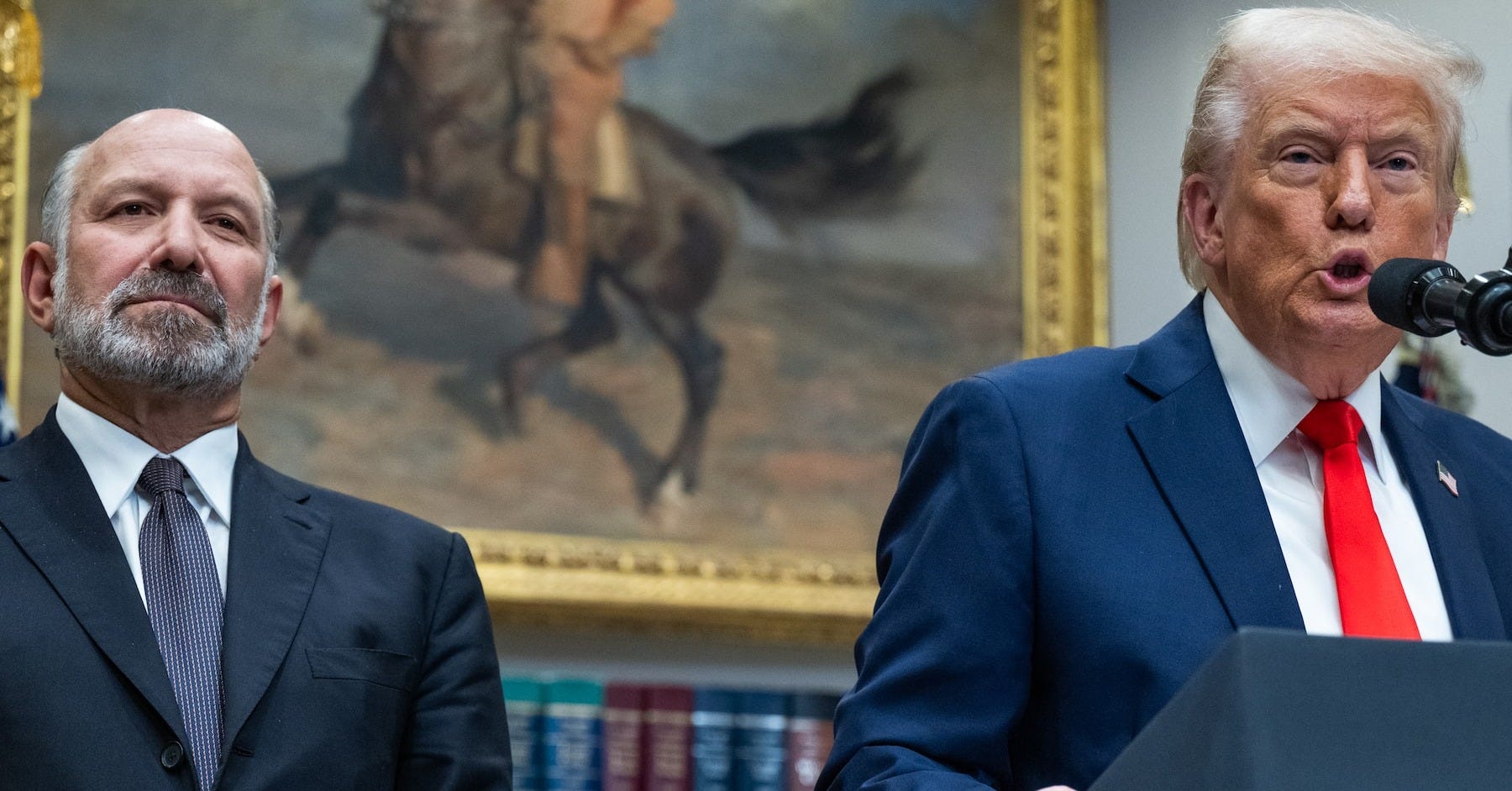
In a striking shift, Senate Republicans opted not to limit President Donald Trump’s war powers just hours after he publicly criticized them for their previous actions. This decision came following a tense lunch meeting where Trump expressed his frustration over a resolution passed by the Senate that directed him to withdraw U.S. forces from Iran. The president's rebuke seemed to resonate, as GOP lawmakers quickly reversed their stance, signaling Trump's continued sway over the party.
Earlier on the same day, Trump had refused to participate in a planned ceremony to sign a bipartisan housing bill, which had garnered overwhelming support across party lines. Instead, he demanded that the Senate first pass the SAVE Act, which mandates that voters provide proof of identification and citizenship to vote. This ultimatum underscored the growing friction between Trump and Senate Republicans, as they grappled with balancing their legislative priorities against the president's demands.
The lunch meeting revealed deep-seated tensions between Trump and Senate Republicans. Following the president's outburst, GOP senators were left grappling with the implications of their actions. Some members expressed discontent with Trump's handling of foreign policy, particularly regarding Iran, highlighting the growing divide within the party on these critical issues. The abrupt change in the Senate's approach to war powers illustrates how Trump's leadership style continues to shape legislative dynamics.
Trump's influence remains formidable as he navigates the political landscape during this election cycle. His endorsement strategy has led to a string of successes for candidates aligned with him, reinforcing his status as a kingmaker within the party. As the midterm elections approach, the stakes for Senate Republicans are high, with internal party unity increasingly dependent on their alignment with Trump's agenda.
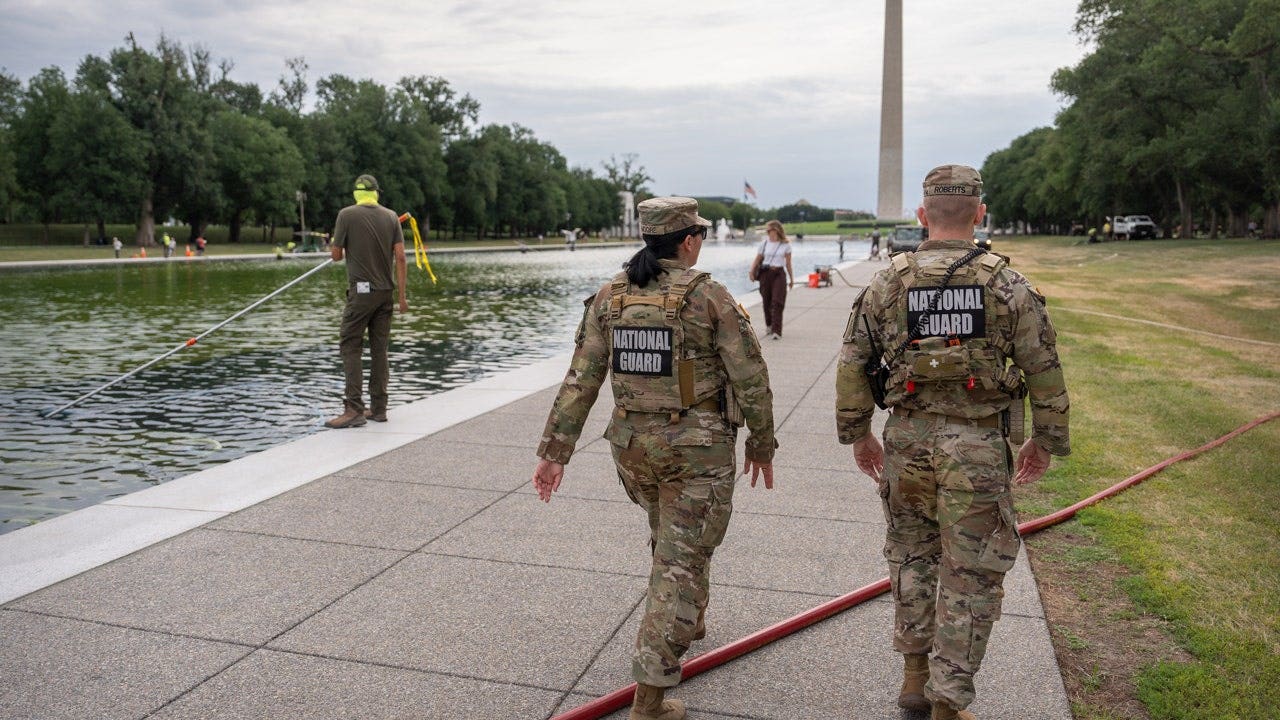
The Senate's recent actions signal a potential shift in how Congress interacts with the executive branch regarding military authority. By opting not to constrain Trump's war powers, Senate Republicans may have emboldened him in his approach to foreign policy. This development raises questions about the balance of power between Congress and the presidency, particularly as the nation faces ongoing international challenges.
As these political dynamics unfold, voters will need to pay close attention to how their representatives address both domestic and foreign policy issues. The outcome of the upcoming elections could hinge on how effectively Senate Republicans navigate their relationship with Trump while addressing the concerns of their constituents. Engaging with local representatives and voicing opinions on these matters may influence the direction of future legislation and the balance of power in Washington.
Highlighted text was flagged by the council. Tap to see feedback.