






Federal challenge to state firearm bans
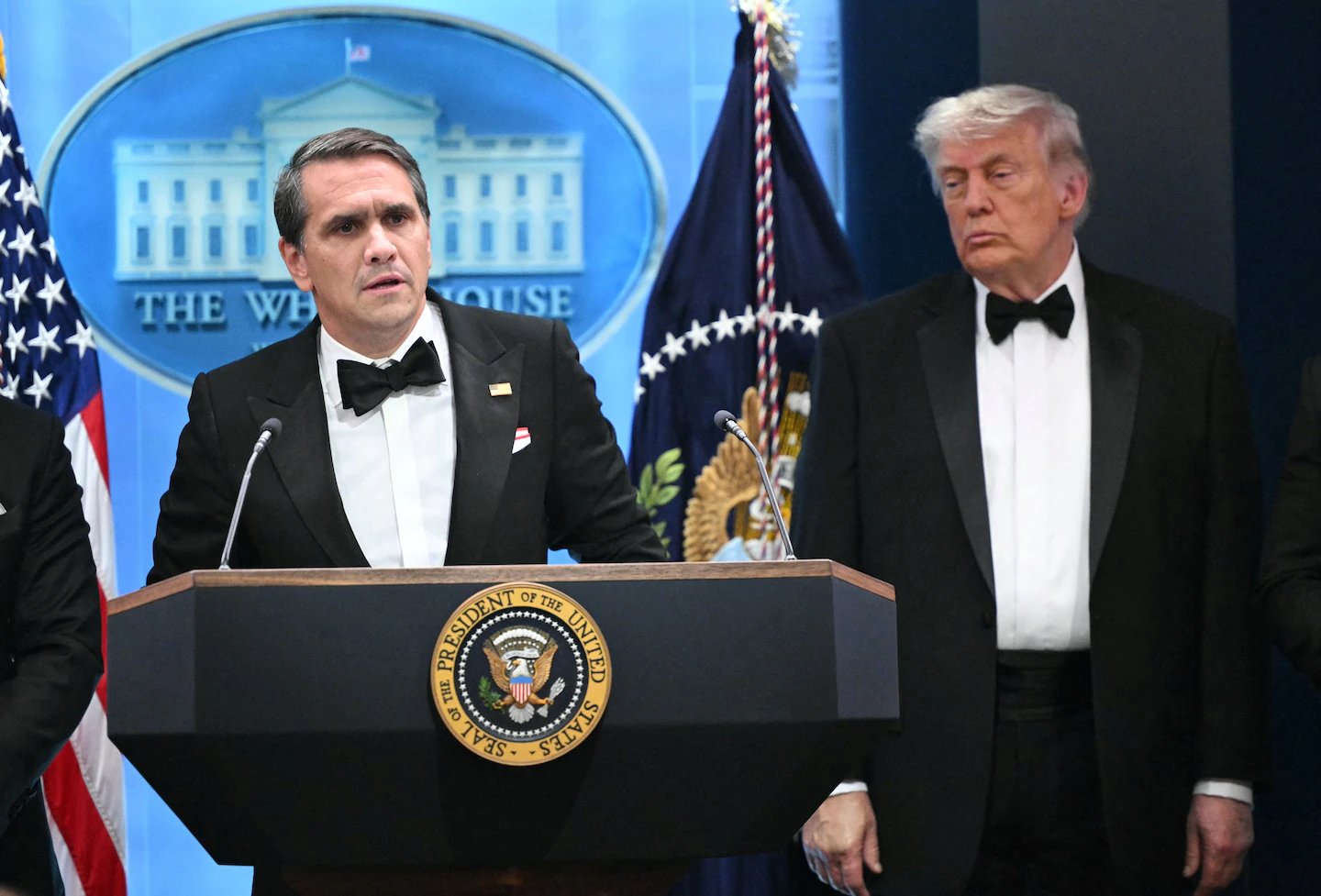
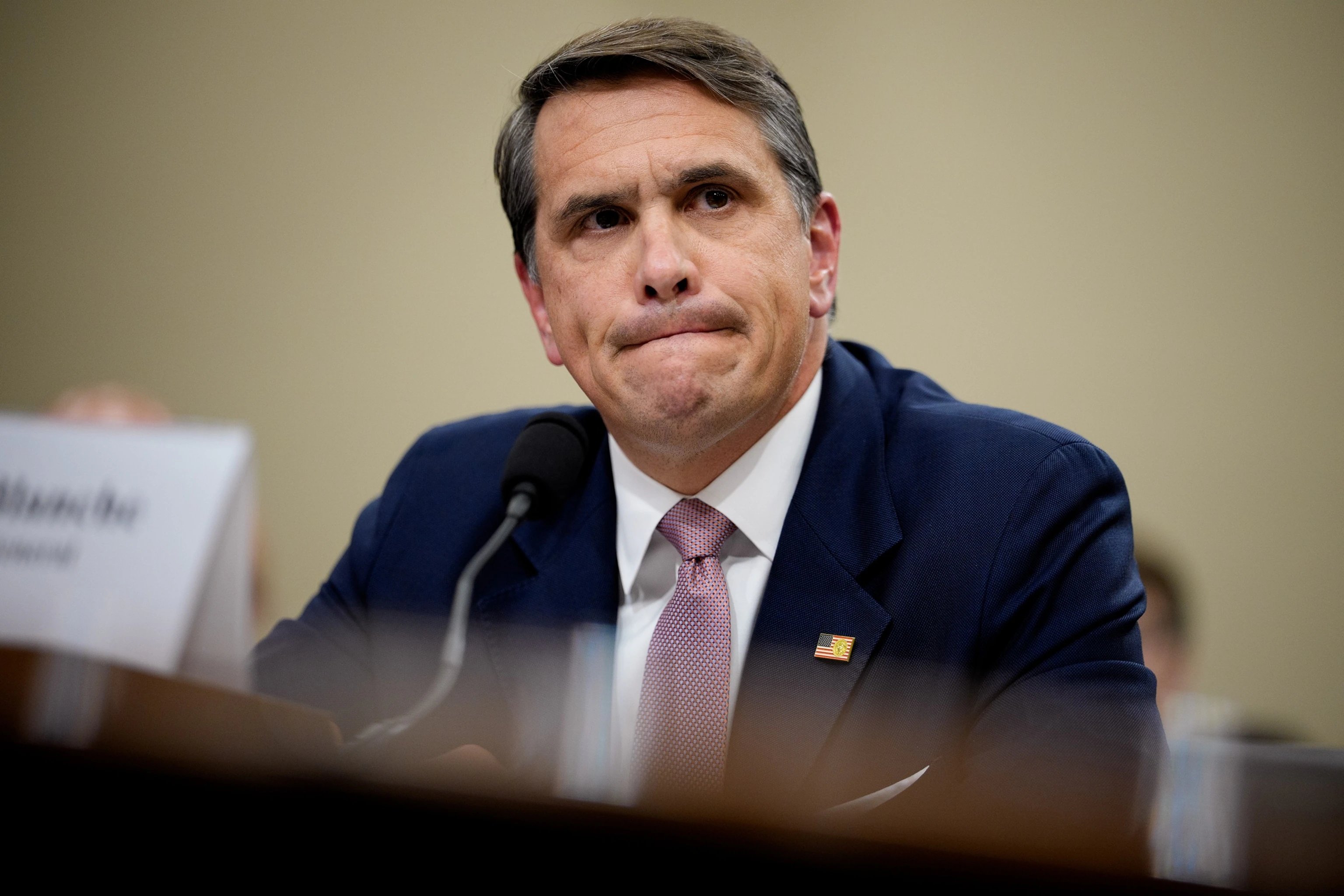
The Justice Department filed lawsuits against Virginia and California on Wednesday, challenging state laws that restrict the sale of certain firearms. Acting Attorney General Todd Blanche said "the Constitution is not a suggestion" and that "the Second Amendment is a sacred right belonging to all Americans, even those in California." The coordinated legal action represents a direct federal challenge to two of the nation's strictest gun regulations.
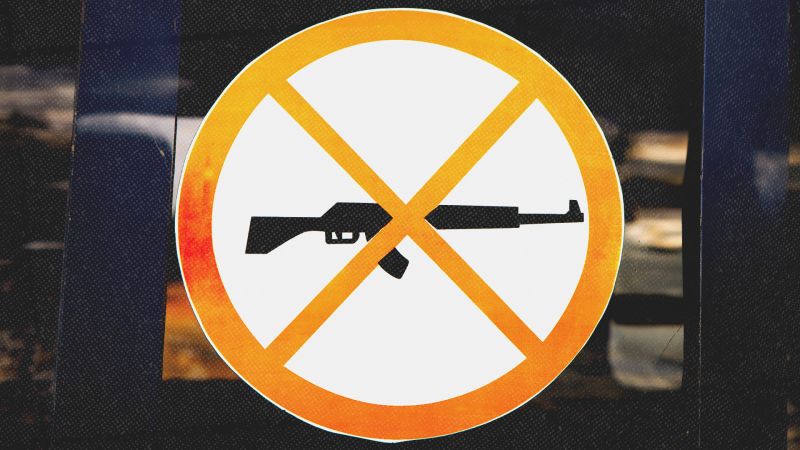
In Virginia, the department targets Senate Bill 749, signed by Governor Abigail Spanberger in May and effective Wednesday. The law makes it a misdemeanor to import, sell, manufacture, purchase, or transfer semiautomatic firearms classified as assault weapons. The Justice Department alleges the Virginia law "unconstitutionally bans the purchase and sale of ordinary semi-automatic rifles owned by millions of Americans" and specifically named the AR-15 rifle as "the most popular rifle in America."
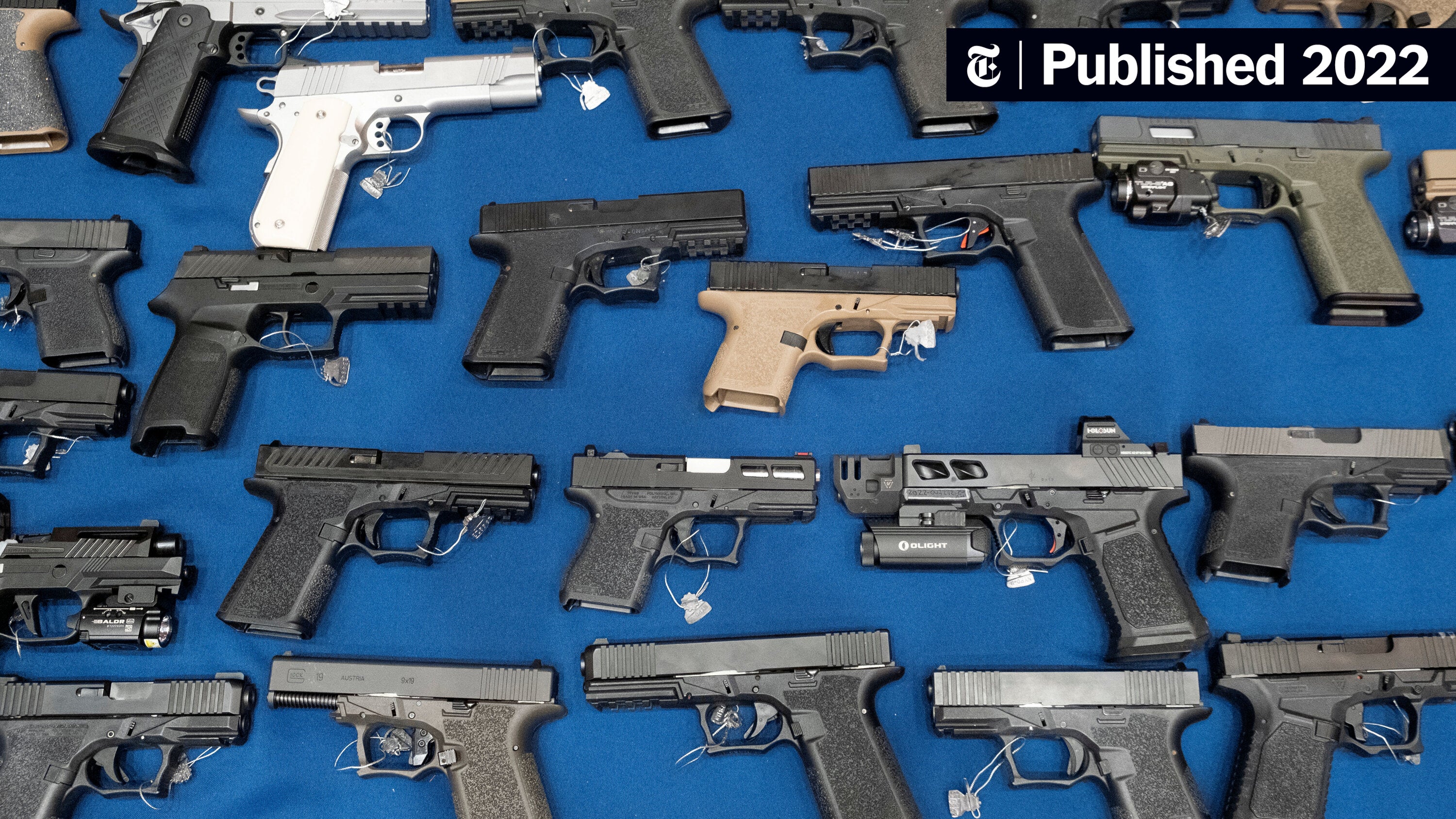
California's lawsuit centers on two restrictions: a newly enacted ban on Glock-style semiautomatic pistols and the state's Handgun Roster, which limits what legal firearms can be purchased. The California law took effect on July 1. The Justice Department seeks to halt both restrictions, characterizing them as unlawful.
State officials defend the laws
California Attorney General Rob Bonta rejected the Justice Department's legal position and refused to negotiate after receiving notice of intent to sue. "The Unsafe Handgun Act and Penal Code section 27595 are commonsense handgun design safety laws that help to prevent accidental discharges by experienced and non-experienced firearm users as well as the conversion of semiautomatic pistols into deadly automatic firing weapons," Bonta wrote in a response letter.
Governor Gavin Newsom's office said California would not be "intimidated" by what it called politically motivated litigation. Spokeswoman Diana Crofts-Pelayo stated that "these laws save lives" and that "California has proven that strong, evidence-based gun safety measures can reduce gun violence while respecting the rights of responsible gun owners." California has some of the nation's strictest firearm regulations, which state officials credit with producing one of the country's lowest gun death rates.
A Spanberger spokesperson defended Virginia's law, saying the governor "firmly believes that firearms designed to inflict maximum casualties do not belong in our communities, near our kids and schools, or on Virginia's streets." The statement emphasized the law was signed "to save lives and protect law enforcement officers, kids, and families from gun violence."
Support from gun rights advocates
Assistant Attorney General for Civil Rights Harmeet Dhillon said the administration is taking alleged infringements of the Second Amendment seriously. "This lawsuit is yet another example of this Justice Department enforcing the Second Amendment by protecting citizens against unconstitutional state regulation of firearms," Dhillon said in a press release.
Virginia House Minority Leader Terry Kilgore, a Republican from Gate City, welcomed the lawsuit. "That is where the Richmond Democrats' agenda has led — into court, on the wrong side of the Constitution," Kilgore told Fox News Digital. A Virginia court has already blocked the law, and Kilgore called for its repeal.
The National Association for Gun Rights praised the department's actions, with Hannah Hill, executive director of the National Foundation for Gun Rights, saying "The timing is perfect for the Department of Justice to begin to be filing these lawsuits to strike out gun bans all across the country."
Supreme Court backdrop
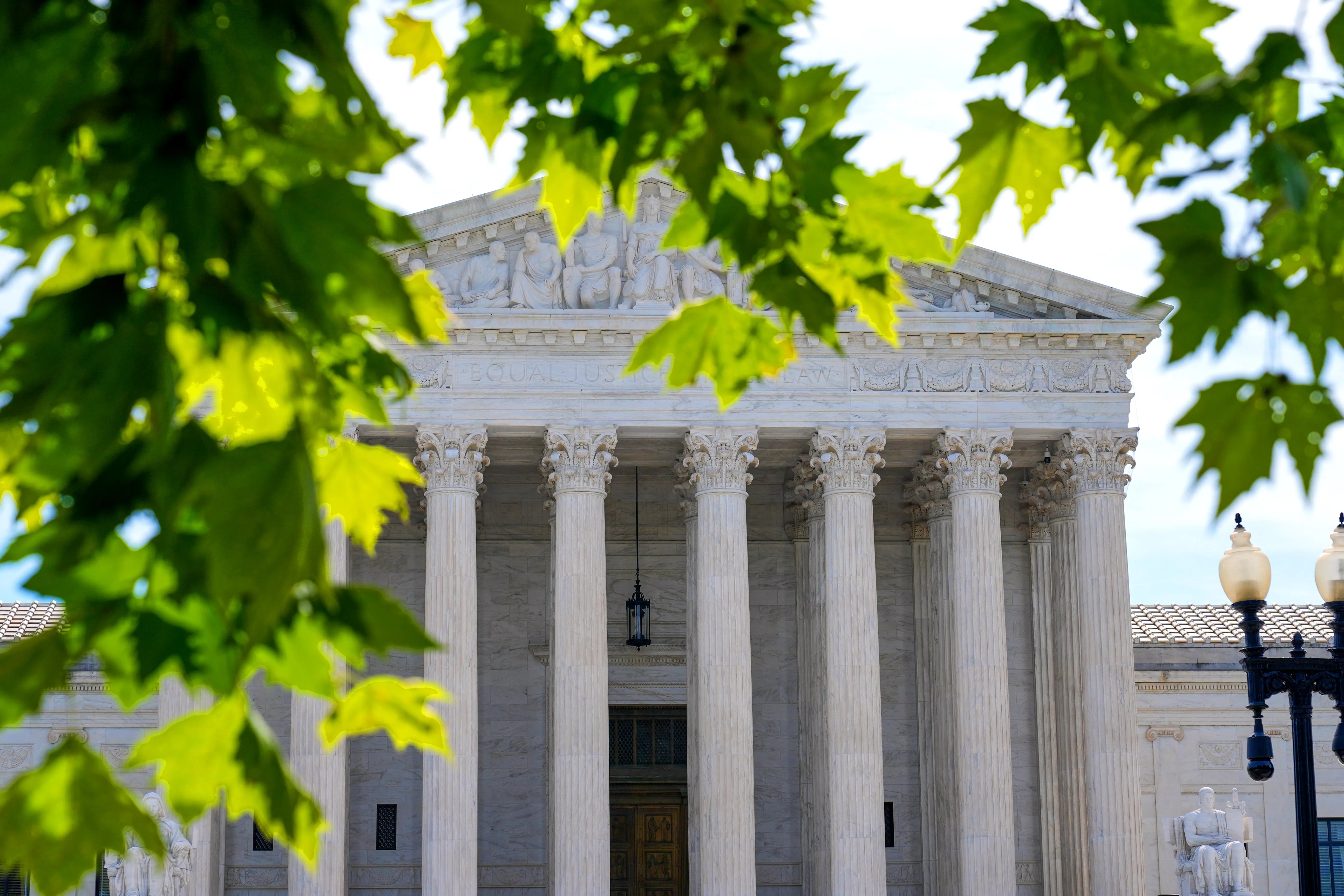
The lawsuits arrive as the Supreme Court prepares to consider Second Amendment cases in its next term. The court agreed to hear two cases challenging state and local bans on AR-15-style and similar semiautomatic rifles, including one involving a Cook County, Illinois ordinance and another centered on a Connecticut law. In recent rulings, the Supreme Court struck down a Hawaii law that restricted guns on private property open to the public and sided with a Texas man who challenged the federal ban barring certain drug users from owning firearms.






























































































































































































































































































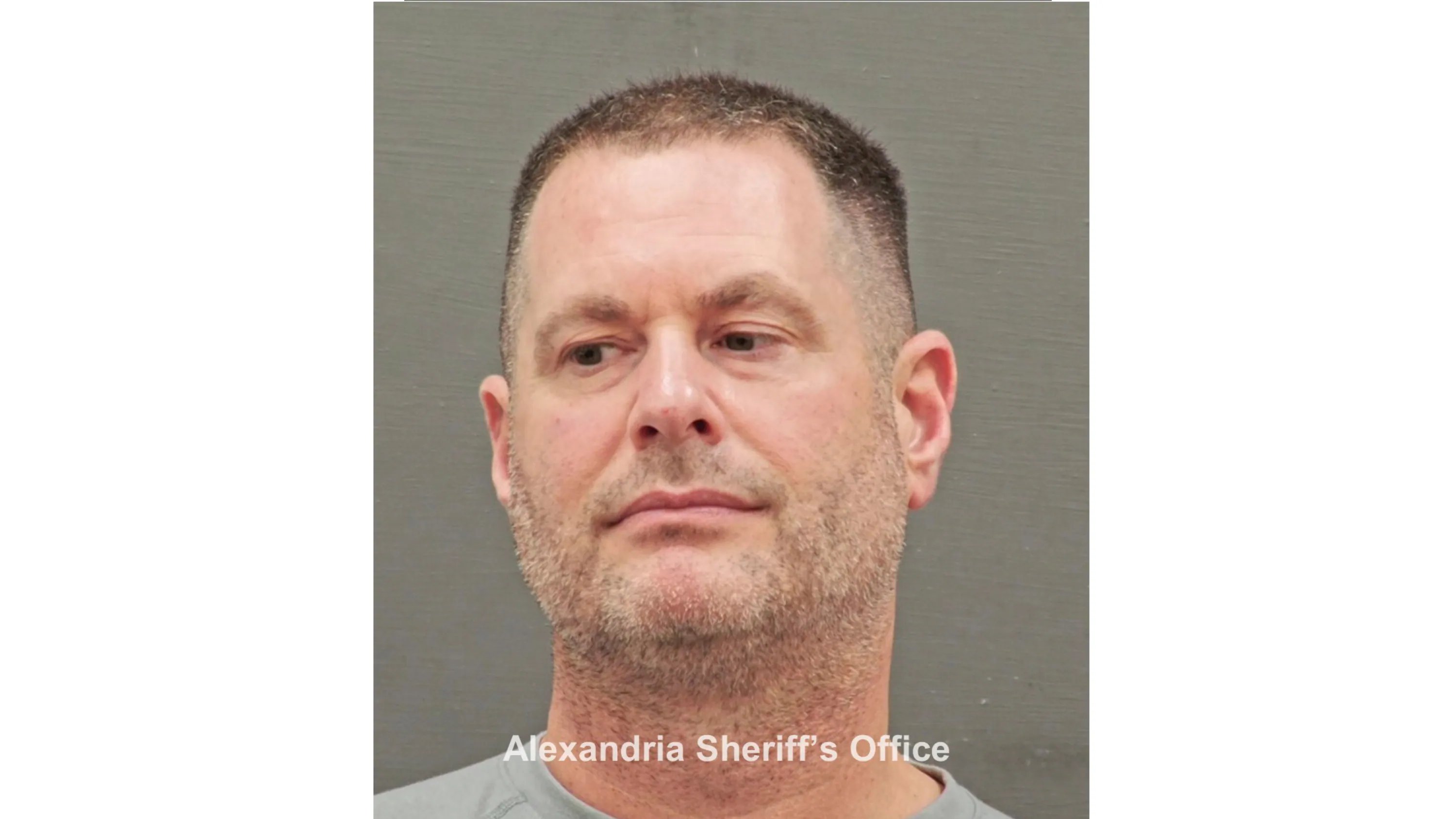














The Justice Department's lawsuit specifically targets Senate Bill 749, which was sponsored by state Senator Saddam Salim, a Democrat from Dunn Loring.