




Warsh Faces Critical First Policy Meeting
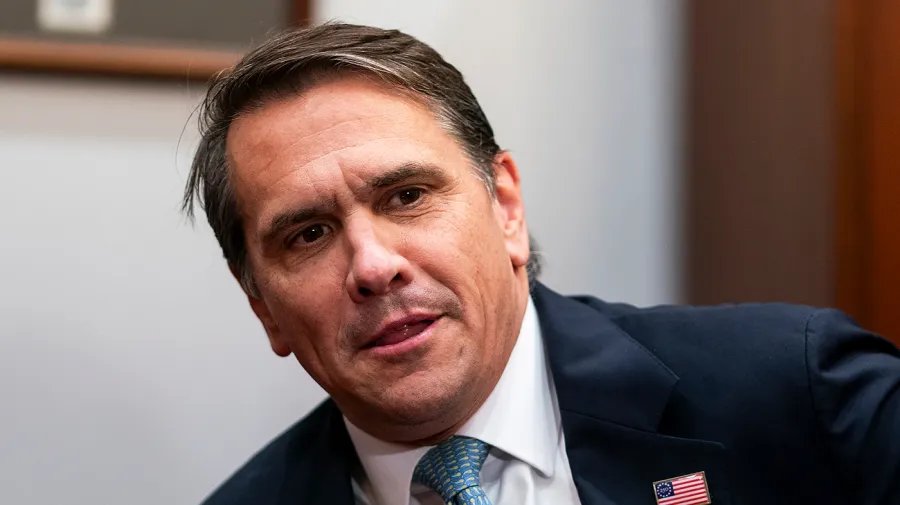
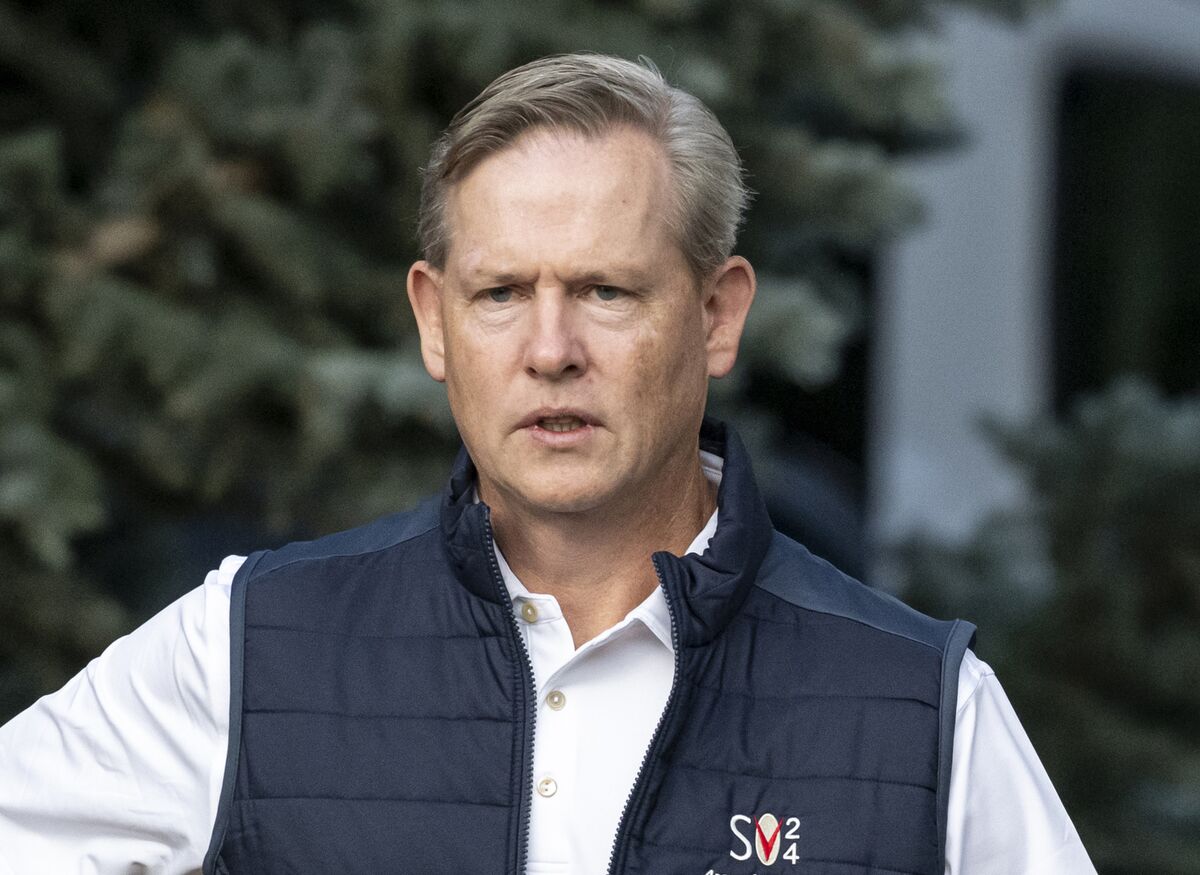
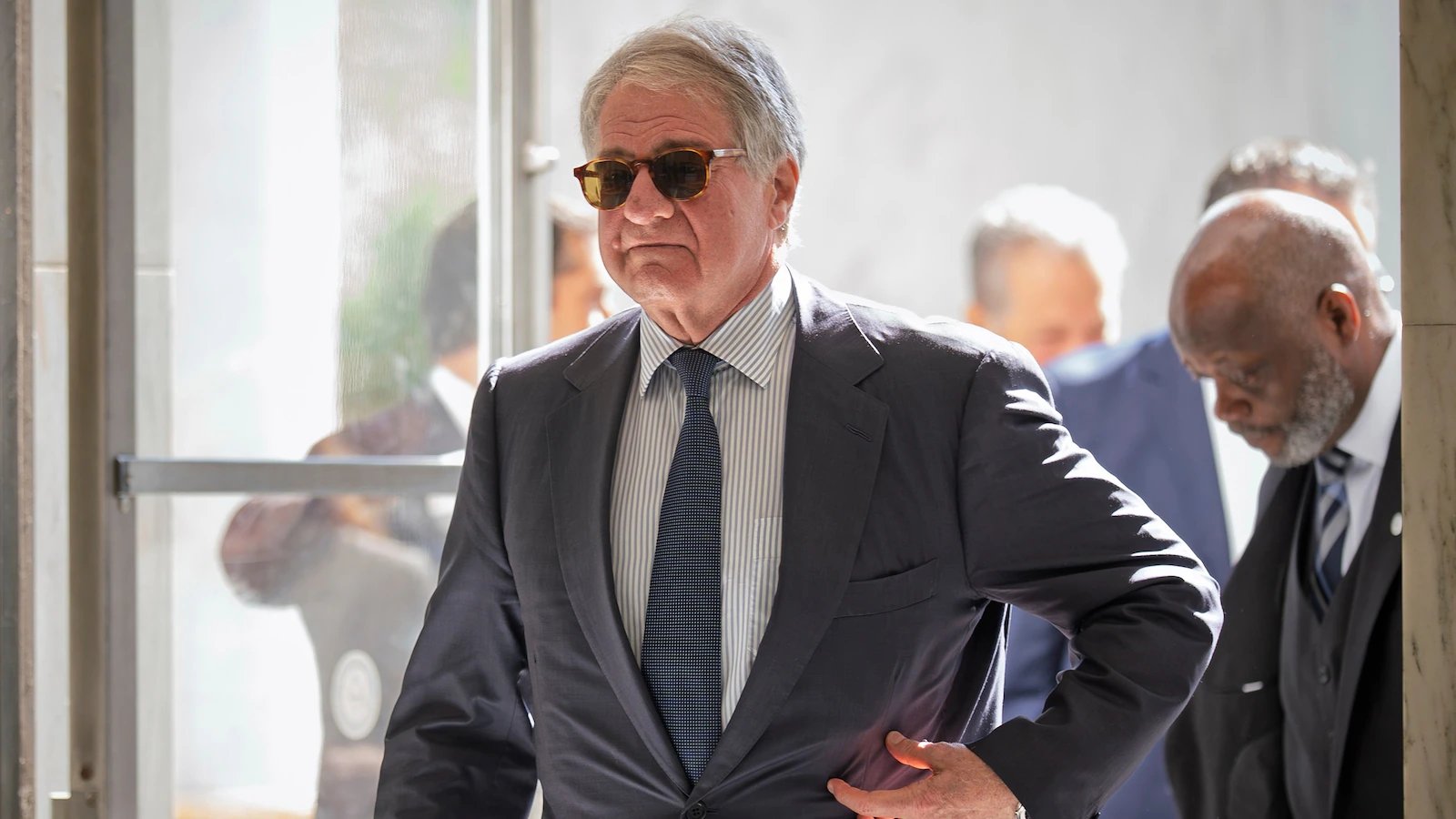
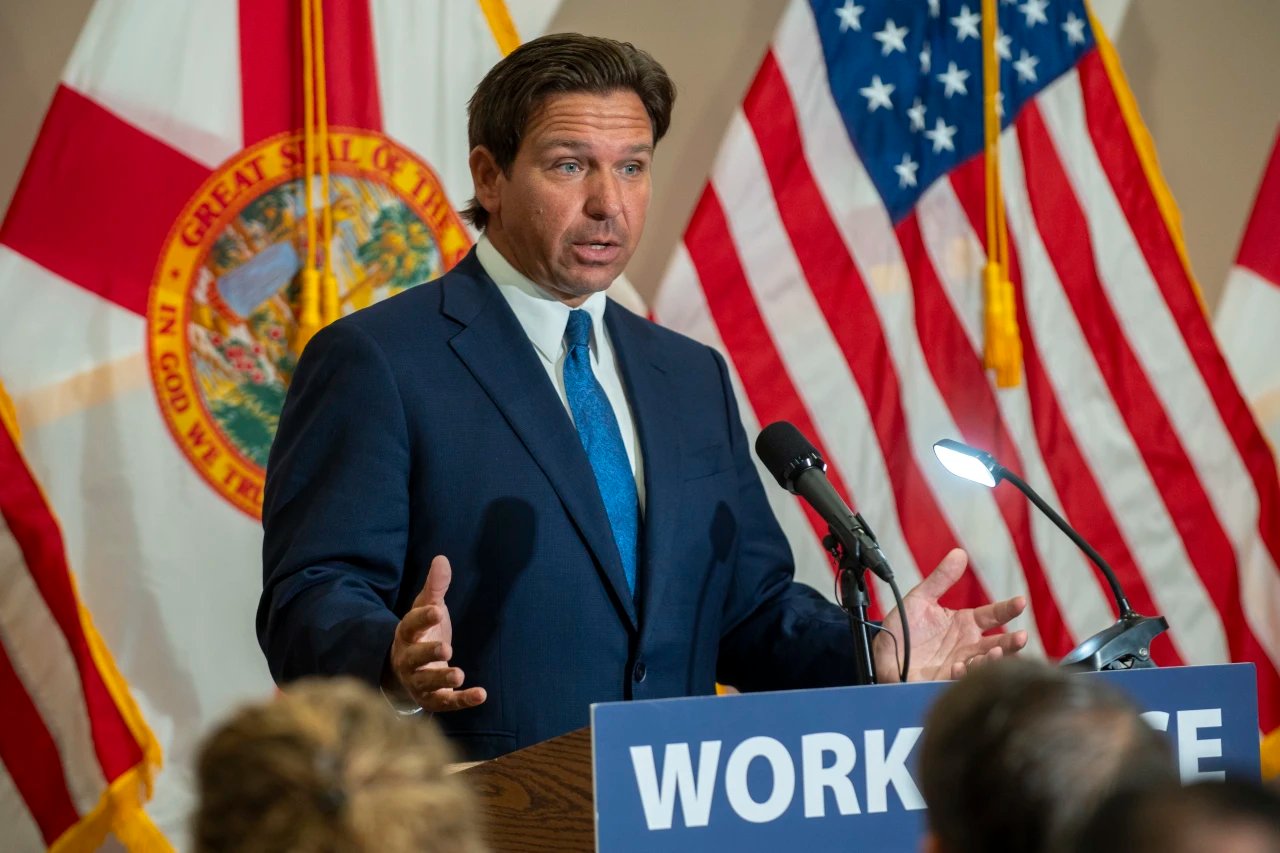
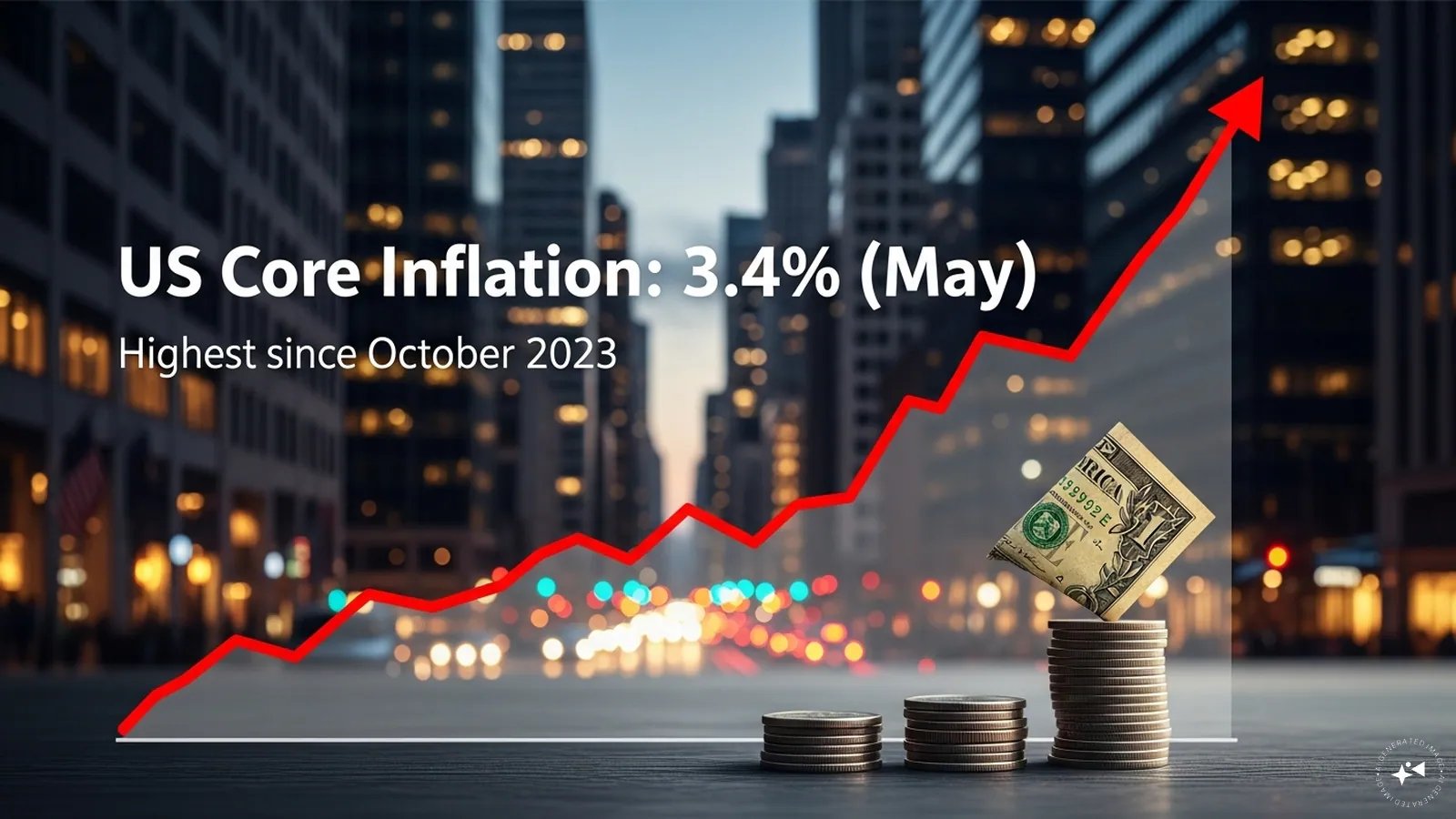
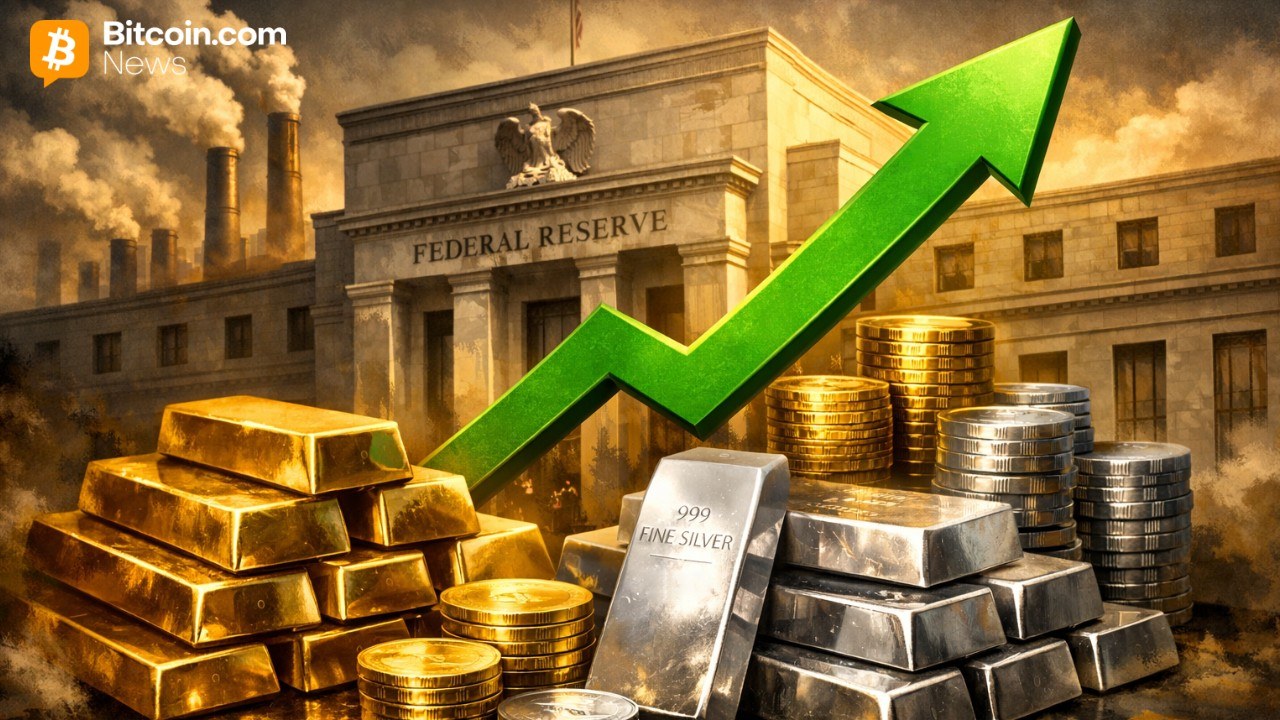
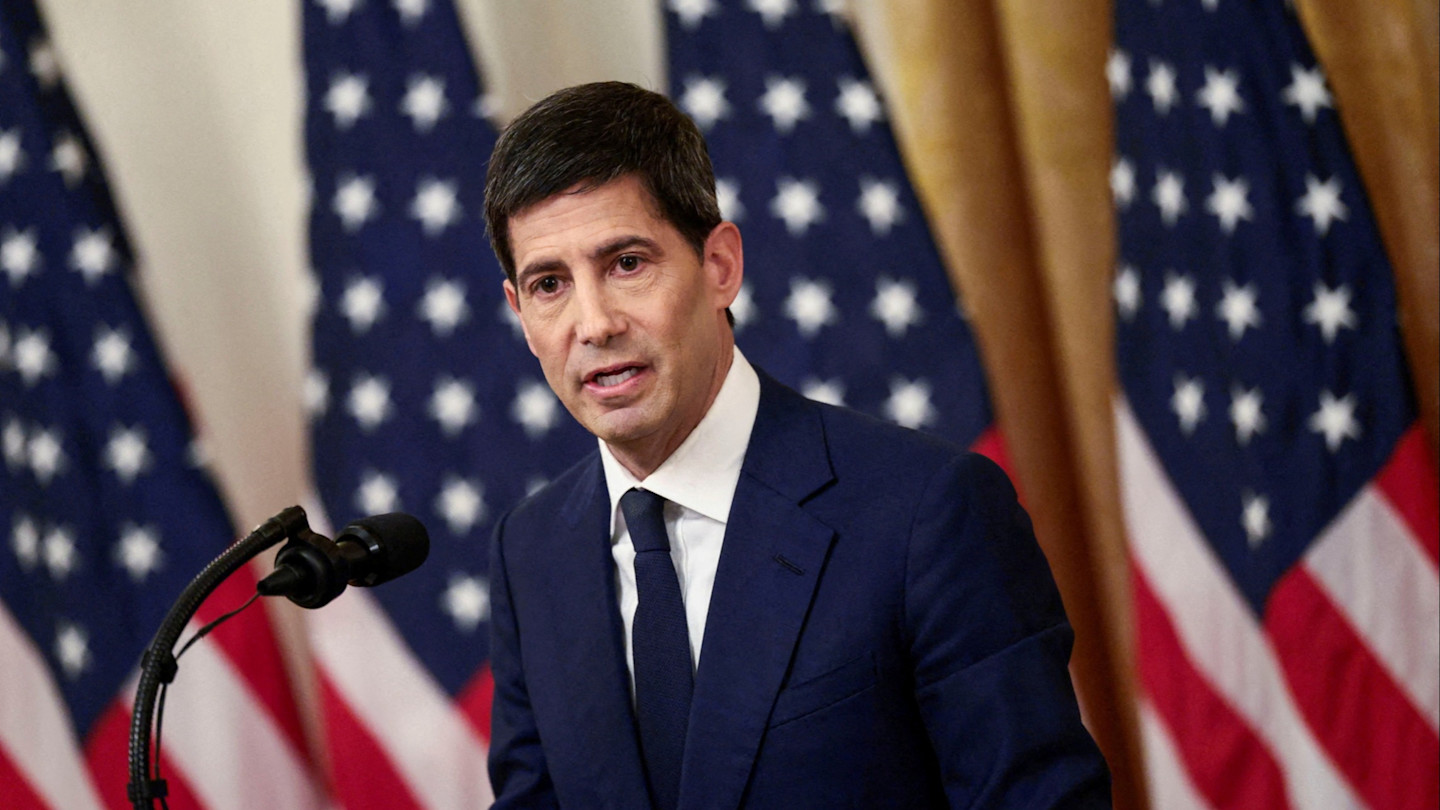
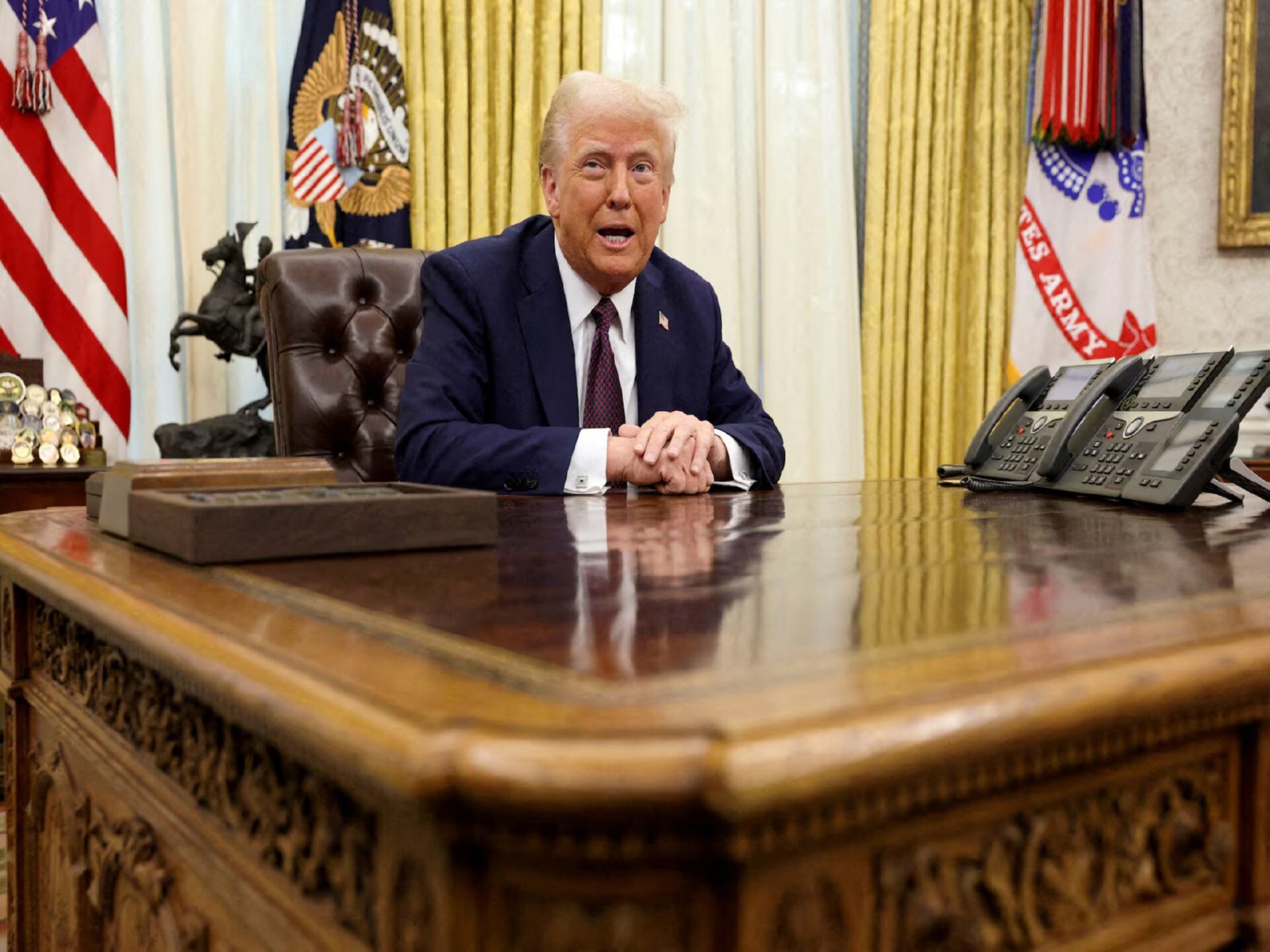
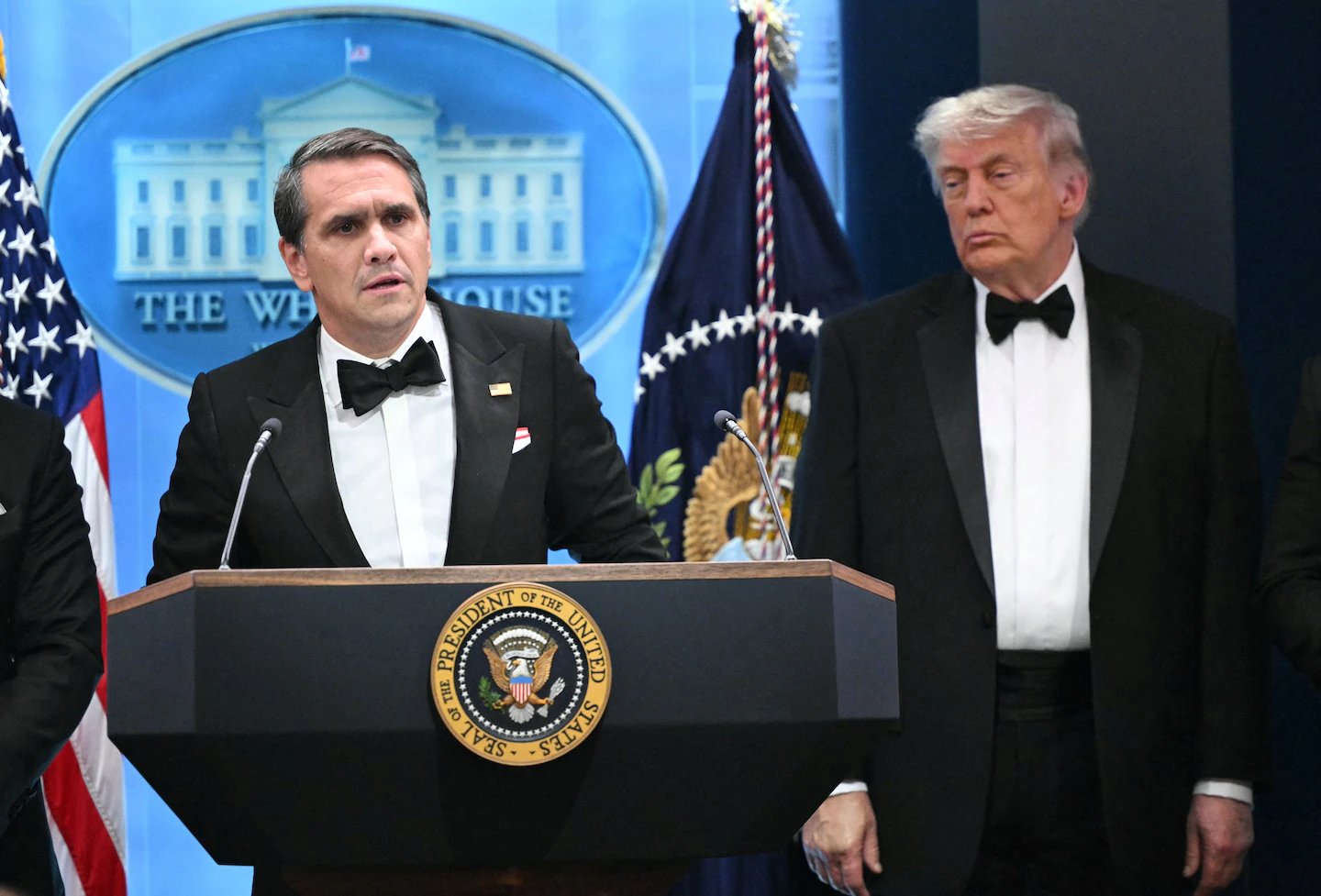
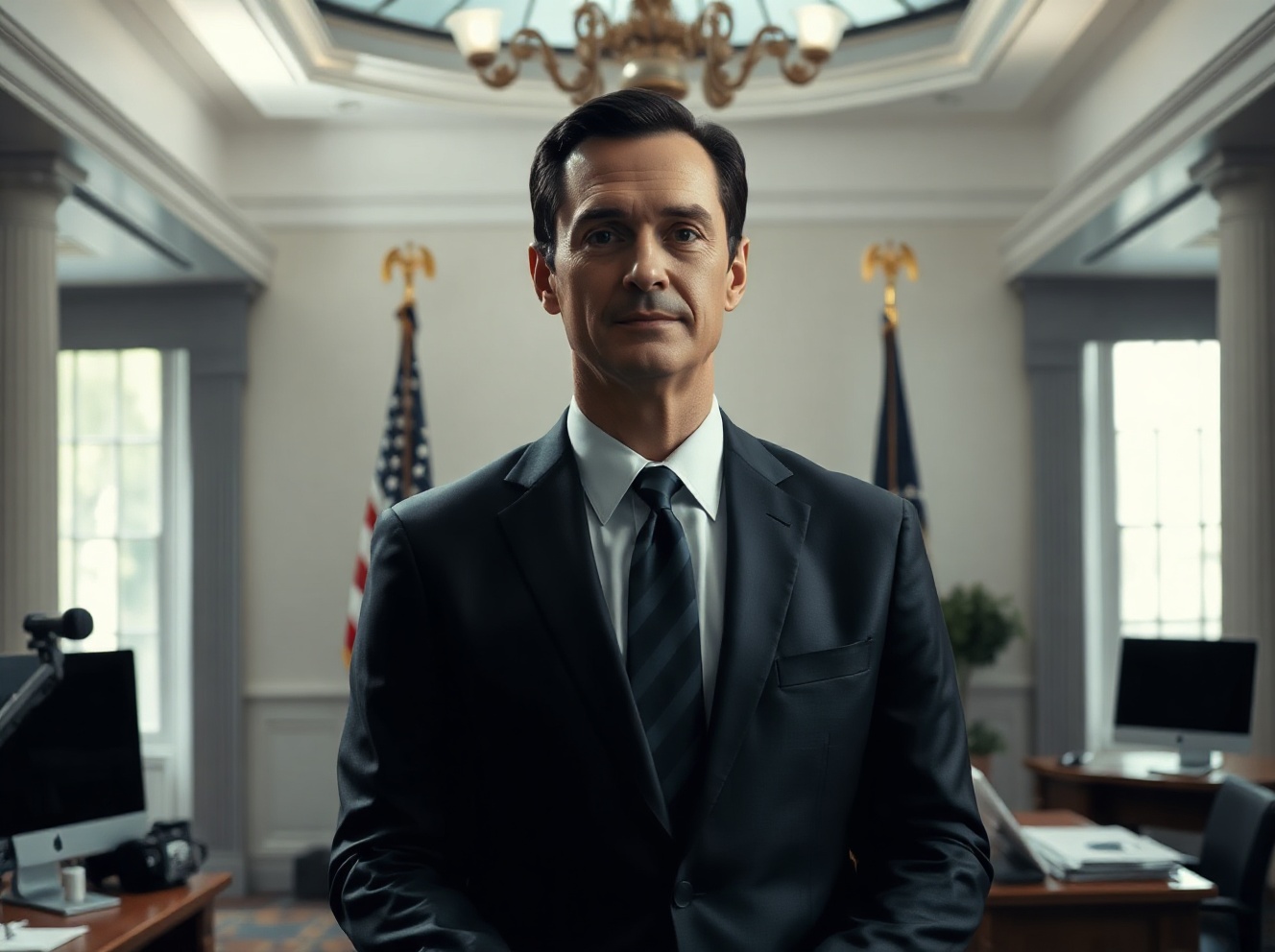
Kevin Warsh is set to lead his inaugural policy meeting as chair of the Federal Reserve after being nominated by President Trump in late January. The meeting comes at a challenging time, with inflation surging to a three-year high of 4.2% and the Fed's key rate currently holding steady at about 3.6%. As Warsh prepares to address the committee, he must navigate a divided group of policymakers who are uncertain whether to raise or maintain interest rates.
A Divided Fed and Inflation Pressures
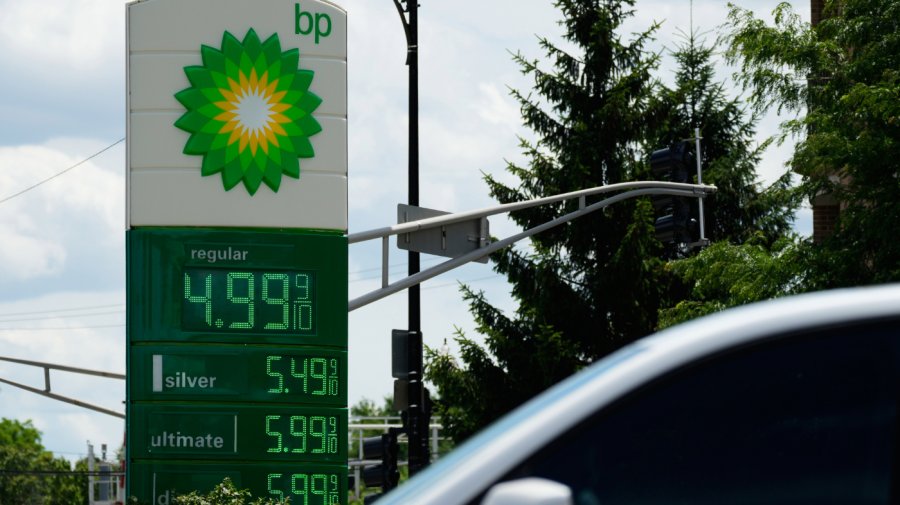
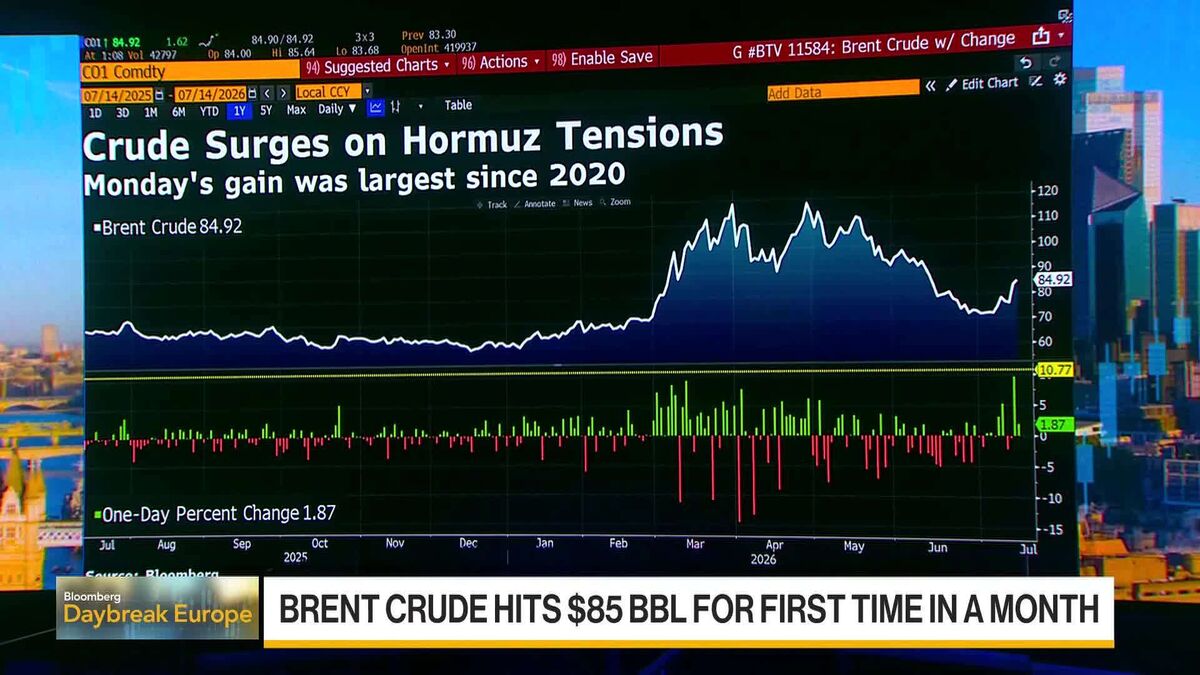
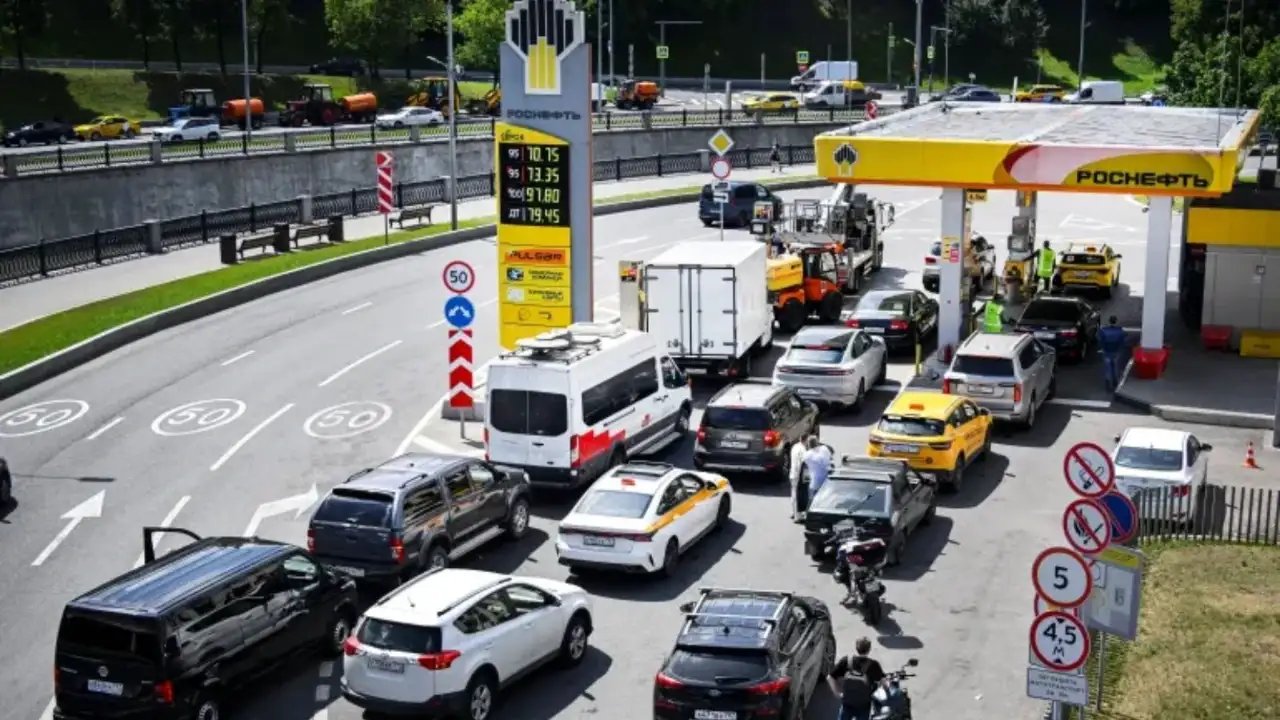
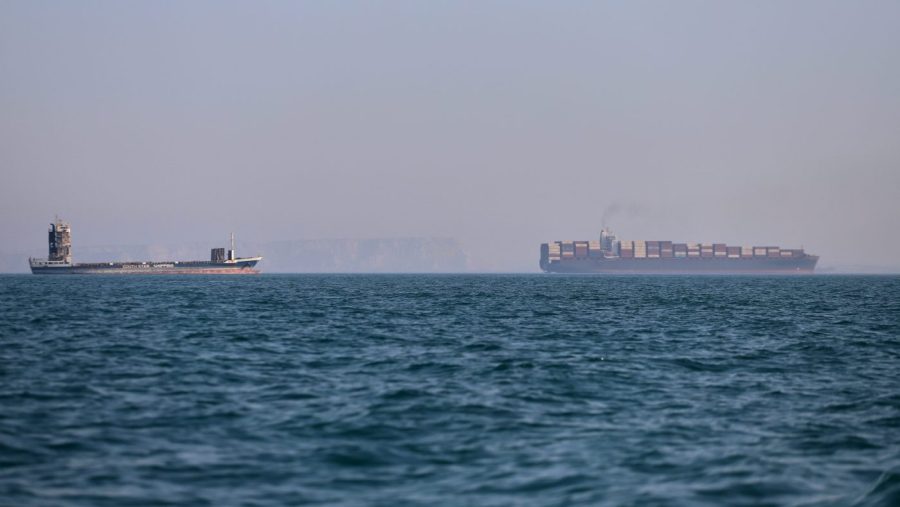
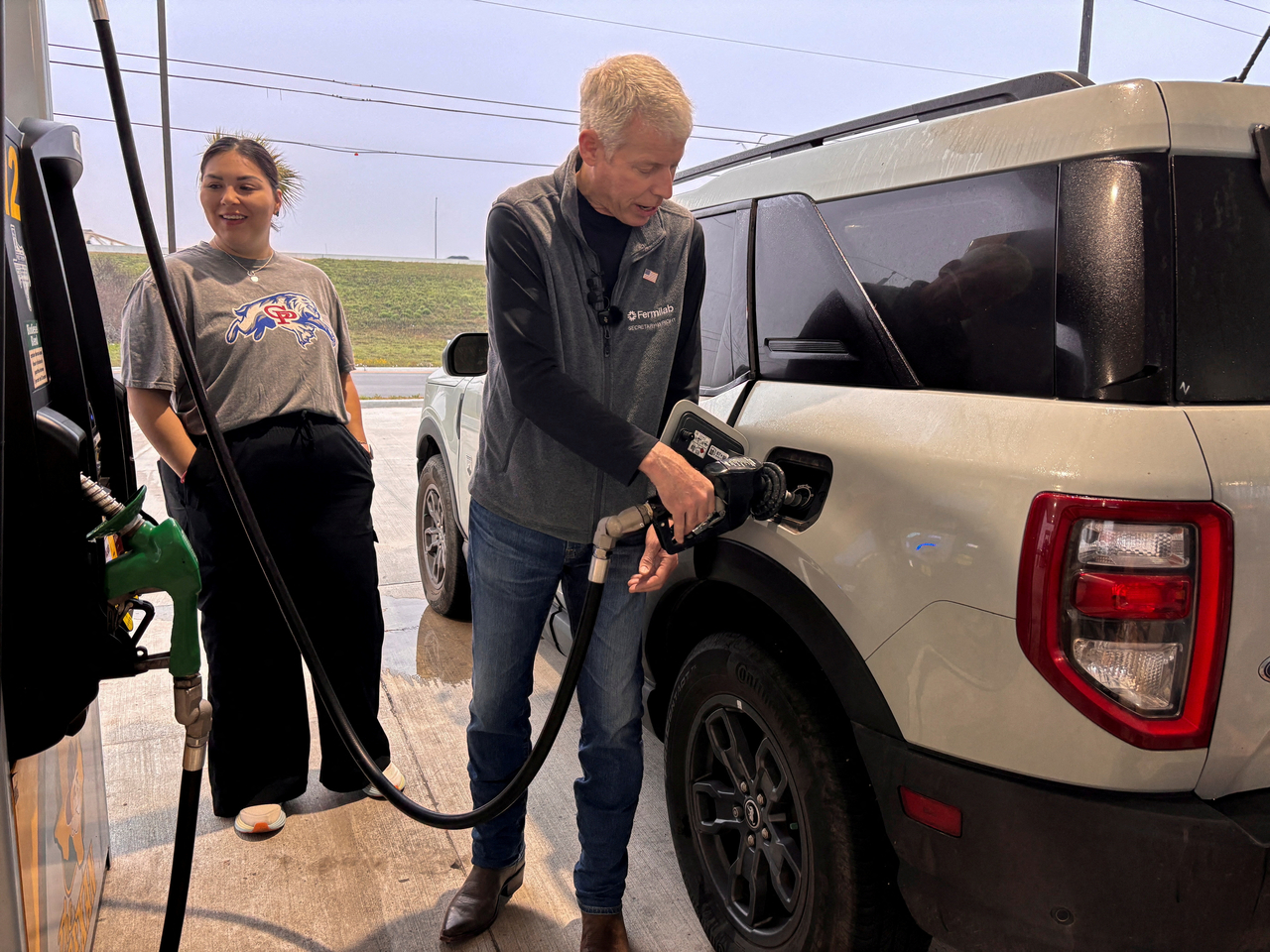
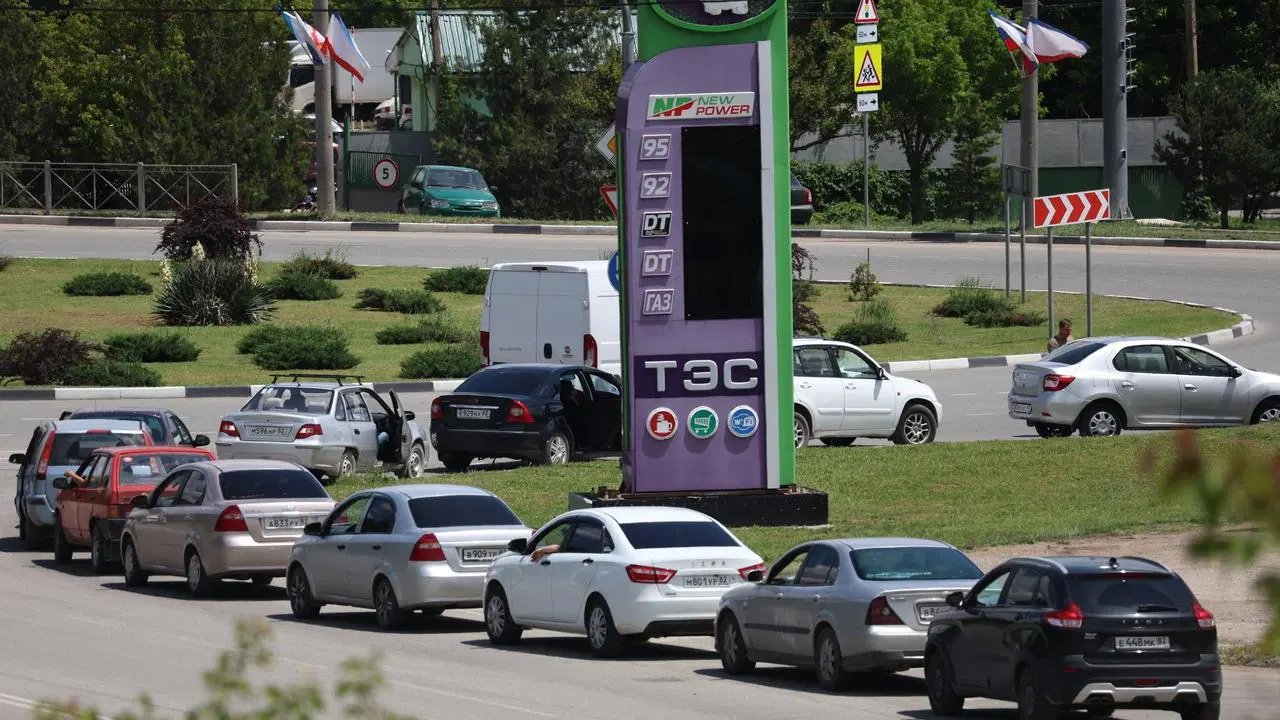
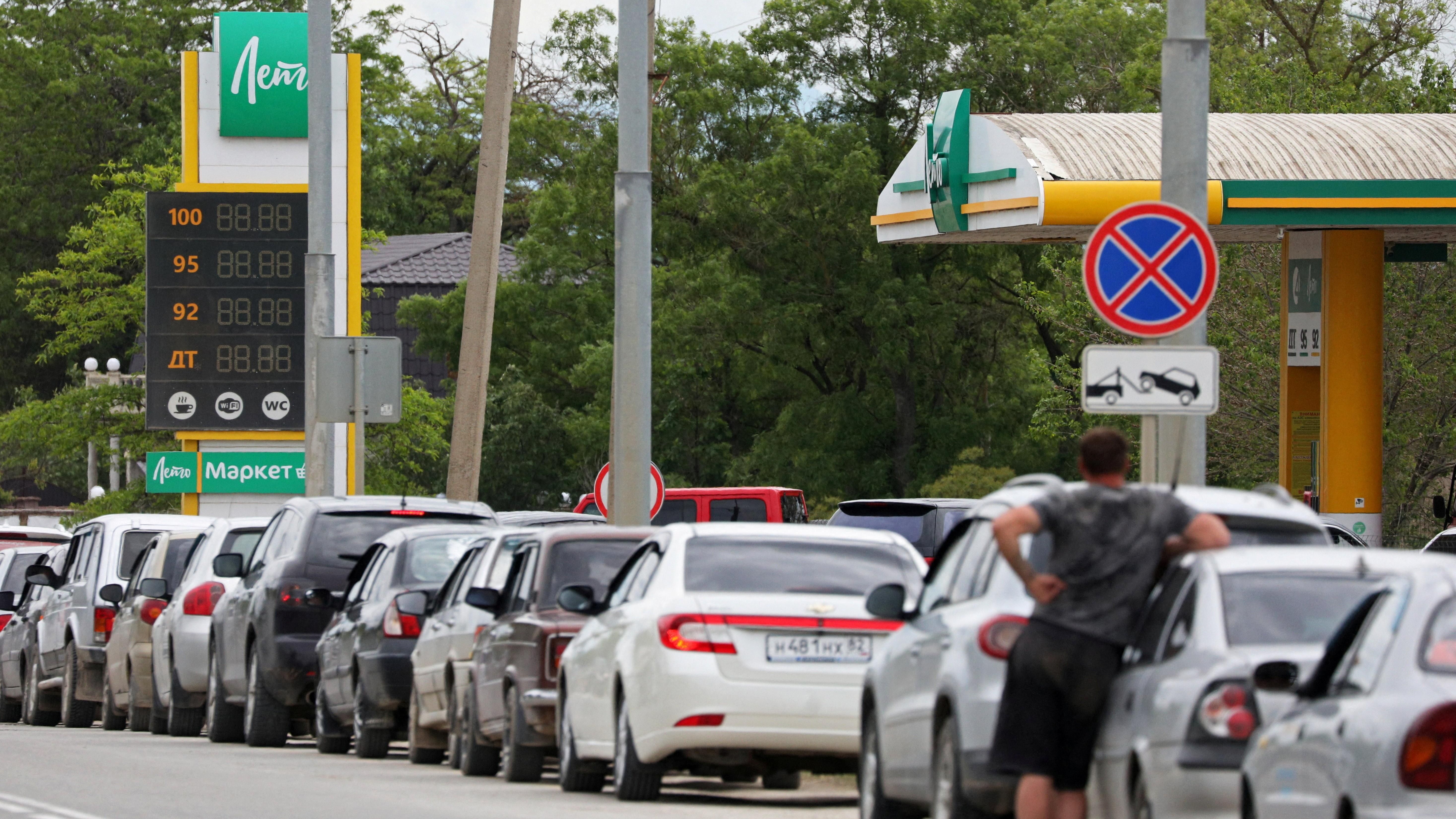
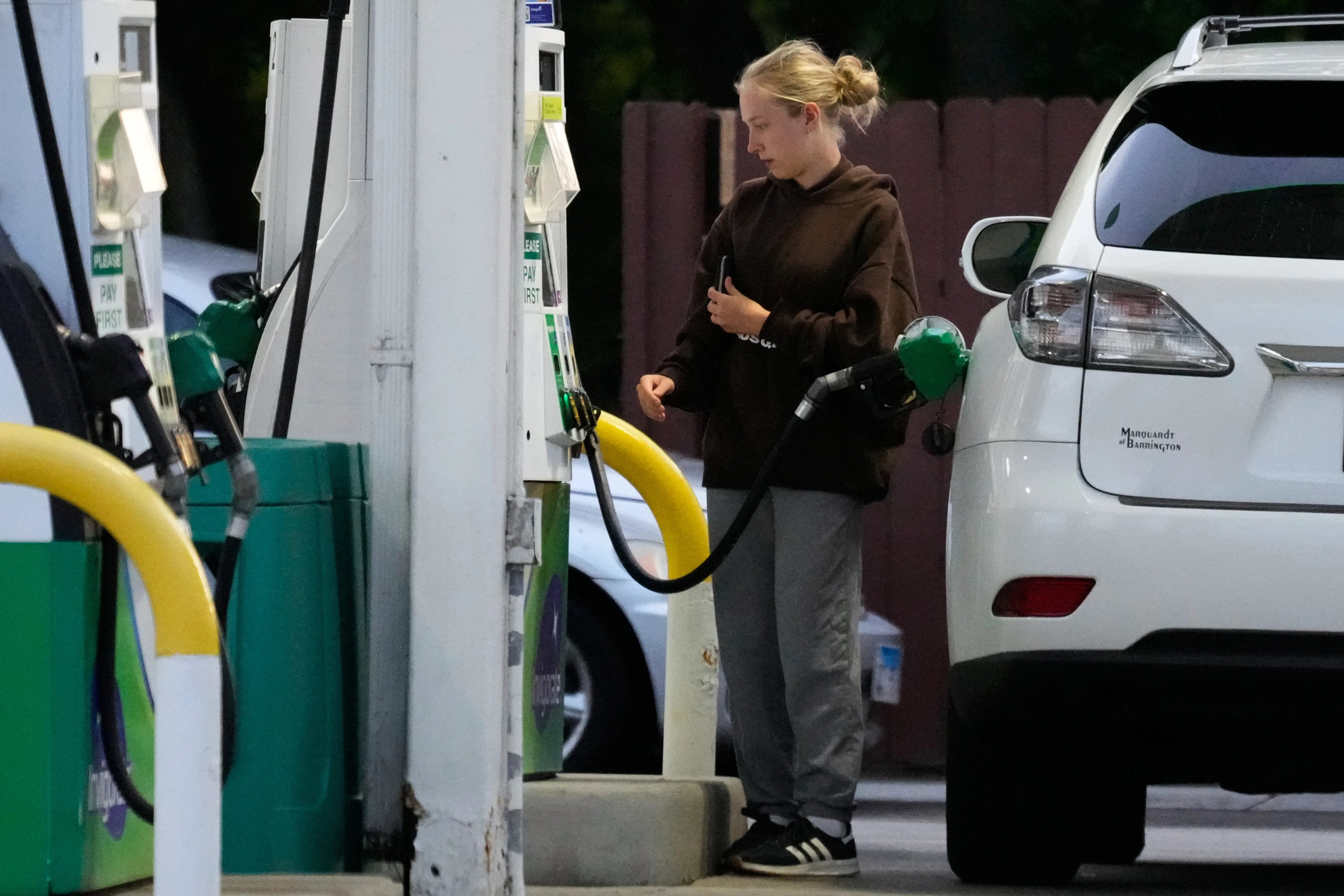
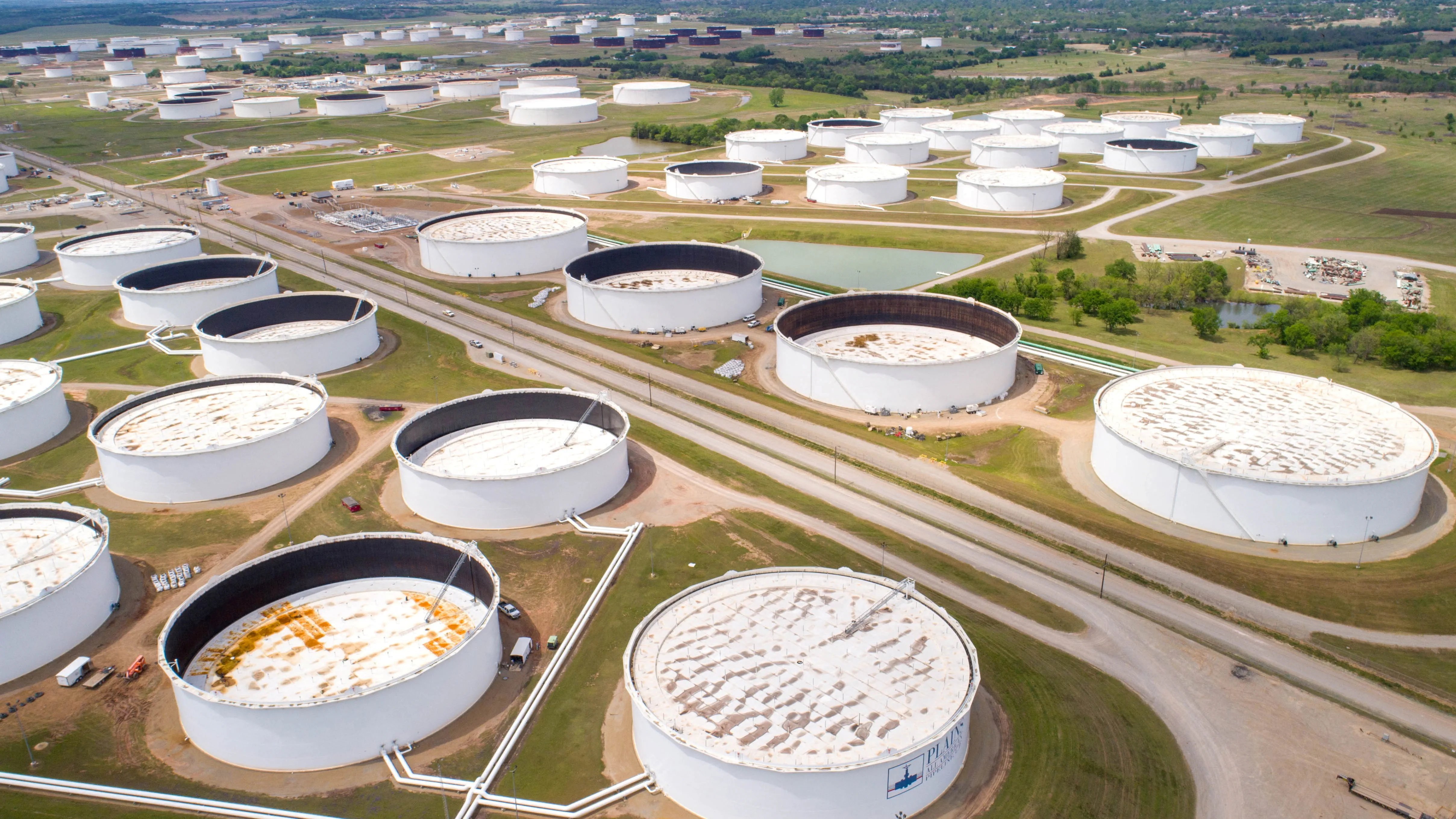
Rising inflation, primarily driven by higher gas prices and geopolitical tensions affecting energy costs, creates pressure on the Fed's policy decisions. Economists say Warsh will likely aim for a neutral approach, given rising inflation that makes rate cuts unlikely and a divided committee on whether increases are necessary. William English, an economist at the Yale School of Management, emphasized that "the right thing to do now is wait and see," reflecting the cautious sentiment among many analysts.
The Impact of Warsh's Leadership Style
Warsh's leadership is anticipated to differ from that of his predecessor, Jerome Powell. He has criticized the Fed's practice of offering detailed forward guidance, arguing it leads to indecisiveness among officials. Experts are watching closely to see if he will opt out of submitting his own economic forecasts during the quarterly projections, a move that could signal his intention to reform how the Fed communicates its policies.
Press Conference Expectations
The press conference following the policy meeting is expected to be pivotal. Jonathan Pingle, an economist at UBS, noted that "we do not really know what his policy views are," indicating uncertainty about how Warsh will articulate his approach to monetary policy. Analysts anticipate he may drop language suggesting imminent rate cuts, instead adopting a more neutral tone that aligns with current economic realities.
Potential Consequences of Rate Changes
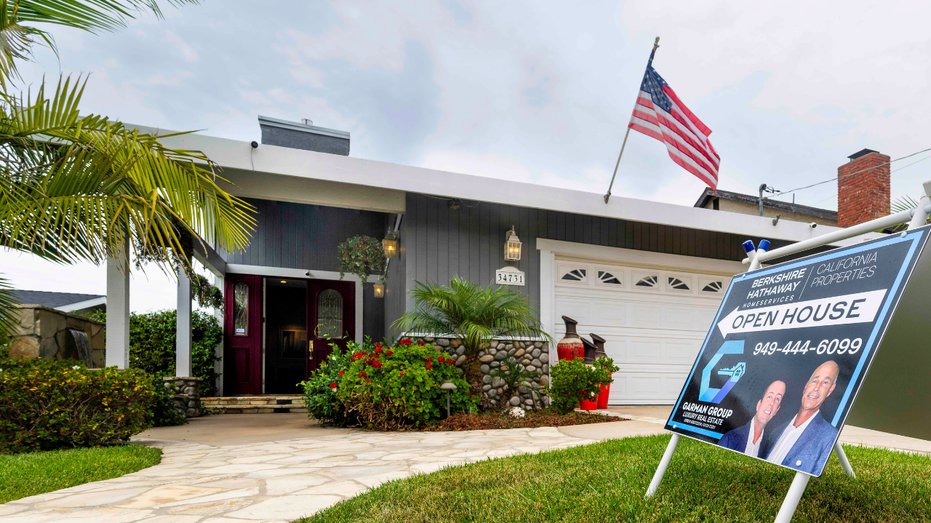
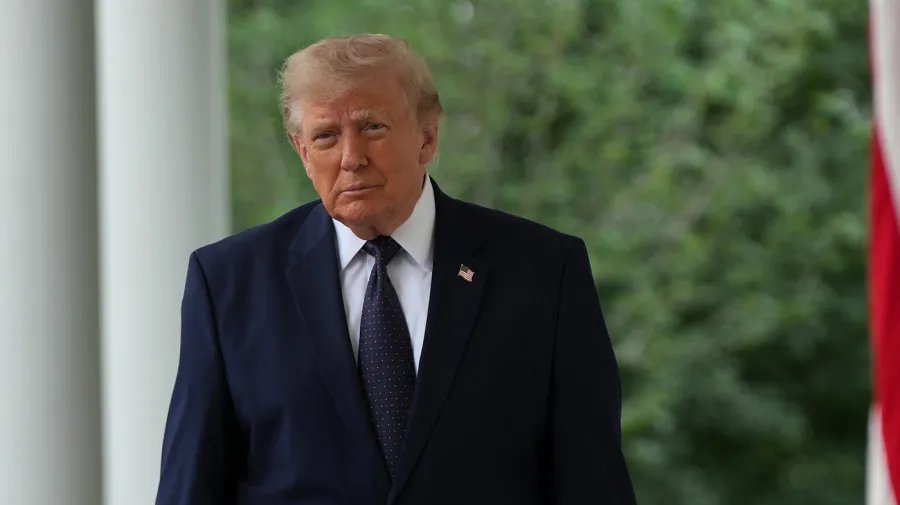
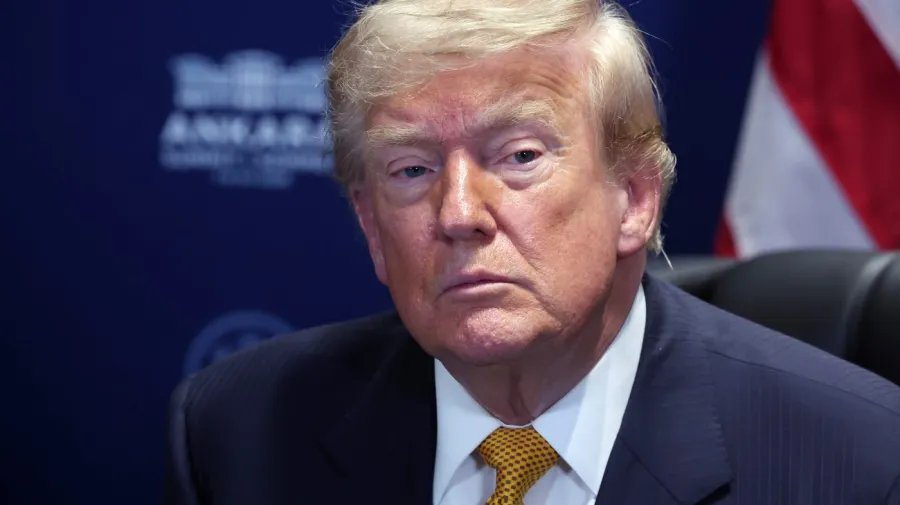
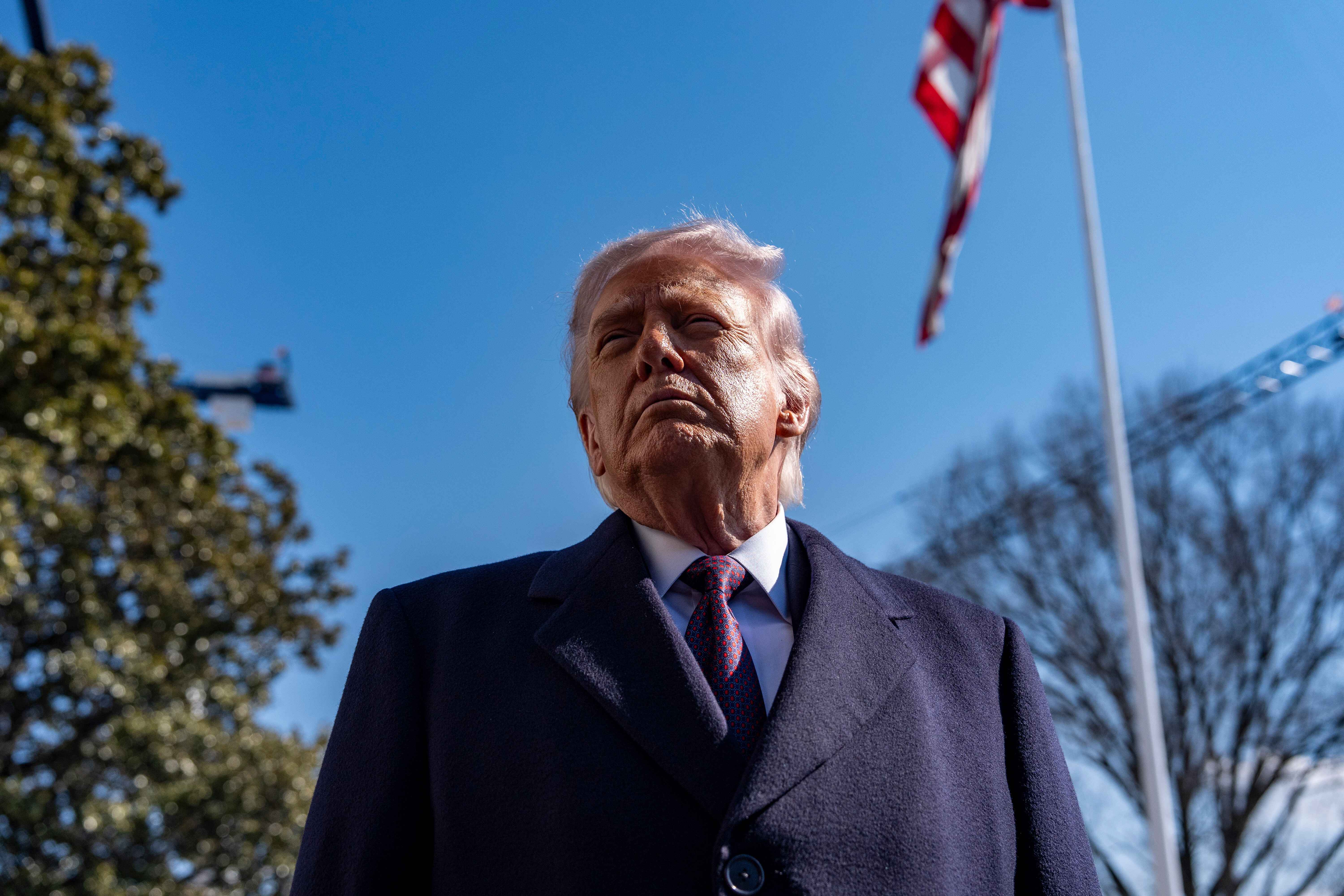
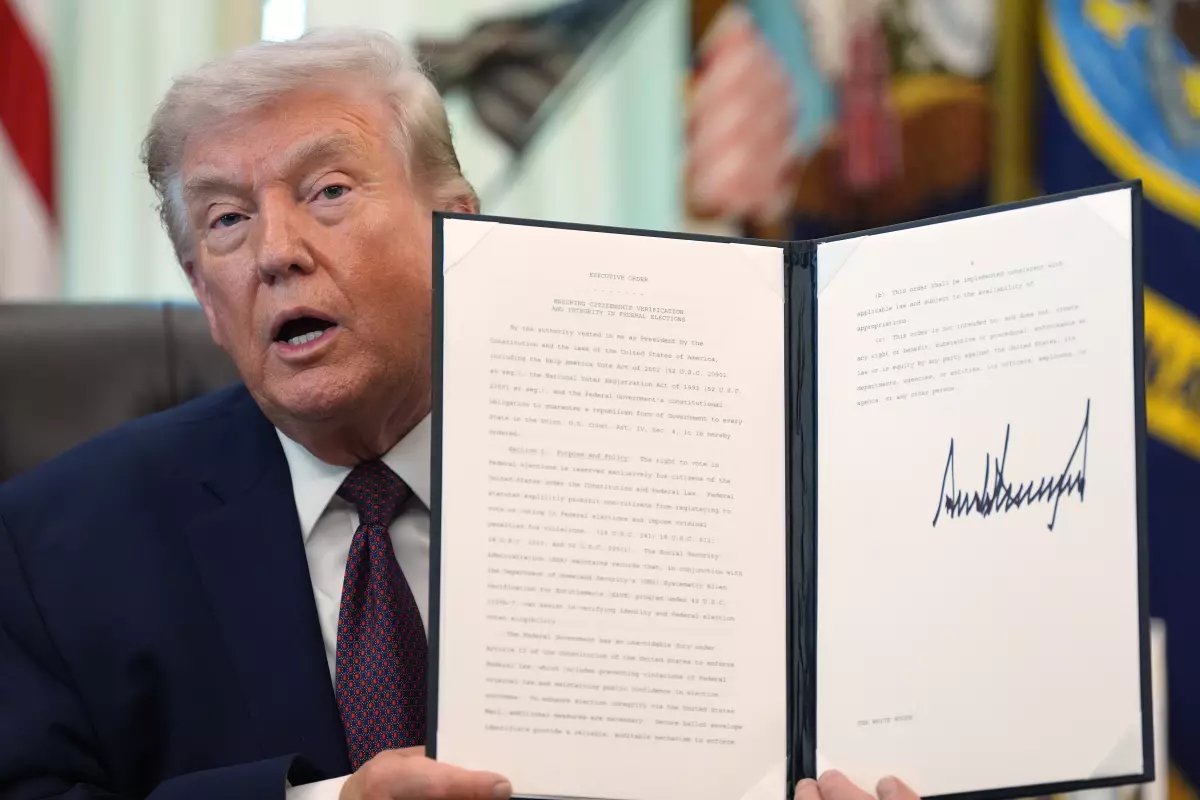
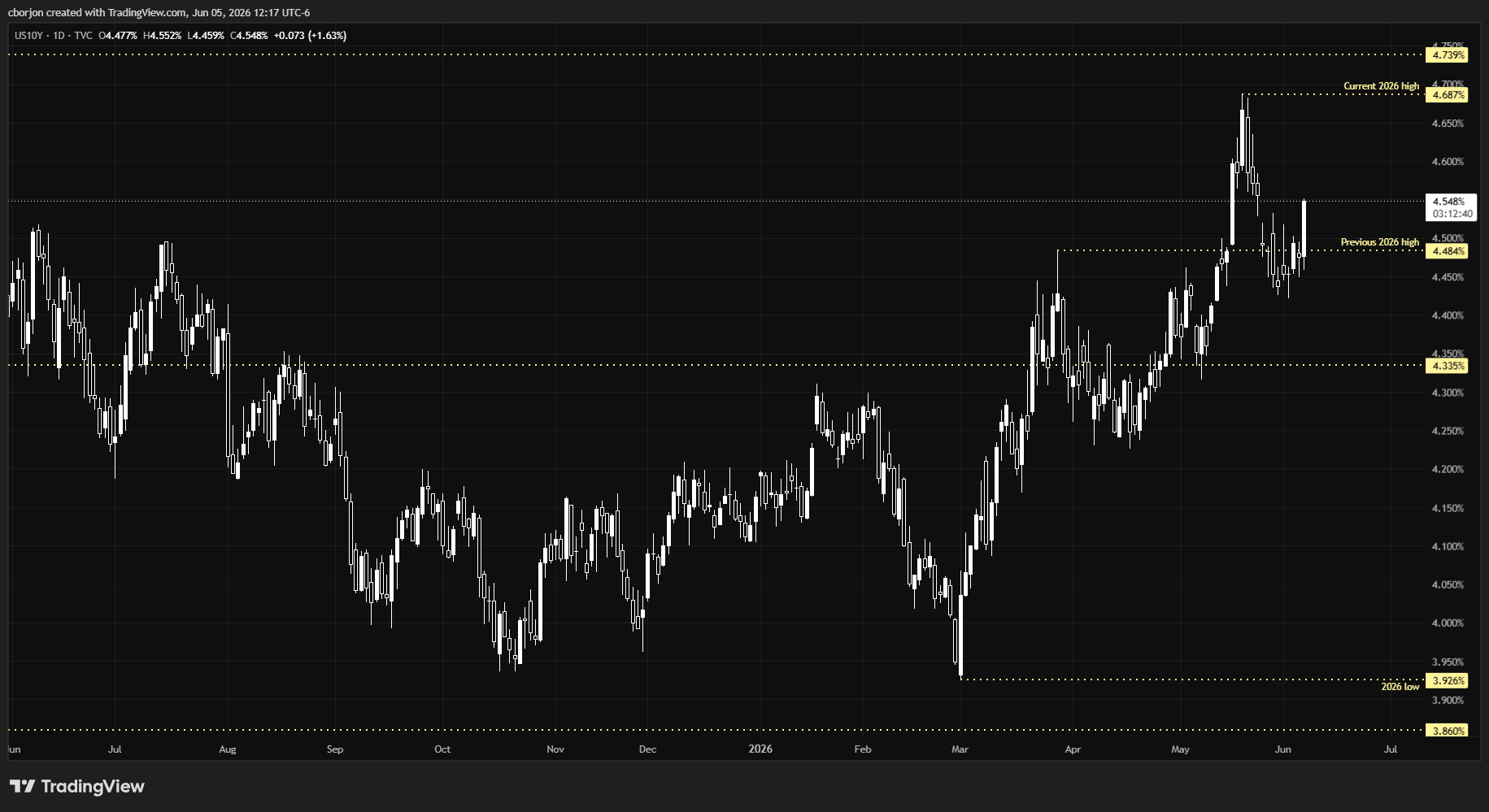
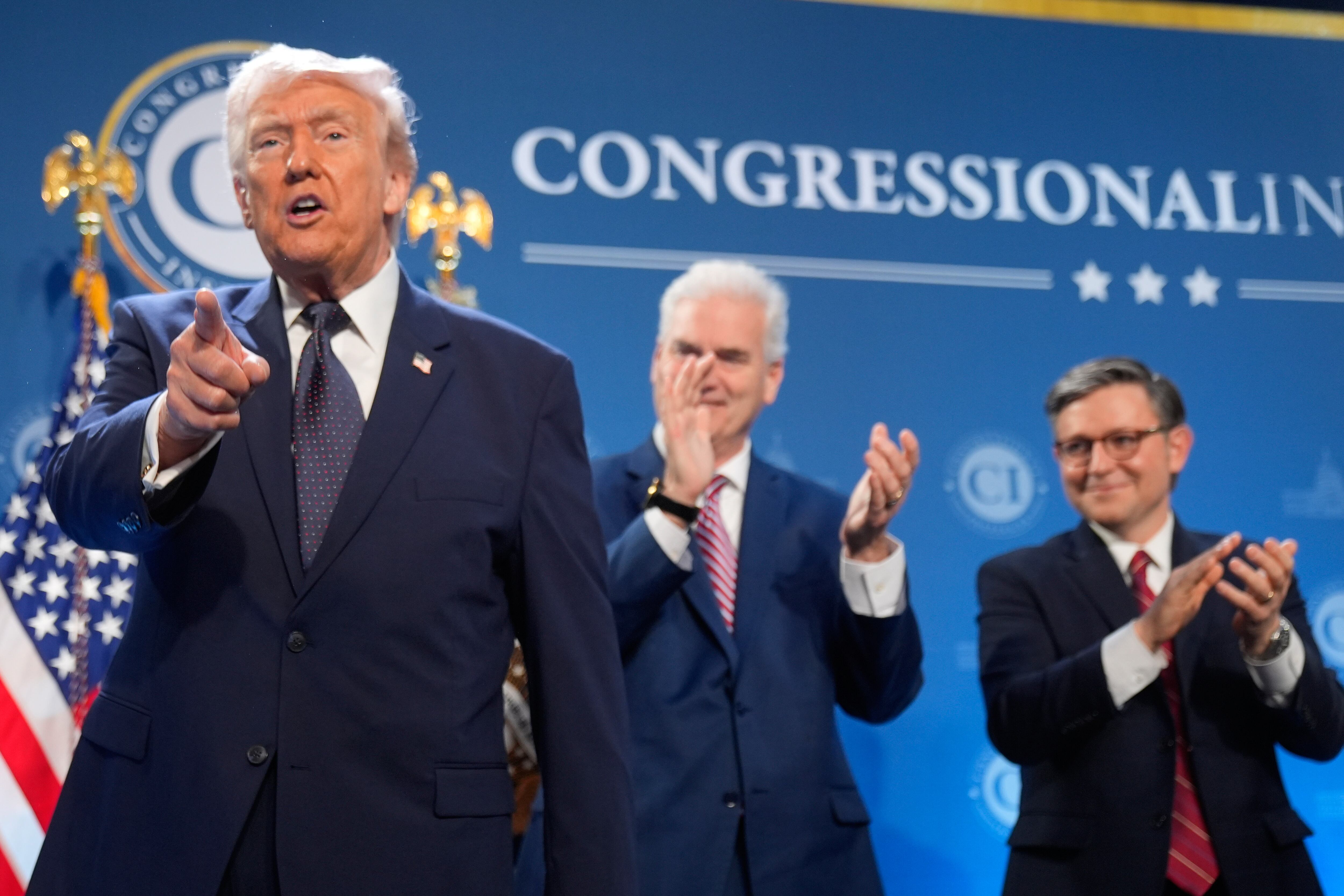
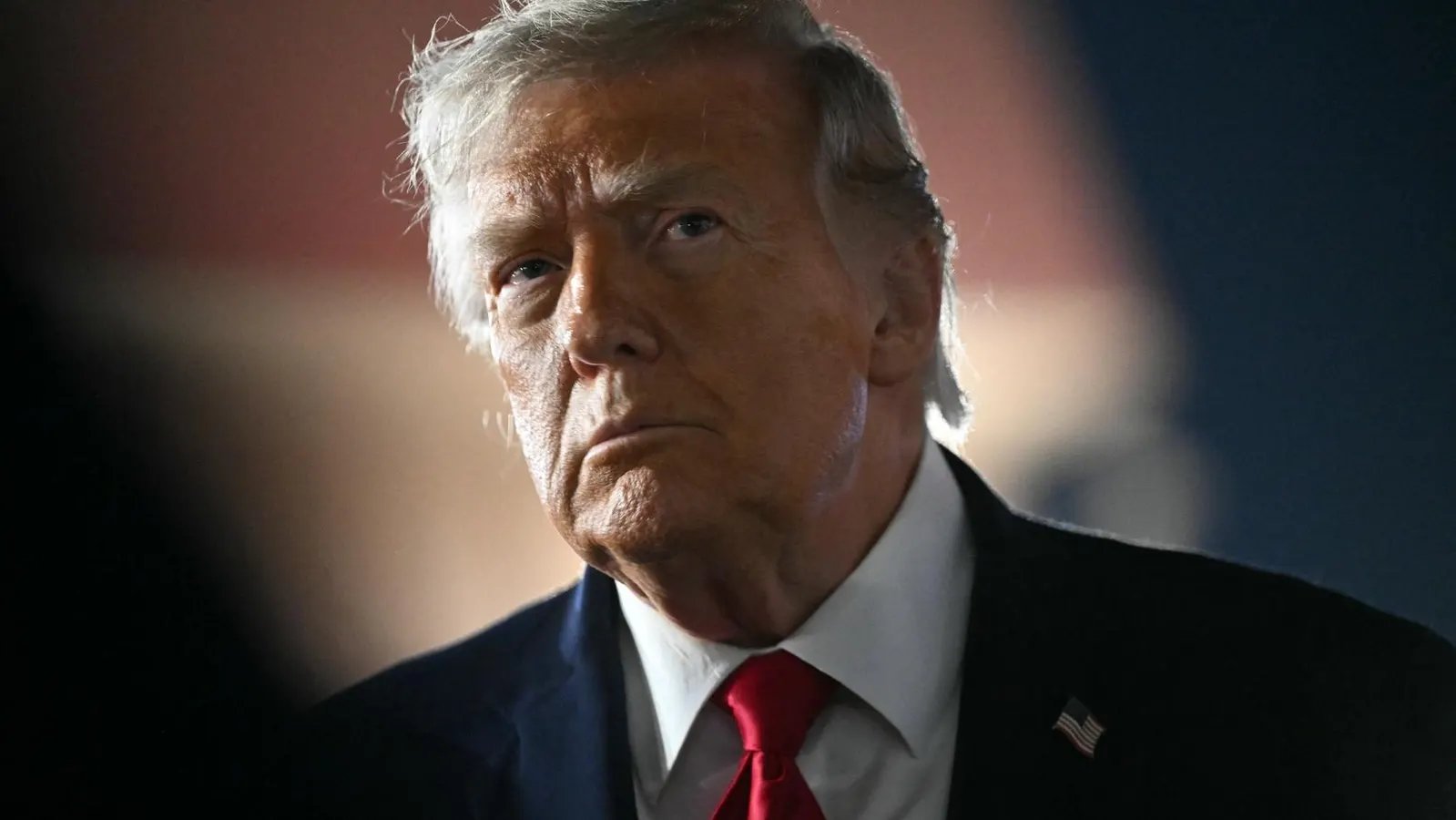
While some Fed officials have hinted at the likelihood of an interest rate hike, Warsh's decisions could have far-reaching implications for consumer borrowing. A rate increase could elevate costs for mortgages and business loans, while maintaining the current rate might fail to address inflation effectively. Trump's recent comments suggest a softer stance on rate hikes, indicating potential tensions between Warsh and the president should he pursue a more hawkish approach.
Looking Ahead: Key Economic Indicators
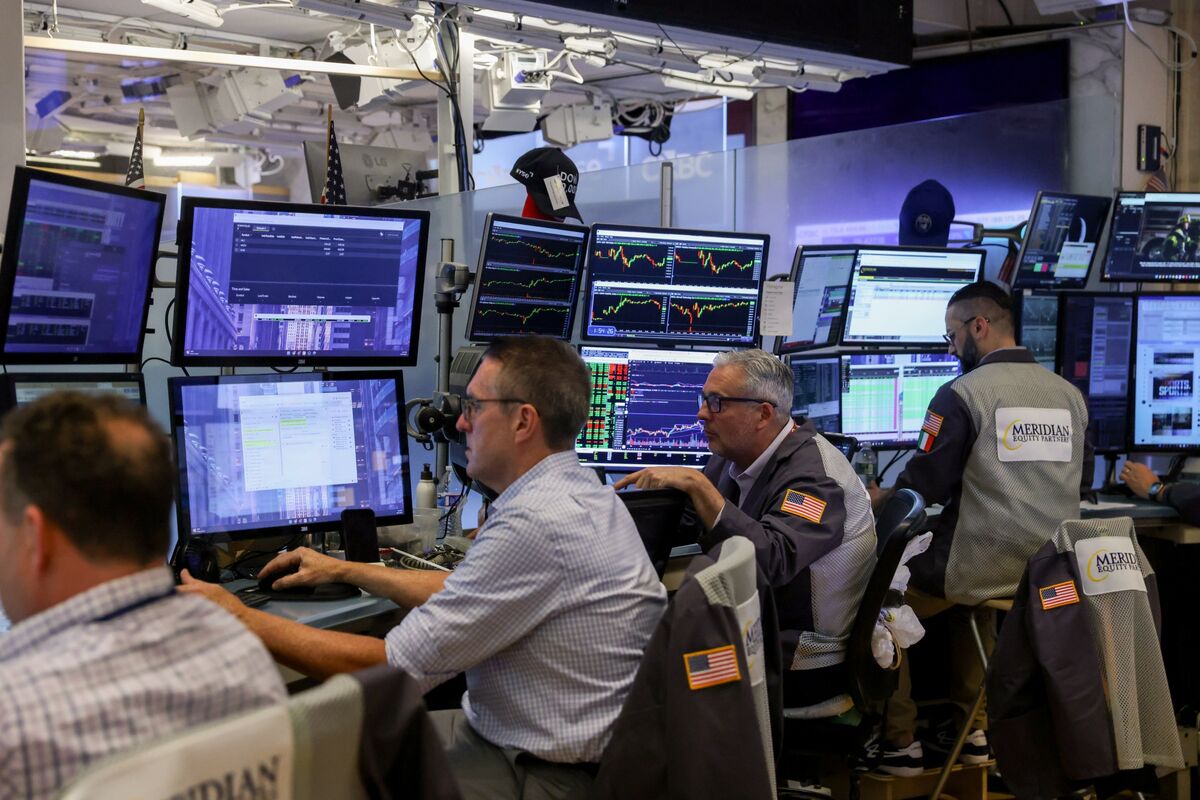
The Fed will release its quarterly economic projections on Wednesday, and analysts will scrutinize how many officials anticipate raising rates this year versus those favoring cuts. The Fed's approach to managing inflation will be closely watched, especially given the backdrop of ongoing geopolitical tensions affecting energy prices. The future of monetary policy under Warsh remains uncertain, but his first moves could set the tone for the Fed's direction in the coming months.
Human Impact of Fed Decisions
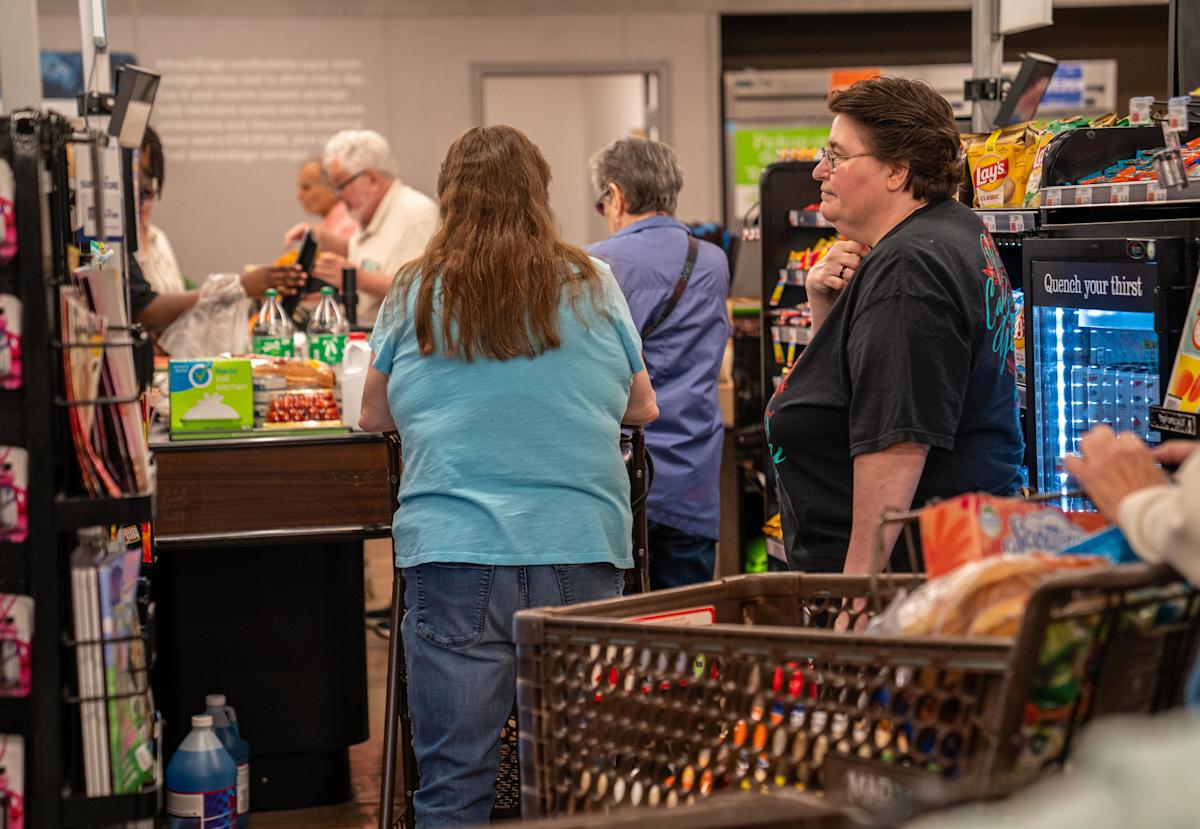
As Warsh navigates this complex landscape, everyday Americans are poised to feel the effects of his decisions on interest rates. With borrowing costs influencing everything from home purchases to car loans, the stakes are high. The outcomes of Warsh's first policy meeting could ripple through financial markets and consumer spending, making it crucial for him to strike a balance that addresses inflation without stifling growth.