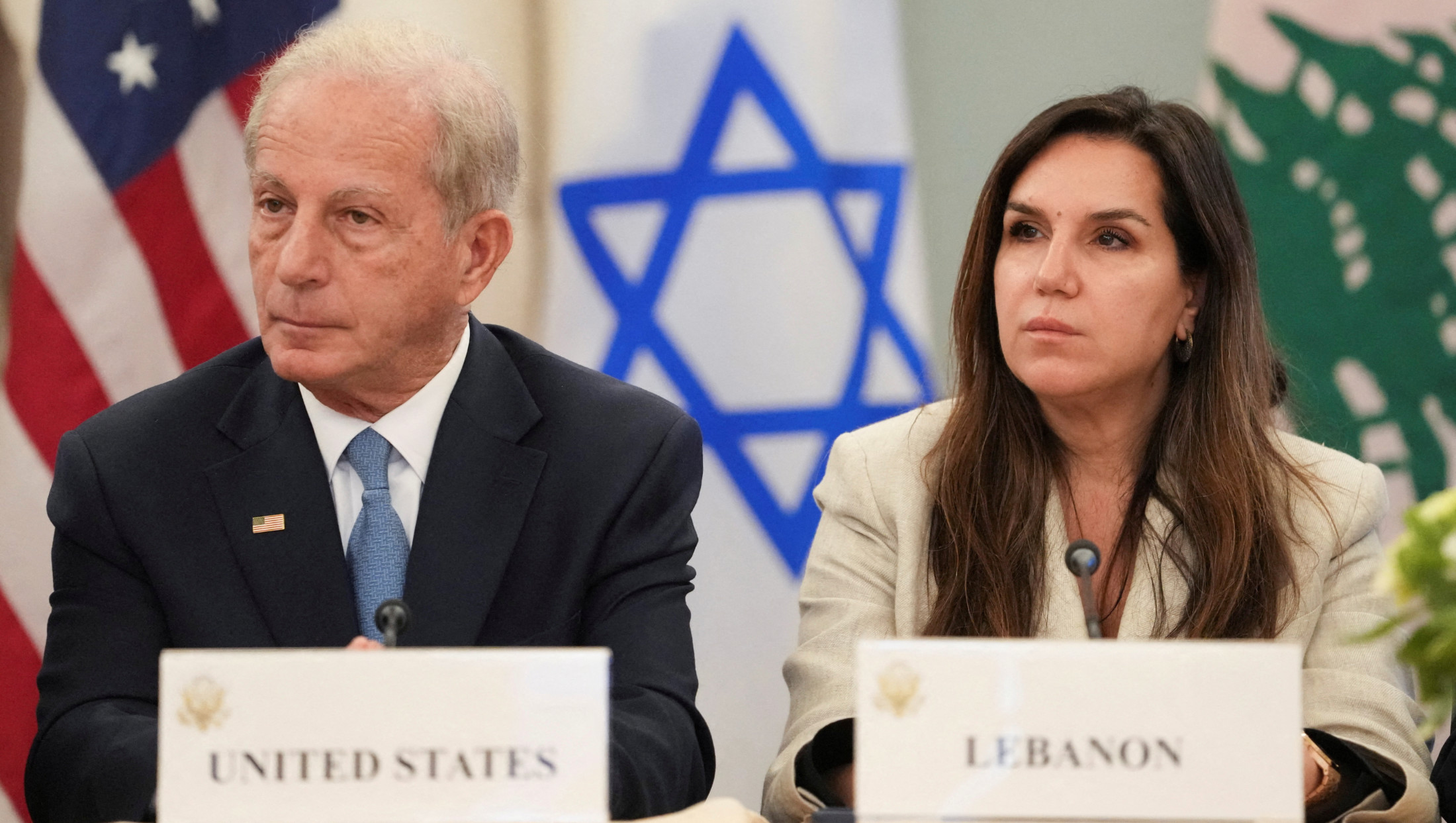
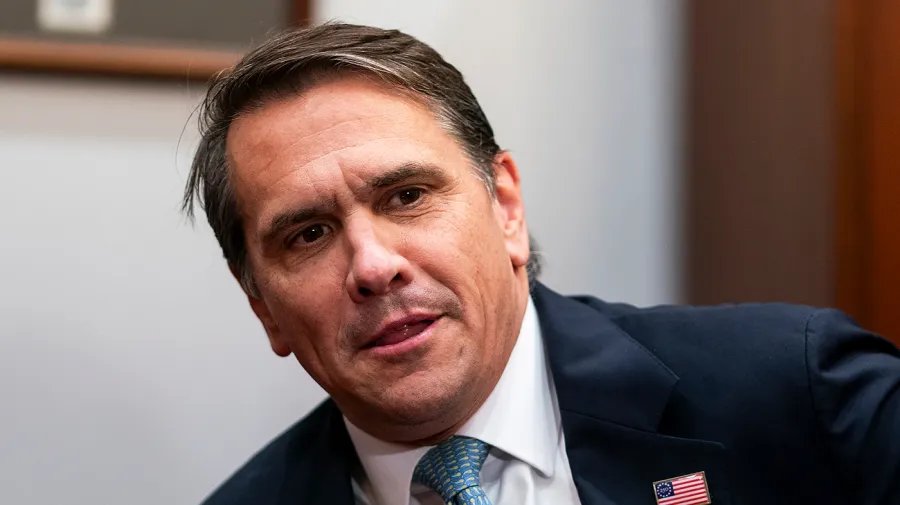
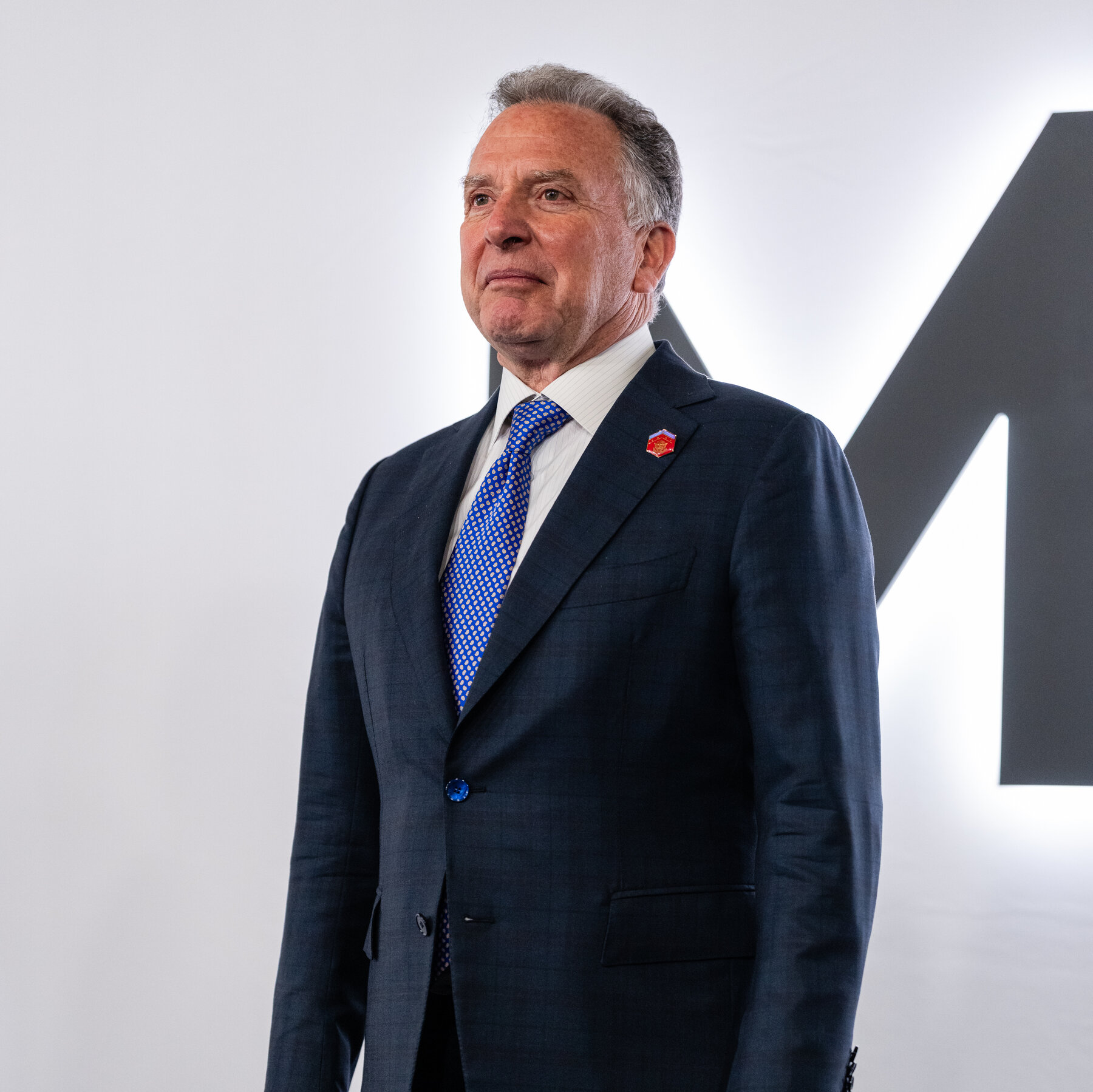
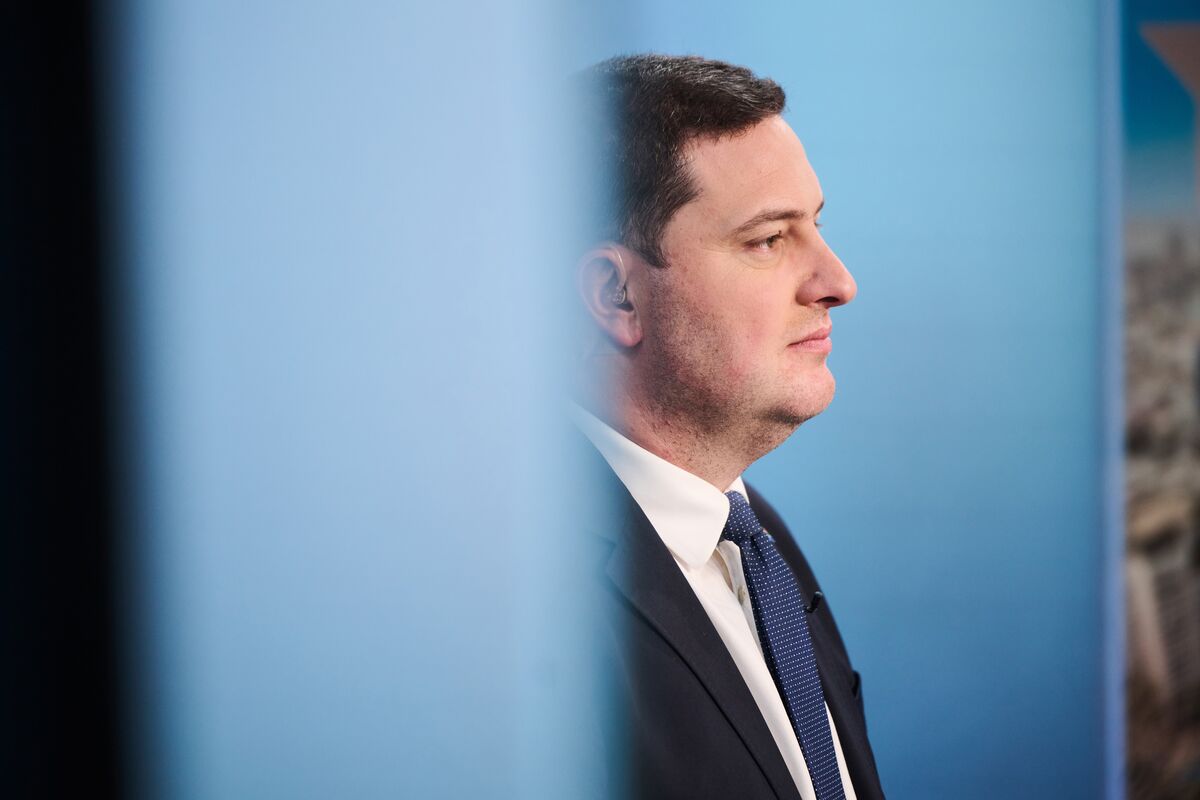
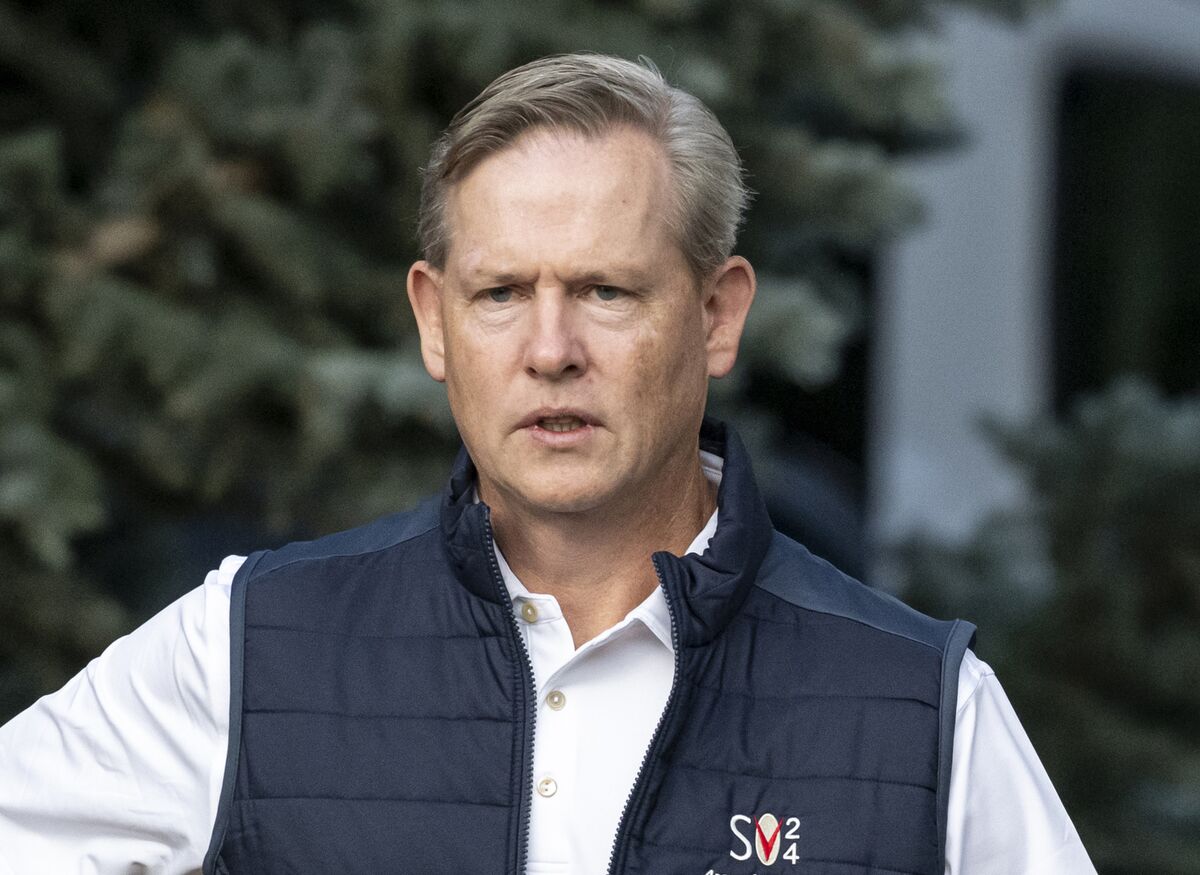
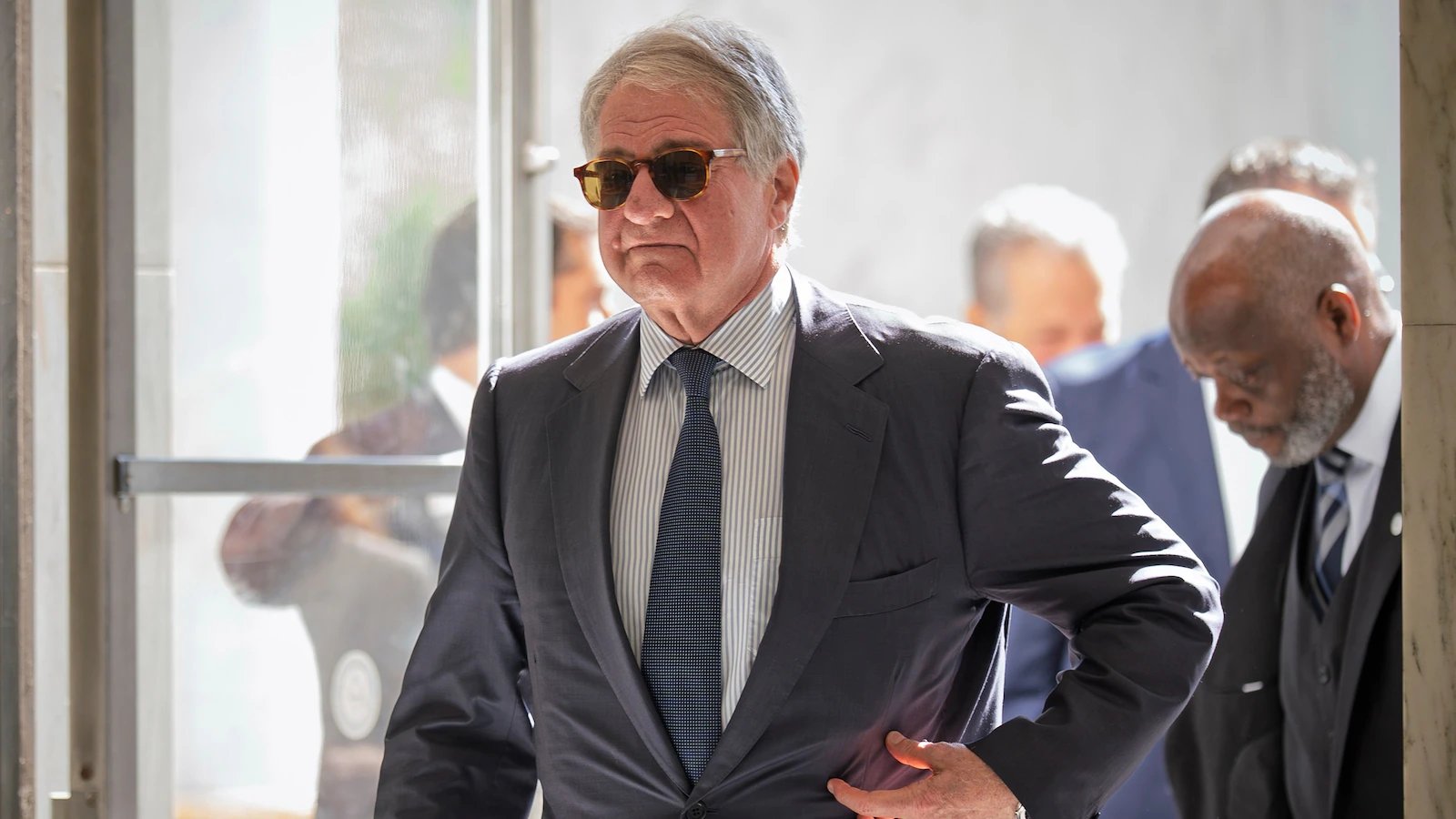
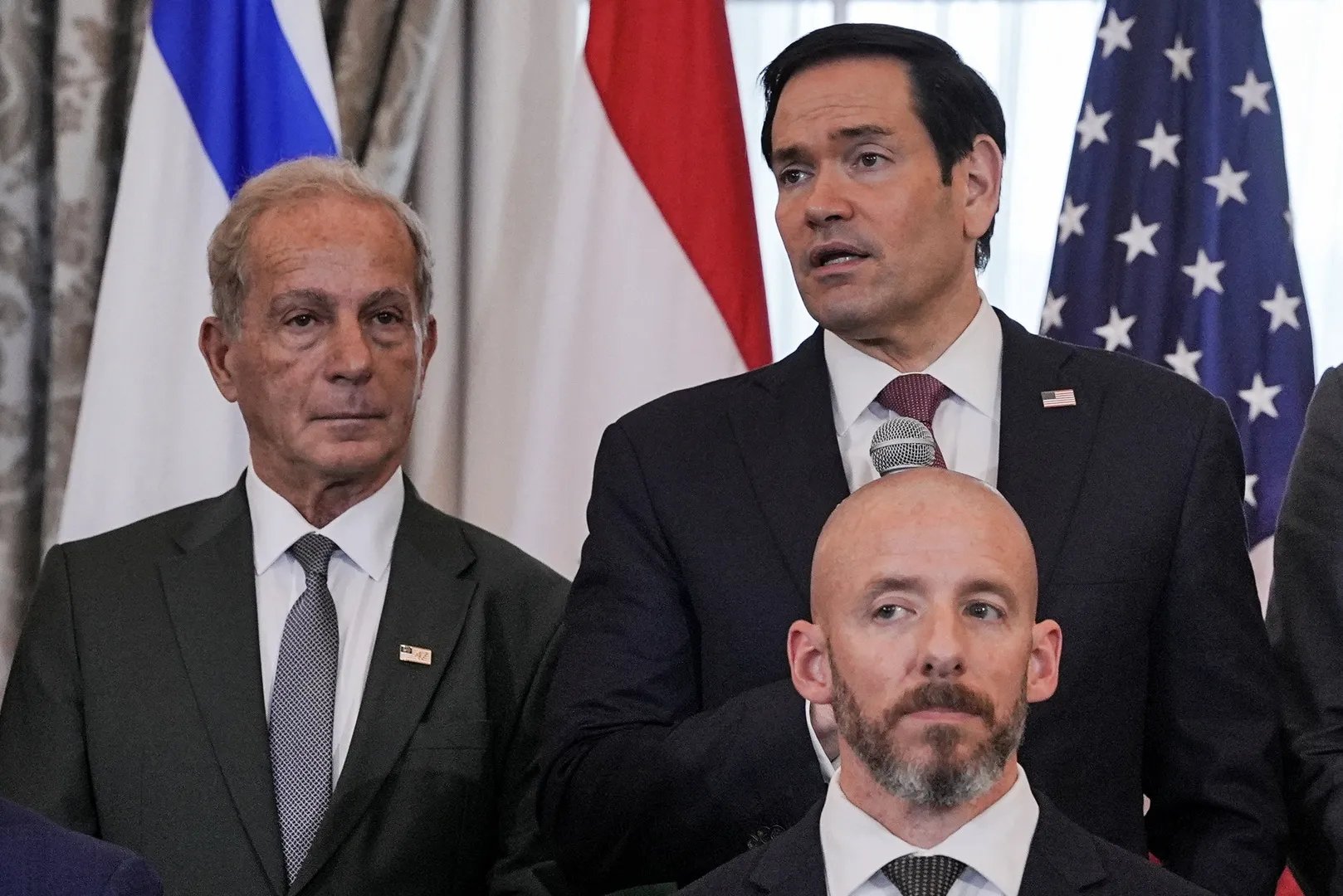
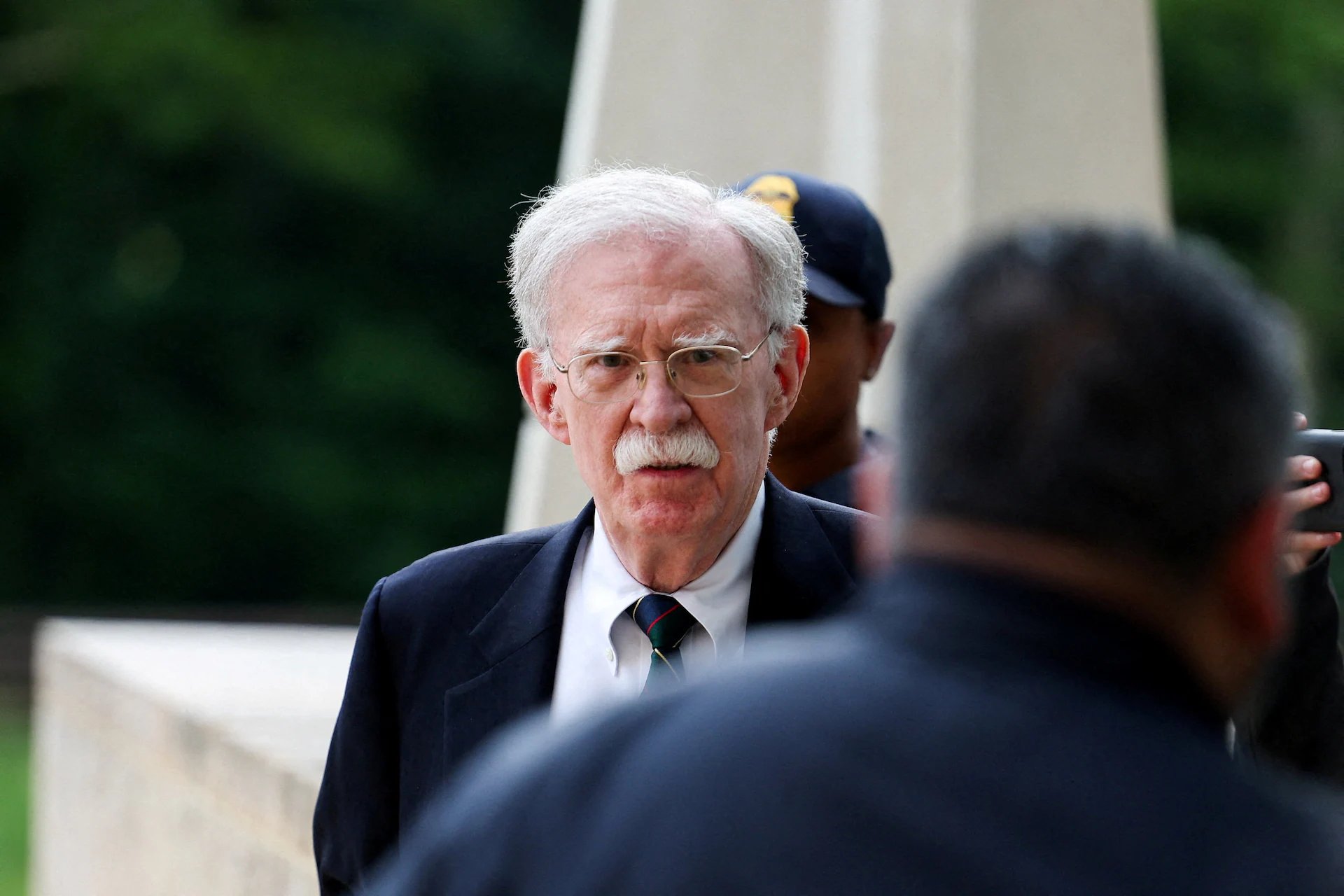
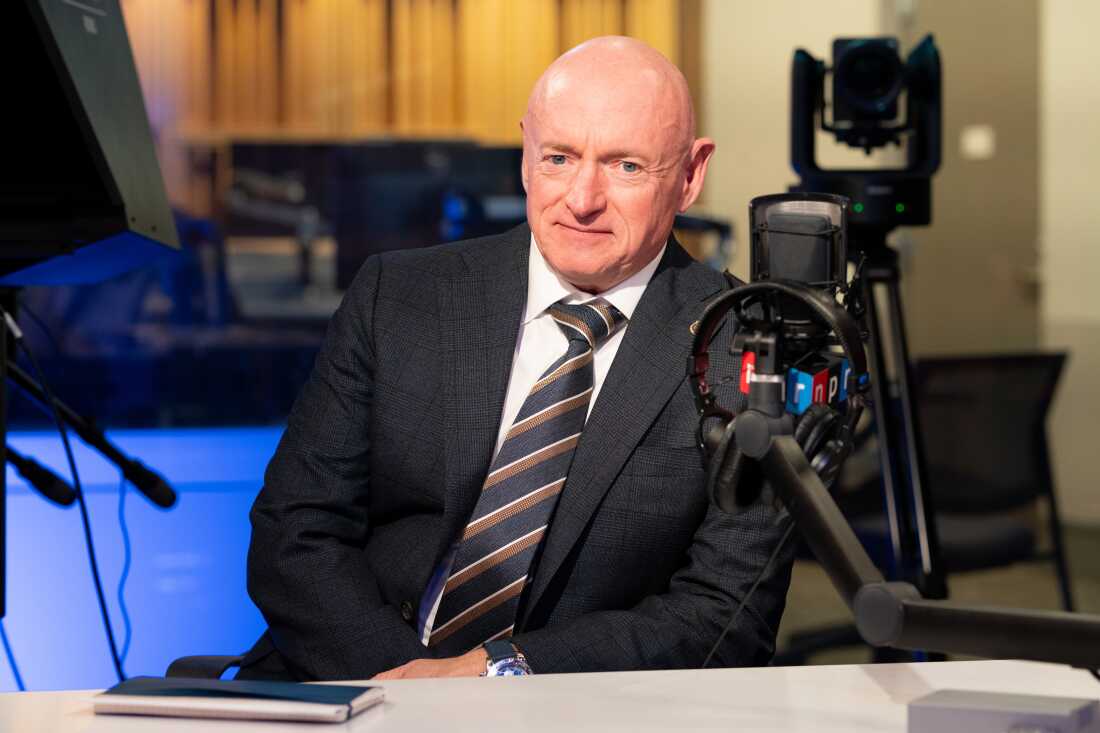
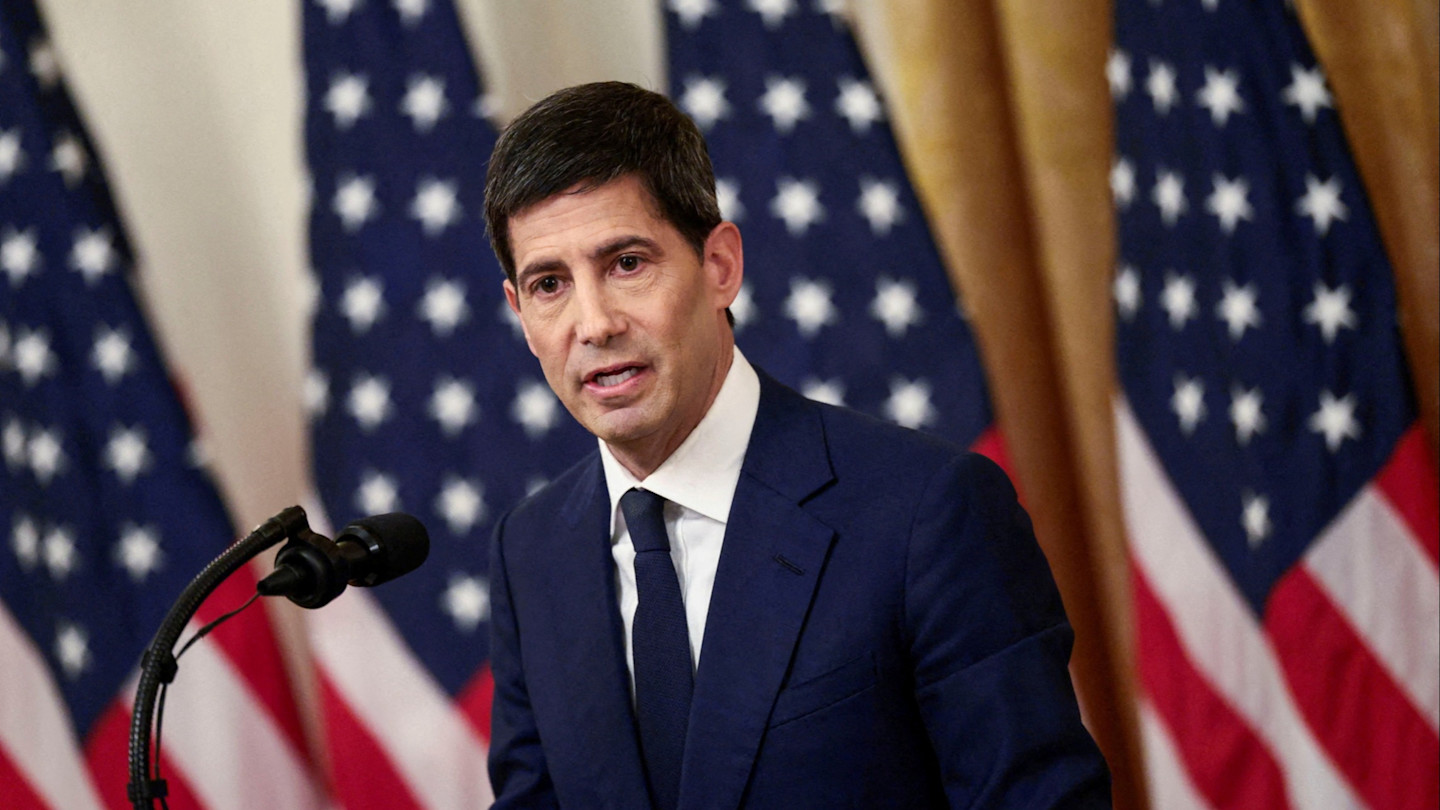
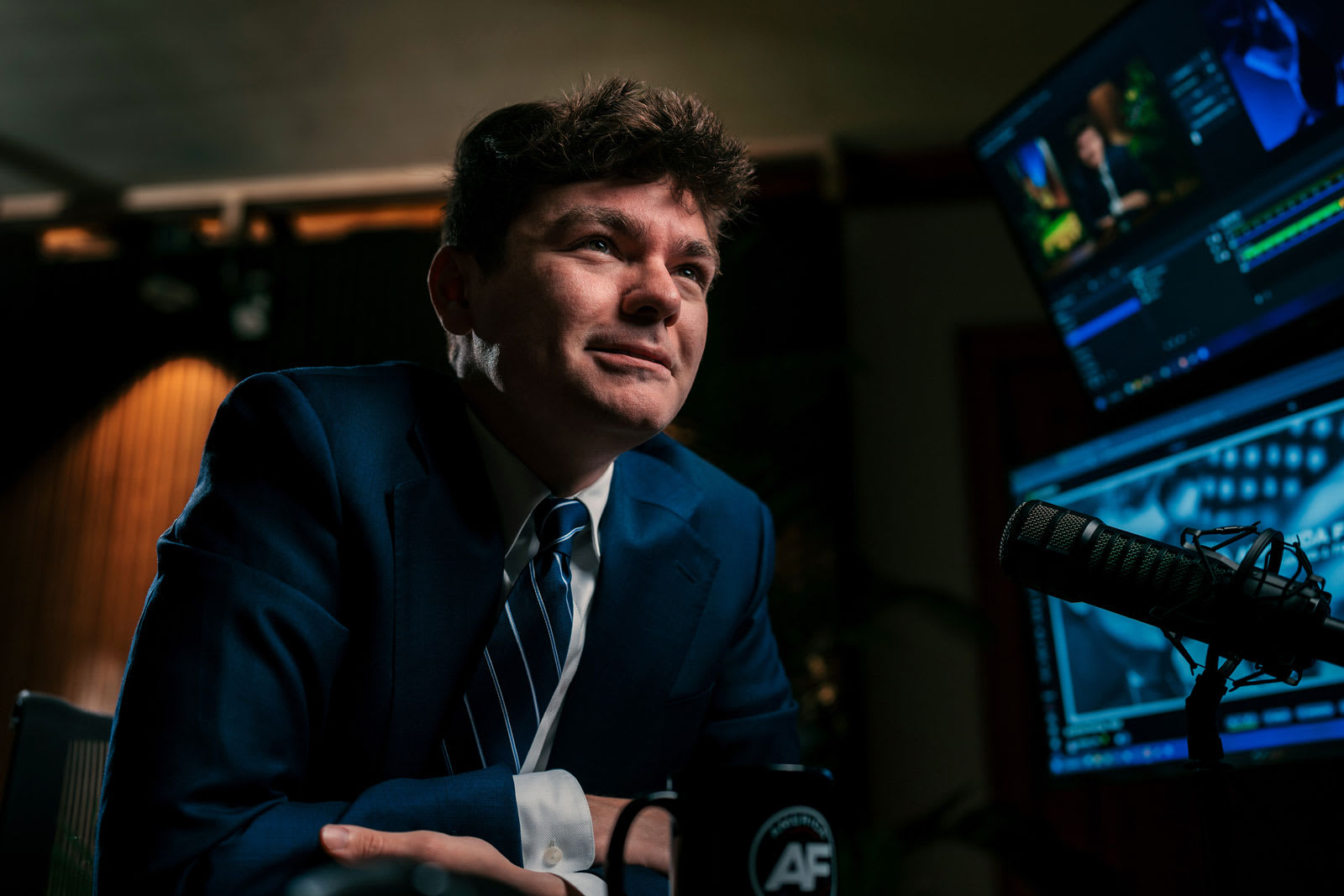
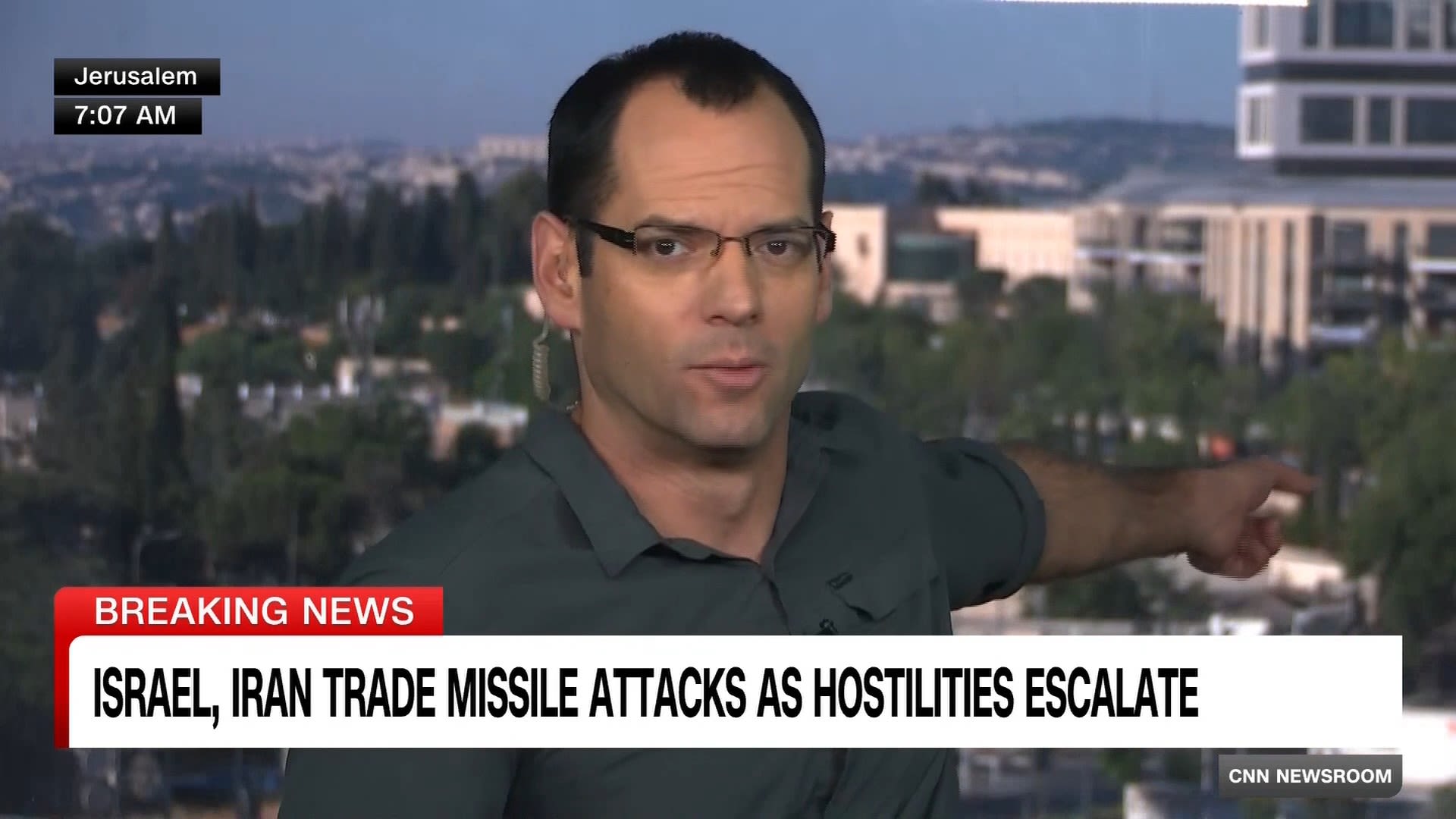
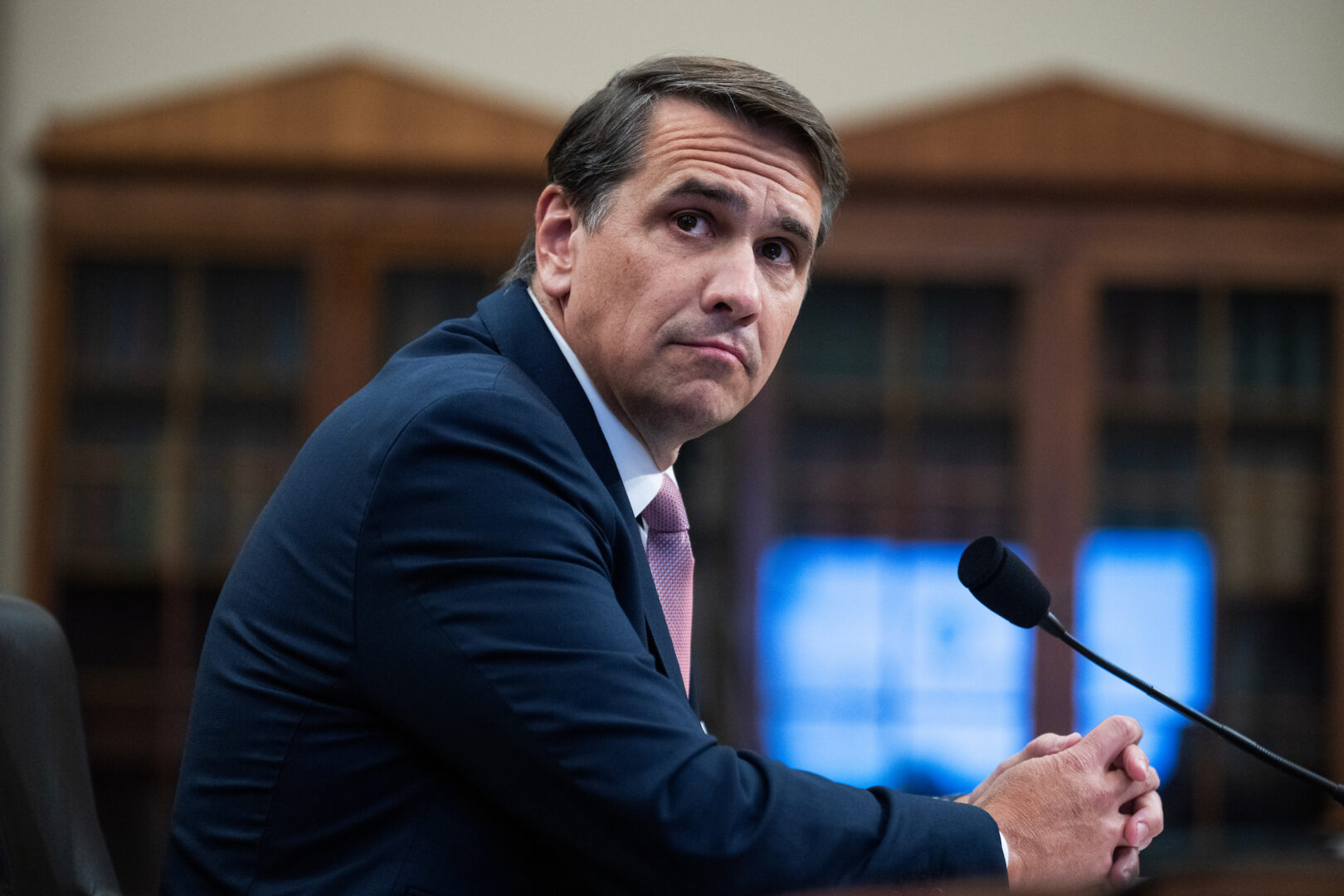
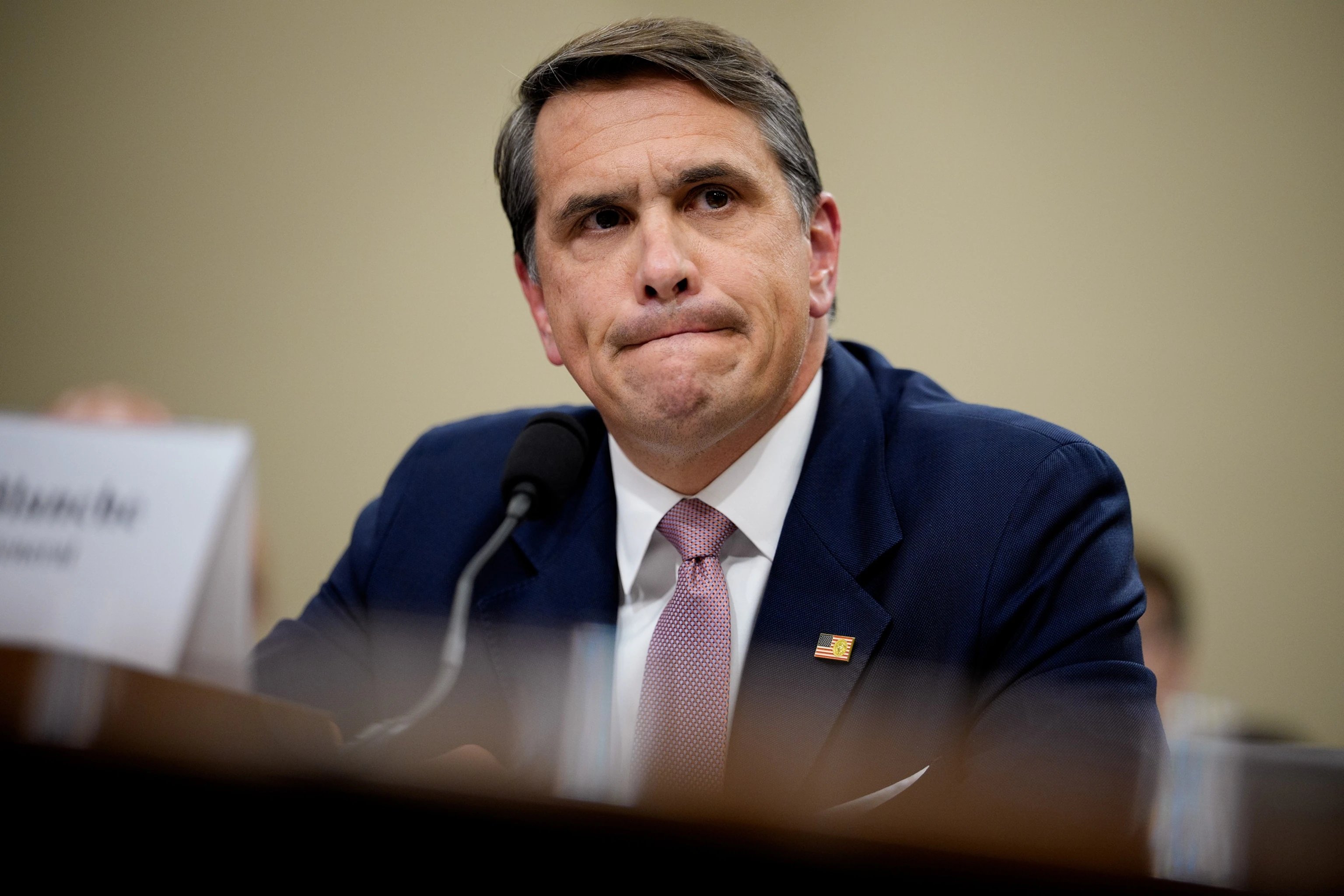
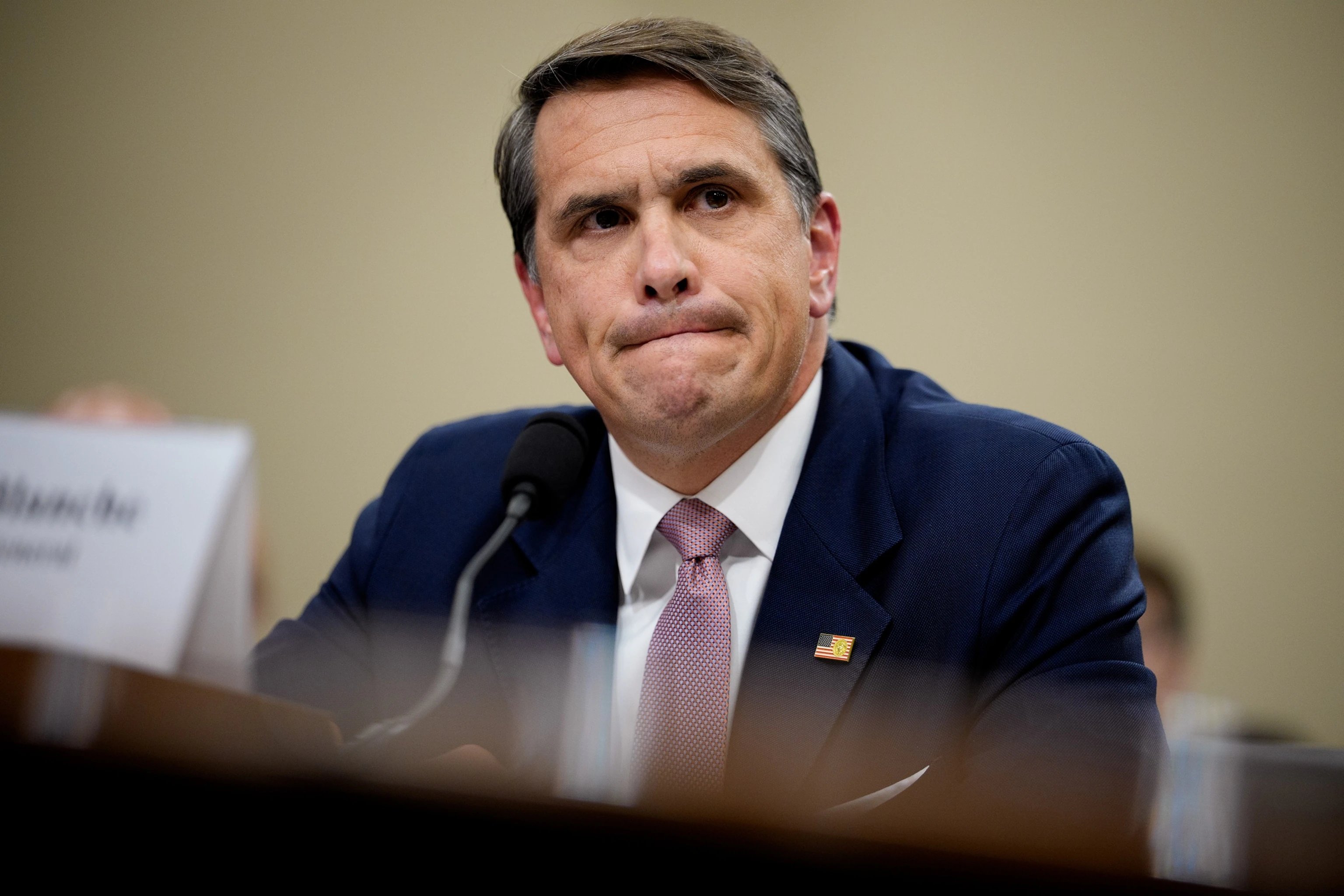
Israel's ambassador to the U.S., Michael Leiter, asserted that Israel will not withdraw from South Lebanon, reinforcing the nation's commitment to its territorial presence. During an interview, Leiter stated, "We are not going to withdraw from South Lebanon," a declaration that underscores Israel's ongoing military strategy in the region.
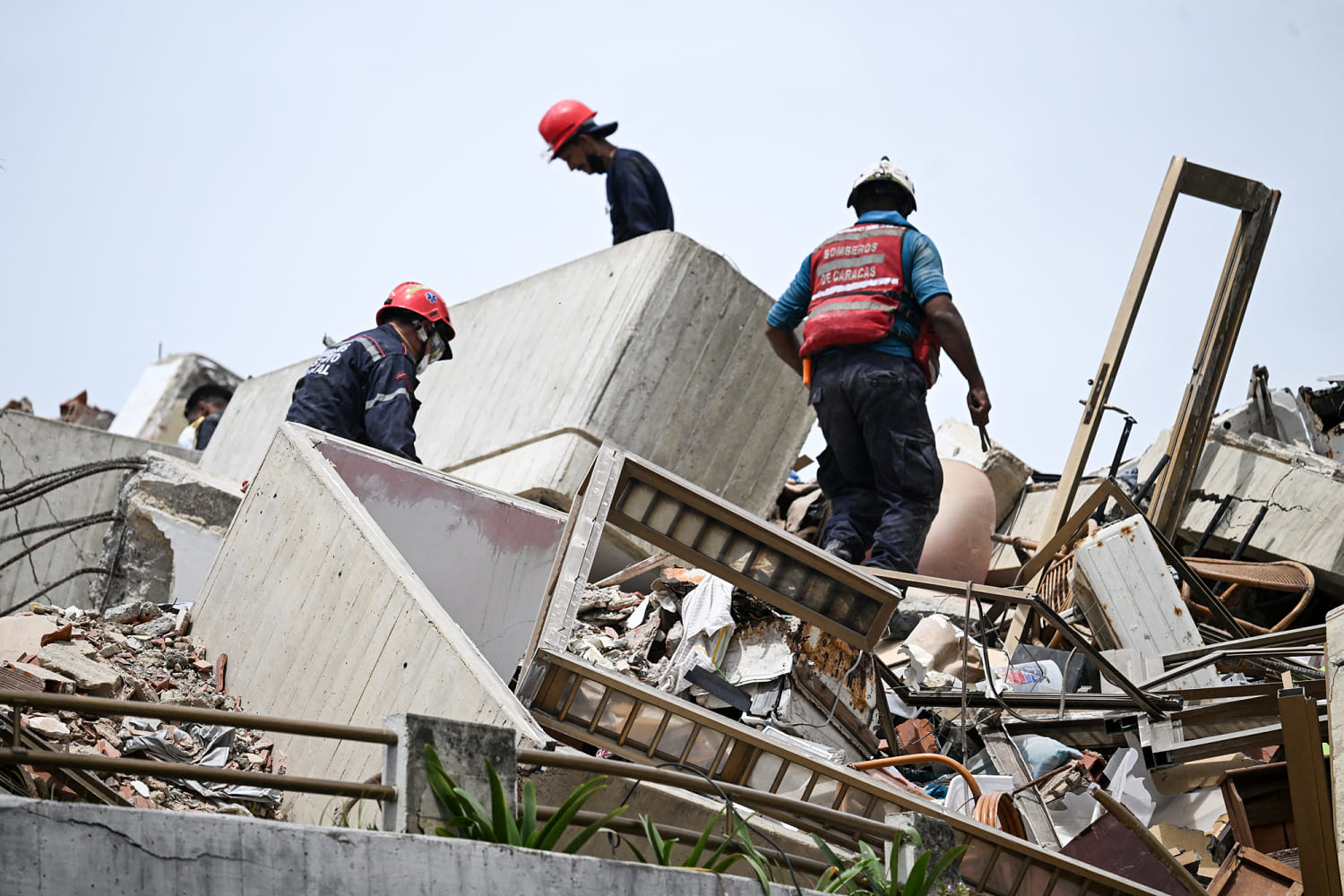
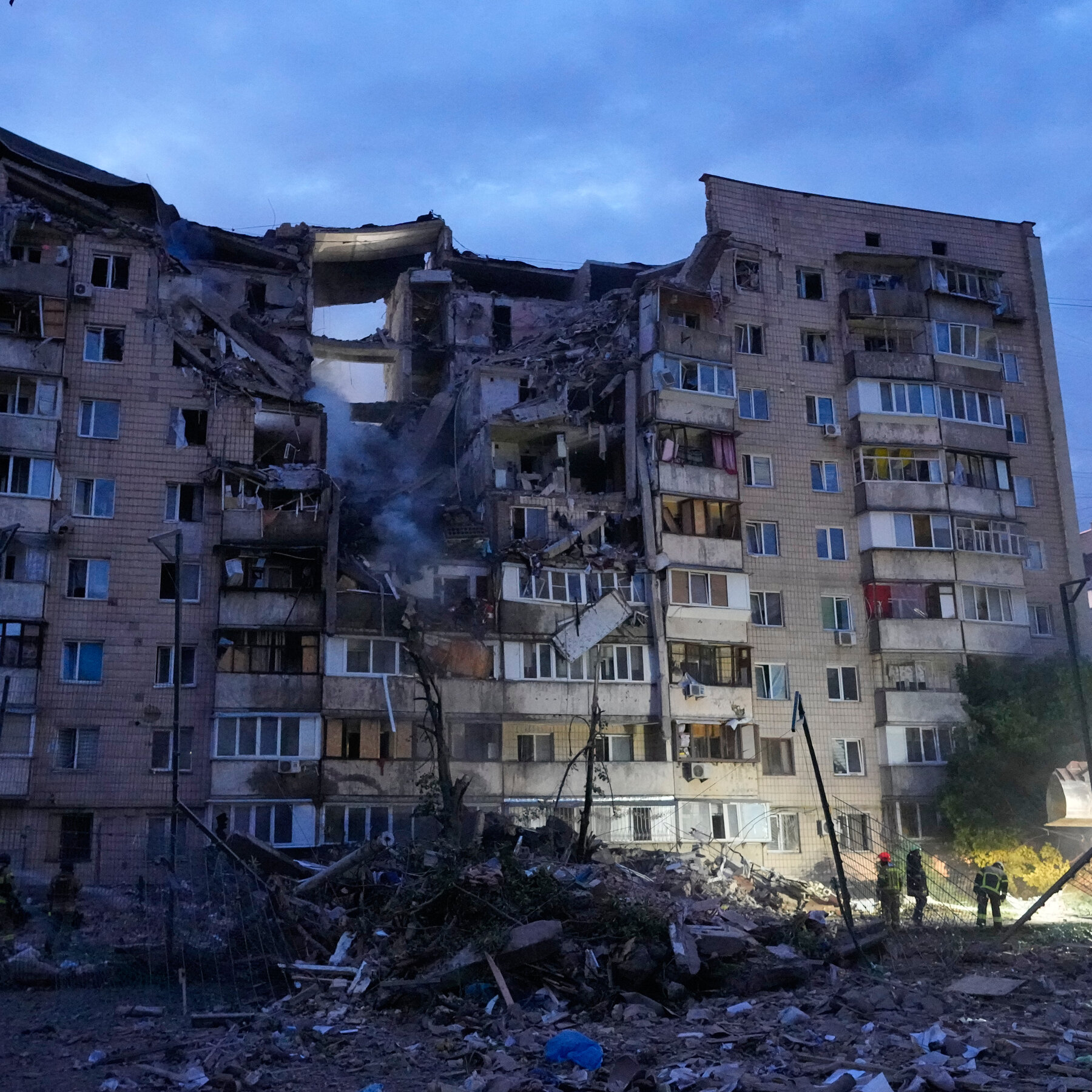
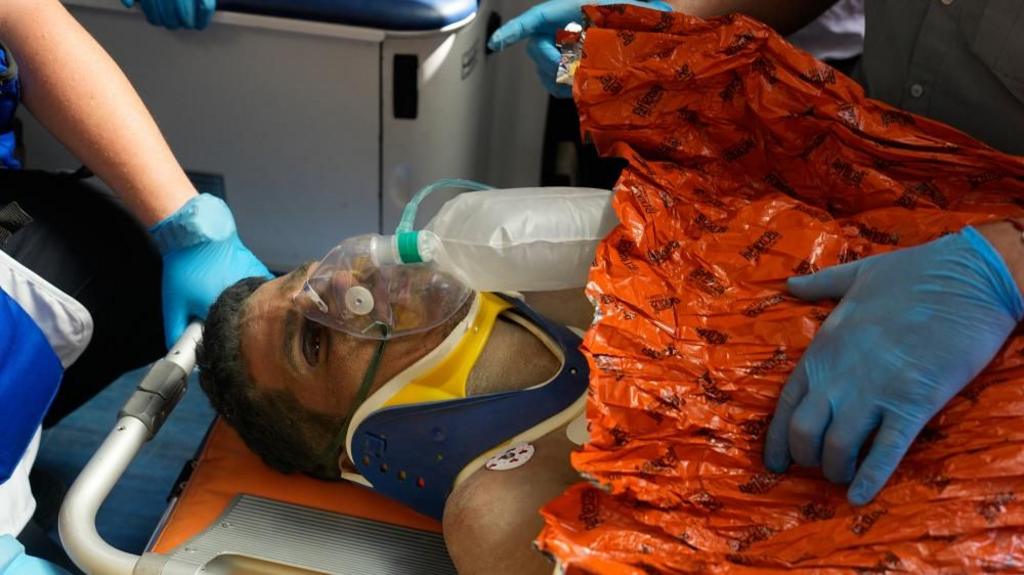
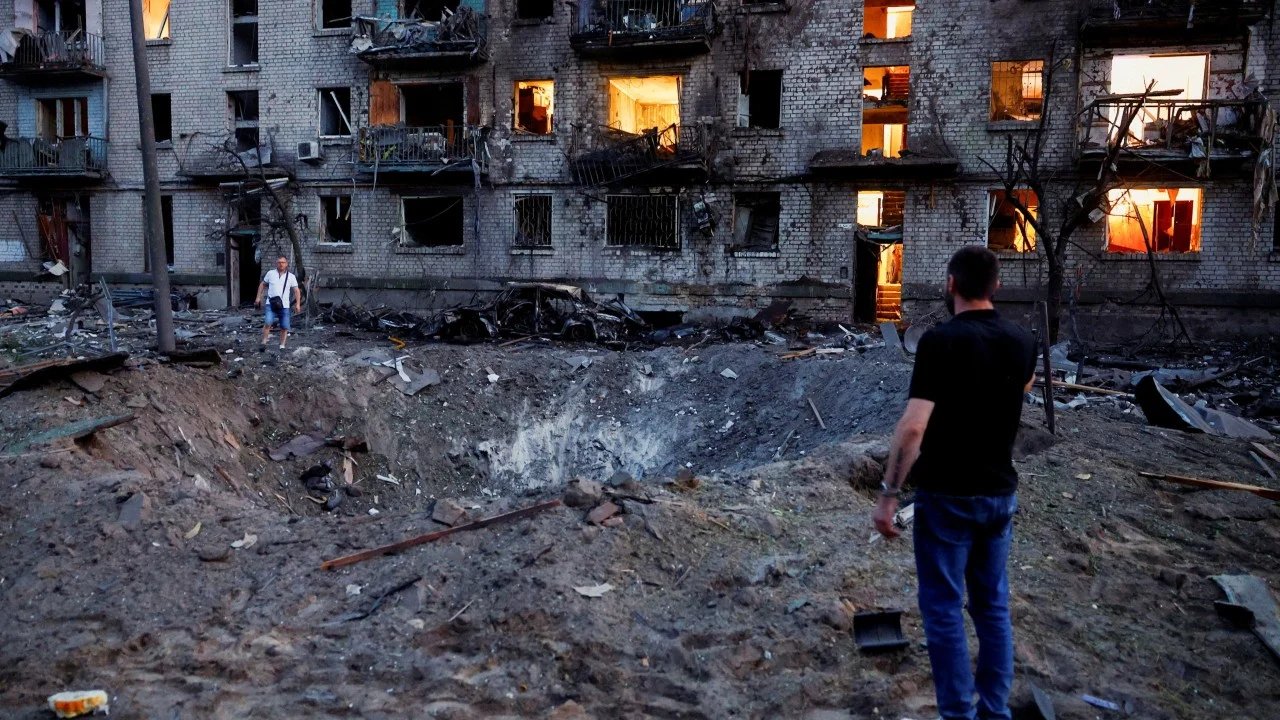
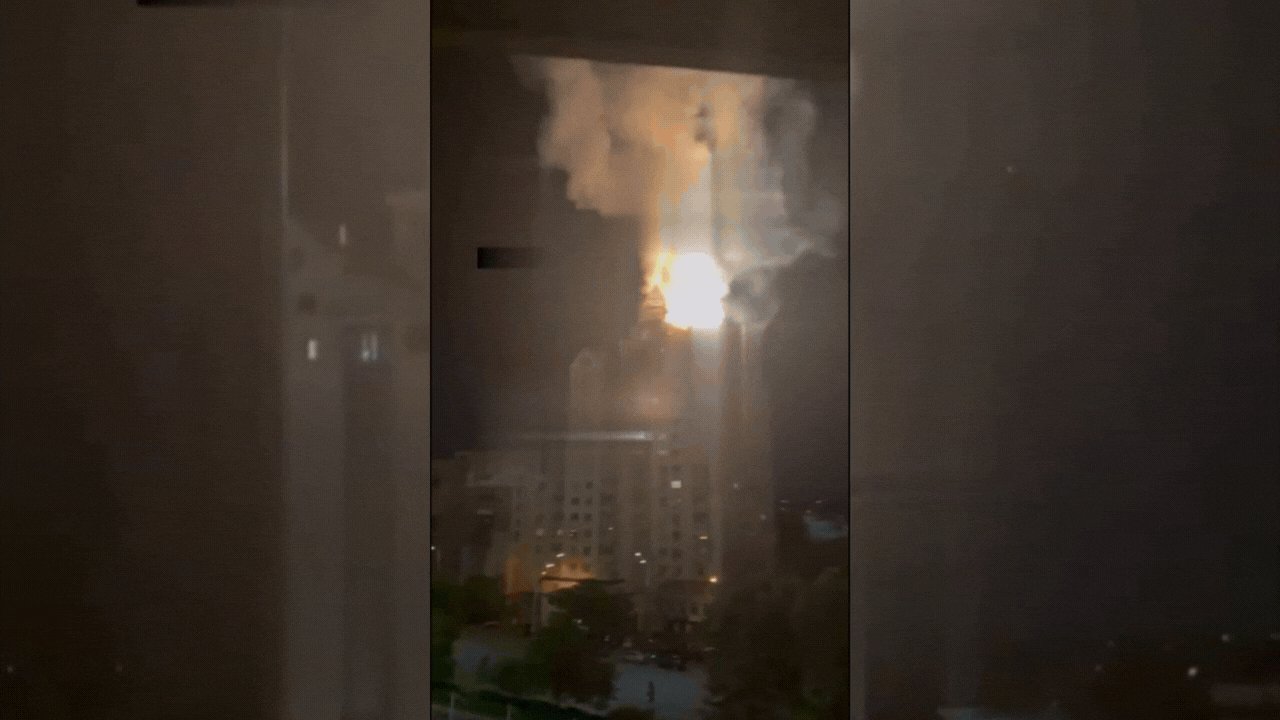
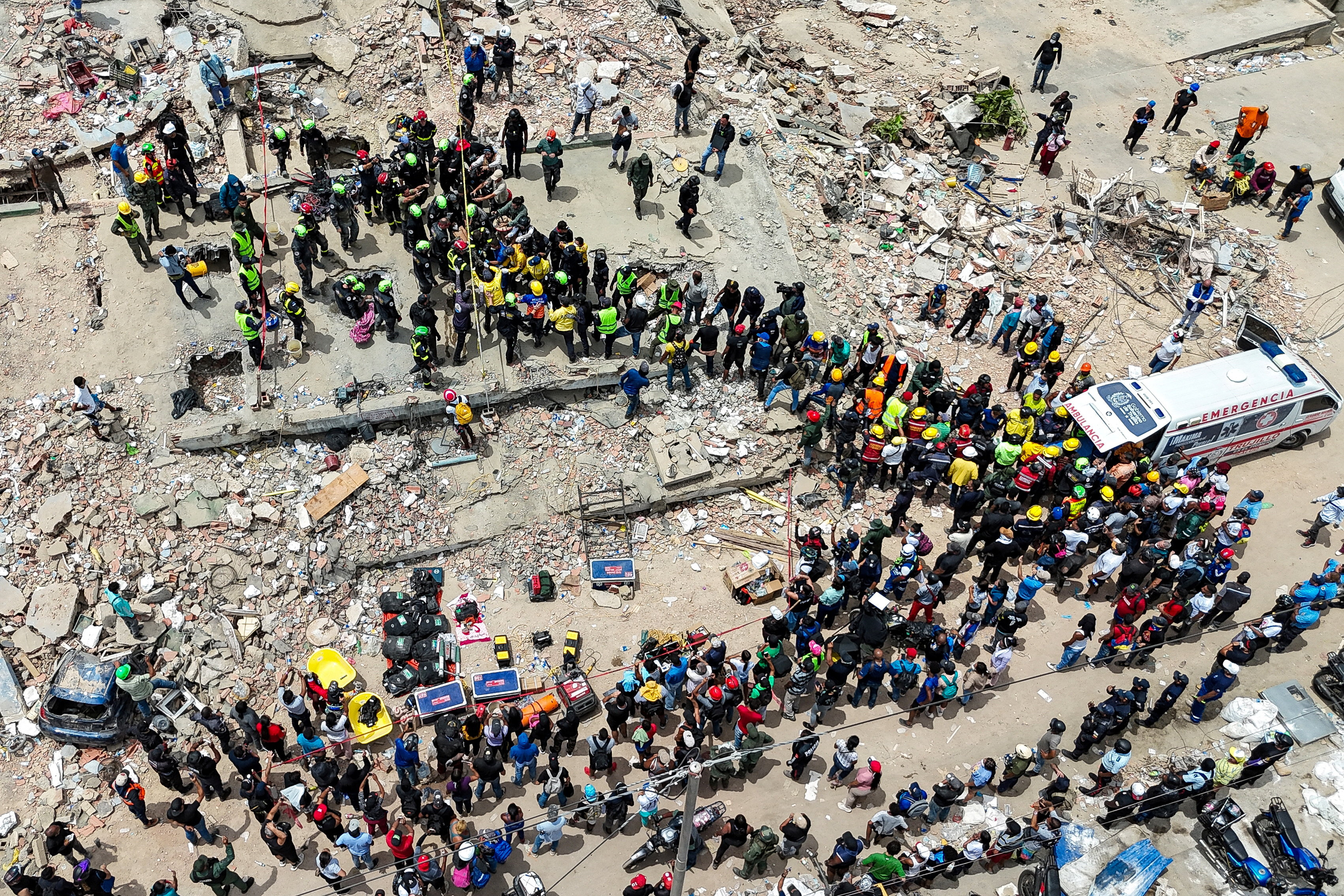
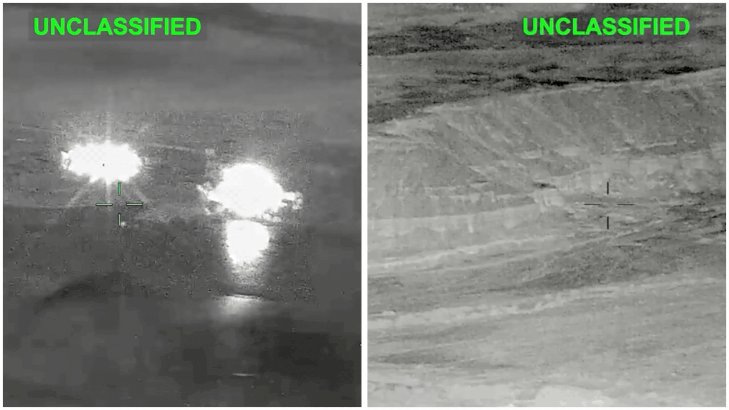
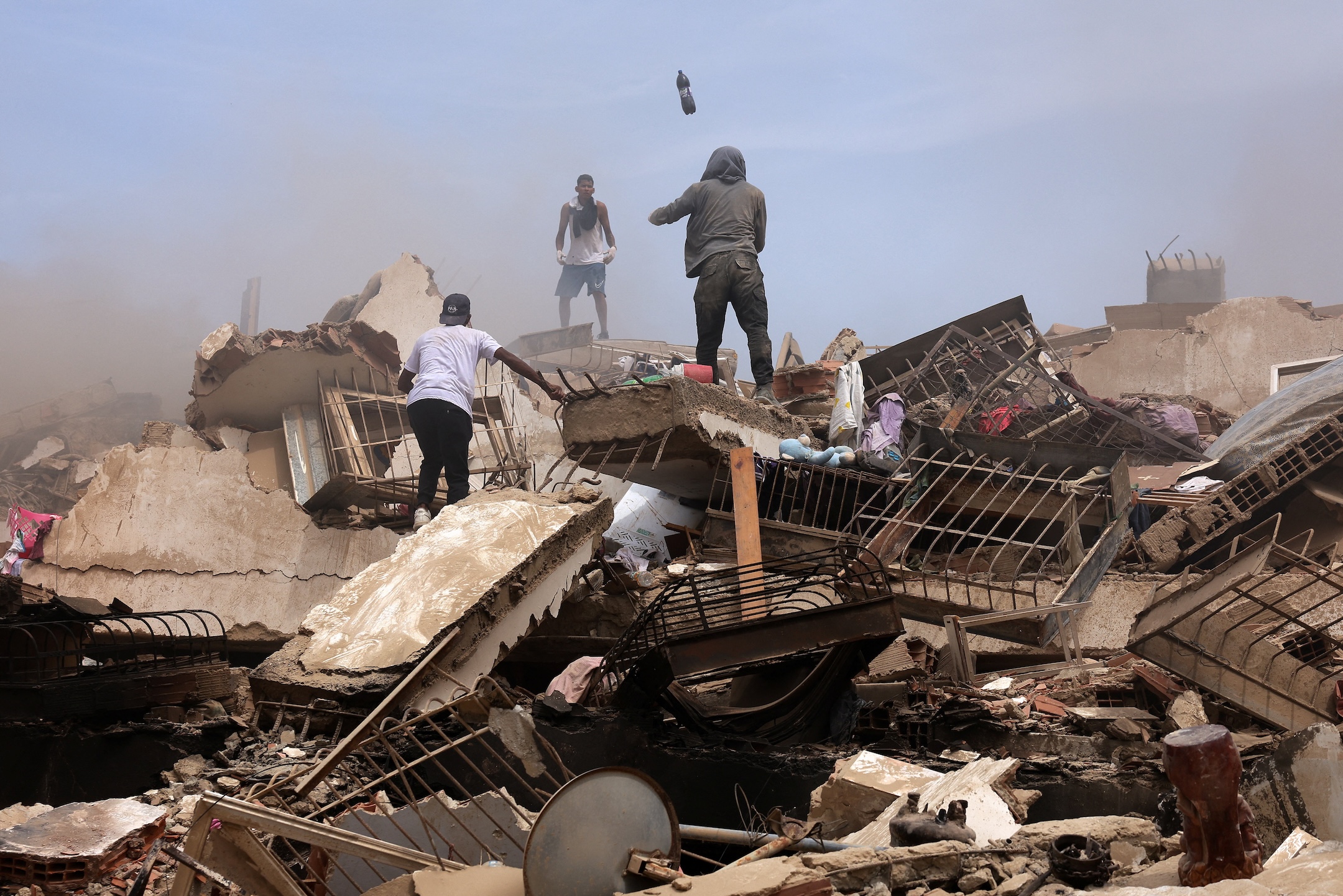
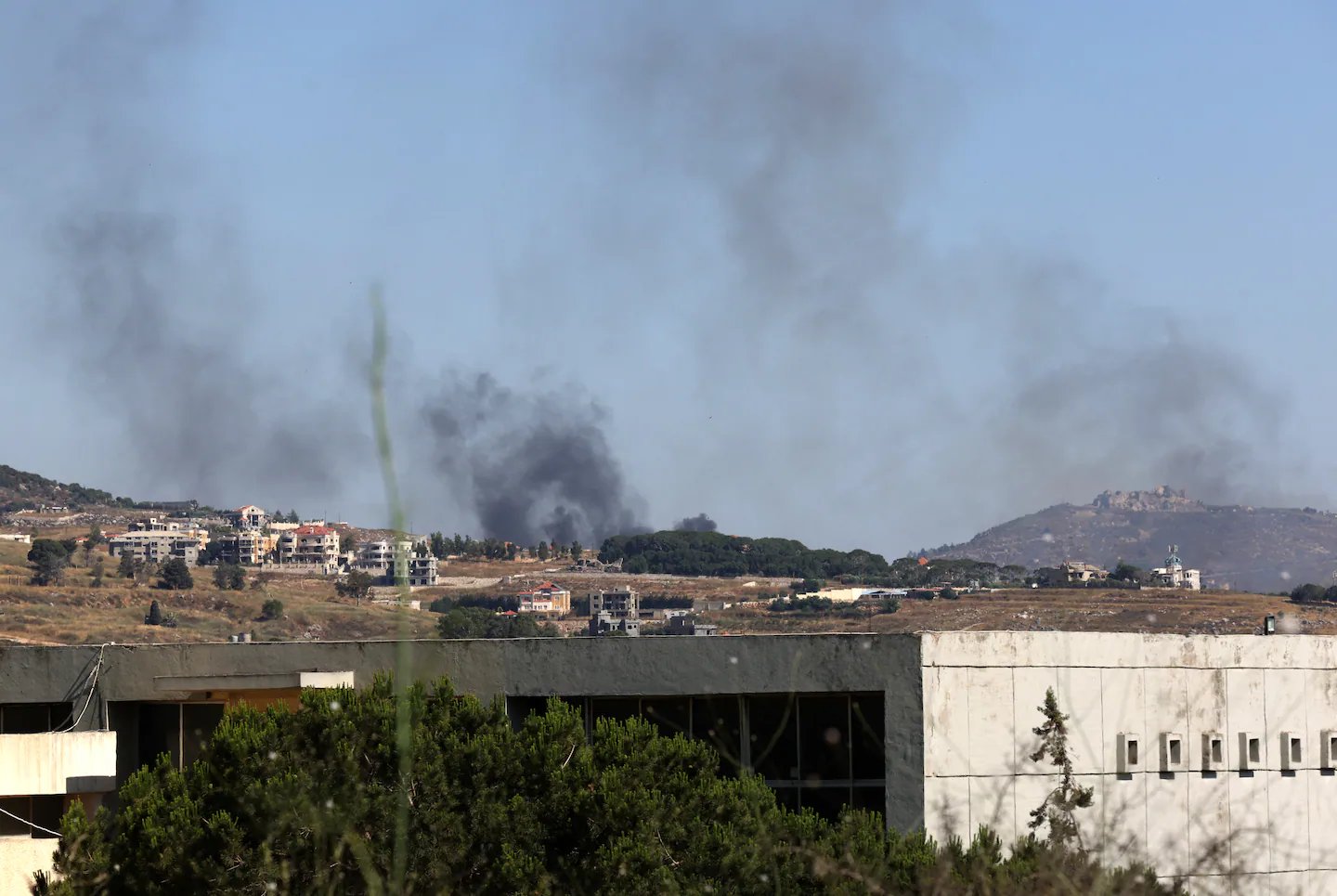
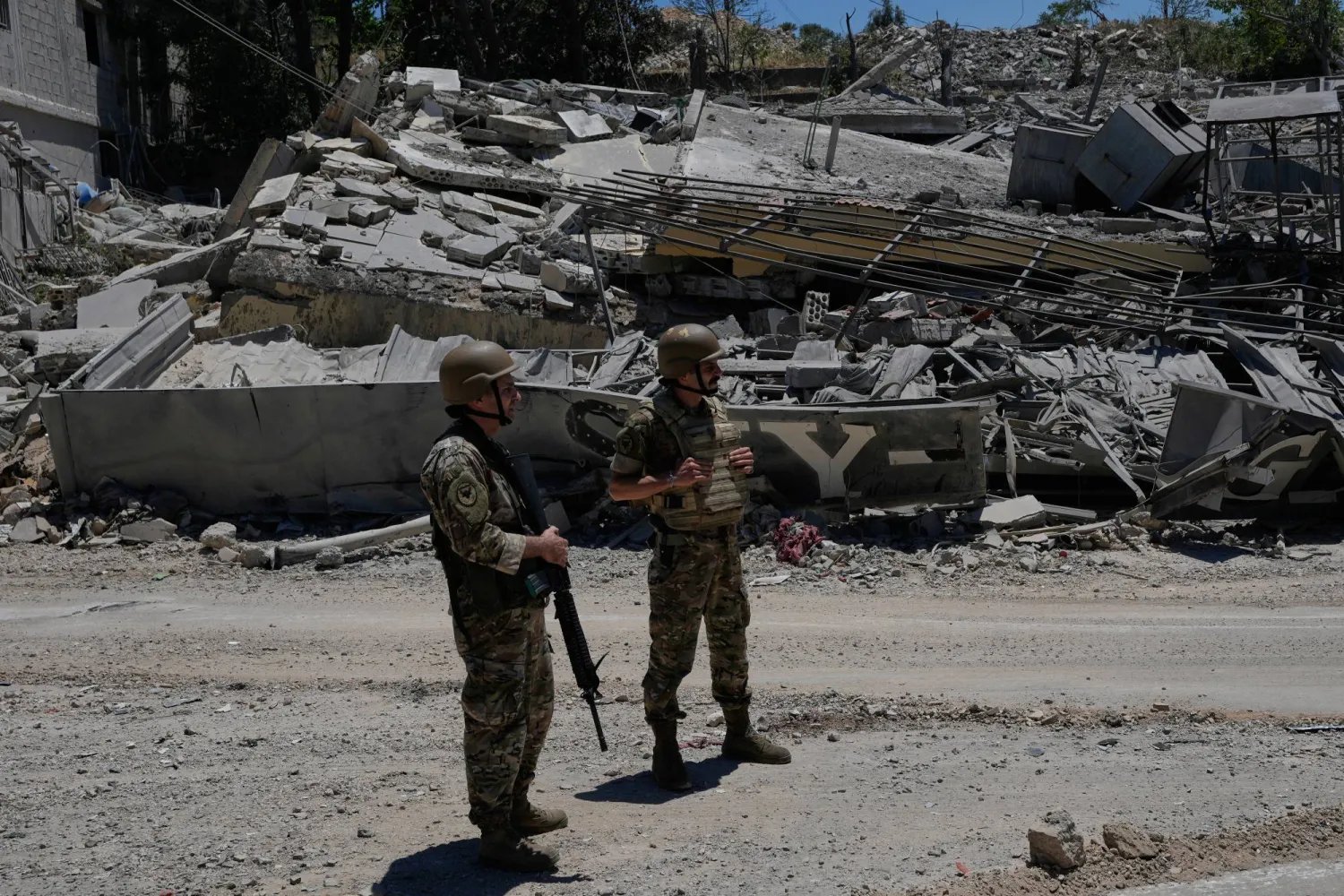
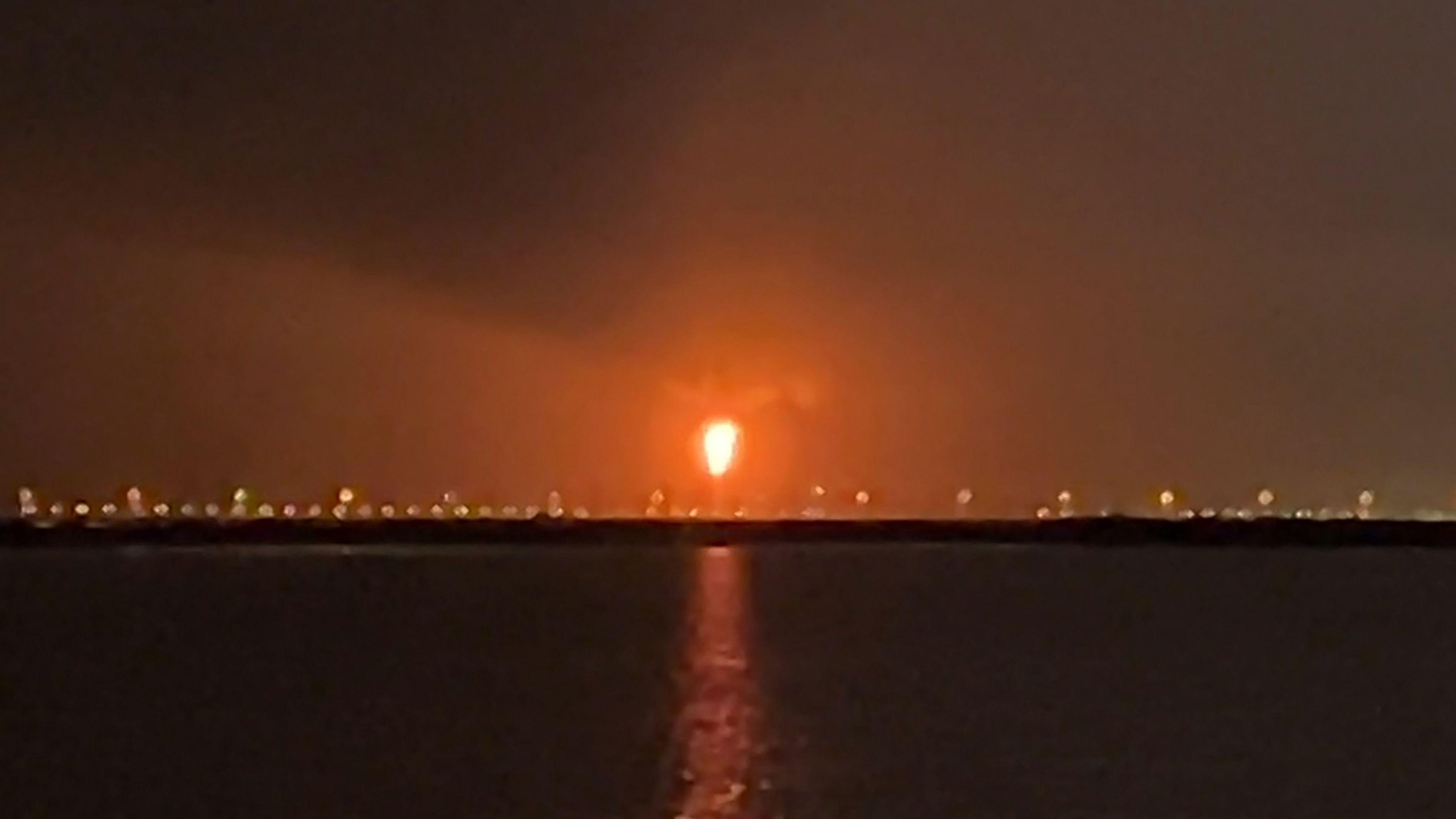
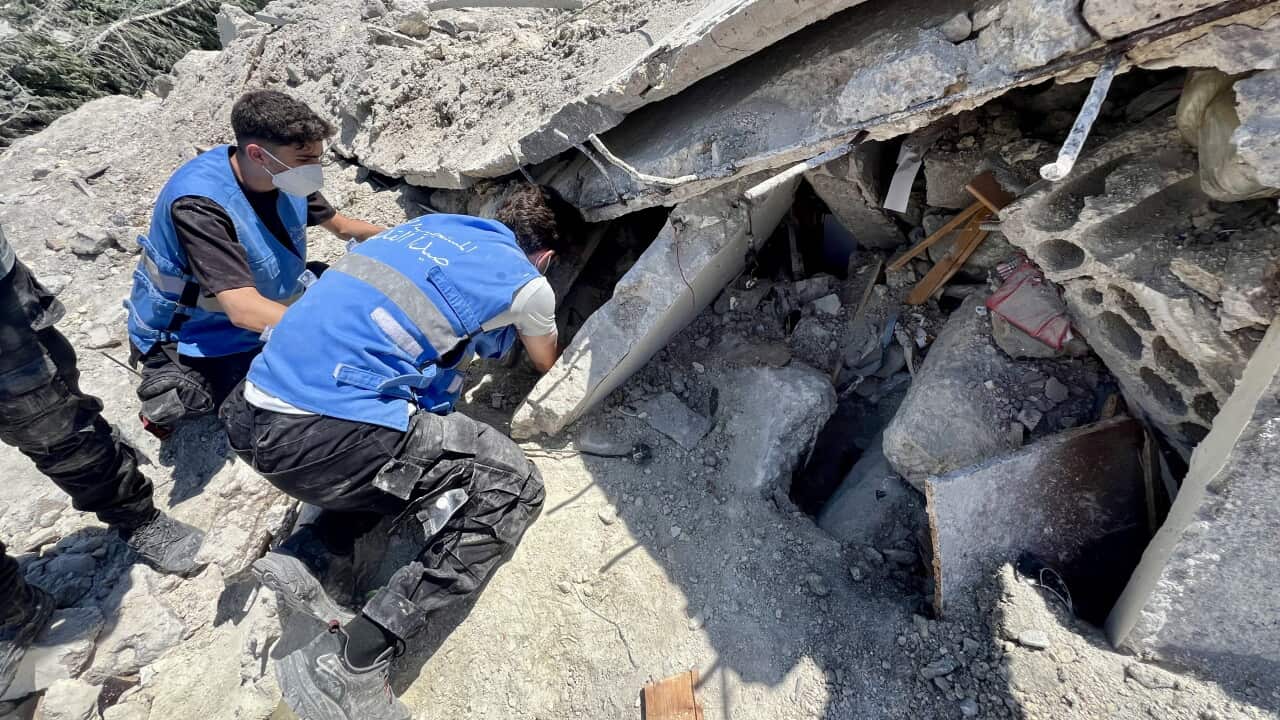
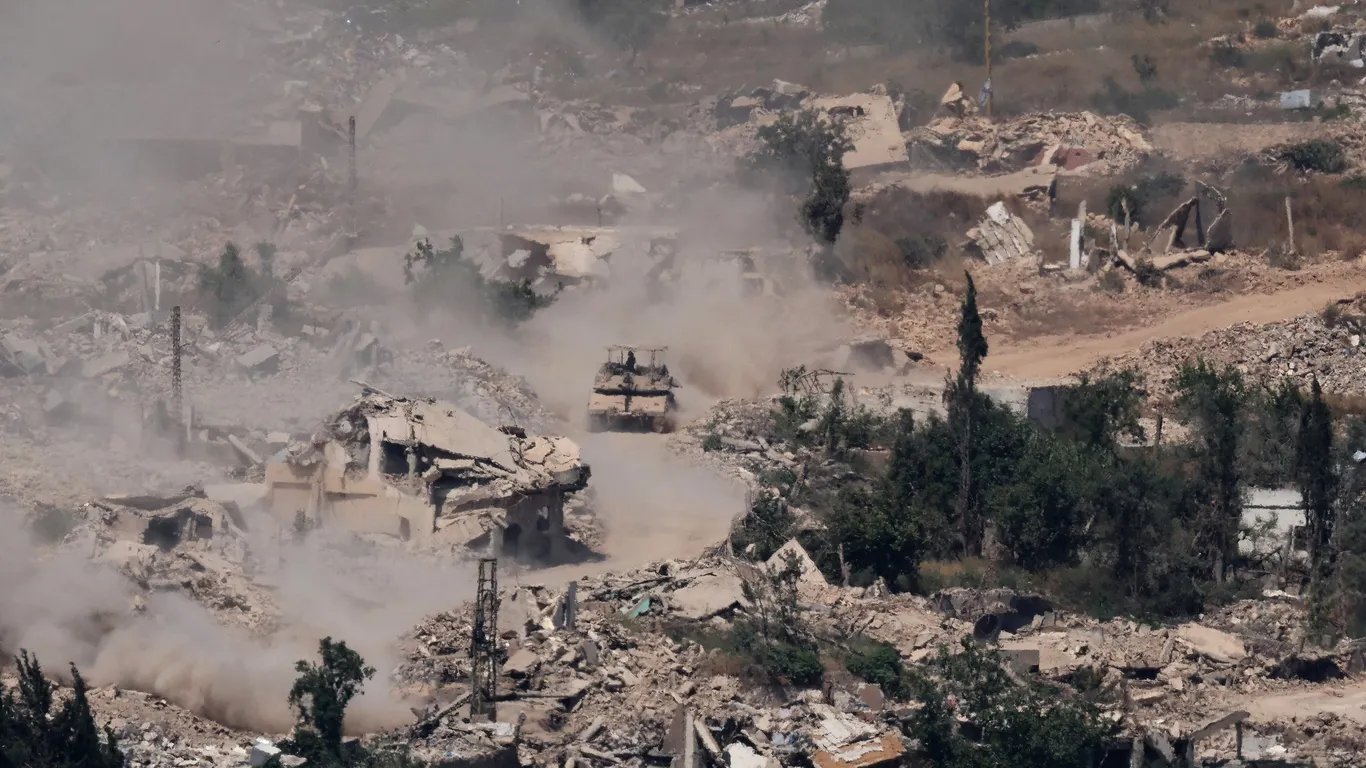
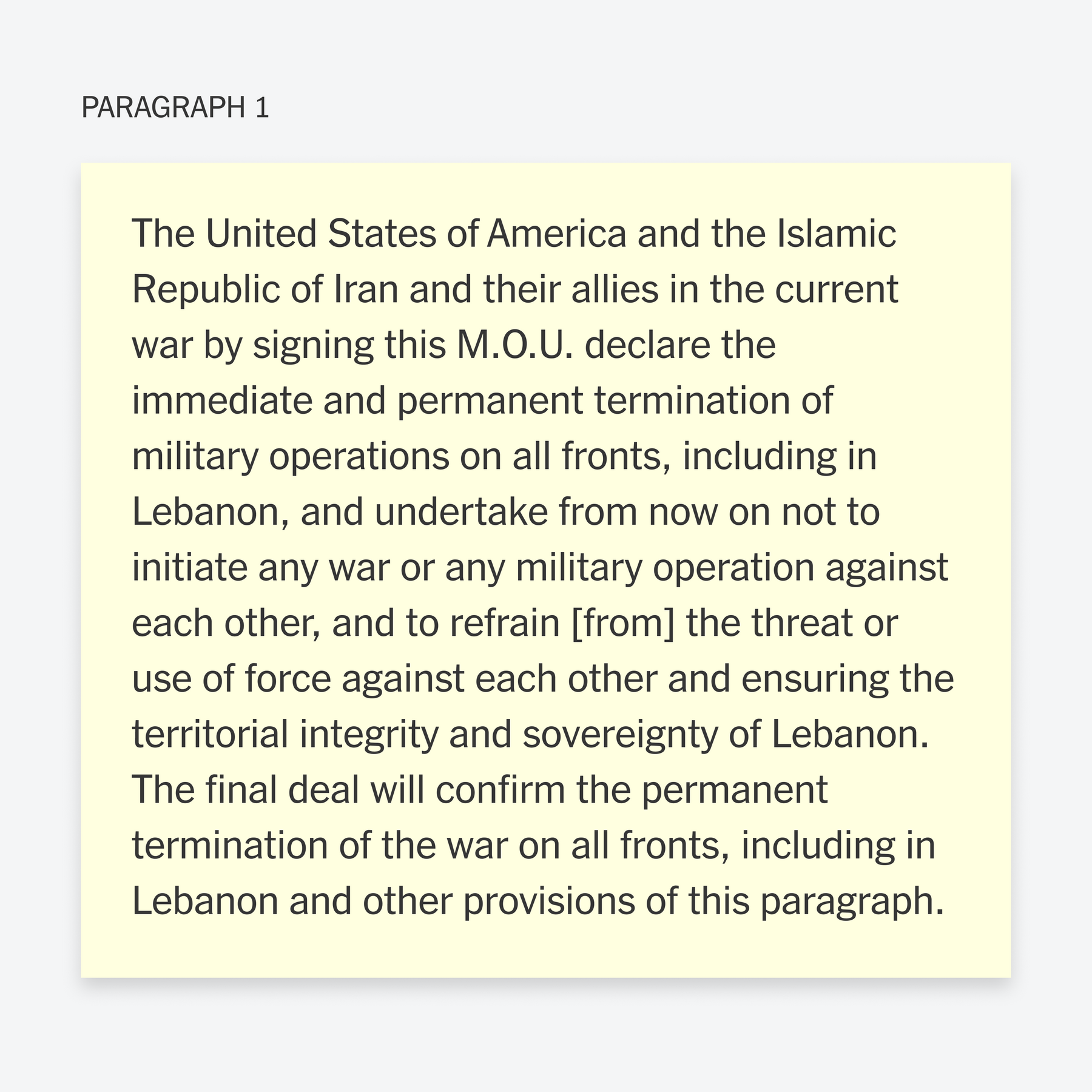
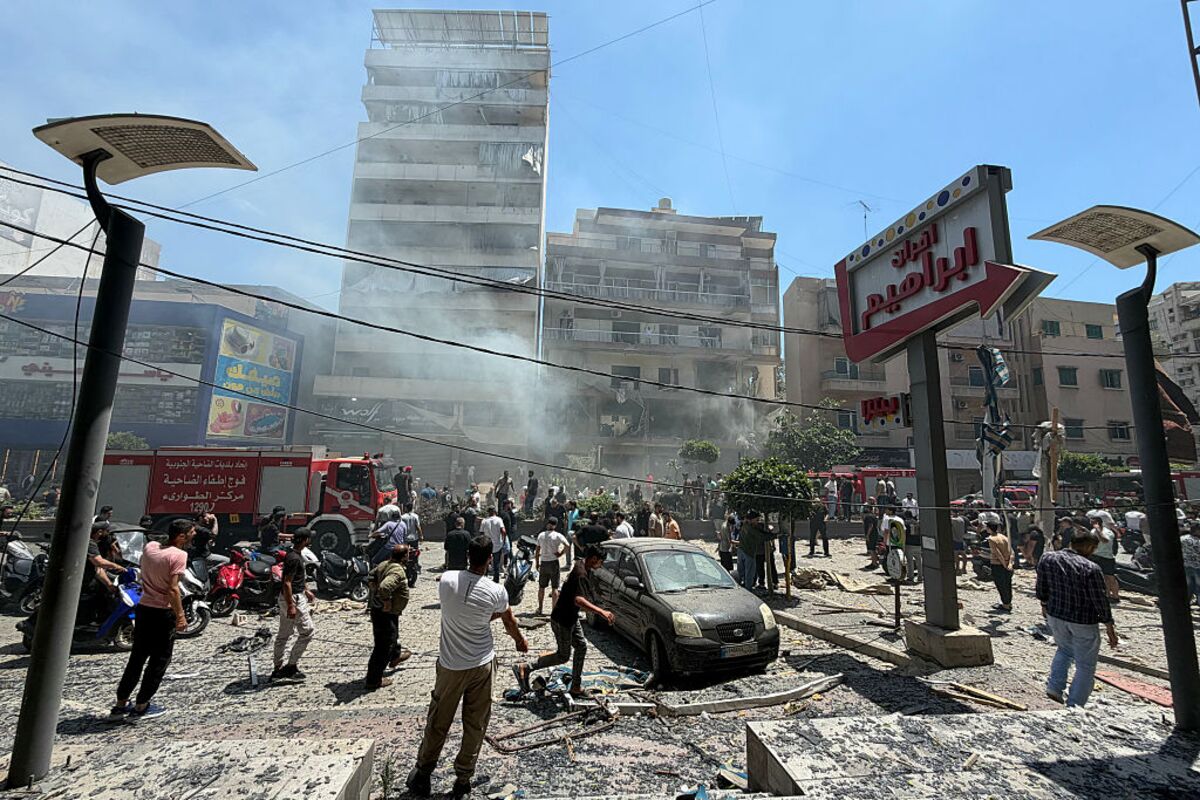
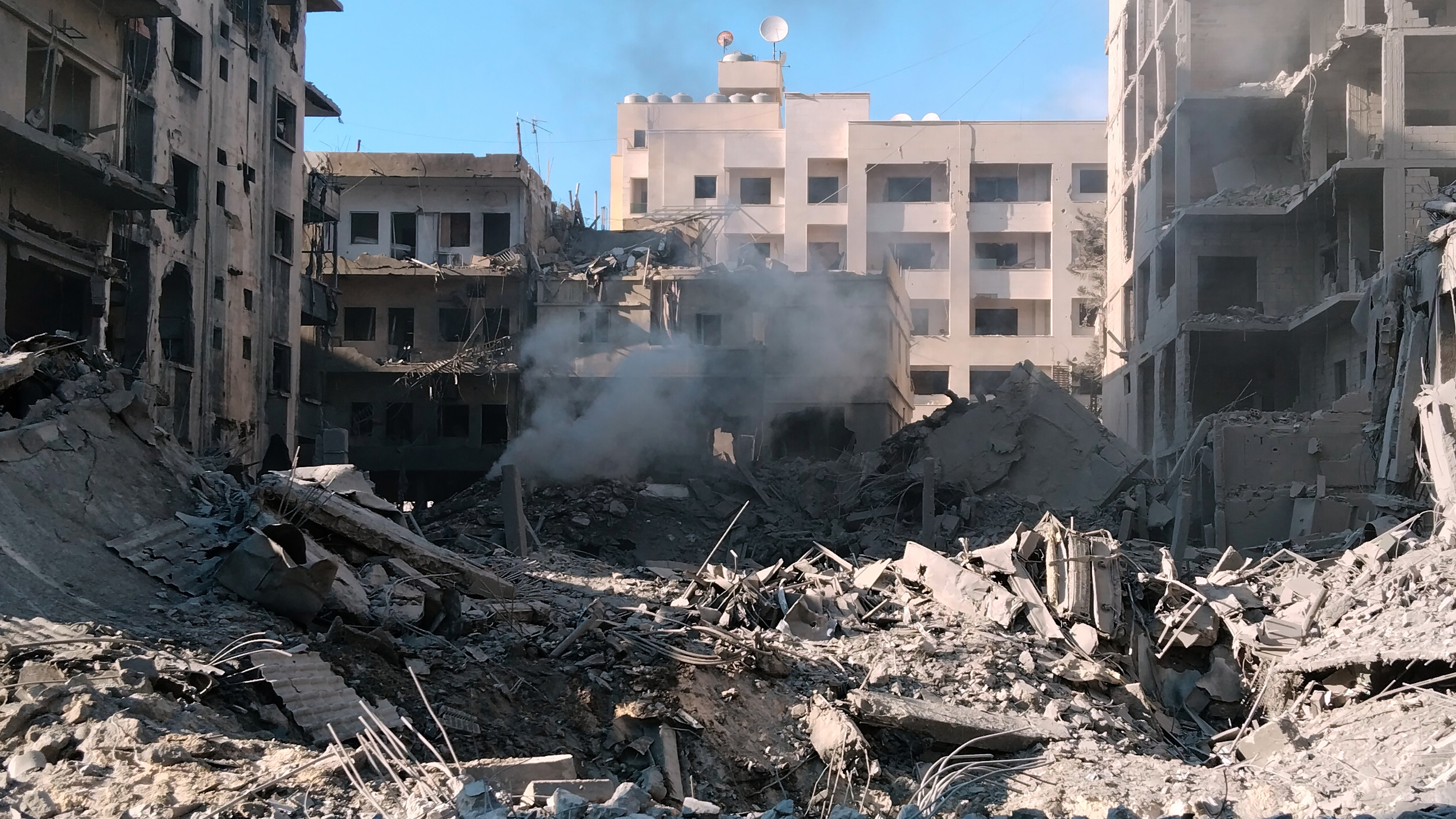
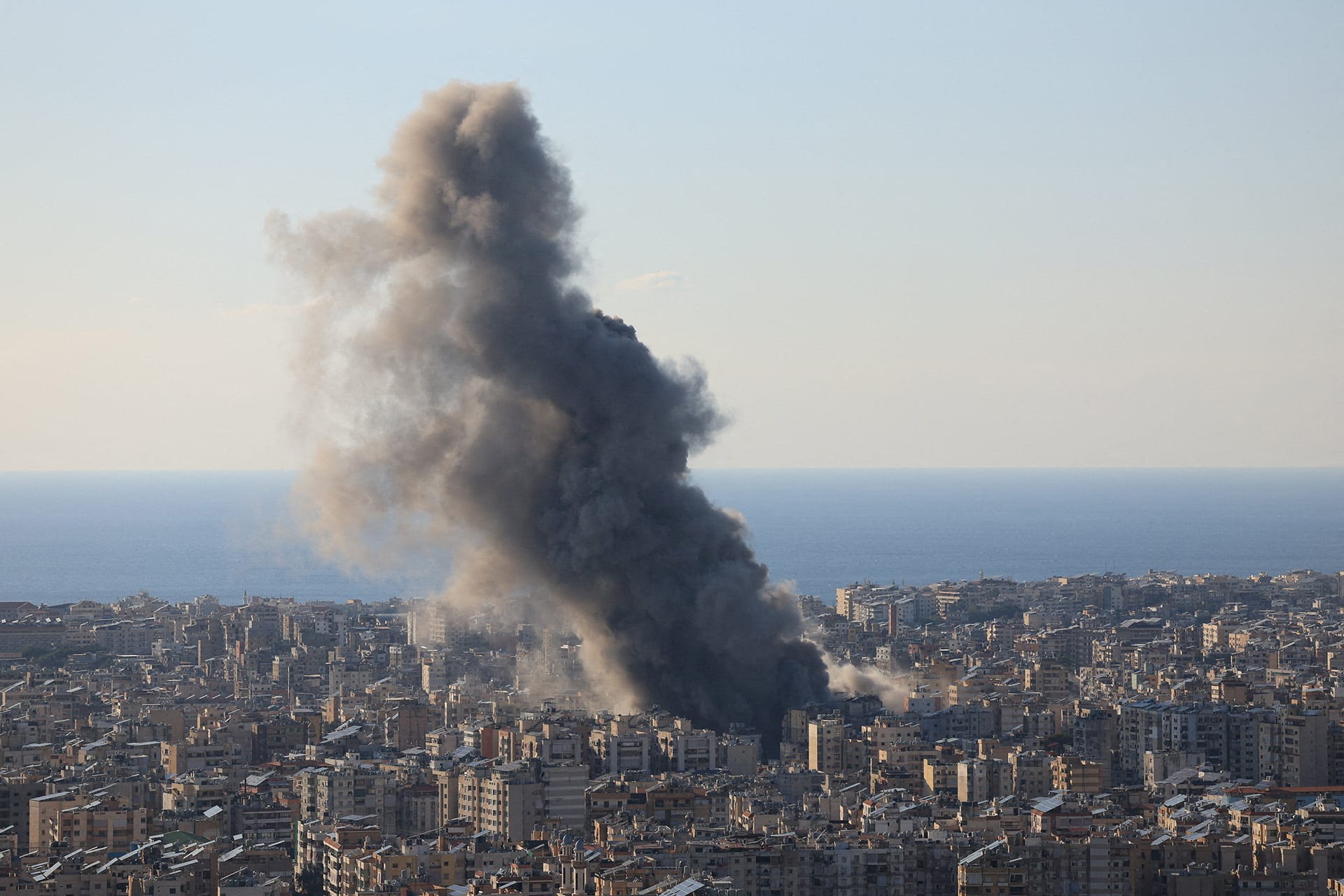
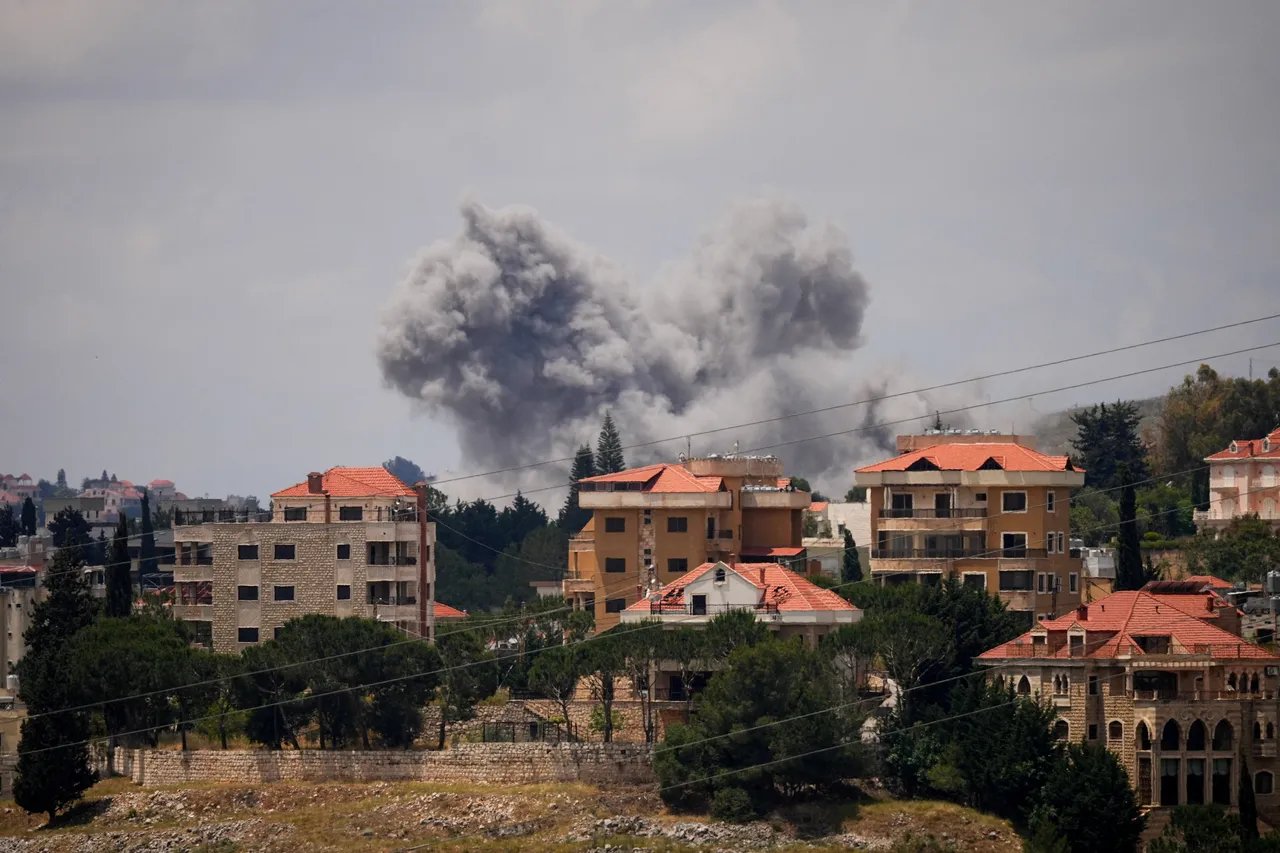
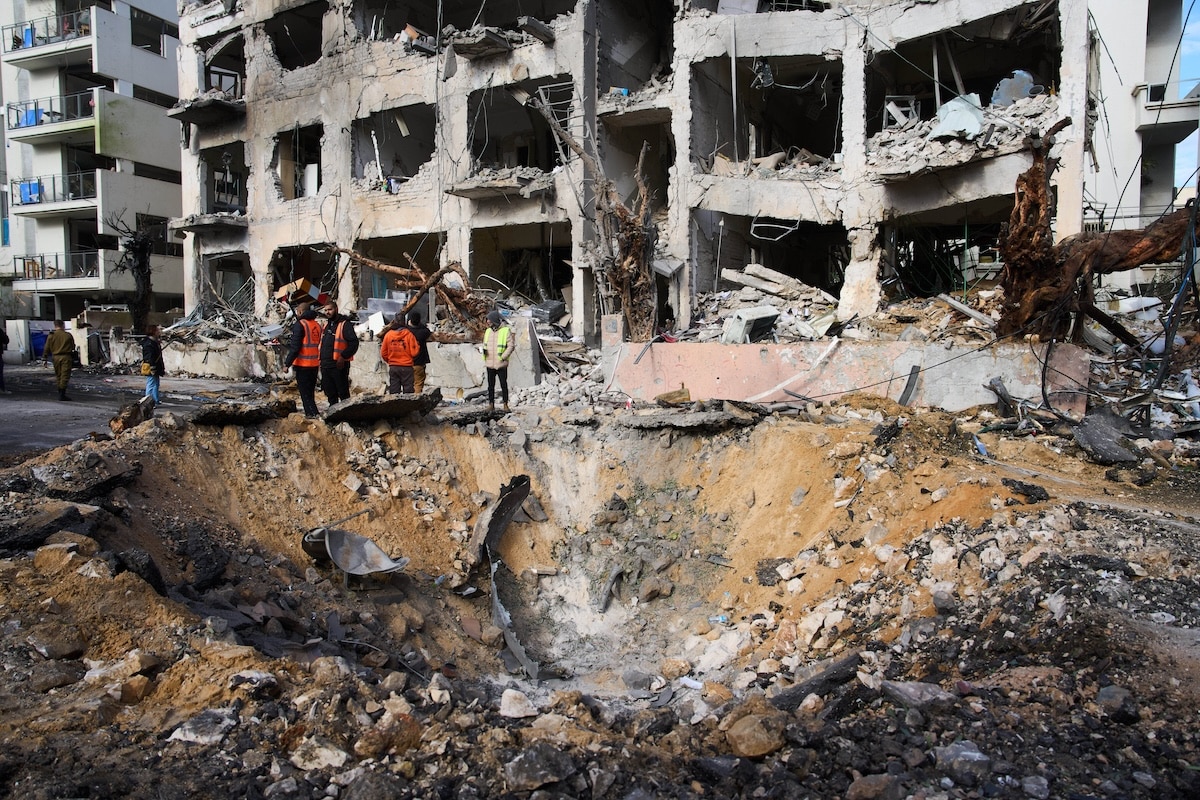
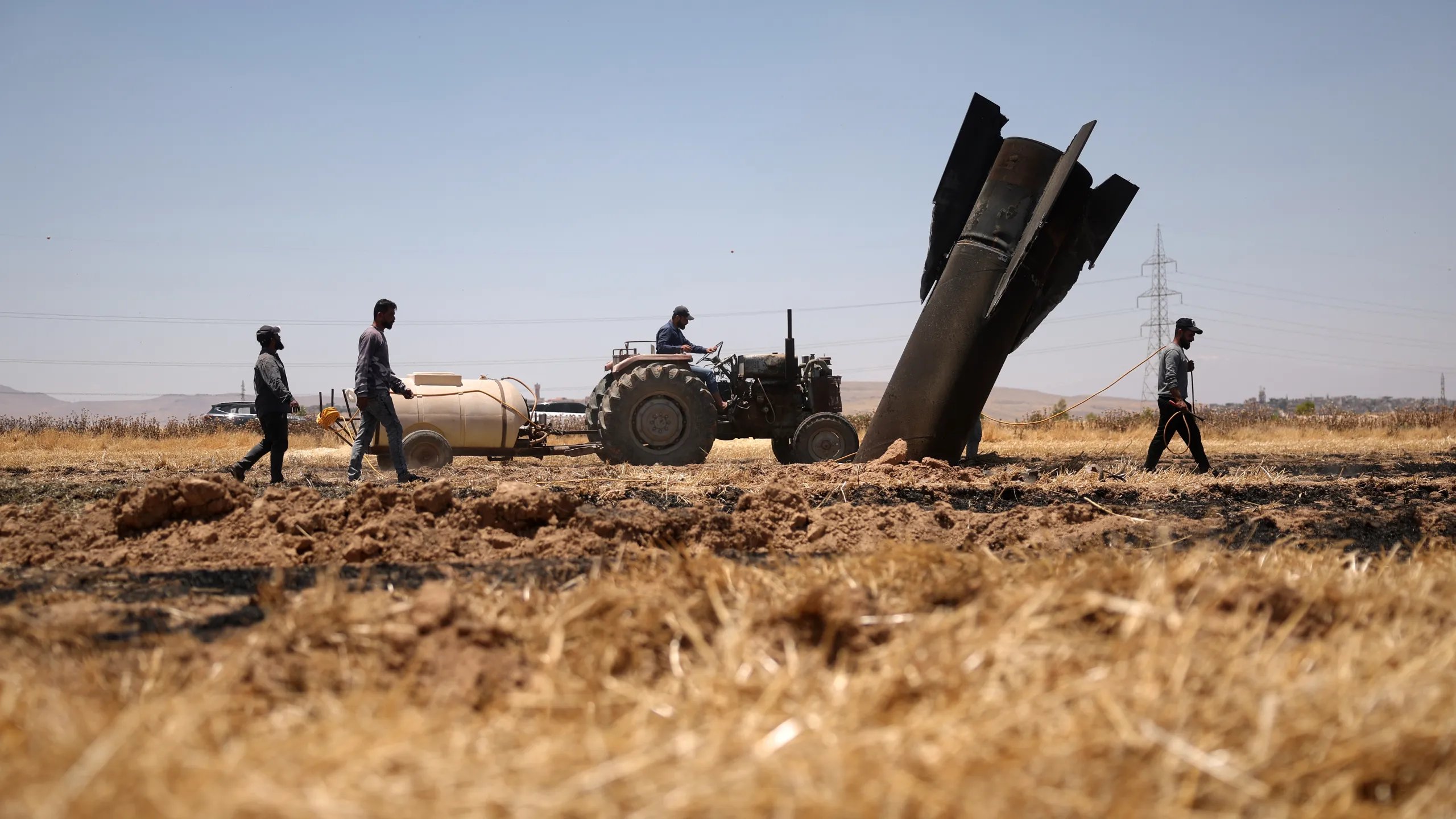
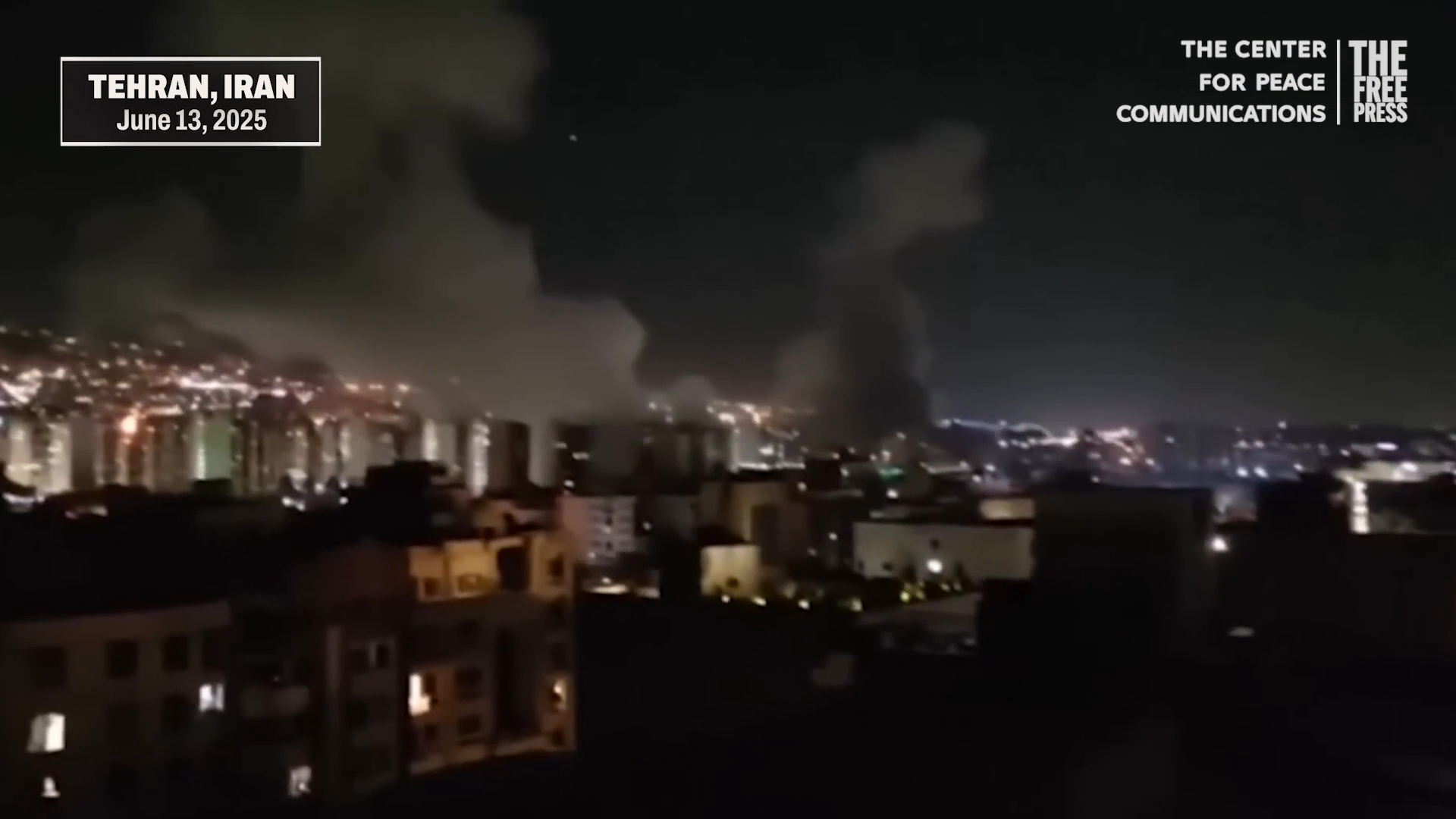
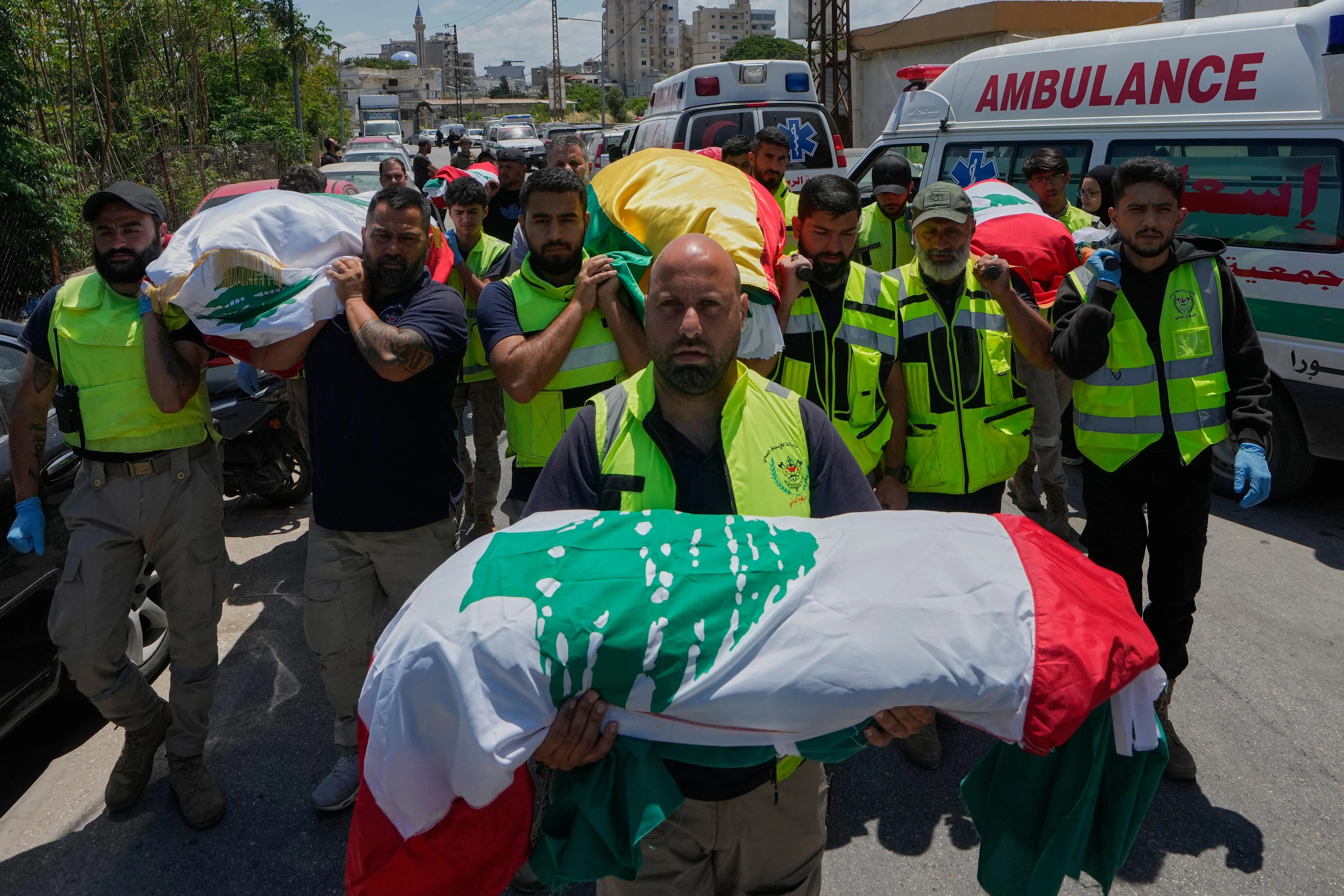
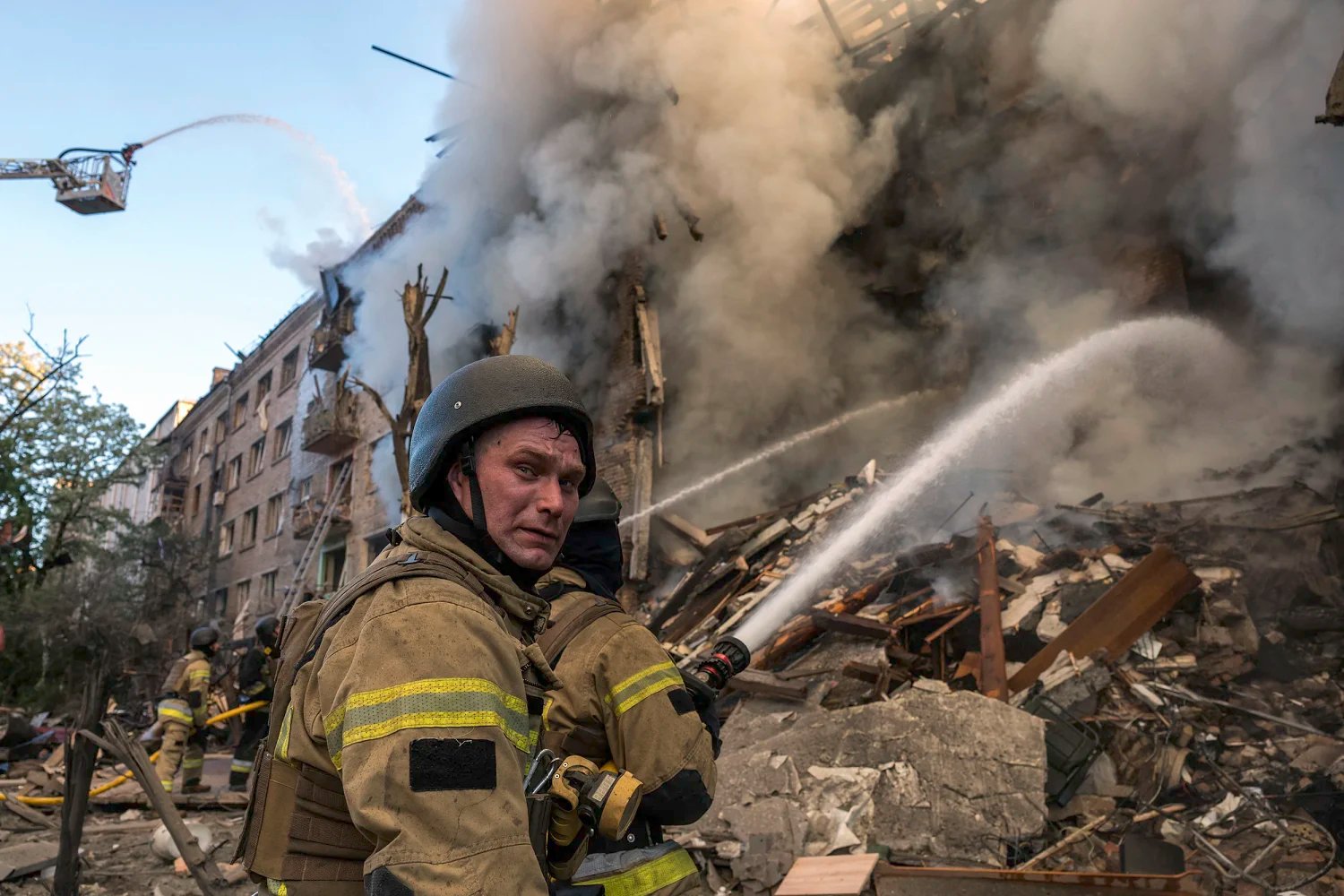
On Tuesday, Israeli drone strikes in southern Lebanon killed at least four individuals in Nabatieh. The Lebanese National News Agency reported that these attacks targeted vehicles in Mayfadoun and Shoukin, despite ongoing discussions aimed at establishing a ceasefire. Iran's Foreign Minister Abbas Araghchi and top negotiator Mohammad Bagher Ghalibaf have emphasized that any agreement must include an end to Israeli military operations in Lebanon.
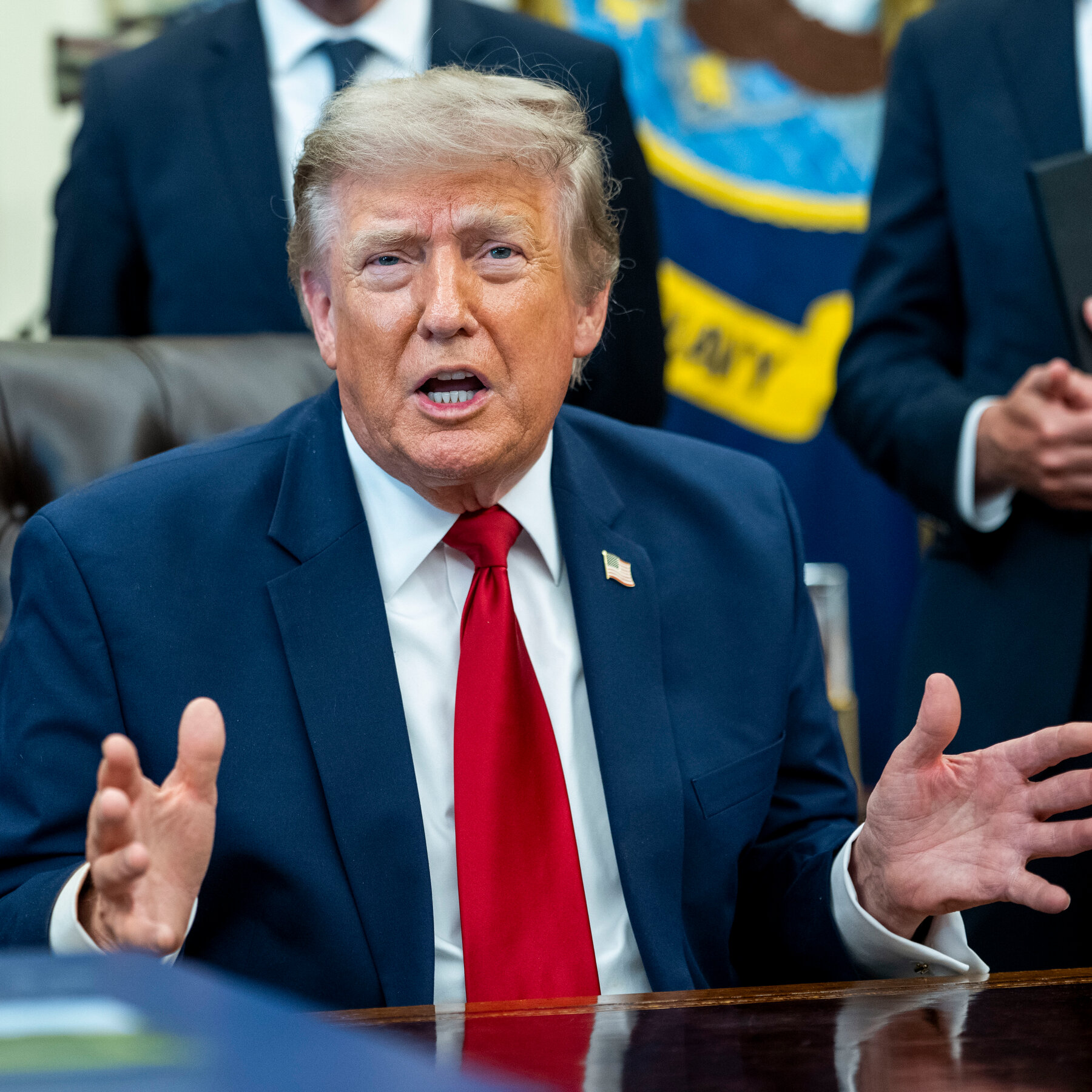
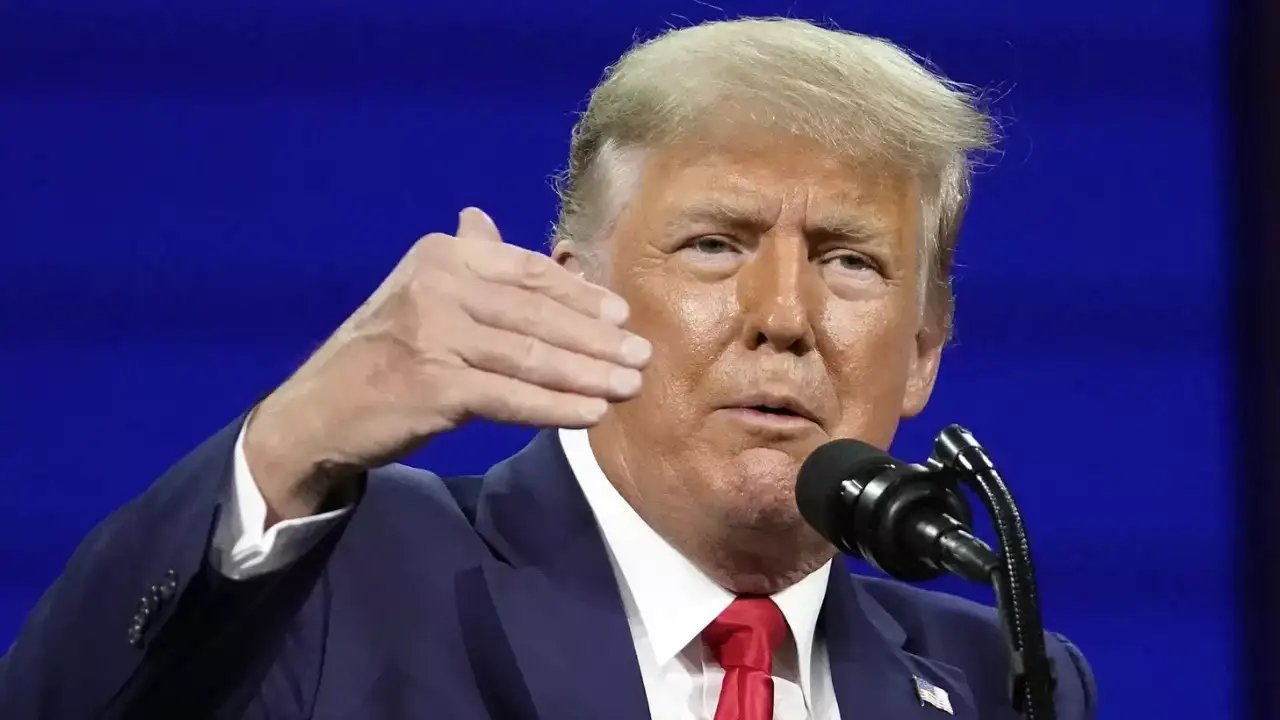
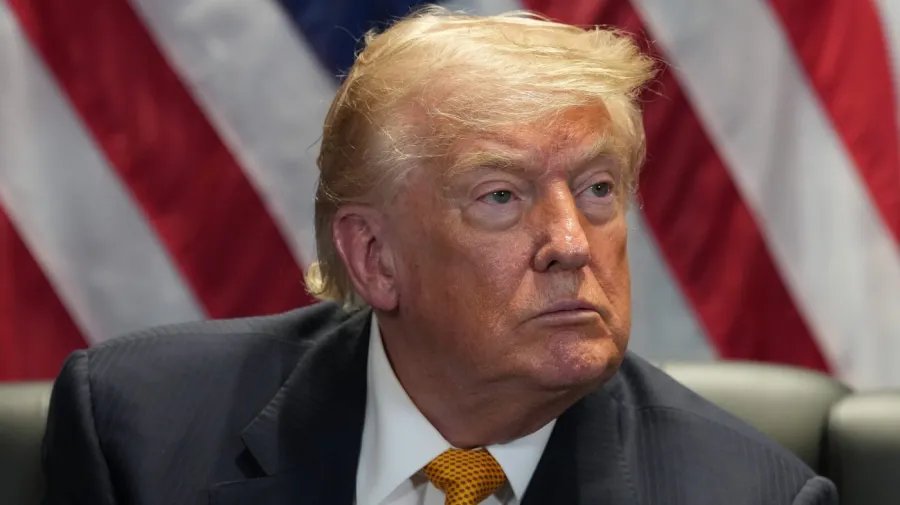
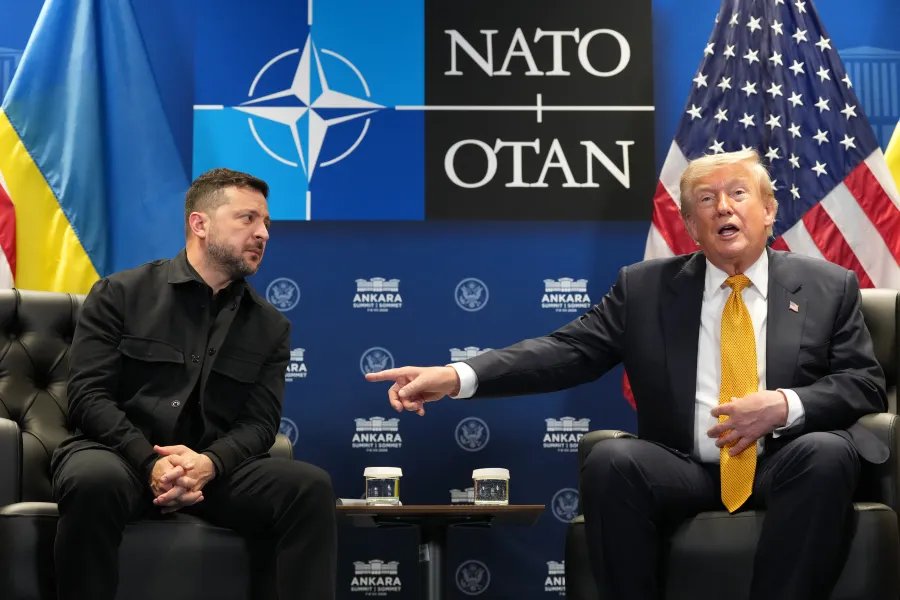
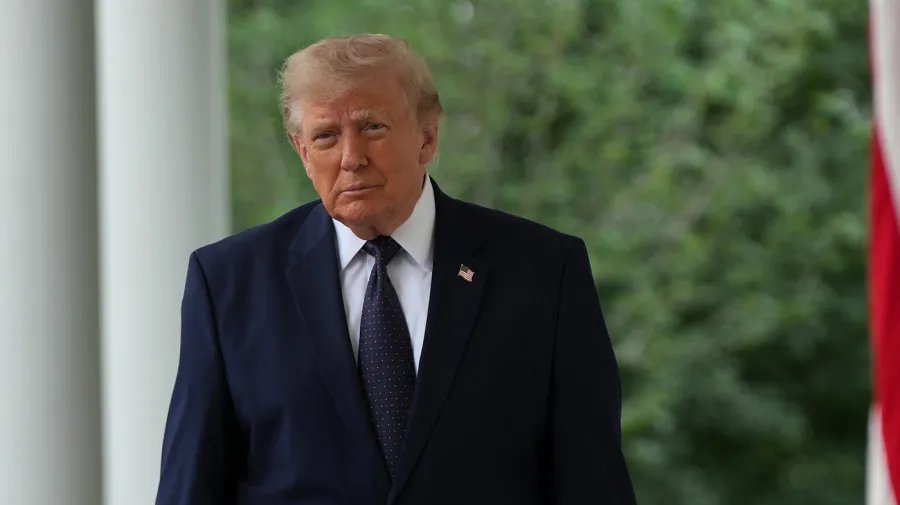
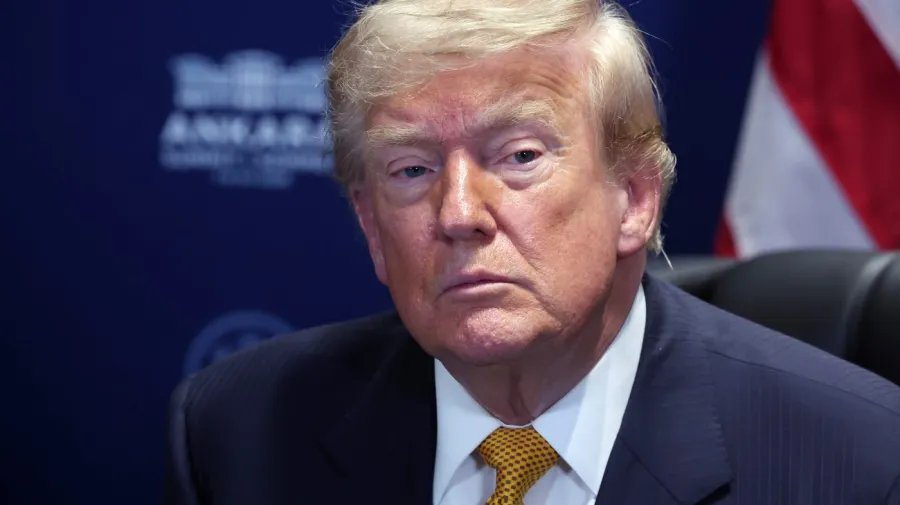
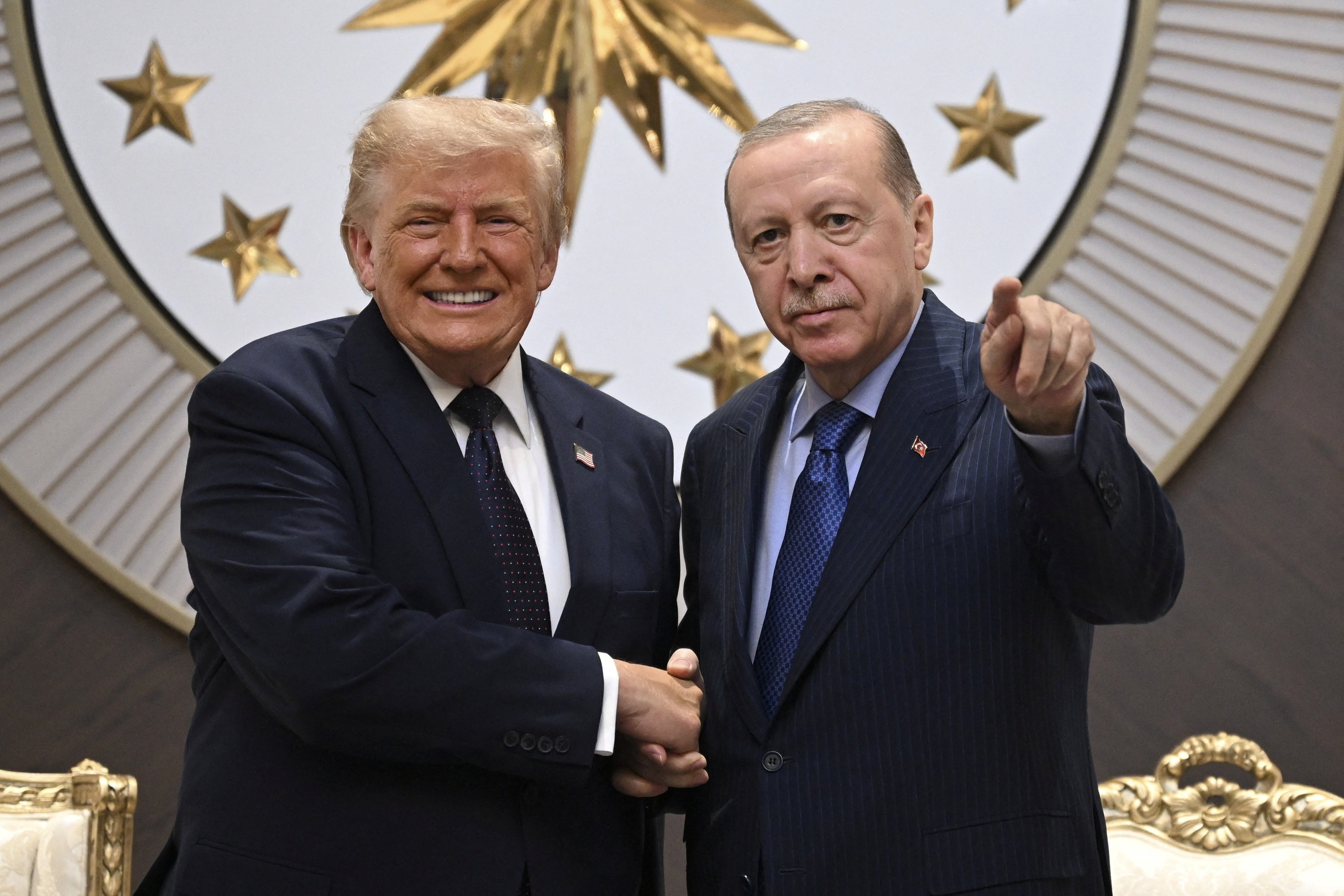
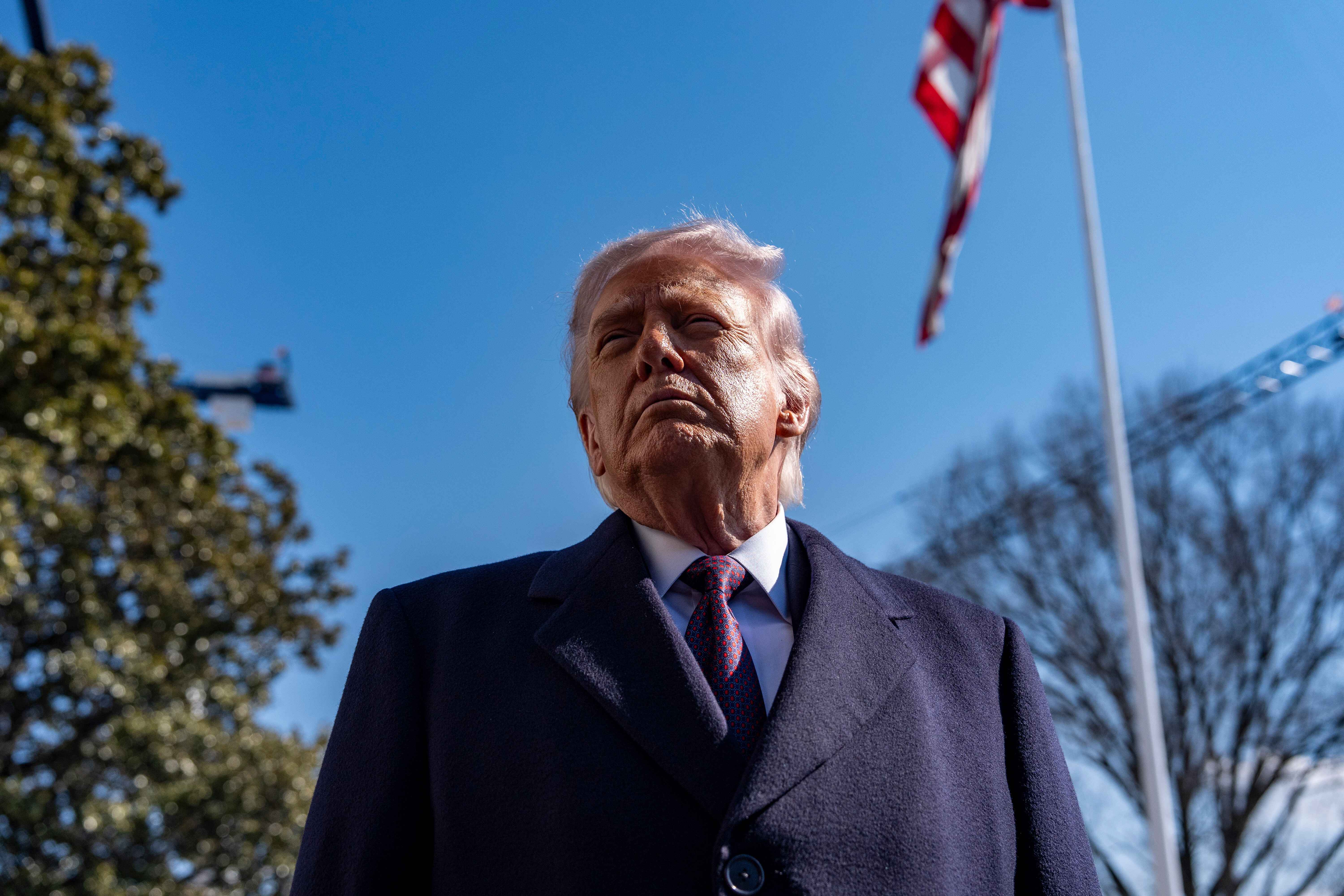
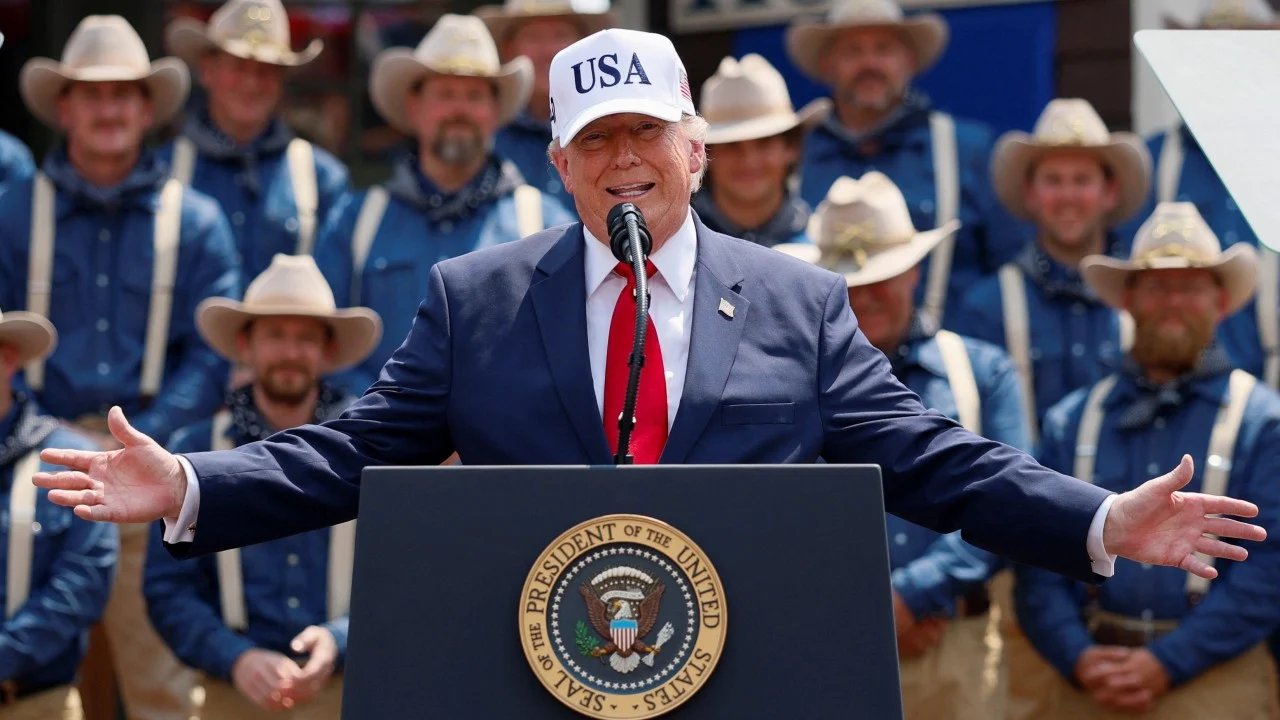
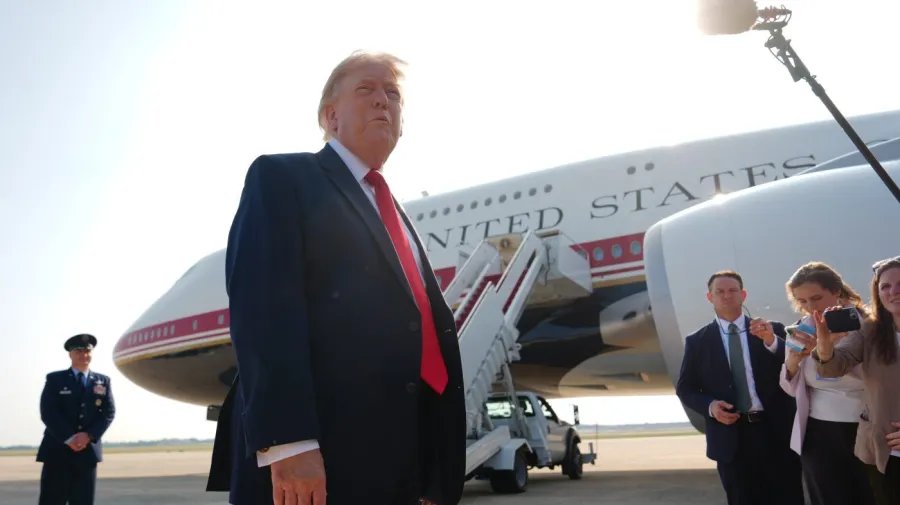
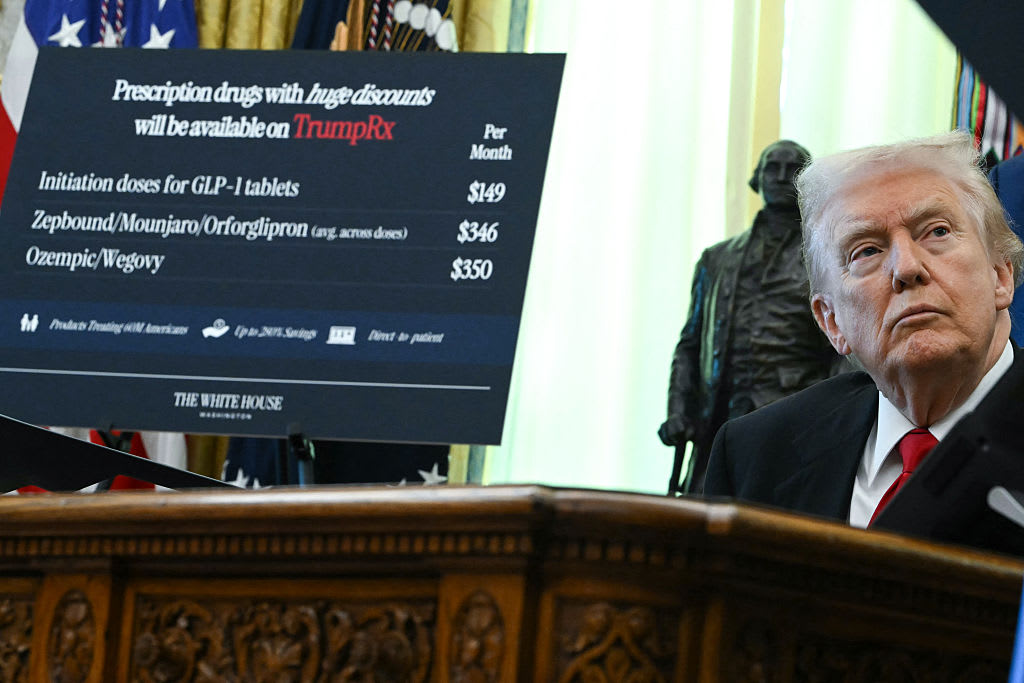
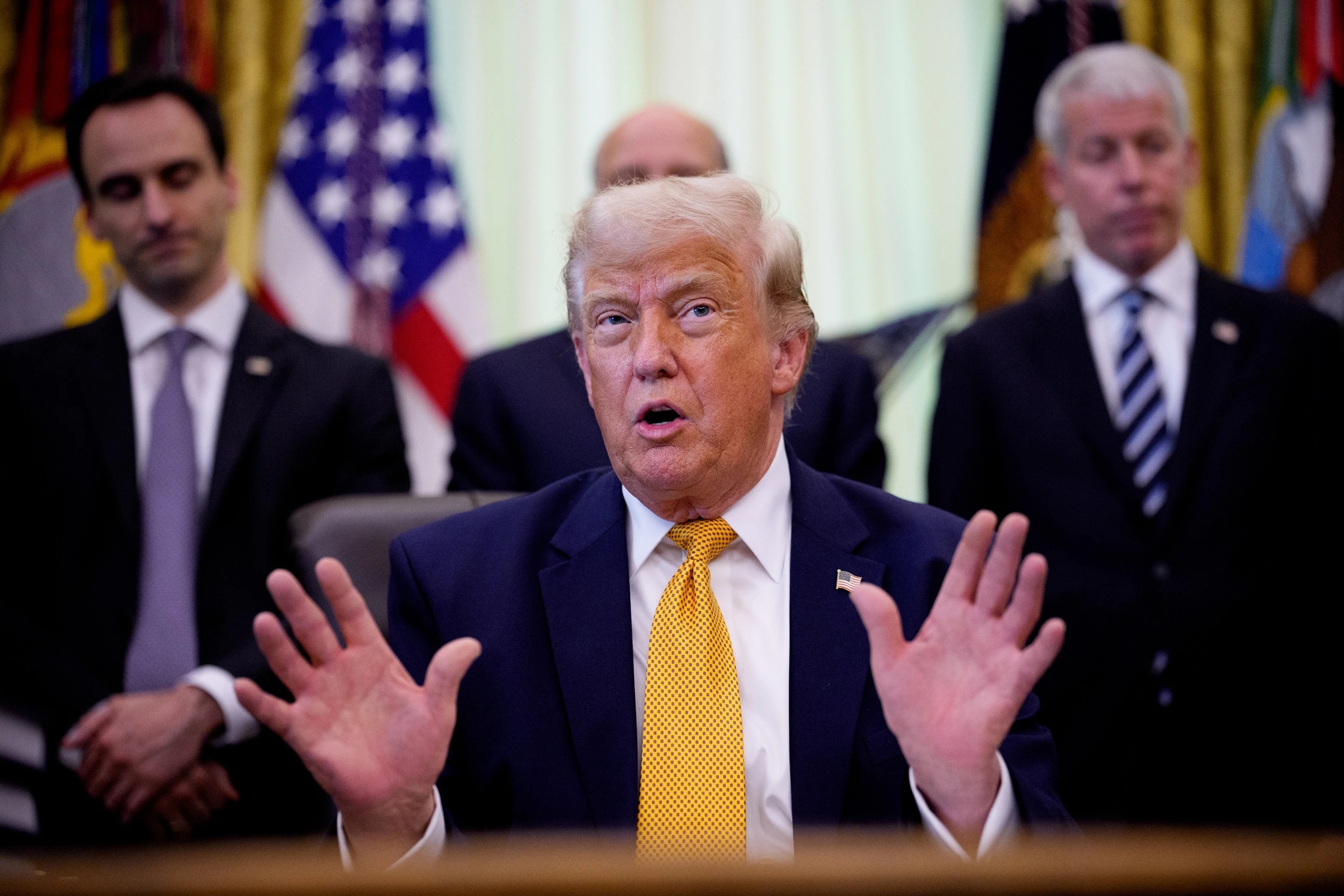
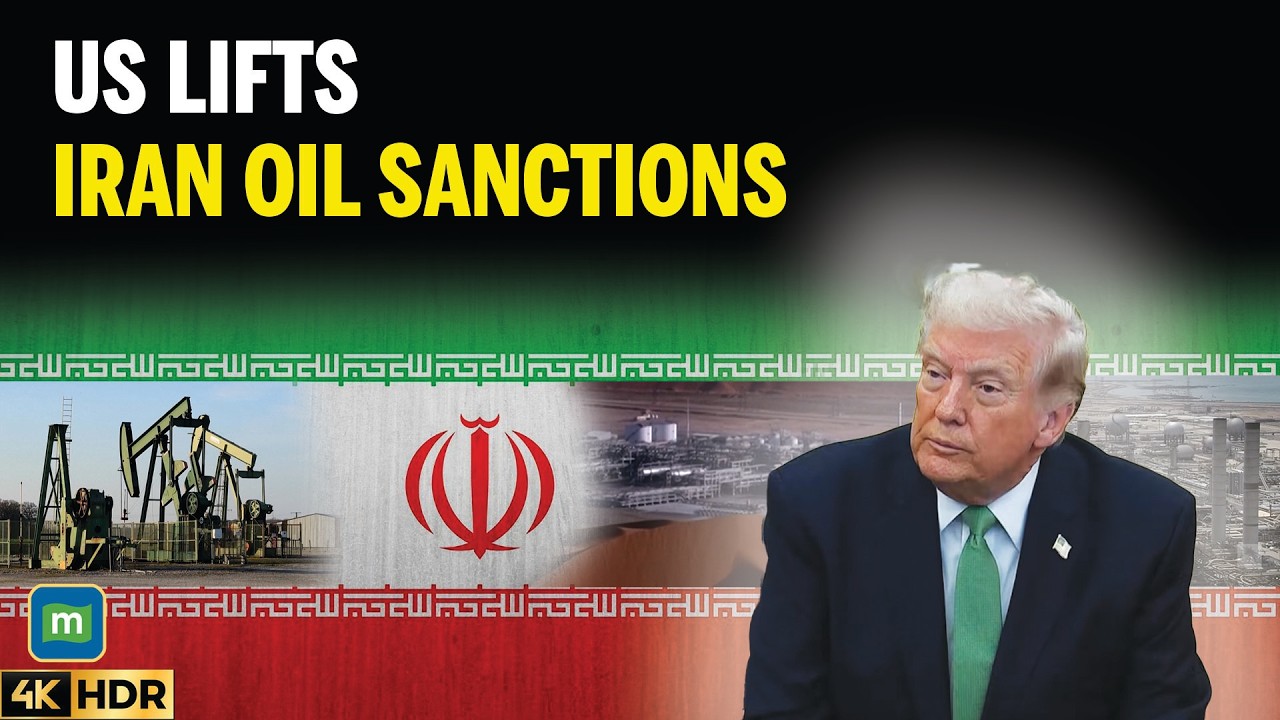
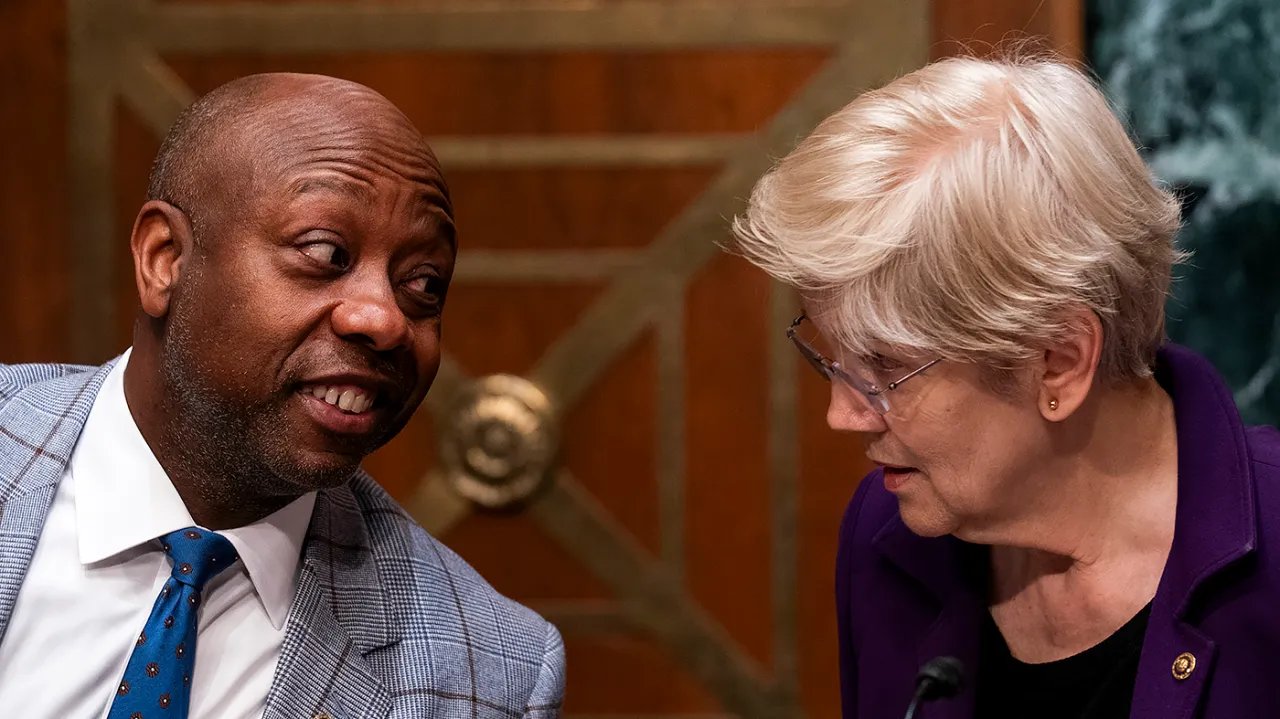
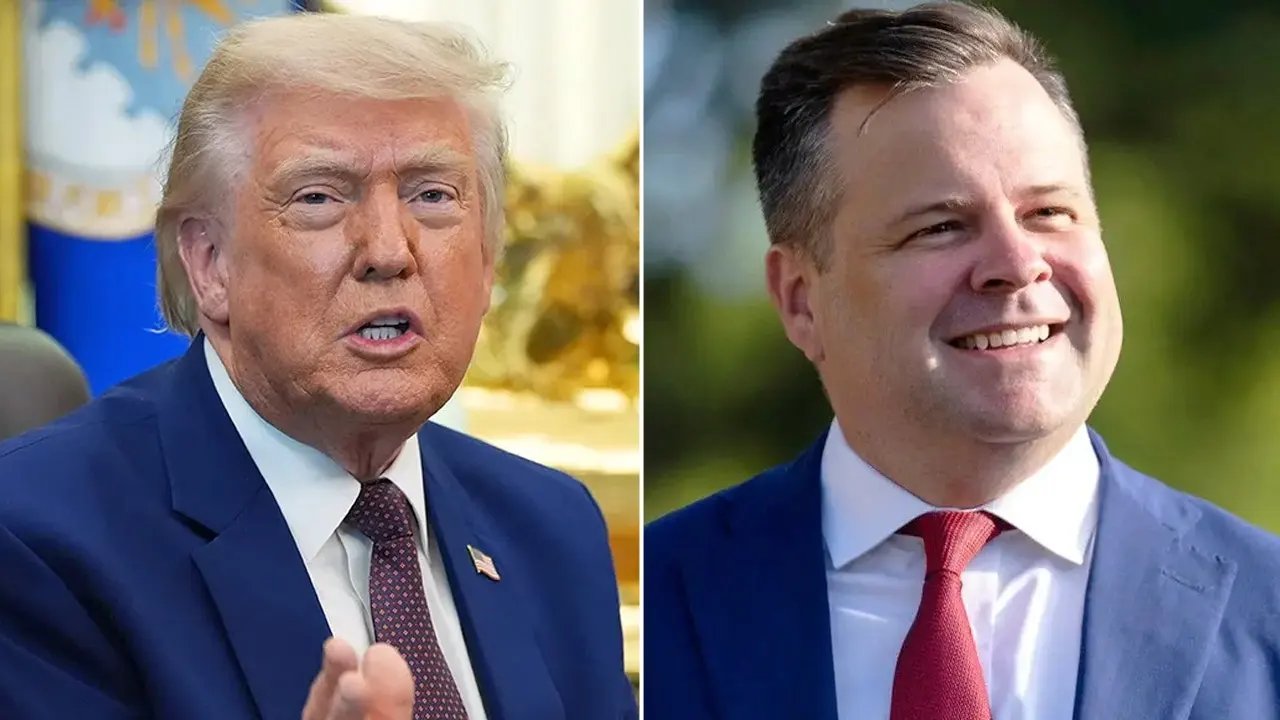
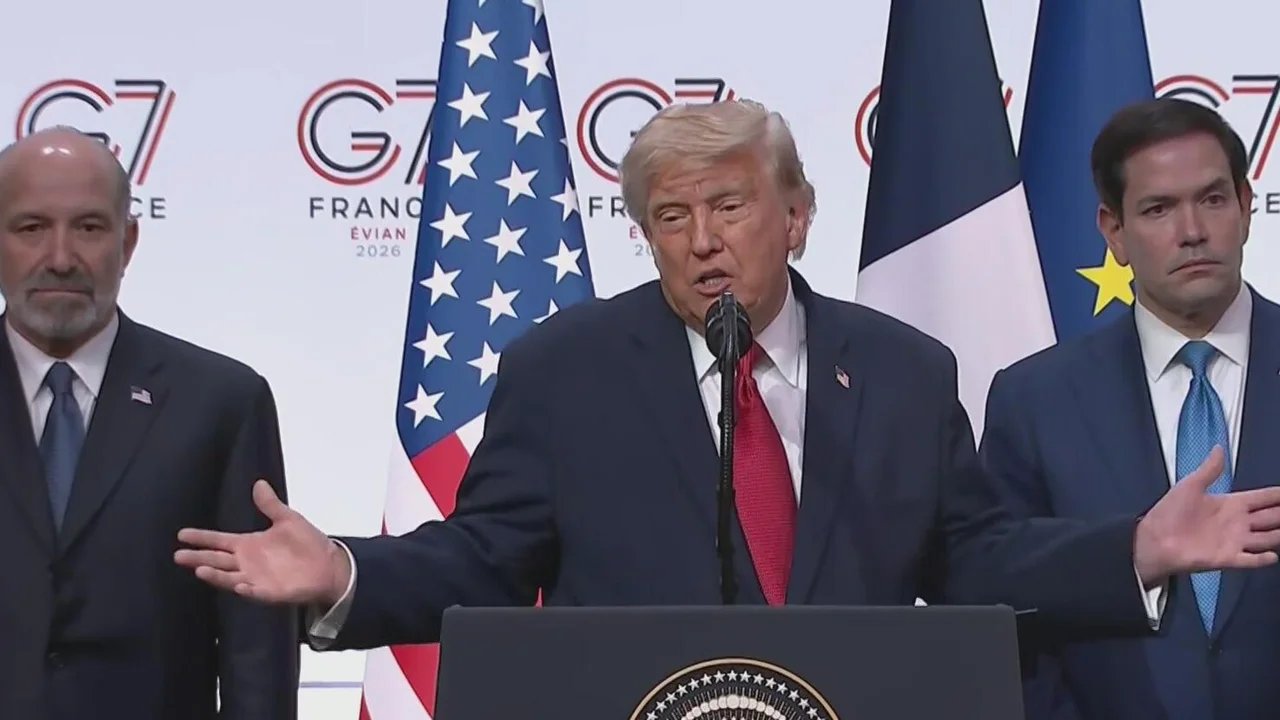
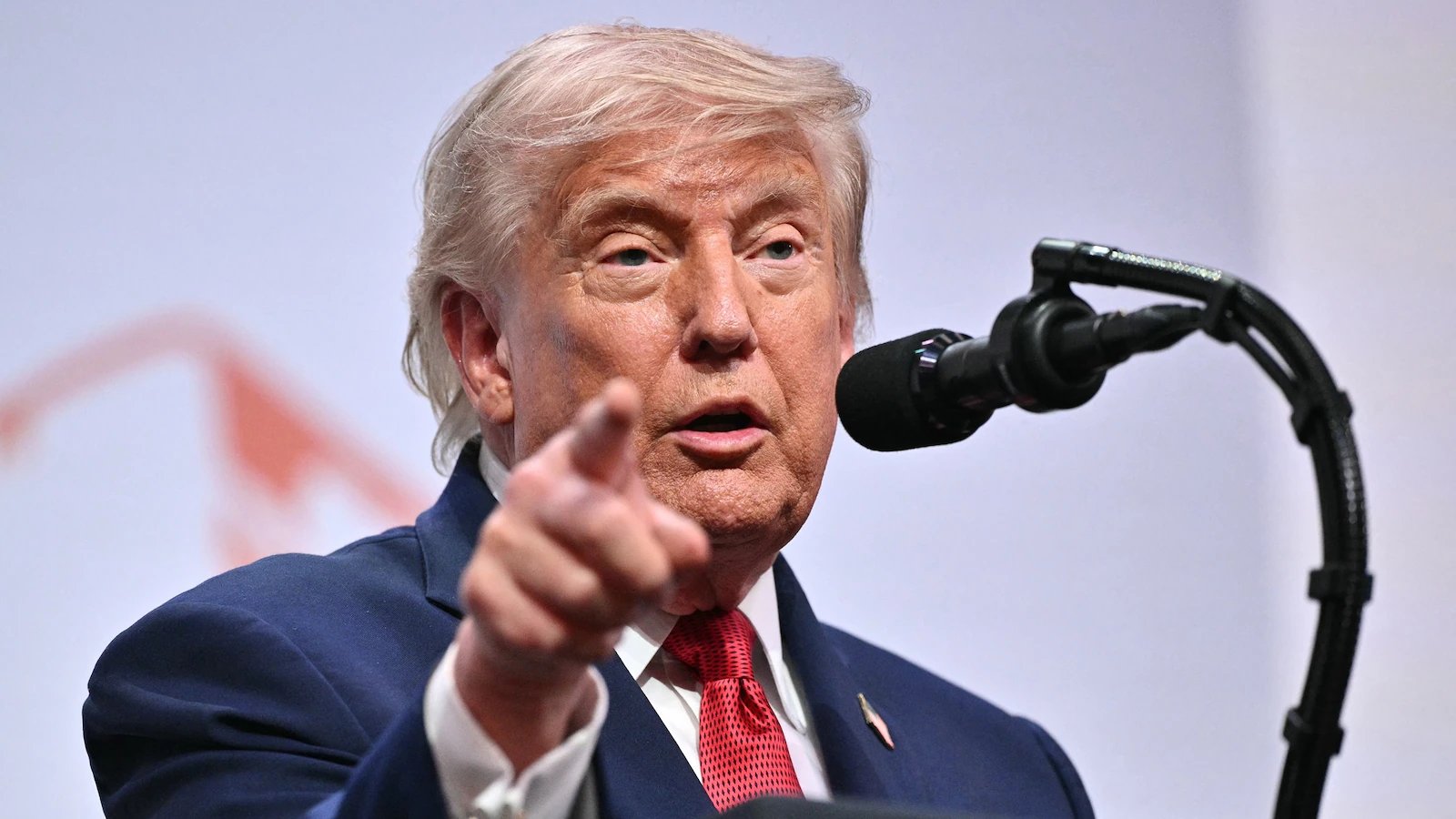
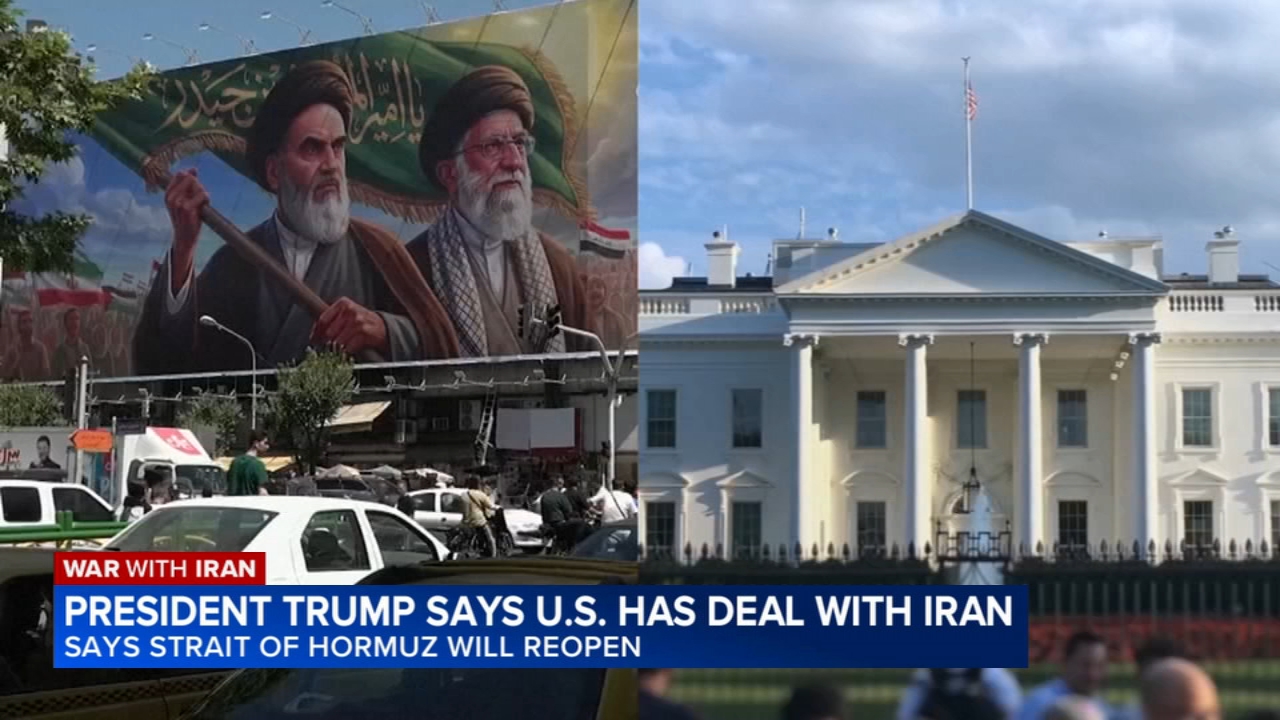
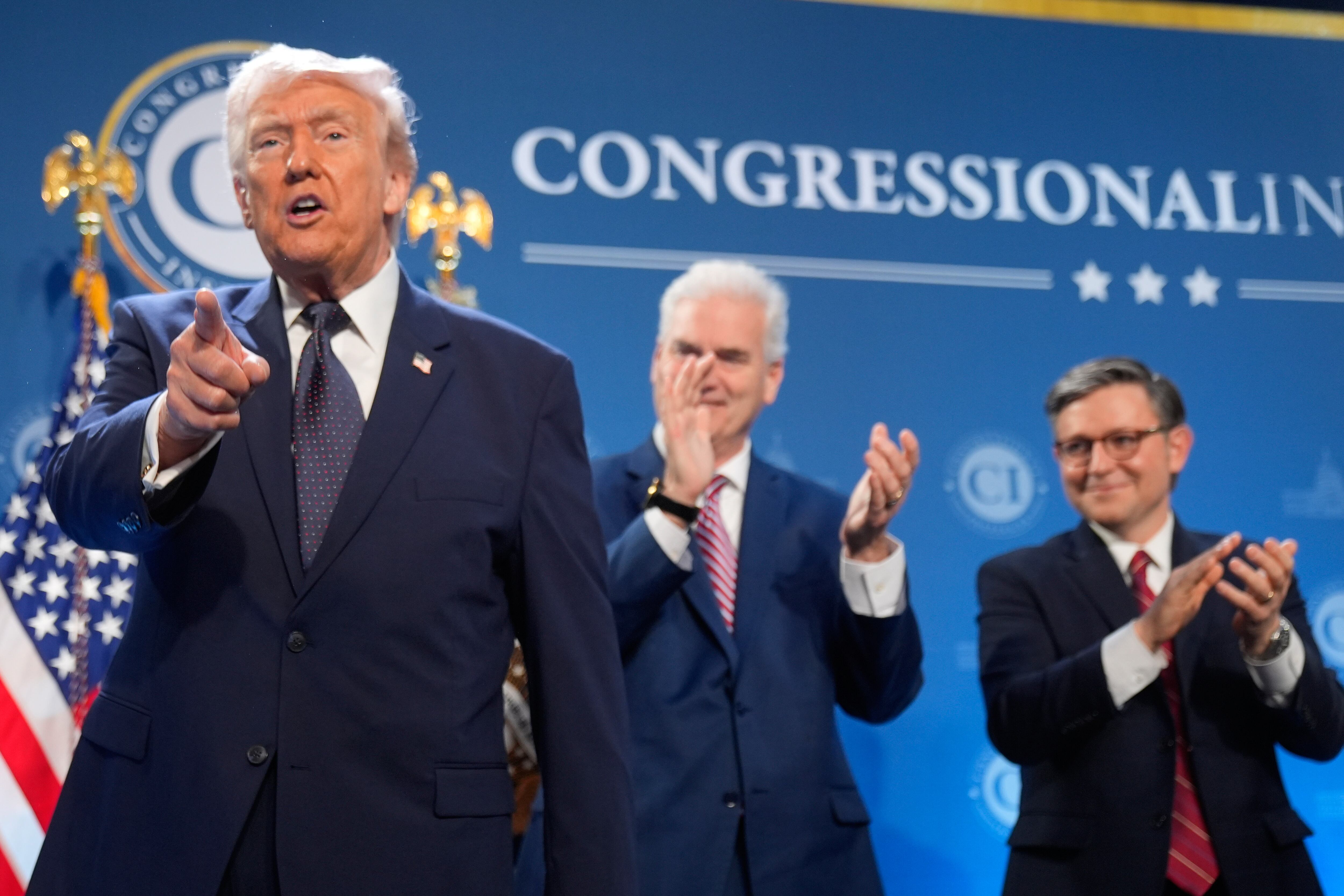
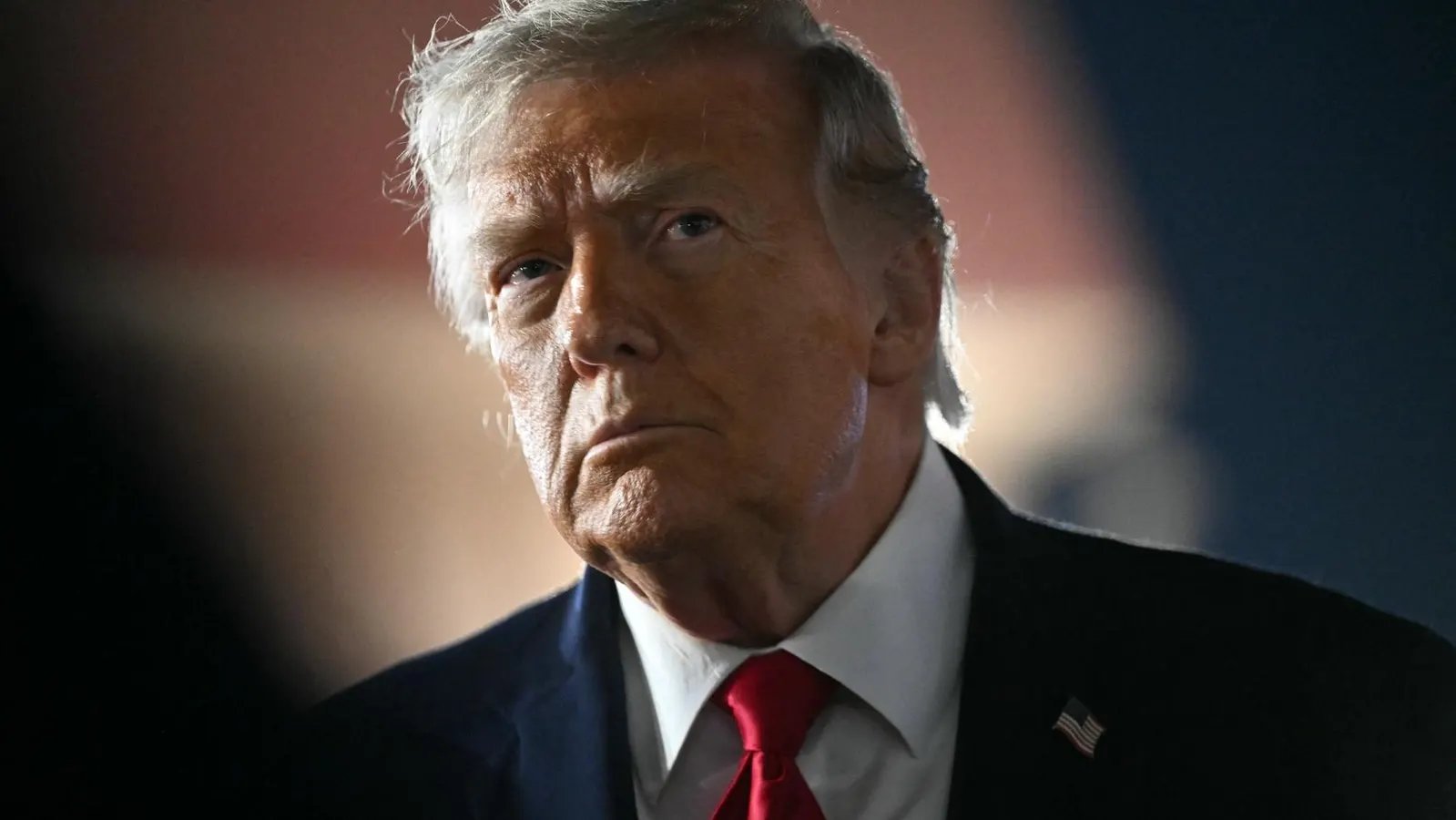
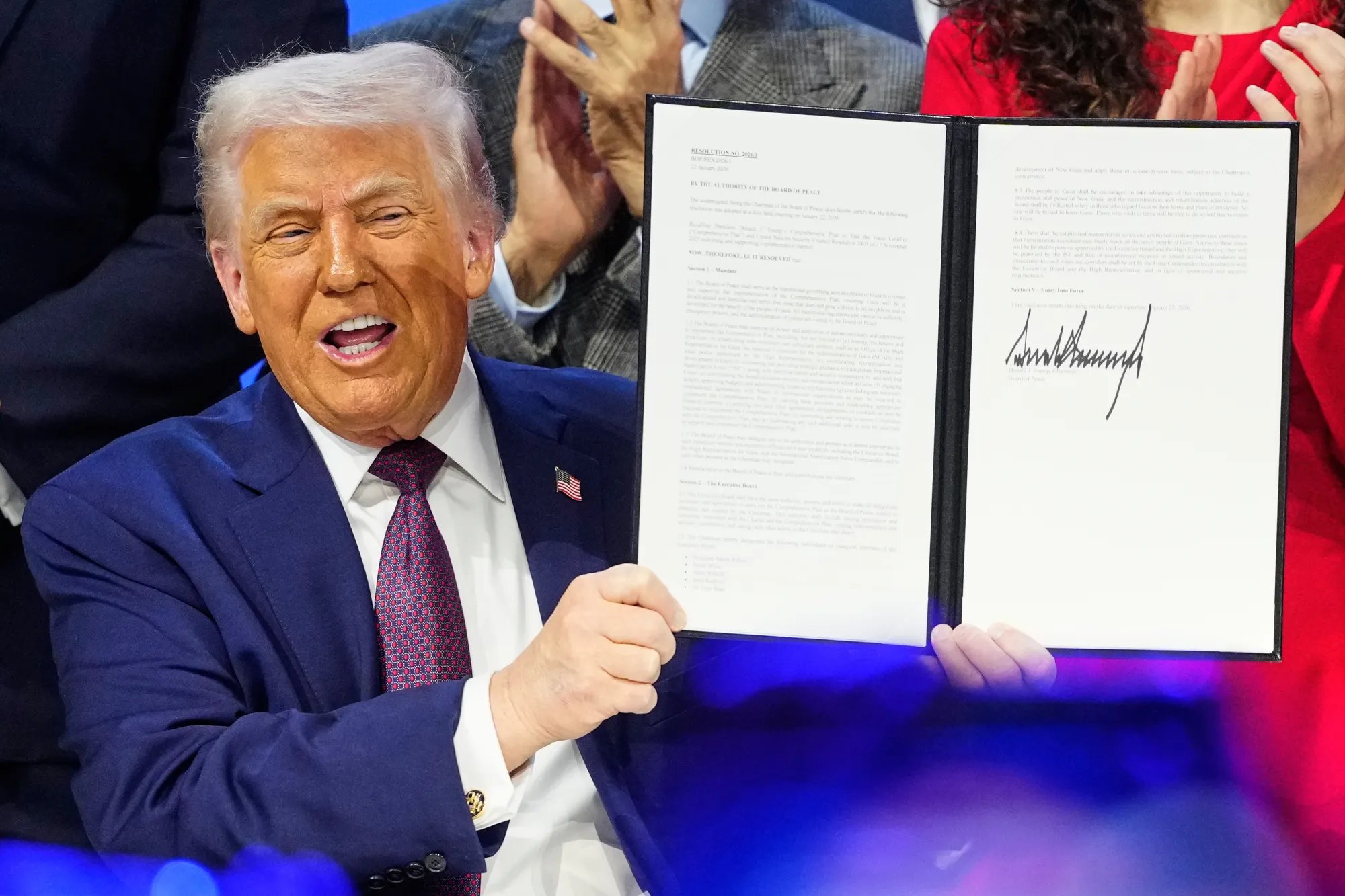
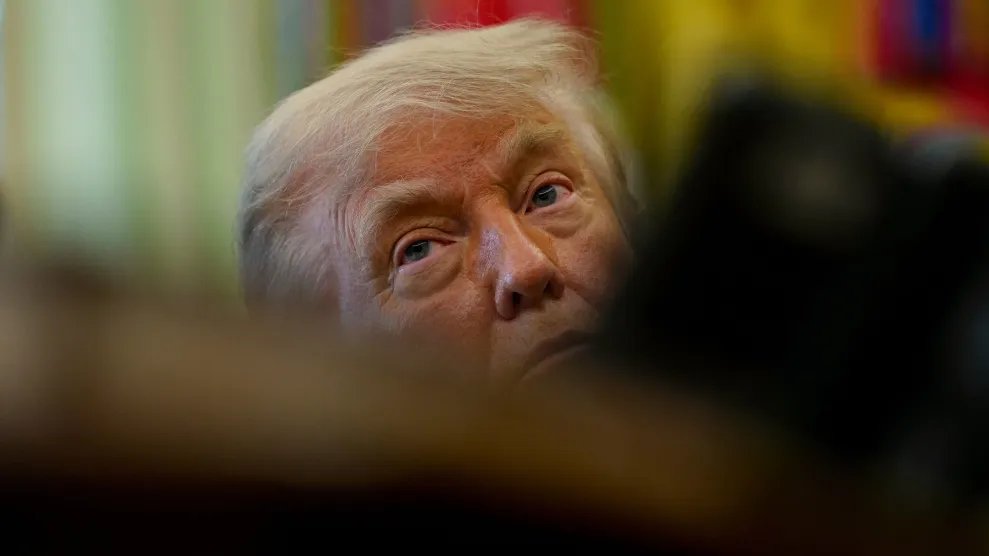
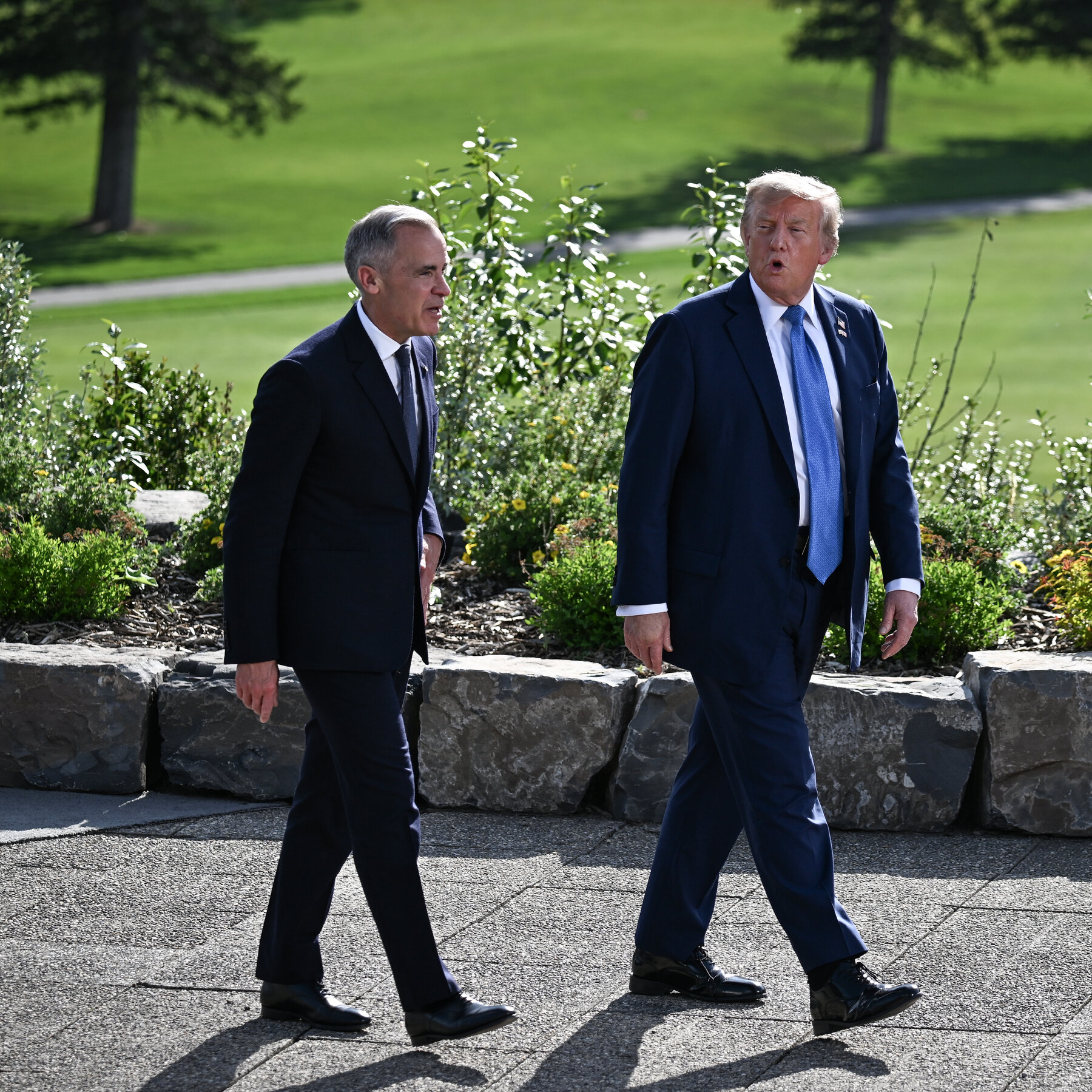
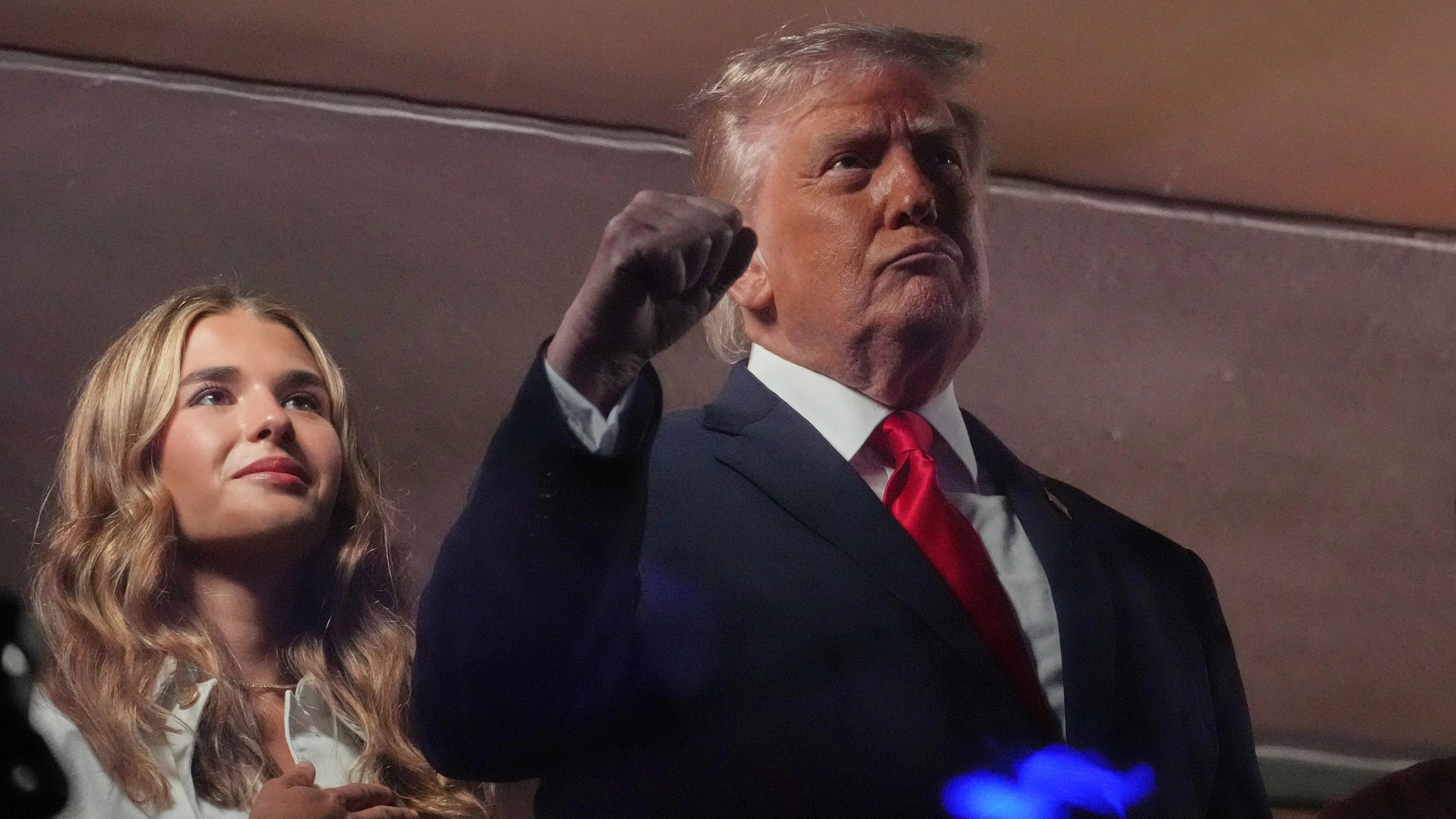
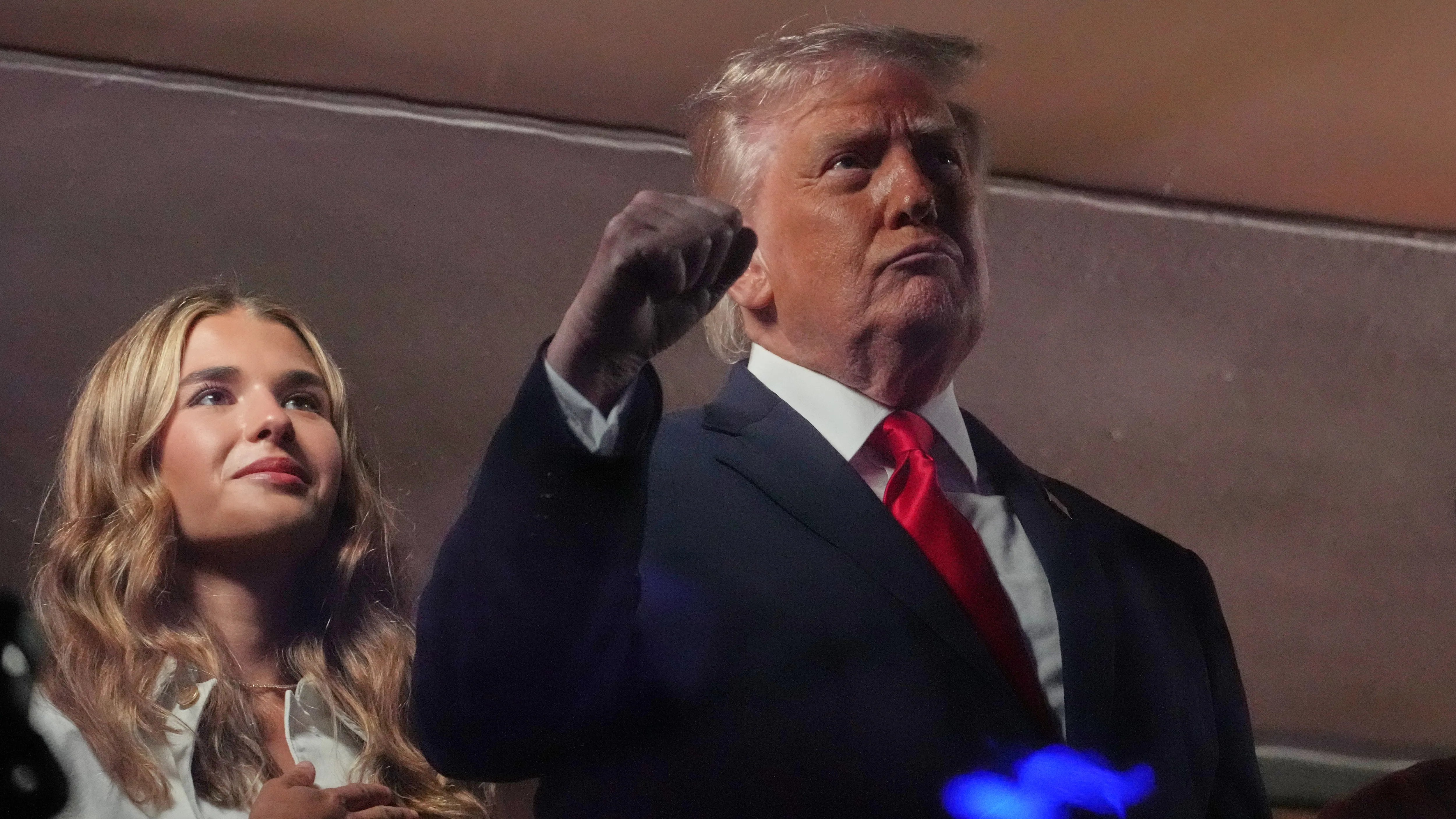
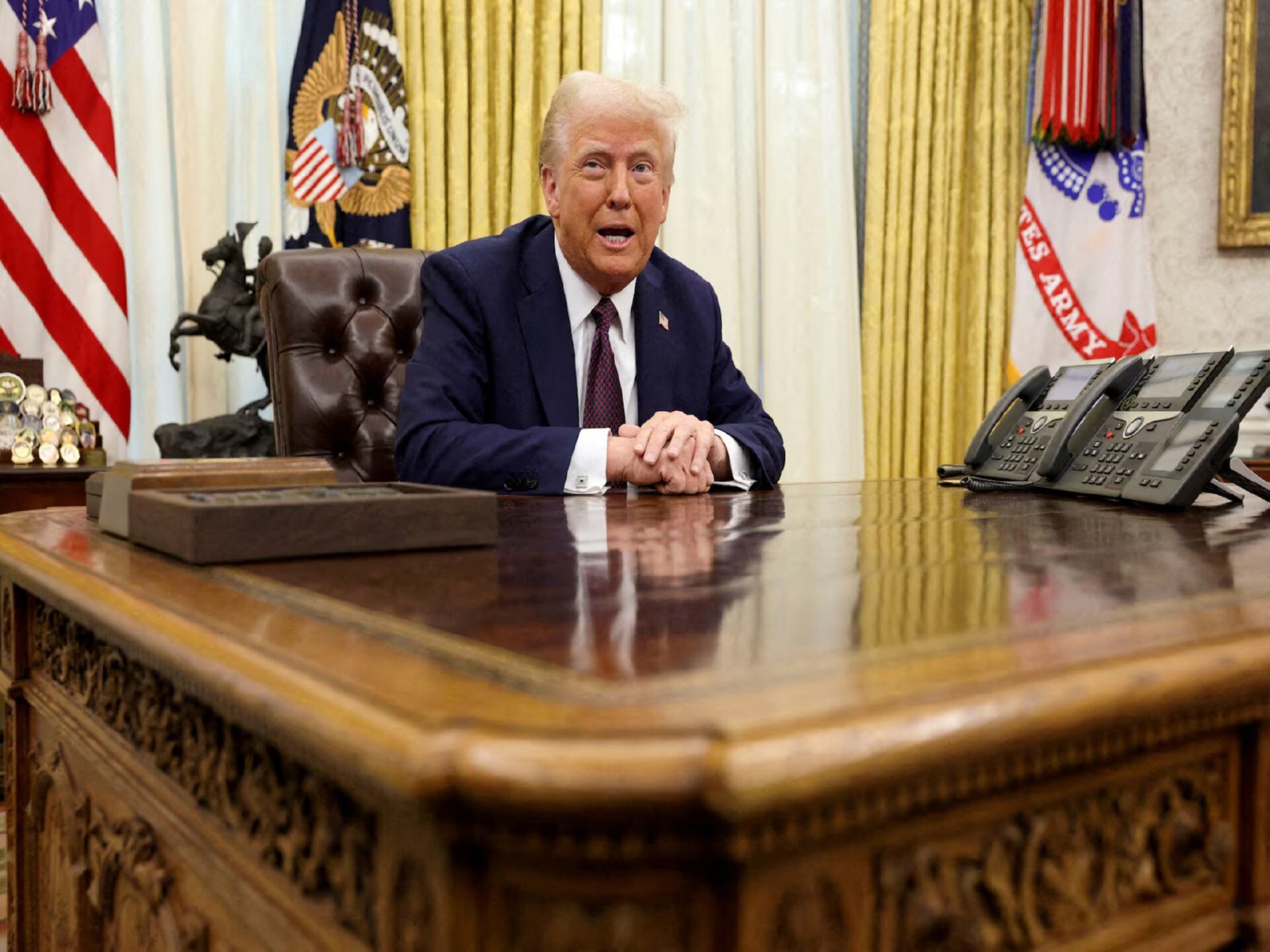
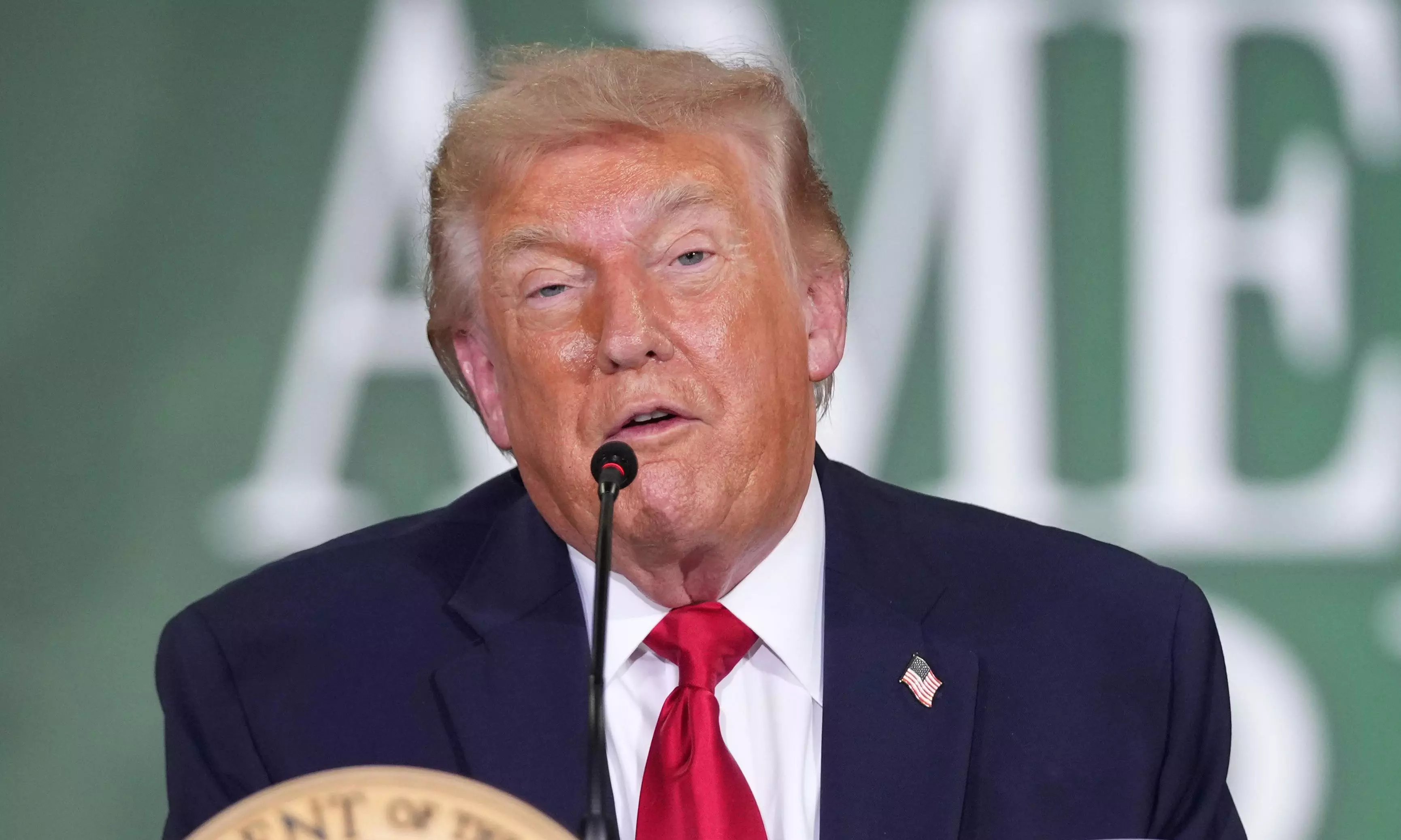
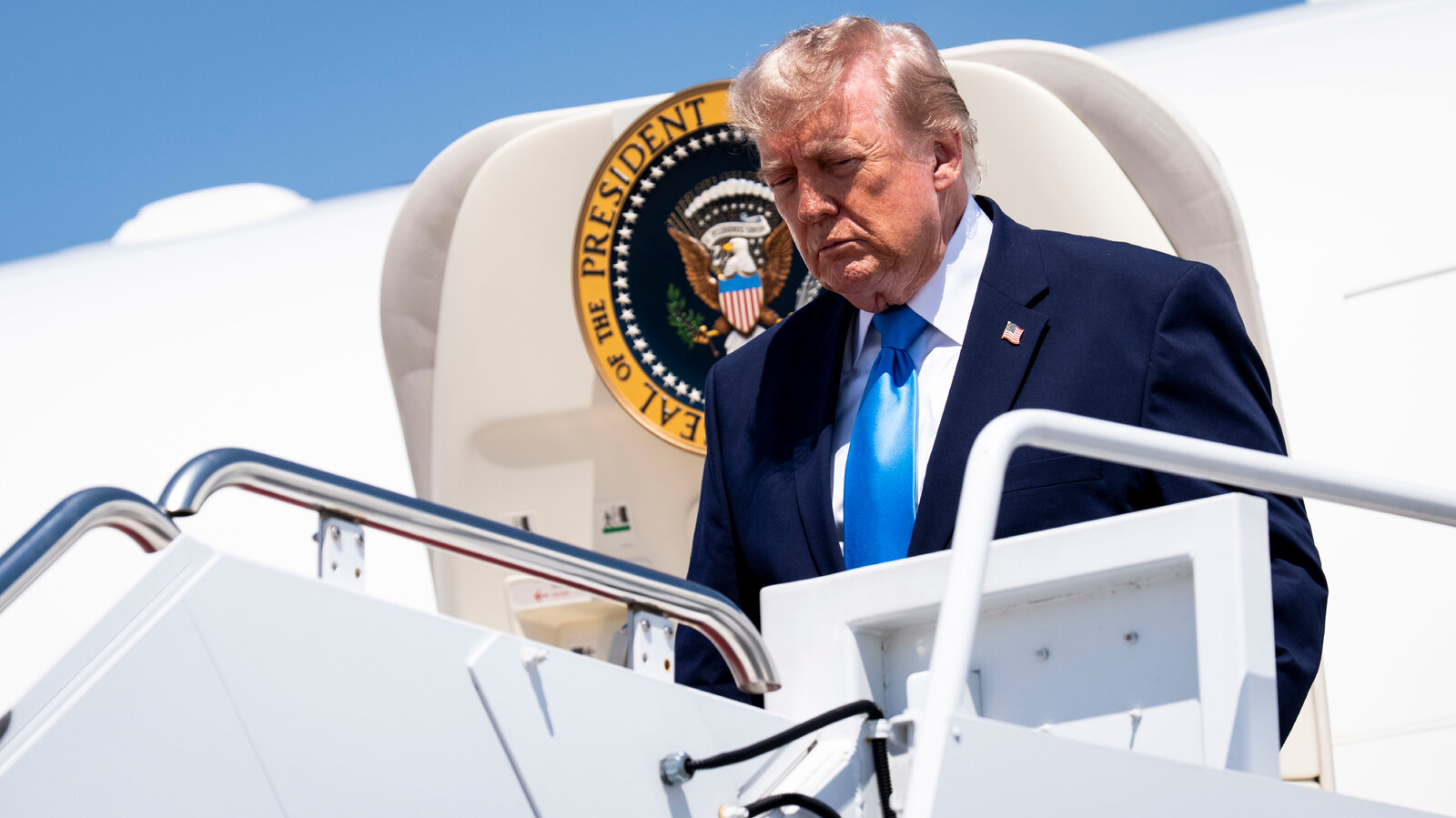
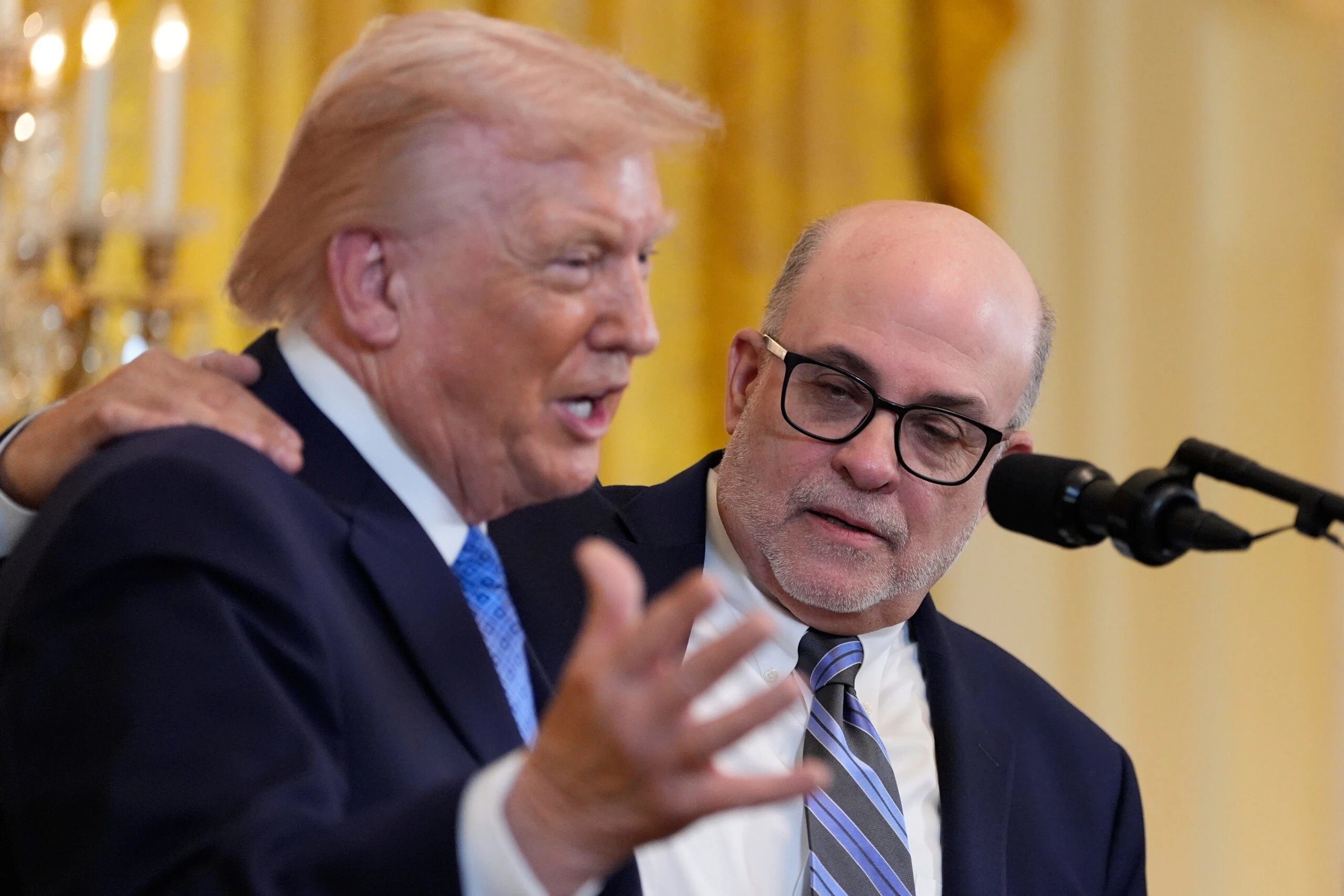
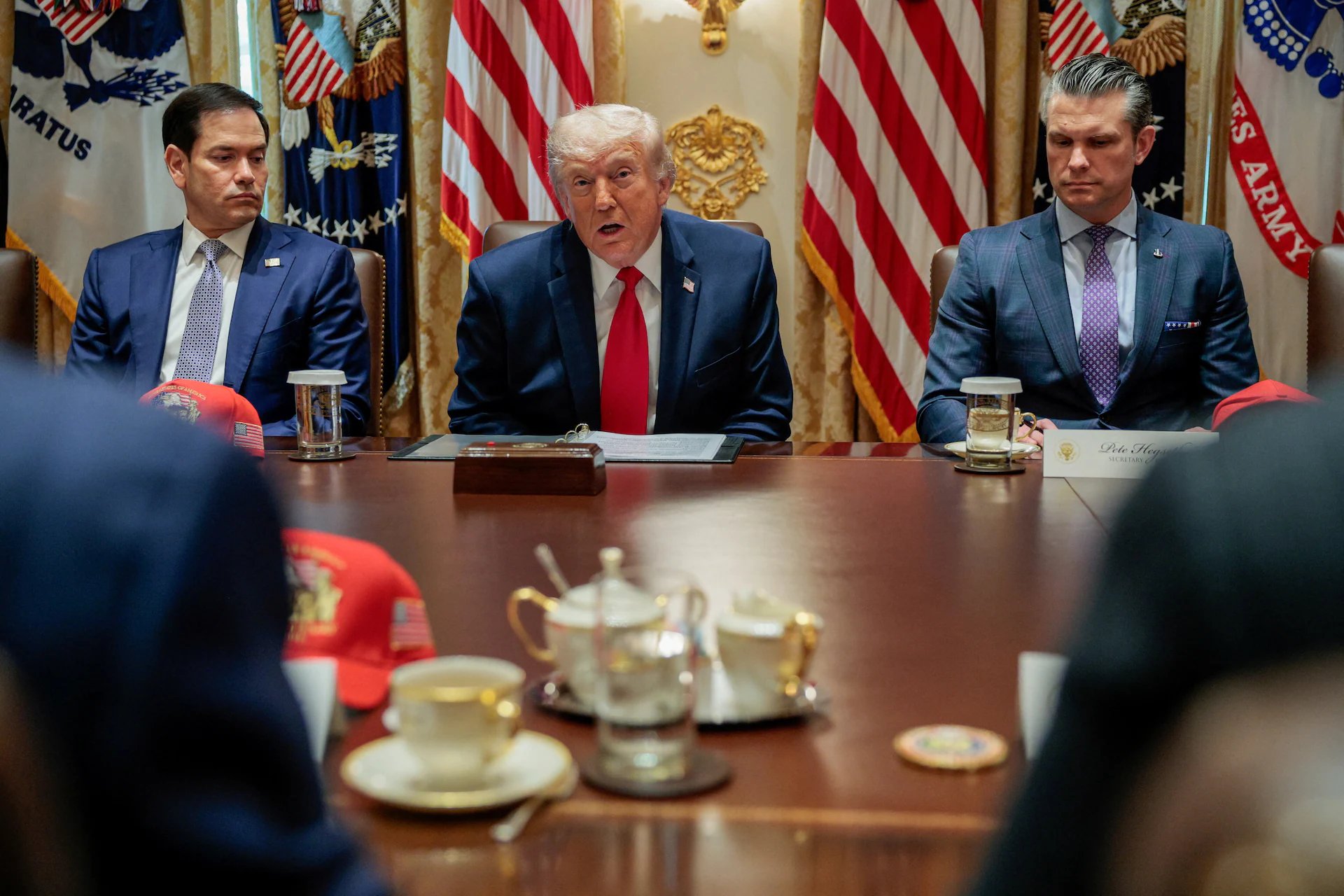
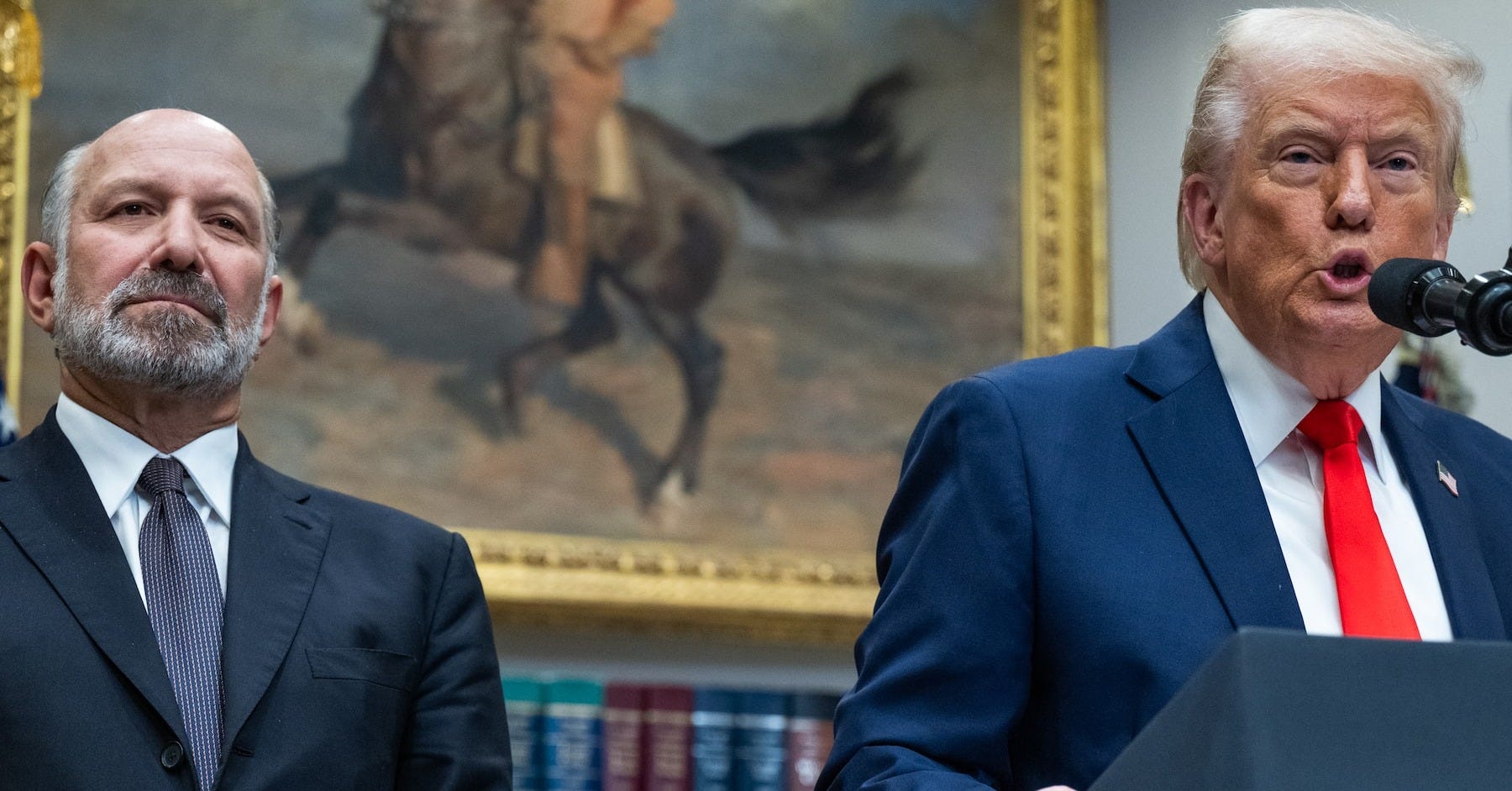
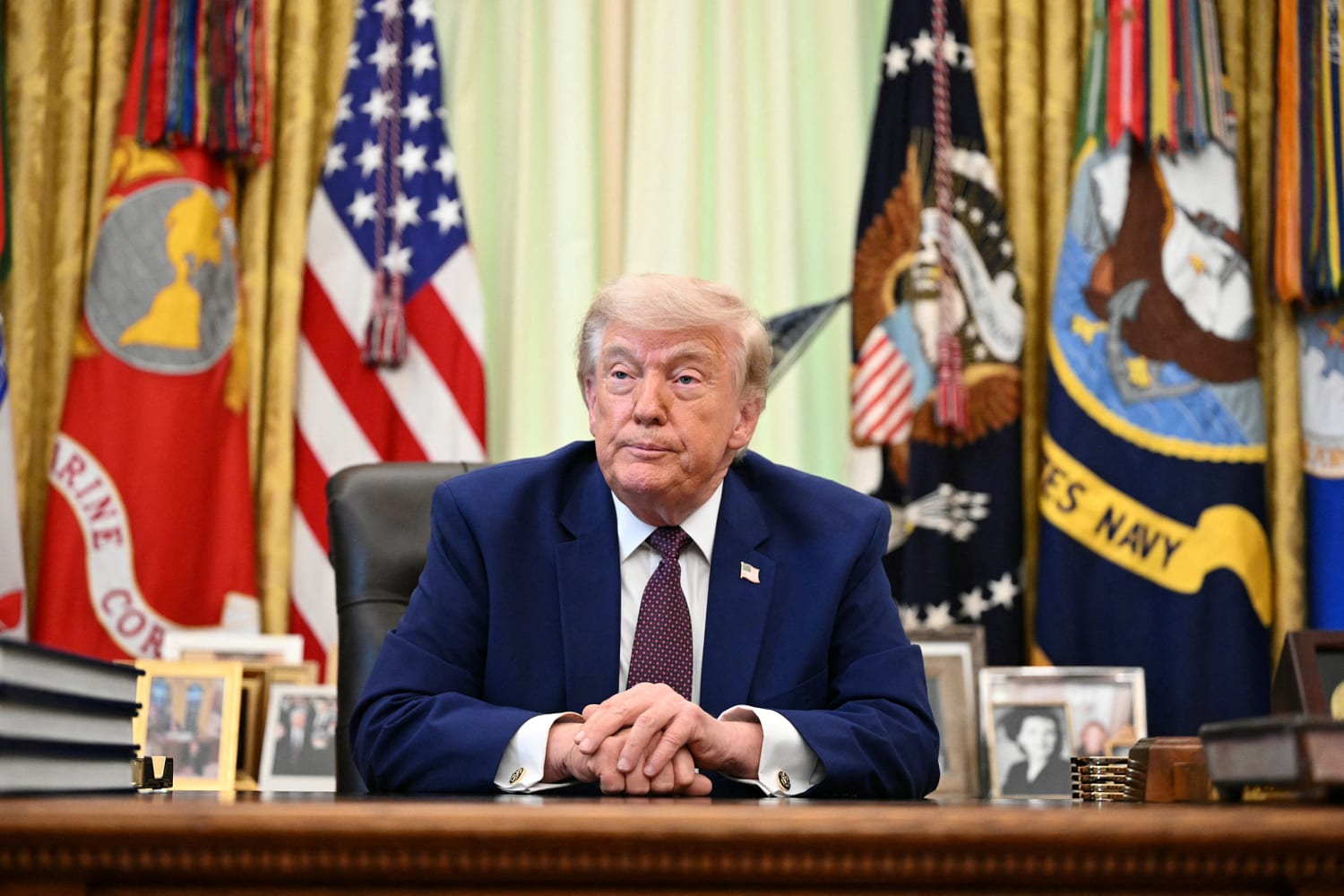
U.S. President Donald Trump criticized the Israeli military actions during the G7 Summit, urging Prime Minister Benjamin Netanyahu to adopt a more responsible approach. Trump remarked that the civilian toll from Israeli strikes is excessive, suggesting that "Syria would do a better job" at managing Hezbollah than Israel.
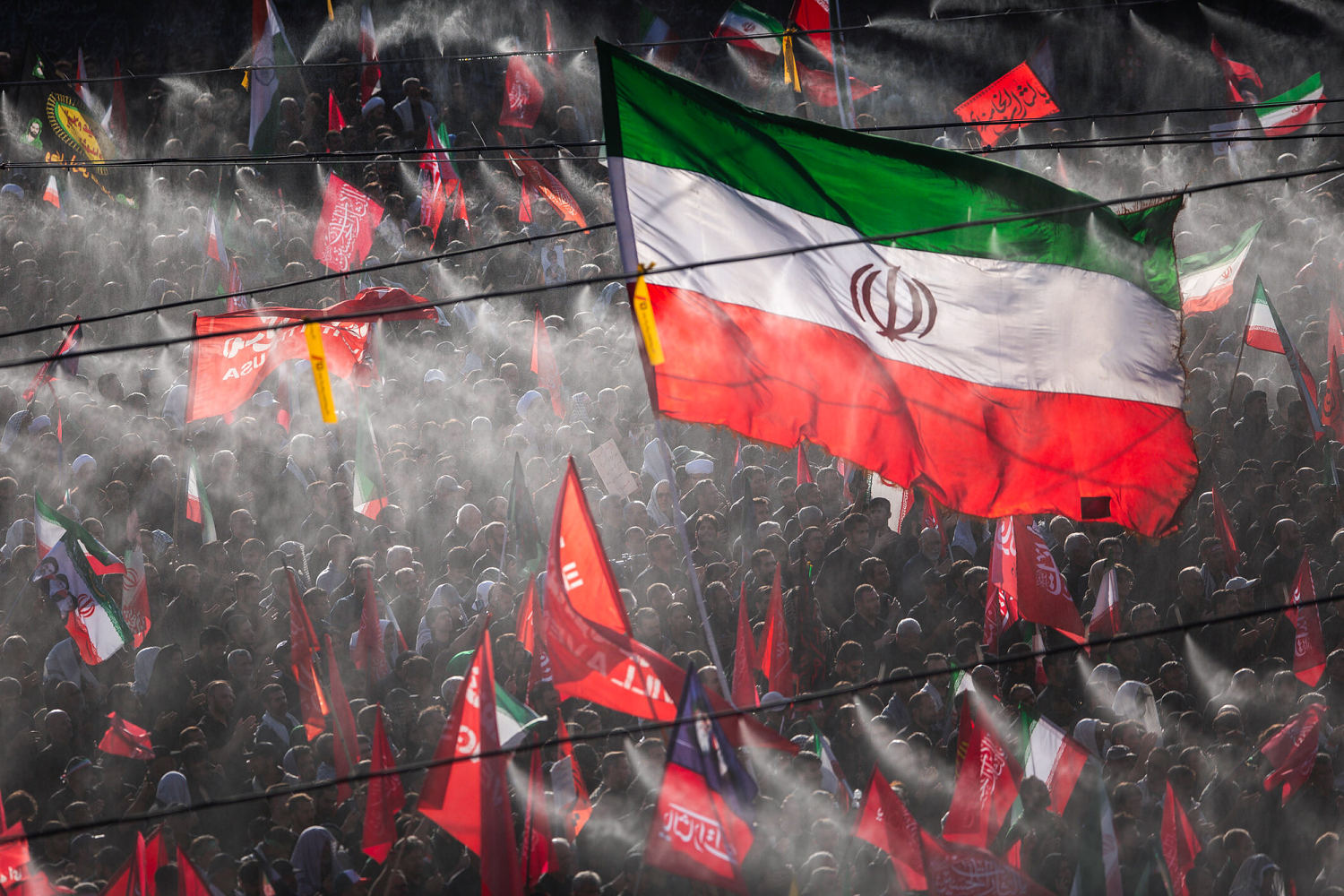
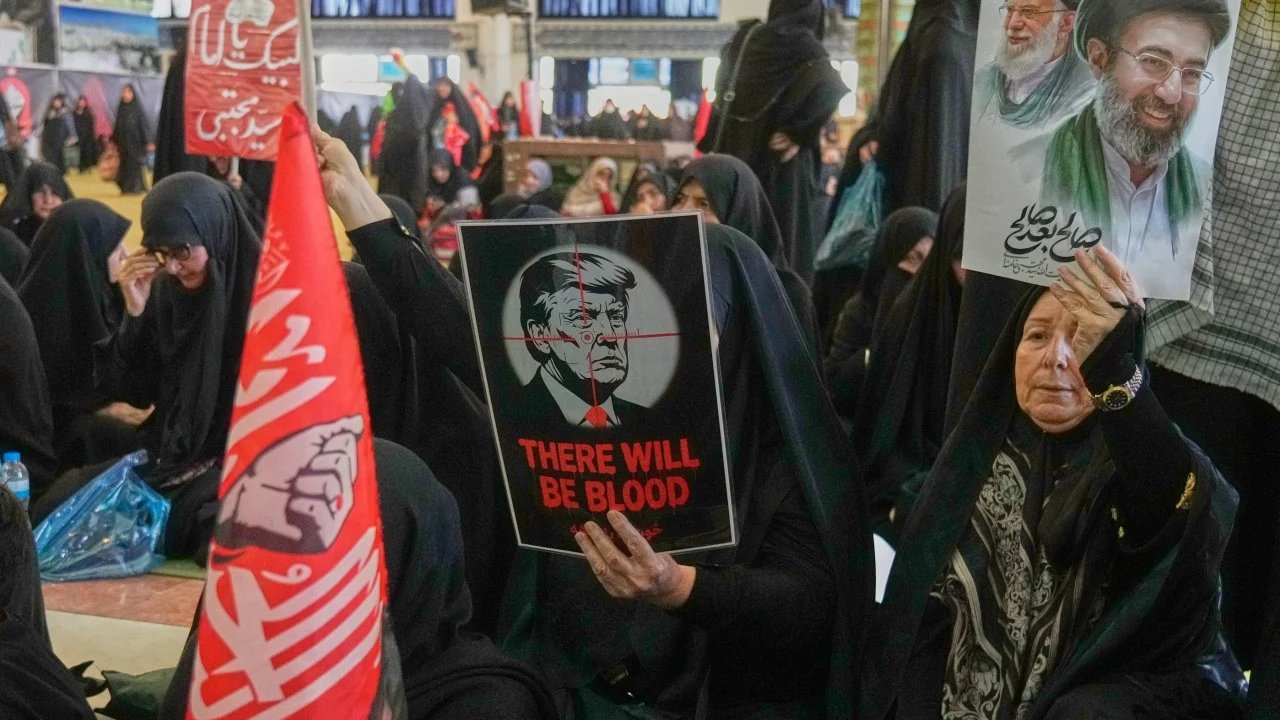
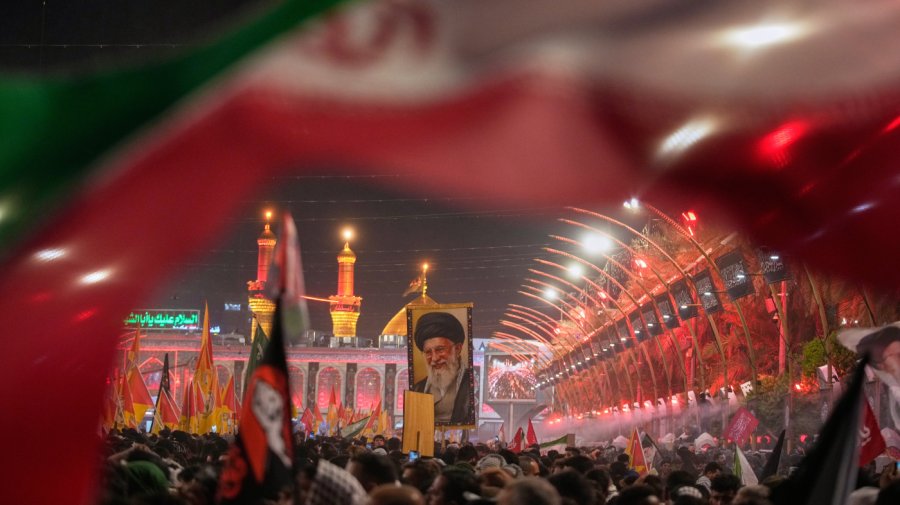
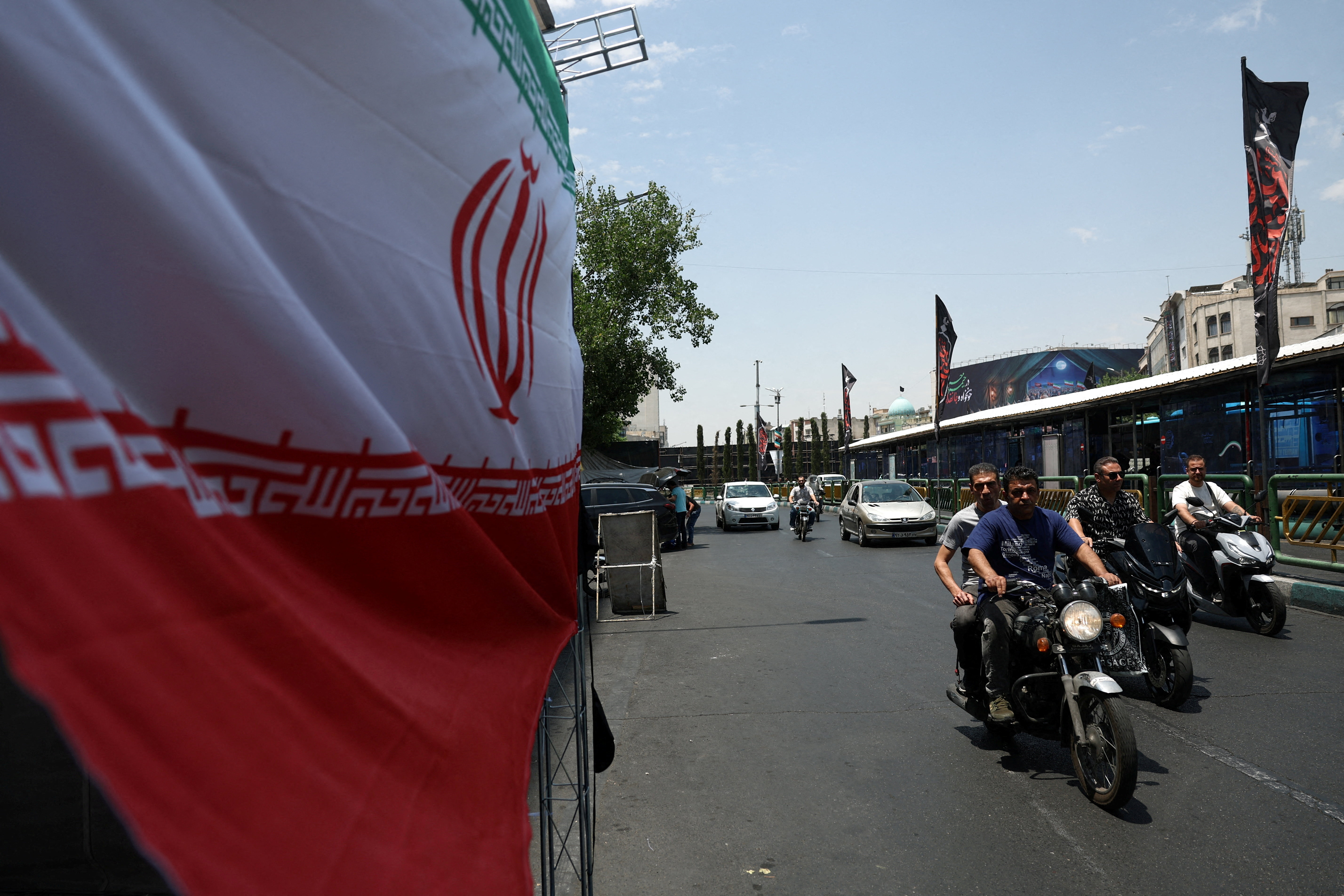
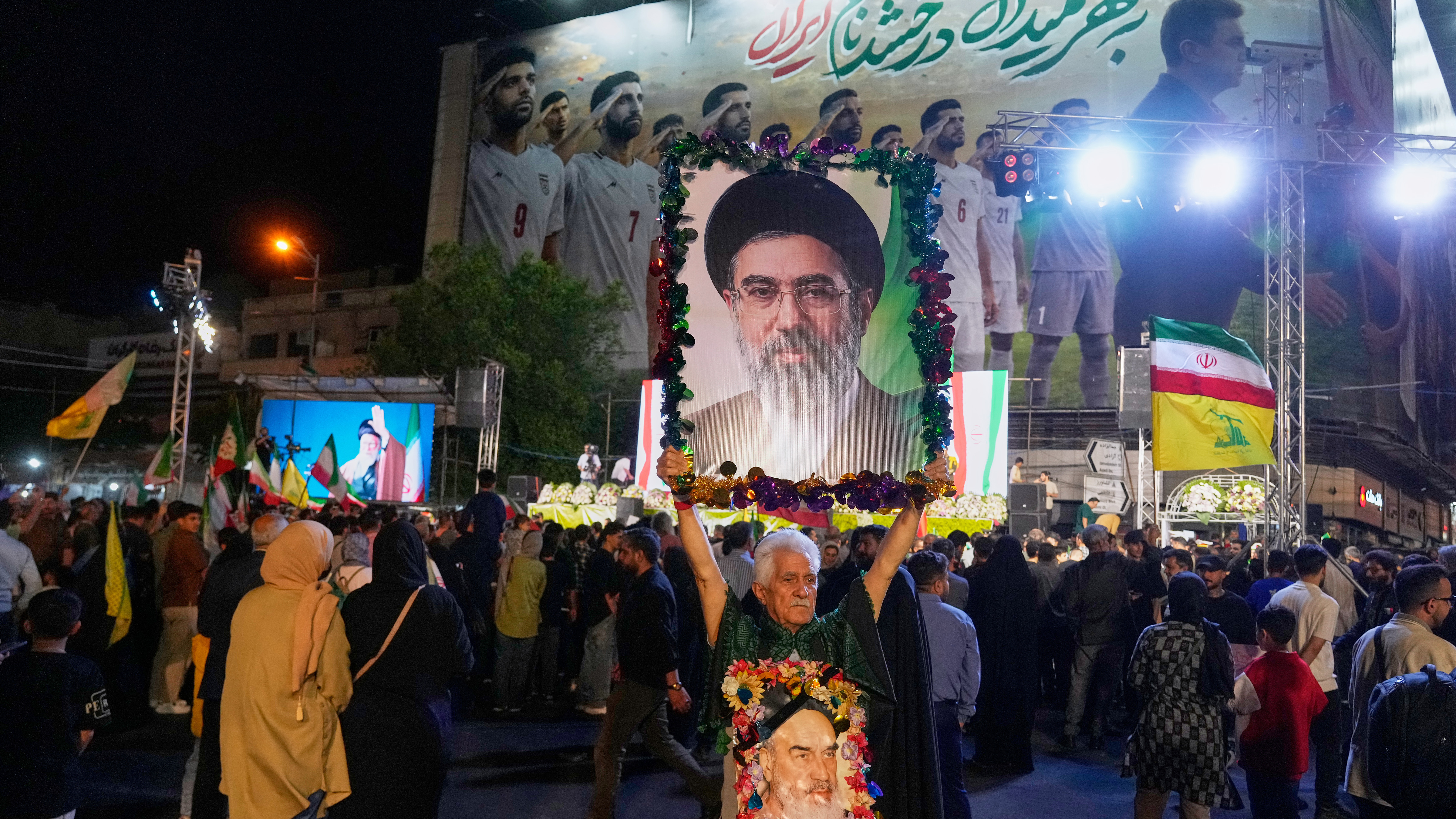
Iran's Foreign Minister Abbas Araghchi stated that the ongoing Israeli occupation of southern Lebanon undermines any potential peace deal with the U.S. He asserted, "Without the withdrawal of Israeli forces from the territories they occupied during this war, the war has not fully come to an end." This sentiment was echoed by Iran's top negotiator, who called for U.S. intervention to compel Israel to cease its military operations and withdraw from occupied territories.
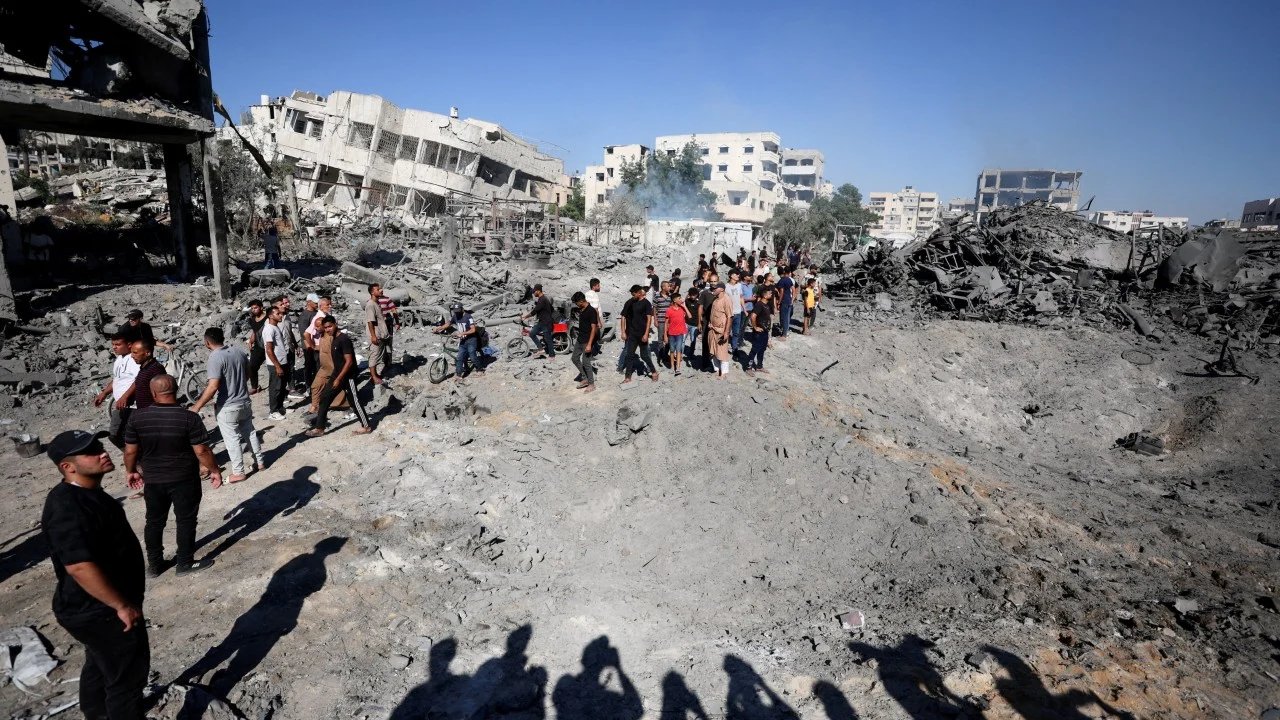
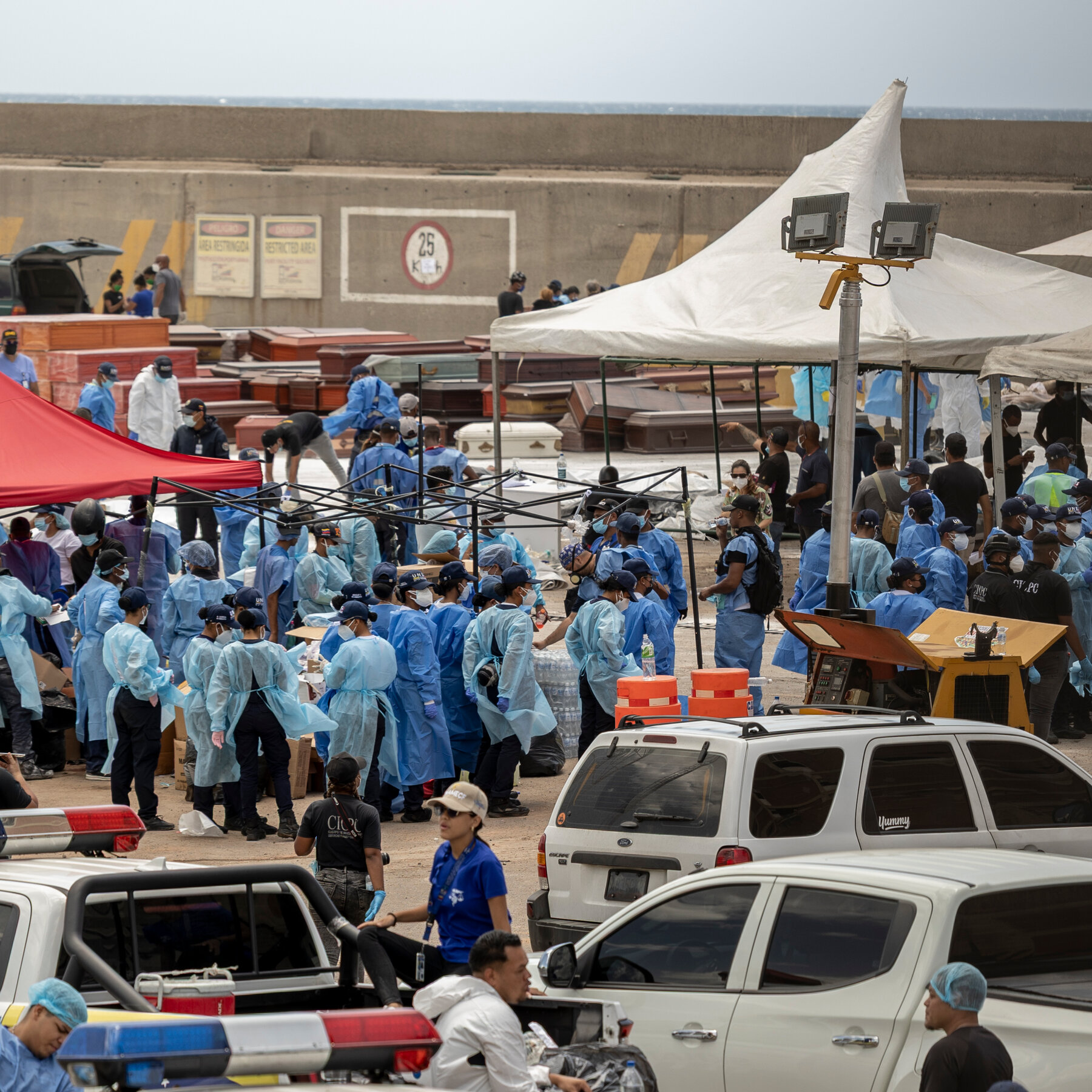
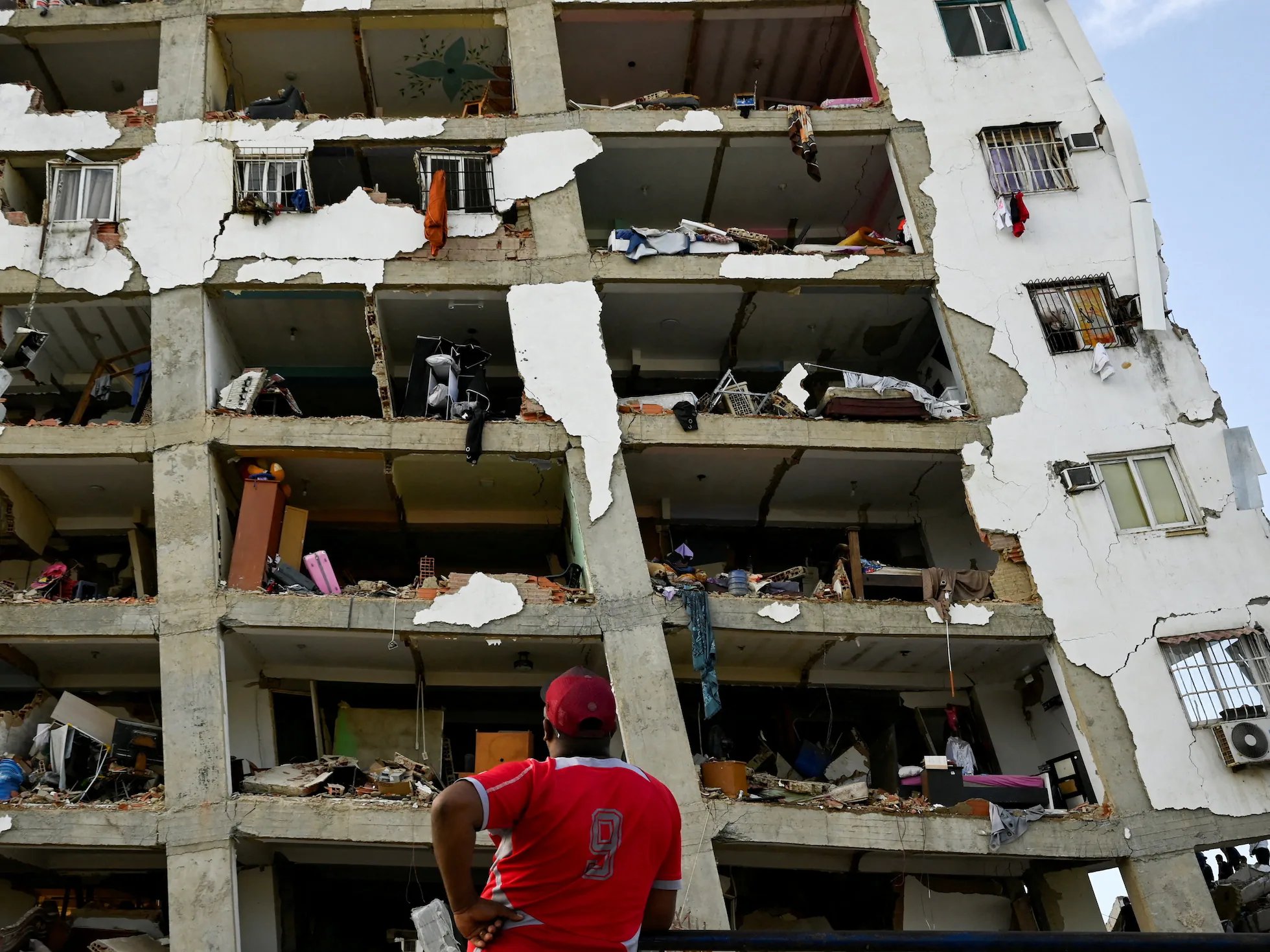
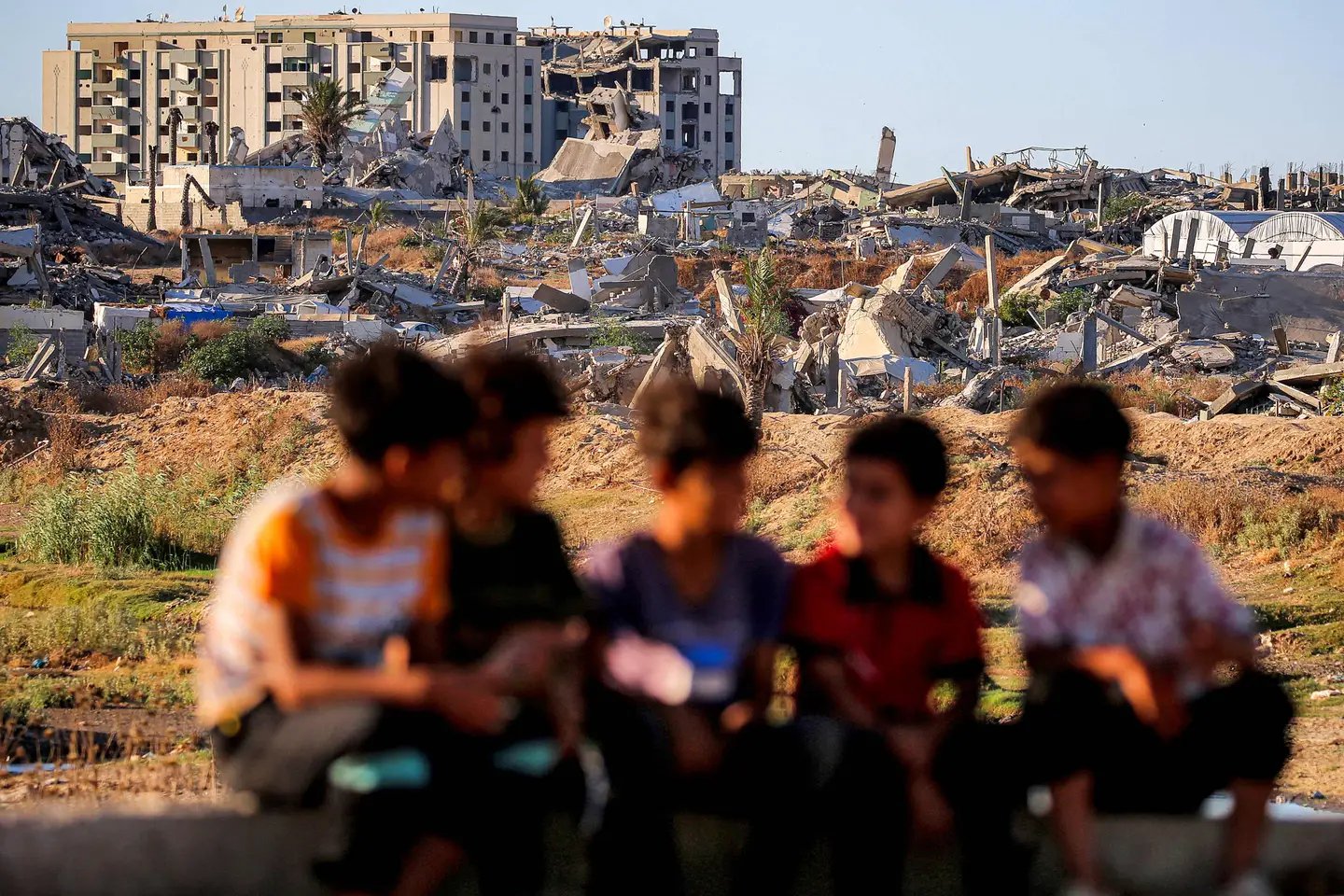
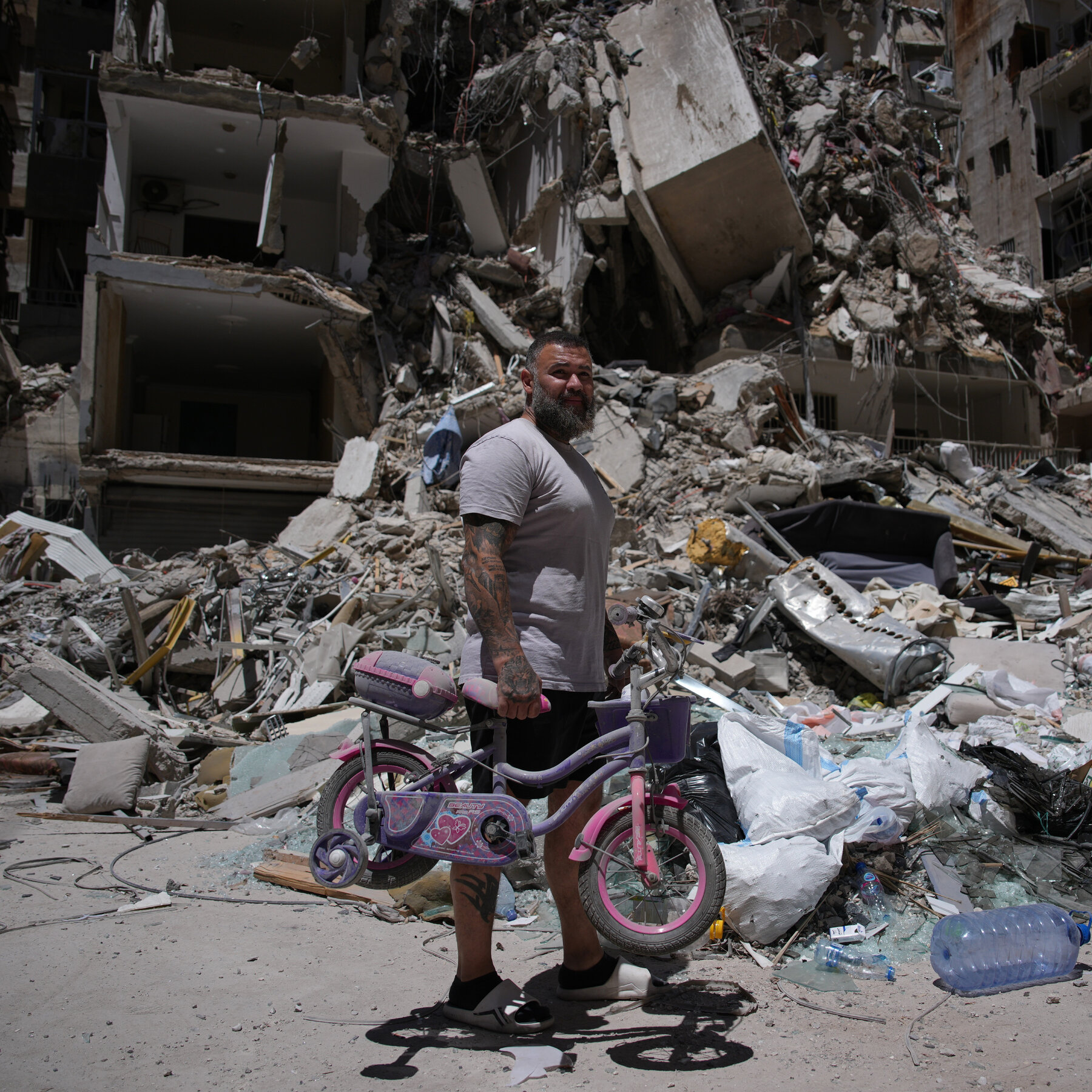
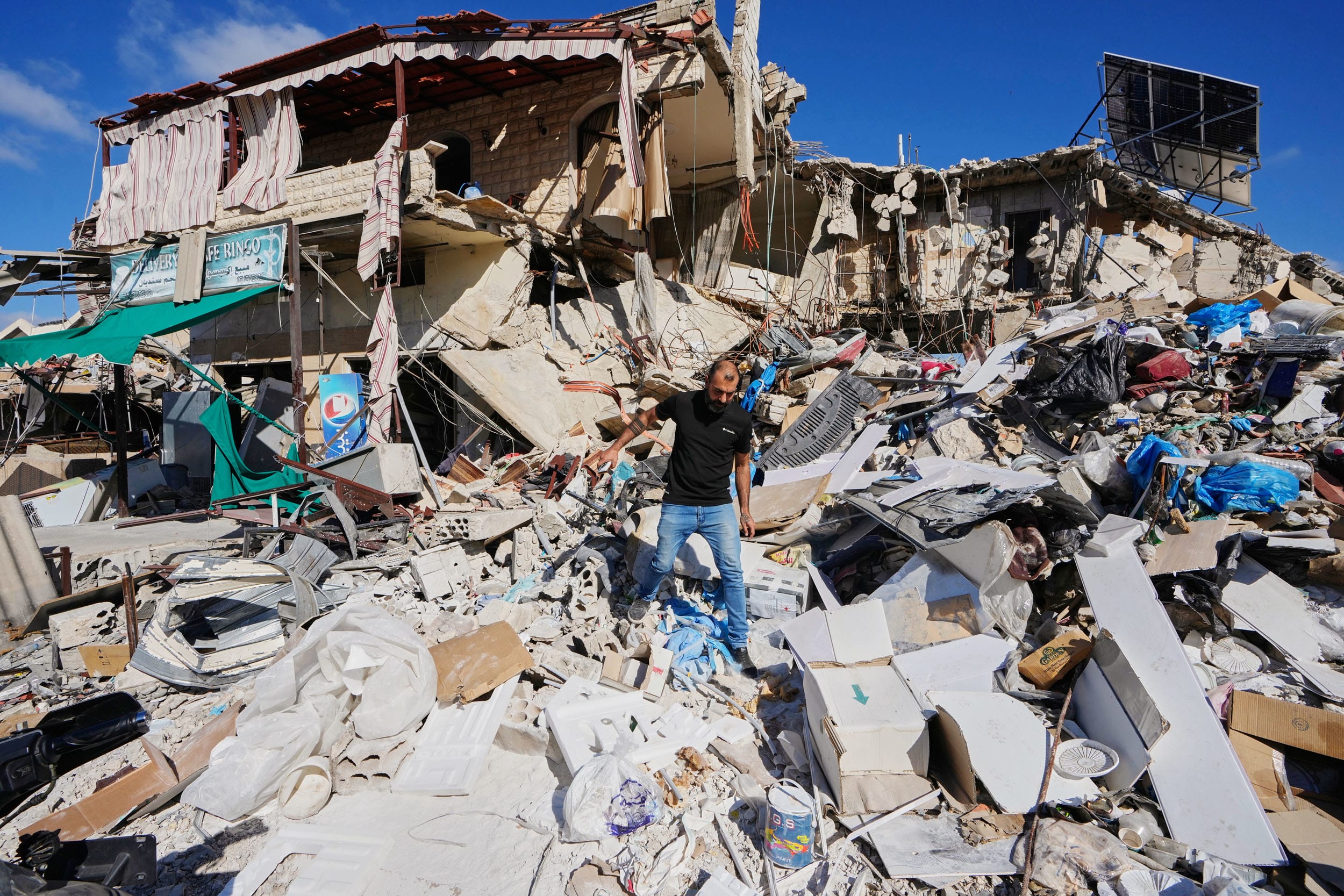
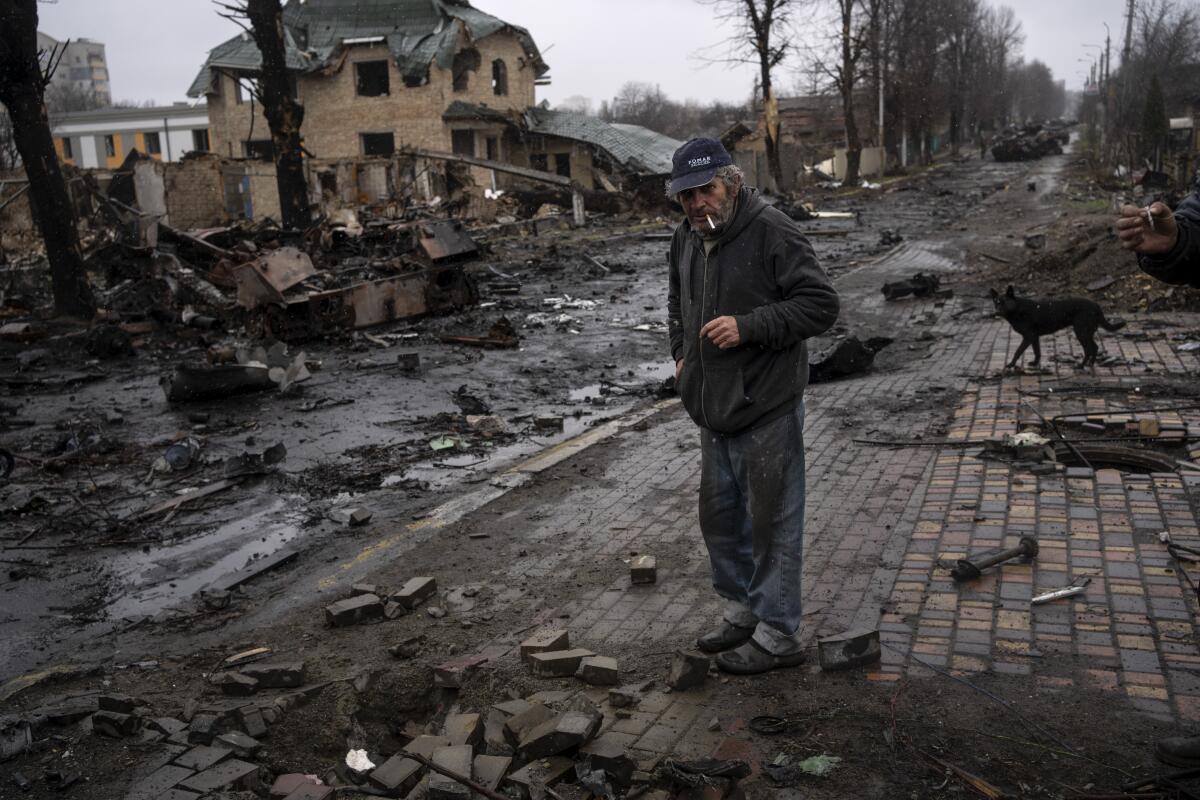
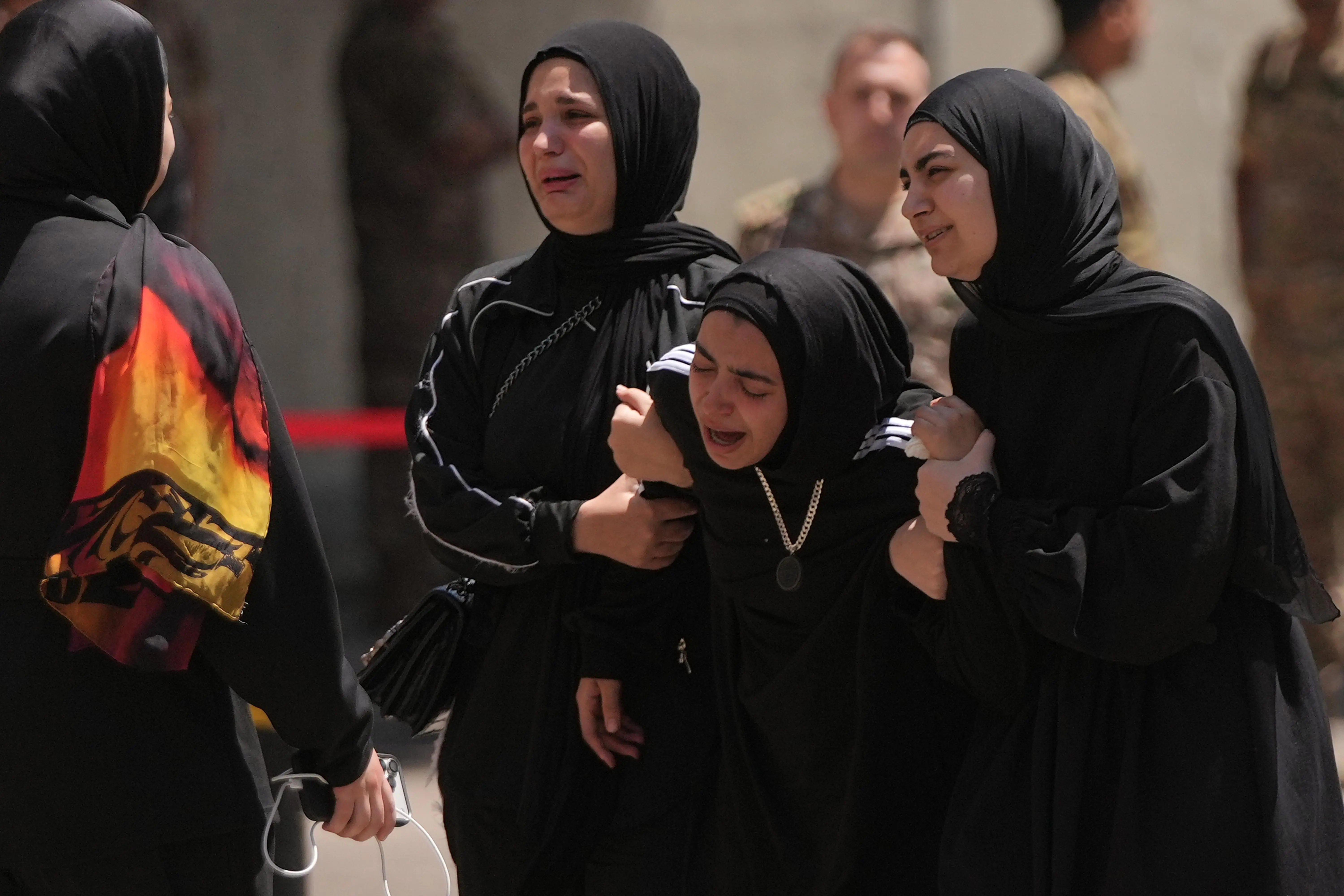
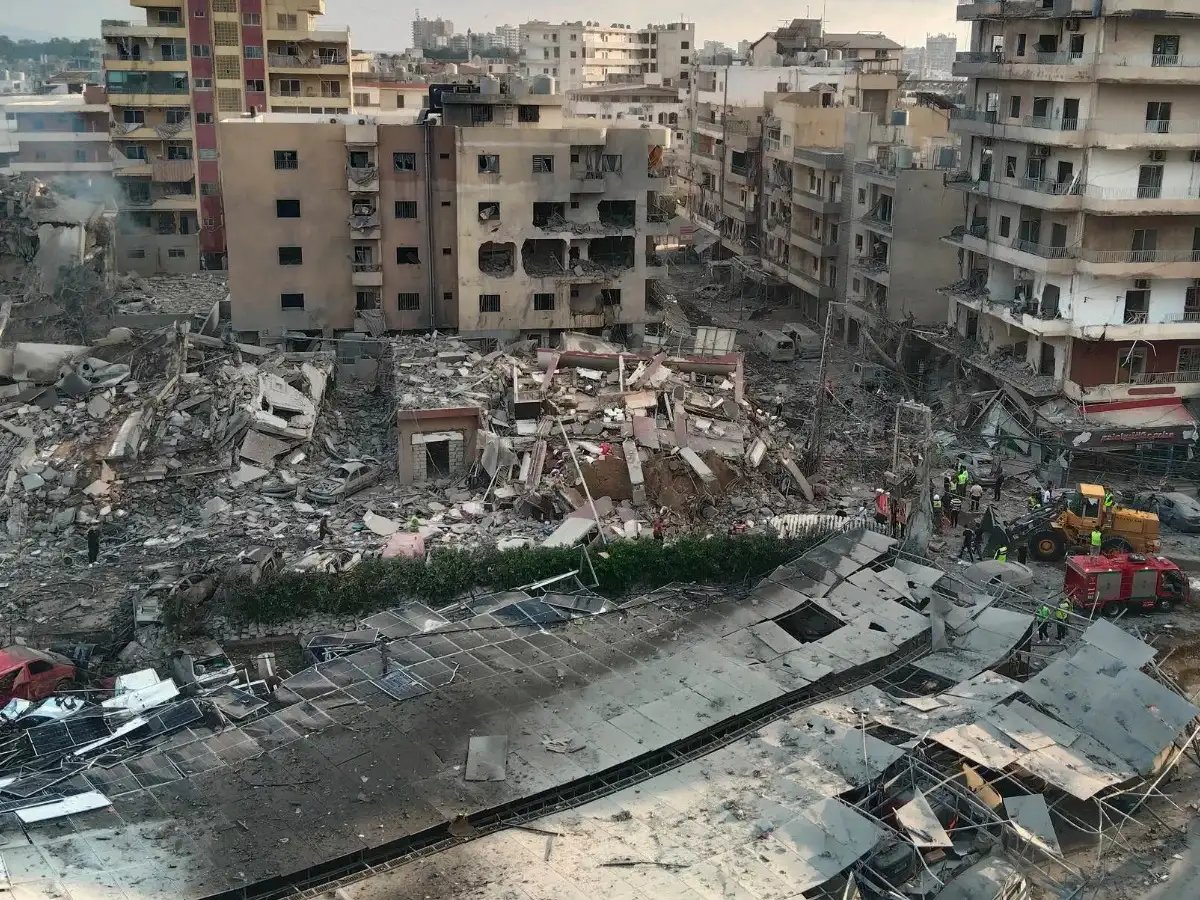
Since the resumption of fighting on March 2, the toll in Lebanon has been devastating, with at least 3,826 people killed and 11,851 wounded, according to the Lebanese health ministry.
As negotiations between the U.S. and Iran progress, the future of South Lebanon remains uncertain. The conflicting positions of Israeli leadership and Iranian officials complicate the potential for a lasting peace. With the stakes high for both regional and international players, the need for dialogue and compromise is more critical than ever. The developments in South Lebanon will likely influence the broader geopolitical landscape, making it essential for observers to closely monitor the situation.
Israel's ambassador to the U.S., Michael Leiter, asserted that Israel will not withdraw from South Lebanon, reinforcing the nation’s commitment to its territorial presence. During an interview, Leiter stated, “We are not going to withdraw from South Lebanon,” a declaration that underscores Israel's ongoing military strategy in the region. This stance comes amid fragile ceasefire negotiations between the U.S. and Iran, raising concerns about regional stability and potential escalations in violence.
The situation escalated recently when Israeli drone strikes in southern Lebanon resulted in the deaths of at least four individuals in Nabatieh. The Lebanese National News Agency reported that these attacks targeted vehicles in Mayfadoun and Shoukin, despite ongoing discussions aimed at establishing a ceasefire. Iranian officials have emphasized that any agreement must include an end to Israeli military operations in Lebanon, highlighting the precarious nature of the current negotiations.
U.S. President Donald Trump criticized the Israeli military actions during the G7 Summit, urging Prime Minister Benjamin Netanyahu to adopt a more responsible approach. Trump remarked that the civilian toll from Israeli strikes is excessive, suggesting that “Syria would do a better job” at managing Hezbollah than Israel. This comment reflects a growing international concern regarding the humanitarian impact of the conflict and adds pressure on Israel to reconsider its military tactics.
Iran's Foreign Minister Abbas Araghchi stated that the ongoing Israeli occupation of southern Lebanon undermines any potential peace deal with the U.S. He asserted, “Without the withdrawal of Israeli forces from the territories they occupied during this war, the war has not fully come to an end.” This sentiment was echoed by Iran's top negotiator, who called for U.S. intervention to compel Israel to cease its military operations and withdraw from occupied territories.
Since the resumption of fighting on March 2, the toll in Lebanon has been devastating, with at least 3,826 people killed and 11,851 wounded, according to the Lebanese health ministry. As the conflict continues, the humanitarian crisis deepens, raising urgent questions about the international community's role in mediating a resolution. The ongoing violence not only affects those directly involved but also has broader implications for regional stability and security.
As negotiations between the U.S. and Iran progress, the future of South Lebanon remains uncertain. The conflicting positions of Israeli leadership and Iranian officials complicate the potential for a lasting peace. With the stakes high for both regional and international players, the need for dialogue and compromise is more critical than ever. The developments in South Lebanon will likely influence the broader geopolitical landscape, making it essential for observers to closely monitor the situation.
Highlighted text was flagged by the council. Tap to see feedback.