




Diplomatic Tensions Rise Amid Renewed Hostilities
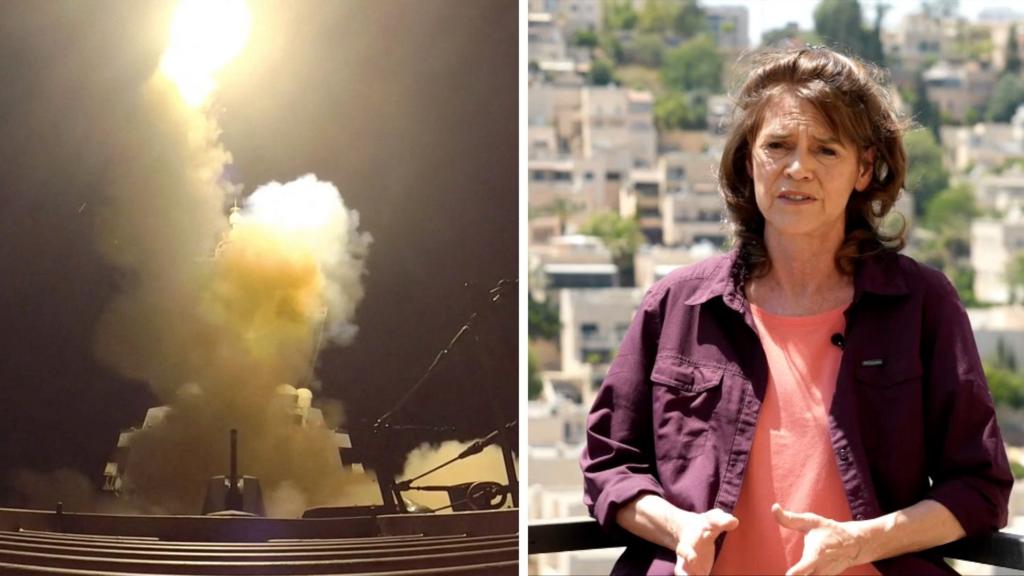
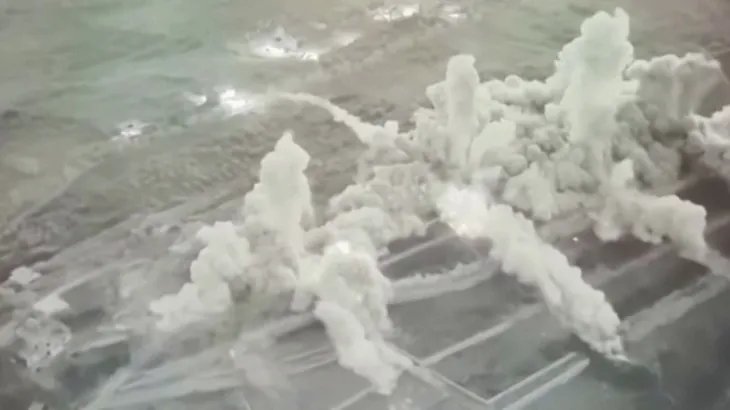
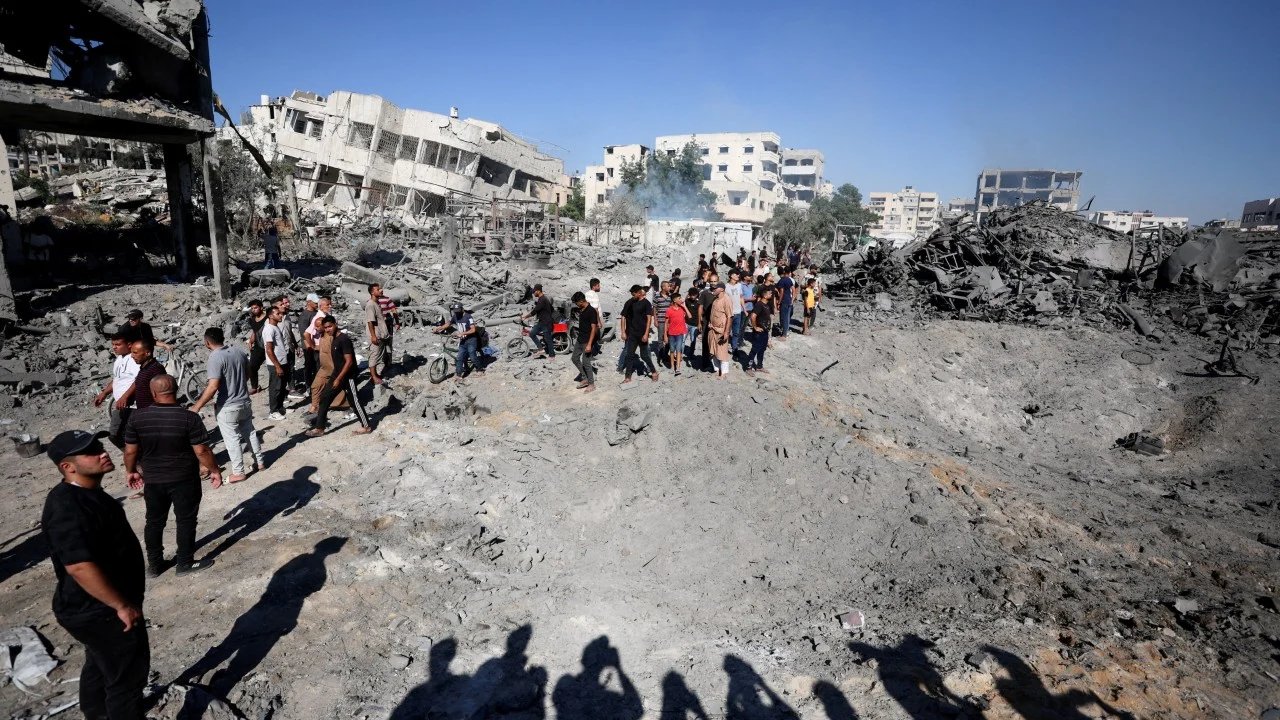
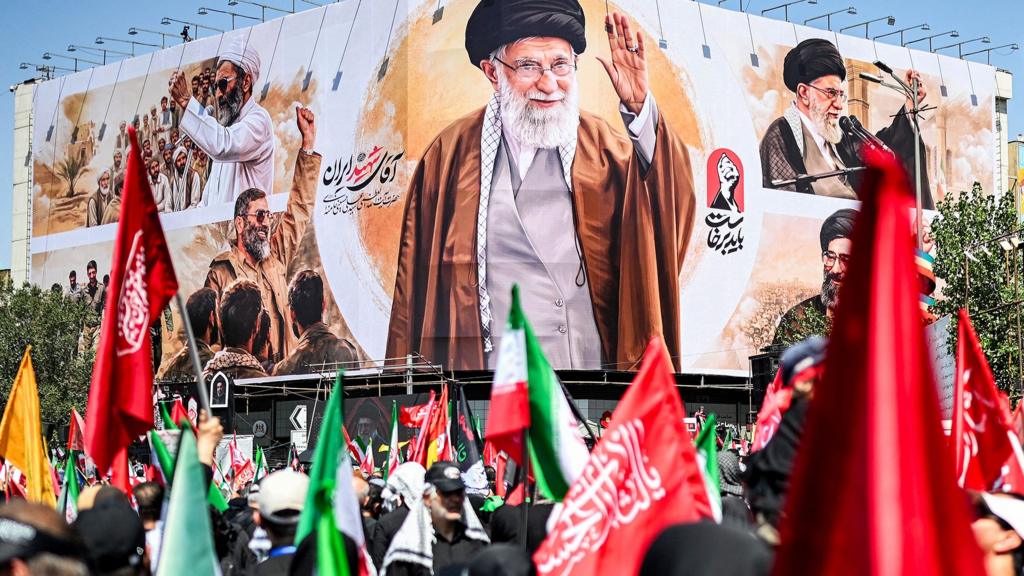
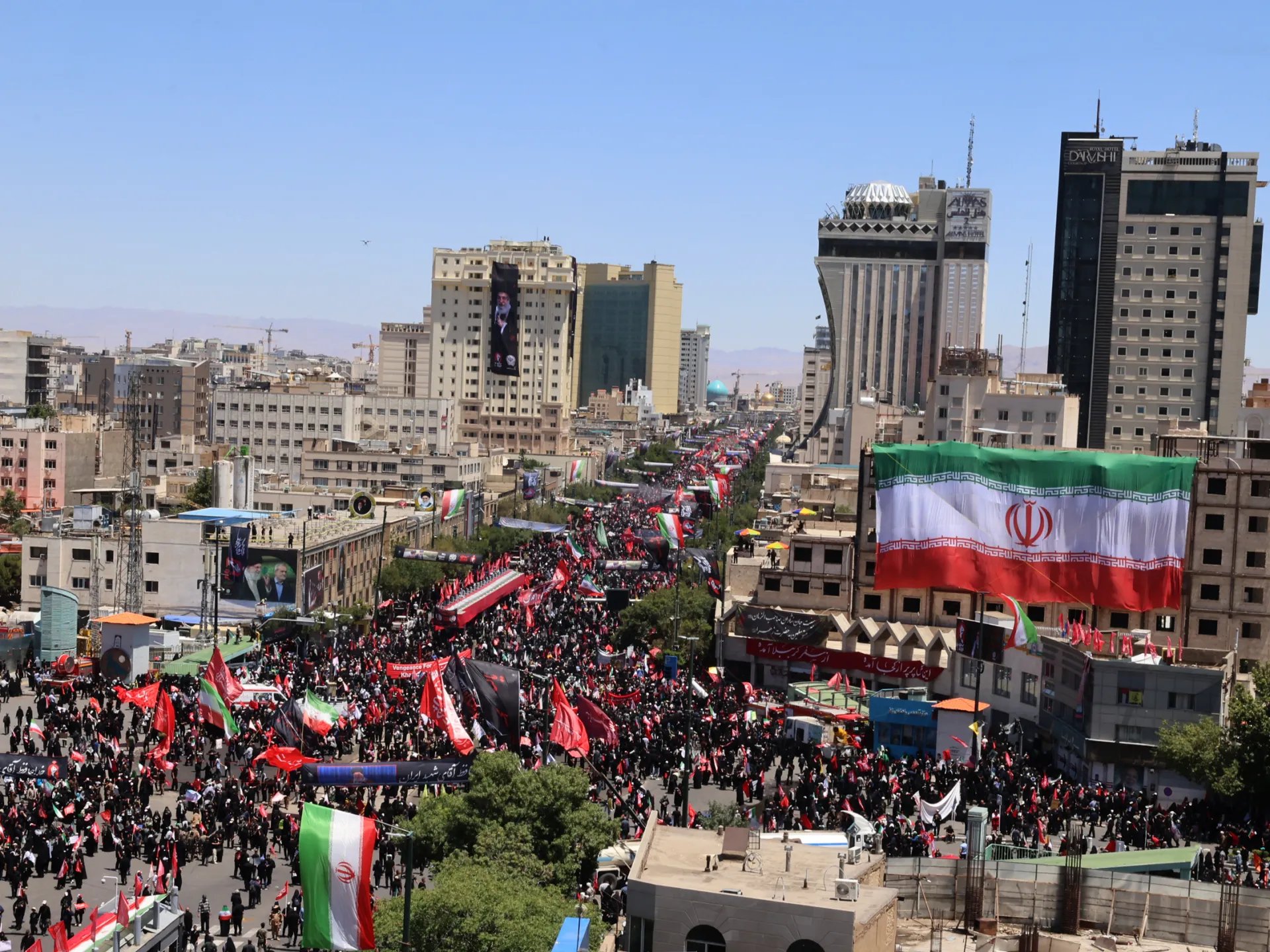
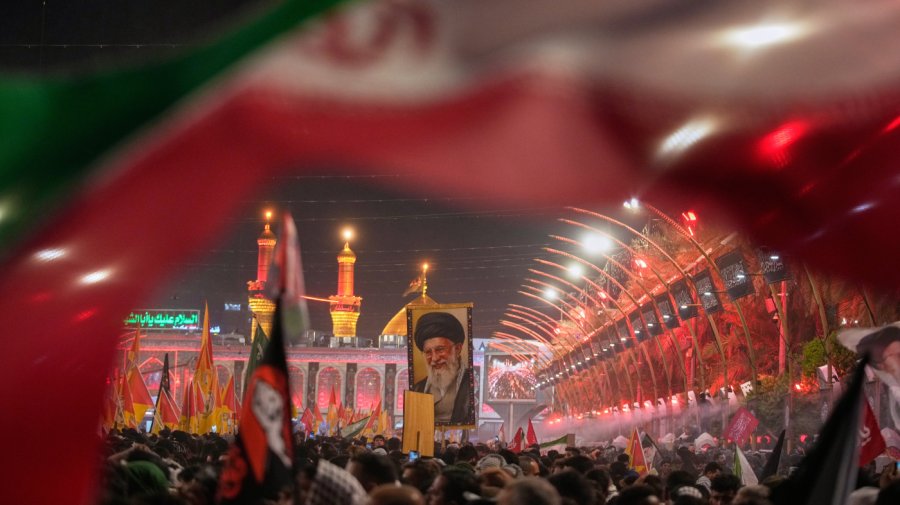
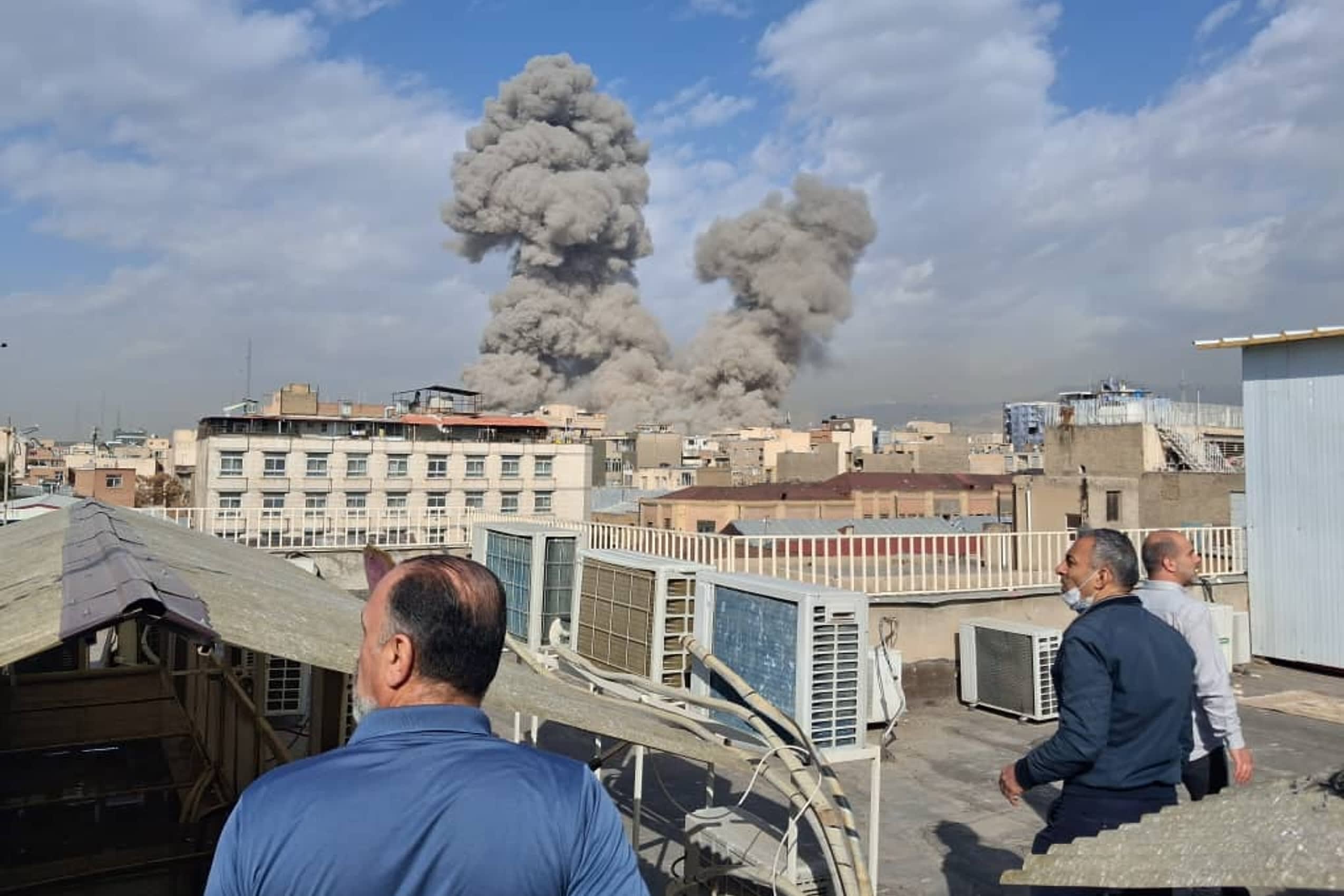
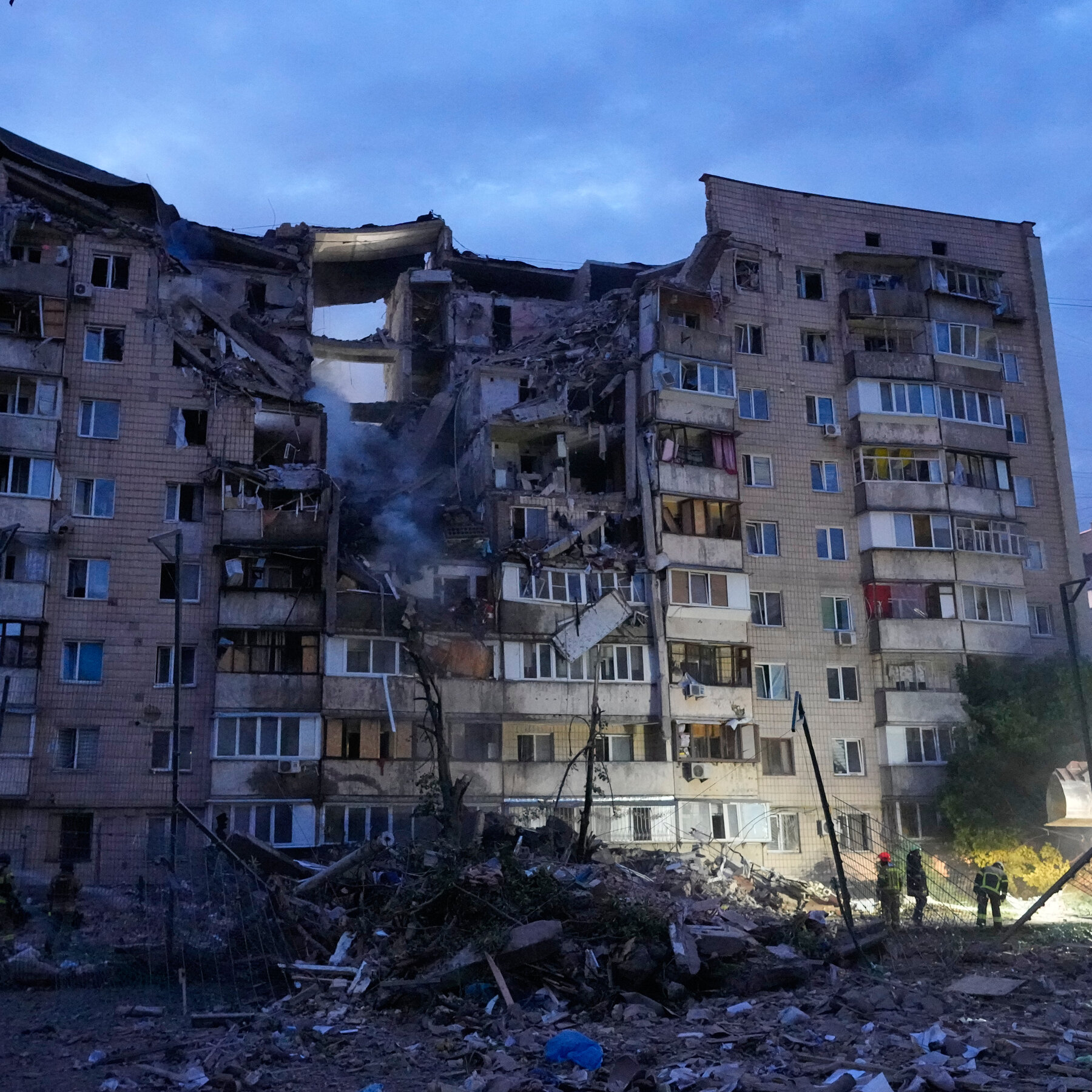
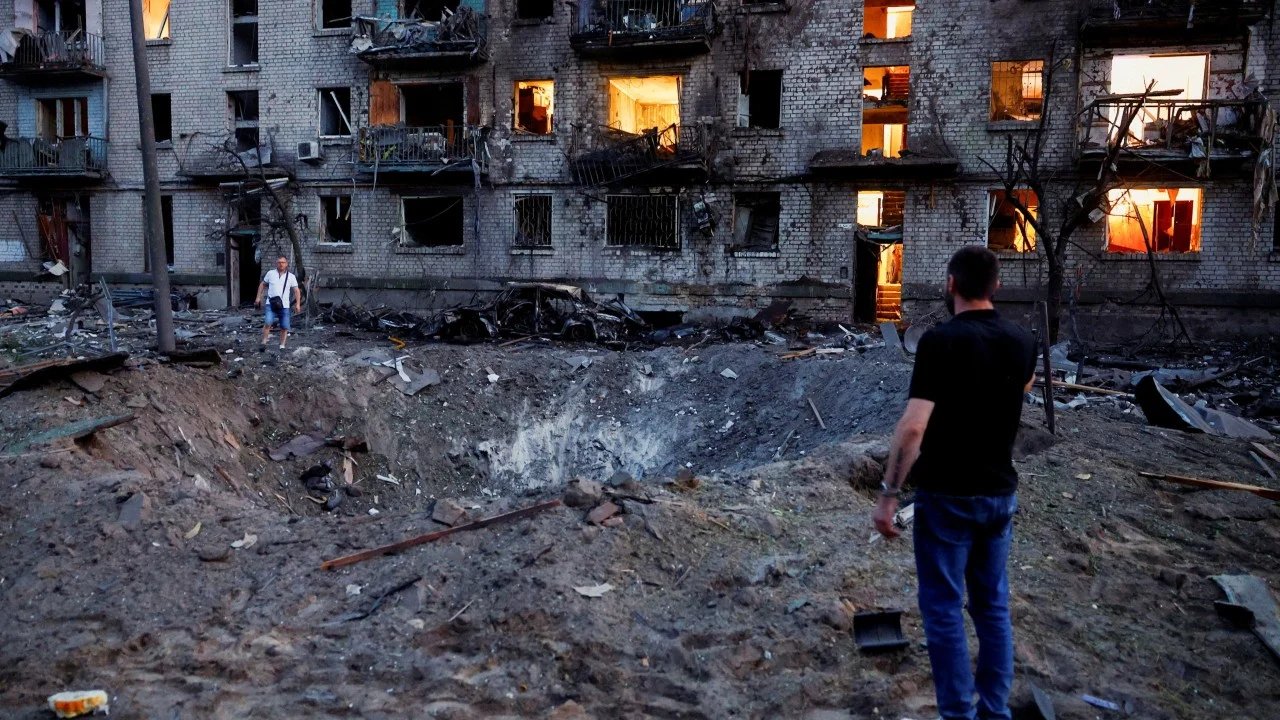
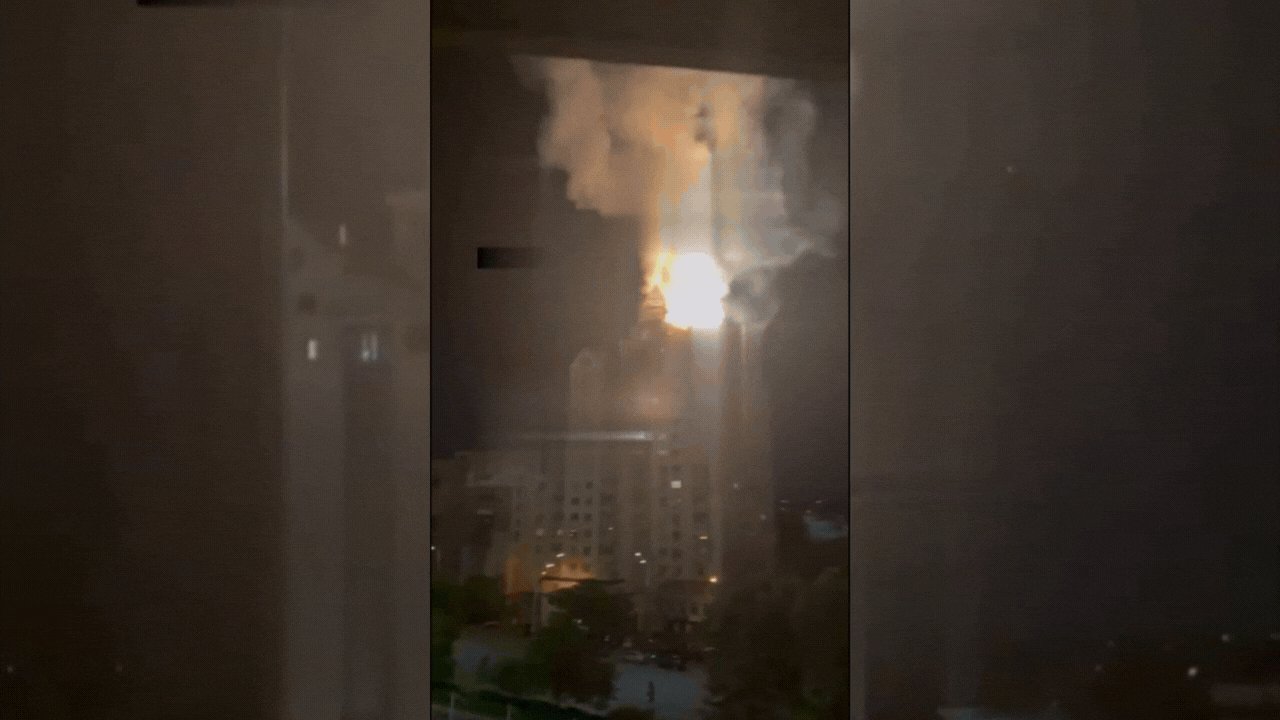
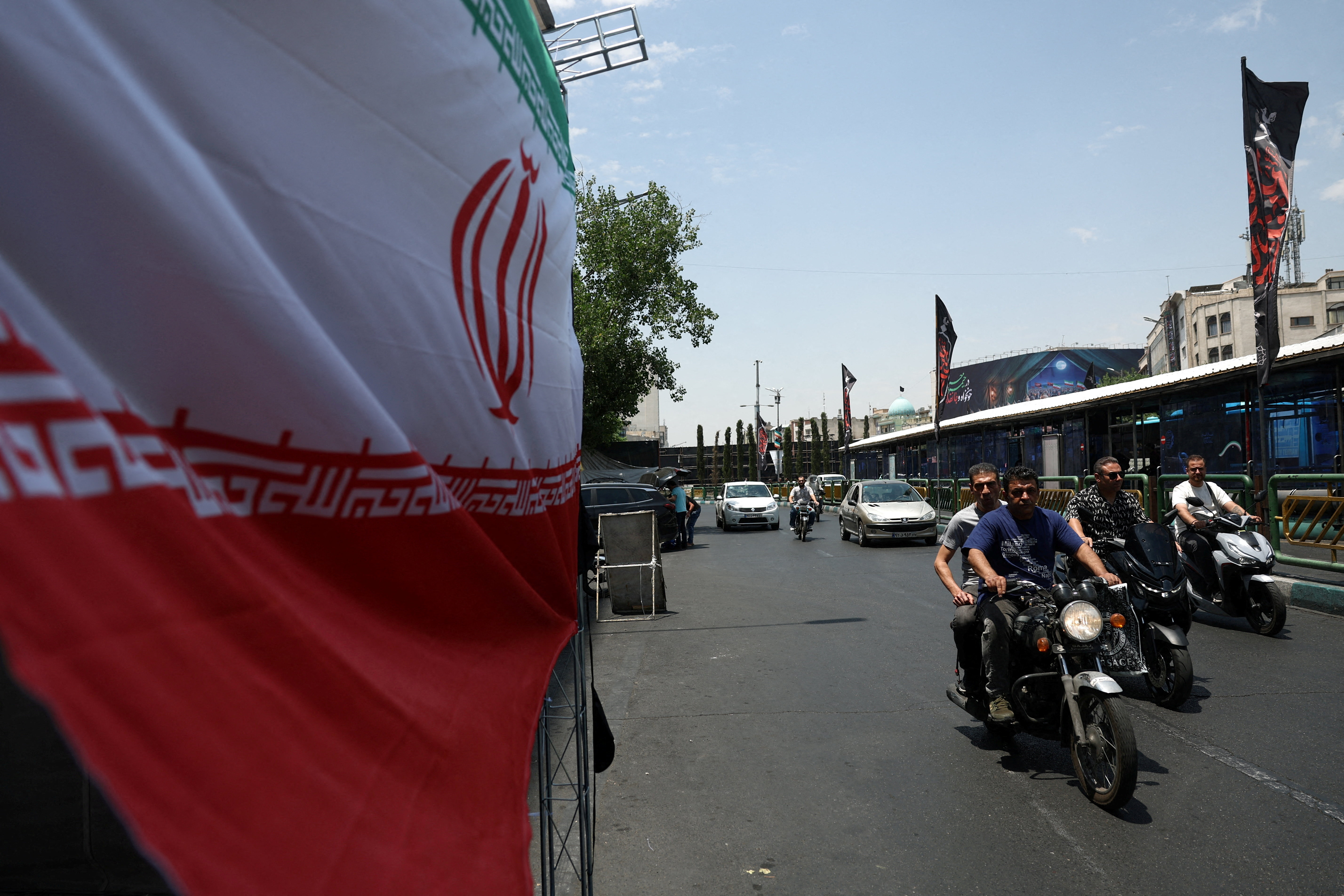
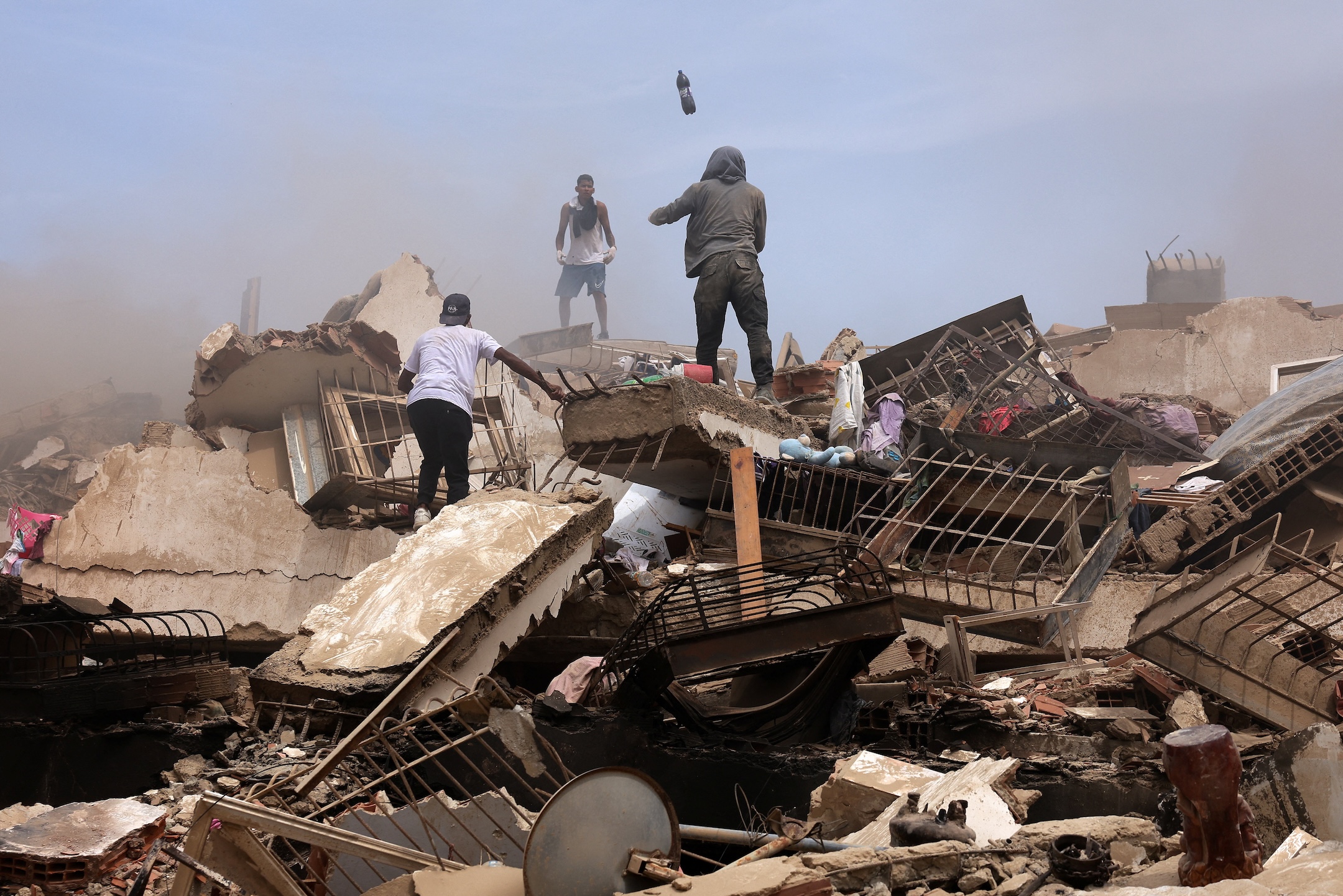
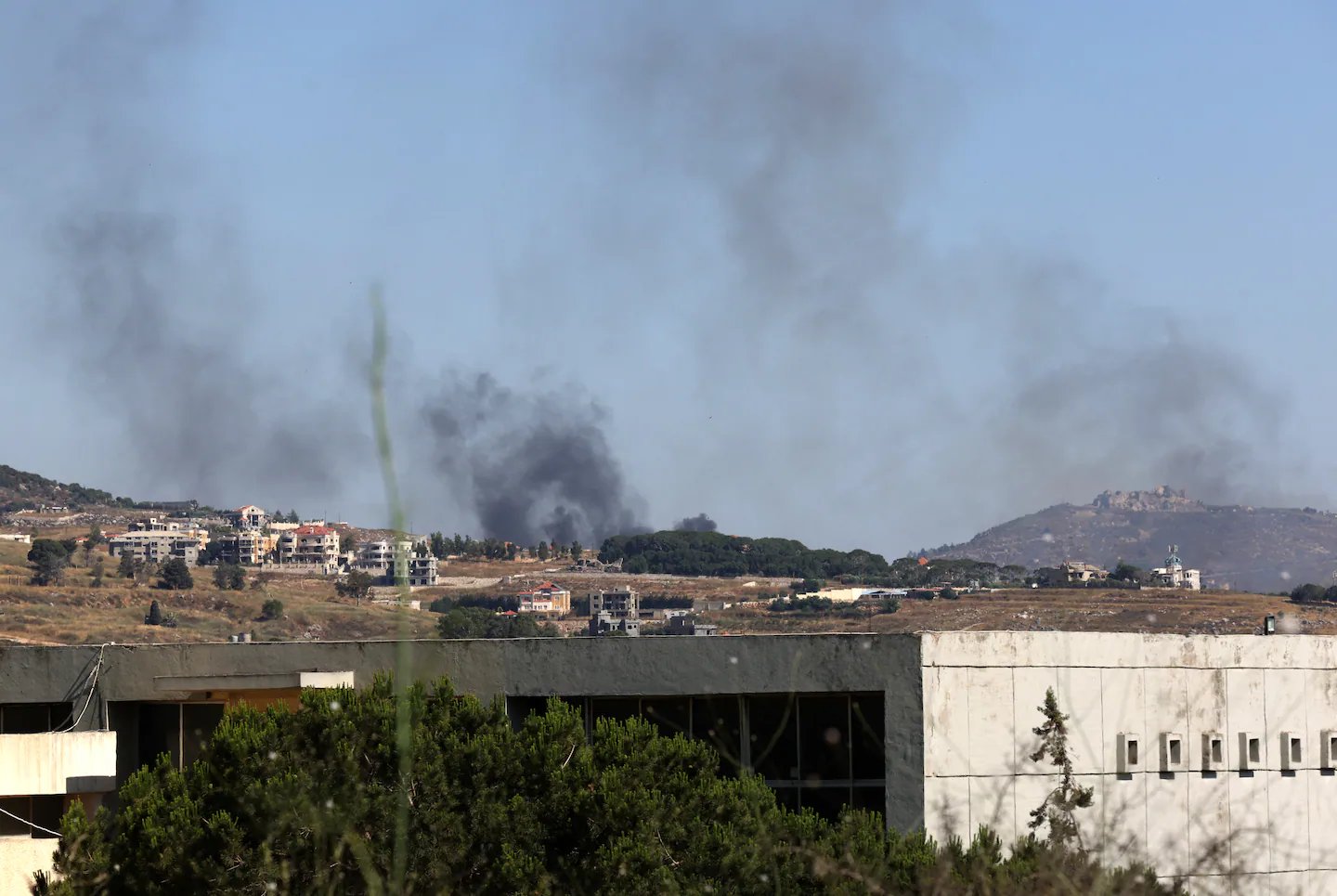
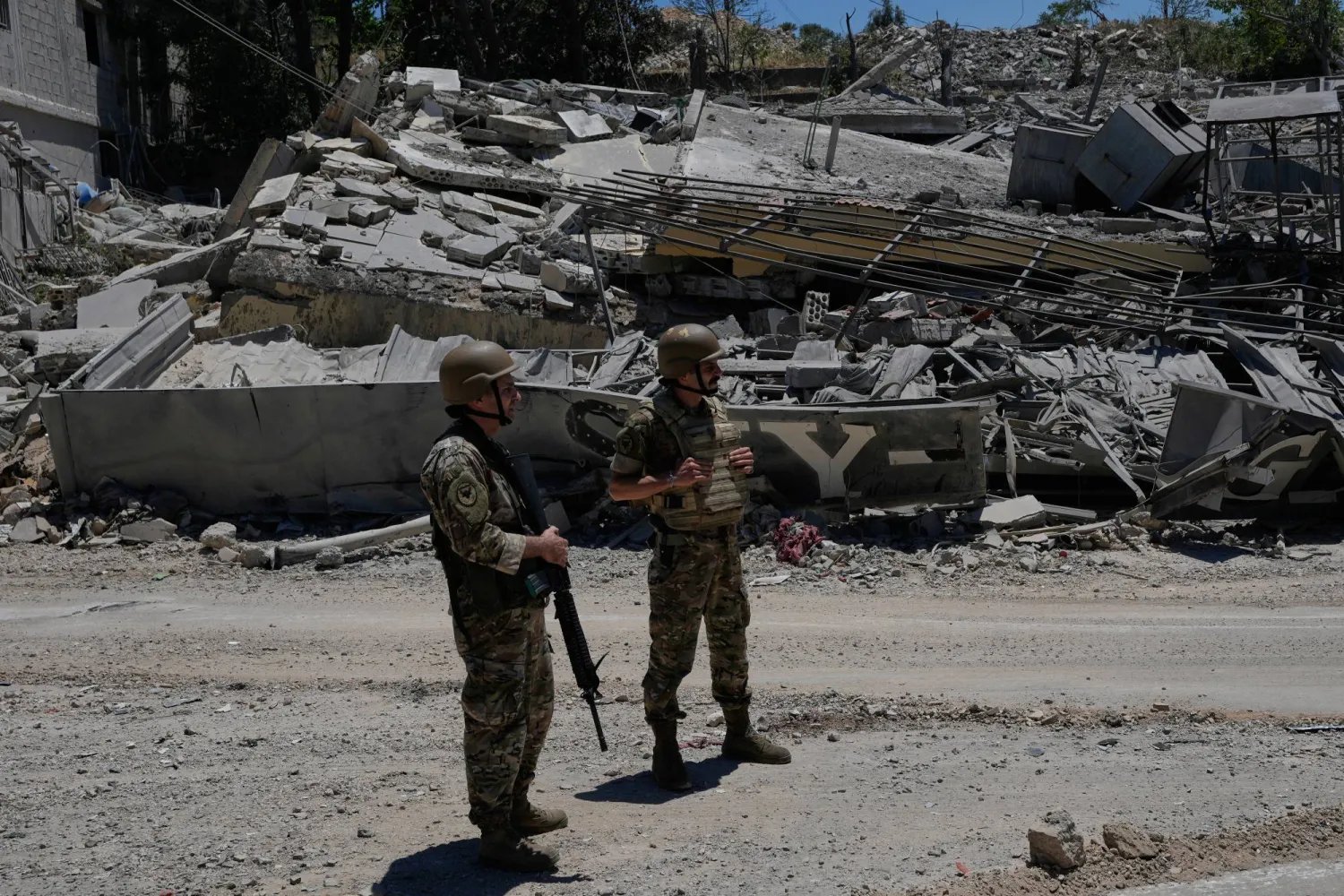
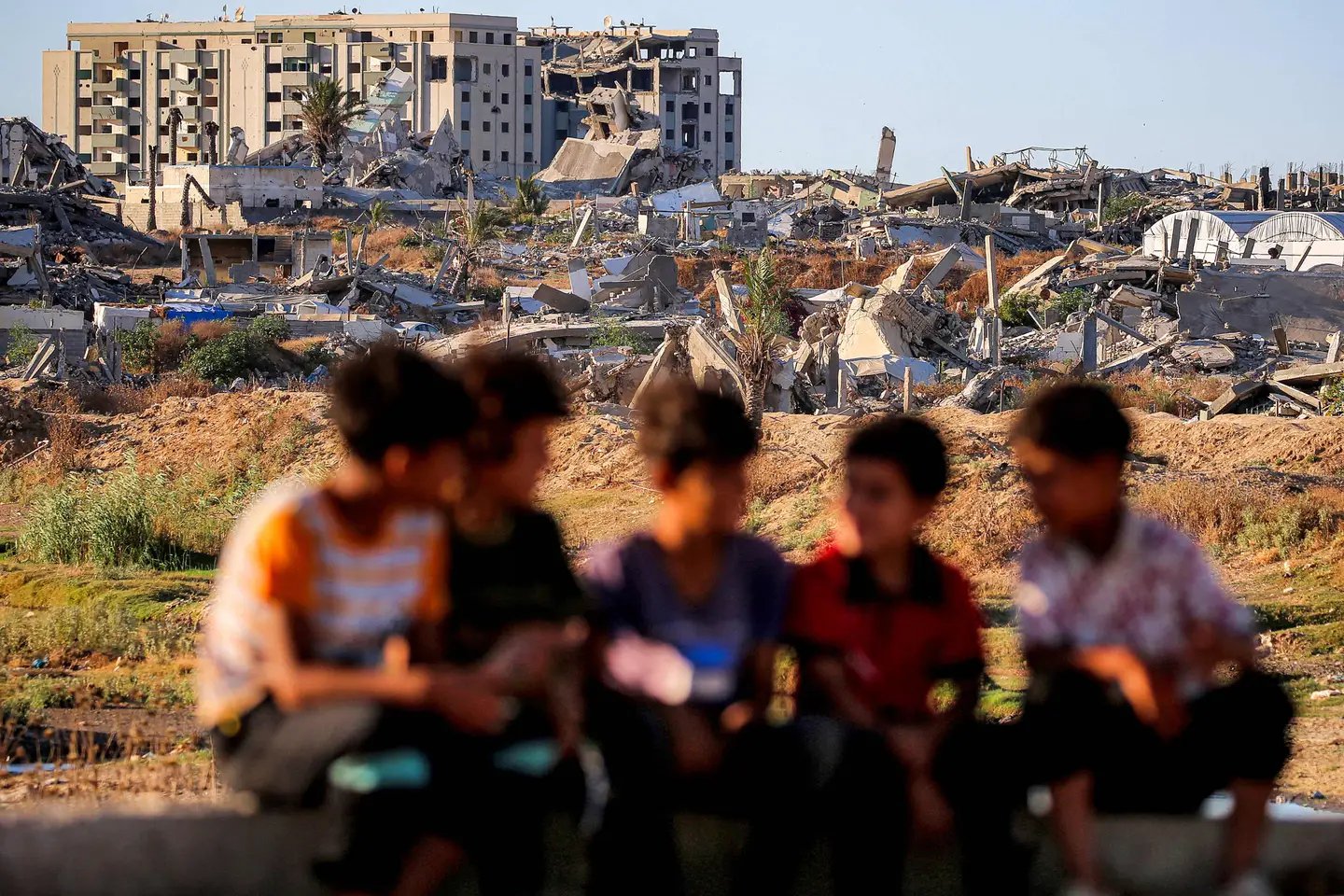
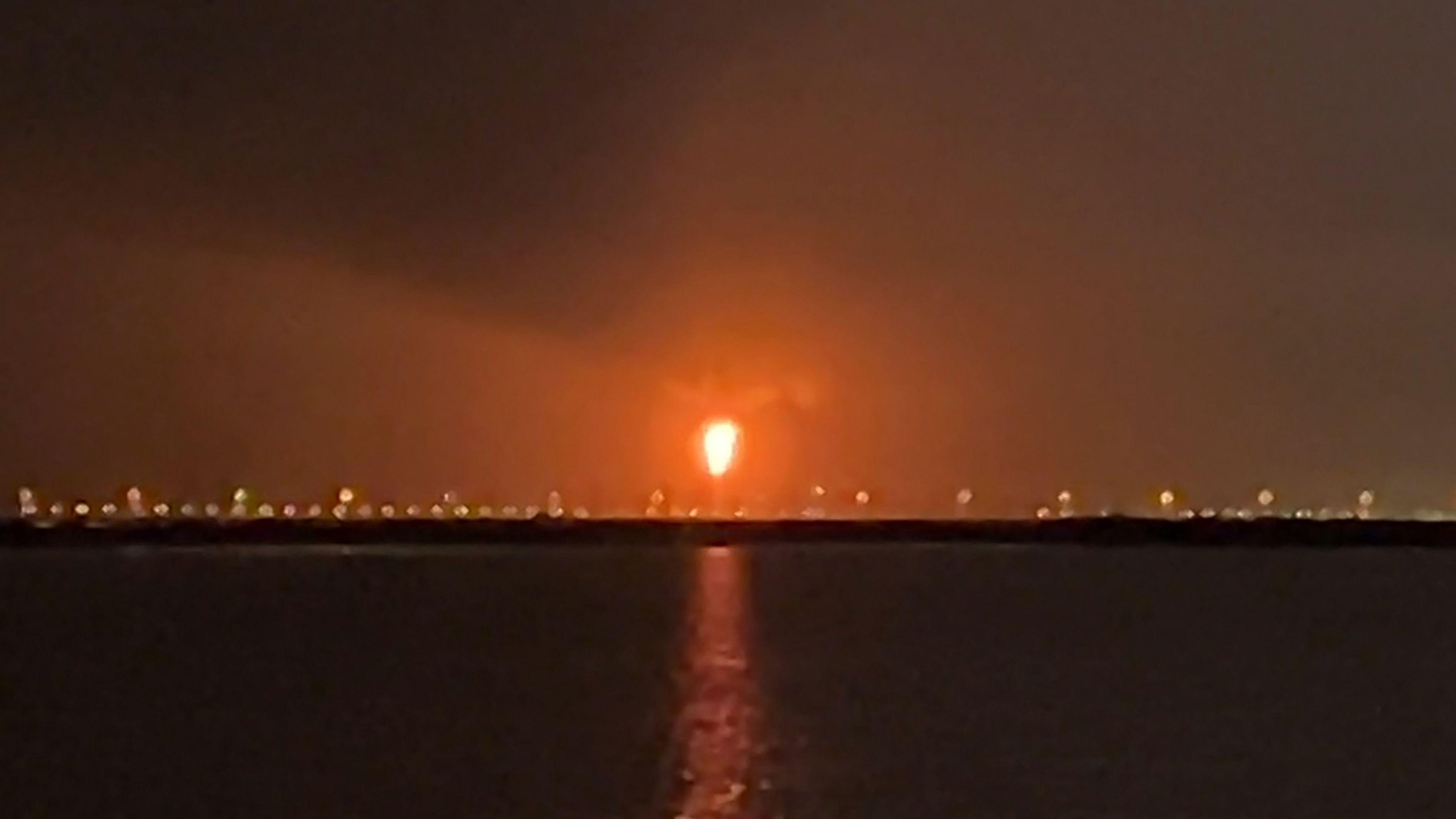
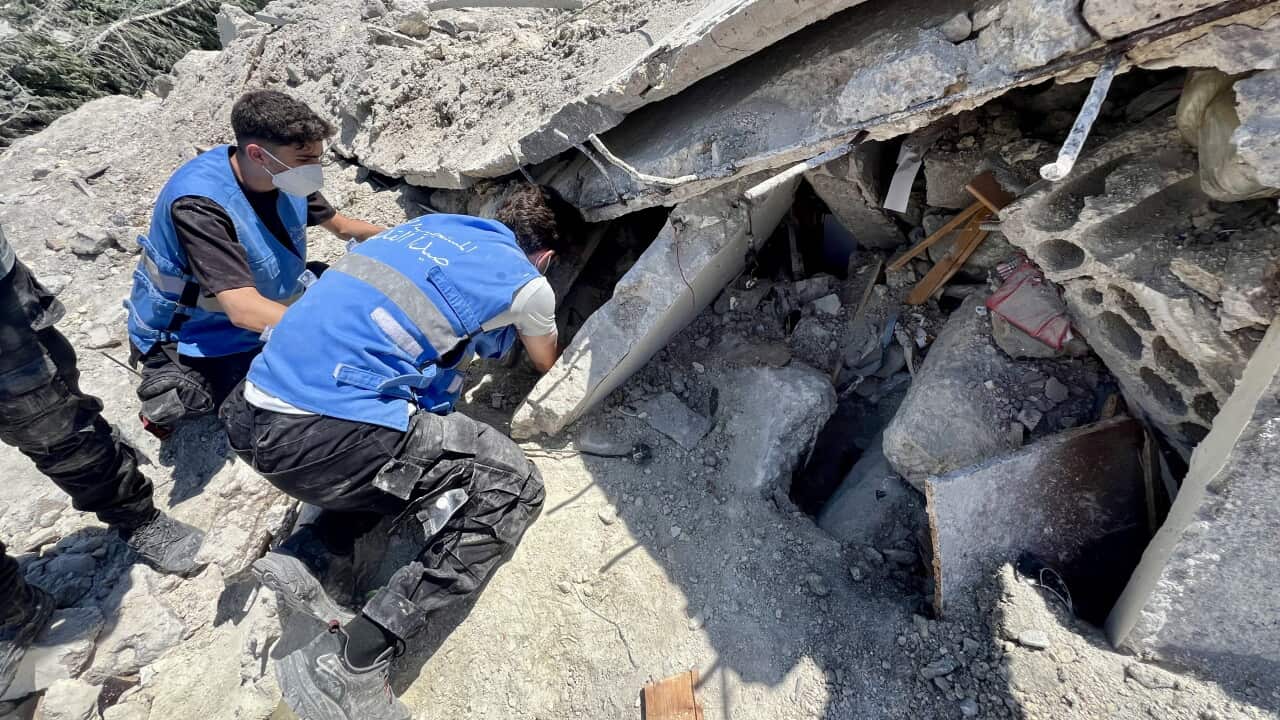
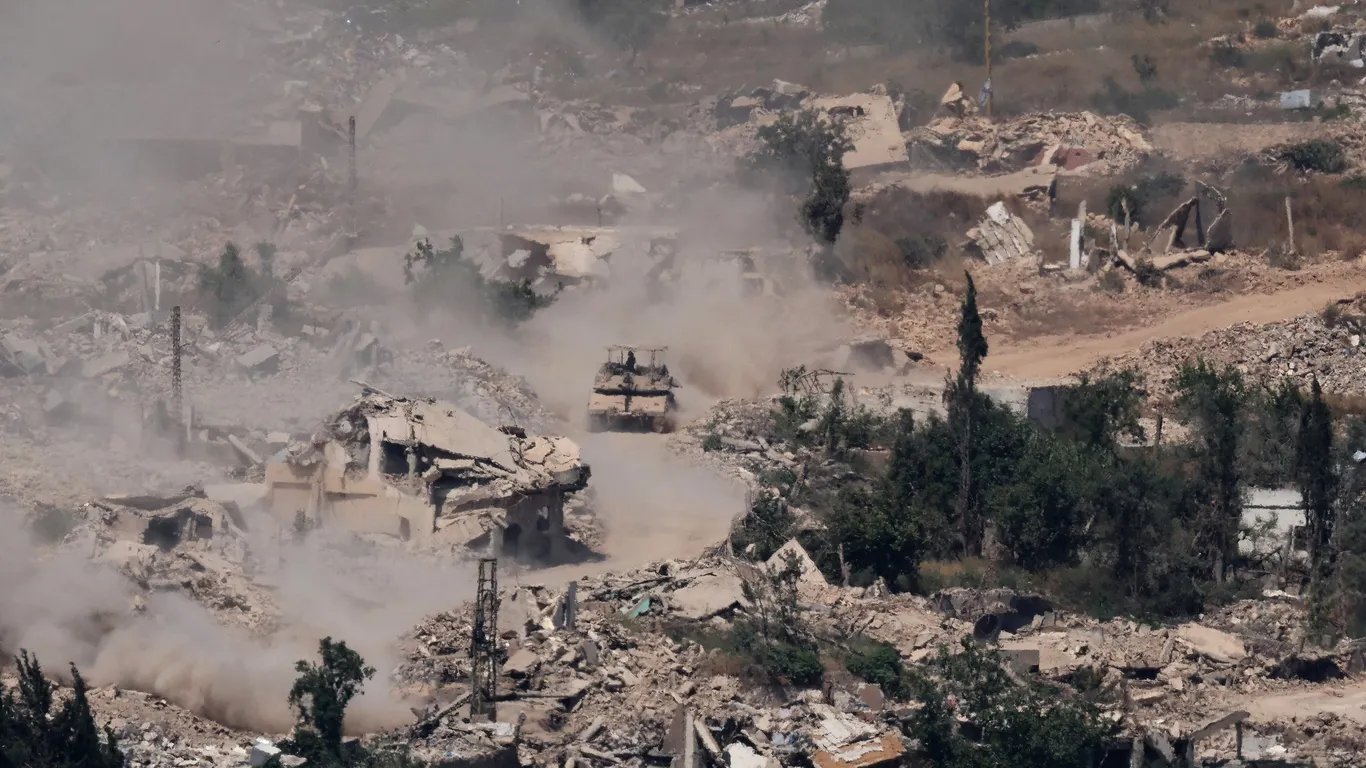
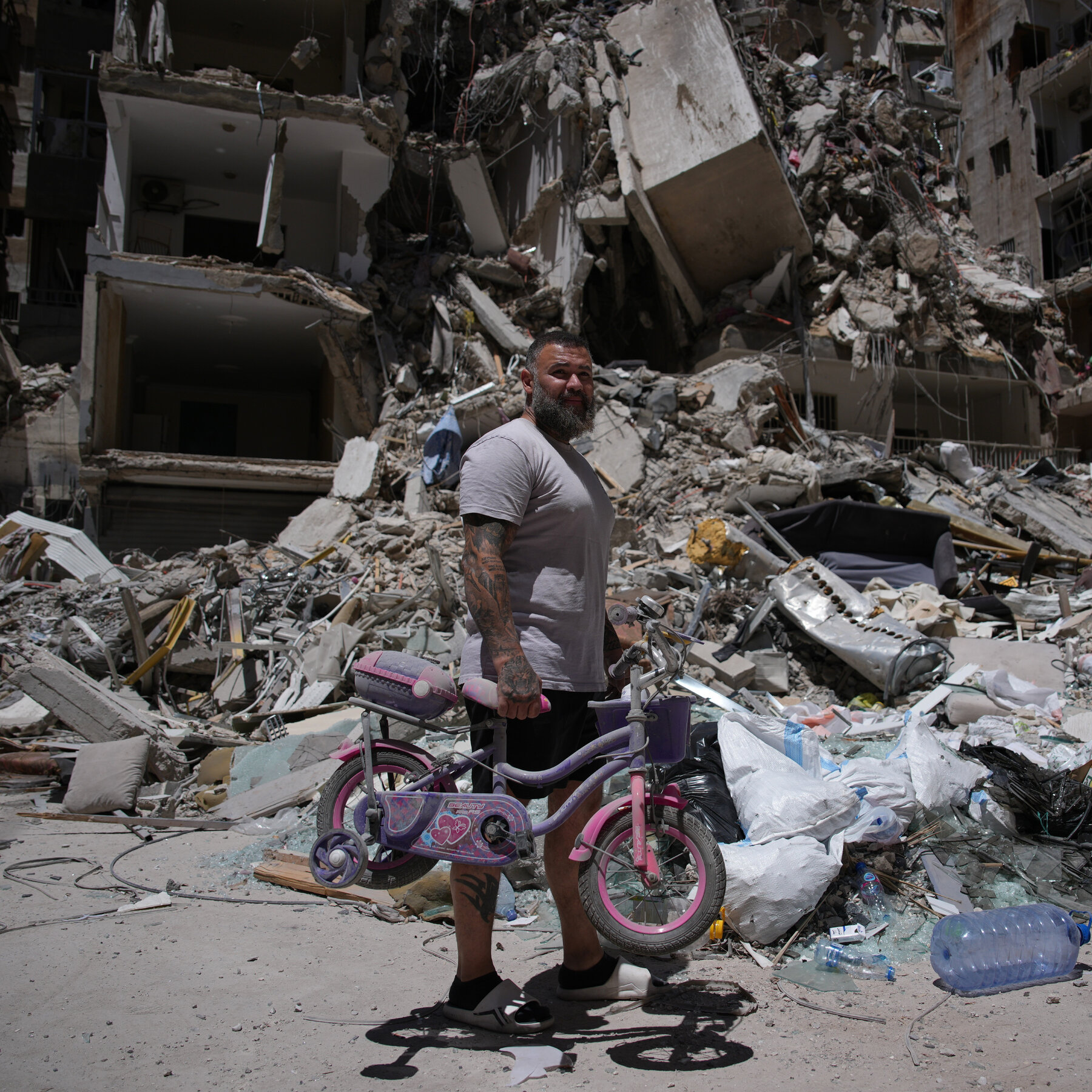
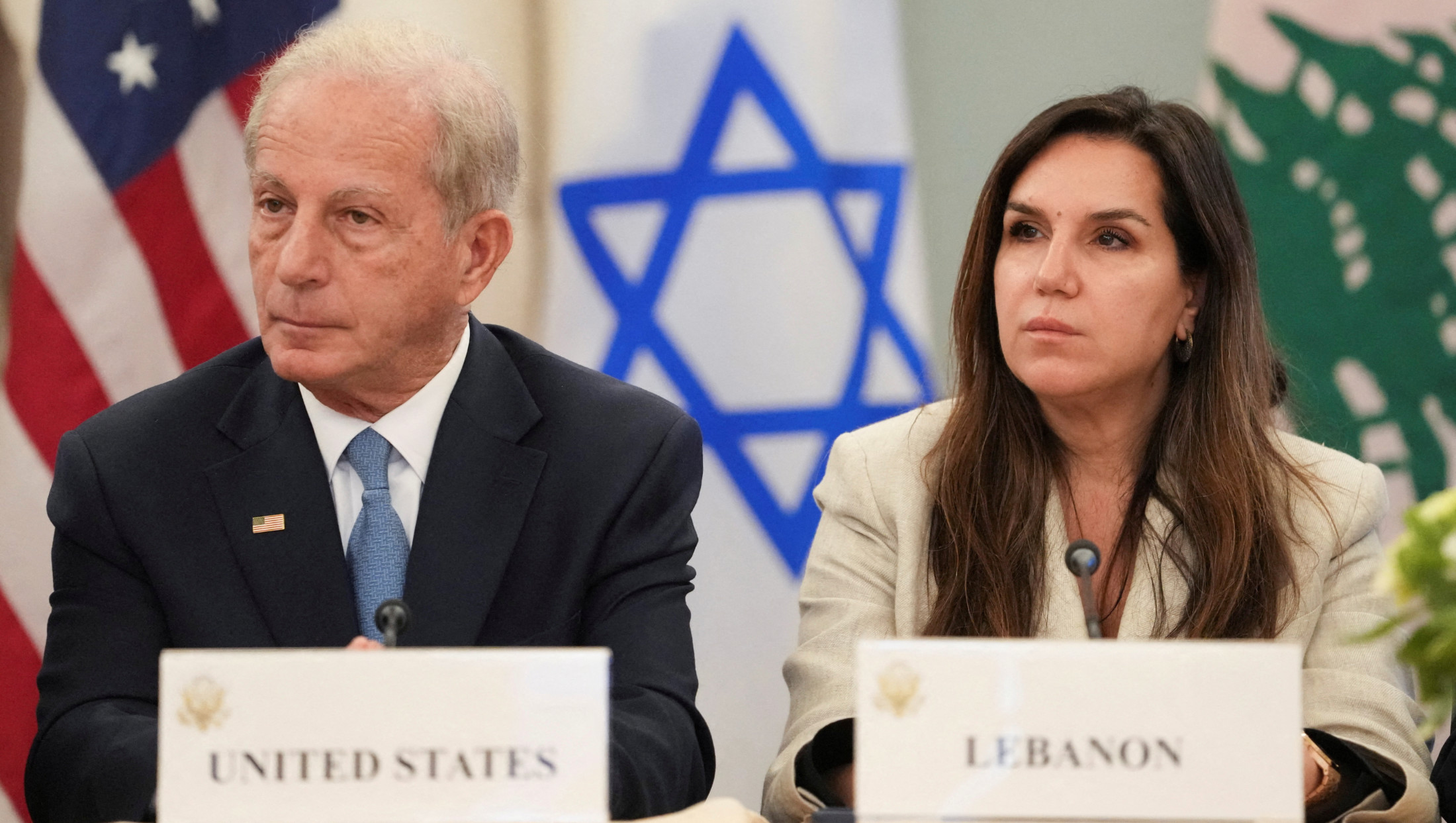
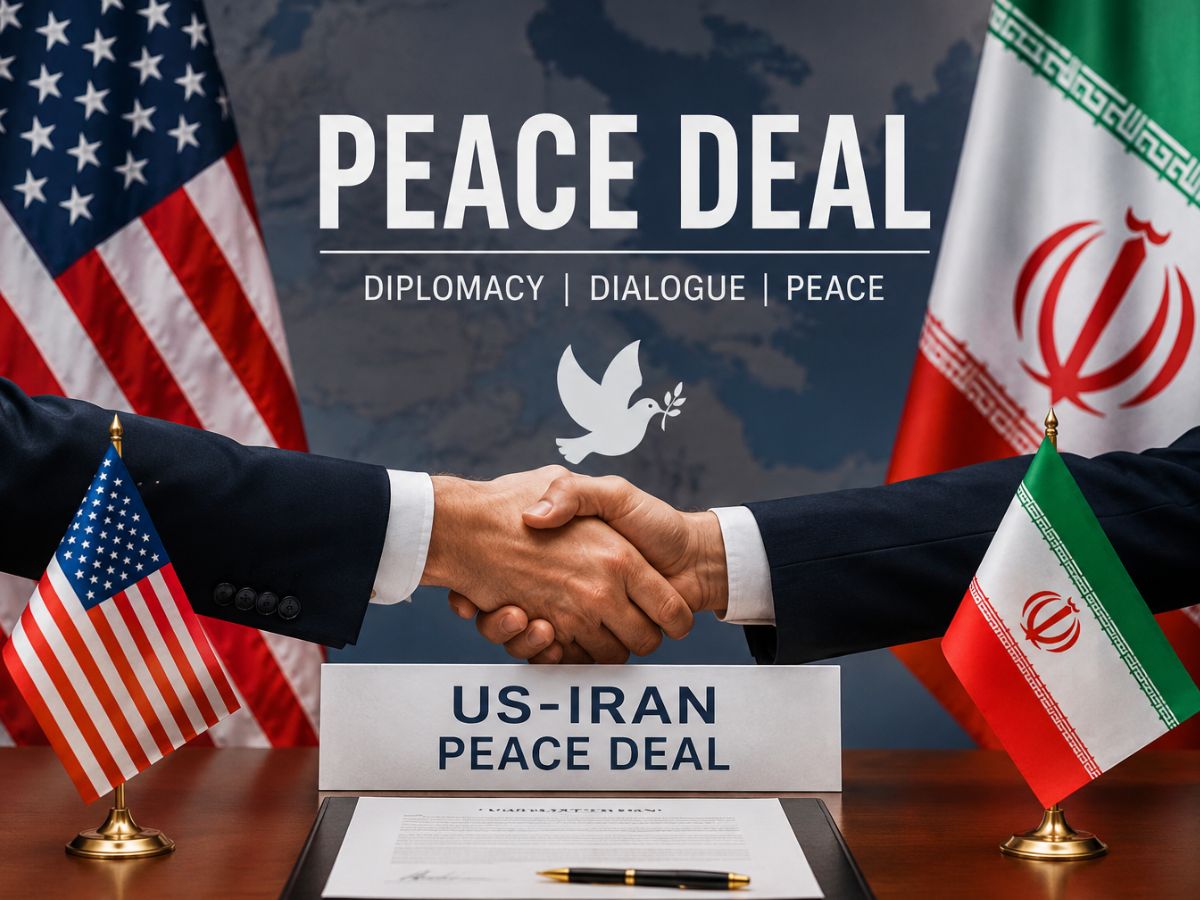
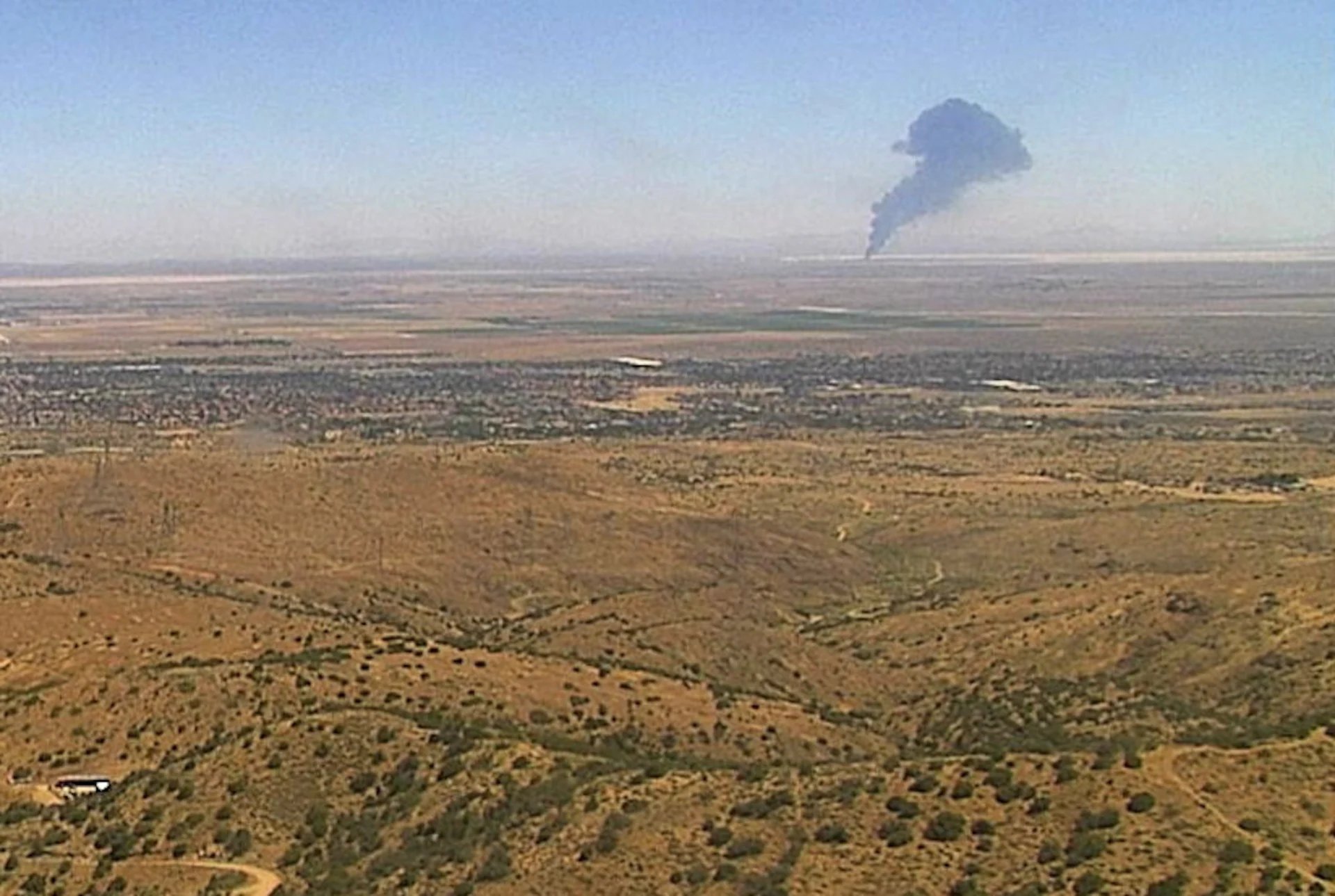
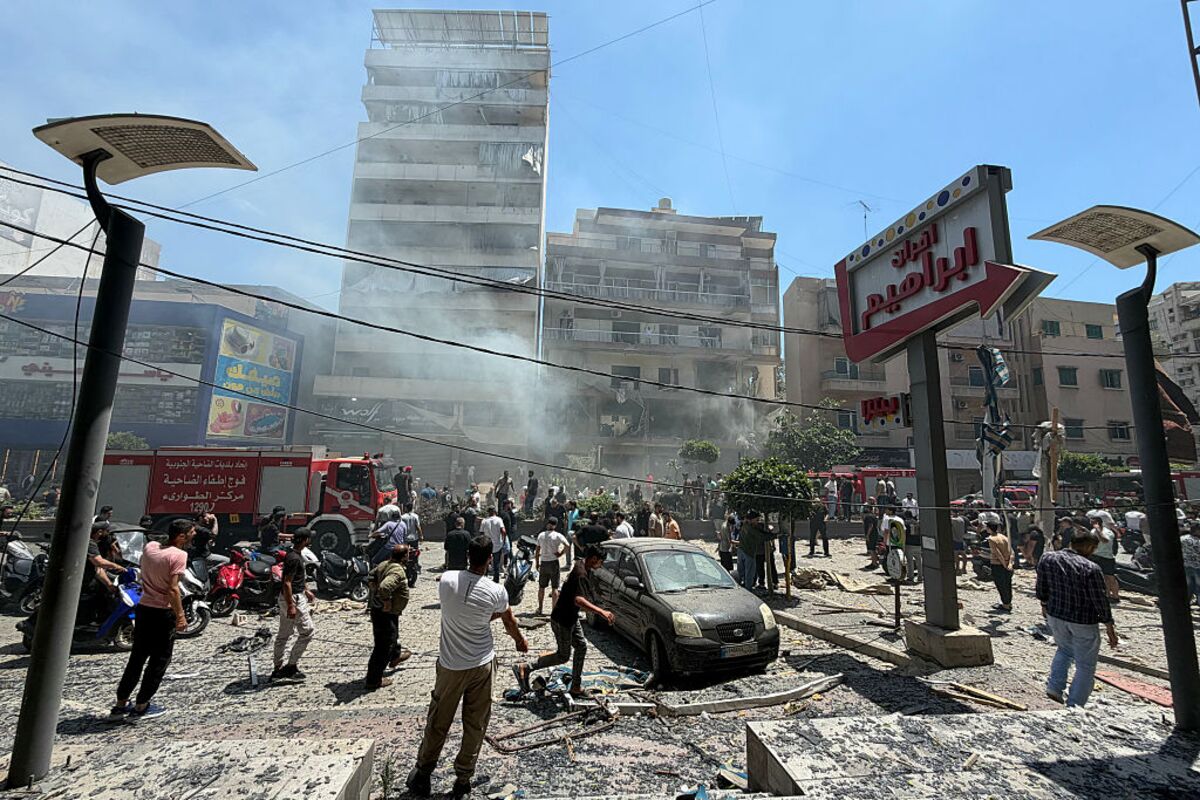
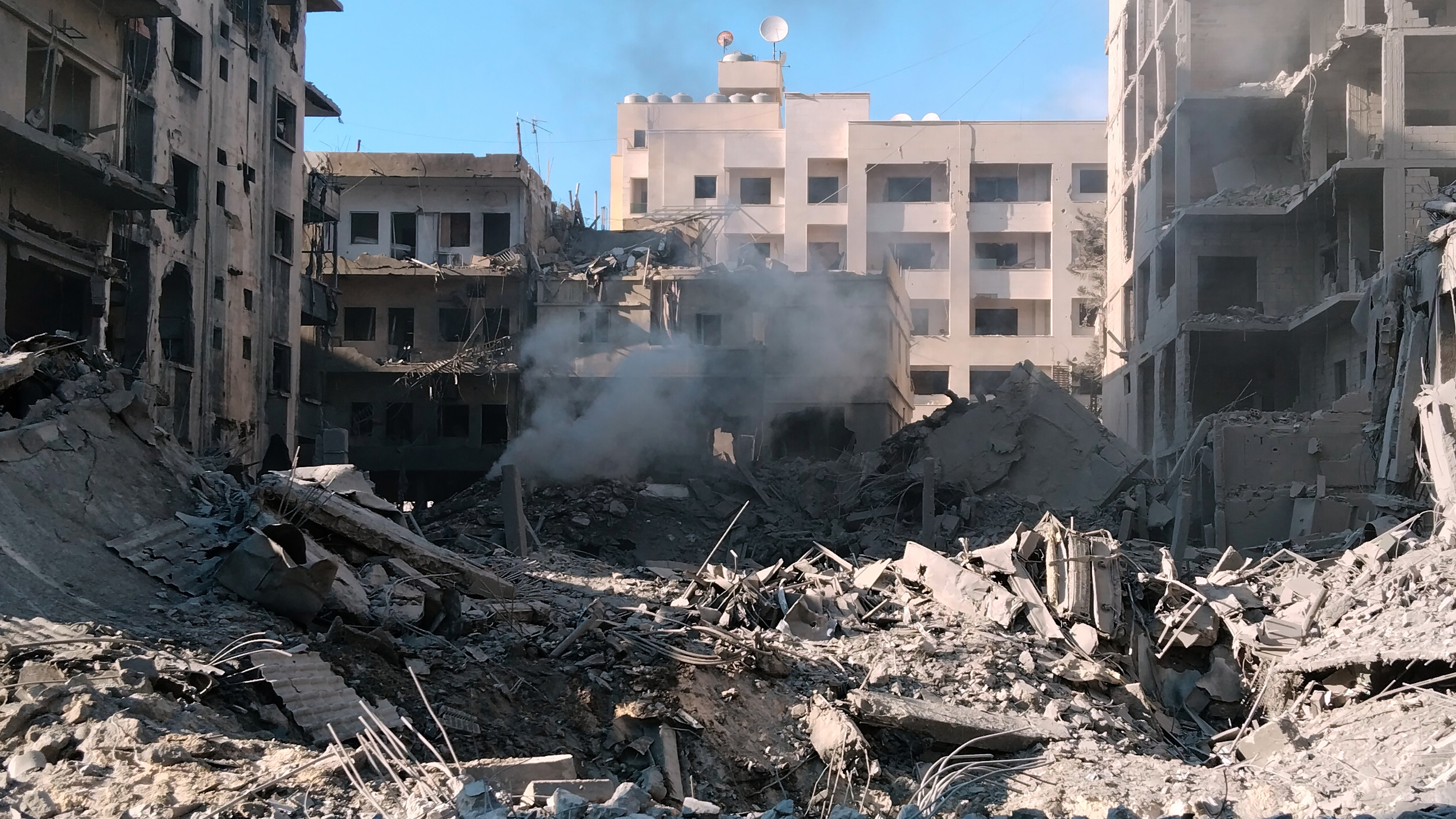
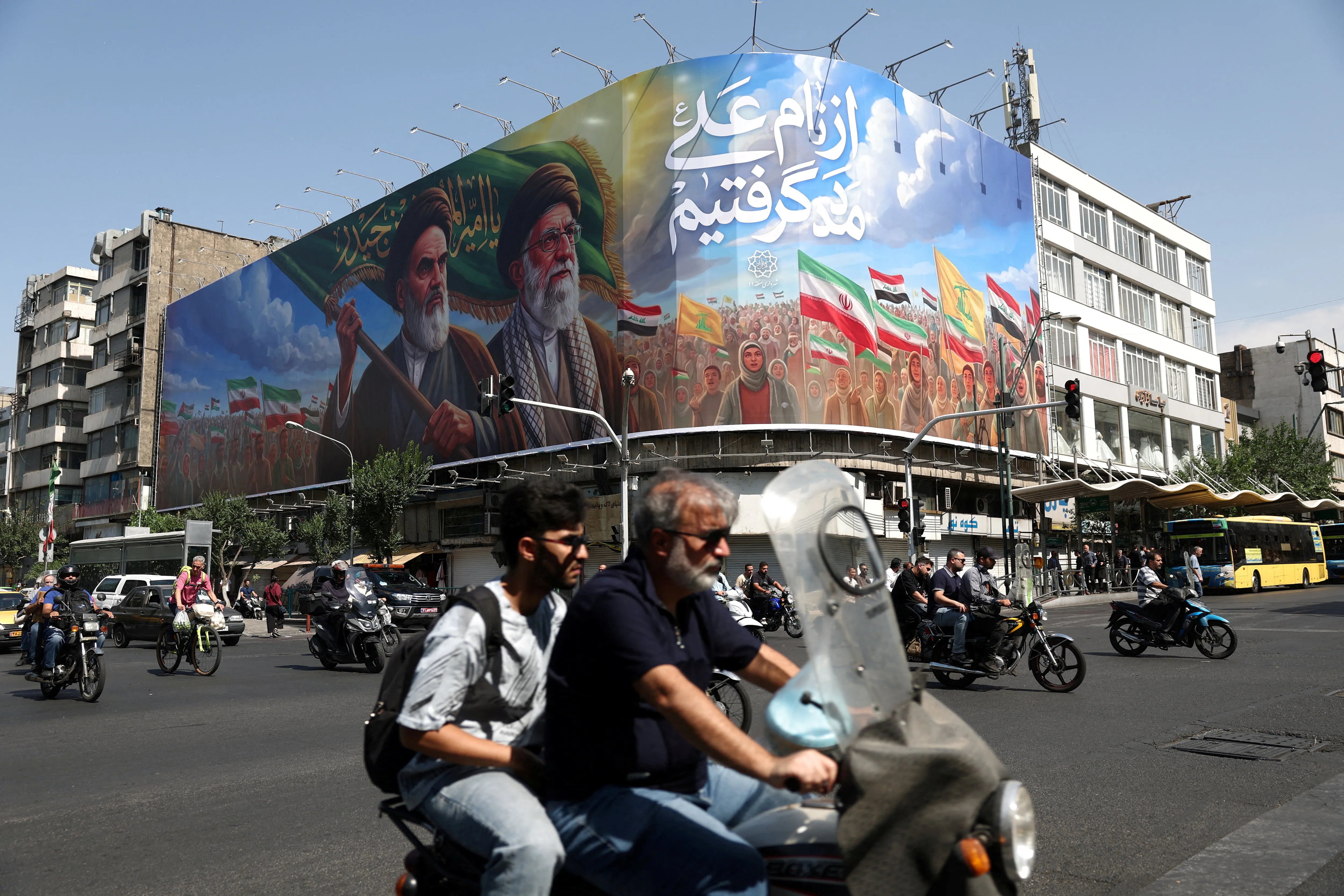
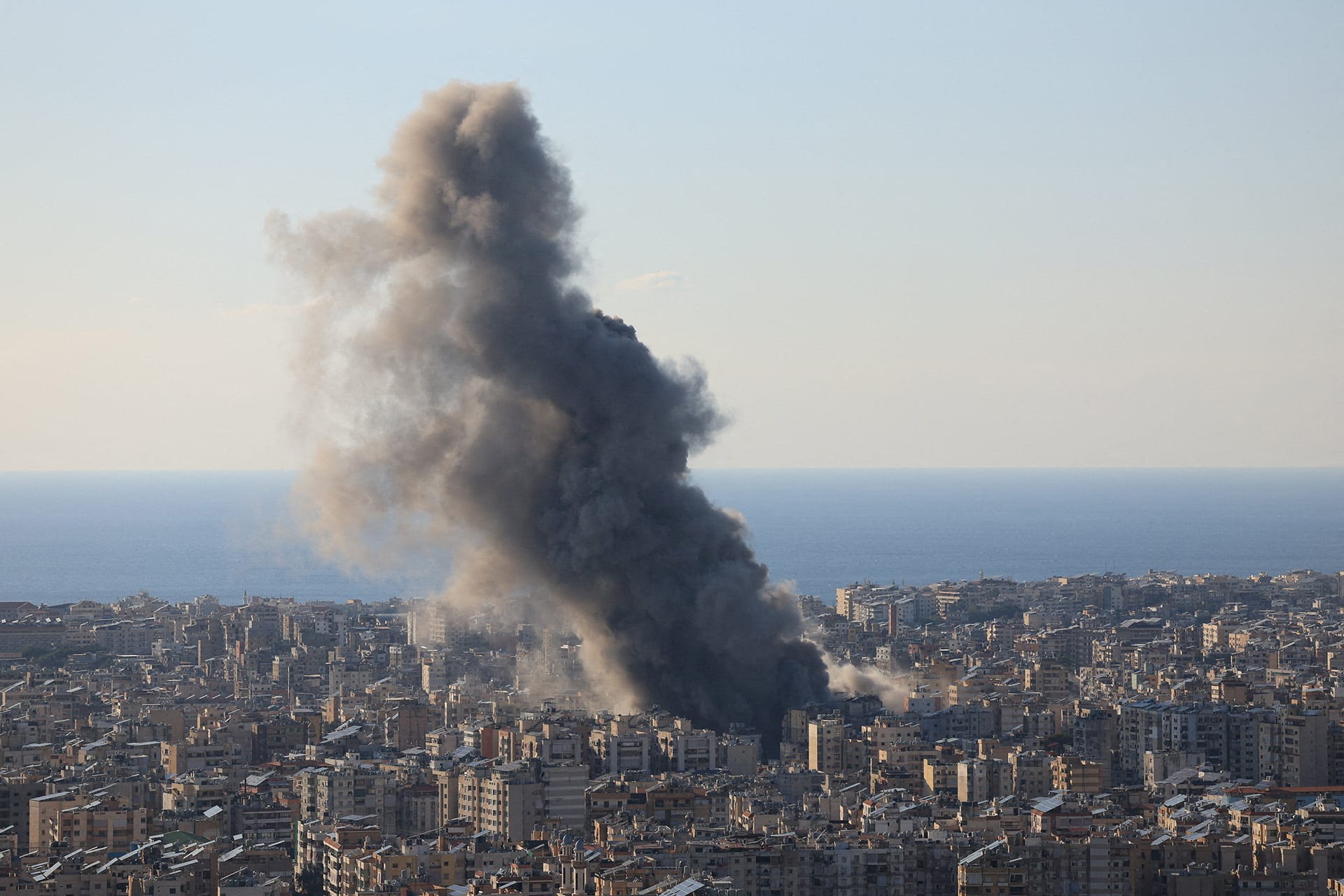
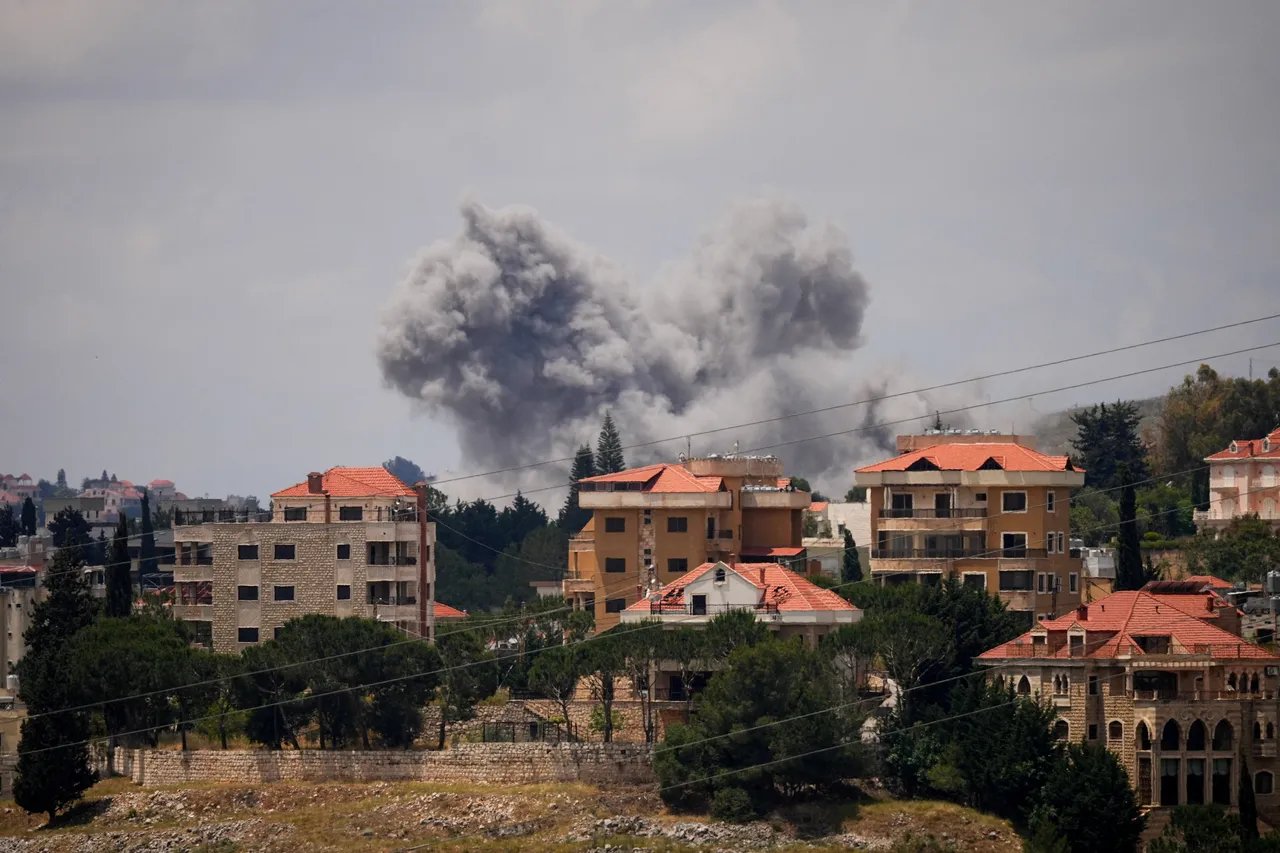
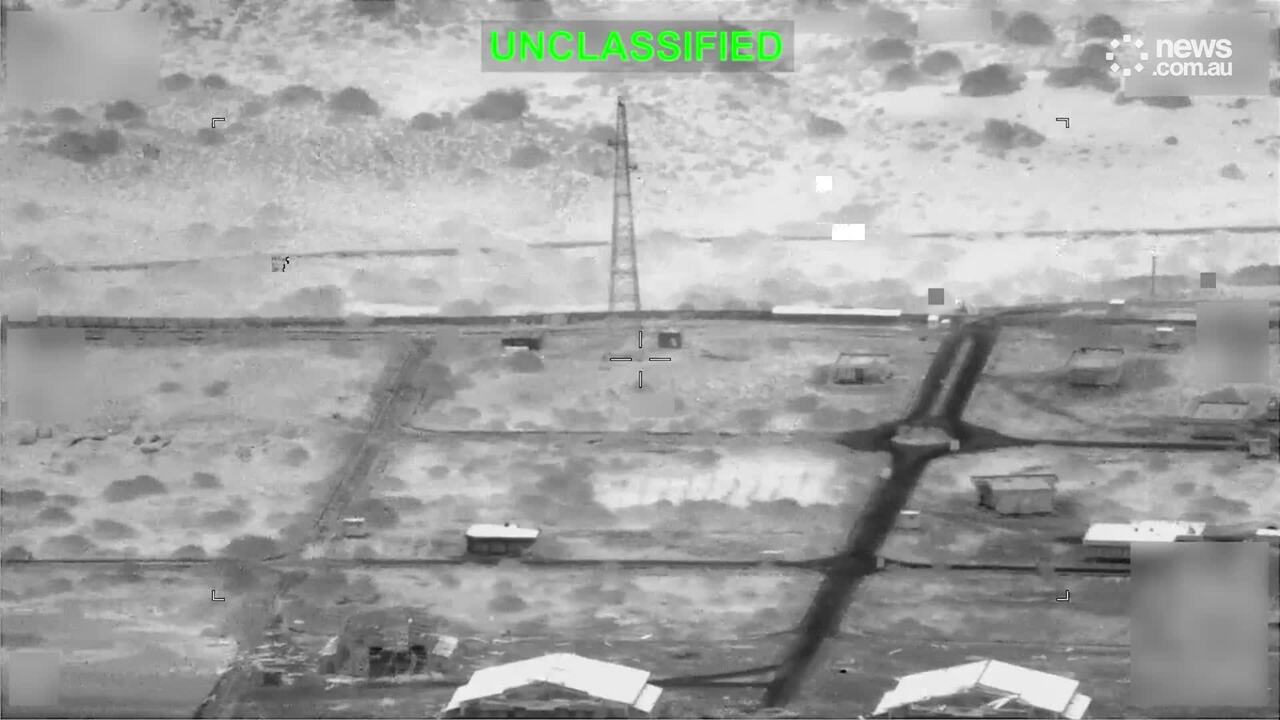
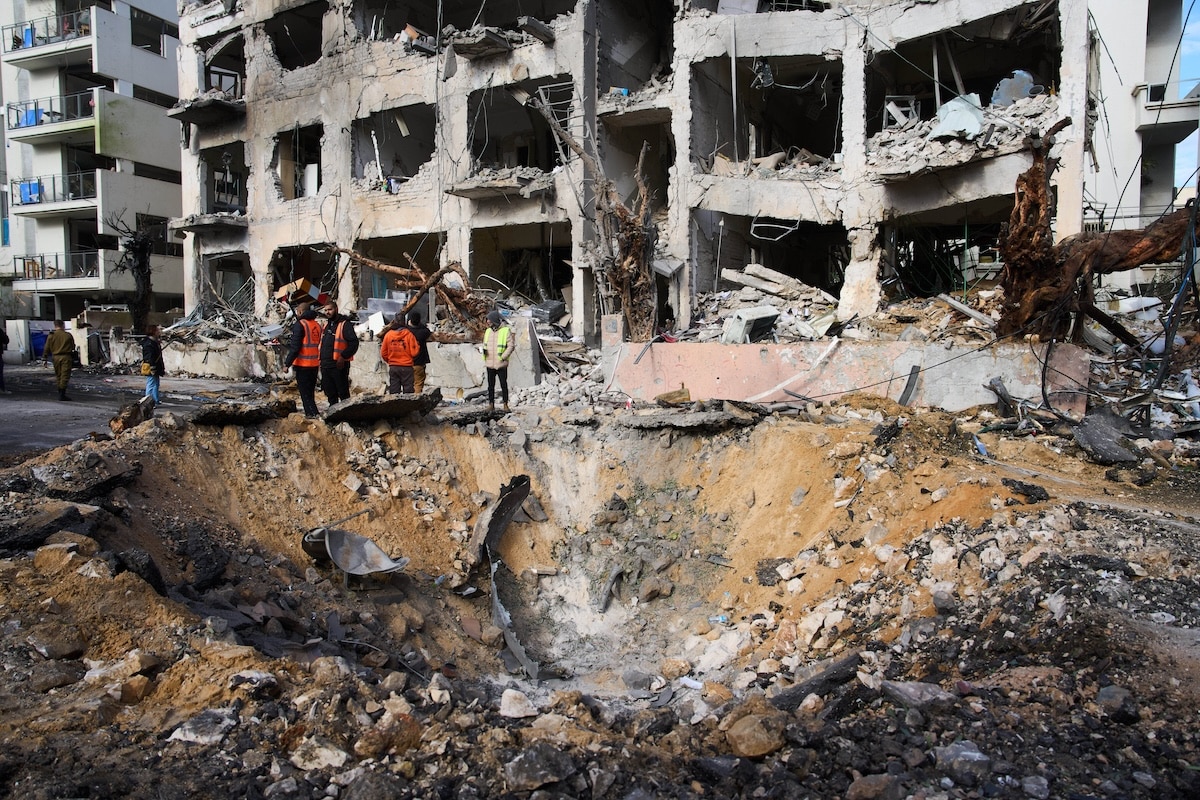
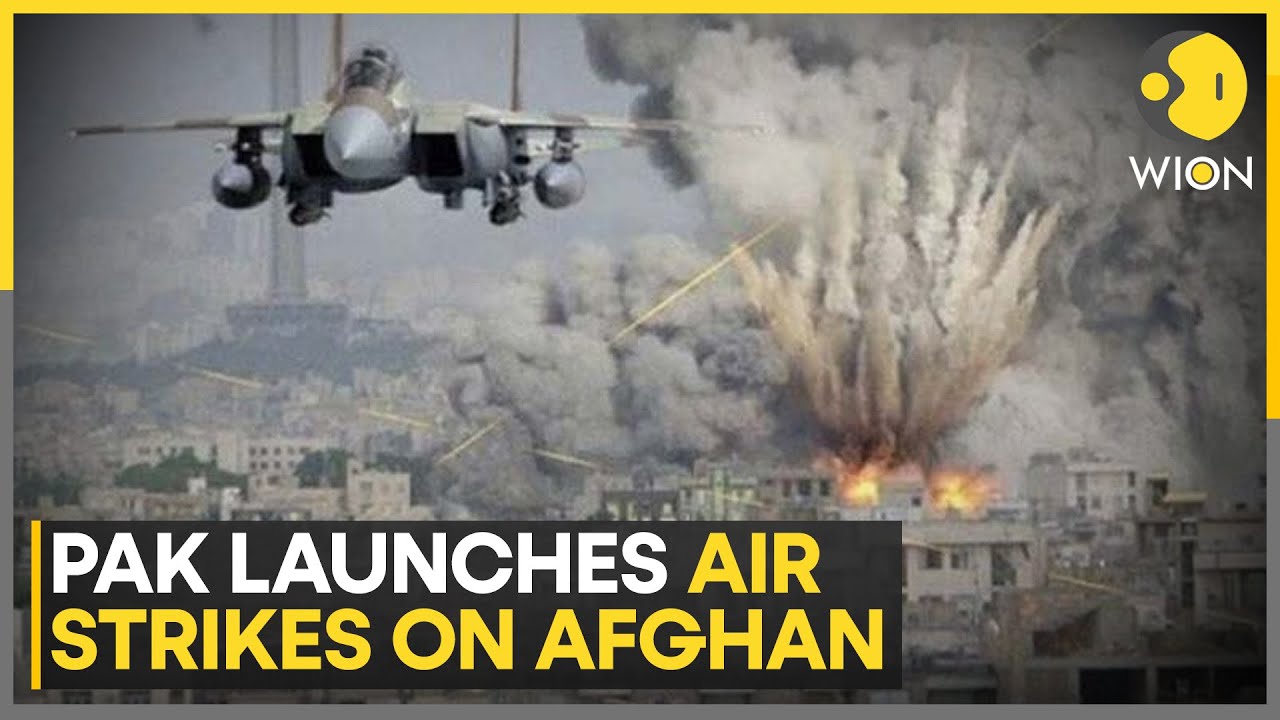
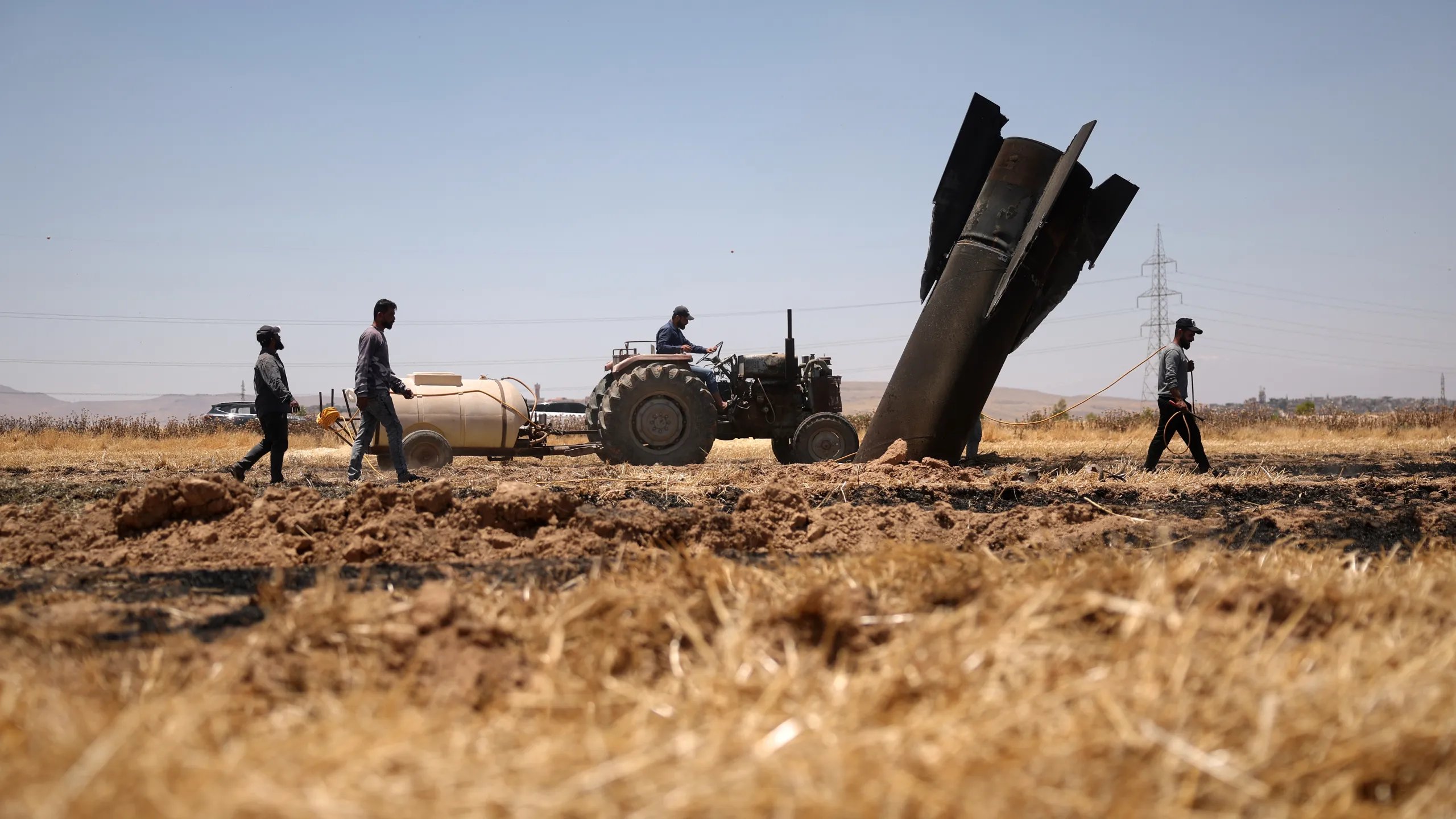
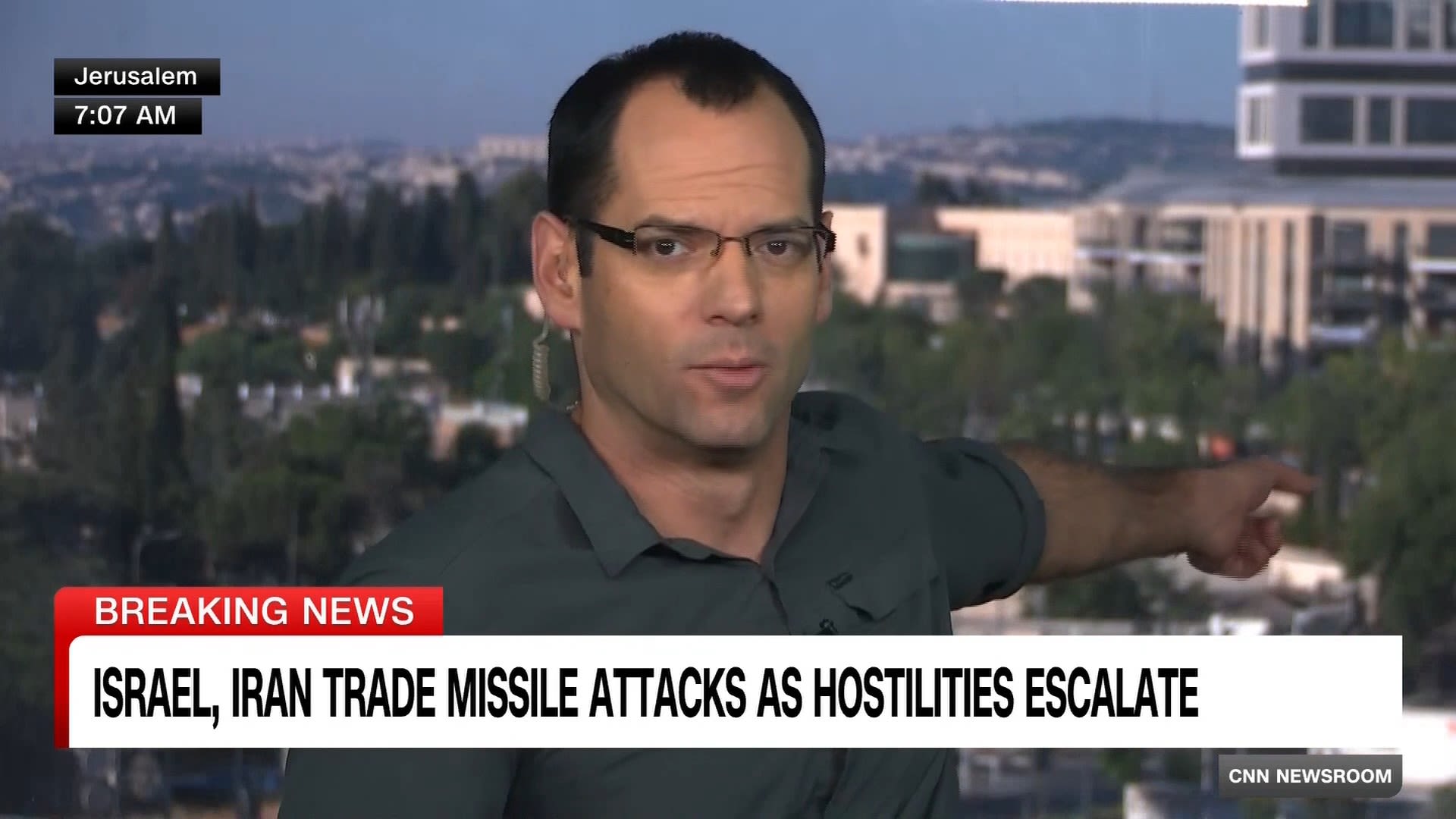
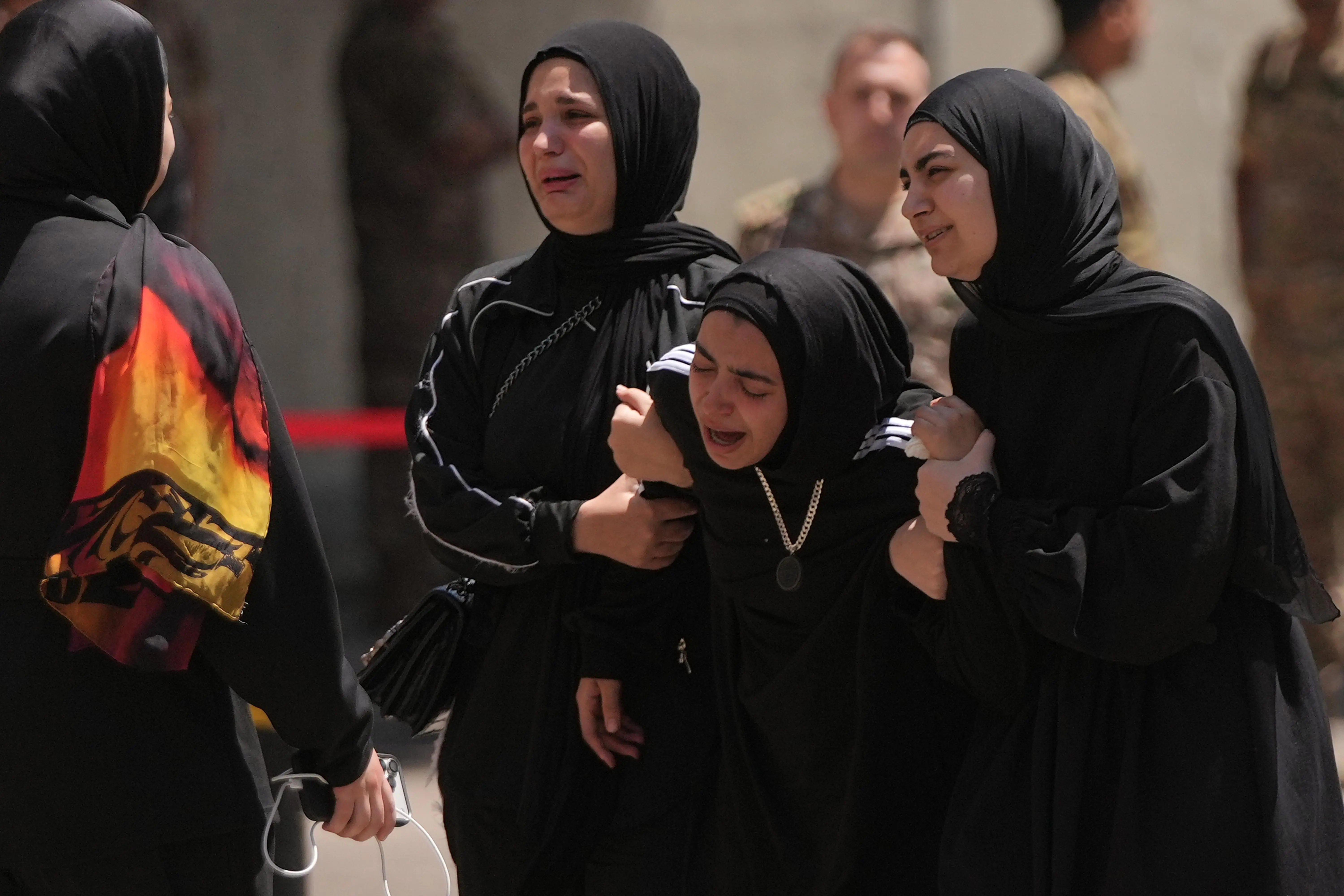
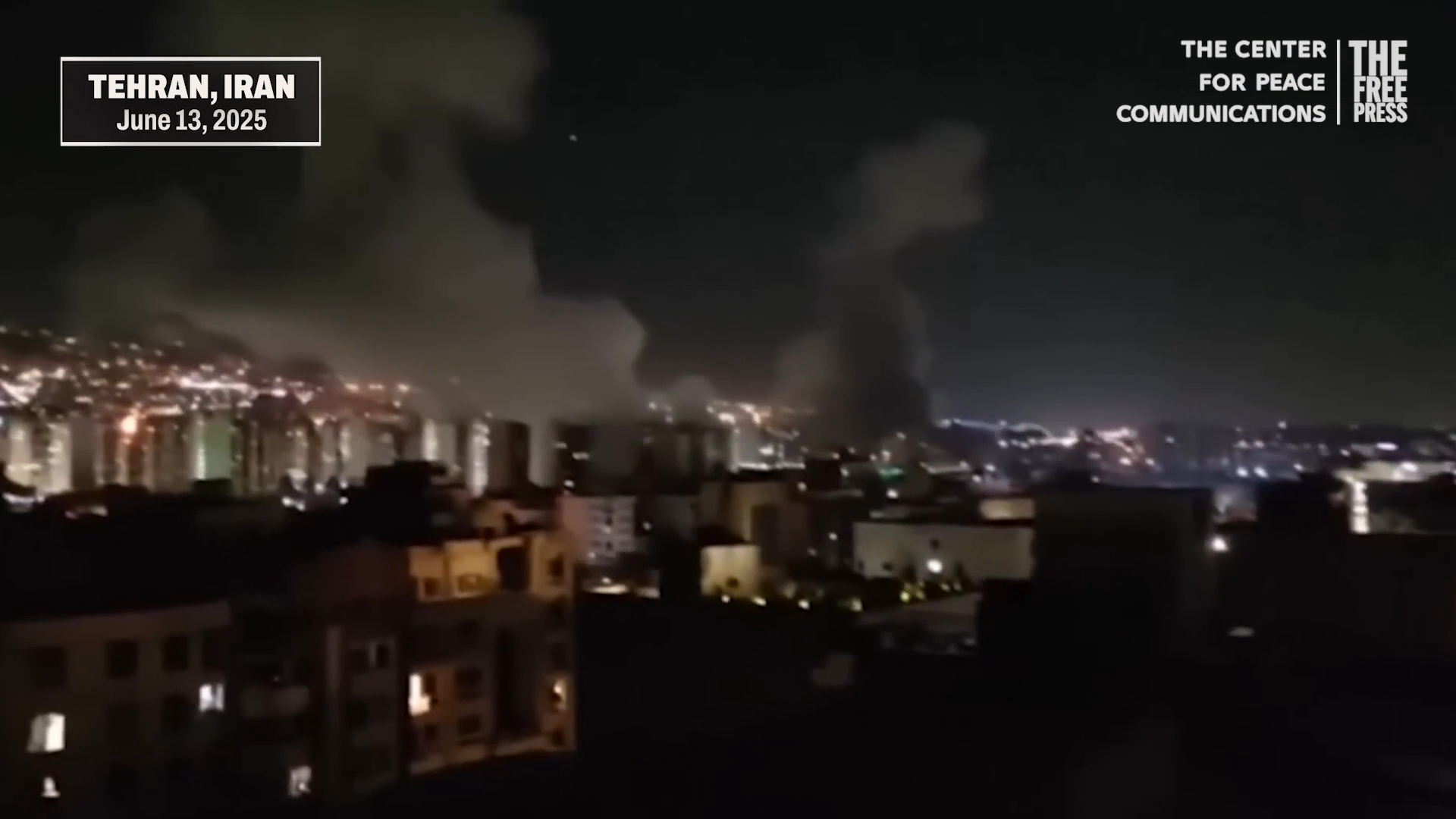
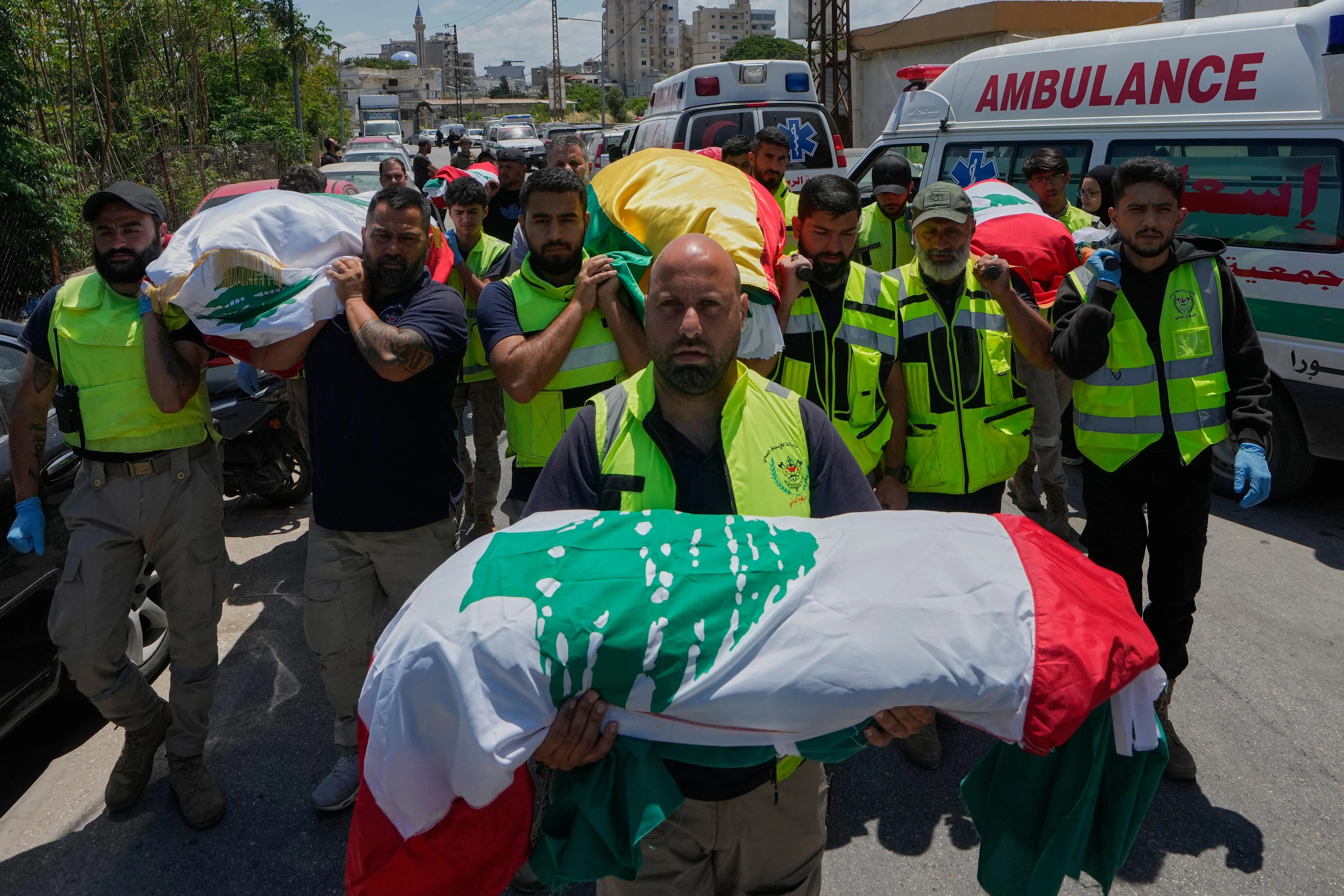
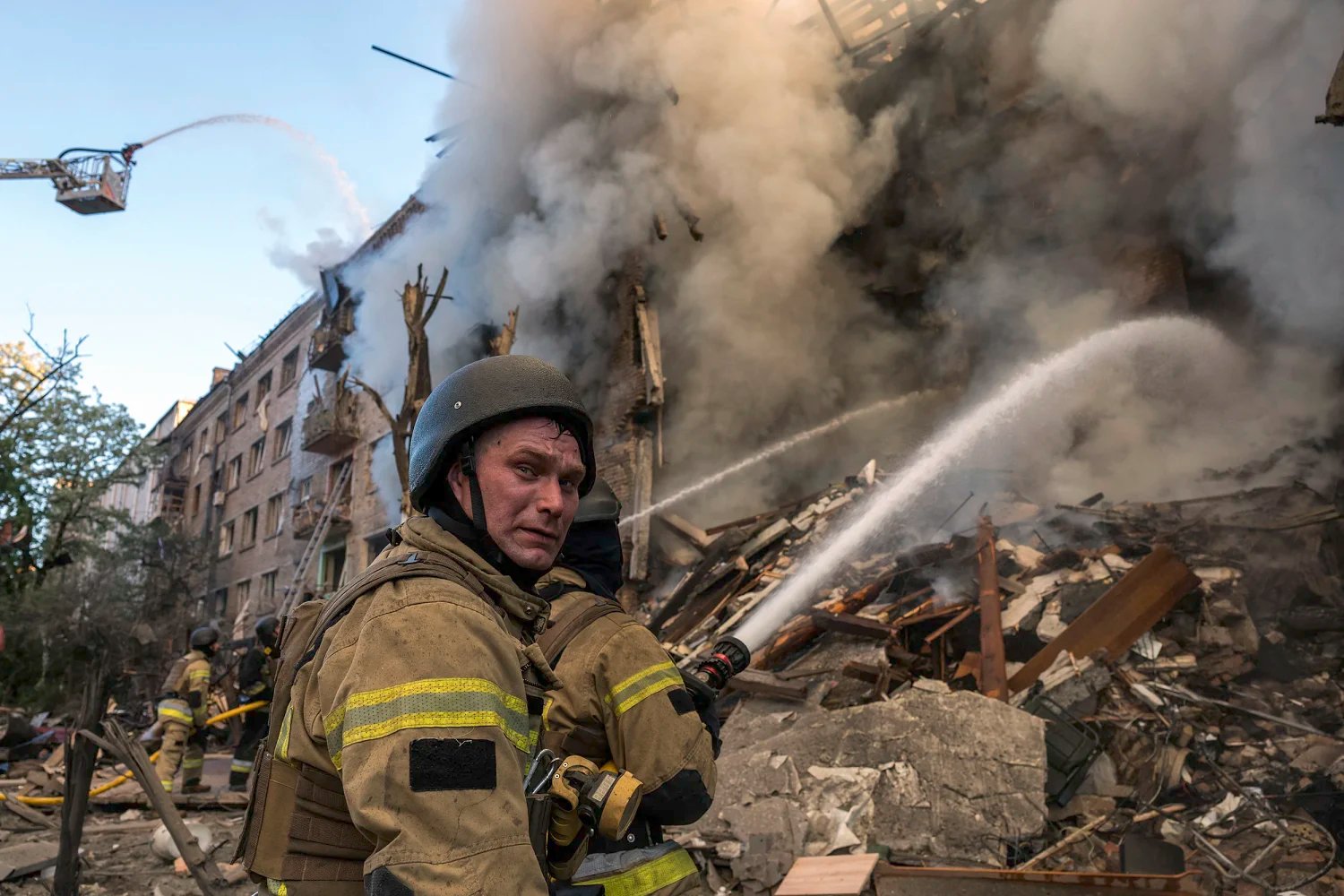
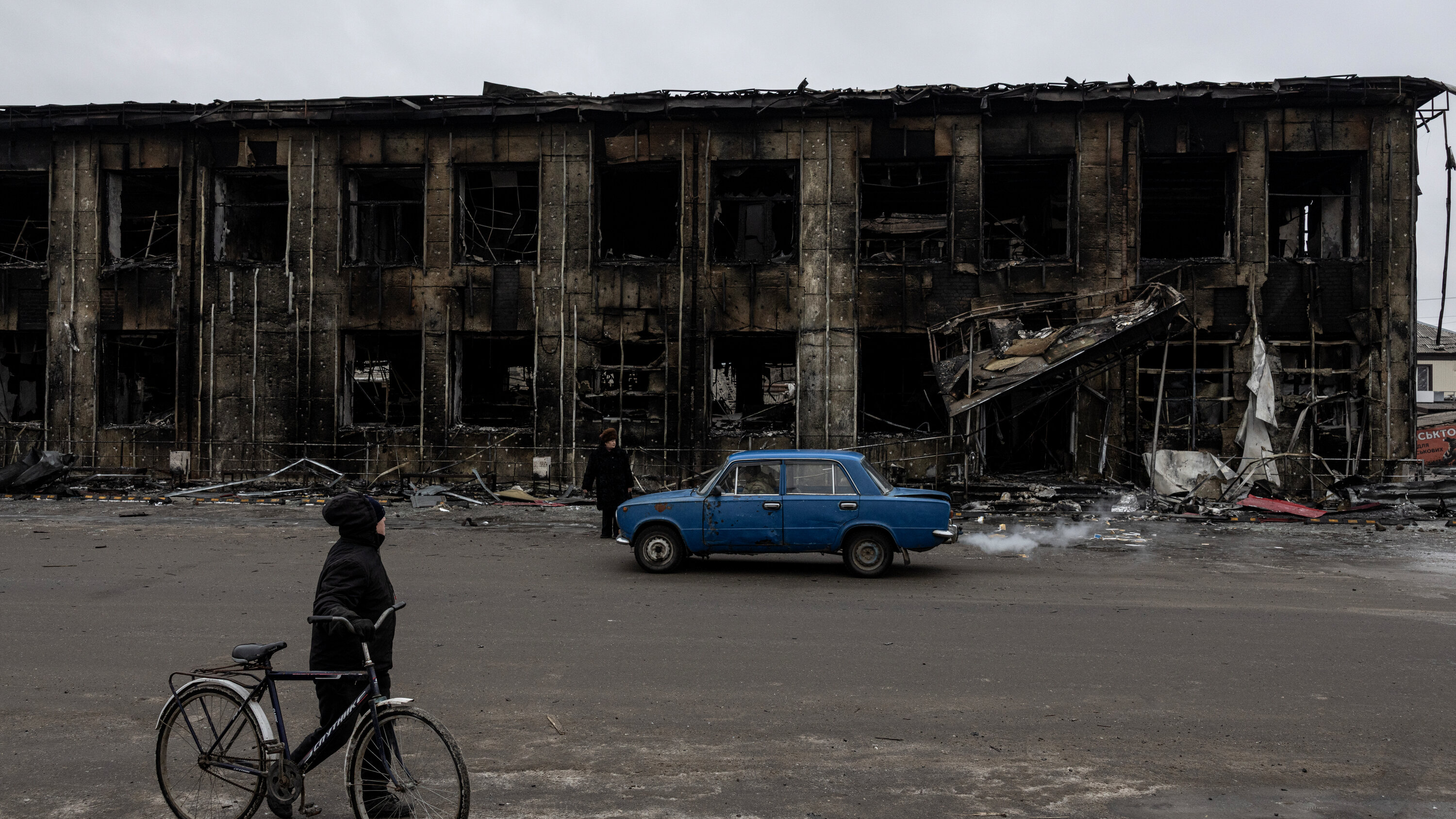
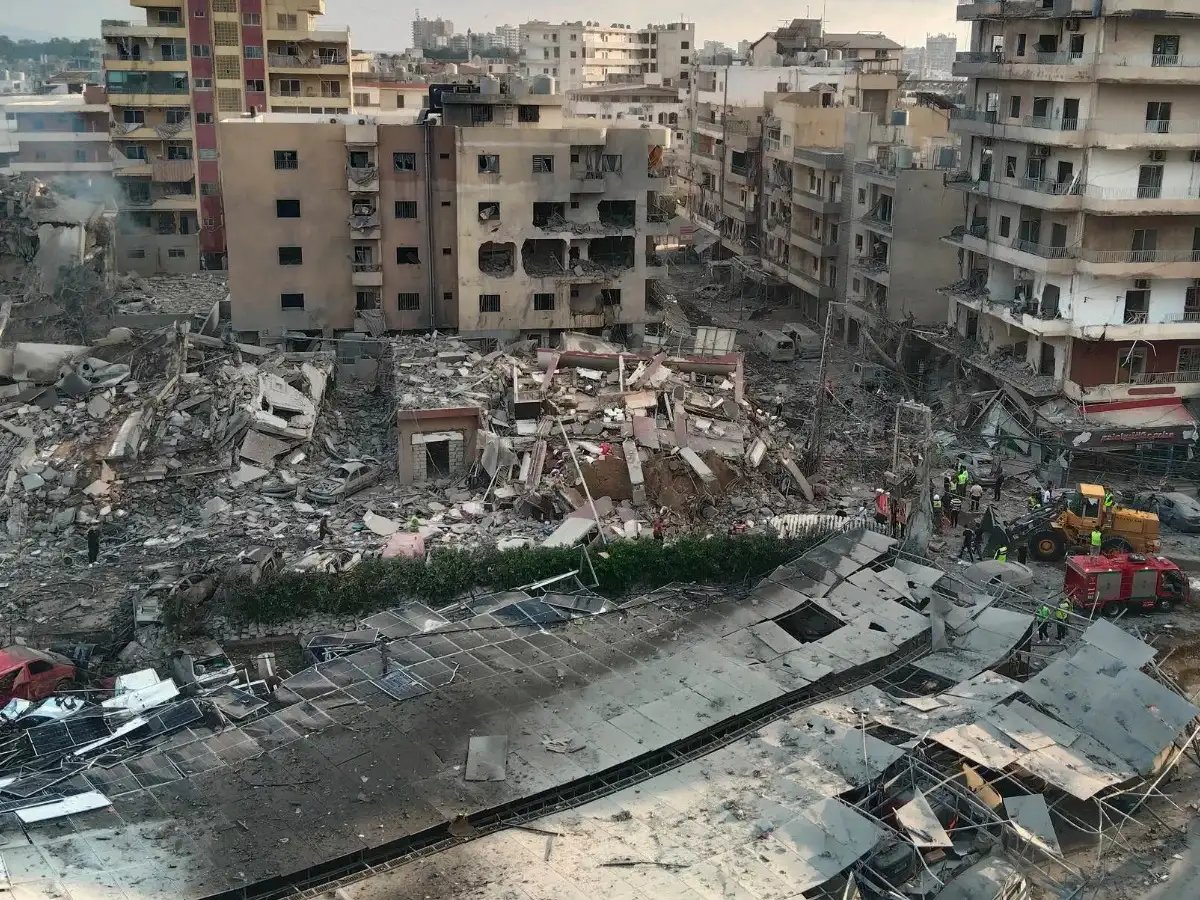
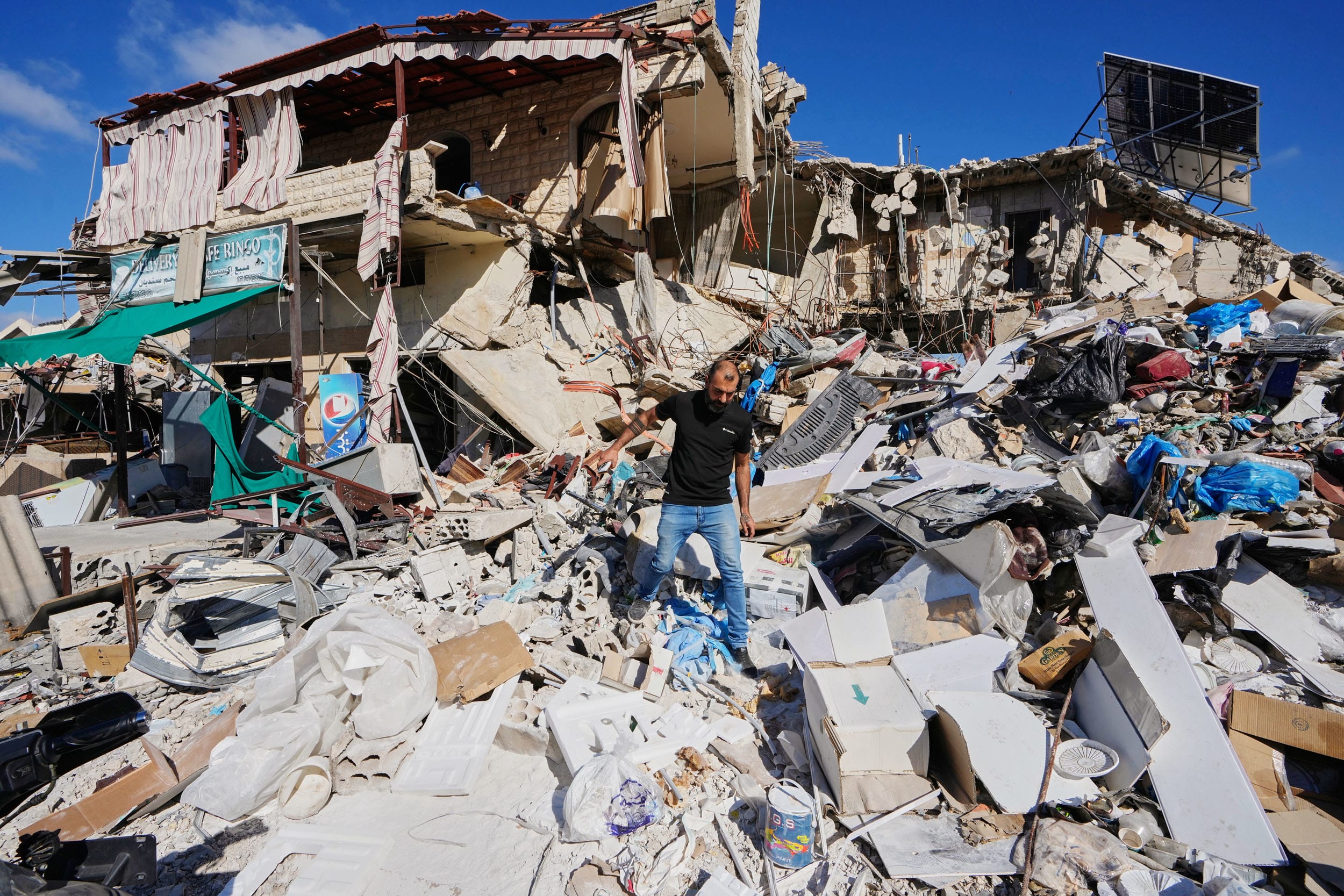
The recent resurgence of fighting between Israel and Hezbollah has cast a shadow over the newly announced U.S.-Iran peace deal. Israeli airstrikes on southern Beirut prompted Iran to threaten retaliation, though the threatened attack did not materialize. Prime Minister Benjamin Netanyahu's government remains steadfast in its military operations against Hezbollah, with Defense Minister Israel Katz asserting that the Israel Defense Forces will not withdraw from Lebanon despite pressures from the United States.
U.S.-Iran Deal's Potential Impact on Global Economy
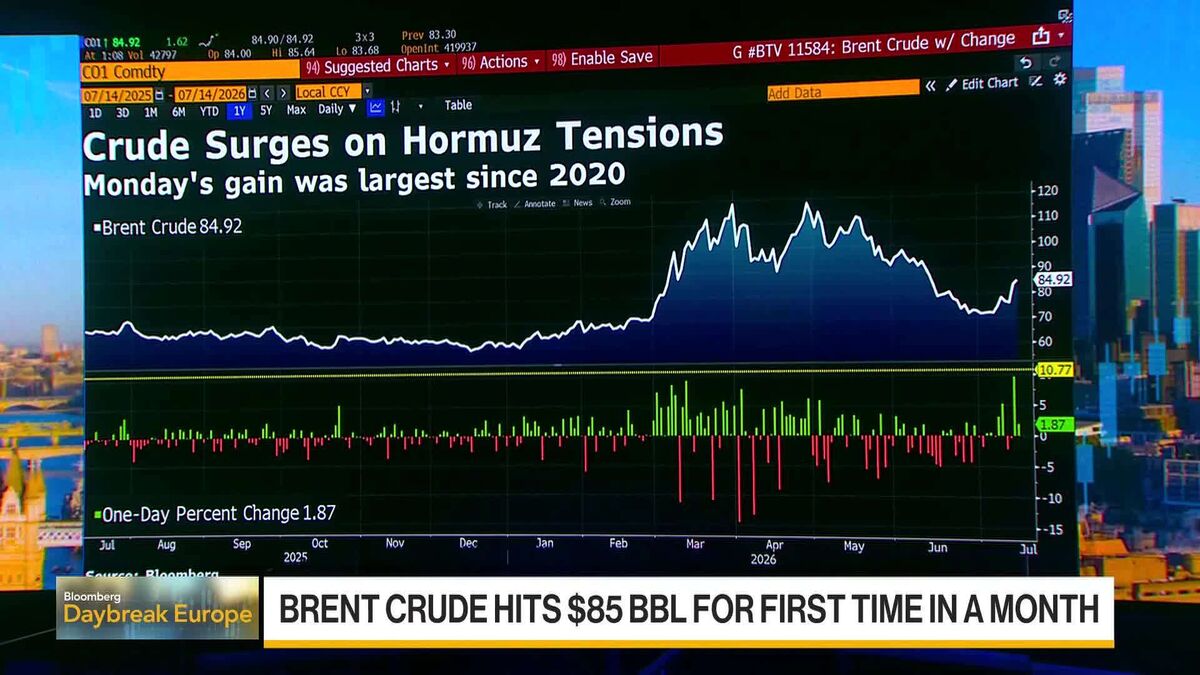
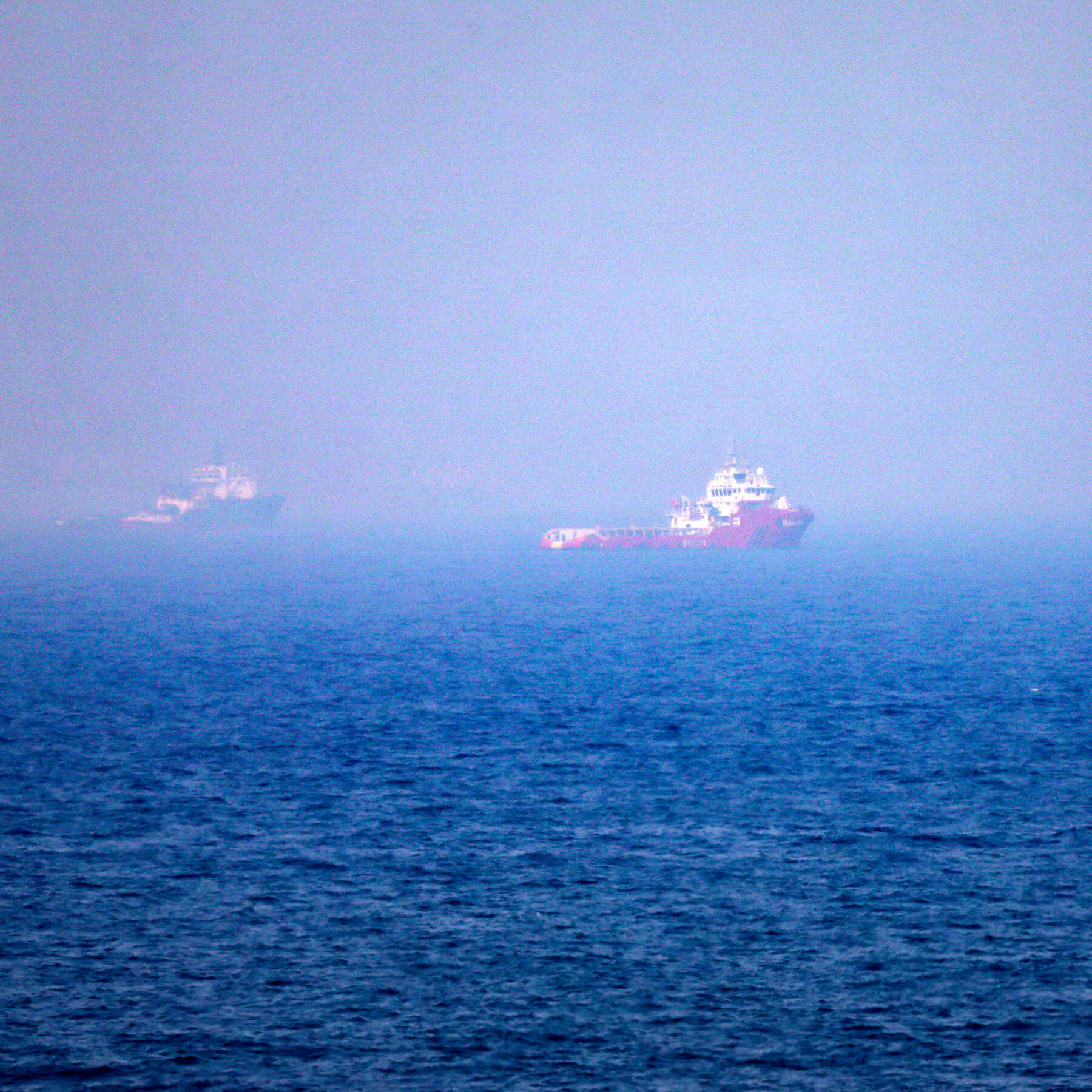
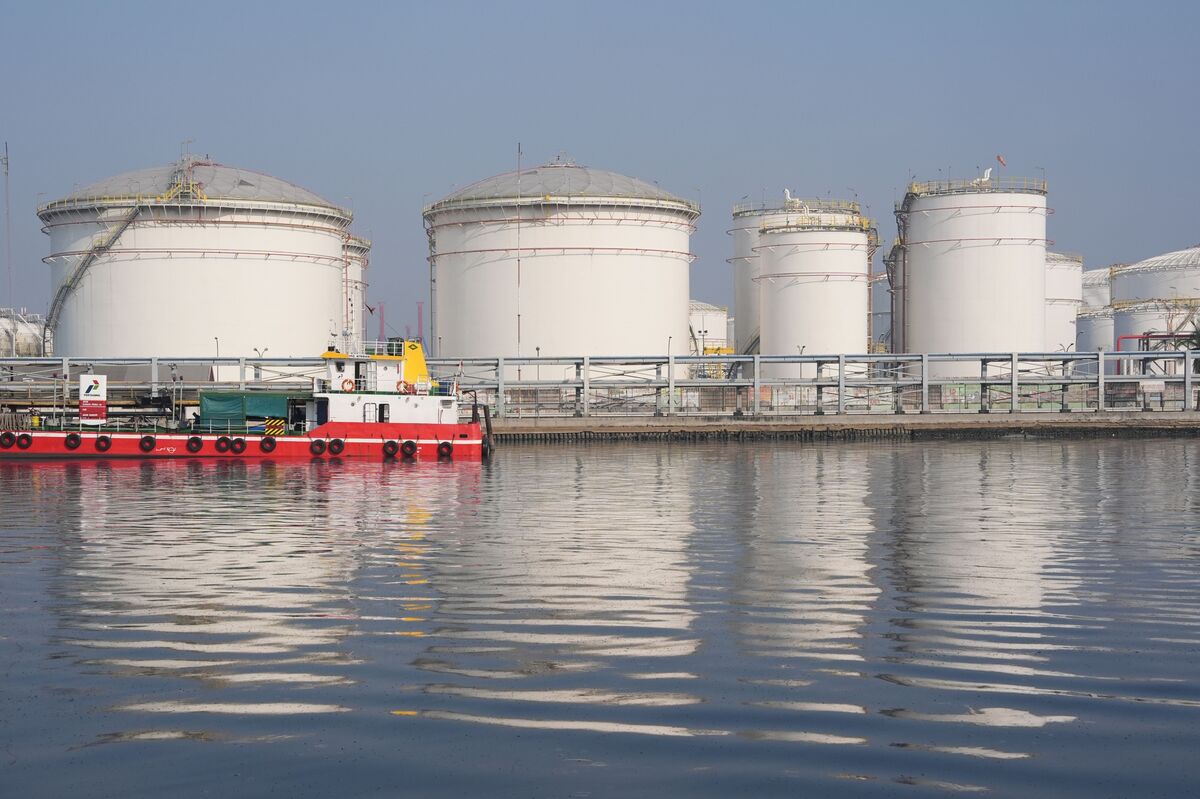
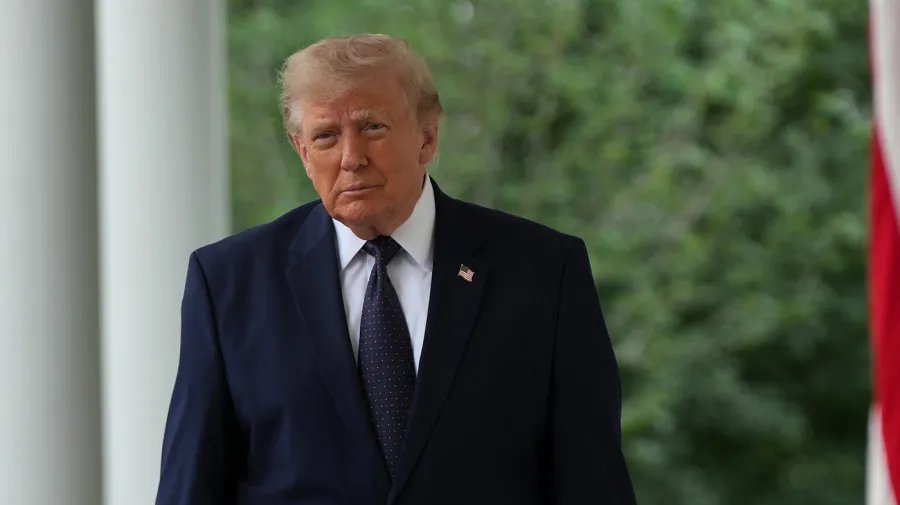
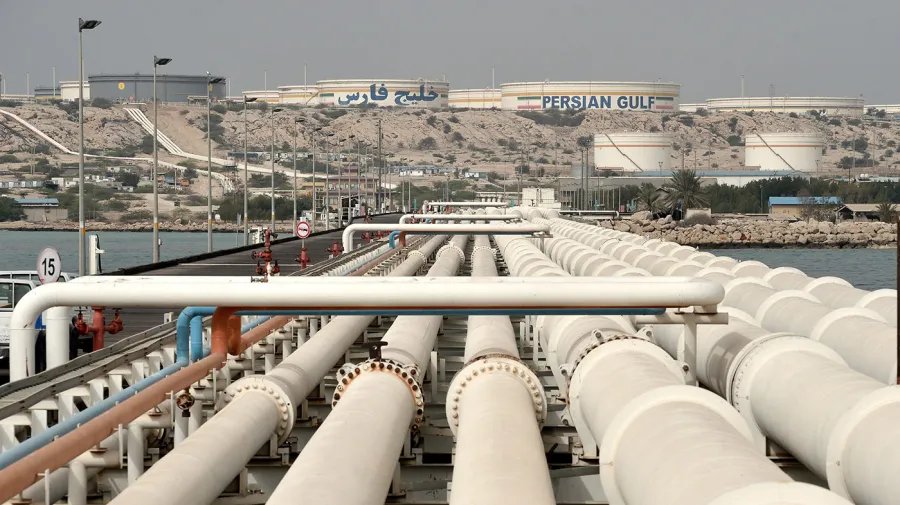
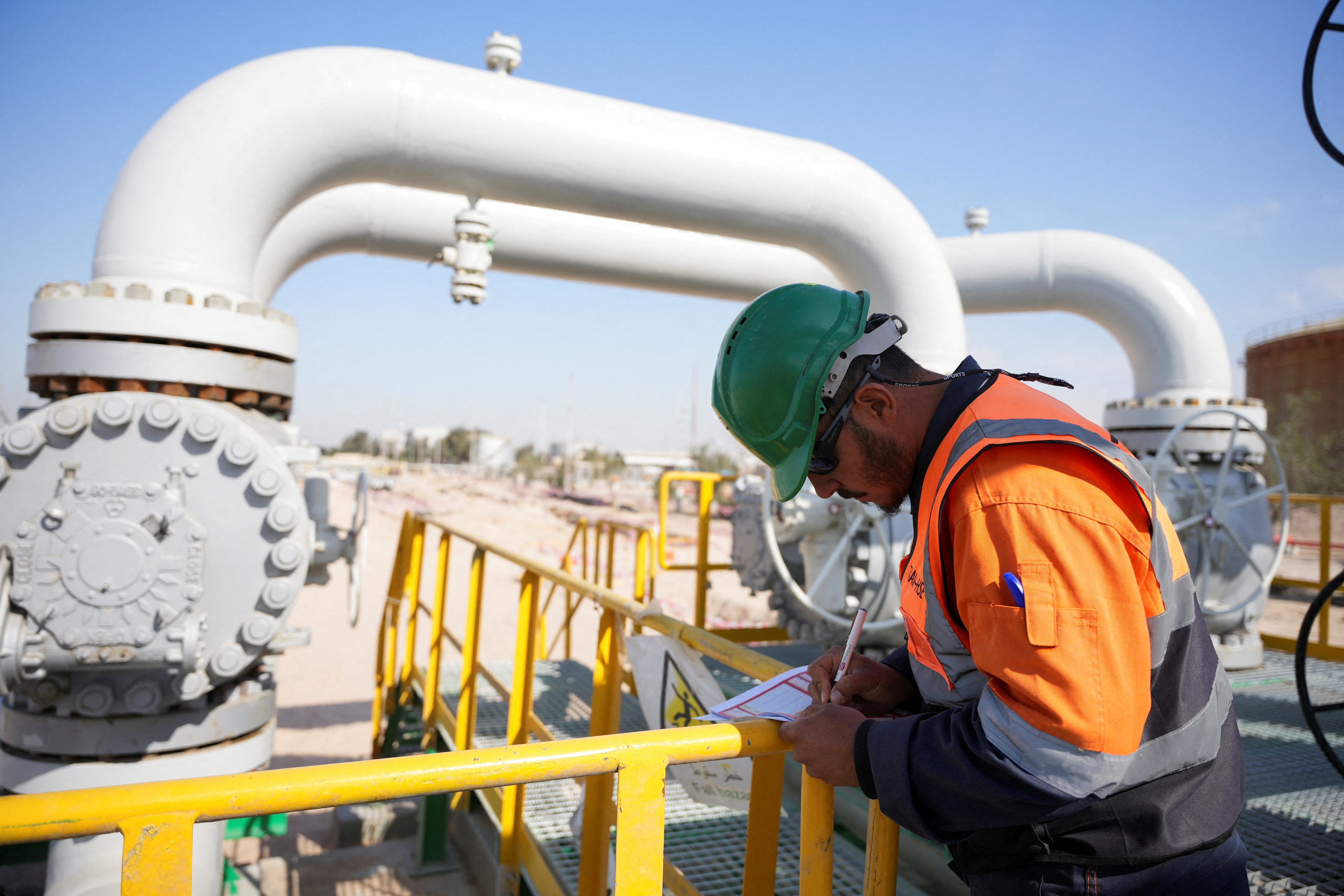
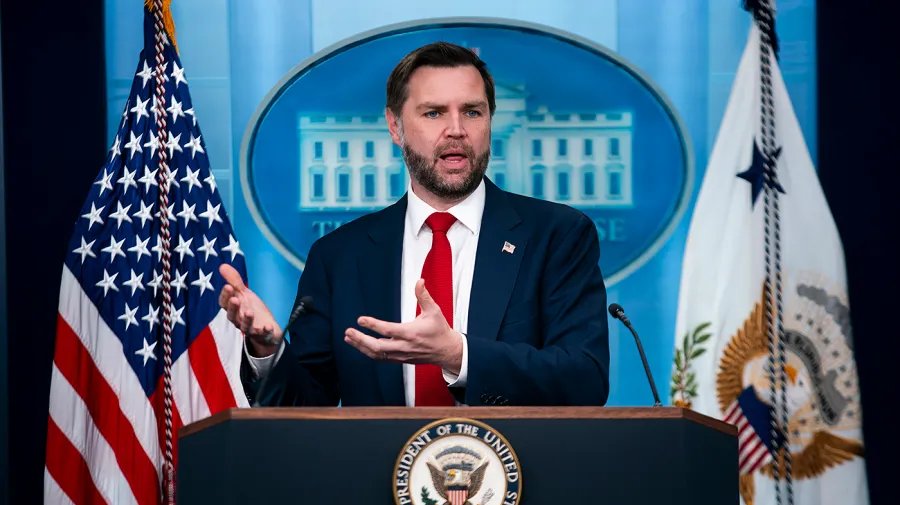
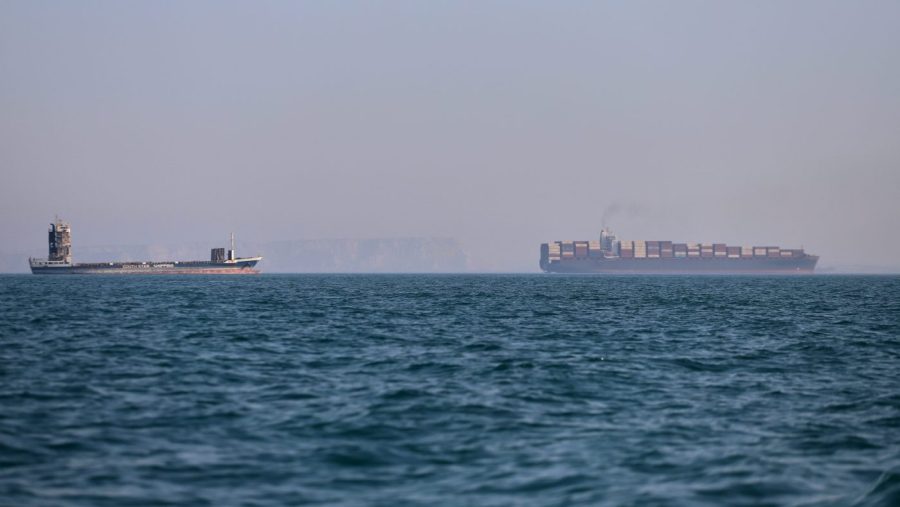
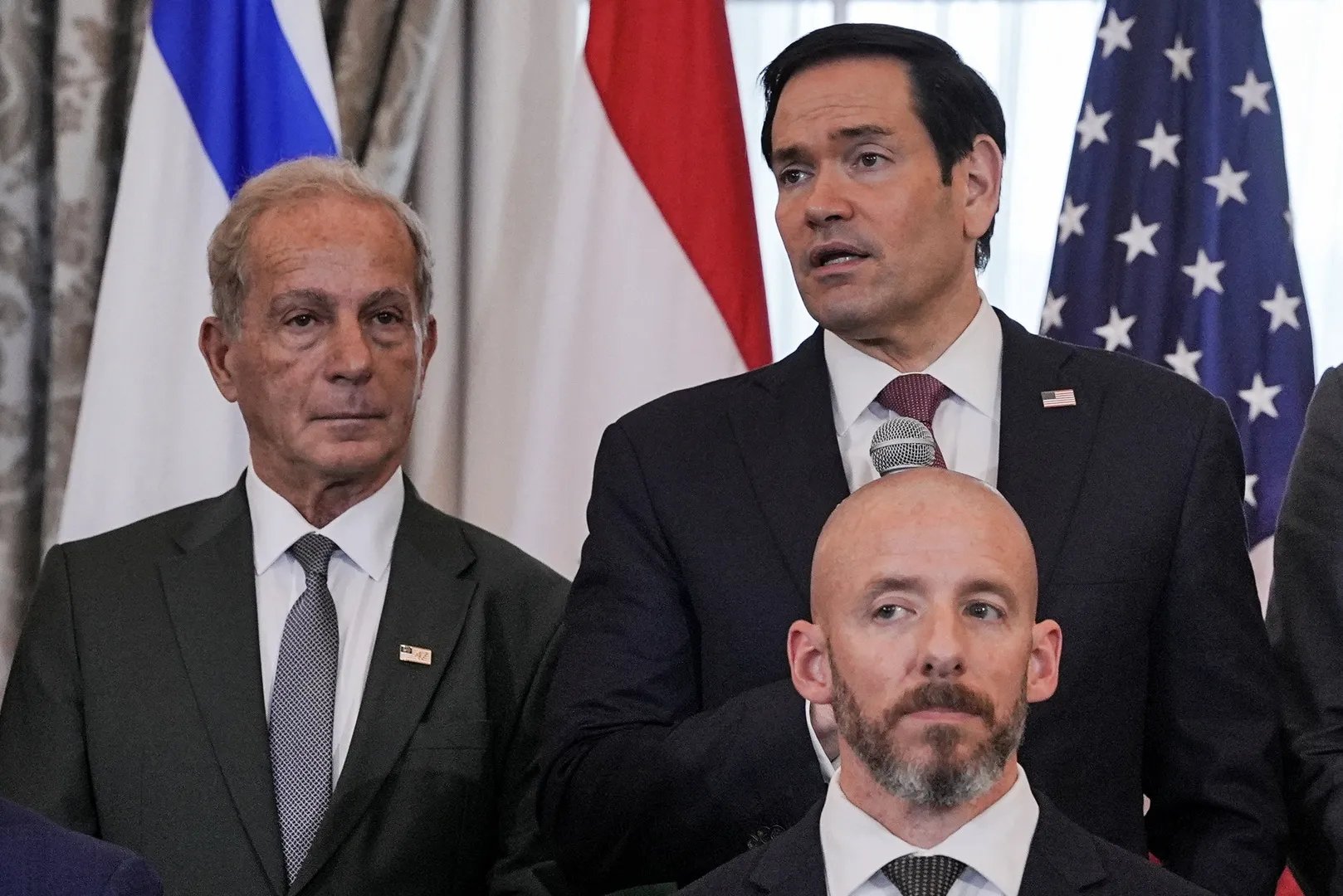
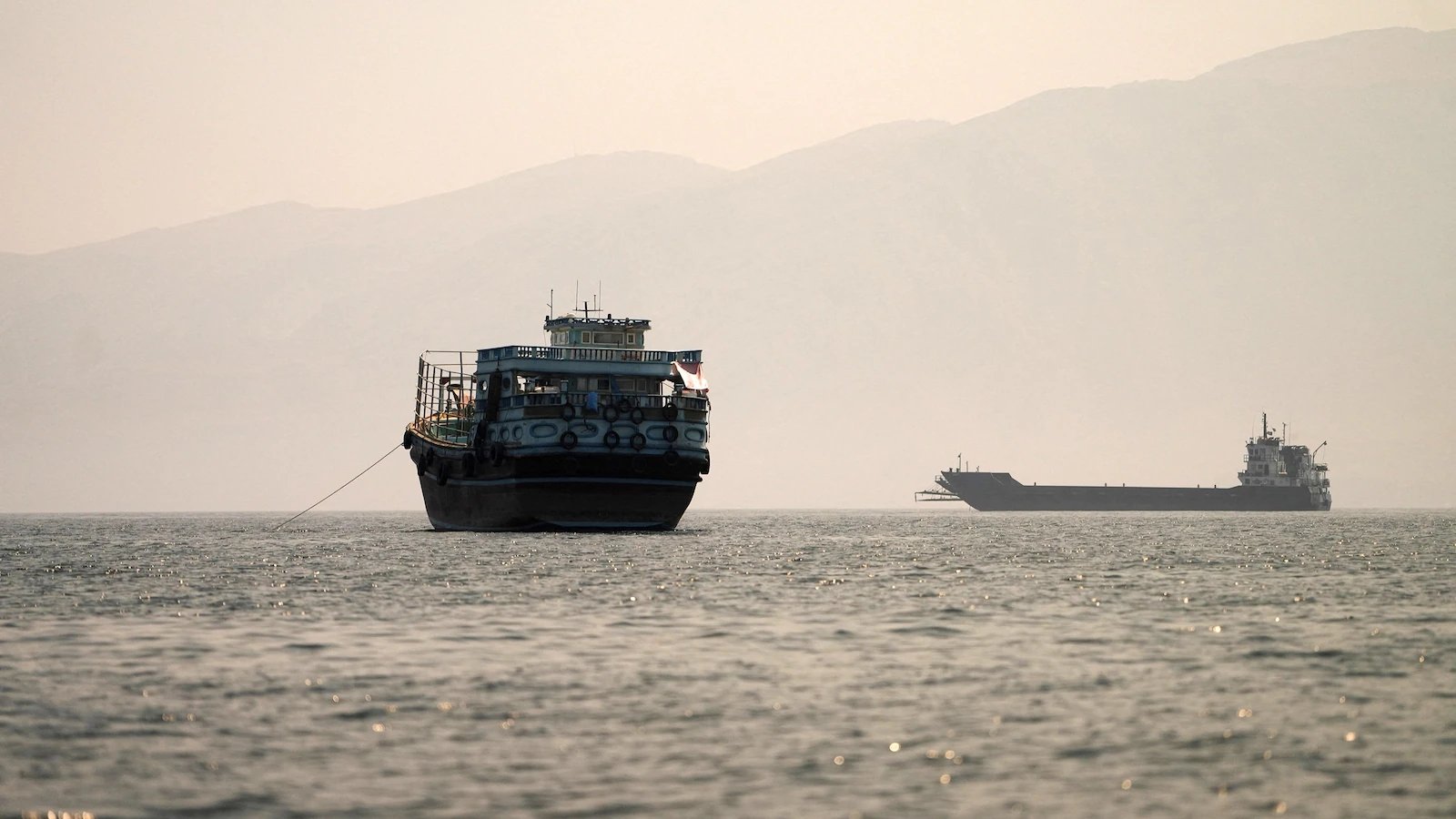
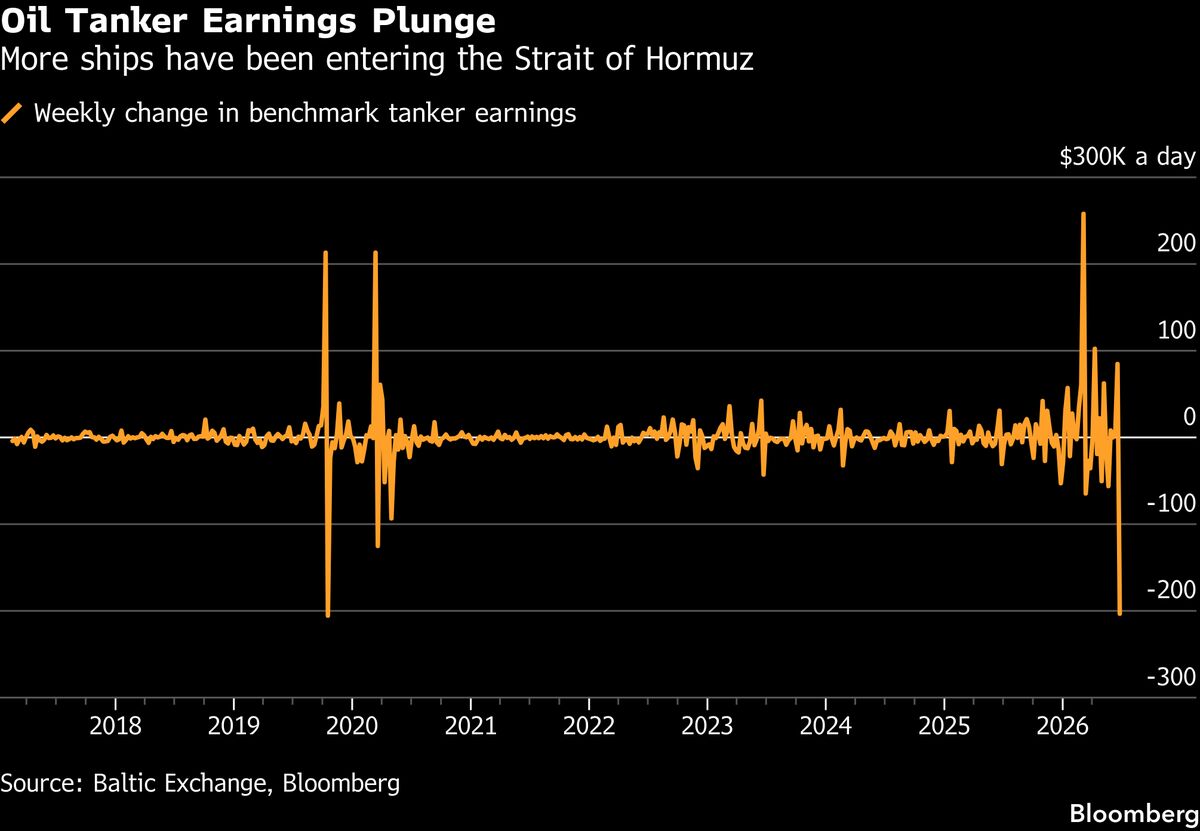
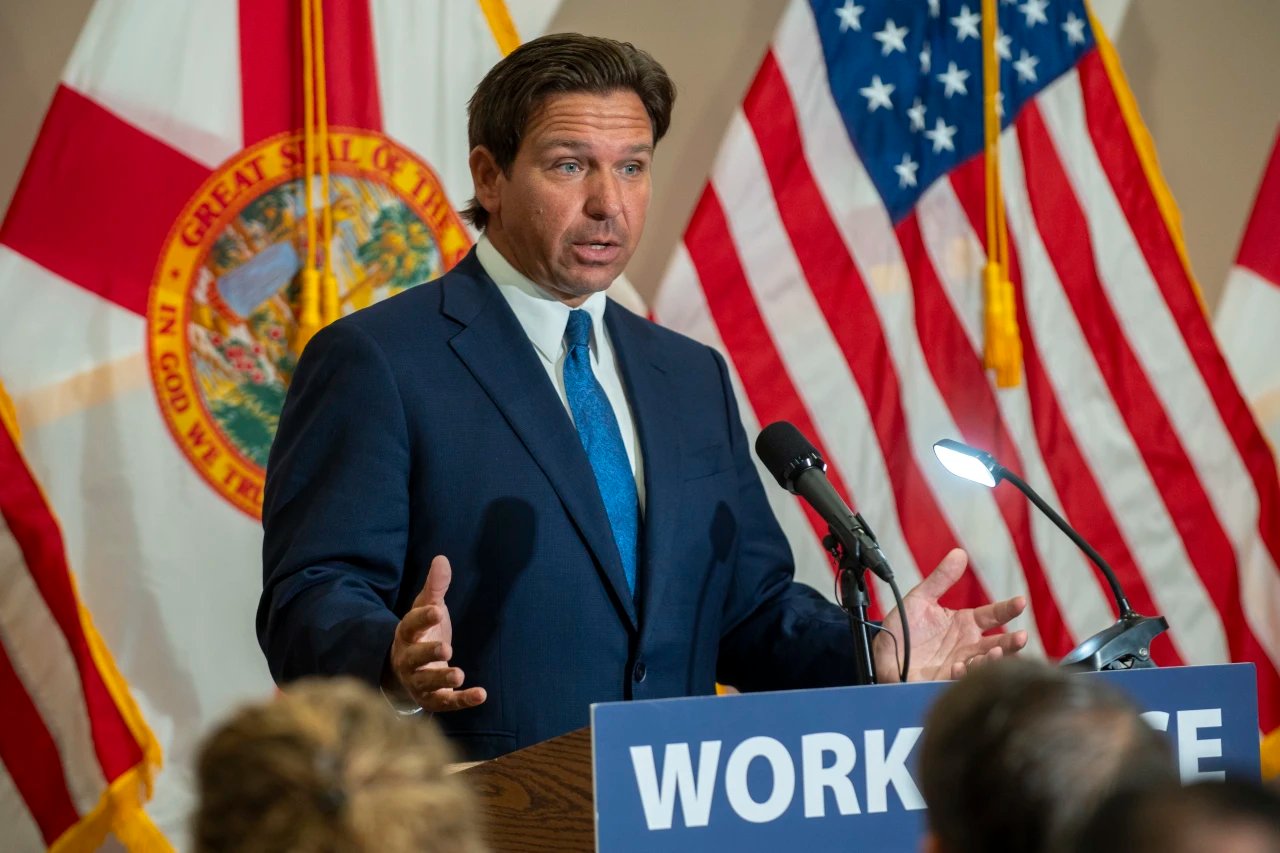
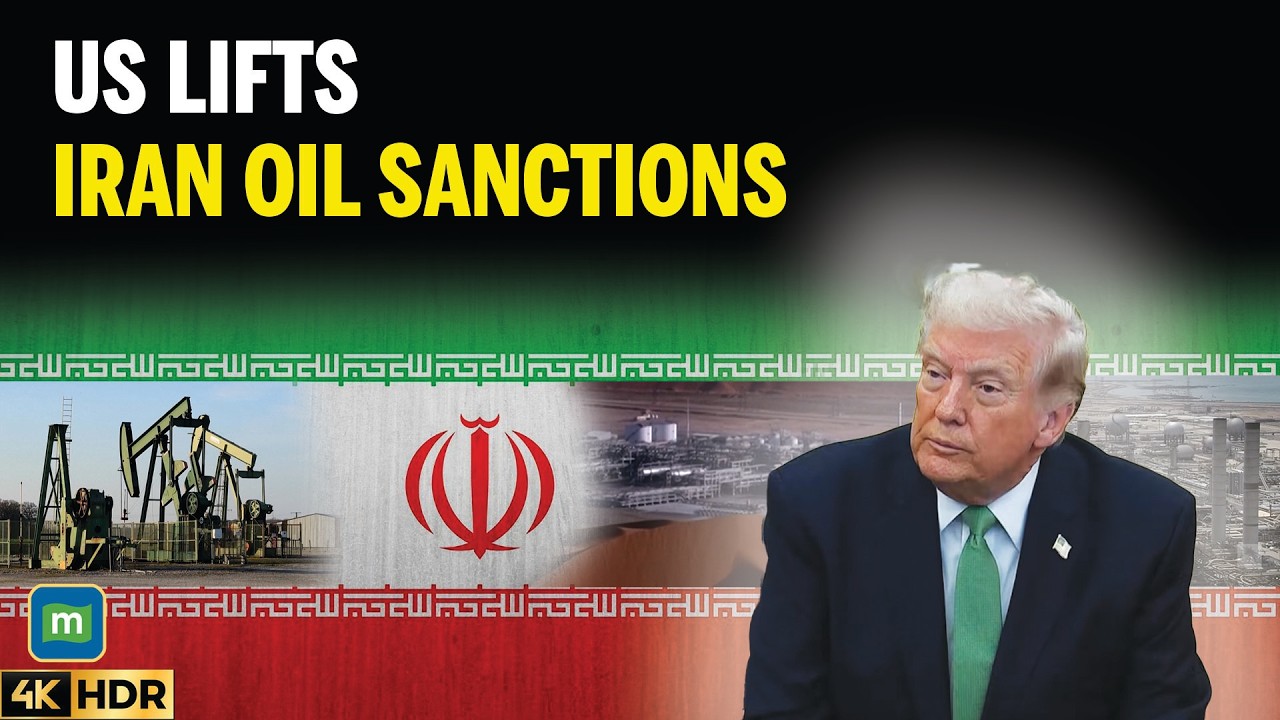
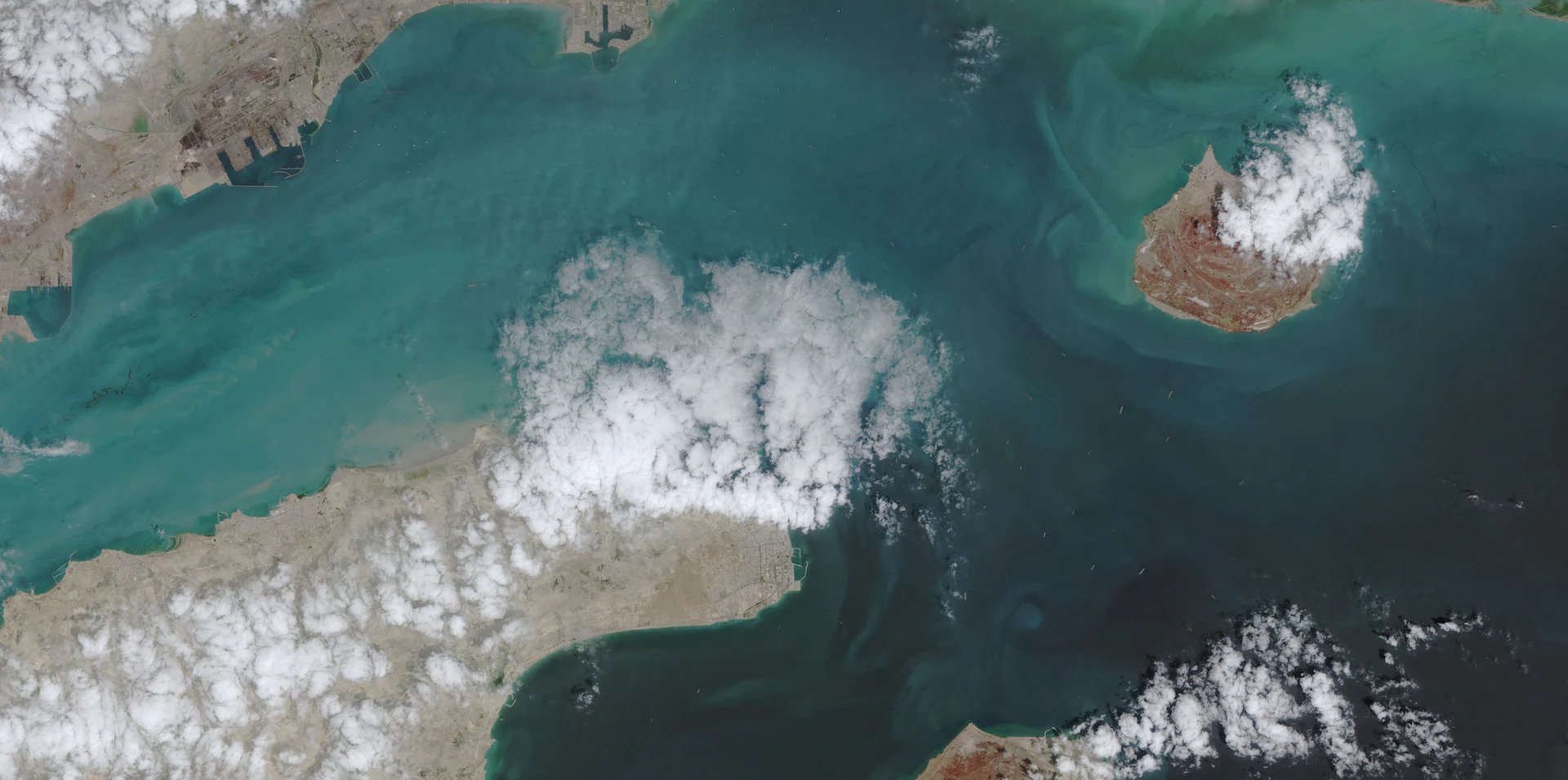
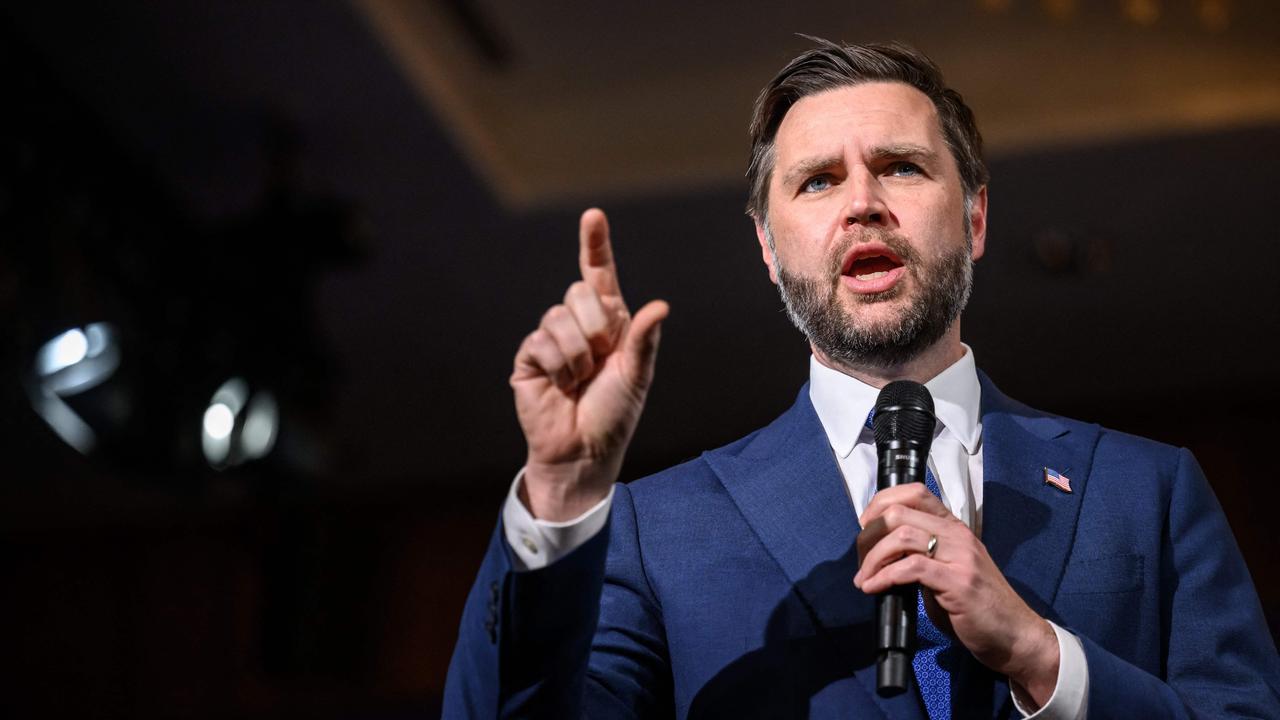
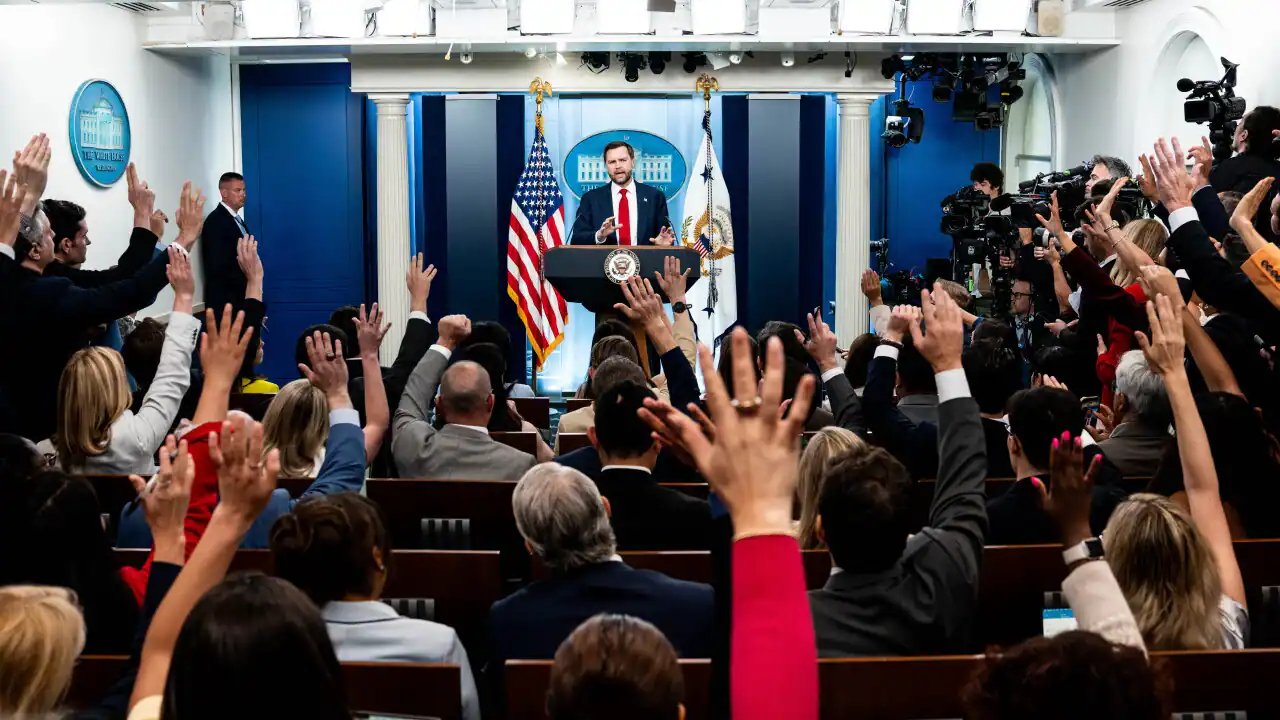
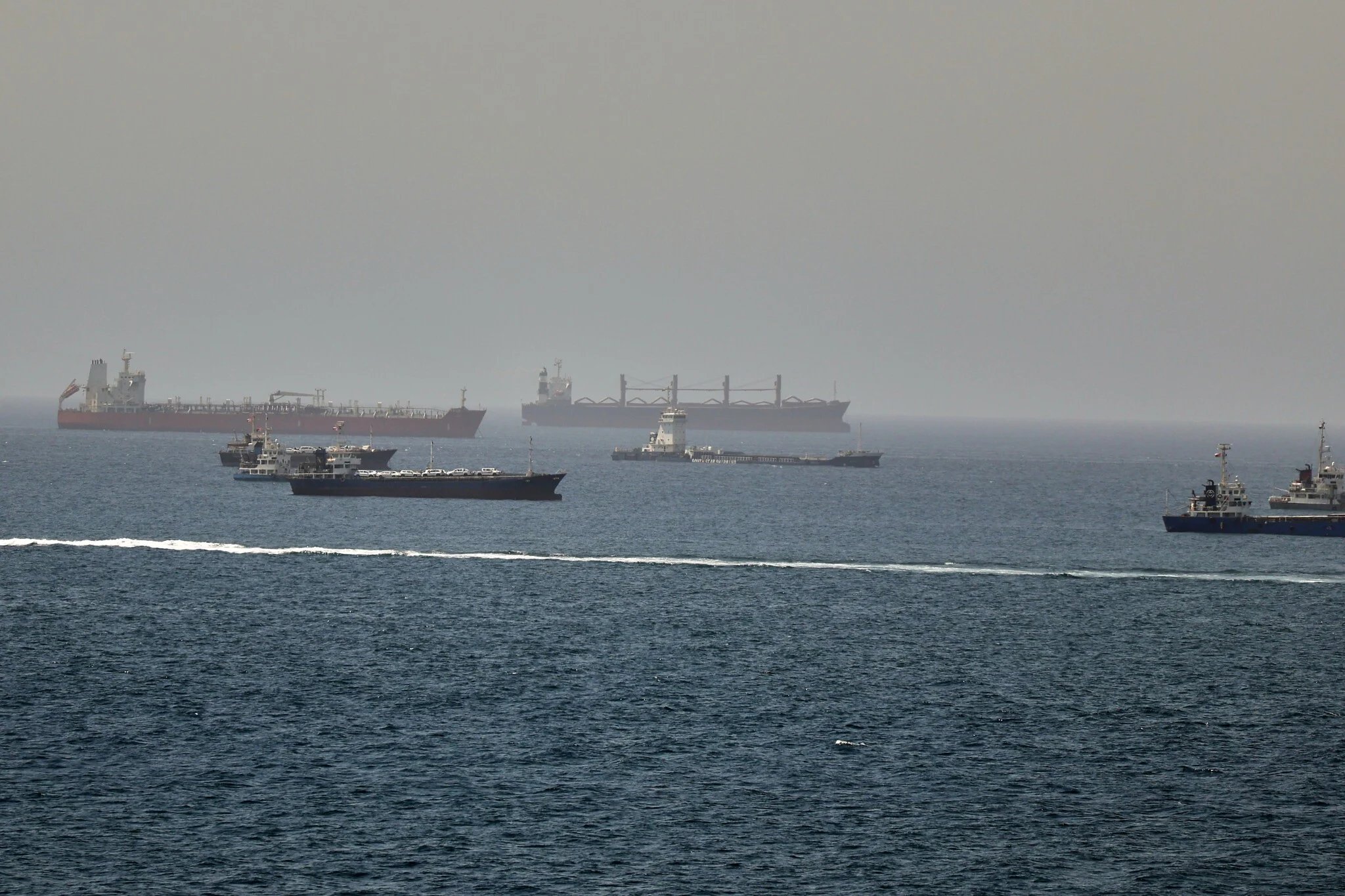
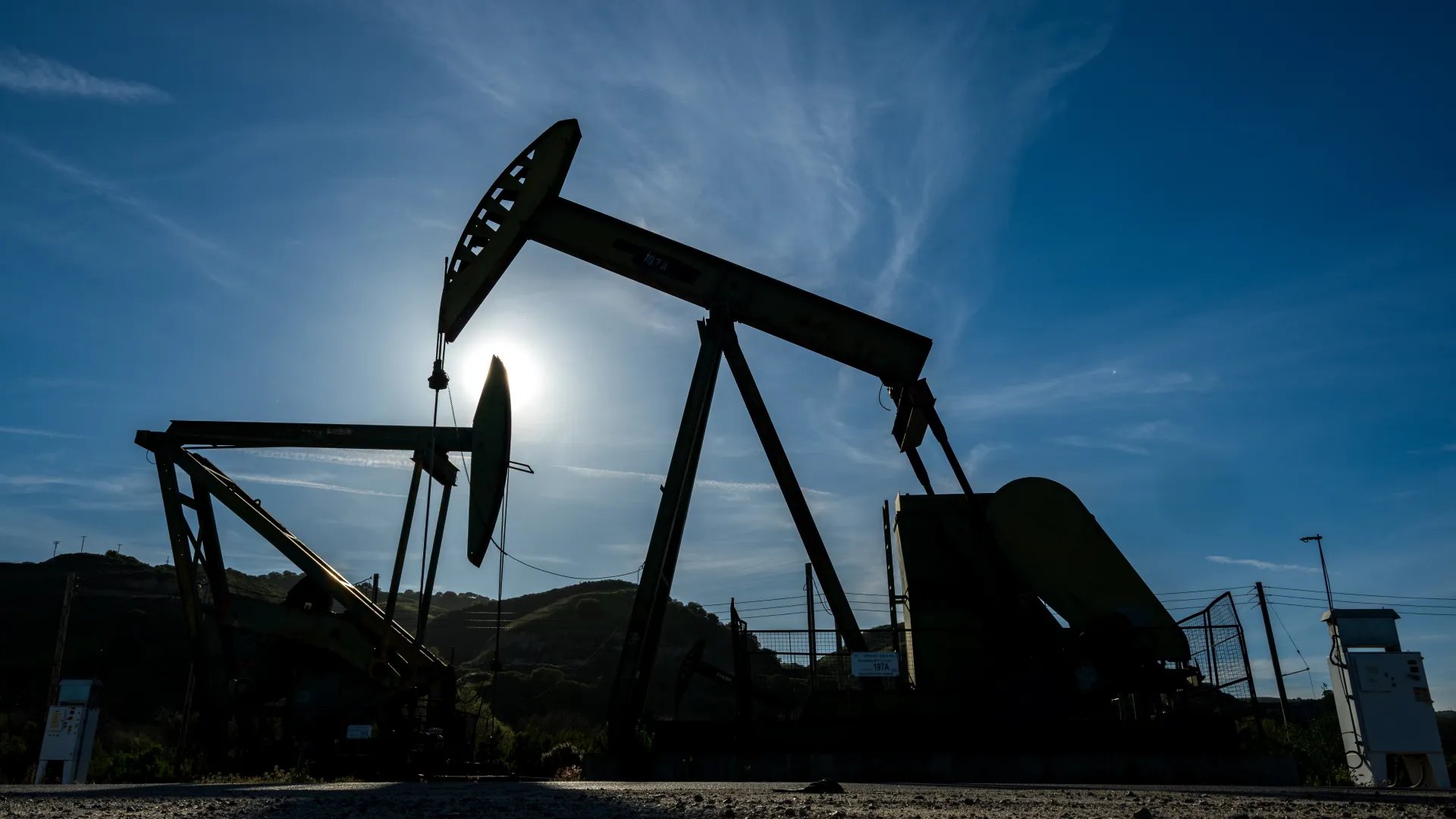
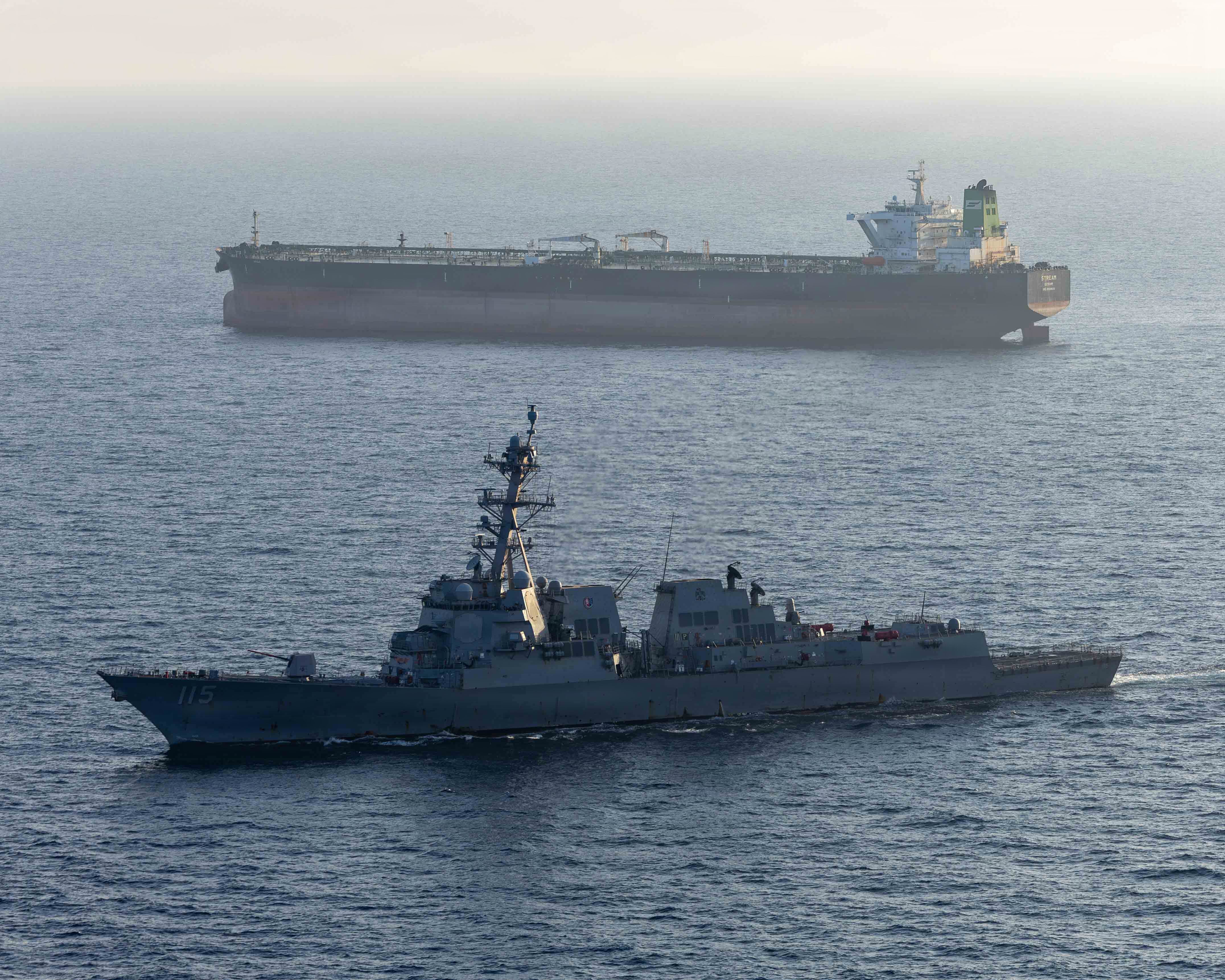
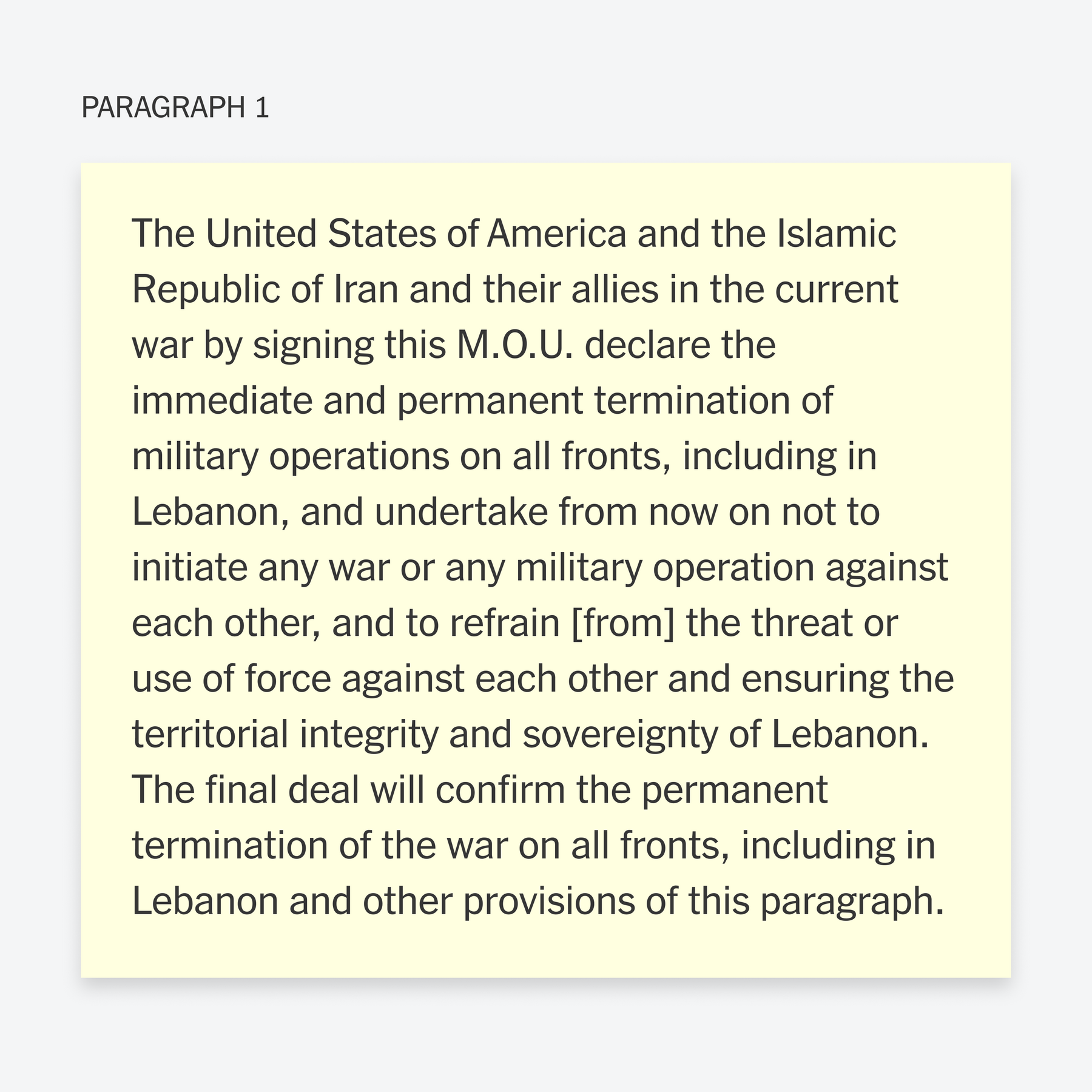
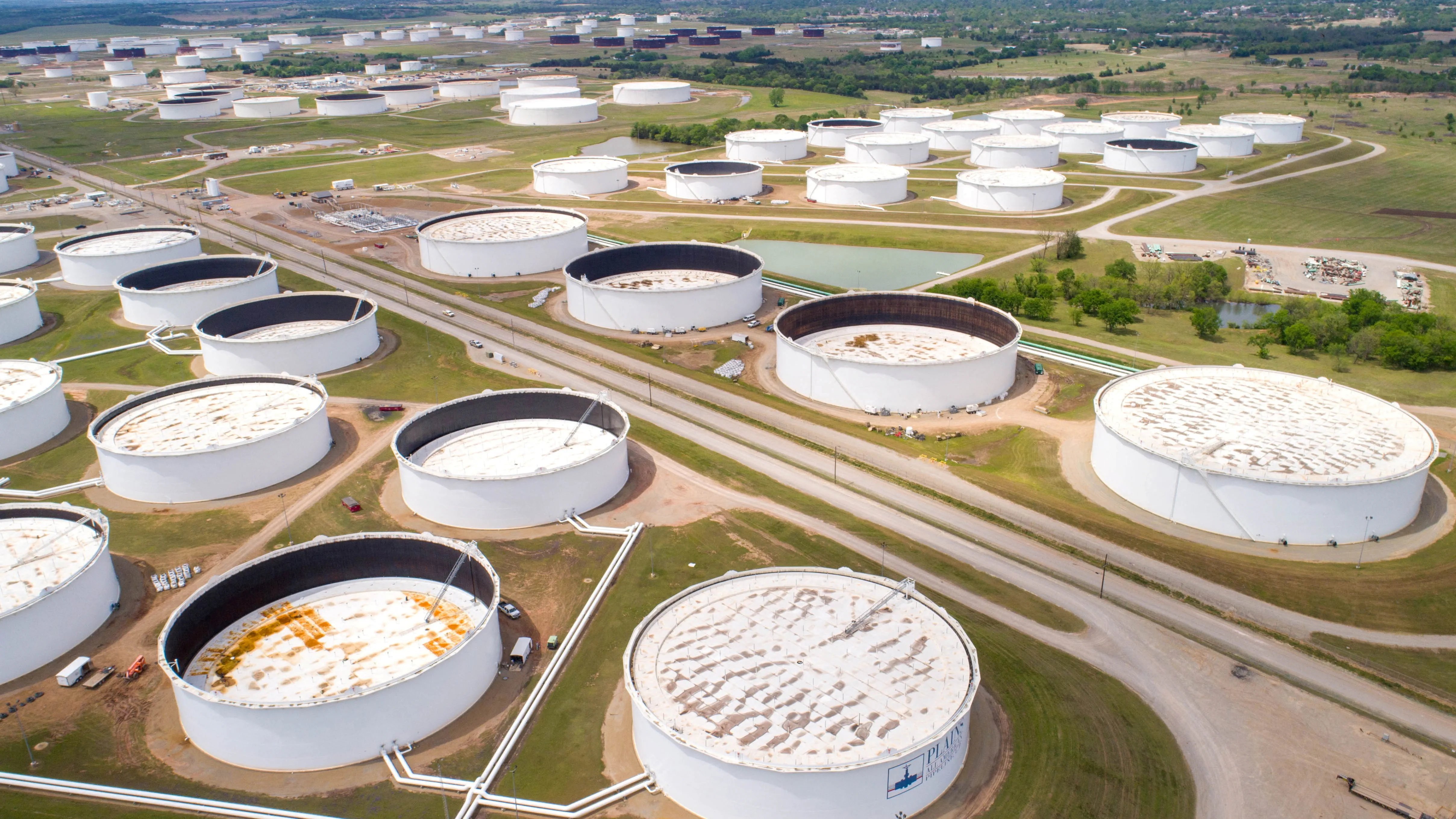
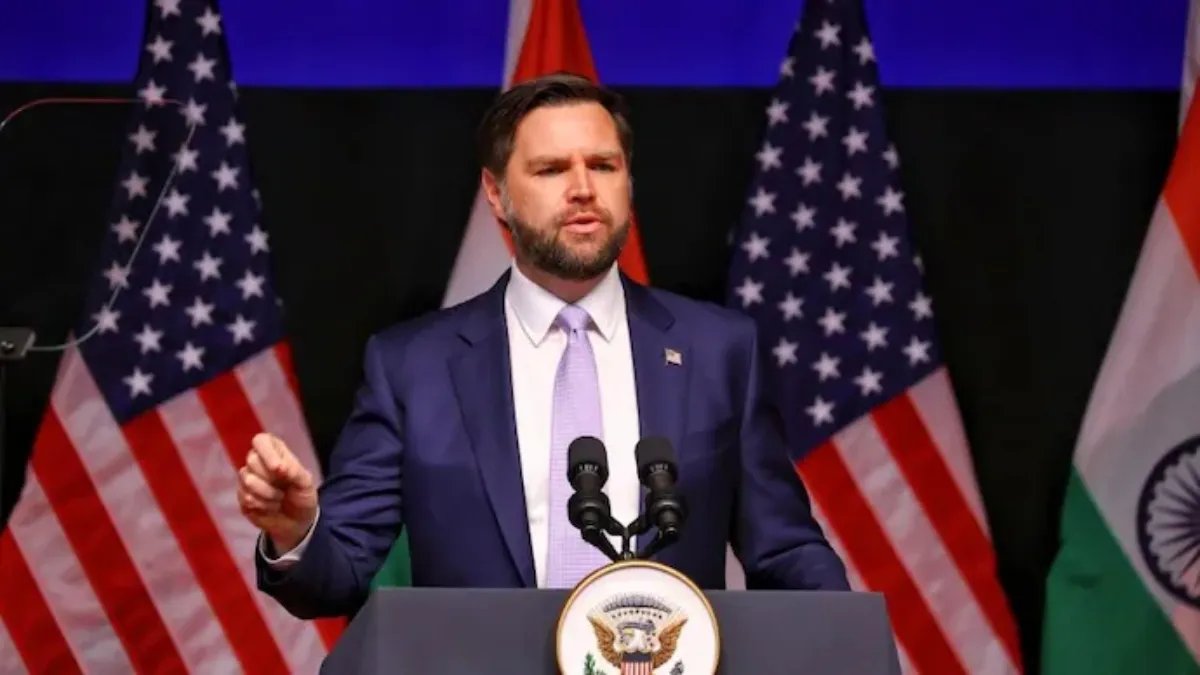
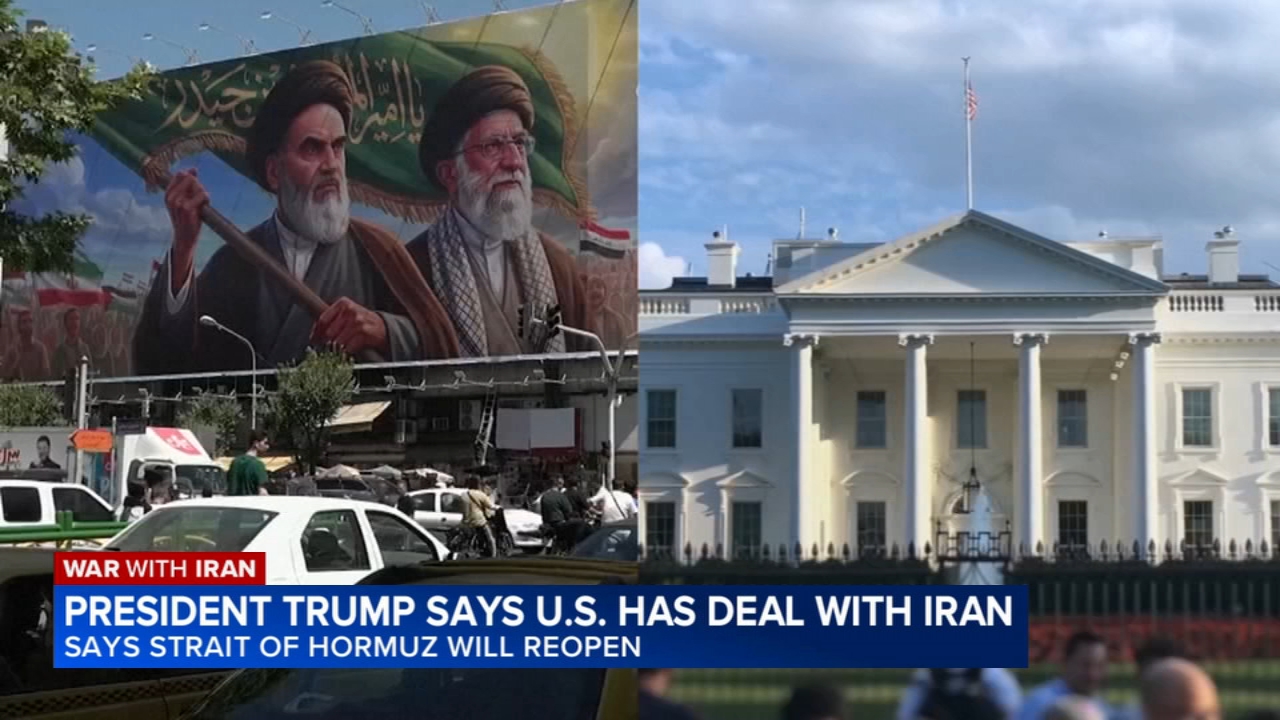
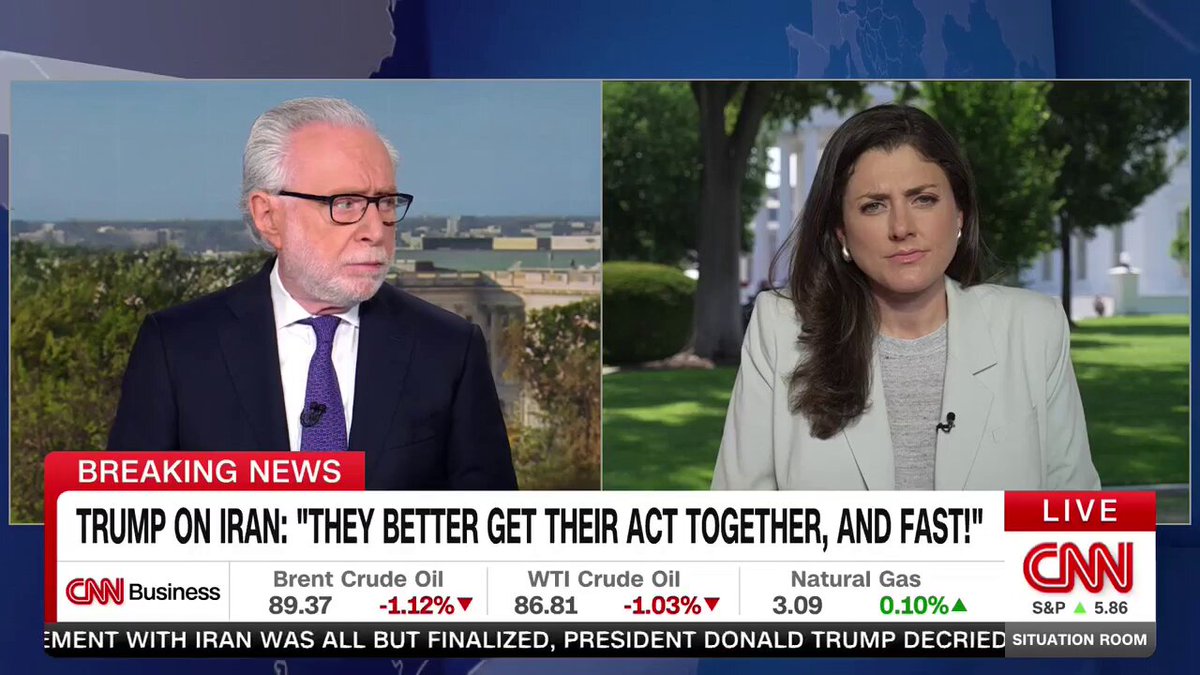
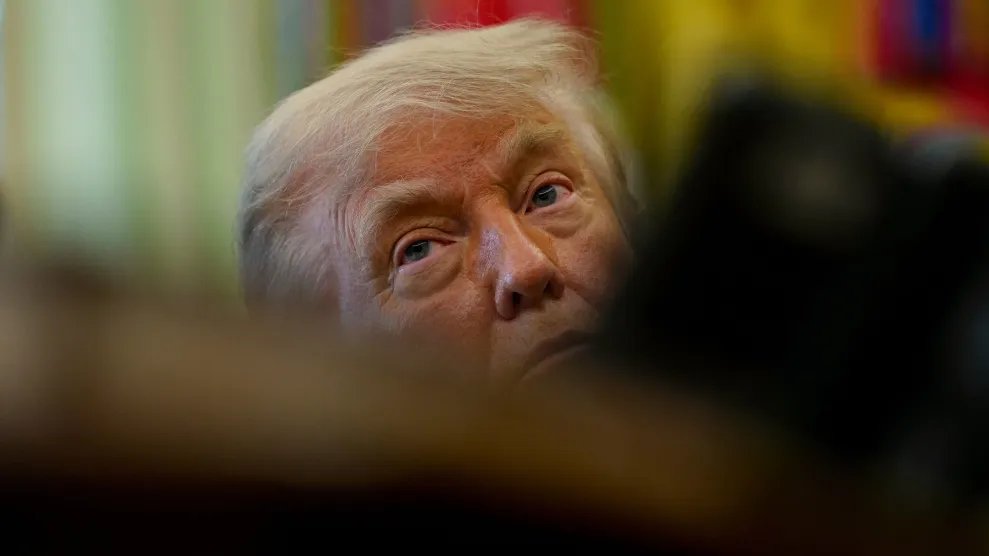
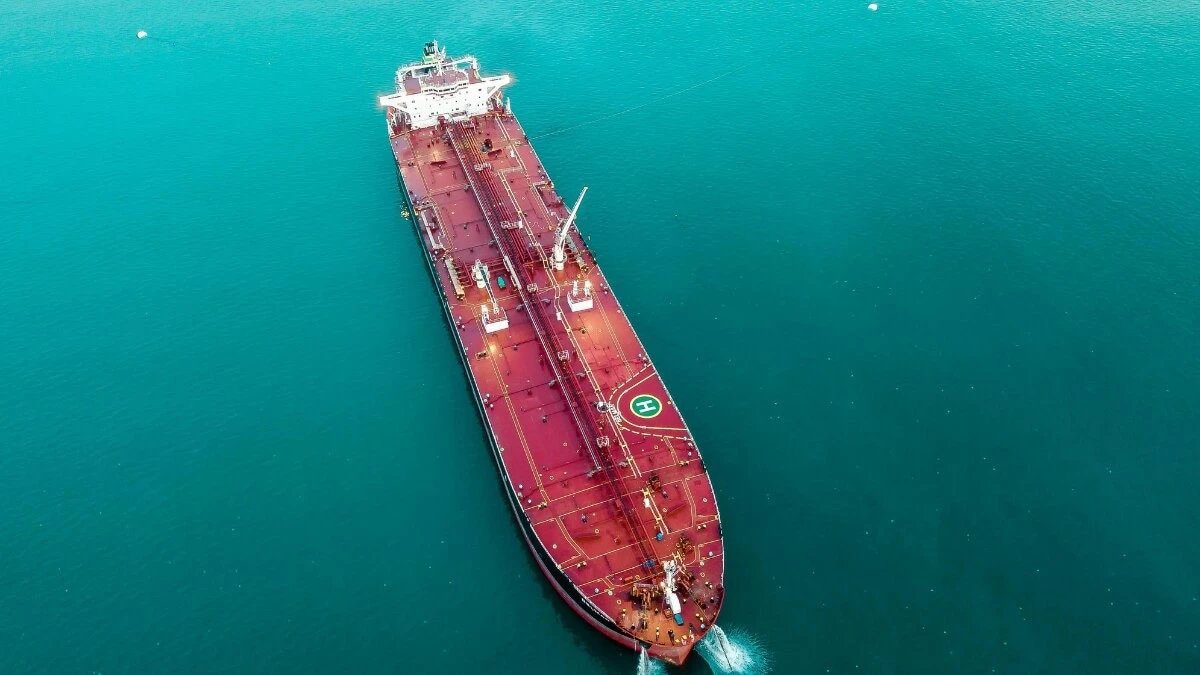
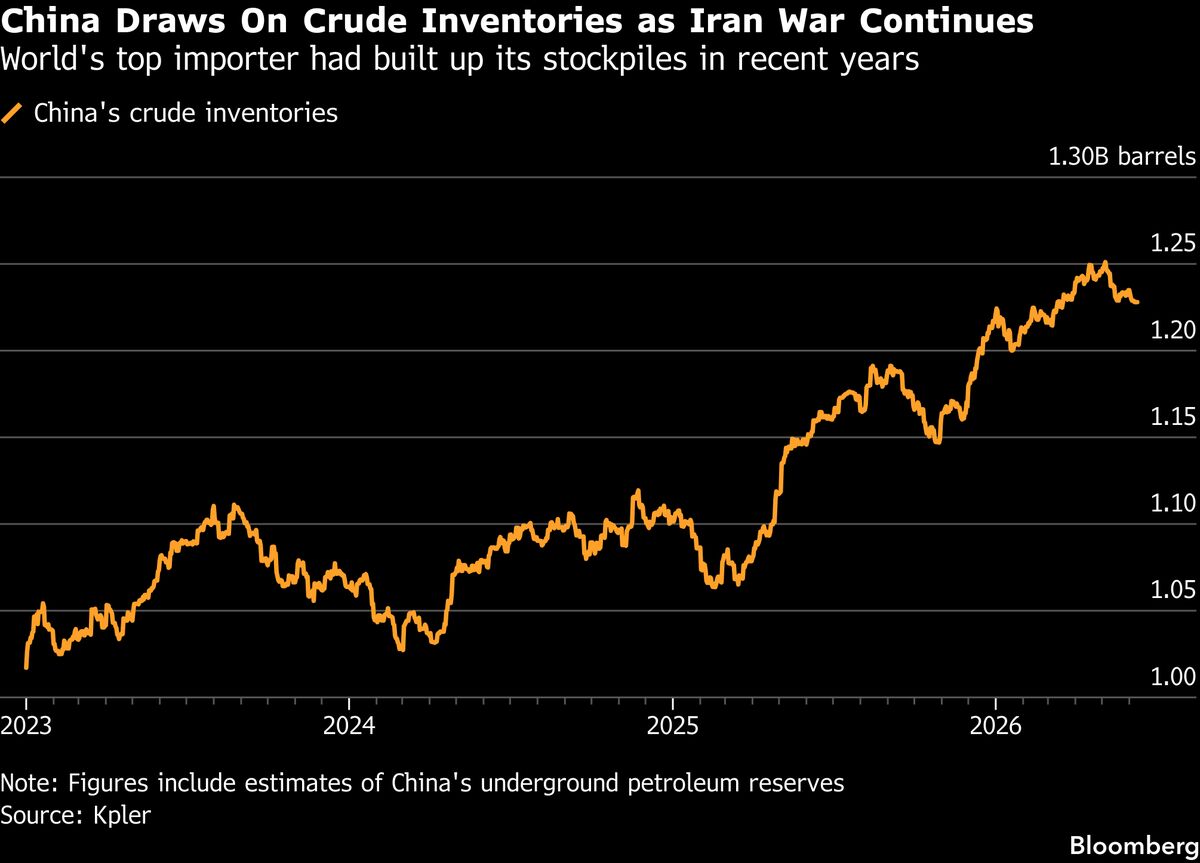
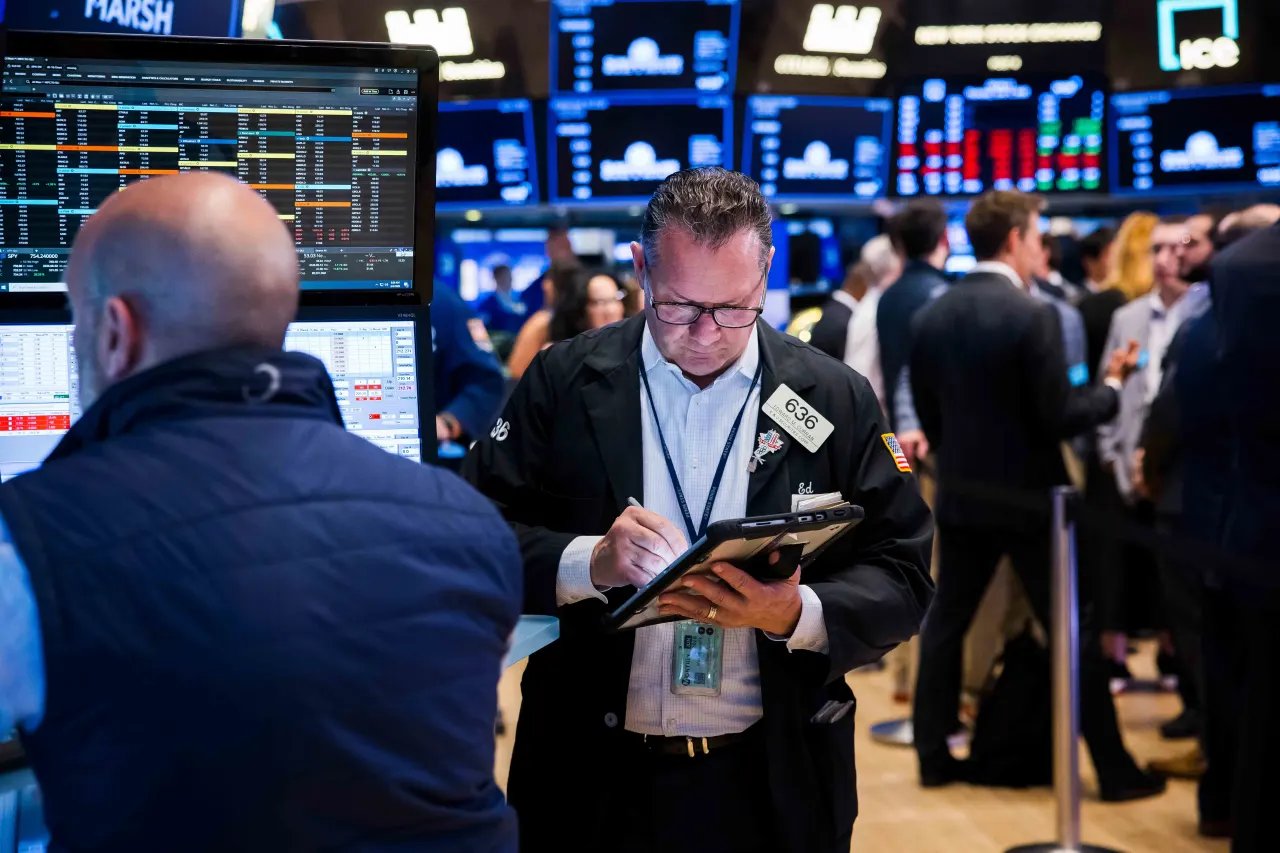
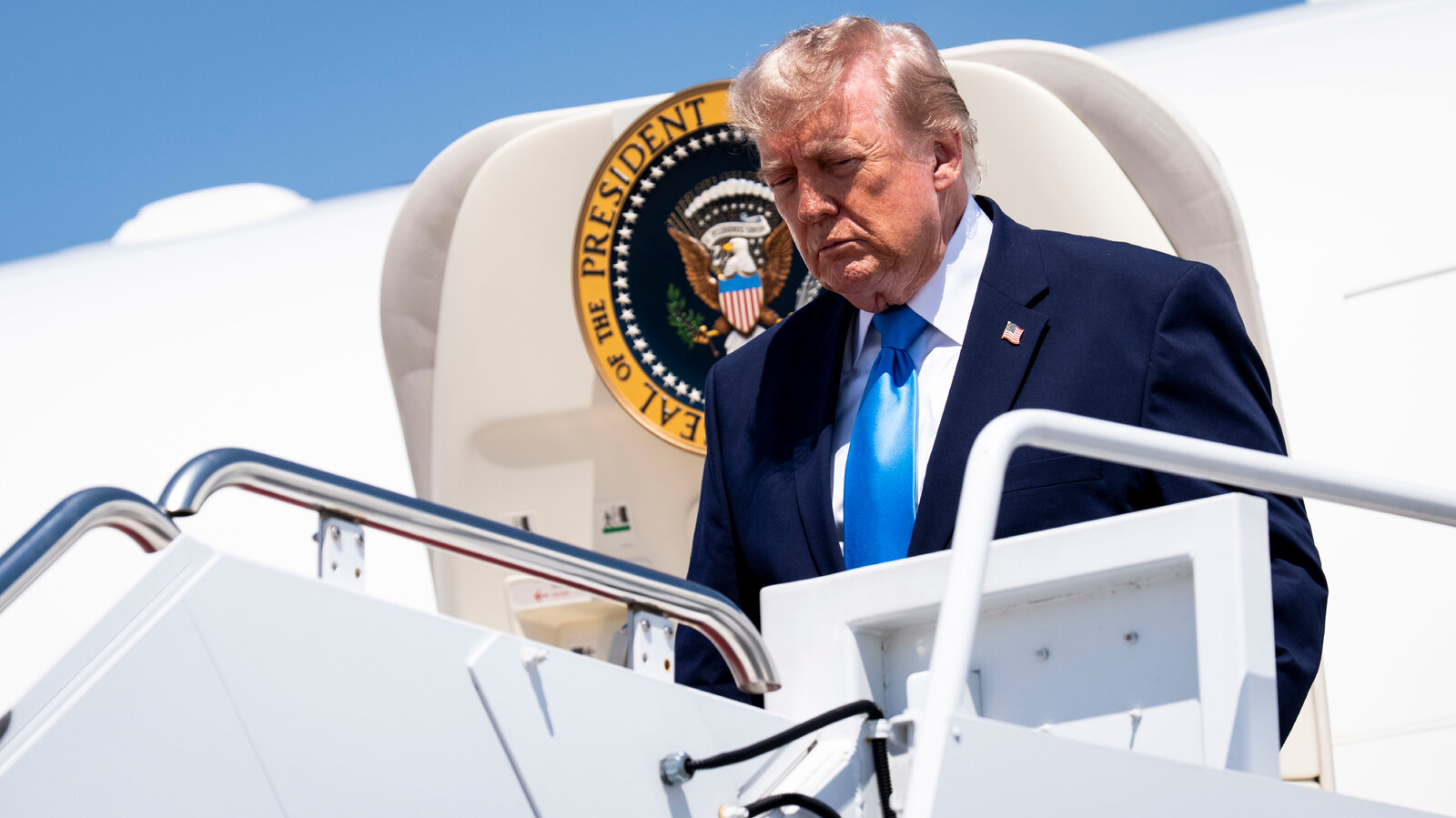
The U.S.-Iran agreement, described as a framework to open the Strait of Hormuz, aims to alleviate global energy concerns exacerbated by ongoing conflicts. Vice President JD Vance emphasized that the deal includes a performance-based reconstruction fund for Iran, contingent on the country's compliance with the agreement's stipulations. However, experts warn that disruptions from ongoing hostilities could prolong inflationary pressures on oil and other commodities, complicating the deal's potential benefits.
Israeli Leaders Express Discontent
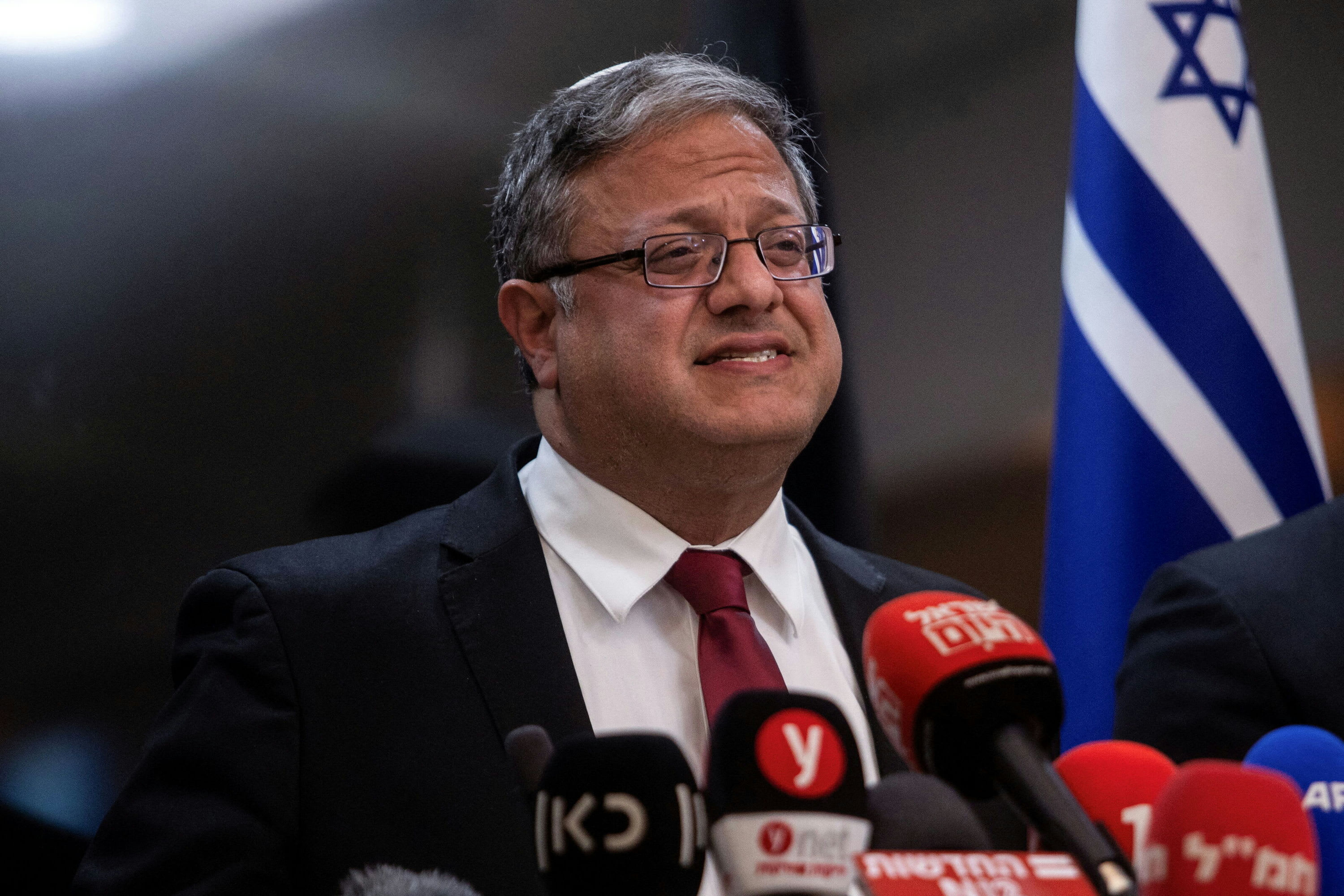
Israeli leaders have expressed significant discontent regarding the U.S.-Iran deal. Itamar Ben-Gvir, Israel's ultranationalist minister of national security, declared that the agreement does not constrain Israel's sovereignty, insisting on the need for a comprehensive strategy against Hezbollah. Former Prime Minister Yair Lapid criticized Netanyahu's leadership, suggesting the deal reflects a failure of Israel's foreign policy. The backlash underscores the internal political risks Netanyahu faces as he prepares for upcoming elections.
Hezbollah's Role in the Conflict
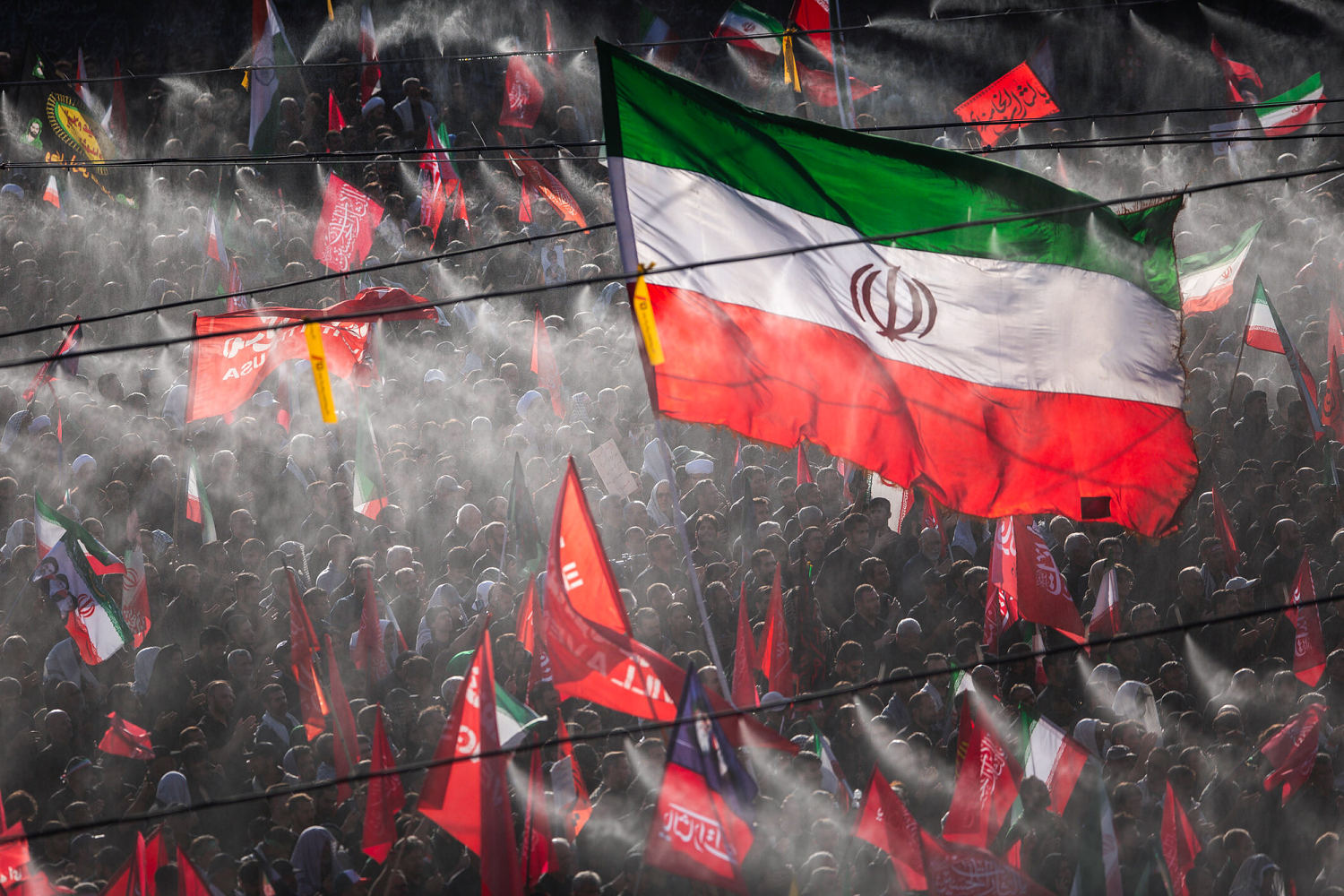
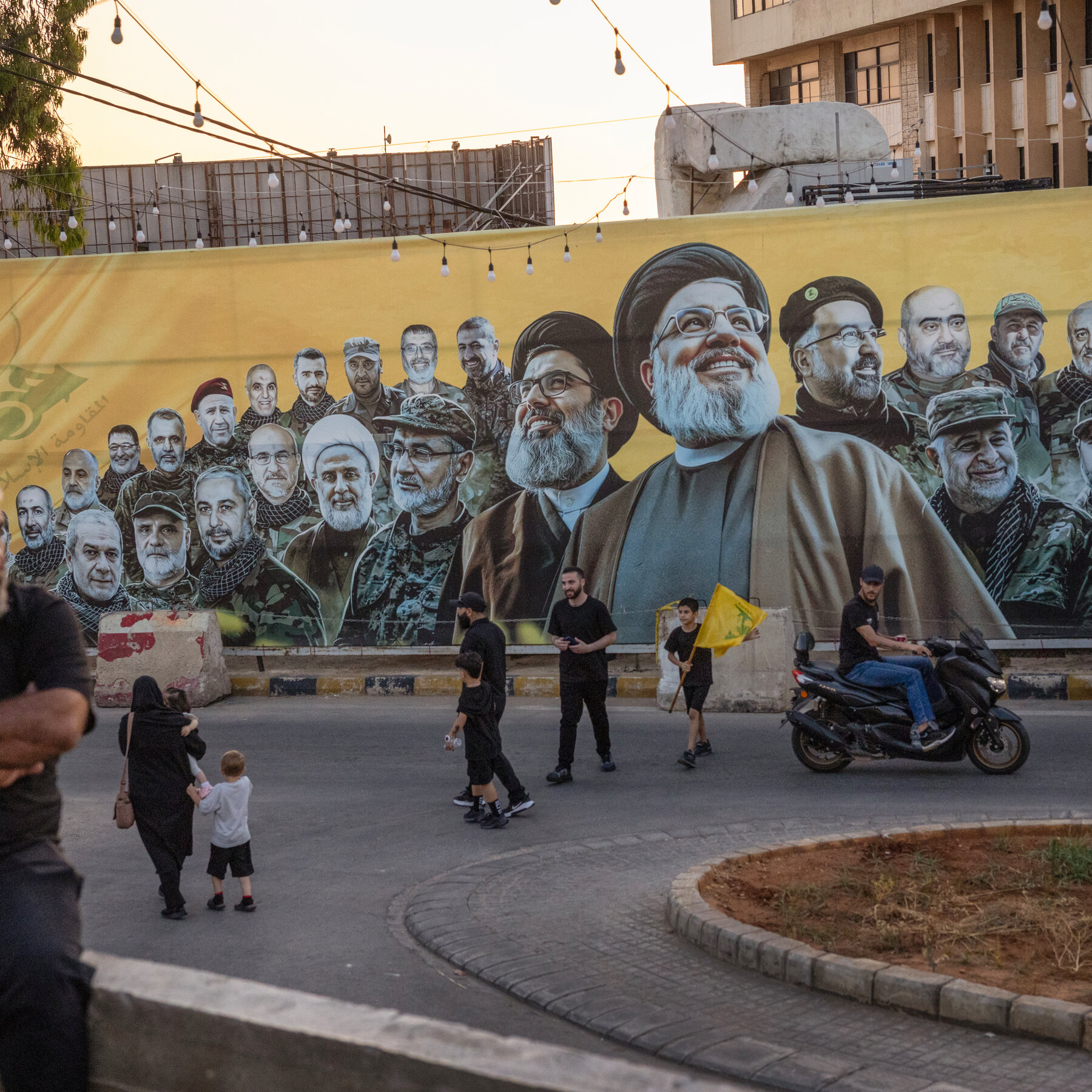
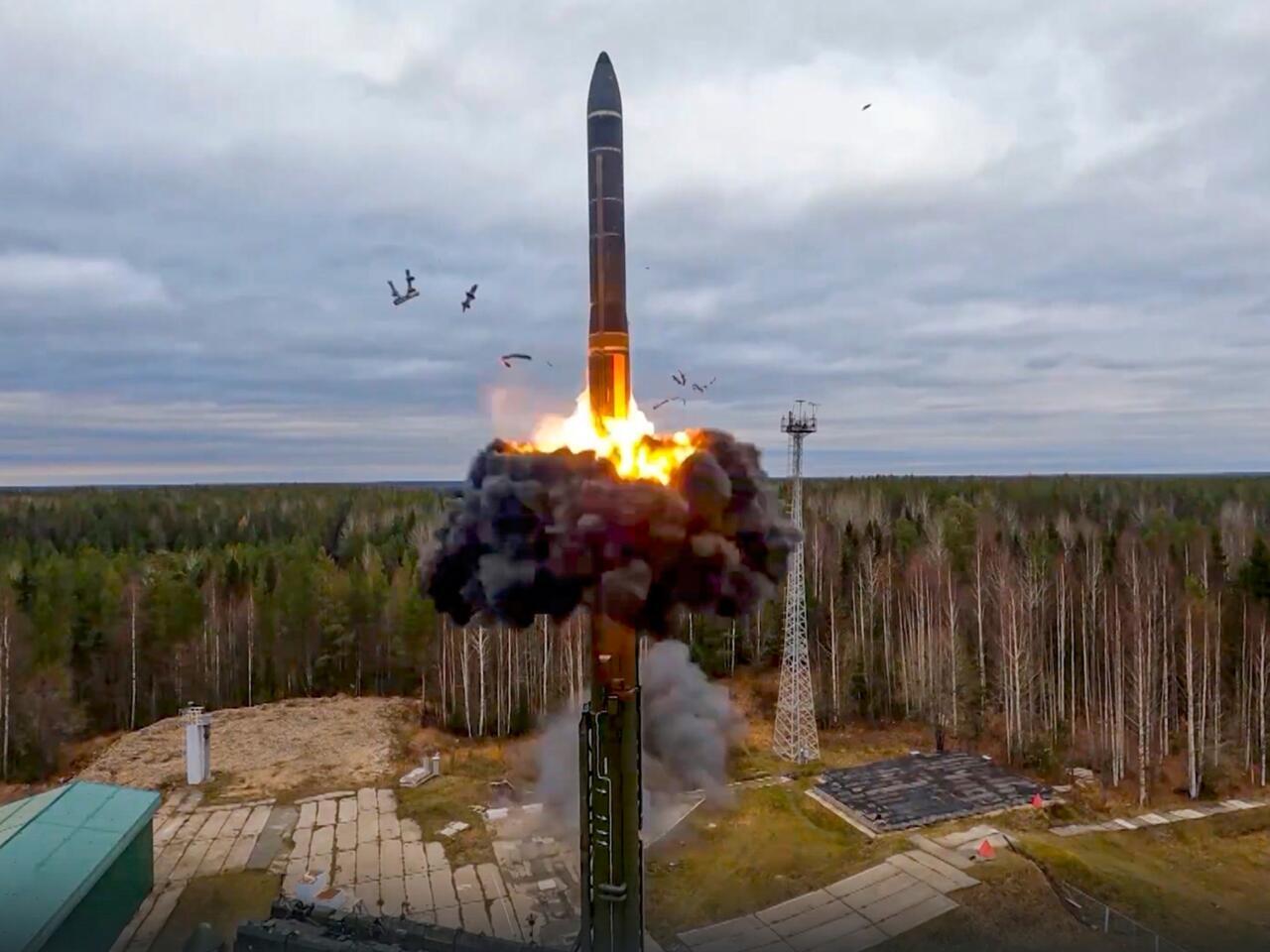
Hezbollah's involvement remains a critical factor in the ongoing tensions. The group, backed by Iran, has been engaged in a series of skirmishes with Israeli forces, prompting retaliatory strikes. As Israel maintains its military posture in Lebanon, the potential for further escalation could jeopardize the fragile peace talks. Analysts note that any significant Iranian retaliation against Israel could derail the U.S.-Iran agreement, undermining diplomatic efforts in the region.
The International Community's Response
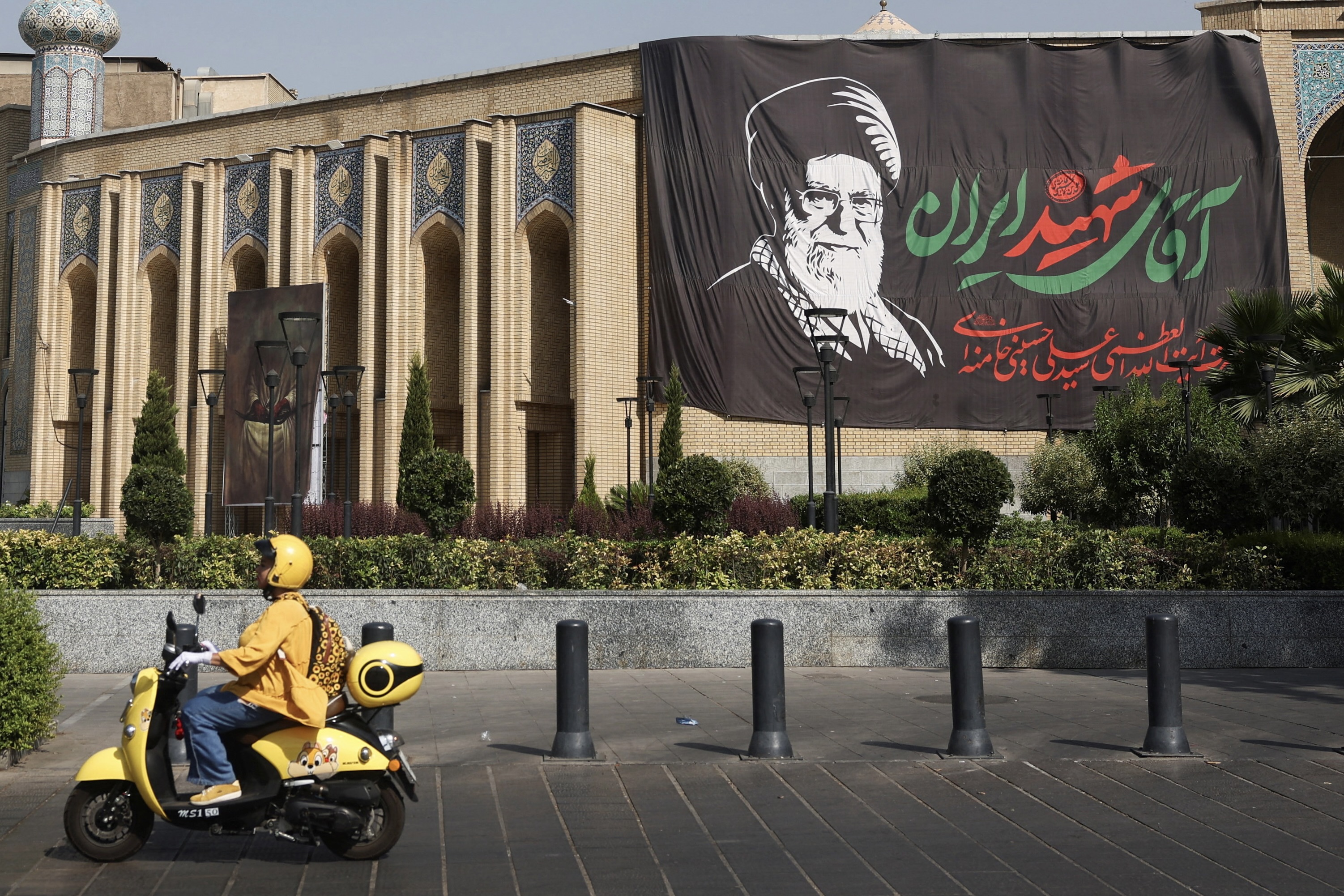
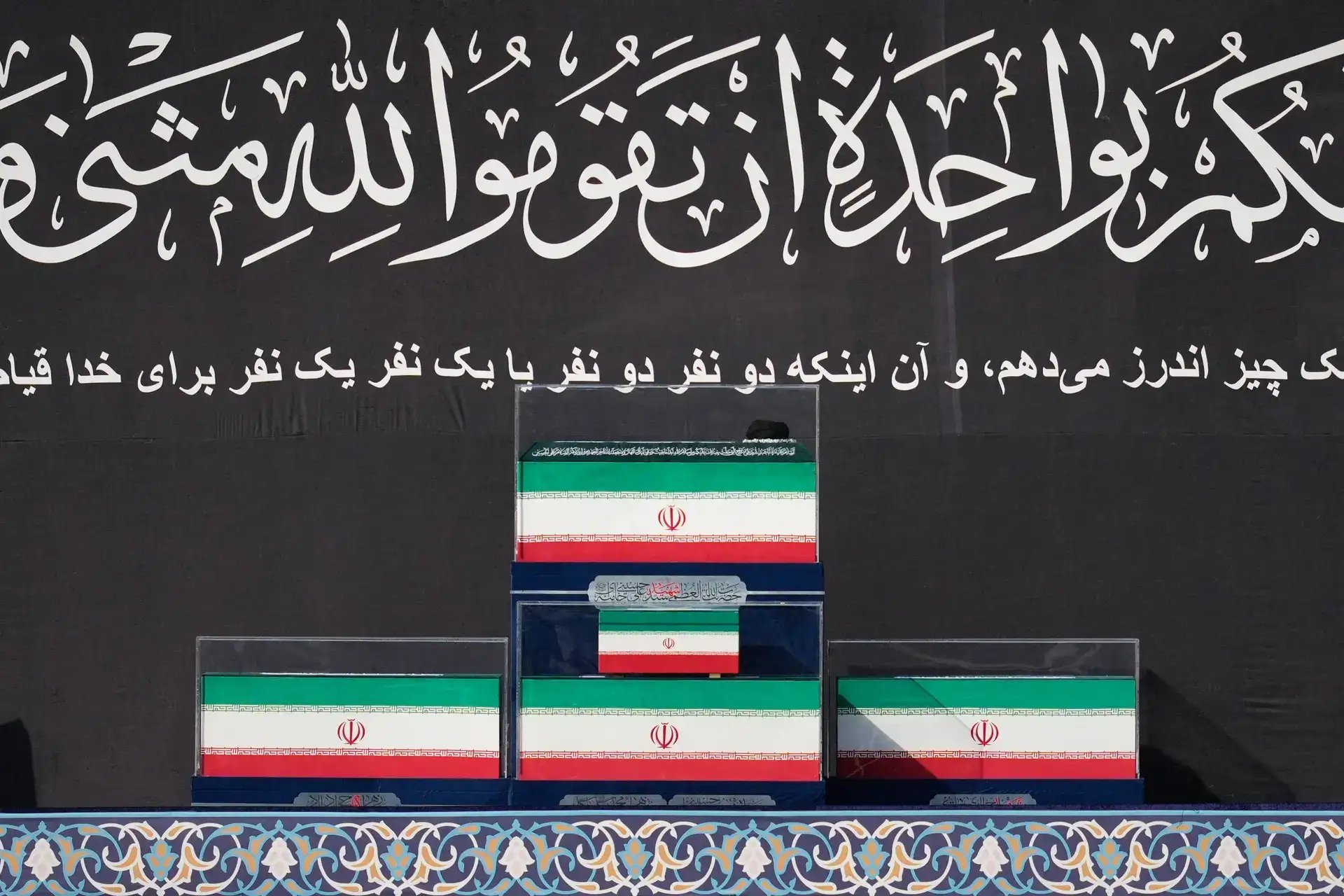
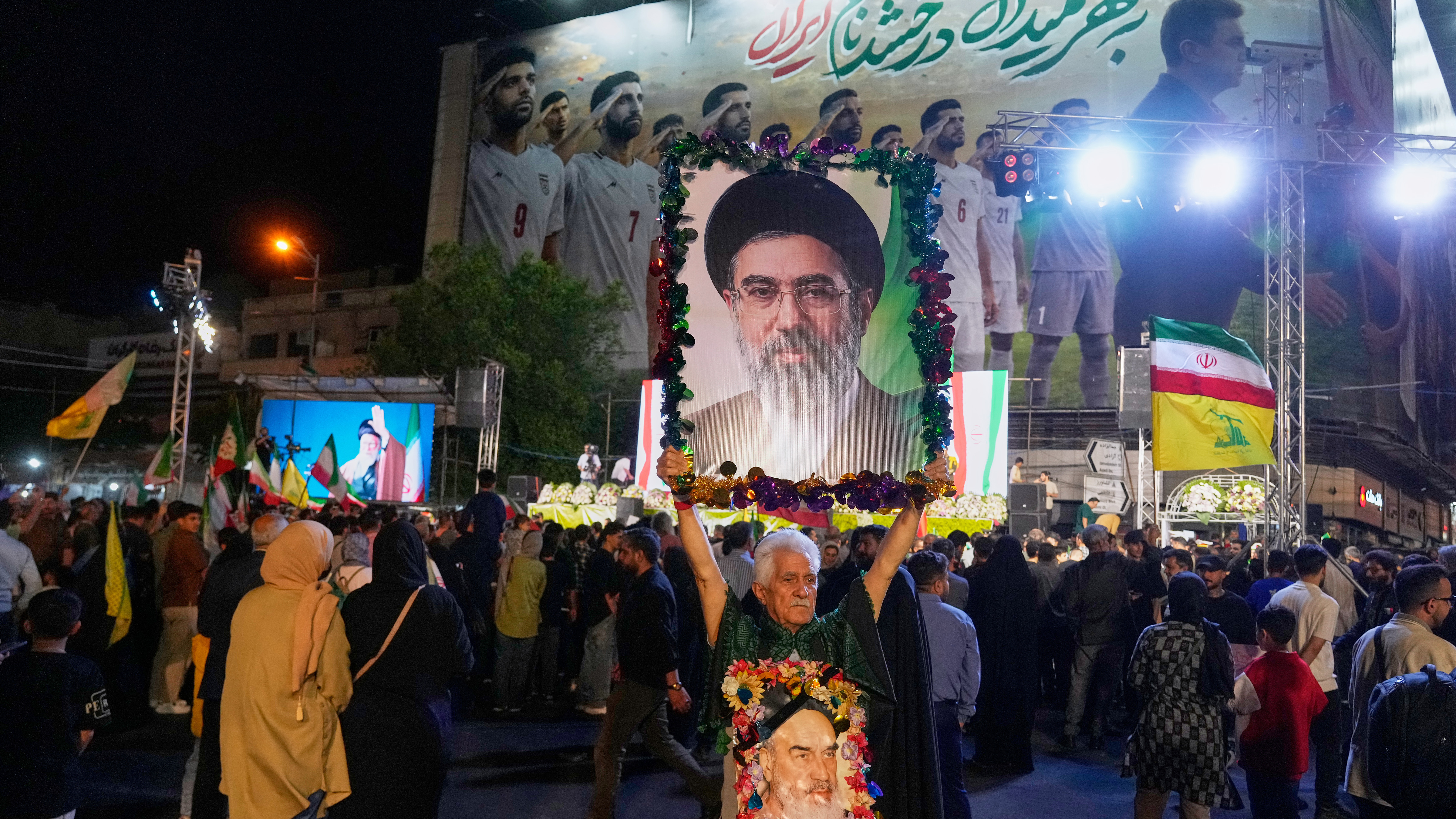
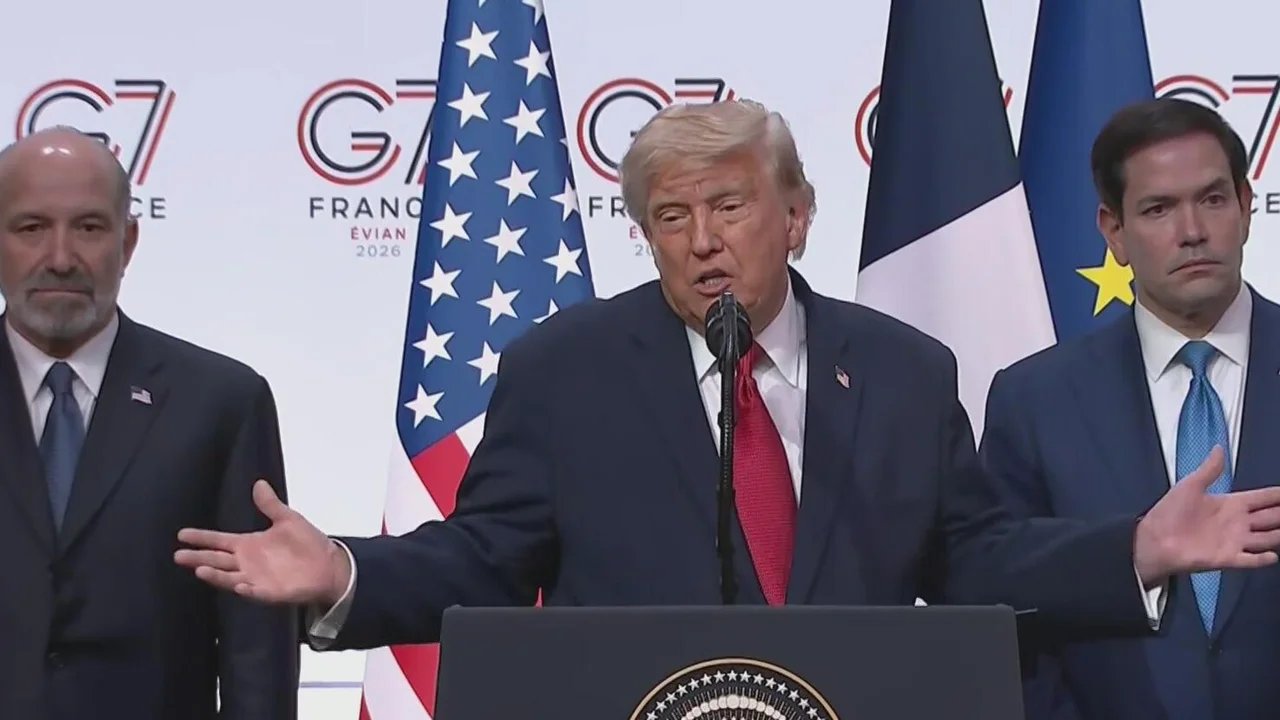
The international community is closely monitoring the situation as both U.S. and Iranian officials prepare to sign the peace deal. Iranian Deputy Foreign Minister Kazem Gharibabadi stated that while the agreement signifies a step forward, it is rooted in "active distrust." The complexity of the geopolitical landscape means that the deal's success hinges not only on diplomatic engagement but also on the ability to manage the ongoing hostilities between Israel and Hezbollah.
Future of U.S.-Iran Relations
As the U.S.-Iran deal approaches its signing, the dynamics of Middle Eastern politics remain fluid. Vance indicated that a successful agreement could lead to a transformative relationship between Iran and the U.S., contingent on Iran's willingness to comply with the terms laid out in the memorandum. However, if hostilities continue, the prospect of lasting peace may diminish, leaving both regional stability and global economic recovery in jeopardy.
The renewed fighting between Israel and Hezbollah poses a direct challenge to the fragile U.S.-Iran peace deal, highlighting the interconnectedness of regional conflicts and international diplomacy.