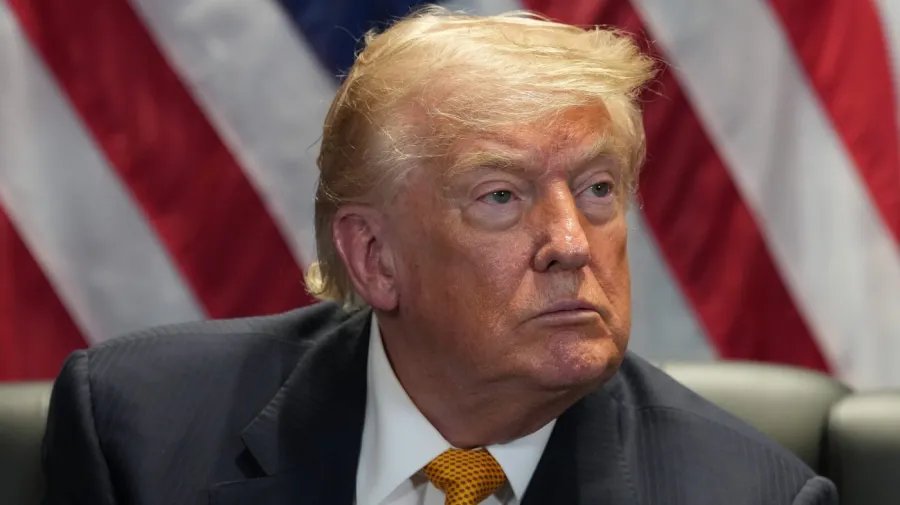
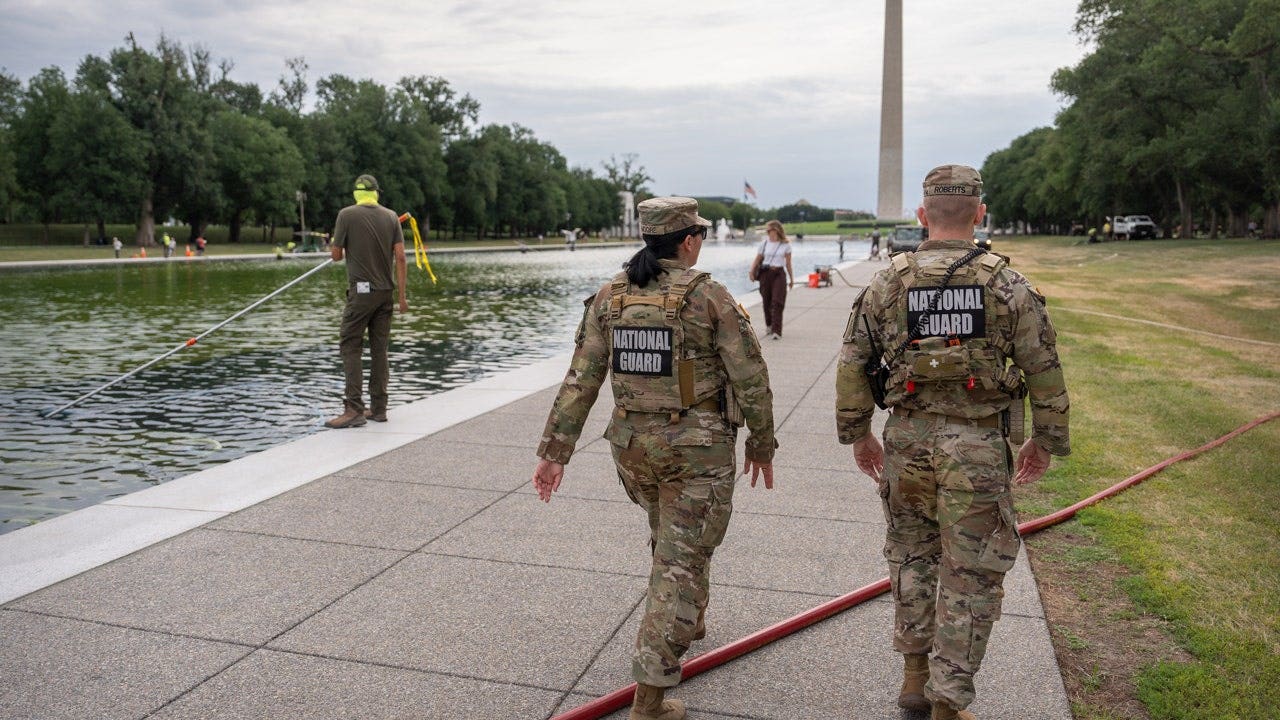
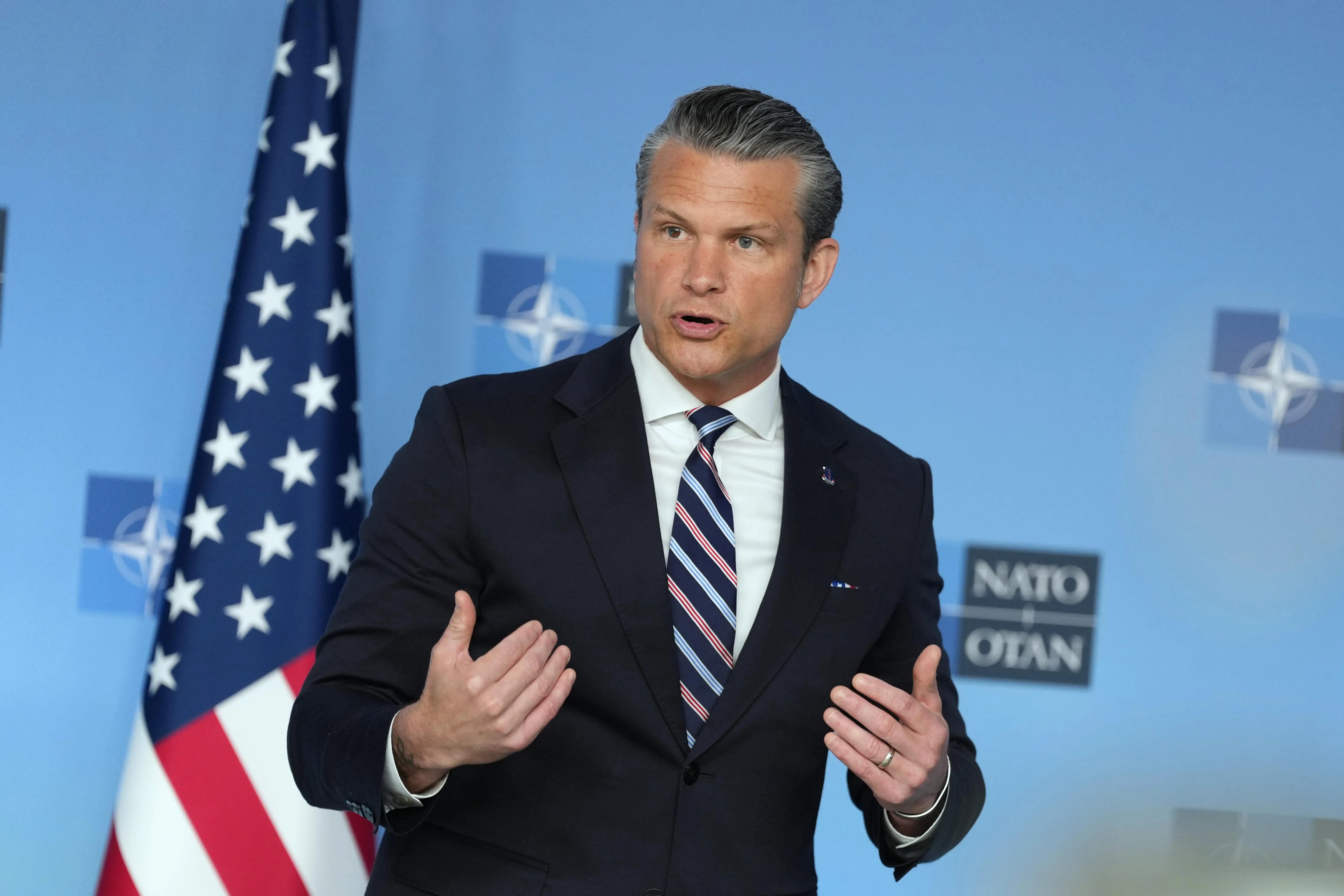
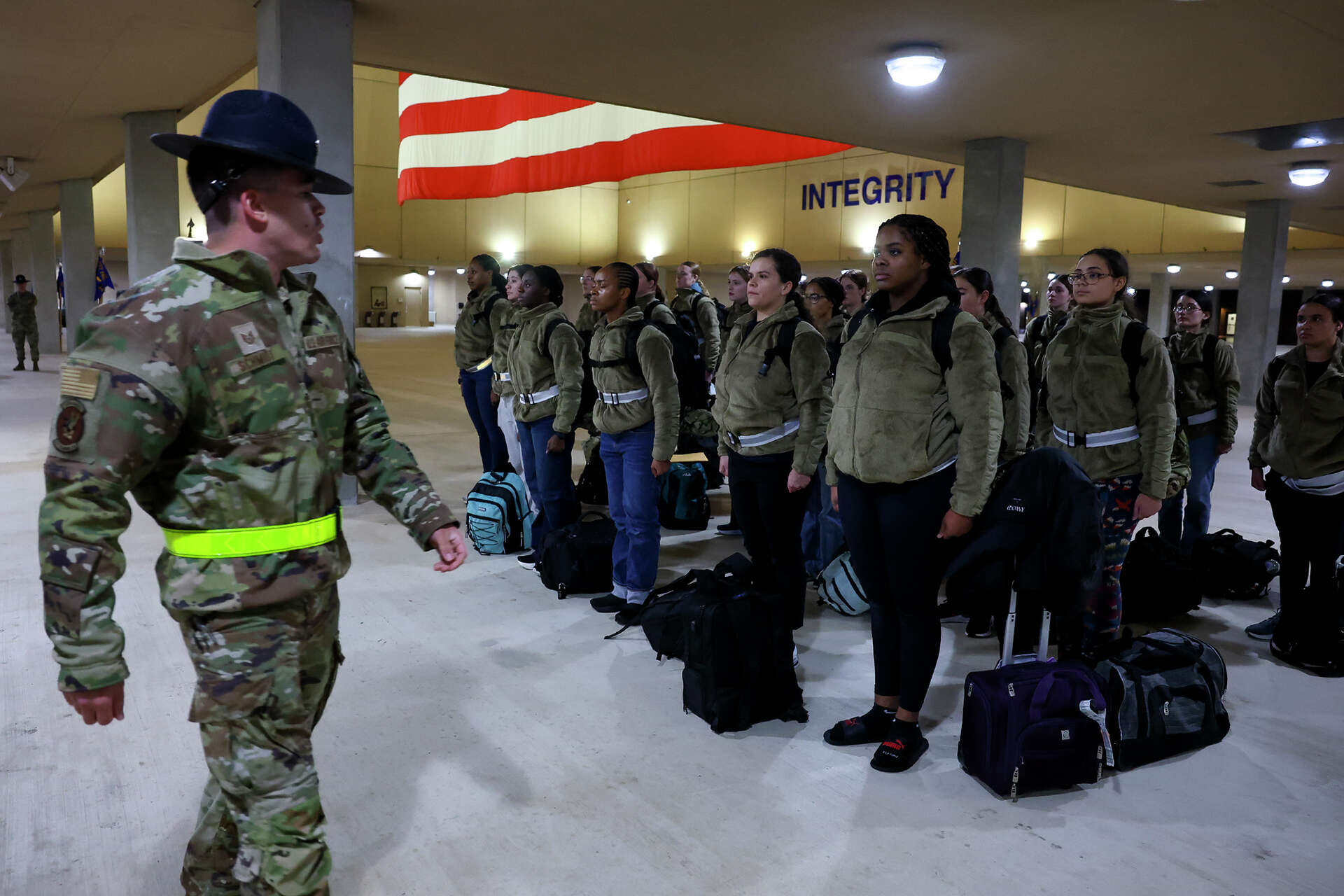
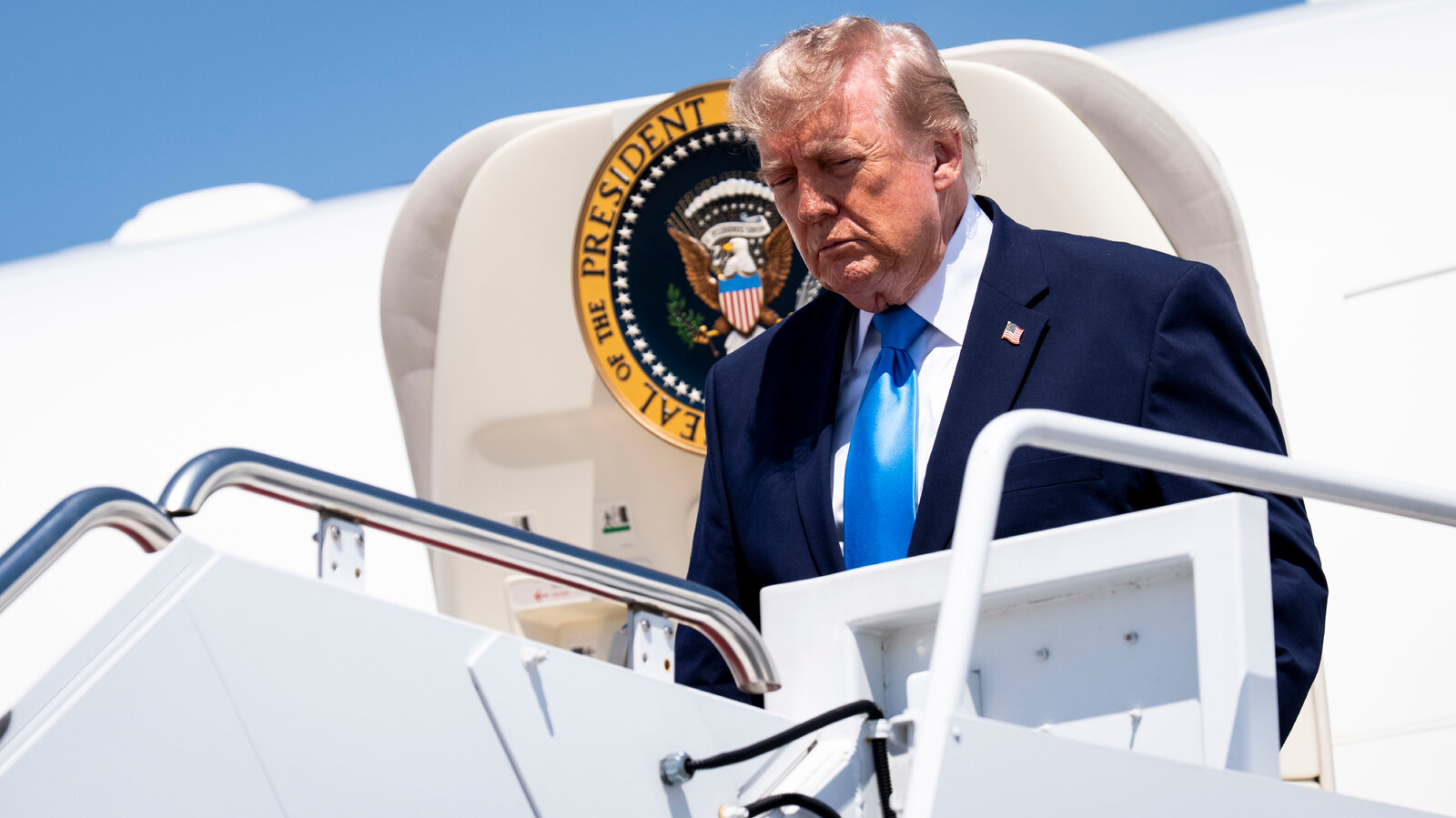
In a swift policy reversal, the Army, Navy, and Air Force have reinstated the requirement for basic trainees to receive flu vaccinations following a severe outbreak at Lackland Air Force Base in San Antonio, Texas. This decision comes in the wake of Defense Secretary Pete Hegseth's April declaration making the annual flu shot optional for military personnel, a break from a policy that has been in place since 1945.
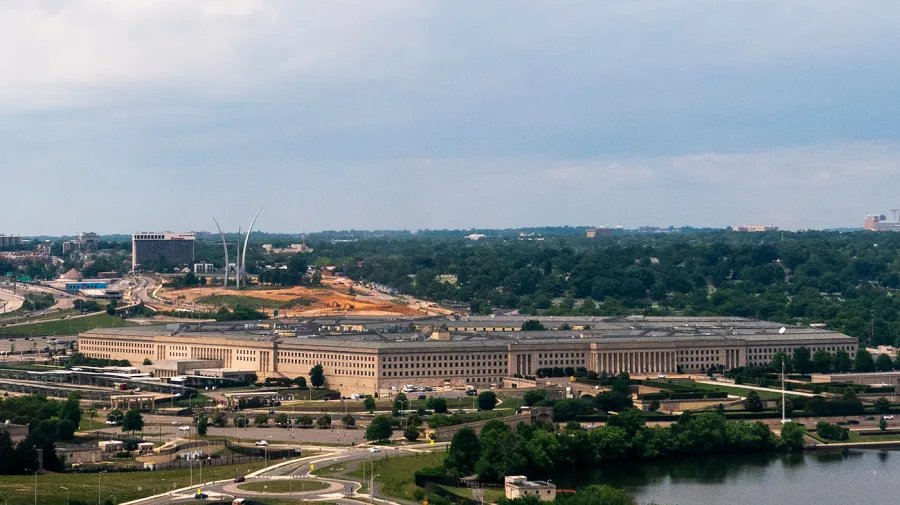
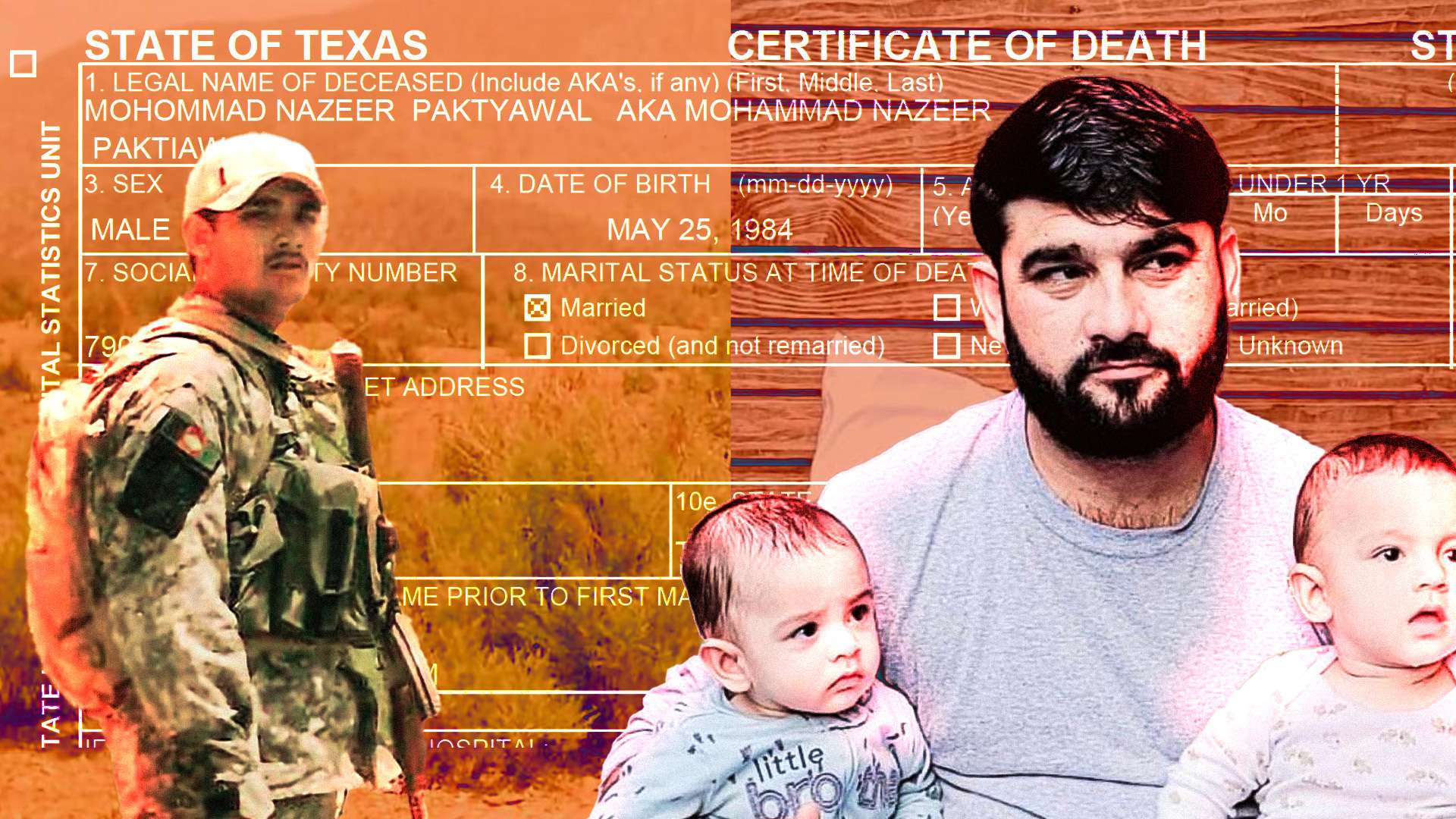
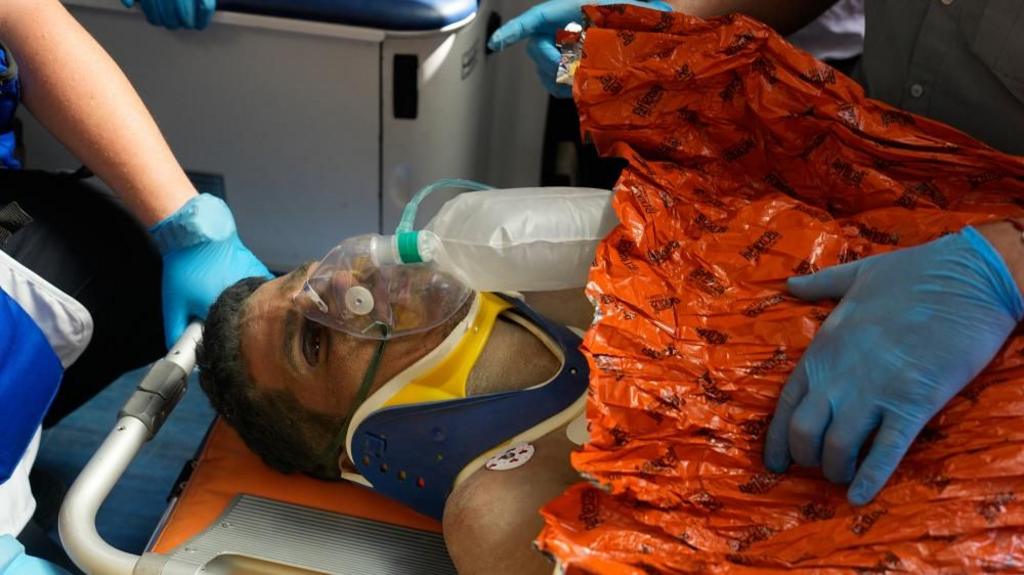
The flu outbreak at Lackland Air Force Base began in early June. As of Tuesday, at least 222 recruits had been diagnosed and four hospitalized, a sharp increase from 159 cases and two hospitalizations reported the previous week. Only about 40% of new Air Force trainees at the base were vaccinated when the outbreak started. The death of one recruit, Keon McDaniel, who was in his sixth week of basic training, remains under investigation.
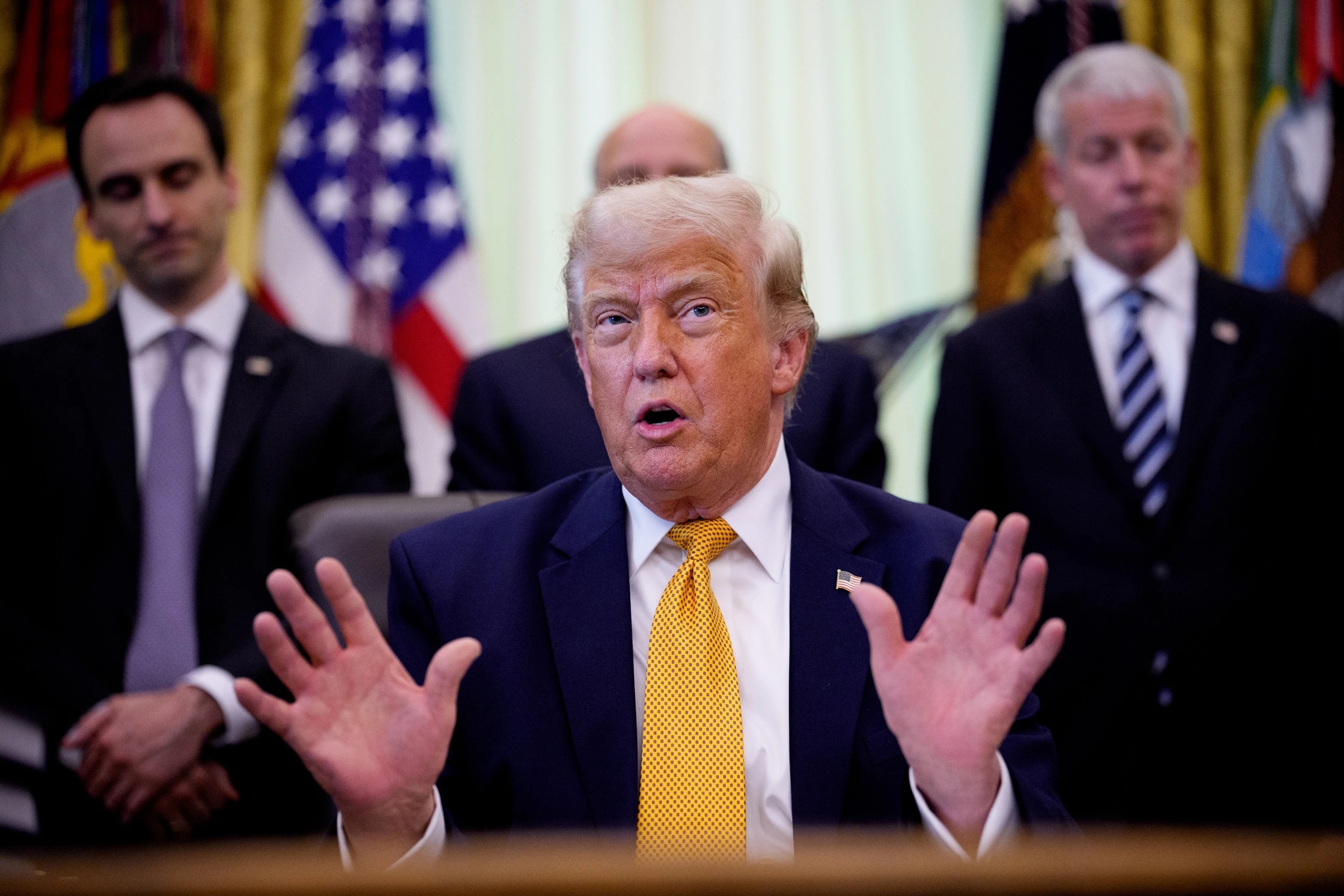
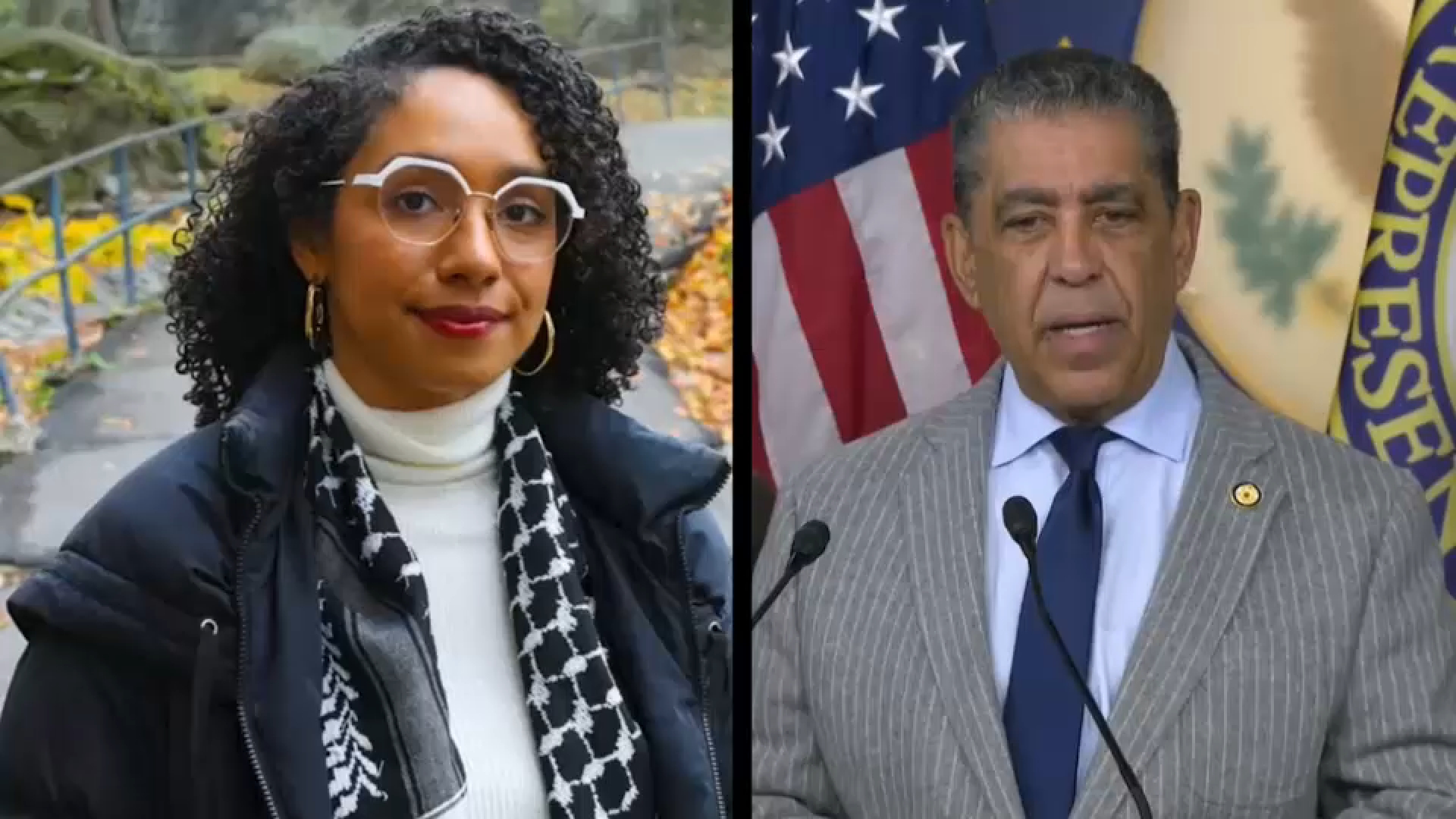
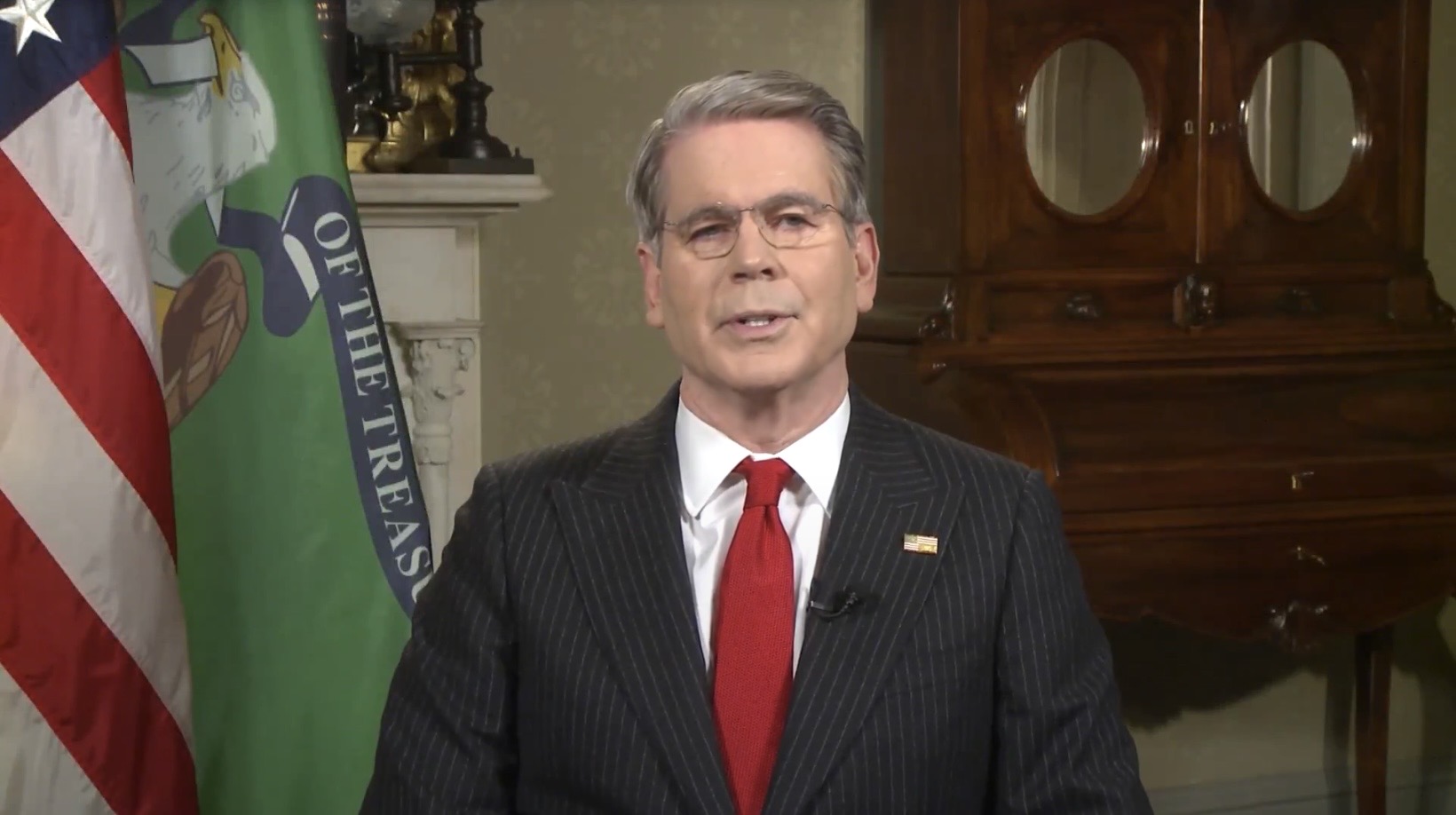
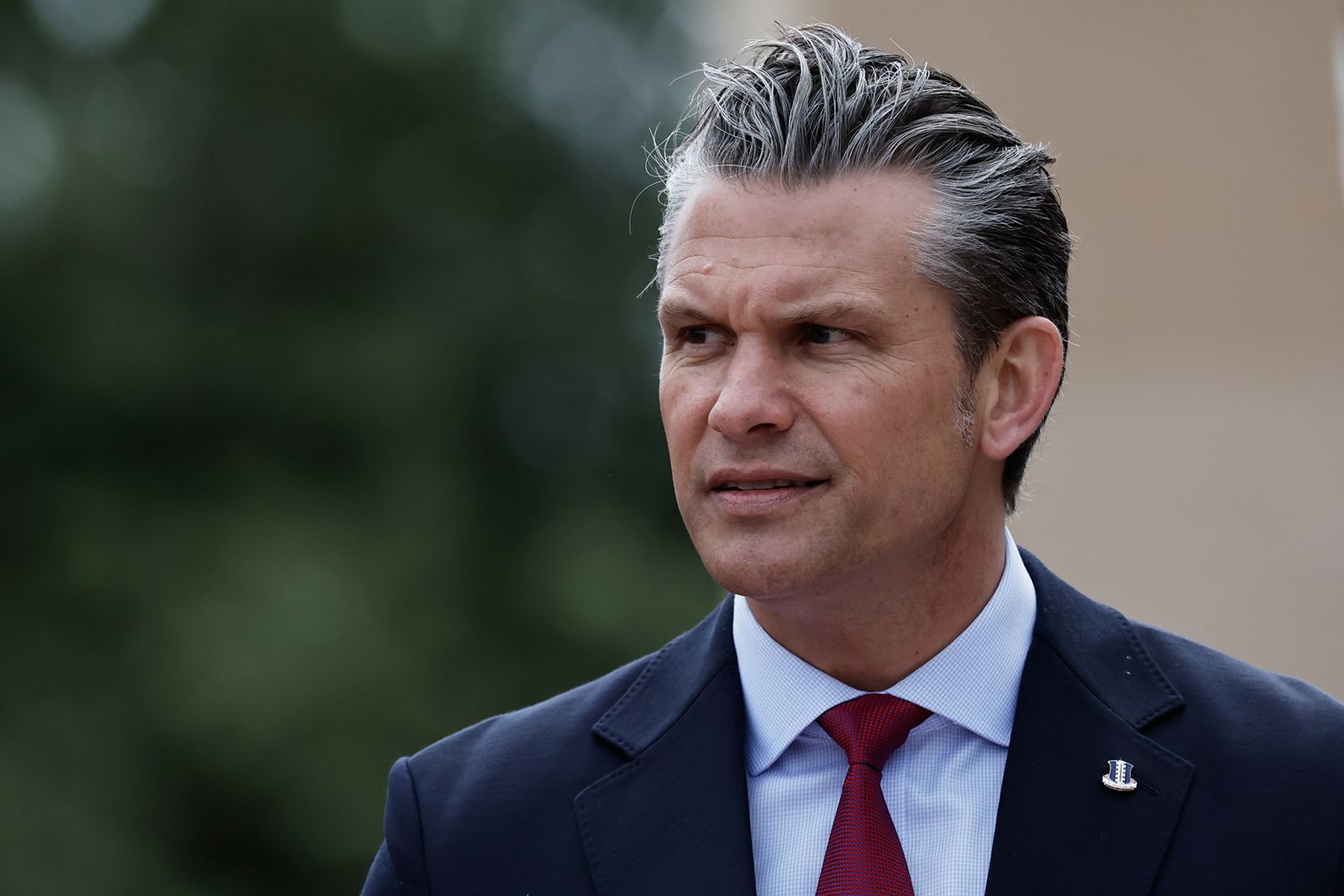
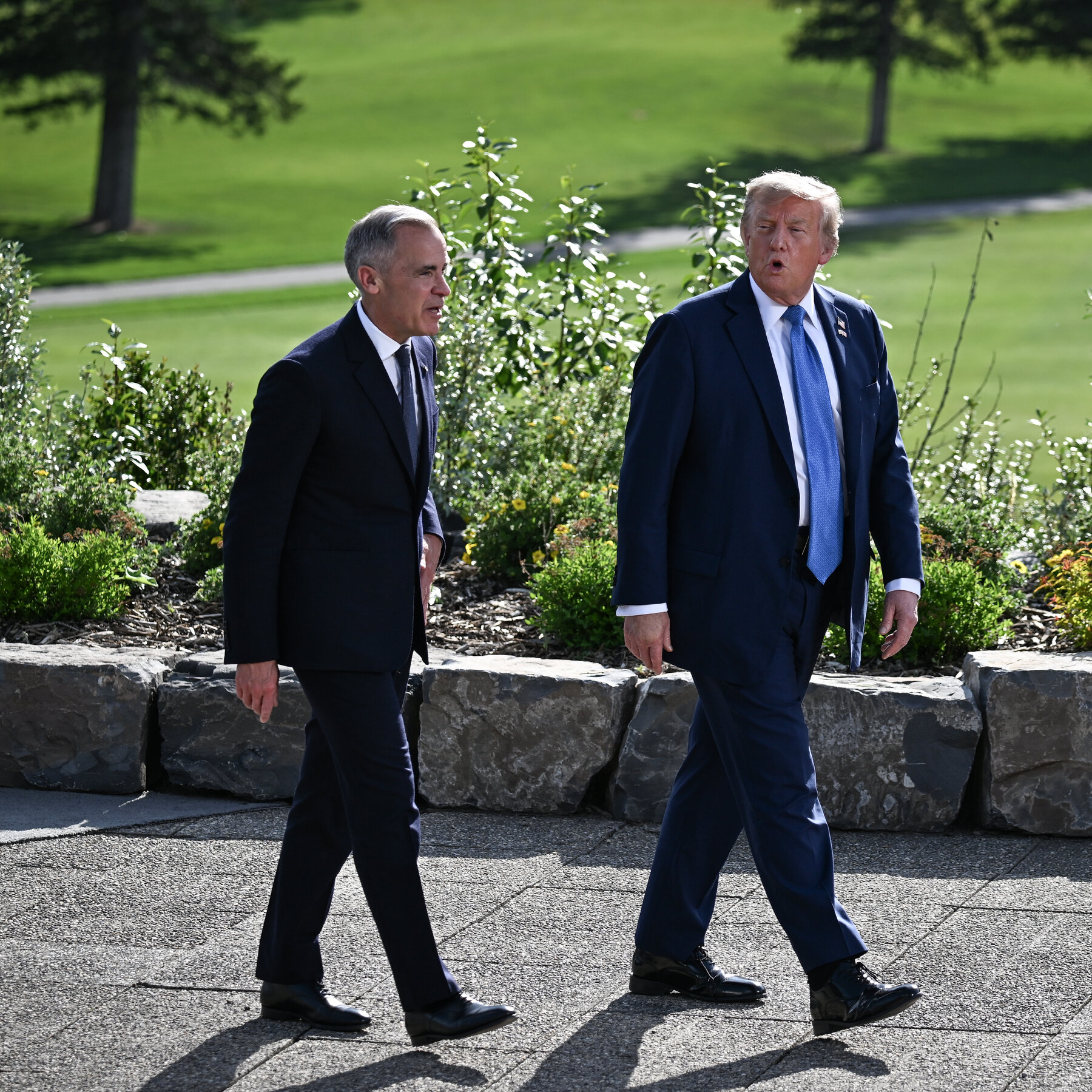
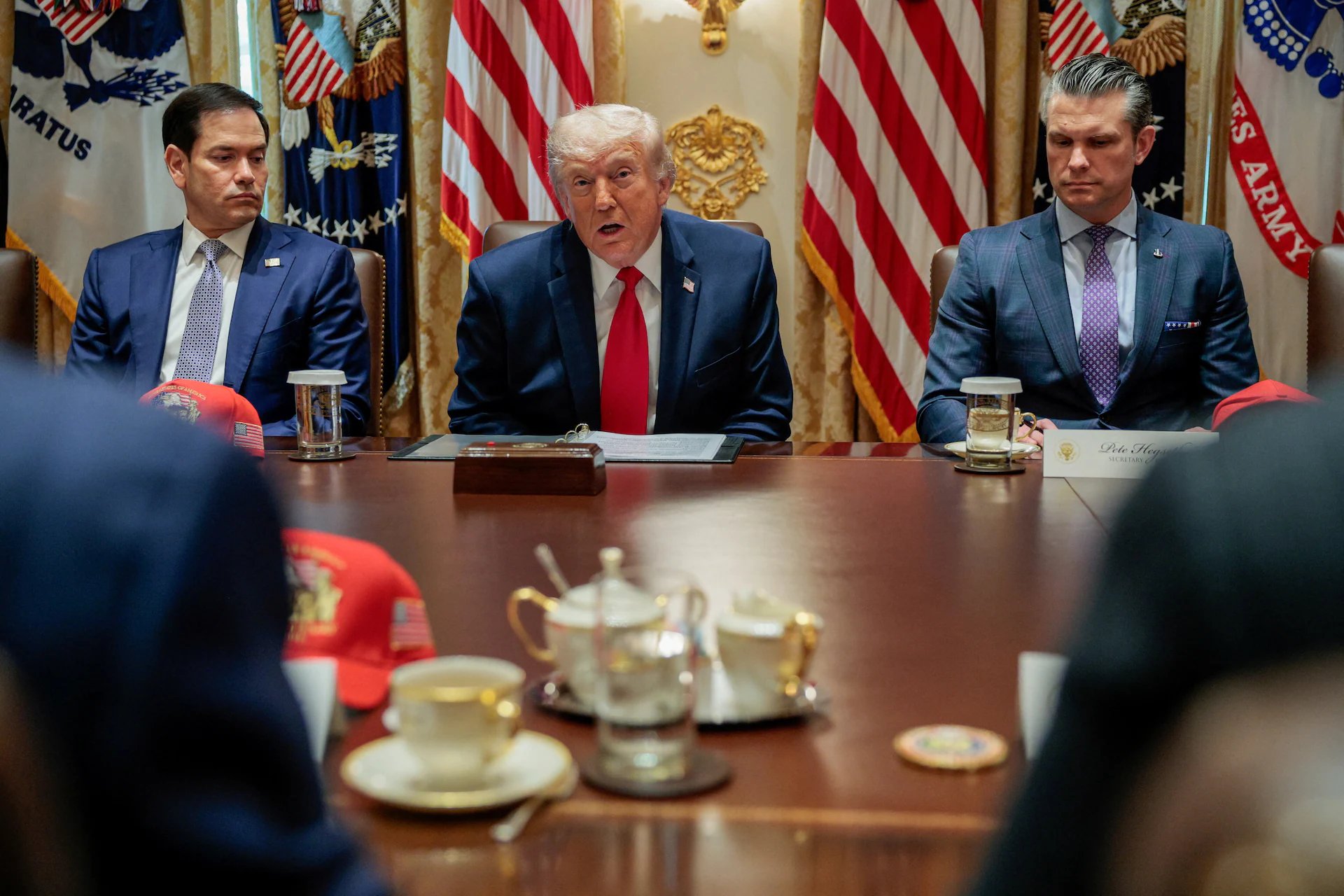
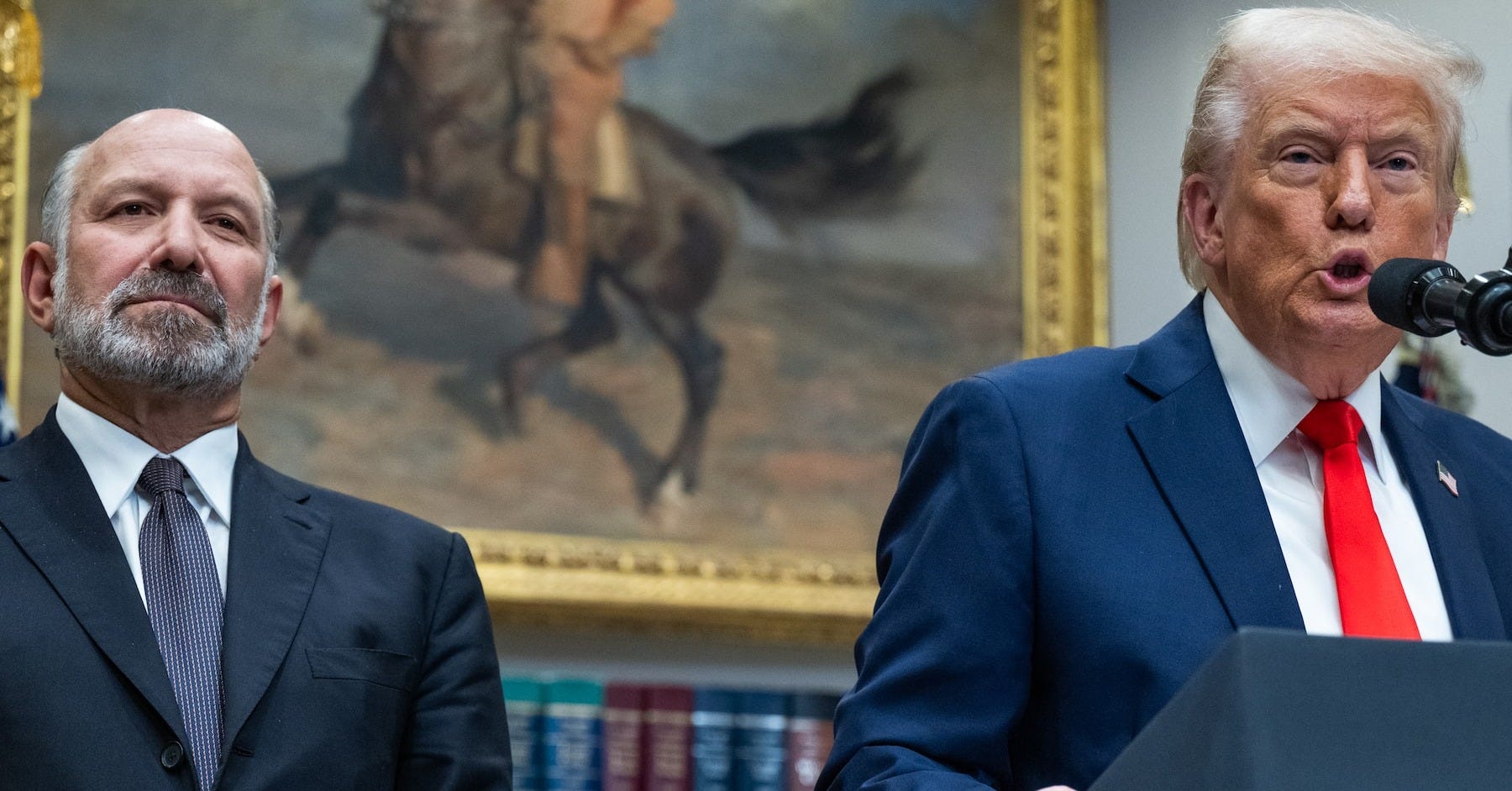
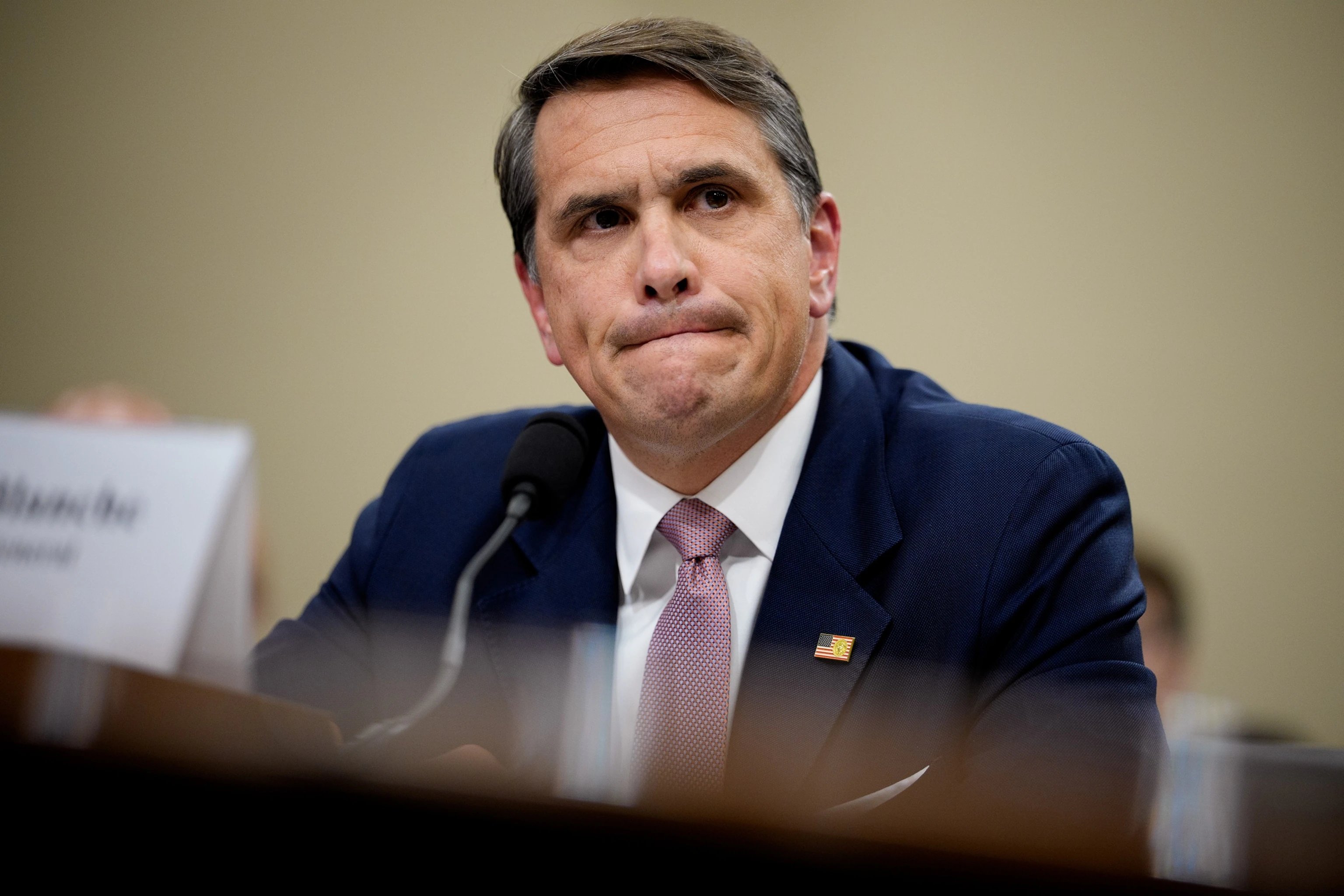
The policy change has faced criticism from U.S. officials, including Rep. Joaquin Castro, whose district includes Lackland Air Force Base. Castro stated, "After Secretary Hegseth scrapped the military's flu vaccine mandate, it was only a matter of time before an outbreak occurred. It was a reckless decision that put troops in harm's way and undermined our military readiness." Hegseth had argued in April that the requirement was not rational and that removing it restored freedom to service members. Pentagon spokesperson Sean Parnell defended the exceptions as necessary to maximize operational readiness based on thorough risk assessments. The Air Force aims to vaccinate all recruits at the Texas base, and the Army is preparing to extend the vaccine requirement to troops deploying overseas, first responders, and other personnel.
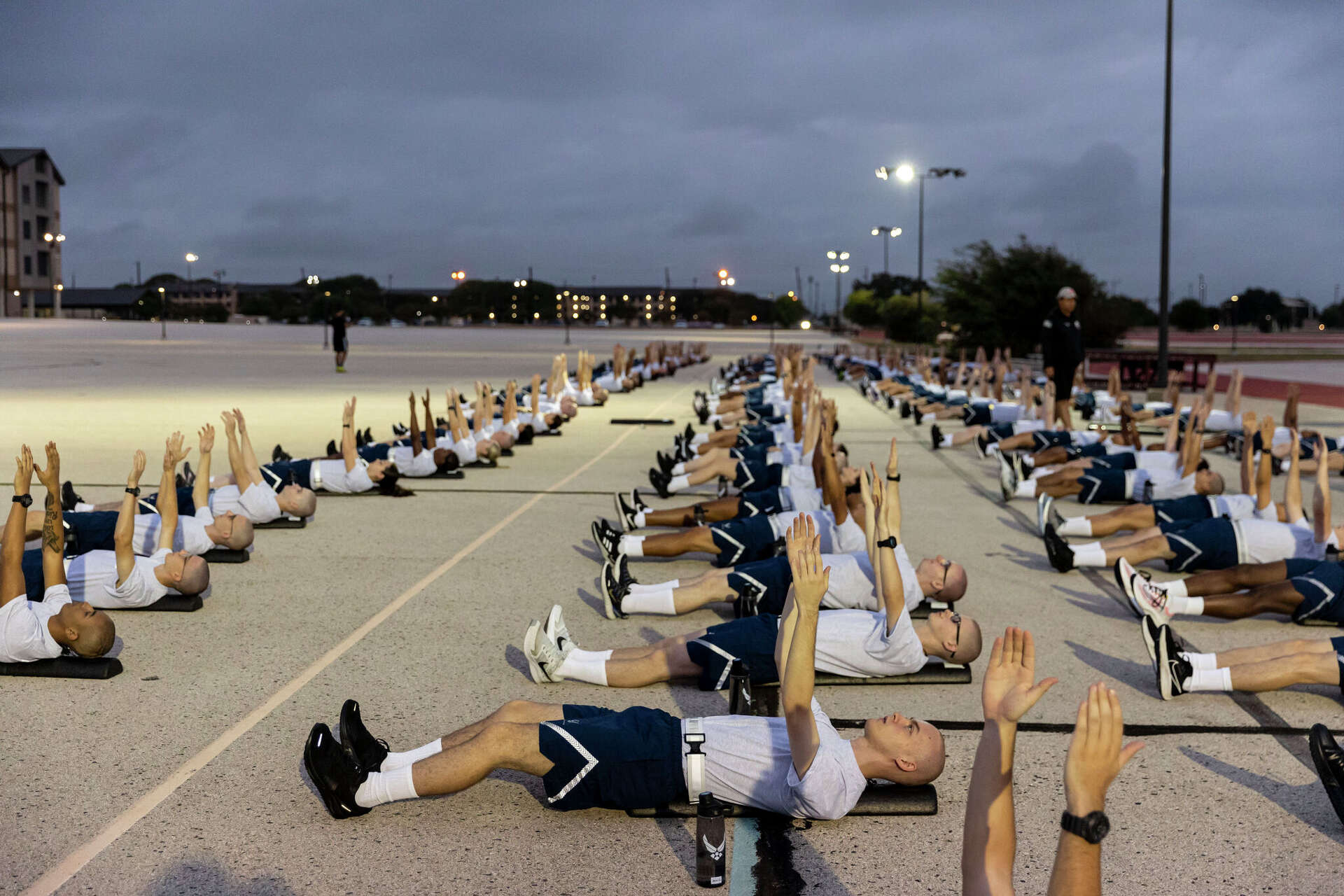
In basic training, troops live in close quarters, sleeping in tightly packed bays, showering communally and spending much of the day within arm's reach of one another. In that environment, illness can quickly spread once one trainee gets sick.
In a swift policy reversal, the Army, Navy, and Air Force have reinstated the requirement for basic trainees to receive flu vaccinations following a severe outbreak at Lackland Air Force Base in San Antonio, Texas. This decision comes in the wake of Defense Secretary Pete Hegseth's April declaration making the annual flu shot optional for military personnel, a break from a policy that has been in place since 1945.
The flu outbreak at Lackland Air Force Base has escalated to at least 222 cases and four hospitalizations, marking a sharp increase from the 159 cases and two hospitalizations reported last week. The death of one recruit, Keon McDaniel, who was in his sixth week of basic training, is under investigation; it is not yet confirmed whether his death is linked to the outbreak. At the onset of the outbreak in early June, only about 40% of new Air Force trainees at Joint Base San Antonio were vaccinated.
The policy change has faced criticism from U.S. officials, including Rep. Joaquin Castro, whose district includes Lackland Air Force Base. Castro stated, "After Secretary Hegseth scrapped the military's flu vaccine mandate, it was only a matter of time before an outbreak occurred. It was a reckless decision that put troops in harm's way and undermined our military readiness." The Air Force aims to vaccinate all recruits at the Texas base, and the Army is preparing to extend the vaccine requirement to troops deploying overseas, first responders, and other personnel.
Pentagon spokesperson Sean Parnell explained that exceptions to Hegseth's optional flu shot policy were granted after a "comprehensive review" and are in line with a standard policy of adapting force health protection measures to operational realities. Parnell stated, "The decisions were based upon thorough risk assessments and are designed to maximize operational readiness, lethality, and force generation, while safeguarding at-risk populations."
The reinstatement of the flu shot requirement underscores the military's commitment to maintaining the health and readiness of its personnel. In close-quarter training environments, where illness can spread rapidly, this policy shift aims to prevent further outbreaks and ensure that military recruits are protected against the potentially devastating effects of influenza.
Highlighted text was flagged by the council. Tap to see feedback.