




Impending Expiration of FISA Section 702
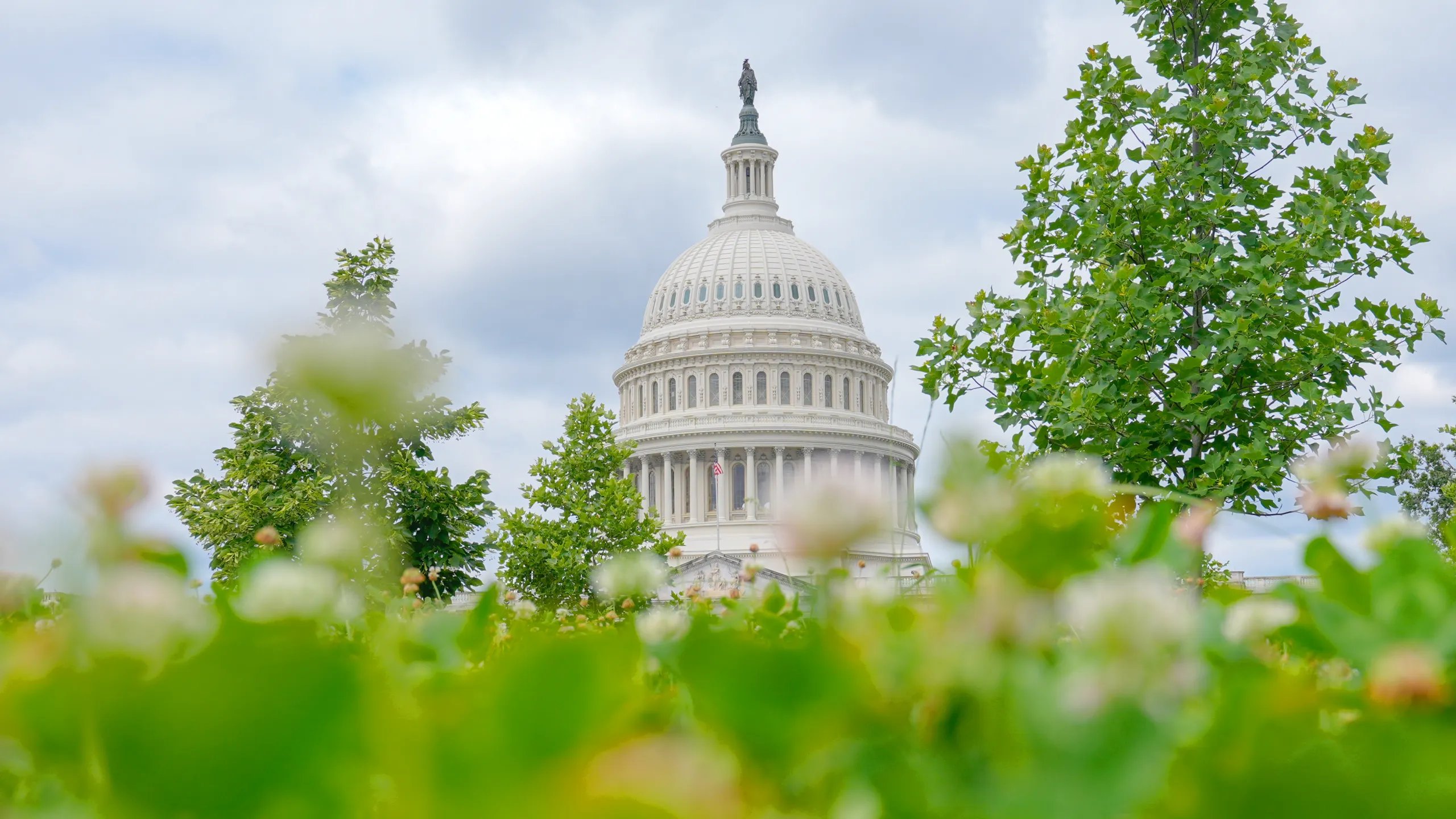
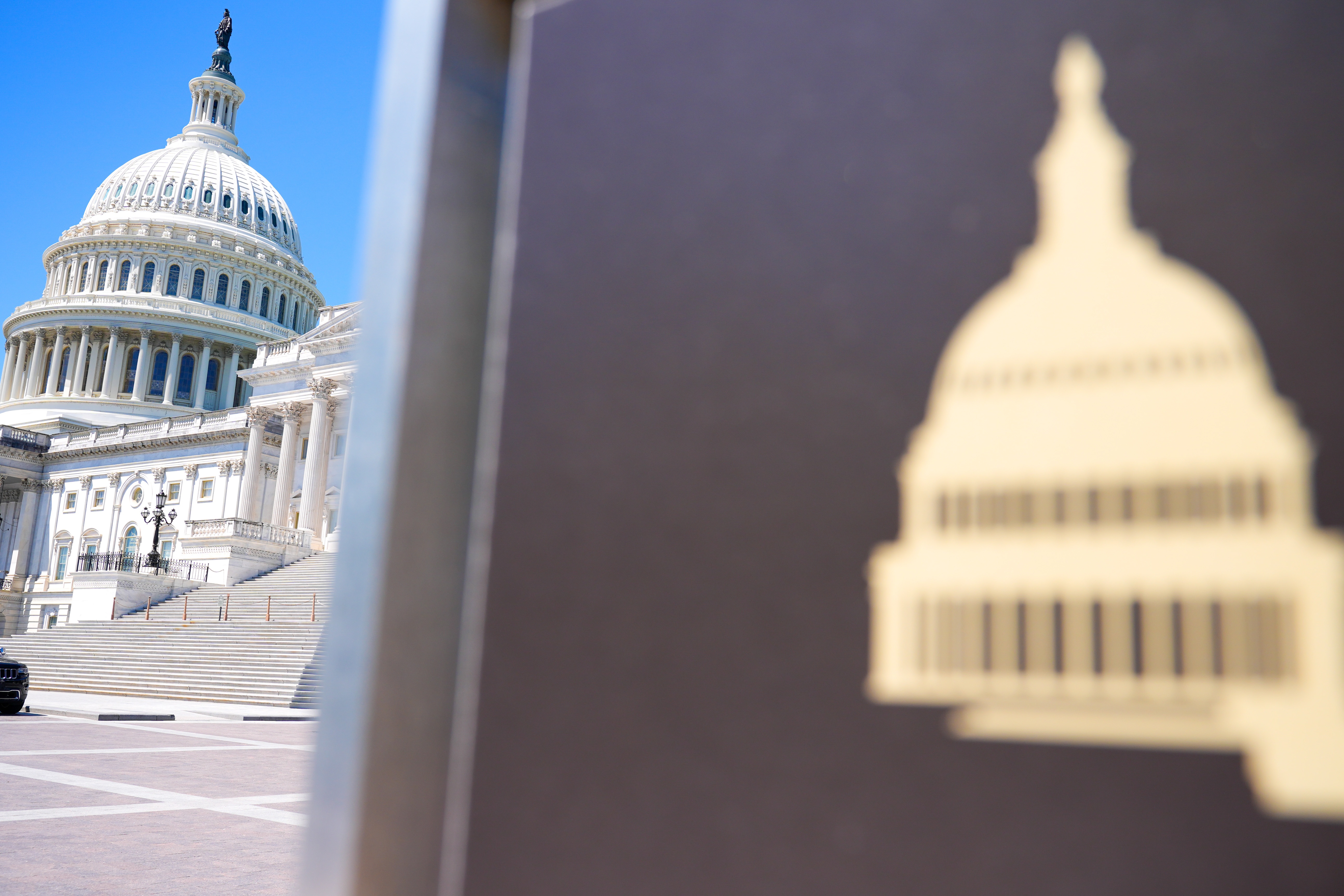
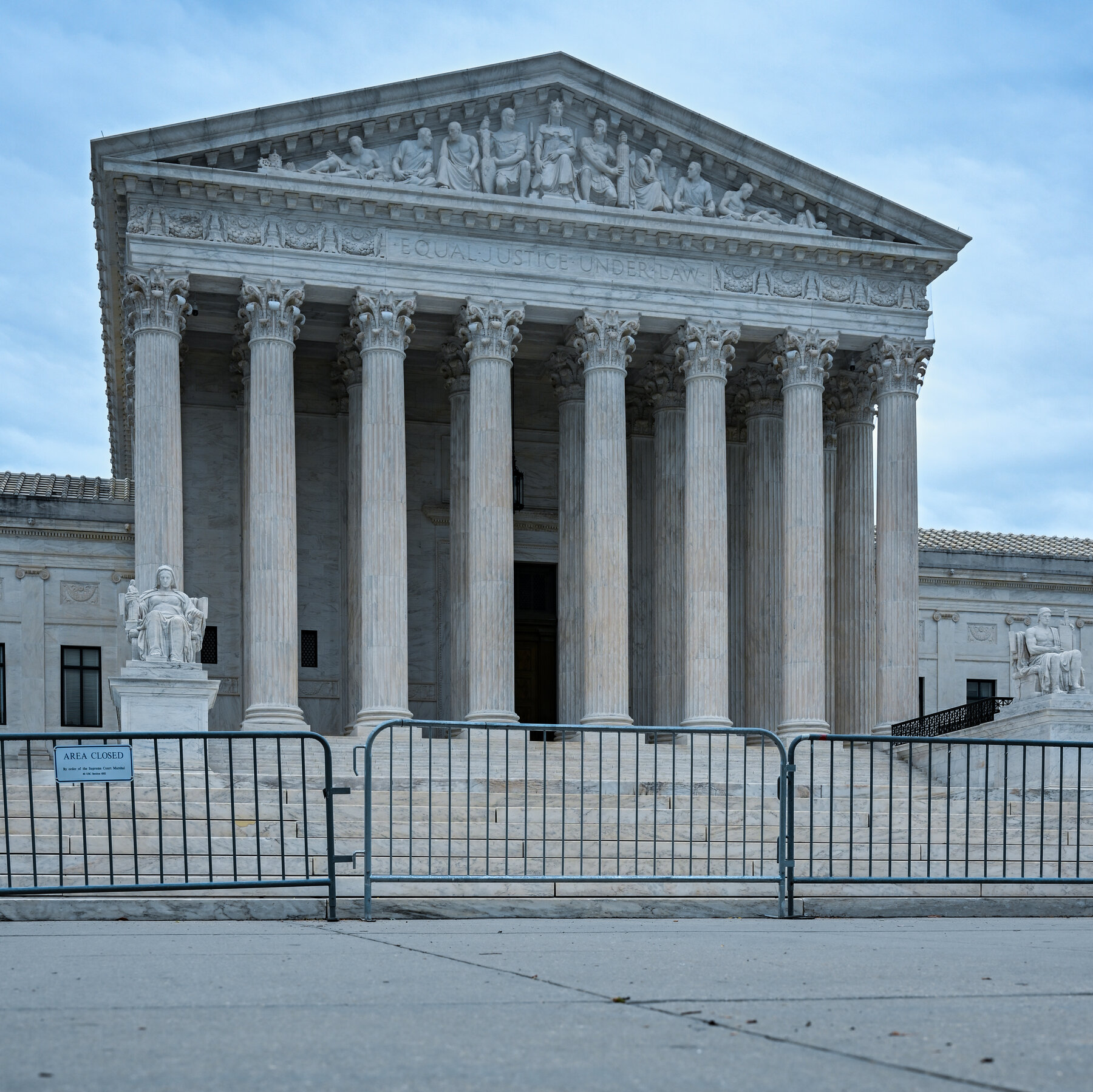
Section 702 of the Foreign Intelligence Surveillance Act is set to lapse at midnight, marking a significant moment for U.S. intelligence capabilities. This provision allows the government to collect electronic communications from foreign nationals outside the United States without a warrant. Lawmakers have repeatedly emphasized that over 60% of the president's daily intelligence briefing is derived from information collected under this authority, underscoring its importance to national security.
Political Stalemate in Congress
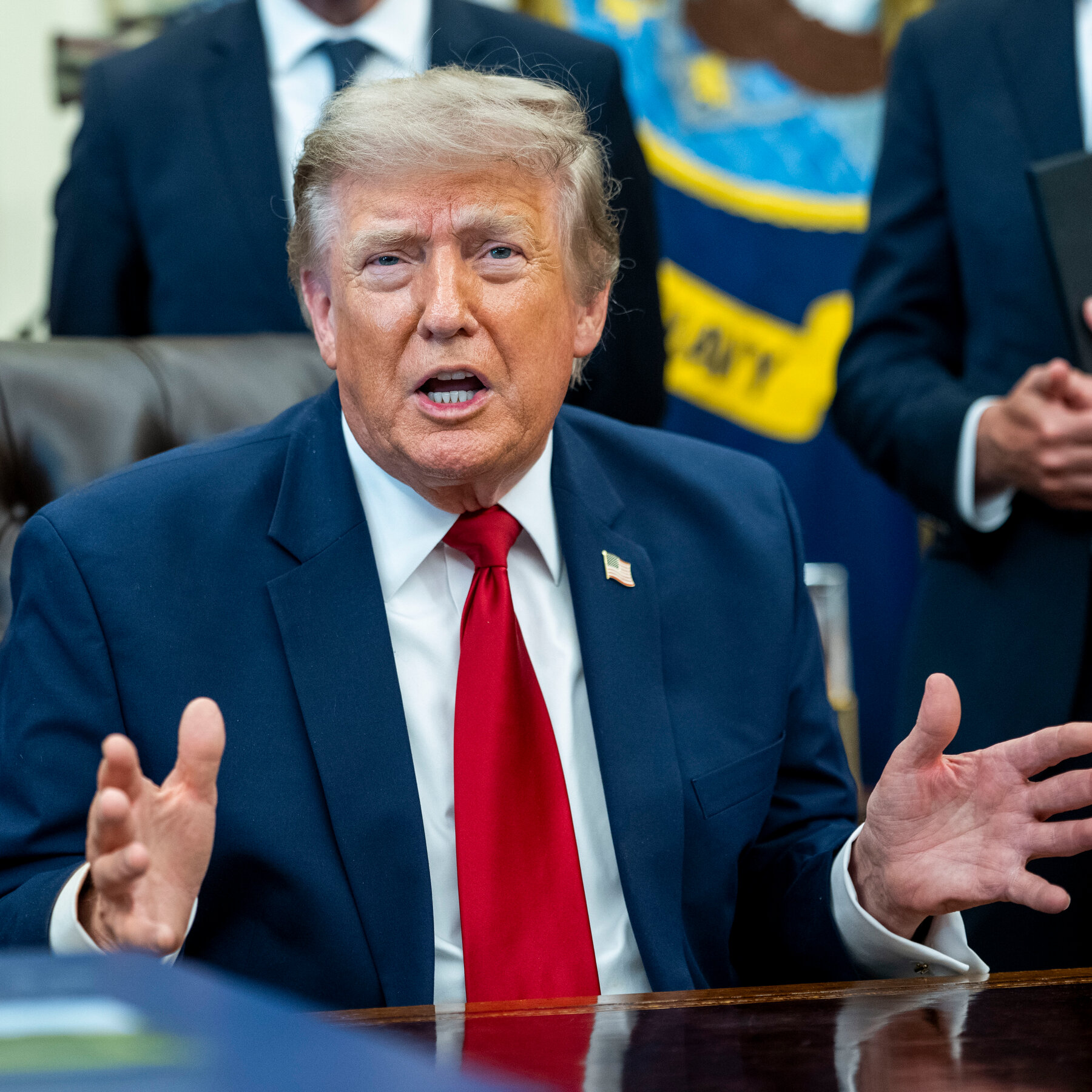
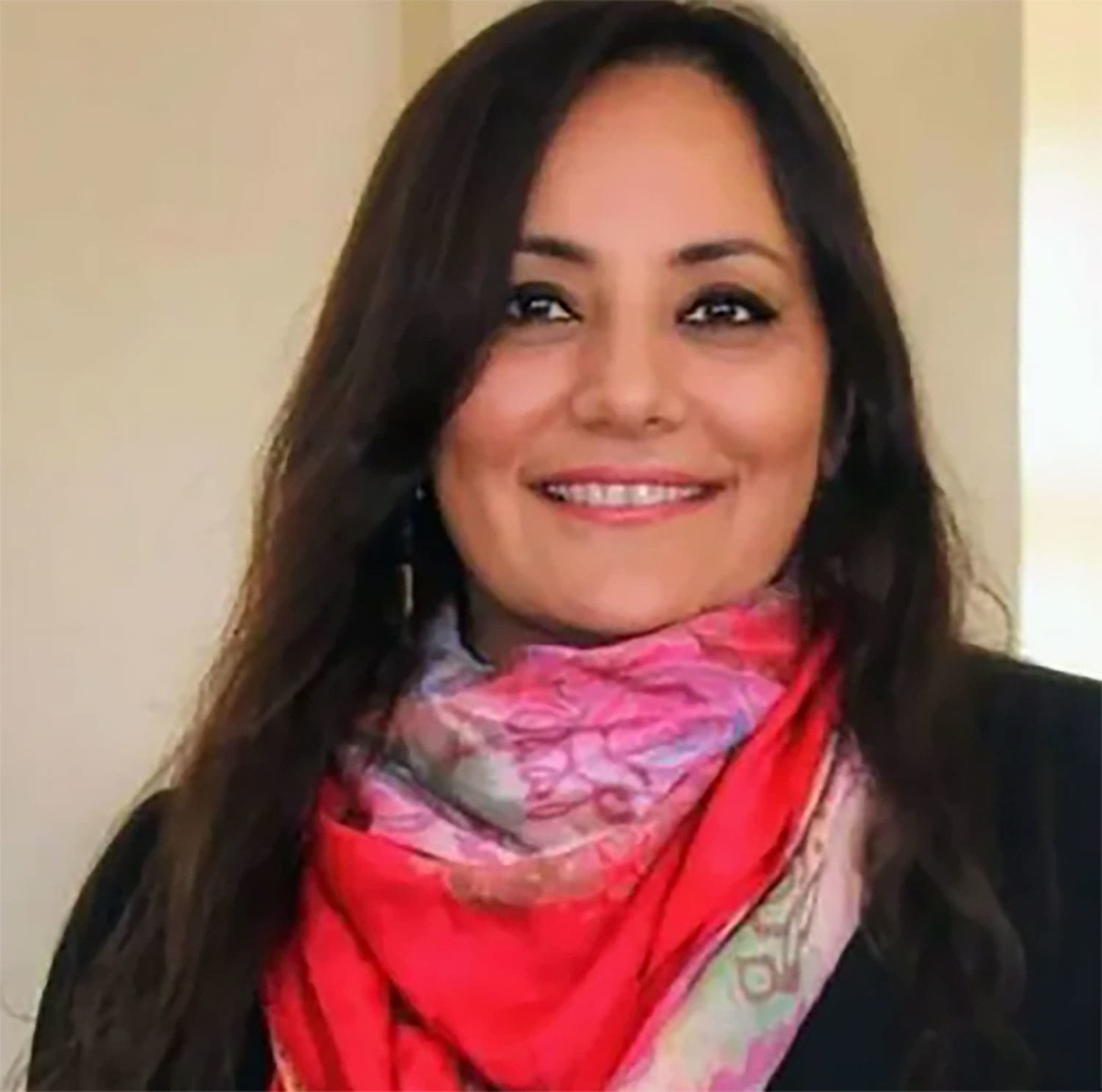
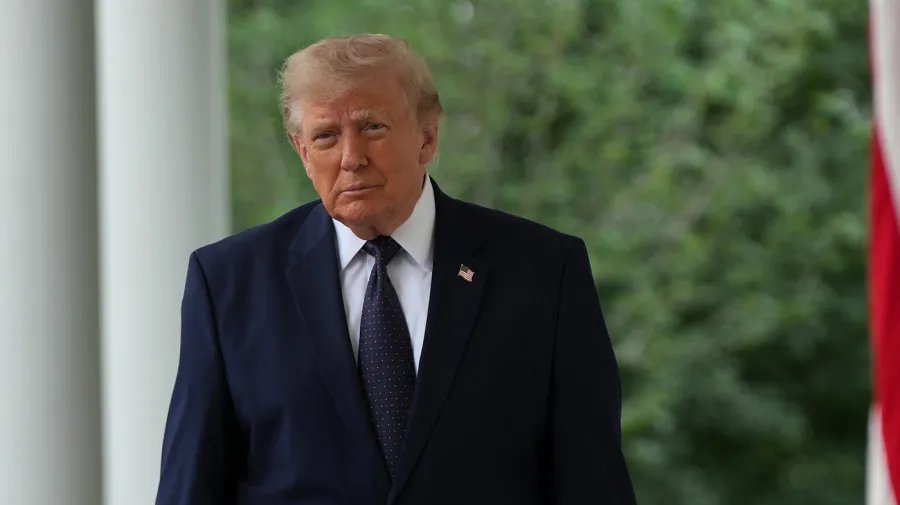
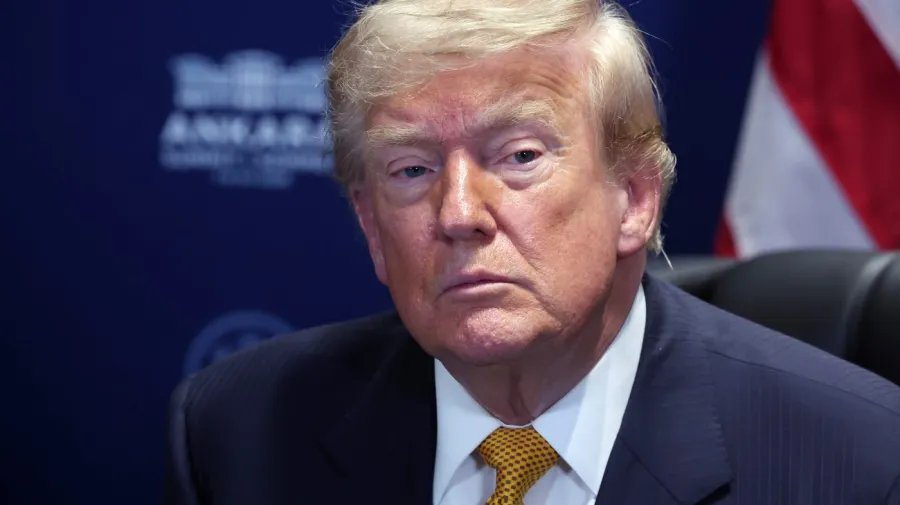
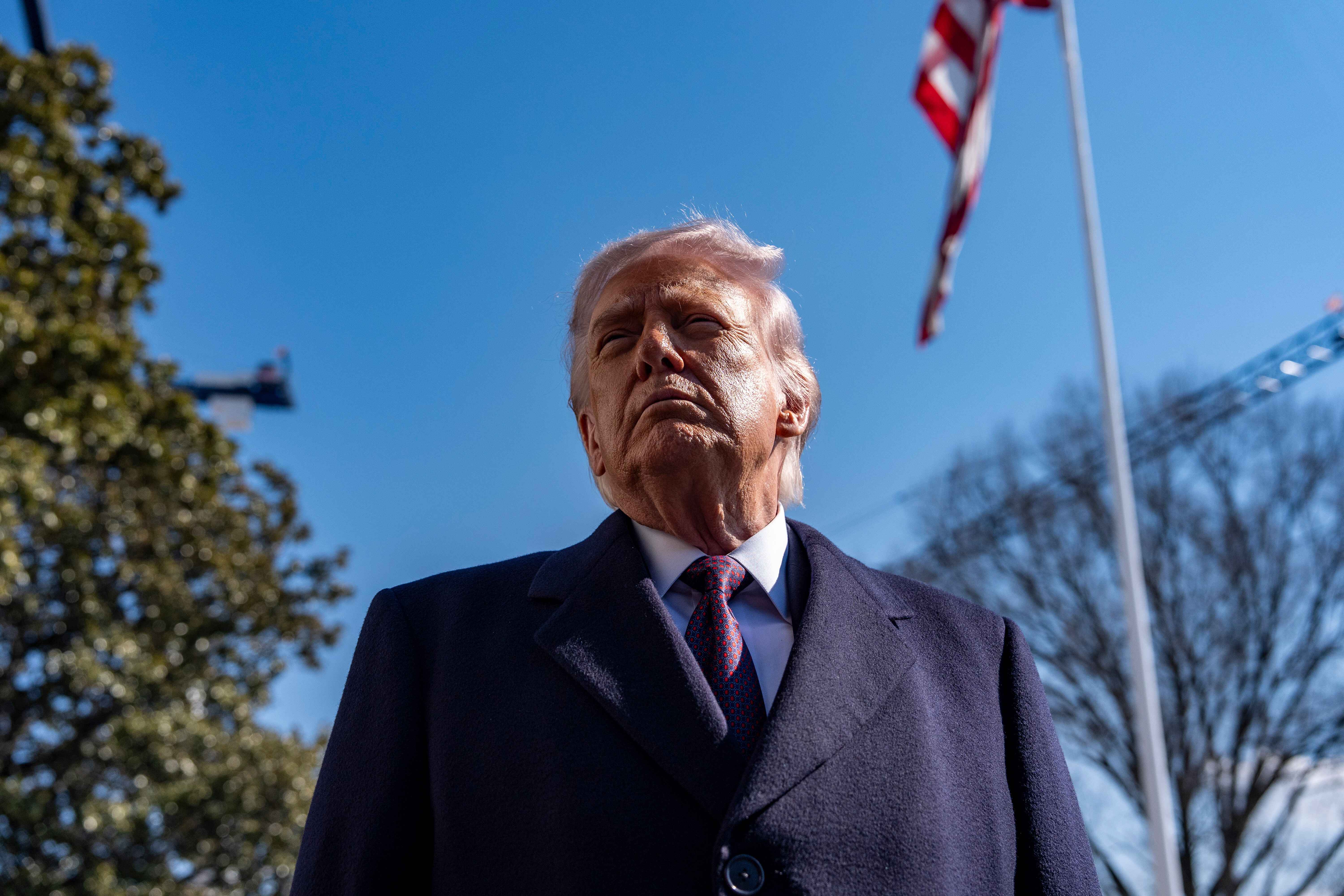
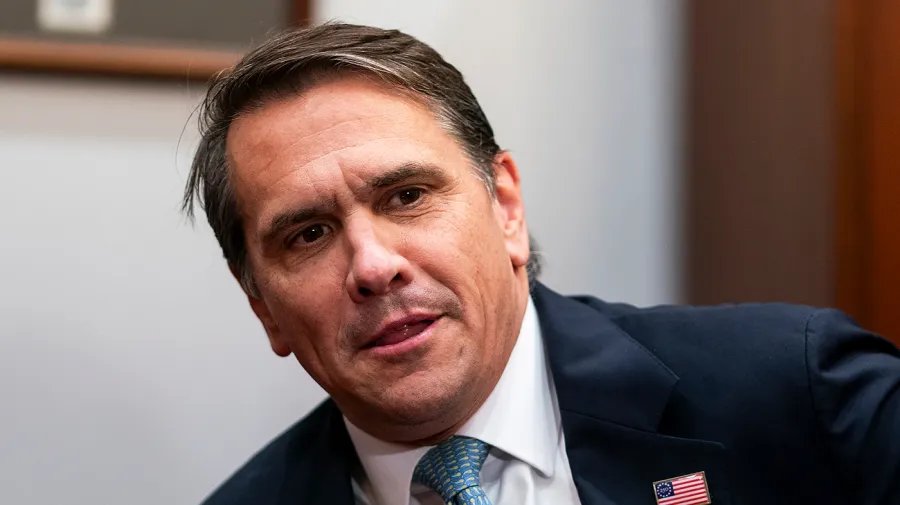
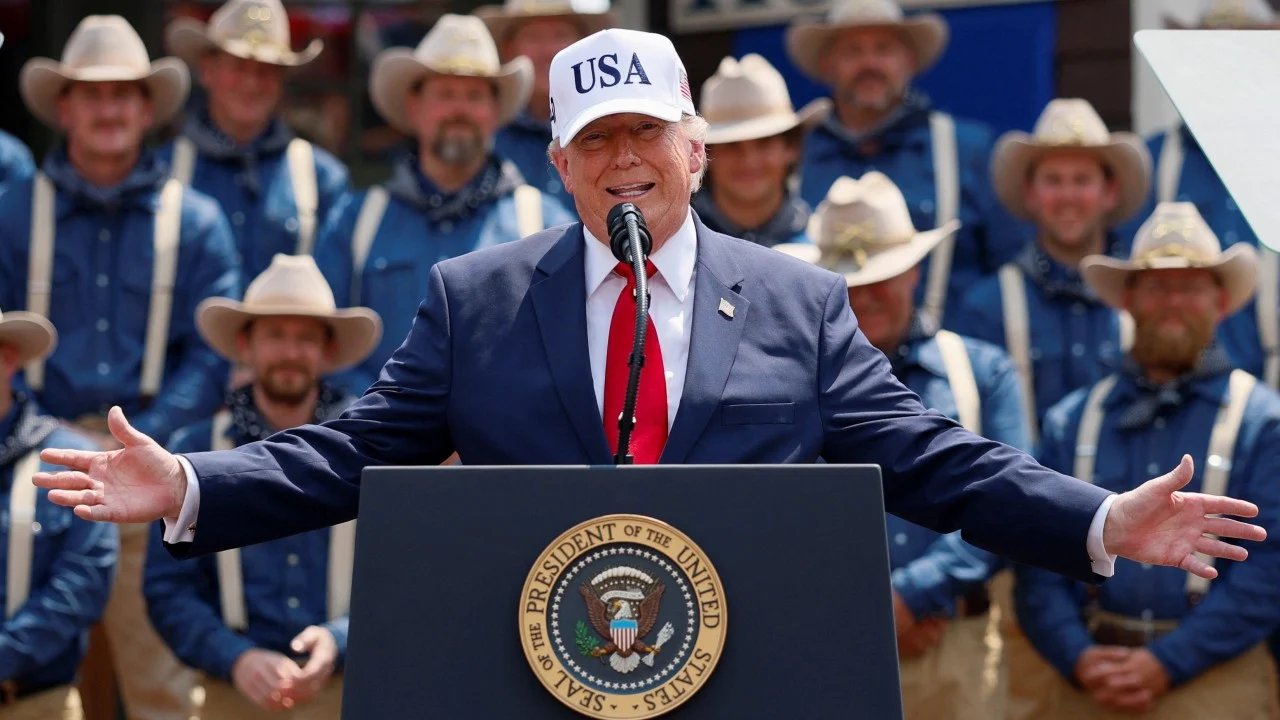
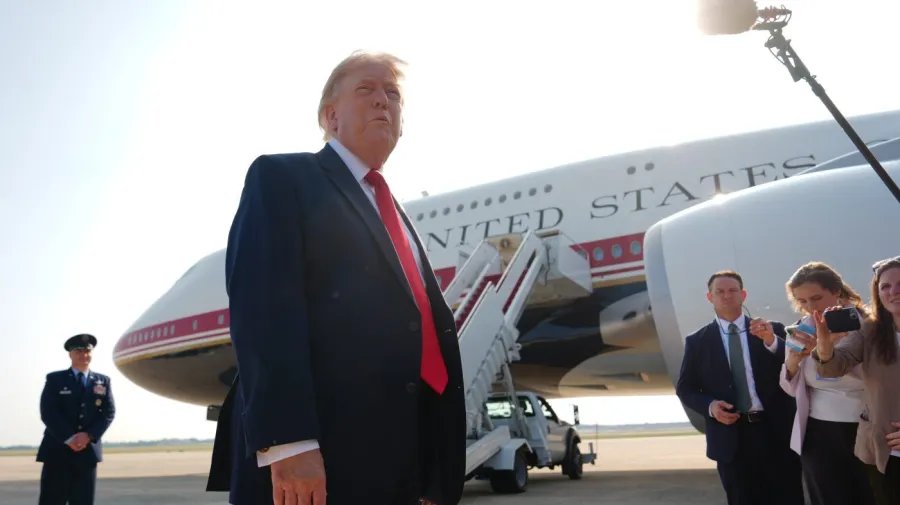
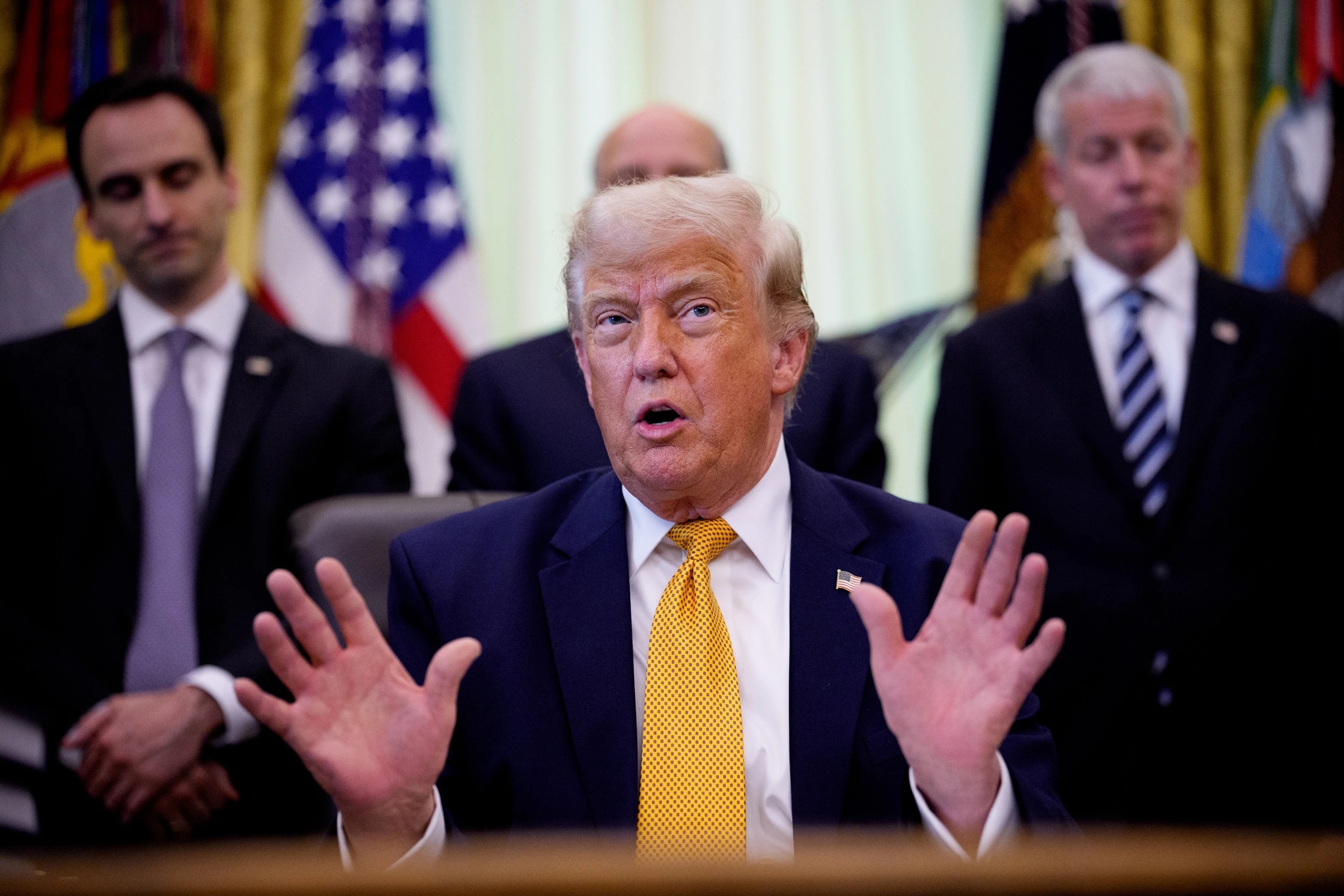
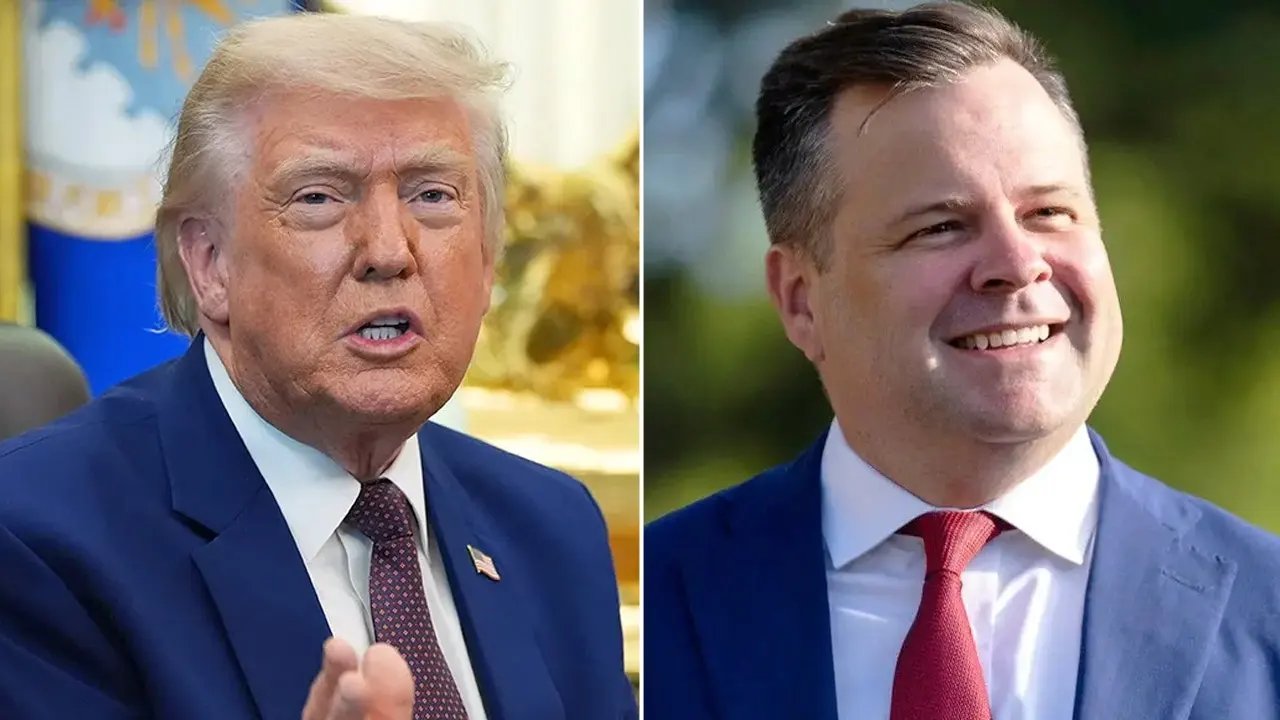
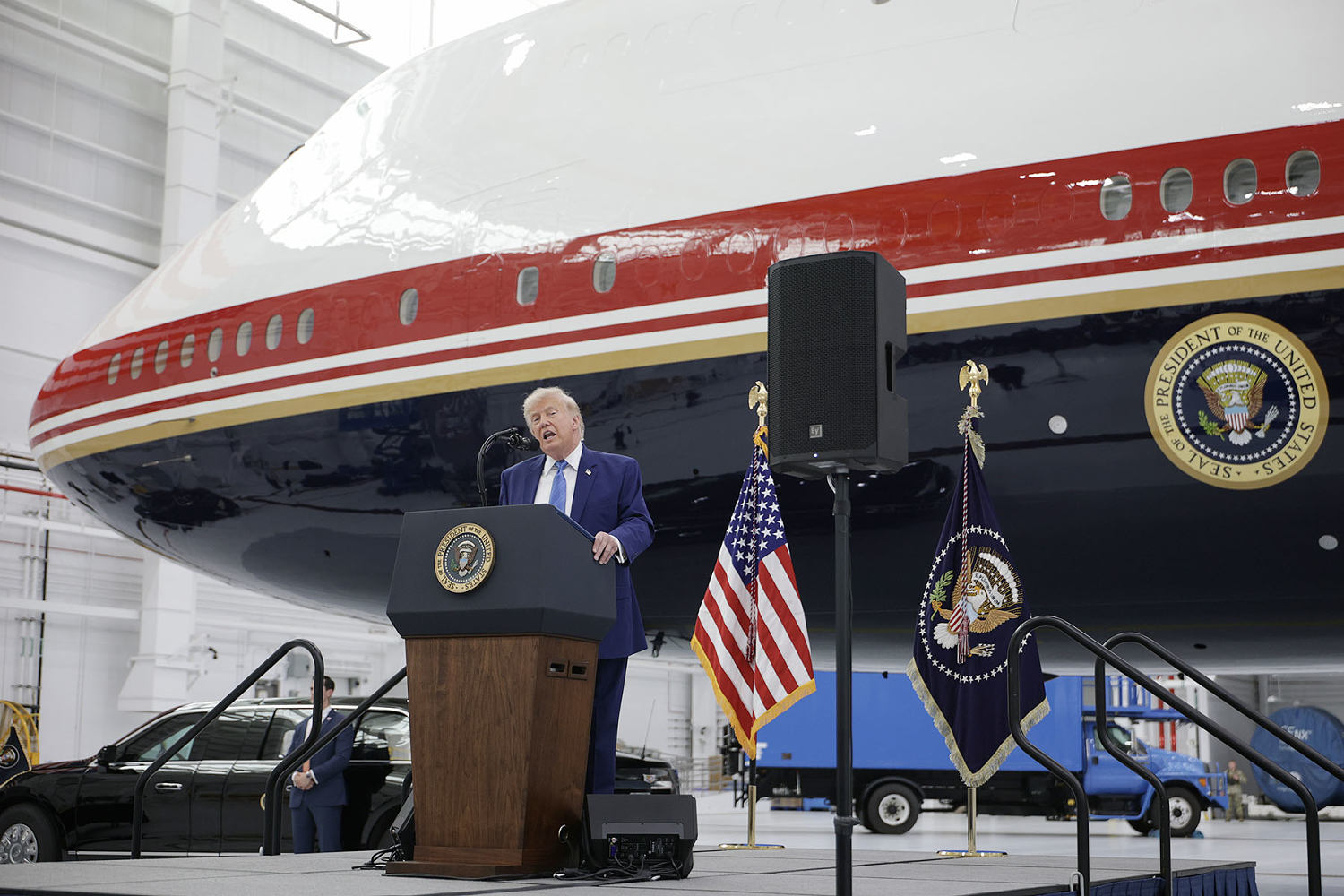
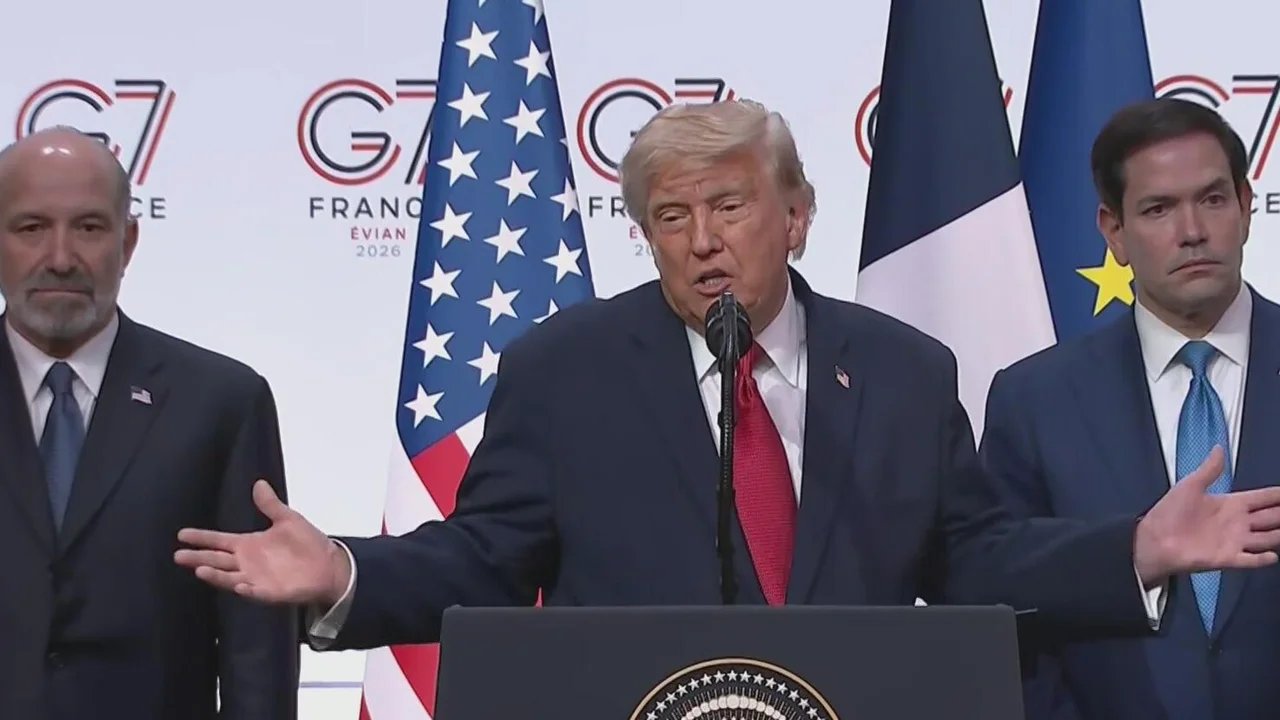
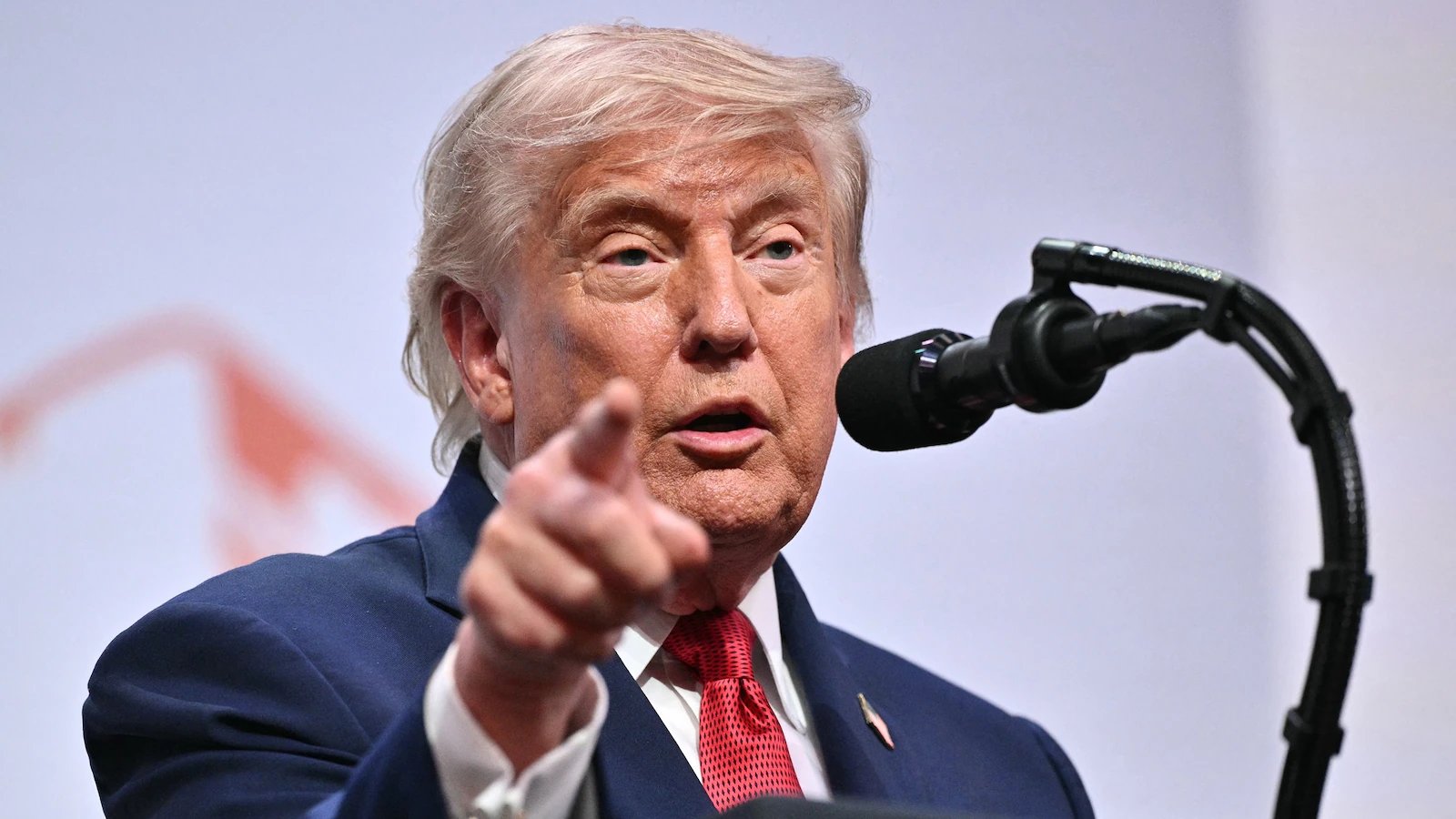
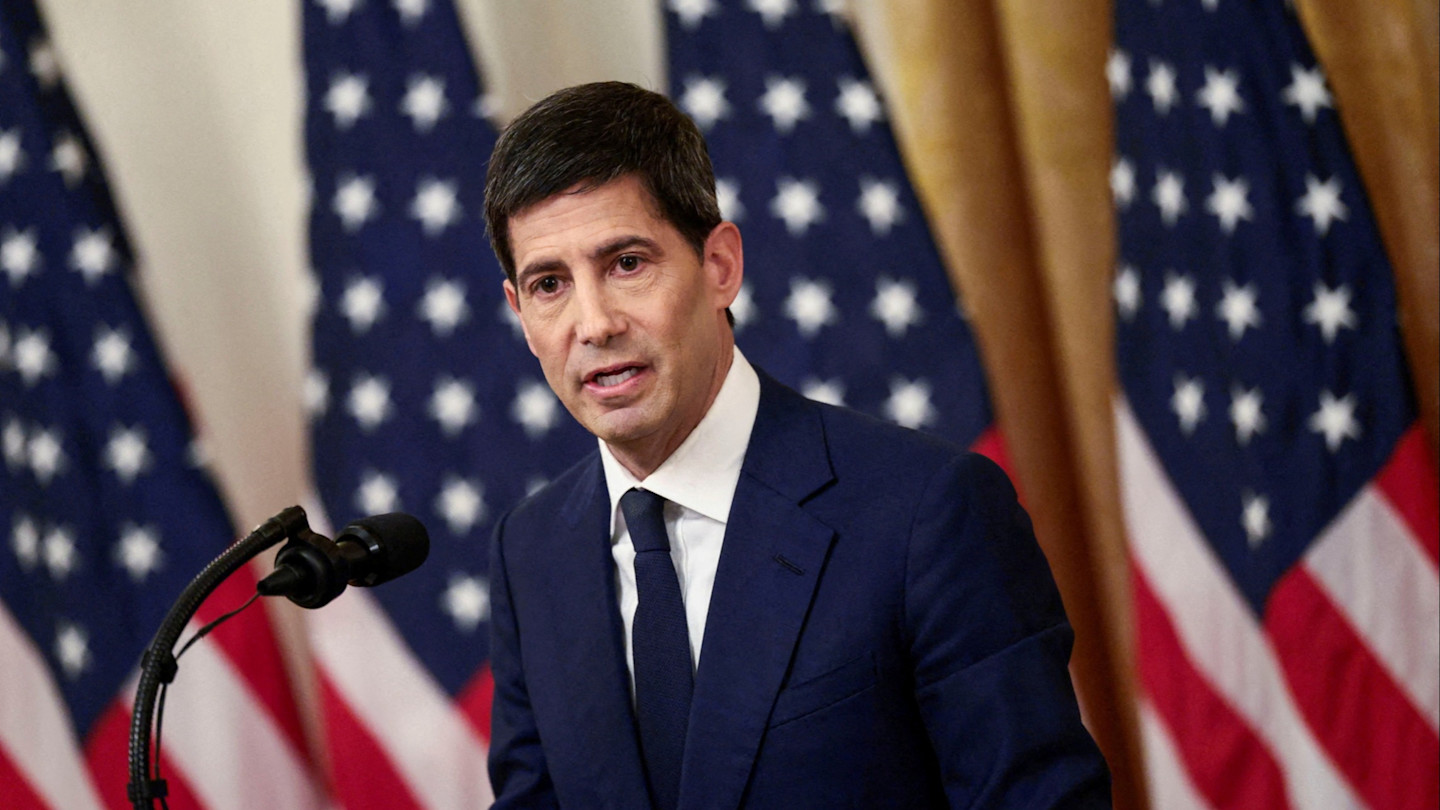
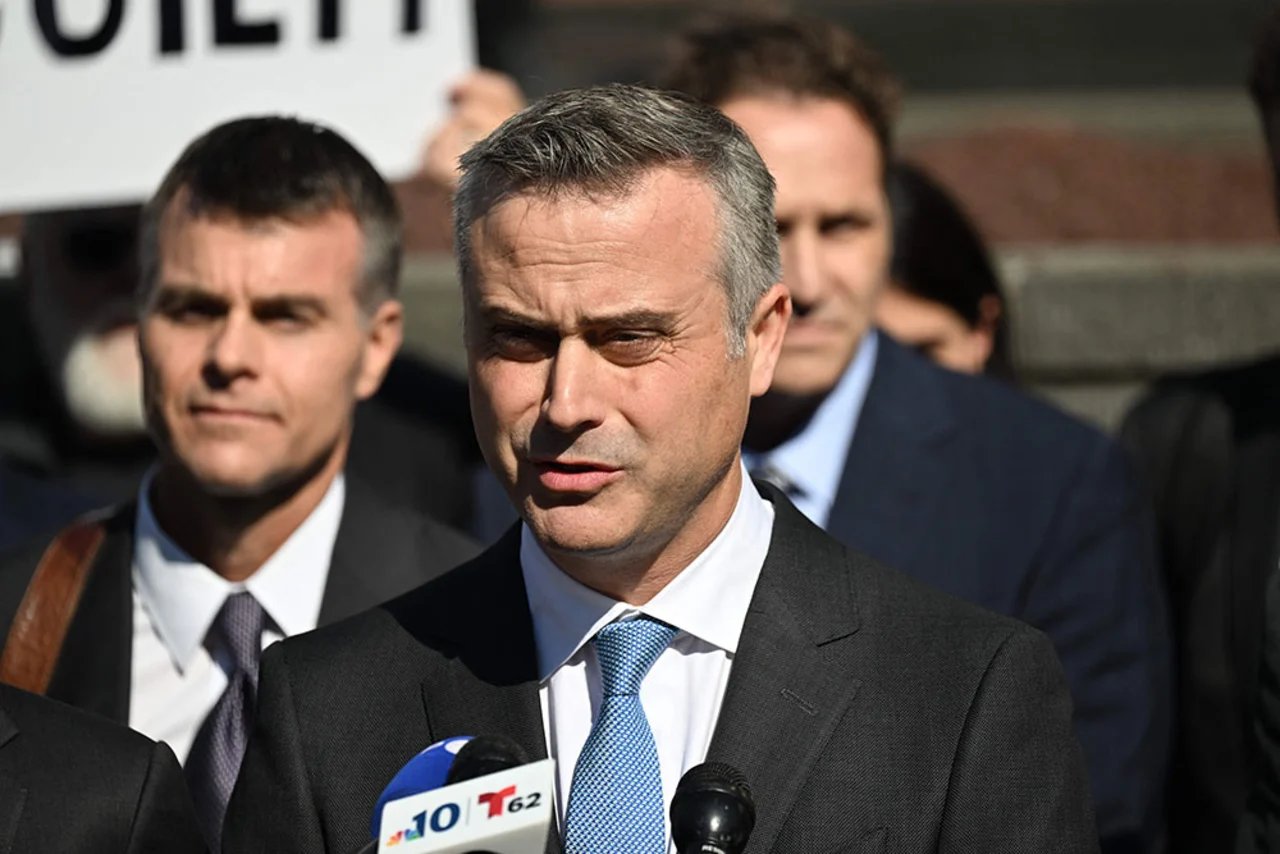
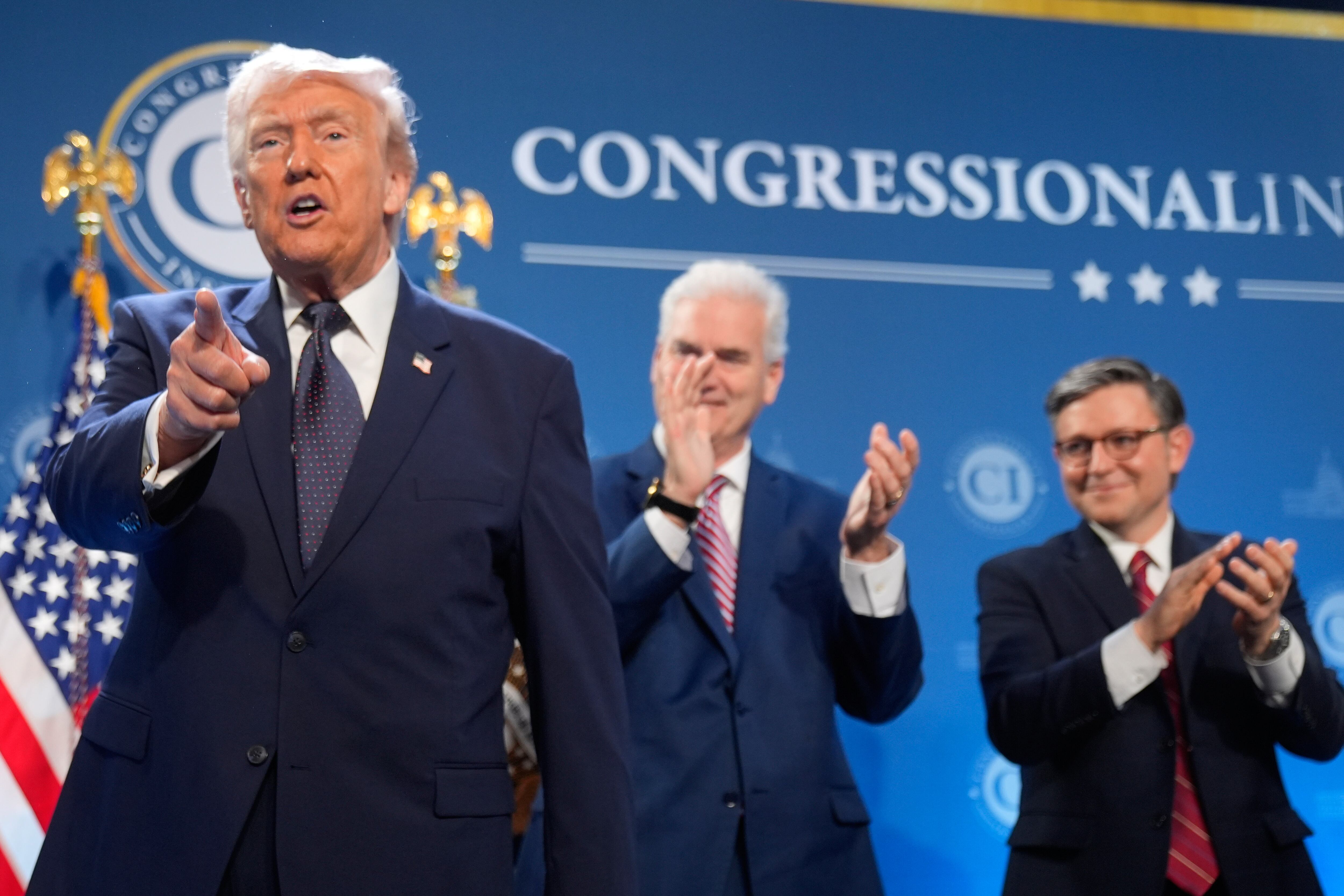
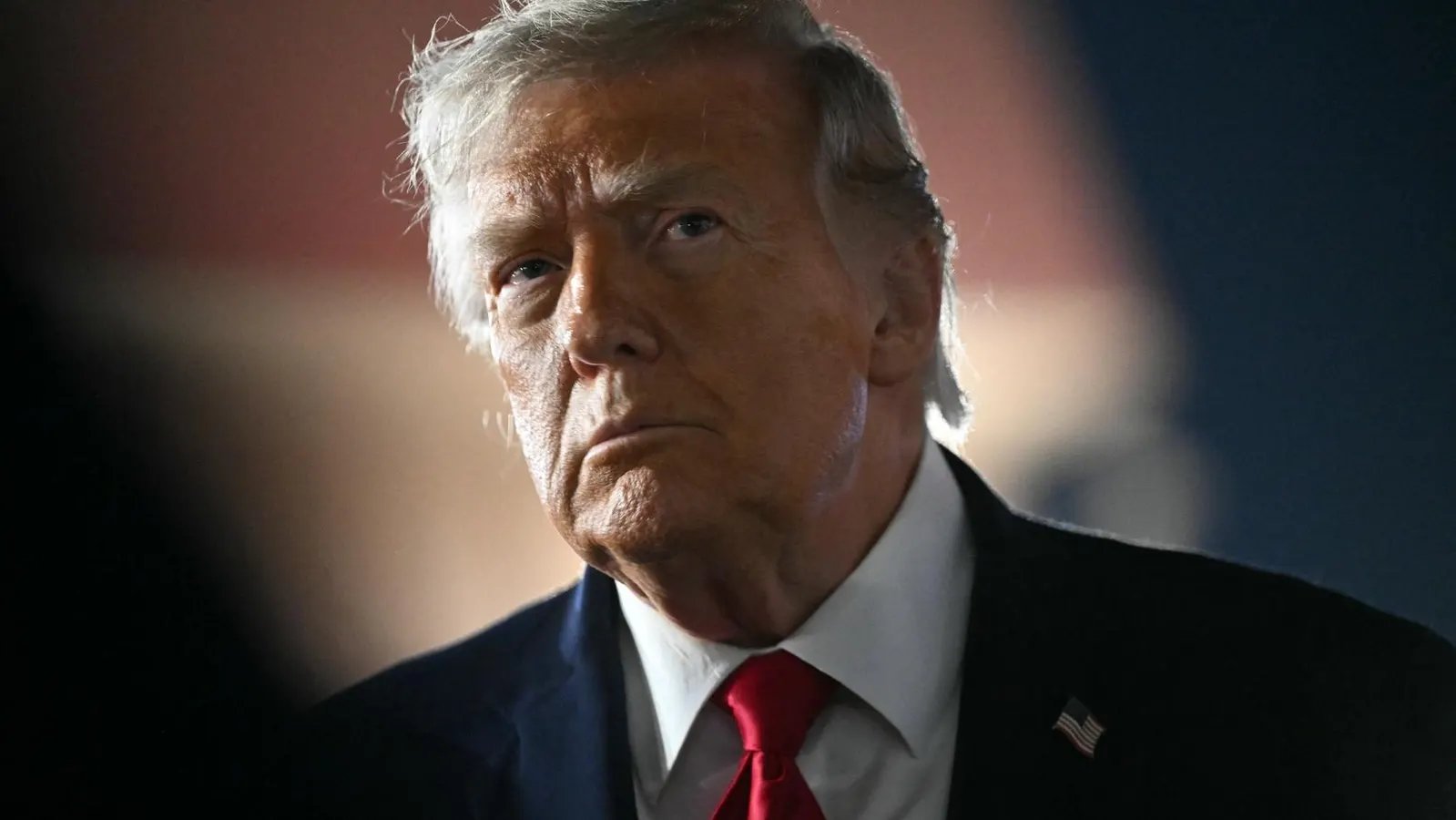
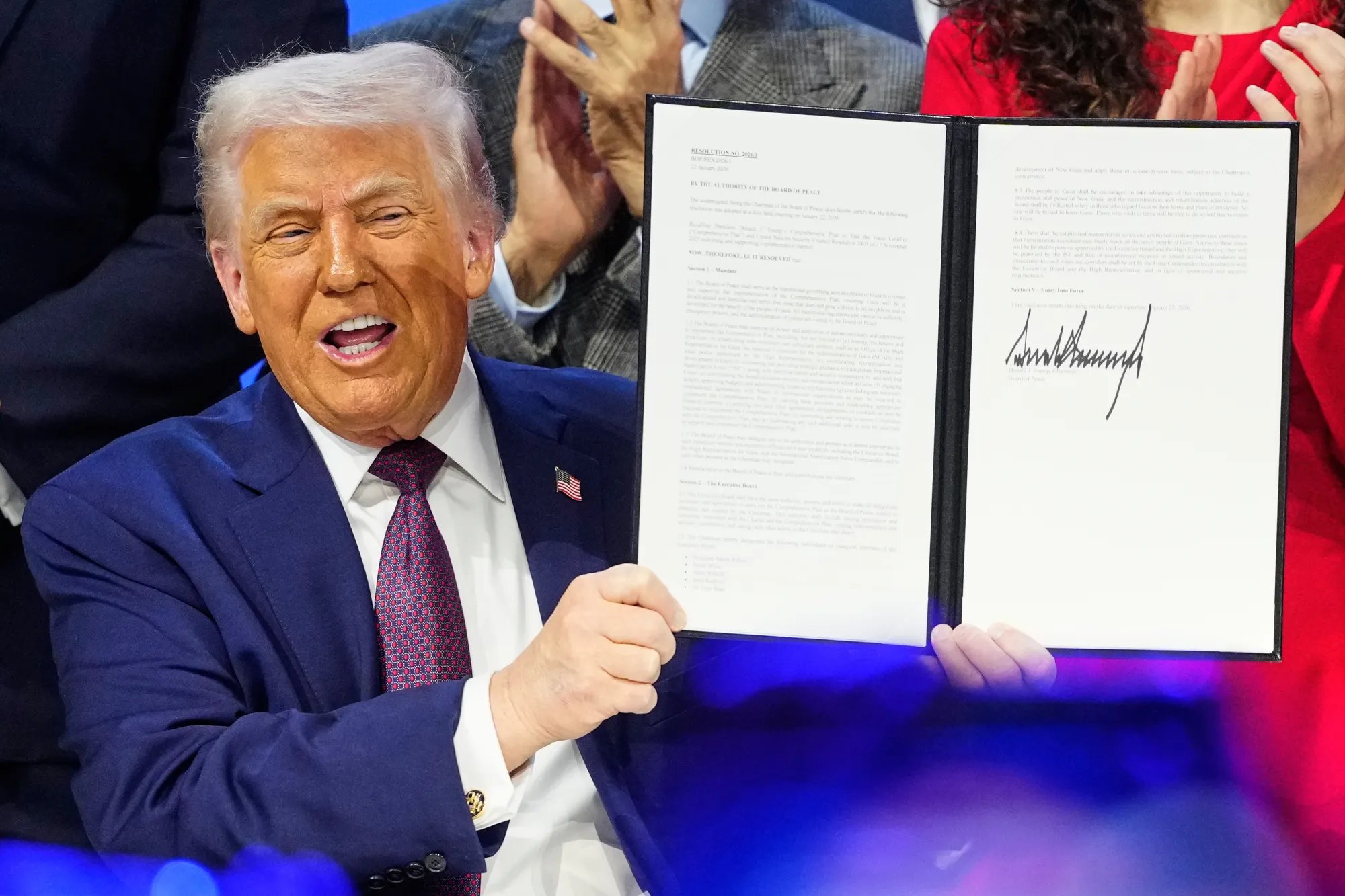
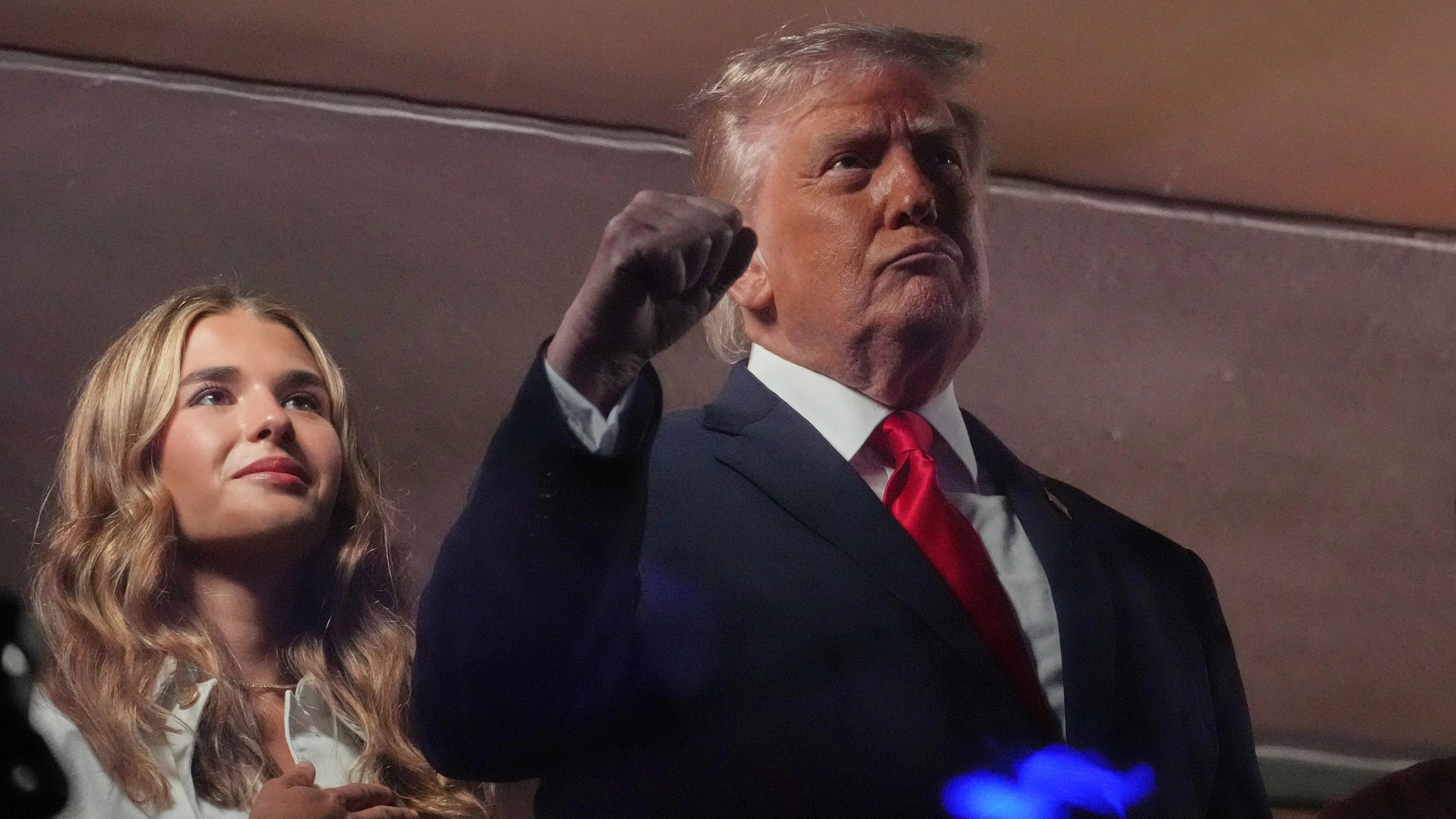
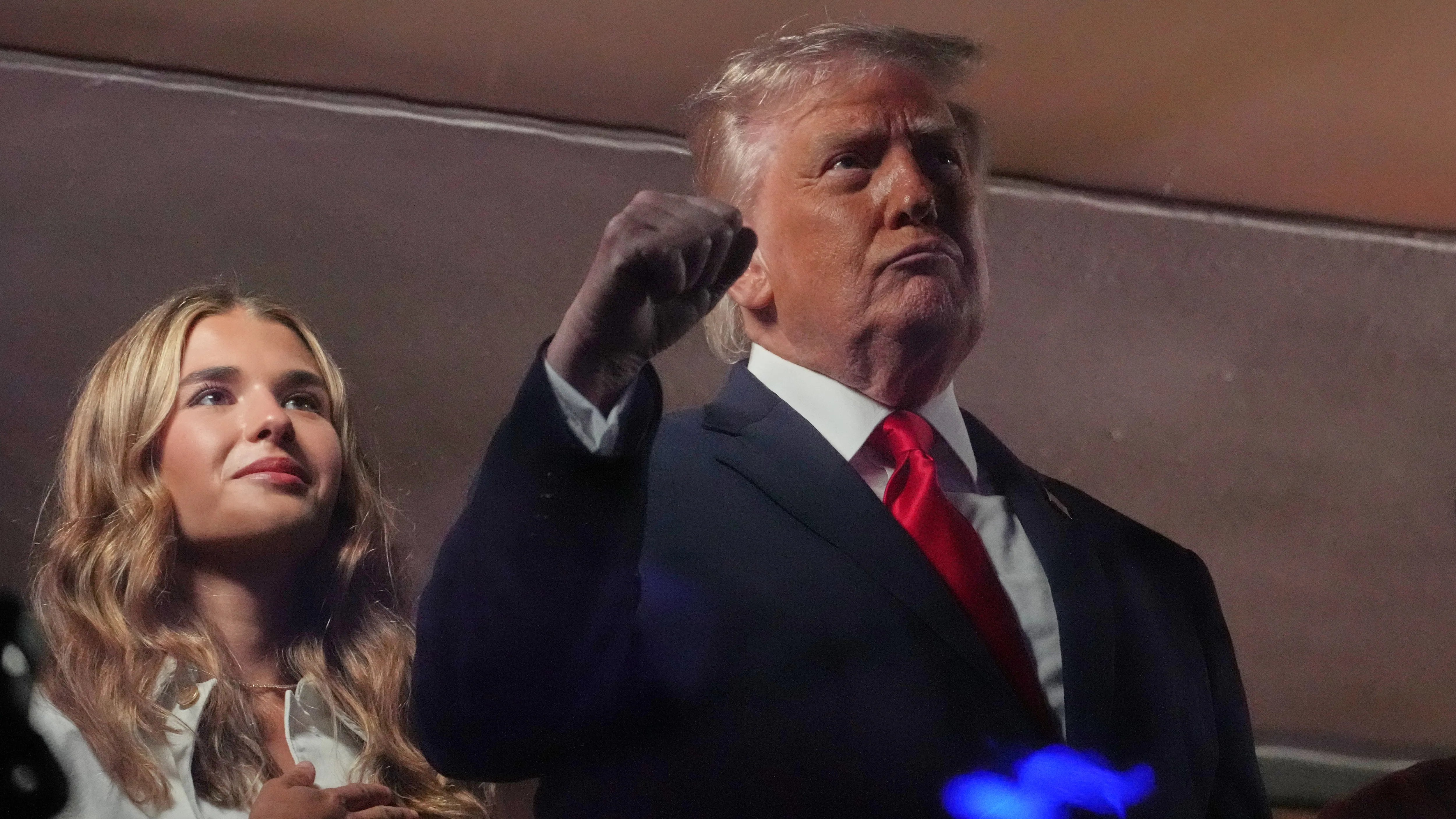
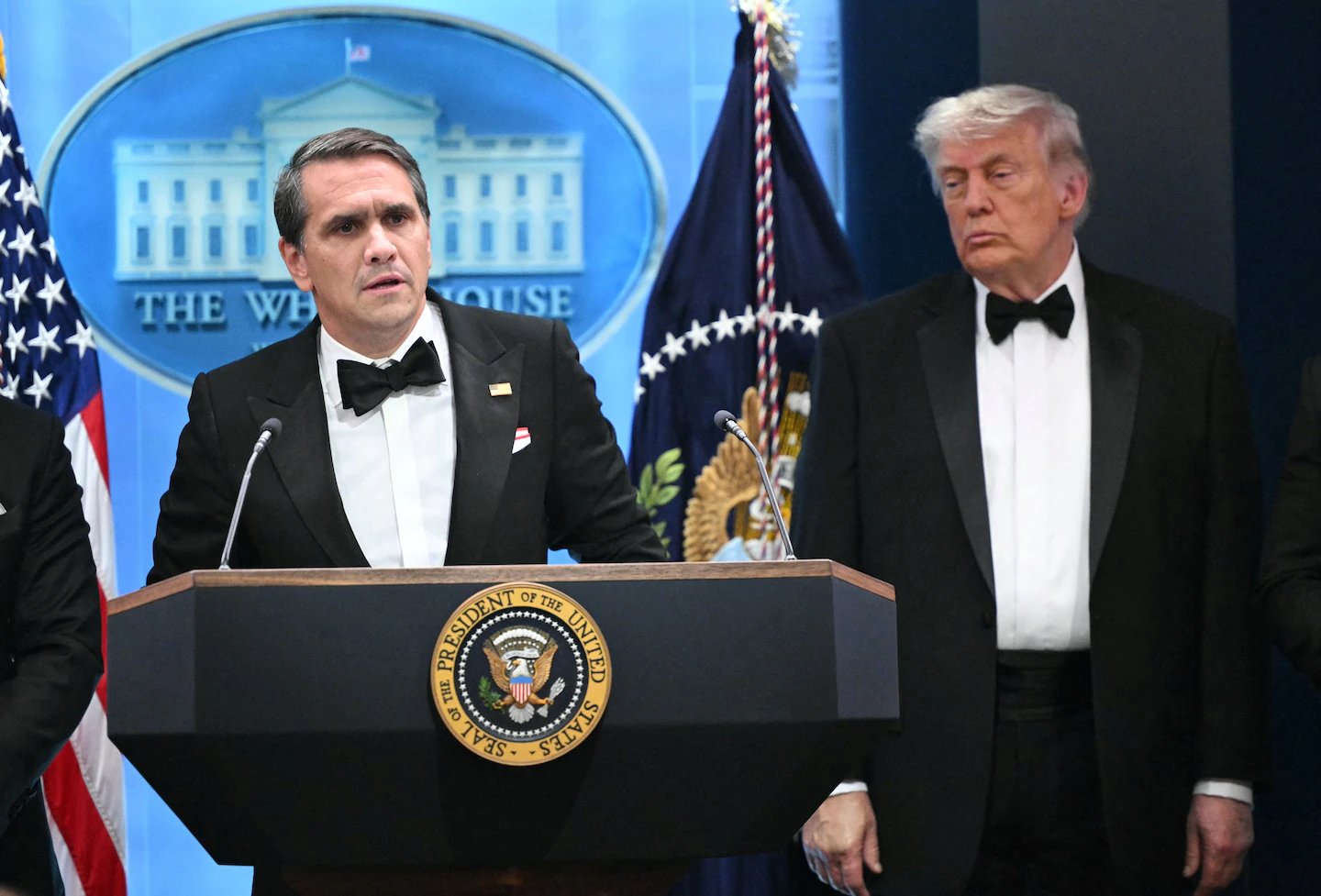
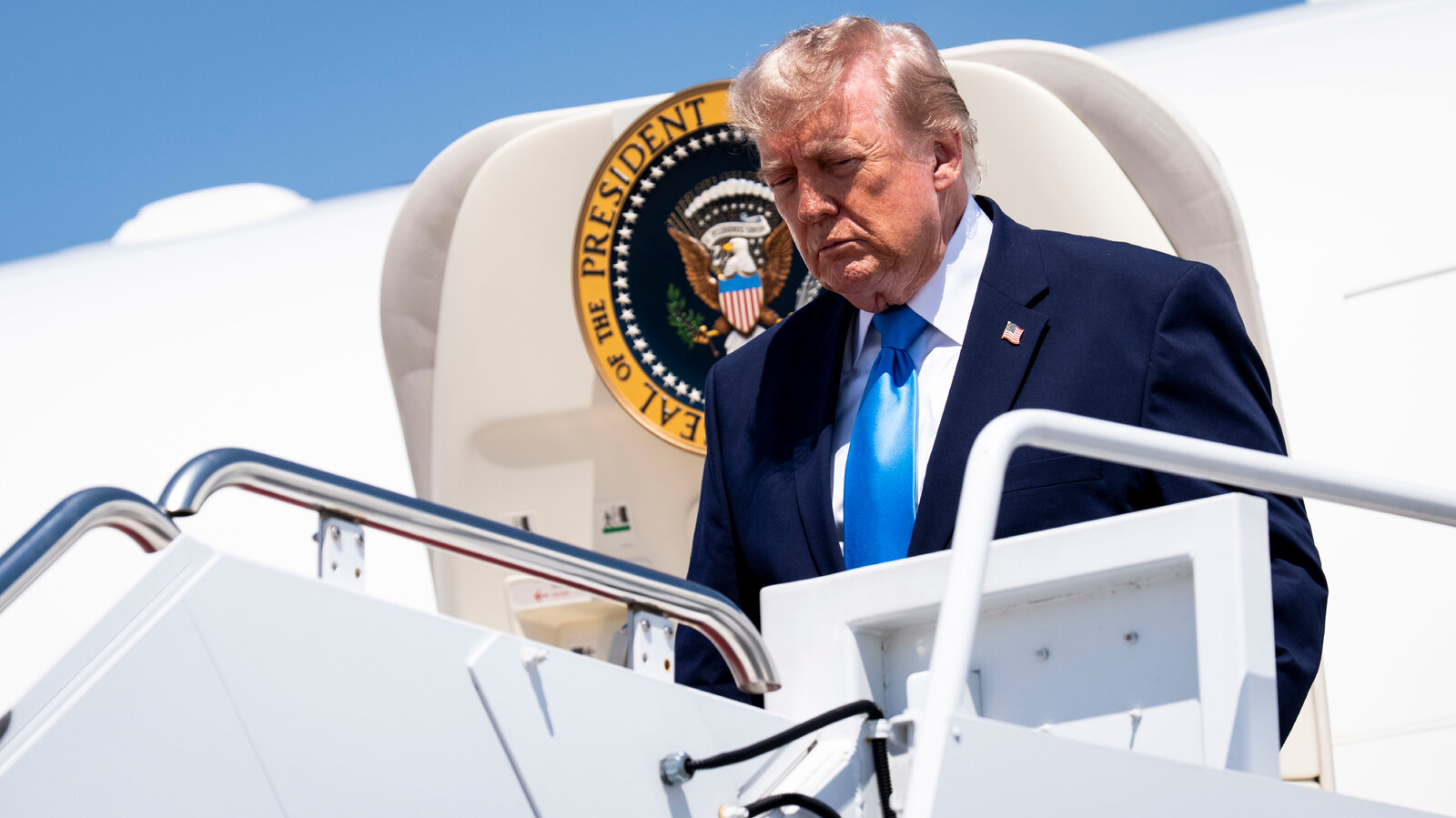
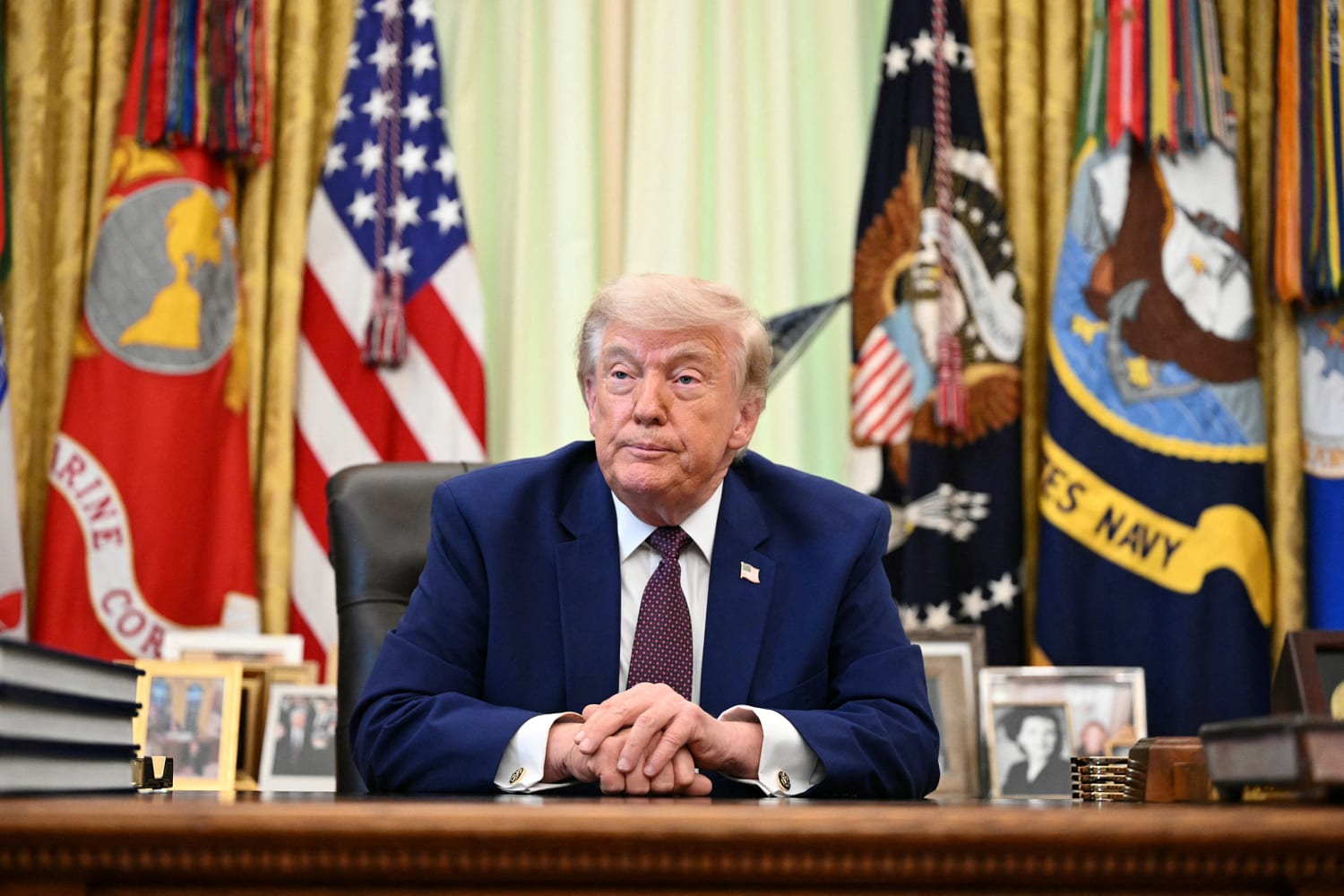
Efforts to renew Section 702 failed as Congress left for a scheduled recess, leading to warnings from various officials about the risks associated with the expiration. The tension escalated after President Trump nominated Bill Pulte, head of the Federal Housing Finance Agency, to serve as acting director of national intelligence. Democrats expressed strong opposition, citing concerns over Pulte's lack of national security experience and his political actions against perceived enemies of the president. This nomination complicated negotiations, resulting in a deadlock that has left the future of the surveillance tool uncertain.
Reactions from Lawmakers
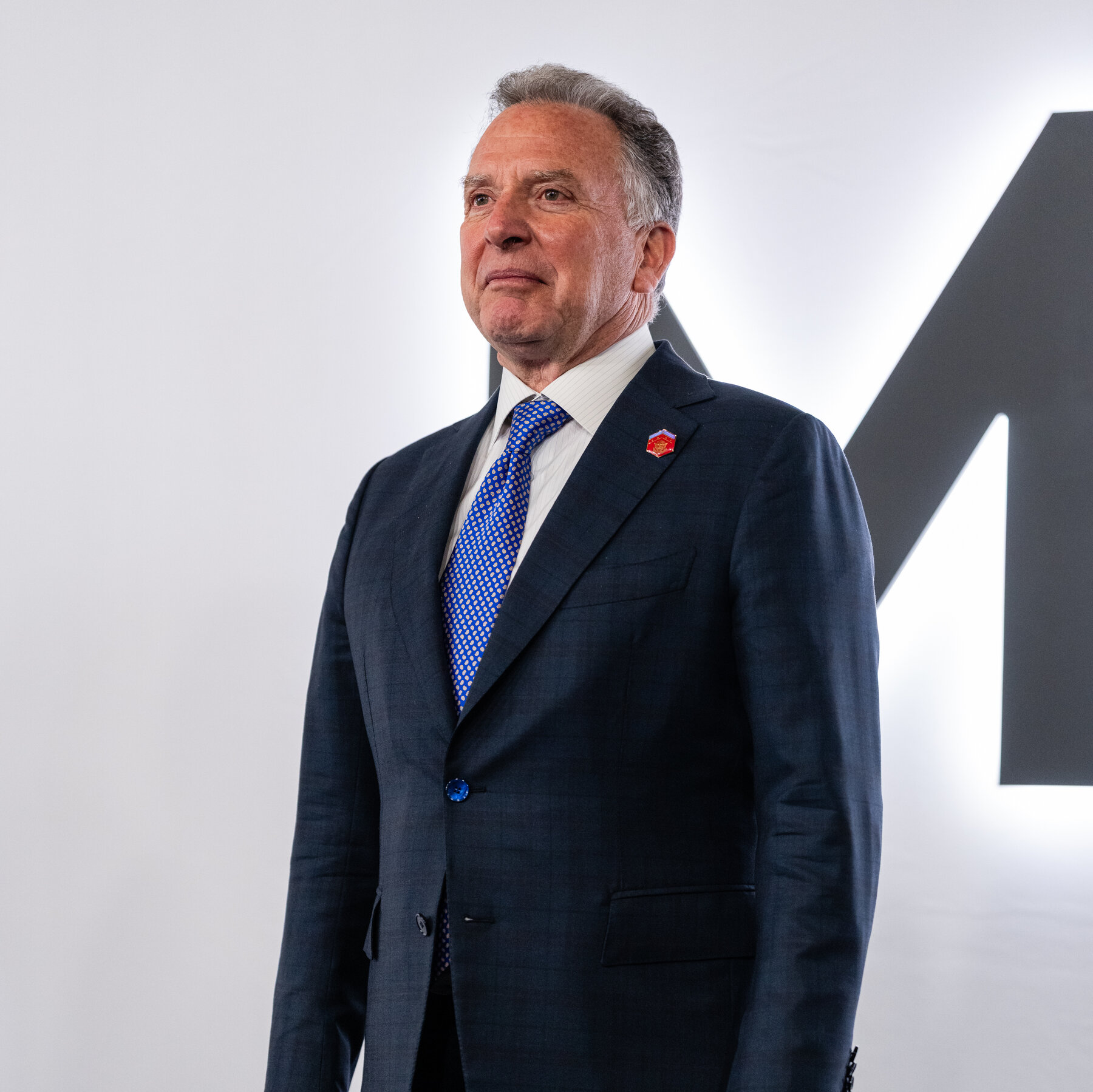
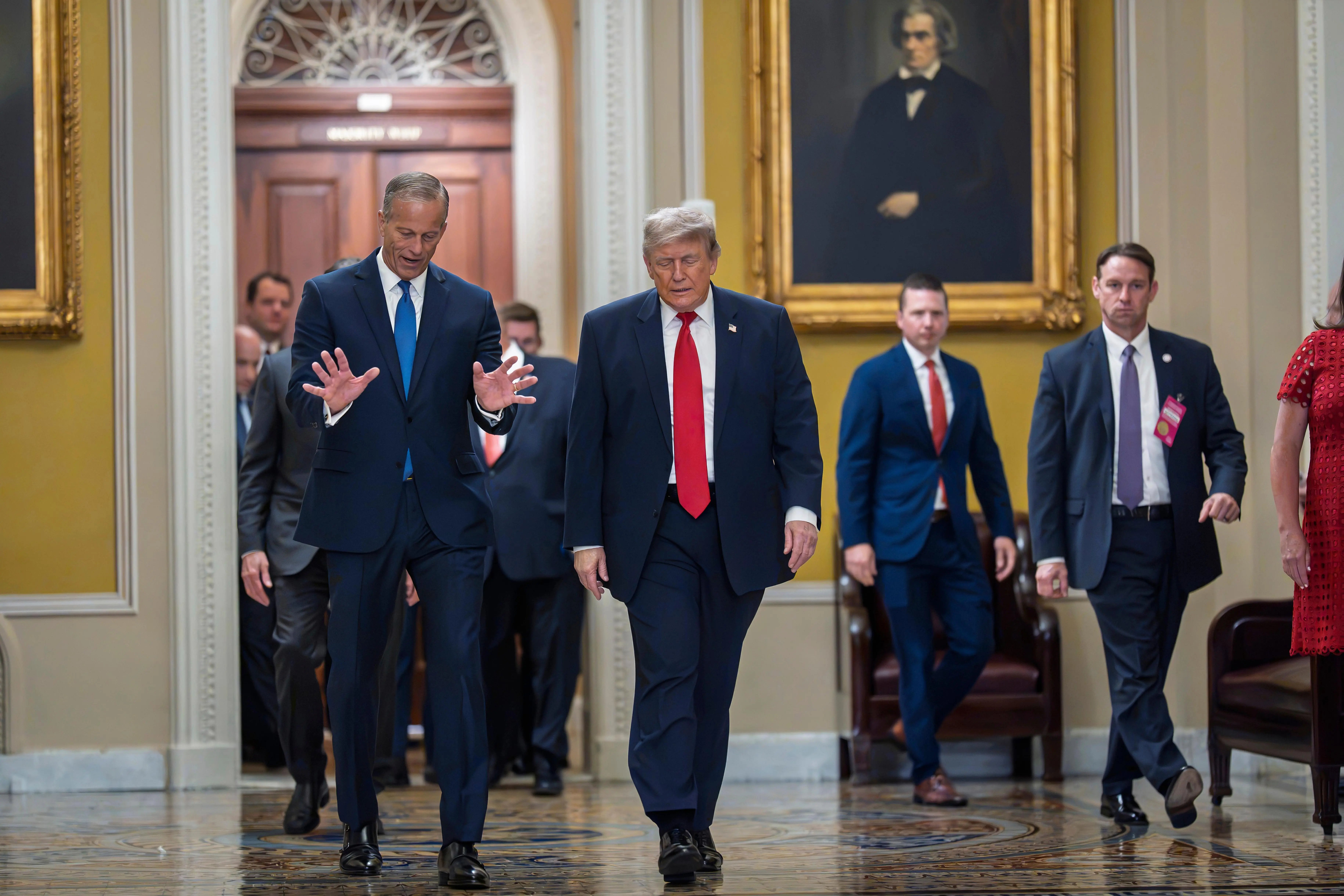
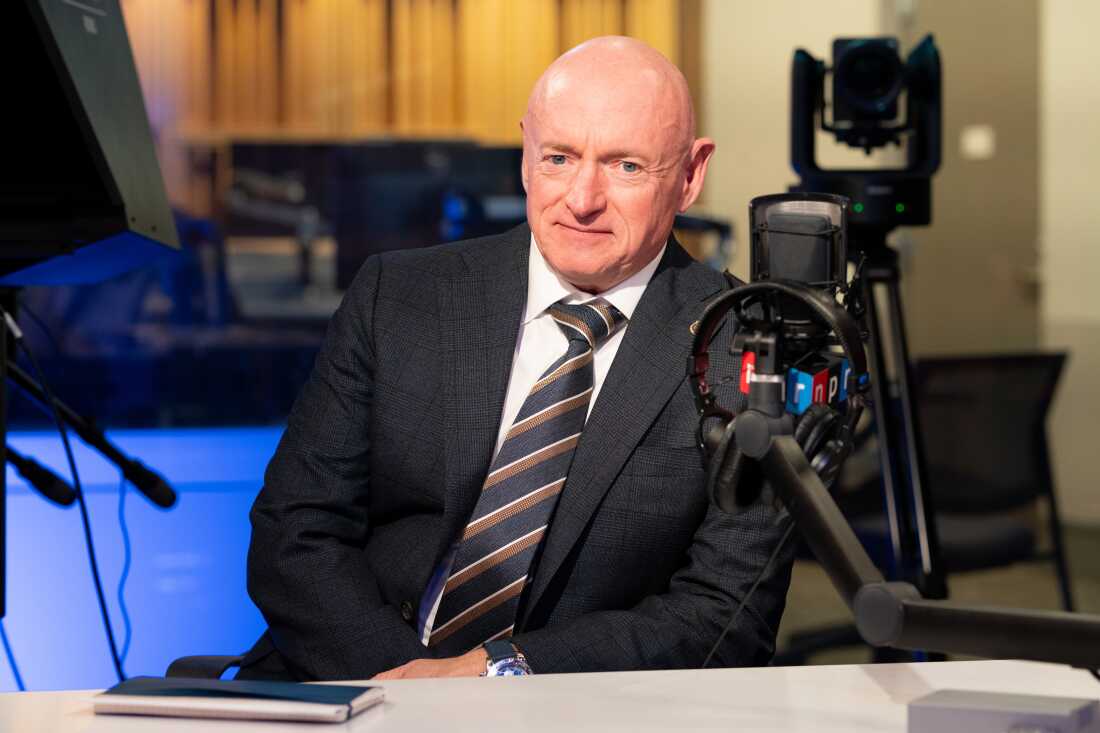
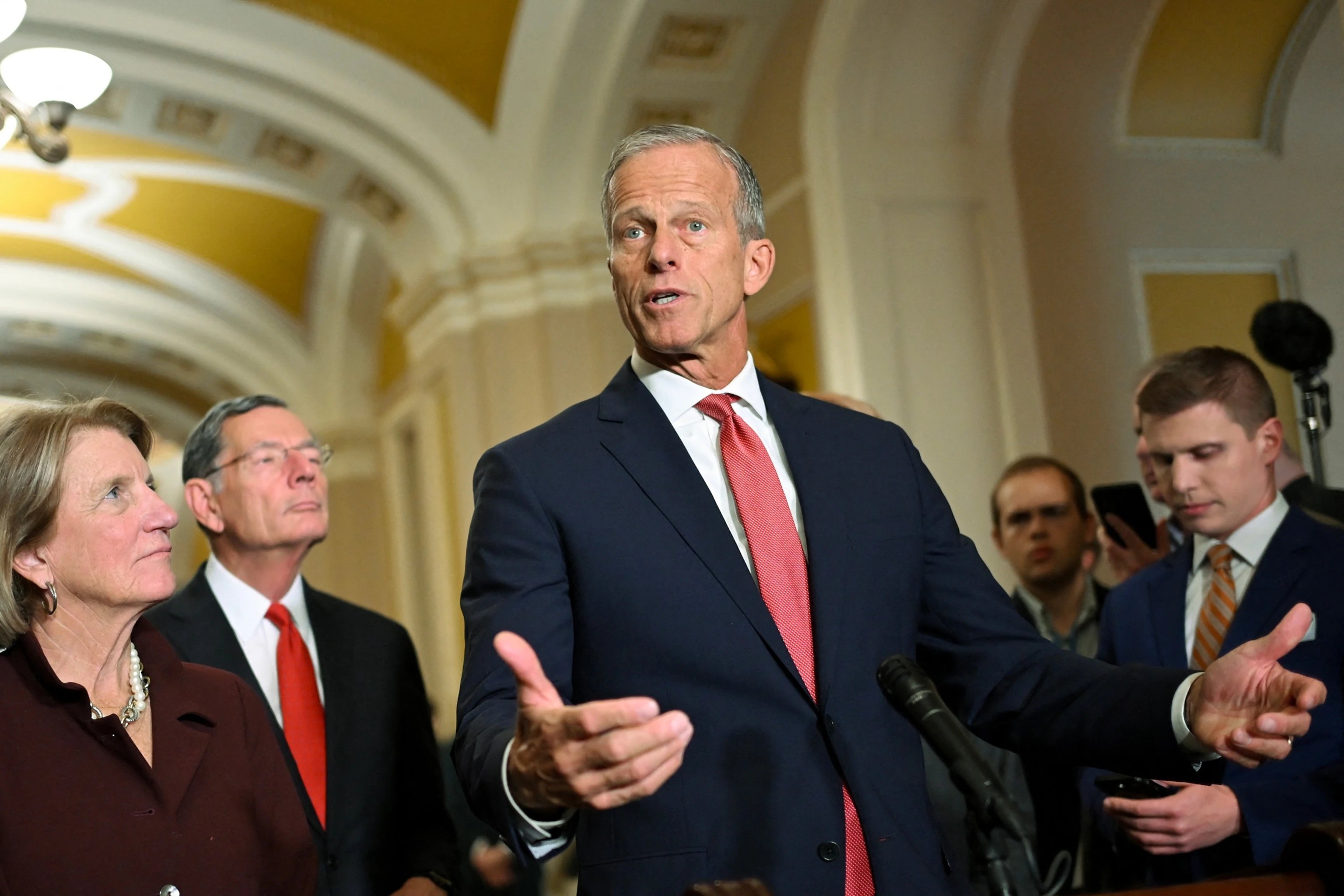
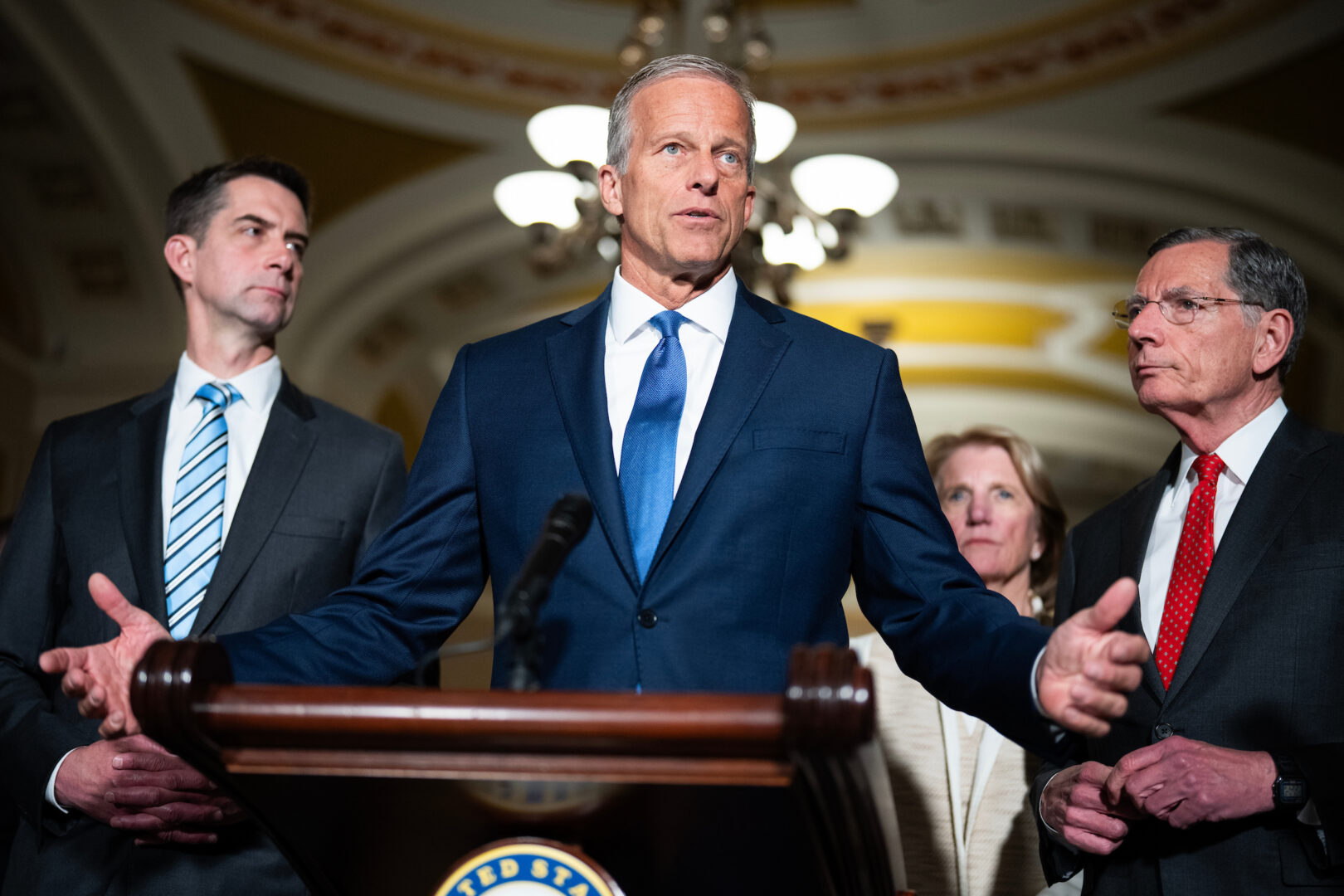
Senator Mark Warner, the top Democrat on the Senate Intelligence Committee, described the nomination as "extraordinarily unqualified" and suggested that it was a misstep in the timing of negotiations. Republican leaders, including Senate Majority Leader John Thune, acknowledged the critical nature of Section 702, asserting that its intelligence has been vital in preventing terrorist attacks and saving lives. However, there was bipartisan concern regarding the potential weaponization of intelligence under Pulte's leadership, which further complicated discussions on extending the provision.
Legal Implications of the Lapse
Despite the impending expiration, legal experts argue that intelligence operations may continue due to existing authorizations by the Foreign Intelligence Surveillance Court. Elizabeth Goitein, senior director of the Brennan Center's Liberty and National Security Program, stated that the law's requirements mean that companies must comply with government requests for data even after the lapse. She emphasized that the court has 30 days to resolve challenges, suggesting that operational activities will remain largely unaffected.
Concerns Over Compliance
Some lawmakers and legal experts argue the lapse will not significantly hinder operations. Others, including Rep. Rick Crawford, warn it creates "uncharted territory." There is unease regarding whether technology companies will comply with government requests. Some major firms have previously threatened to halt cooperation if the statute lapsed, raising concerns about potential gaps in intelligence collection.
Calls for Reform
The controversy surrounding Section 702 has fueled calls from civil liberties advocates for reforms, including a warrant requirement before law enforcement can access information about American citizens that may be incidentally collected. These reform-minded lawmakers have faced challenges in reaching a consensus, resulting in multiple short-term extensions over the years. As the expiration looms, some argue that this moment could serve as a catalyst for necessary changes to protect civil liberties while balancing national security needs.
Next Steps for Congress
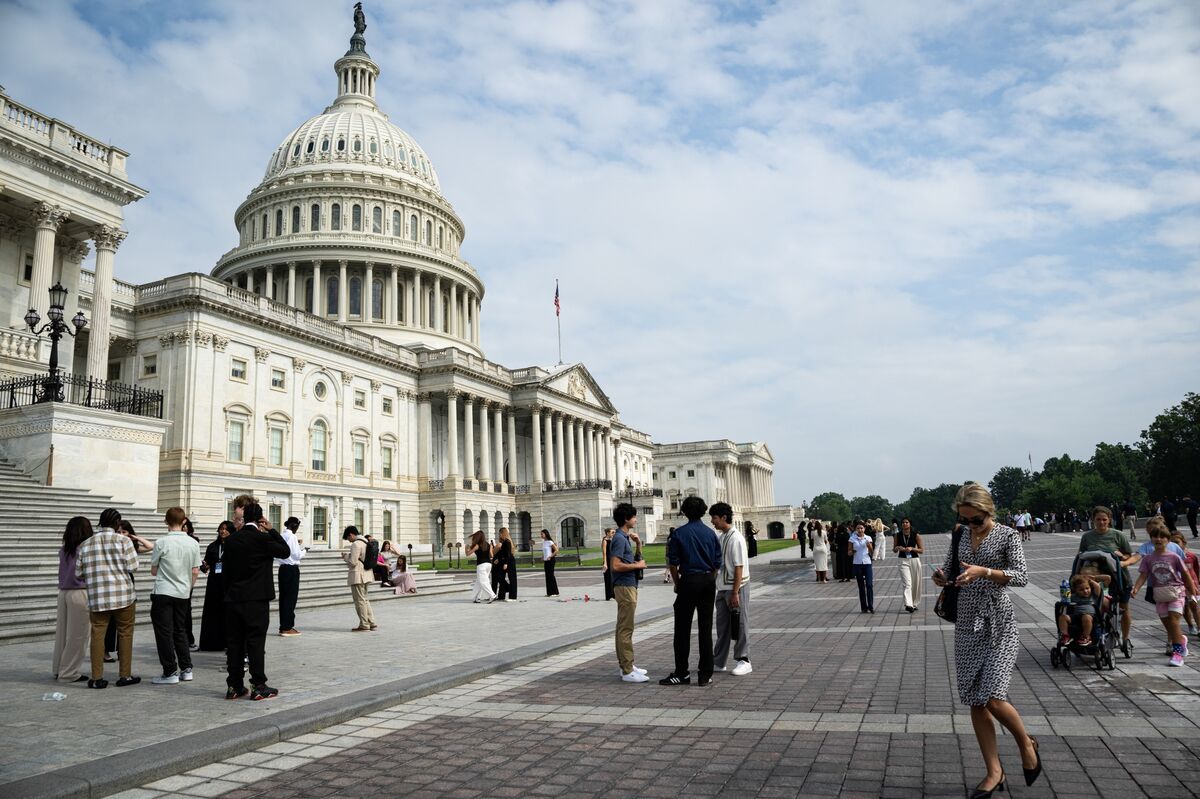
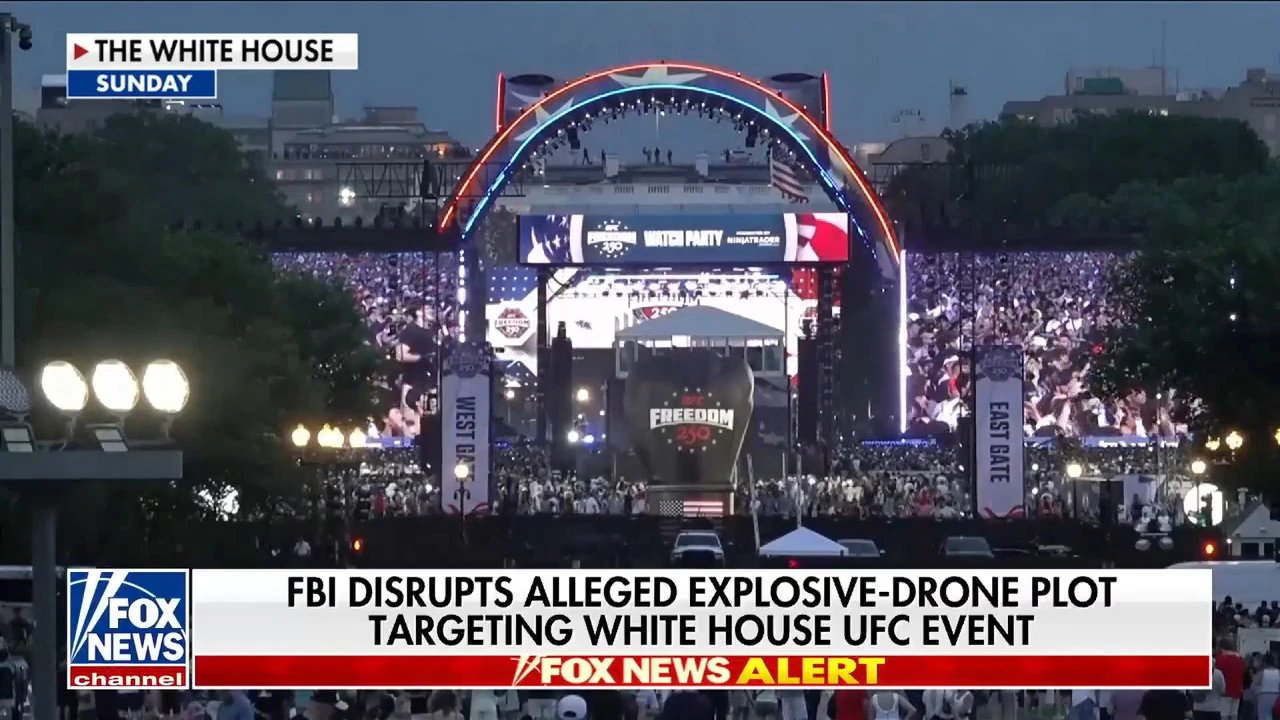
With Congress now on recess until June 23, the immediate future of Section 702 remains uncertain. Lawmakers will need to address the expiration and its implications upon their return. The urgency of the situation is heightened by upcoming major events, such as the World Cup and the United States' 250th anniversary celebrations, which require robust security measures. As the debate continues, the balance between surveillance capabilities and civil liberties will be at the forefront of discussions in the coming weeks.