UK Defense Secretary John Healey announced his resignation on Thursday, citing inadequate government plans for military spending as the driving force behind his decision. In his resignation letter, Healey expressed that the current Defense Investment Plan falls "well short of what is required for defense and the country at this dangerous time." He emphasized that the proposed increases in defense spending through 2030 would be negligible compared to existing commitments, raising concerns about the nation's ability to properly defend itself amid escalating global tensions.
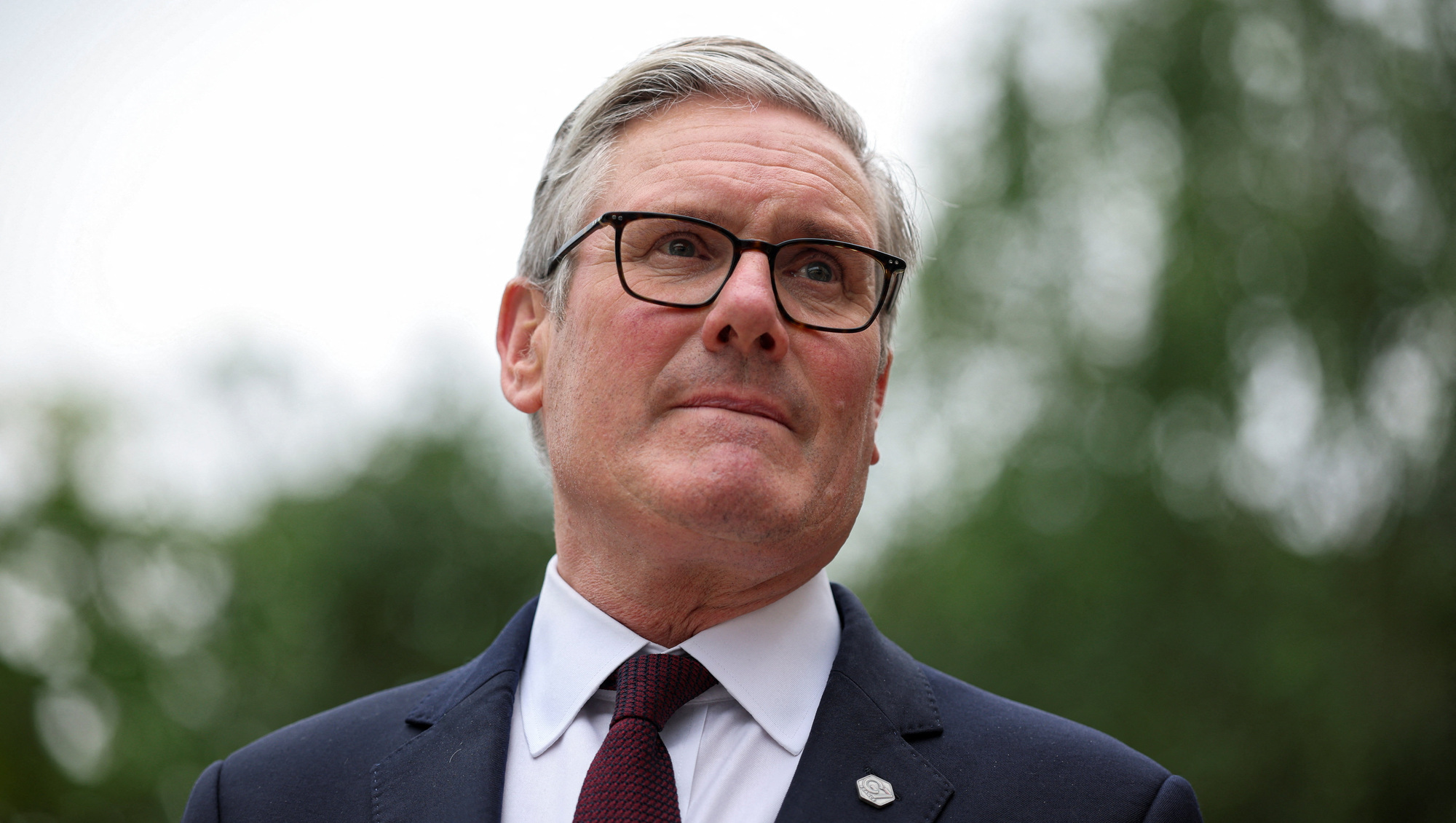
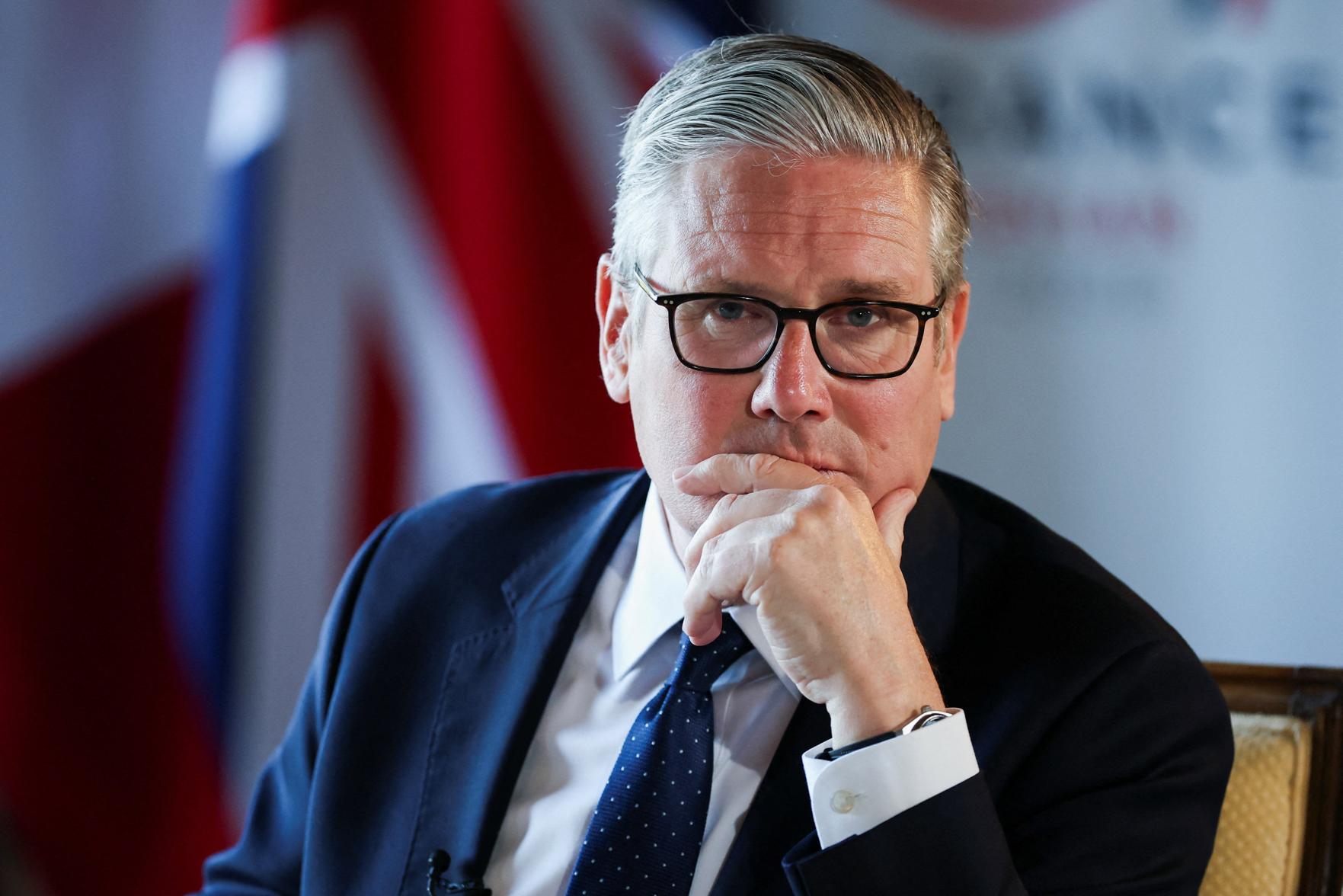
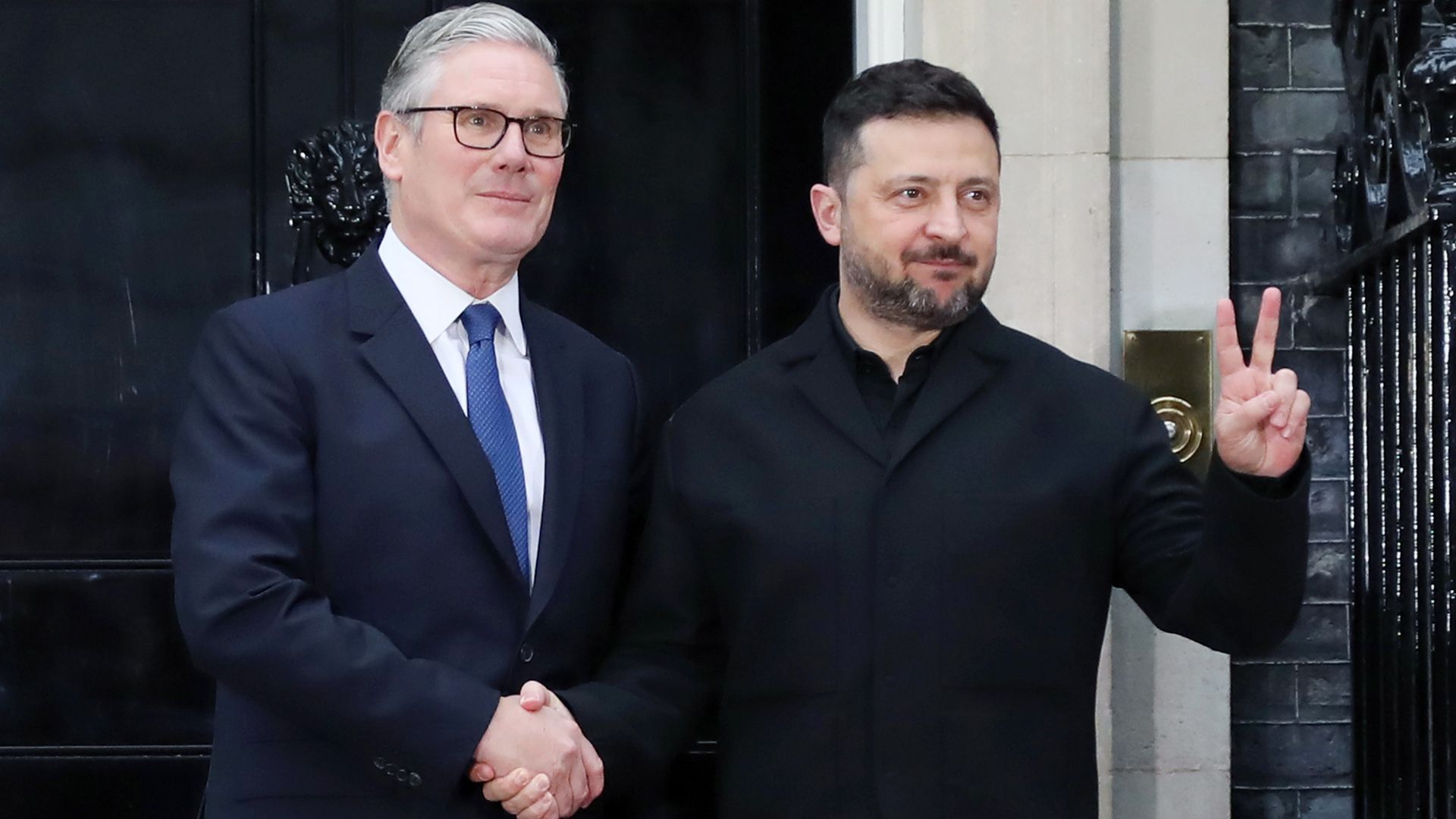
Healey's departure intensifies the strain on Prime Minister Keir Starmer, who is already grappling with internal dissent within the Labour Party and recent electoral setbacks. Starmer, who had previously pledged to "spend more, faster" on defense during a speech in Munich, now faces criticism for failing to fulfill those commitments. Healey's resignation not only disrupts leadership but also undermines Starmer's efforts to stabilize his administration following local and regional election losses.
The resignation signals a potential shift in the UK's defense policy at a time when NATO has set a target of 3.5% of GDP for member nations by 2035, largely in response to Russia's invasion of Ukraine.
In the wake of Healey's resignation, Starmer appointed Dan Jarvis, a former army officer, as the new Defense Secretary. Jarvis, who previously served in a junior ministerial role at the Home Office, will be tasked with navigating the complexities of defense spending and policy. This transition comes at a critical juncture as the government seeks to reassure both military leaders and the public about its commitment to national security.
Healey's resignation also reflects deeper political undercurrents within the Labour Party. Manchester Mayor Andy Burnham is seeking a seat in the House of Commons via a by-election in the Makerfield constituency on June 18. He would need a seat to launch a bid to oust Starmer. Healey's exit may embolden those questioning Starmer's leadership, complicating an already tumultuous political landscape.
The ongoing negotiations between the Defense and Finance ministries over military budgets highlight the tension between defense needs and broader public spending priorities. Energy Secretary Ed Miliband has reportedly pushed back against reallocating funds from net-zero initiatives to bolster military spending, arguing that energy security is integral to national security. As the government grapples with these competing demands, the implications for both defense strategy and domestic policy remain uncertain.
Healey's resignation marks a significant moment for the UK government as it confronts the dual challenges of military readiness and political stability. The decisions made in the coming weeks regarding defense spending will not only affect military operations but also reflect the government's priorities in an increasingly complex global landscape.
UK Defense Secretary John Healey announced his resignation on Thursday, citing inadequate government plans for military spending as the driving force behind his decision. In his resignation letter, Healey expressed that the current Defense Investment Plan falls "well short of what is required for defense and the country at this dangerous time." He emphasized that the proposed increases in defense spending through 2030 would be negligible compared to existing commitments, raising concerns about the nation's ability to properly defend itself amid escalating global tensions.
Healey’s departure intensifies the strain on Prime Minister Keir Starmer, who is already grappling with internal dissent within the Labour Party and recent electoral setbacks. Starmer, who had previously pledged to "spend more, faster" on defense during a speech in Munich, now faces criticism for failing to fulfill those commitments. Healey's resignation not only disrupts leadership but also undermines Starmer's efforts to stabilize his administration following local and regional election losses.
The resignation signals a potential shift in the UK’s defense policy at a time when NATO has set a target of 3.5% of GDP for member nations by 2035, largely in response to Russia's invasion of Ukraine. Healey warned that without adequate funding, the UK would be forced to make decisions that could compromise the readiness of its armed forces and increase risks to personnel. This concern is especially poignant given the rising demands on defense resources amid ongoing geopolitical challenges.
In the wake of Healey's resignation, Starmer appointed Dan Jarvis, a former army officer, as the new Defense Secretary. Jarvis, who previously served in a junior ministerial role at the Home Office, will be tasked with navigating the complexities of defense spending and policy. This transition comes at a critical juncture as the government seeks to reassure both military leaders and the public about its commitment to national security.
Healey’s resignation also reflects deeper political undercurrents within the Labour Party. Speculation about a leadership challenge looms, particularly with potential contenders like Manchester Mayor Andy Burnham eyeing a seat in the House of Commons. The upcoming by-election in Makerfield on June 18 could be pivotal in shaping the party’s future direction. Healey's exit may embolden those questioning Starmer's leadership, complicating an already tumultuous political landscape.
The ongoing negotiations between the Defense and Finance ministries over military budgets highlight the tension between defense needs and broader public spending priorities. Energy Secretary Ed Miliband has reportedly pushed back against reallocating funds from net-zero initiatives to bolster military spending, arguing that energy security is integral to national security. As the government grapples with these competing demands, the implications for both defense strategy and domestic policy remain uncertain.
Healey's resignation marks a significant moment for the UK government as it confronts the dual challenges of military readiness and political stability. The decisions made in the coming weeks regarding defense spending will not only affect military operations but also reflect the government's priorities in an increasingly complex global landscape. As the nation awaits the outcomes of internal party dynamics and defense policy adjustments, the stakes for both the Labour Party and the UK's security posture are higher than ever.
Highlighted text was flagged by the council. Tap to see feedback.















































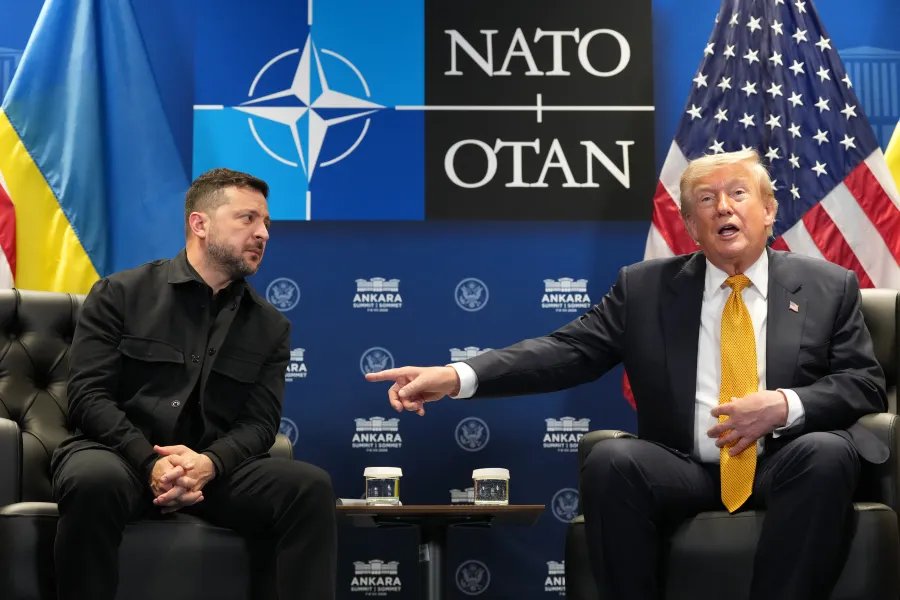
























































































































































































































































































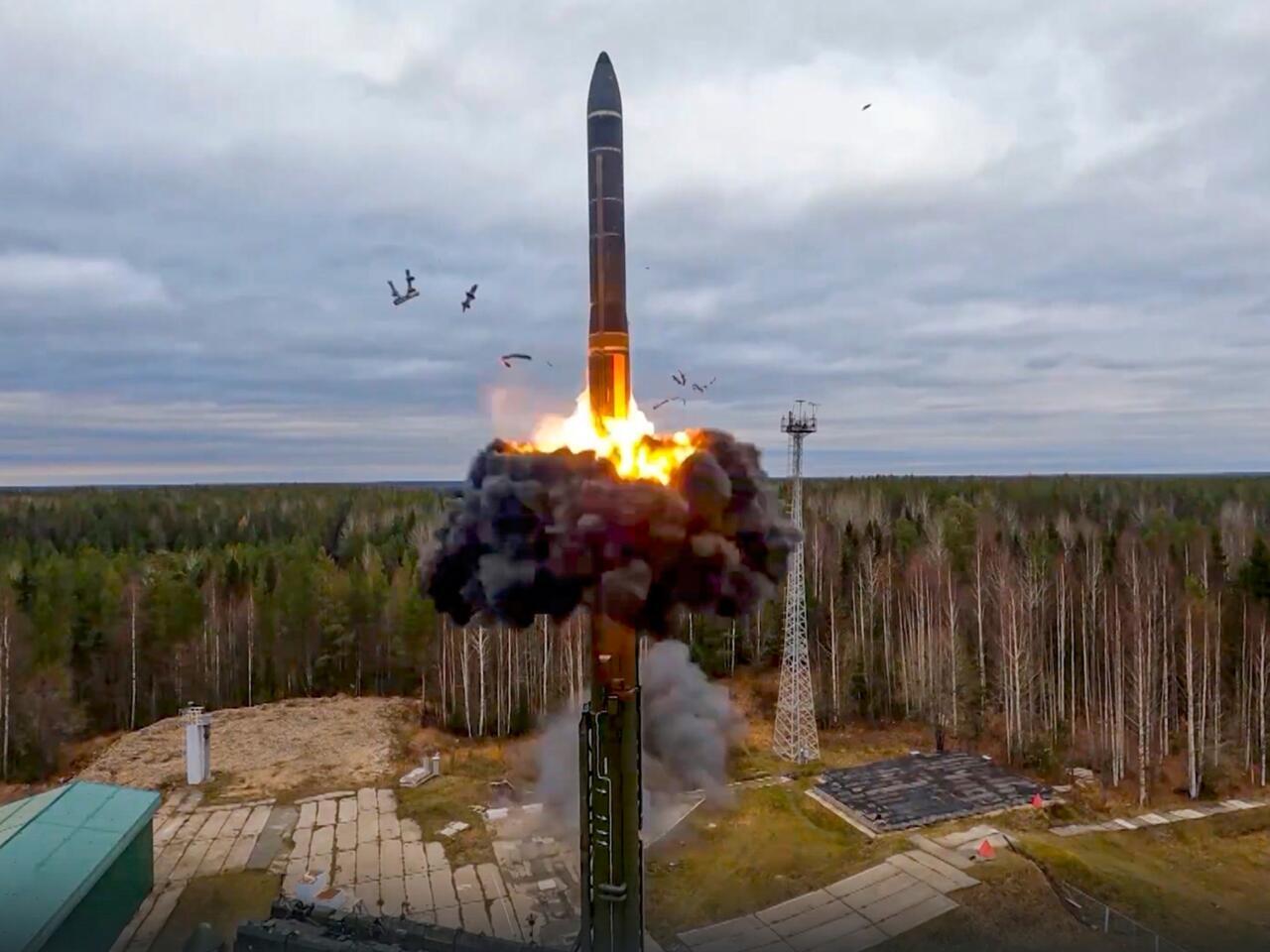




































The sources also report that NATO's target for member nations to spend 3.5% of GDP on defense by 2035 is in response to rising threats, including Russia's invasion of Ukraine.