




The Deadline and the Standoff
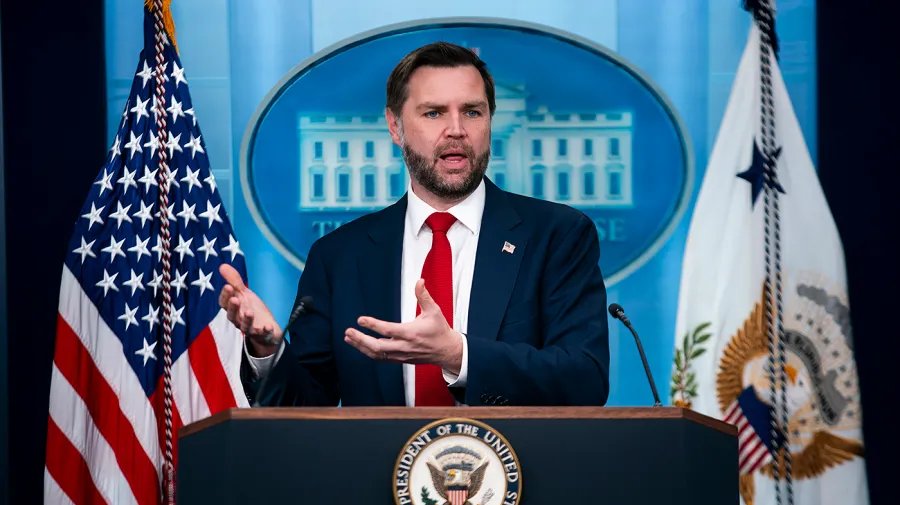
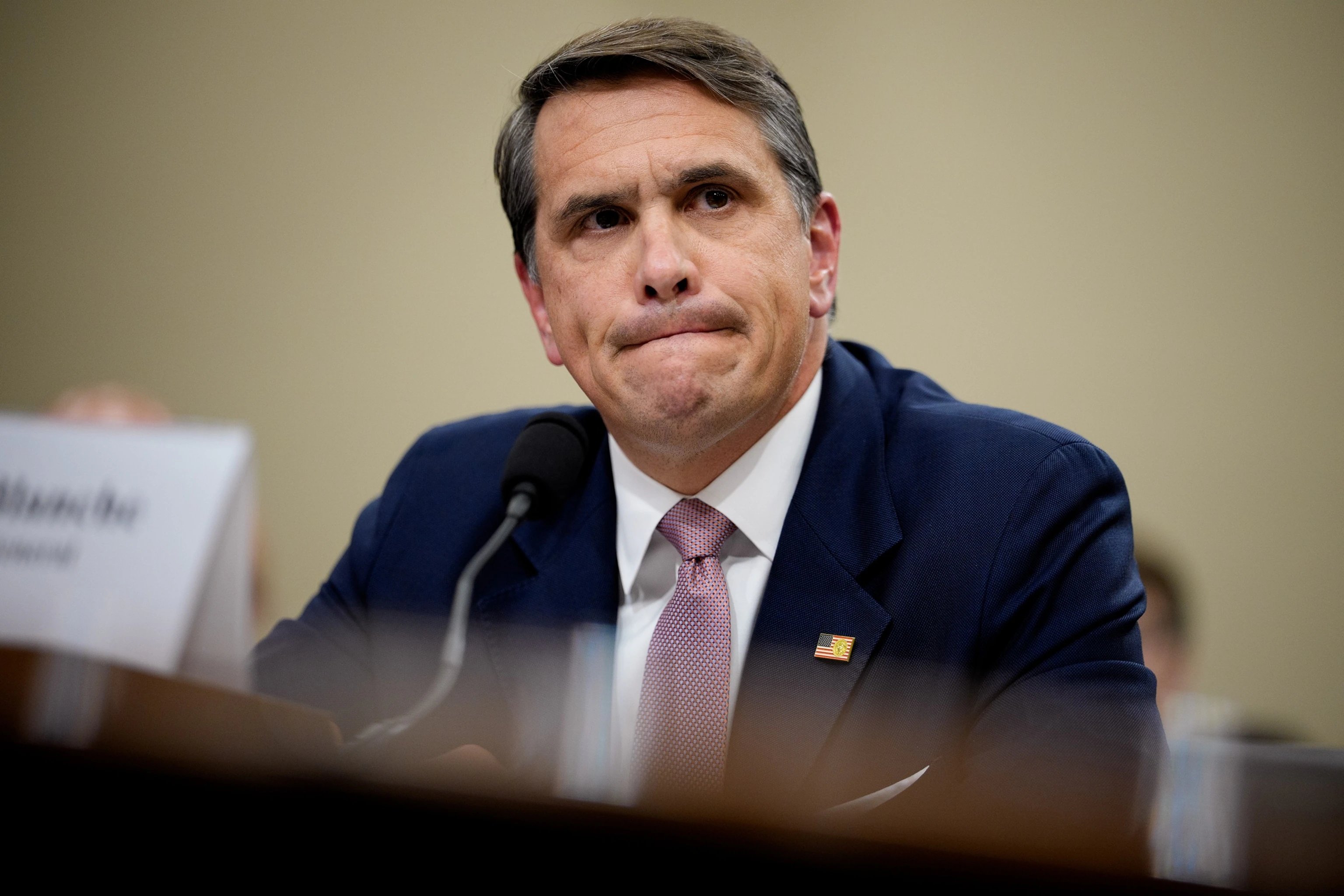
Section 702 of the Foreign Intelligence Surveillance Act expires Friday. The law allows the U.S. government to collect communications of noncitizens abroad without a warrant. Democrats have said they will not vote to renew it as long as Bill Pulte remains as acting director of national intelligence, the official who oversees the entire intelligence community.
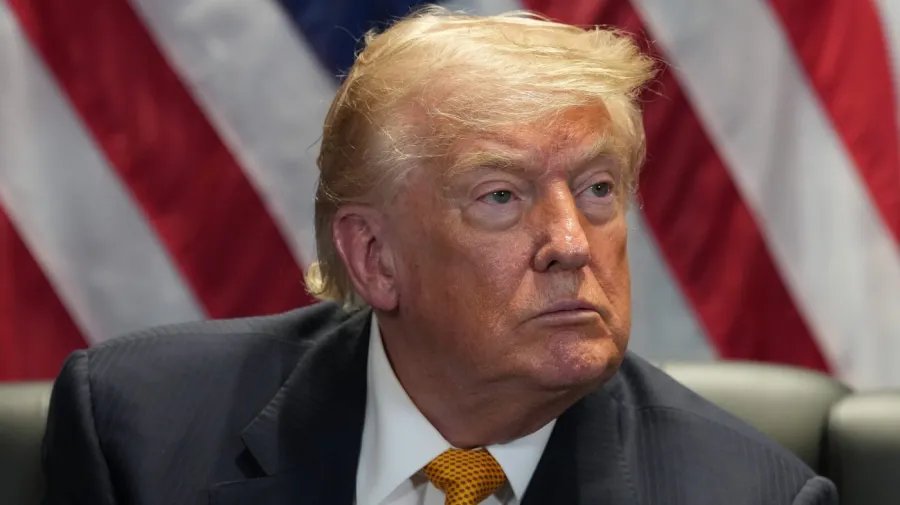
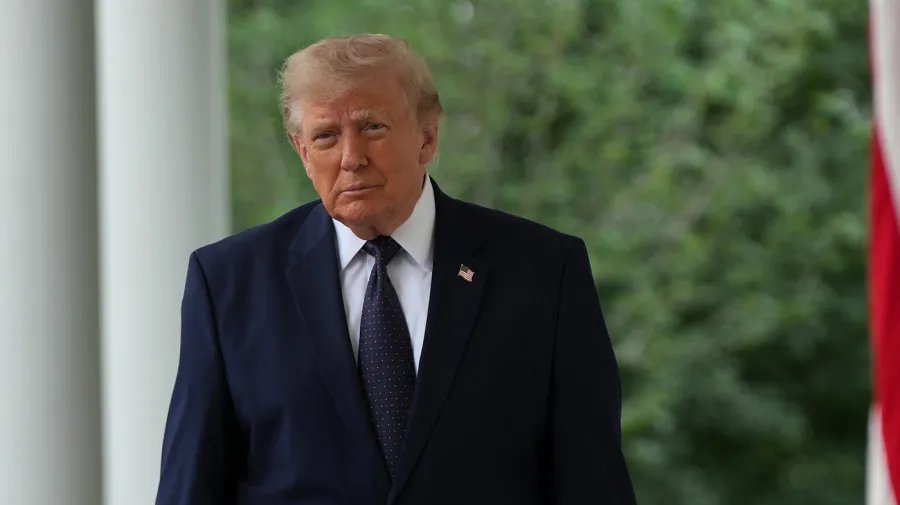
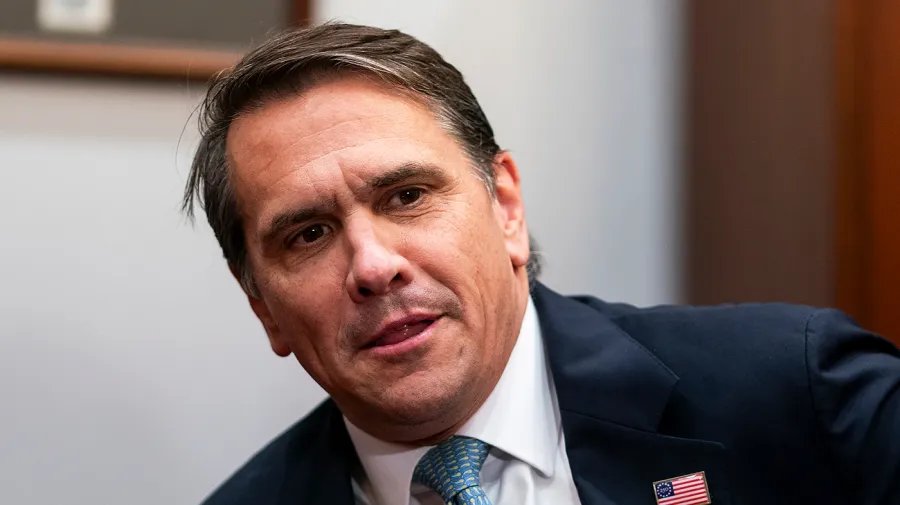
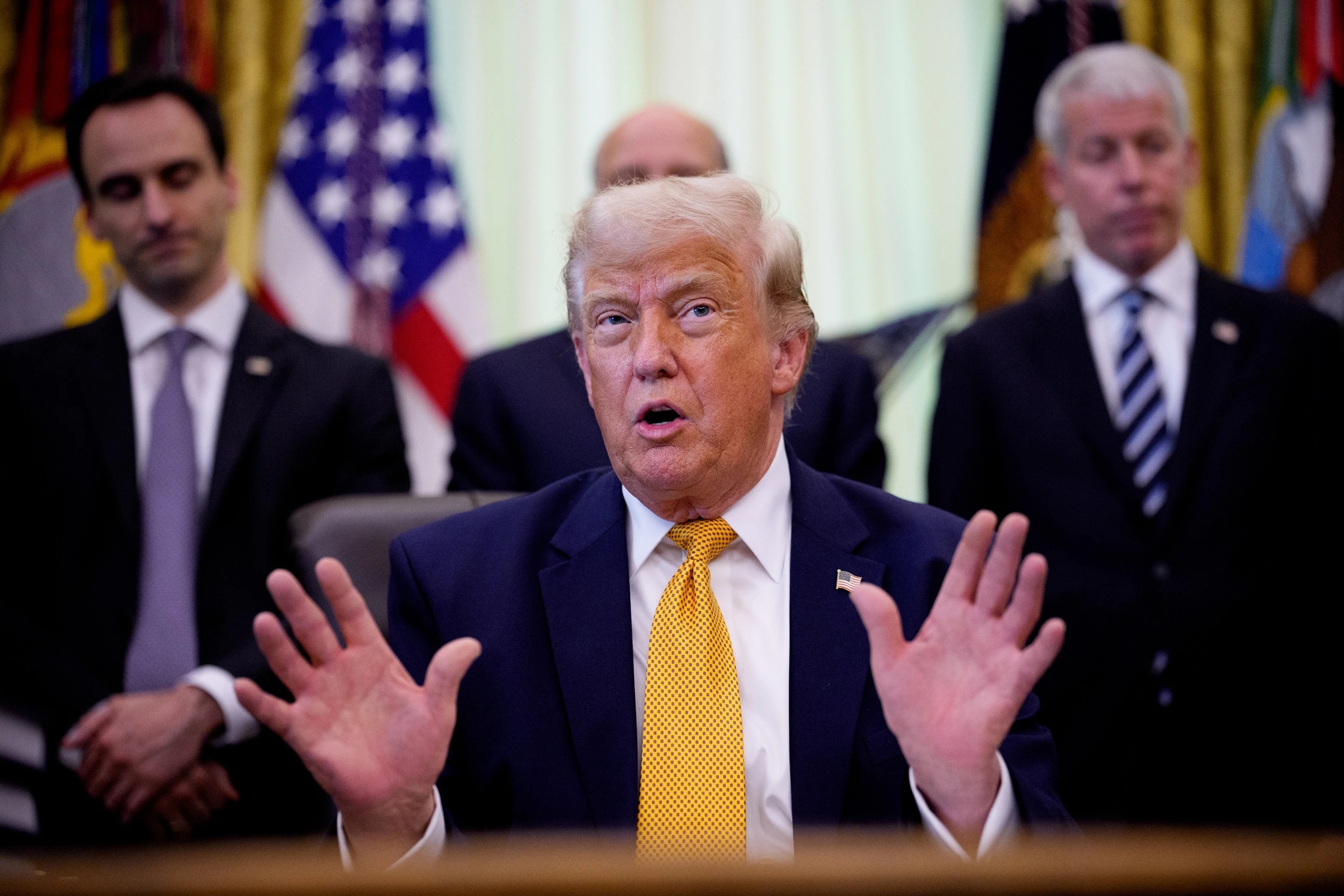
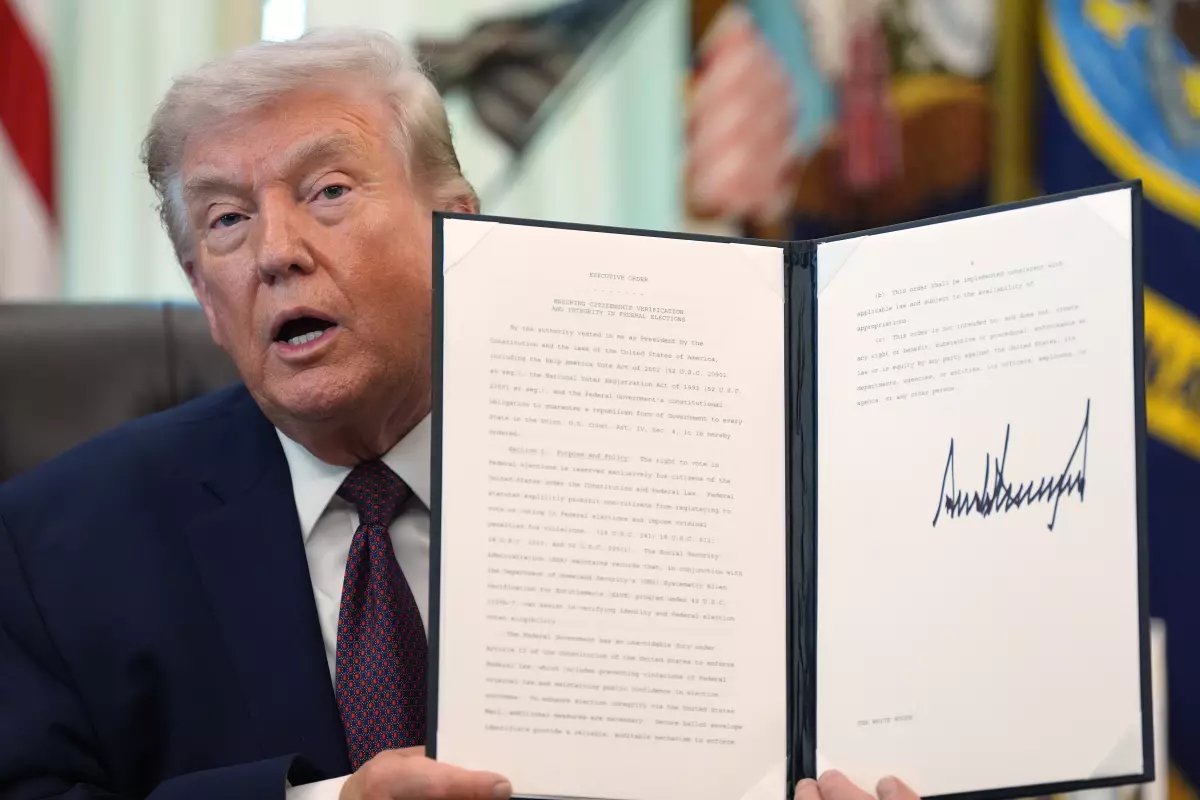
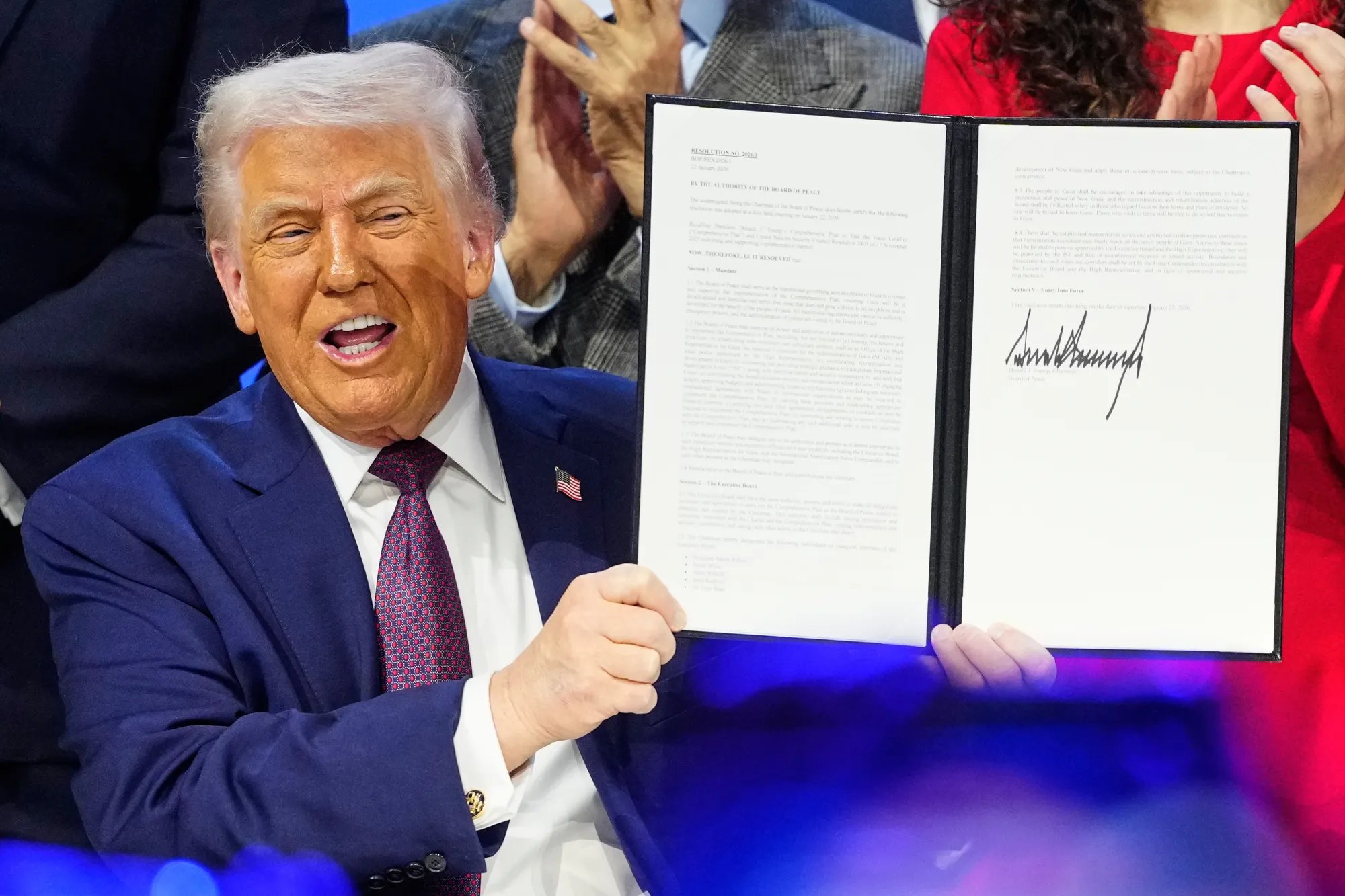
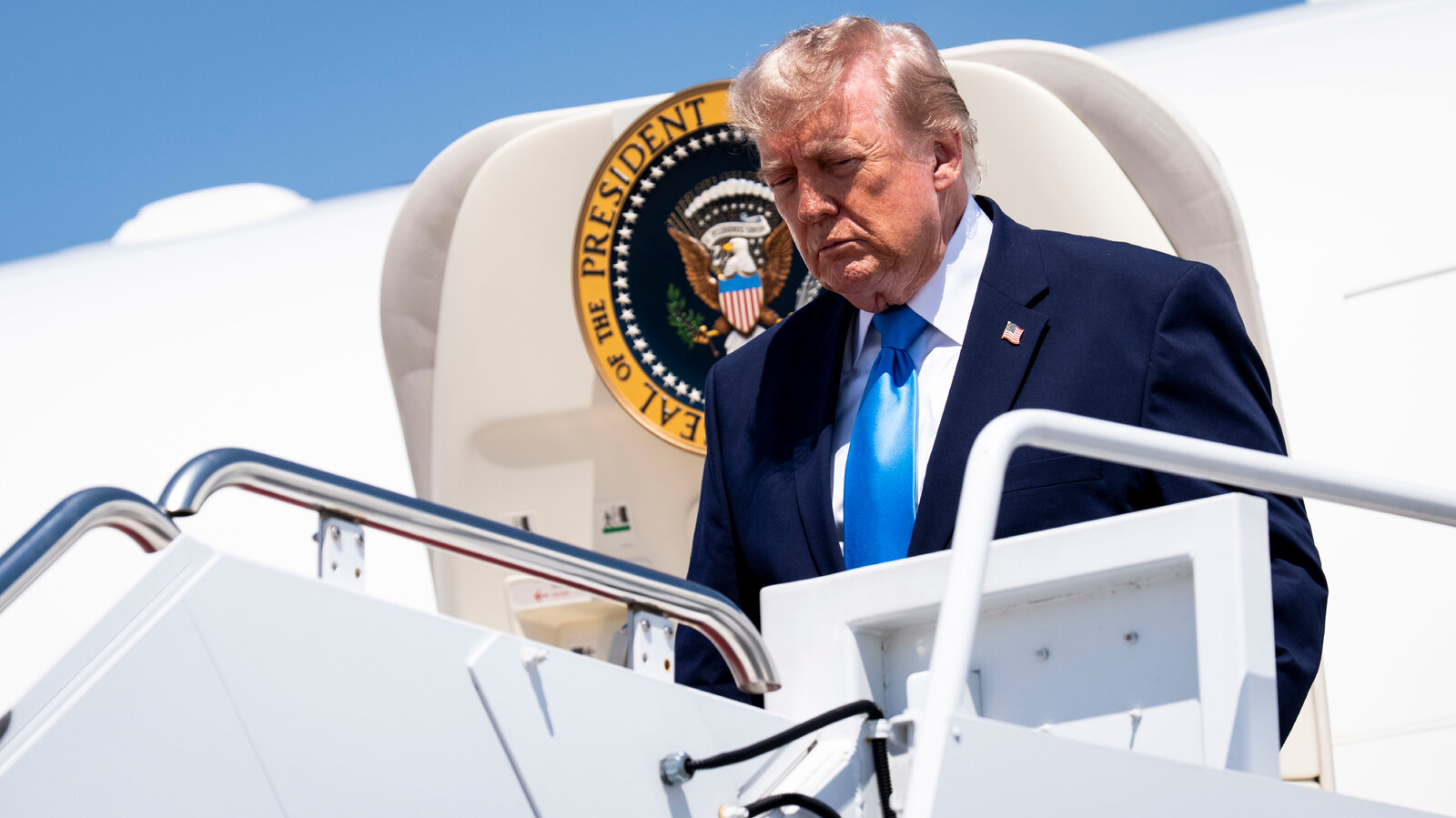
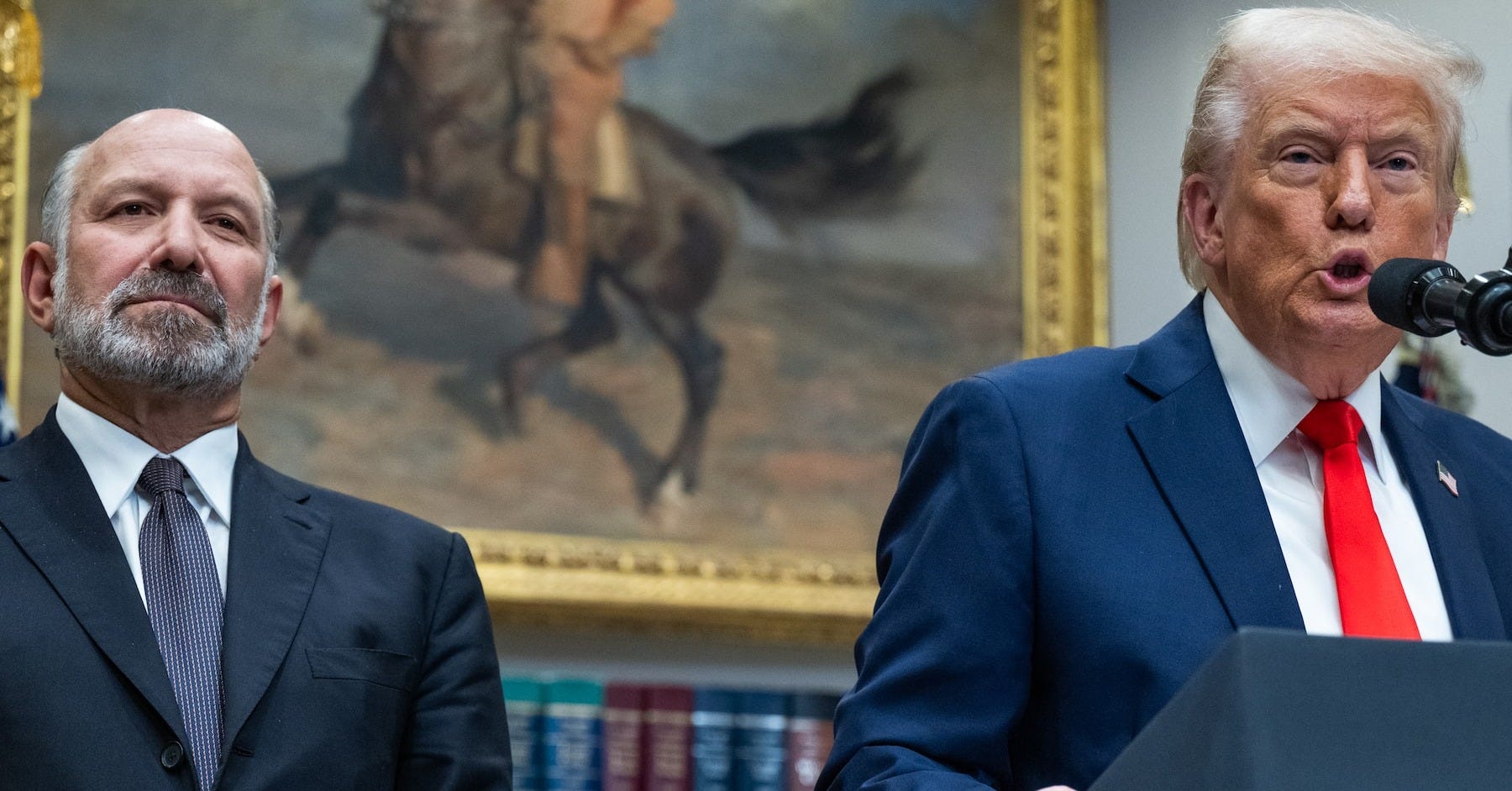
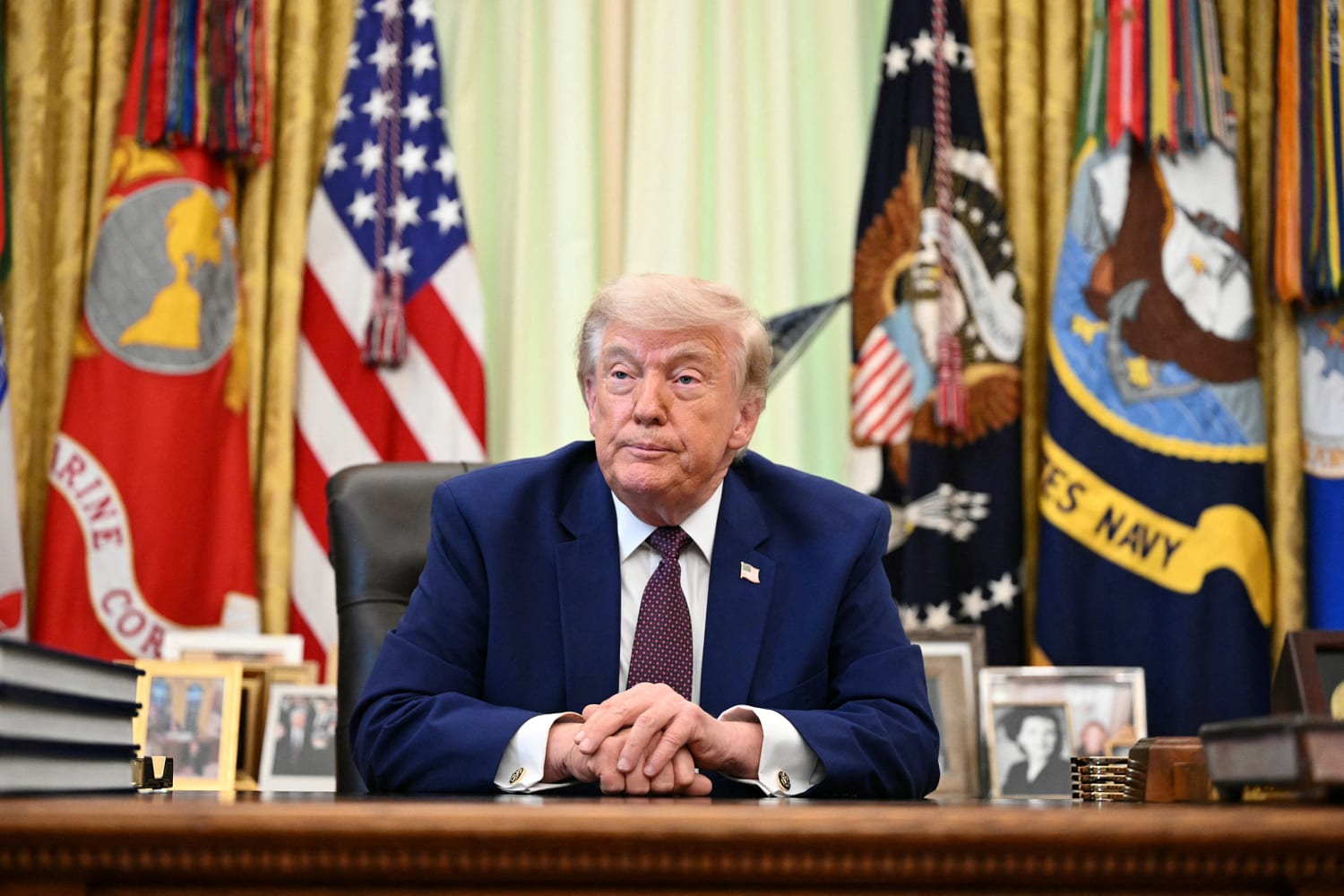
President Trump appointed Pulte to the role last week, triggering an immediate crisis. Pulte, who also leads the Federal Housing Finance Agency, lacks experience in national security and intelligence matters. The timing has created a collision between two competing priorities: renewing surveillance powers that intelligence officials say are critical to national security, and resolving an appointment that both parties view as problematic.
Why Democrats Oppose Pulte
Senate Minority Leader Chuck Schumer called Pulte's record "abusing his office to attack Trump's political enemies." Pulte has issued several criminal referrals to the Justice Department alleging mortgage fraud by figures including New York Attorney General Letitia James, Democratic Senator Adam Schiff of California, Federal Reserve Governor Lisa Cook, and former Democratic Representative Eric Swalwell of California.
House Minority Leader Hakeem Jeffries said there is no scenario in which he would support an extension with Pulte in place. "The negotiations prior to Trump's announcement with respect to Bill Pulte were already in a very sensitive place," Jeffries said. "And then Donald Trump, as he often does, tosses a hand grenade into those sensitive negotiations by elevating Bill Pulte as a director of national intelligence."
Rep. Jim Himes of Connecticut, the top Democrat on the House Intelligence Committee, said Pulte's appointment reduces potential Democratic votes in the House down to "single digits at best." Himes said he would likely vote against an extension if Pulte remains as acting director.
Republican Pressure on Trump
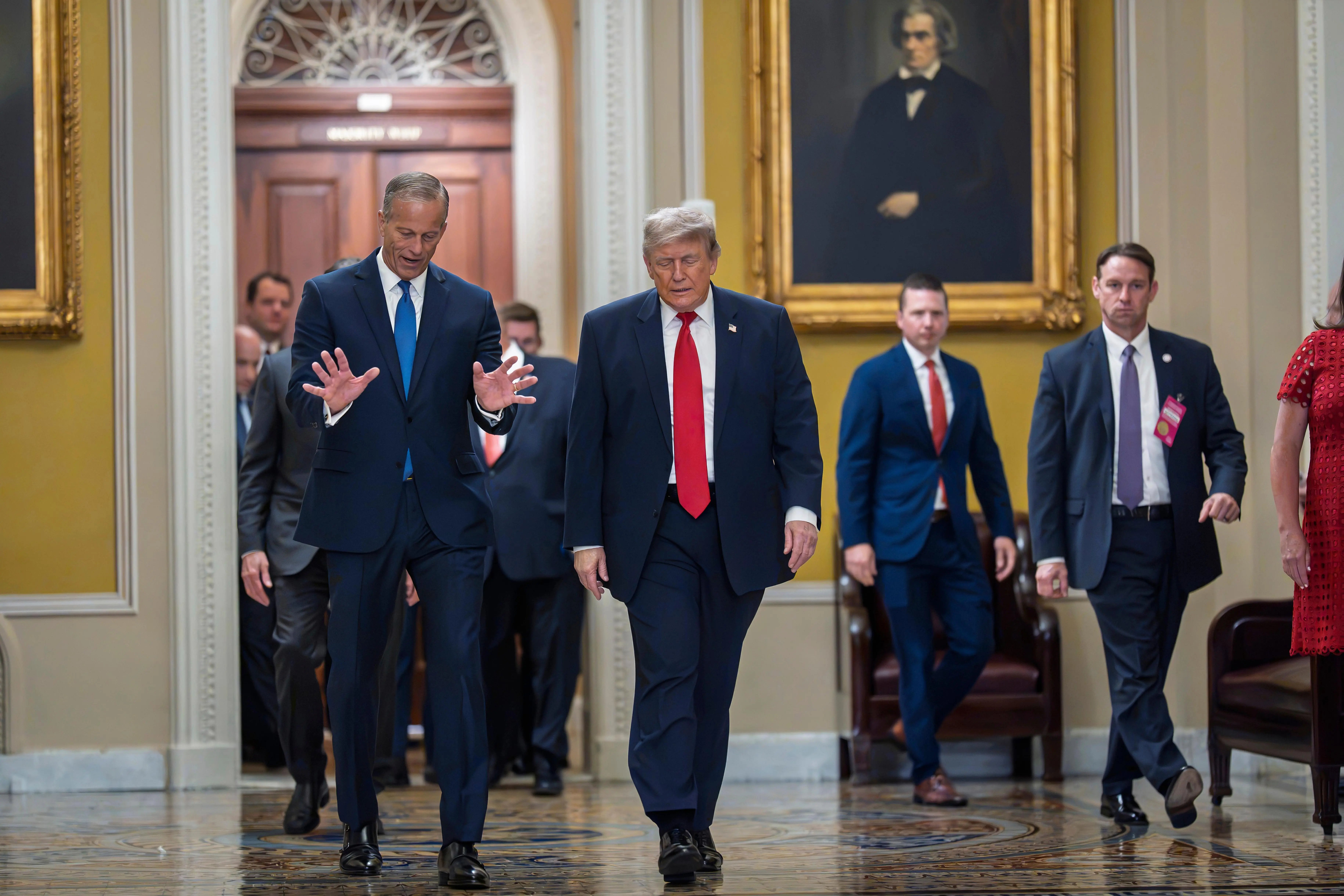
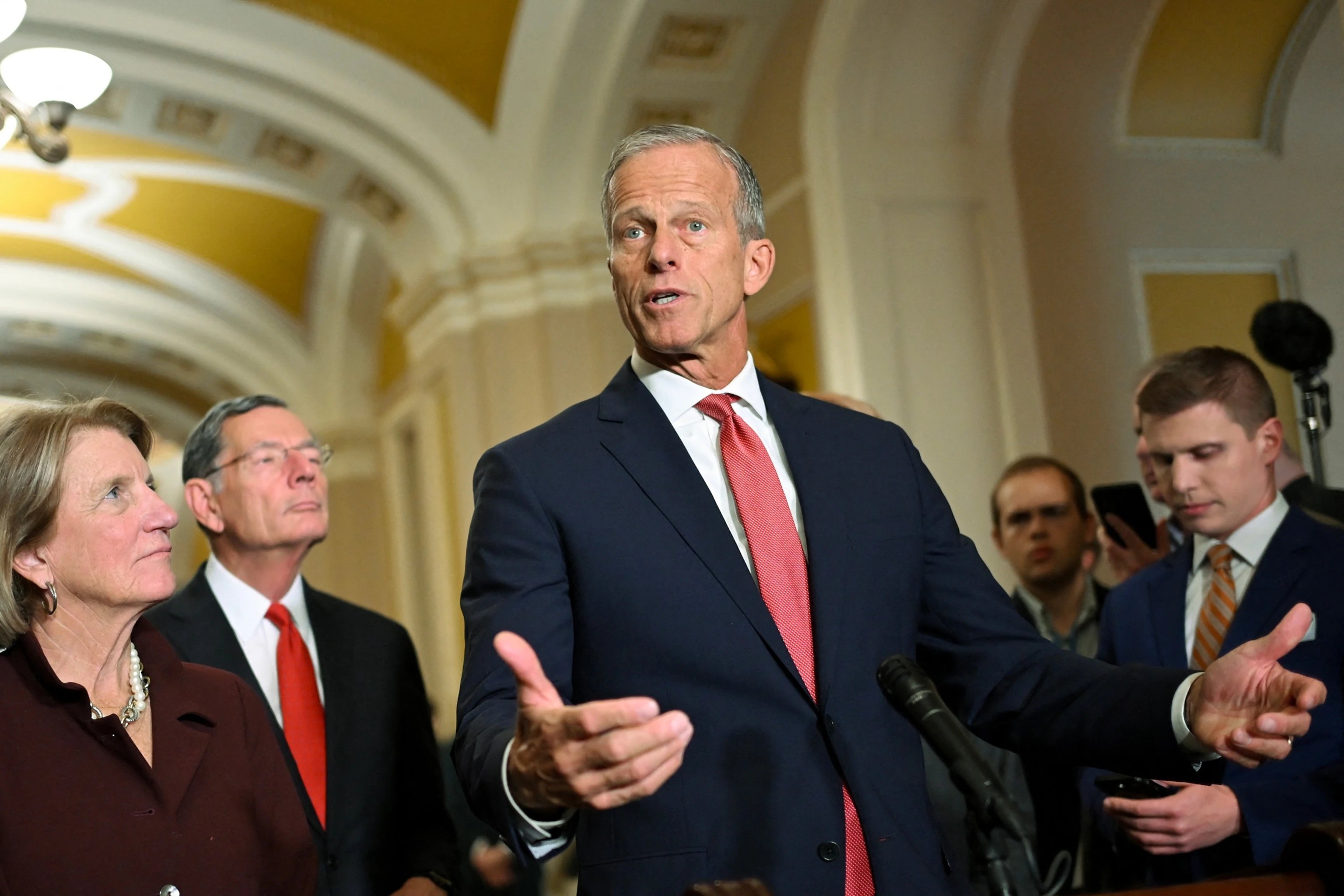
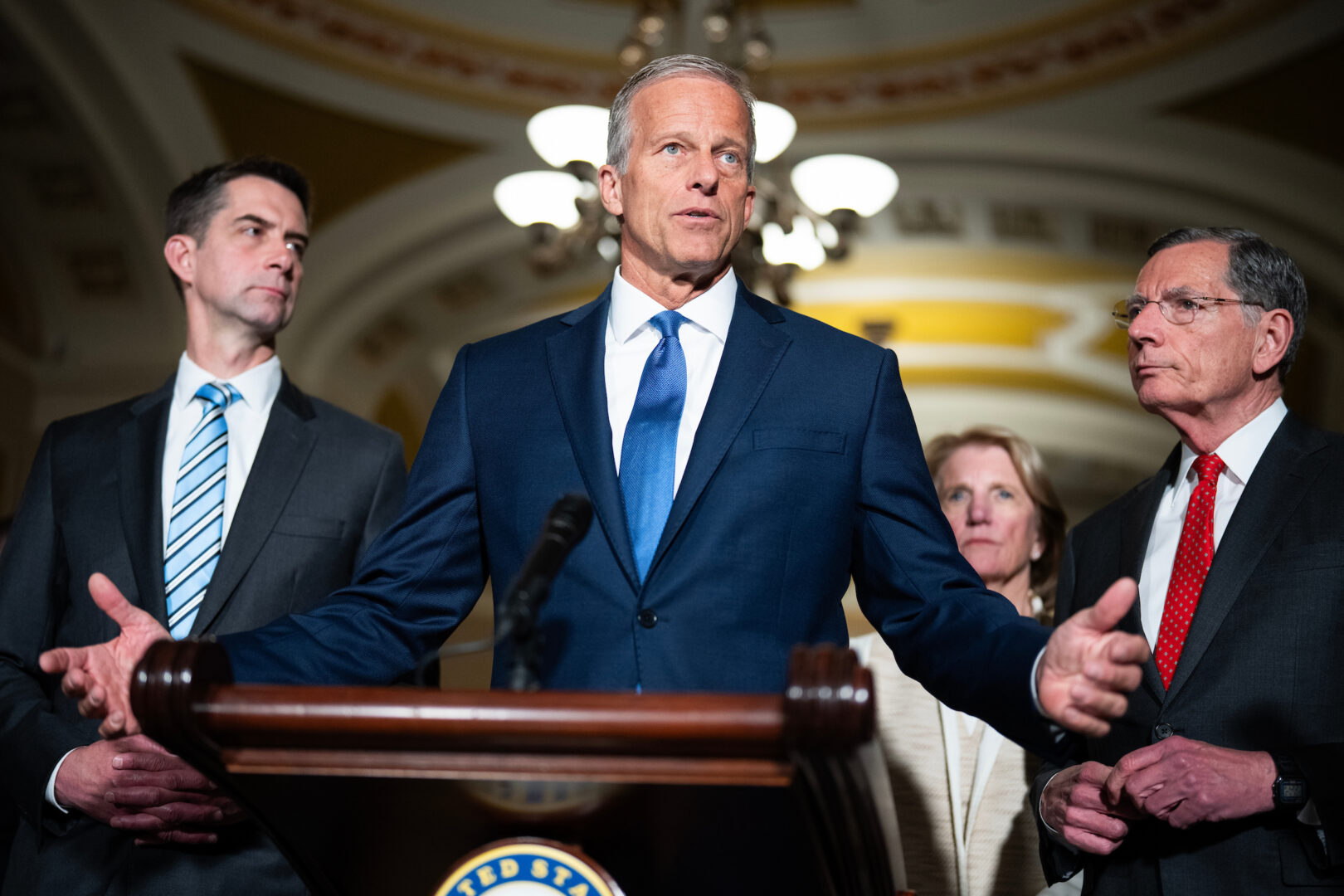
Senate Republican Leader John Thune told reporters Tuesday that he thinks the administration is "weighing seriously making a long-term pick" for the post. Senator John Barrasso of Wyoming, the No. 2 Senate Republican, said the White House has been consistent in saying that Pulte will not be the full-time nominee.
Some Republicans have joined Democrats in opposing Pulte. Senator Thom Tillis of North Carolina referred to Pulte as "the worst form of sycophant" and said he would "hurt the president's legacy." Representative Don Bacon of Nebraska said the president should reverse course.
Senator John Cornyn of Texas acknowledged the political reality. "If he wants to get 702 reauthorization passed, that sounds like the price that they're going to demand," Cornyn said of removing Pulte. He added that Pulte "has no obvious qualification" for the job.
The Intelligence Community's Concerns
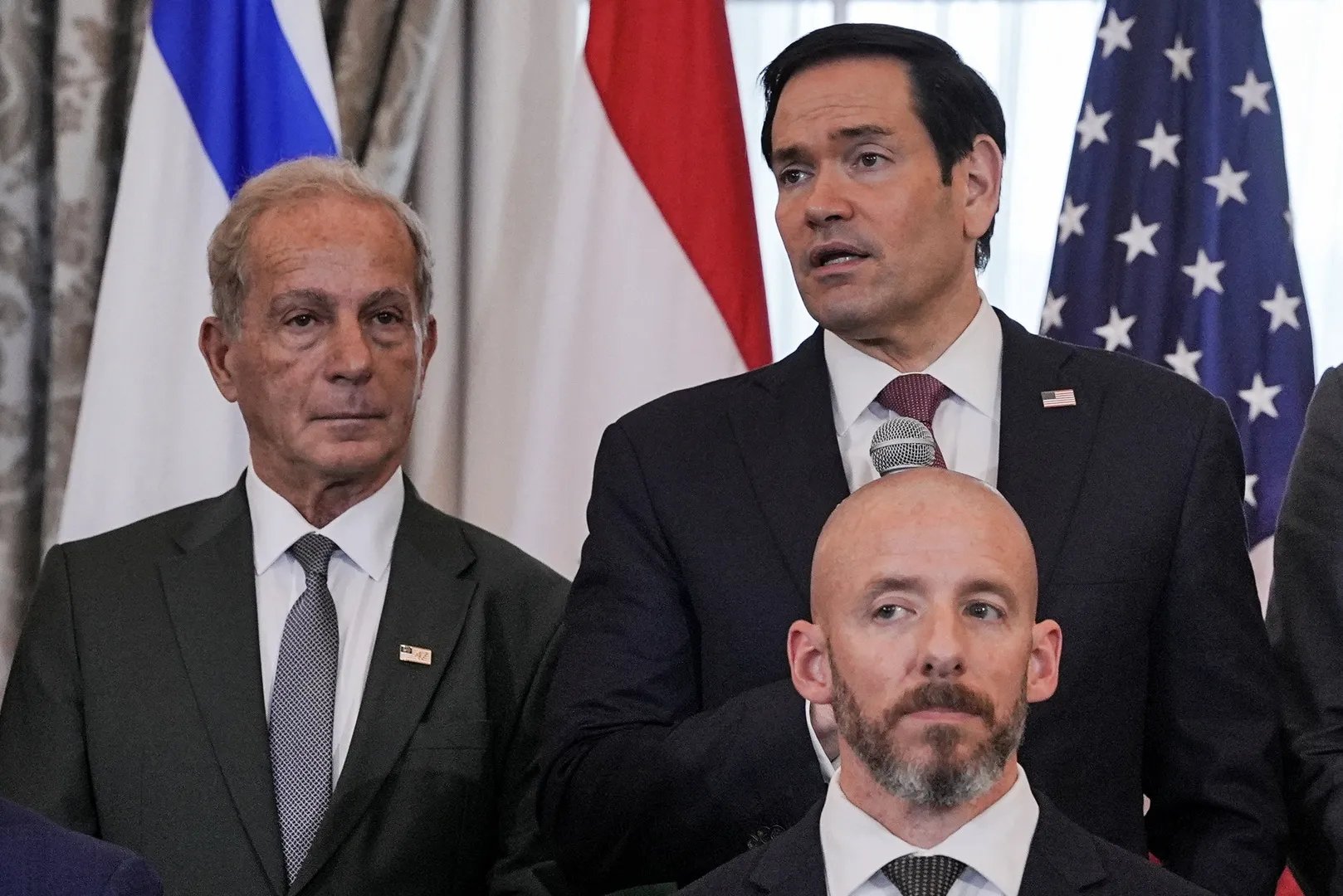
Secretary of State Marco Rubio, who also serves as Trump's national security adviser, wrote that allowing the surveillance authority to lapse would have "dire impacts" on national security. Republican Senators Tom Cotton of Arkansas and Chuck Grassley of Iowa, the chairmen of the Senate Intelligence Committee and Senate Judiciary Committee, said they believed a compromise extension would have "received nearly seventy votes in the Senate and had a promising path in the House of Representatives."
Senate Democrats voted against moving forward with a FISA extension last week, joined by seven Republicans. The House passed a three-year extension in April with 42 Democrats voting in favor, but the measure stalled in the Senate over an unrelated provision preventing the Federal Reserve from creating a central bank digital currency.
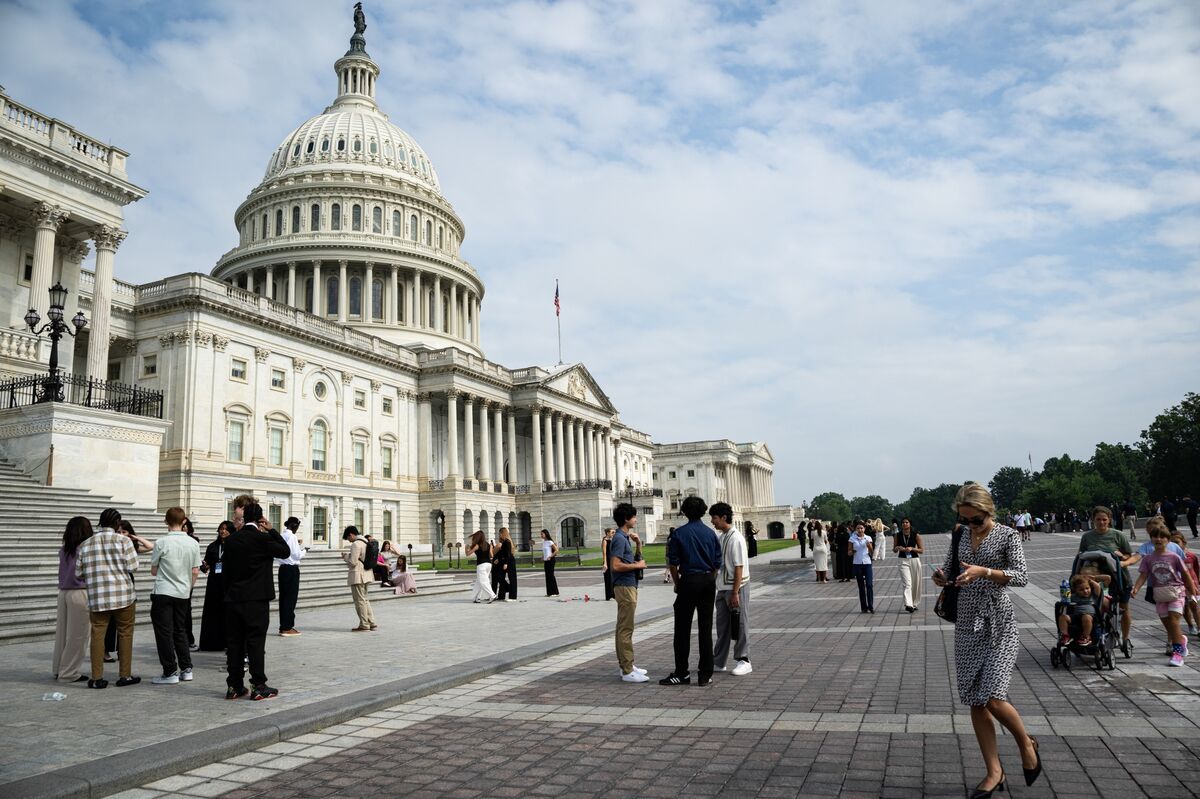
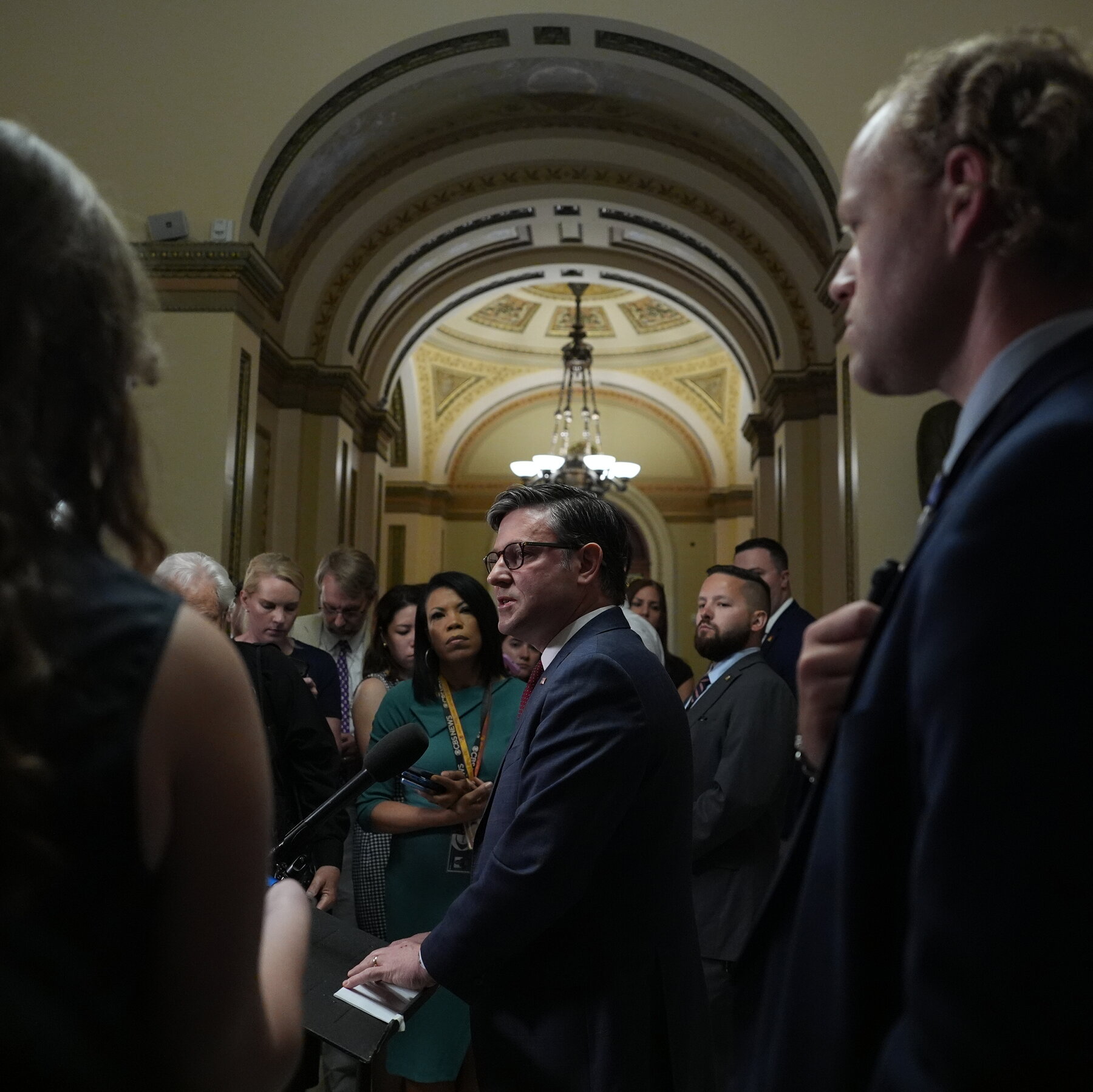
House Speaker Mike Johnson met with President Trump on Tuesday morning about the law's renewal. Johnson disclosed little about the conversation when he returned to the Capitol, saying only, "I'm not going to talk about anything we discussed."