




The Ruling
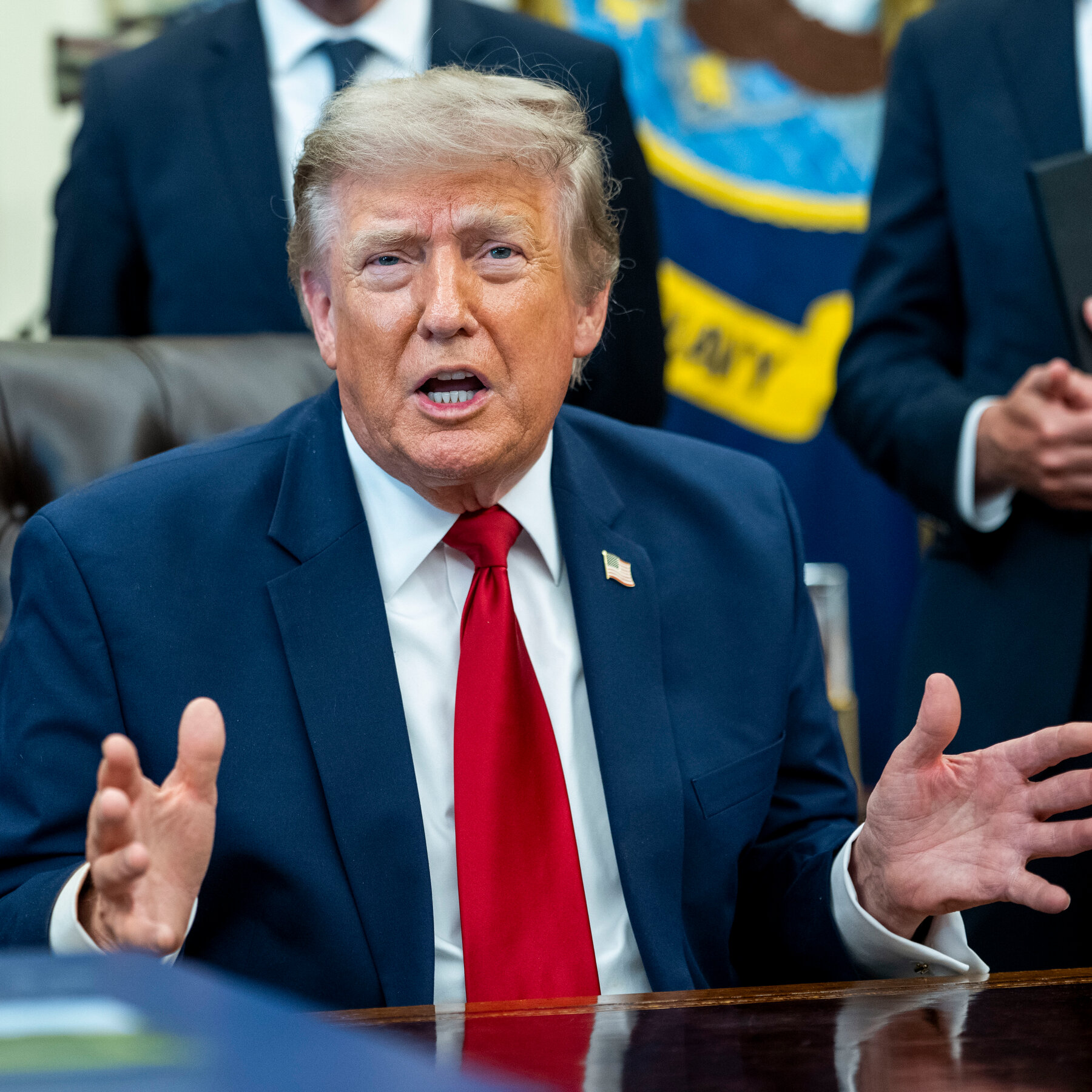
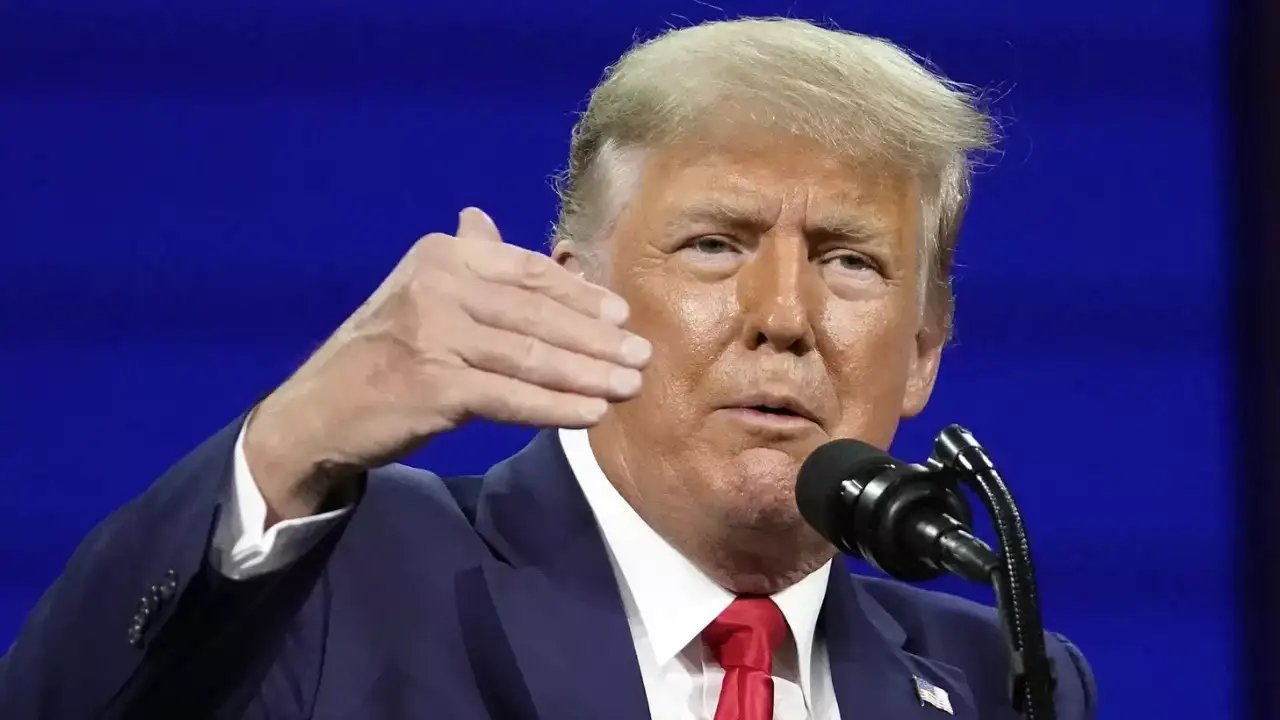
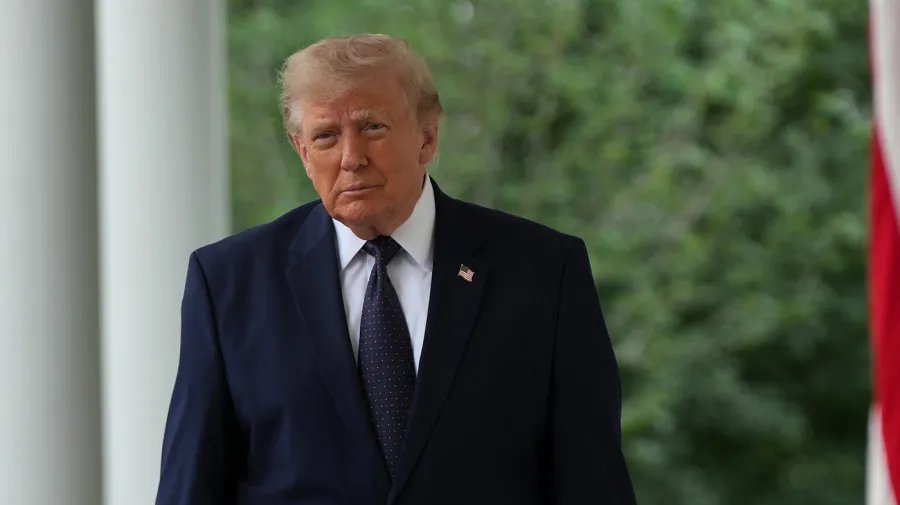
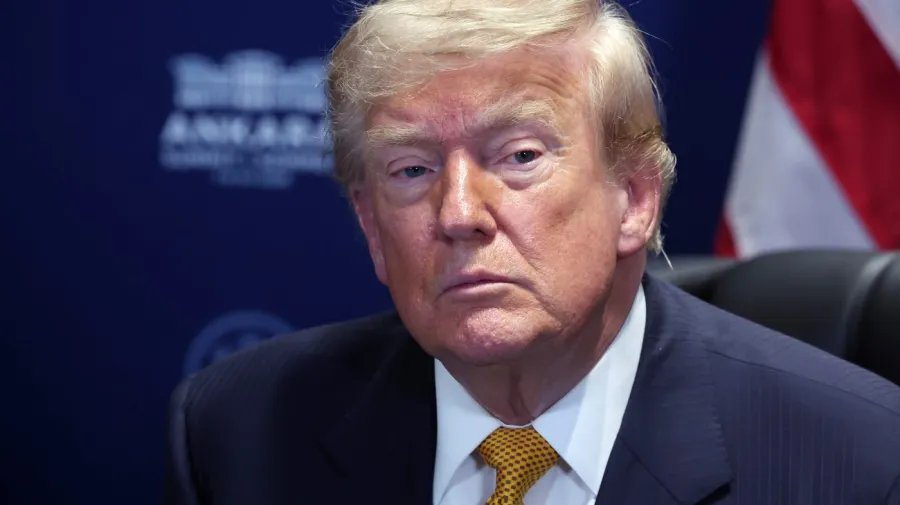
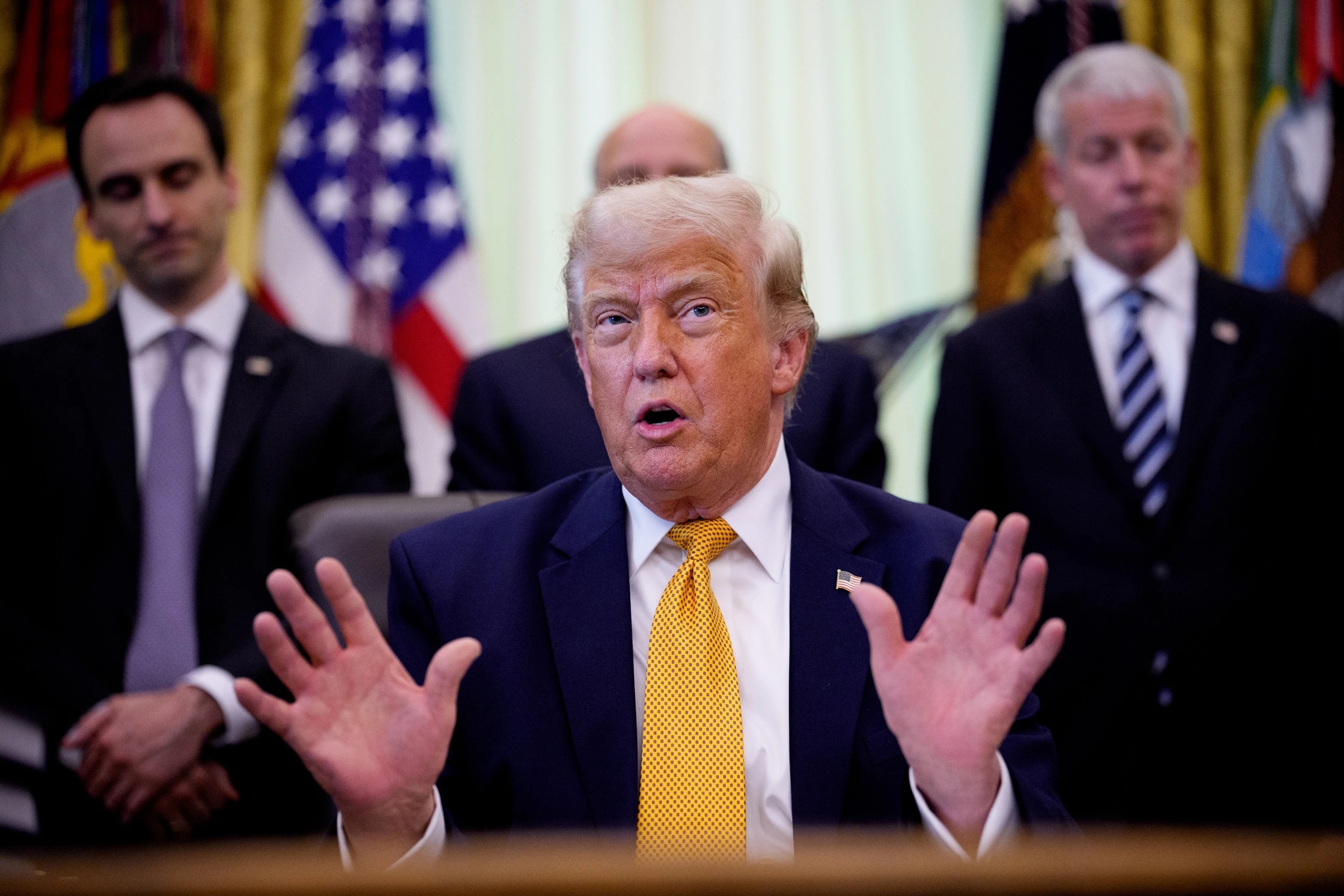
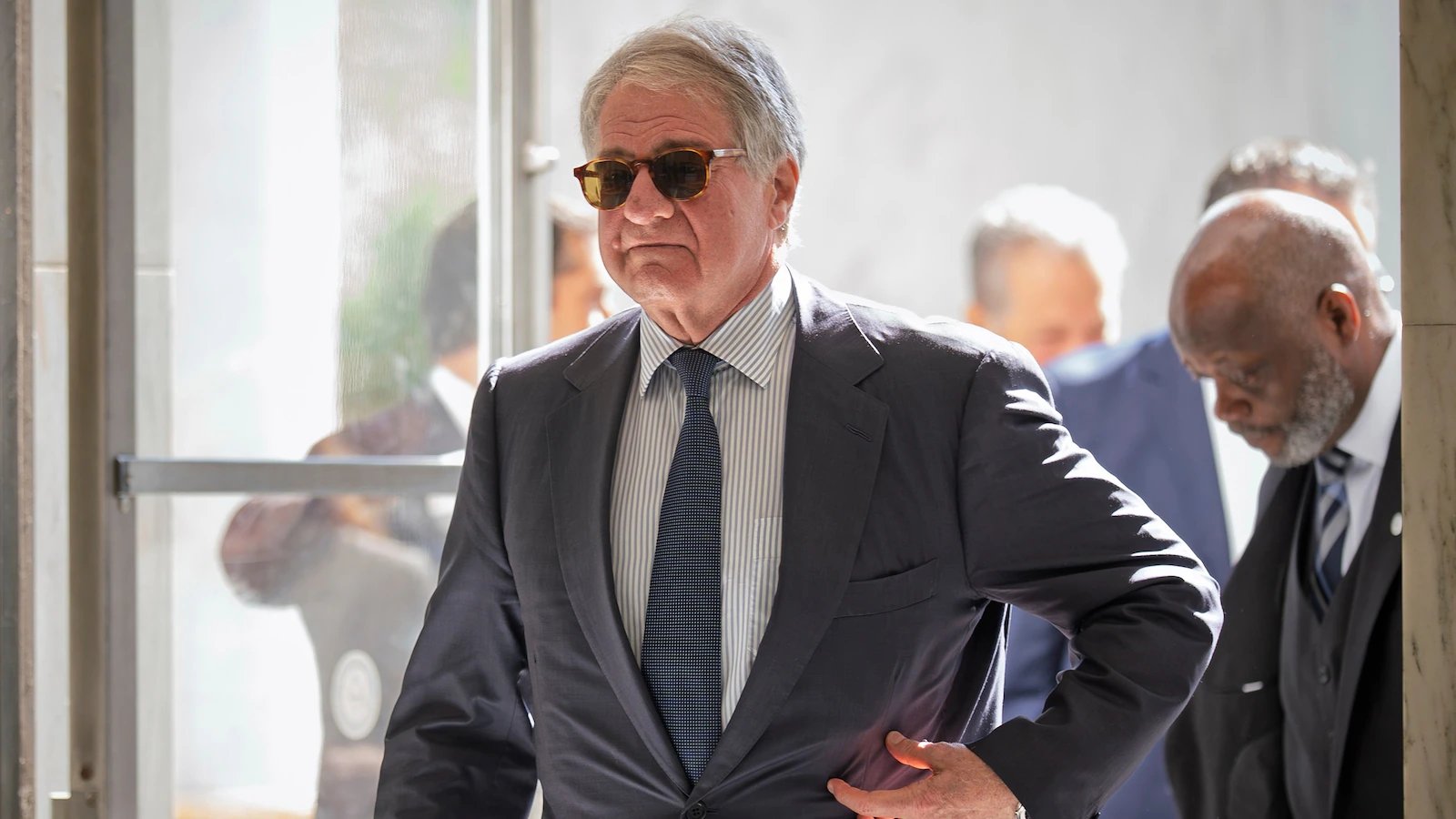
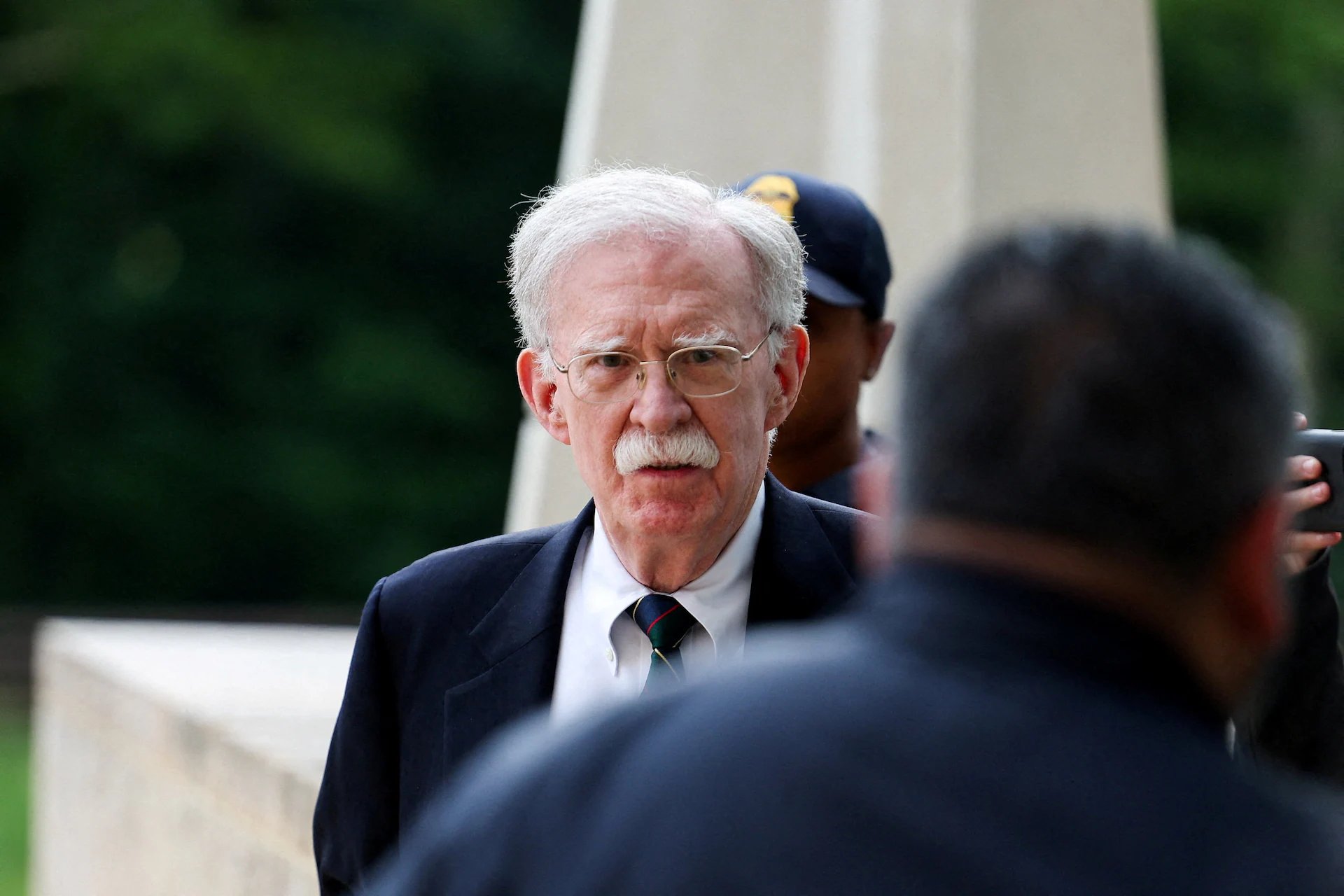
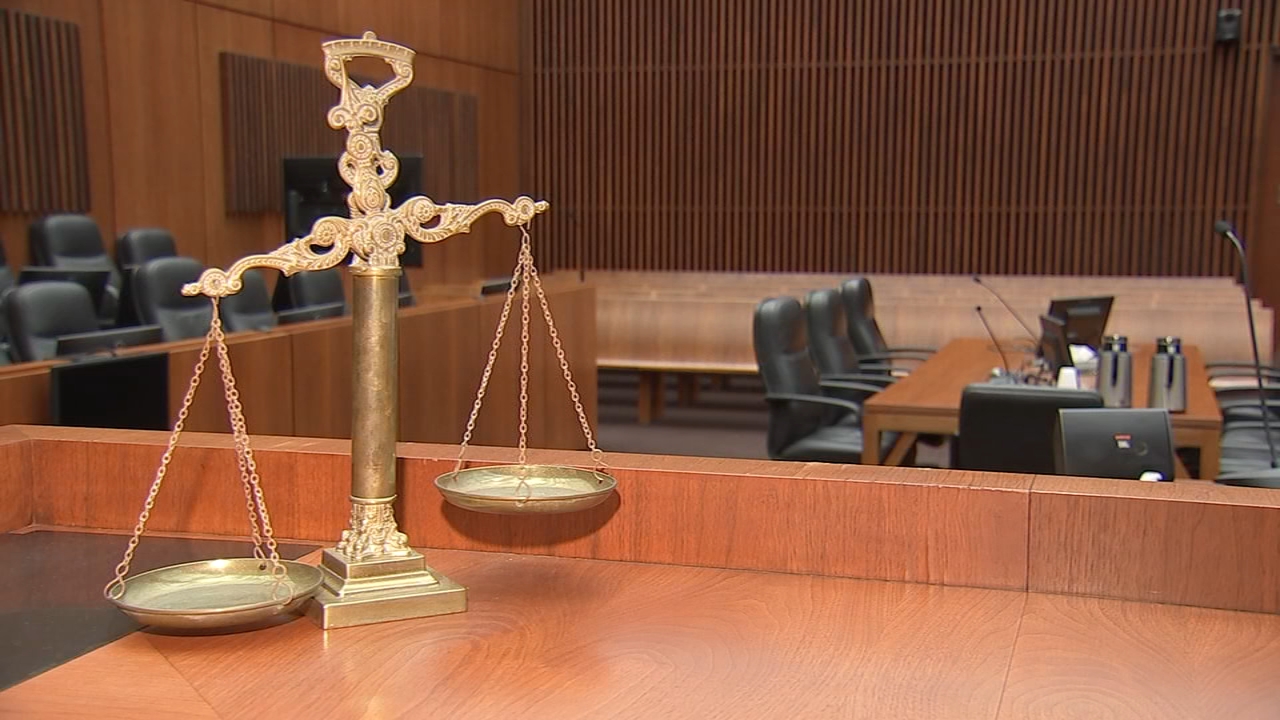
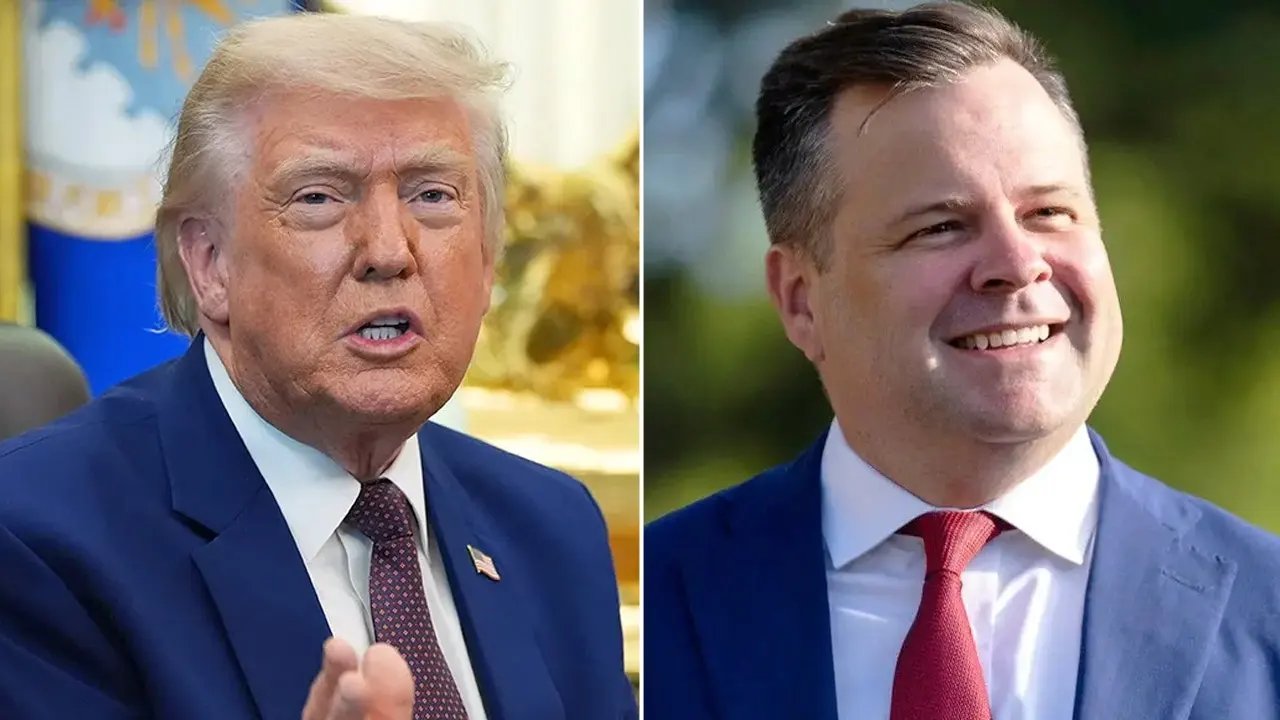
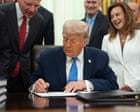
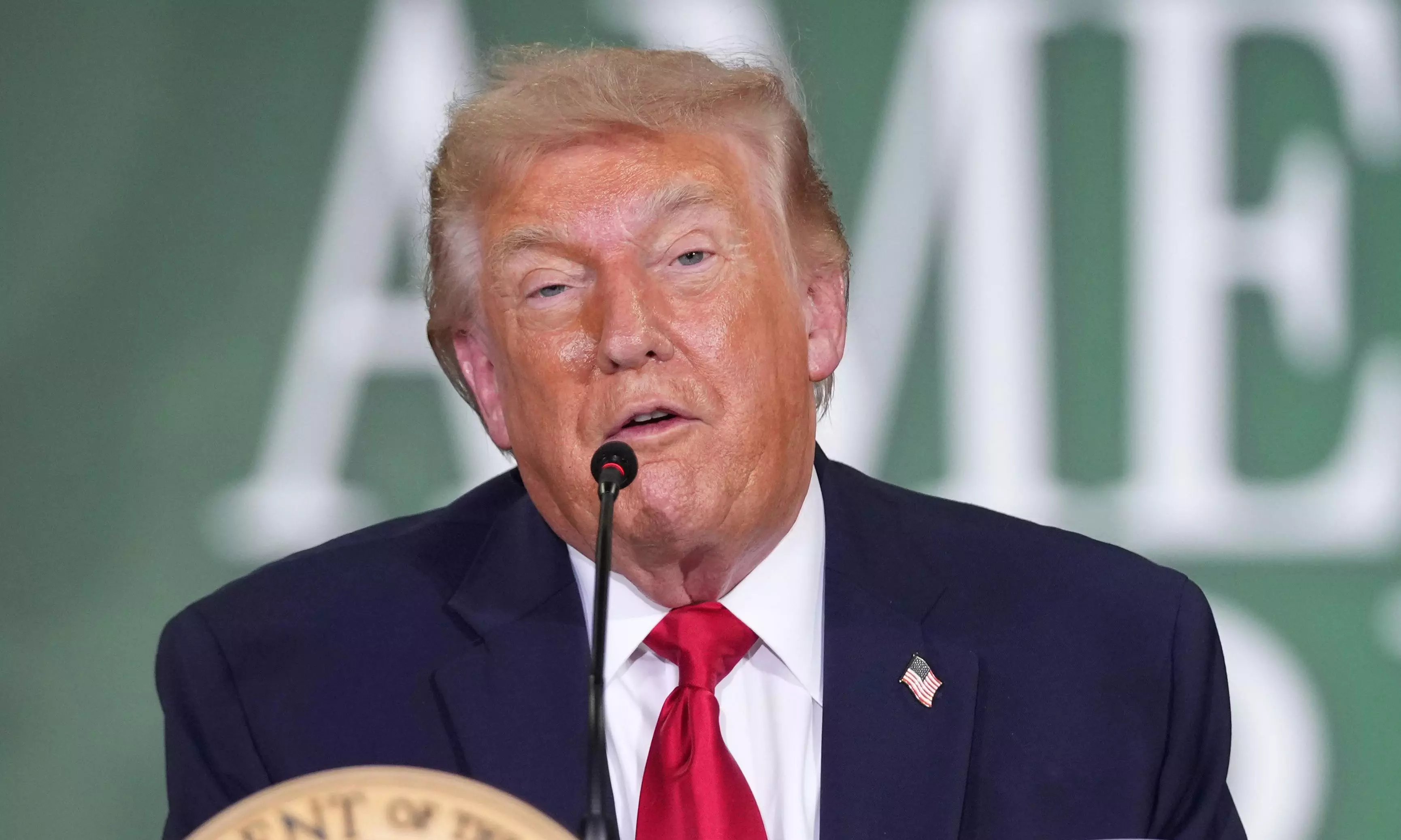
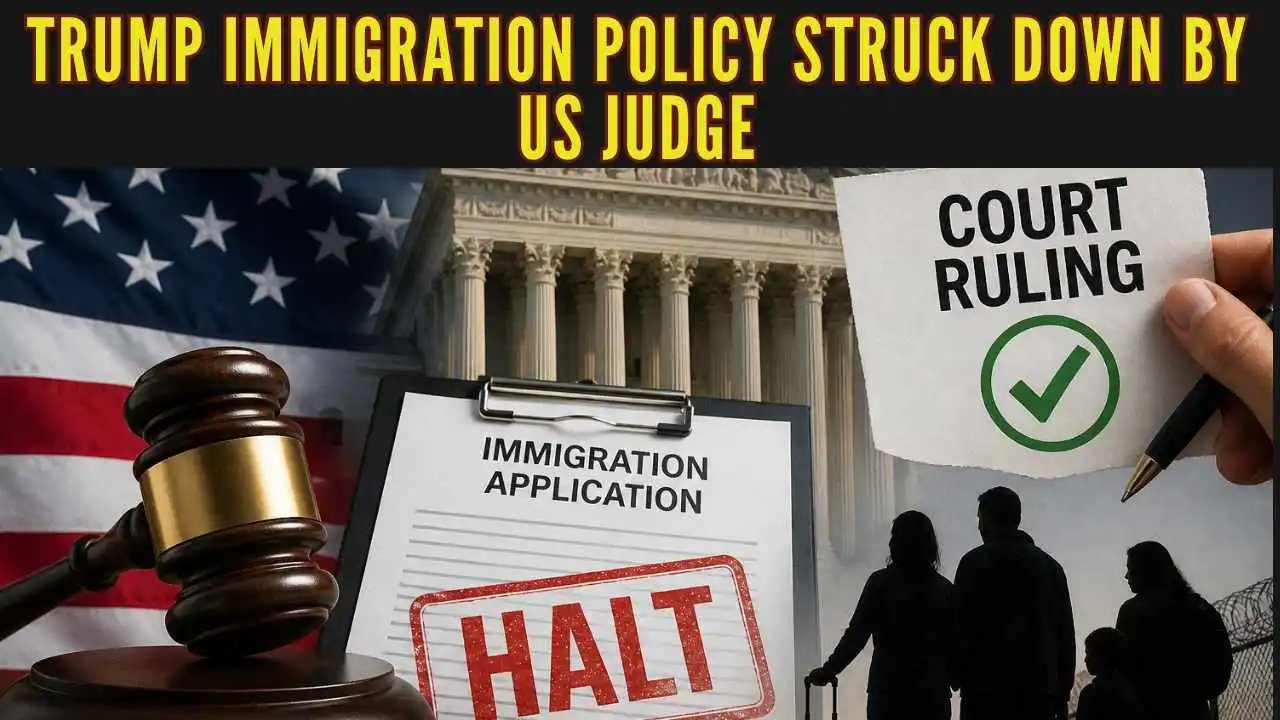
U.S. District Judge Leo Sorokin in Boston struck down President Trump's $100,000 fee for H-1B visa applications on Monday, concluding the administration lacked authority to impose what amounts to an unlawful tax. In a 42-page decision, Sorokin vacated the fee nationwide after 20 Democratic state attorneys general challenged it in court. The judge wrote that "the substance and application of the $100,000 payment reveal that it is a tax, regardless of what the payment is called."
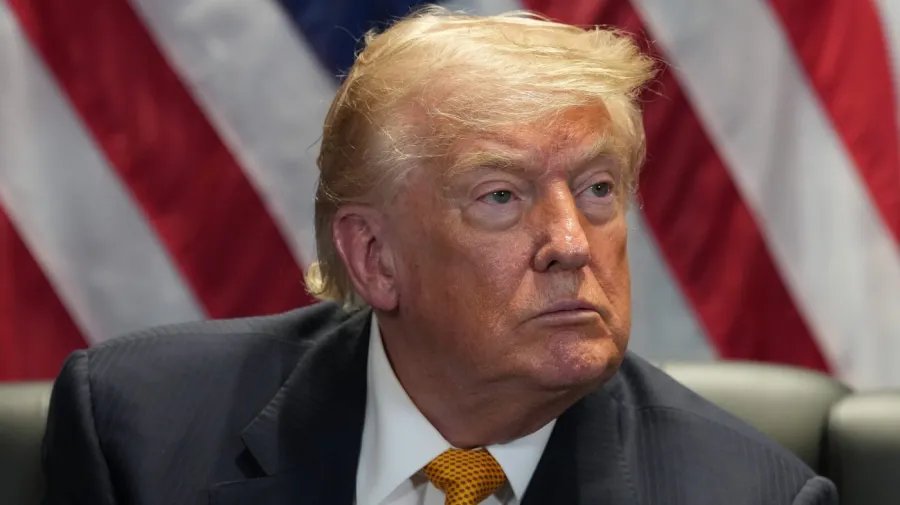
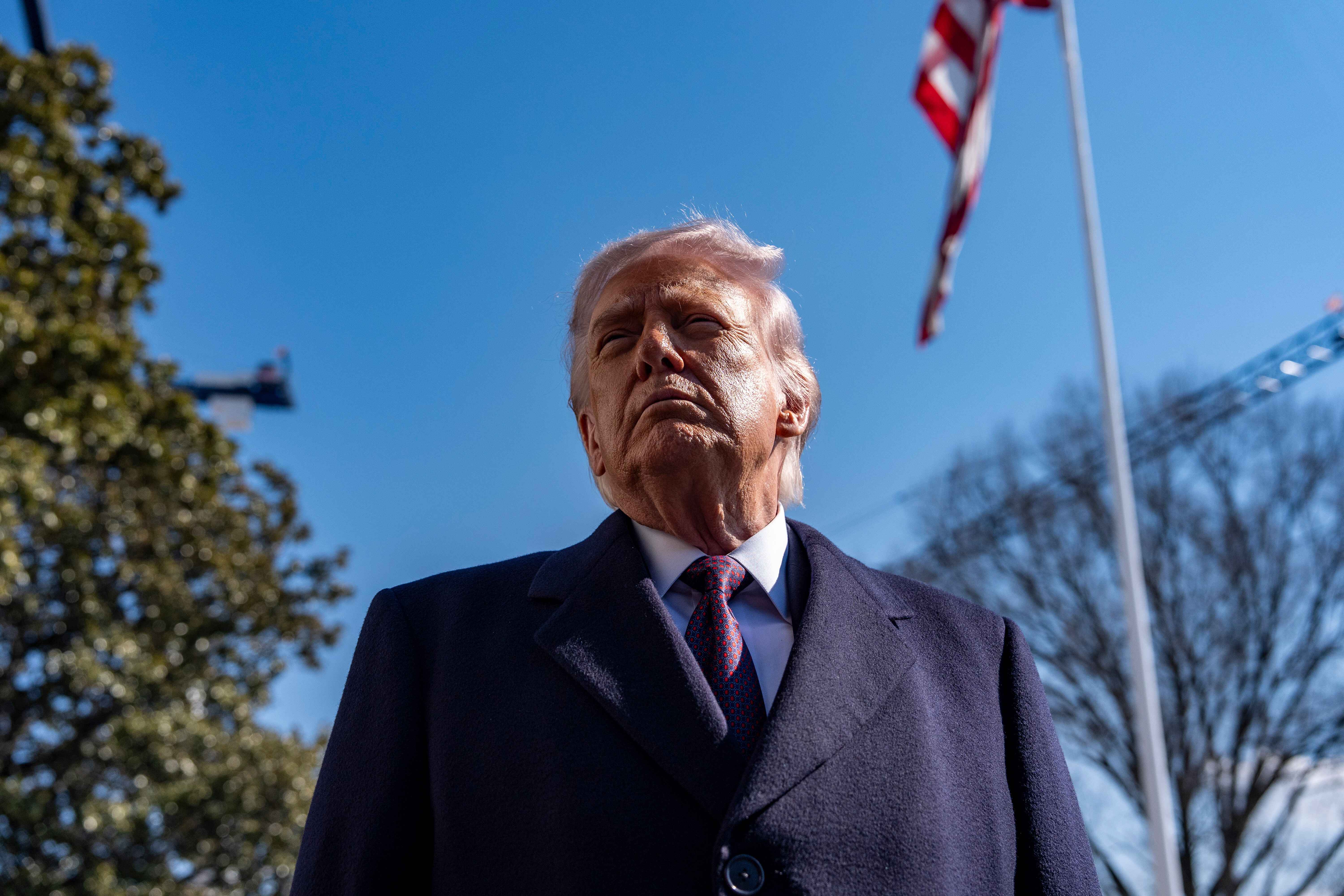
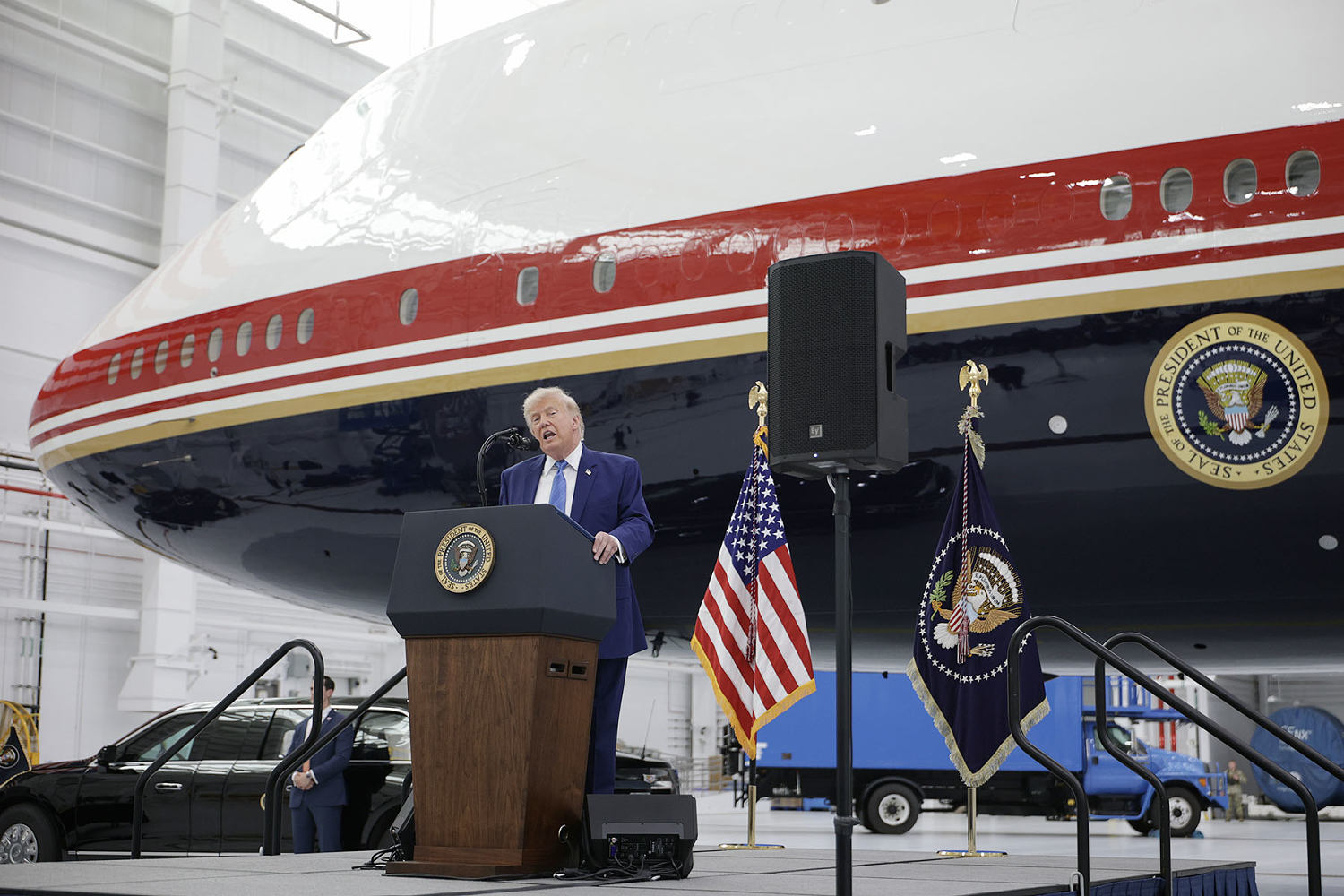
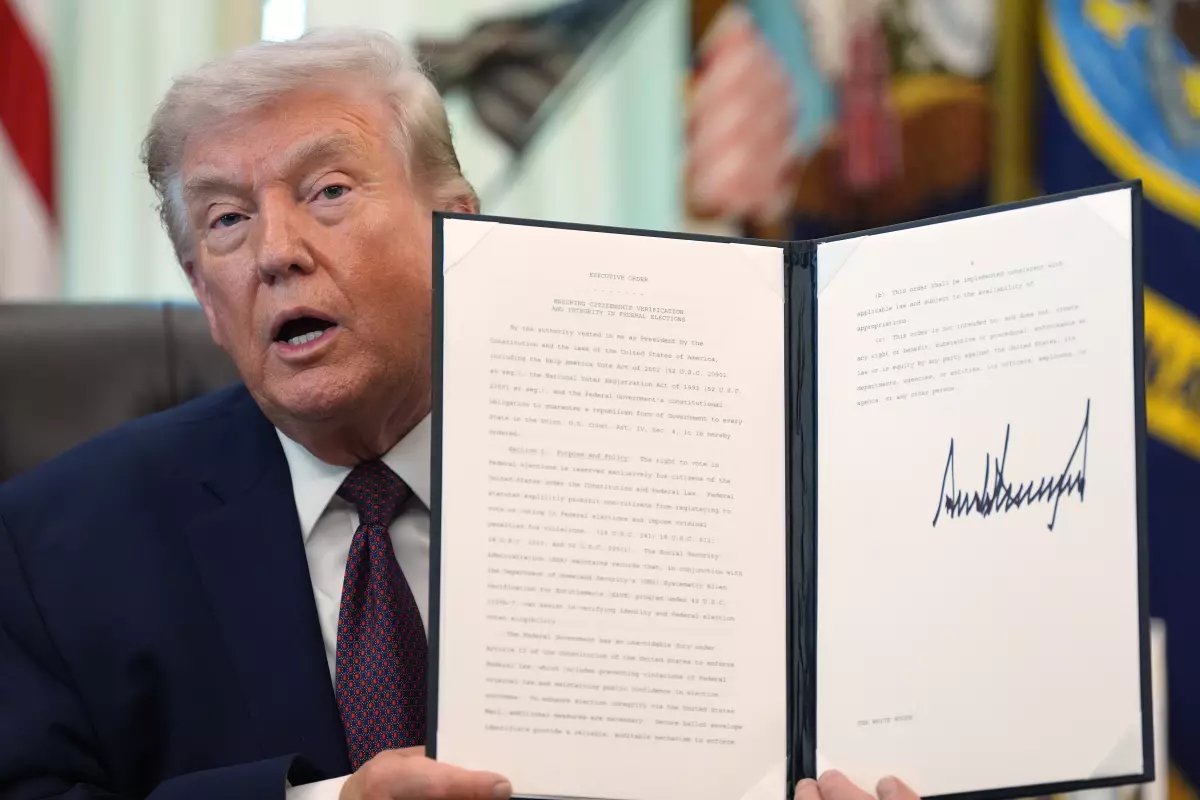
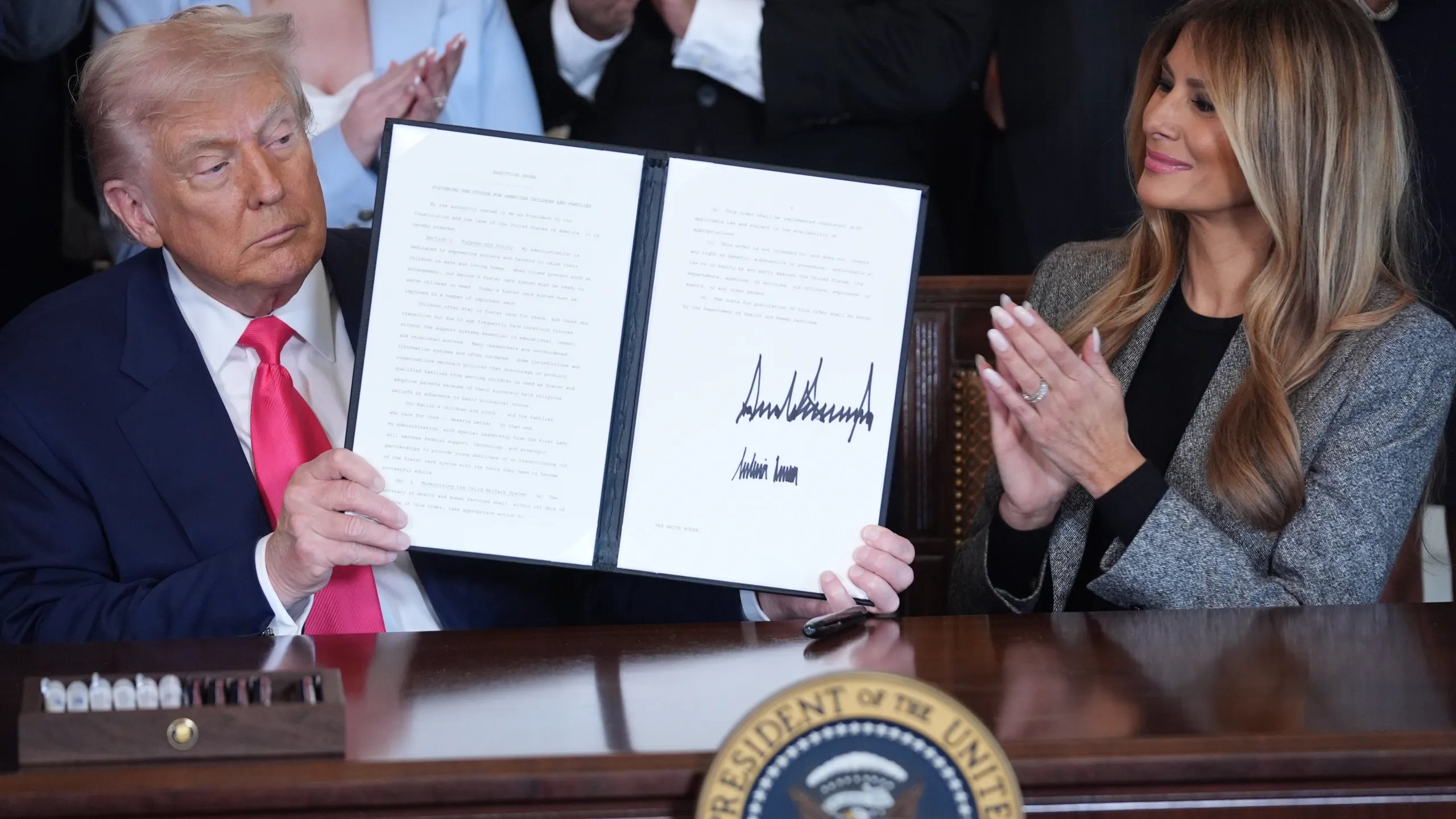
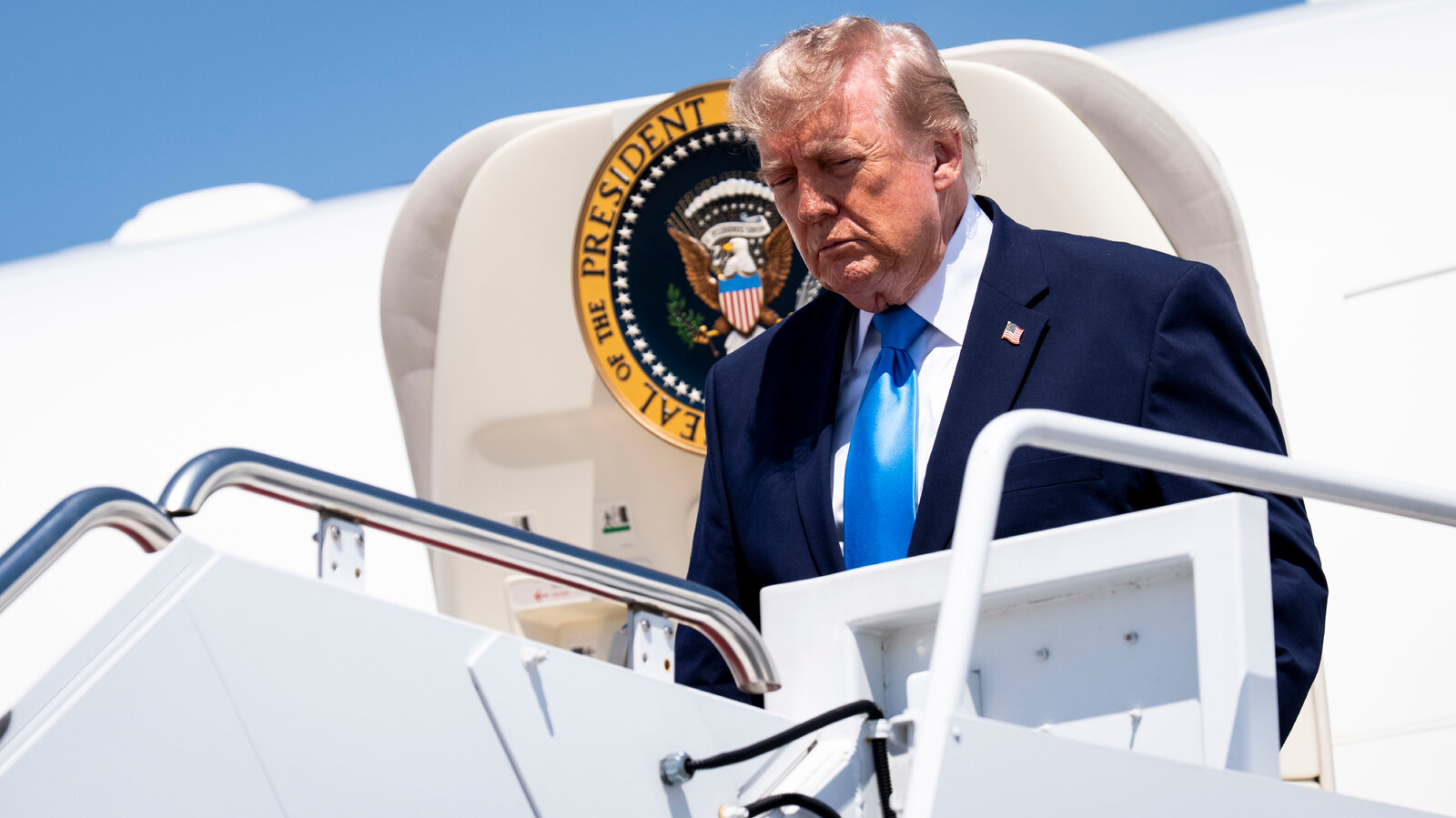
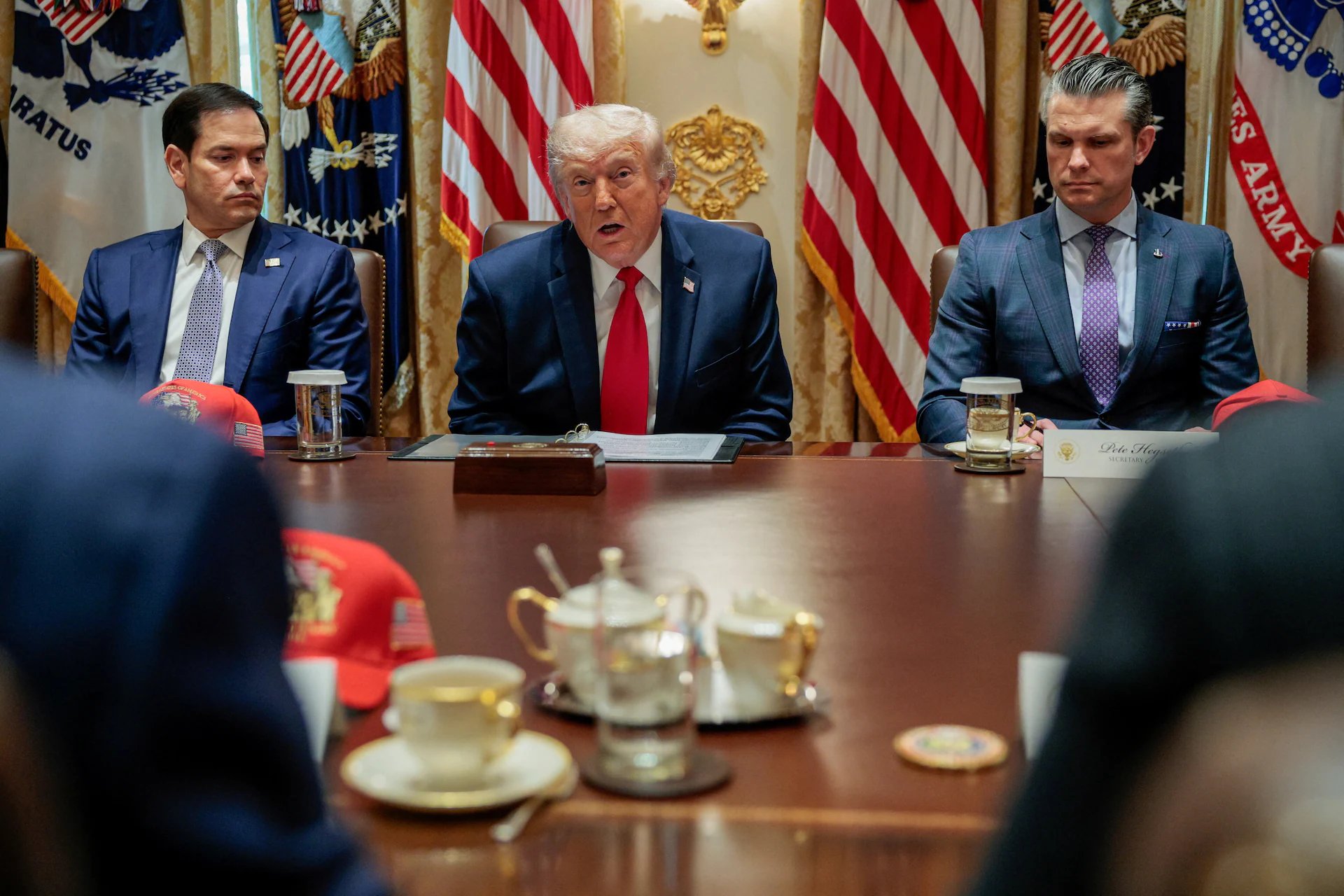
Trump announced the fee in September through presidential proclamation, arguing the H-1B program enabled "large-scale replacement of American workers." The charge represented a 20-to-50 fold increase from existing visa application fees, which previously ranged from $960 to $7,595. Sorokin rejected the Trump administration's argument that the executive branch possessed inherent authority to levy the fee under immigration law.
Constitutional Constraints on Presidential Power
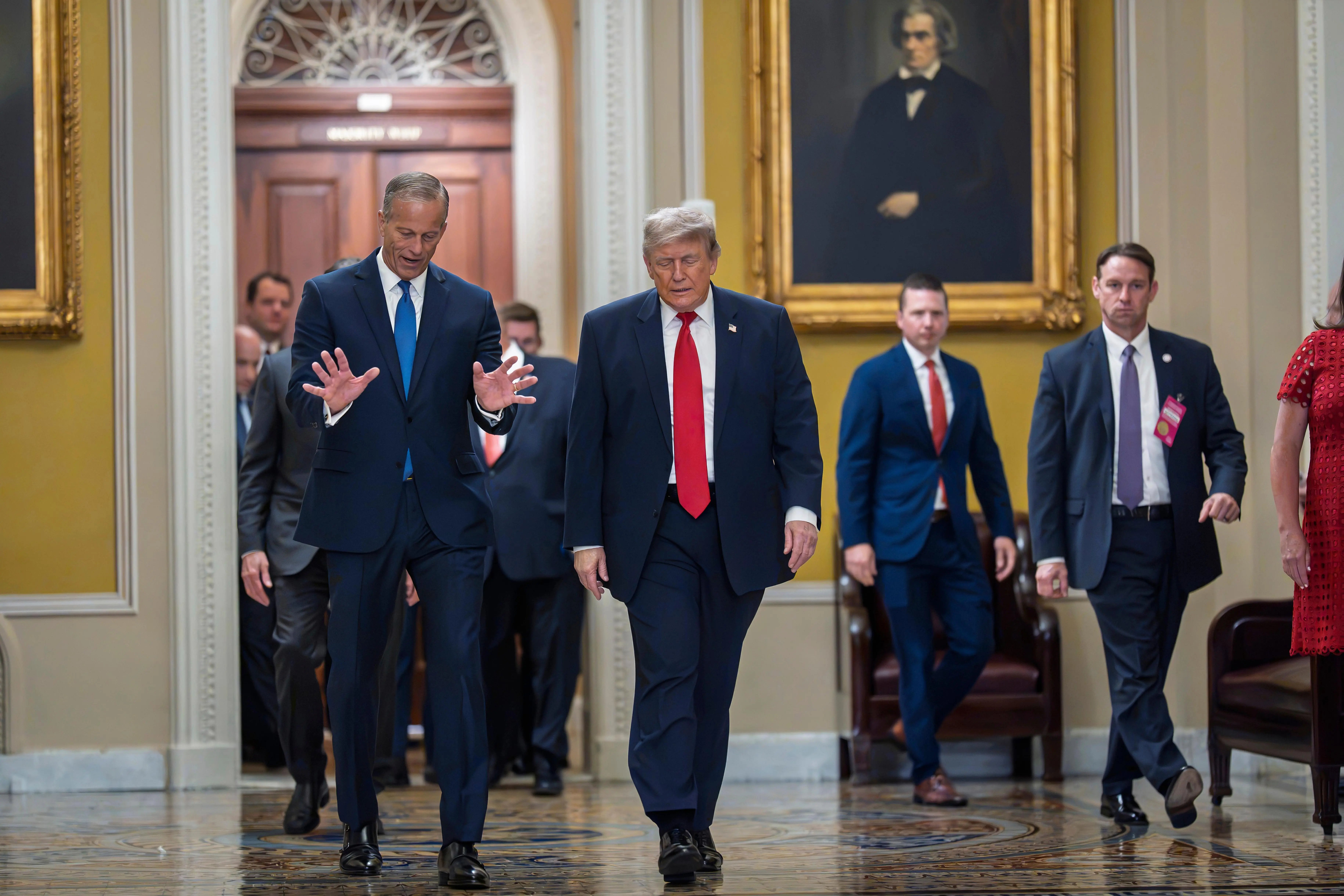
The judge emphasized that presidential power over immigration, while broad, has limits. "While the Executive has broad discretion over the admission and exclusion of aliens, that discretion is not boundless," Sorokin wrote. He directly addressed Trump's position, stating: "The President enjoys no such 'inherent' powers here. Unlike a tribe, however, the President has no authority to levy a tax unless such a power is delegated by Congress through statute."
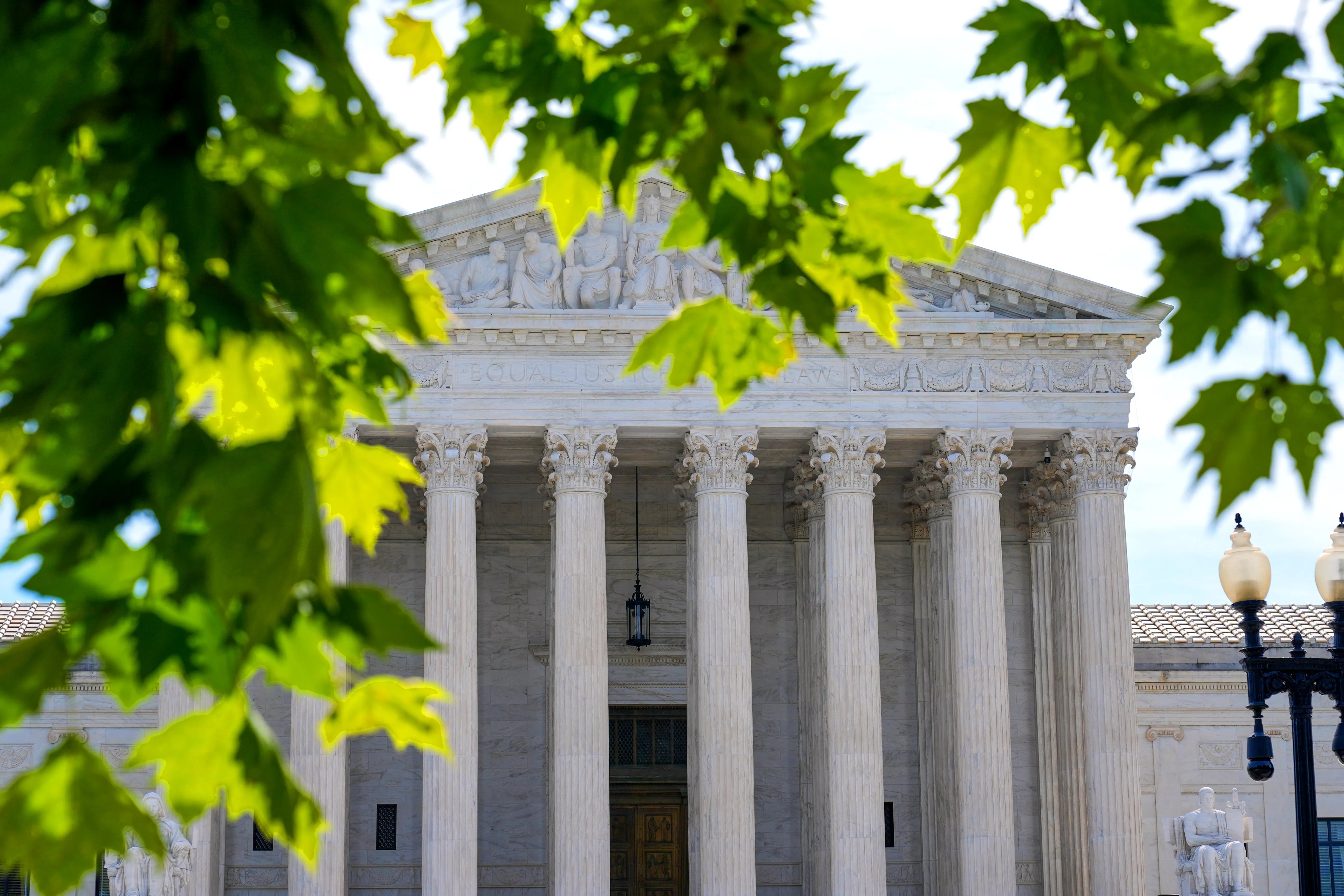
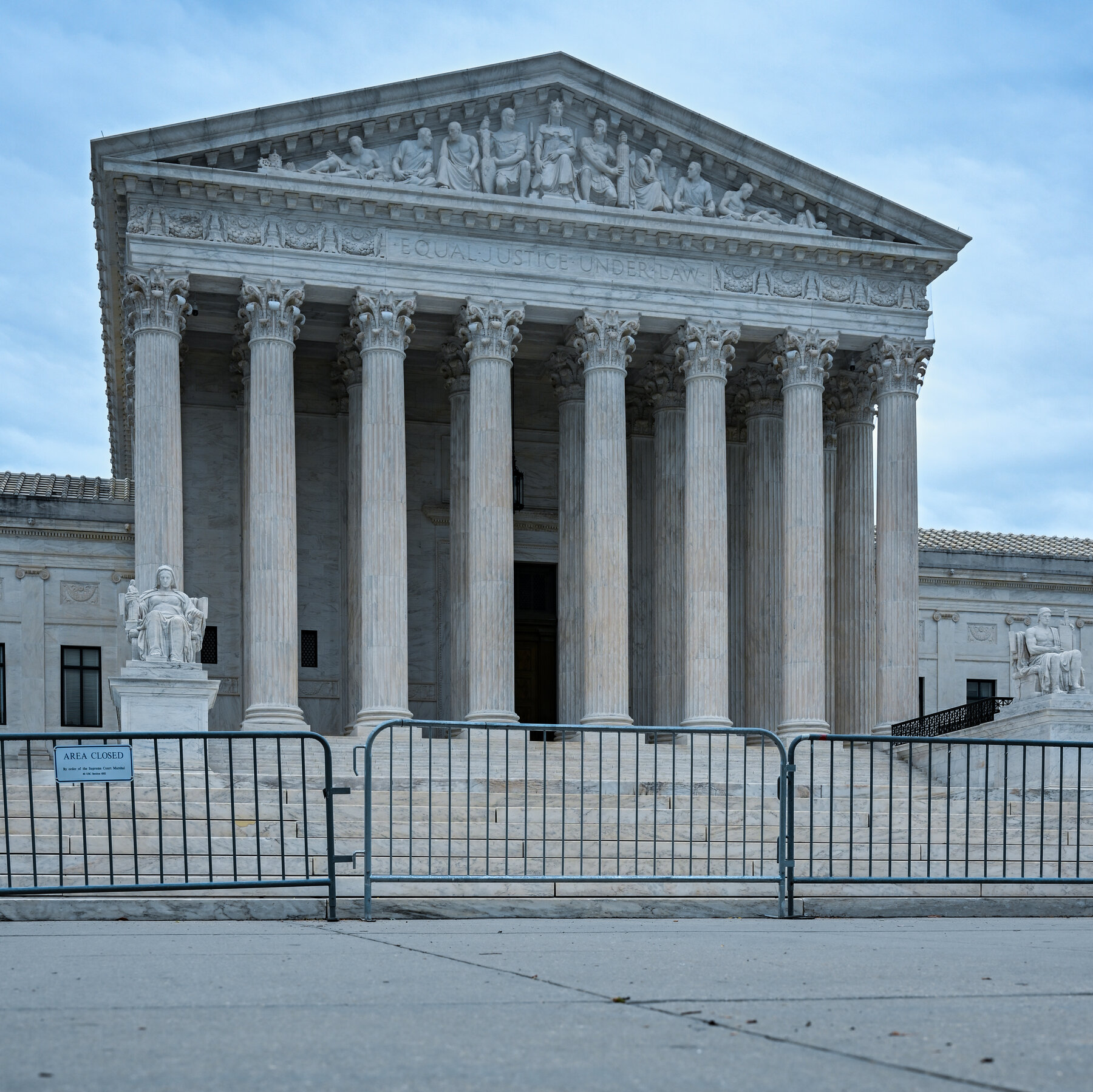
Sorokin cited the Supreme Court's February ruling in Learning Resources v. Trump, which struck down Trump's aggressive tariff strategy pursued under a national emergency law. Under that decision's logic, the judge concluded Trump similarly lacked authorization under immigration law to impose a tax. The administration had leaned on the Immigration and Nationality Act to justify the fee, but Sorokin found that legislation contained no power to tax.
Impact on States and Employers
The coalition of states that sued argued the higher visa costs would create severe staffing shortages in public school systems, state universities, and public health care facilities relying on foreign workers. The ruling provides immediate relief to these sectors and to technology companies that depend heavily on the H-1B program. Amazon alone had more than 10,000 H-1B visas approved in the first half of the year, with Microsoft and Meta each exceeding 5,000.
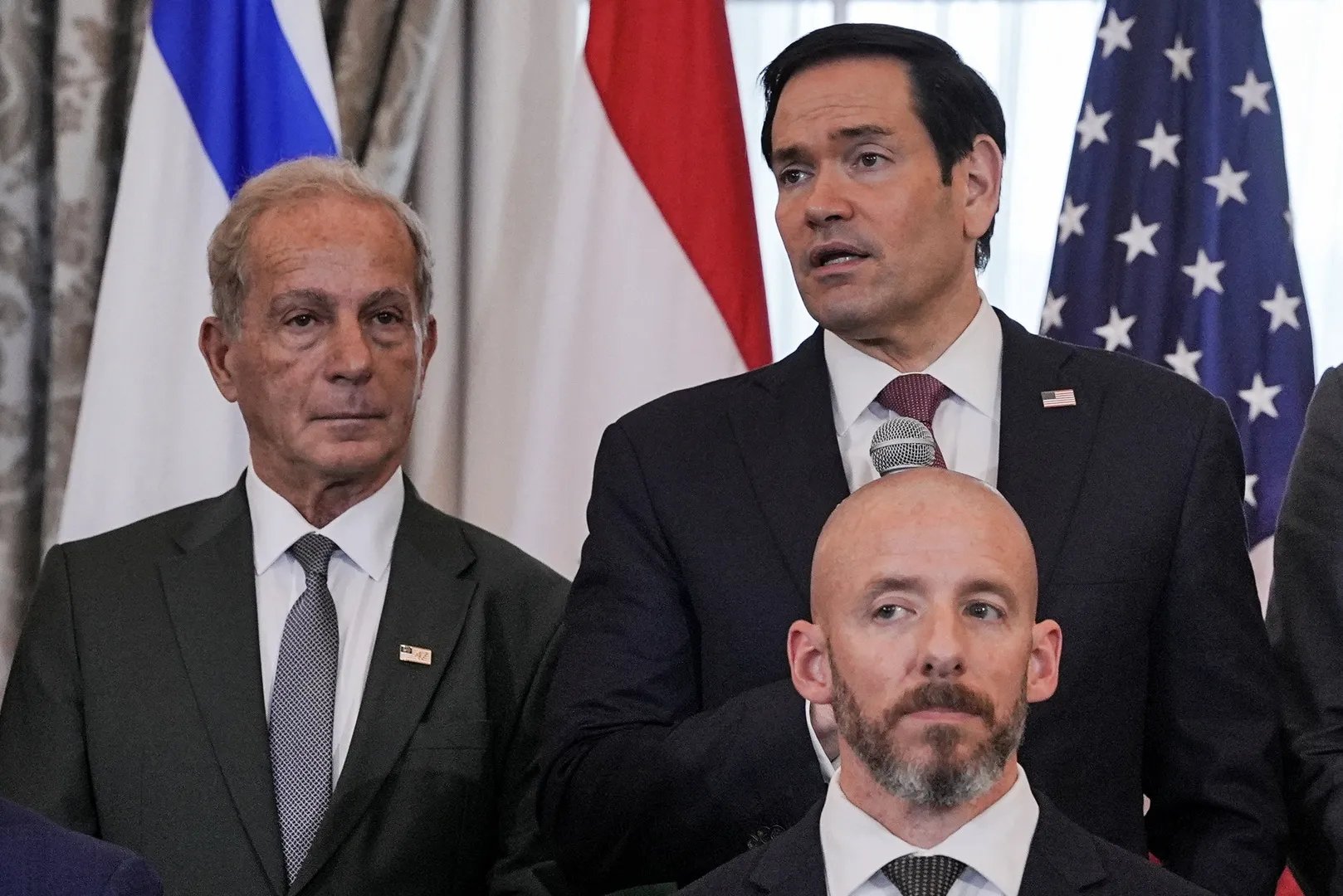
Commerce Secretary Howard Lutnick claimed major tech companies were "on board" with the fee and urged firms to "train Americans" rather than hire from abroad. However, technology companies depend heavily on the H-1B program, and the industry benefited significantly from the fee's elimination. The H-1B program, created in 1990, permits U.S. employers to hire skilled foreign workers in specialty occupations for up to six years, with 65,000 visas issued annually plus 20,000 for advanced-degree holders. Roughly two-thirds of positions are computer-related.
Next Steps
The Trump administration is widely expected to appeal Sorokin's decision. A separate federal court in Washington, D.C. had previously denied the U.S. Chamber of Commerce's request to strike down the visa fee, creating conflicting rulings that may push the case toward higher courts. The outcome of any appeal will determine whether the visa program remains accessible at current fee levels or faces new financial barriers.