




A voice in the darkness
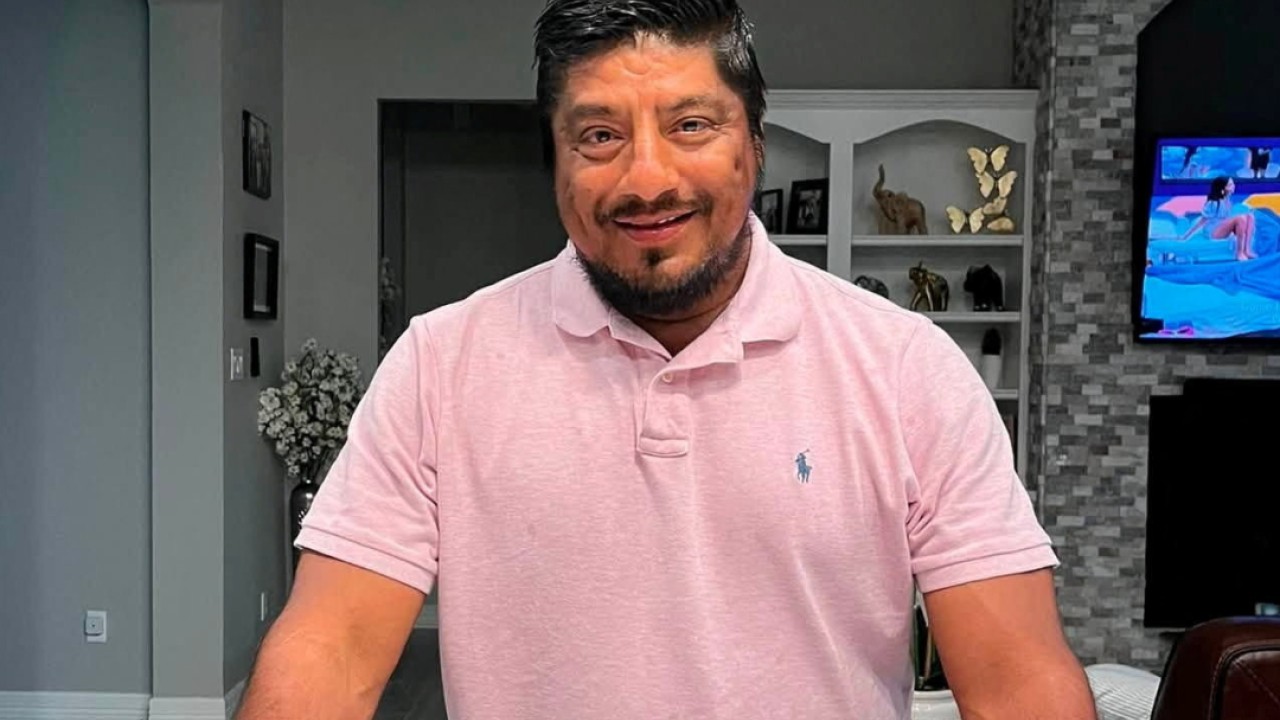
Allan Madrigal, a paramedic with the Costa Rican Red Cross, heard faint cries for help emerging from rubble on Sunday. At first he did not trust his own ears and asked a colleague to confirm he "wasn't just imagining it." That moment of doubt gave way to certainty: Hernán Gil, a 43-year-old security guard, was alive beneath 140 tonnes of concrete and steel.
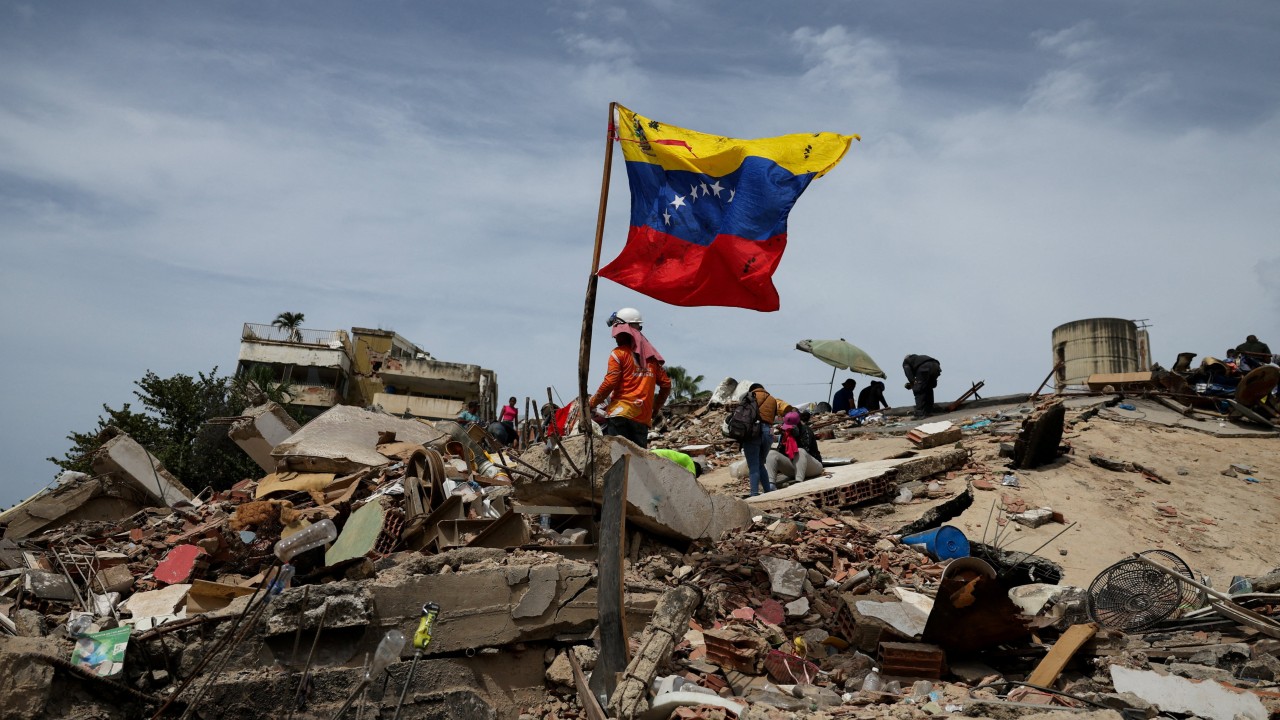
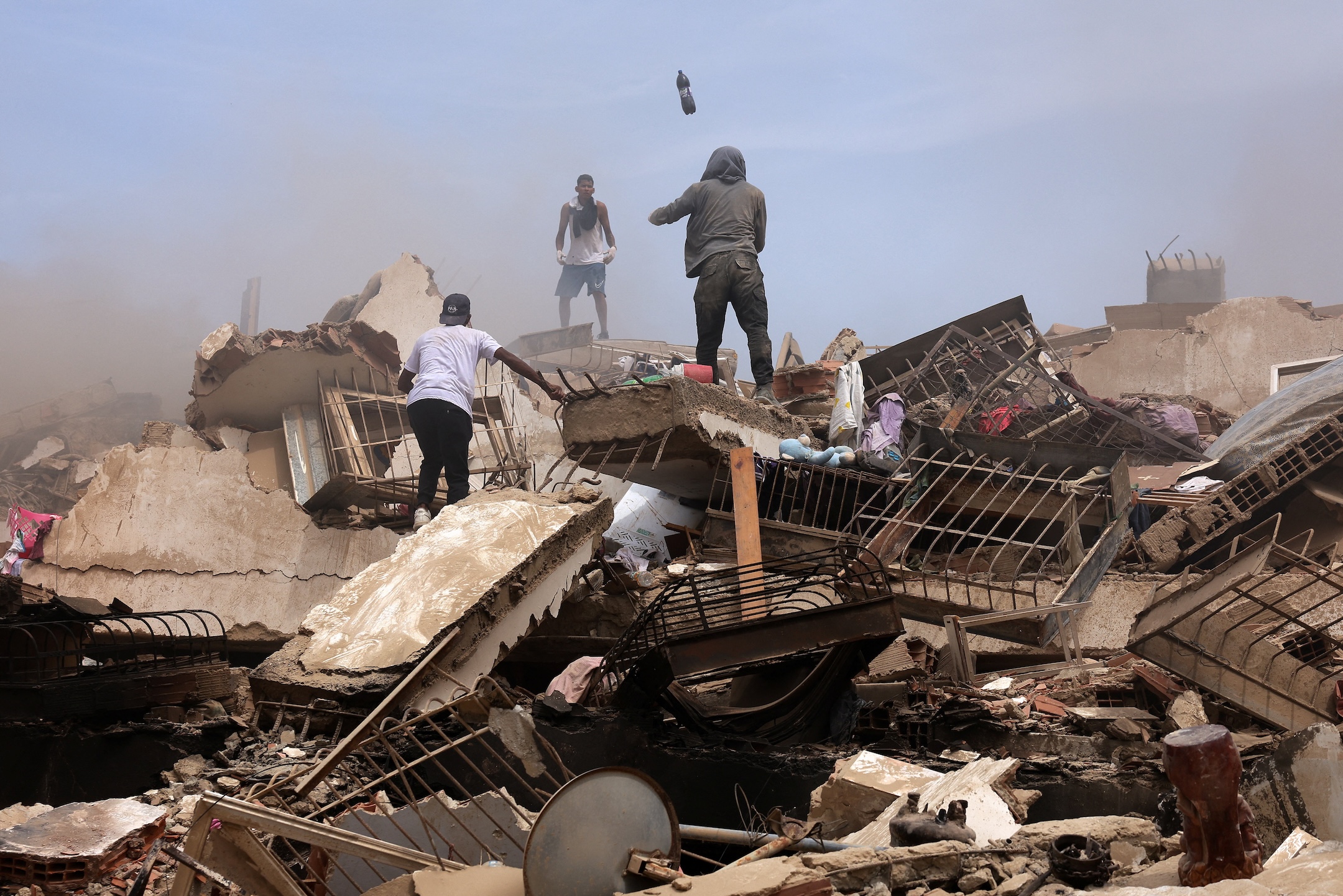
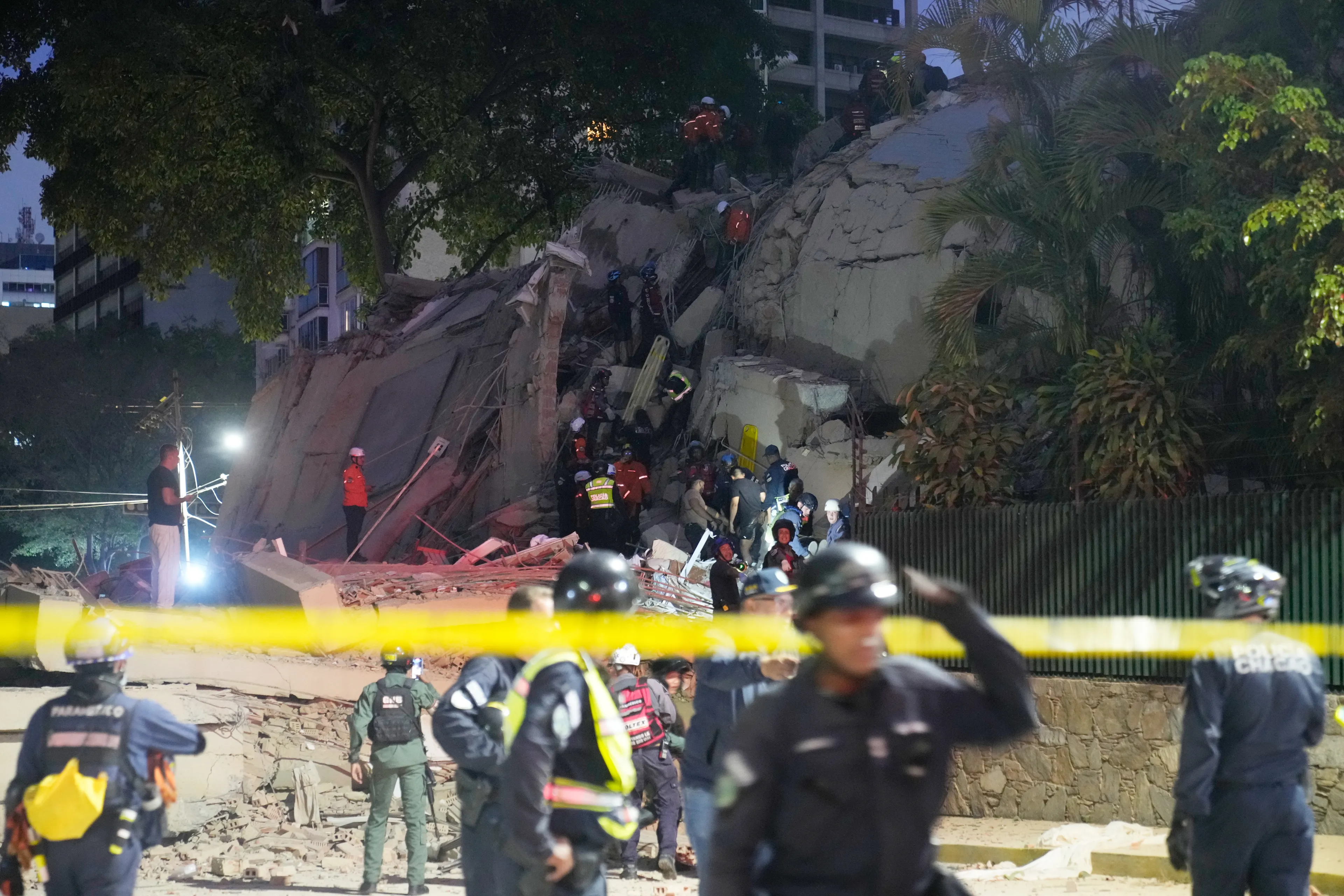
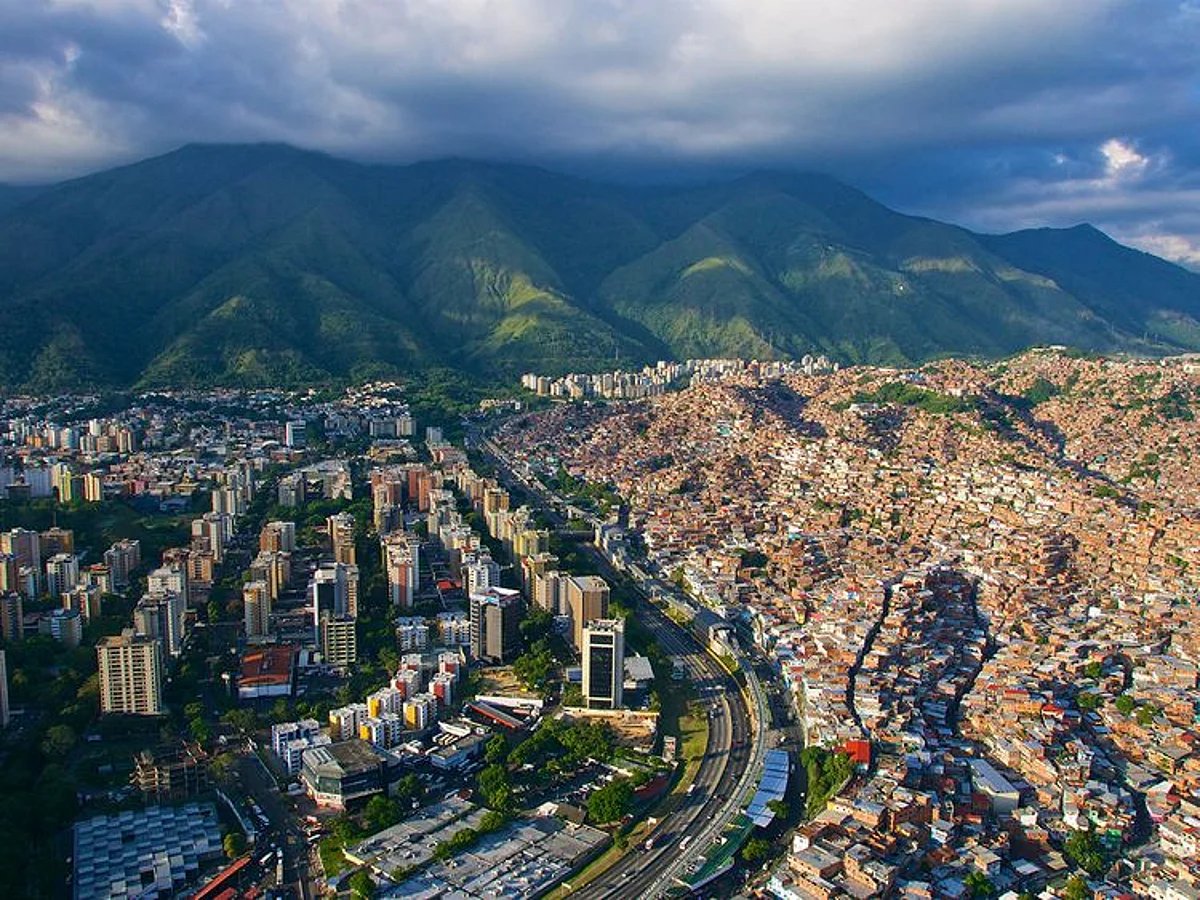
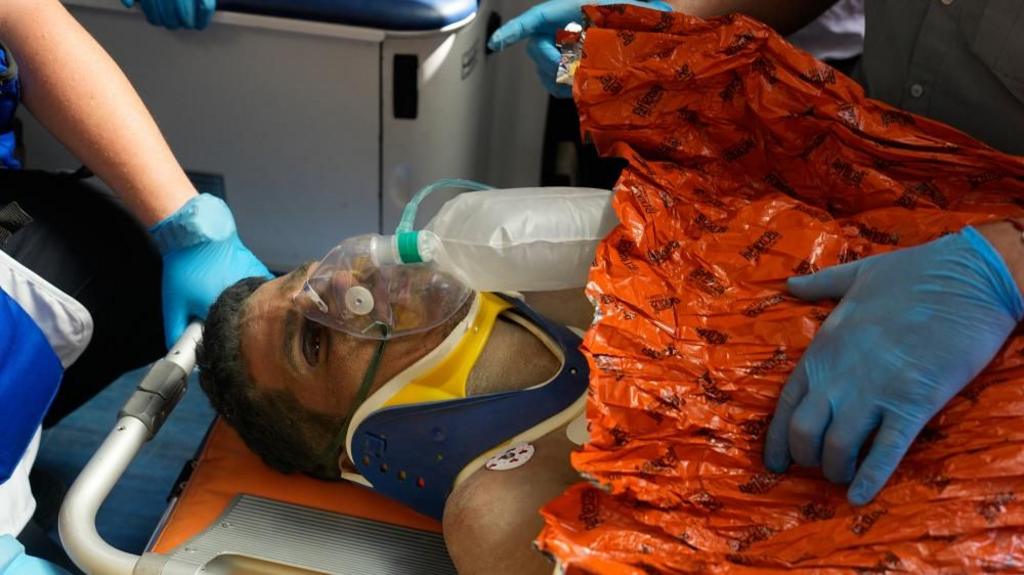
Gil had been on duty in a small concrete booth in the basement of a parking lot adjacent to the Galerias Playa Grande mall in Catia La Mar when twin earthquakes struck on June 24. The booth created a shell around him, protecting him from the collapse of the seven-storey building where he worked. When rescuers finally pulled him from the rubble on Thursday, eight days after the quakes, he had not a single crushed nail.
The three-day extraction
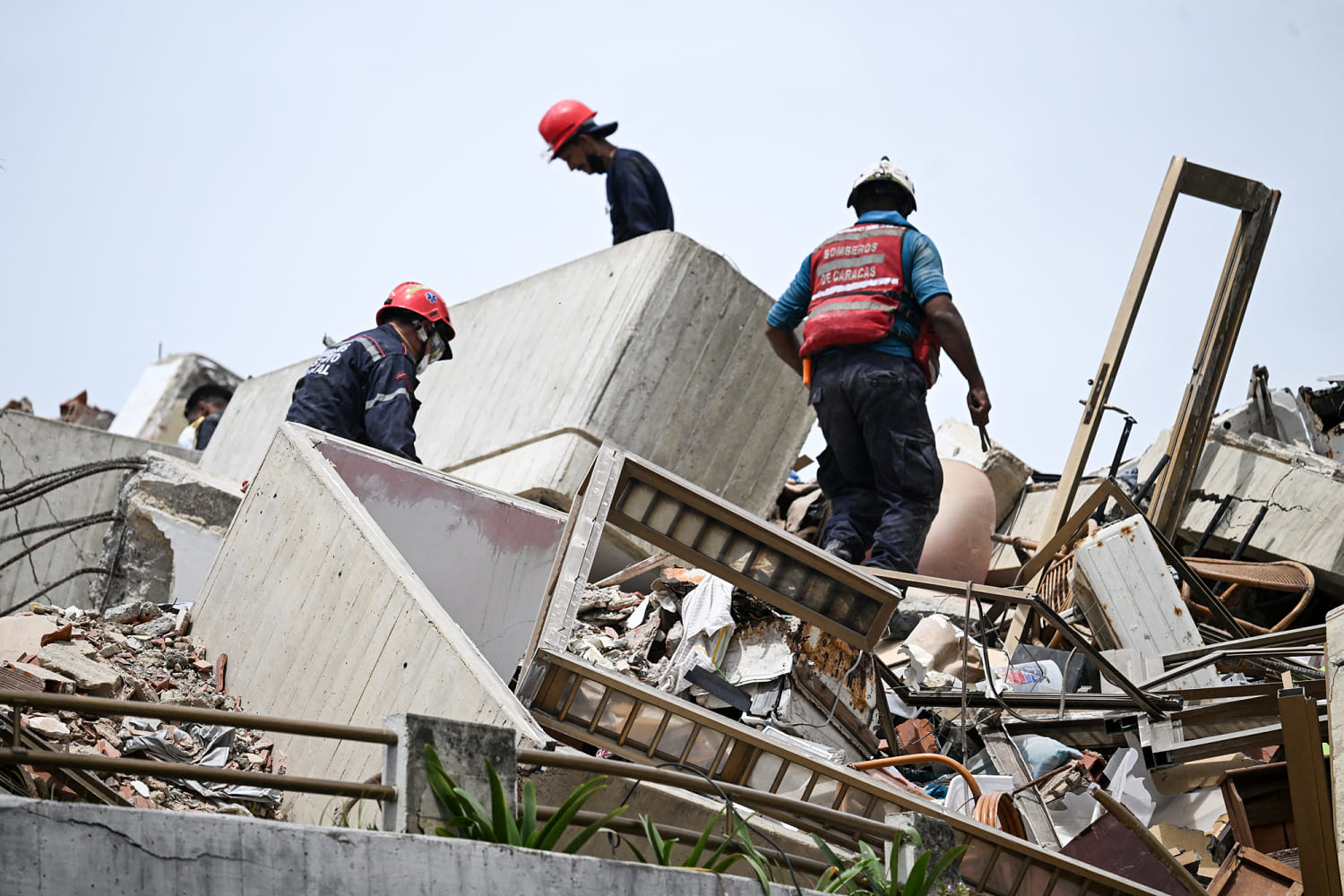
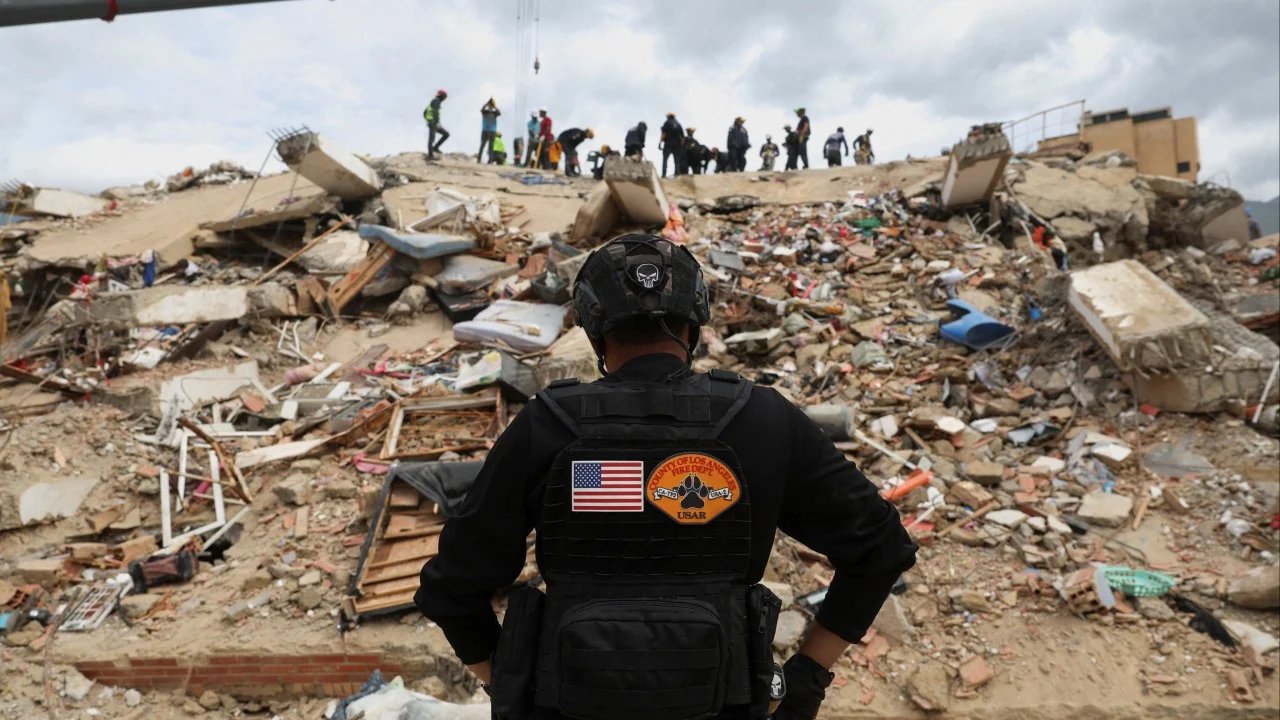
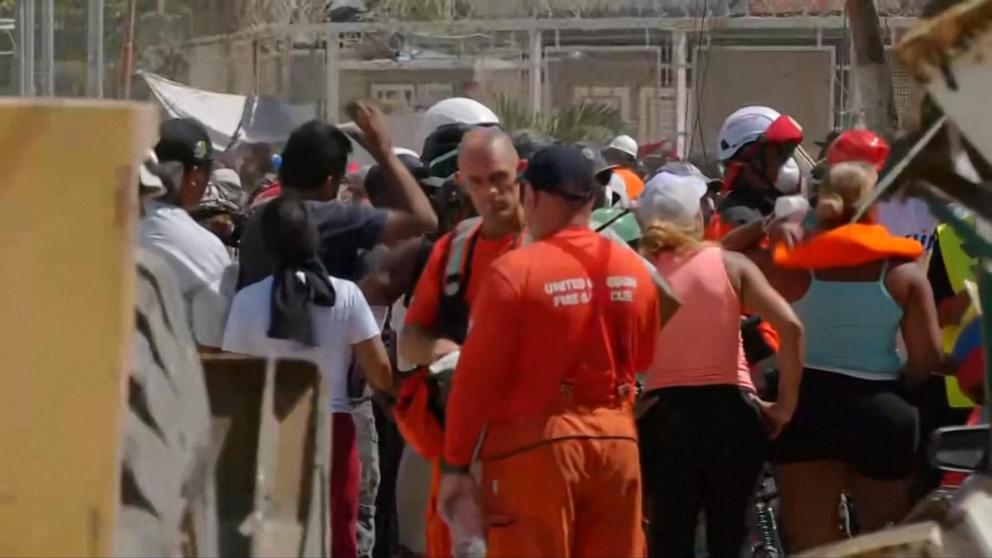
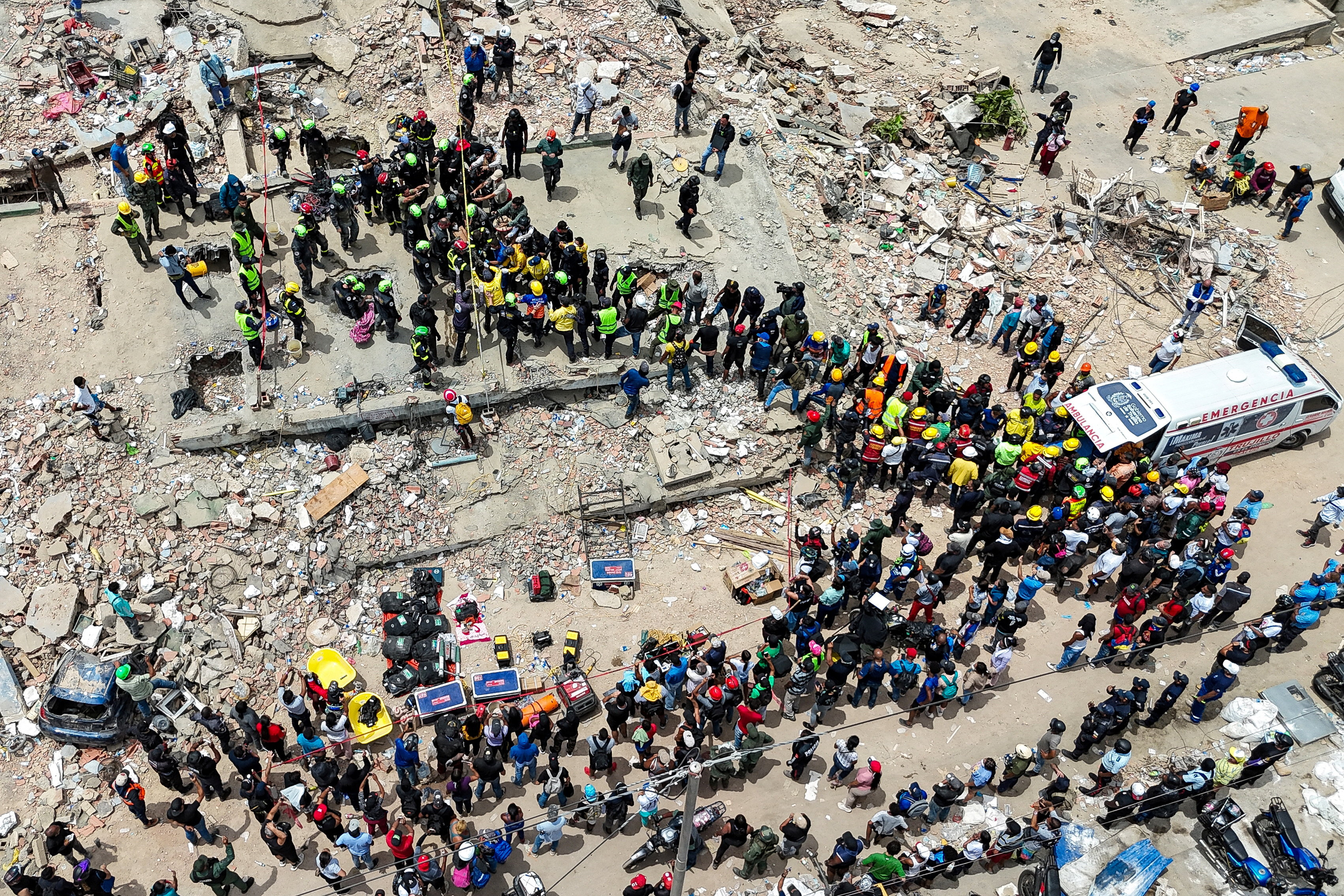
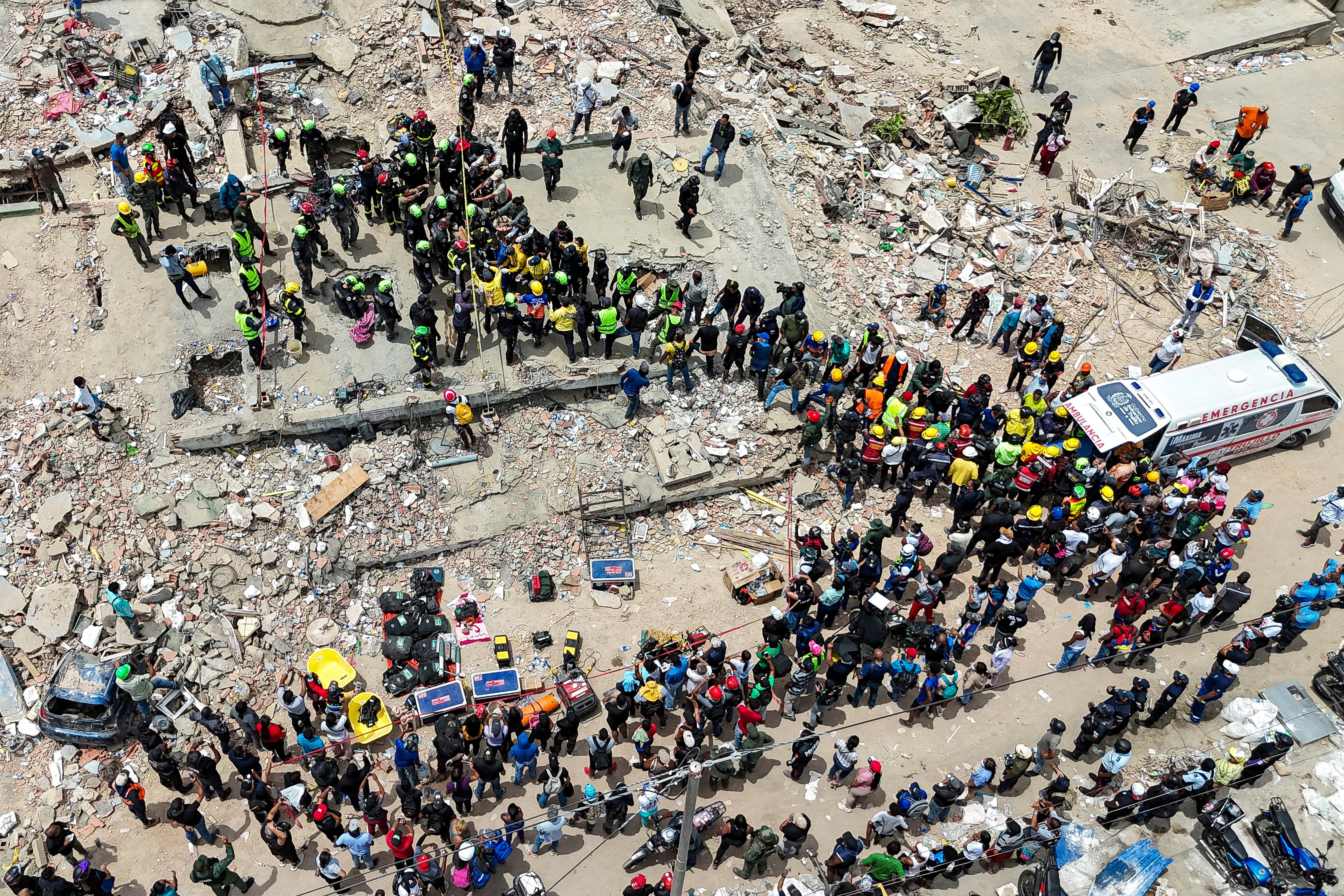
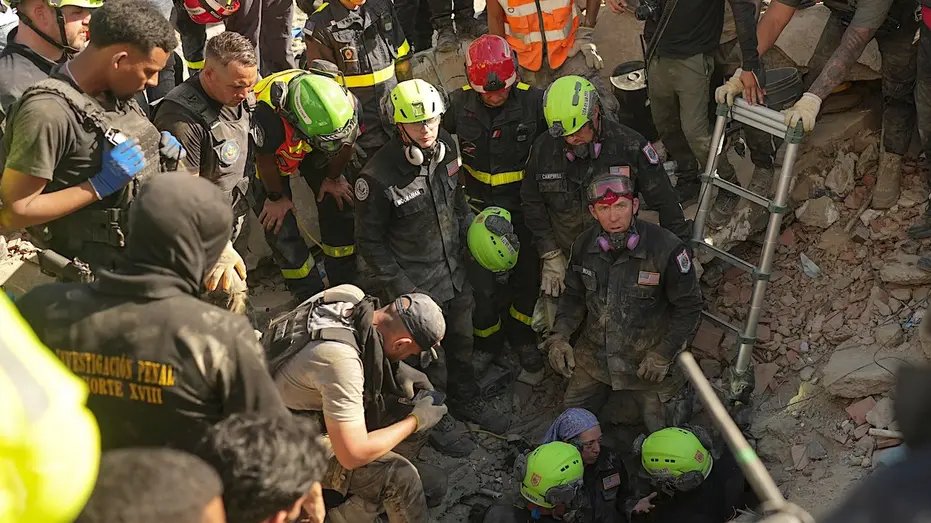
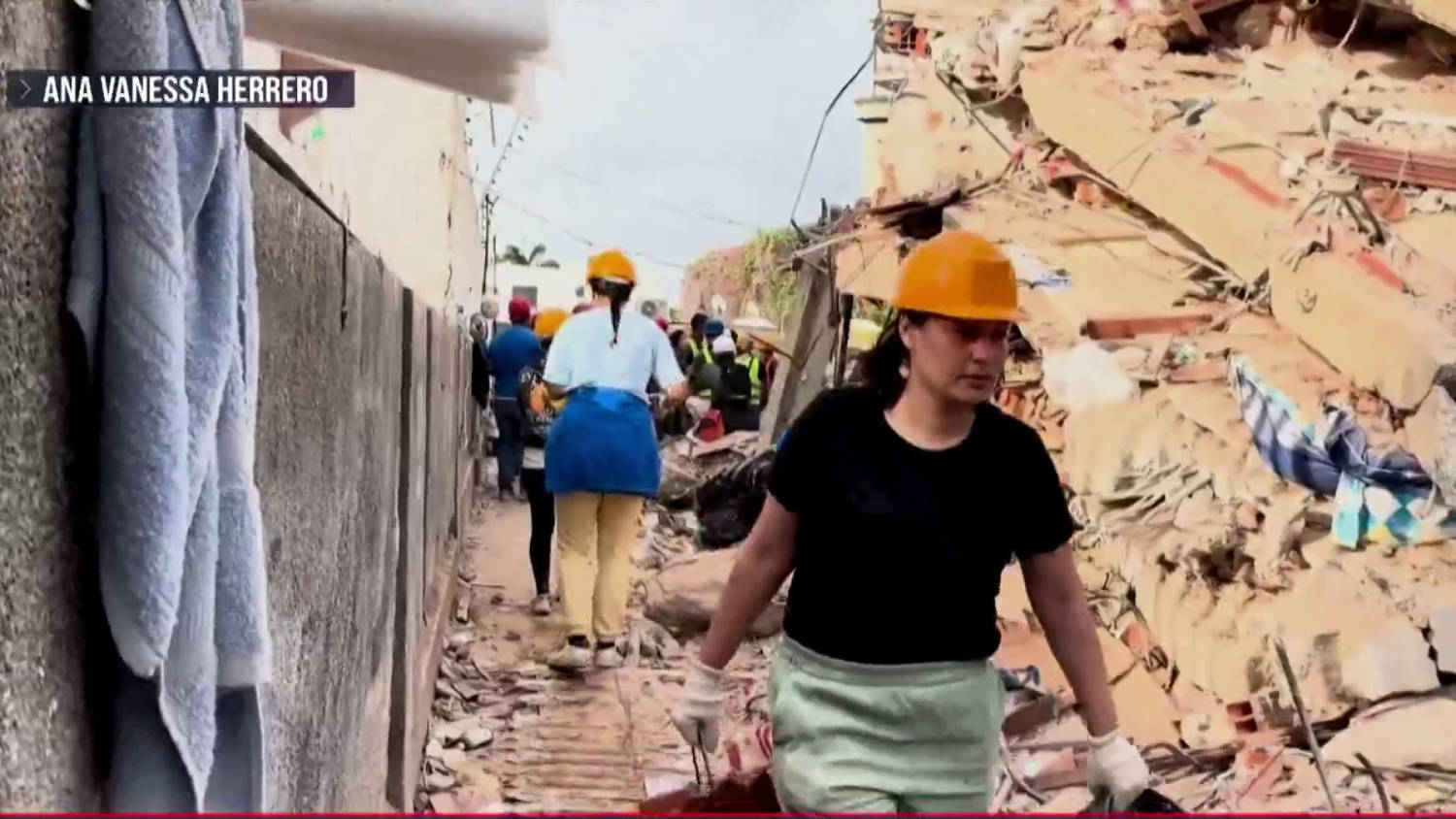
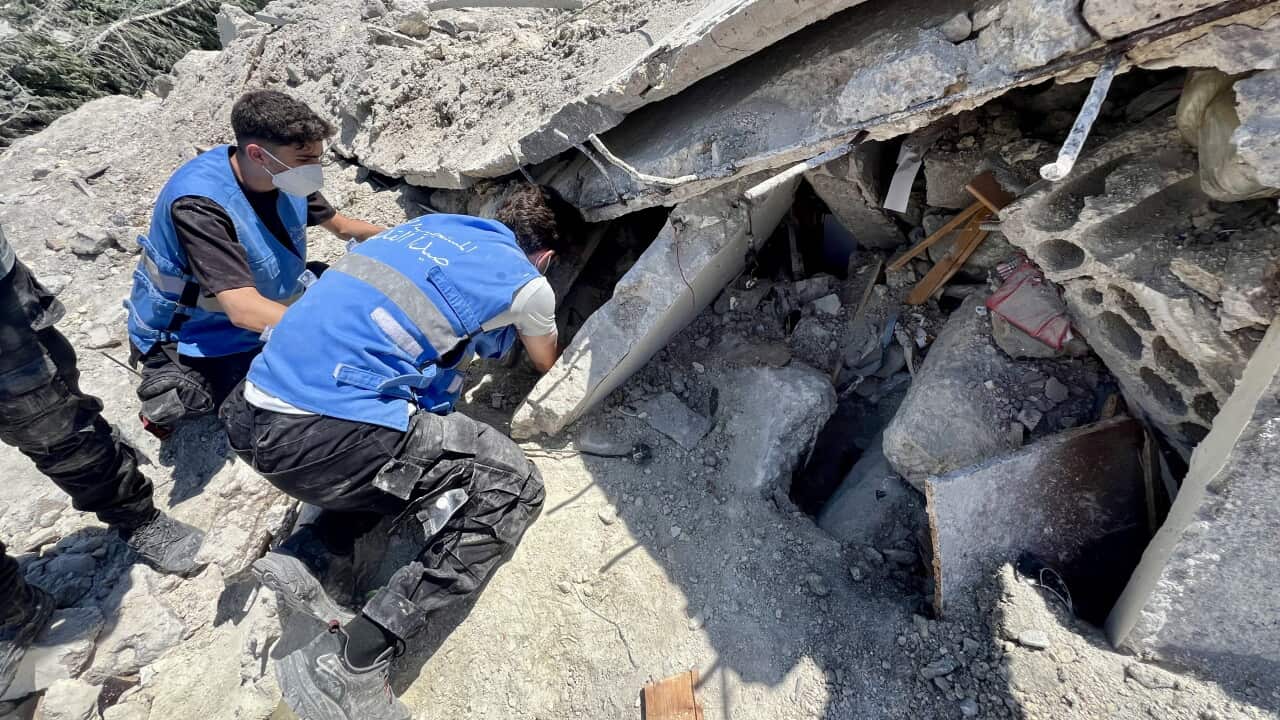
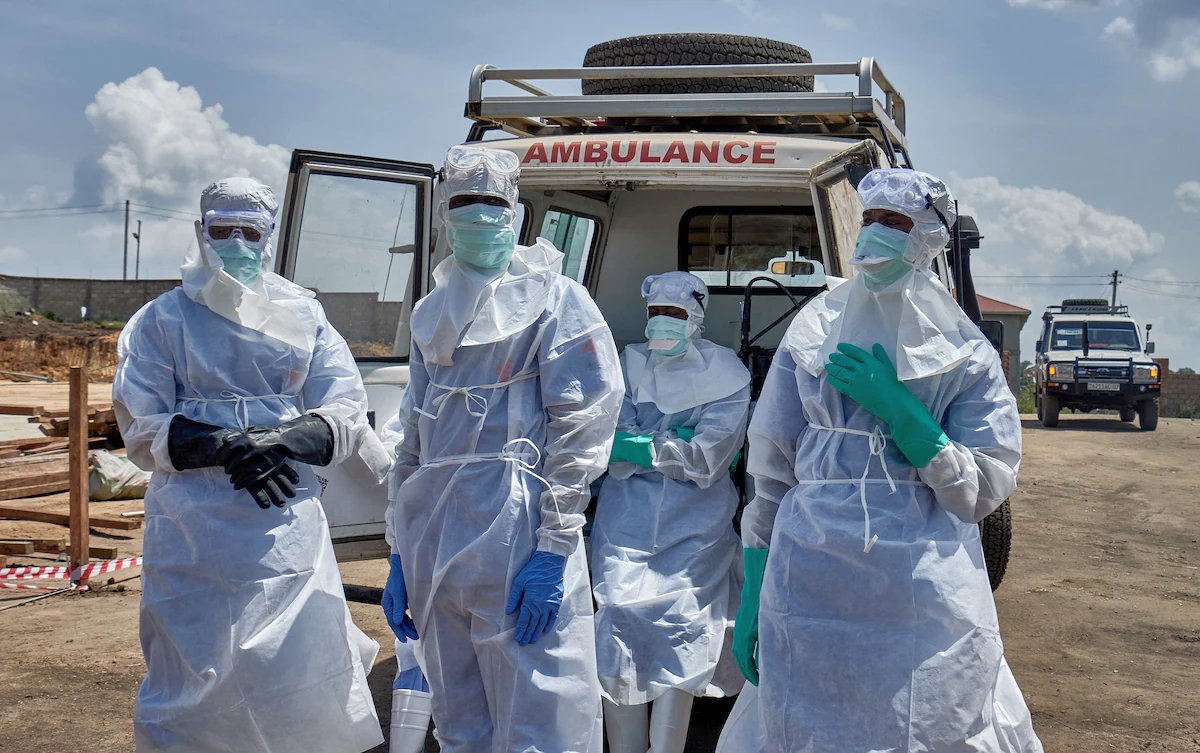
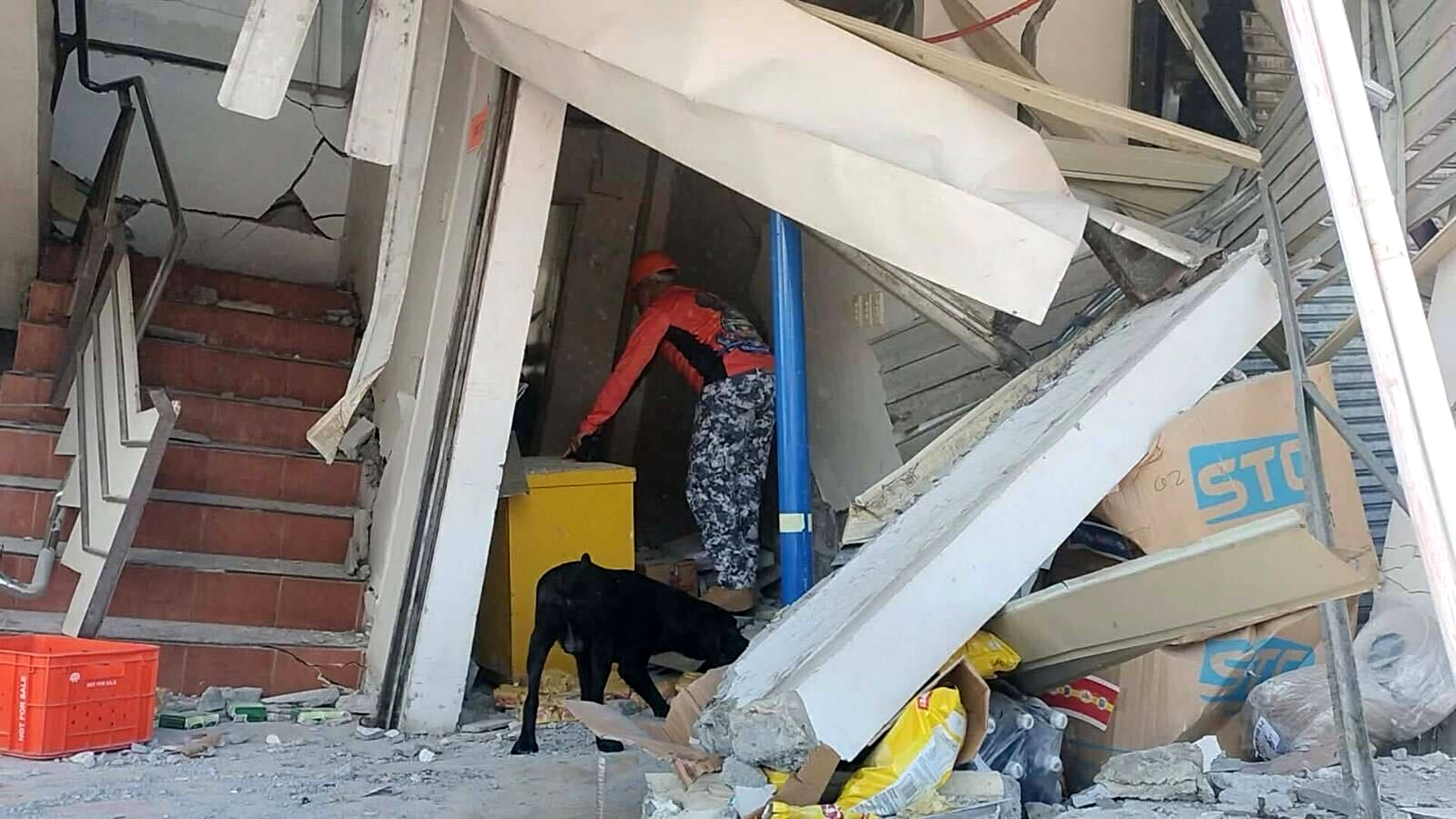
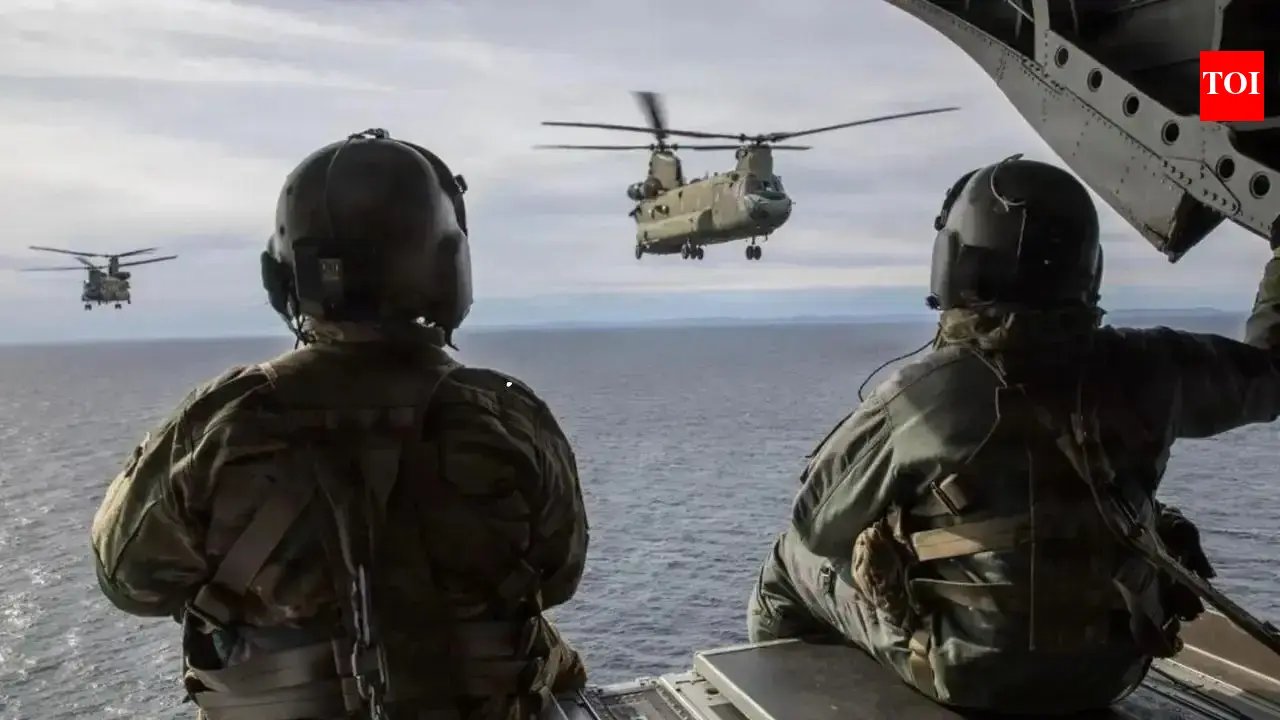
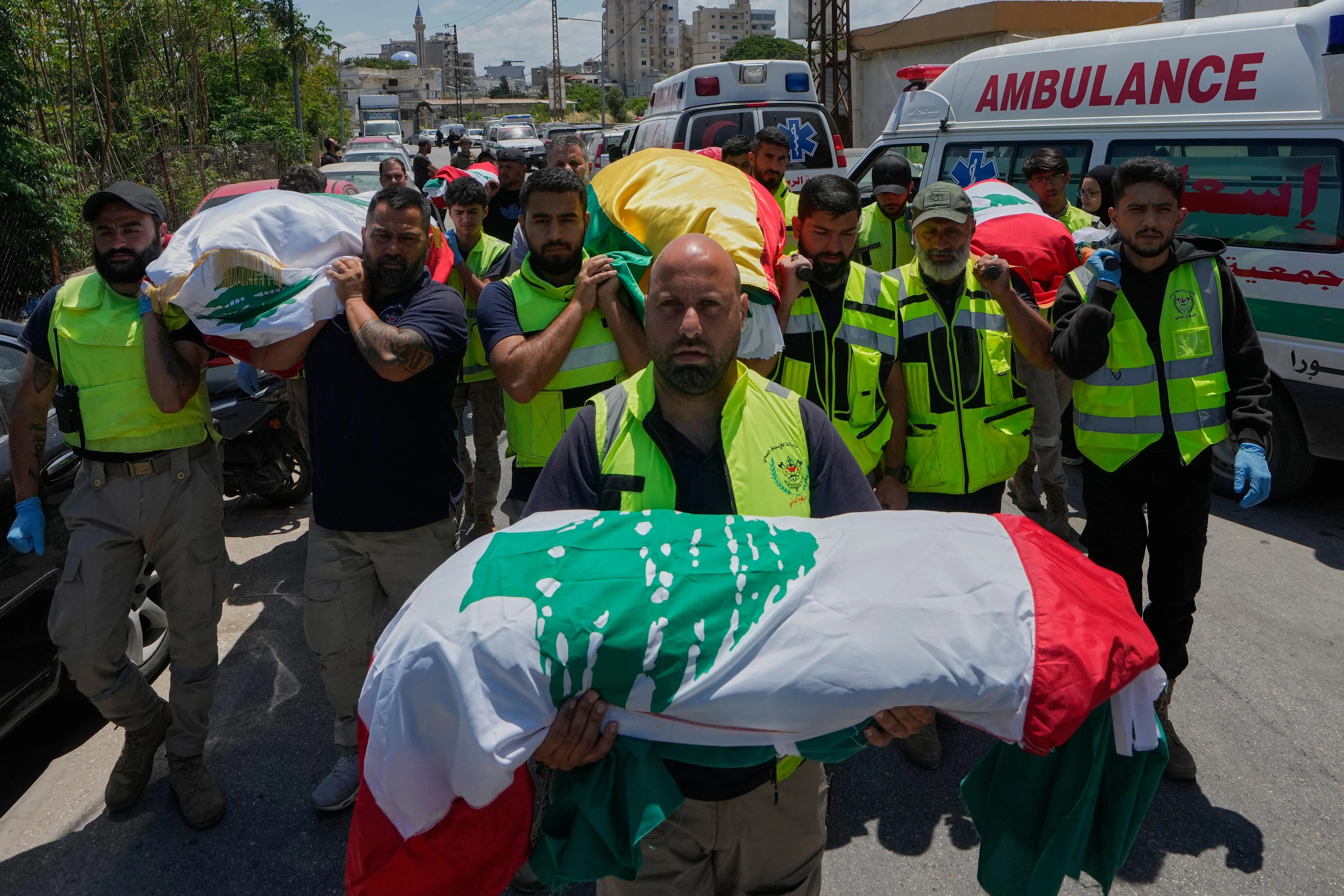
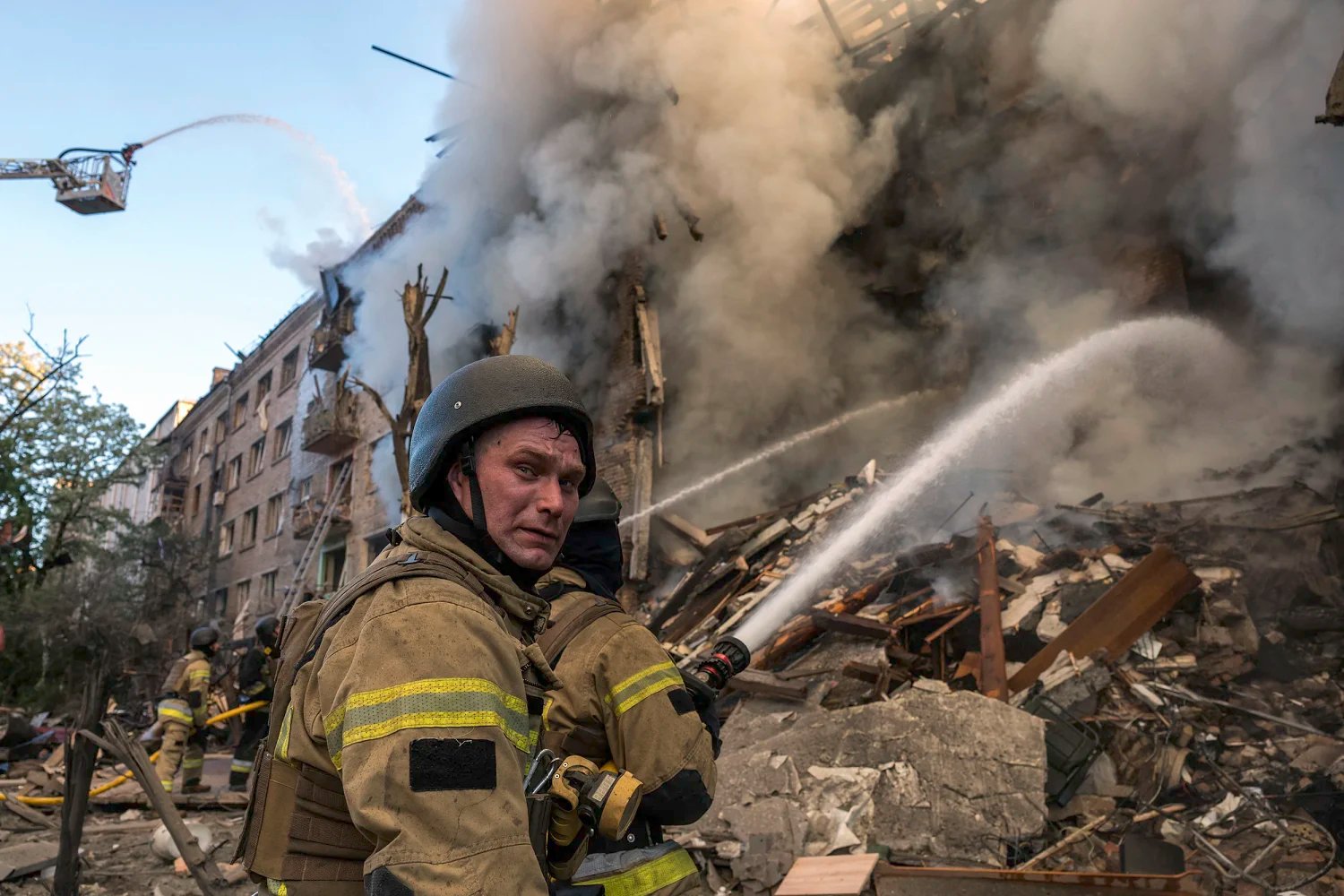
Rescue teams from Venezuela, Chile, the United States, Portugal, Costa Rica, El Salvador, and Mexico worked around the clock for three days once they located Gil. Cristian Vera, the leader of the Chilean rescue team, told AFP that rescuers eventually dug a three-metre tunnel to extract him. "This is a rather complicated structure to access," Vera said. "It wasn't easy to reach the exact spot where the victim was located."
The operation pushed the boundaries of rescue work. A Chilean firefighter described it as "without doubt the most complex and technically difficult which I've had to tackle." Rescuers used a telescopic camera to communicate with Gil, provided water via a hose, and inserted a tube through the rubble to supply oxygen. They delivered more than 10 litres of water to keep him hydrated. Parts of the access ducts collapsed several times, highlighting dangers to both the rescuers and Gil.
Overnight, search teams established visual contact. In footage recorded by a small camera inserted into the rubble, Gil appeared with one bloodshot eye, wearing a face mask and goggles that rescuers had passed to him to protect him from dust and debris. Marco Antonio Franco from the Mexican Red Cross described Gil as "a cheerful man" who even requested hydration drinks of specific flavours. "He himself drives us on, telling us to carry on," Franco told Mexican news site Milenio. "He recognises our team members, saying 'how nice that you came back and that you're with me again'."
The human toll beyond one rescue
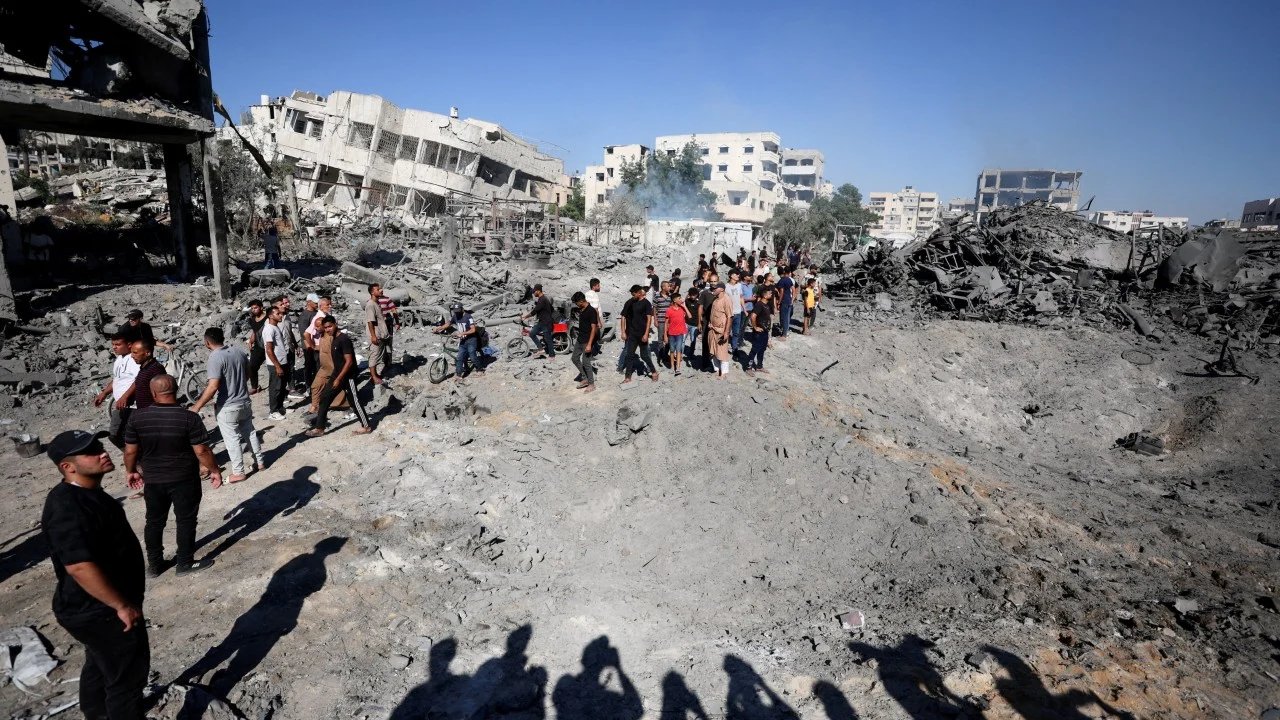
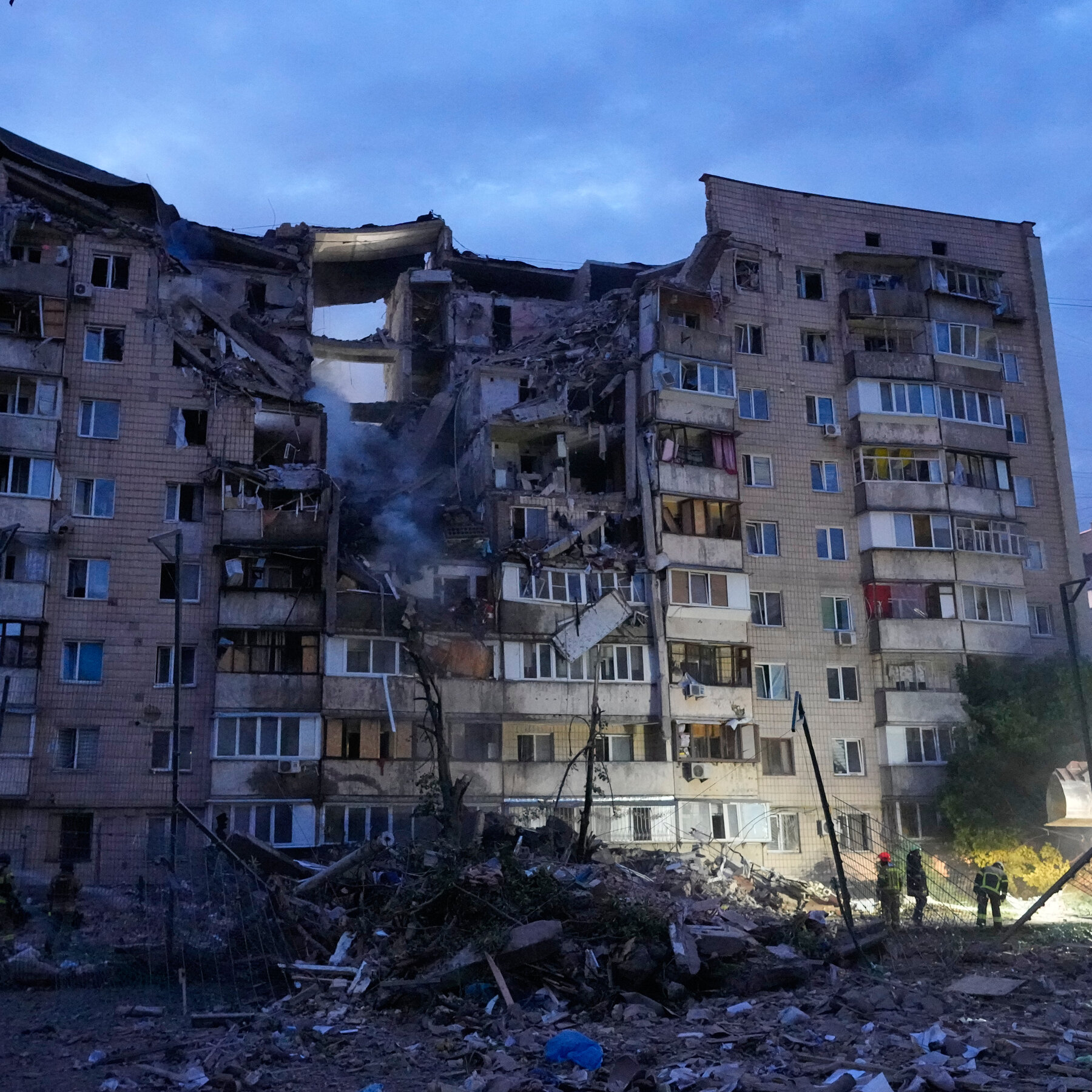
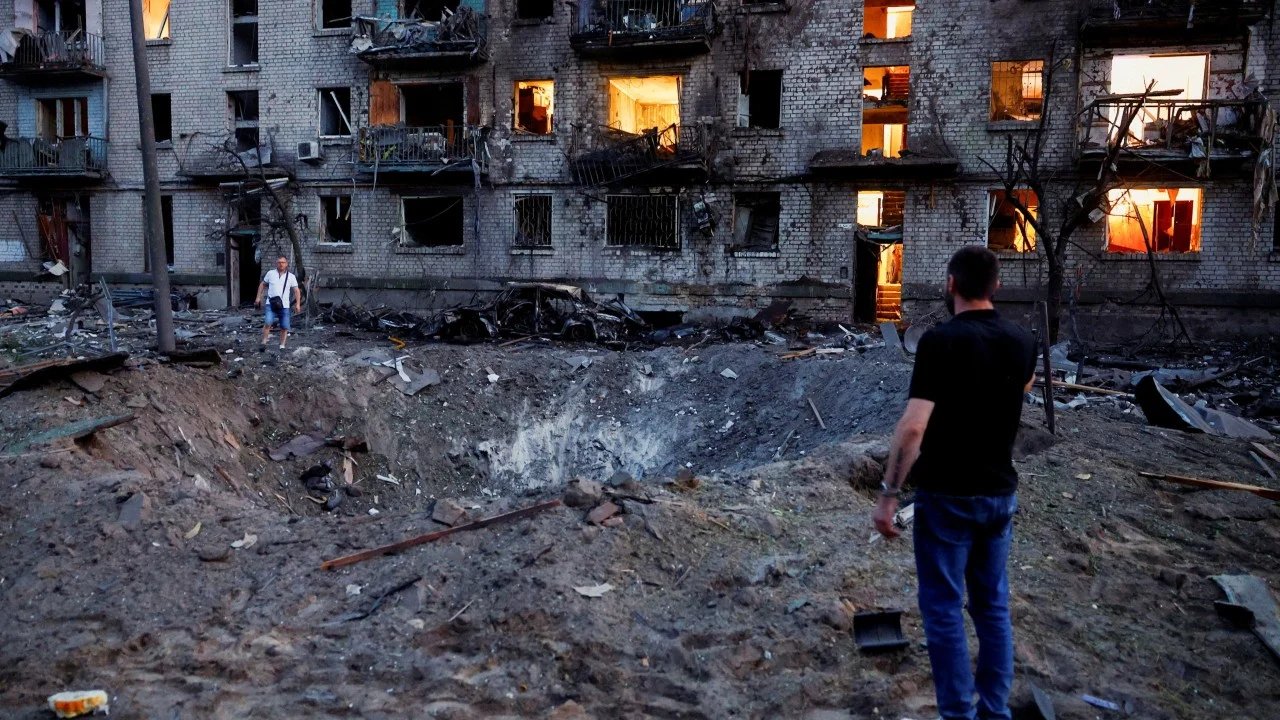
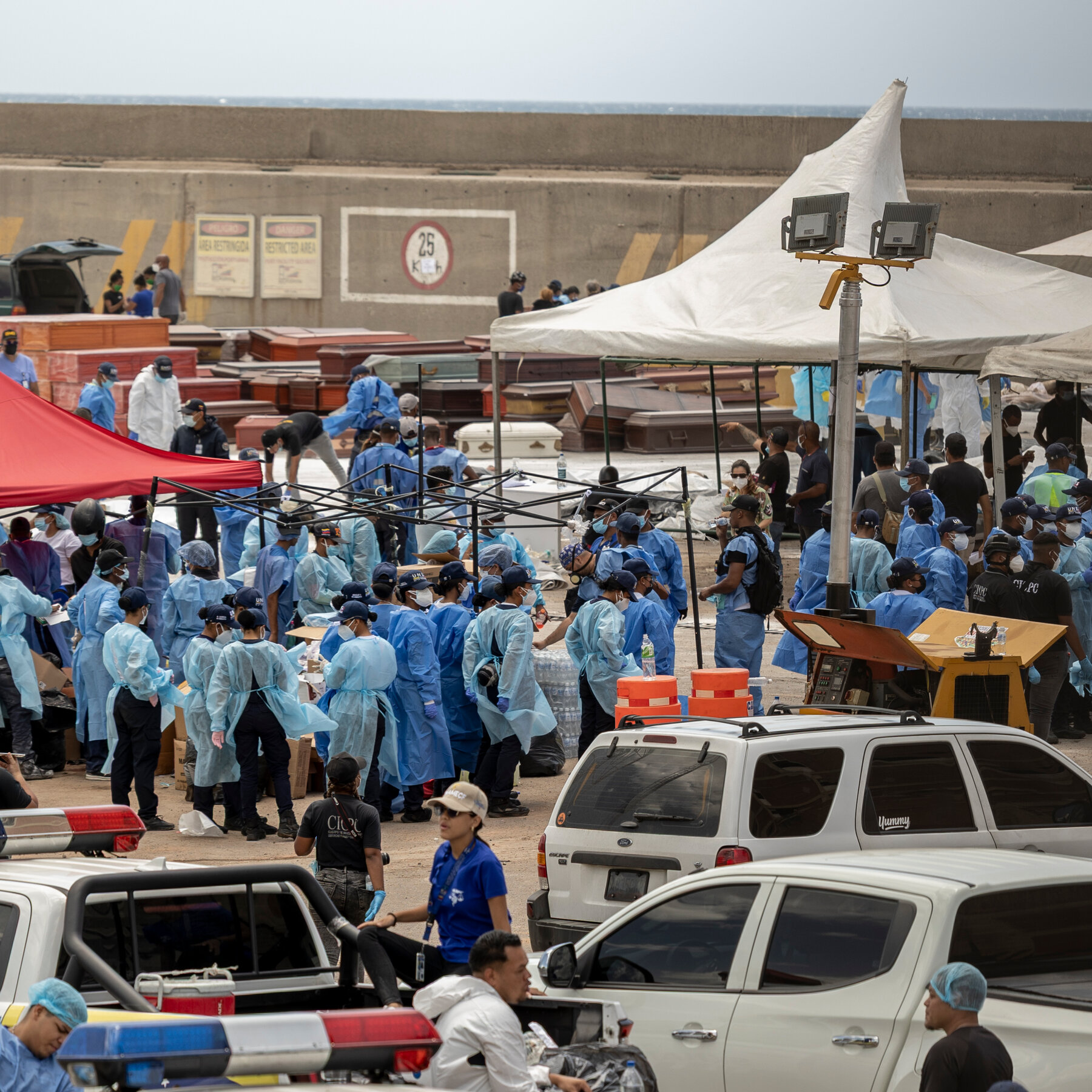
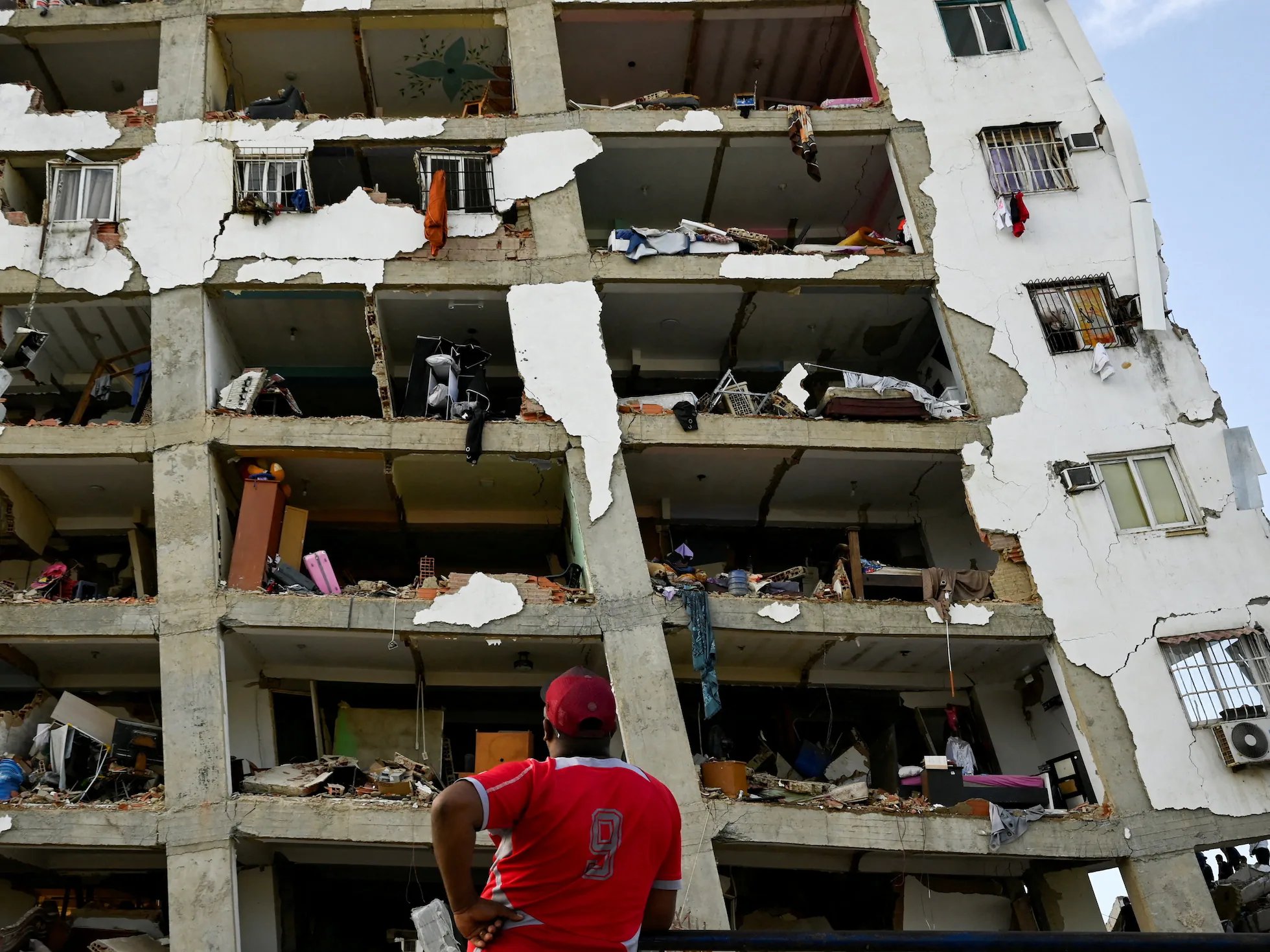
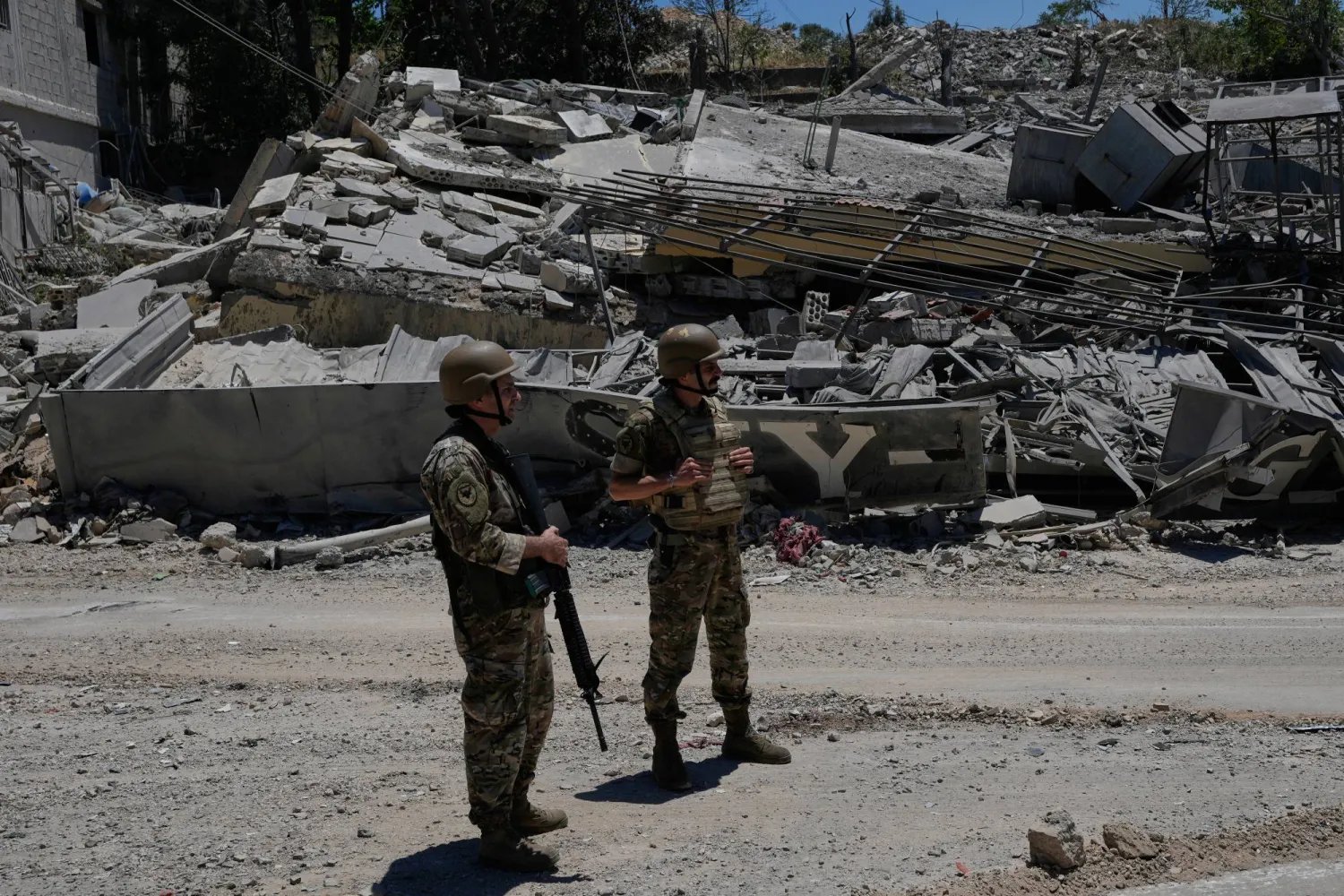
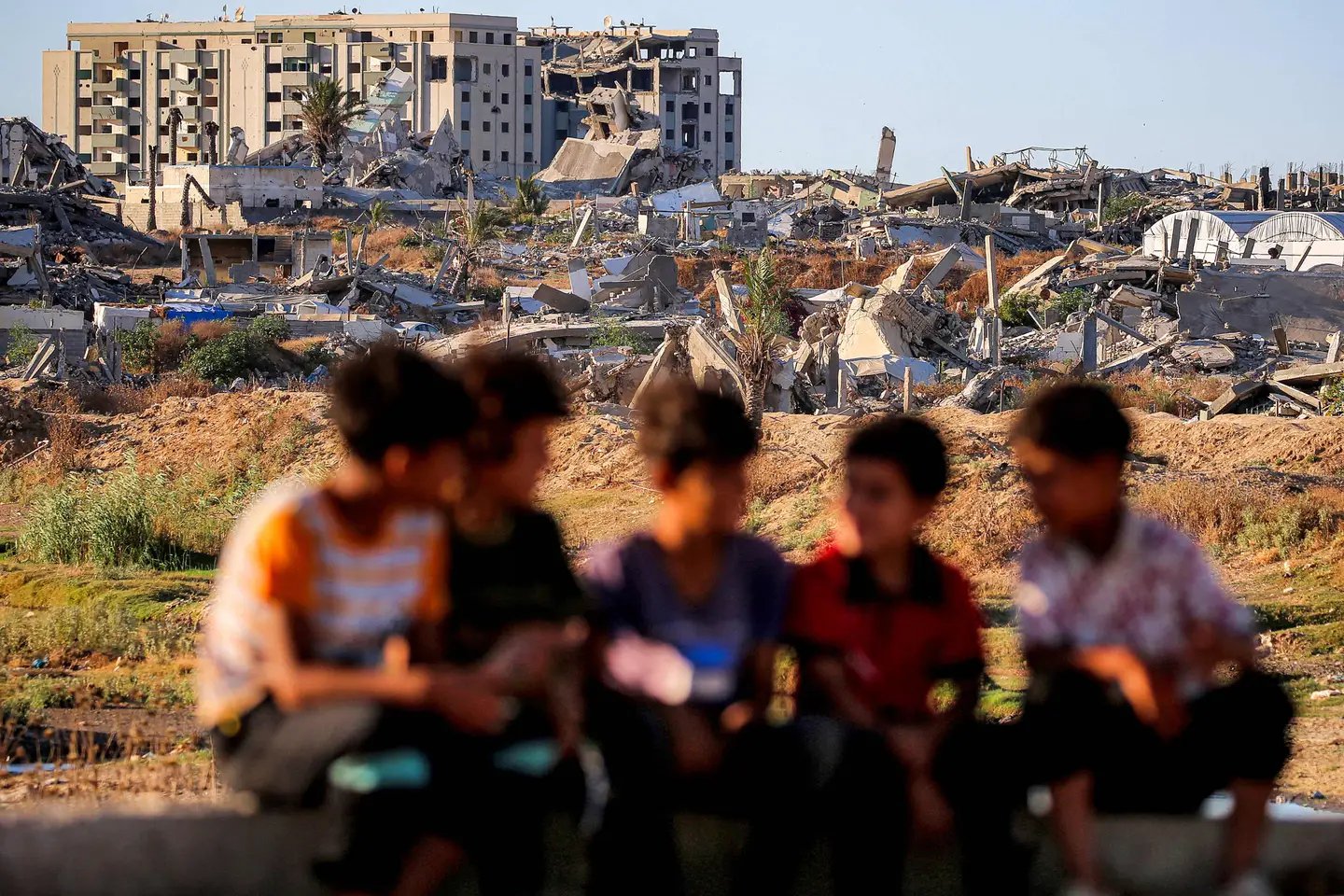
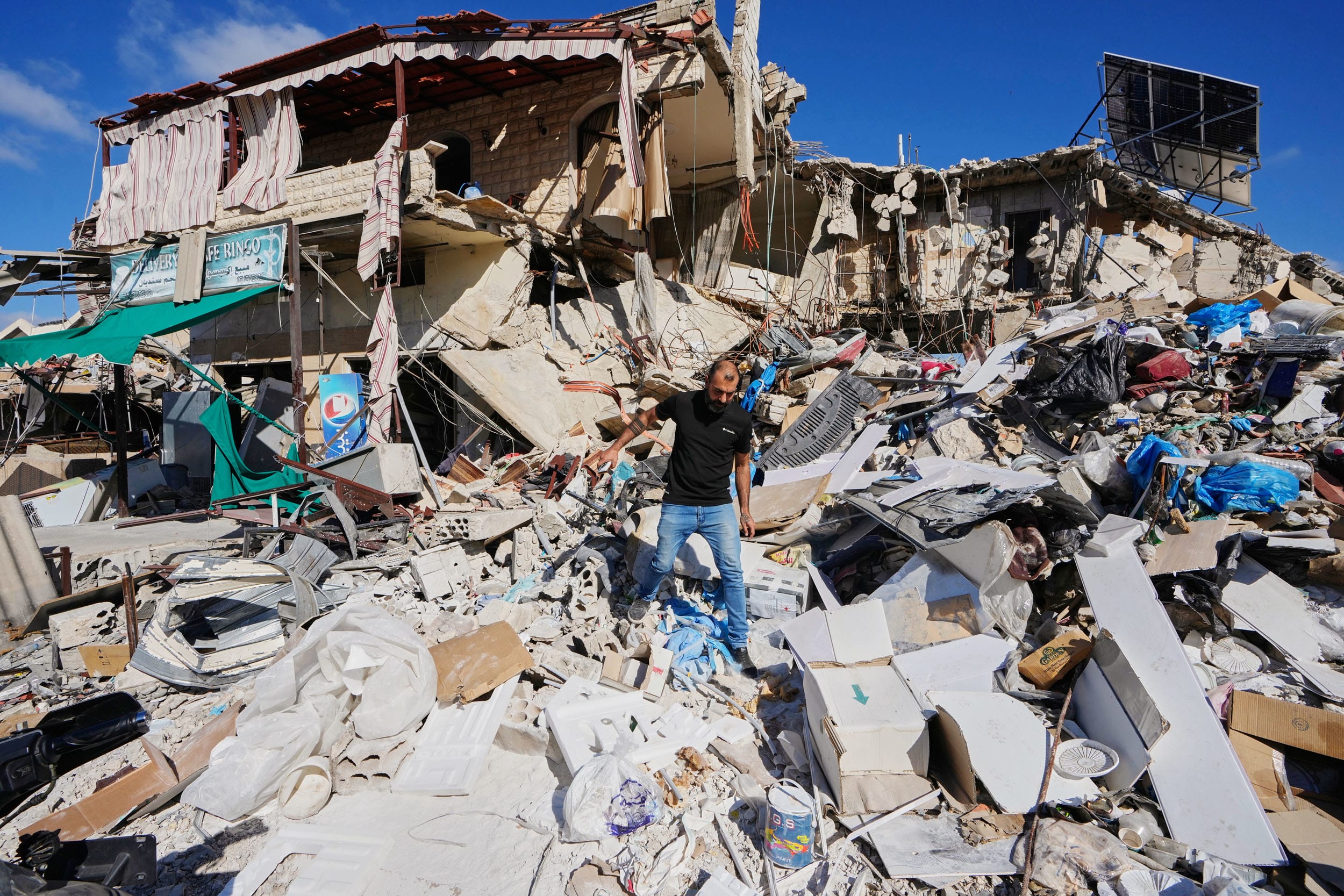
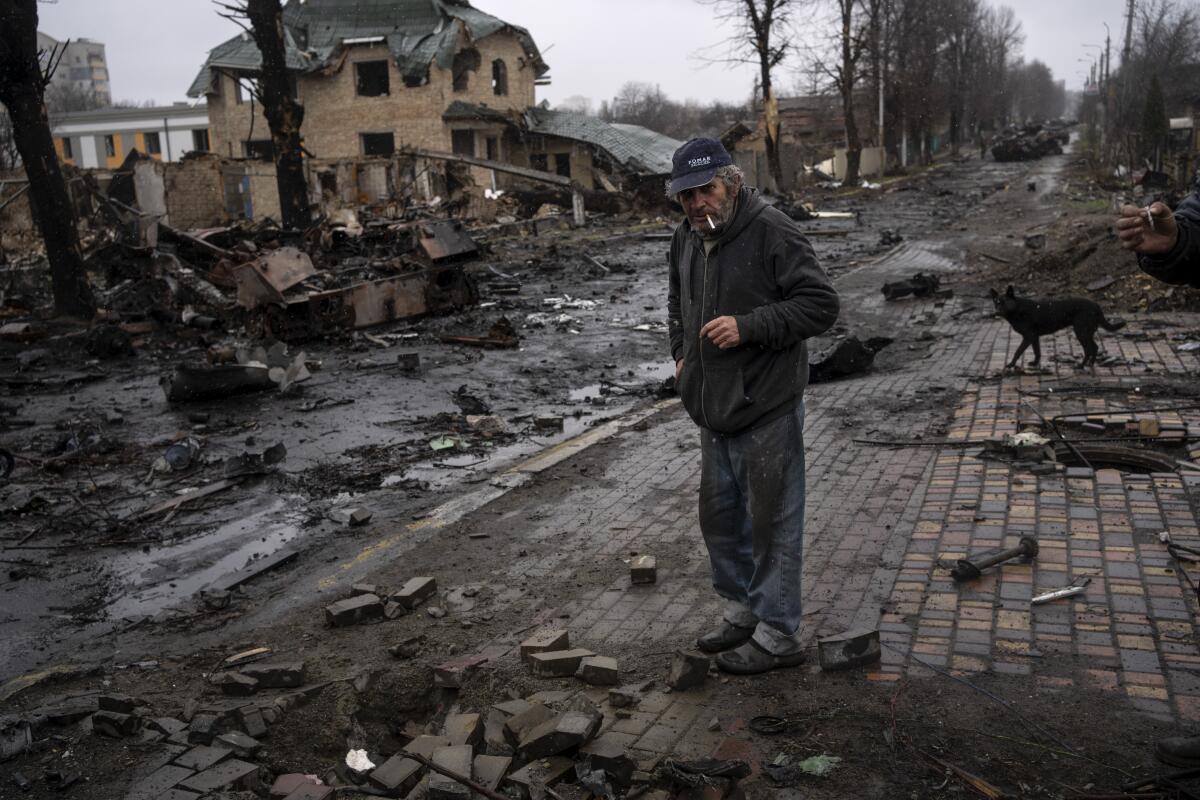
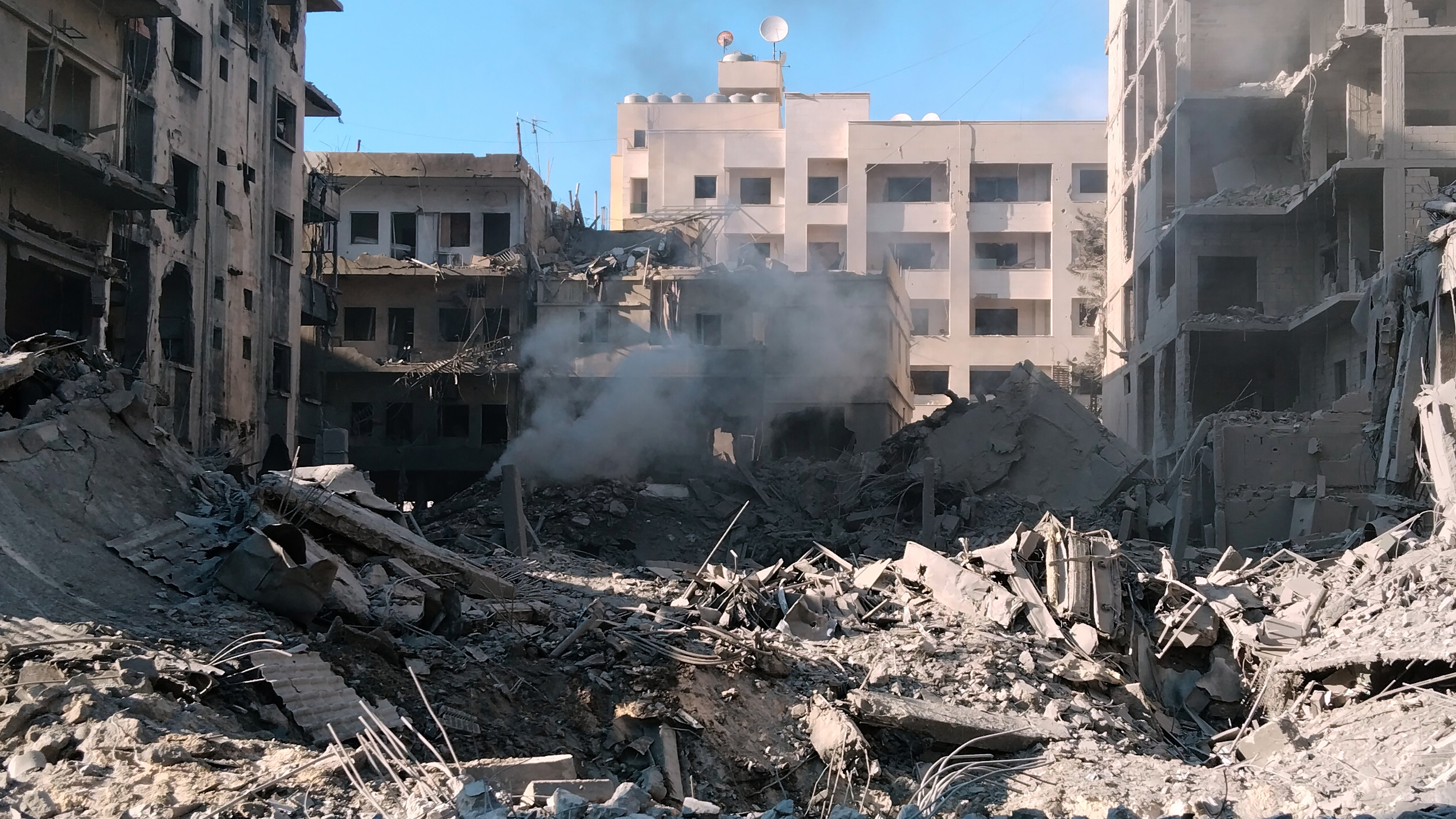
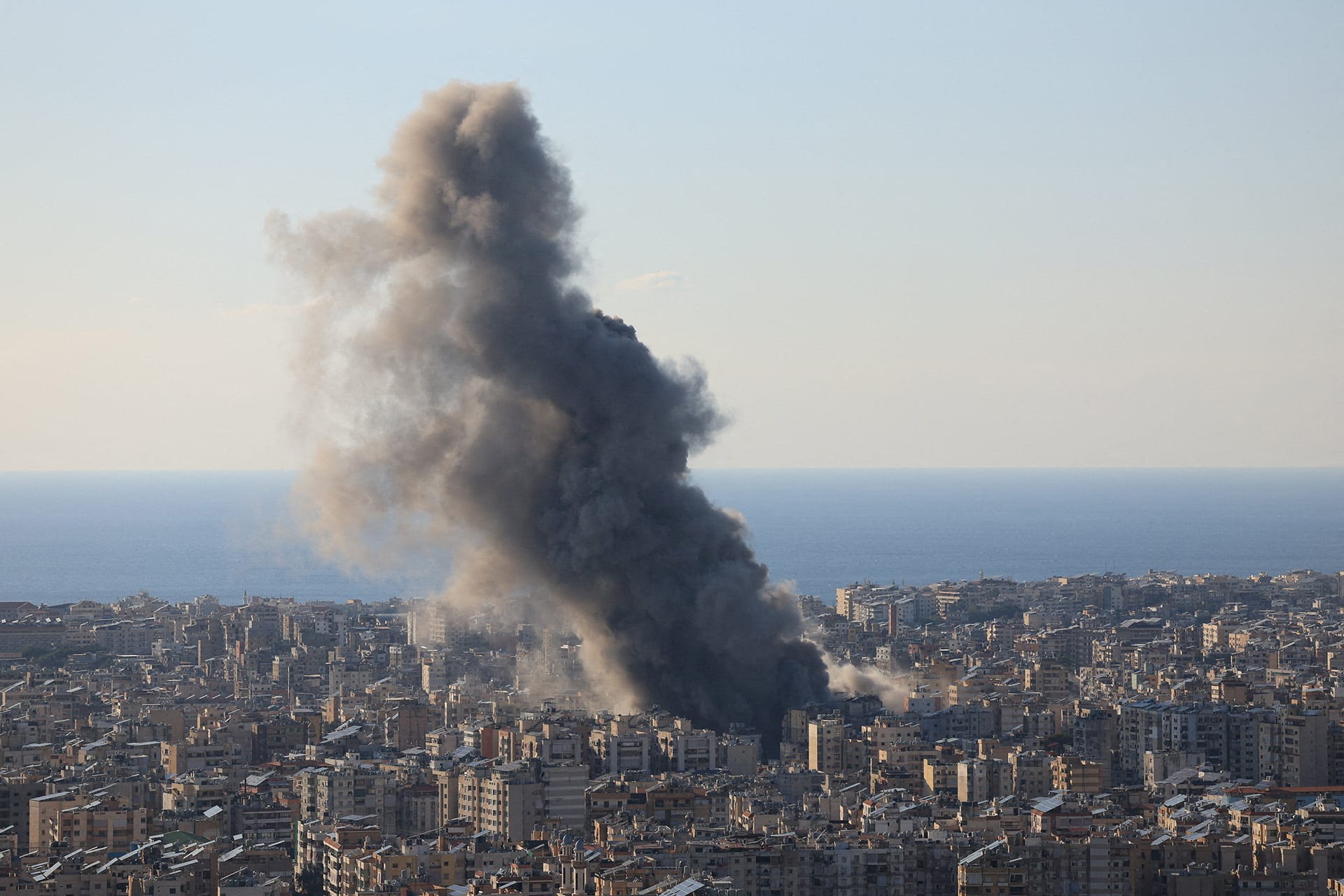
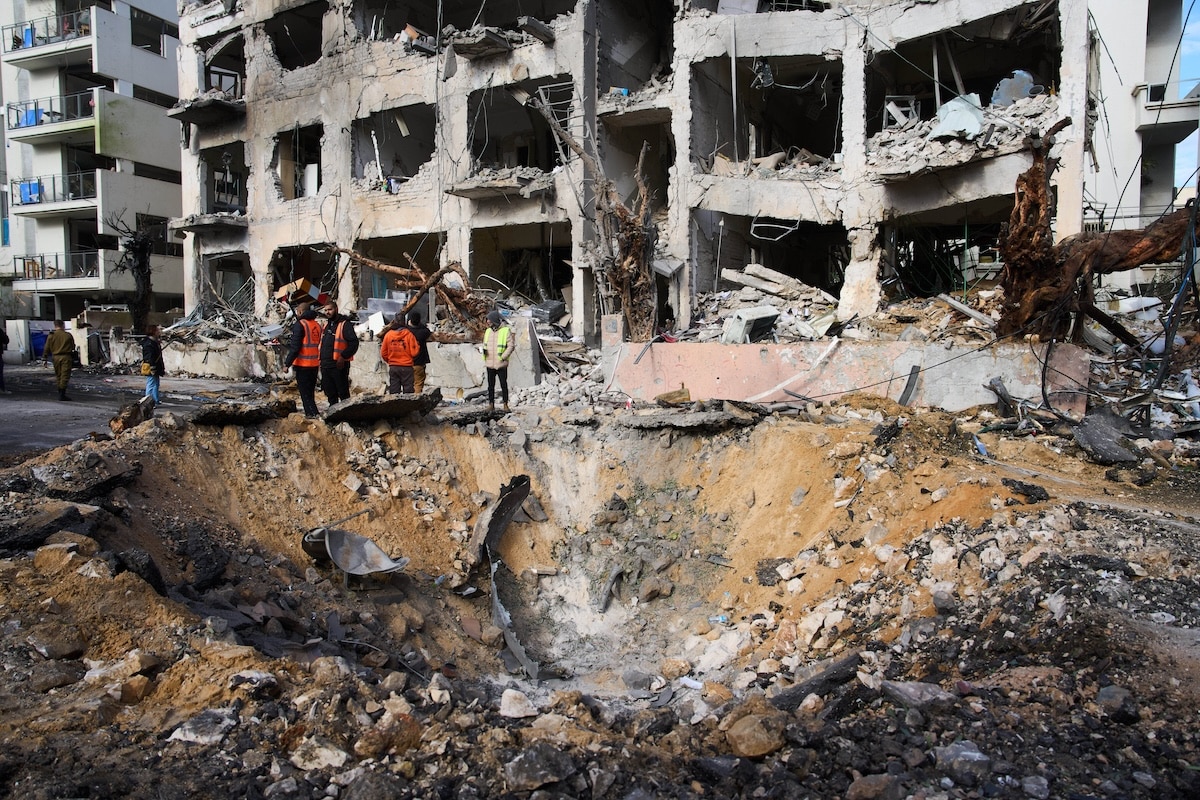
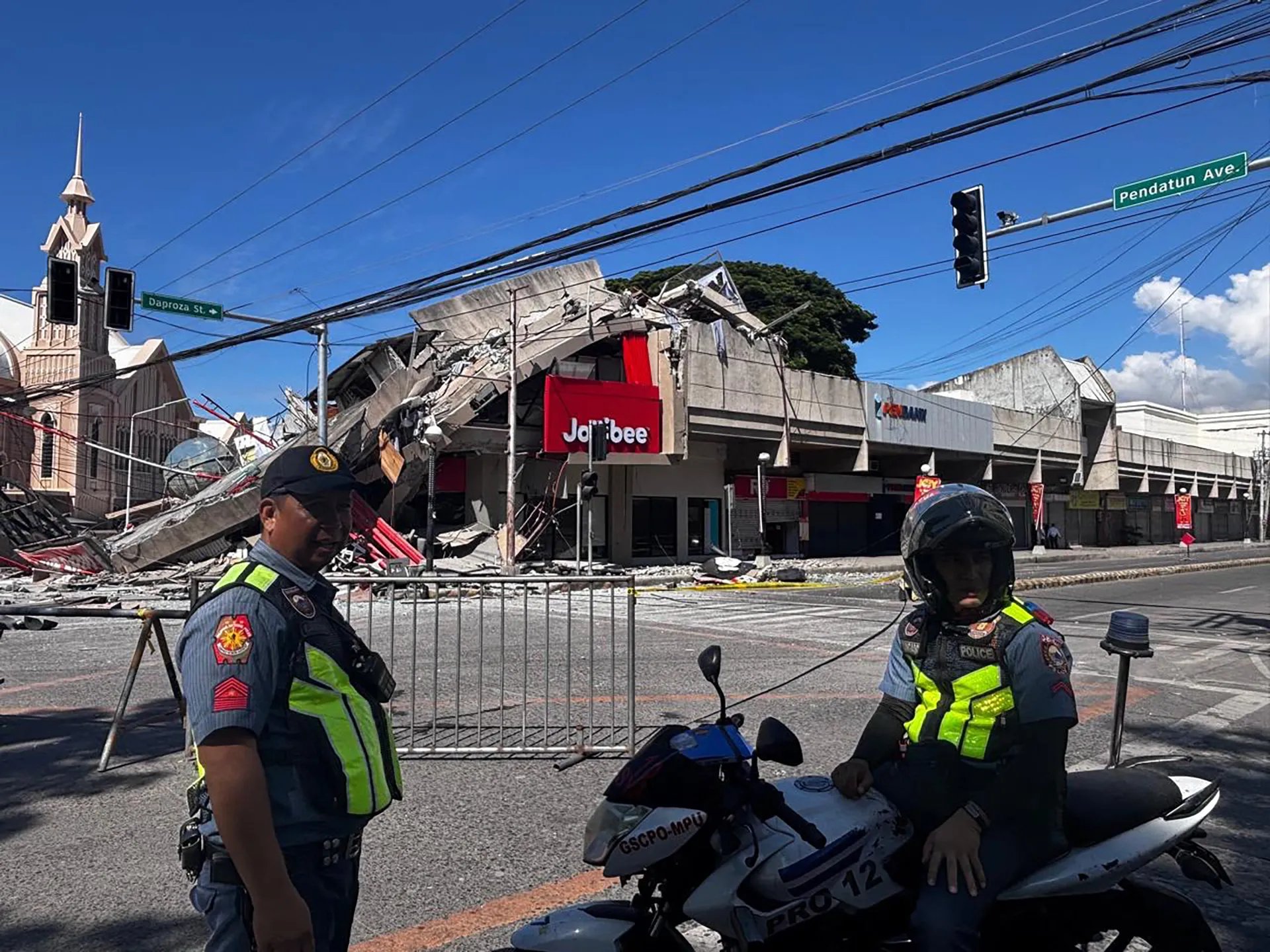
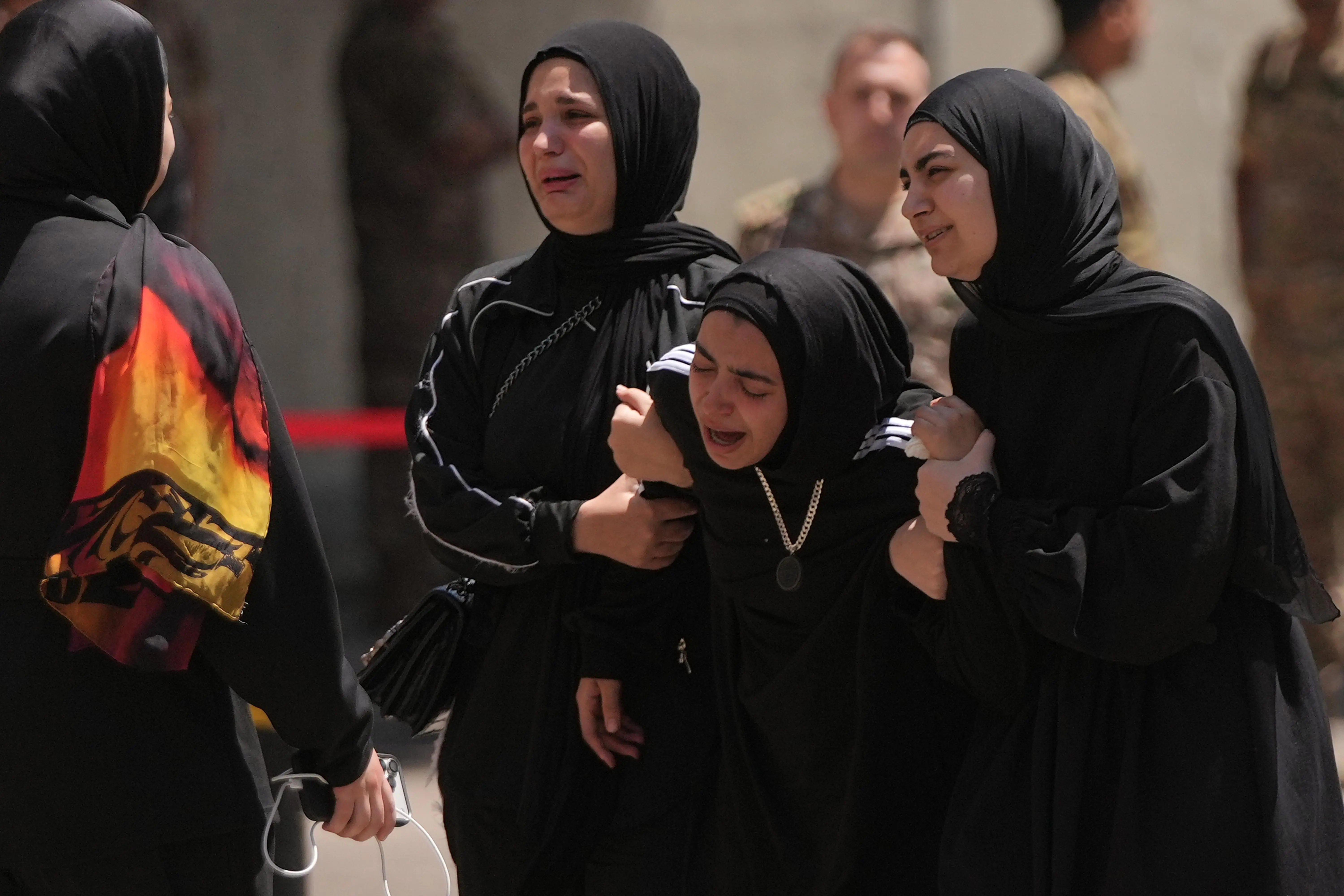
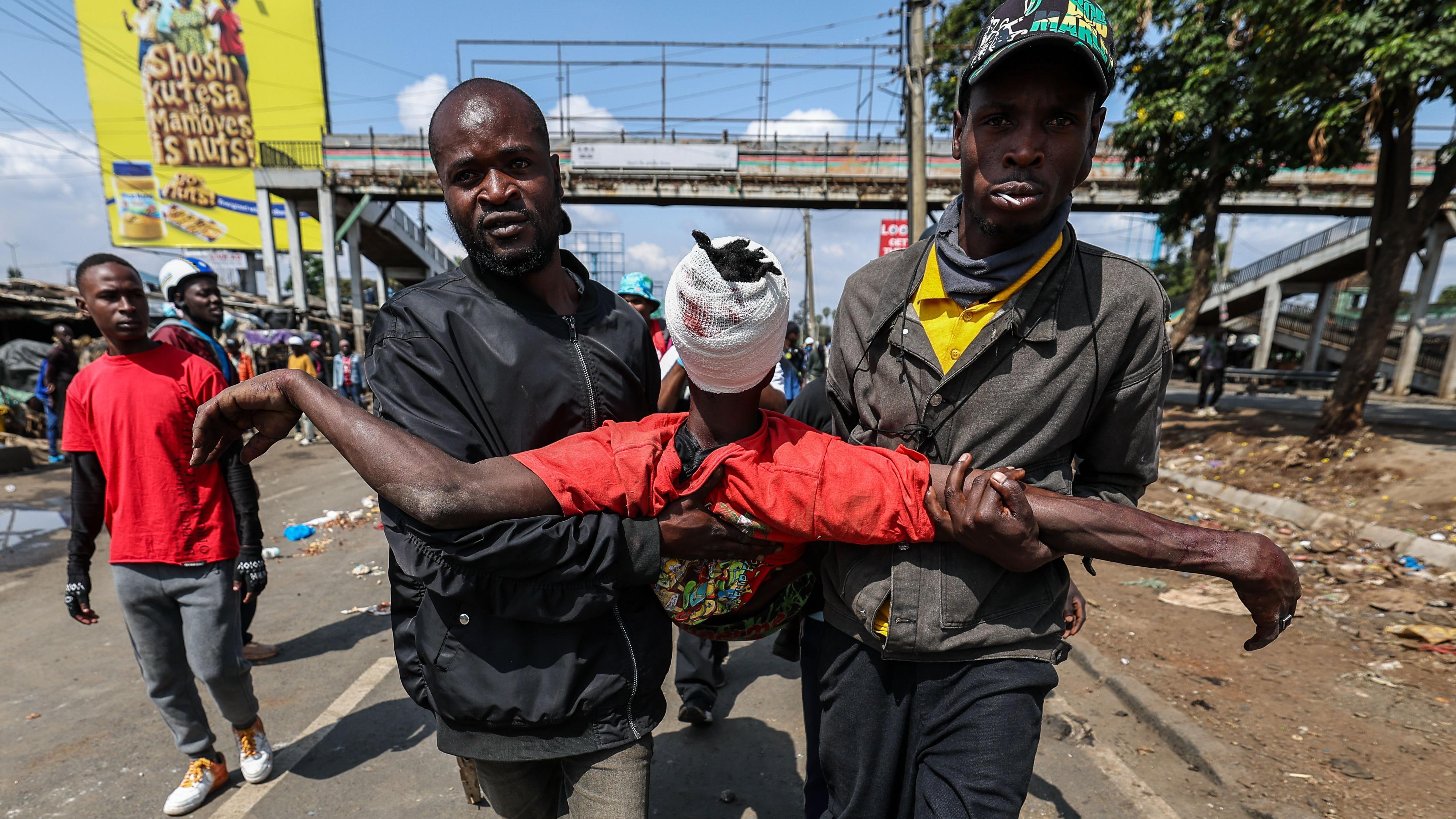
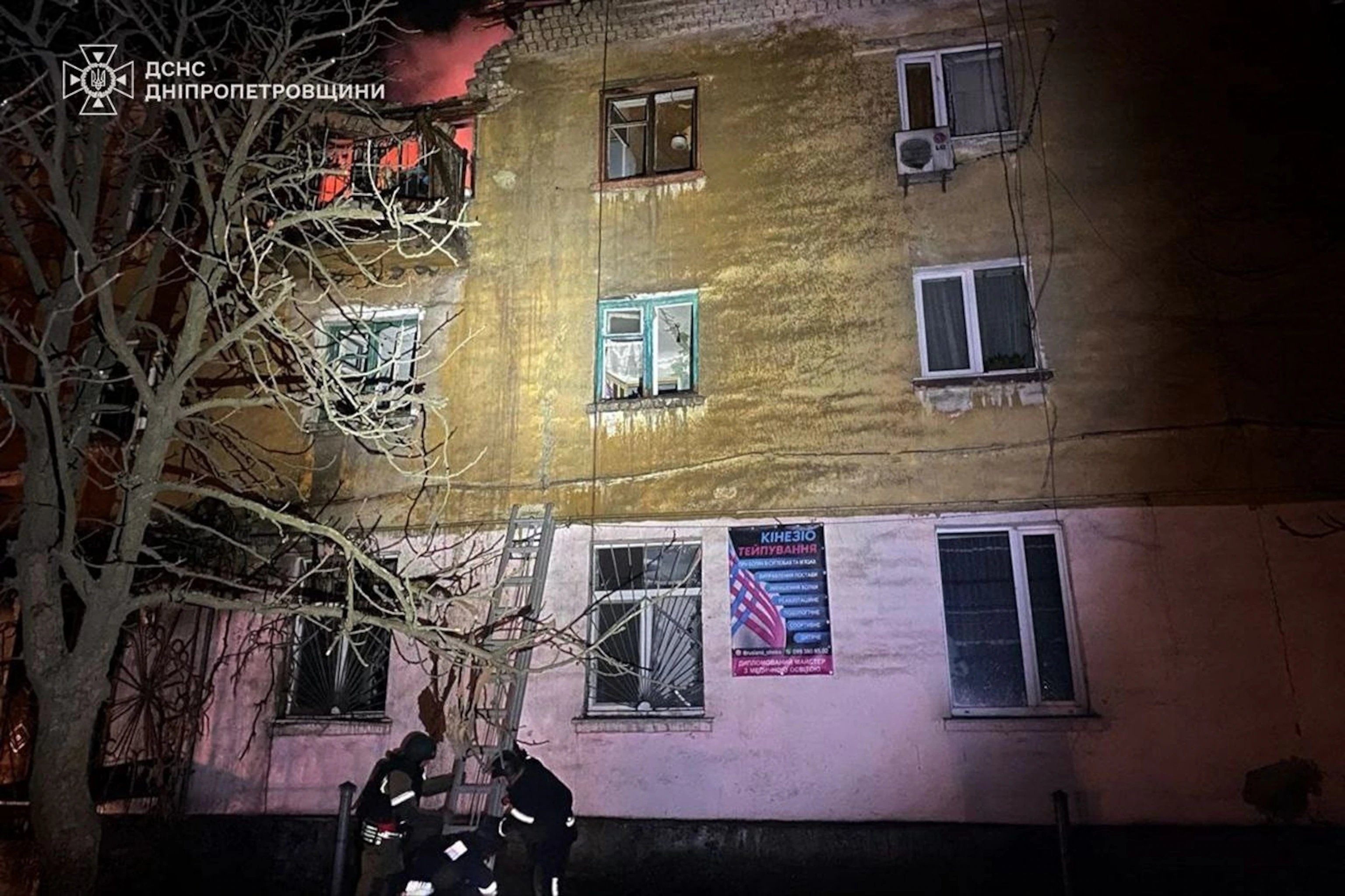
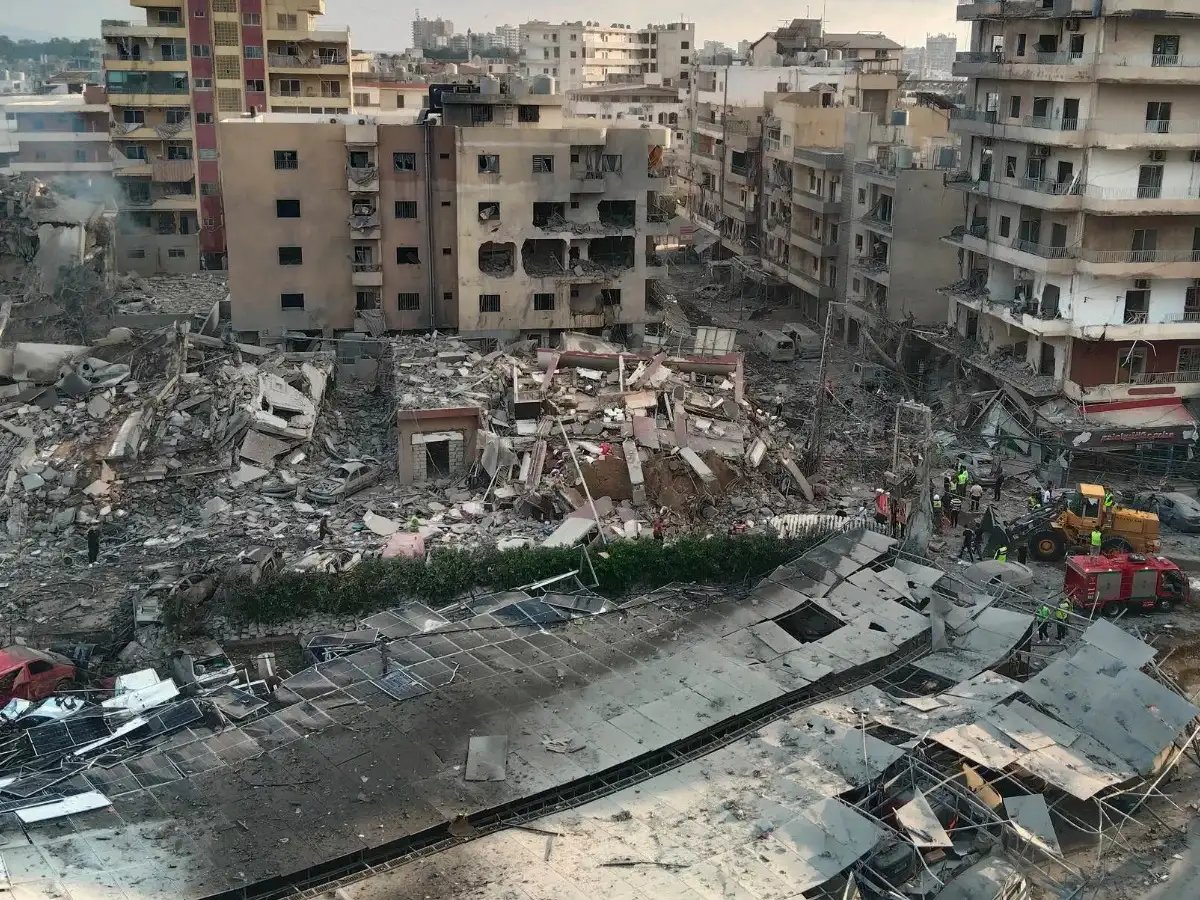
The rescue offered a fleeting moment of hope in a catastrophe of staggering scale. Venezuela's National Assembly President Jorge Rodriguez said at least 2,295 people have been confirmed dead. More than 11,000 others were injured. Almost 60,000 buildings were damaged or destroyed, according to NASA data, leaving 13,000 people homeless. An unofficial but widely used online list says tens of thousands of people remain unaccounted for.
As cleanup continues and the chances for rescues dwindle, attention has shifted from finding survivors to addressing humanitarian needs. Al Jazeera correspondent Zein Basravi reported from La Guaira that many collapsed buildings have already been marked with the letter D for "deceased," signalling no signs of life. A search-and-rescue expert told Basravi that with 58,000 buildings destroyed or damaged and days passing since the earthquakes, "it is less and less likely that anyone can be found alive."
The cost ahead
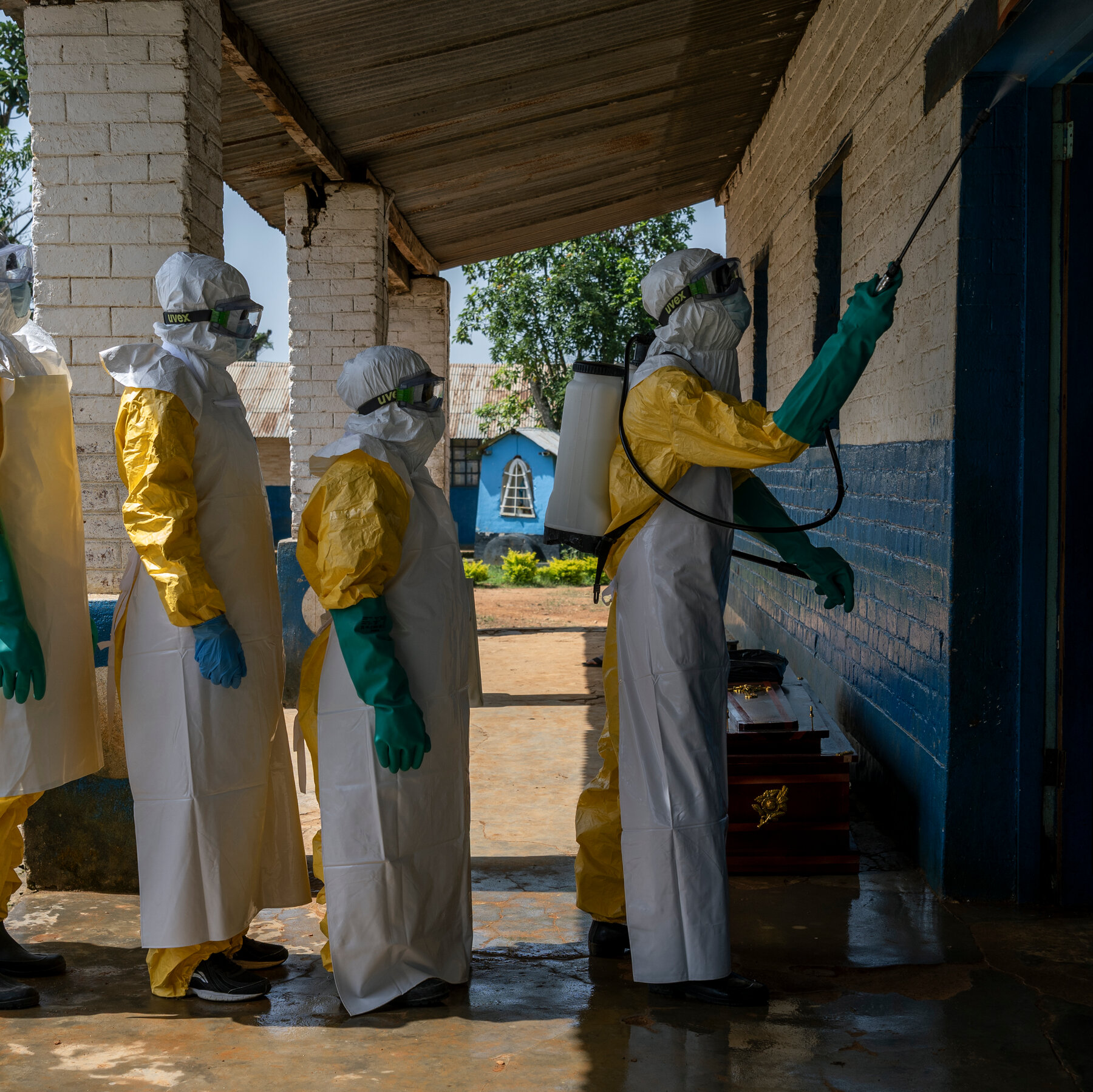
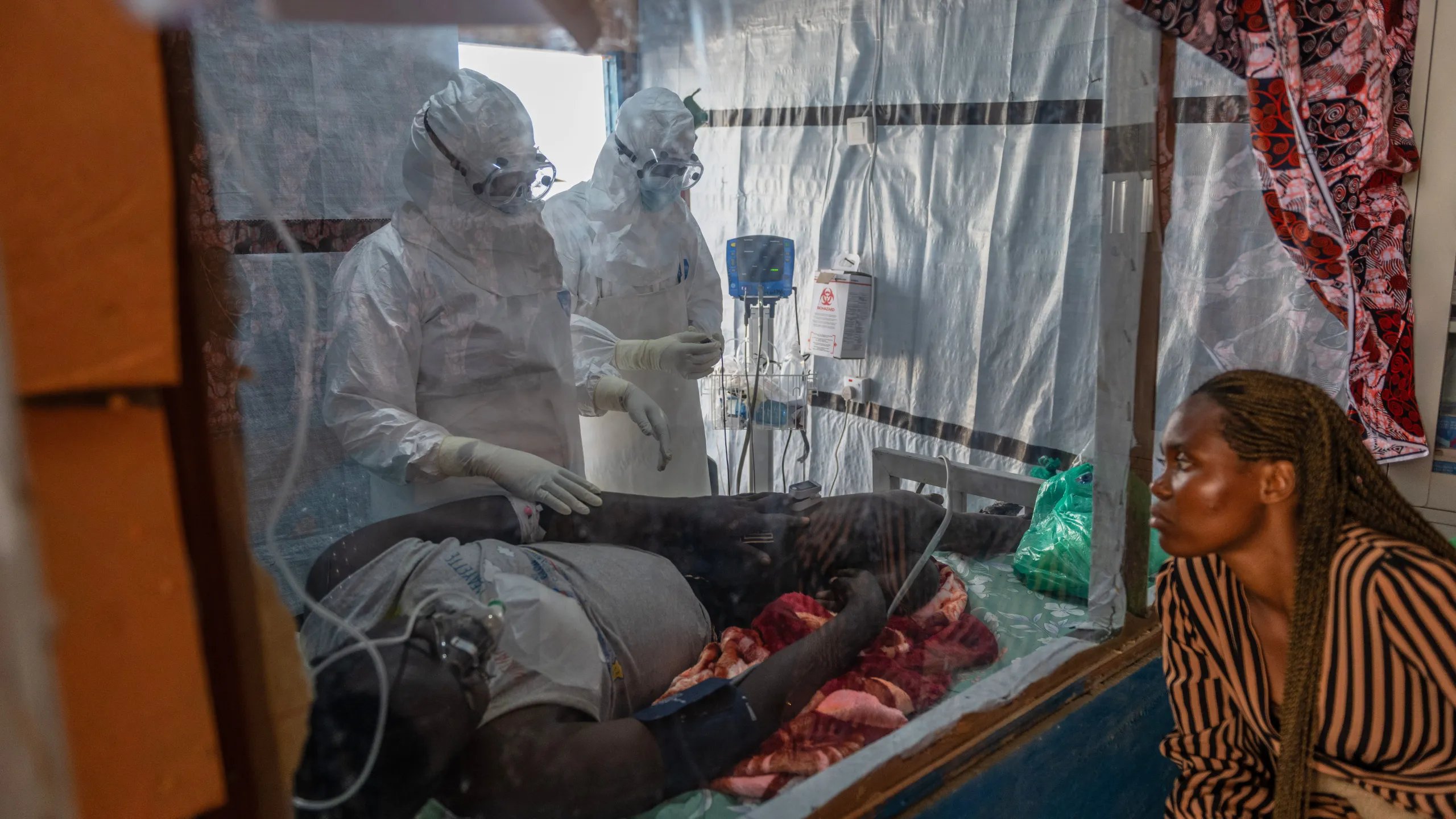
The World Food Programme has appealed for $50 million to feed some 500,000 people for three months. The United Nations Development Programme has put the estimated cost for physical damage at $6.7 billion based on satellite imagery. The United States has pledged $300 million in aid. Humanitarian workers have warned that the aftermath could trigger a health crisis, as understaffed medical centres face cases of untreated injuries and infectious disease. Venezuela's health system has been strained for years by shortages of critical medical equipment, highly trained staff, and electrical power.
Gil's wife, Gusbimar Gonzalez, expressed astonishment at the international response. "I am completely surprised. It's the first time I've seen so many countries come together like this for a single cause, to save one person," she told AFP. "This is truly a miracle." For Venezuela, the real test lies in the months ahead, when the focus shifts entirely from rescue to rebuilding a nation already weakened by two decades of economic hardship.