




Trump Administration Escalates Pressure Over Human Rights
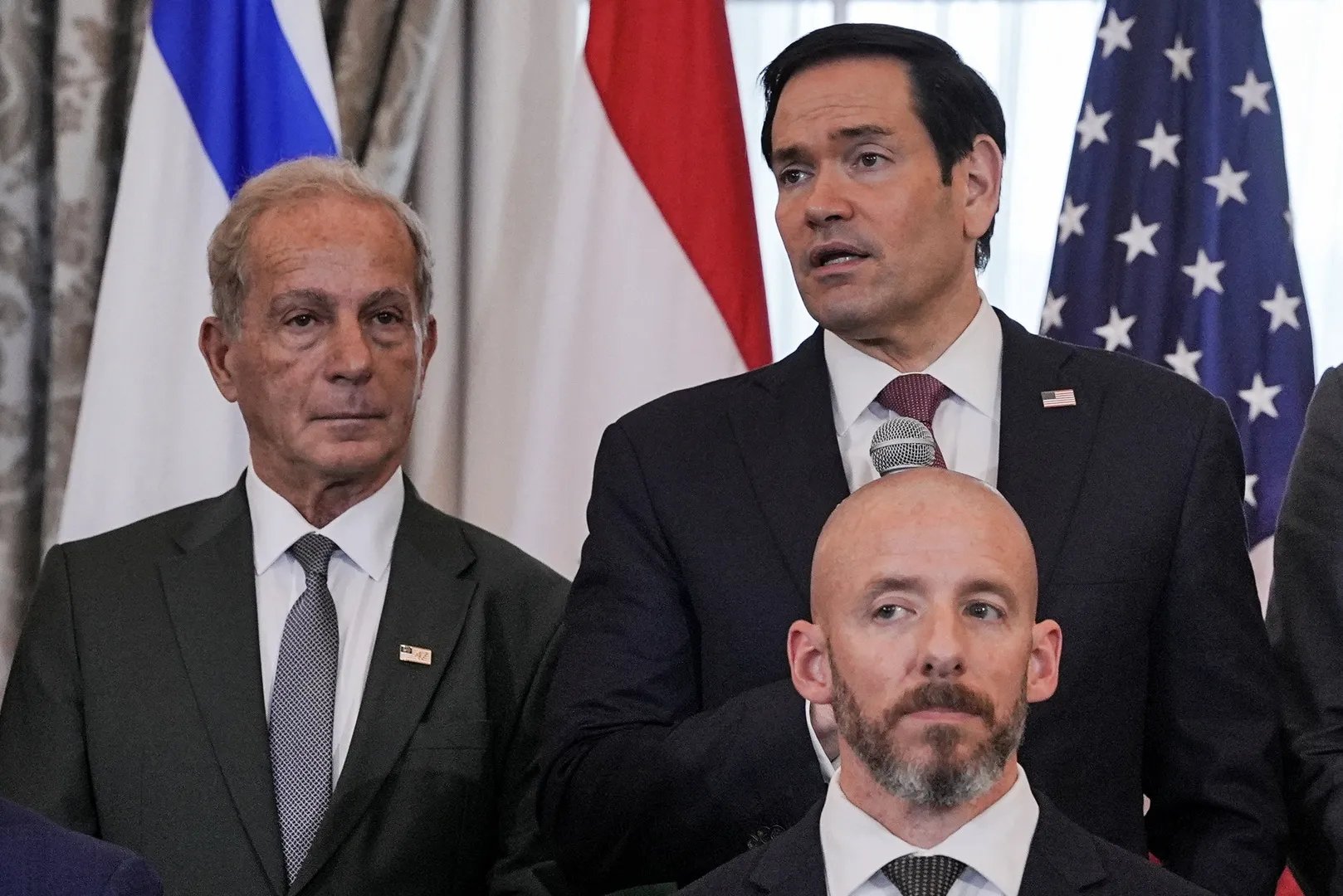
The Trump administration imposed travel restrictions on more than 100 Nicaraguan officials and their family members on Monday, escalating sanctions against the government of President Daniel Ortega and his wife, co-president Rosario Murillo. Secretary of State Marco Rubio described the move as a response to what he called "horrific" circumstances surrounding the death of Indigenous activist Brooklyn Rivera, who died in government custody last month. The new restrictions bring the total number of Nicaraguan officials barred from entering the United States to over 2,350.
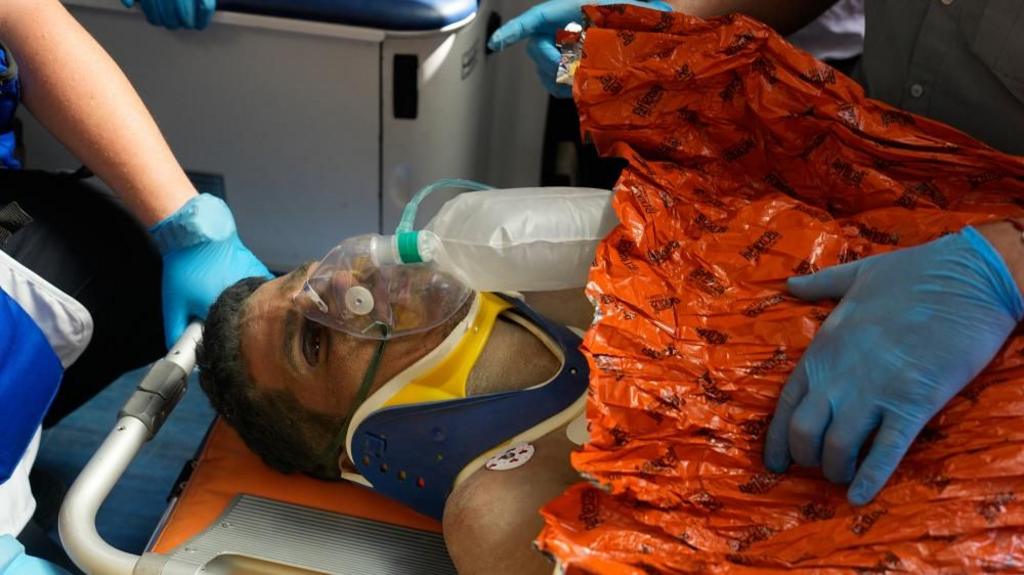
Rivera, 73, had been imprisoned since September 2023 with minimal contact with the outside world. The Nicaraguan government announced his death on May 31, citing organ failure, shortly after releasing photographs showing him bedridden and intubated in a medical facility. His daughter, Tininiska Rivera, issued a statement on May 27 denouncing the "undignified, inhumane and degrading conditions" of his detention, noting that her father had left his home in optimal health when arrested.
UN Calls for Independent Investigation
A group of United Nations experts responded to Rivera's death by describing it as part of a "broader pattern of violations against Indigenous and Afro-descendant peoples" in Nicaragua. The experts called for an independent autopsy to determine the cause of death and the return of Rivera's remains to his family. Jan-Michael Simon, one of the UN experts, stated that "failure to conduct an independent investigation and return the remains reinforces the strong presumption of State responsibility for Brooklyn Rivera's death in state custody."
The UN group documented that 124 Indigenous leaders in Nicaragua faced arbitrary detention between 2018 and 2024. Rivera represented the Miskito, an Afro-Indigenous people living along the Caribbean coast of Nicaragua and Honduras. The US Bureau of Western Hemisphere Affairs reported that six of Rivera's family members and friends had gone missing, condemning their disappearance.
Decades of Conflict Over Indigenous Rights
Rivera's detention reflected longstanding tensions between the Ortega government and Indigenous leaders. He had fought the first Sandinista government in the late 1970s as part of the Misurasata armed group, later going into exile. In 2023, after addressing a UN forum in Geneva where he criticized the Ortega government, he was banned from re-entering Nicaragua but smuggled himself back into the country to live in hiding. Authorities arrested him on terrorism-related charges.
Broader Campaign Against Dissent
The restrictions on Rivera's death come as part of a wider crackdown by the Ortega-Murillo government on perceived opponents. Since 2018, when widespread anti-government protests erupted, the government has restricted nonprofits, church groups and media outlets. Human Rights Watch estimated in a 2025 report that nearly 5,600 non-governmental organizations have been forced to close since 2018, with approximately 1,500 terminated on a single day in August 2024 after their legal status was abruptly cancelled.
In 2023, the government also expelled political prisoners abroad and stripped them of their citizenship and property. Rubio stated that the United States stands with Nicaraguan people who aspire to see a free Nicaragua, signaling continued pressure on the Ortega-Murillo administration through sanctions.