




Trump Administration Seeks $87.6 Billion in Emergency Funding
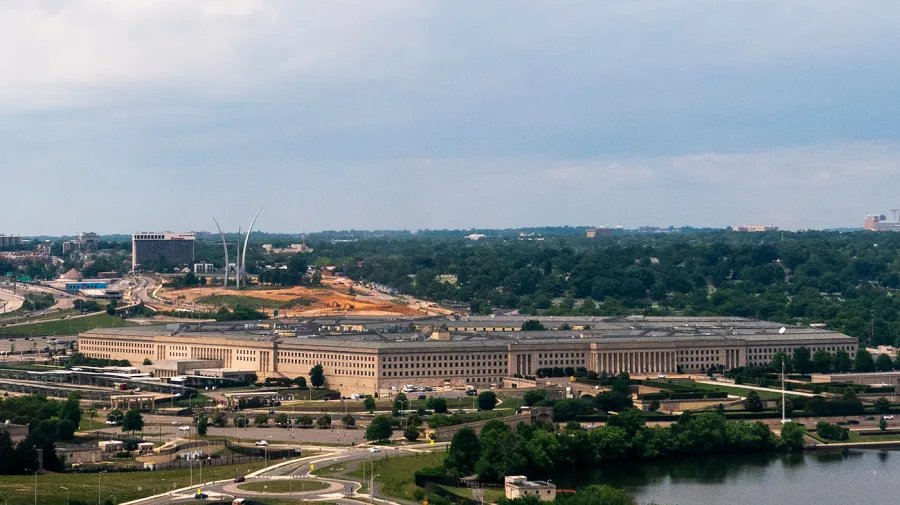
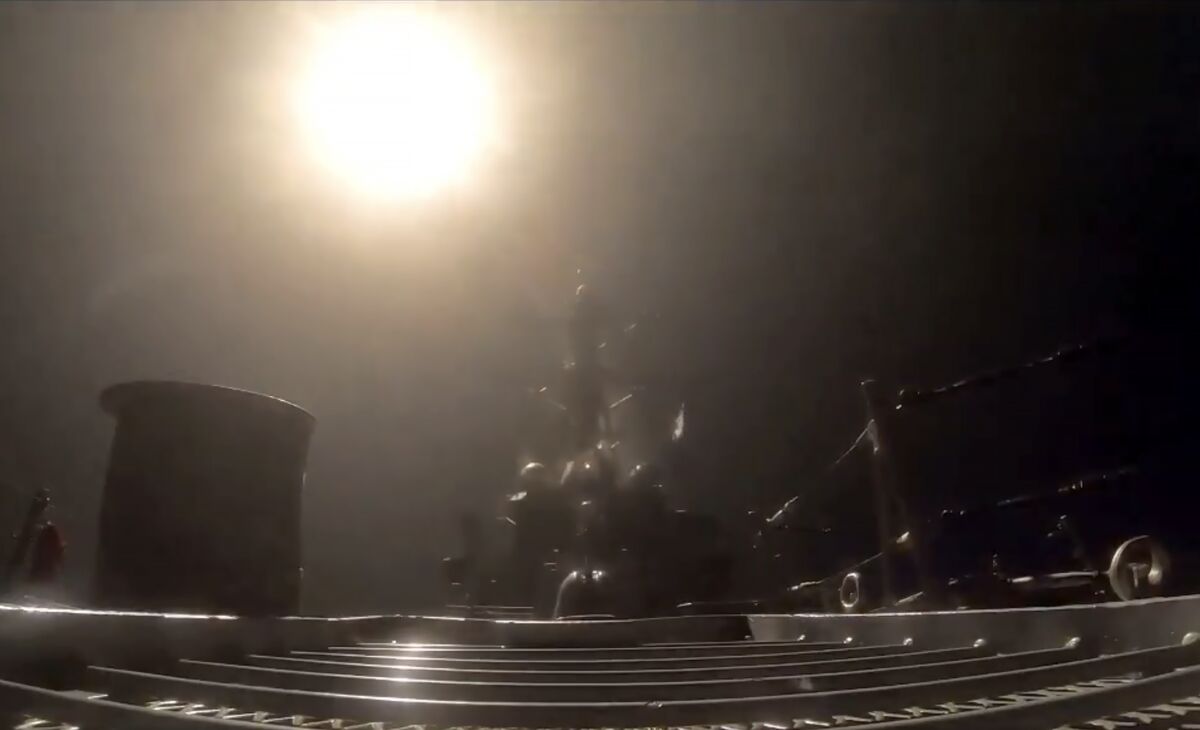
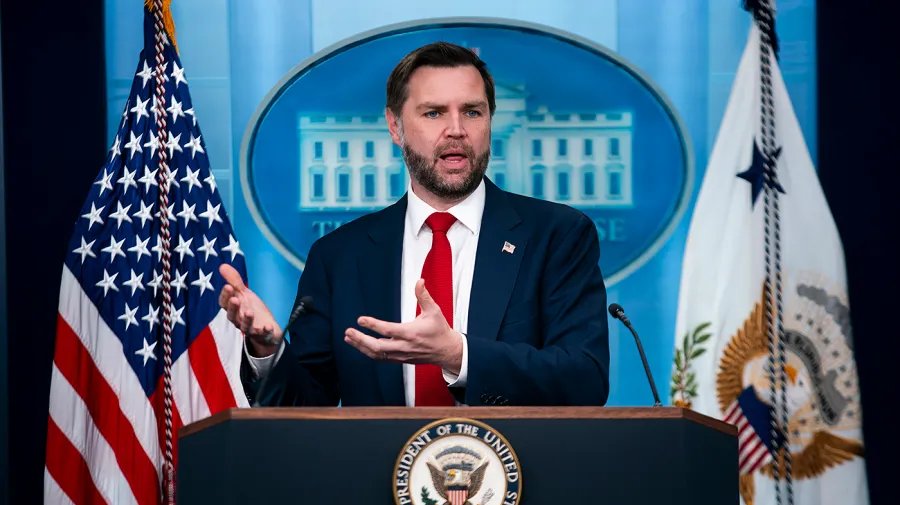
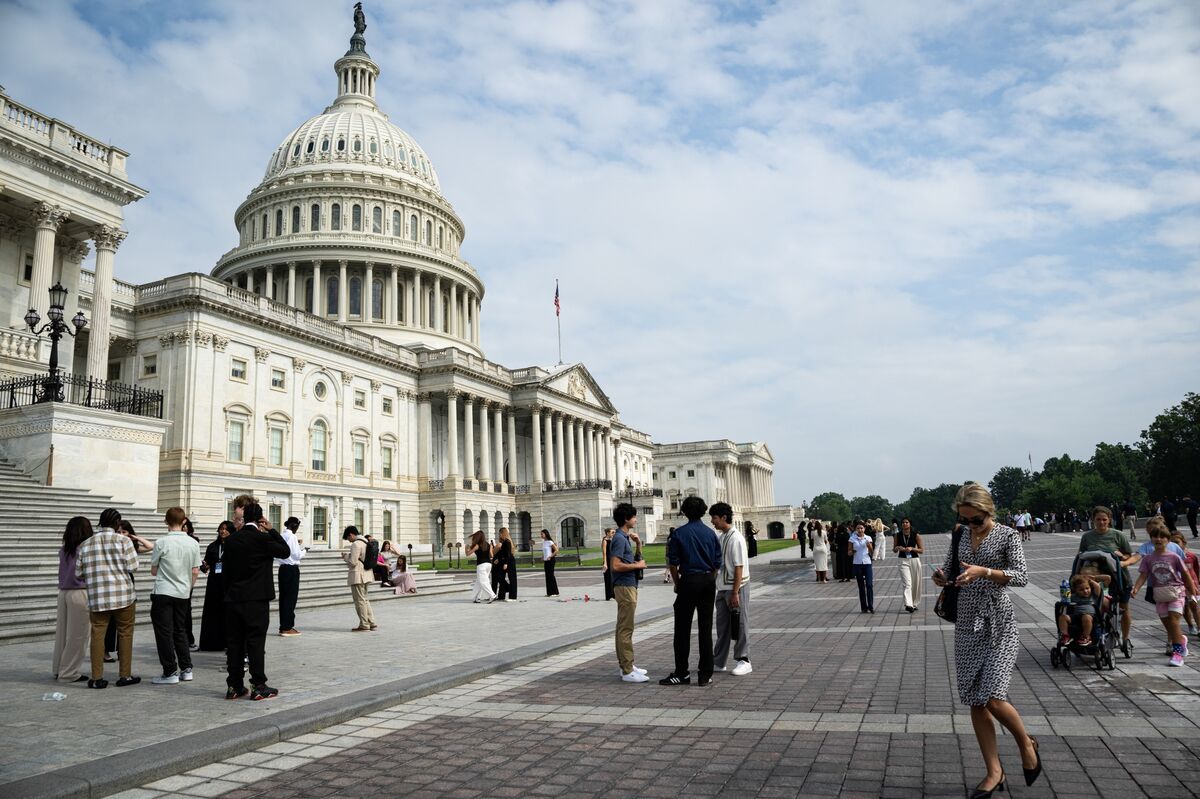
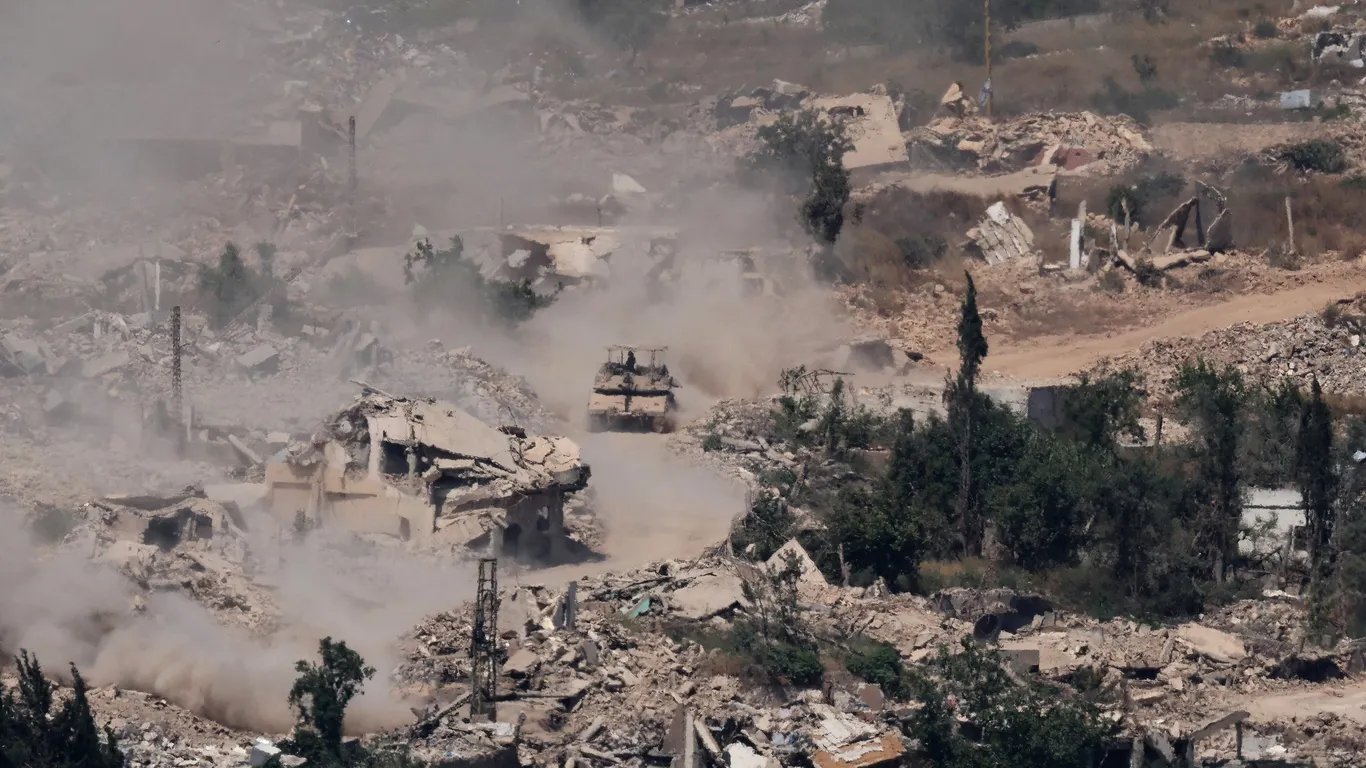
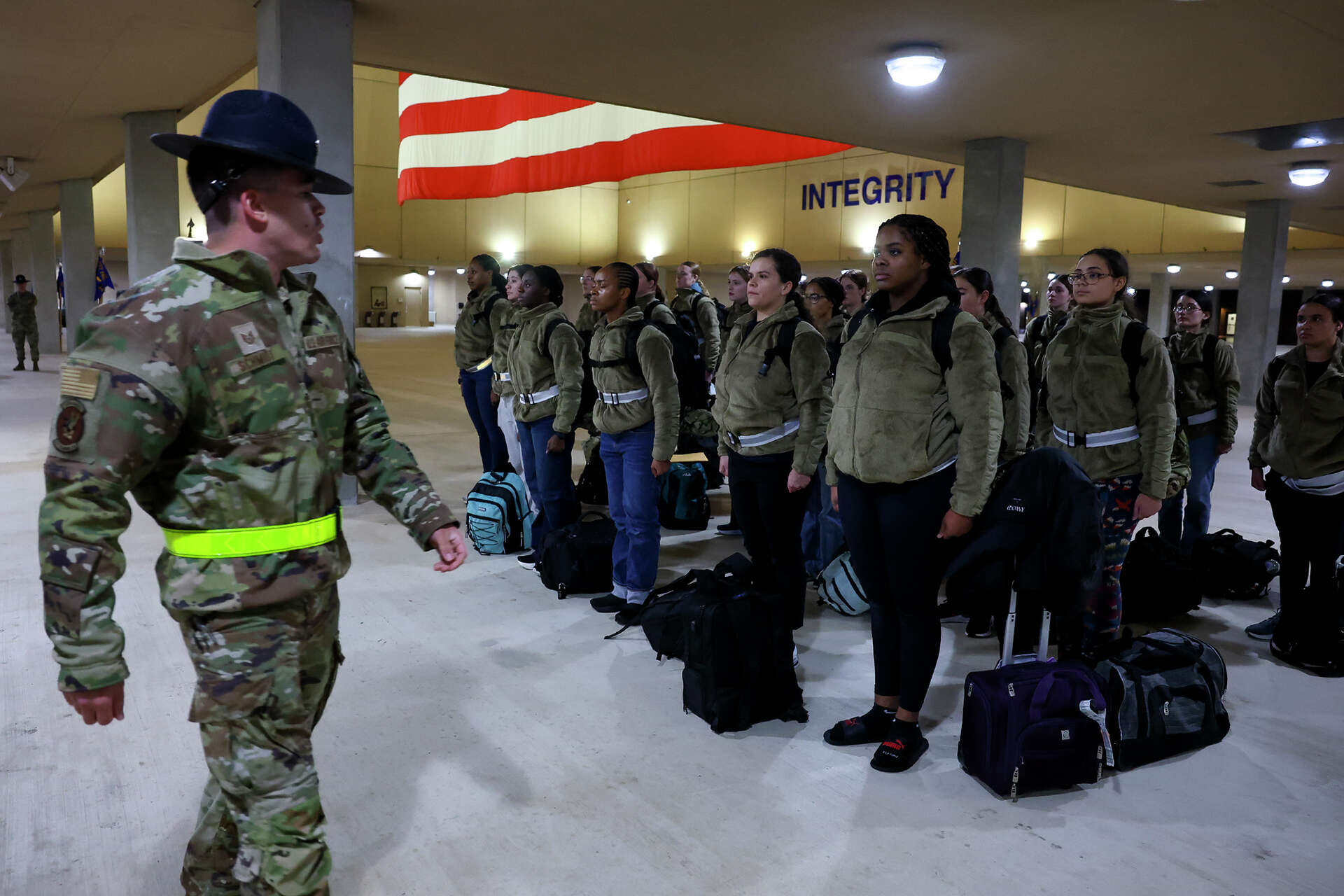
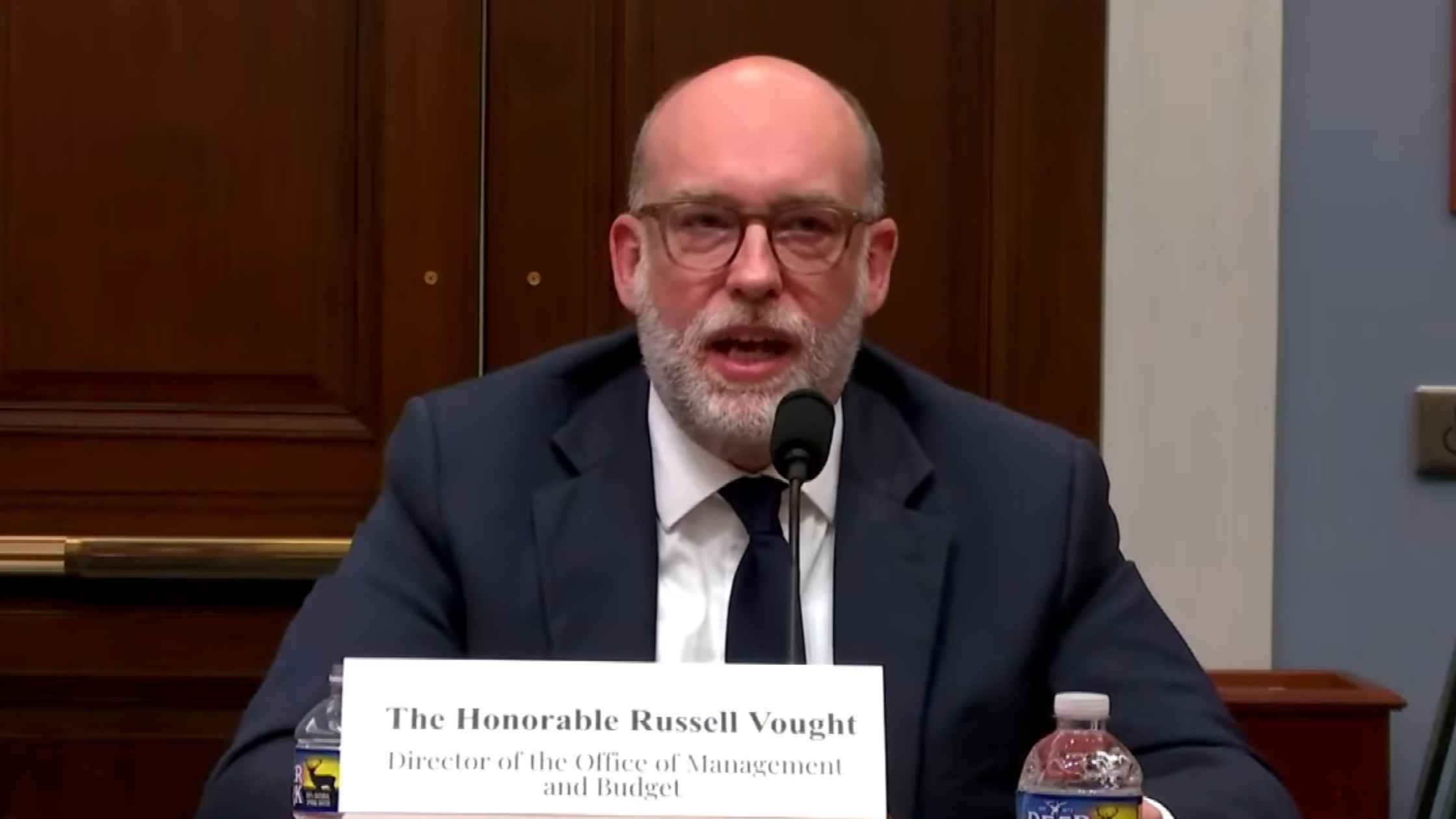
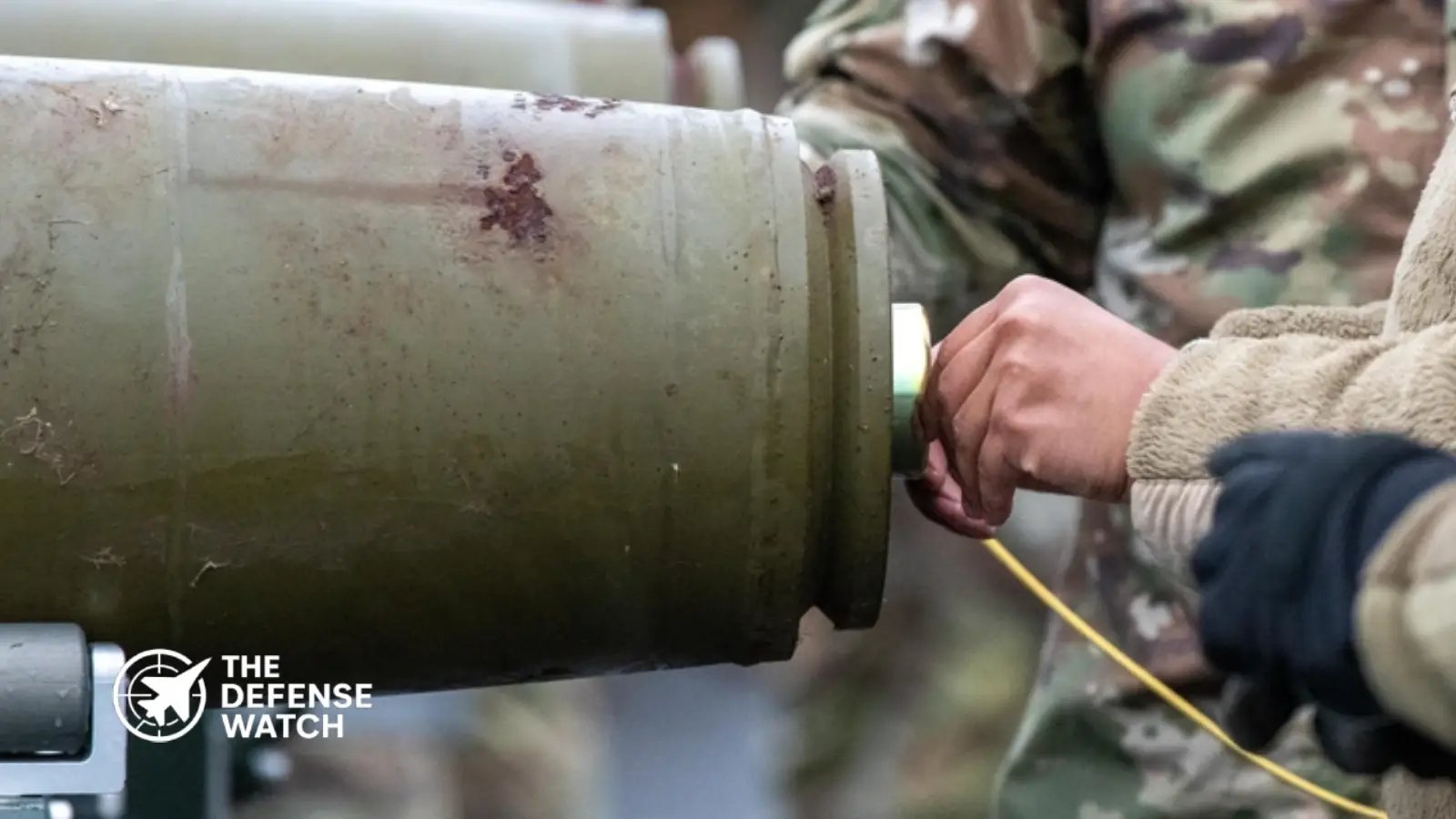
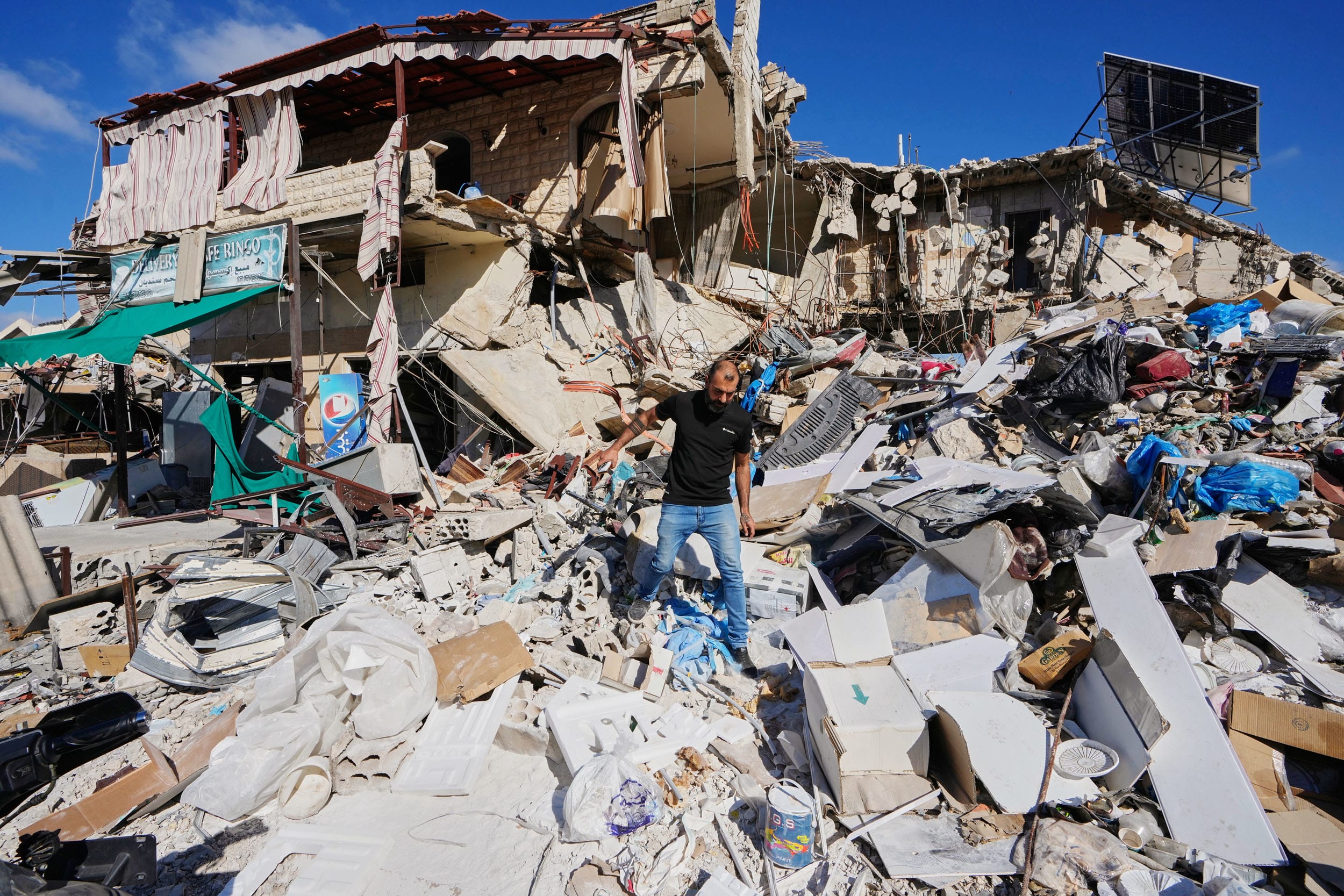
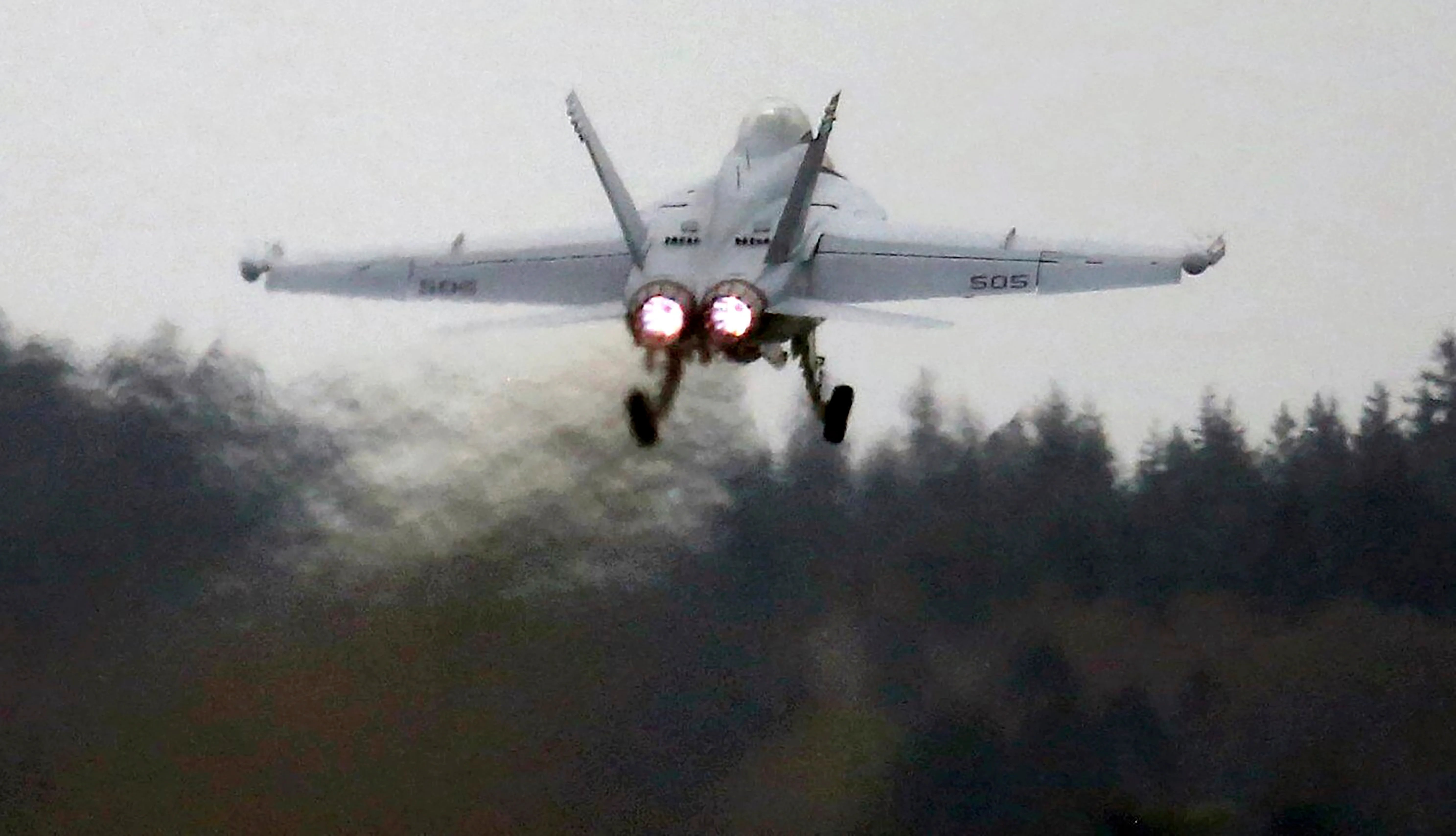
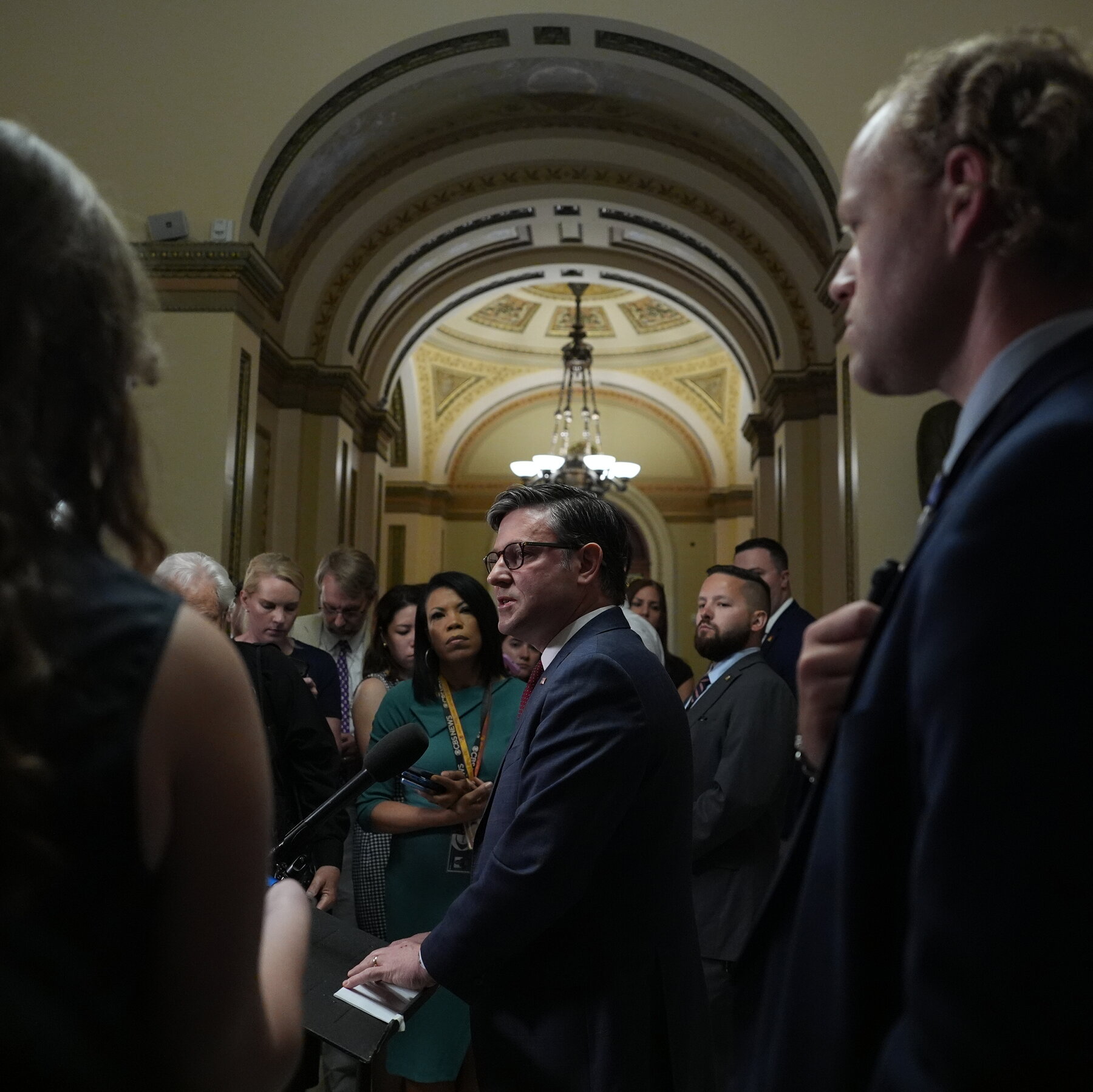
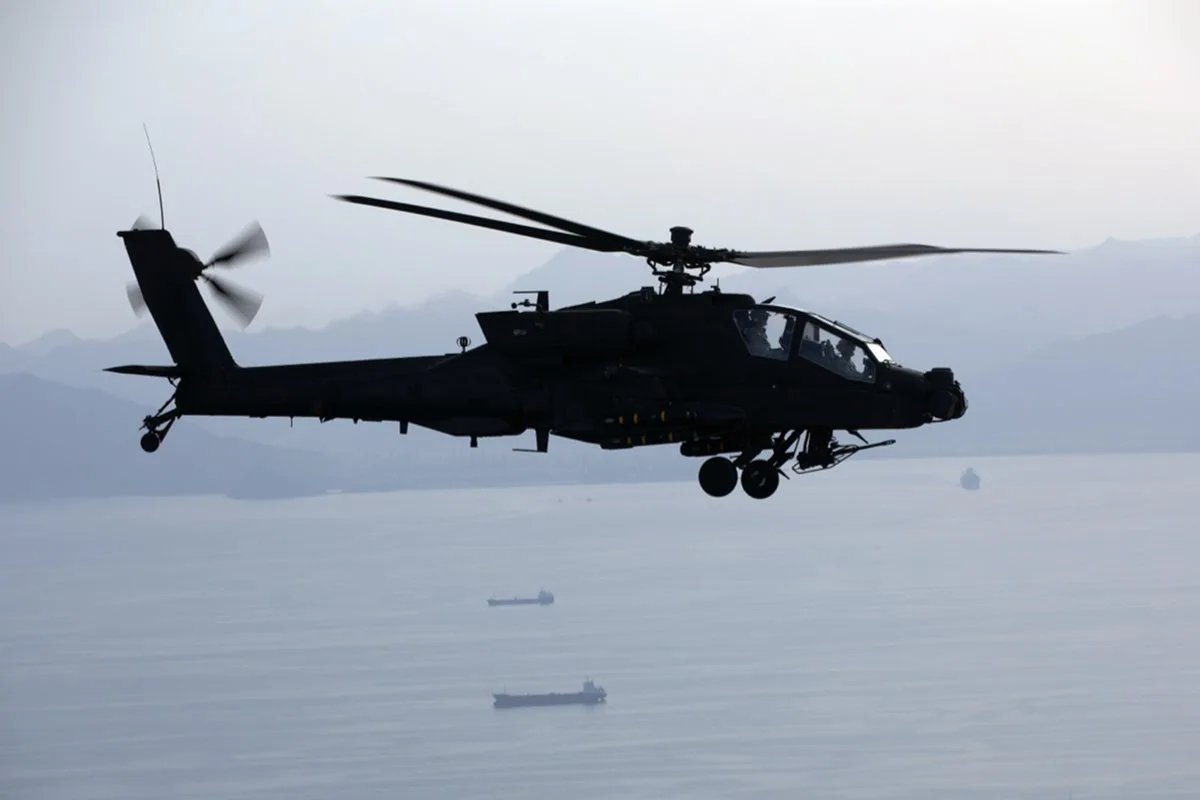
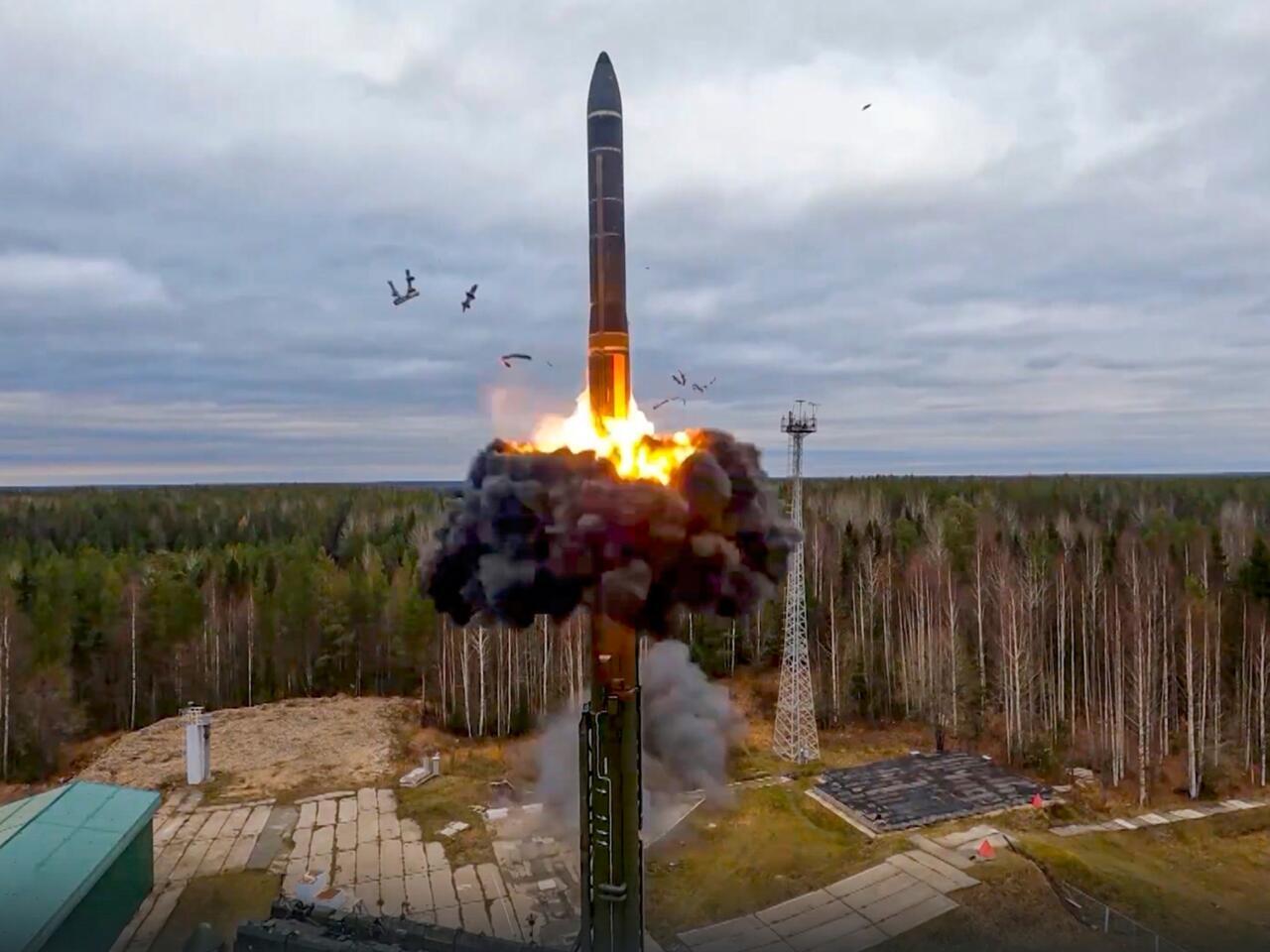
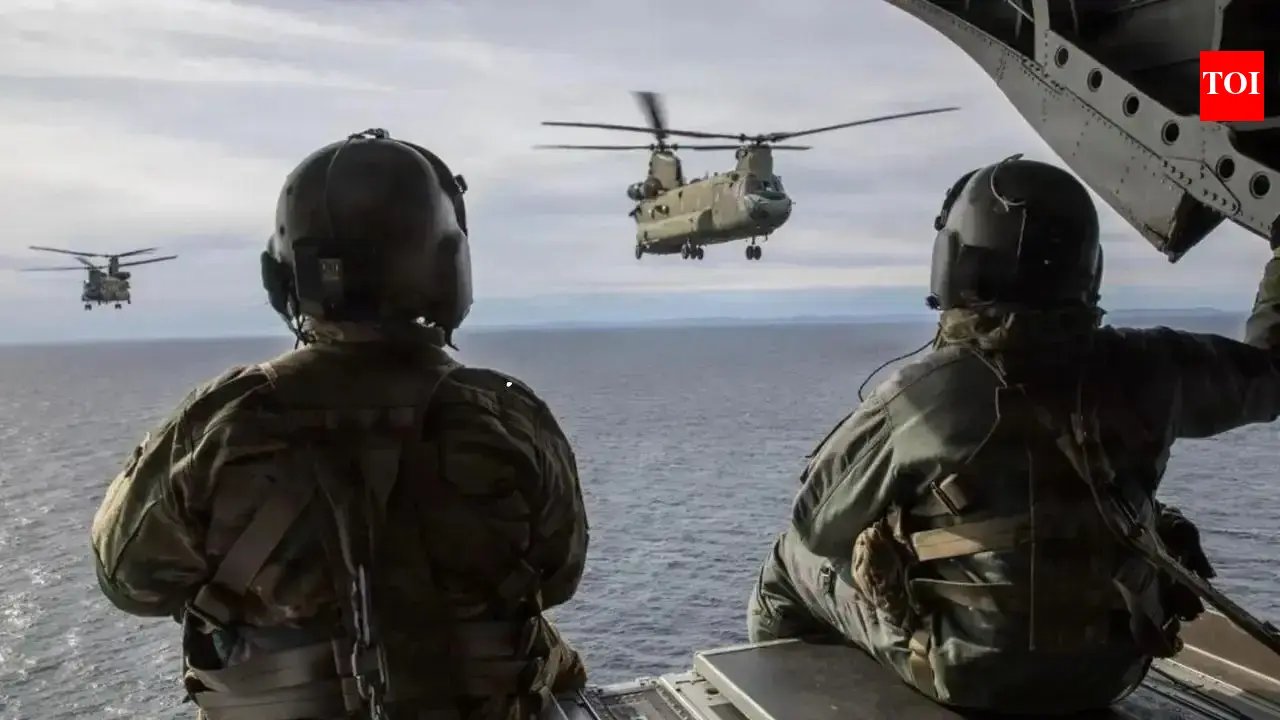
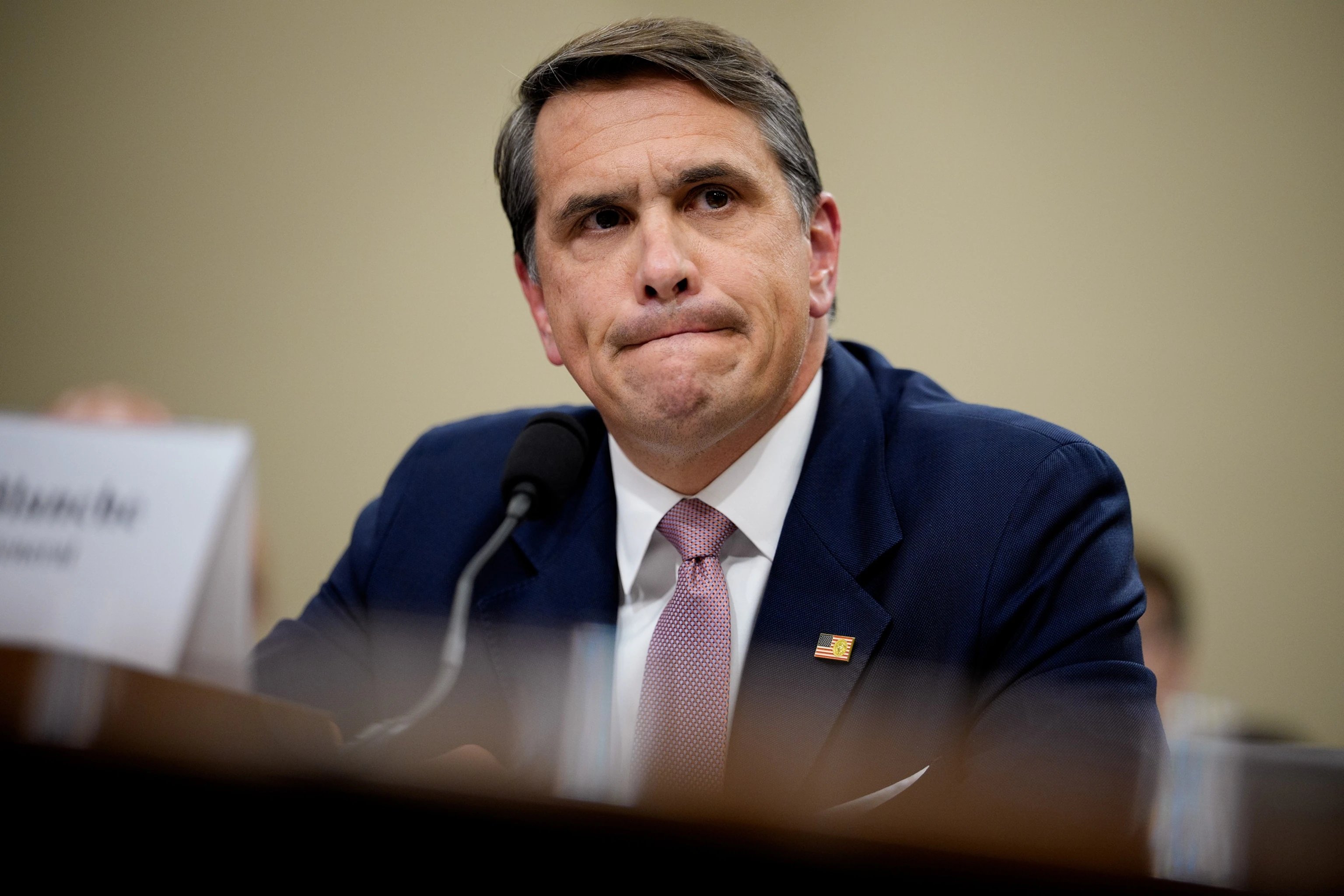
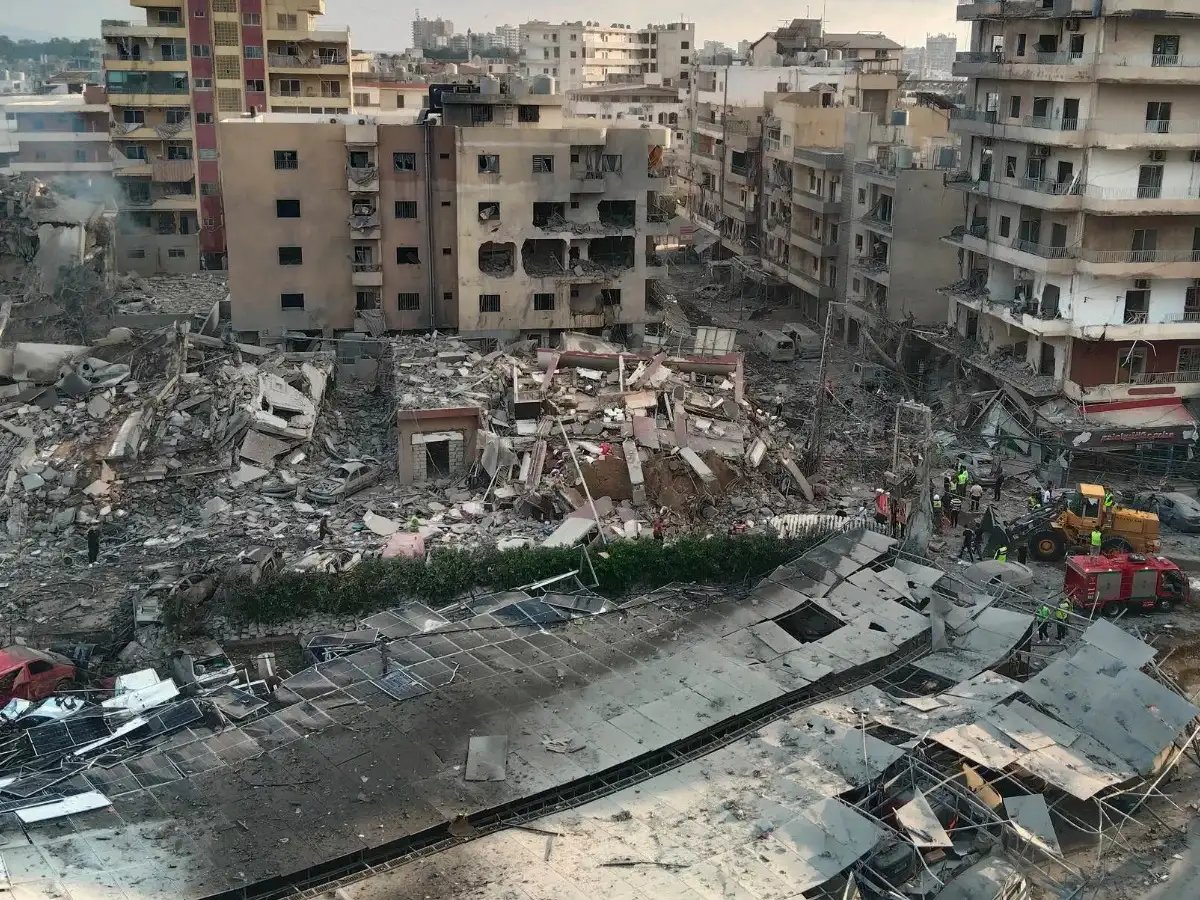
The Trump administration asked Congress on Wednesday for $87.6 billion in supplemental funding, with $67.1 billion designated for the Pentagon to cover costs related to the Iran war. Of the Pentagon's allocation, $21 billion would pay for munitions and $17.3 billion for operational costs, according to a letter to House Speaker Mike Johnson from Office of Management and Budget Director Russ Vought.
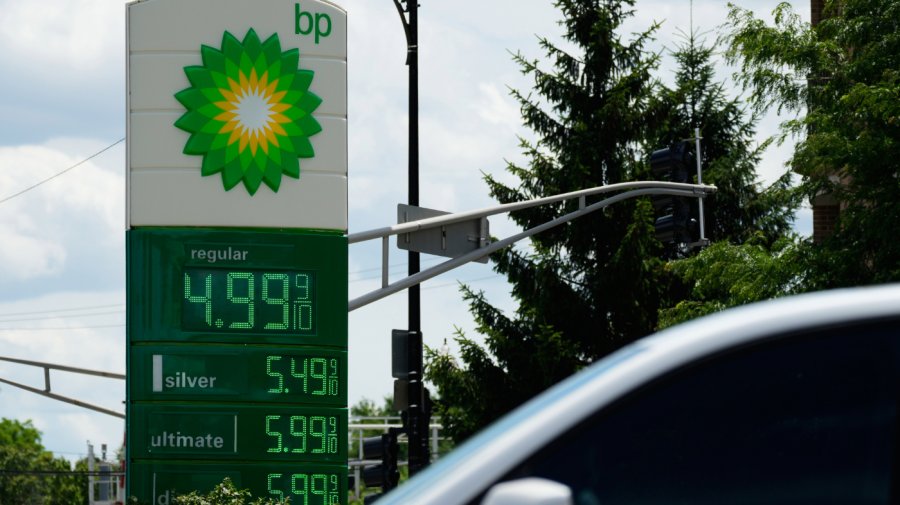
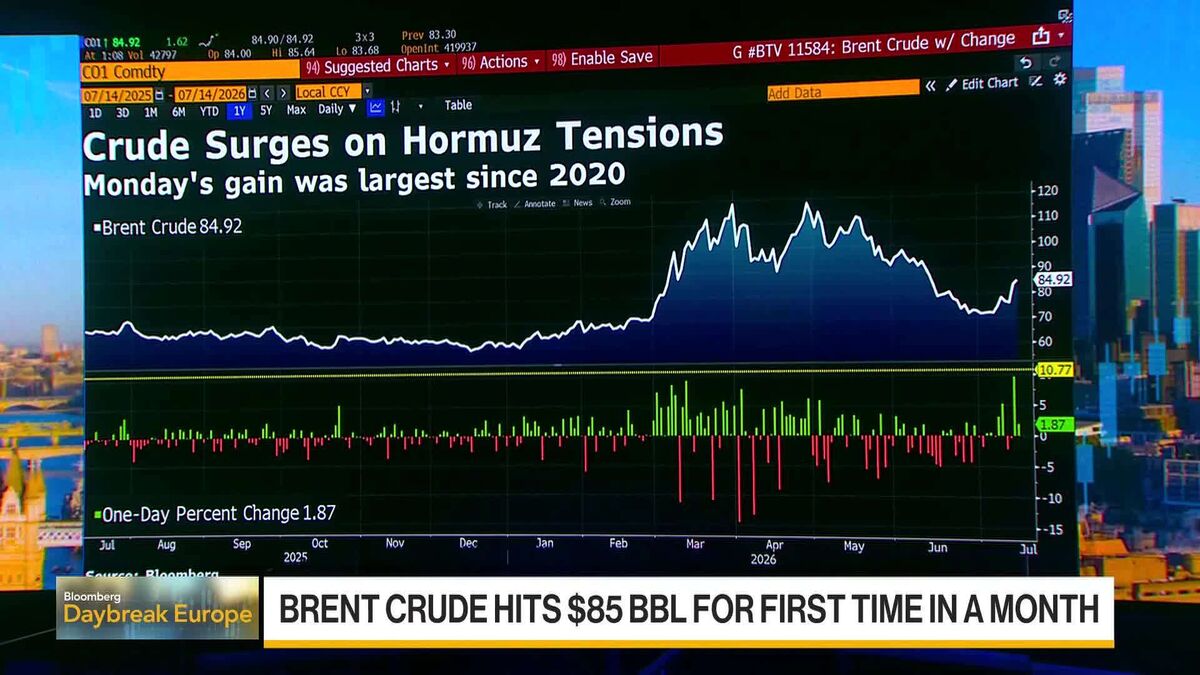
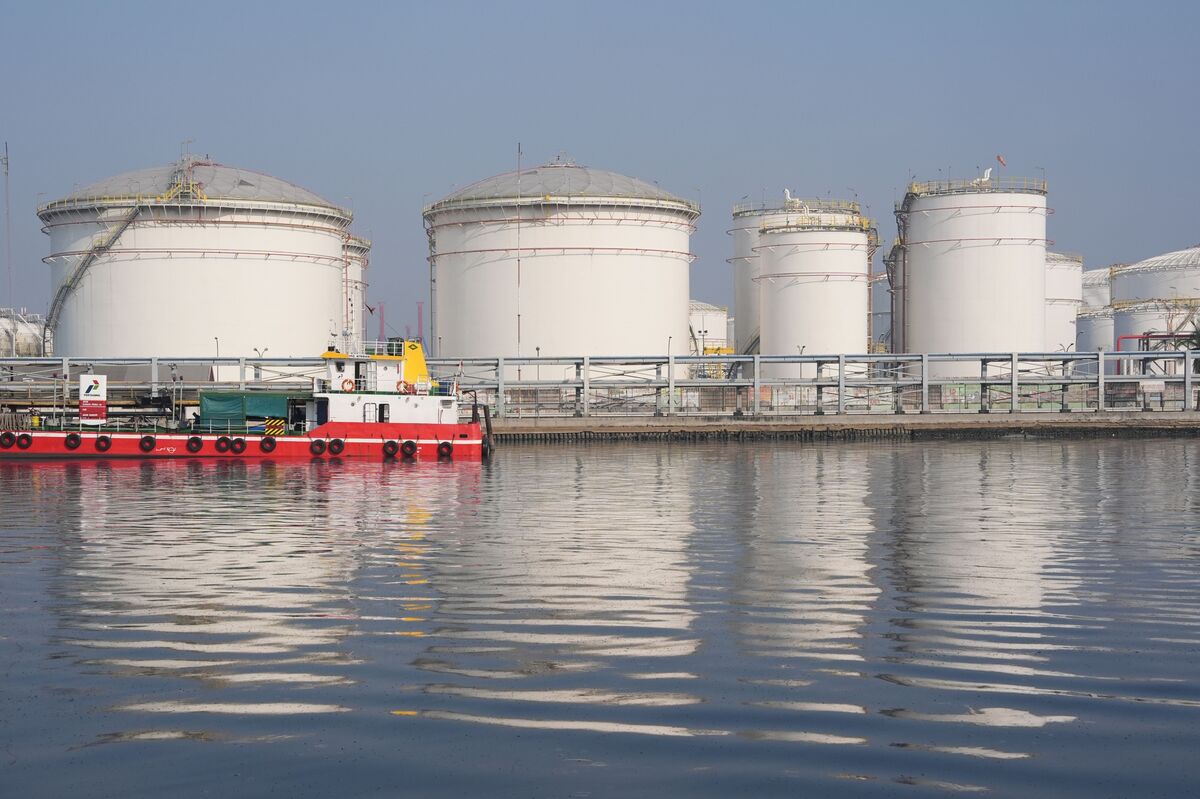
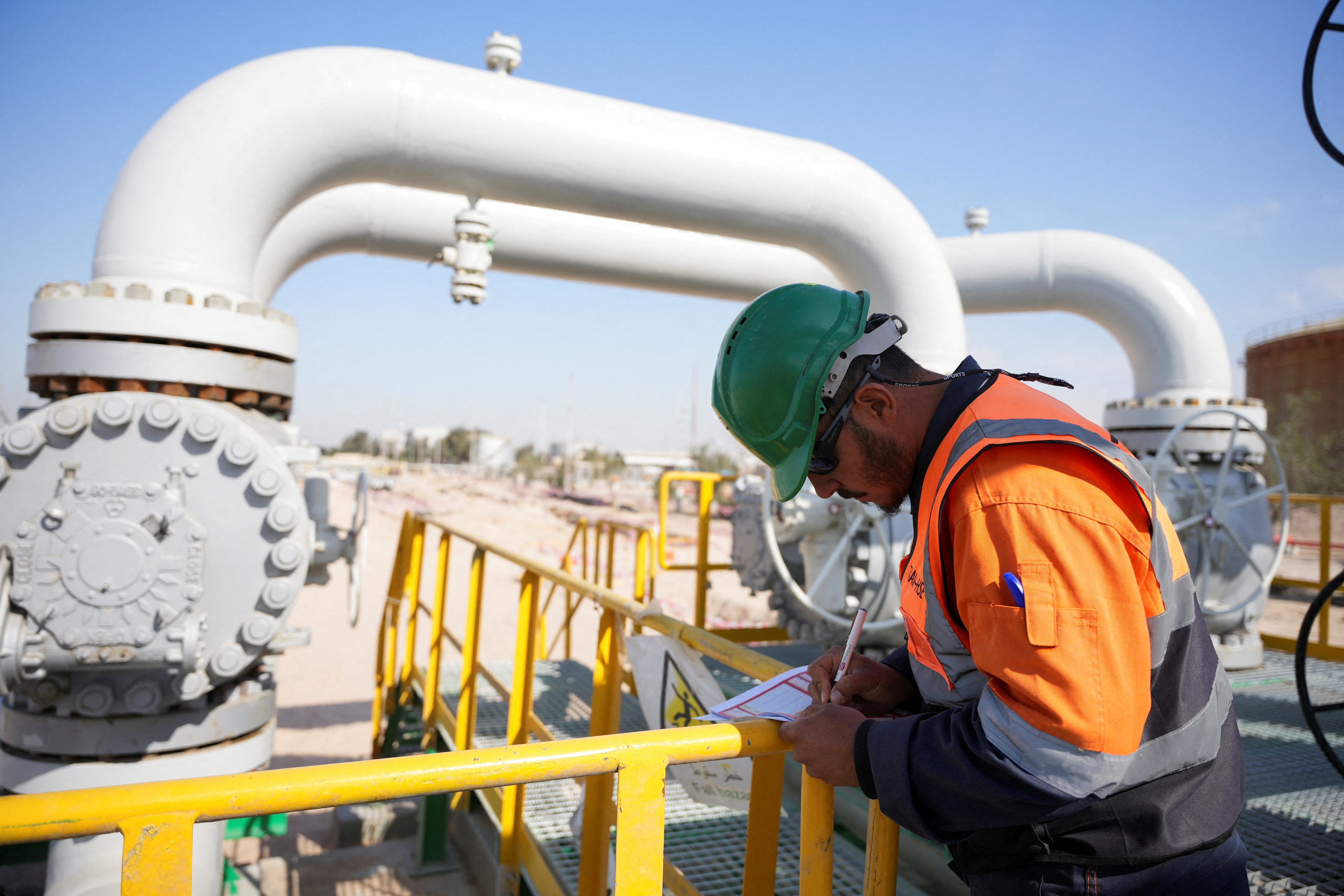
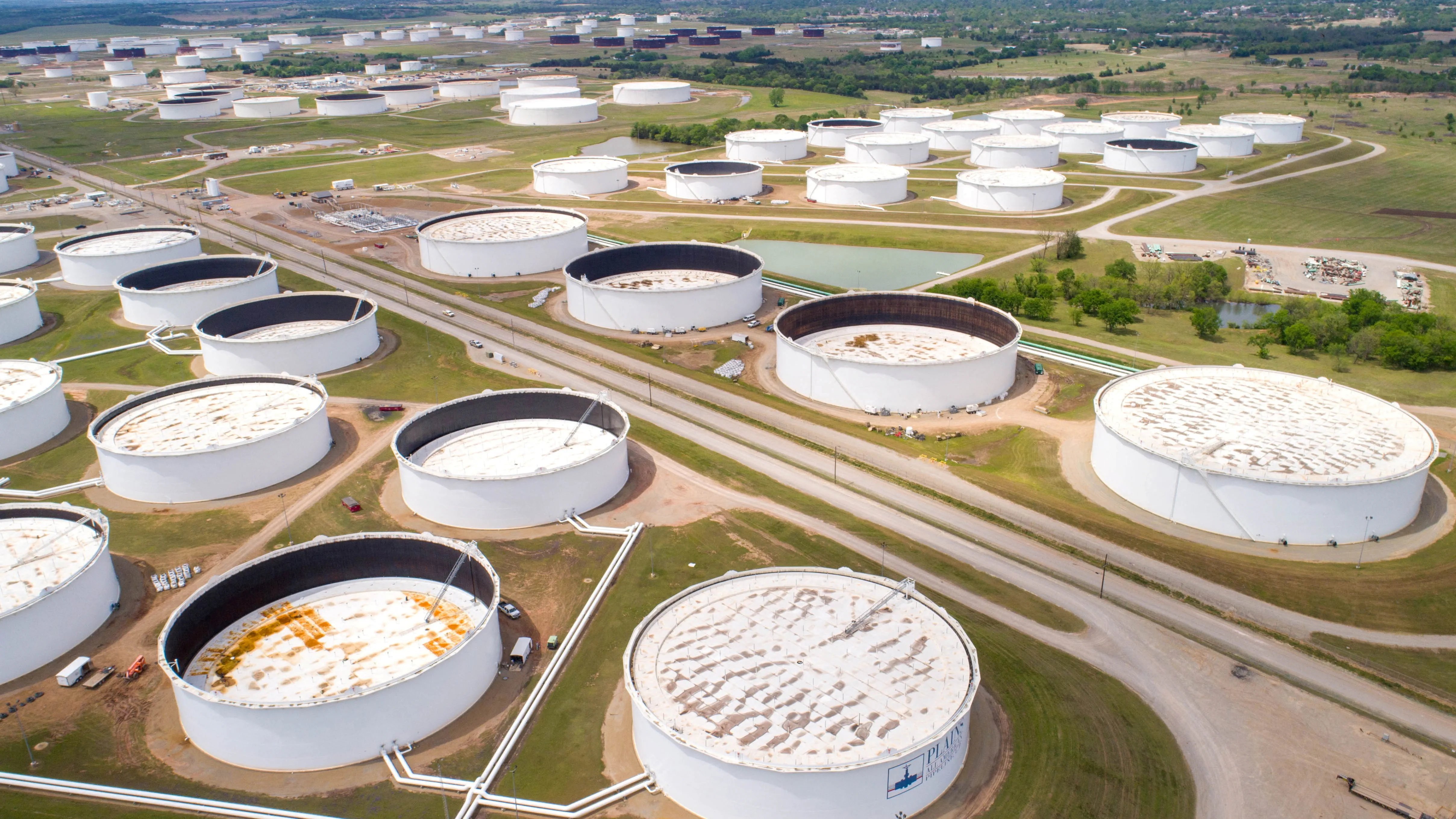
The request also includes $1.5 billion for fuel, as oil and gas prices surged during the conflict and strained the Pentagon's budget. Russ Vought stated in his letter that "most of this request will address urgent needs" tied to the Iran war and urged Congress to "take action on these important and urgent requests as soon as possible."
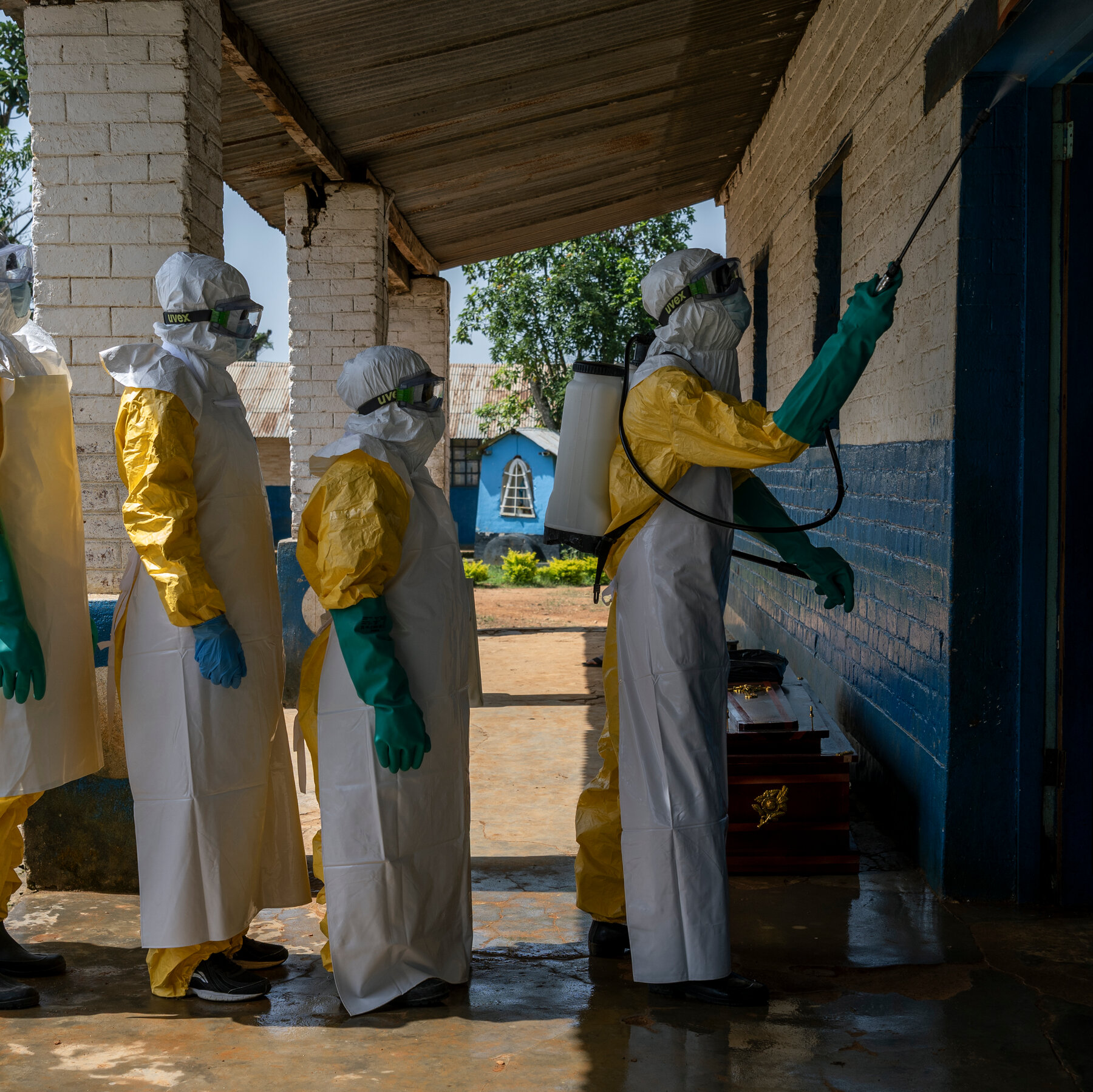
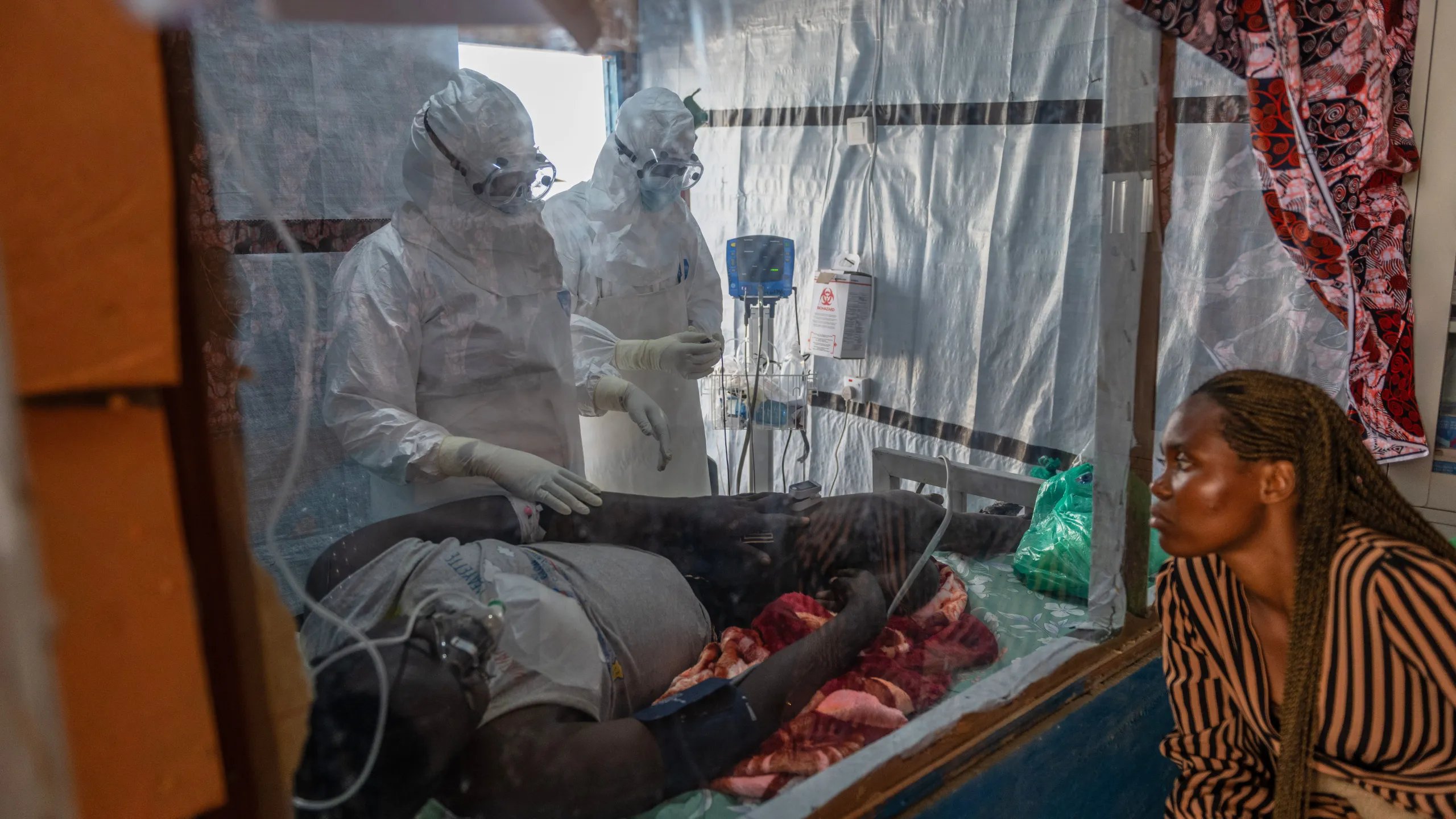
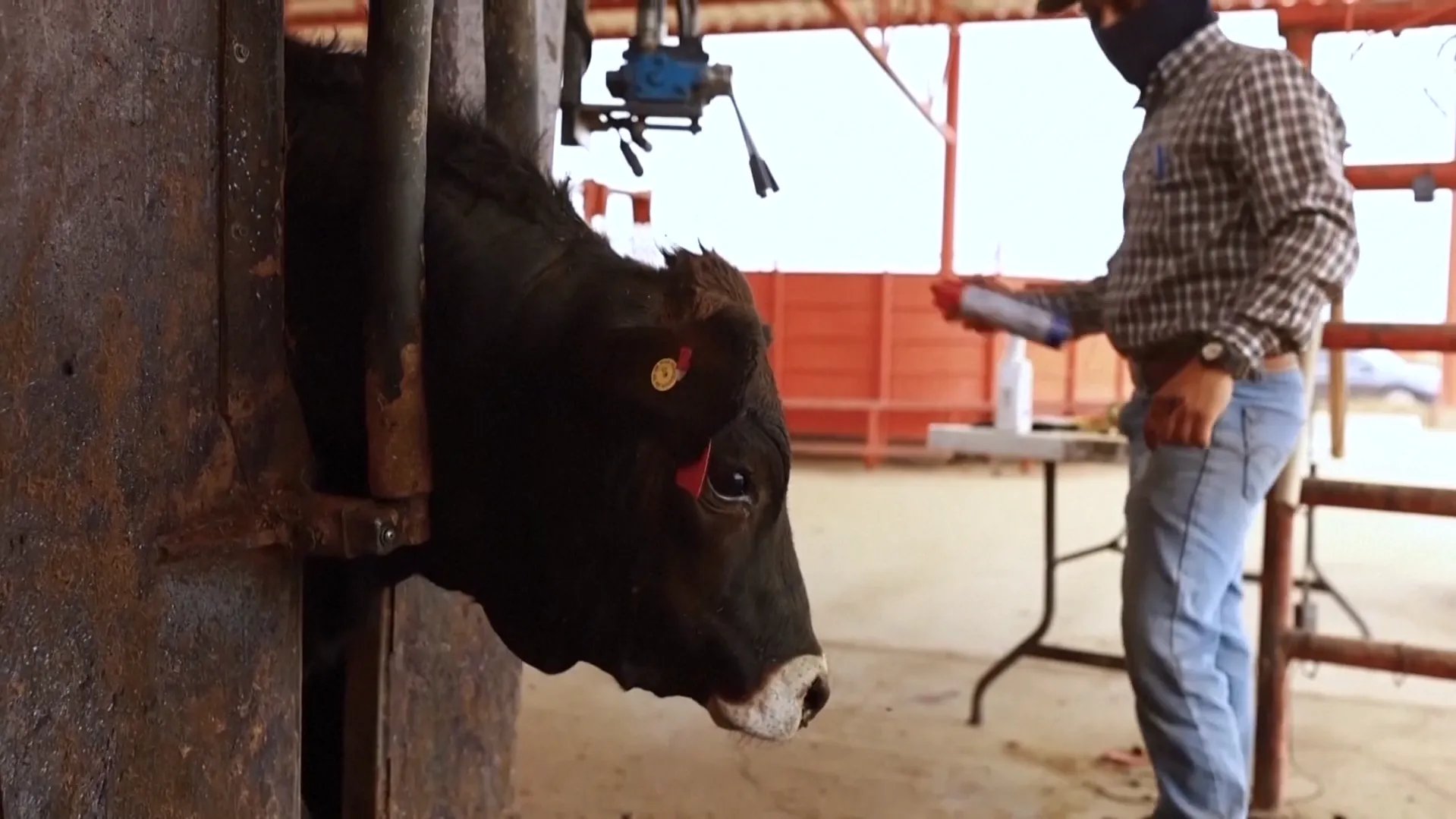
The supplemental request extends beyond military spending. The administration allocated $11.1 billion for farmers and $1.4 billion to fund the response to the Ebola outbreak in Central Africa.
Democratic Opposition and War Powers Debate
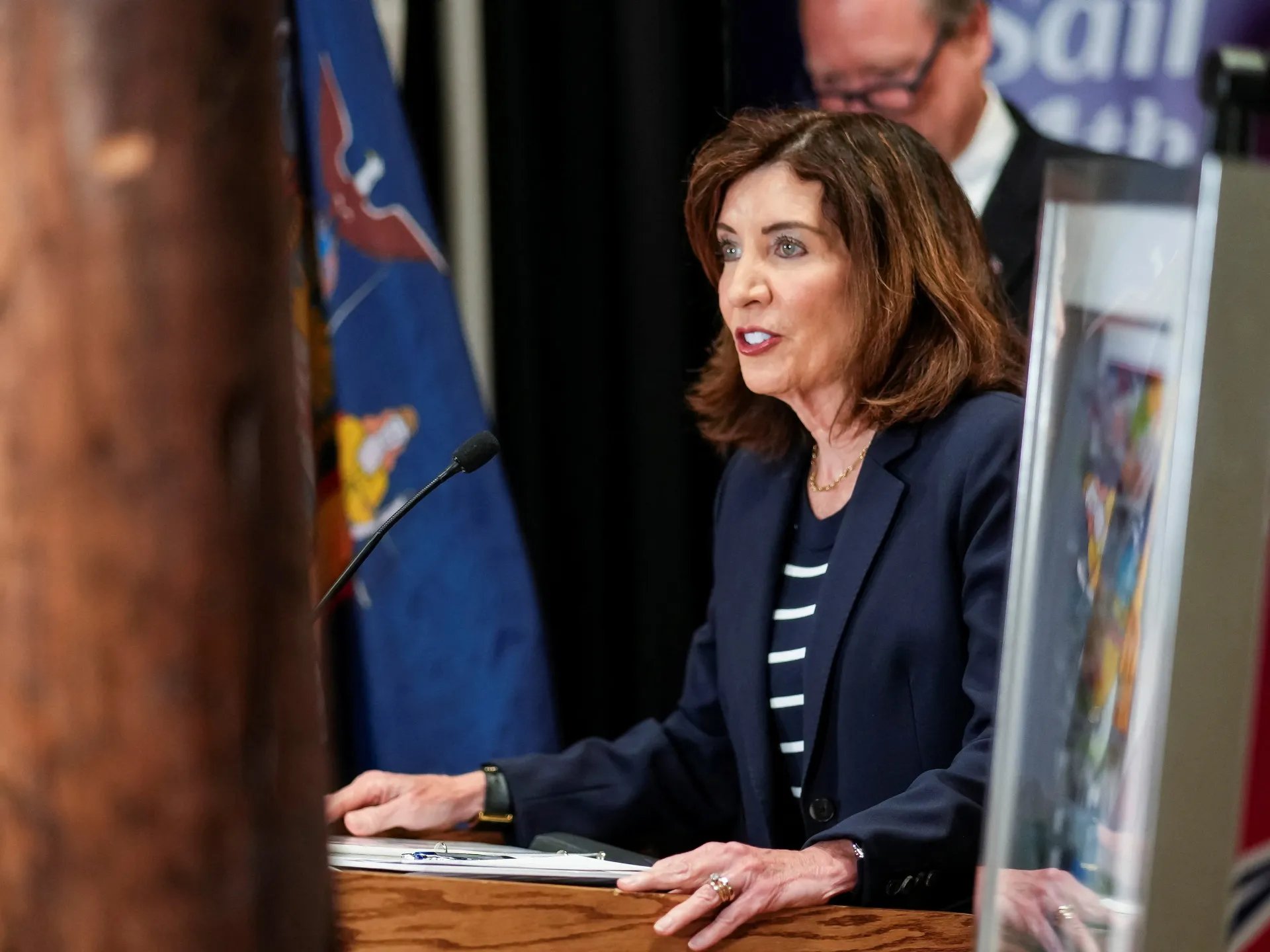
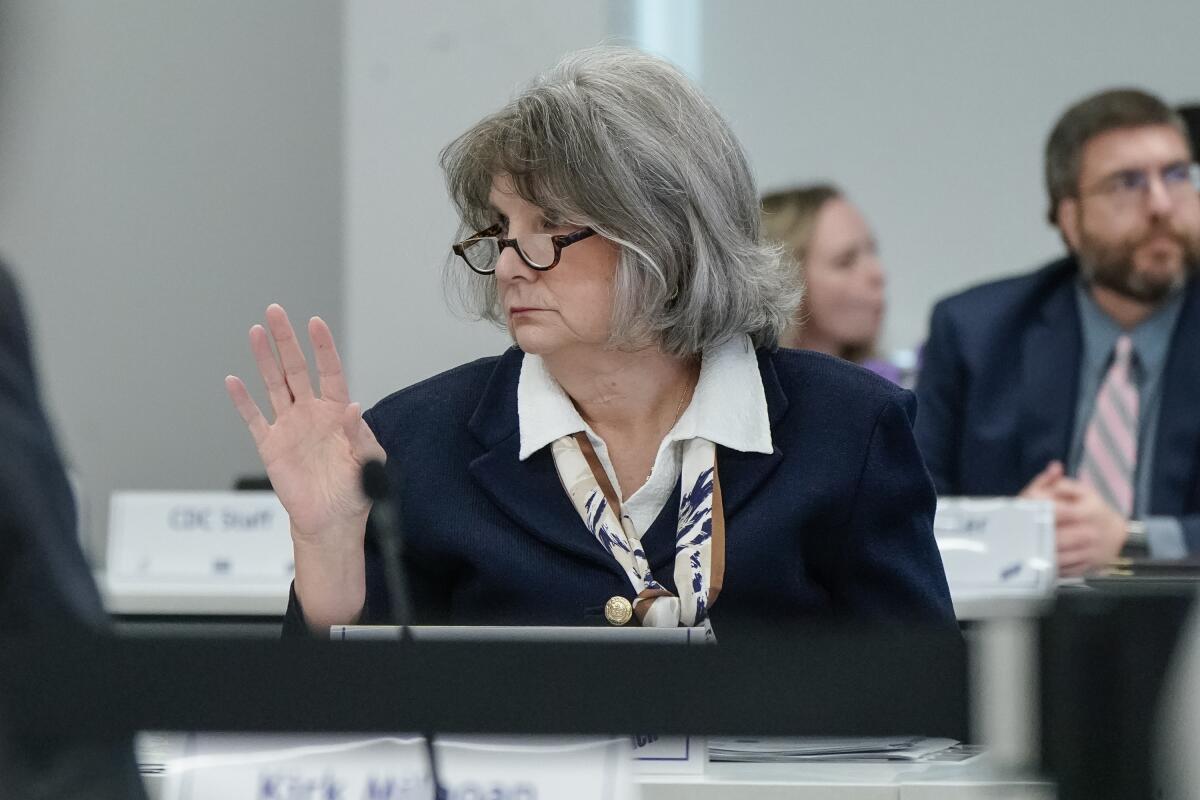
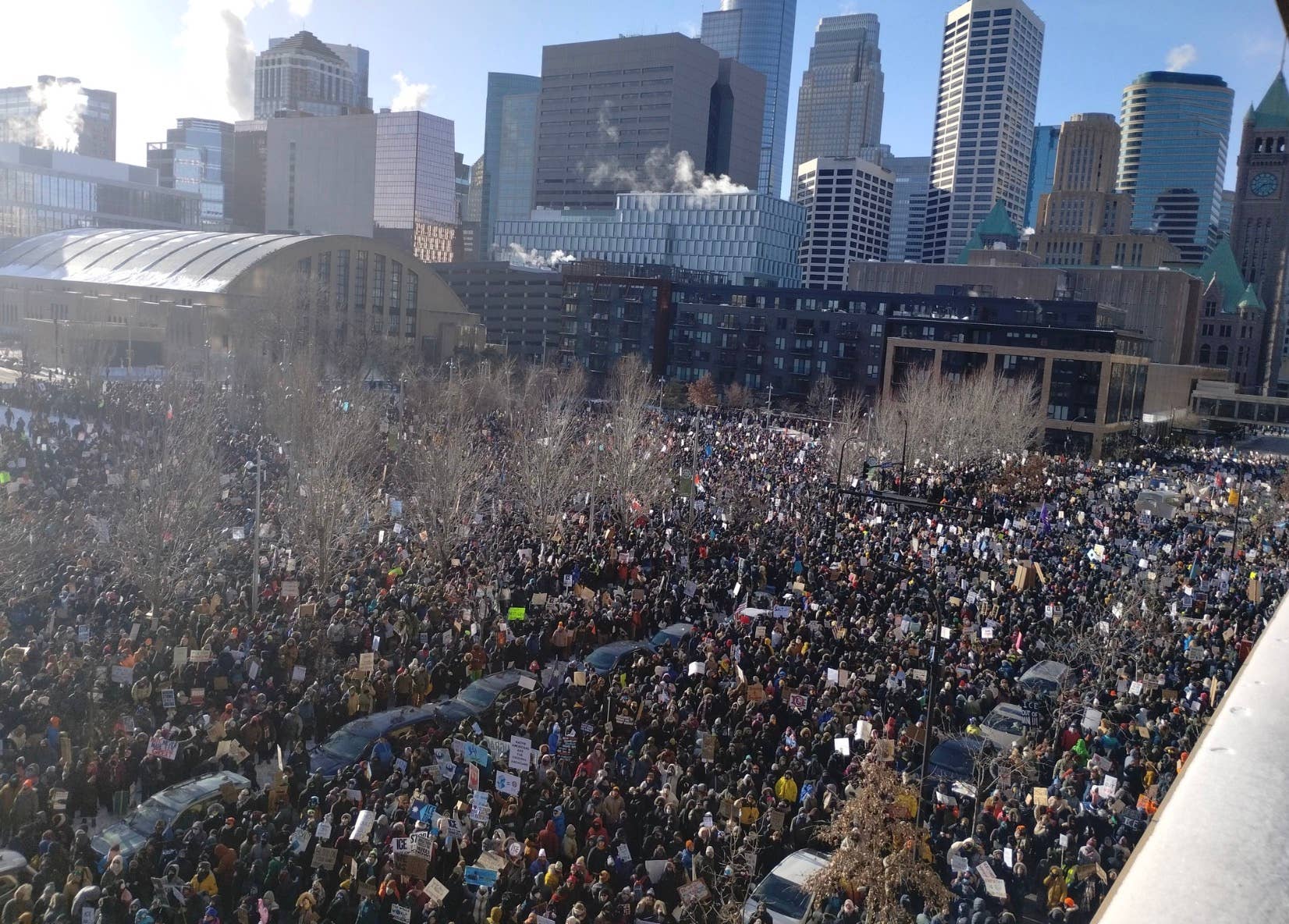
Senator Patty Murray, the top Democrat on the Senate Appropriations Committee, signaled resistance to the funding request. "I will not rubber stamp tens of billions more for this disastrous war of choice," Murray said in a statement, though she committed to "closely review" the request and "ensure we take care of our servicemembers."
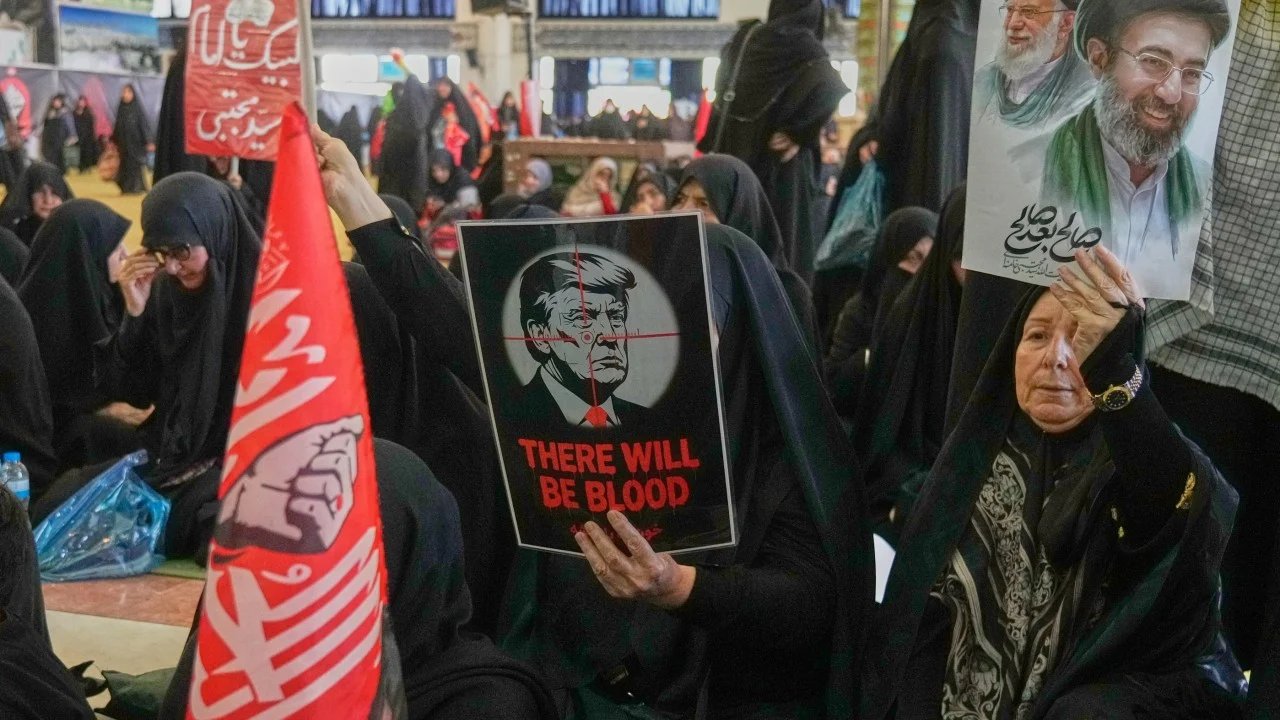
The funding request arrived one day after the Senate passed a largely symbolic war powers resolution seeking to limit further military action against Iran without congressional approval. Four Republican senators joined Democrats in supporting that measure, reflecting divisions within the GOP over the conflict.
Senate Republicans Reverse Course Under Trump Pressure
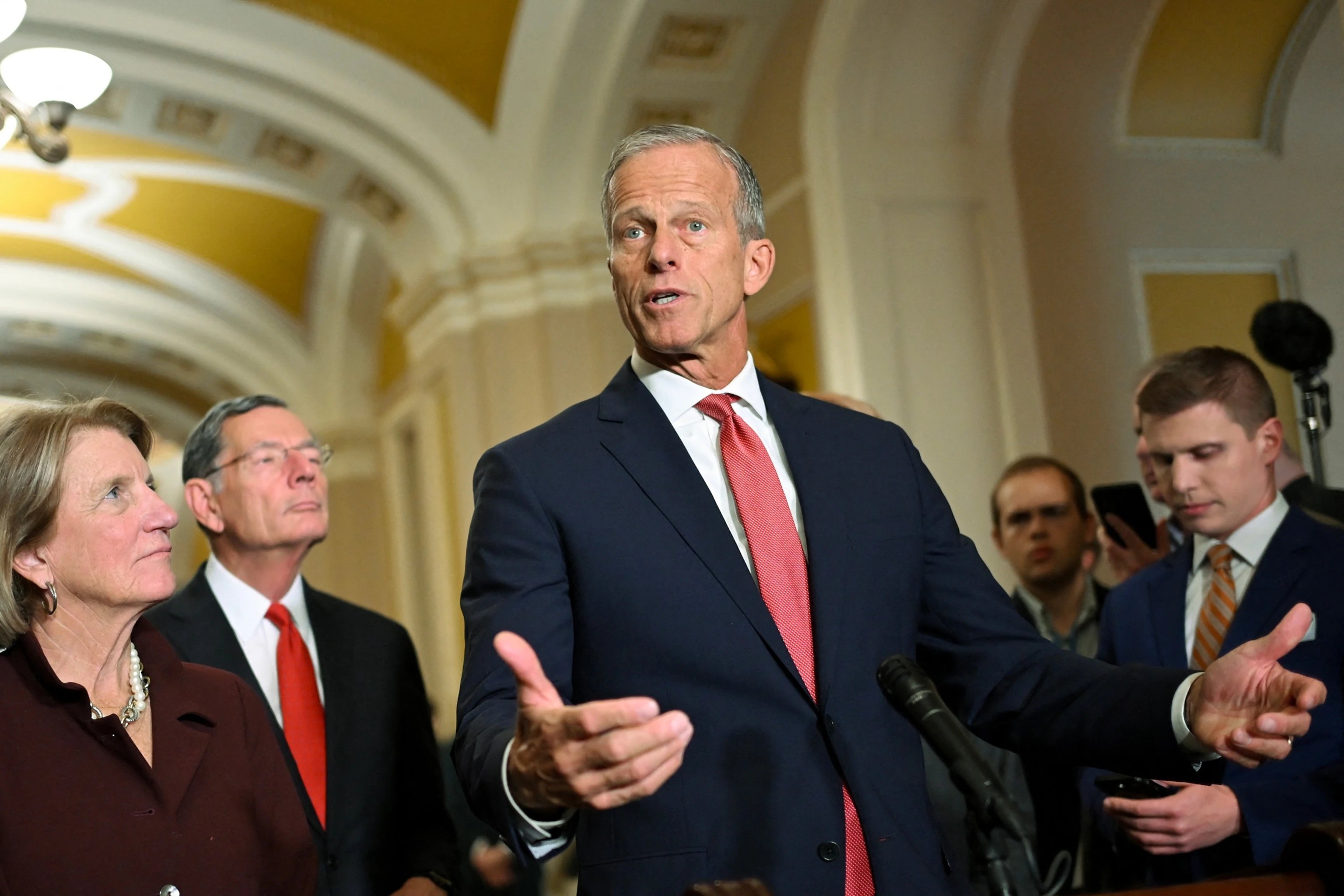
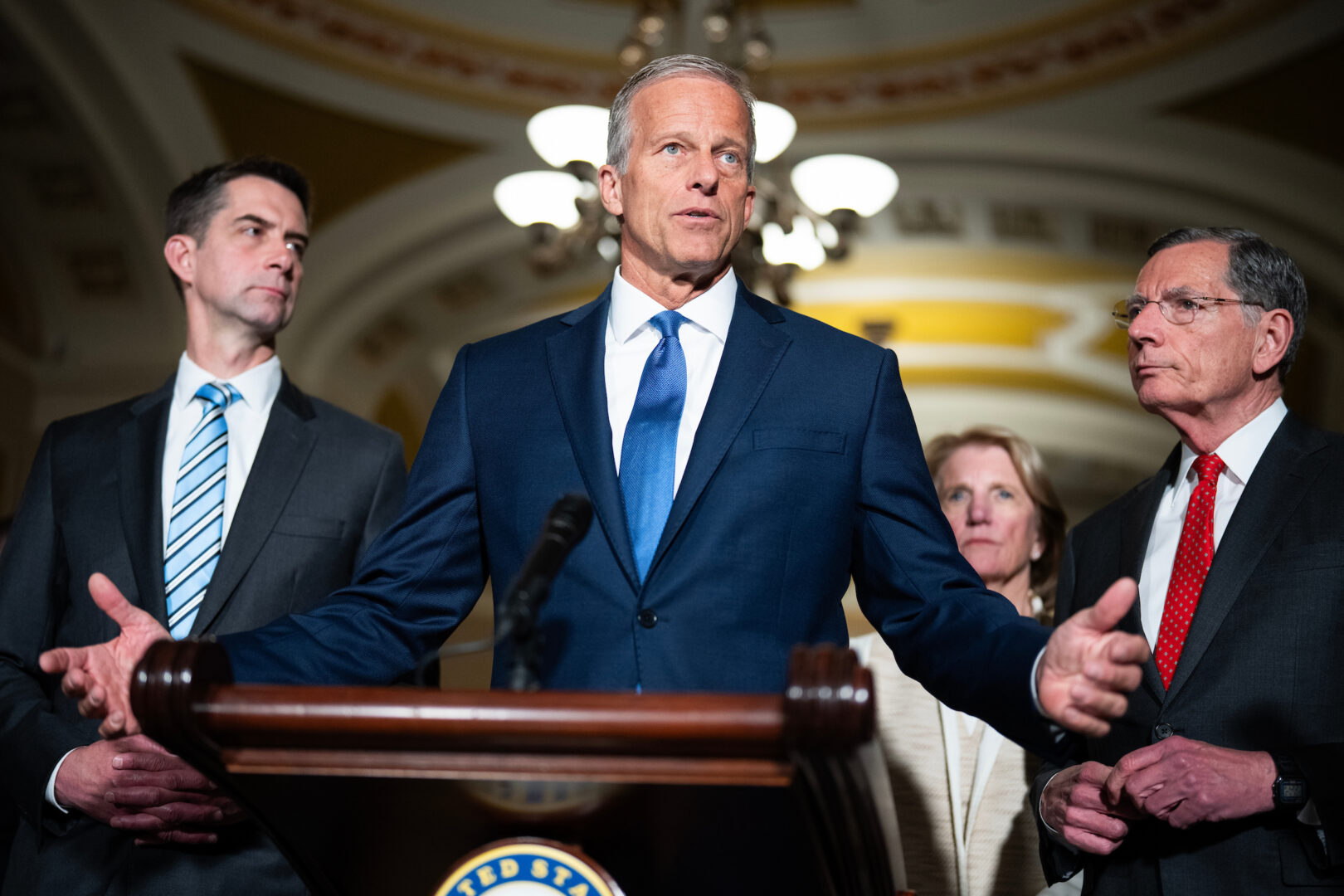
Late Wednesday night, the Senate rejected a second war powers resolution in a 47-50 vote, reversing its position from the previous day when the chamber had voted 50-48 against the administration. Senate Republican leaders convinced swing votes that rejecting the resolution would support ongoing negotiations to end the war.
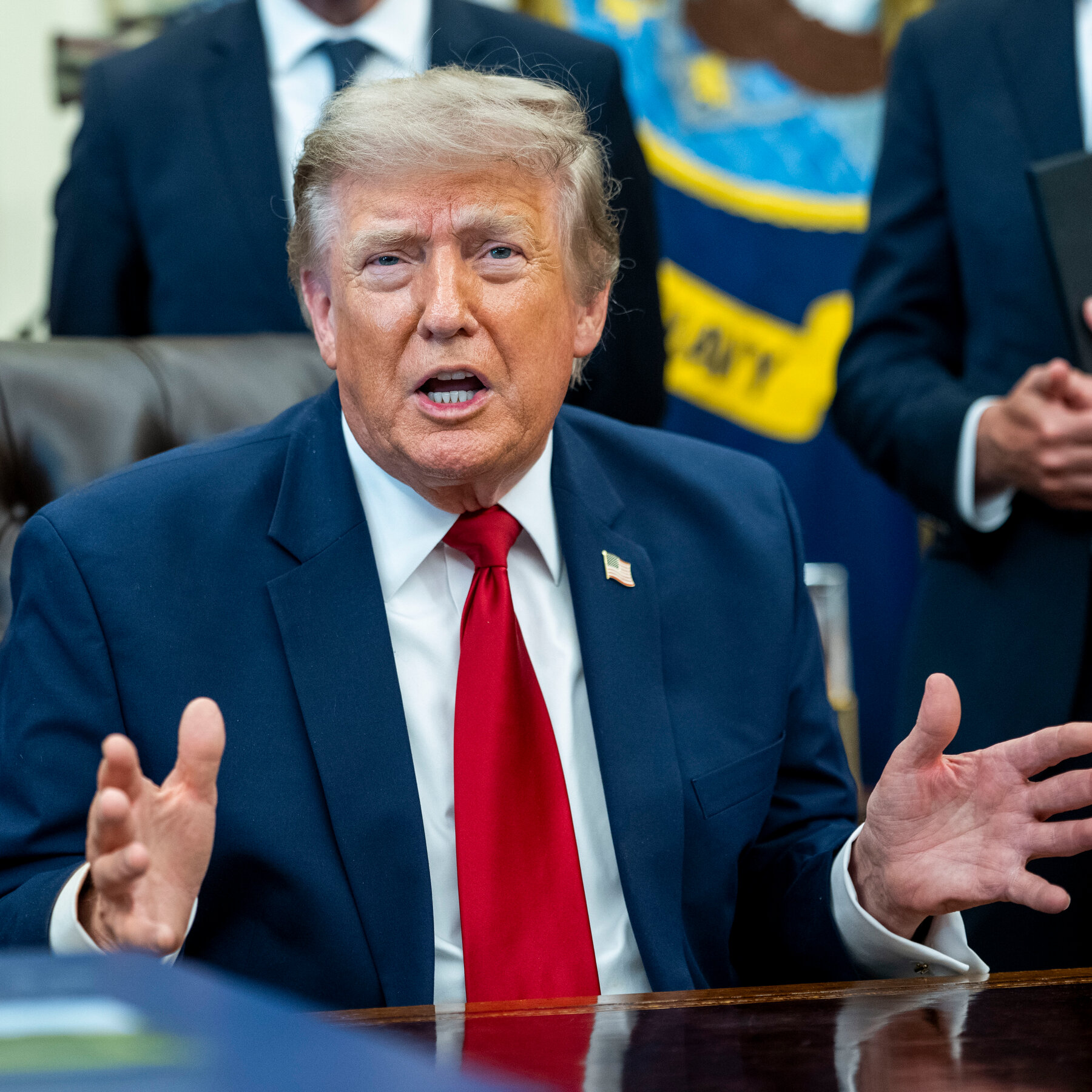
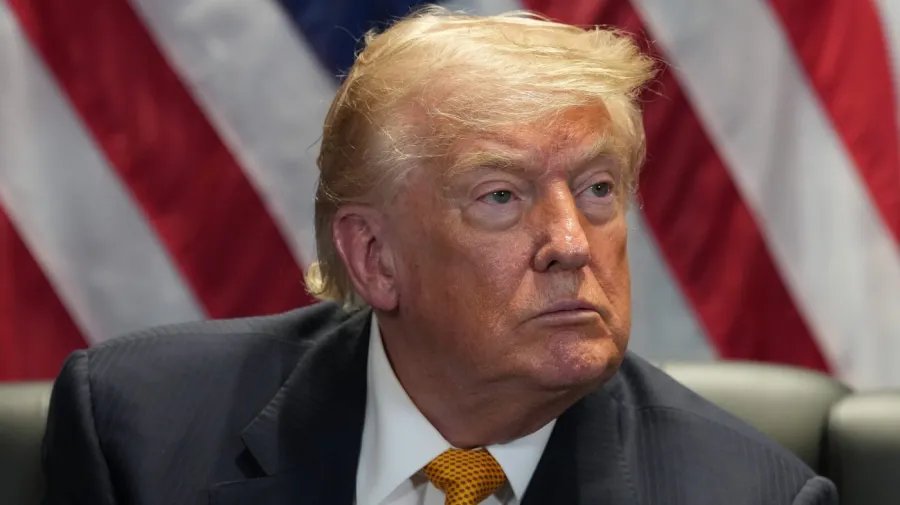
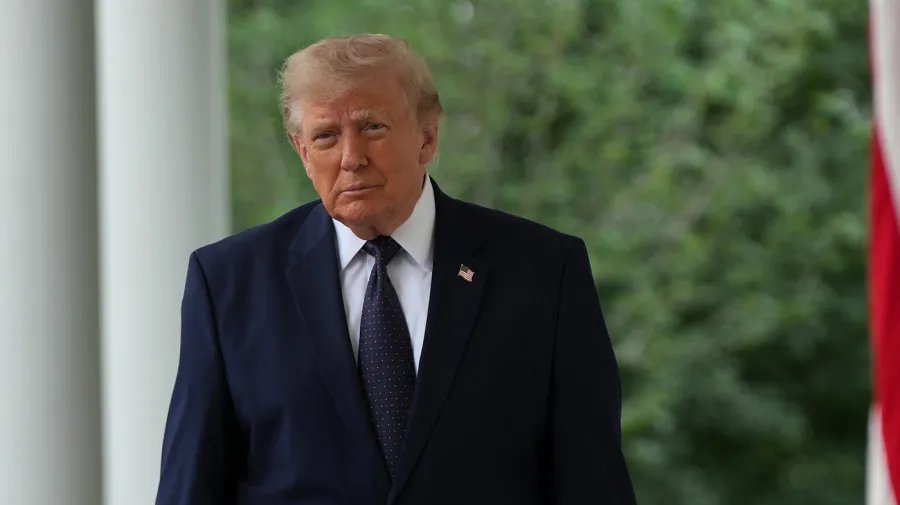
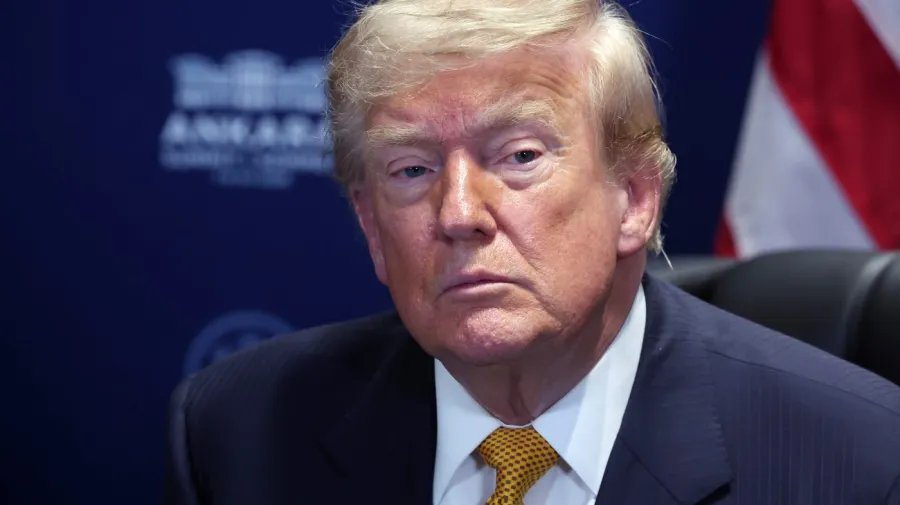
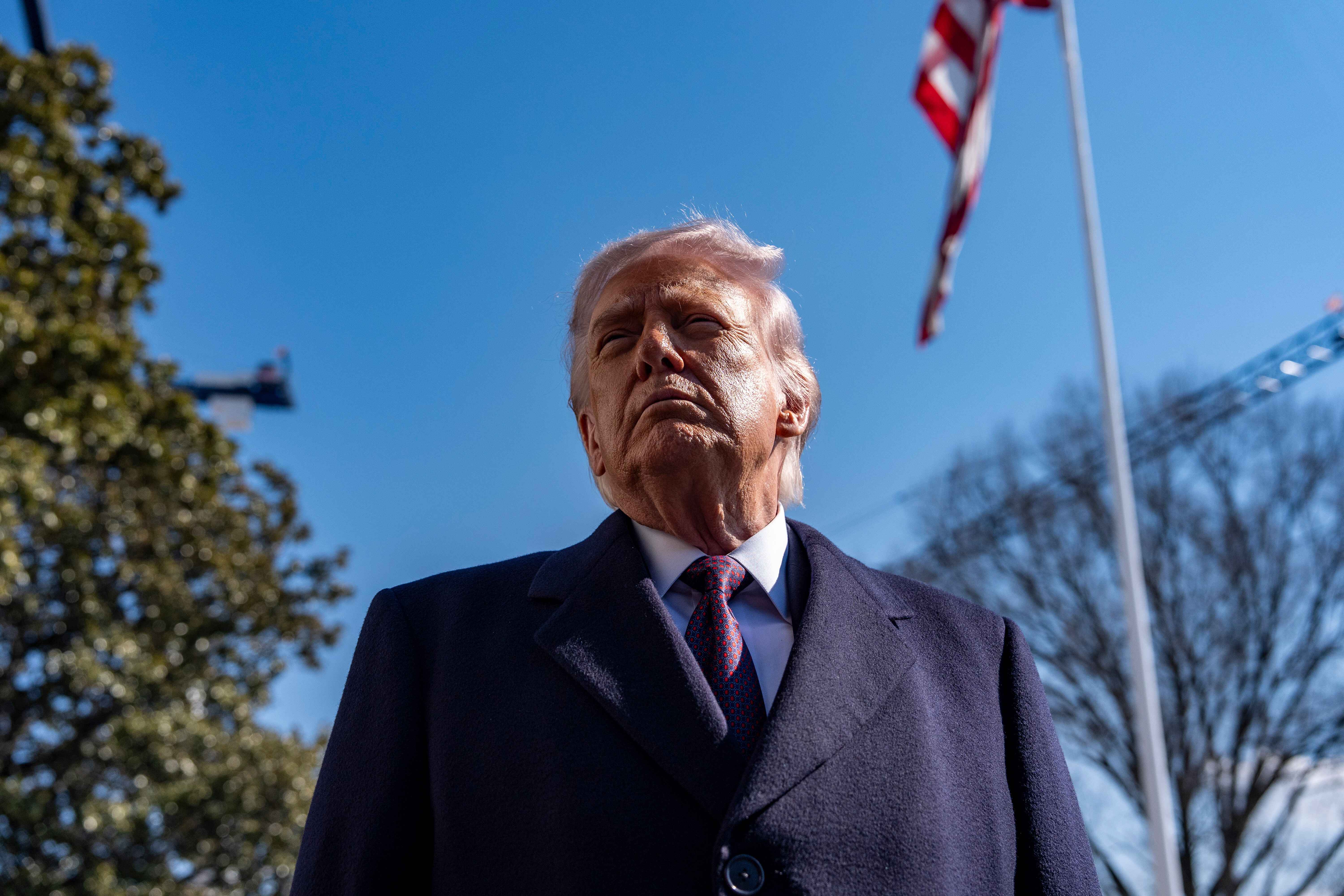
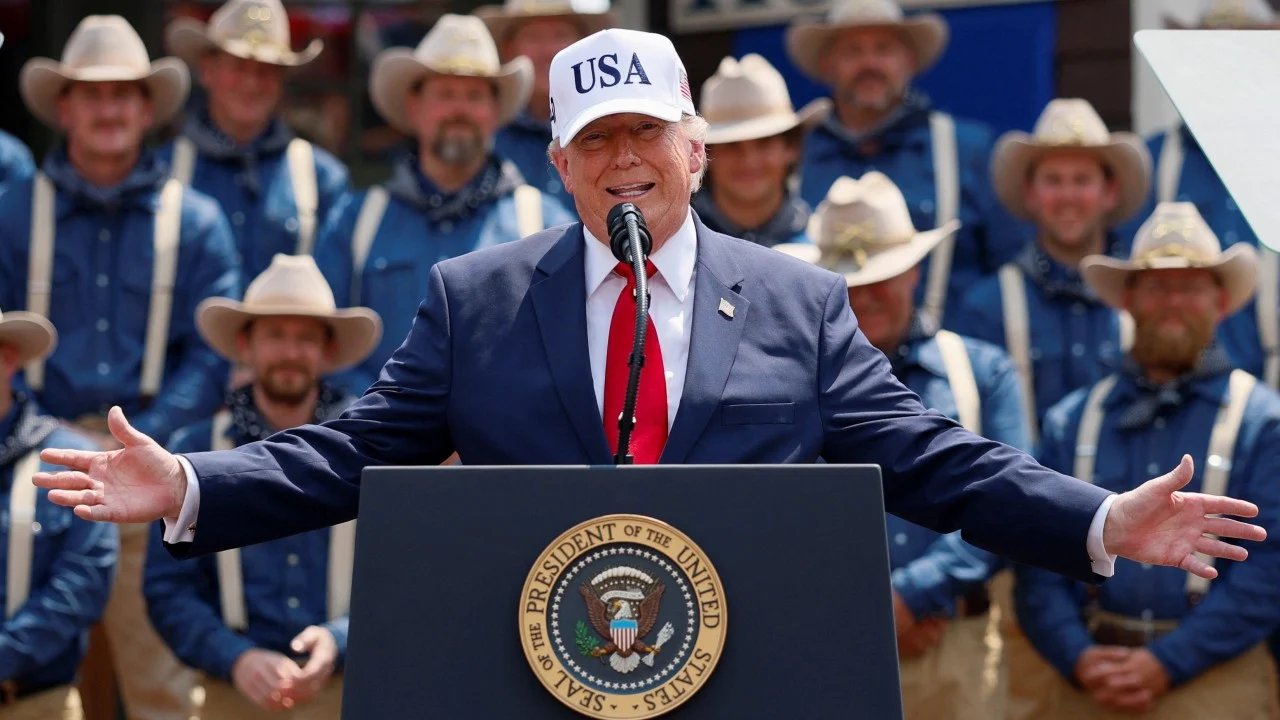
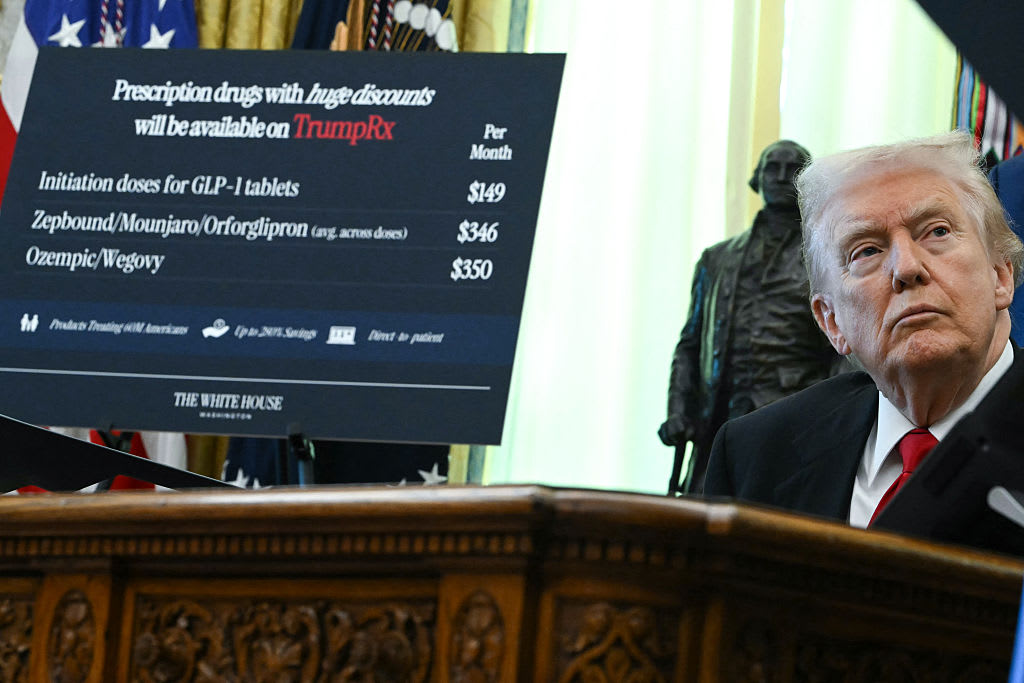
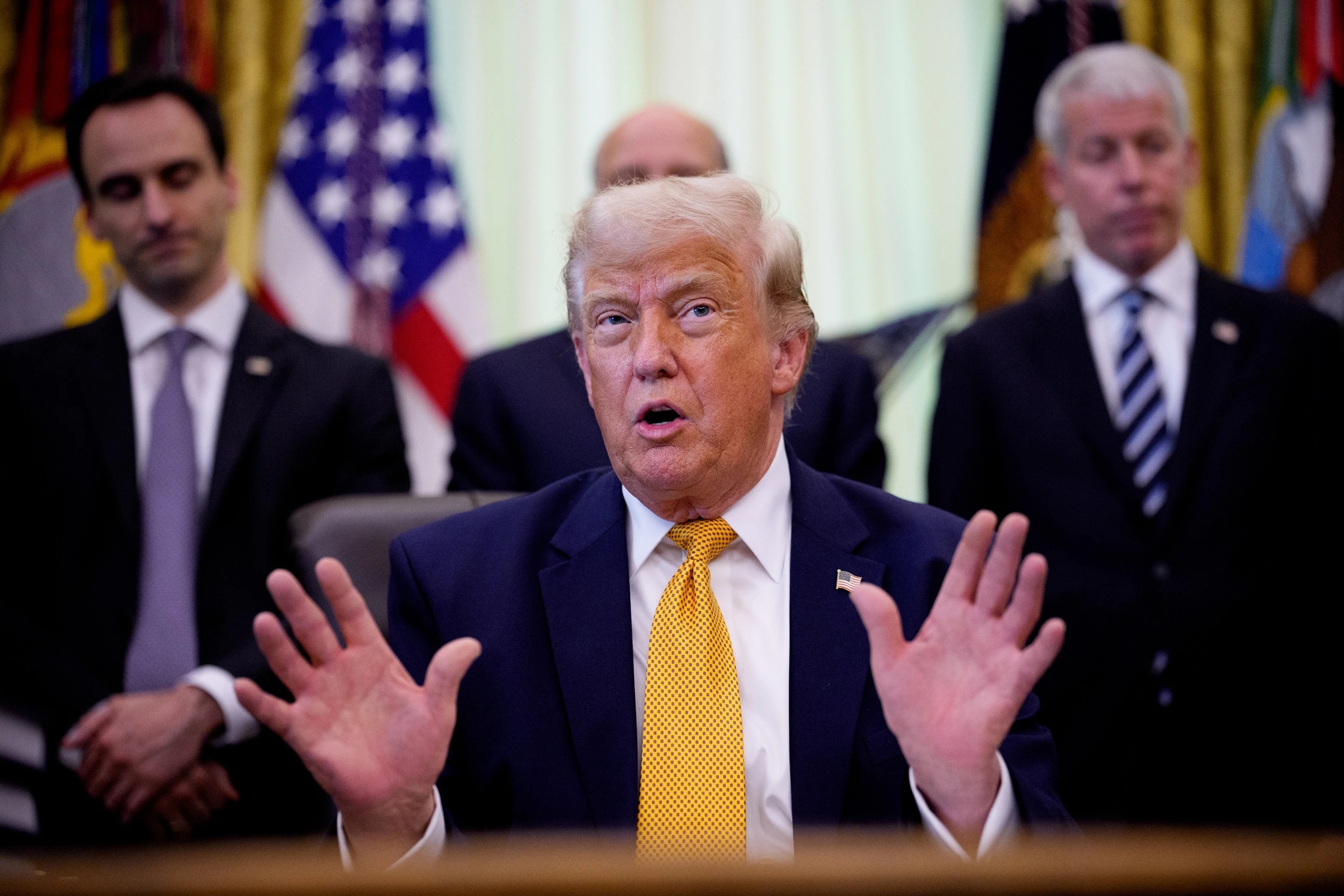
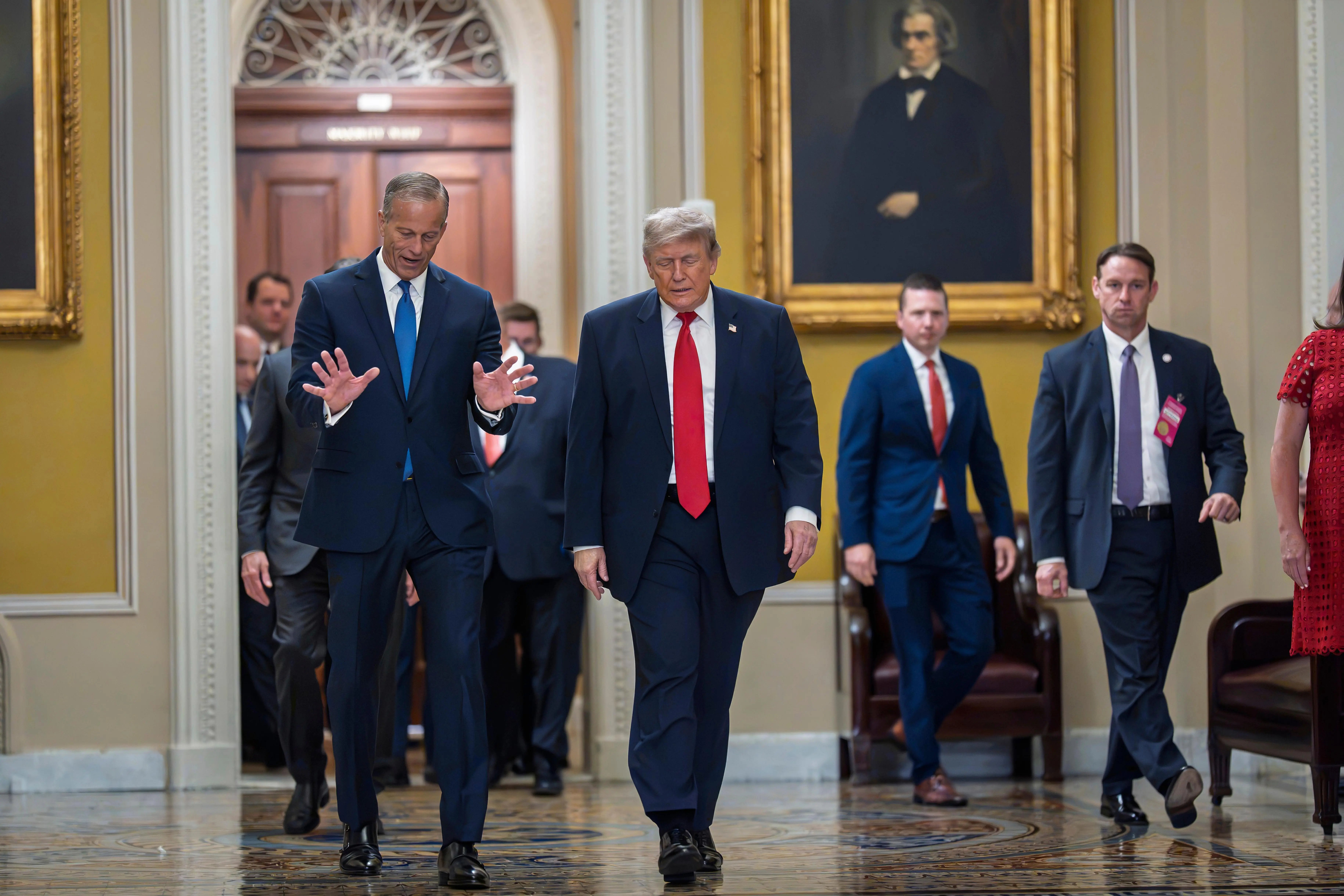
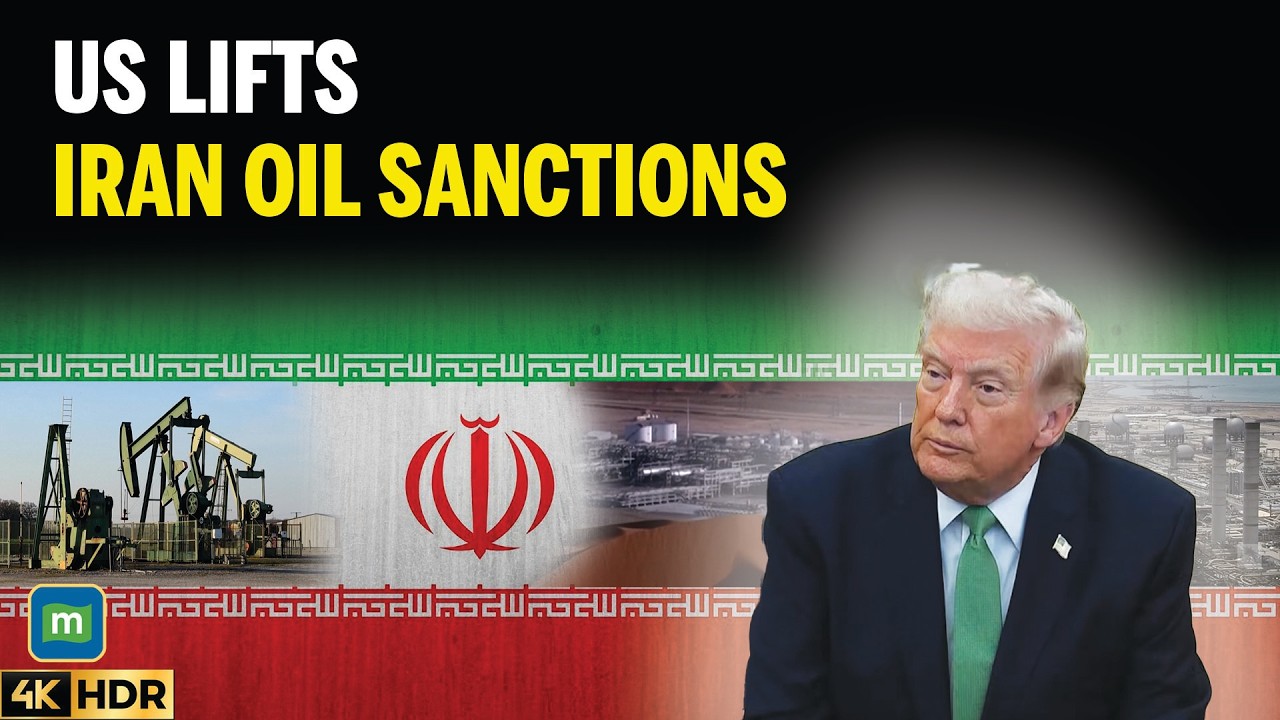
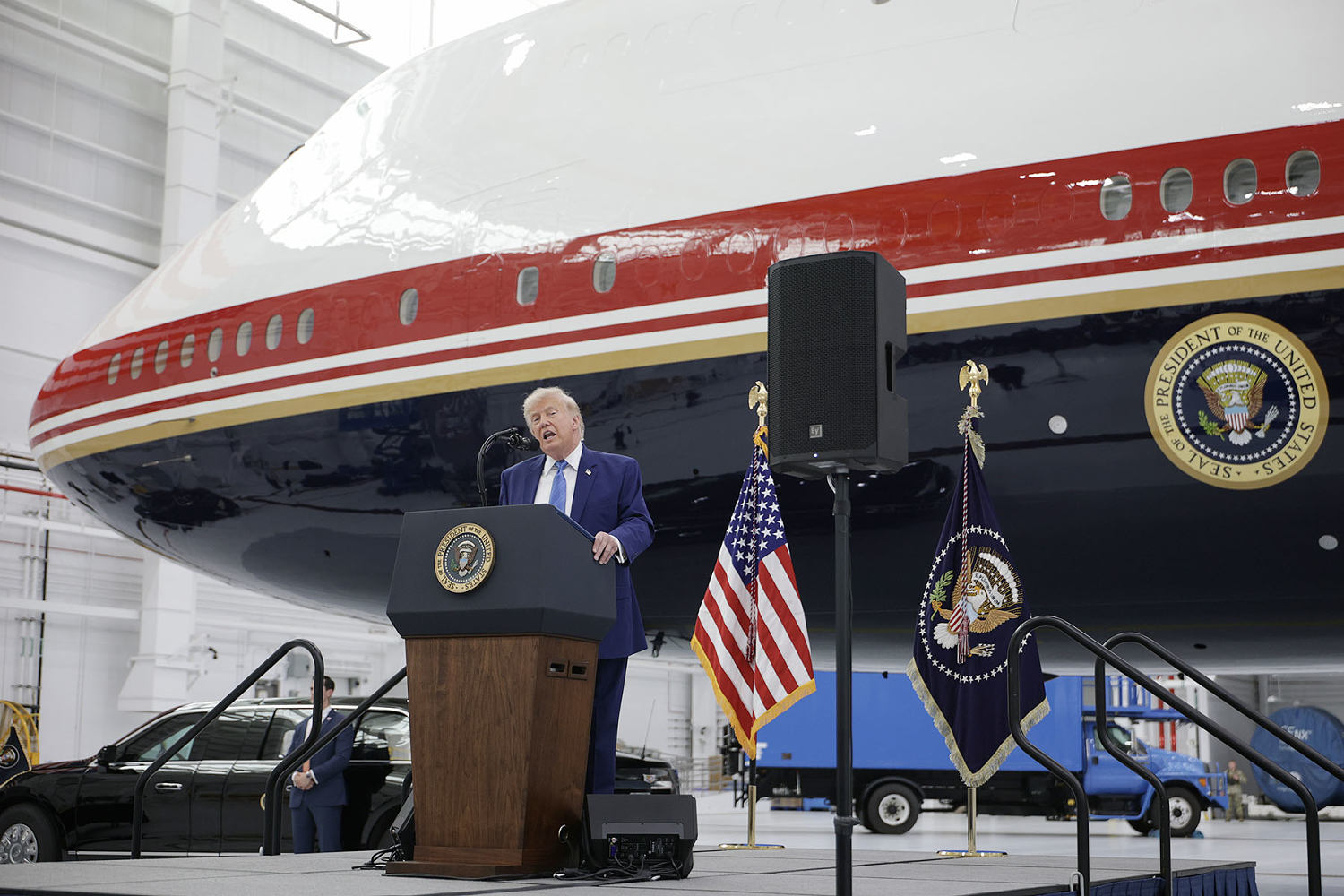
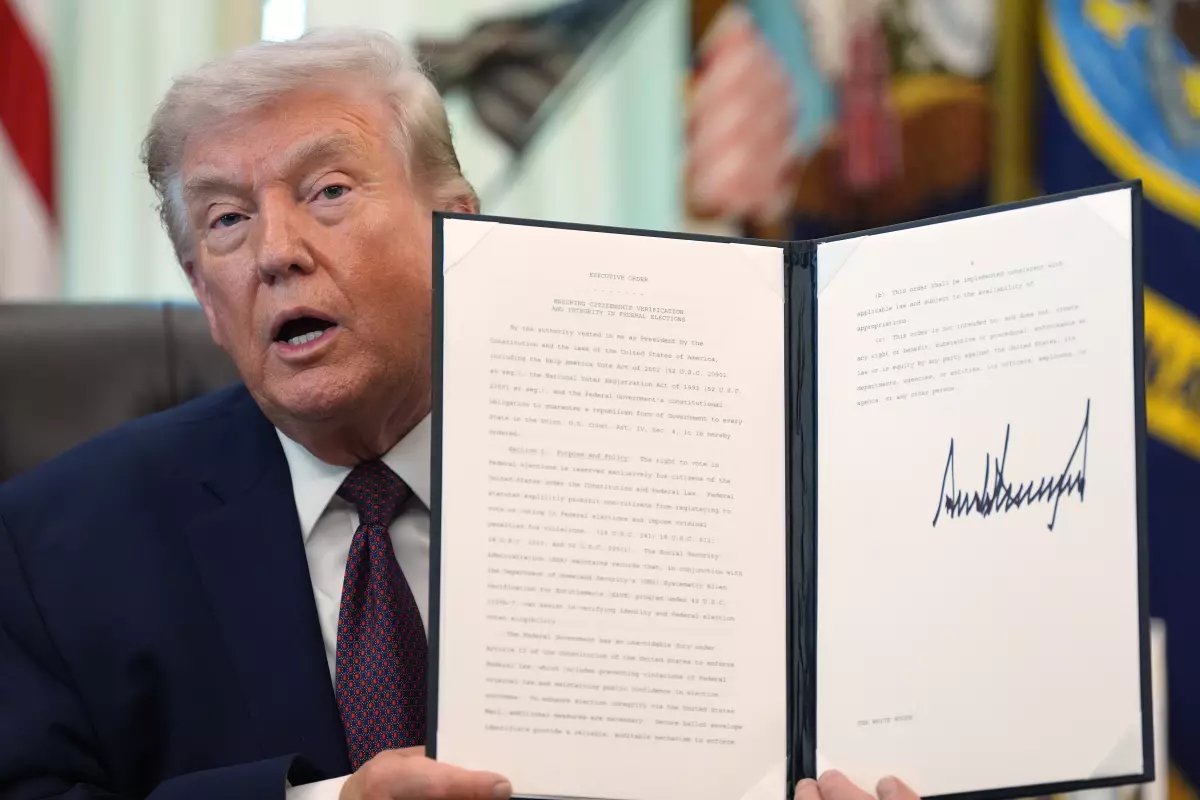
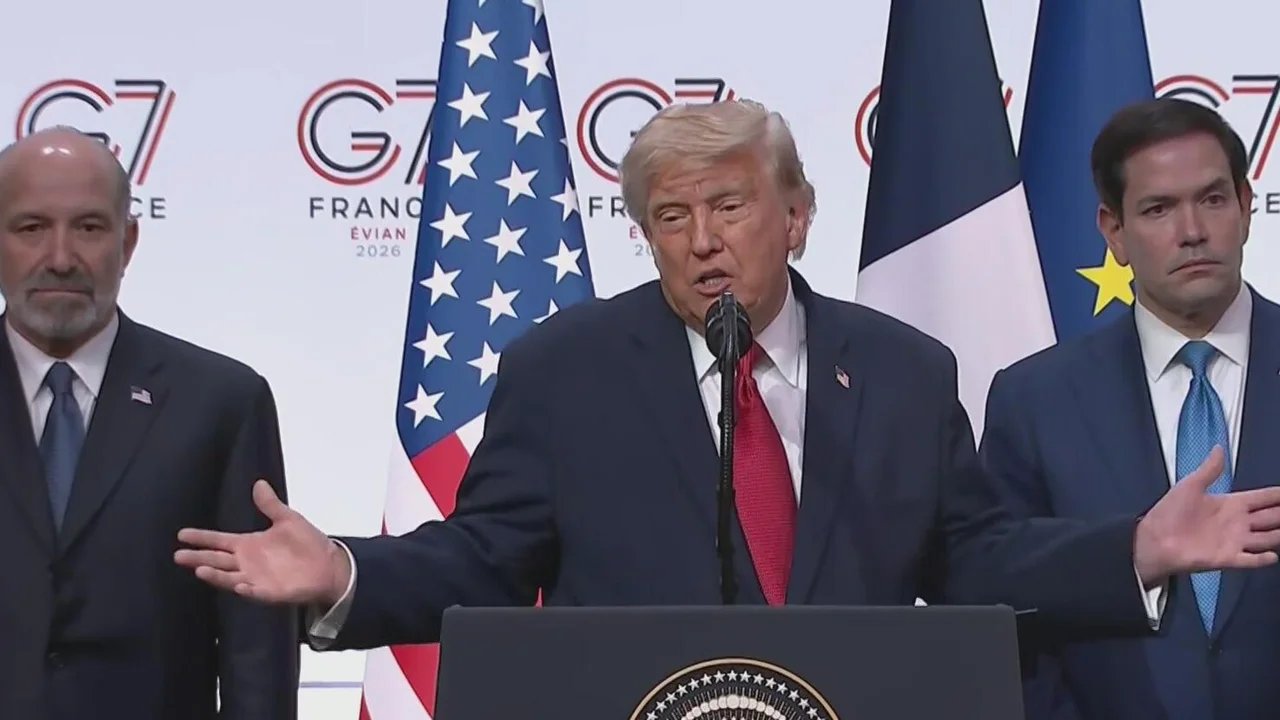
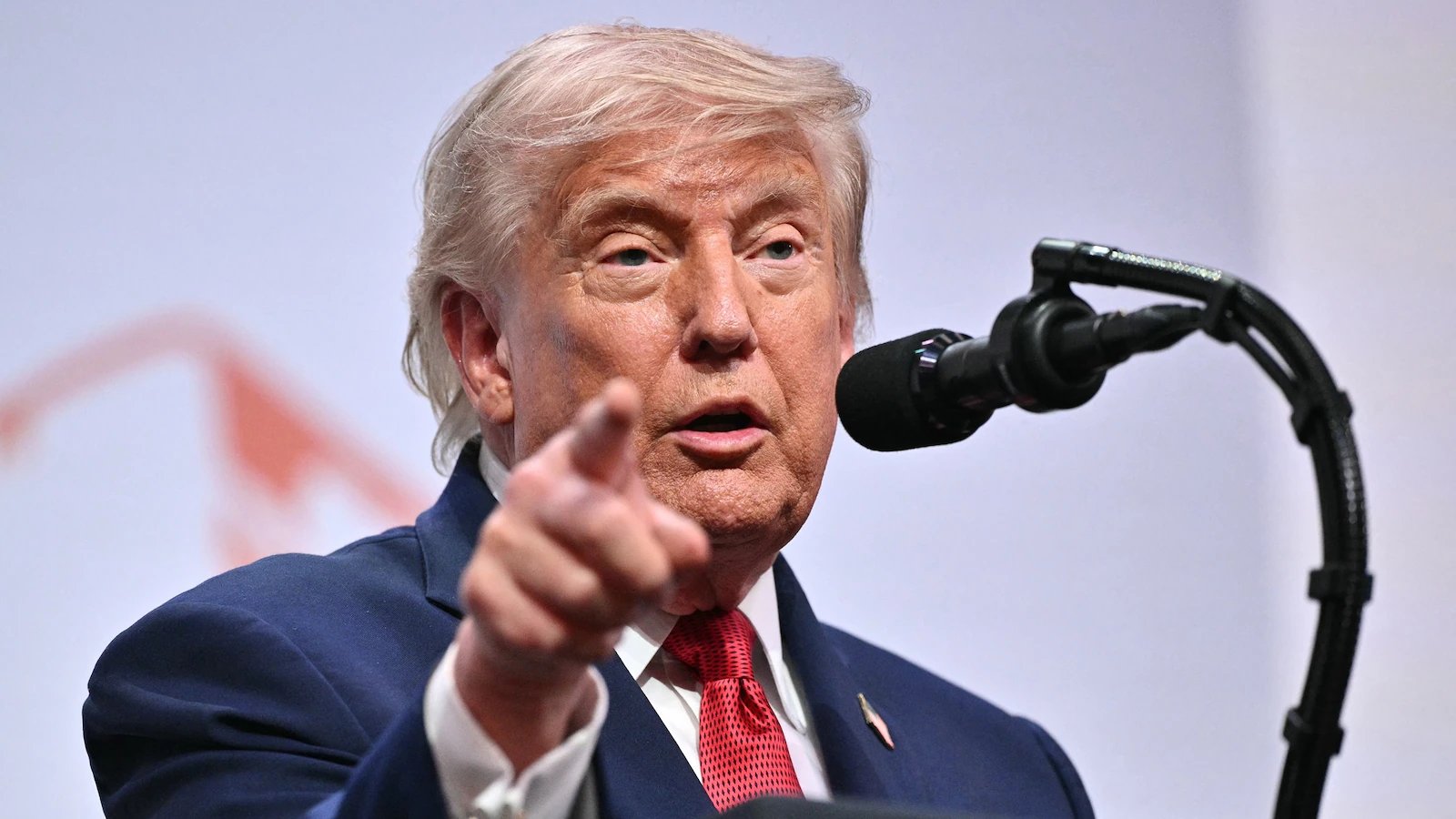
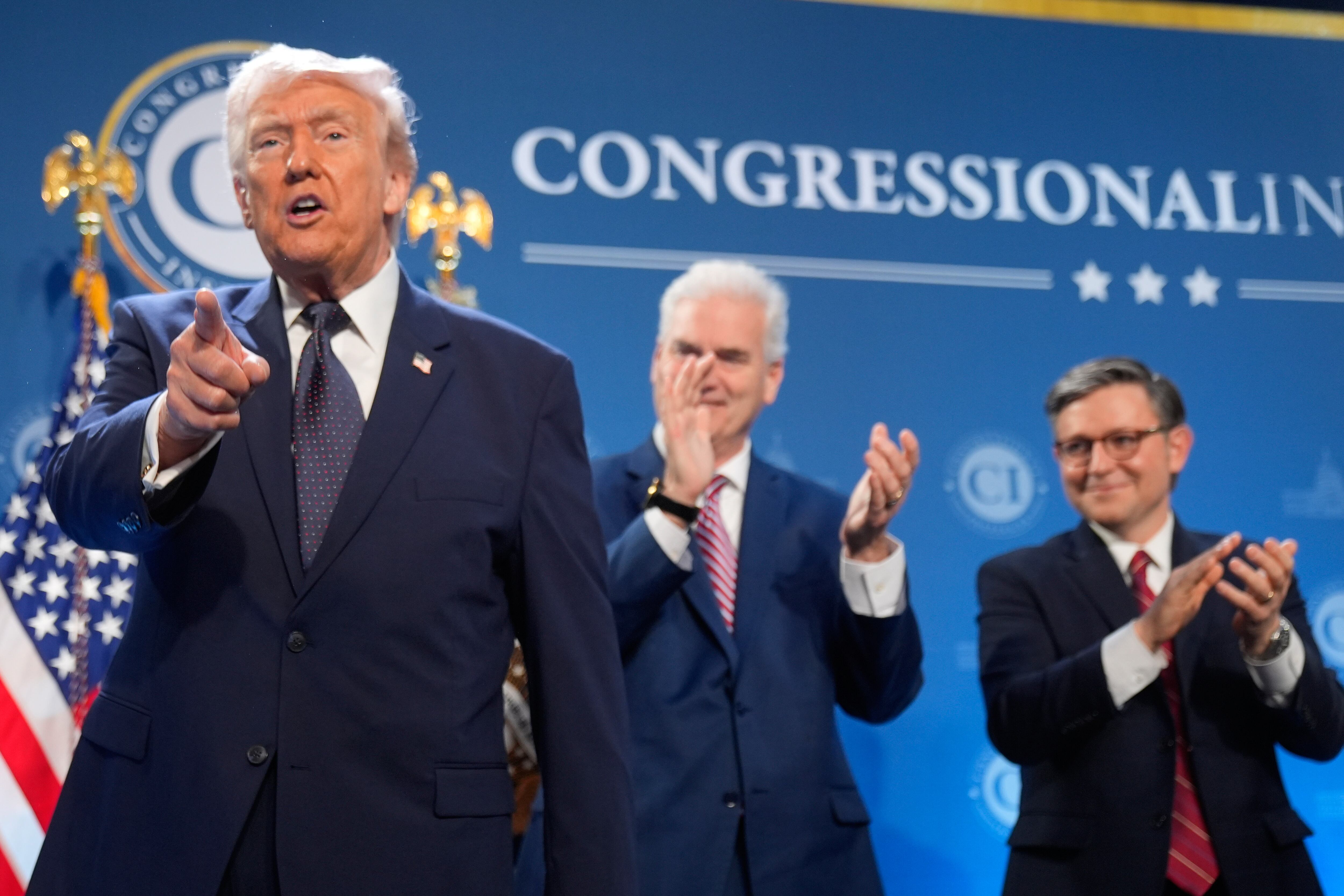
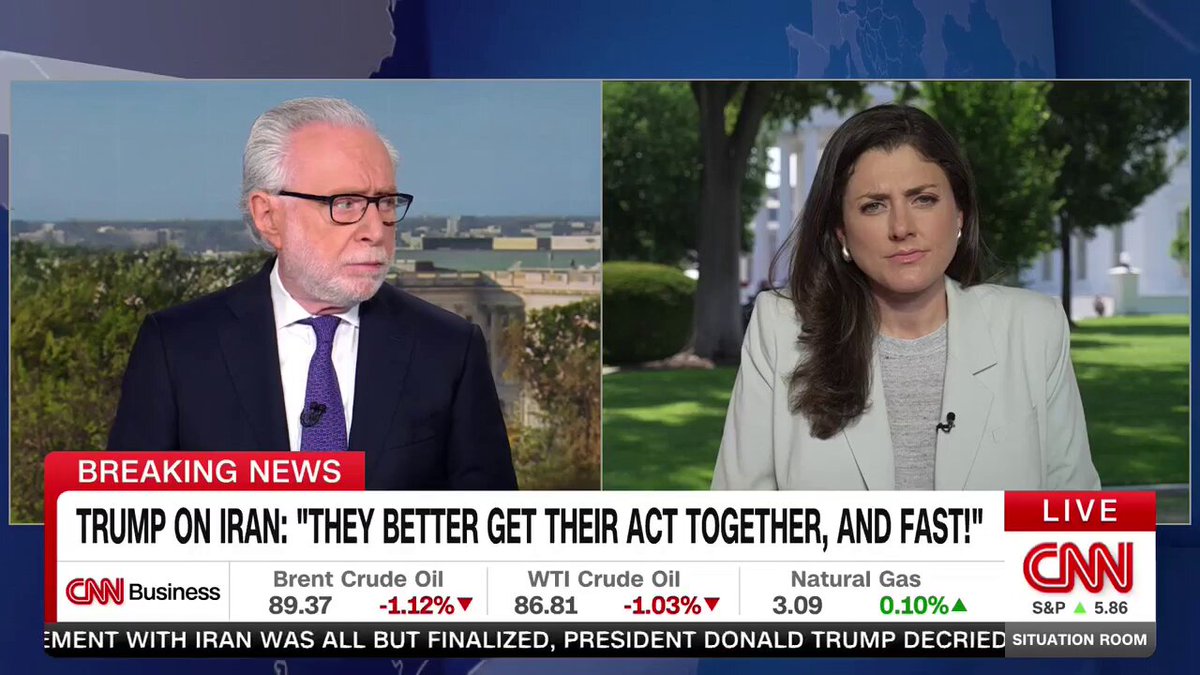
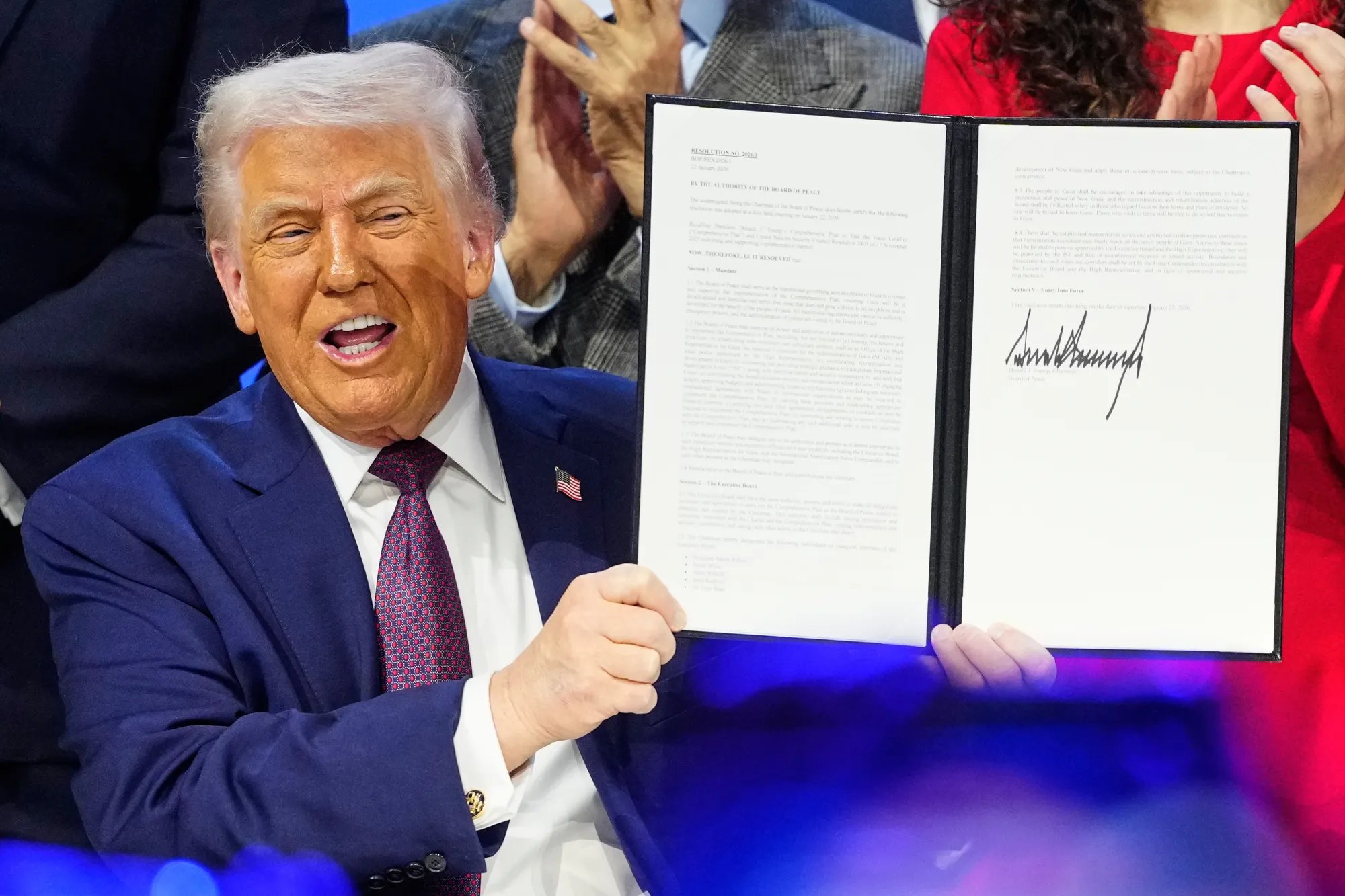
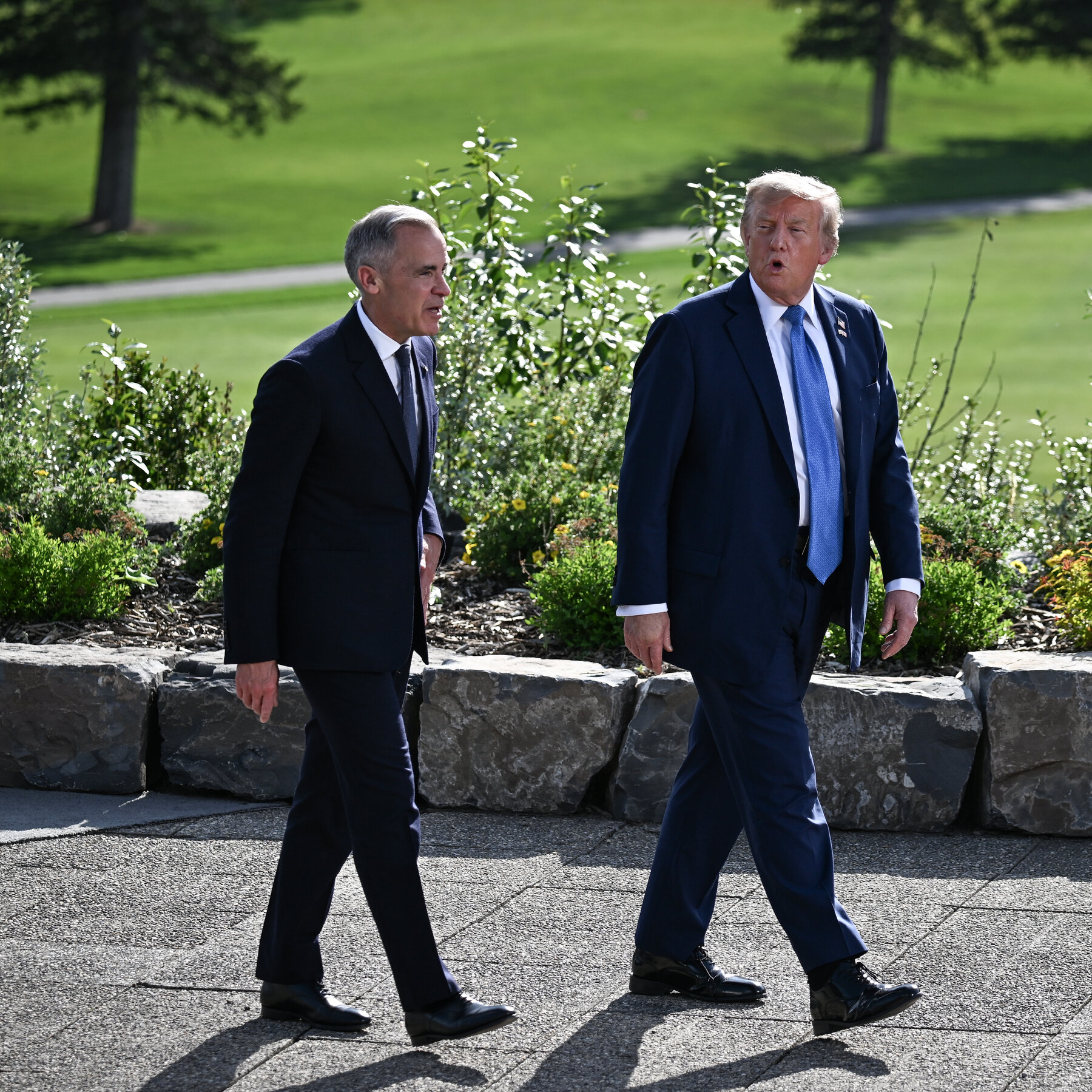
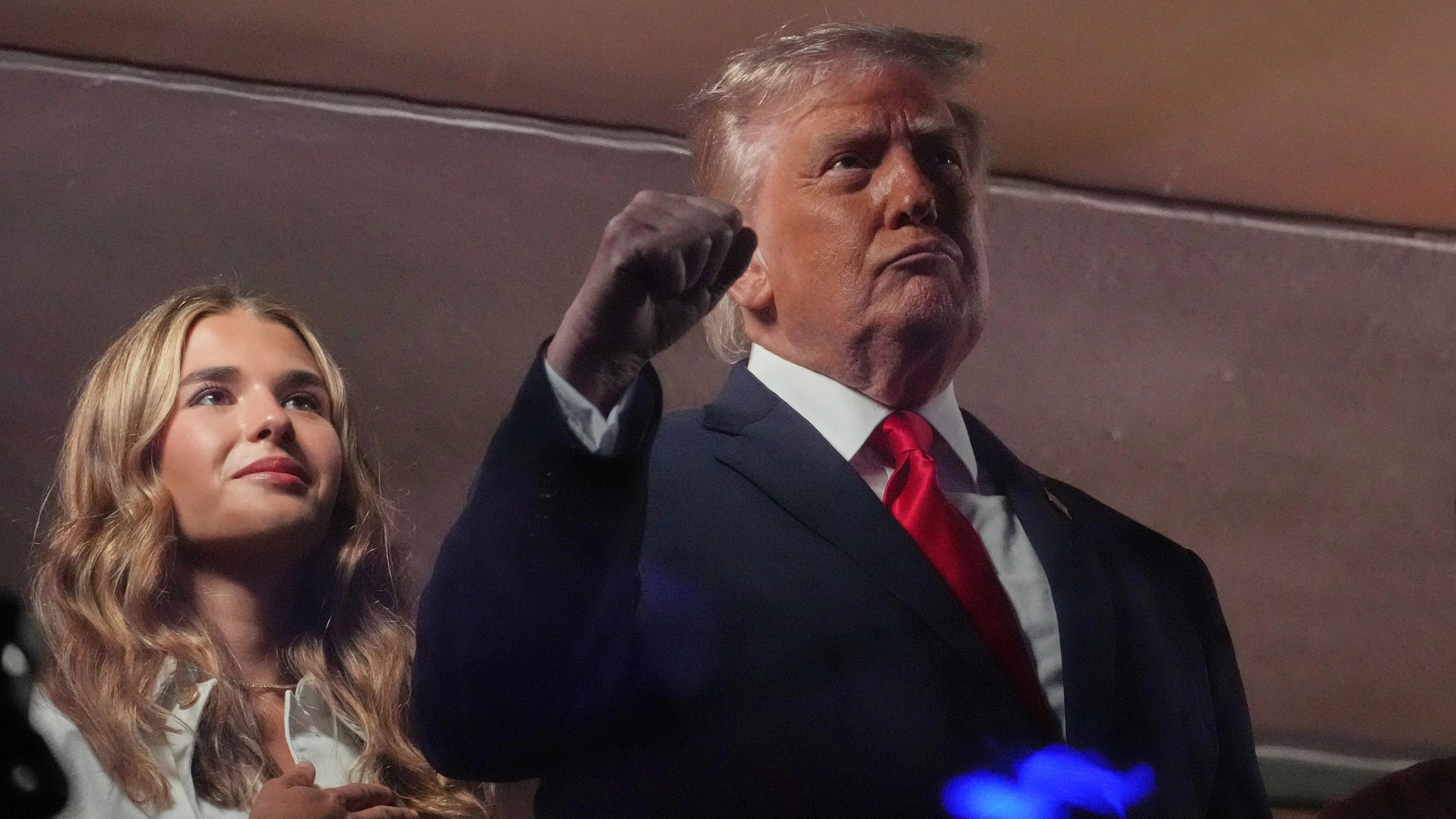
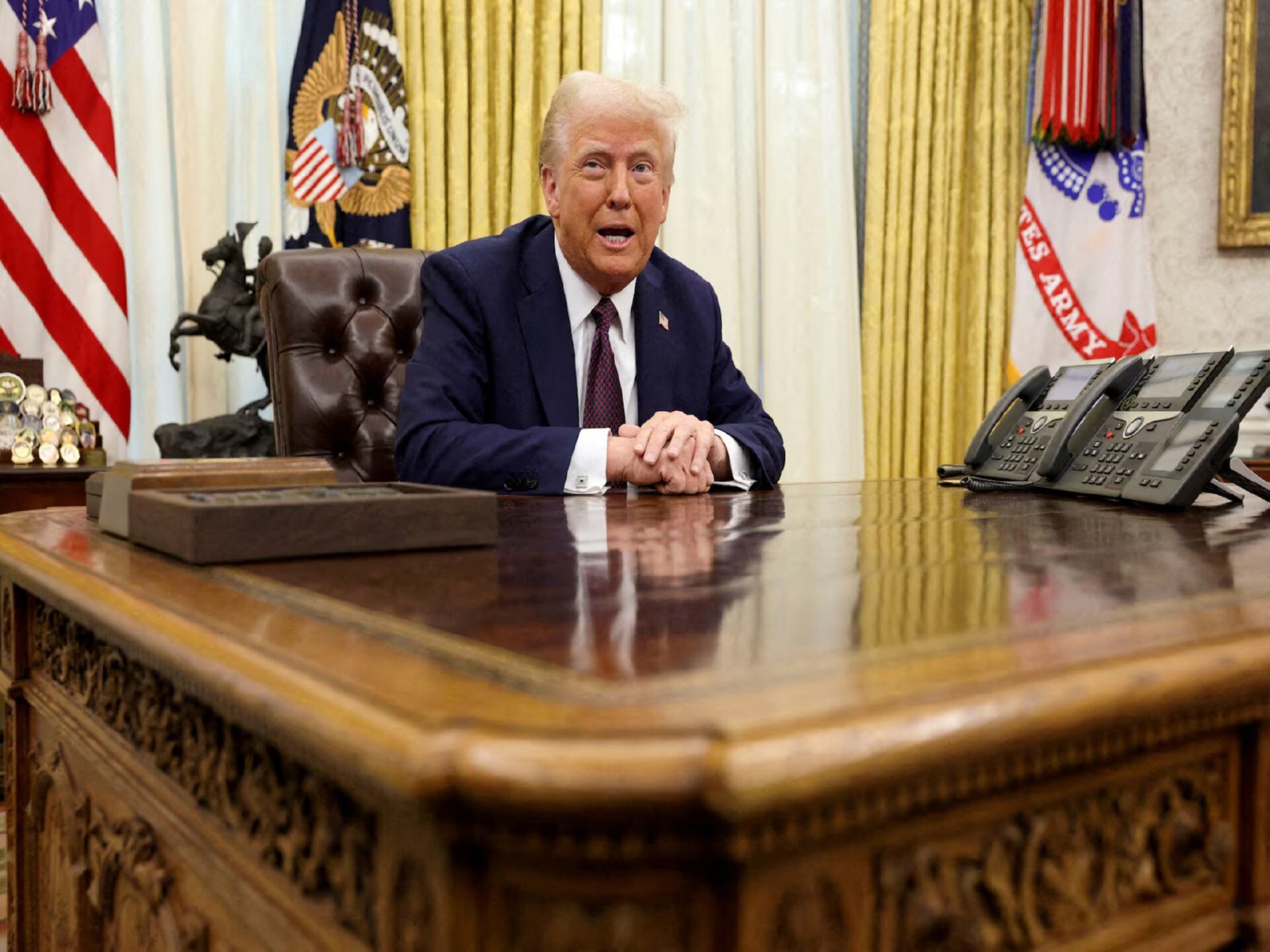
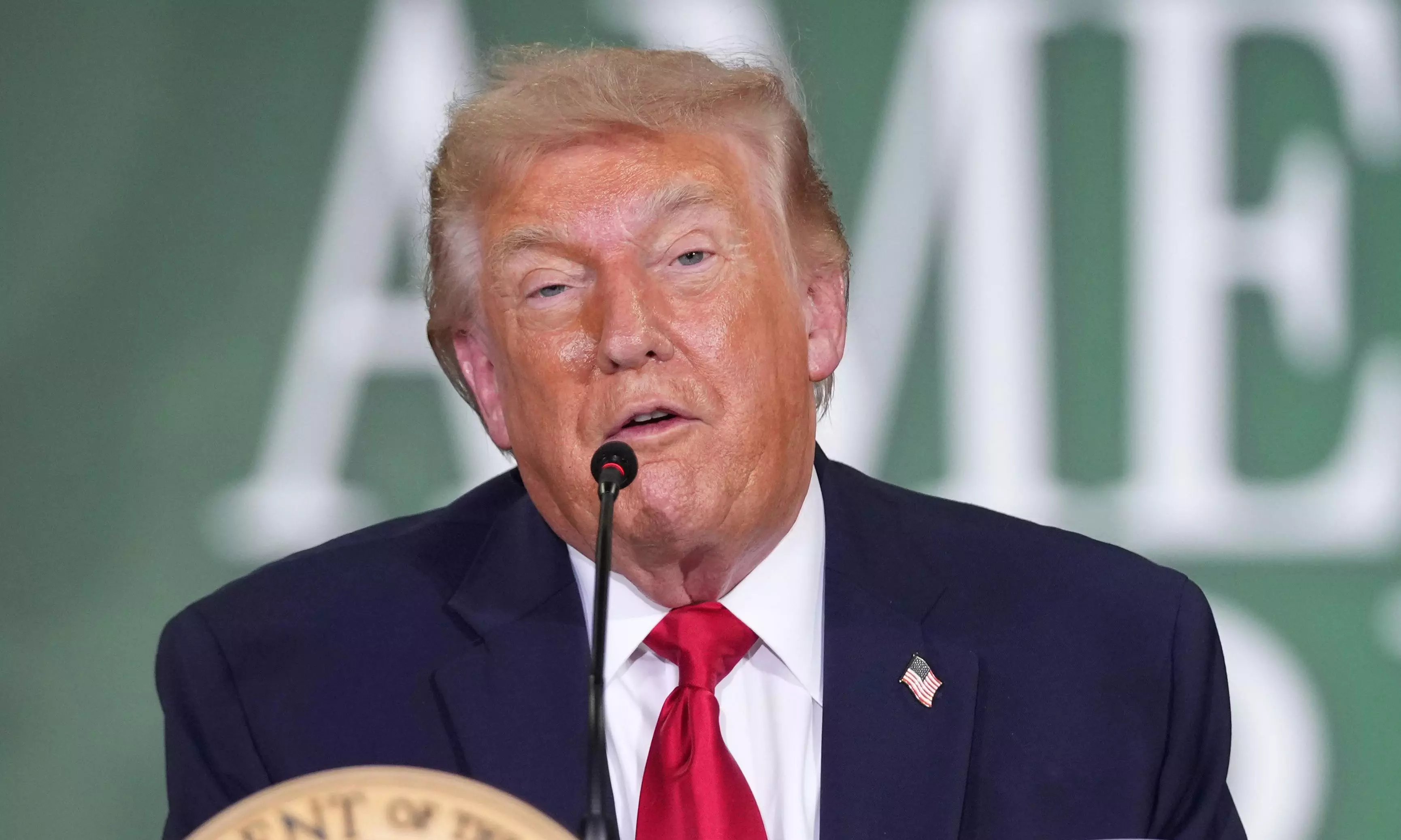
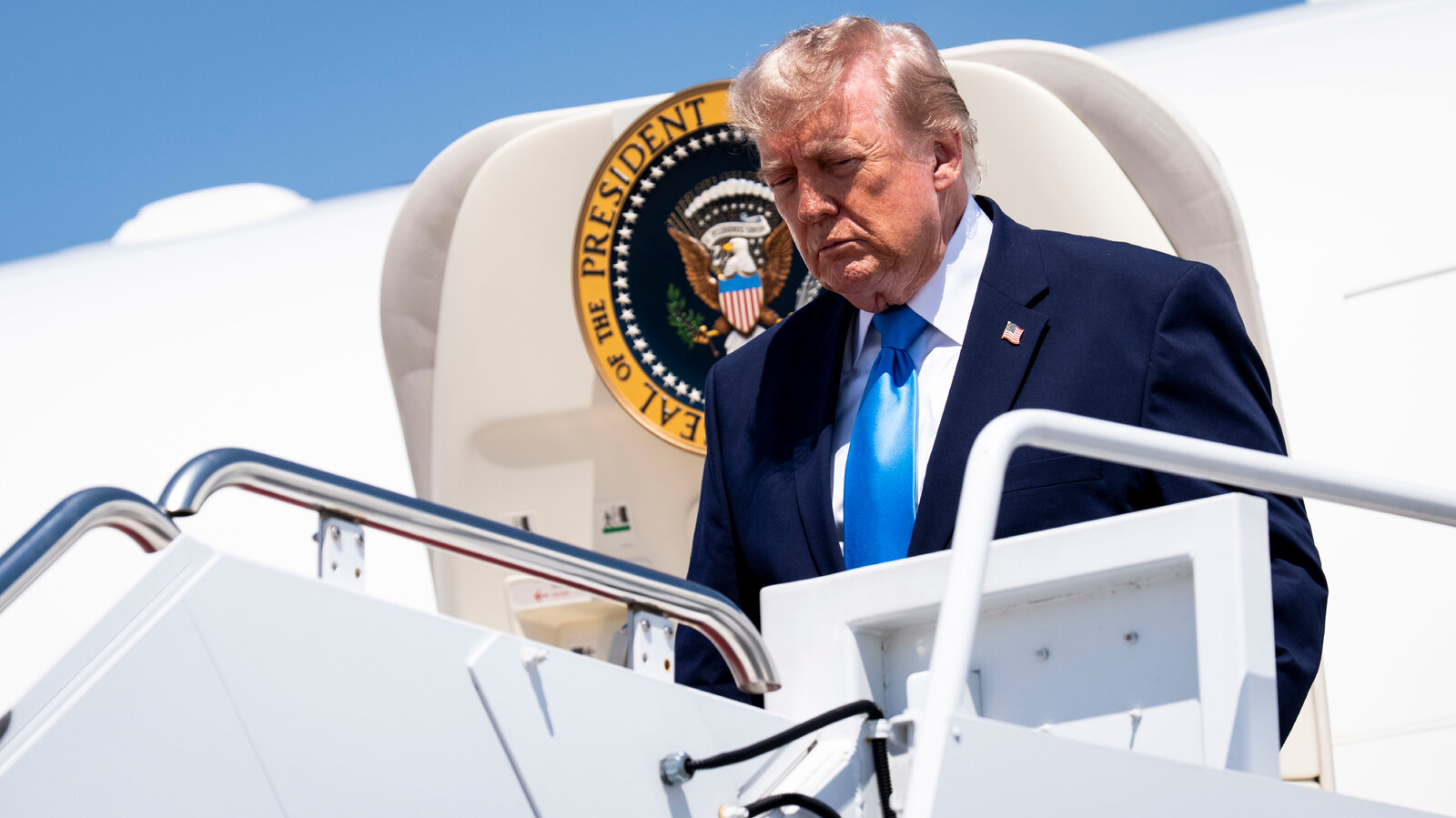
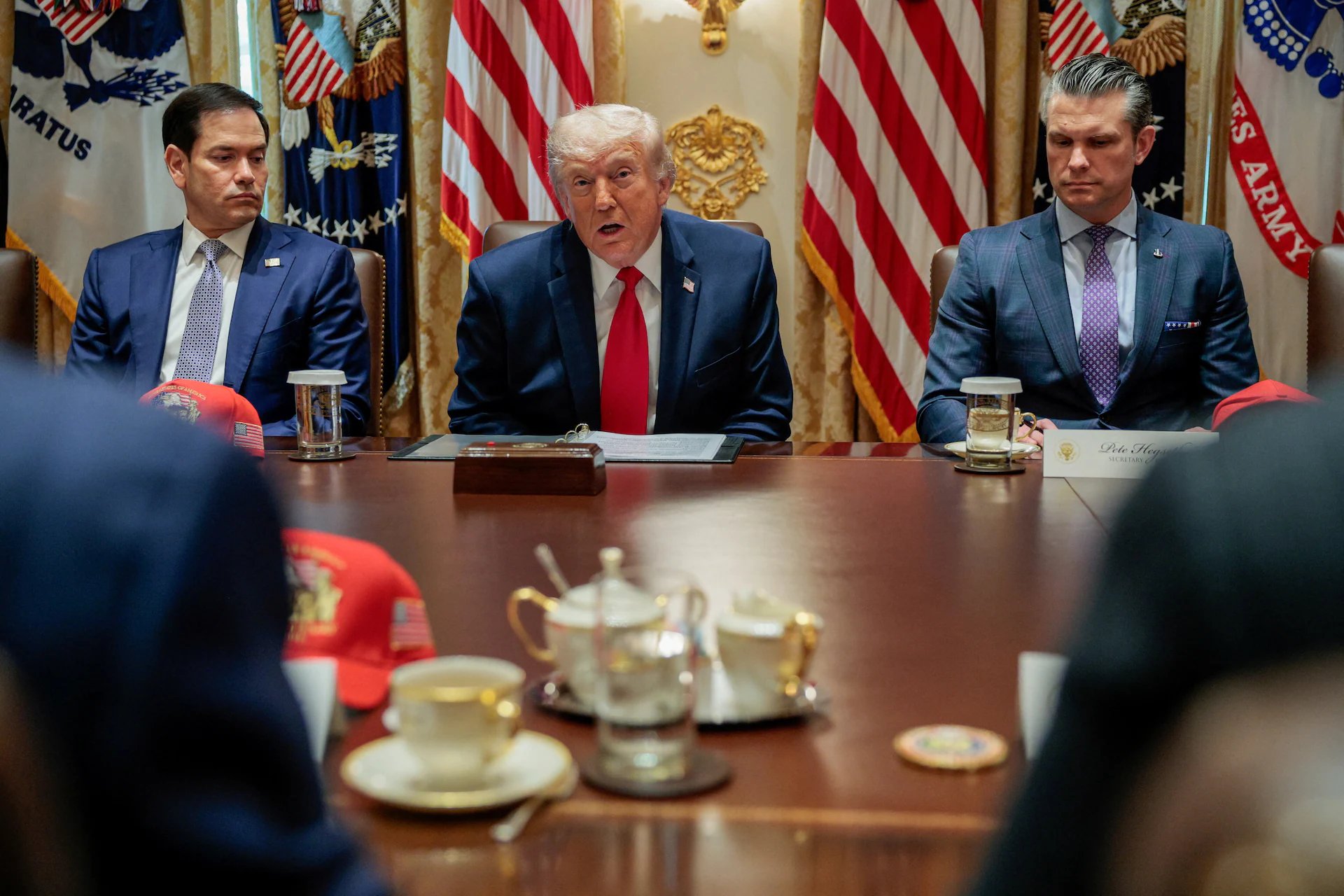
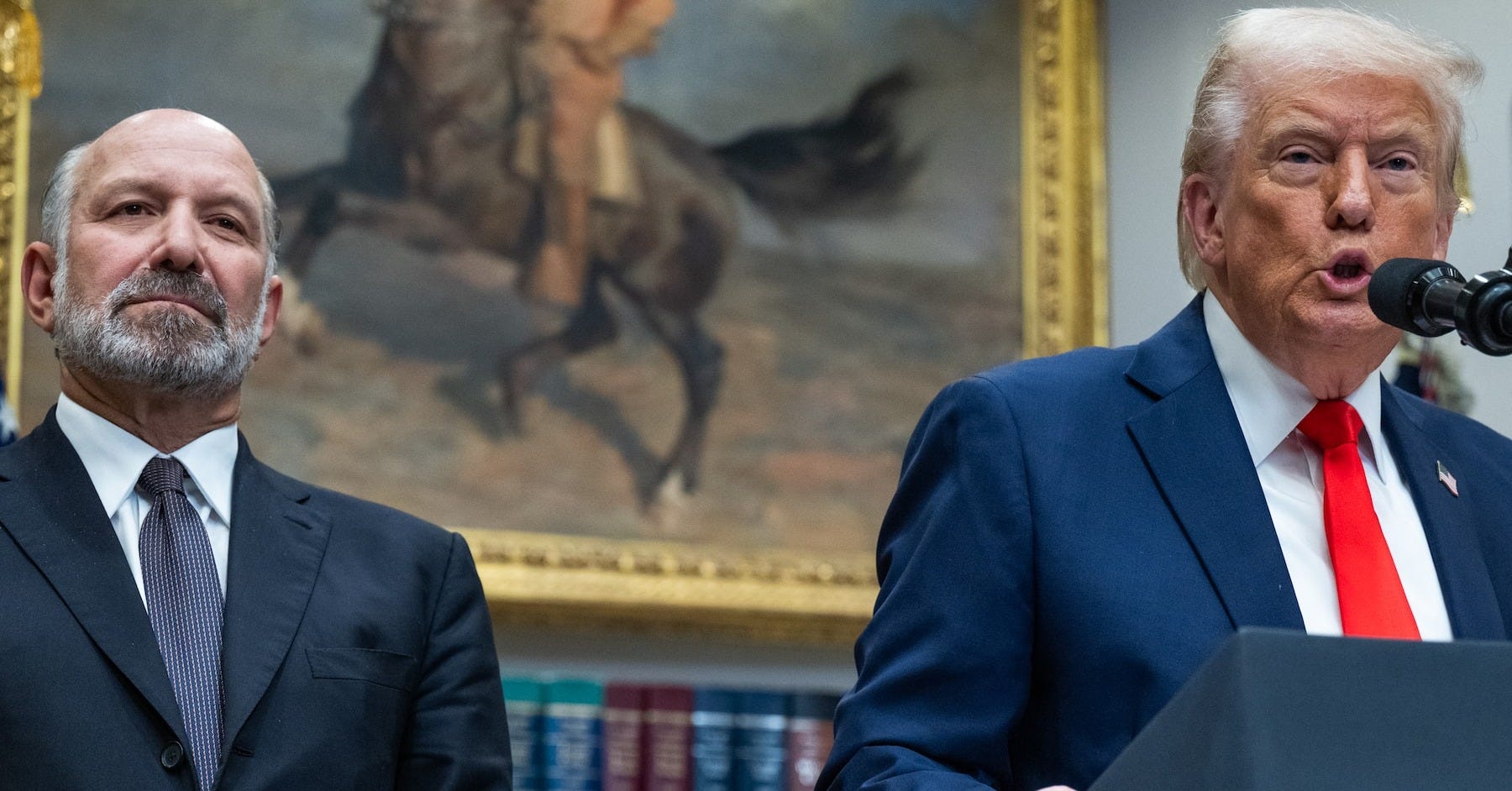
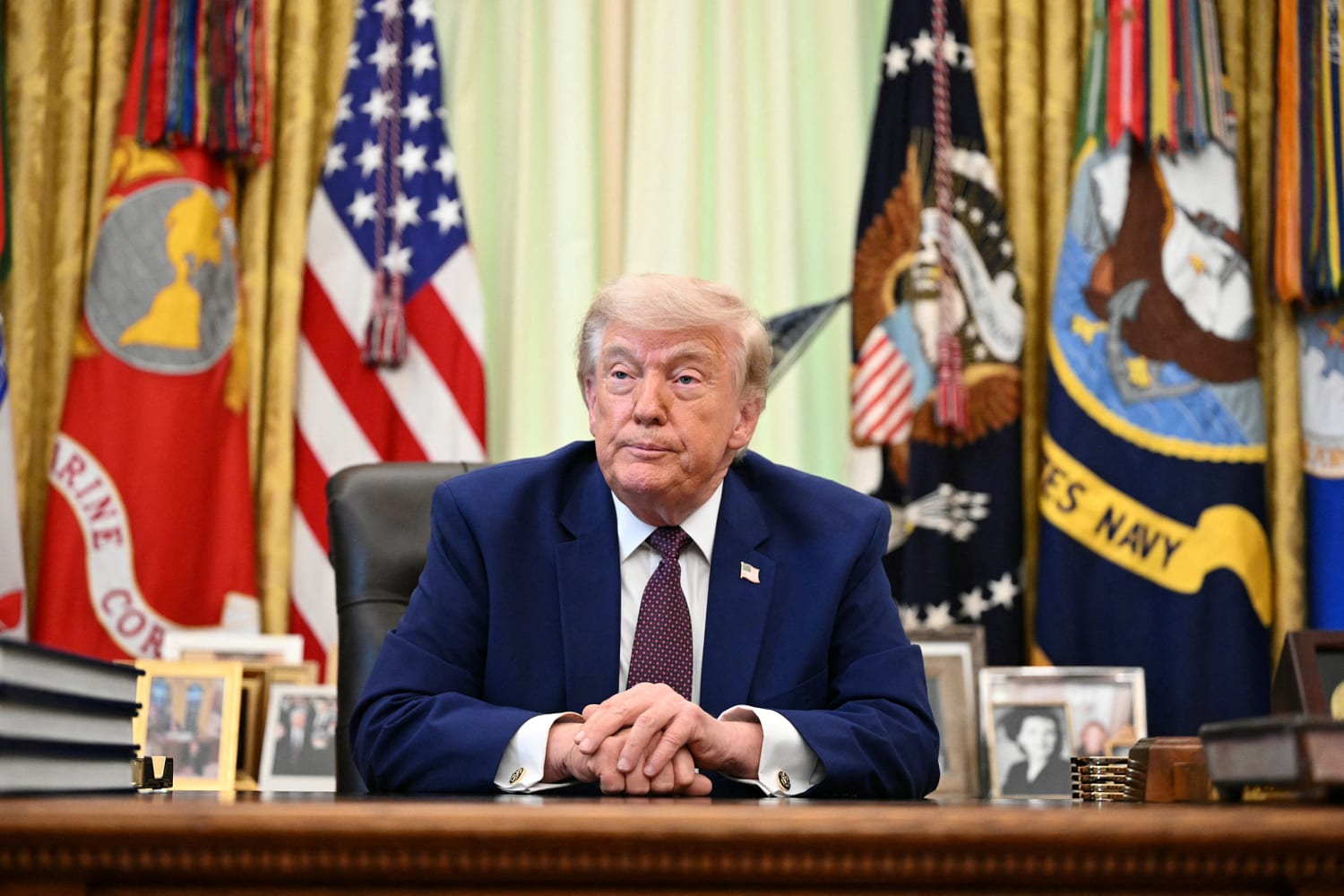
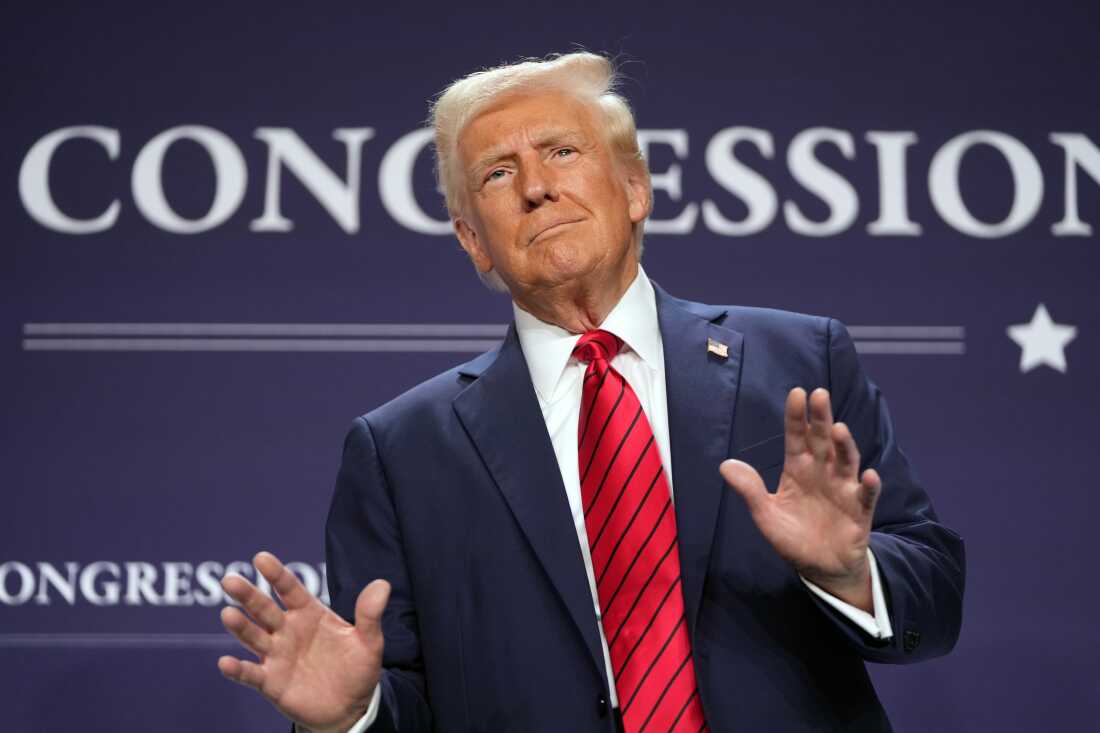
President Trump met with Senate Republicans at their policy lunch Wednesday and later stated that the Senate vote "puts Iran on notice" amid negotiations between the two nations. Trump said the party was "unified" on the issue, though he expressed displeasure with some GOP members.
Ongoing Negotiations and Regional Stability
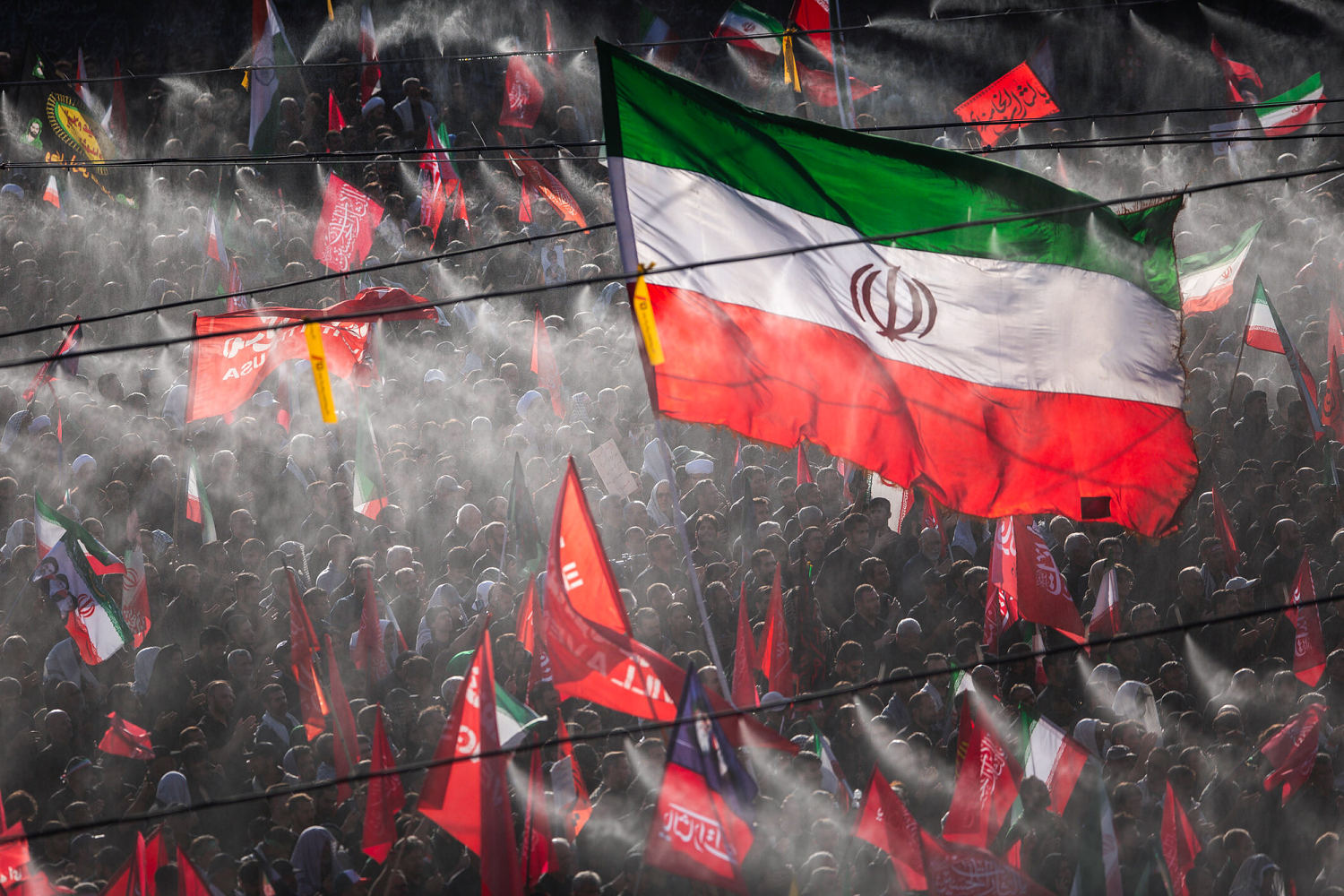
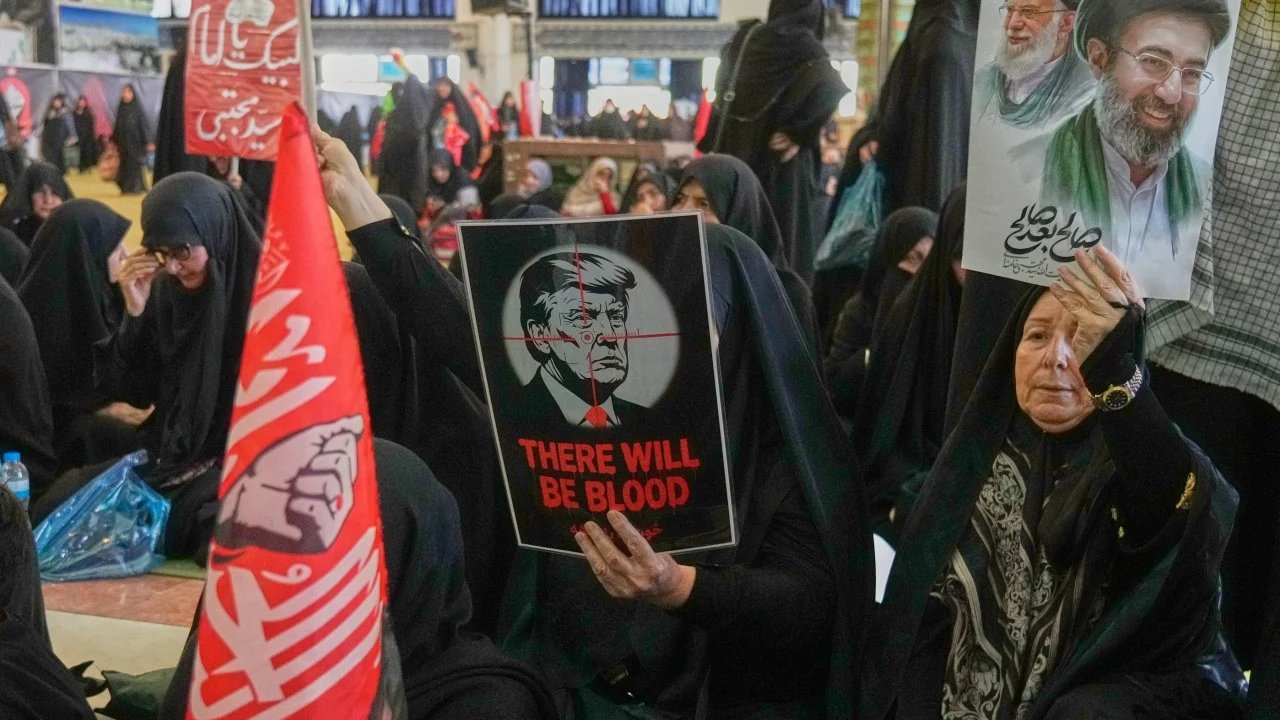
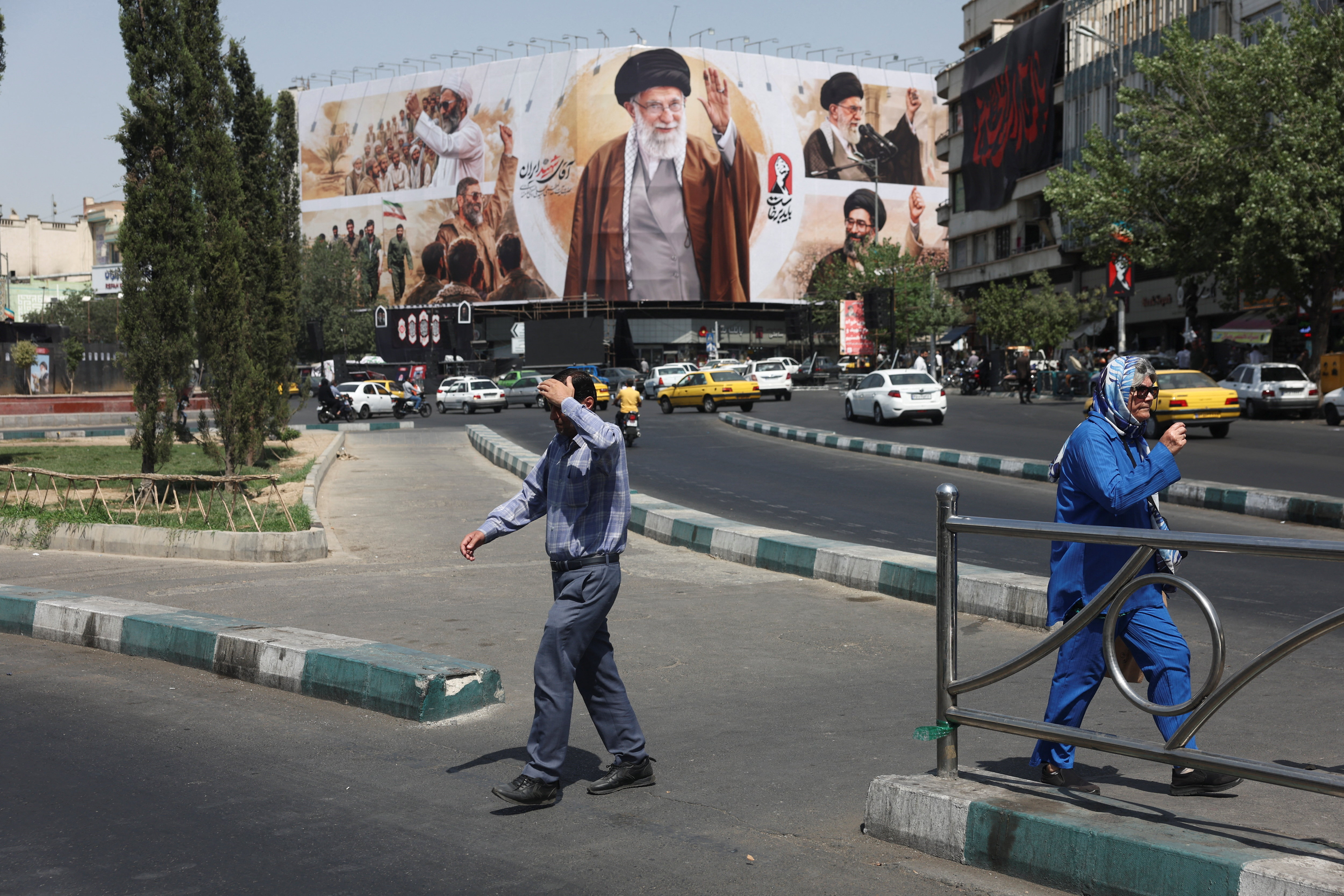
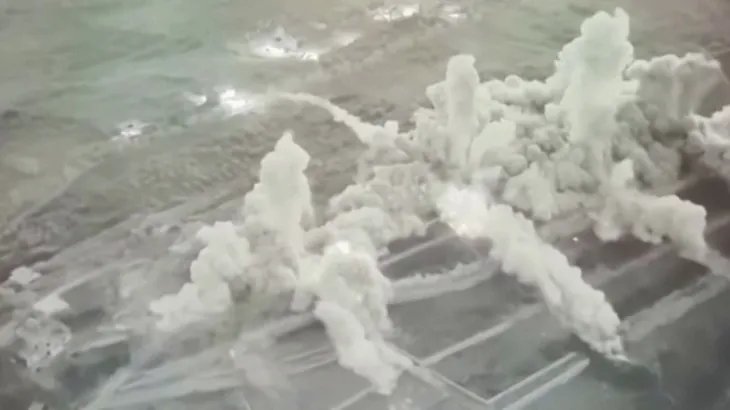
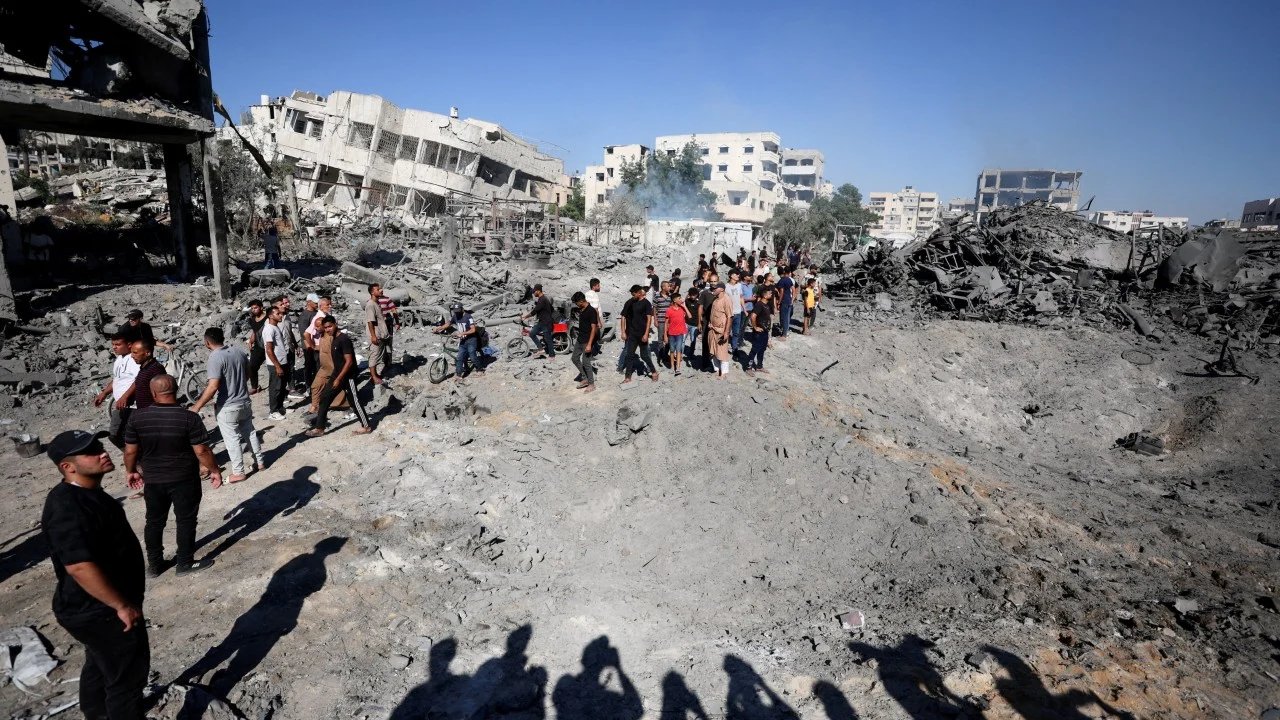
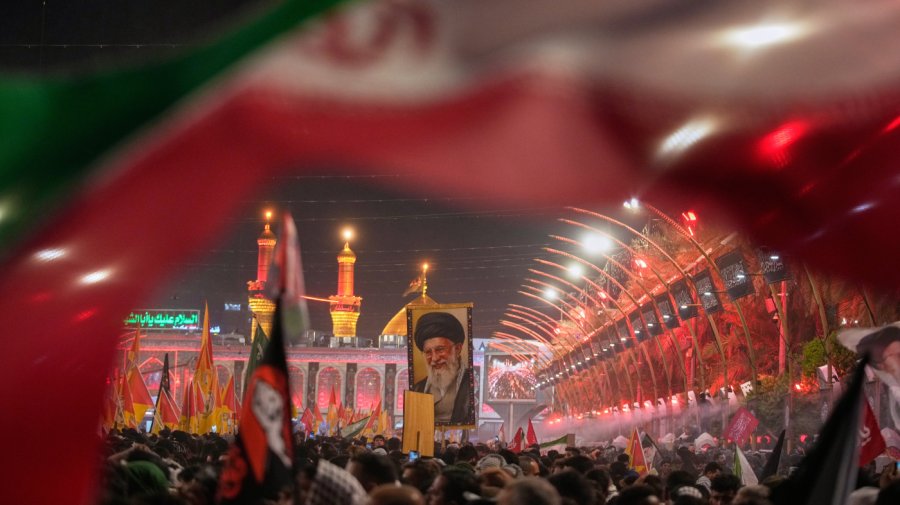
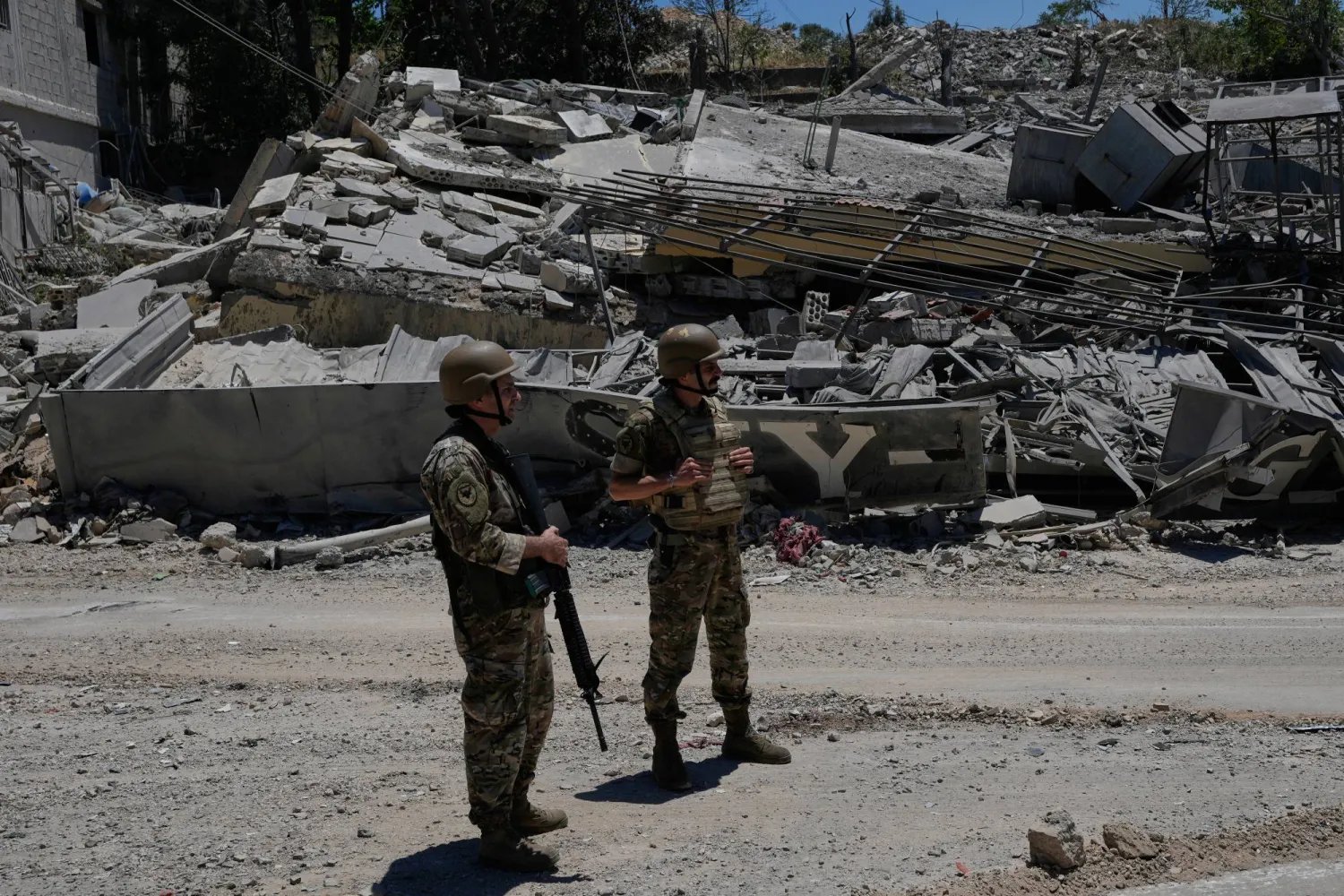
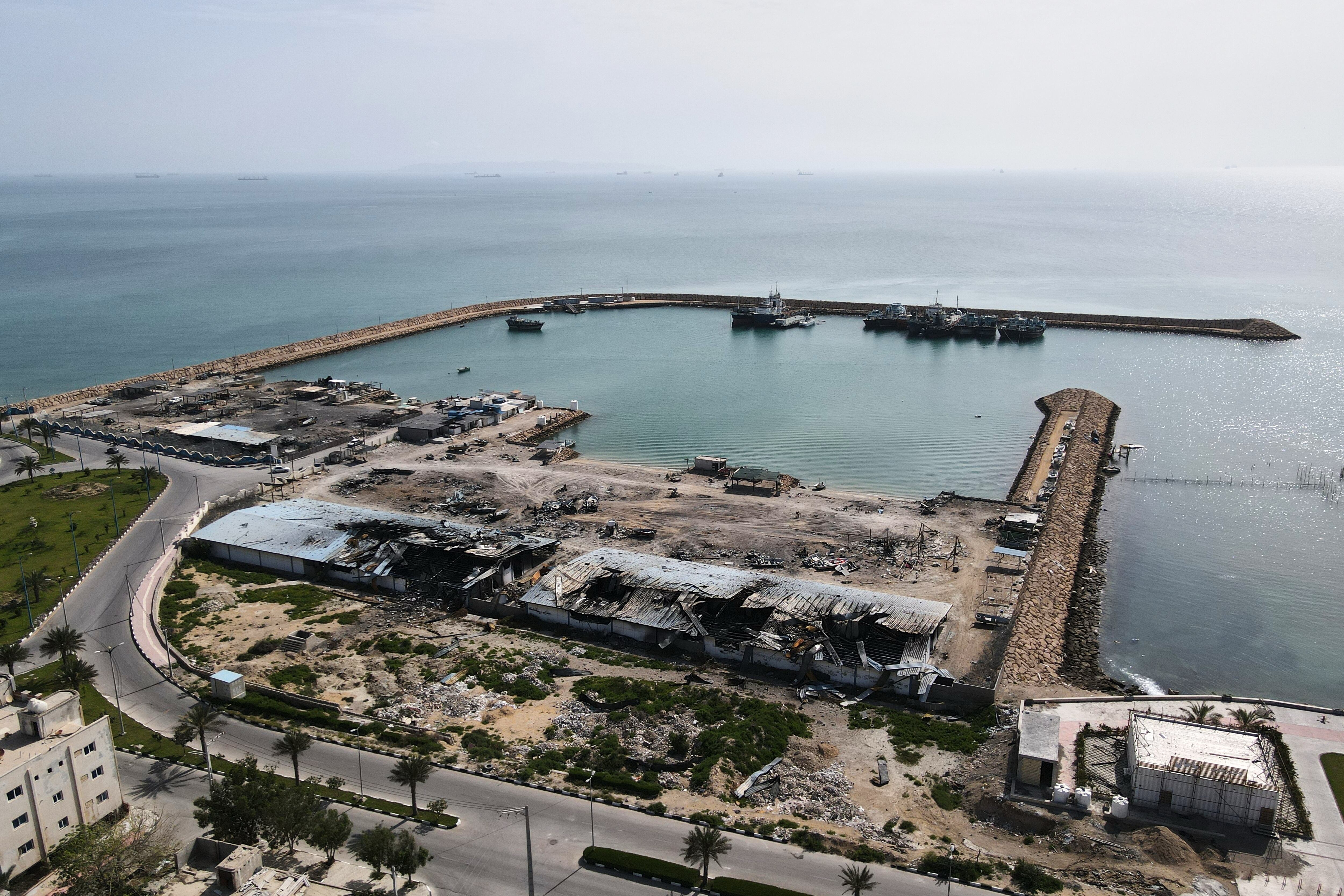
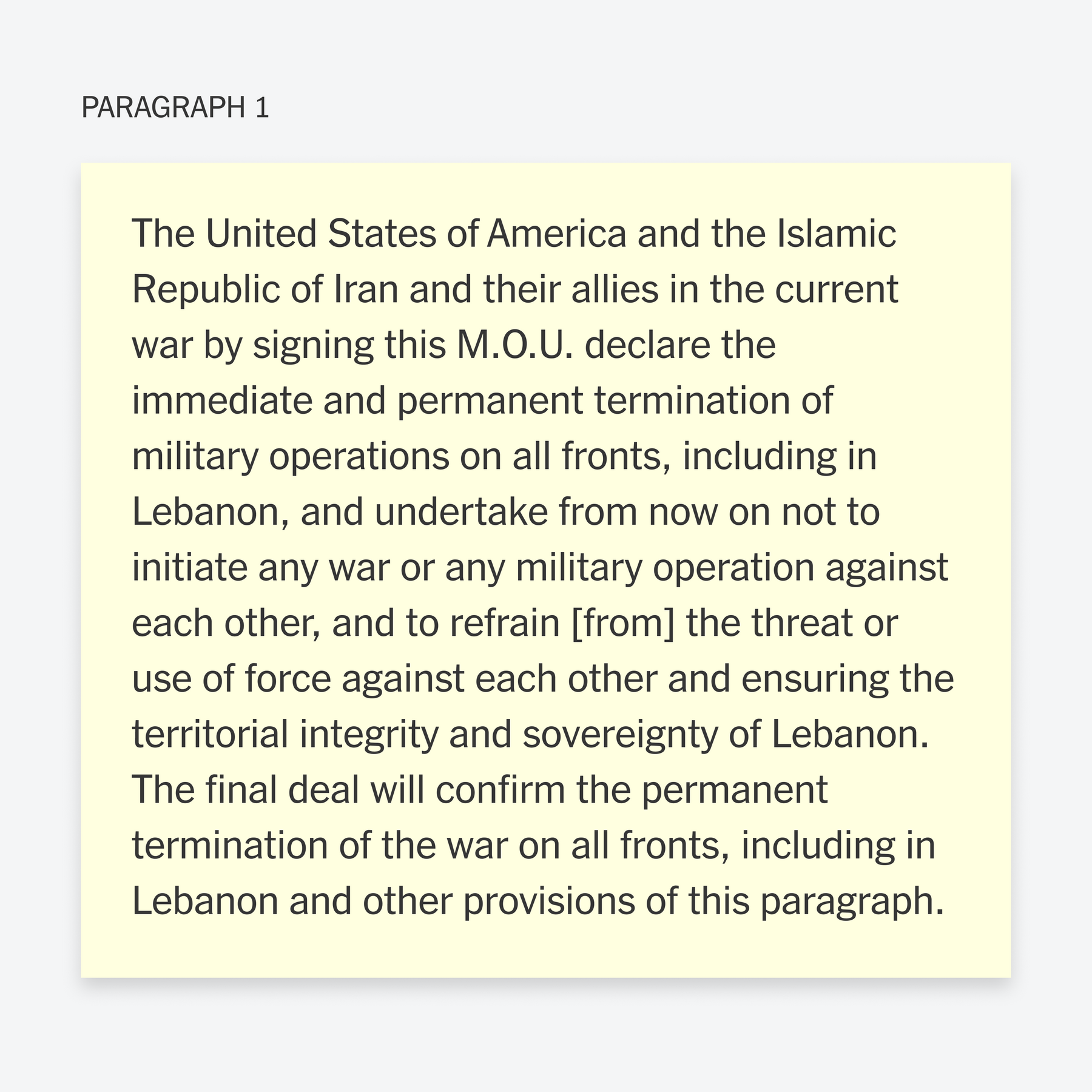
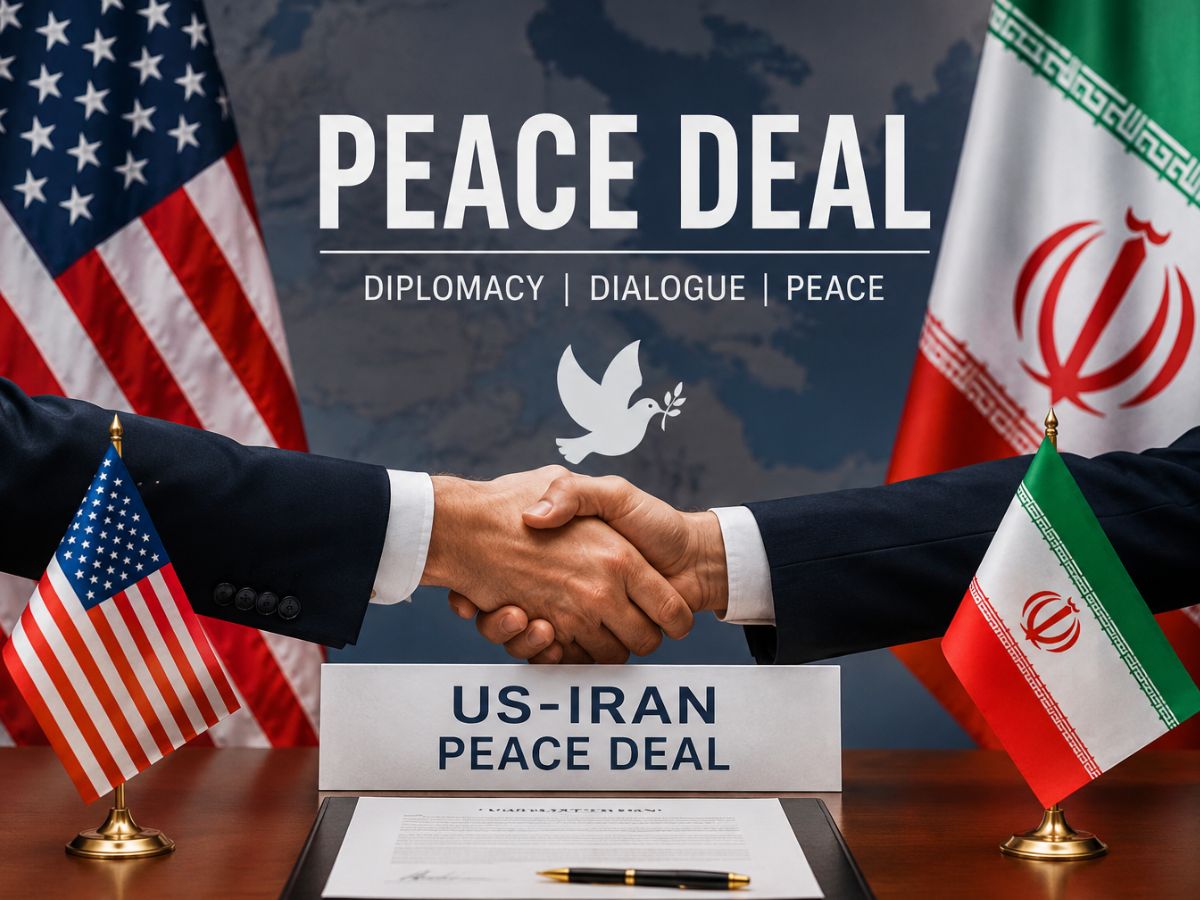
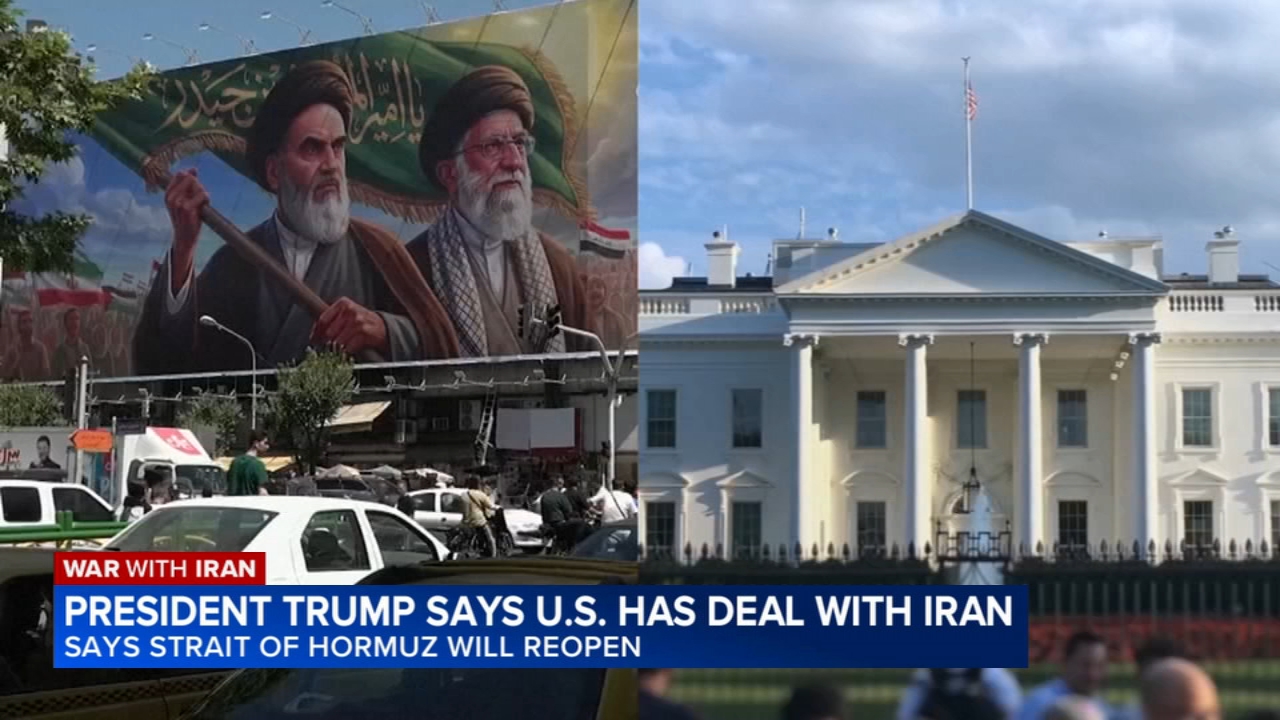
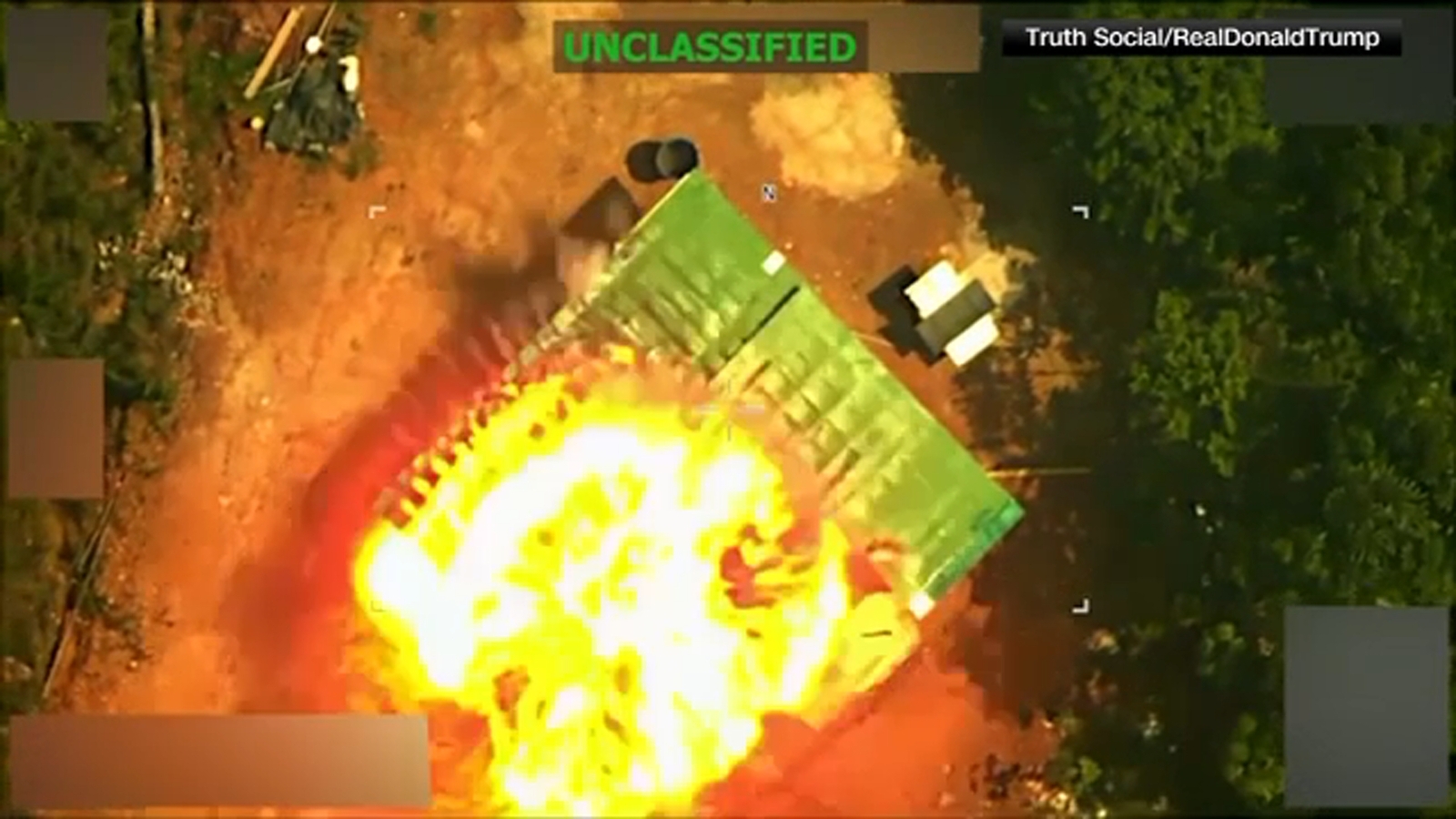
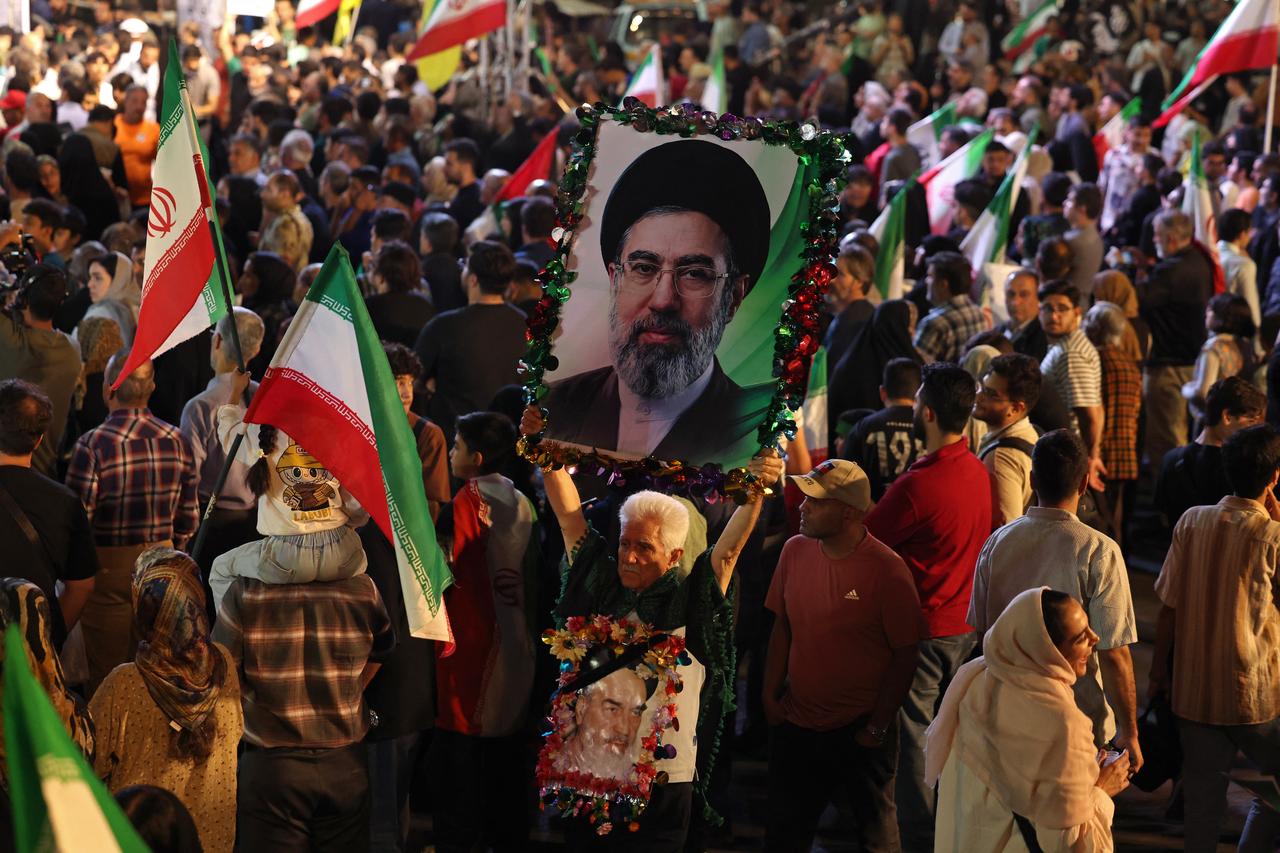
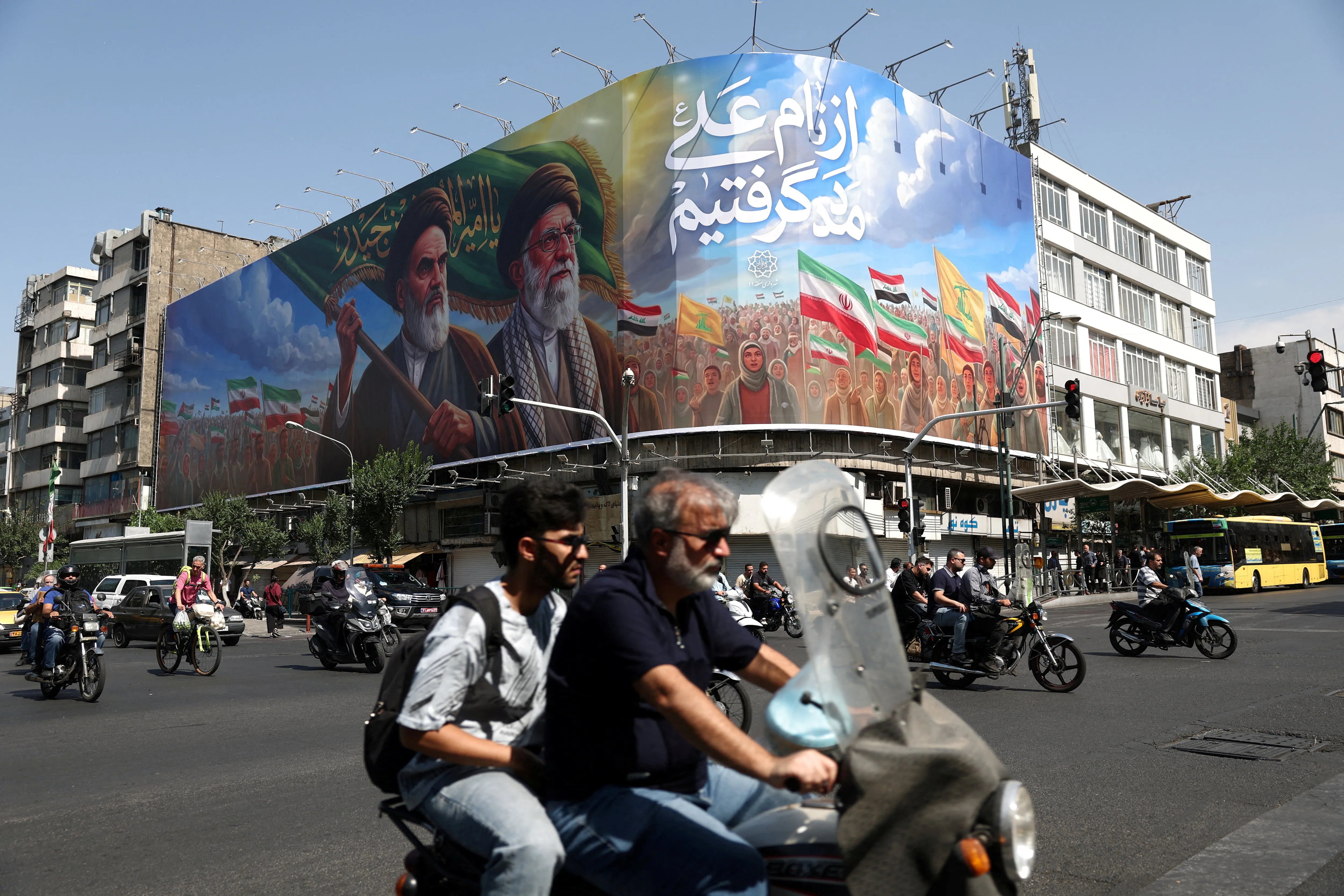
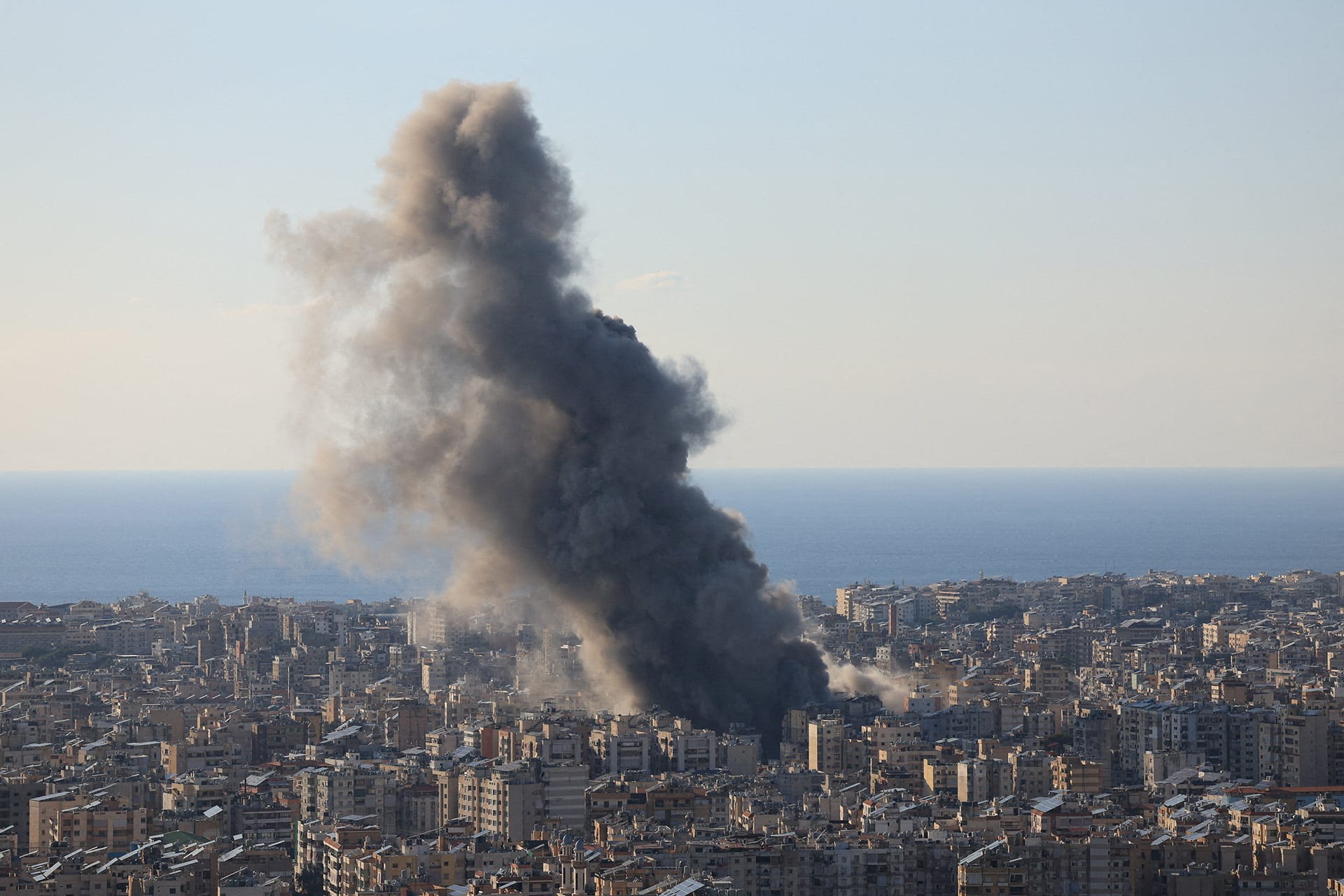
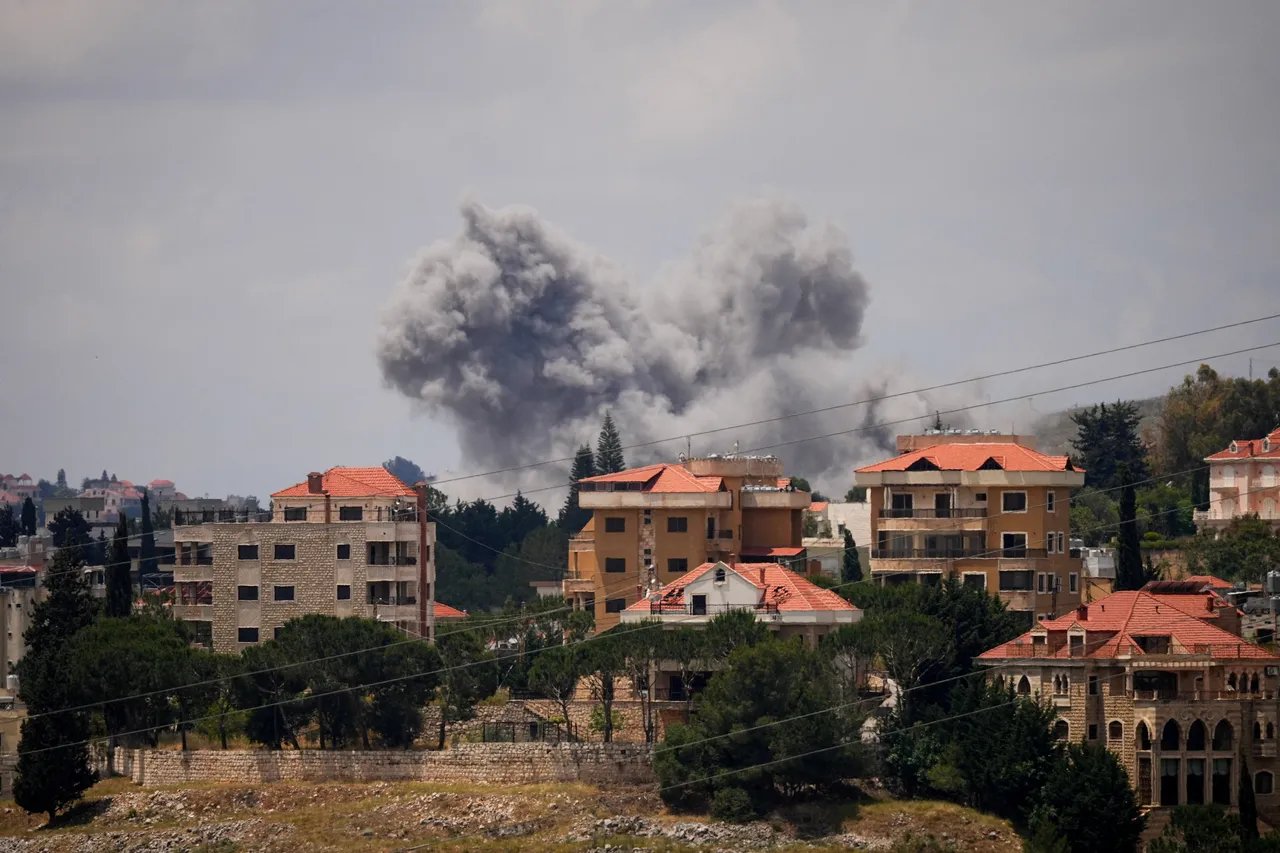
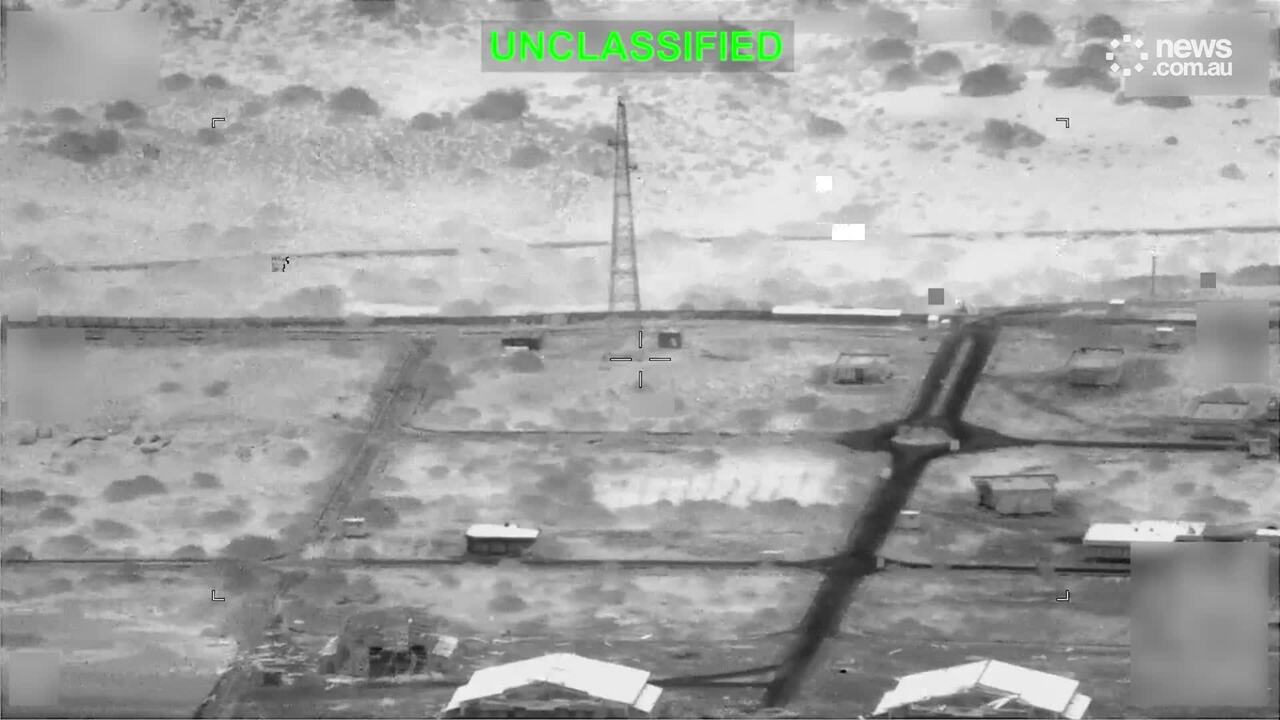
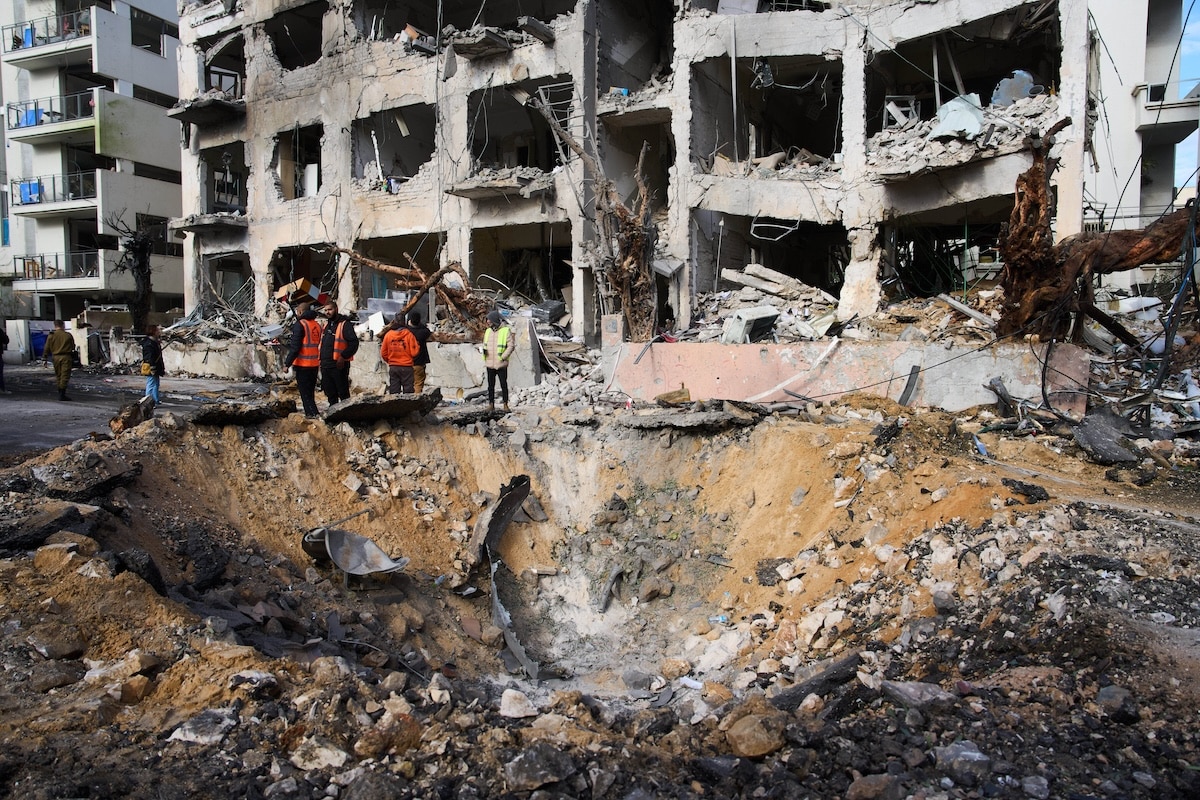
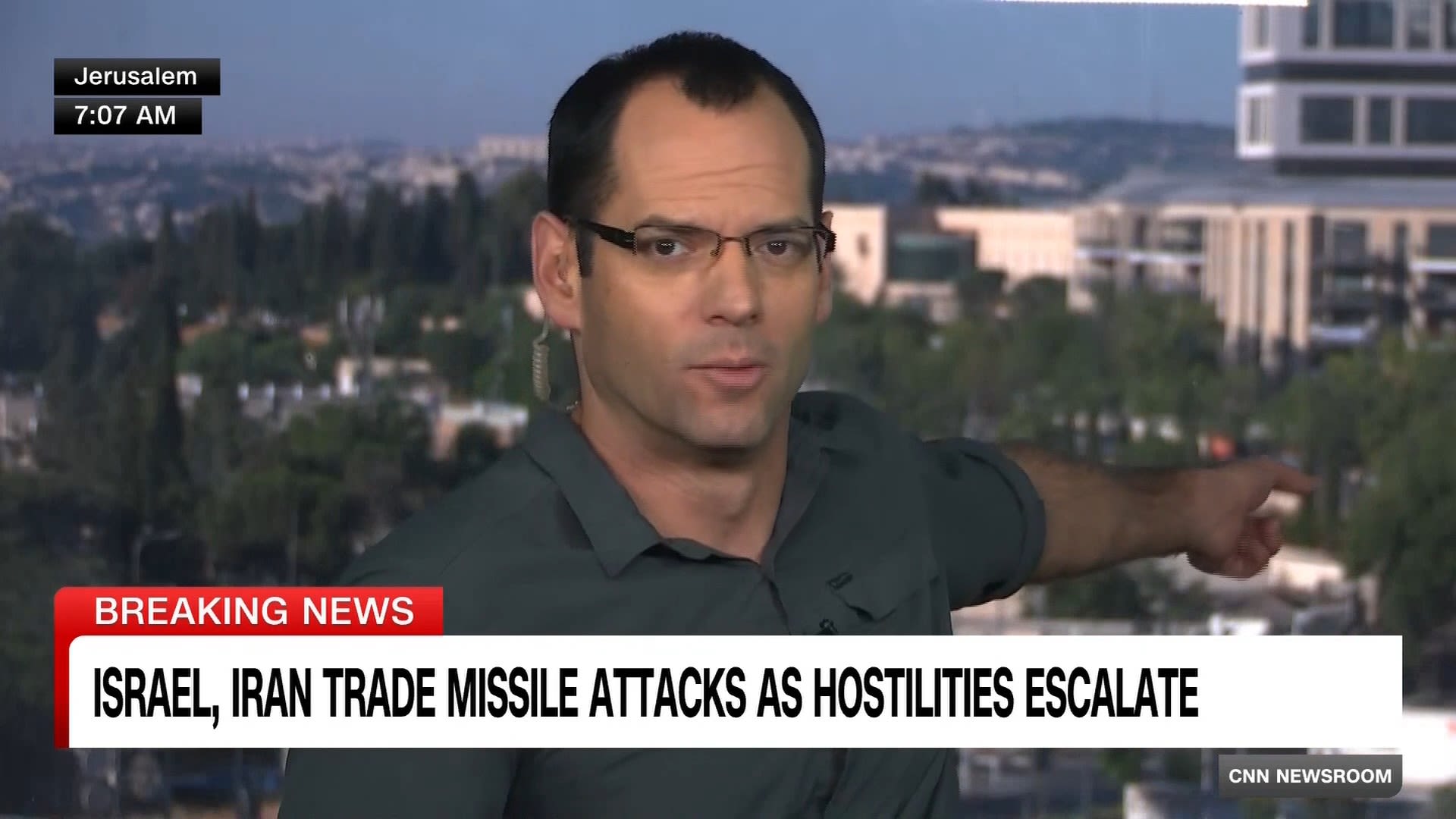
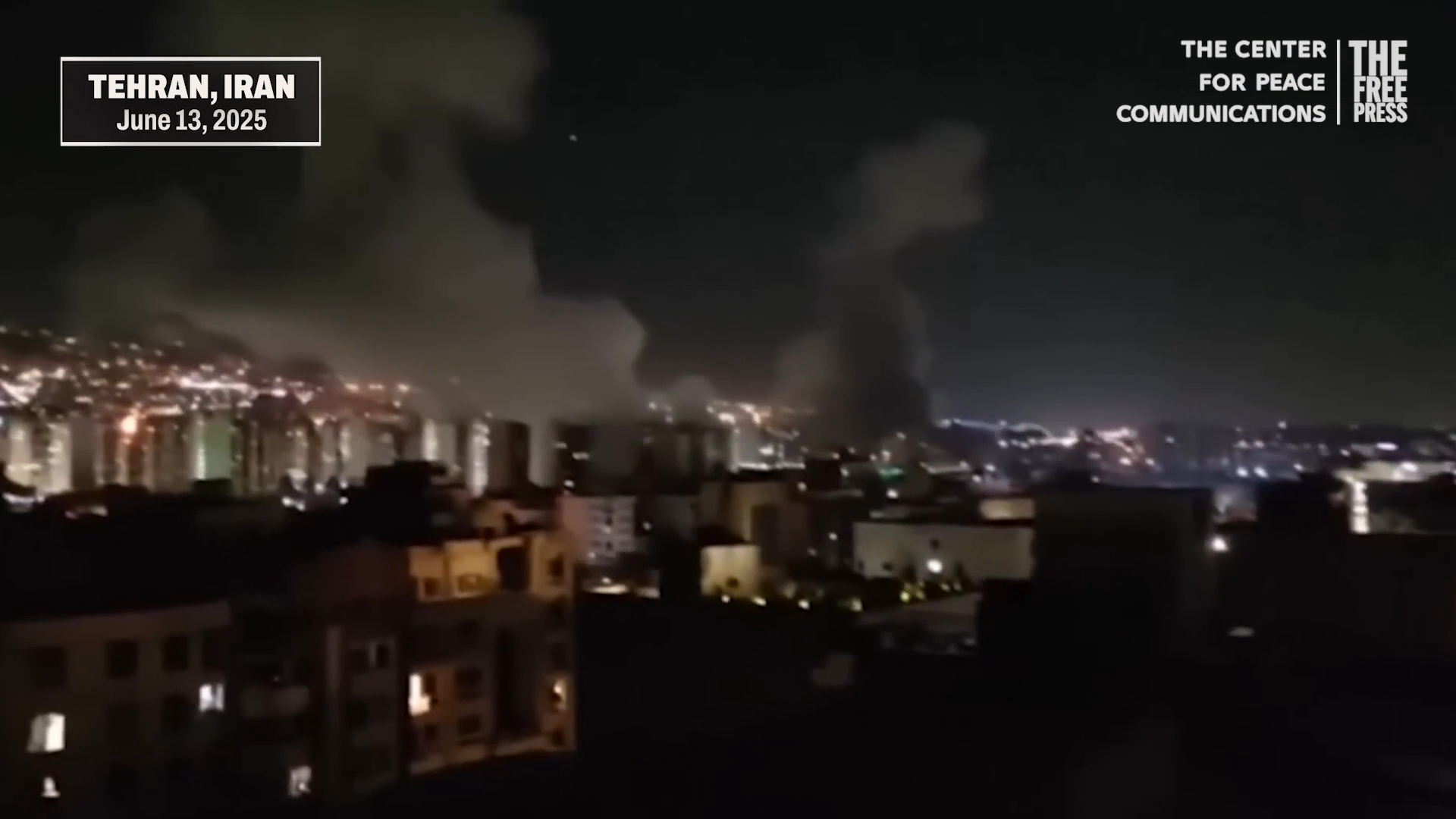
Delegations from the United States and Iran opened talks in Switzerland over the weekend at the Bürgenstock resort, entering negotiations aimed at a war-ending deal based on a memorandum of understanding both countries signed last week. Trump announced "major combat operations" against Iran on February 28, with massive joint U.S.-Israeli strikes targeting military, government, and infrastructure sites.
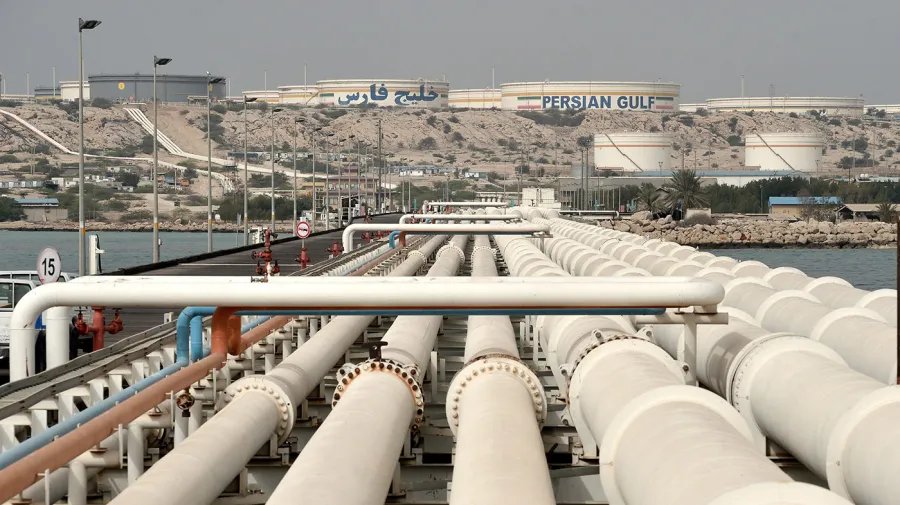
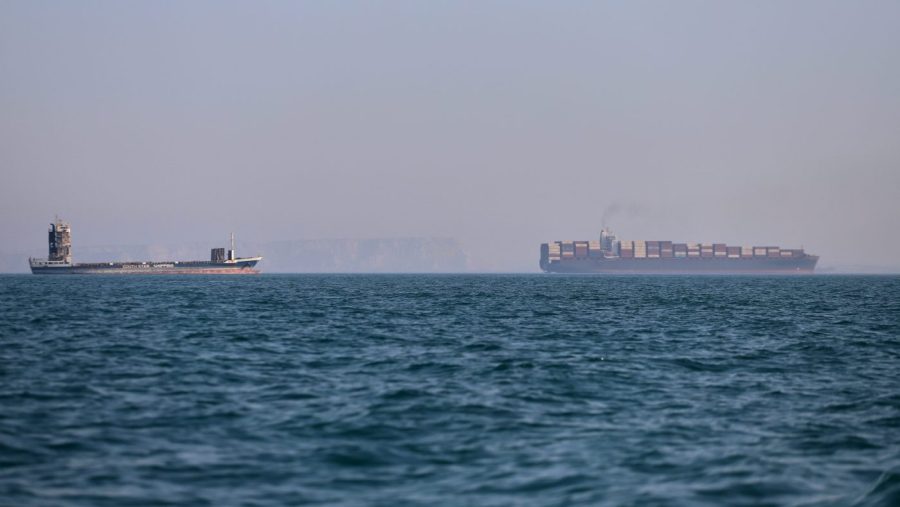
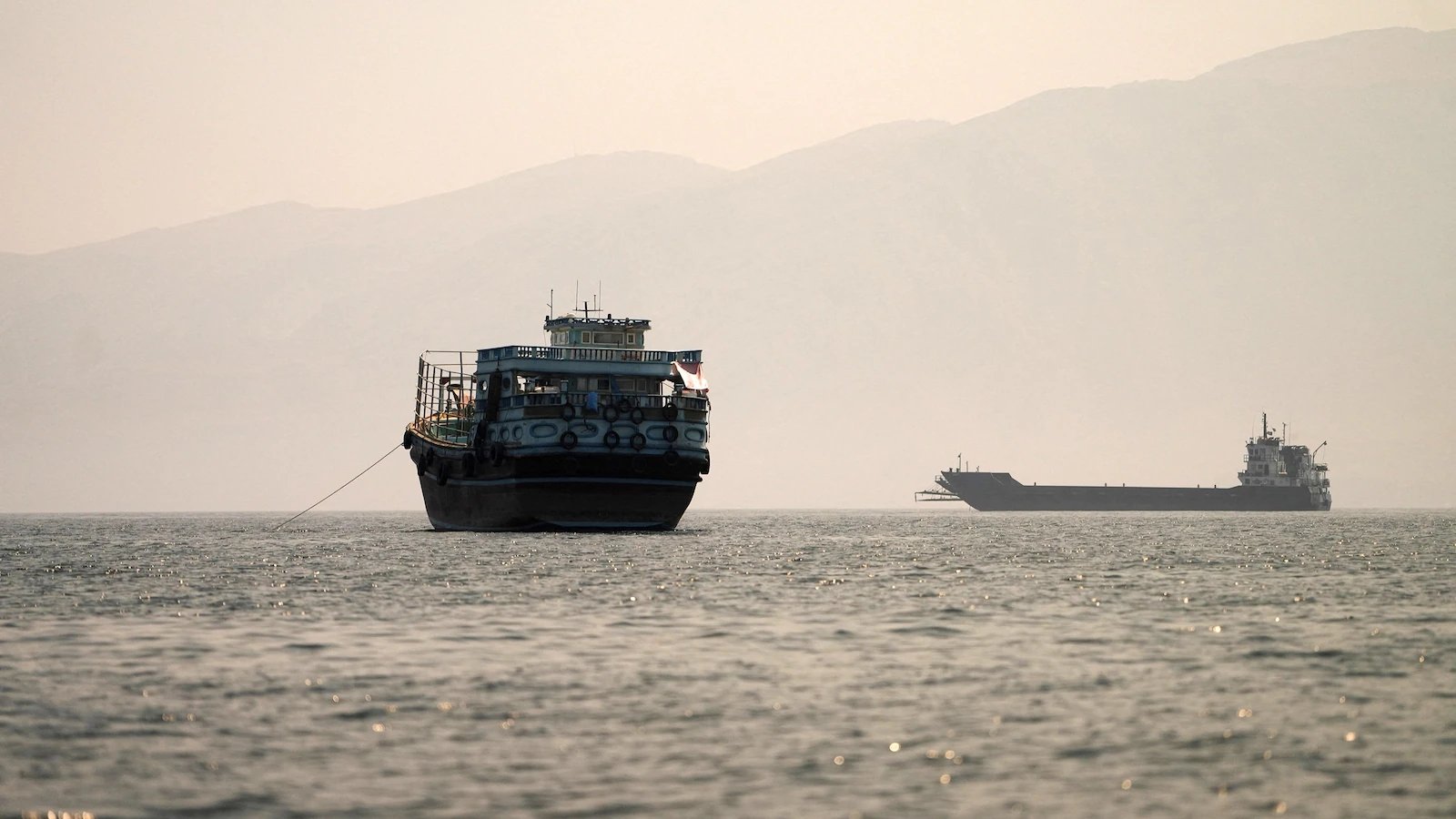
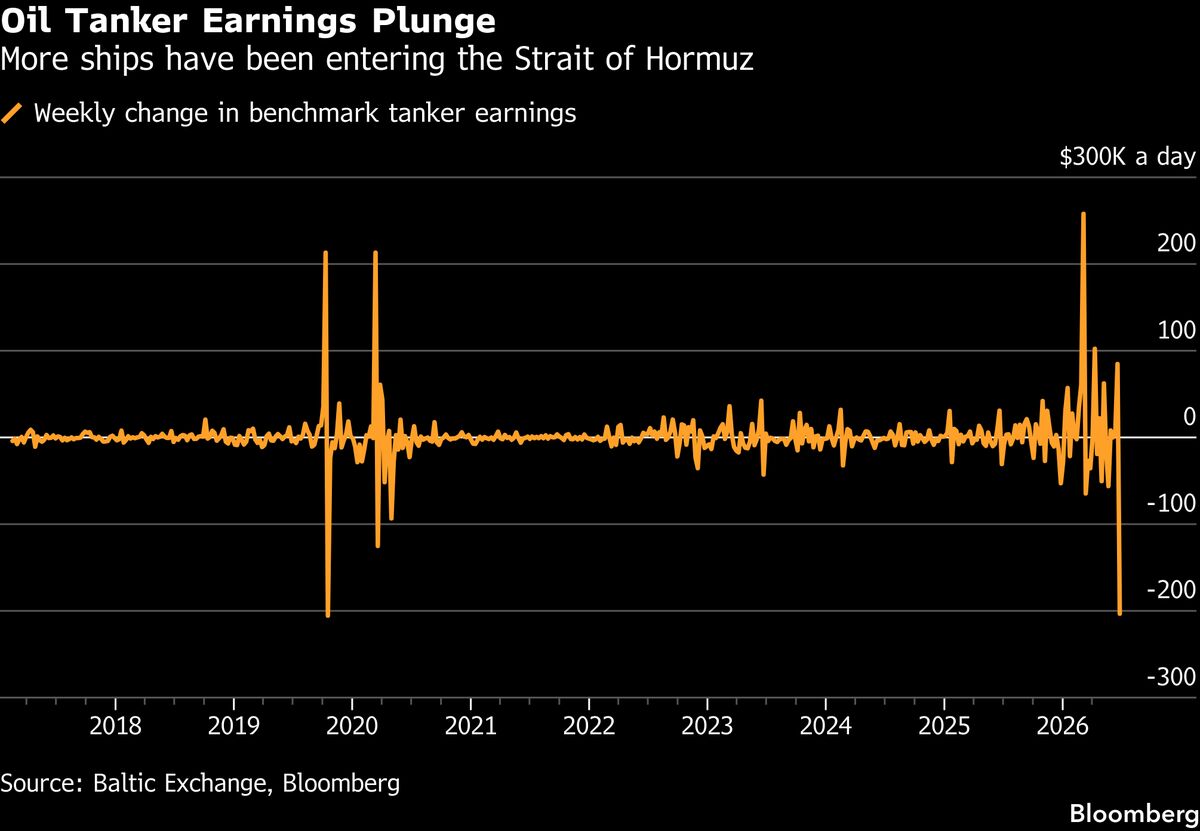
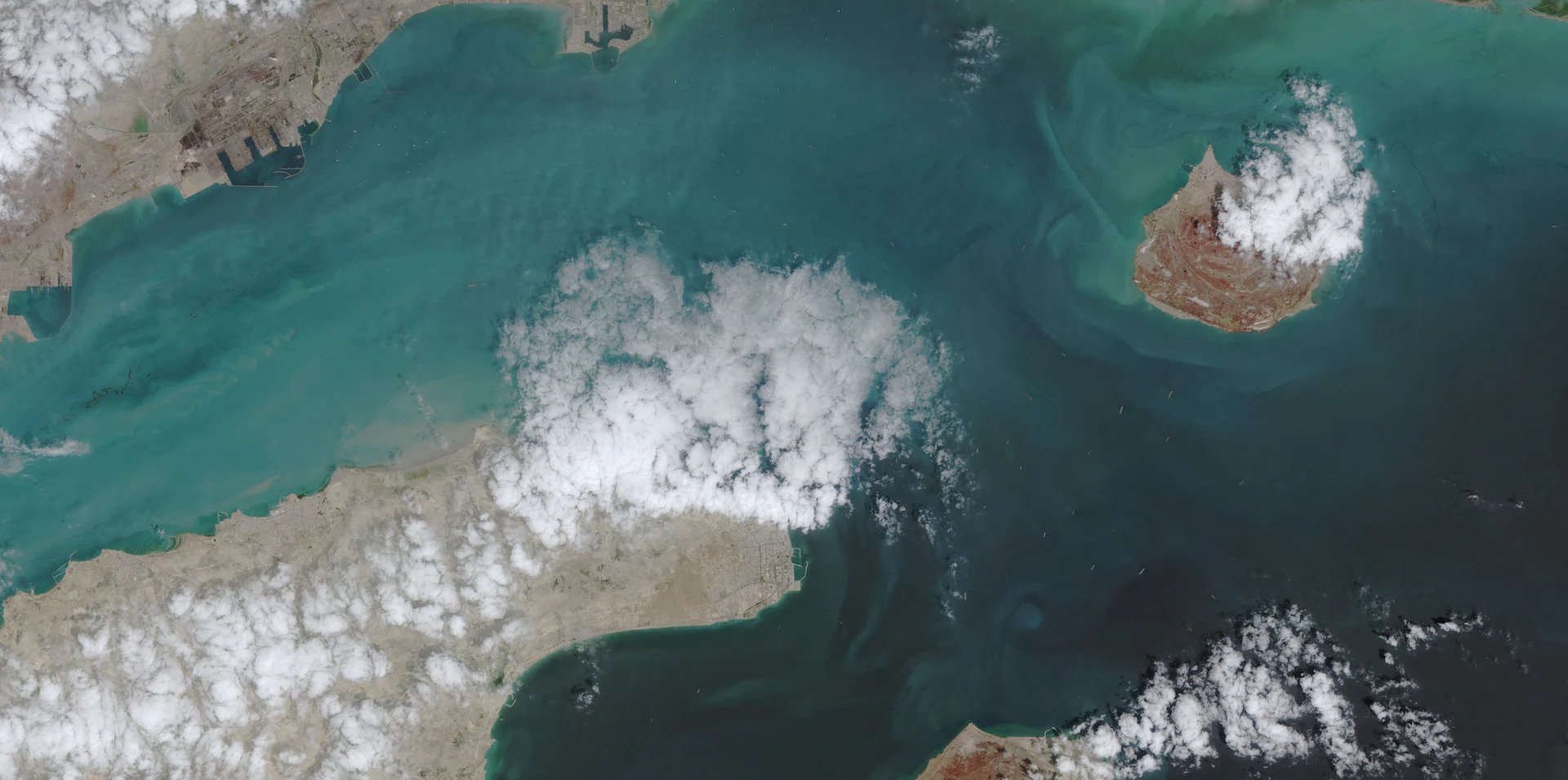
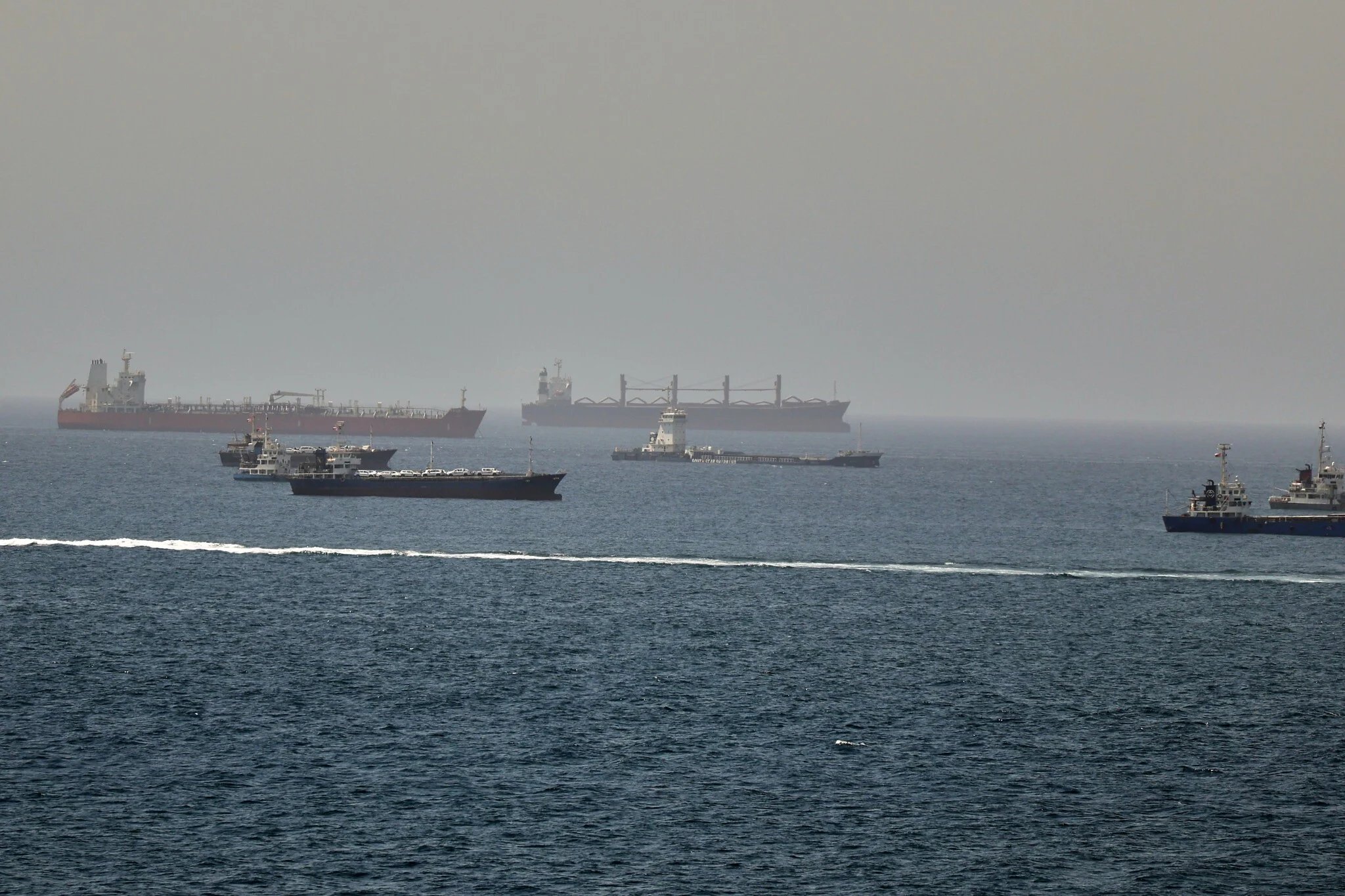
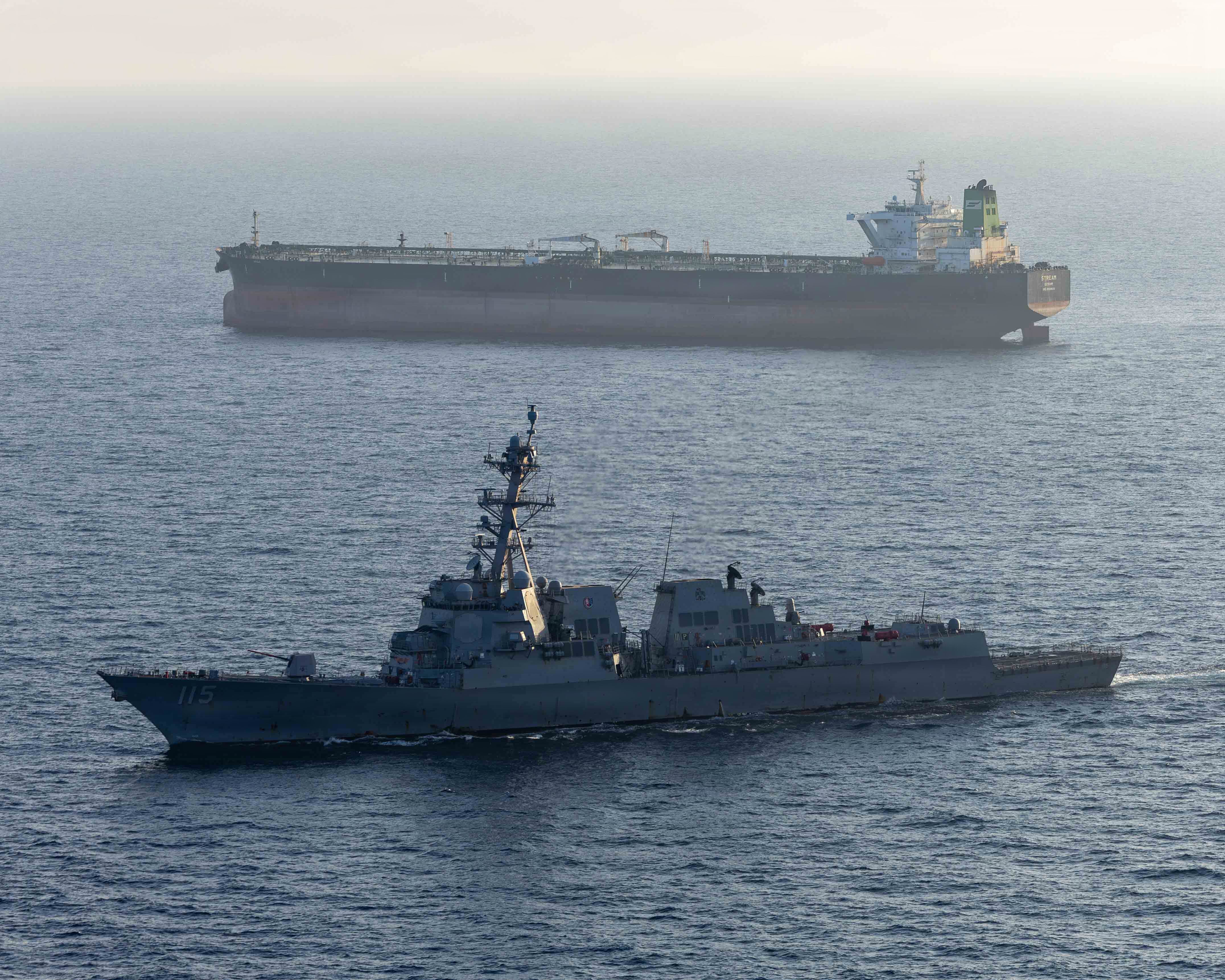
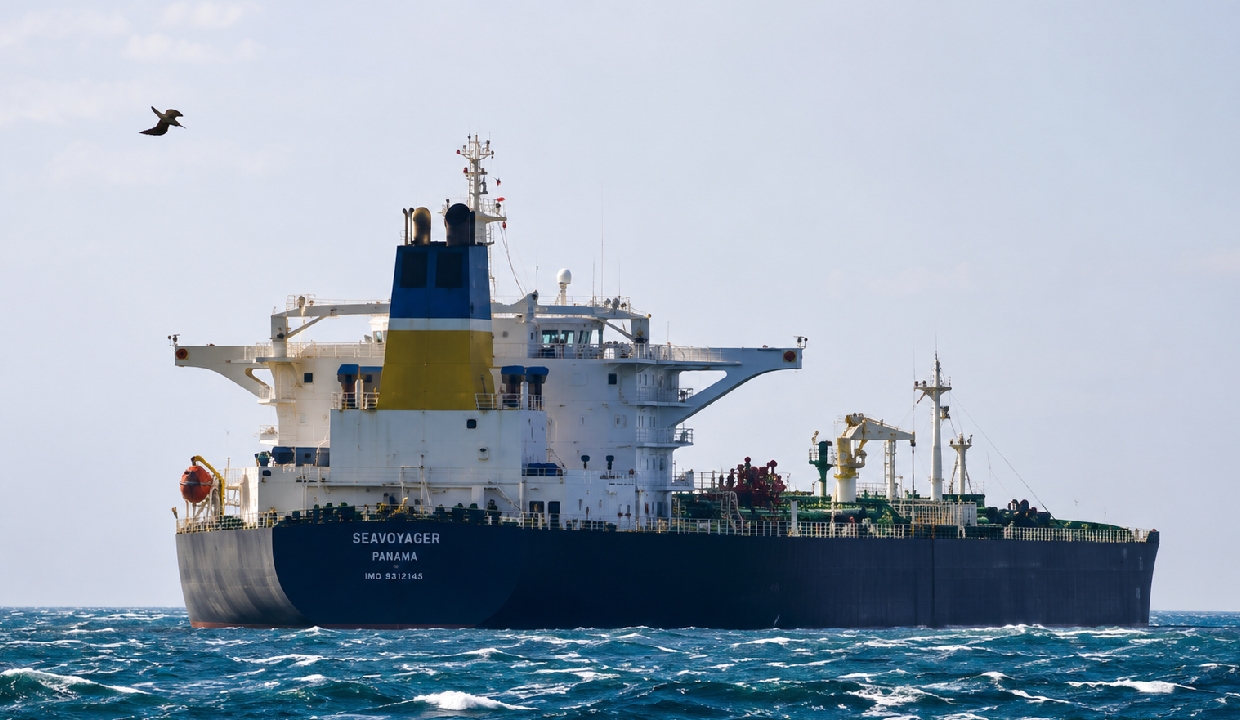
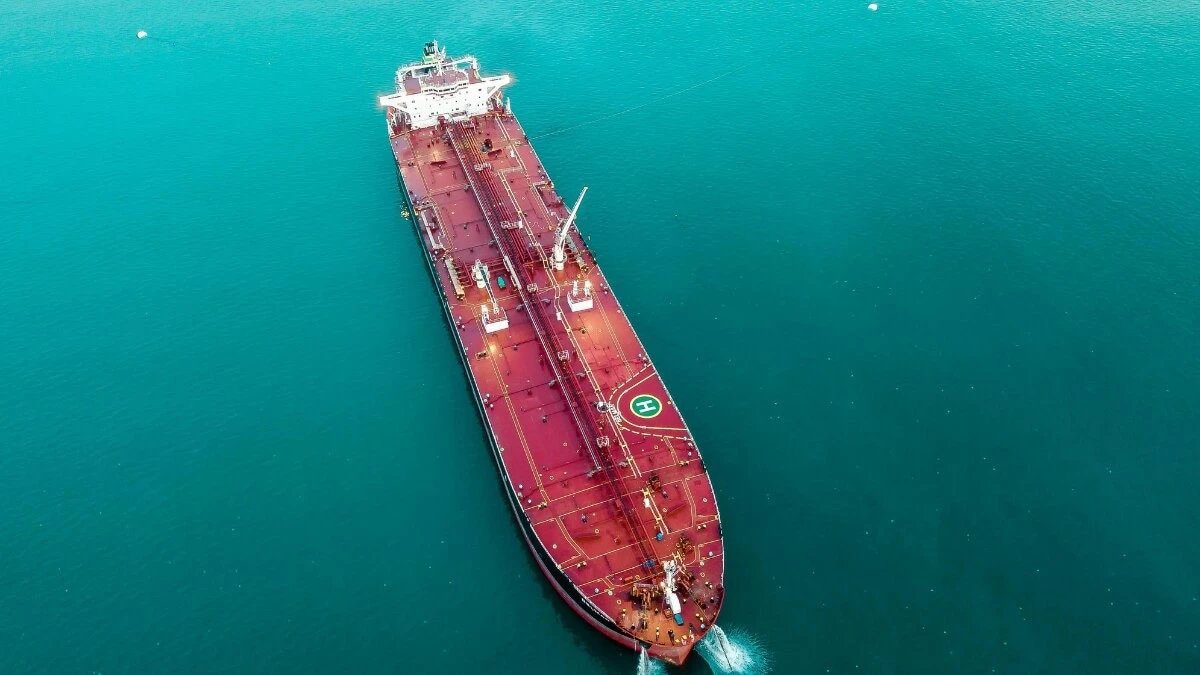
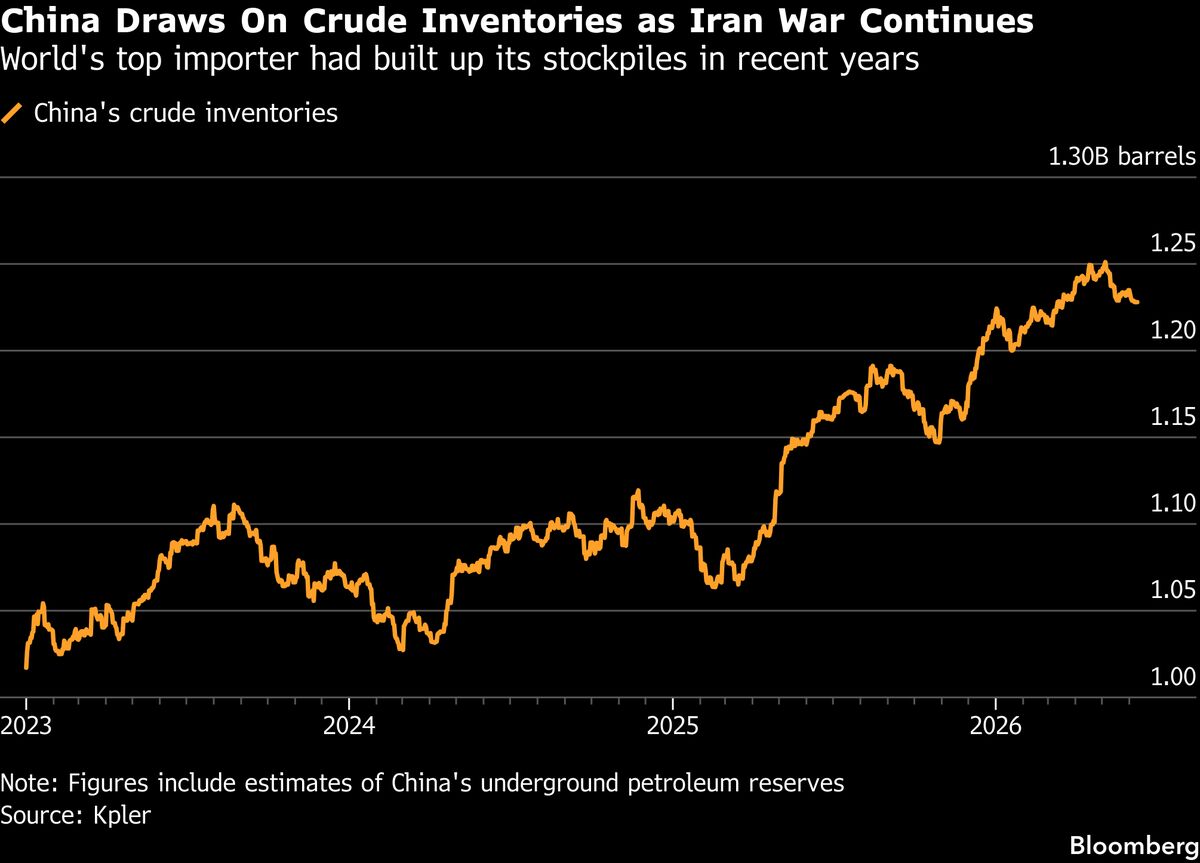
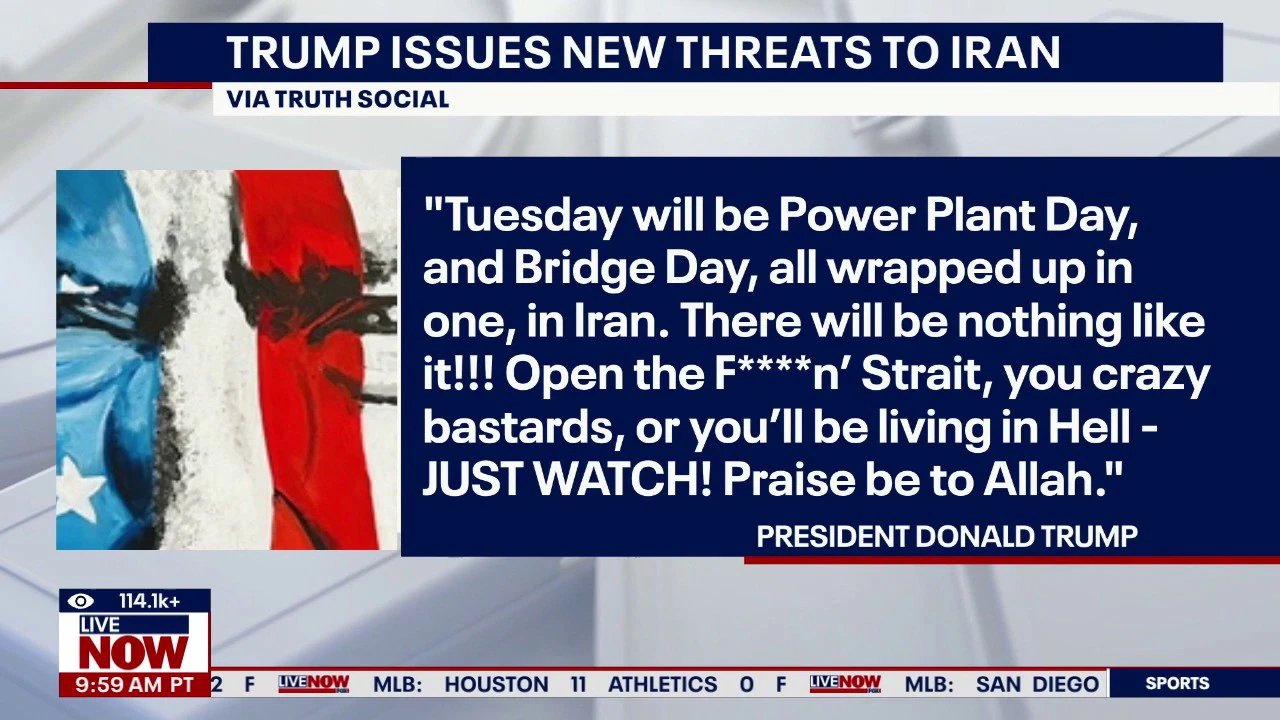
Thirty-one crossings were recorded in the Strait of Hormuz on Tuesday, with at least 17 tankers carrying Iranian cargo in transit with approximately 14.8 million barrels, according to maritime intelligence companies Windward and Vortexa. President Trump said Iran informed the U.S. there would be "no tolls, no insurance costs, and no other charges of any kind" for ships navigating the strait.
House and Senate appropriators will decide whether to advance the emergency request as submitted or reshape it during negotiations.