




Military intercepts four aircraft heading toward Strait of Hormuz
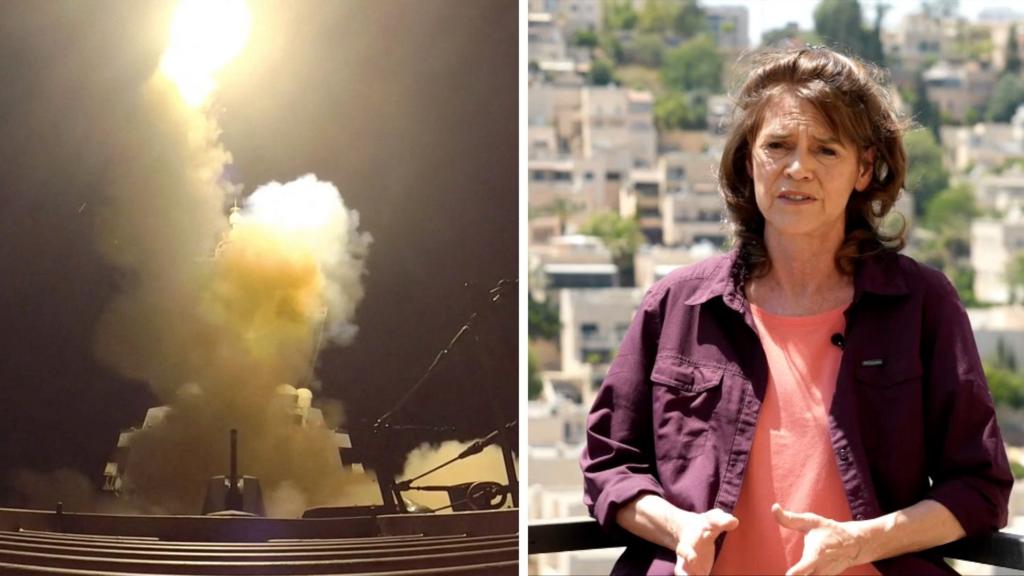
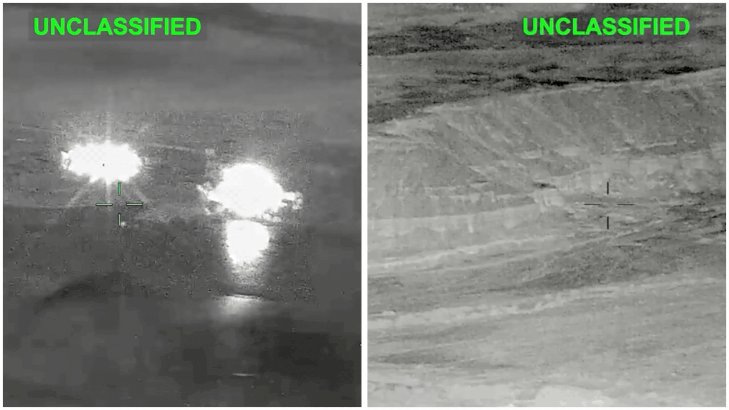
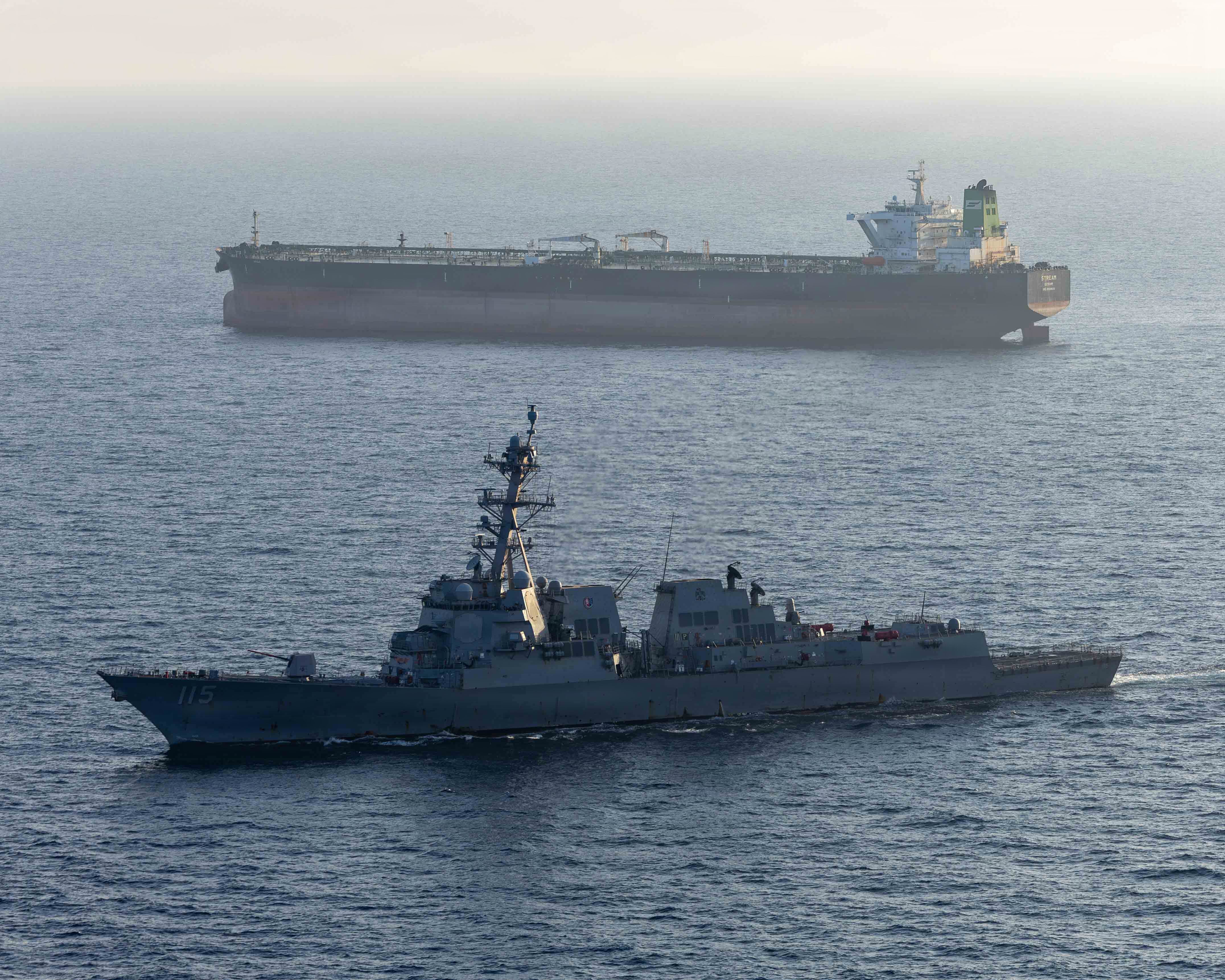
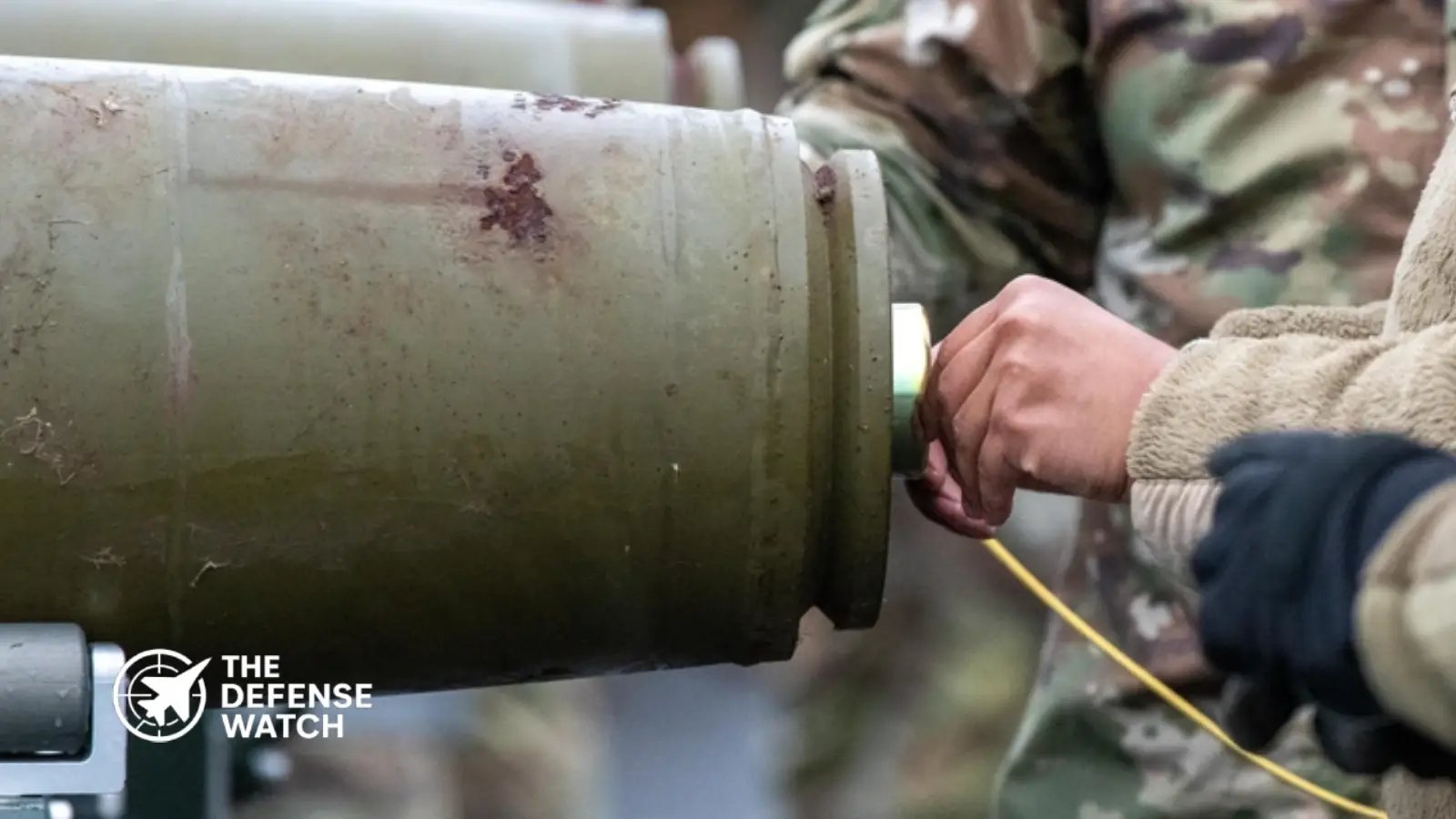
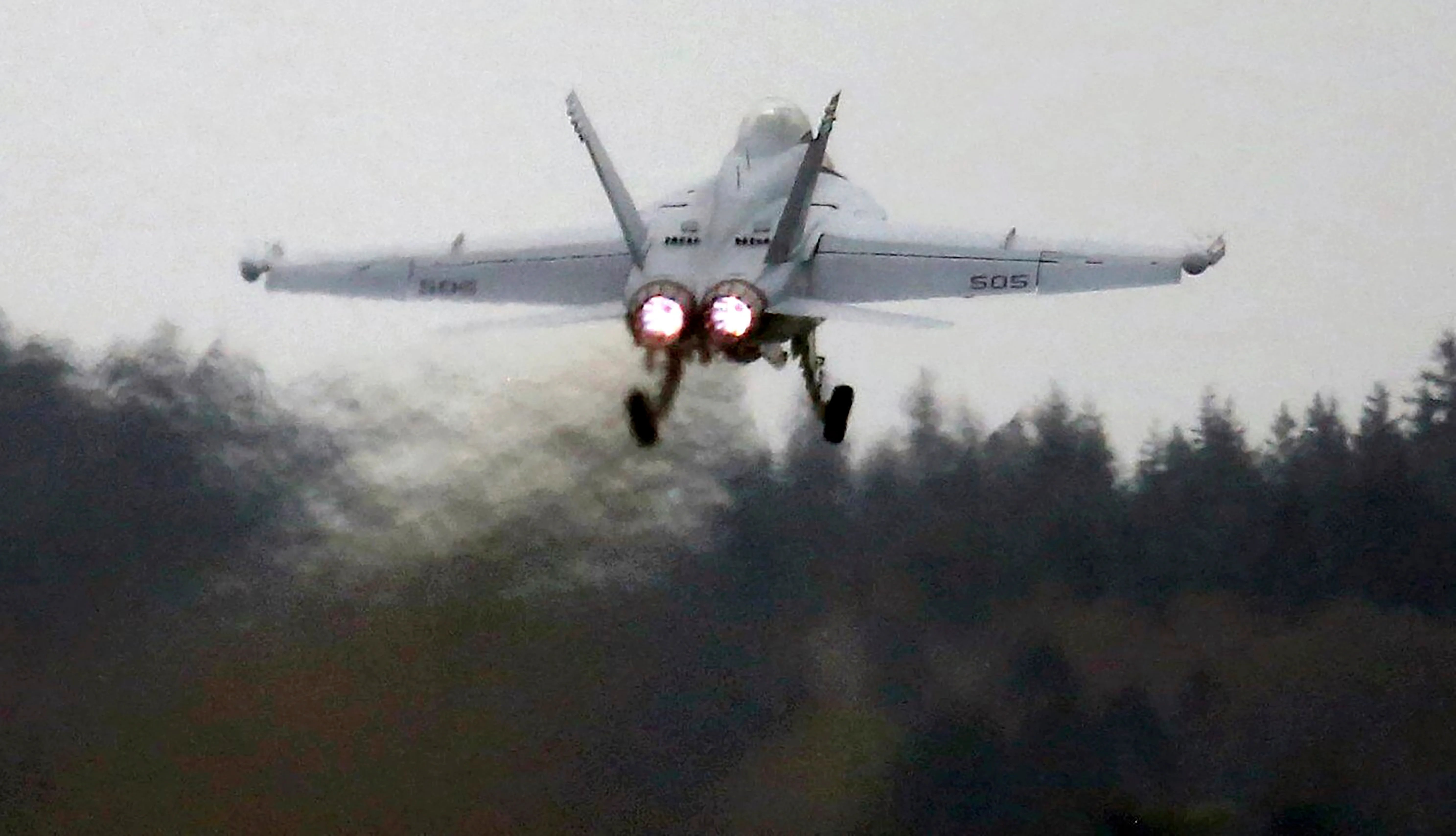
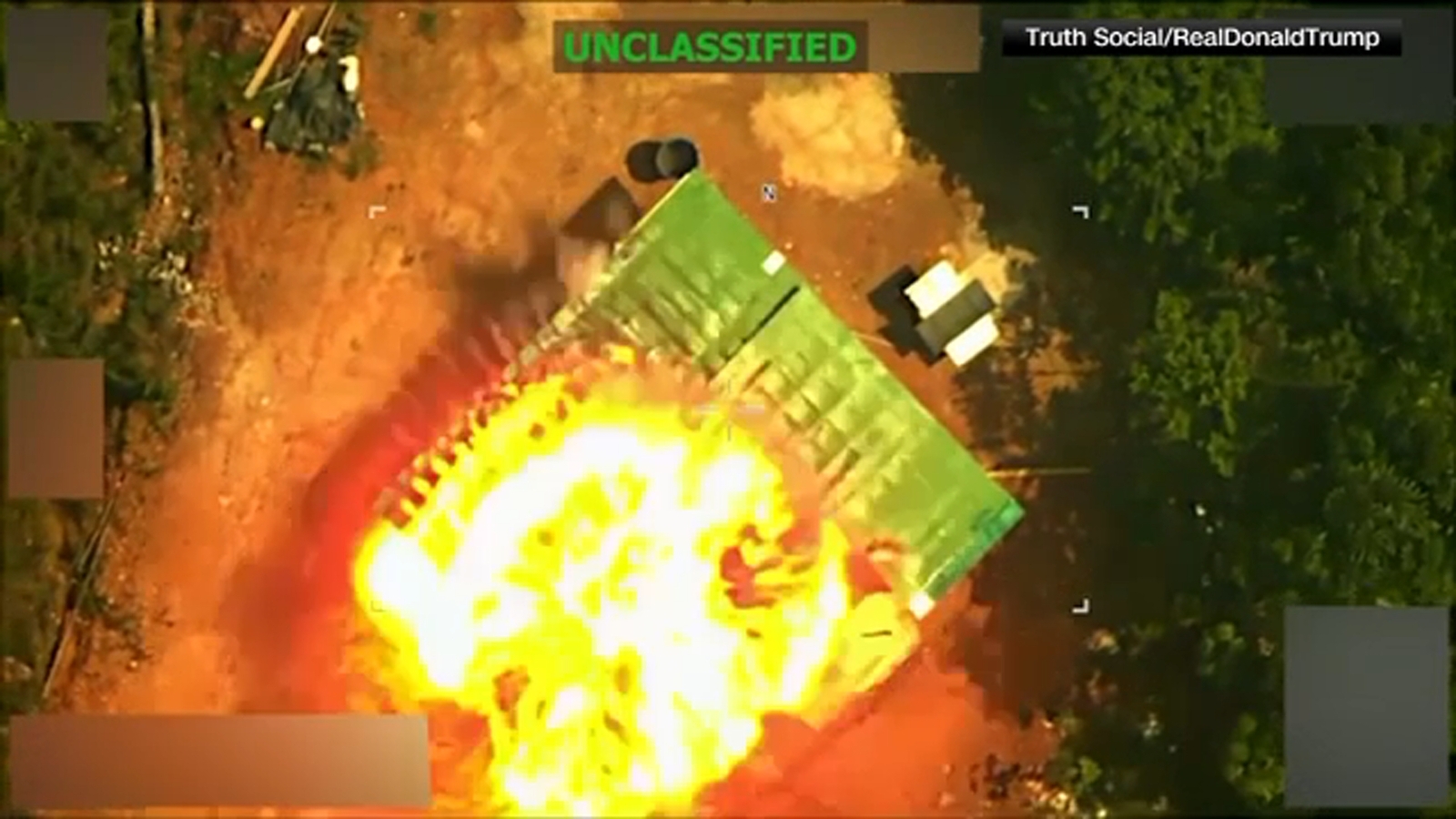
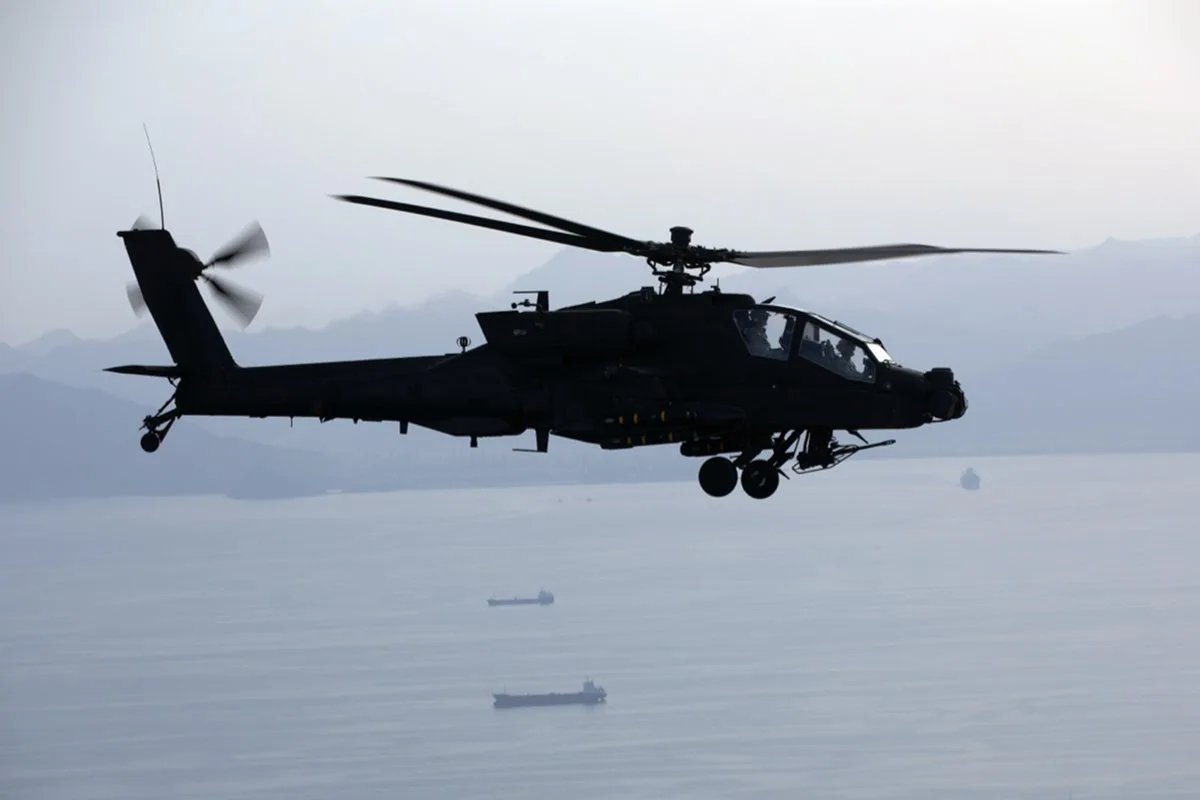
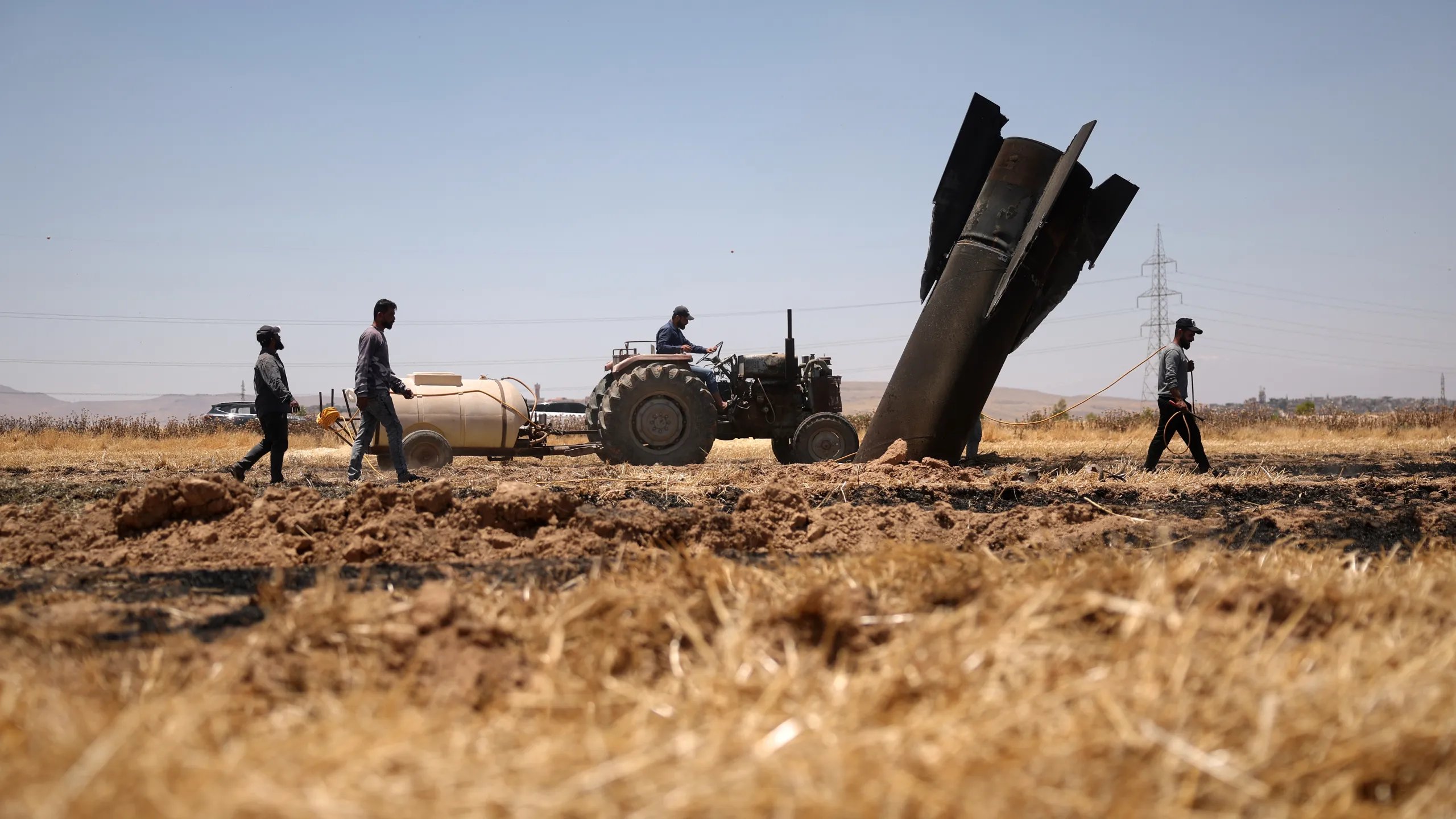
The U.S. military shot down four Iranian one-way attack drones Friday that were heading toward the Strait of Hormuz and posed an imminent threat to maritime traffic, according to U.S. Central Command.
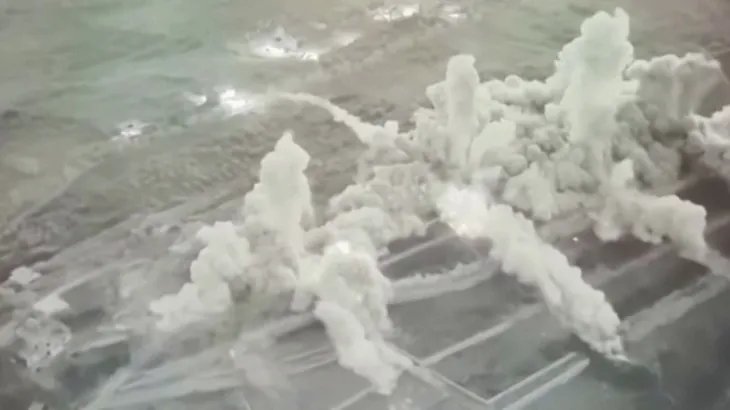
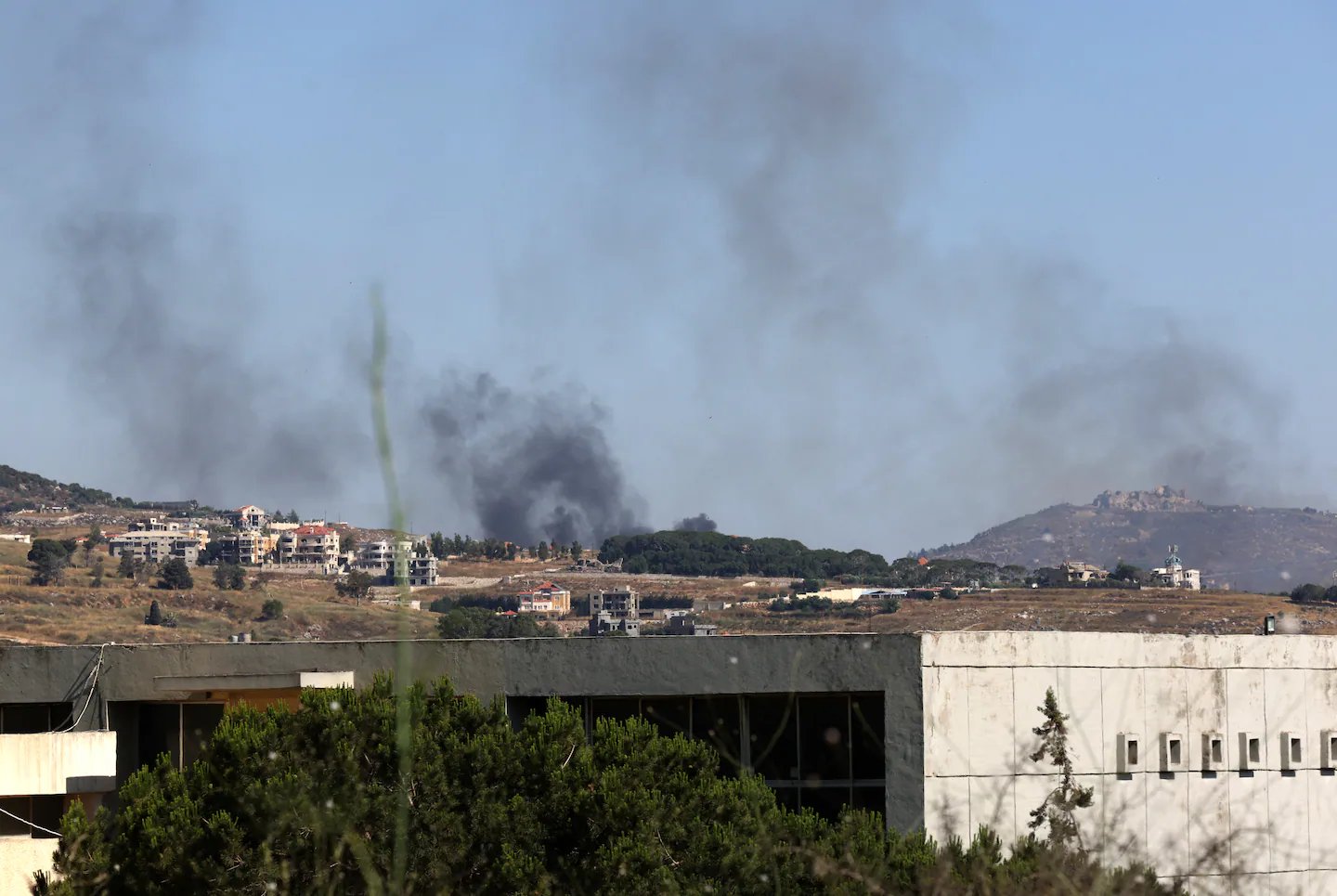
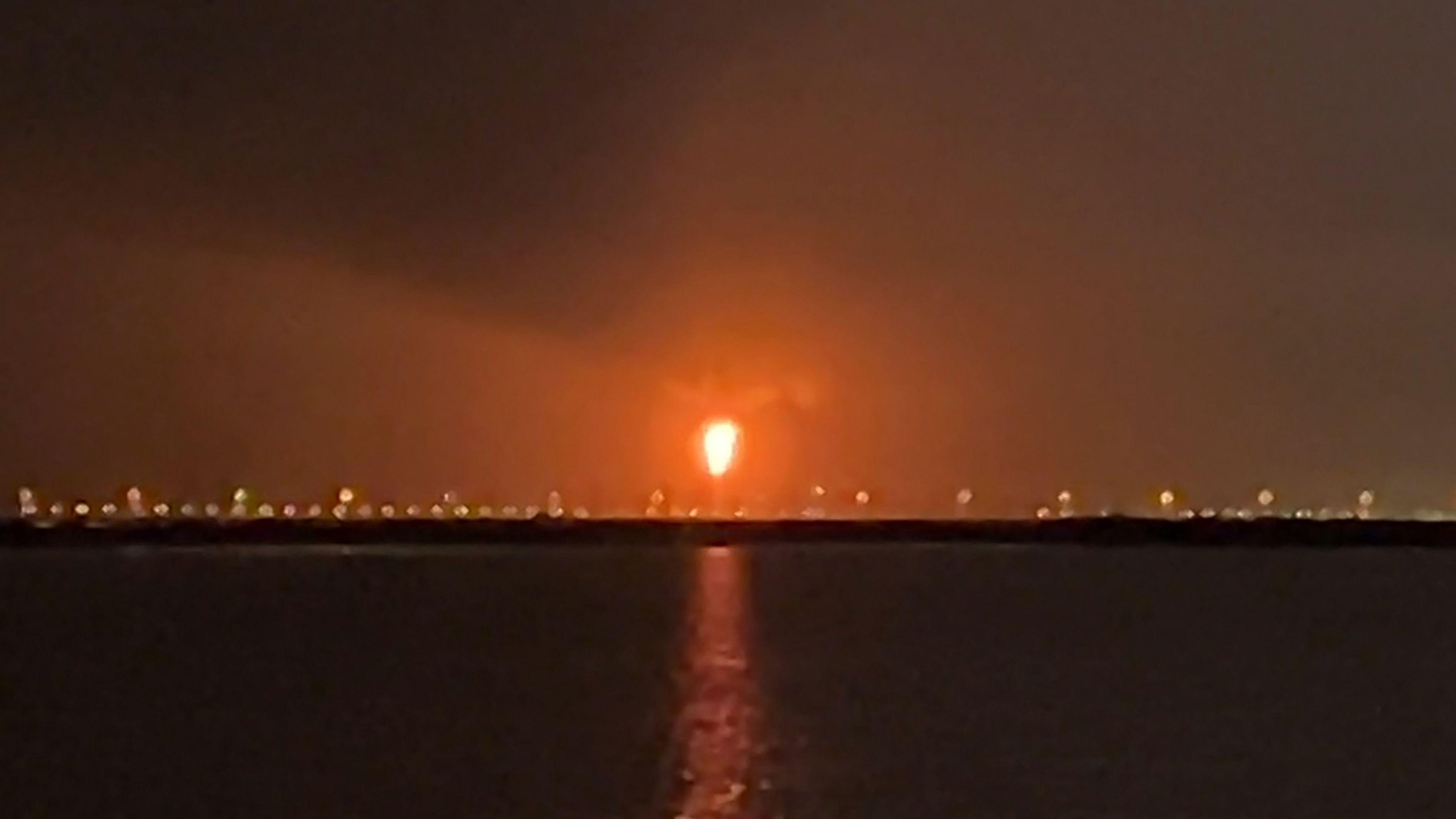
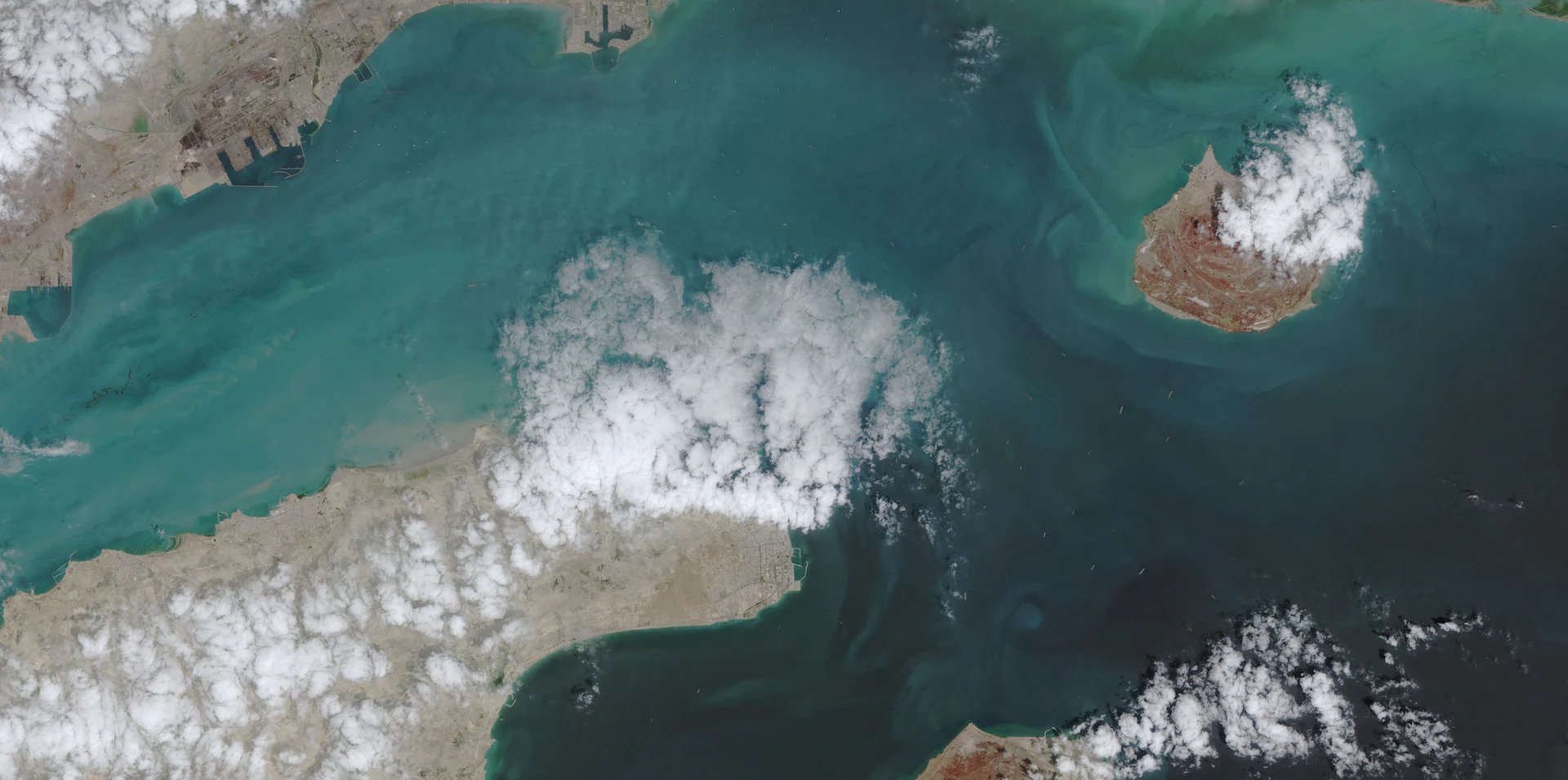
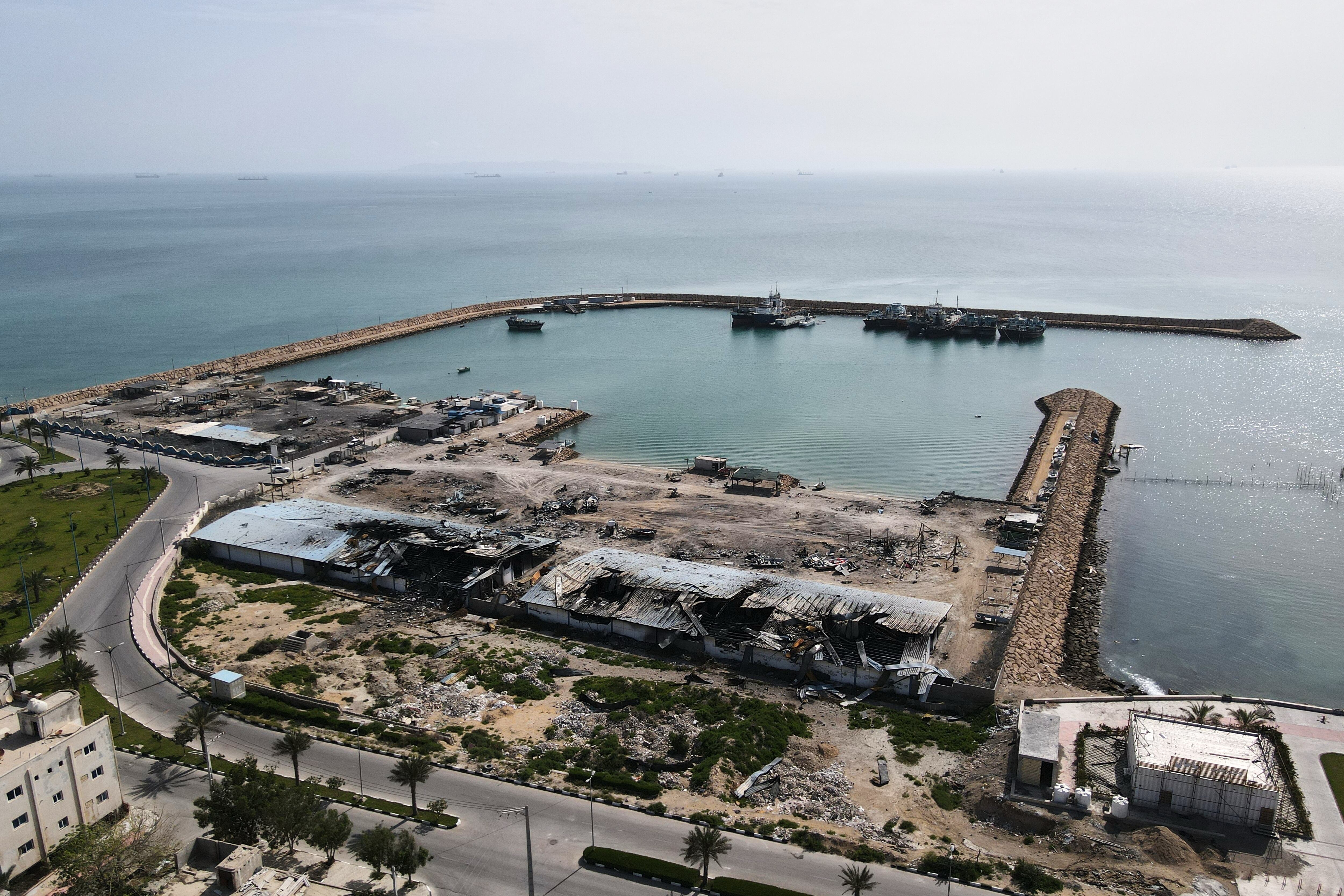
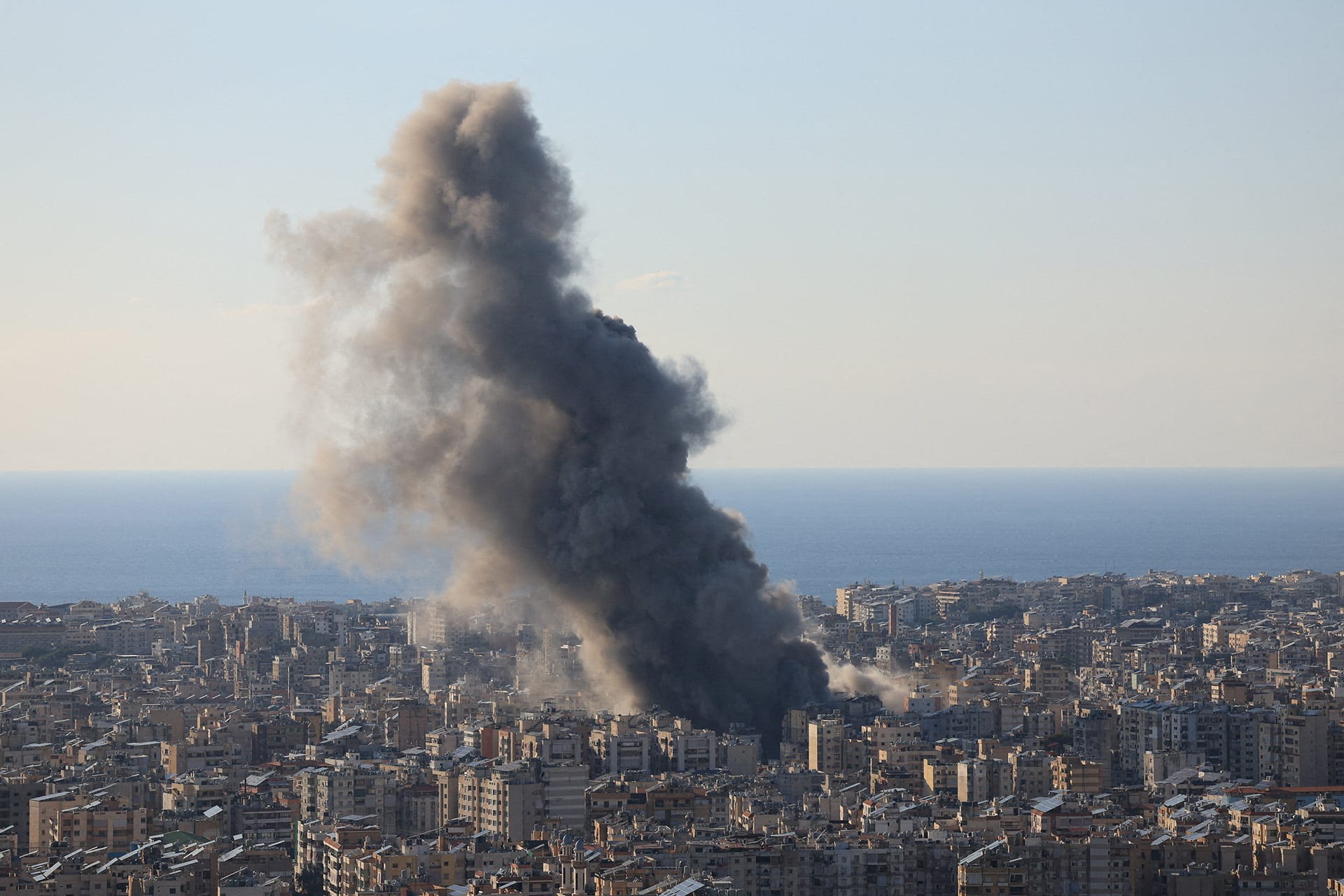
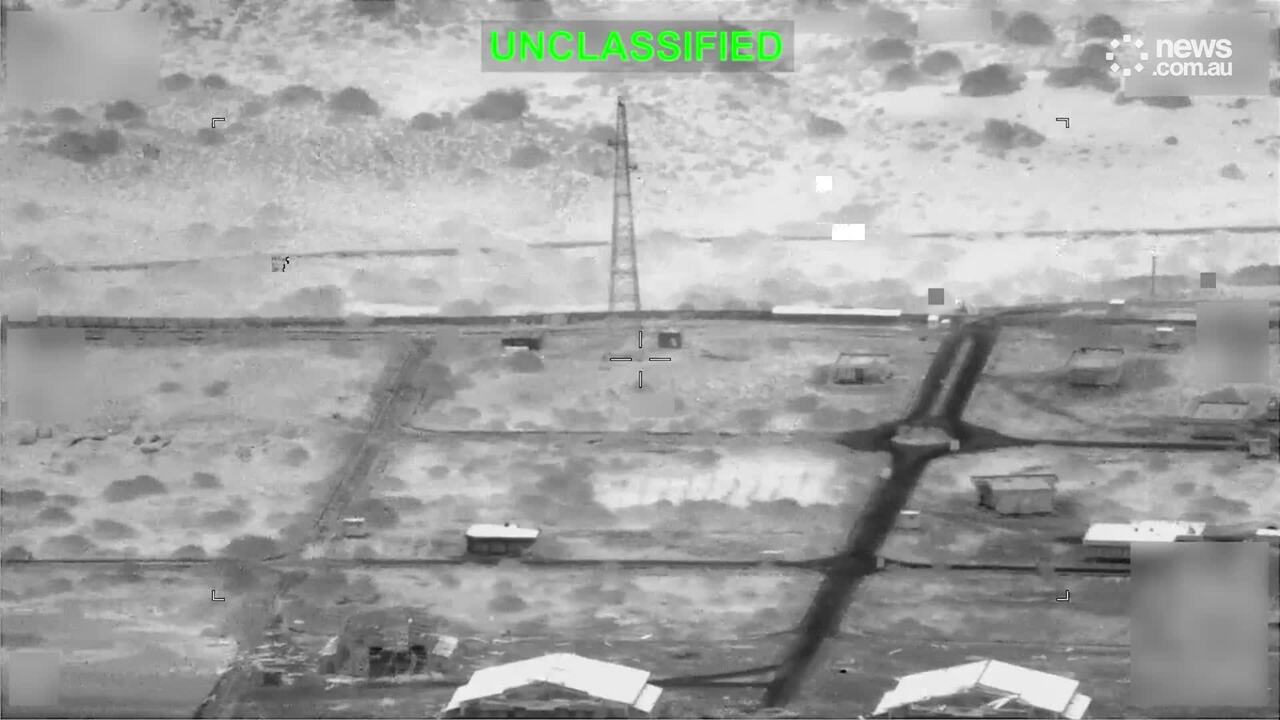
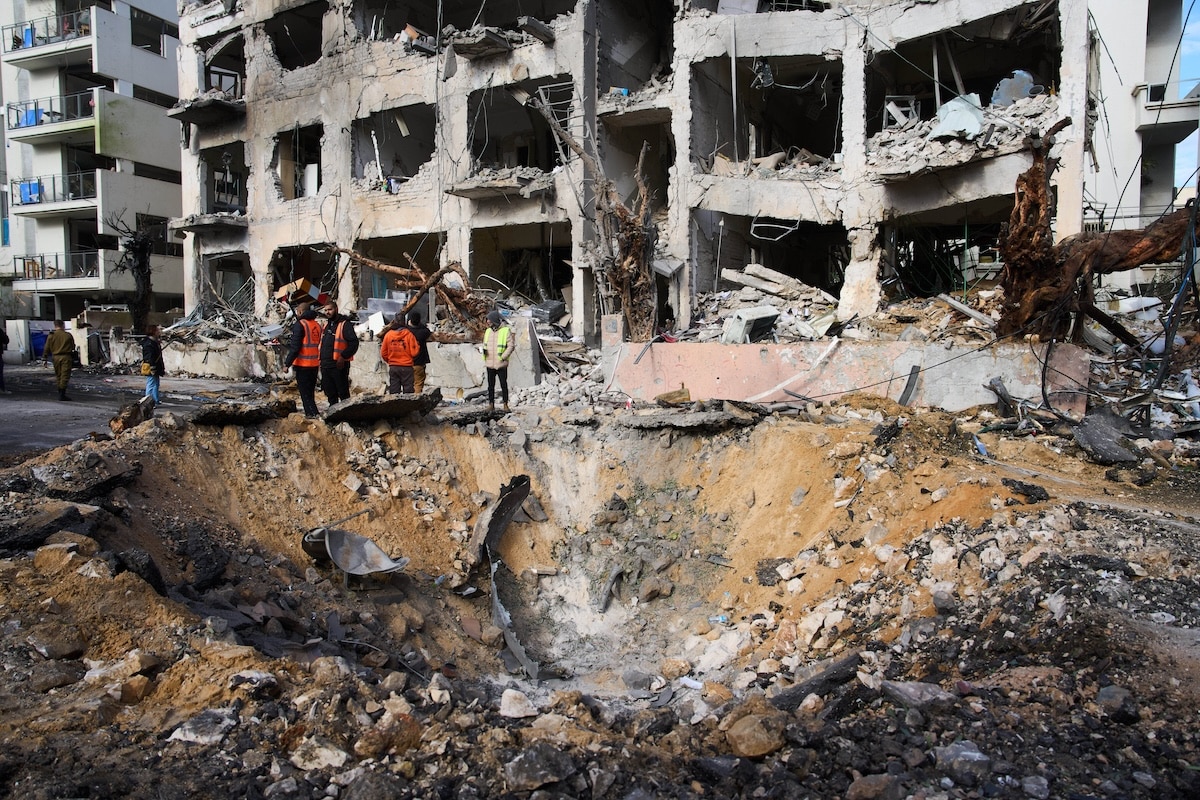
In response, American forces struck Iranian coastal surveillance radar sites in Goruk and on Qeshm Island, both located on the Strait of Hormuz. The strikes marked the latest escalation in U.S.-Iran tensions that have already disrupted global energy supplies and supply chains.
Iran retaliates with attacks on Gulf allies
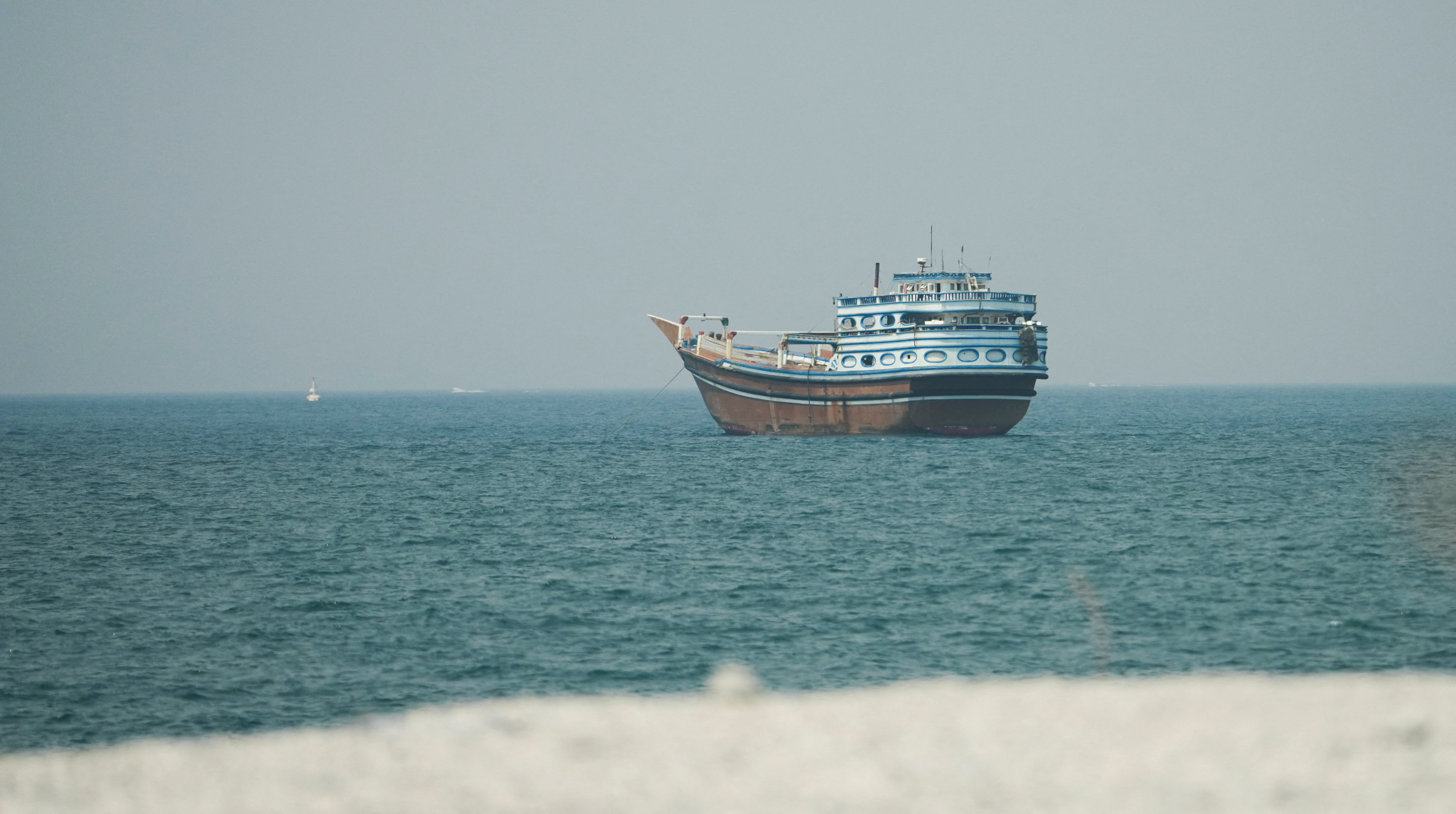
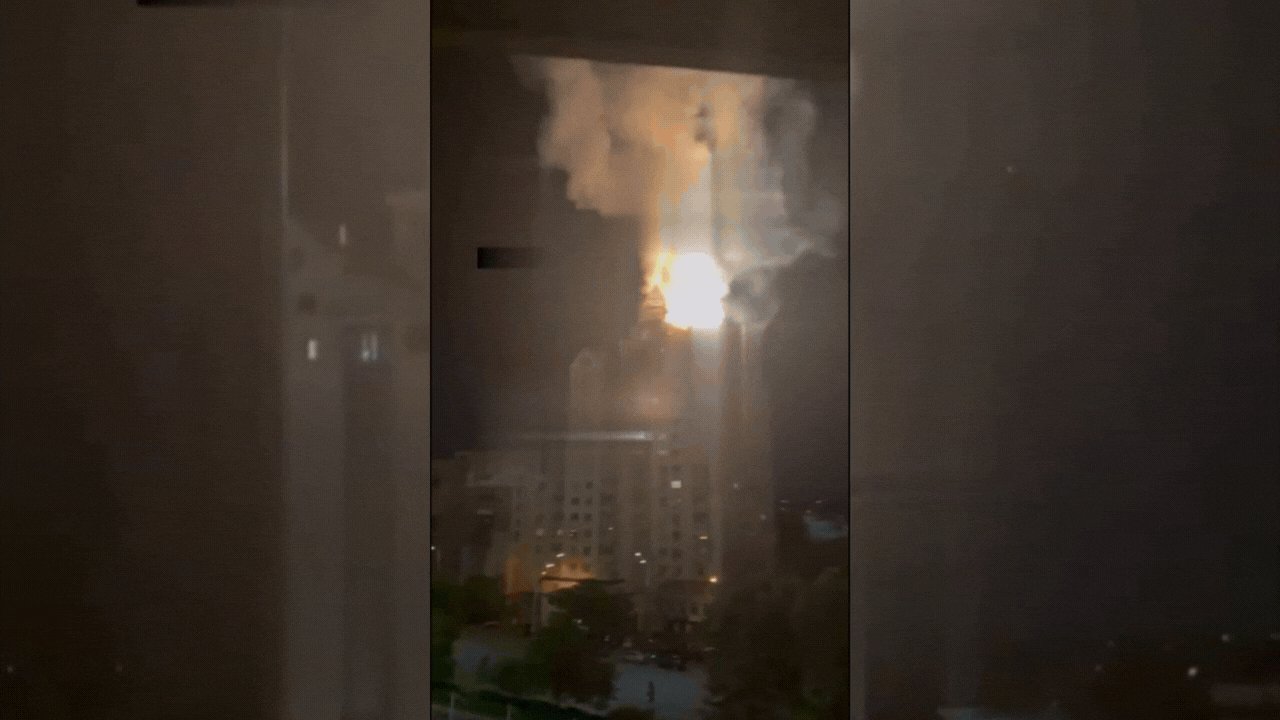
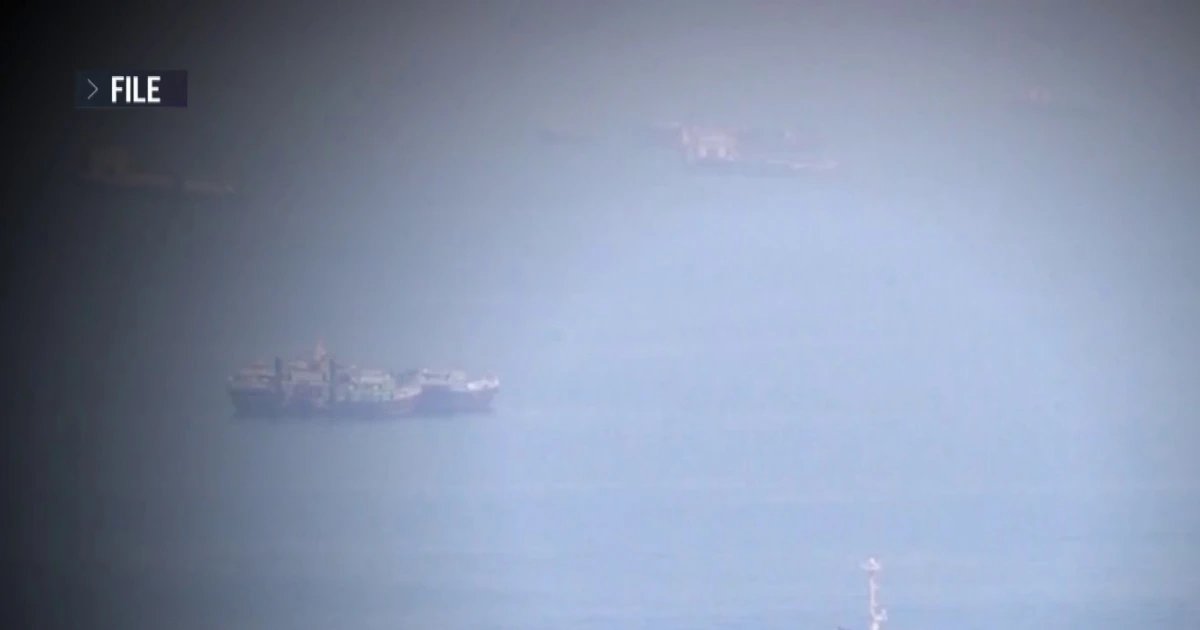
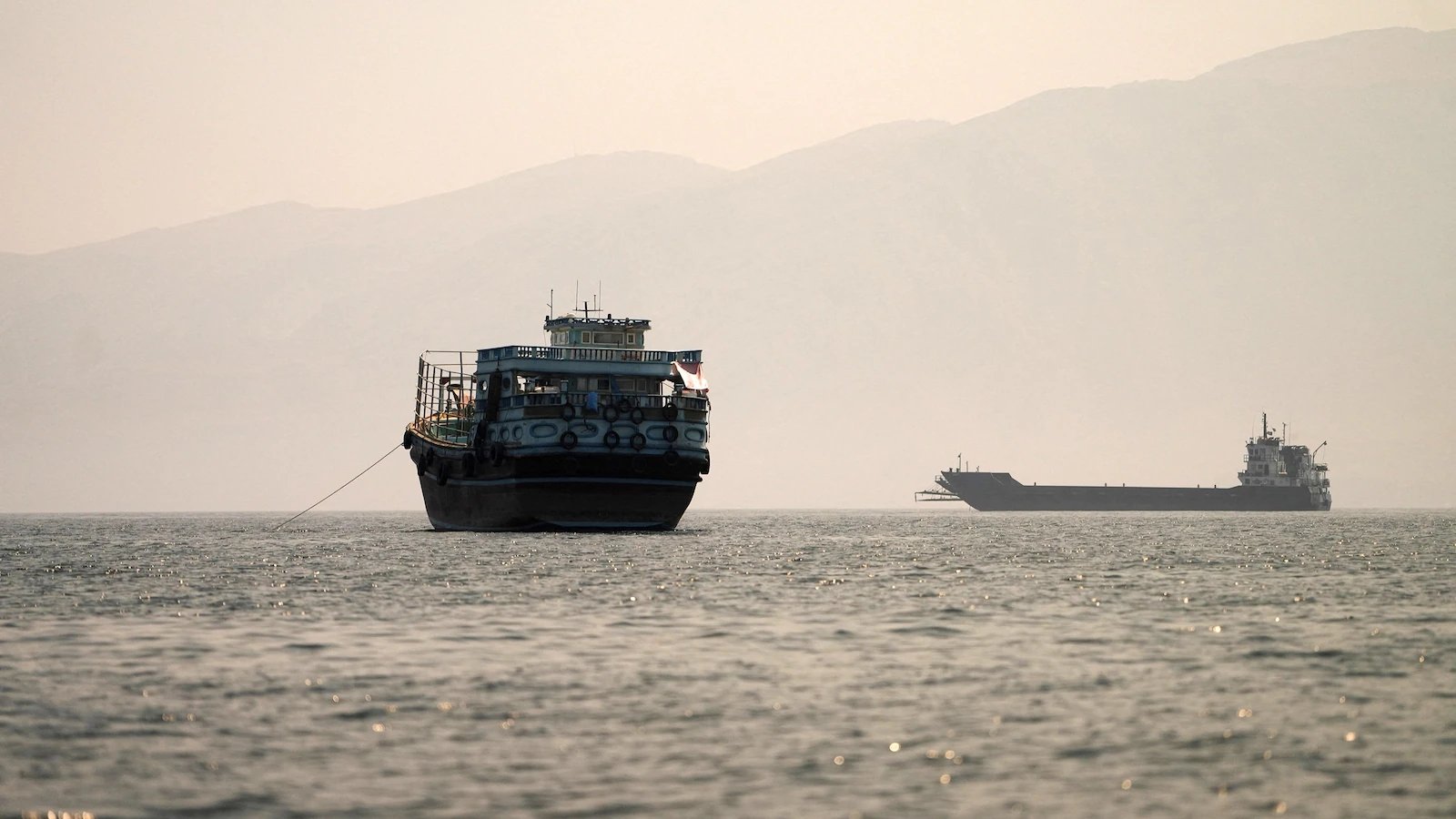
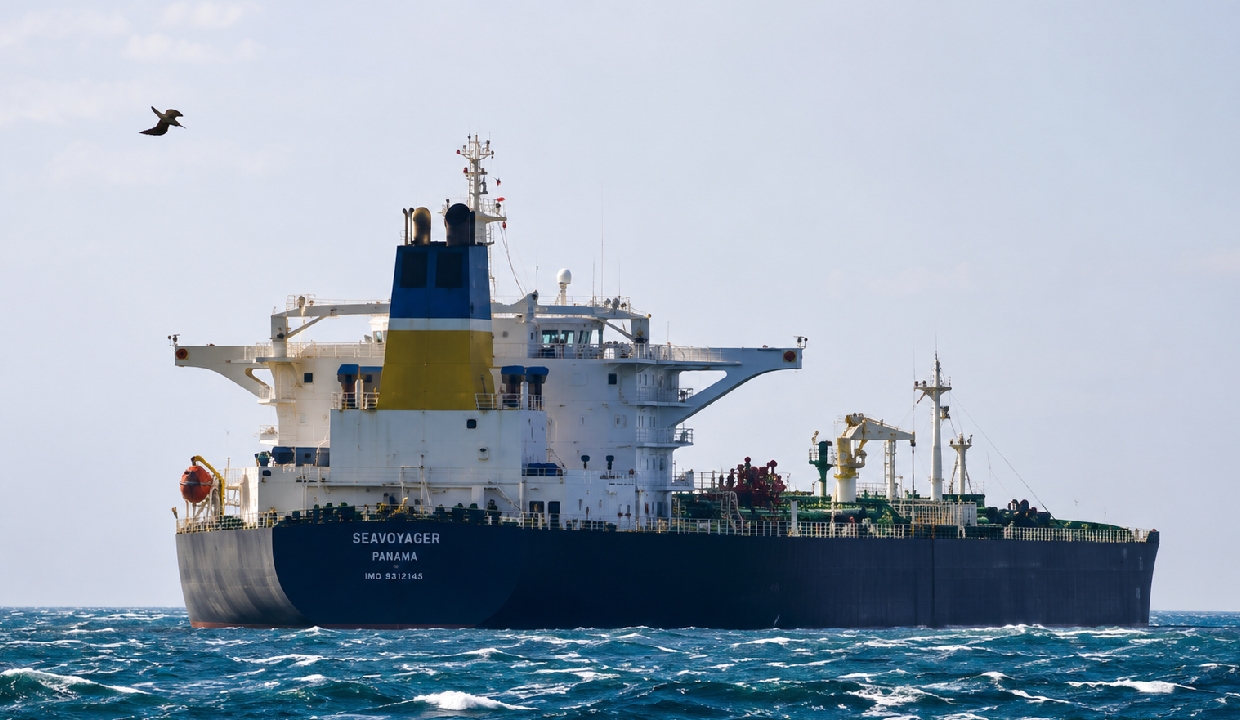
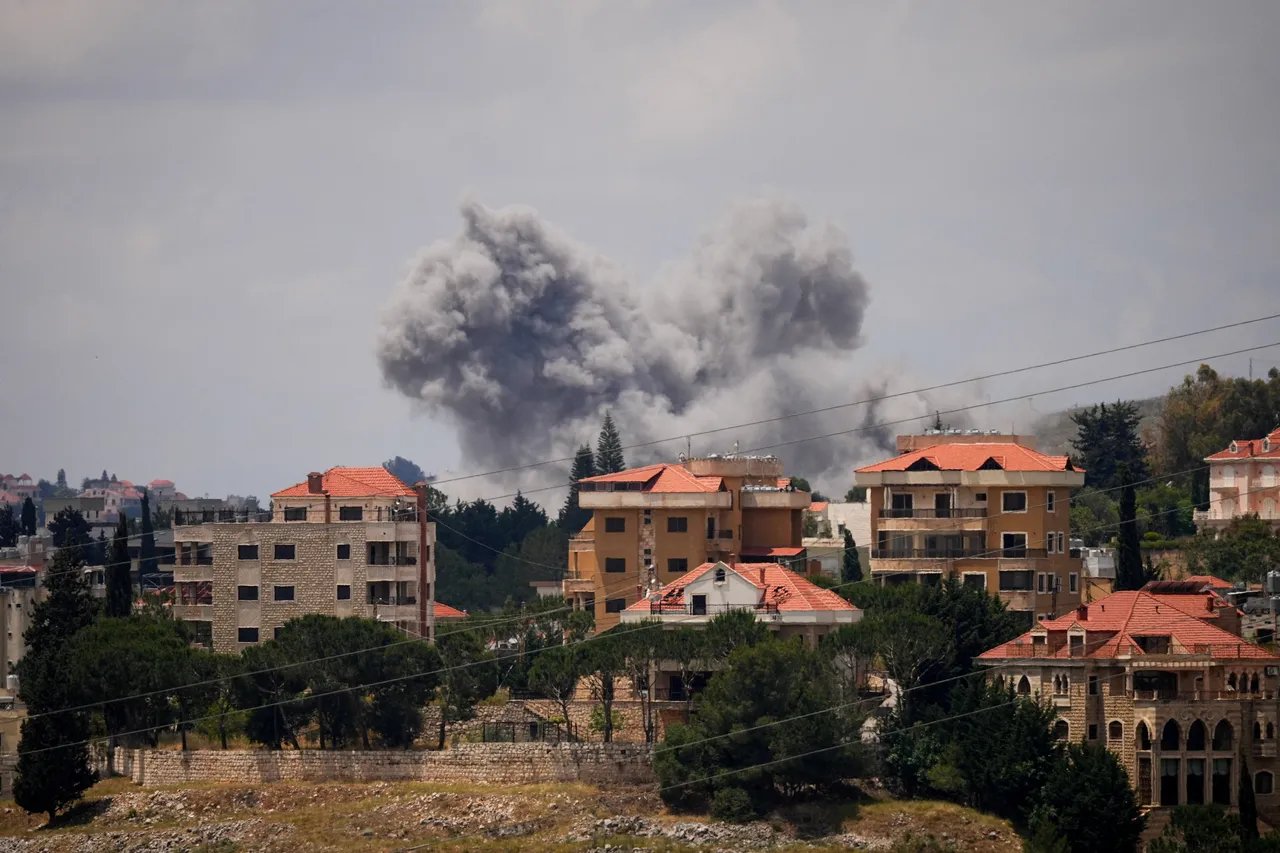
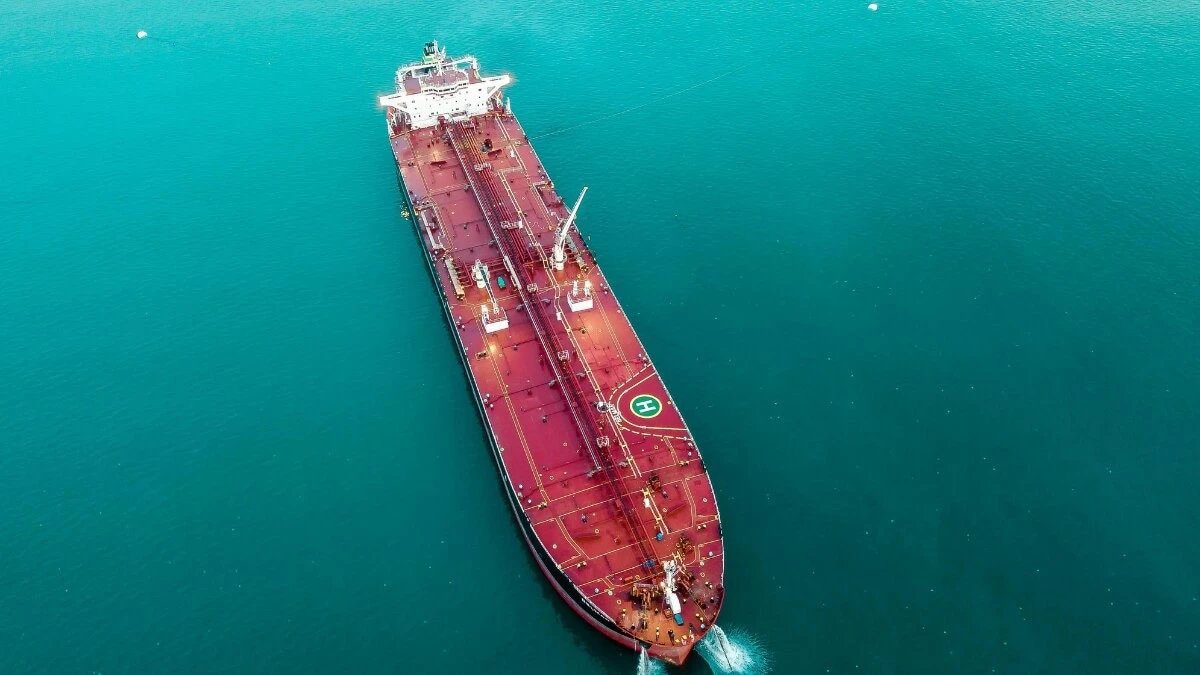
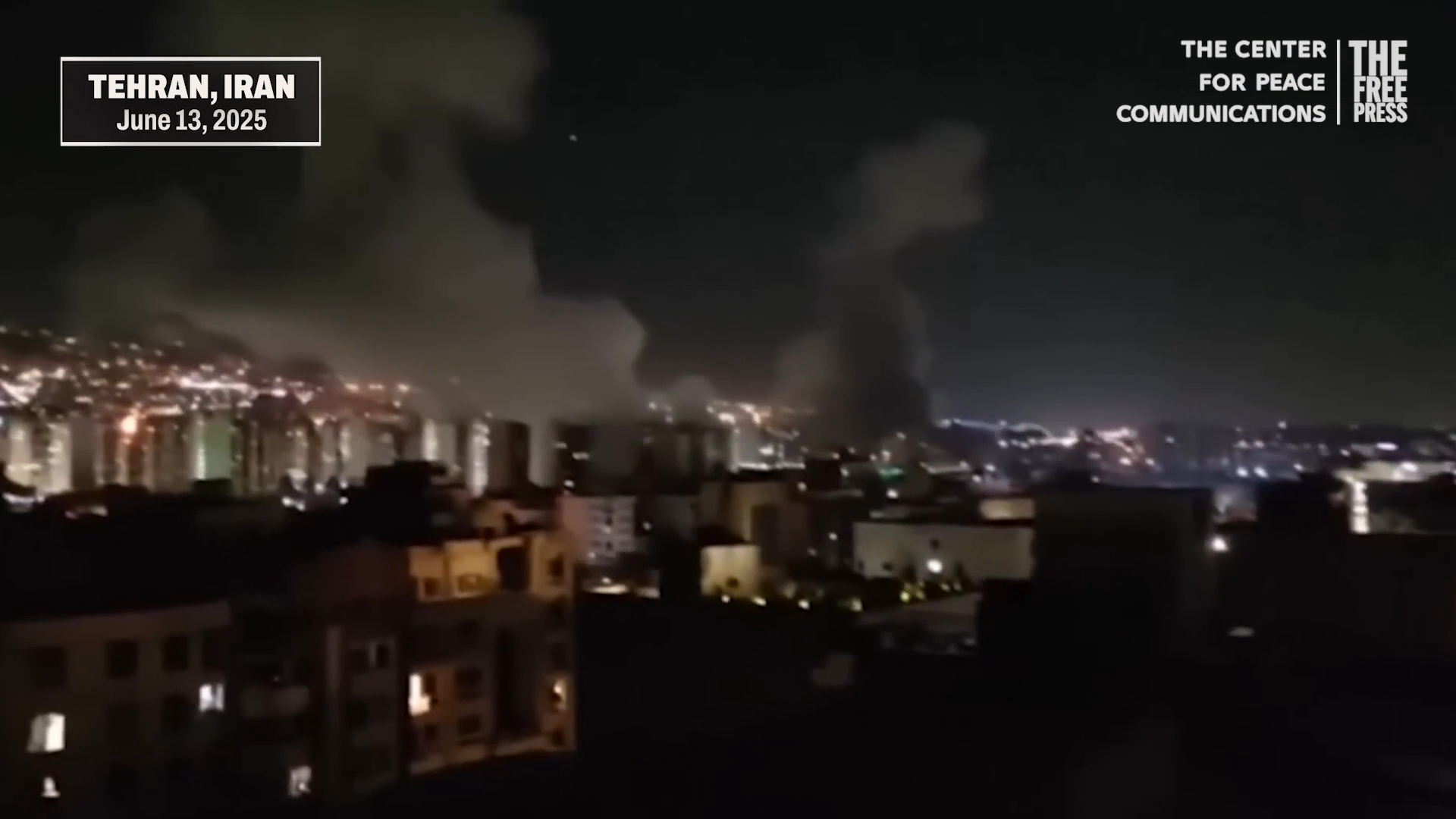
Iran's Revolutionary Guard Corps said it had targeted U.S. bases in Kuwait and Bahrain in retaliation for the American strikes and fired on four tankers attempting to cross the strait without its permission. Kuwait's state media said air defenses were intercepting missile and drone attacks, while in Bahrain sirens sounded and residents were urged to seek shelter.
Kuwait's foreign ministry described the Iranian attacks as a "blatant act of aggression" that ignored international calls to halt such actions and posed a direct threat to citizens, residents, and regional security. Bahrain also condemned the strikes.
Commercial shipping grinds to halt
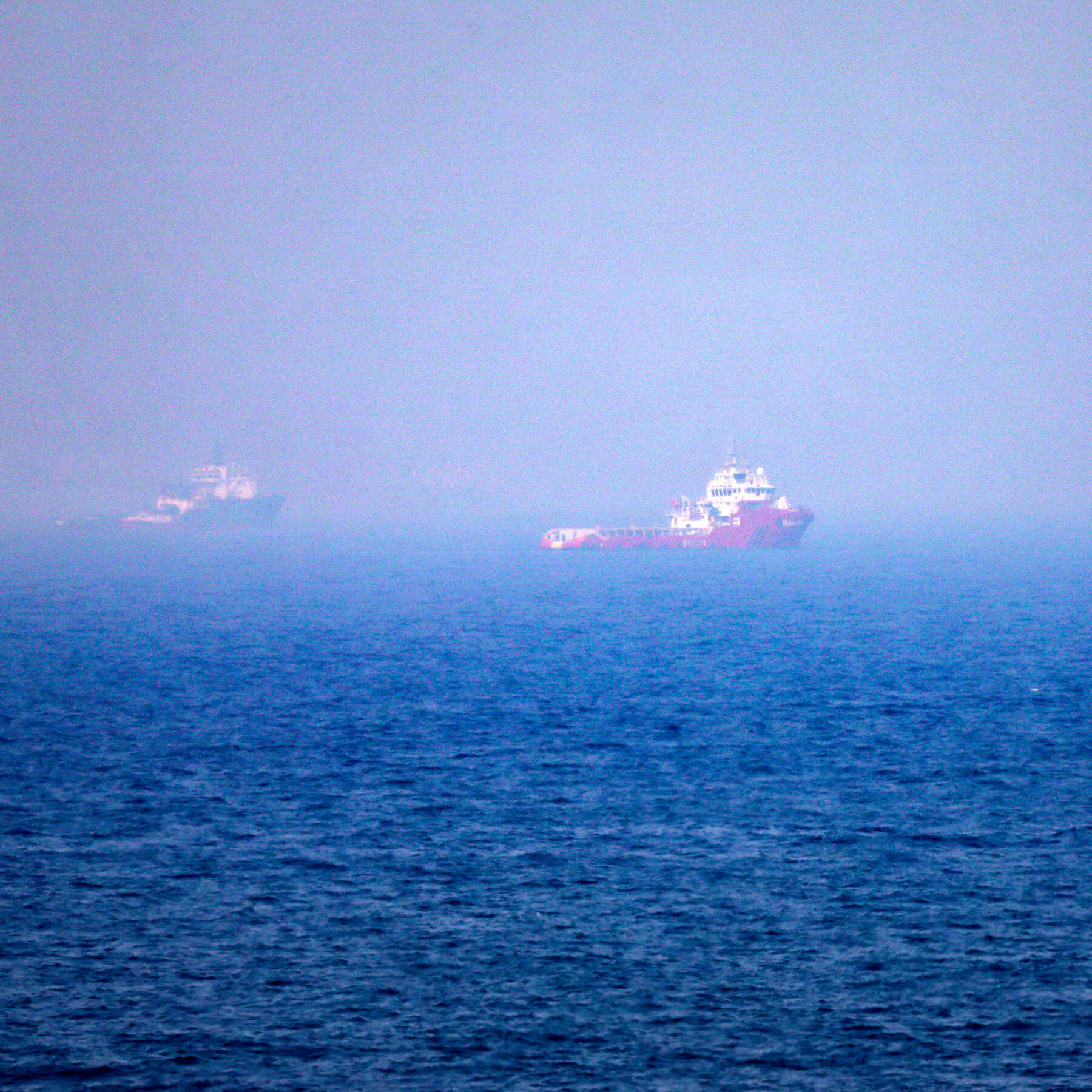
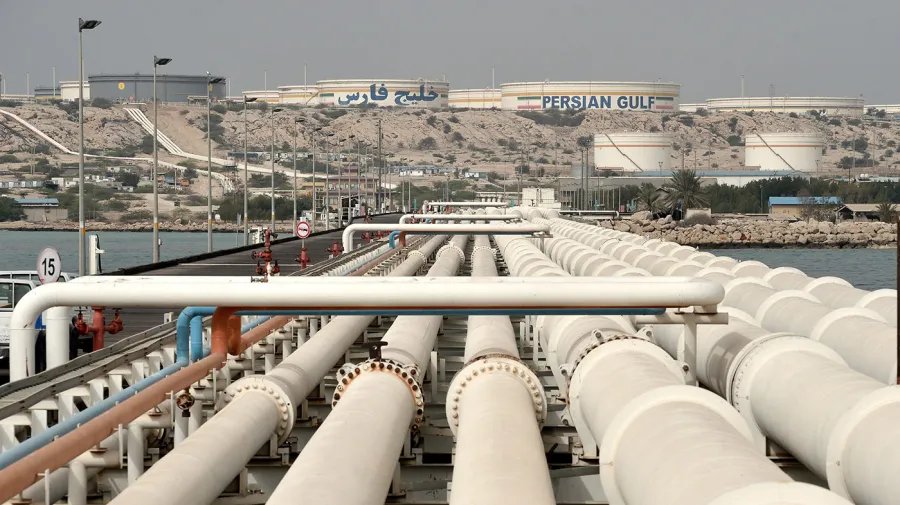
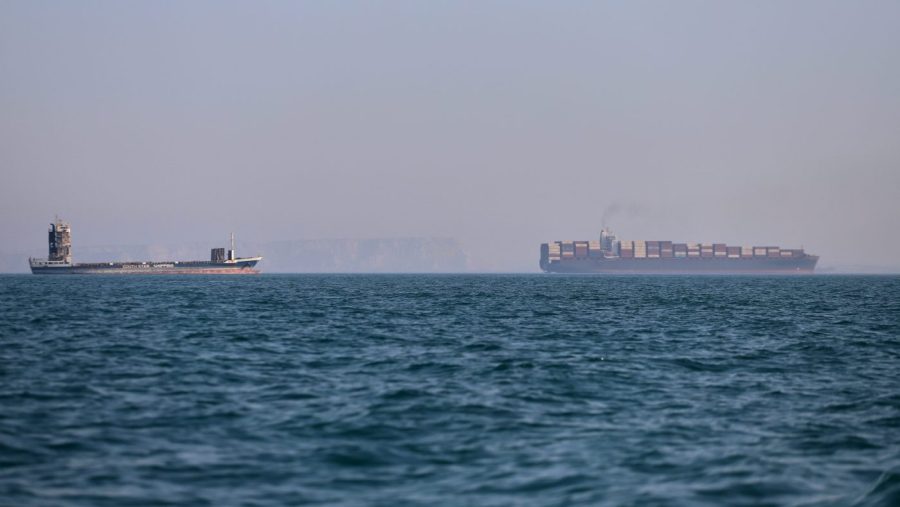
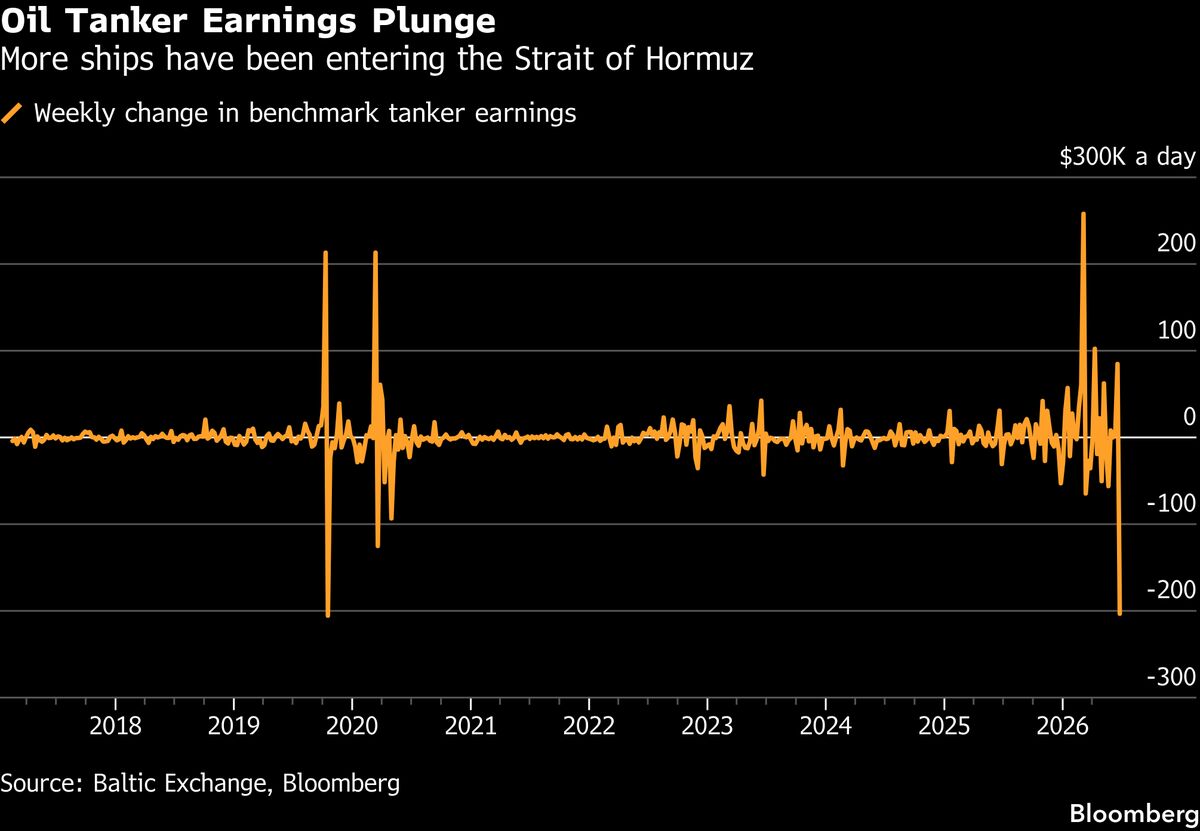
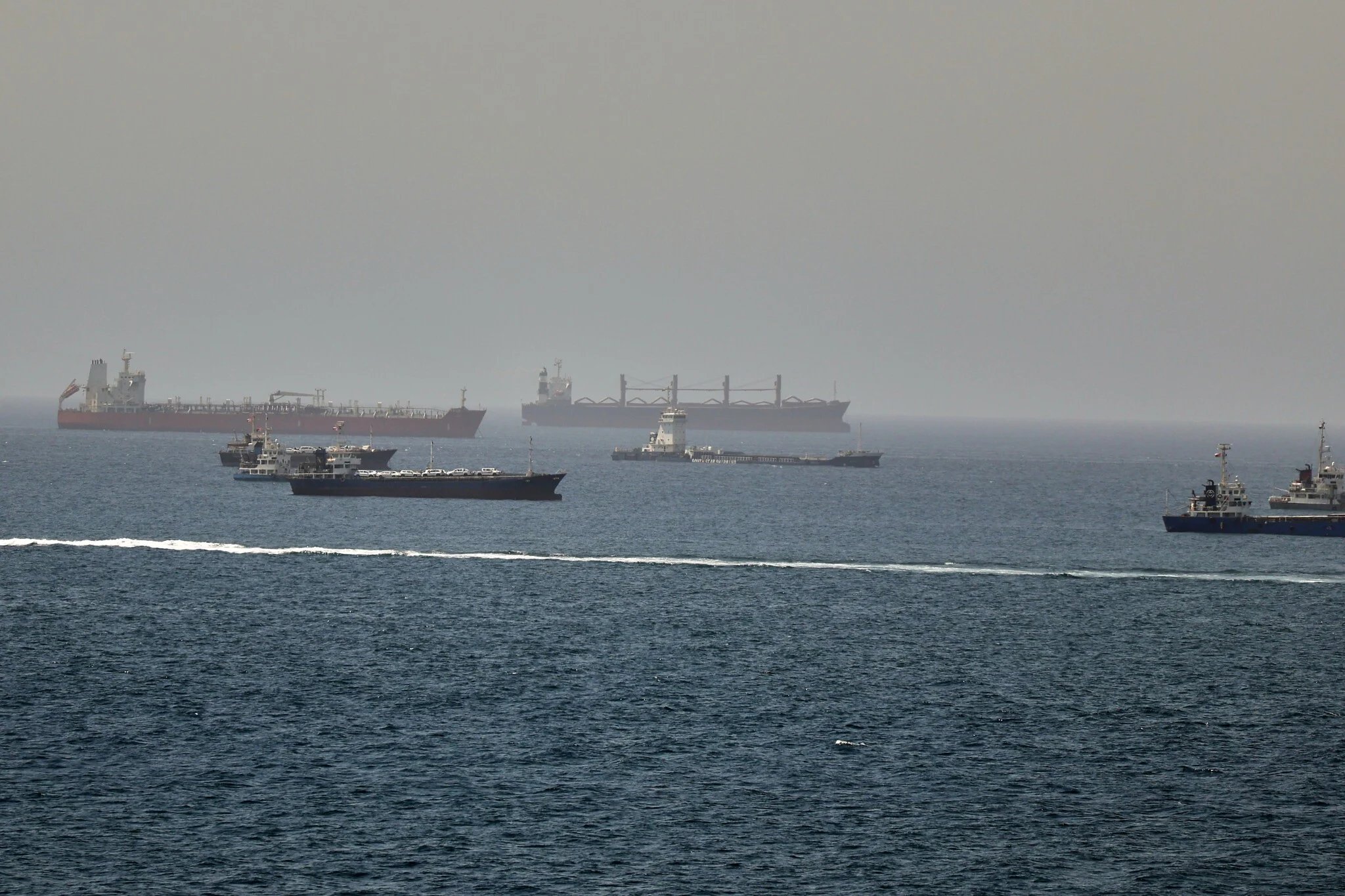
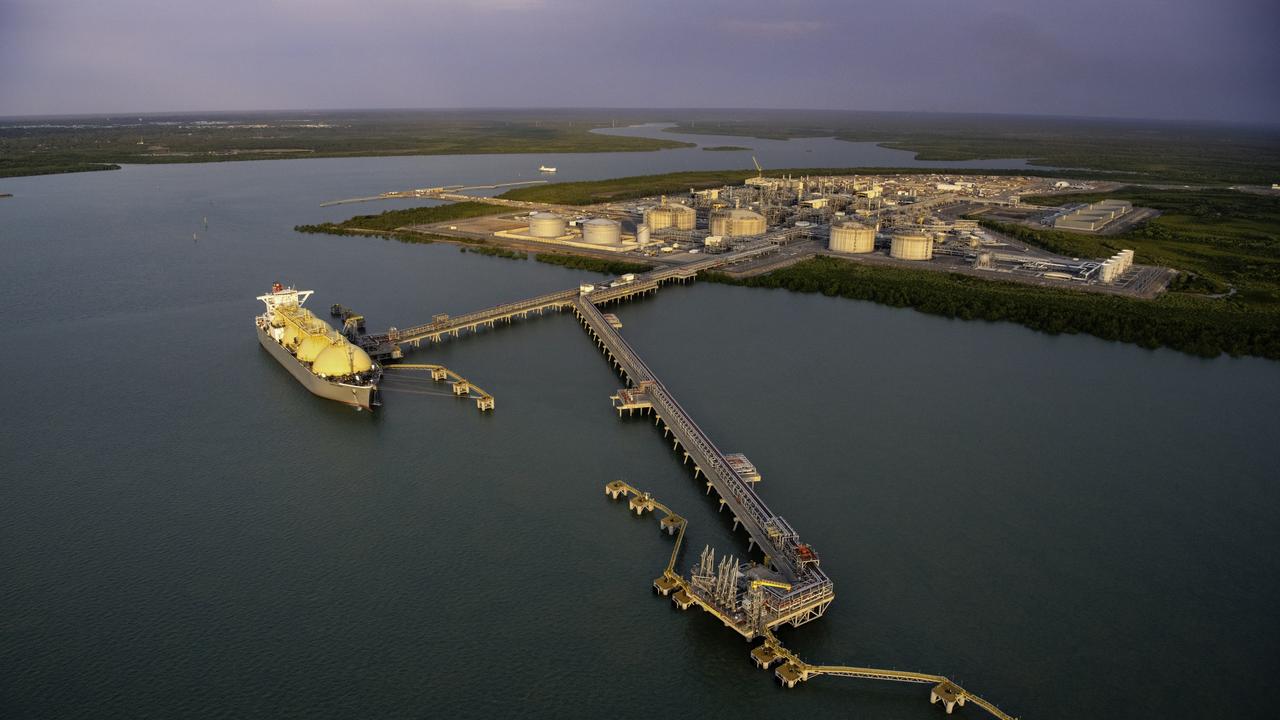
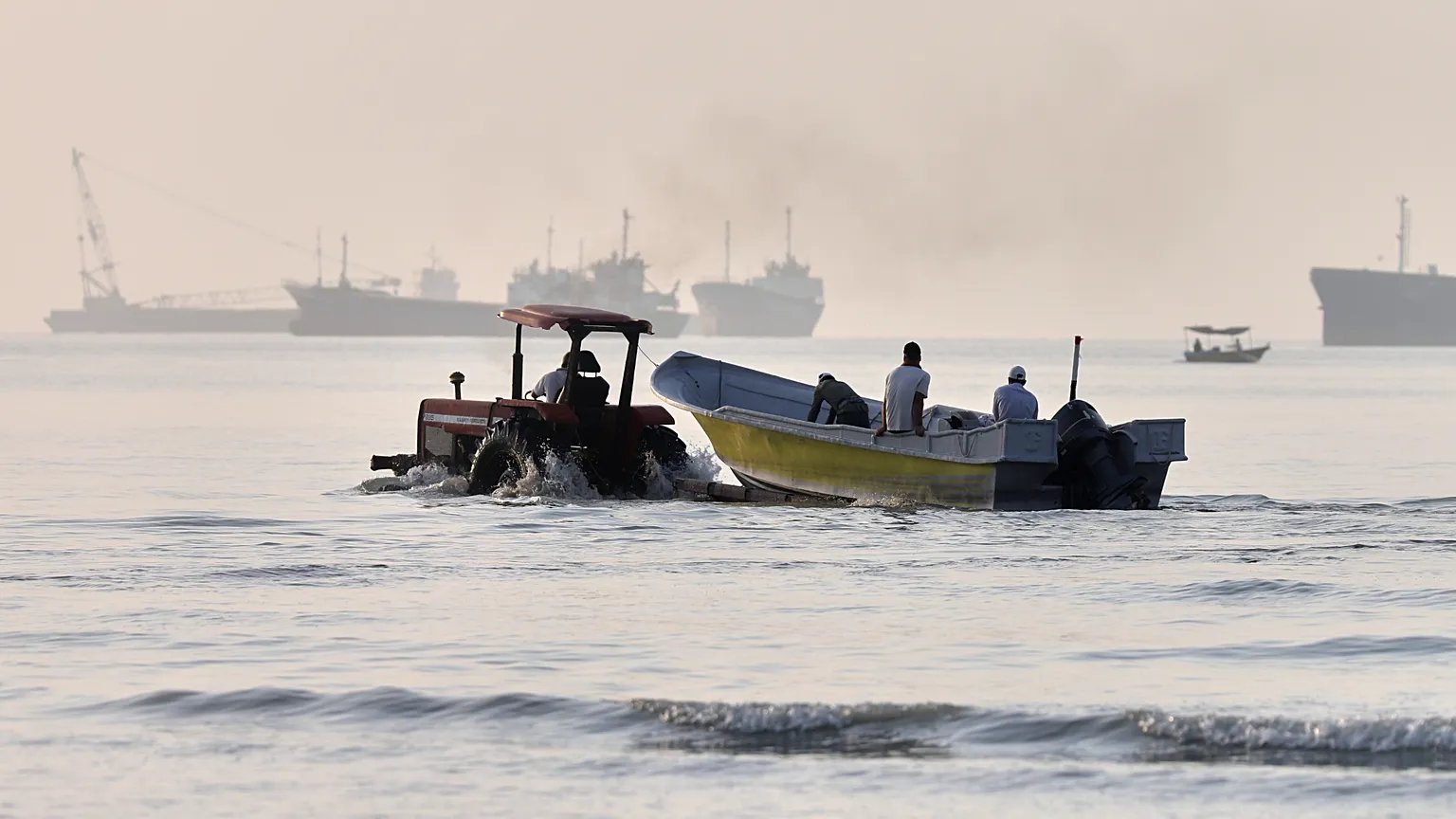
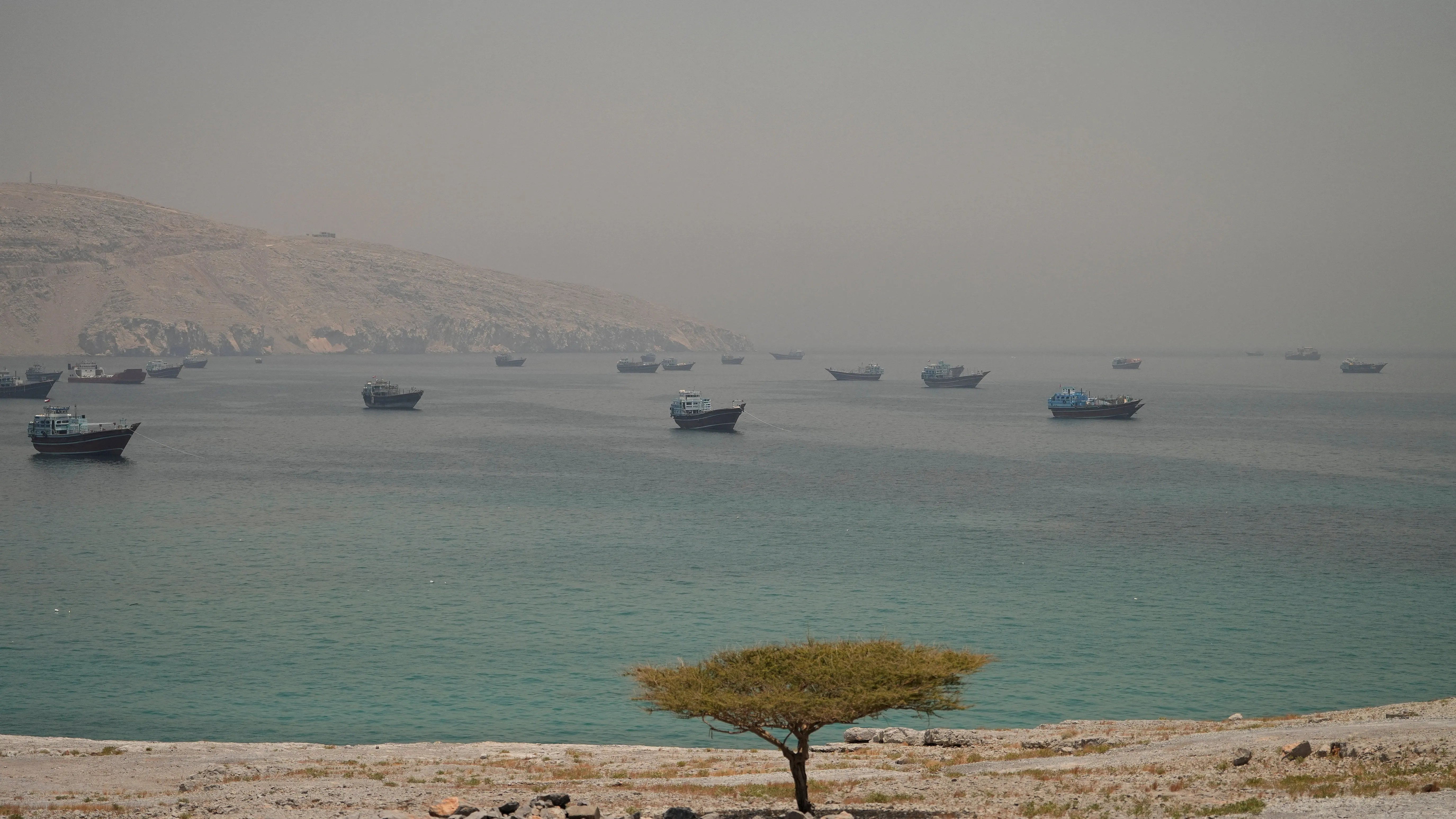
The escalating military confrontation has severely disrupted one of the world's most critical waterways. Commercial traffic through the Strait of Hormuz remains sharply reduced, raising concerns about global energy markets and supply chains, according to energy analyst Daniel Yergin, vice chairman of S&P Global.
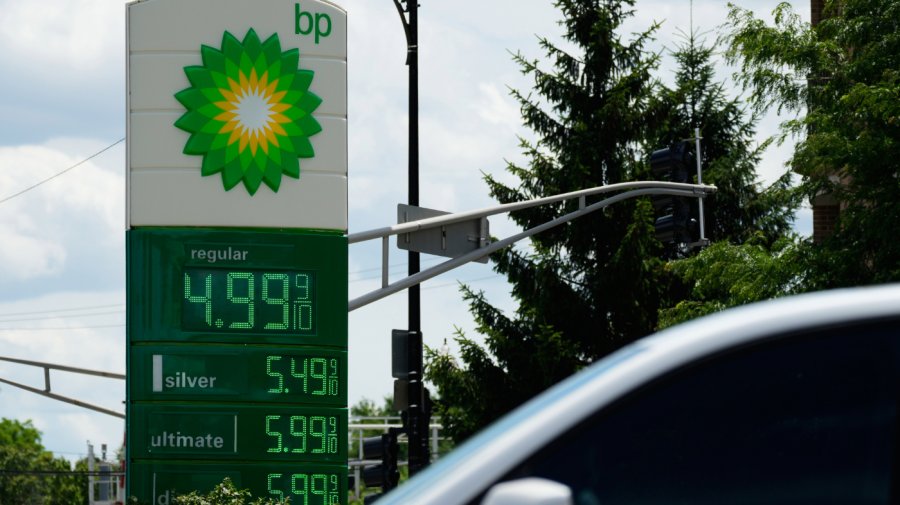
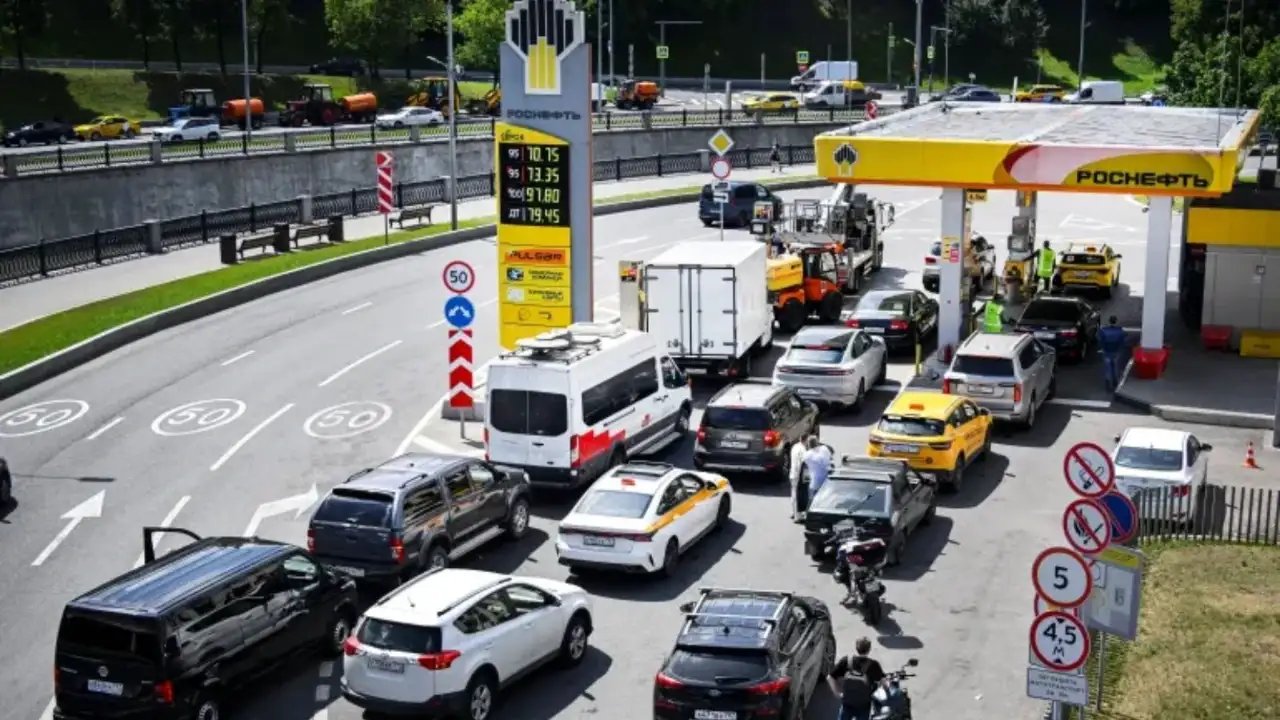
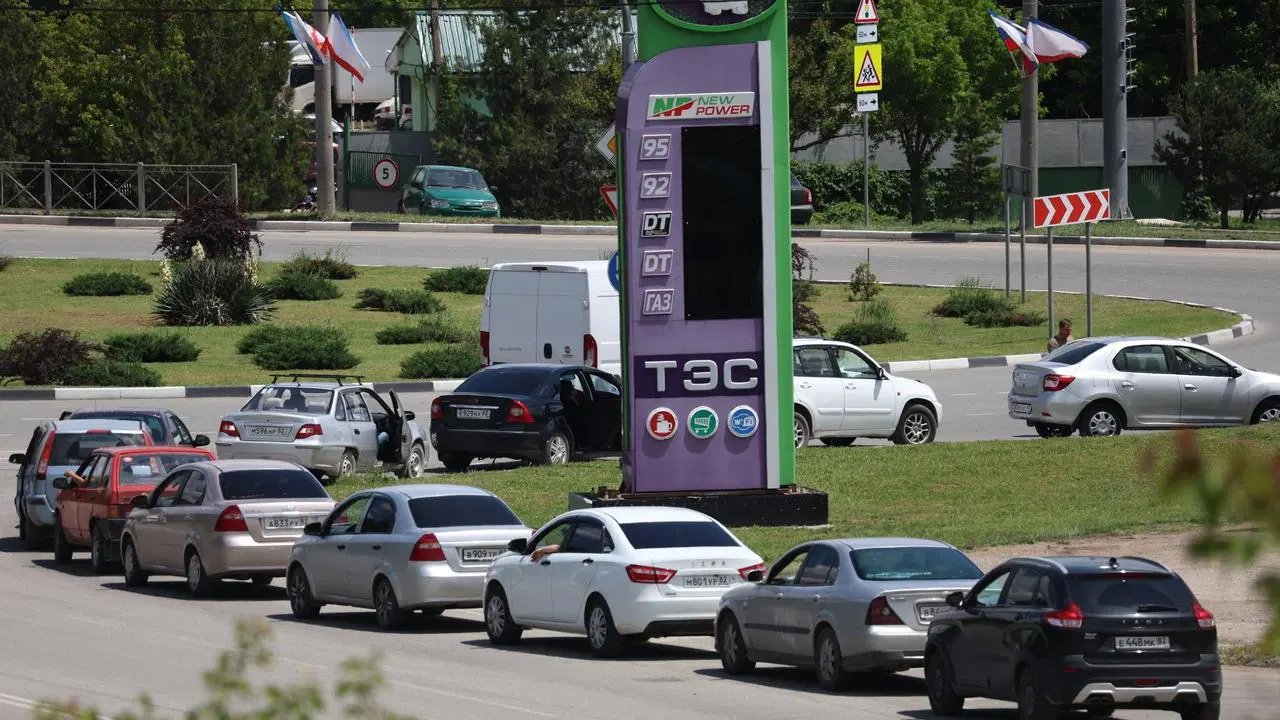
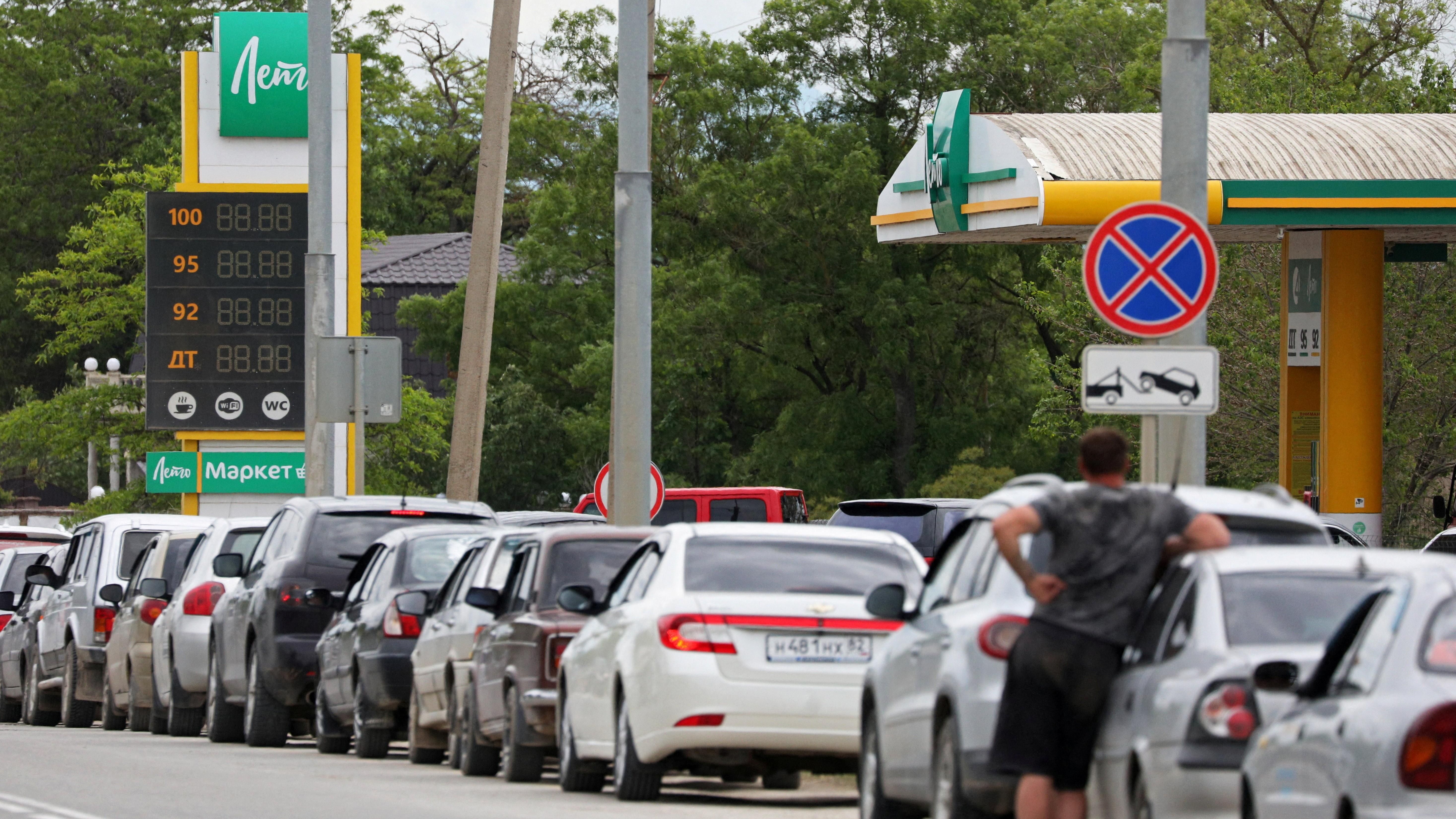
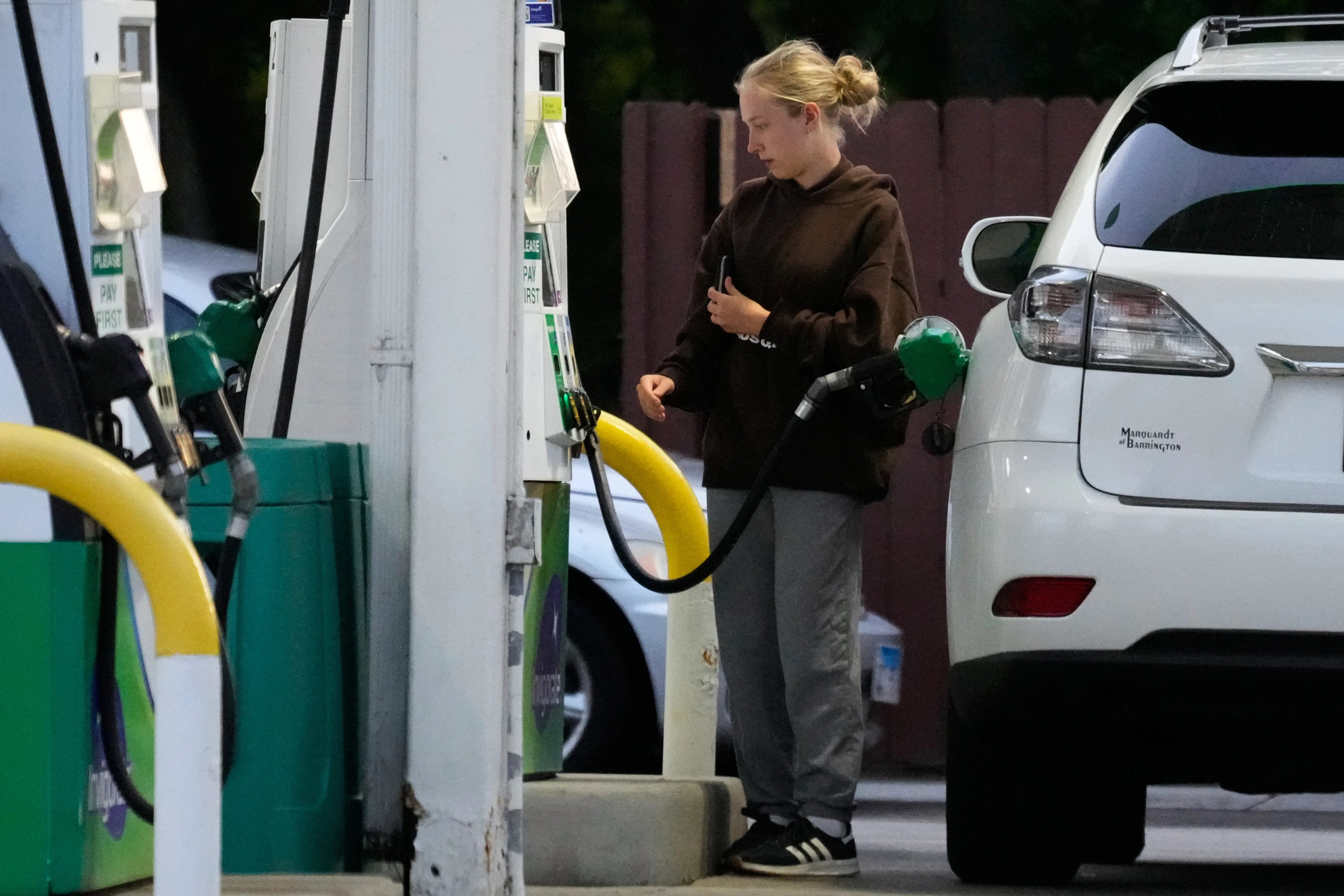
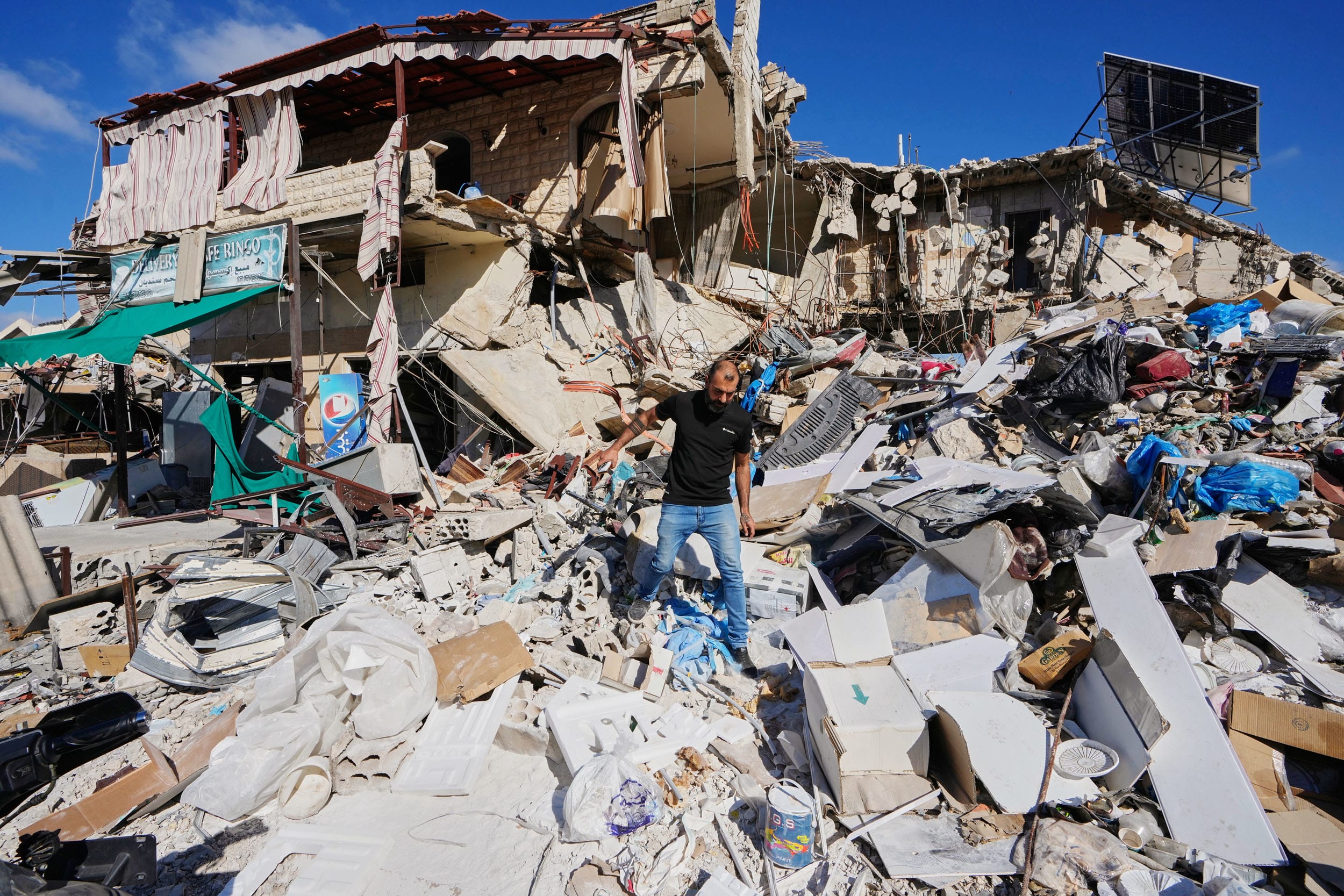
The disruption has created cascading shortages across multiple sectors. In Asia, the region is experiencing an energy crisis with rationing, shortages of diesel for farming, and insufficient fertilizer. The Gulf was a source of one third of the world's traded fertilizer, hitting during plant season in many parts of the world. In the United States, consumers are seeing the impact at the gasoline pump, while Europe faces jet fuel shortages.
Recovery timeline extends months beyond reopening
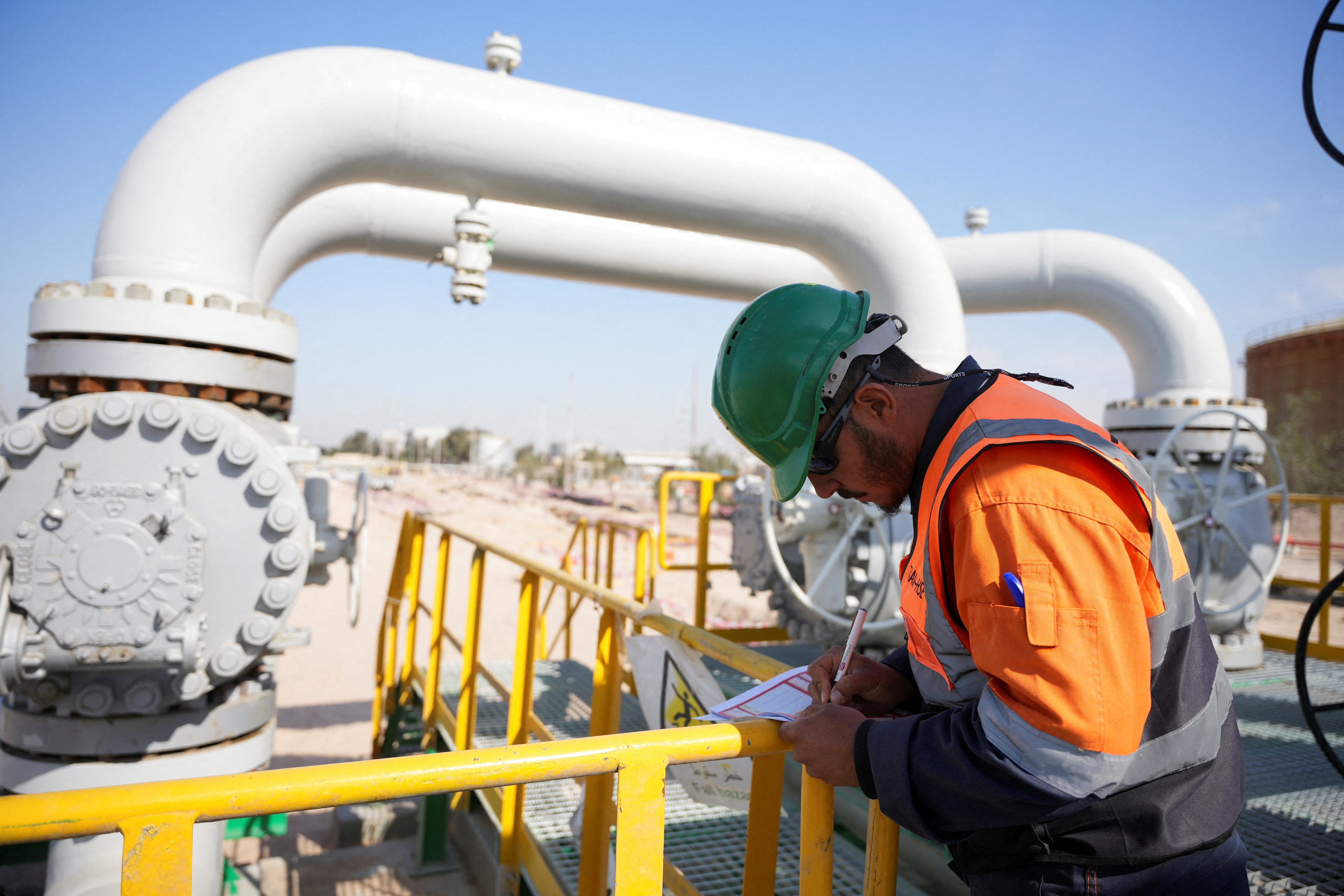
Even if the strait reopened tomorrow, normalcy would not return quickly. S&P Global estimates recovery would take as much as six months to reach 80 percent of pre-disruption levels, according to Yergin. Tankers must be removed from the gulf and new ones brought in, and extensive damage must be repaired before production can resume.
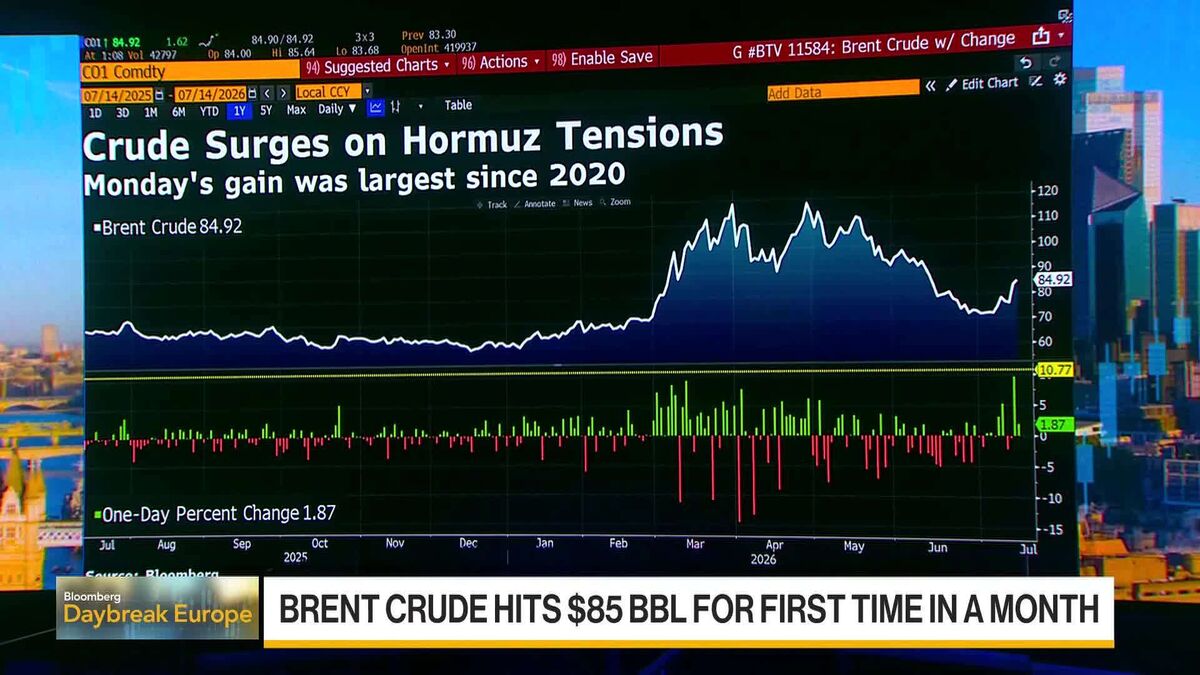
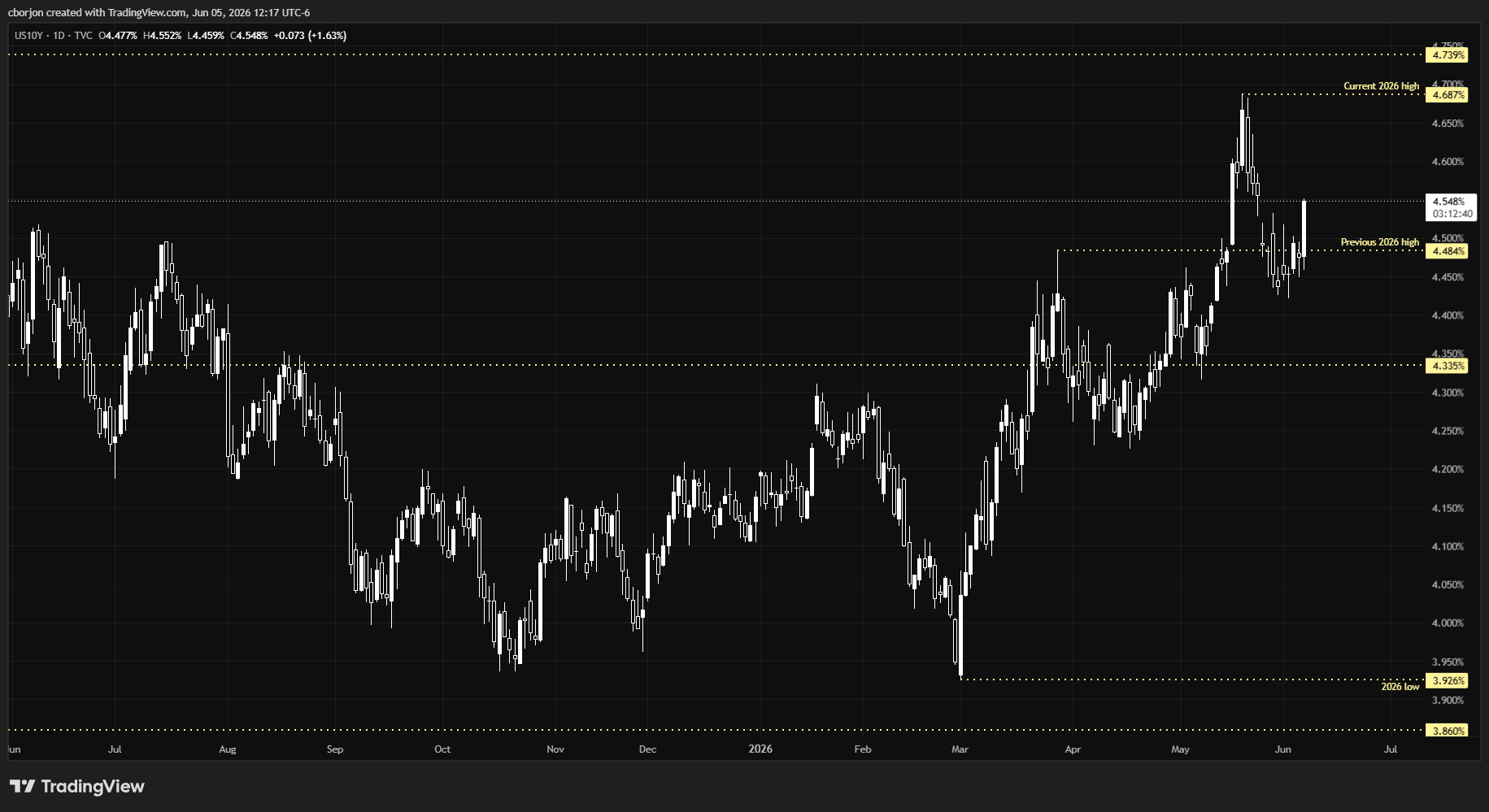
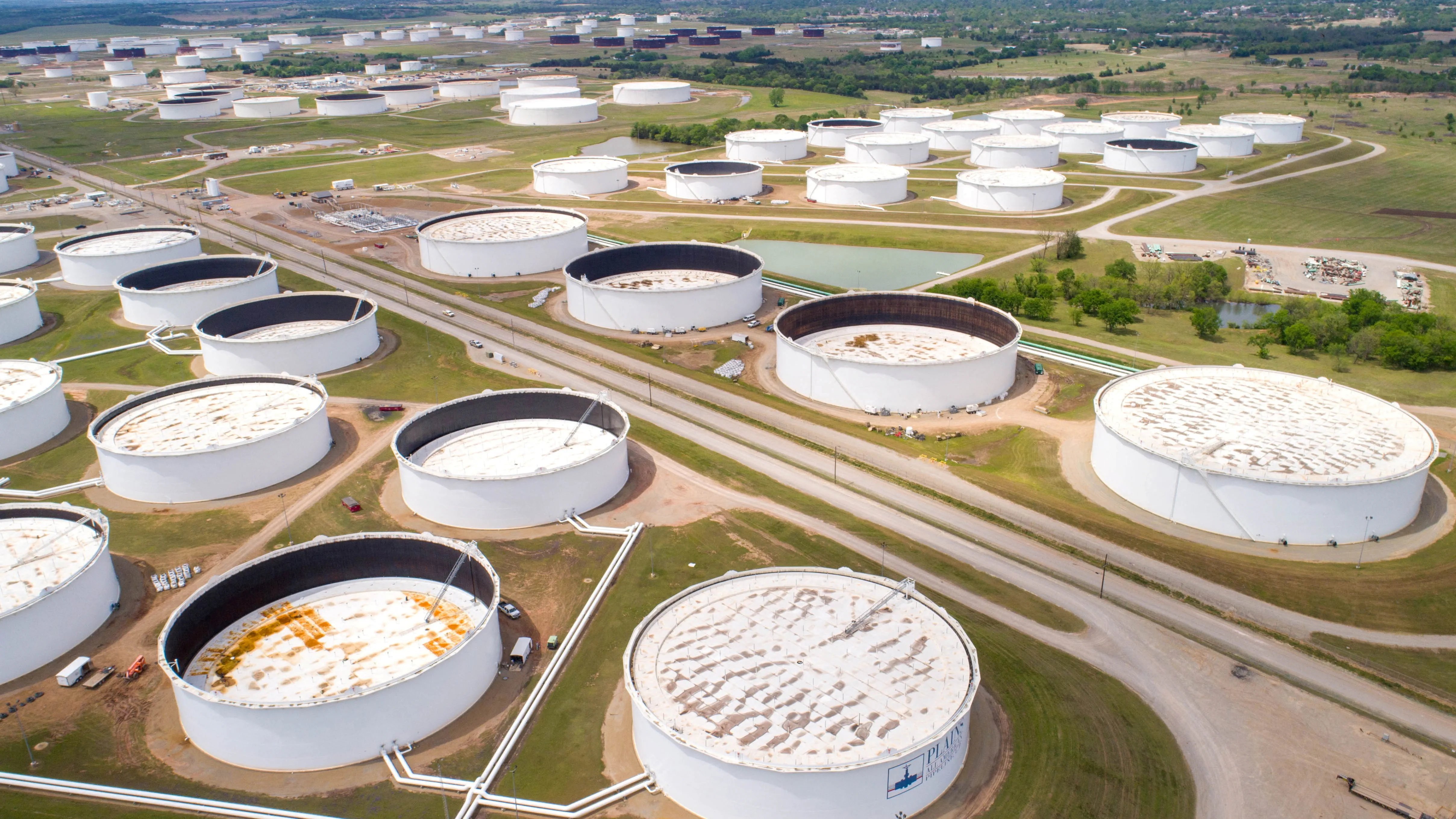
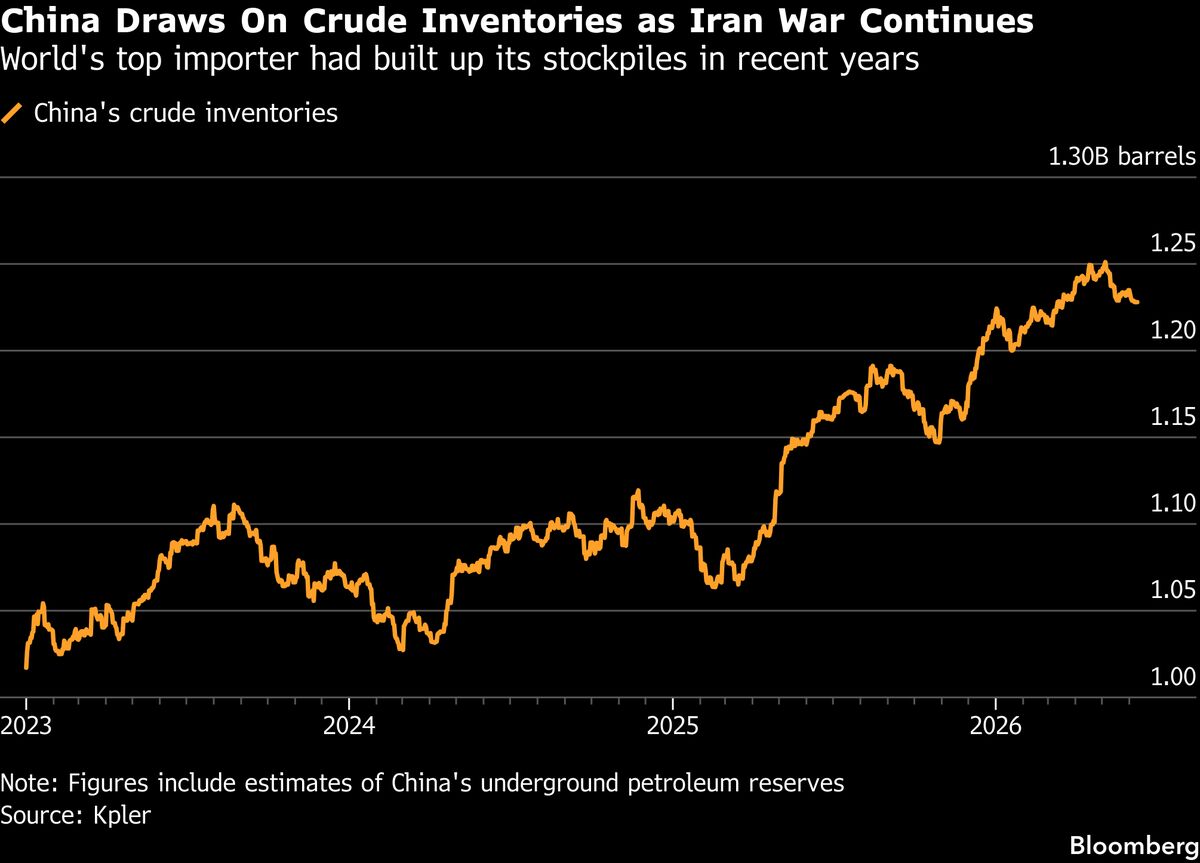
Energy analyst Daniel Yergin said Iran appears determined to maintain control over the strait and turn it into an Iranian canal, a position he characterized as unacceptable to Arab producers and the global economy. As inventories in the United States and China deplete, Yergin warned that as the region moves into July, oil prices could reverse from current levels if relief does not arrive.