




Flesh-eating bacteria and forgotten plagues return as agencies lose capacity
Researchers discovered flesh-eating bacteria in coastal waters near New York's Long Island this spring, with eight people infected in Florida and Mississippi residents warned to take precautions. The pathogen, Vibrio vulnificus, kills about 1 in 5 people it infects, sometimes within a day or two, according to CDC data. The bacteria enters open wounds and causes tissue death and systemic sepsis, with many patients requiring intensive care or limb amputation.
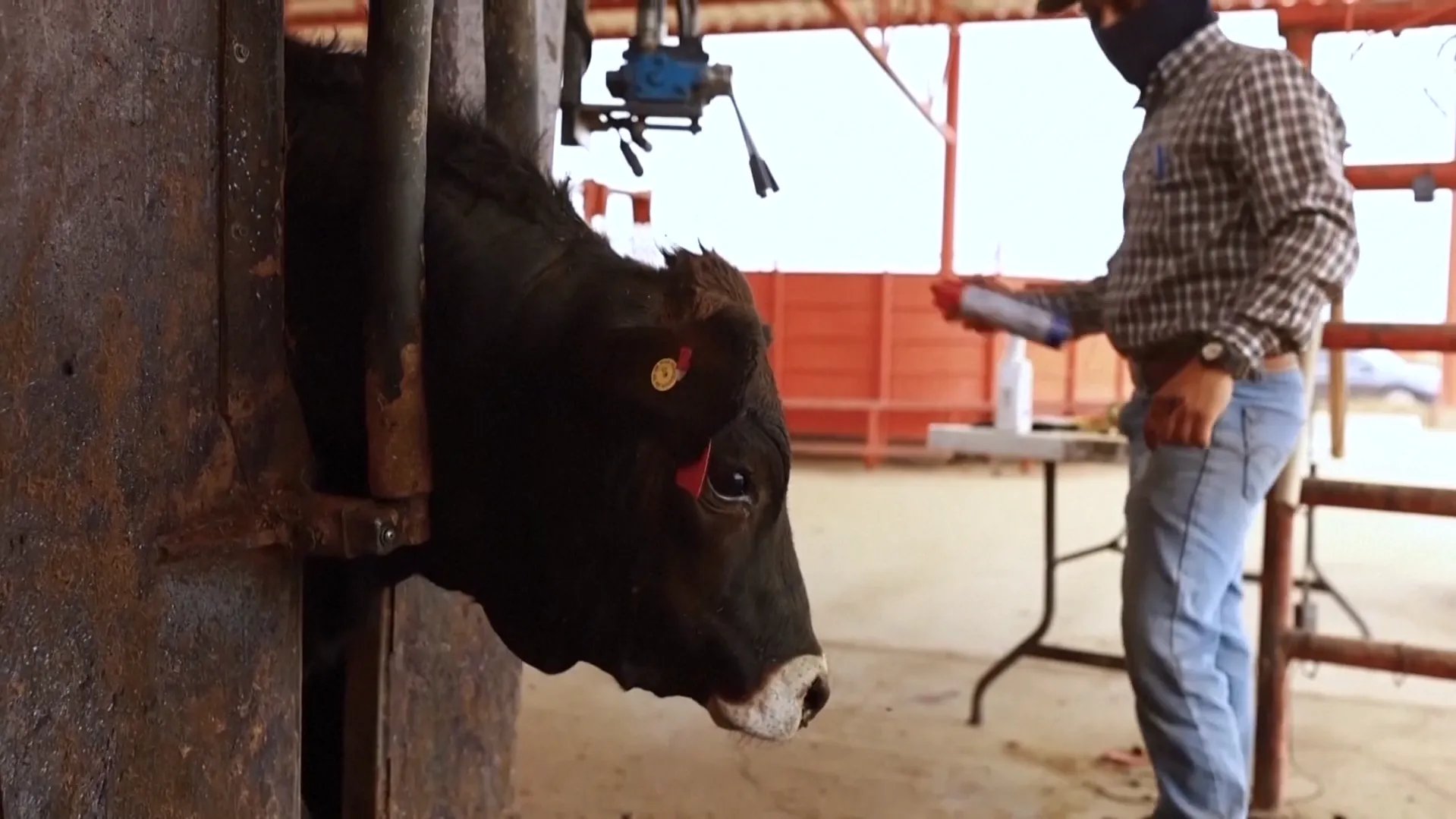
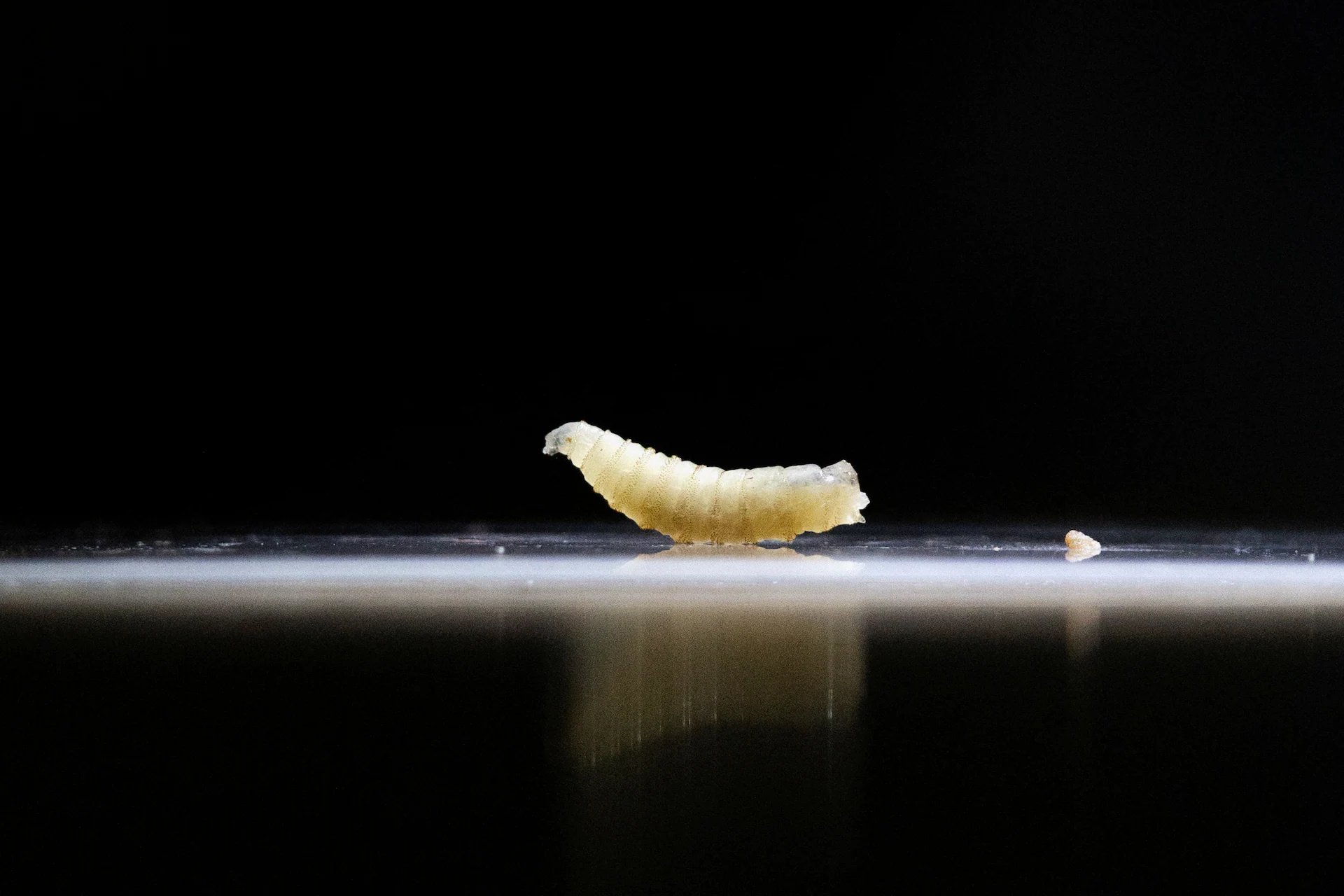
The Trump administration's deep cuts to federal health agencies have stripped away the detection and prevention systems designed to contain such threats. The USDA lost 18% of its workforce in the first six months of 2025, according to the agency's Office of Inspector General, hampering its response to screwworm, a parasitic blowfly that infested more than a dozen animals after the first confirmed U.S. case appeared on June 3. An expanding outbreak could devastate the cattle industry.
Malaria surveillance collapses as global programs shut down
The administration froze work on the President's Malaria Initiative, a program credited with saving more than 11 million lives since 2005, when USAID had invested more than $9 billion. The CDC dissolved its Division of Parasitic Diseases and Malaria, shuffling staffers to other divisions and interrupting vaccine research. Federal guidance issued in May warned that the U.S. remains vulnerable to malaria reintroduction, despite the disease being eradicated domestically in 1951.
An outbreak in 2023 infected 10 people locally across Arkansas, Florida, Maryland, and Texas. Mosquitoes capable of transmitting malaria are found throughout most of the country, and the CDC stated that the majority of U.S. residents lack protective immunity, rendering them susceptible to severe illness and death.
Foodborne illness tracking becomes optional
The Trump administration stopped requiring 10 states participating in the Foodborne Disease Active Disease Surveillance Network to report cases of most pathogens, making Vibrio reporting optional. The CDC estimates about 80,000 Vibrio infections occur annually, with the severe species, Vibrio vulnificus, causing 429 cases from open wound infections and 135 cases from contaminated food over the past five years. Close to half of Vibrio vulnificus cases result in death, some within 24 hours of consuming tainted shellfish.
Bill Marler, a Seattle-area food safety lawyer, warned that reduced surveillance obscures outbreaks: "If a tree falls in the woods and you don't hear it, did the tree fall? It's easier not to report diseases."
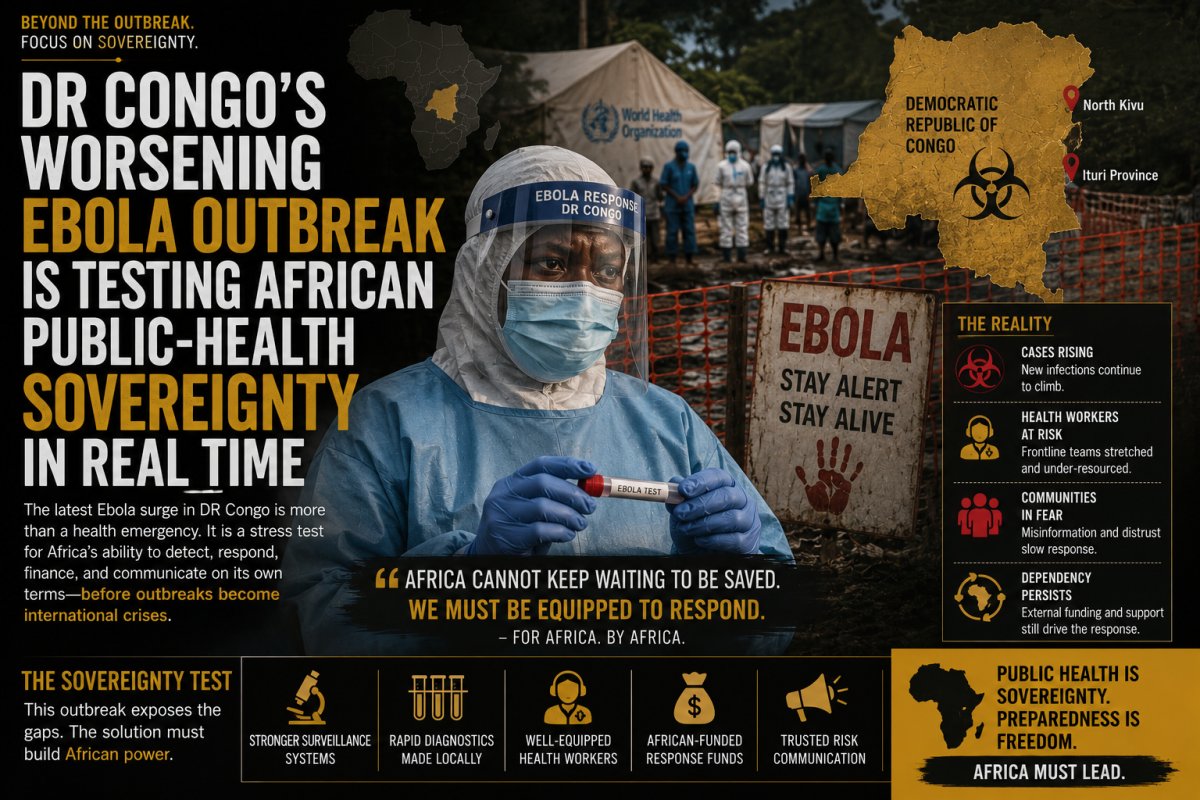
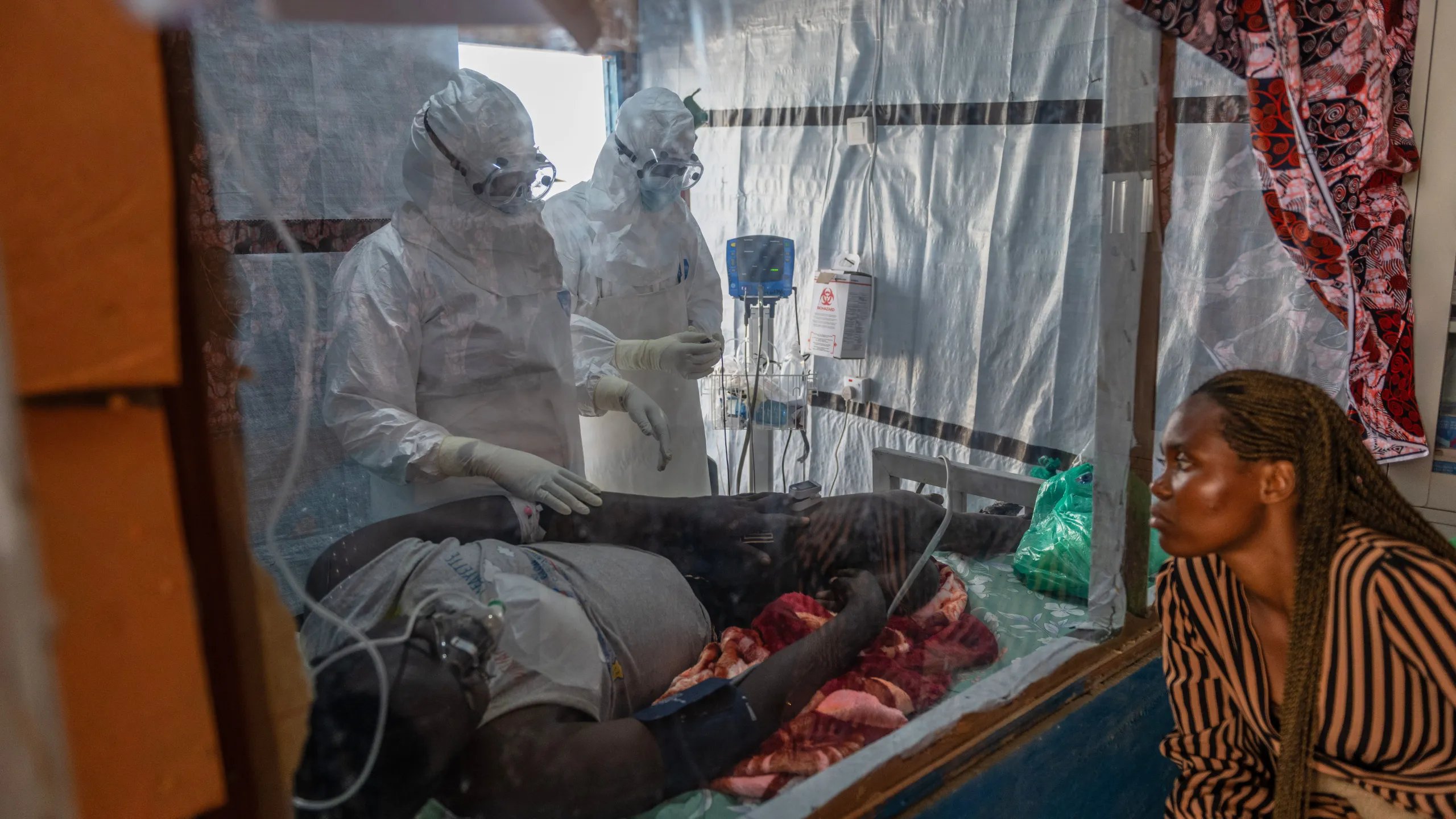
Ebola response hampered by USAID dismantling
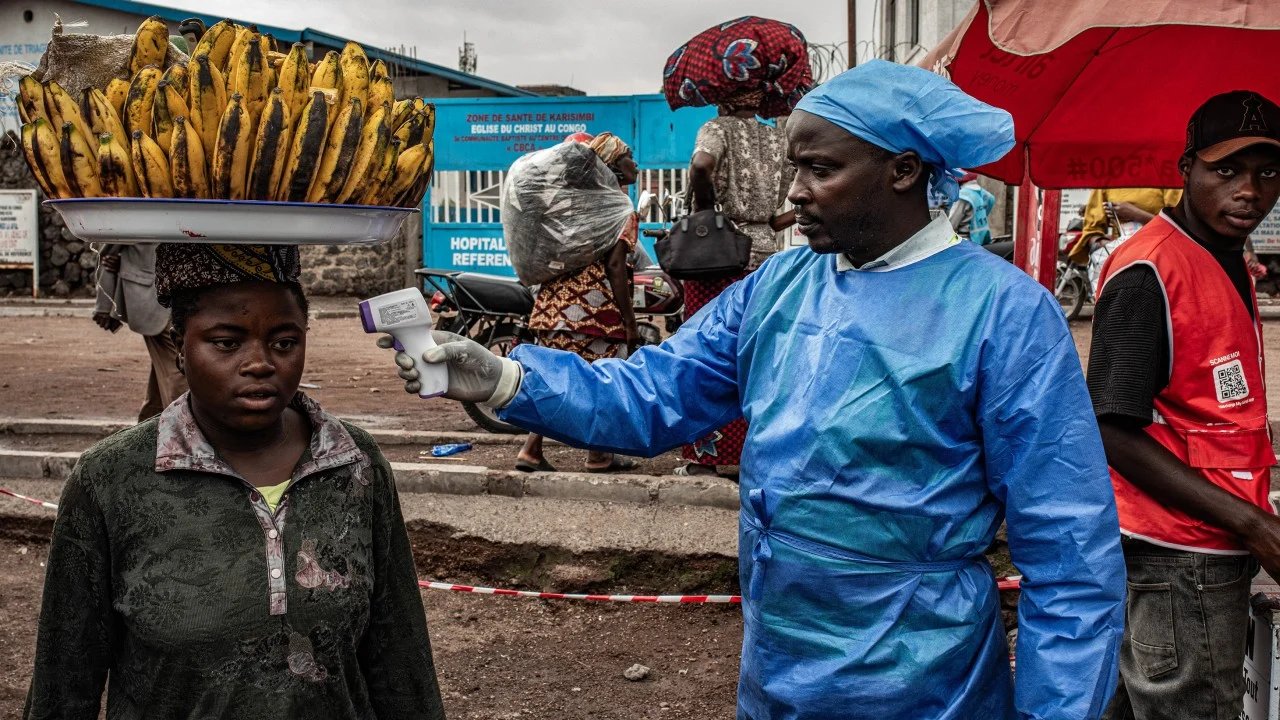
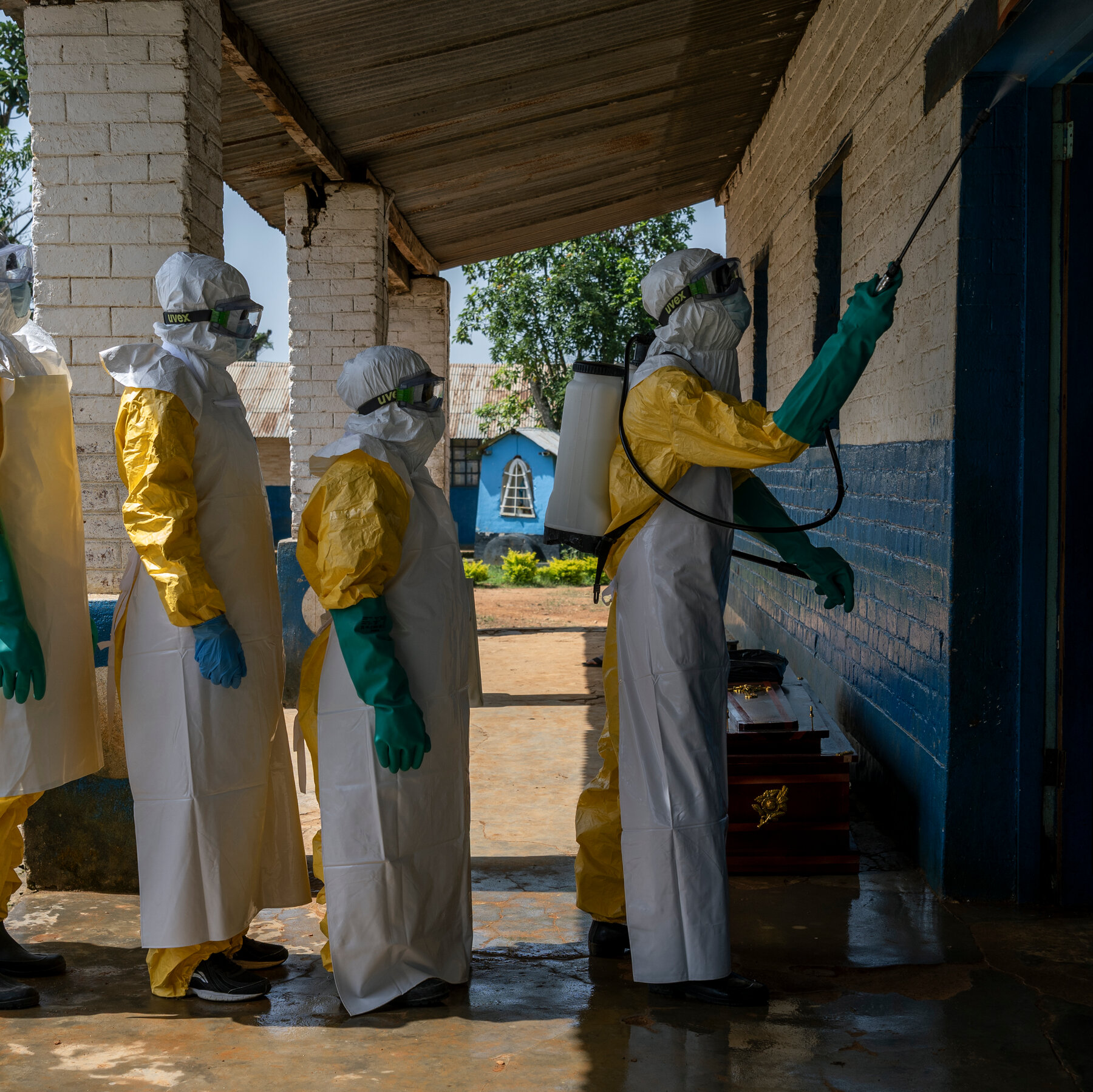
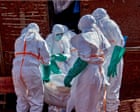
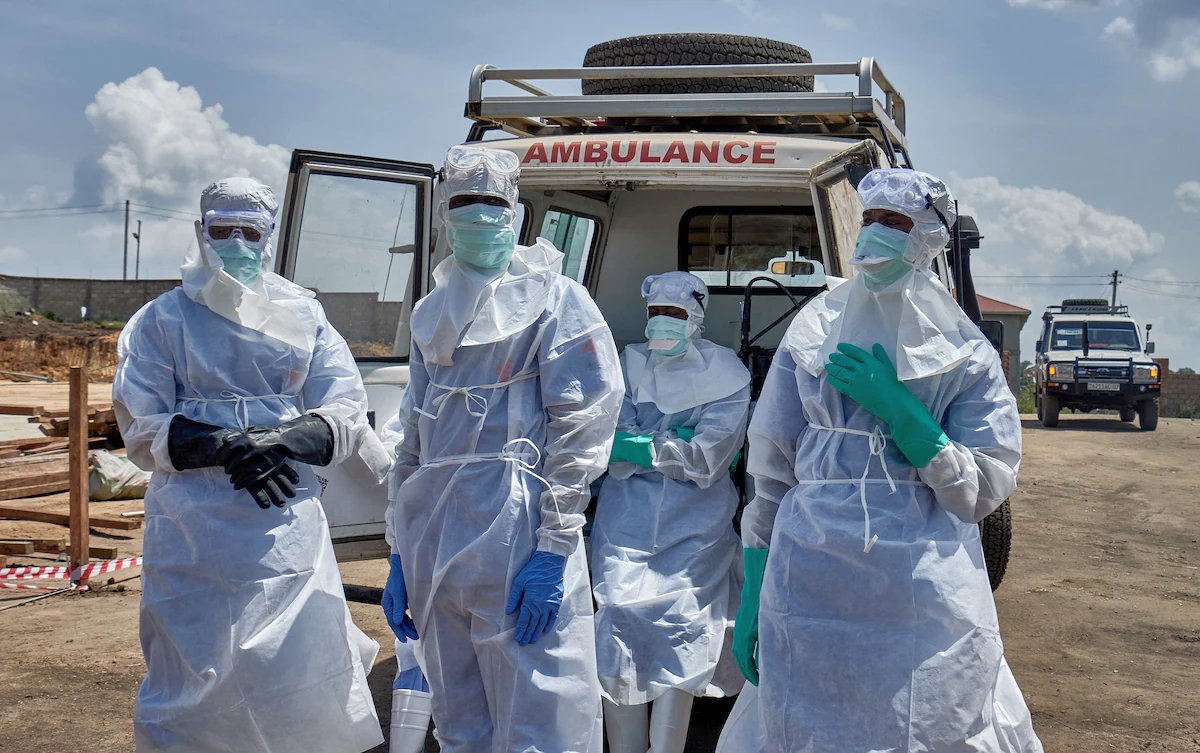
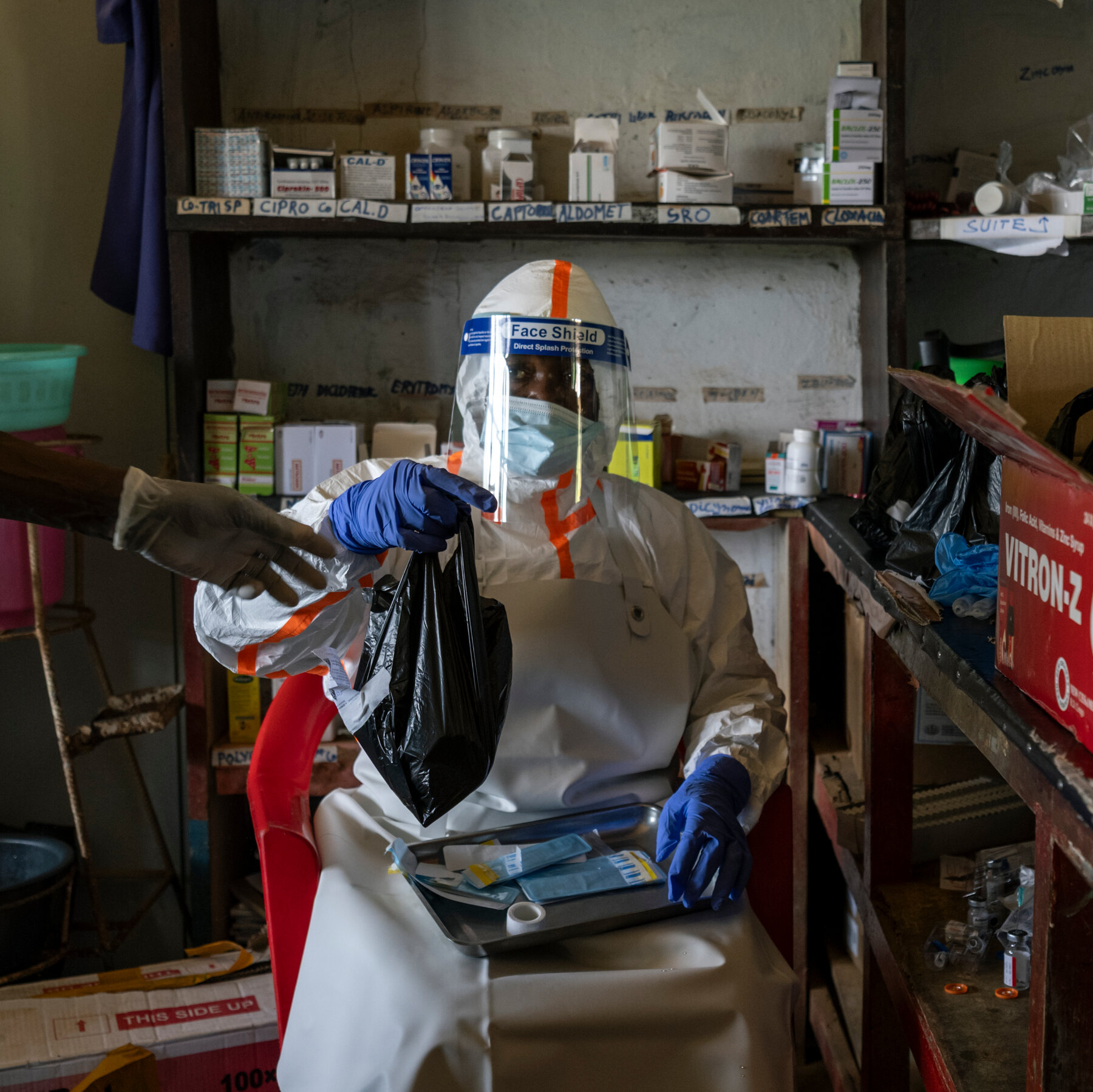
The administration dismantled USAID and cut more than $300 million from the United Nations' Food and Agriculture Organization, which monitors zoonotic diseases. The International Rescue Committee, which partners to deliver health surveillance and outbreak preparedness in the Democratic Republic of Congo during an Ebola outbreak, curtailed its programs as a result. Heather Reoch Kerr, the IRC's country director for Congo, stated that funding cuts have left the region dangerously exposed.
Health officials warn of weakened defenses
Tom Frieden, former CDC director and now president of Resolve to Save Lives, said the cuts undermine core protections. "We are letting down defenses that were necessary to protect against microbial threats. Instead of protecting, we're doing the opposite," Frieden said. Jeanne Marrazzo, CEO of the Infectious Diseases Society of America, emphasized that staffing reductions eliminate irreplaceable expertise.
Agriculture Secretary Brooke Rollins blamed the Biden administration for screwworm's return, claiming on X that uncontrolled illegal migration was partly responsible, providing no evidence. Ashish Jha, who served as White House COVID response coordinator during the Biden administration, directly rejected that claim, saying there is no truth to the assertion that immigrants lacking legal status brought screwworm into the U.S.
The HHS declined to comment on specific cuts but said the CDC continues monitoring pathogens through other national surveillance systems. An agency spokesperson said the department is advancing public health reforms focused on prevention and accountability while putting American families at the center of decision-making.
Half a million New Yorkers lose coverage today
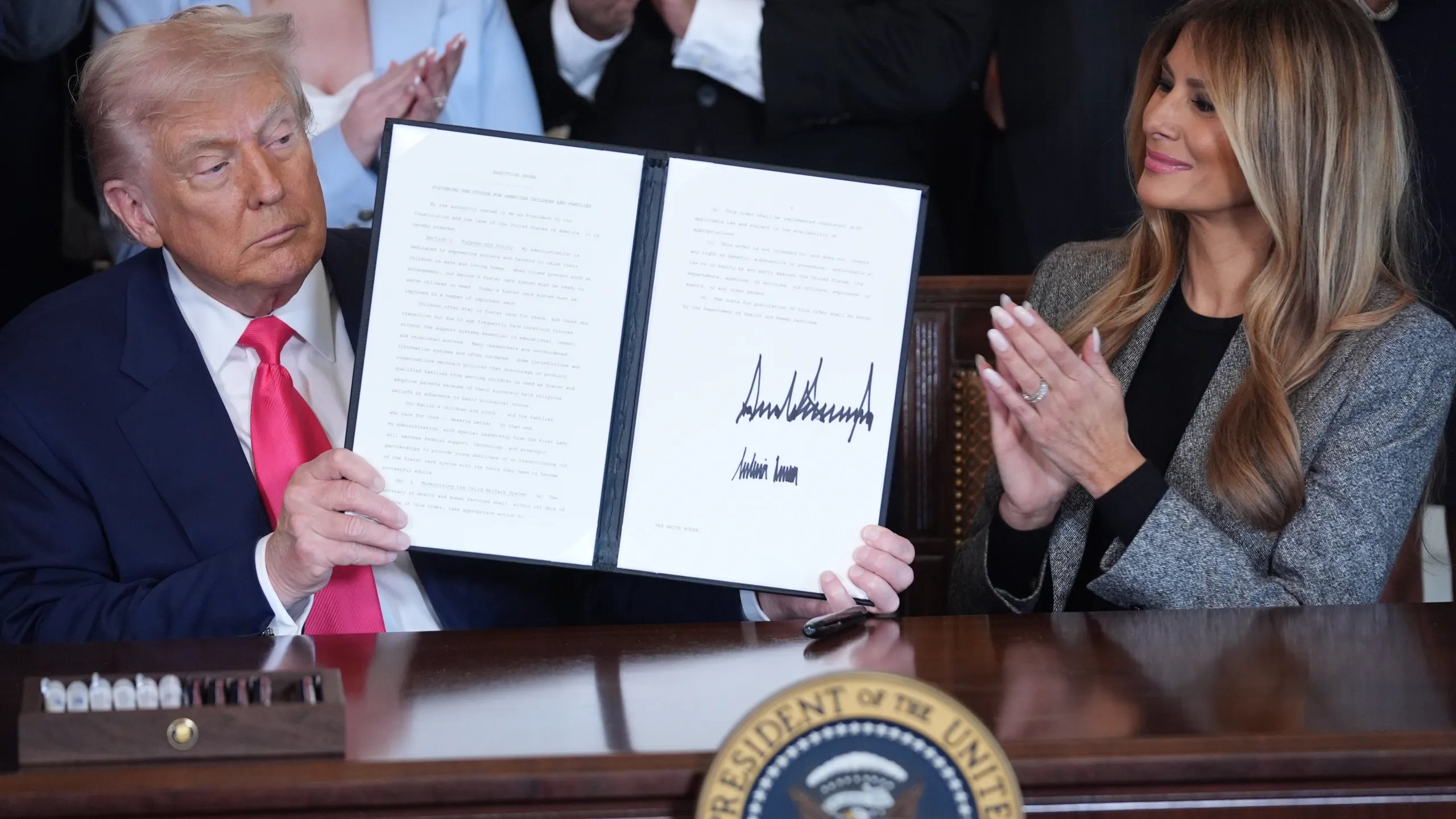
Nearly 500,000 moderate-income New Yorkers lose health insurance on July 1 as New York's essential plan ends following the passage of HR 1, the Republican-led law signed almost exactly one year ago. The law slashed government health spending by $911 billion nationally in favor of permanent tax breaks for higher-income families and border security.
The essential plan covered residents earning 200% to 250% of the federal poverty level, or up to $39,900 for a single person and $66,625 for a family of three, with no premiums or deductibles and minimal co-pays. After HR 1 passed in 2025, the program's federal funding was cut in half, and a provision ended health insurance tax credits to lawfully present immigrants.
Marketplace premiums soar as coverage shrinks
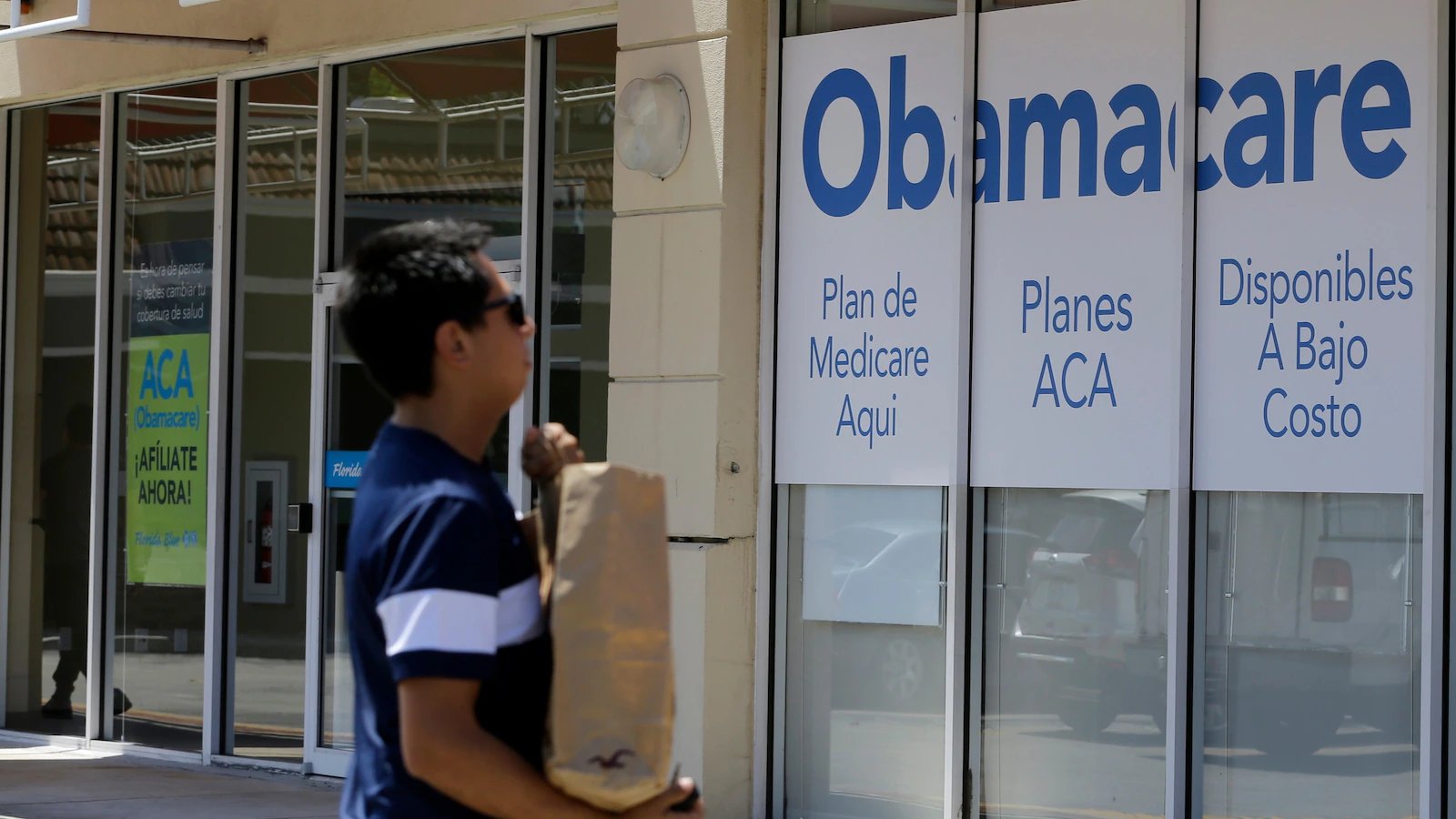
People losing essential coverage must shop for insurance through Obamacare marketplaces experiencing record-high costs. The Republican-led Congress allowed special government subsidies to health insurers to lapse at the end of 2025, resulting in average deductibles of $3,786 per person, according to KFF. In New York, insurers are requesting an average 20.7% rate increase for 2027, with UnitedHealthcare of New York proposing 52.1%.
Rahem Bader, director of the community health and well-being program at the Arab-American Family Support Center in New York City, said families struggle to choose between healthcare and food. Dr. Adam Aponte, chief executive at the East Harlem Council for Human Services, expects more than 250,000 New York City residents to lose insurance, including 200 of his own patients. Nationally, the law could cause an additional 10 million people to become uninsured over the next decade, largely from new Medicaid work requirements that analysts predict will be expensive to navigate.