




Republicans Break Ranks on Foreign Policy
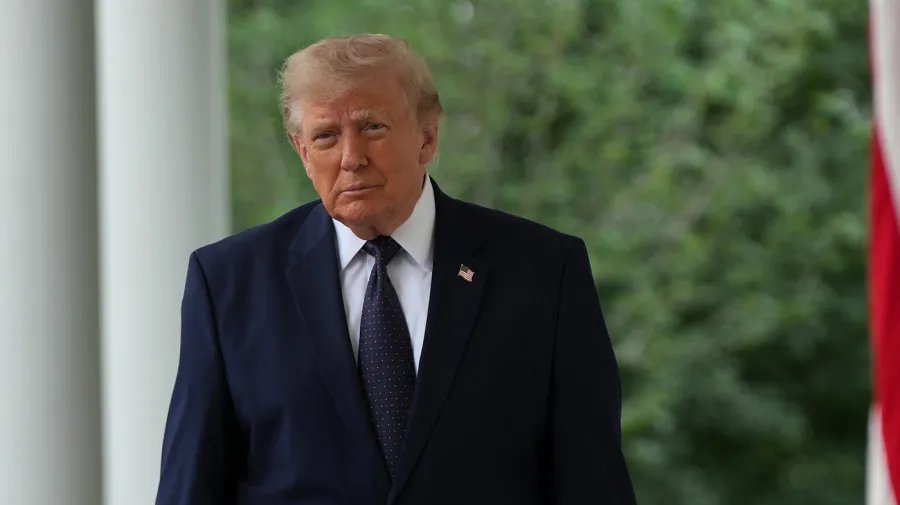
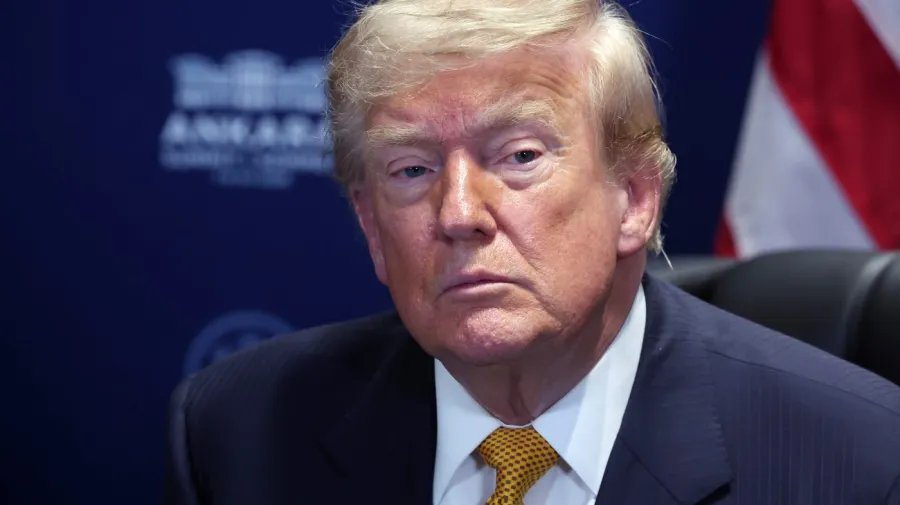
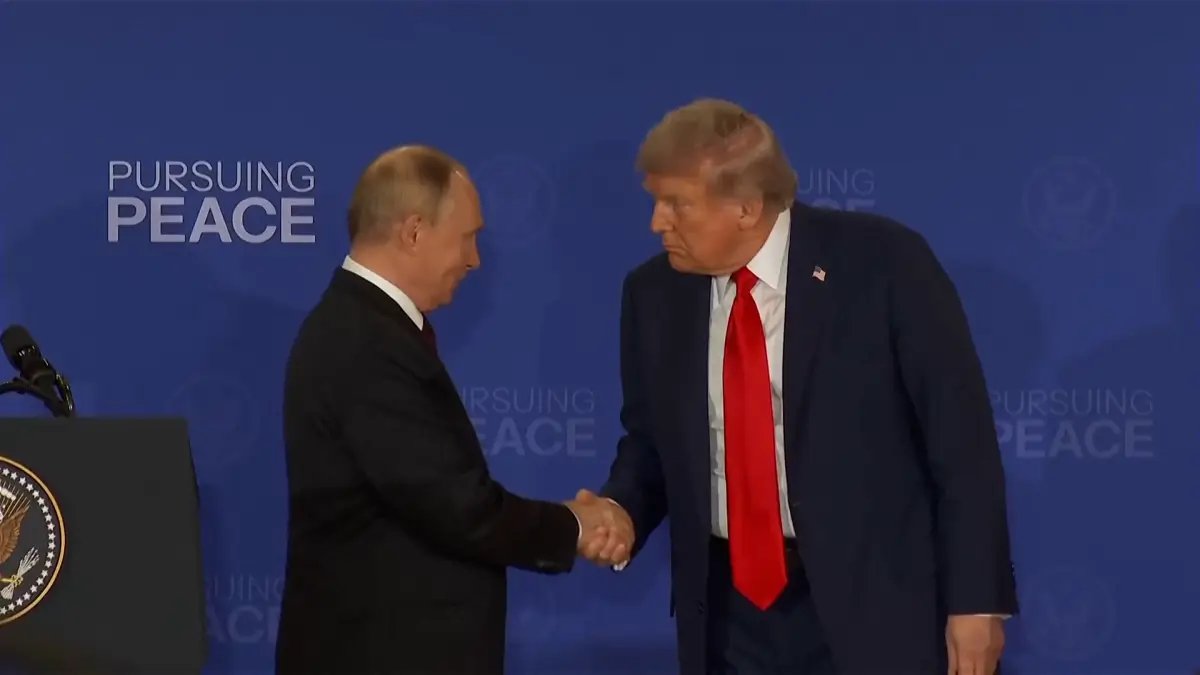
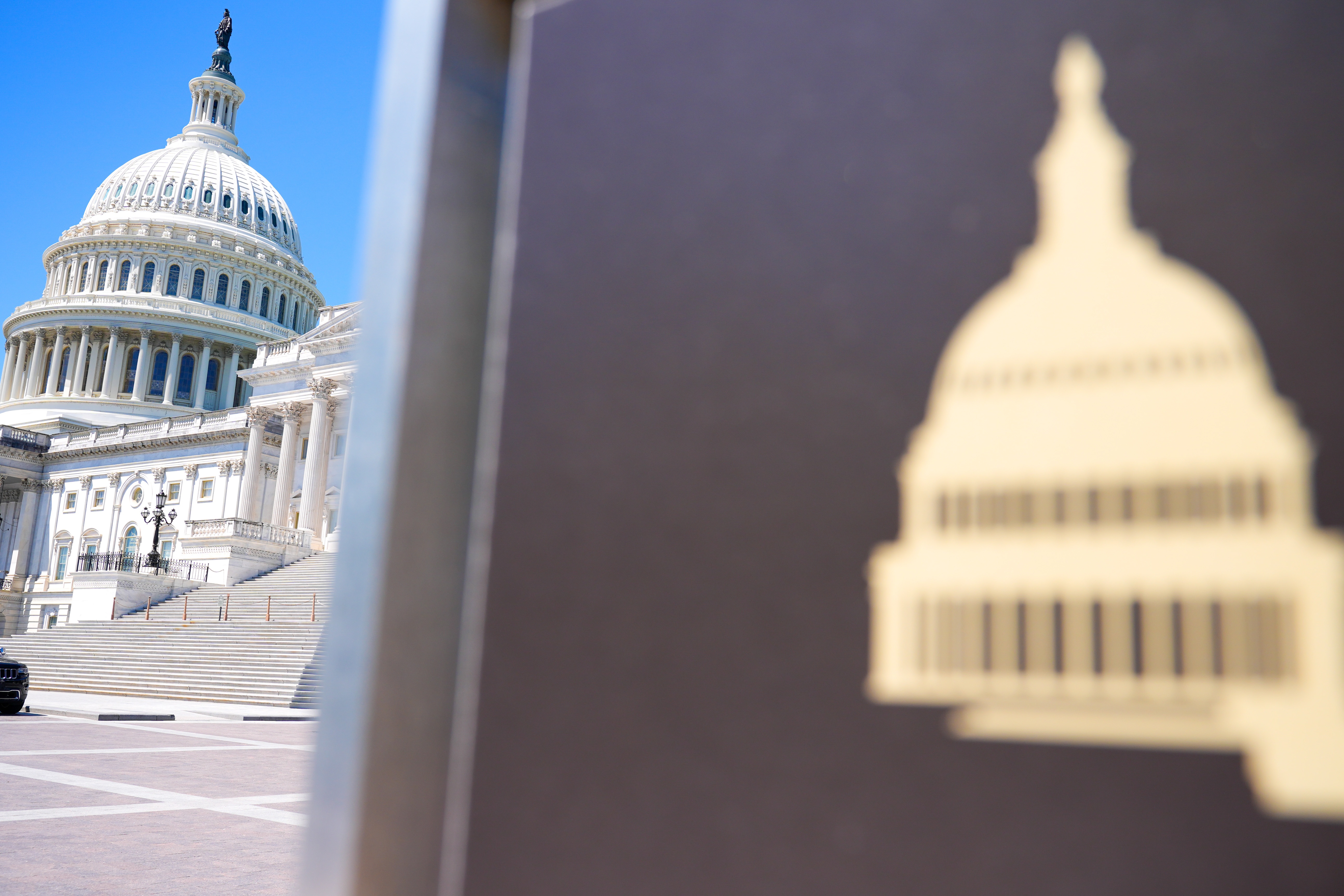
The House passed legislation Thursday to provide military aid to Ukraine and impose new sanctions on Russia, delivering a sharp rebuke to President Donald Trump's approach to the war. The 226-195 vote included 18 Republicans who crossed party lines, joined by Independent Rep. Kevin Kiley of California, to overcome opposition from House GOP leadership and the White House.
The Ukraine Support Act, sponsored by Democratic Rep. Gregory Meeks of New York and the top Democrat on the House Foreign Affairs Committee, authorizes up to $8 billion in military loans for Ukraine and more than $1 billion in additional security and reconstruction assistance. The legislation also targets the Kremlin's energy profits and organizations that do business with sanctioned Russian entities while reaffirming U.S. support for NATO.
How Democrats Forced the Vote
Democratic members bypassed House leadership through a discharge petition, a procedural tool that allows a majority of lawmakers to bring legislation to the floor without committee approval. Meeks launched the petition nearly a year ago. The measure had stalled one signature short of the required 218 until May 13, when Kiley became the decisive signature. Republican Reps. Don Bacon of Nebraska and Brian Fitzpatrick of Pennsylvania also signed the petition, and a half-dozen additional Republicans voted to discharge the measure from the House Rules Committee on Wednesday.
The successful use of the discharge petition marks the second major foreign policy break with Trump in a week. The House approved a war powers resolution the day before aimed at halting U.S. military action against Iran, also with some Republican support.
White House Veto Threat
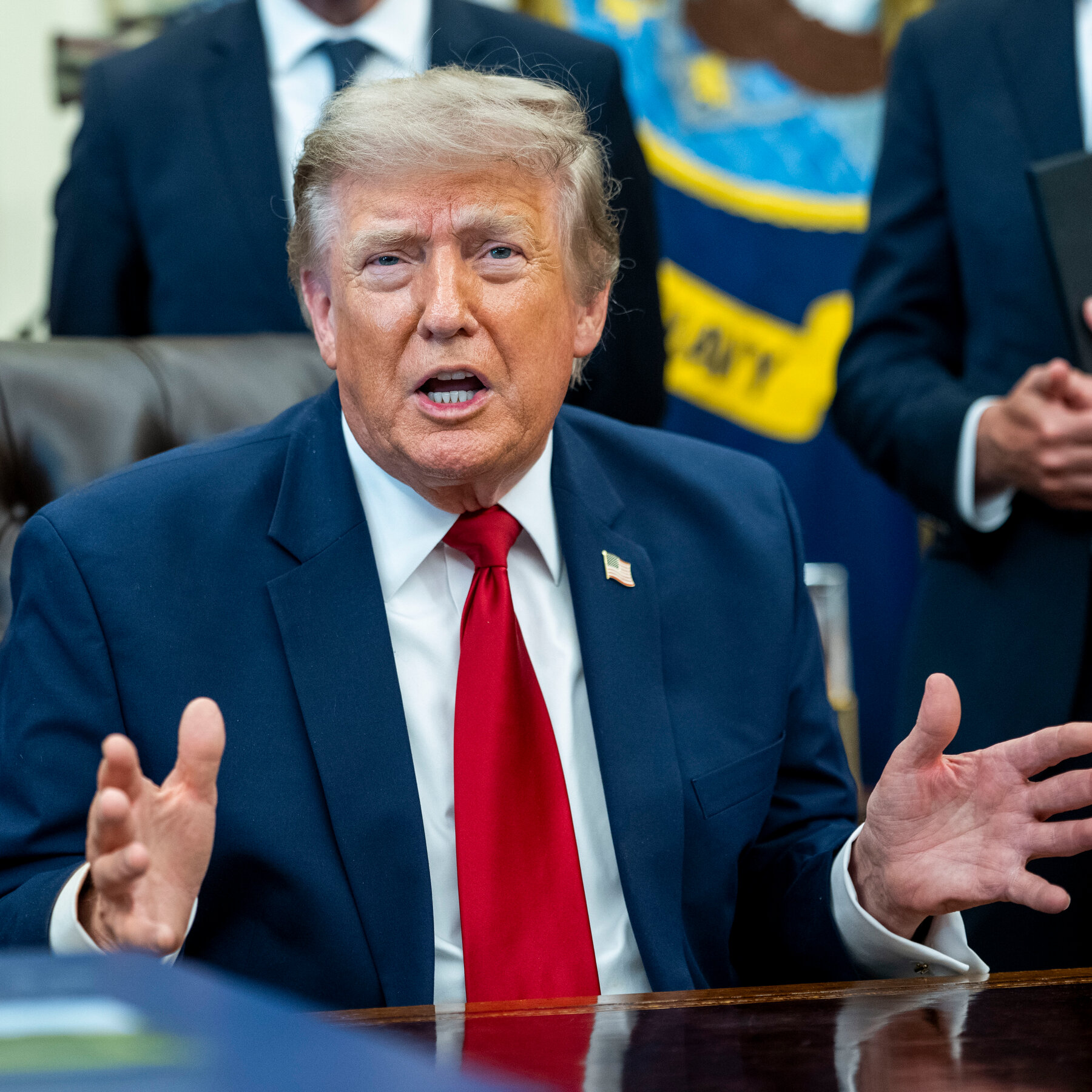
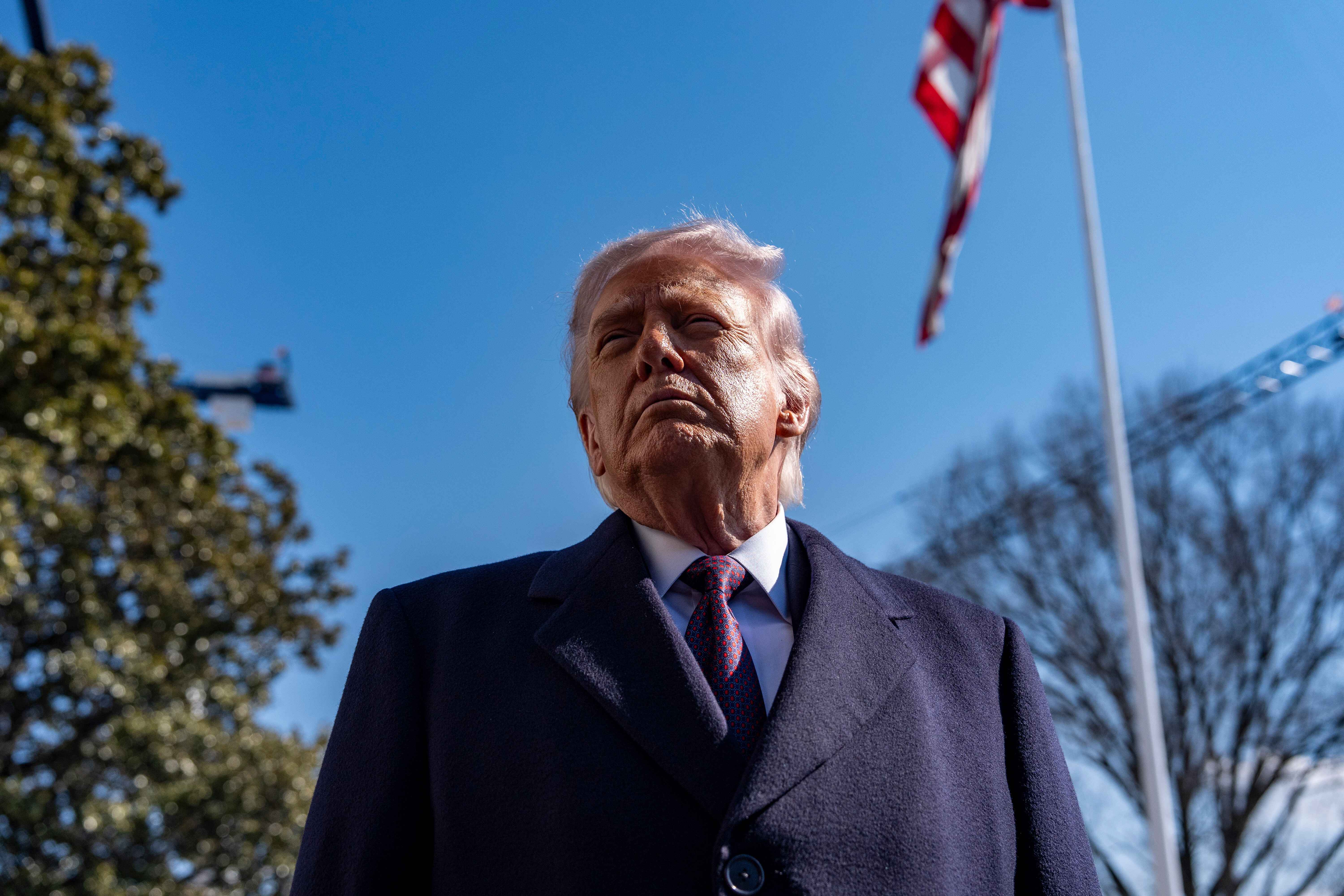
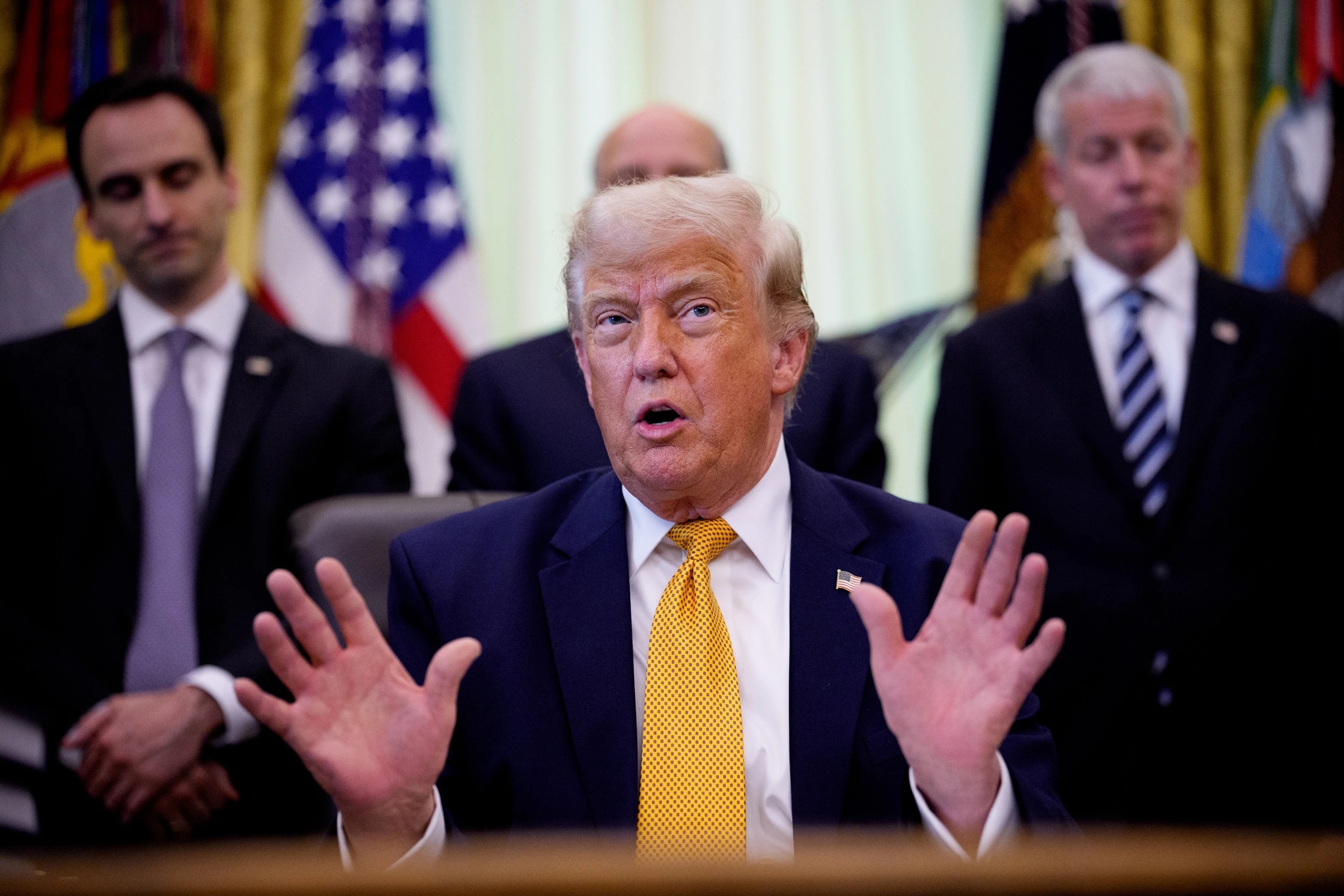
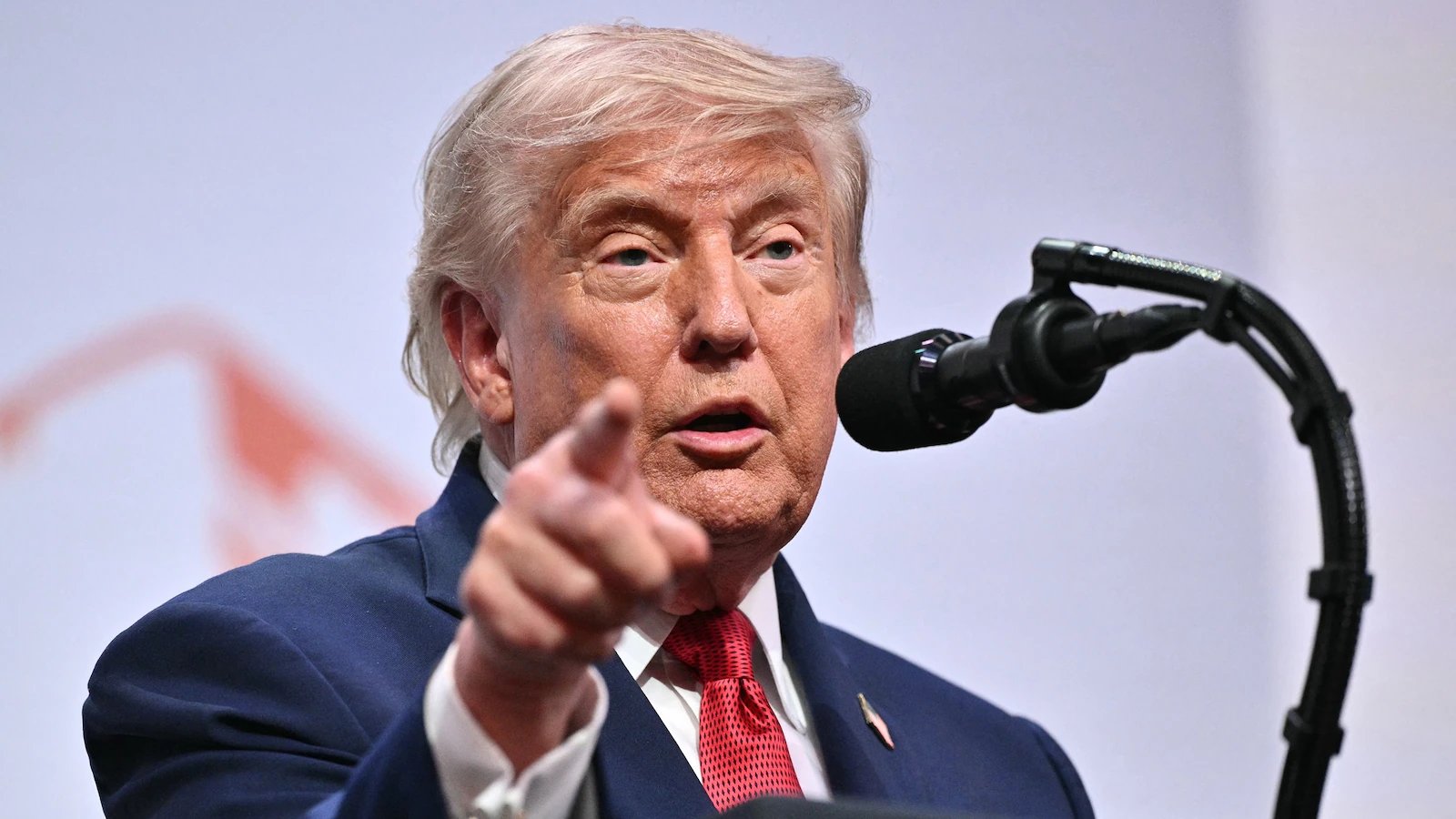
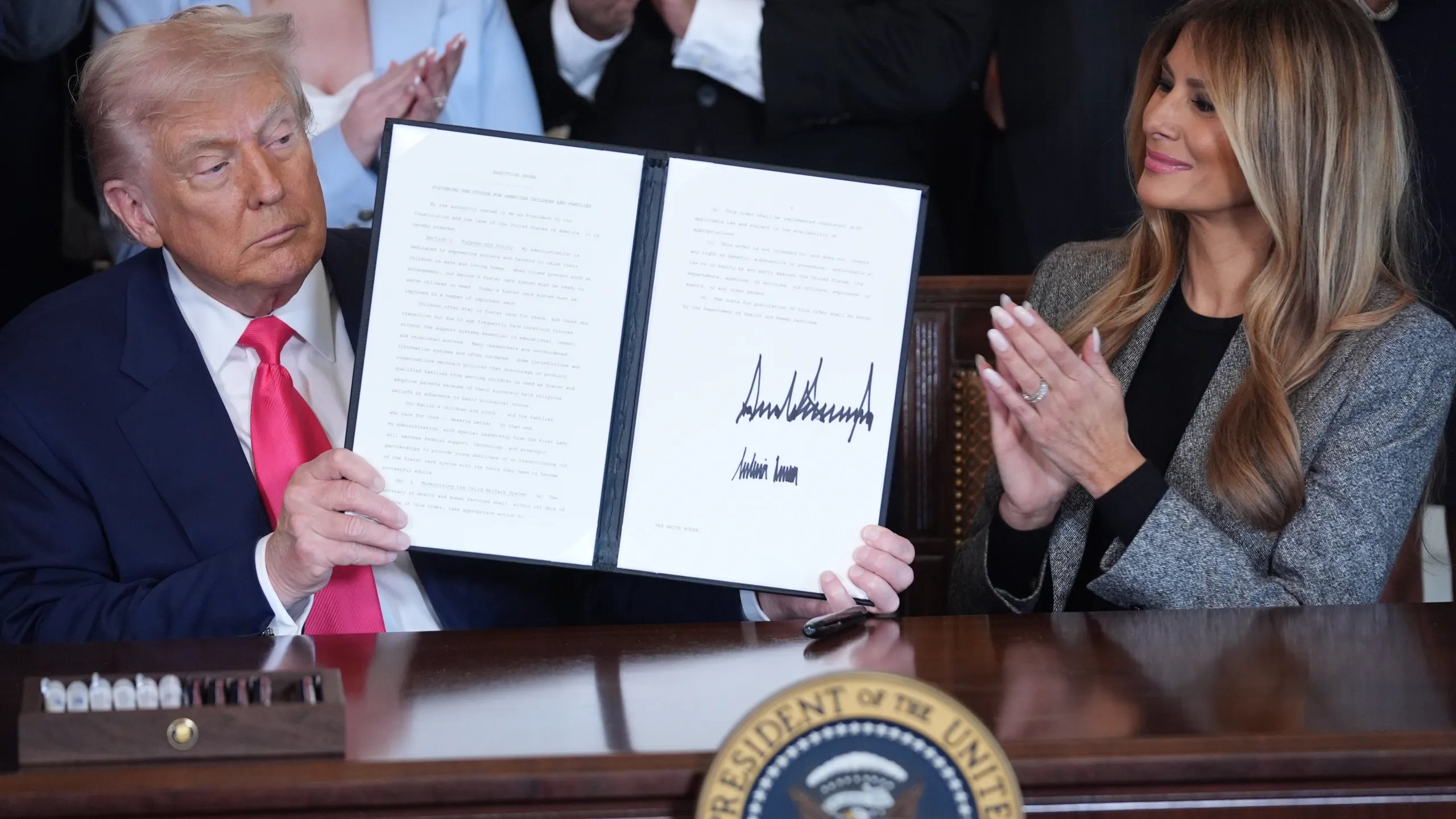
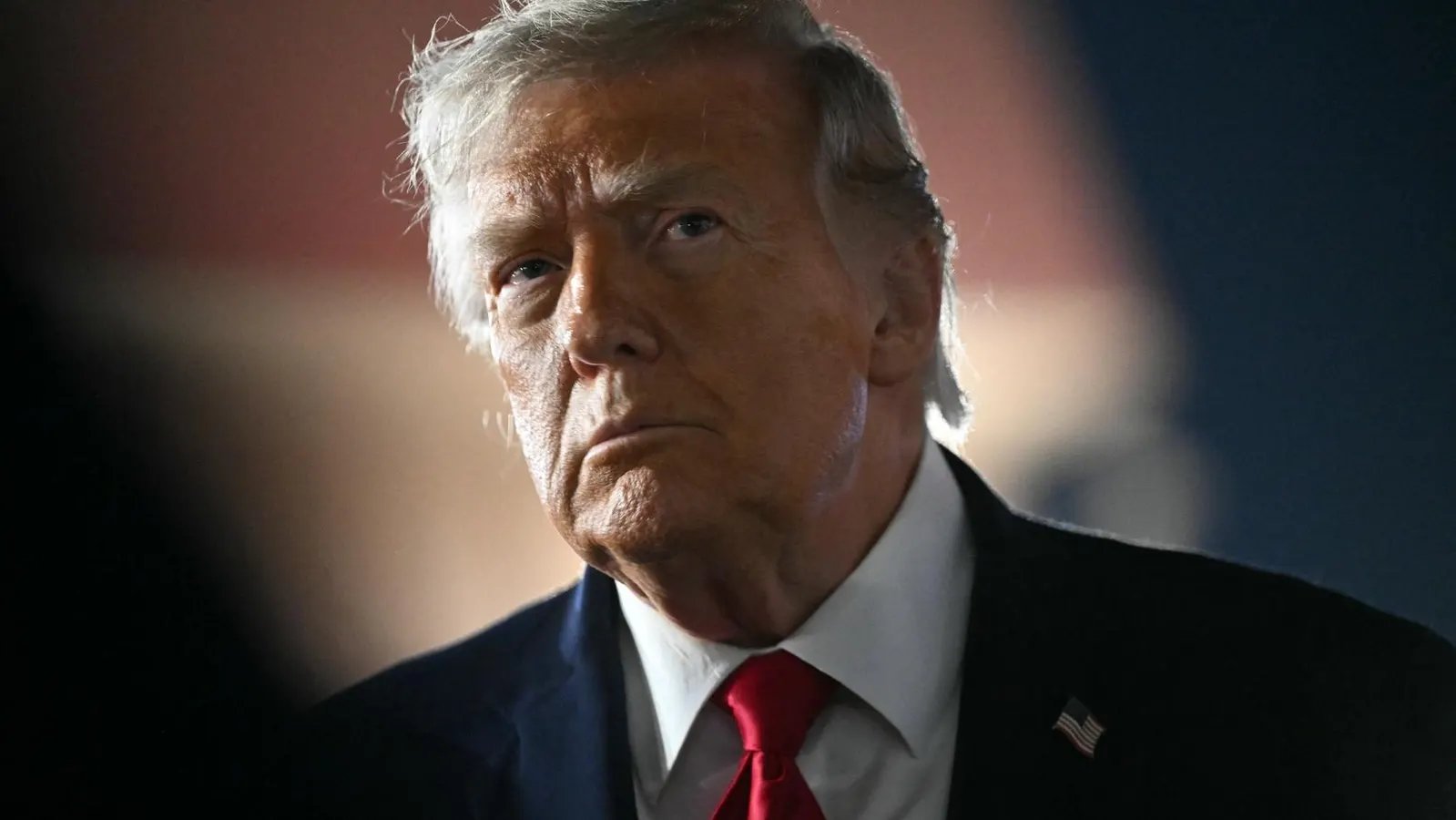
The Trump administration opposed the measure, warning it would undermine the president's goal of ending the conflict through negotiation. A White House statement obtained by Fox News said the bill "seeks to tie the President's hands by mandating a wide-ranging U.S. response to the Russia-Ukraine war while adding hundreds of millions in unfunded authorizations." Officials also warned that mandatory sanctions would "plunge the global economy into chaos." Trump pledged to veto the legislation if it reaches his desk.
The bill now heads to the Senate, where it faces an uphill battle with Republicans holding a thin majority. Supporters acknowledge the Senate is unlikely to pass the measure without Trump's endorsement.
Why Republicans Defected
Bacon, who is not running for reelection, framed the vote as a moral choice. "Are we going to stand with good or are we going to stand with evil? That's what this is about tonight," he said during debate. He added that the vote represents a "Churchill moment," contrasting it with appeasement of aggression.
Fitzpatrick, who signed the discharge petition, said the passage sends a message to Ukraine and to Putin. "We do have a pulse here, that we do care about Ukraine and that we are going to utilize our authority to help them," he said. South Carolina Republican Joe Wilson told Fox News Digital that voting for the bill continues "the Trump tradition of support" for Ukraine.
Republican Opposition Arguments
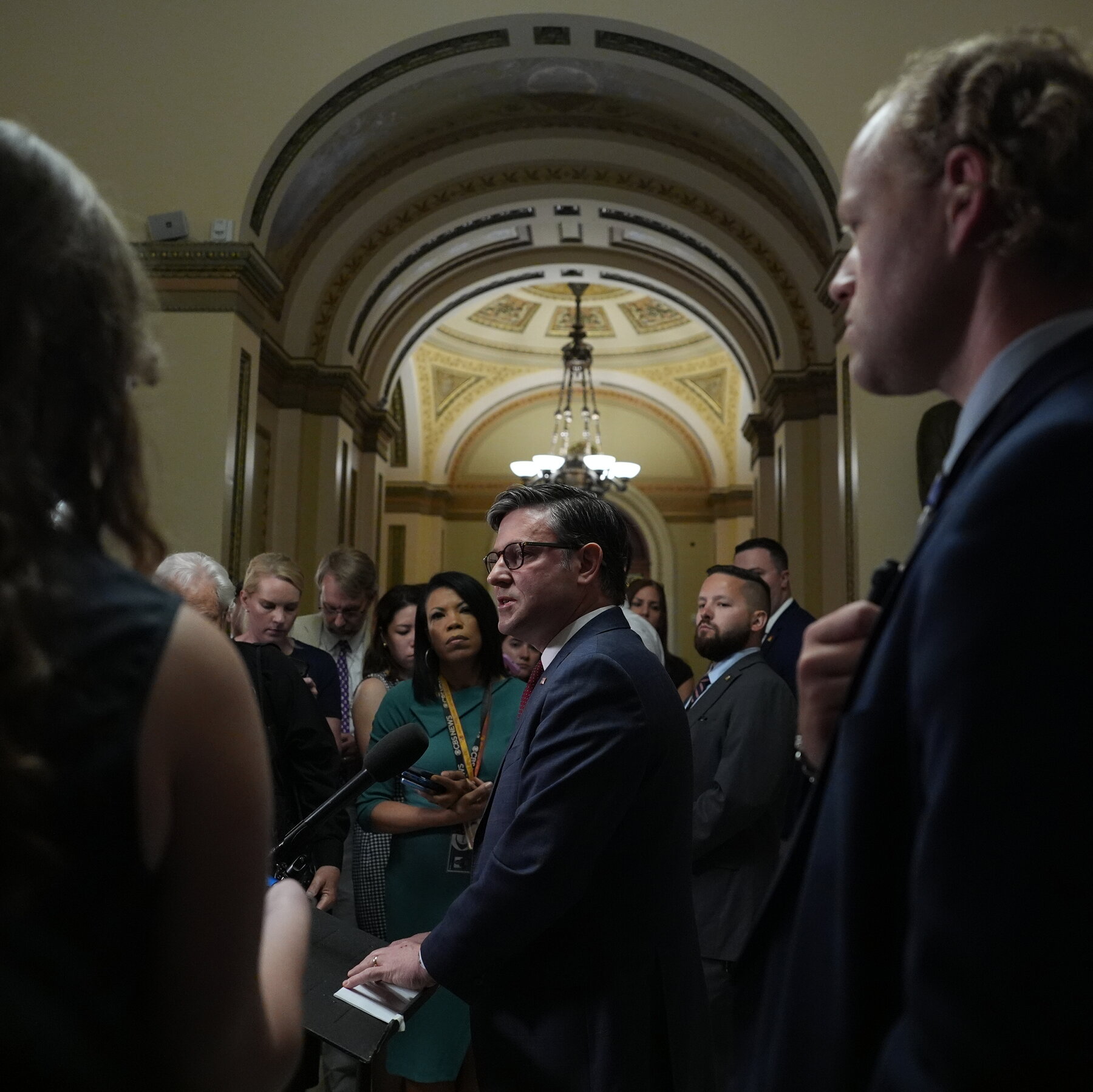
House GOP leadership and most Republicans opposed the measure. Republican Rep. Brian Mast, chair of the House Foreign Affairs Committee, called it "a cudgel to fight against President Trump" and criticized the bill as "unserious" because it was drafted more than a year ago and does not reflect current military needs.
Some Republicans argued the legislation would undermine peace negotiations. Rep. Keith Self of Texas said the bill would "tie the hands of this president and could lead to future hostilities that would bleed over into Europe." Others objected that the bill proposes lower figures for training and equipping Ukraine's military than Congress authorized in last year's defense legislation, and calls for NATO defense spending at 2 percent when Trump secured a 5 percent commitment from allies in 2025.
Democratic Support and Dissent
Democratic Rep. Ilhan Omar of Minnesota was the sole Democrat to vote against the bill, despite having signed the discharge petition. Meeks said the vote "demonstrates the House stands on the right side of history," framing the choice as whether to help Ukraine negotiate from strength or abandon it to "a terrible deal" that Vladimir Putin is counting on.
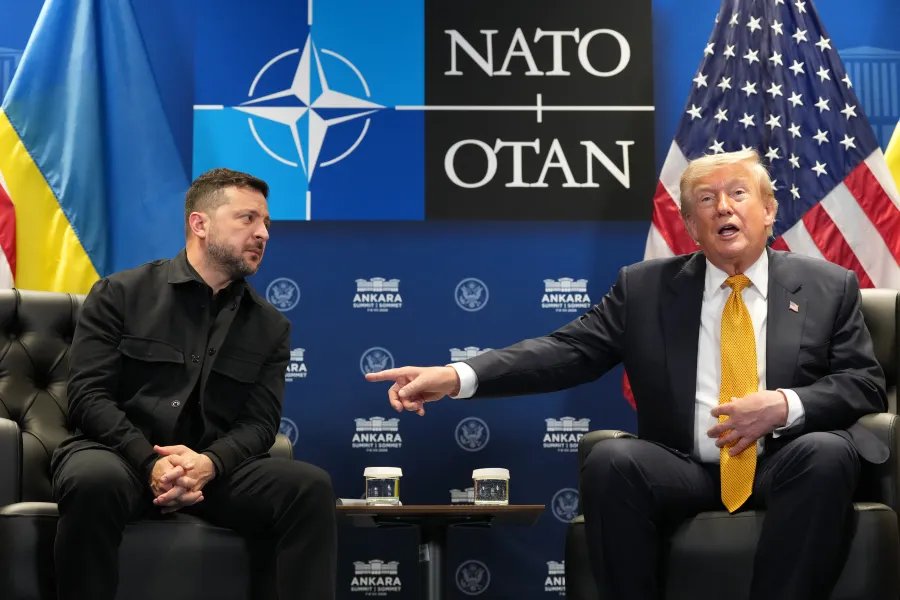
Ukrainian President Volodymyr Zelenskyy has pleaded for additional support as Russia intensifies attacks. Last week, he sent a letter to Trump and Congress requesting more Patriot ballistic missile interceptors. According to the latest quarterly inspector general report for Operation Atlantic Resolve, the U.S. has approved approximately $195 billion for the Ukraine response, with roughly a quarter going to replenish American weapons stockpiles.
Path Forward Uncertain
Bacon expressed hope that Thursday's vote would pressure the Senate to act. "I don't know if they'll pass this bill, but they're going to now know that we could pass something," he said. Supporters also hope the House passage signals to allies and adversaries that Congress remains committed to Ukraine despite the administration's skepticism.
The Senate's Republican leadership has not signaled support for the measure, and the White House's veto threat makes passage unlikely even if the chamber approves it. The vote demonstrates fractures within the GOP on foreign policy.