




The Agreement and Its Contradictions
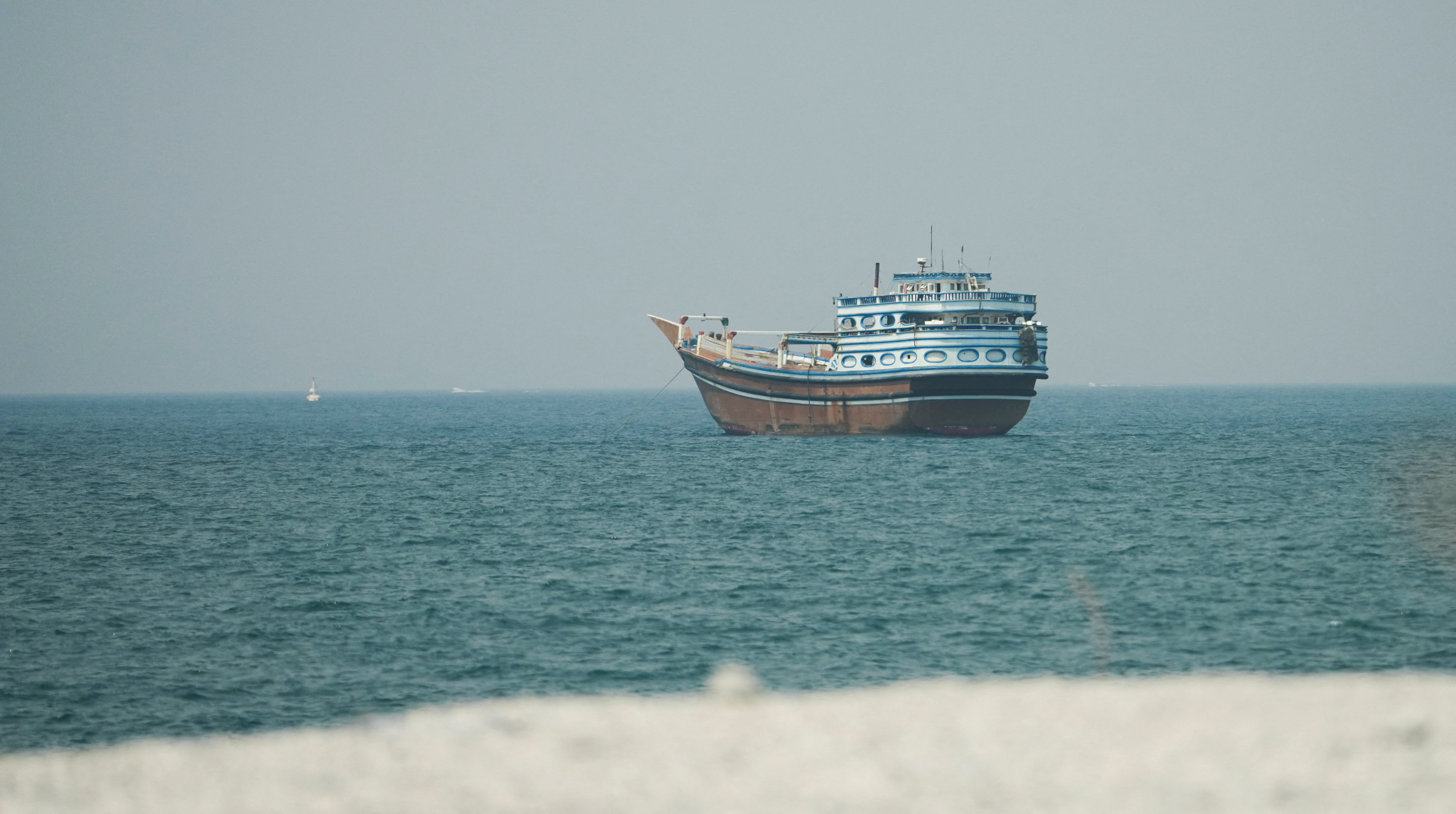
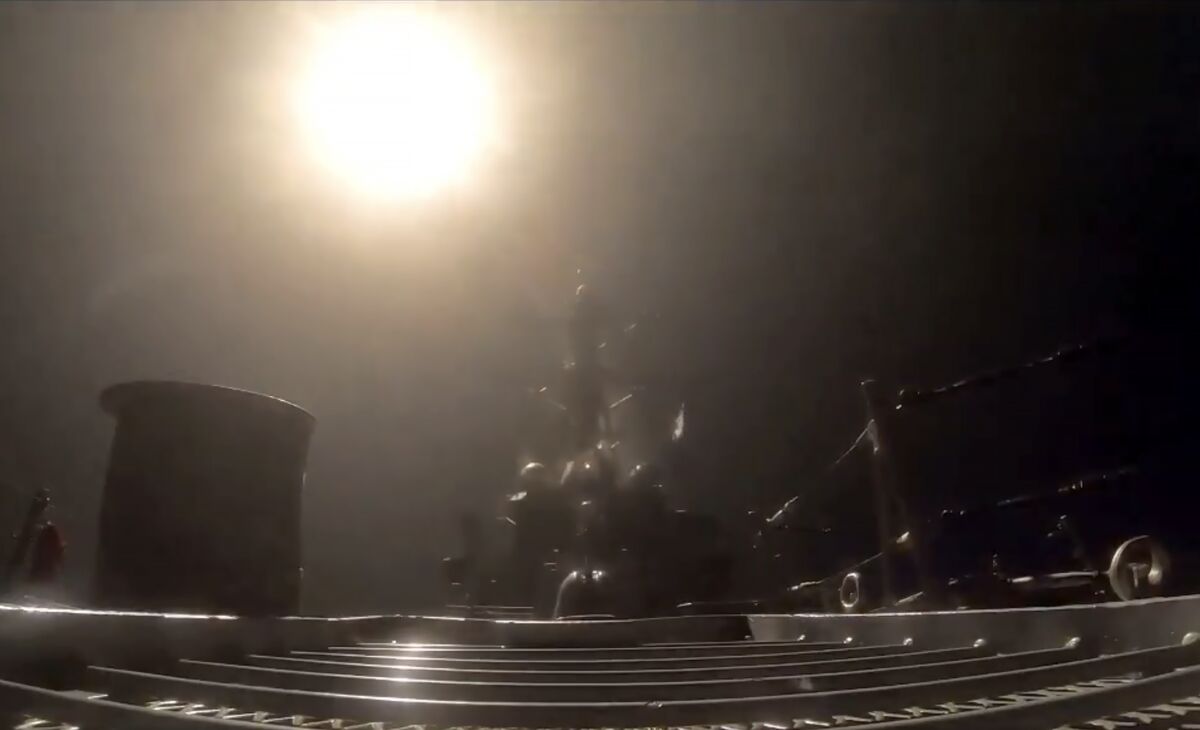
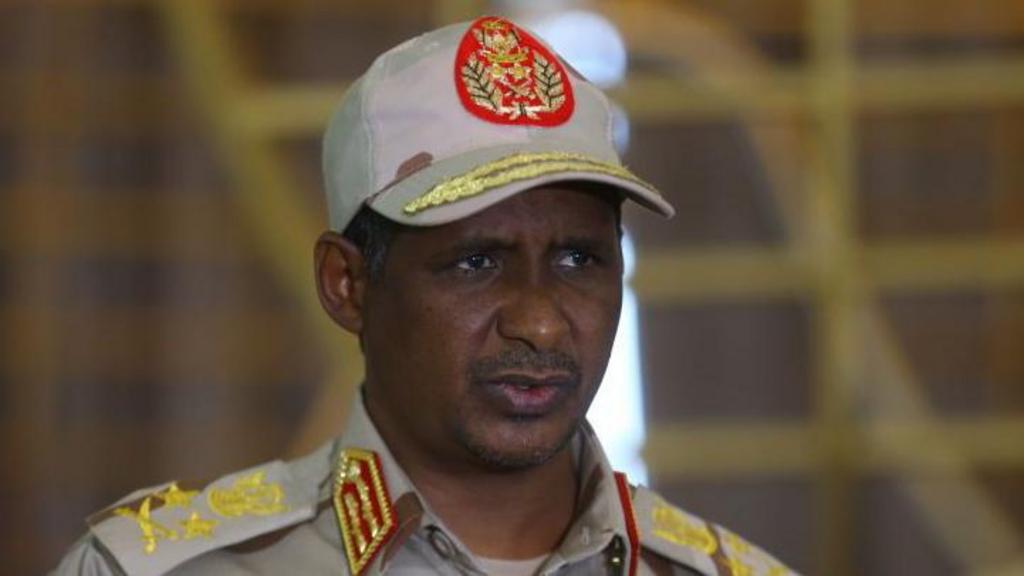
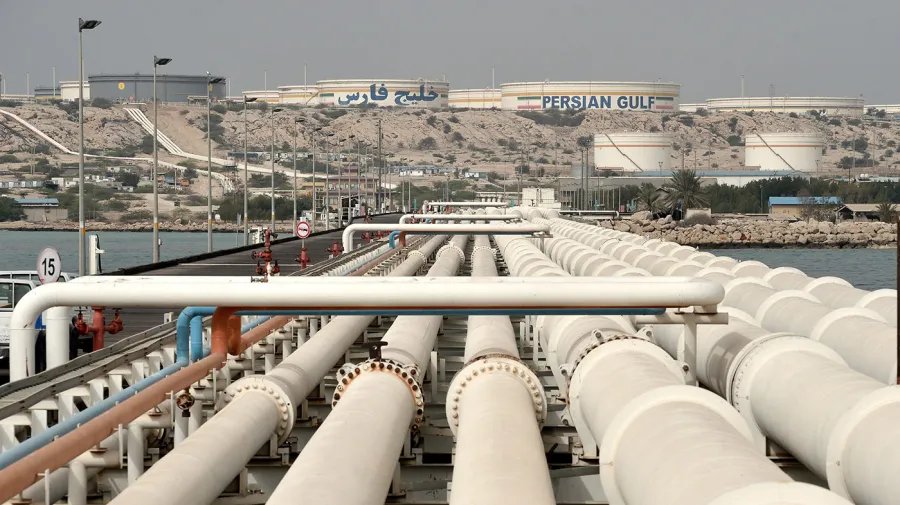
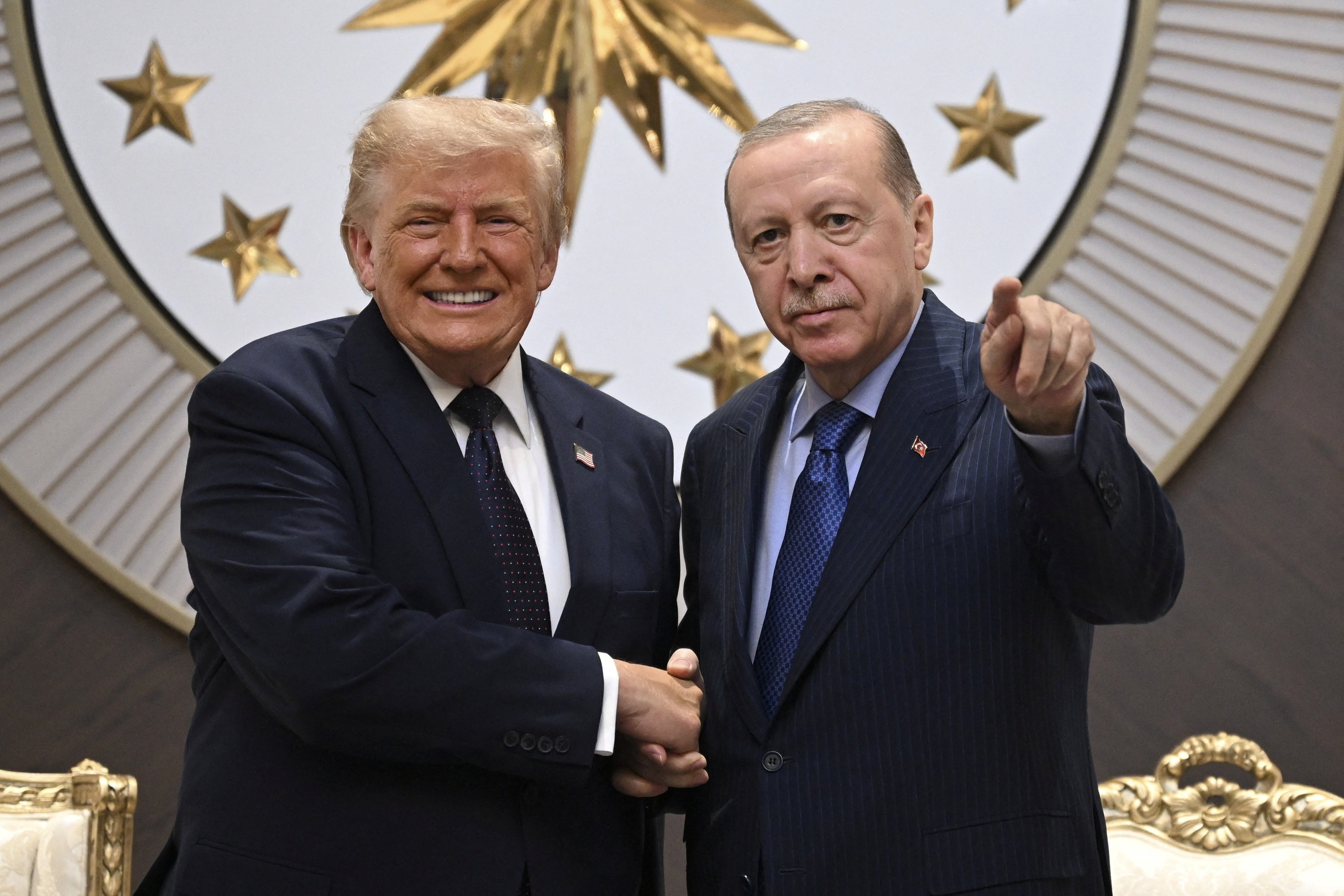
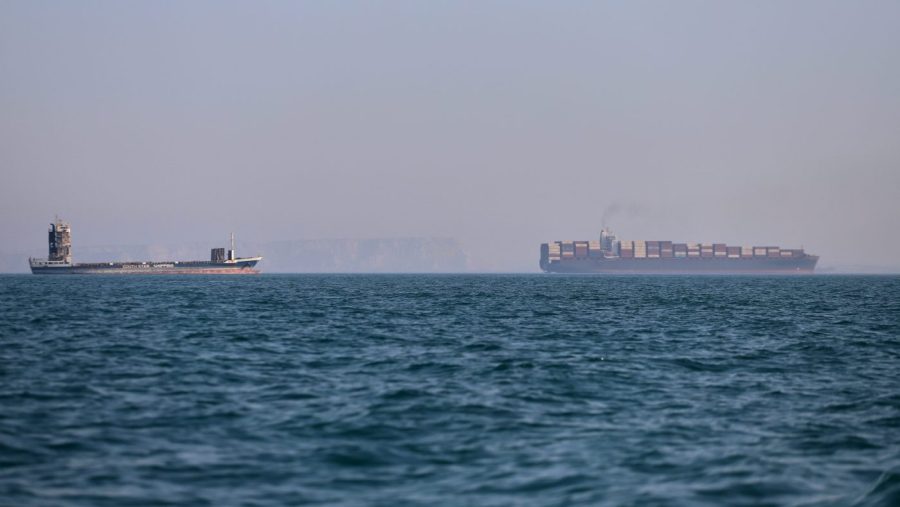
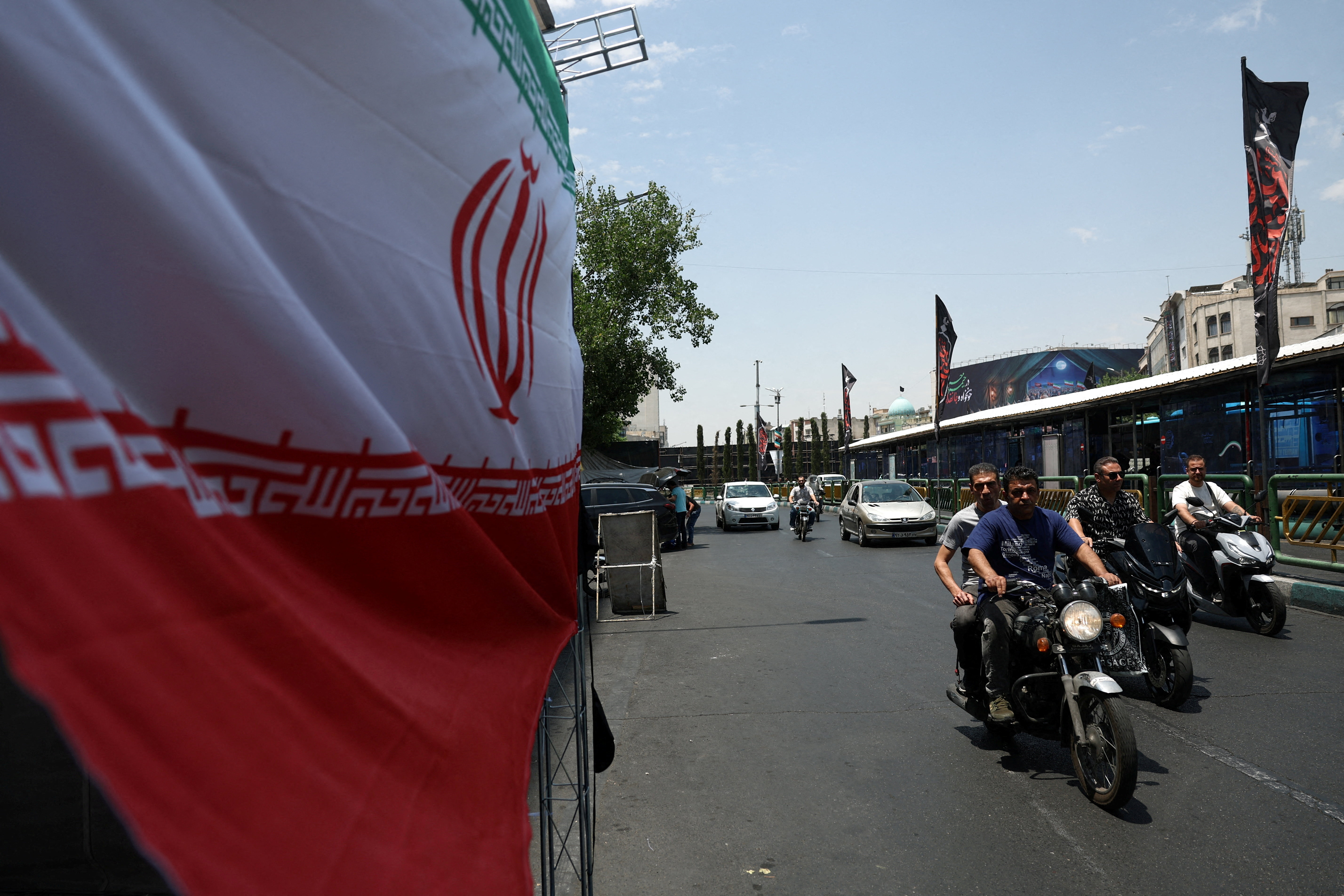
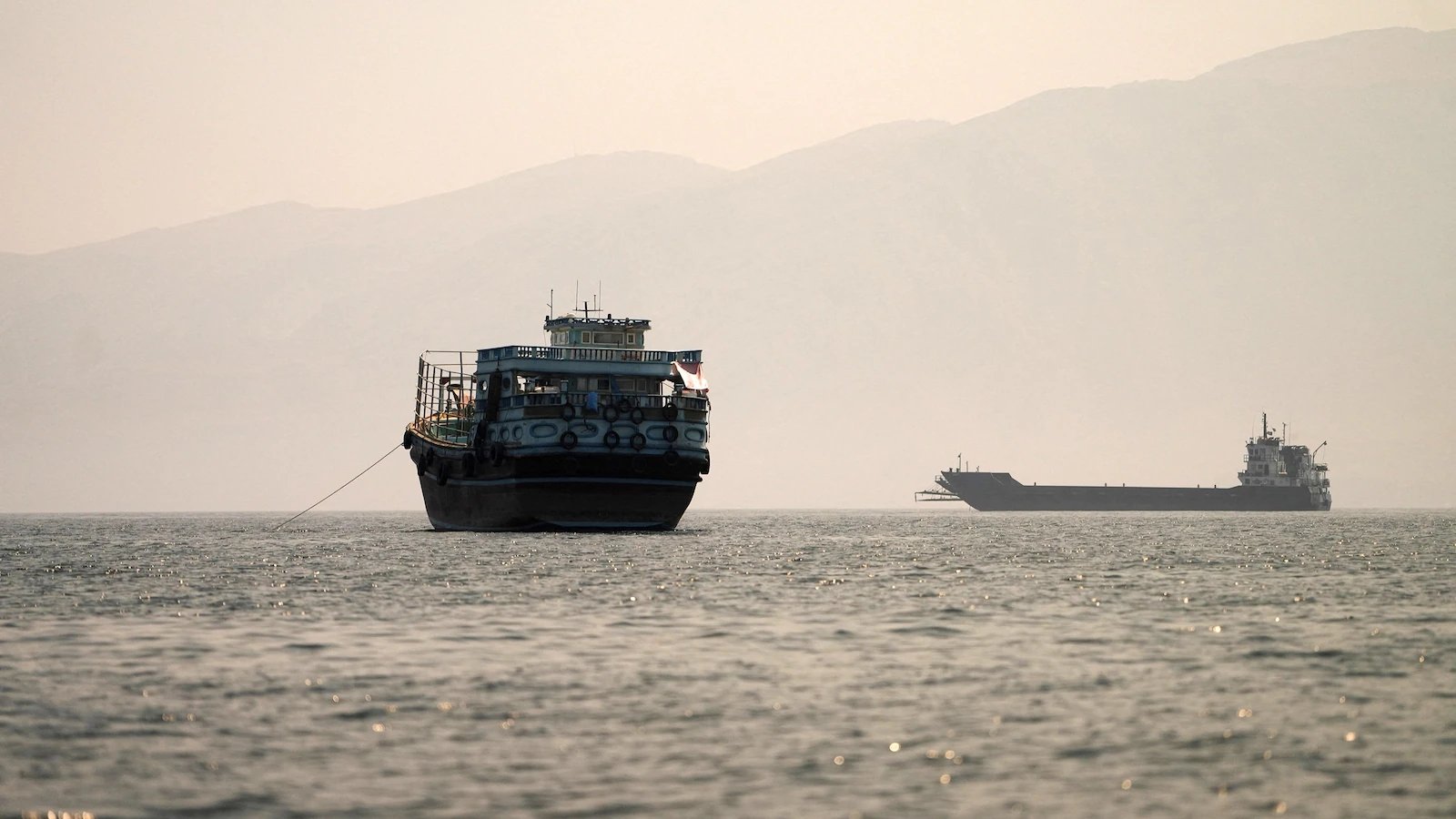
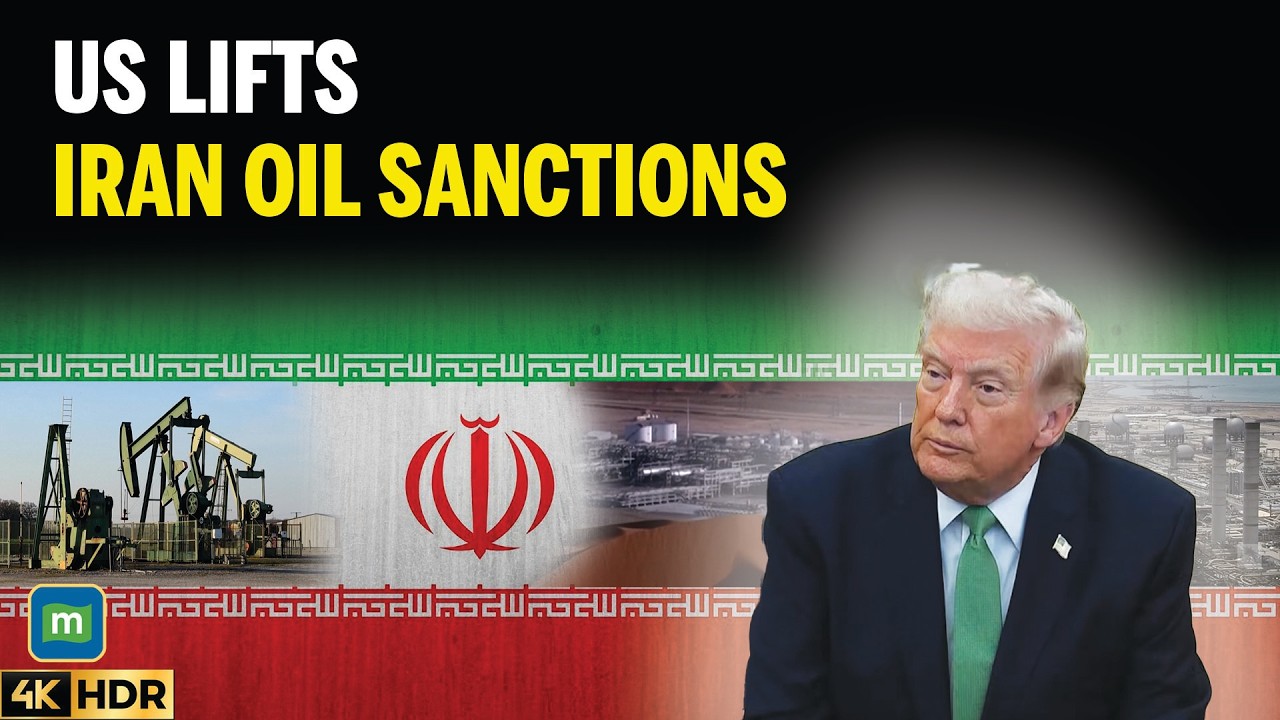
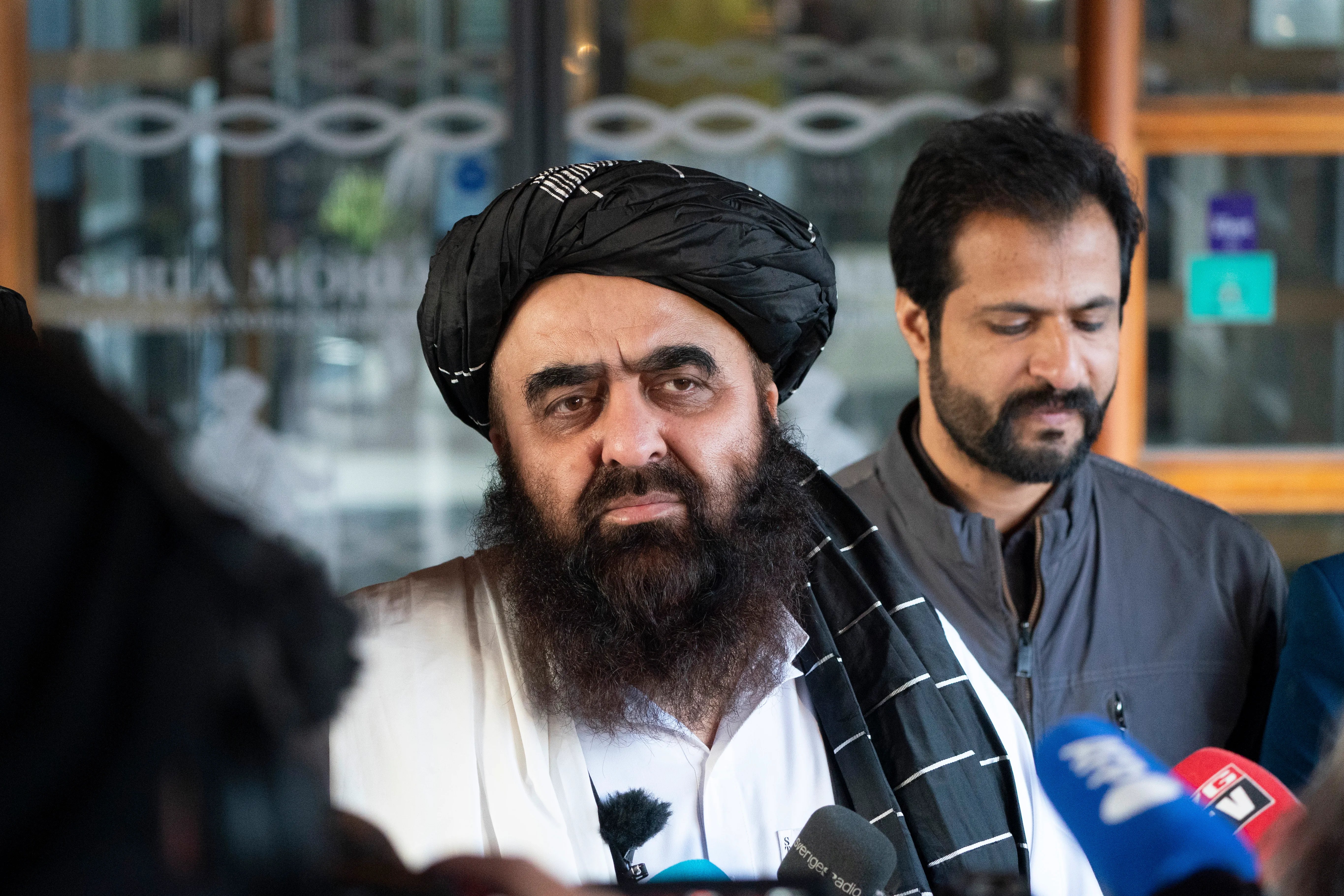
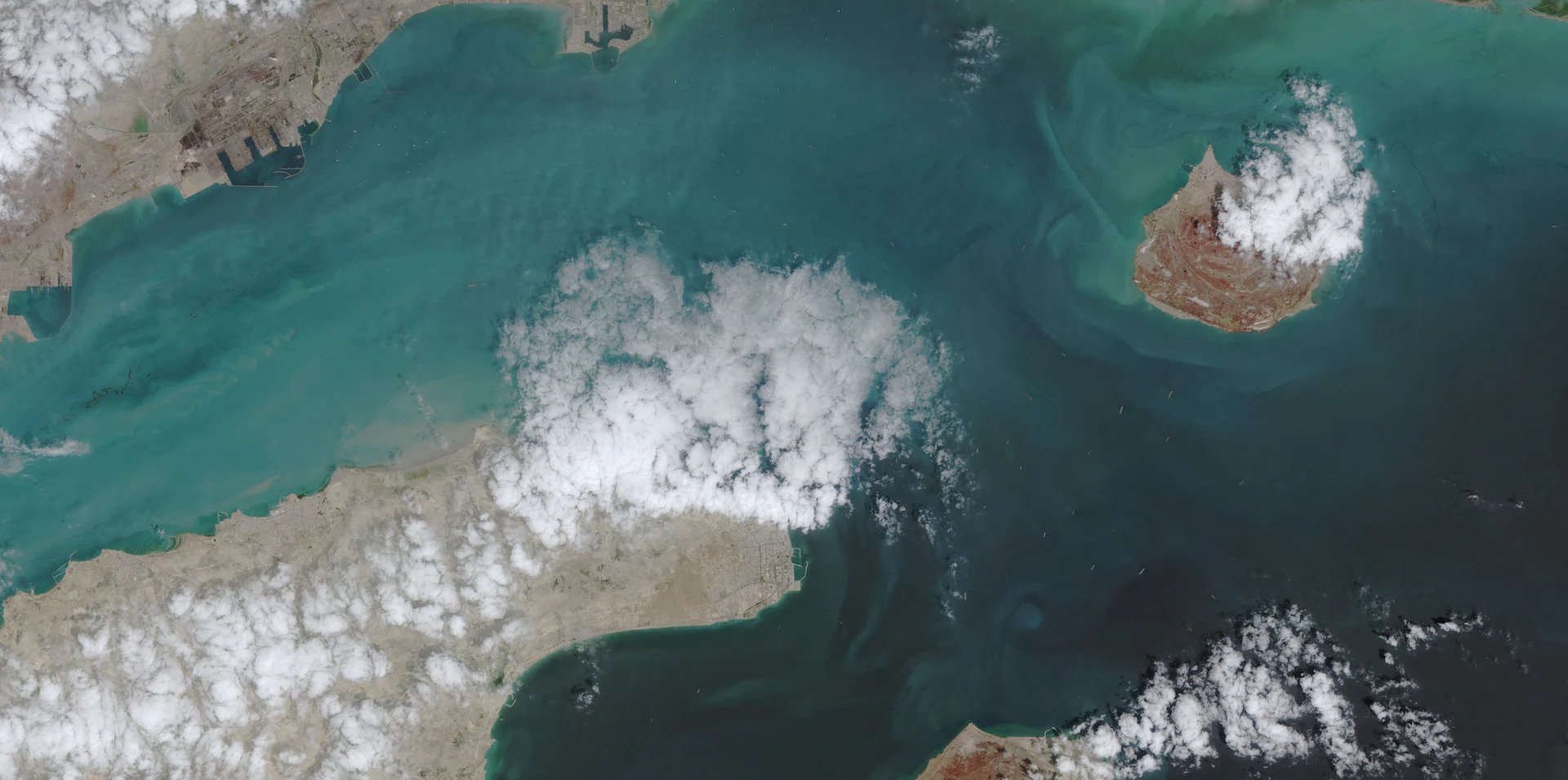
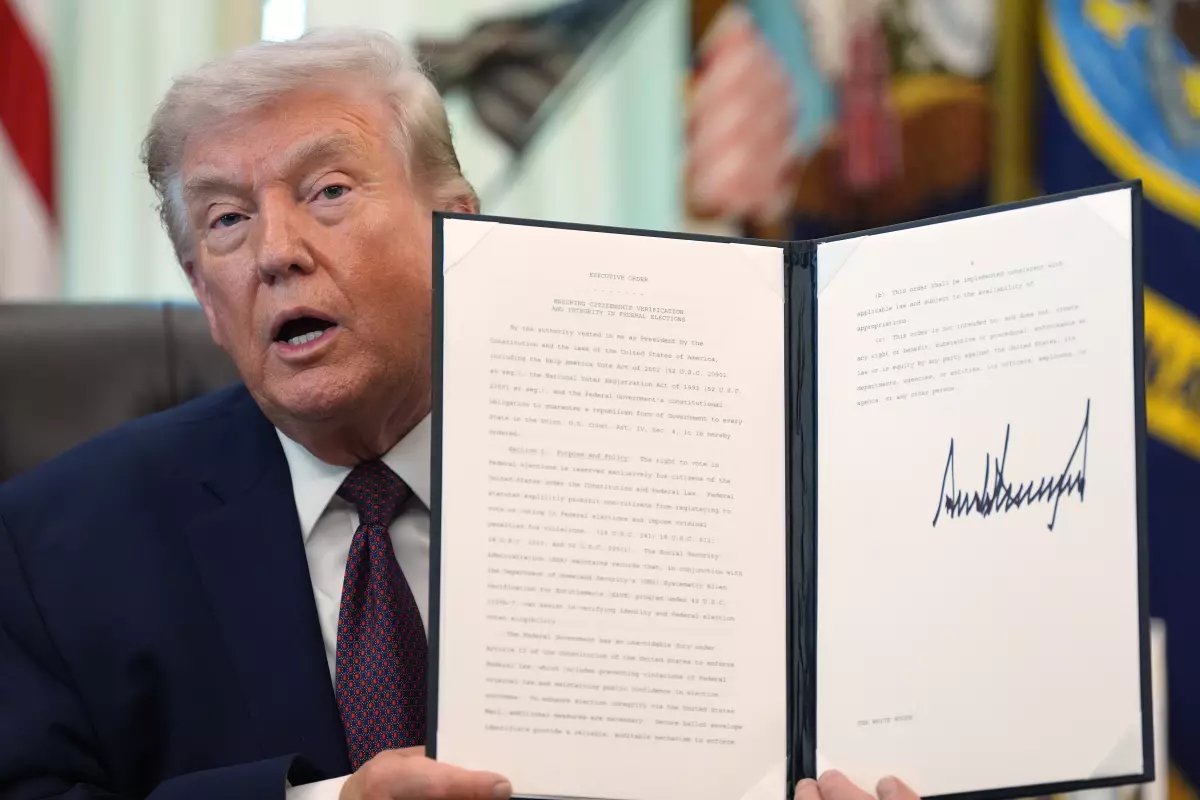
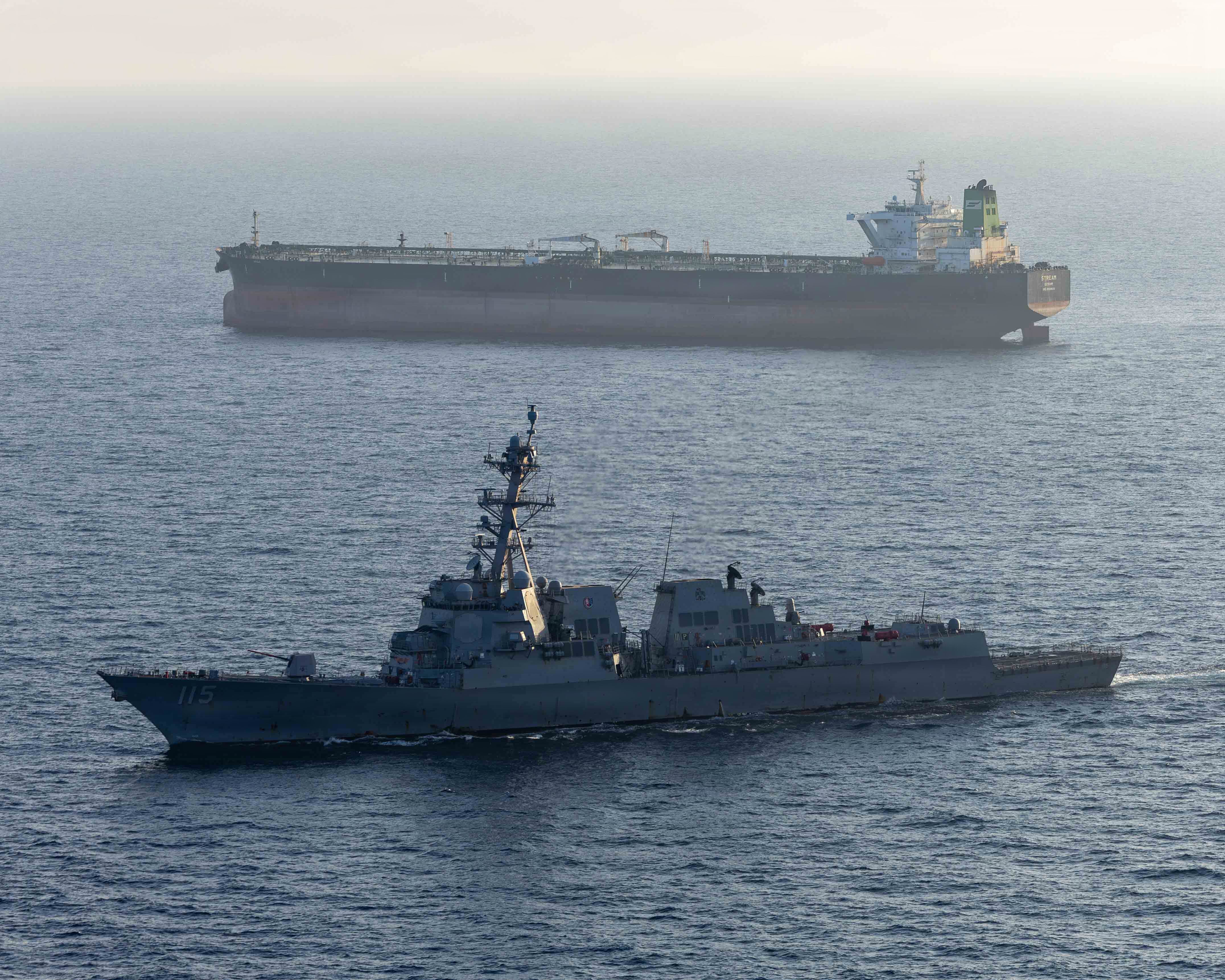
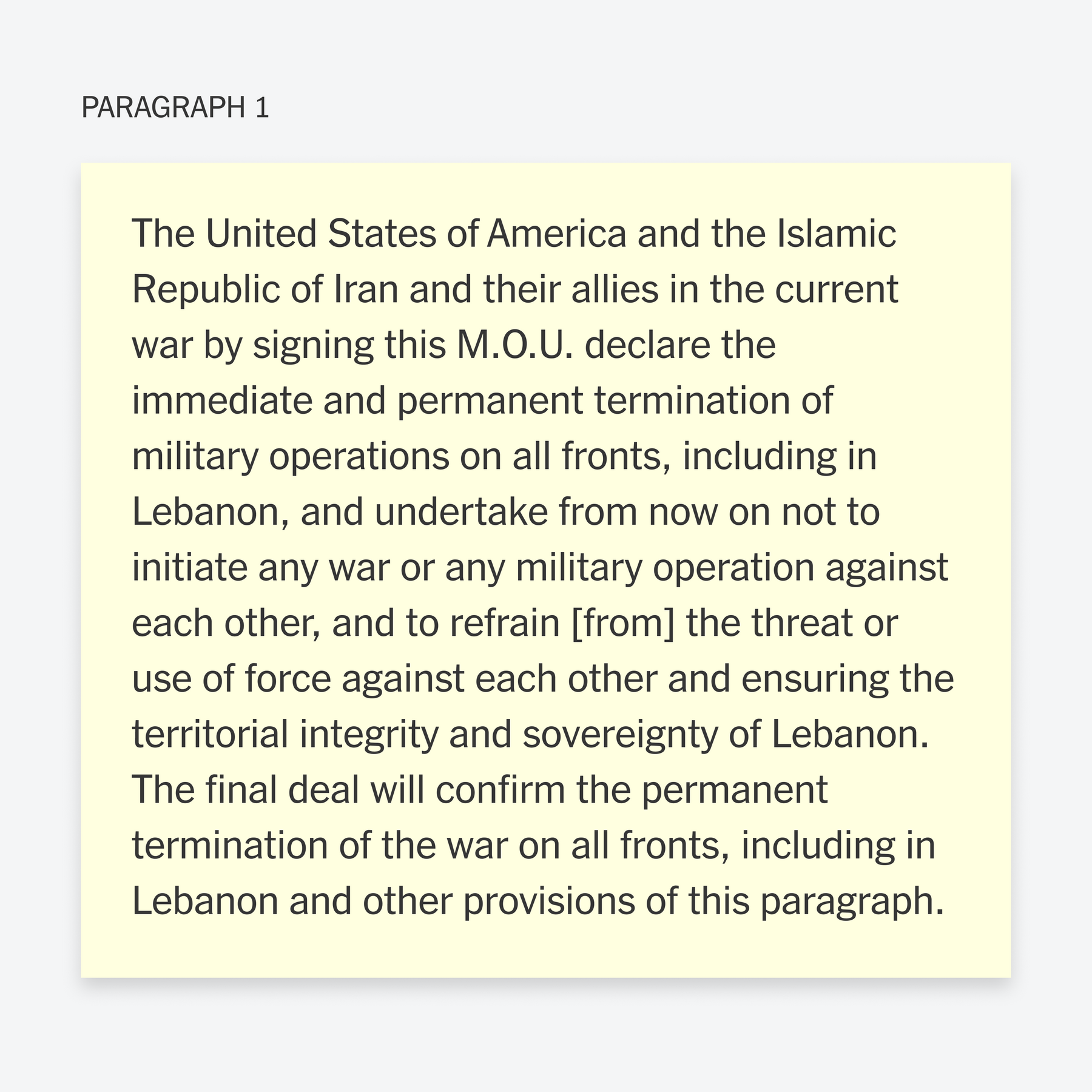
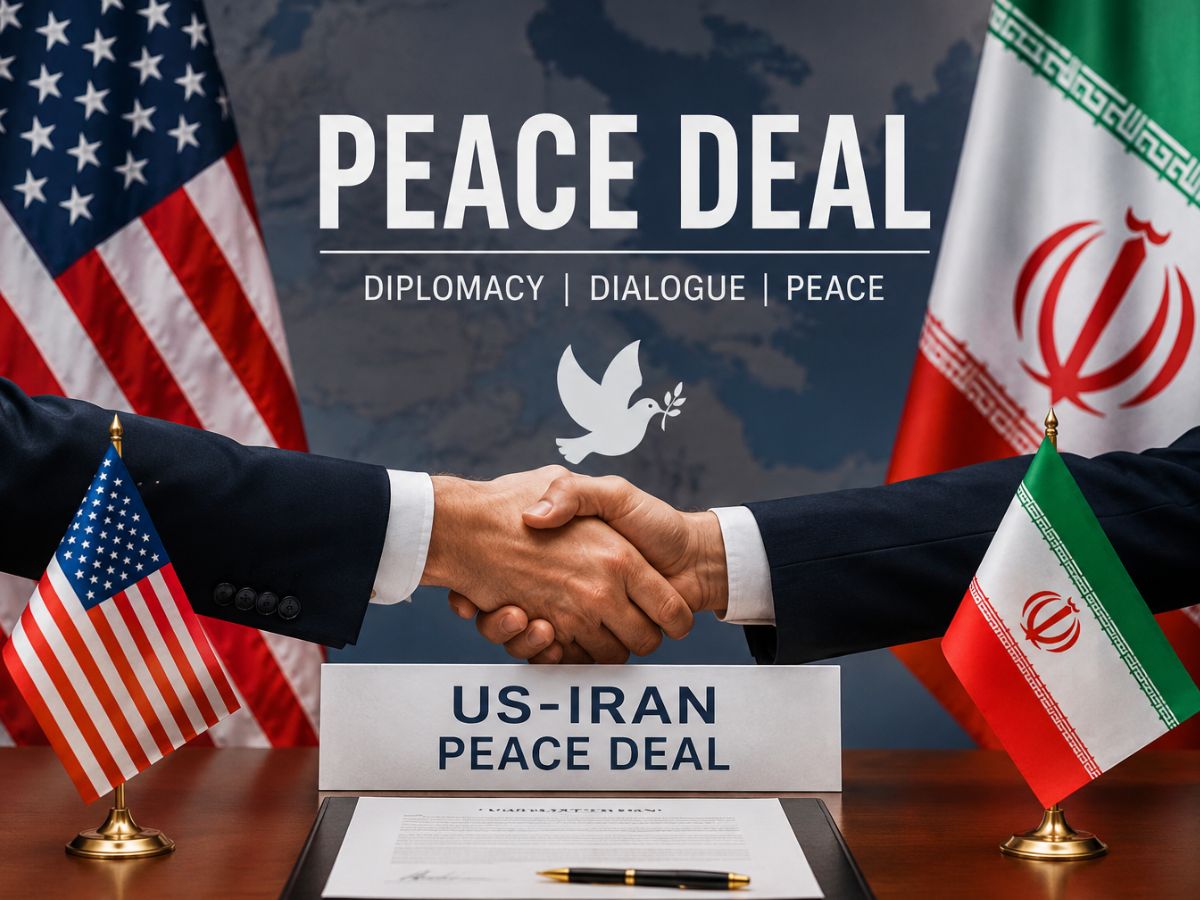
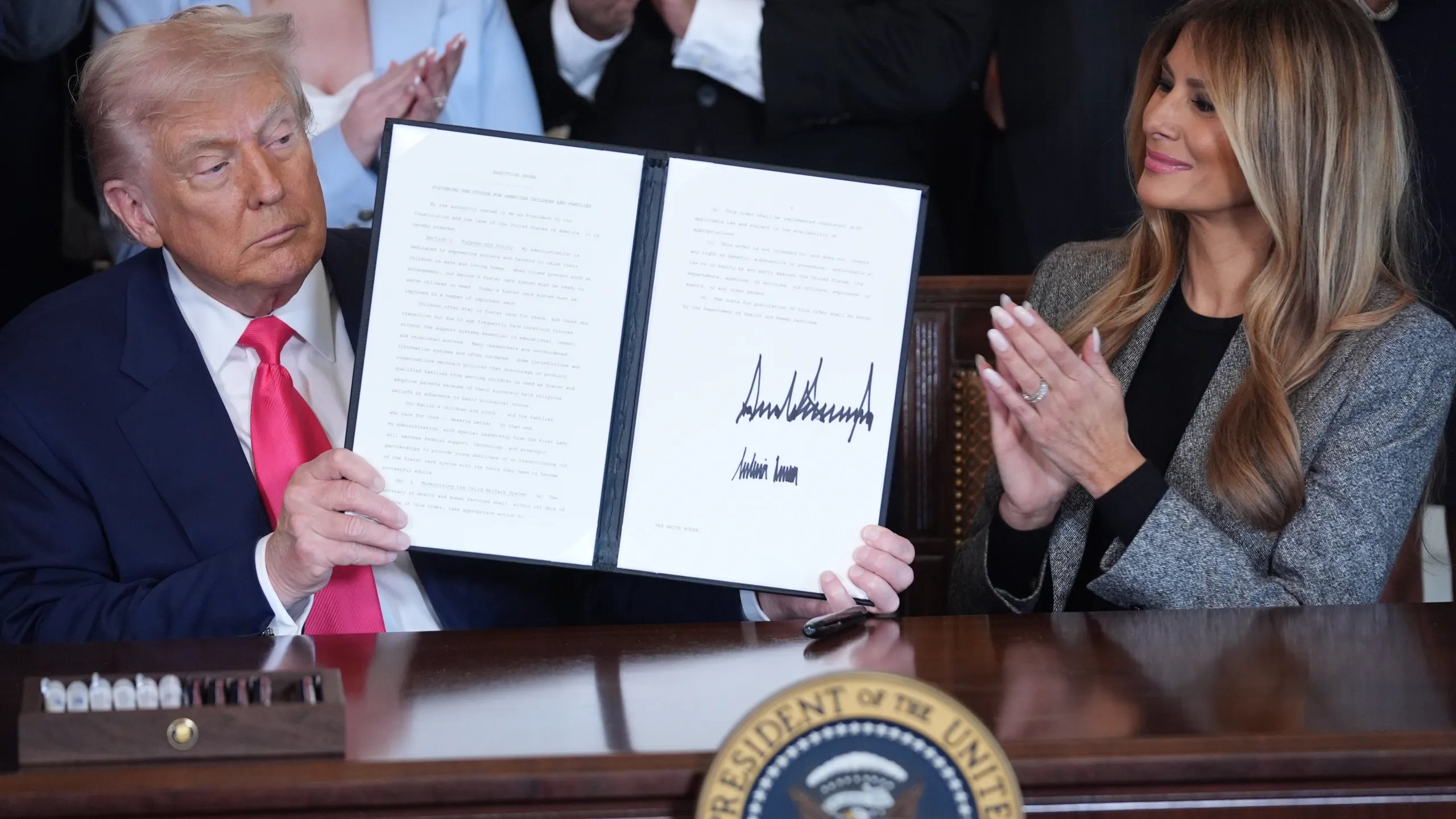
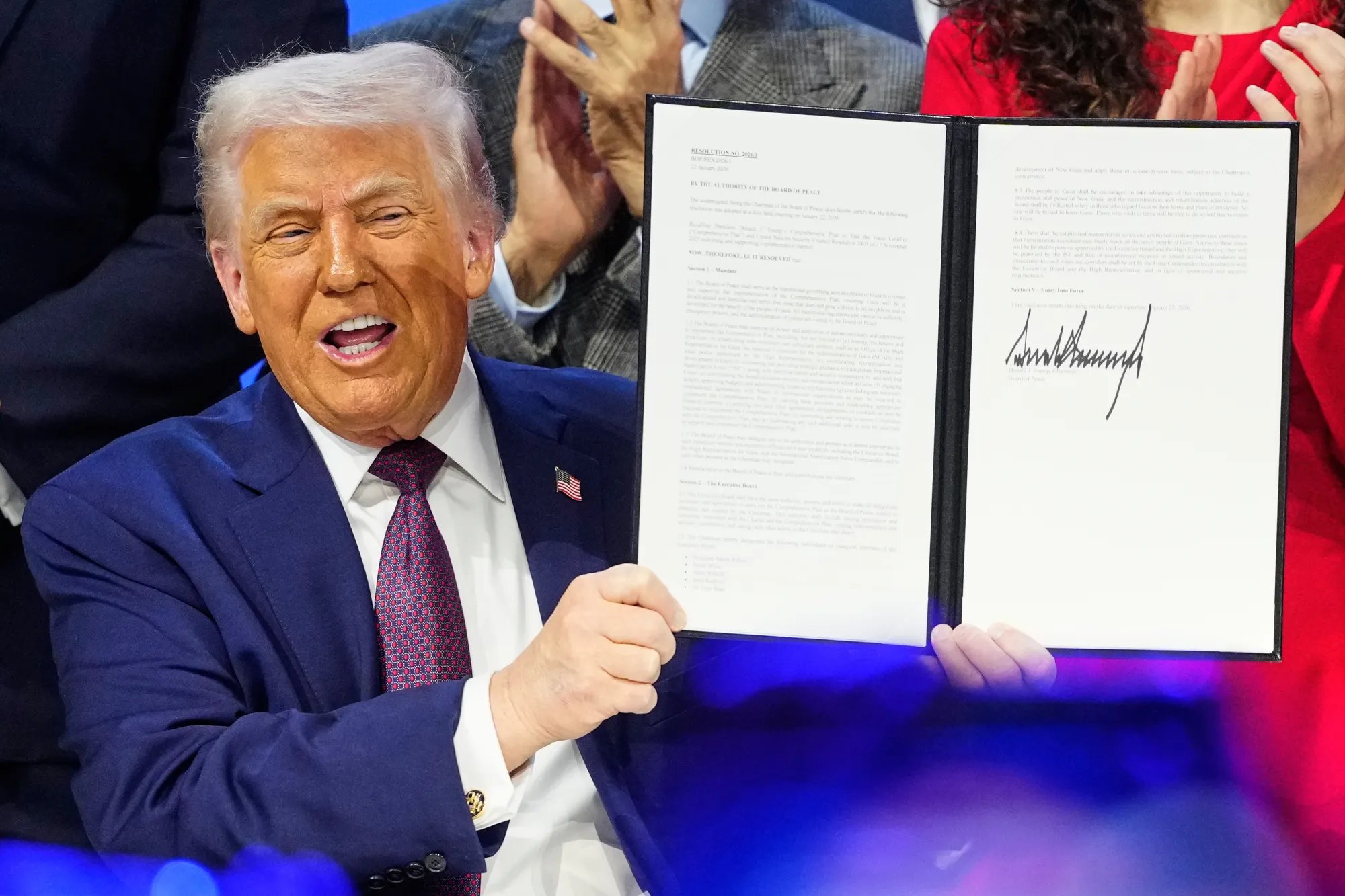
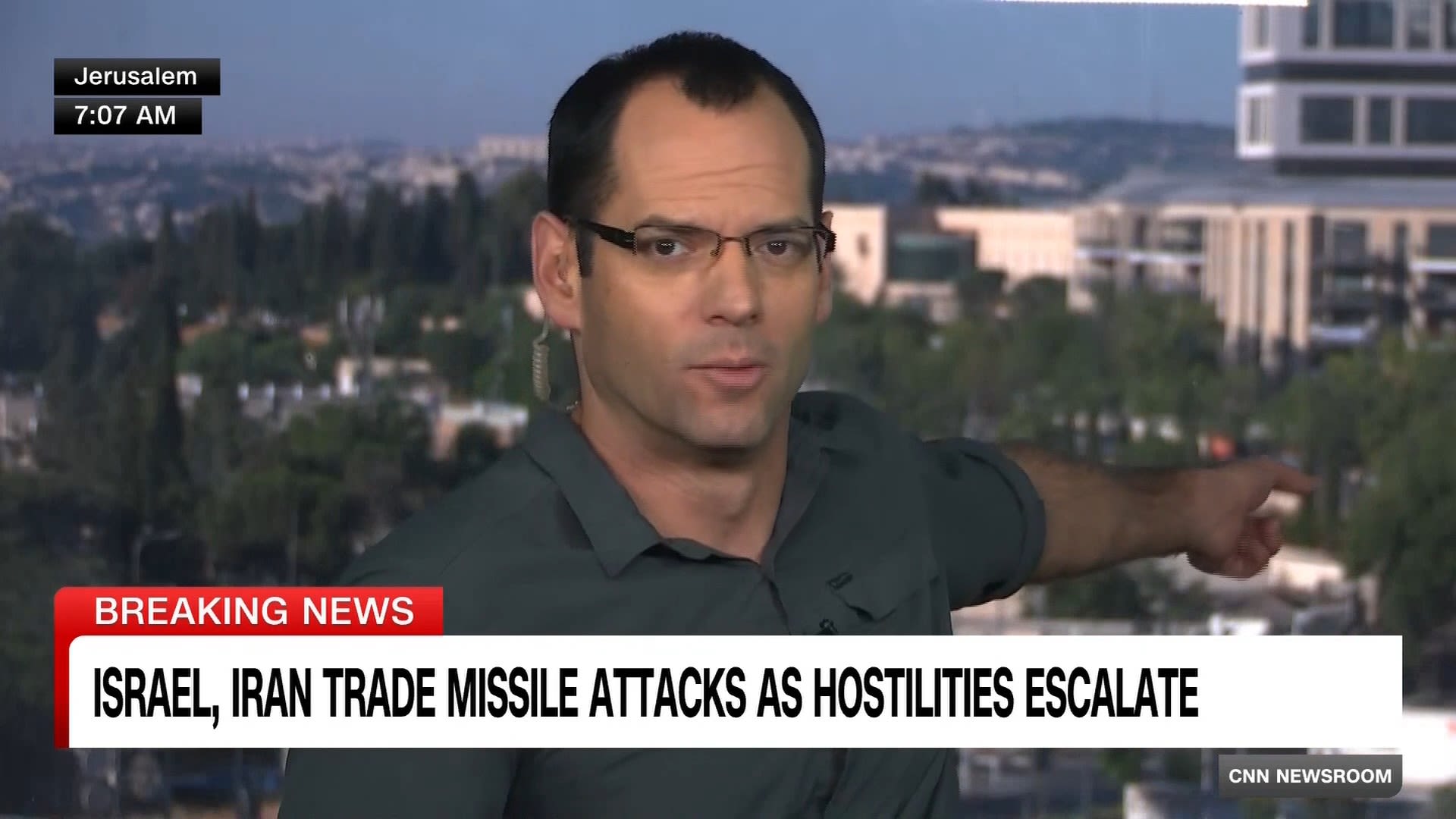
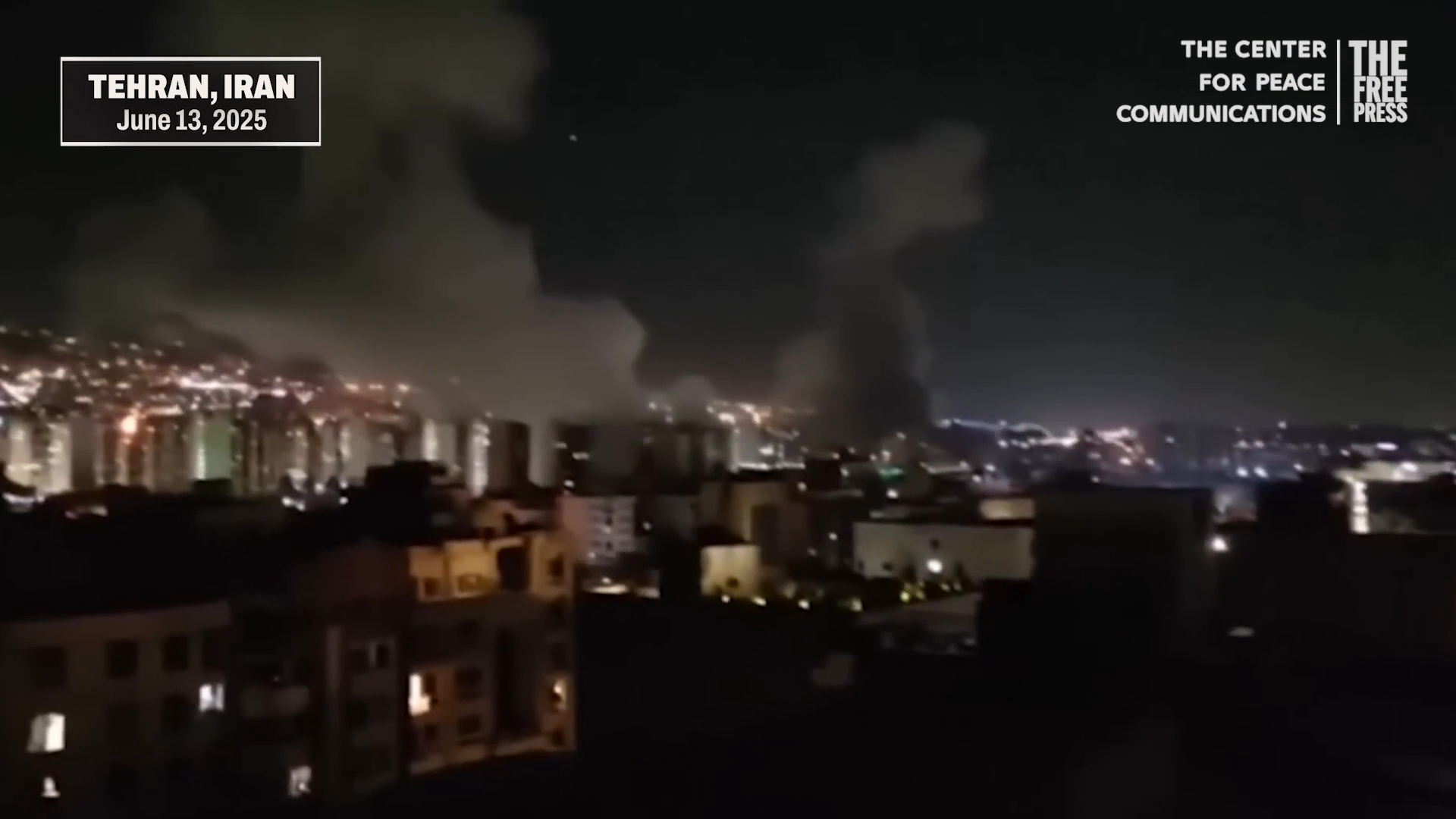
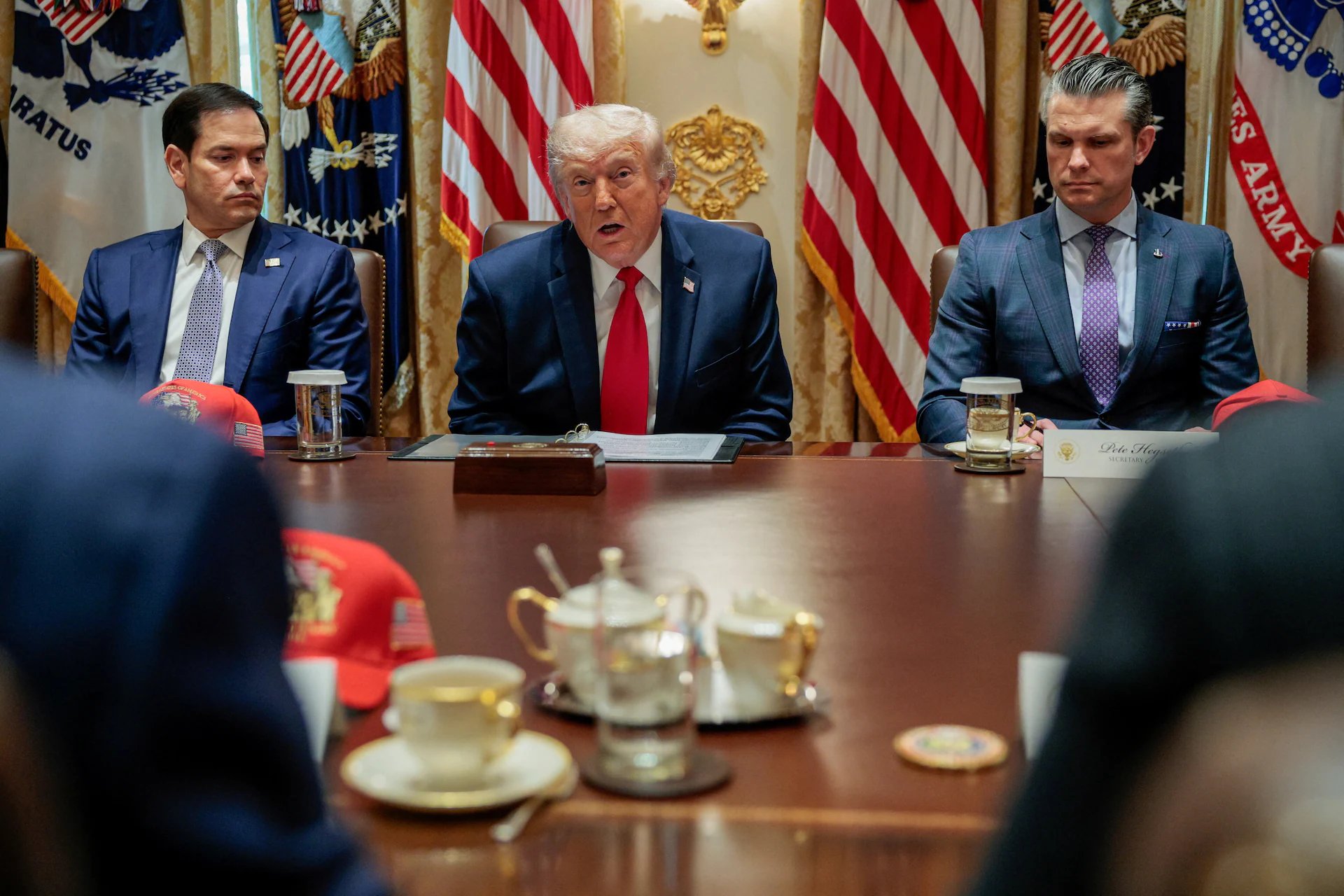
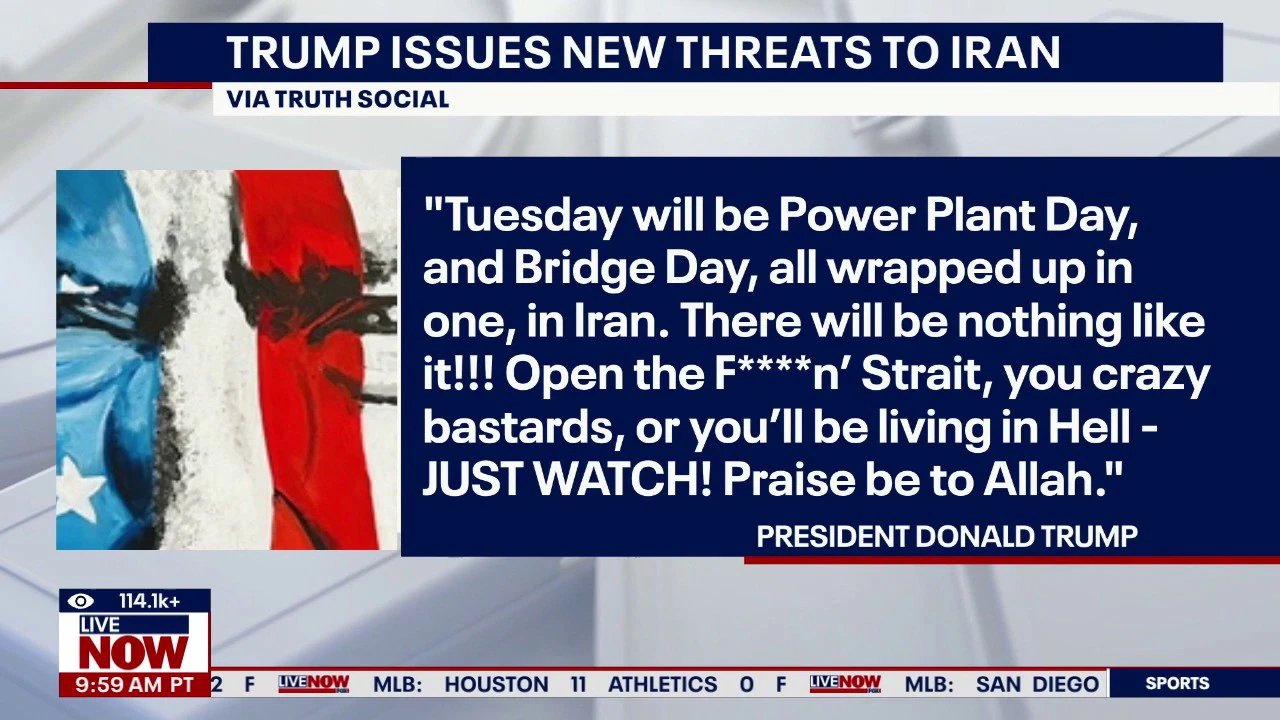
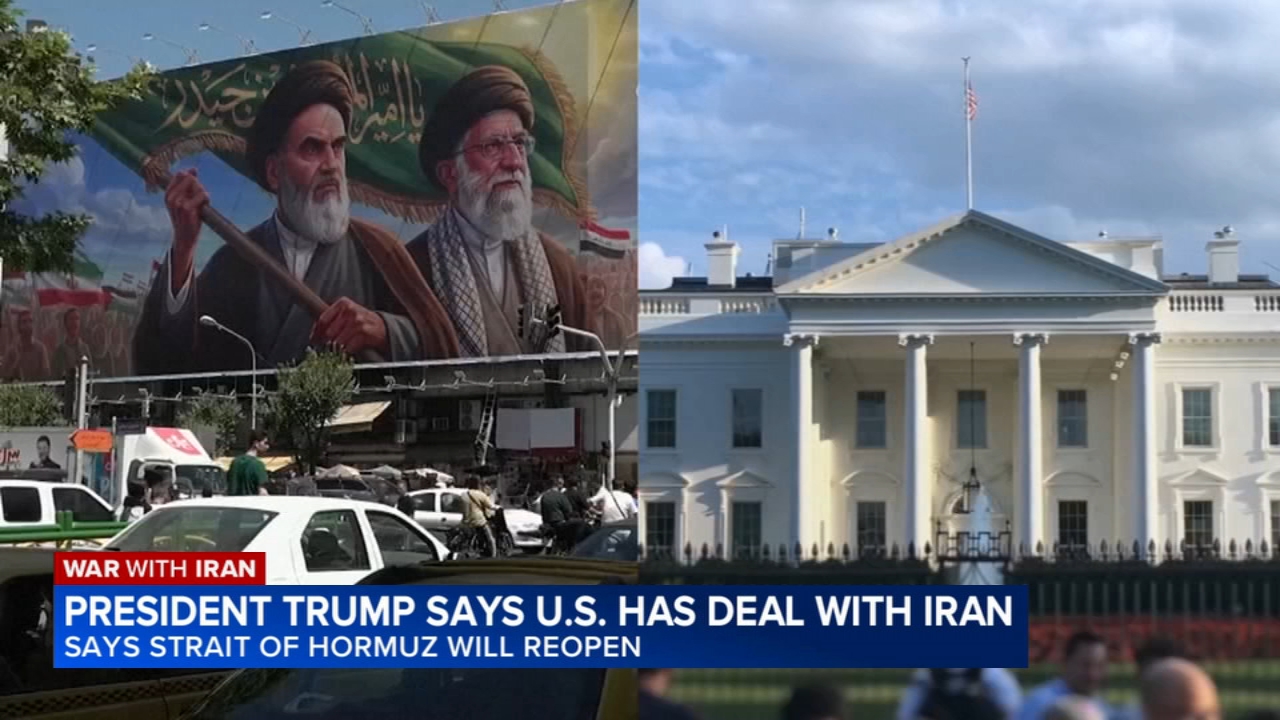
The Trump administration announced a preliminary peace deal with Iran on Sunday that promises to reopen the Strait of Hormuz, a waterway through which roughly 20 percent of the world's oil consumption flowed before the conflict closed it in early March. Iranian deputy foreign minister Kazem Gharibabadi confirmed in the early hours of Monday an agreement for an "immediate end" to the US-Iranian war, while Pakistan's prime minister Shehbaz Sharif announced both sides would declare "the immediate and permanent termination of military operations on all fronts." The peace deal is scheduled to be signed on Friday.
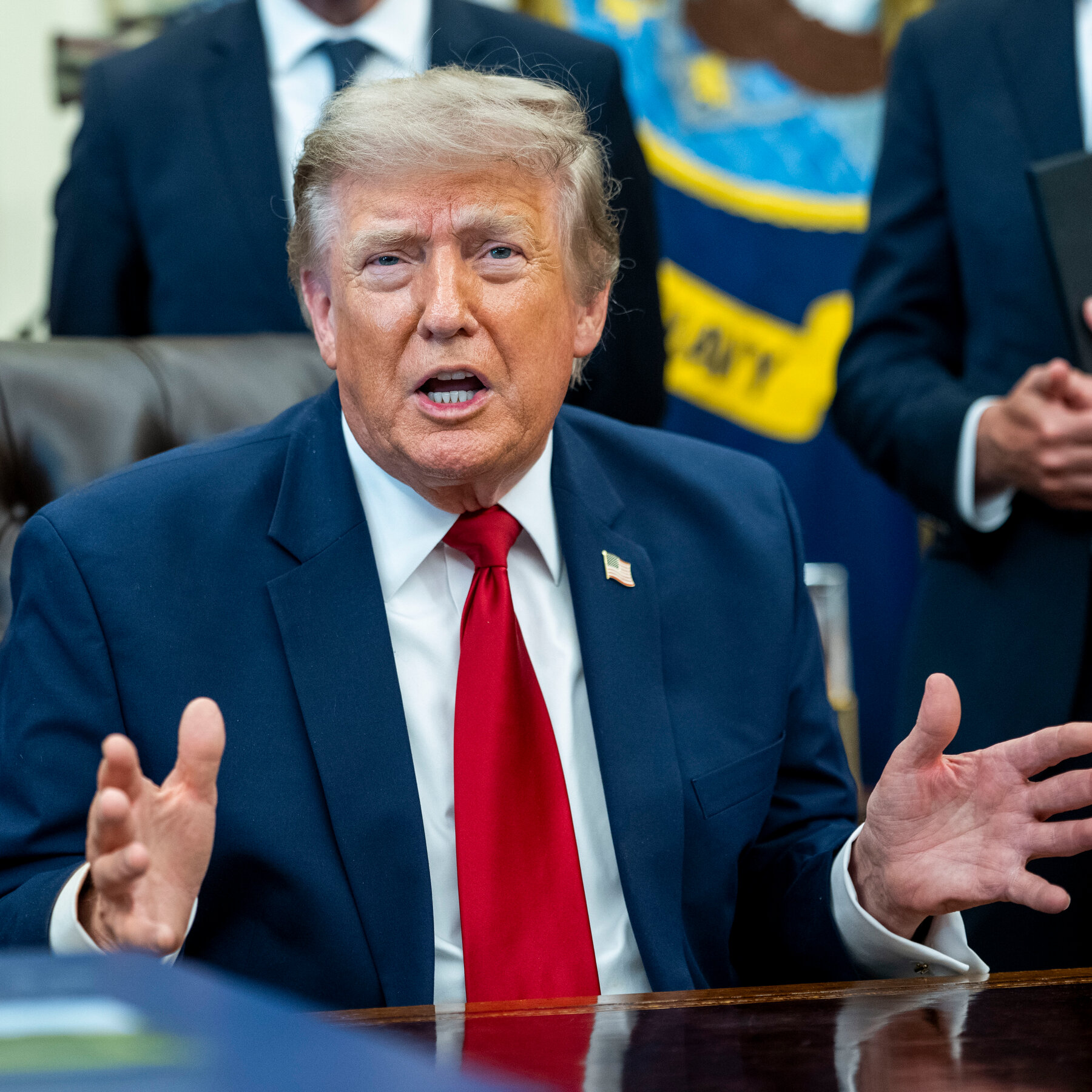
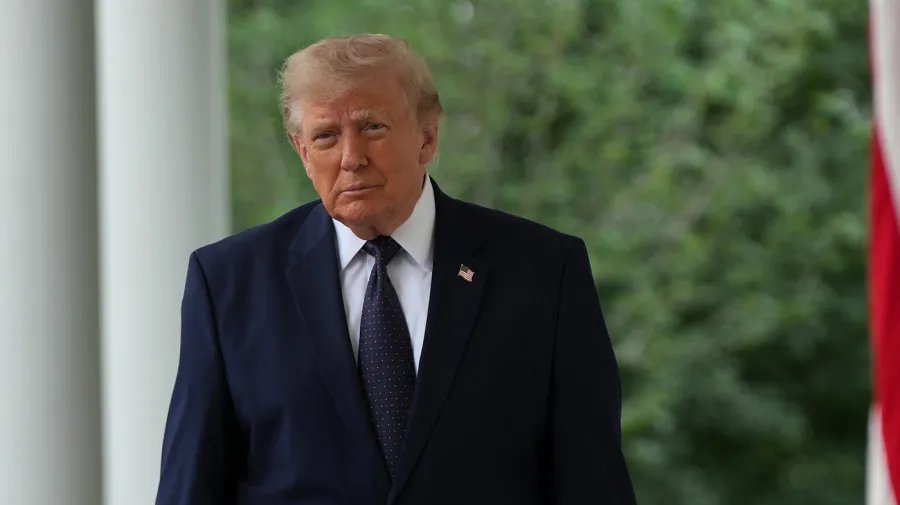
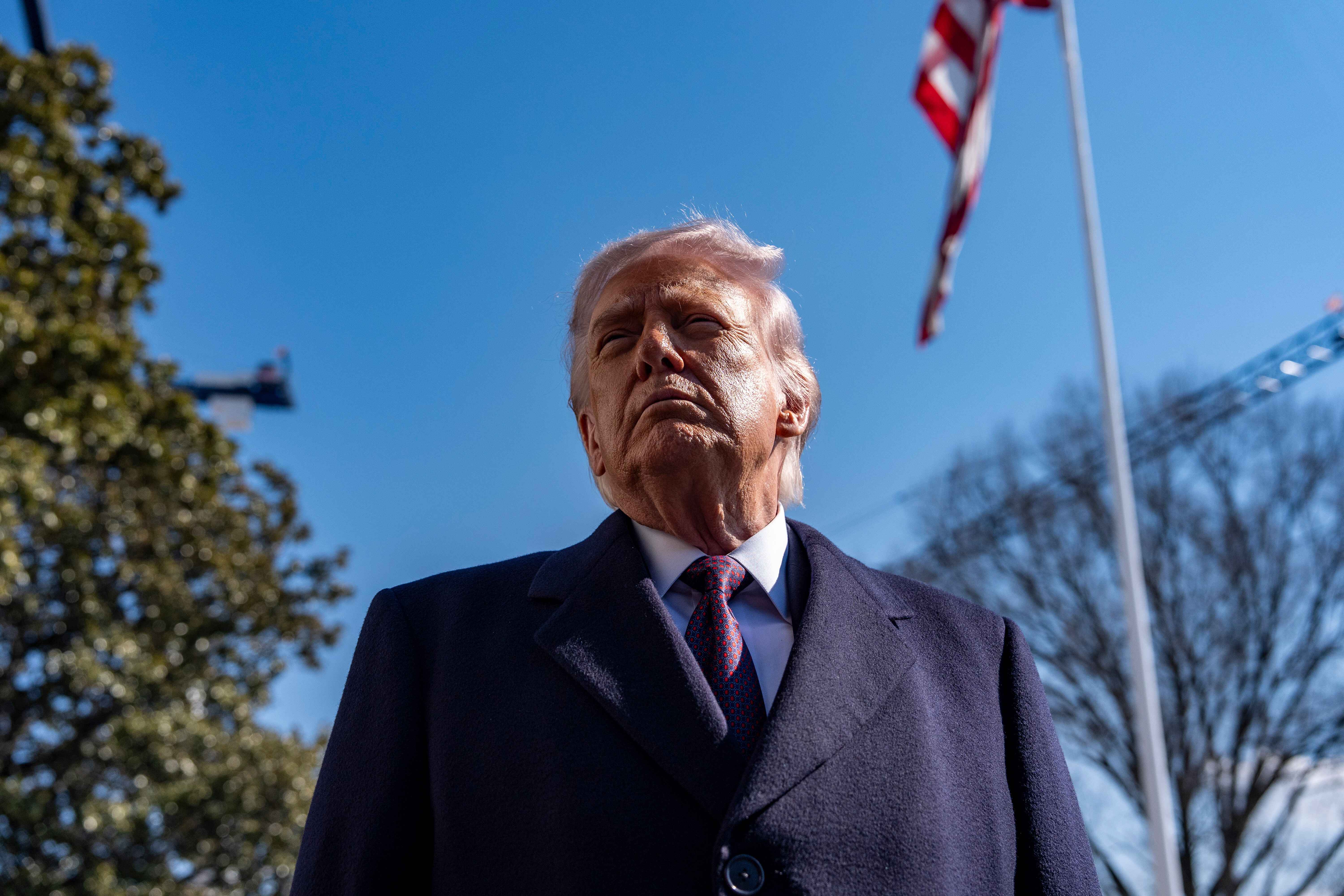
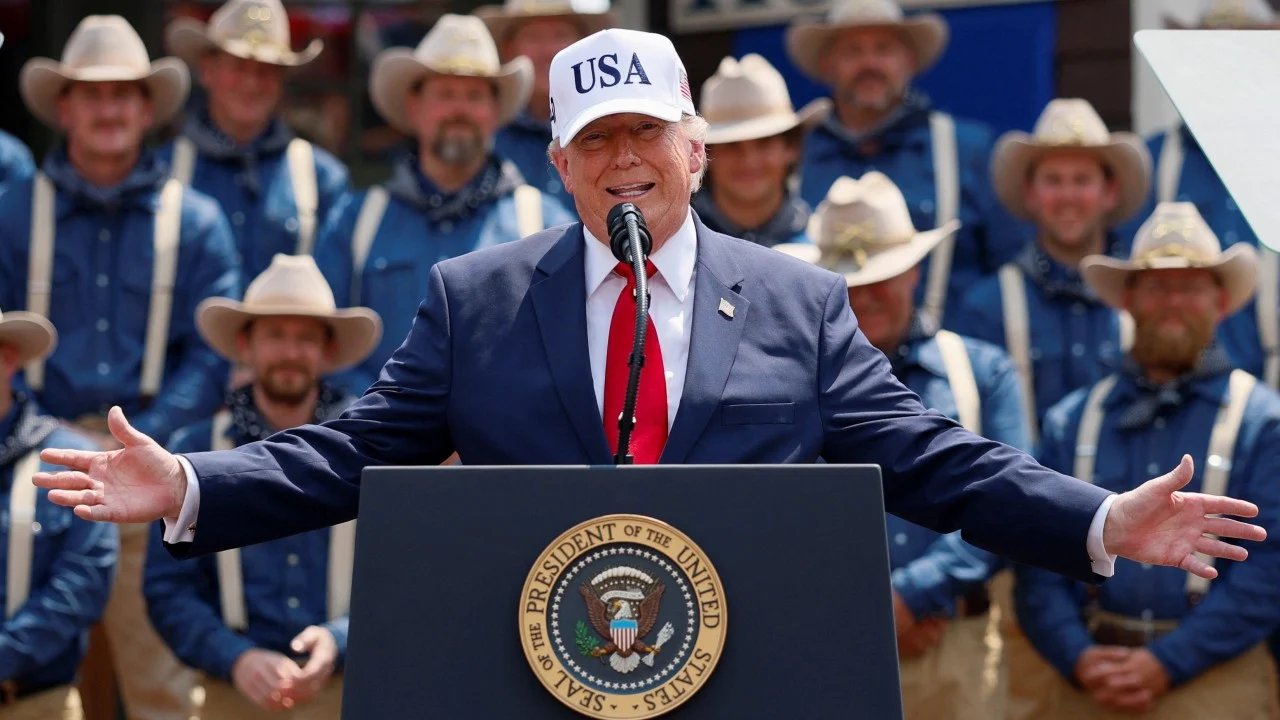
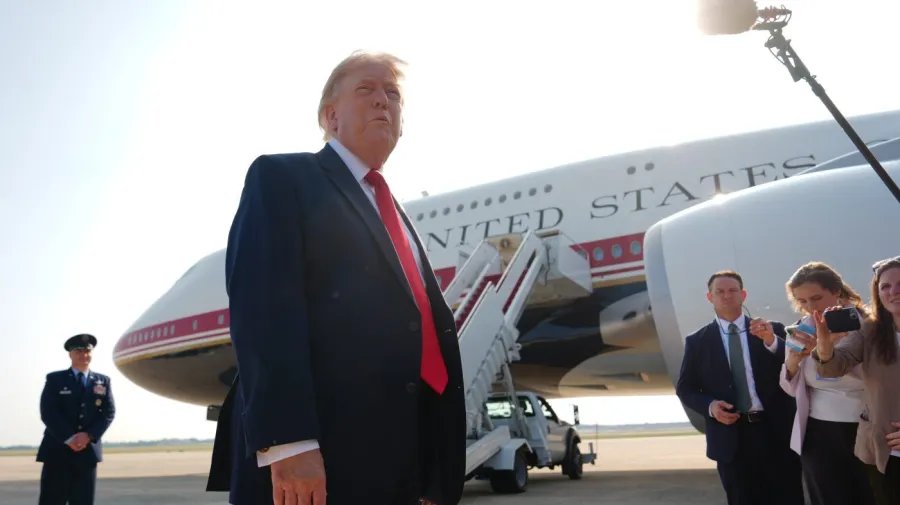
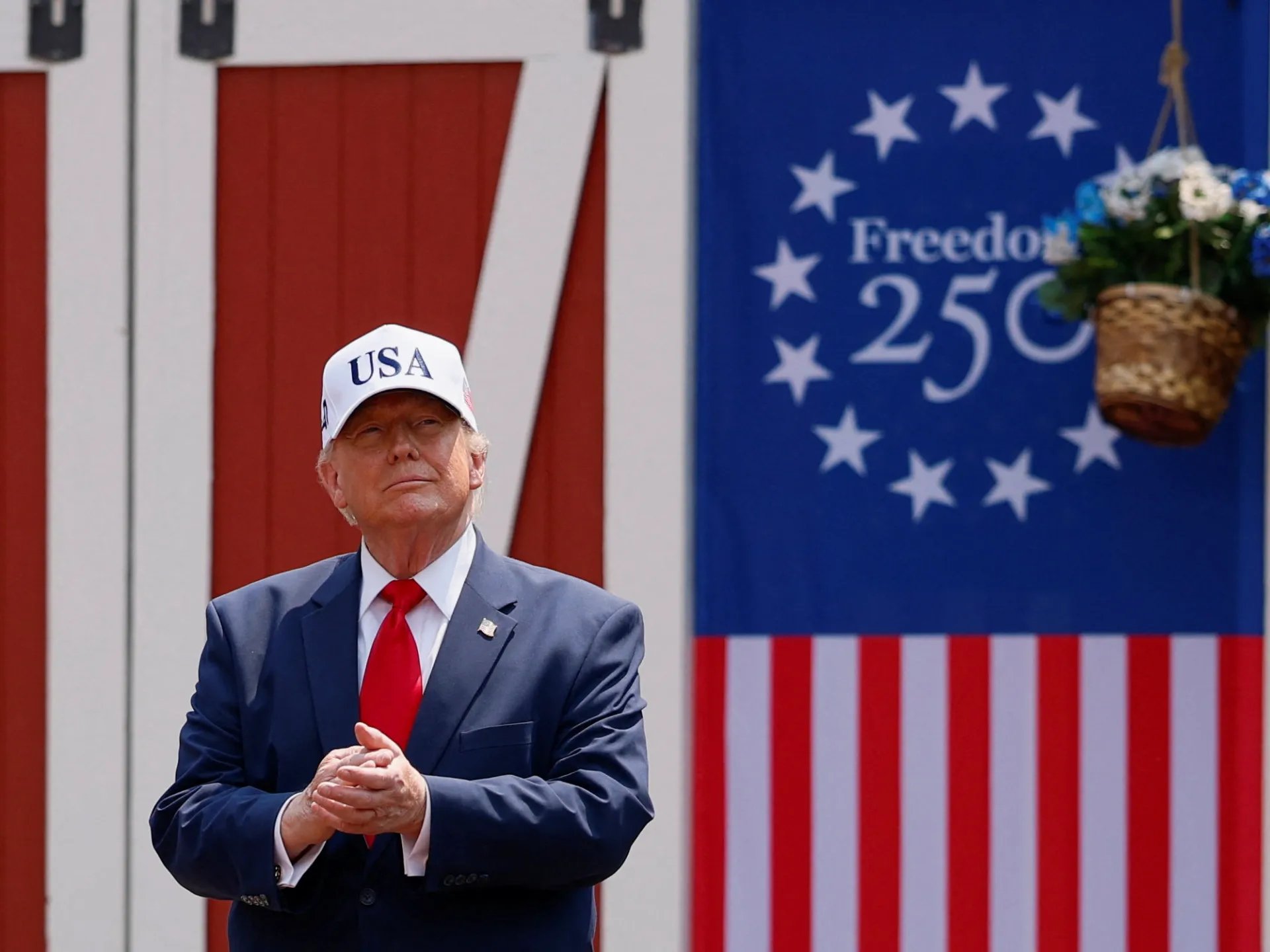
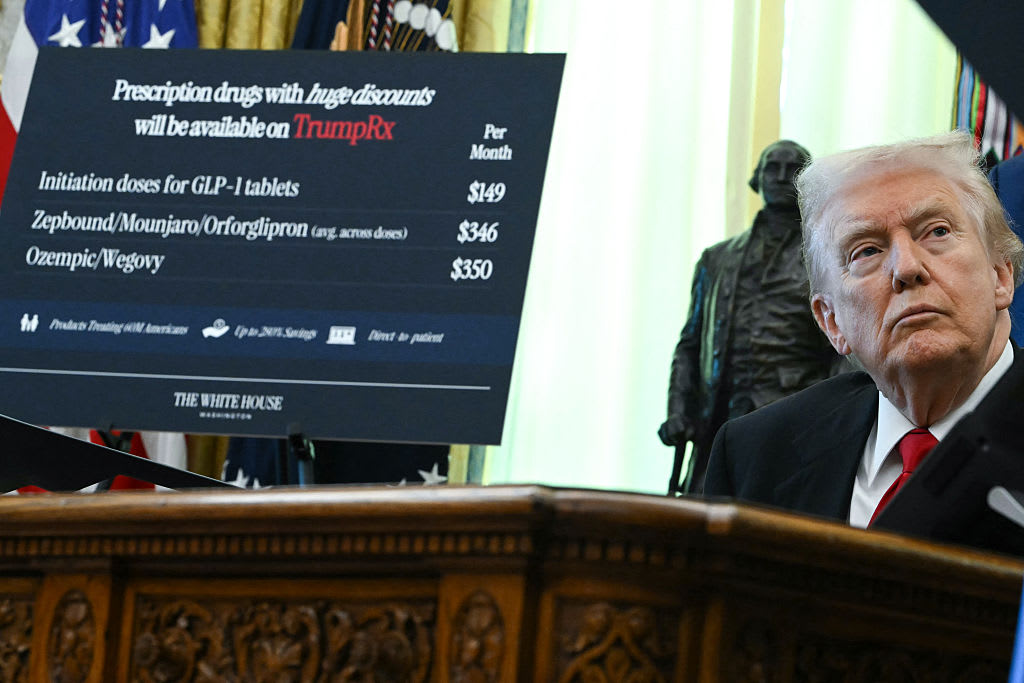
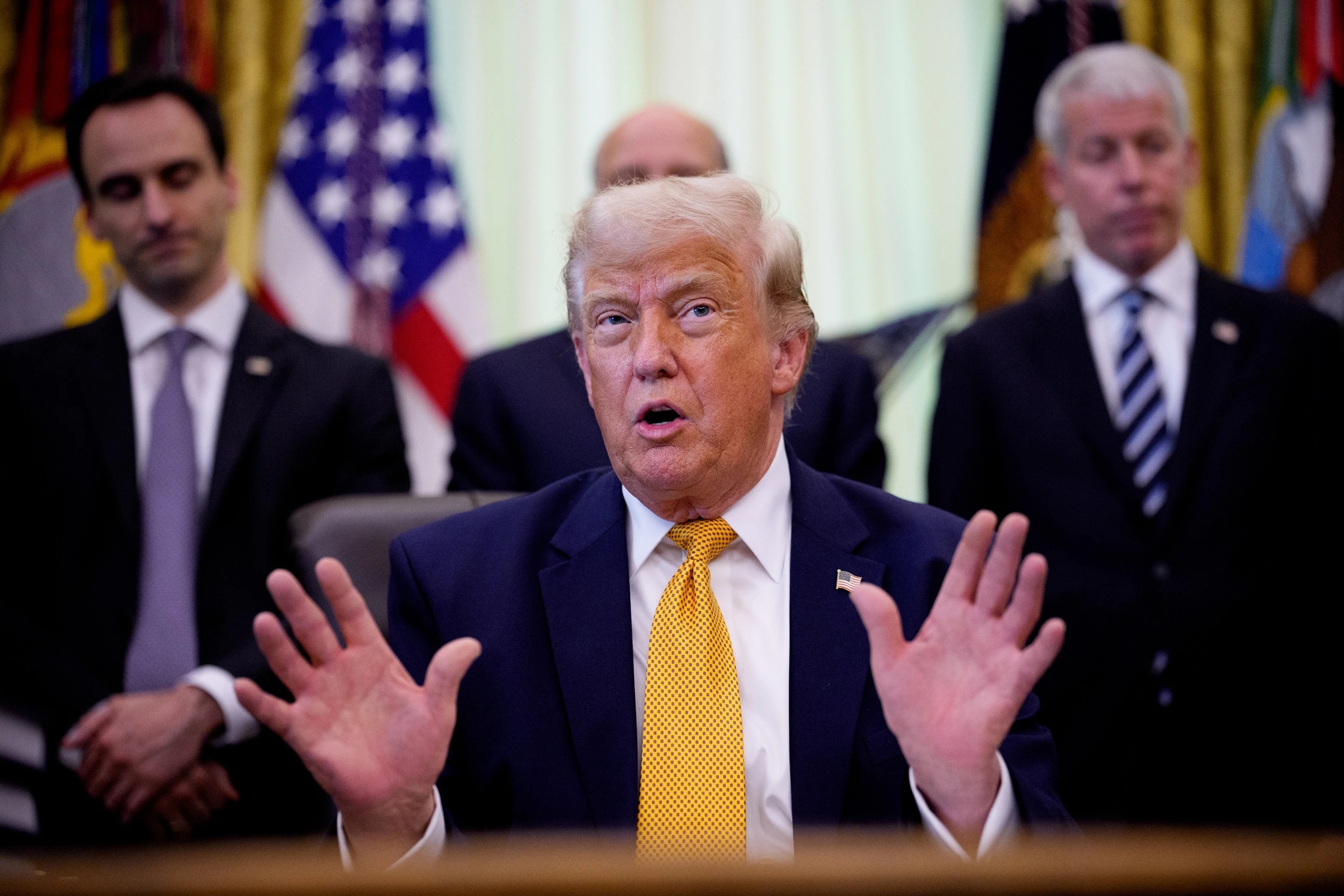
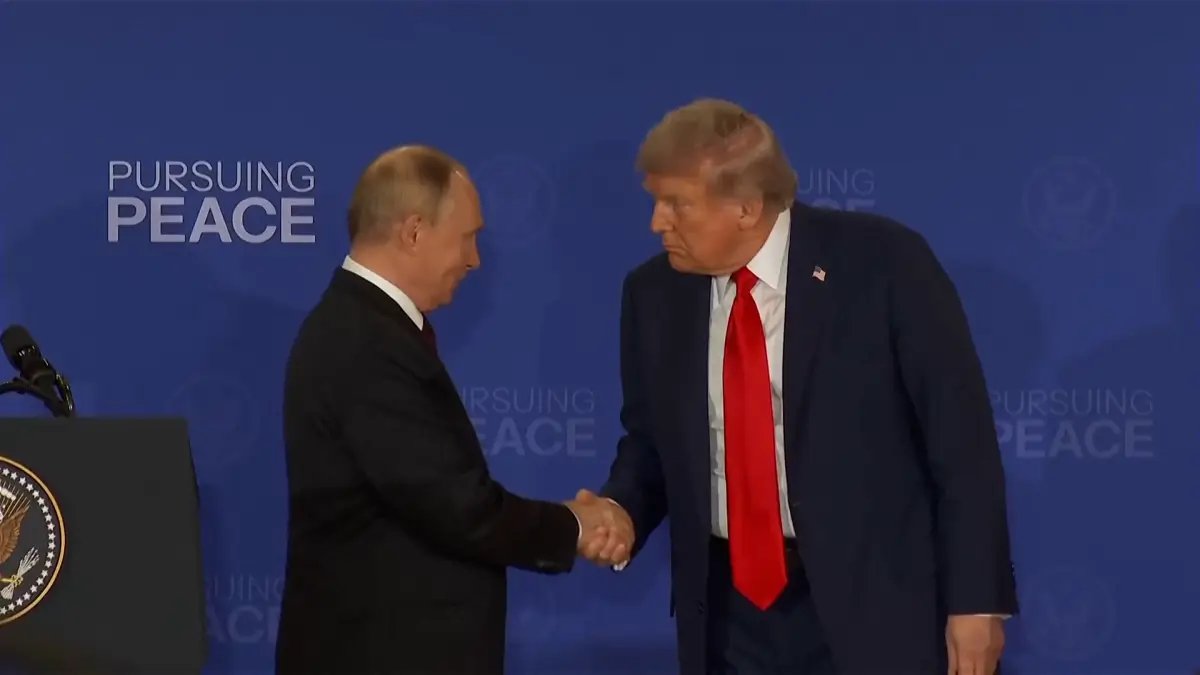
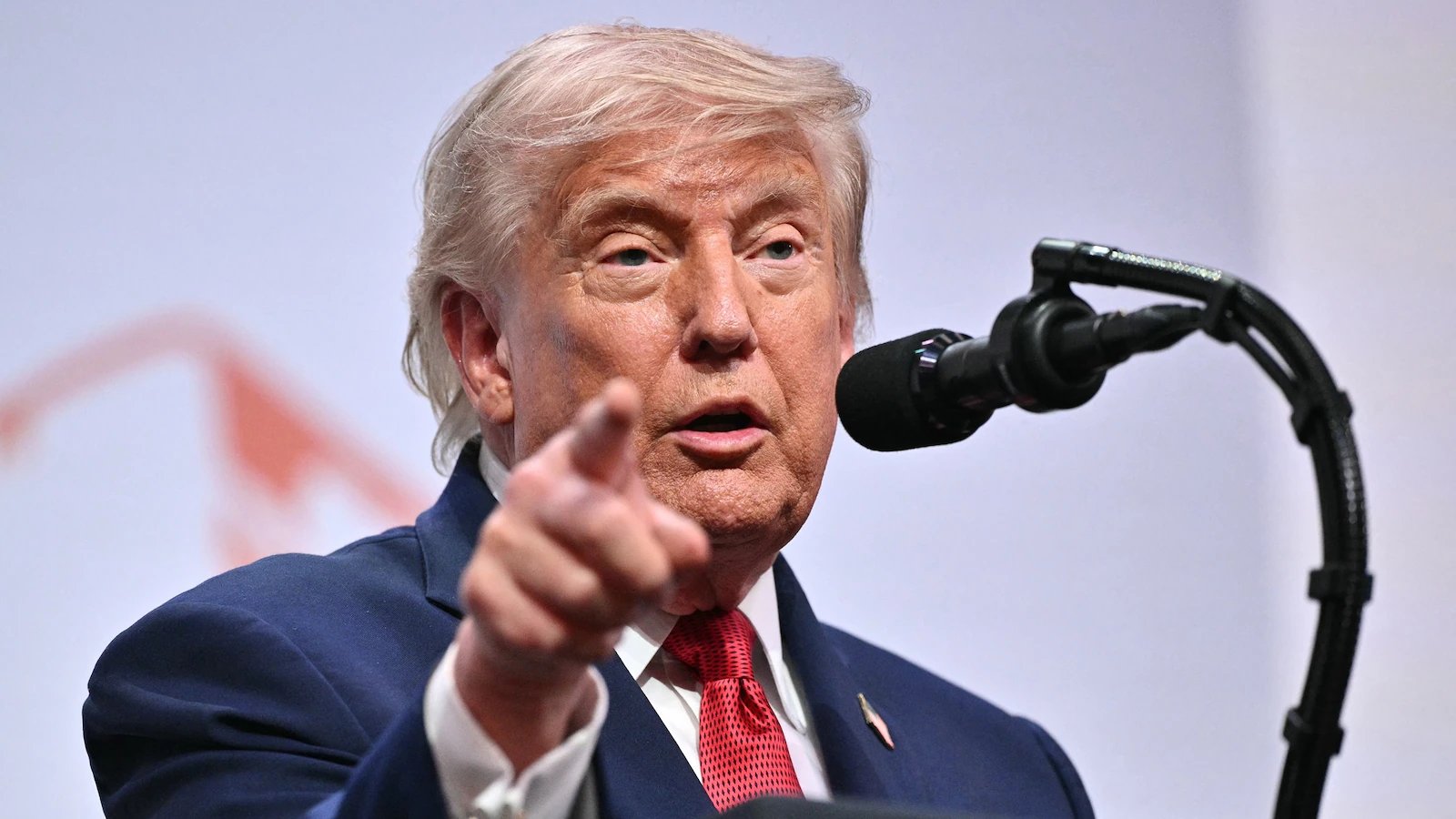
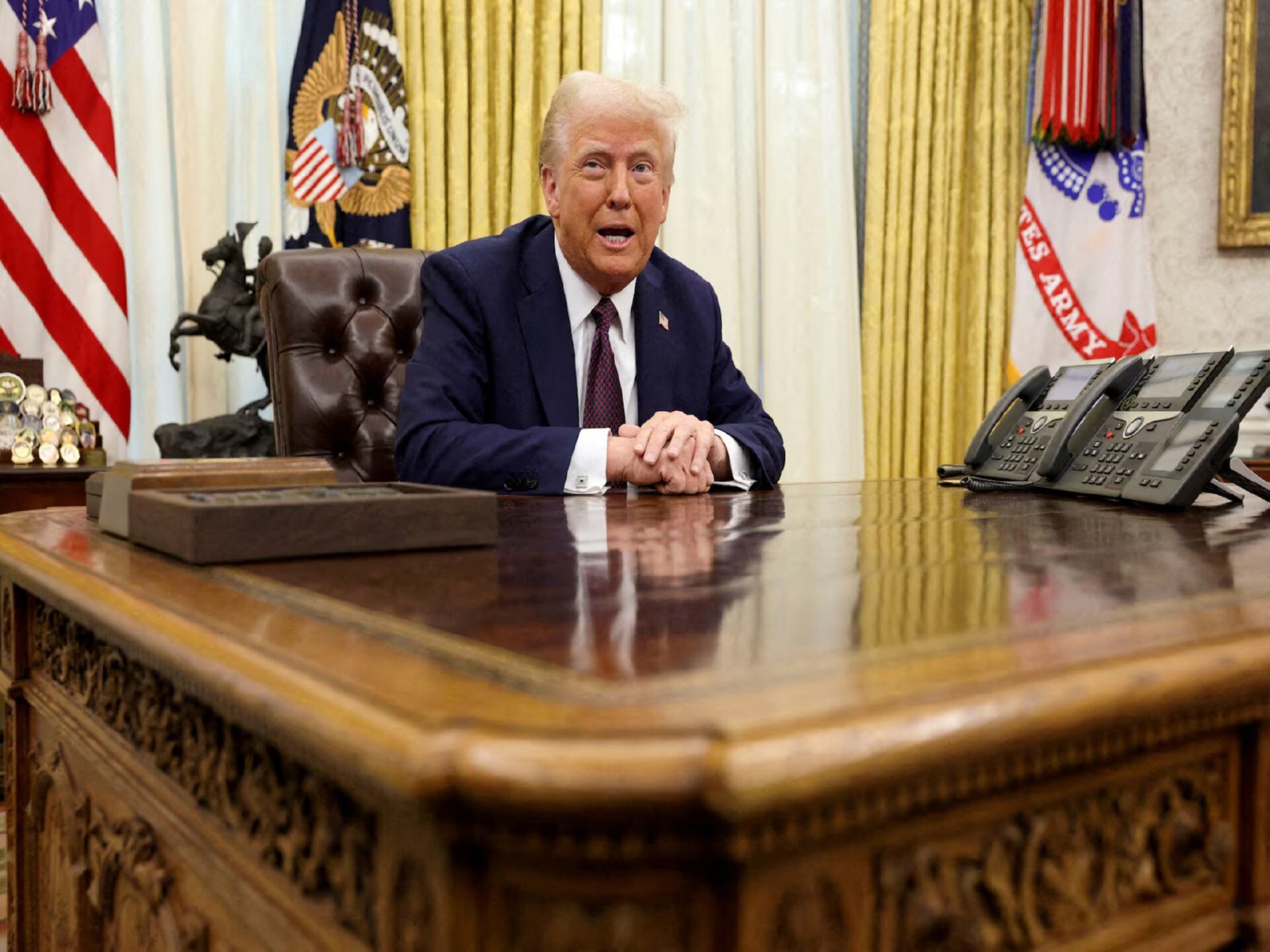
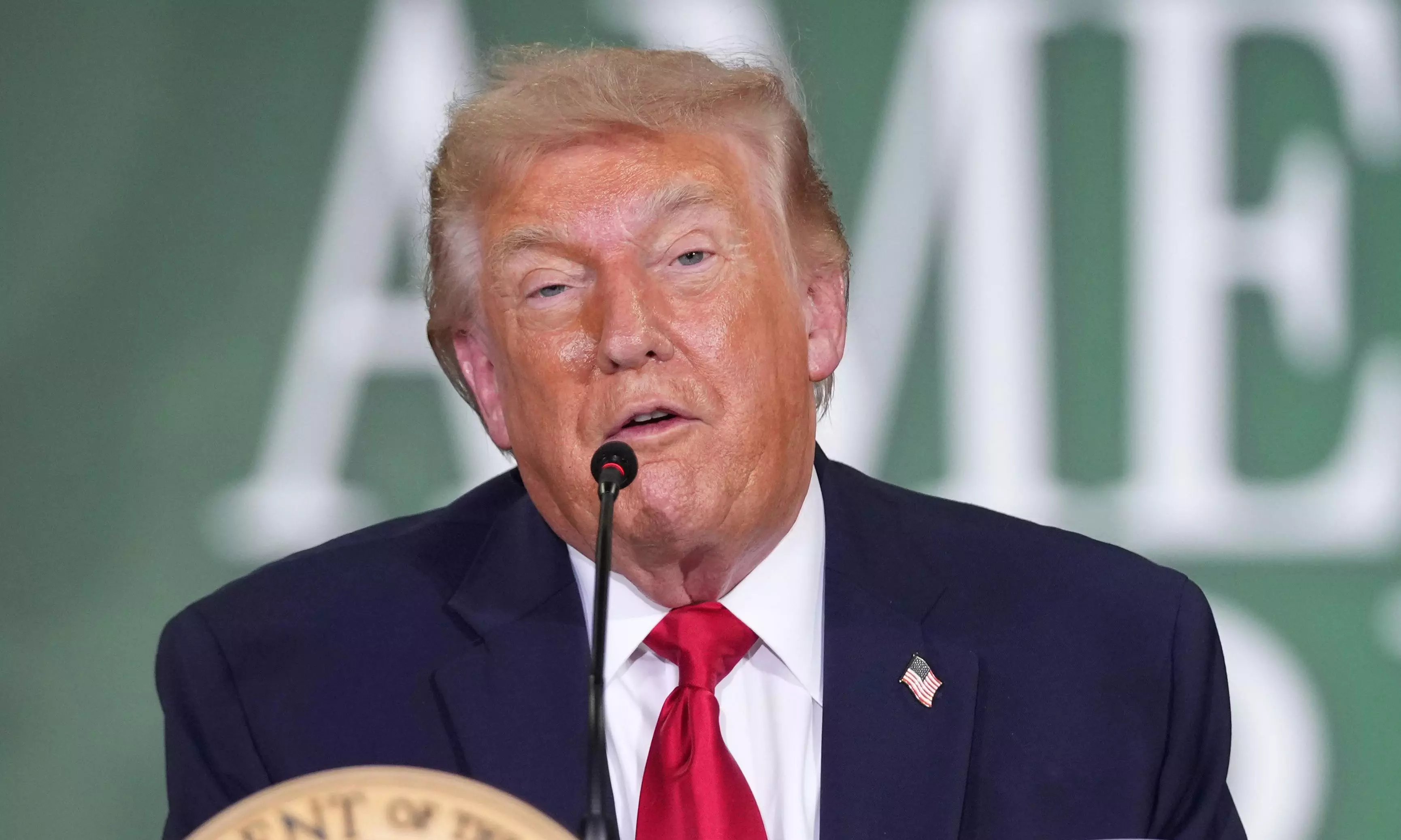
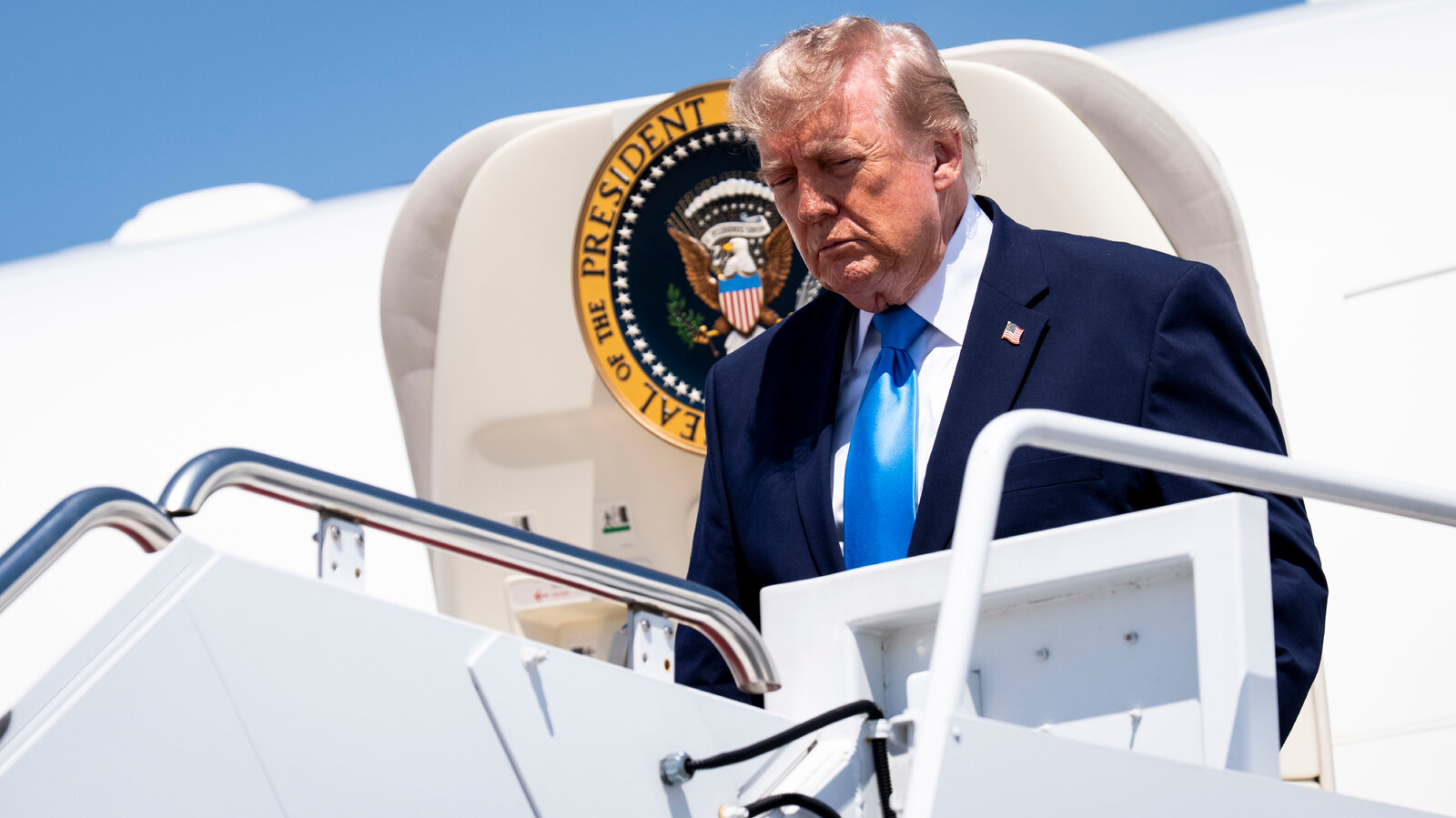
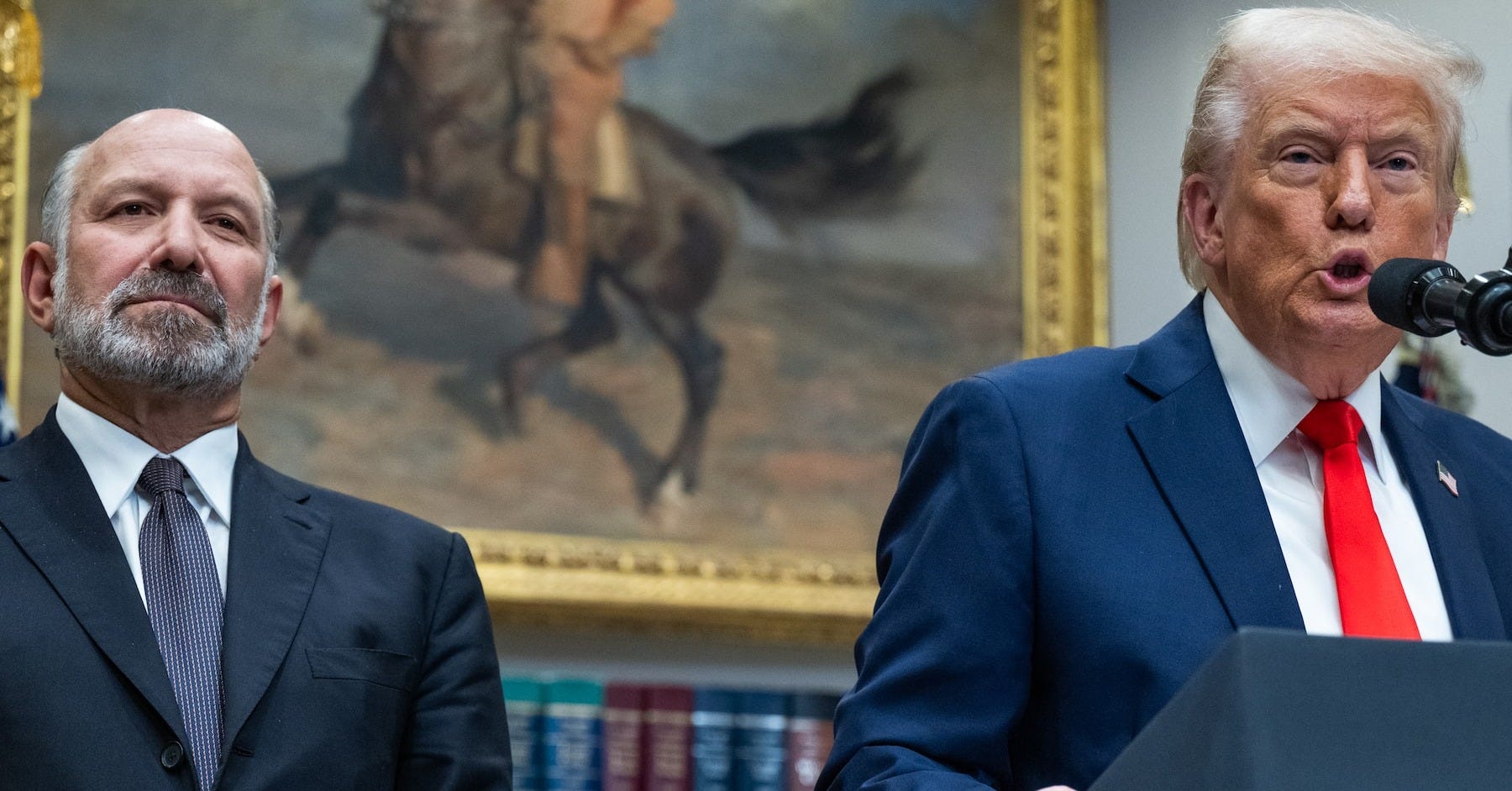
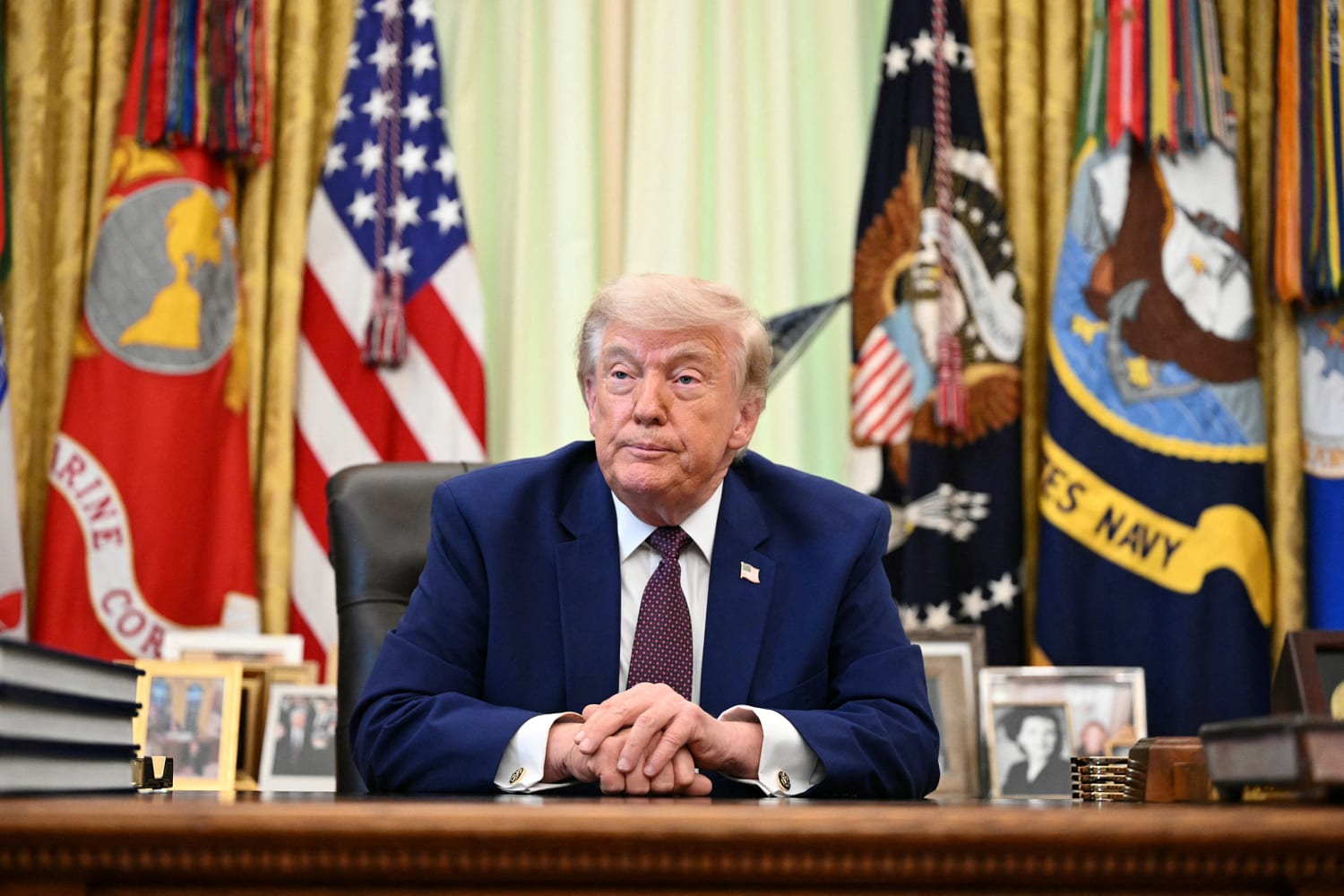
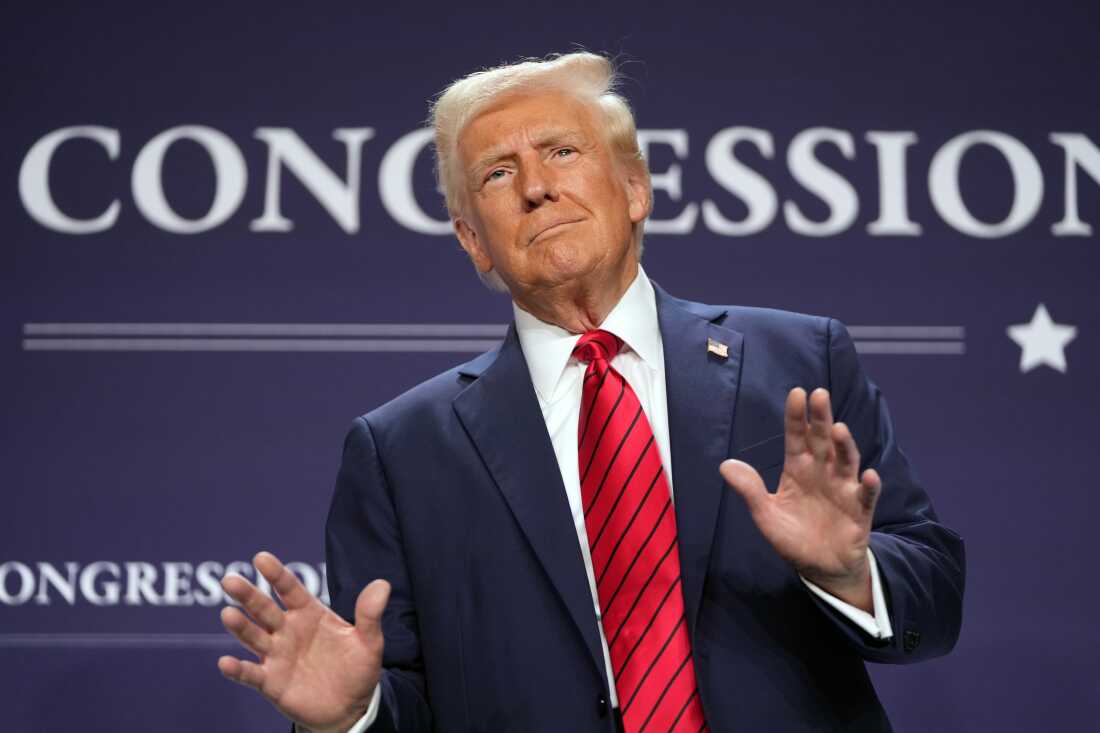
Yet the two sides describe the agreement in starkly different terms. President Trump claimed on social media that he was "hereby fully authorizing the toll-free opening of the Strait of Hormuz" and ordering "the immediate removal of the United States naval blockade." He later clarified the strait would reopen after Friday's signing, stating "oil will flow on both ends again for the Region, and the World." Iranian state media, however, reported that the memorandum of understanding calls for reopening the strait within 30 days under "Iranian arrangements," suggesting Tehran will control the terms of passage.
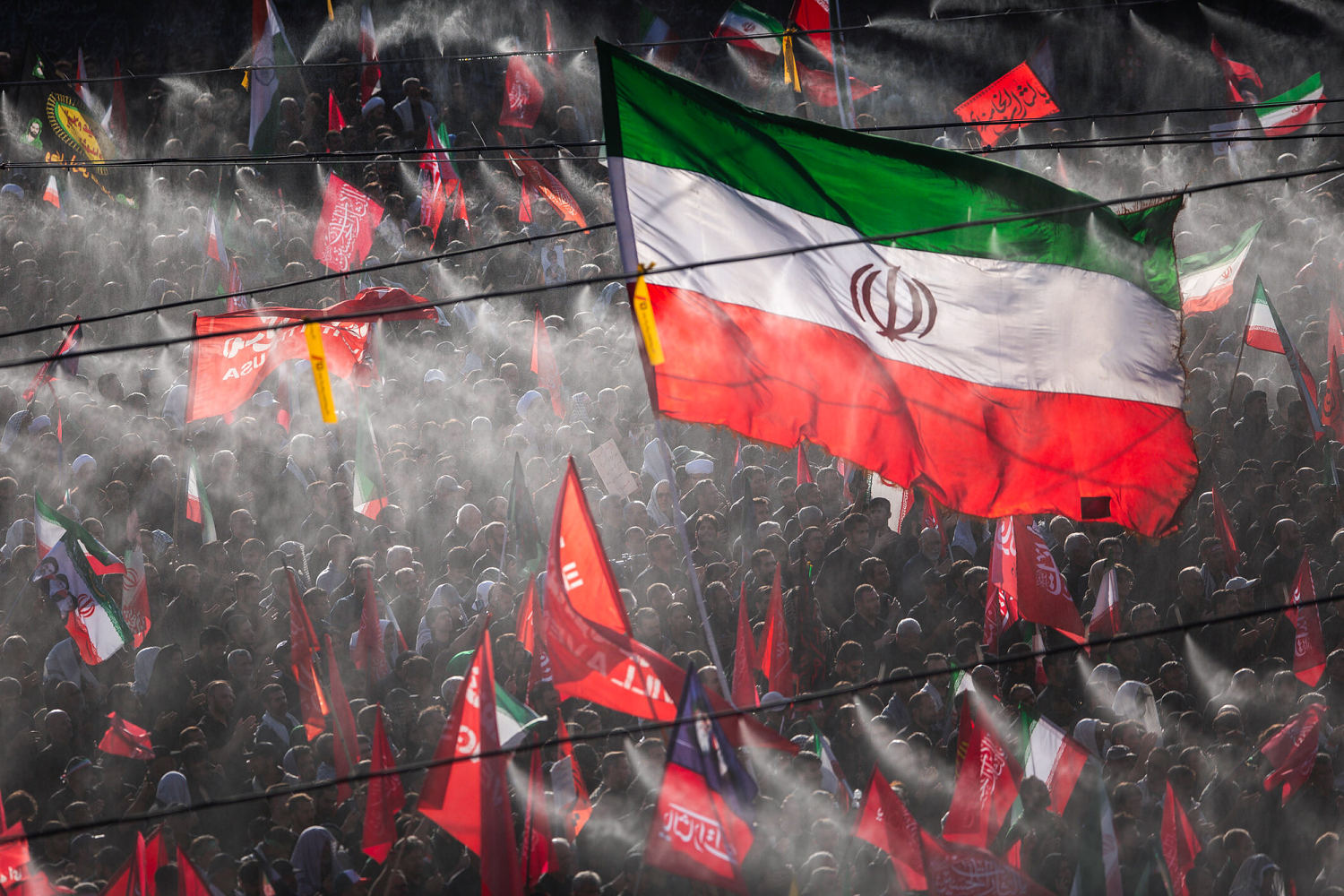
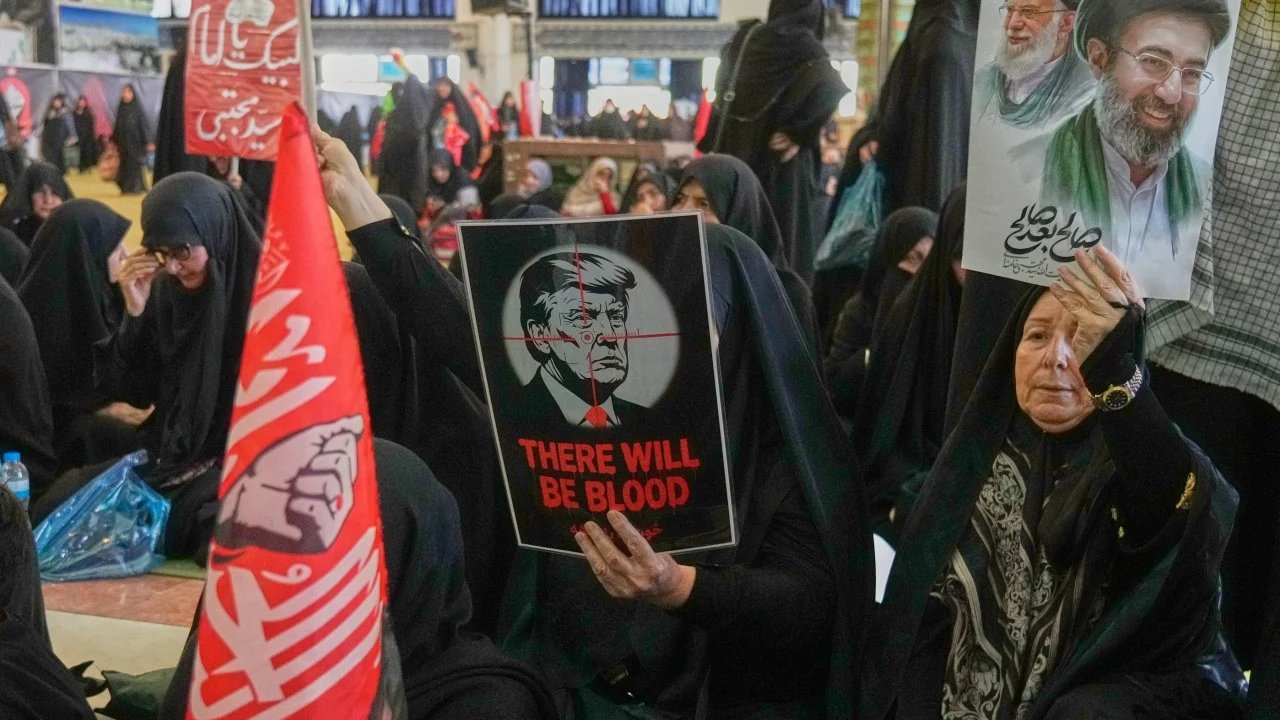
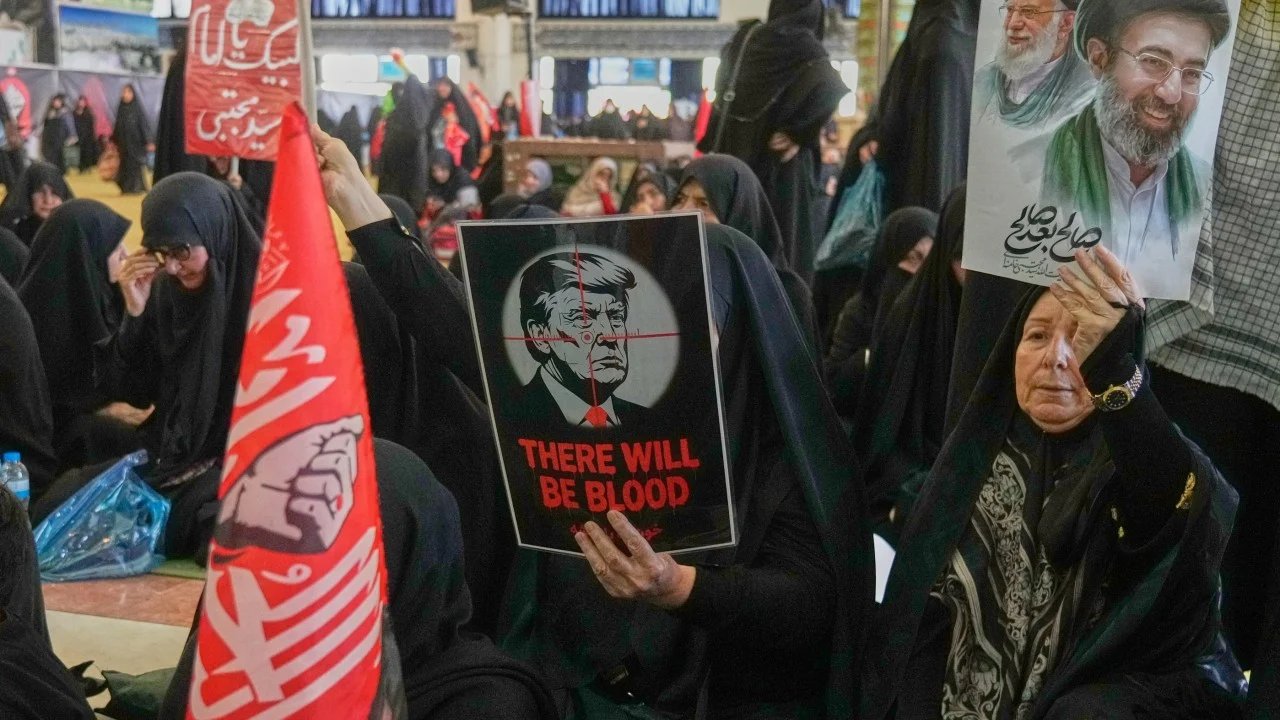
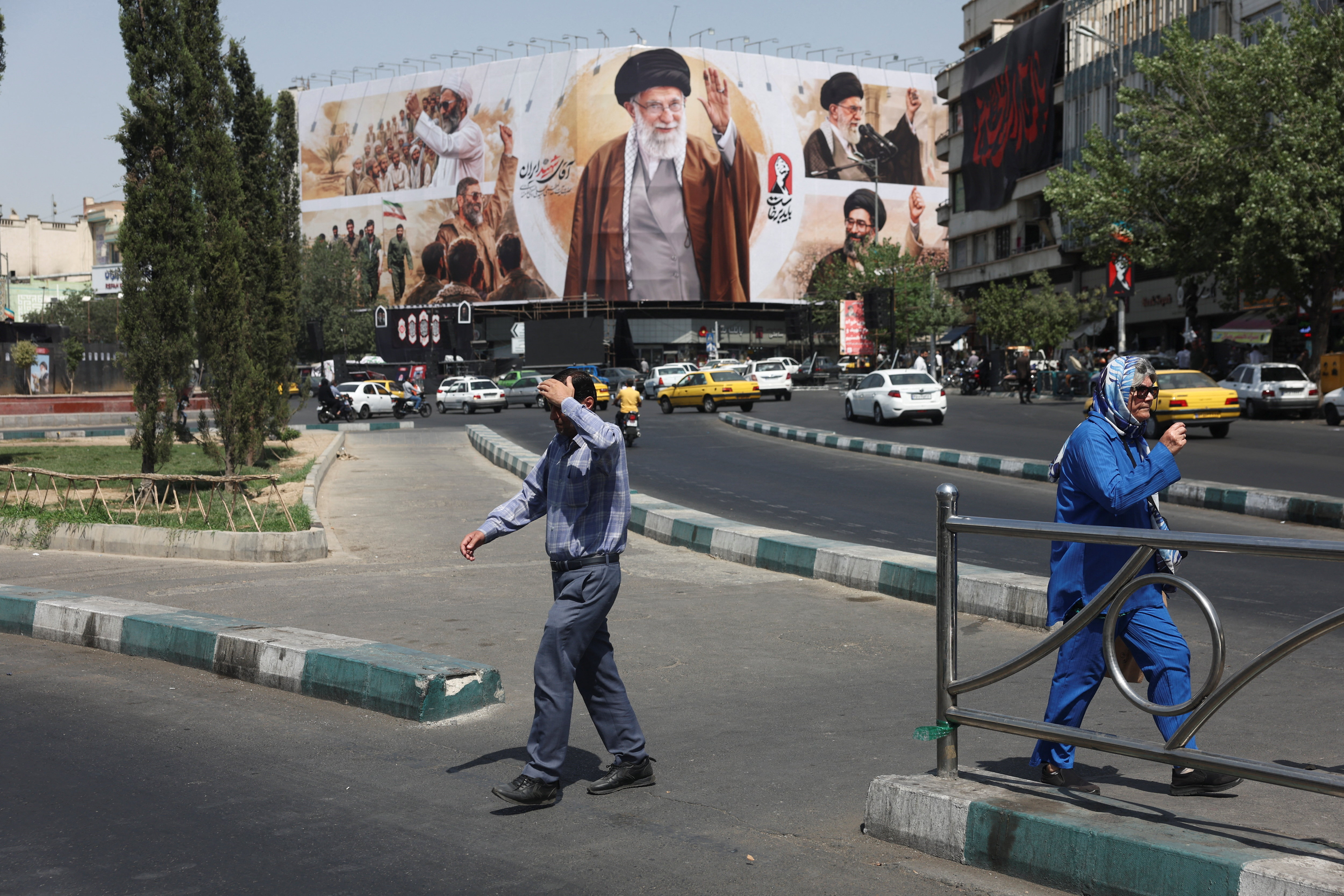
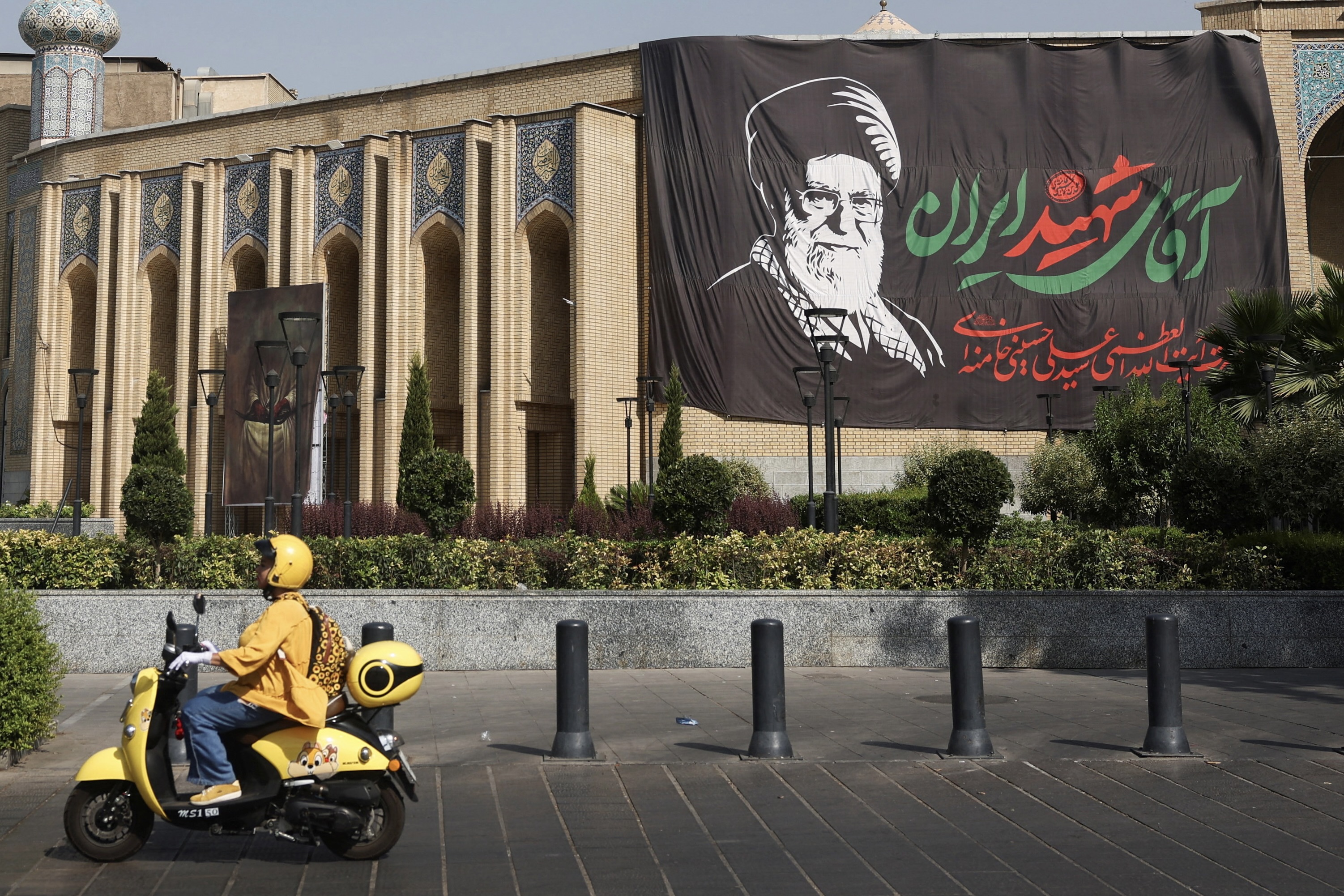
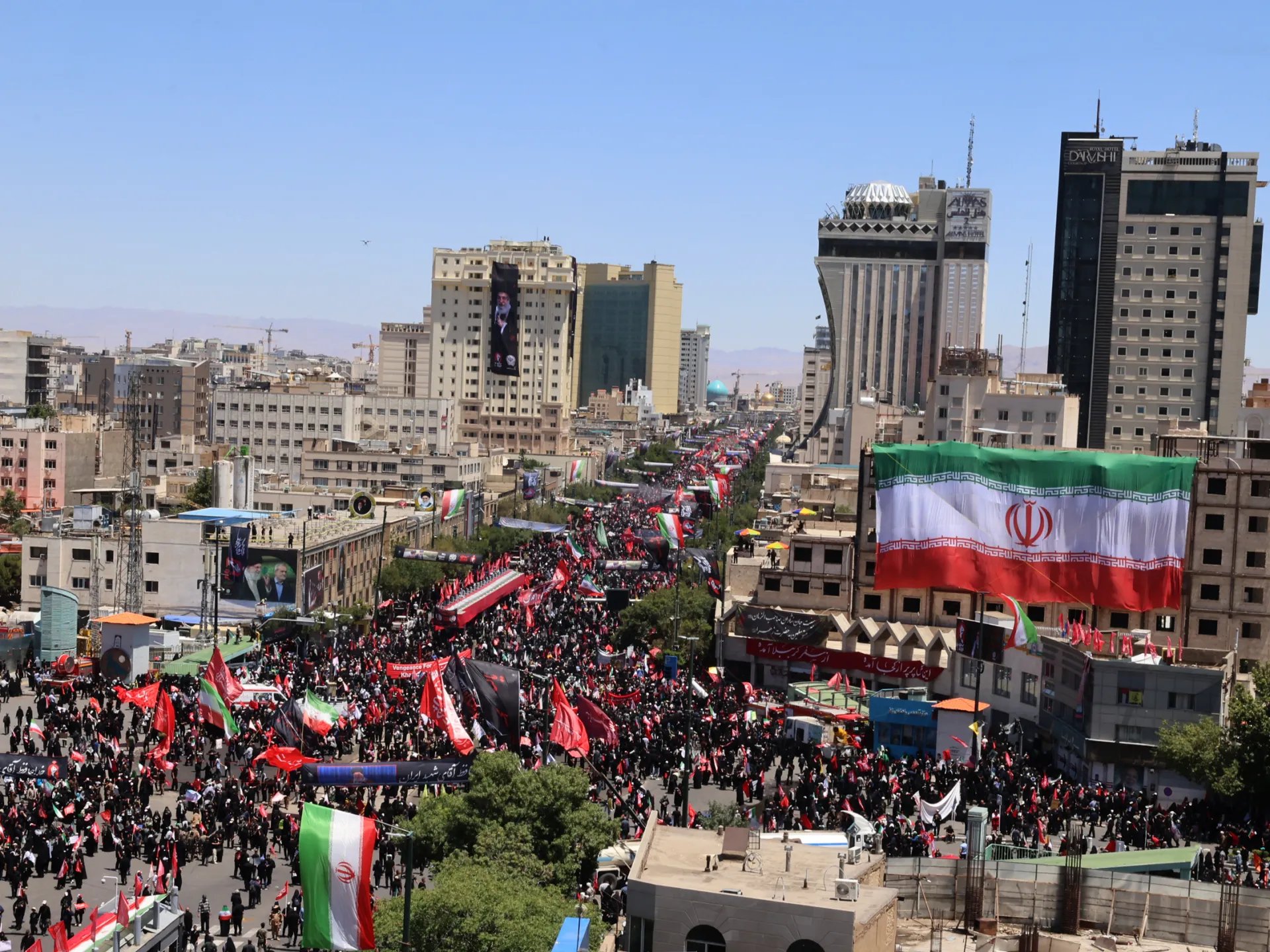
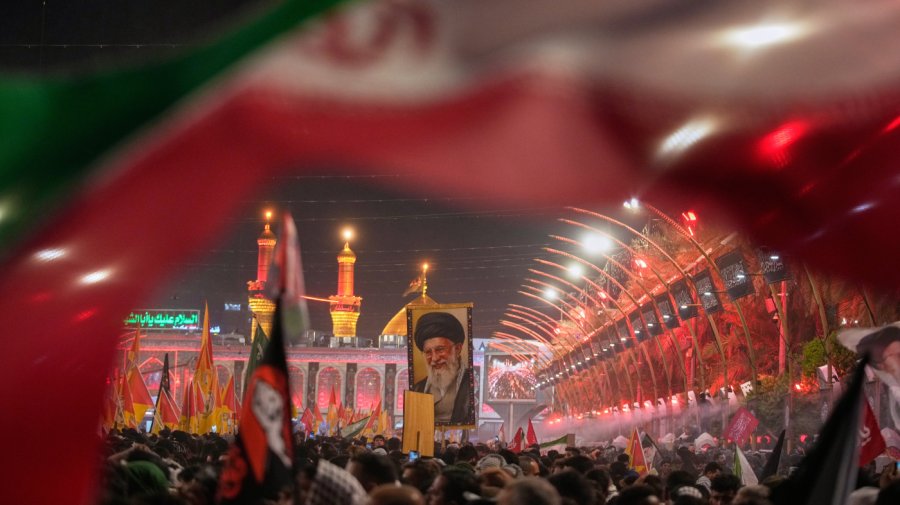
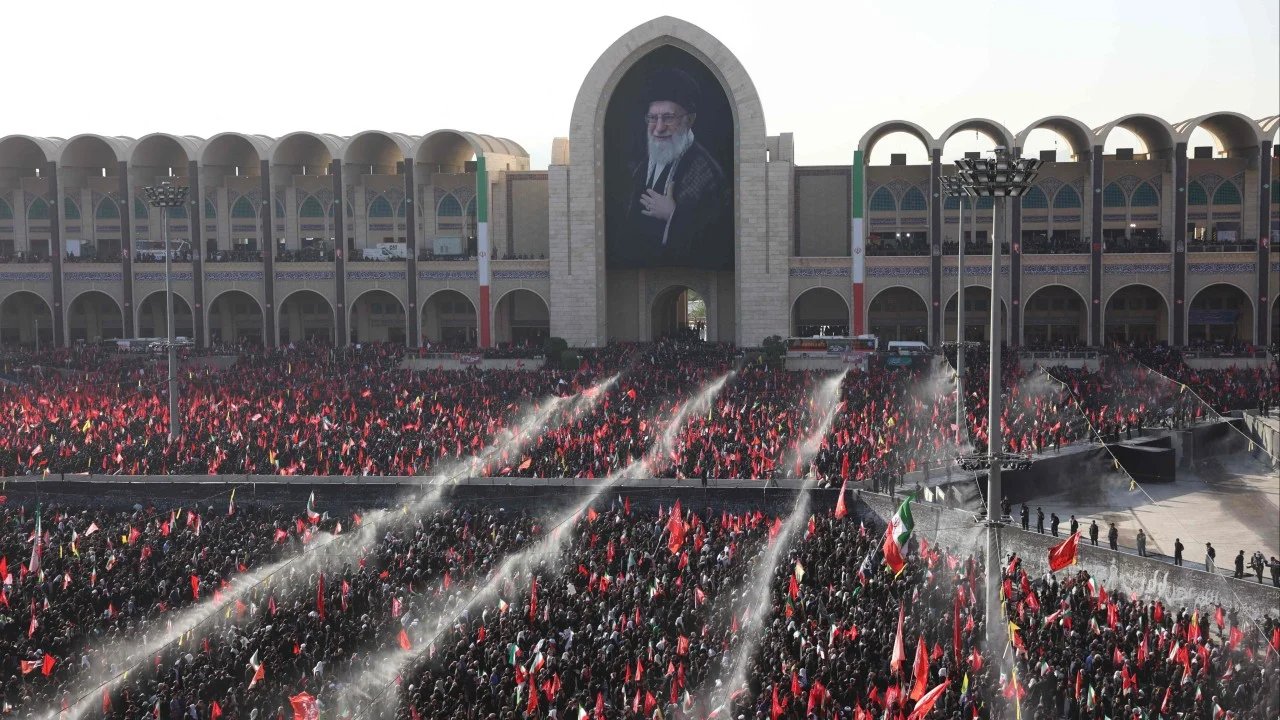
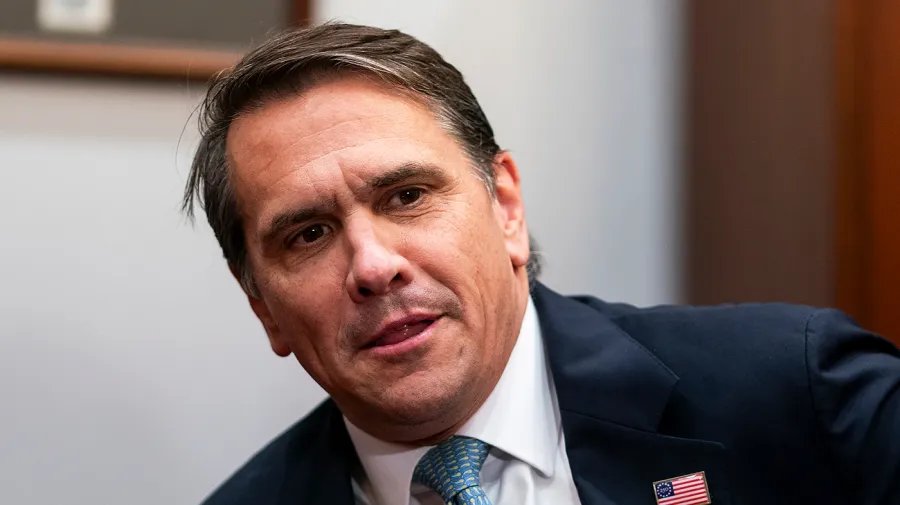
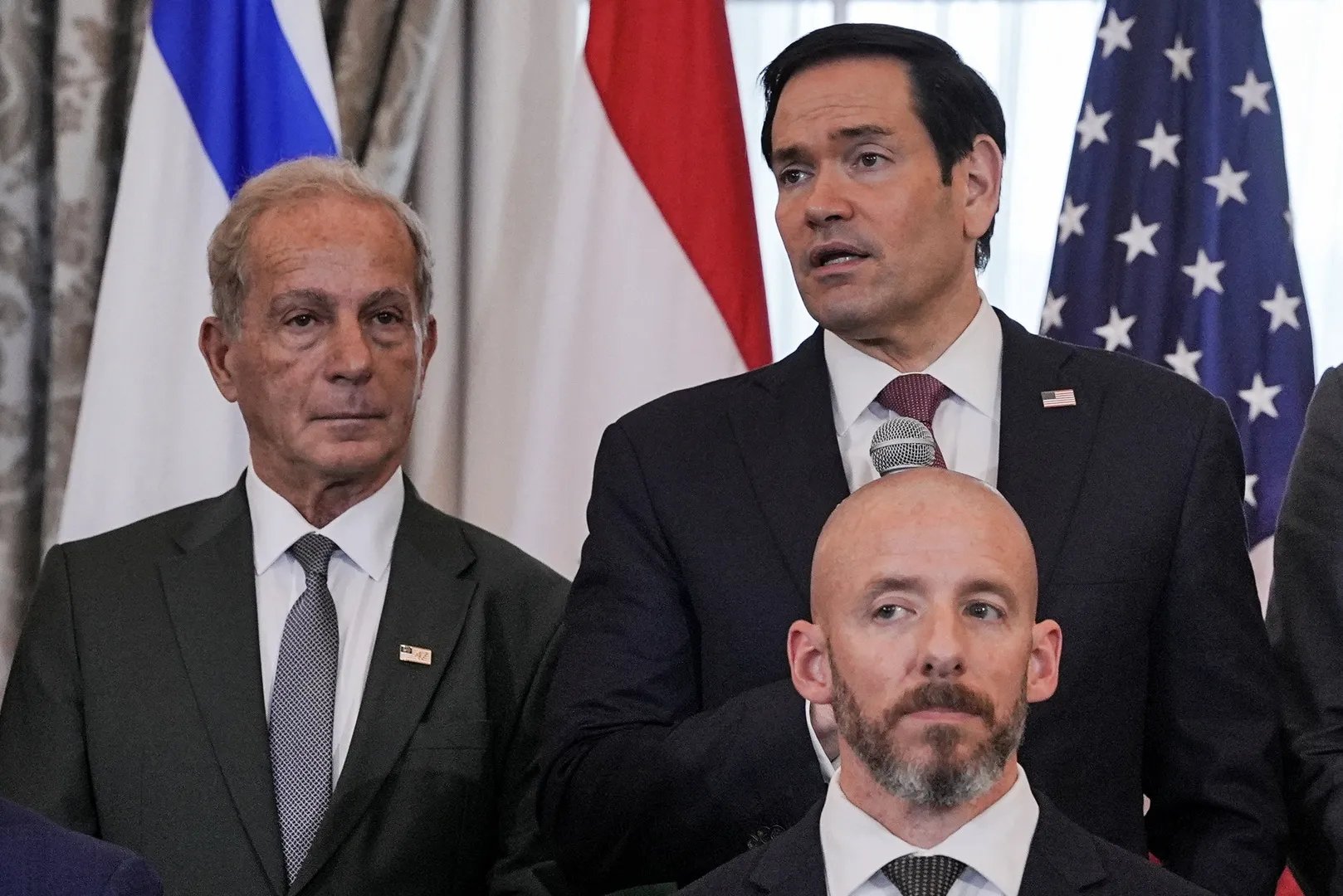
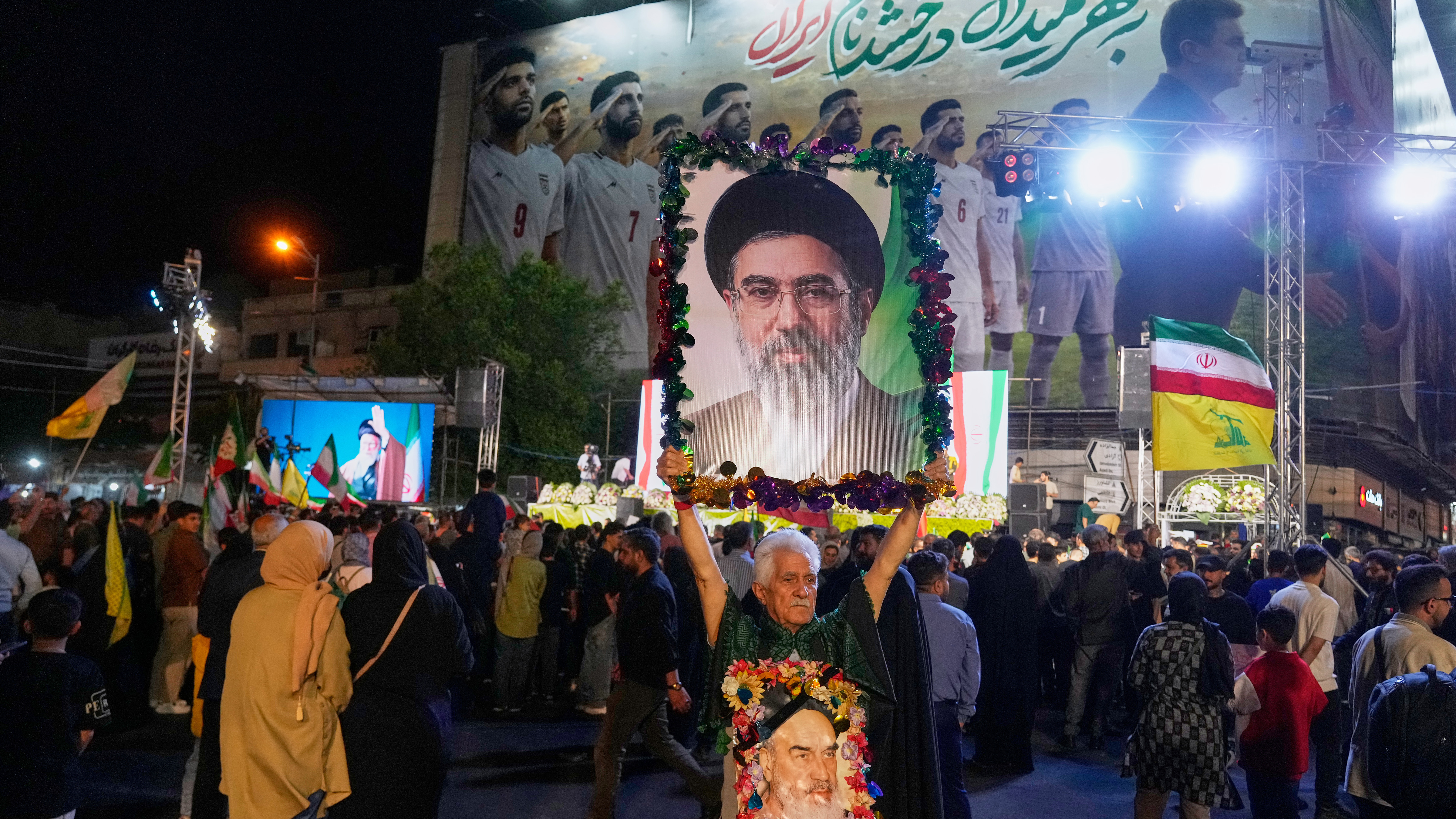
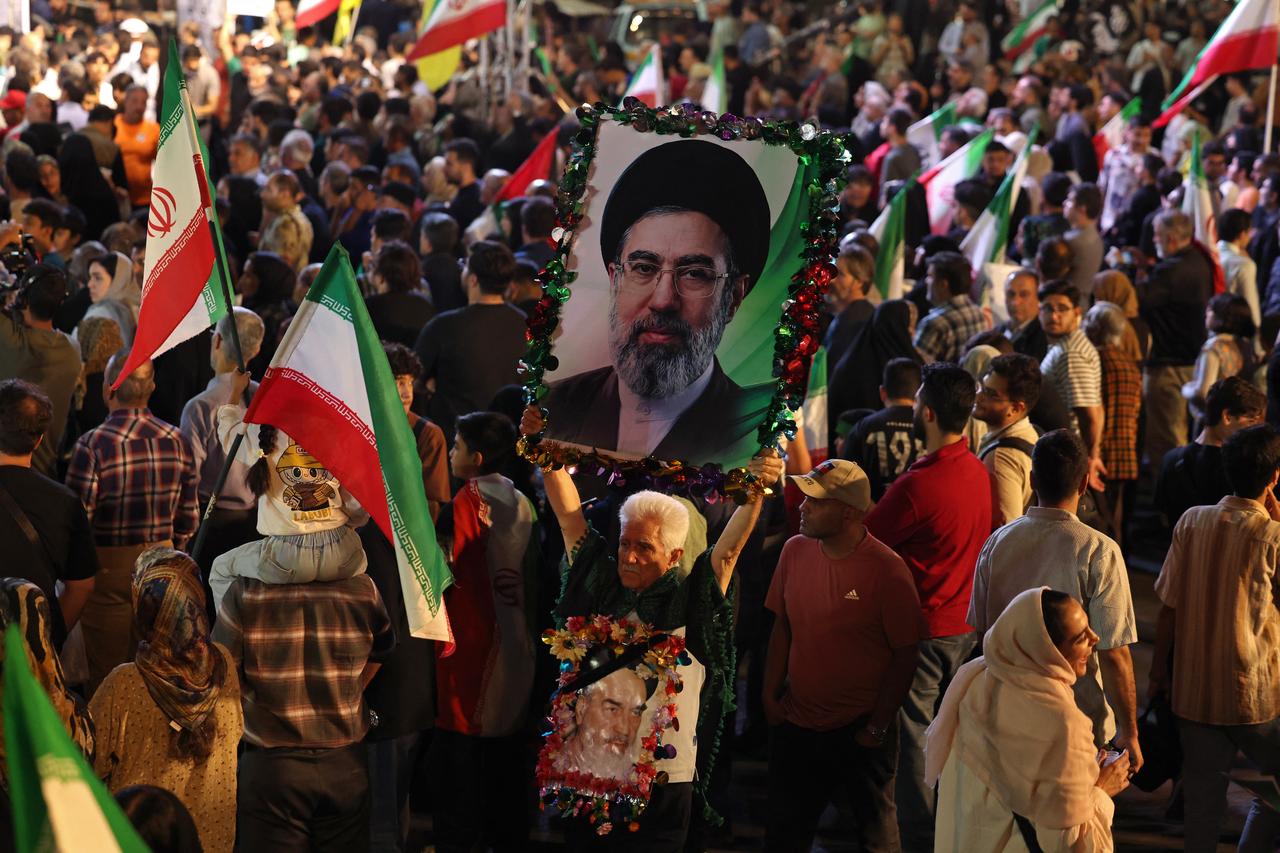
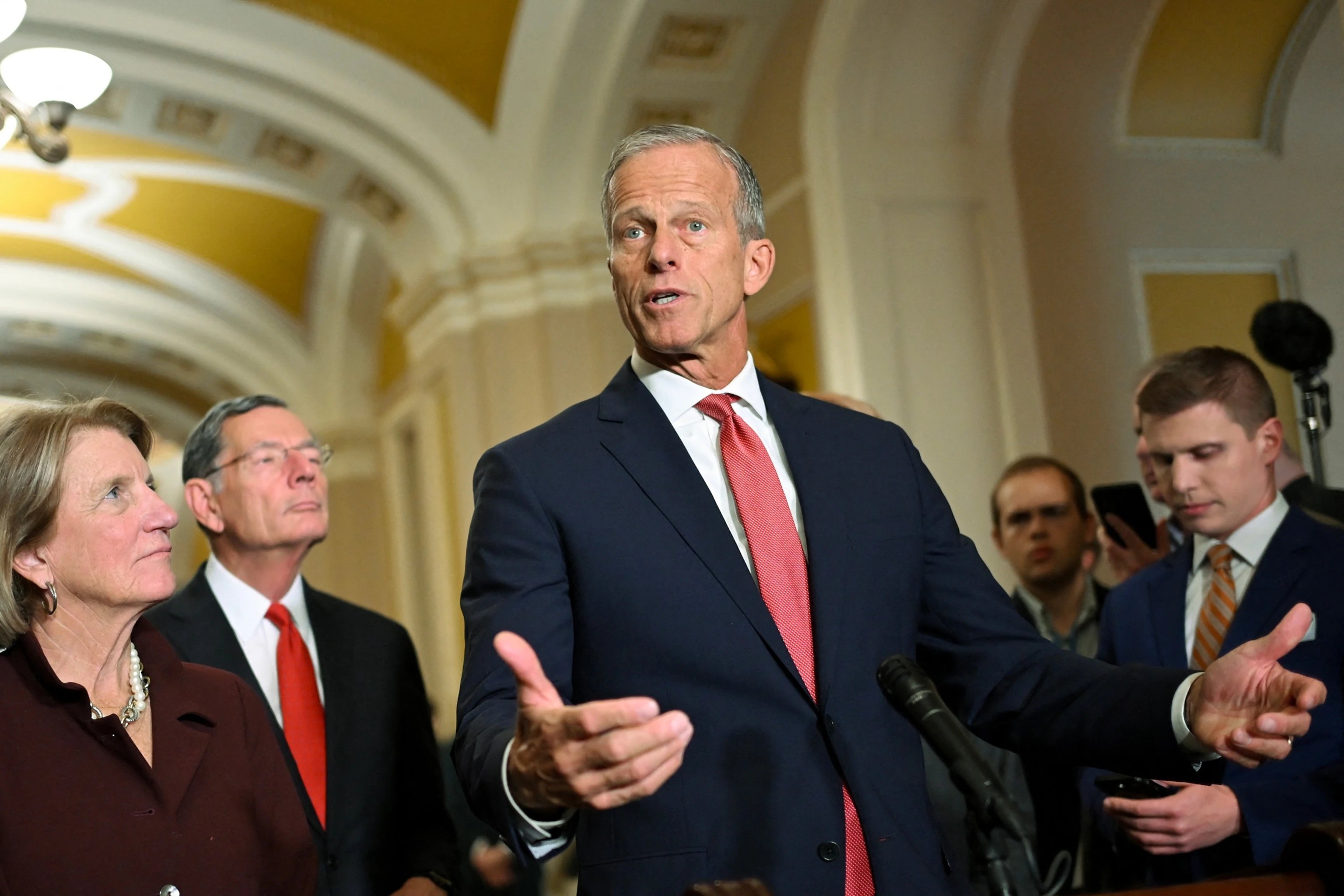
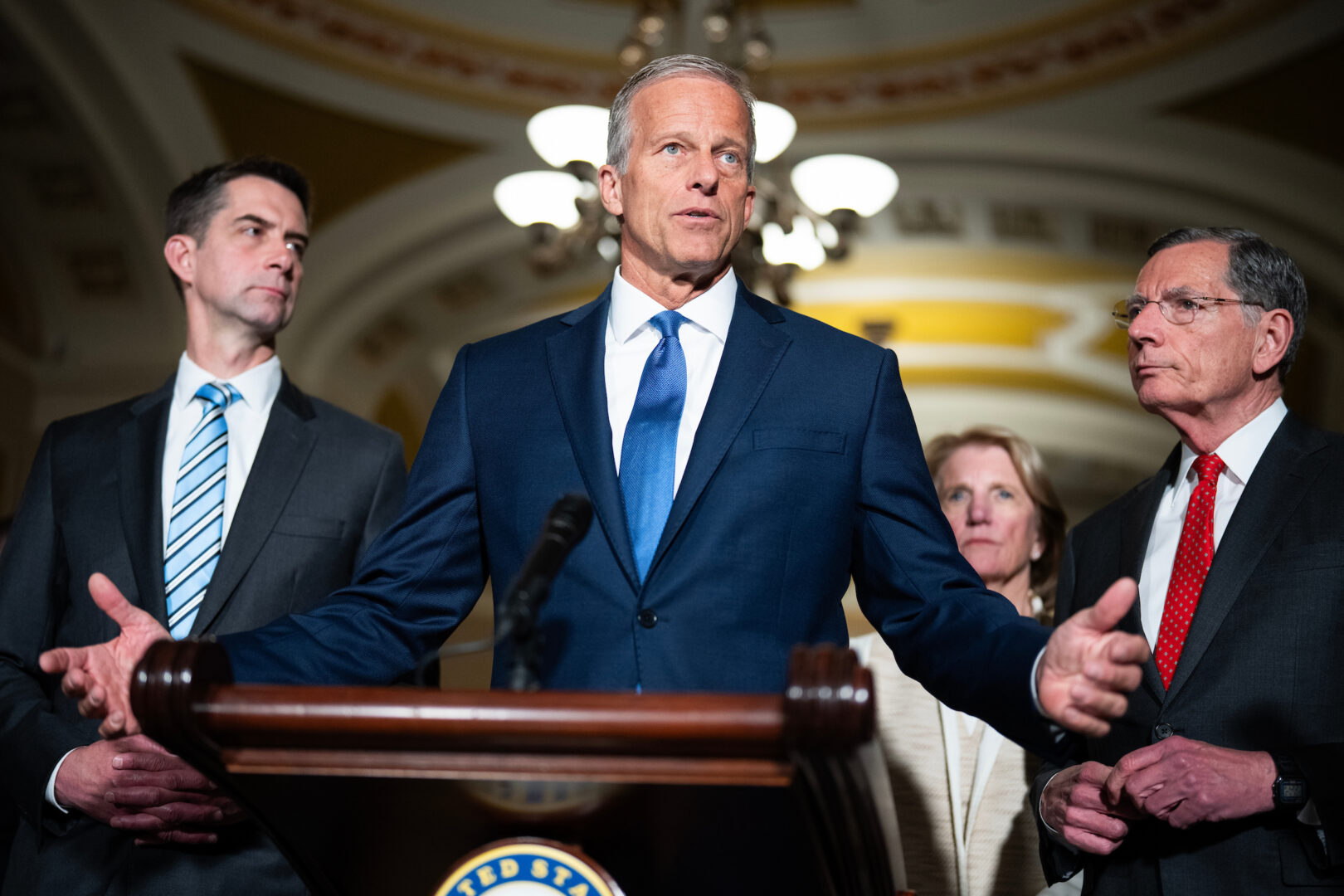
Senator Lindsay Graham expressed concern about this discrepancy. "I am somewhat concerned that Iran's view of the agreement seems different than what the American negotiating team is claiming," he said. Iranian hardliners have also registered opposition to the deal, viewing it as capitulation to the United States.
Market Reaction and Energy Relief
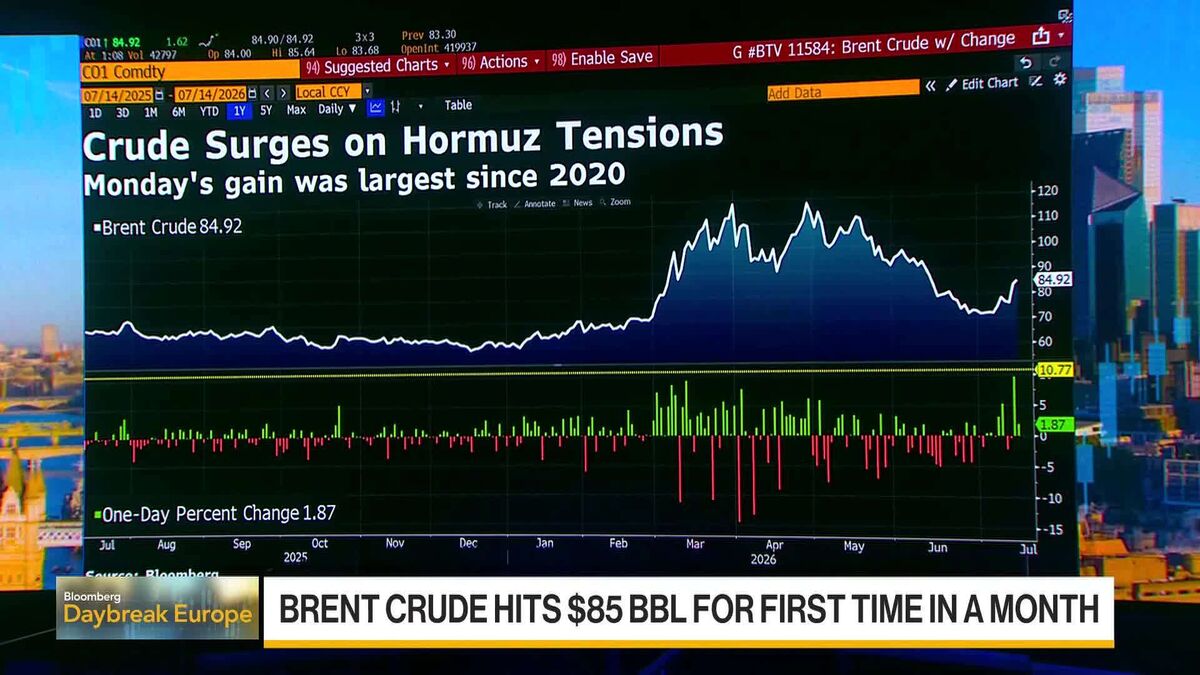
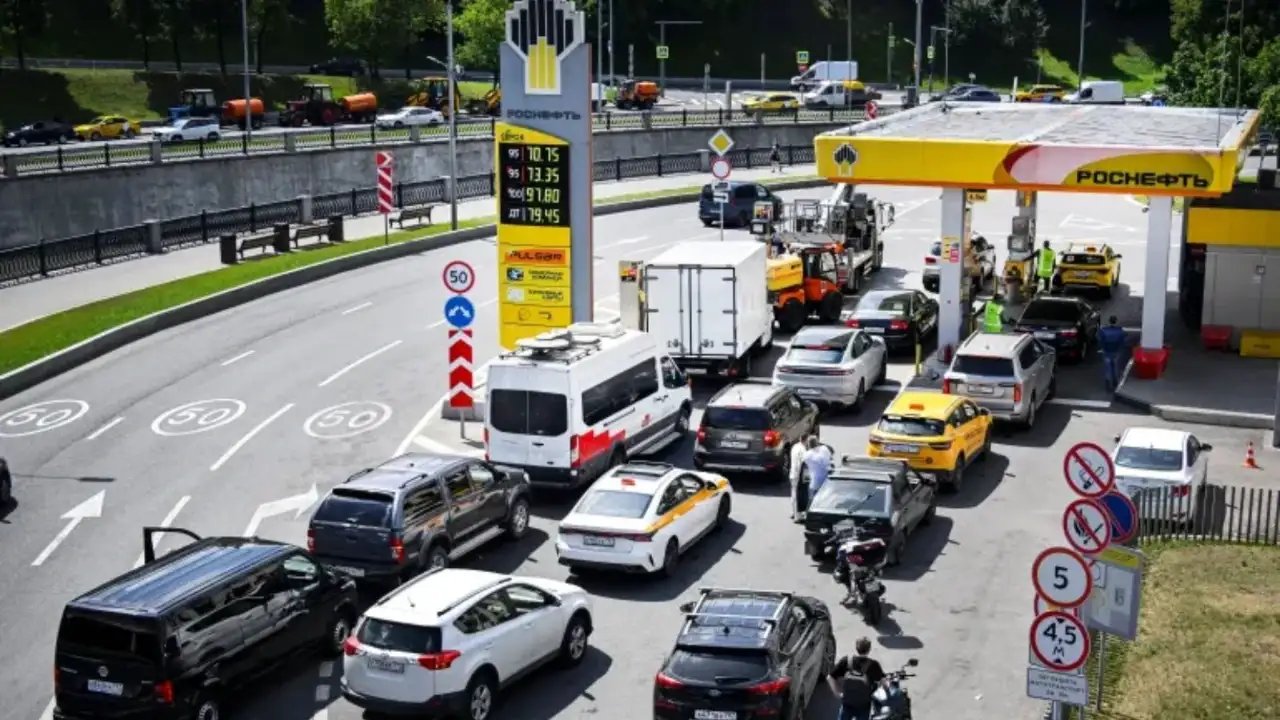
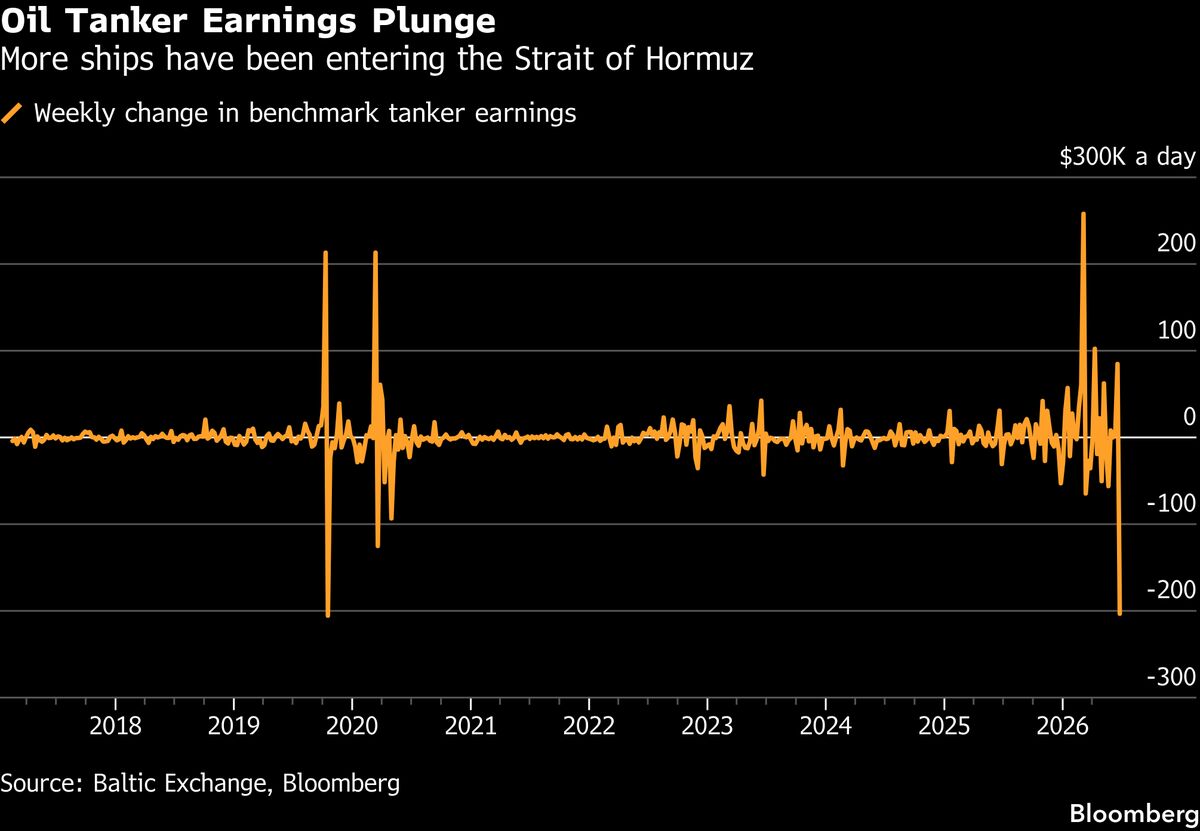
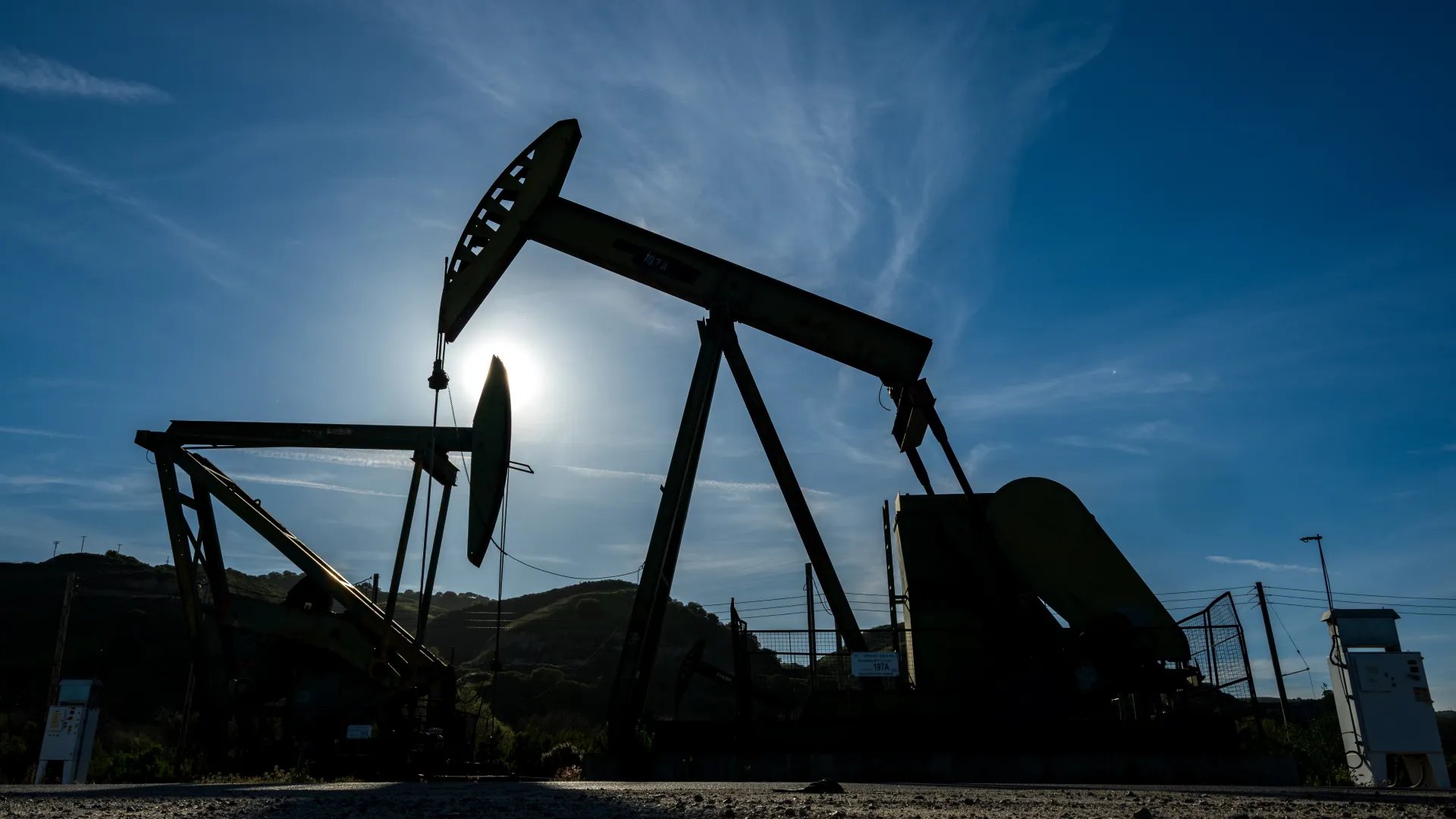
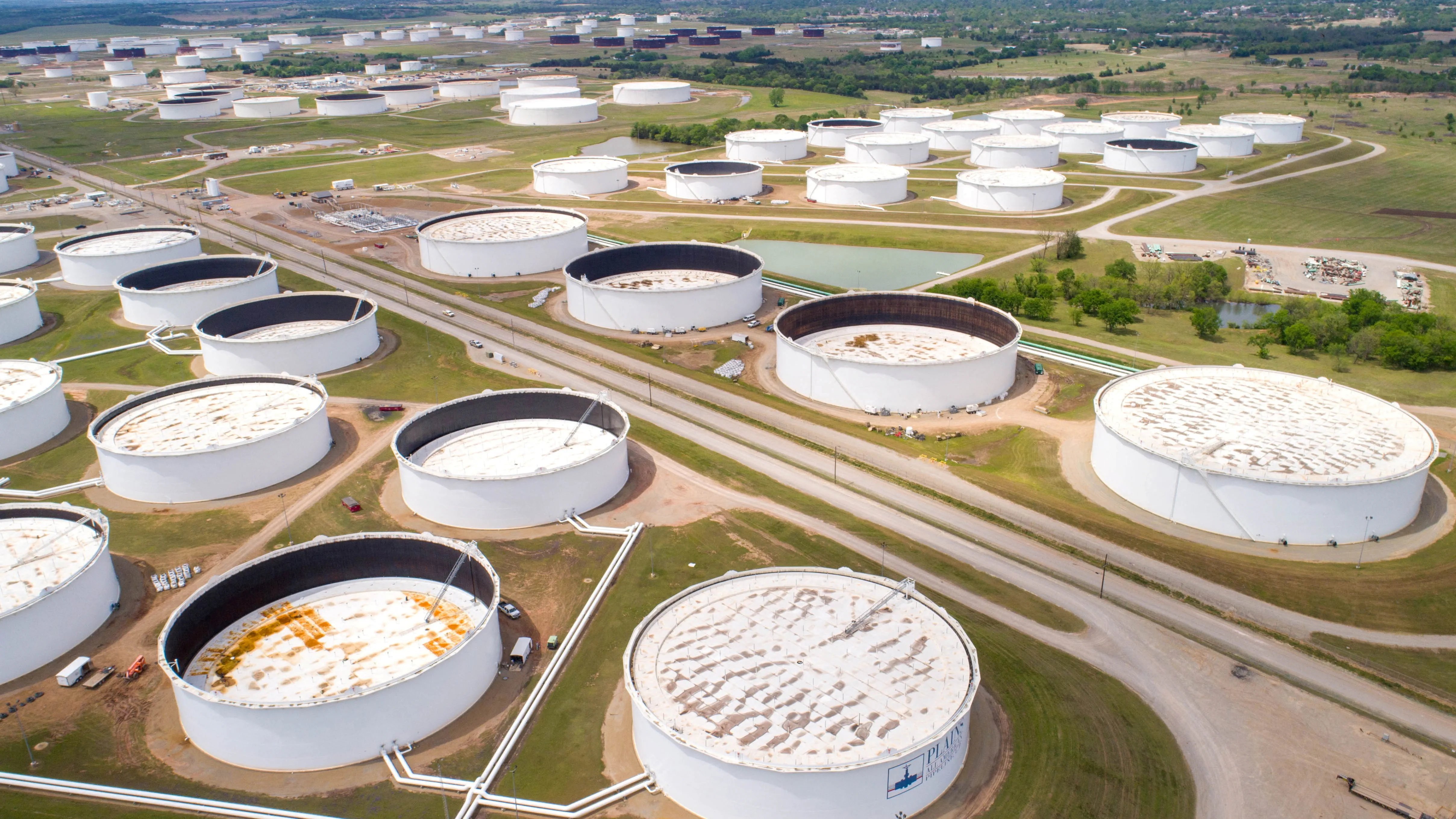
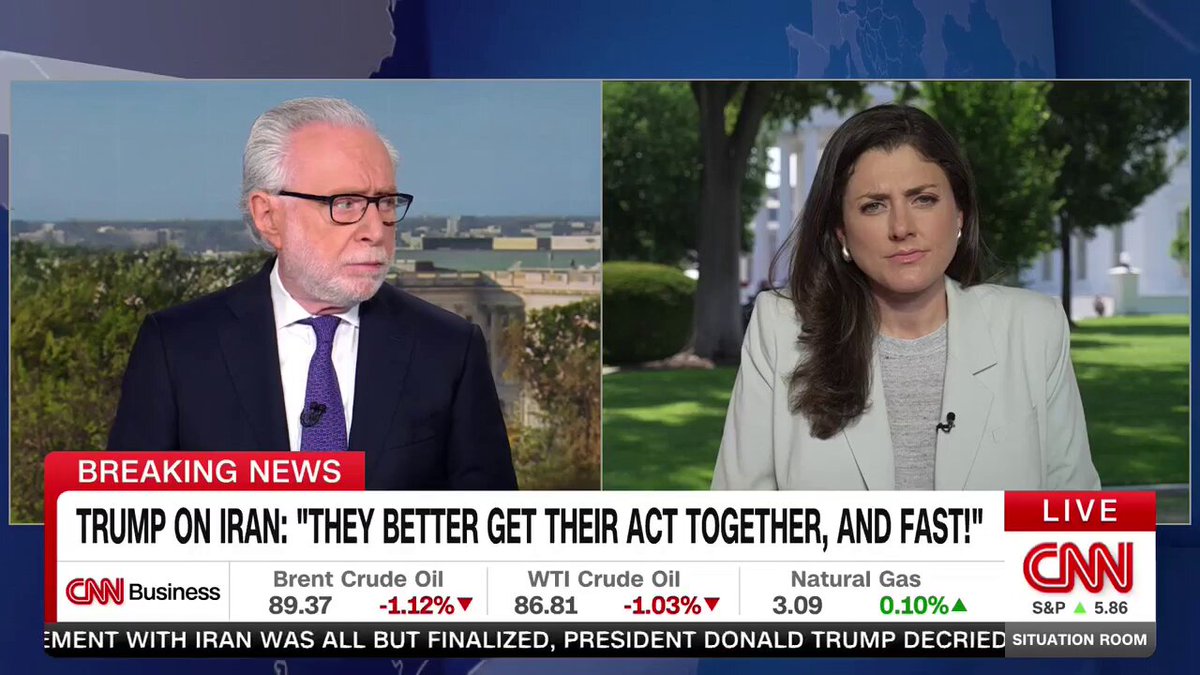
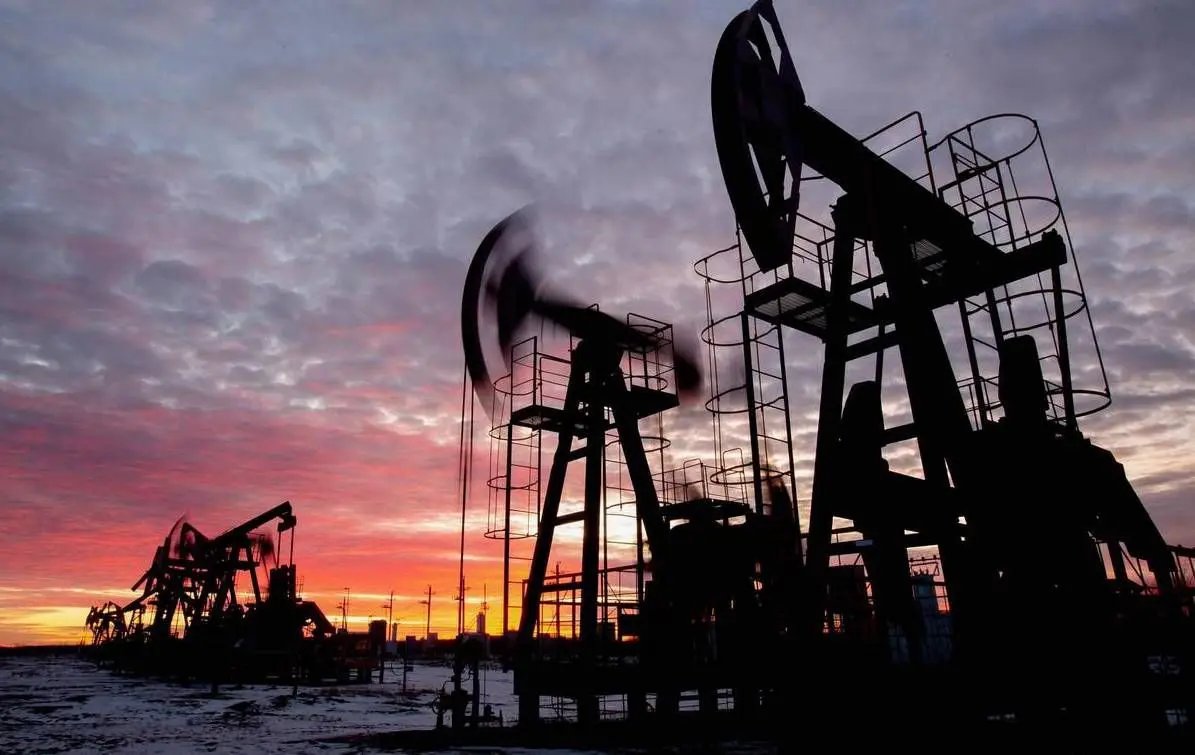
Oil markets responded immediately to the deal announcement. Brent crude dropped 4 percent to below $84 a barrel as trading began in Asia-Pacific, its lowest level since March 10, the early days of the war.
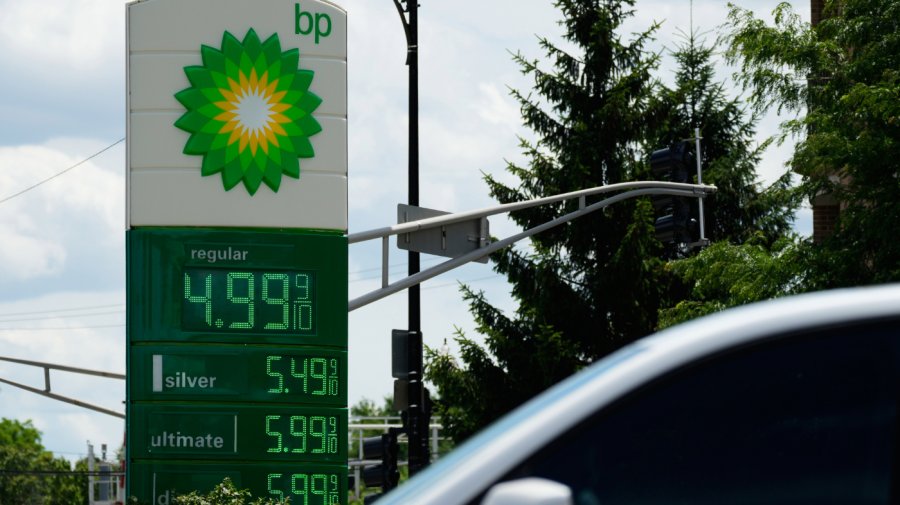
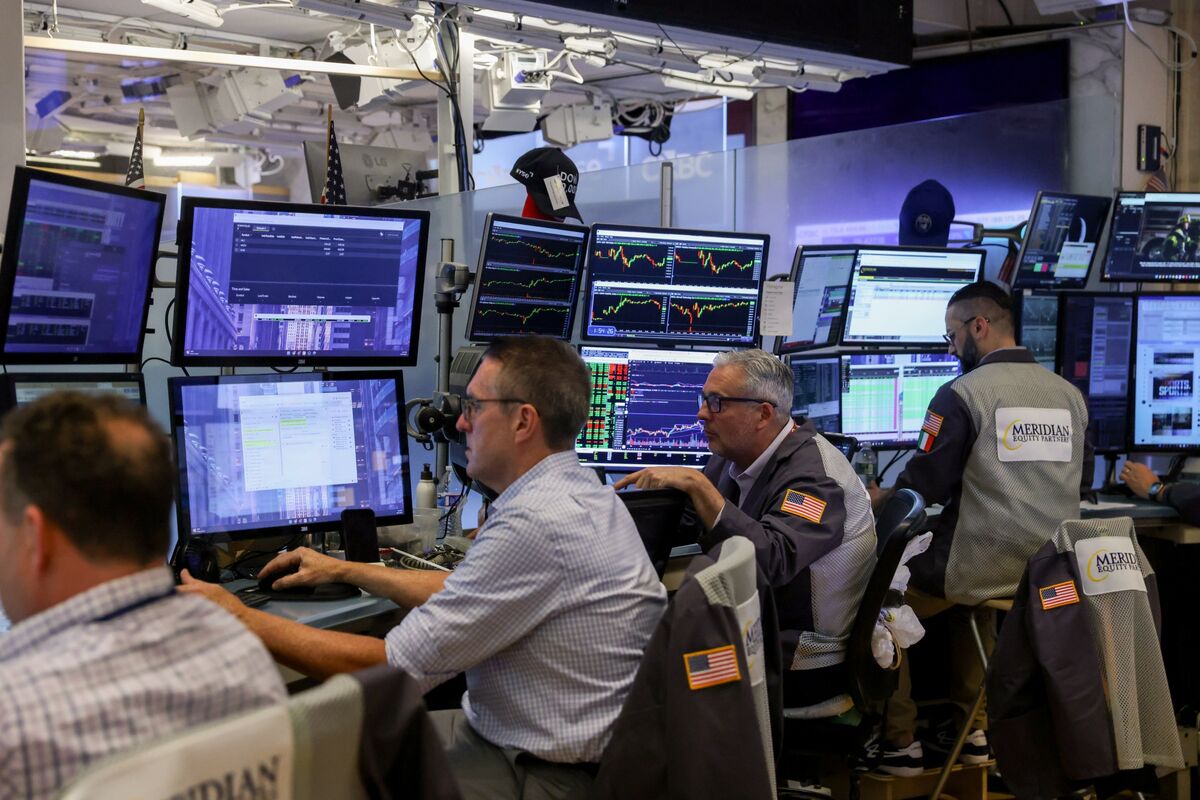
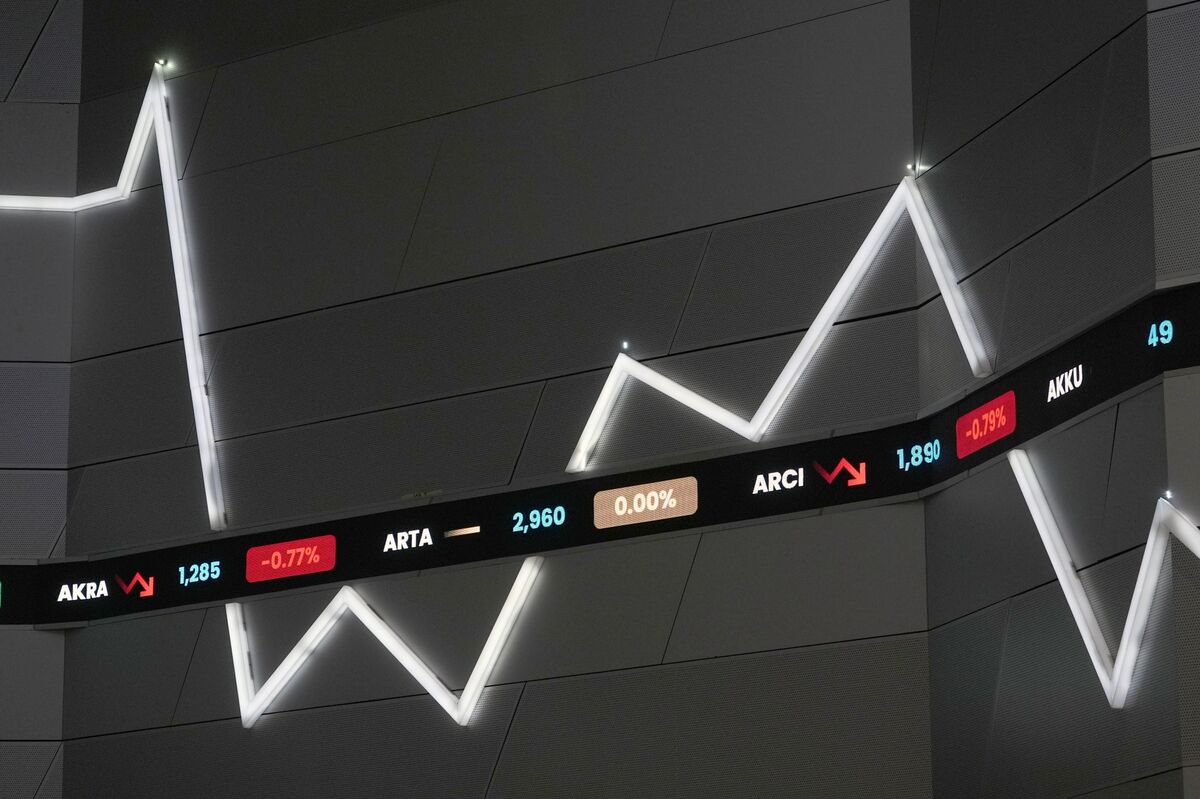
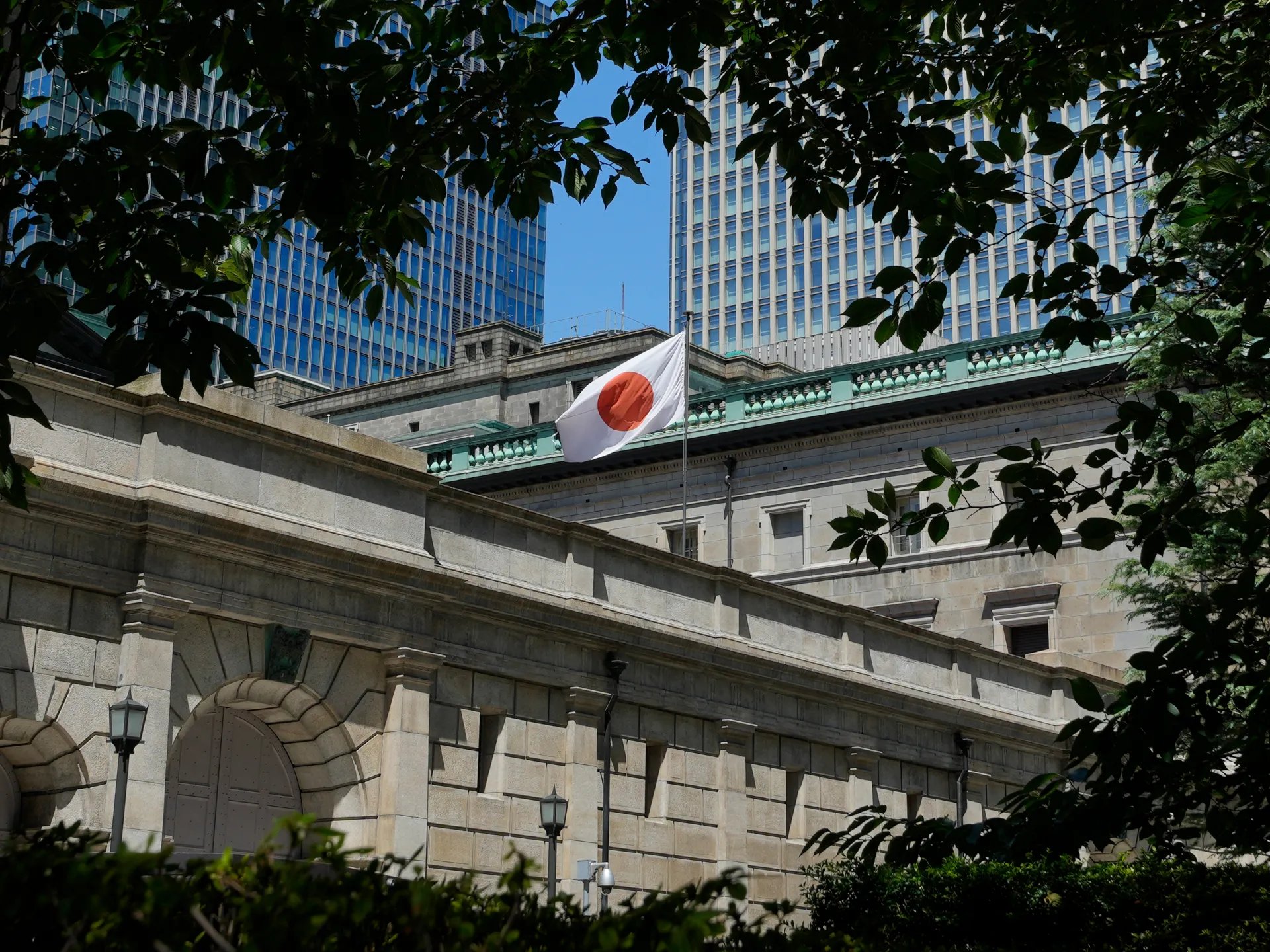
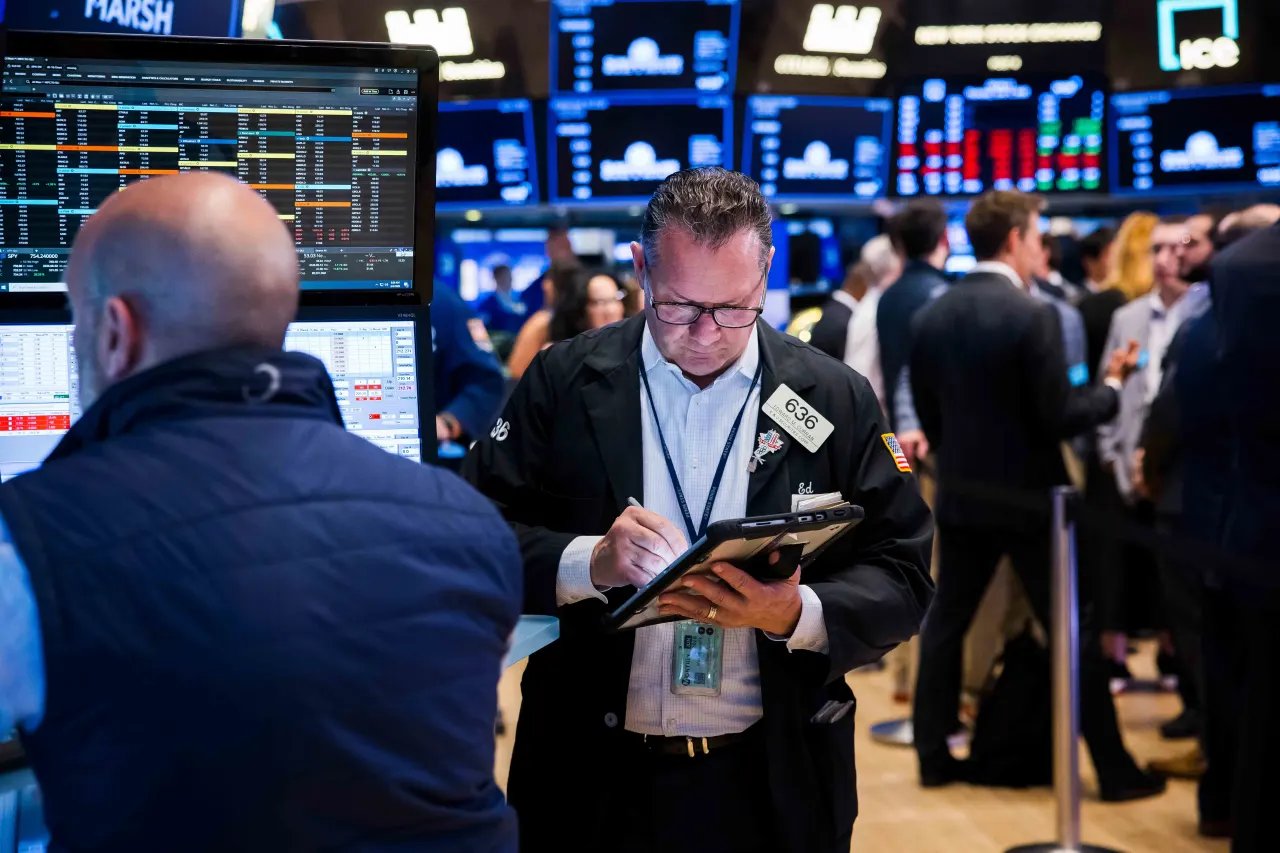
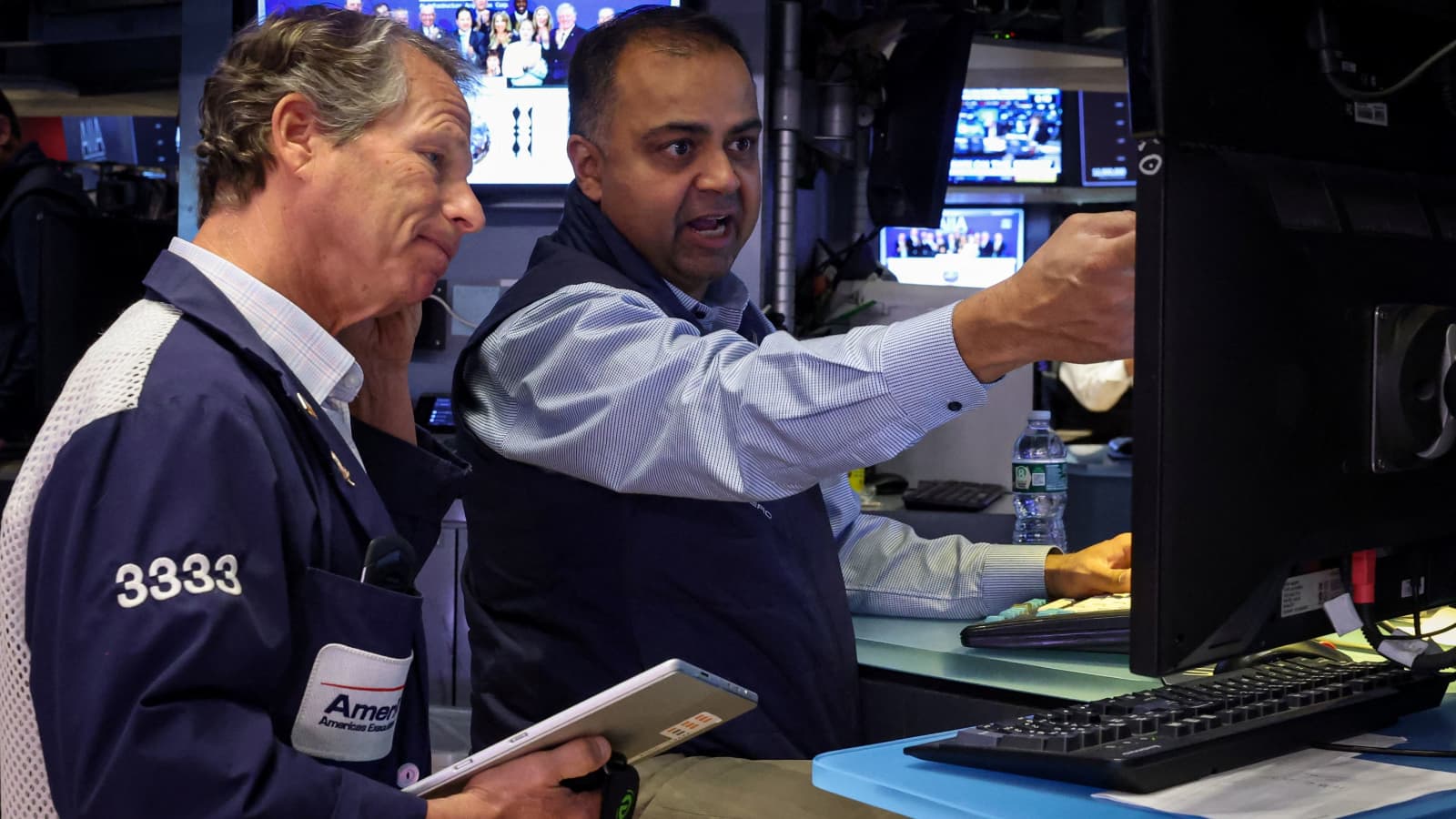
Global stock markets rallied on the news. In Europe, the UK's FTSE 100 rose 0.8 percent, while the French Cac 40 and German Dax both gained 1.8 percent. In Asia, Japan's Nikkei index and South Korea's Kospi jumped 5 percent each, while China's CSI300 index rose 1.9 percent. Shares in oil companies including BP and Shell fell in early trading.
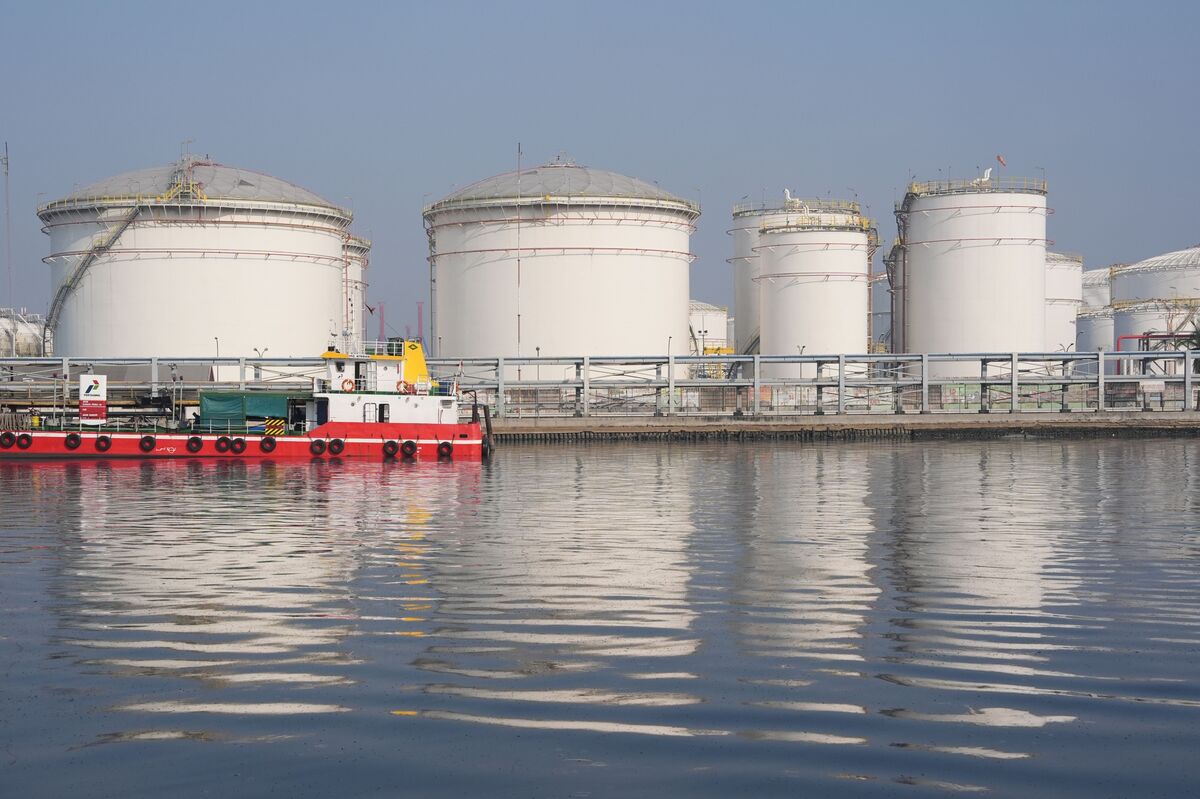
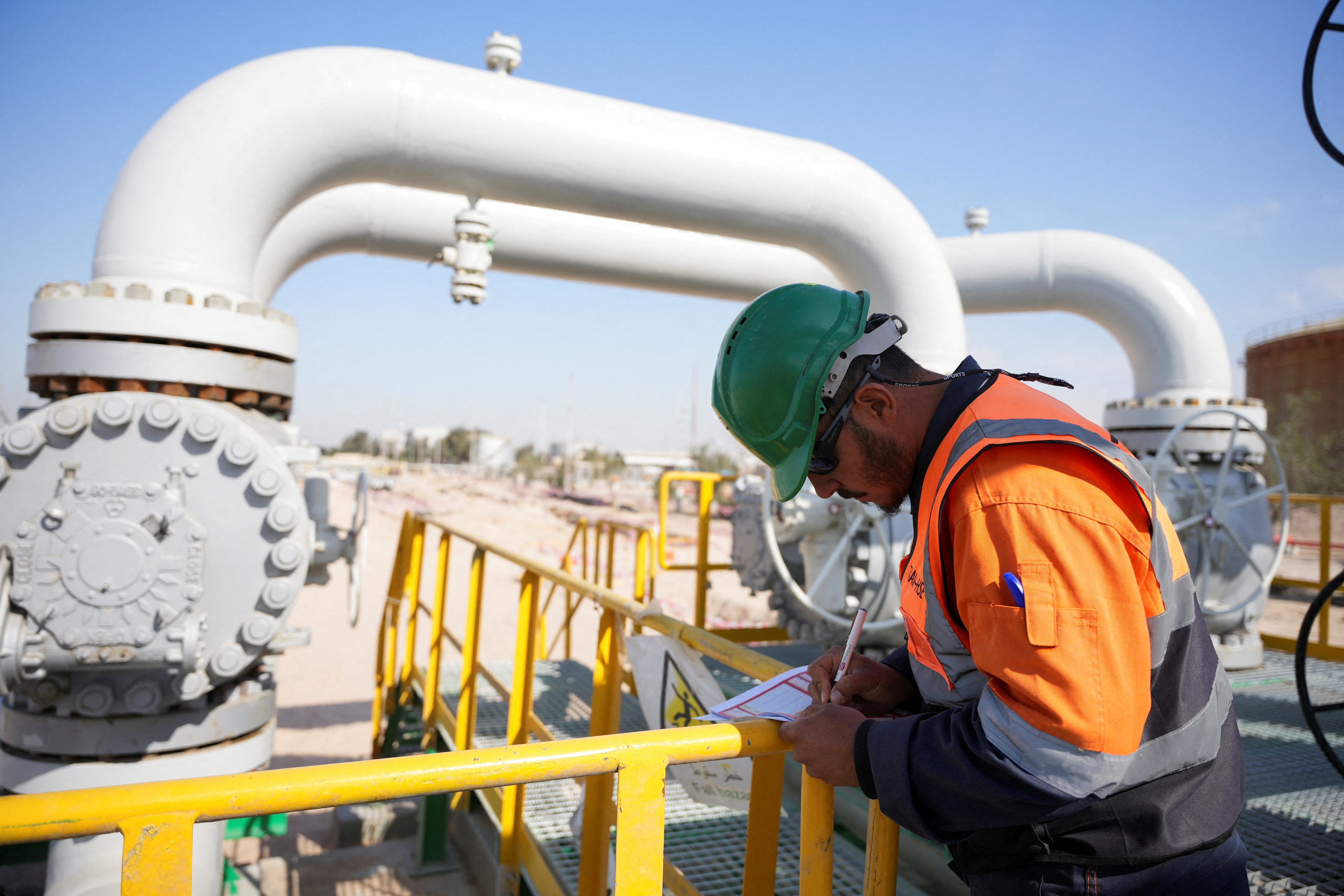
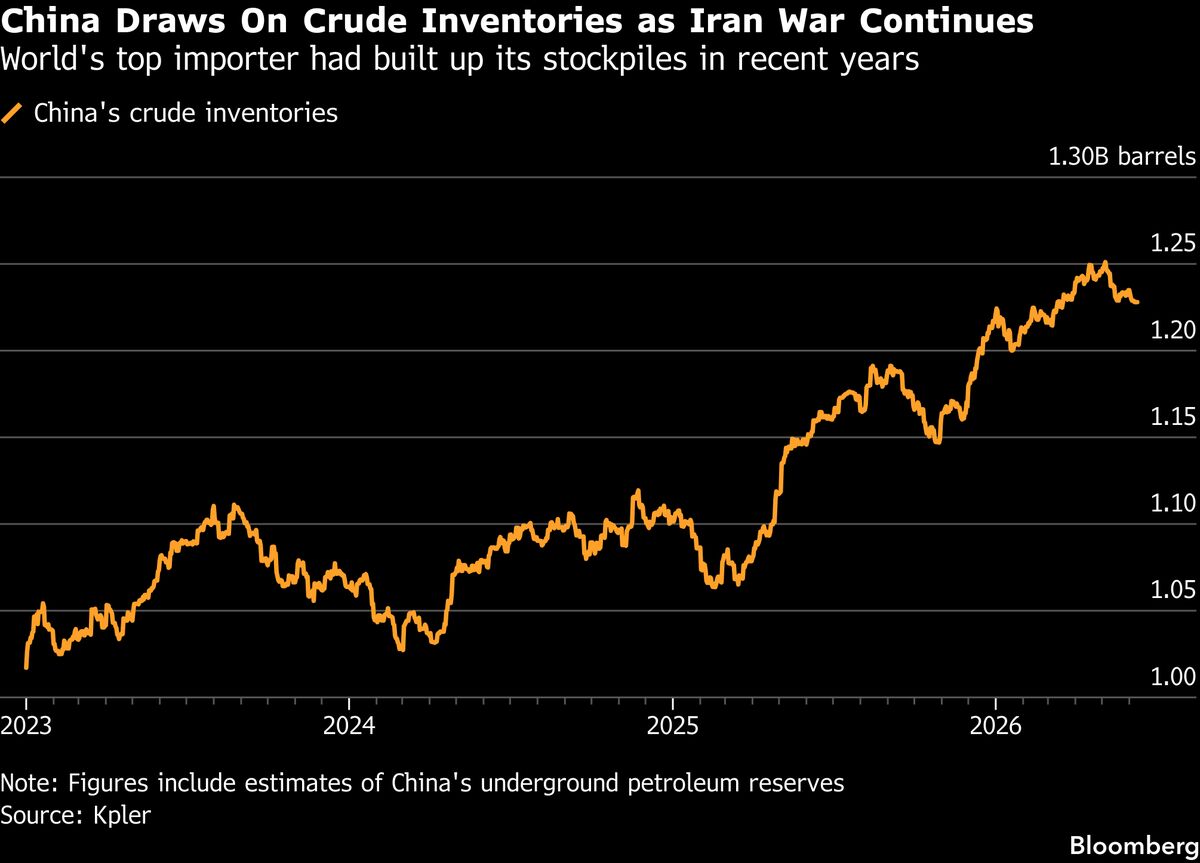
The war had effectively removed 20 million barrels of oil per day from global markets. Gulf producers managed to reroute about 5 million barrels daily through alternative pipelines, and Trump claimed the US military secretly moved an additional 2 million barrels daily via unmarked tankers. A record level of emergency crude and fuel has been released by International Energy Agency members at roughly 2.5 million barrels per day.
Unresolved Obstacles to Safe Passage
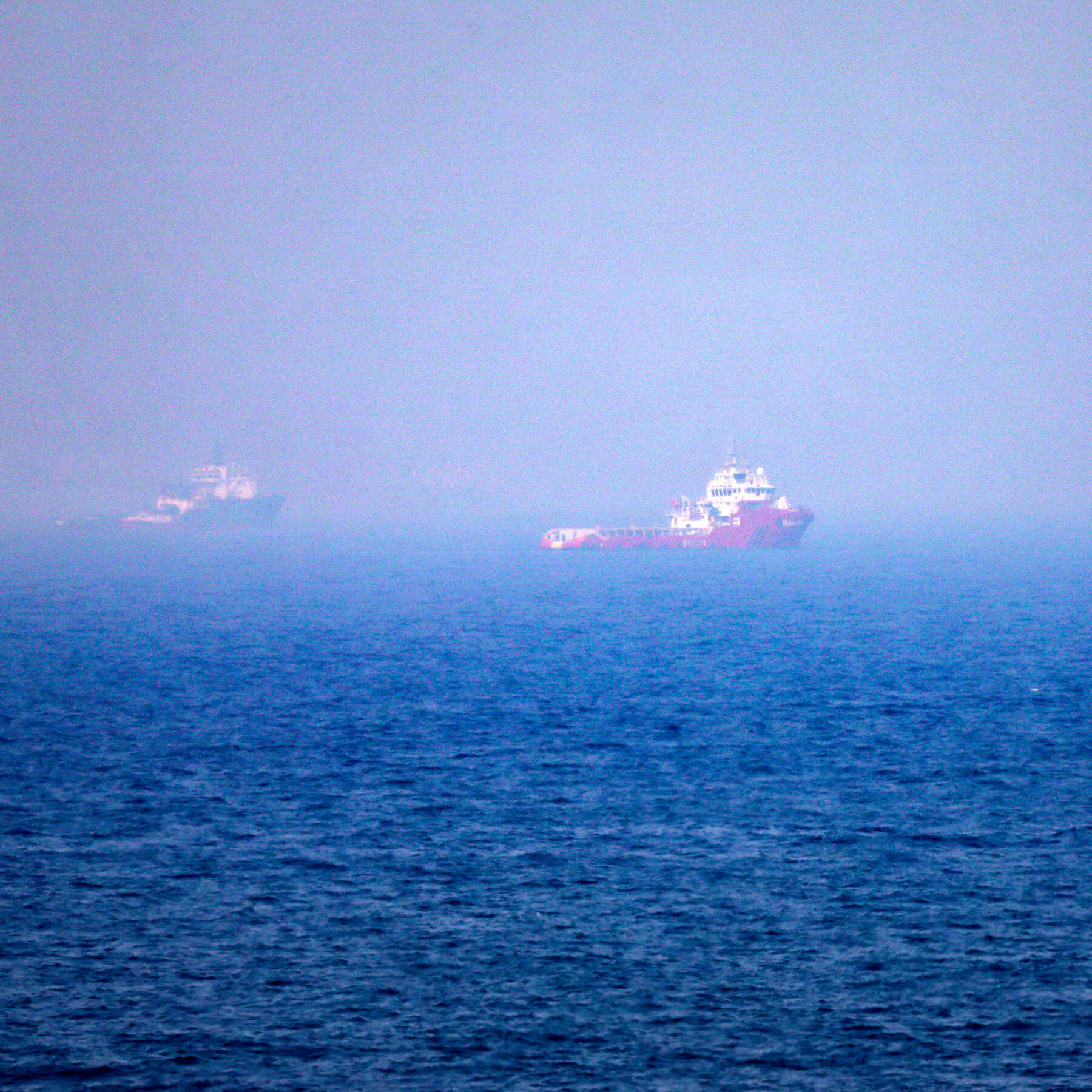
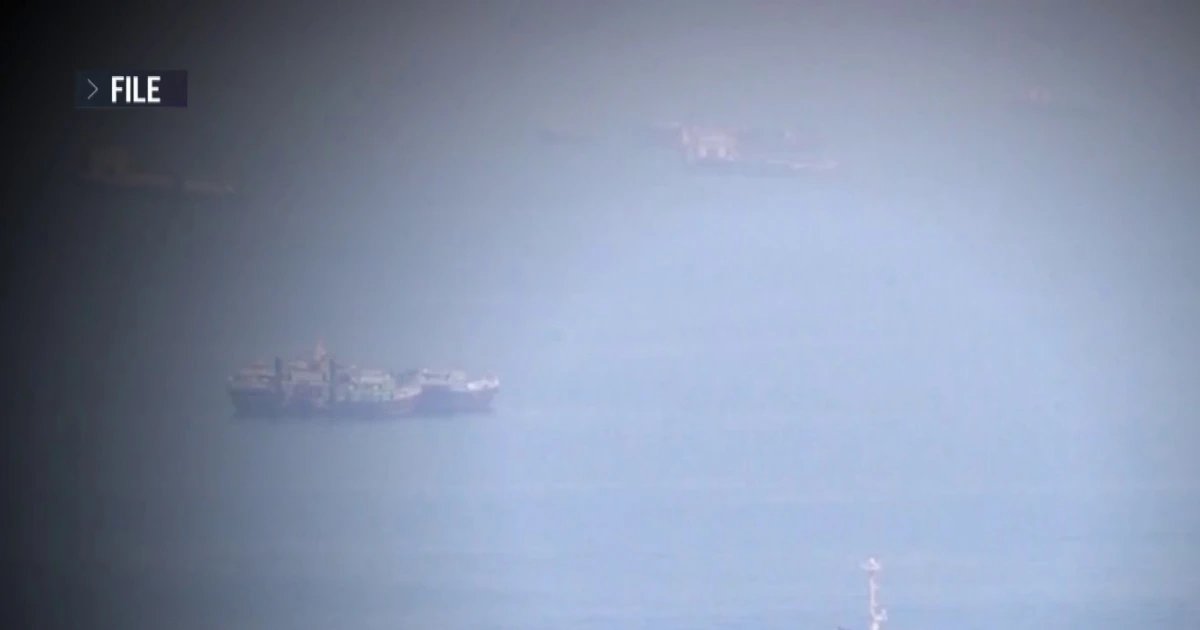
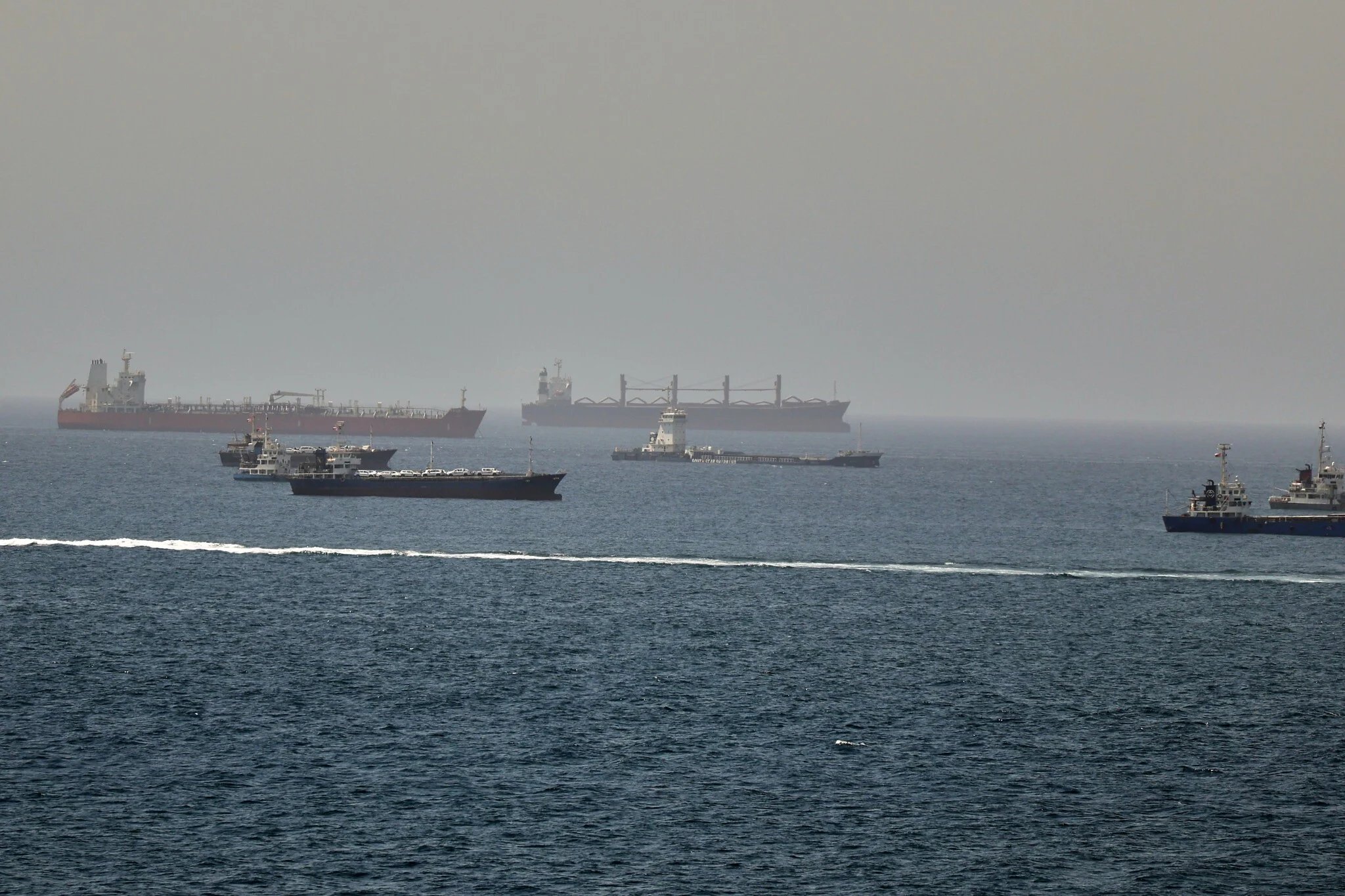
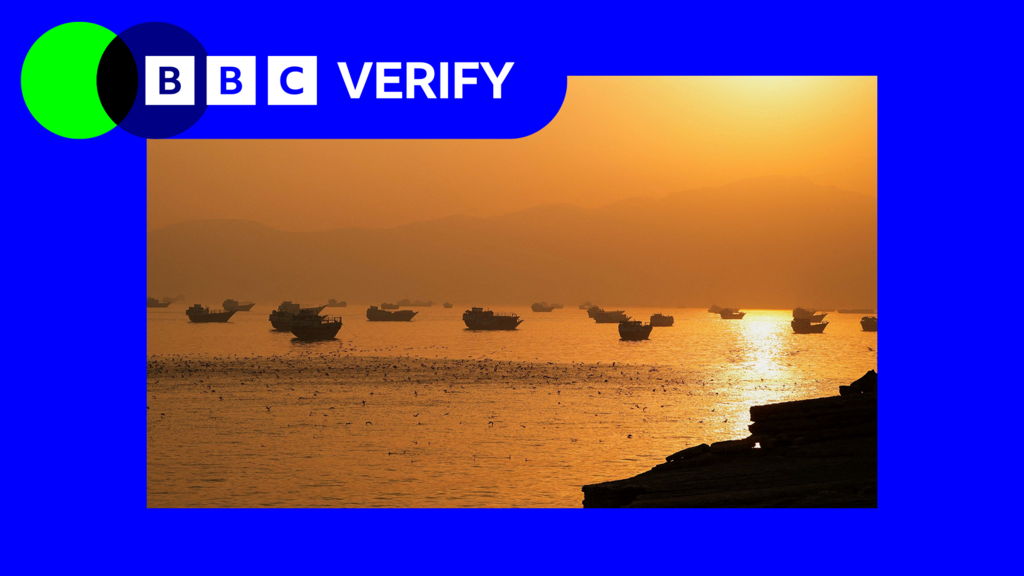
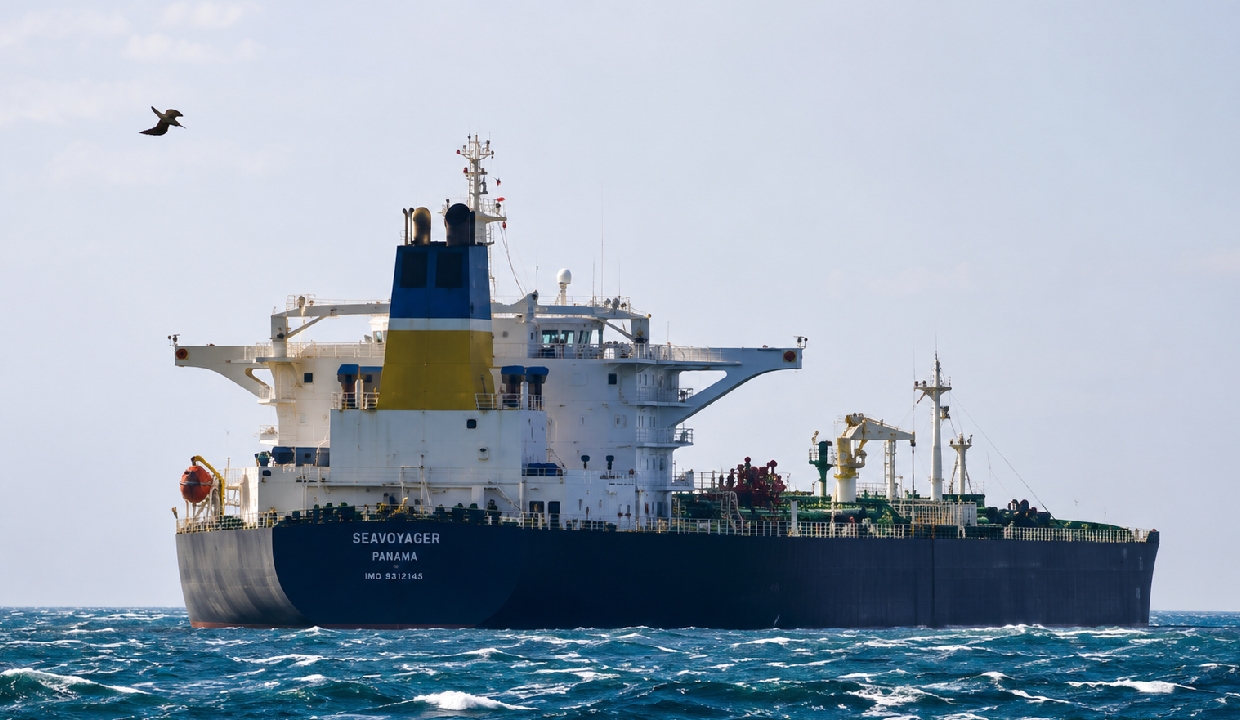
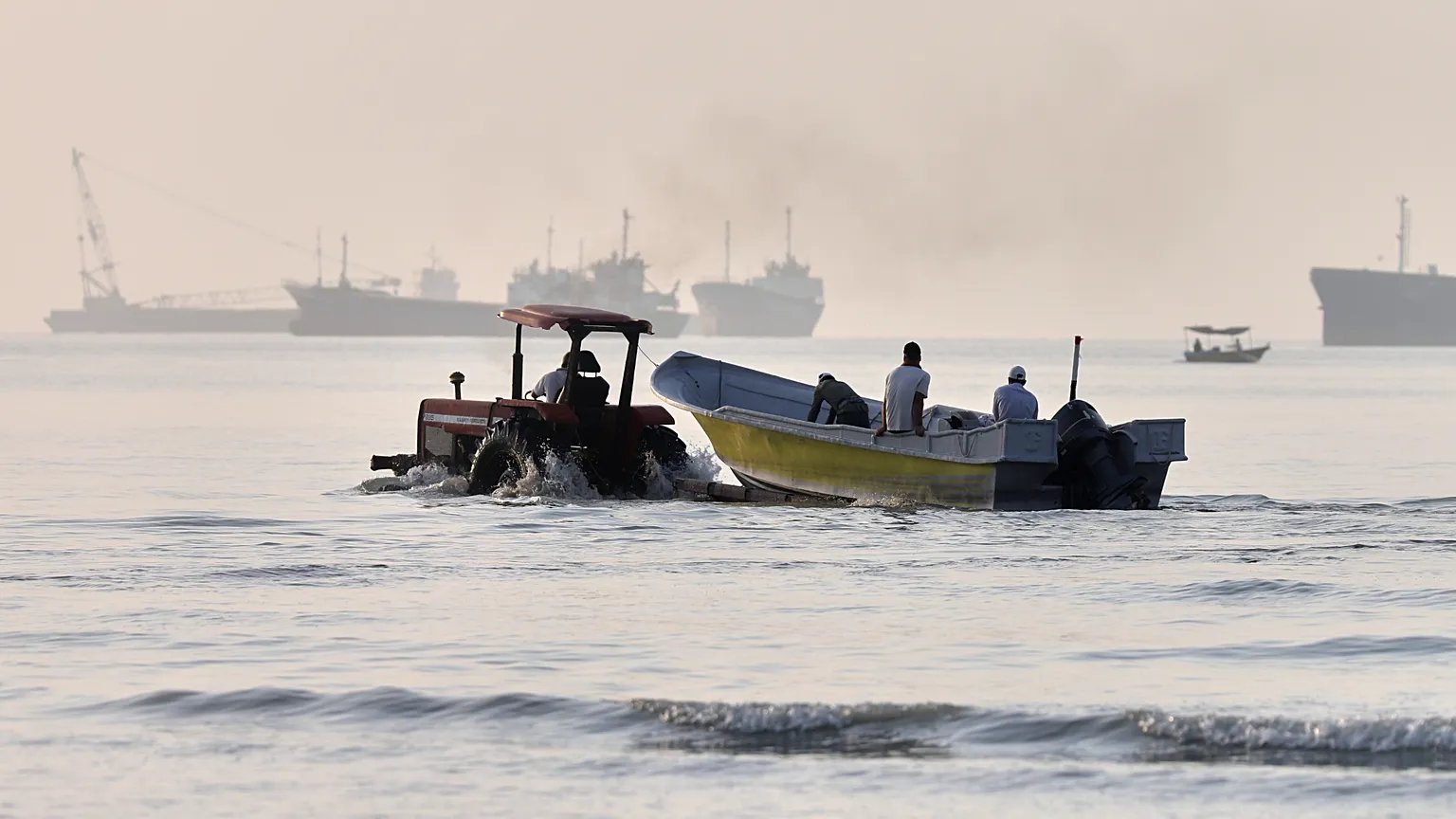
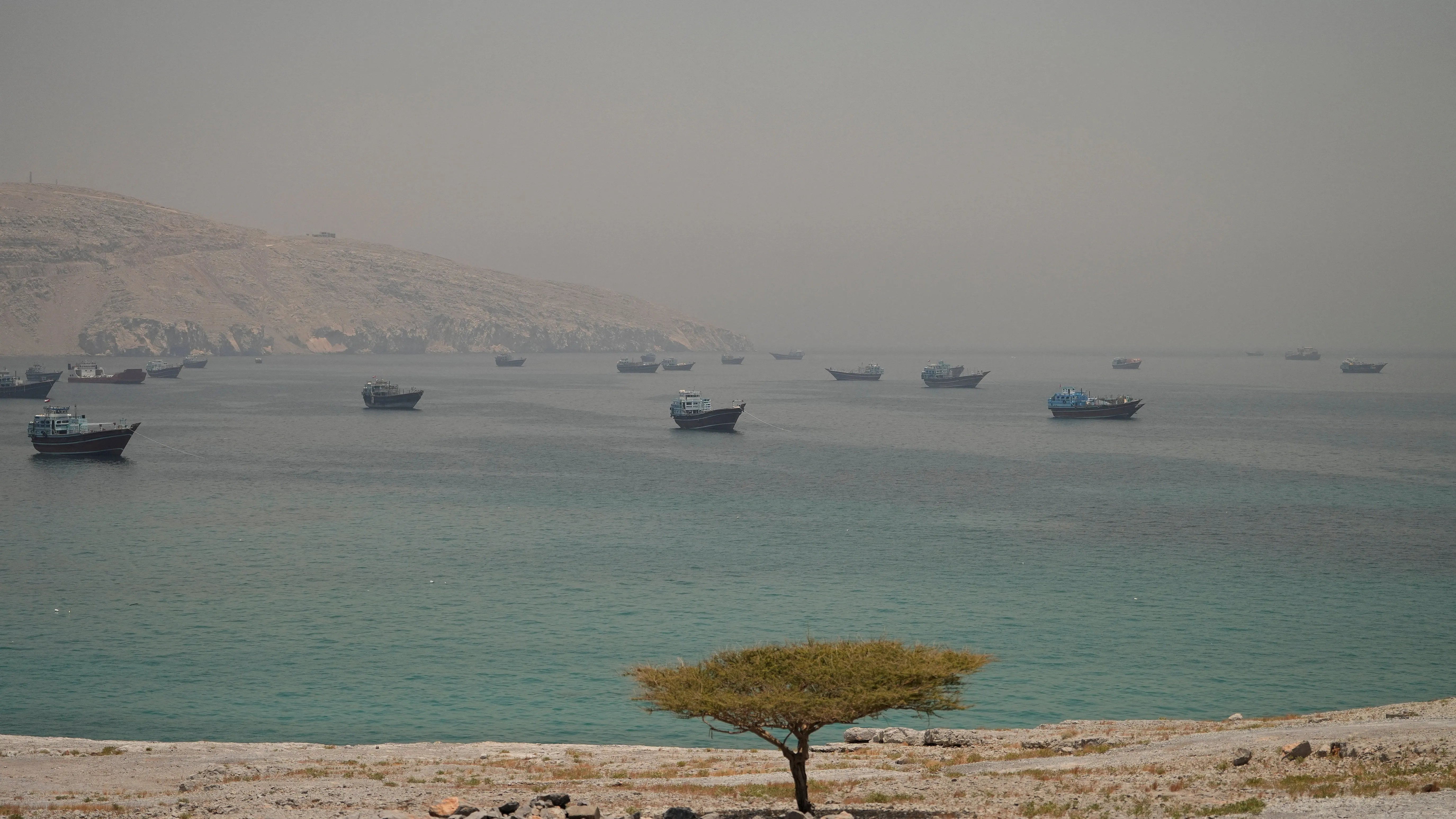
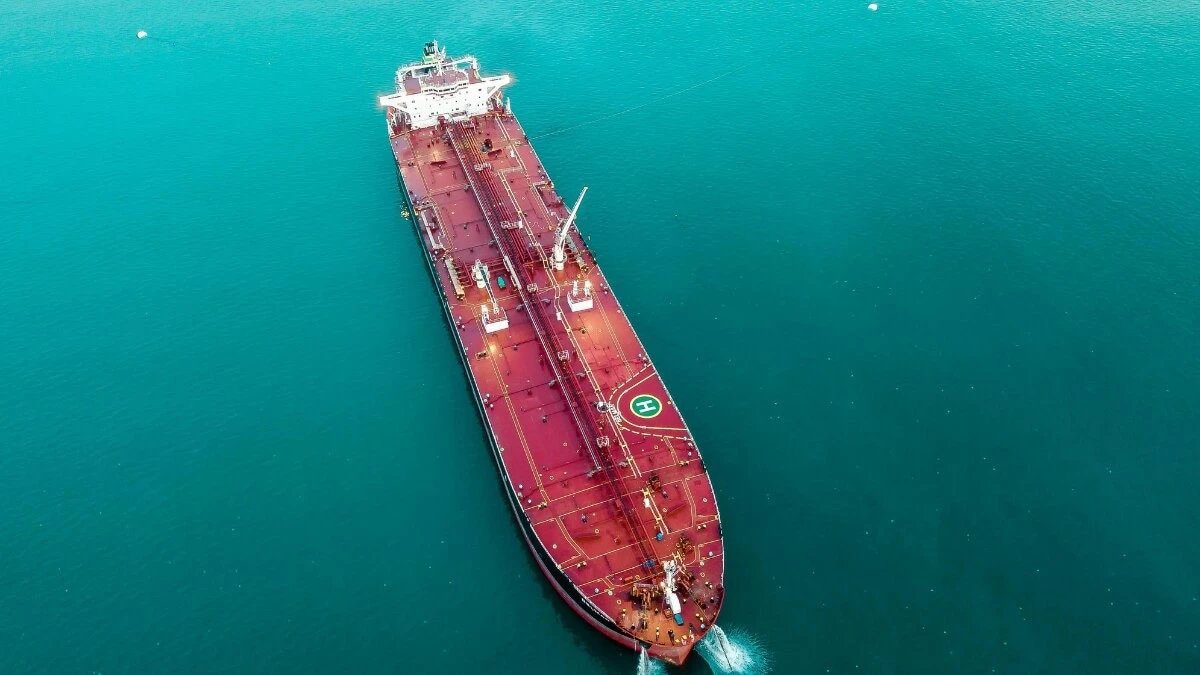
Shipowners and traders have met the deal with caution. The Japanese Shipowners' Association said on Monday that 38 Japanese-linked vessels remain stranded in the strait and that it wanted to "wait a little longer for more concrete information" before resuming transits.
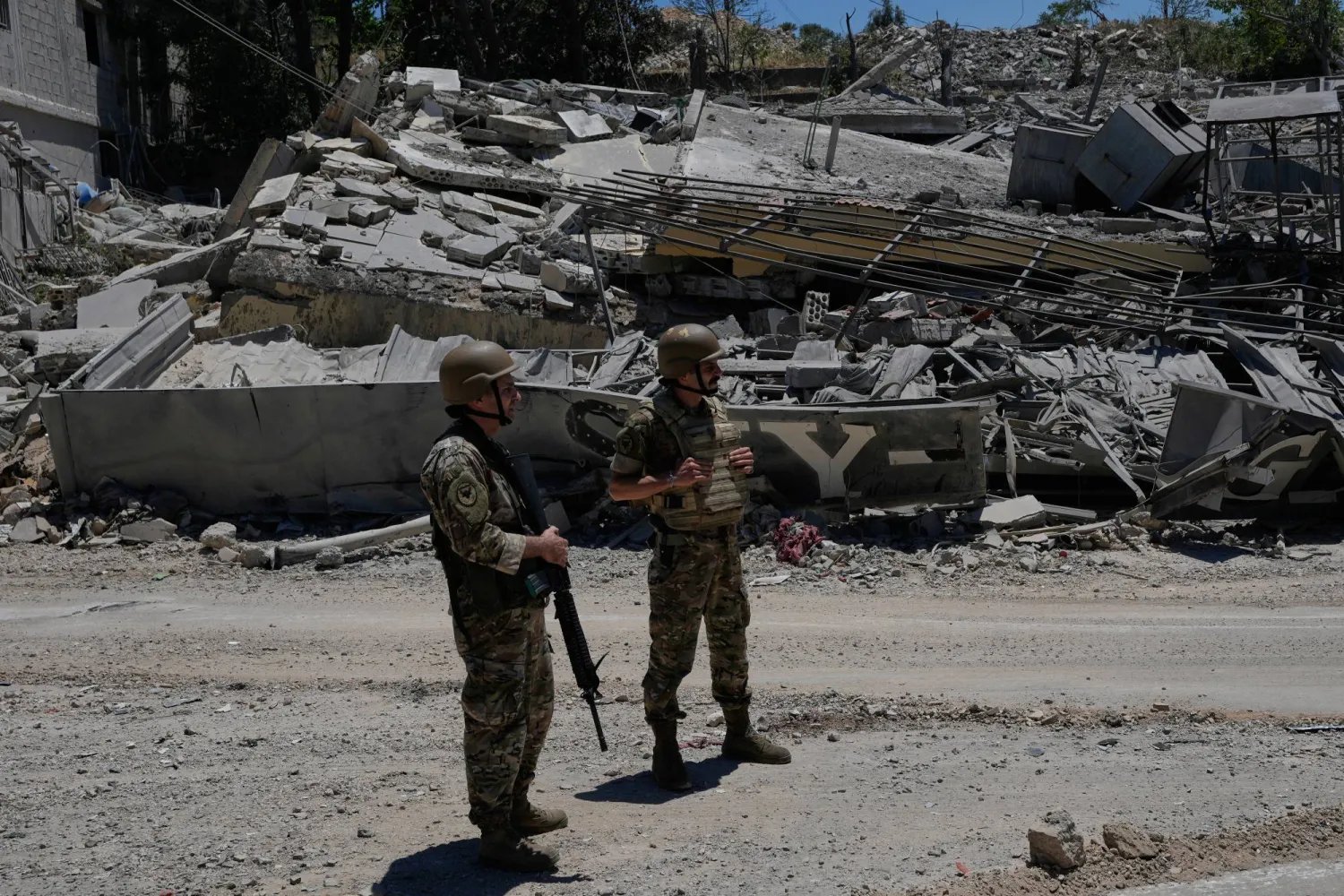
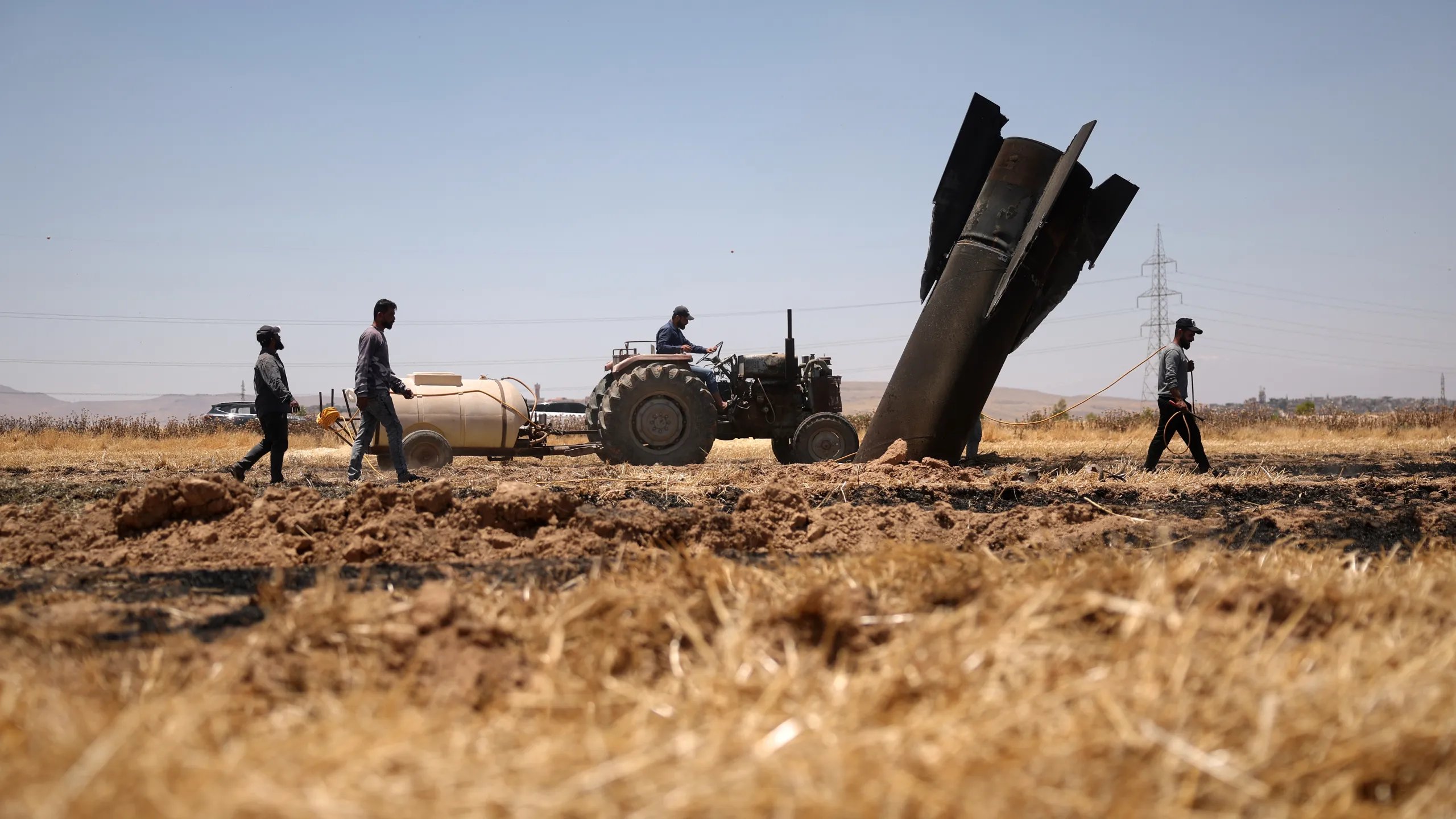
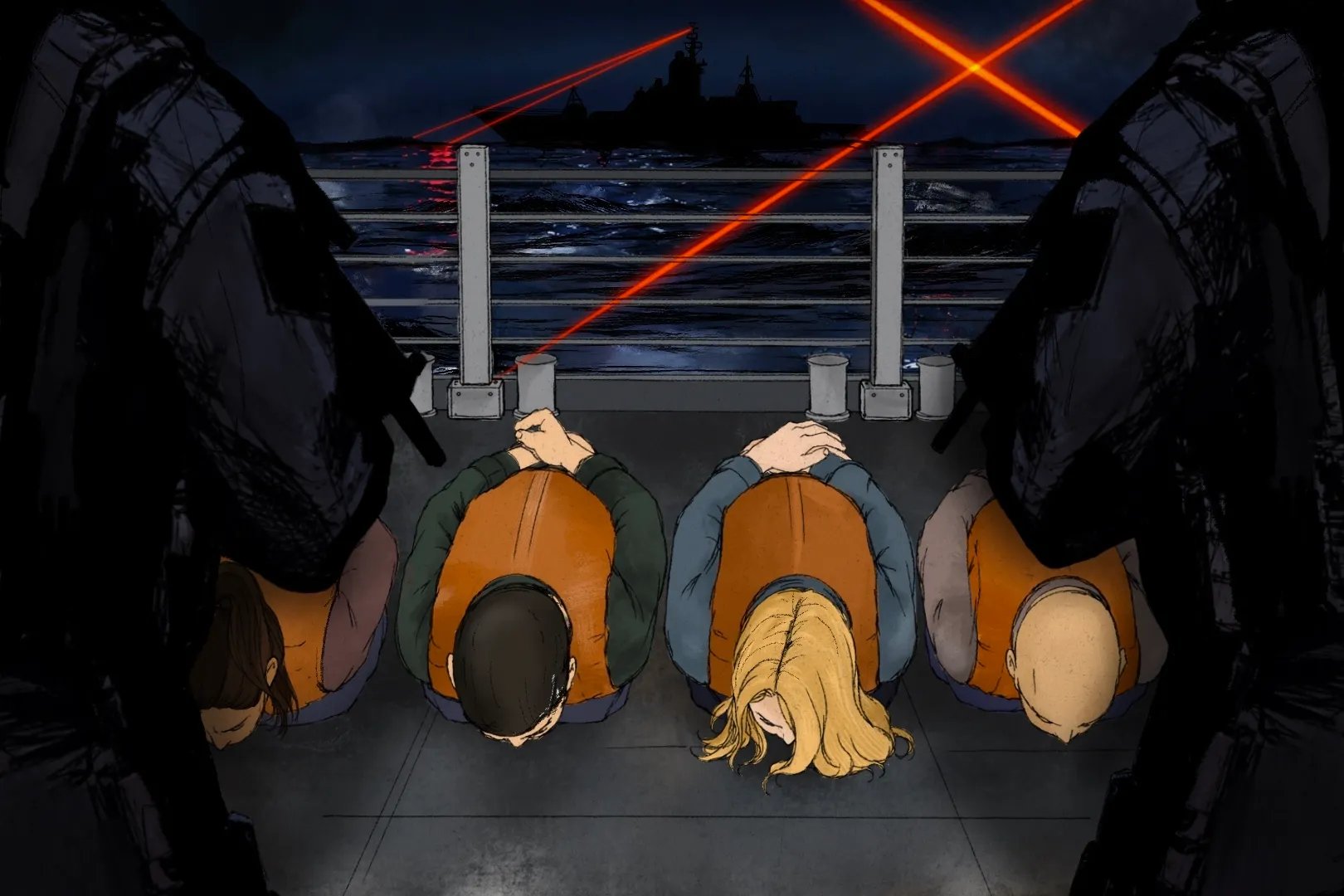
A critical unresolved question involves naval mines. In early April, Iran's Revolutionary Guard said Tehran had deployed mines in the strait to deter traffic. Johannes Peters, an expert on undersea warfare at Kiel University's Institute for Security Policy, said the threat itself is enough to deter passage. "We aren't even certain that there are mines in the Strait of Hormuz, but the underlying threat is enough. For now, nobody in the war zone can actually go and check."
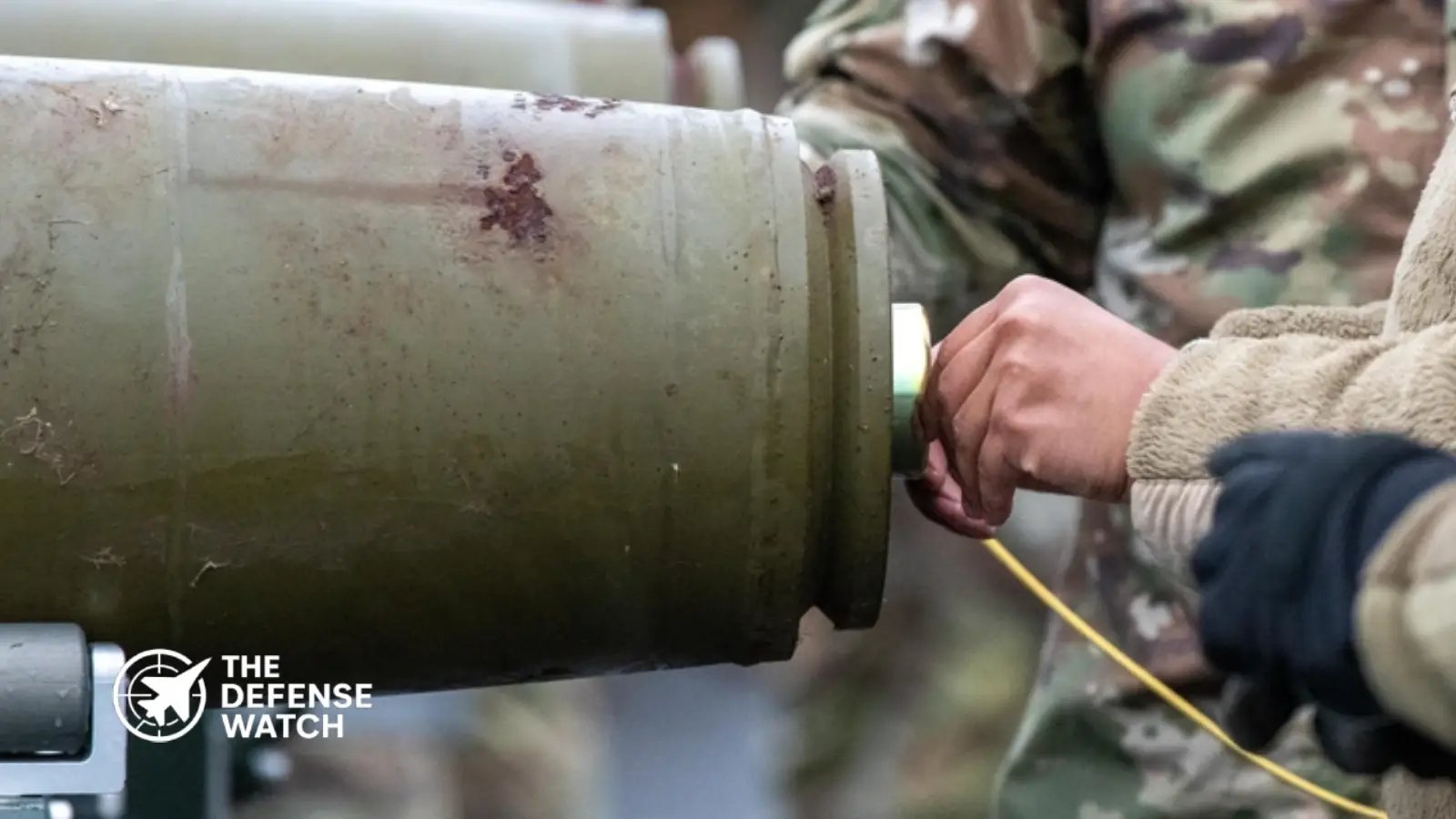
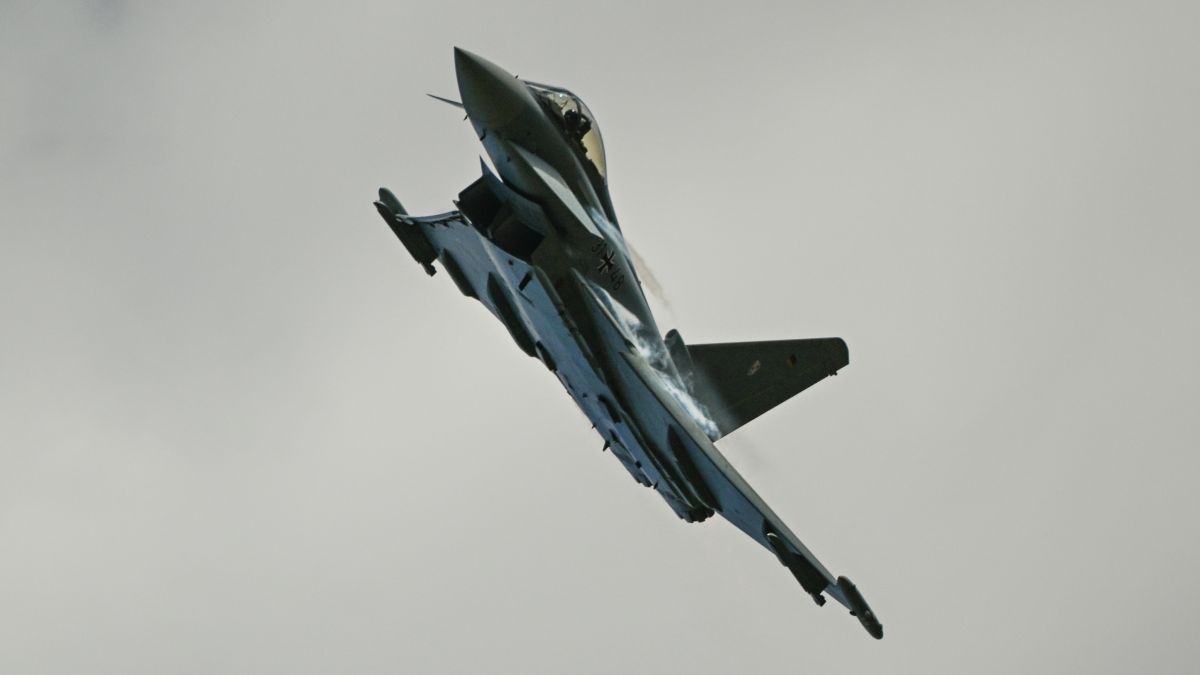
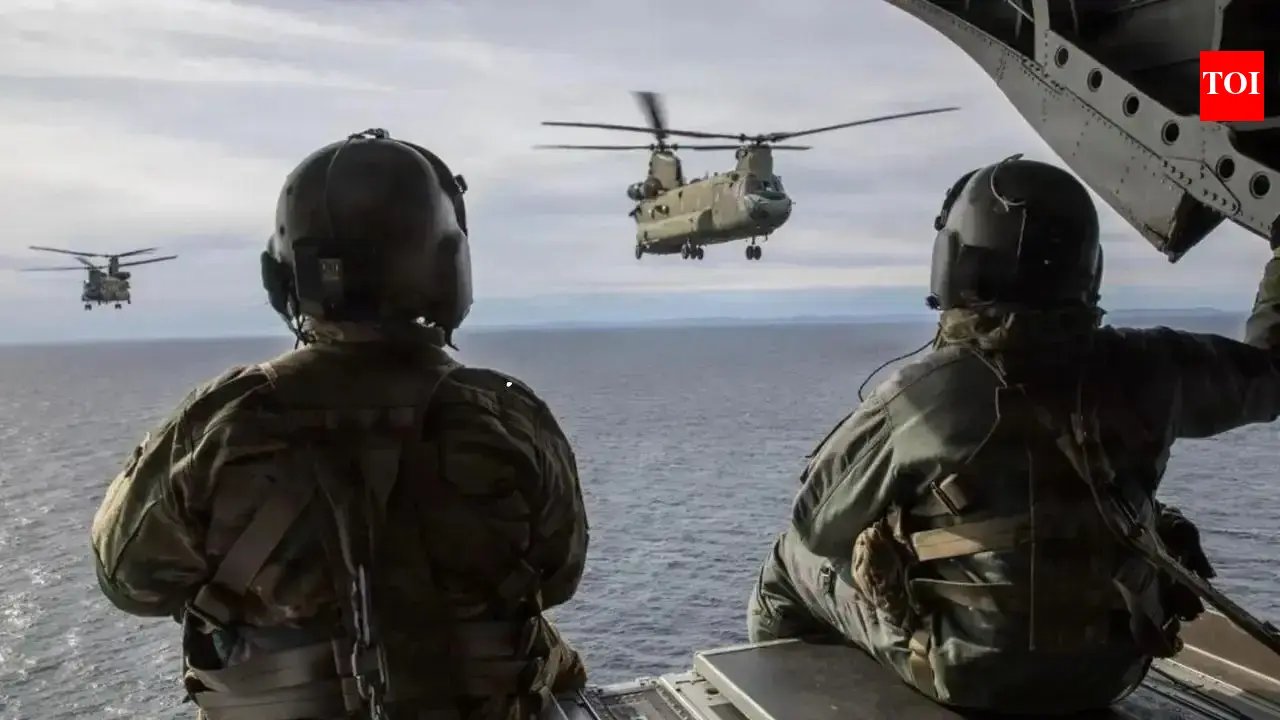
Germany, France, the United Kingdom, and Italy jointly stated they were "committed to playing our part, including through a strictly defensive and independent mission to reassure commercial shipping and conduct mine clearance operations." Mine clearing is time-consuming work requiring specialists to locate suspicious objects, determine if they pose a threat, and either recover, disarm, or trigger controlled explosions.
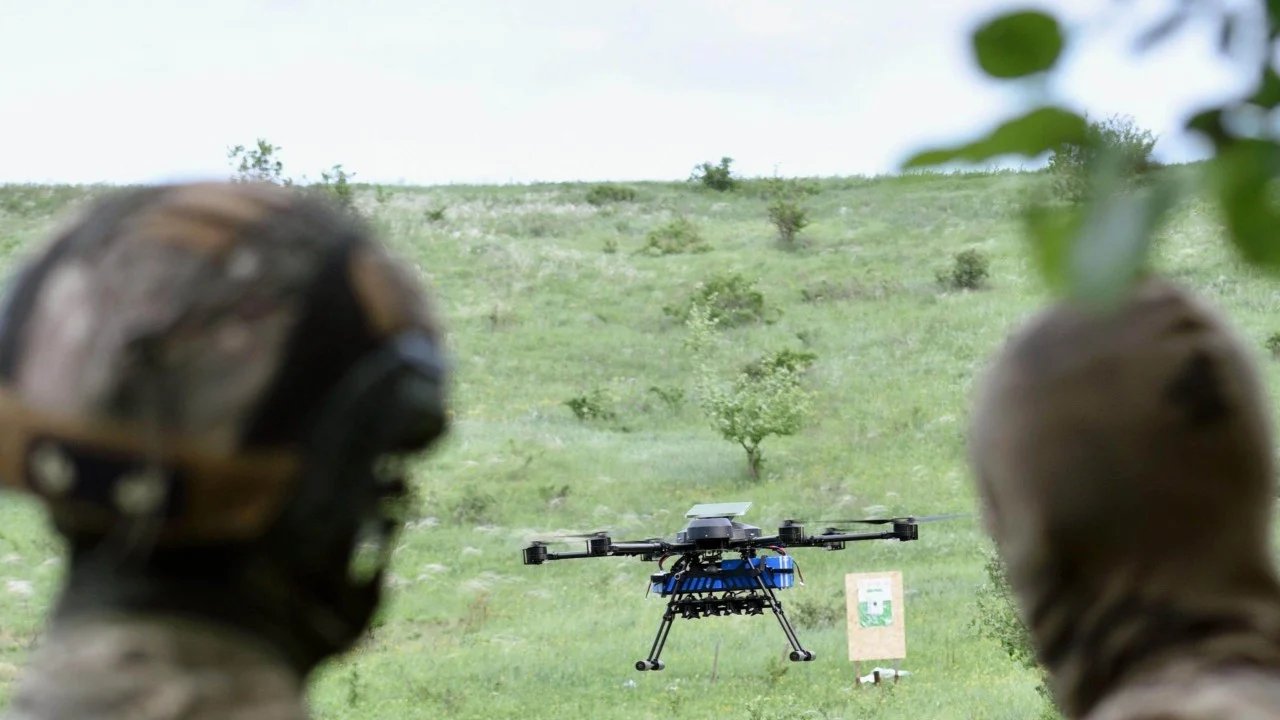
Modern naval mines use magnetic effects, underwater sound waves, or pressure changes to trigger detonation, and can be programmed to target specific vessel classes while allowing others to pass. Germany's navy has begun using autonomous drones to search the seafloor, reducing risk to personnel. Frigate Captain Andreas of the 3rd Minesweeping Squadron explained that in the past "boats equipped with sonar systems would have to pass straight over areas where mines were suspected to detect them," putting 40 lives at direct risk. Yet even with drone technology, clearing mines from a region can take decades or longer.
What Comes Next
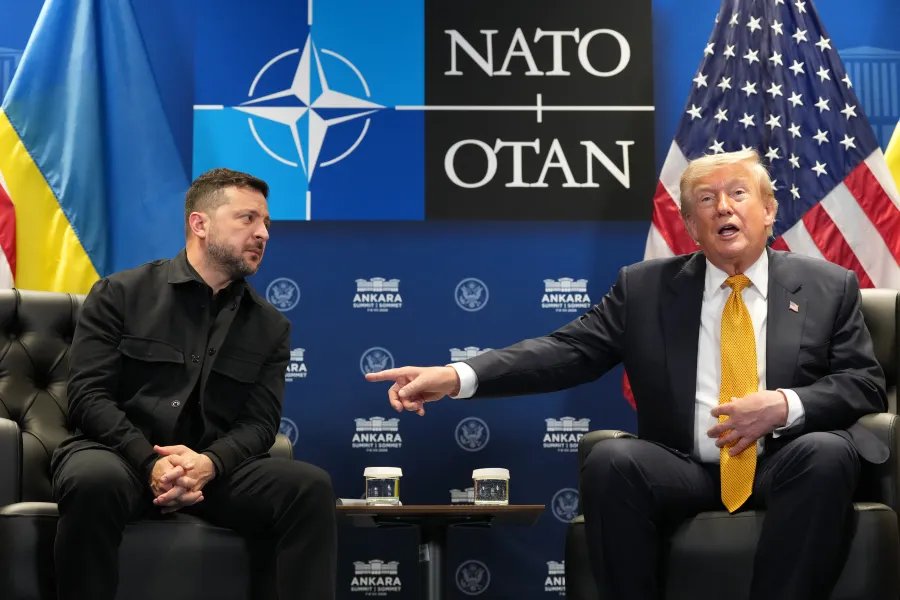
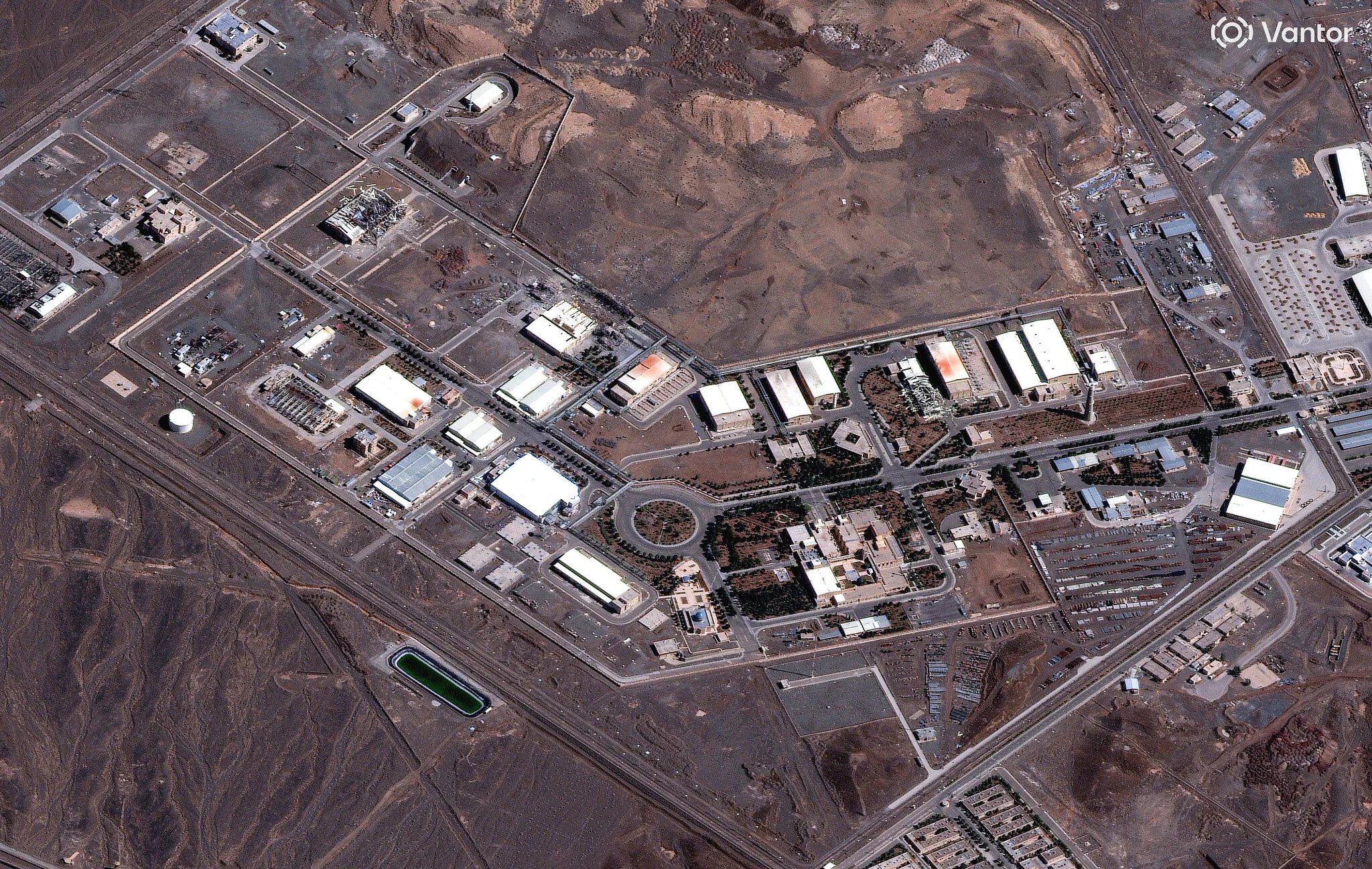
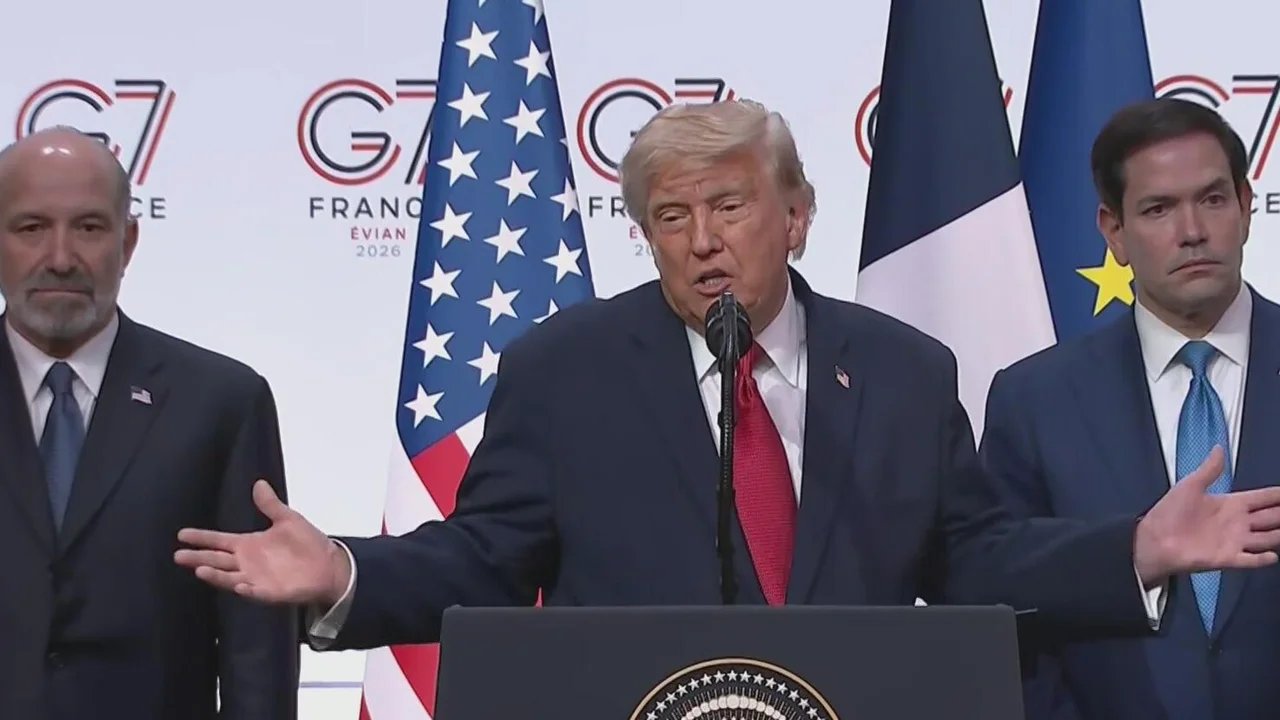
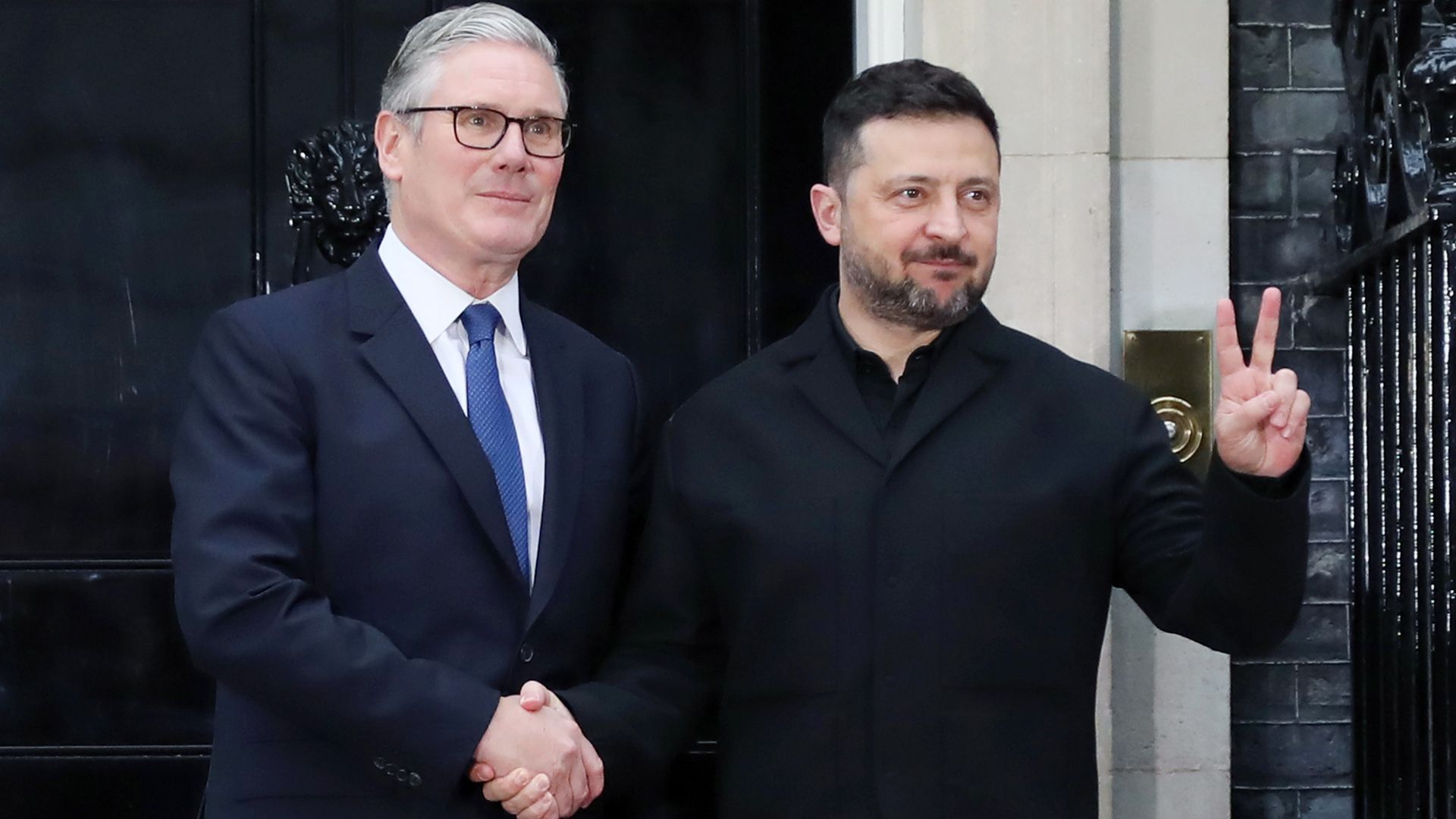
The deal includes a 60-day negotiating period for a final agreement addressing Iran's nuclear program and sanctions relief. The signing event will be held in Geneva, with Pakistan hosting the ceremony, according to Prime Minister Shehbaz Sharif. The G7 summit, currently underway in Evian-les-Bains, France through Wednesday, will focus heavily on the agreement and its implications for global stability and Ukraine.
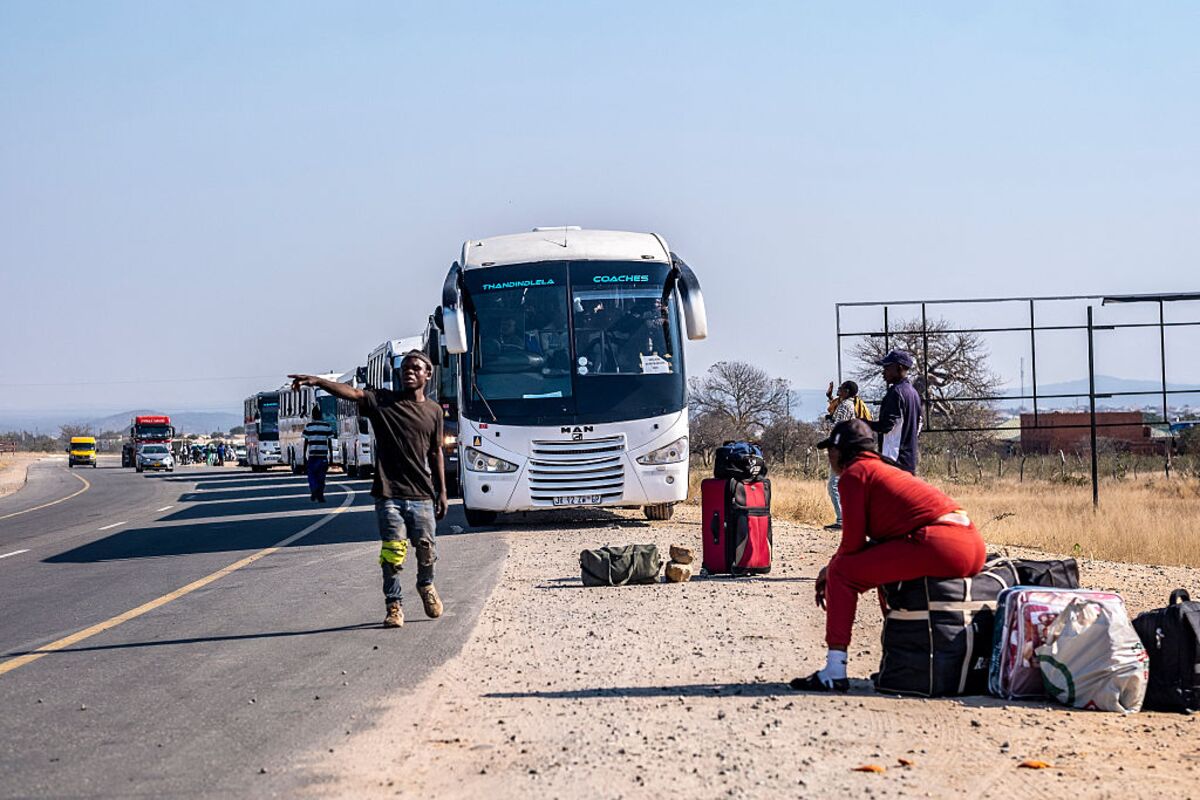
Some 20,000 crew members have been stranded for months amid the closure, and seafarers' advocates have welcomed the deal. Yet before ships resume normal operations, the two sides must resolve fundamental questions about who controls passage, how mines will be cleared, and whether Iran will truly allow unrestricted commercial traffic through waters it has long sought to dominate.