




Escalation of Military Actions
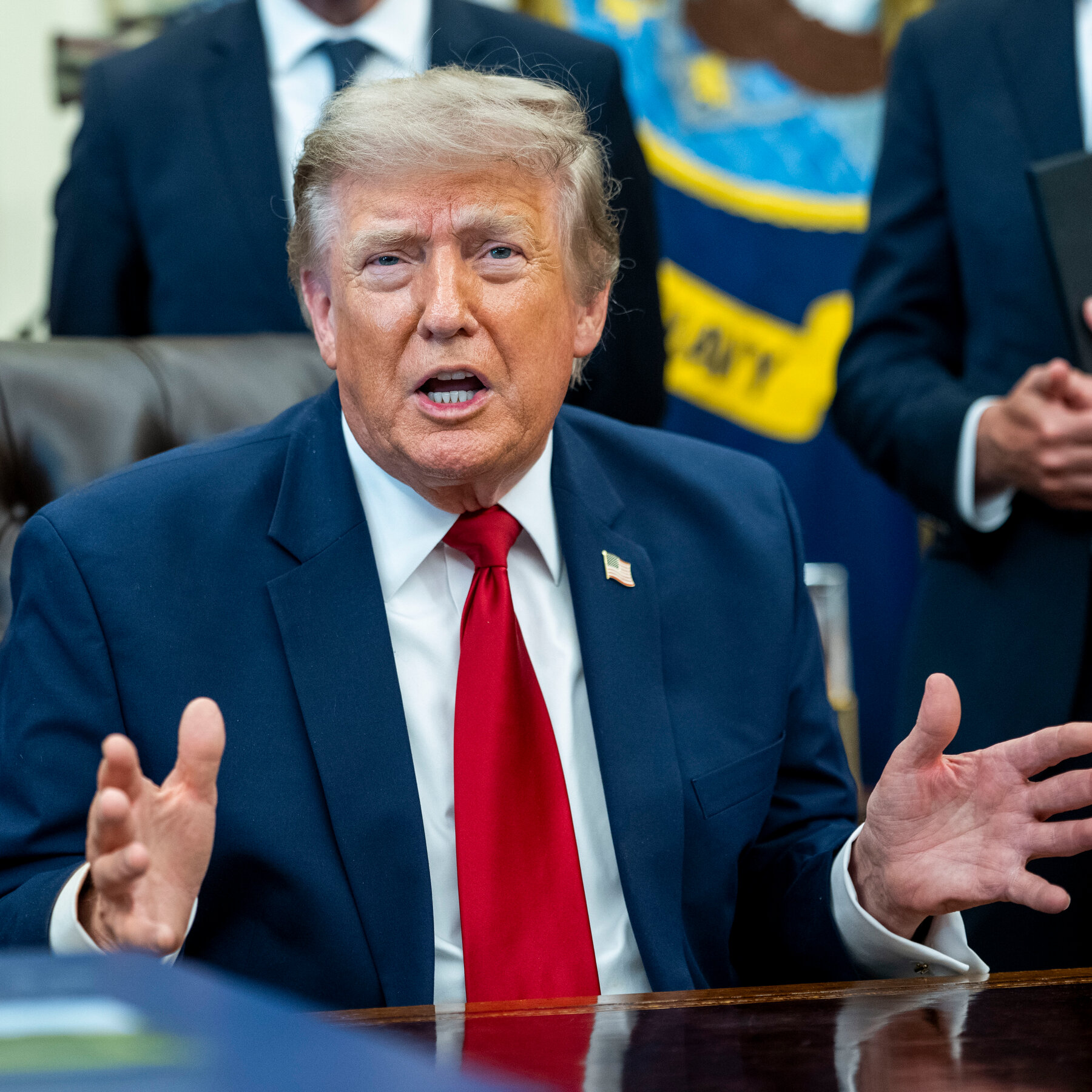
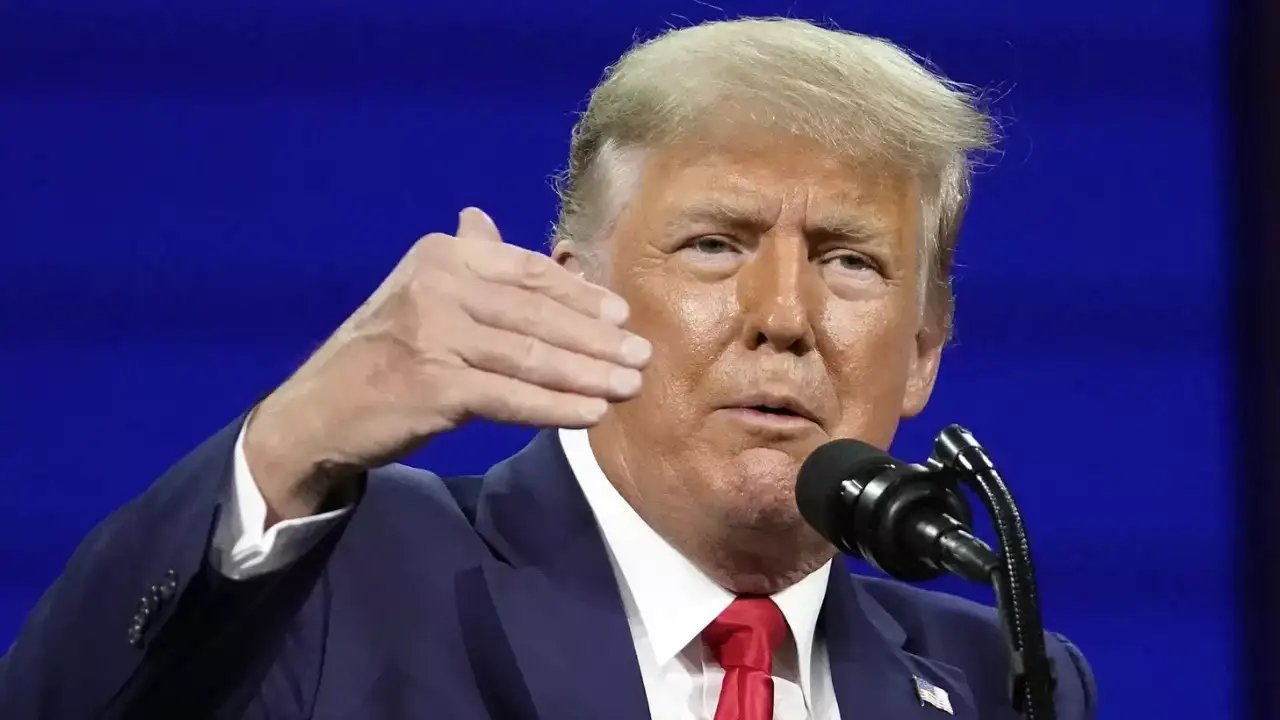
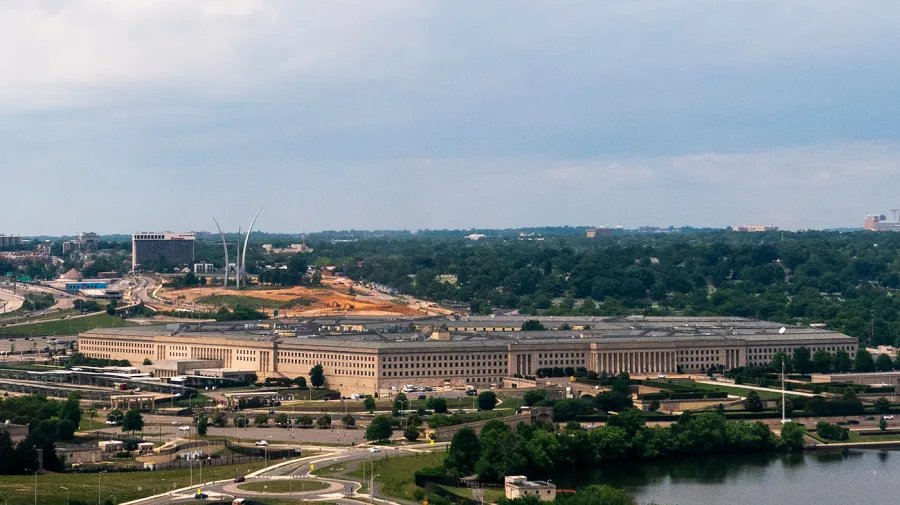
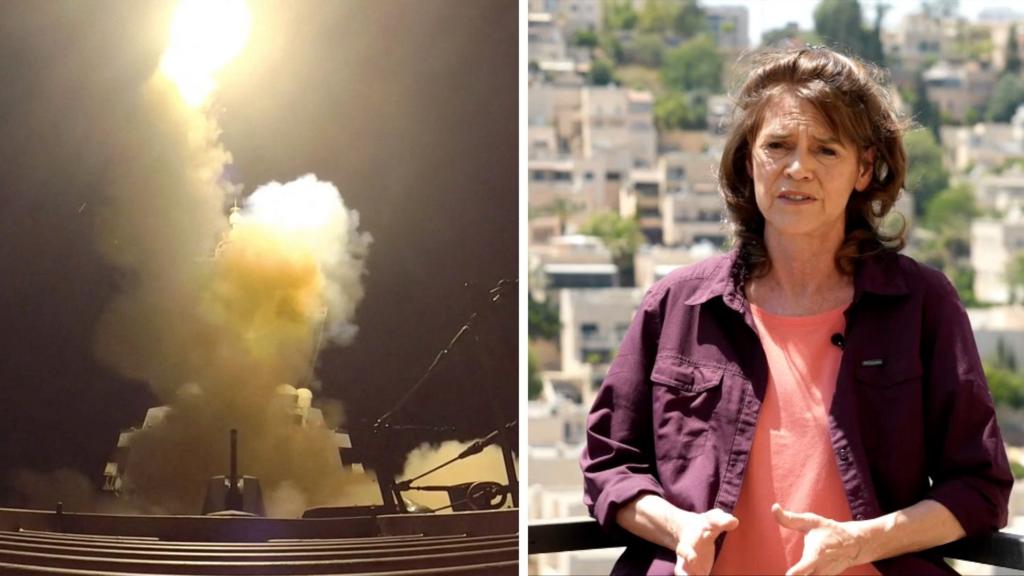
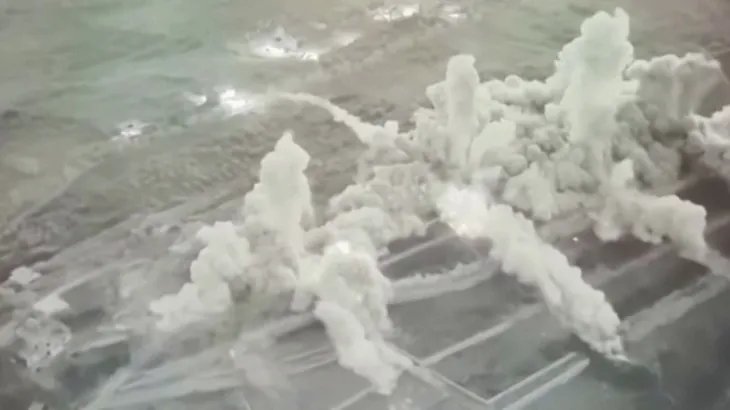
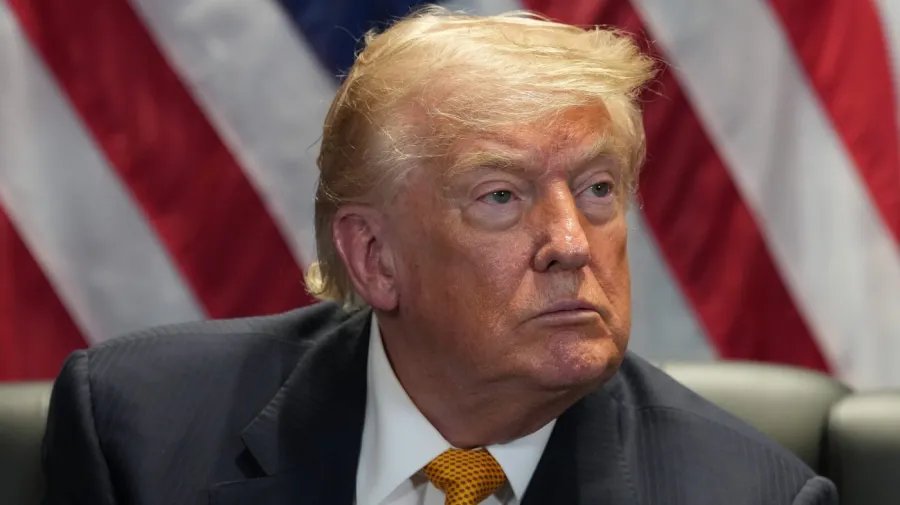
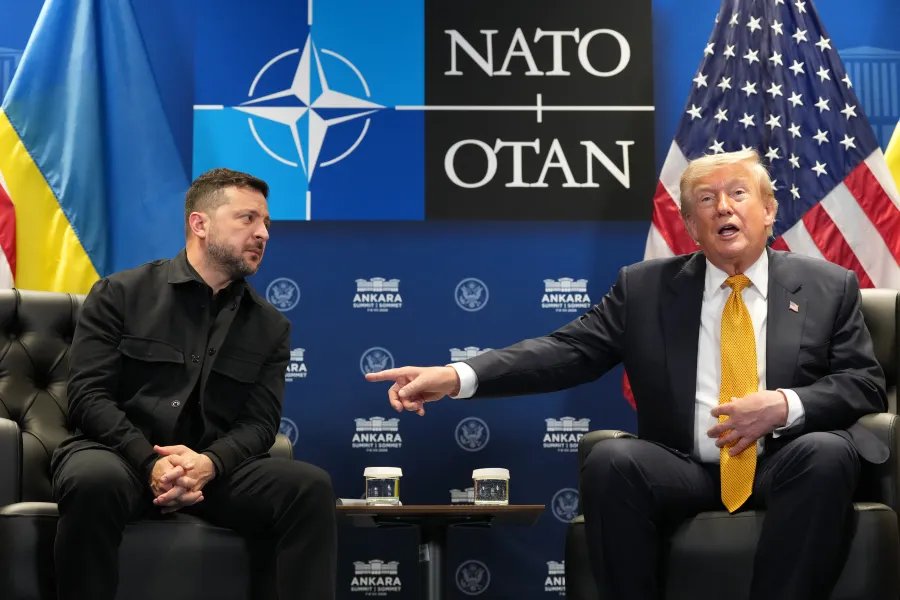
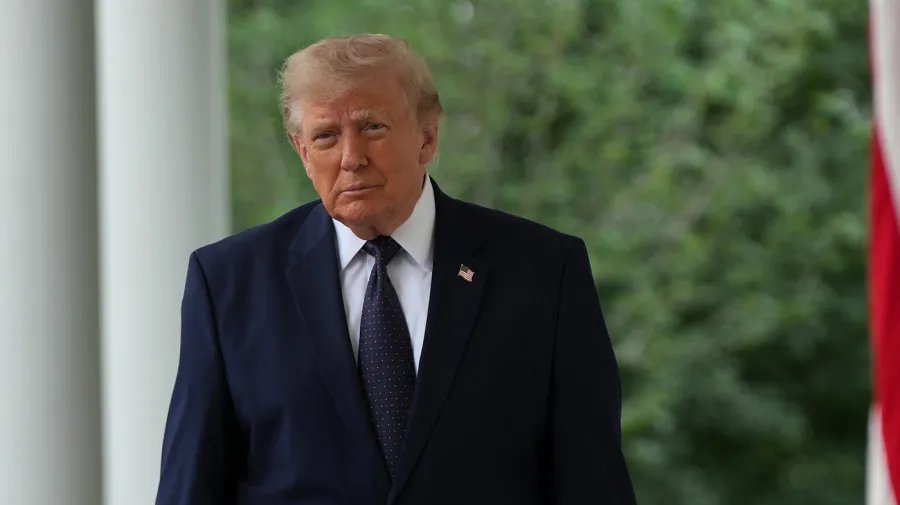
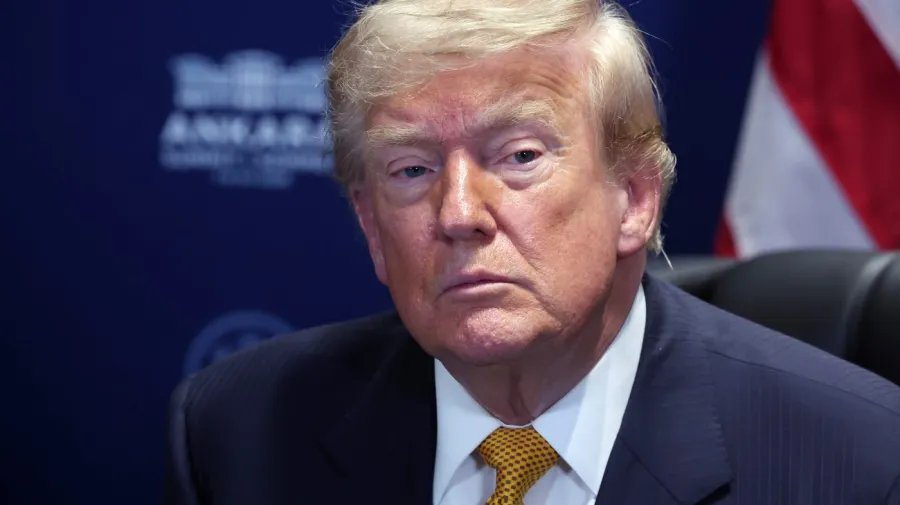
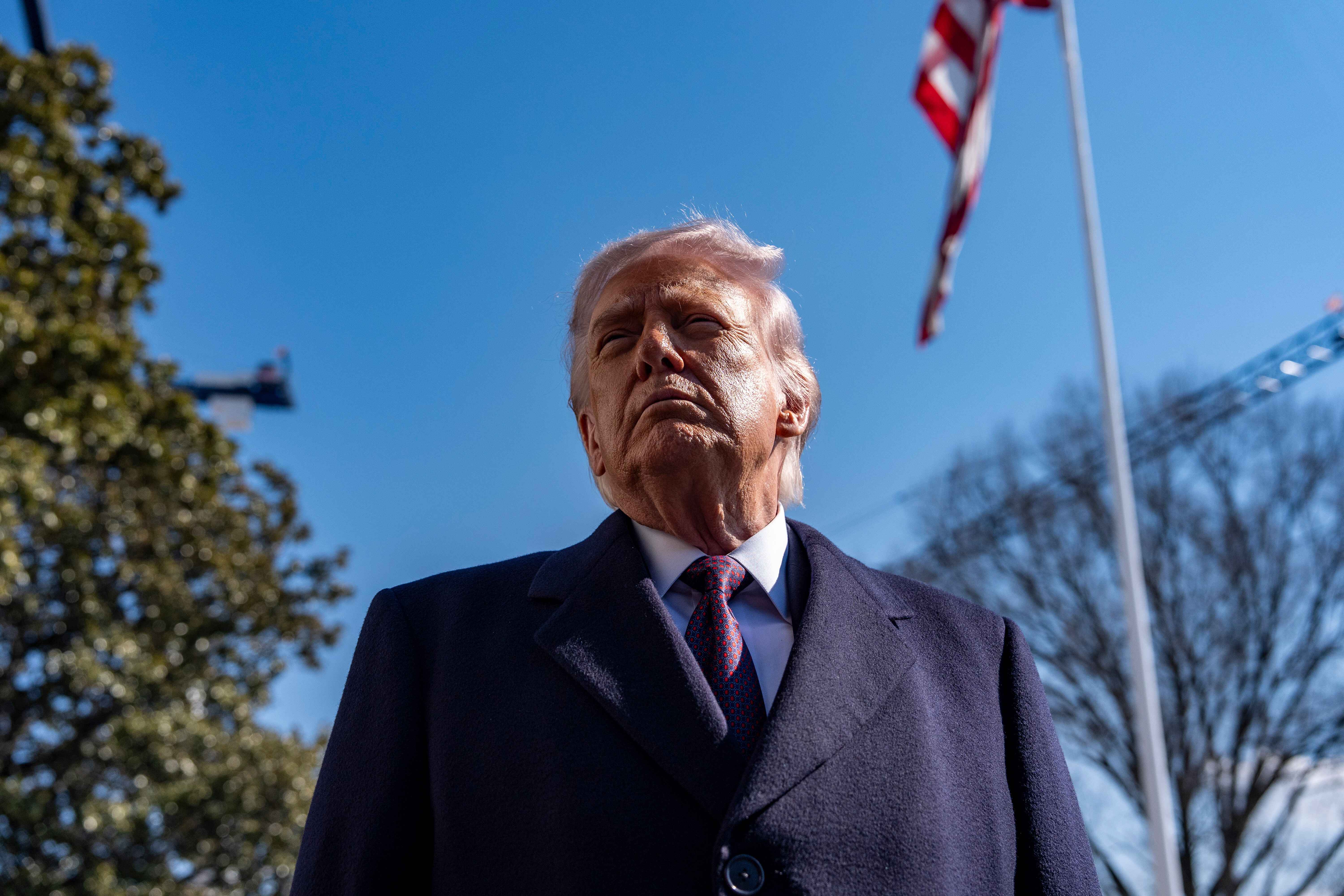
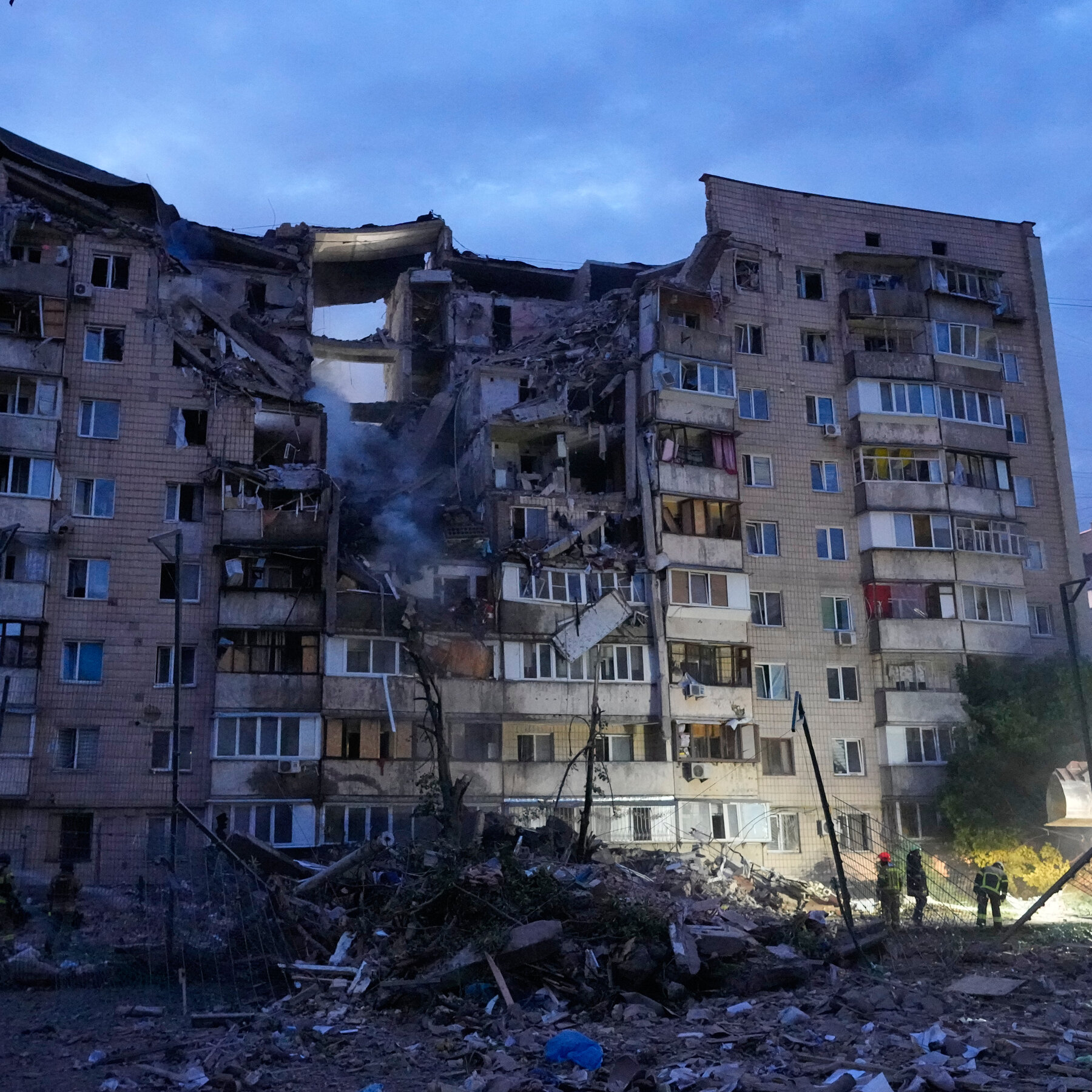
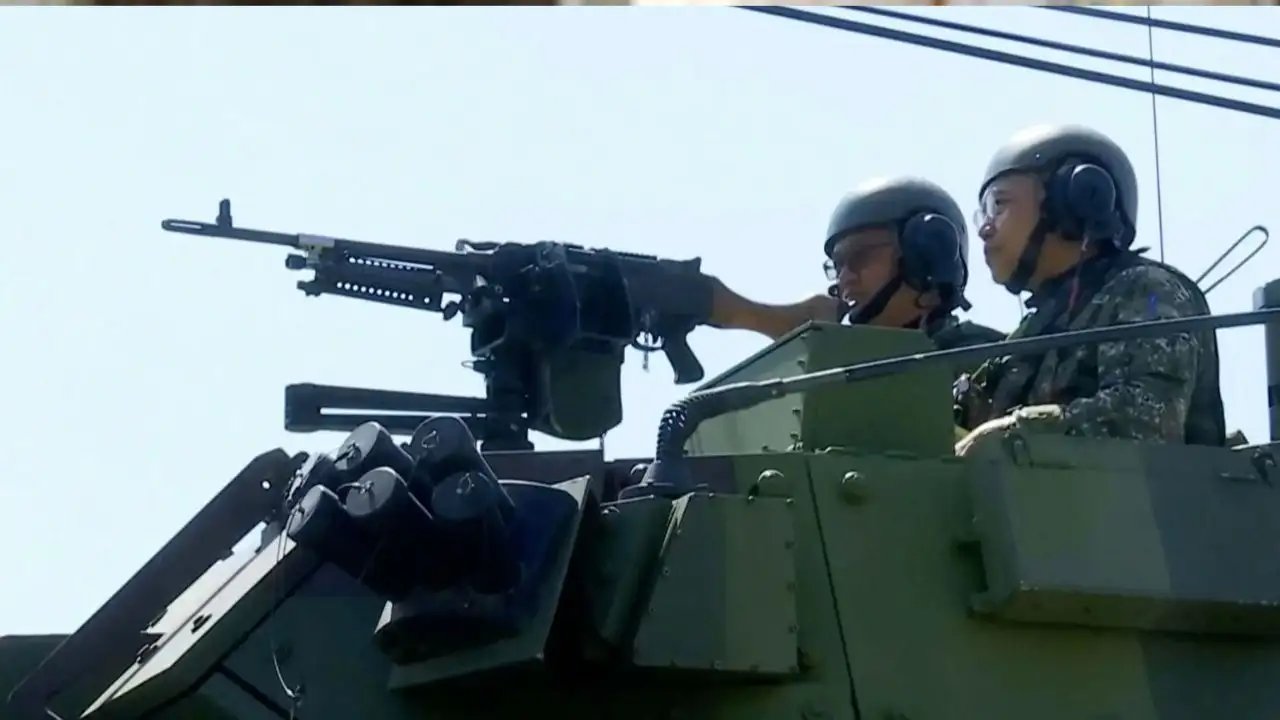
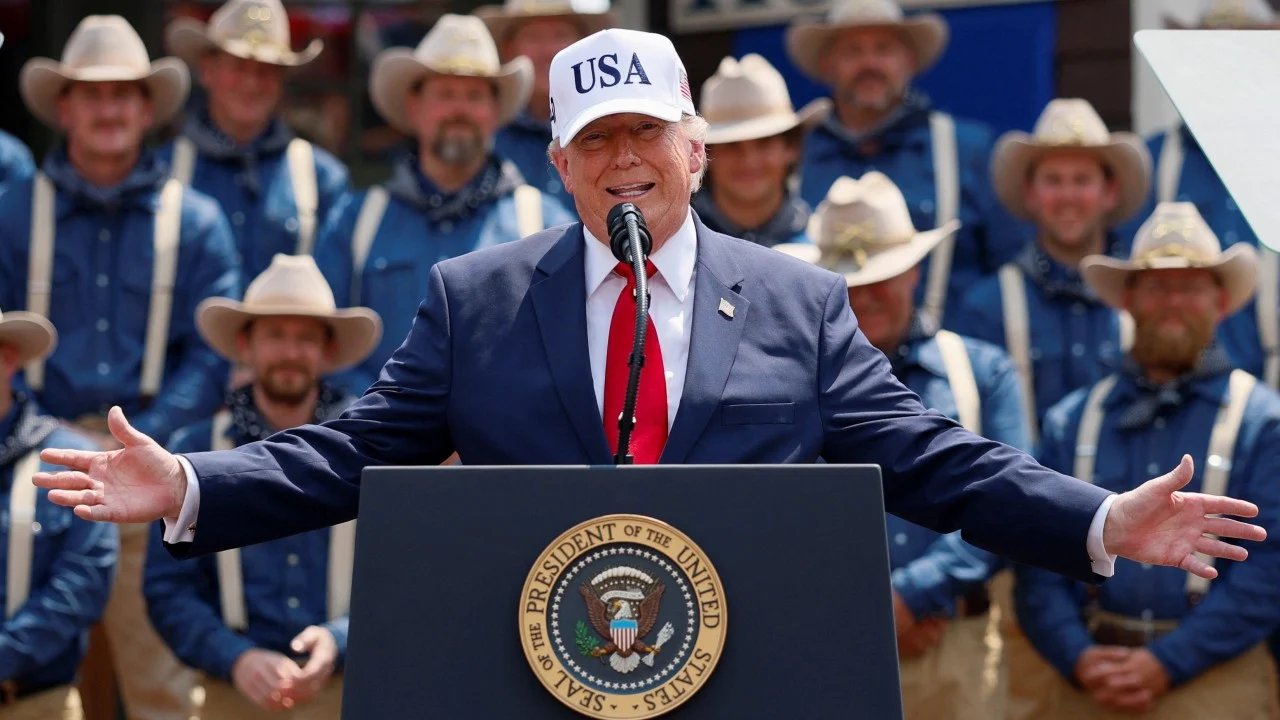
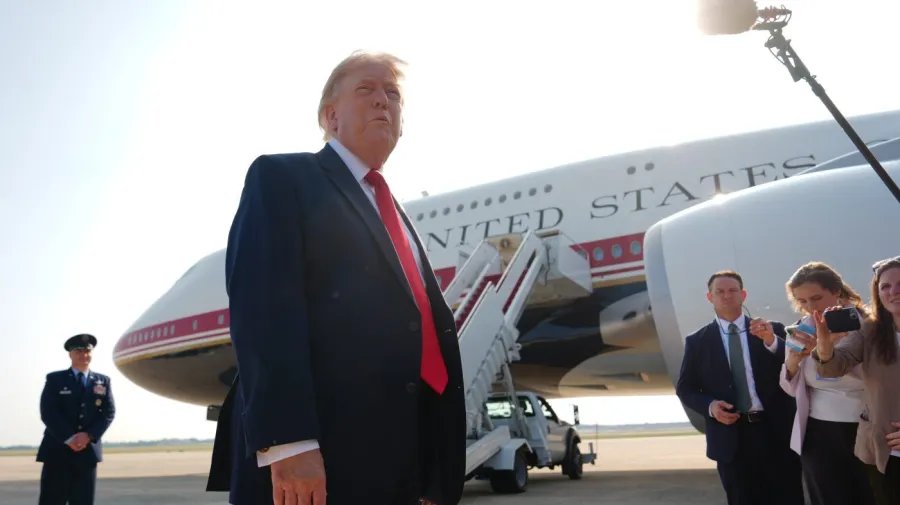
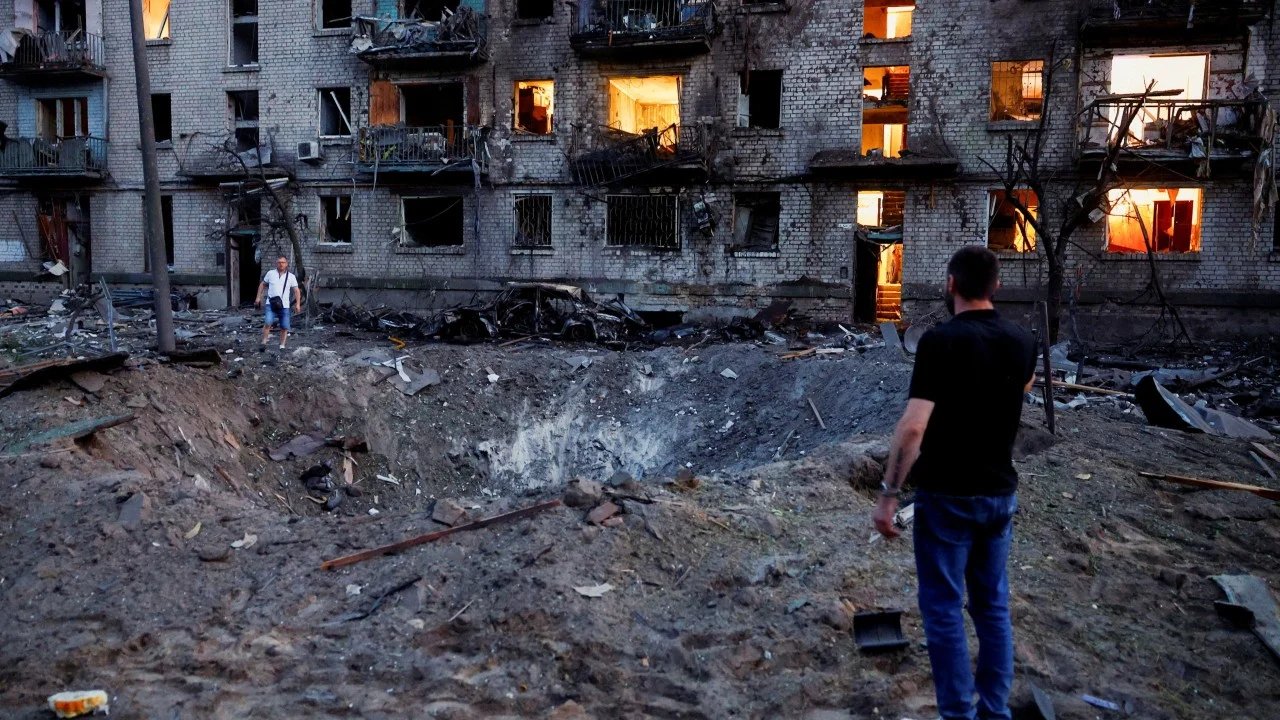
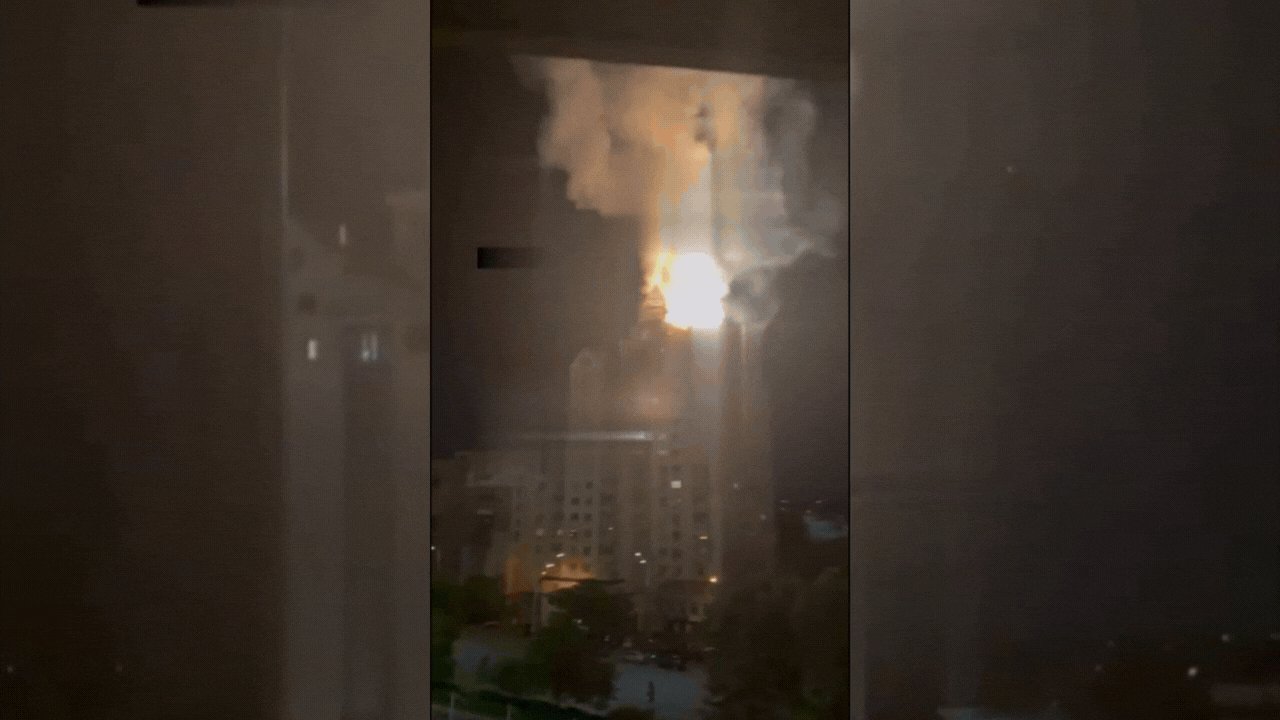
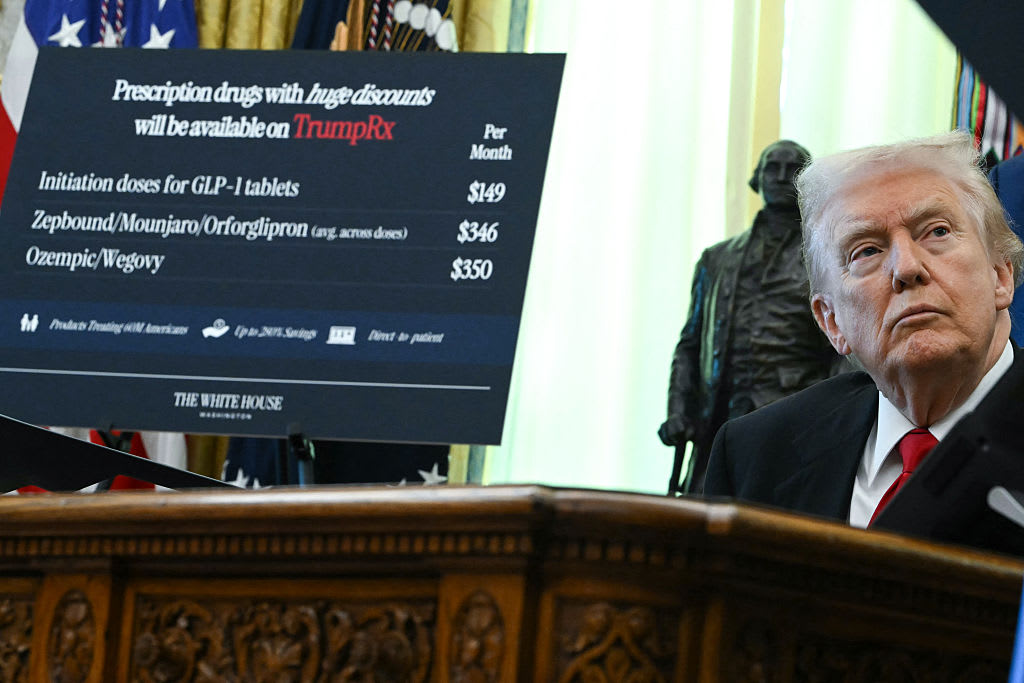
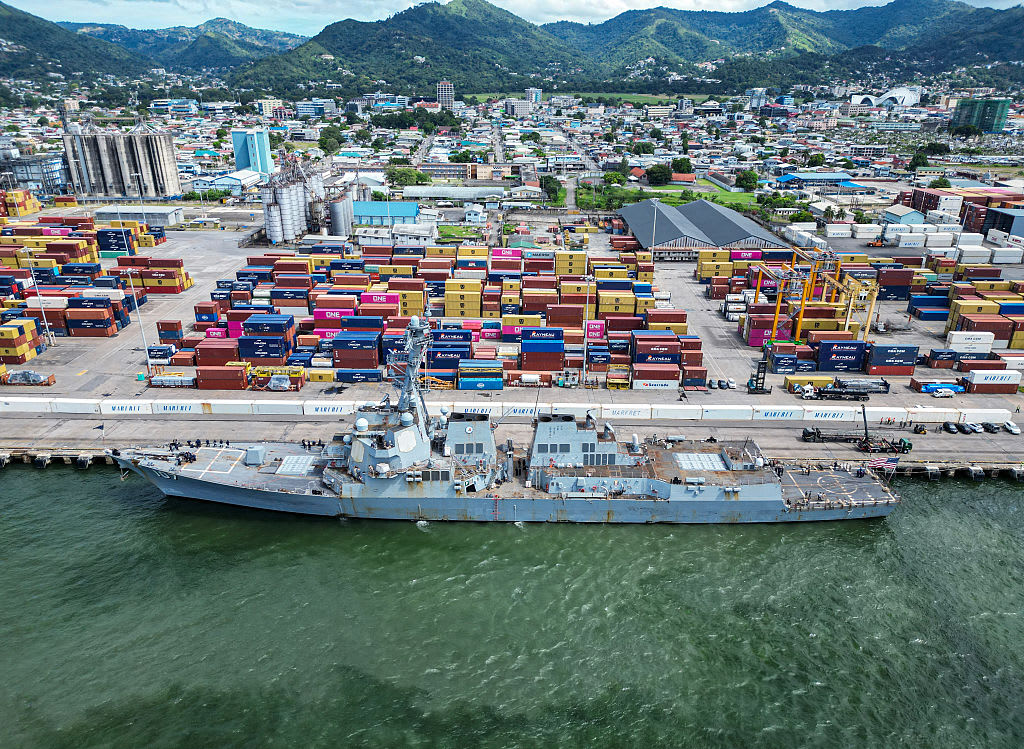
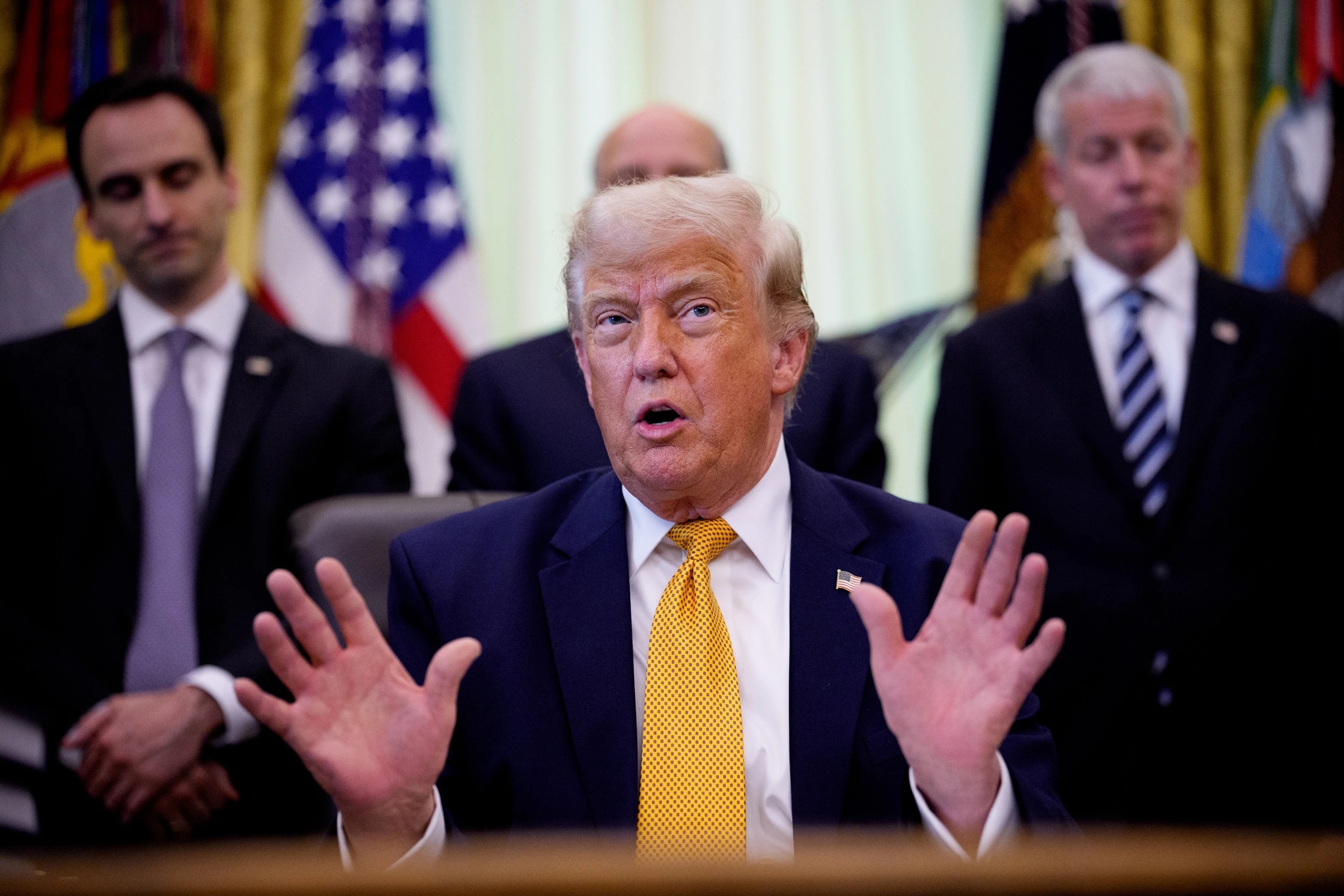
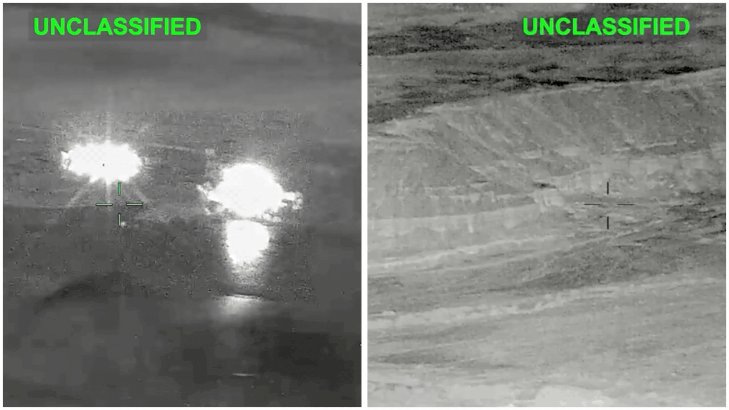
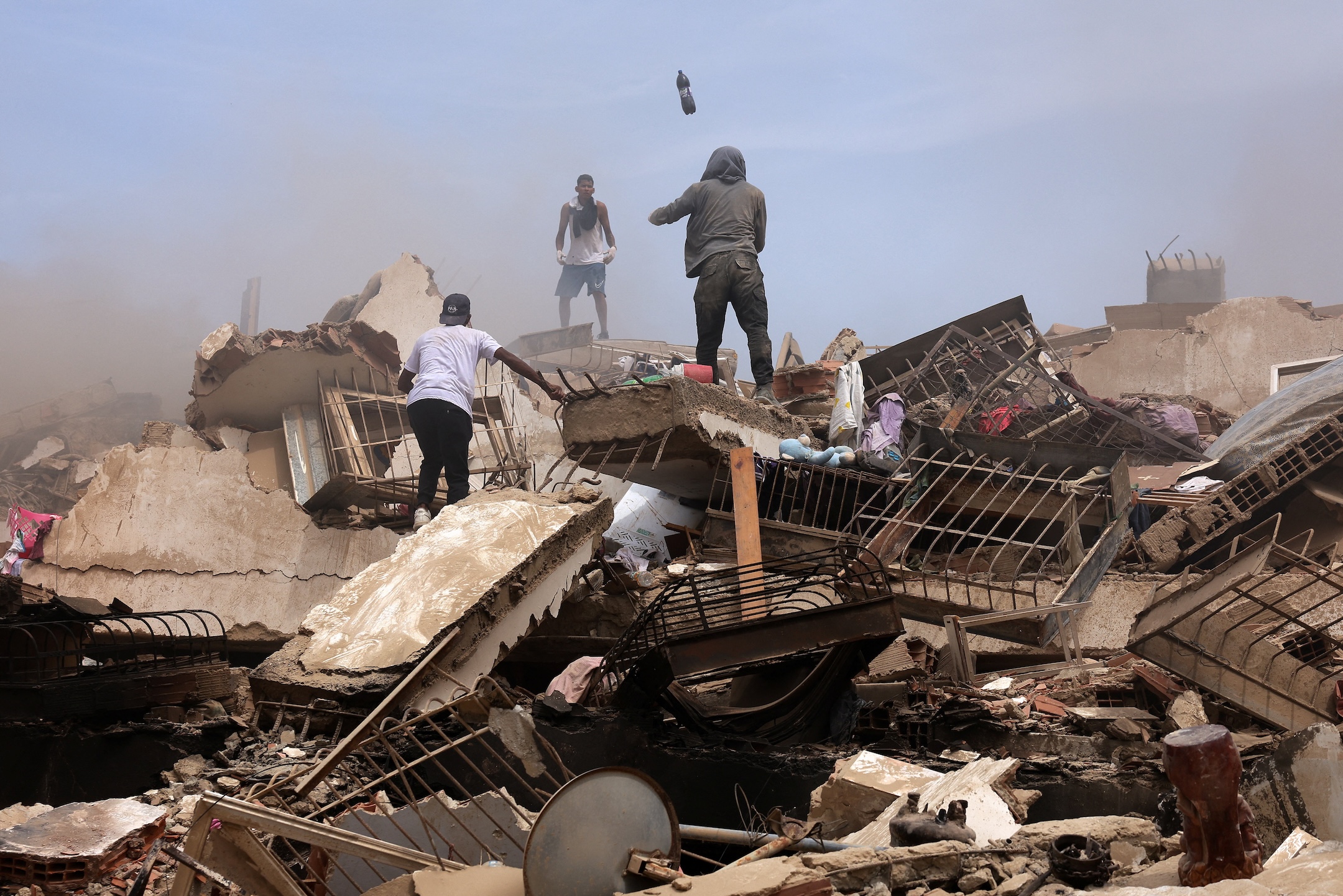
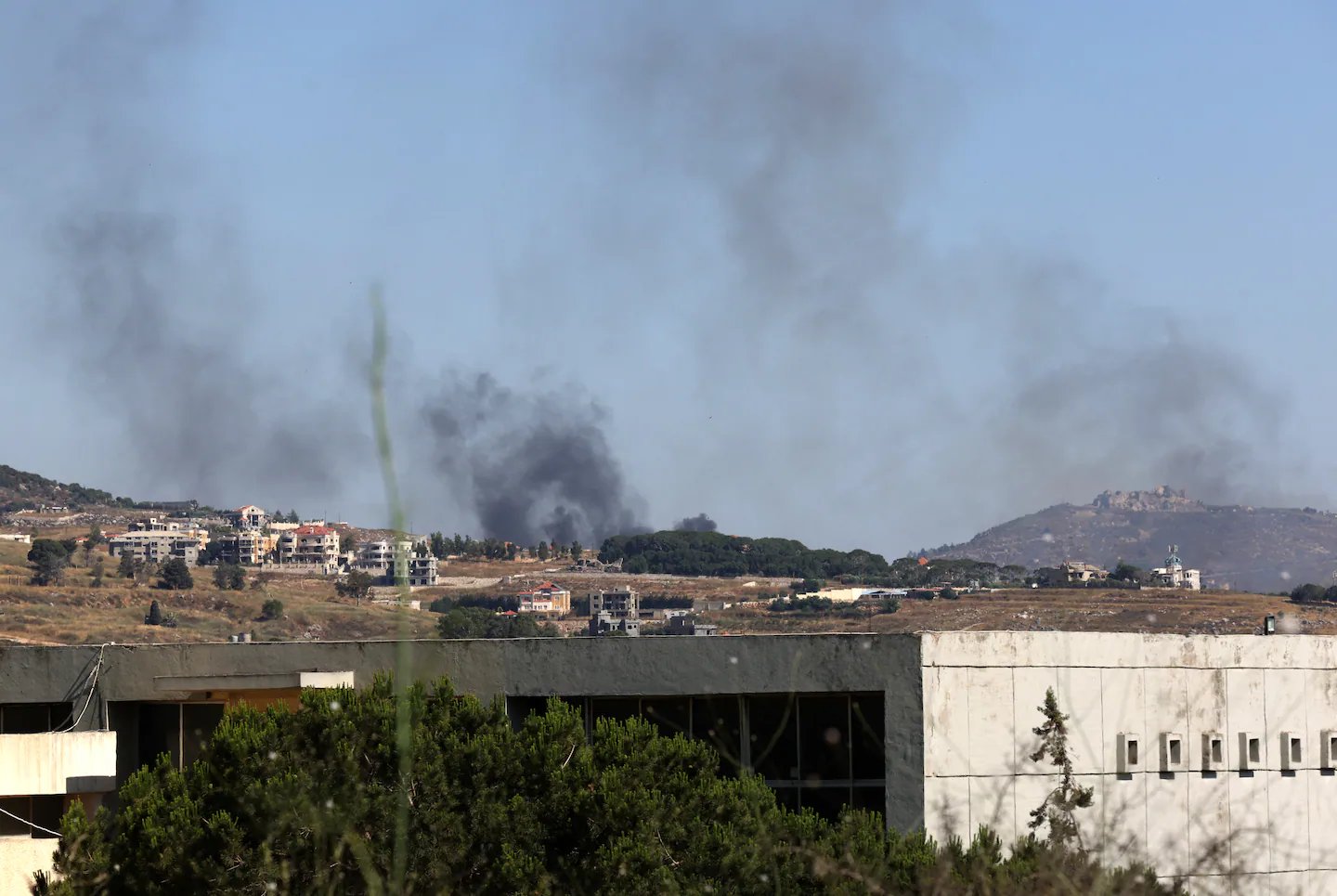
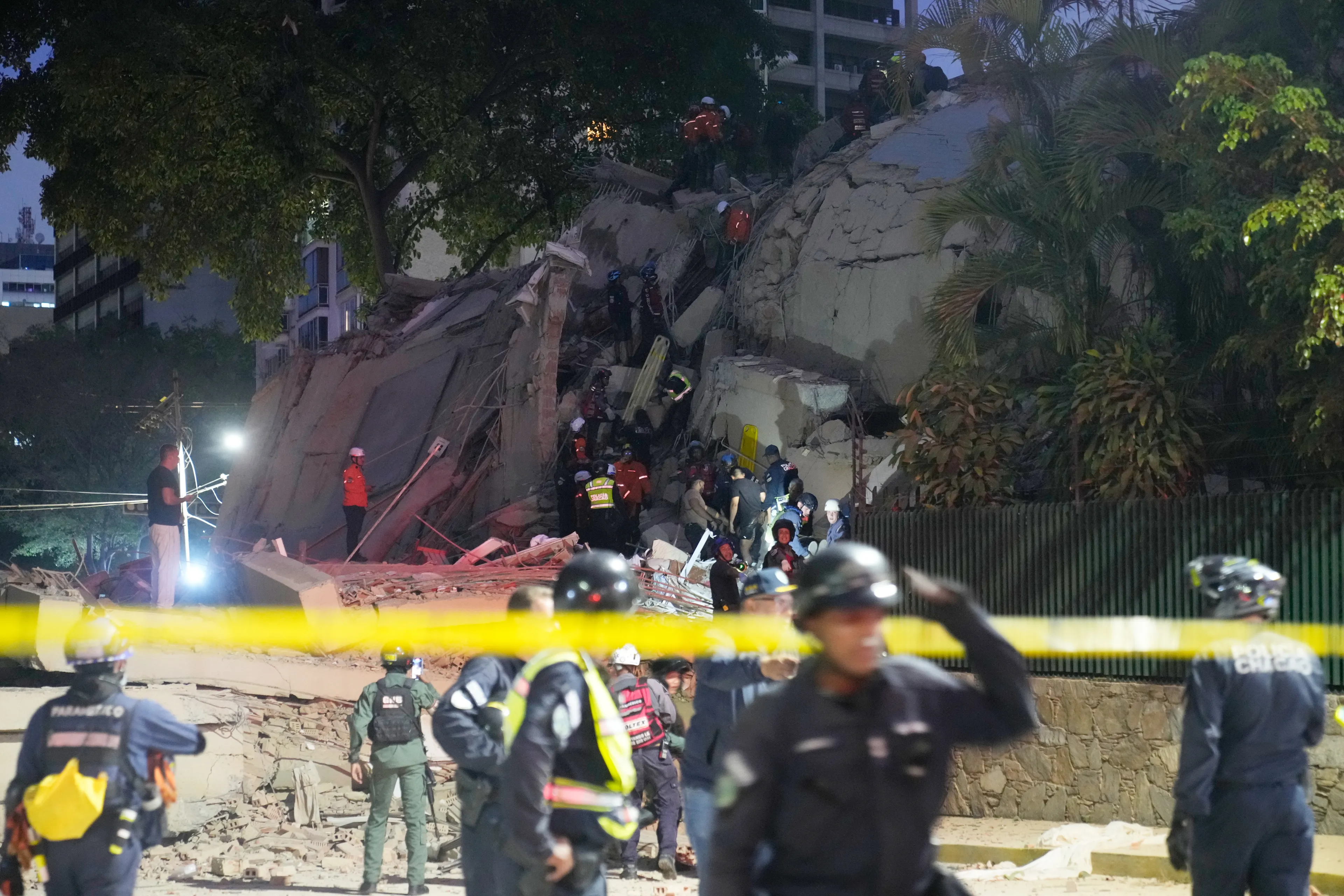
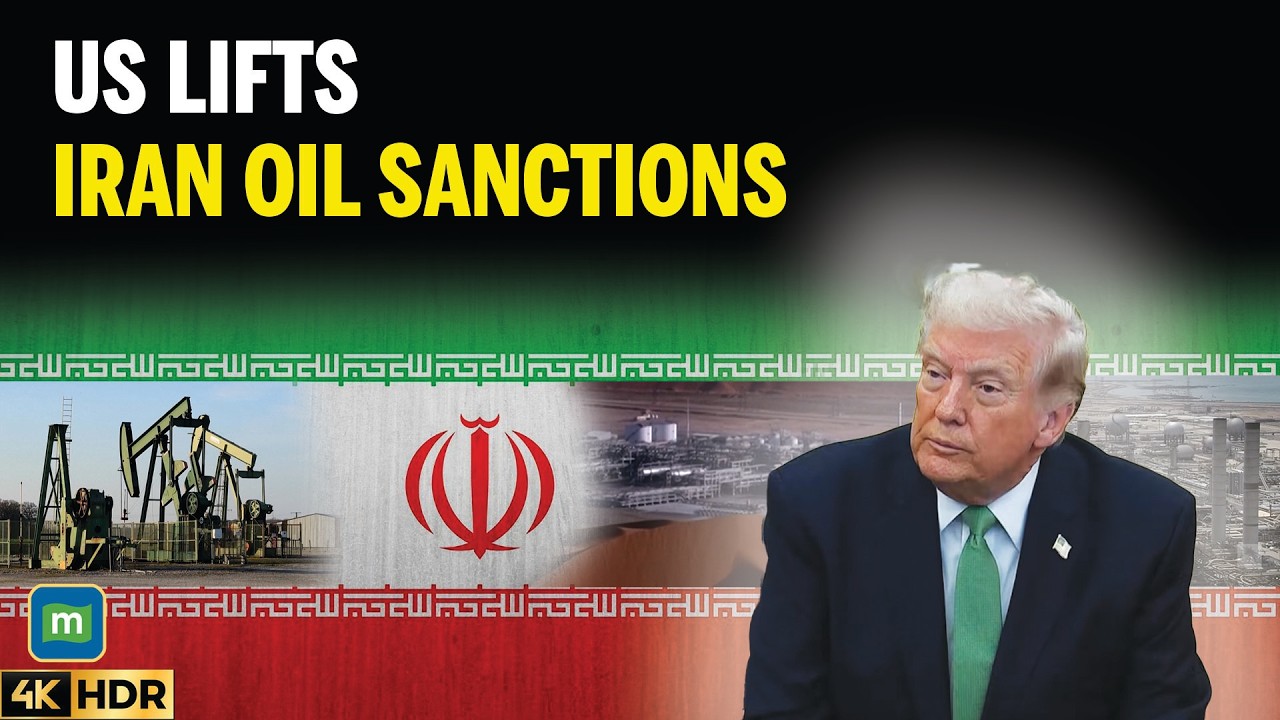
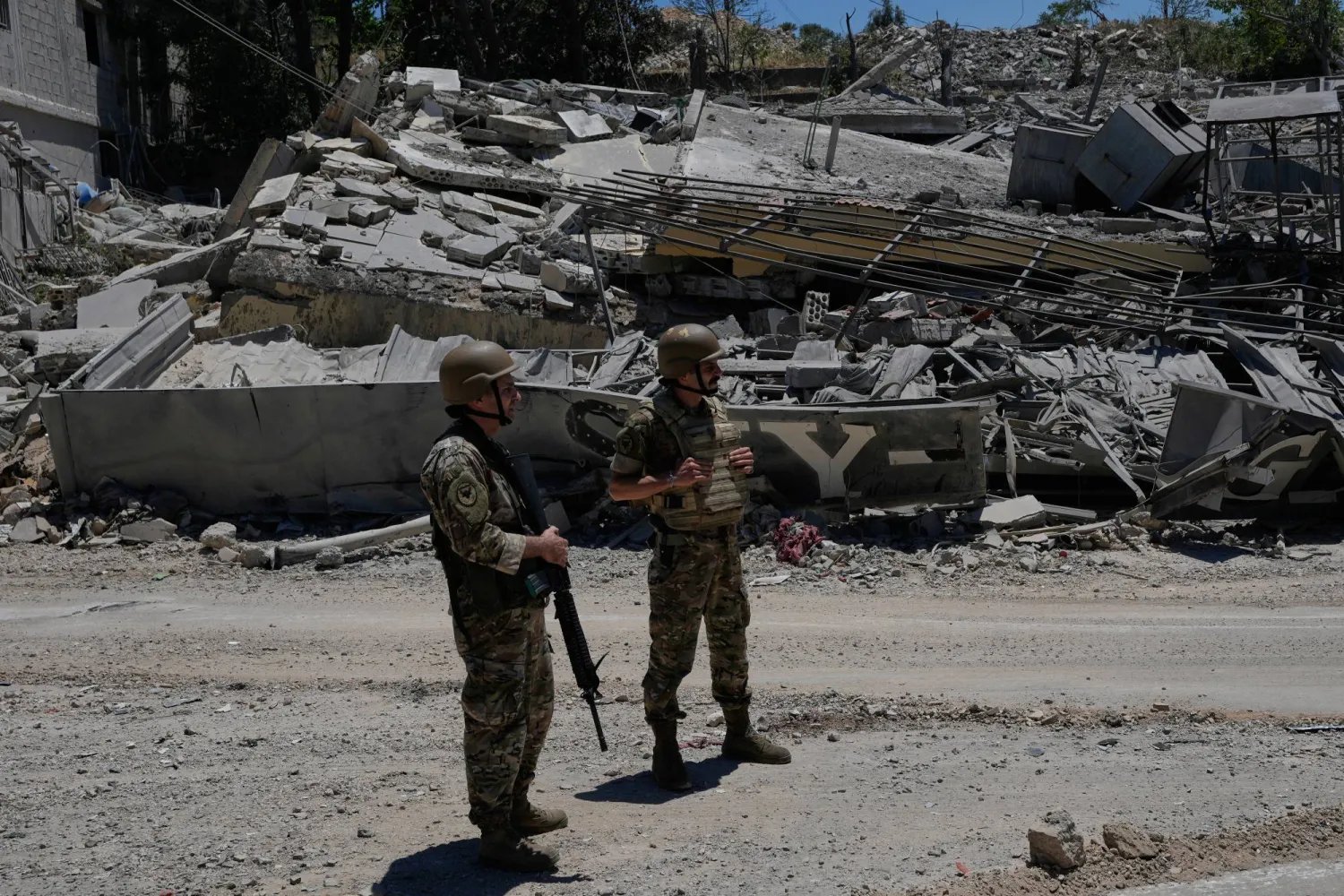
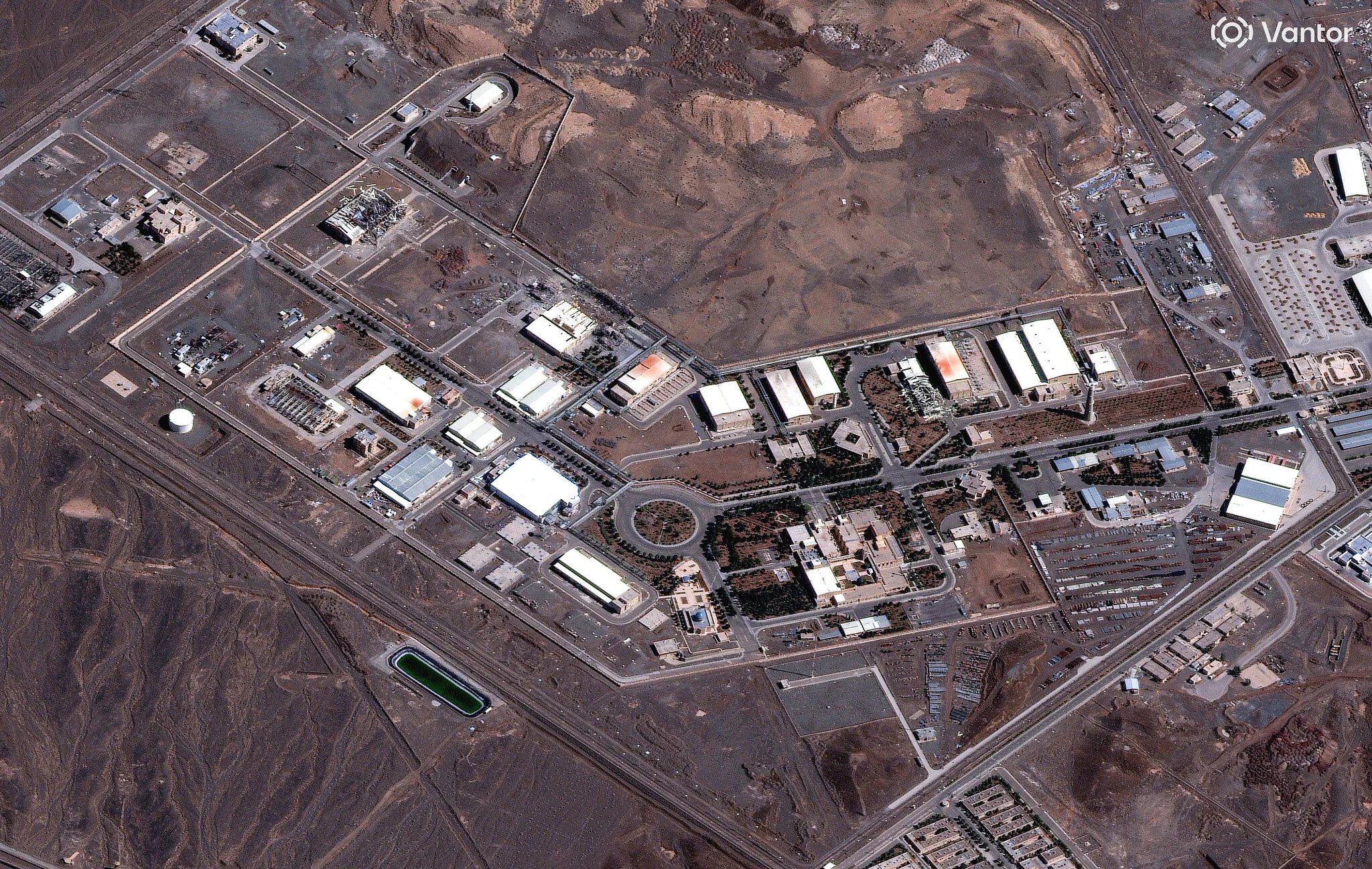
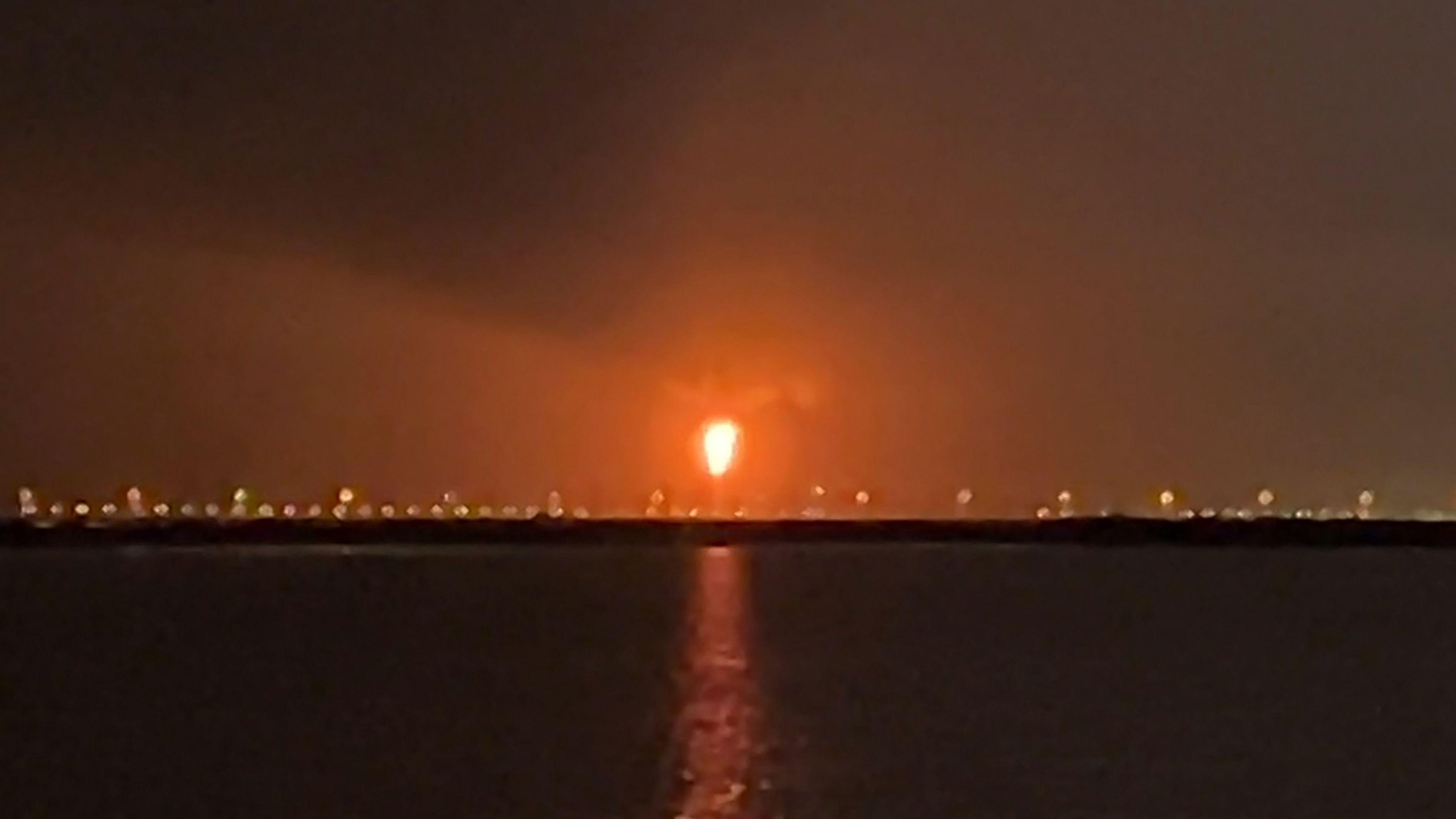
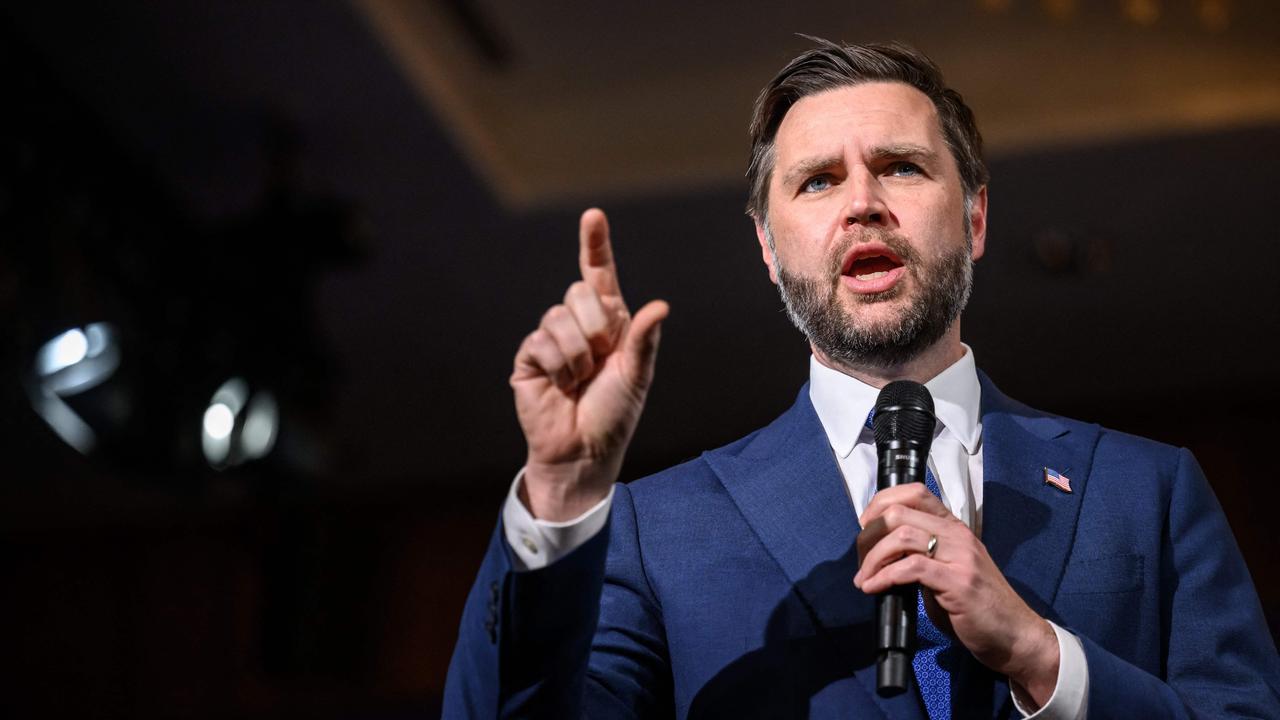
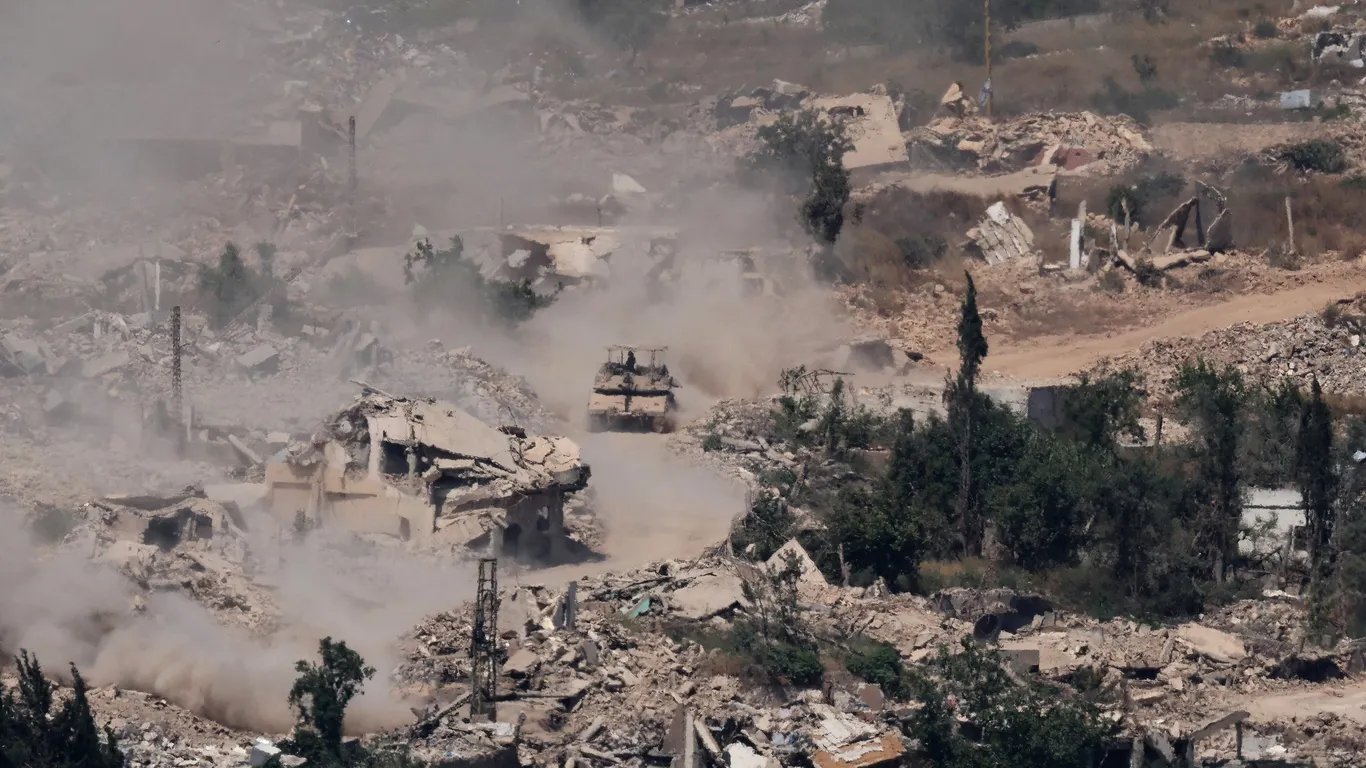
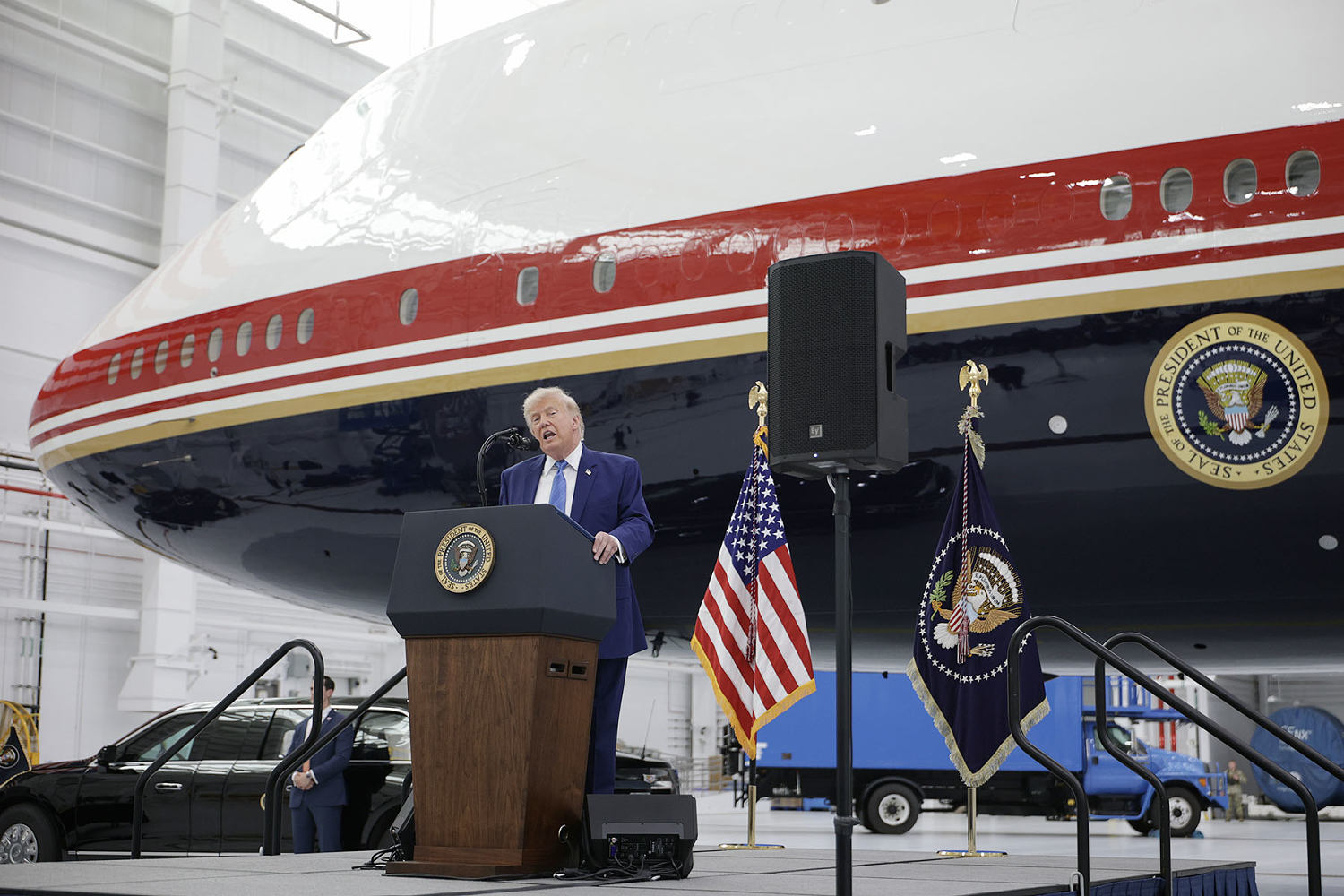
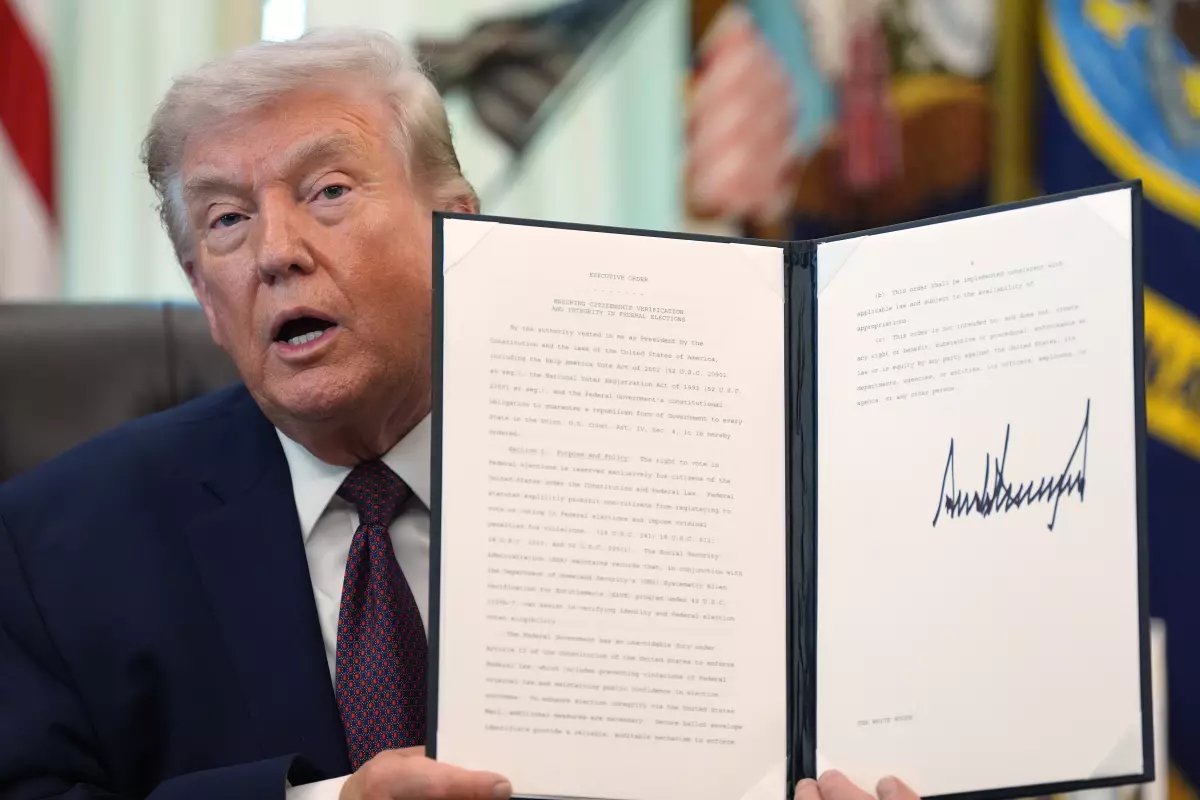
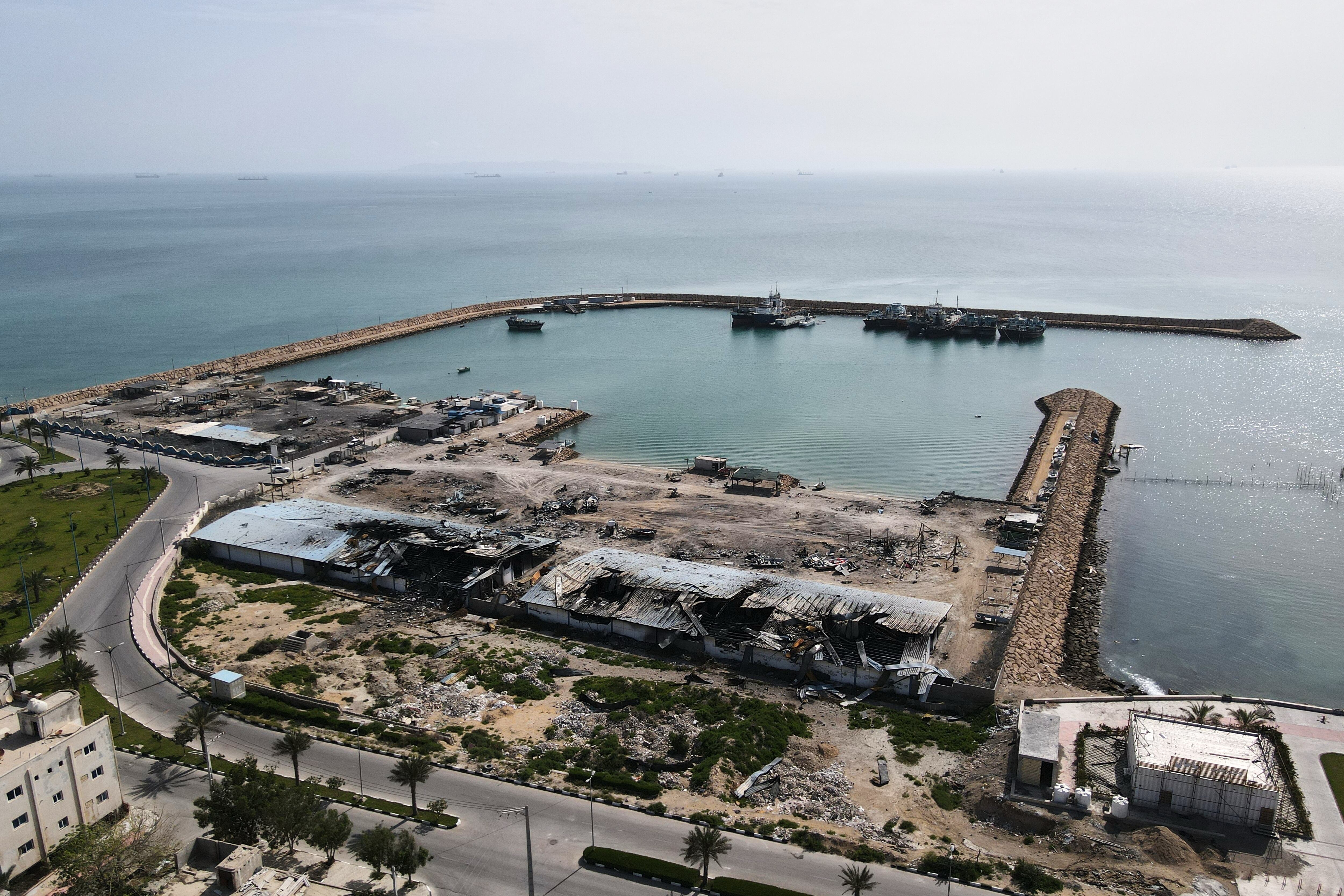
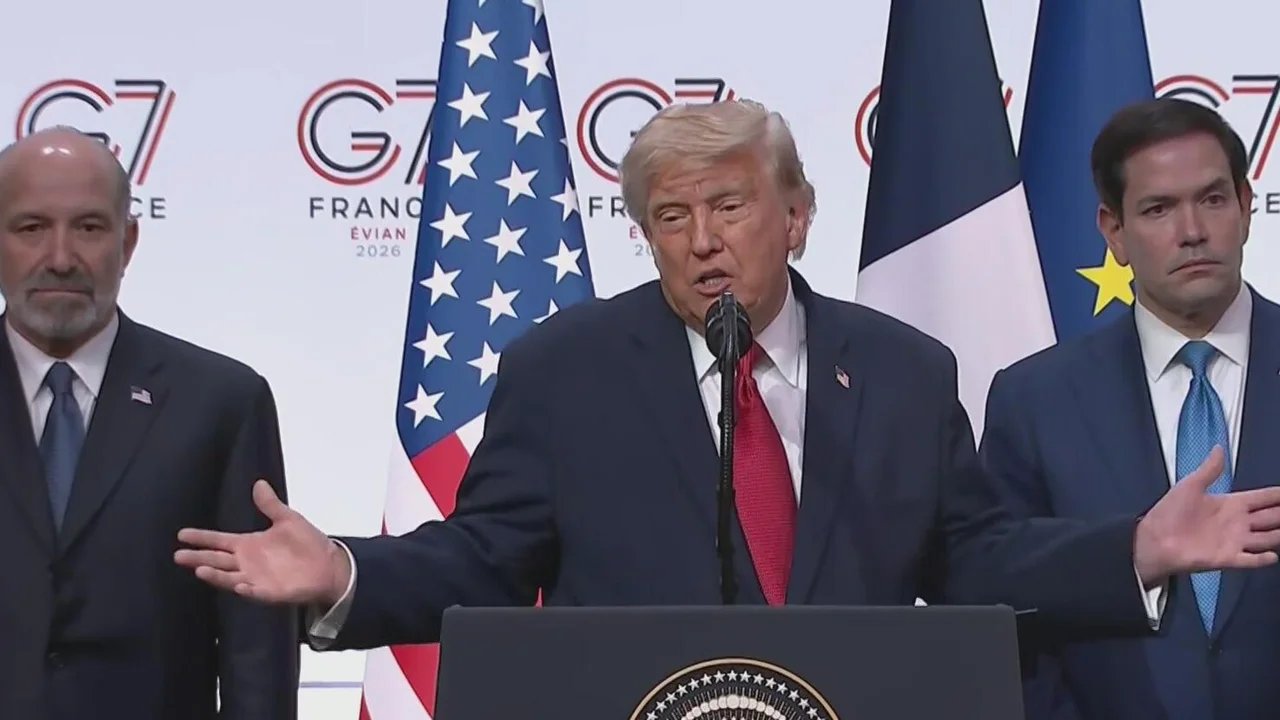
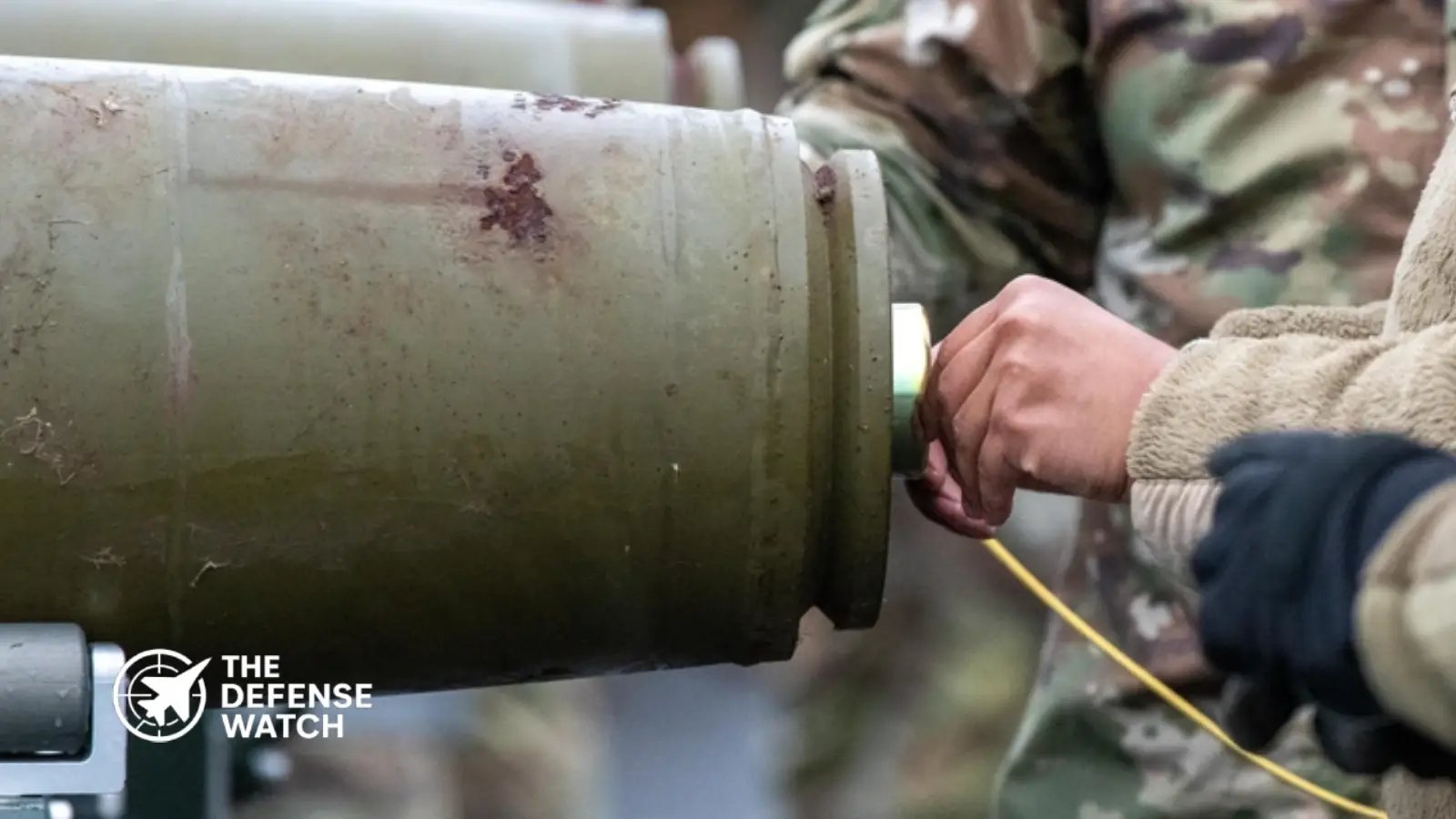
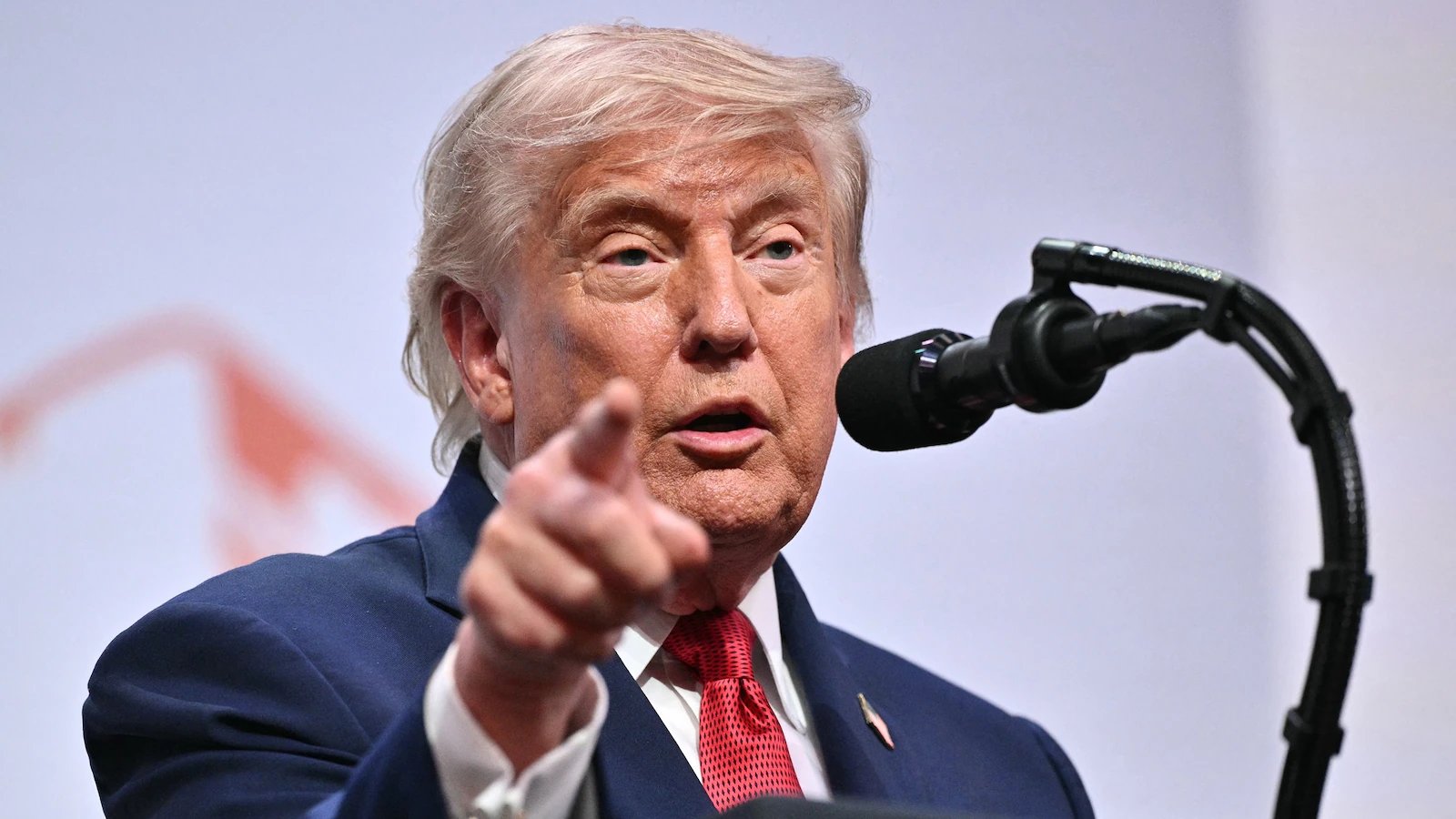
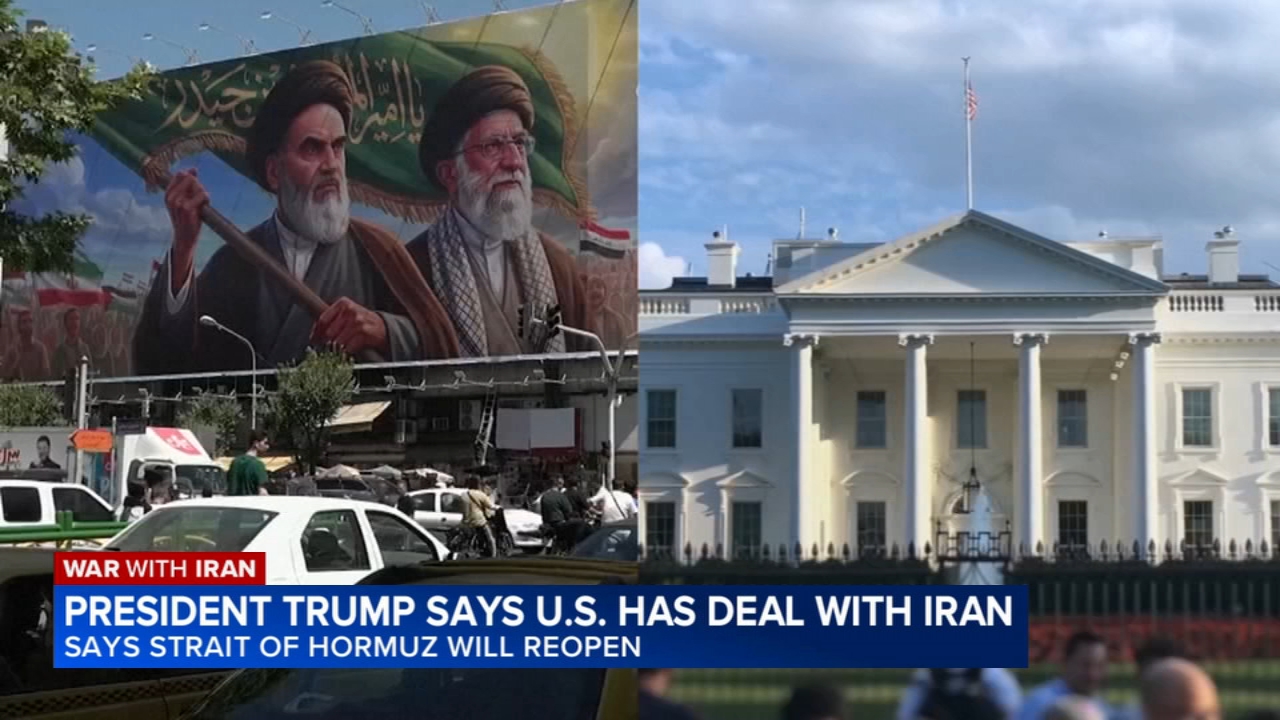
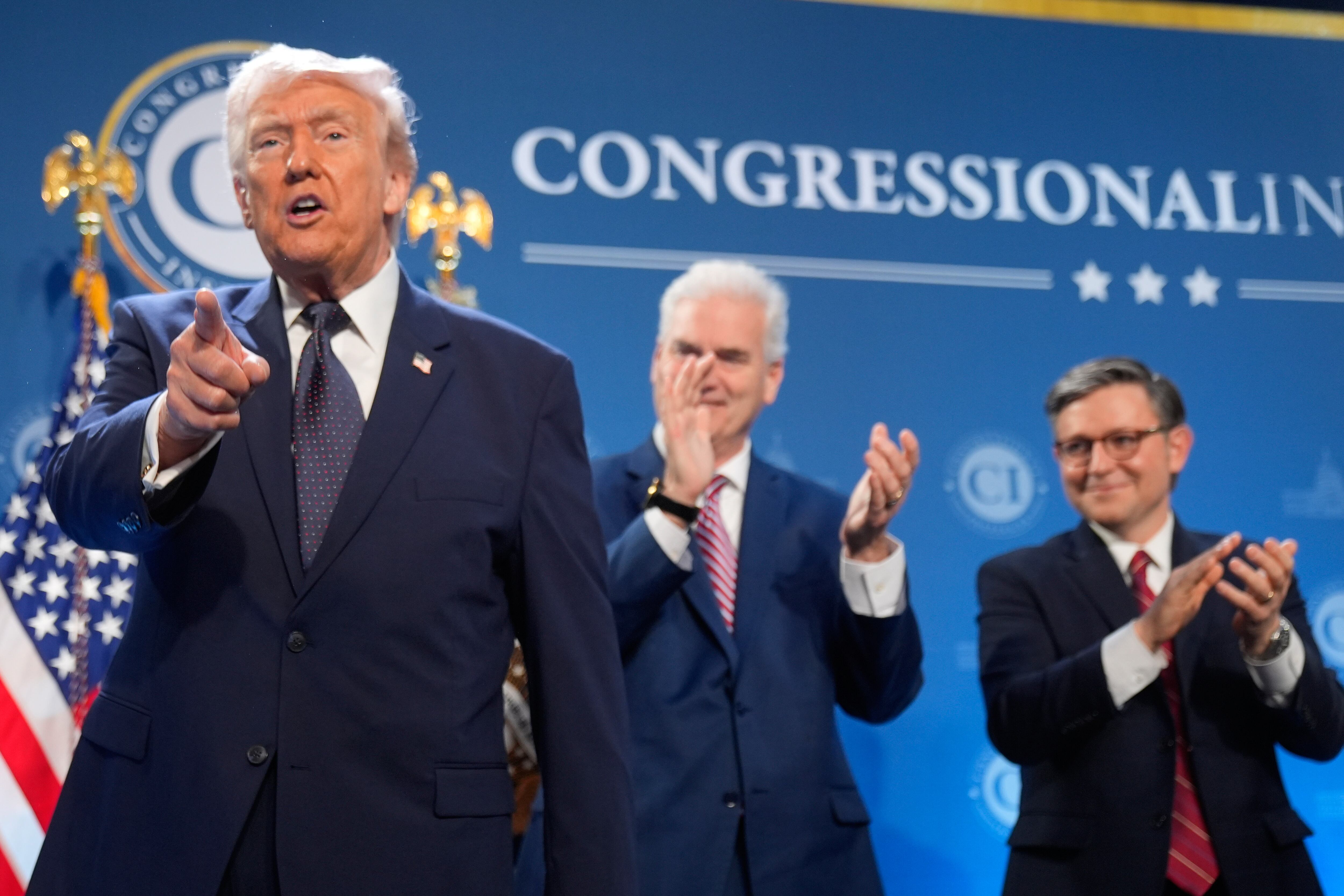
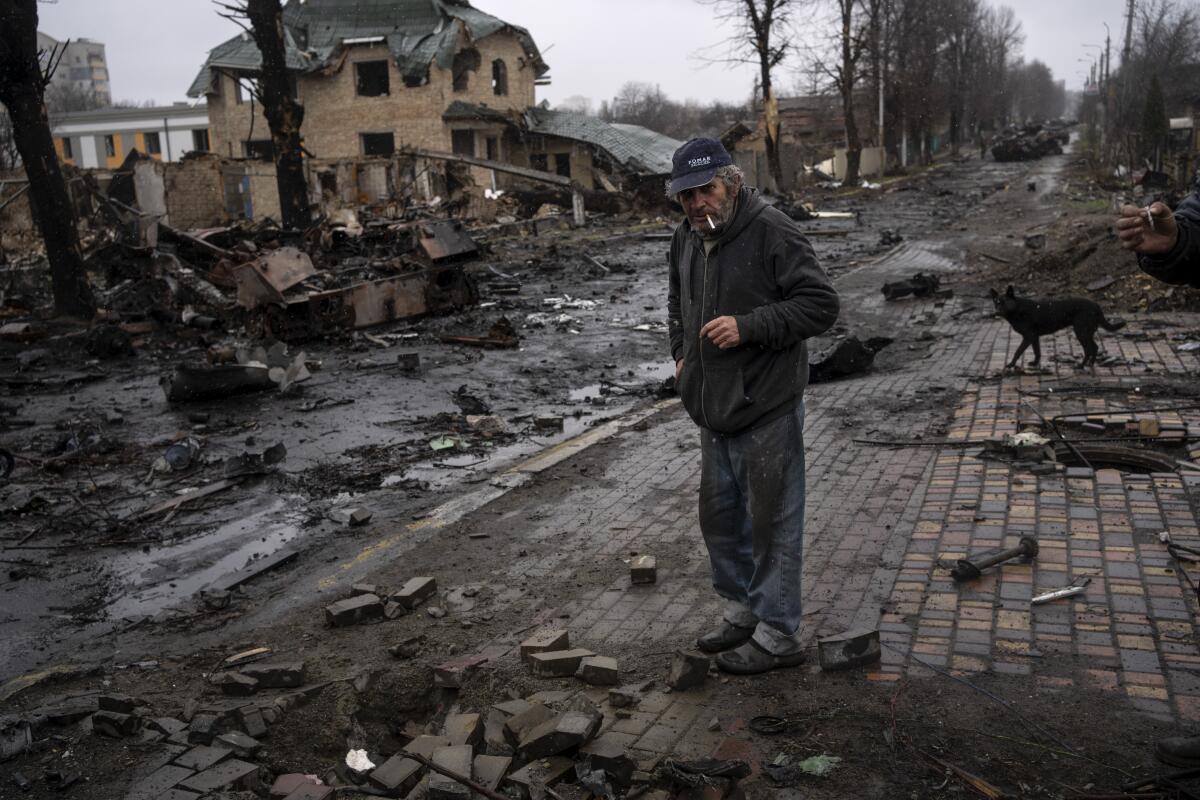
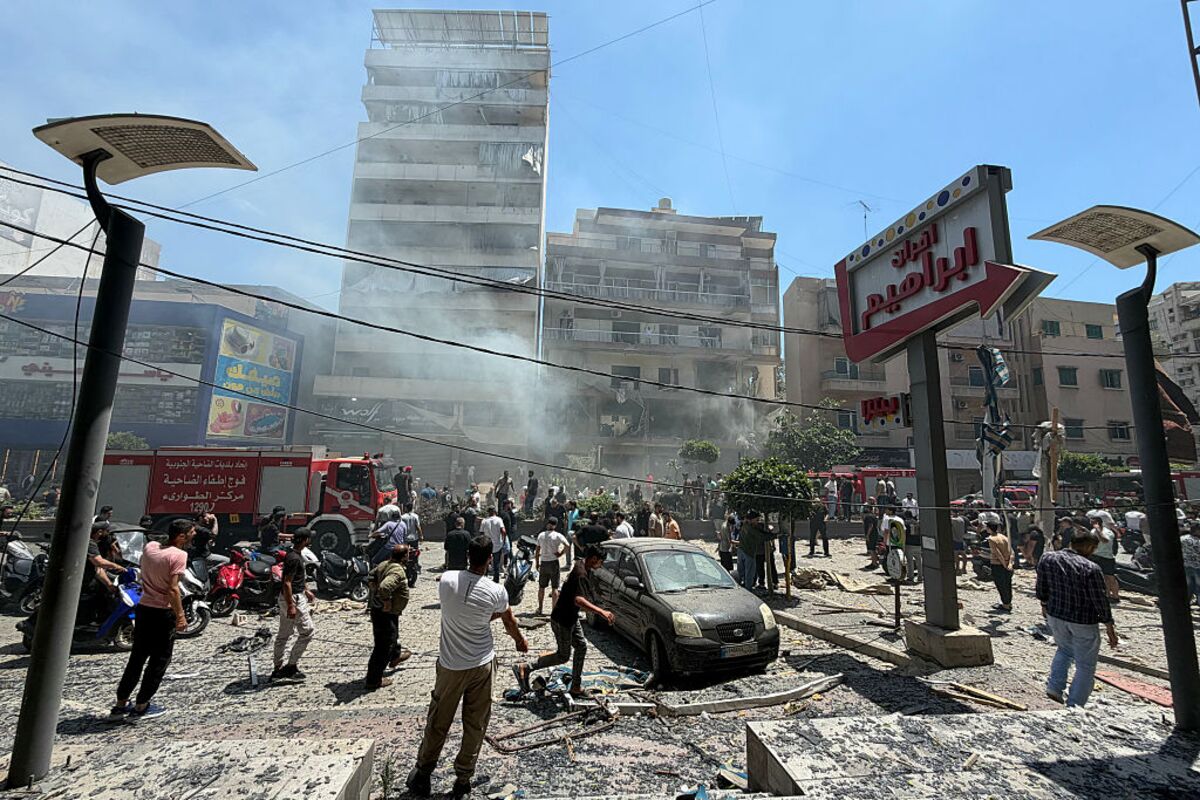
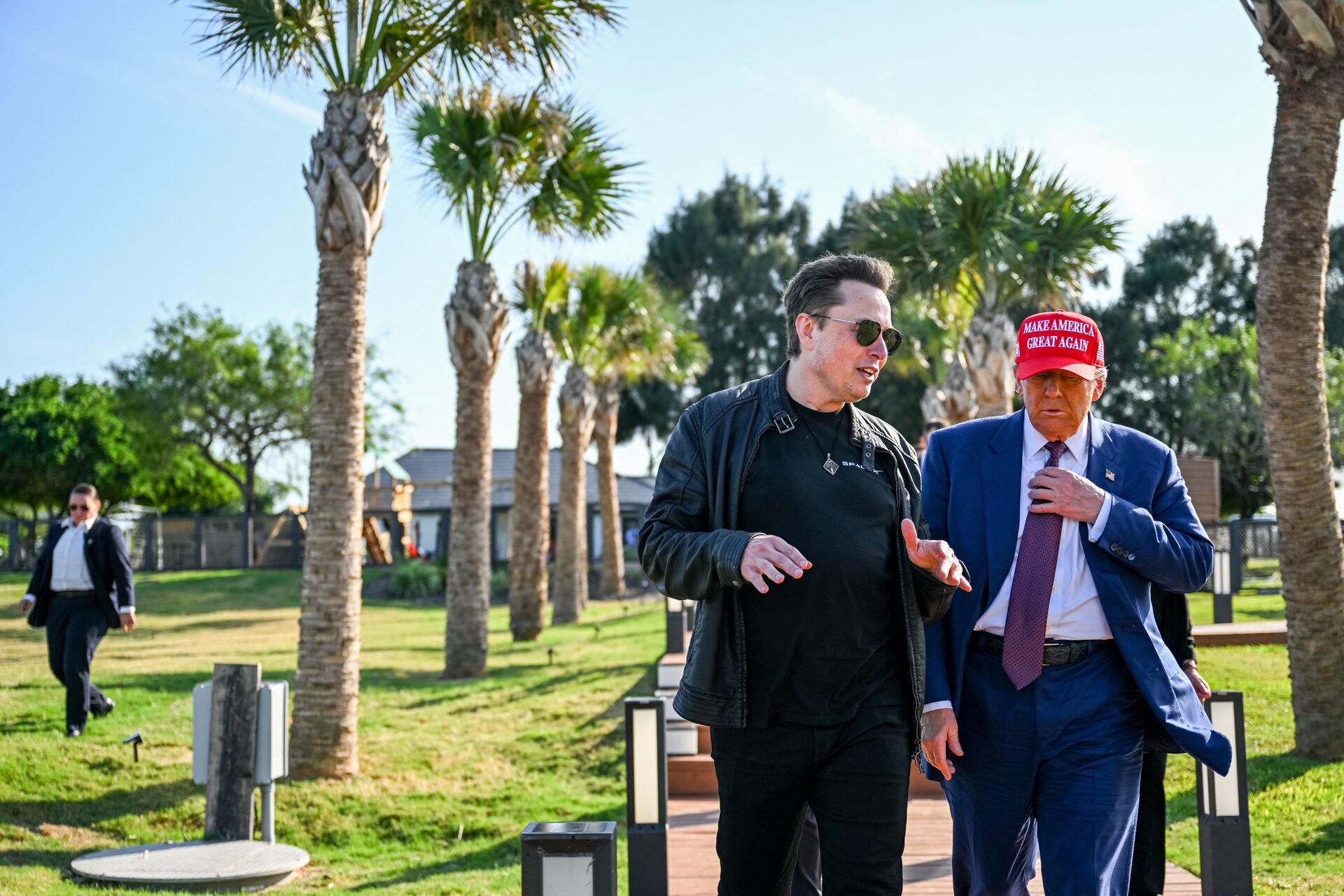
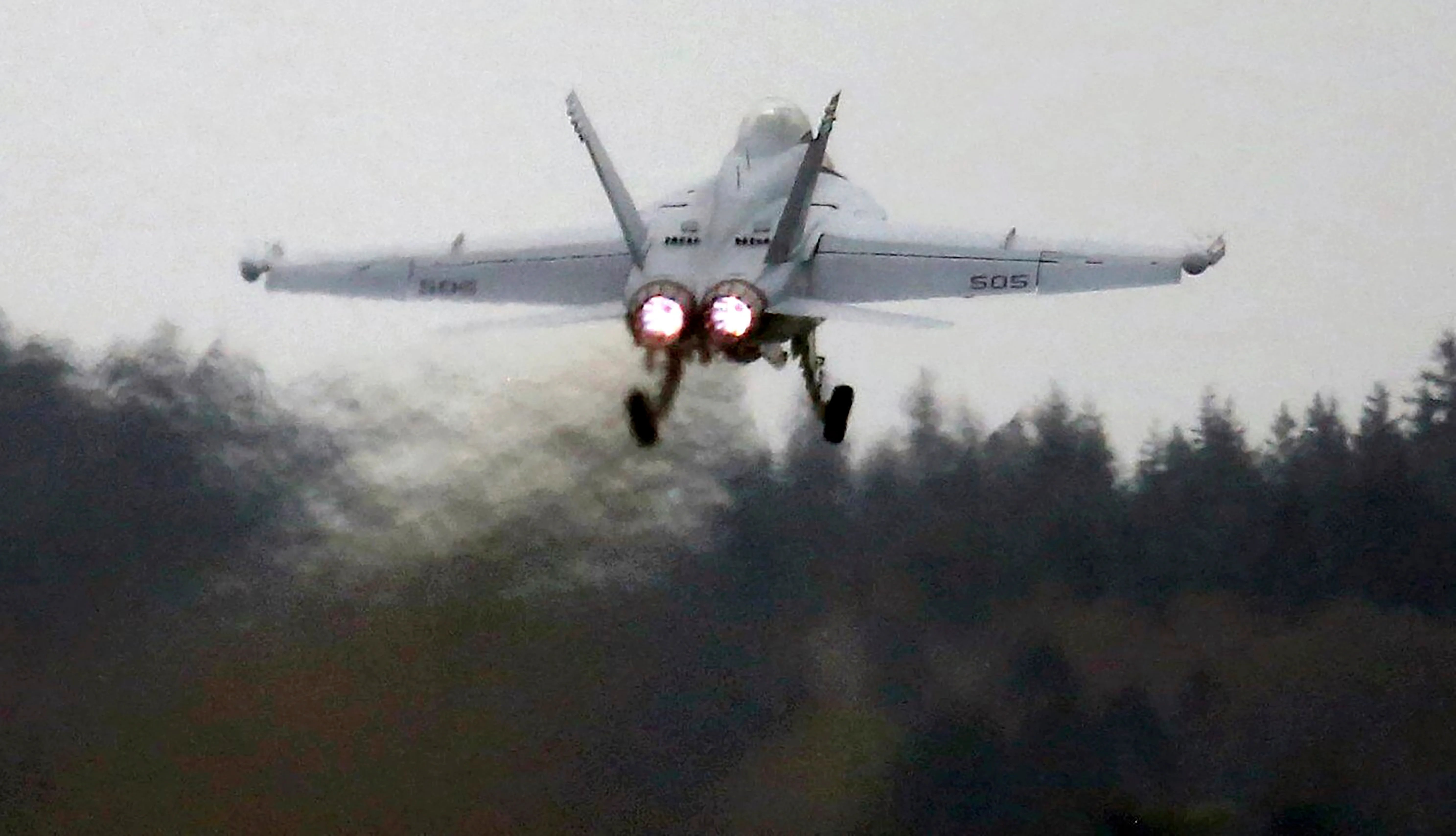
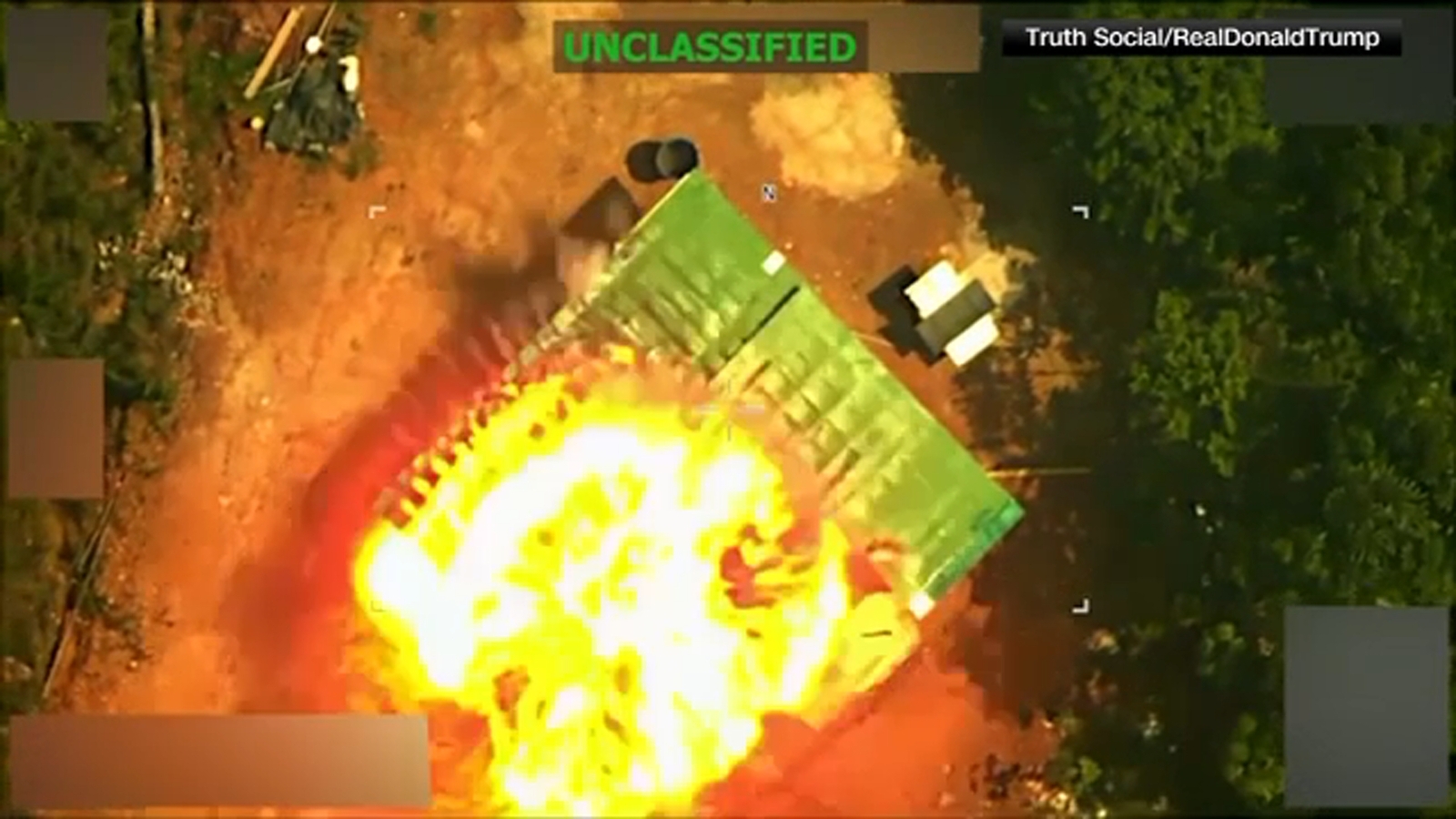
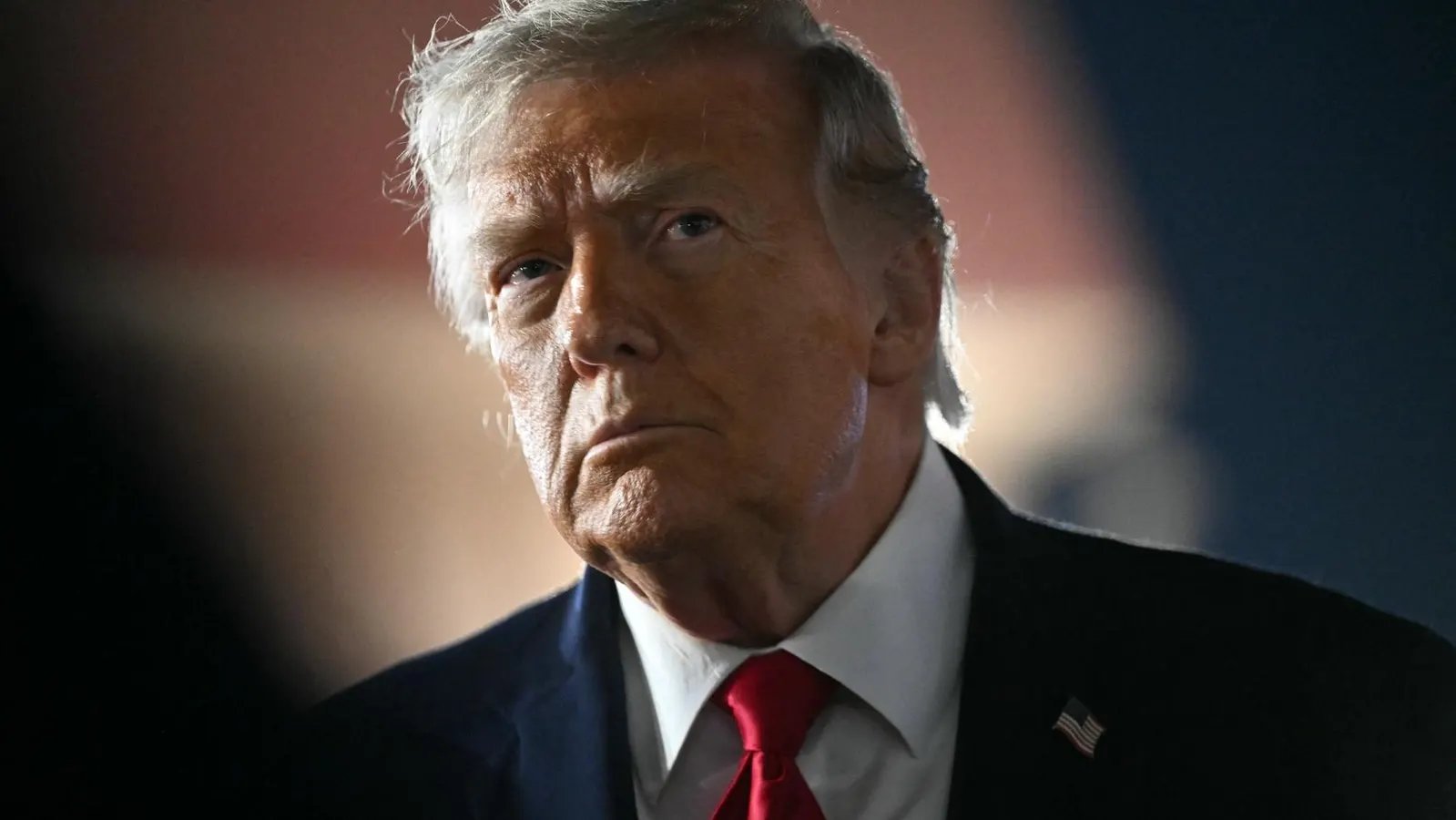
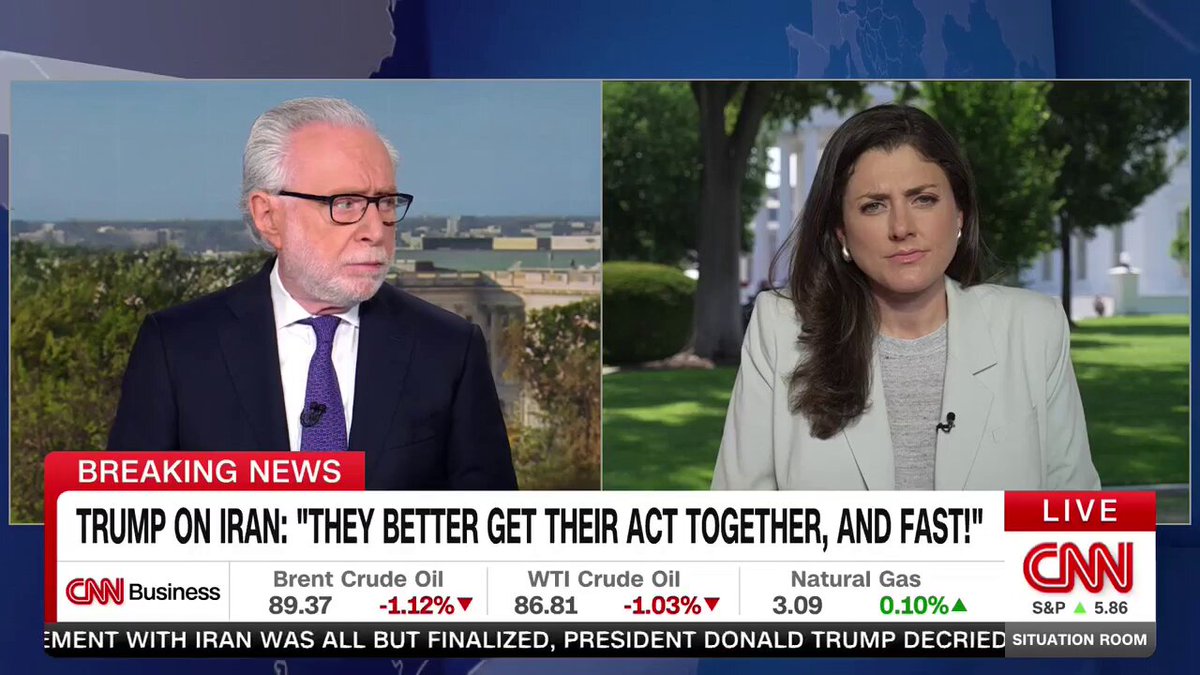
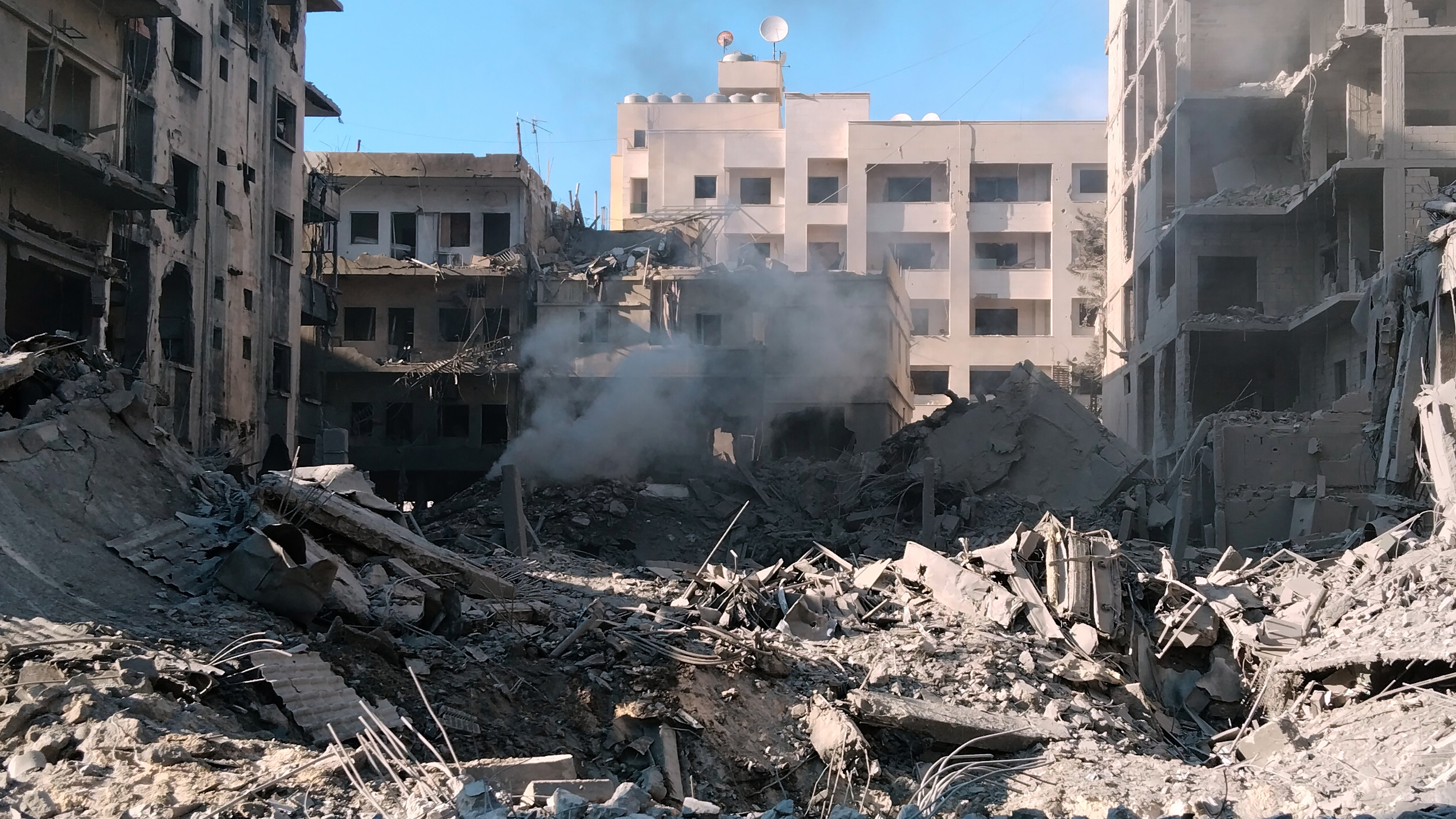
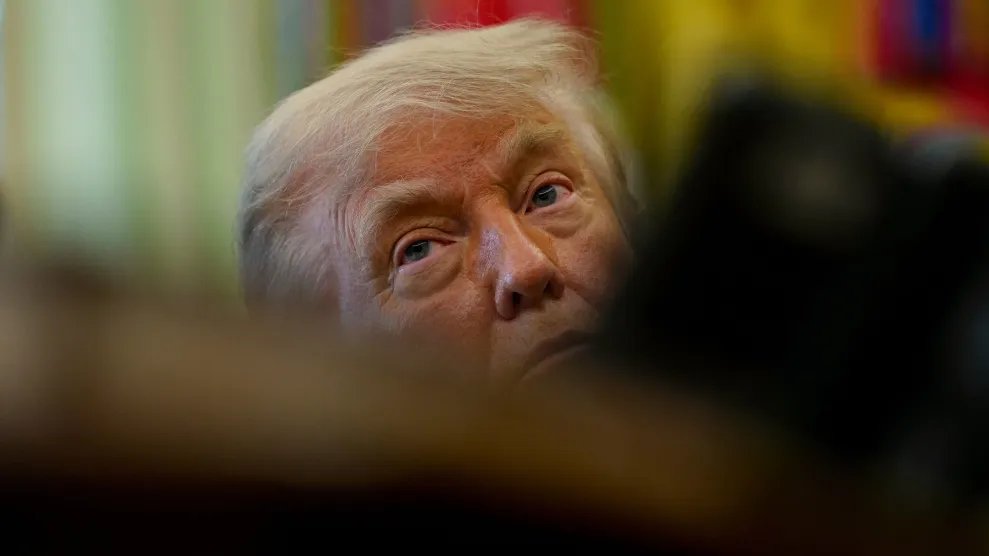
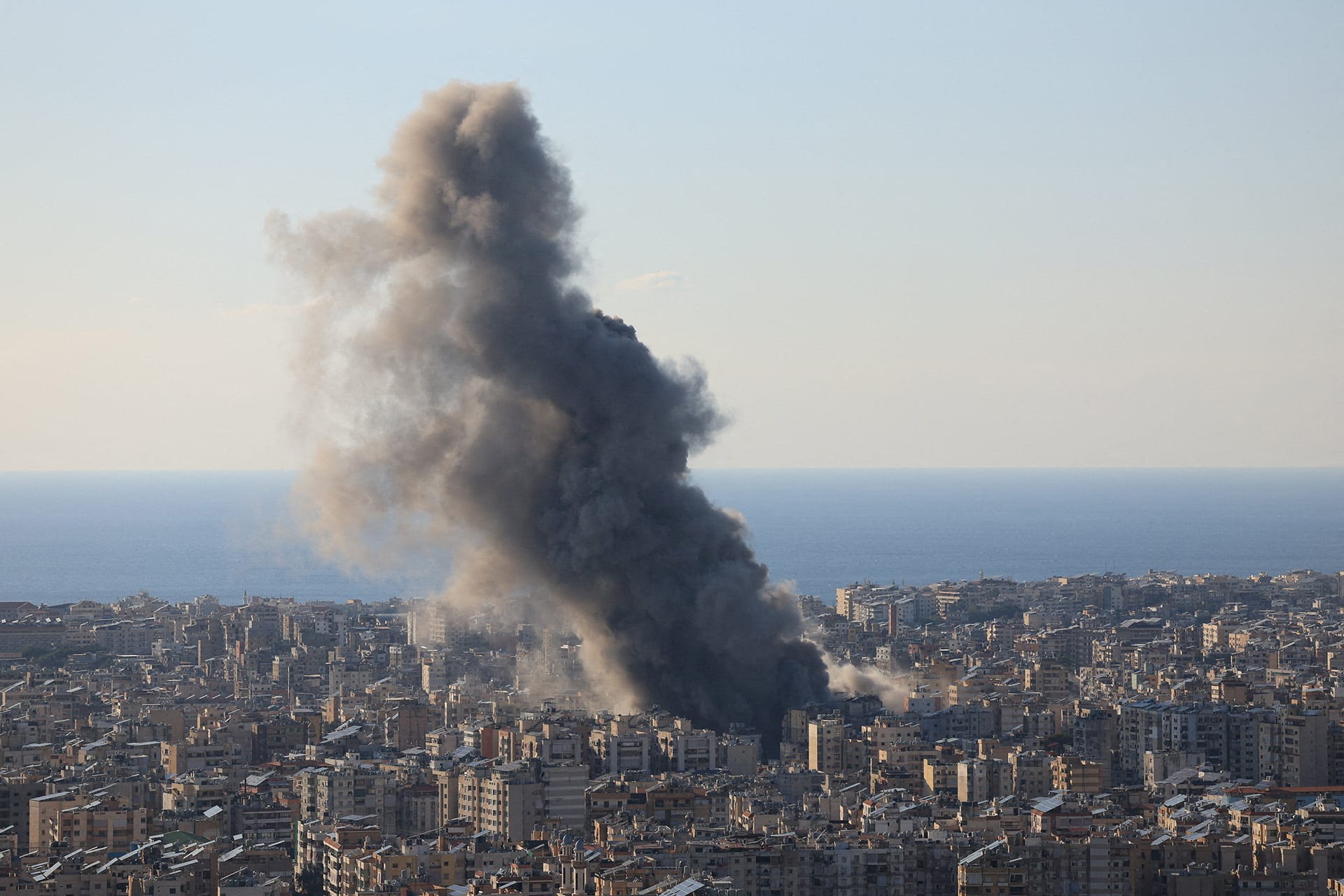
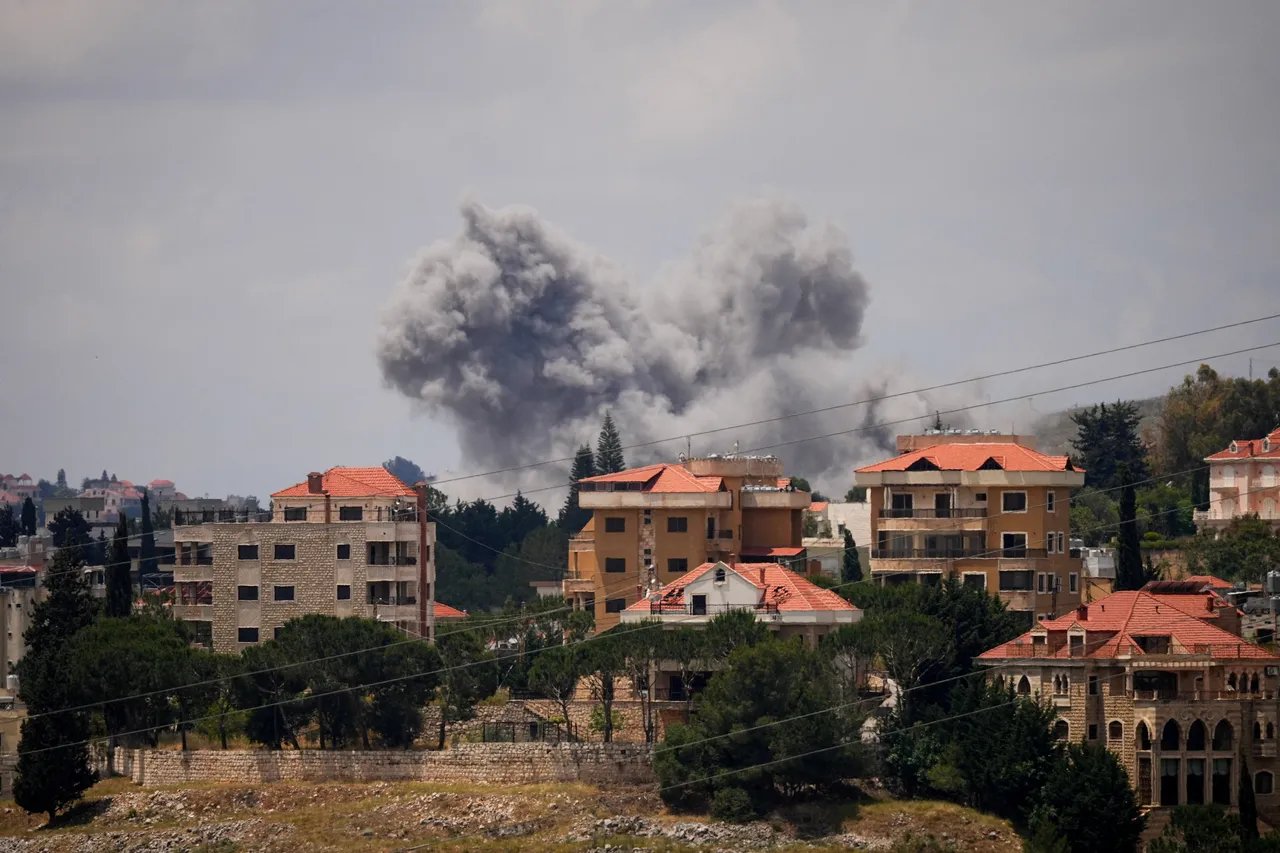
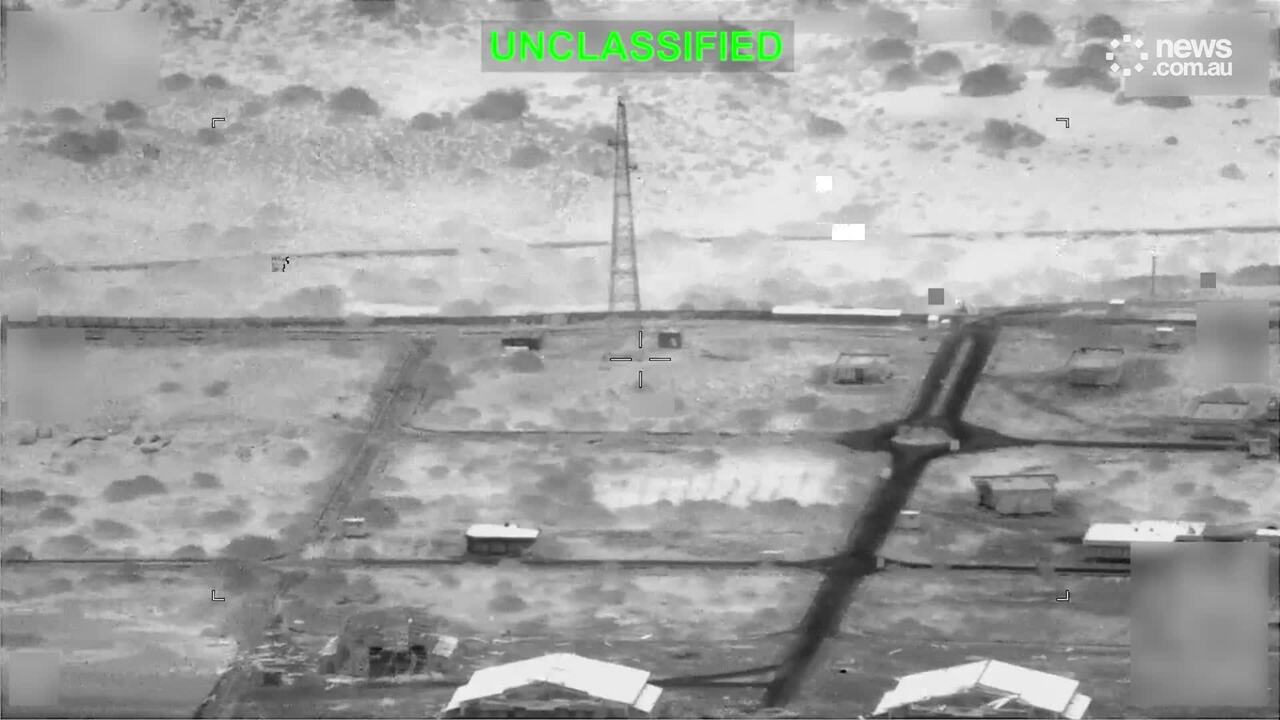
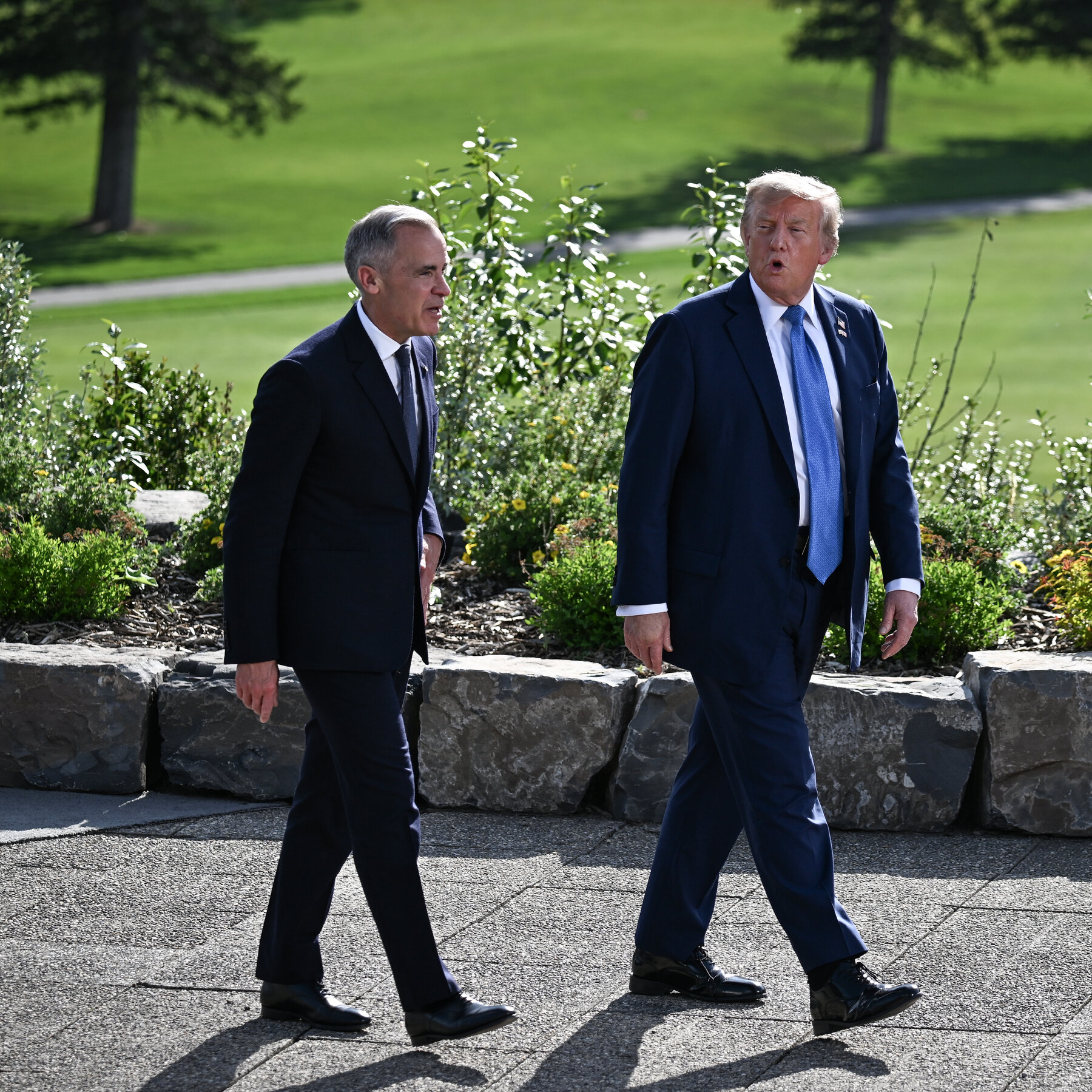
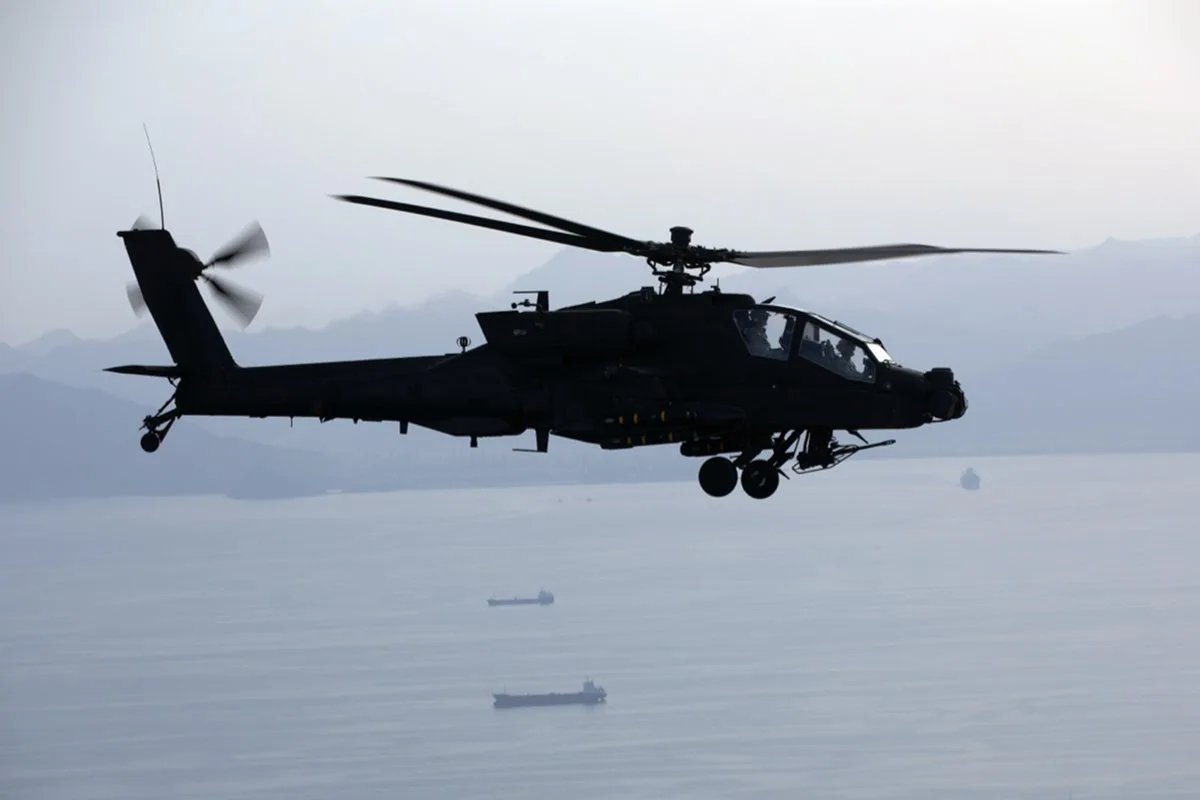
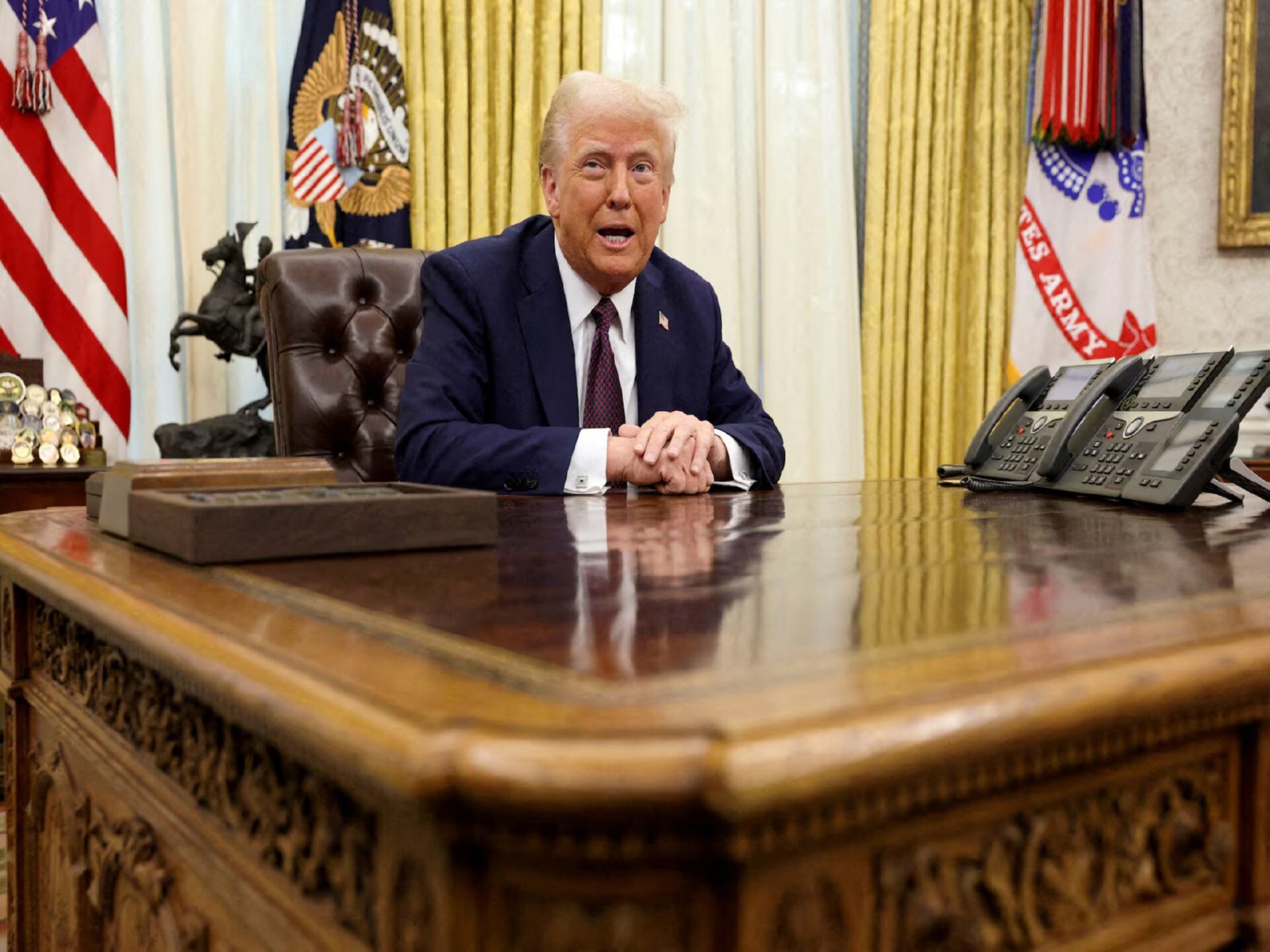
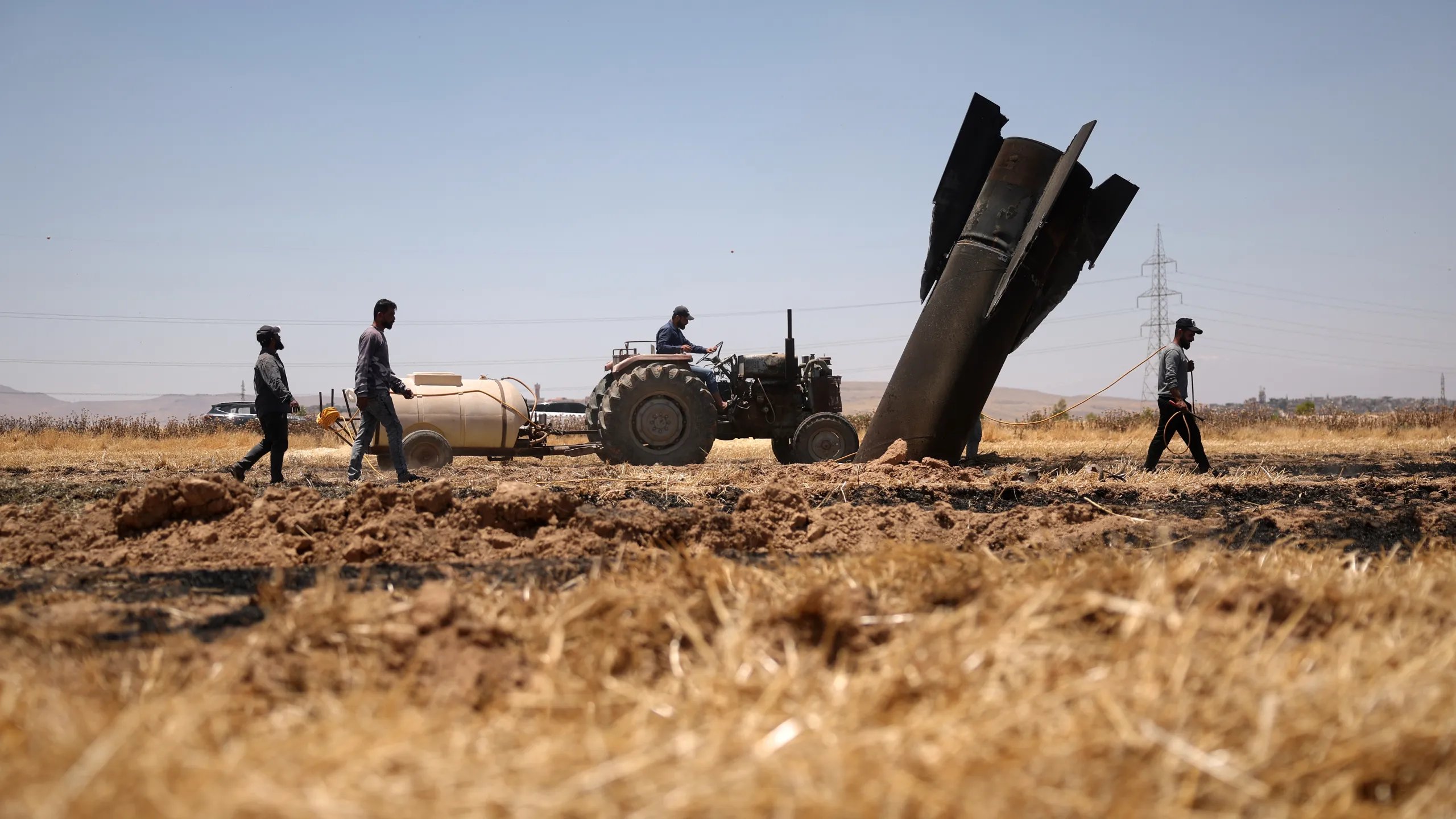
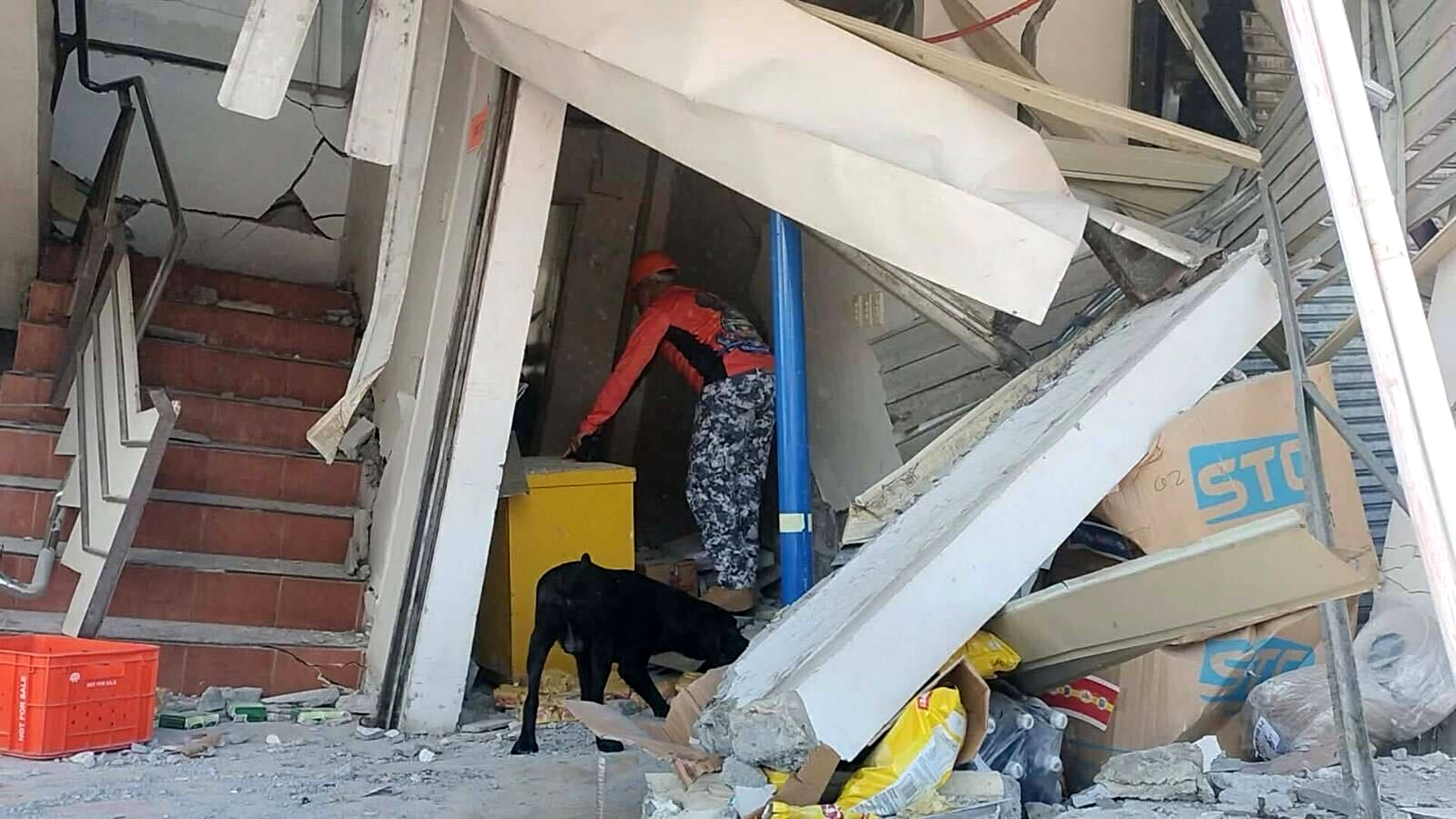
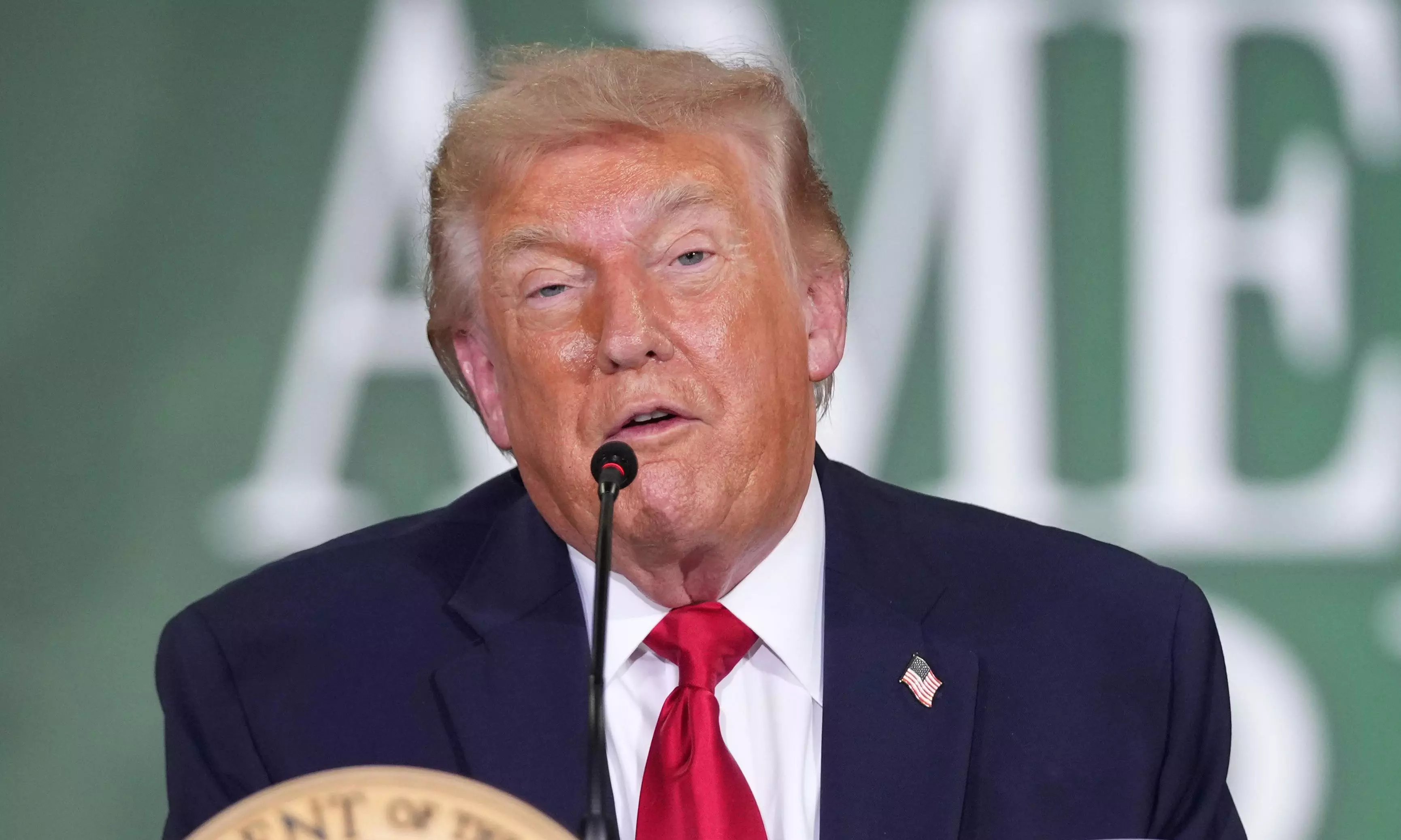
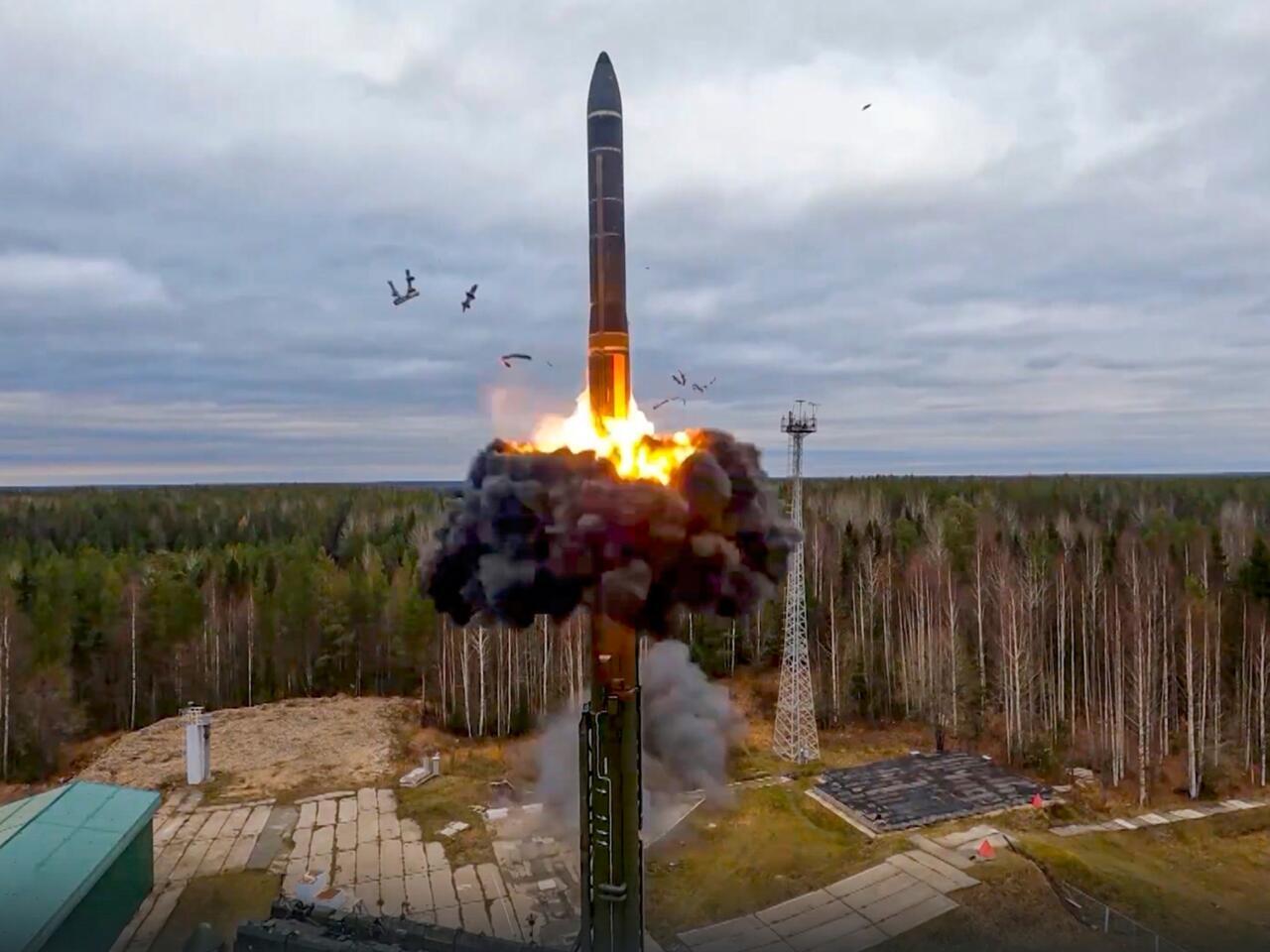
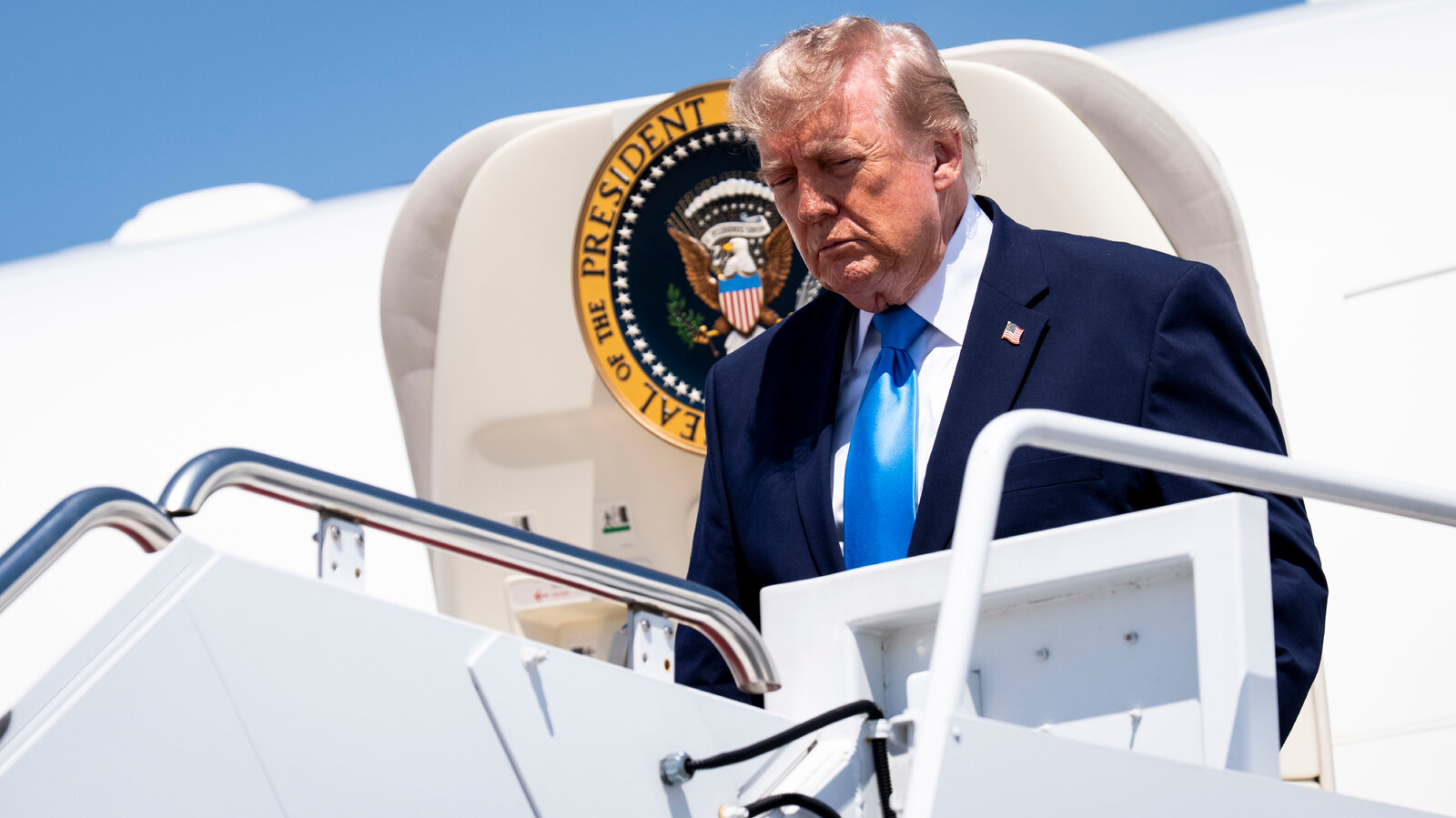
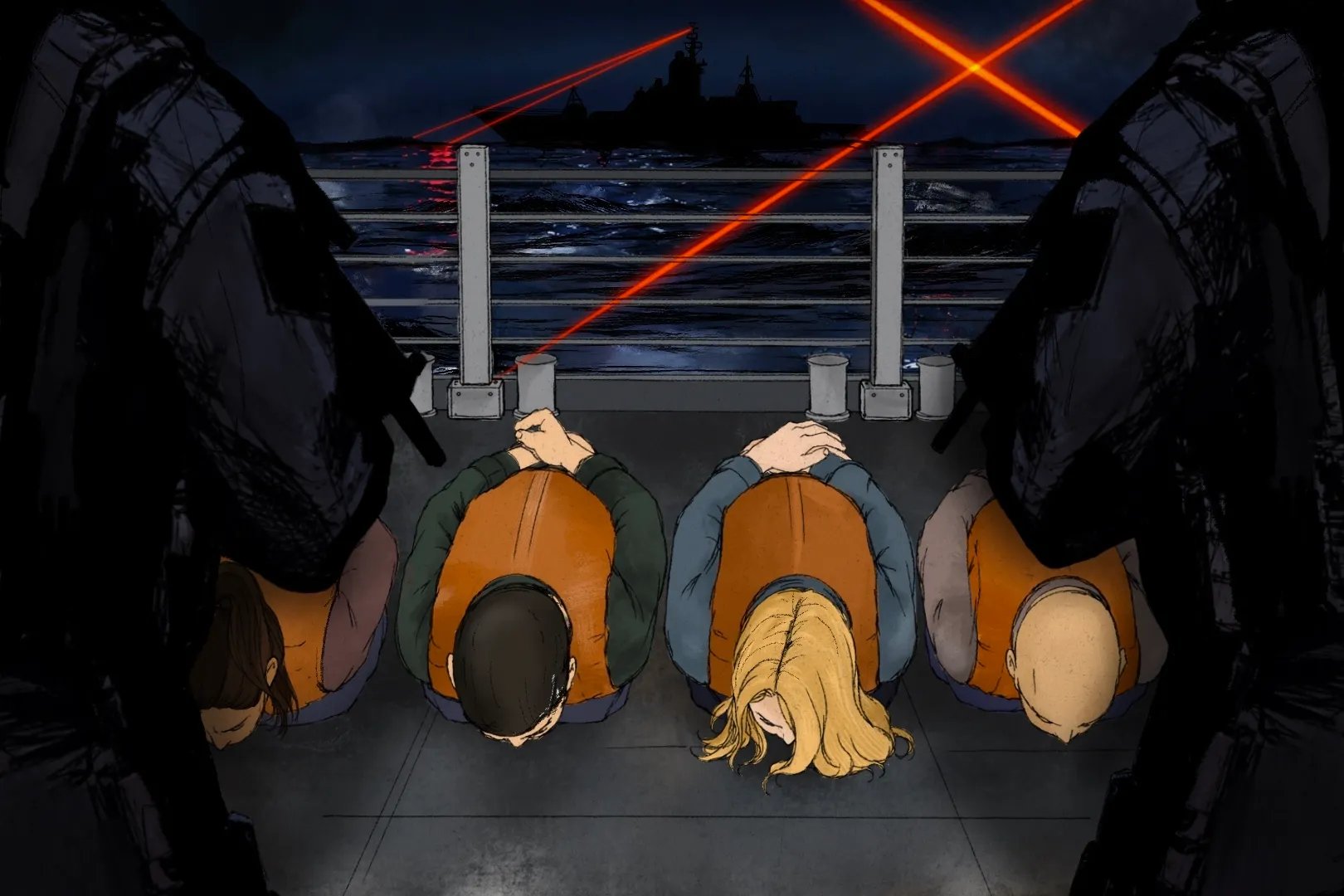
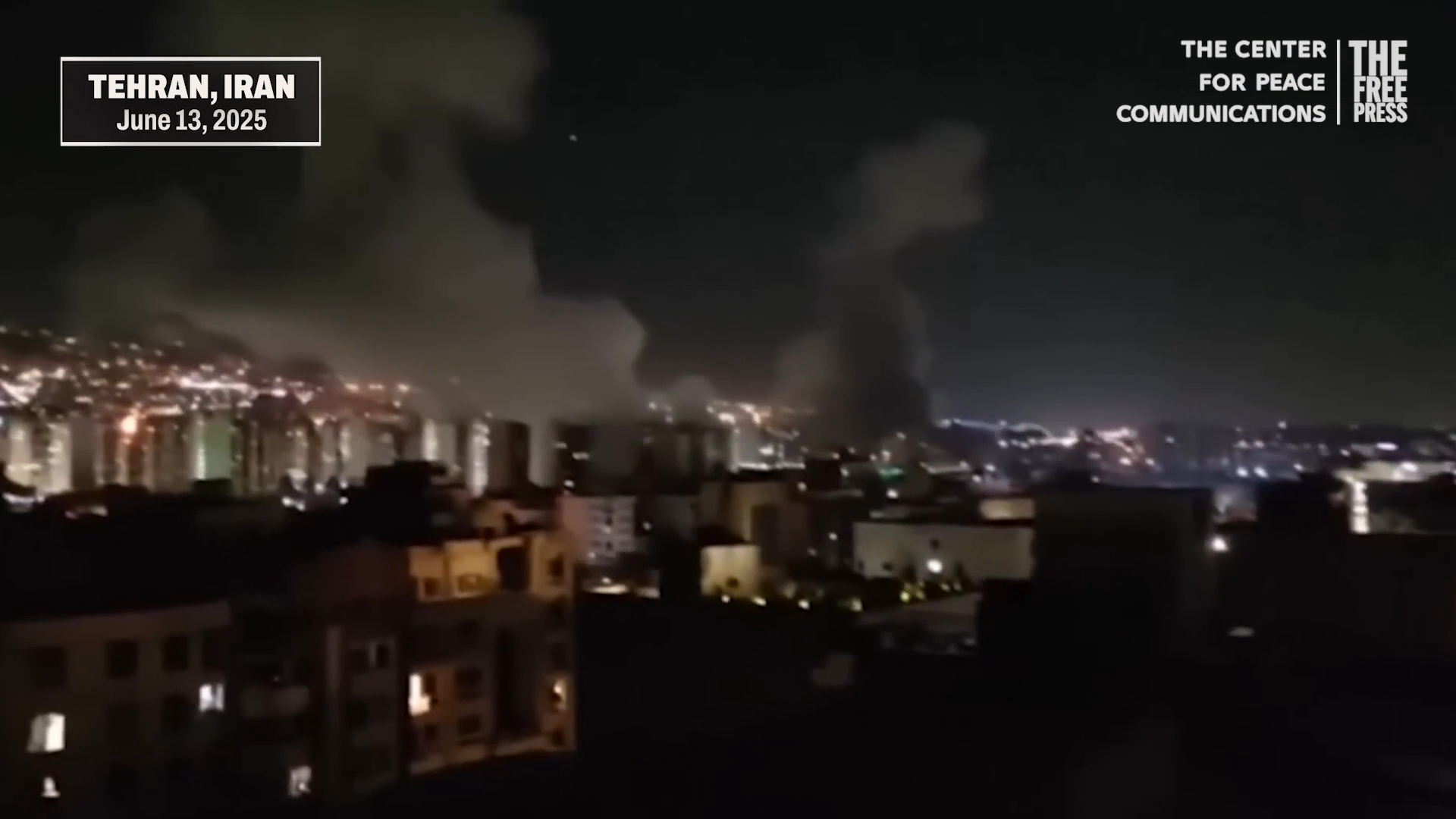
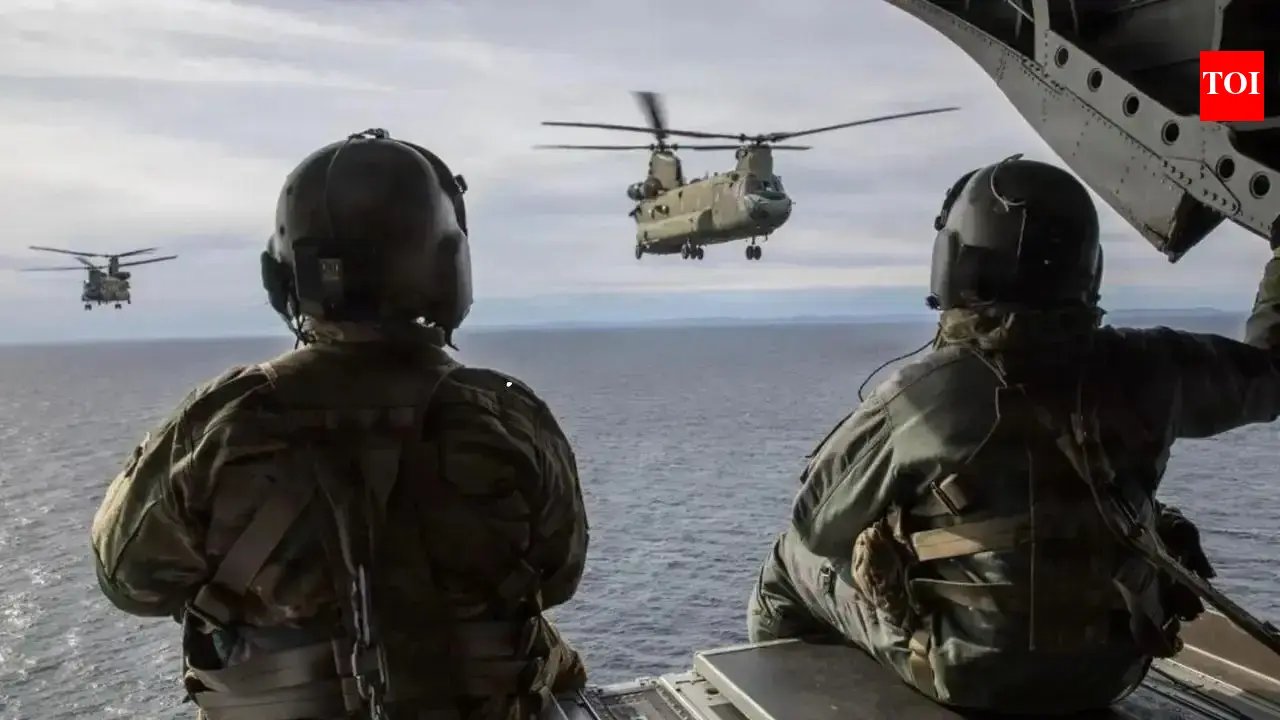
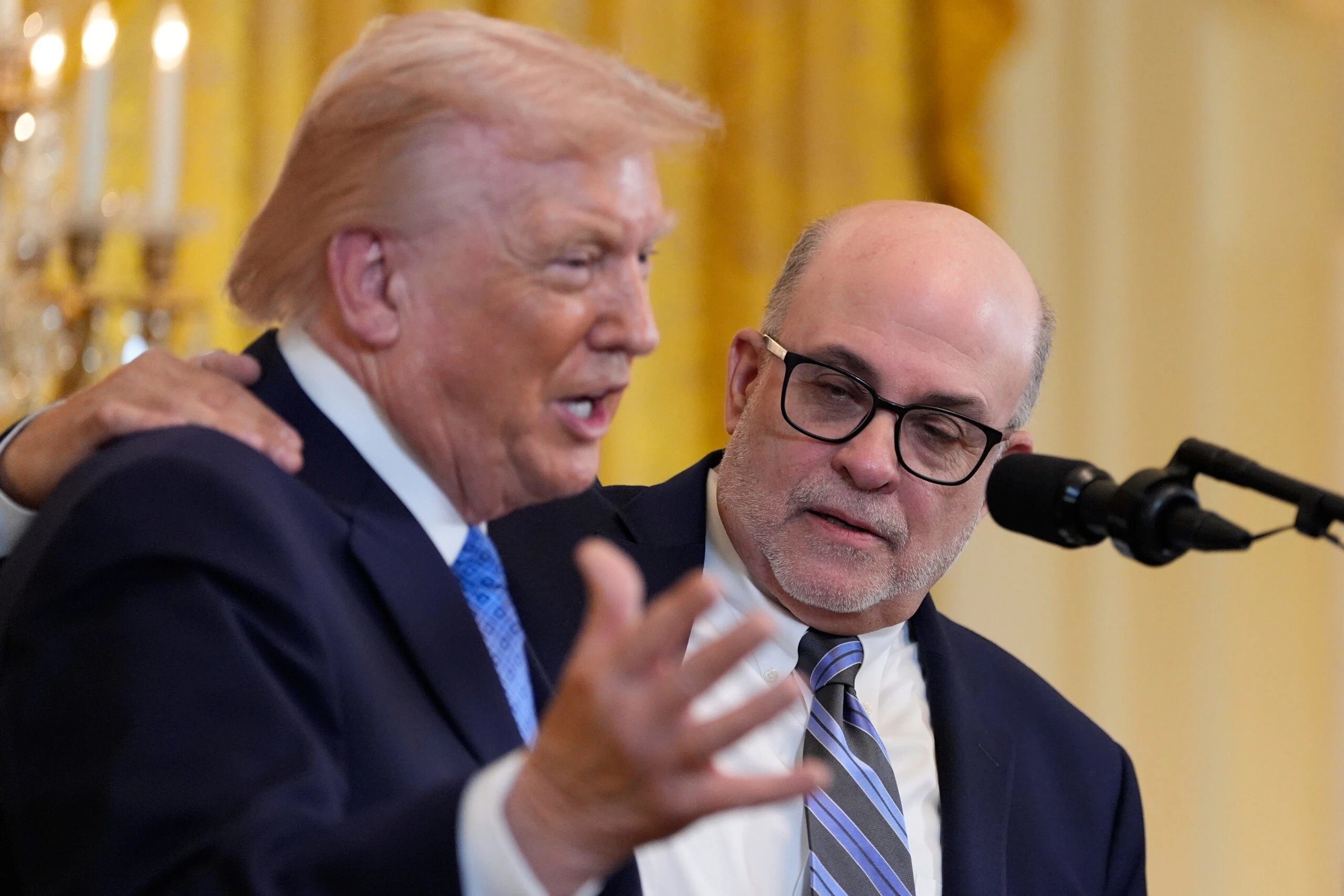
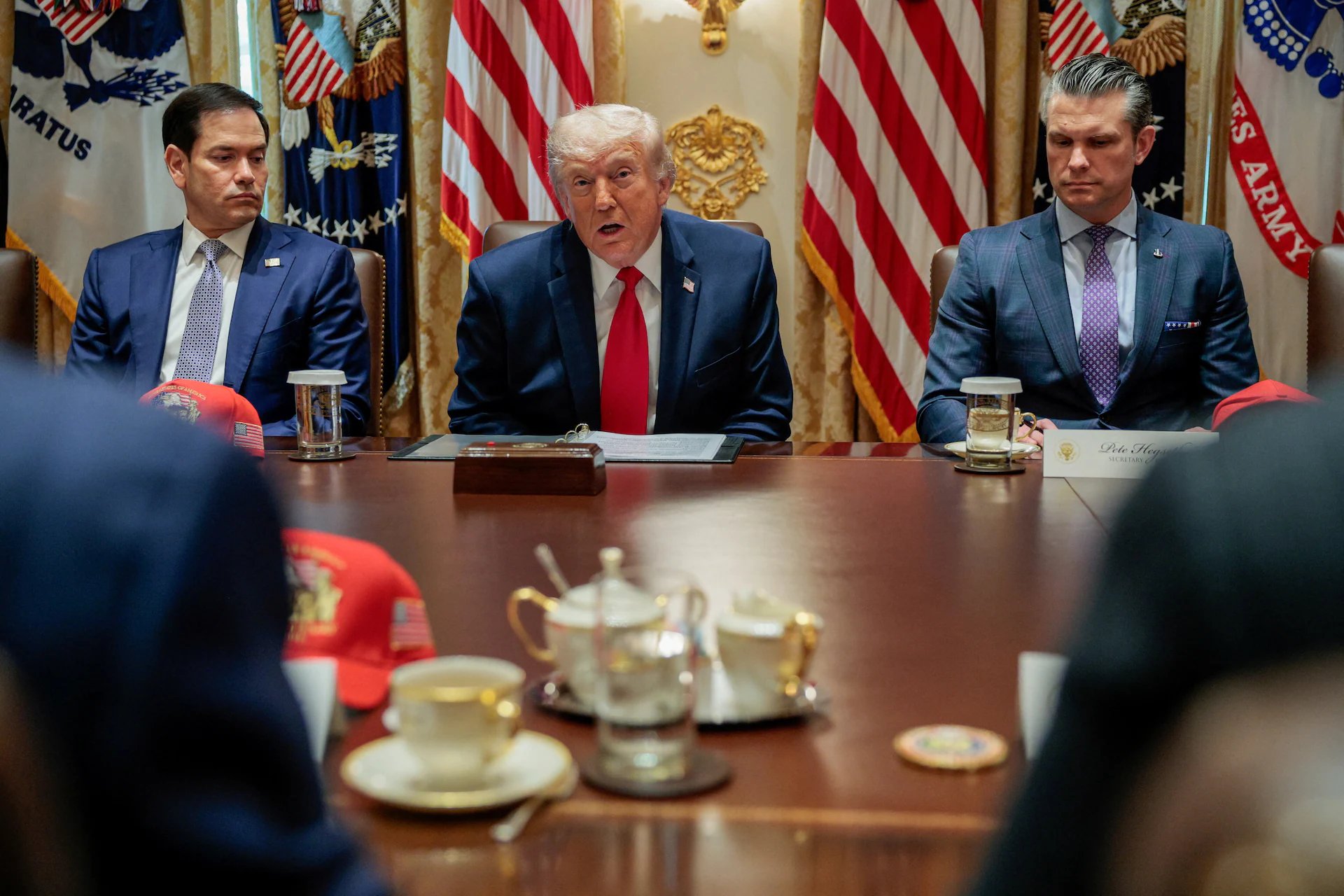
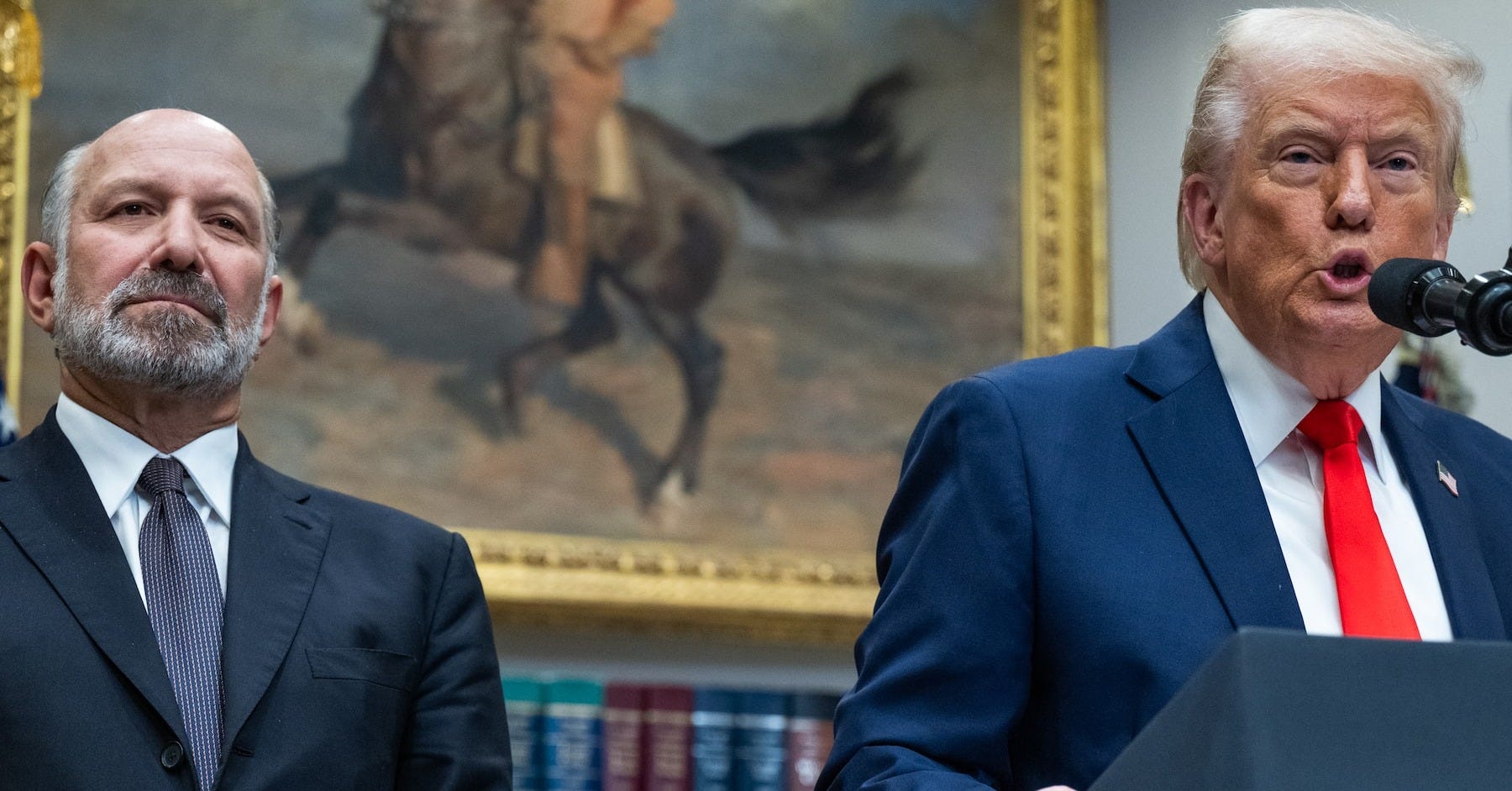
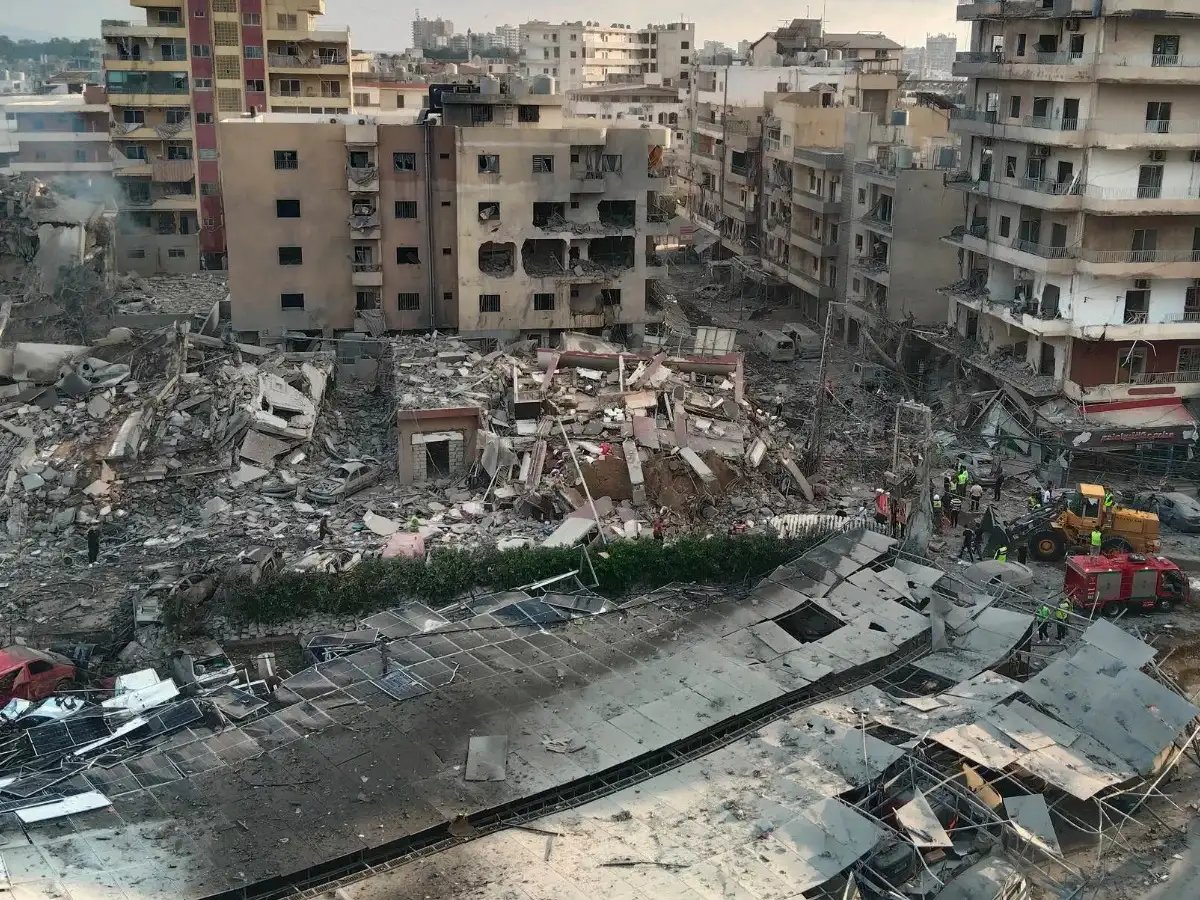
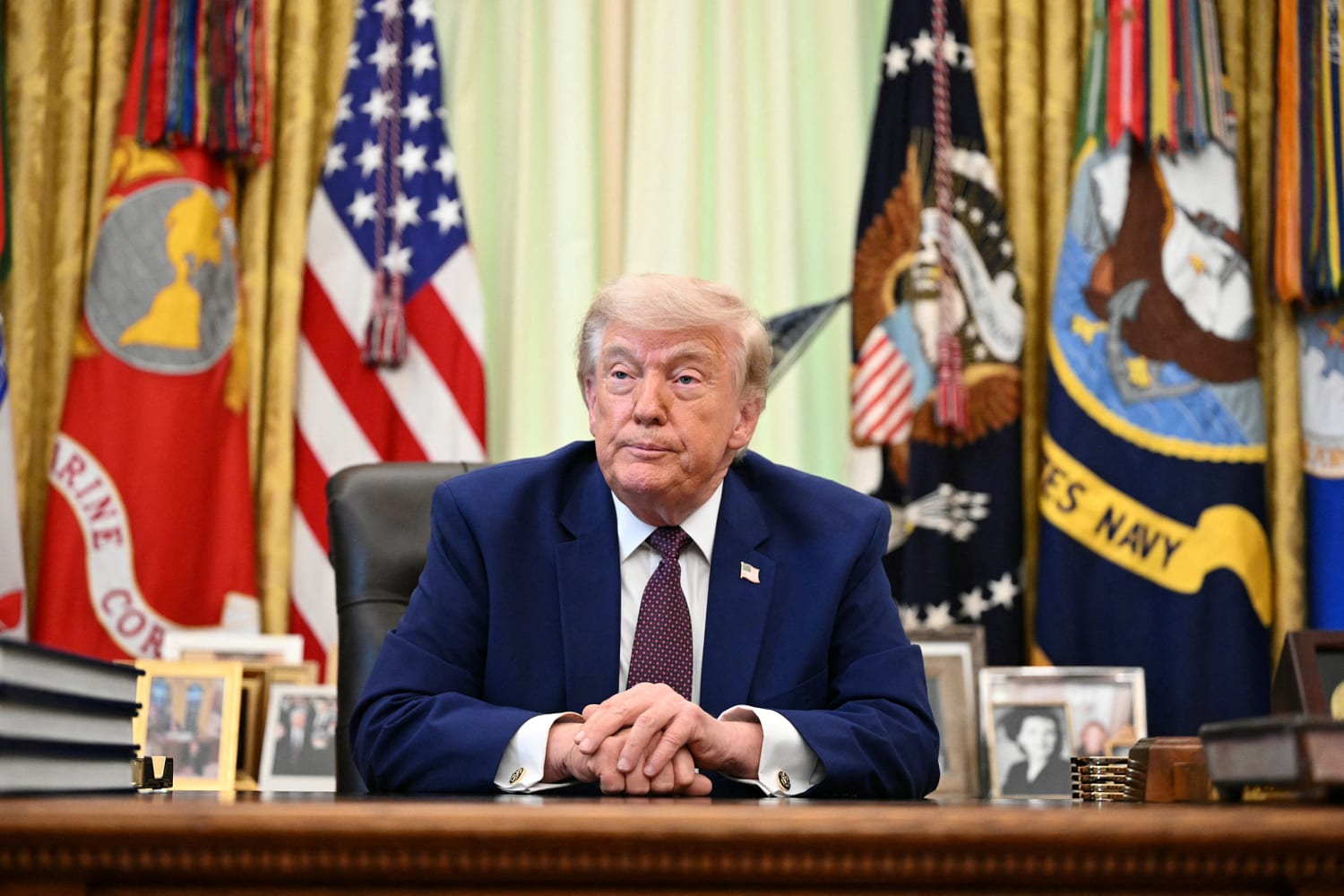
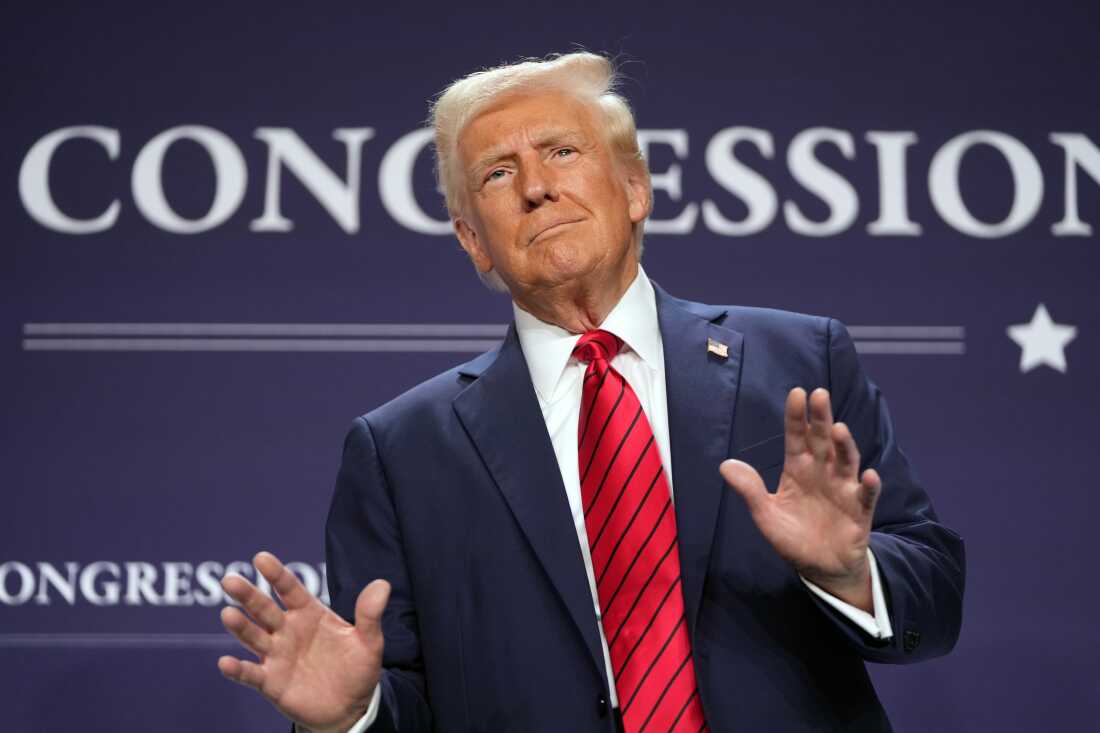
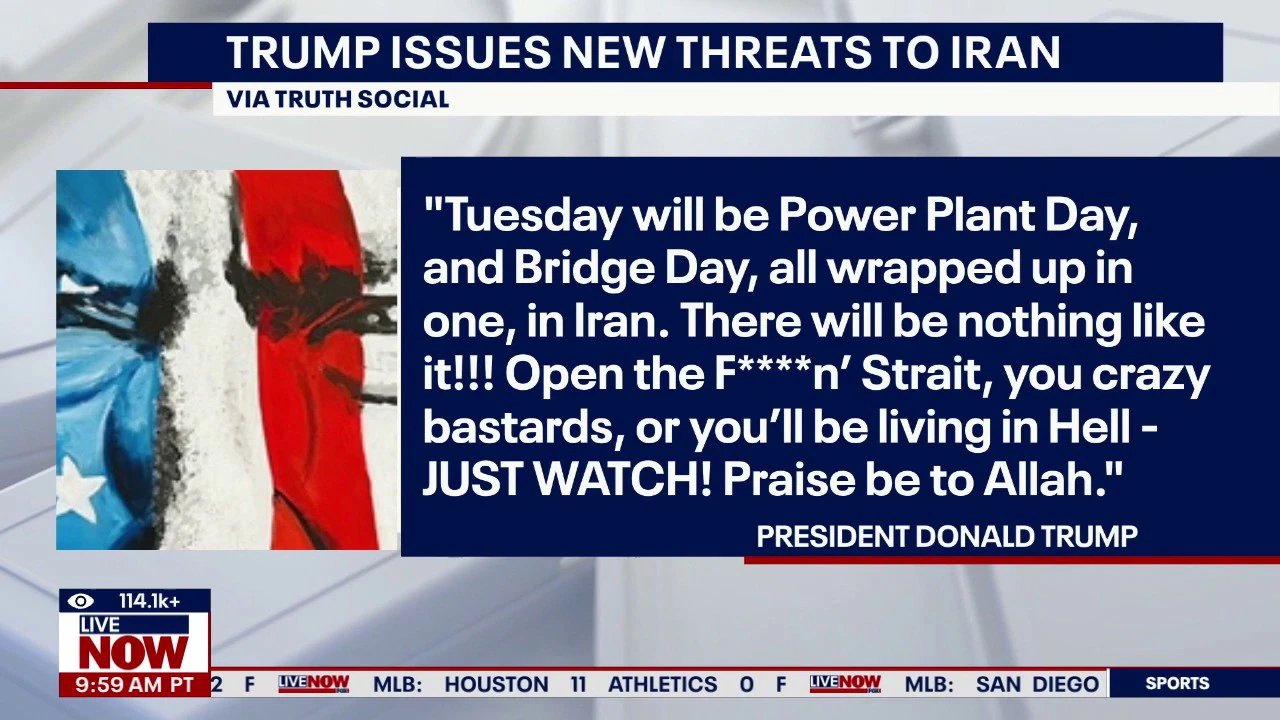
The United States has resumed its naval blockade of Iranian ports, intensifying military actions against Iran. Recent U.S. strikes targeted military facilities, including coastal defense systems and missile sites, as President Donald Trump warned of potential attacks on civilian infrastructure if Iran does not negotiate. Trump stated that energy targets could be next unless diplomatic discussions commence.
Iranian Response and Threats
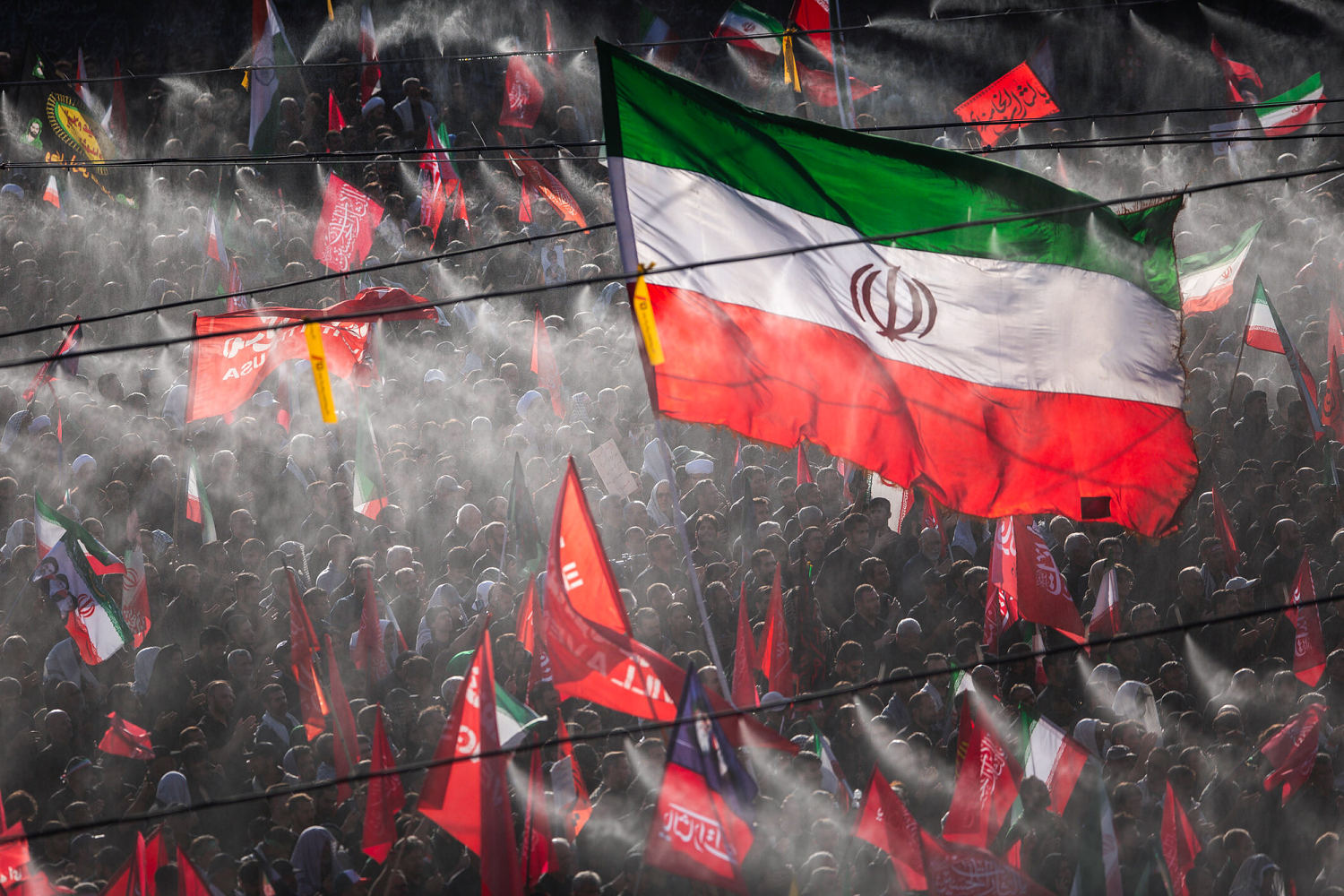
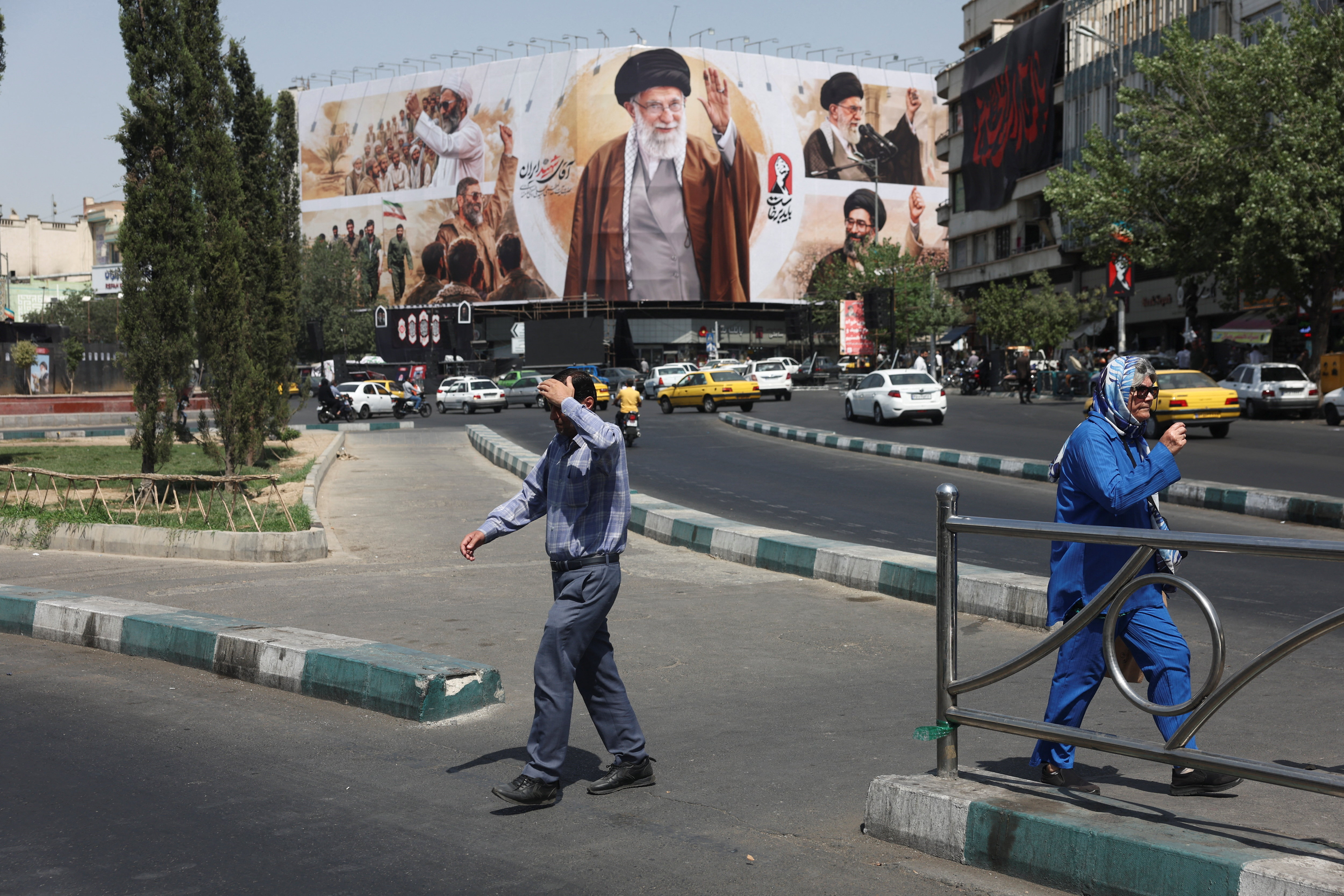
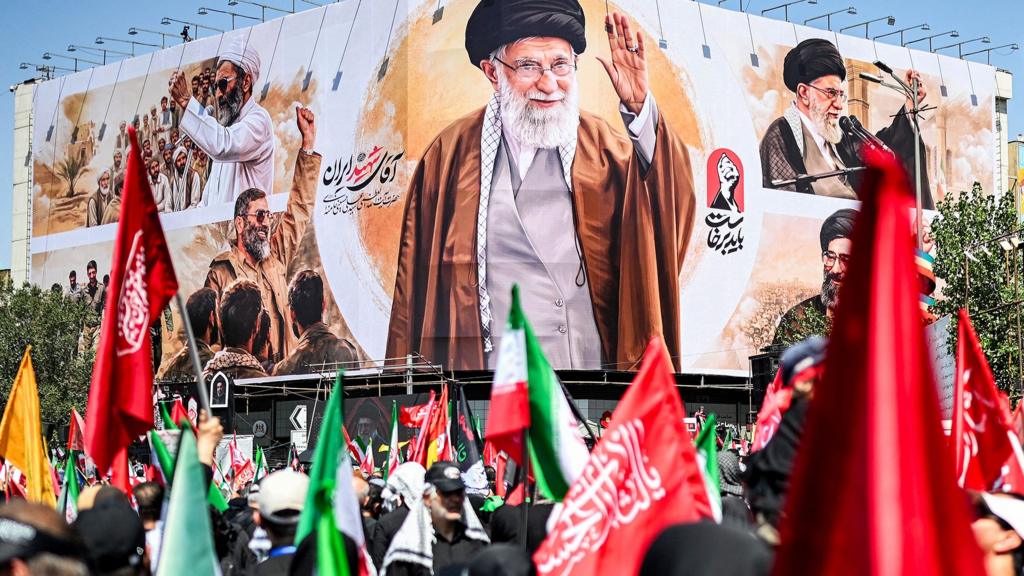
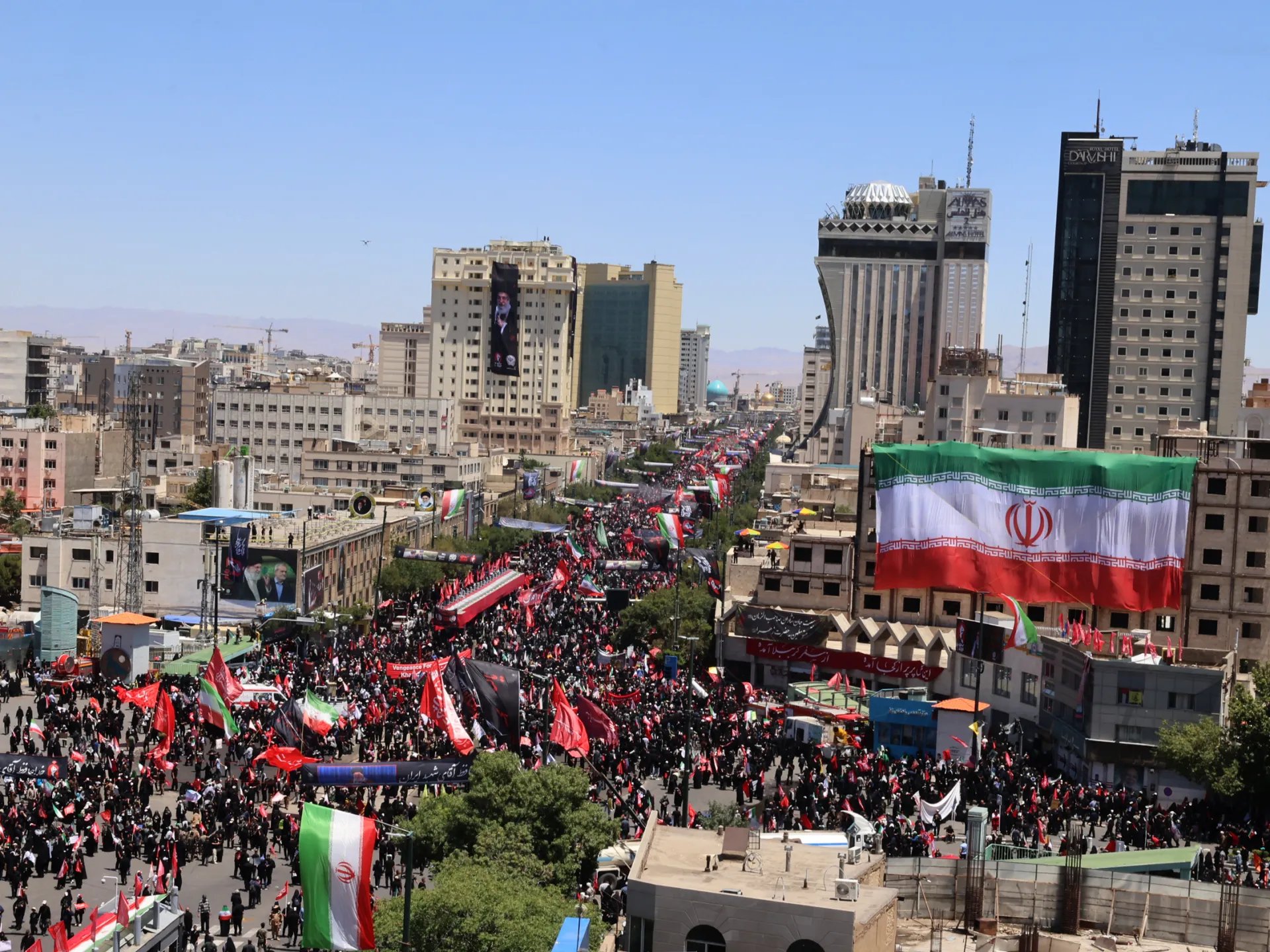
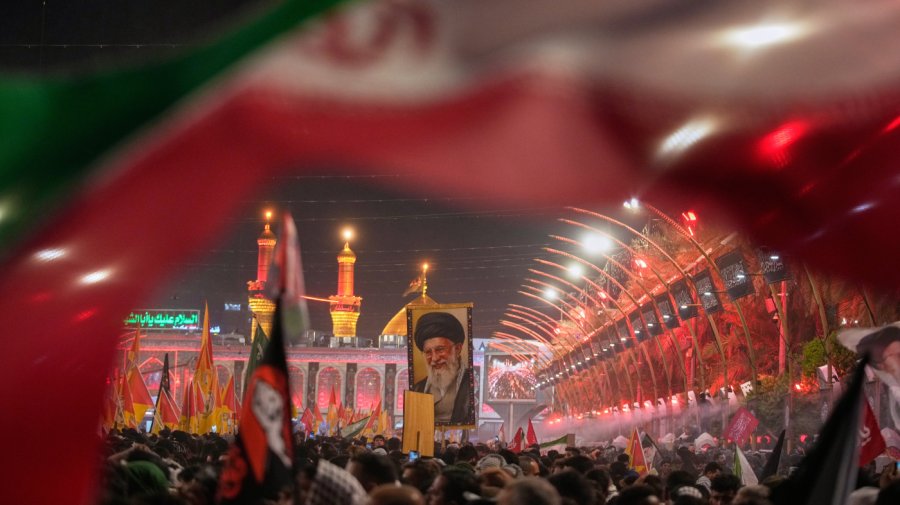
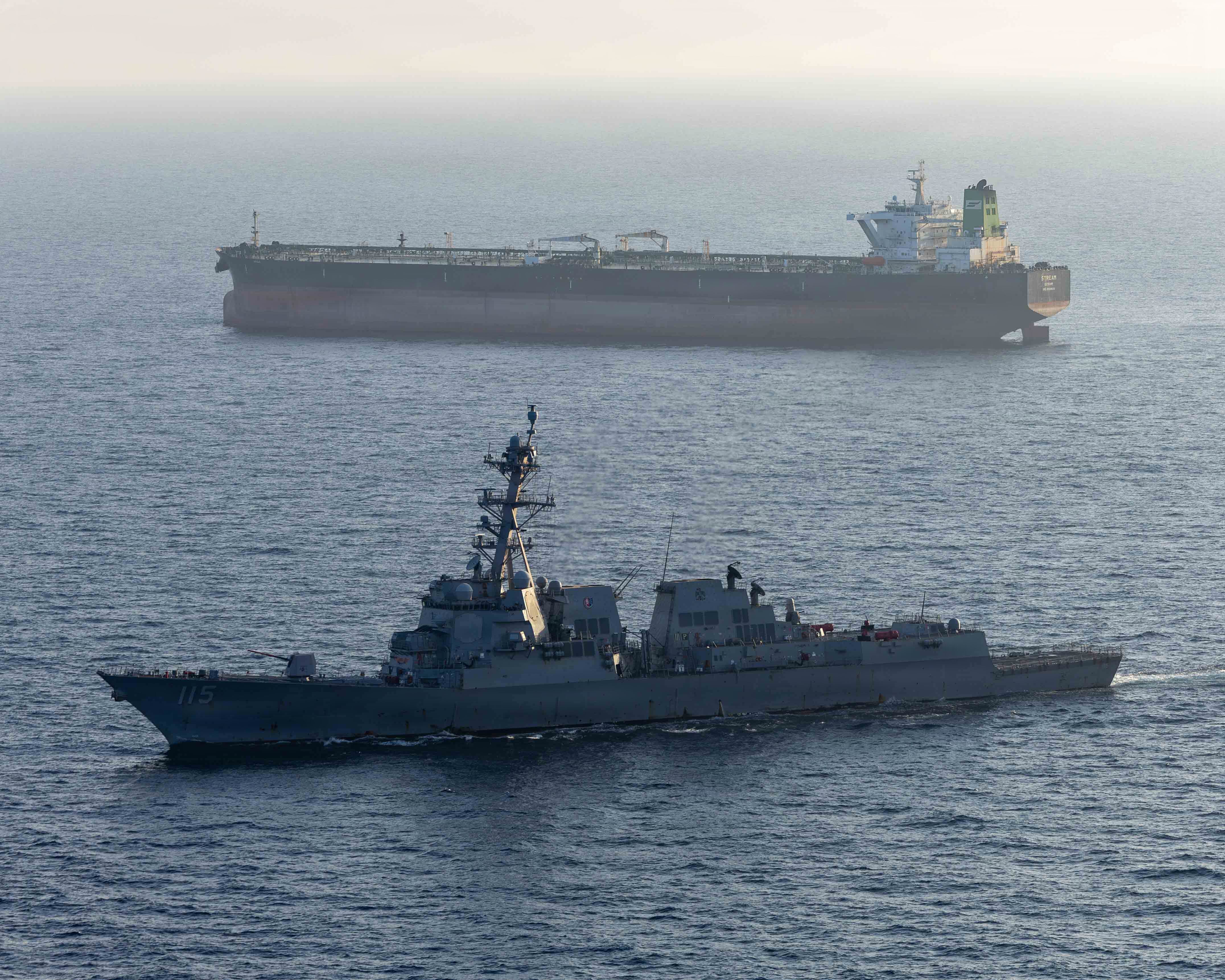
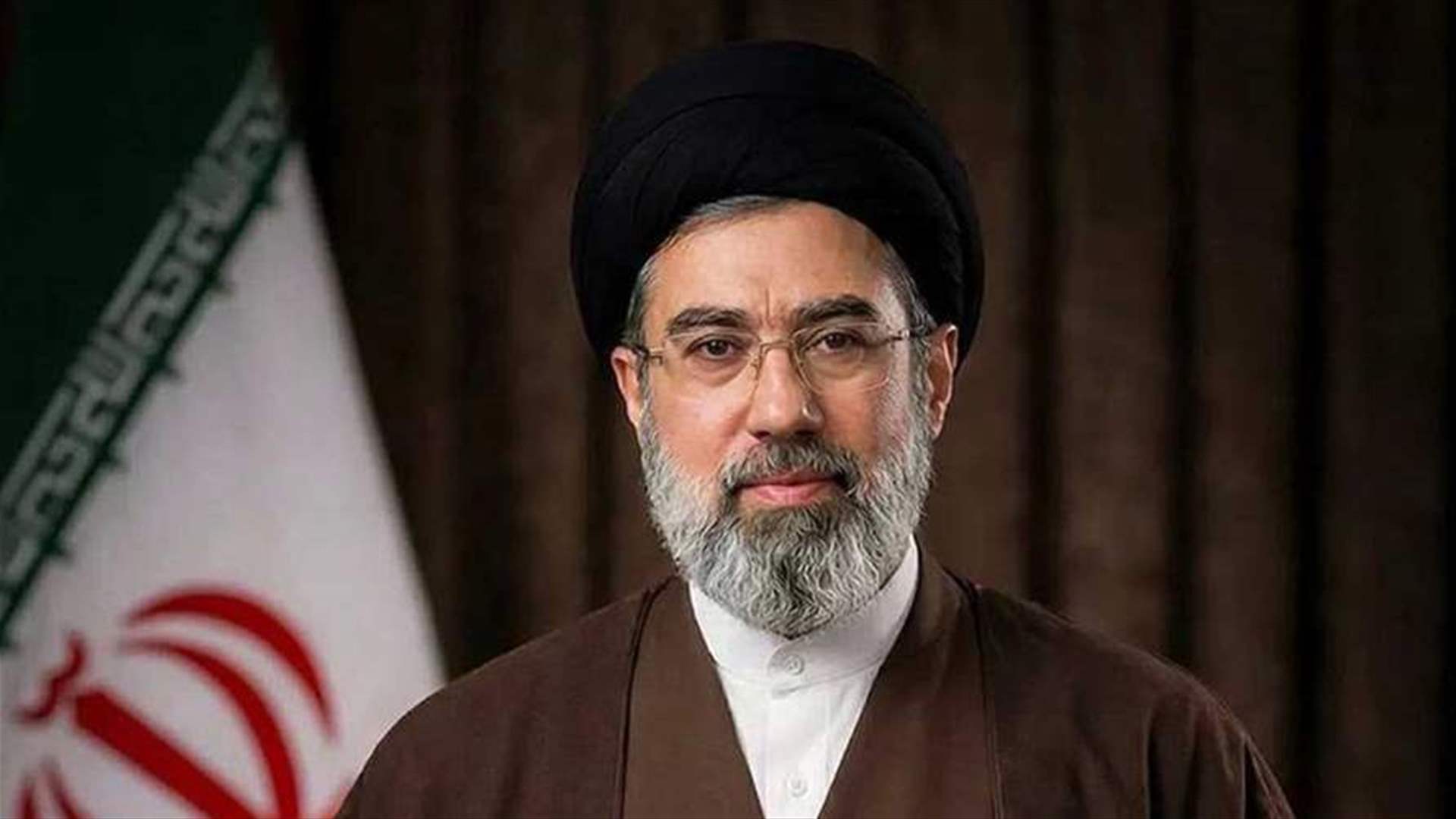
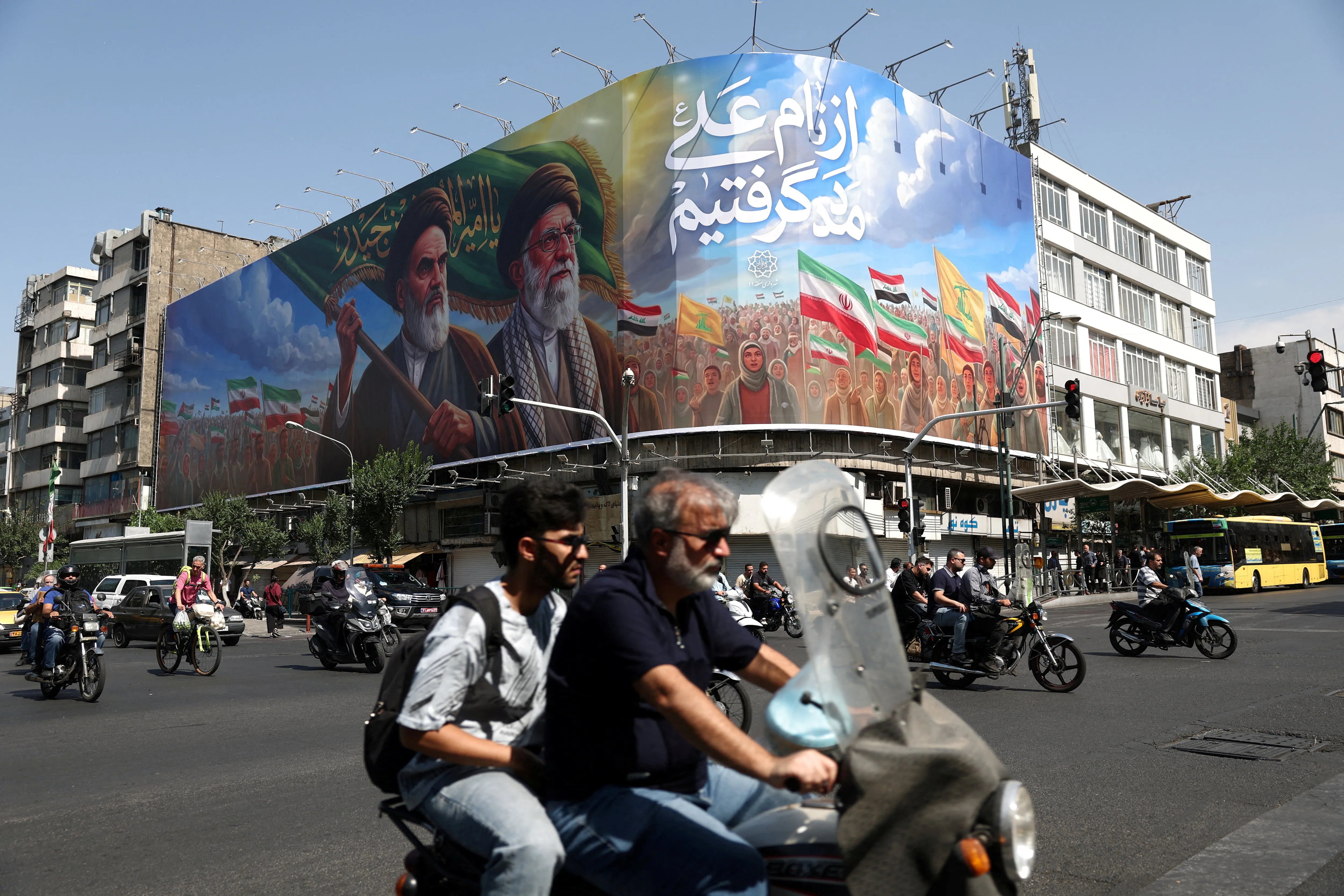
In retaliation, Iran has threatened to shut down additional regional energy exports, further destabilizing global oil supply. The Islamic Revolutionary Guard Corps (IRGC) declared that they had already targeted U.S. military sites in Bahrain, Kuwait, and Jordan, citing the U.S. Navy's operations in the Indian Ocean as provocative. The IRGC's statement emphasized that regional energy exports are a shared resource, indicating that if the U.S. continues its blockade, all countries in the region could face restrictions.
Impact on Global Oil Supply
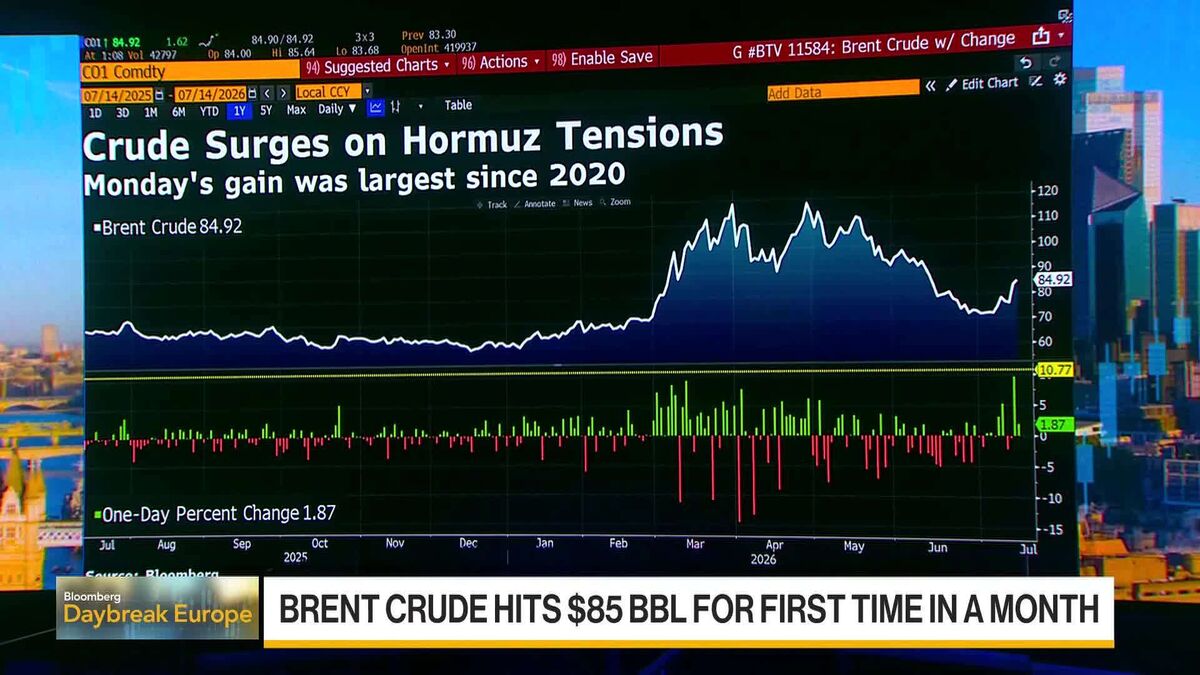
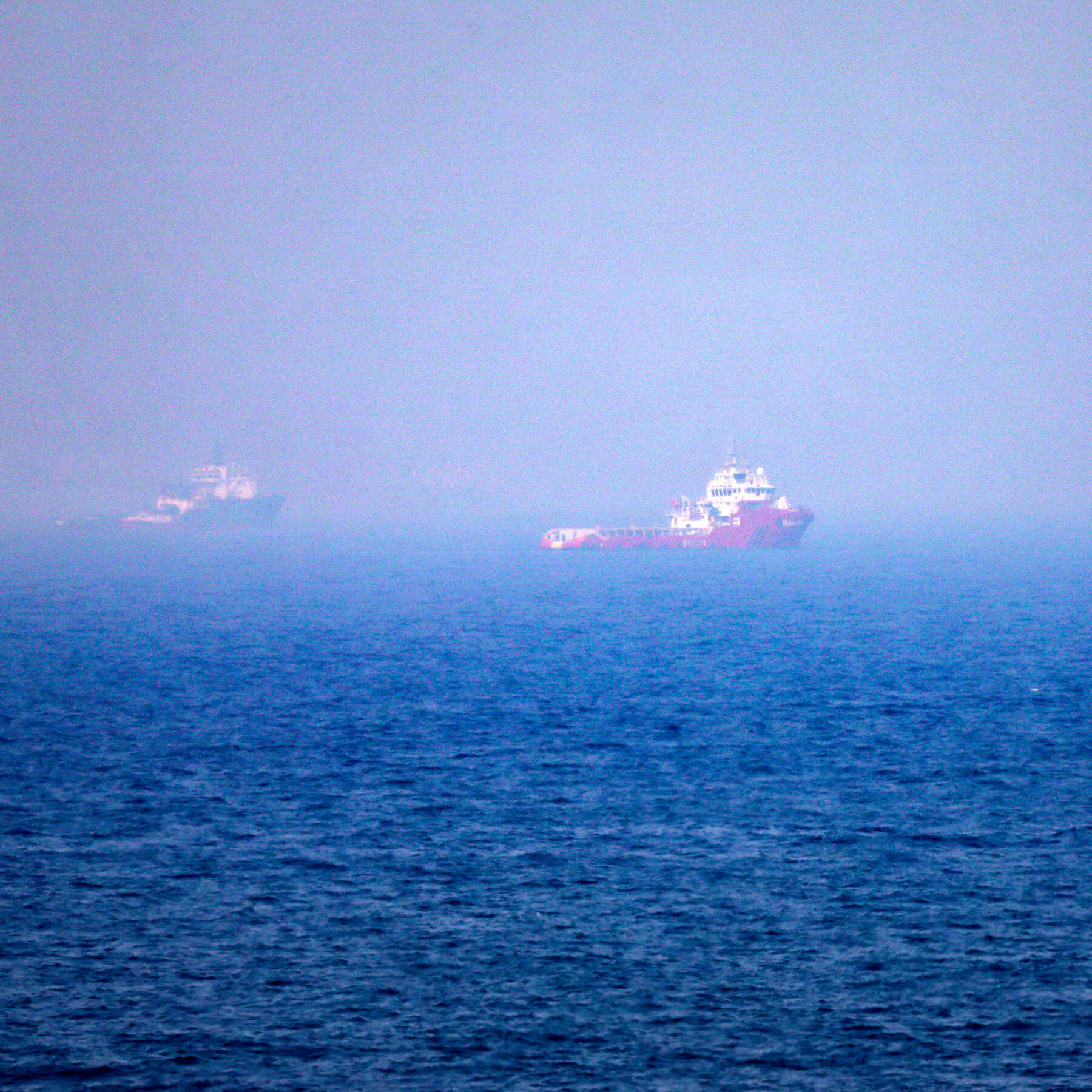
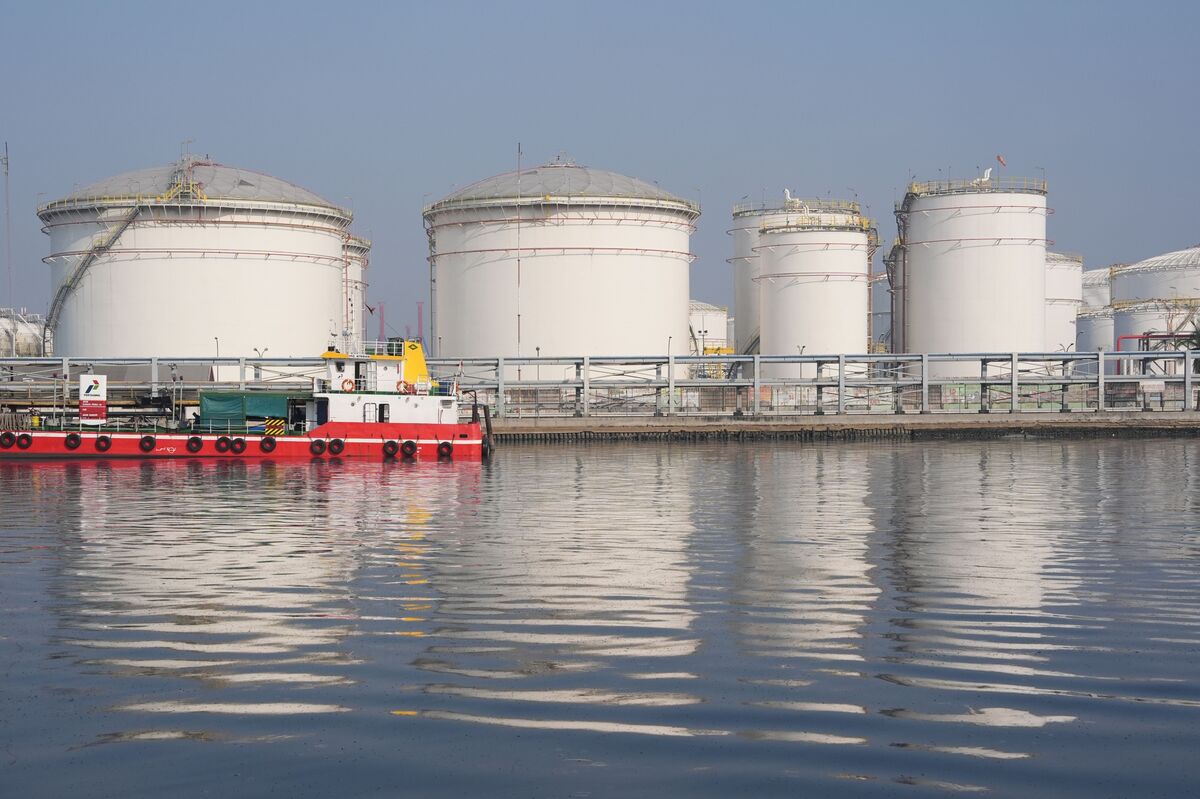
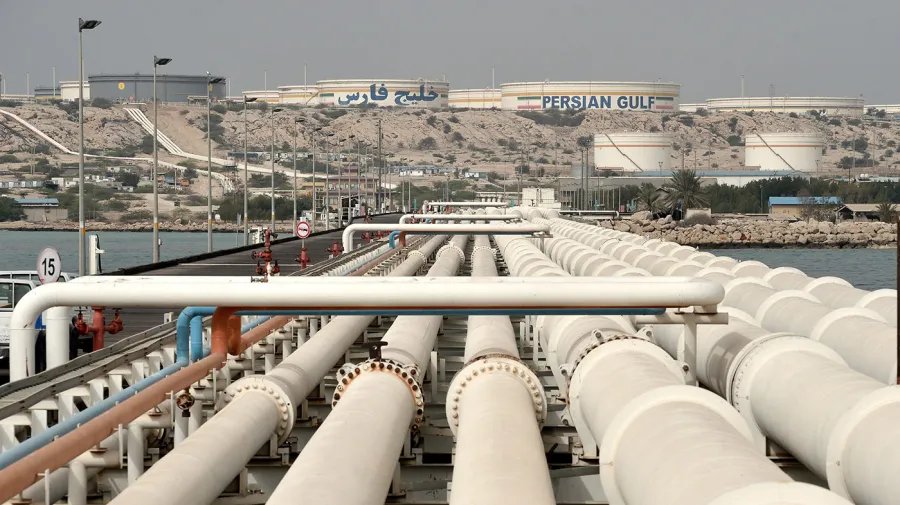
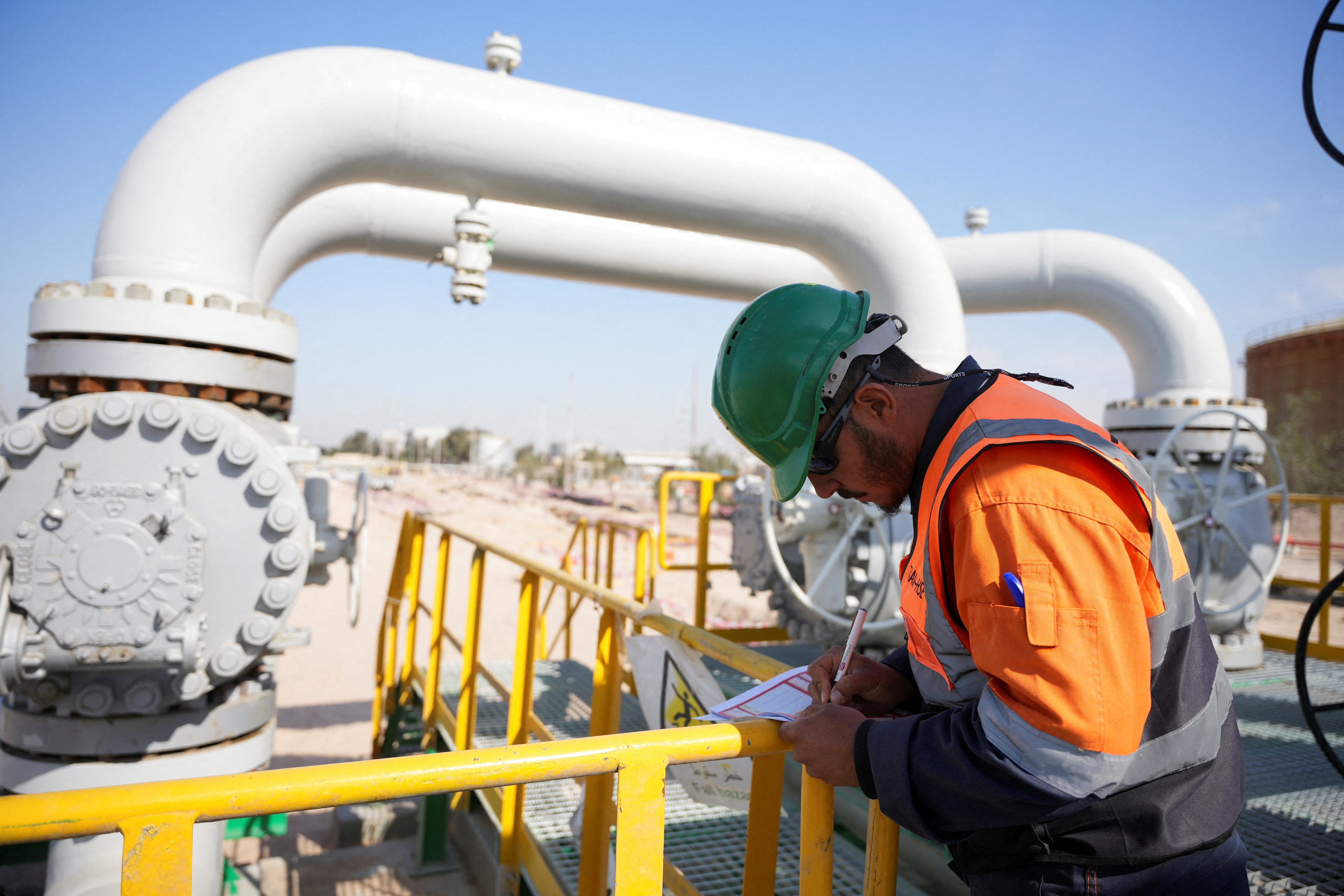
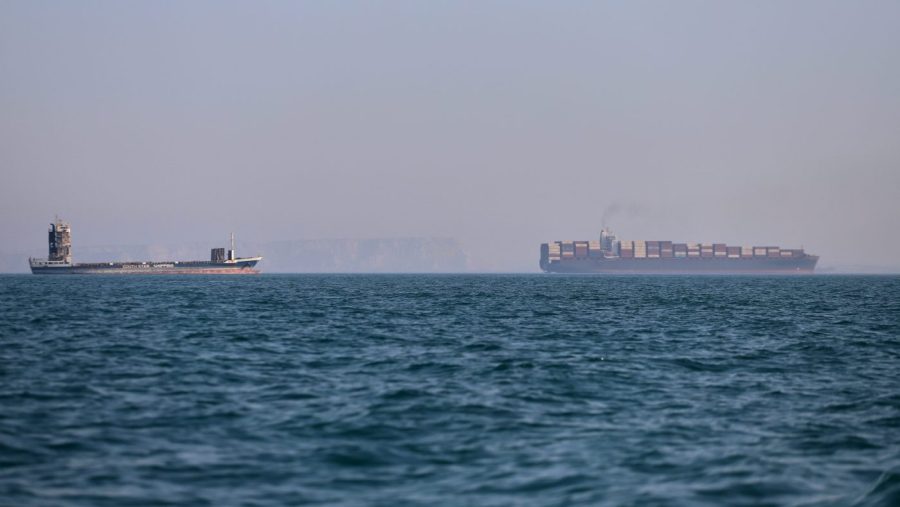
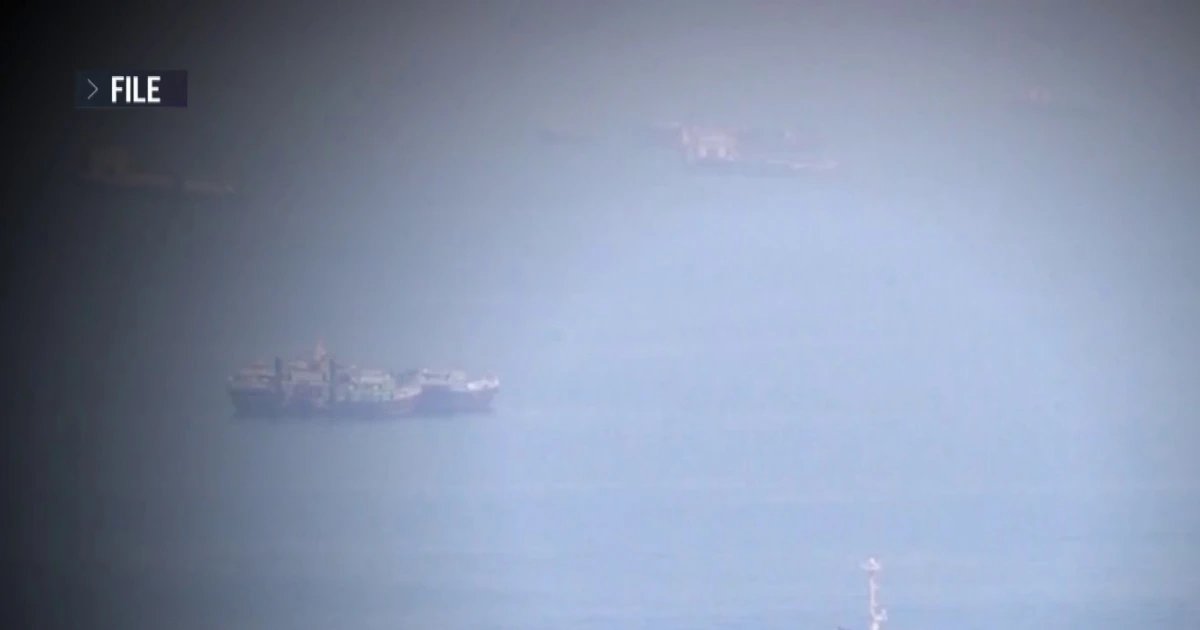
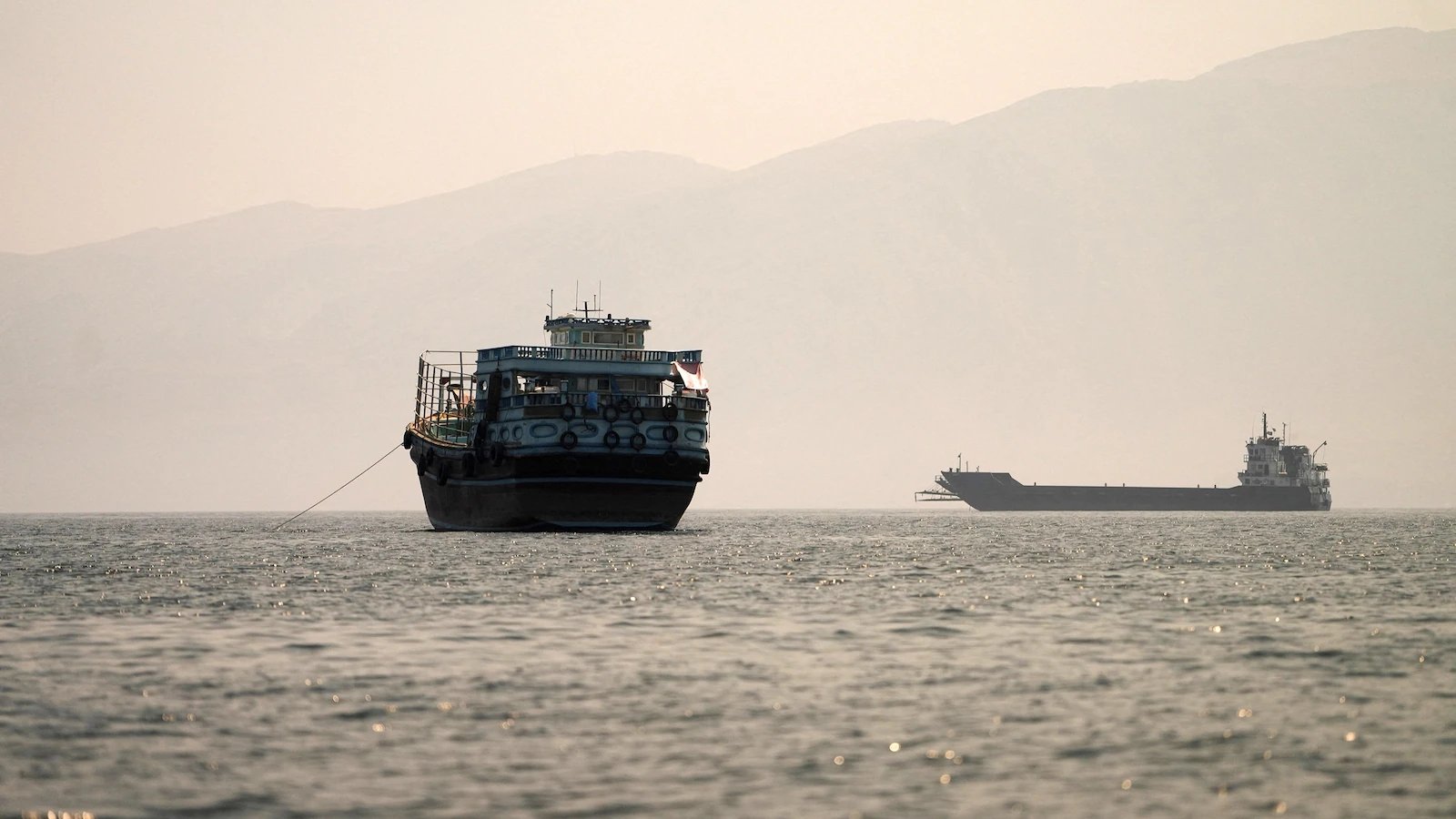
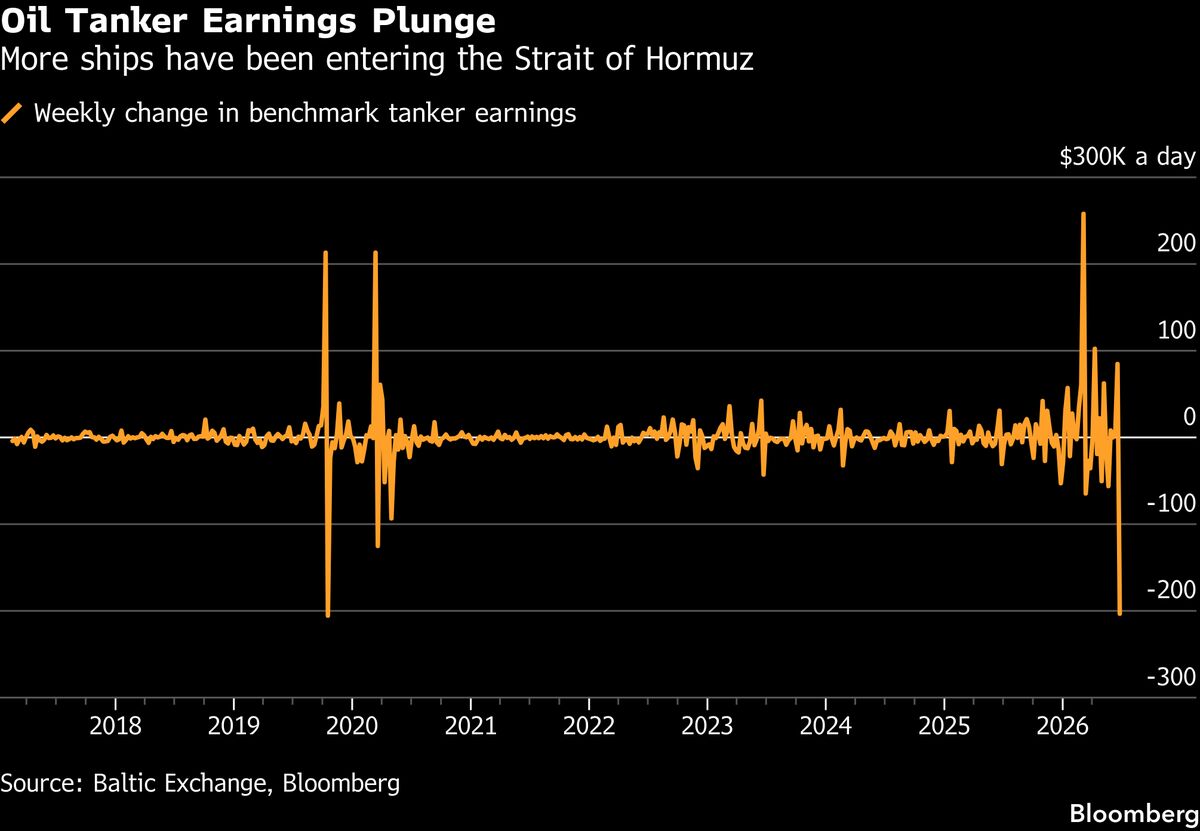
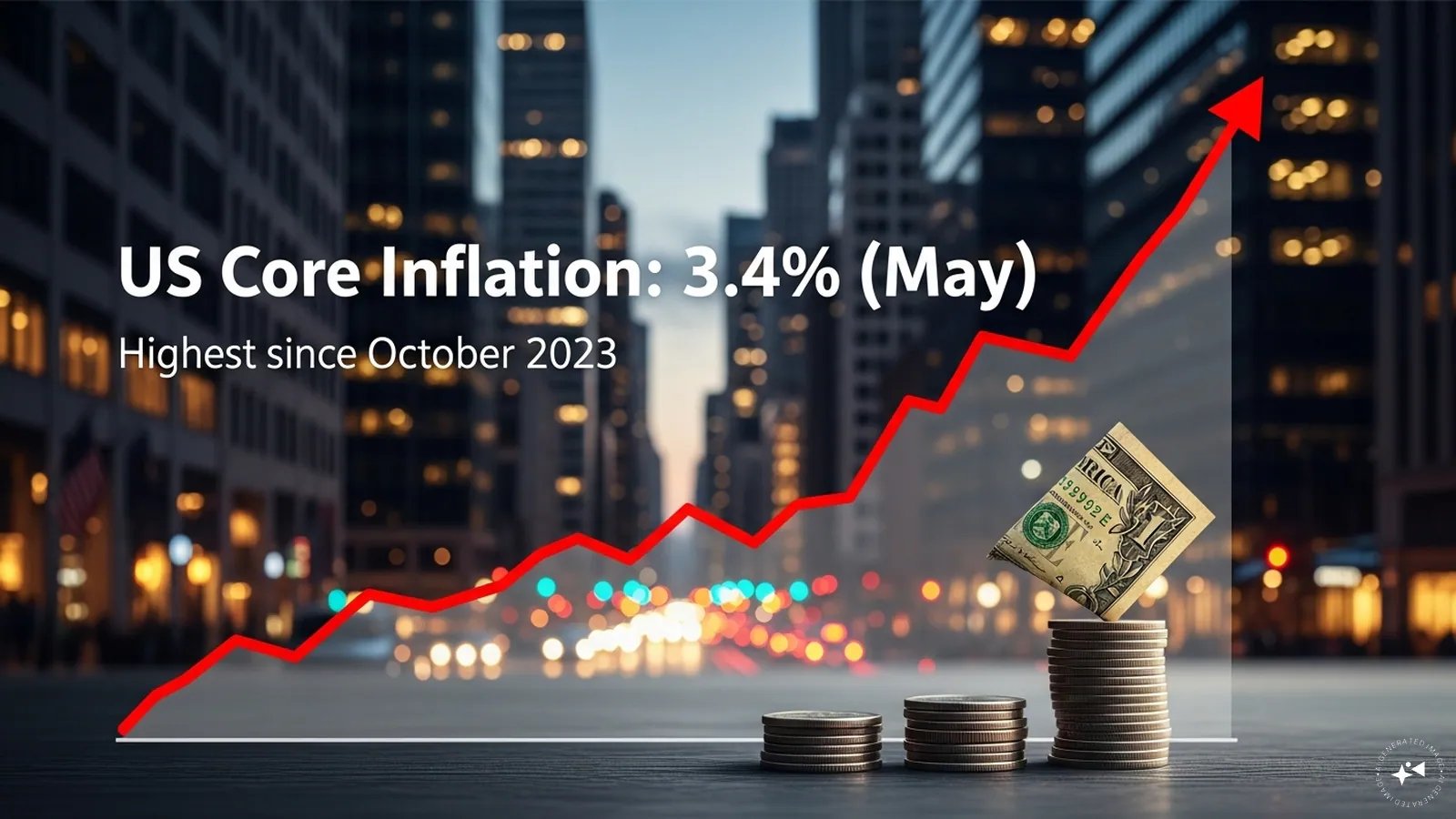
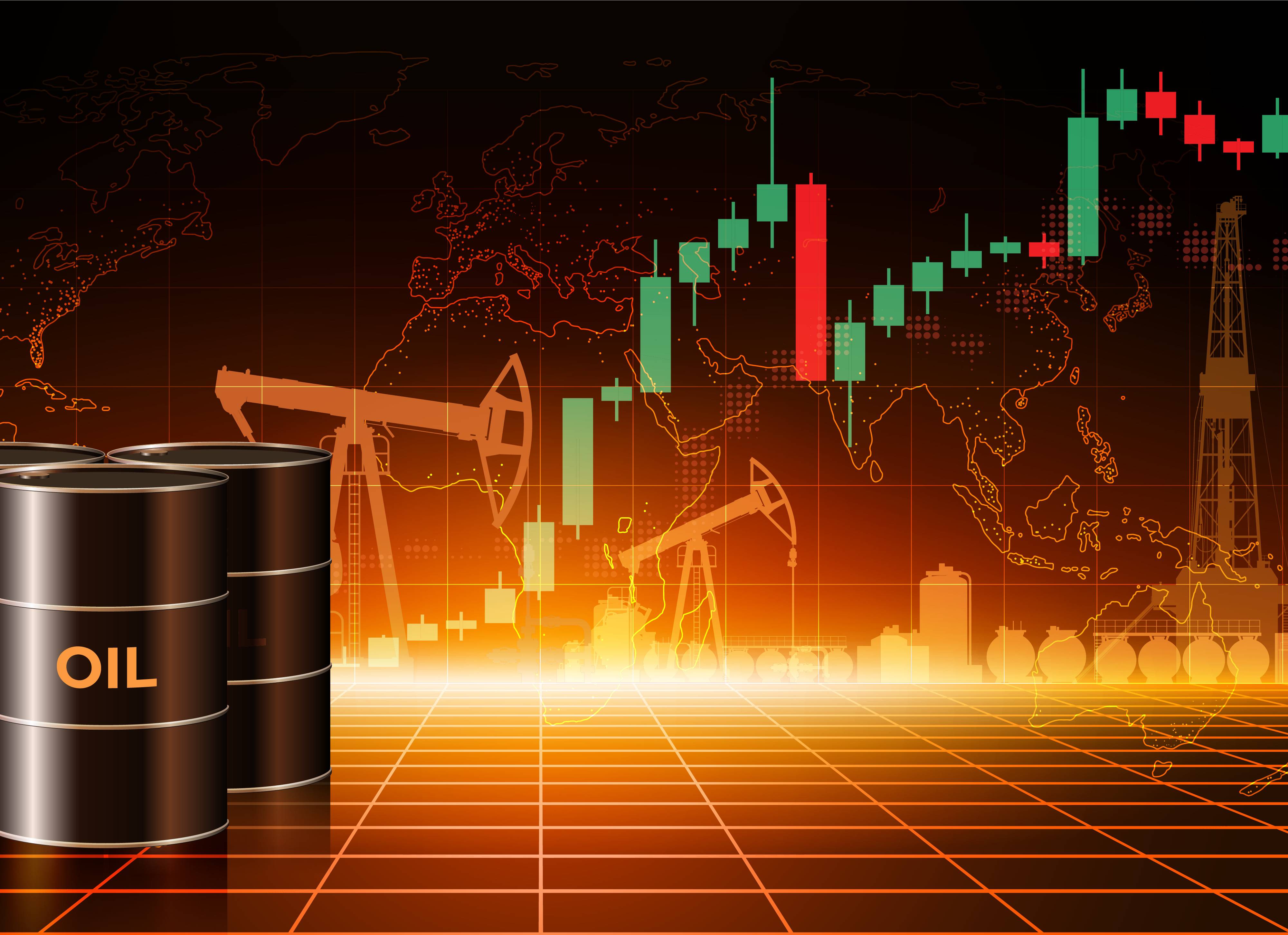
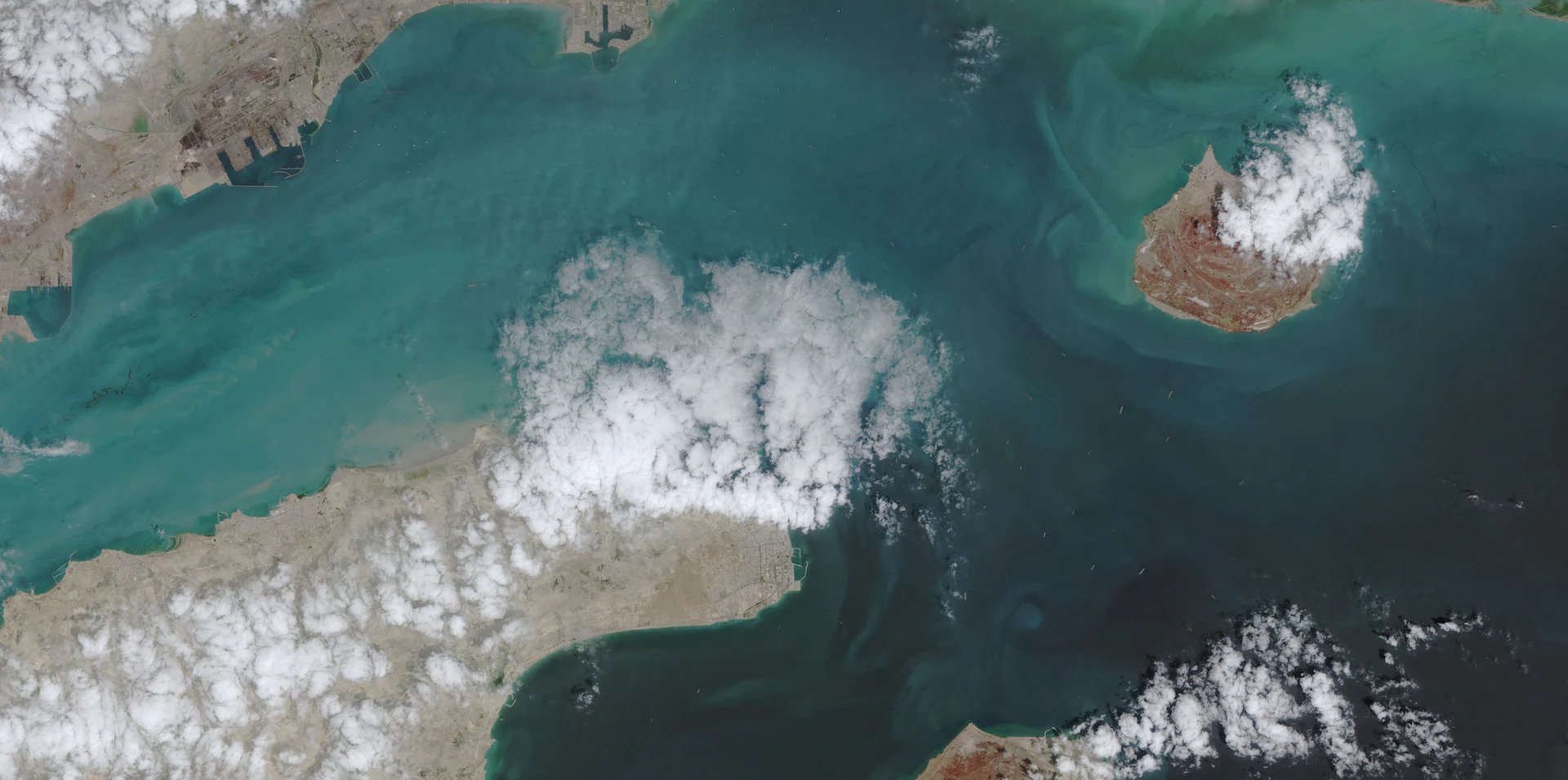
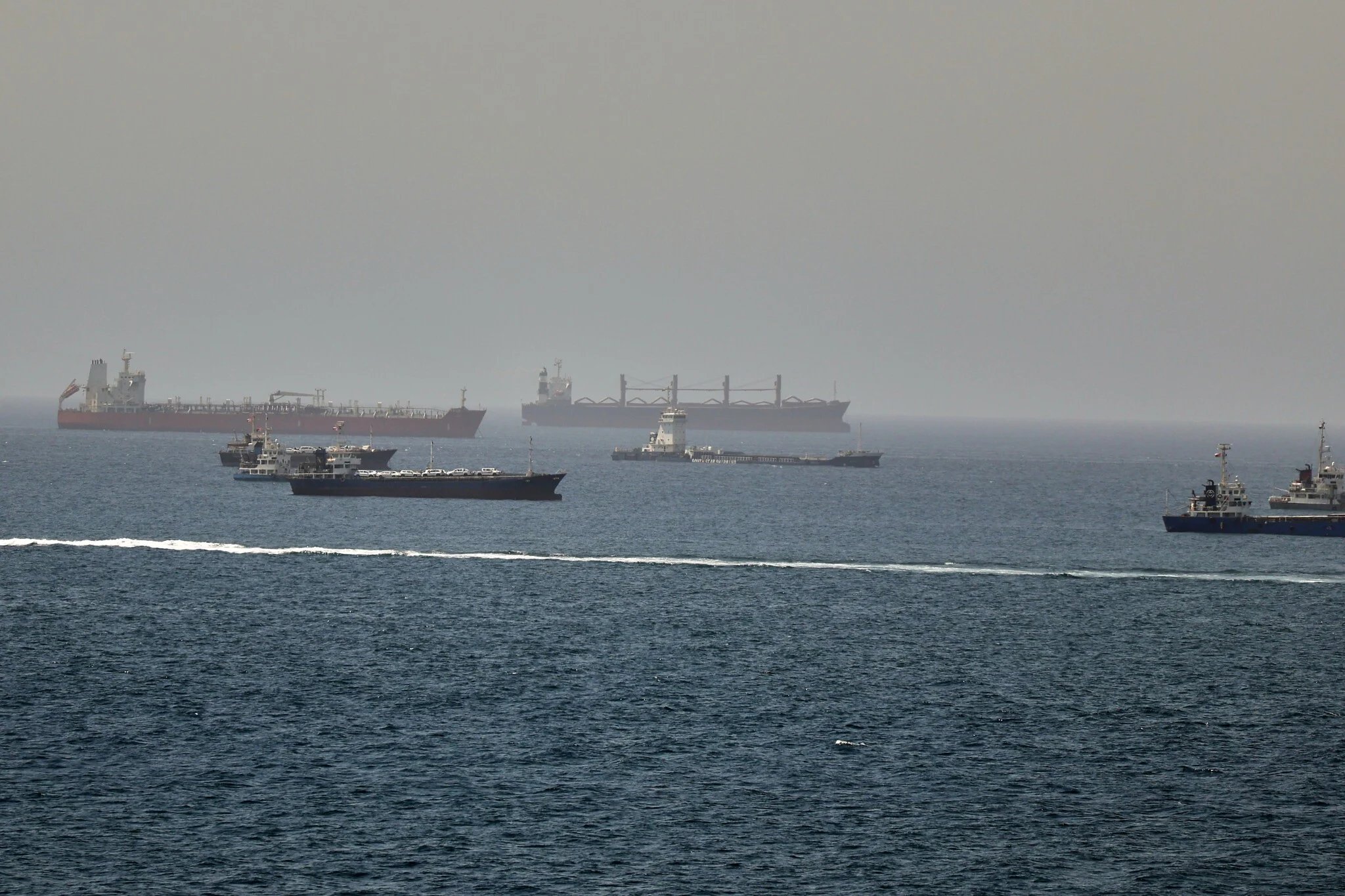
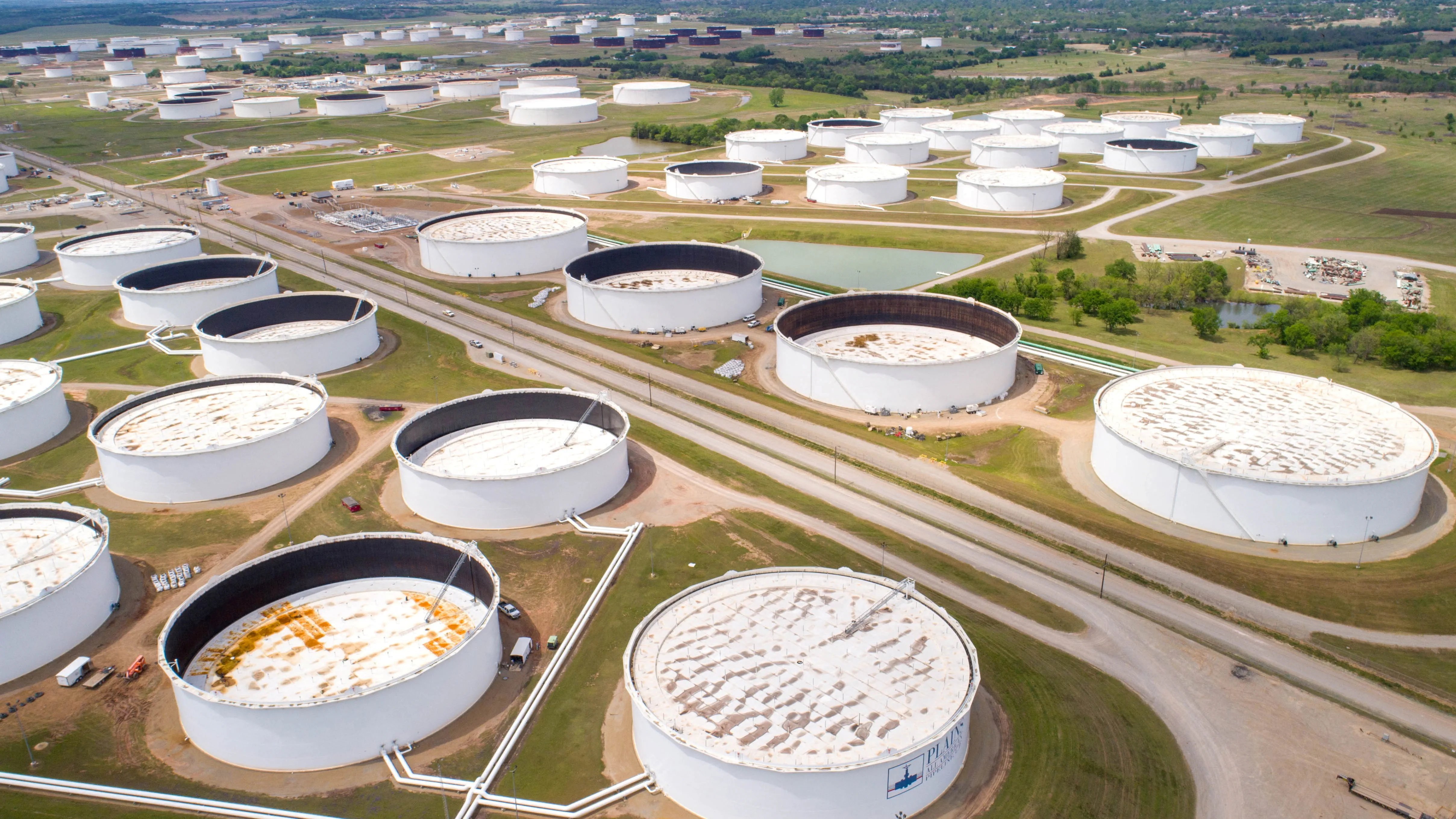
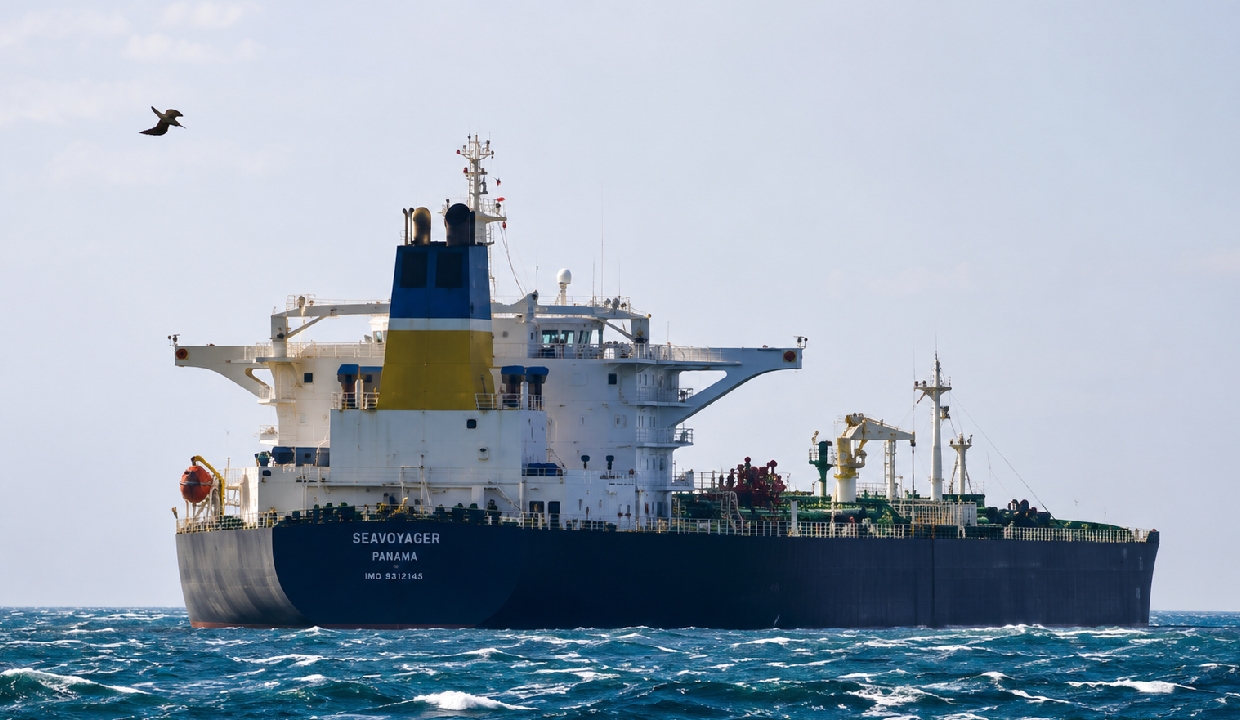
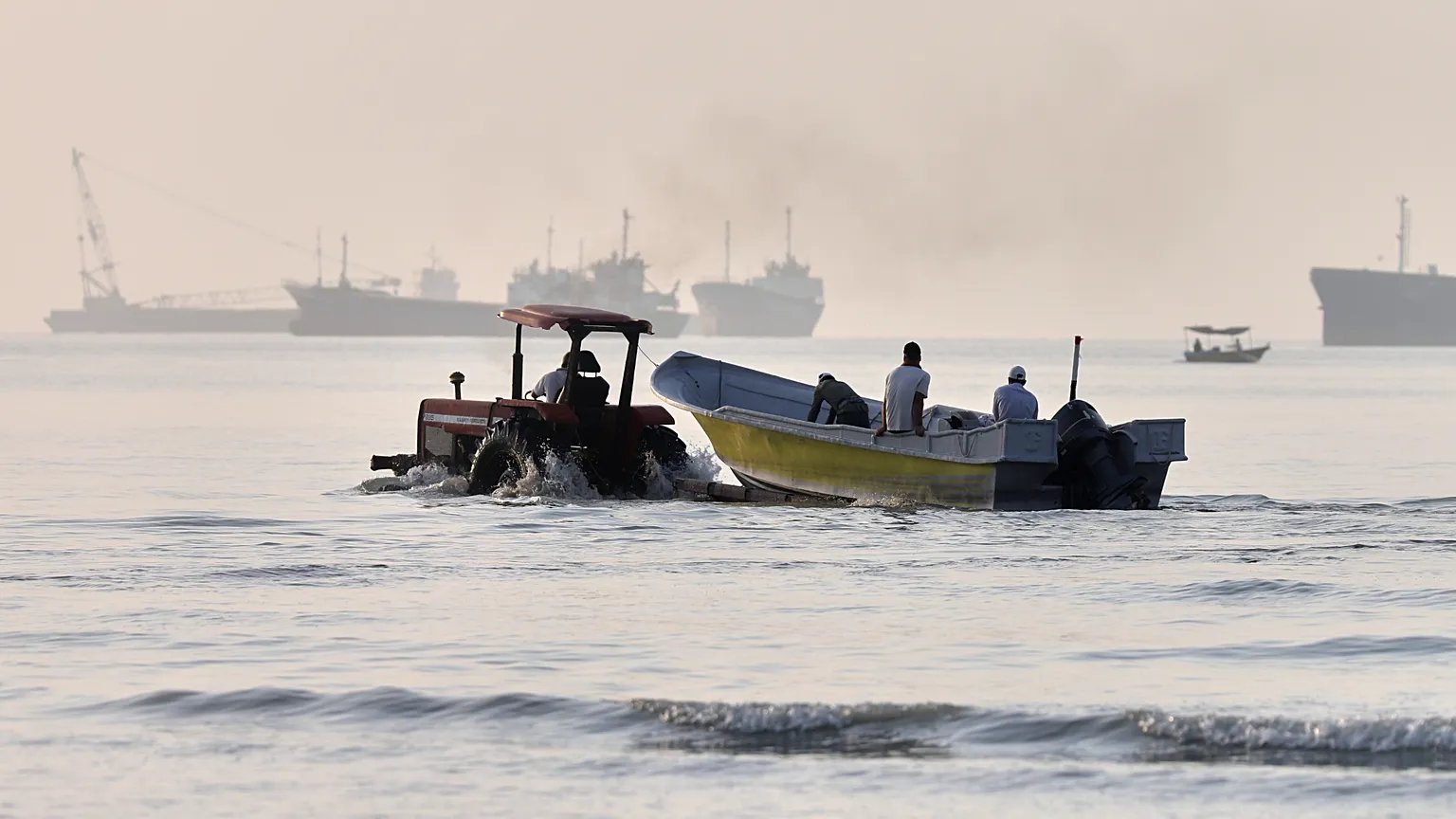
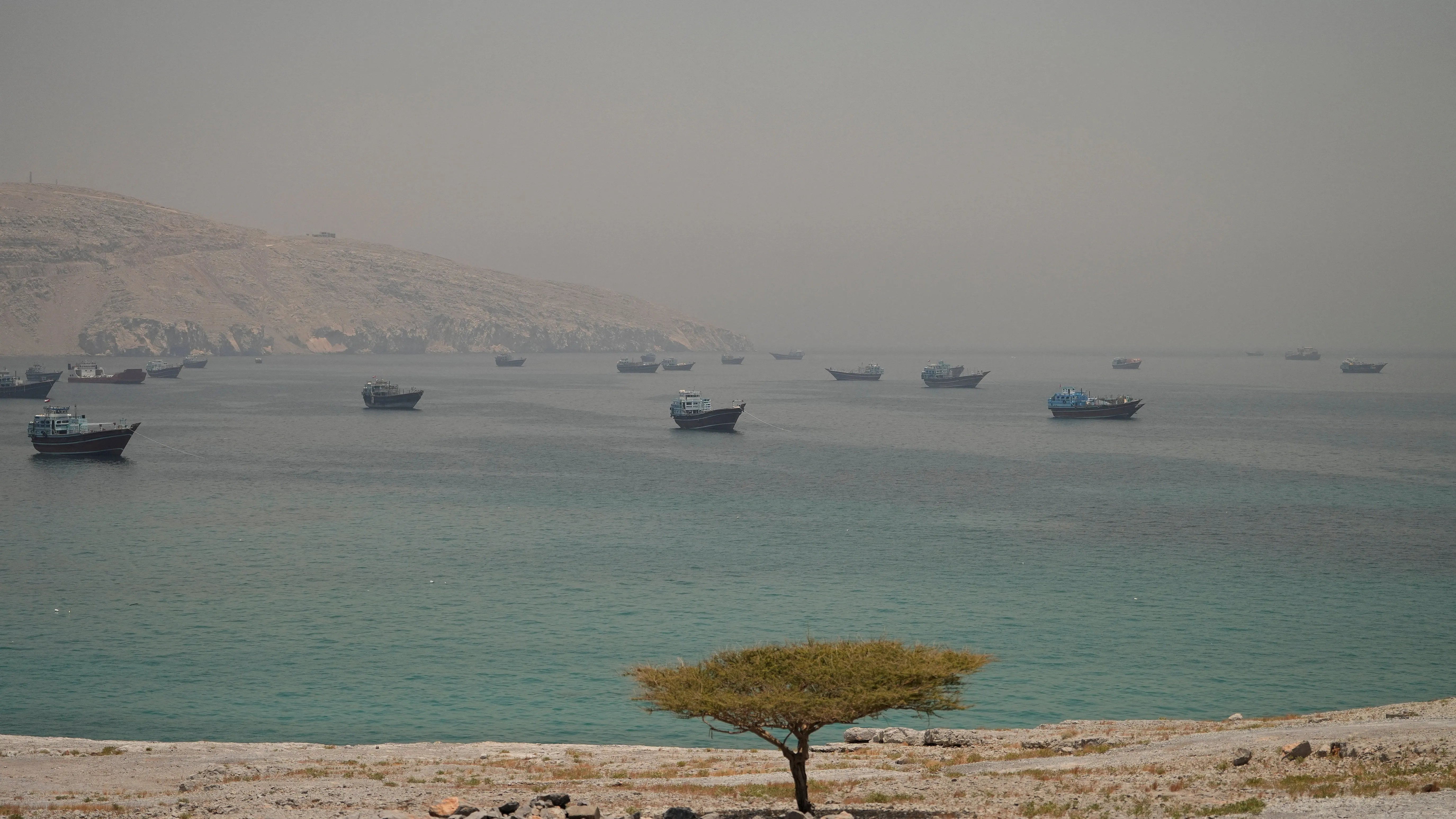
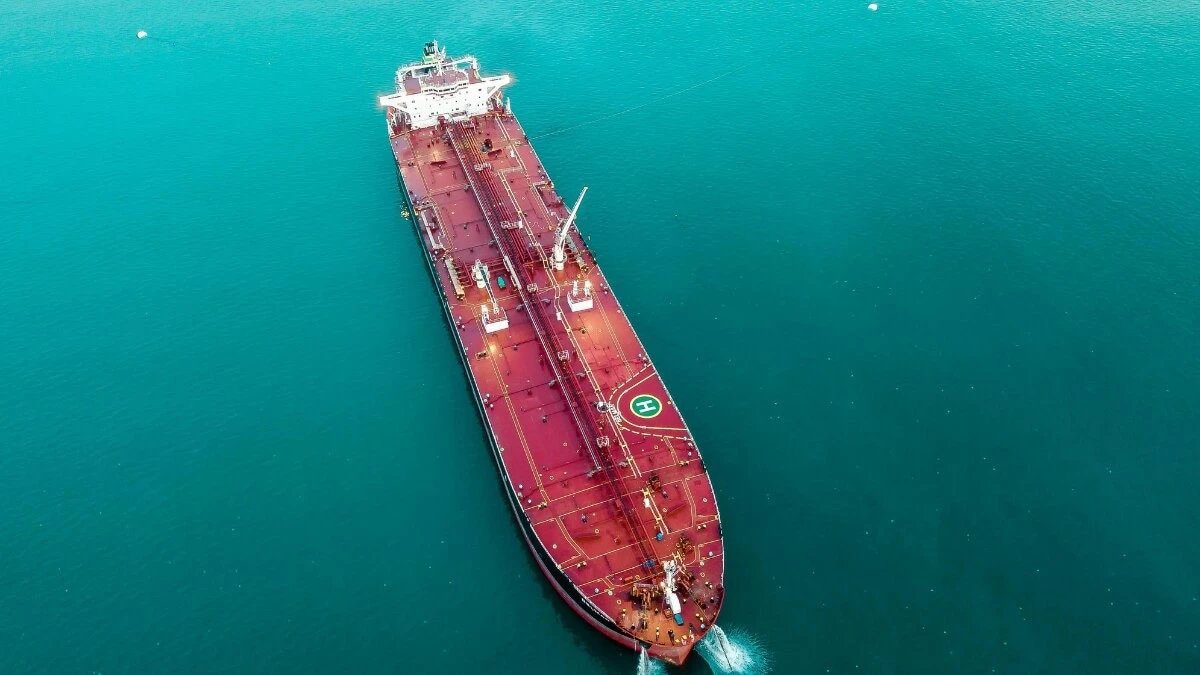
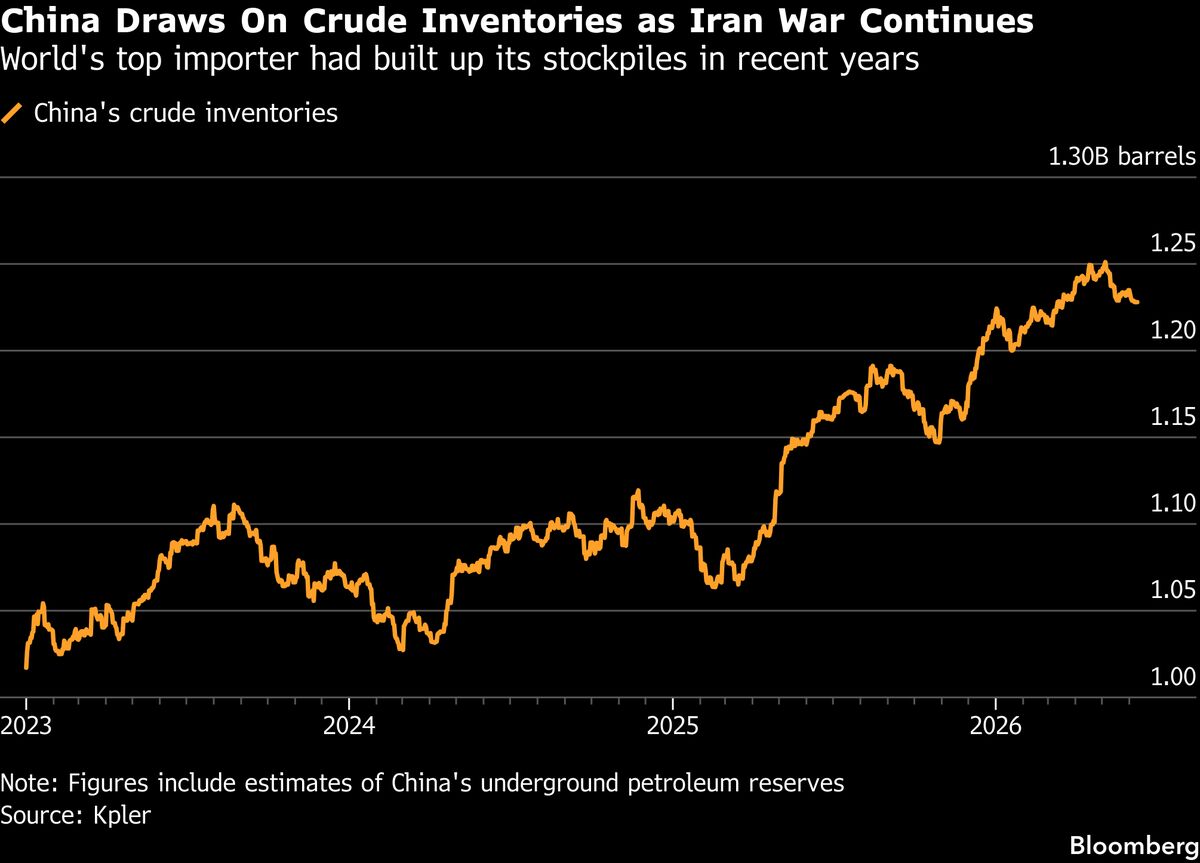
The renewed tensions between the U.S. and Iran come at a time when global energy markets are already under strain. The blockade of the Strait of Hormuz, a critical passage for oil shipments, raises concerns about soaring energy prices and inflation. The situation has deteriorated since a tentative truce was signed in June, with both sides launching more strikes in a bid for control over key maritime routes.
Historical Context of the Conflict
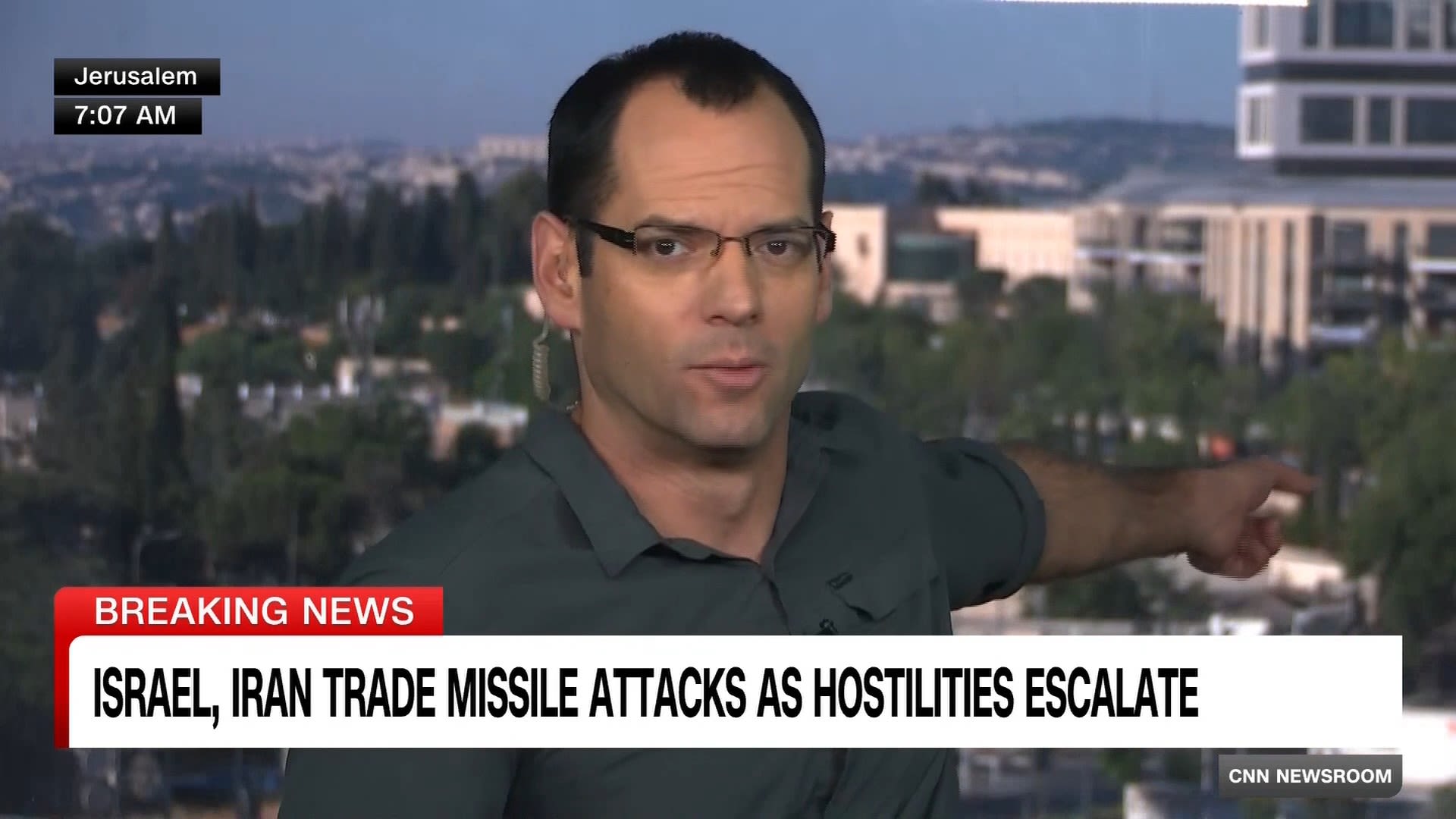
The current escalation follows a series of U.S. and Israeli strikes against Iran that began on February 28. These actions have led to Iranian reprisals against Gulf states hosting U.S. military bases, further complicating the geopolitical landscape. The conflict has now reached a point where both nations are vying for dominance in the region, with potential implications for global energy security.
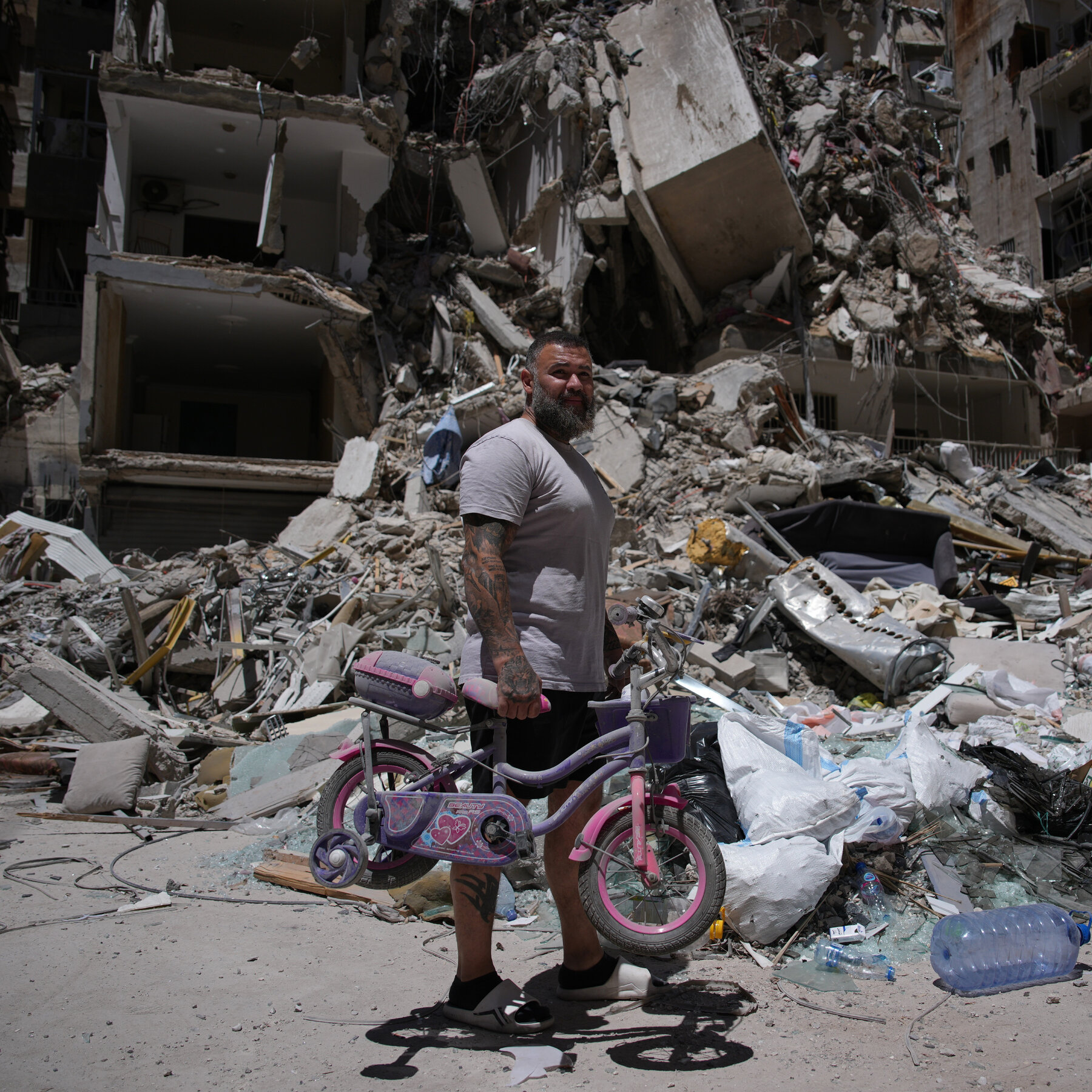
Consequences for Civilians
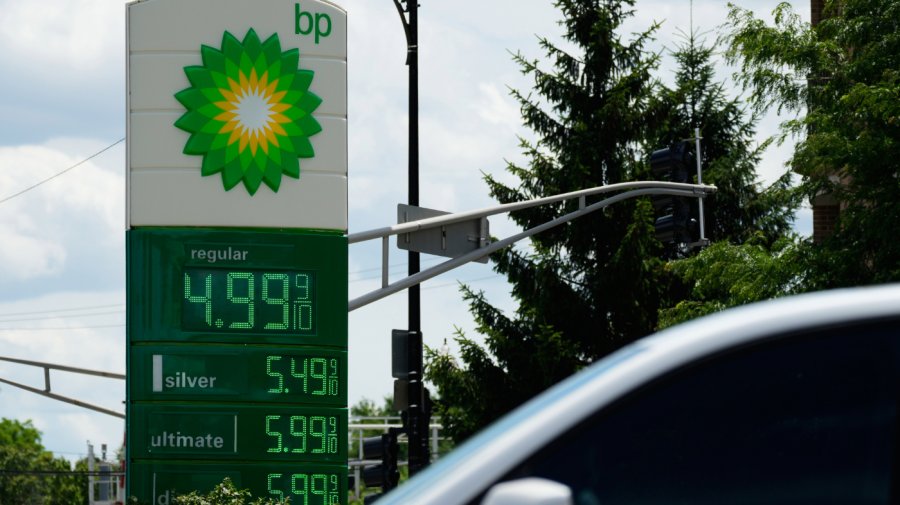
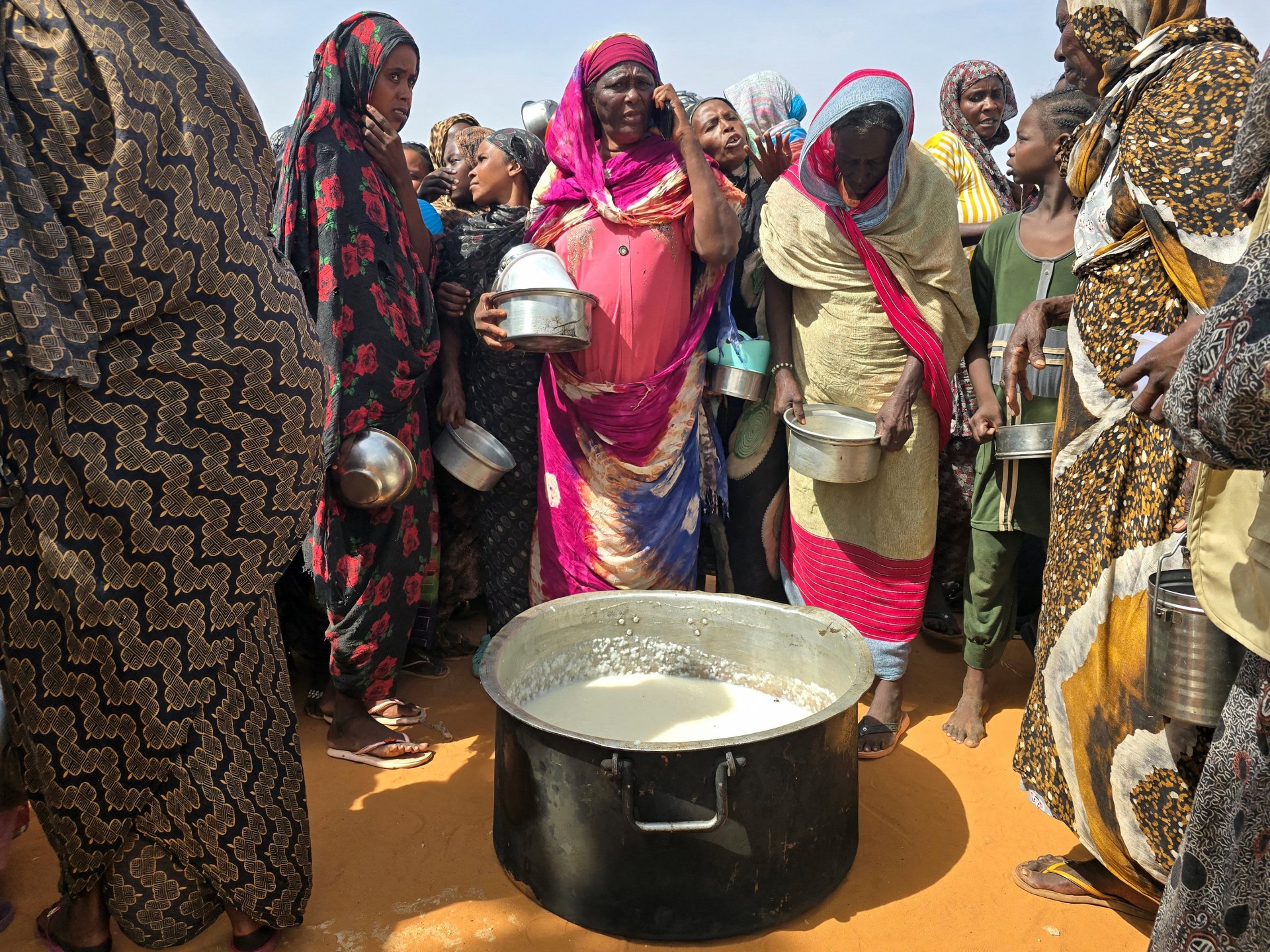
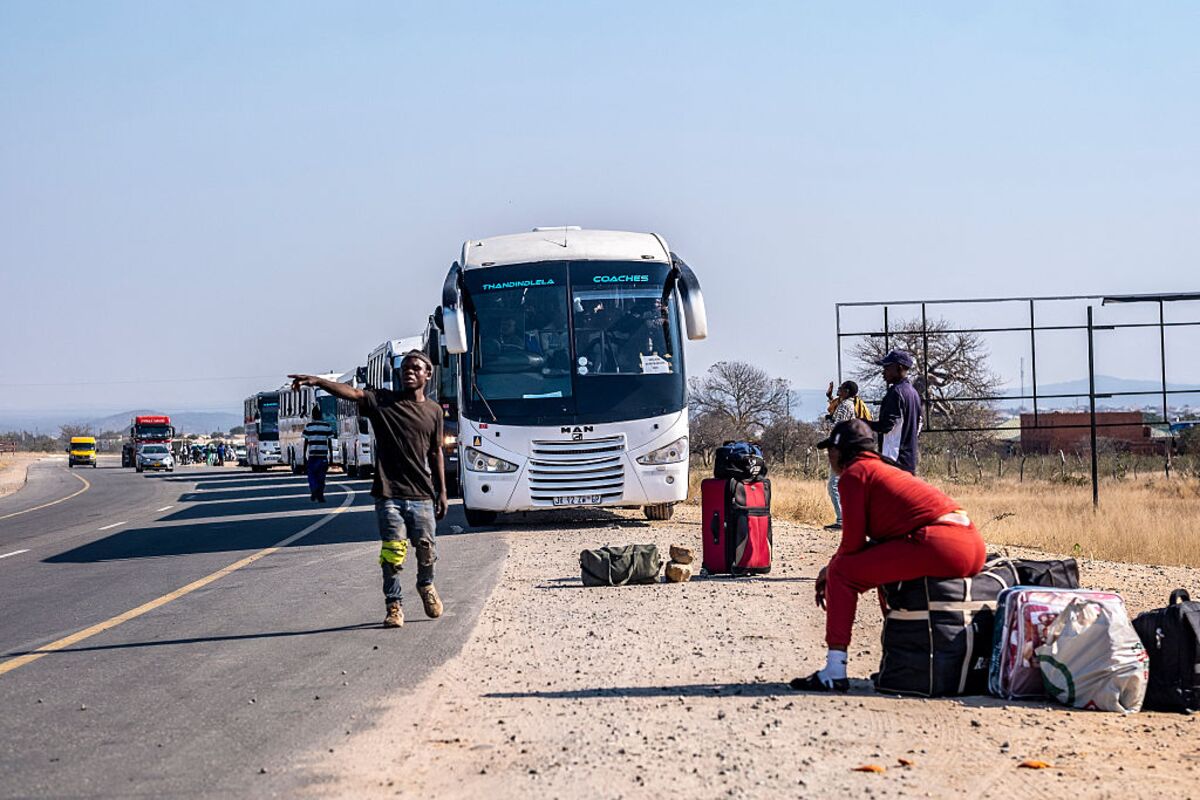
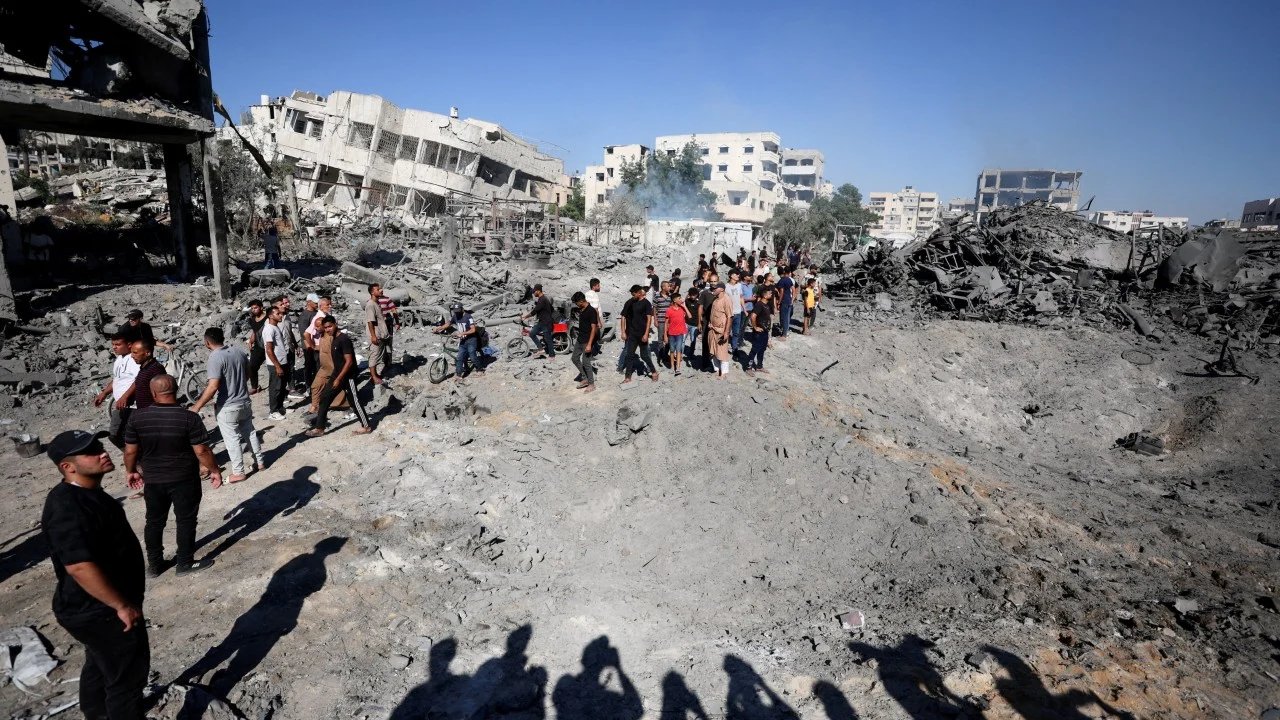
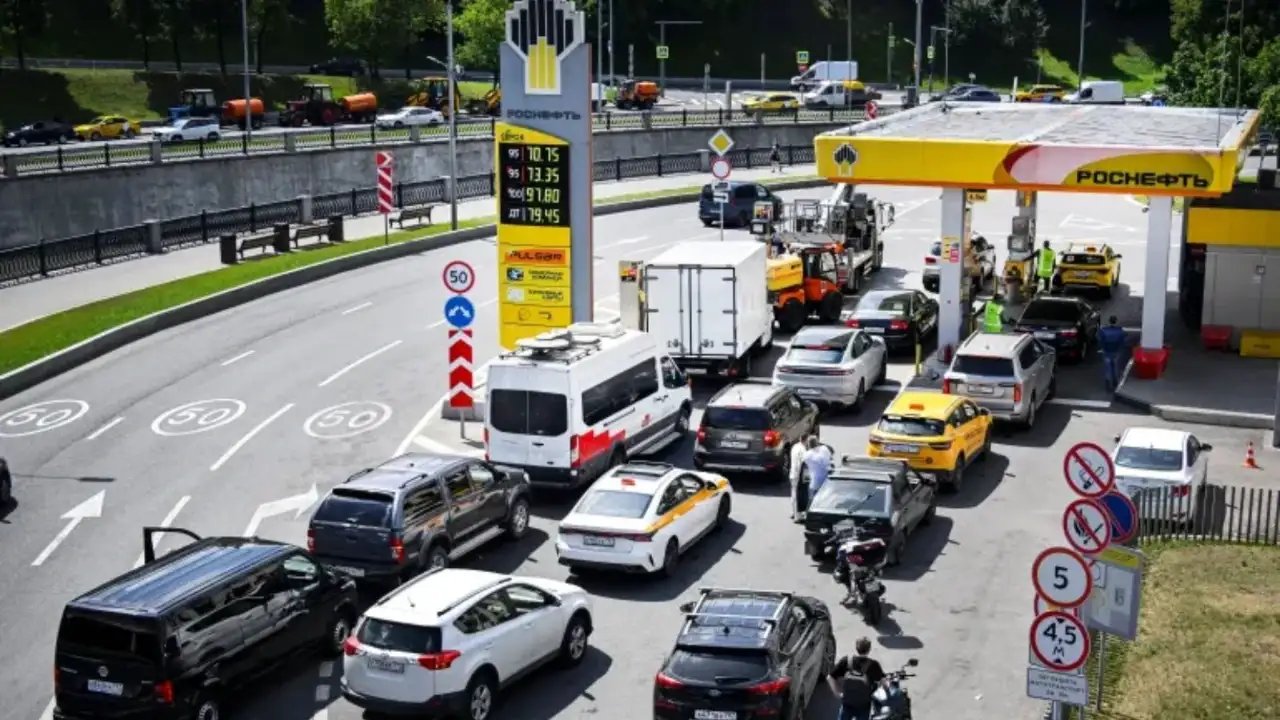
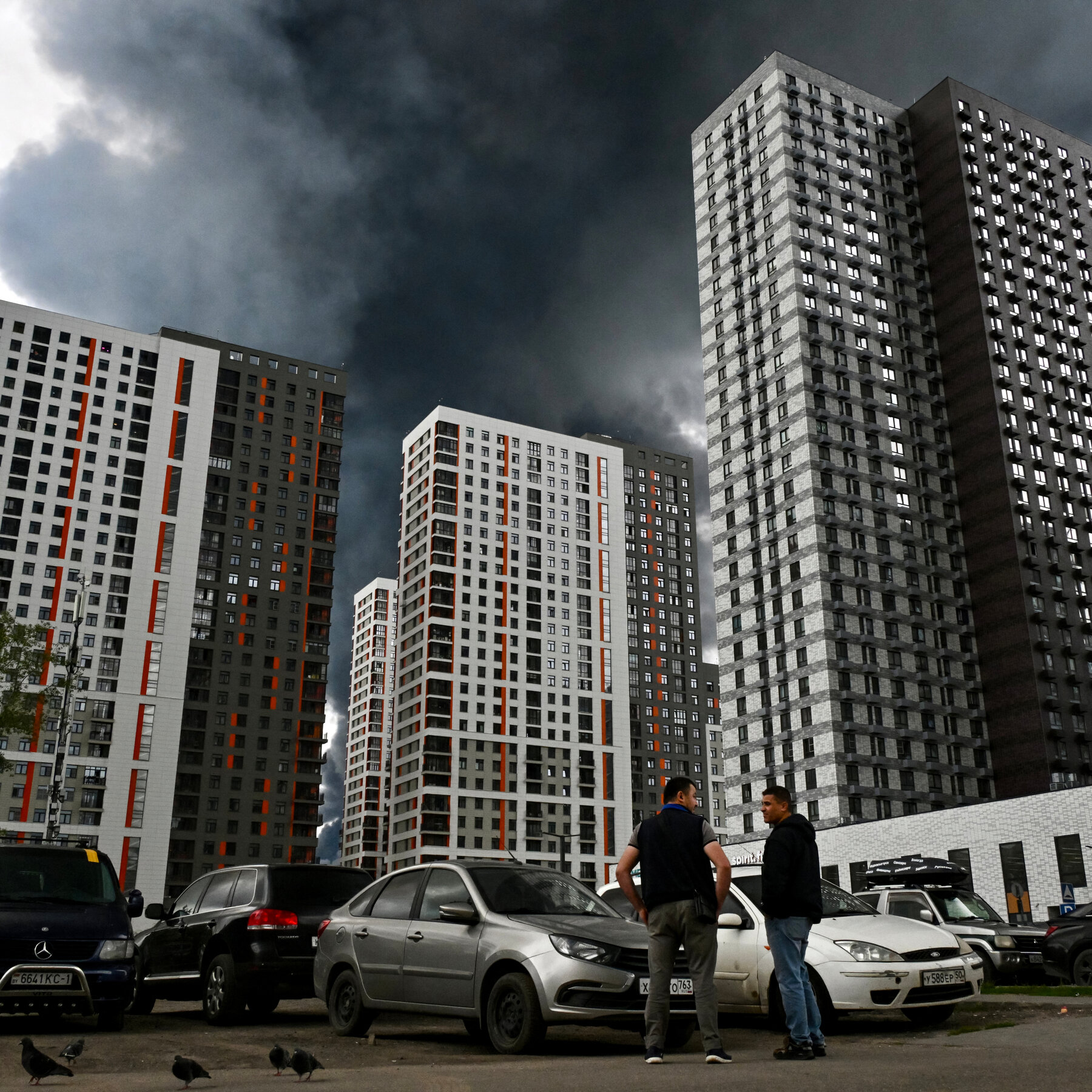
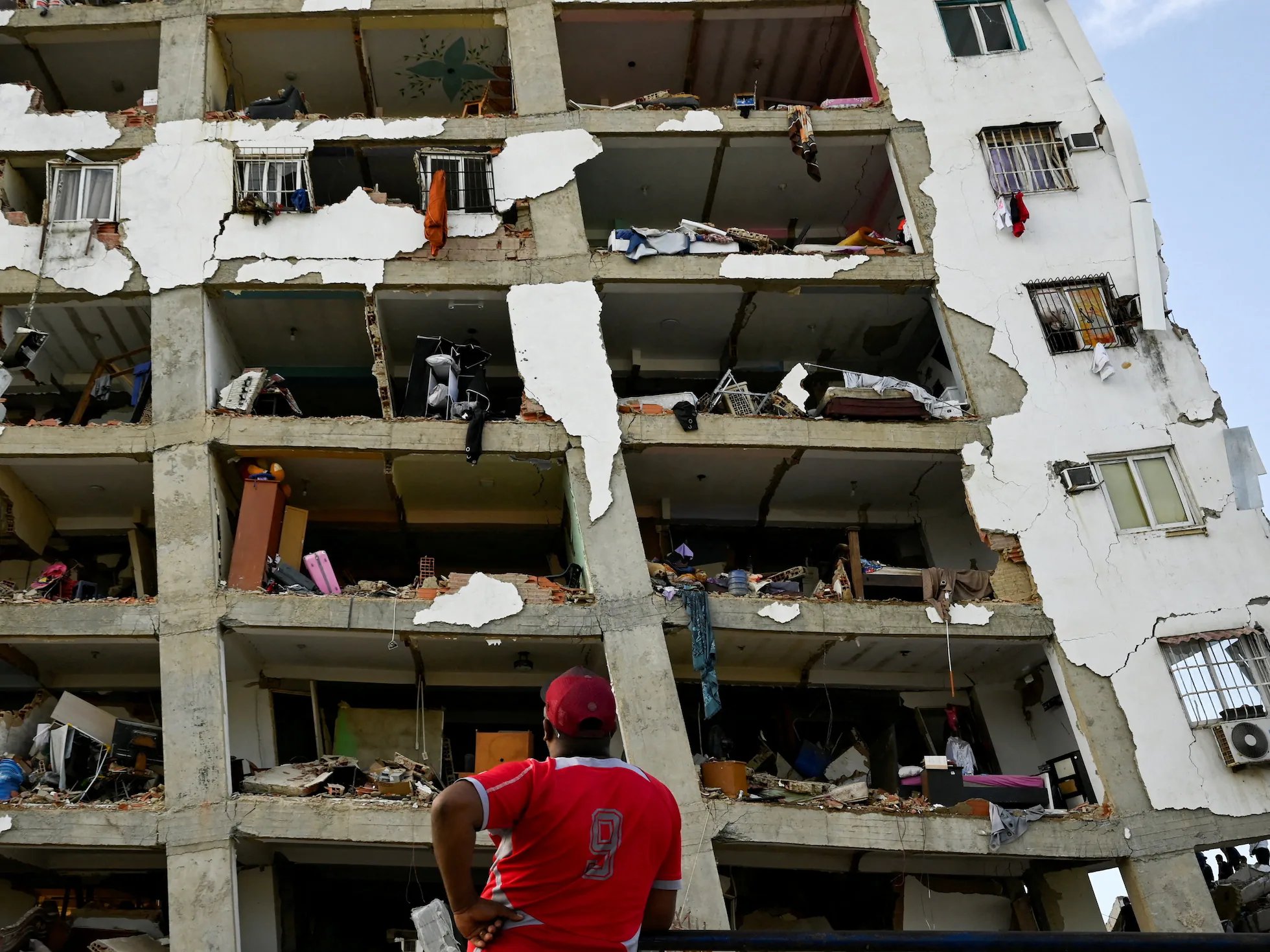
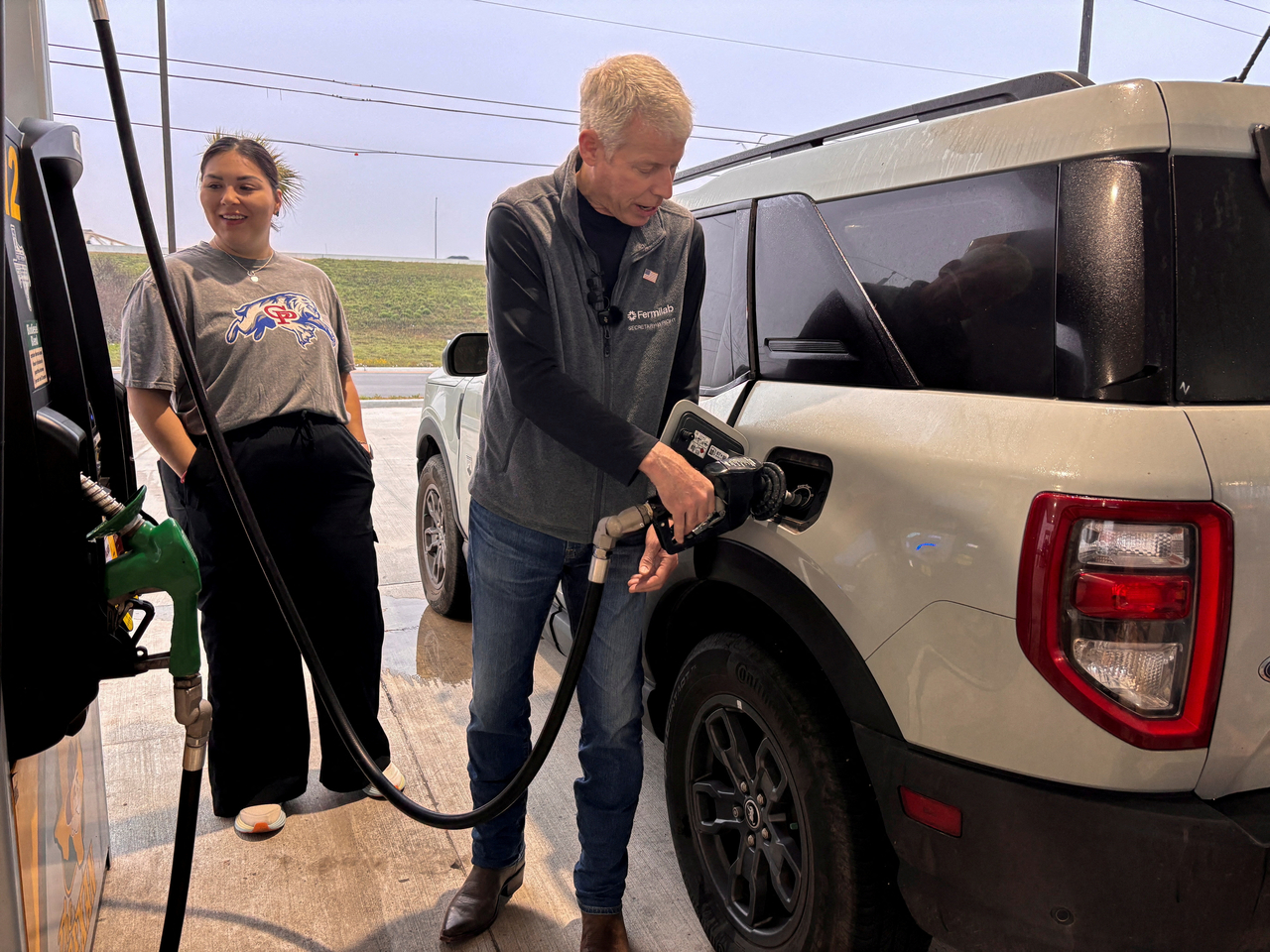
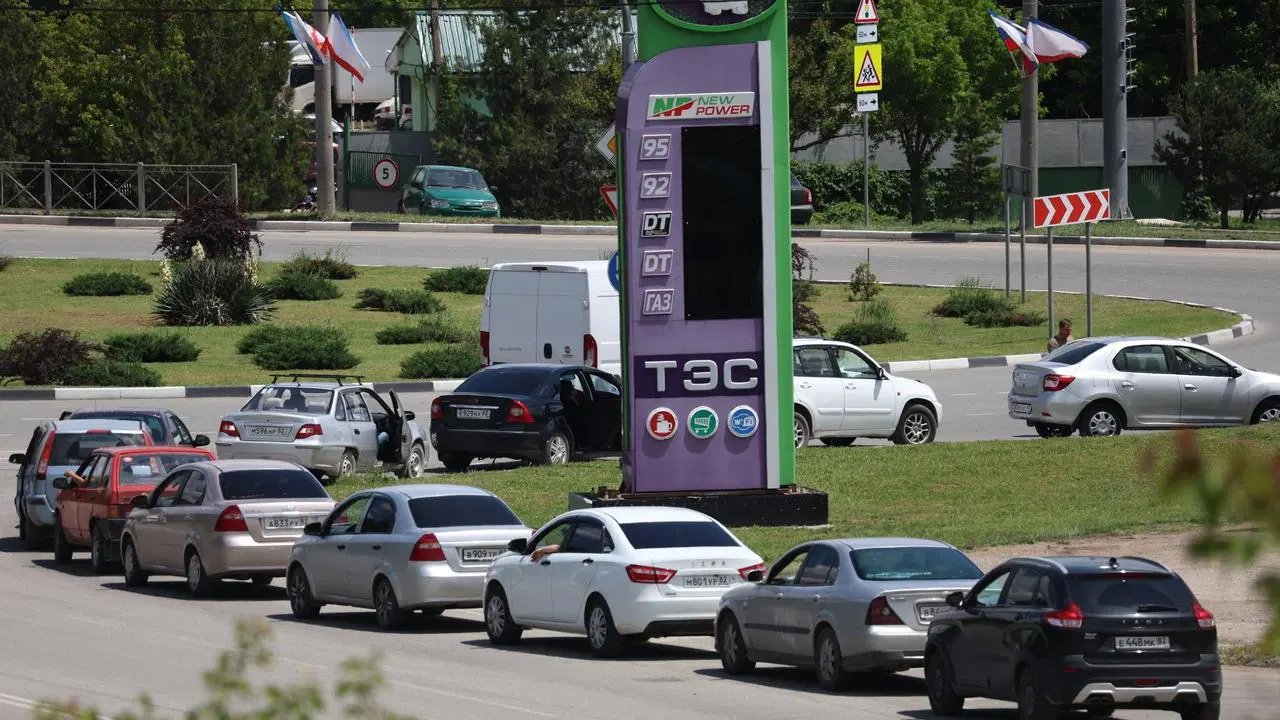
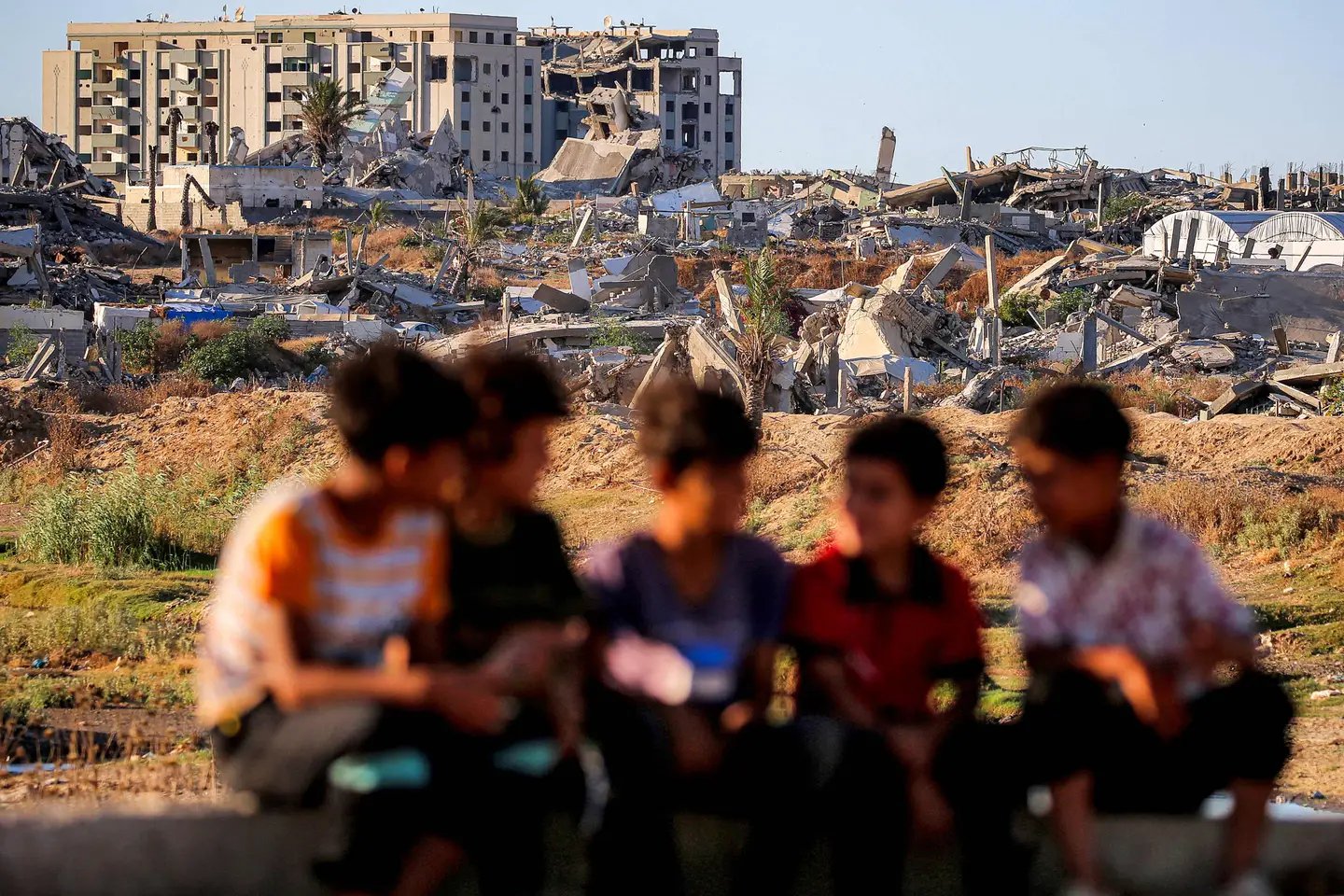
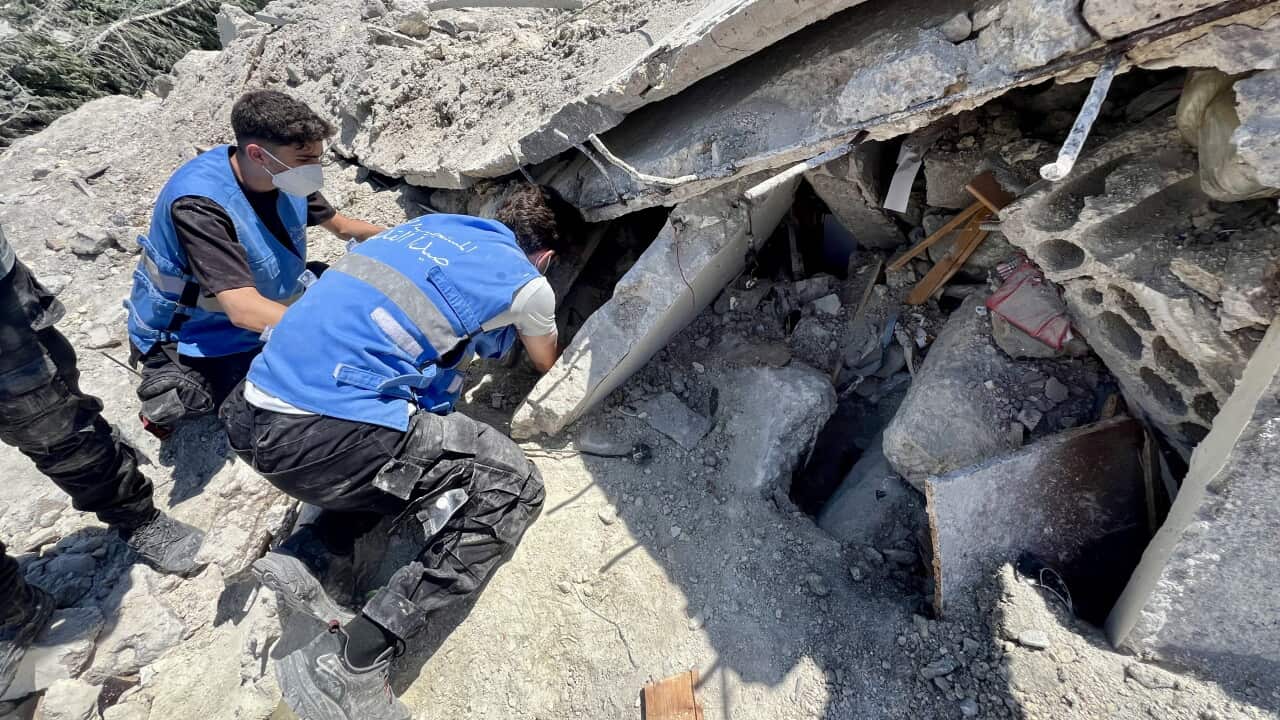
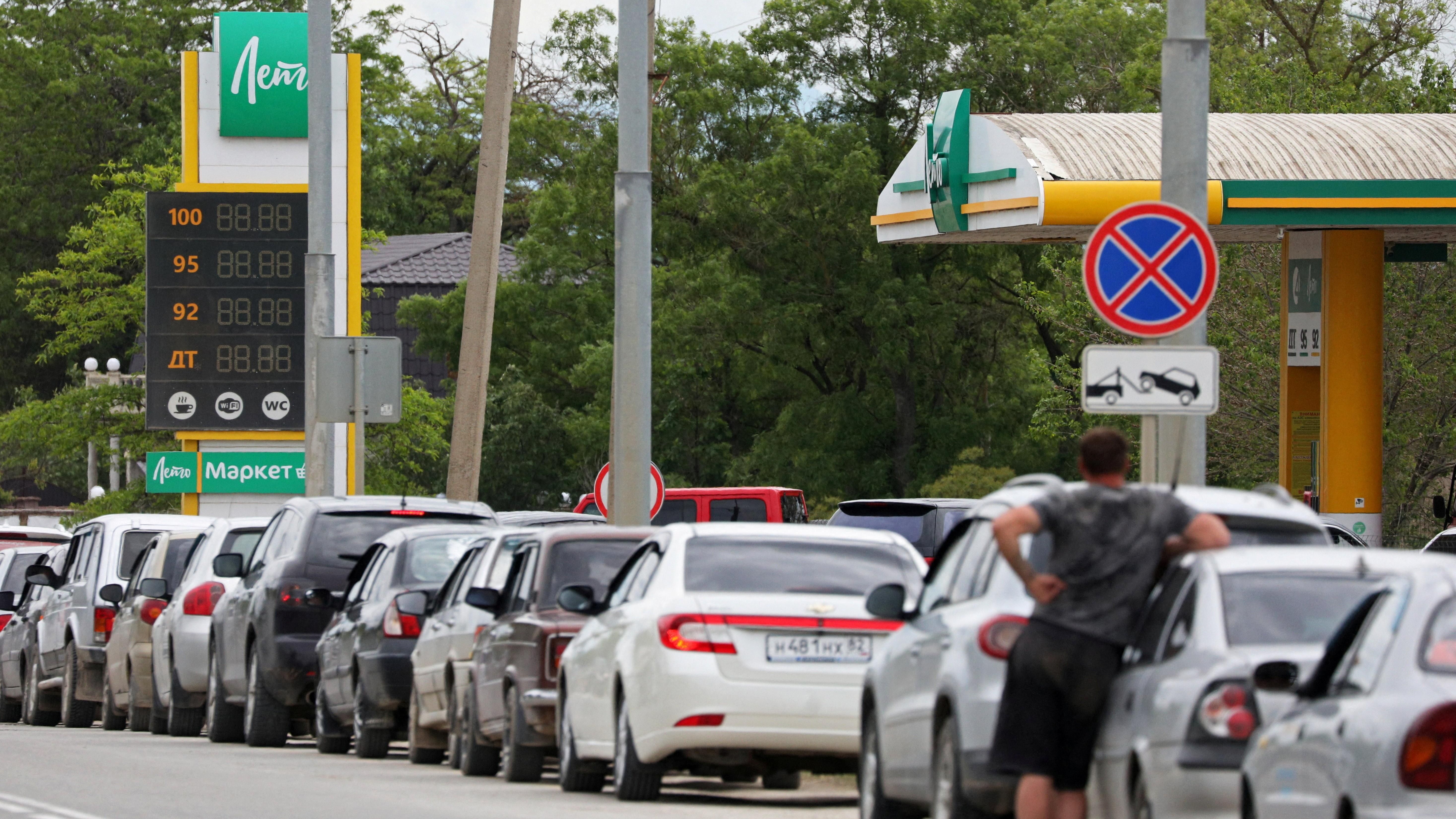
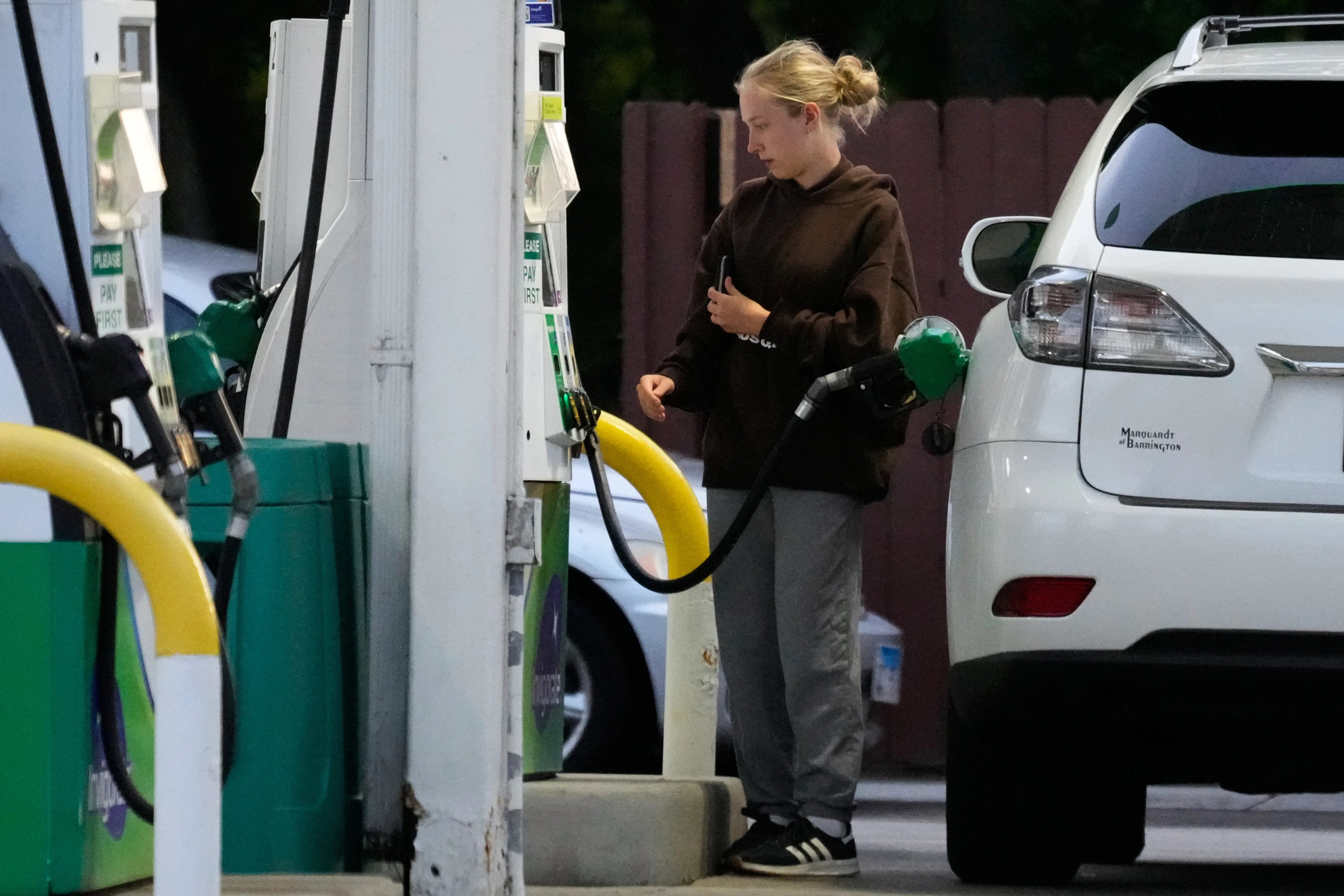
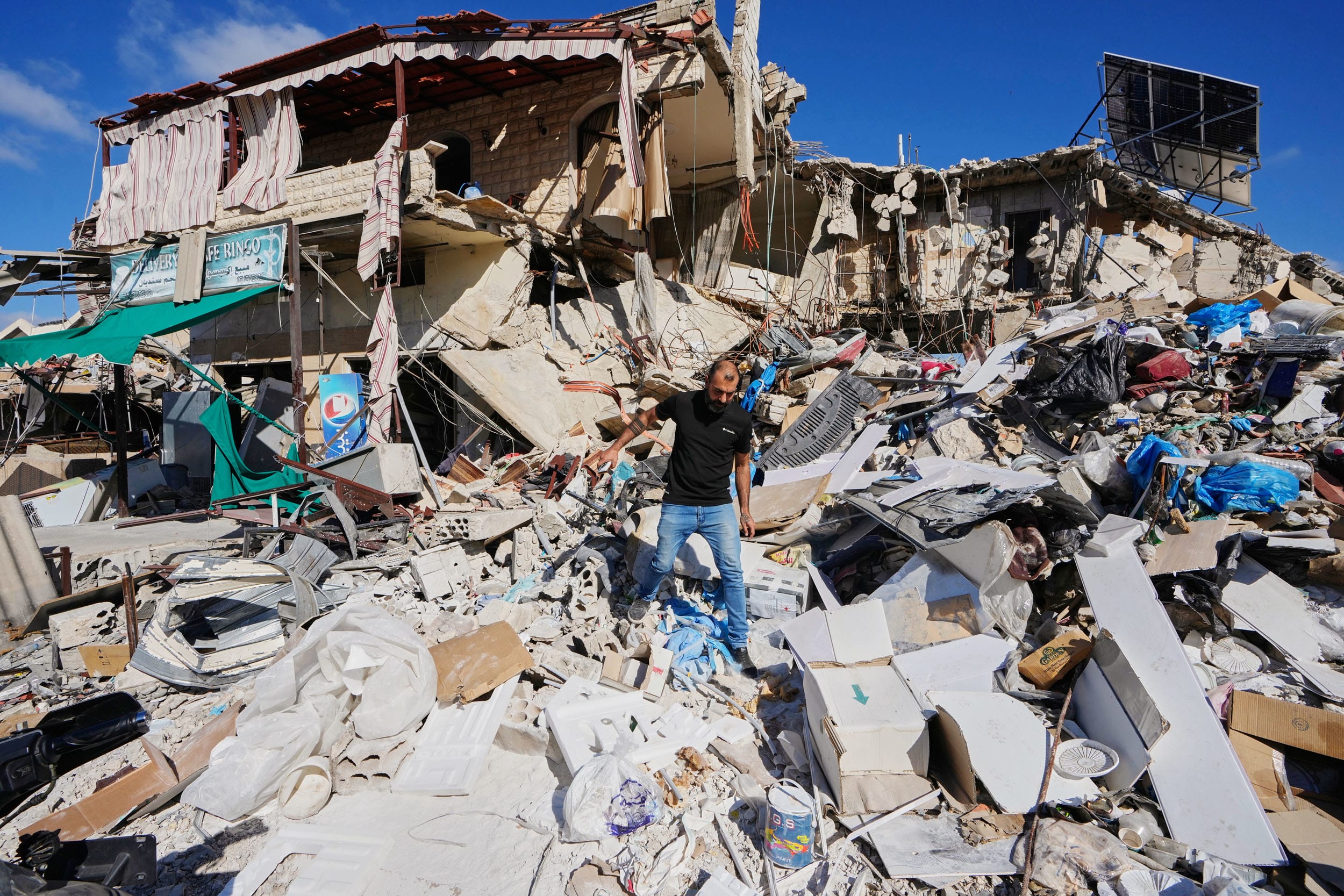
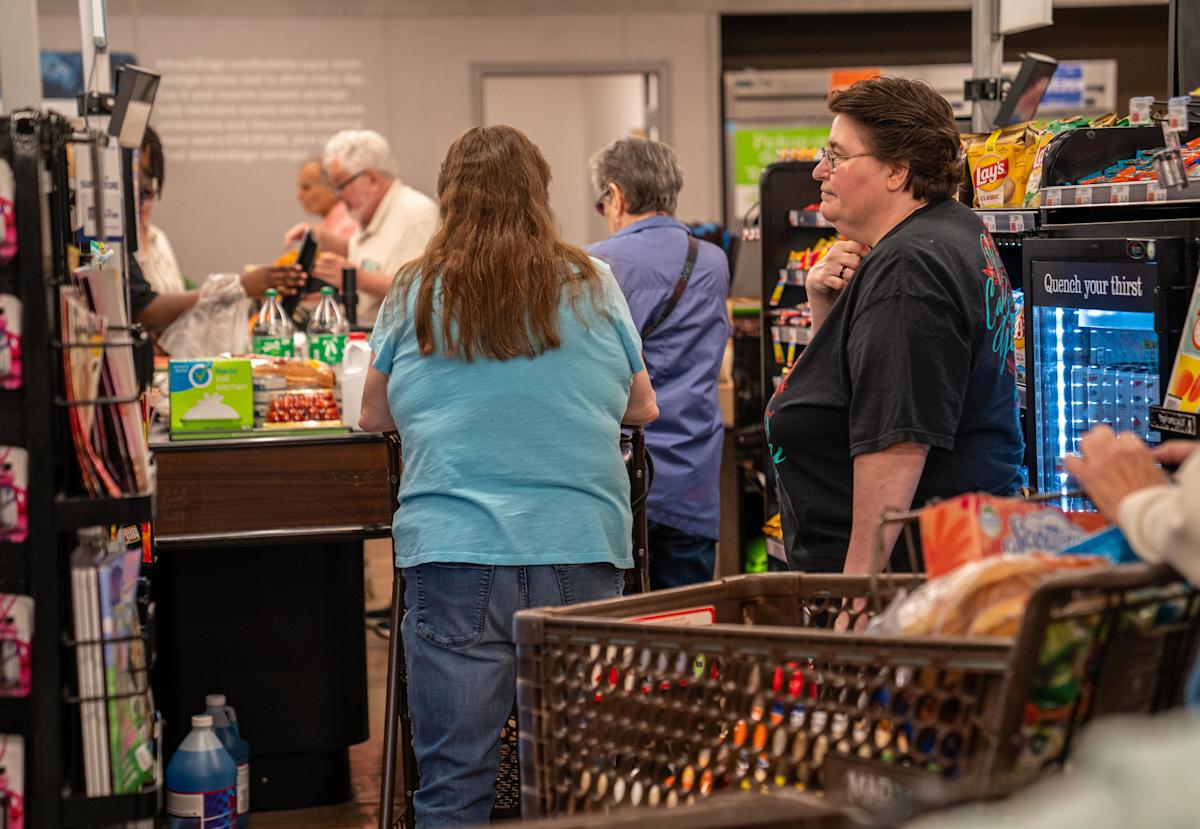
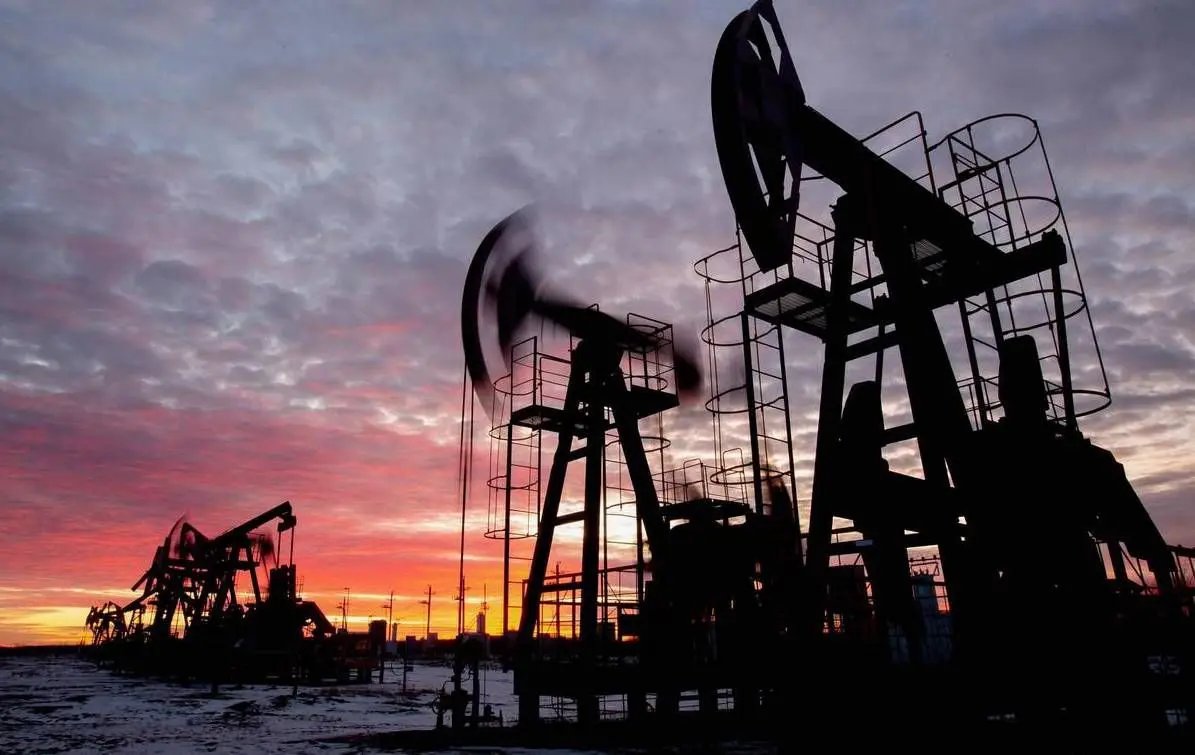
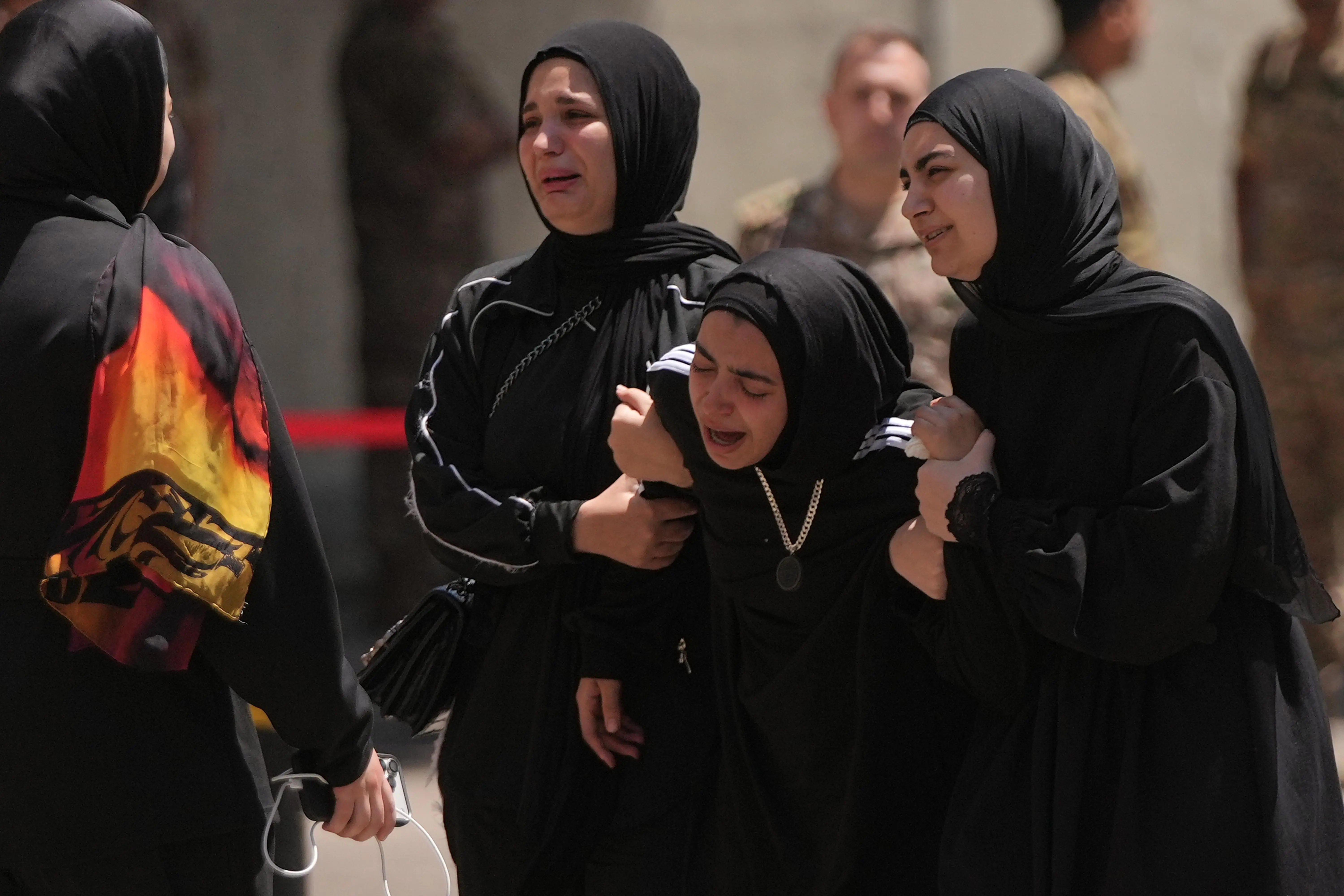
The renewed military actions and threats from both sides could have dire consequences for civilians, particularly in regions dependent on oil exports. Increased military presence in the Strait of Hormuz could disrupt shipping routes, leading to higher fuel prices and economic instability. Consumers may soon feel the impact of these geopolitical tensions at the gas pump, as experts warn of possible price hikes in the coming weeks.
Prospects for Negotiation
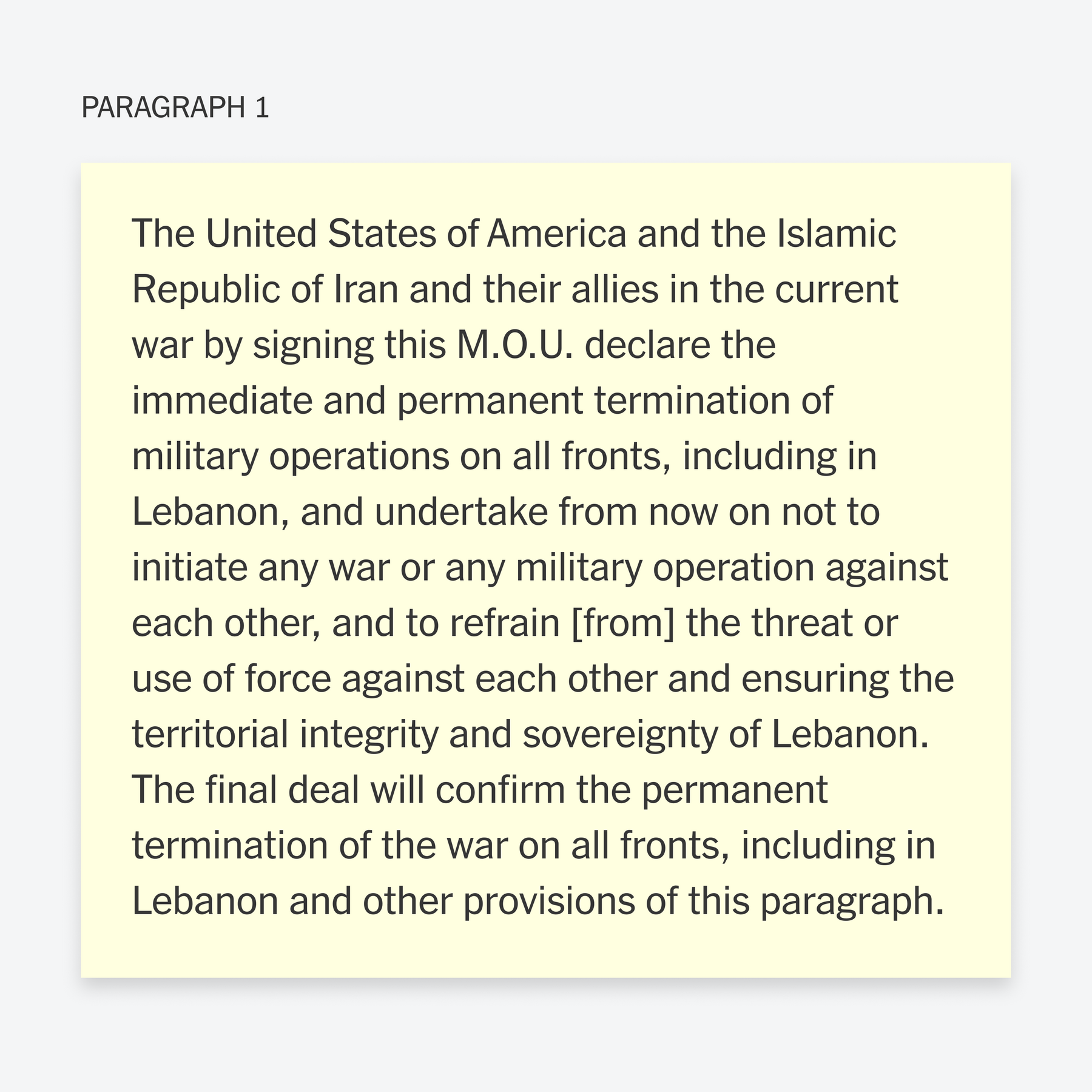
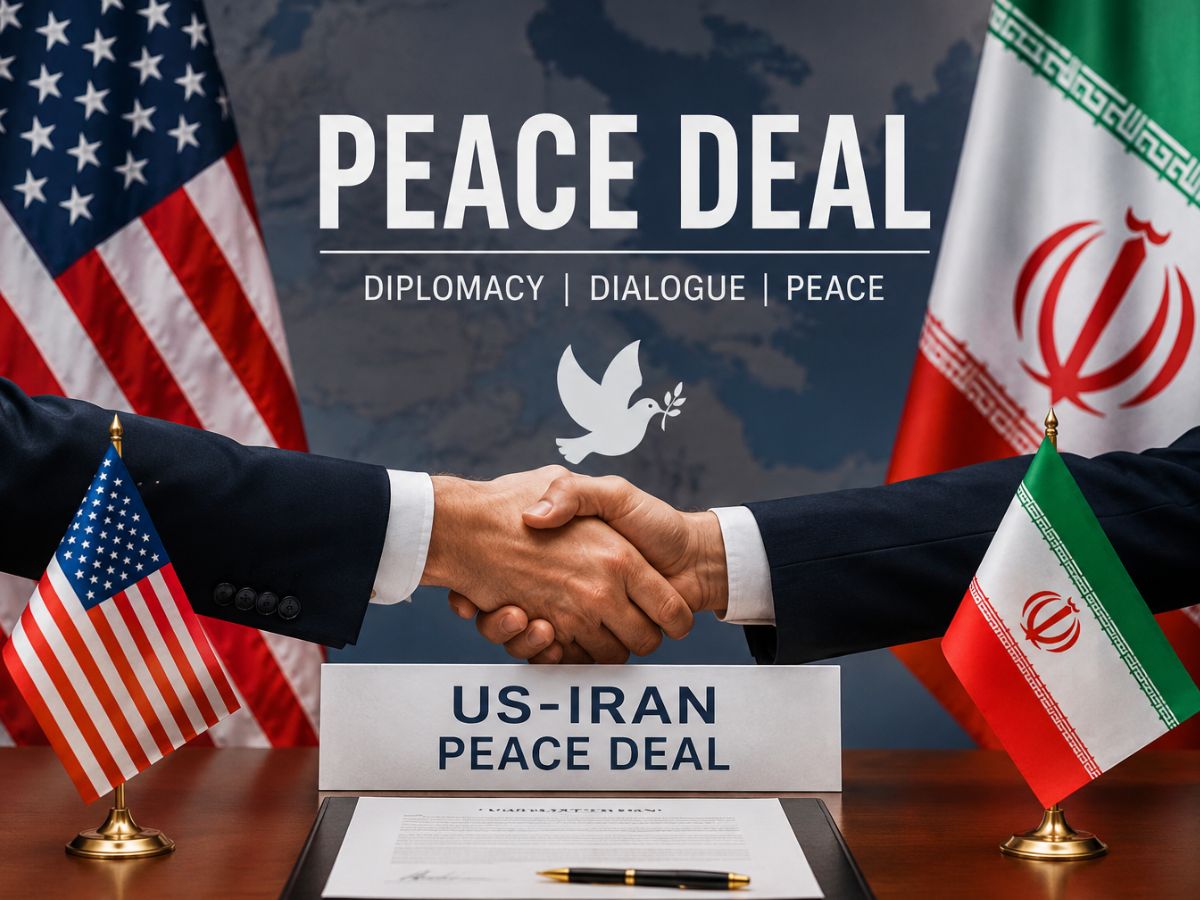
With both nations entrenched in their positions, the prospect for negotiation seems bleak. Trump's demands for Iran to engage in talks come amidst escalating military actions, creating a precarious situation. The IRGC's warning about closing additional export corridors suggests that Iran is prepared to escalate its response if the U.S. does not reconsider its blockade strategy.
The situation in the Strait of Hormuz remains a critical point for global energy supplies, and developments in this ongoing conflict could reshape international relations and economic conditions in the near future.