




New Policy Introduced by DHS
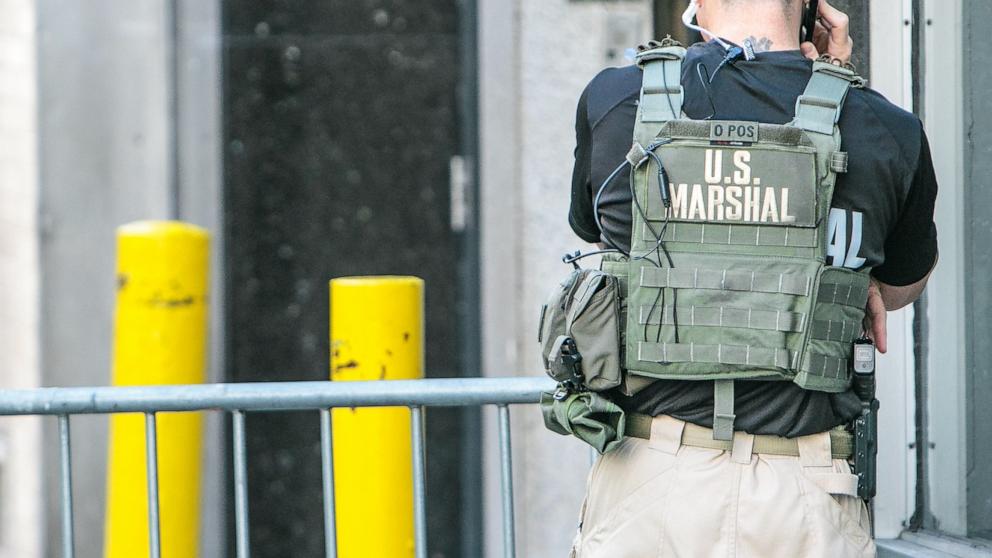
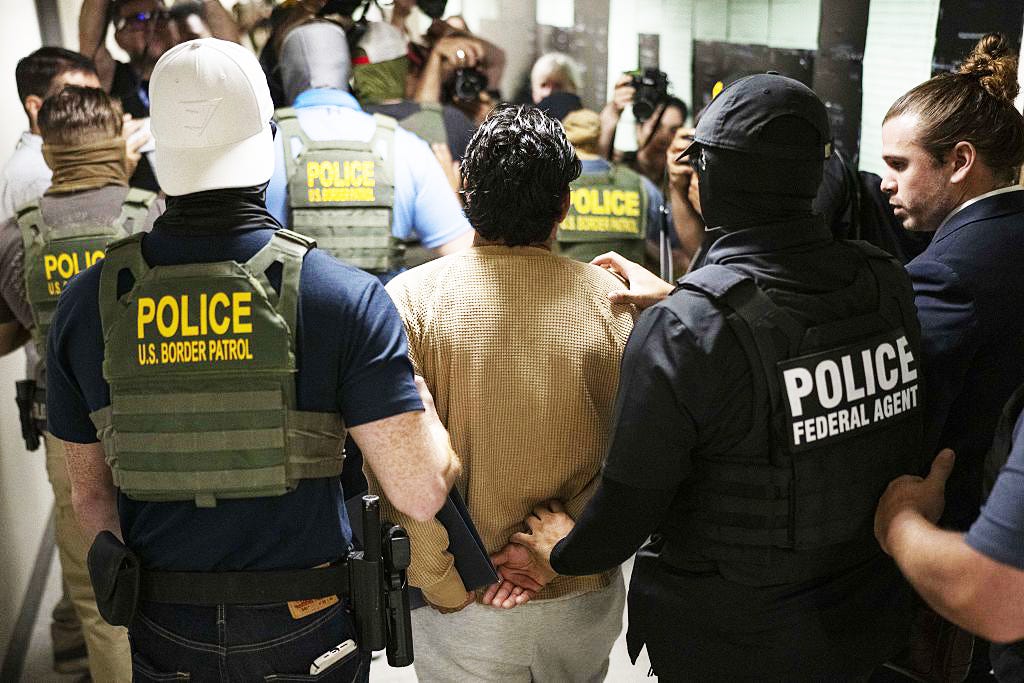
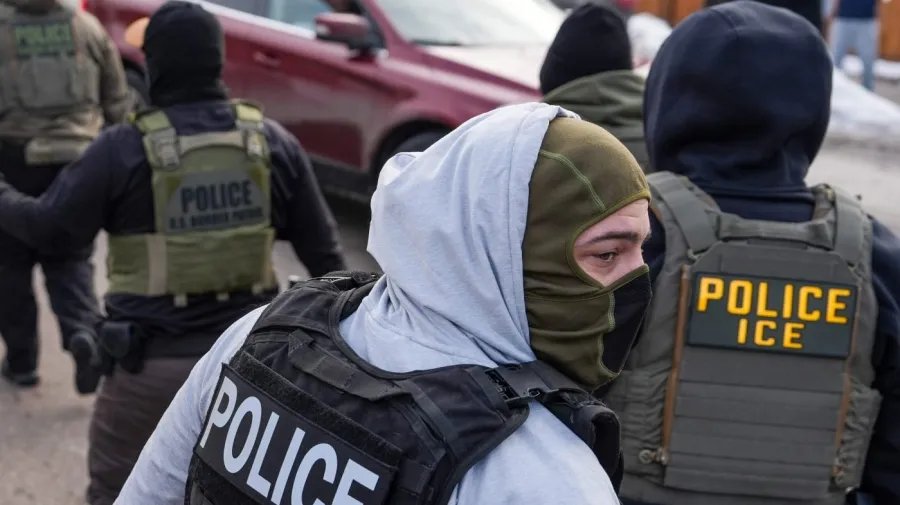
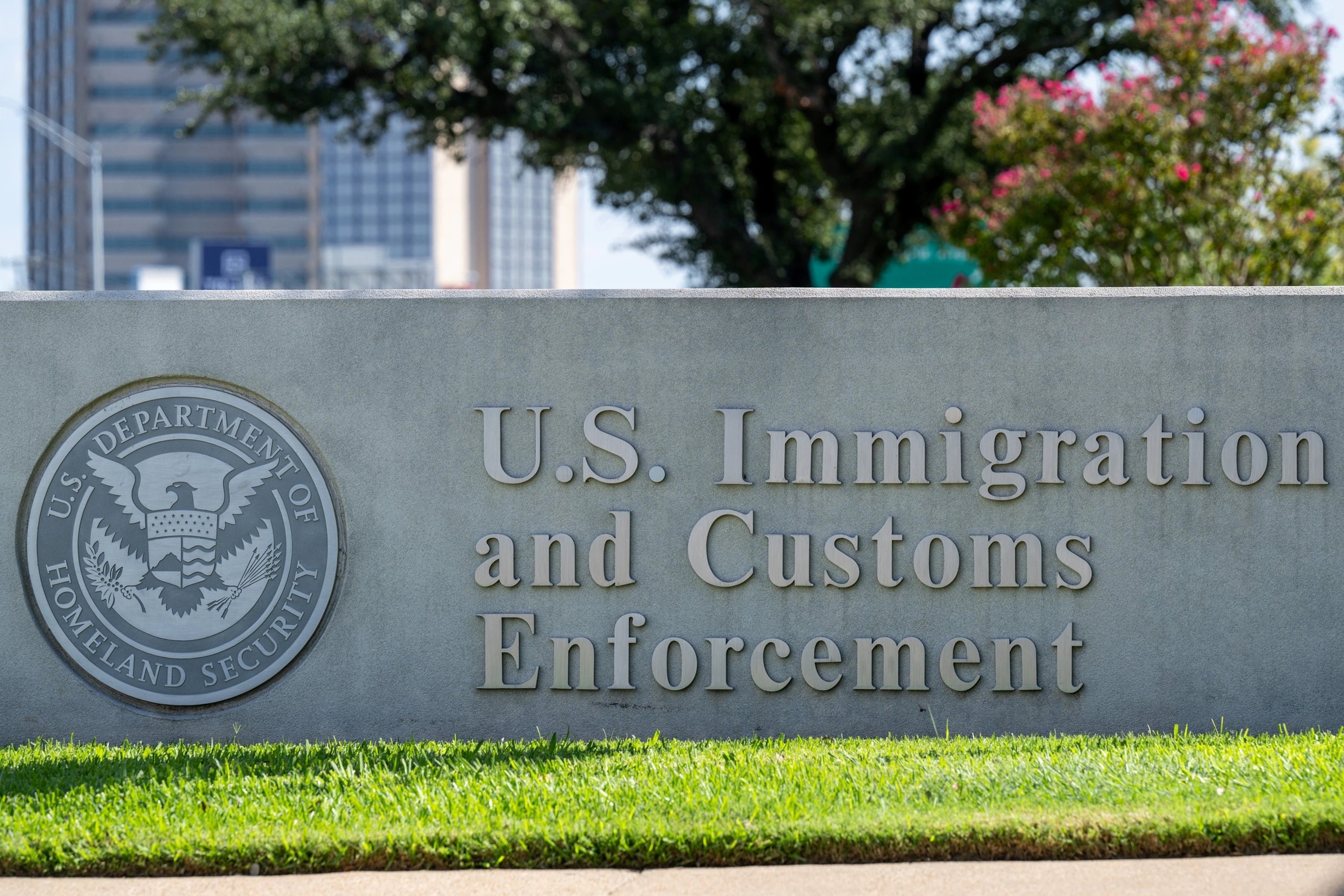
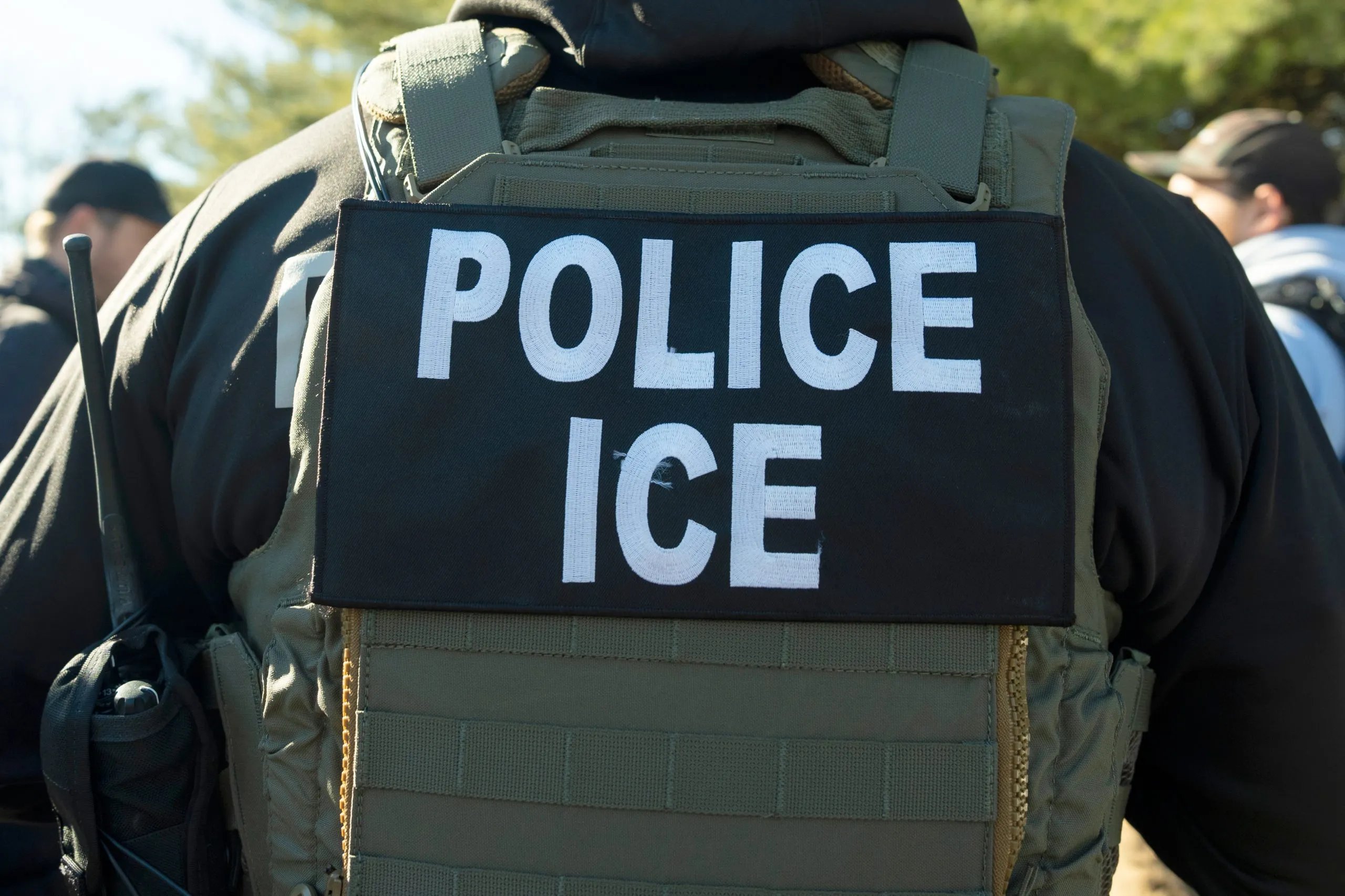
The Department of Homeland Security announced that every U.S. Immigration and Customs Enforcement (ICE) arrest team will now have at least one officer equipped with a body-worn camera. This policy follows two recent fatal shootings involving ICE agents who were not wearing cameras. The agency indicated that ensuring the deployment of body cameras nationwide is a top priority, particularly in light of increasing assaults against immigration officers.
Fatal Incidents Prompt Change
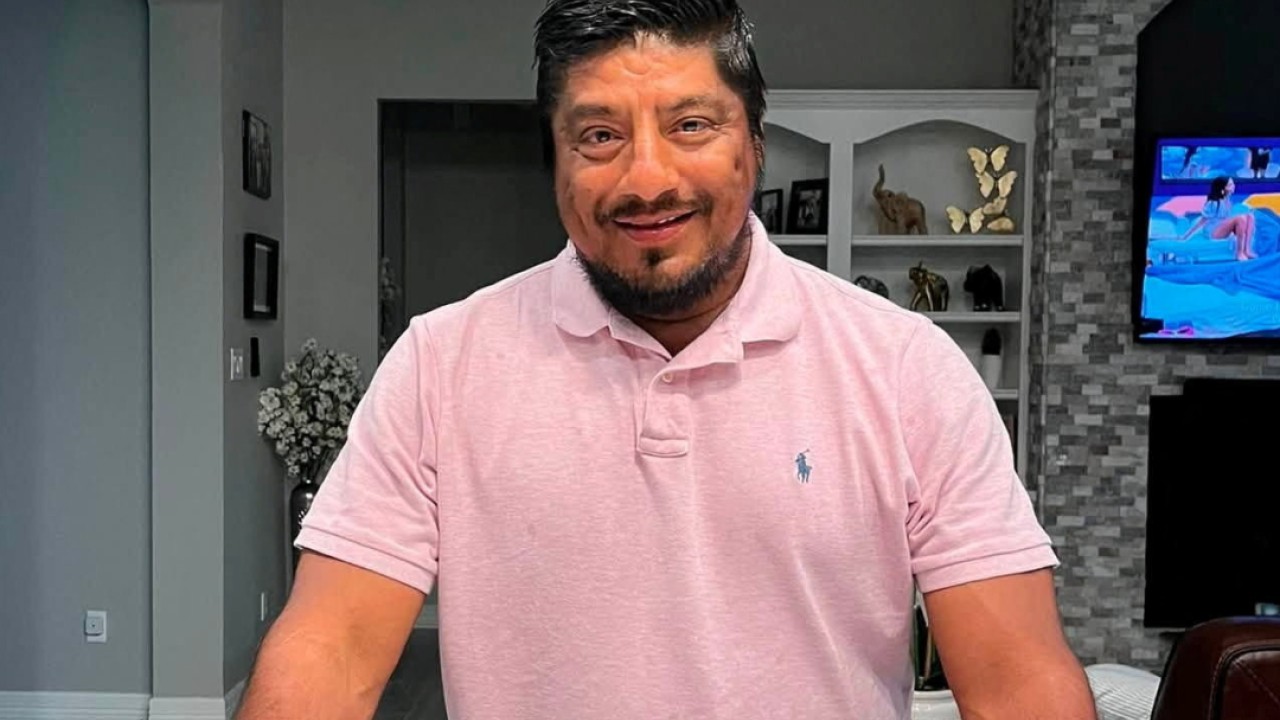
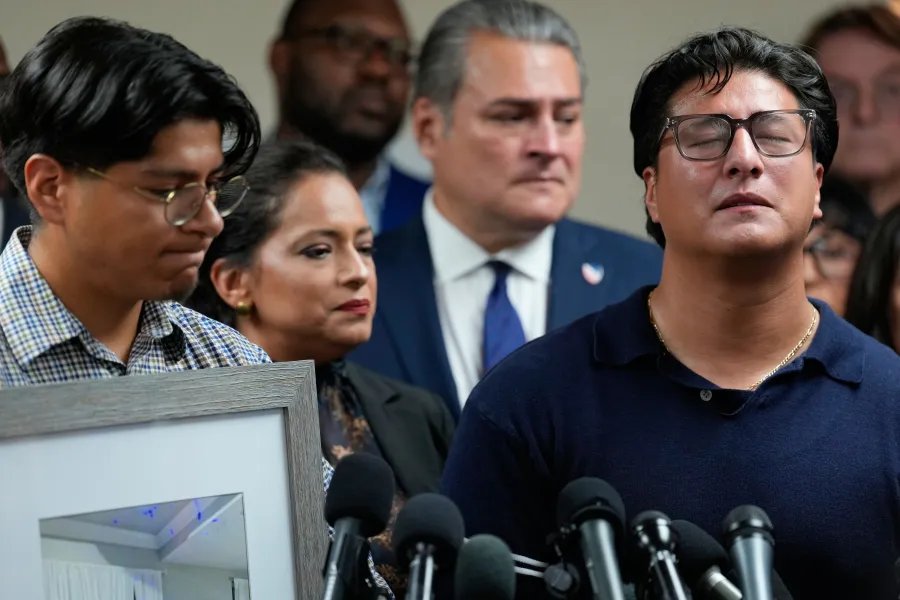
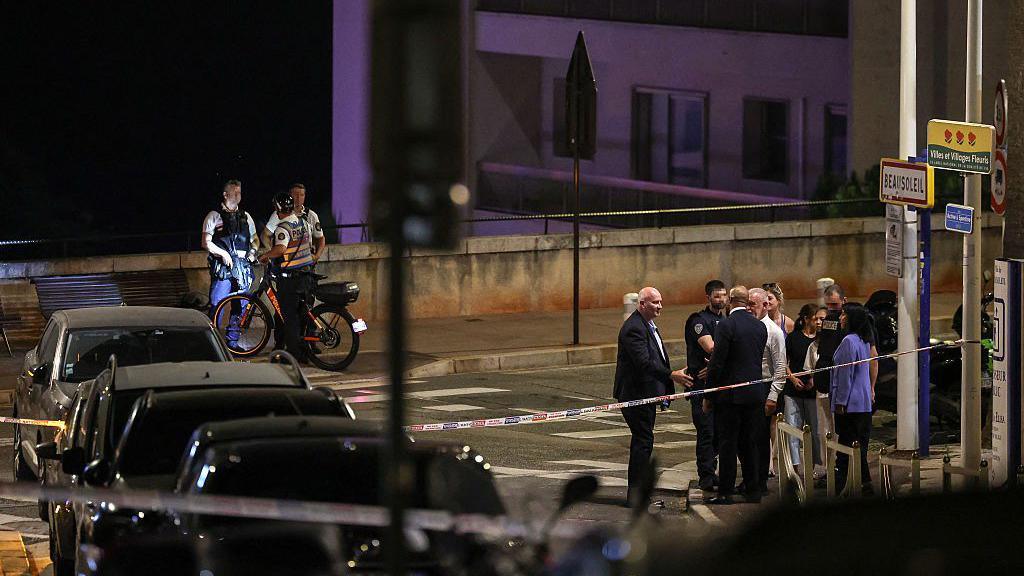
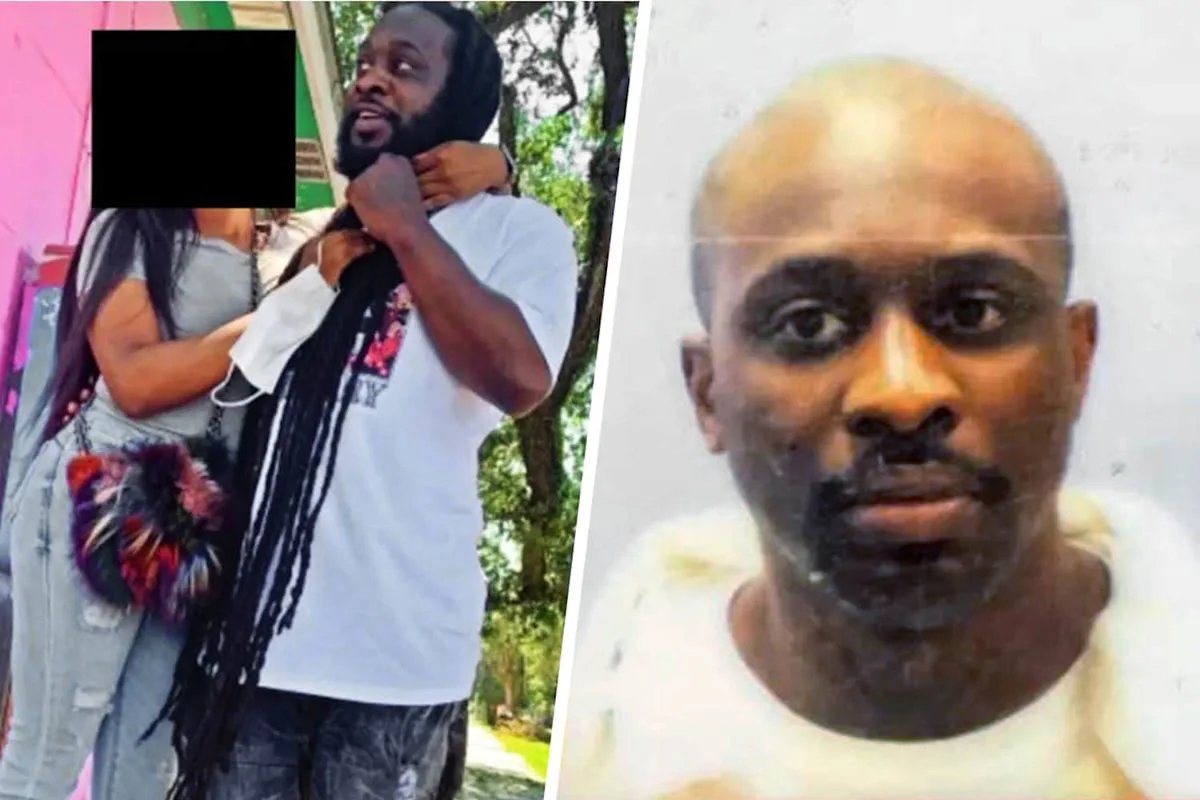
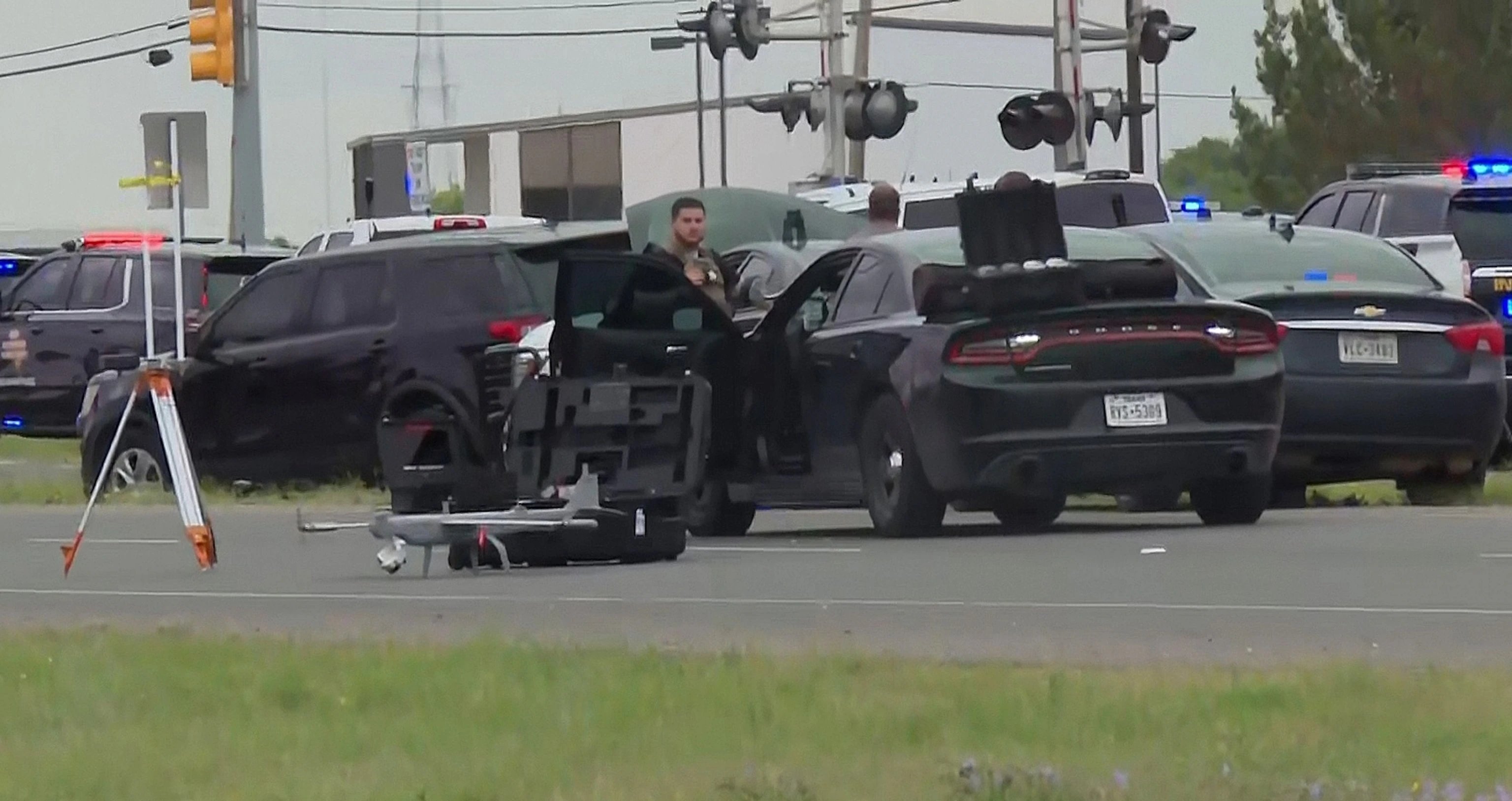
The announcement comes after the shooting deaths of Lorenzo Salgado Araujo in Houston and Johan Sebastián Durán Guerrero in Biddeford, Maine. In both cases, the individuals shot were not the intended targets of the operations, raising questions about ICE's operational practices. The agency reported that Salgado Araujo allegedly attempted to weaponize his vehicle during a traffic stop, a claim disputed by his family, who described him as a loving father who lived in the U.S. for over three decades.
Investigations Underway
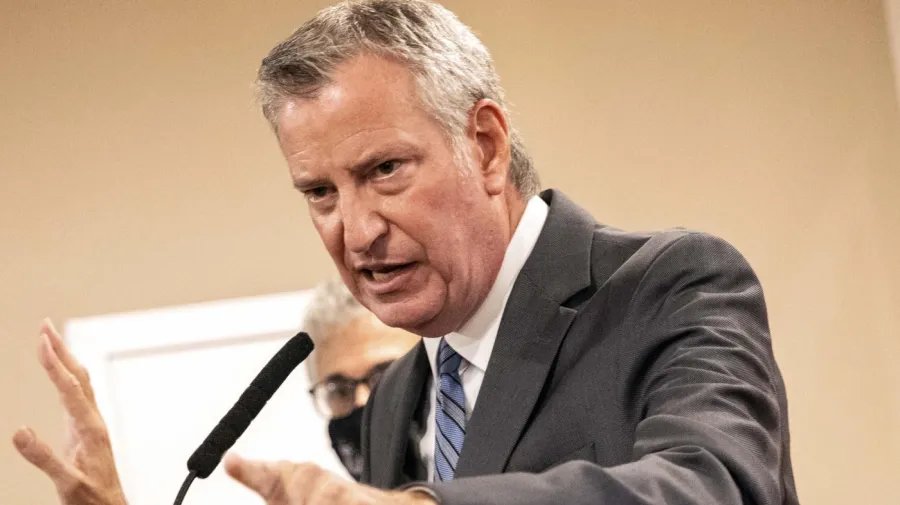
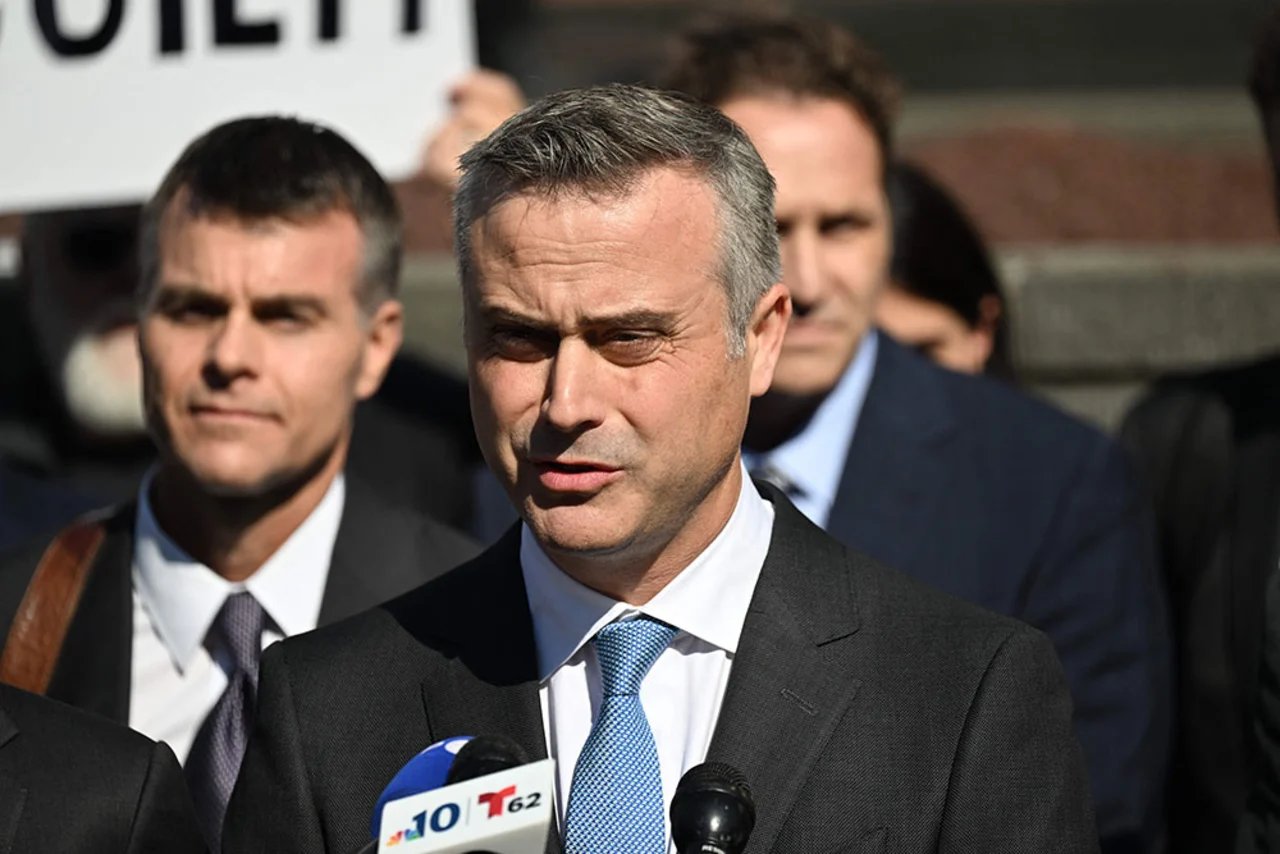
In Houston, Harris County District Attorney Sean Teare is leading an independent investigation into Salgado Araujo's death. Teare stated his office is prepared to pursue charges against federal agents if evidence of criminal wrongdoing is found. He criticized ICE's tactics, saying, "It appears from everything we've seen that either these agents are completely untrained, or intentionally putting themselves in situations where they can justify firing into cars." Meanwhile, in Maine, the ICE shooting of Durán Guerrero has drawn significant public outcry, with protests erupting in Biddeford.
Local and Federal Scrutiny
Both incidents have prompted scrutiny from local law enforcement and federal officials. In Maine, Attorney General Aaron Frey confirmed that the ICE agent involved has been placed on leave pending an investigation. Local lawmakers such as Senator Angus King and Congresswoman Chellie Pingree expressed outrage, emphasizing that the man shot was not the intended target of the operation. King noted that the DHS initially informed him that Durán Guerrero was a target, only to later clarify that he was not.
Community Response and Activism
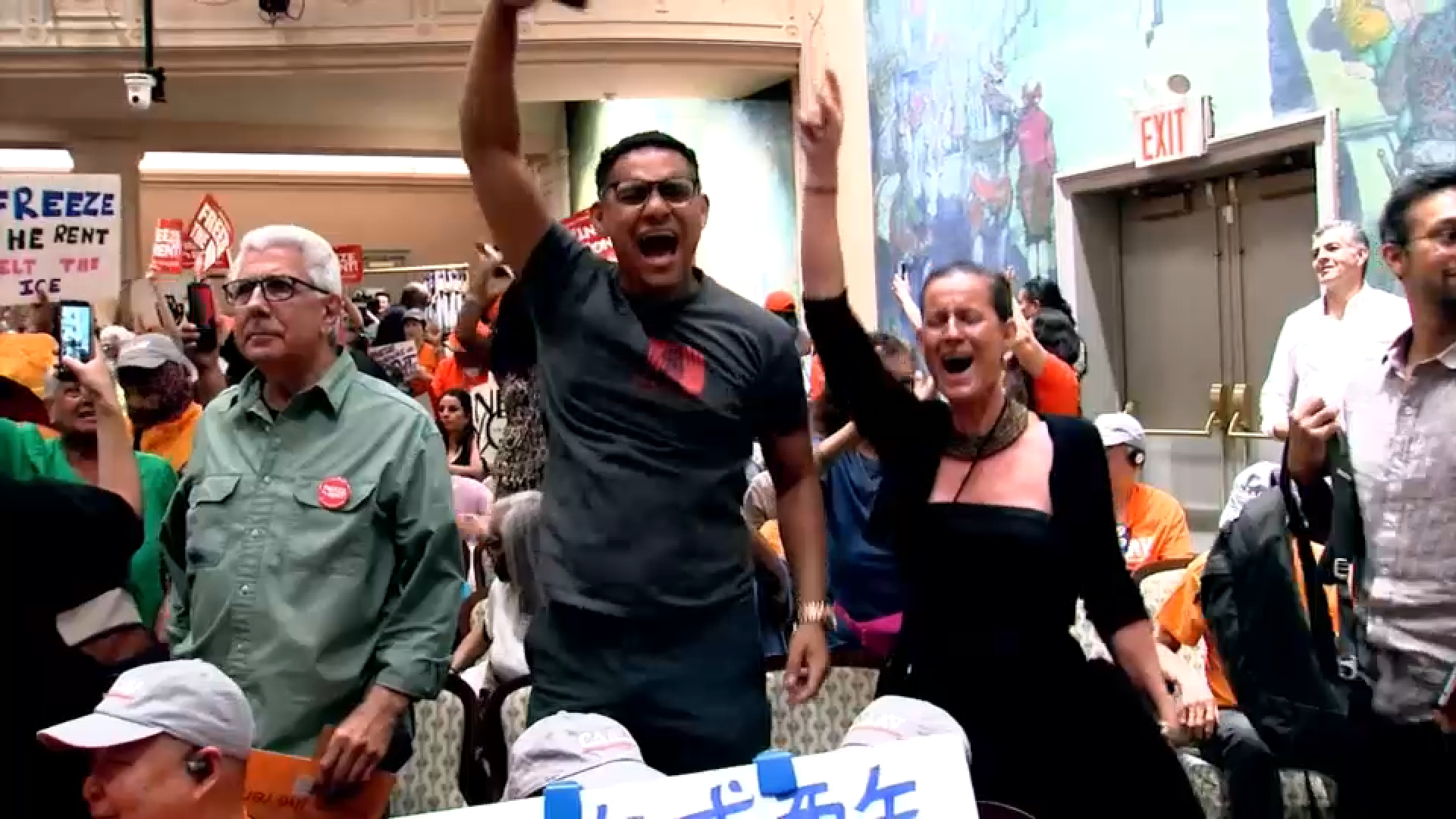
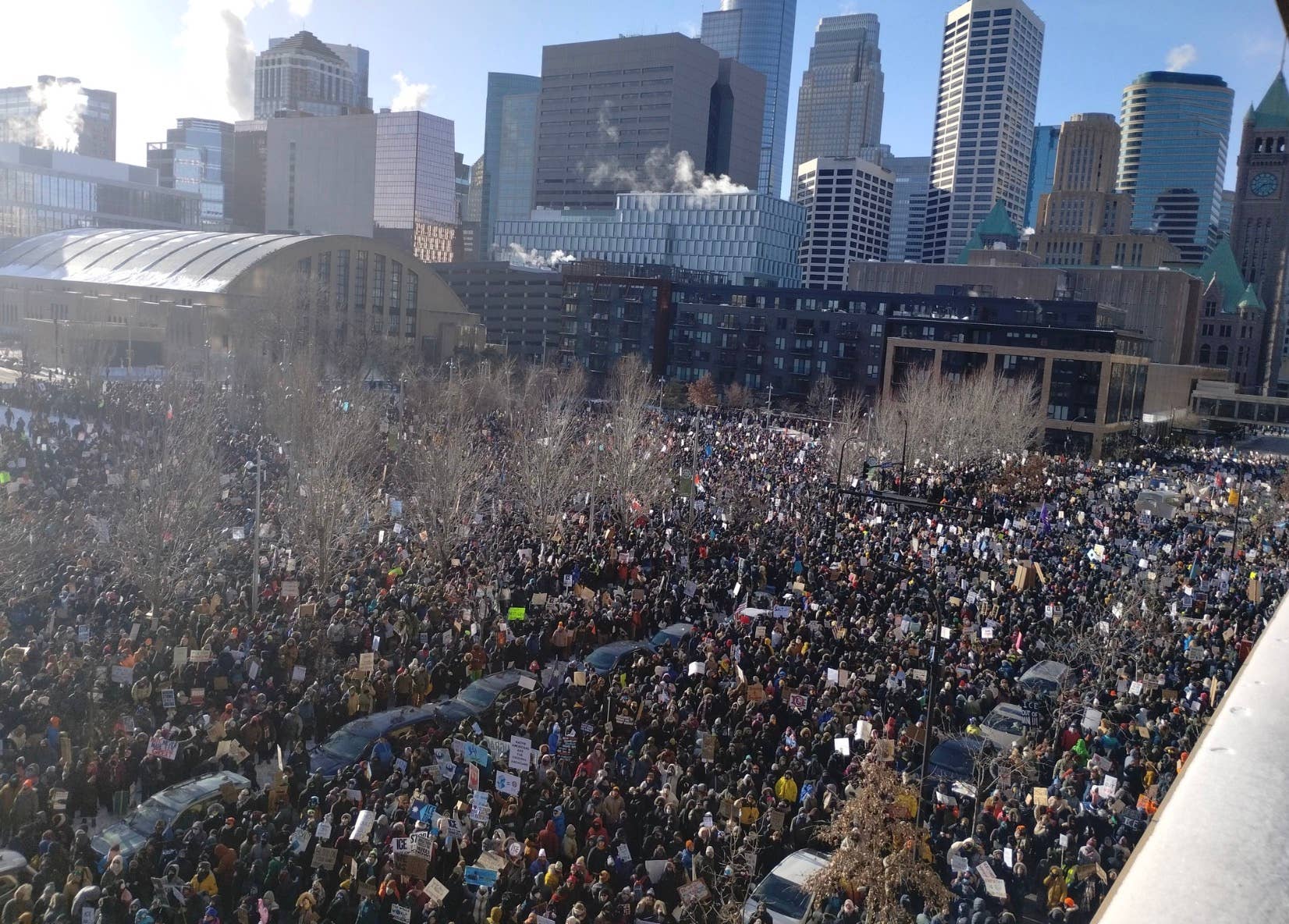
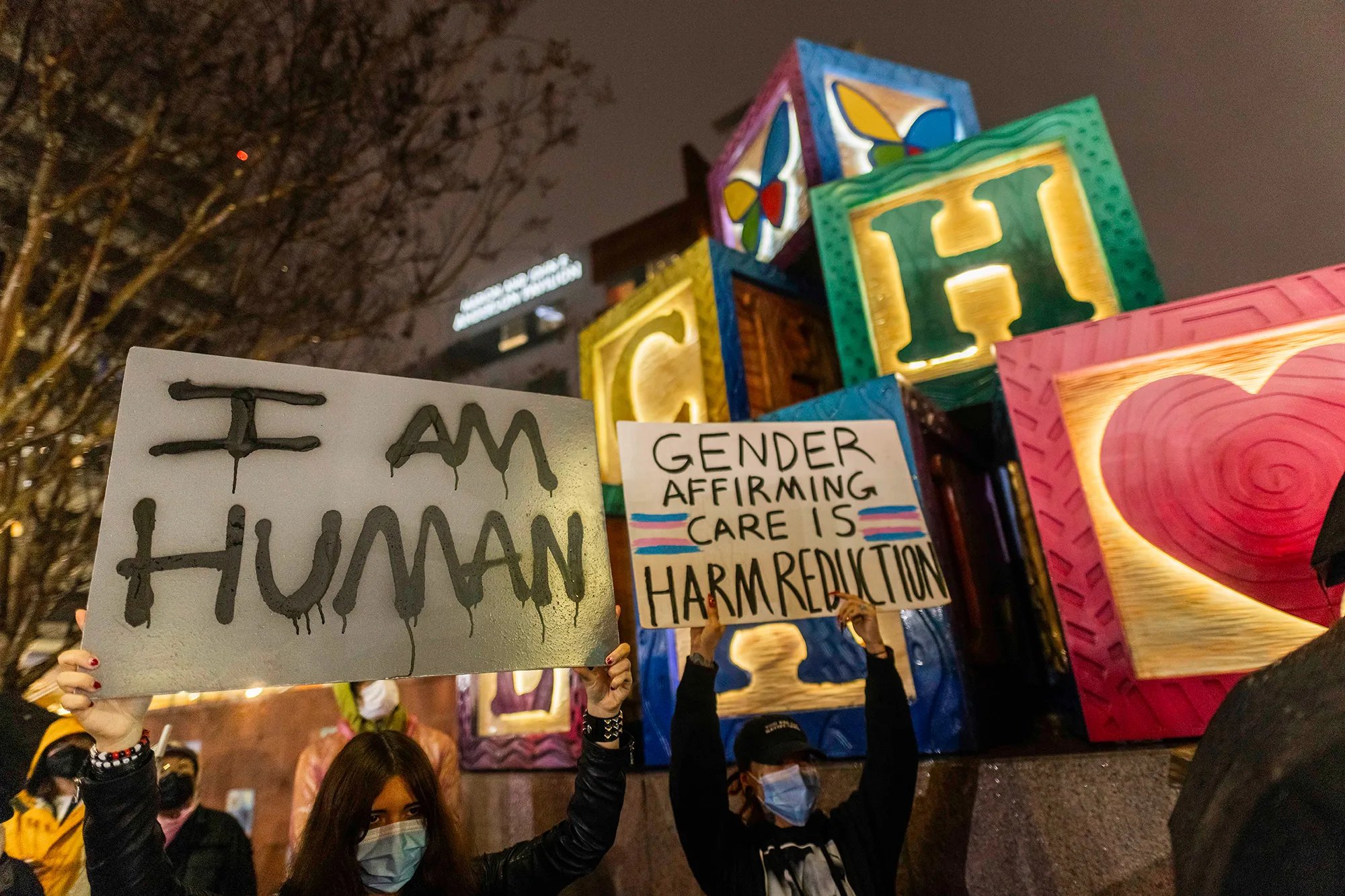
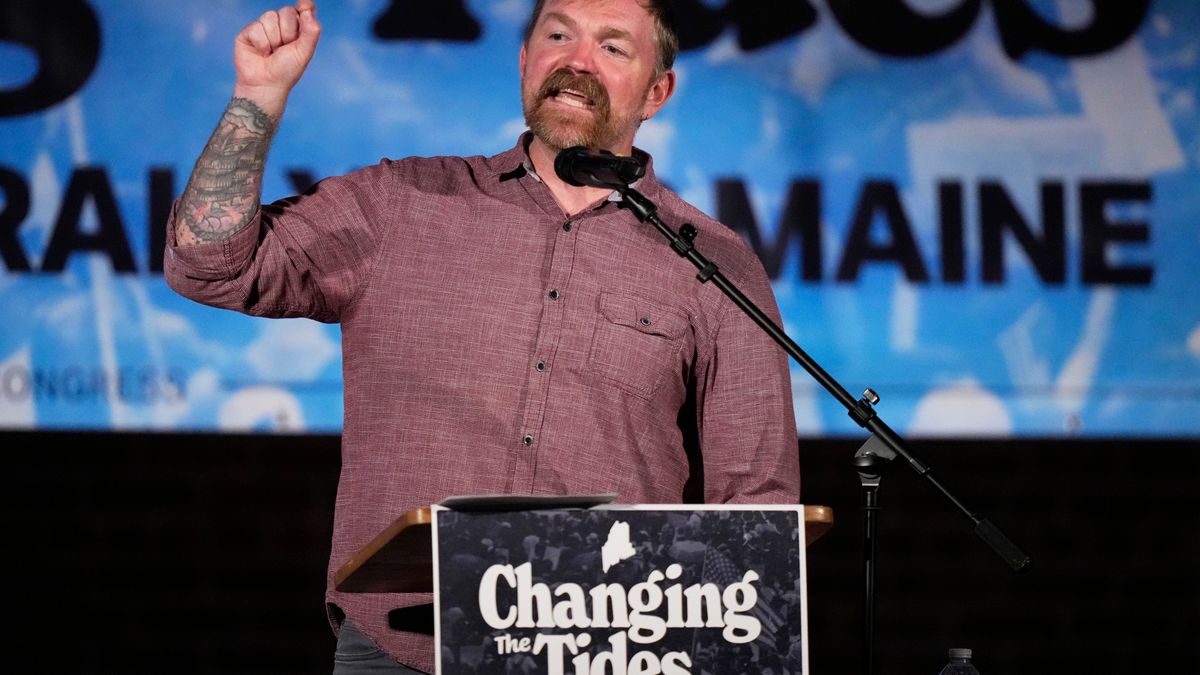
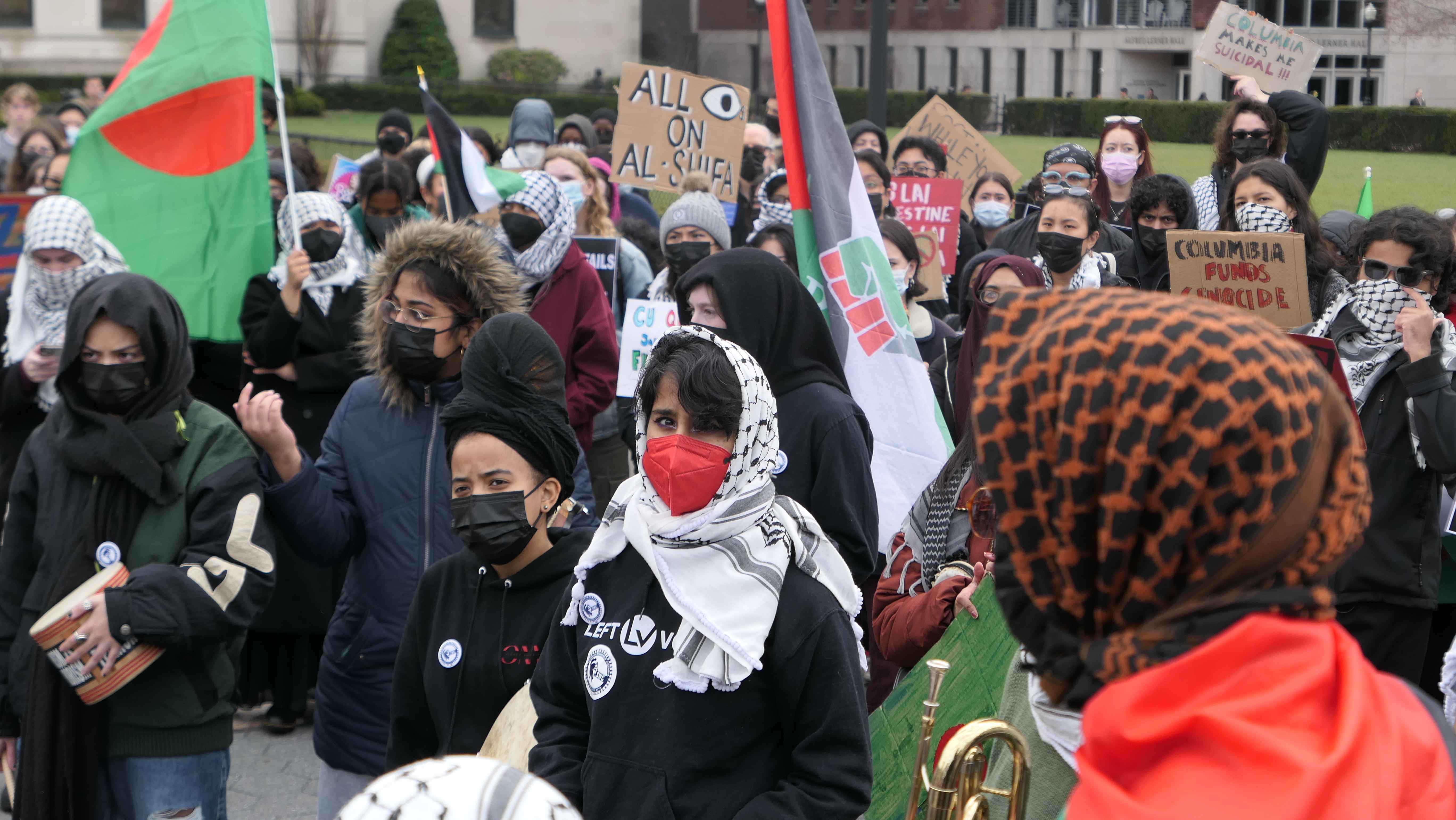
The deaths of Salgado Araujo and Durán Guerrero have sparked protests across the country, reminiscent of previous demonstrations against ICE practices. Activists and community leaders are calling for accountability and a reevaluation of ICE's enforcement strategies. The Maine Immigrants' Rights Coalition described Durán Guerrero as a valued community member, stating, "He was a neighbor, and a human being whose life was cut tragically short."
Body Cameras as a Tool for Accountability
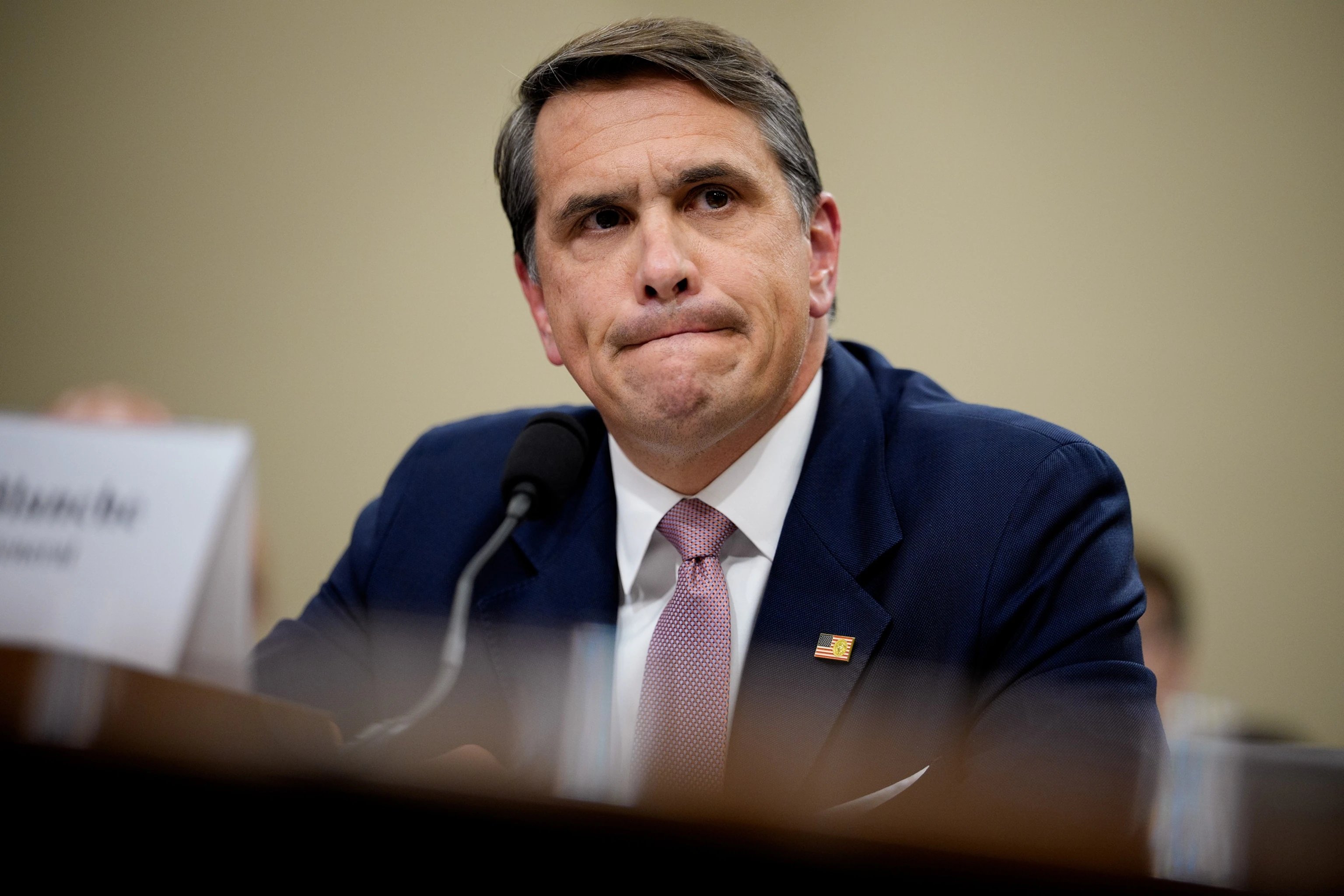
The rollout of body cameras is seen as a critical step toward increasing accountability within ICE operations. Democratic lawmakers have criticized the slow implementation of this policy, arguing that funding has been available to expedite the process. Representative Sylvia Garcia, who represents the Houston area, stated that Acting ICE Director David Venturella assured her that all agents will have access to body cameras by the end of July.
Next Steps for ICE and DHS
As ICE pauses most vehicle stops during enforcement operations, the agency will be reviewing its training protocols in light of these incidents. The DHS Office of Inspector General is investigating both shootings to determine the circumstances surrounding the use of deadly force. The outcomes of these investigations will likely influence future policy changes and operational guidelines for ICE agents.
The tragic events surrounding the fatalities of Salgado Araujo and Durán Guerrero underscore the urgent need for accountability and reform within immigration enforcement practices, directly affecting the lives of families and communities across the nation.