




Surge in Oil Prices
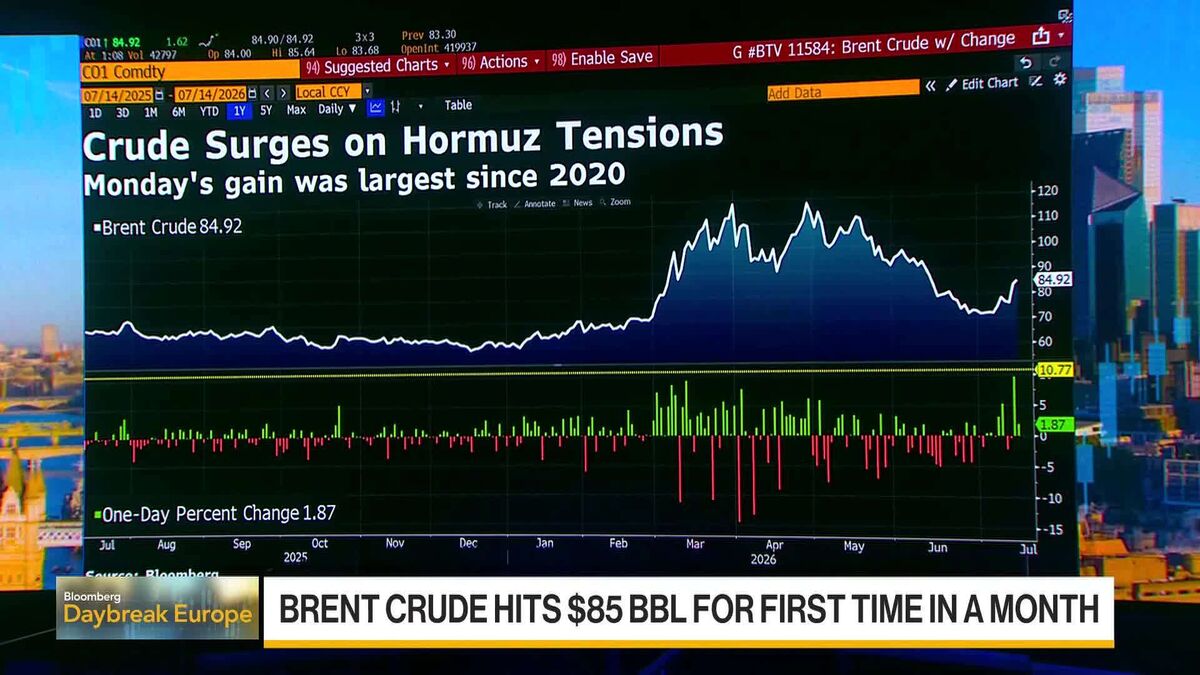
Oil prices have surged amid the escalating conflict between the U.S. and Iran, impacting global markets and consumer costs. U.S. benchmark WTI crude was trading at about $79 per barrel on Tuesday, up from about $74 per barrel since the start of trading on Monday morning and about $72 late last week. This spike in prices is a direct consequence of the heightened tensions in the region, affecting not just energy markets but also potentially global supply chains.
Battle for Strait of Hormuz
The conflict between the U.S. and Iran is intensifying over control of the Strait of Hormuz, a crucial waterway for global oil transportation. As experts like Alan Eyre, part of the Obama administration's negotiating team for the Iran nuclear deal and currently at the Middle East Institute, and Miad Maleki, born and raised in Iran and now at the Foundation for the Defense of Democracies, discuss, the latest developments in the U.S.-Iran conflict are causing significant ripple effects in the oil industry.
Global Market Impact
The increase in oil prices due to the U.S.-Iran conflict not only affects the energy industry but also has broader implications for global markets. Higher oil prices can lead to increased costs for consumers, potentially impacting the economy and daily life. This development is a stark reminder of the interconnectedness of global economies and the far-reaching effects of geopolitical conflicts.
Next Steps in US-Iran Conflict
As the situation continues to unfold, the next steps in the U.S.-Iran conflict remain uncertain. However, one thing is clear: the escalating tensions are already having a tangible impact on oil prices, which will likely continue to fluctuate as the situation develops. The global community will be closely monitoring the situation, as the outcome could significantly affect energy markets and global supply chains.