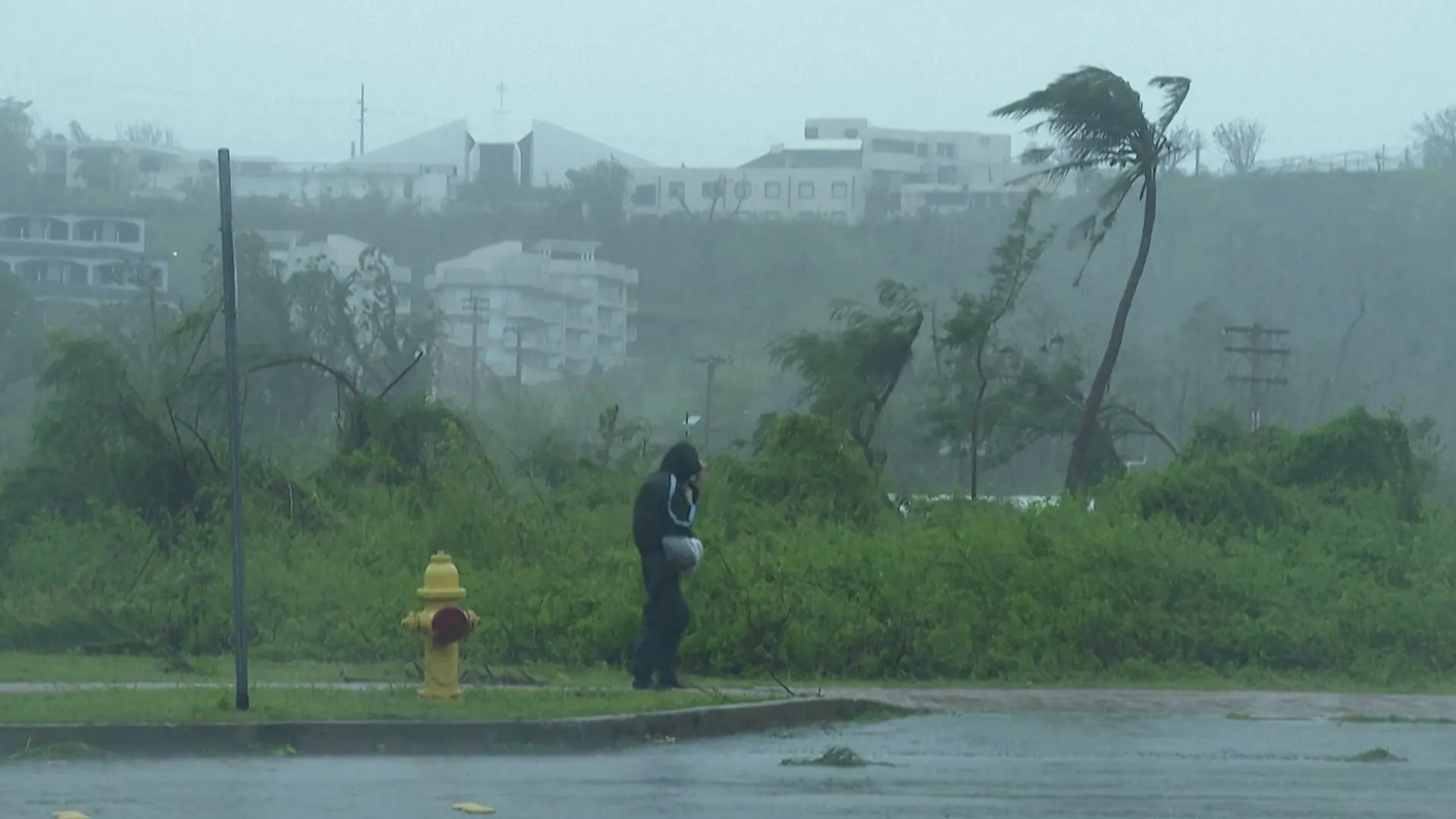





The Onslaught of Typhoon Bavi
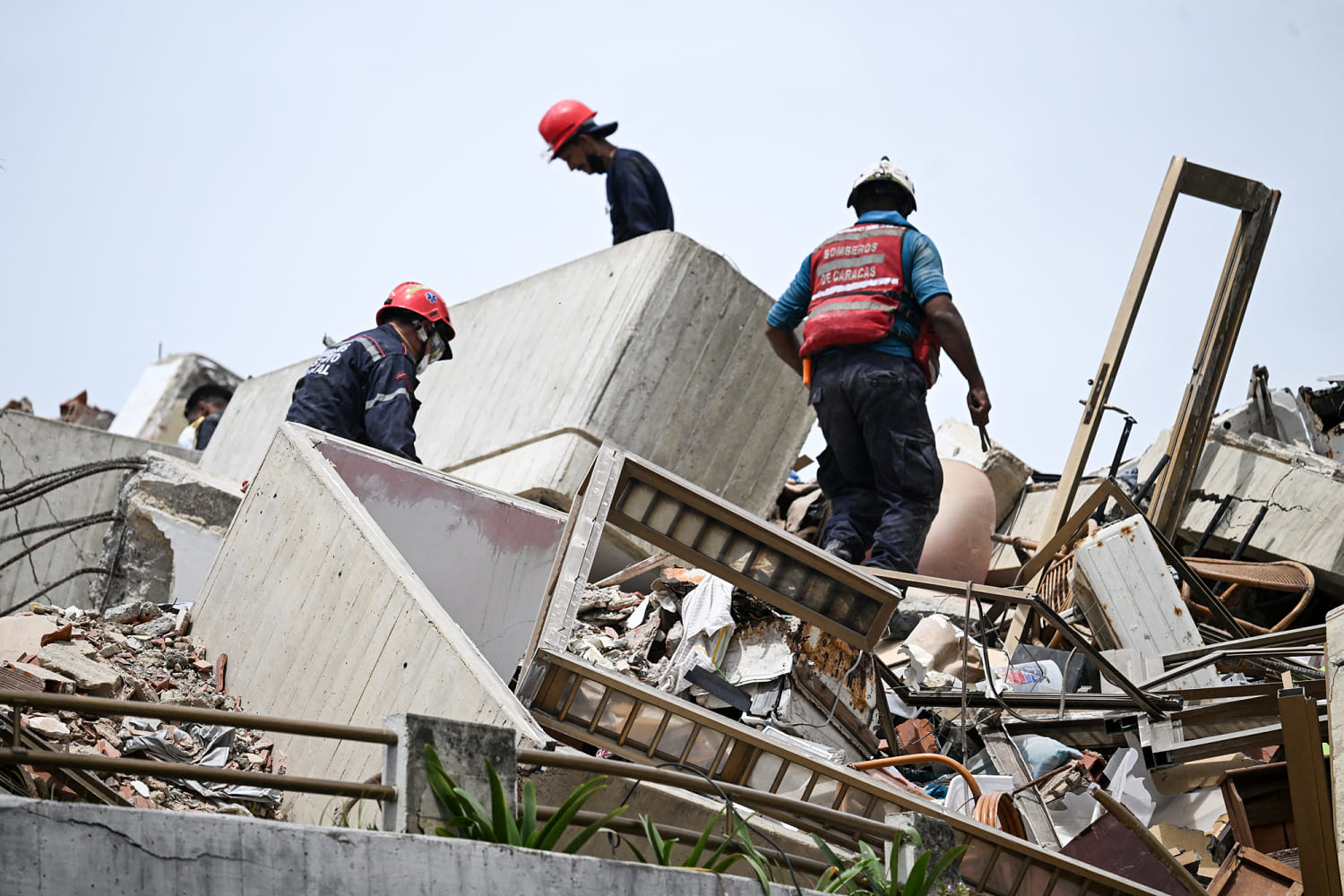
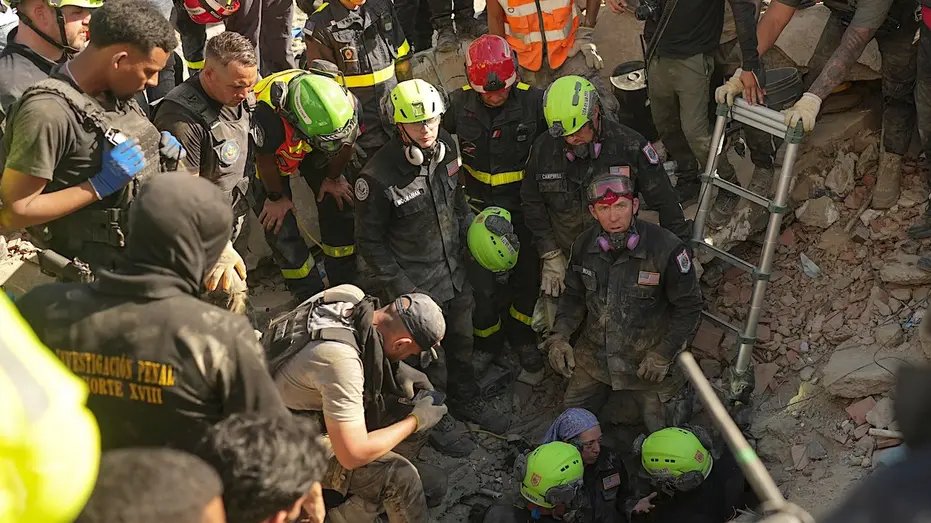
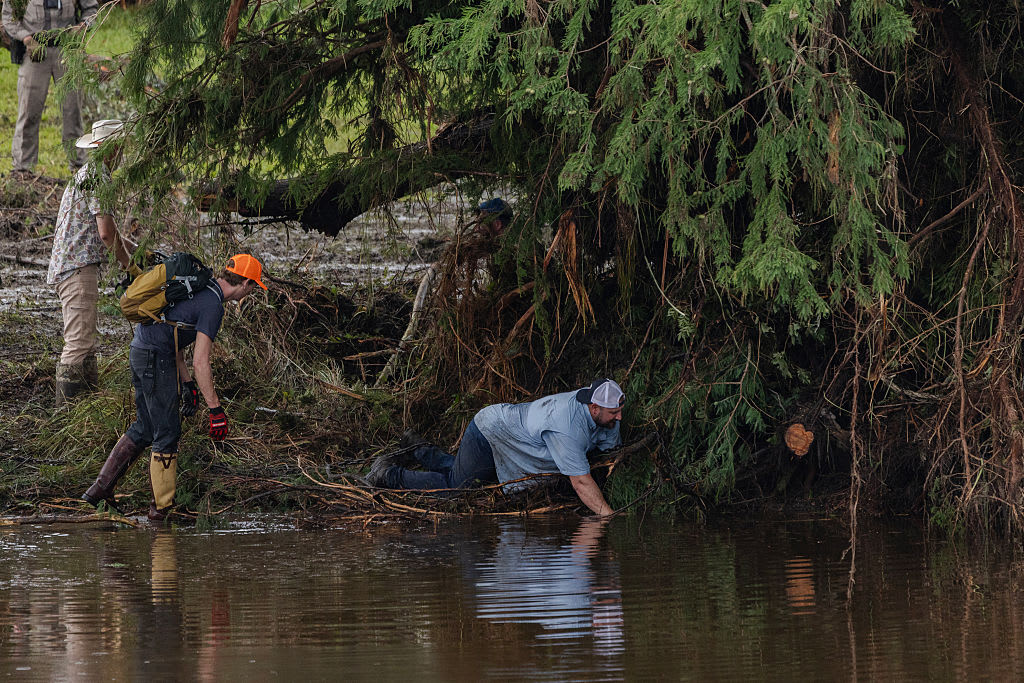
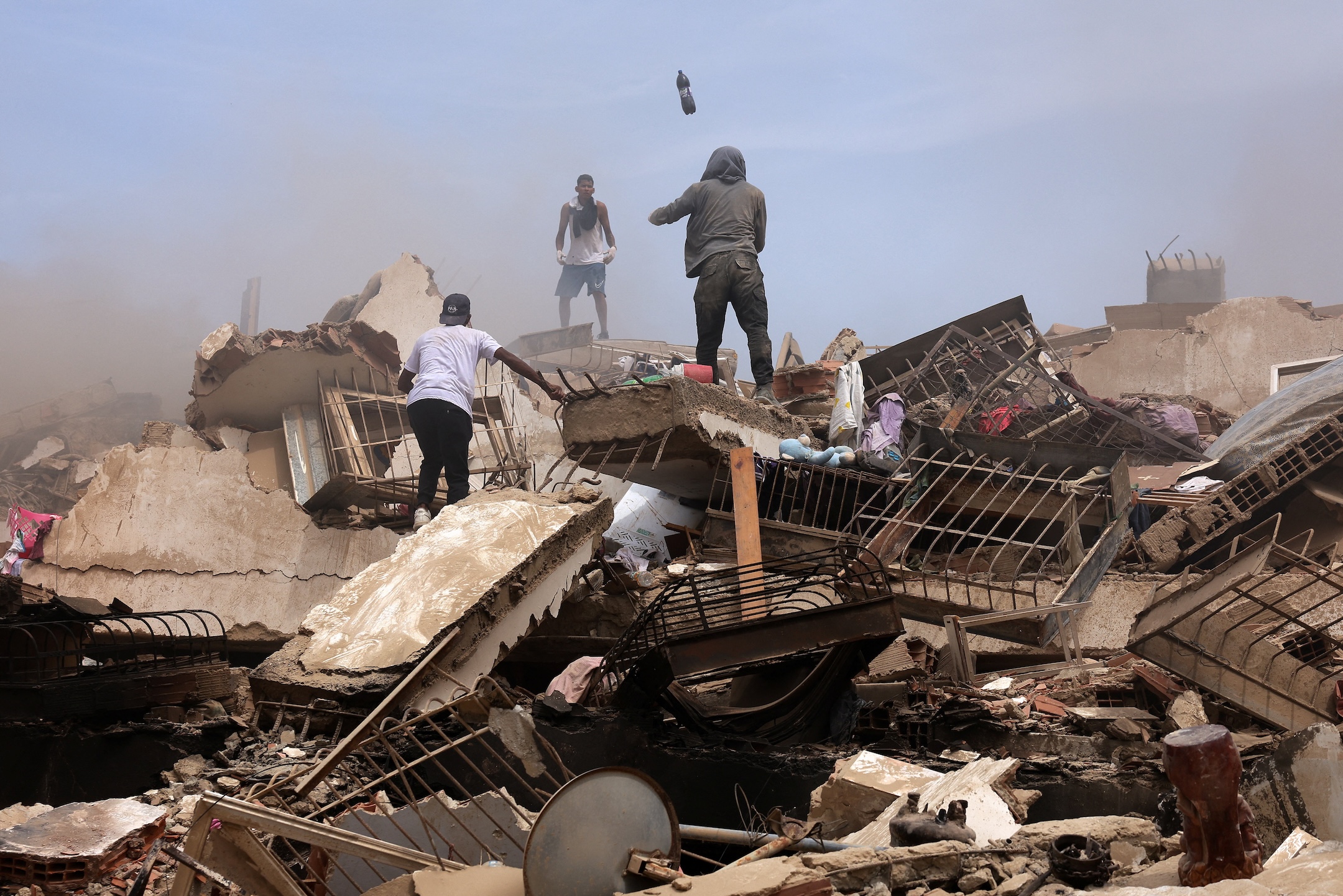
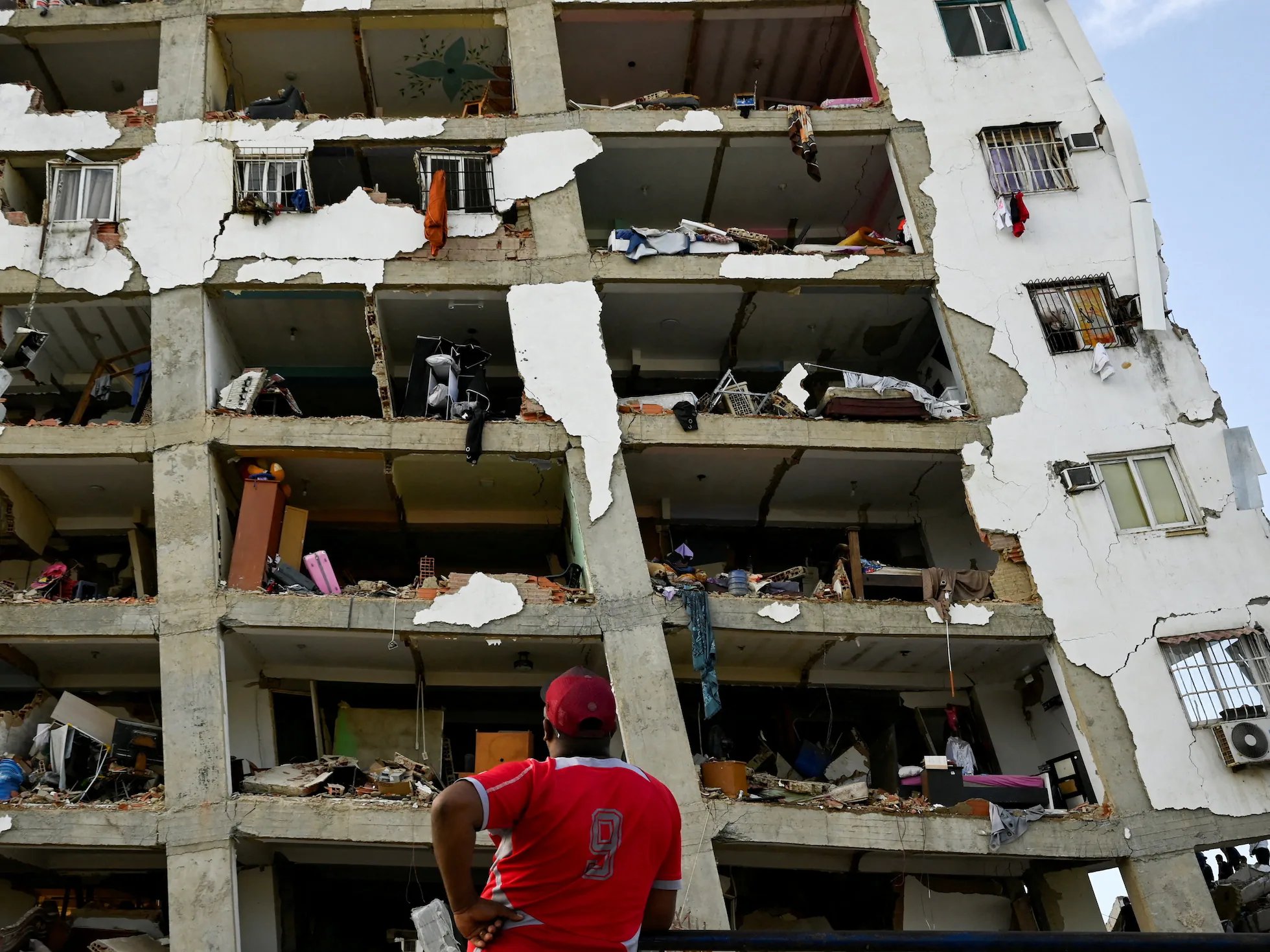
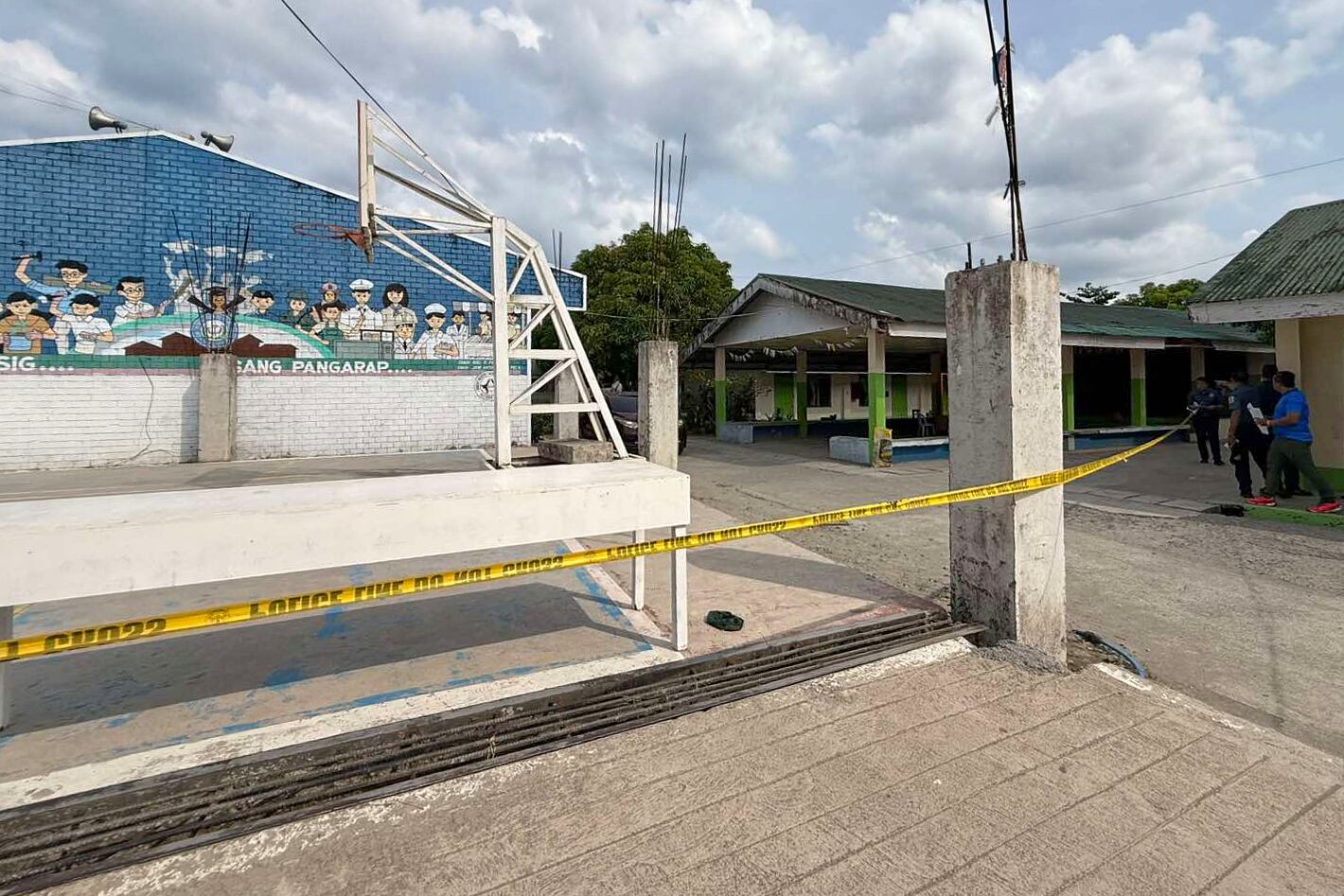
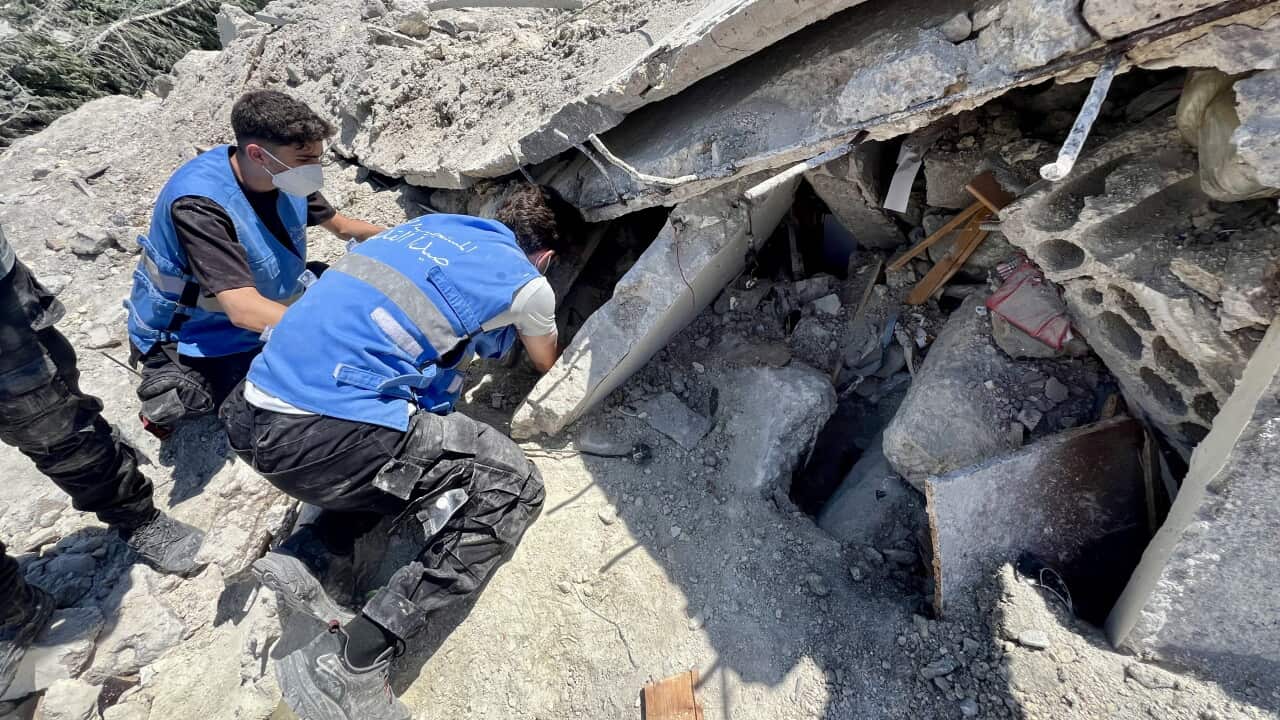
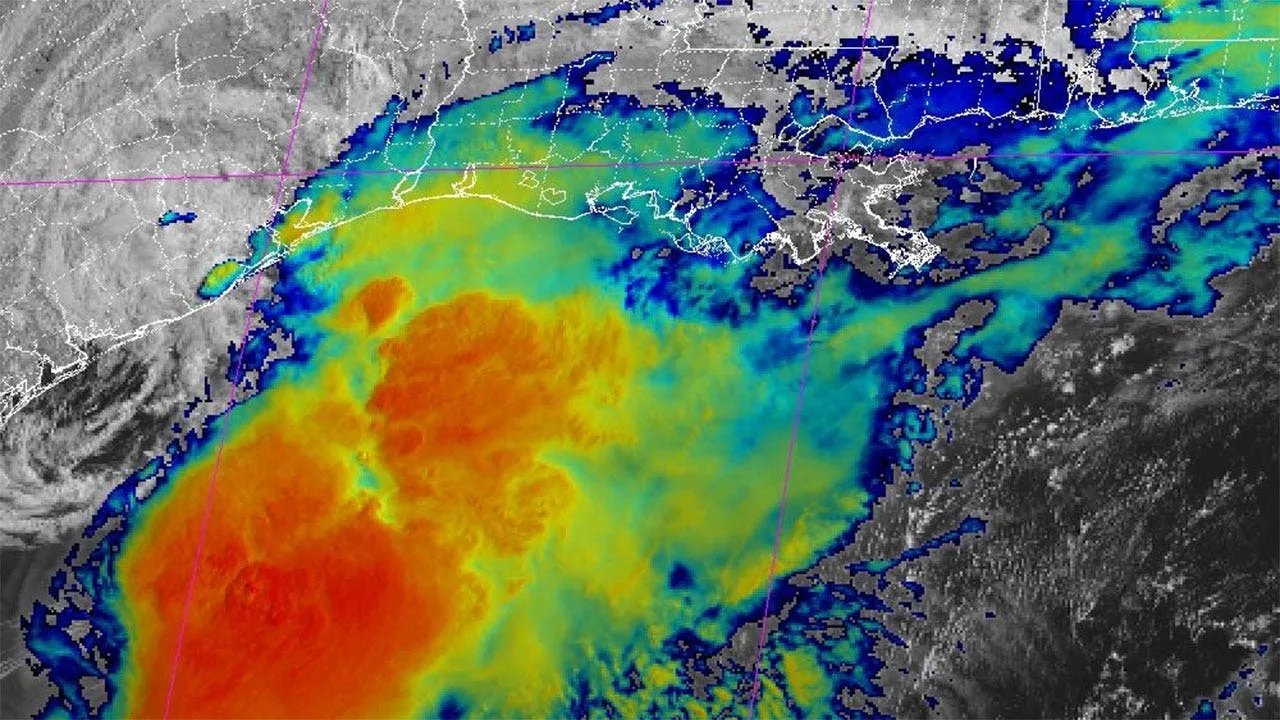
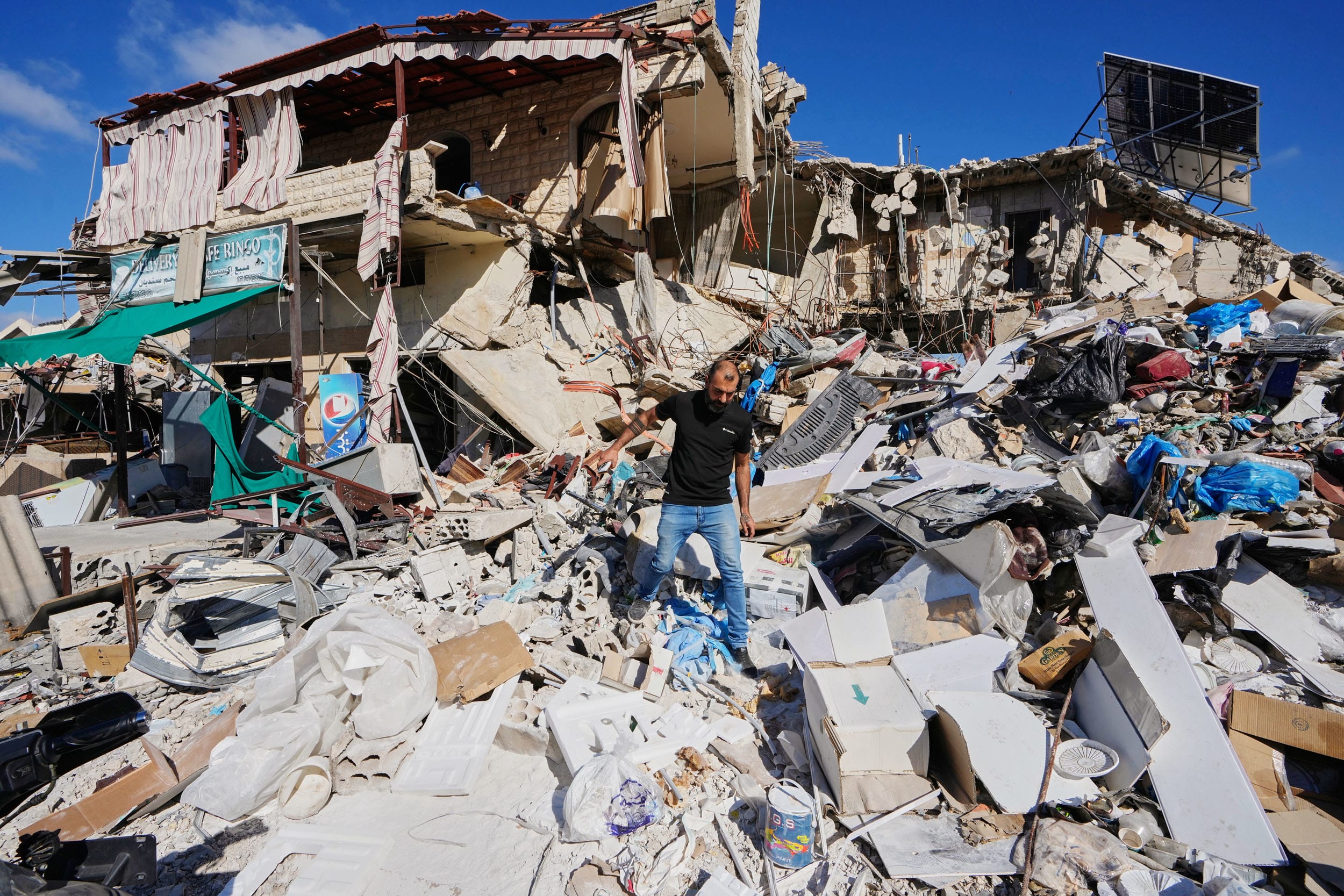
Landslides, triggered by the periphery of Typhoon Bavi, have resulted in the deaths of at least 15 people in the southern Philippines, with families on the island of Mindanao being buried overnight. This tragedy foreshadows the imminent threat of the typhoon, which spans 1,000 km at its widest point, similar to the width of France, and is sweeping towards Taiwan. The storm is anticipated to make landfall in southeast China on Saturday, following a trajectory that has already caused widespread damage in Guam and the Northern Mariana Islands.
Preparing for the Storm
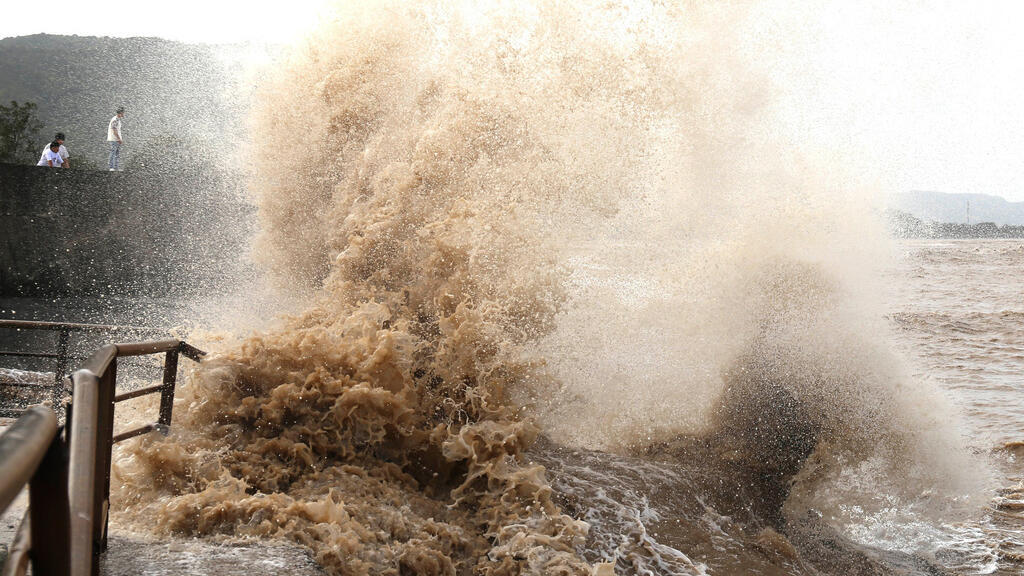
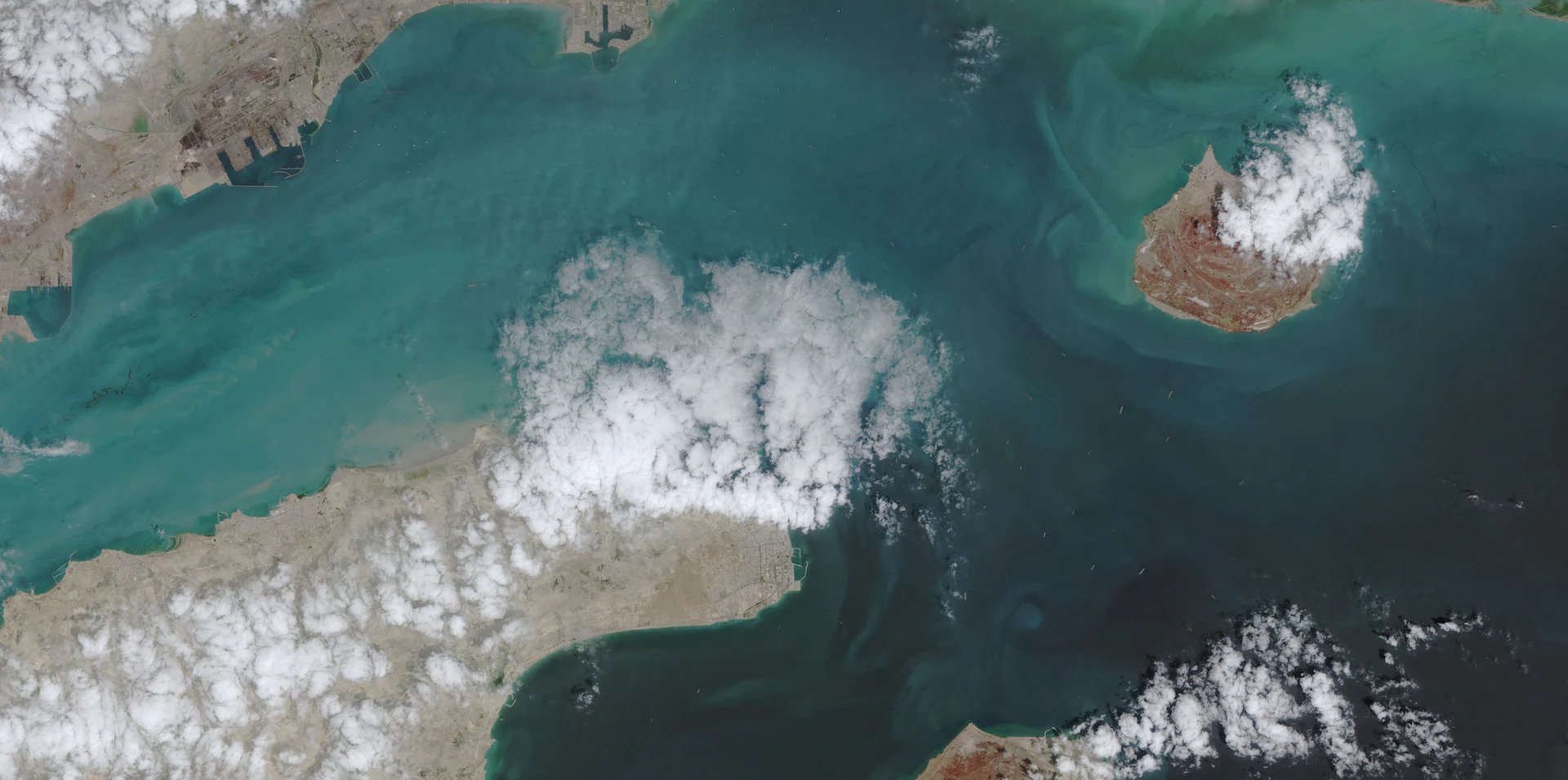
In anticipation of Bavi, residents across Taiwan, Japan, and China have been stockpiling supplies and securing their homes. Authorities in northern Taiwan have initiated evacuations, shuttering schools and businesses, and are bracing for torrential rain, flooding, and winds that could reach up to 155 km/h. Taiwanese officials have warned of potential rainfall measuring up to 1 meter (39 inches), with 29,000 soldiers on standby for relief efforts. The typhoon's impact is expected to be significant, with China warning of a "large size and abundant energy" that could affect regions as far as the Bohai Sea.
Economic and Logistical Impact
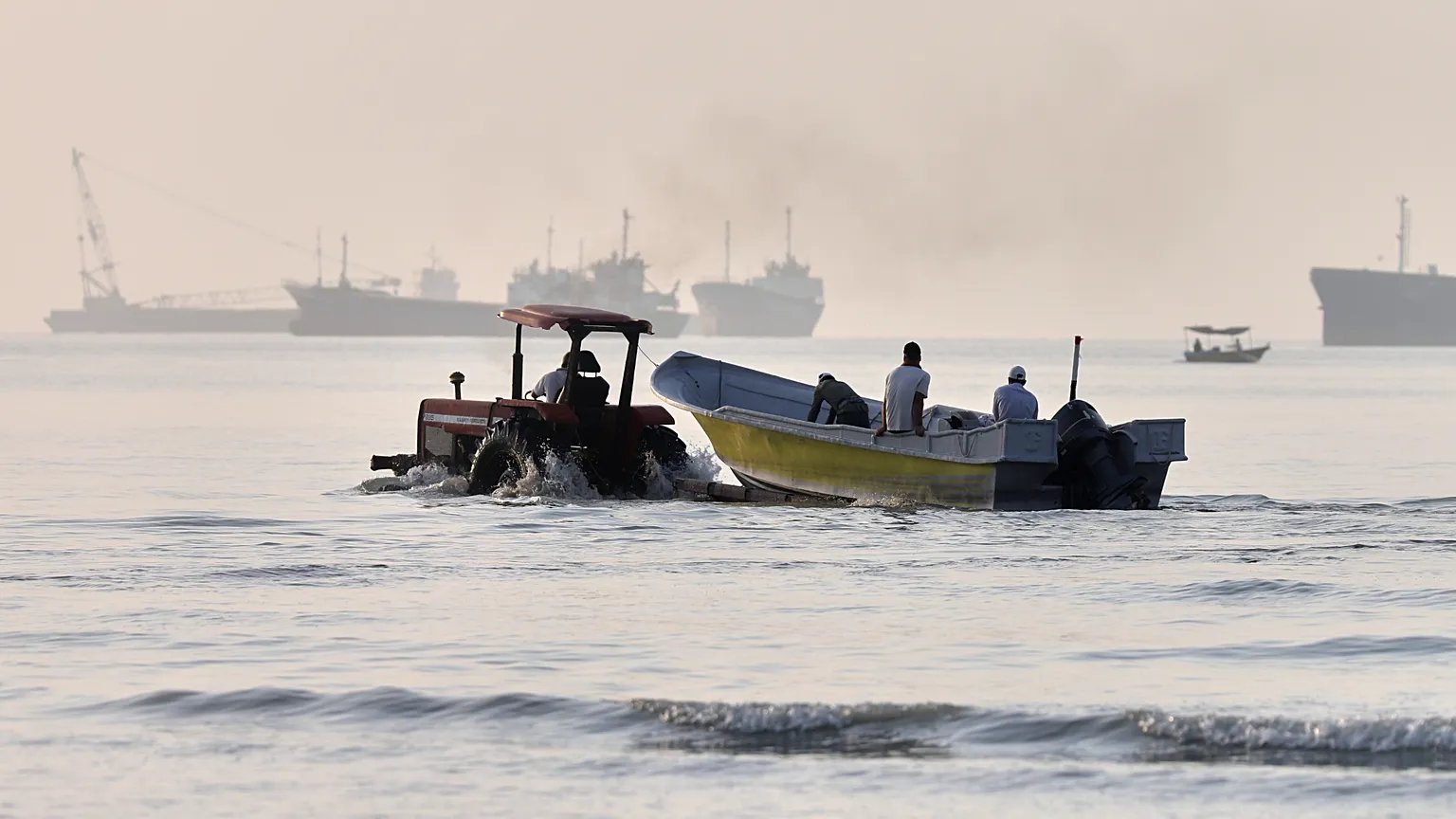
The impending typhoon has already disrupted travel, with hundreds of flights being cancelled across various airlines. Japan Airlines and All Nippon Airways have axed over 100 and 160 flights respectively, affecting nearly 20,000 passengers. Other carriers, including Thai Airways and Malaysia Airlines, have also grounded flights to and from Taipei. Farmers and fishermen have rushed to protect their livelihoods, with fishermen like Chen Ming-hui, 60, cautioning against underestimating the storm's potential for terror.
Humanitarian and Safety Measures
In the Philippines, where landslides have already claimed lives, areas are being evacuated due to ongoing heavy rainfall. The Philippine weather agency PAGASA has issued alerts for heavy rainfall and flooding in several areas, including Manila. Meanwhile, China's northern provinces, which have less experience dealing with typhoons, are advised to strengthen their preparations. The country is still recovering from the devastation of Typhoon Maysak, which killed 39 people and caused significant agricultural losses.
Conclusion
As East Asia braces for the impact of Typhoon Bavi, the region faces not only the immediate threat to human life and property but also the broader implications for agriculture, transportation, and the economy. With the memory of Maysak's devastation still fresh, the urgency of preparation and the scale of the potential disaster are driving the response of governments and residents alike.