




The Twin Shocks Strike Near Caracas
A magnitude 7.2 earthquake struck Venezuela at 6:04 p.m. Eastern time on Wednesday, followed 39 seconds later by a magnitude 7.5 quake in the same region. The U.S. Geological Survey confirmed both epicenters were near the town of Morón on Venezuela's Caribbean coast, roughly 100 miles west of Caracas, with the first centered at a depth of 8.2 miles and the second at 6.2 miles. The larger of the two is the strongest earthquake to hit Venezuela since 1900, when a 7.7-magnitude quake struck the country.
Paul Earle, a seismologist at the U.S. Geological Survey, explained that when earthquakes occur this close together in time, "it can be difficult to unravel the exact magnitudes and the exact locations, especially for the second event," due to overlapping signals on seismograms. The USGS issued its highest-level alert, indicating the back-to-back tremors were likely to cause major loss of life and severe economic damage.
Death Toll and Damage Across the Country
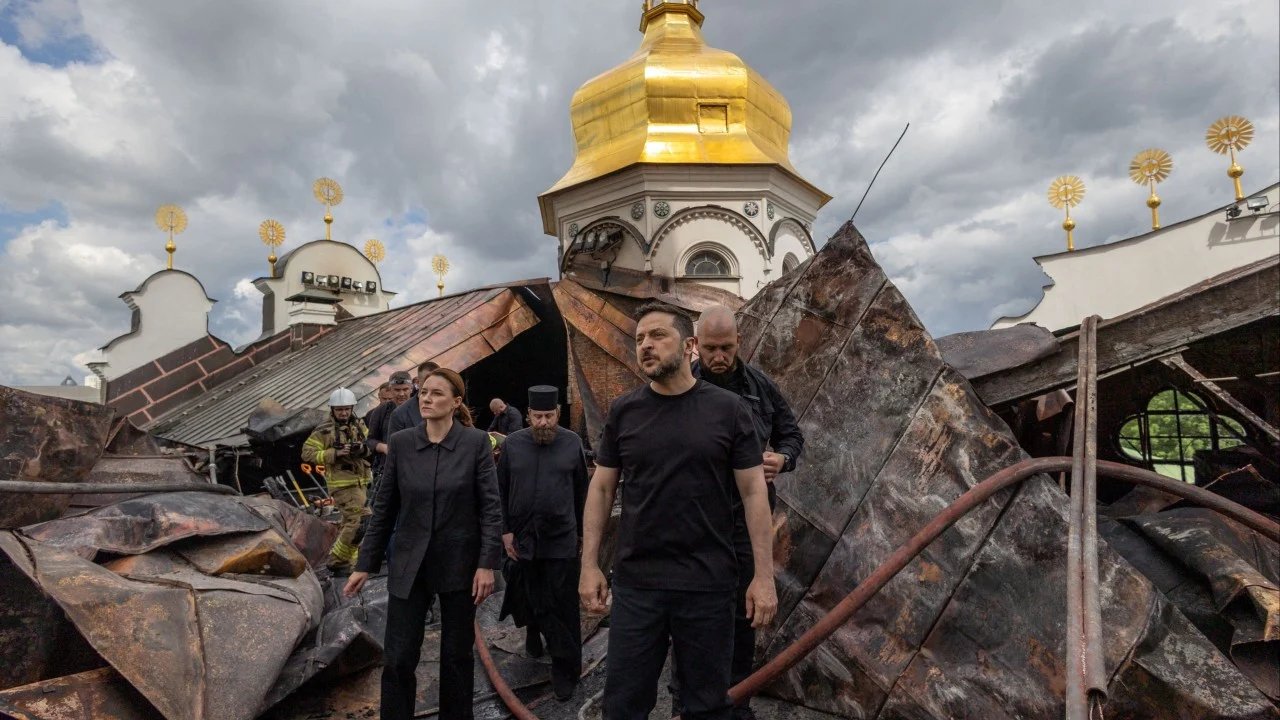
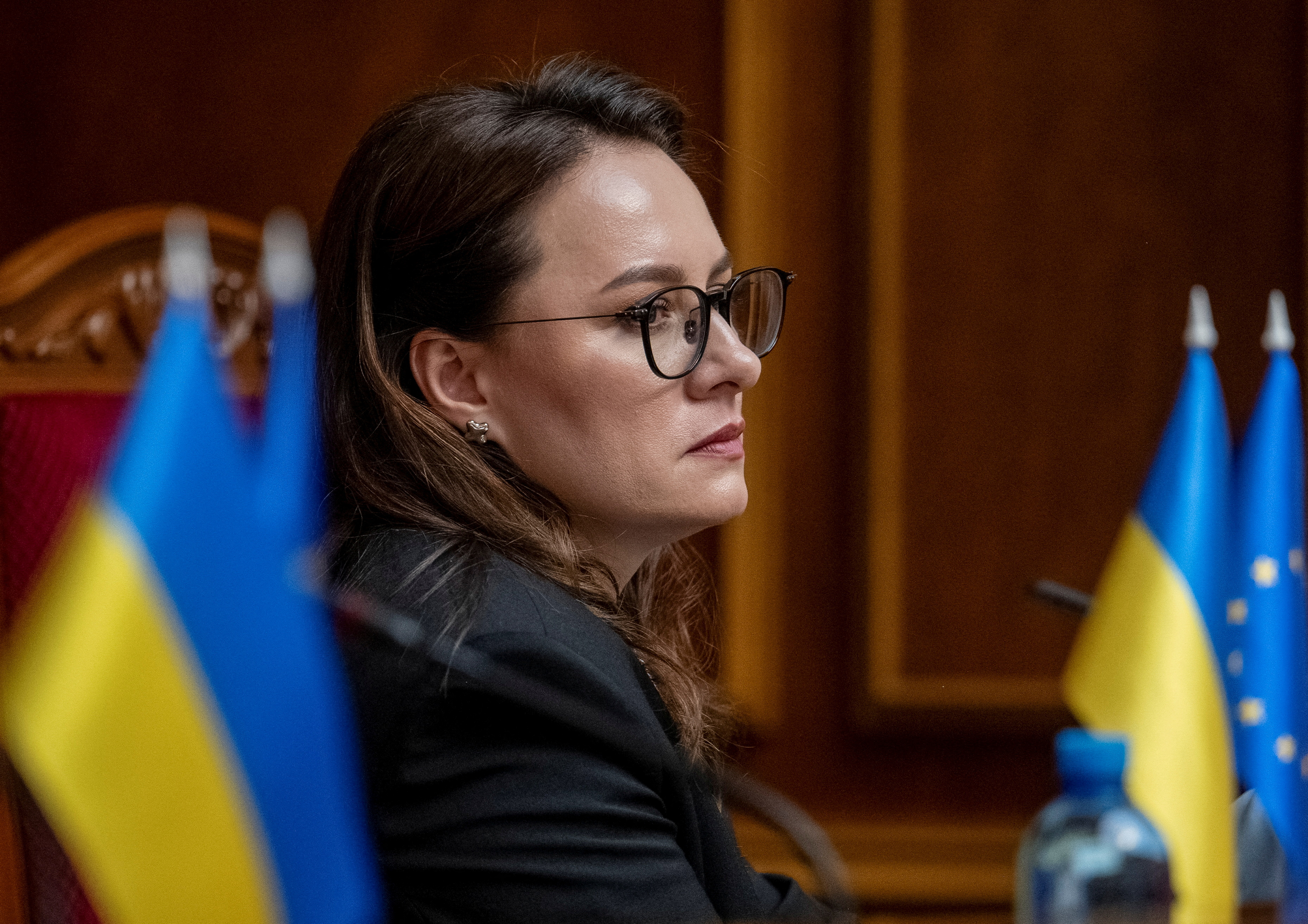
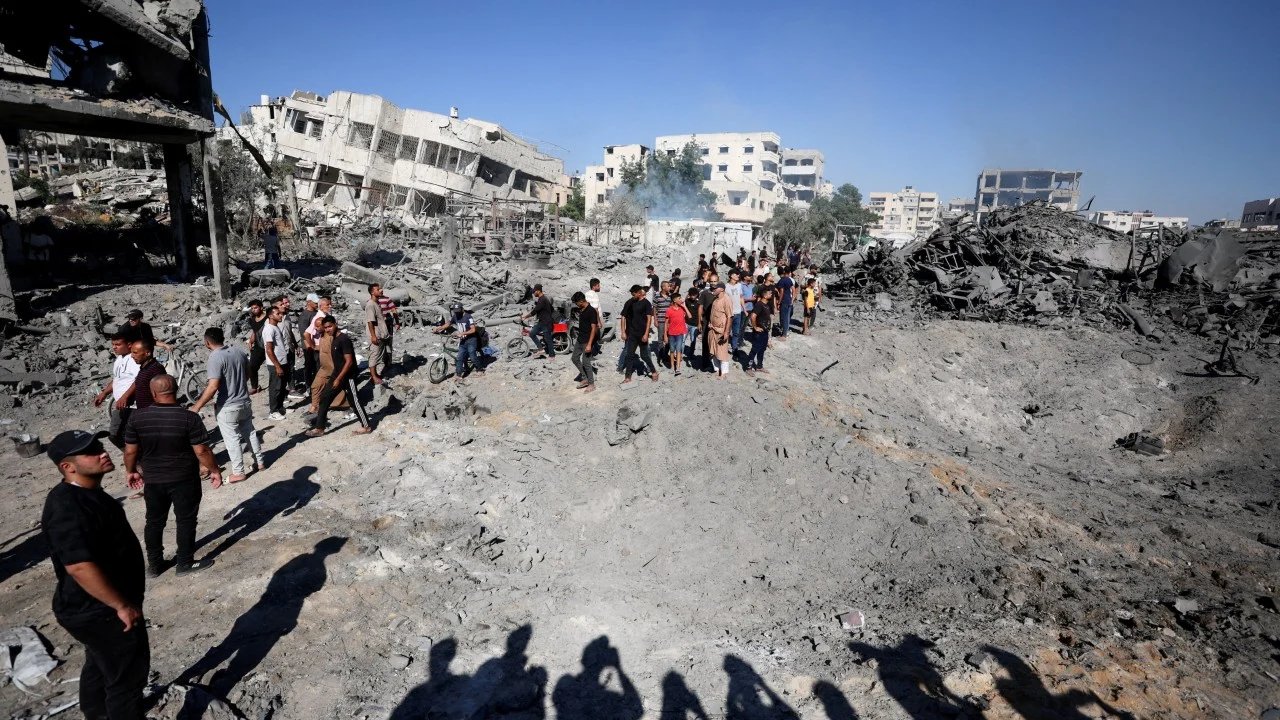
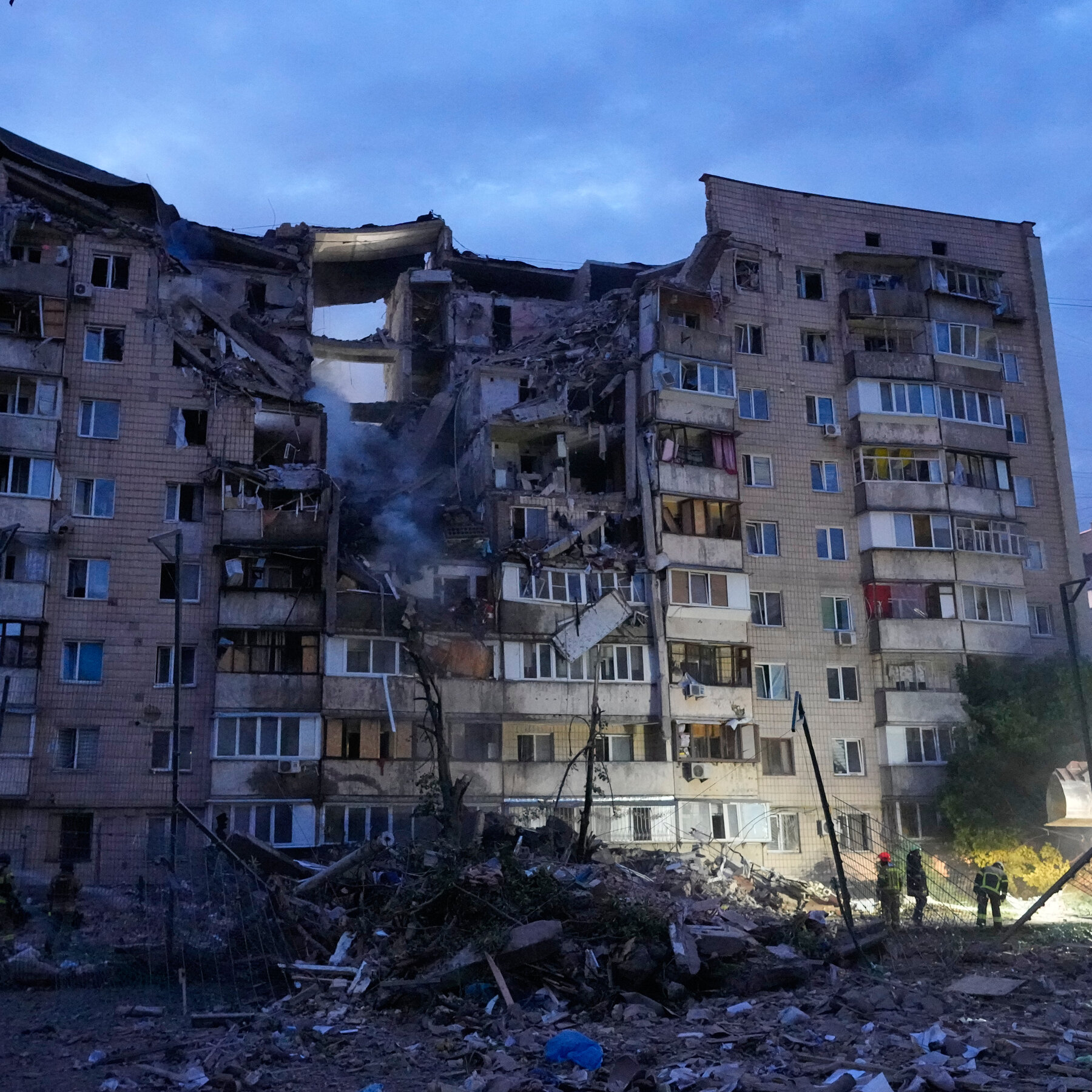
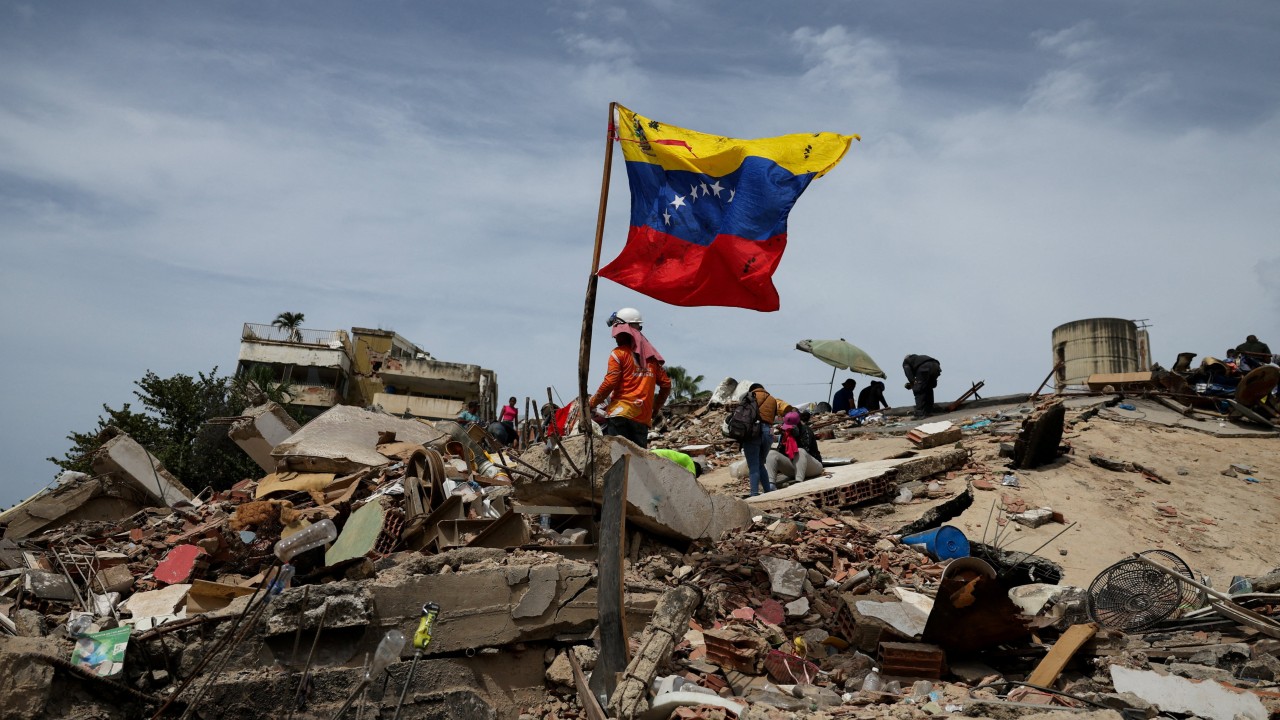
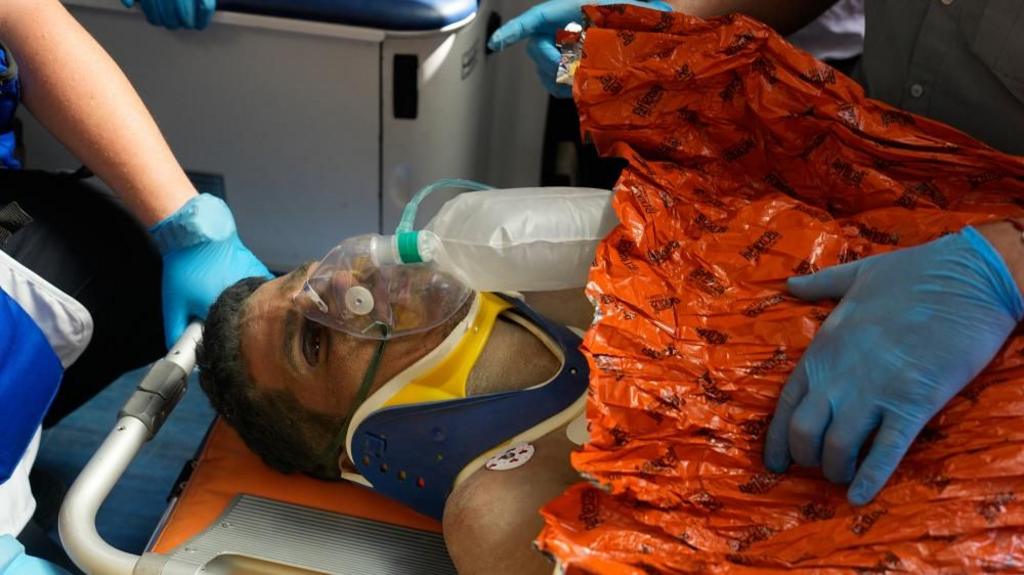
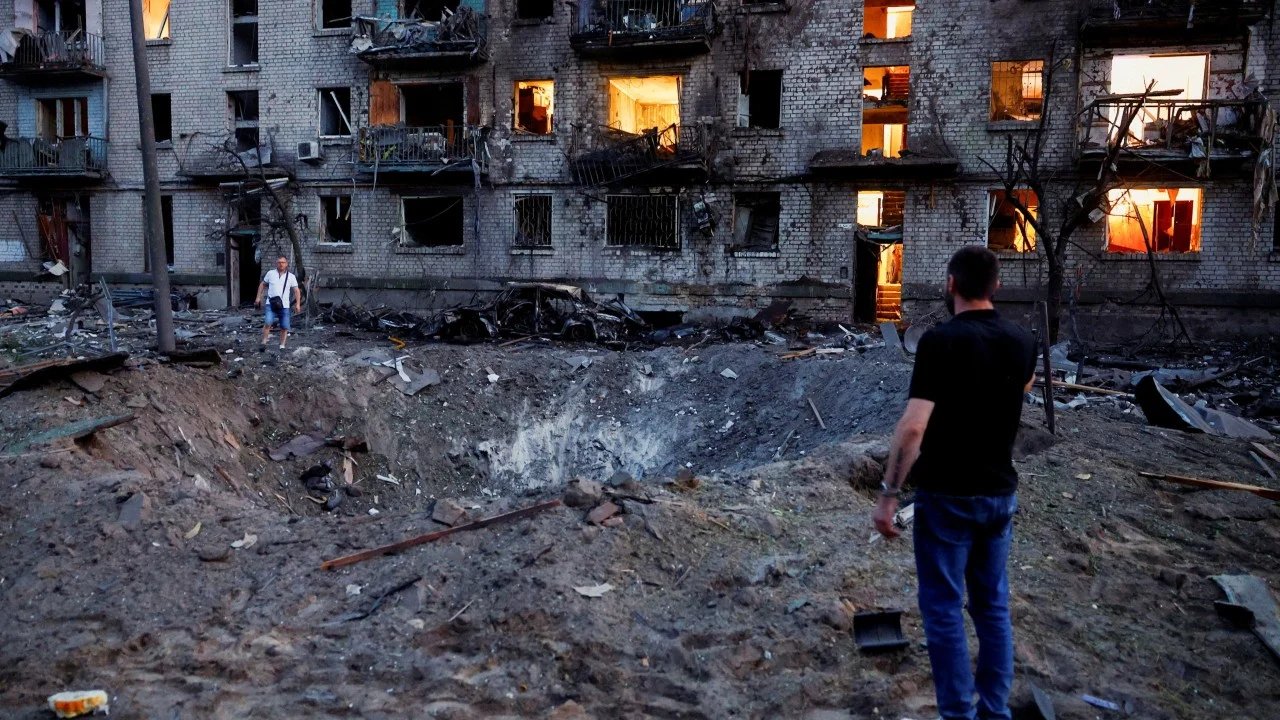
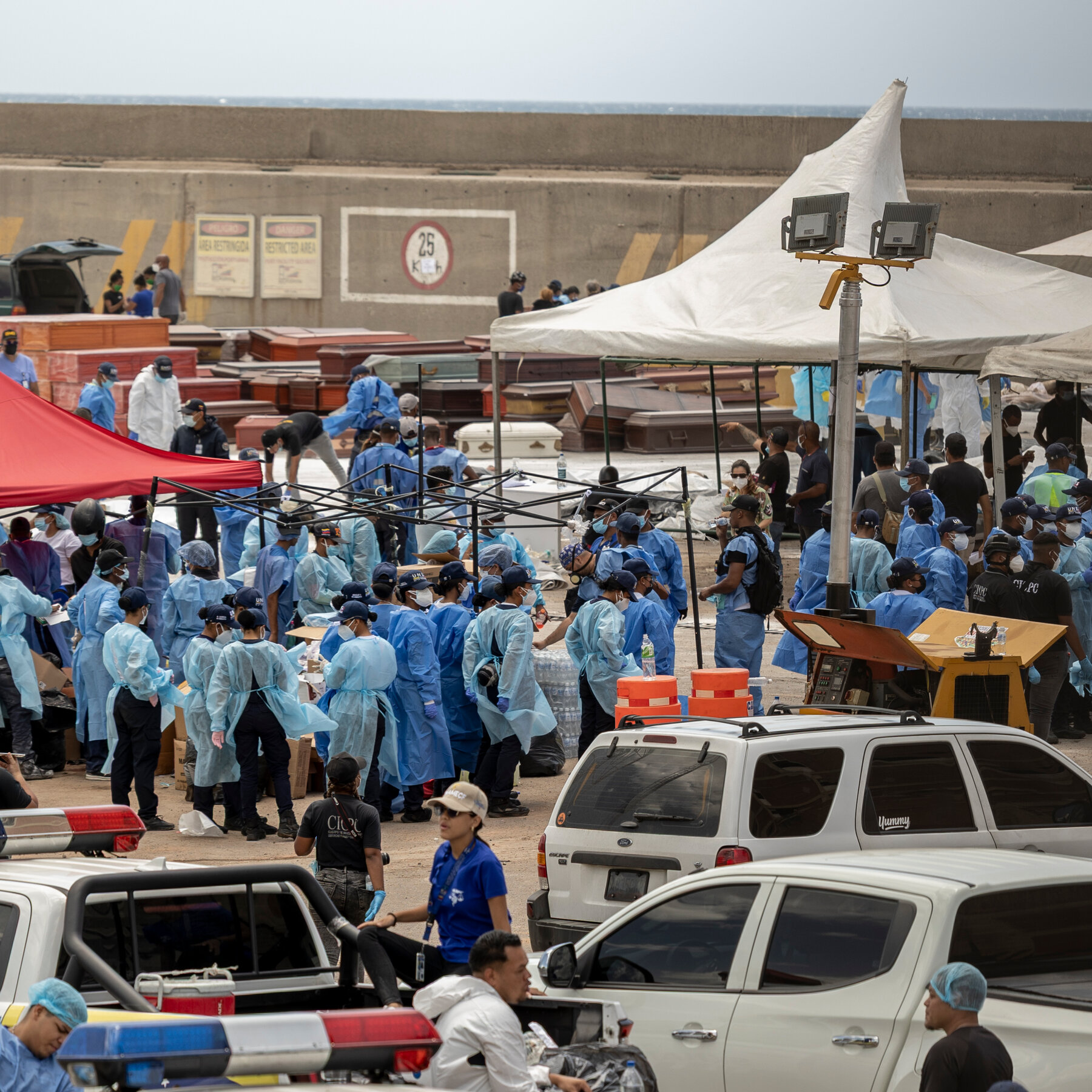
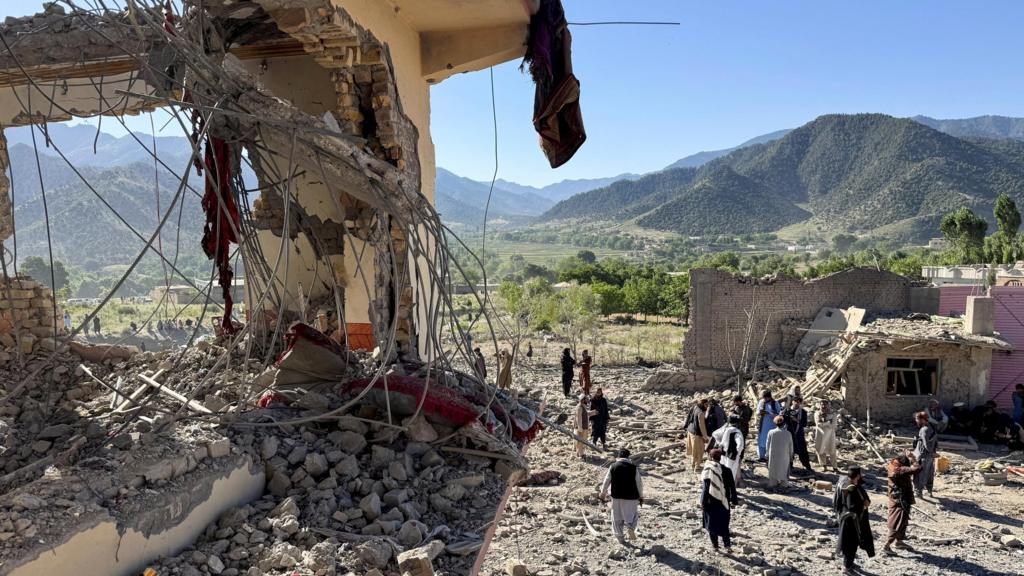
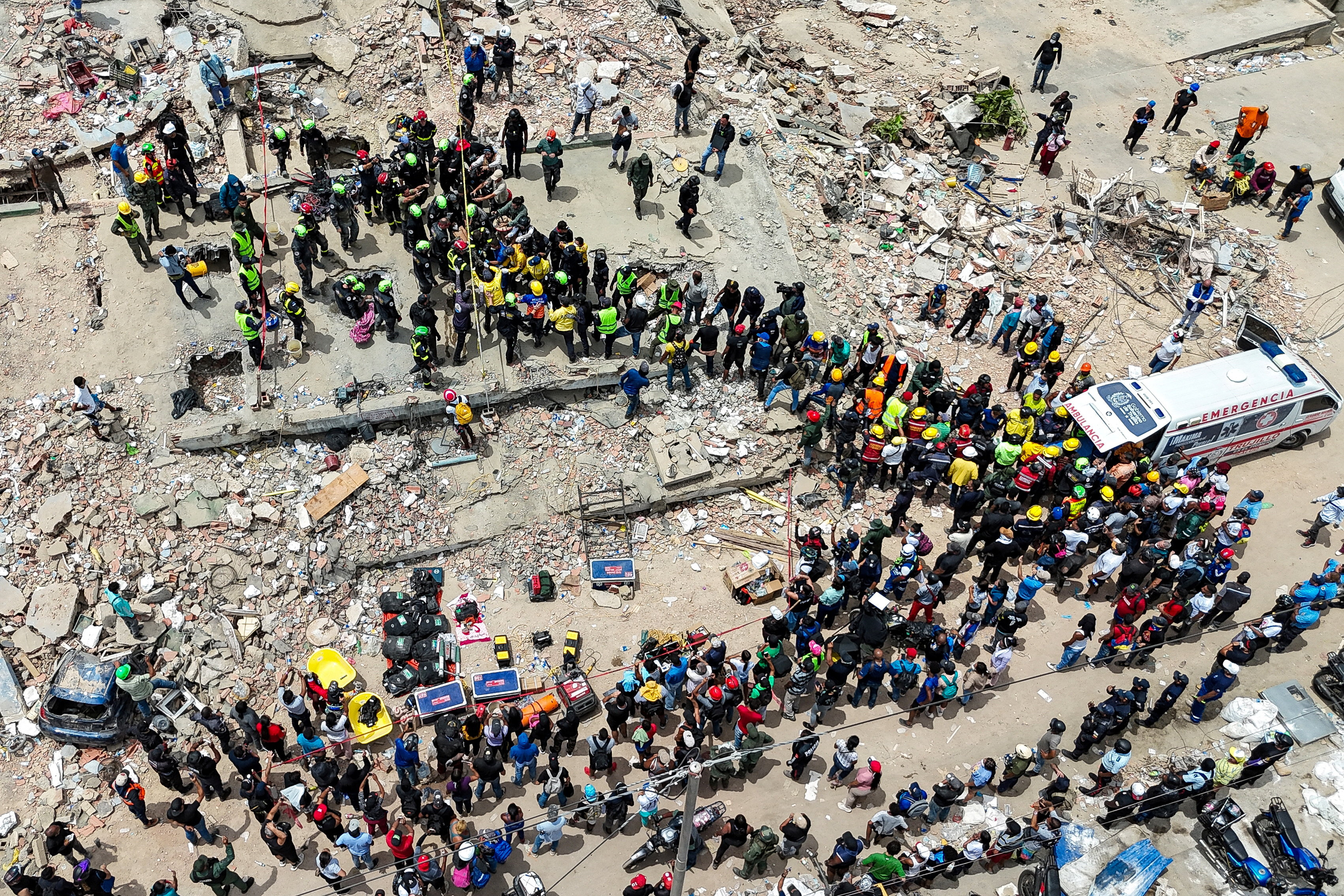
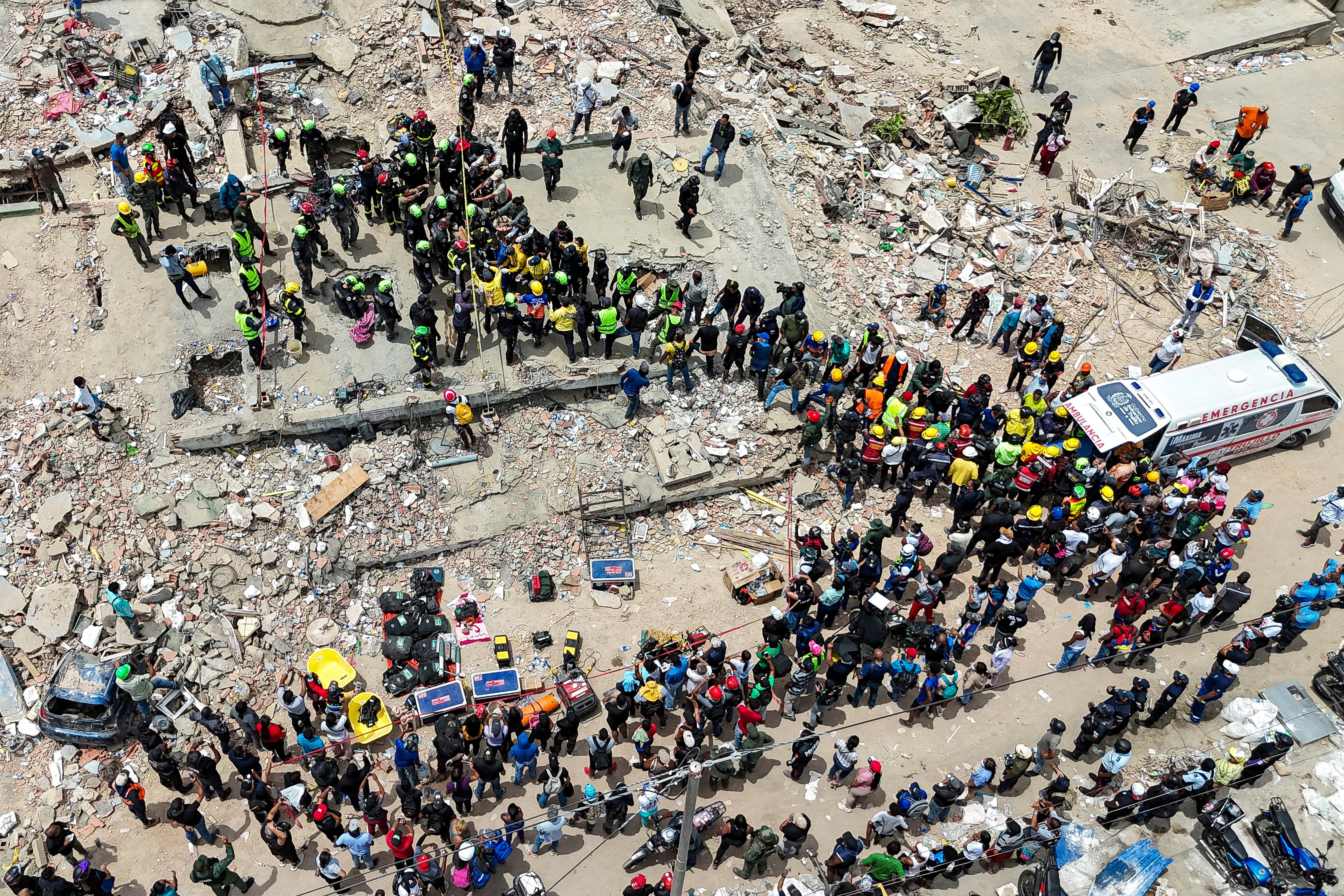
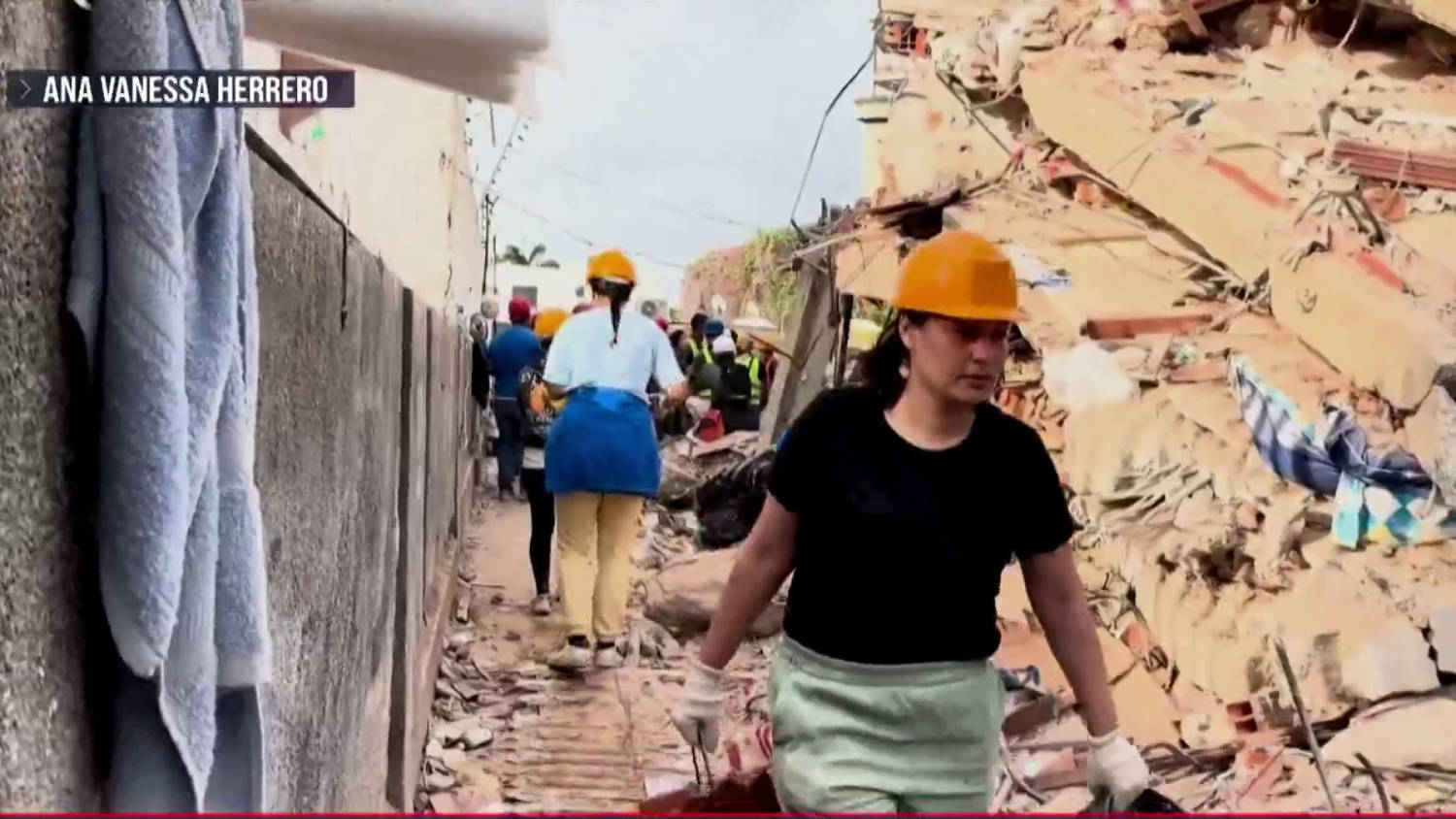
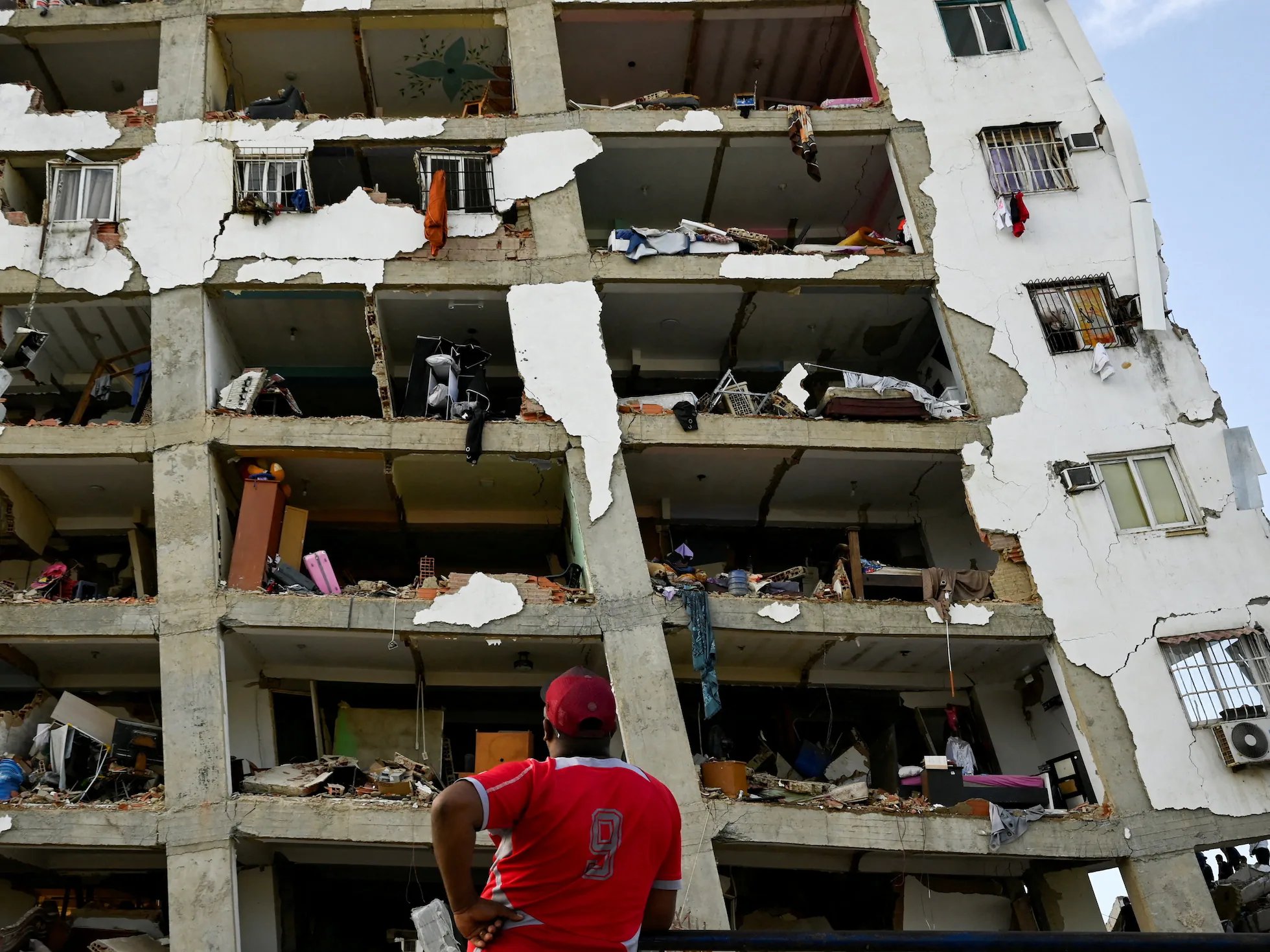
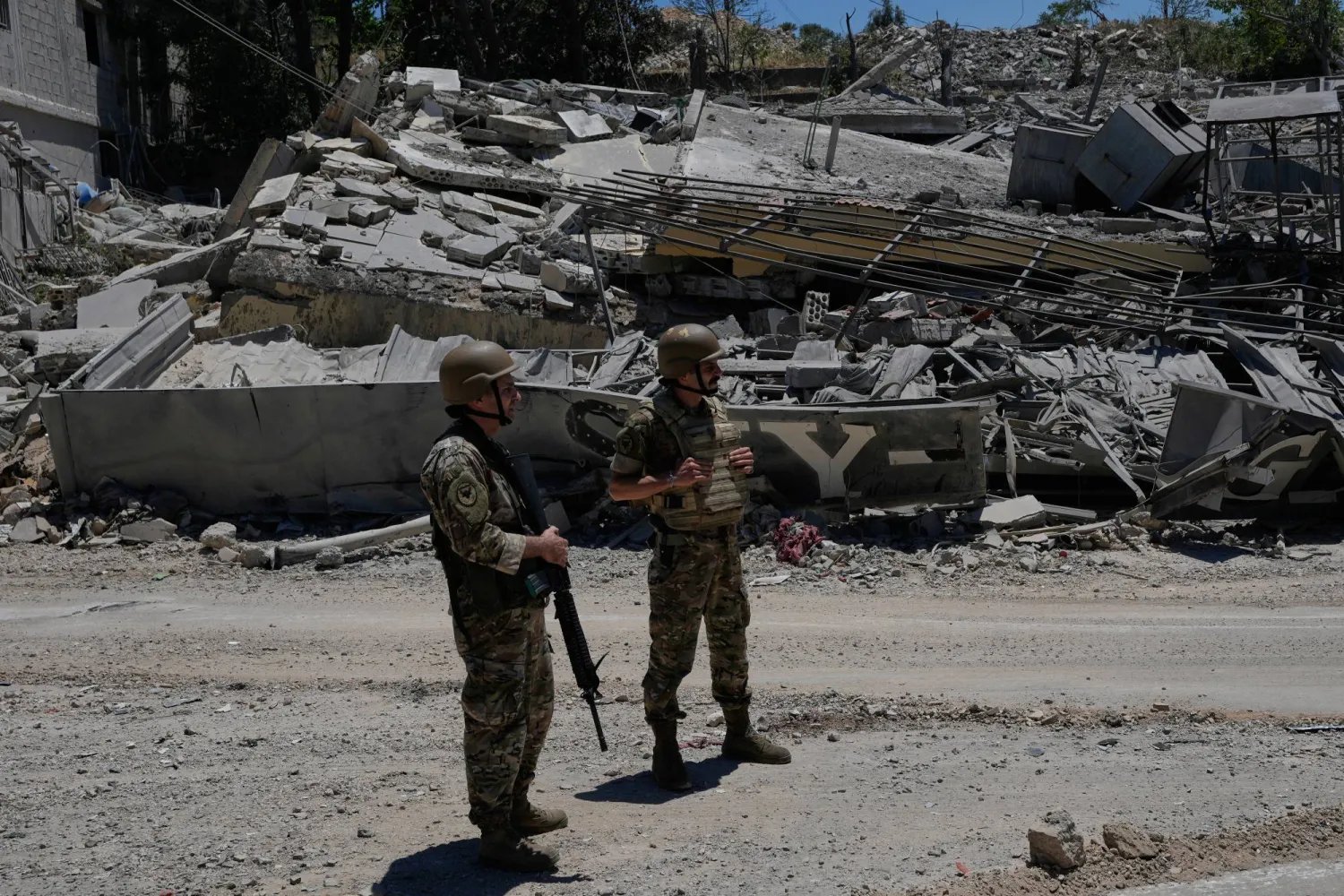
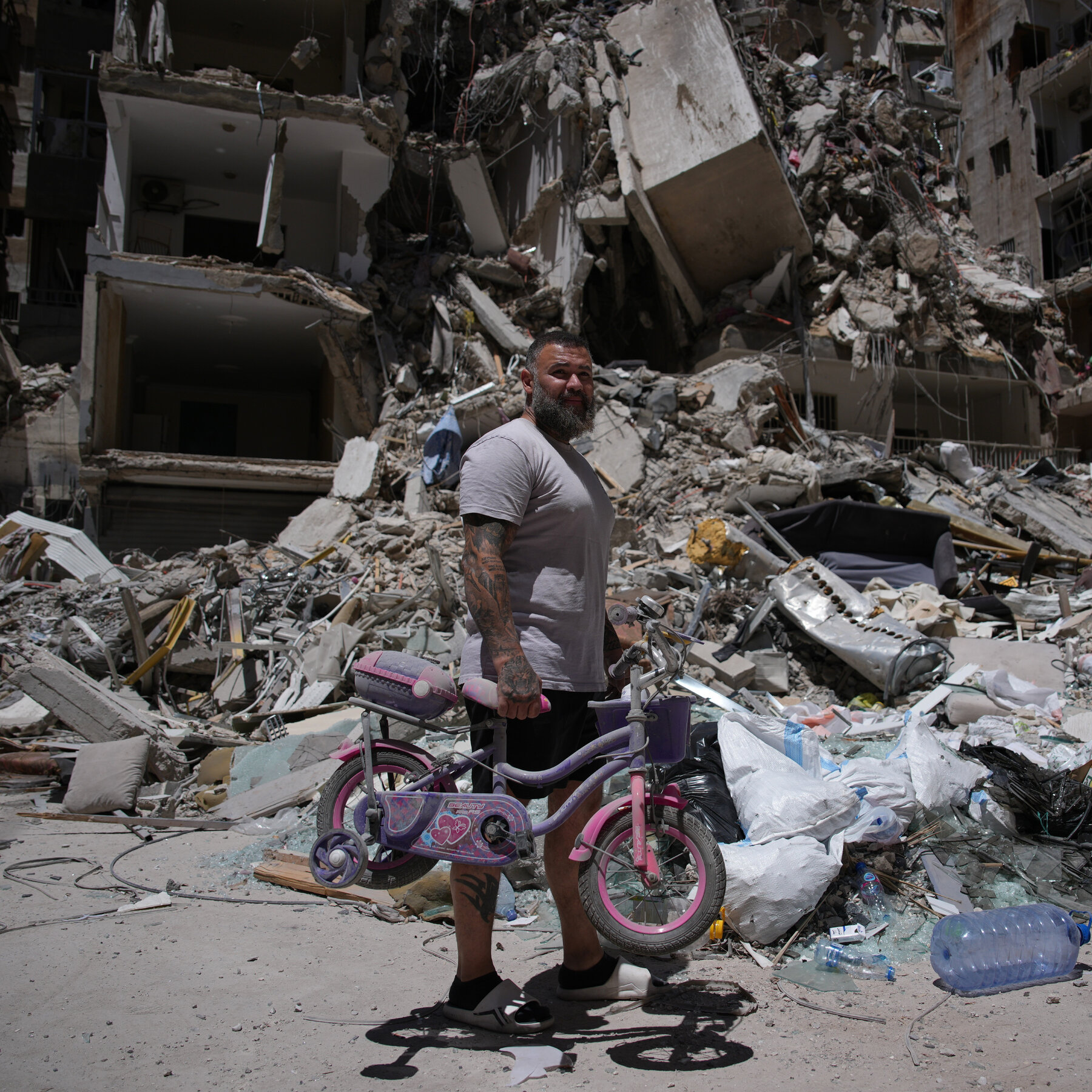
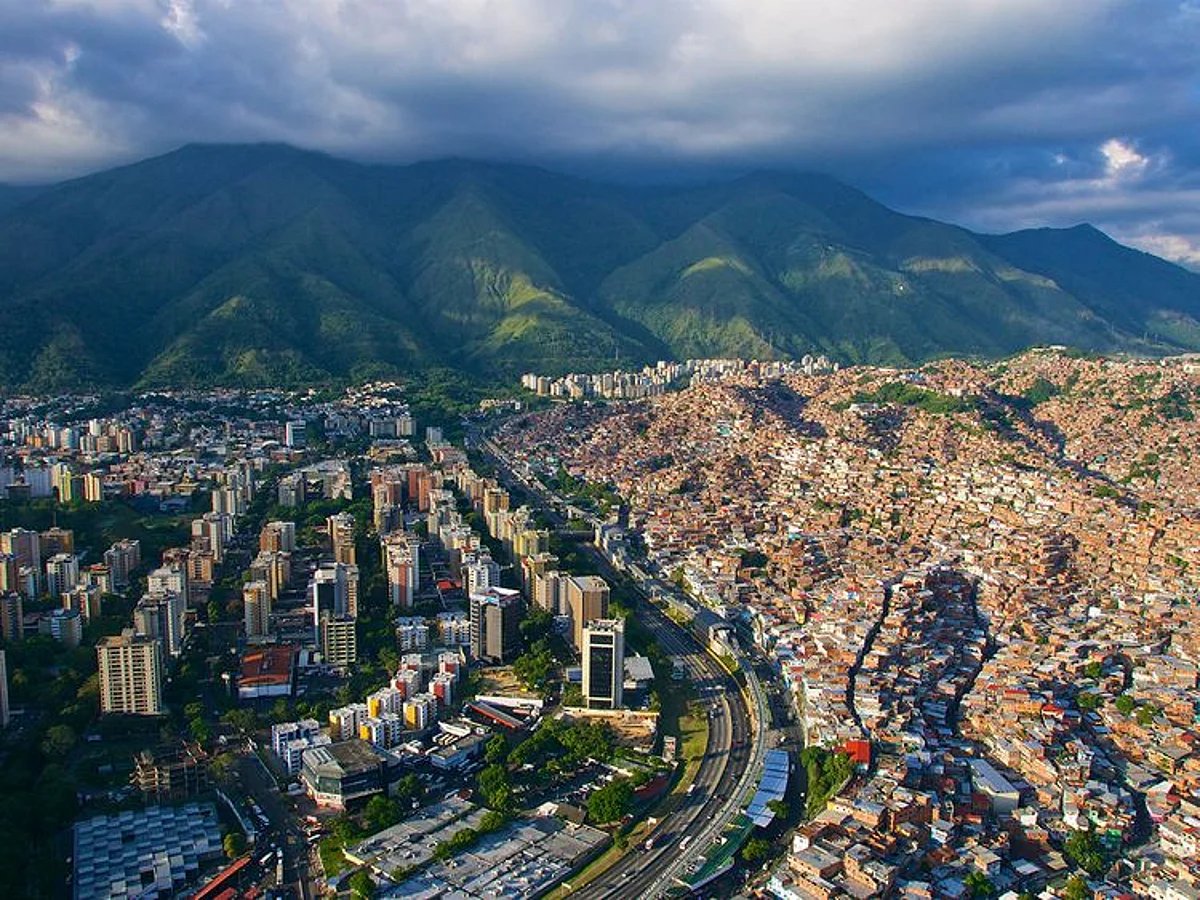
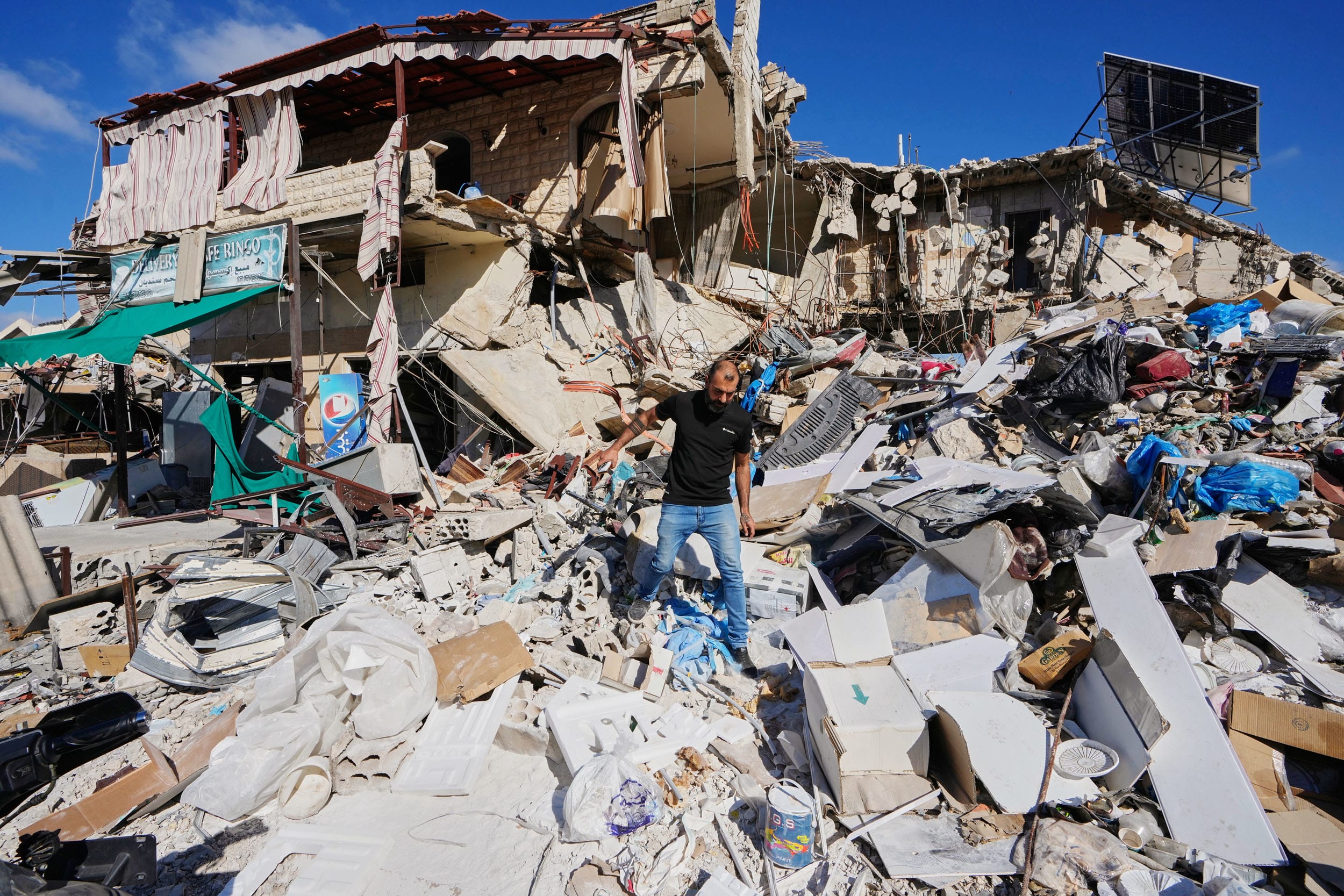
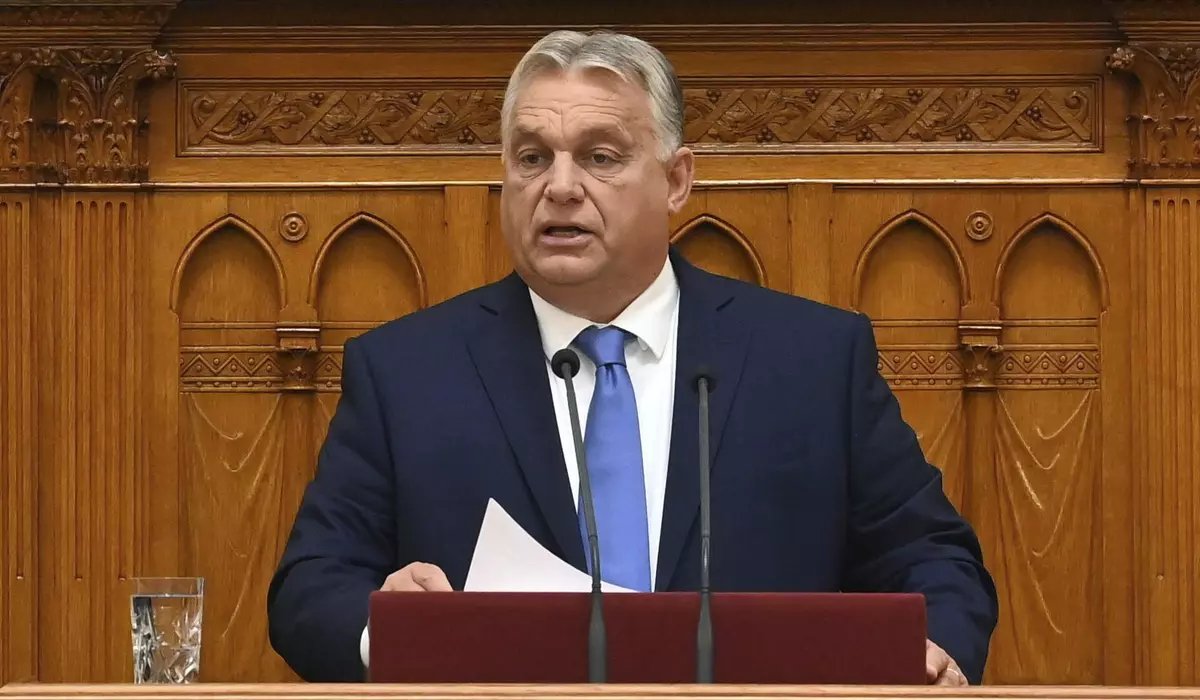
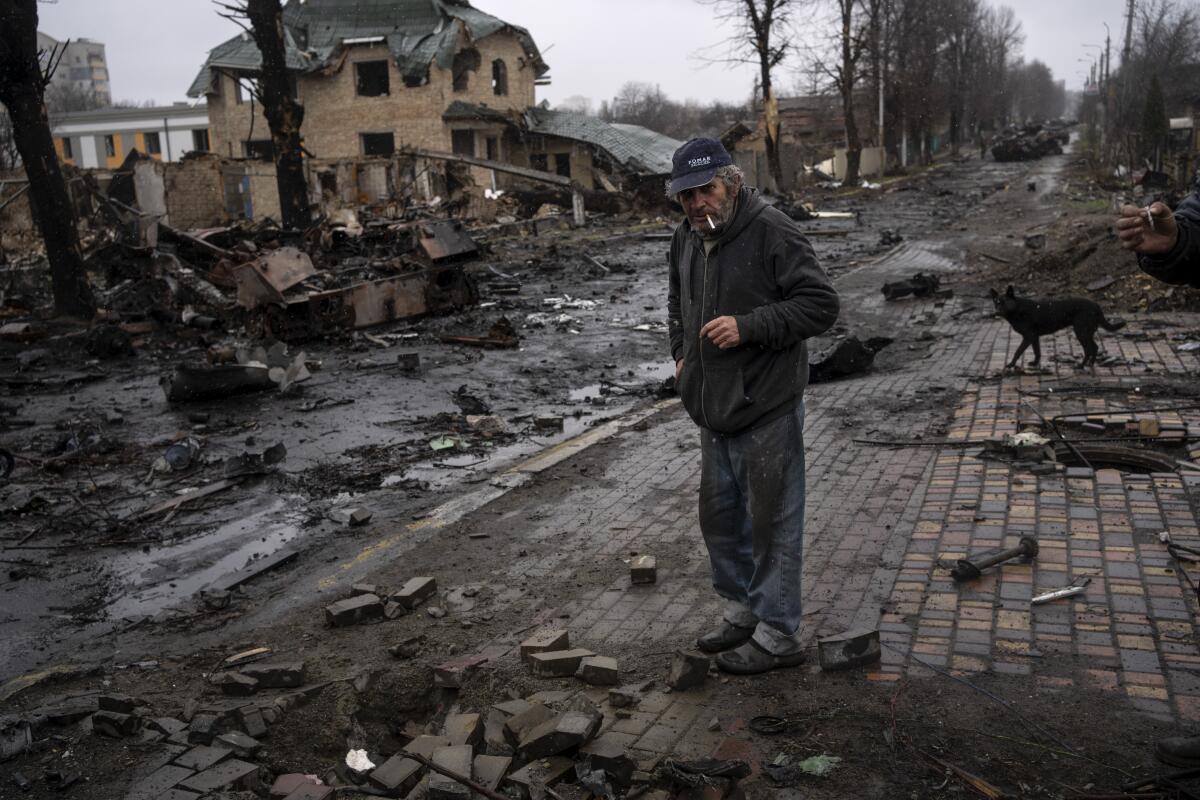
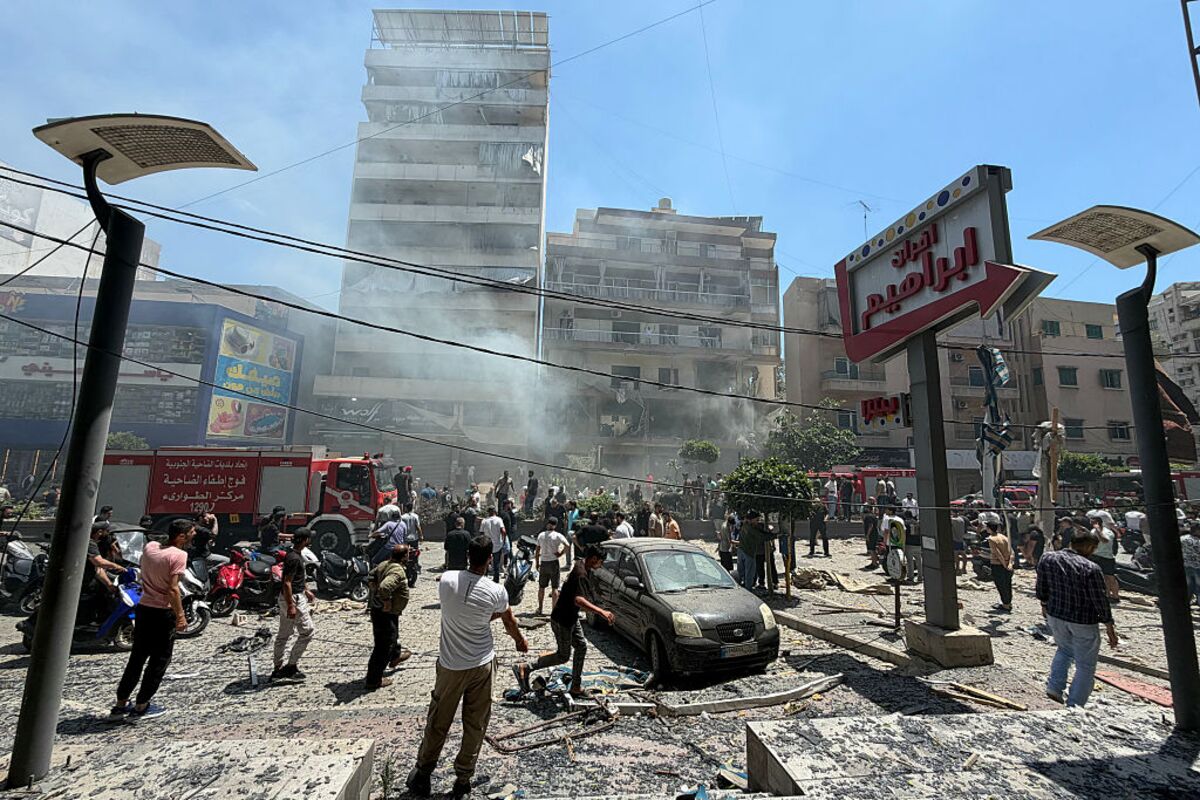
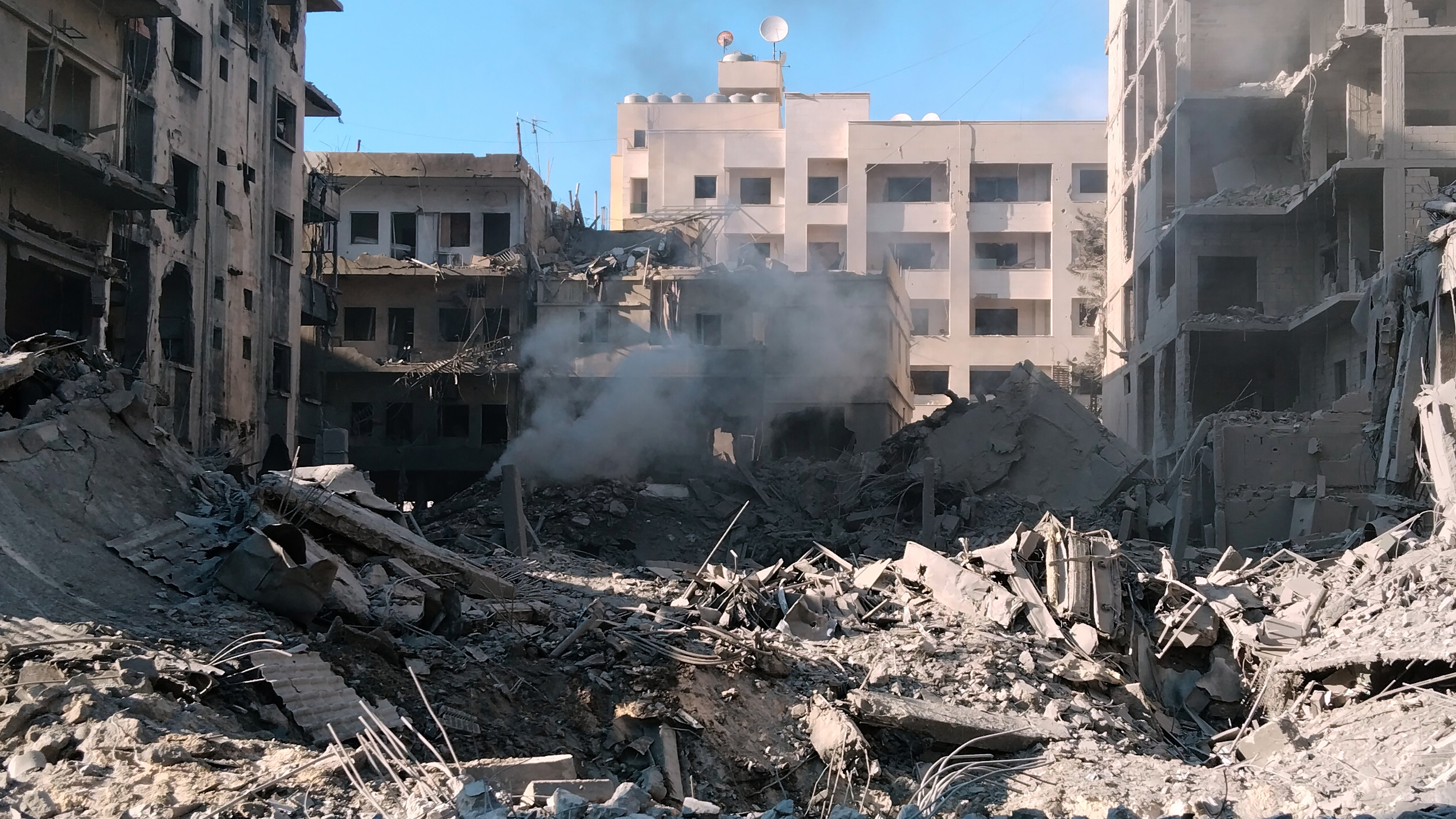
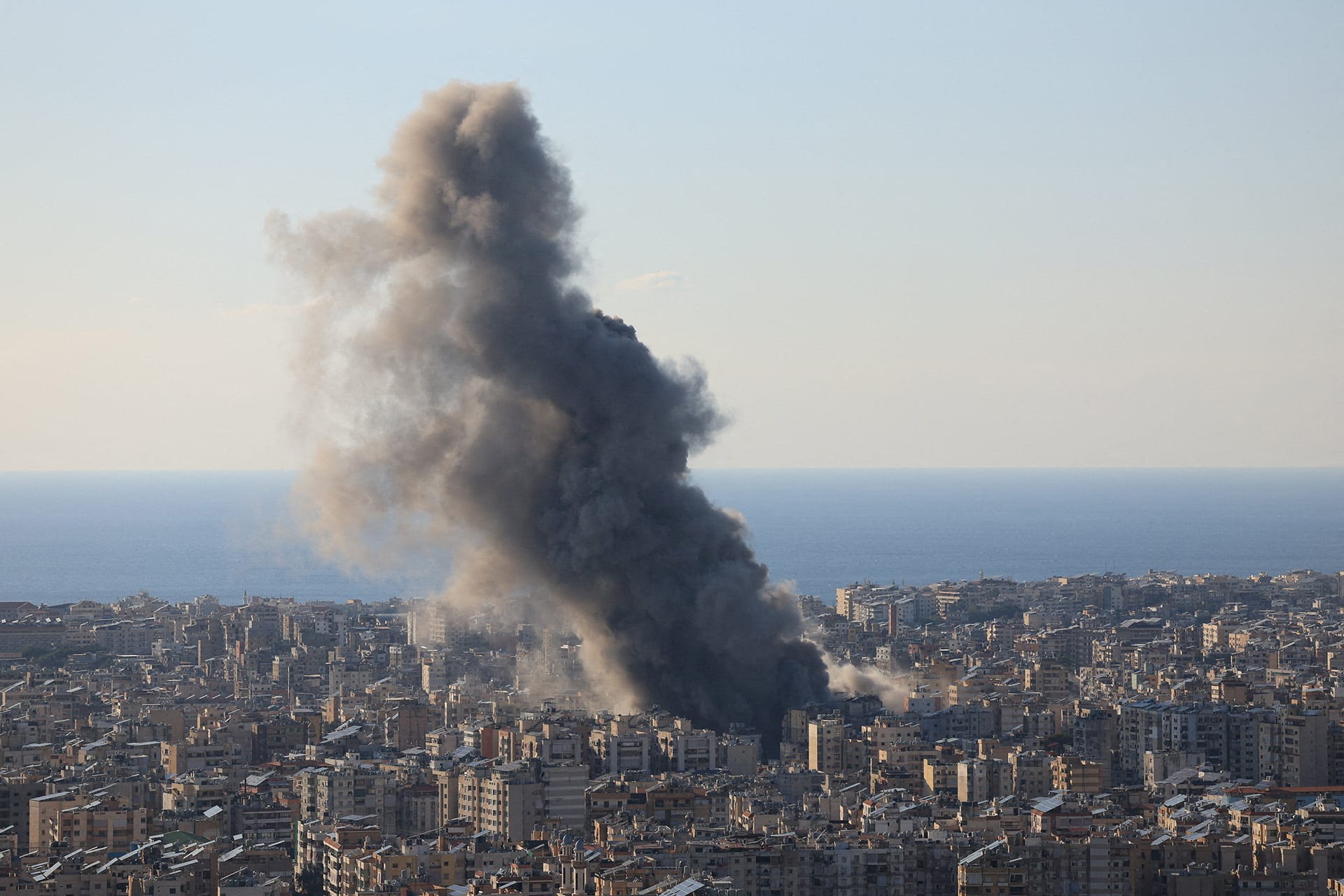
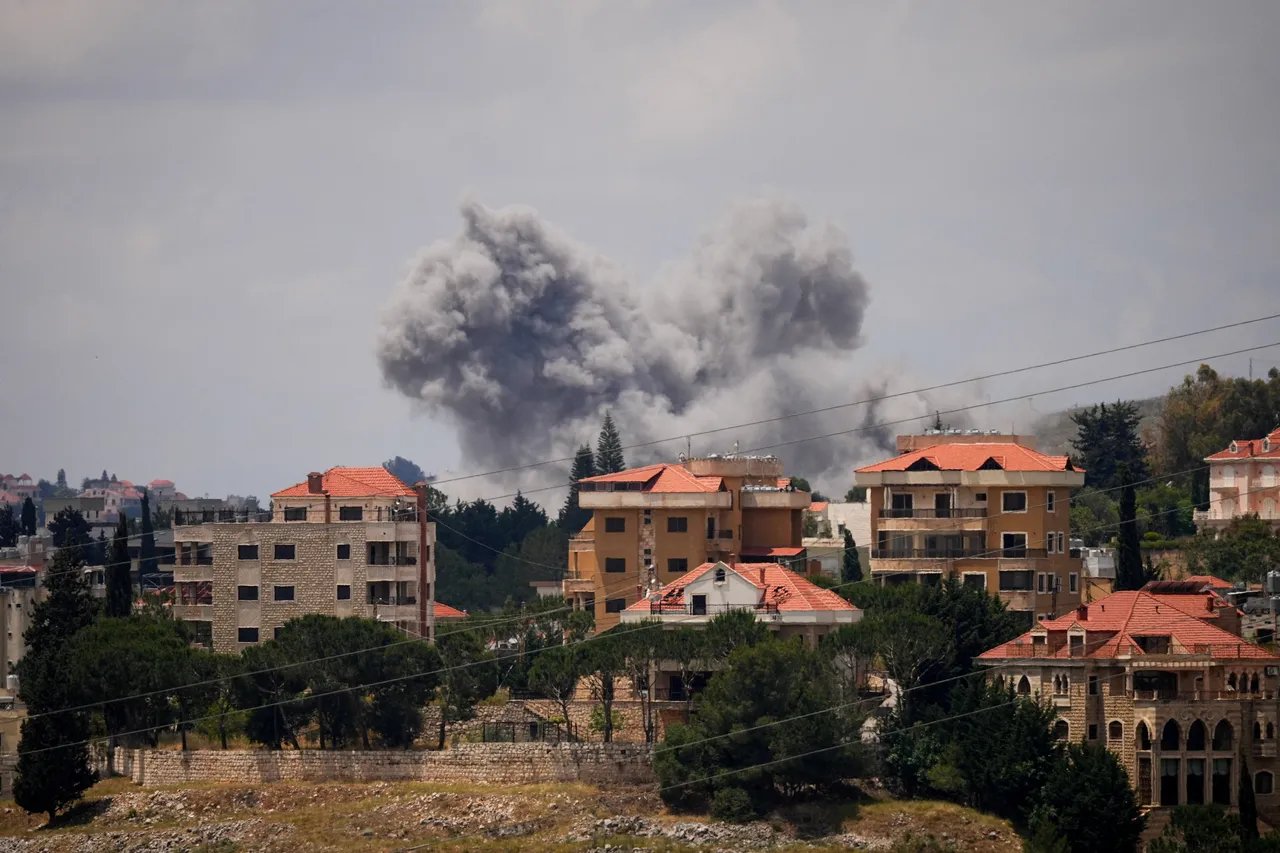
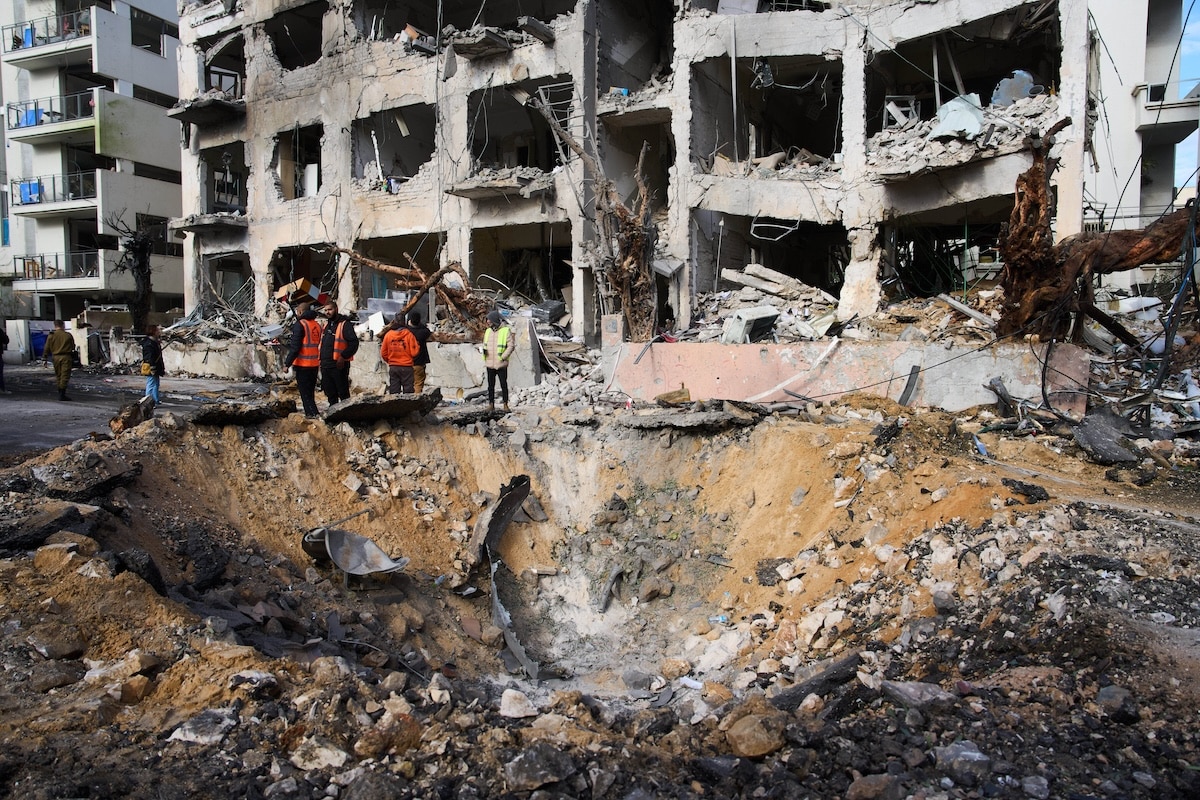
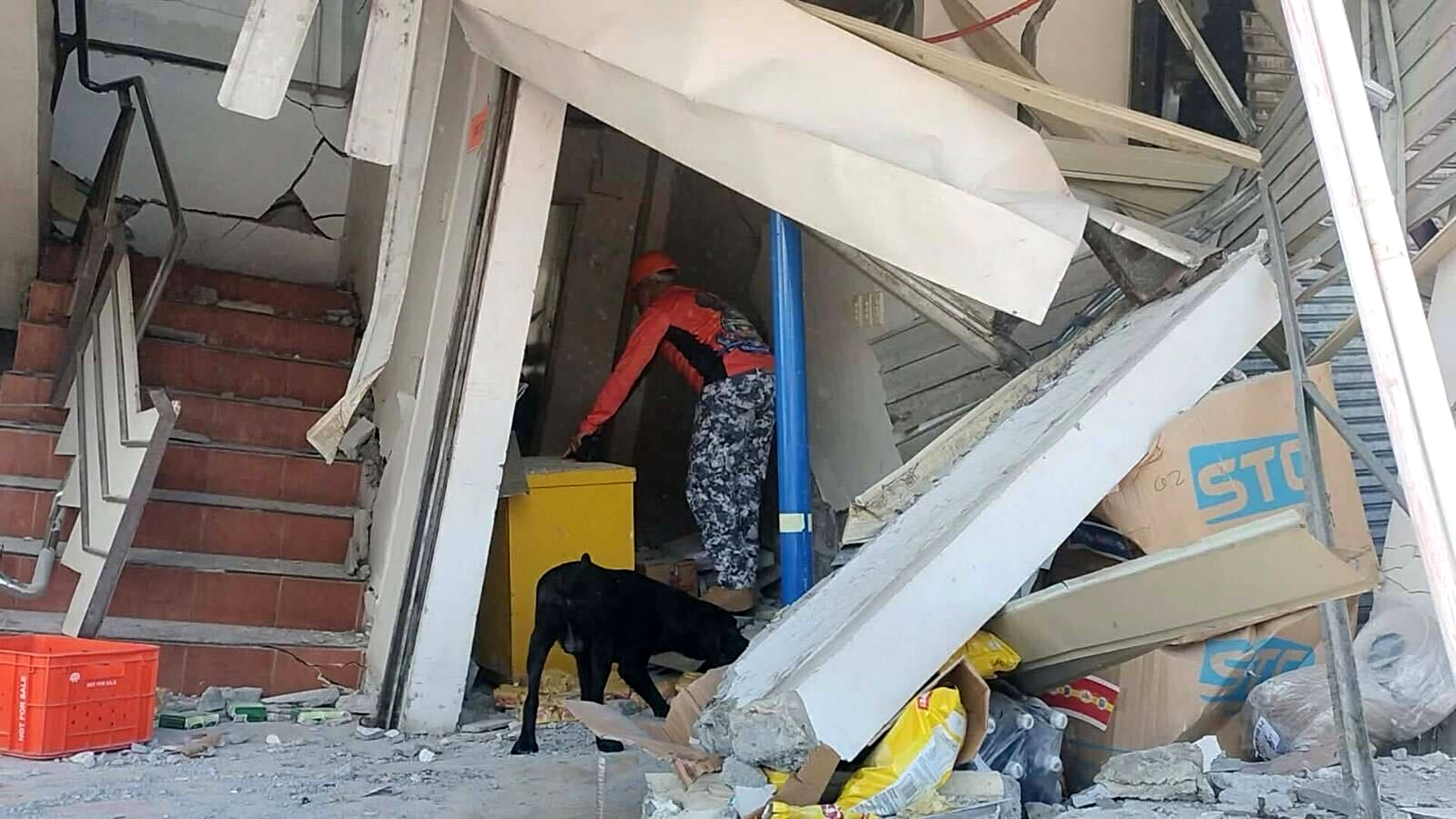
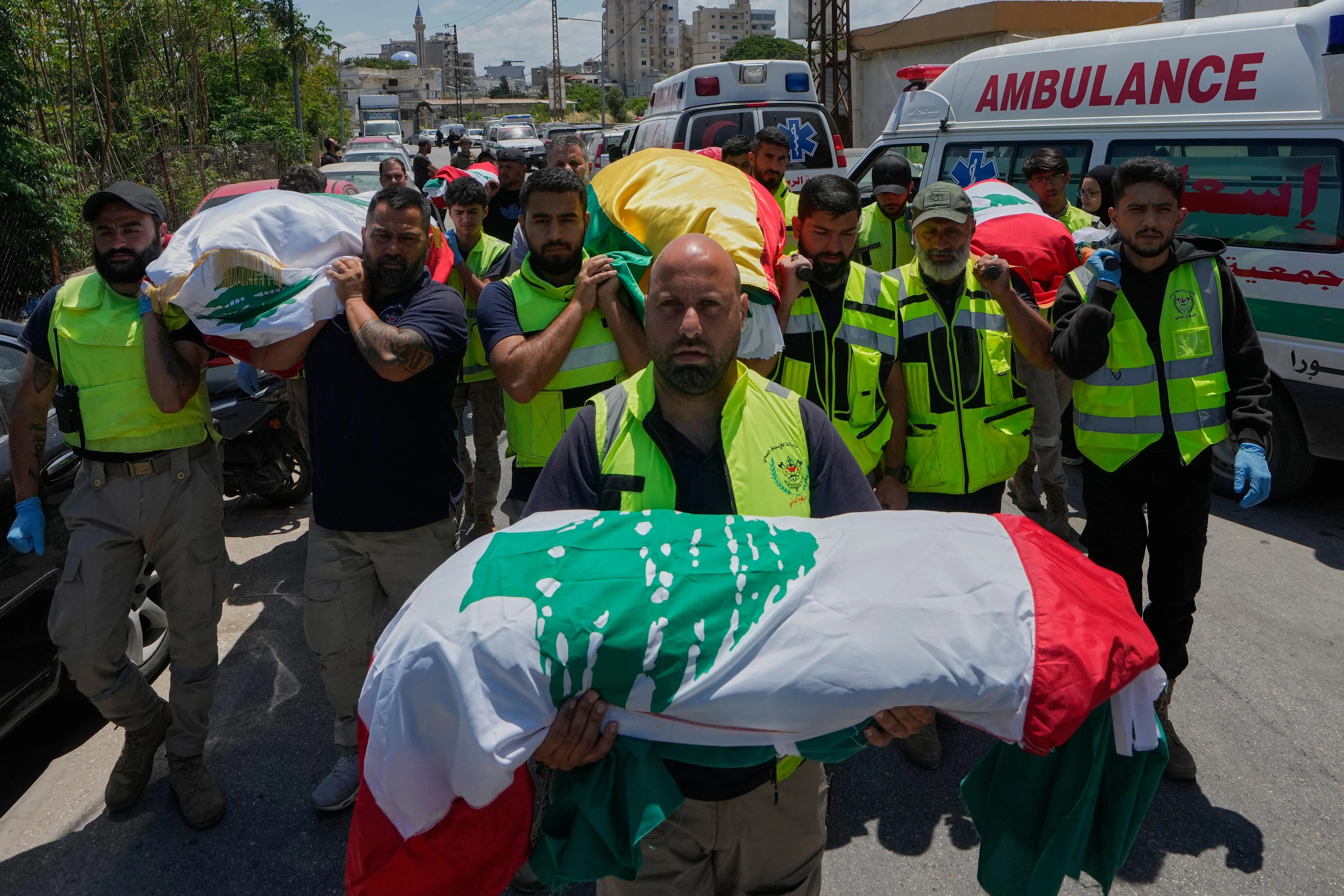
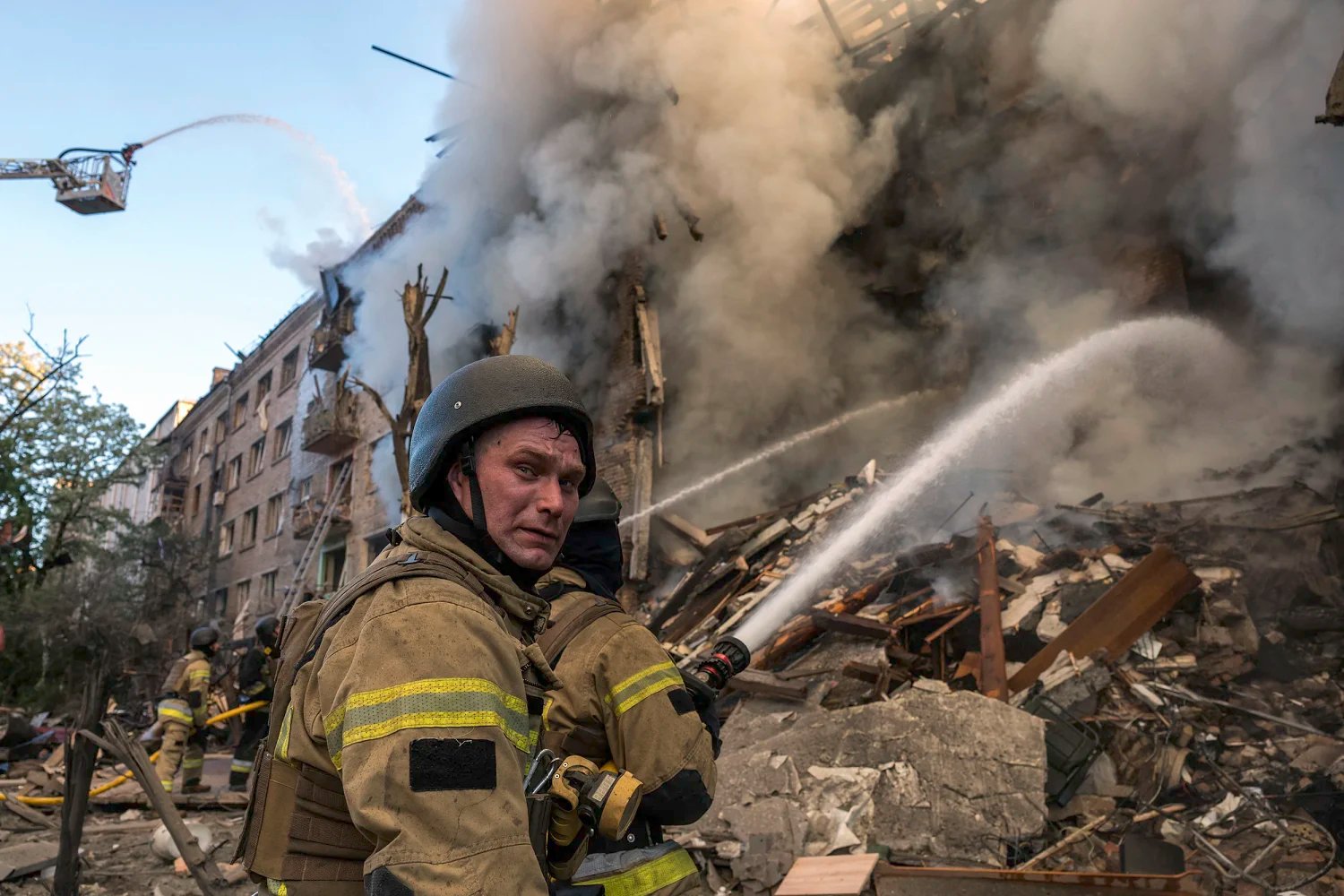
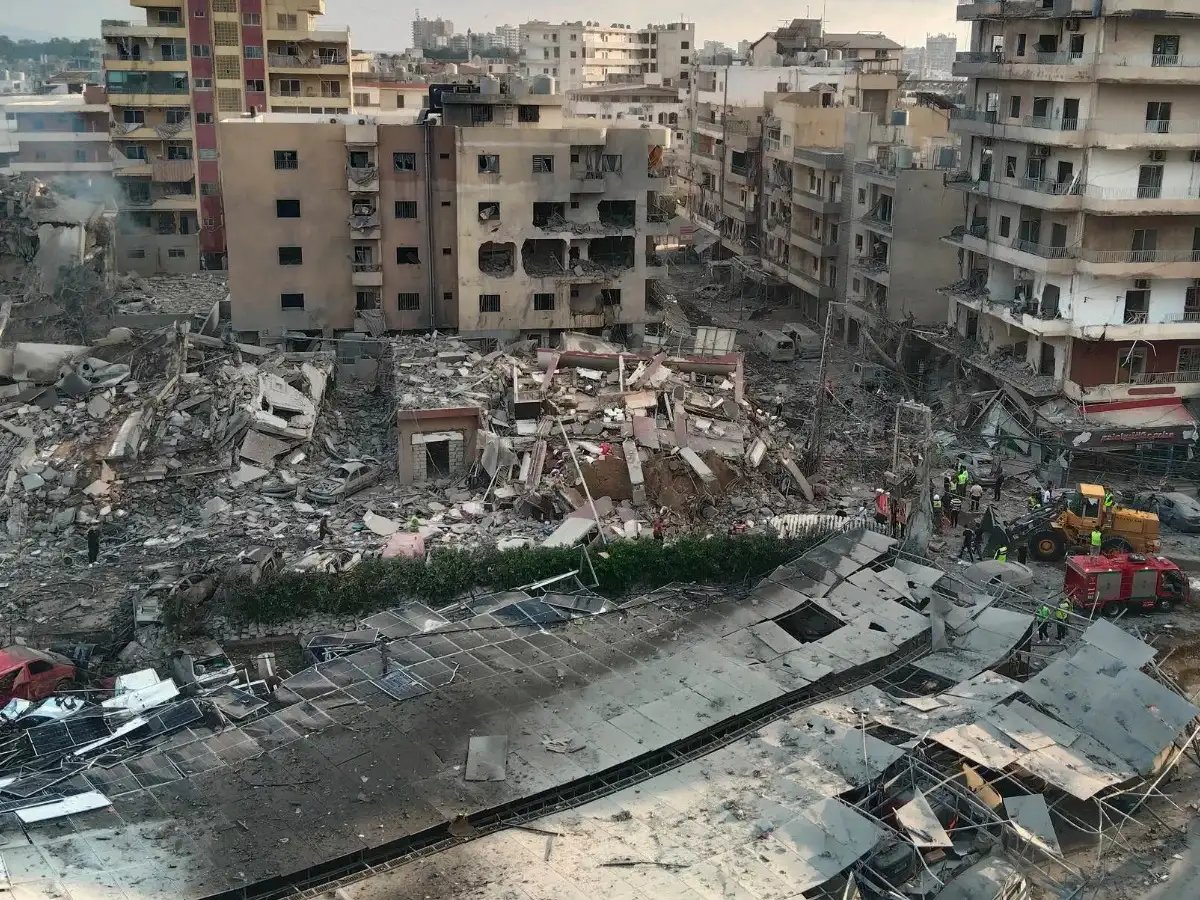
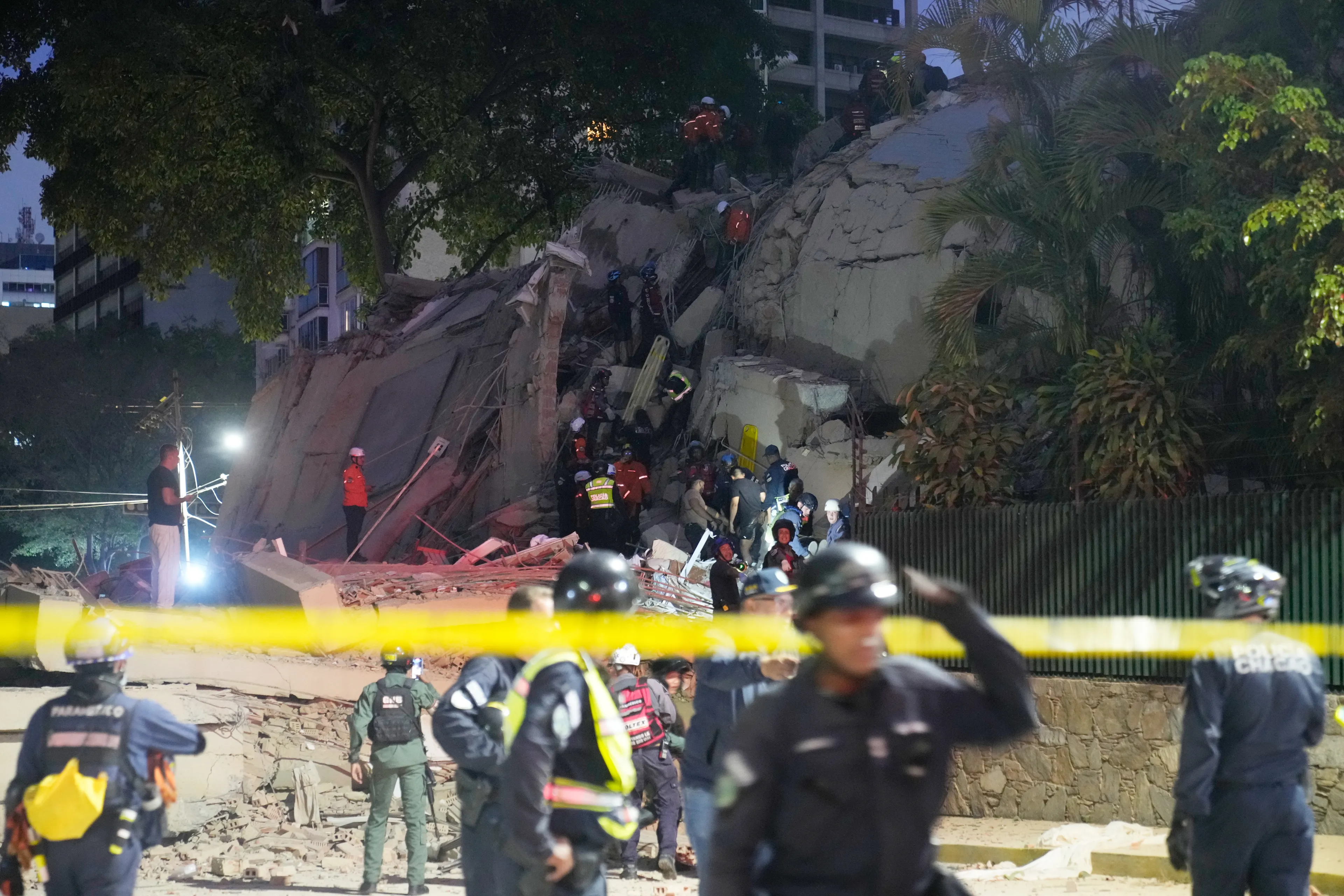
Acting President Delcy Rodríguez announced at least 32 deaths and more than 700 injuries in a televised address early Thursday, warning those figures would rise as rescue crews reached devastated areas. The state of La Guaira, north of Caracas, suffered the heaviest impact. Rodríguez described it as a "true tragedy" and a "disaster zone," where dozens of buildings had collapsed.
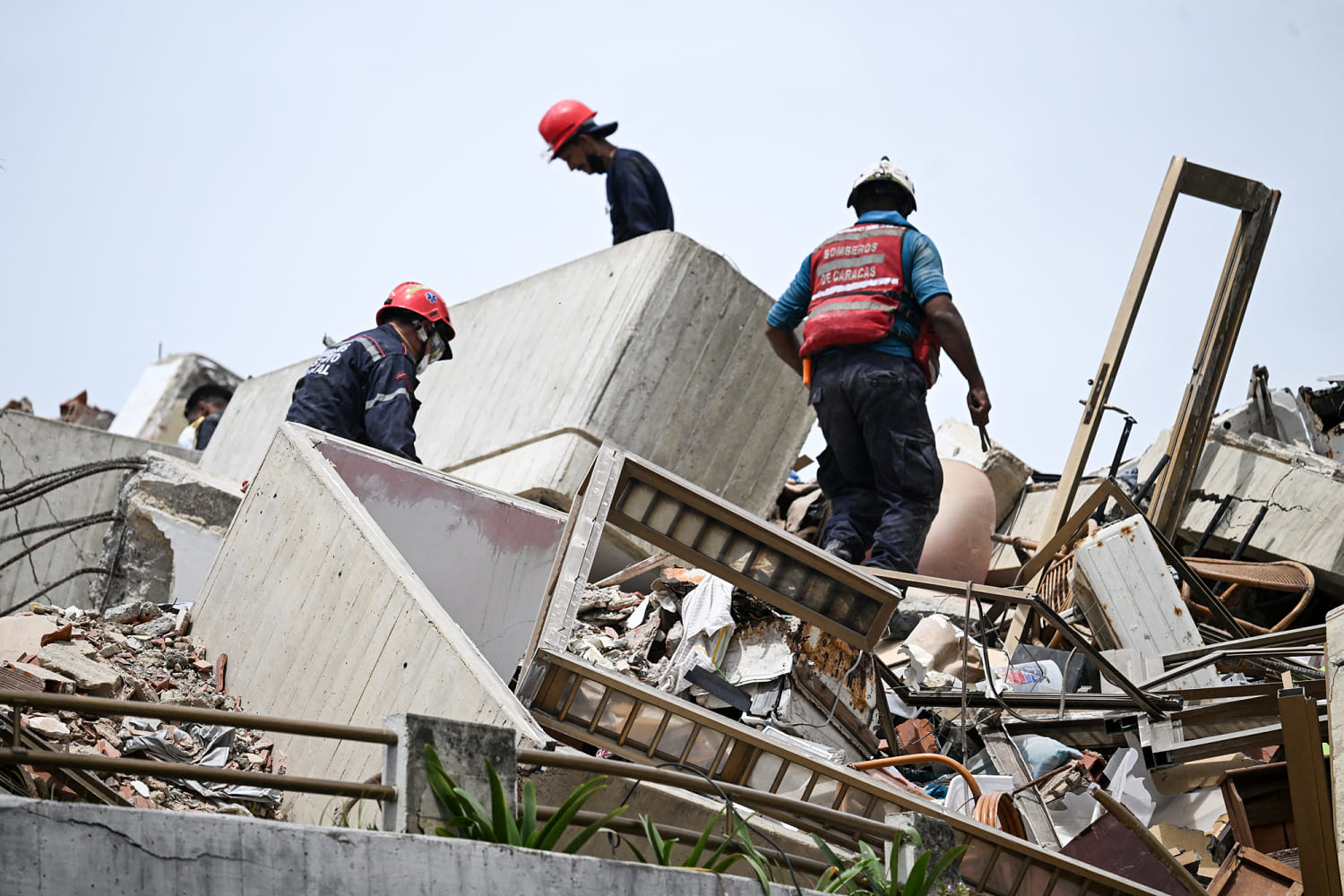
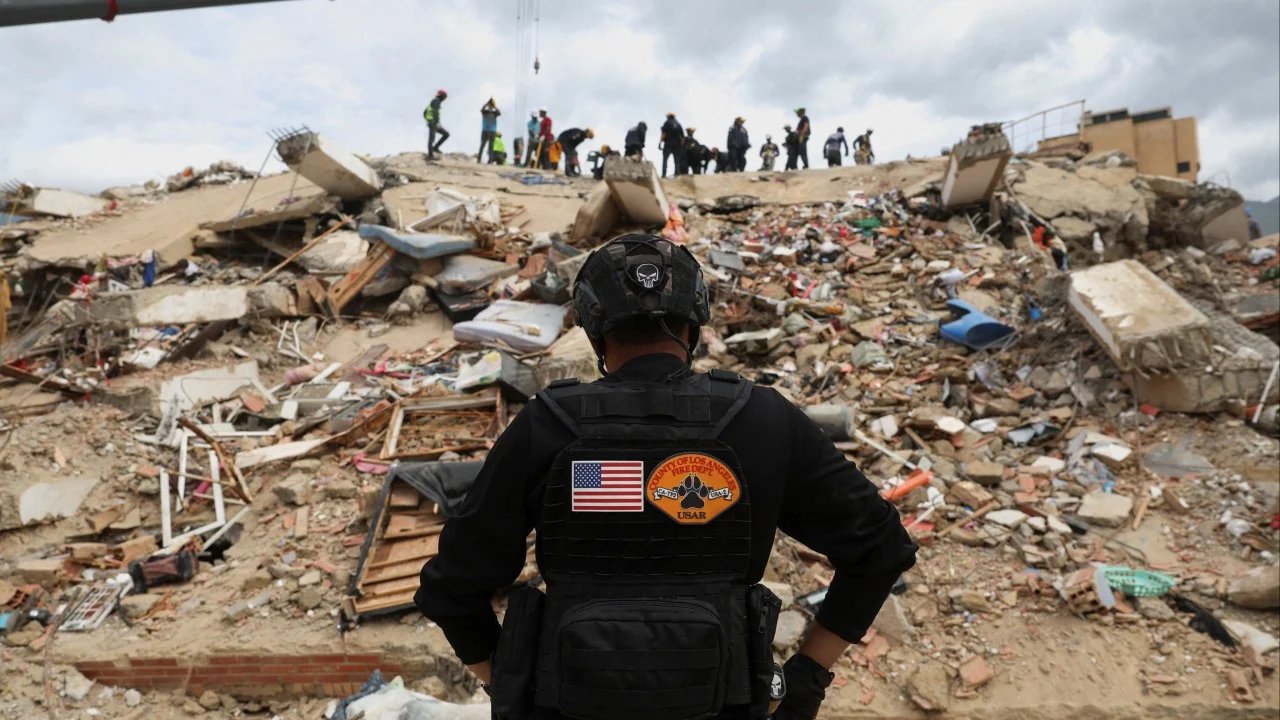
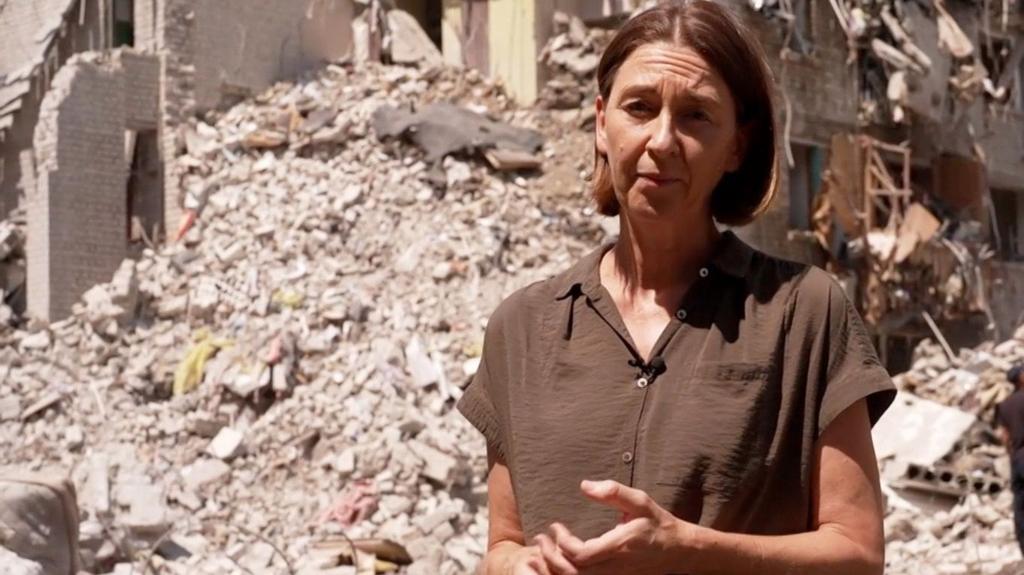
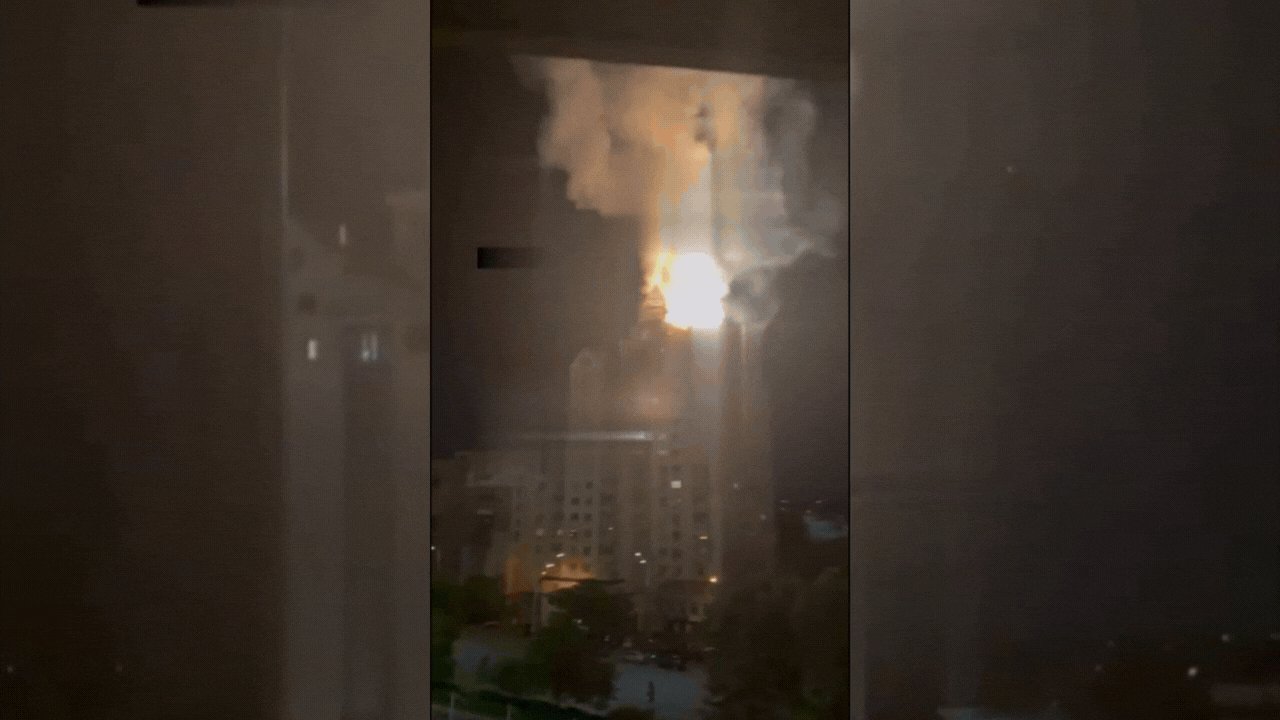
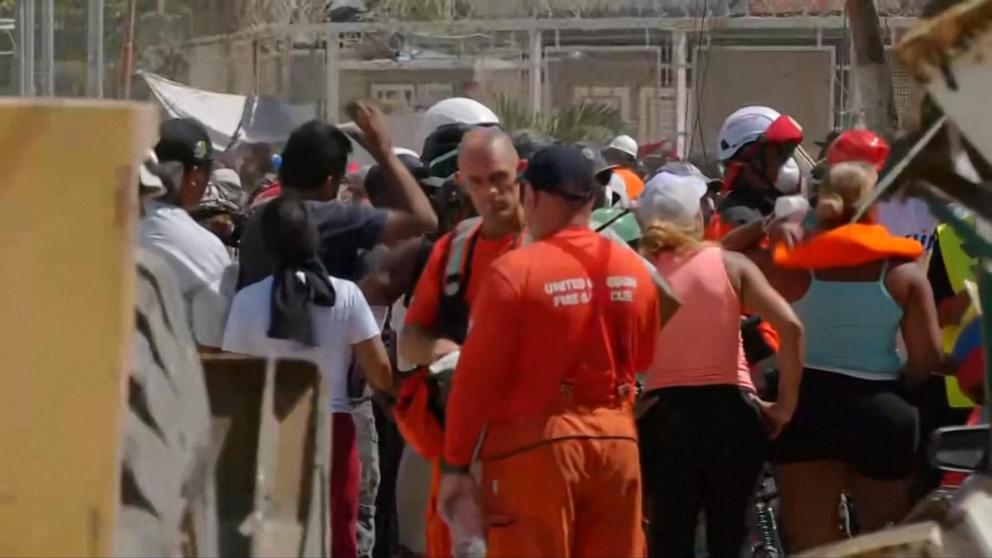
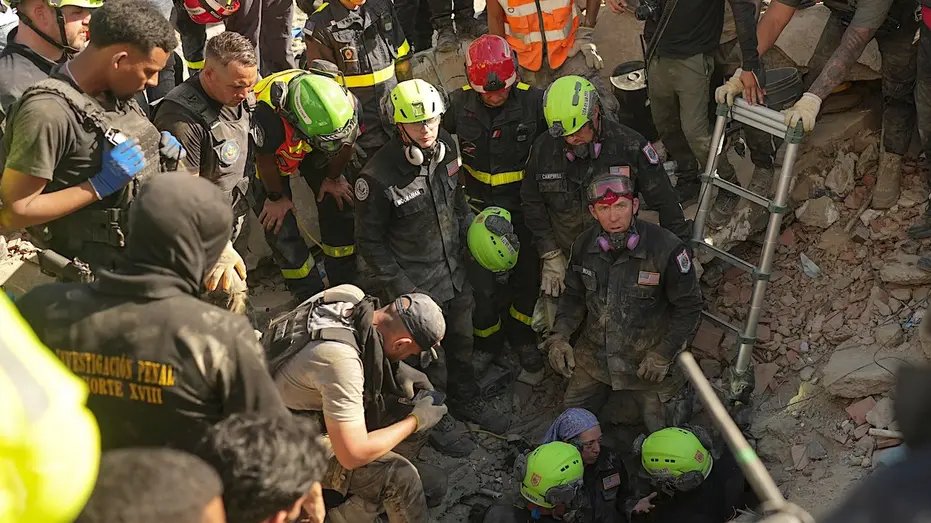
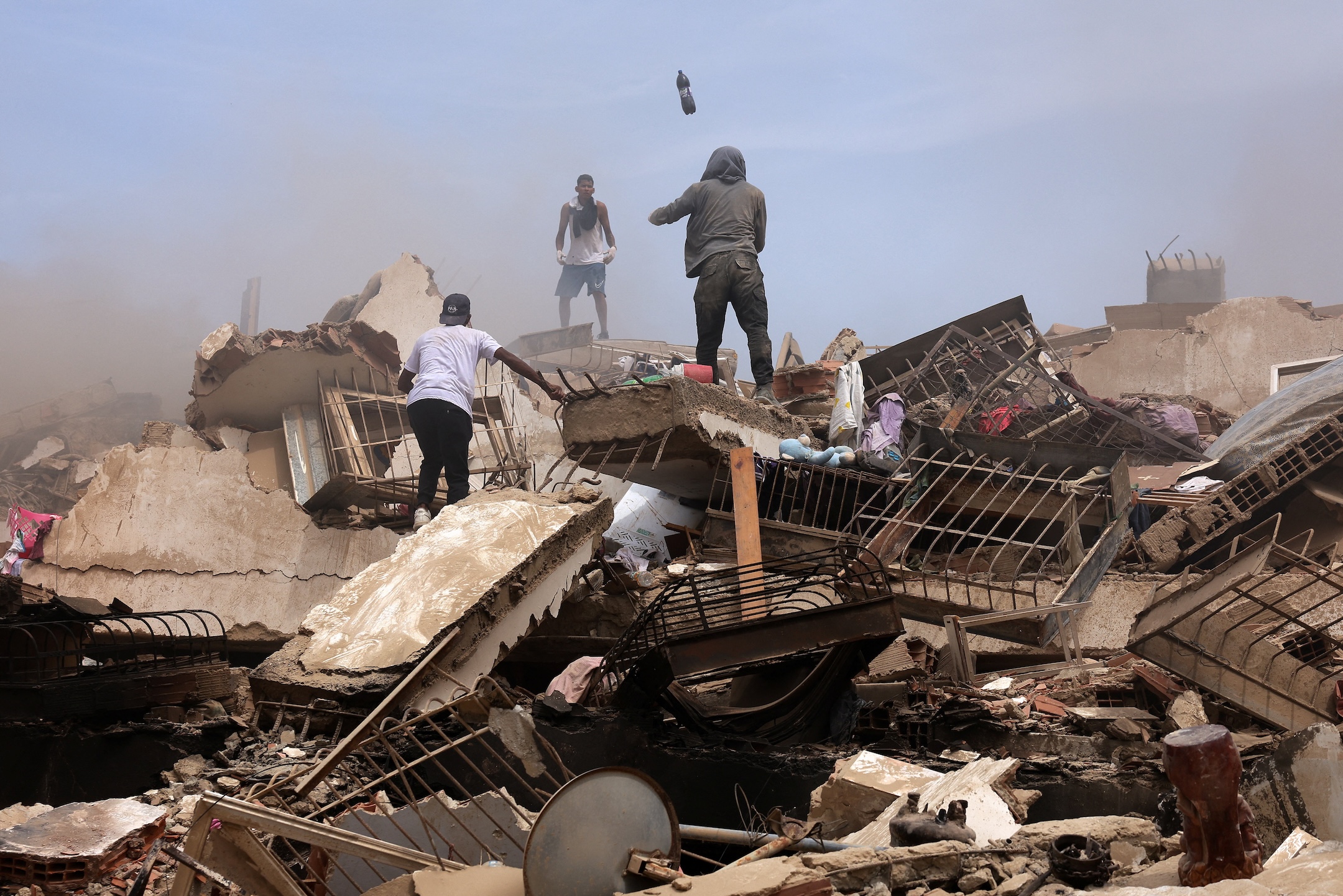
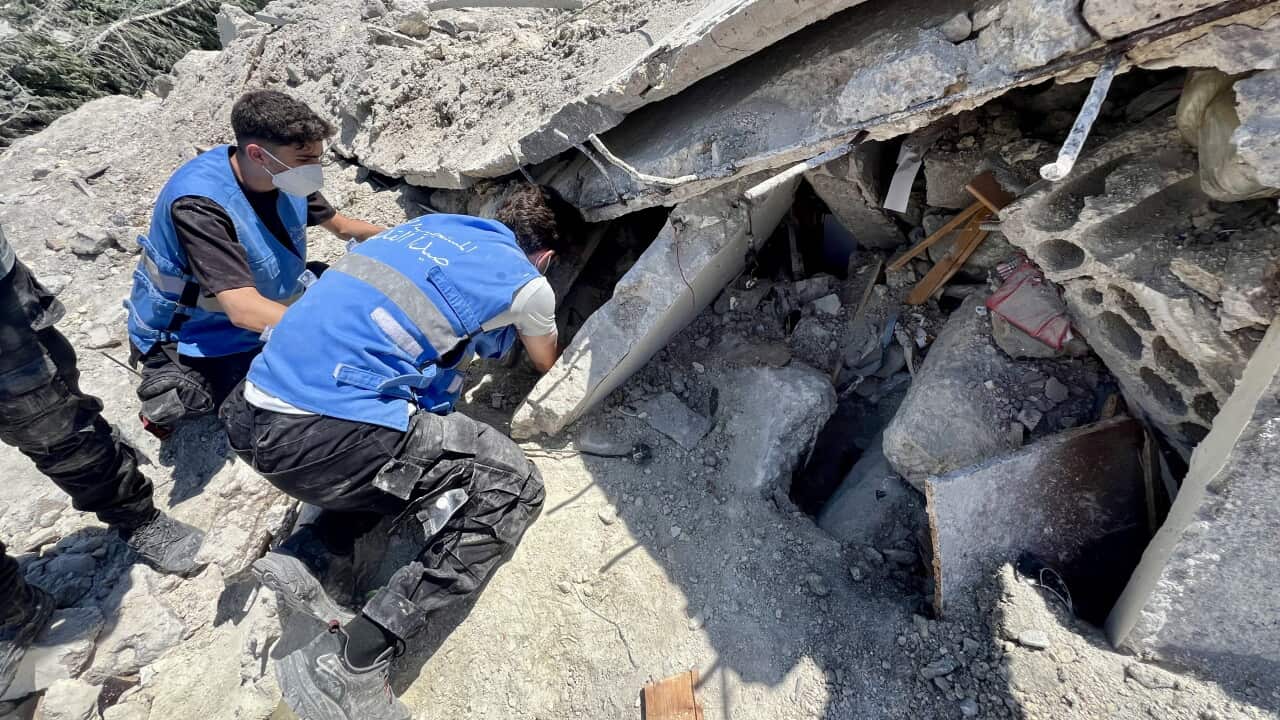
Interior Minister Diosdado Cabello reported "alarming situations" in the Altamira neighborhood of Caracas, with collapsed homes and buildings throughout the area. Simón Bolívar International Airport sustained severe damage and was forced to close. A 22-story building in Altamira was completely destroyed, with volunteers climbing through rubble as people cried out relatives' names. In the state of Falcón, Governor Víctor Clark said 32 people had been hospitalized and 15 remained trapped in rubble more than four hours after the initial quake.
Eyewitness Accounts of Chaos
Maria Alejandra, a woman who escaped a collapsed building in Caracas, told Reuters that "all the walls were cracked" when the earthquakes struck. "We managed to open the door however we could," she said. "There was a cloud of smoke that wouldn't let us see. And when we went downstairs, the scene was like a horror movie. We had to climb over the rubble and everything."
Caracas resident Roberto Damas described the intensity of the shaking. "The building really shook from side to side. Unreal. The force was incredibly strong," he said. "We were walking and it was tossing us around. Everything in the apartment fell. Well, thank God we were able to get out." Another resident, Hector Ricci, recalled that the shaking "started off gently and then gradually grew, and in the end, we all had to leave our houses, go outside and gather together."
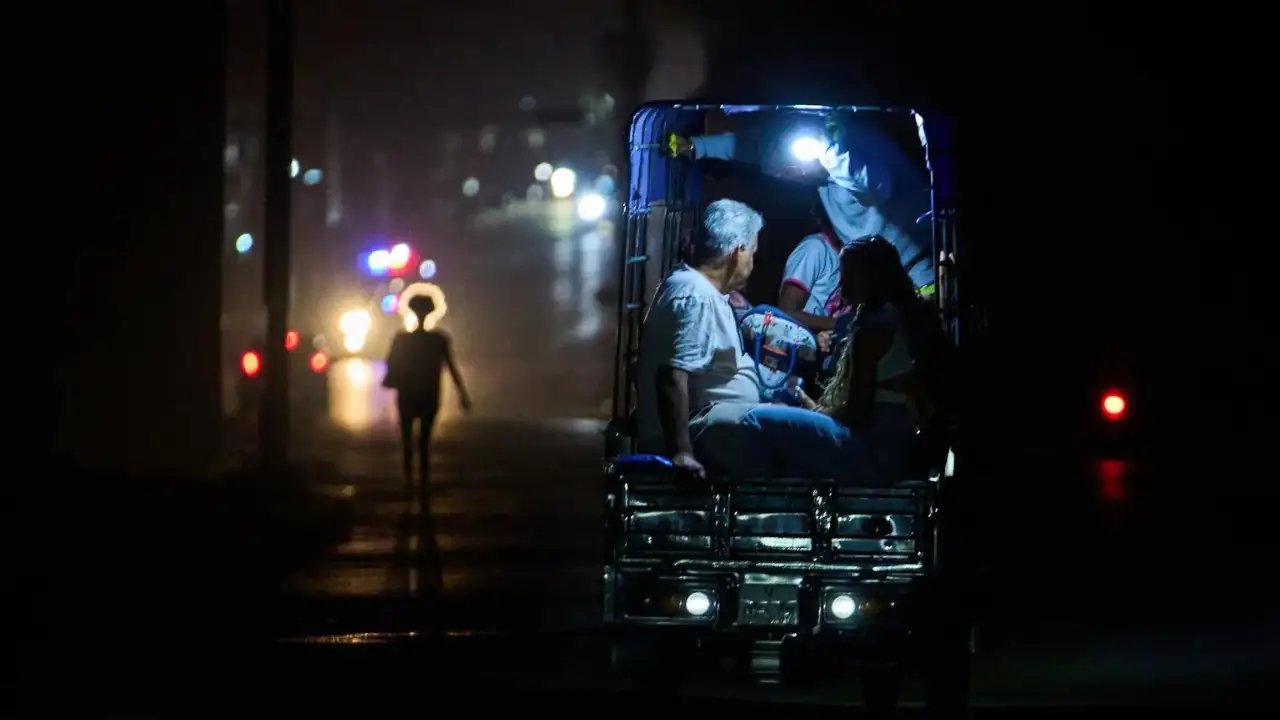
The earthquakes struck during a baseball game, sending players and spectators running from the stadium as the ground trembled. People remained on the streets of Caracas for hours after sunset, some hugging their pets as dust settled around them. Parts of the capital lost power and cellphone signal, deepening distress for families, particularly those among the more than 7.7 million Venezuelans who have left the country.
International Response and Predictions
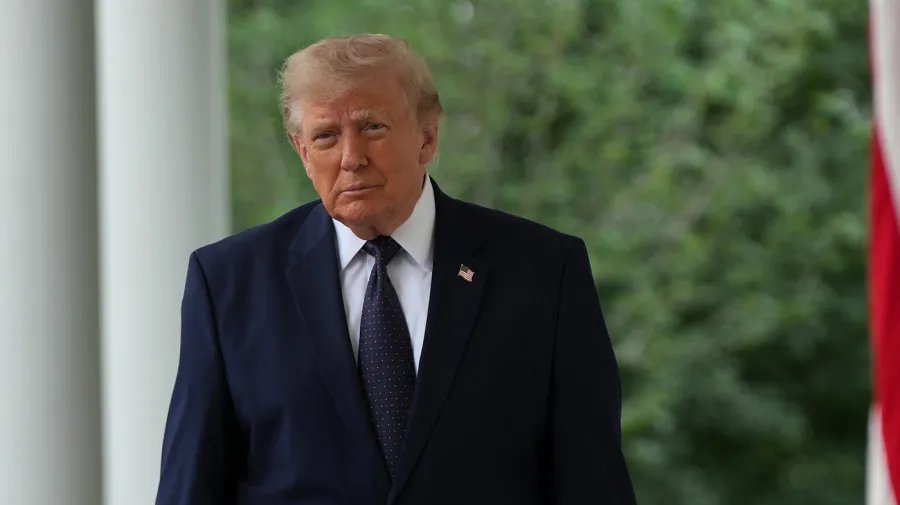
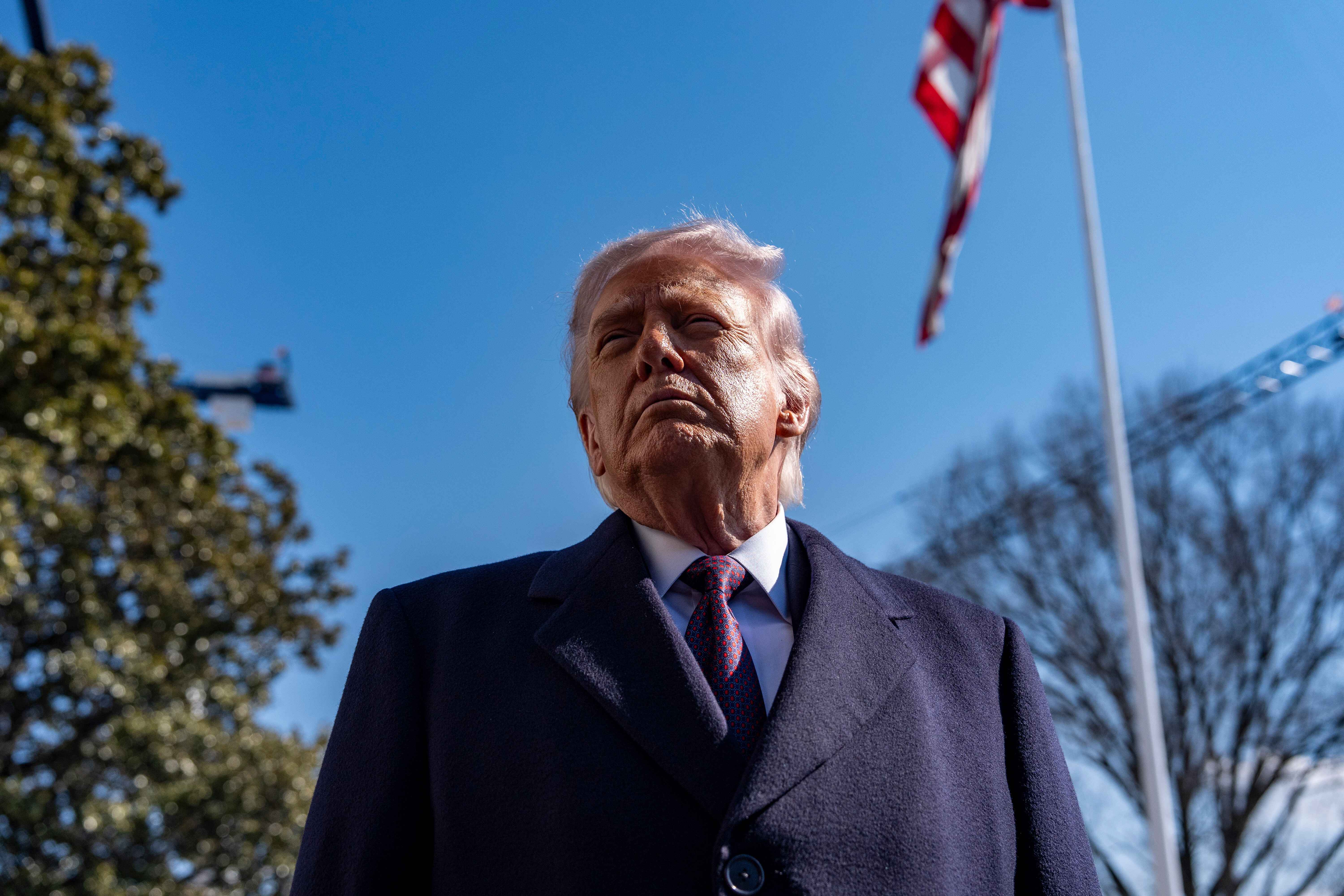
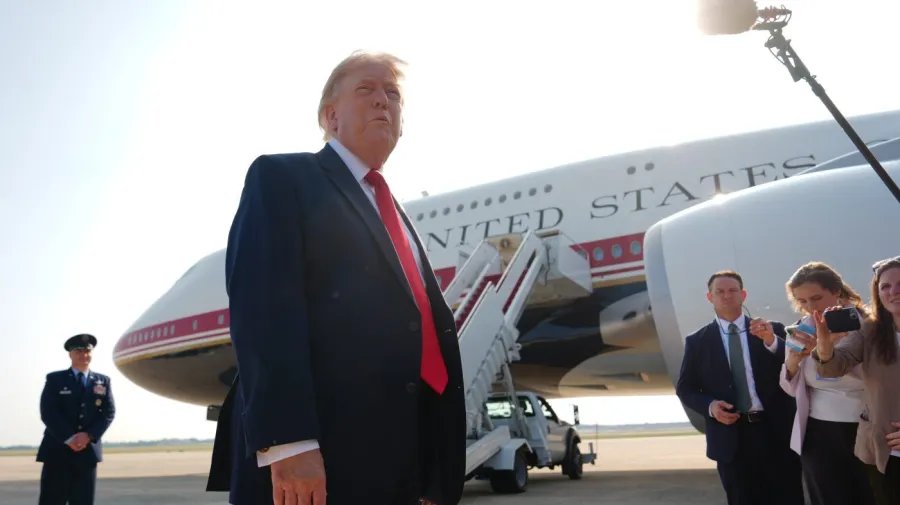
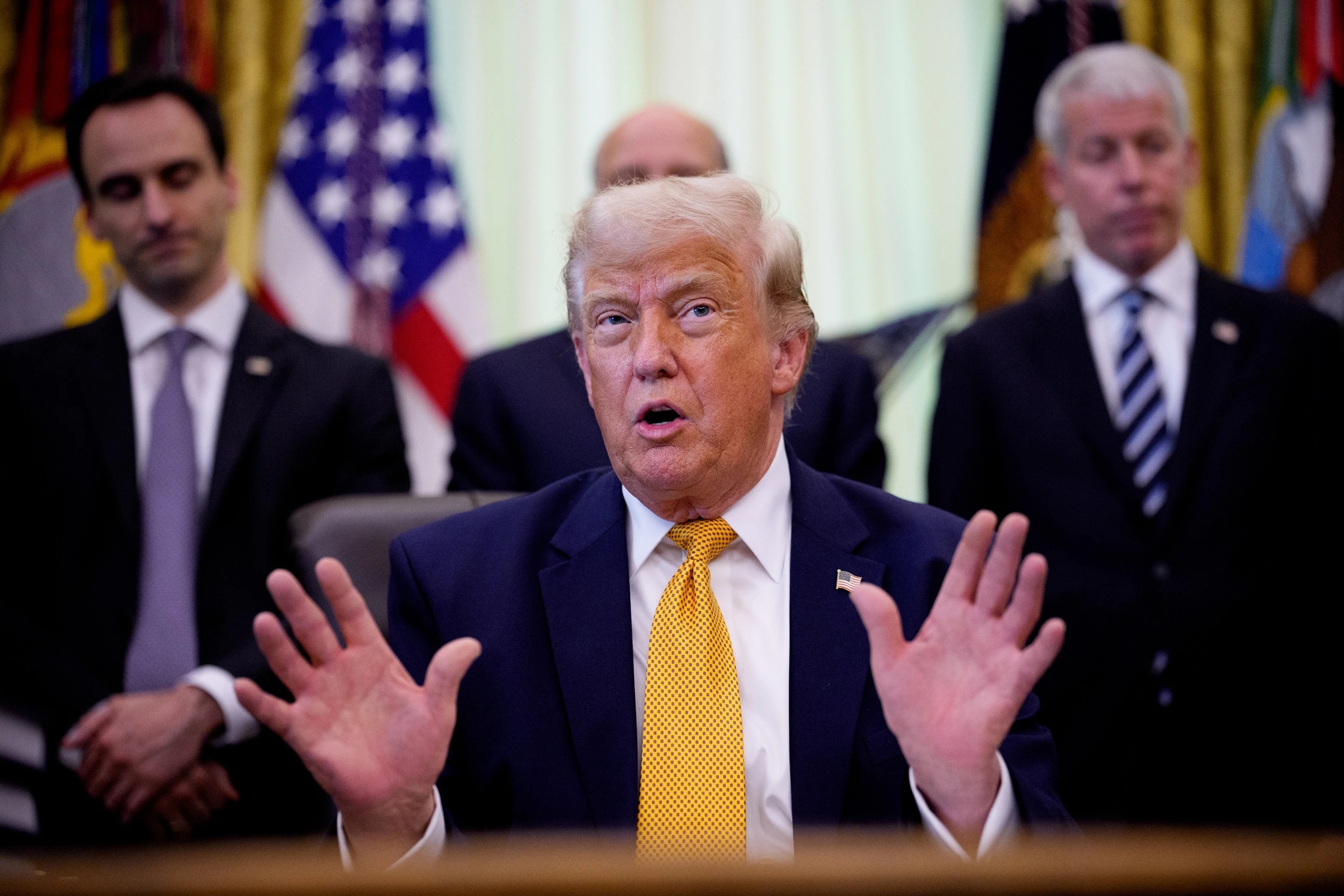
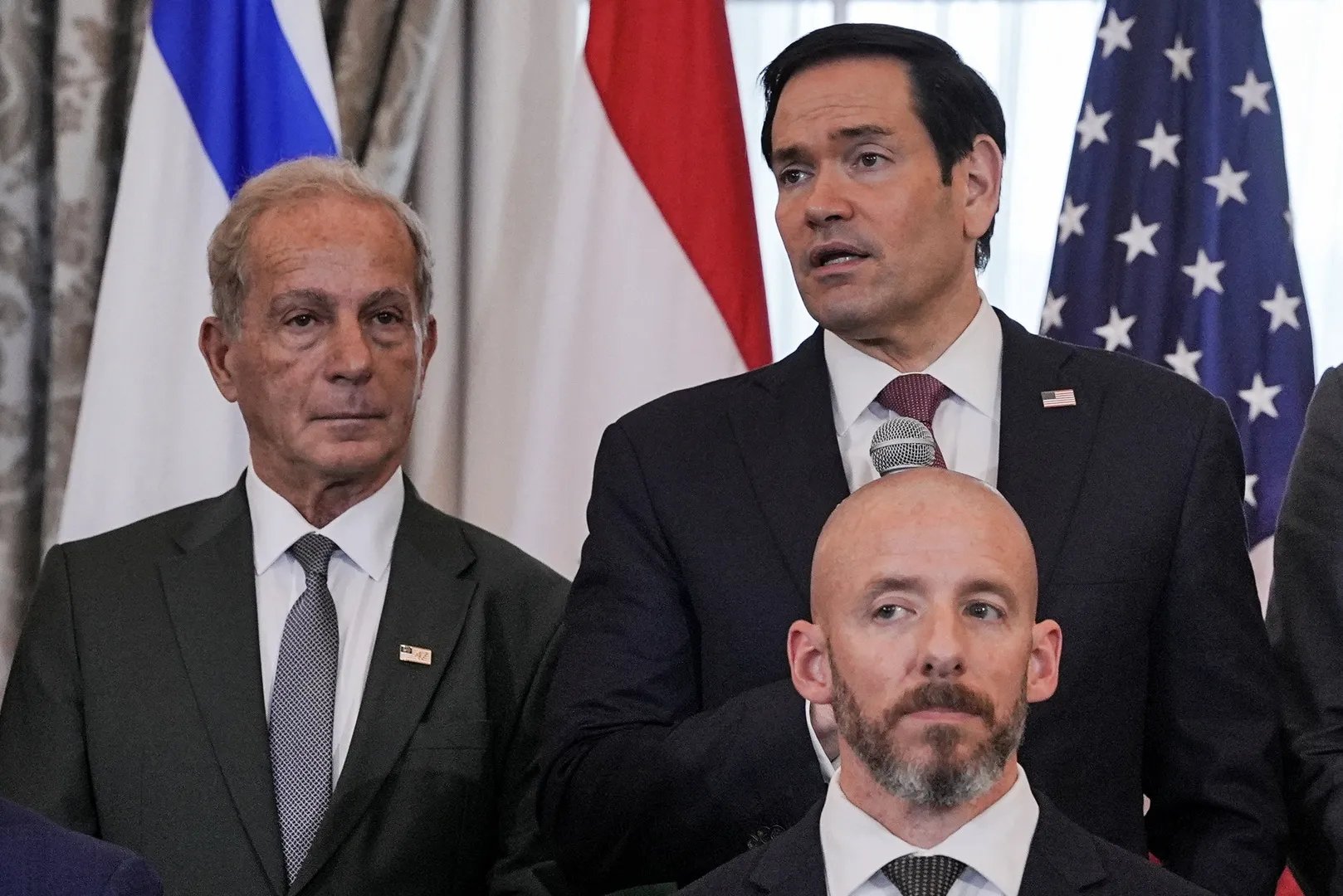
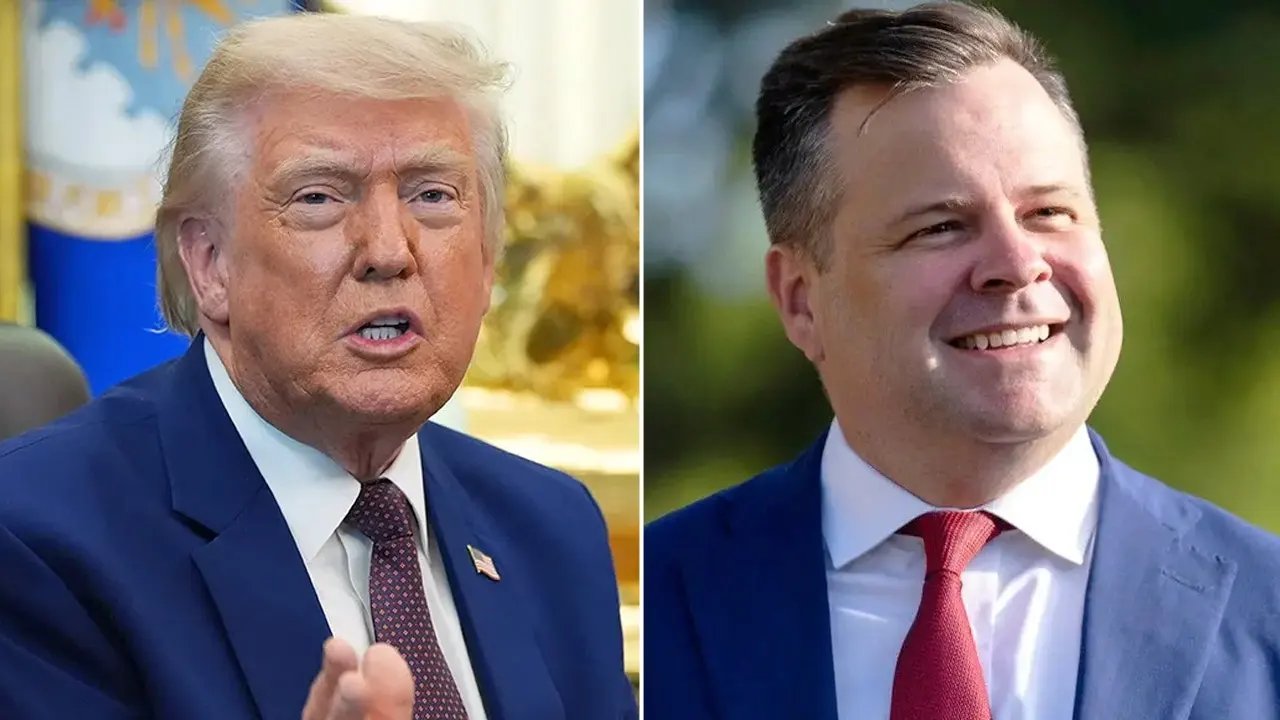
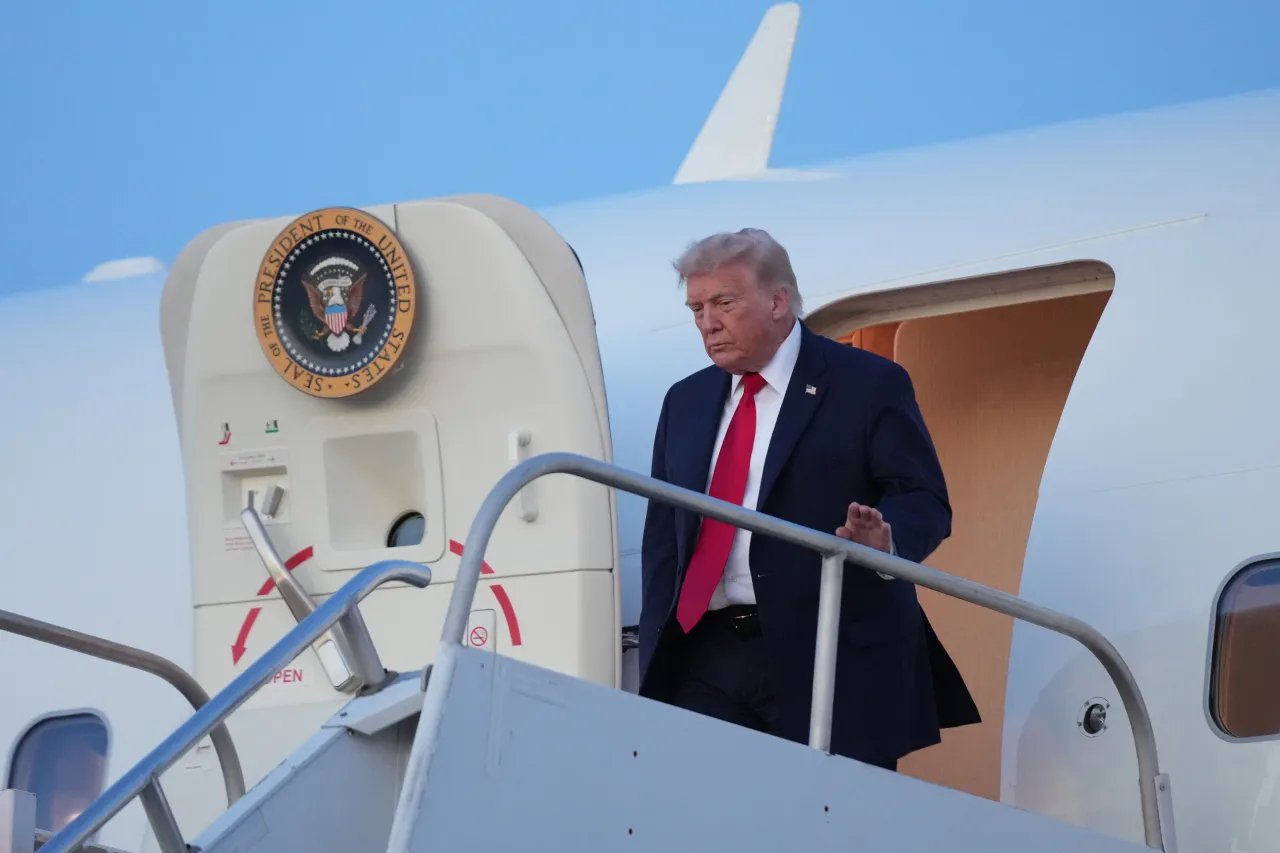
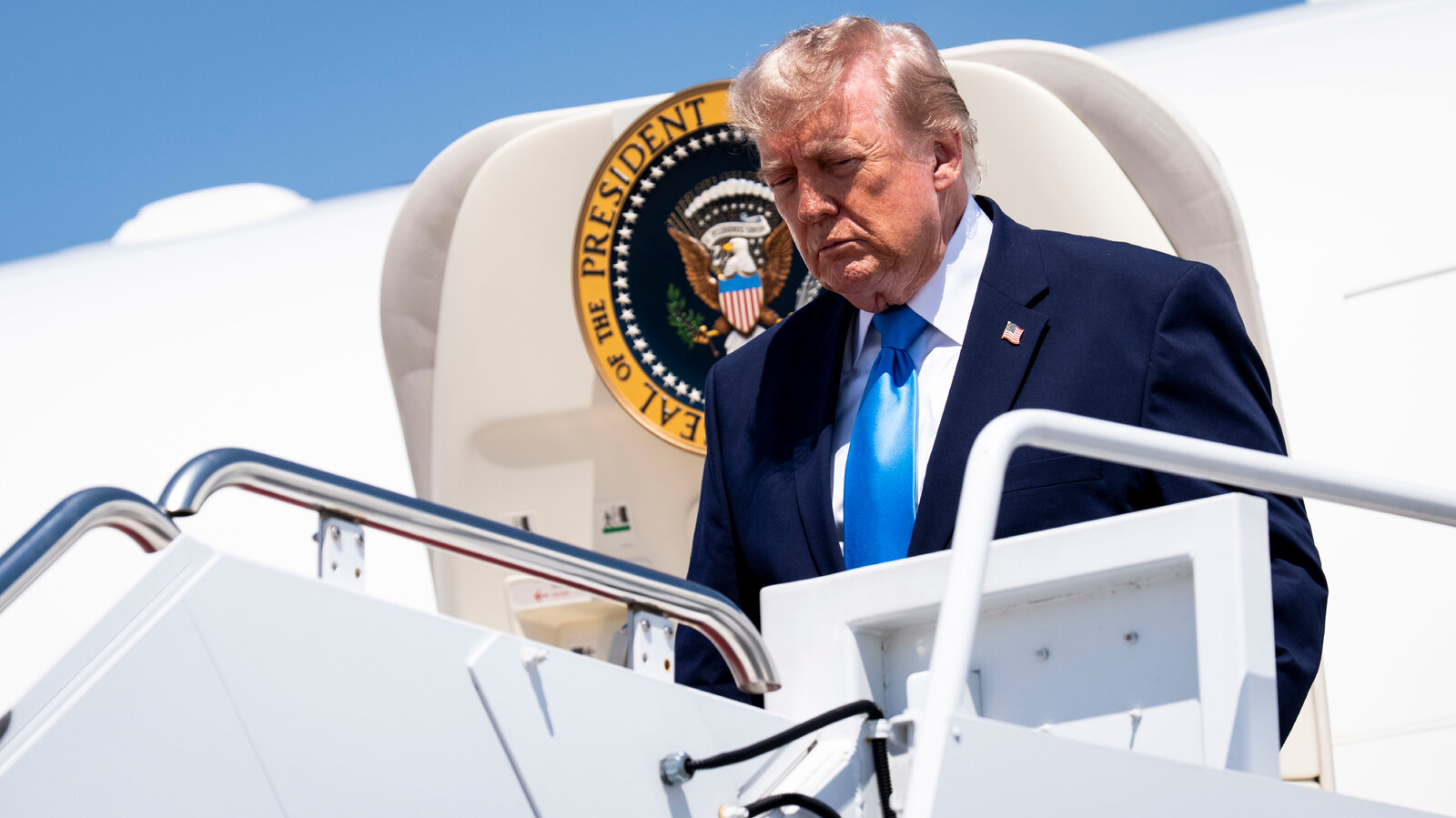
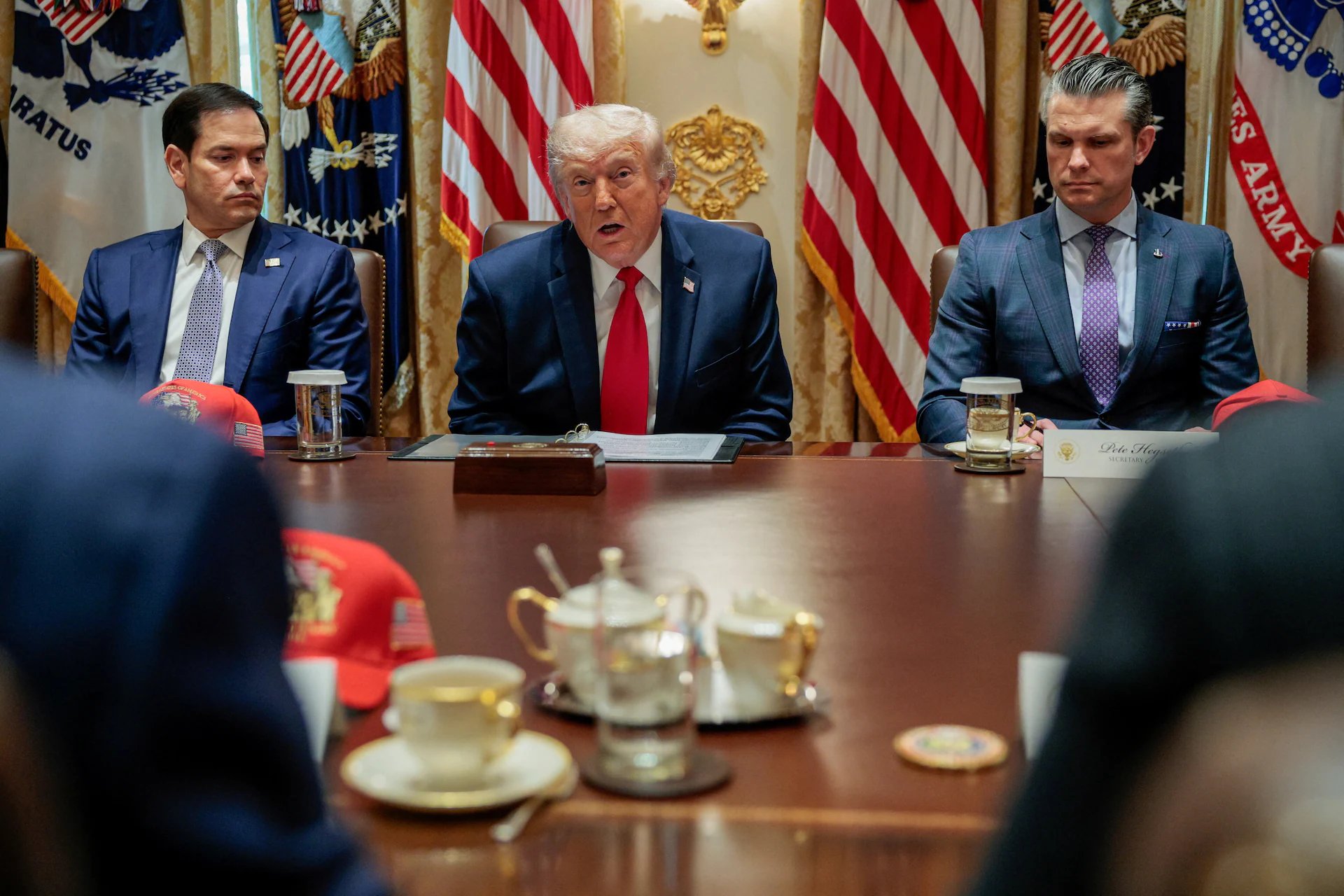
President Donald Trump said on Truth Social that the earthquakes had "left a devastating number of deaths" and instructed all U.S. government agencies to prepare assistance quickly. "The U.S.A. stands ready, willing, and able to help," Trump wrote. Secretary of State Marco Rubio announced the U.S. would deploy search teams, medical resources, and humanitarian aid to Venezuela.
Jeremy Lewin, undersecretary for foreign assistance at the State Department, said officials had "mobilized a disaster assistance team and task force to deliver and coordinate critical assistance to the Venezuelan people." He pledged search and rescue teams, medical and humanitarian supplies, and other resources in the crucial first days after the disaster. Offers of assistance came from Argentina, Bolivia, Brazil, Chile, Ecuador, El Salvador, Mexico, Panama, and Uruguay.
The U.S. Geological Survey modeling estimated deaths could reach into the thousands to tens of thousands, with economic losses potentially reaching billions to tens of billions of dollars. Lucy Jones, a seismologist and visiting professor at the California Institute of Technology, said this would be "one of the really great, very difficult, very damaging earthquakes, because you combined a very large event with residences of a lot of people."
Aftershocks and Ongoing Danger
Rodríguez reported that 20 aftershocks had been recorded following the initial pair of earthquakes. According to USGS forecasting, there is a 40 percent chance that within the next week a magnitude 6 or larger earthquake will strike in the same region, and an "almost certainty" of a magnitude 5 or greater. Cabello urged residents to remain outside their buildings as aftershocks could further damage already weakened structures.
Rodríguez declared a state of emergency and suspended school and non-essential activities for several days. She called on all health care professionals to report to hospitals to assist the injured and urged Venezuelans to act with "national unity, with calm." The Ministry of Education announced some schools would be used as shelters and donation centers.