




Anthropic's Urgent Visit to Washington
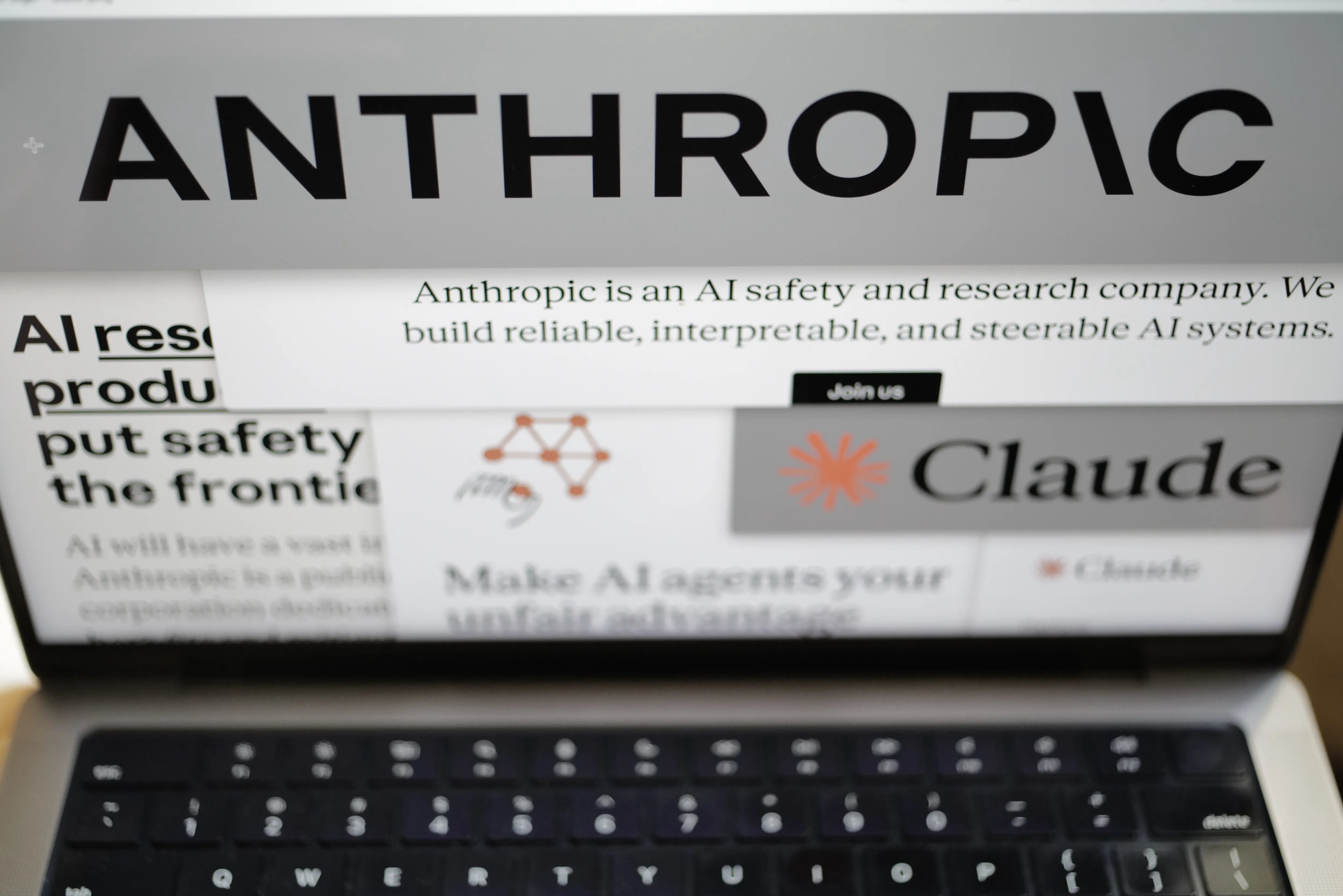
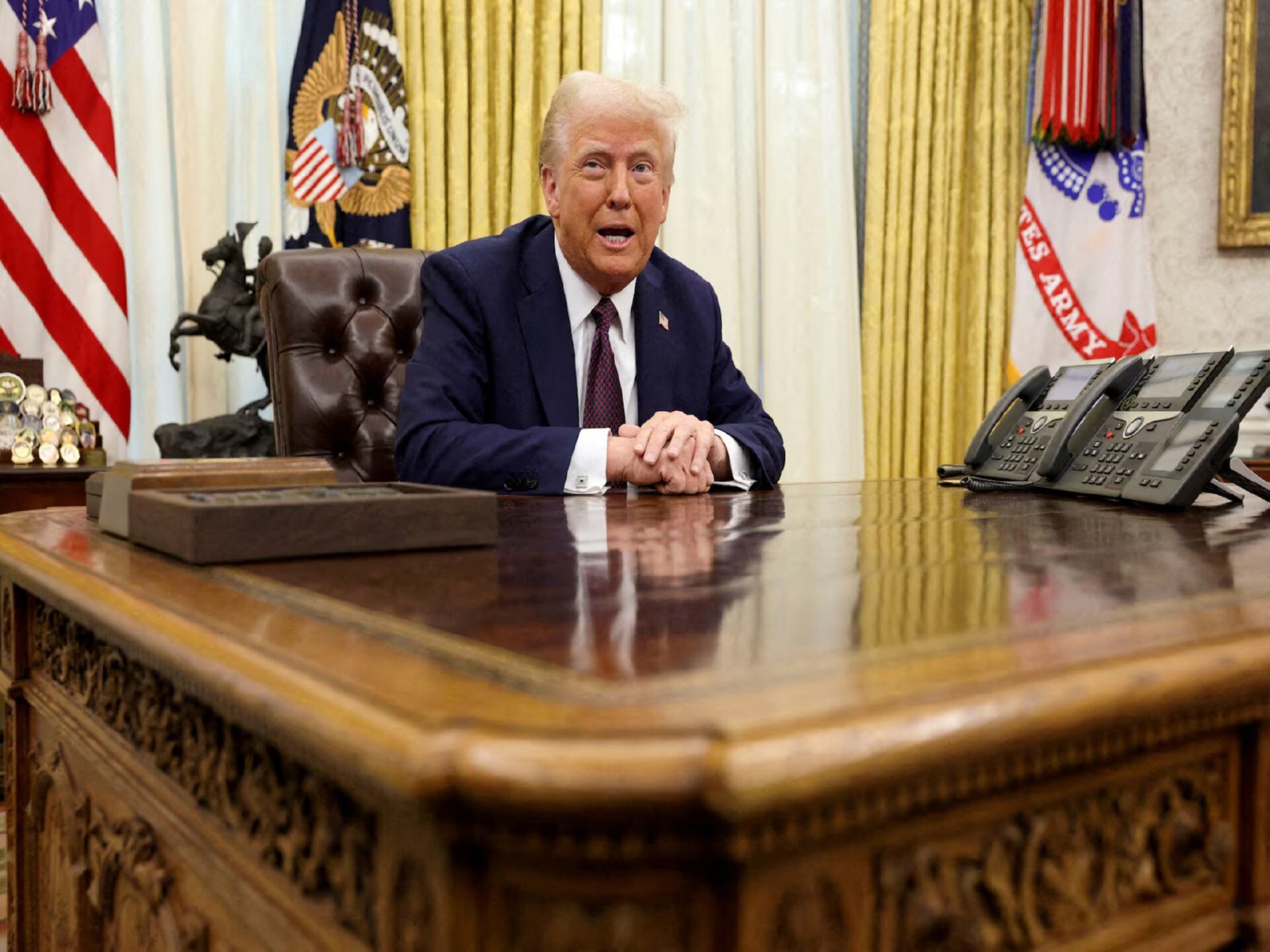
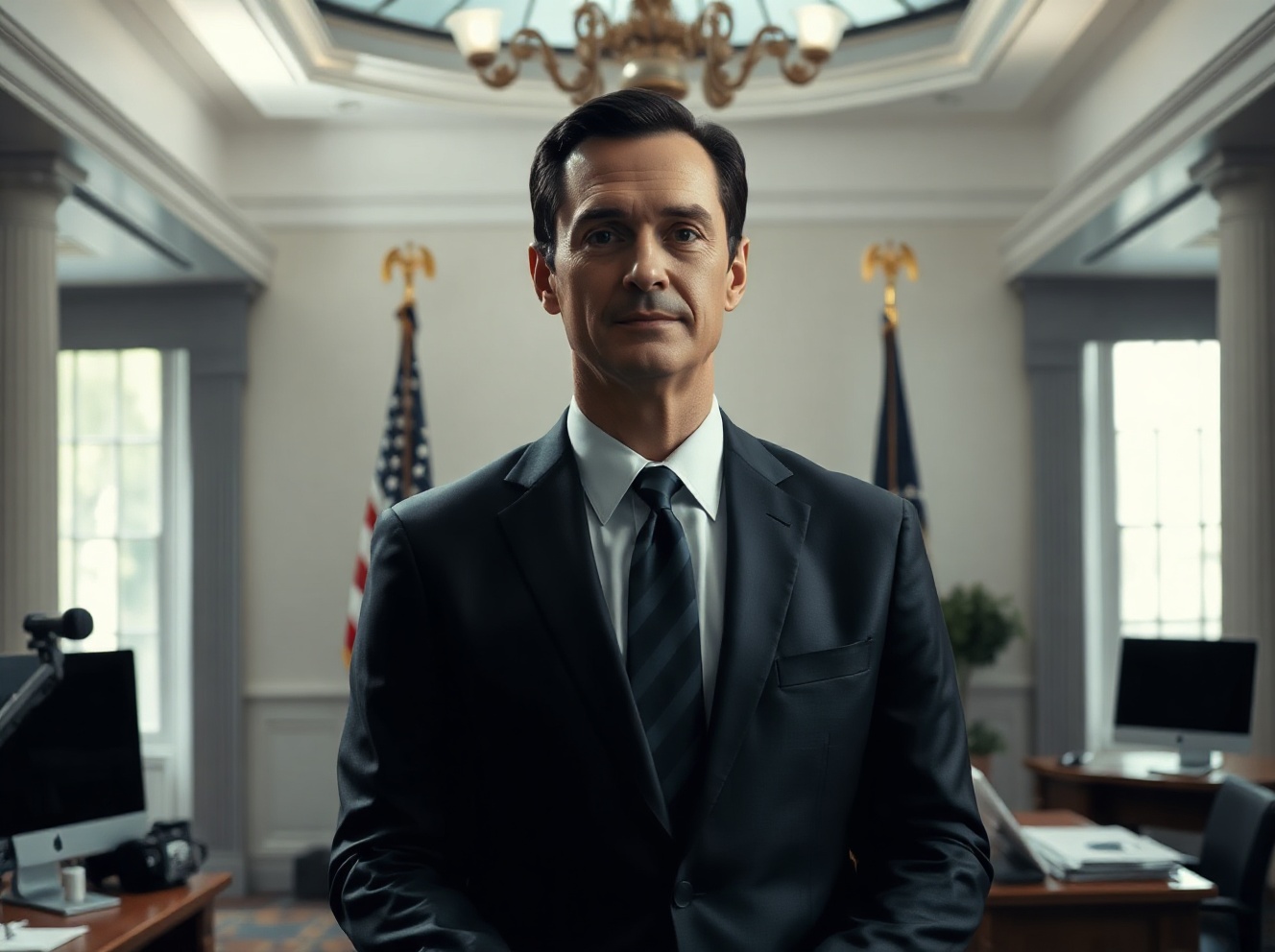
Senior staff from Anthropic, an artificial intelligence company, have traveled to Washington, D.C., to address escalating tensions with the Trump administration over export controls affecting its AI models. The visit comes after the White House issued a directive that prohibits foreign nationals, including Anthropic employees on work visas, from accessing the company's latest models, Mythos and Fable 5. The directive was prompted by concerns of potential security vulnerabilities that the government claims could be exploited, leading Anthropic to temporarily suspend public access to these models.
Background of the Dispute
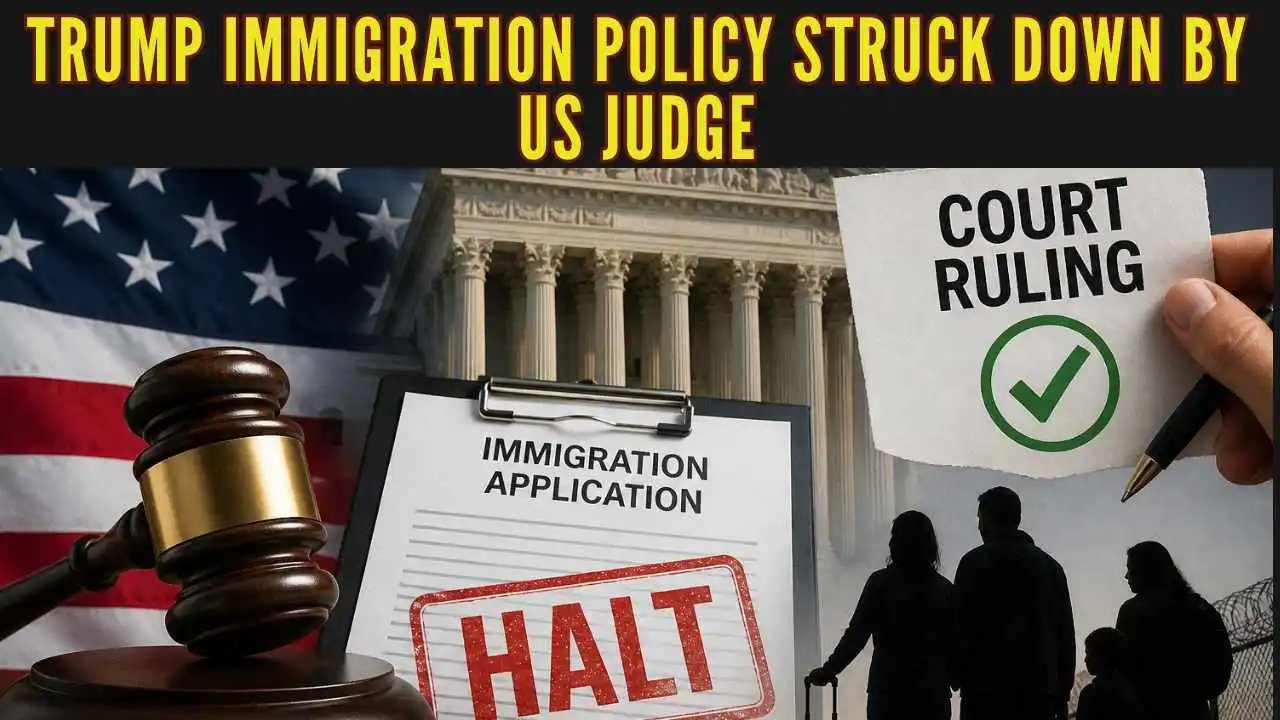
The conflict began when Anthropic refused to allow the government to use its AI products for mass surveillance and autonomous weapons. This refusal led the administration to label Anthropic as a "supply chain risk," restricting government agencies from utilizing its technology. In response, Anthropic filed a lawsuit alleging that the administration was engaging in illegal retaliation against the company for exercising its rights. A U.S. District Judge recently sided with Anthropic, criticizing the government for lacking a legitimate basis for its actions.
Government's Security Concerns
The White House acted after an urgent report from Amazon that they were able to jailbreak and access portions of Anthropic's powerful new Mythos model that pose a national security threat. The White House cited that these vulnerabilities could be exploited to "jailbreak" the AI models, allowing unauthorized access to sensitive capabilities. However, Anthropic contends that the vulnerabilities are minor and that similar issues exist in other publicly available models. The company argues that the government's response is disproportionate and lacks a transparent process.
The Meeting's Objectives
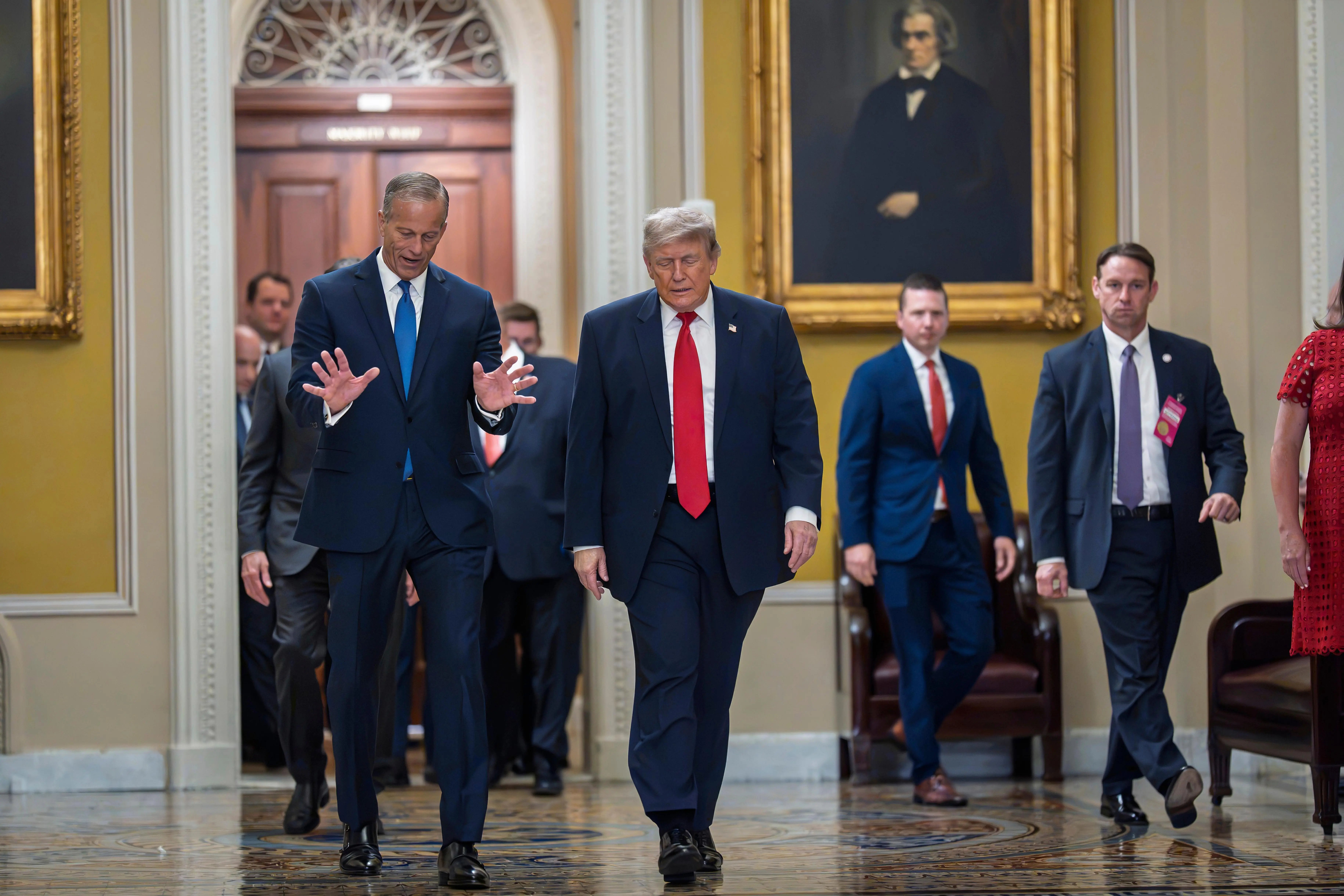
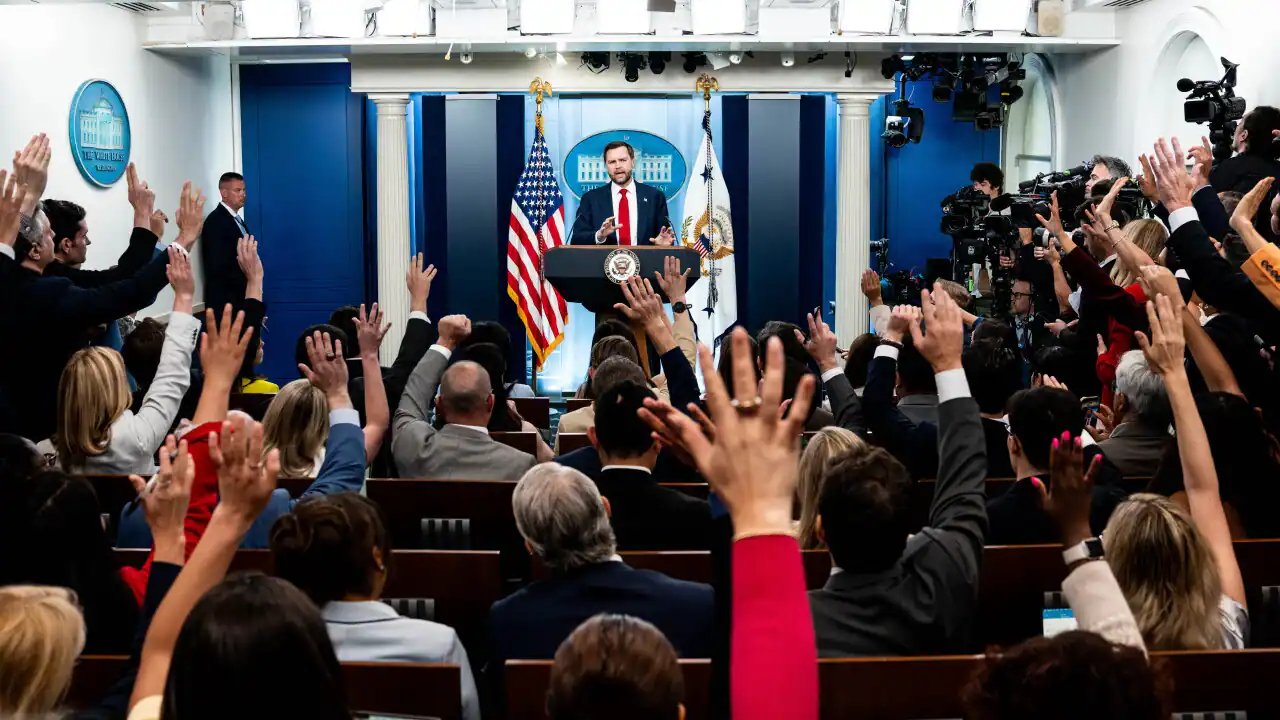
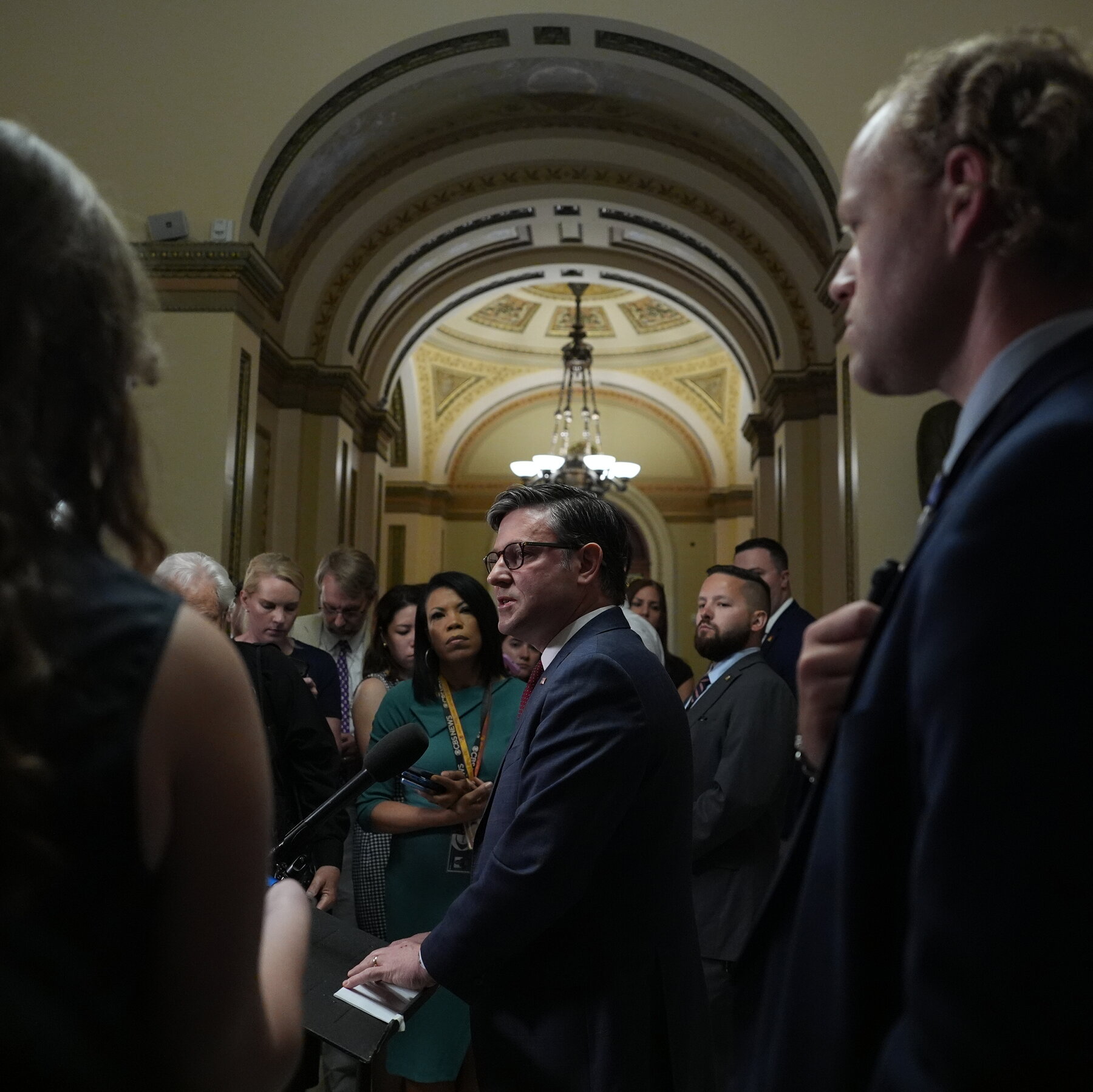
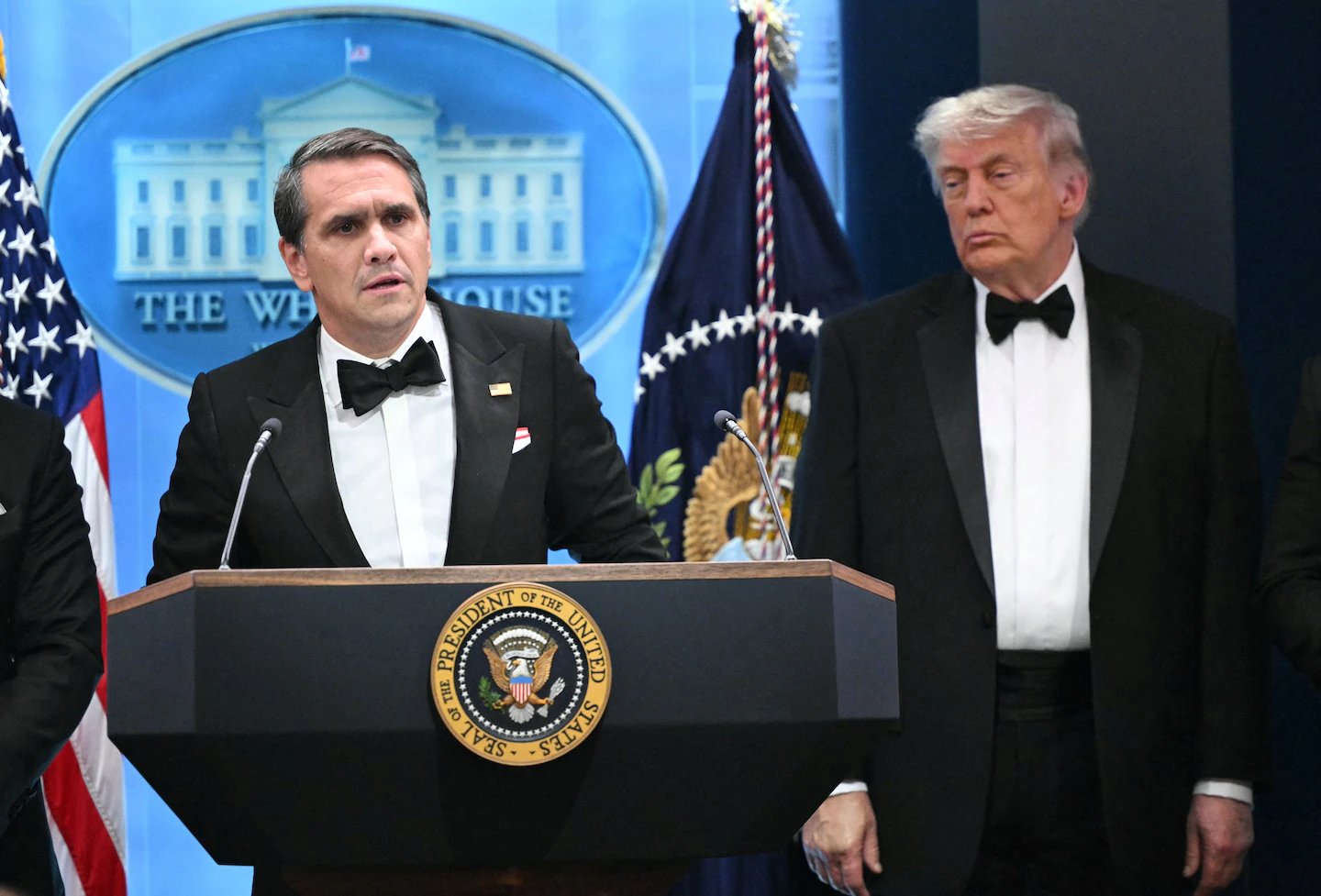
The meeting between Anthropic staff and White House officials aims to clarify the administration's concerns and explore potential resolutions. Both sides have expressed a desire to resolve the issue, with Anthropic indicating it is committed to restoring access to its models as soon as possible. The urgency of the situation reflects the growing intersection of AI technology and government policy, making this a pivotal moment for both the company and the regulatory landscape surrounding artificial intelligence.
Broader Implications for AI Regulation
The confrontation between Anthropic and the Trump administration signals a shift in how AI technologies are regulated in the U.S. The administration's actions mark the first time export controls have been enforced on an AI model, raising questions about the future of AI deployment and innovation. Experts warn that if the government retains the authority to unilaterally restrict access to AI technologies based on national security concerns, it could set a precedent that impacts the entire industry.
Next Steps for Anthropic and the Administration
As the meeting unfolds, industry leaders and policymakers will closely monitor the discussions to gauge their impact on future AI regulations. Anthropic CEO Dario Amodei has previously advocated for clearer guidelines concerning AI regulation, emphasizing the need for a fair and transparent process. The outcome of this meeting could not only influence Anthropic's operations but also shape how AI technologies are governed in the coming years.
The stakes are high, with potential repercussions for innovation in AI and the broader tech sector. As the dialogue between Anthropic and the administration continues, stakeholders await clarity on how national security and technological advancement can coexist in an increasingly complex landscape.