




Operation Overview and Results
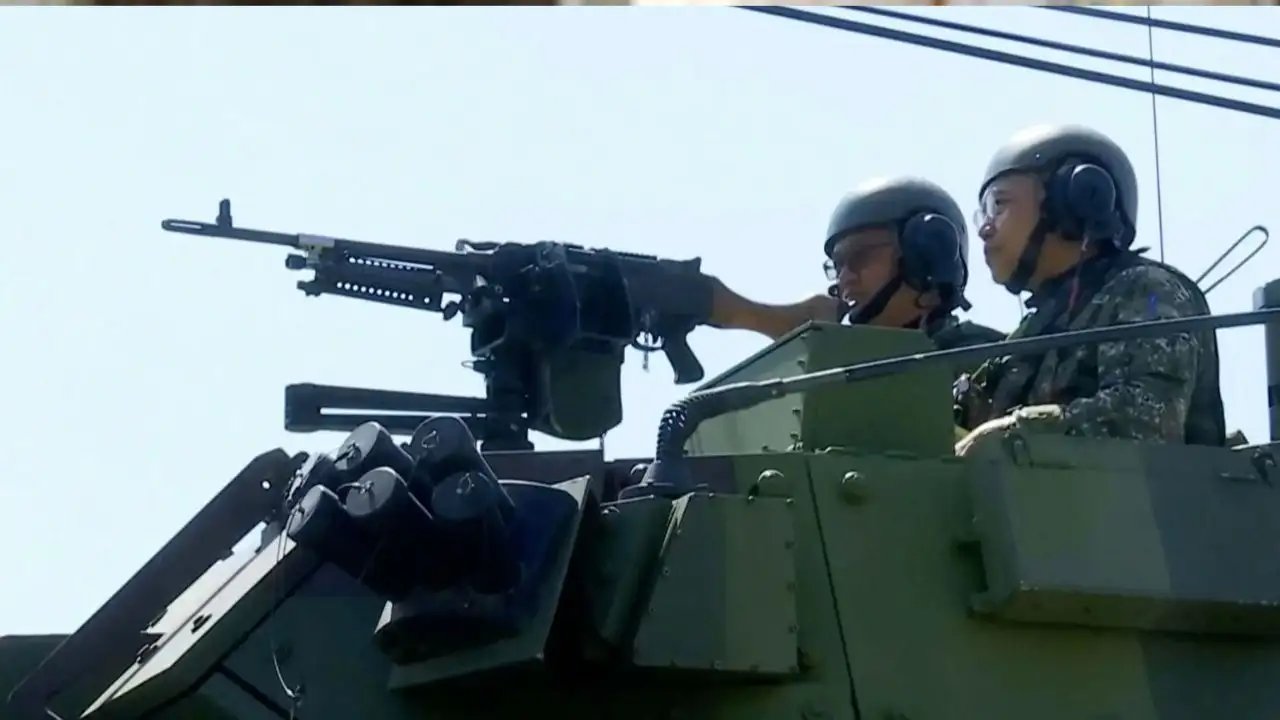
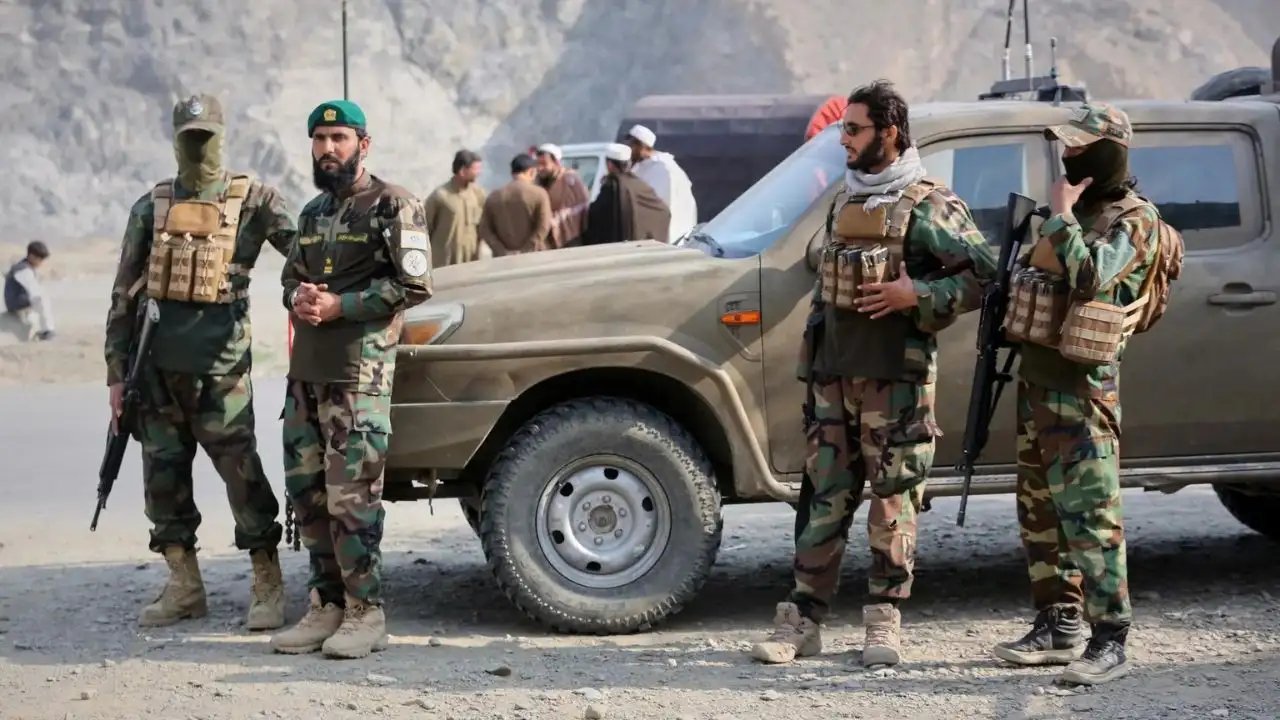
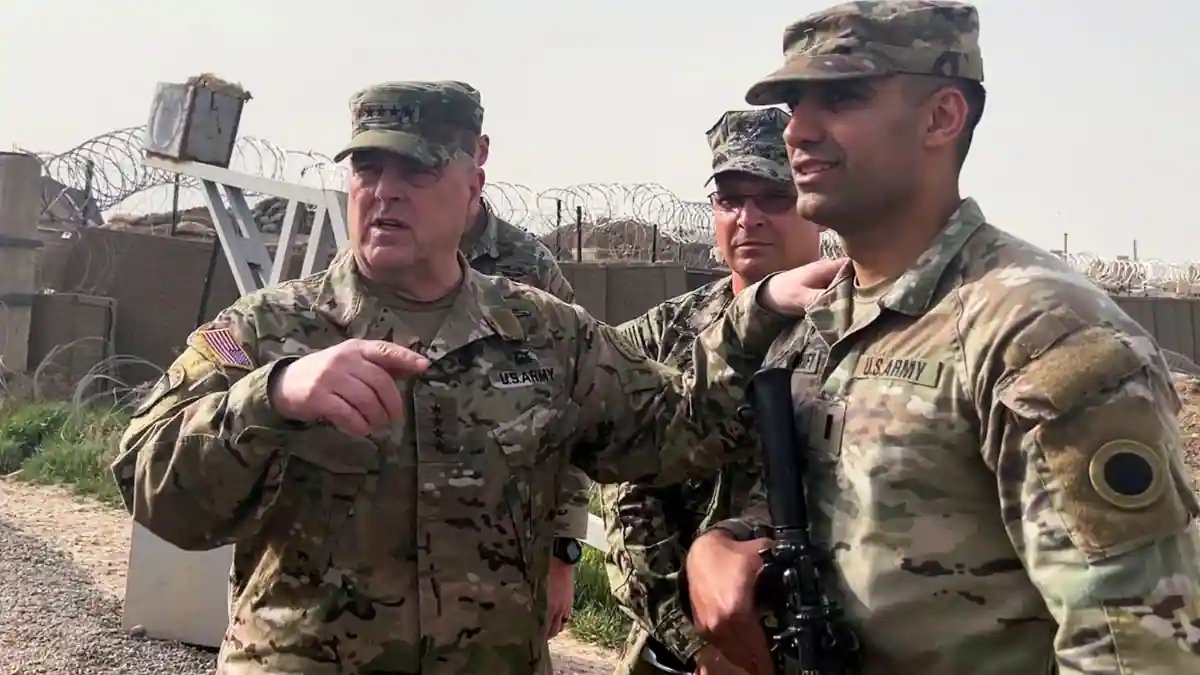
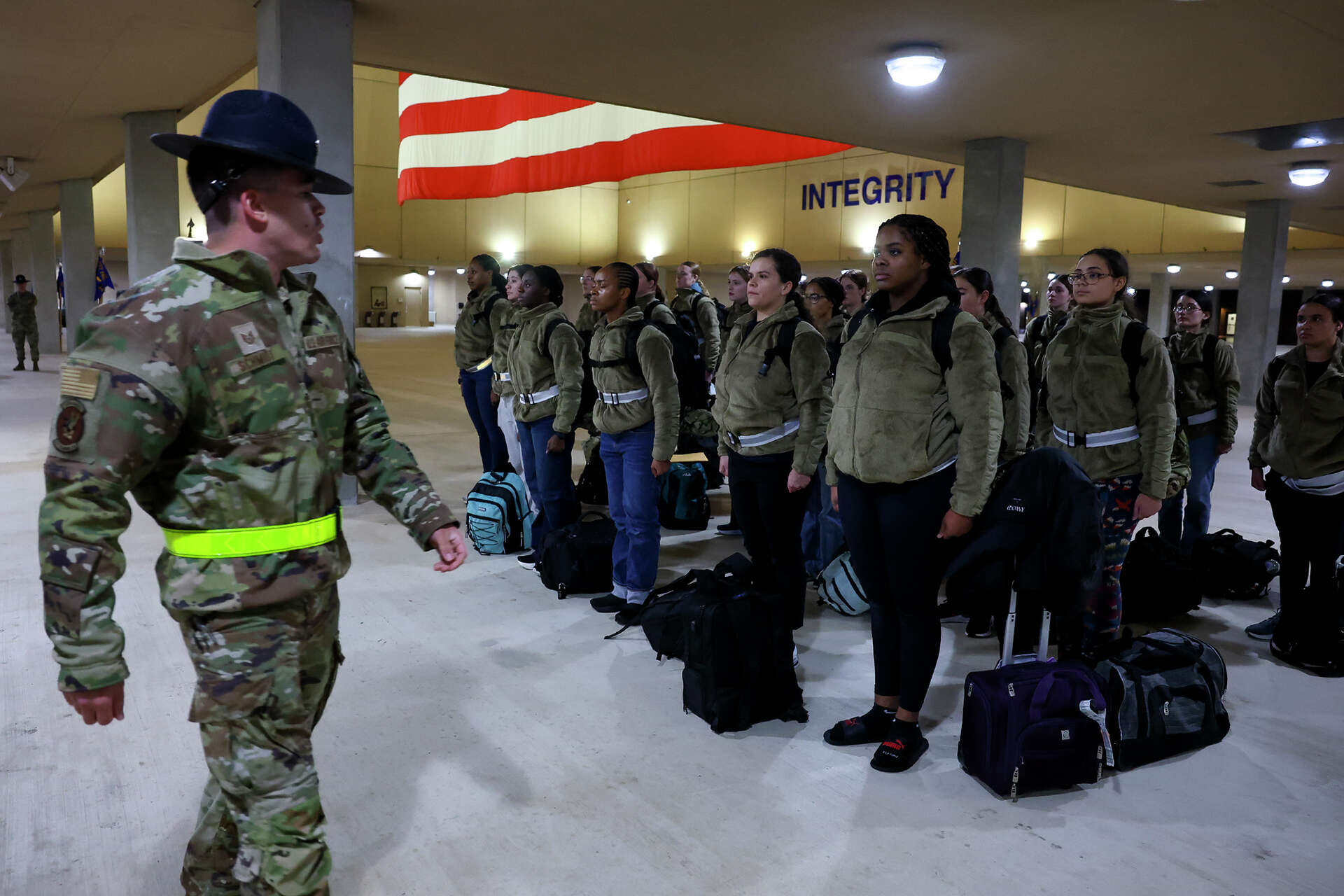
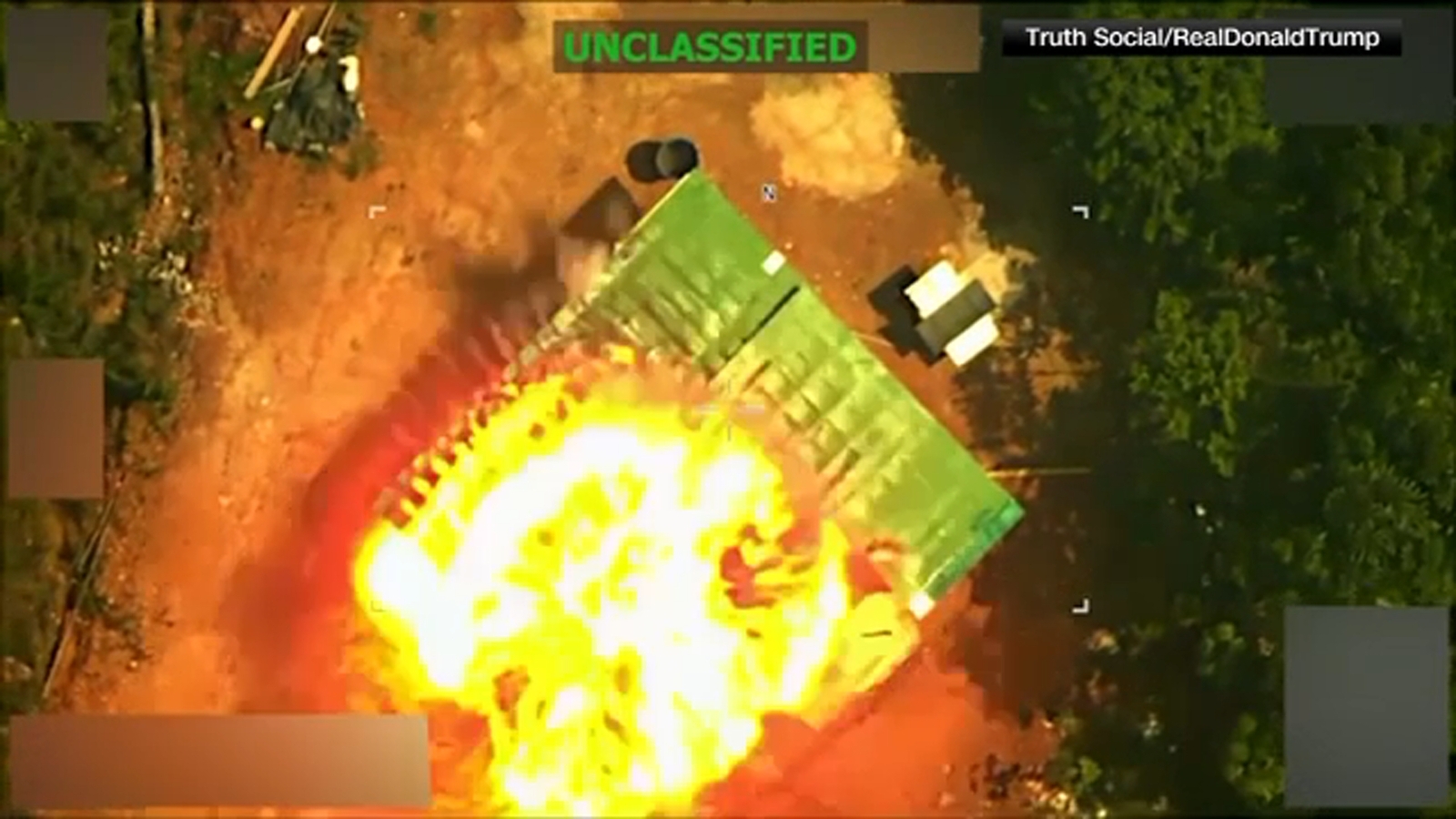
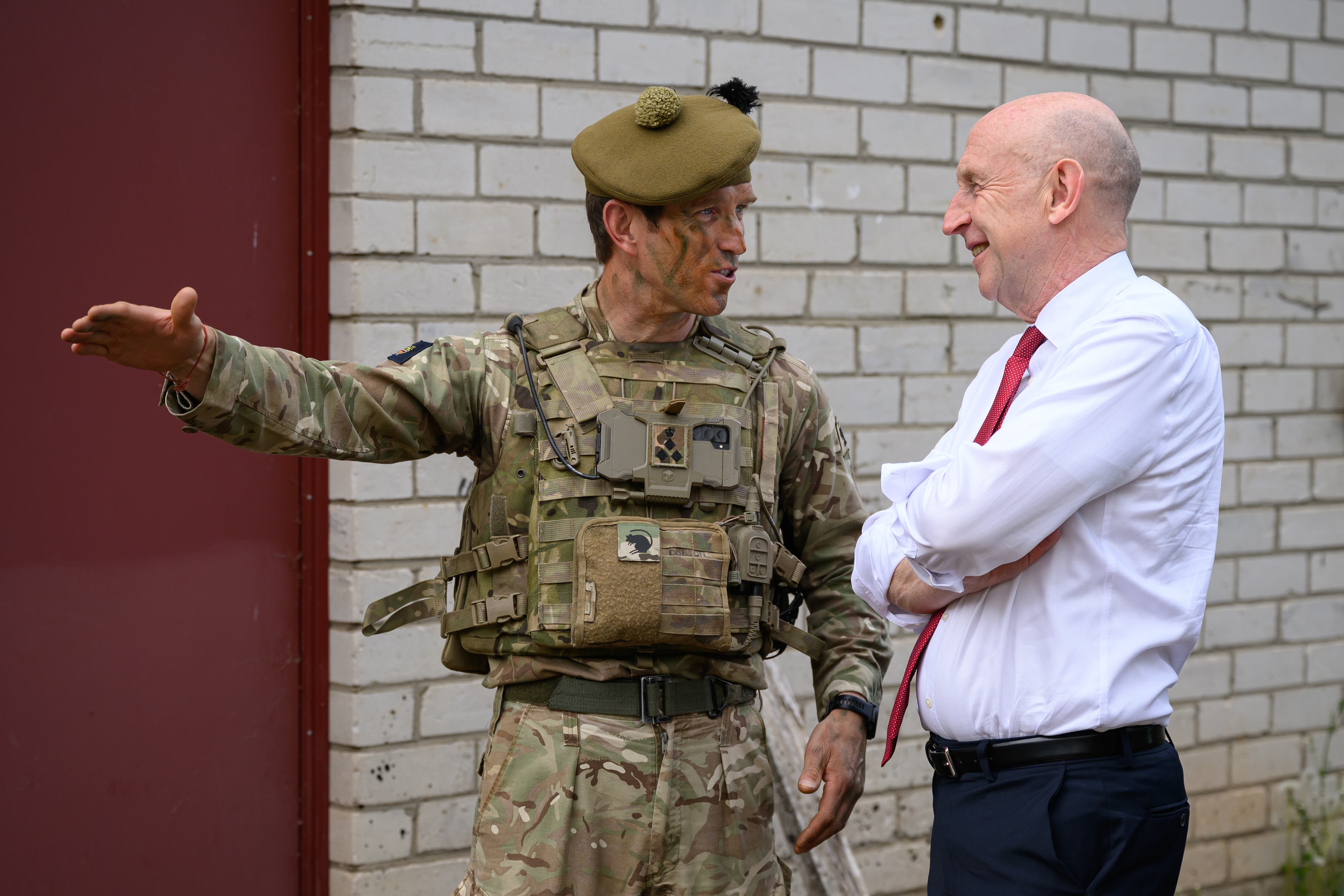
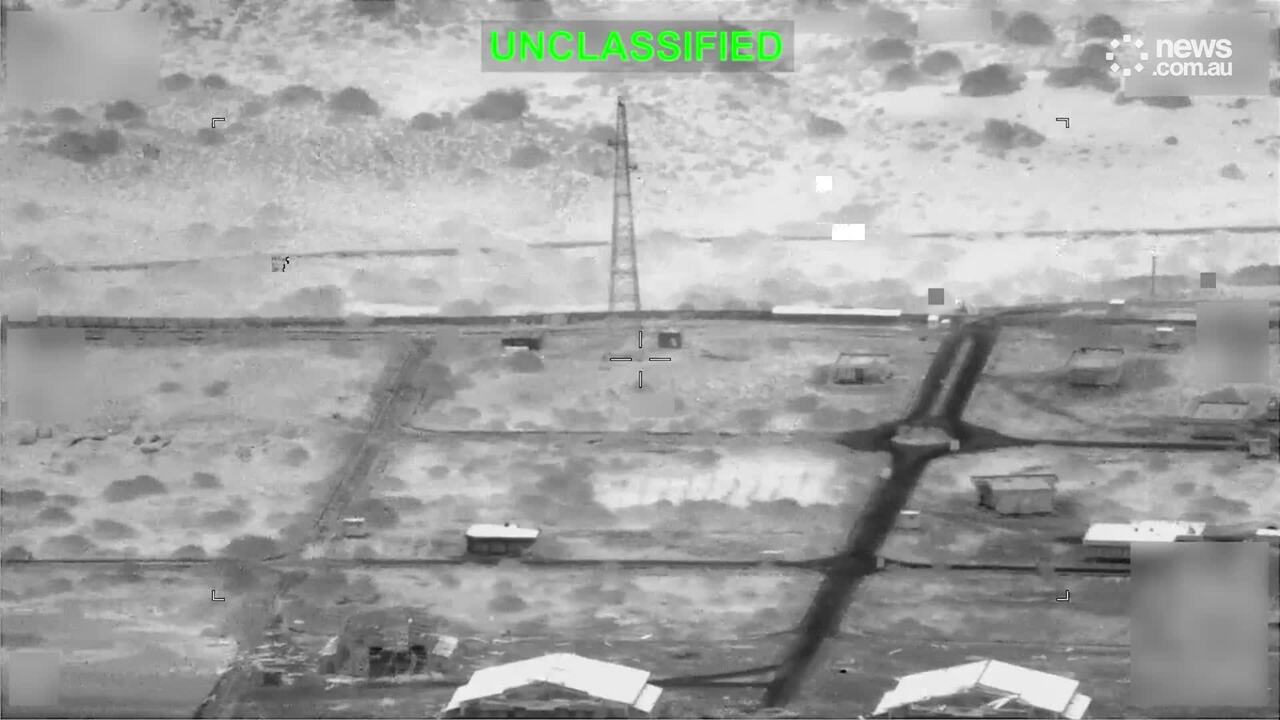
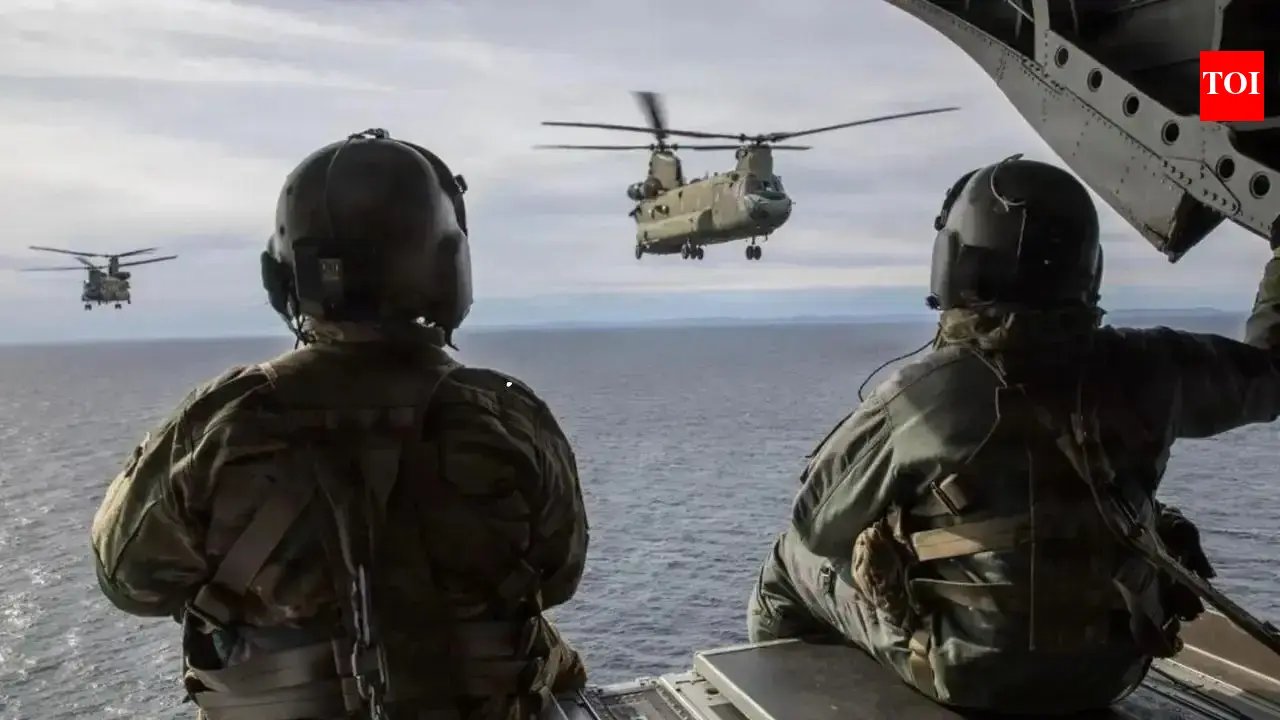
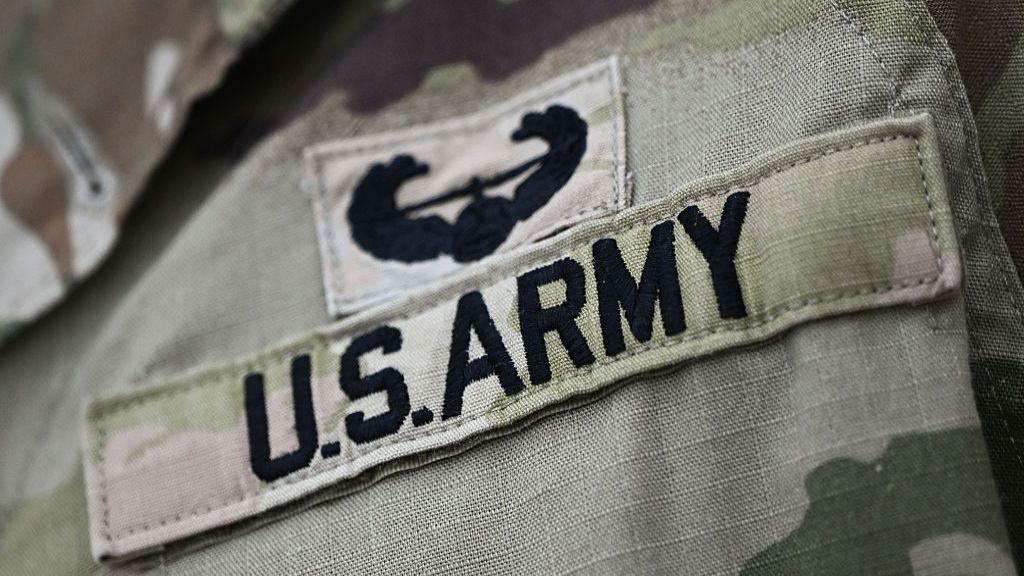
The United States has withdrawn most of the troops deployed for a joint operation against Islamic State militants in Nigeria. This operation, which began in December, involved approximately 200 U.S. soldiers and aimed to combat the threat posed by the Islamic State's West Africa Province. U.S. military officials confirmed that the operation resulted in the deaths of nearly 200 IS fighters, including senior leader Abu-Bilal al-Minuki, significantly degrading the group's leadership and disrupting its command structure.
Continued Support and Intelligence Sharing
Despite the troop withdrawal, U.S. military presence in Nigeria will continue through intelligence sharing and support. General Dagvin Anderson, Commander of U.S. Africa Command, emphasized the ongoing partnership with Nigeria, stating that the U.S. will assist in intelligence efforts to help Nigerian forces prosecute further operations against Islamist militants. Nigerian Defense Minister Christopher Musa echoed this sentiment, noting that the U.S. troops had fulfilled their mission and left, but that the Nigerian military remains active in targeting jihadists.
Context of U.S. Involvement
The U.S. stepped up military cooperation with Nigeria after concerns were raised about the government’s ability to protect vulnerable populations from Islamist violence. The U.S. accused Nigerian authorities of insufficient action against the Islamist insurgency, which has caused widespread suffering. Nigeria has countered these claims, asserting that the violence impacts individuals from various backgrounds, not just Christians. This nuanced perspective highlights the complexity of the conflict, which has roots in both religious and socio-economic issues.
Ongoing Security Challenges
Nigeria continues to face a multitude of security threats, including not only Islamic State insurgents but also banditry and other forms of criminal violence that have spread beyond the northeast into central and southern regions. Analysts indicate that the Islamic State's operations in sub-Saharan Africa have surged, with about 90% of its attacks occurring in this region. The recent withdrawal of U.S. troops raises questions about the sustainability of Nigeria's military efforts against these persistent threats.
Implications for Future Engagements
The reduction of U.S. troops signals a shift in military strategy and engagement in Nigeria, moving from direct involvement to a supportive role. As the U.S. continues to provide intelligence and technical assistance, the effectiveness of Nigeria's military operations against jihadists will be closely monitored. The ongoing partnership may be critical for Nigeria as it navigates its complex security landscape and strives to maintain momentum against extremist threats.
The withdrawal of U.S. troops marks a significant moment in the fight against terrorism in Nigeria, with potential implications for both regional stability and U.S. foreign policy in Africa. As Nigeria grapples with its security challenges, the relationship with the U.S. will likely evolve, balancing support with the need for Nigerian forces to take the lead in their own defense.