




Direct talks begin amid escalating threats
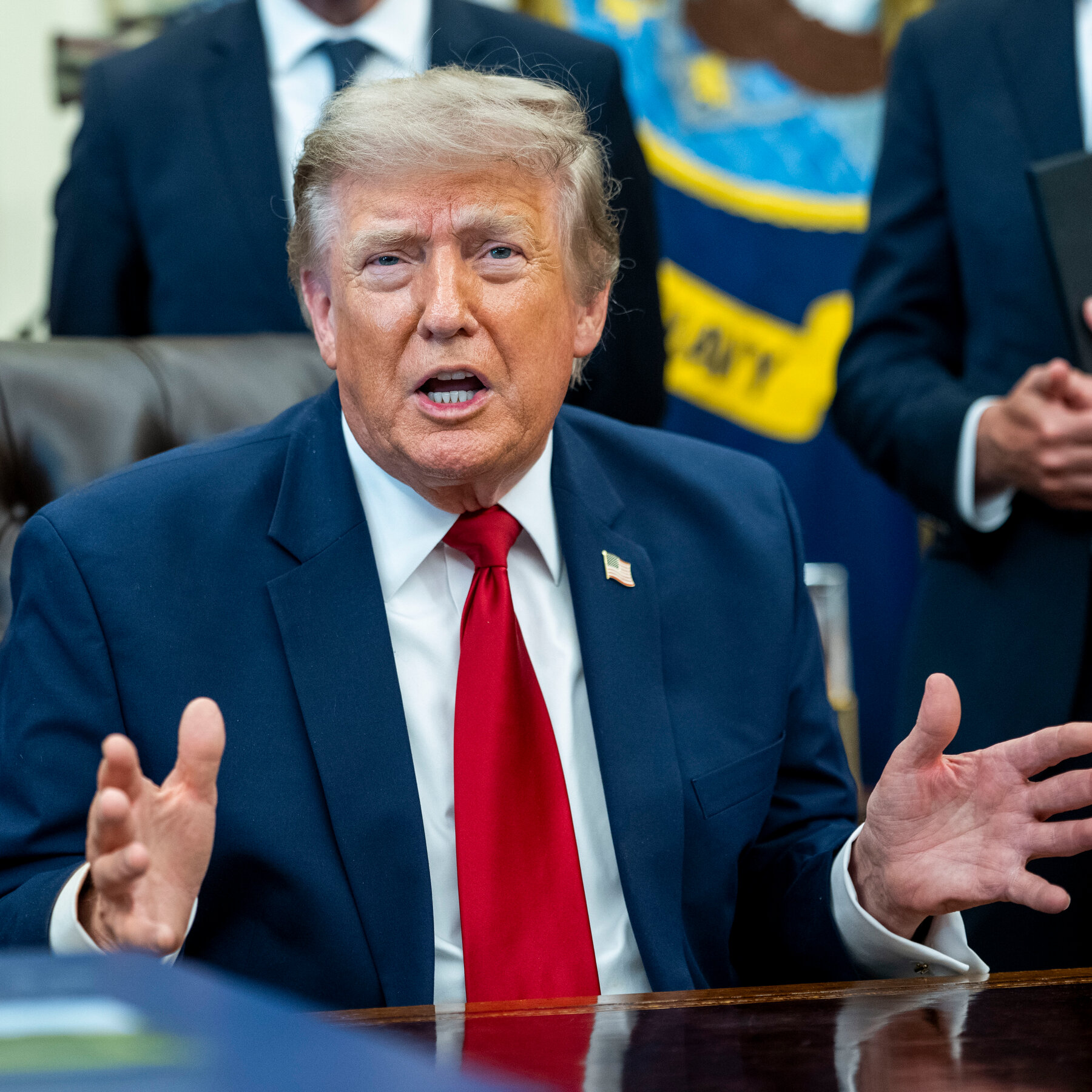
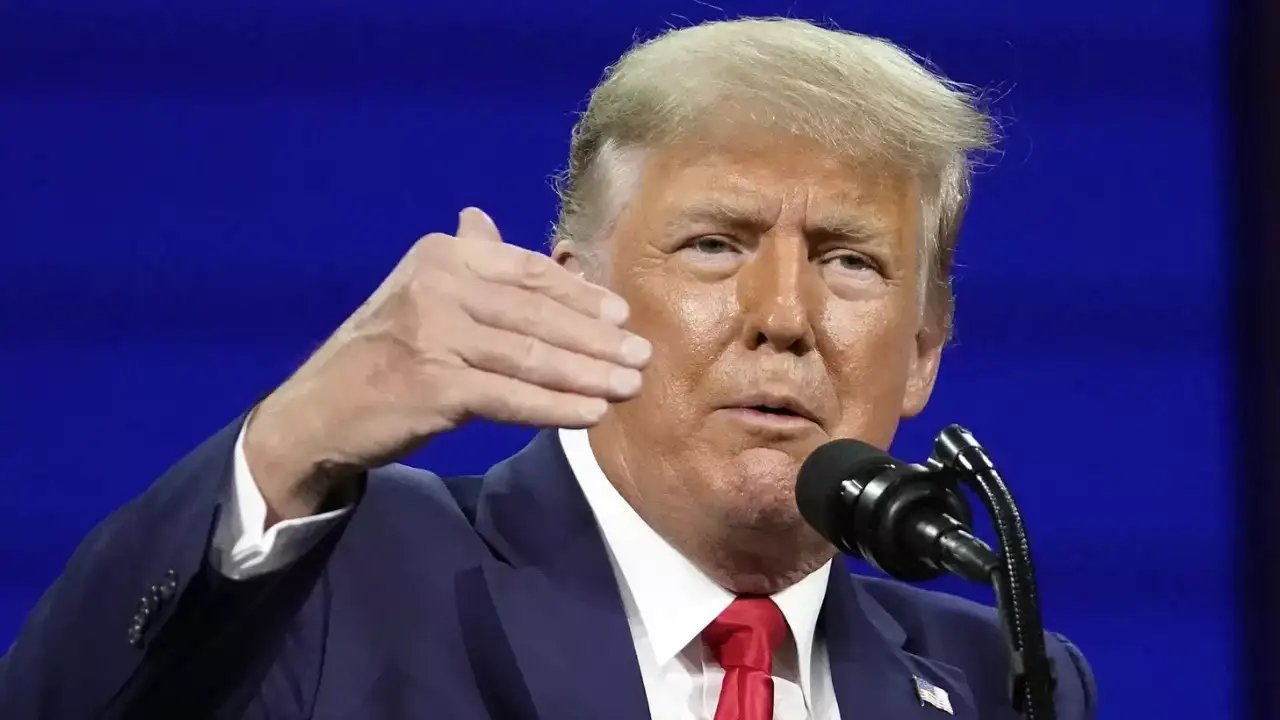
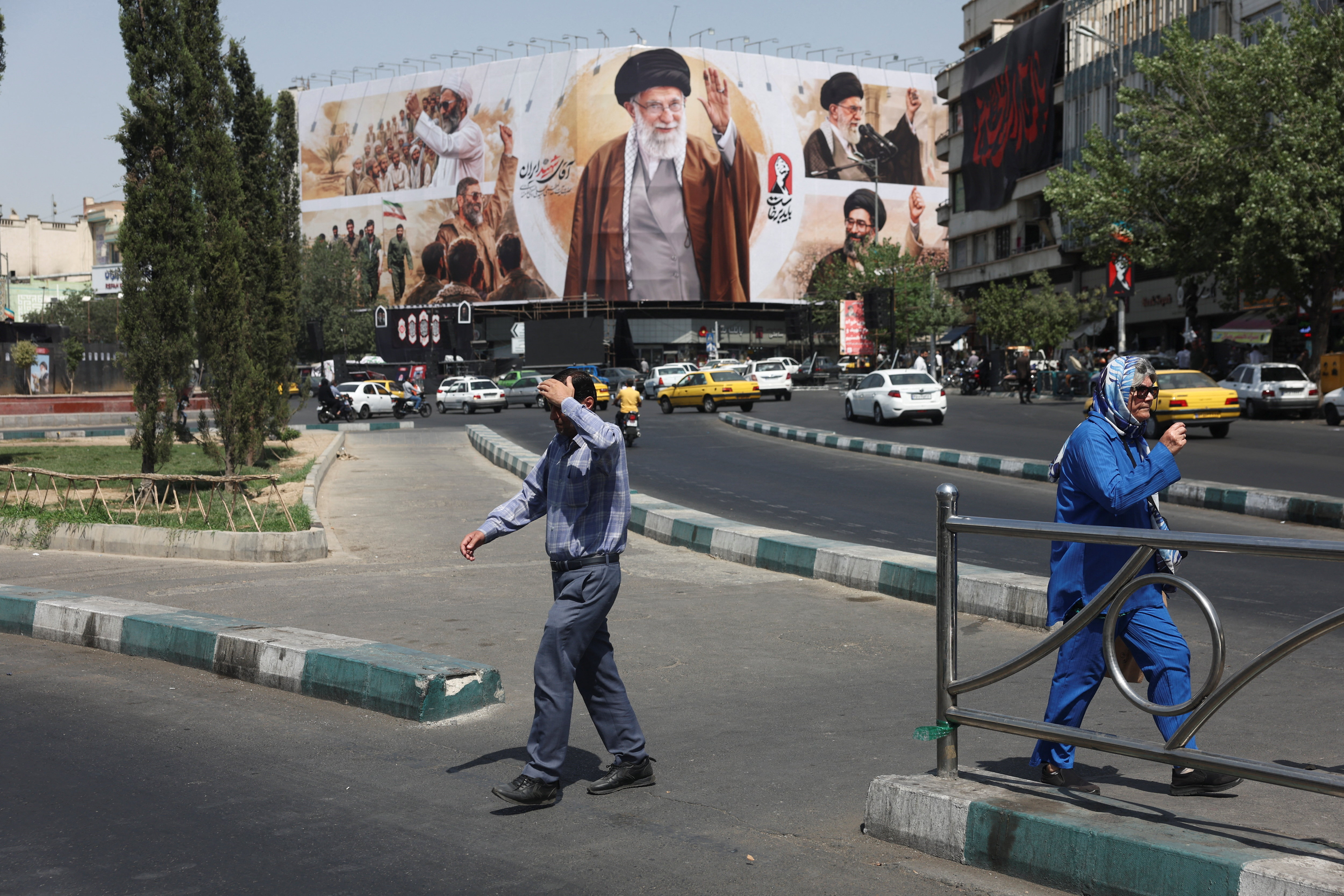
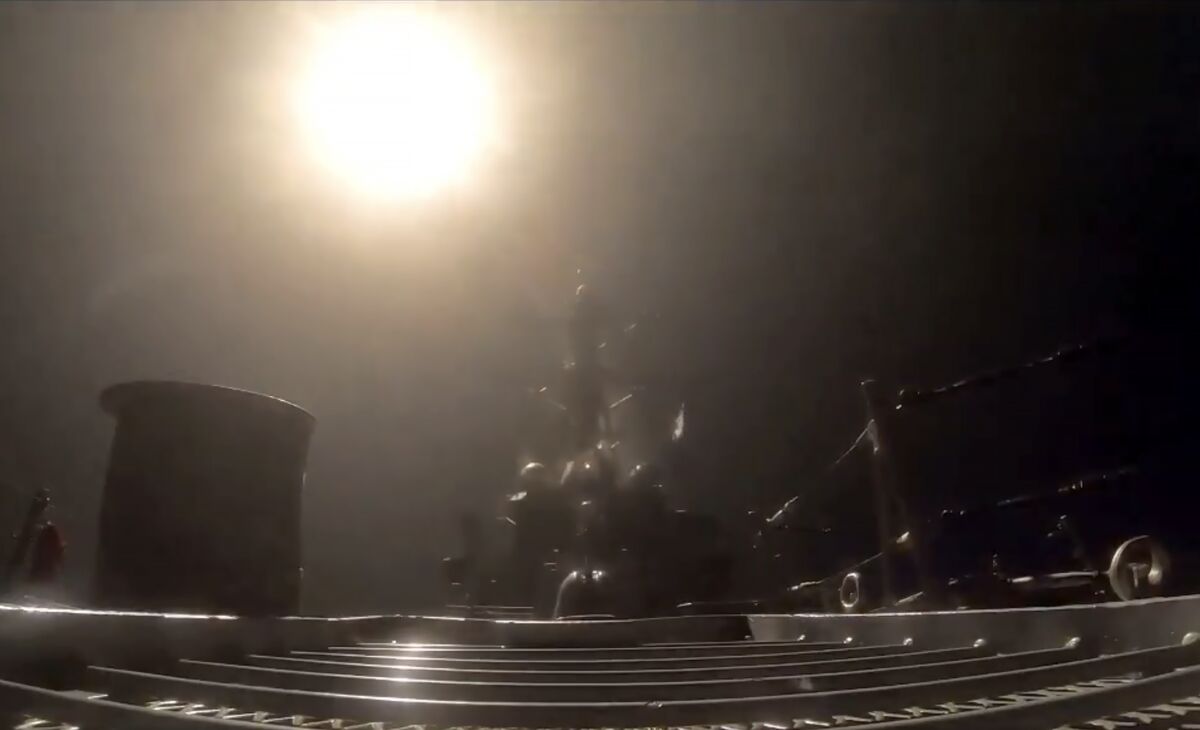
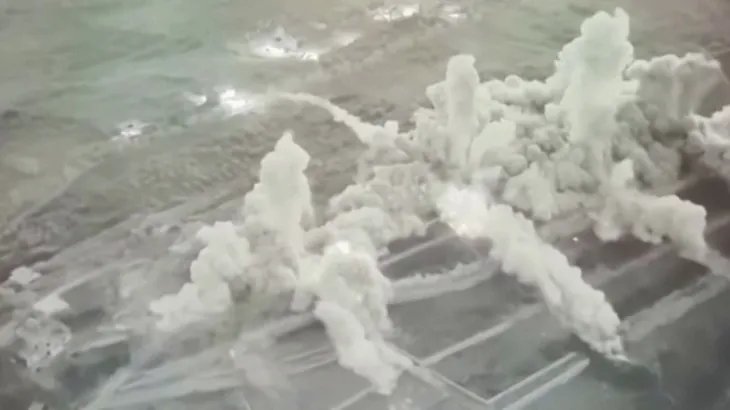
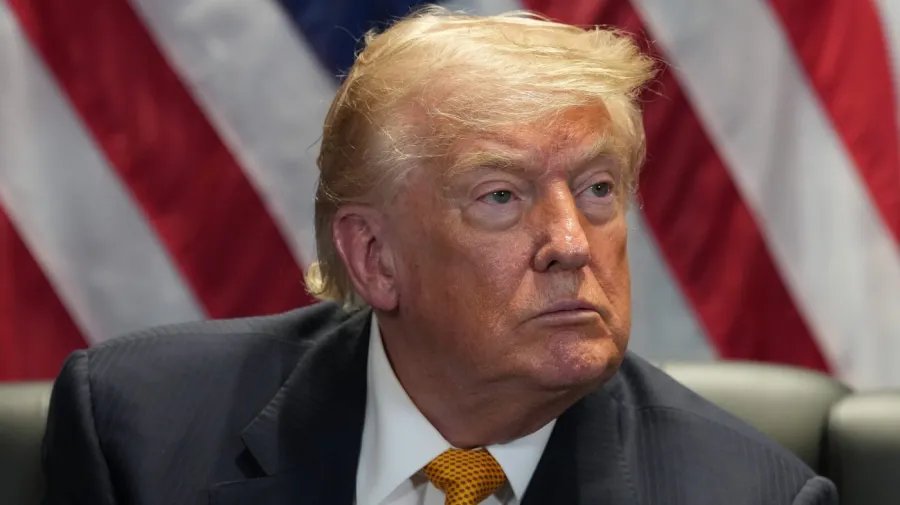
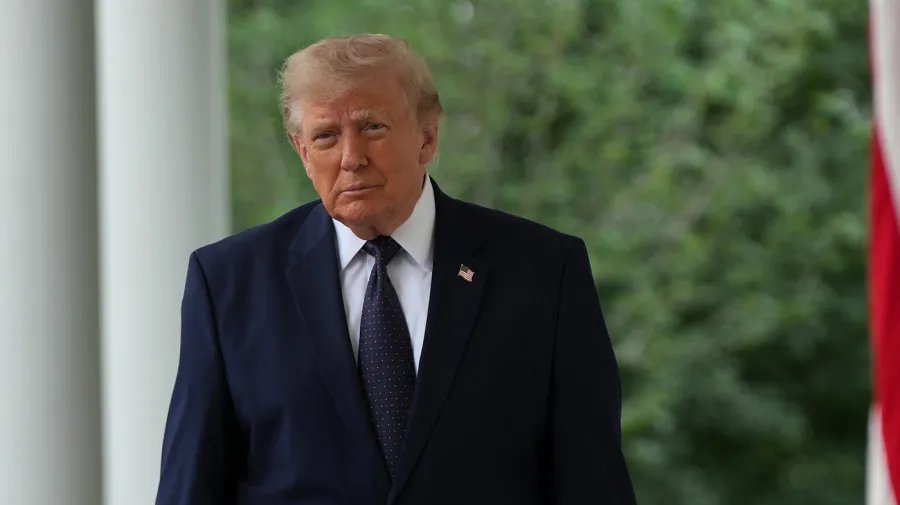
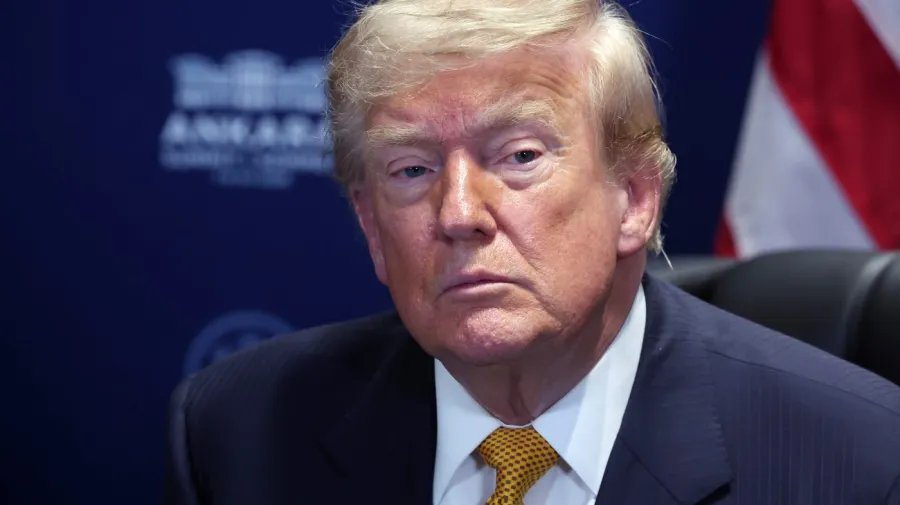
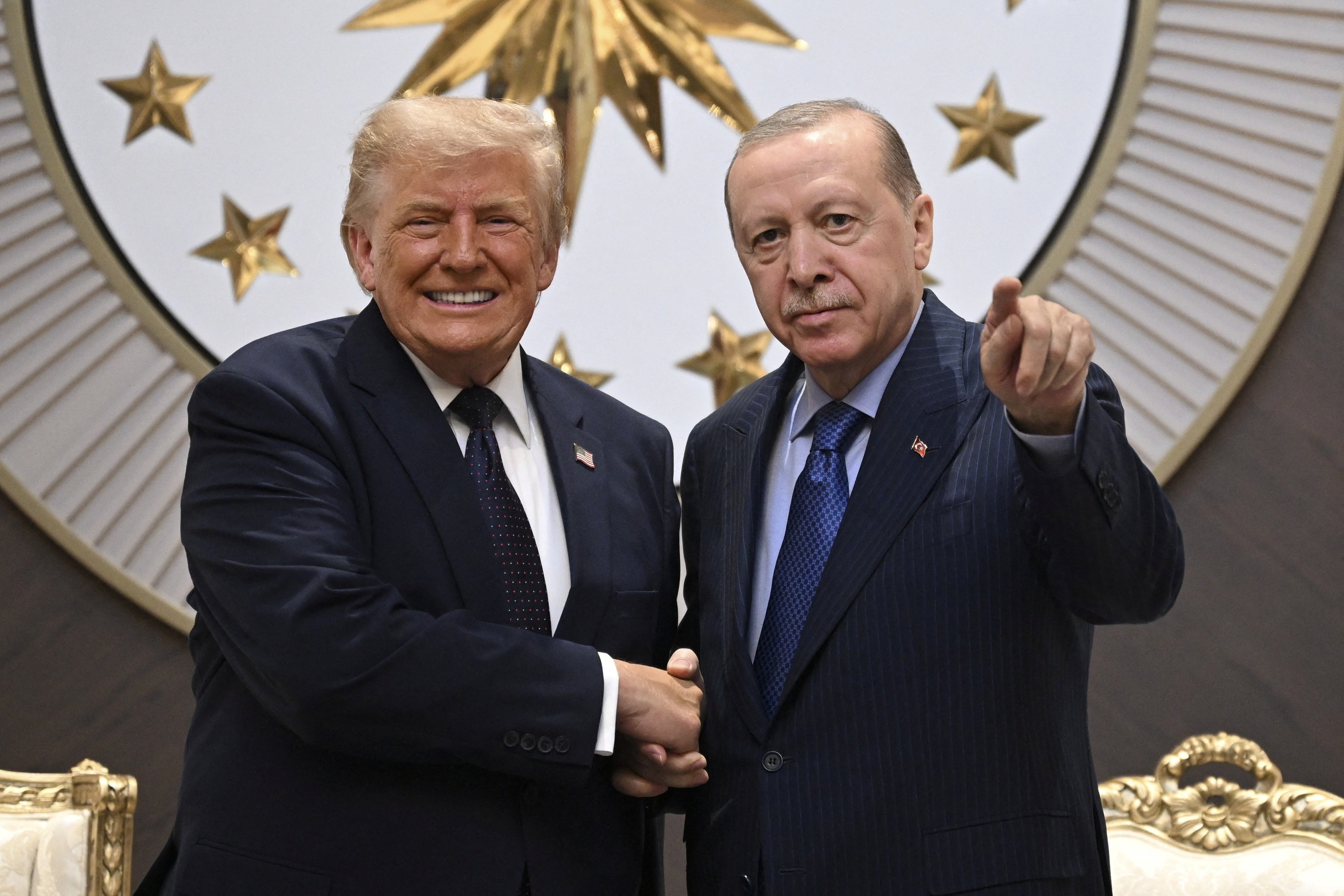
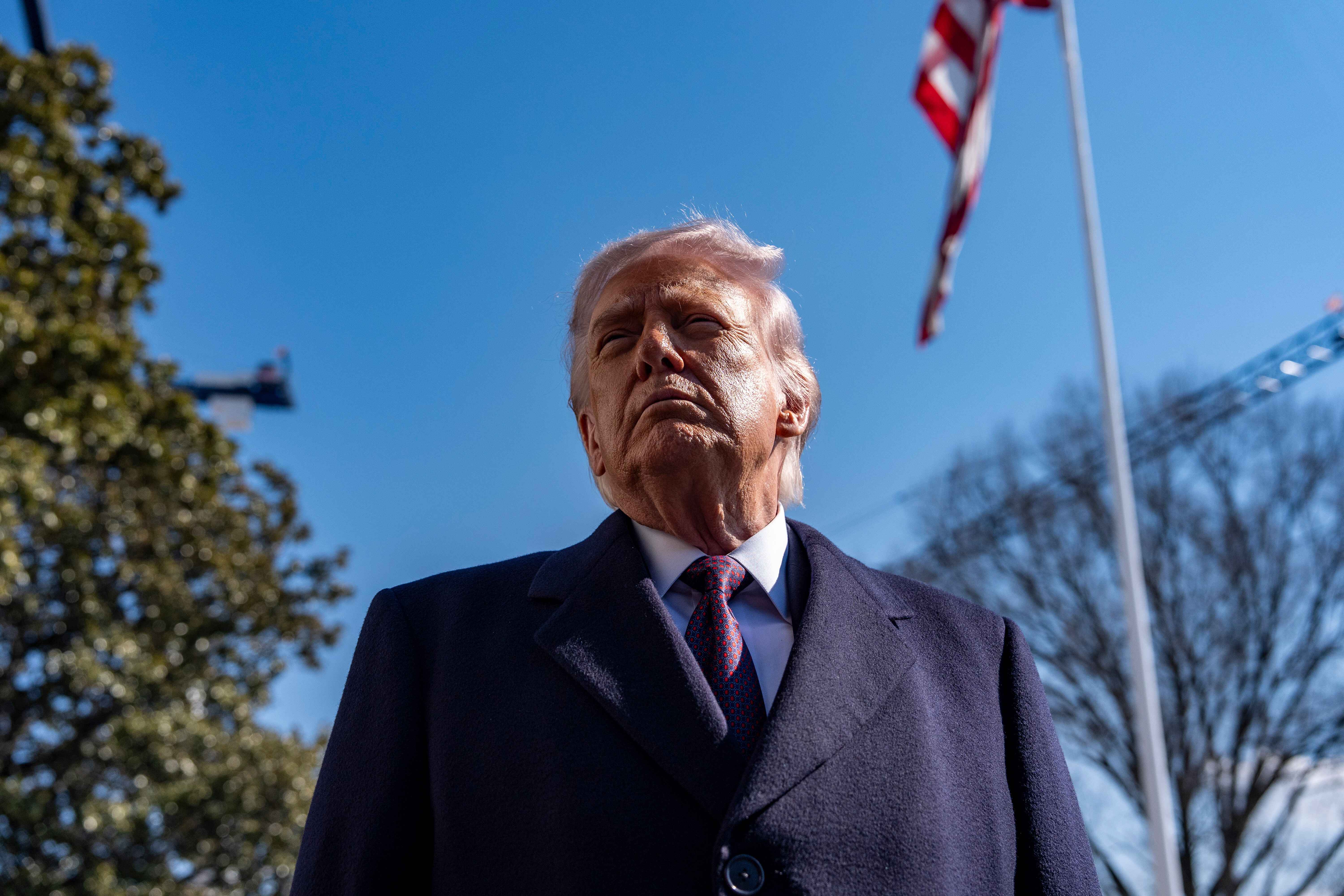
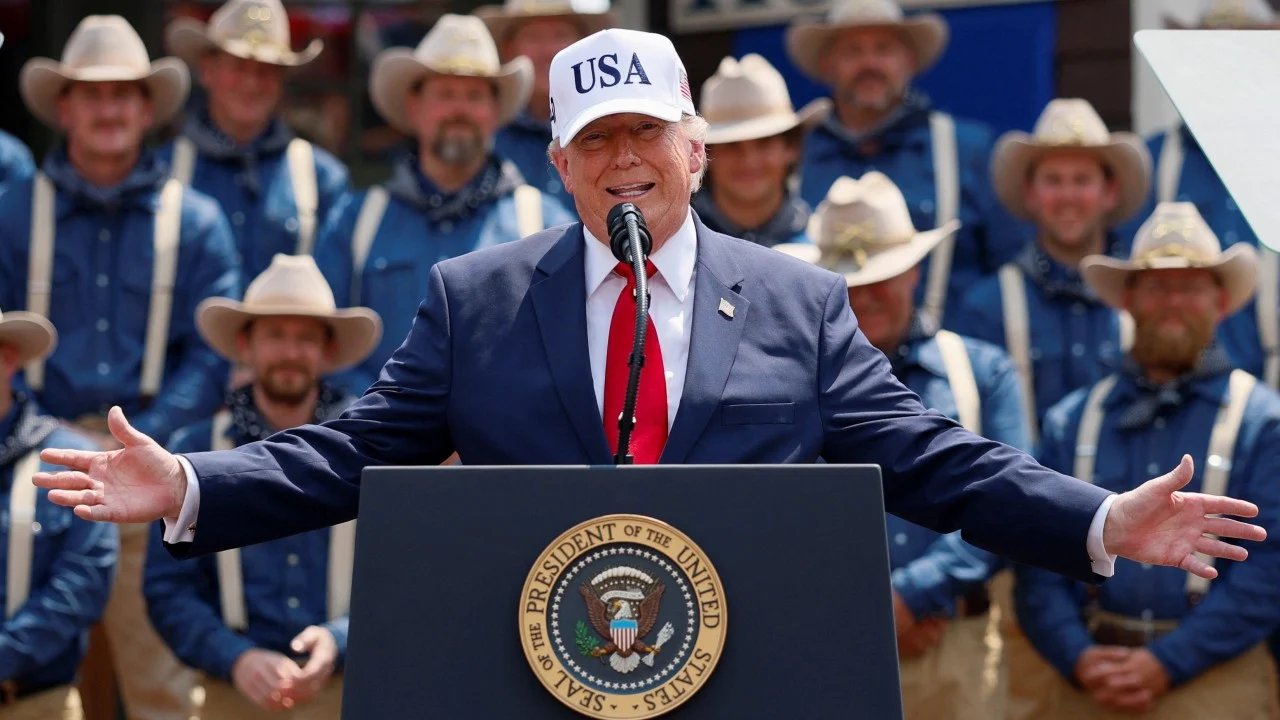
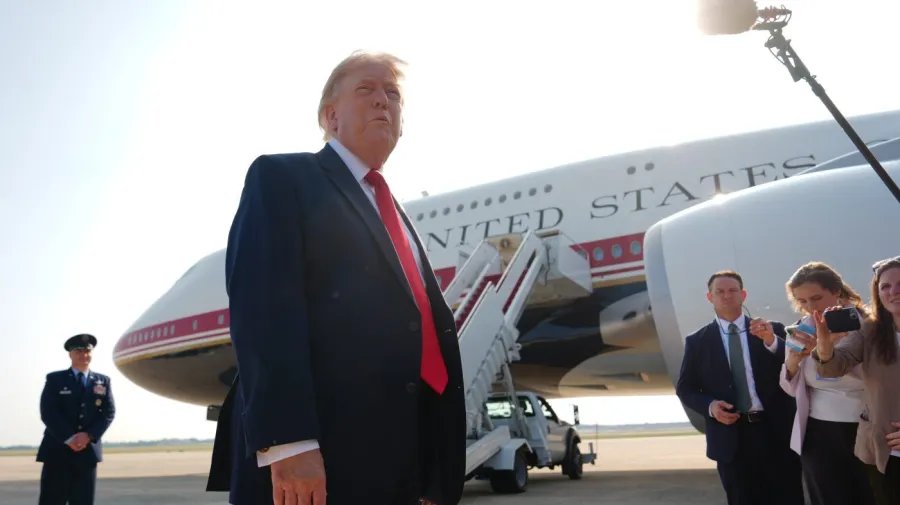
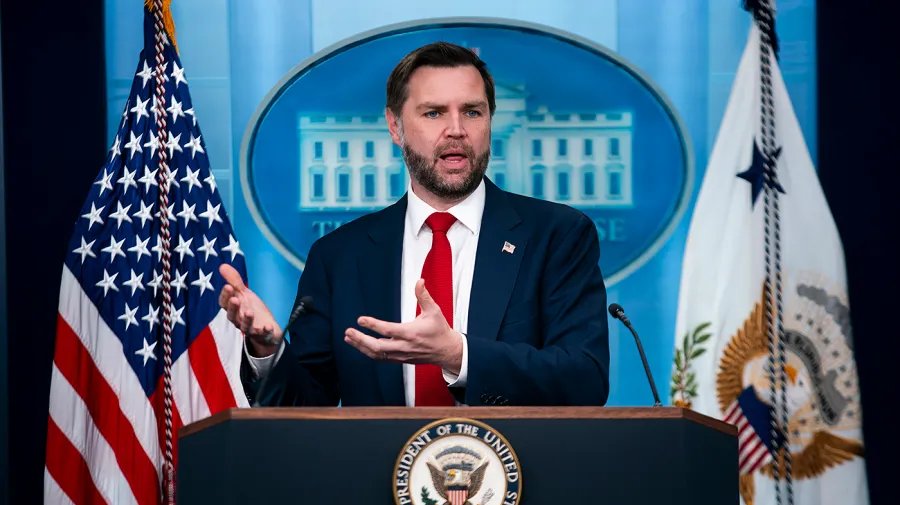
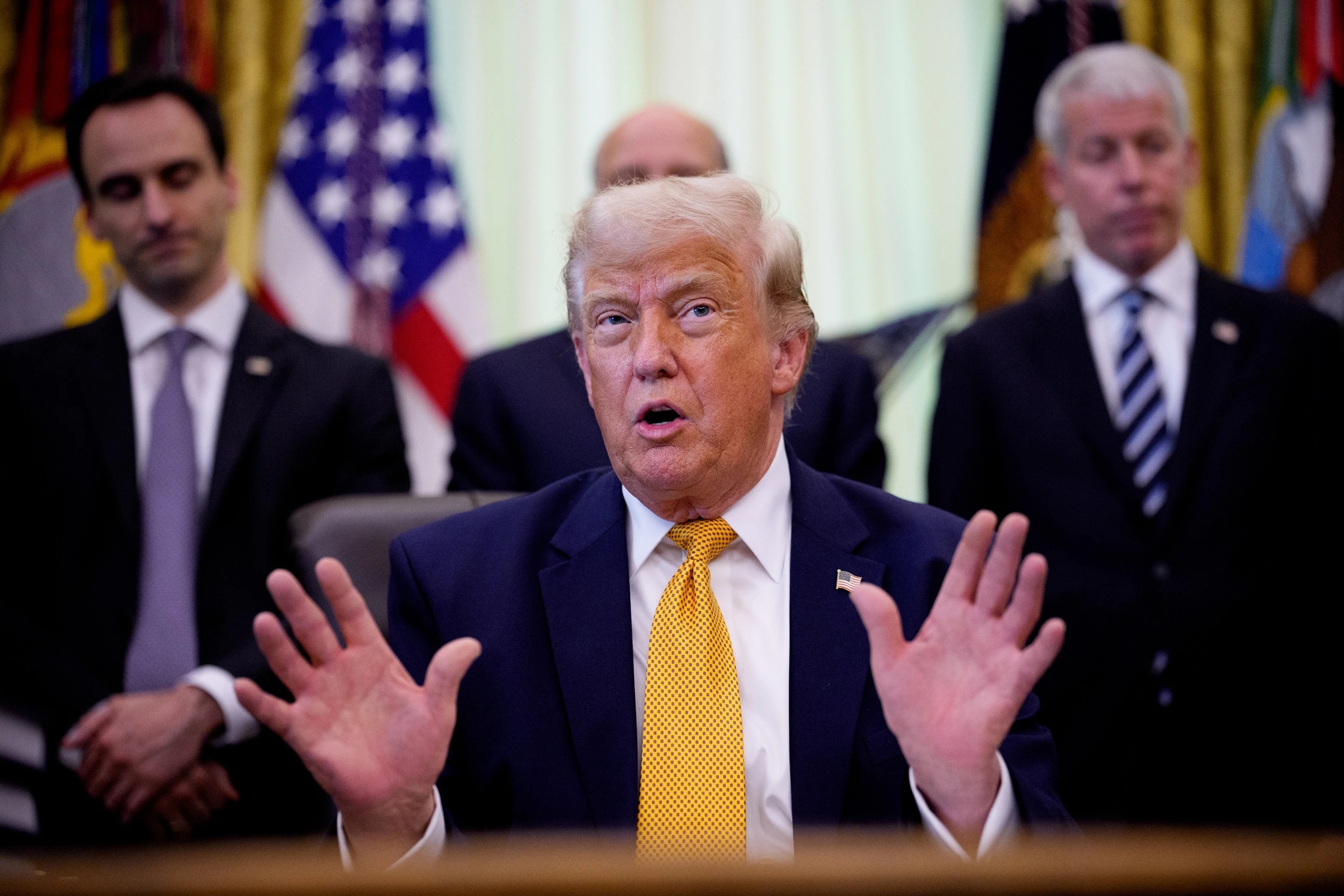
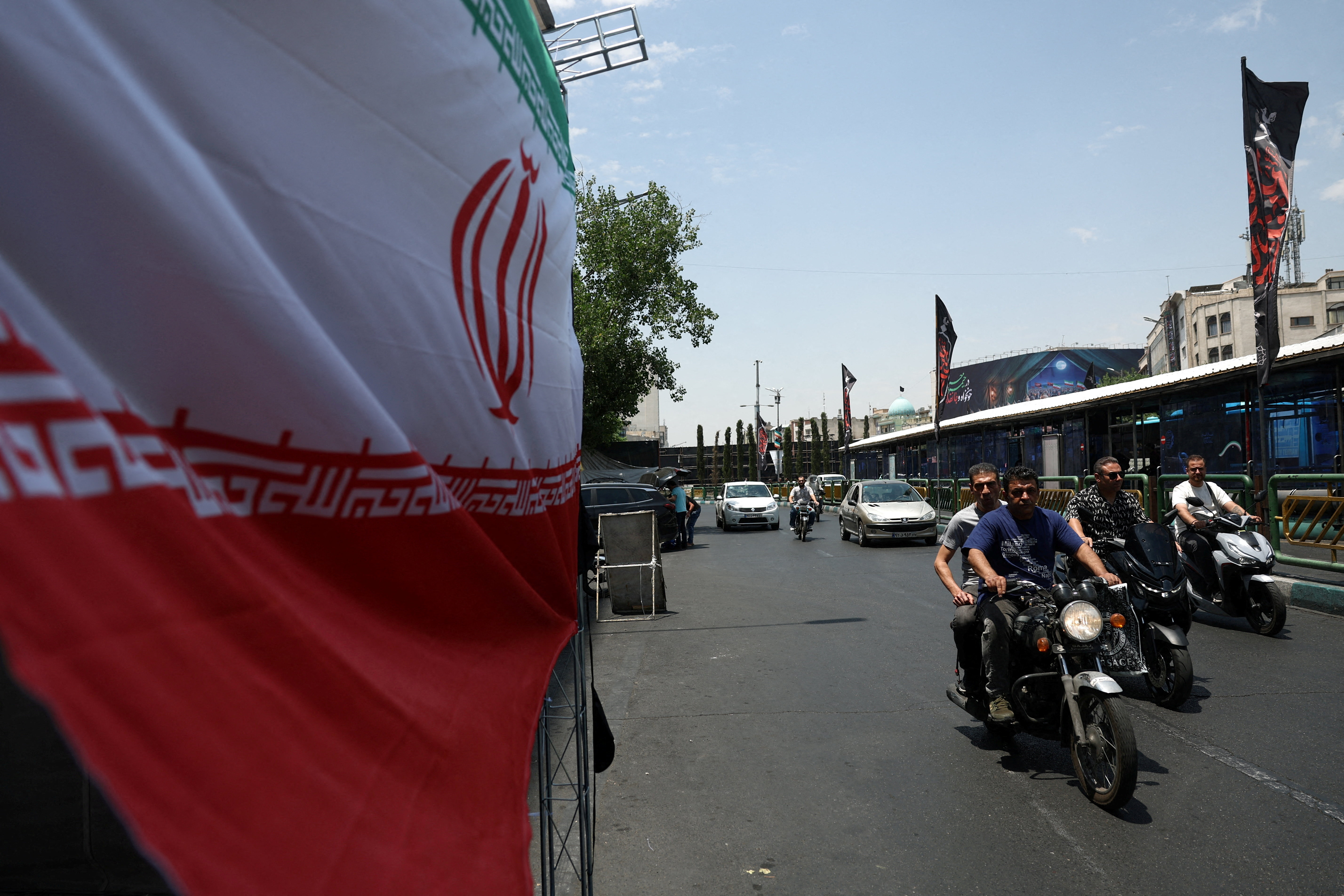
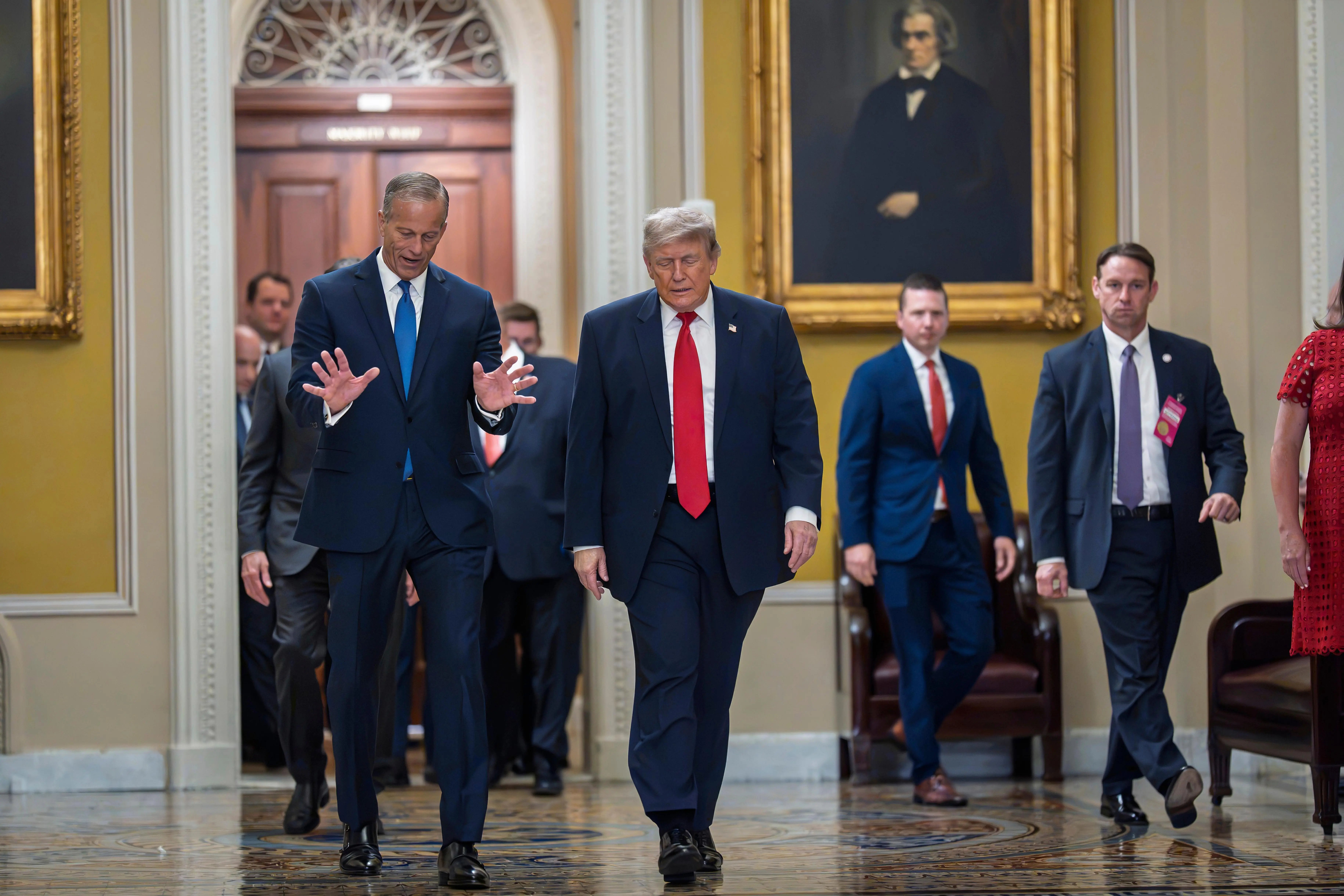
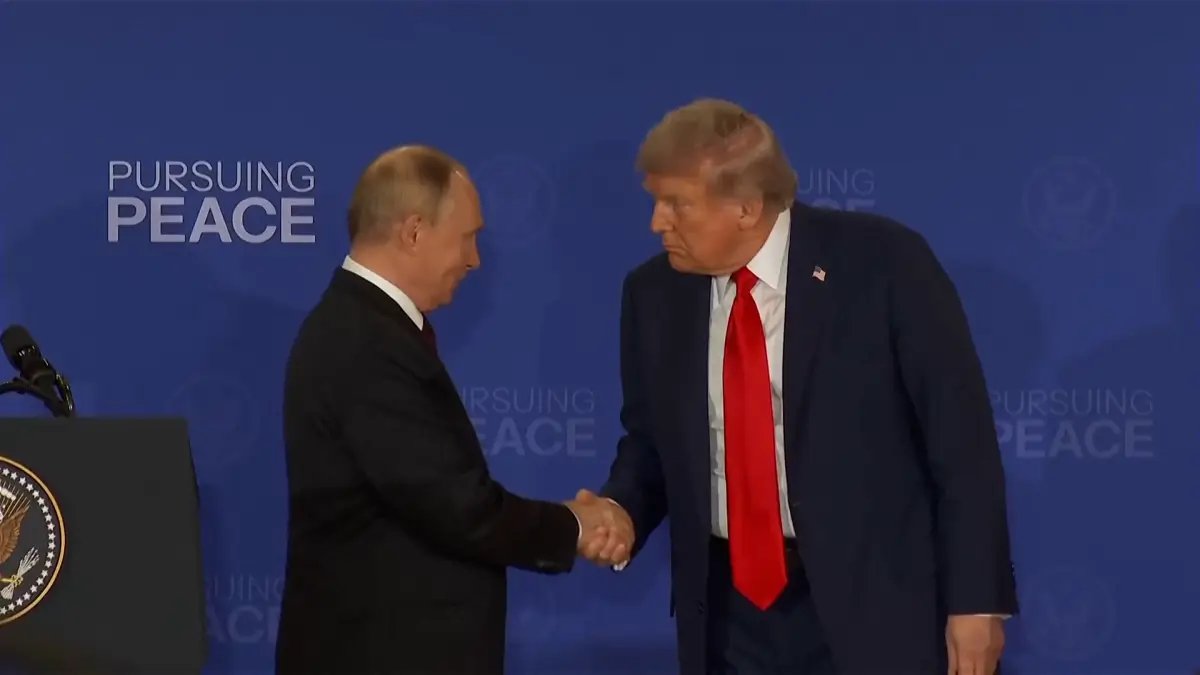
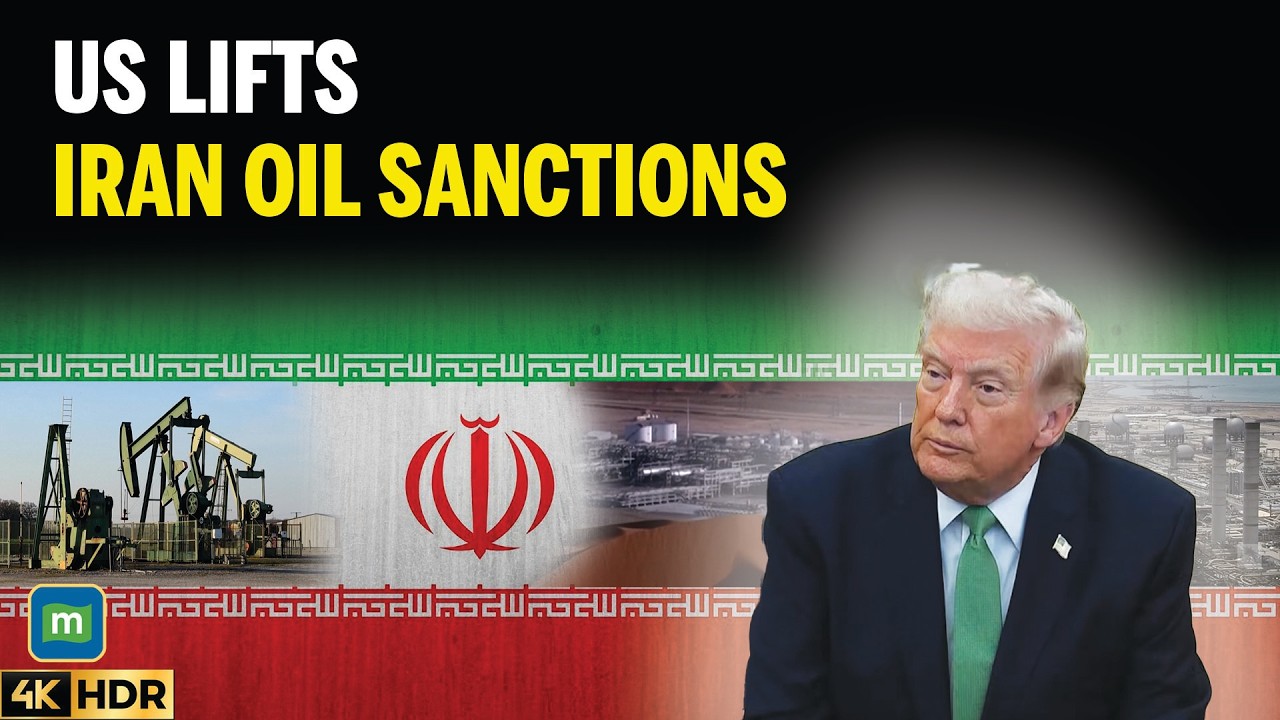
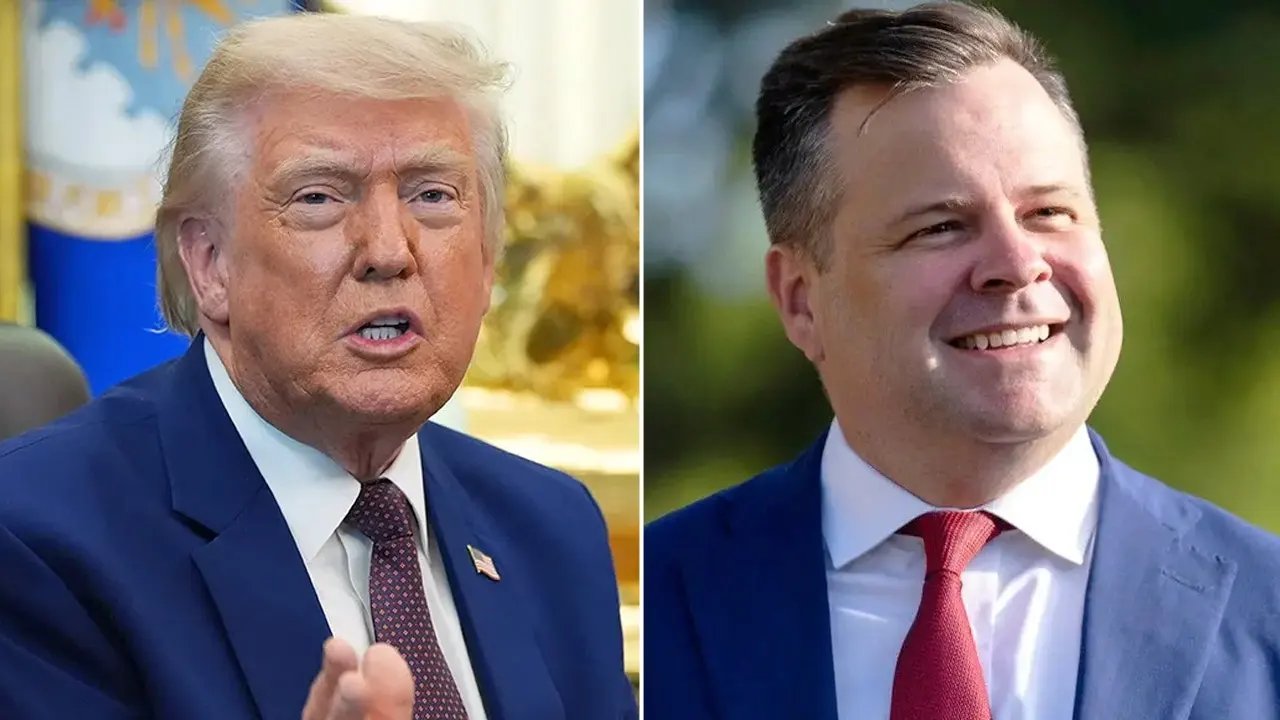
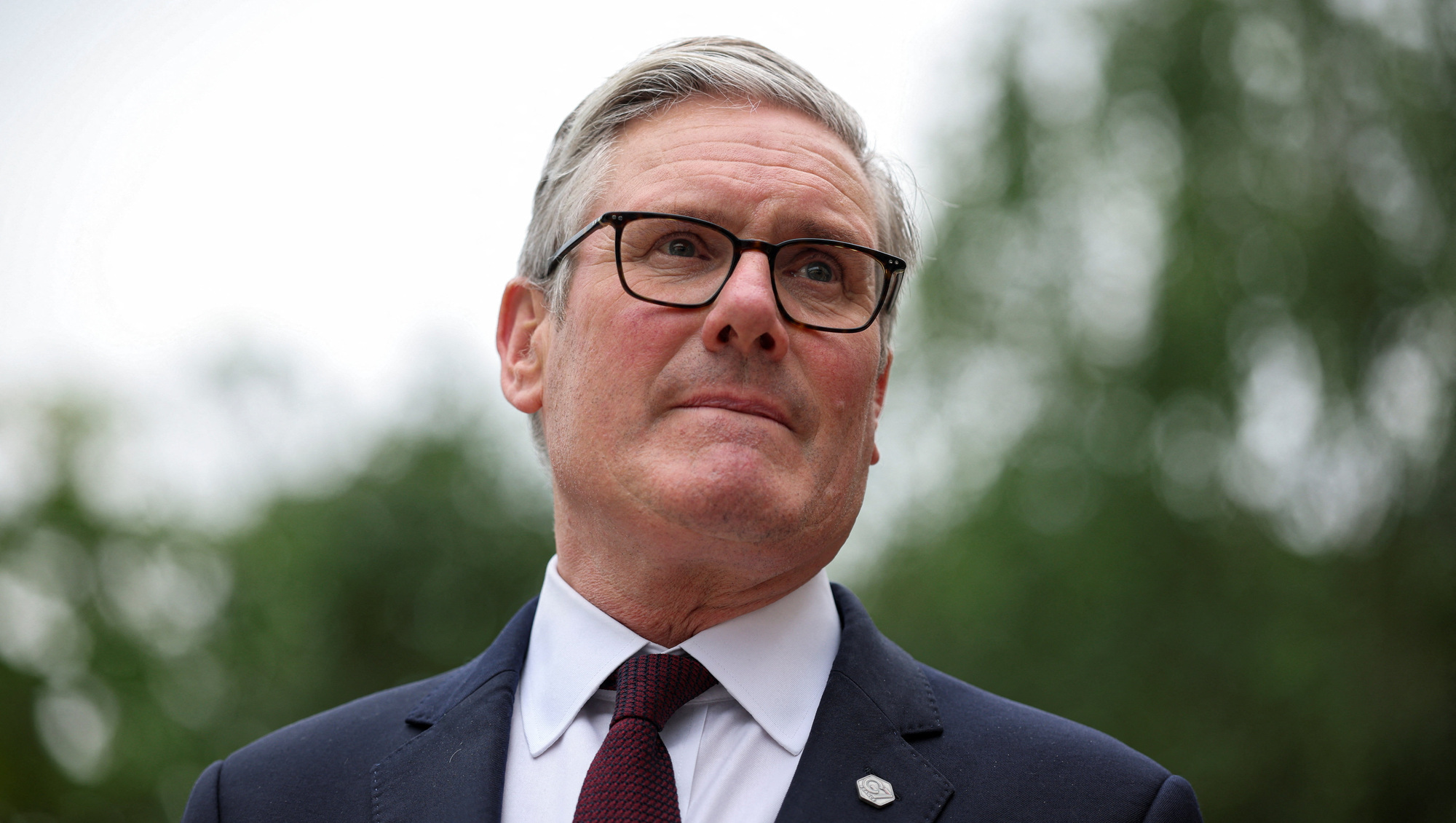
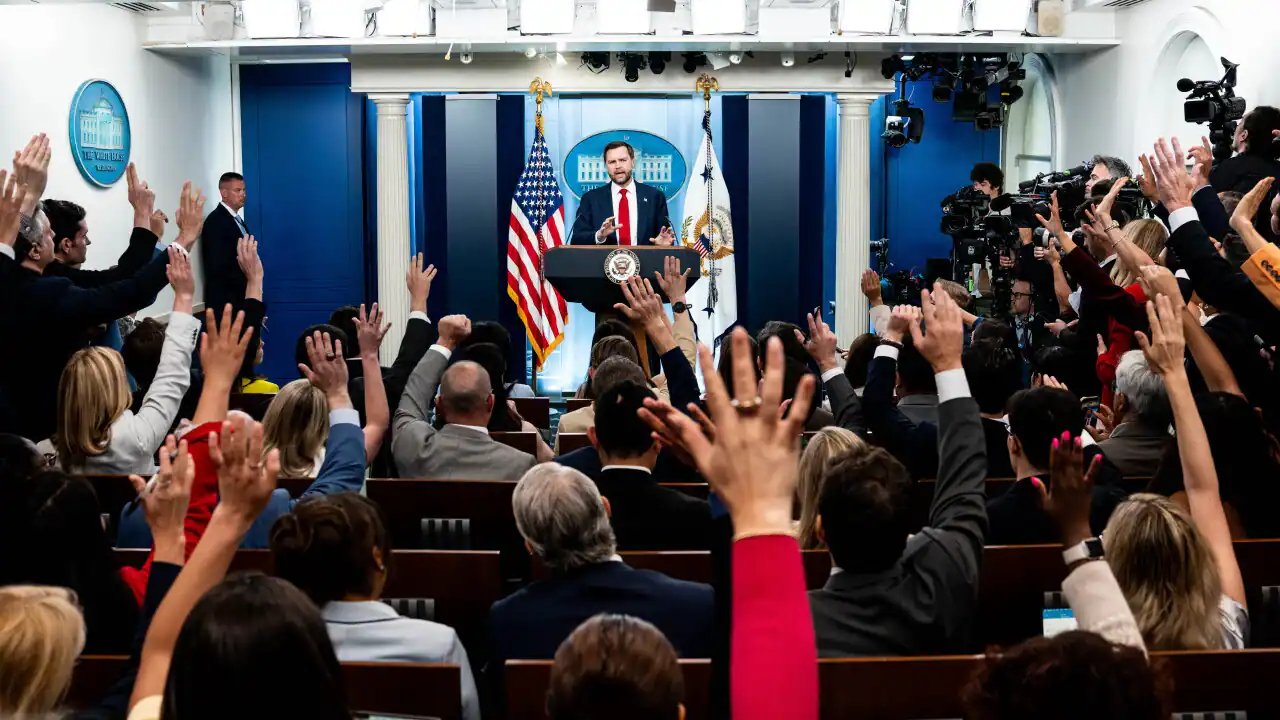
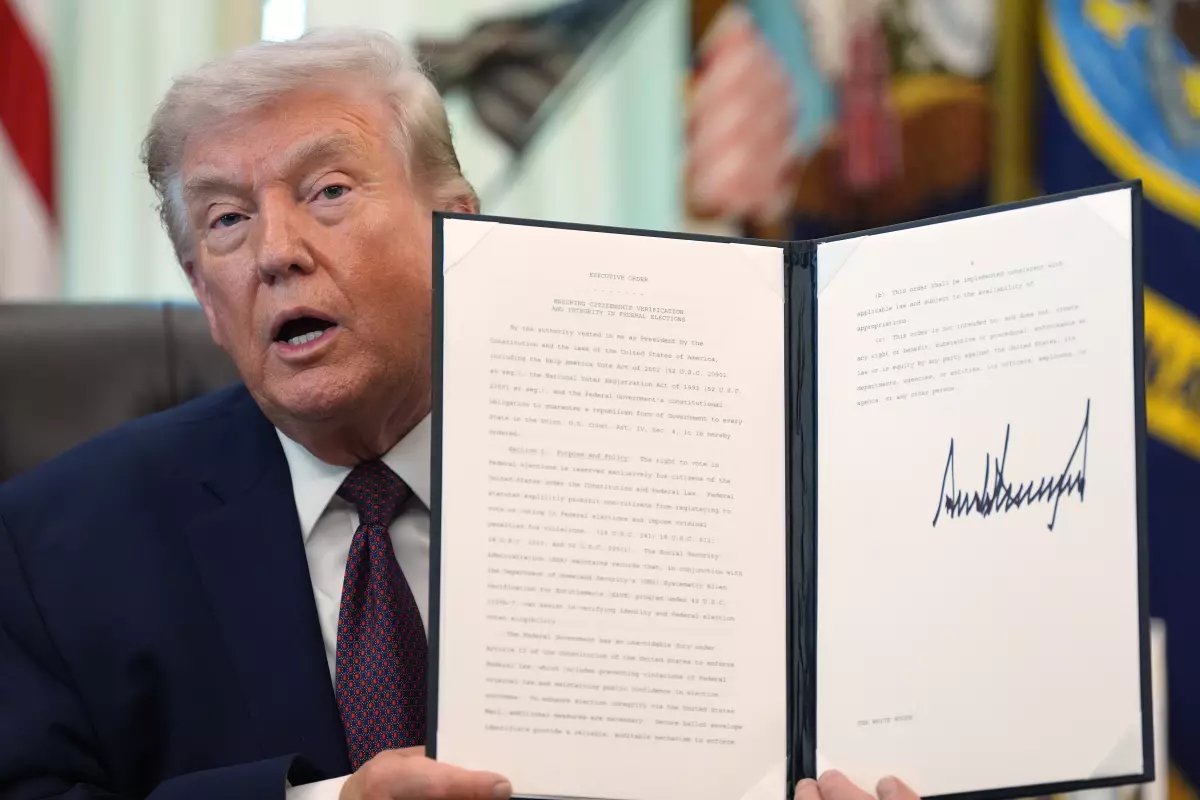
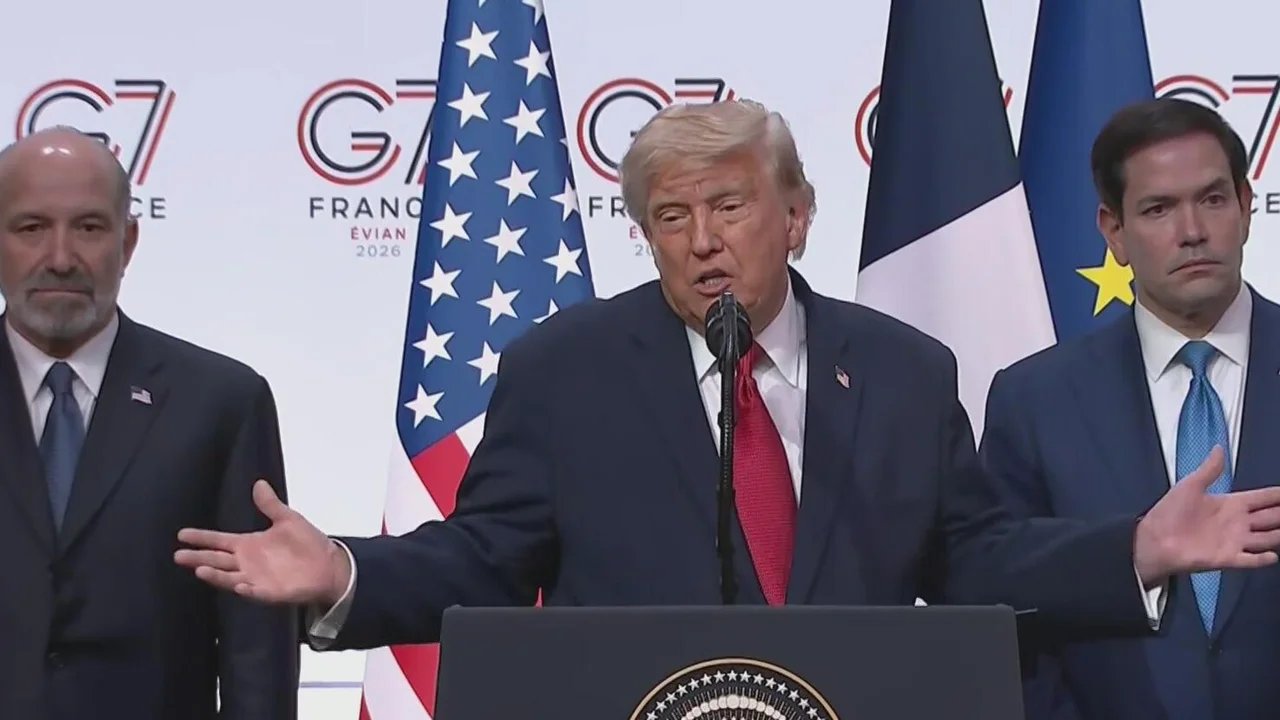
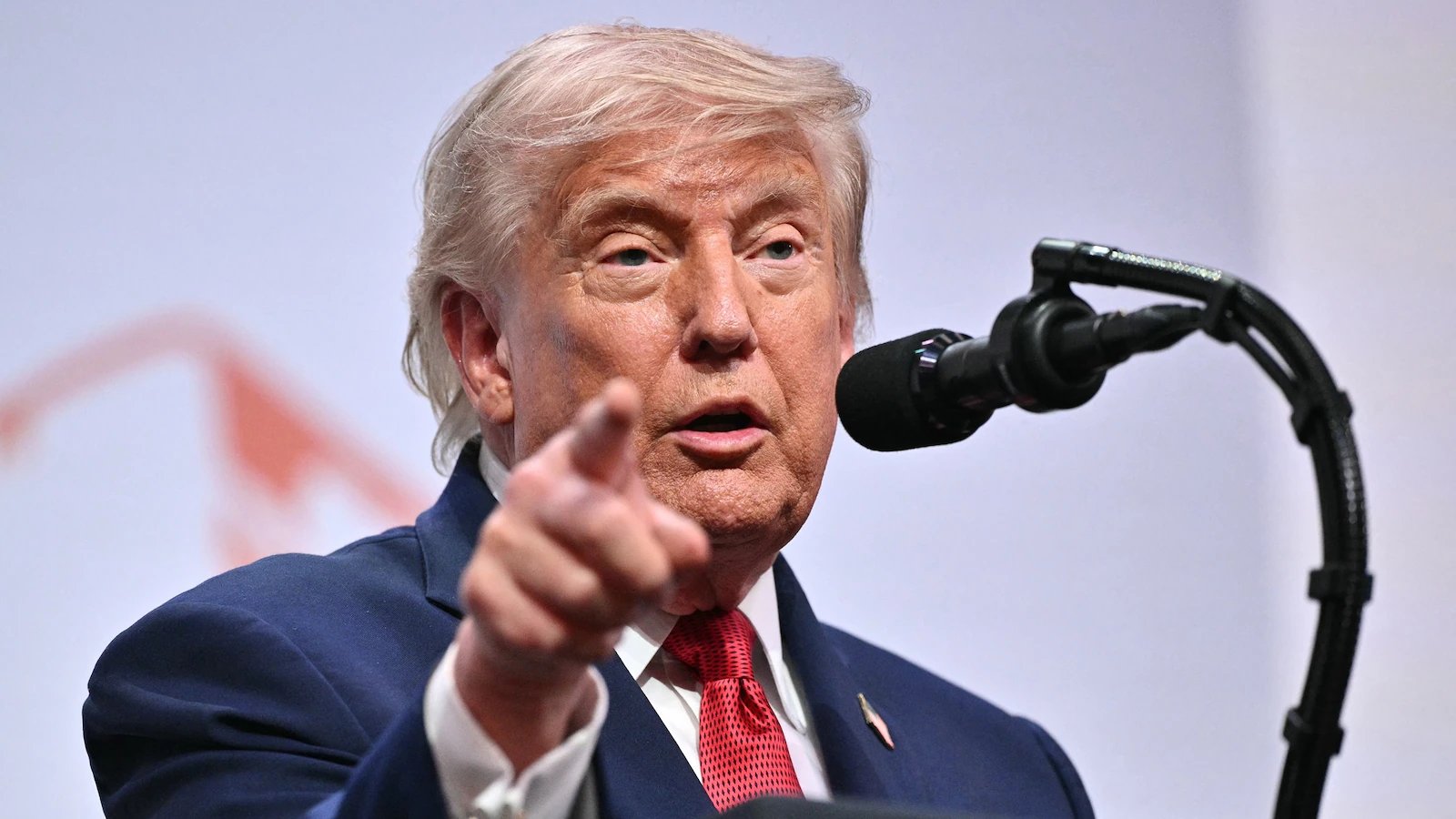
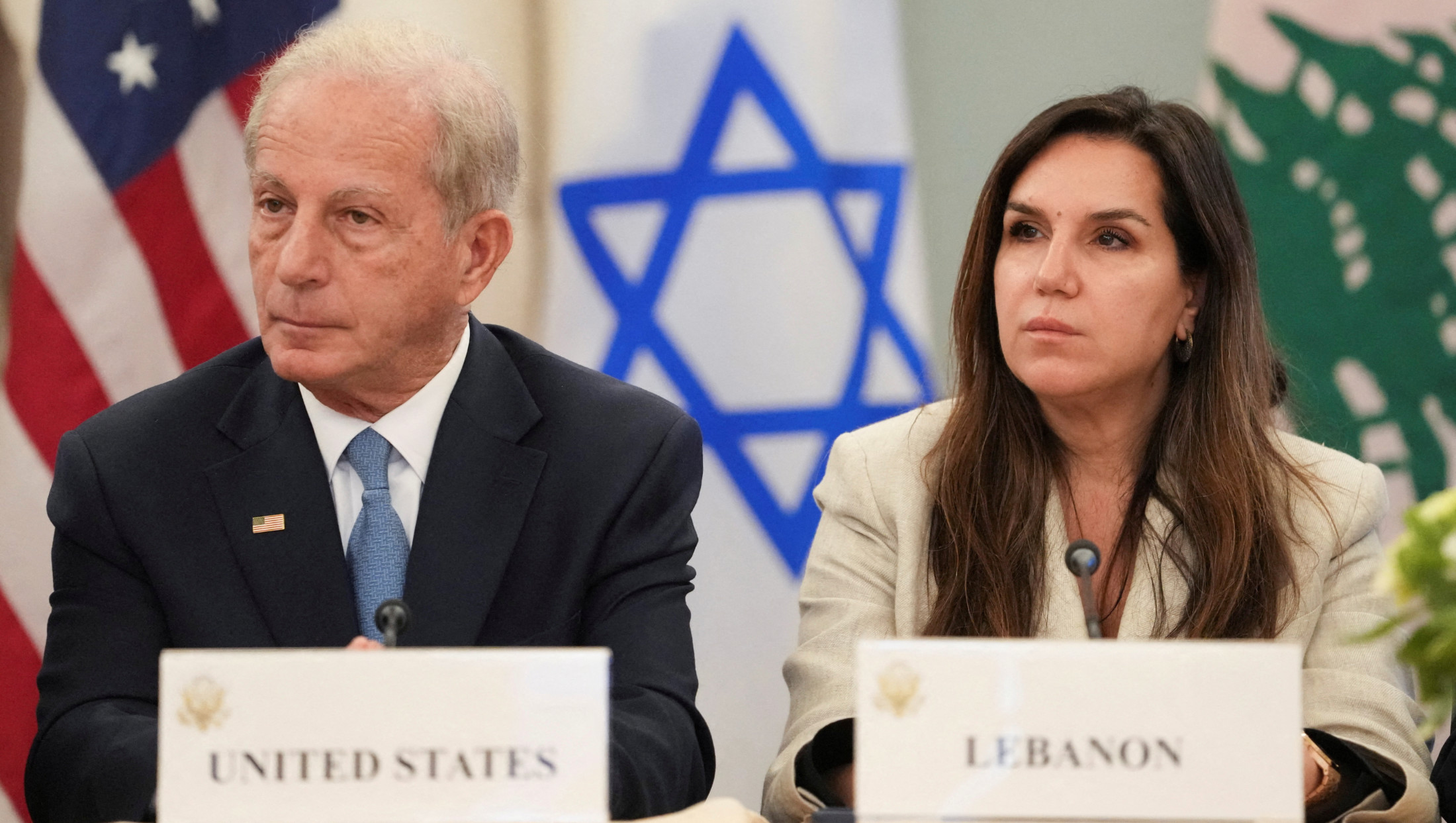
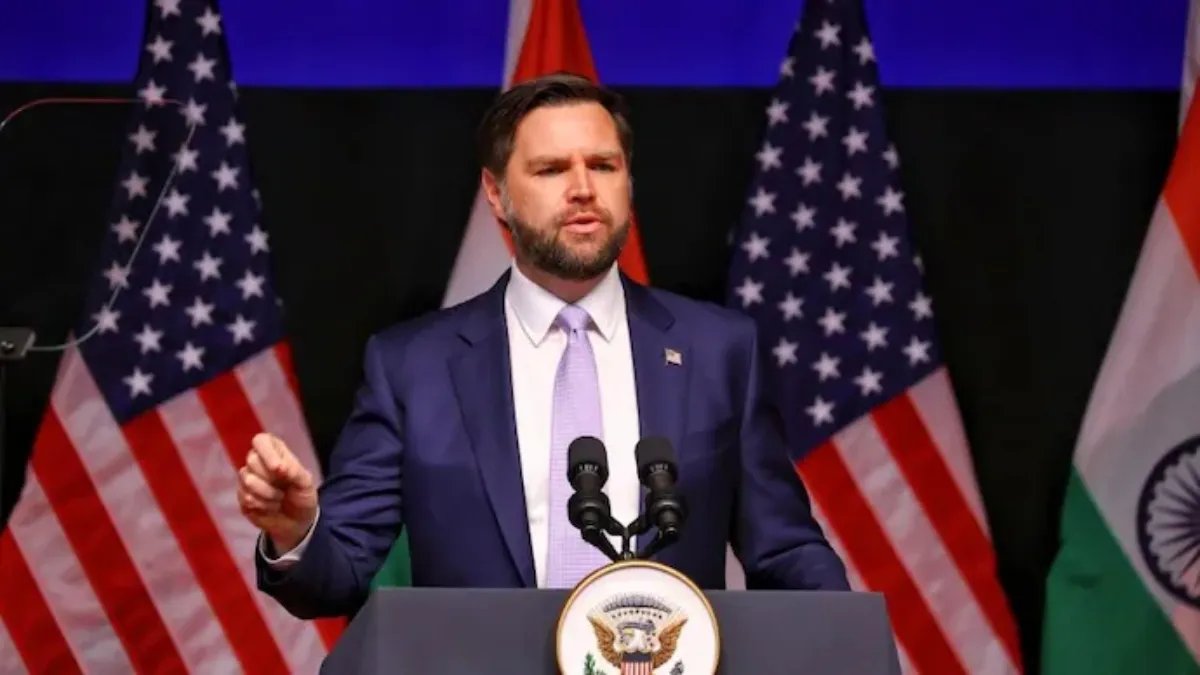
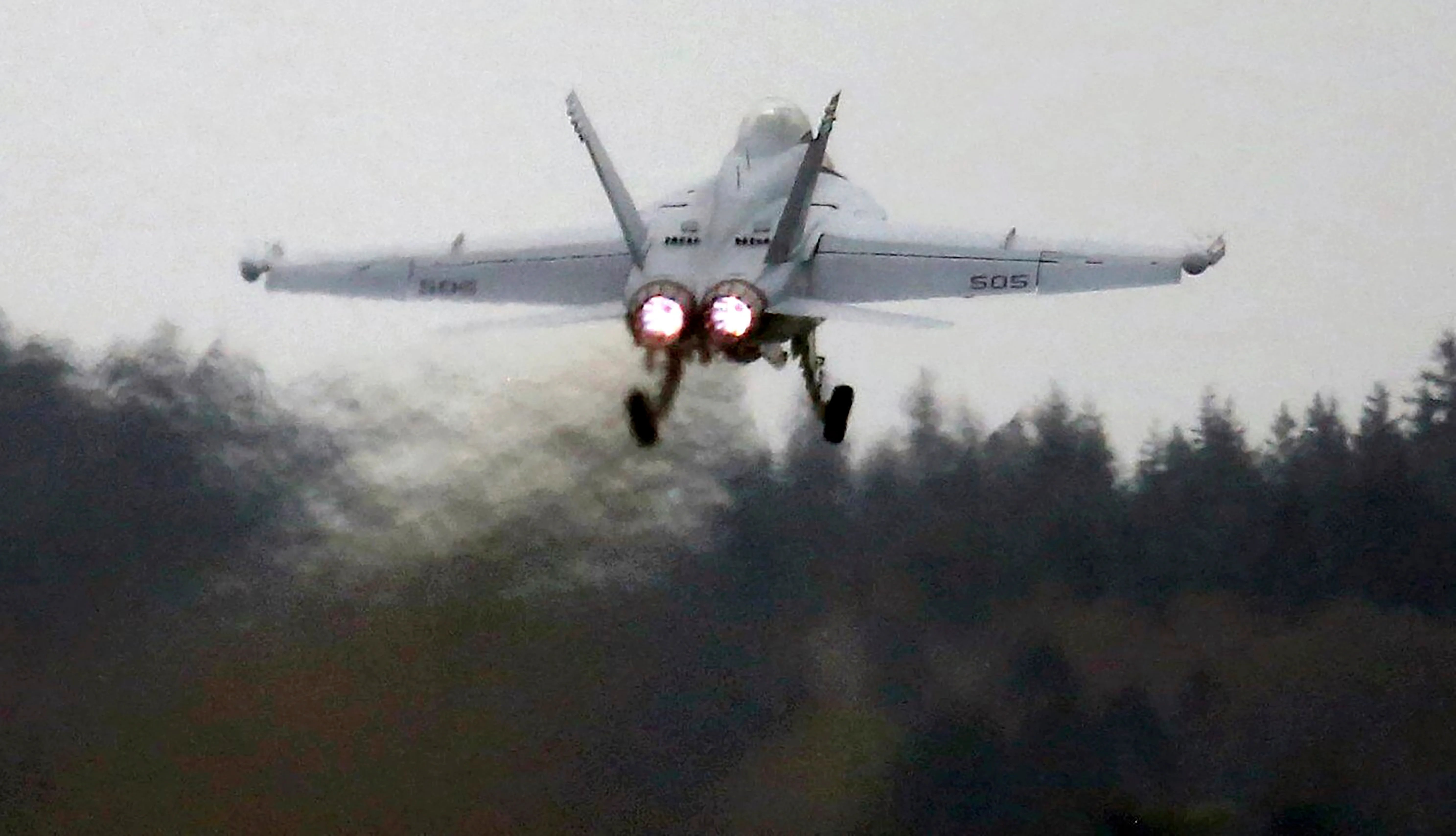
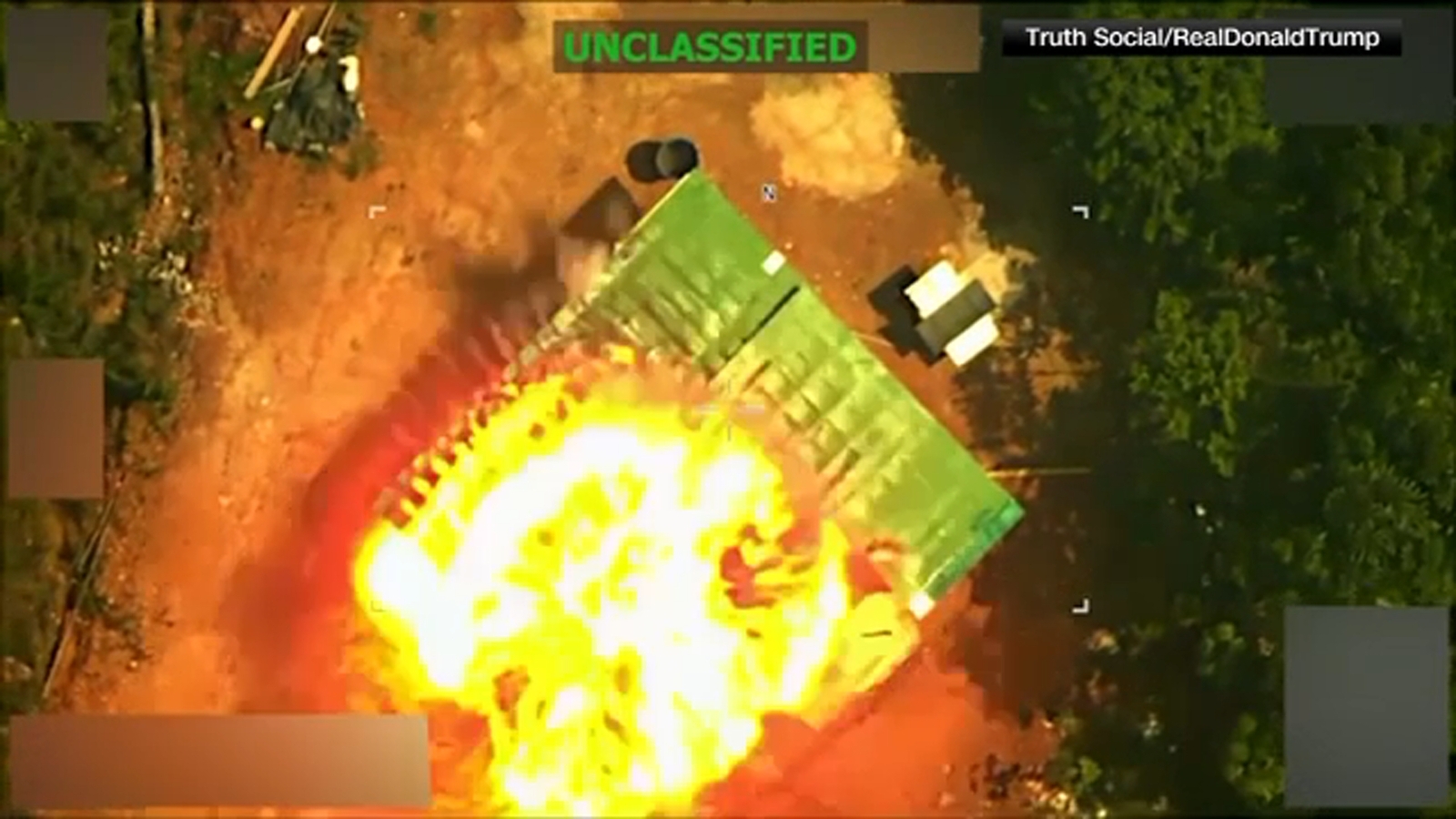
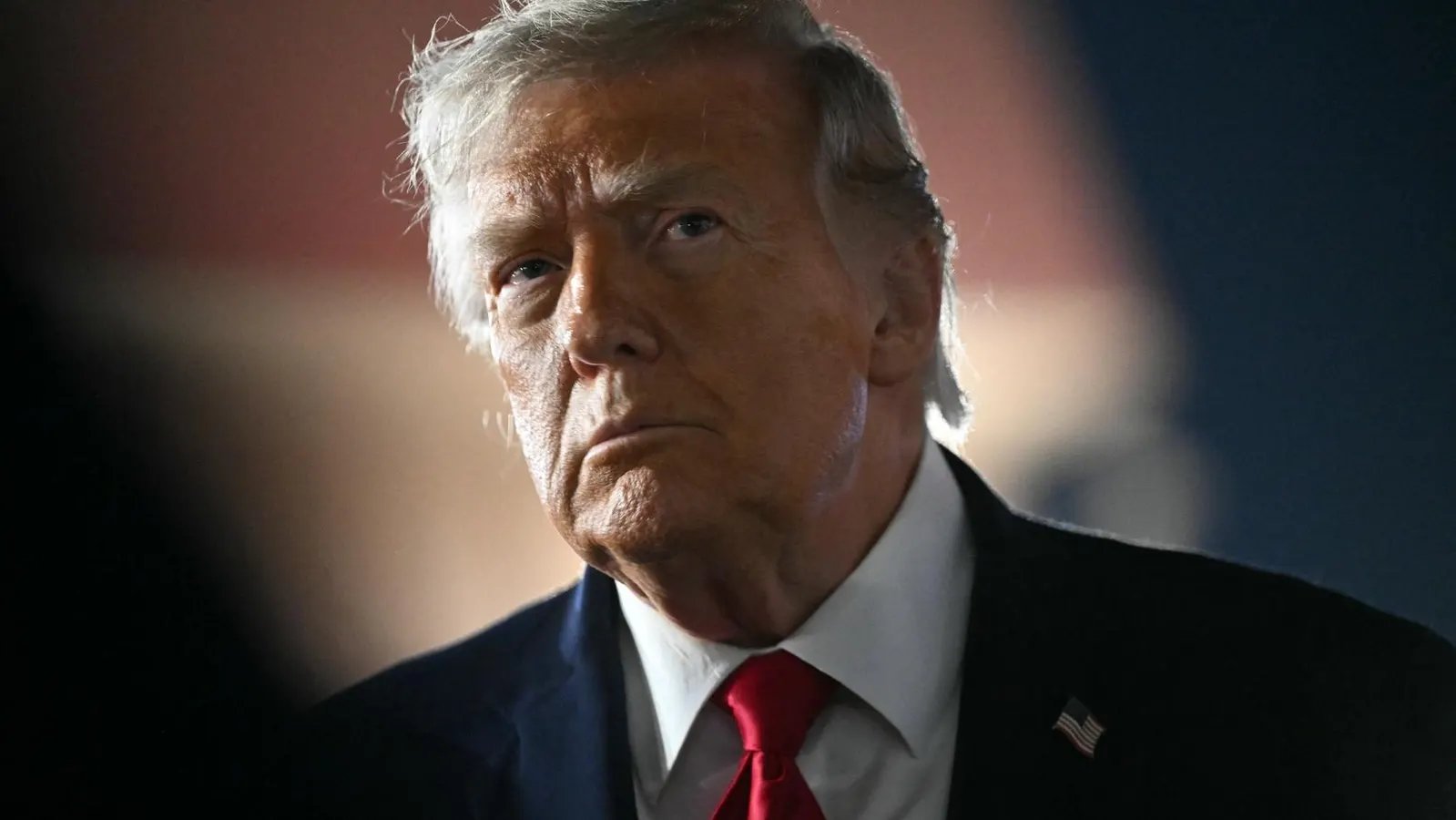
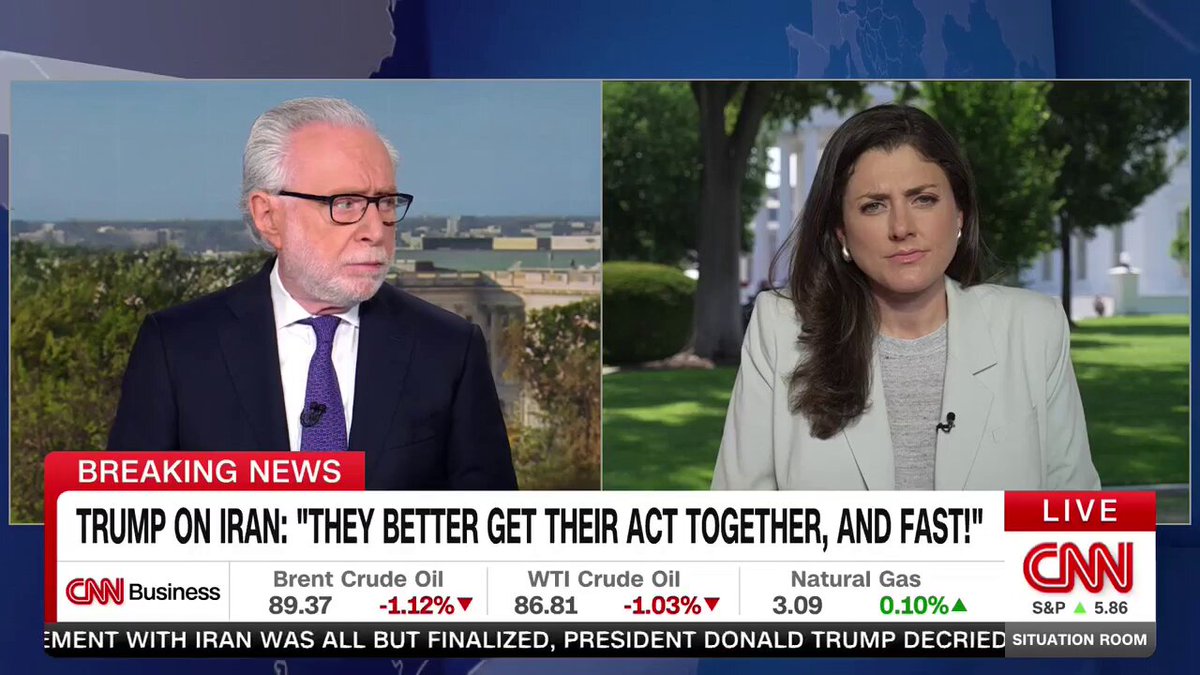
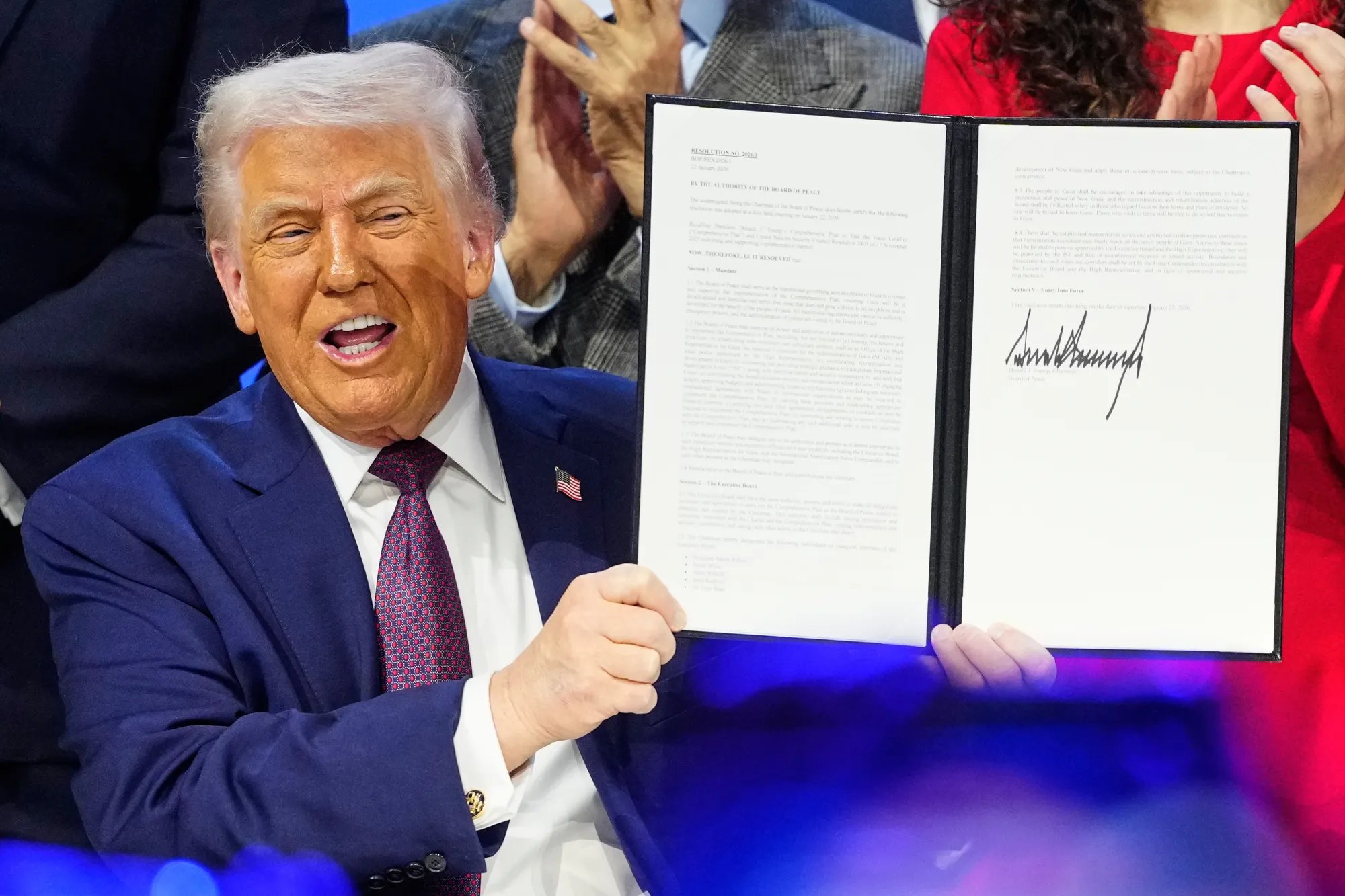
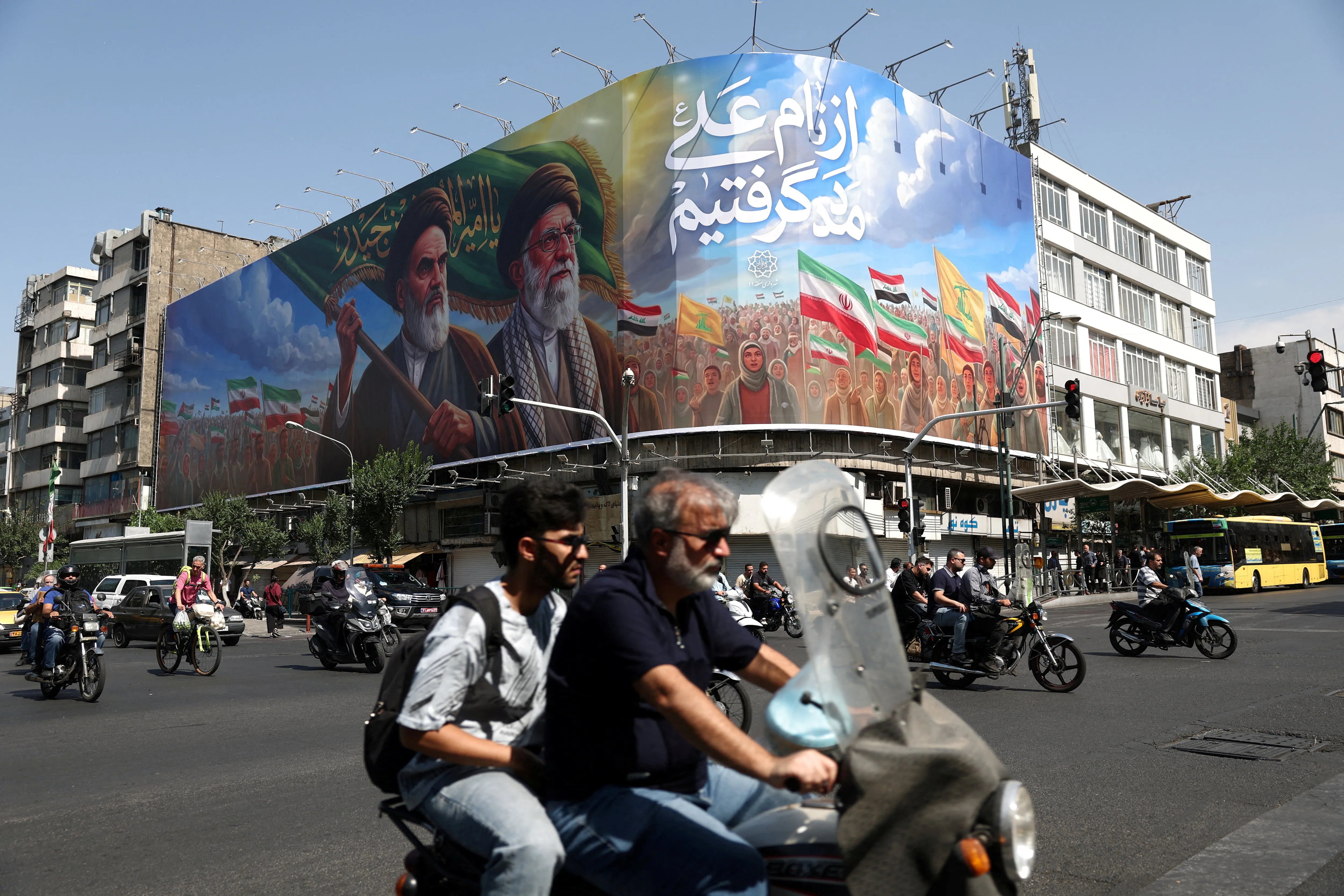
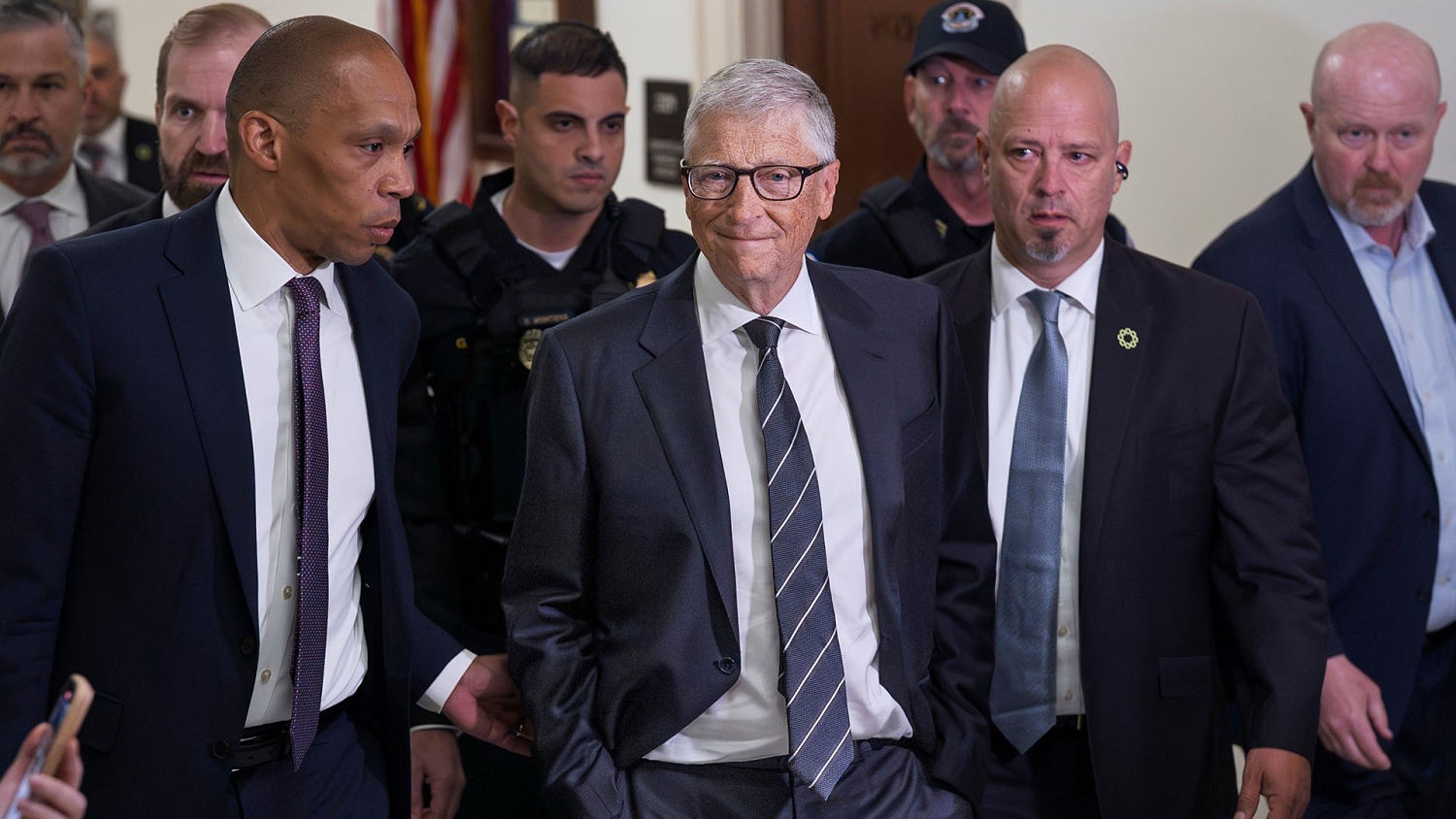
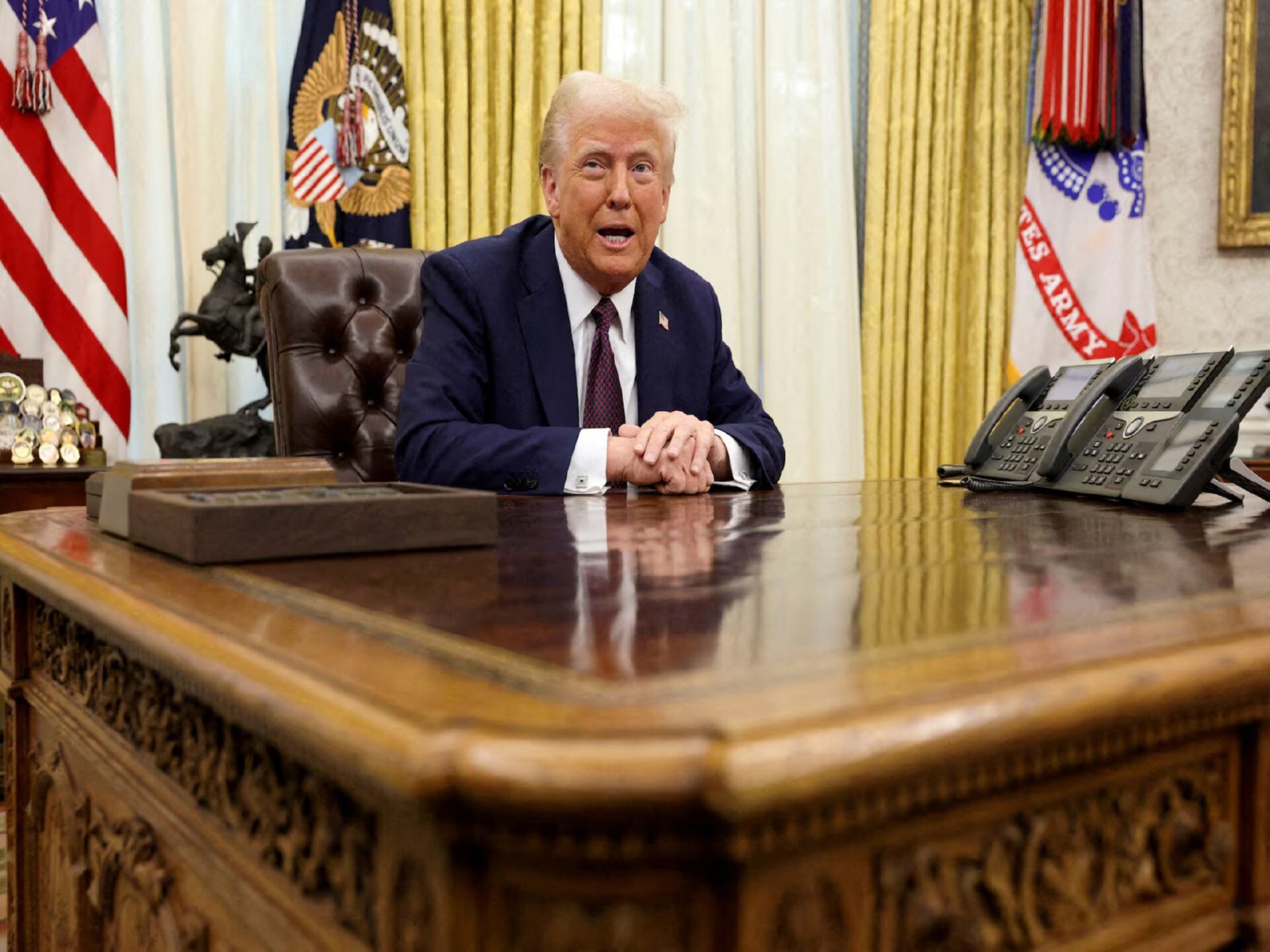
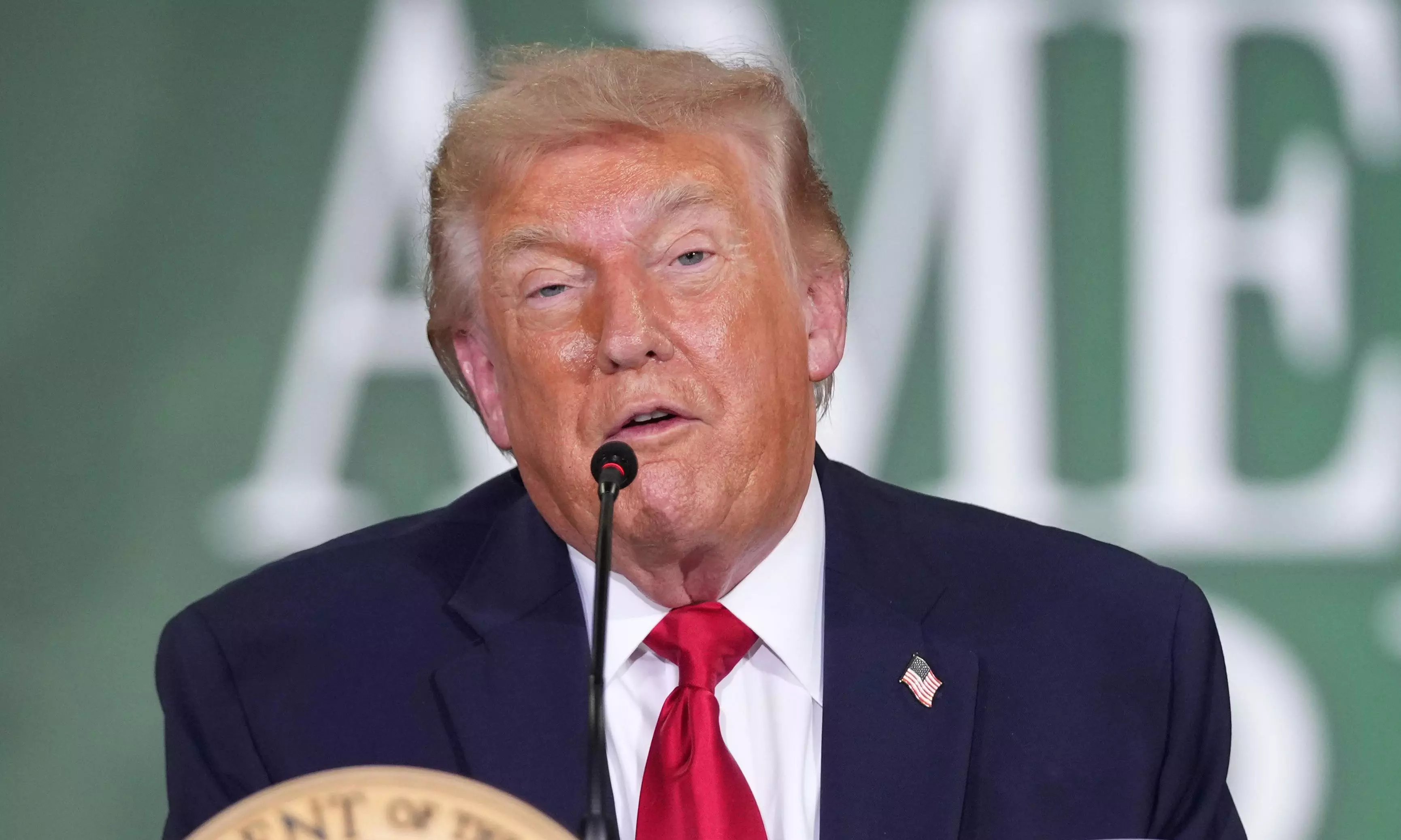
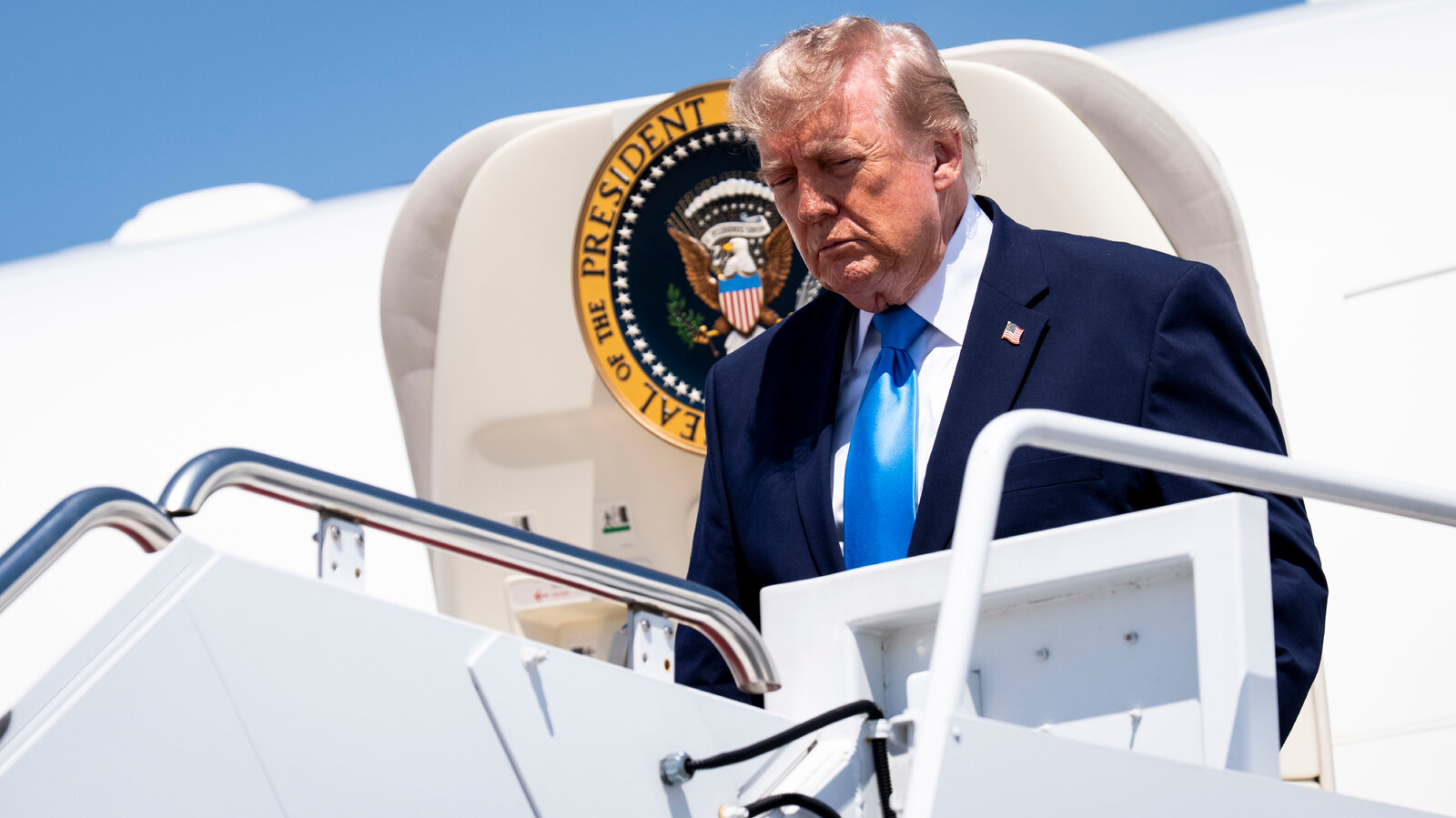
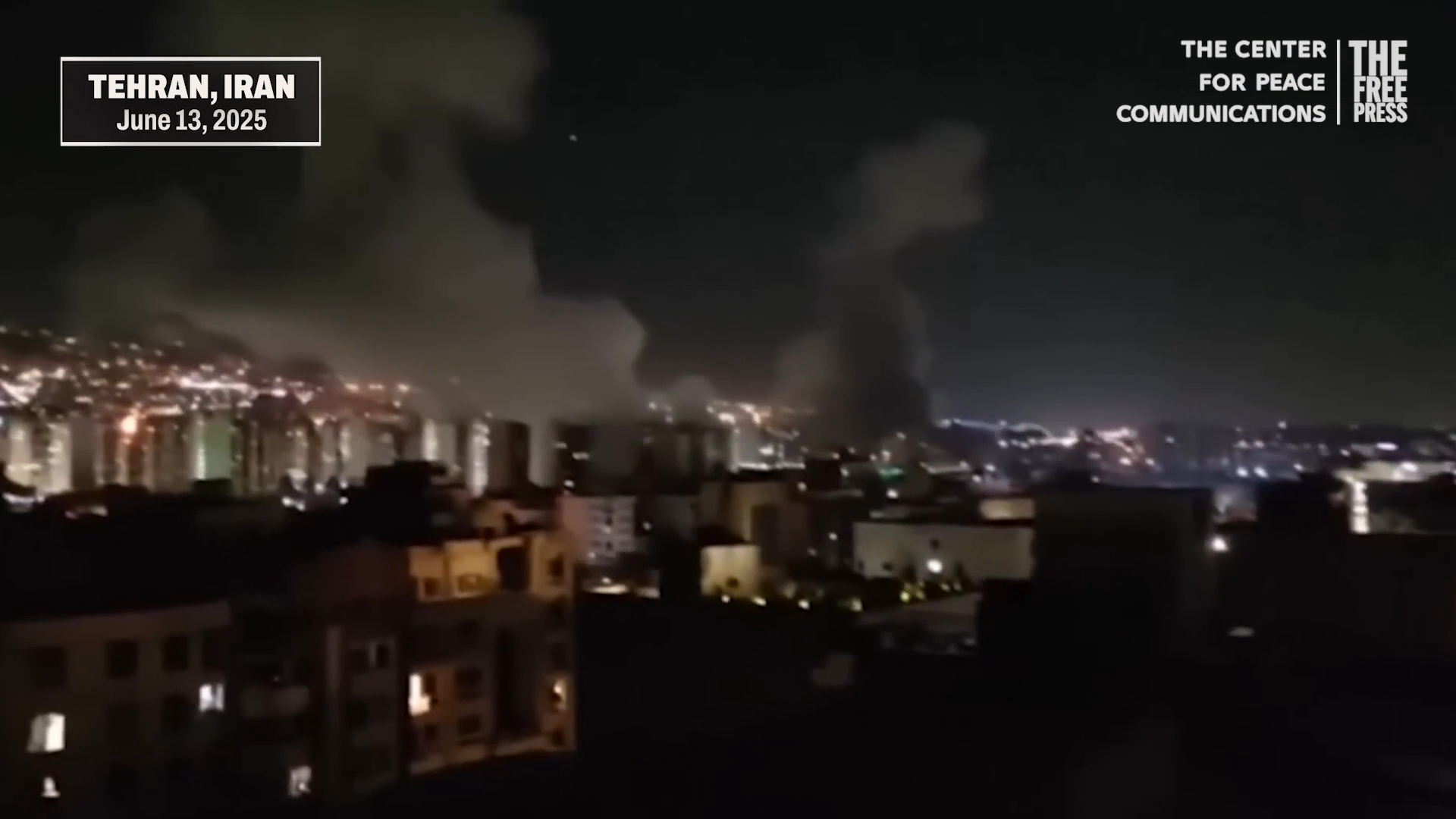
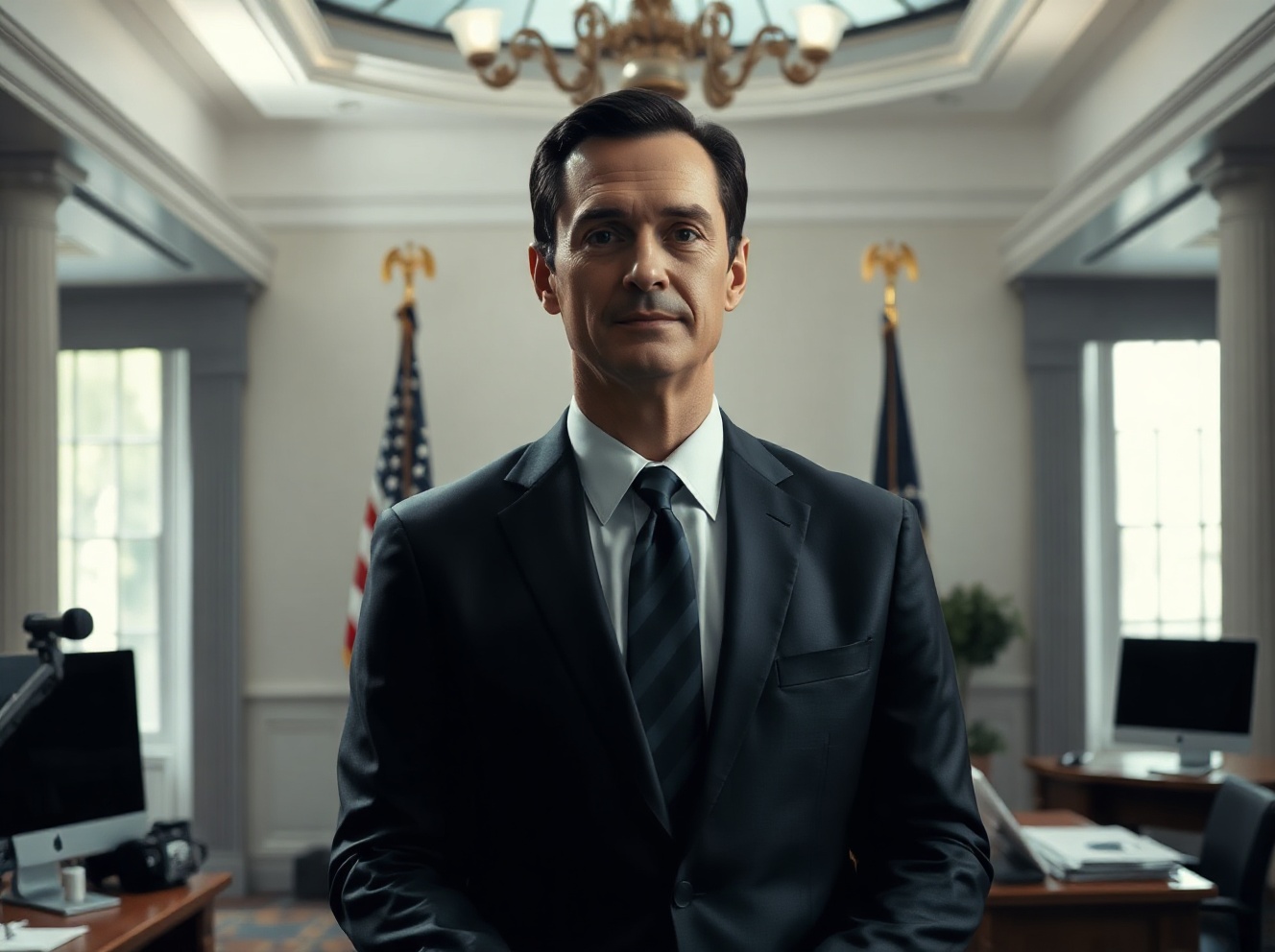
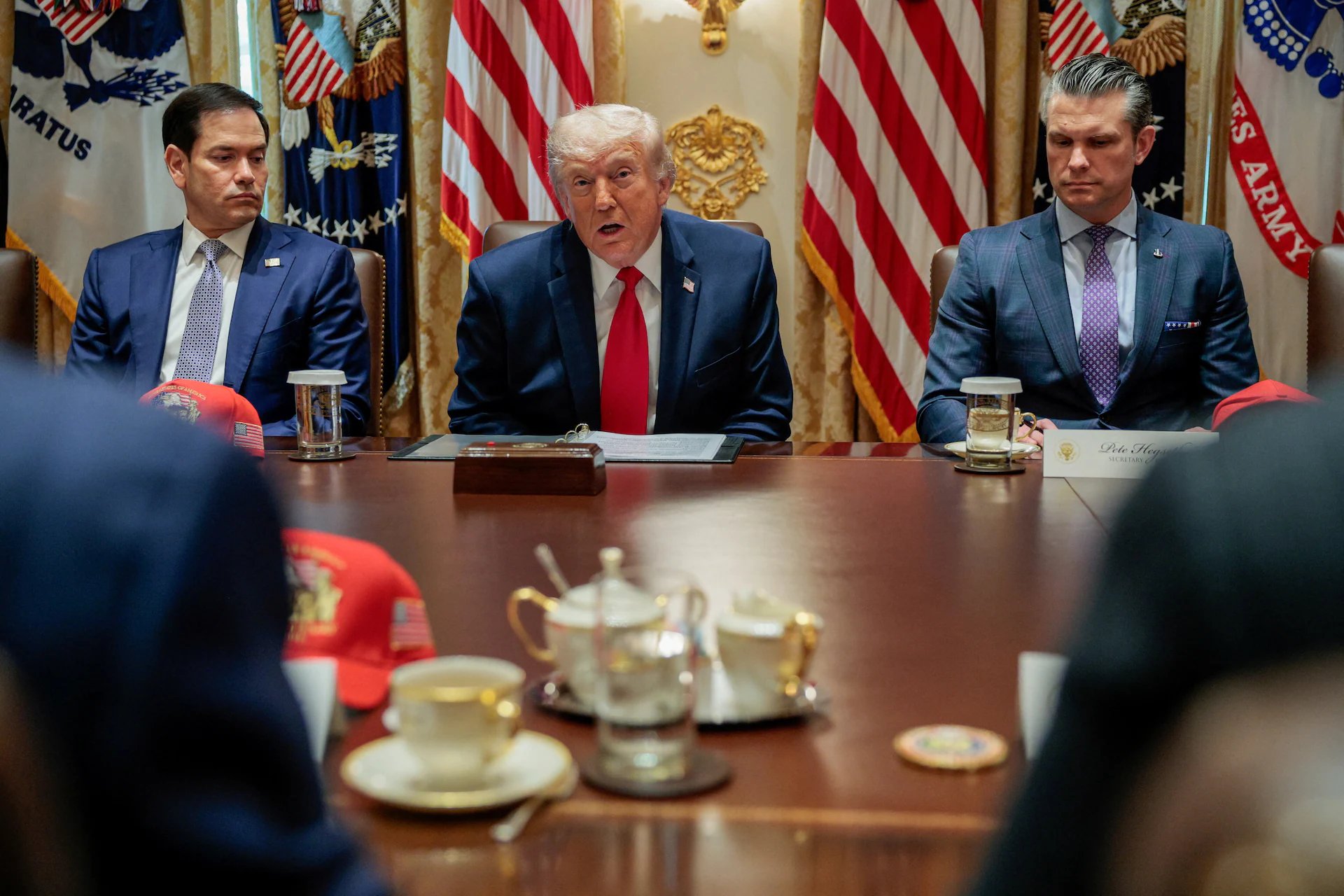
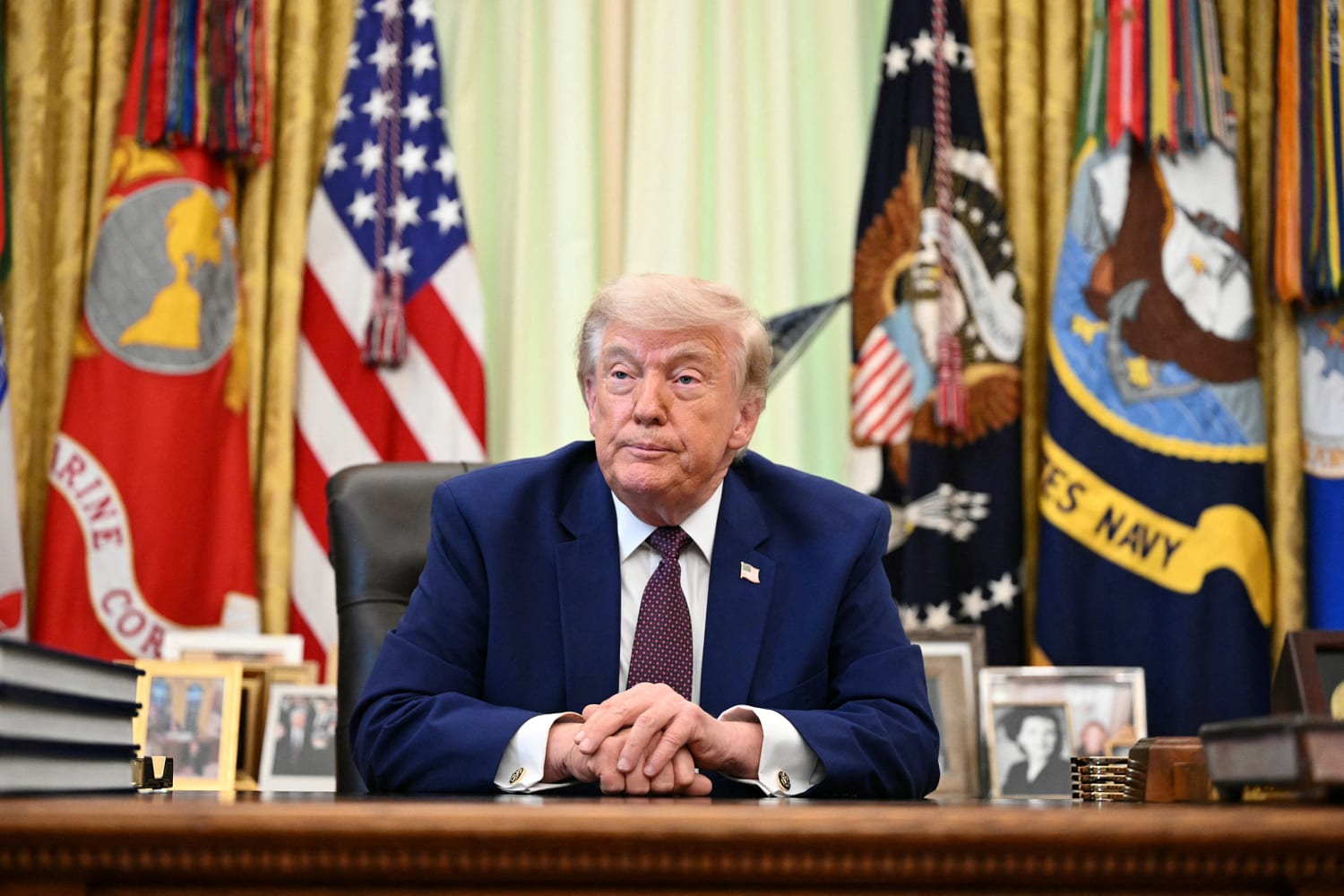
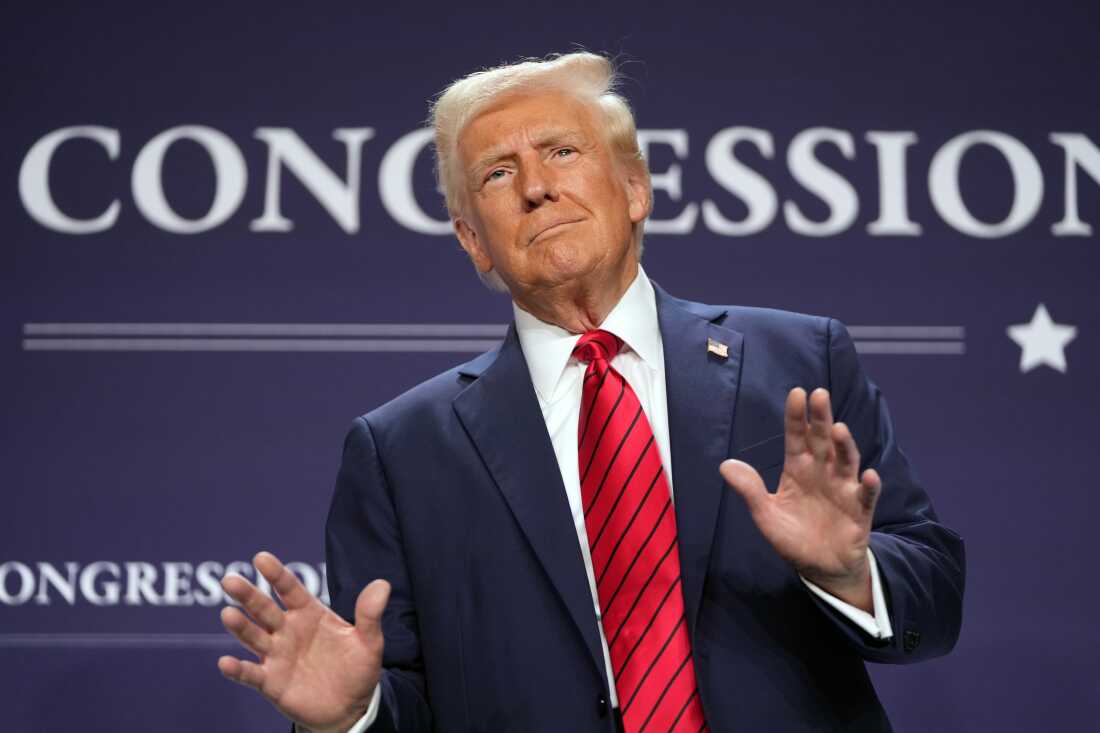
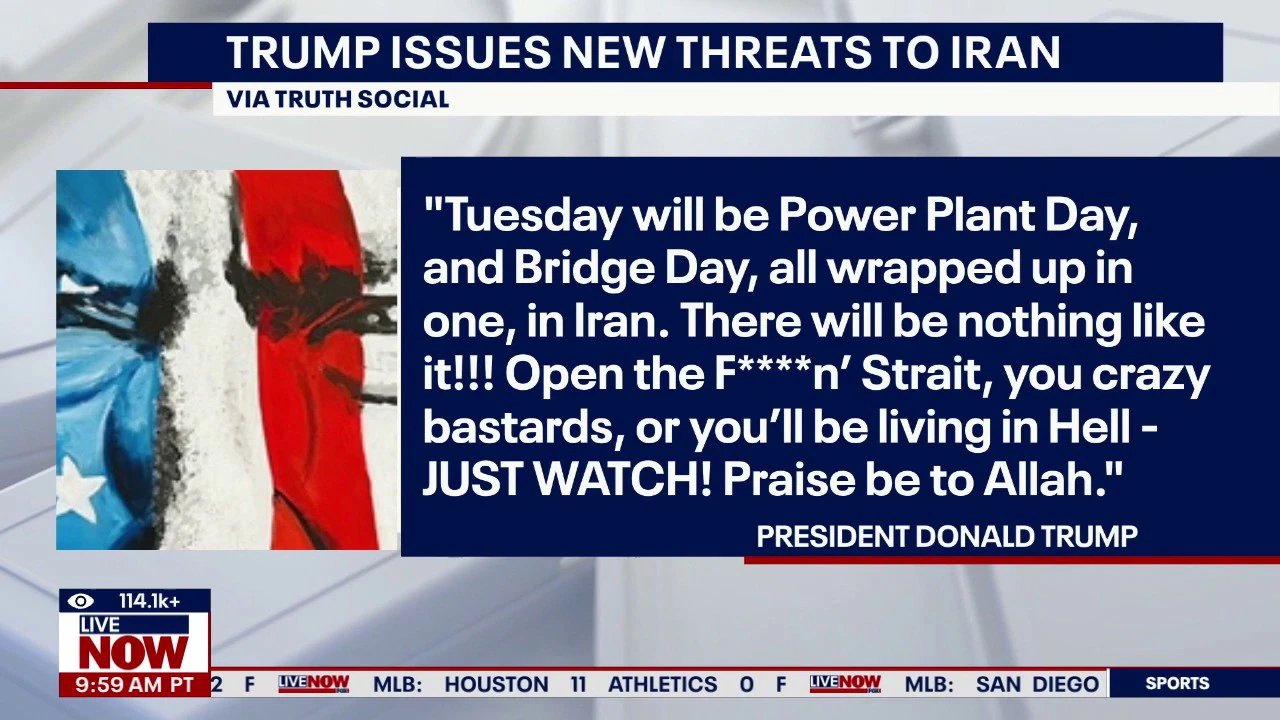
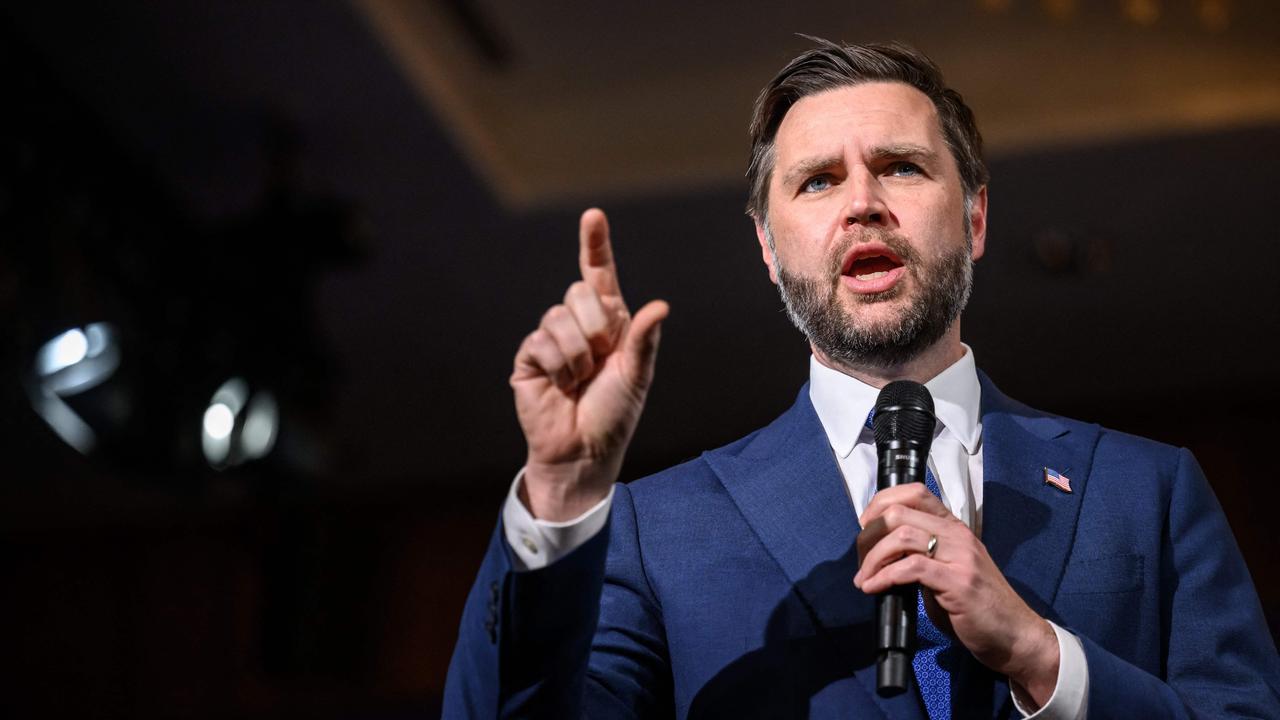
Vice President JD Vance arrived in Switzerland on Sunday to lead high-level negotiations with Iran as President Trump threatened military strikes if Tehran does not immediately halt Hezbollah's attacks on Israel. The talks at the Bürgenstock Resort near Lake Lucerne mark the first direct face-to-face meeting between American and Iranian leadership in months, with Vance meeting Iranian Foreign Minister Abbas Araghchi and Parliament Speaker Mohammad Bagher Ghalibaf. Trump's threat came hours after the talks began: "Iran must immediately stop their highly paid PROXIES in Lebanon from causing trouble. If they don't, we'll hit Iran very hard again, just like we did last week, only harder!!!" he wrote on Truth Social.
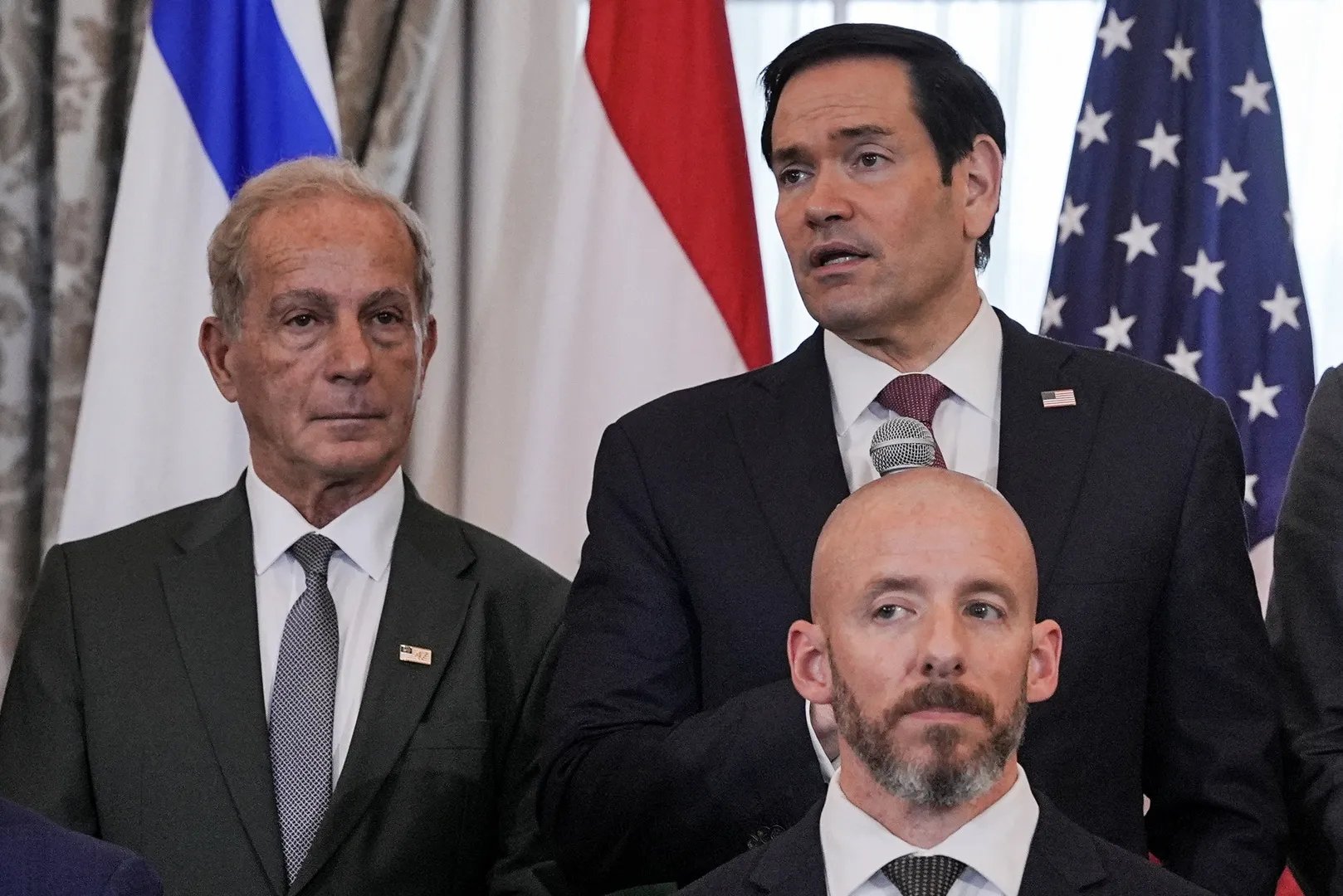
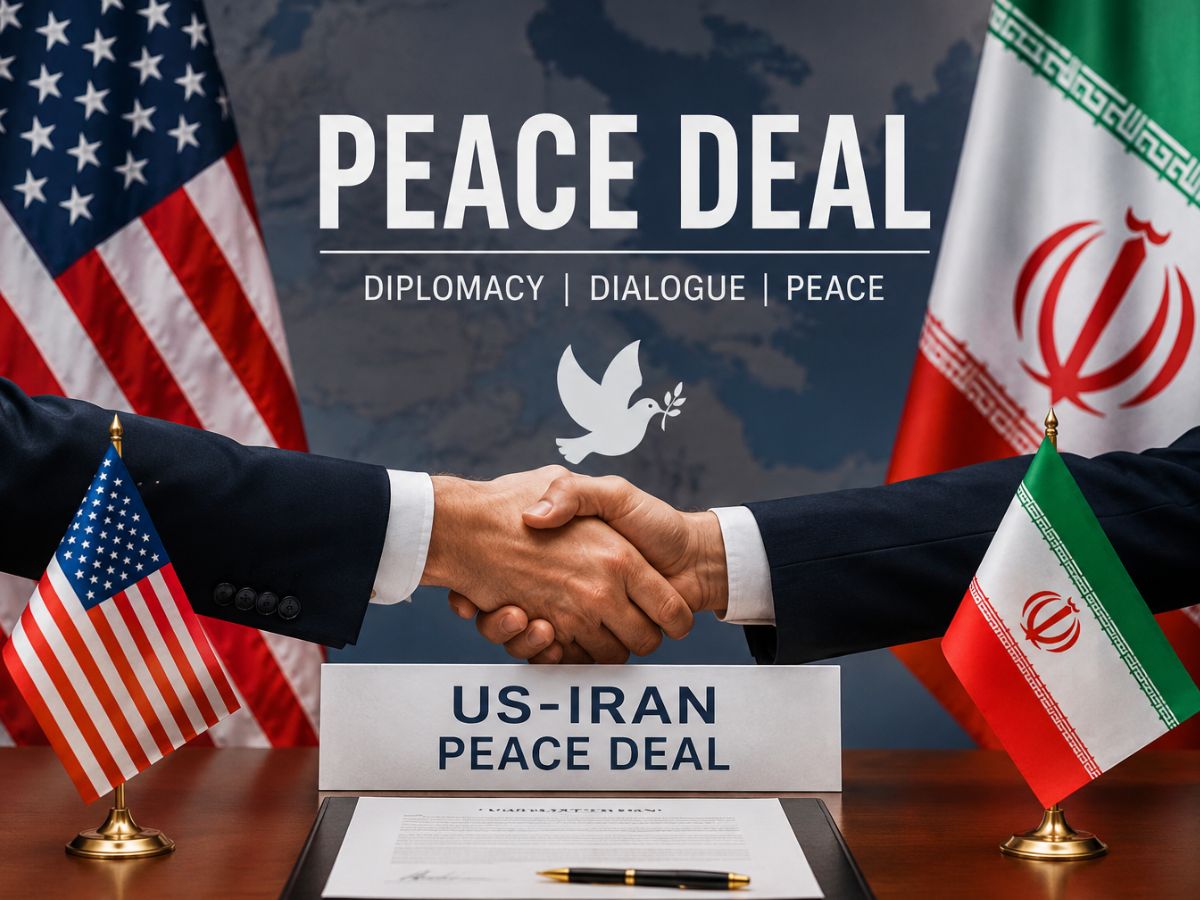
The 60-day negotiation window aims to resolve details left out of the memorandum of understanding signed last week, including the fate of Iran's nuclear program and the status of the Strait of Hormuz. Vance told reporters: "We've already made great progress over just the last few hours, and I expect that we'll make additional progress in the hours to come." He called the meeting "historic" due to the high level of direct engagement between the two nations.
The nuclear stalemate
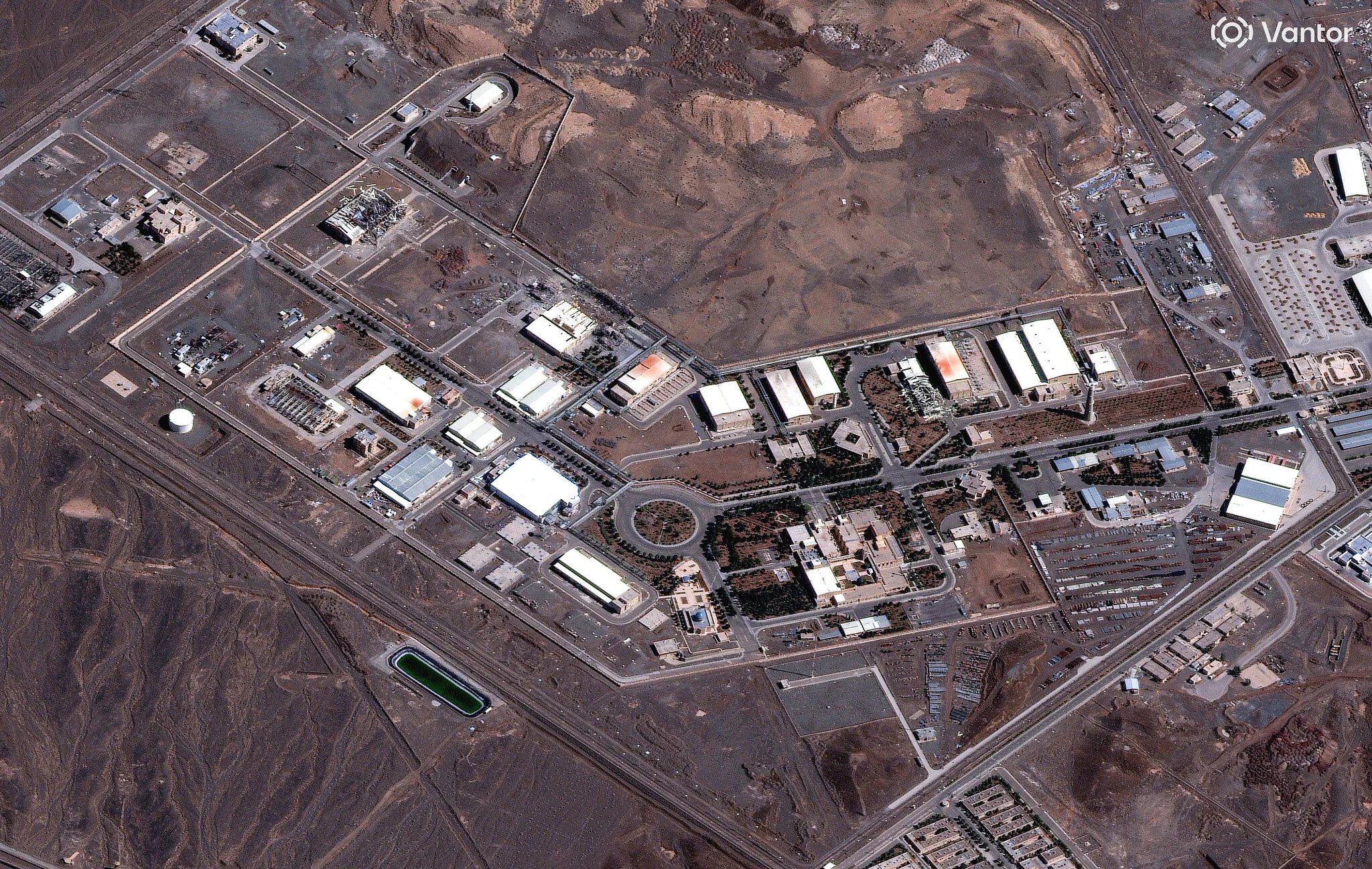
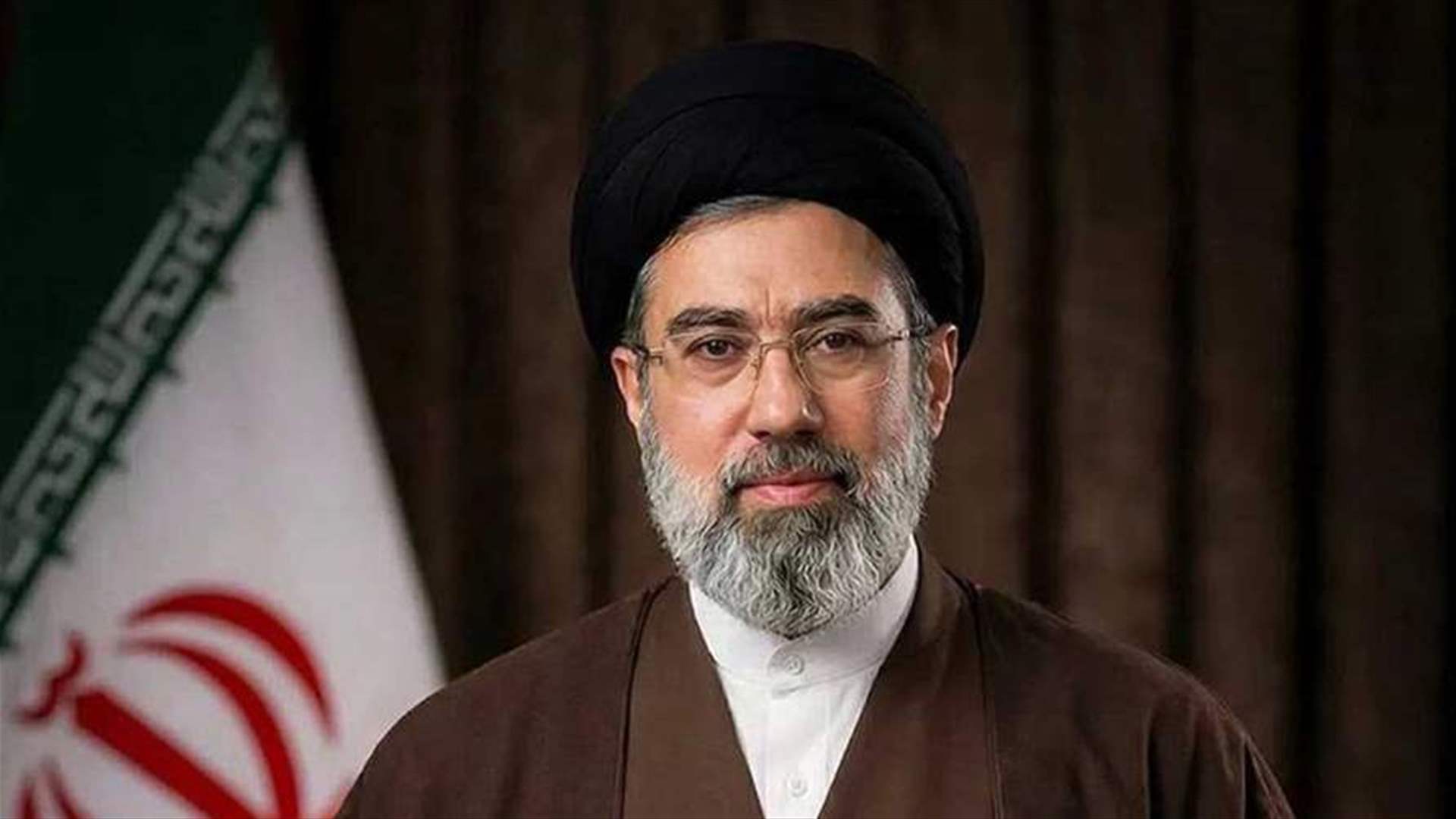
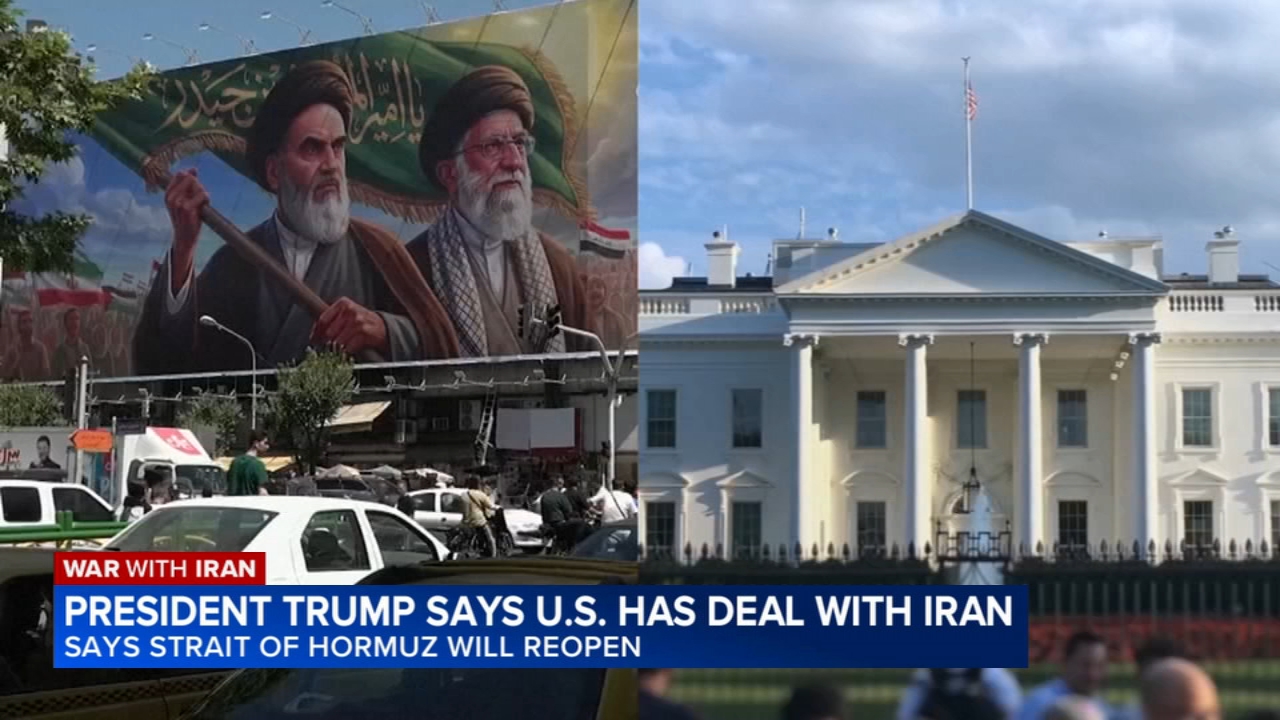
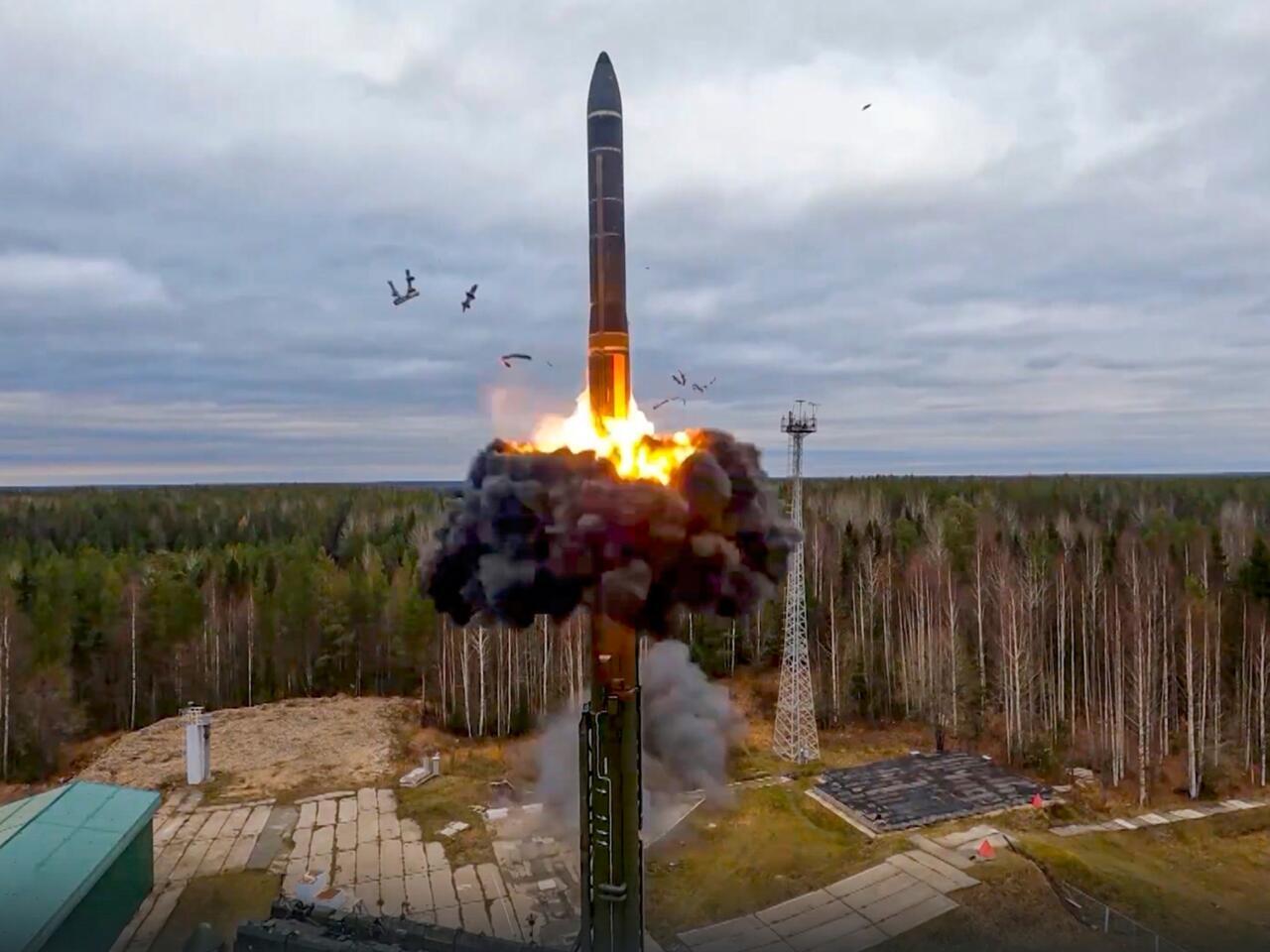
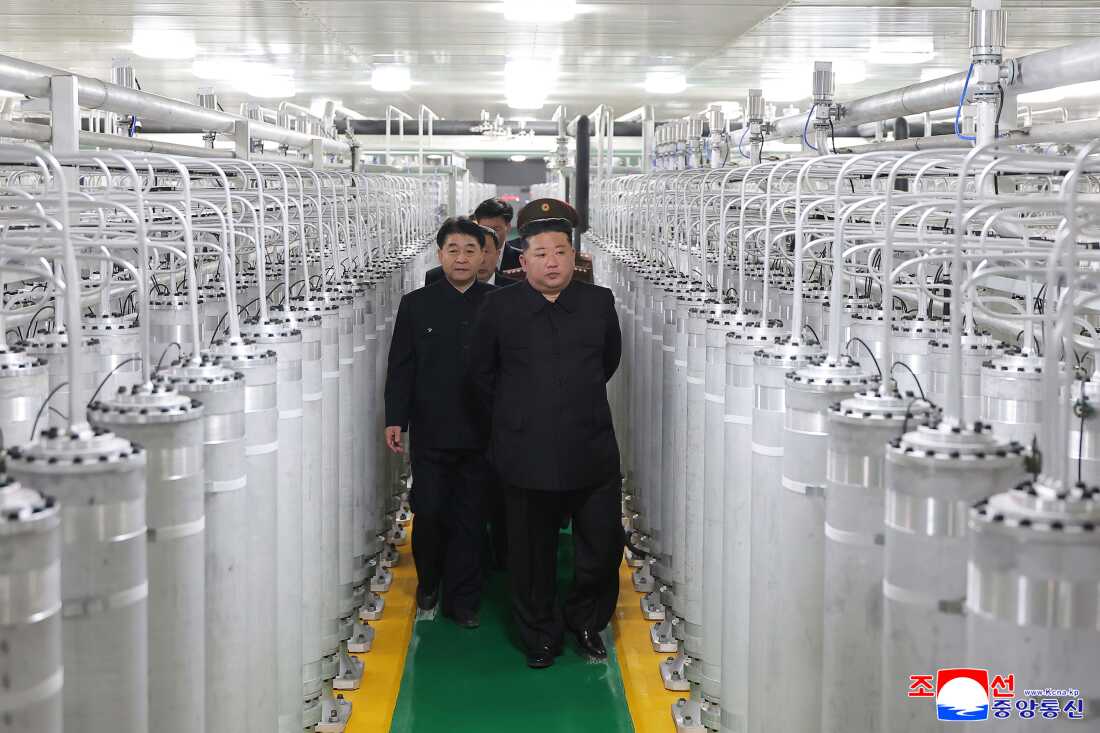
Iran's President Masoud Pezeshkian declared on Sunday: "What is certain is that we will never back down from the right to enrich uranium, and the other side is also forced to accept it." This statement directly contradicts Trump's long-standing position. U.S. Ambassador to the United Nations Mike Waltz said the Trump administration is "laser focused" on Iran's nuclear program and wants it "permanently destroyed." The memorandum of understanding states the two sides "agreed to resolve the disposition of stockpiled enriched material," with downblending cited as the "minimum" outcome, but leaves specifics to the technical talks now underway.
Waltz acknowledged negotiating with officials from what he called a "genocidal regime" but said the administration is taking "a pragmatic approach." He emphasized that any deal would be "all about verification," with no trust in Iran required. Department of Energy technical experts are participating in the talks to address details of Iran's highly enriched uranium stockpile.
Lebanon fighting threatens the agreement
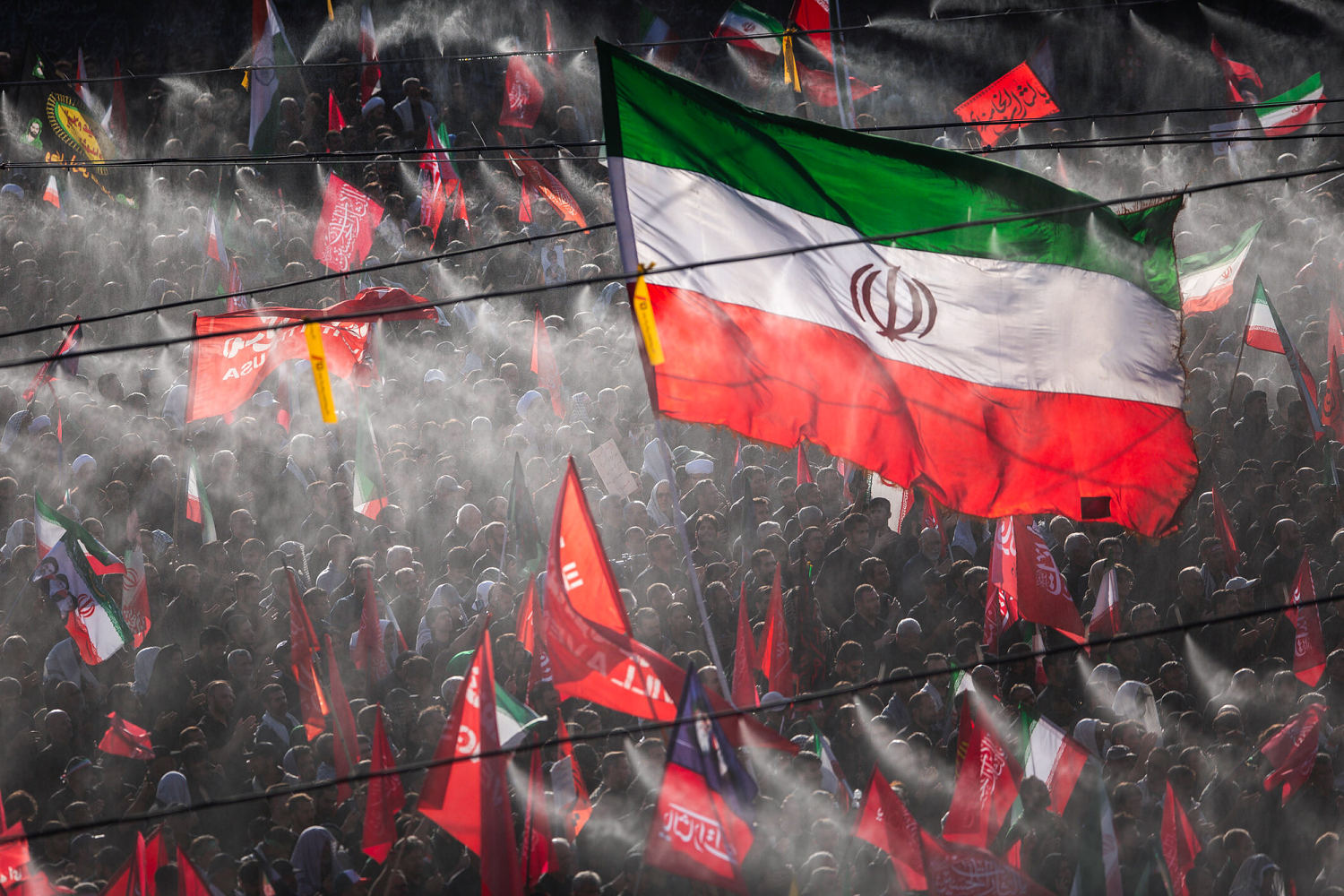
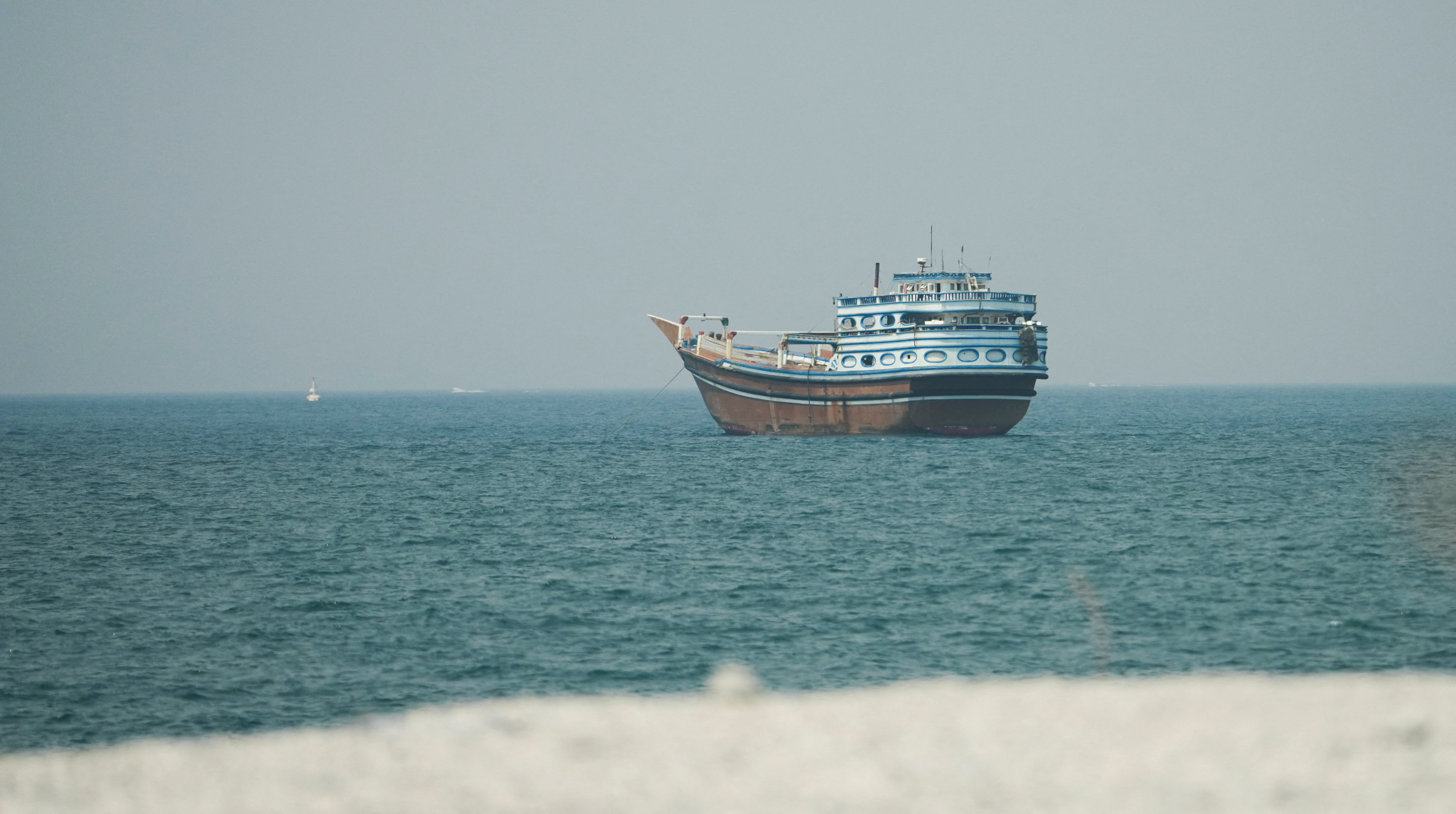
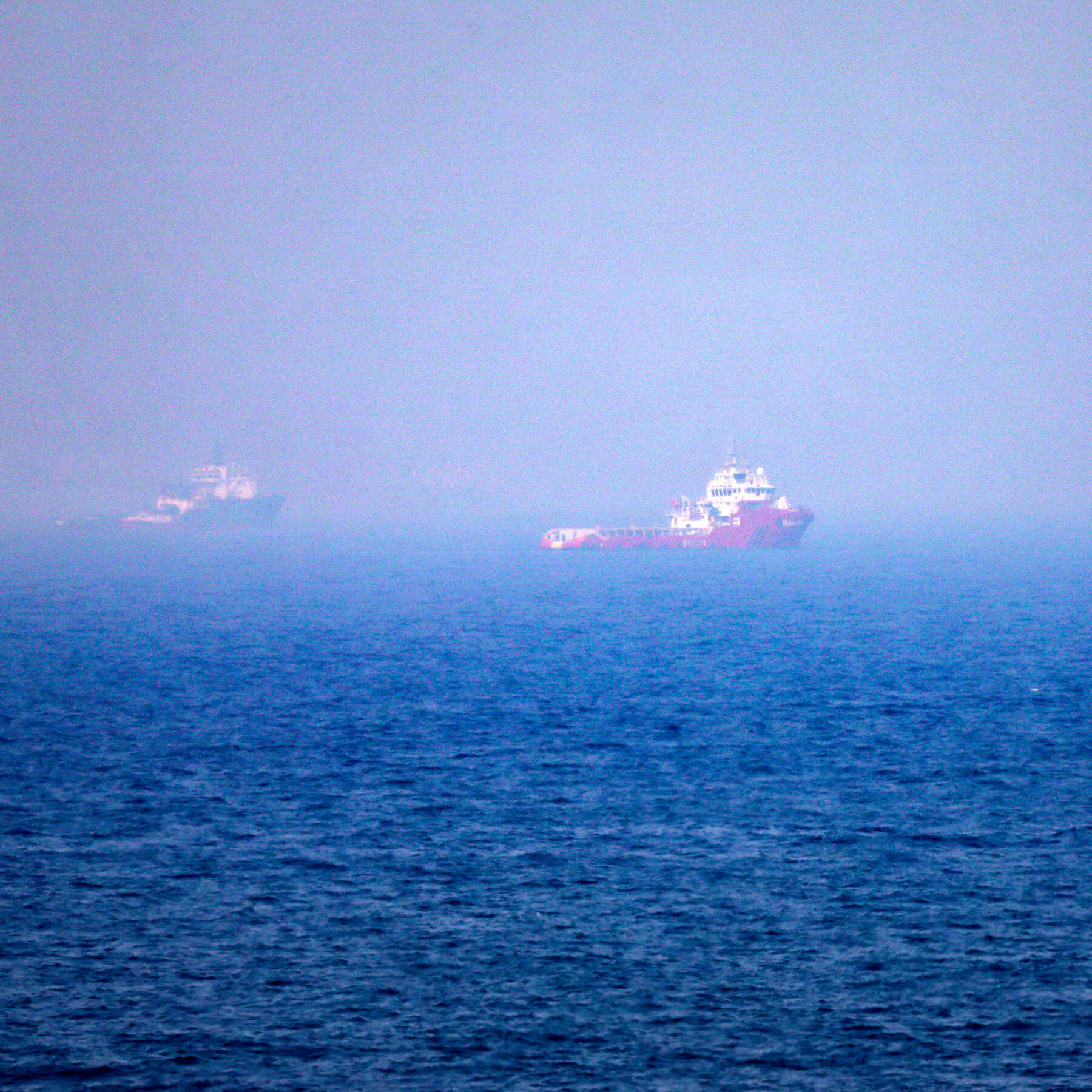
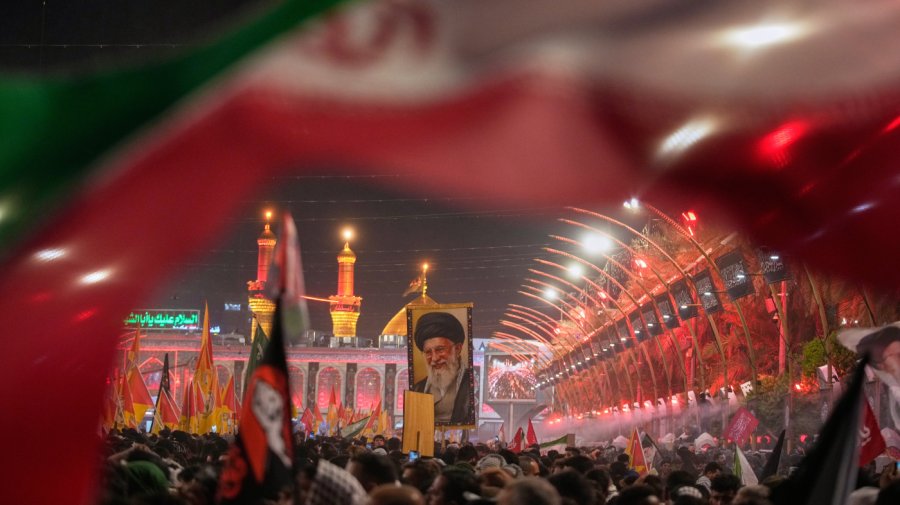
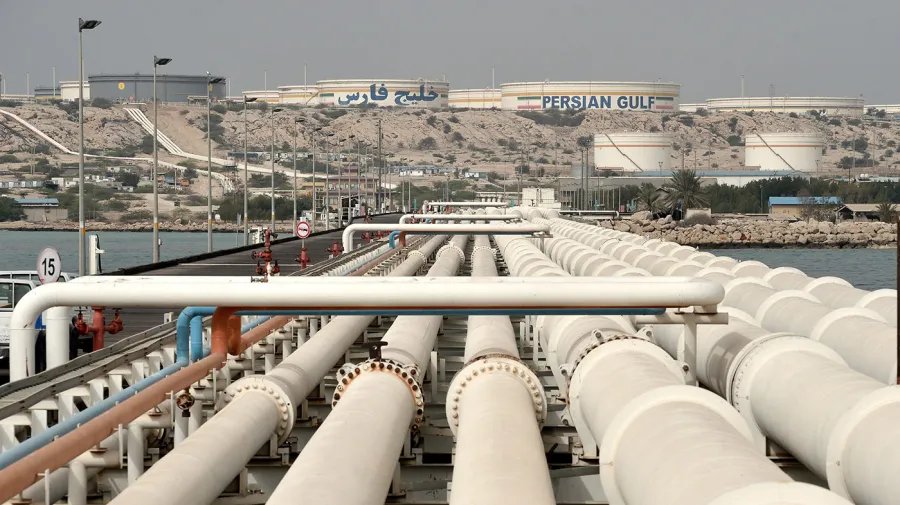
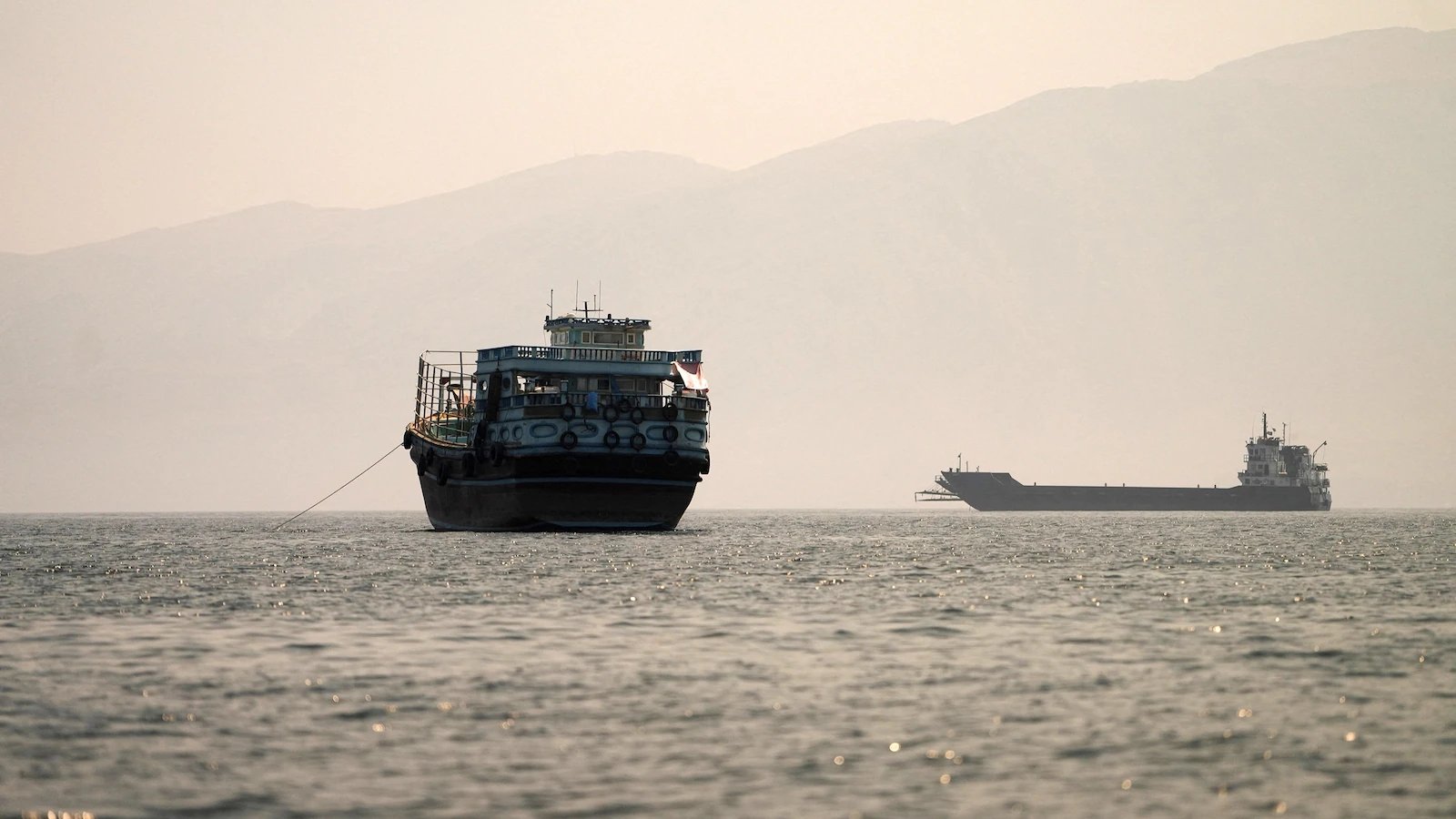
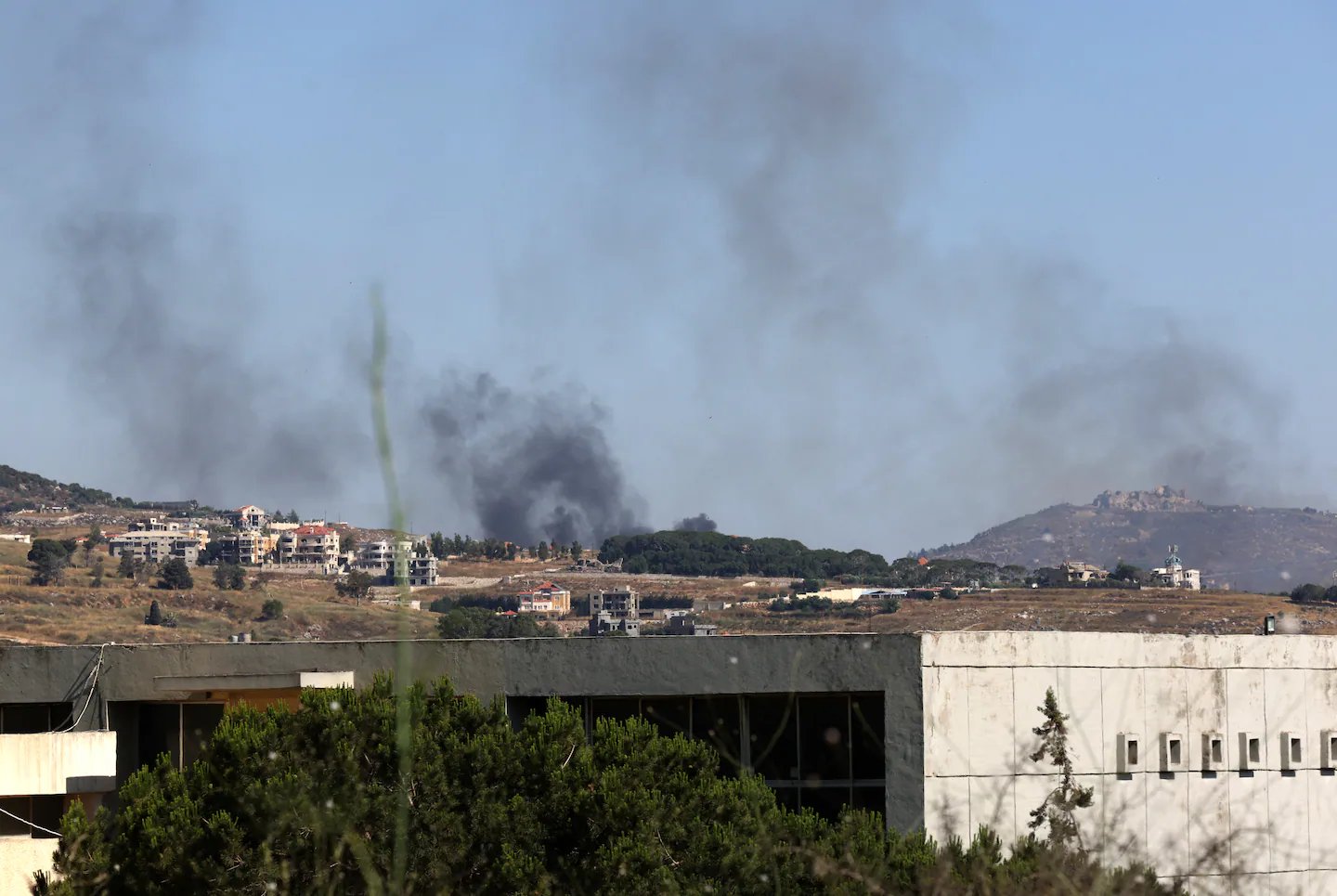
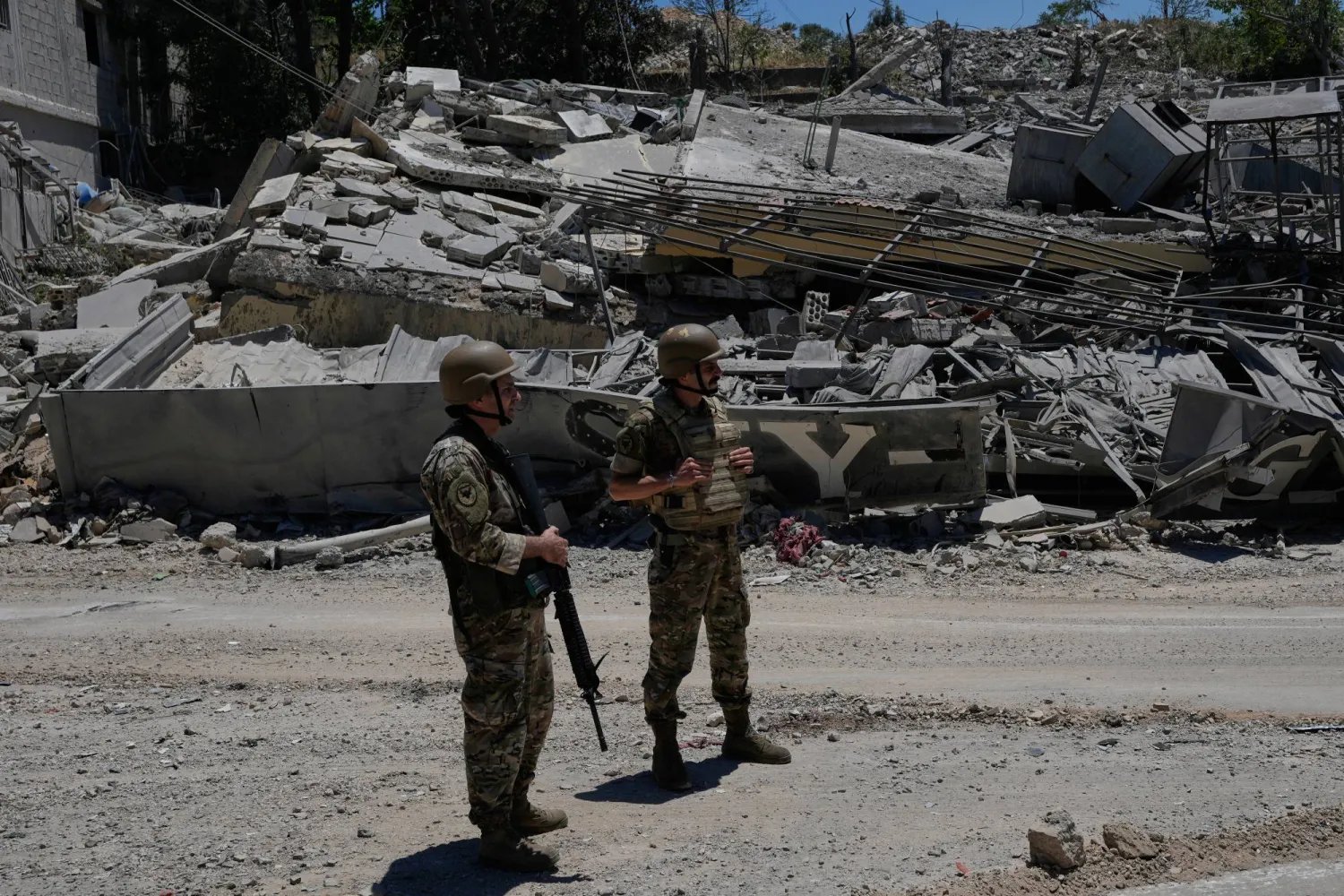
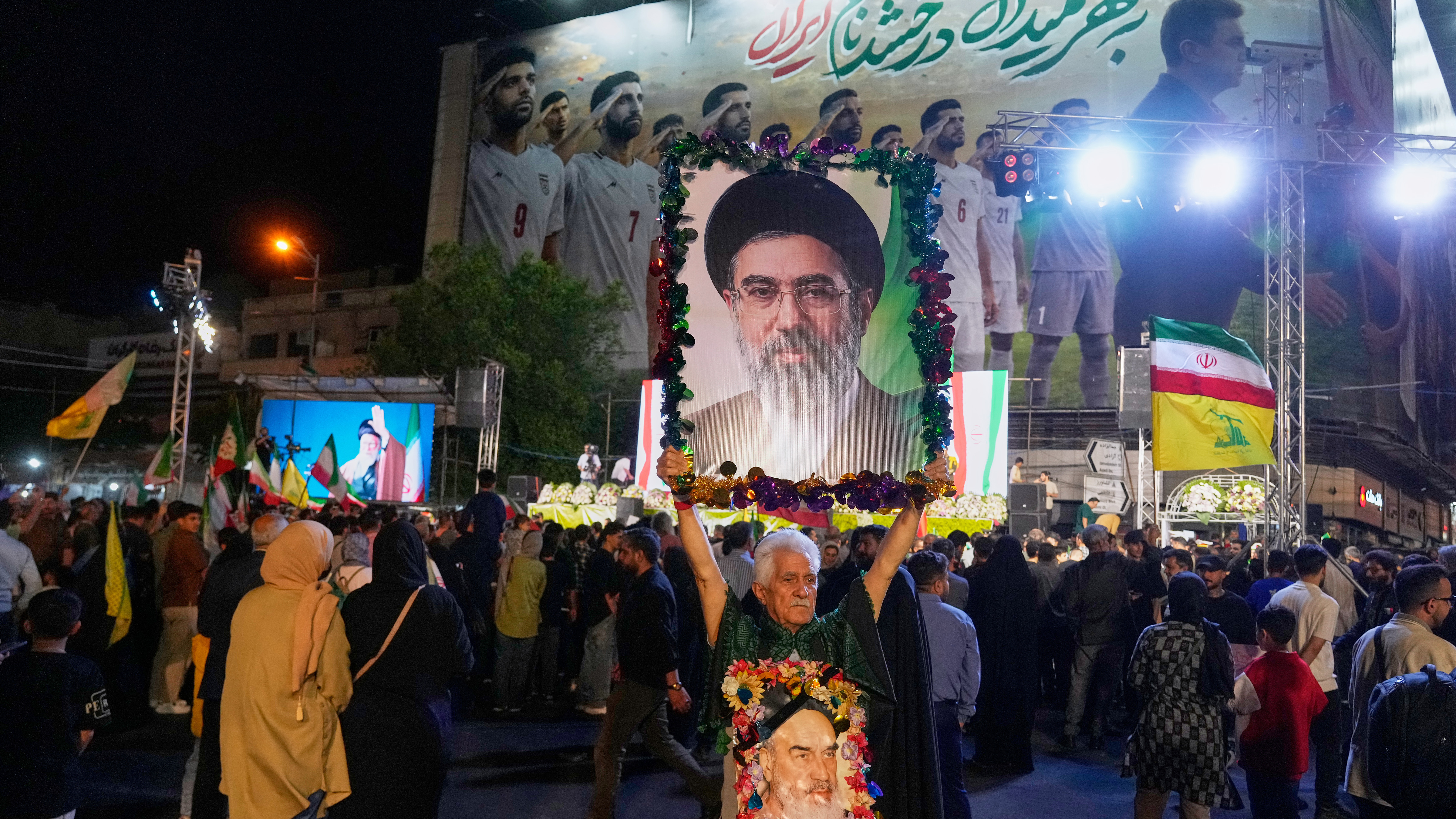
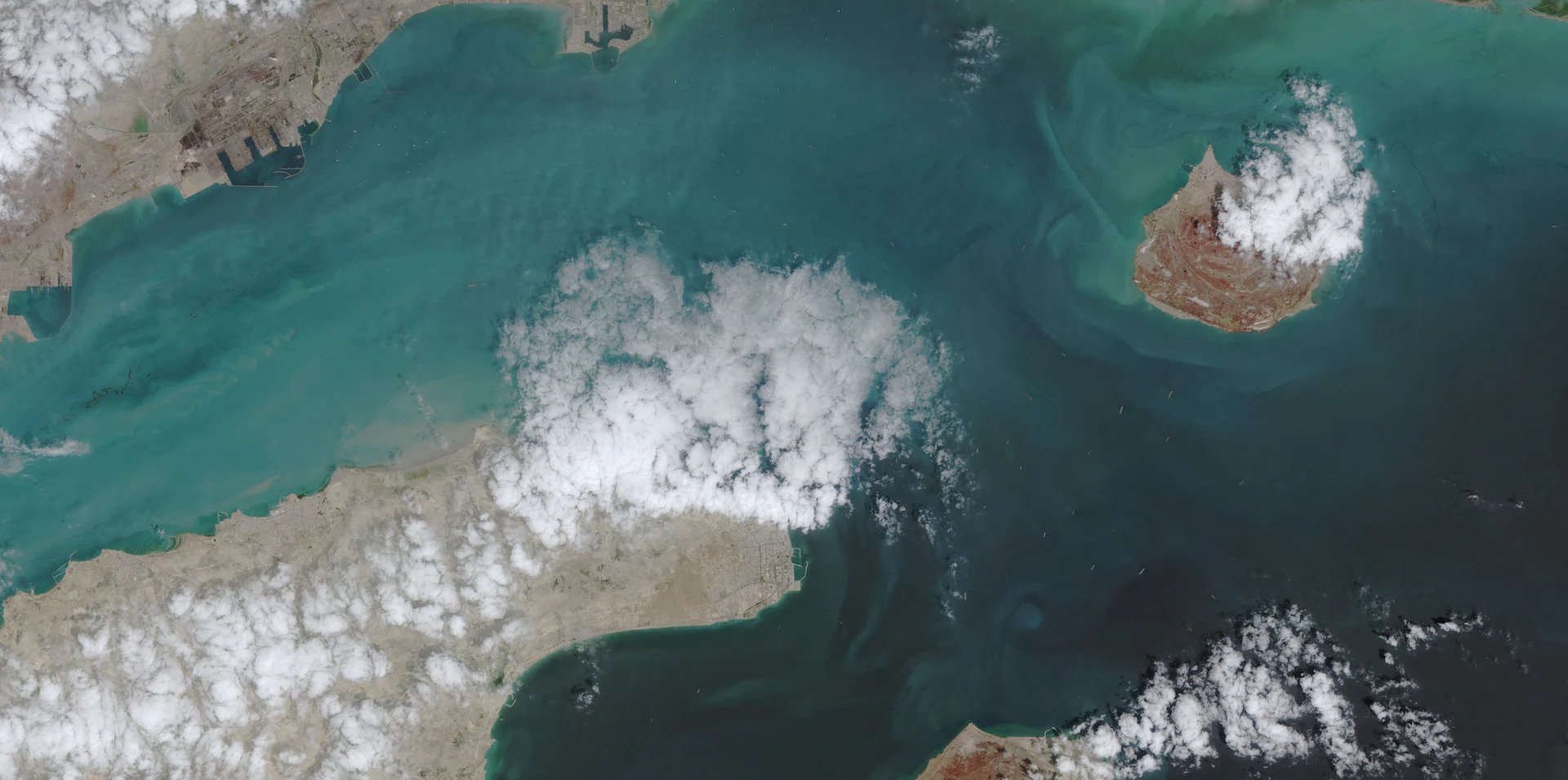
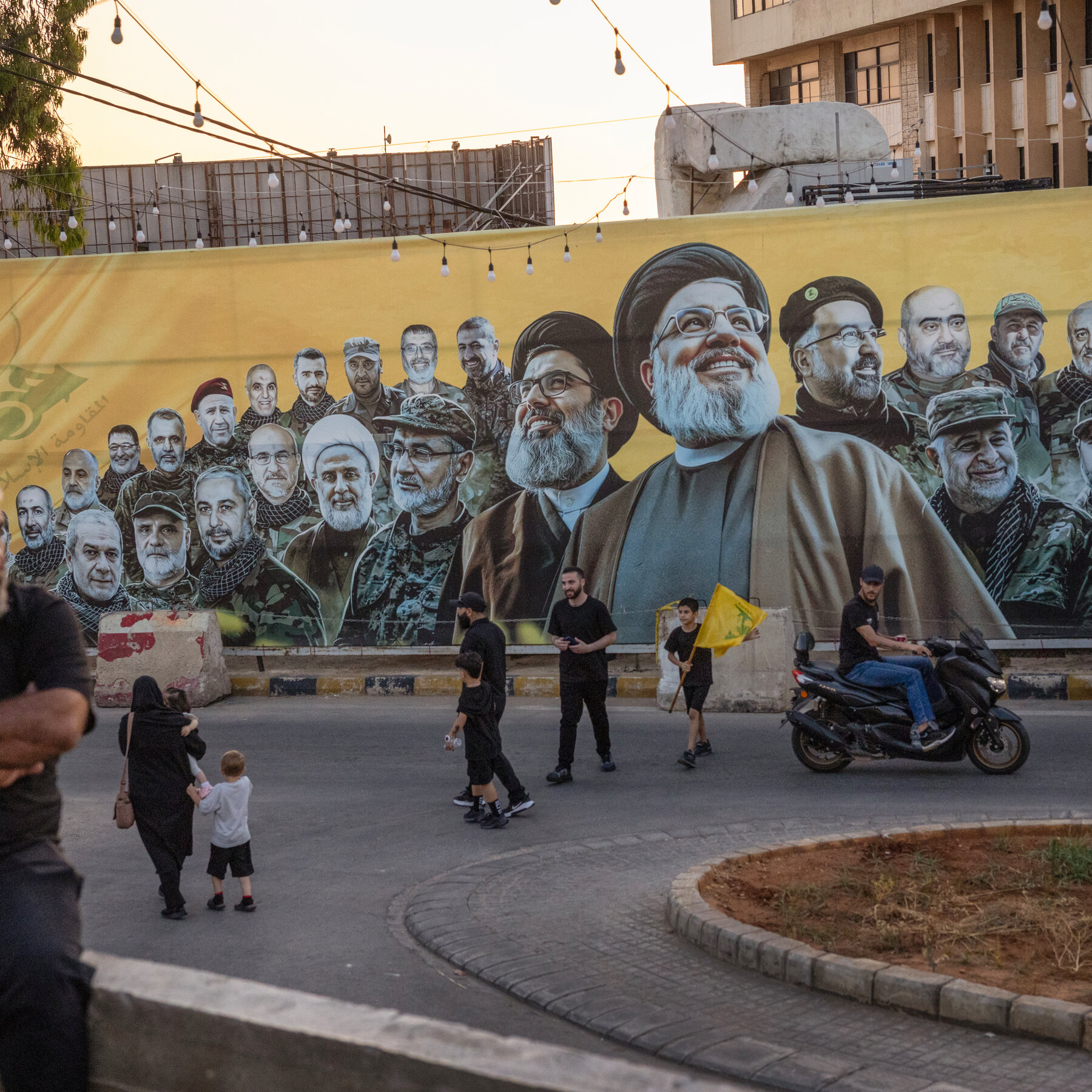
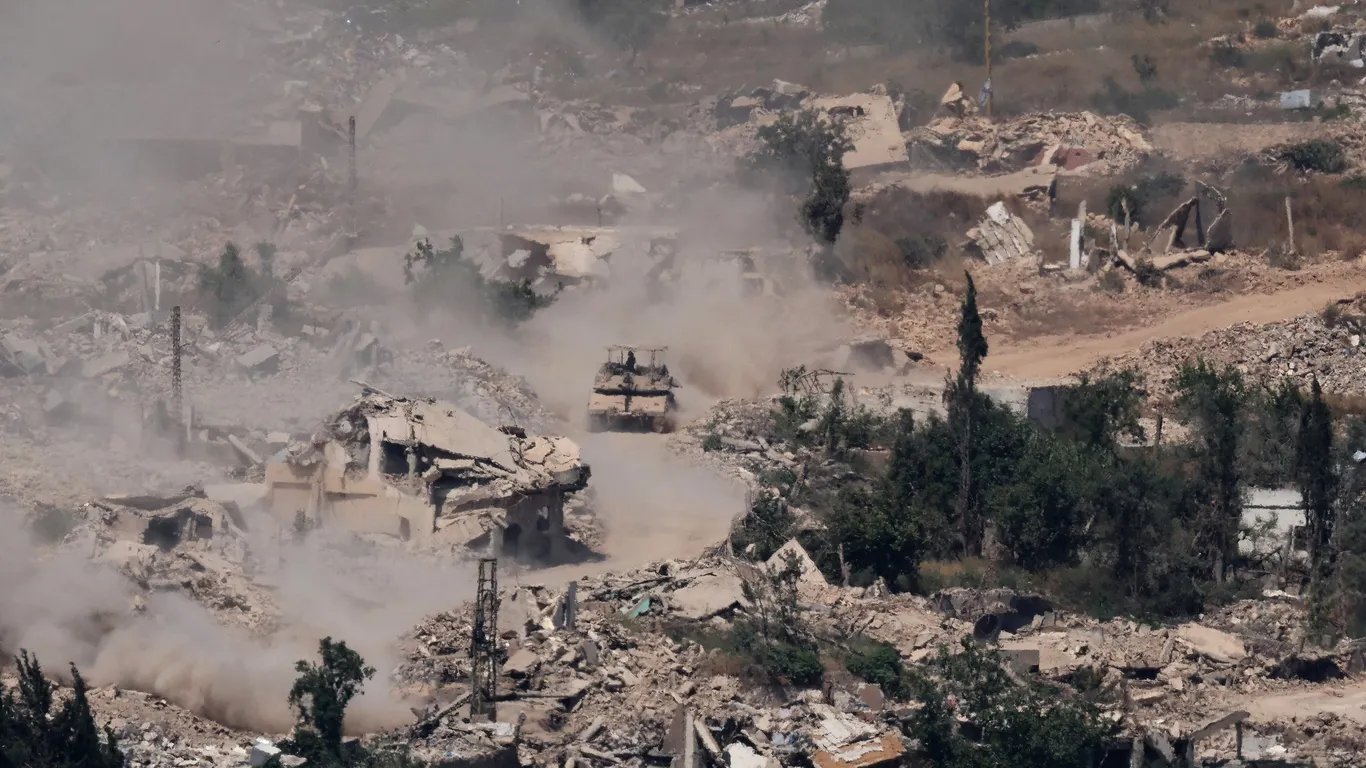
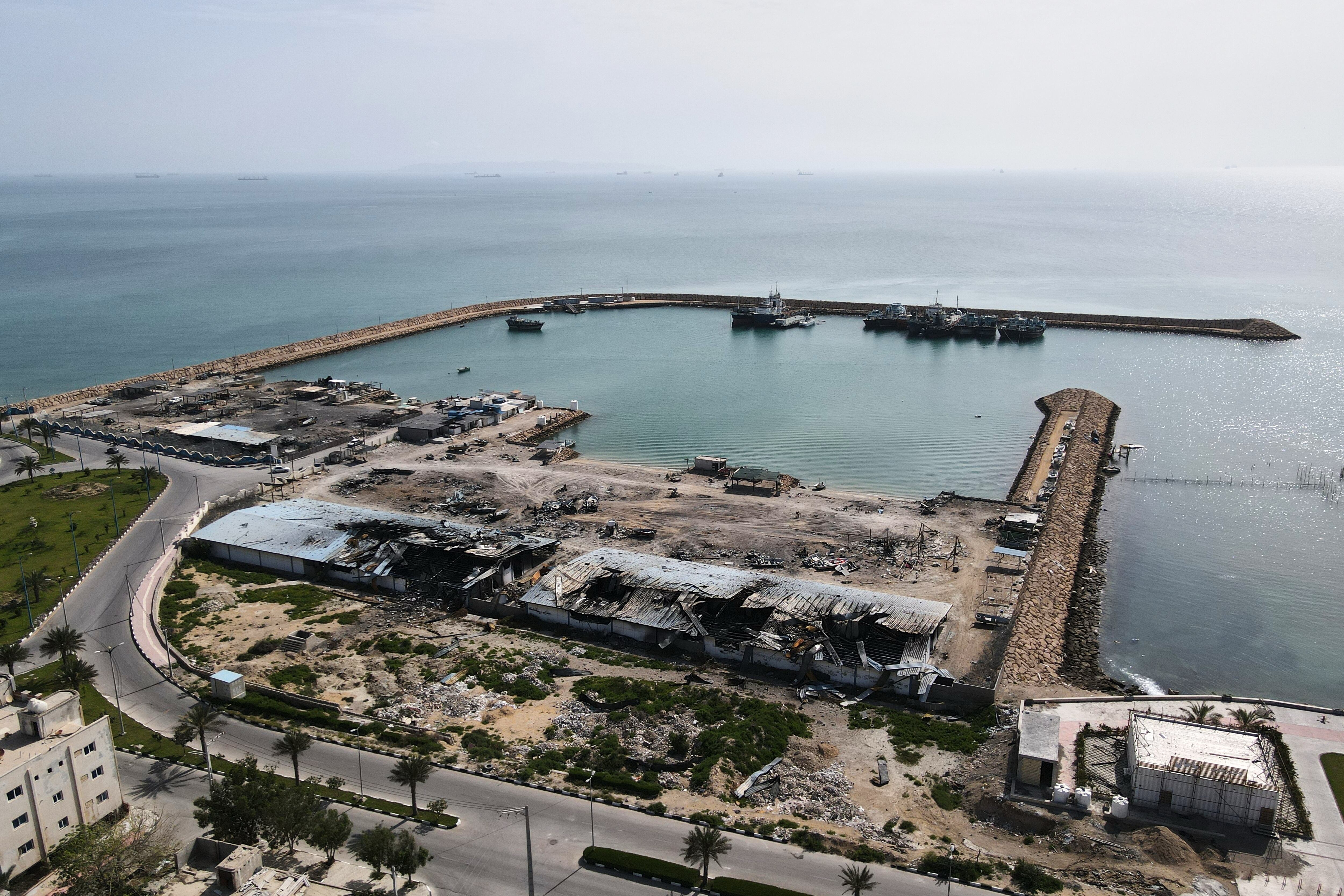
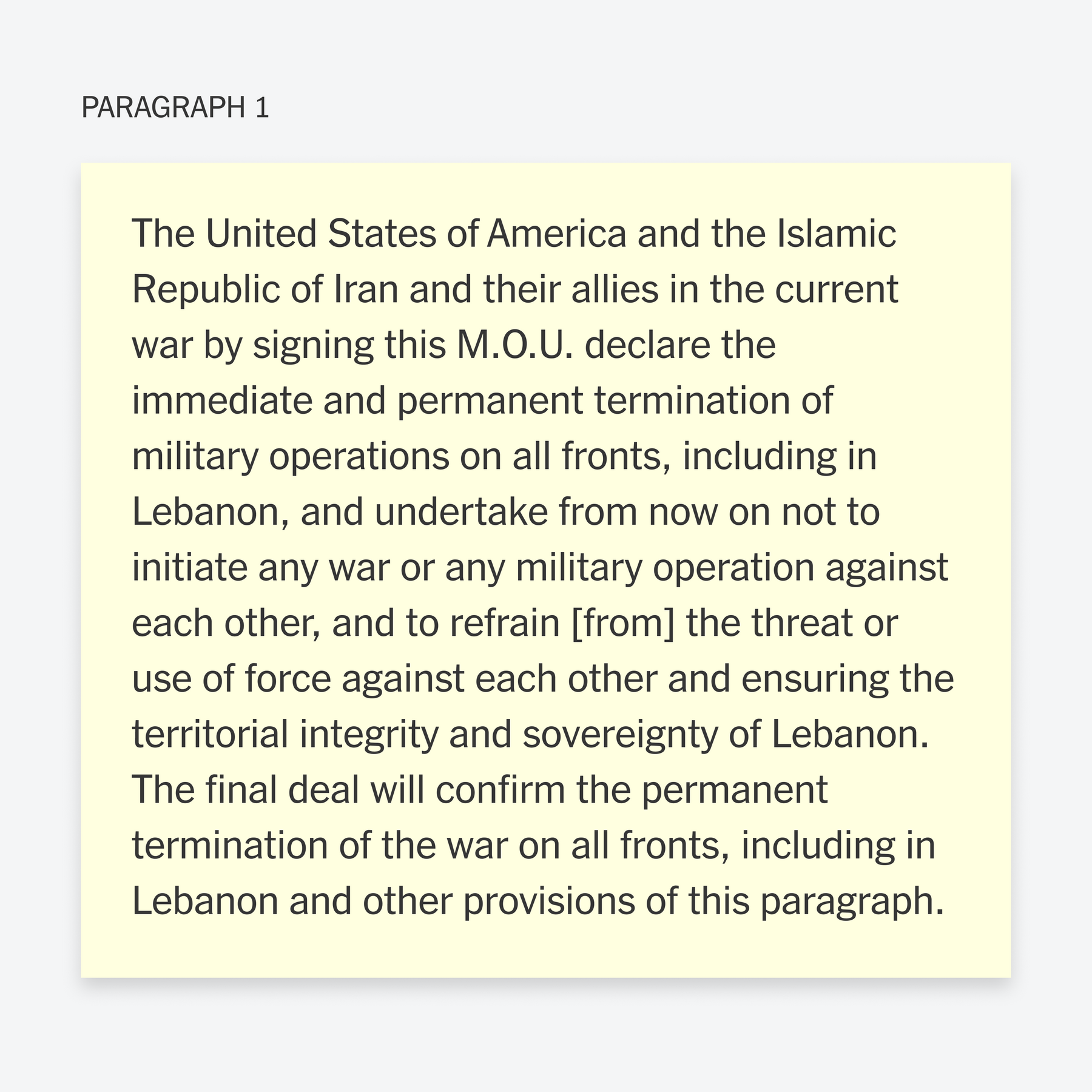
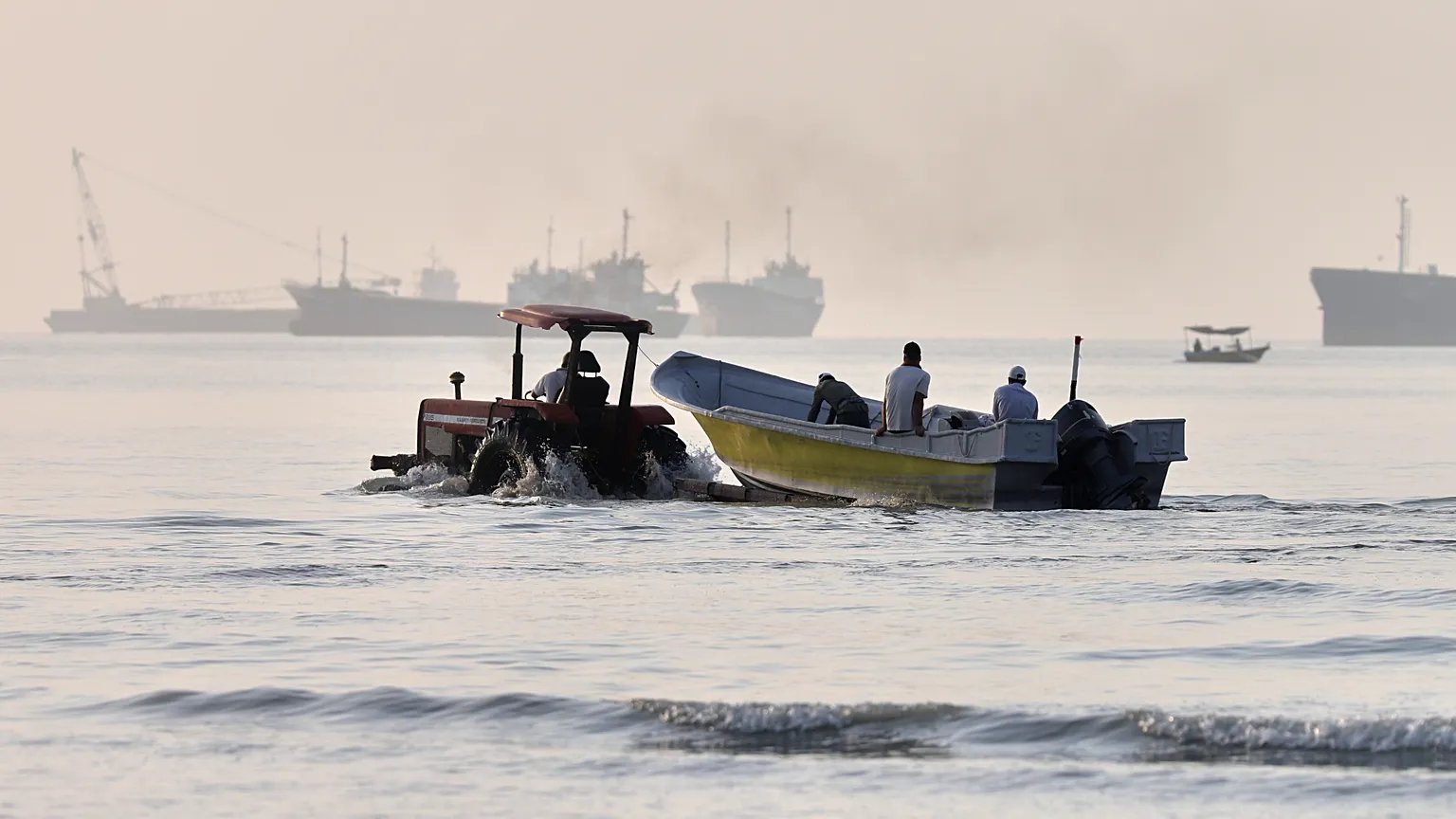
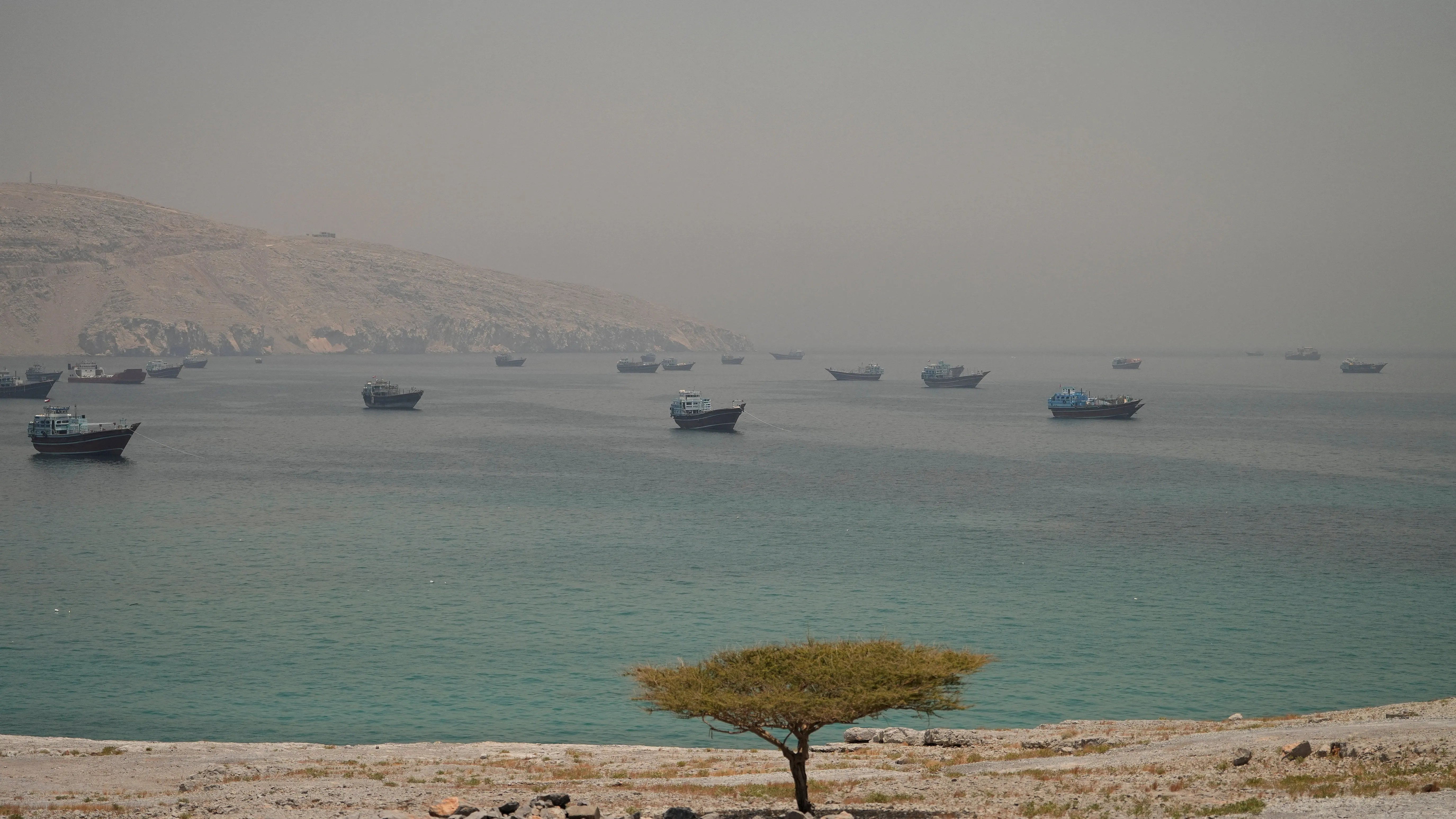
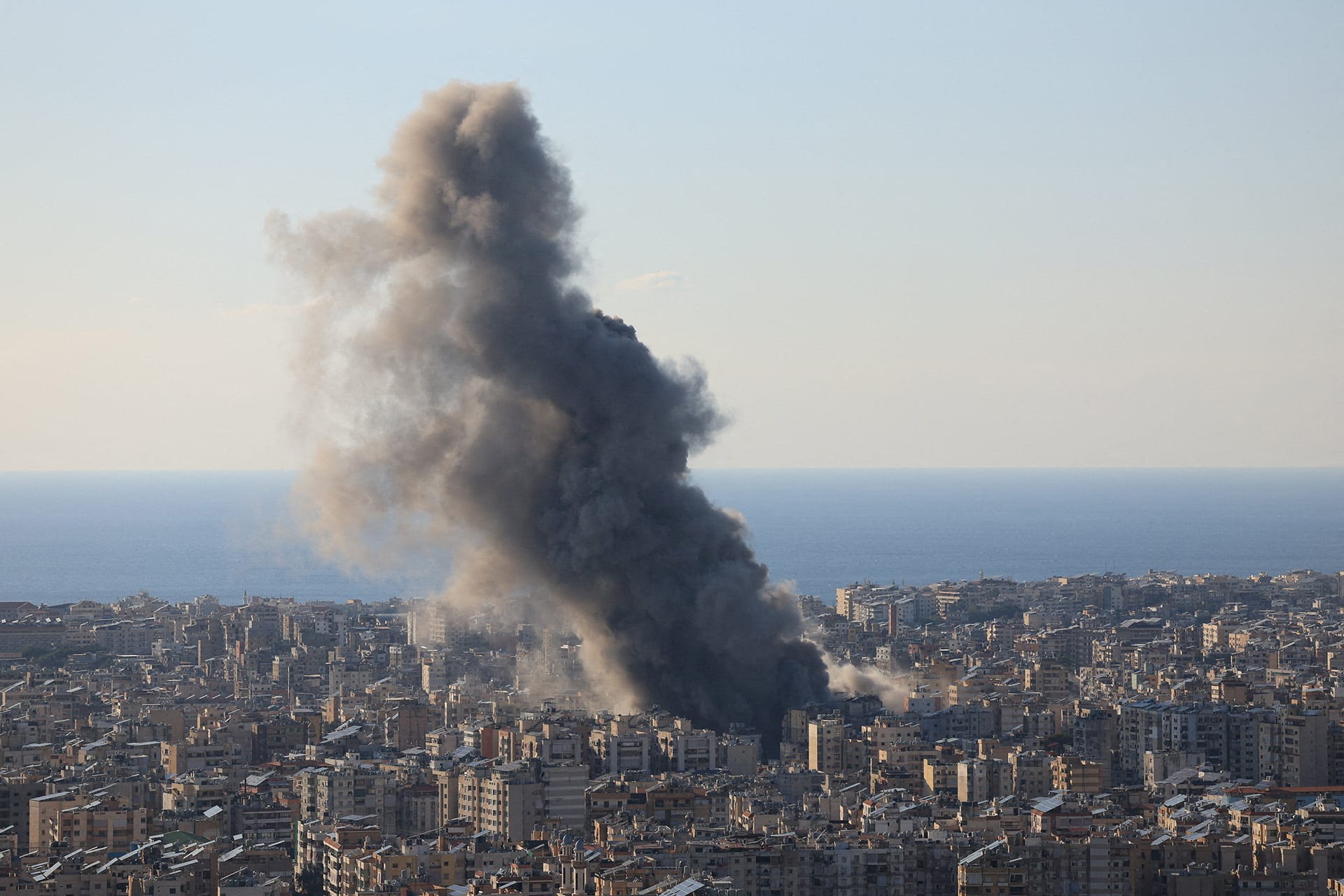
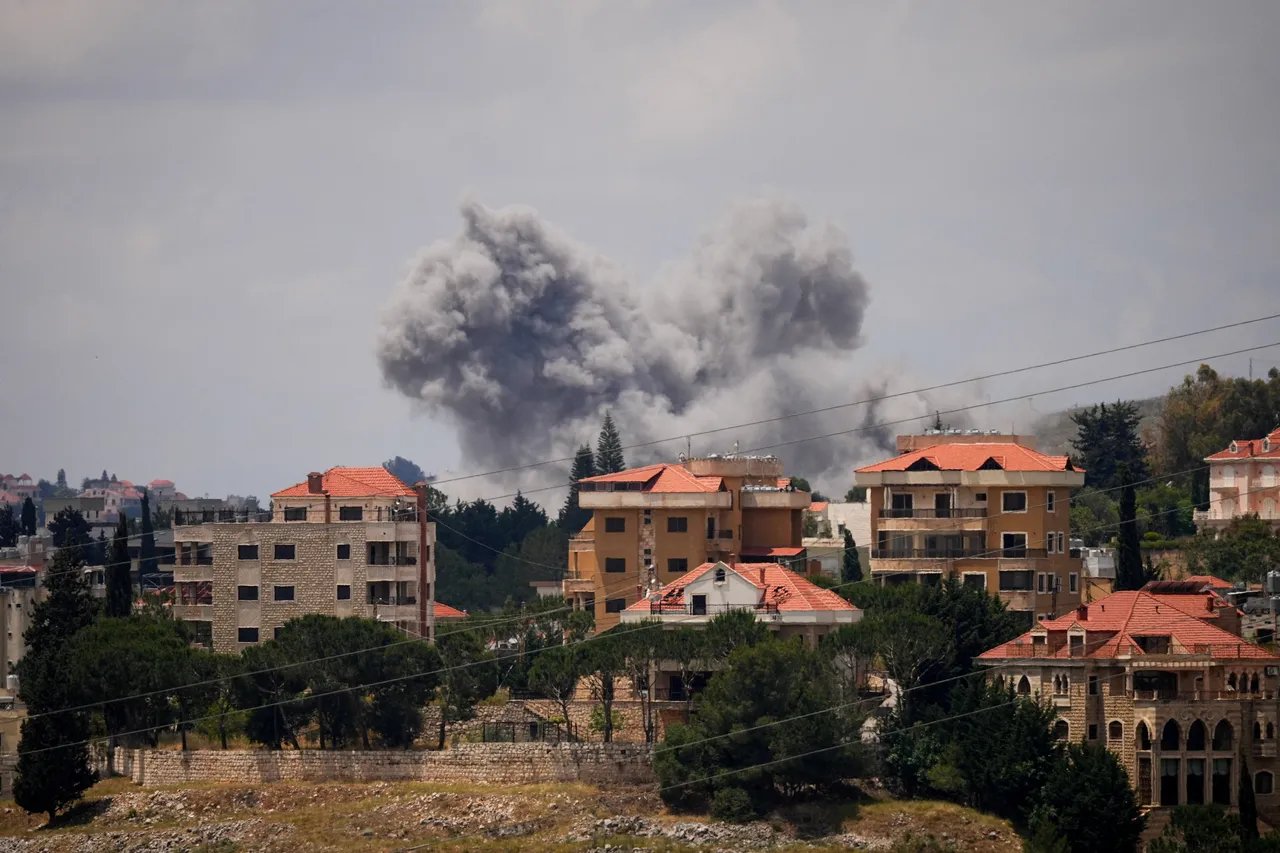
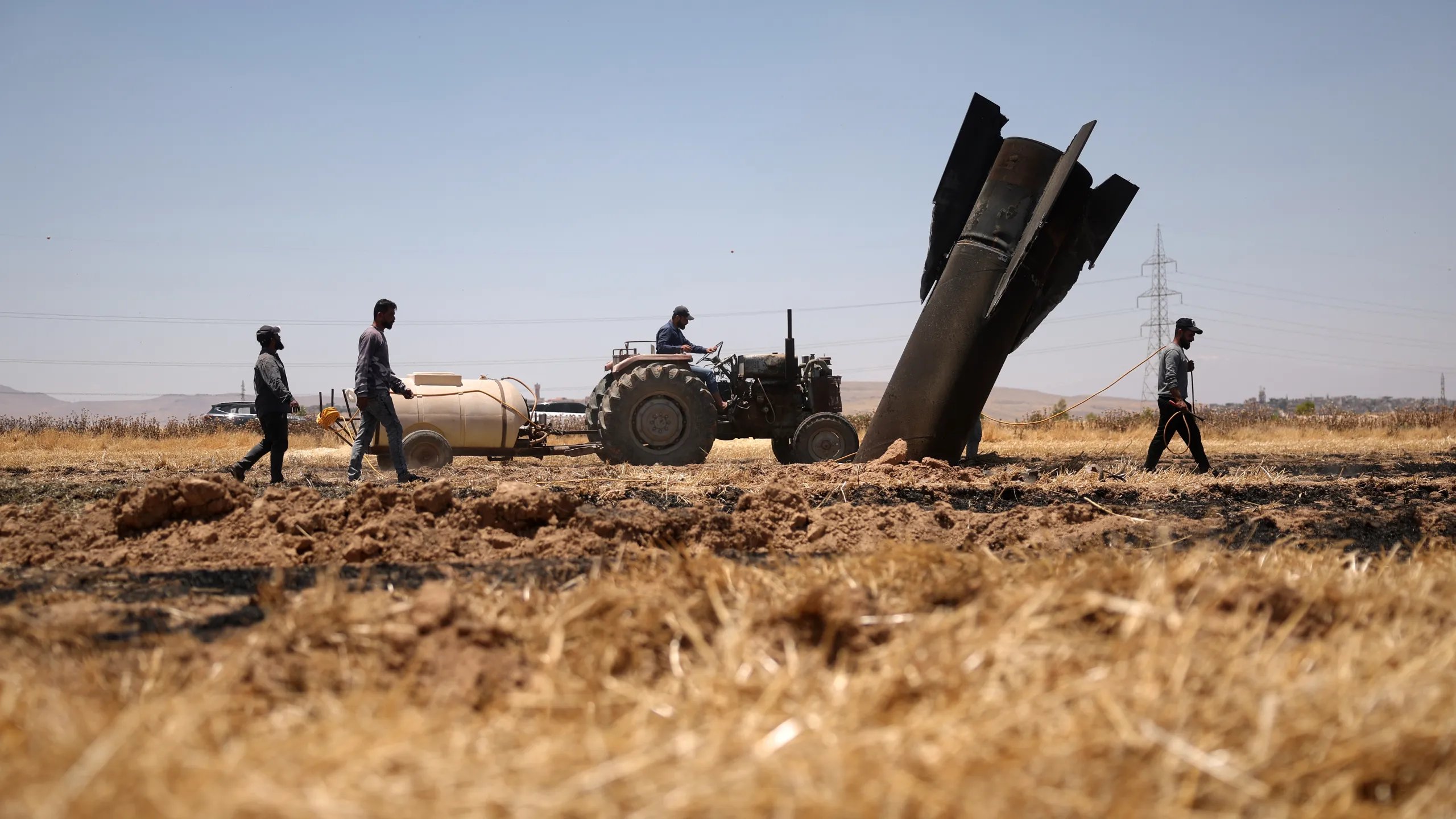
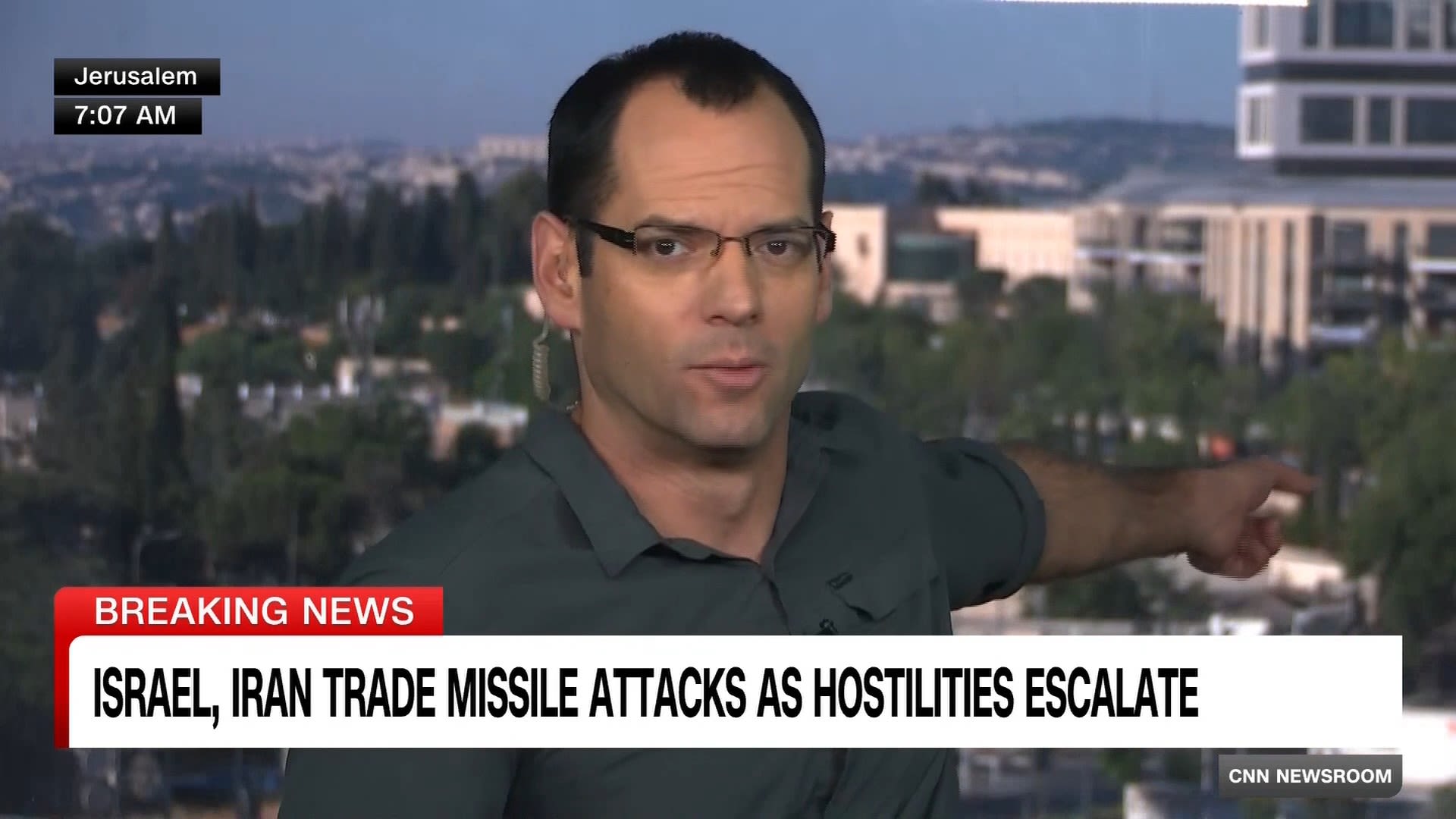
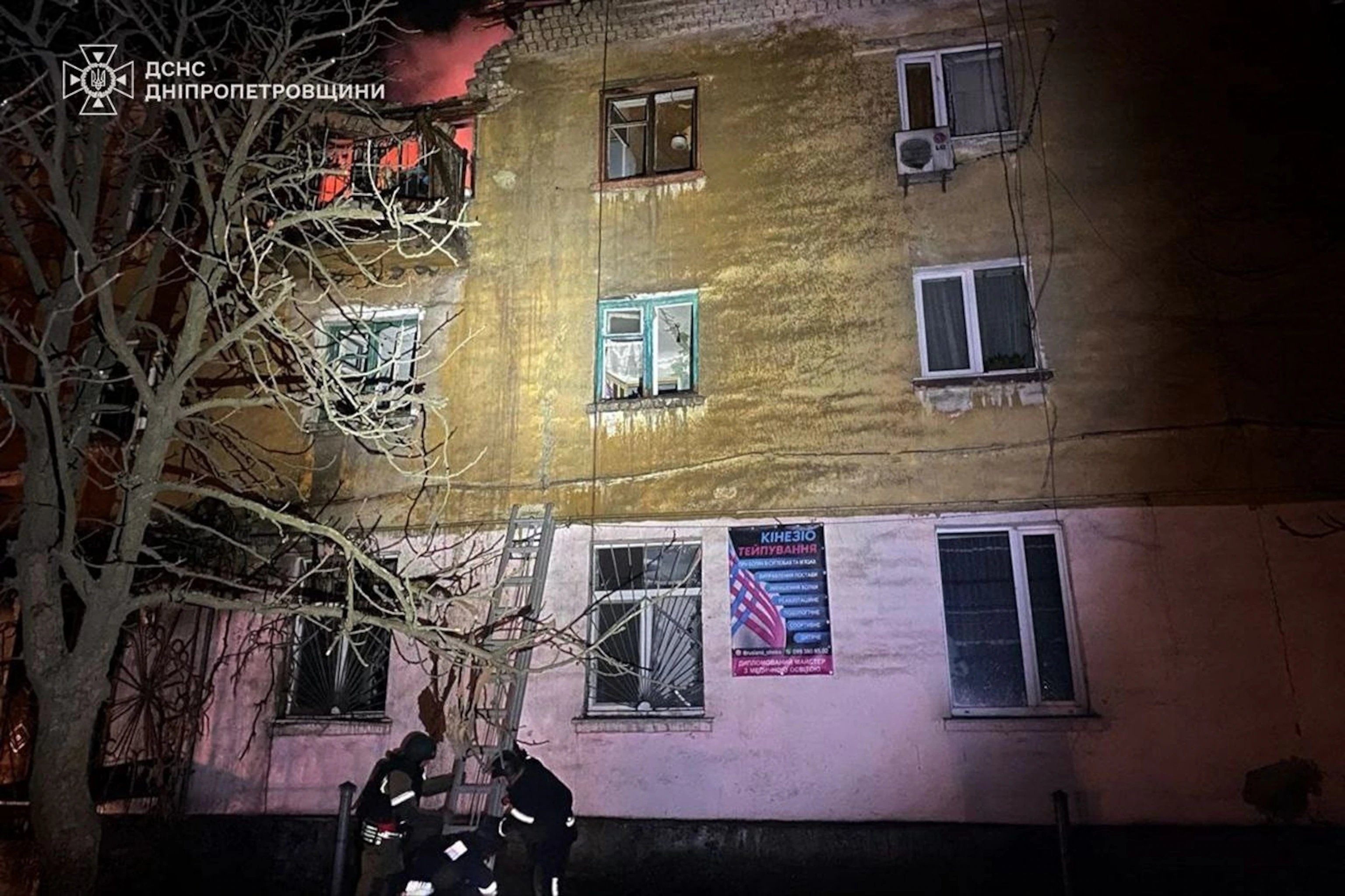
Fighting between Israel and Hezbollah continued to undermine negotiations even as talks began. Iran's military announced Saturday it had closed the Strait of Hormuz, alleging Israel violated the ceasefire by maintaining forces in southern Lebanon. The memorandum of understanding requires an immediate halt to military operations "on all fronts, including in Lebanon," yet neither Israel nor Hezbollah were parties to the agreement.
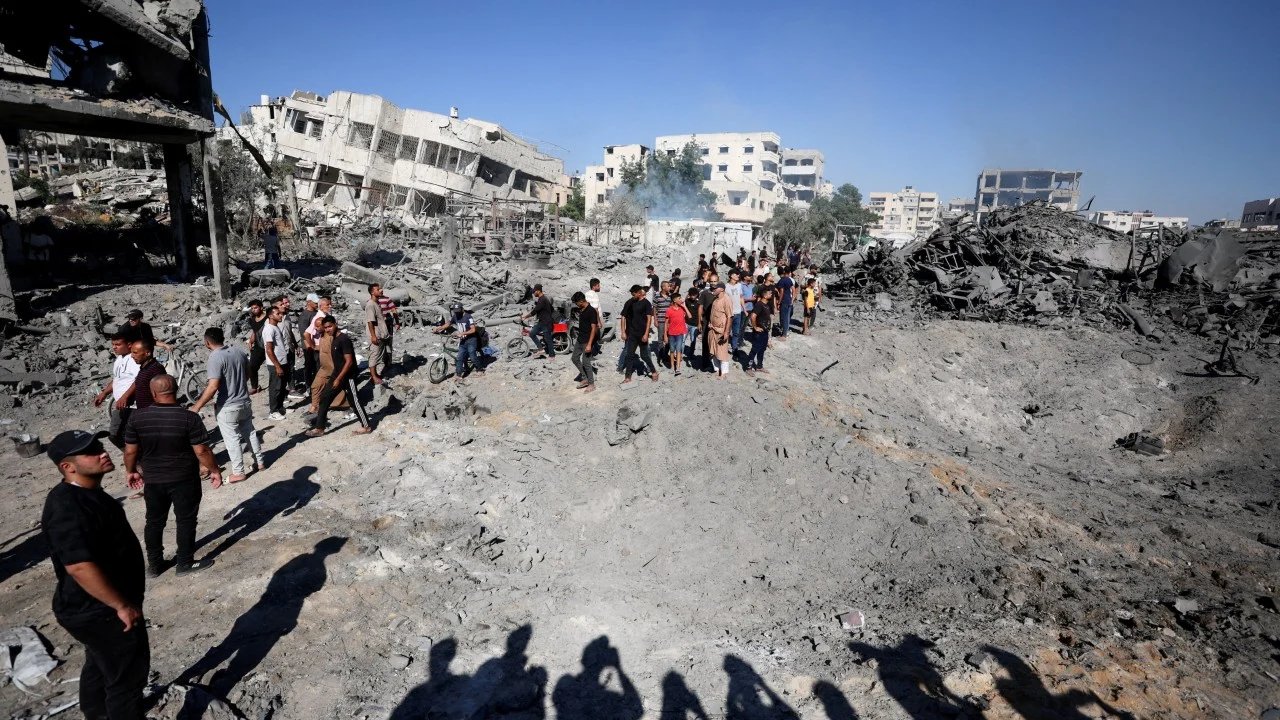
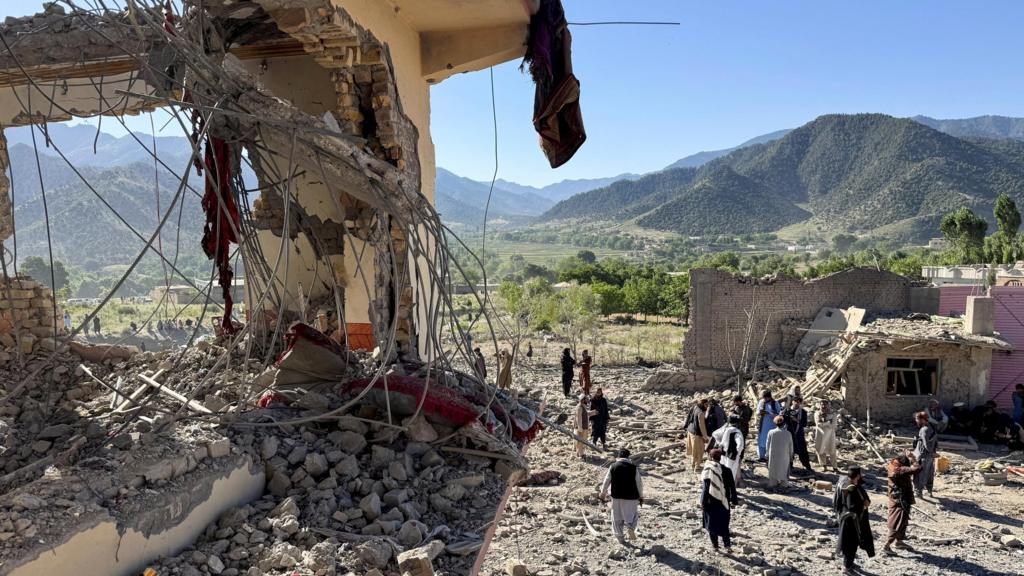
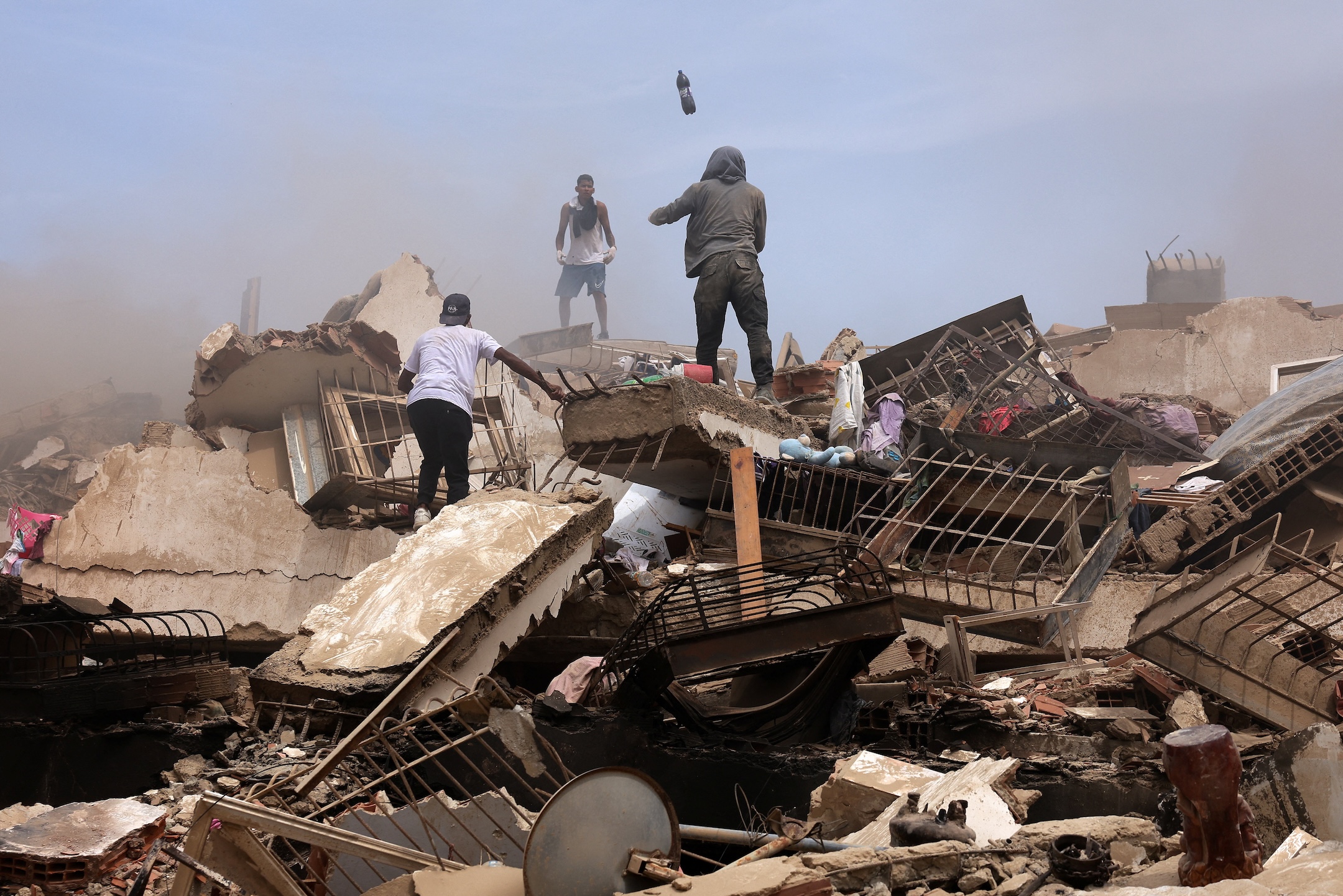
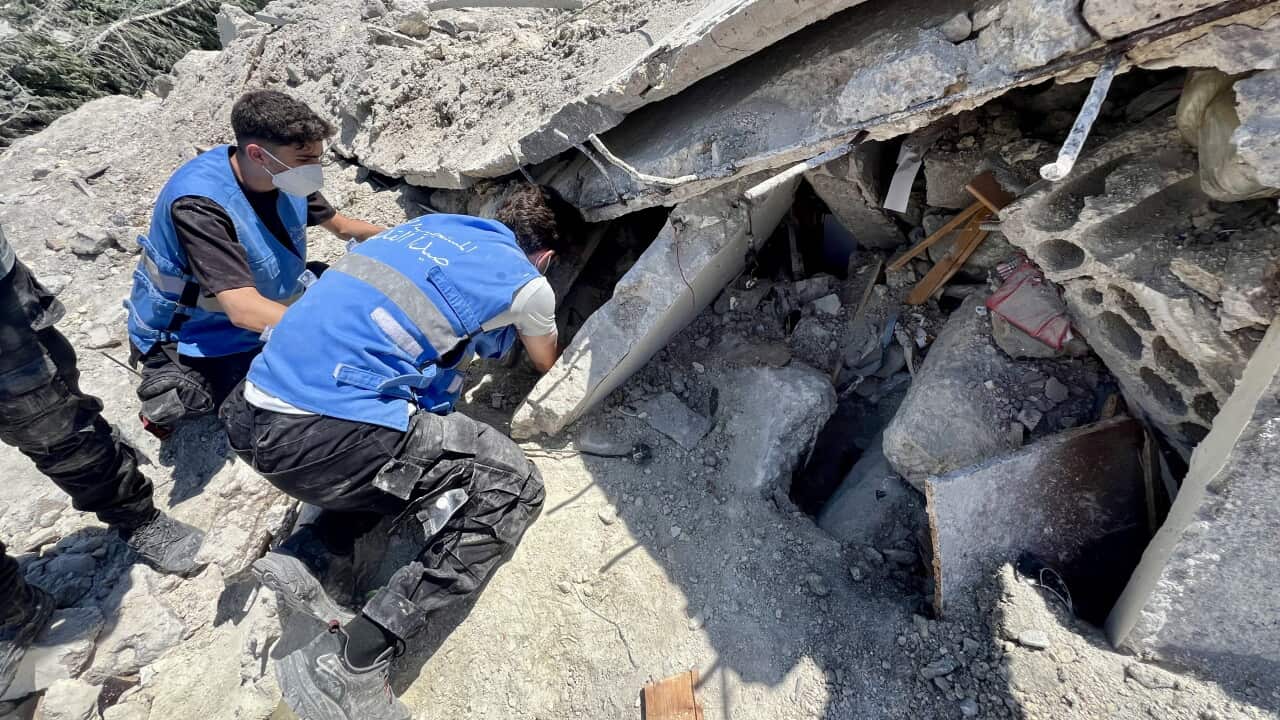
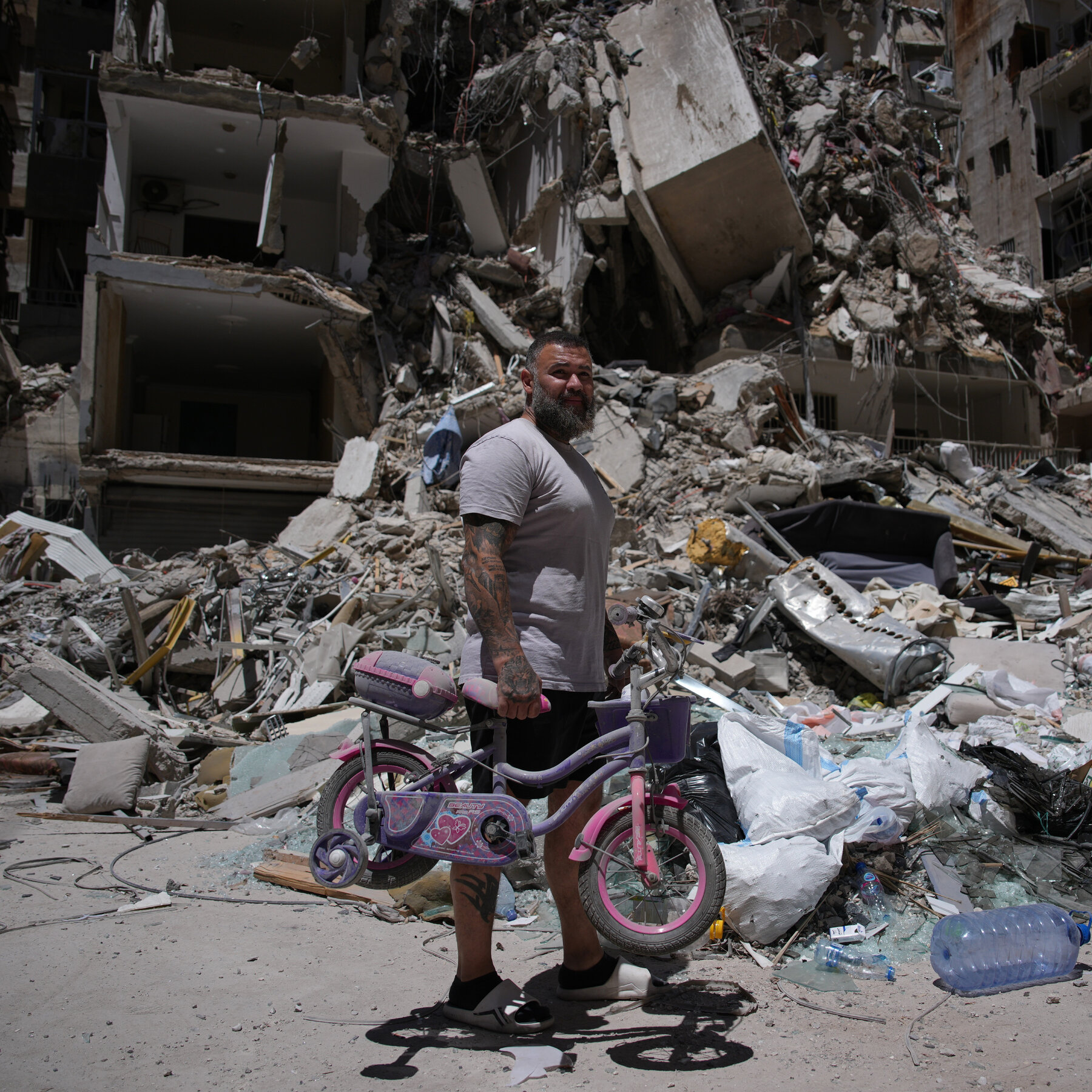
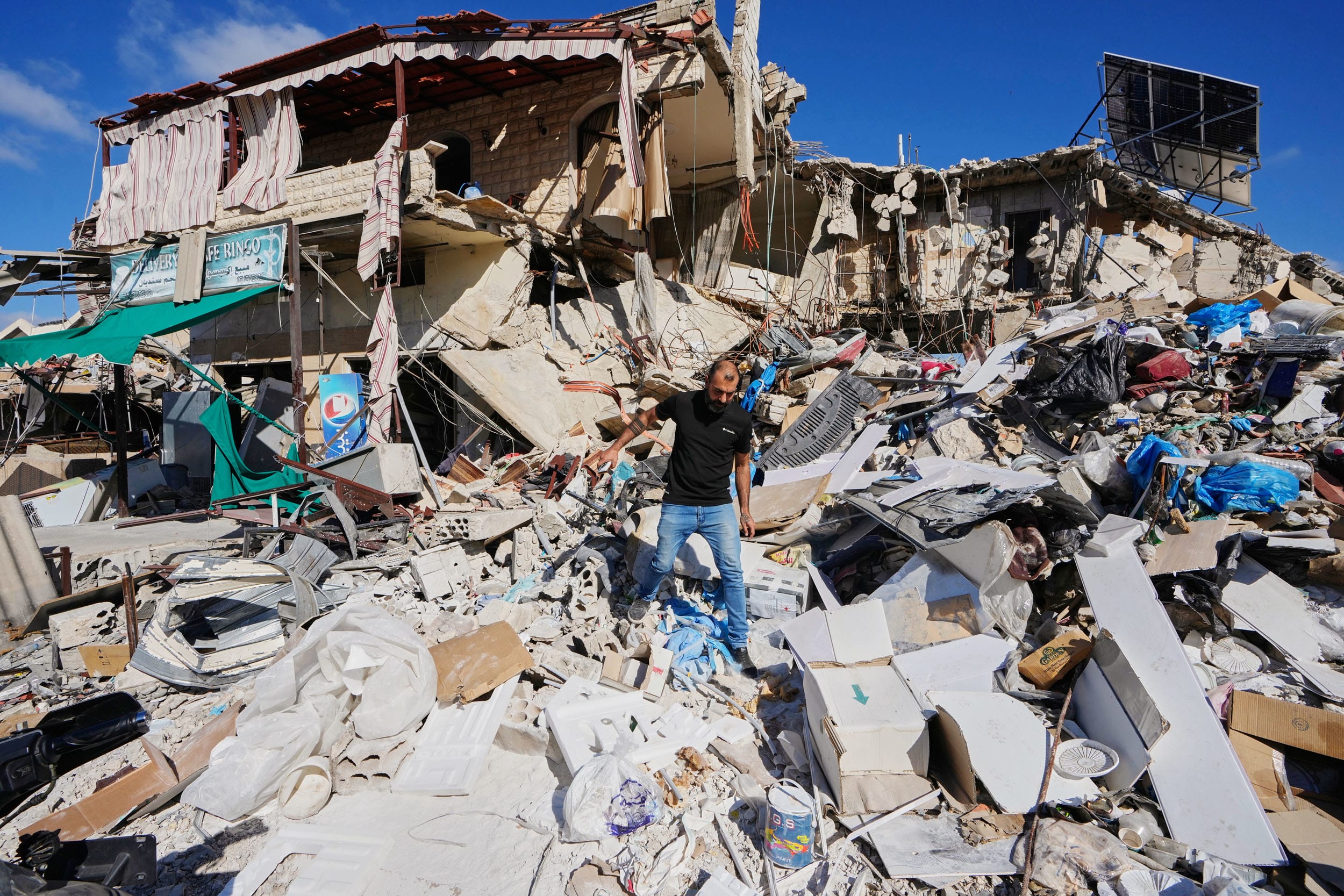
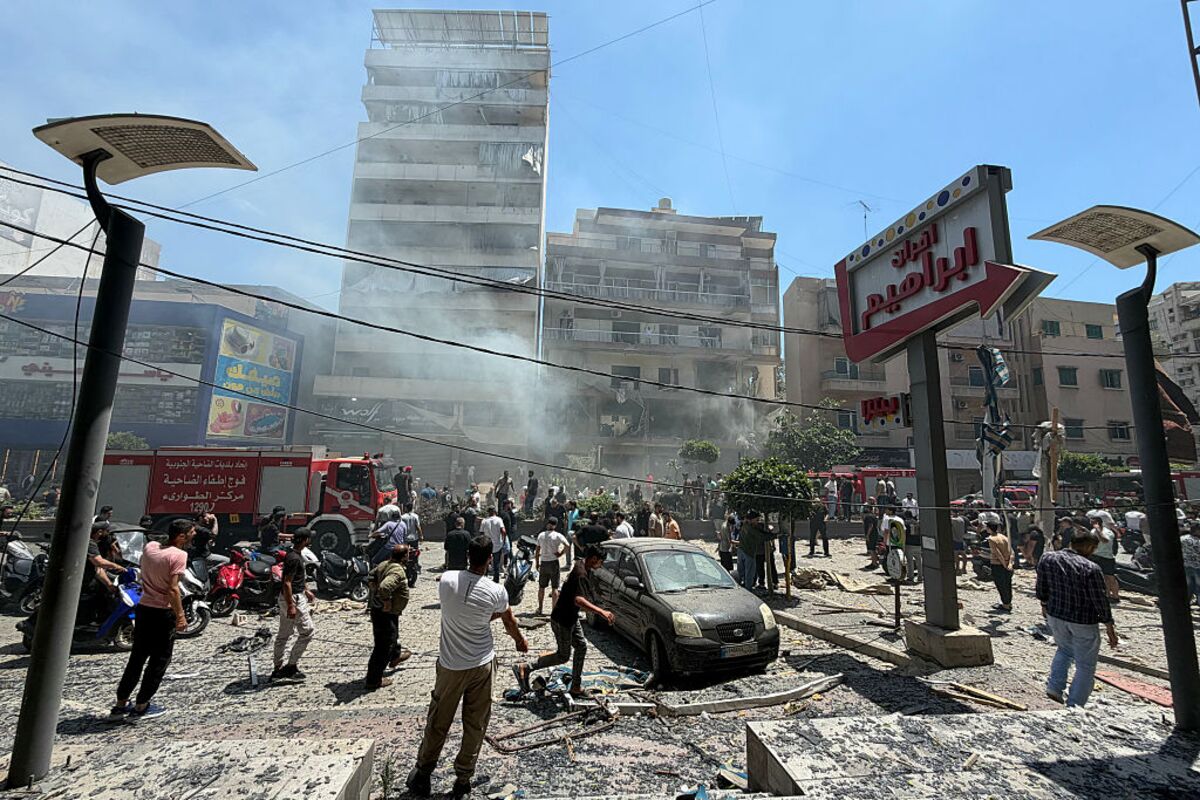
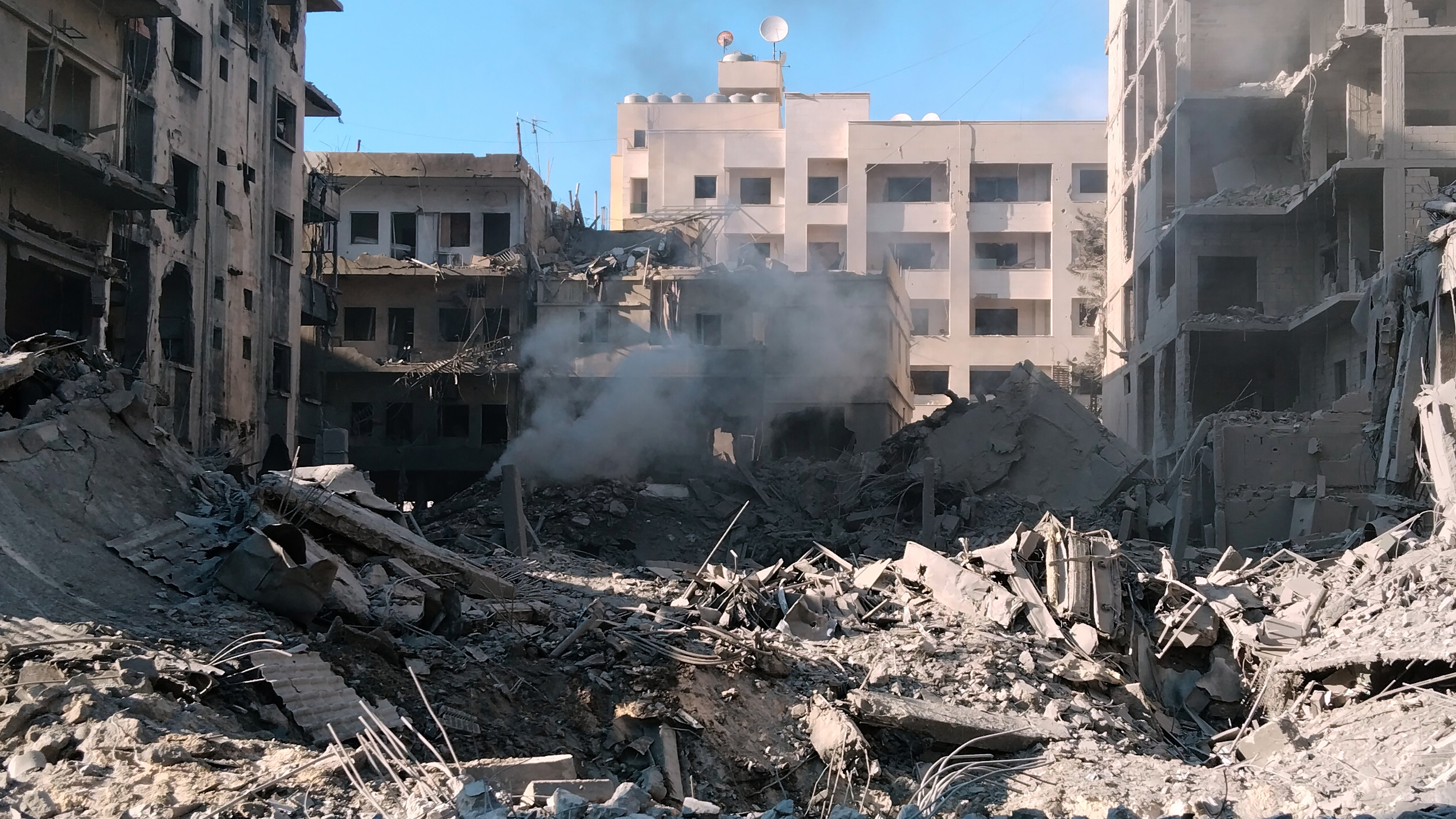
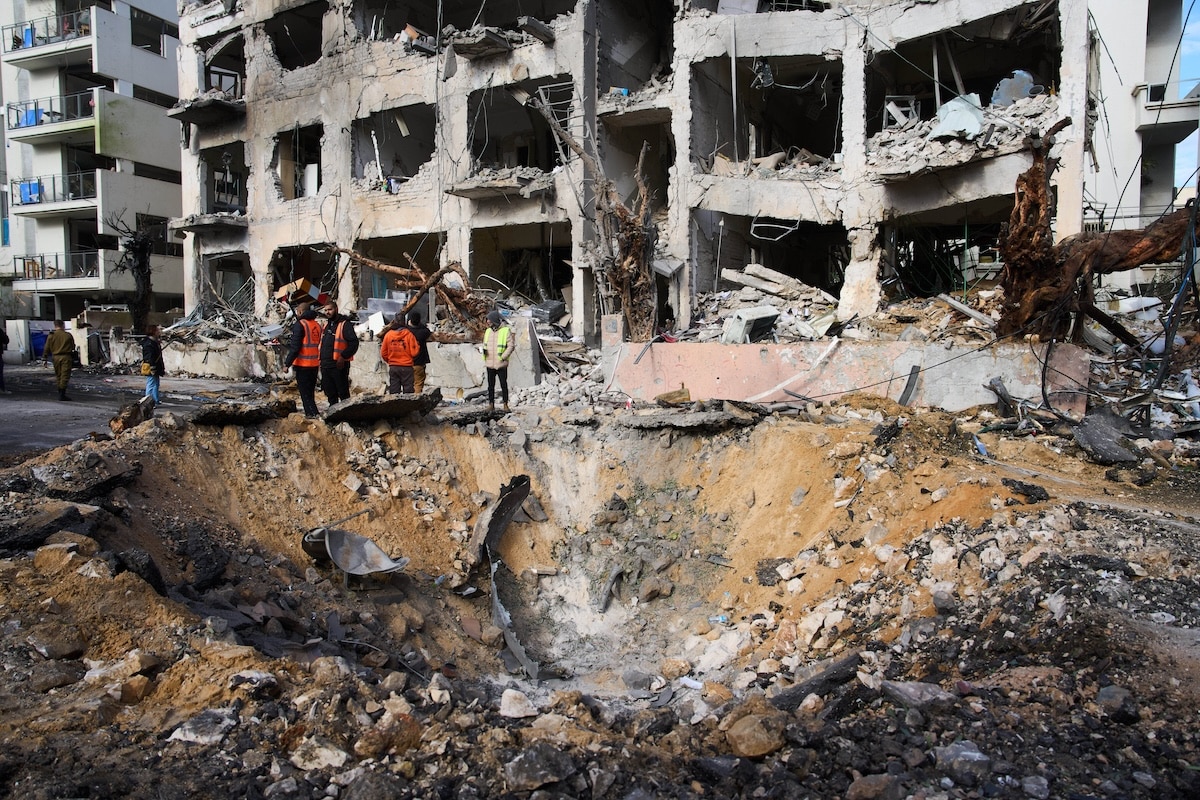
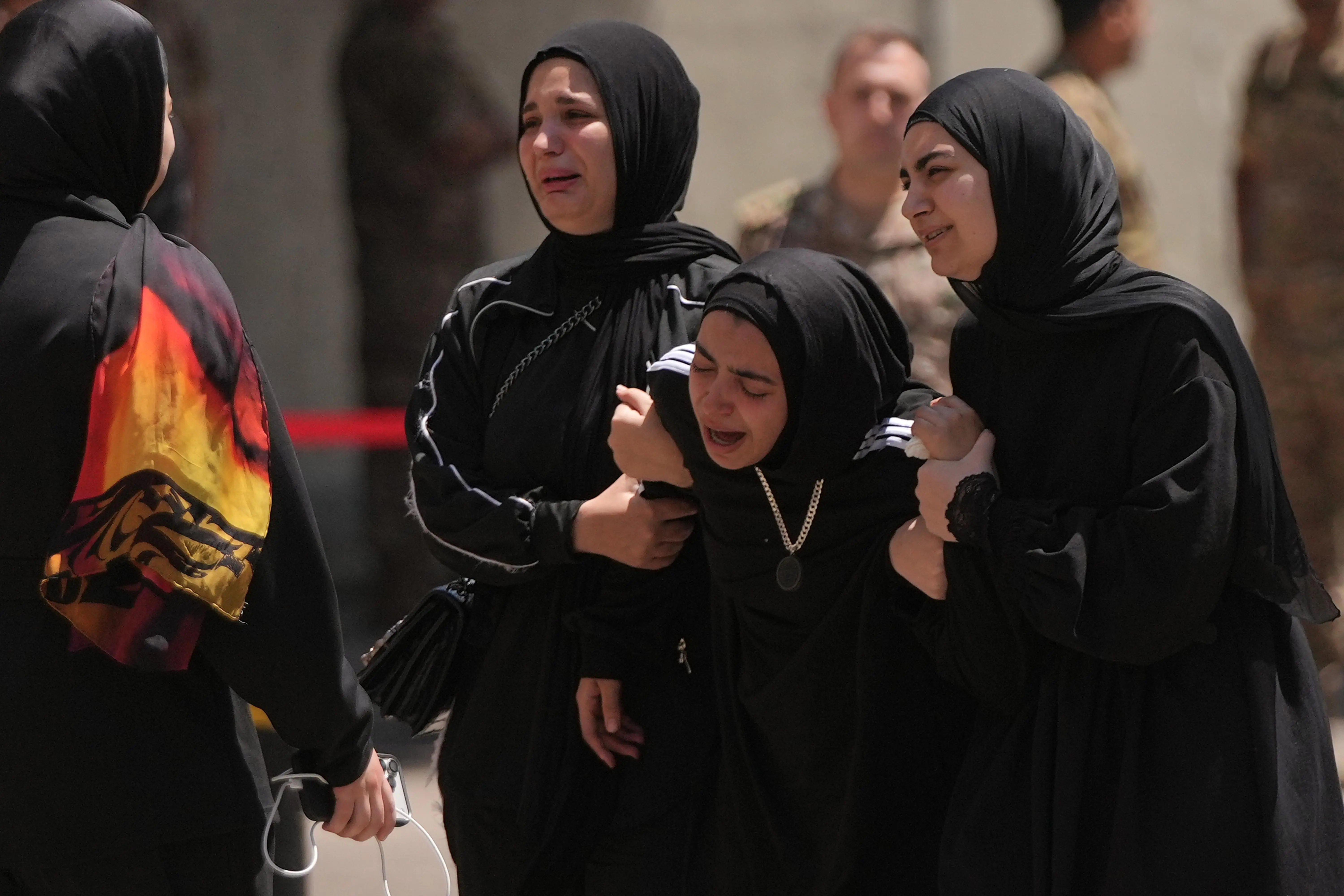
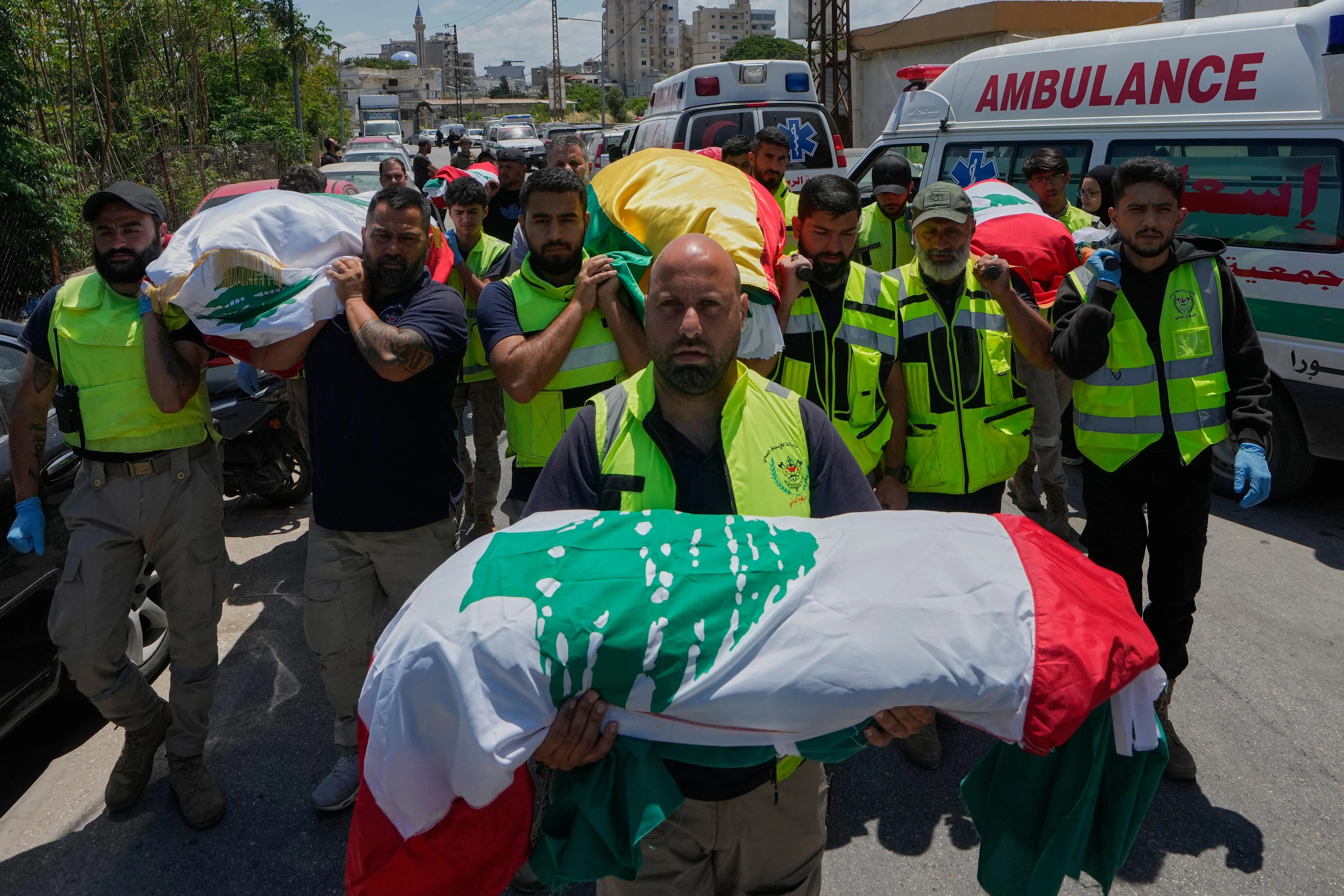
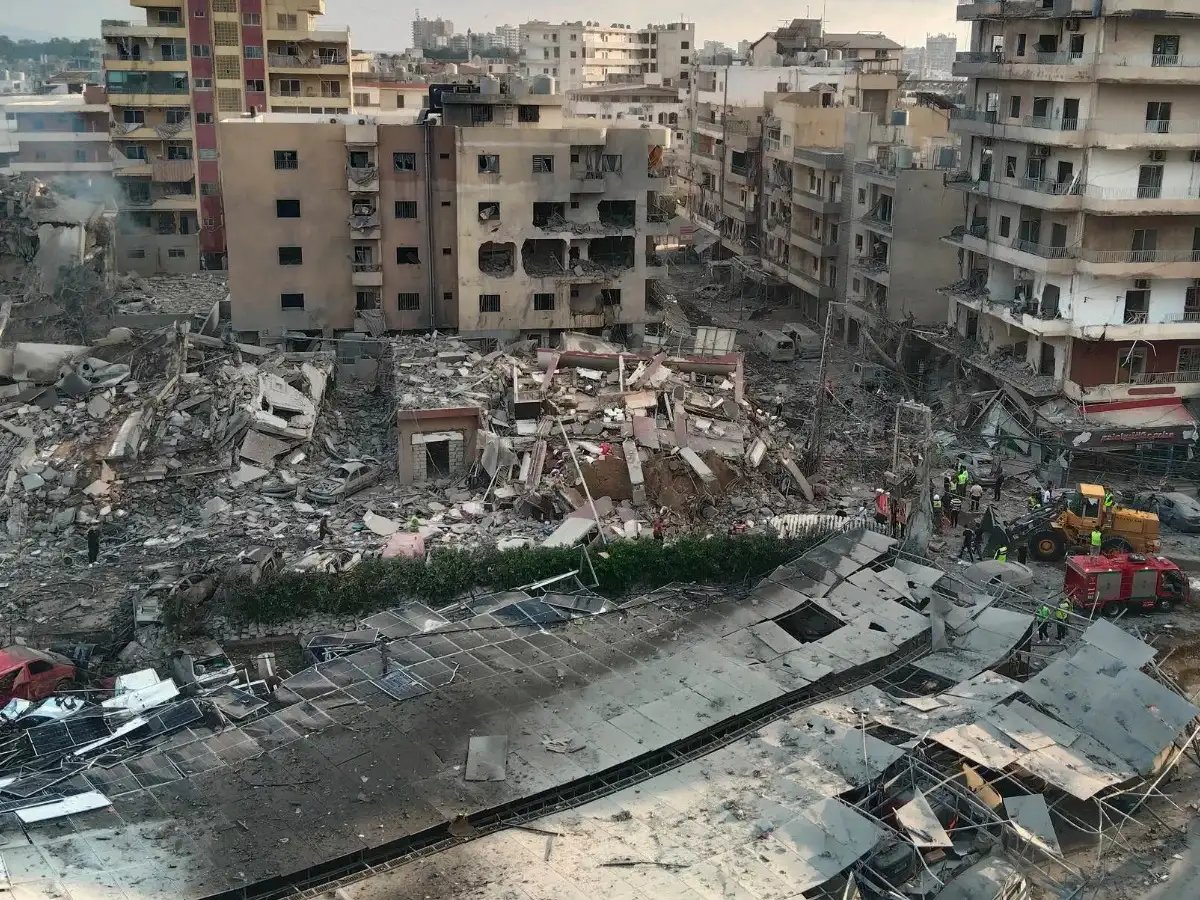
Israeli strikes on Saturday killed at least 16 people according to Lebanon's National News Agency, though casualty figures varied across different strikes and sources throughout the week. Israel said the strikes responded to Hezbollah firing more than 50 projectiles at Israeli forces overnight. However, the interim head of the United Nations Interim Force in Lebanon told NPR that for the first time since fighting began on March 2, the peacekeeping force recorded no attacks from either side on Sunday.
Vance said the U.S. has "done more to stop the conflict in Lebanon than any government anywhere in the world" and expressed confidence about progress. Israeli Prime Minister Benjamin Netanyahu has stated Israeli troops will remain in southern Lebanon's security zone "as long as necessary to protect the northern communities," a position Iran considers a violation of the memorandum.
Competing visions for what comes next
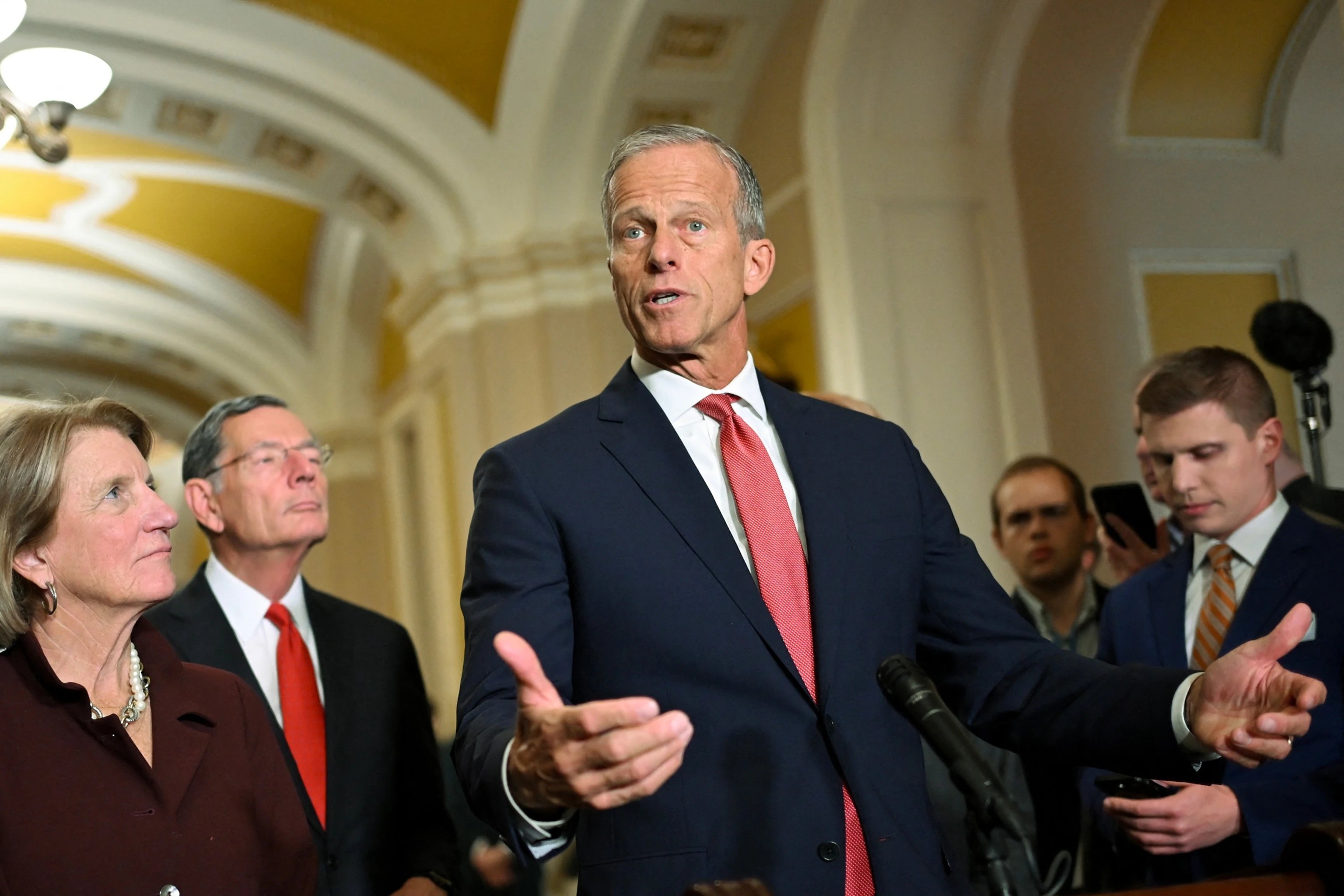
GOP Senator Lindsey Graham predicted the diplomatic effort would fail and outlined what he expects Trump will do if negotiations collapse. "If this deal fails, President Trump is going to take the Strait of Hormuz over by force," Graham said on "Face the Nation." "The United States will control the Strait of Hormuz, we'll charge a fee for all those who go through to pay for the operation." Graham added: "If Iran contests control of the Strait of Hormuz by the United States, we will obliterate them."
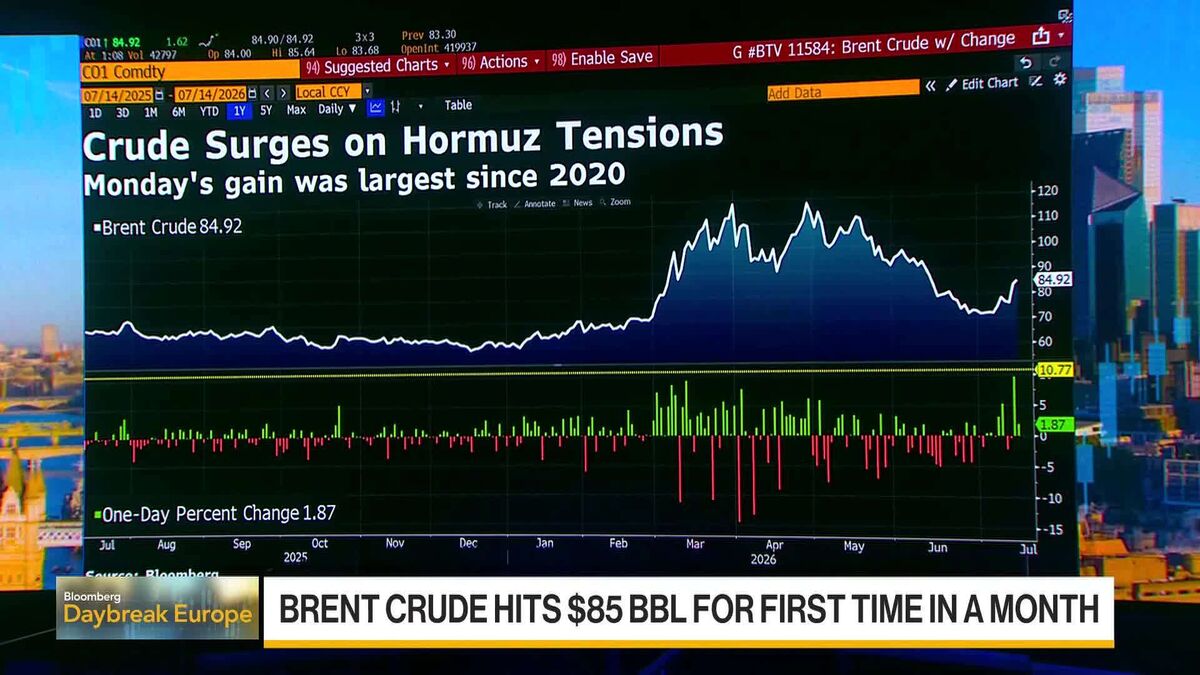
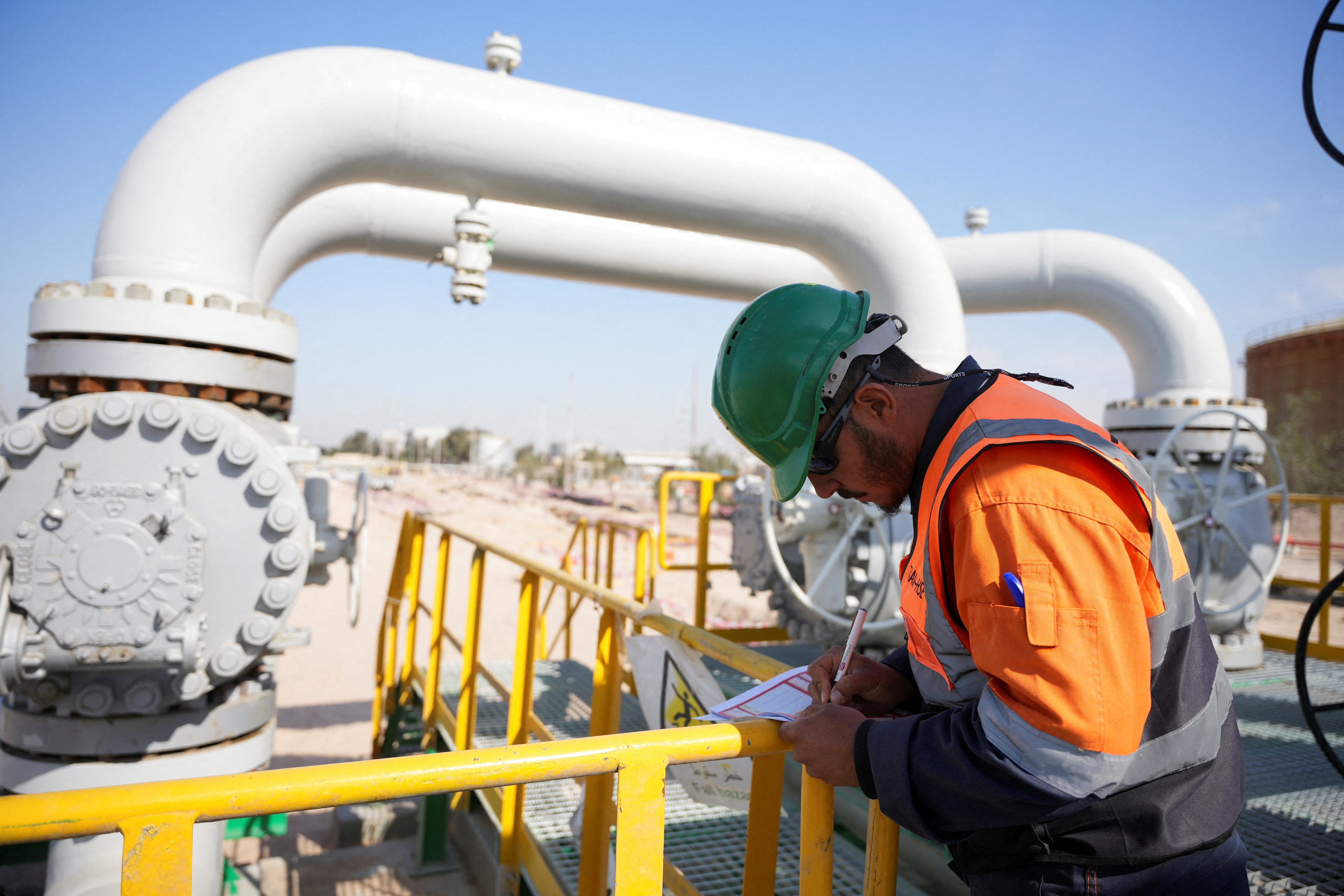
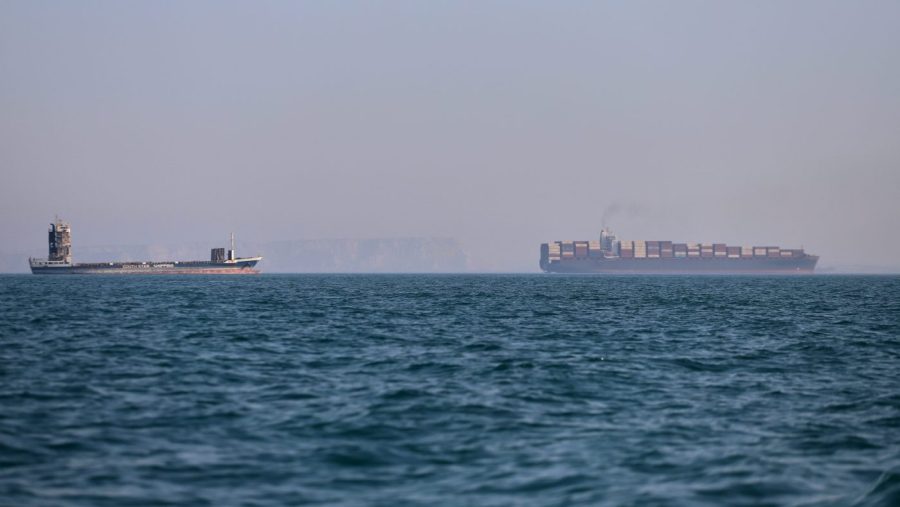
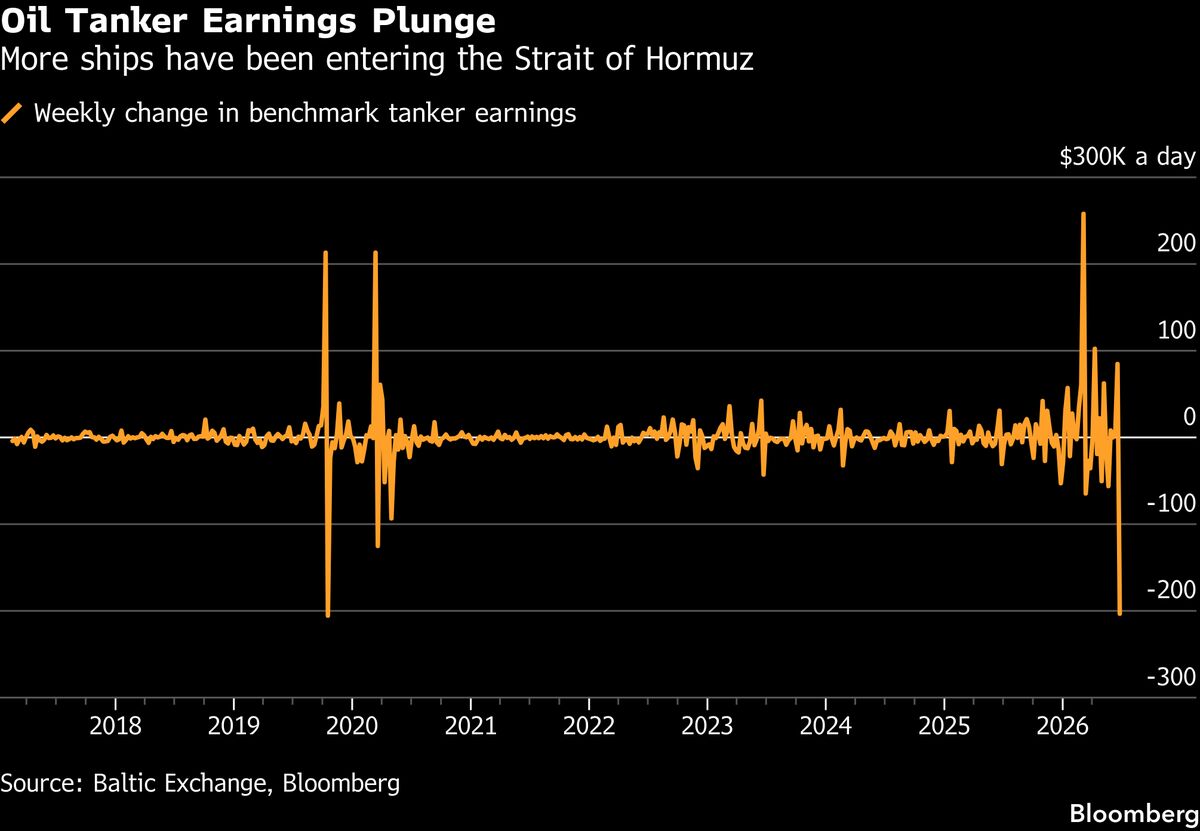
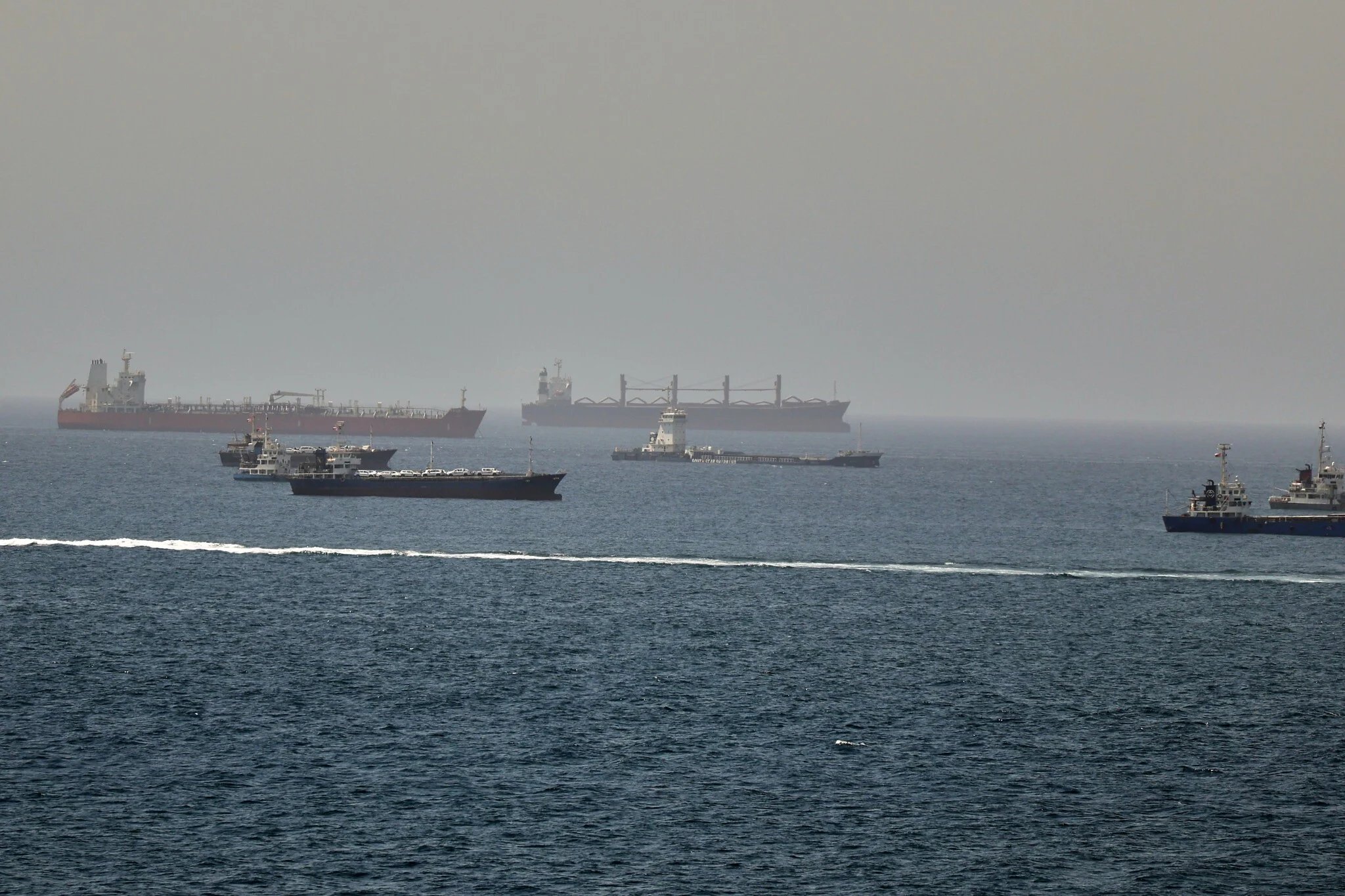
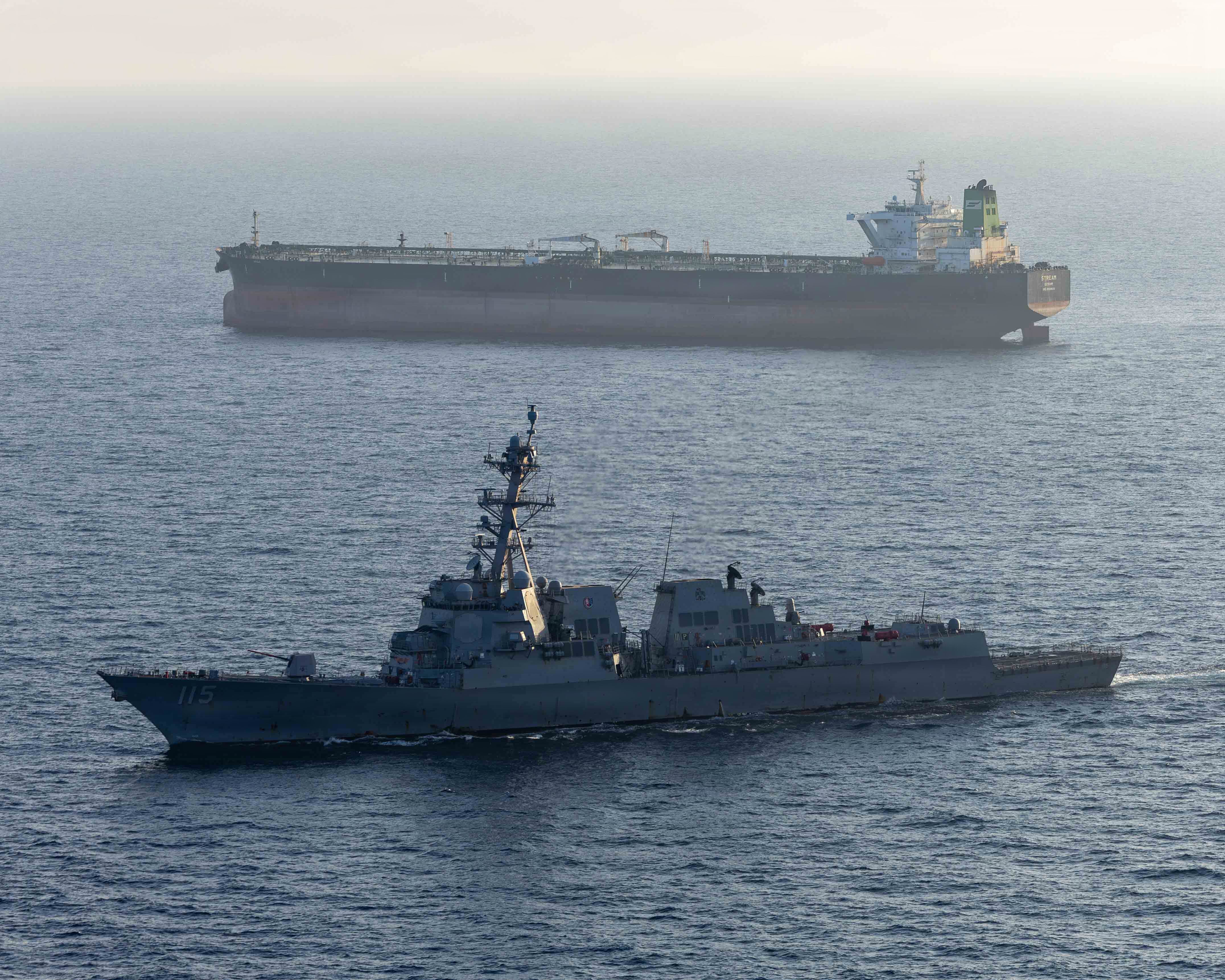
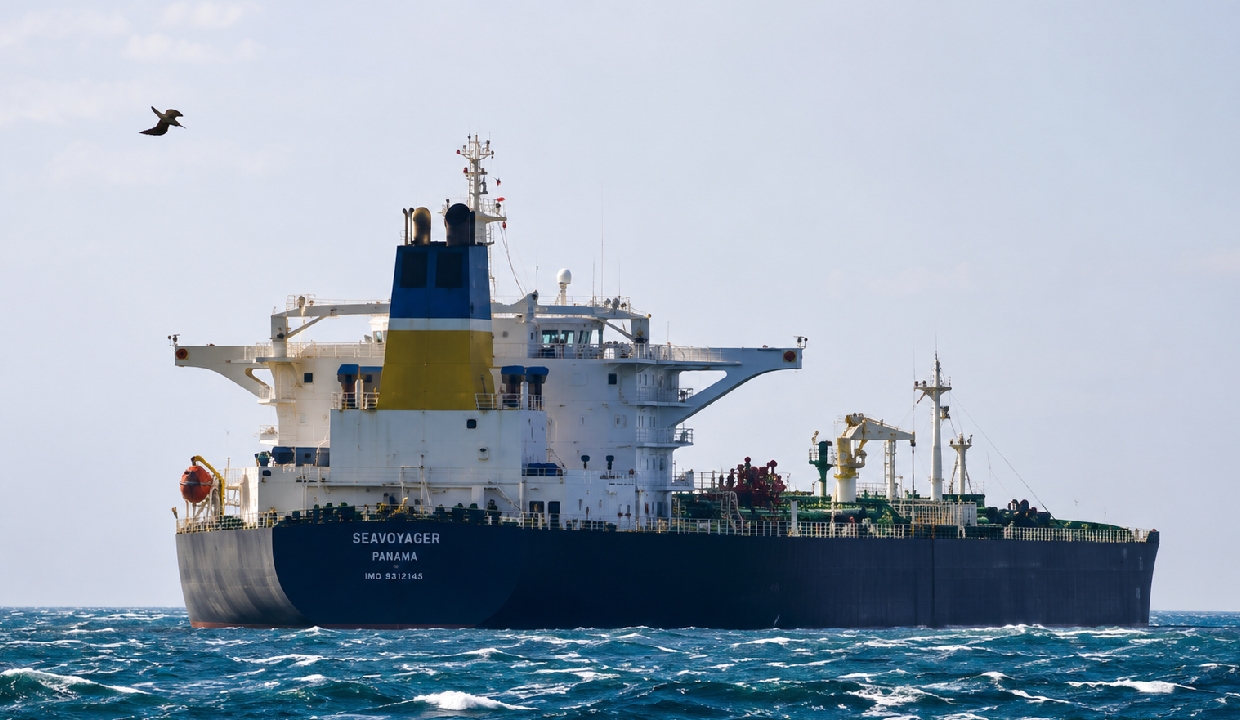
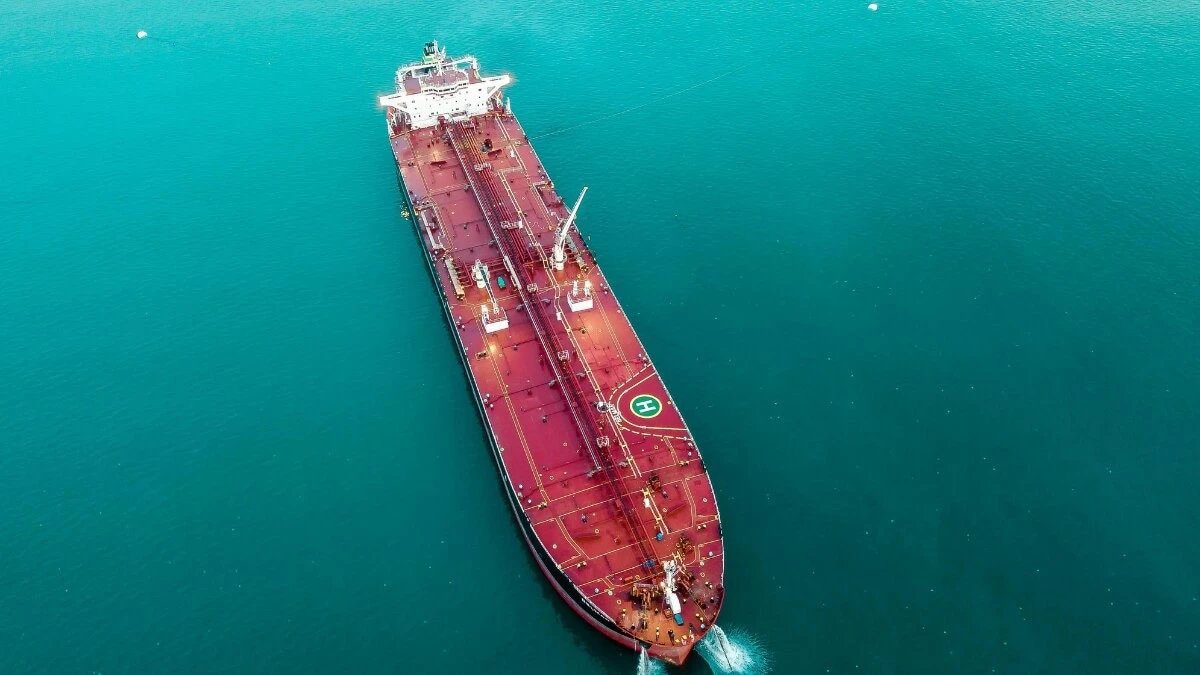
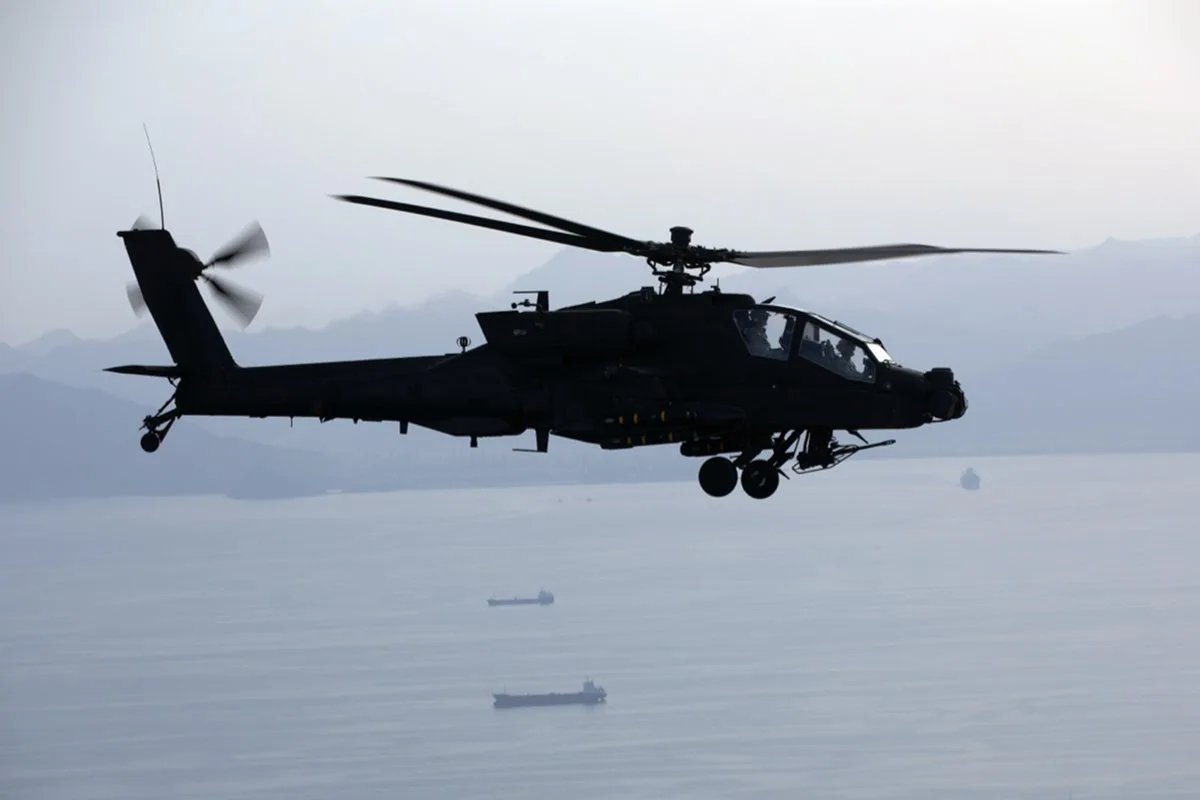
Trump separately threatened to impose tolls if a final deal is not reached within 60 days, saying money would be for "services rendered as the Guardian Angel to the countries of the Middle East." U.S. Central Command reported 55 commercial vessels transited the Strait of Hormuz on Saturday, moving more than 17 million barrels of oil to global markets, contradicting Iran's claim that the waterway is closed.
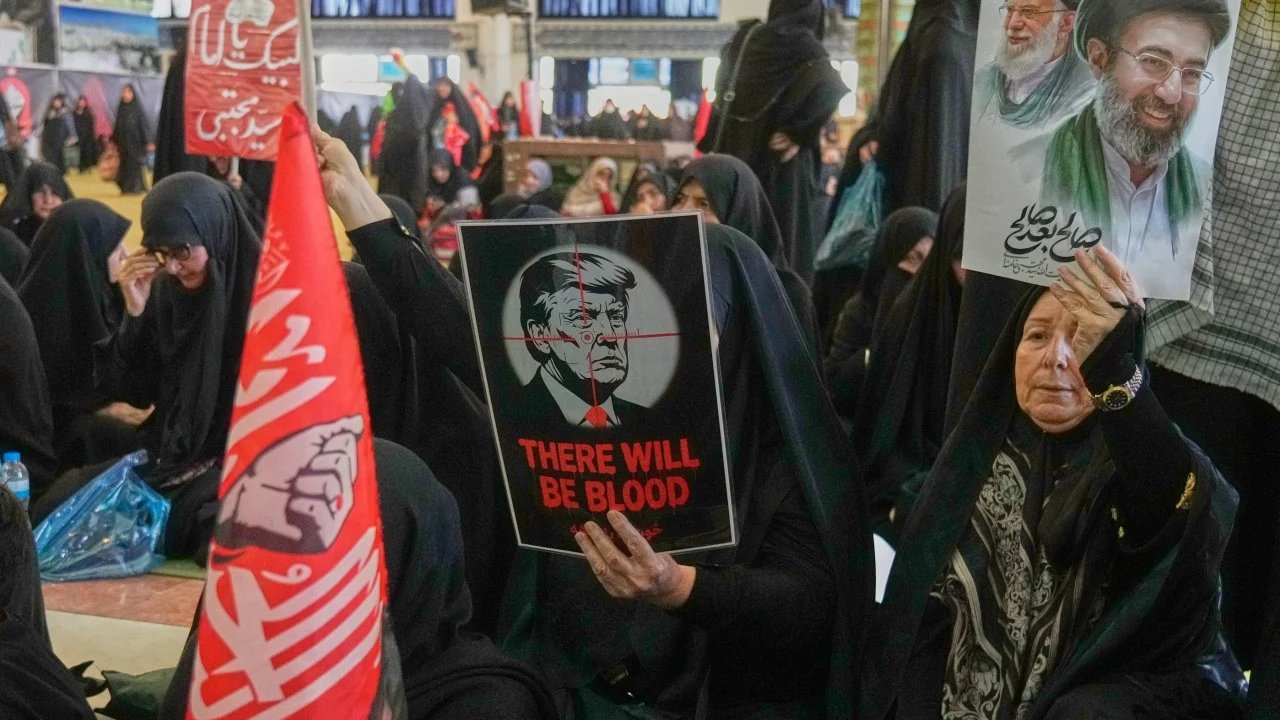
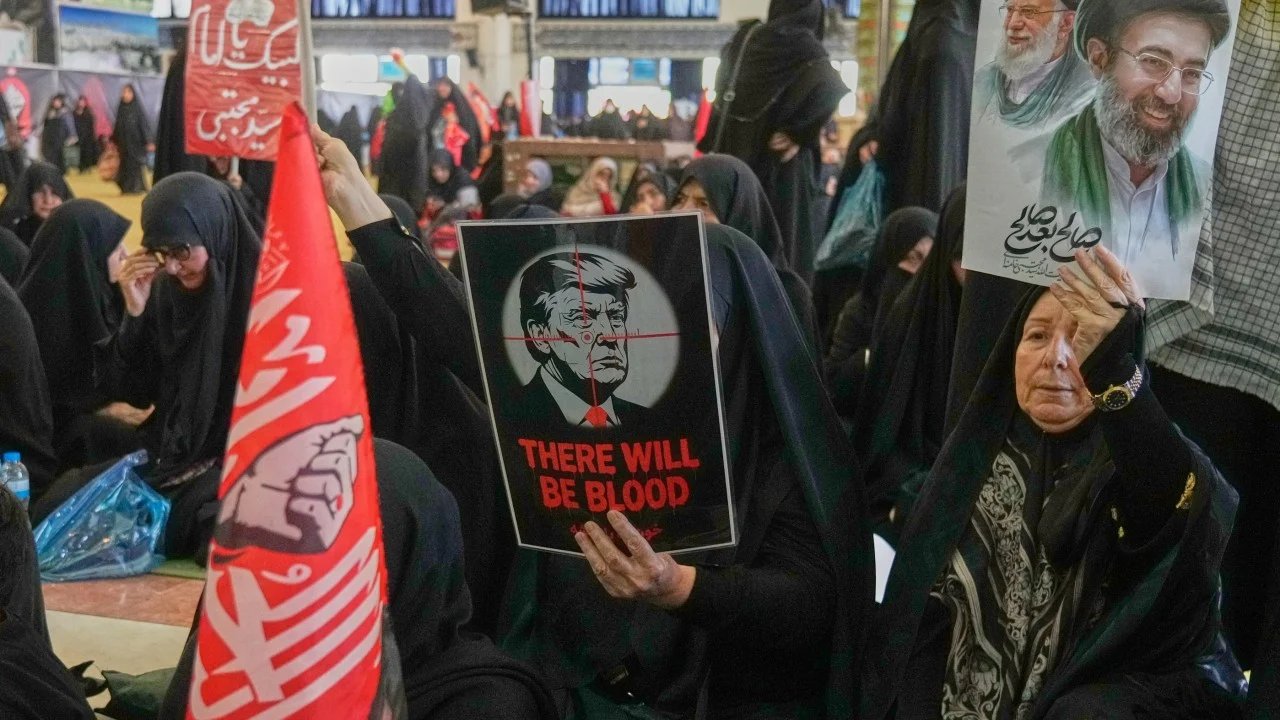
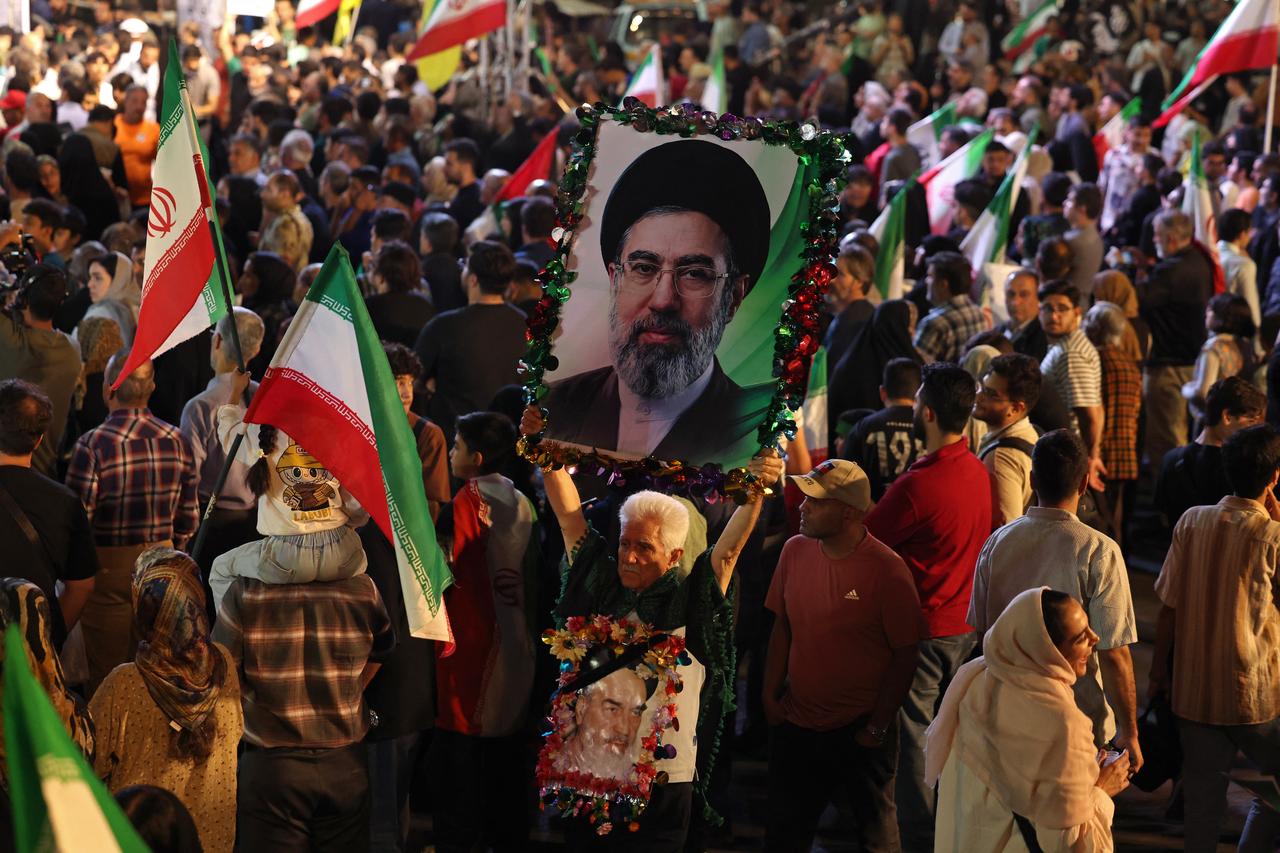
Parliament Speaker Ghalibaf responded to Trump's threats on X: "Don't they think to themselves that if their threats had any effect, they wouldn't have reached the point of despair today?" German Defense Minister Boris Pistorius blamed Trump for the strait's closure, saying Europe has an interest in reopening it for energy supply and economic recovery.
The cost of the war so far
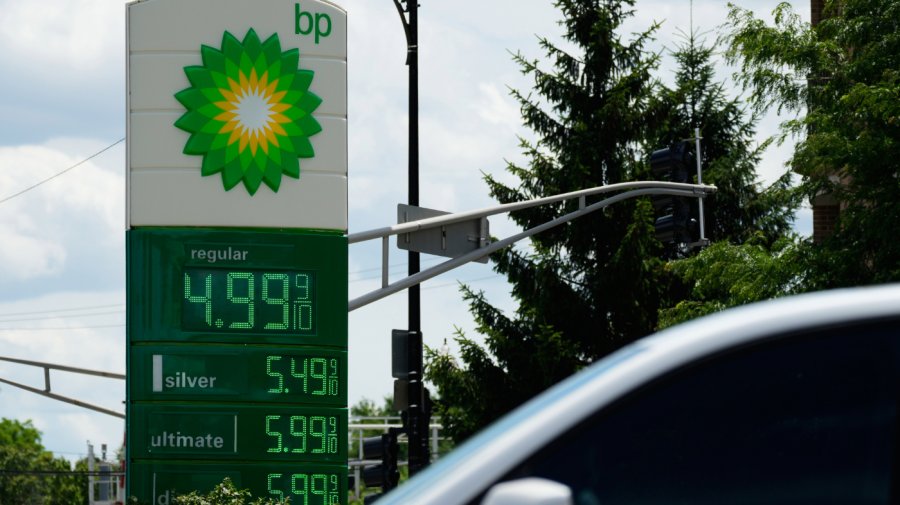
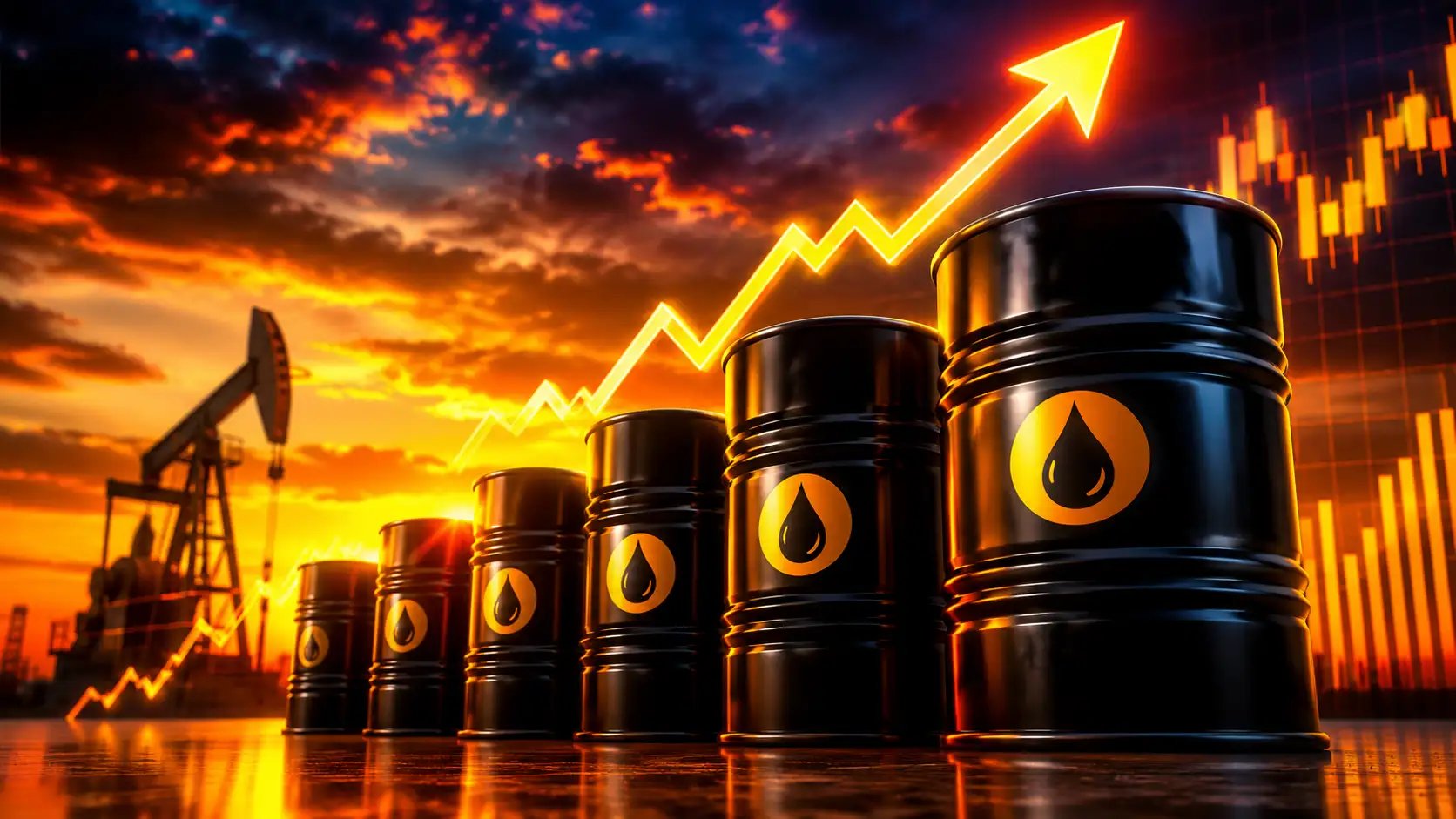
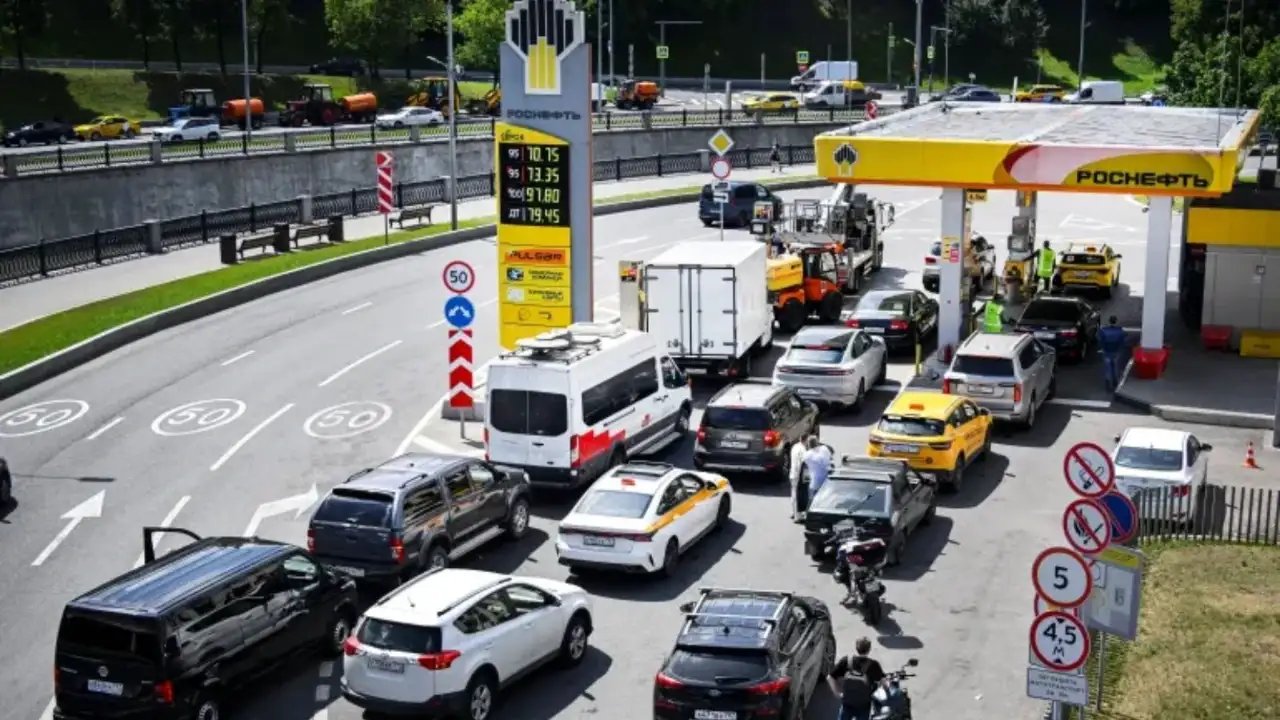
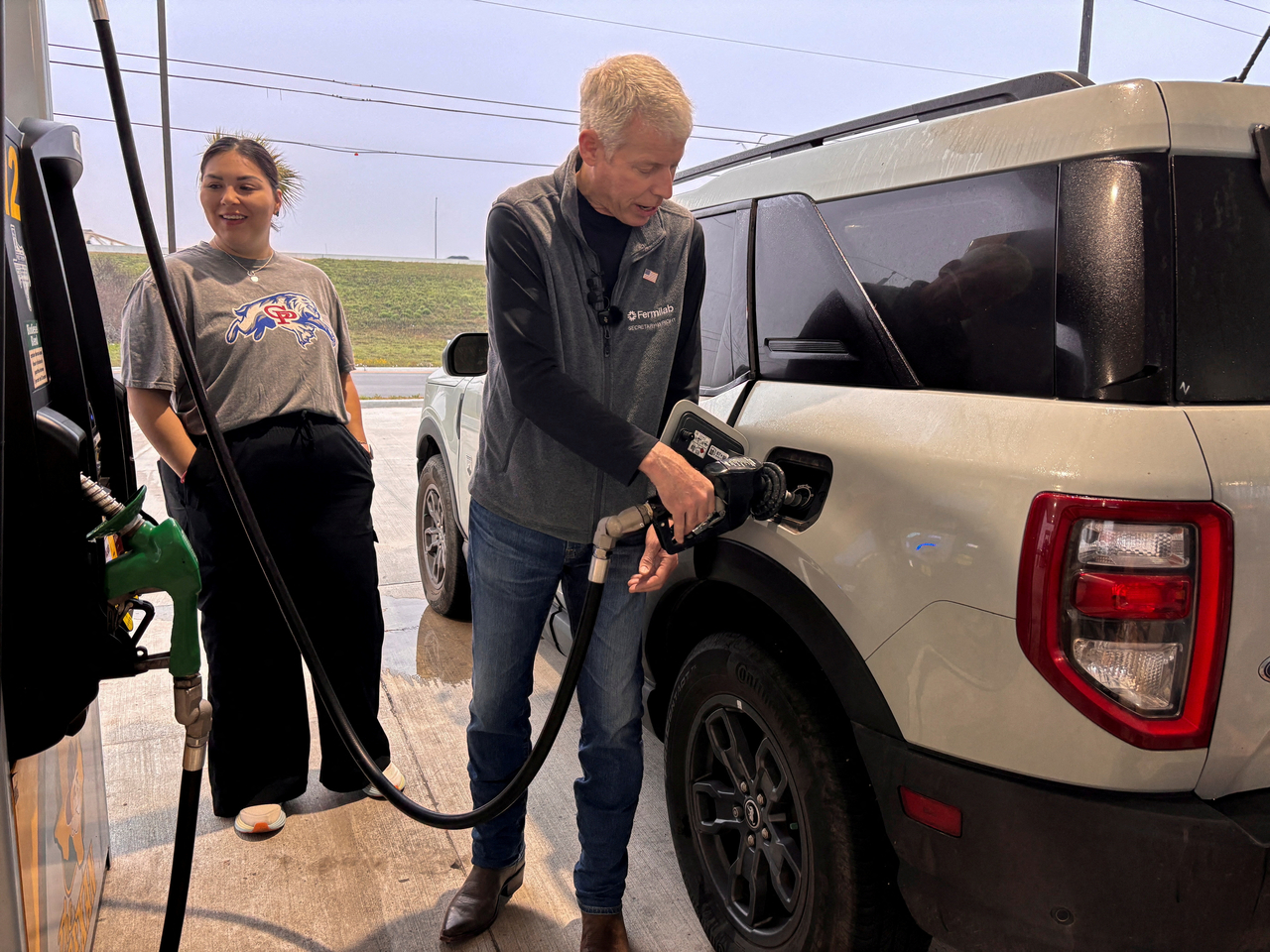
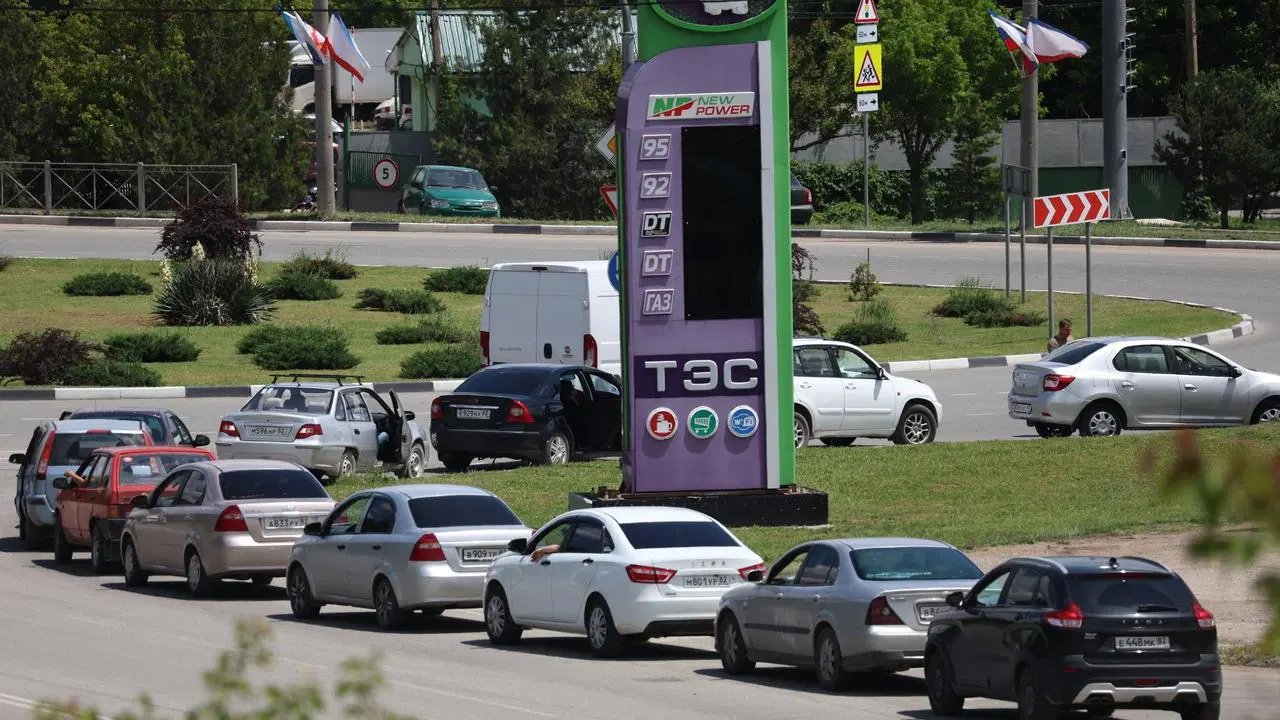
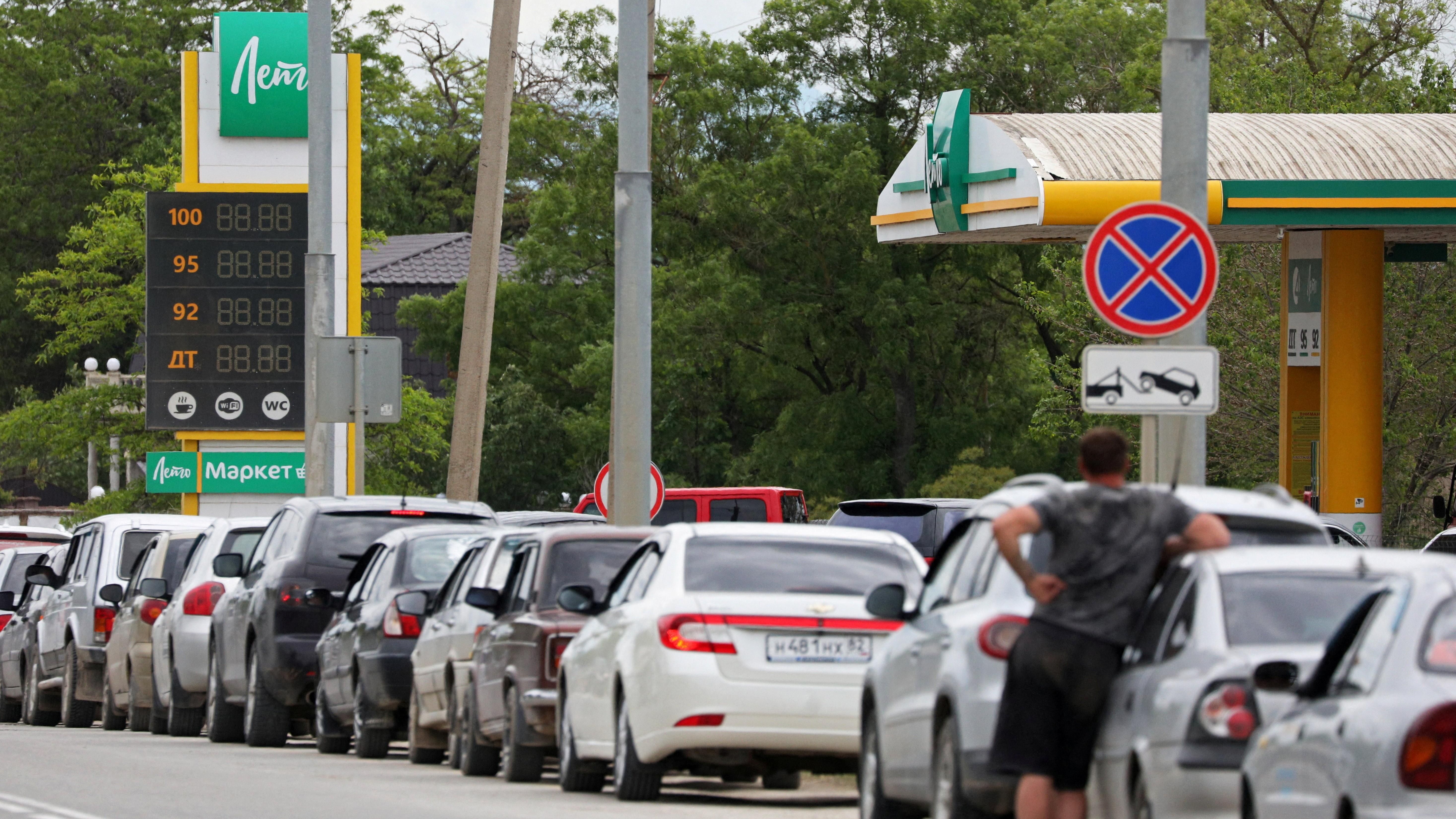
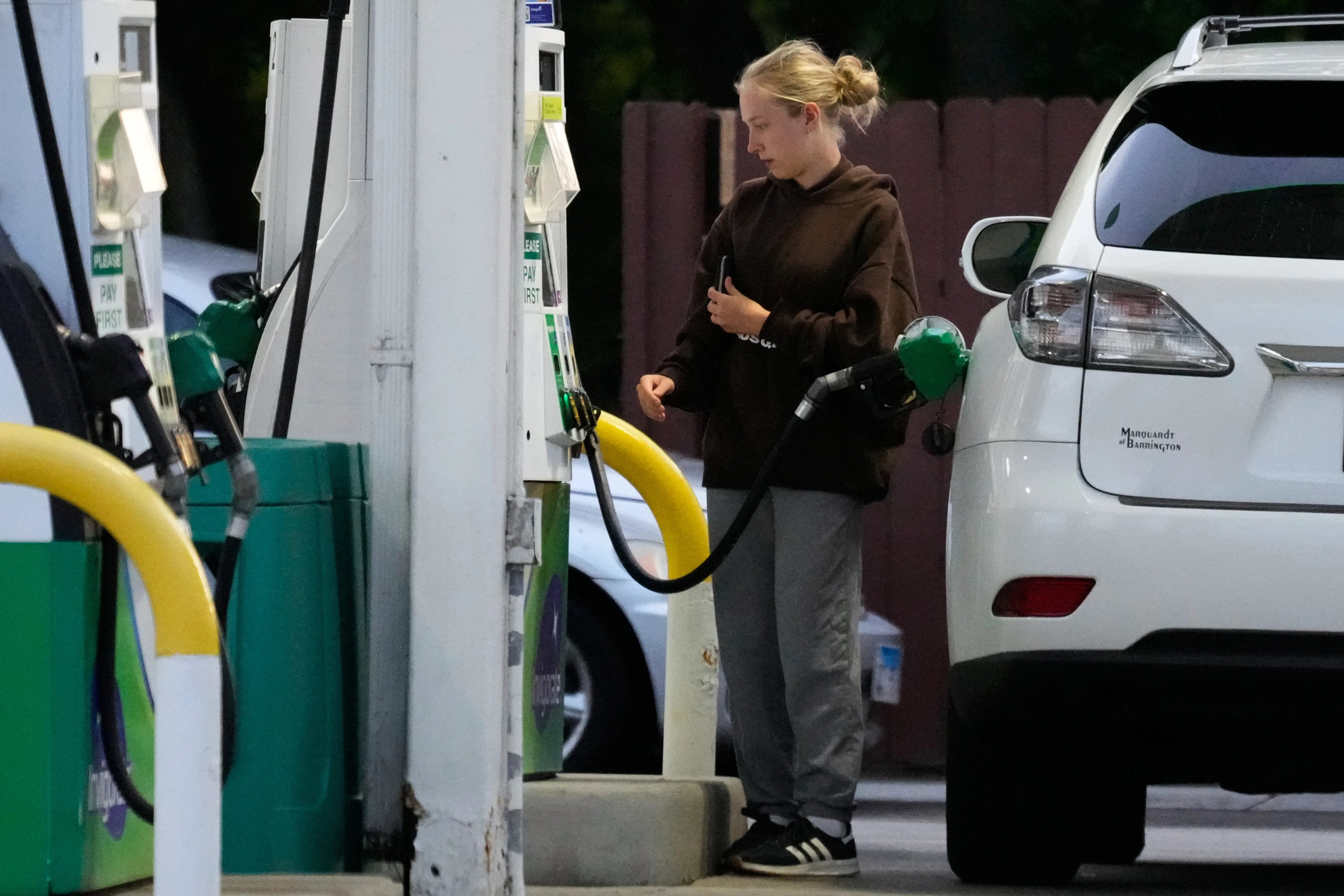
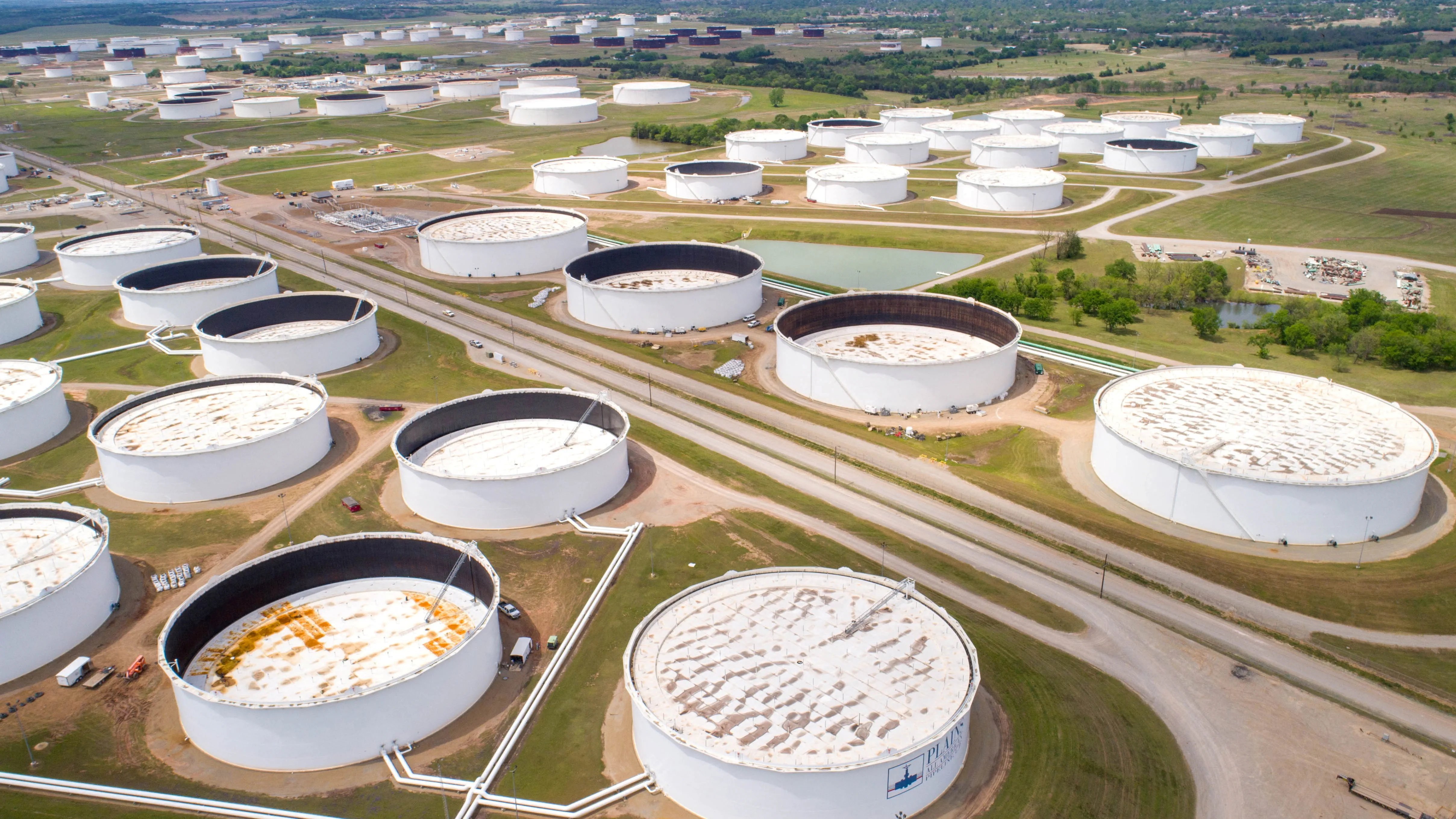
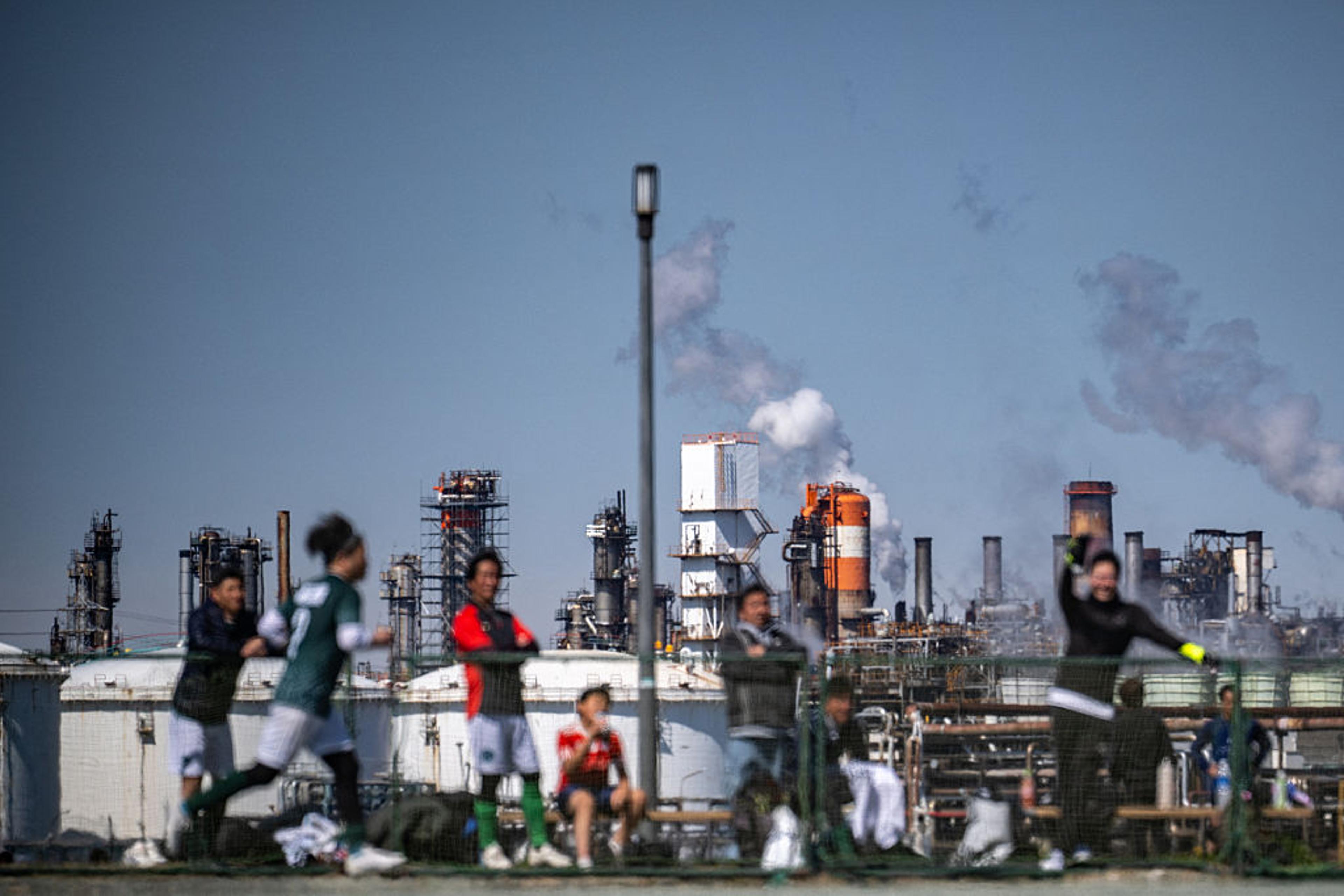
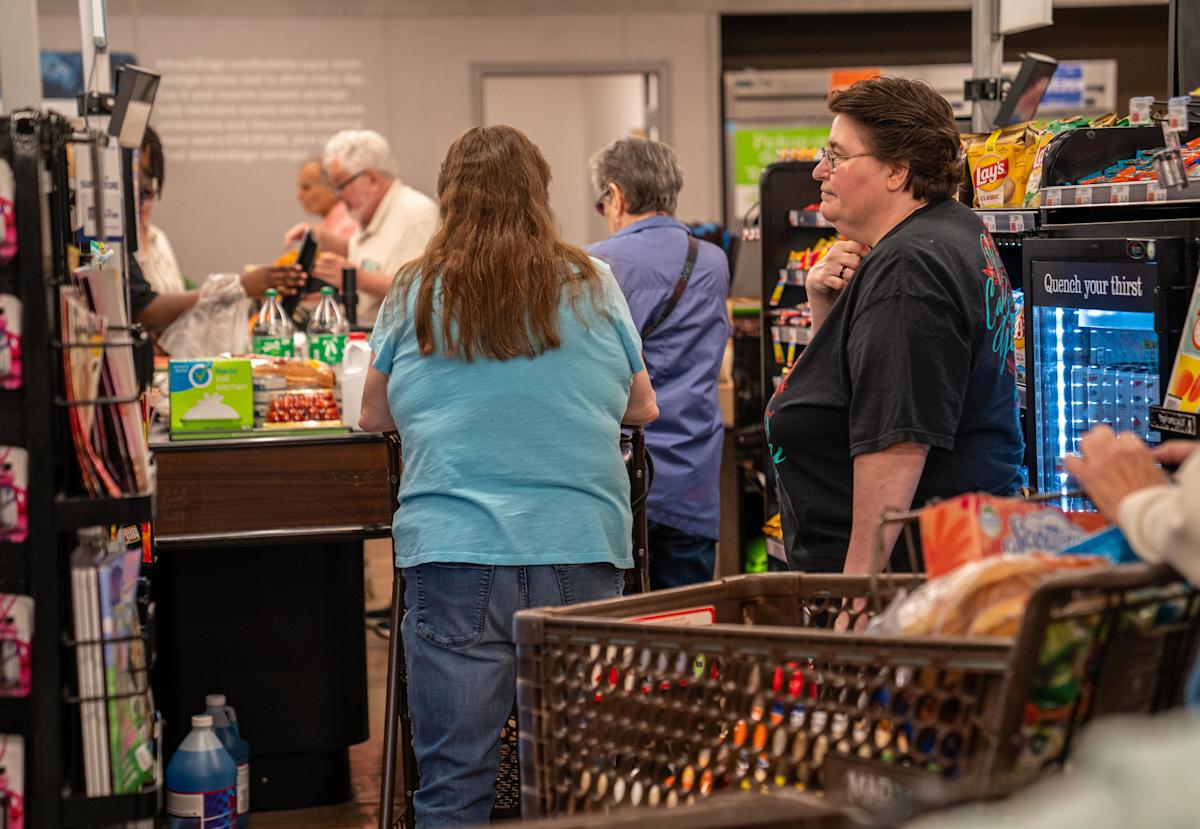
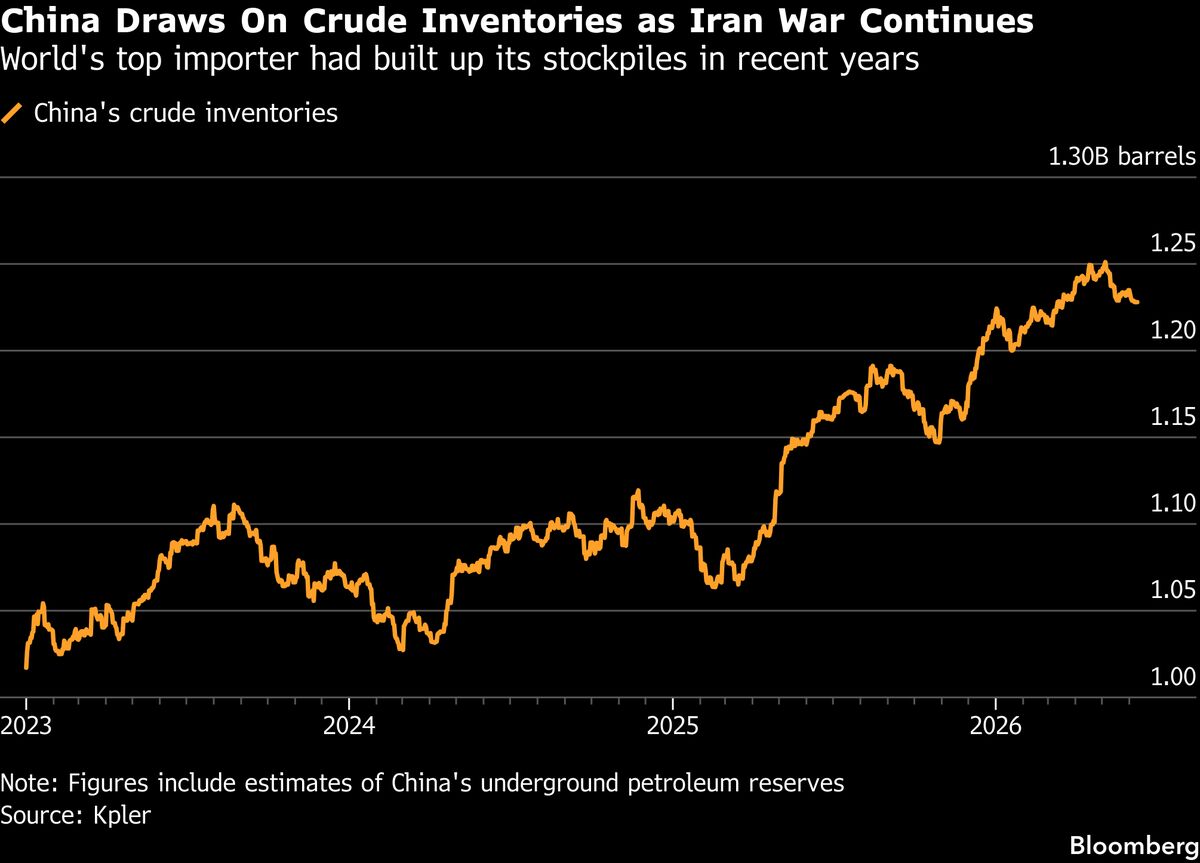
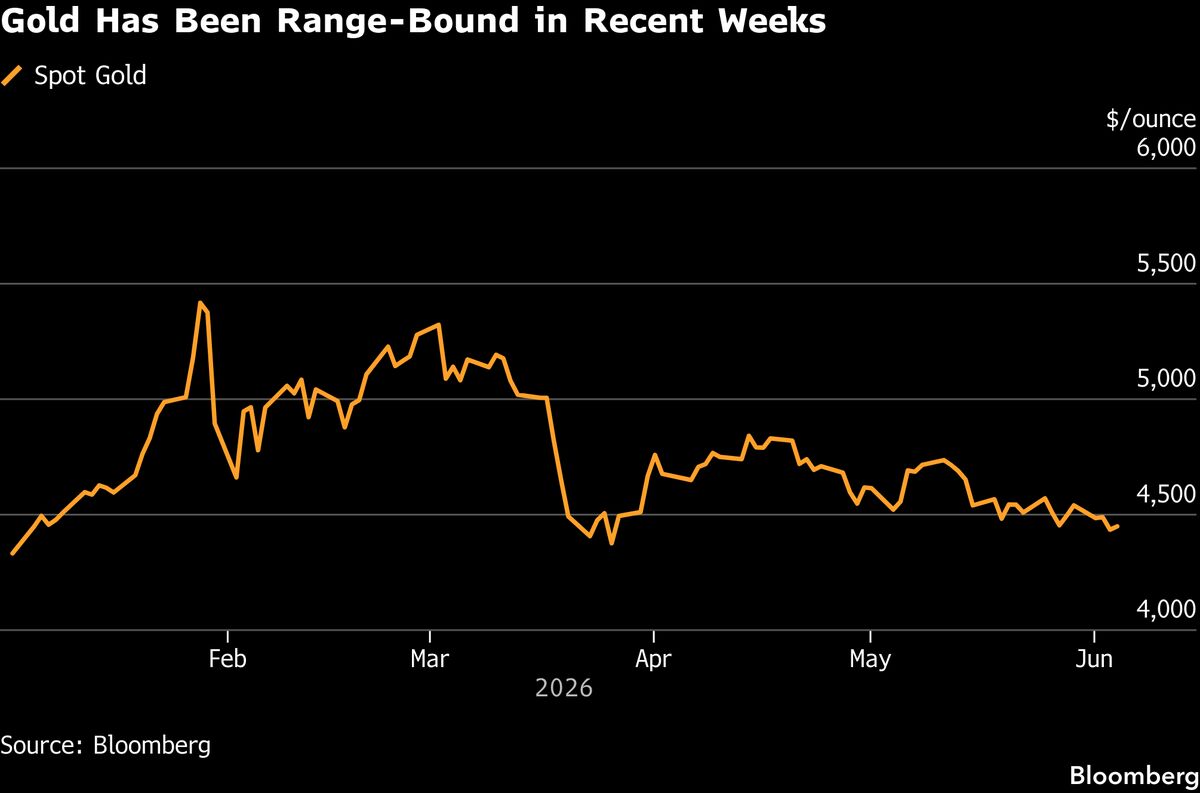
Gas prices remain elevated despite the ceasefire. The average price of regular gasoline is slightly under $4 per gallon, below the wartime high of over $4.50 but well above the $3 level from a year ago. ClearView Energy Partners Managing Director Kevin Book told "Face the Nation" it might take until the end of the year to refill depleted oil inventories and return to pre-war levels. He predicted gas prices could drop another five to seven cents if oil prices hold, but said there remains "uncertainty" about further declines.
Public opinion polls show Americans doubt the agreement's value. Most Americans believe Iran's nuclear program has not been permanently stopped and that Iran will continue threatening its neighbors. Relatively few Americans think the U.S. is getting the better of the new agreement, according to CBS News polling.