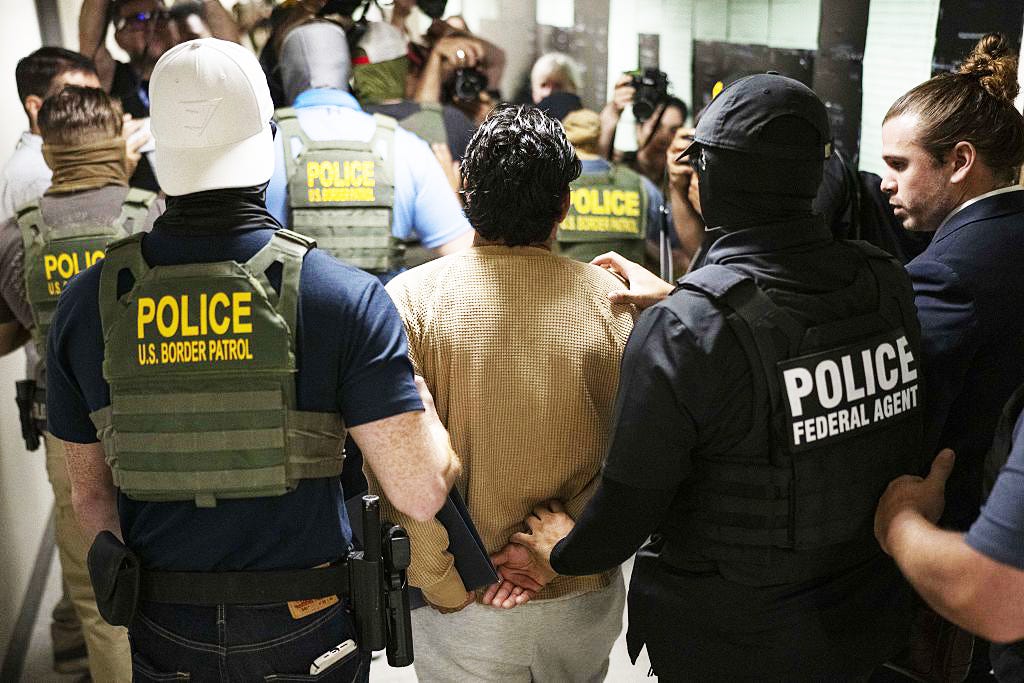
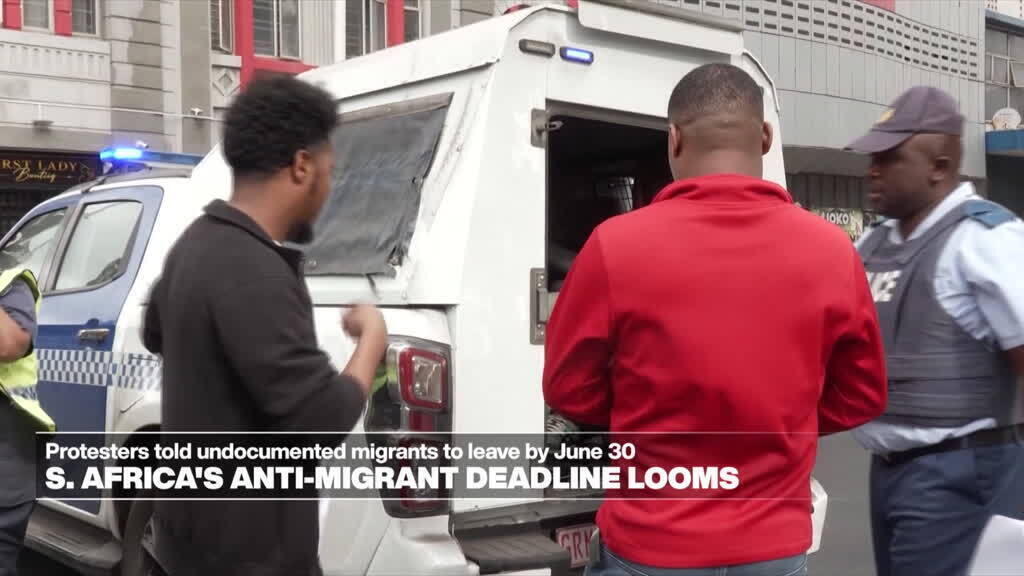
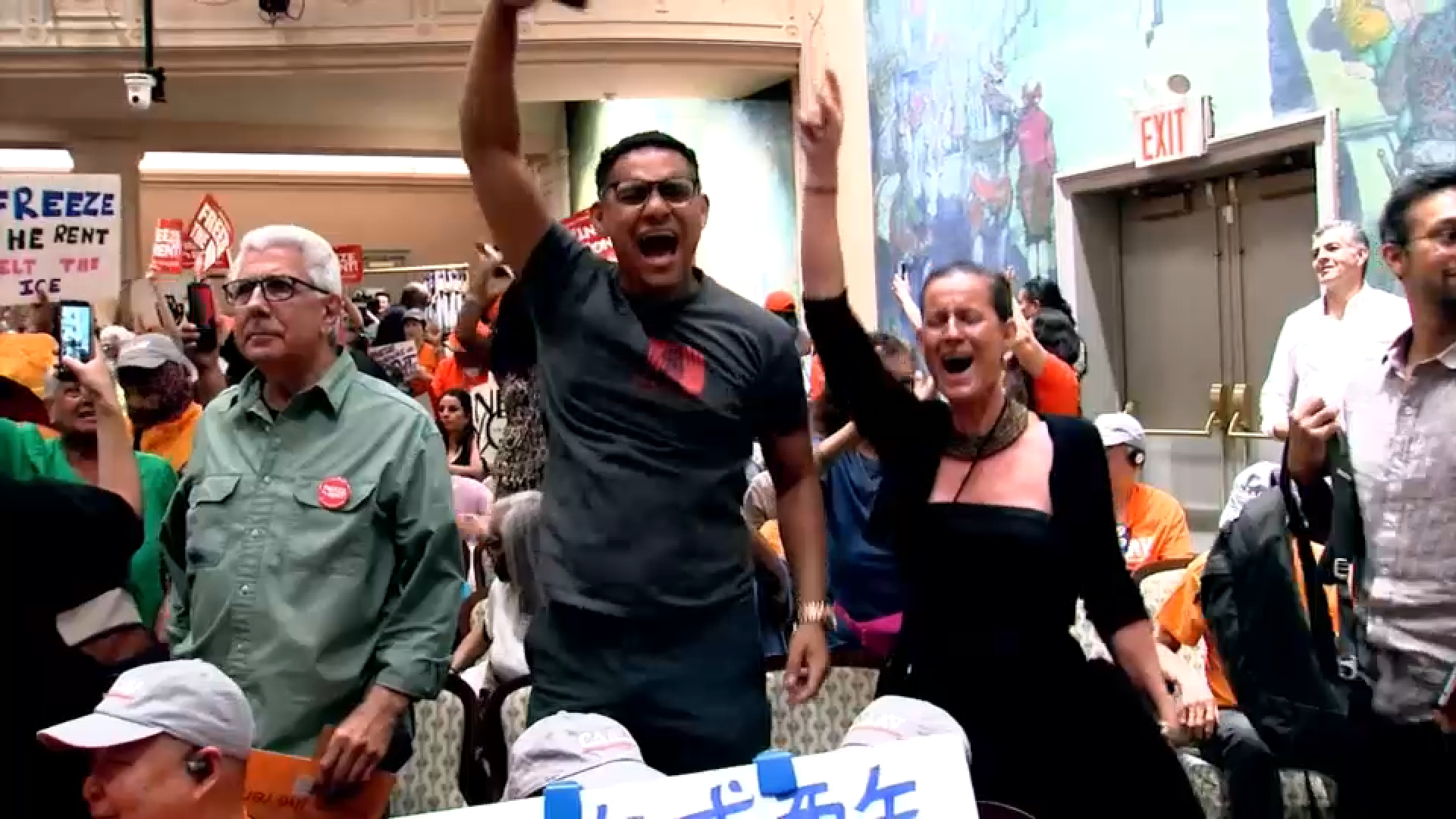
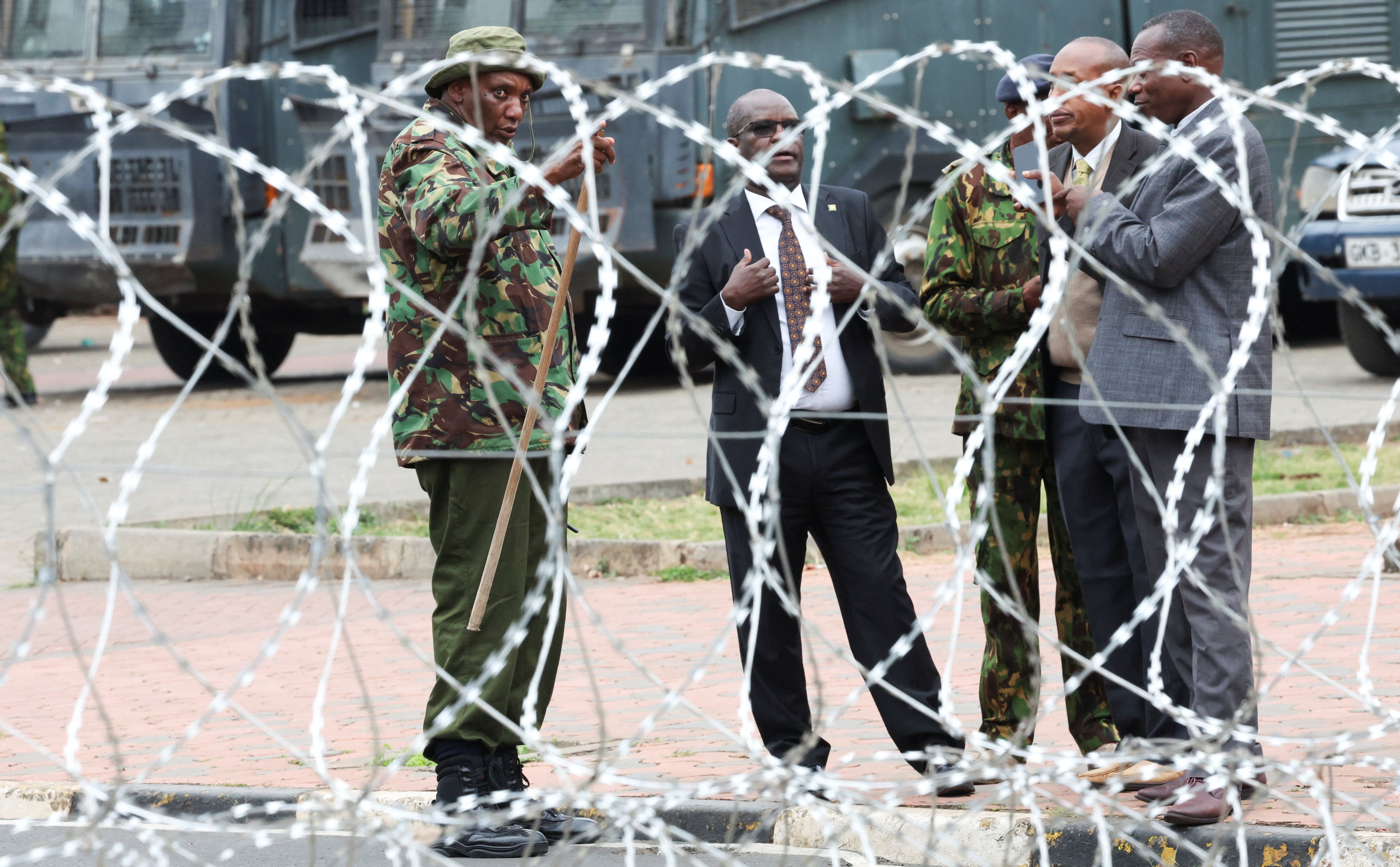
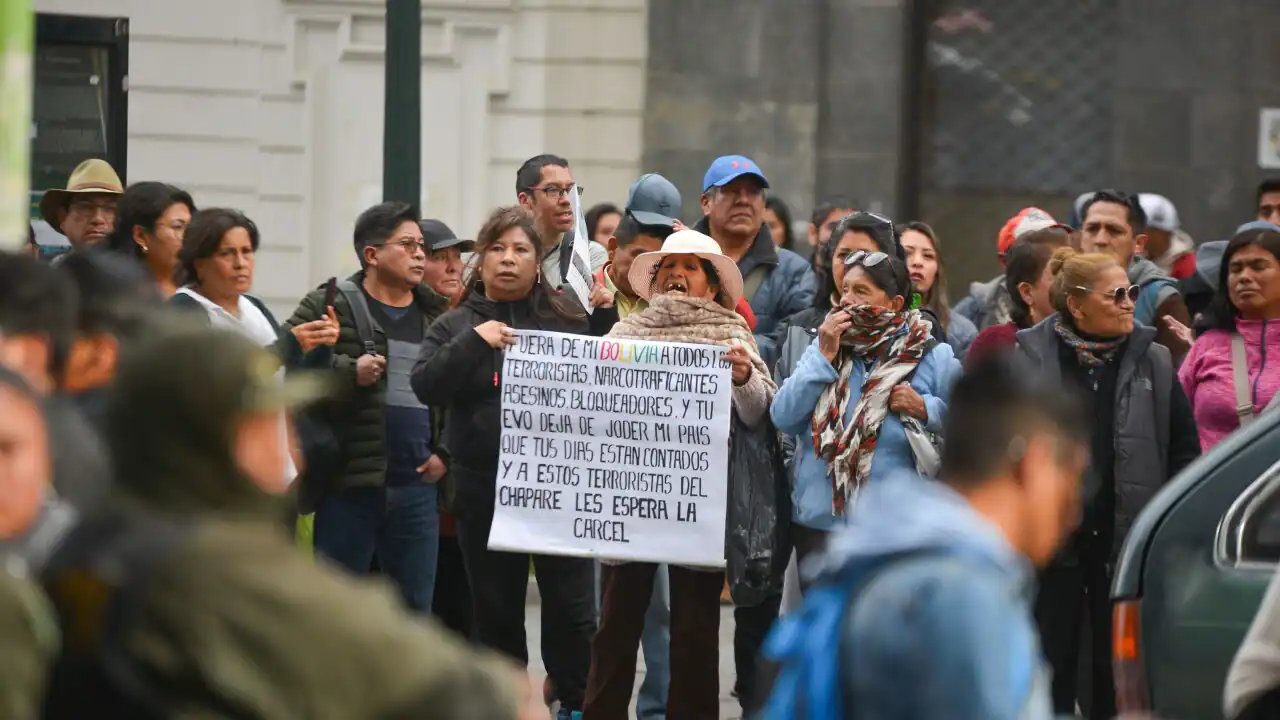
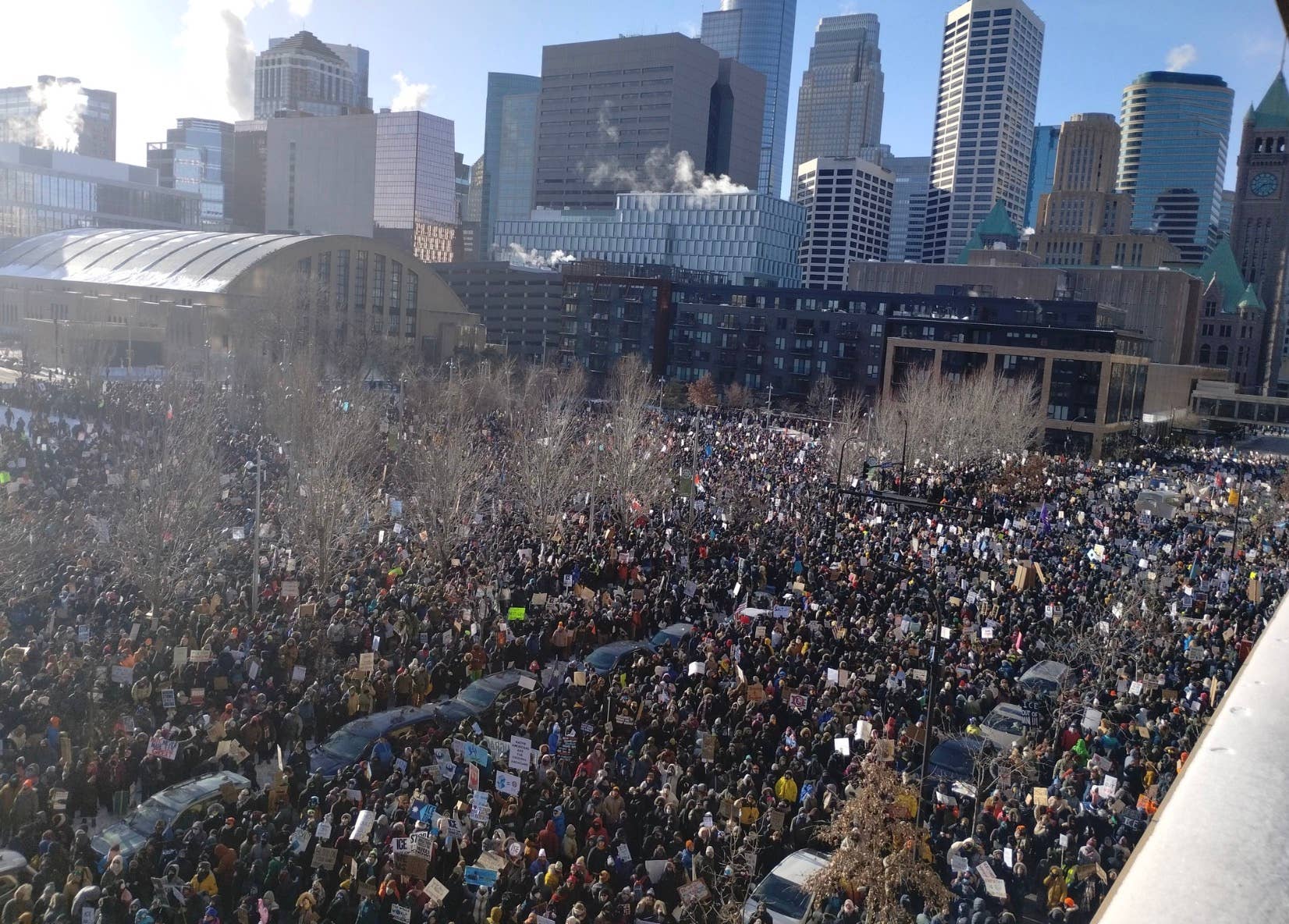
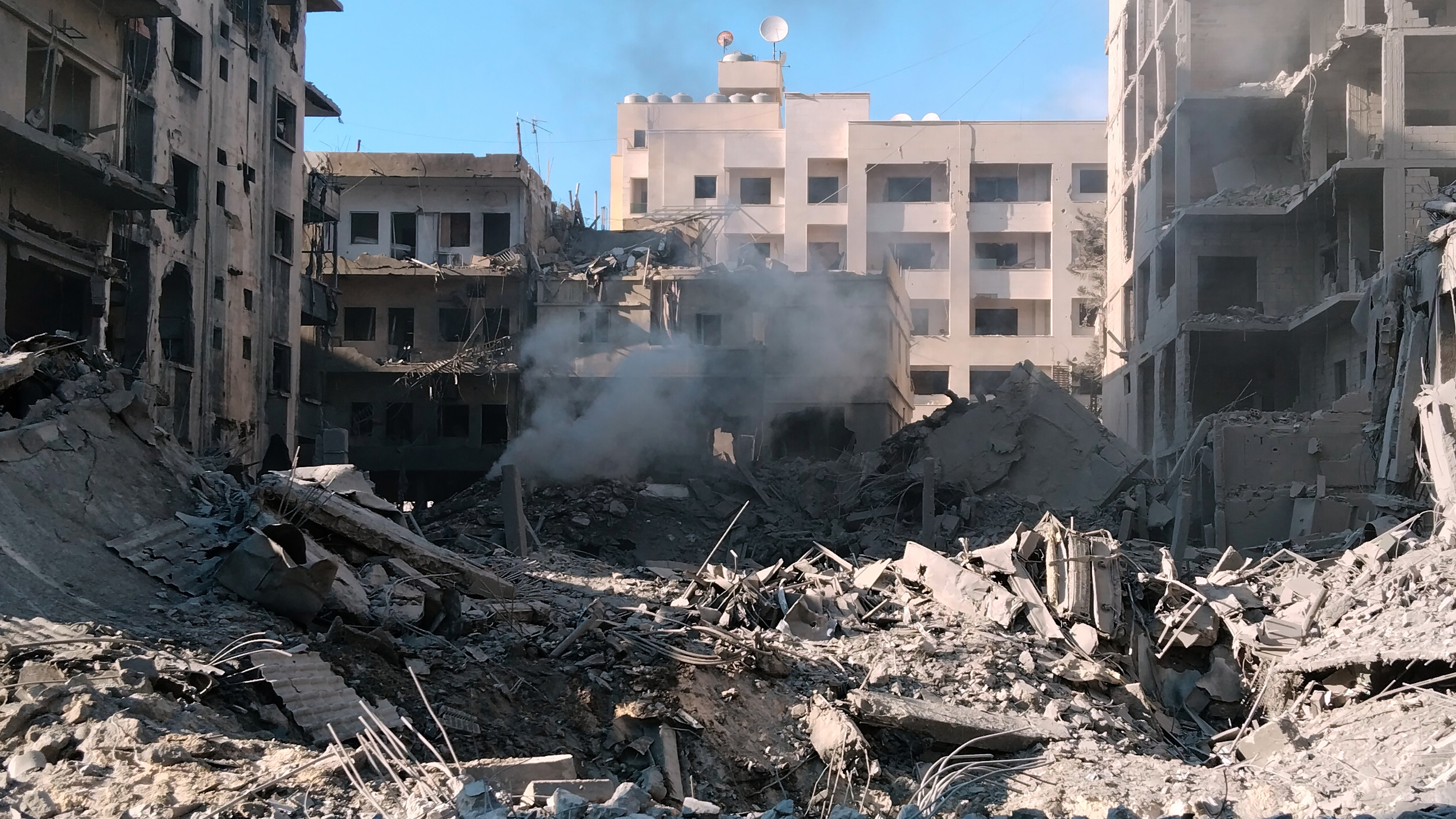
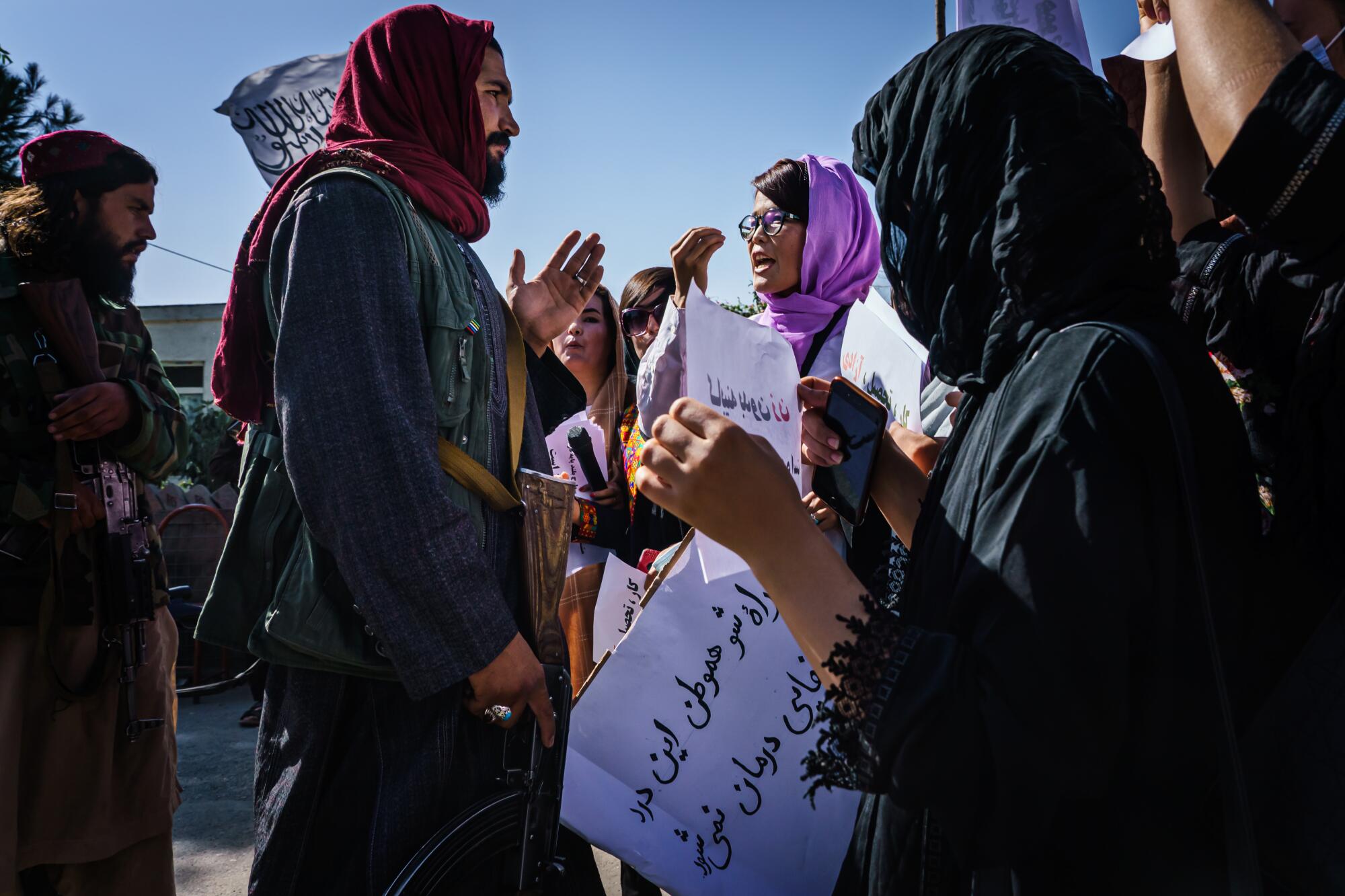
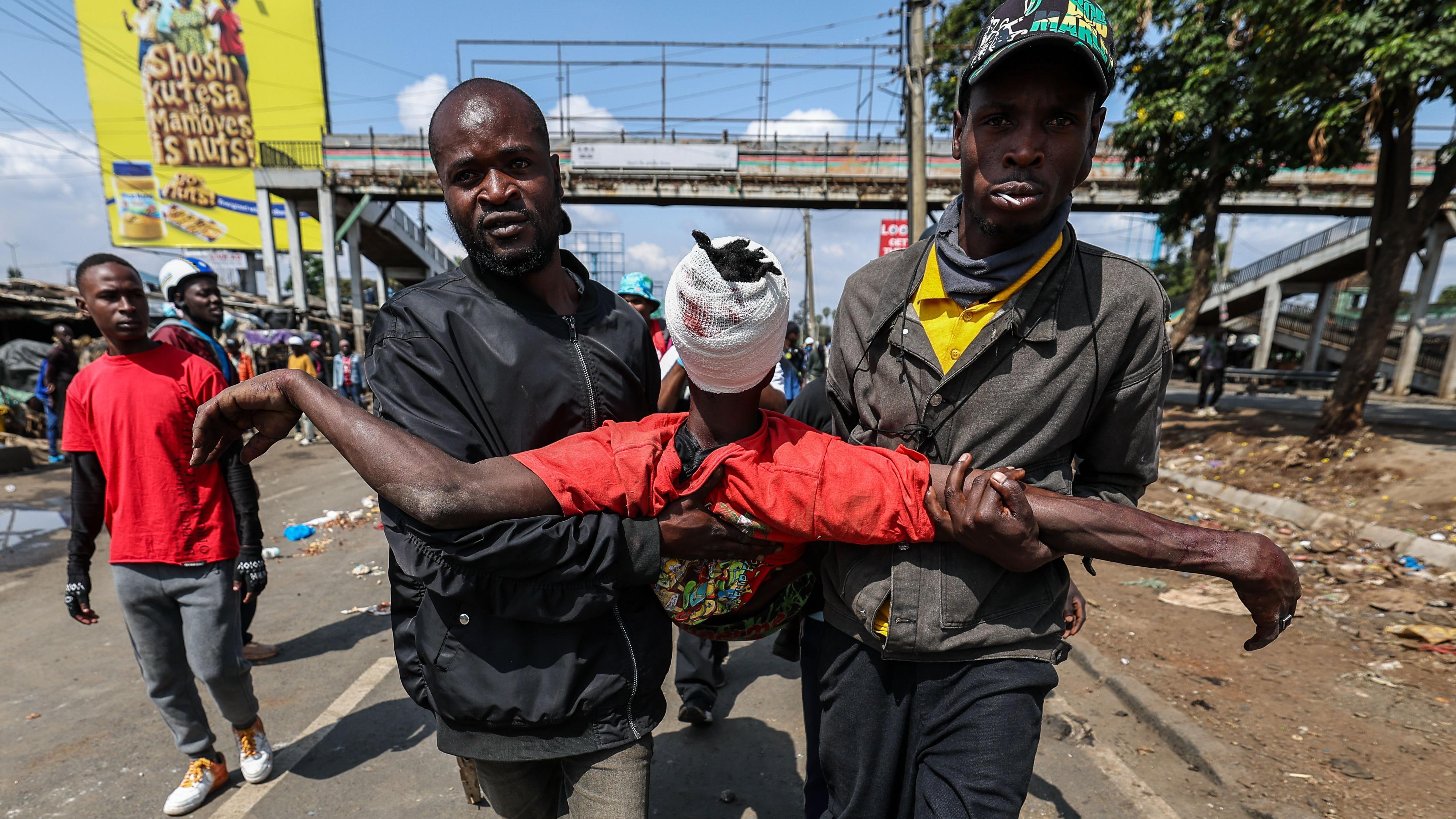
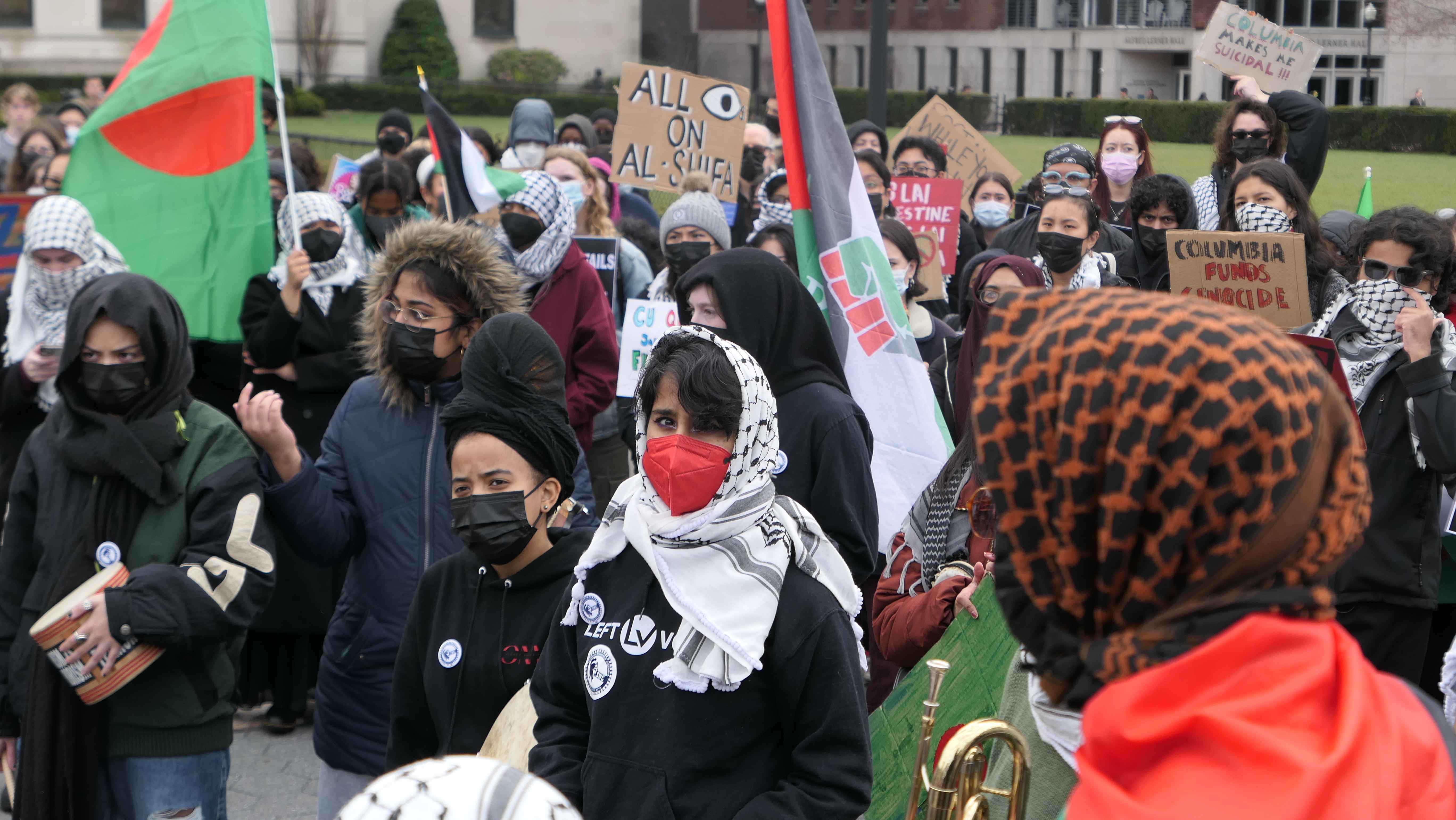
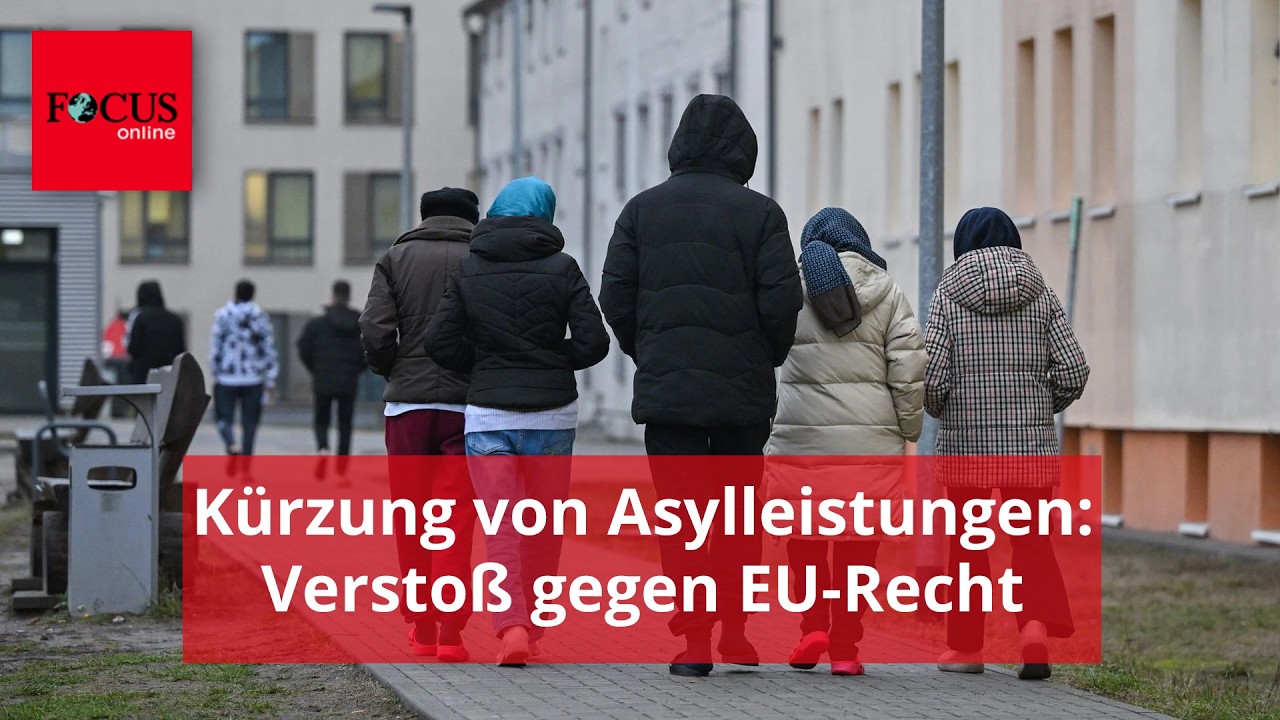
The protests, organized by a coalition of over 20 civil society groups, called for an unofficial "deadline" for undocumented migrants to leave the country, leading to more than 900 arrests, primarily for immigration violations and looting, according to Deputy National Police Commissioner Tebello Mosikili.
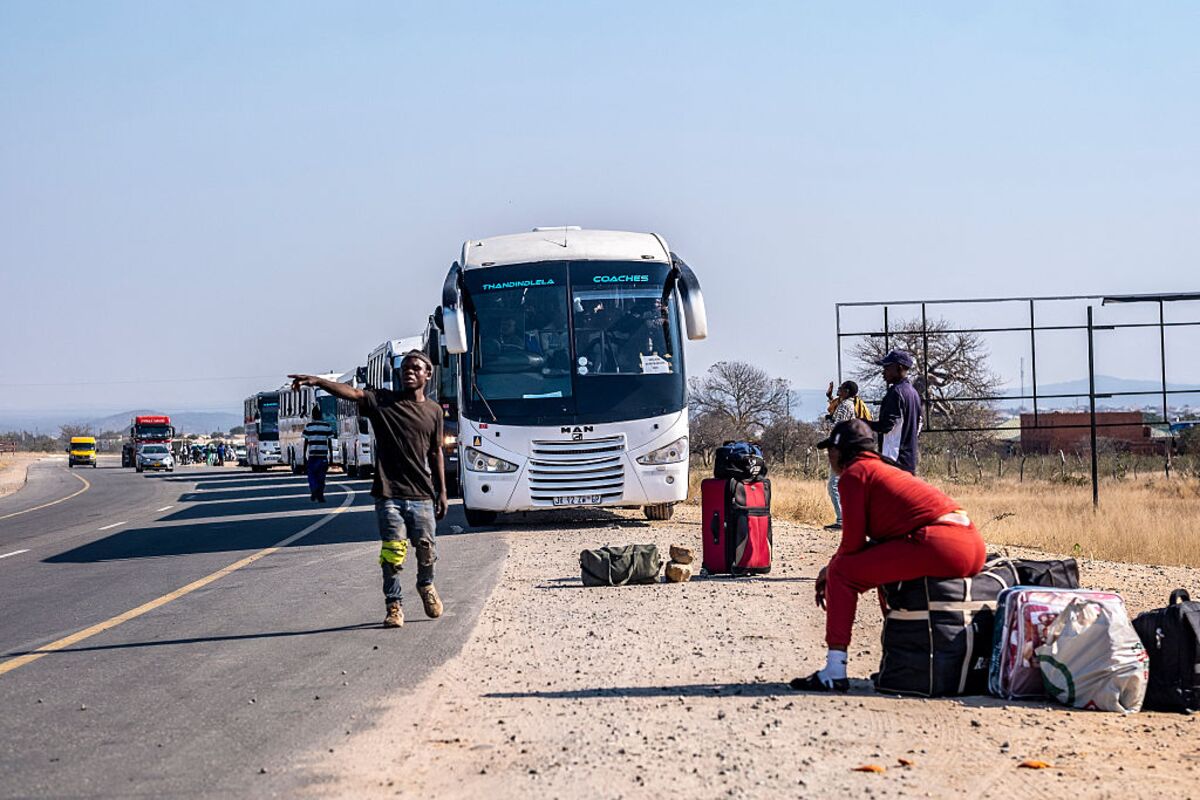
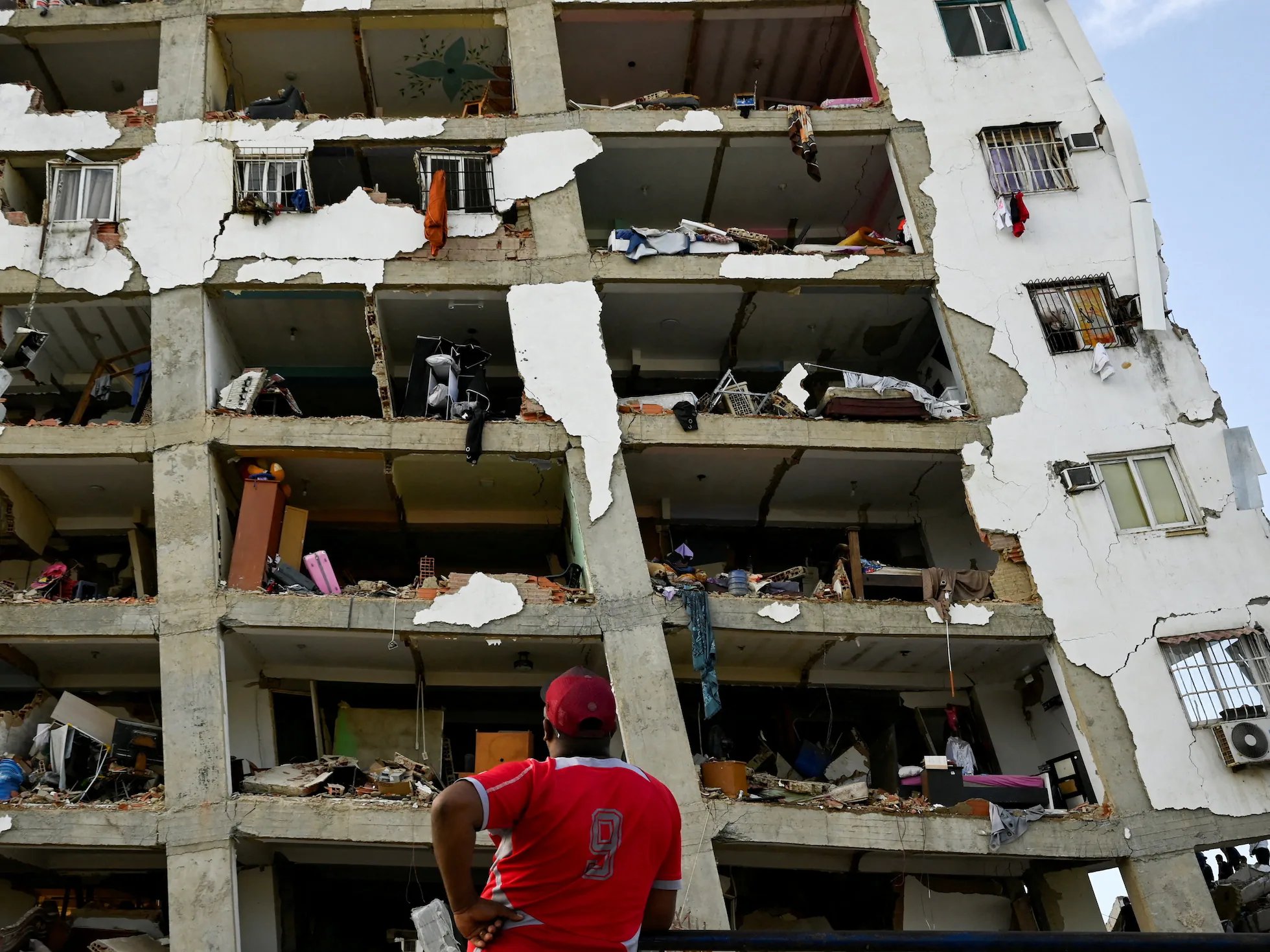
Nigeria's Acting High Commissioner to South Africa, Alexander Ajayi, has urged those who have left to meticulously document their abandoned assets. Foreign ministry spokesperson Kimiebi Imomotimi Ebienfa stated that the issue would be discussed "at the highest levels" between the two governments. One Nigerian trader, Oghodero Erejor Wilson, who is awaiting repatriation, told the BBC he lost his business and home due to fear, estimating his losses at over 16,000 rand ($975; £735).
The situation highlights the complexities of international relations and property law. Nigeria's pursuit of compensation is not just a matter of financial recovery but also a diplomatic action with significant implications. Ebienfa emphasized that all claims would be verified before any formal request was made, indicating a process of due diligence and the use of diplomatic channels to resolve the issue.
Human rights groups, including Amnesty International South Africa, have condemned the targeting of migrants, arguing they are being used as scapegoats for deeper socioeconomic failures, high unemployment, and a backlogged asylum system. President Cyril Ramaphosa acknowledged the concerns about illegal immigration and border management but drew a line at unlawful behavior, stating that taking the law into one's own hands is vigilantism and has no place in a constitutional democracy.
The verification of claims and the engagement through diplomatic channels will be critical in navigating this sensitive issue, with potential financial and diplomatic consequences for both countries involved.
In the wake of anti-migrant protests in South Africa, Nigeria has announced it will seek compensation for its citizens who have fled the country, abandoning their properties and businesses. The protests, organized by a coalition of over 20 civil society groups, called for an unofficial "deadline" for undocumented migrants to leave the country, leading to more than 900 arrests, primarily for immigration violations and looting, according to Deputy National Police Commissioner Tebello Mosikili.
Nigeria's Acting High Commissioner to South Africa, Alexander Ajayi, has urged those who have left to meticulously document their abandoned assets. Foreign ministry spokesperson Kimiebi Imomotimi Ebienfa stated that the issue would be discussed "at the highest levels" between the two governments. One Nigerian trader, Oghodero Erejor Wilson, who is awaiting repatriation, told the BBC he lost his business and home due to fear, estimating his losses at over 16,000 rand ($975; £735).
The situation highlights the complexities of international relations and property law. Nigeria's pursuit of compensation is not just a matter of financial recovery but also a diplomatic action with significant implications. Ebienfa emphasized that all claims would be verified before any formal request was made, indicating a process of due diligence and the use of diplomatic channels to resolve the issue.
Human rights groups, including Amnesty International South Africa, have condemned the targeting of migrants, arguing they are being used as scapegoats for deeper socioeconomic failures, high unemployment, and a backlogged asylum system. President Cyril Ramaphosa acknowledged the concerns about illegal immigration and border management but drew a line at unlawful behavior, stating that taking the law into one’s own hands is vigilantism and has no place in a constitutional democracy.
As Nigeria moves forward with its plan to seek compensation, the outcome could set a precedent for how international disputes over property abandonment due to civil unrest are handled. The verification of claims and the engagement through diplomatic channels will be critical in navigating this sensitive issue, with potential financial and diplomatic consequences for both countries involved.
Highlighted text was flagged by the council. Tap to see feedback.








































































































































































































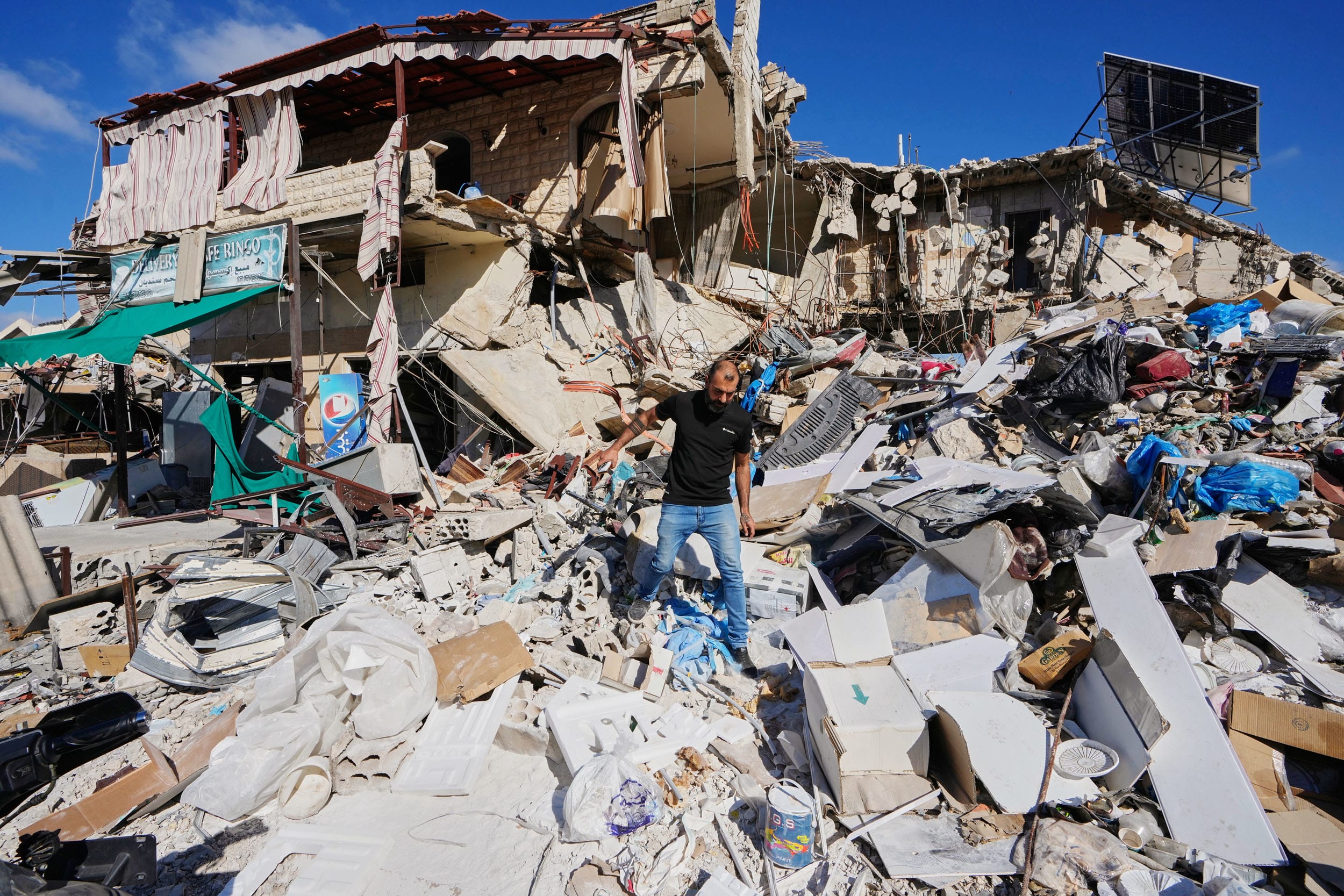



































































































For example, Oghodero Erejor Wilson, the trader, stated he had run a clothing business in Centurion, Gauteng province for several years before fleeing.