




U.S. Government Response
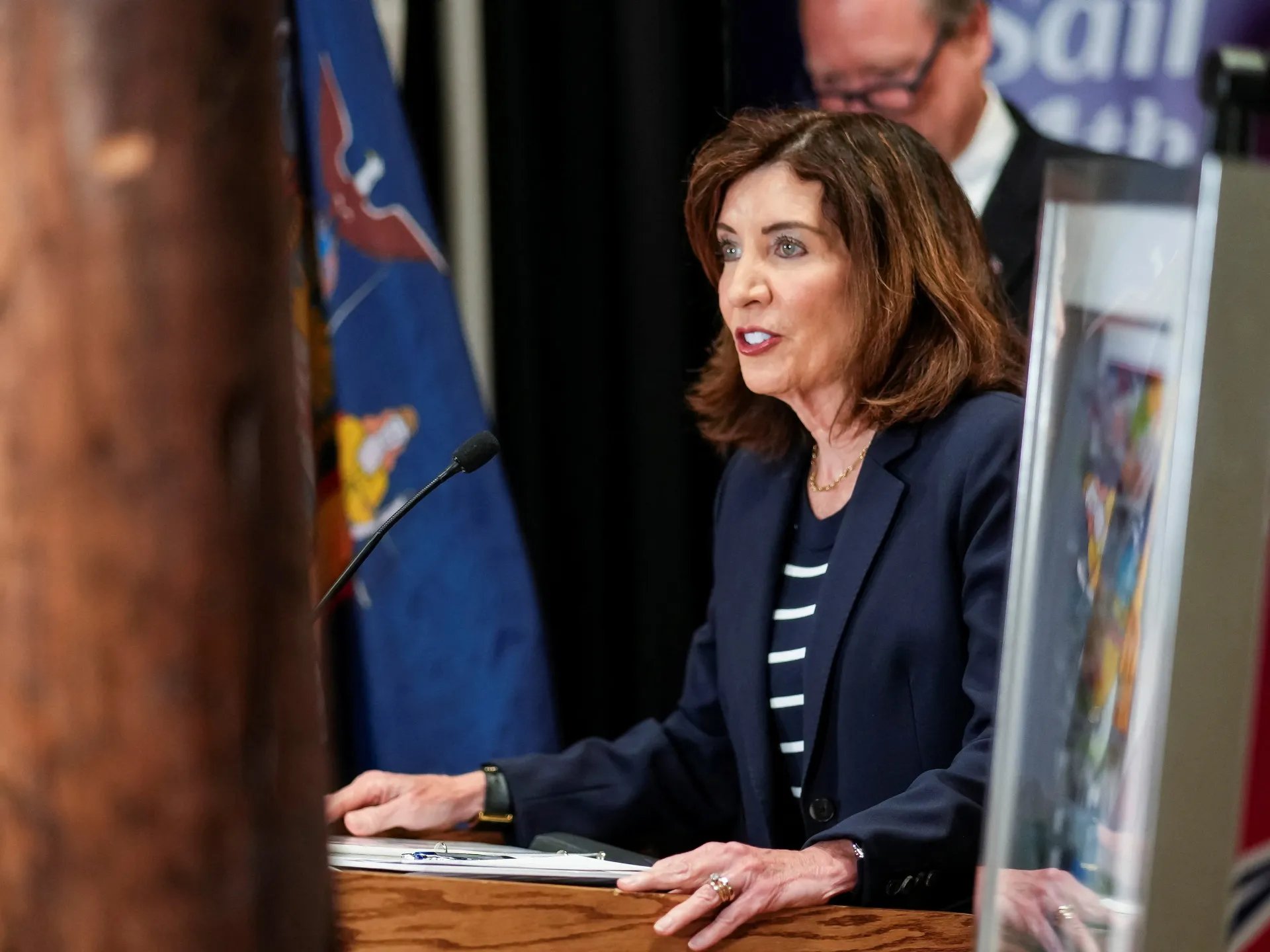
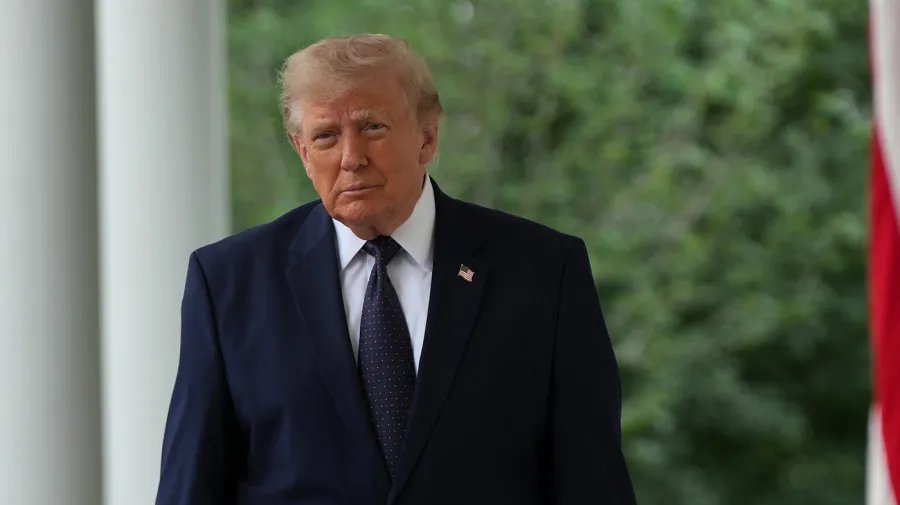
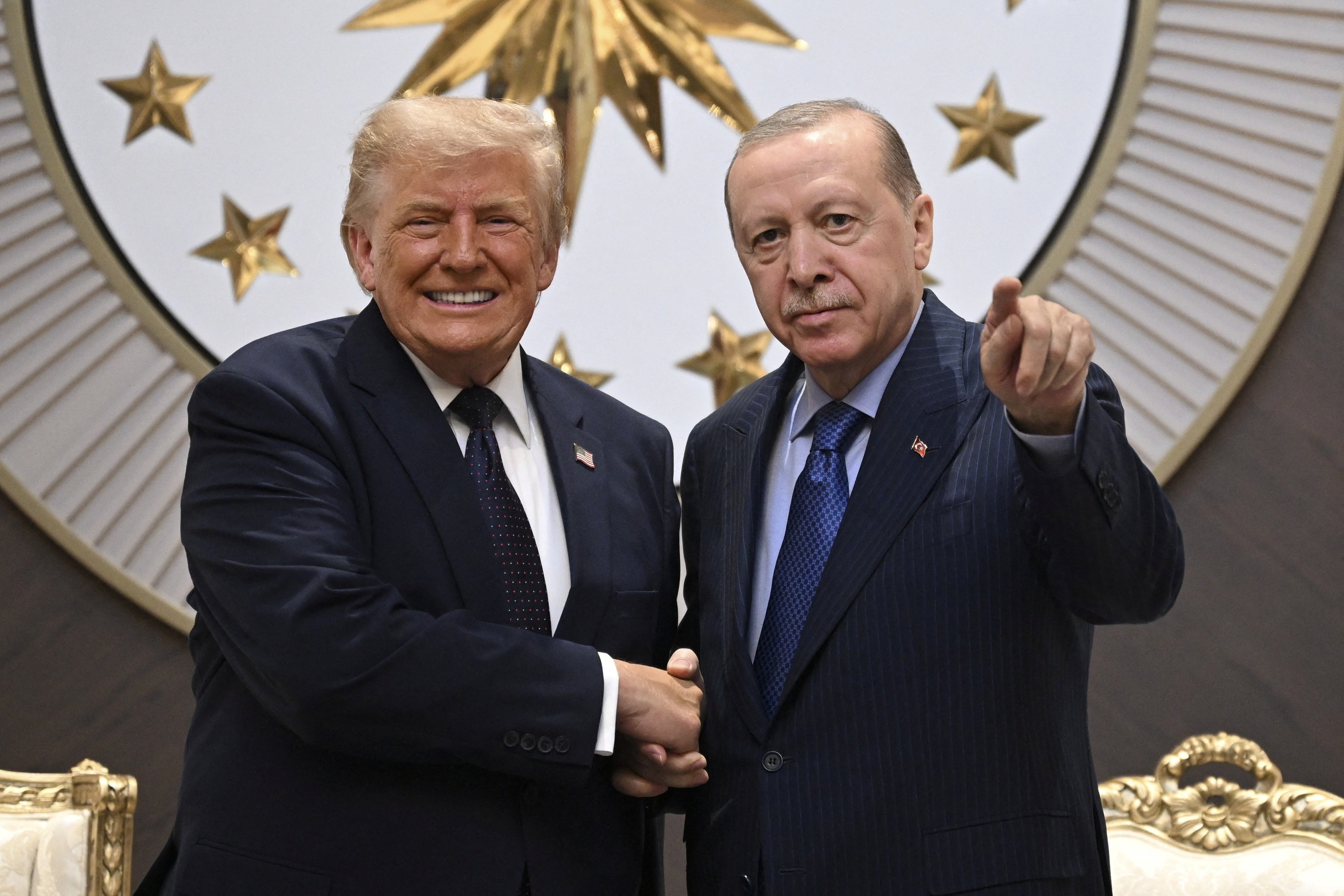
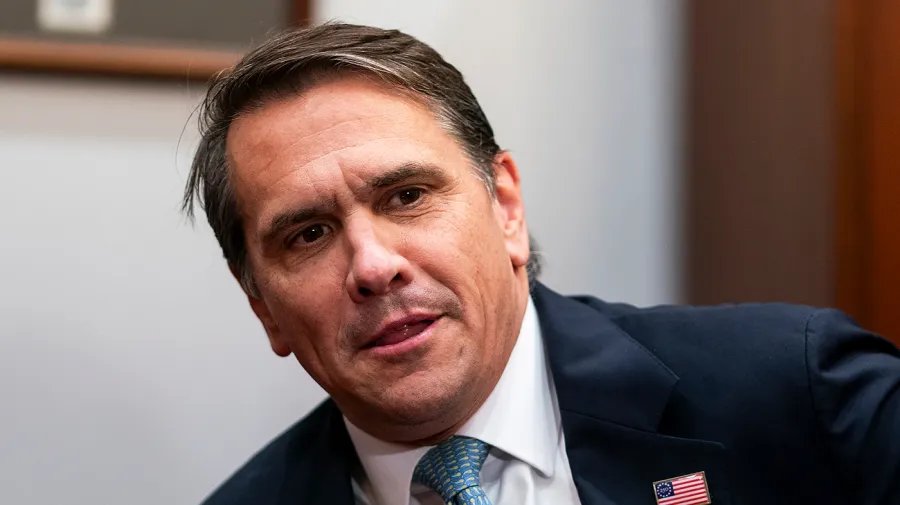
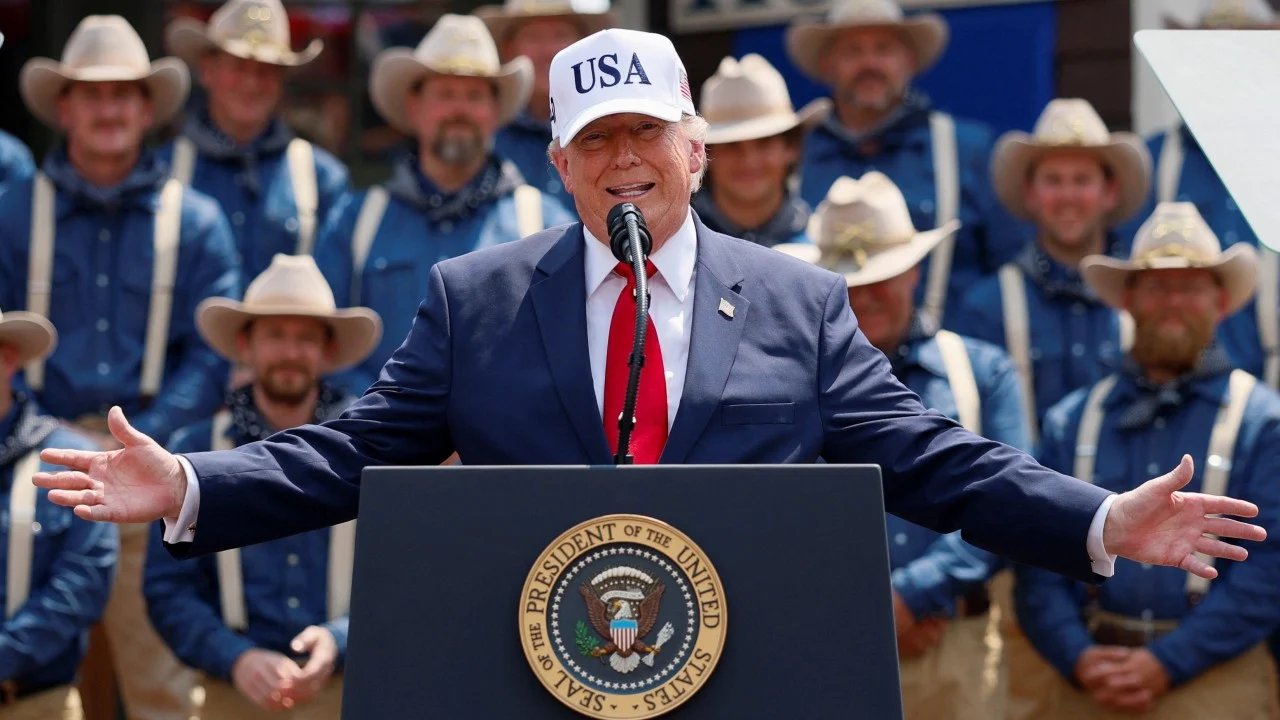
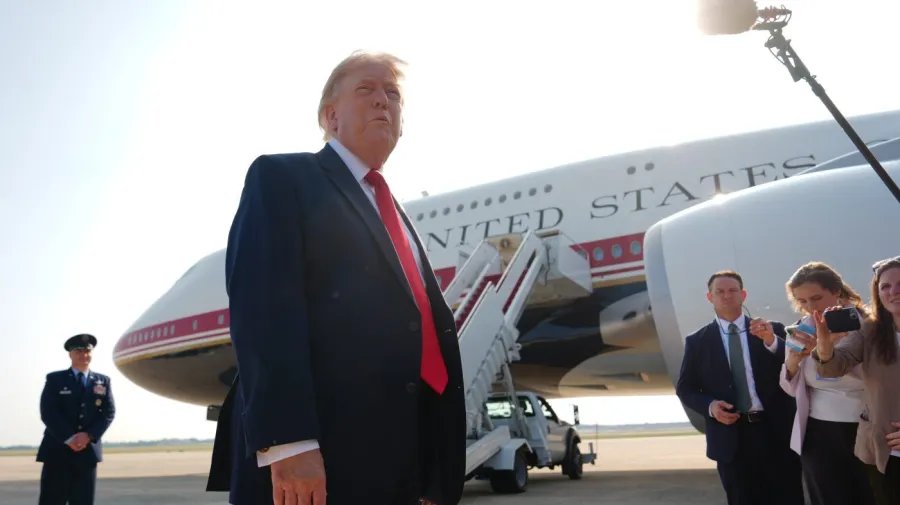
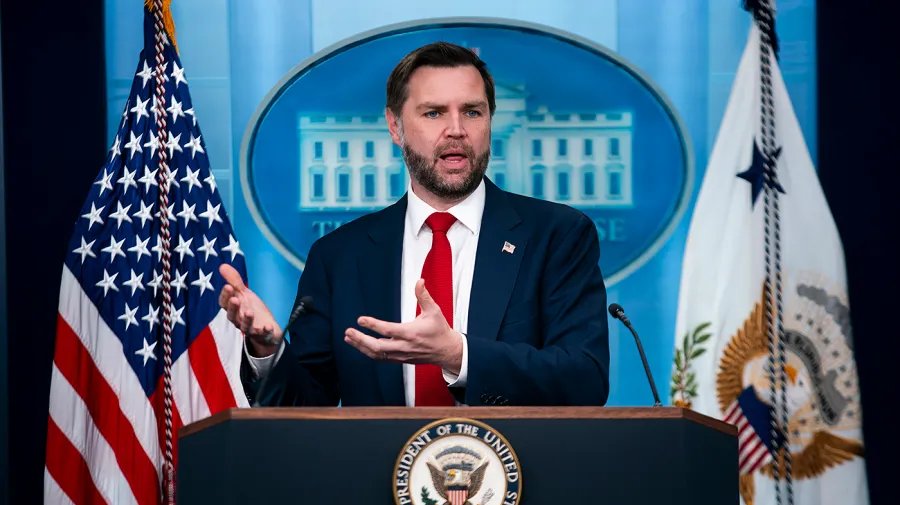
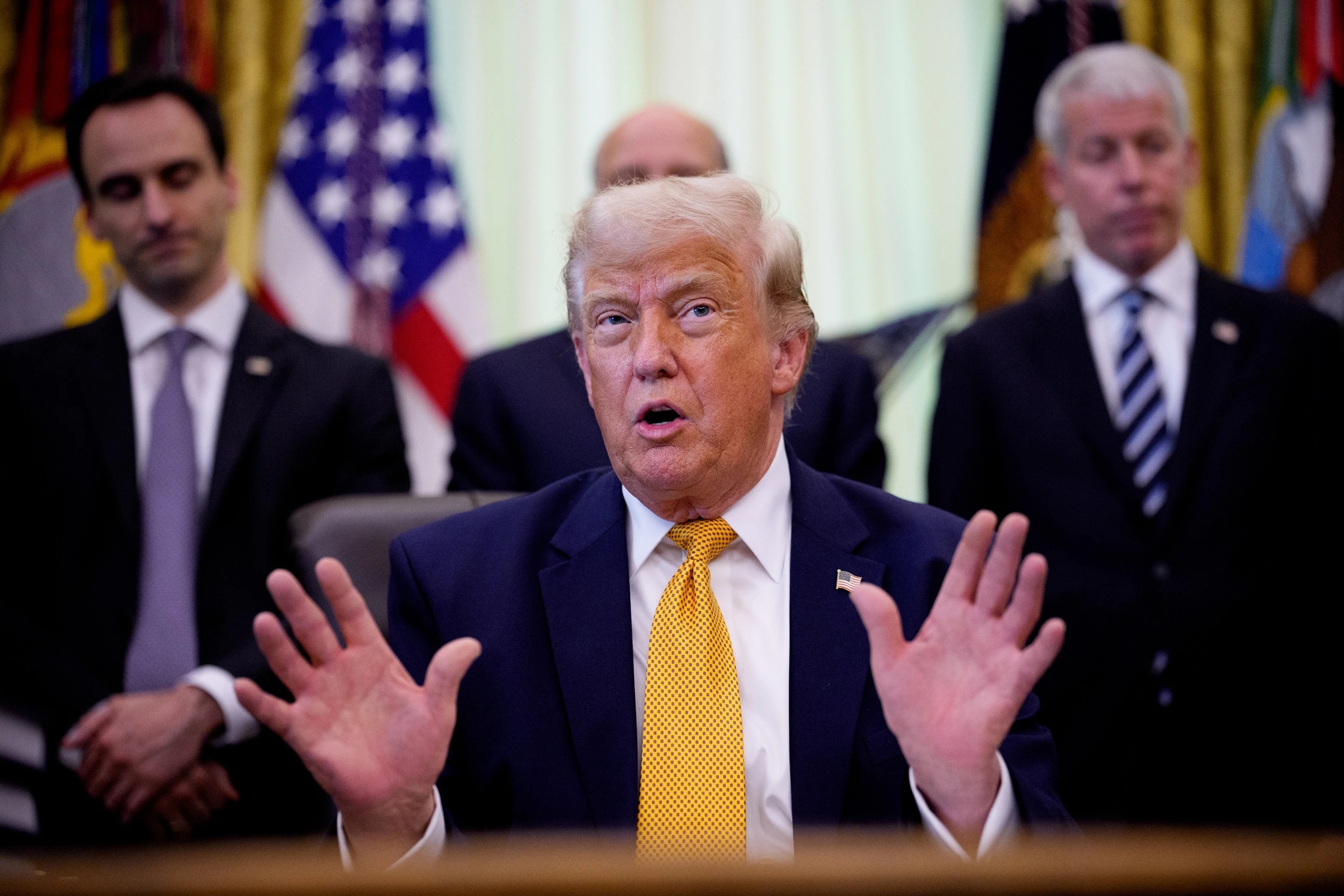
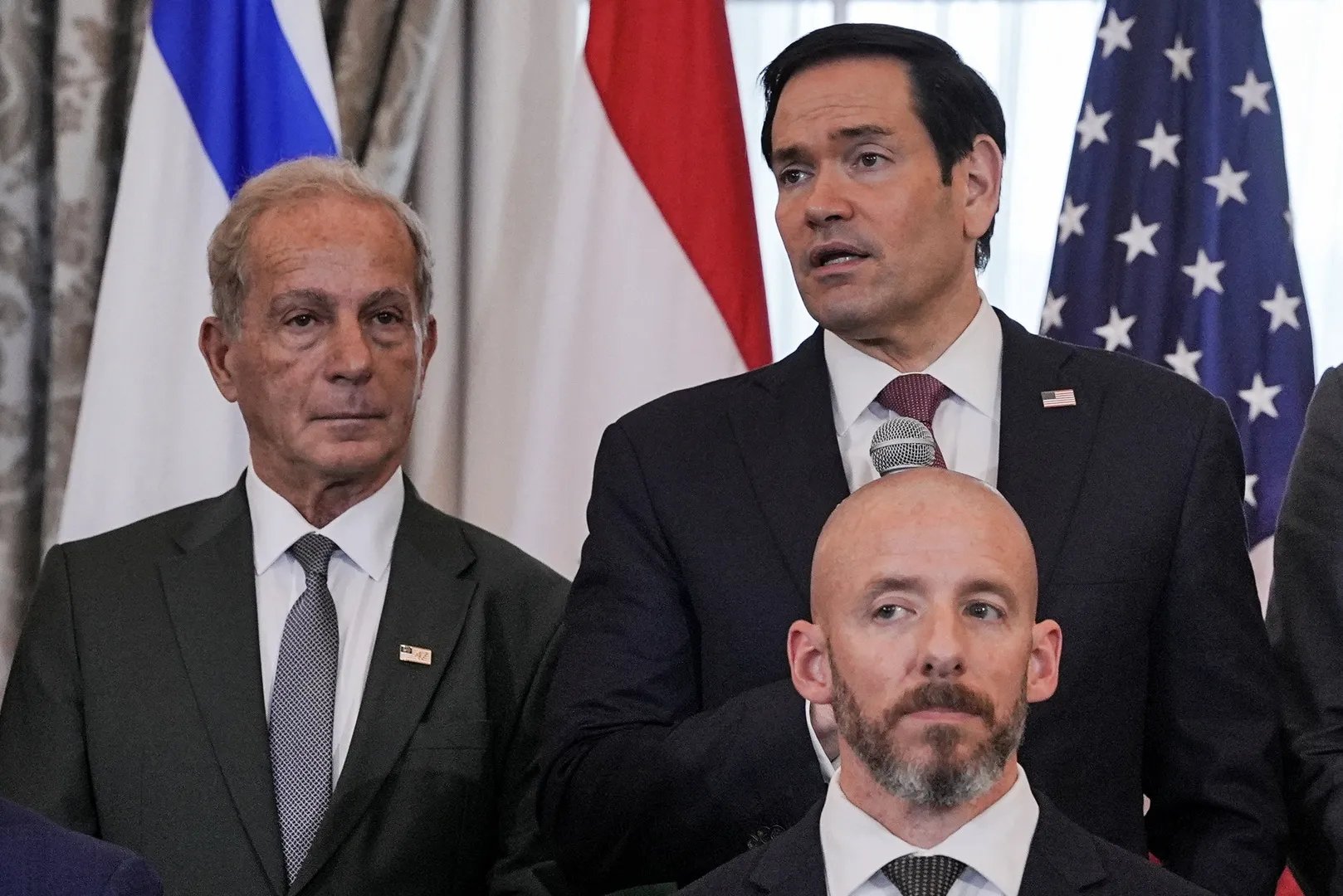
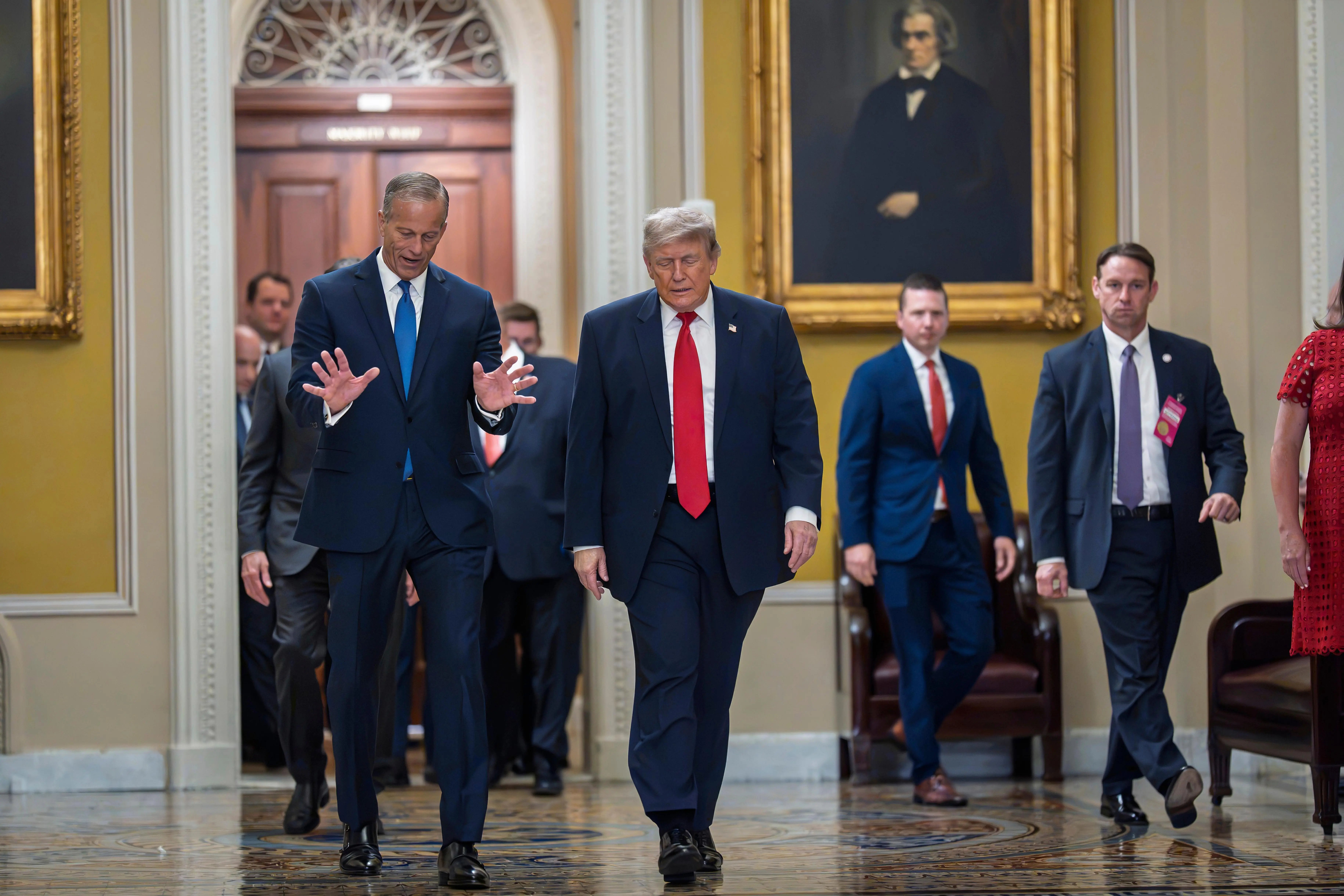
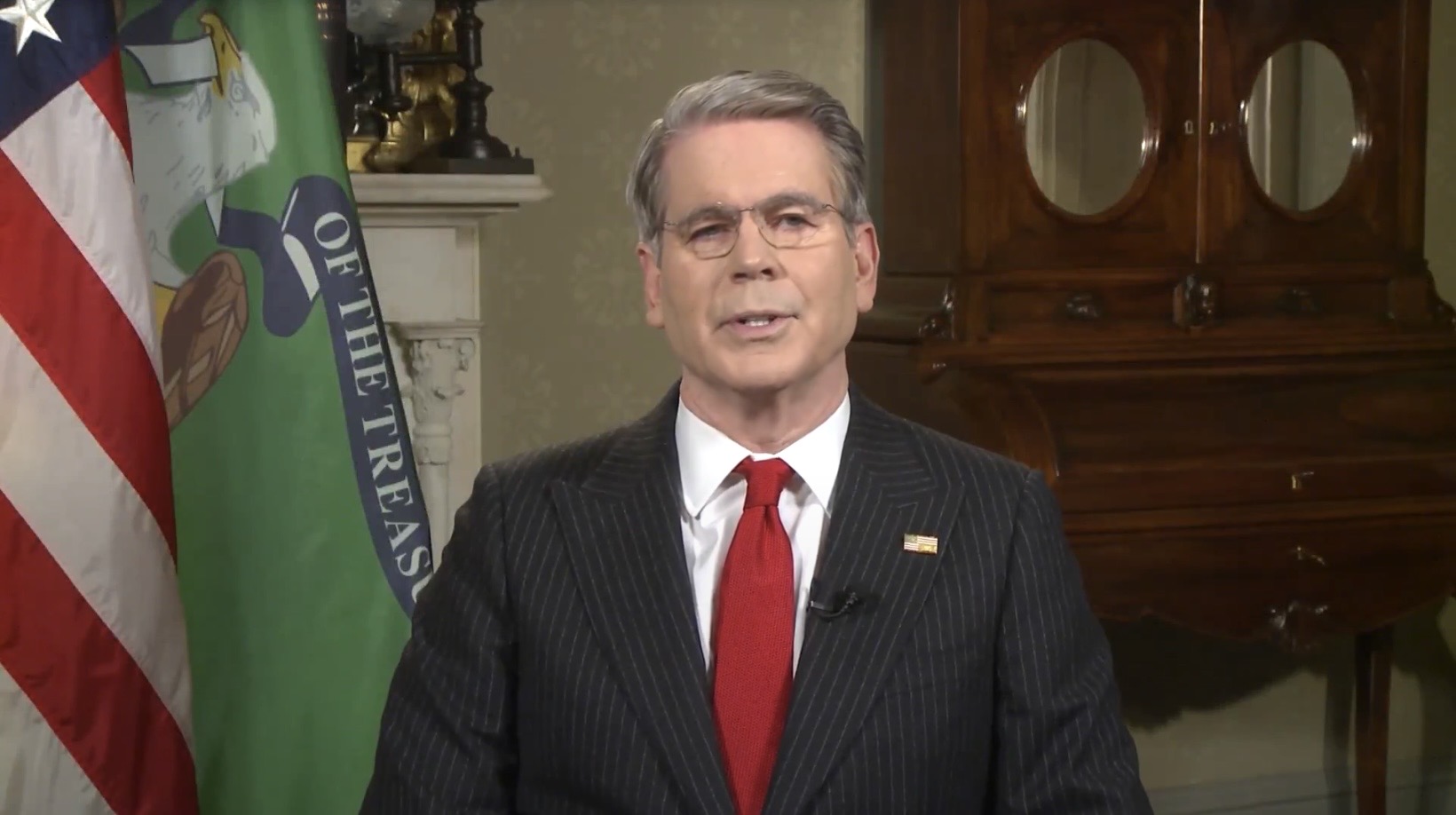
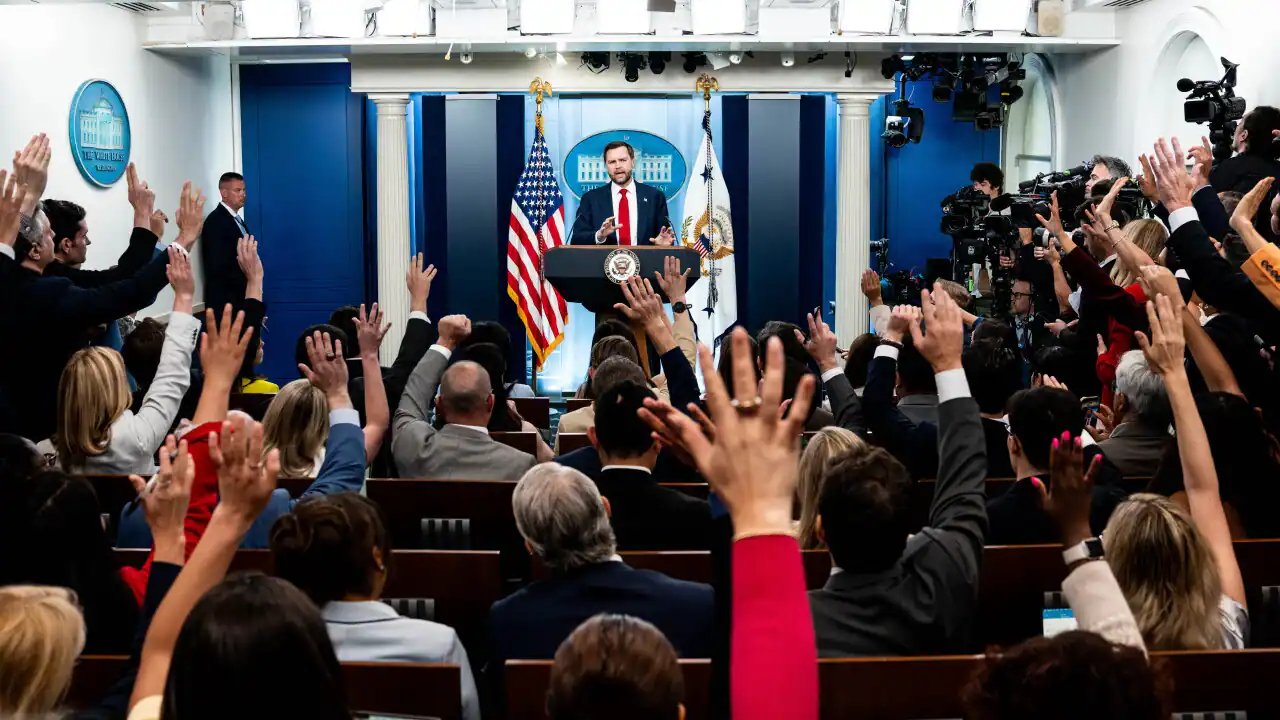
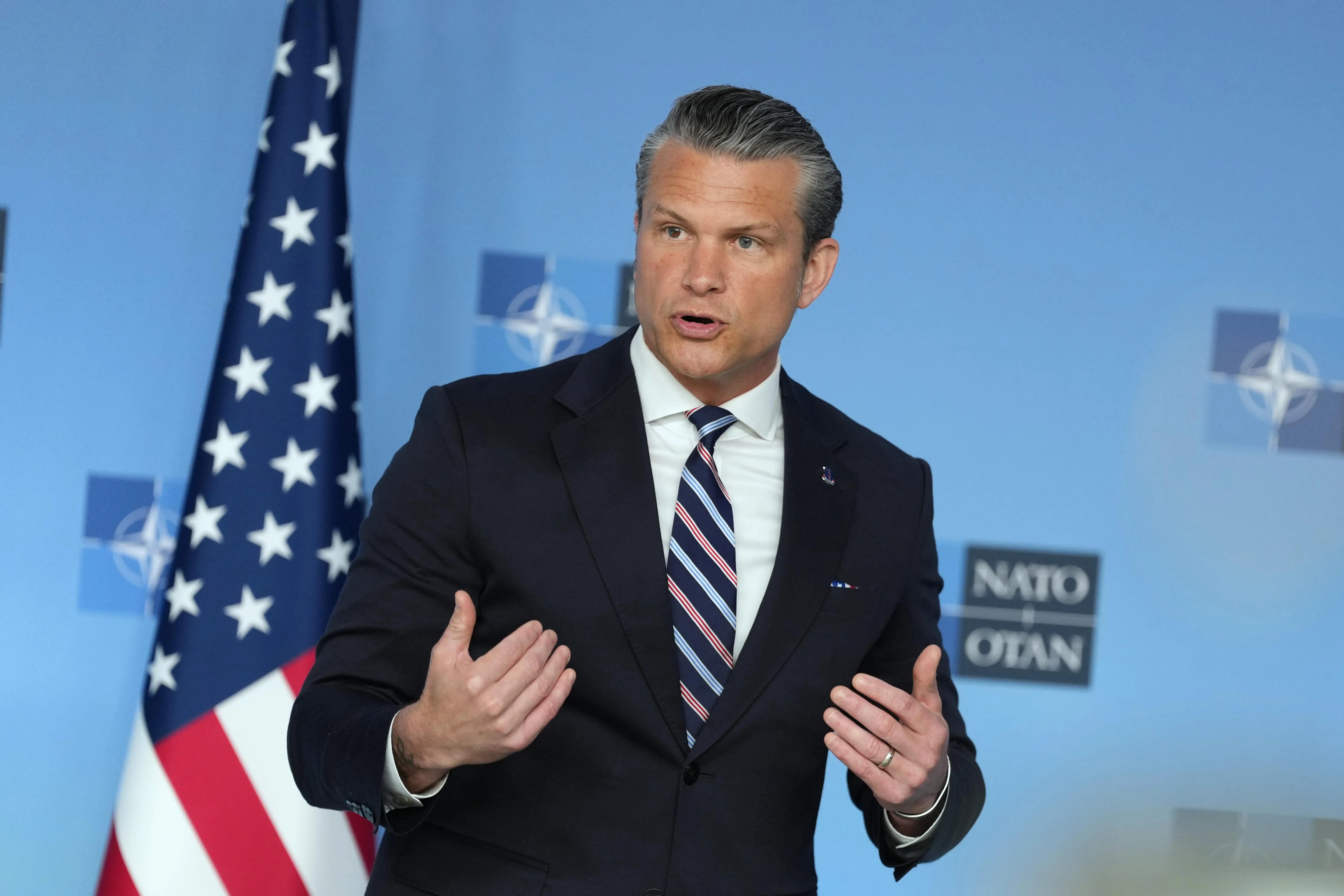
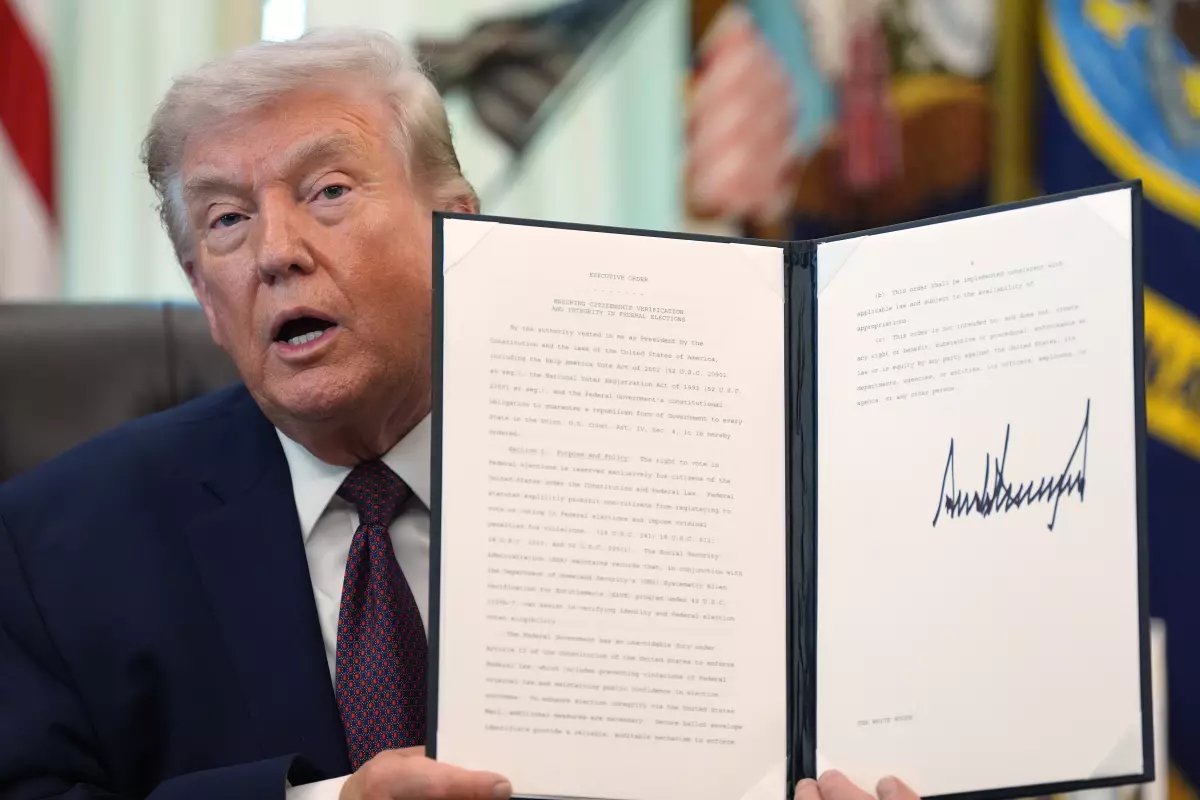
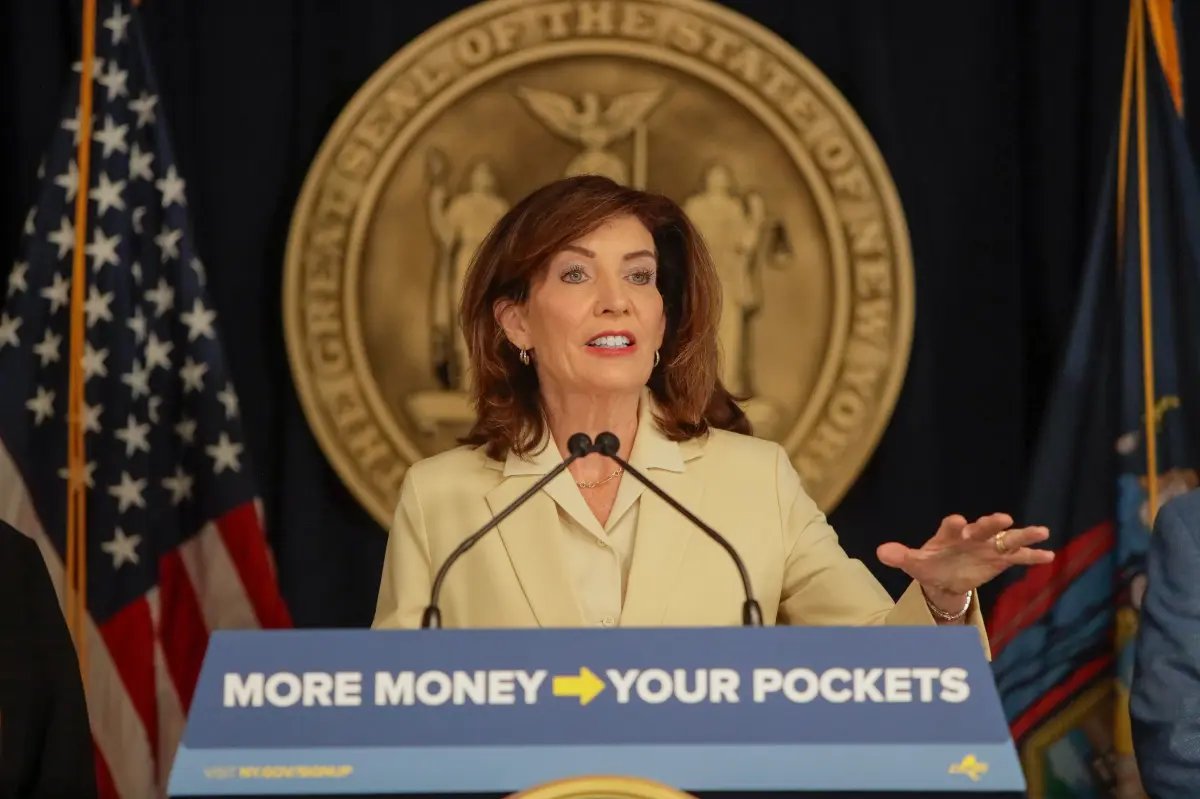
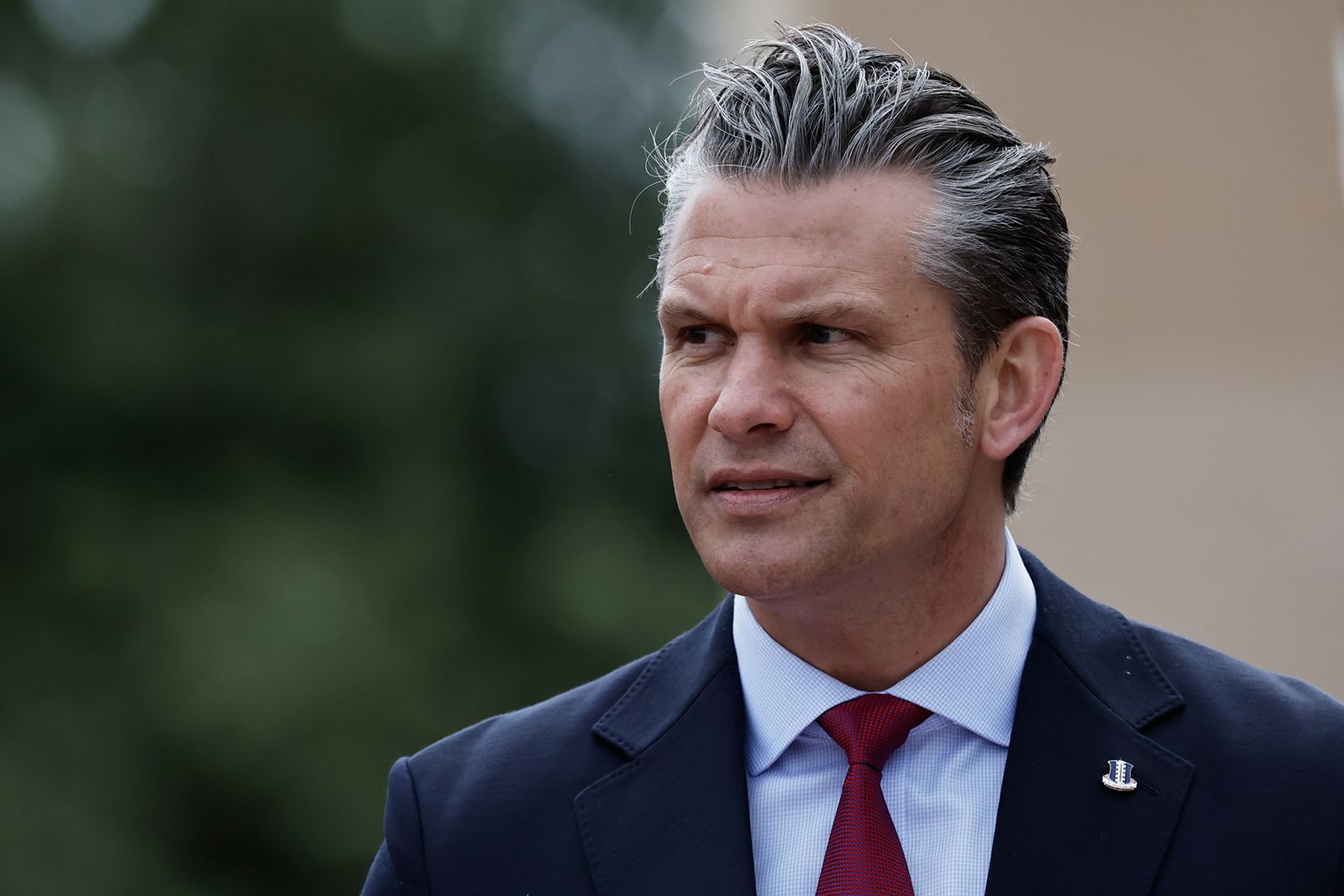
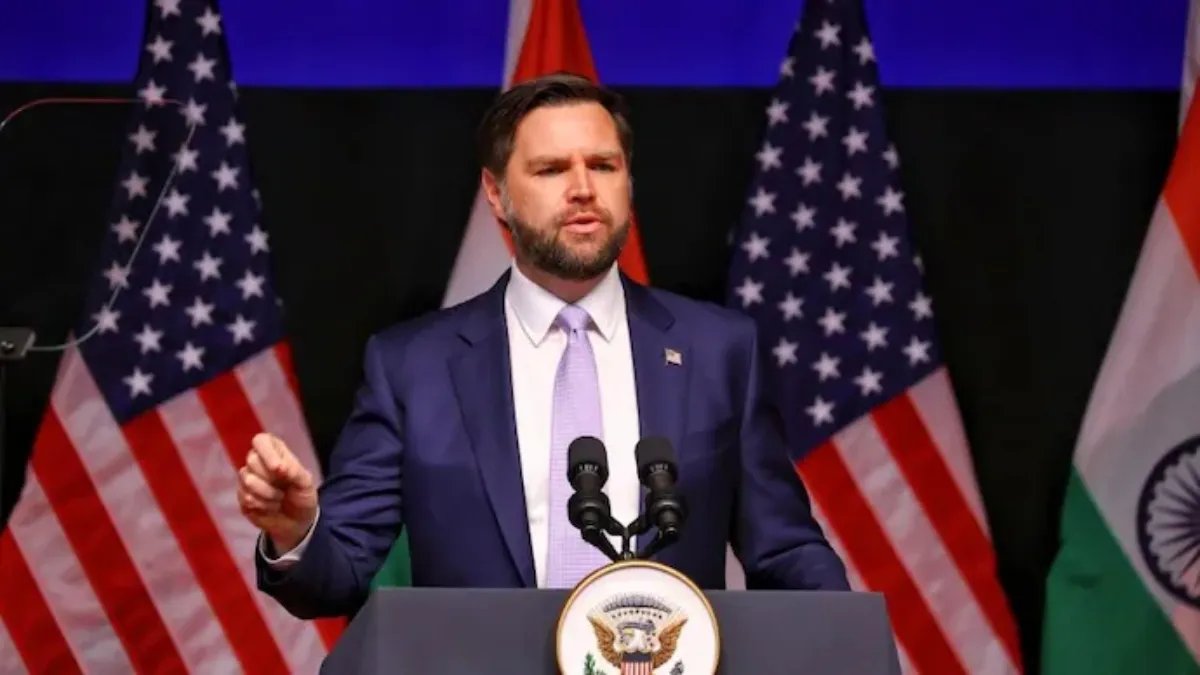
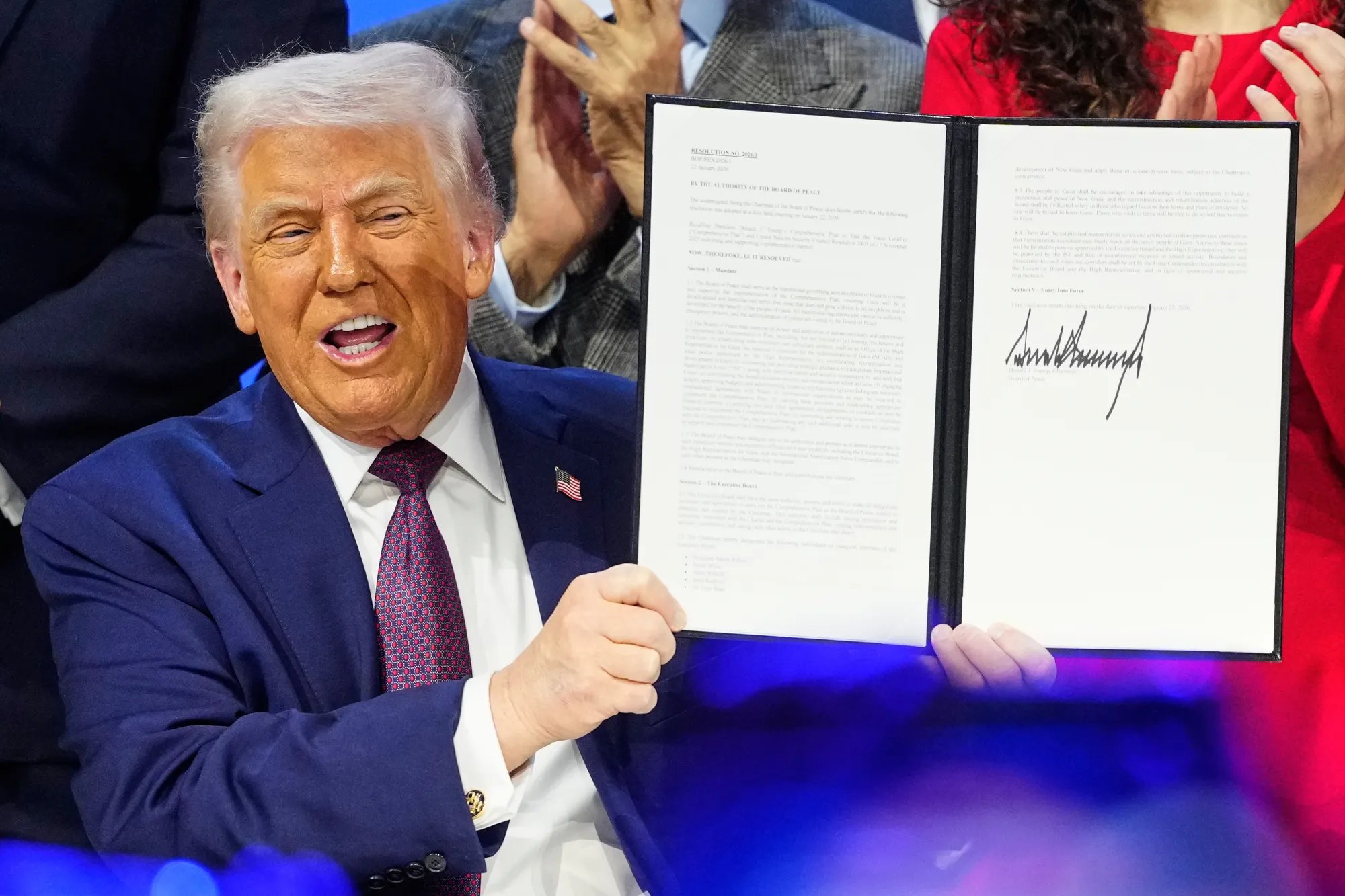
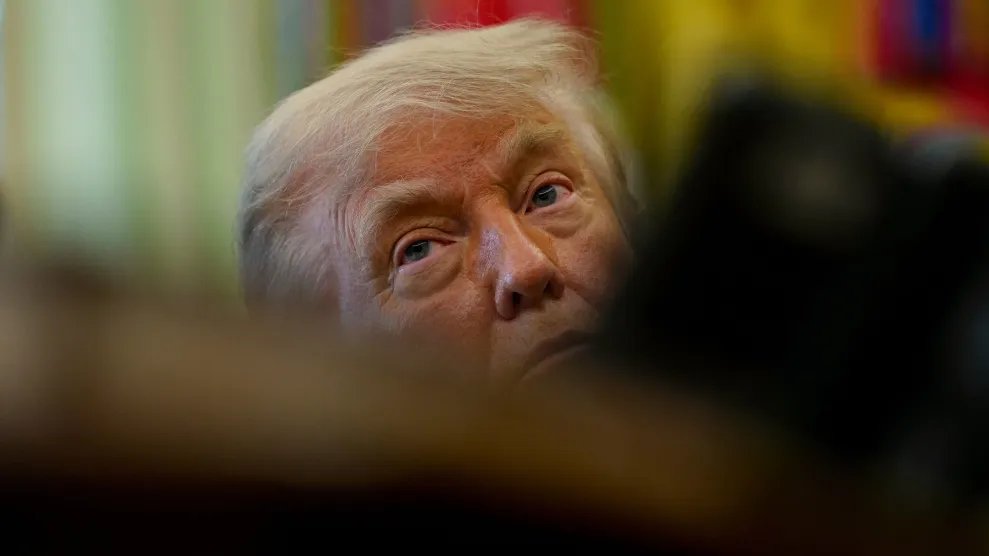
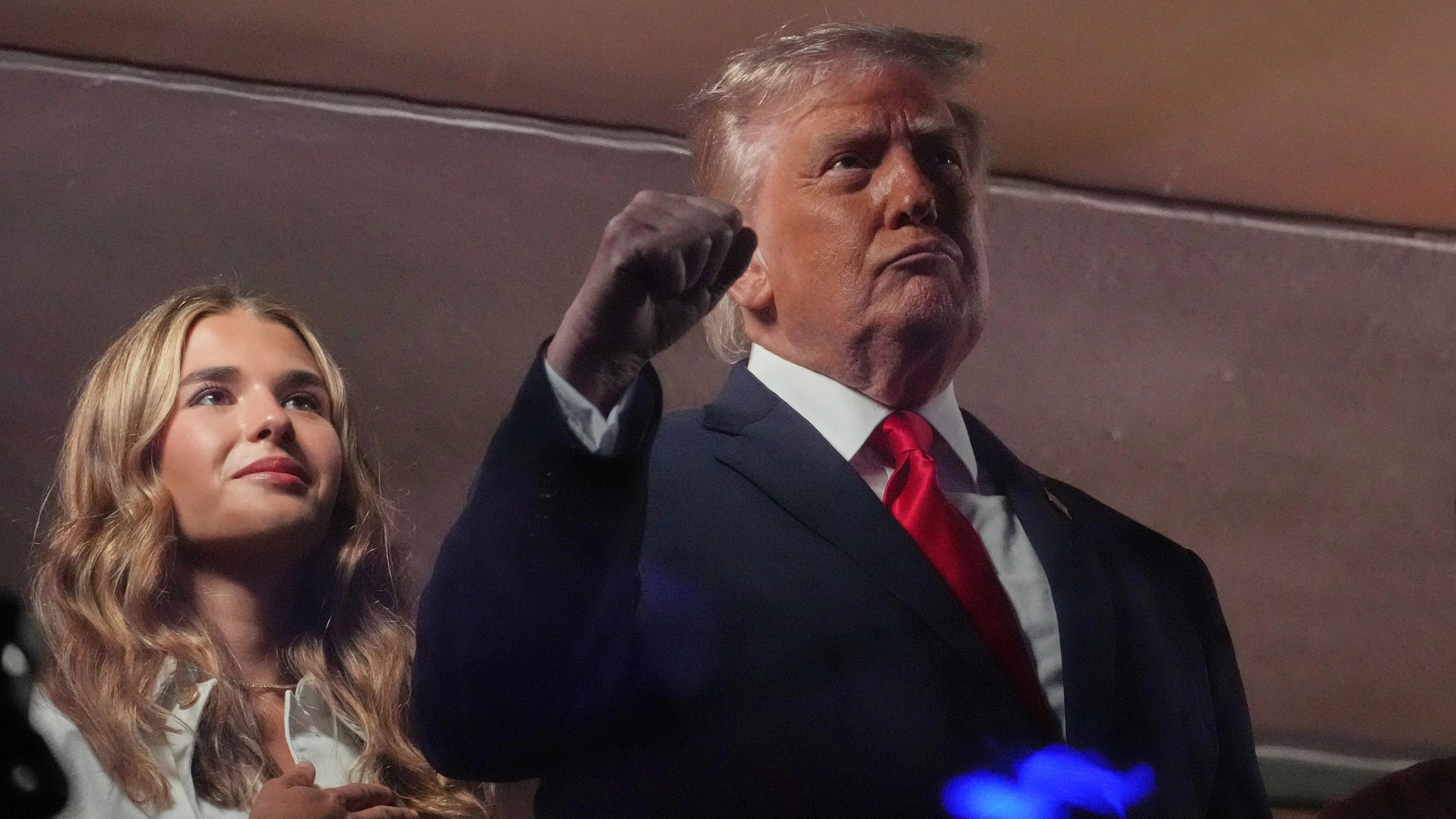
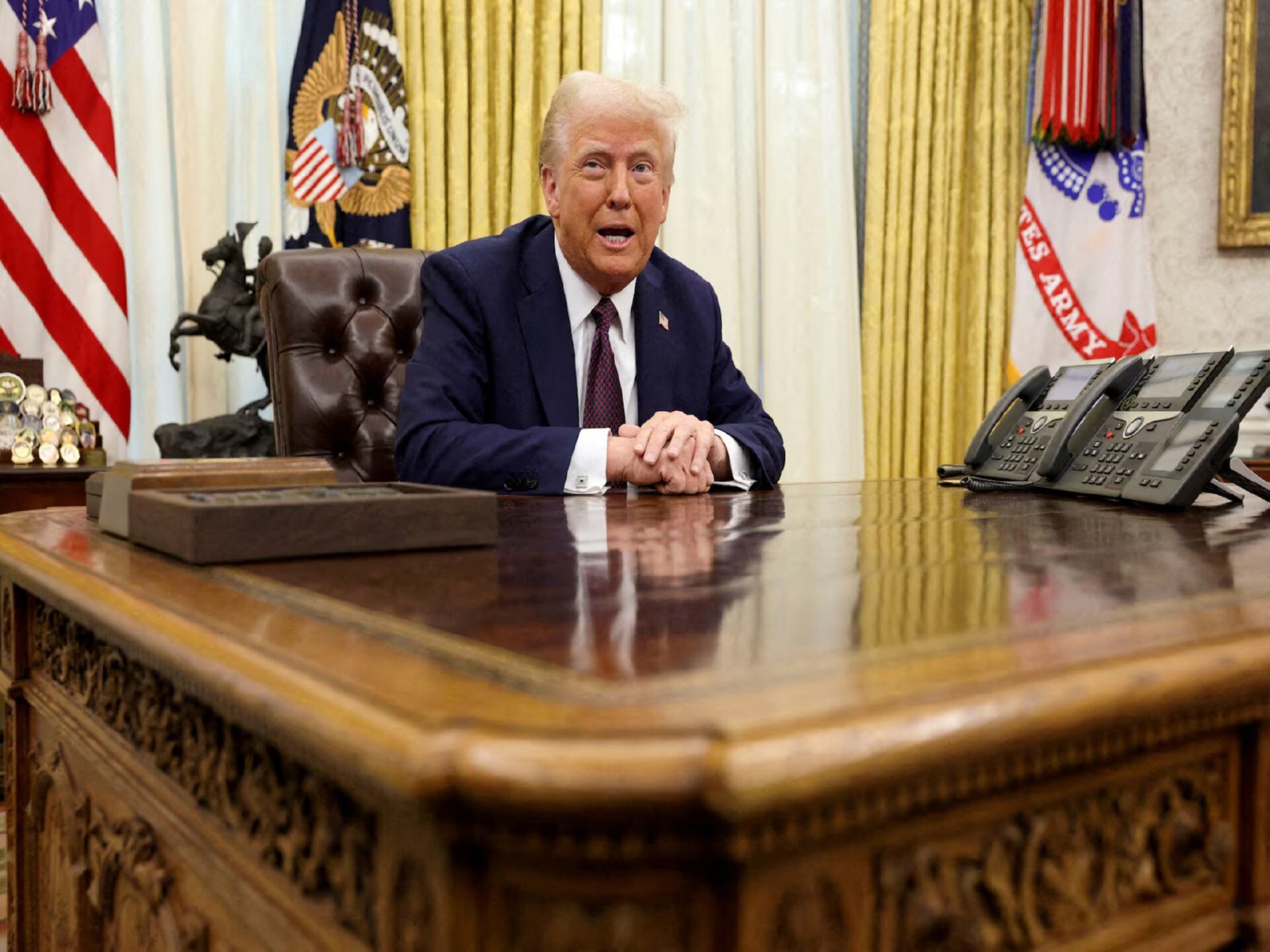
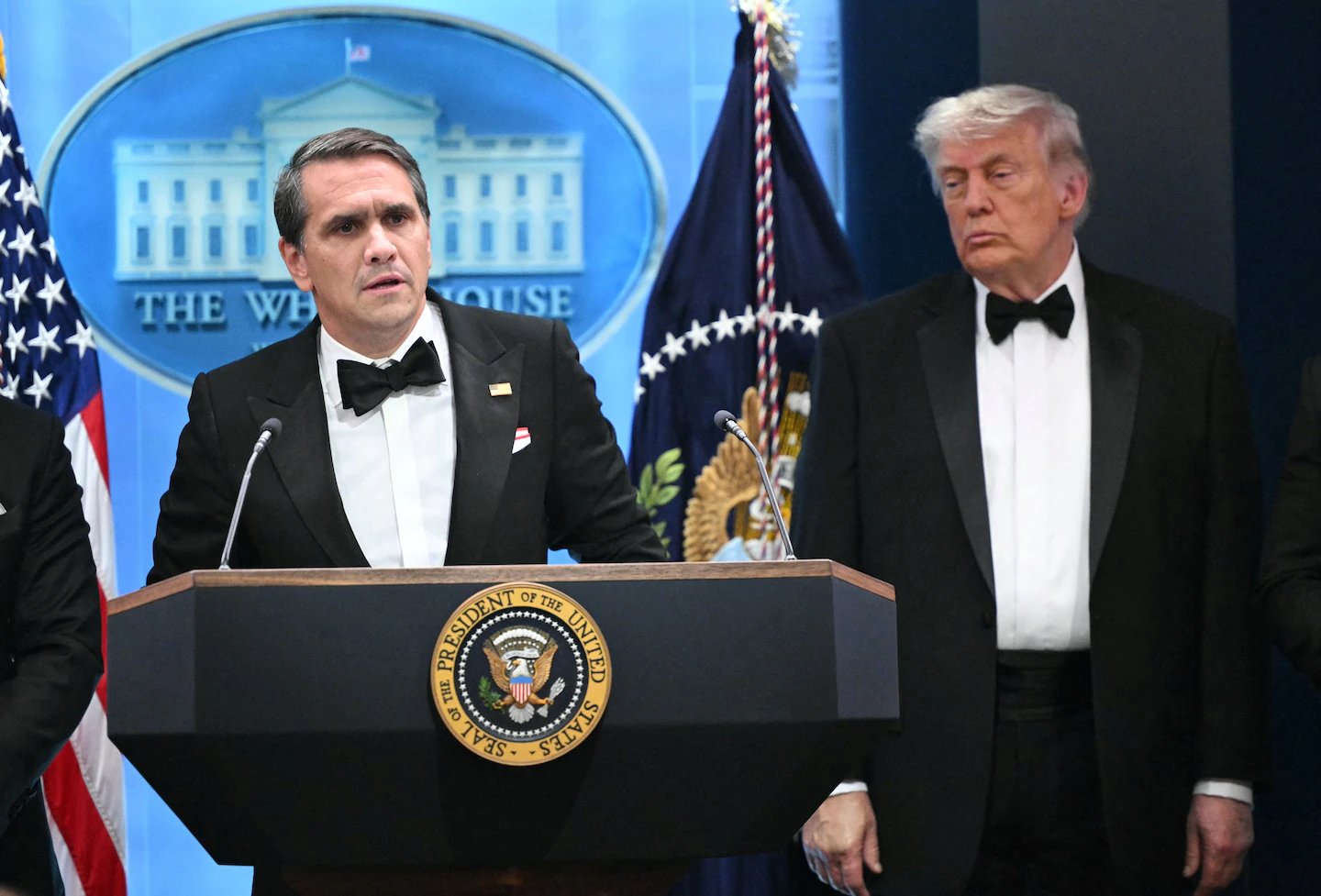
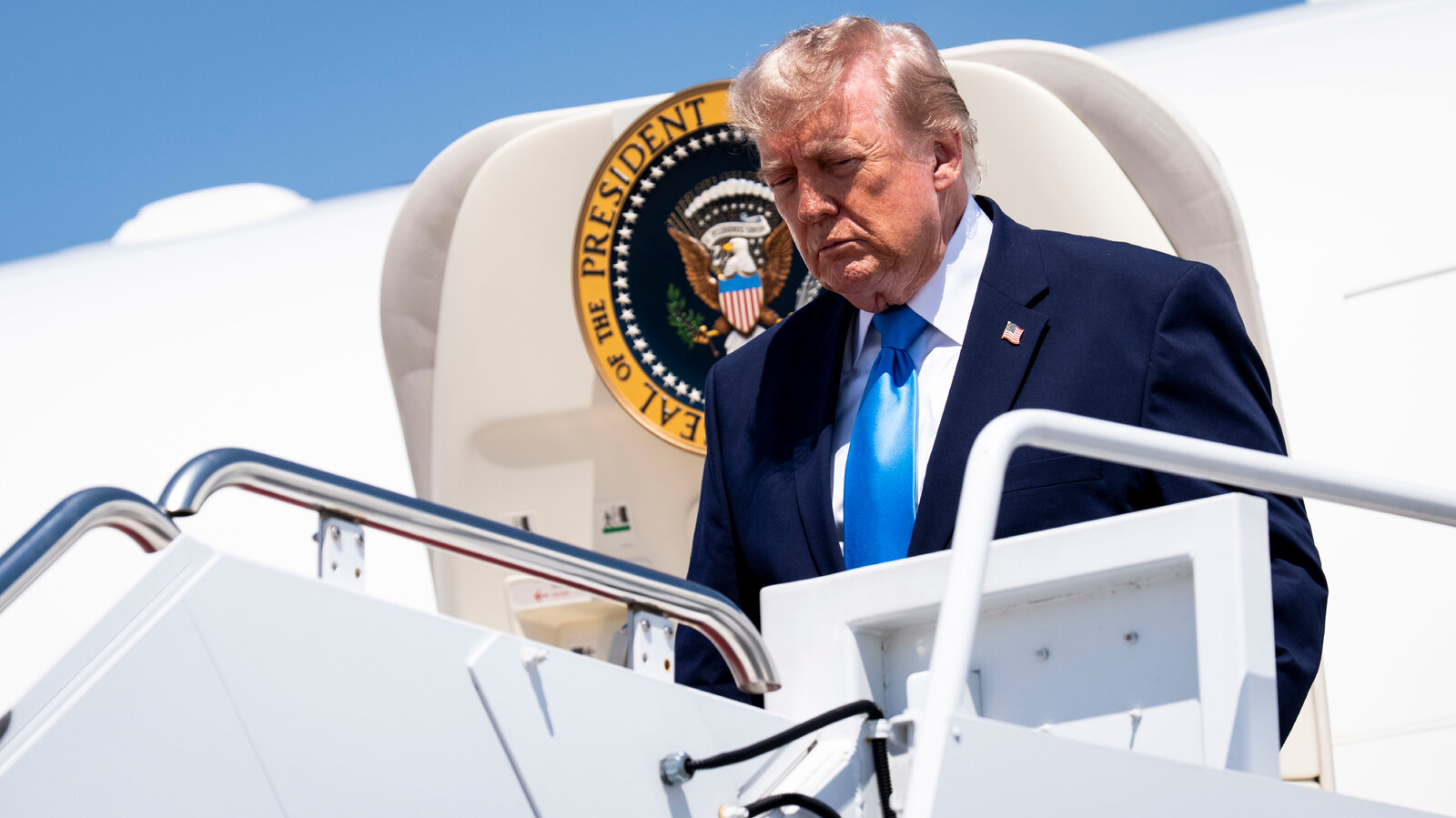
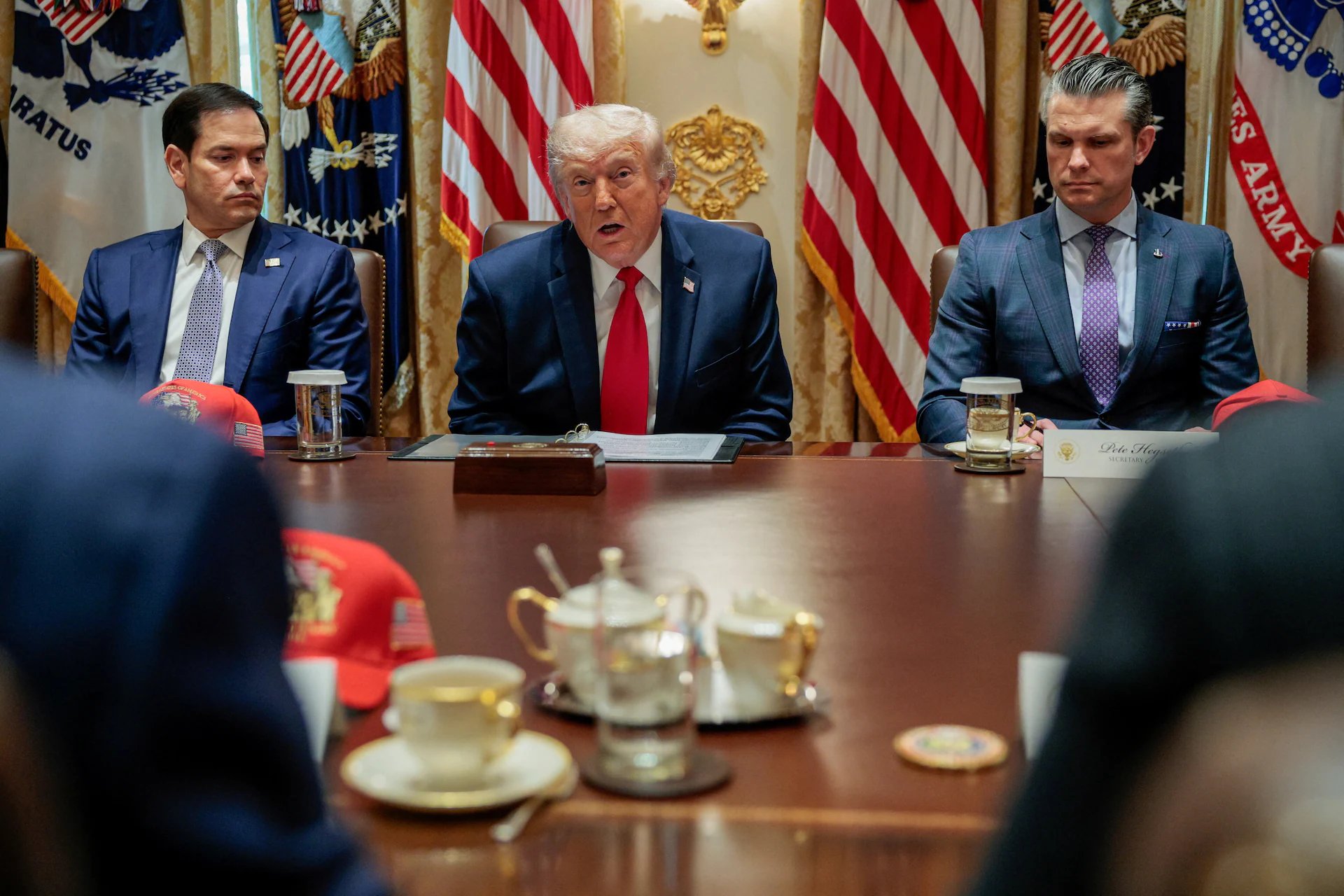
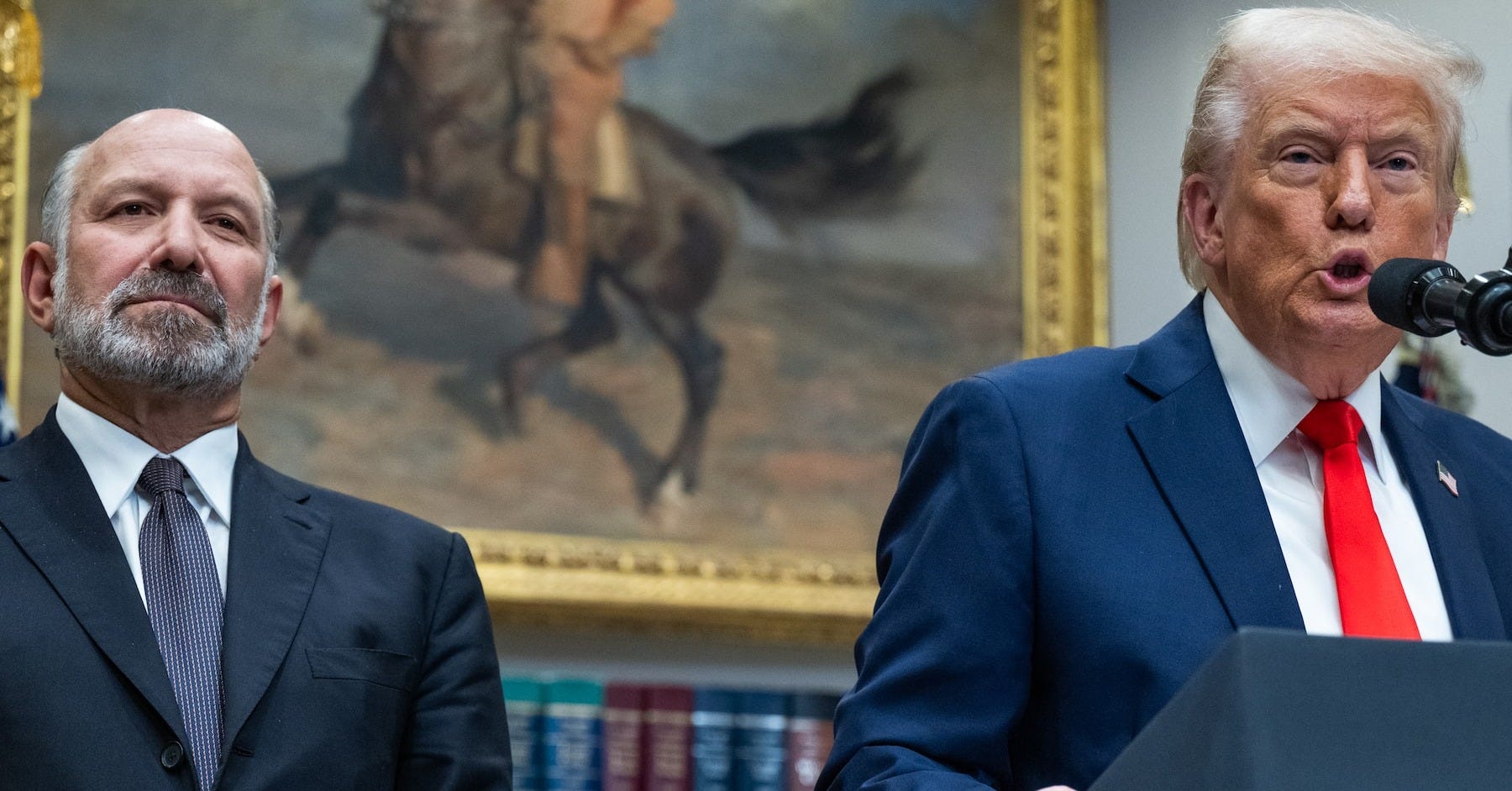
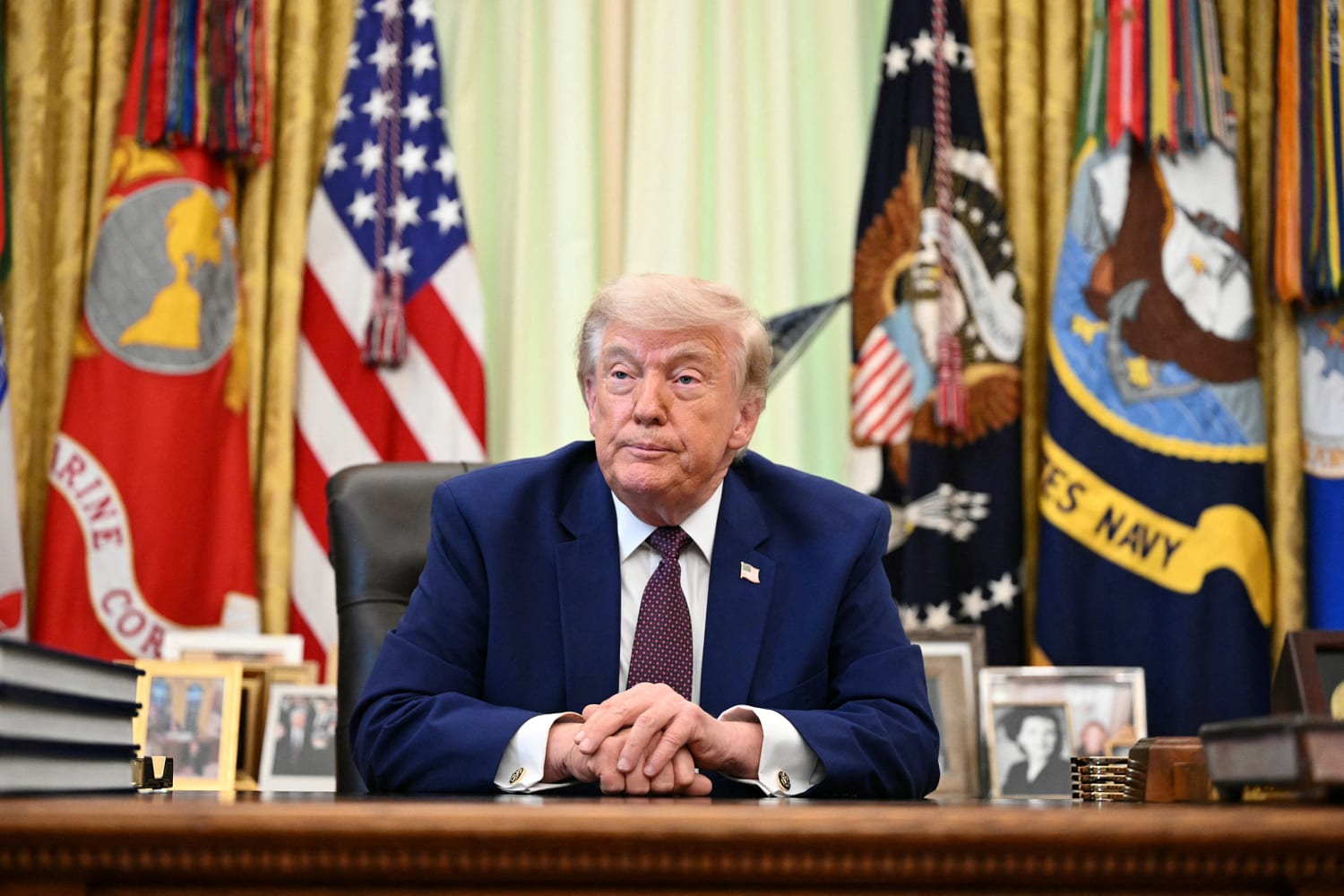
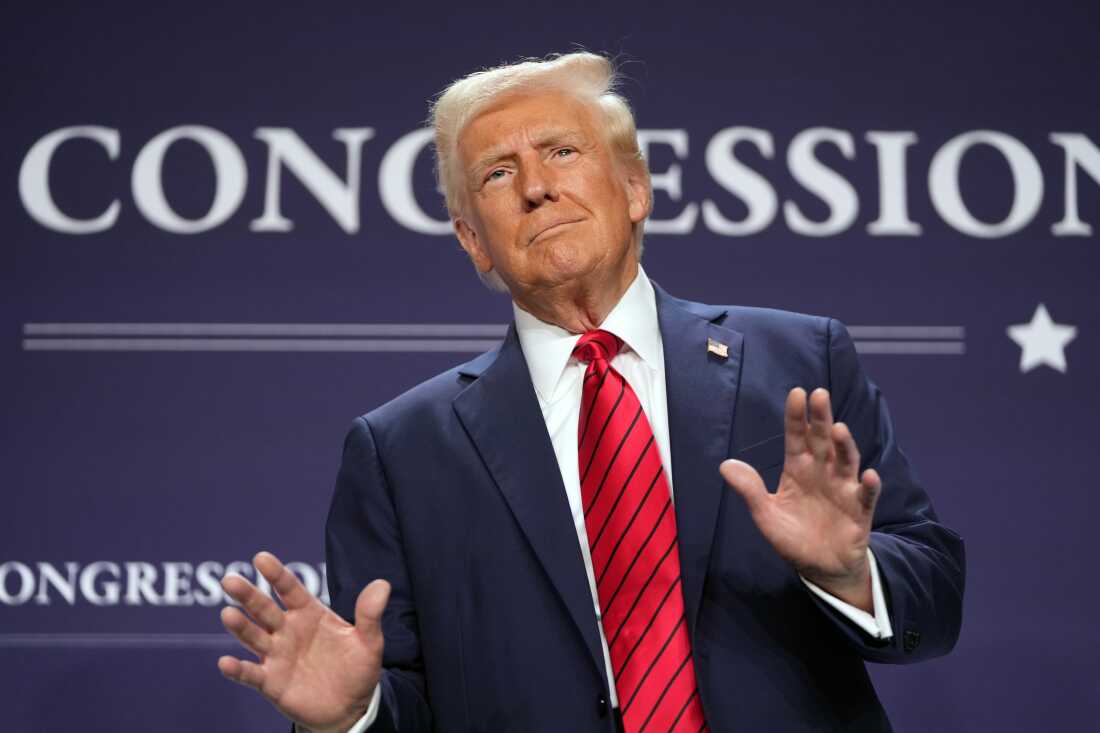
In the aftermath of Venezuela's devastating twin earthquakes, the U.S. has pledged a significant aid package, marking a substantial shift in international aid policy. Secretary of State Marco Rubio promised, "We have a whole-of-government response. It'll be big; it'll be fast; and it'll be effective." This commitment includes $150 million allocated to faith-based aid groups and United Nations agencies, reflecting a change from the Trump administration's response to an earthquake in Myanmar in March of 2025, which was met with only $9 million and three people to assess the damage.
International Support and Aid
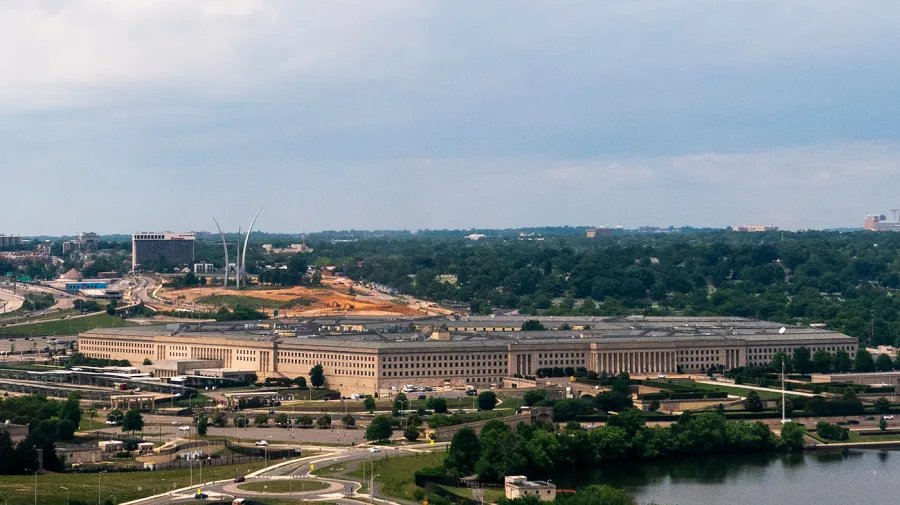
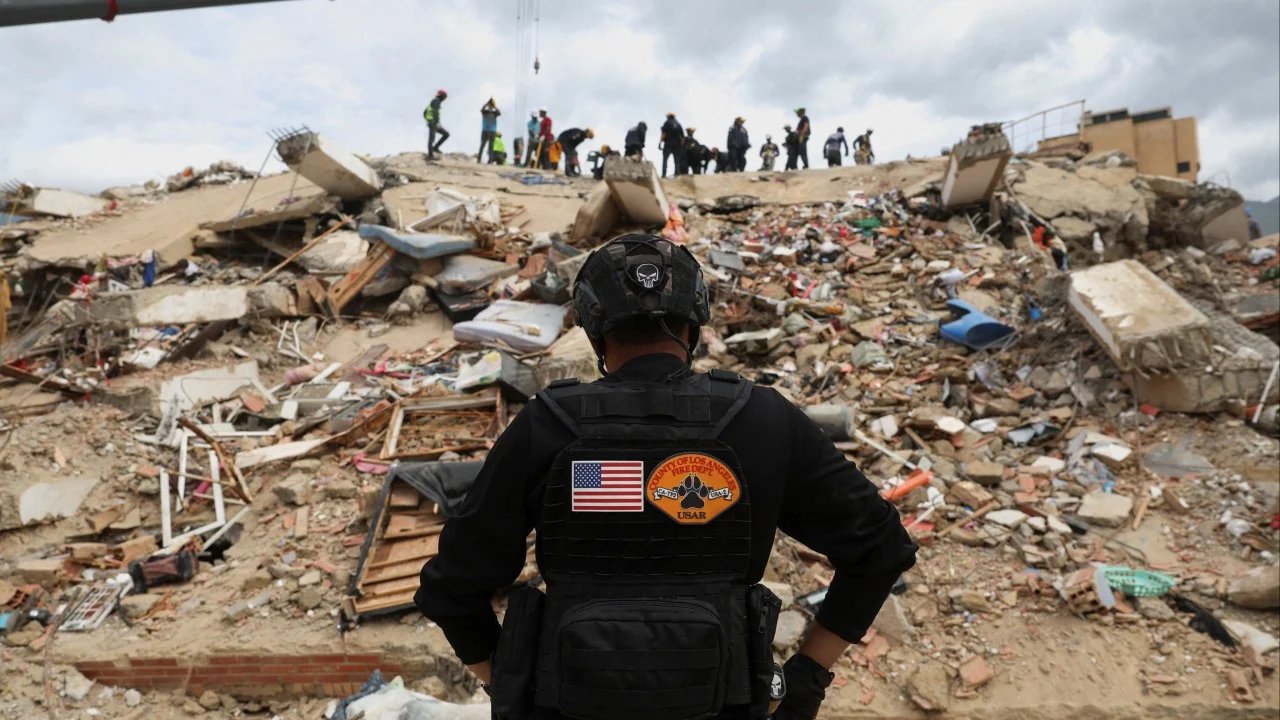
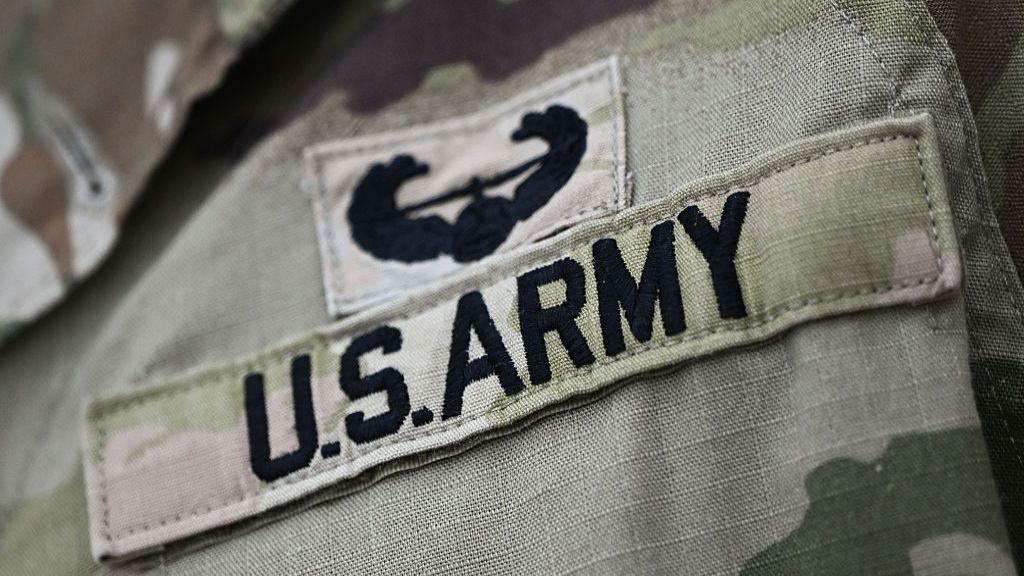
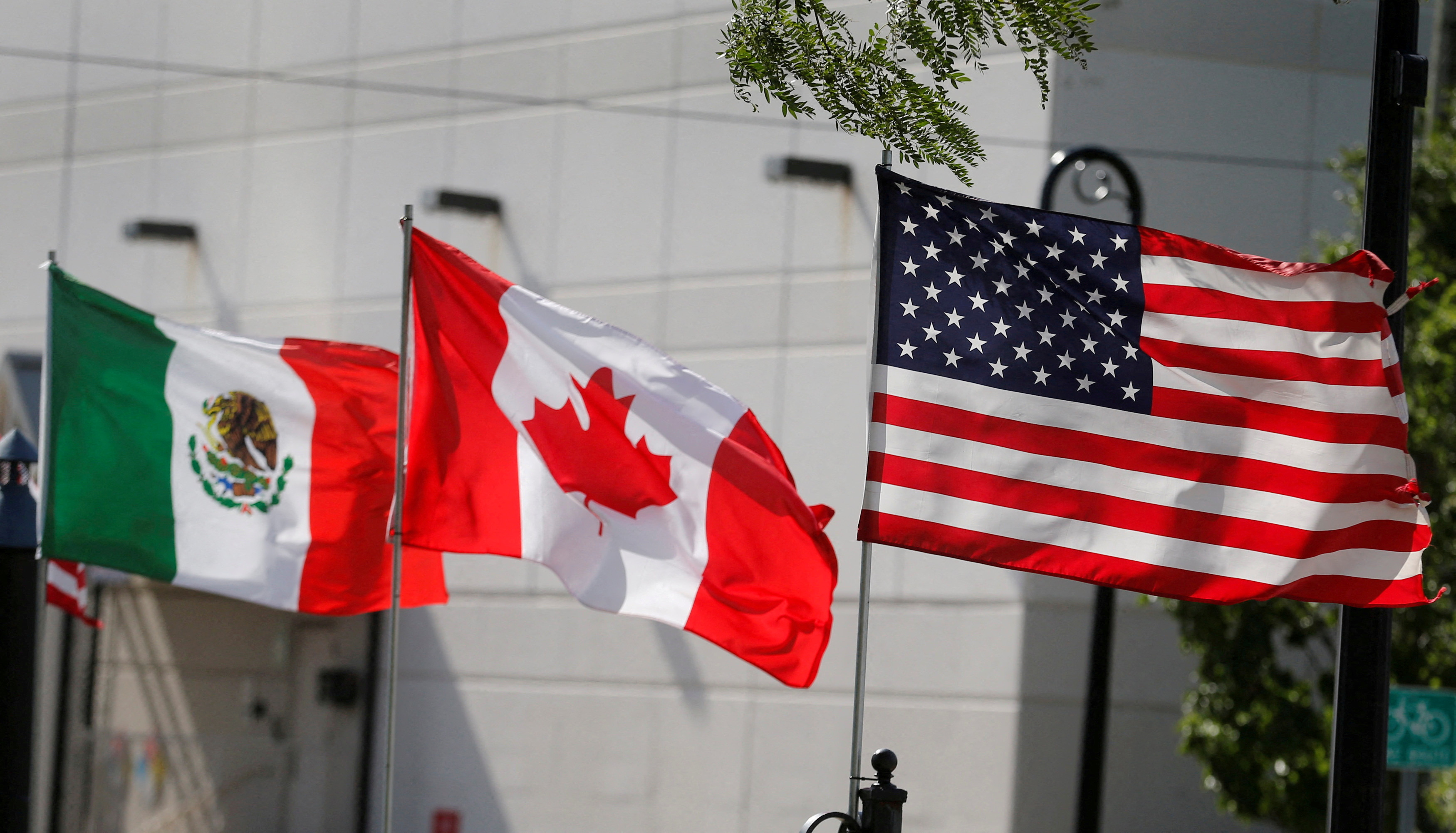
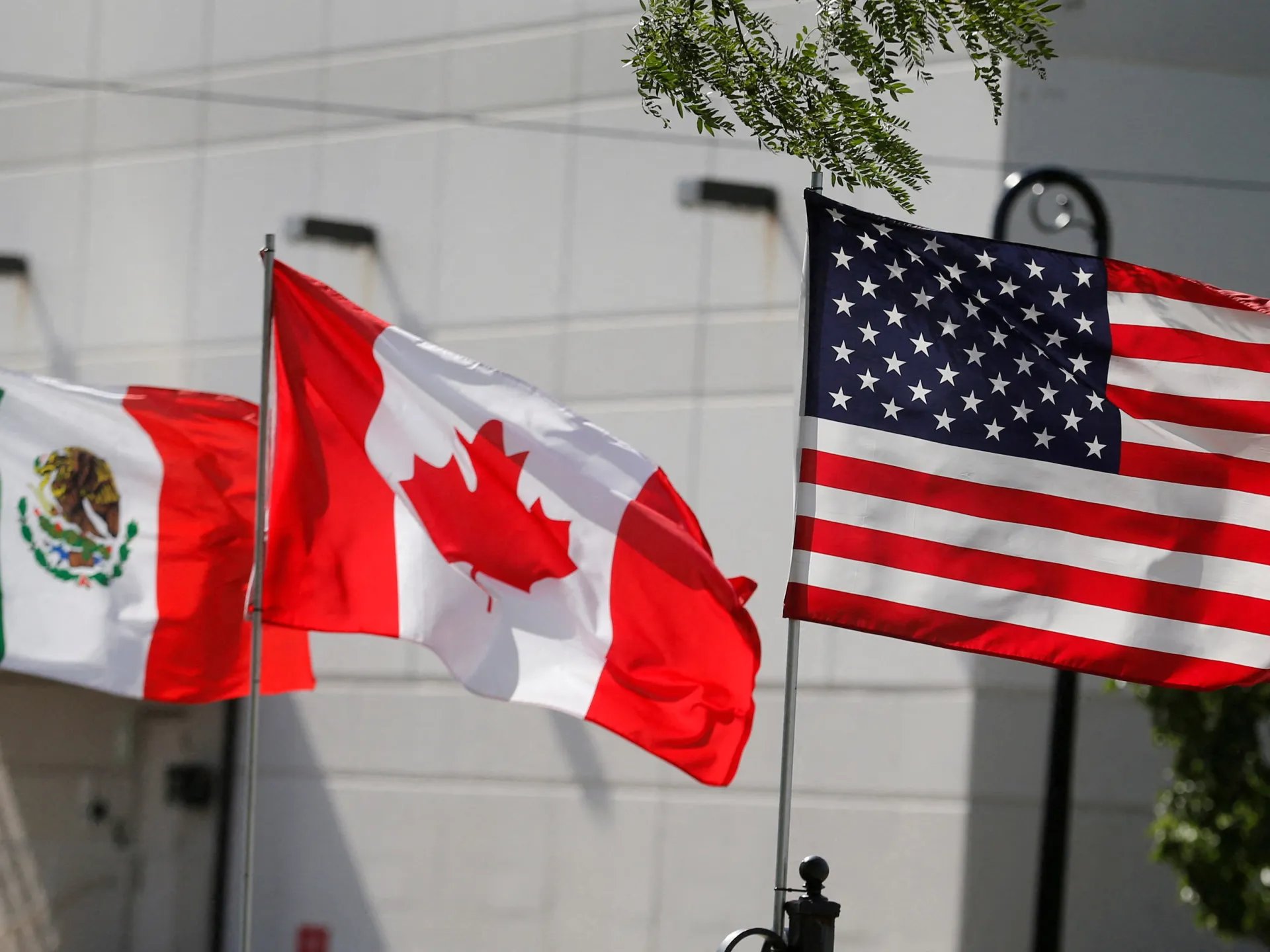
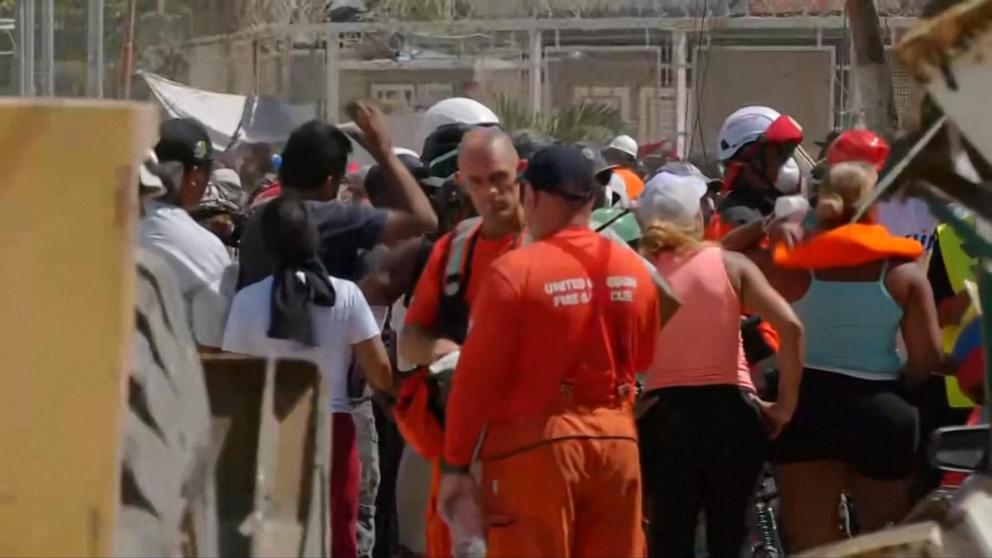
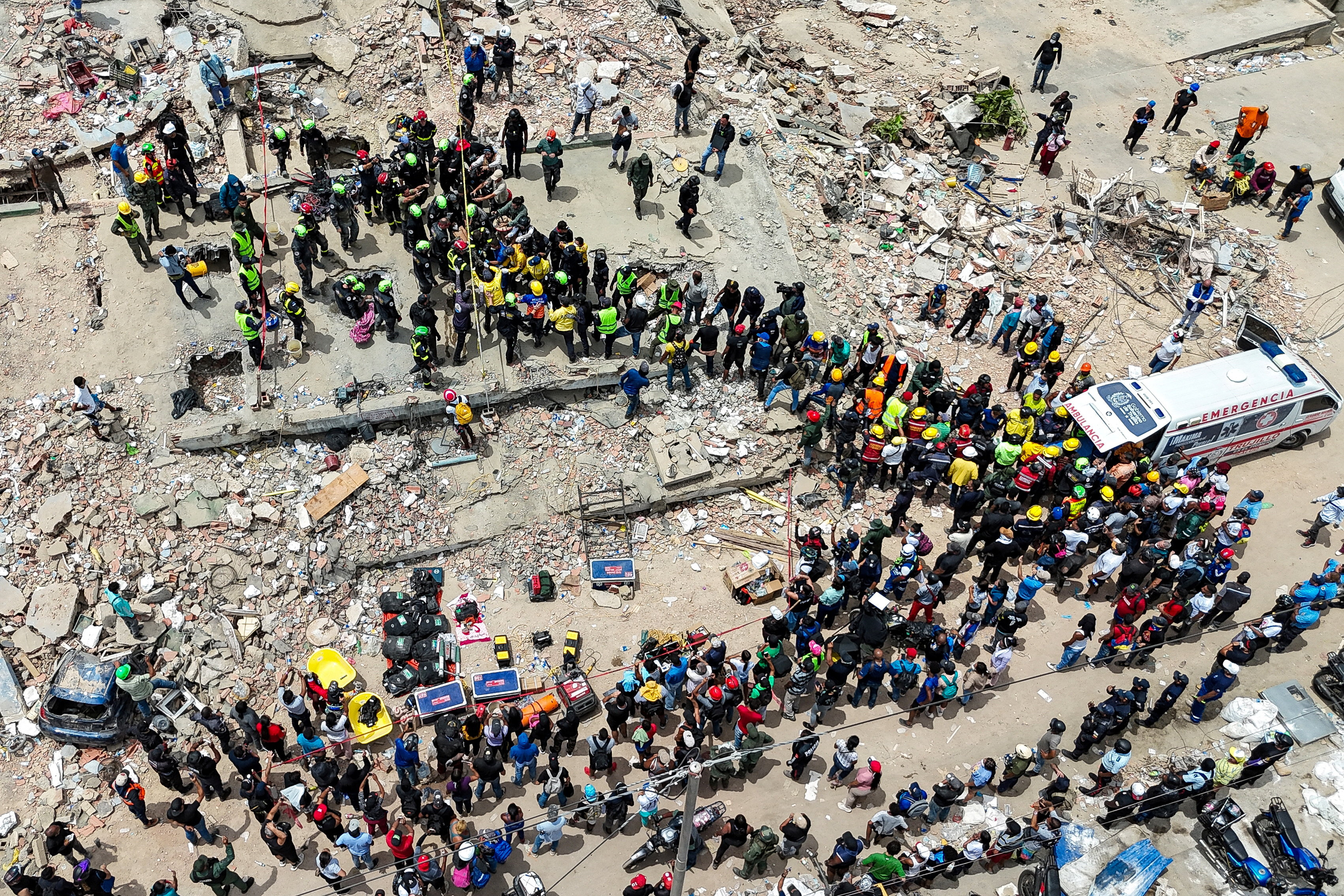
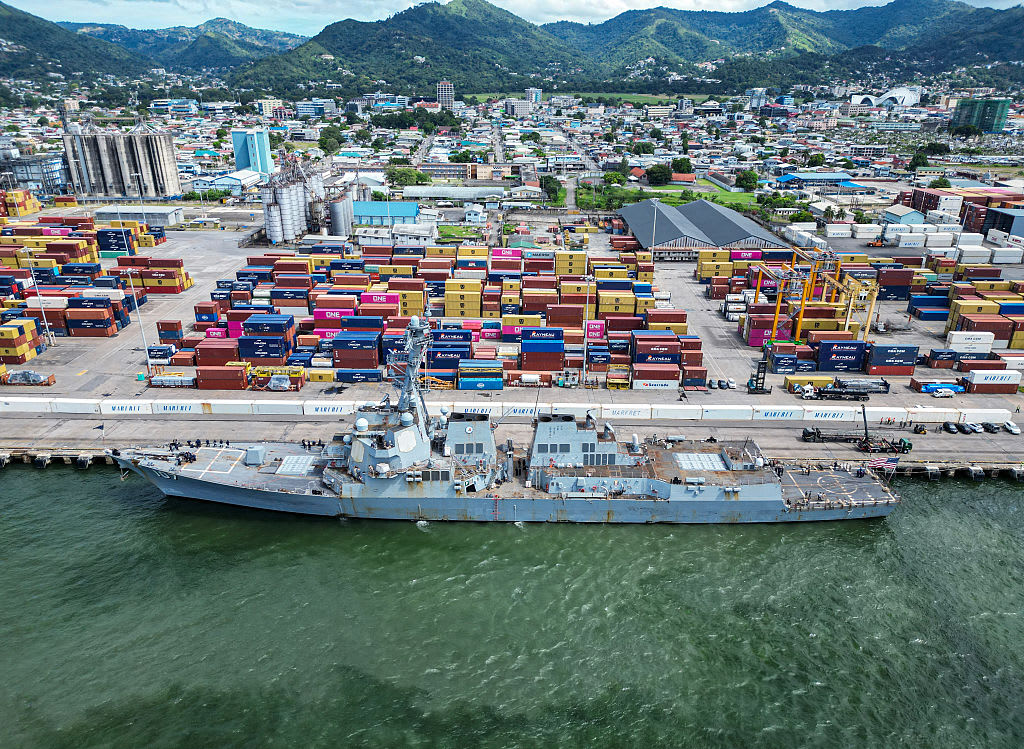
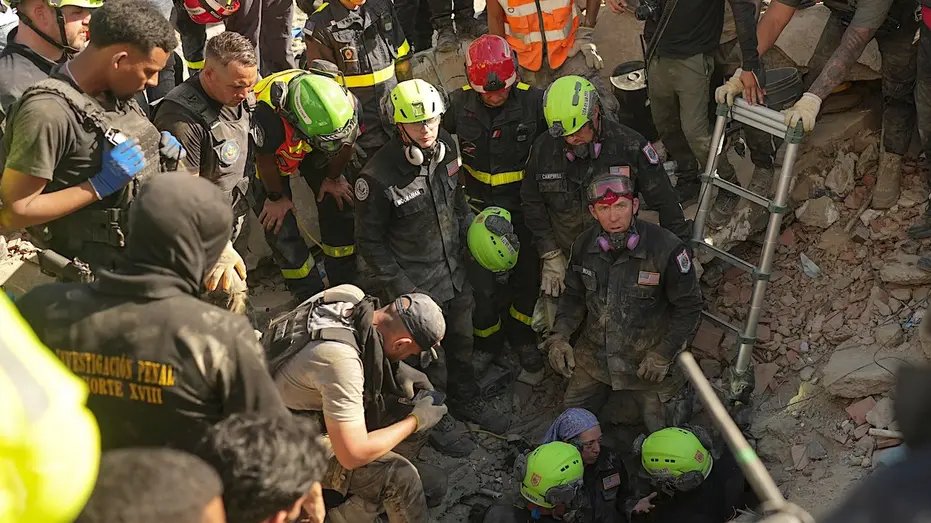
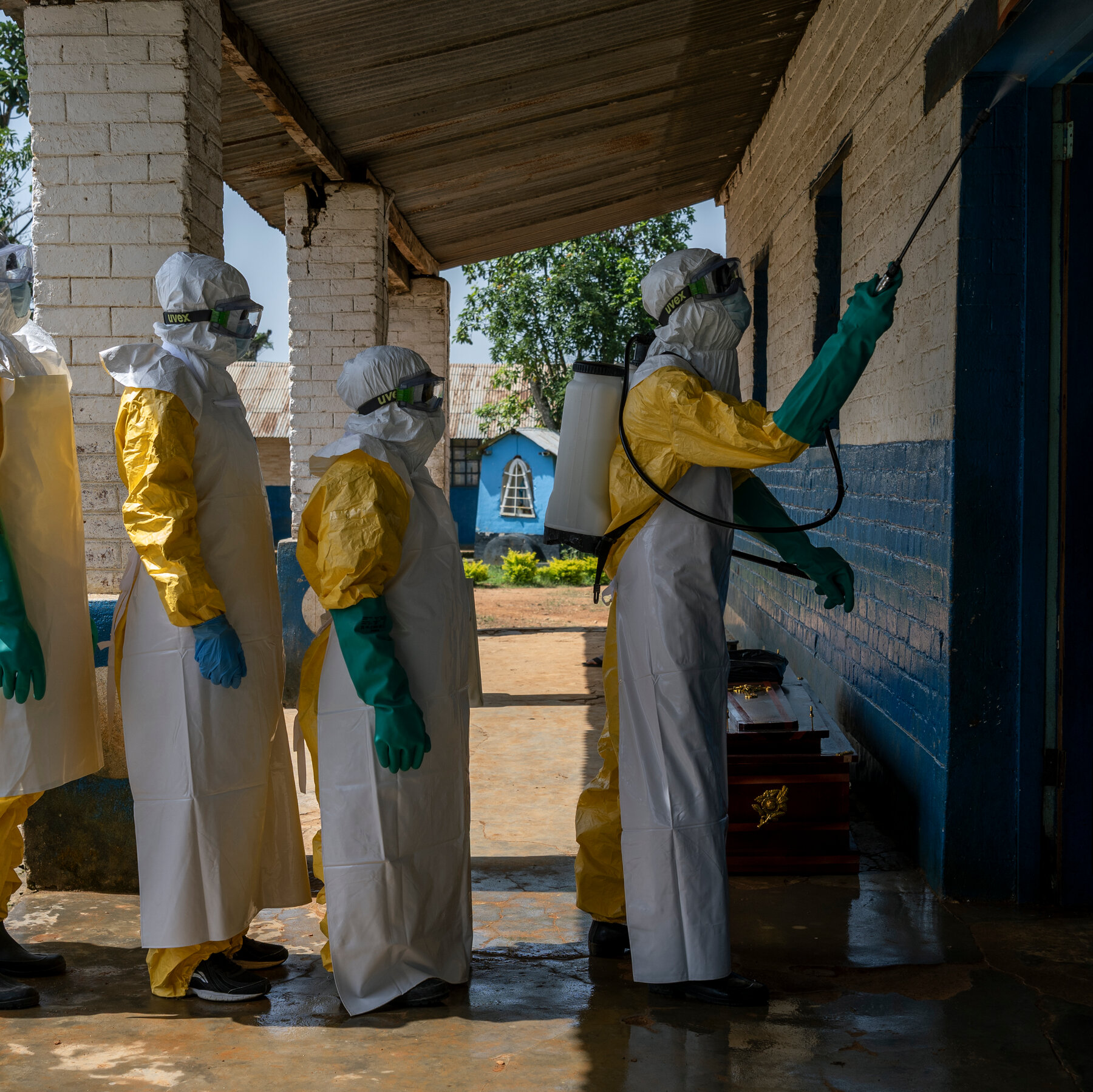
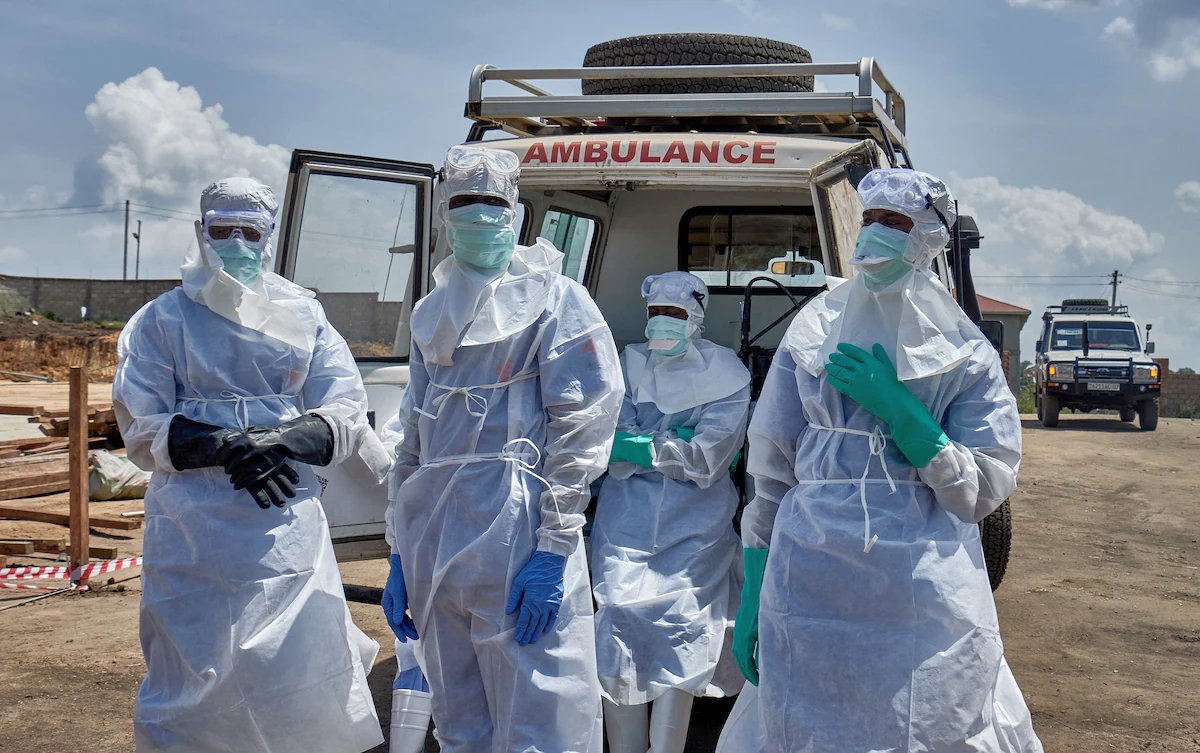
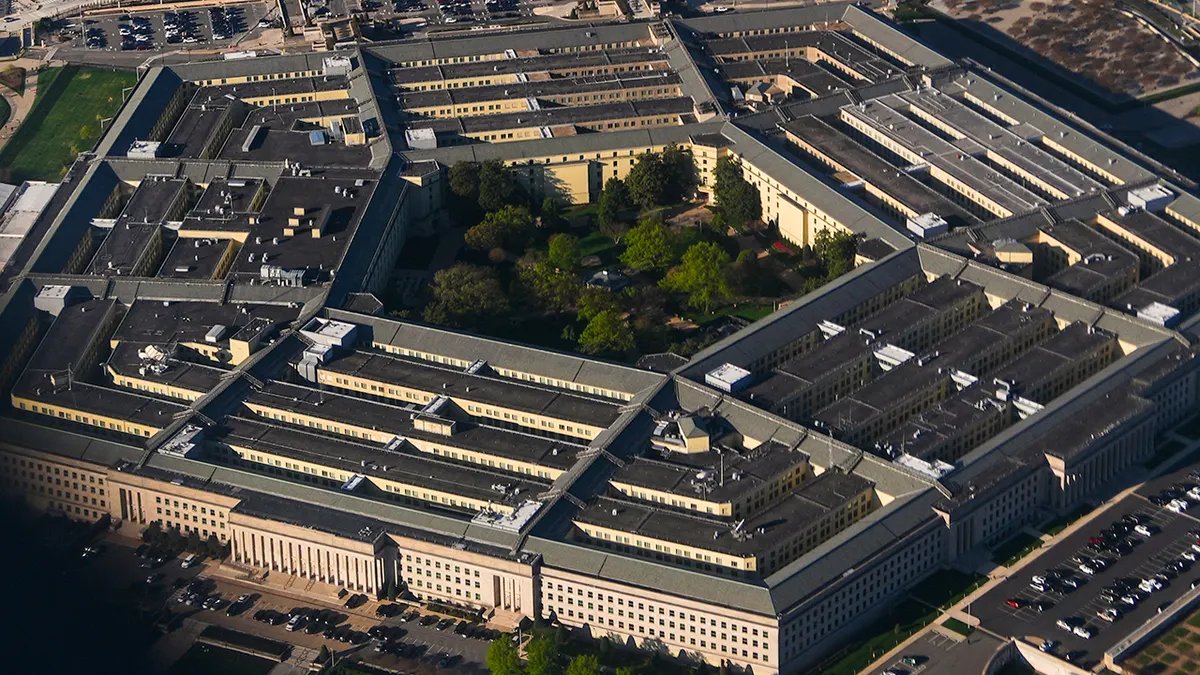
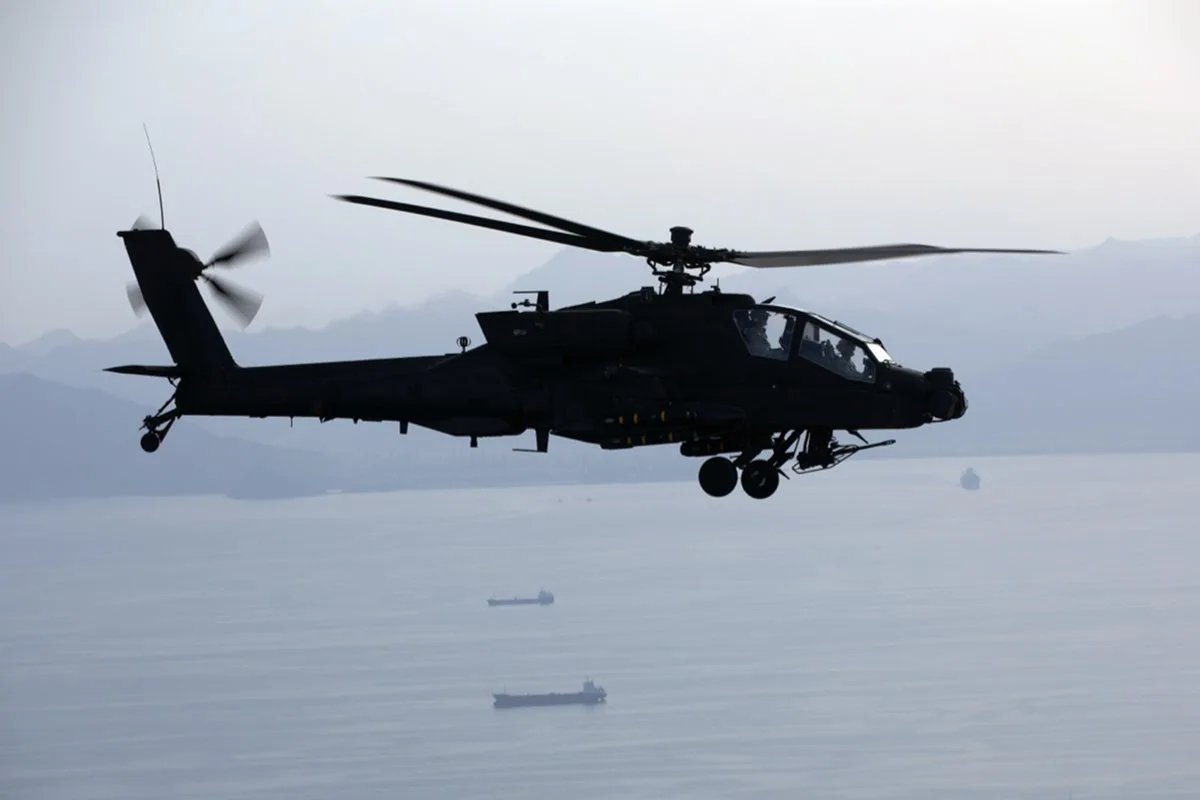
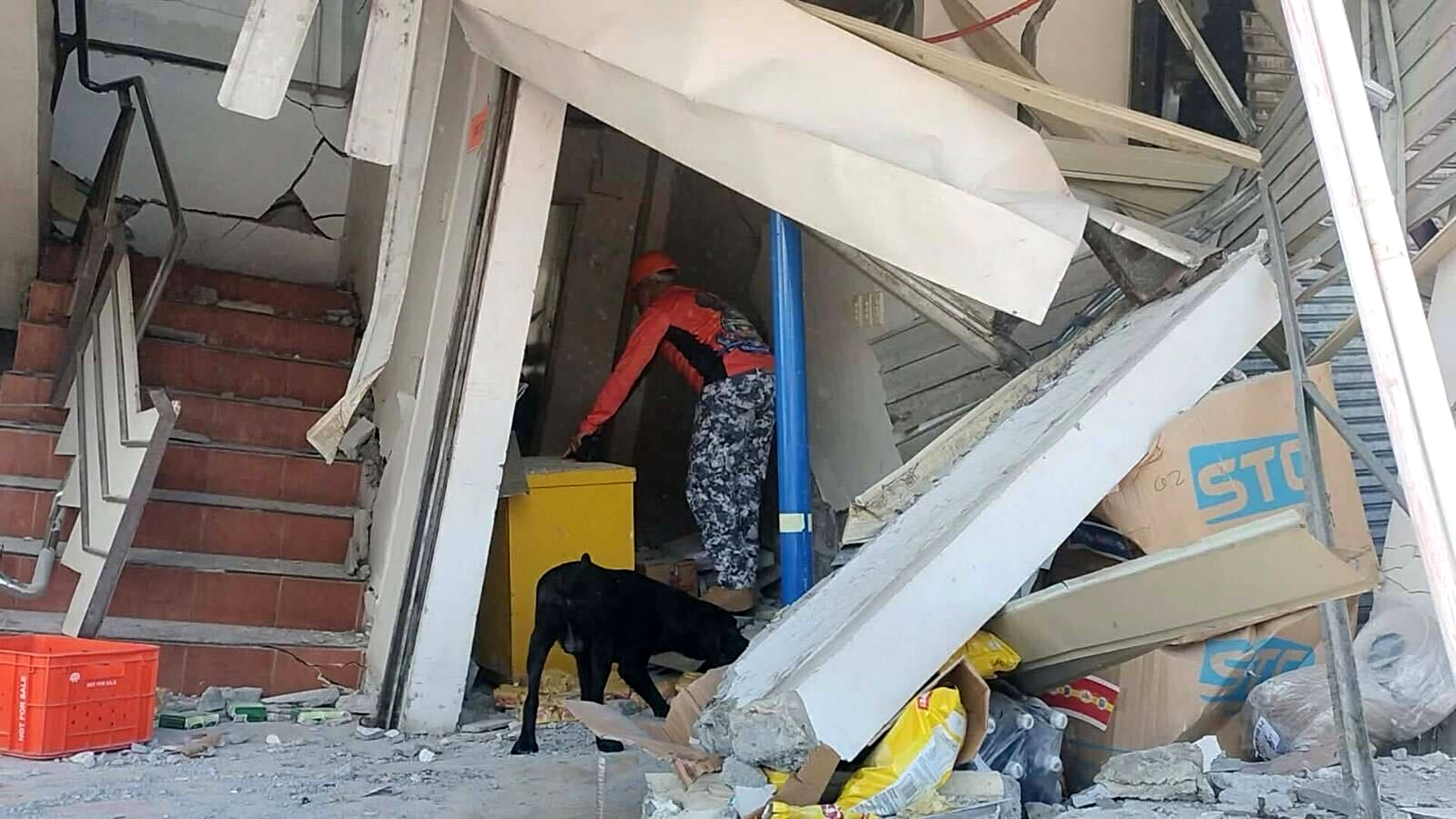
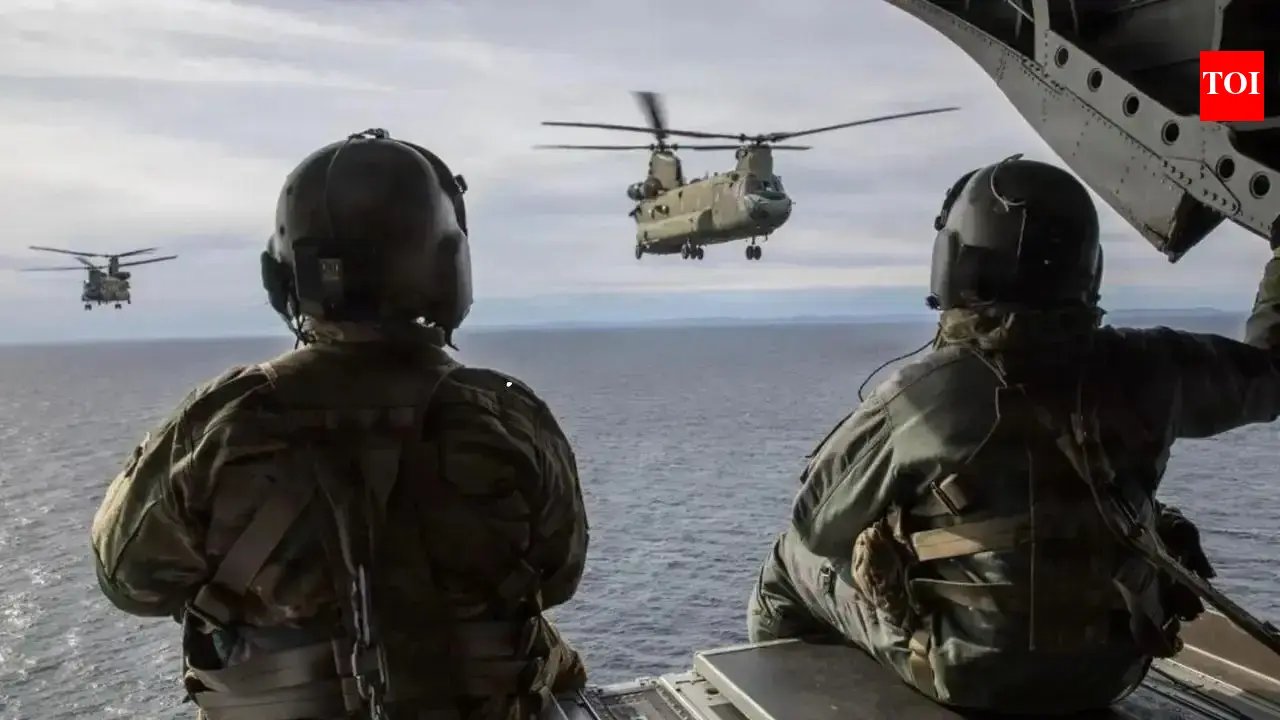
Countries from across the globe have mobilized to support Venezuela. The U.S. is deploying a Disaster Assistant Response Team and two search and rescue teams, one from Virginia with 80 people and 6 dogs, and another from California with 70 people and 6 dogs. The Pentagon is assisting with transportation of U.S. government staff and critical supplies, given the damage to airport infrastructure in Venezuela. Internationally, countries like Brazil, Canada, Mexico, Colombia, El Salvador, Cuba, and others are sending aid, medical supplies, and paramedics.
Humanitarian Challenges and Impact
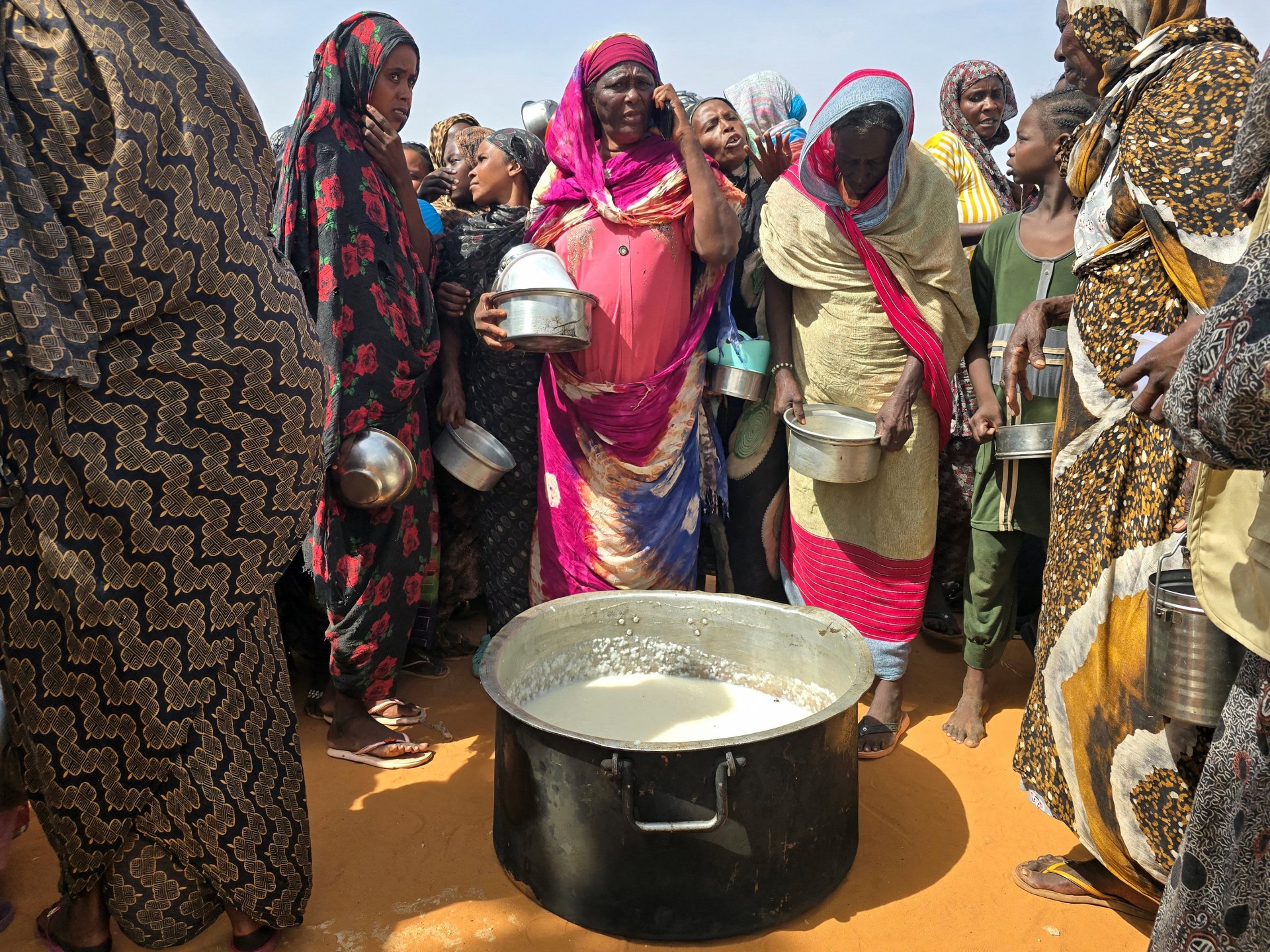
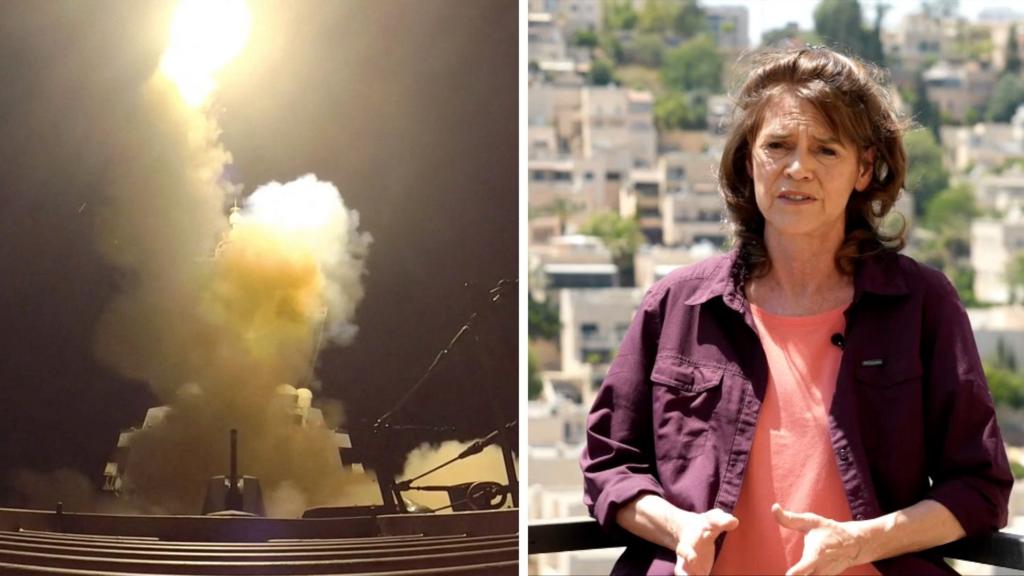
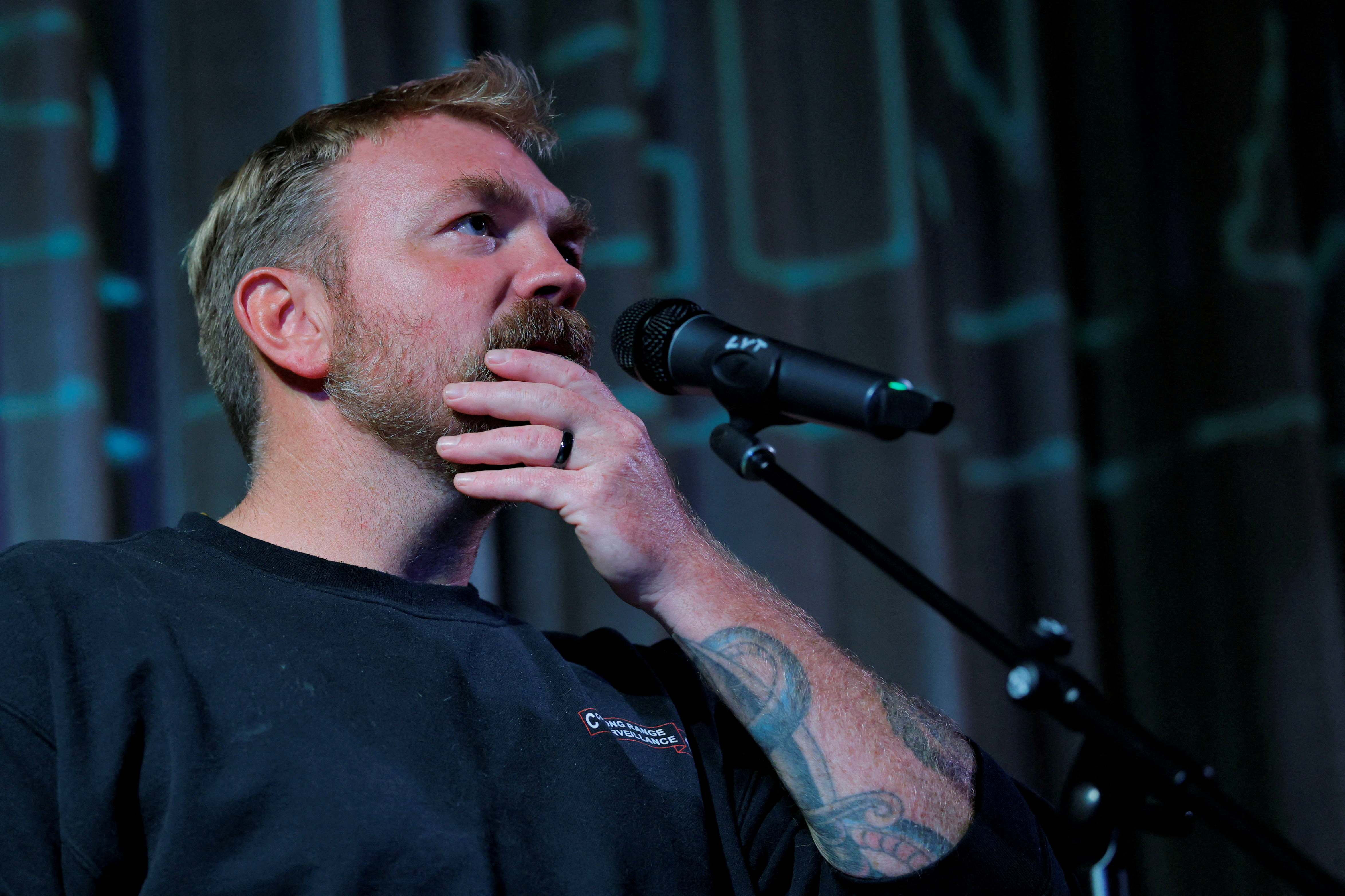
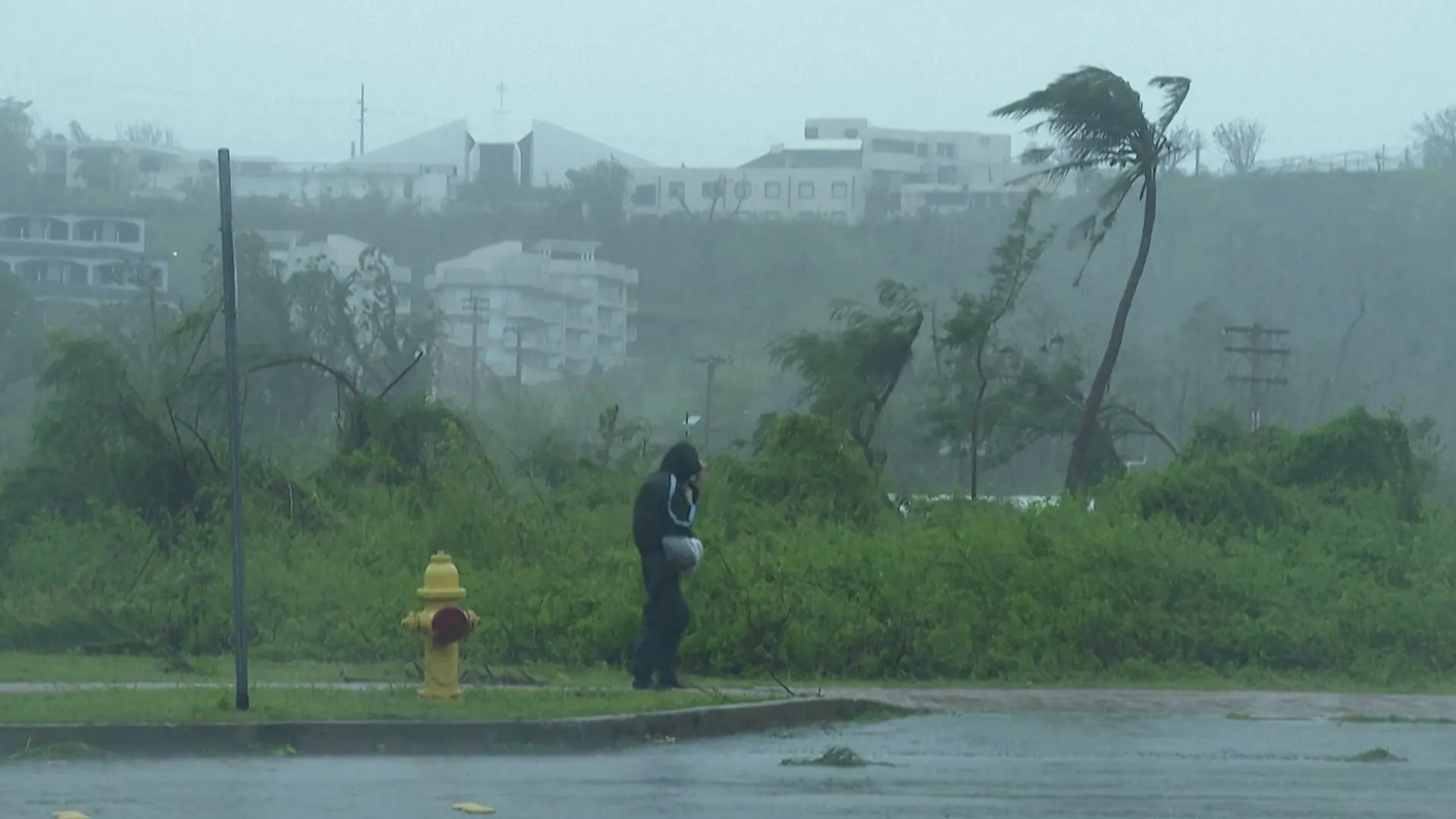
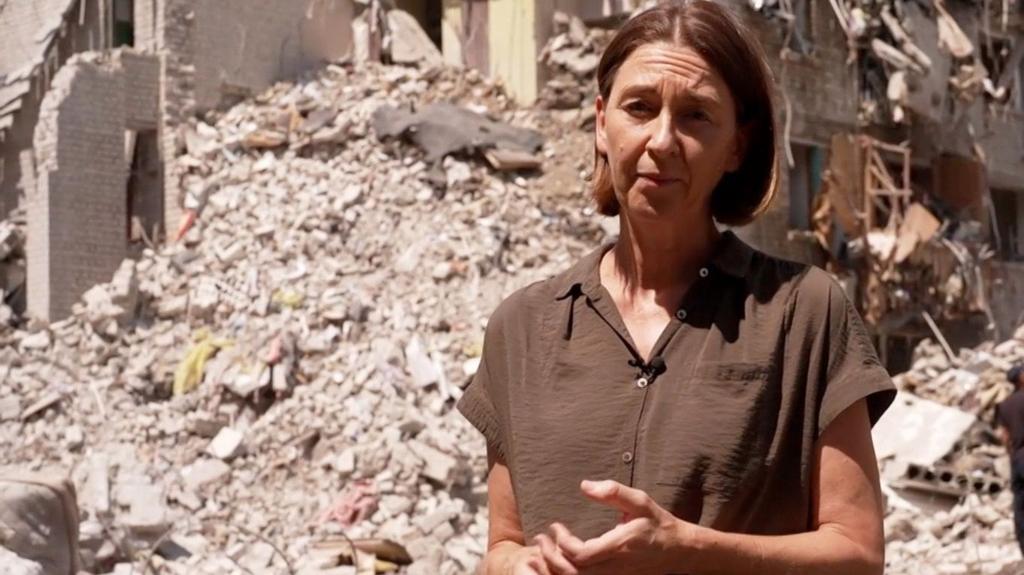
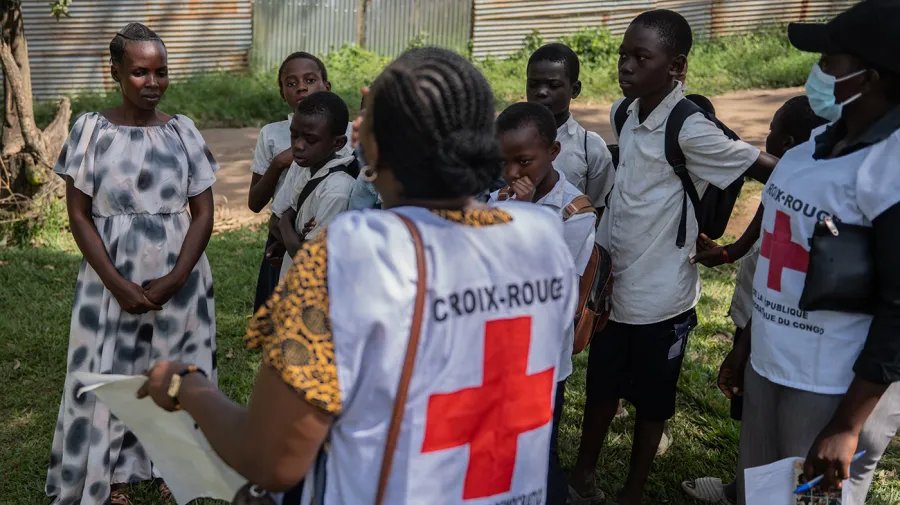
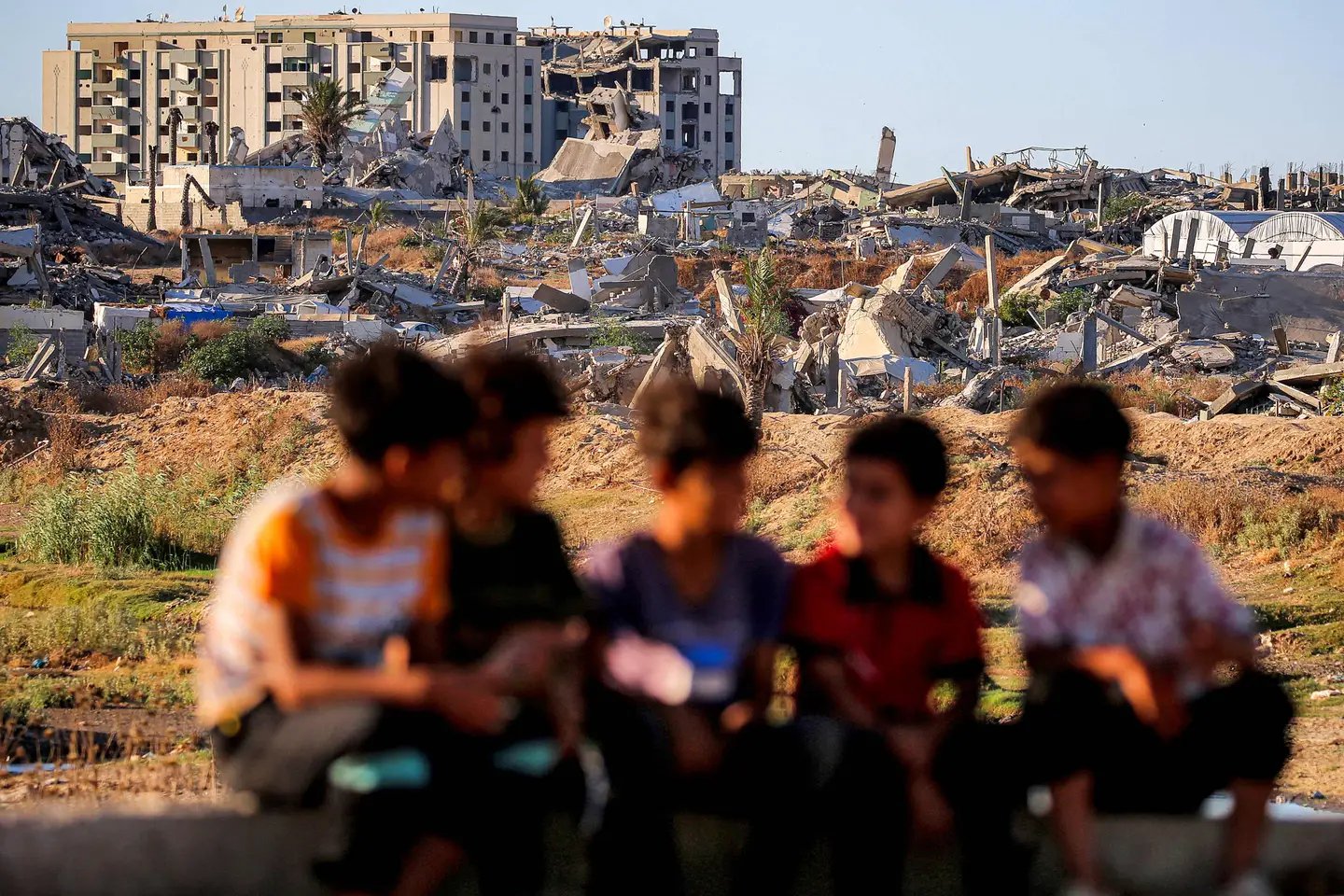
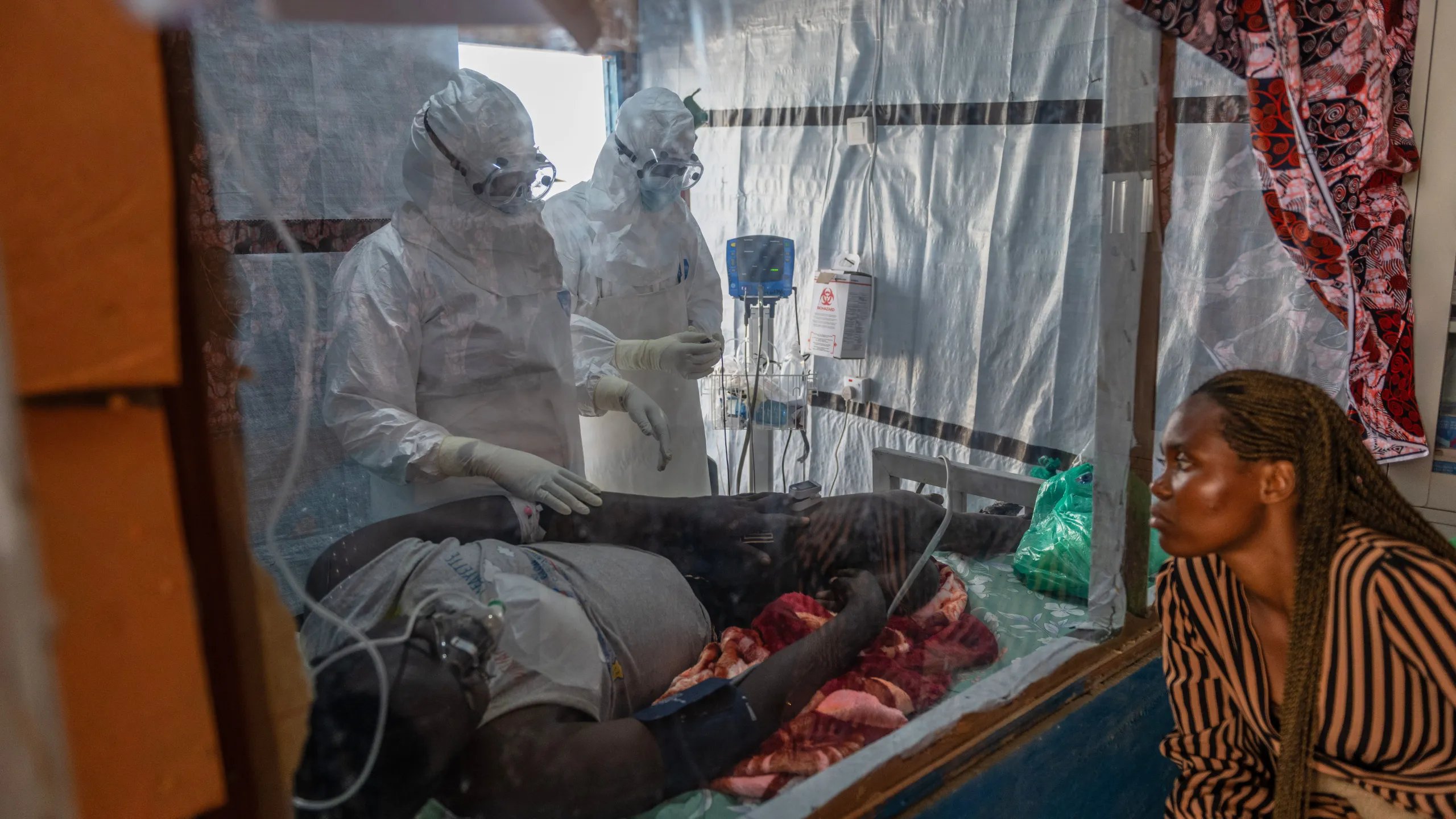
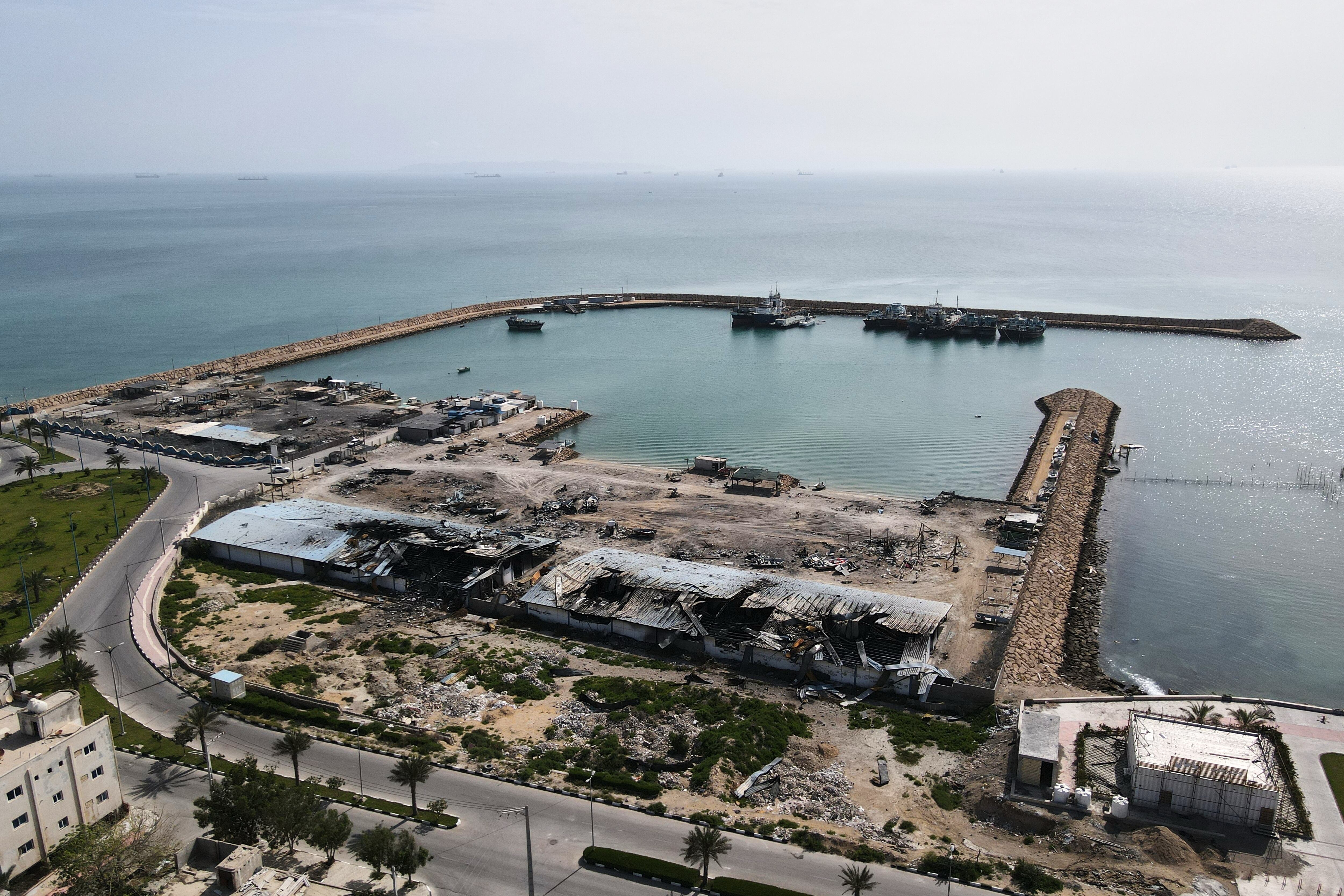
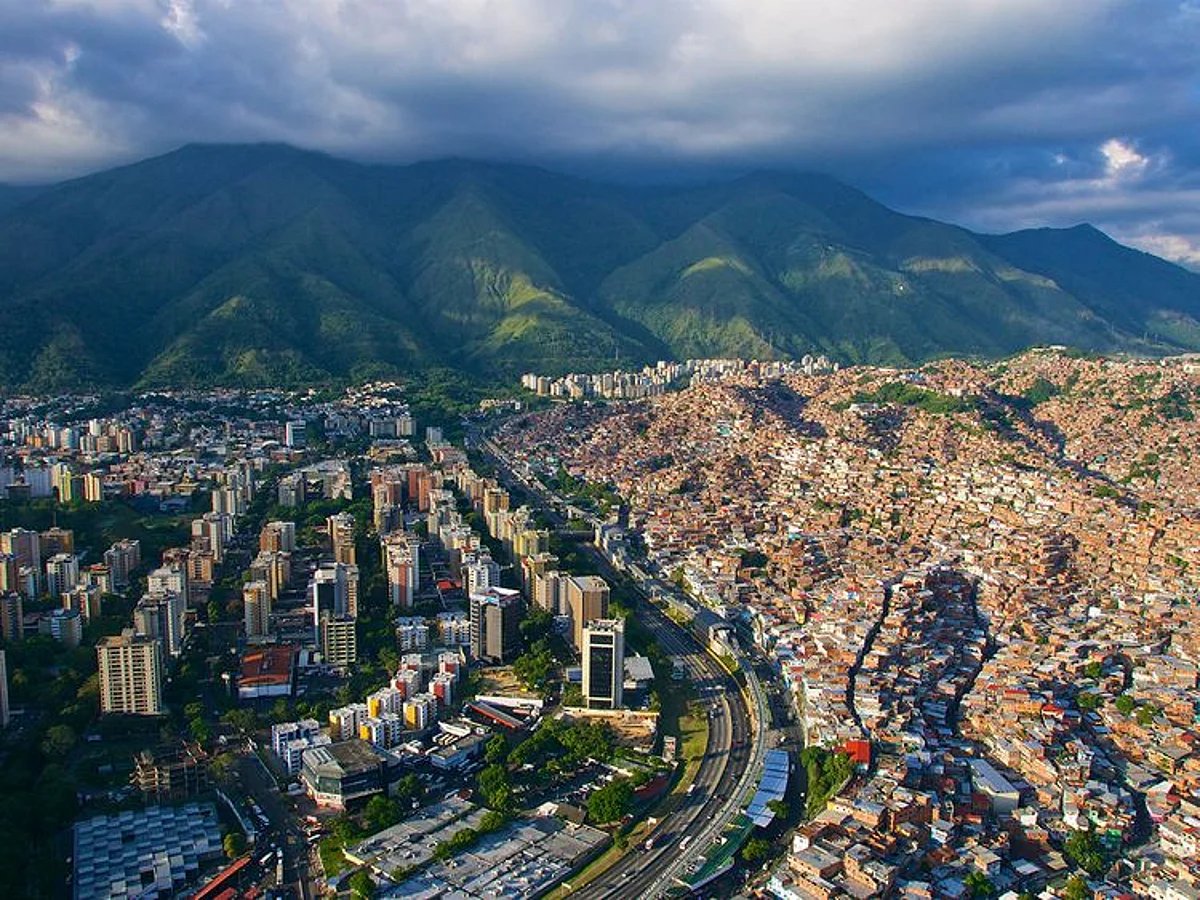
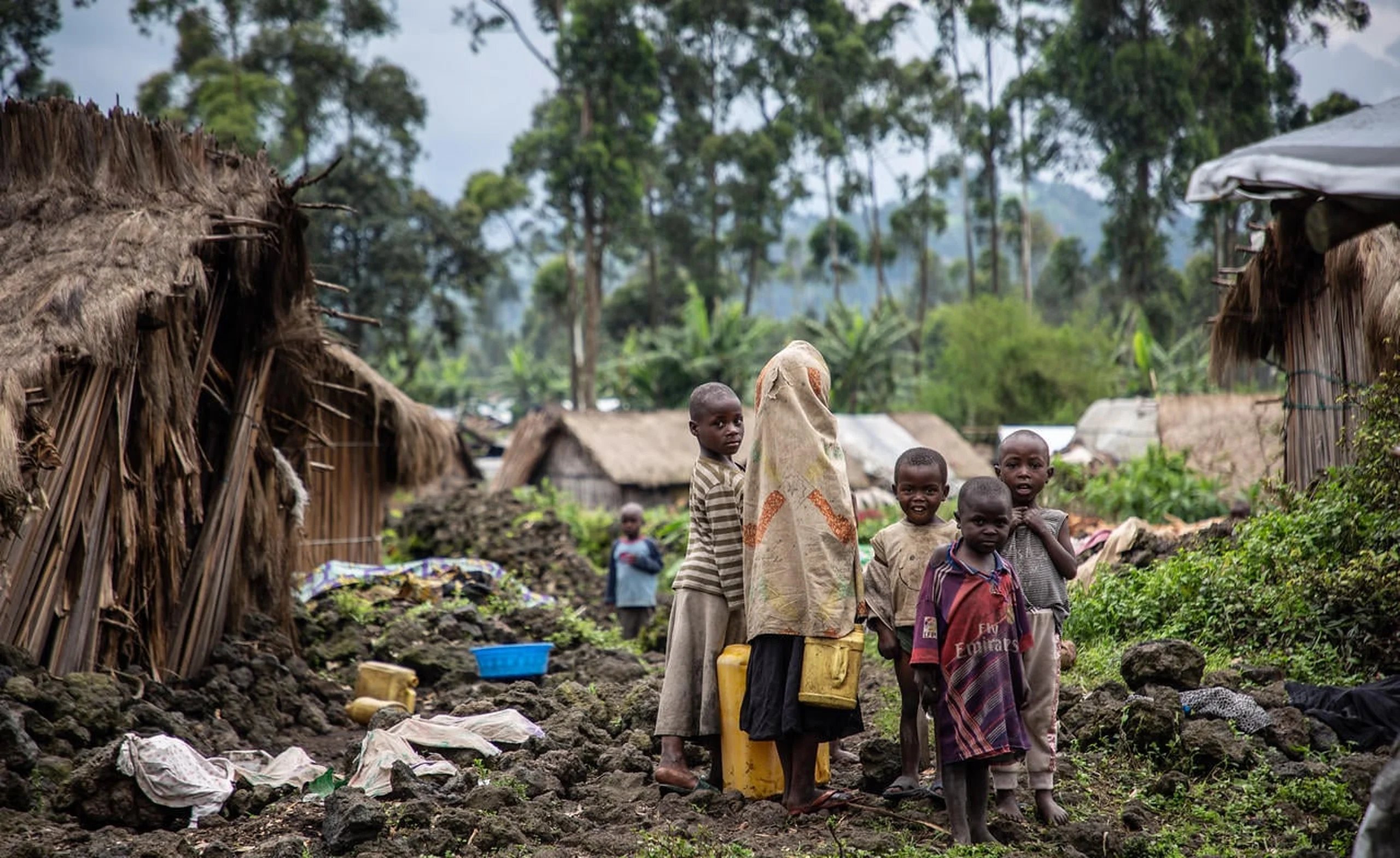
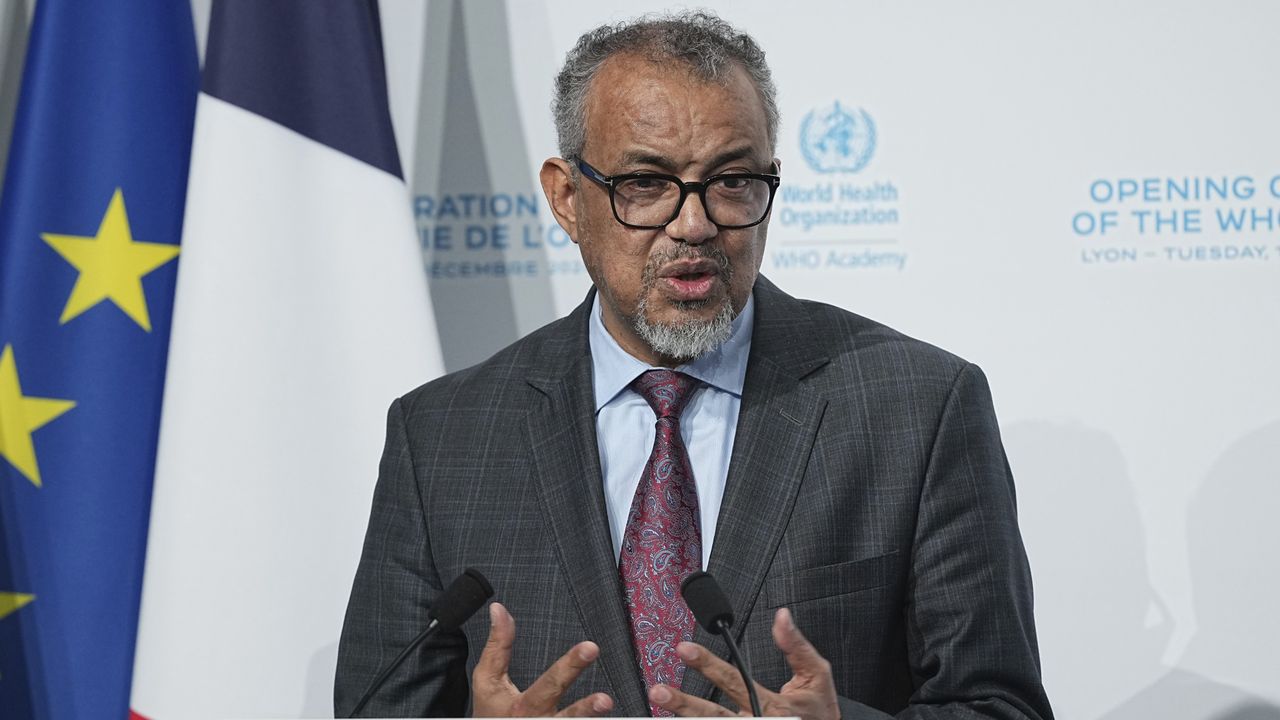
The International Rescue Committee's Ciarán Donnelly discussed the humanitarian response, emphasizing the complexity of the crisis. IFRC's Senior Officer for Communications and Media Relations, Paolo Cravero, highlighted the immense human cost and the challenge to national emergency systems, stating, "An earthquake of this magnitude would have put in difficulty any country on this planet." The disaster has further strained Venezuela's battered infrastructure and economic state, with initial assessments suggesting economic damage could range from one to seven percent of Venezuela's $111 billion GDP.
Ongoing Rescue Efforts
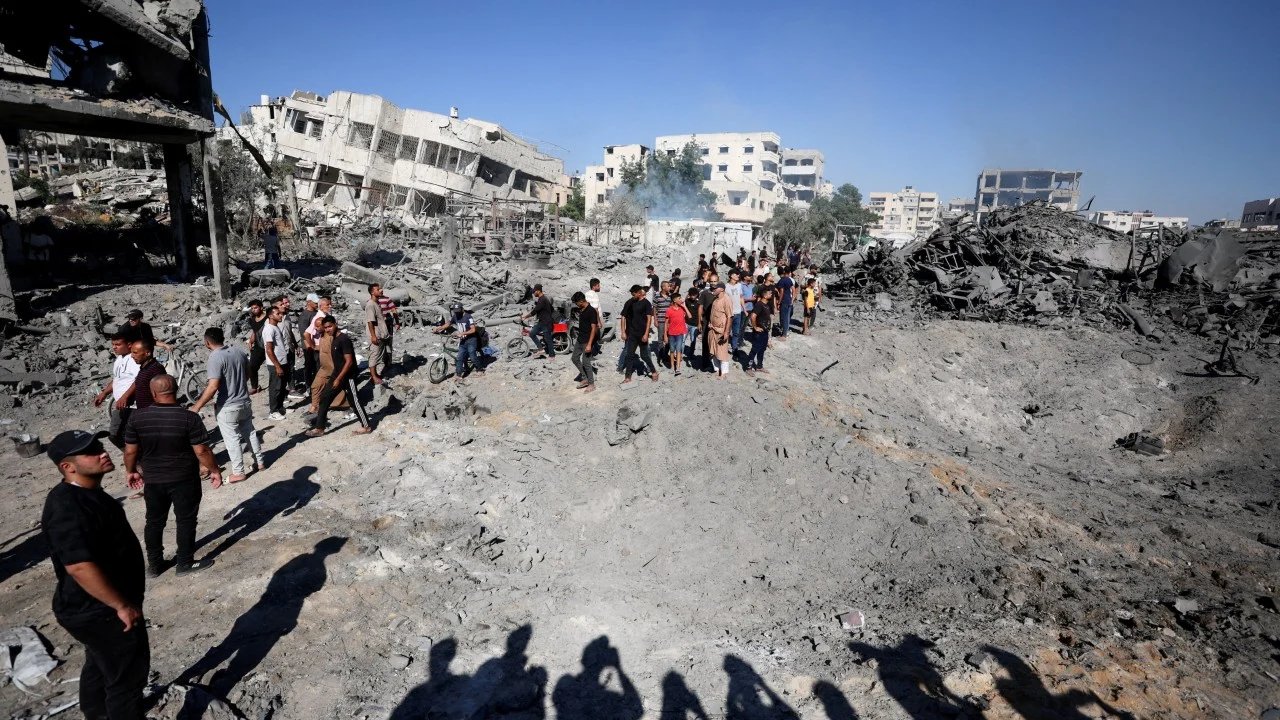
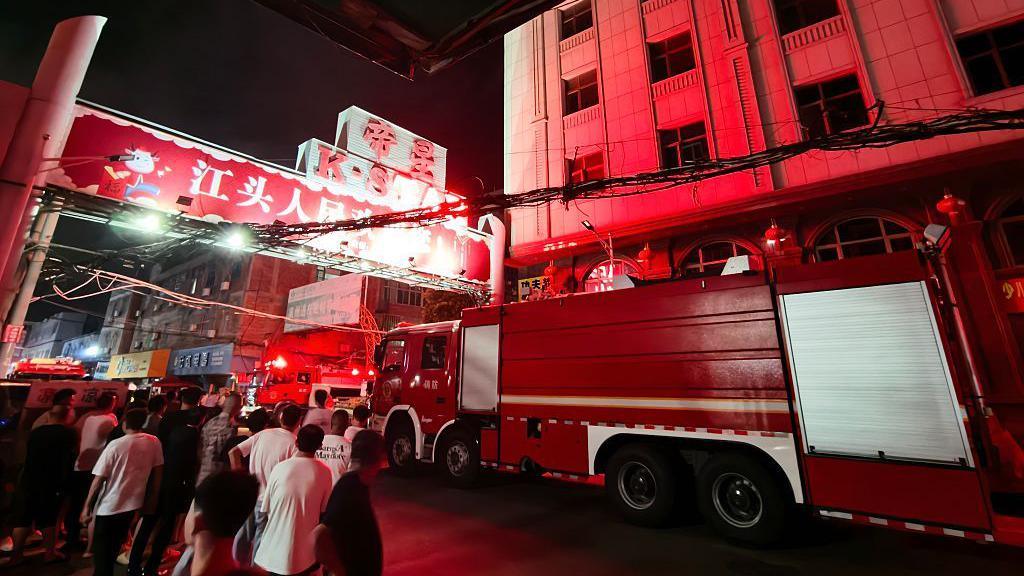
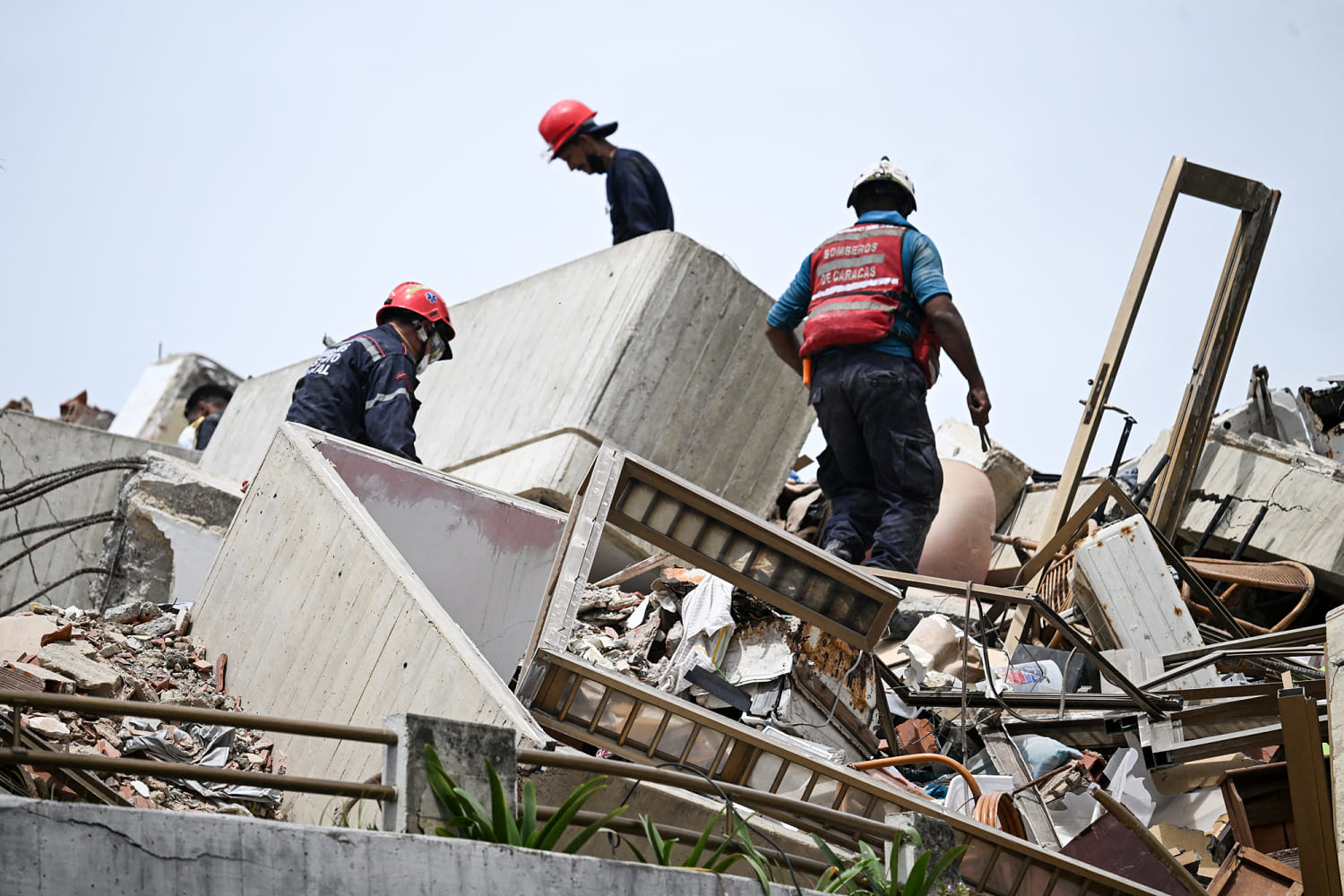
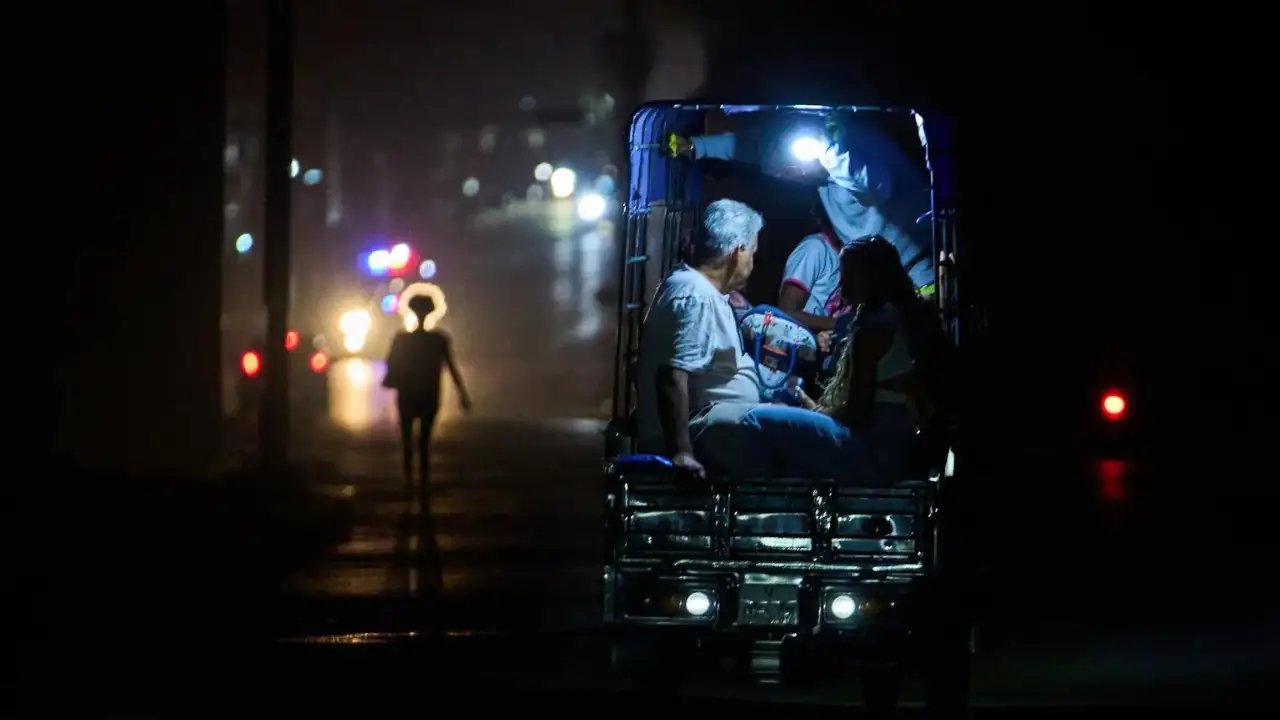
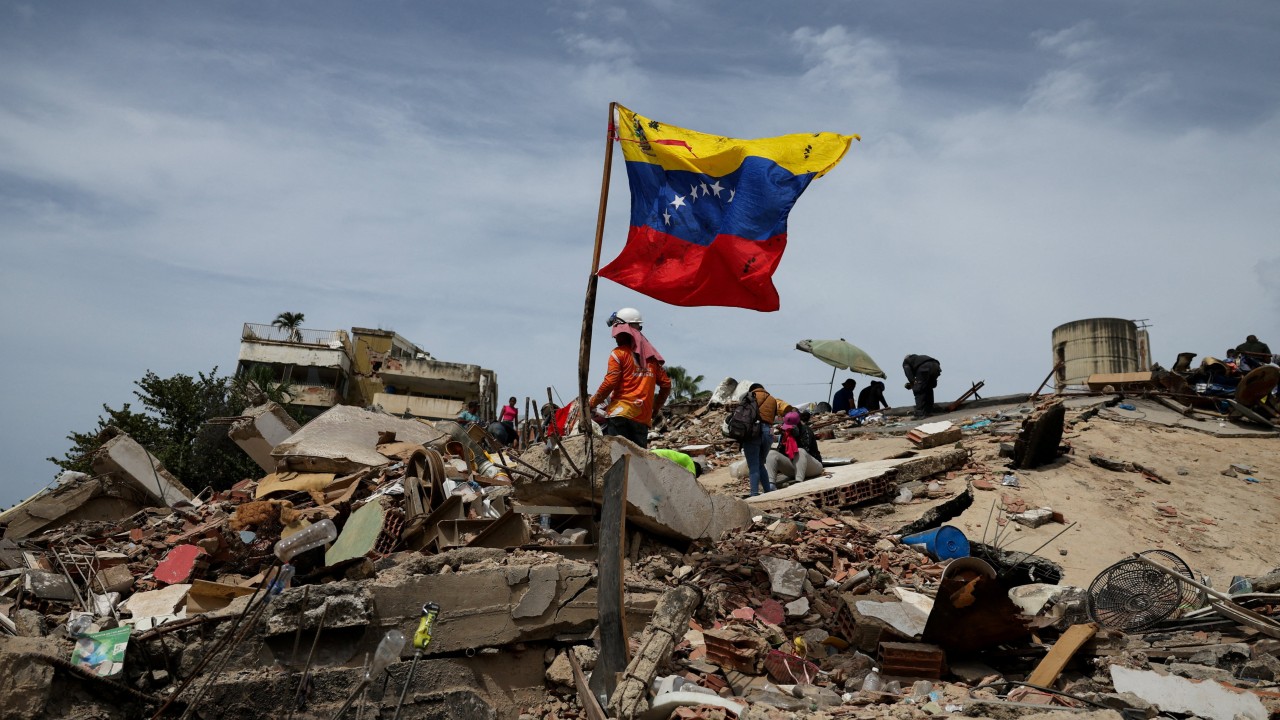
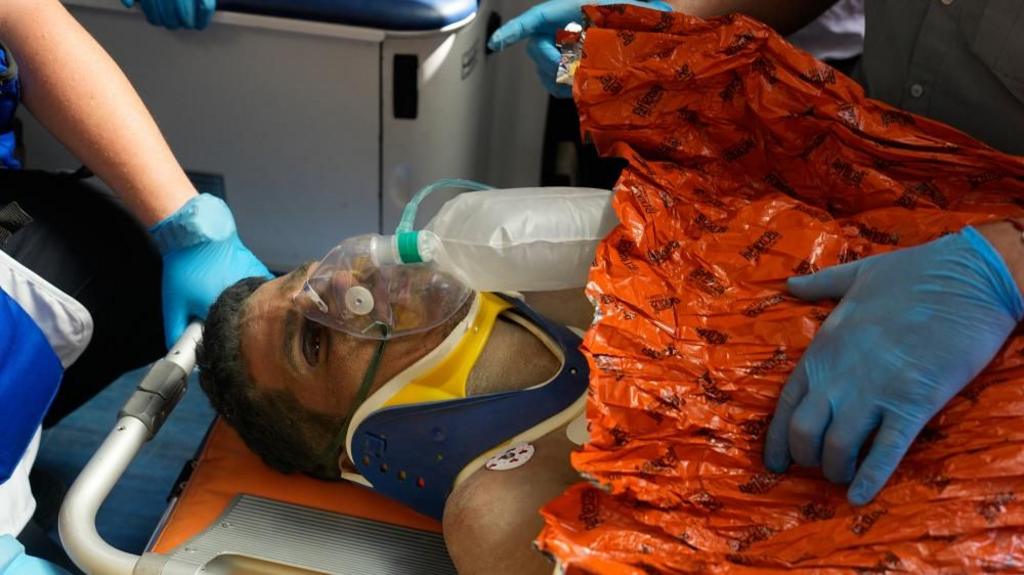
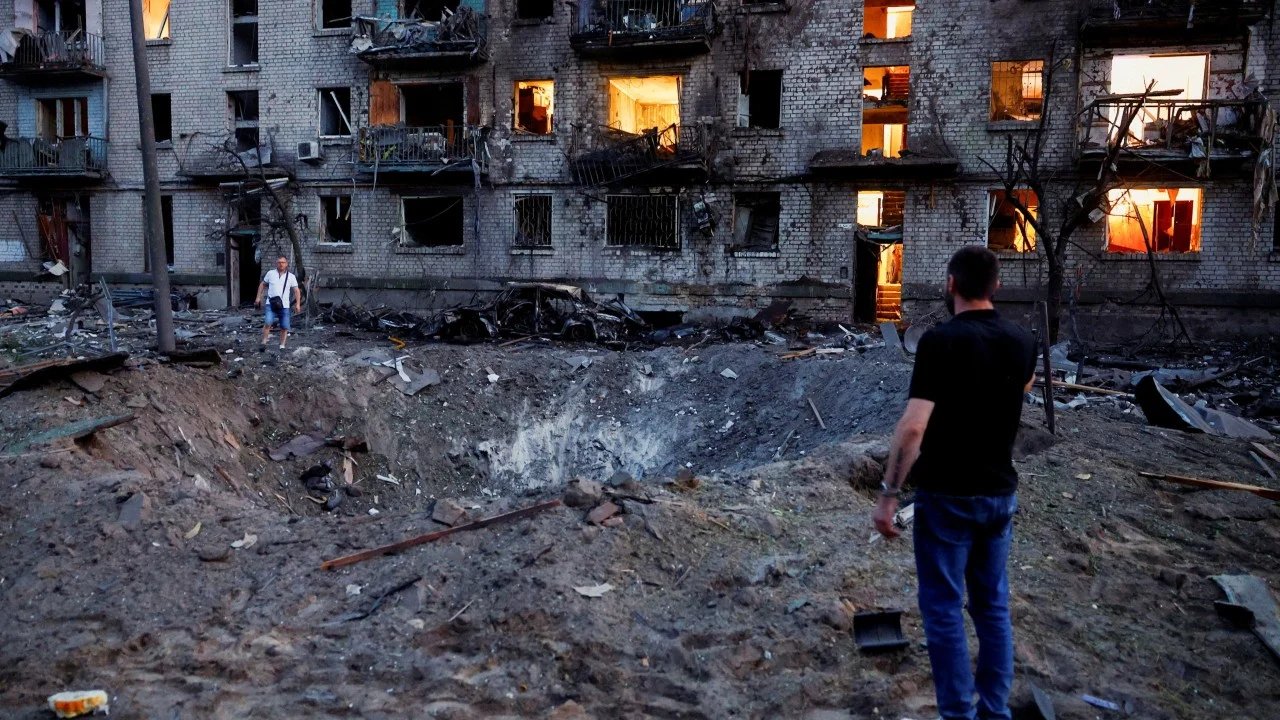
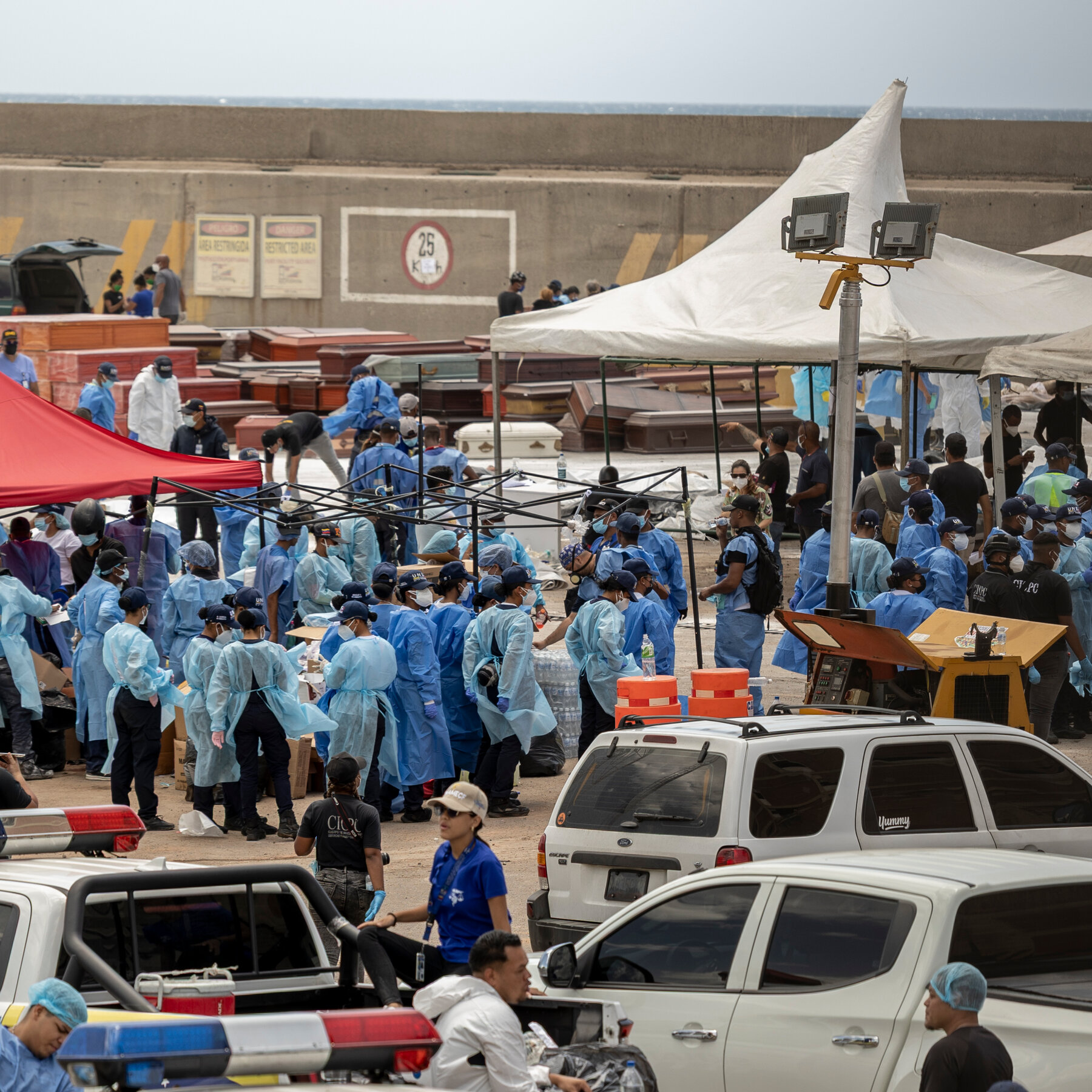
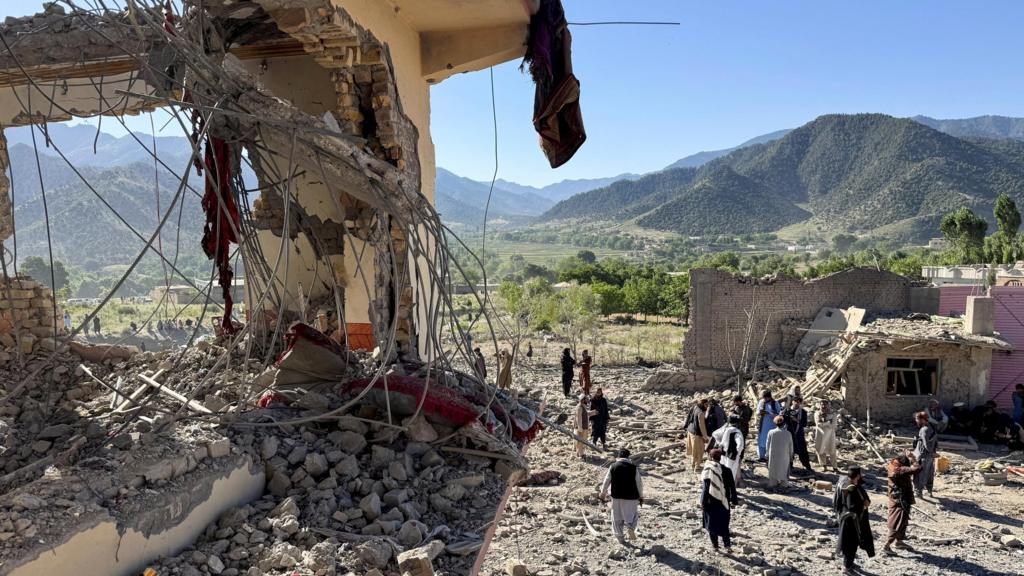
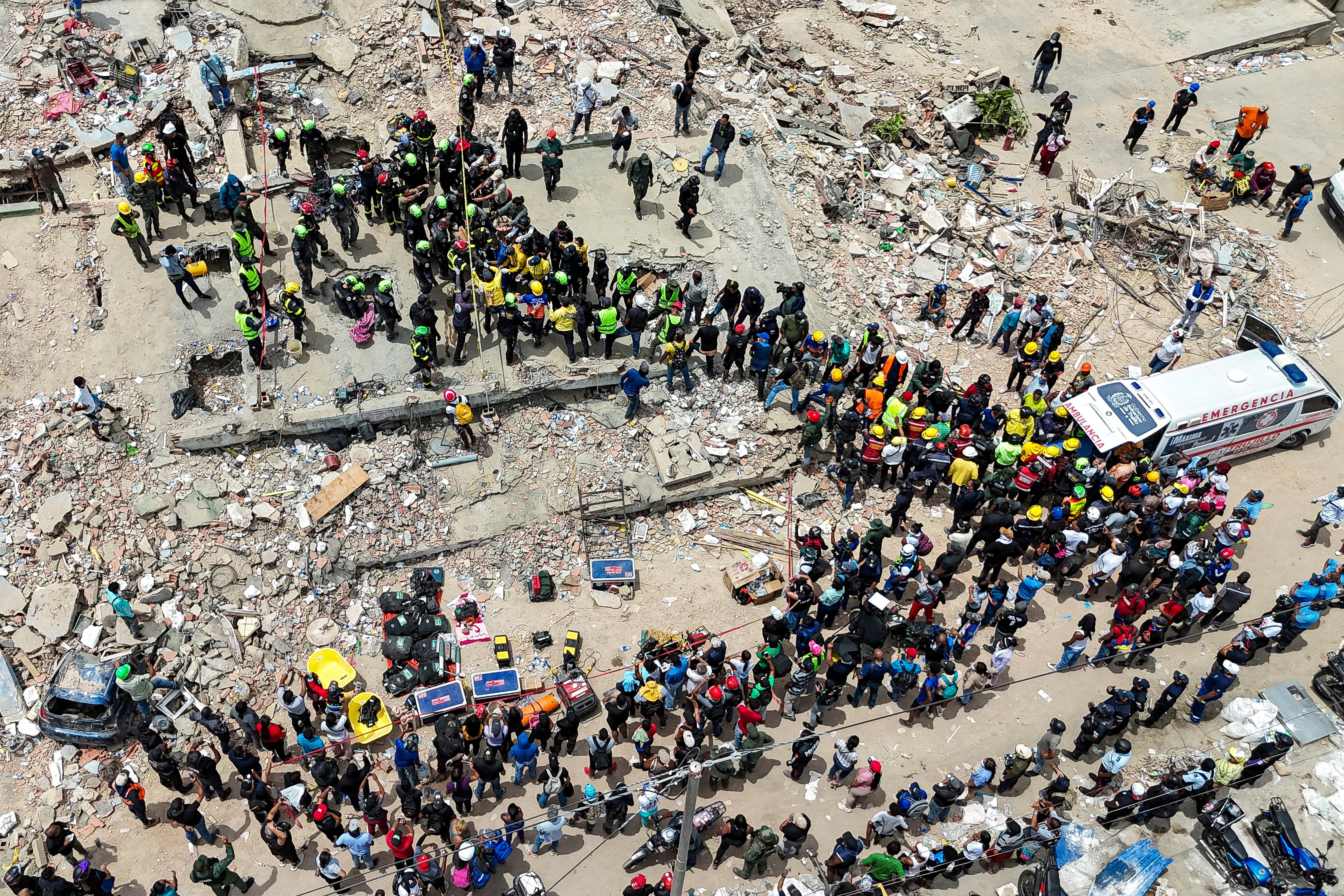
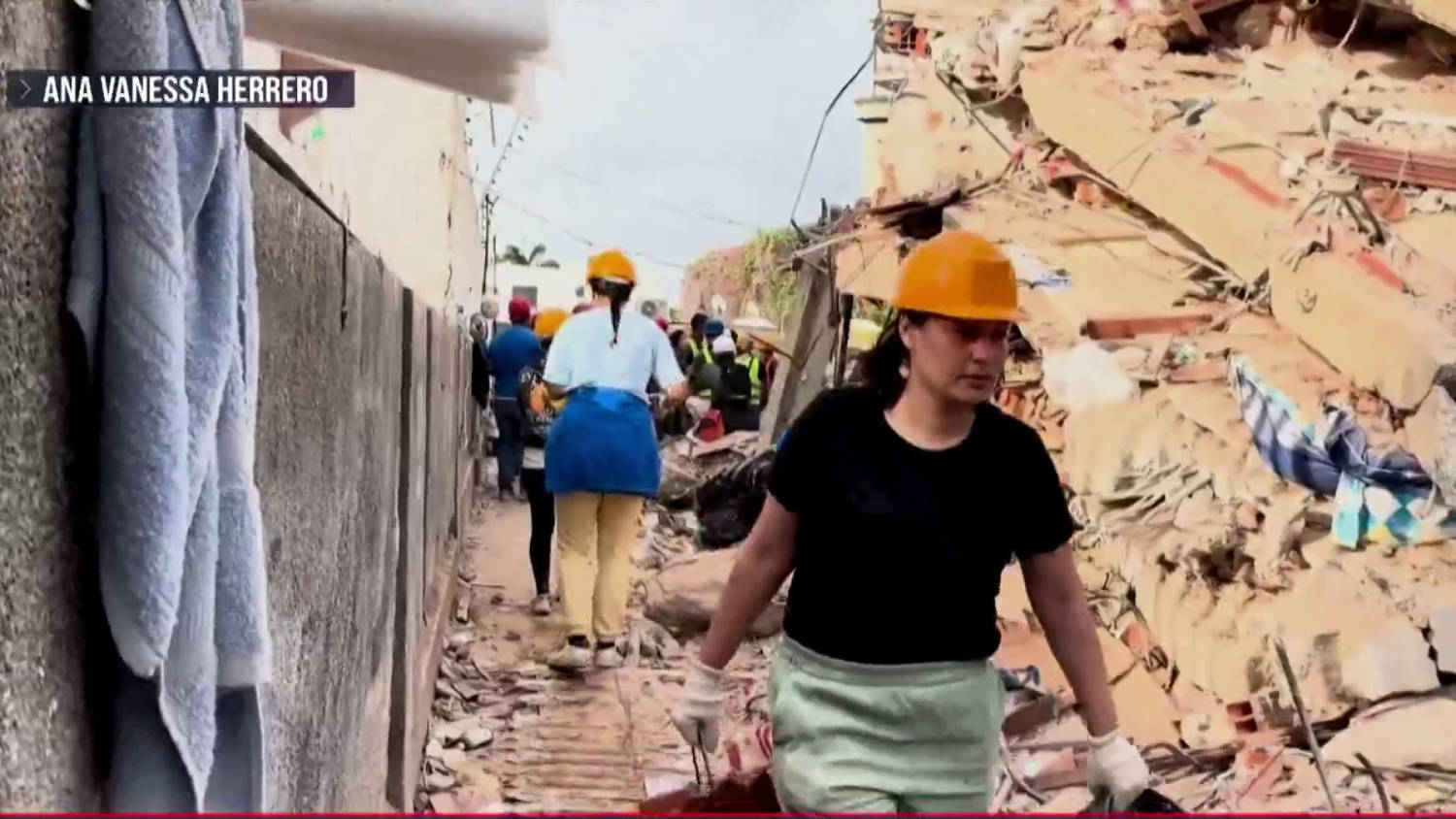
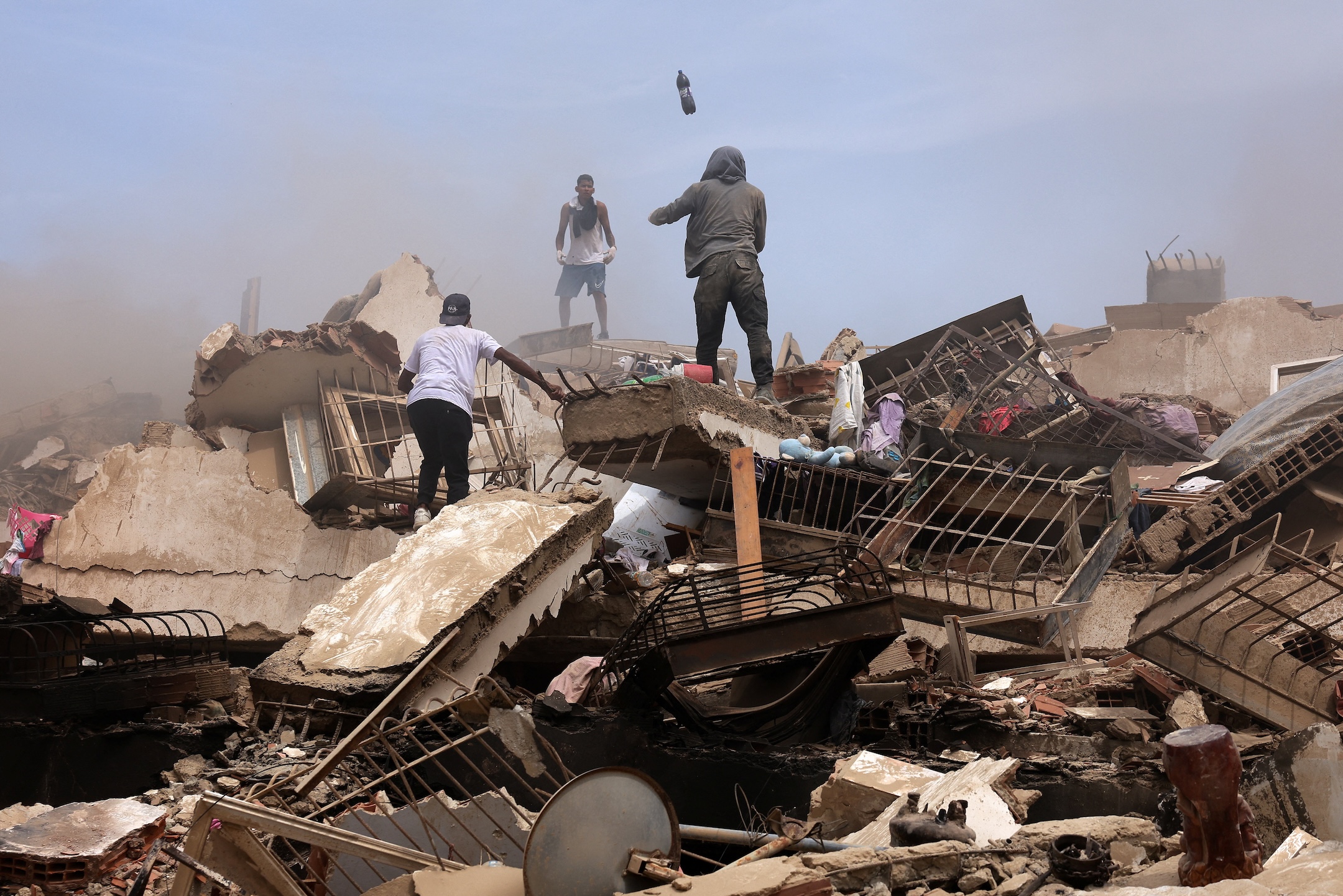
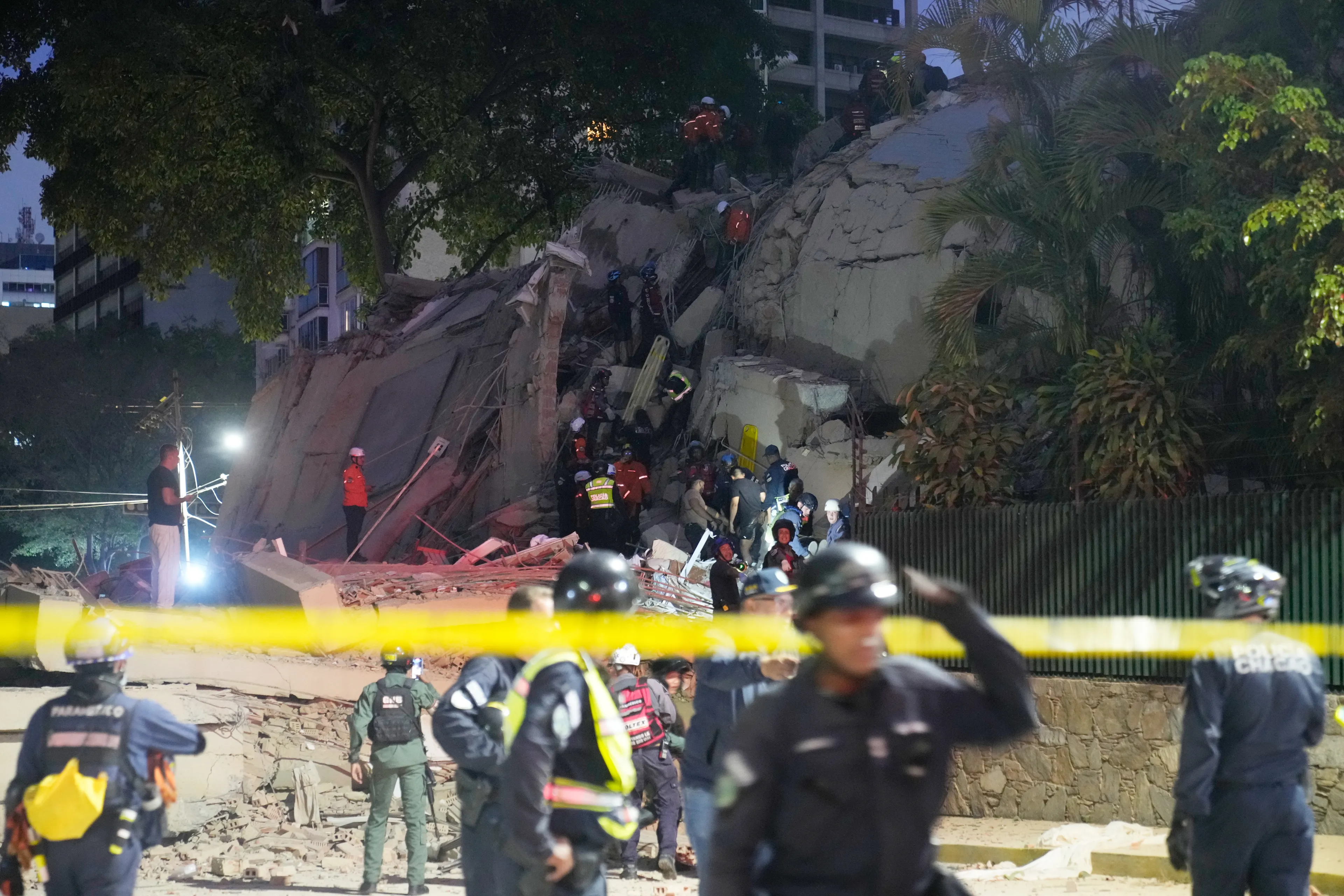
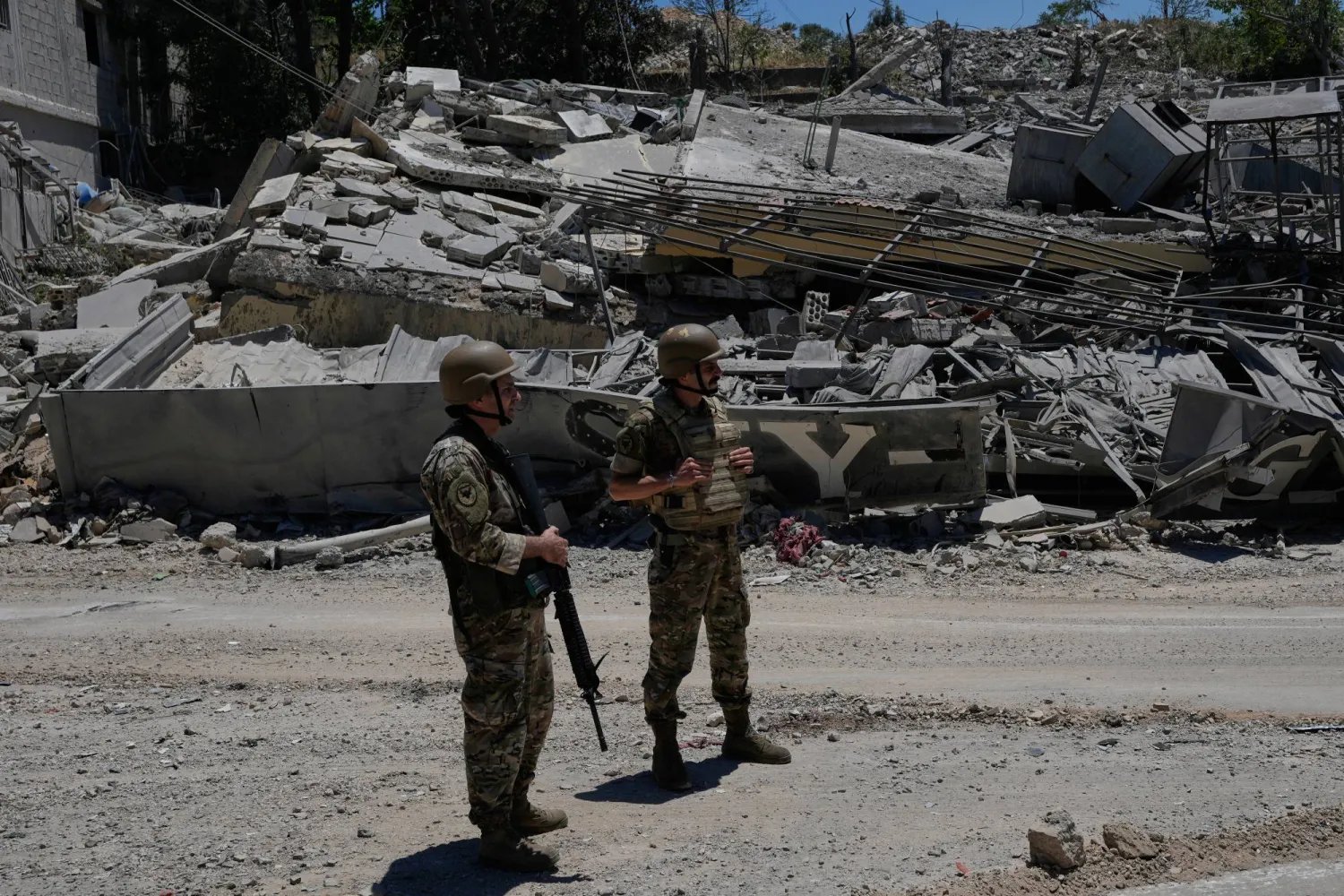
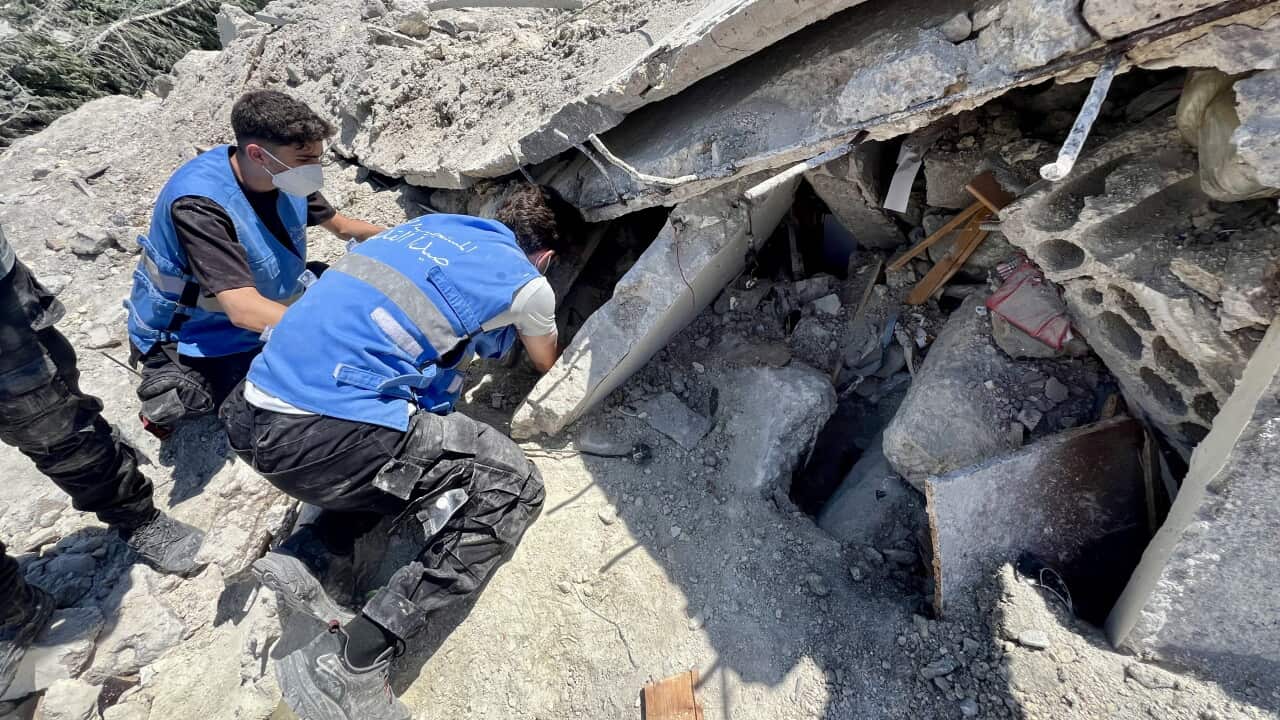
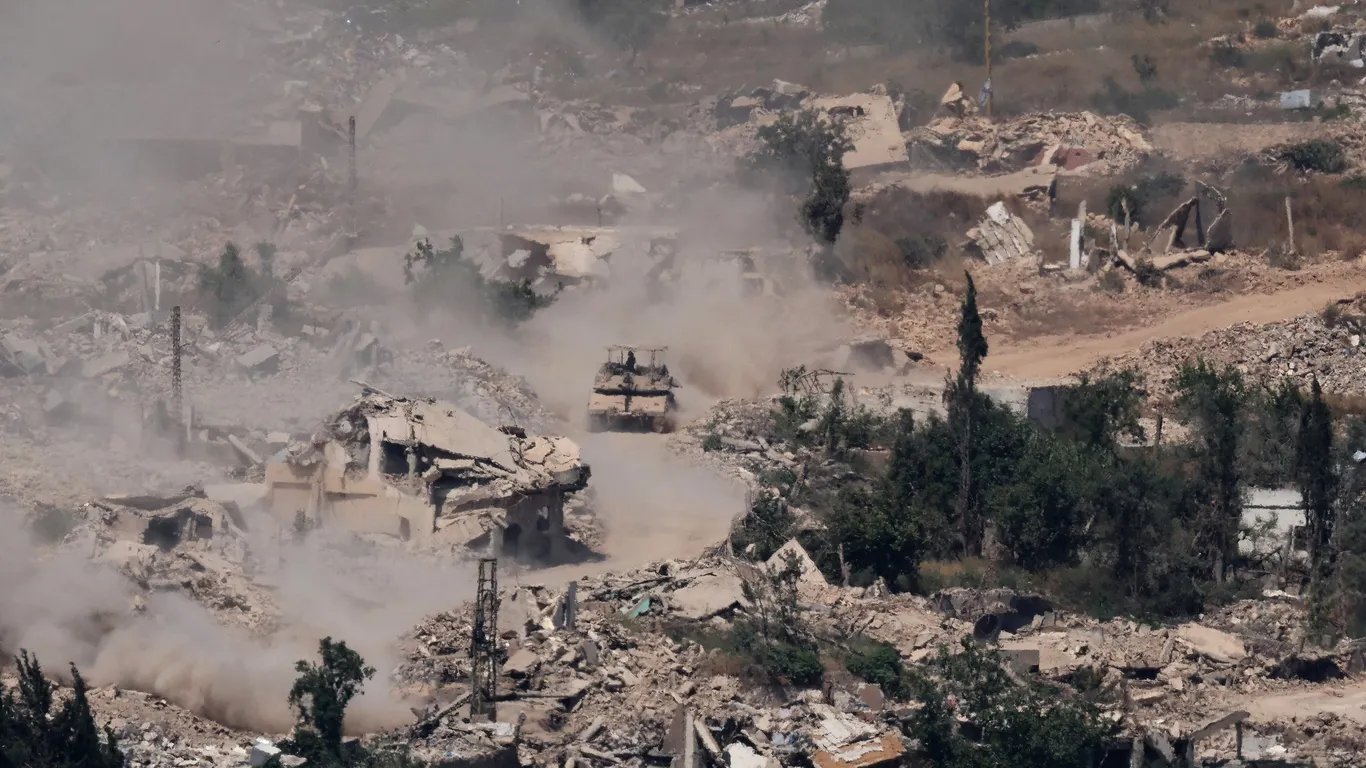
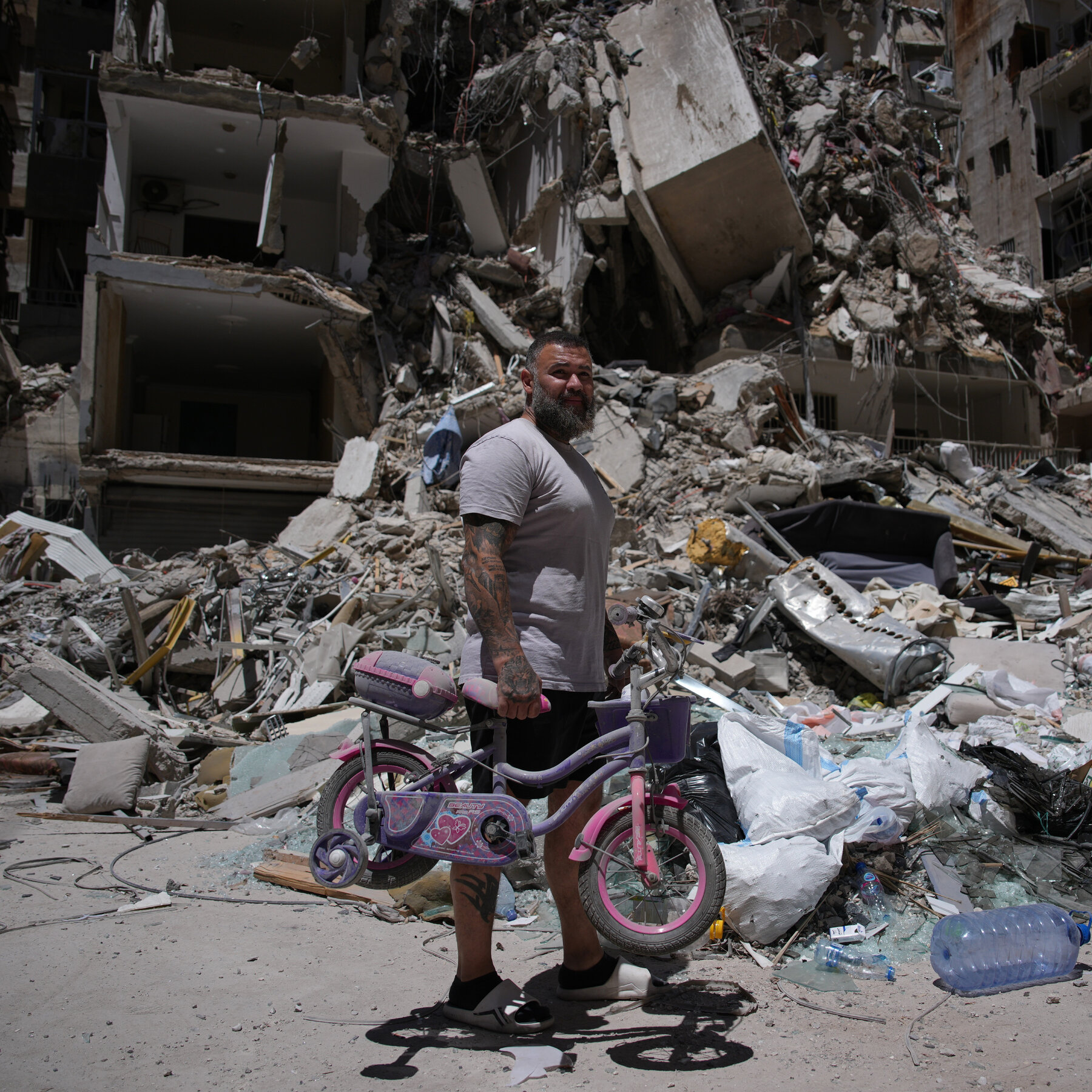
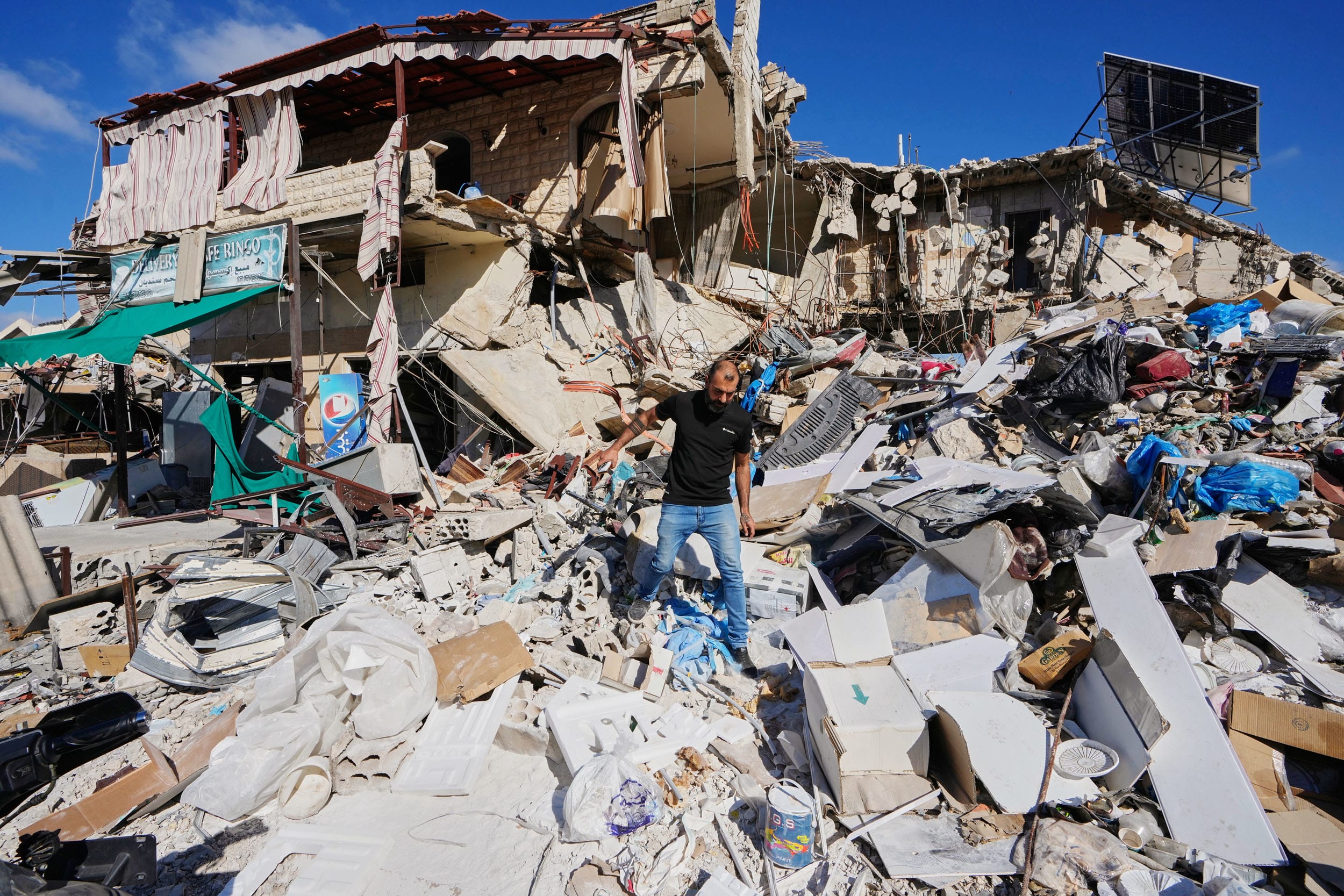
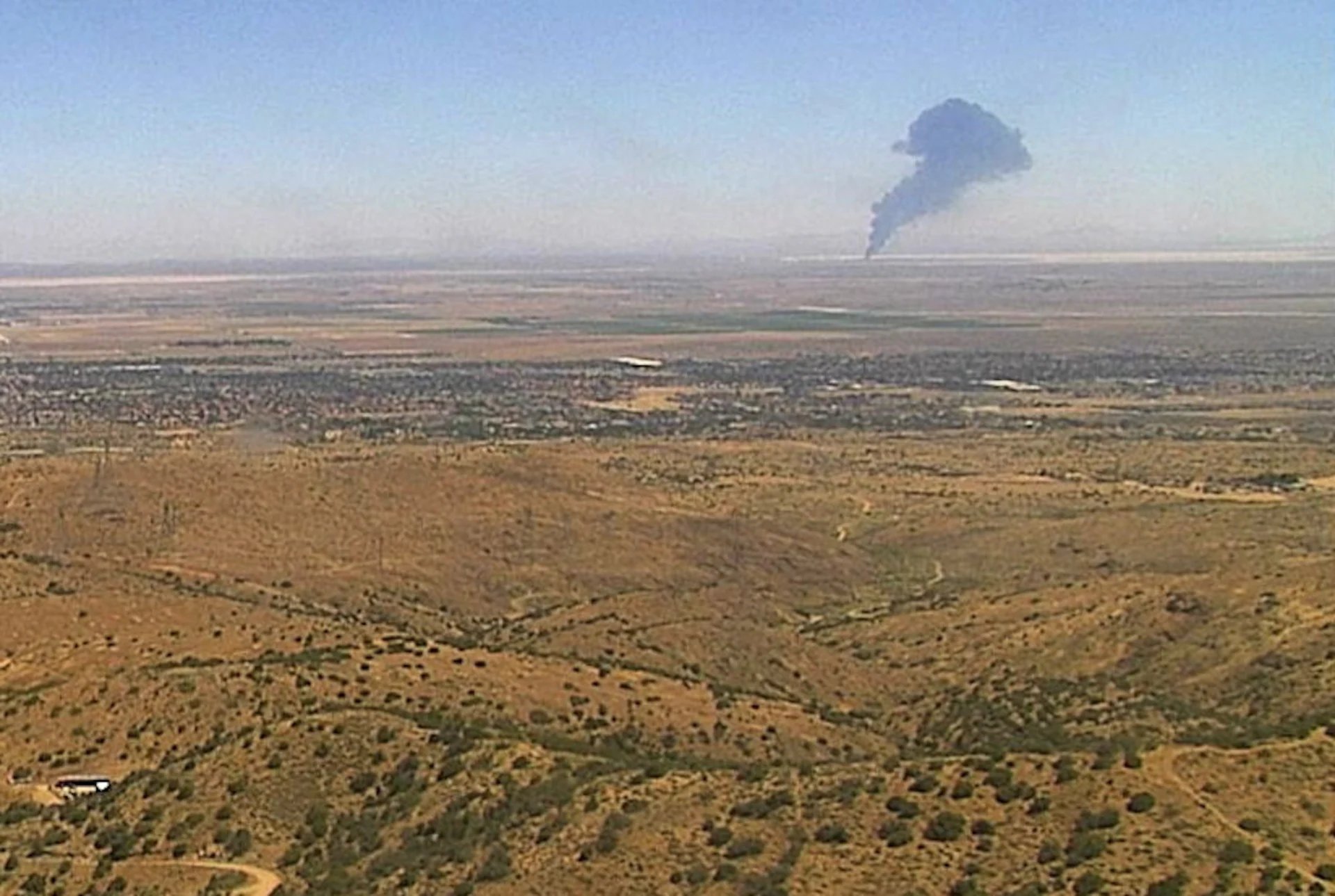
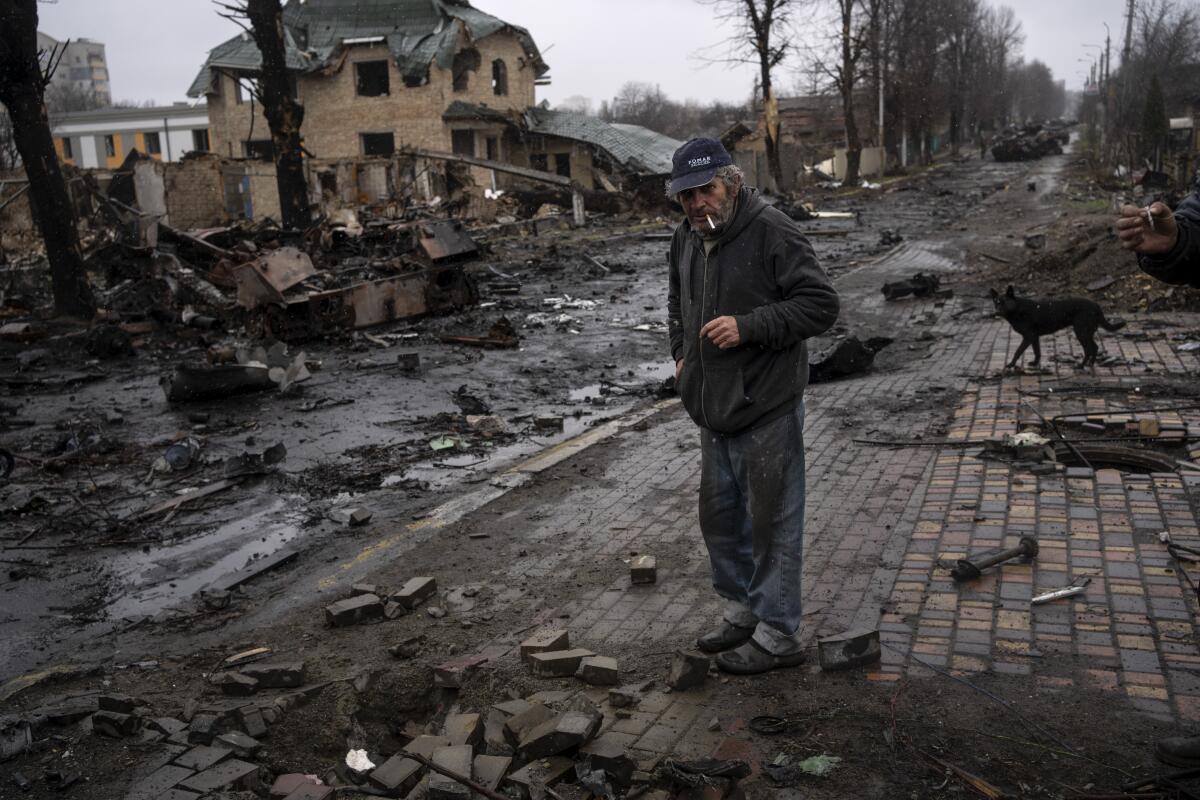
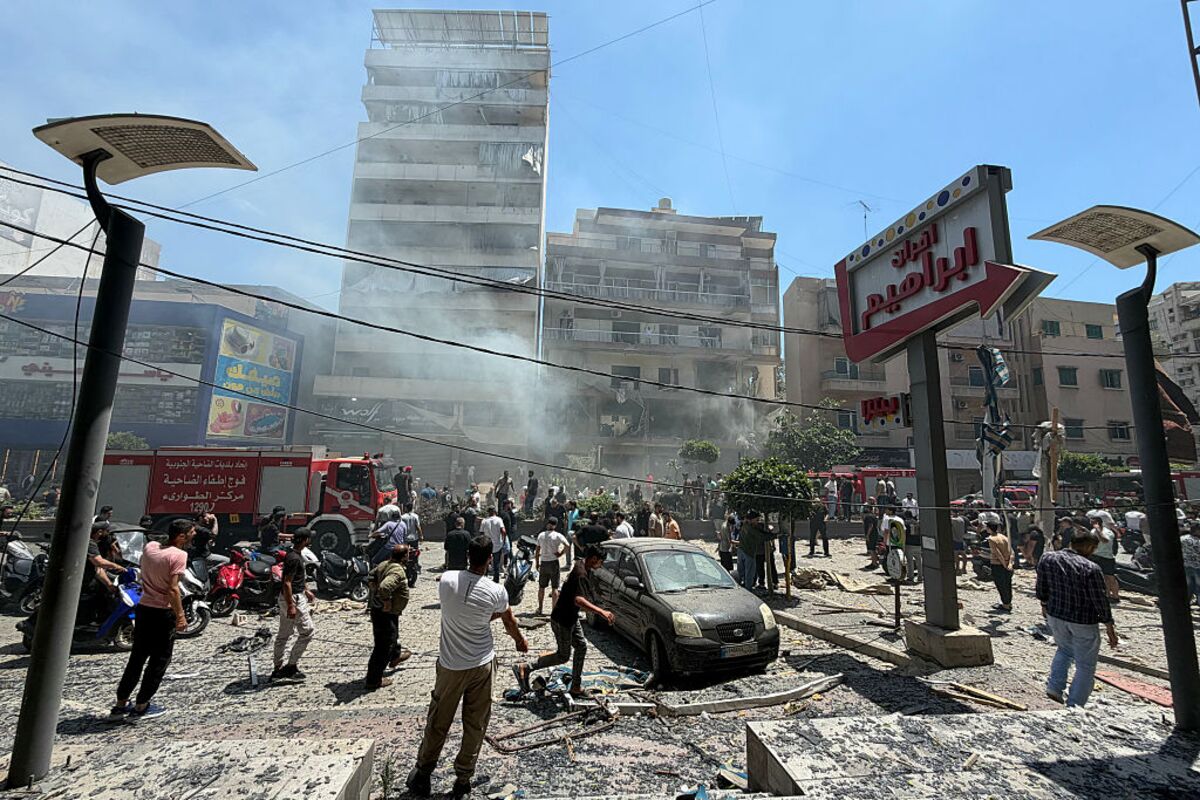
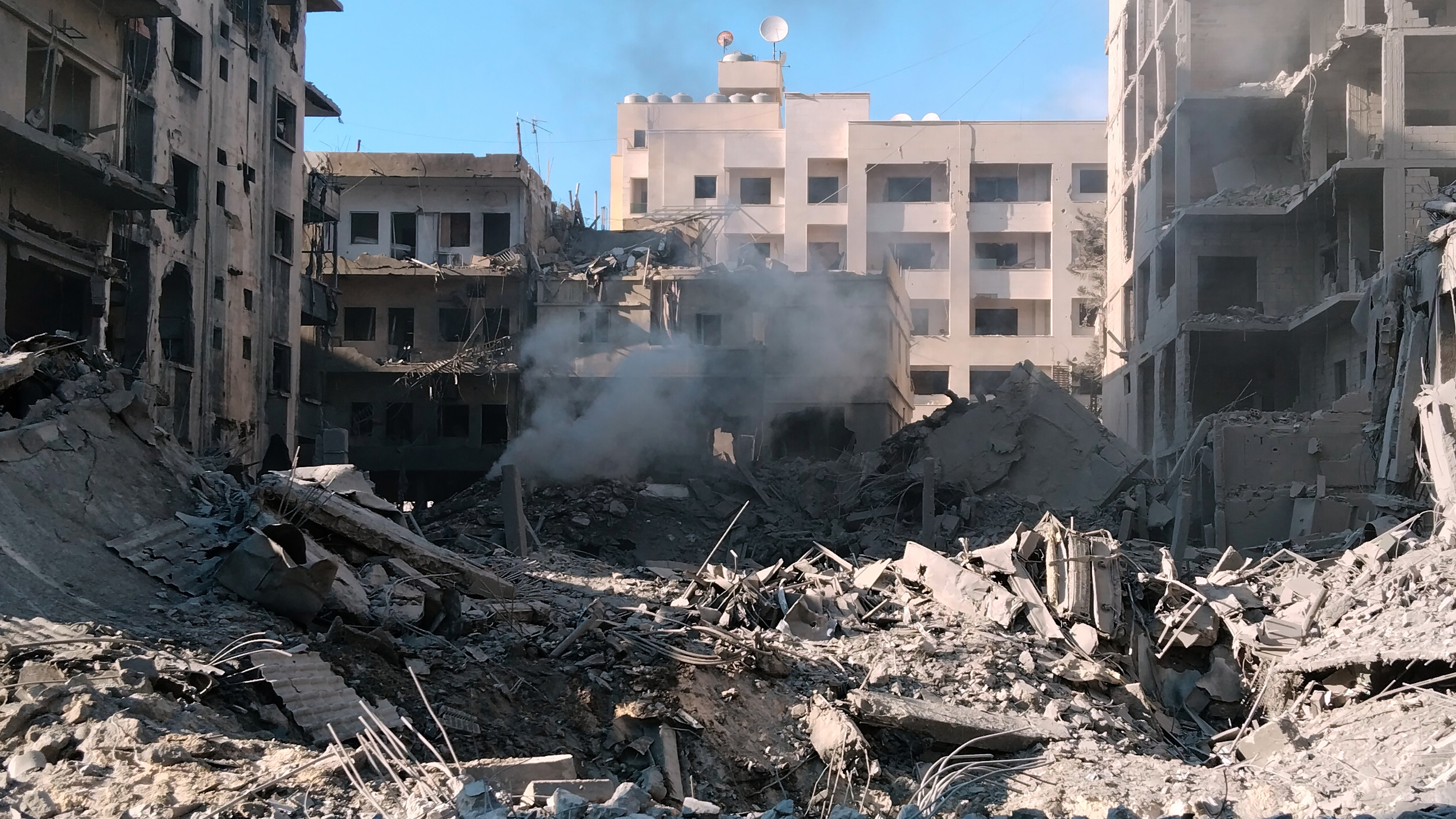
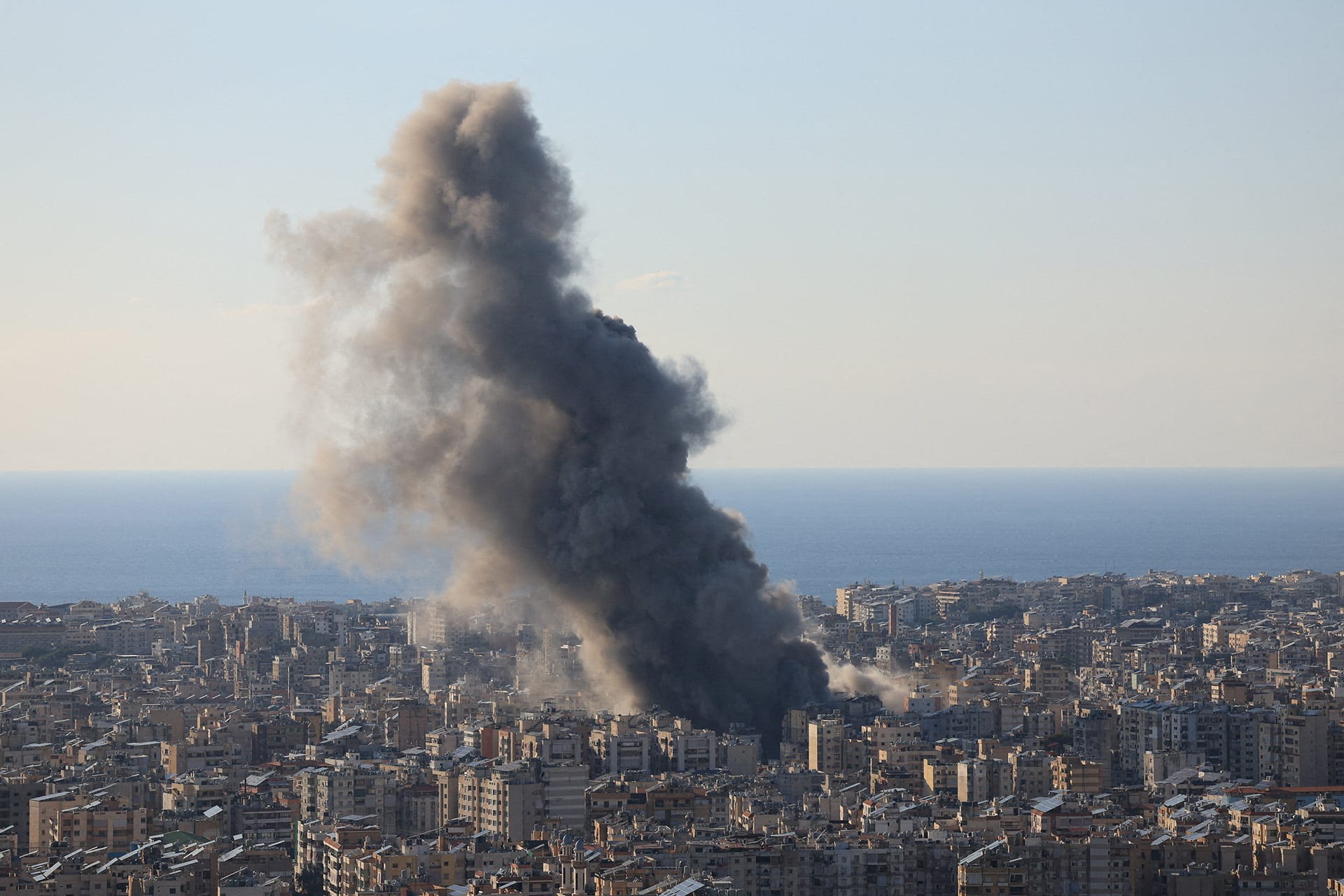
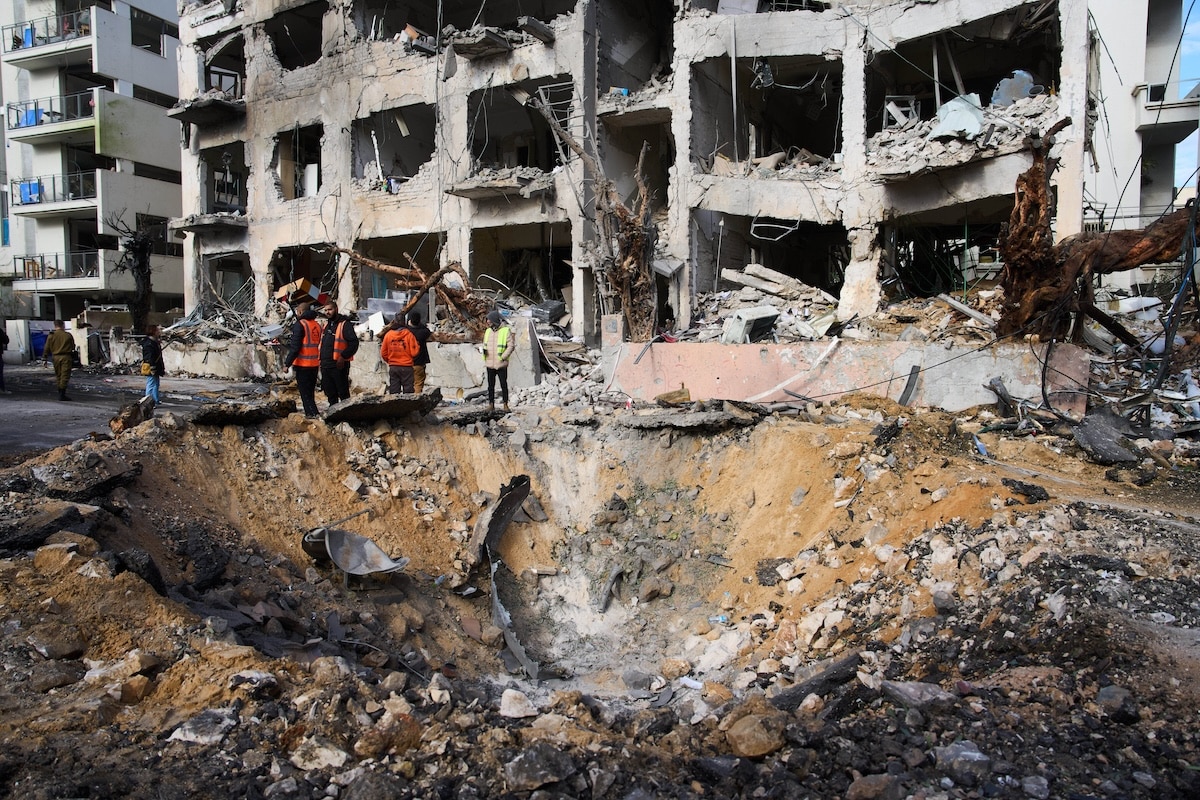
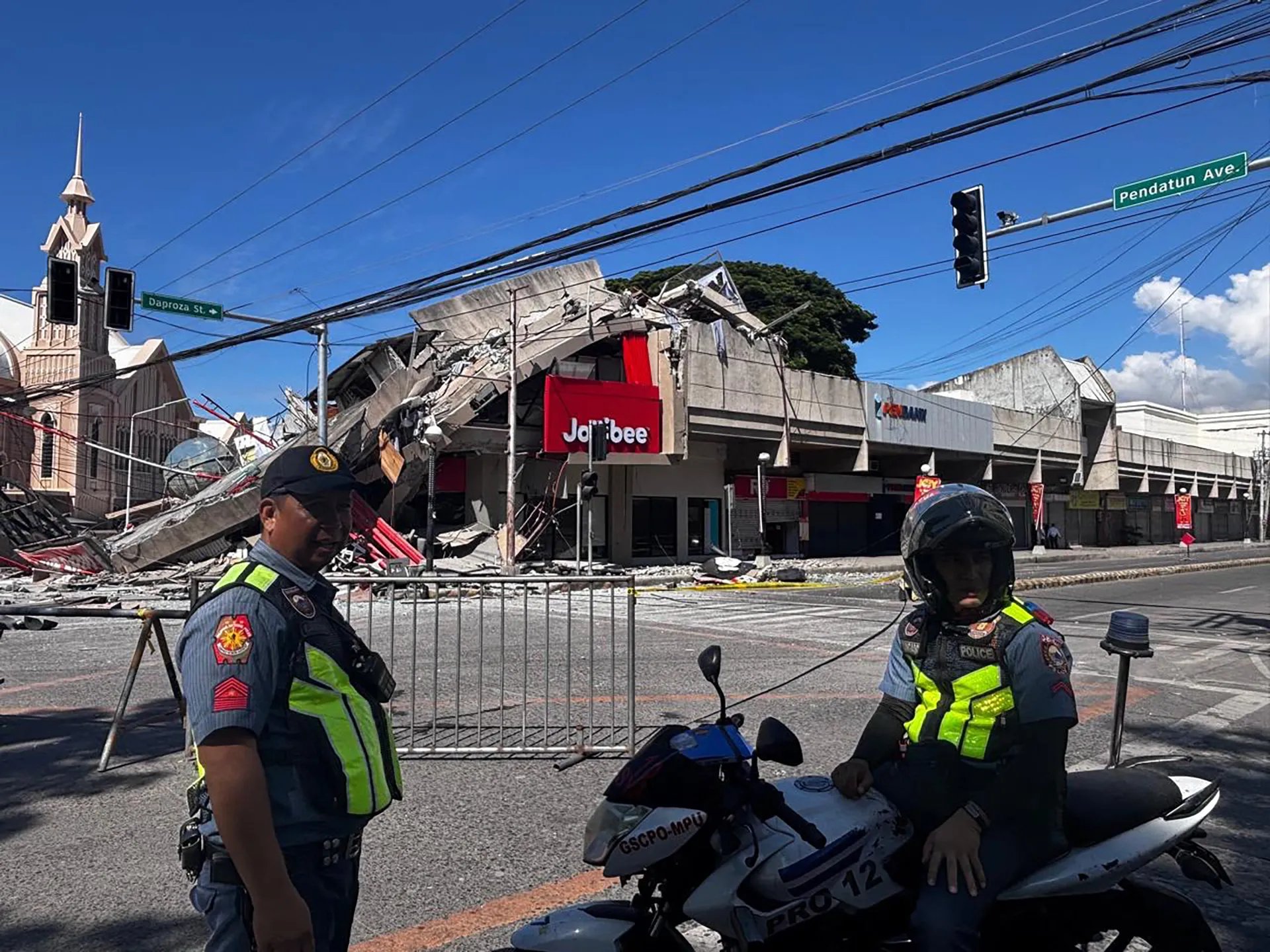
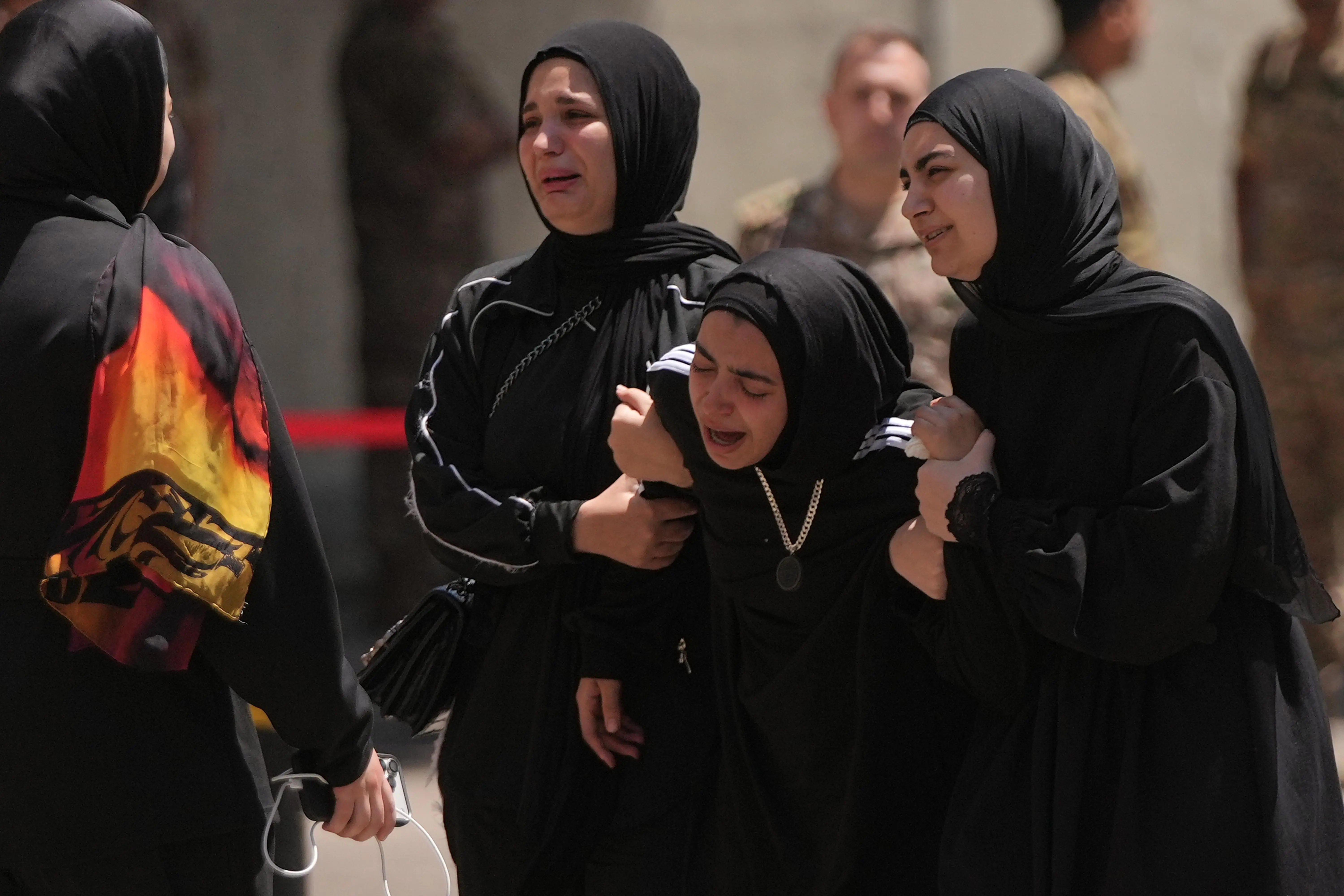
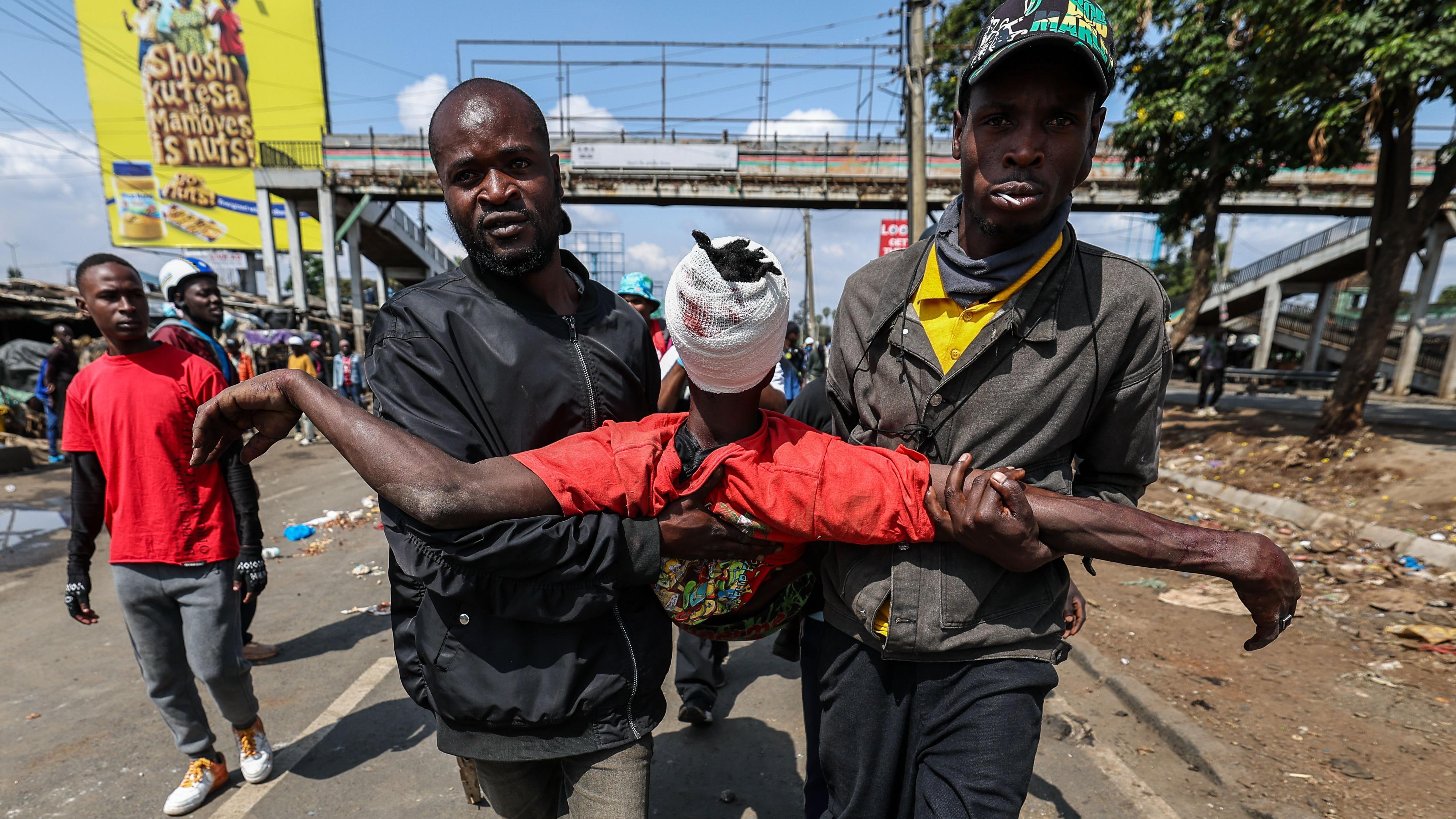
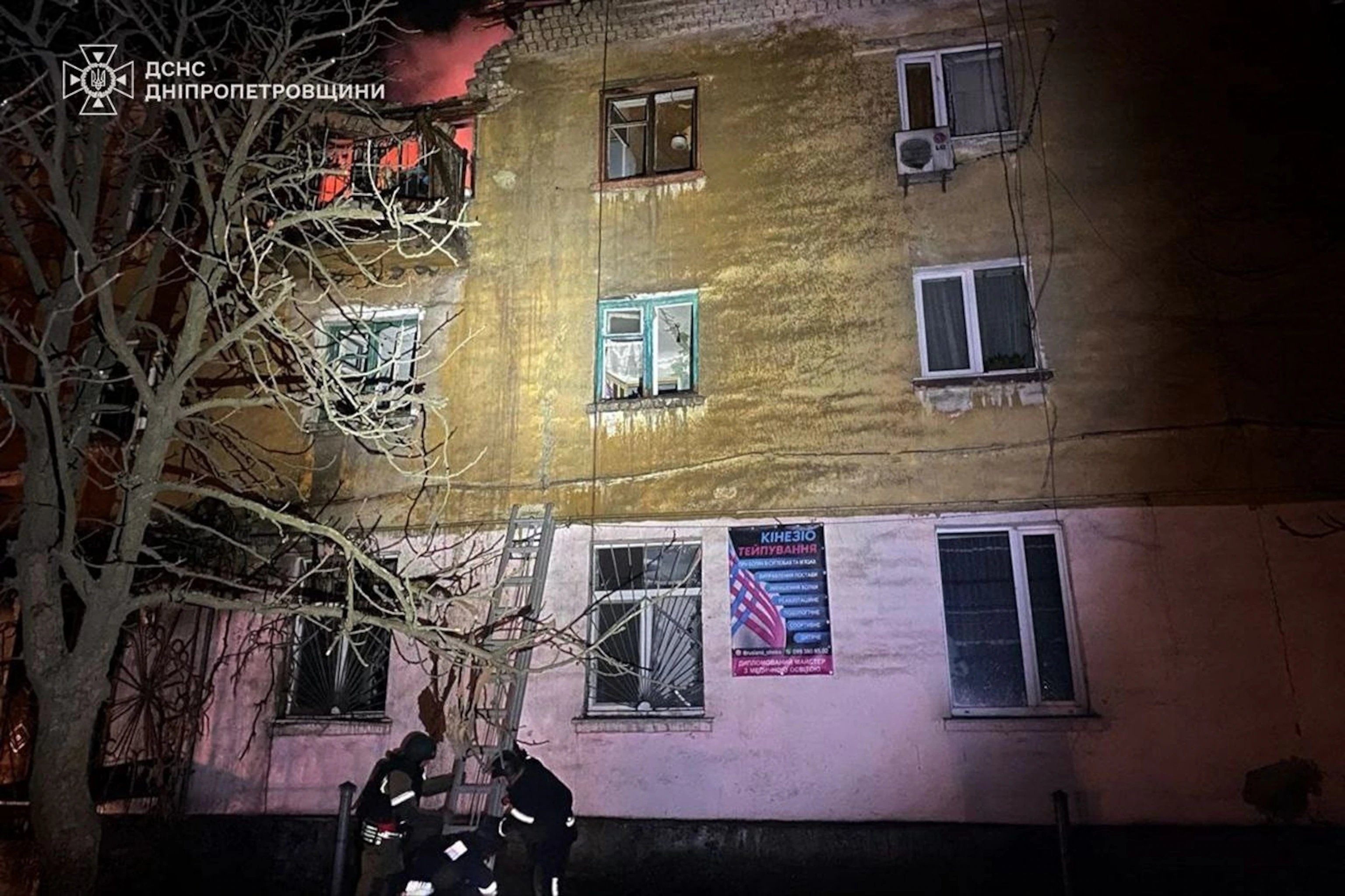
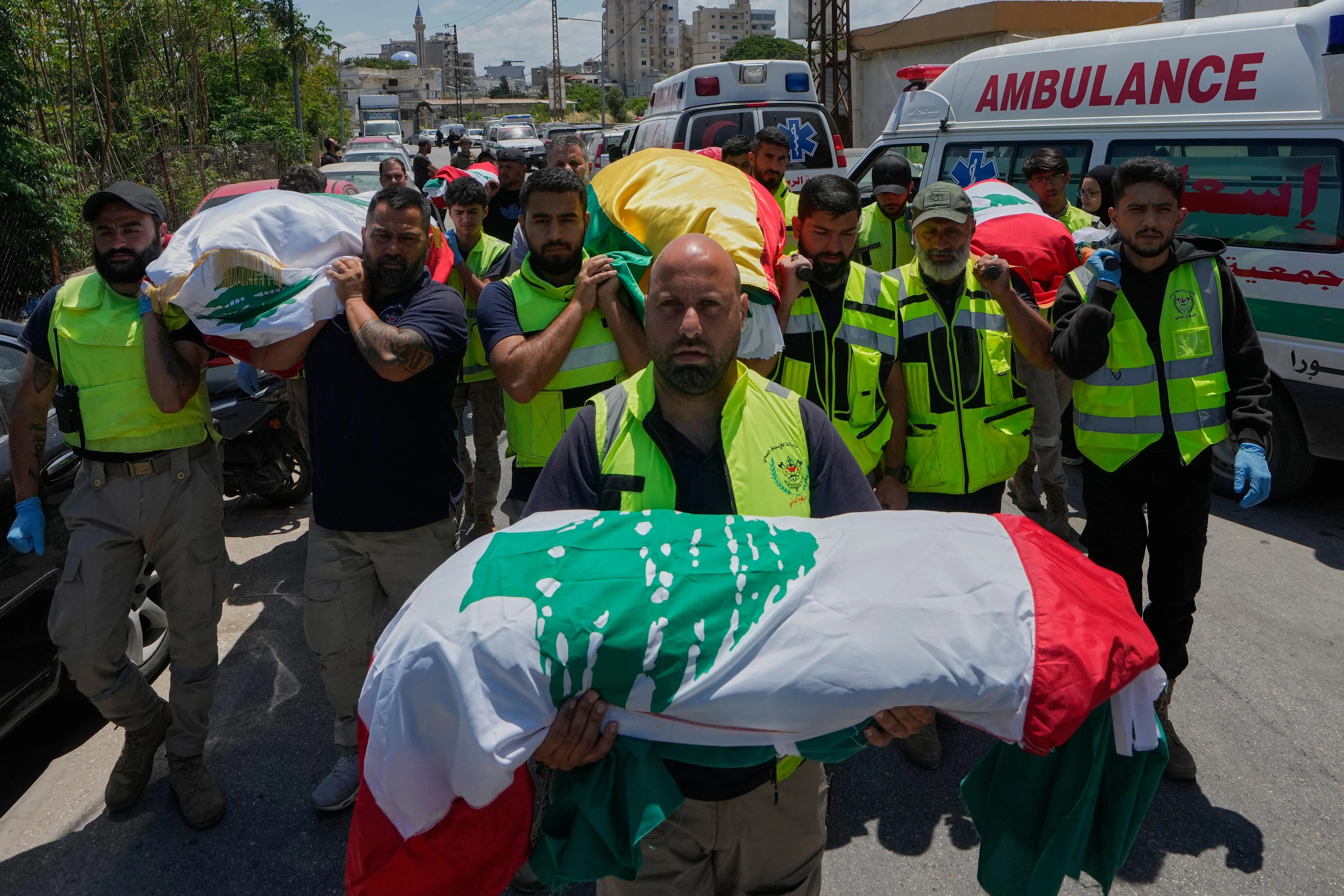
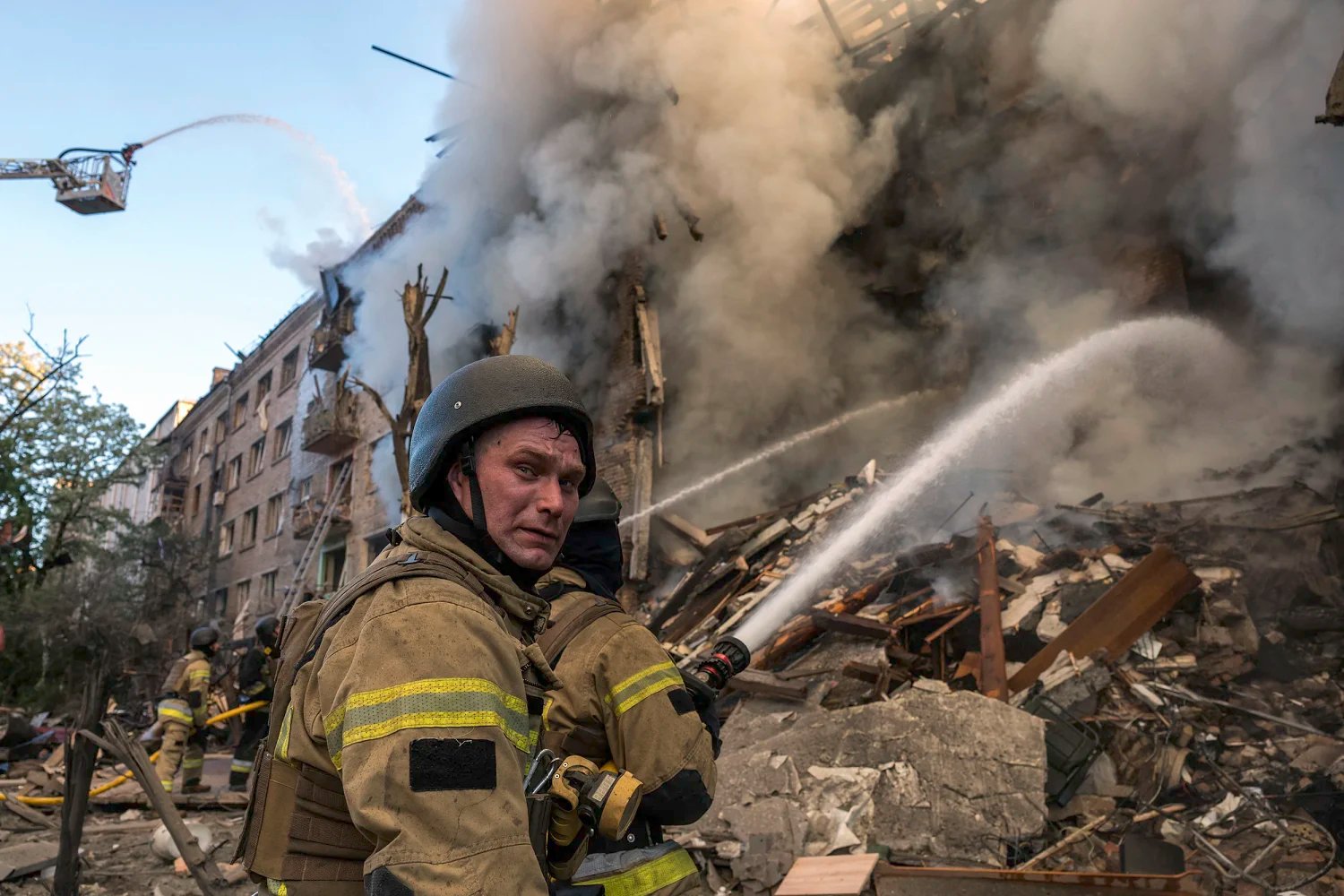
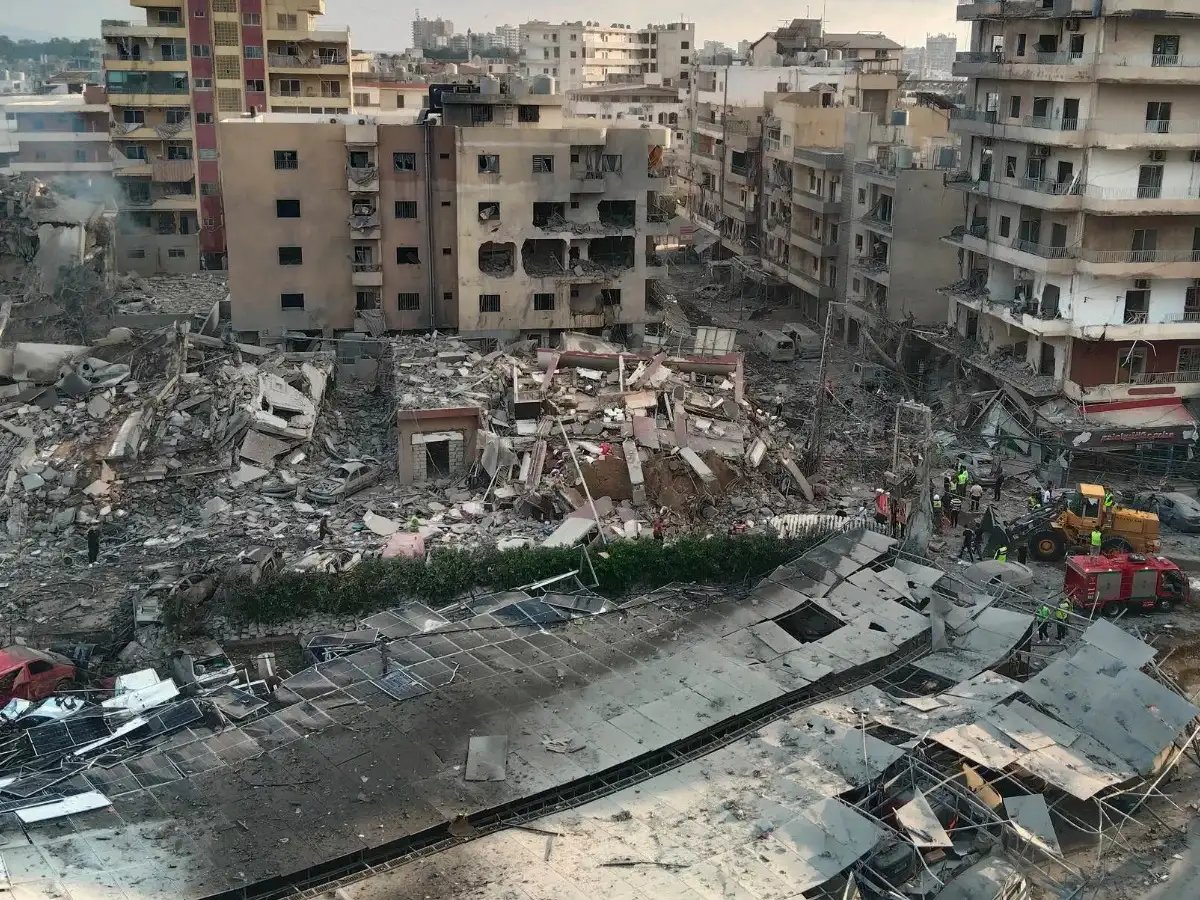
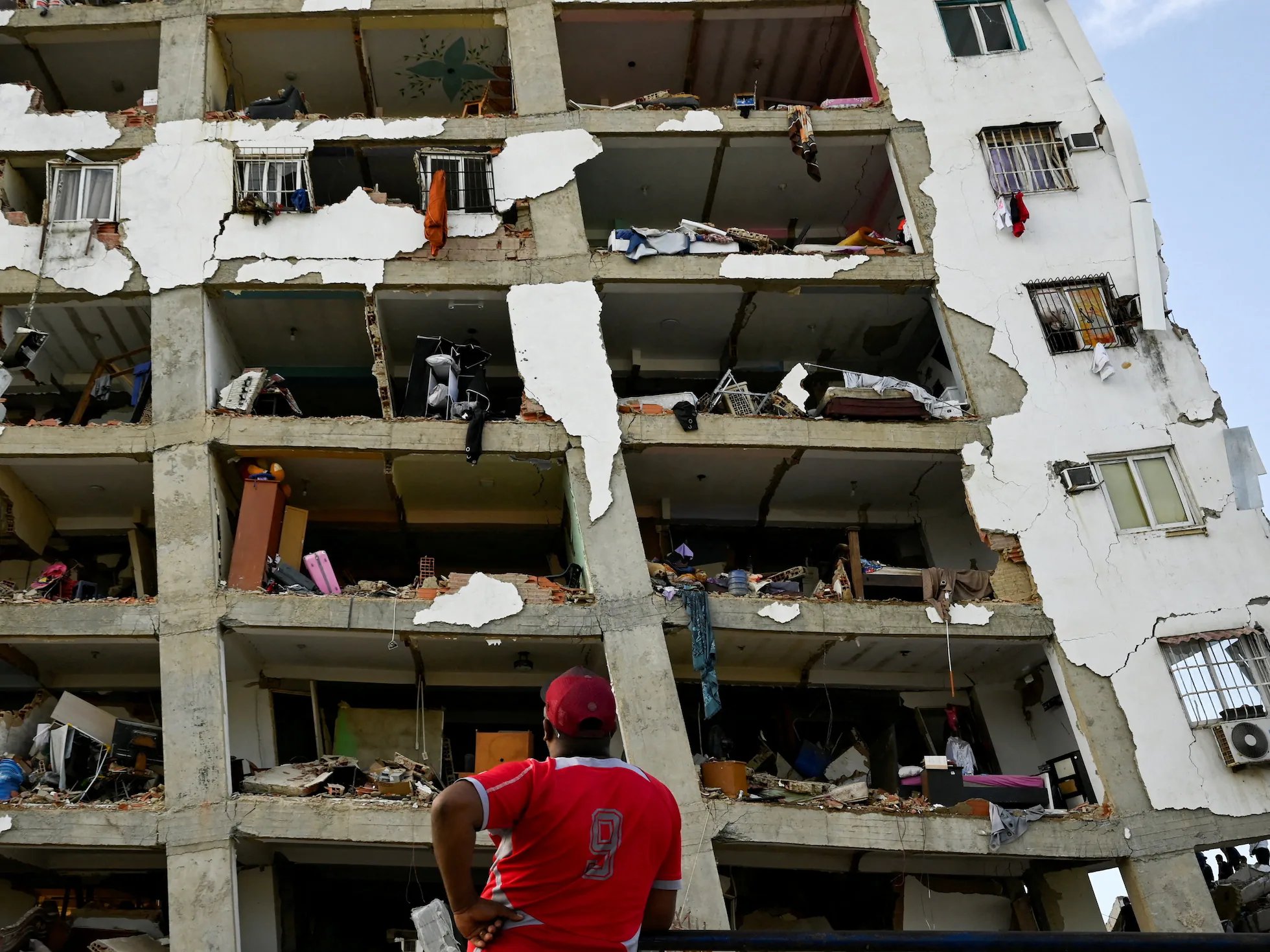
Rescue efforts continue as the death toll rises; authorities have confirmed at least 235 people dead and 4,300 injured, with many still trapped and missing. Graciela Mora, a survivor pulled from the rubble in La Guaira, one of the most affected areas, held her friend's hand while waiting to be rescued so her friend would not die alone. Her friend did not survive.
The Road to Recovery
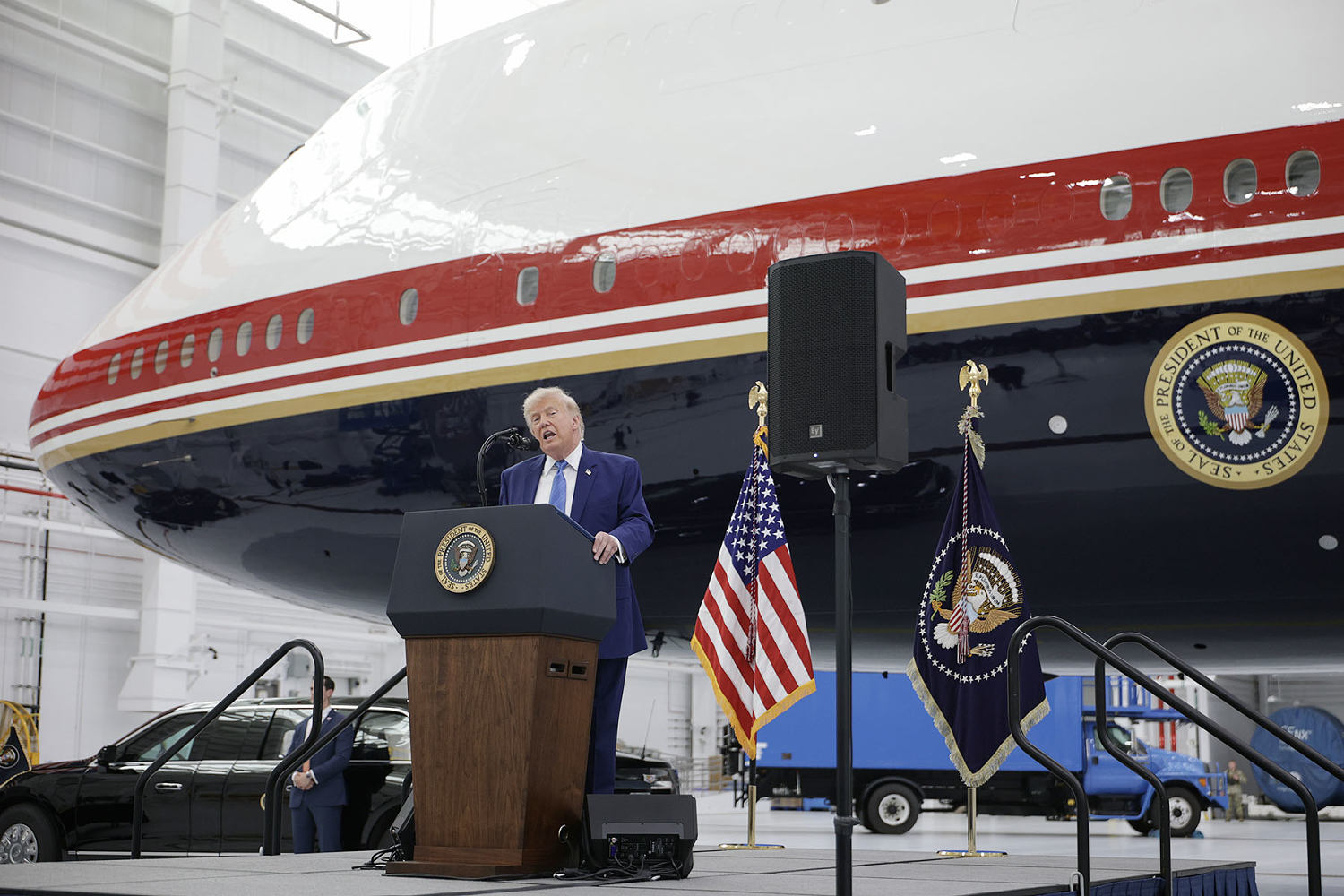
According to Jeremy Konyndyk, president of Refugees International, the response and recovery efforts will be a test for the U.S. administration's capabilities in disaster response. As Konyndyk points out, "The administration clearly wants to avoid a black eye of not deploying a robust immediate response, but whether they will sustain the kind of follow through that can save lives in the months that follow, I think that's an open question." The focus now is on deploying emergency medical teams, restoring water infrastructure, and other basic services damaged by the earthquakes. The international community's rapid and robust response will be crucial in supporting Venezuela's recovery and long-term rebuilding.