




Trump Questions Future of Fund Amid Legal Controversy
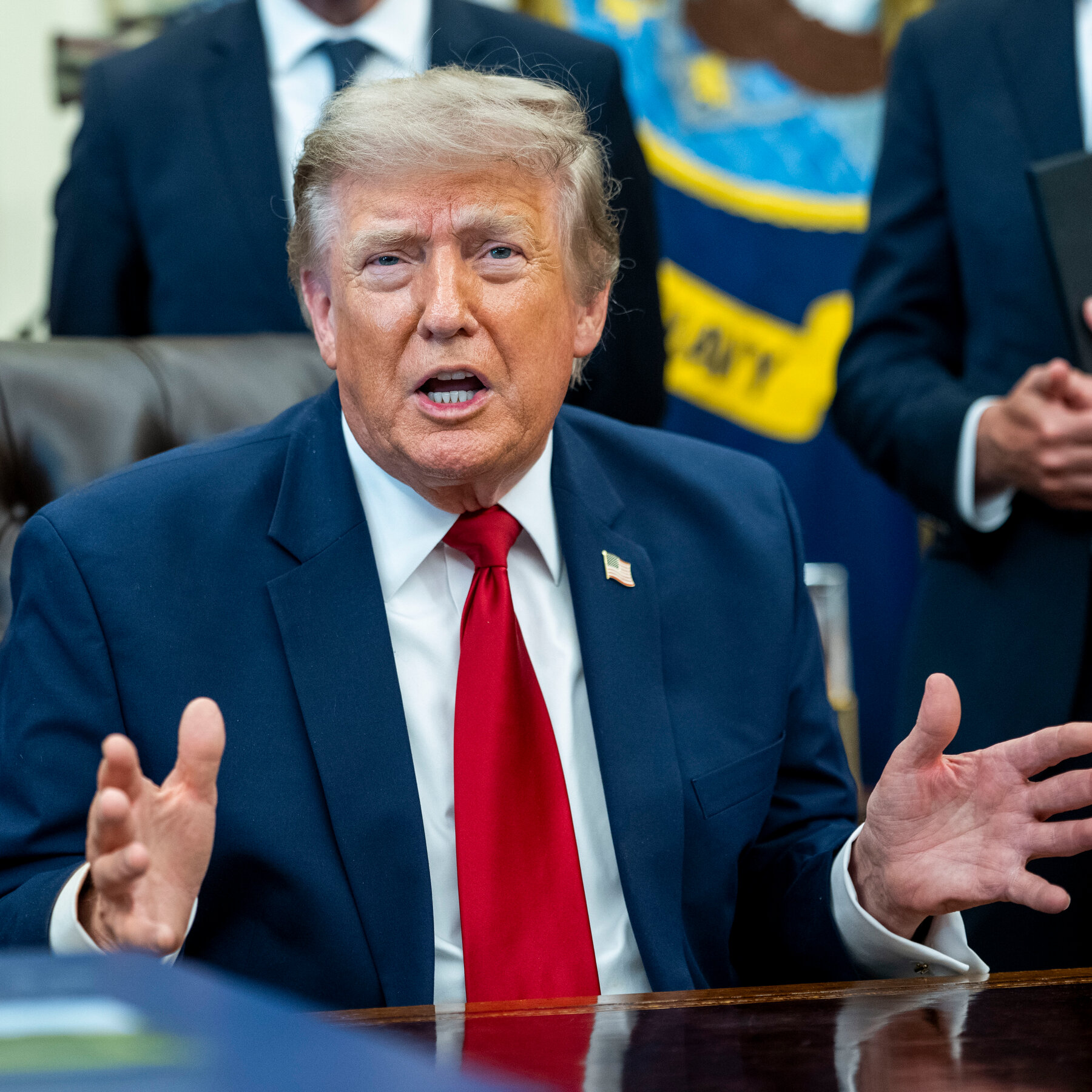
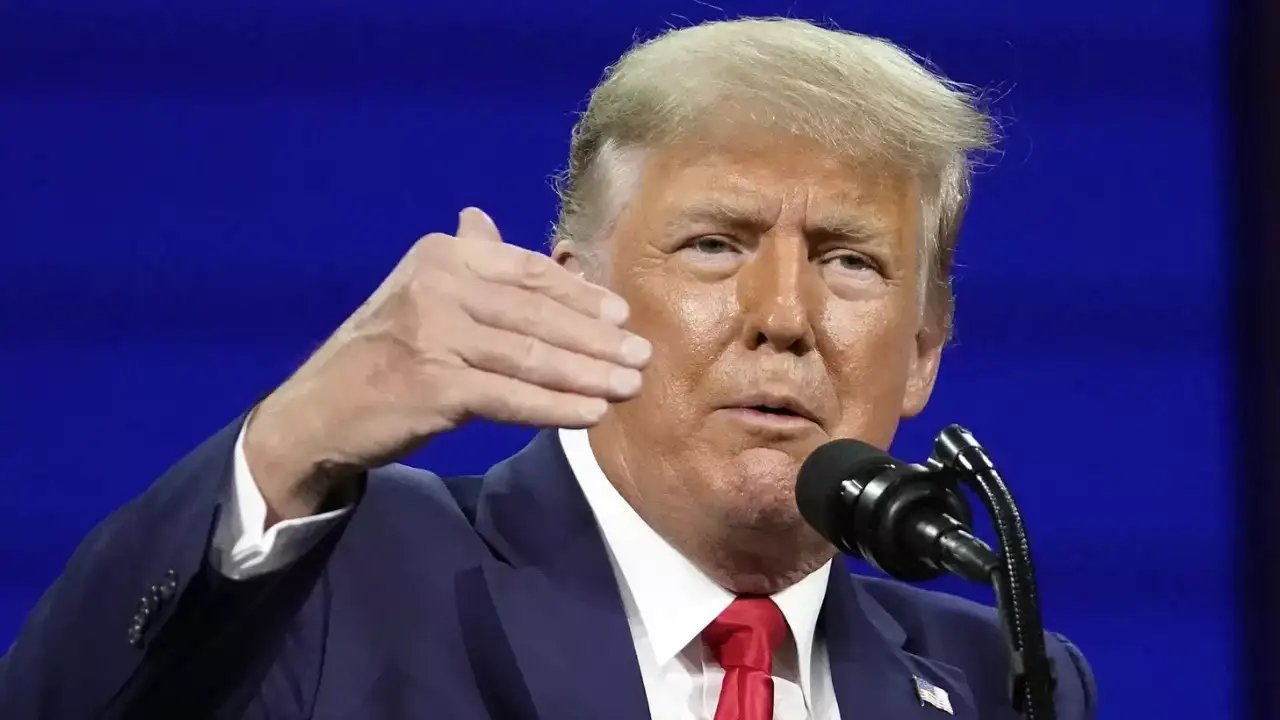
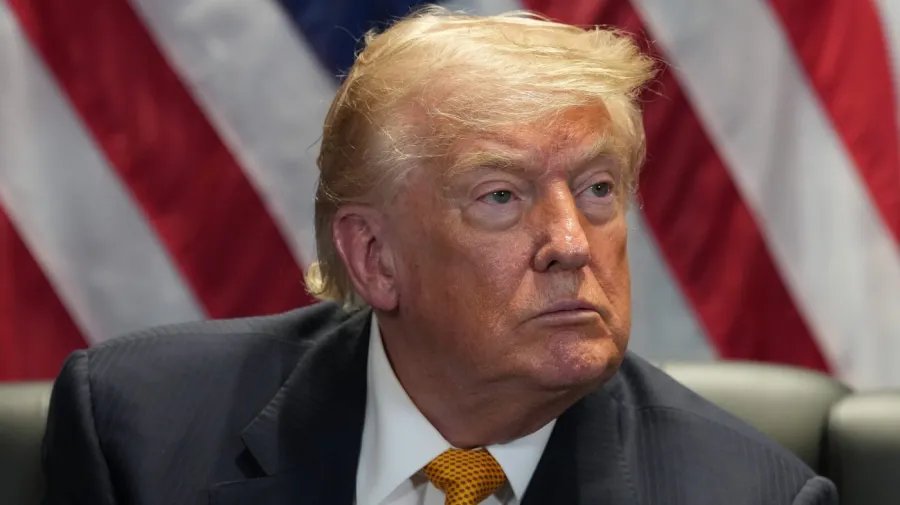
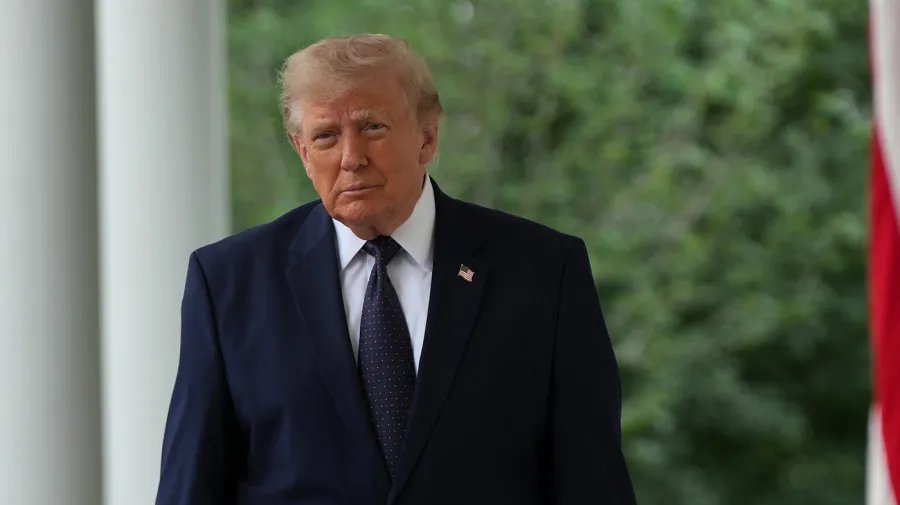
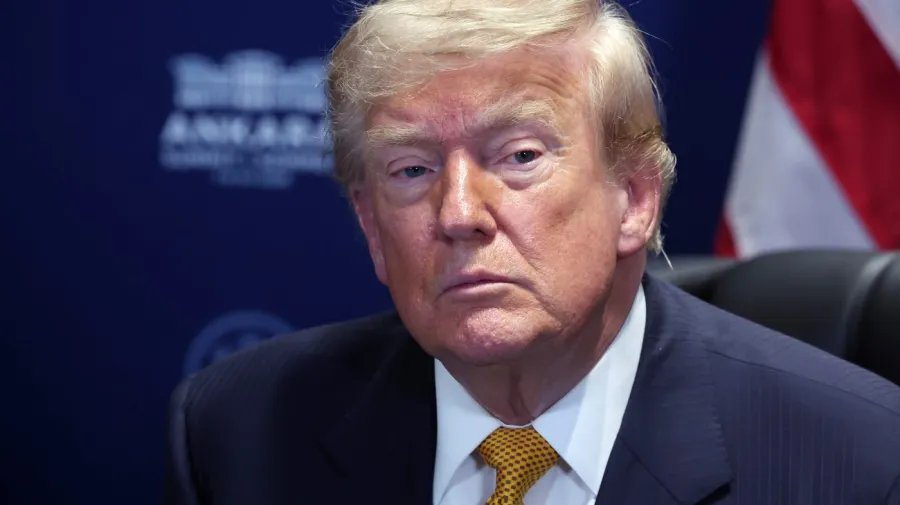
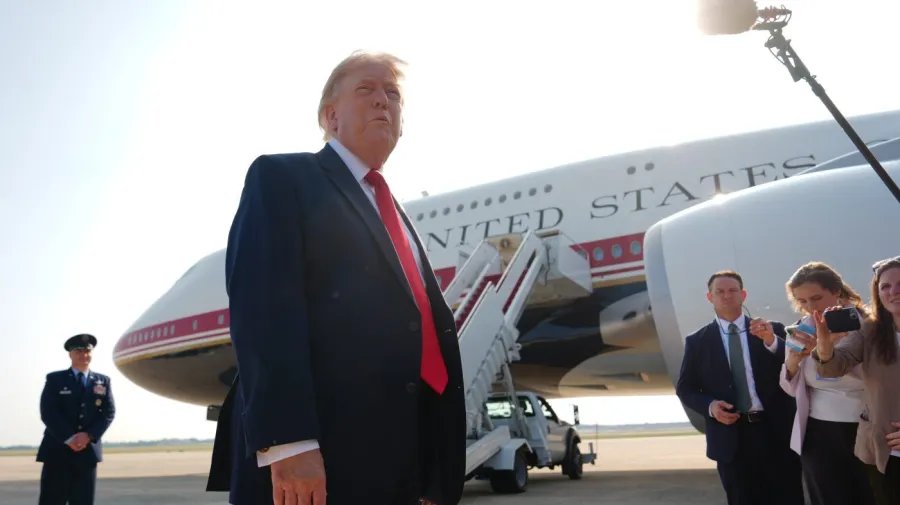
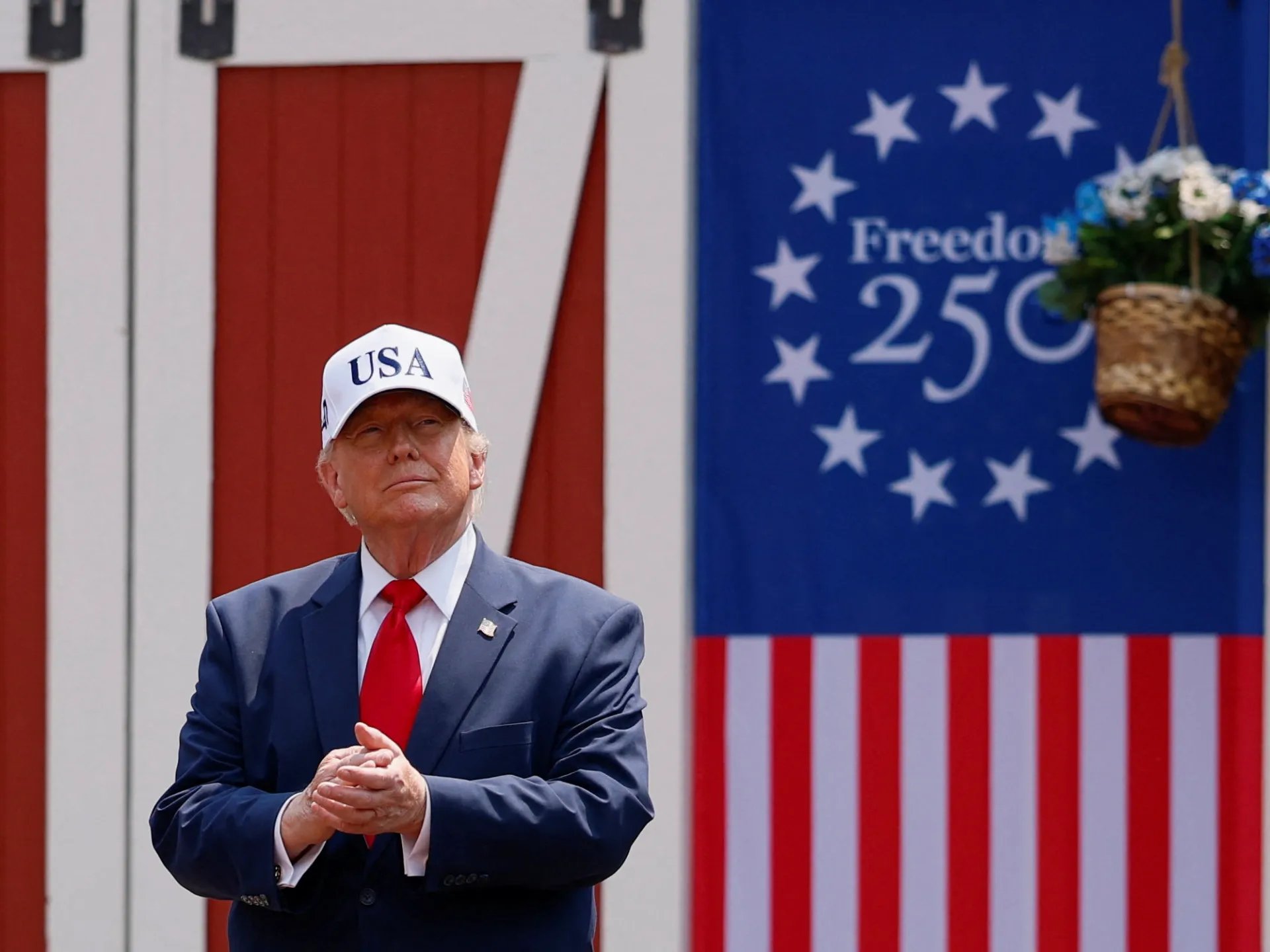
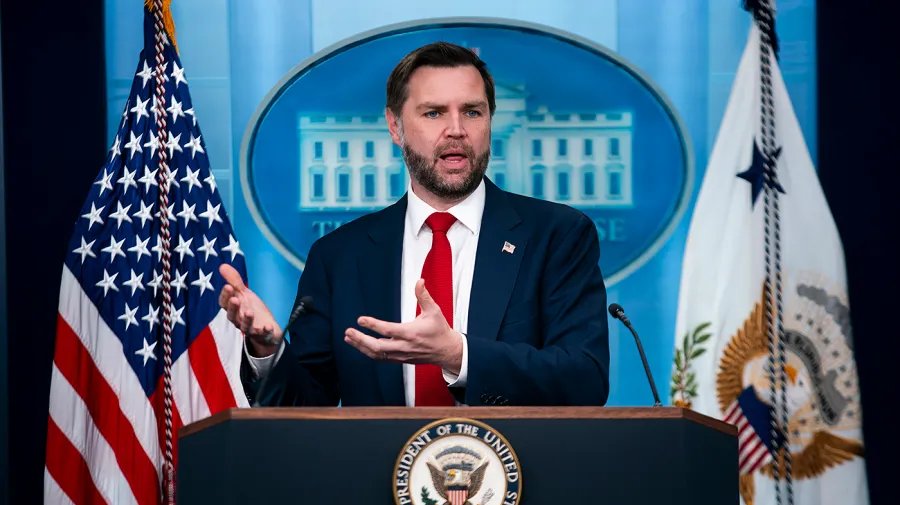
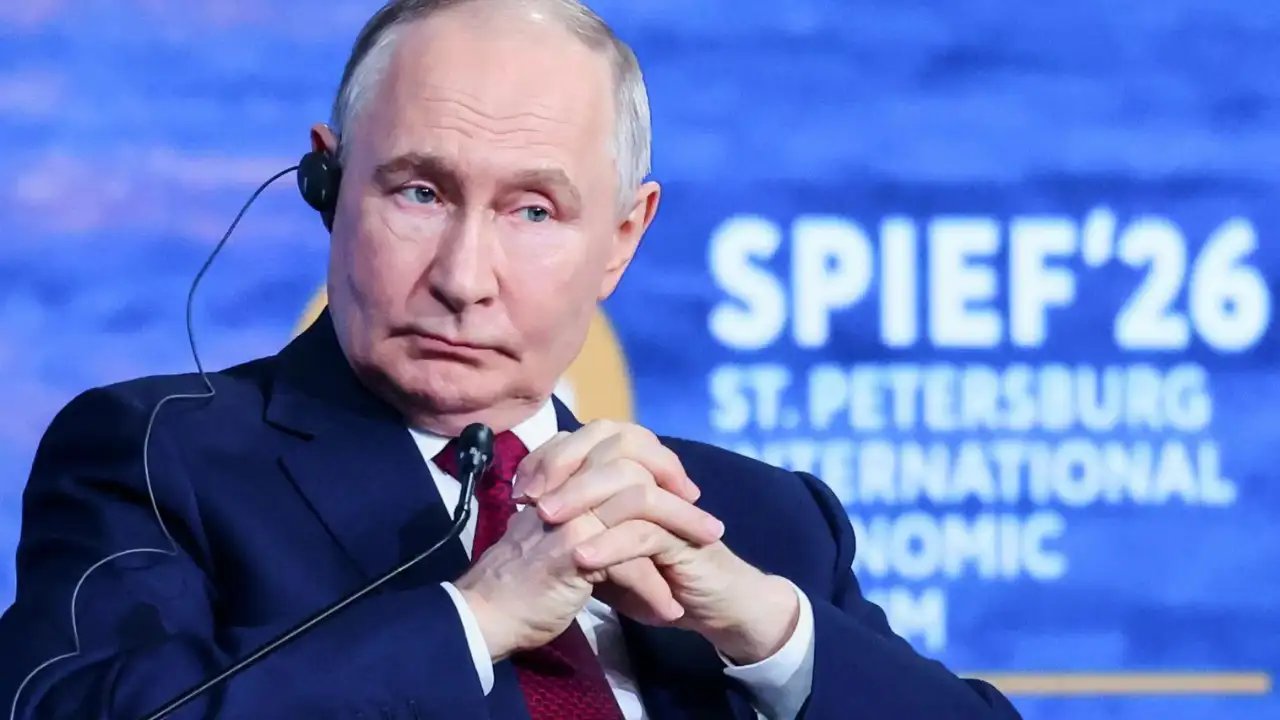
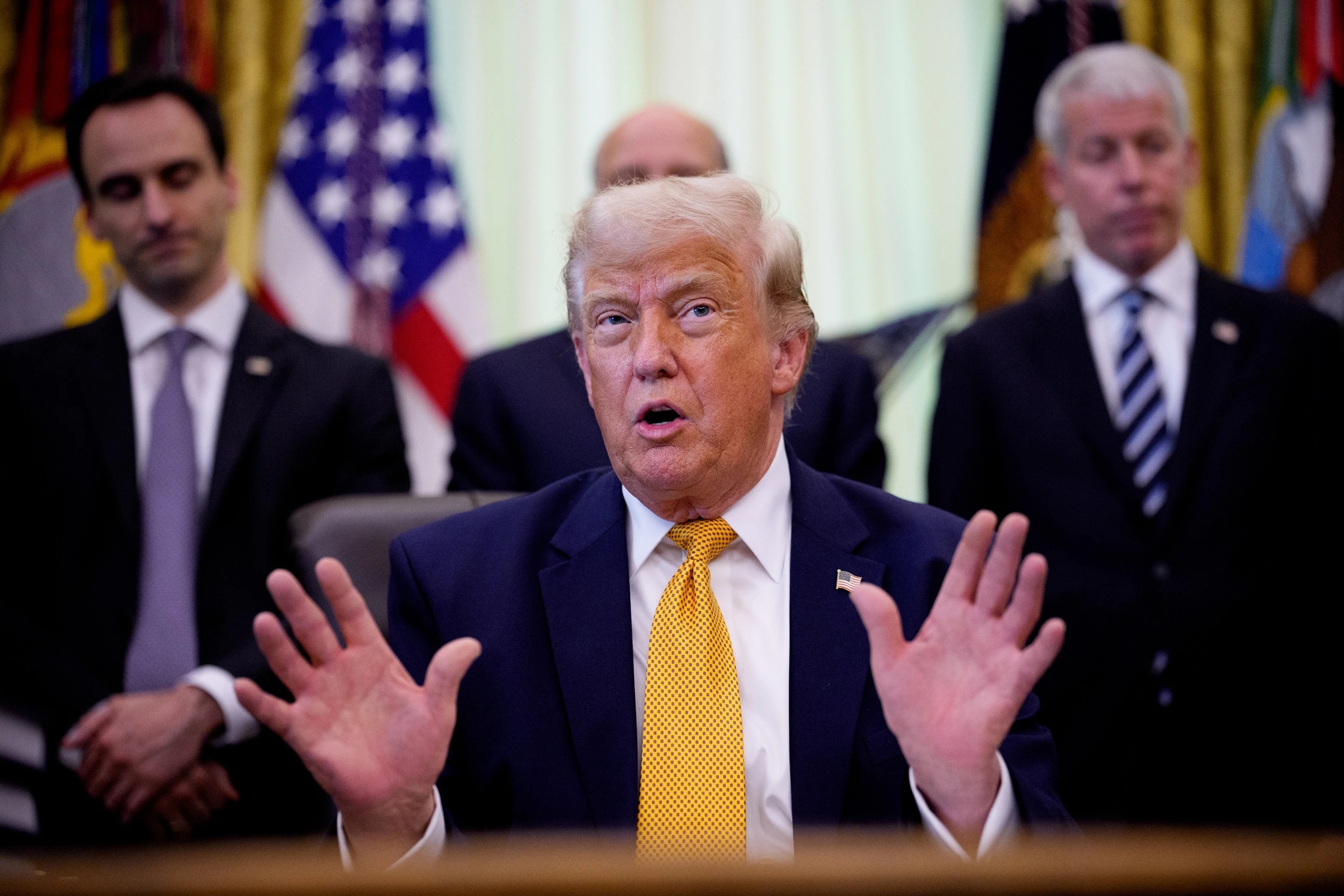
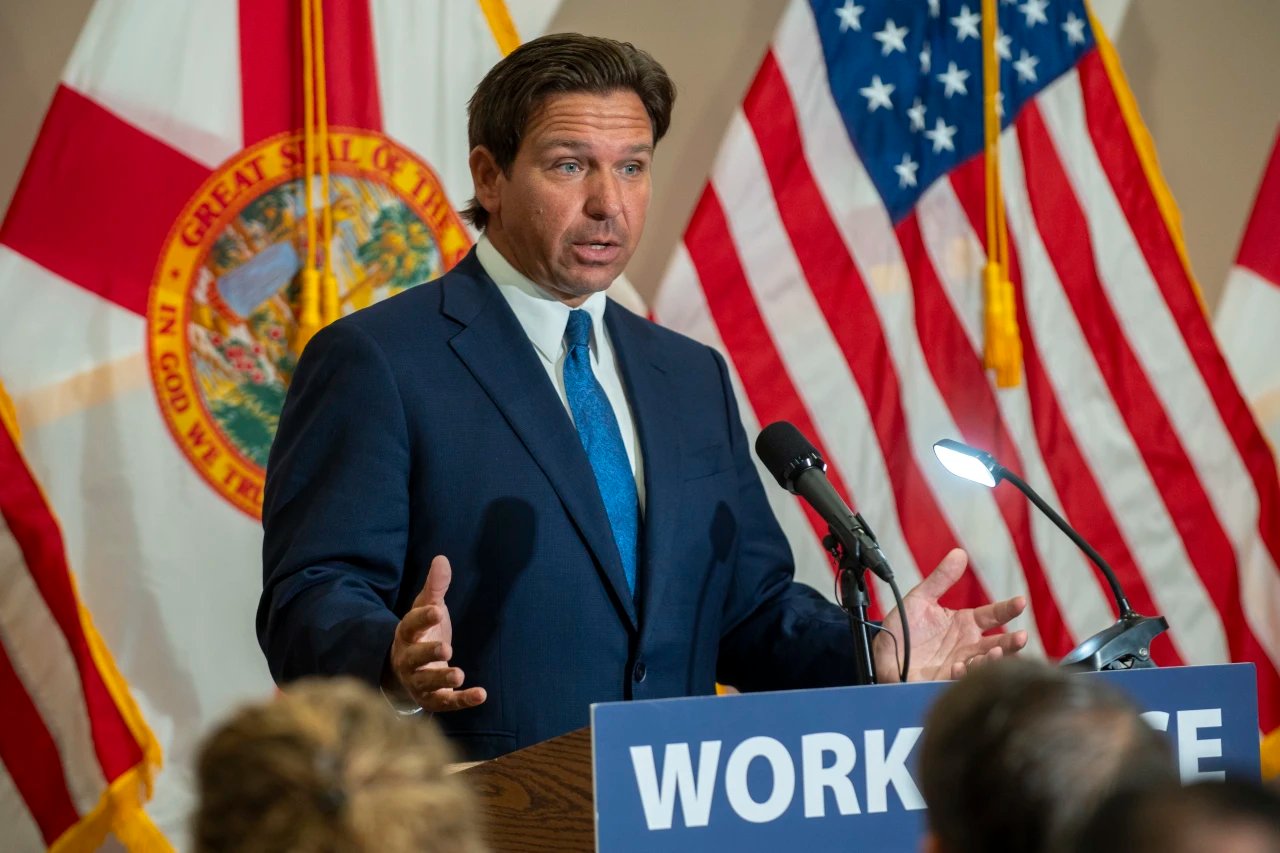
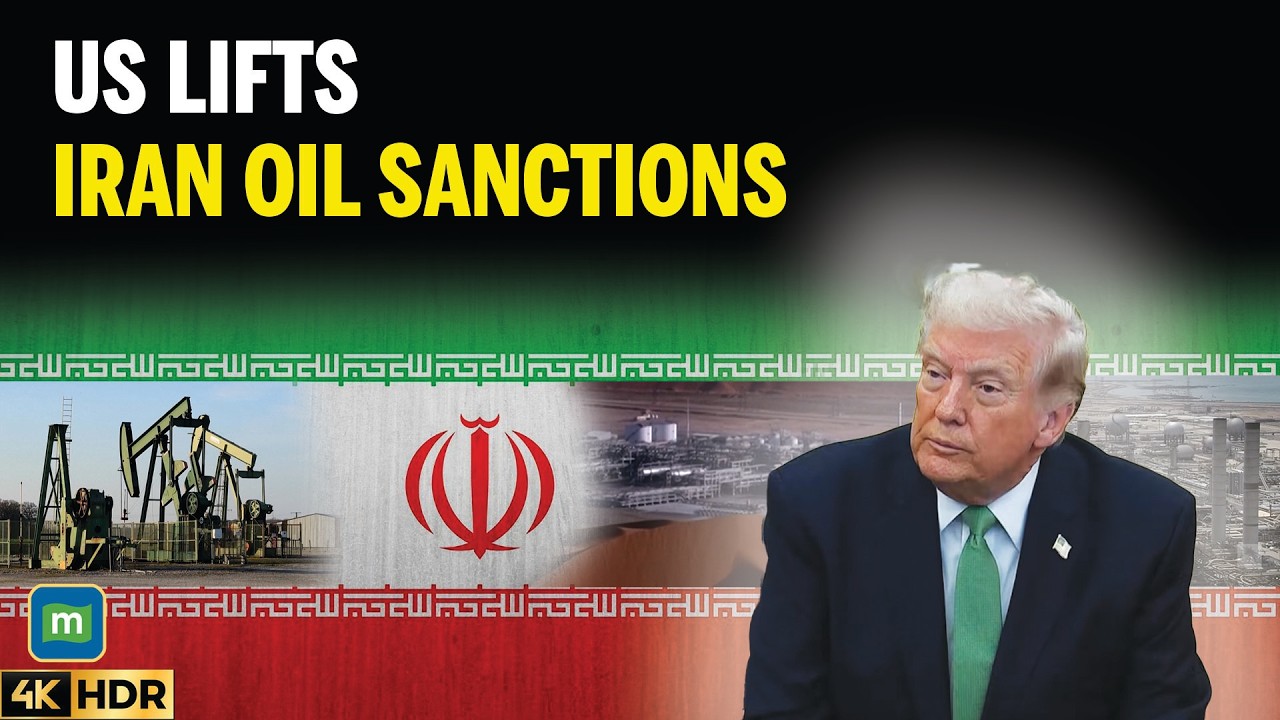
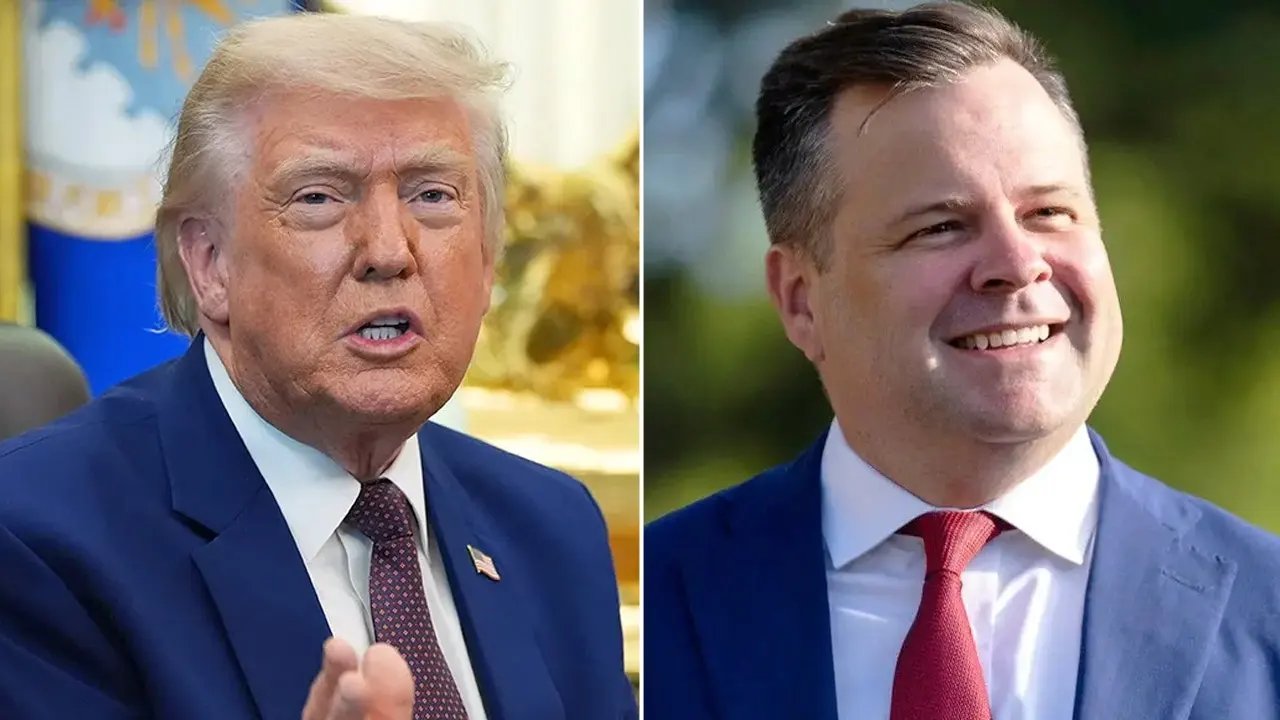
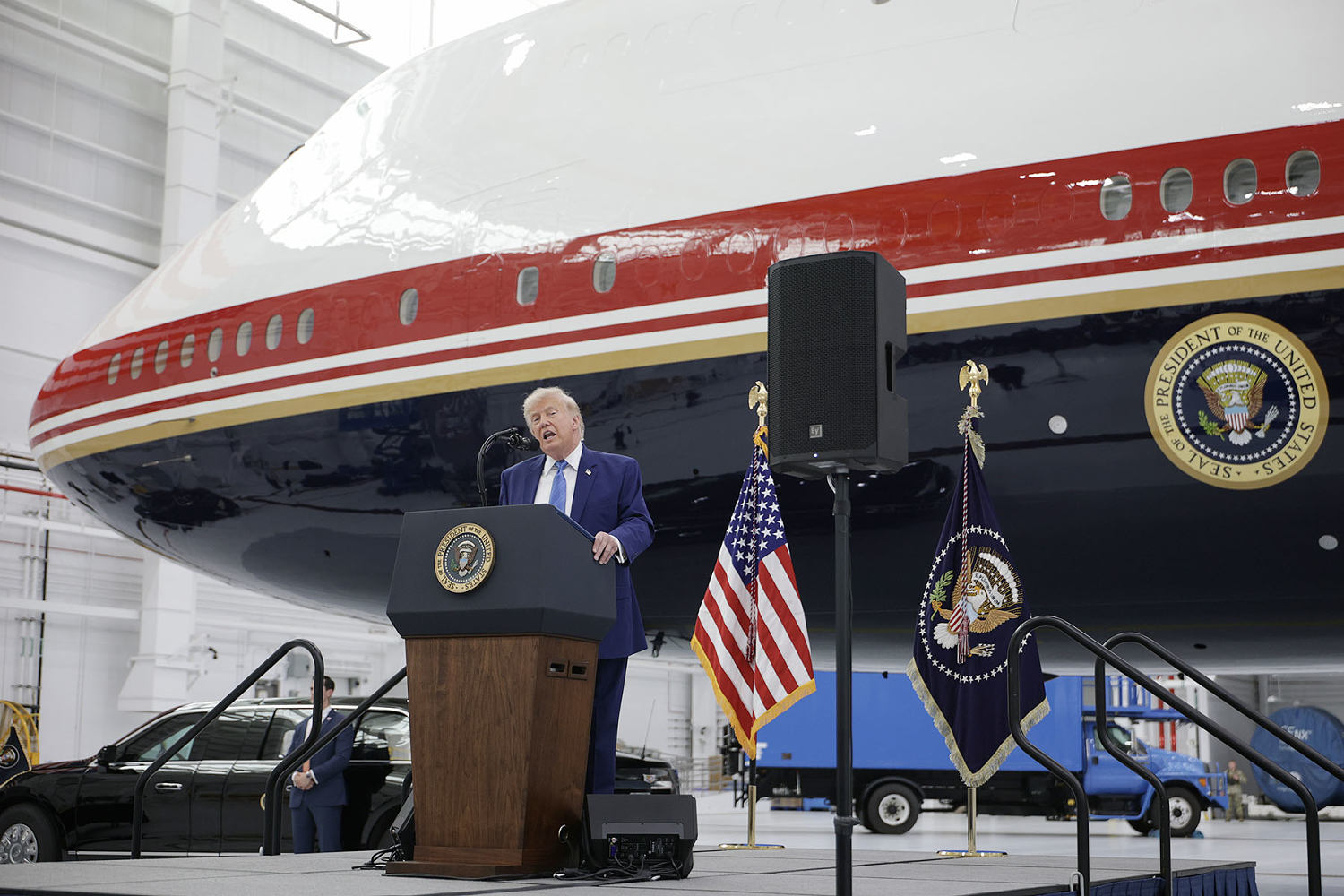
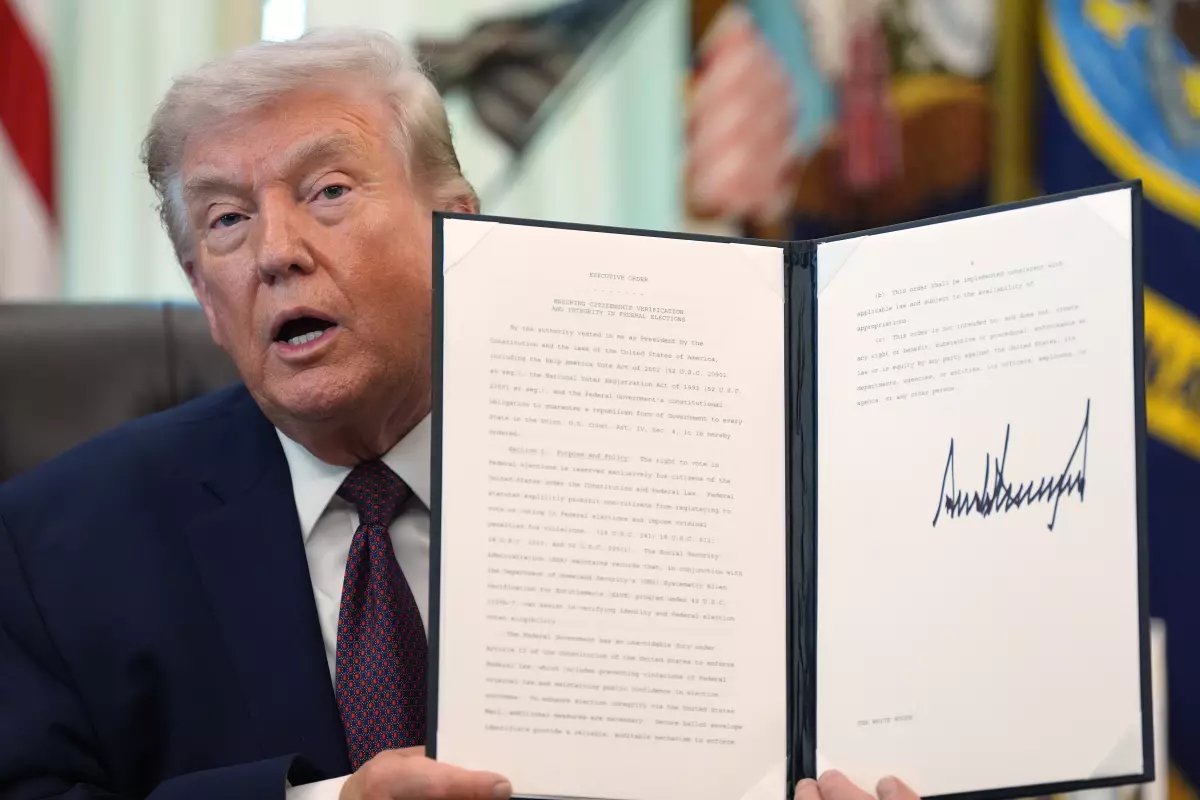
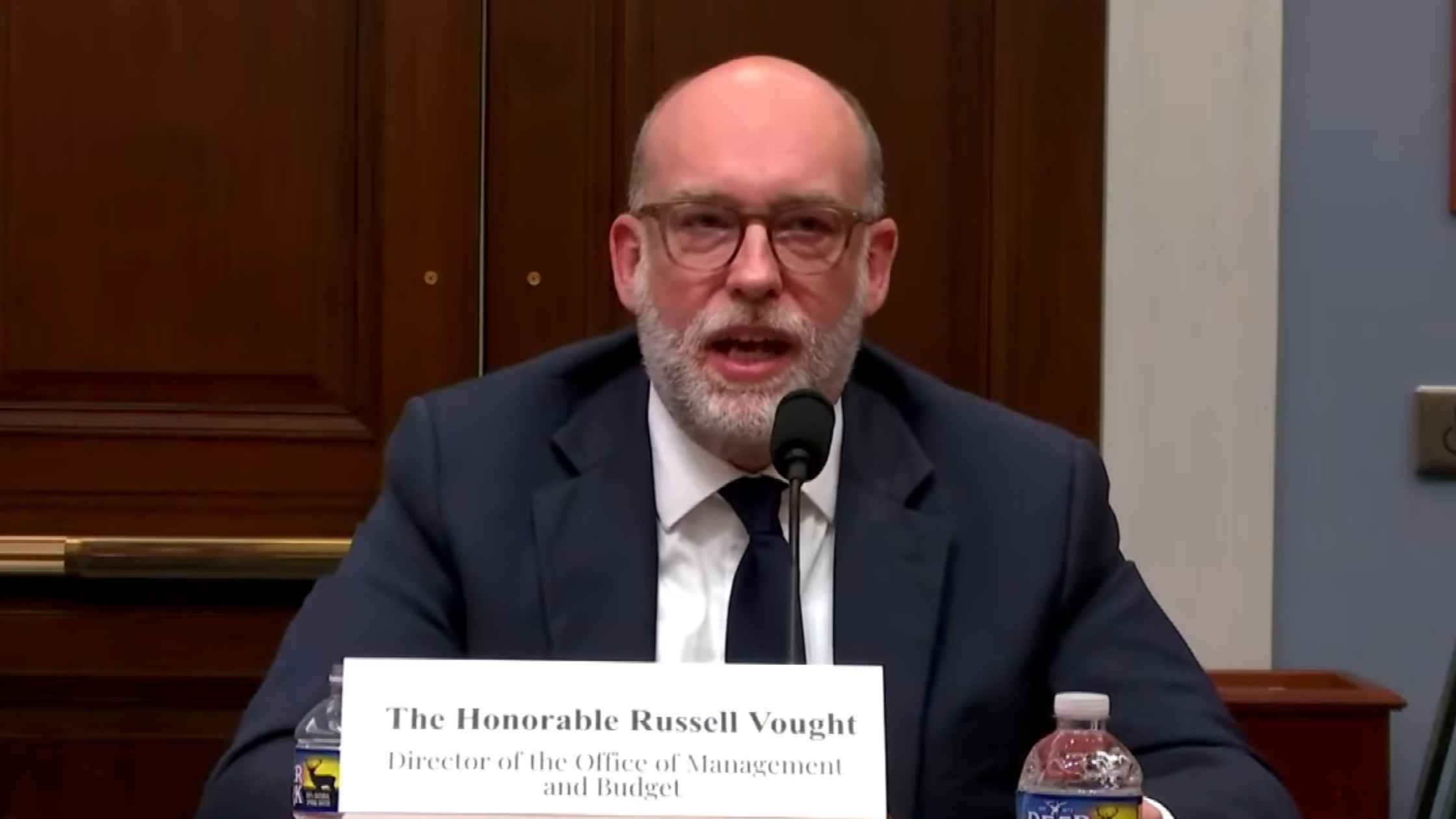
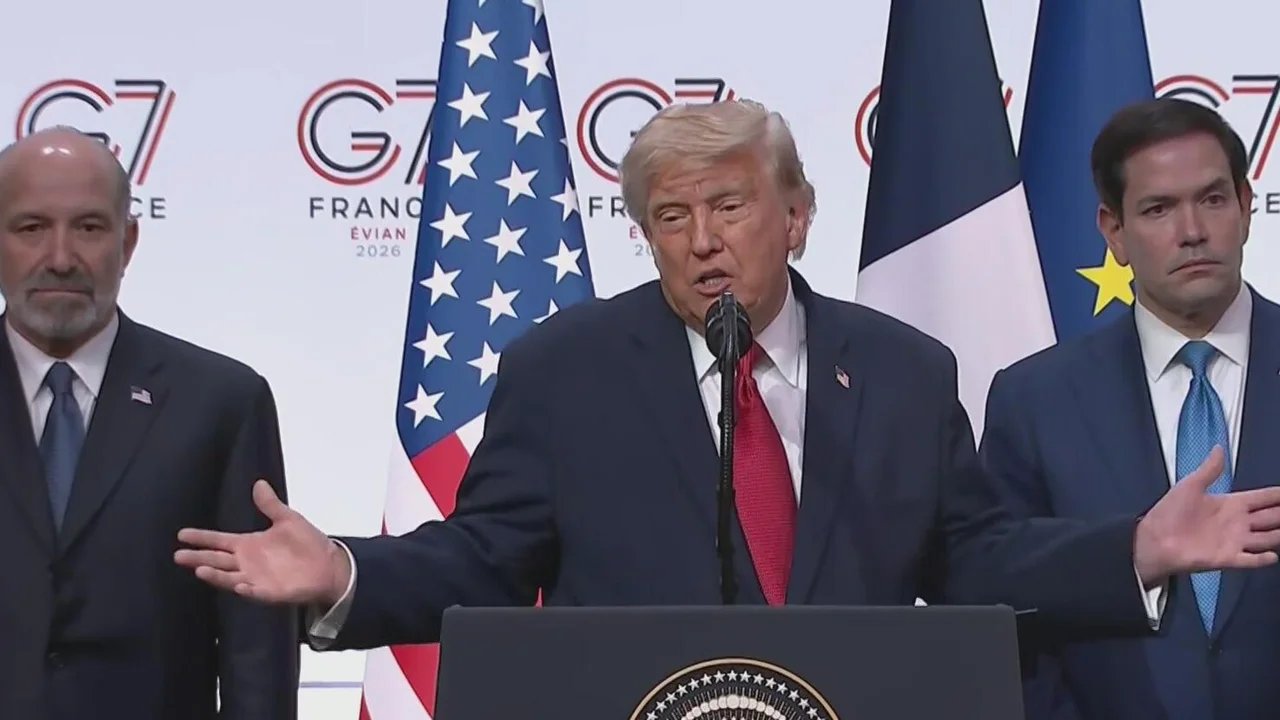
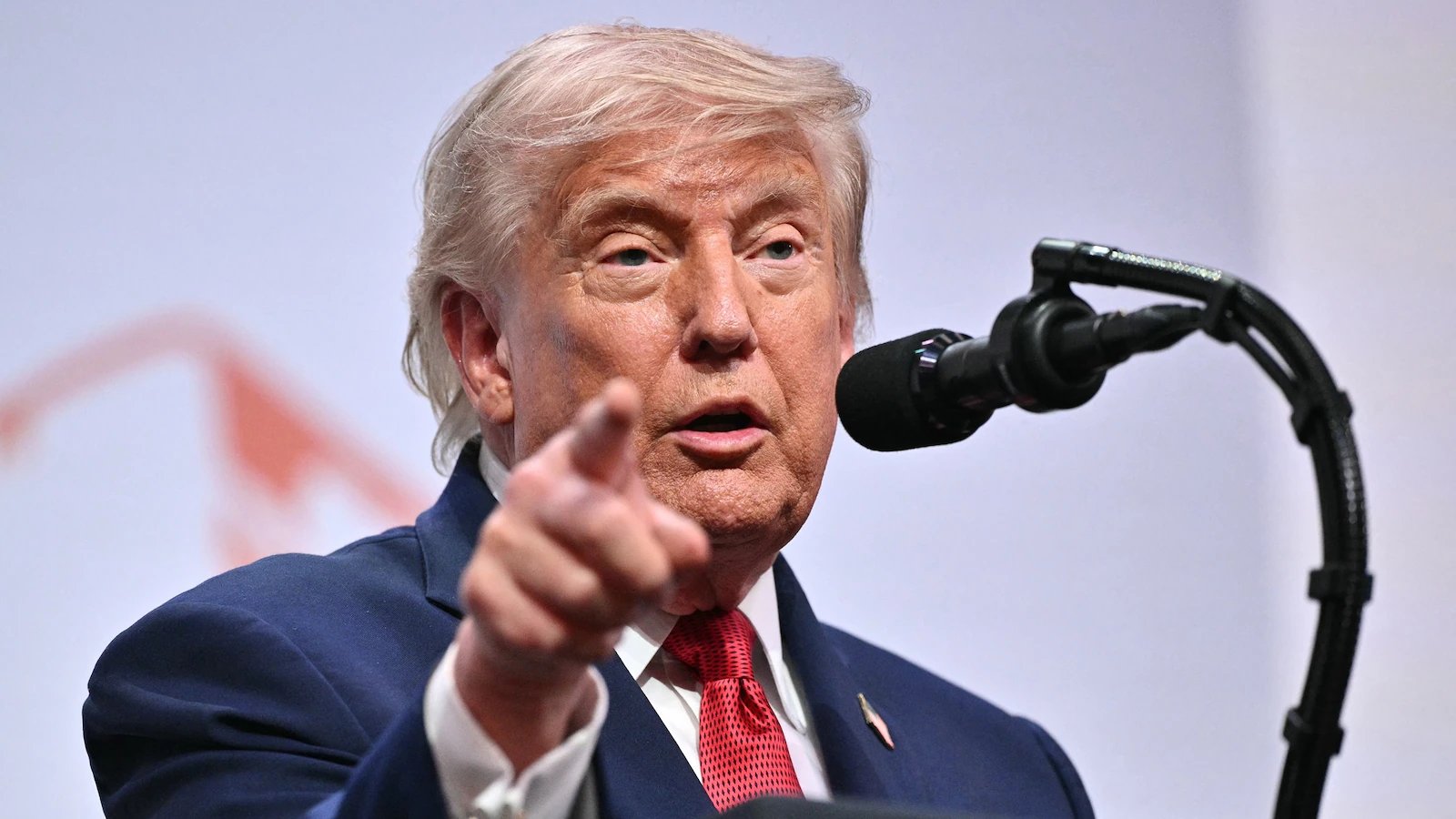
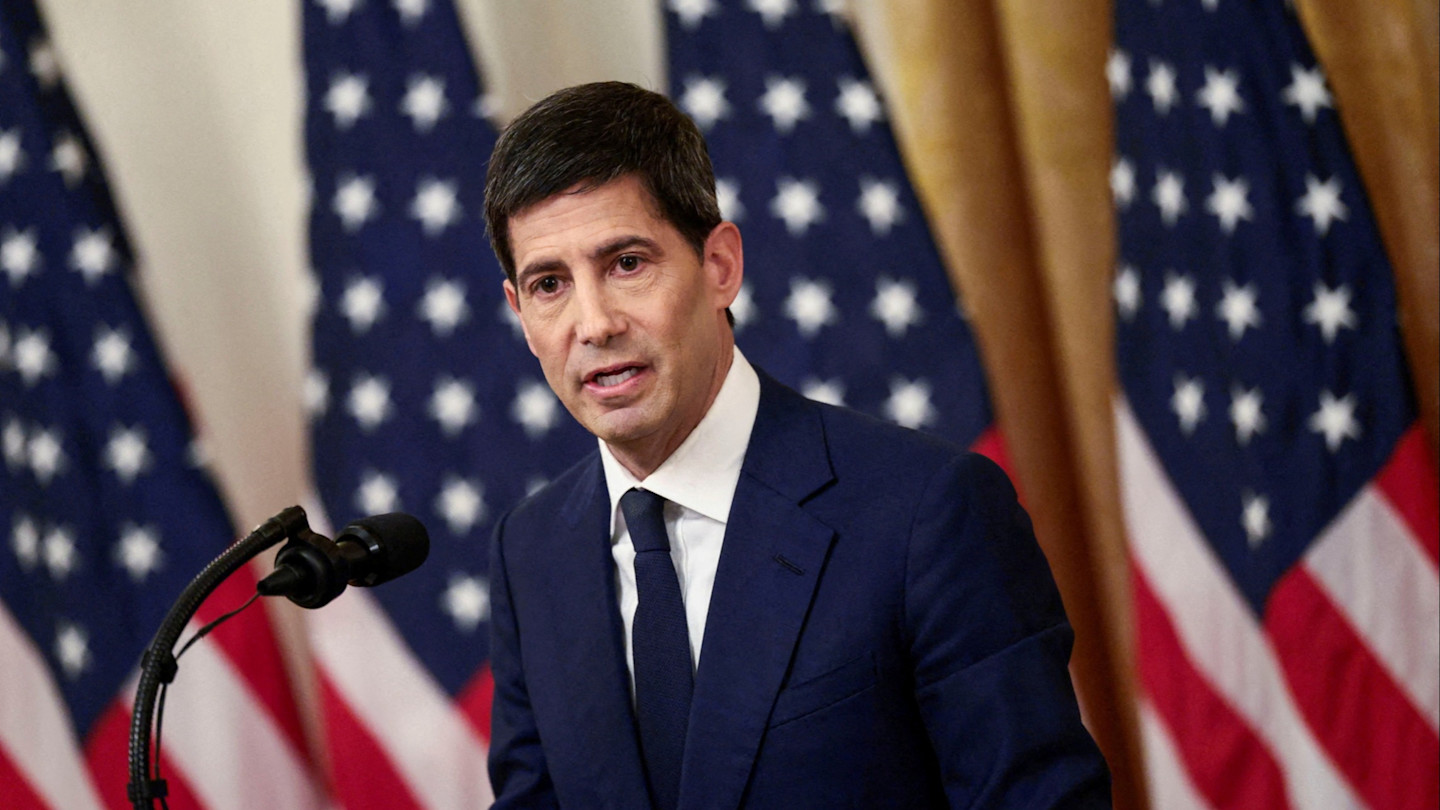
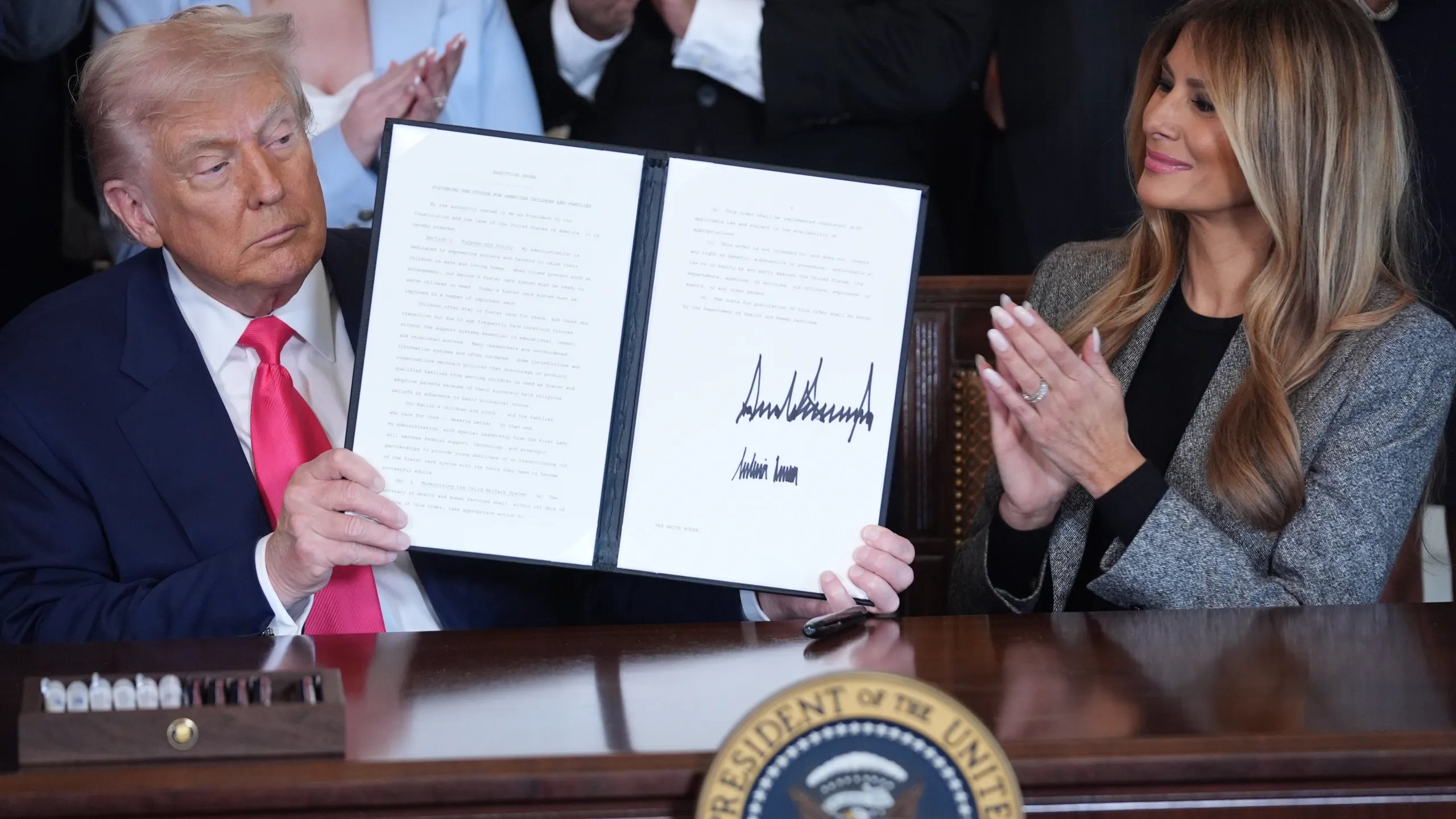
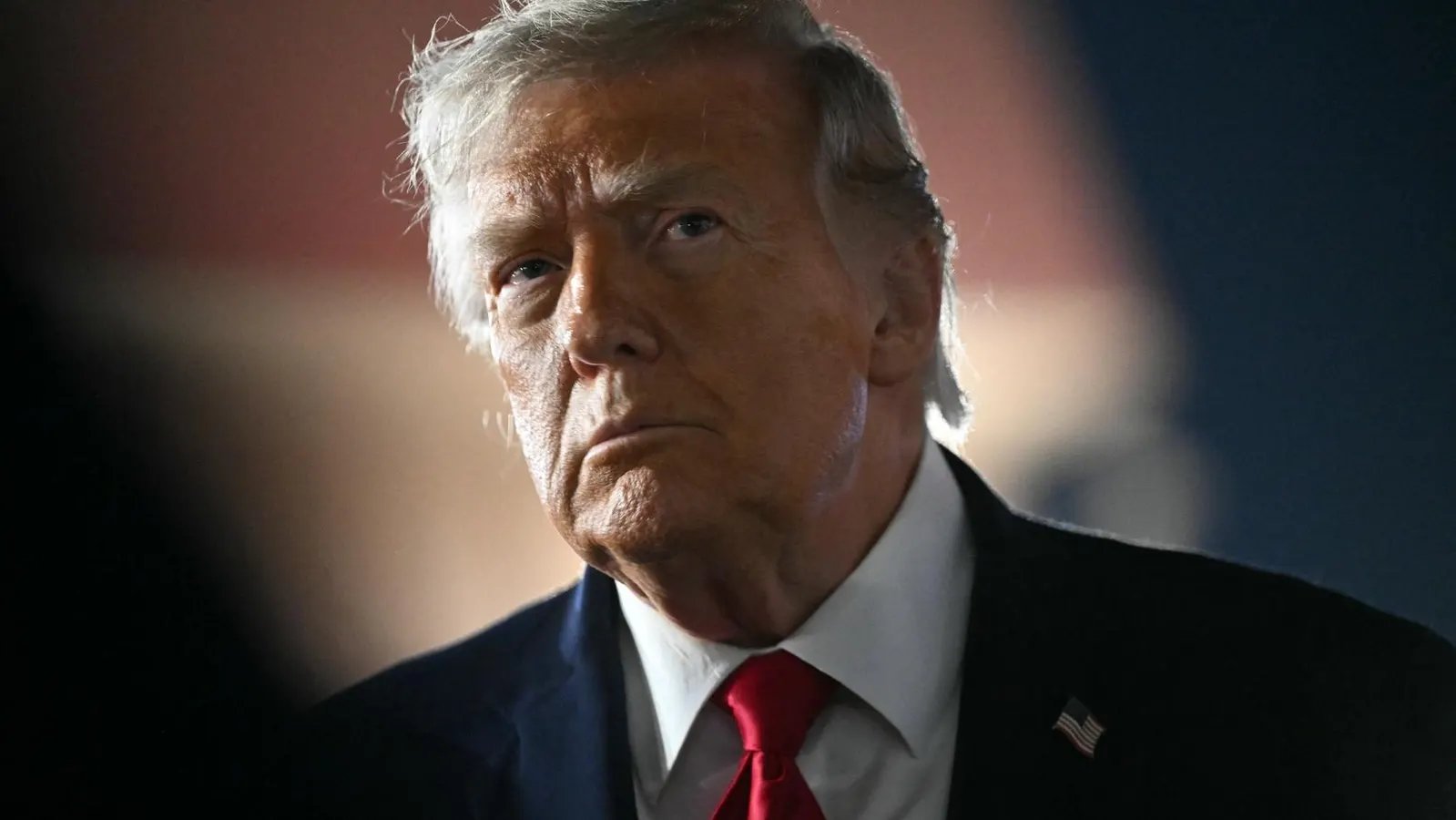
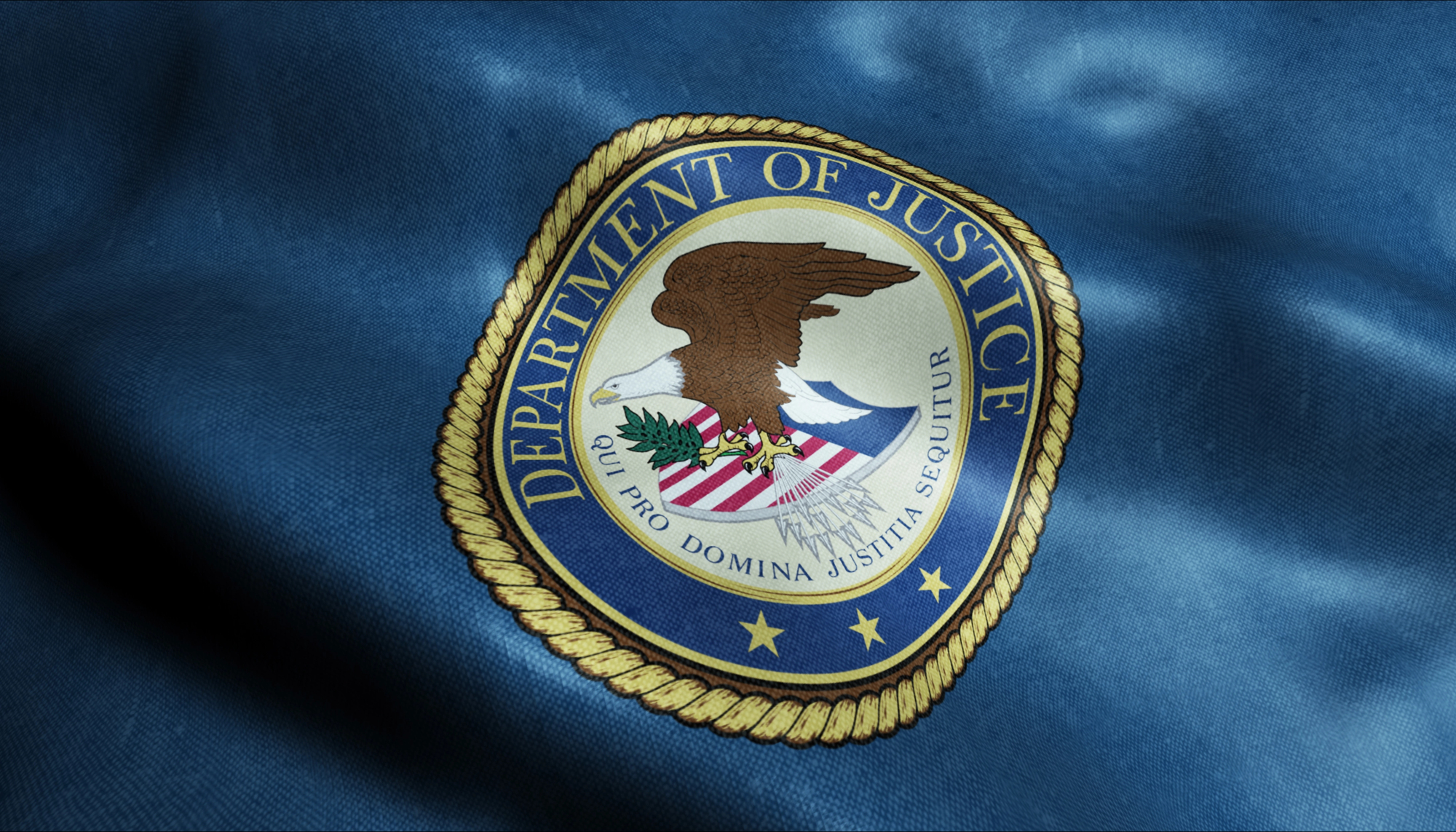
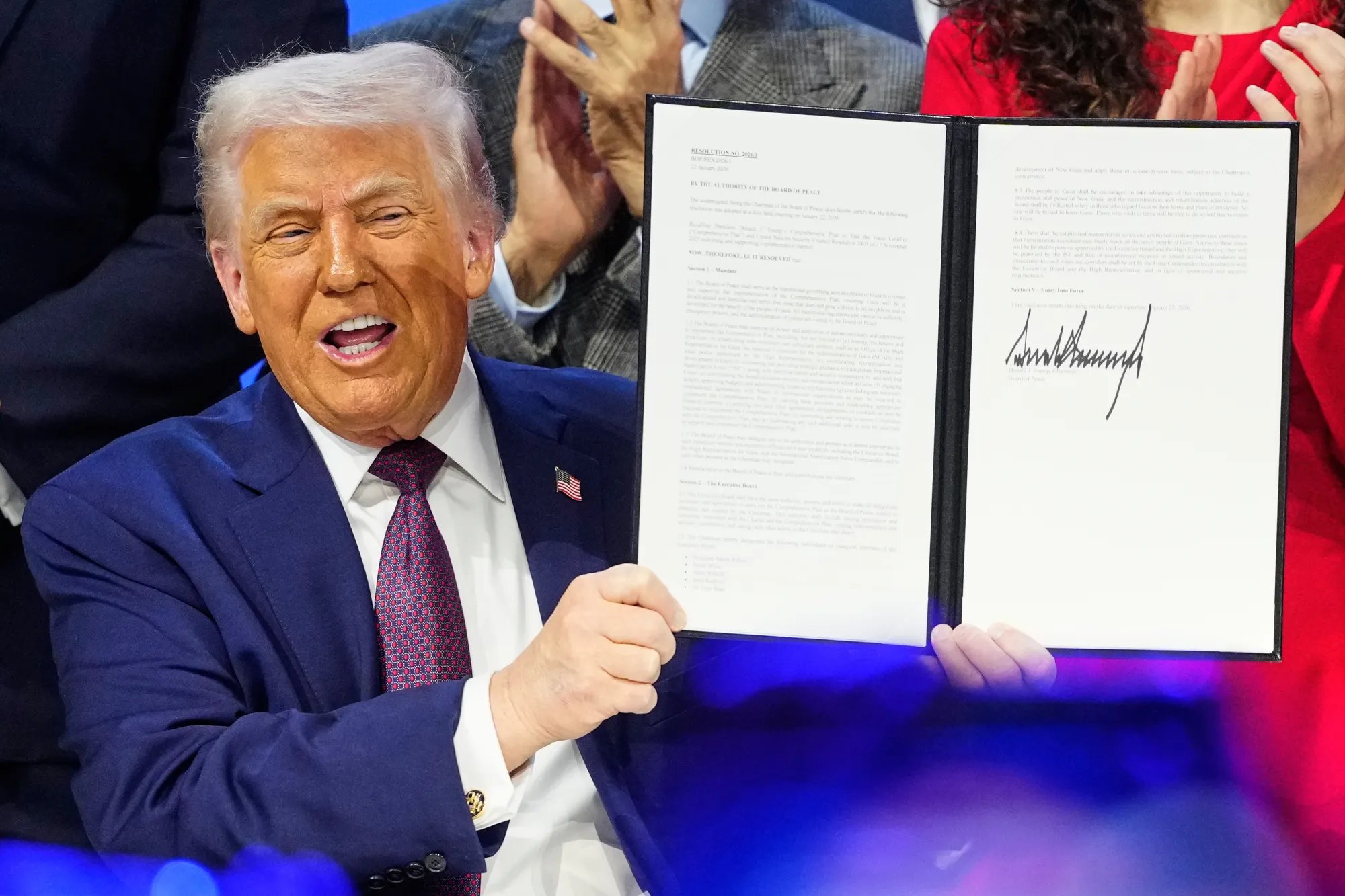
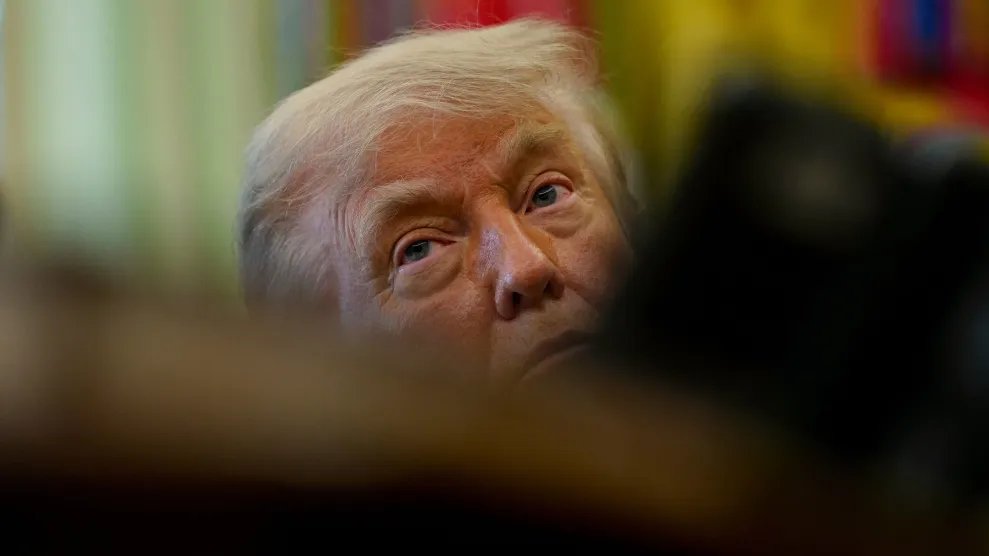
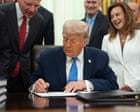
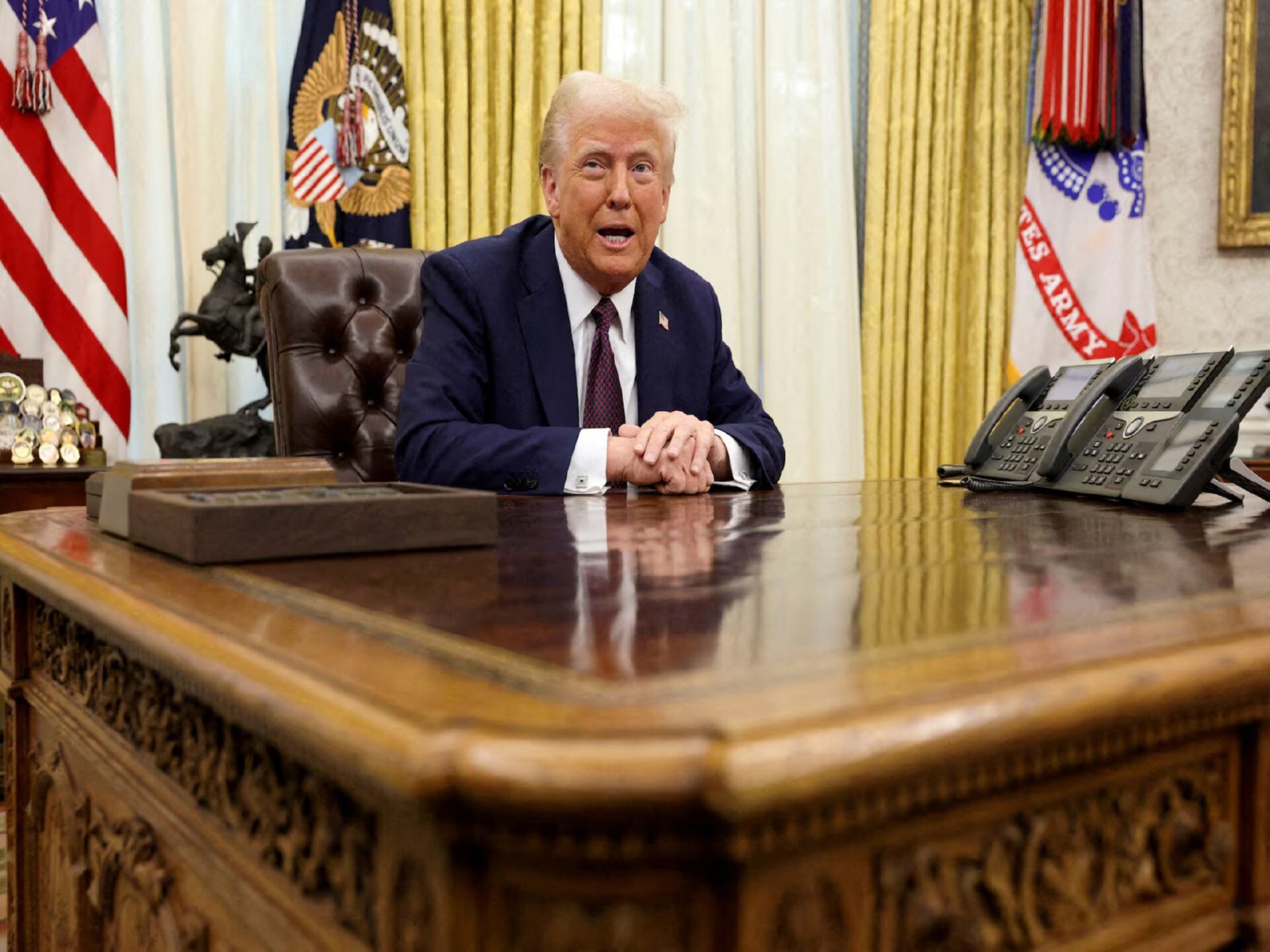
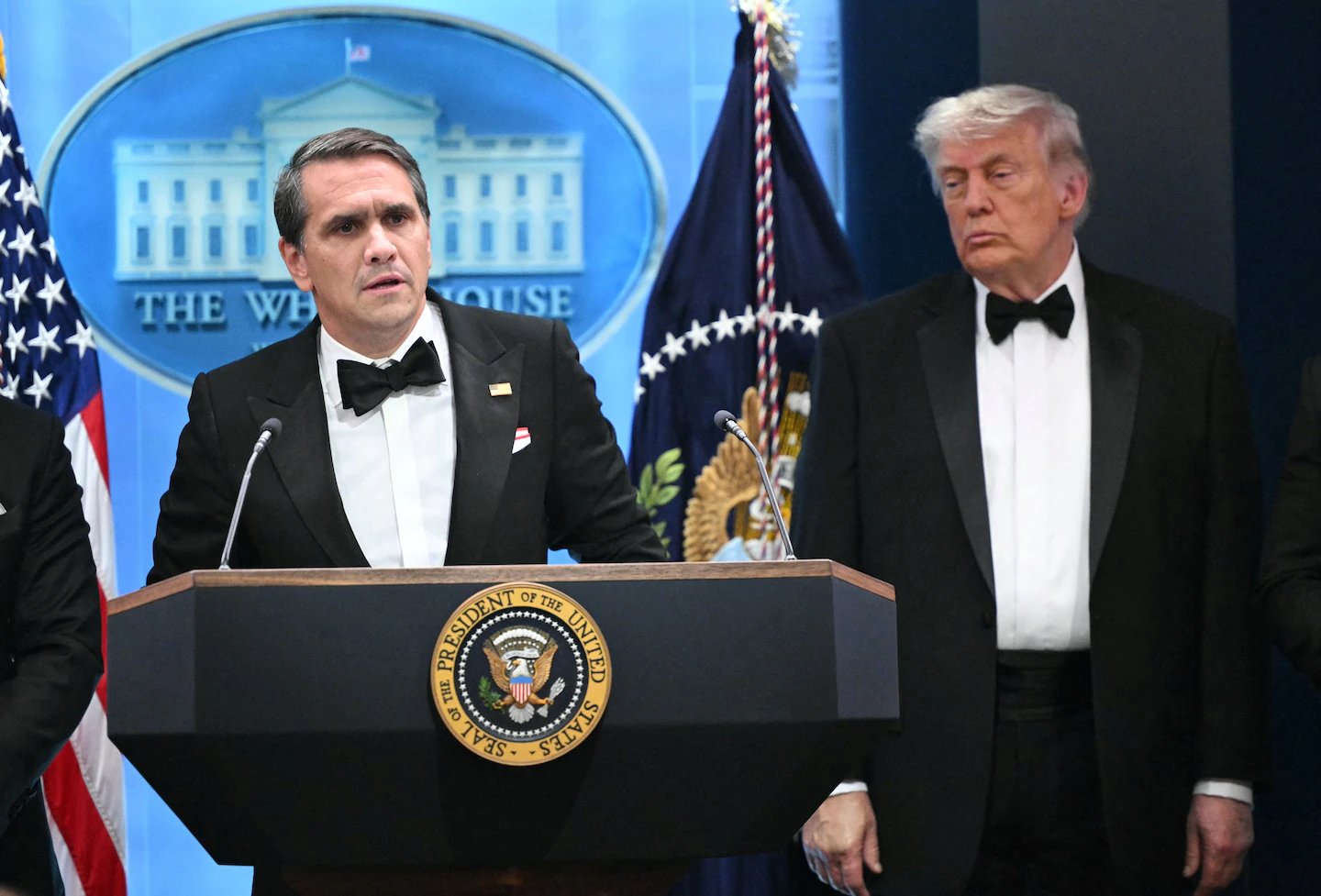
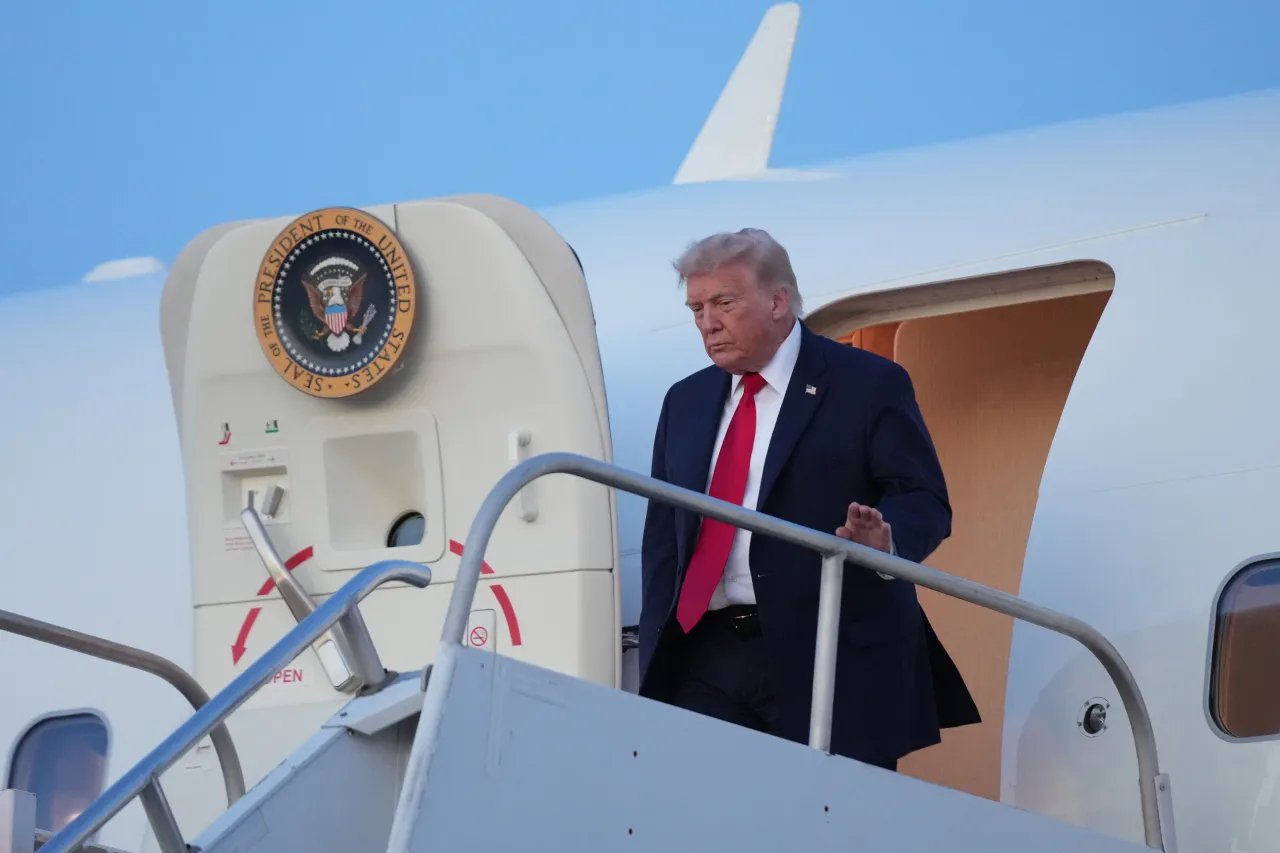
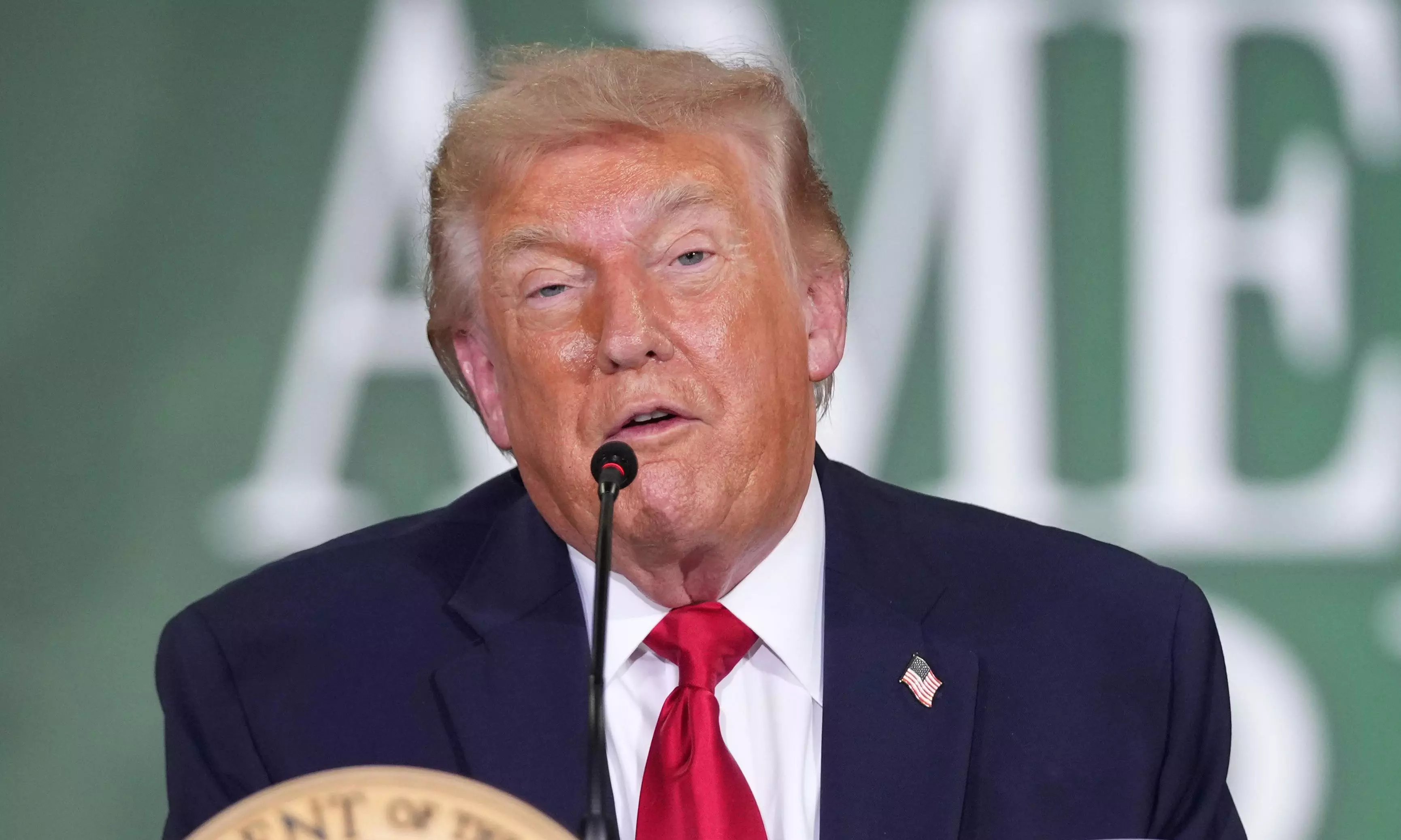
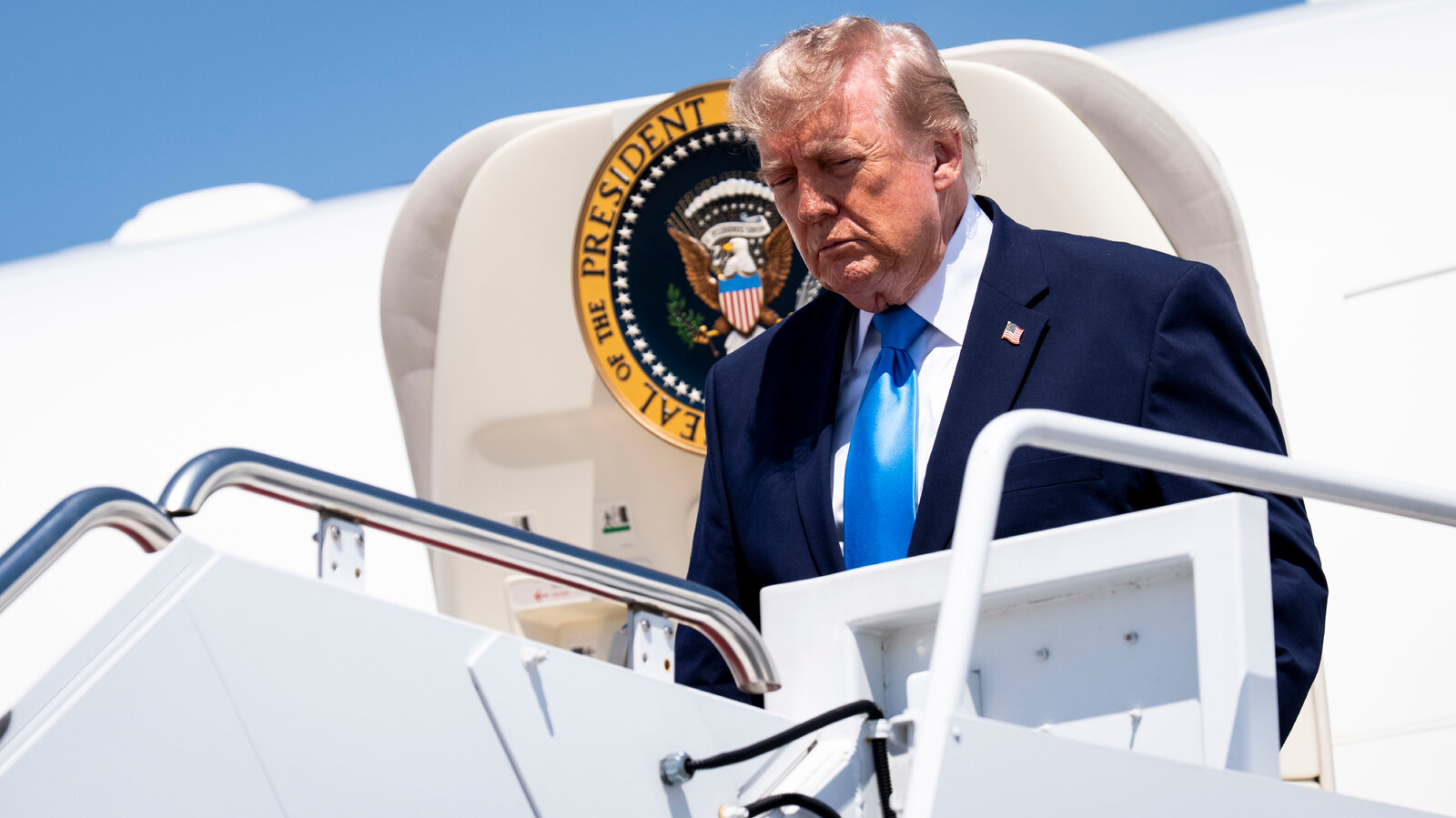
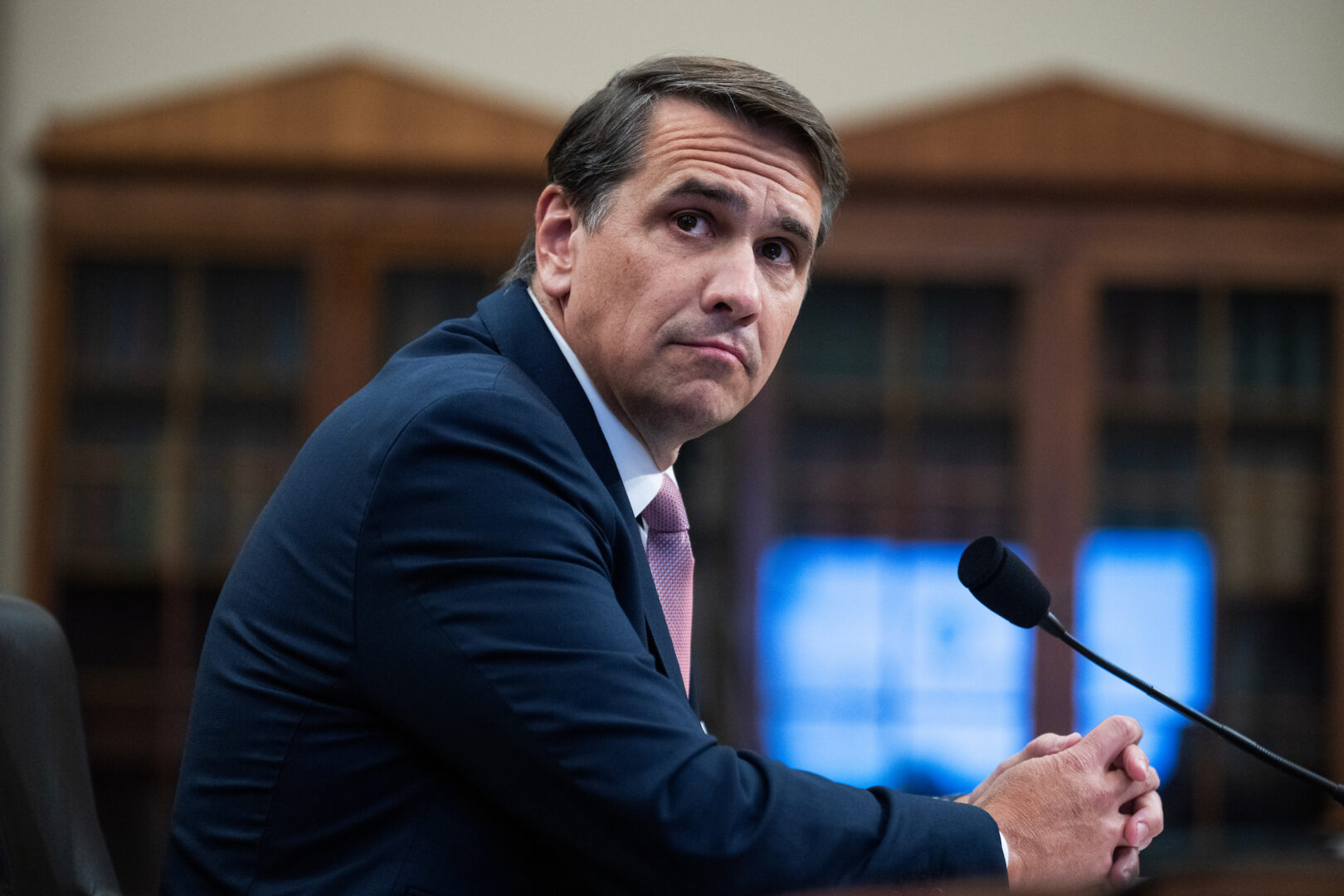
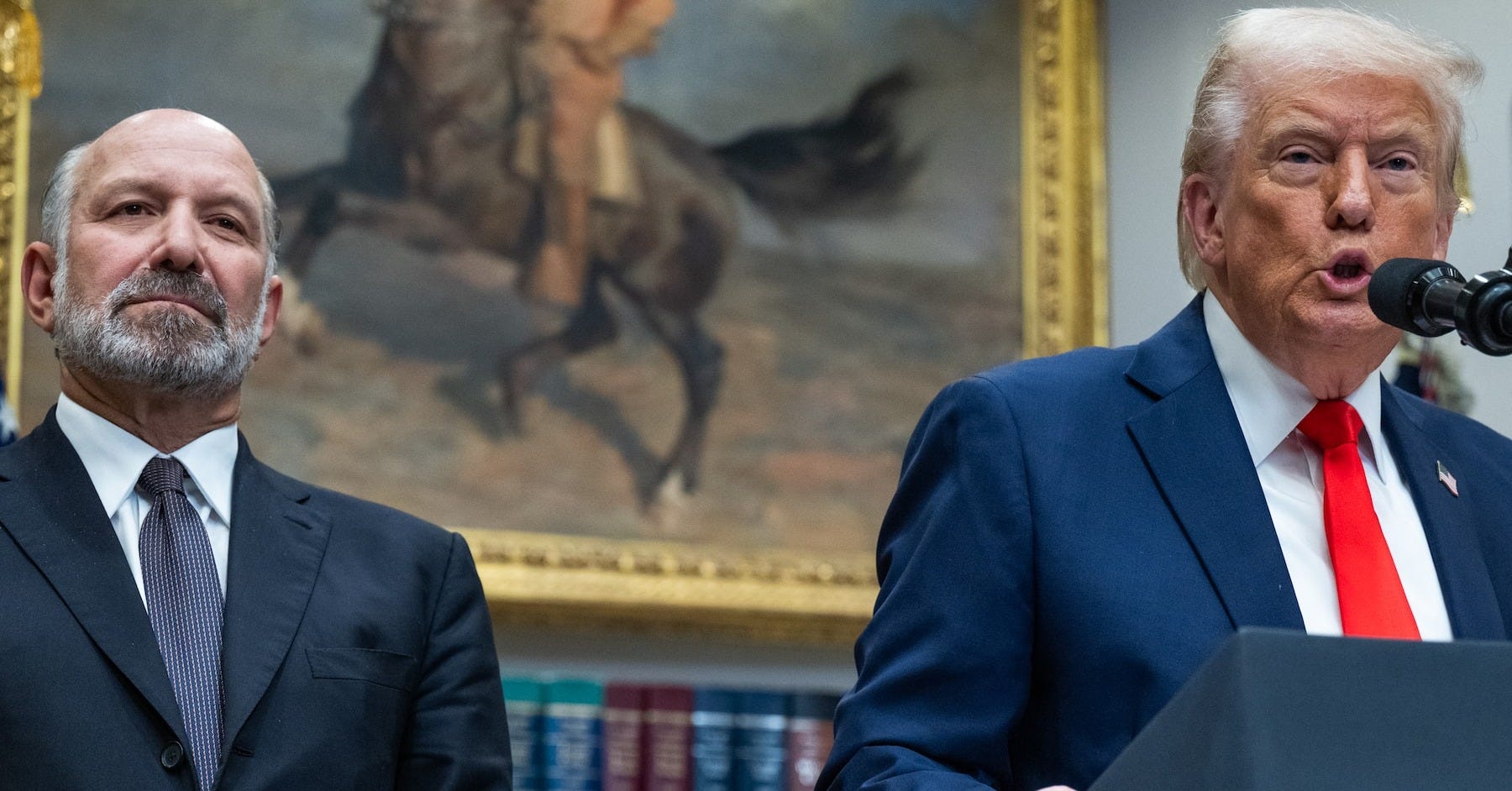
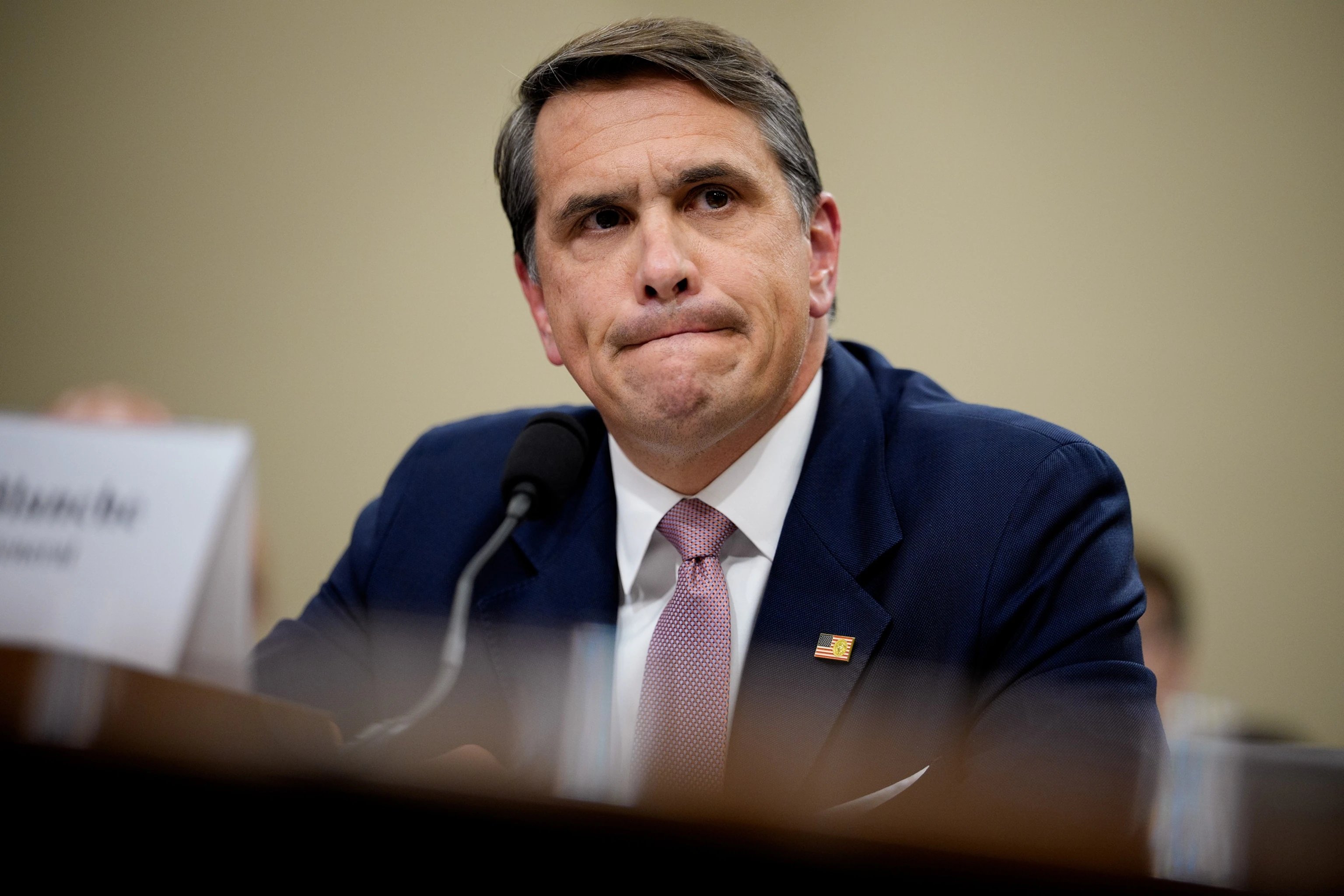
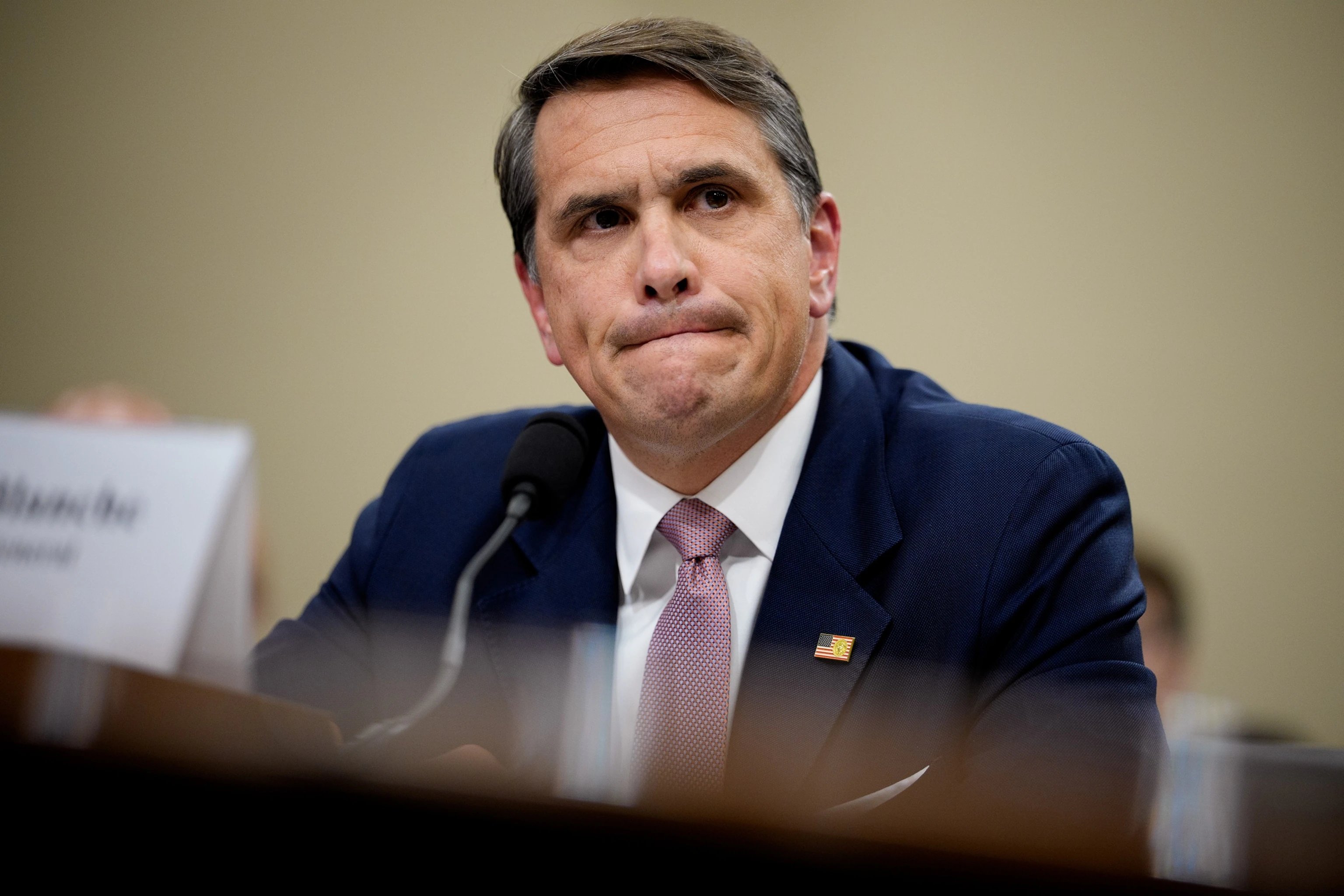
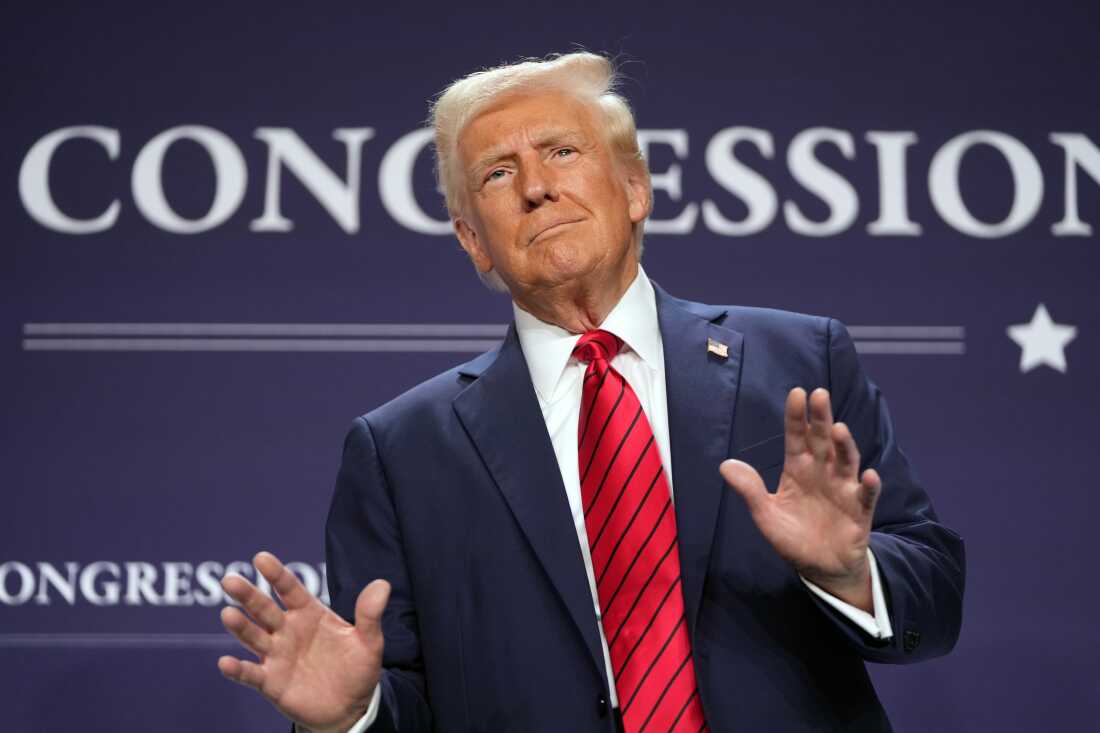
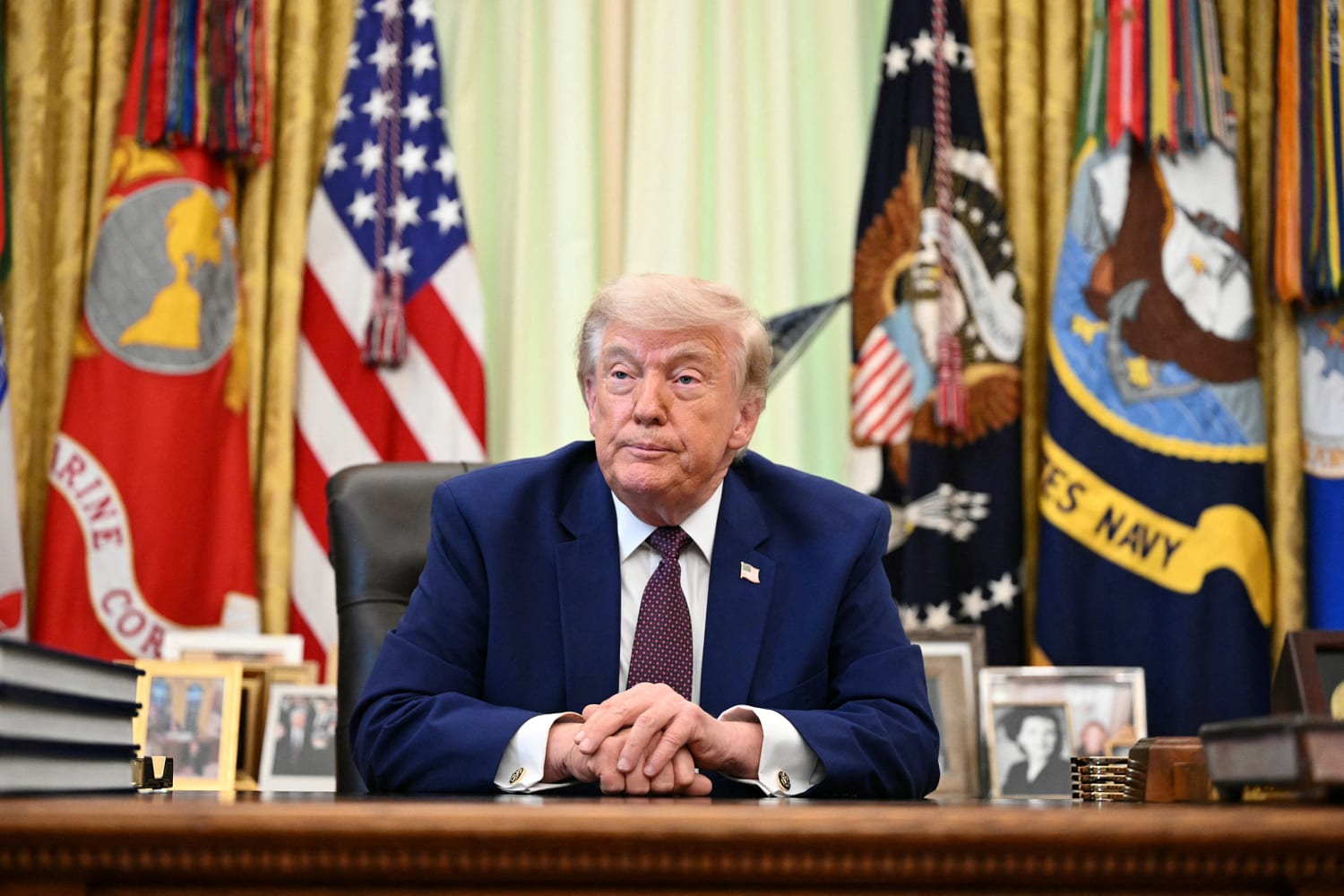
President Donald Trump expressed uncertainty about the status of his proposed $1.8 billion "anti-weaponization" fund, stating, "I'd have to ask the lawyers. I don't know." His comments came after Acting Attorney General Todd Blanche announced that the Justice Department would not move forward with the fund, which aimed to compensate individuals claiming to be victims of a "weaponized" government. This statement follows a federal judge's temporary block on the fund, intensifying scrutiny over its legality and purpose.
Bipartisan Backlash Against the Fund
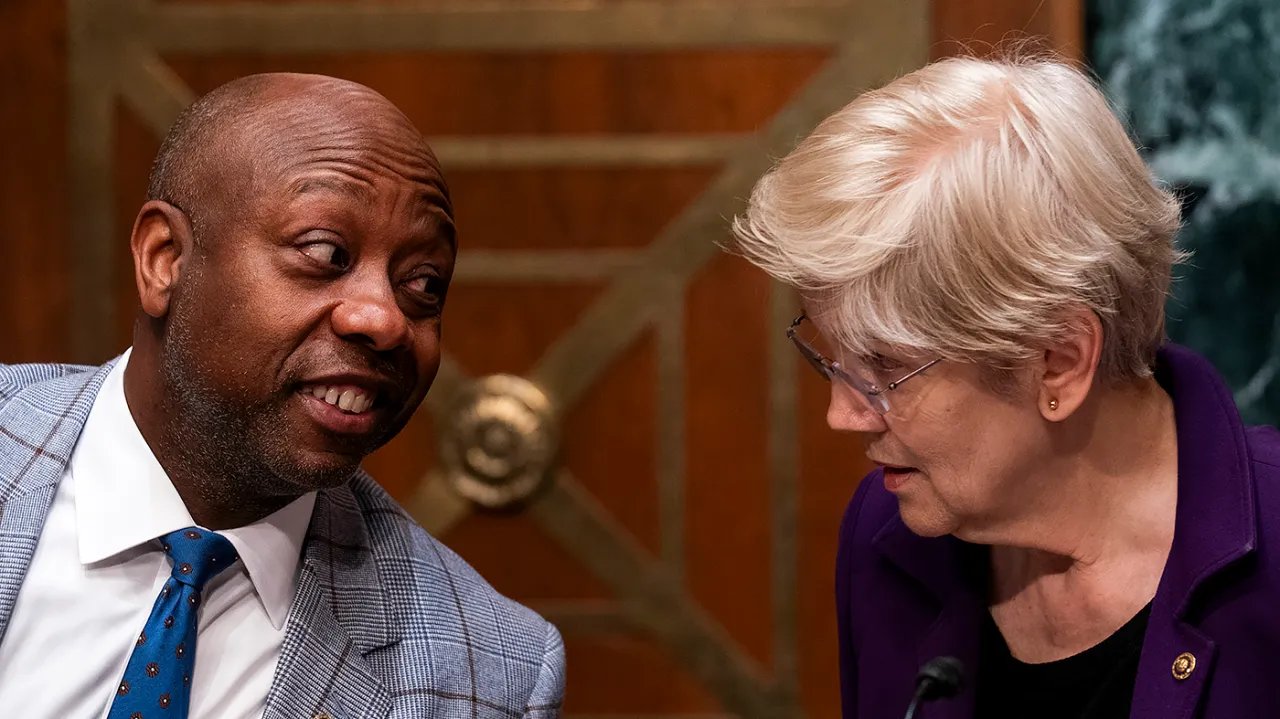
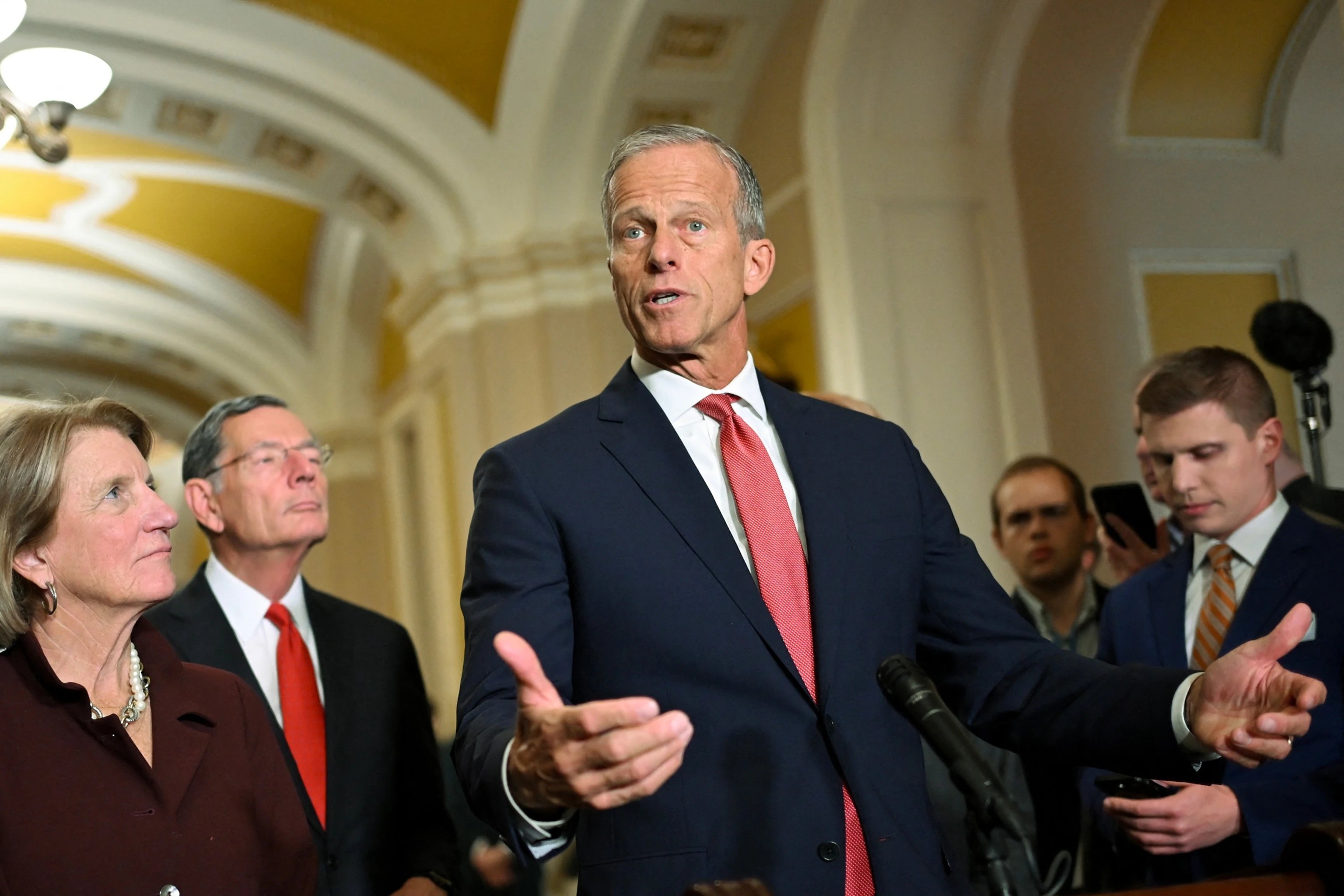
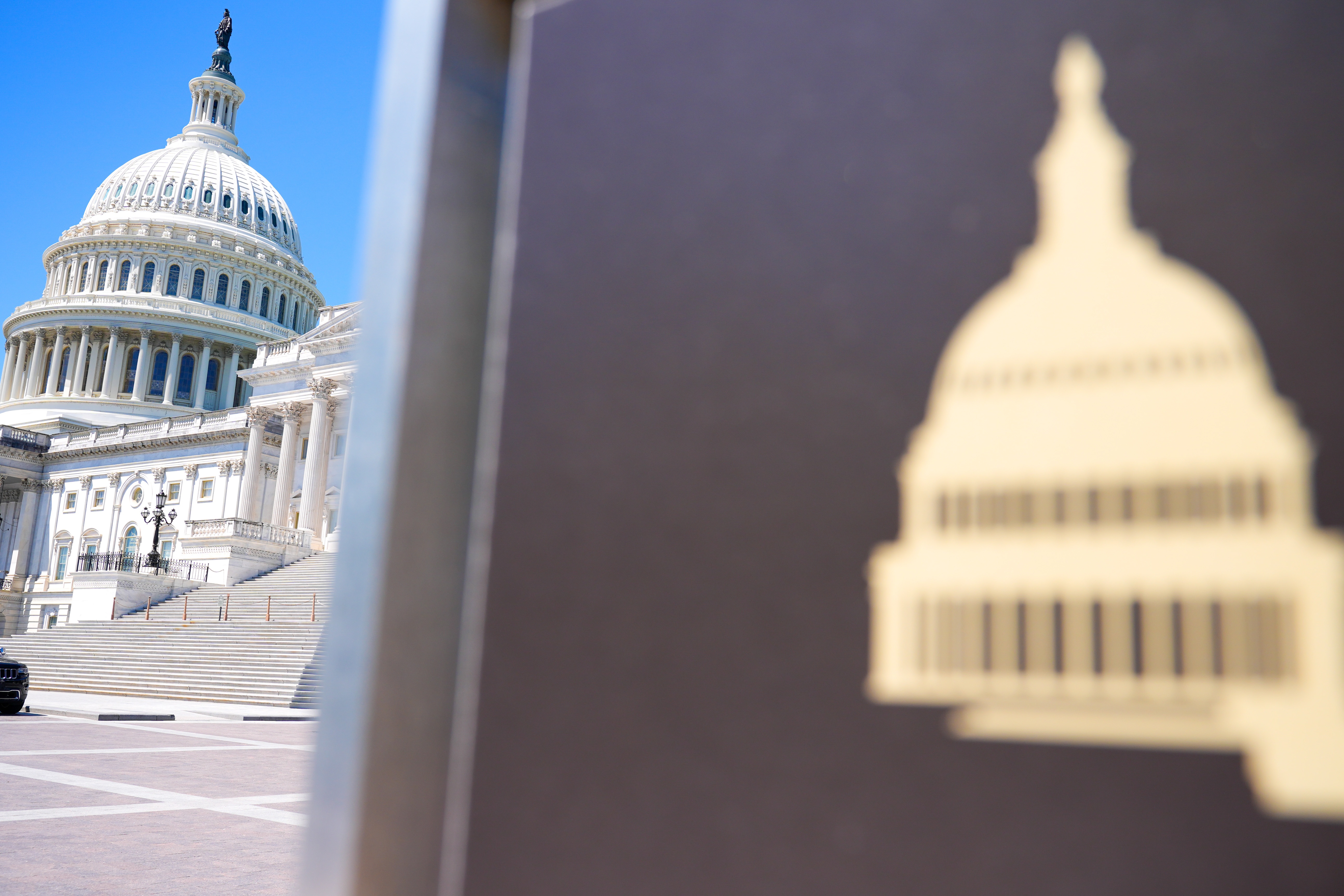
Democrats have strongly criticized the fund. Senate Minority Leader Chuck Schumer tweeted that the situation underscores the necessity for Democrats to push for legislation to permanently eliminate the fund. Senator Ed Markey emphasized that Congress must act decisively to prevent what he termed a "corrupt slush fund" from being established, highlighting the urgency of legislative intervention.
Legal Issues Surrounding the Fund
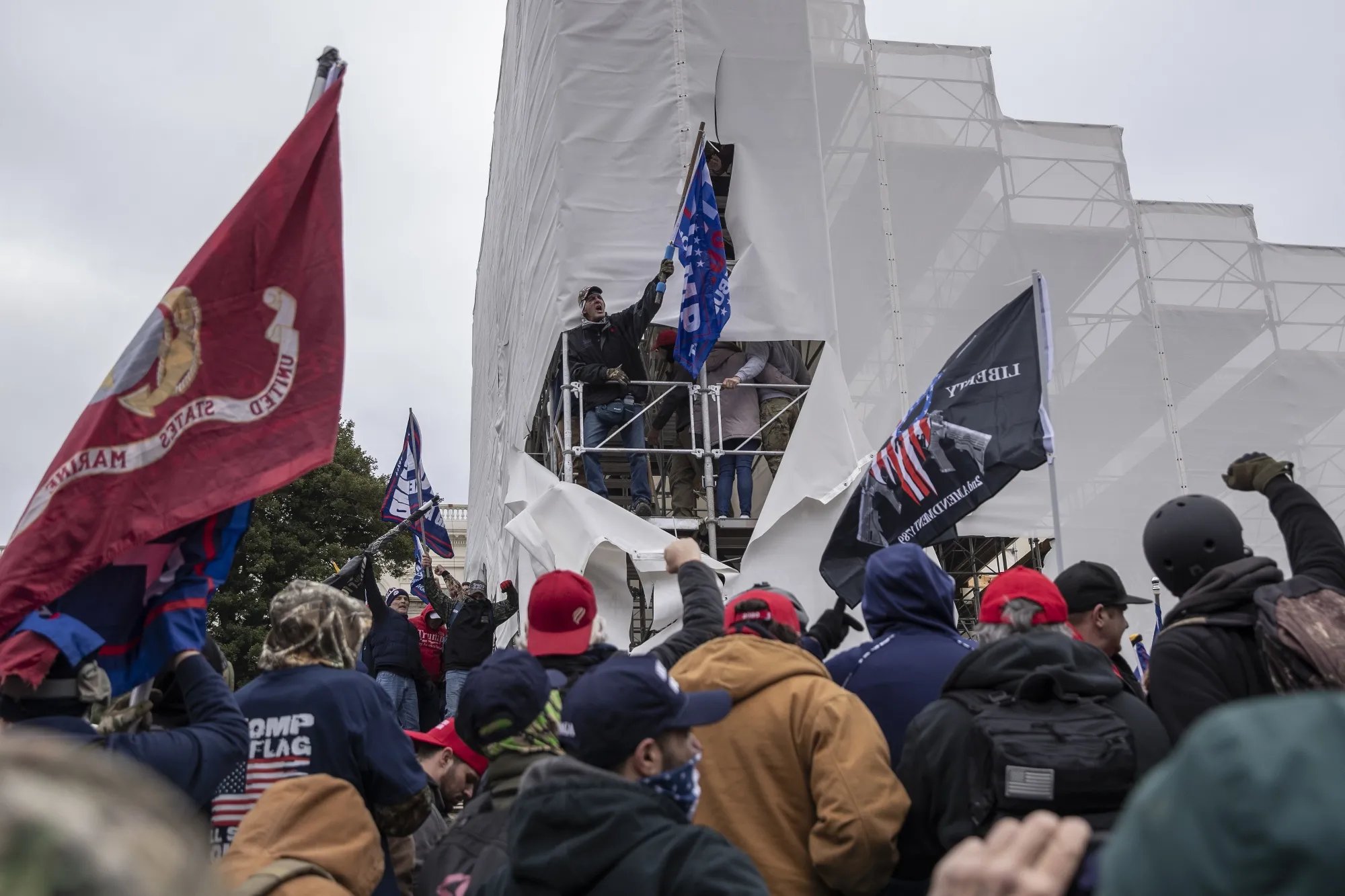
The fund was initially created as part of a settlement between Trump and the IRS, which followed Trump's lawsuit against the agency over leaked tax documents. The fund was designed to compensate Trump allies who were victims of what the administration termed lawfare and weaponization. Administration officials did not rule out providing compensation to Jan. 6 rioters pardoned by Trump. The Justice Department's decision not to pursue the fund aligns with Blanche's assertion during a congressional hearing that the department is "not moving forward with the fund, period."
Questions About Legal Protections for Trump
In addition to the fund, the settlement included a controversial provision shielding Trump and his family from liability for tax violations and other federal offenses prior to May 19. This addendum has raised eyebrows, as it appears to provide Trump with significant legal protection, potentially saving him from over $100 million in penalties. Critics argue that this arrangement raises ethical concerns, suggesting that it allows Trump to evade accountability for actions that would typically subject ordinary citizens to legal repercussions.
Ongoing Investigations and Legal Scrutiny
The settlement and its provisions are now under investigation, with former federal judges questioning whether the case was handled appropriately by the Justice Department. A U.S. District Judge has ordered the government to respond to allegations of collusion and whether the case should be reopened due to potential fraud. As these legal challenges unfold, the implications for Trump and the integrity of the Justice Department remain significant.
Implications for Future Legislation
The ongoing controversy surrounding the fund and its associated legal protections could have lasting effects on future legislation. Several congressional members have indicated a desire to ensure that similar funds cannot be created without thorough oversight. As lawmakers continue to respond to the unfolding situation, the potential for new regulations aimed at preventing the misuse of taxpayer funds is increasingly likely.
The outcome of this situation could reshape the landscape of governmental financial assistance and accountability, impacting not only Trump but also the broader political climate. As Congress prepares to act, citizens remain watchful of developments that could affect their rights and the integrity of public funds.