




Shipping Resumes Despite Route Disputes
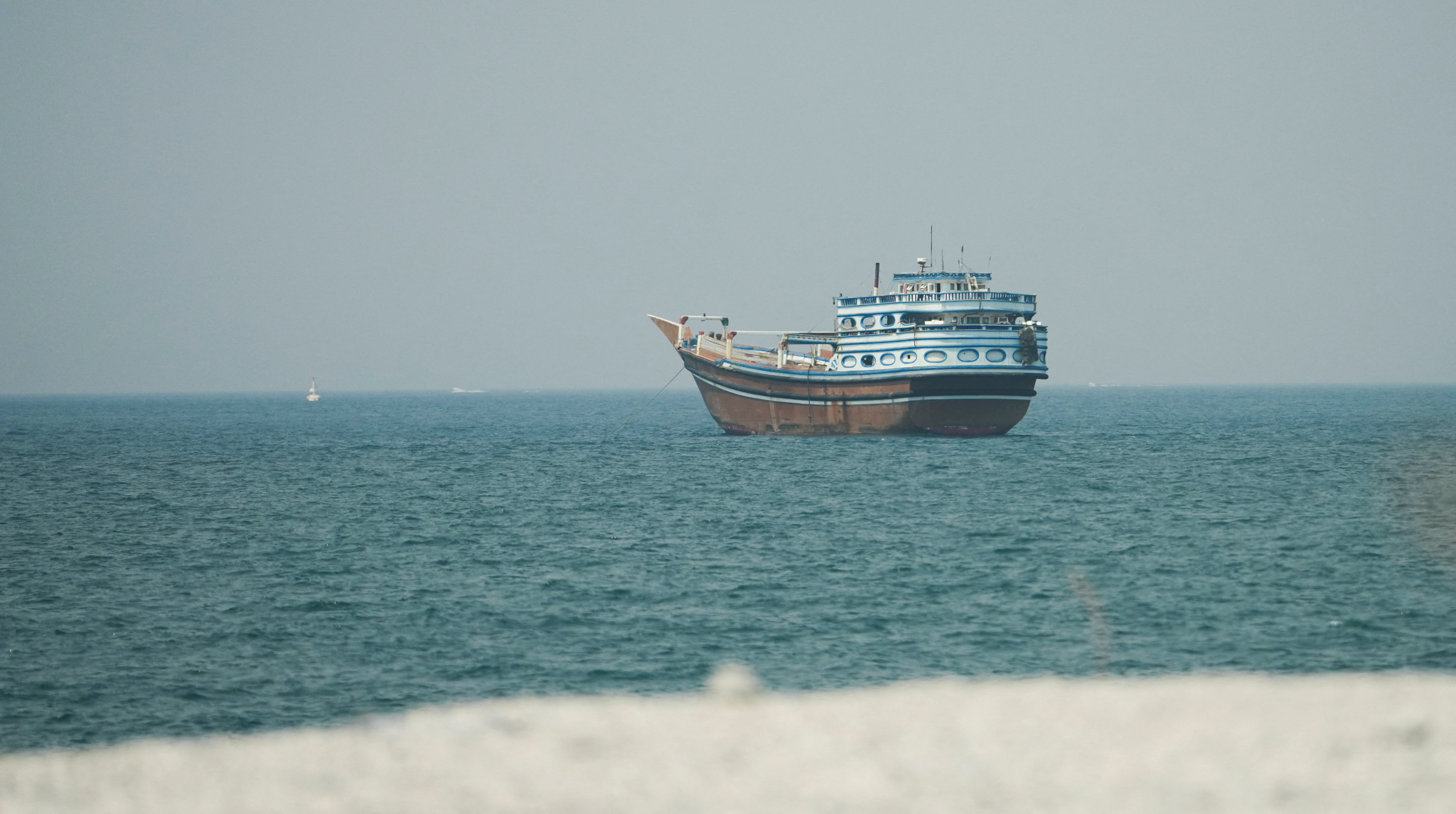
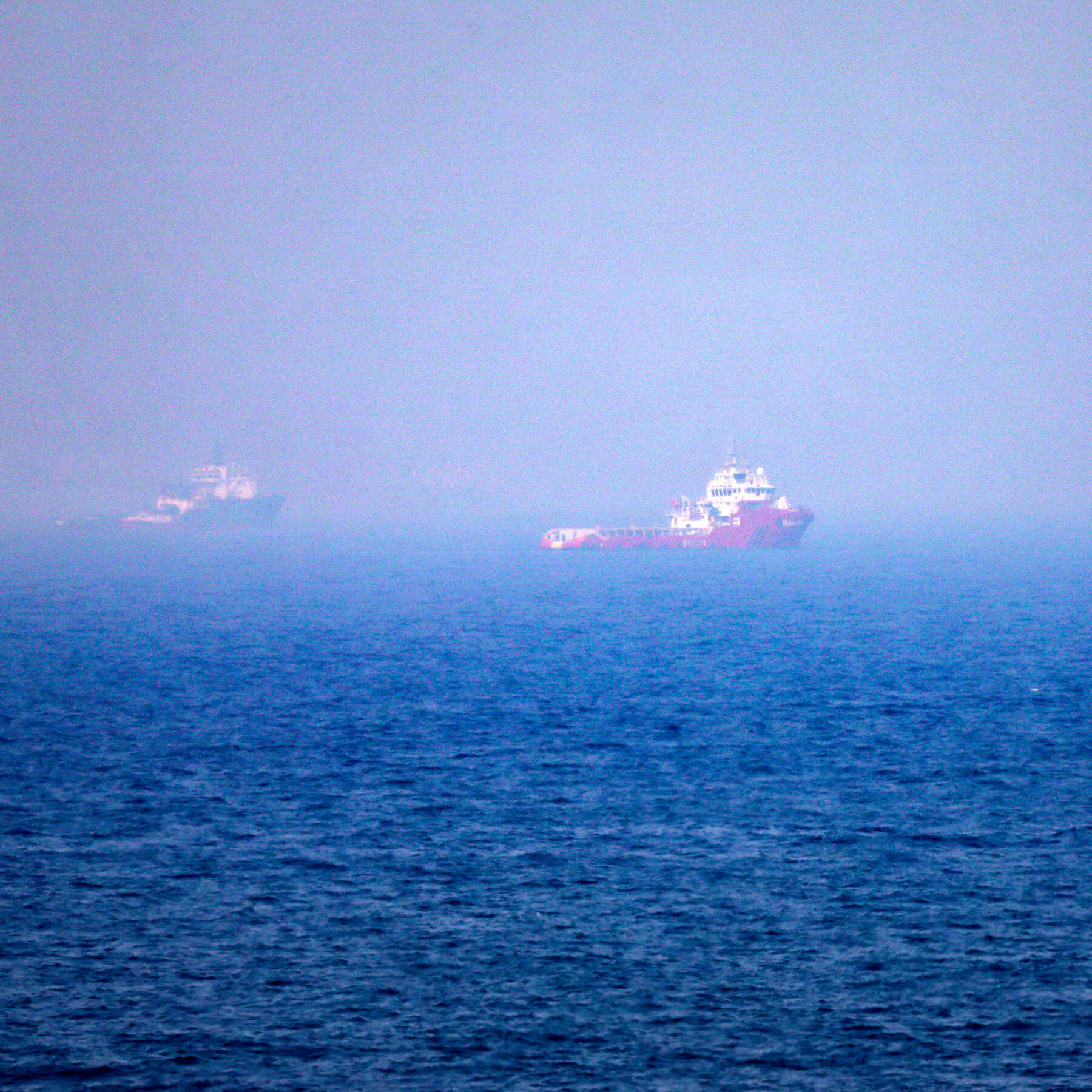
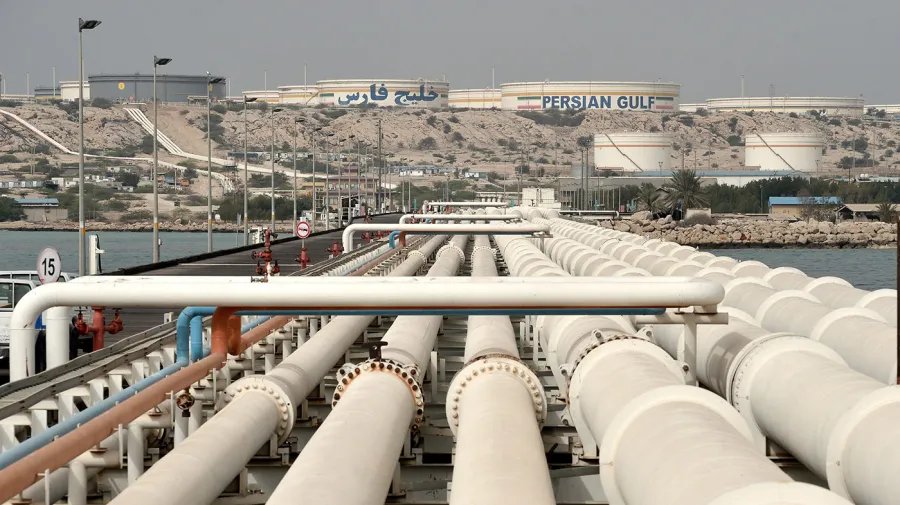
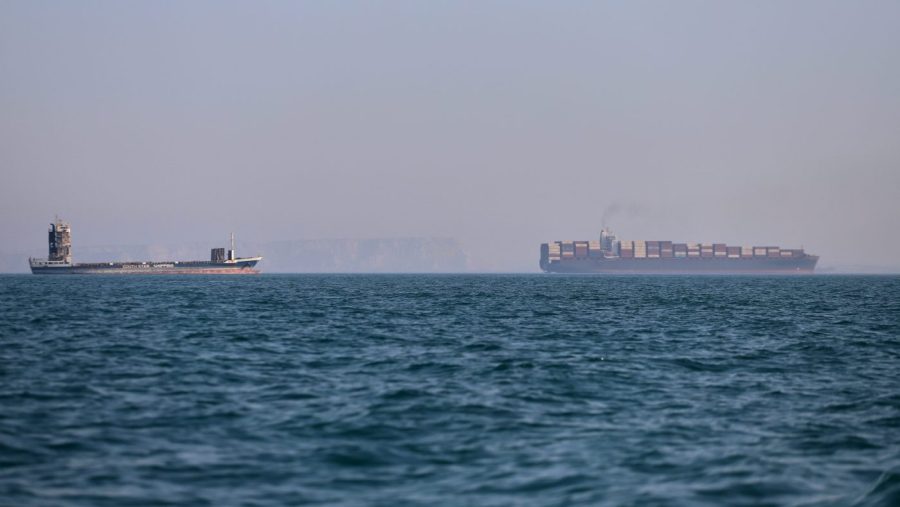
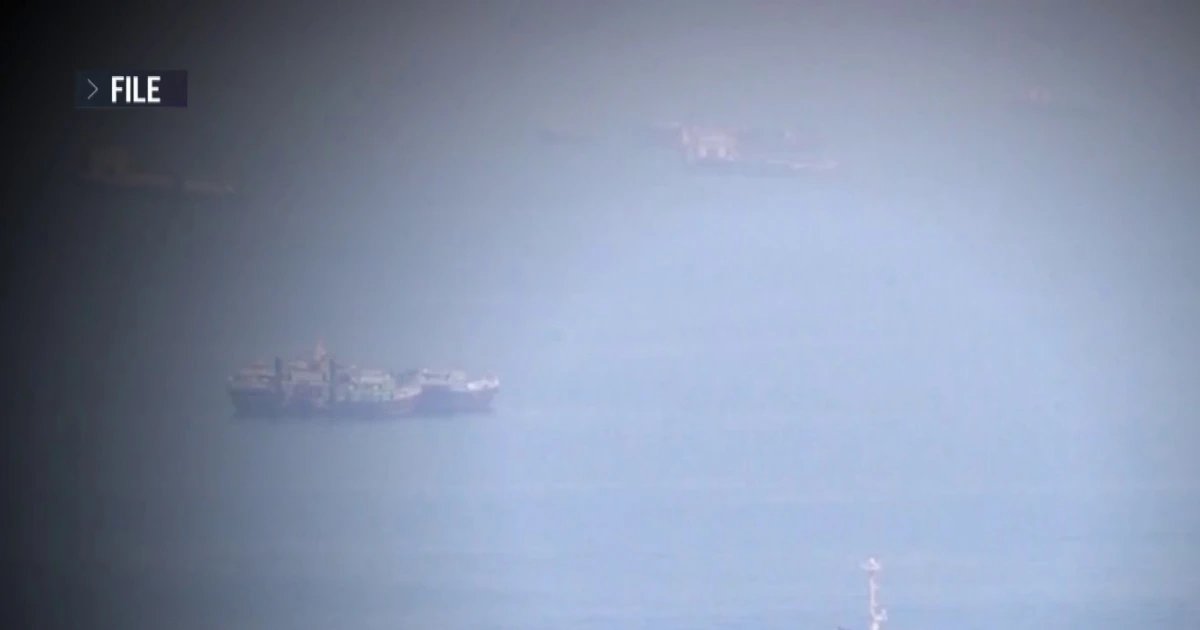
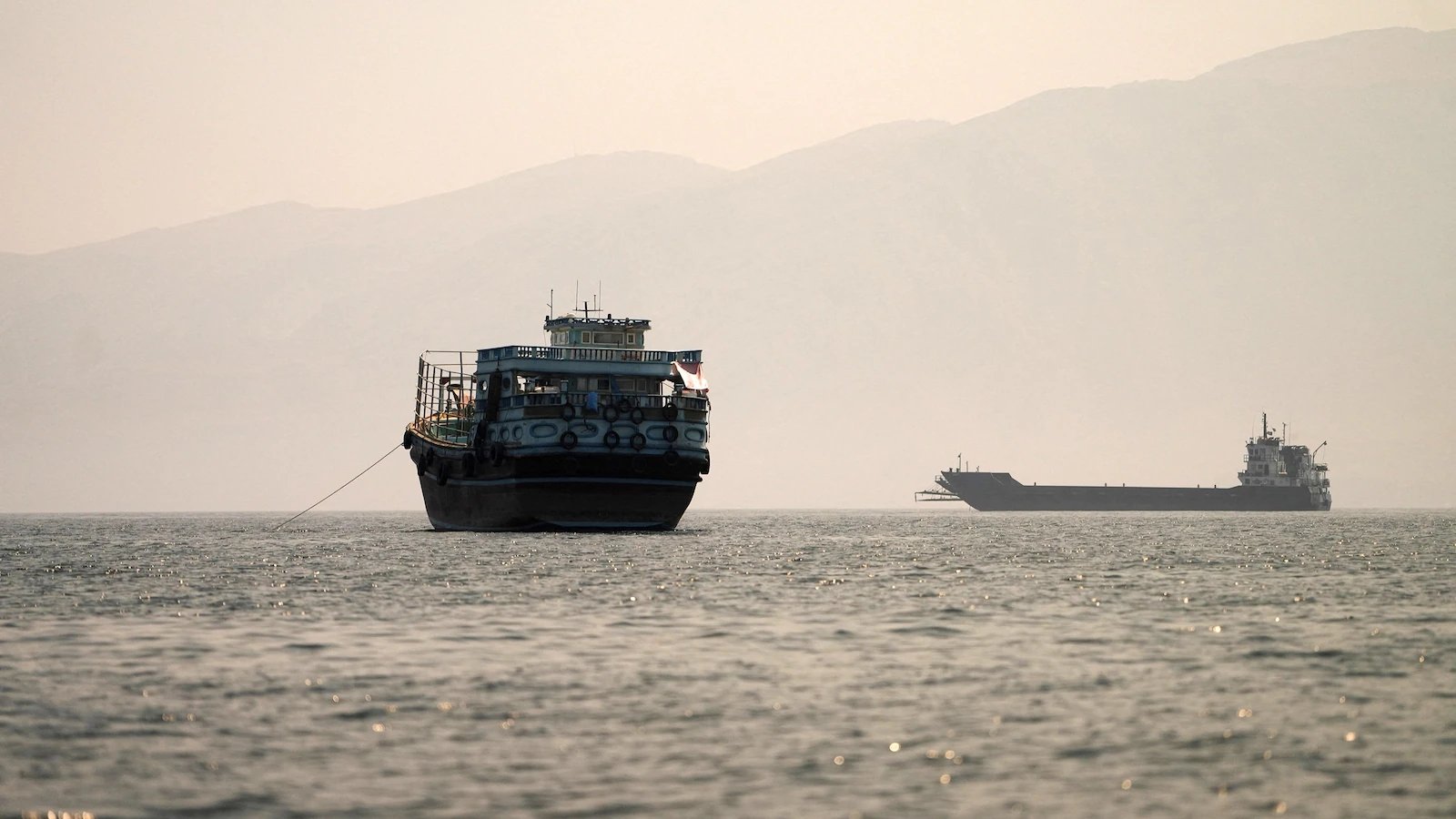
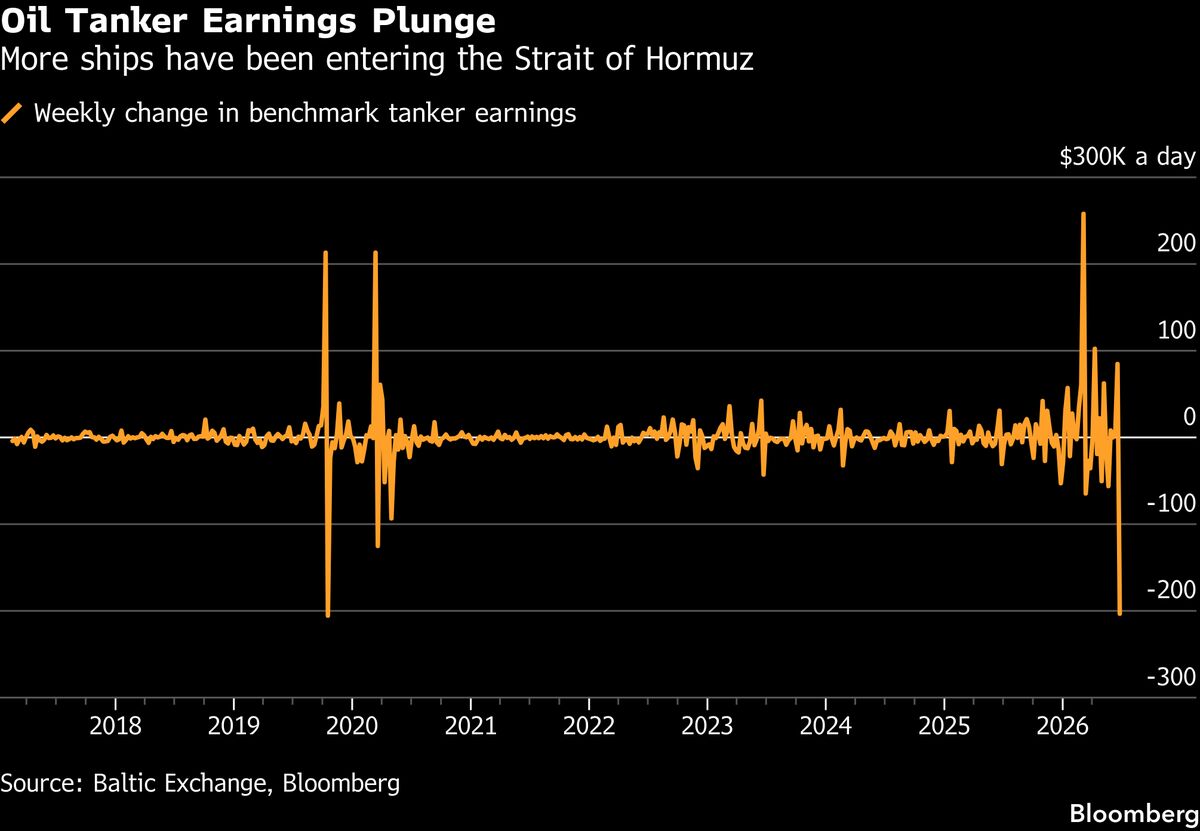
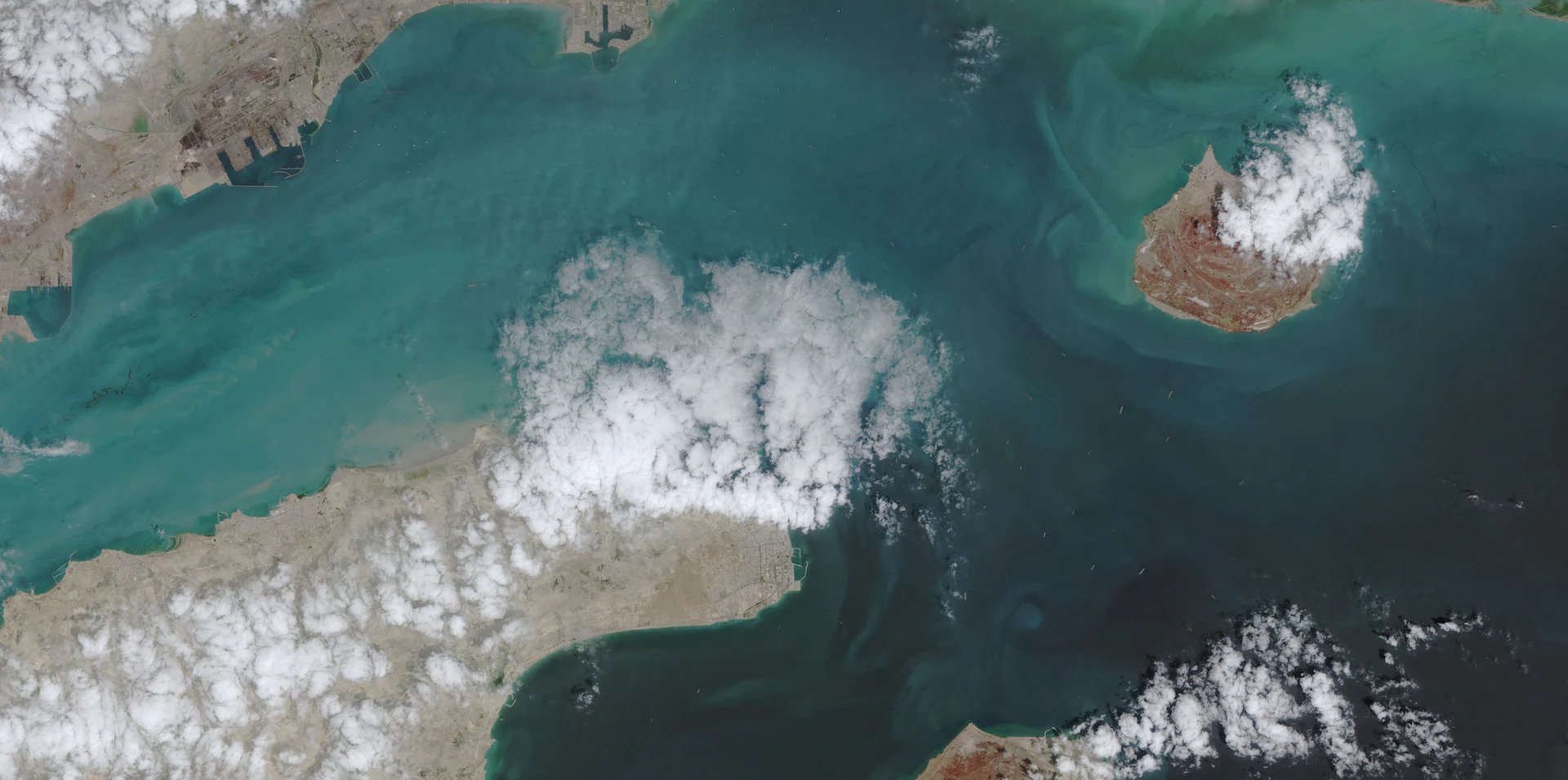
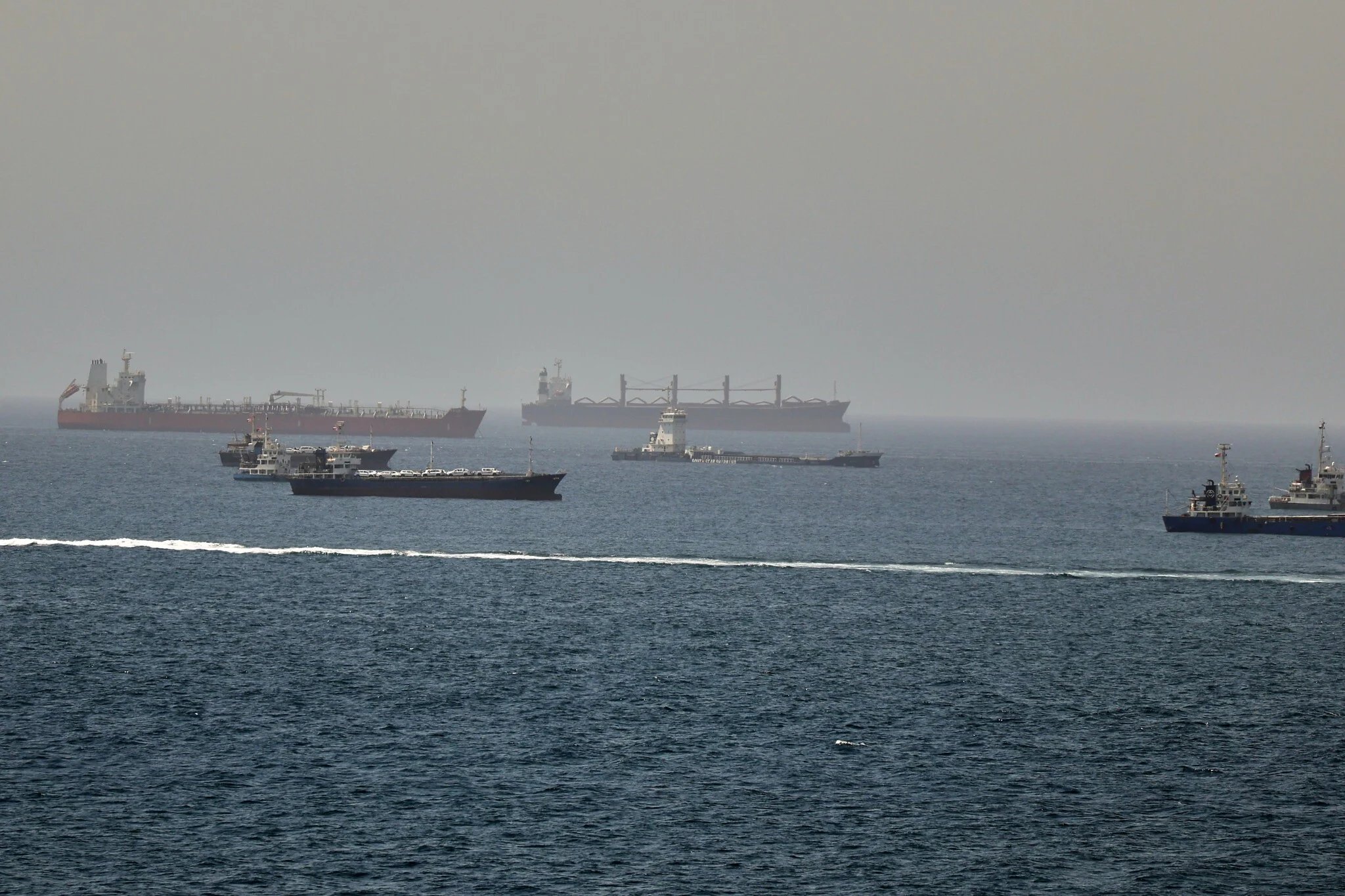
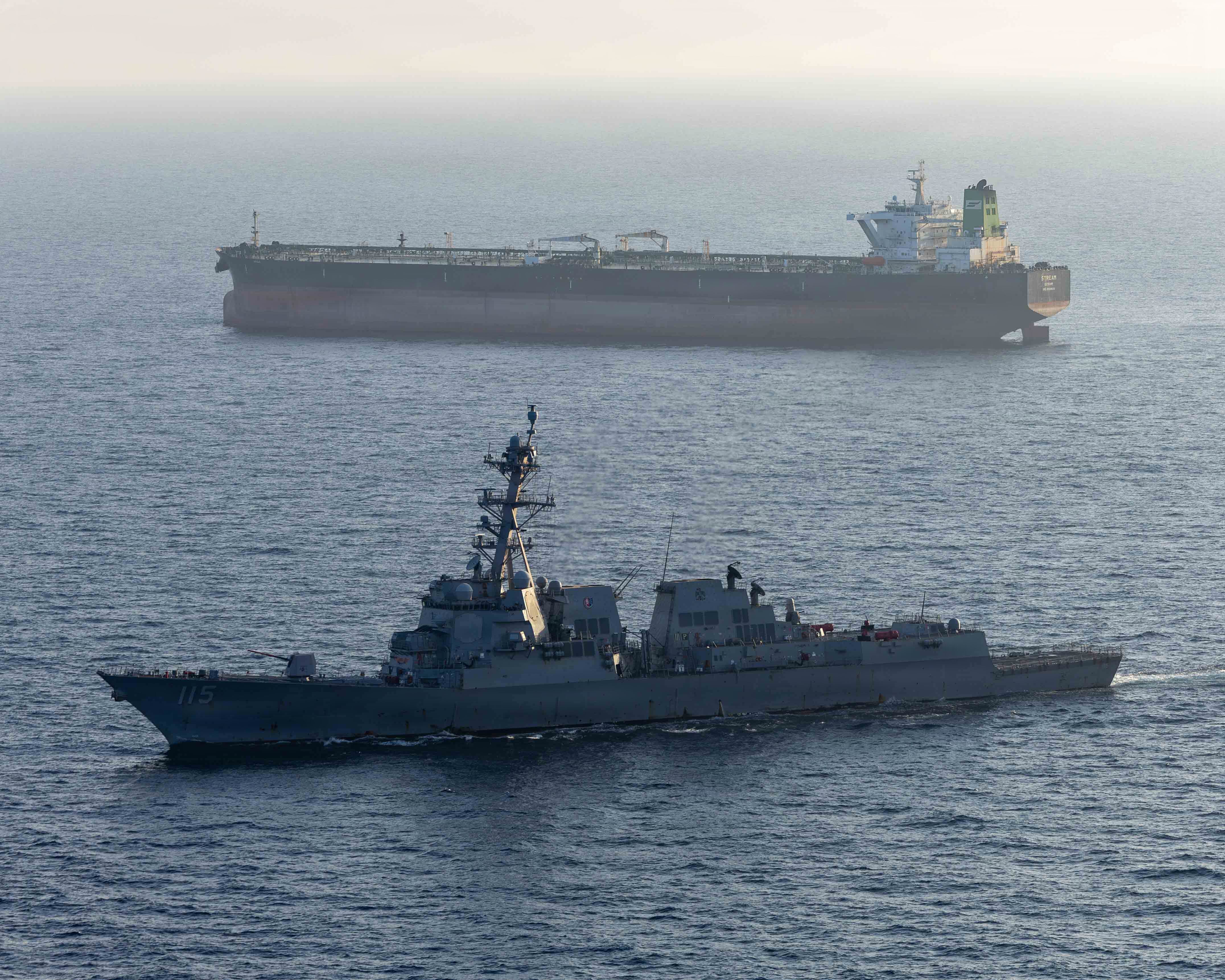
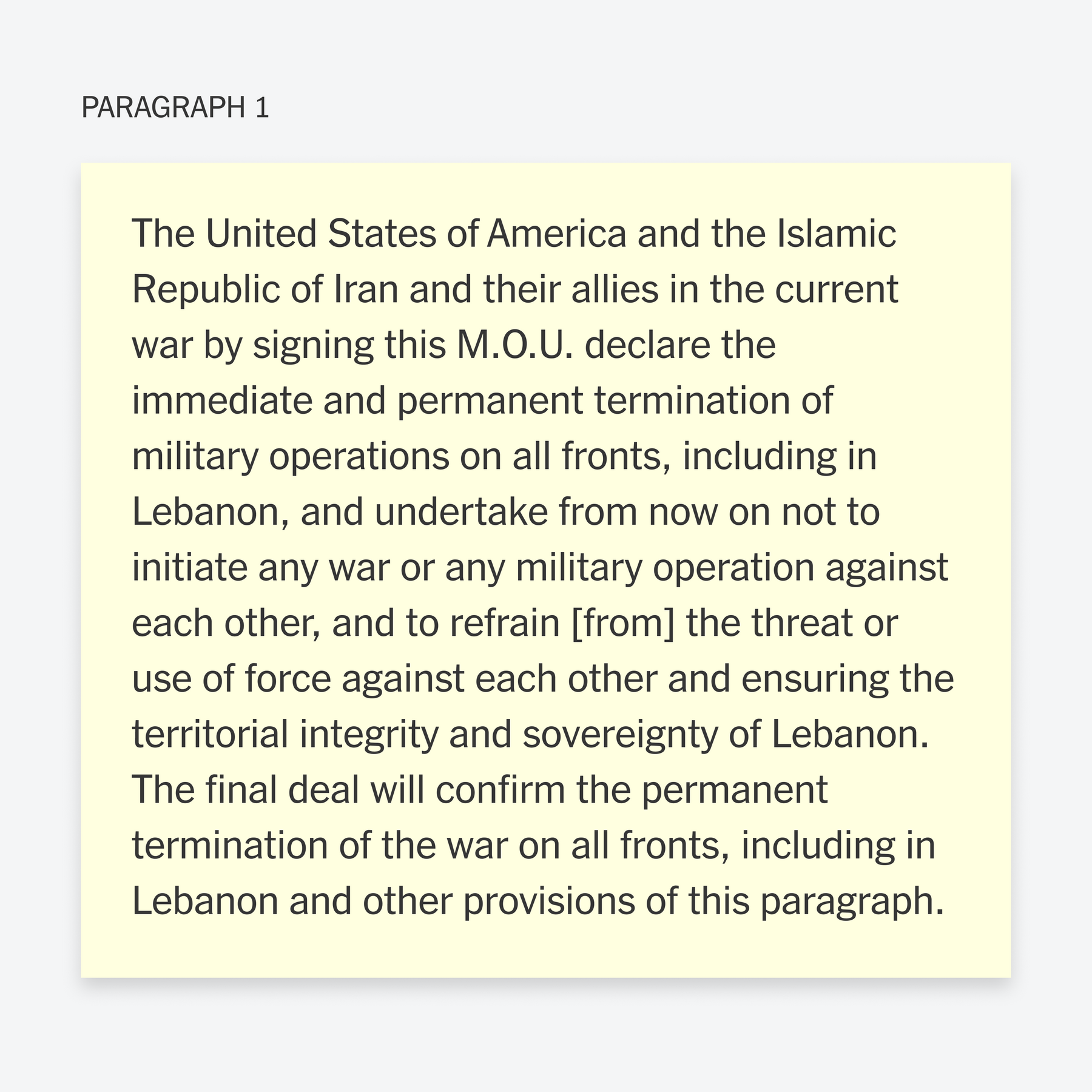
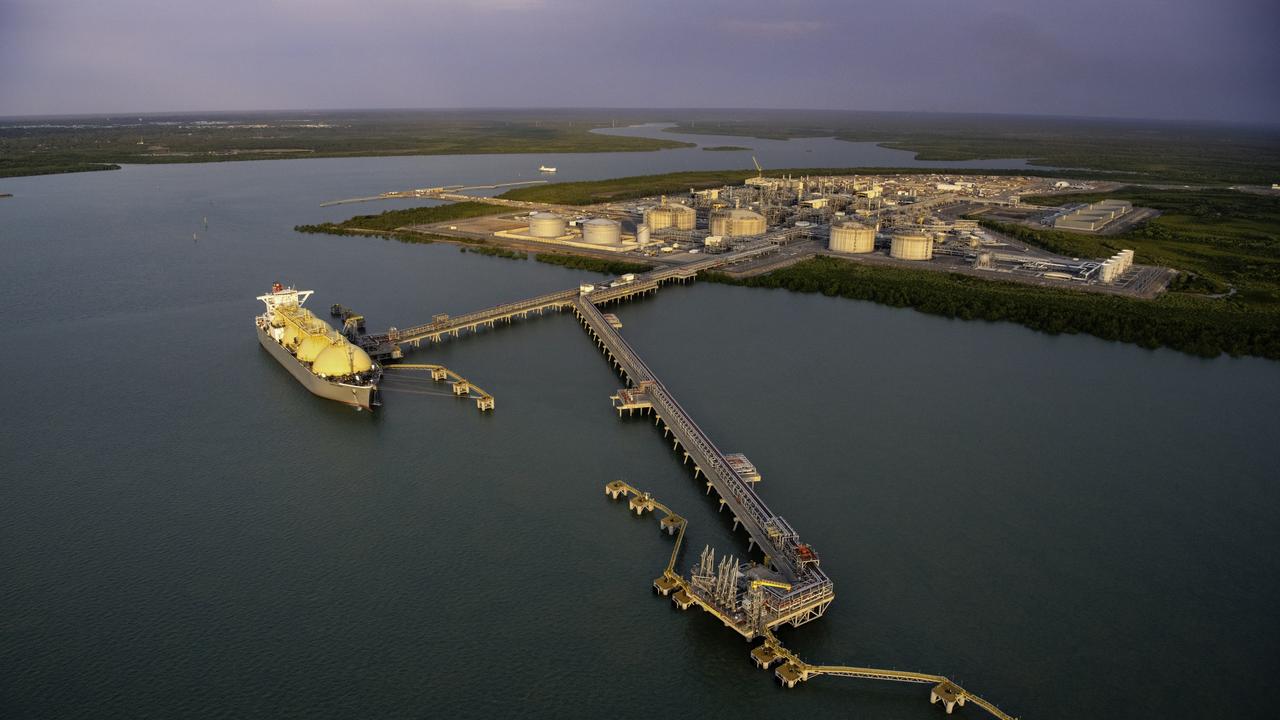
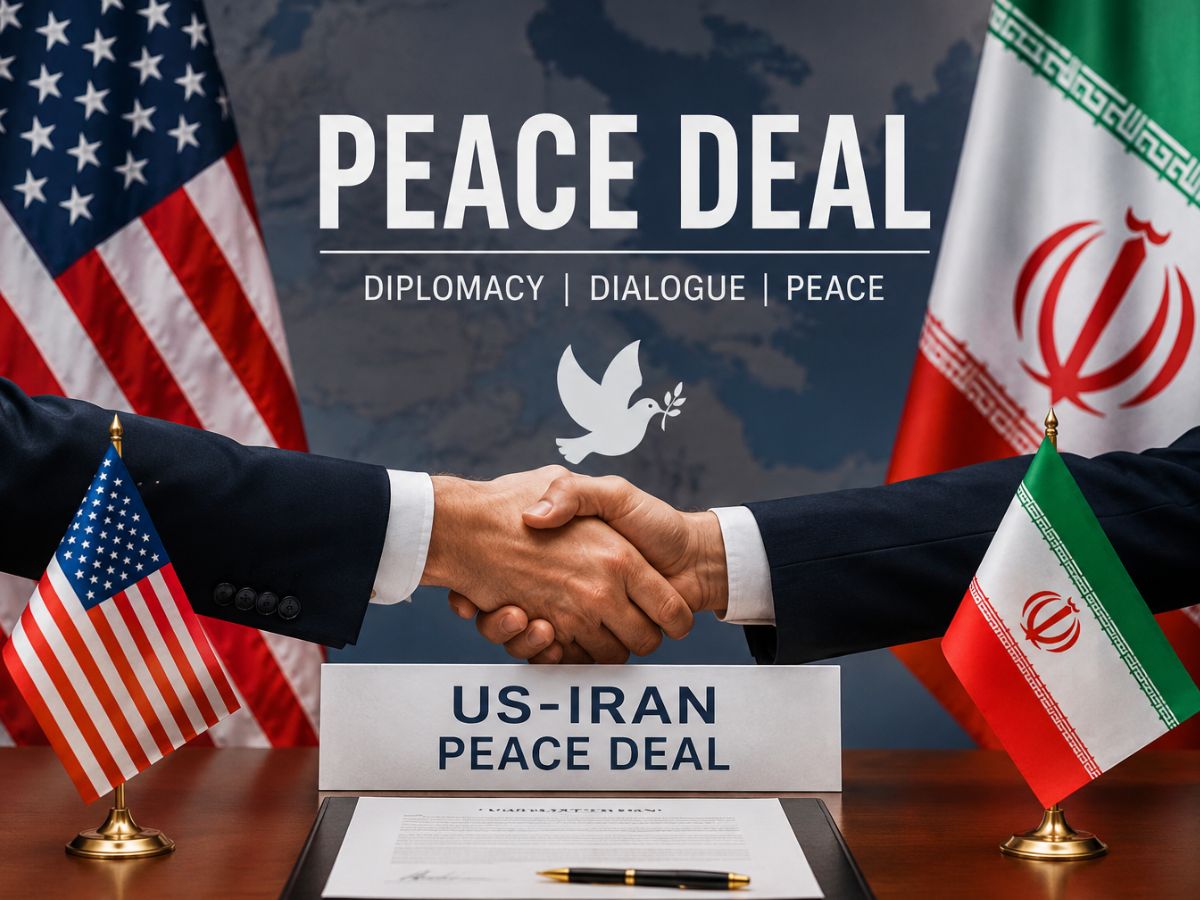
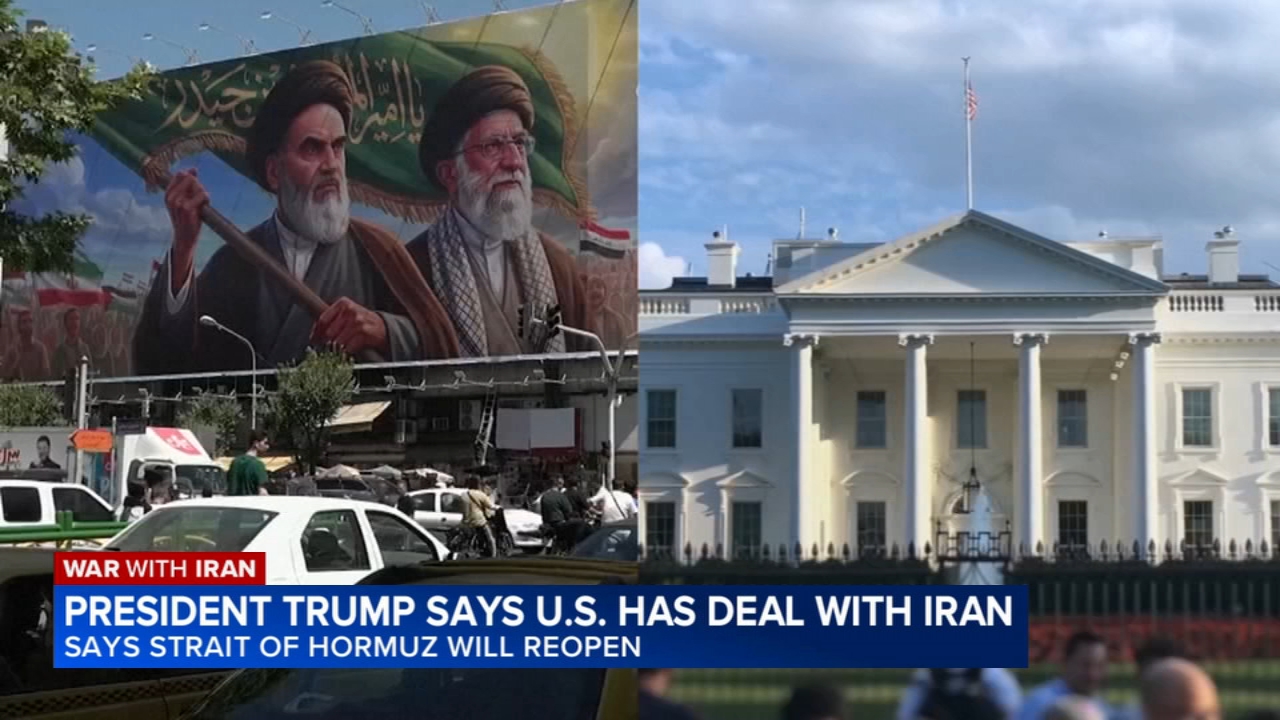
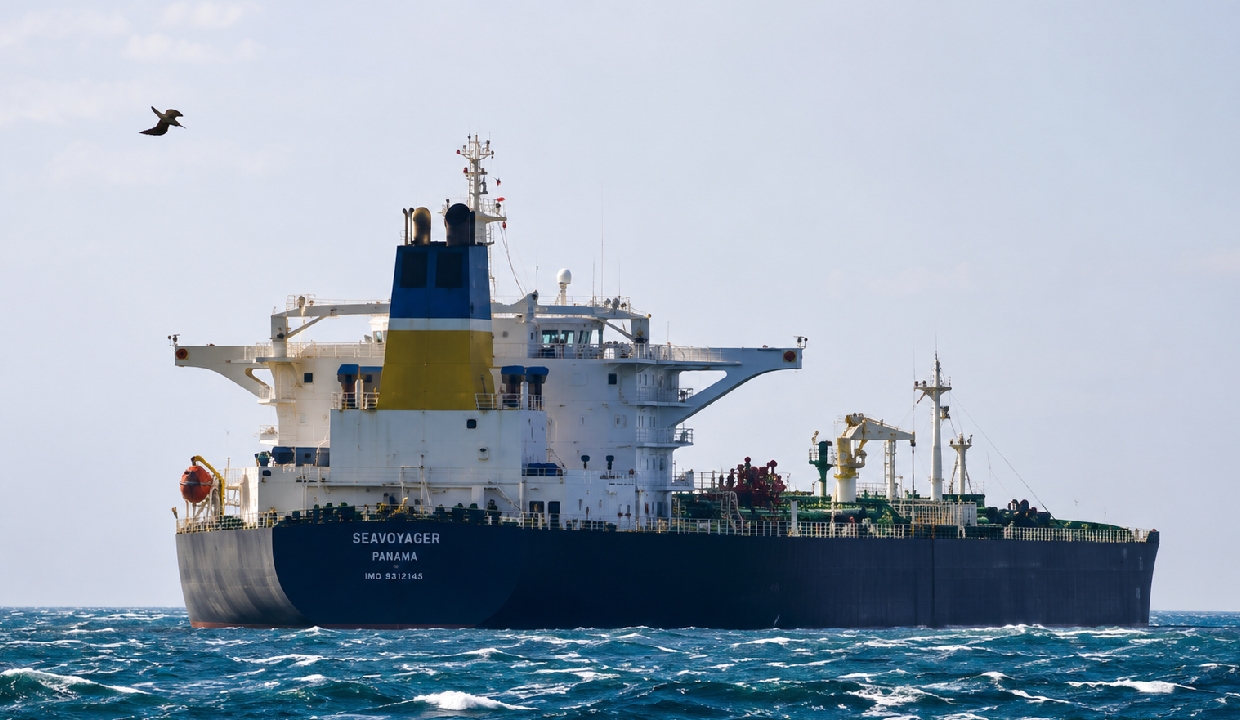
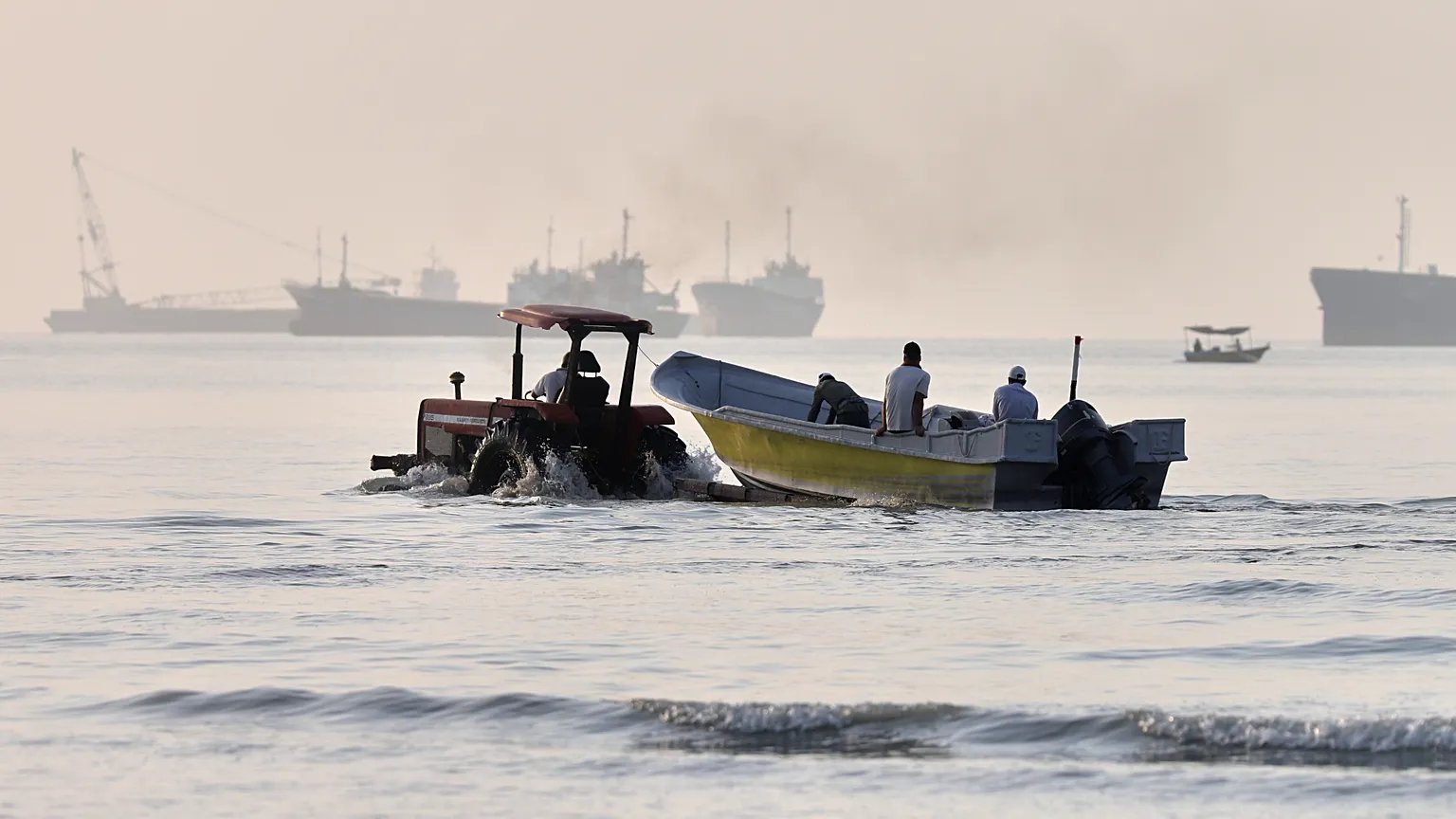
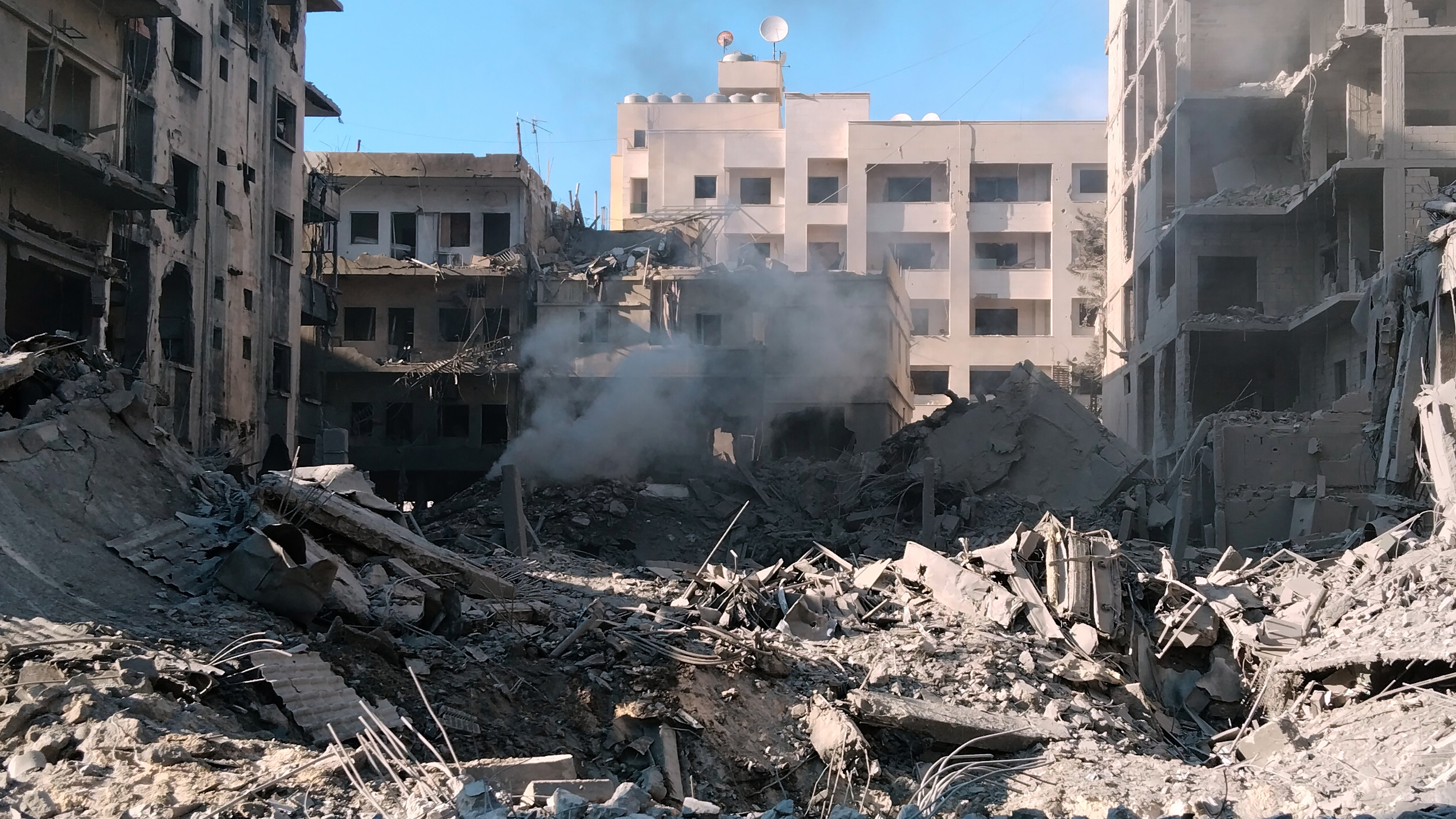
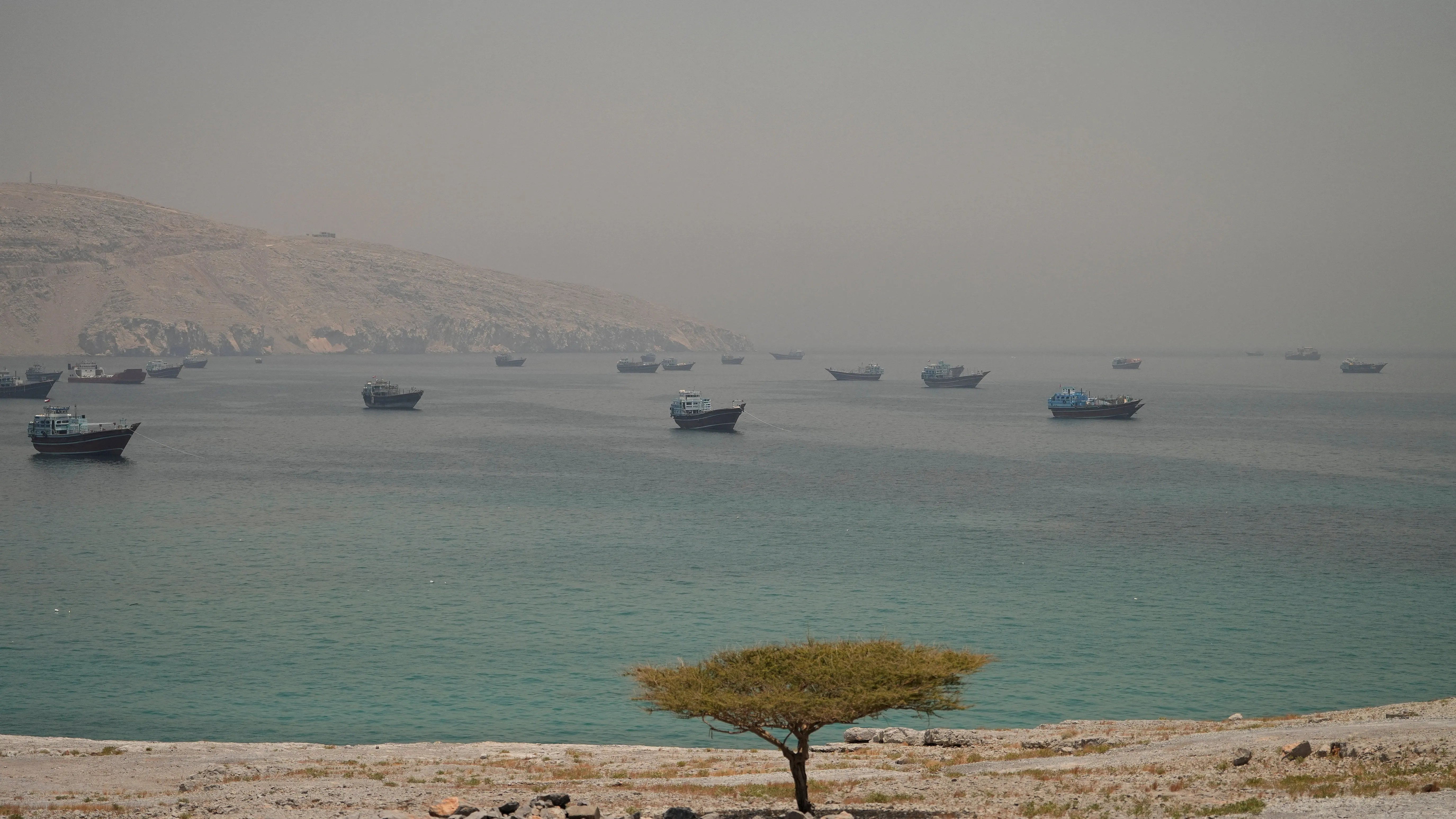
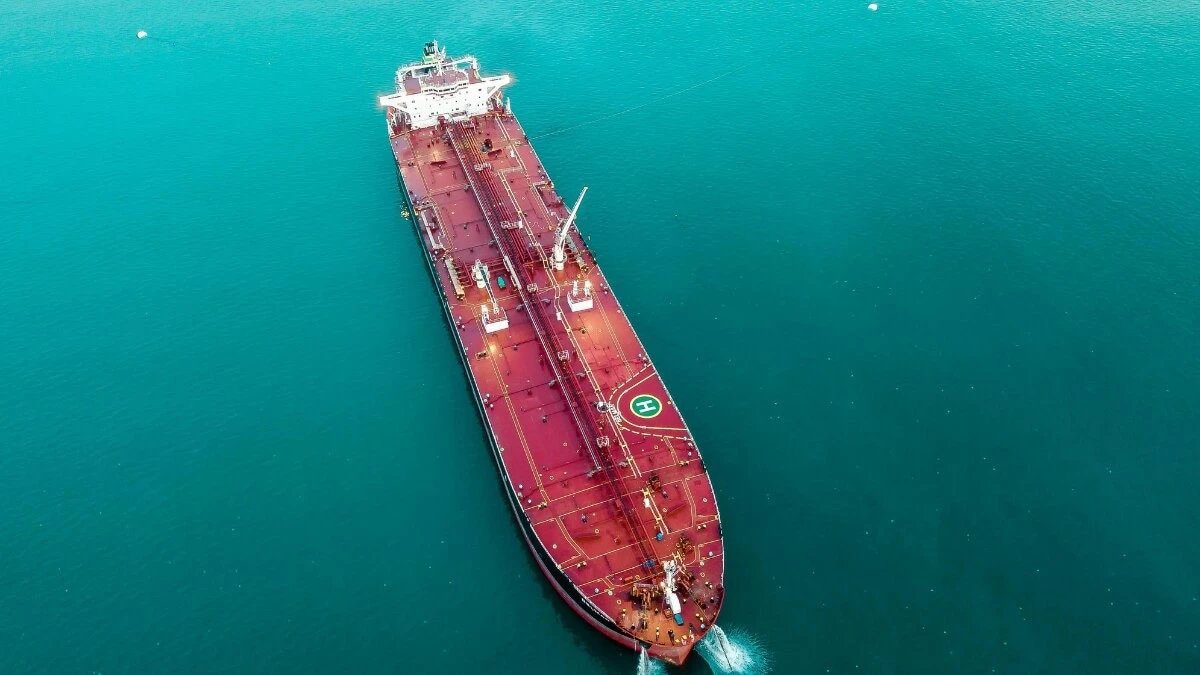
Oil tankers are moving through the Strait of Hormuz again after weeks of blockade, pushing global energy prices down to levels unseen since before the Iran war began on February 28. The Liberian-flagged Stoic Warrior and the British-flagged World Prize passed through the waterway on Thursday, joining roughly 70 other vessels that transited the strait since Wednesday—a 105 percent increase in daily traffic, according to maritime intelligence firm Kpler. About 35 million barrels of oil have exited the region since the U.S. and Iran signed a Memorandum of Understanding on June 17 to end the conflict and reopen the crucial shipping lane.
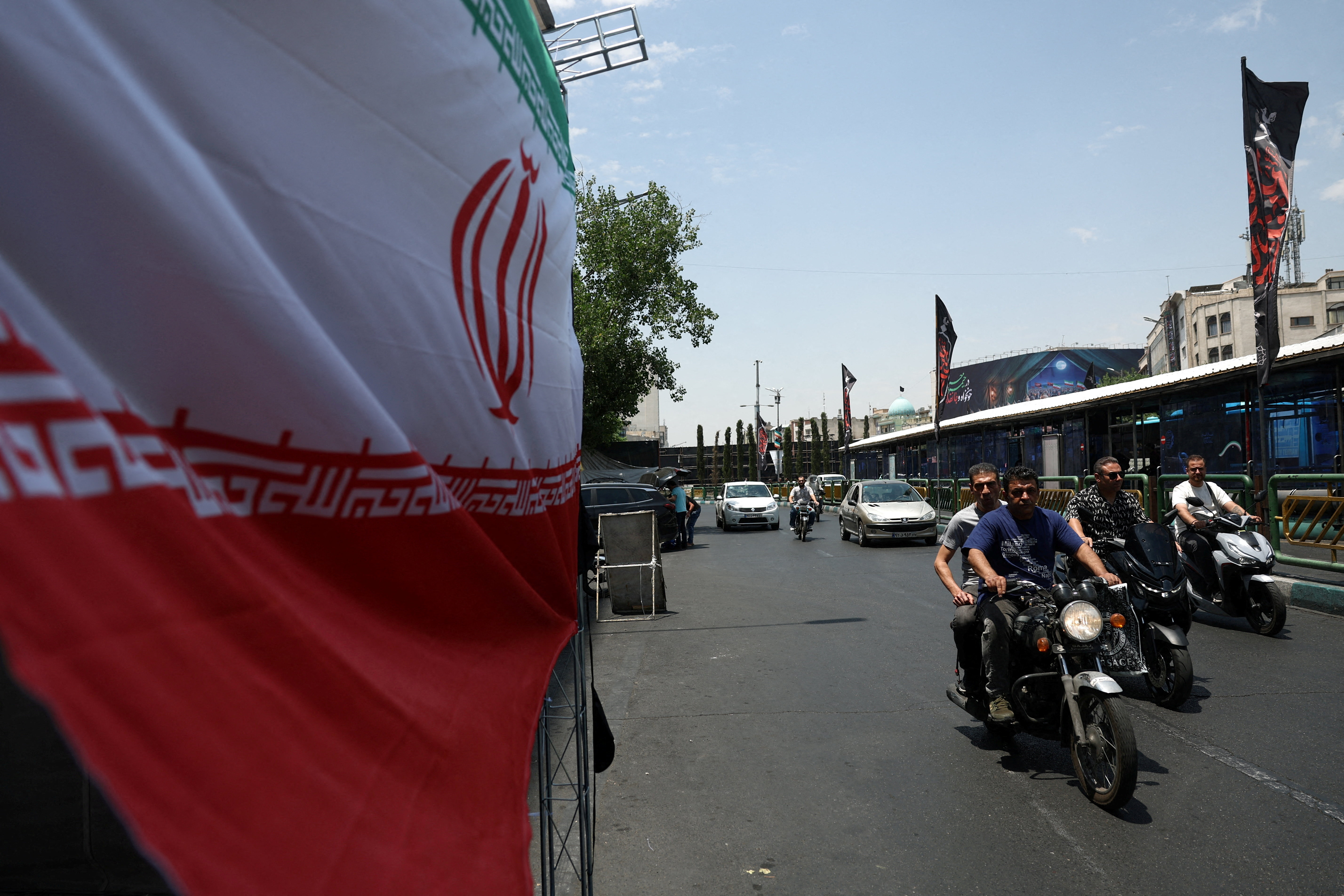
The resumption follows a 60-day negotiating period outlined in the initial agreement, though the two sides remain at odds over how the strait will be managed. Ships are increasingly using a southern route hugging Oman's coastline, recommended by the United Nations' International Maritime Organization, rather than a northern passage closer to Iranian waters. Iran's Islamic Revolutionary Guard Corps rejected this approach, insisting Thursday that the only authorized route is the one designated by Tehran and warning that ships using other paths "will be dealt with accordingly."
Tolls Threaten Final Deal
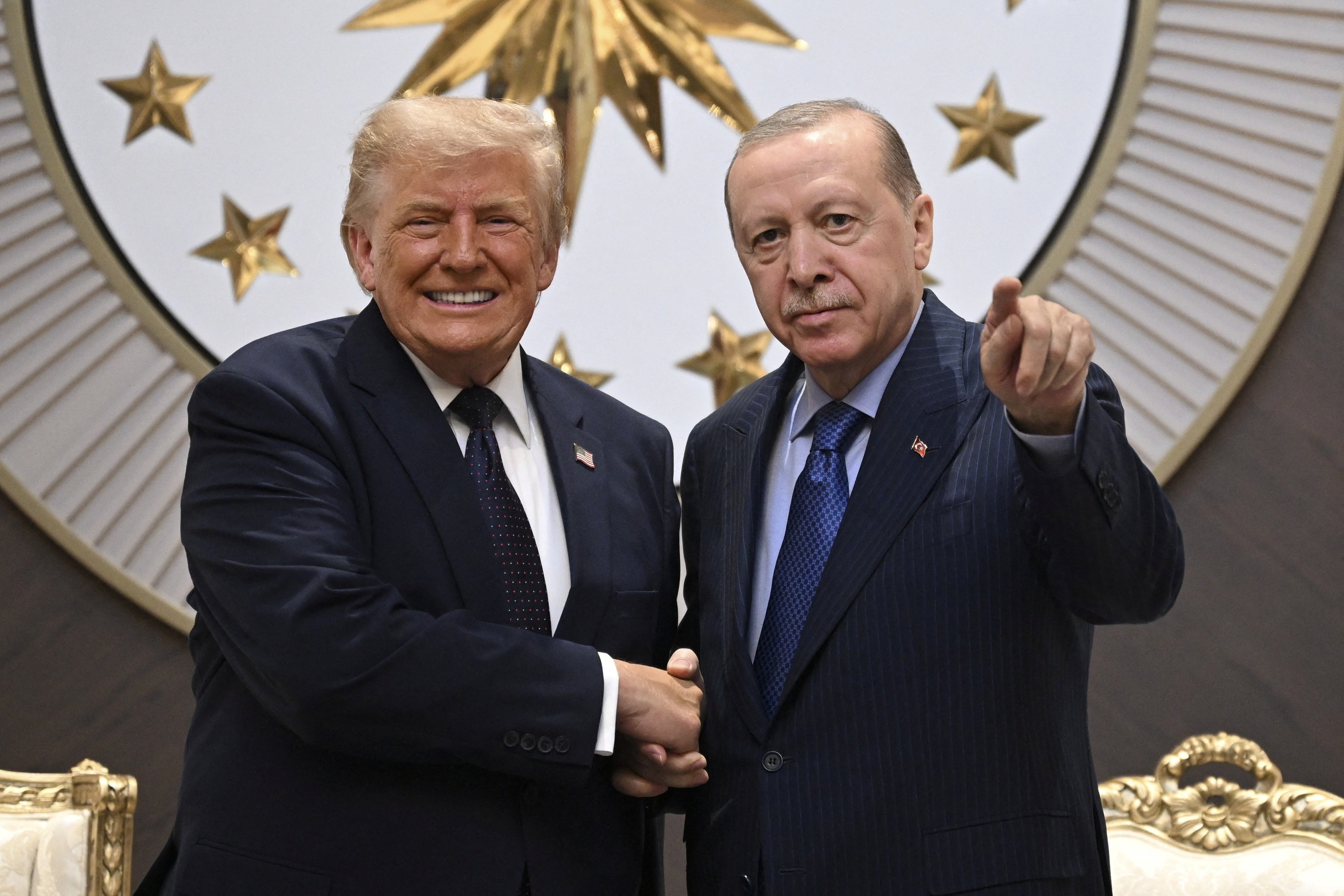
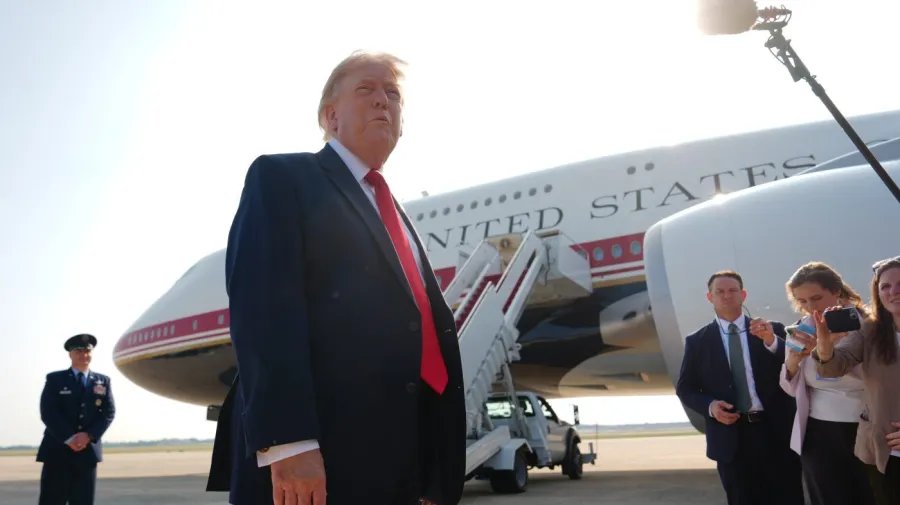
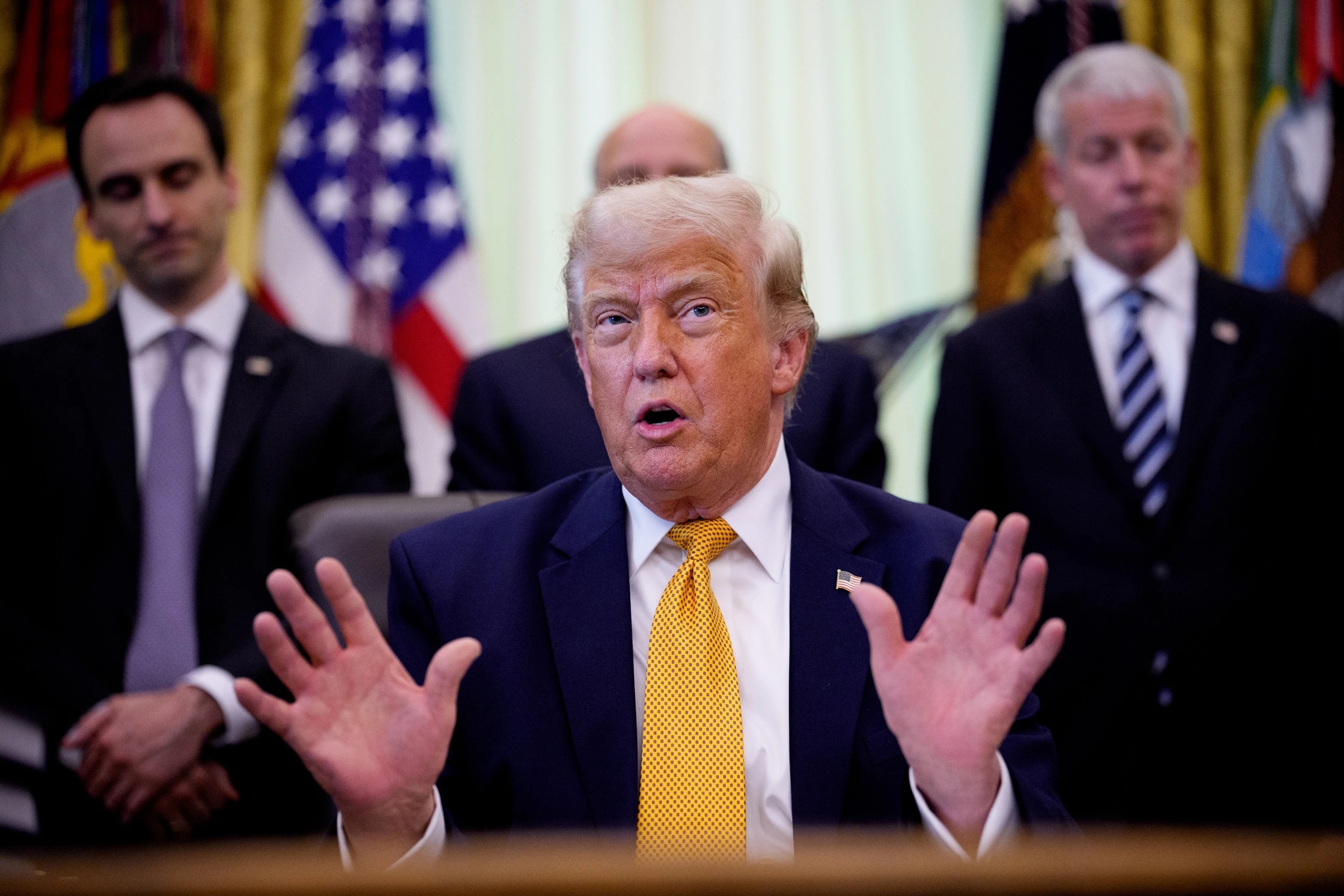
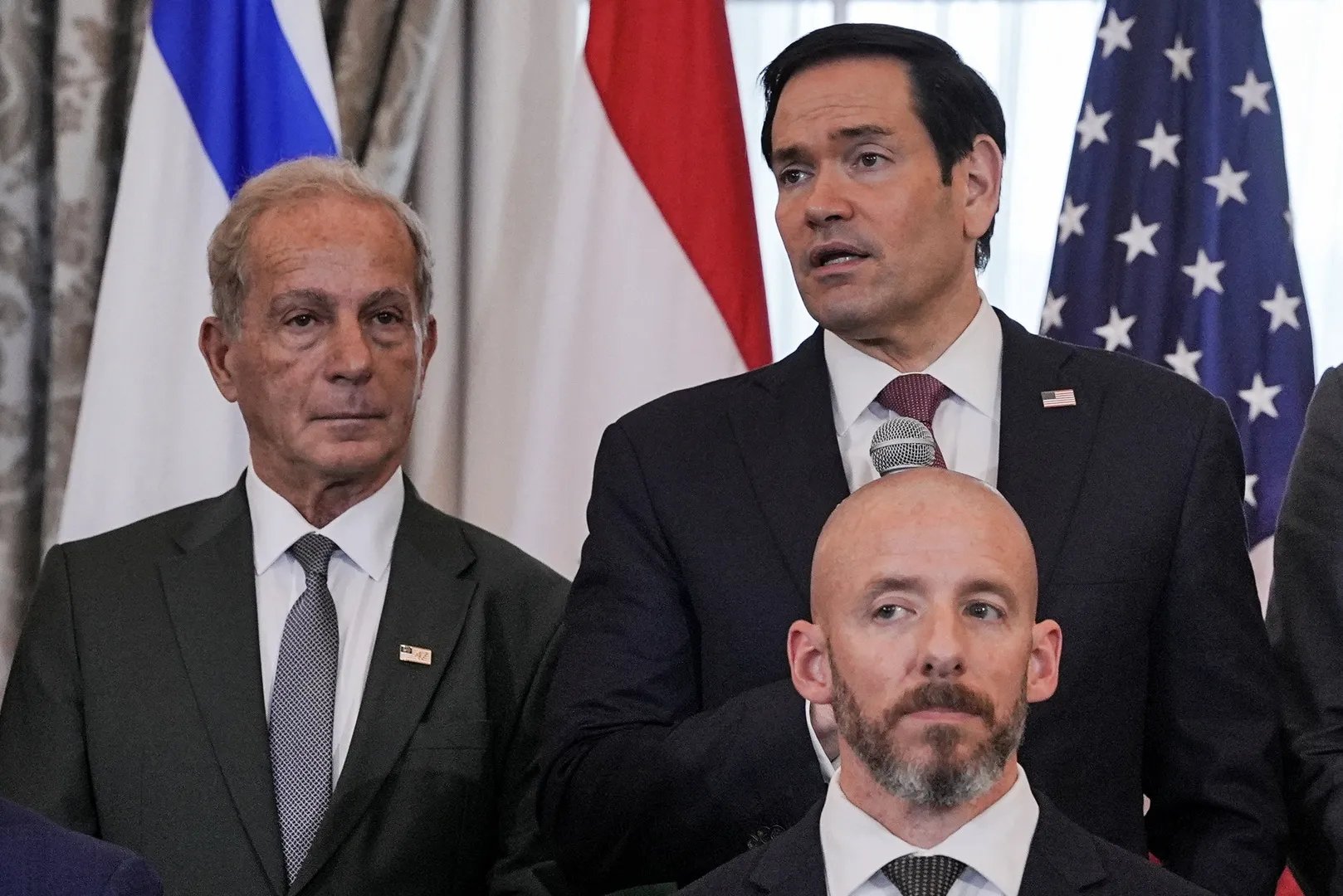
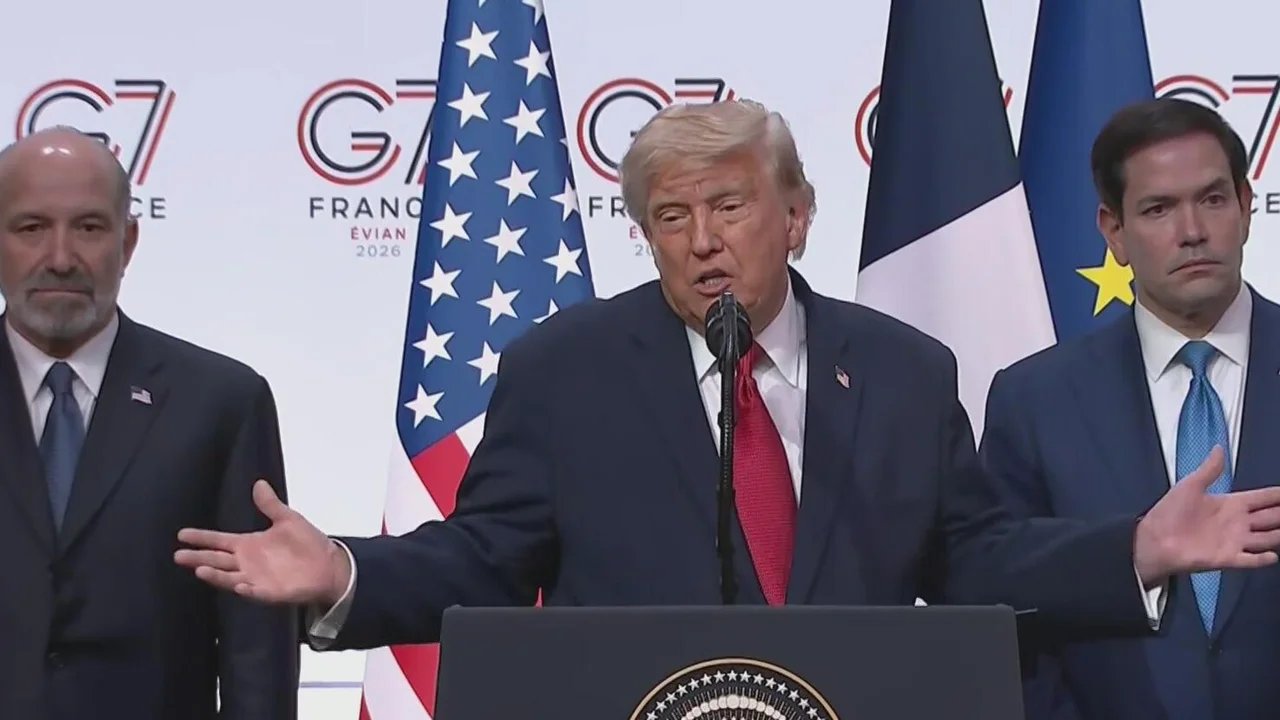
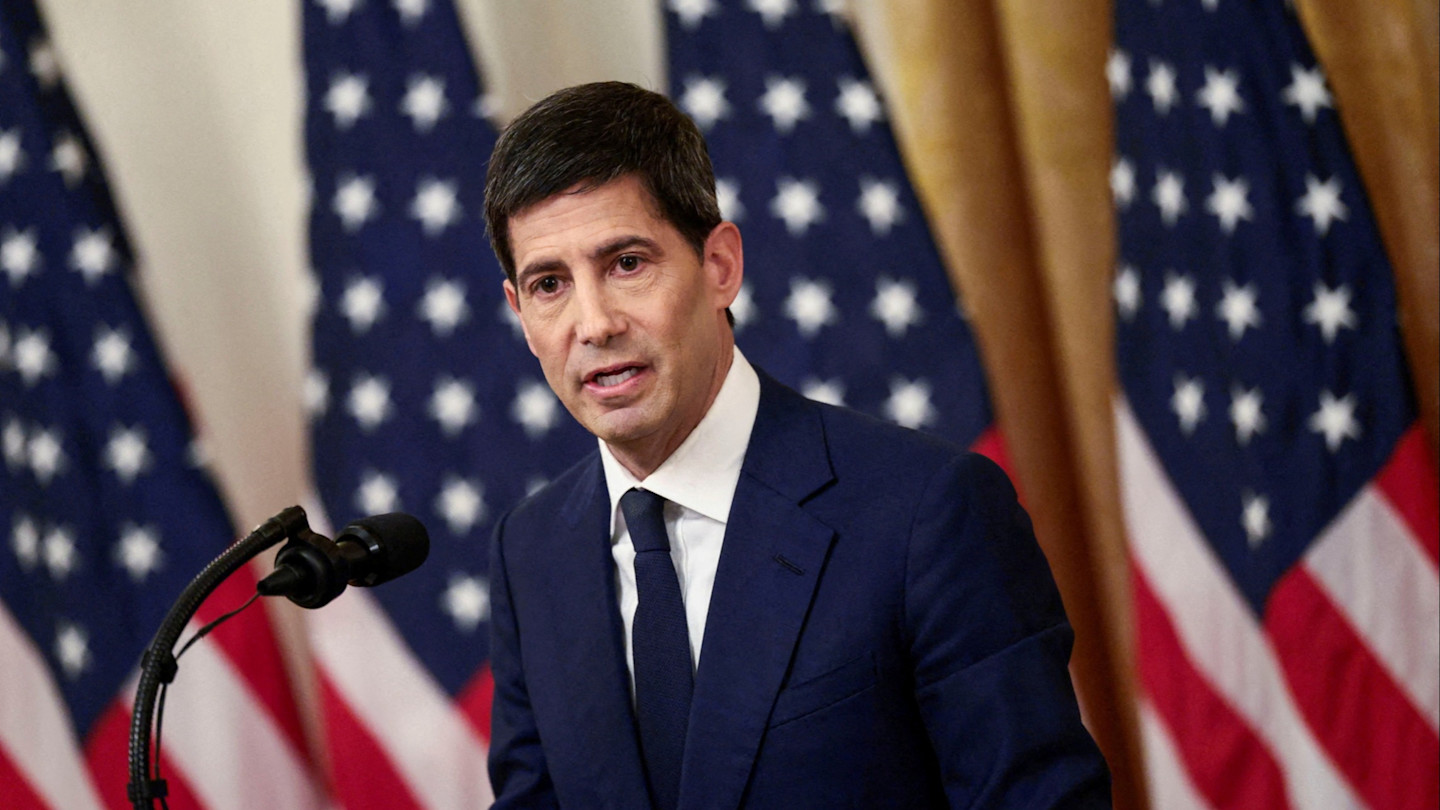
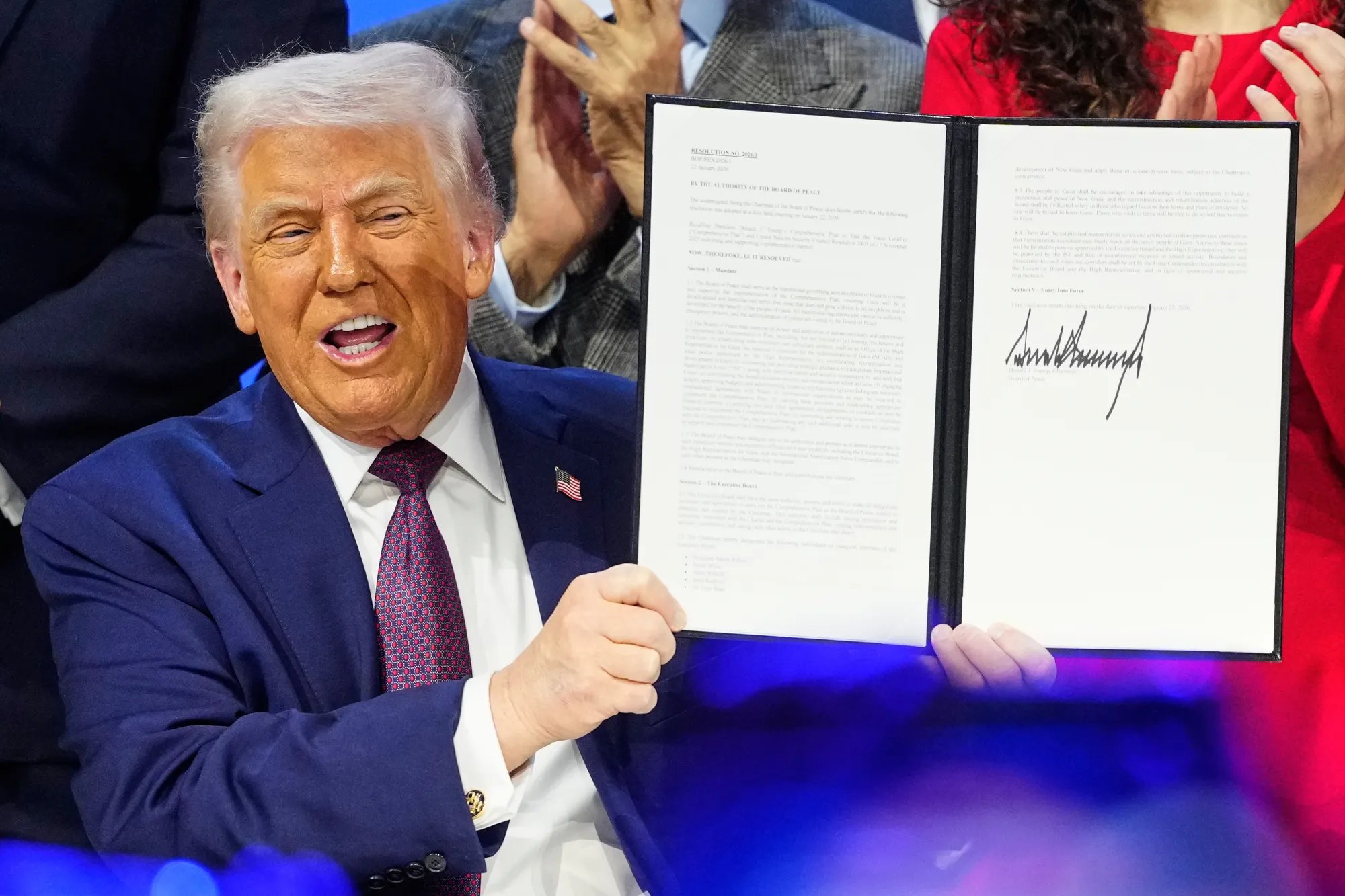
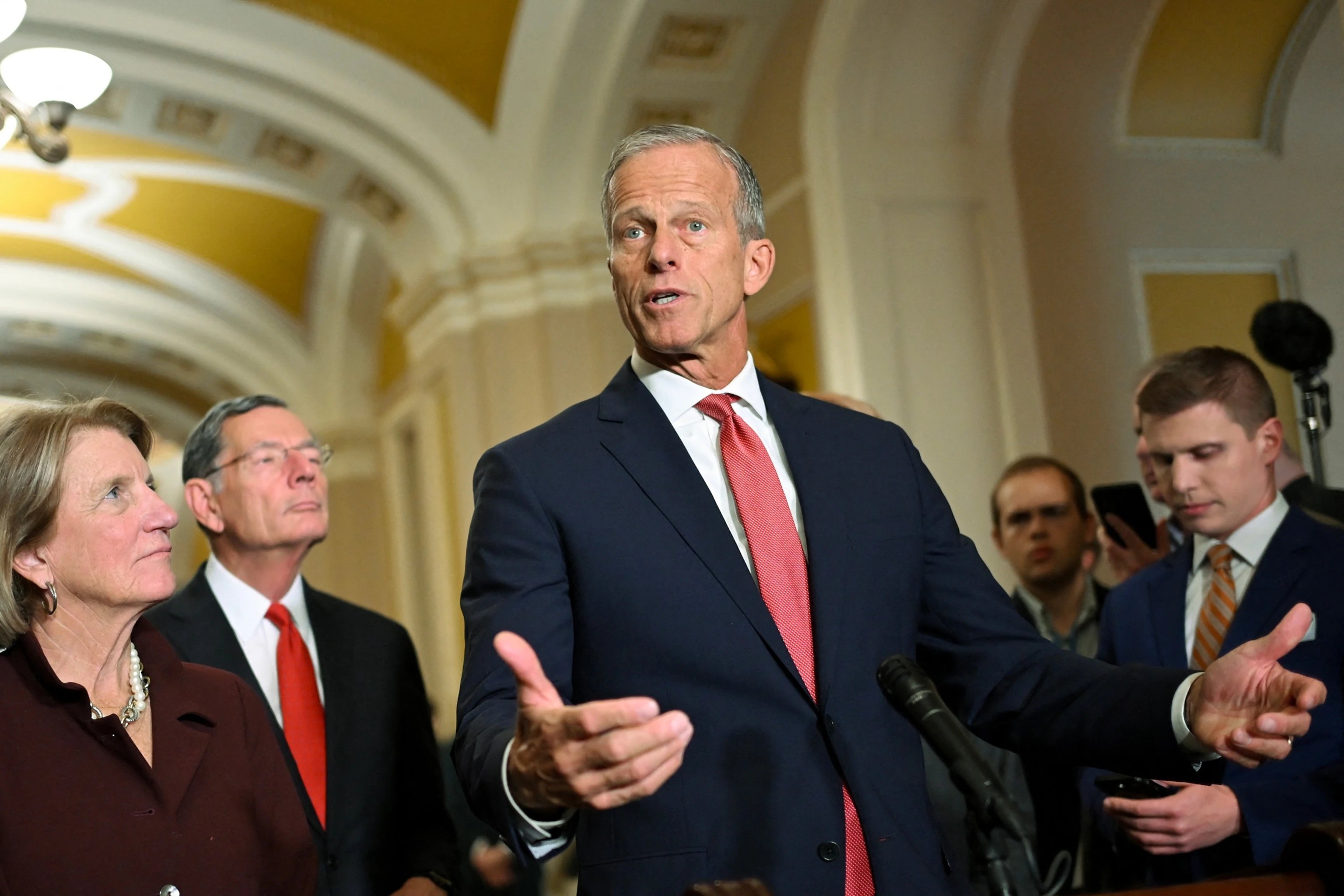
Secretary of State Marco Rubio toured Gulf nations this week to reassure U.S. allies that Washington would protect their interests in ongoing negotiations. In Bahrain on Thursday, Rubio stressed that international waterways "do not belong to any nation state," warning that allowing tolls would create "total chaos" if replicated worldwide. The Trump administration has made clear that Iran will not be permitted to charge passage fees under any final peace agreement.
Iran and Oman announced they are creating a joint mechanism to control maritime traffic through the strait, which could carry costs. Tehran has already charged passage tolls for weeks along its recommended route, contradicting Trump's claim that Iran committed in the wake of last week's deal to seek no tolls. The dispute over fees is expected to be a significant obstacle as U.S. and Iranian negotiators work toward a permanent settlement within the 60-day window.
Energy Markets React Sharply
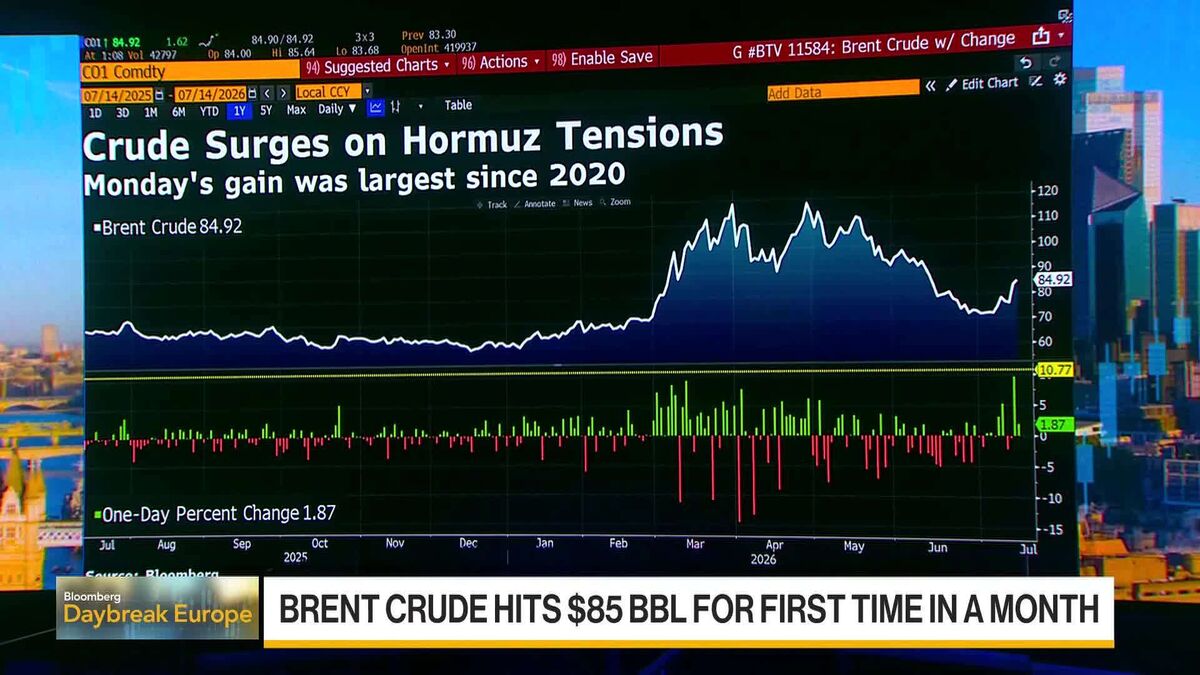
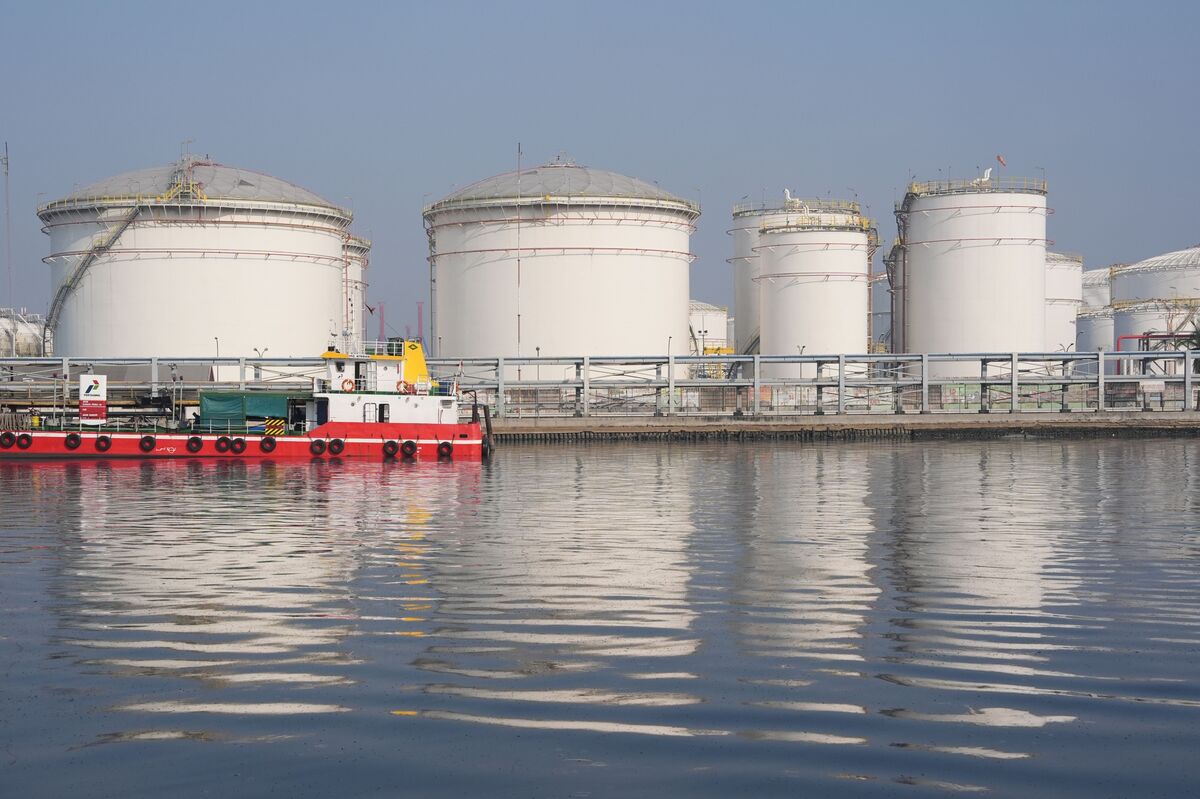
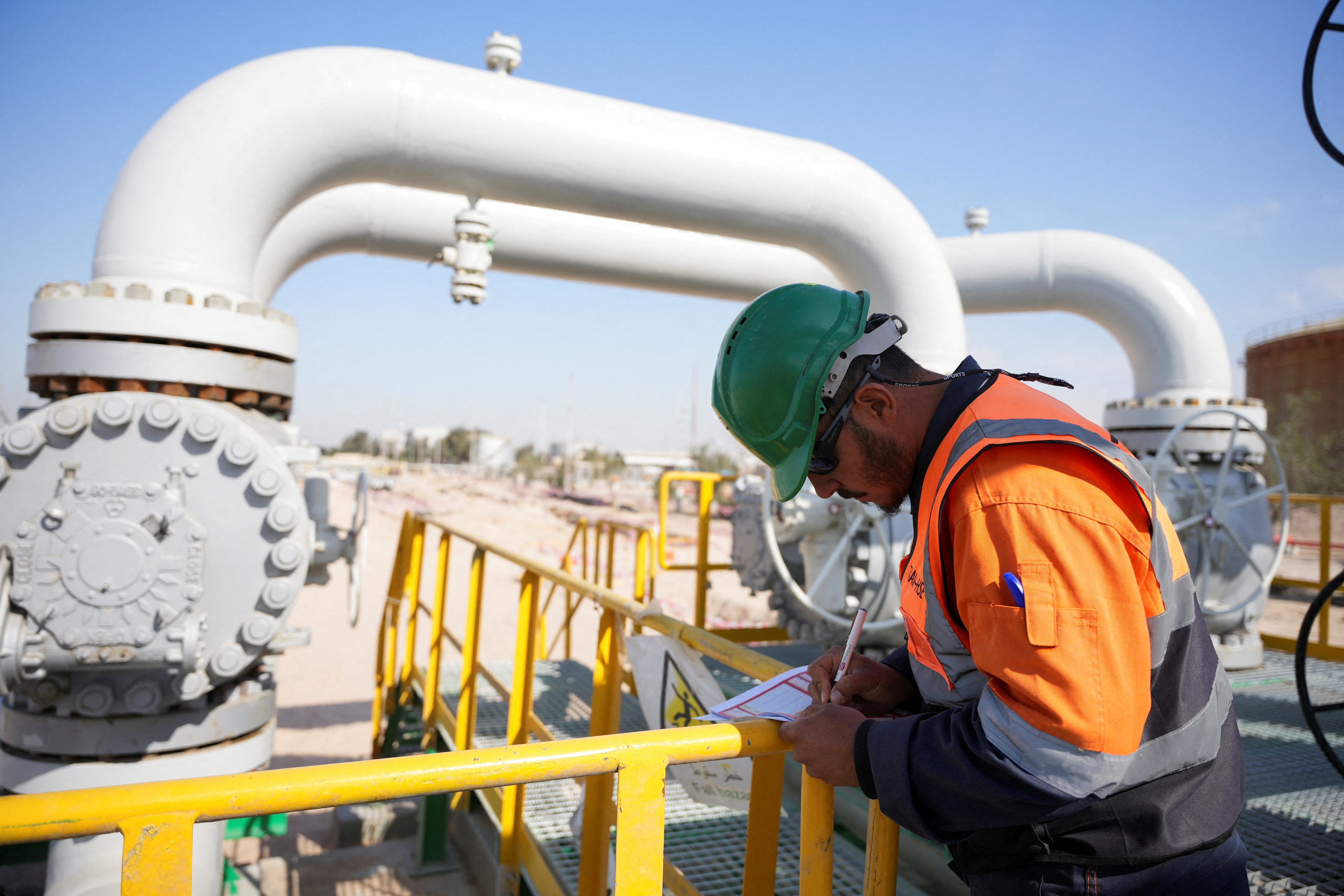
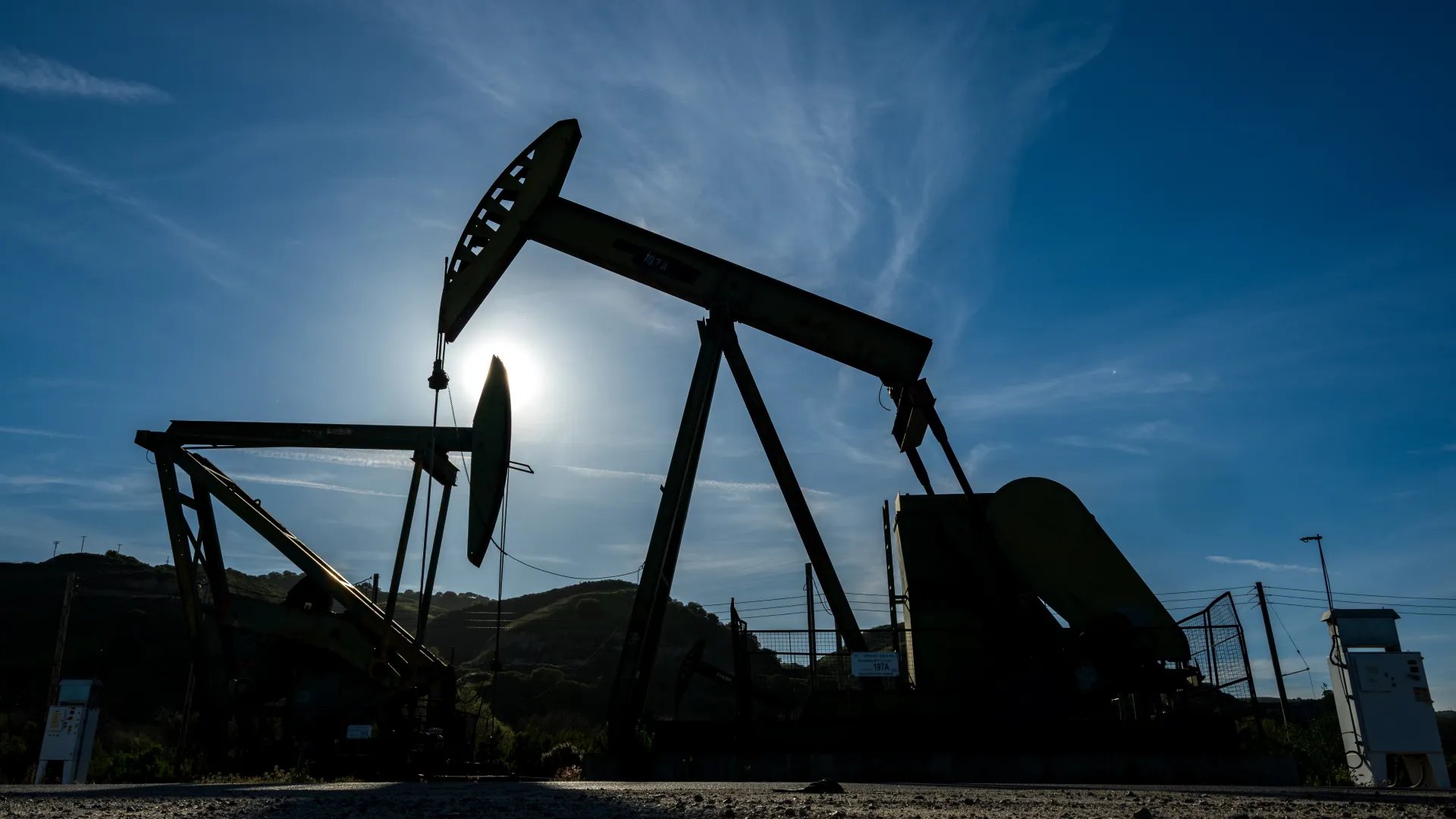
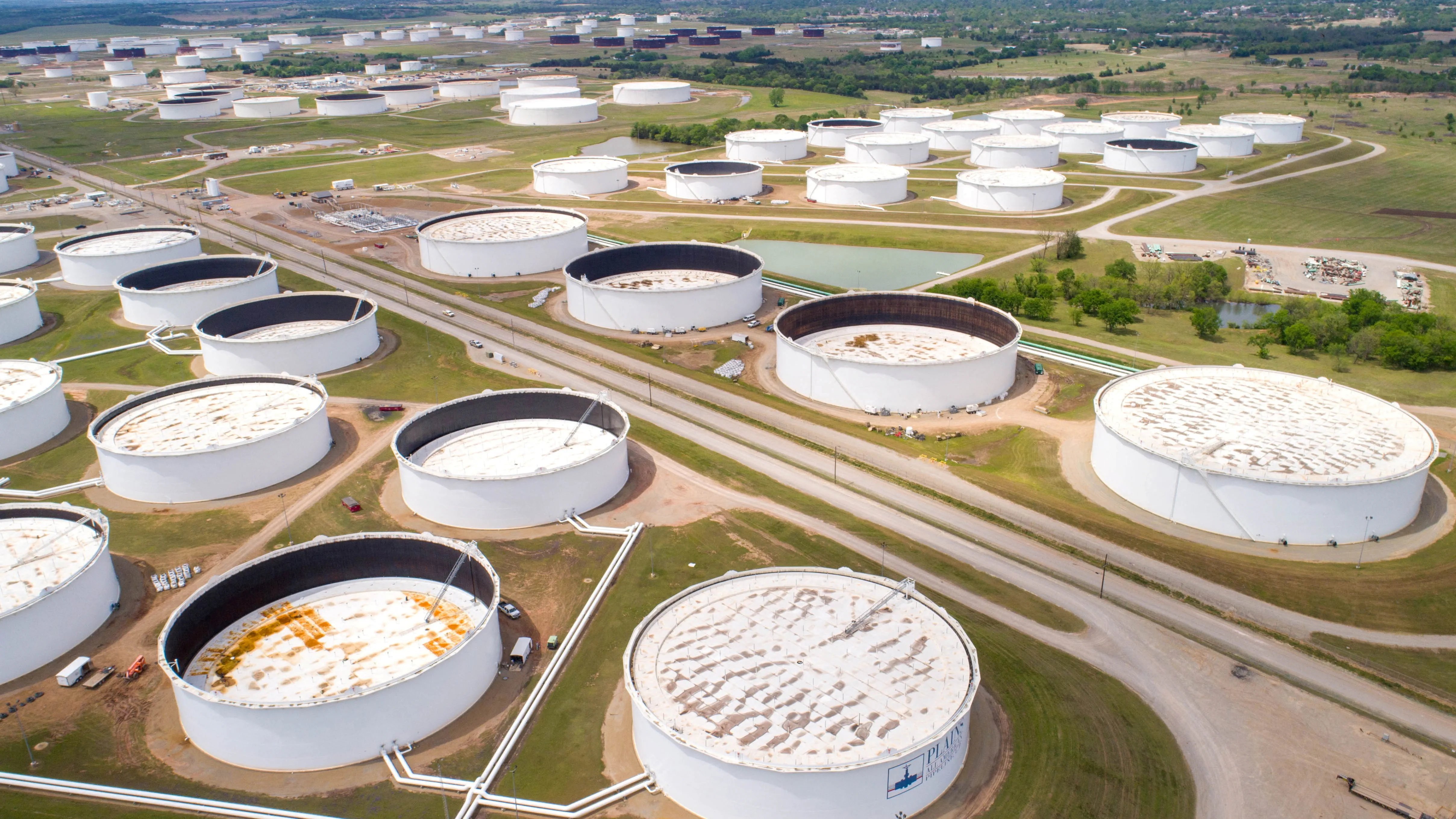
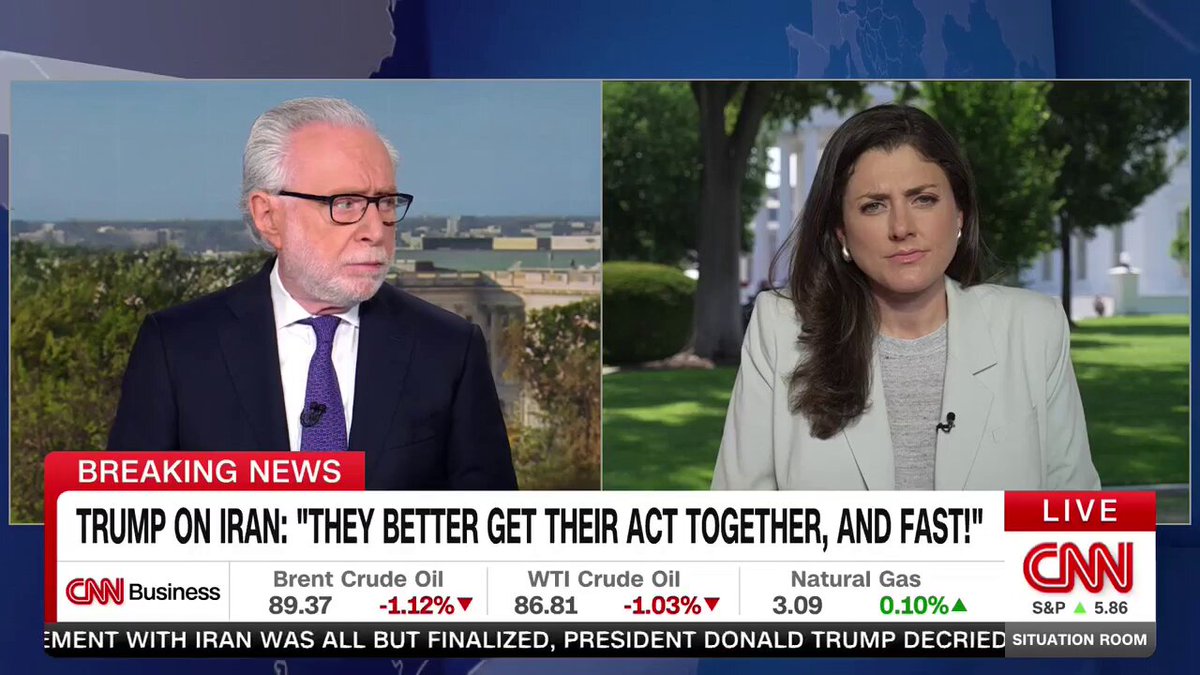
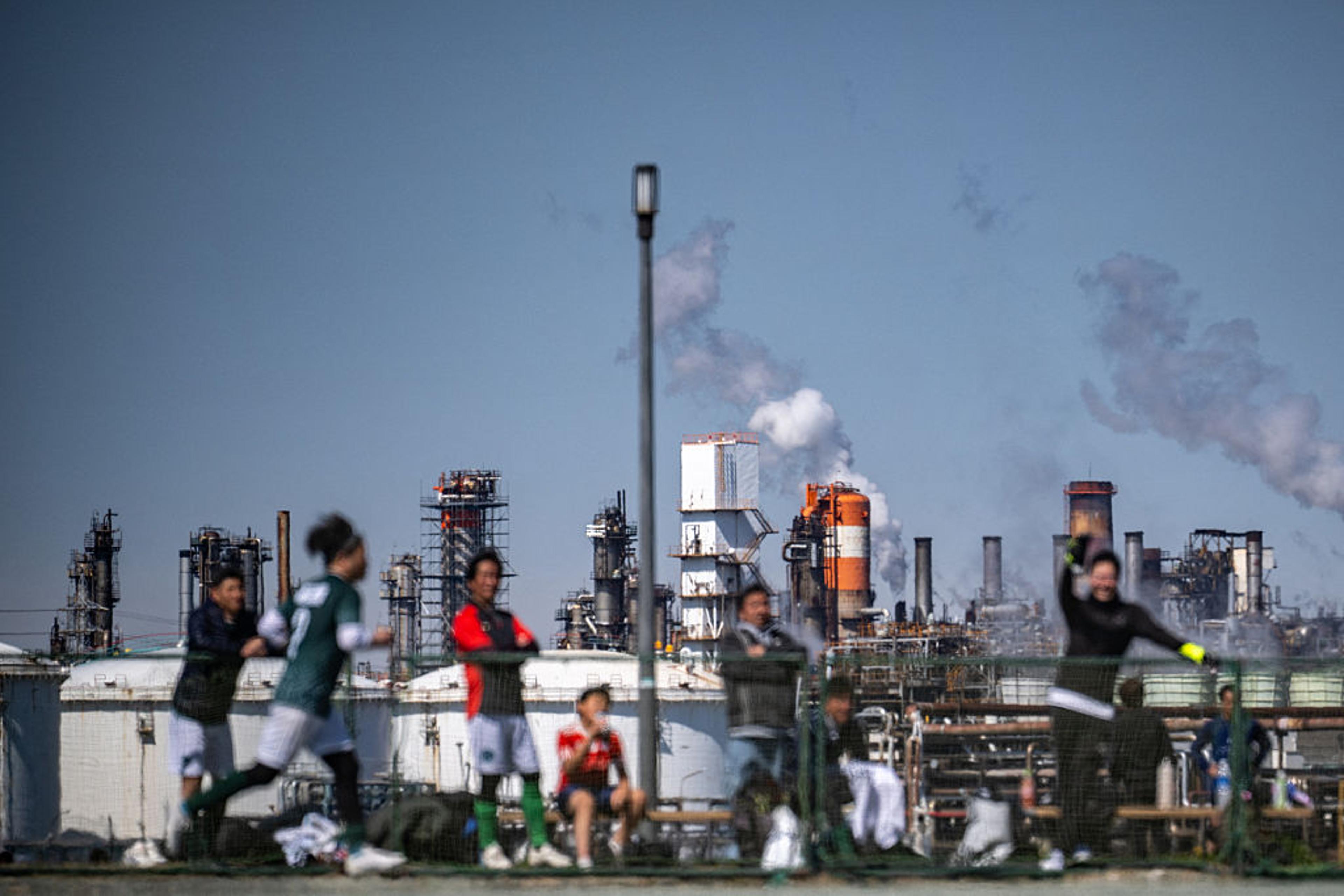
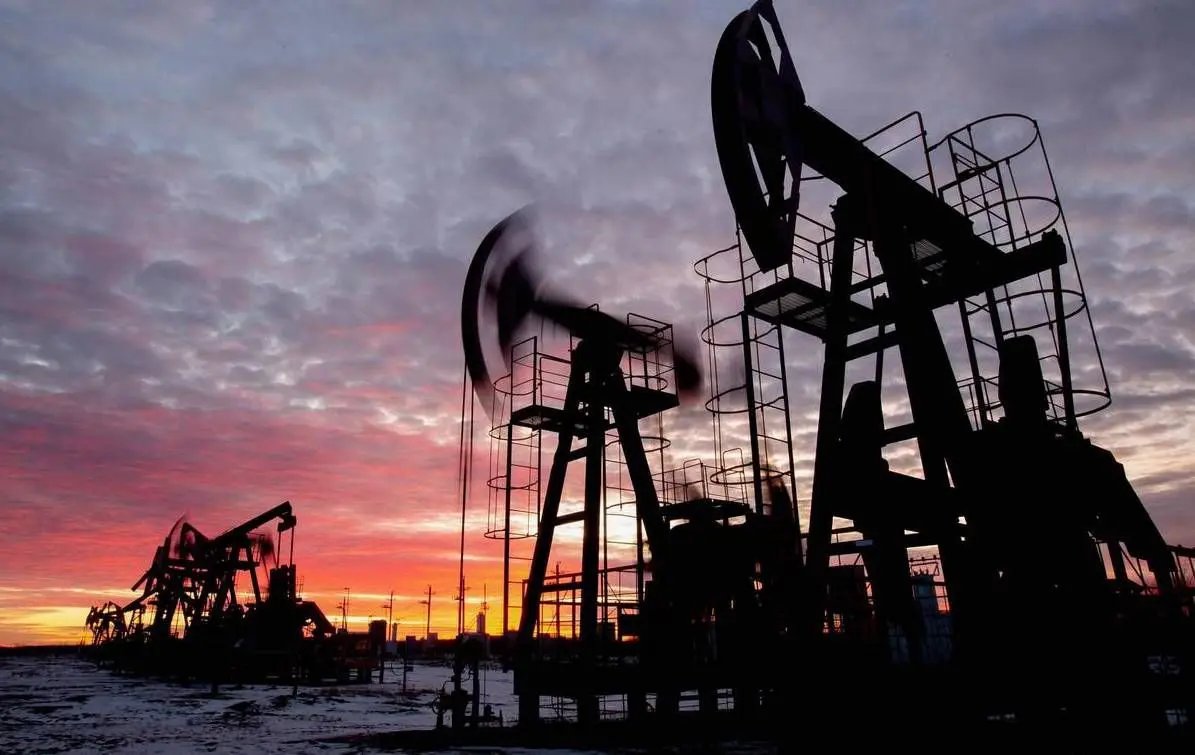
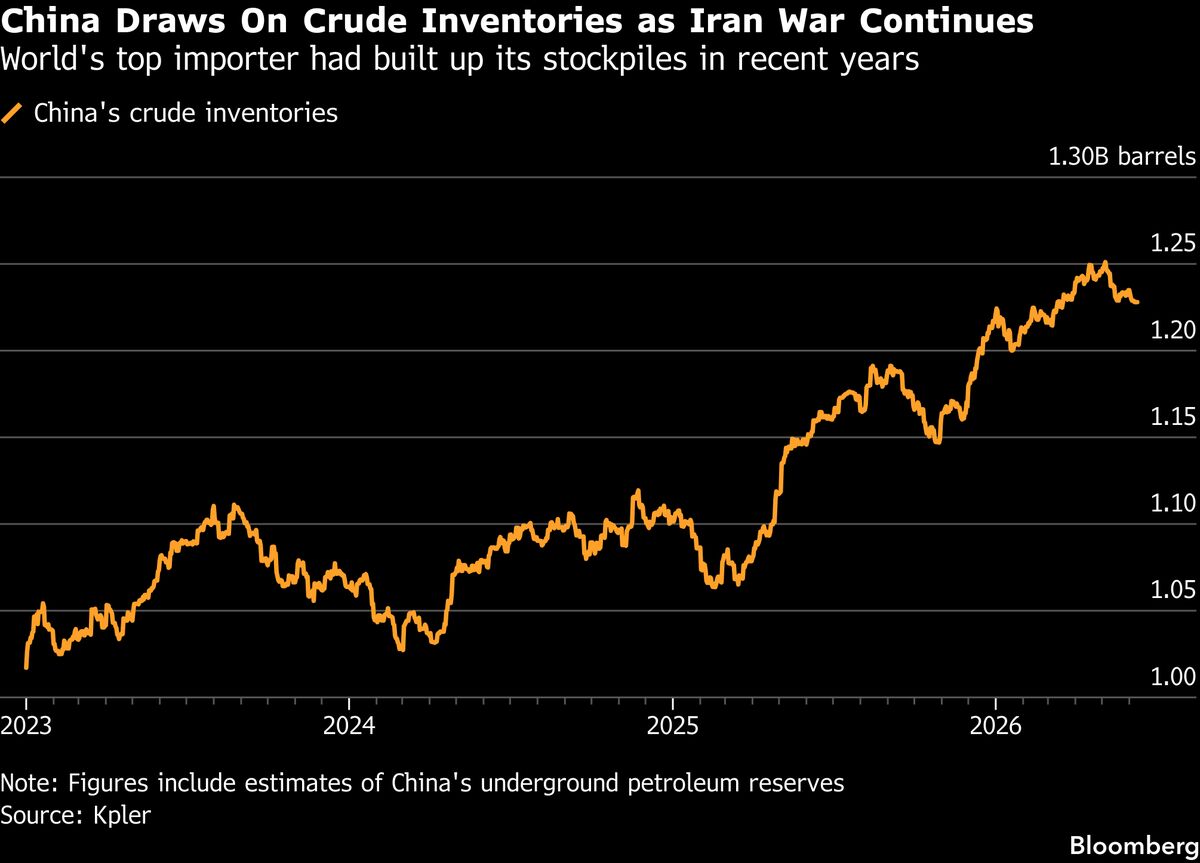
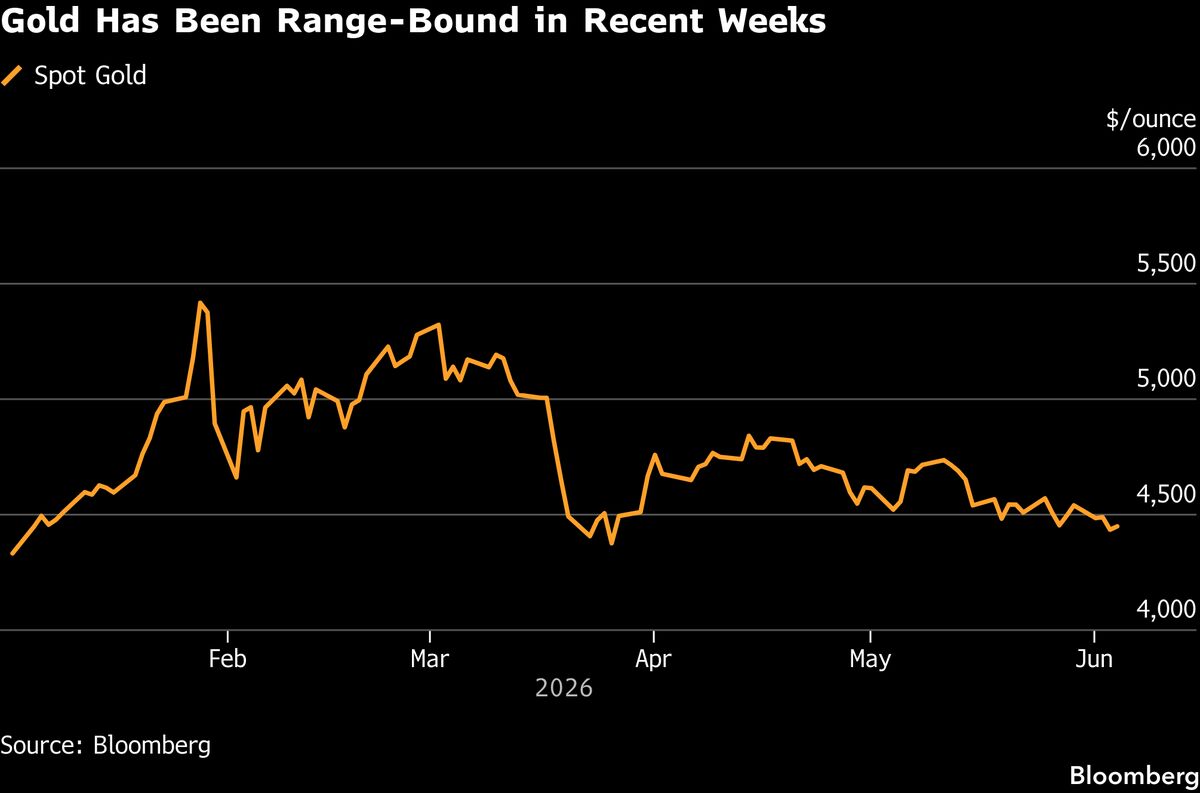
Brent crude briefly fell below $72.48 a barrel on Thursday, the price it held on February 27, before edging up to $72.63. August Brent futures fell $1.06 (1.44 percent) to $72.68 a barrel, hitting their lowest level since February 27. U.S. crude dropped to $70.34 a barrel, erasing all wartime gains that had pushed prices as high as $126 per barrel in April. The sharp decline reflects expectations that Middle Eastern oil exports will reach a four-month high in June, led by Iraq and Saudi Arabia. Iraq has notably diversified its export routes through Syria, reducing reliance on the strait.
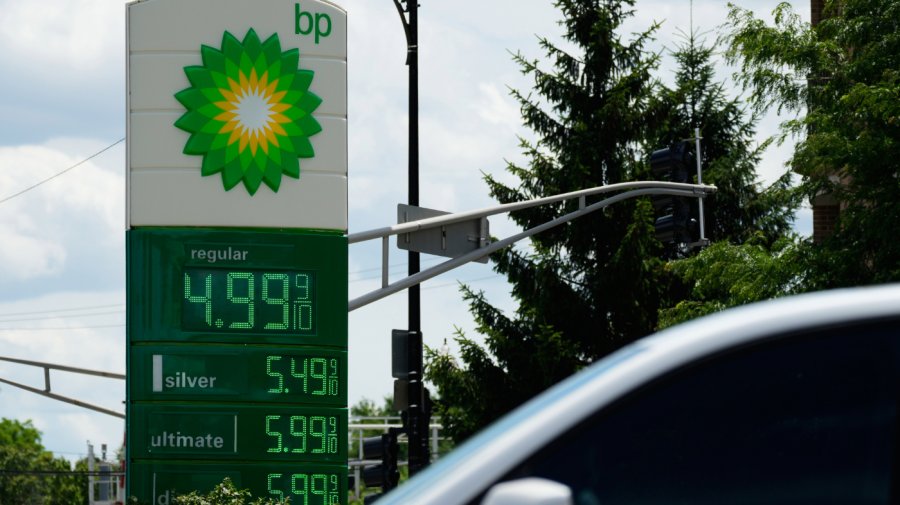
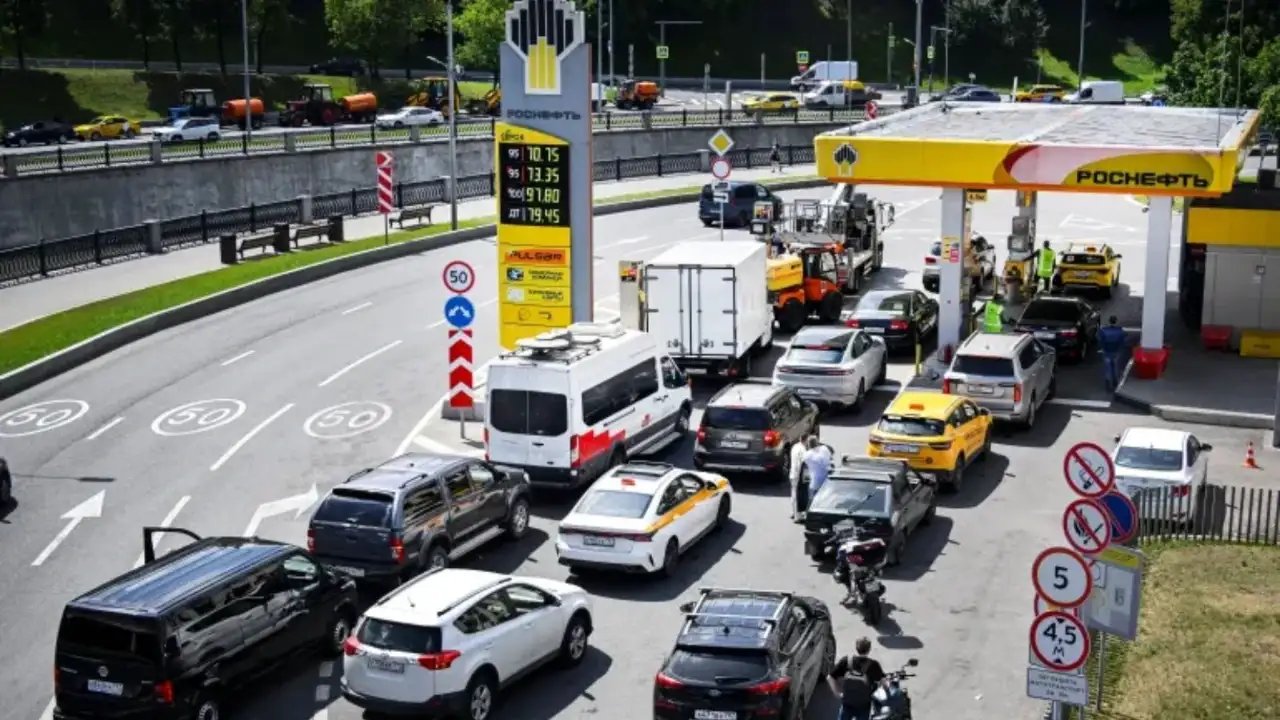
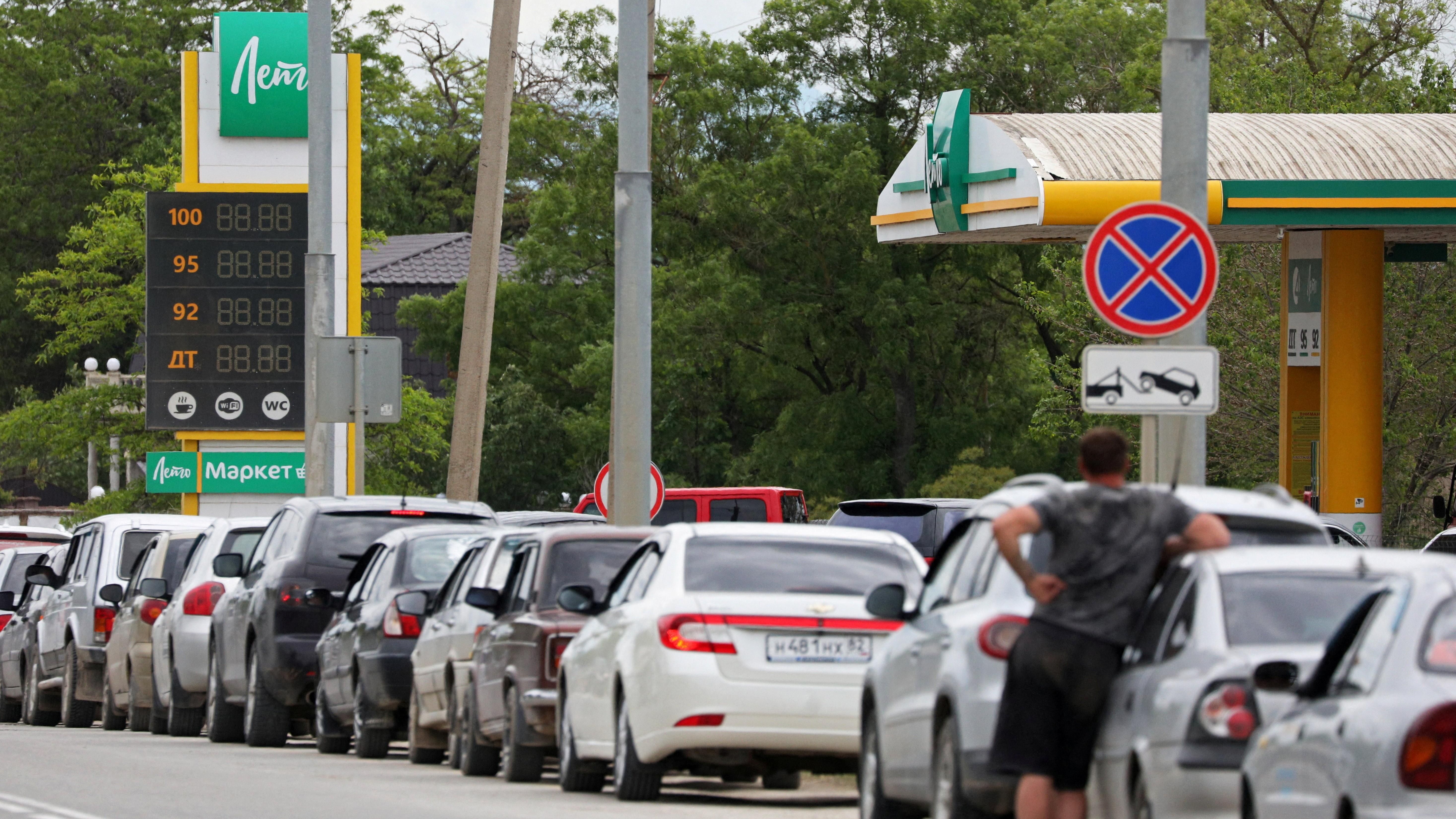
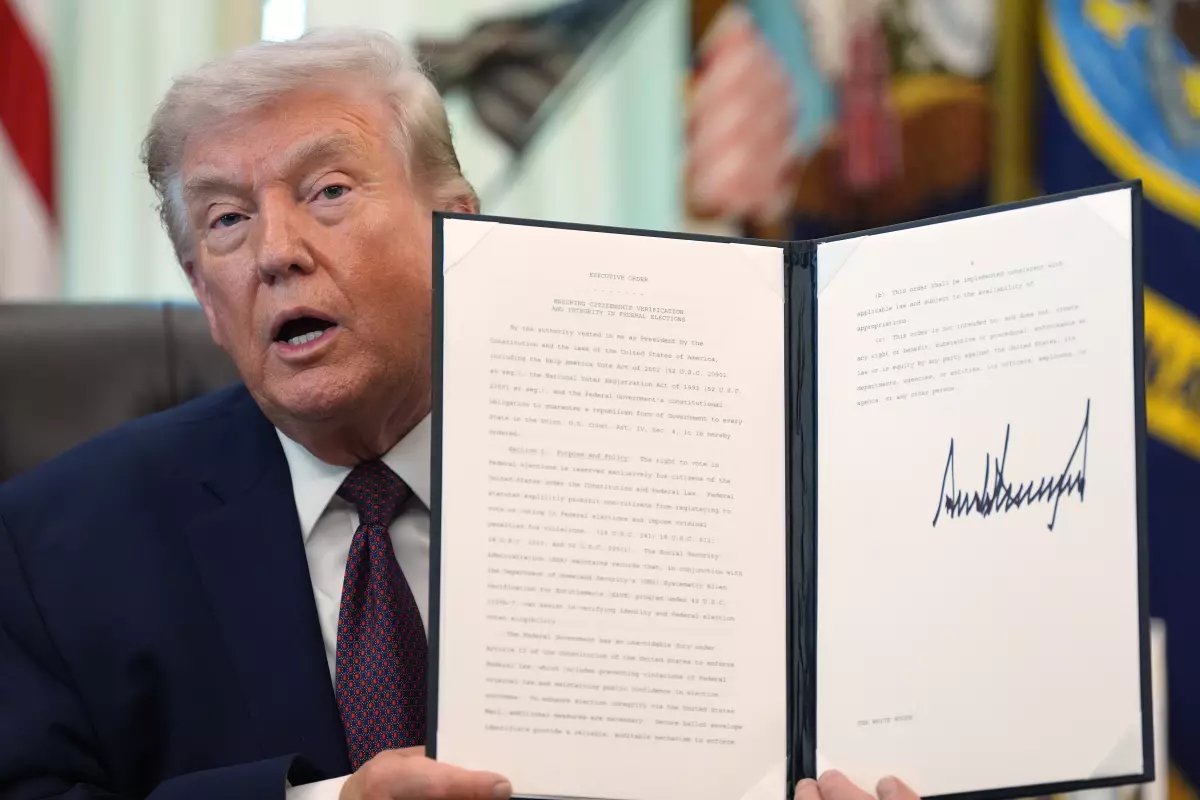
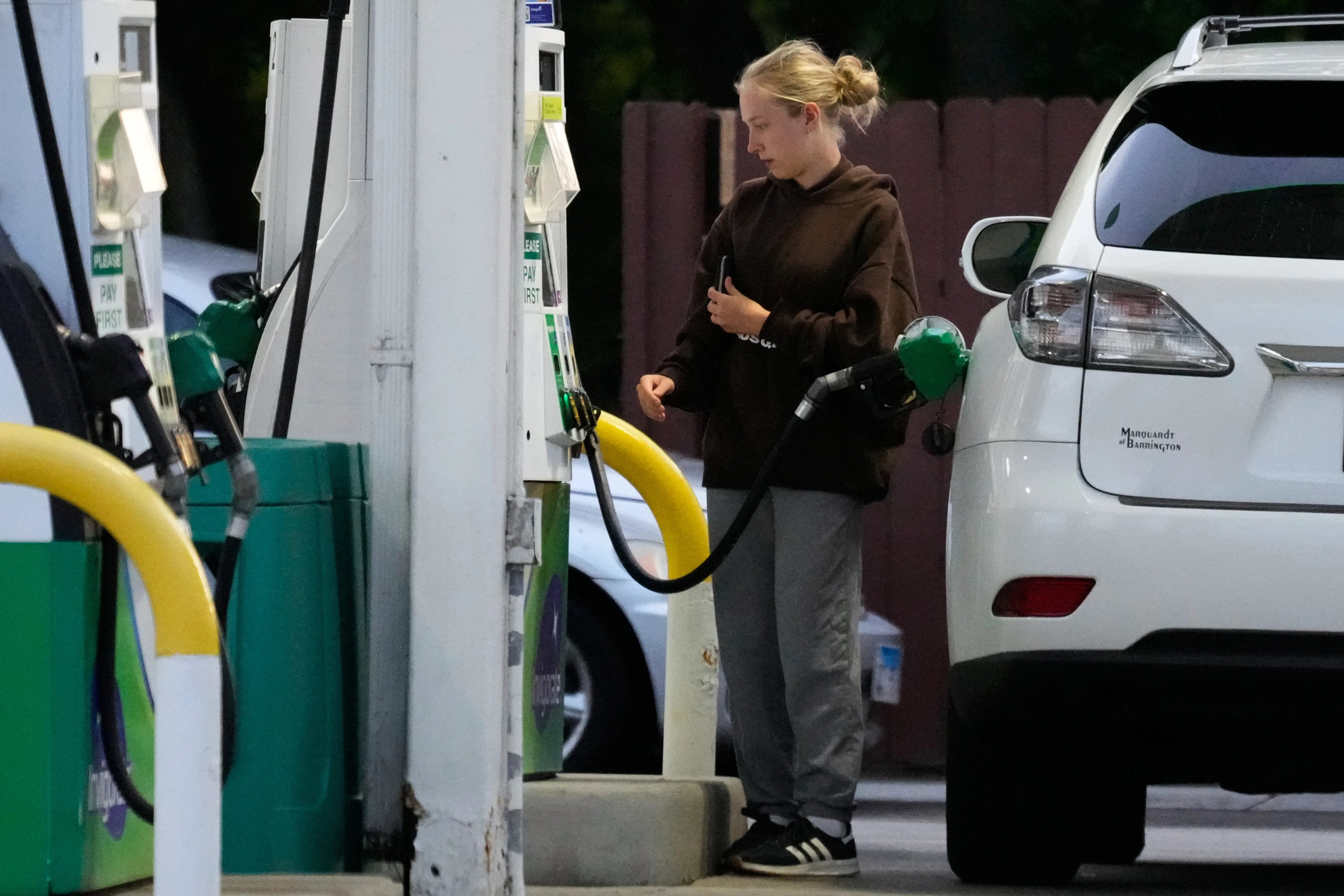
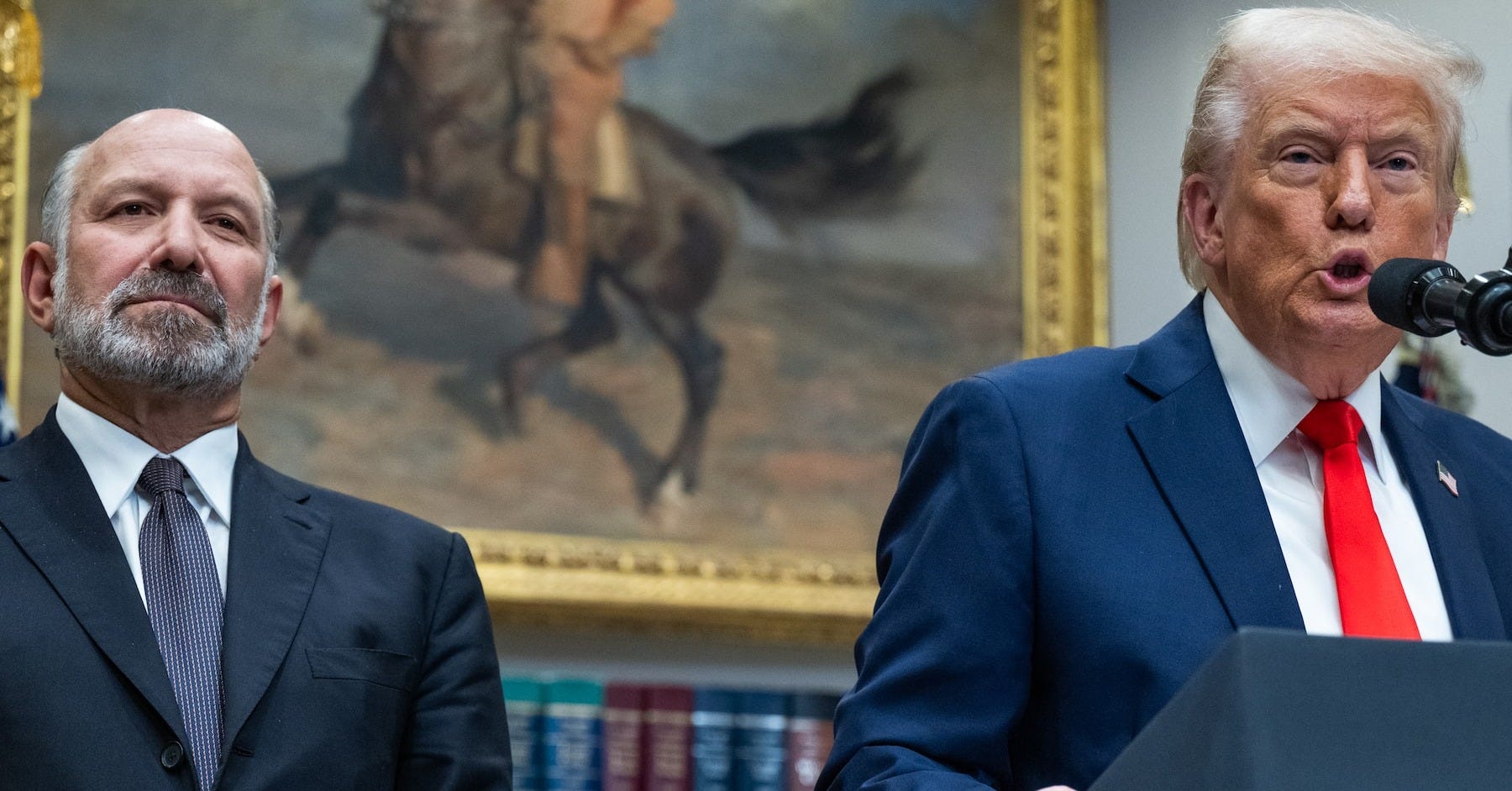
Chevron's Chief Financial Officer Eimear Bonner told CNBC on Thursday that "it's going to take time" for price cuts to reach American gas pumps, citing a lag between wholesale oil prices and retail fuel costs. The average price of regular gasoline in the U.S. has dropped to around $3.93 a gallon from $4 in April, but remains well above pre-war levels. President Trump on Wednesday ordered an investigation into Shell, ExxonMobil, Chevron and BP, accusing them of "gouging" drivers by not reducing prices faster as oil costs fell.
Uncertainty Slows the Recovery
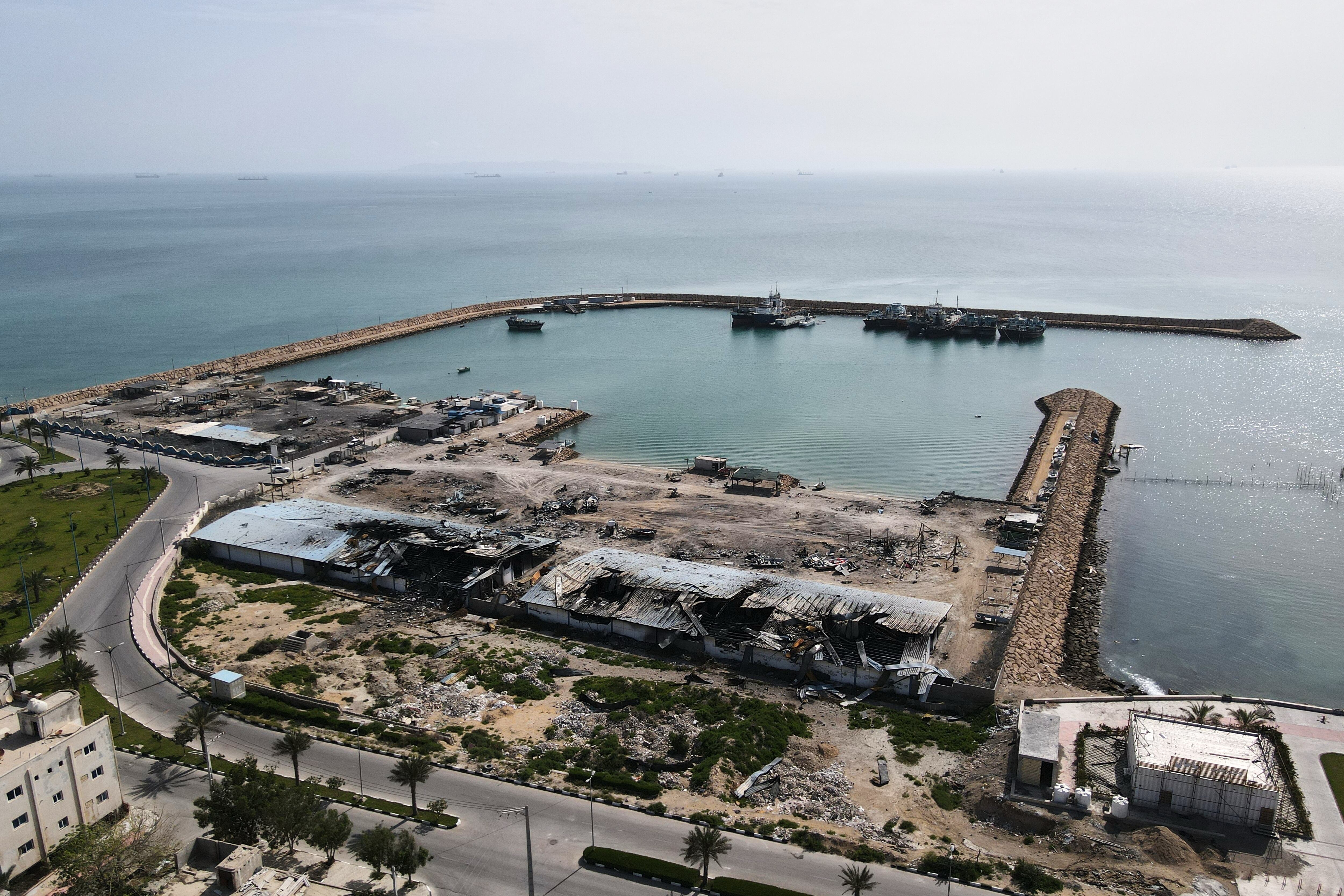
Traffic through the strait remains far below pre-war levels, when more than 130 ships passed daily. Shipping companies are operating cautiously as key questions remain unresolved, including how mines purportedly laid by Iran will be cleared and what the strait's circumstances will look like after negotiations conclude. Halvor Ellefsen, a director at Fearnleys Shipbrokers, told NBC News that "most of what we've seen so far is inventories being shipped out, not much if any of fresh loadings in the Gulf."
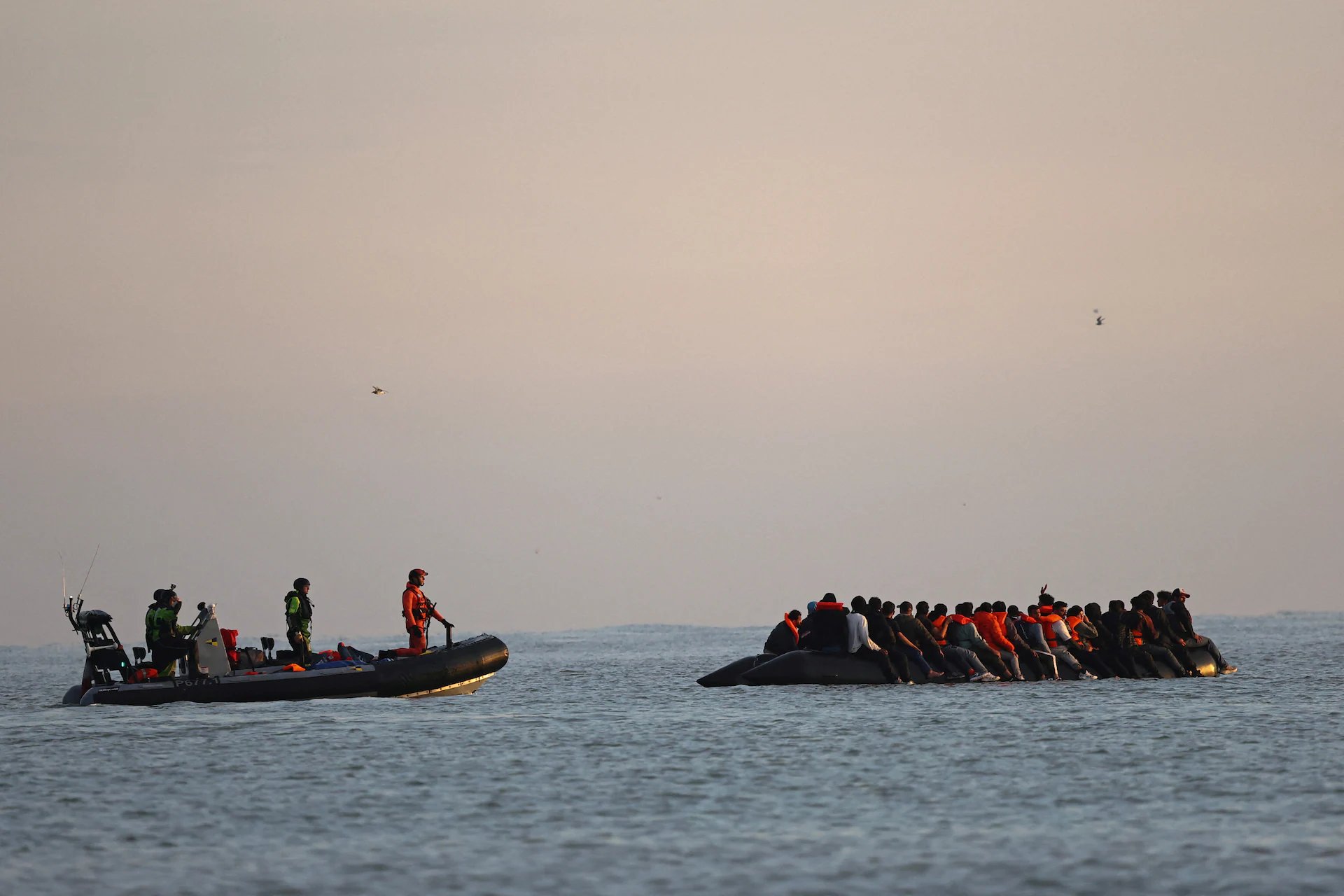
France and the United Kingdom are leading a demining effort backed by Germany, Italy, Japan and Canada. Under the agreement, Iran is required to clear any mines within 30 days. The International Maritime Organization announced a plan to evacuate around 11,000 seafarers stranded in the region, with some 57 ships carrying an estimated 1,100 seafarers having transited the strait under the plan as of Thursday morning. U.S. Energy Secretary Chris Wright said flows through the strait were close to pre-war levels, with at least 20 million barrels exiting in the past 24 hours, but a return to complete normality would take weeks.