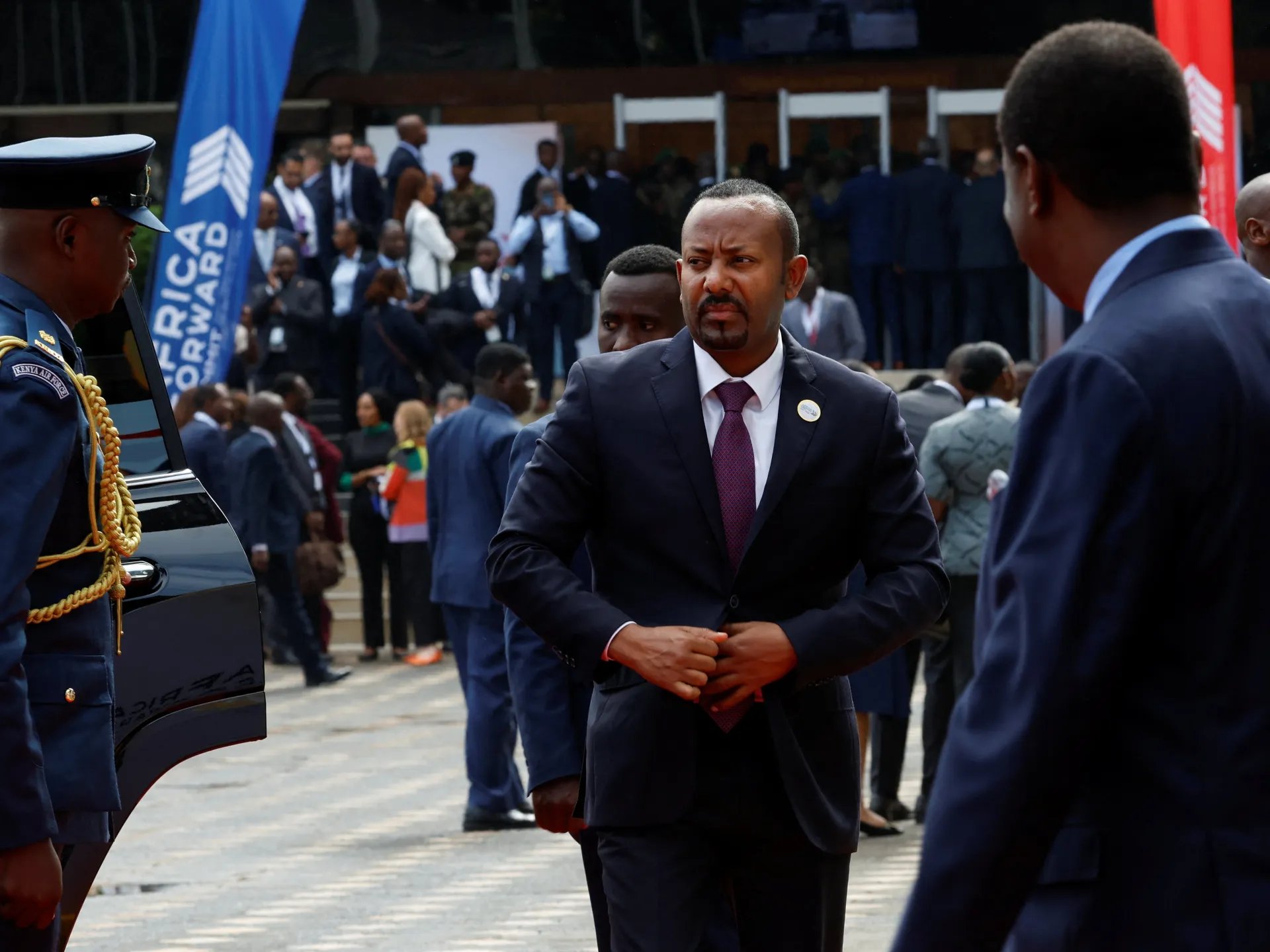
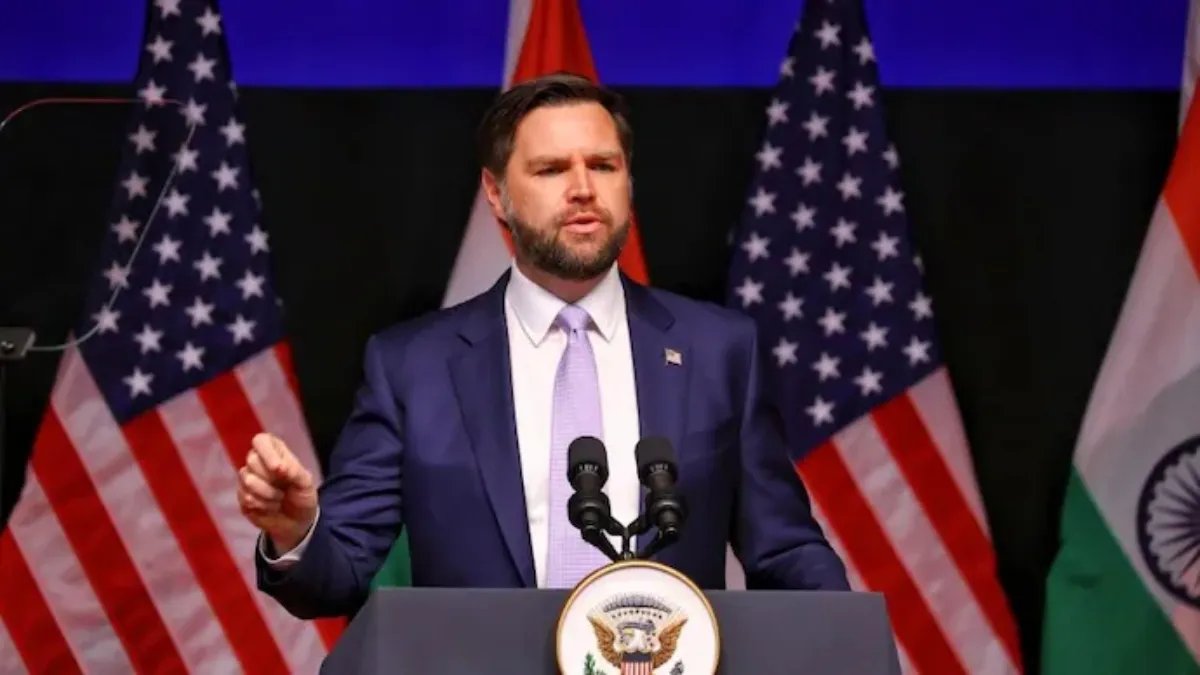
India has drawn a firm line on a potential trade pact with the United States, signaling that no agreement will move forward until specific conditions are met. The country's position reflects a hardening stance in bilateral trade negotiations as the two nations work toward a comprehensive commercial arrangement. India's demand for particular concessions before signing suggests the talks have reached a critical juncture where both sides must reconcile competing interests.
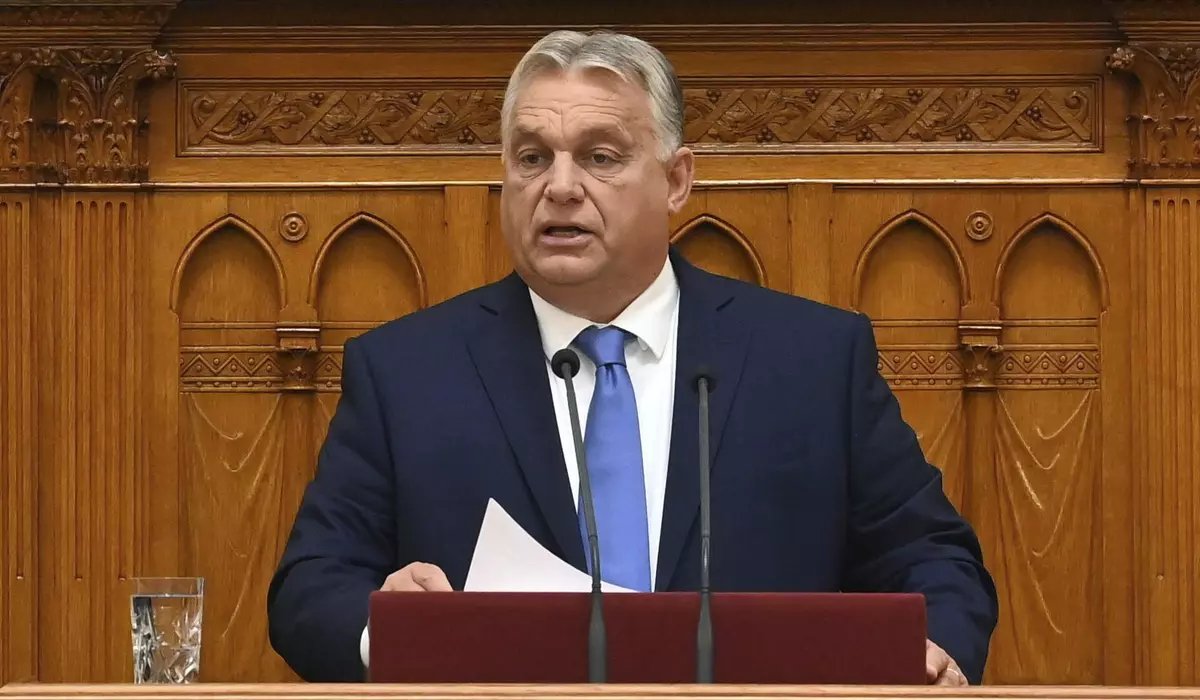
While US-India negotiations proceed, other major trade agreements are advancing. The European Union granted final approval to its trade deal with the United States, clearing the way for the pact to take effect. The EU's decision came ahead of a Trump administration deadline, indicating that Brussels moved quickly to secure the arrangement despite ongoing economic tensions between the bloc and Washington.
Separately, Chinese oilseed crushers have made inquiries for fresh cargoes of Australian canola in anticipation of a trade pact that could end a years-long freeze on supplies.
The cluster of trade negotiations underway reflects a broader reshuffling of commercial relationships. The canola inquiry signals that market participants are positioning themselves for shifts in supply chains once agreements take effect.
If these agreements take effect, they could reshape bilateral commerce and affect prices for consumers and businesses dependent on agricultural imports and manufactured goods across multiple continents.
India has drawn a firm line on a potential trade pact with the United States, signaling that no agreement will move forward until specific conditions are met. The country's position reflects a hardening stance in bilateral trade negotiations as the two nations work toward a comprehensive commercial arrangement. India's demand for particular concessions before signing suggests the talks have reached a critical juncture where both sides must reconcile competing interests.
While US-India negotiations proceed, other major trade agreements are advancing. The European Union granted final approval to its trade deal with the United States, clearing the way for the pact to take effect. The EU's decision came ahead of a Trump administration deadline, indicating that Brussels moved quickly to secure the arrangement despite ongoing economic tensions between the bloc and Washington.
Separately, Chinese oilseed crushers have begun inquiring about fresh shipments of Australian canola in anticipation of a trade agreement that could end a years-long freeze on supplies. The crushers' proactive approach suggests confidence that a pact between Beijing and Canberra will materialize, potentially reopening a market that has been closed to Chinese buyers for an extended period.
The cluster of trade negotiations underway reflects a broader reshuffling of commercial relationships. India's conditional approach contrasts with the EU's willingness to move forward despite reservations, suggesting different risk calculations across trading partners. The canola inquiry signals that market participants are positioning themselves for shifts in supply chains once agreements take effect.
These developments will reshape bilateral commerce and affect prices for consumers and businesses dependent on agricultural imports and manufactured goods across multiple continents.
Highlighted text was flagged by the council. Tap to see feedback.