
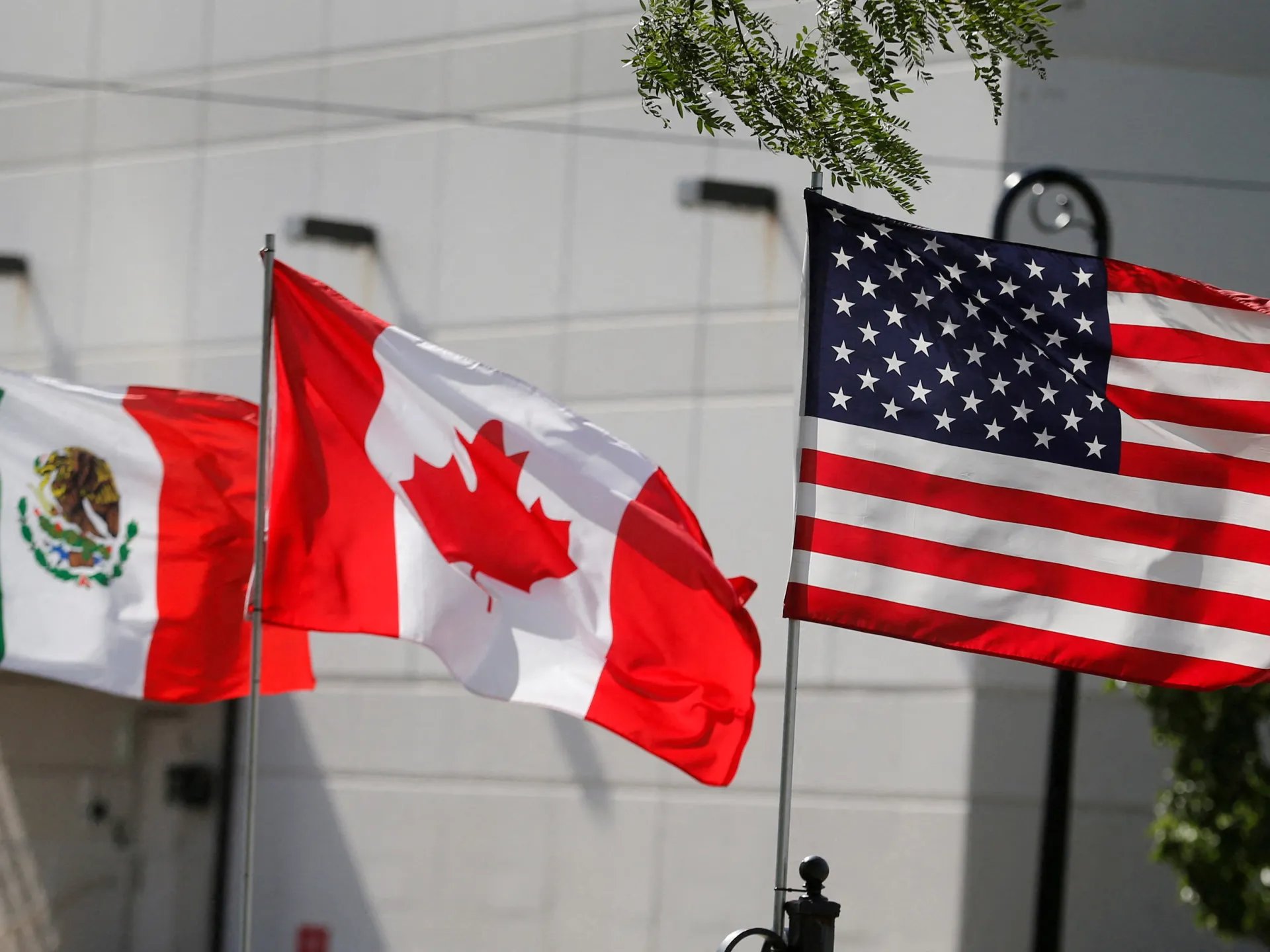





Trade Agreement Overview
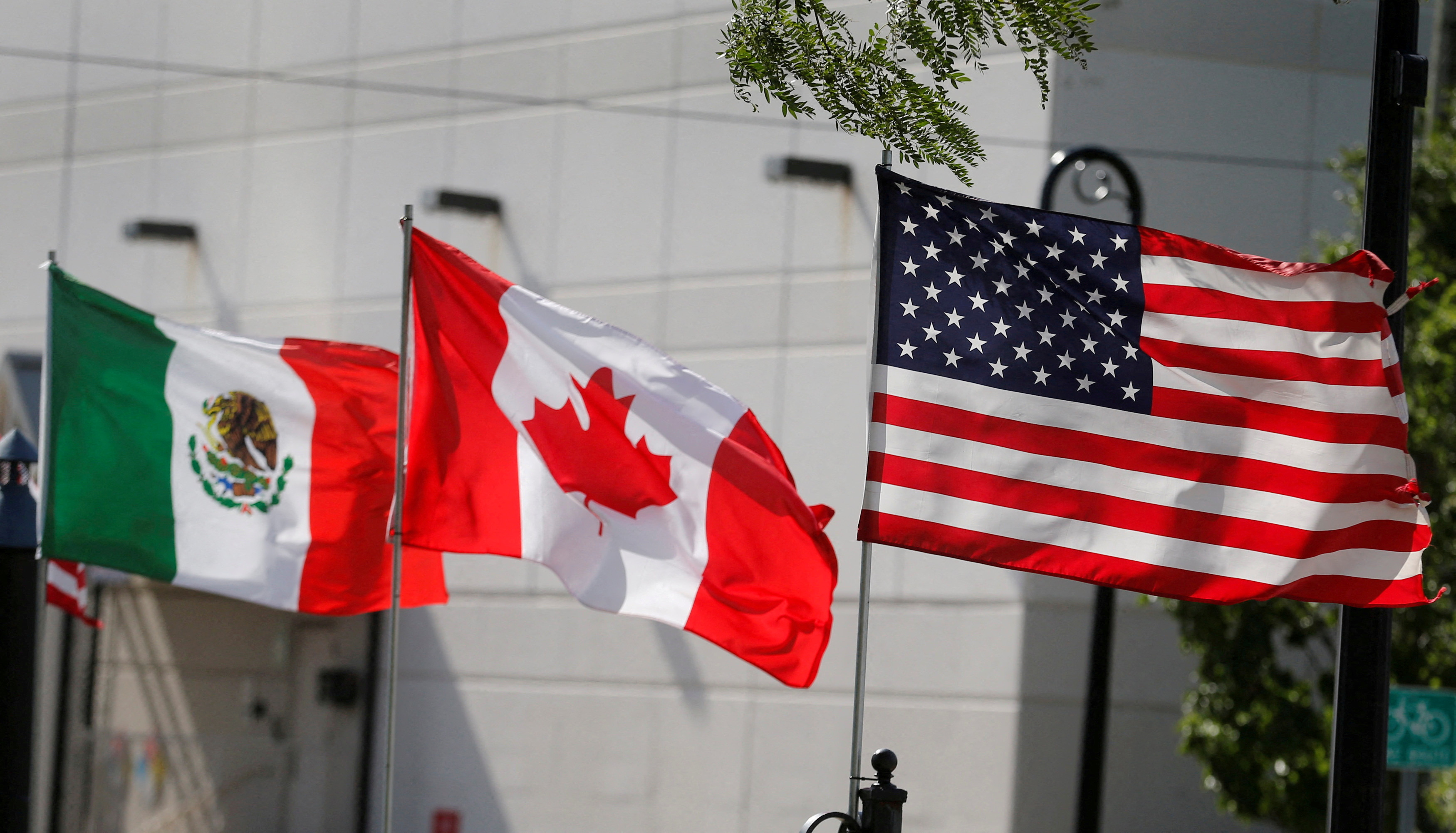
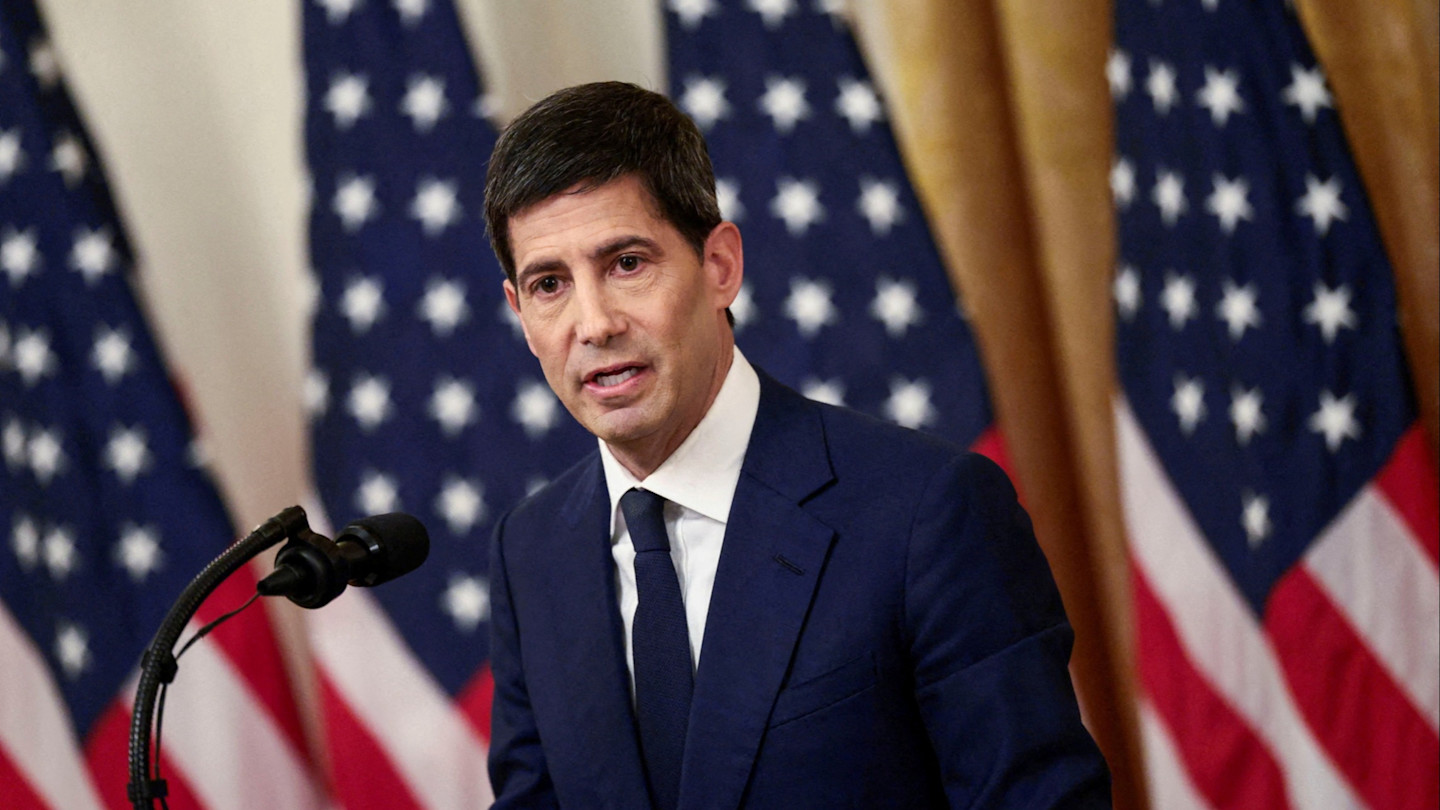
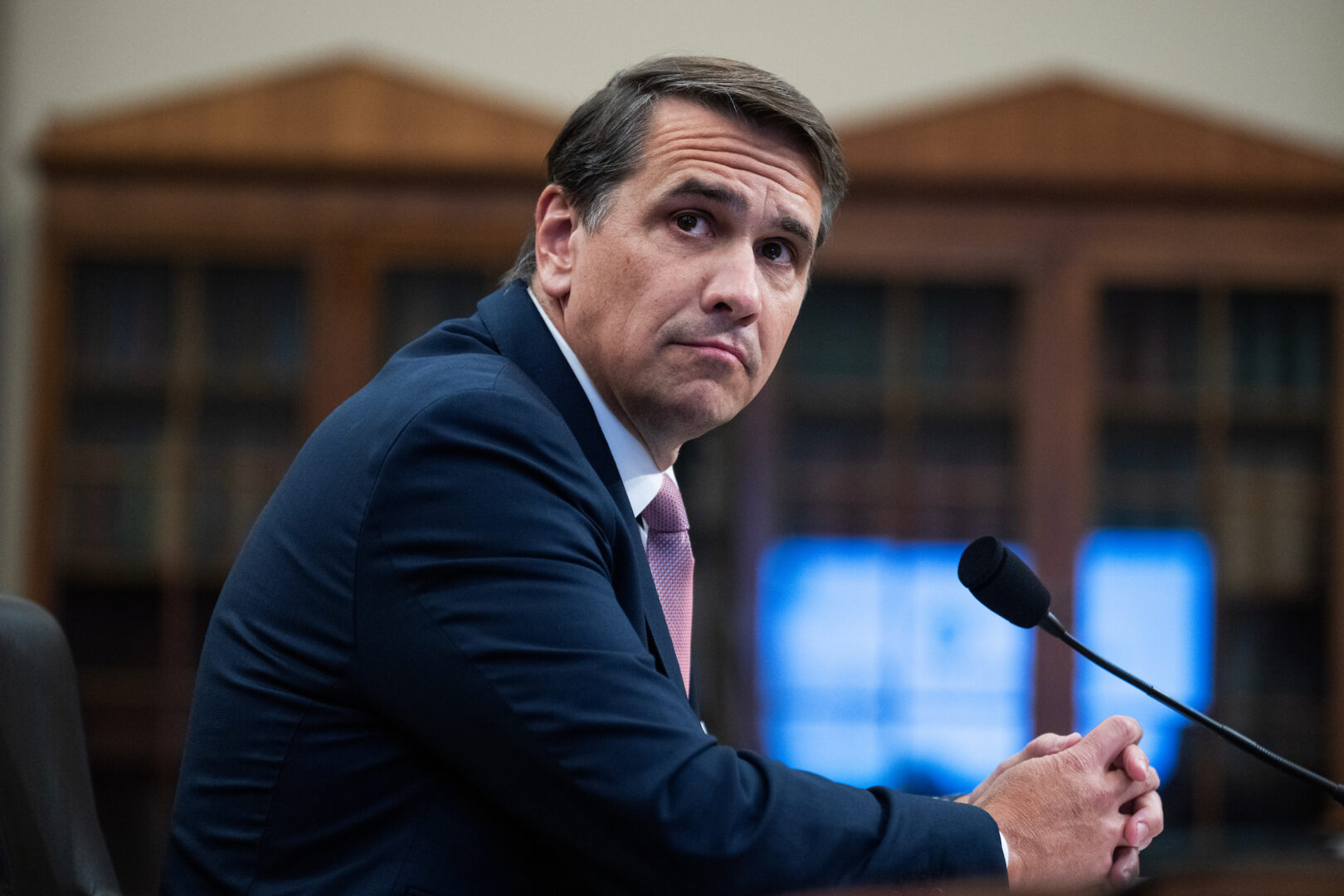
The United States has decided not to renew the United States-Mexico-Canada Agreement (USMCA), a trade pact that came into effect on July 1, 2020. U.S. Trade Representative Jamieson Greer announced the decision, stating, “The United States did not agree to renew the USMCA in its current form.” This marks a significant shift in U.S. trade policy, as the agreement is slated to expire in 2036.
Implications for North American Trade
The U.S. will instead engage in annual reviews of the agreement, a move that could introduce uncertainty for businesses operating across North America. Mexico’s Economy Minister Marcelo Ebrard confirmed the U.S. stance in a video post, highlighting the importance of ongoing discussions among the three countries. The USMCA was designed to facilitate trade between the U.S., Canada, and Mexico, which are among the largest trading partners for each other.
Reasons Behind the Decision
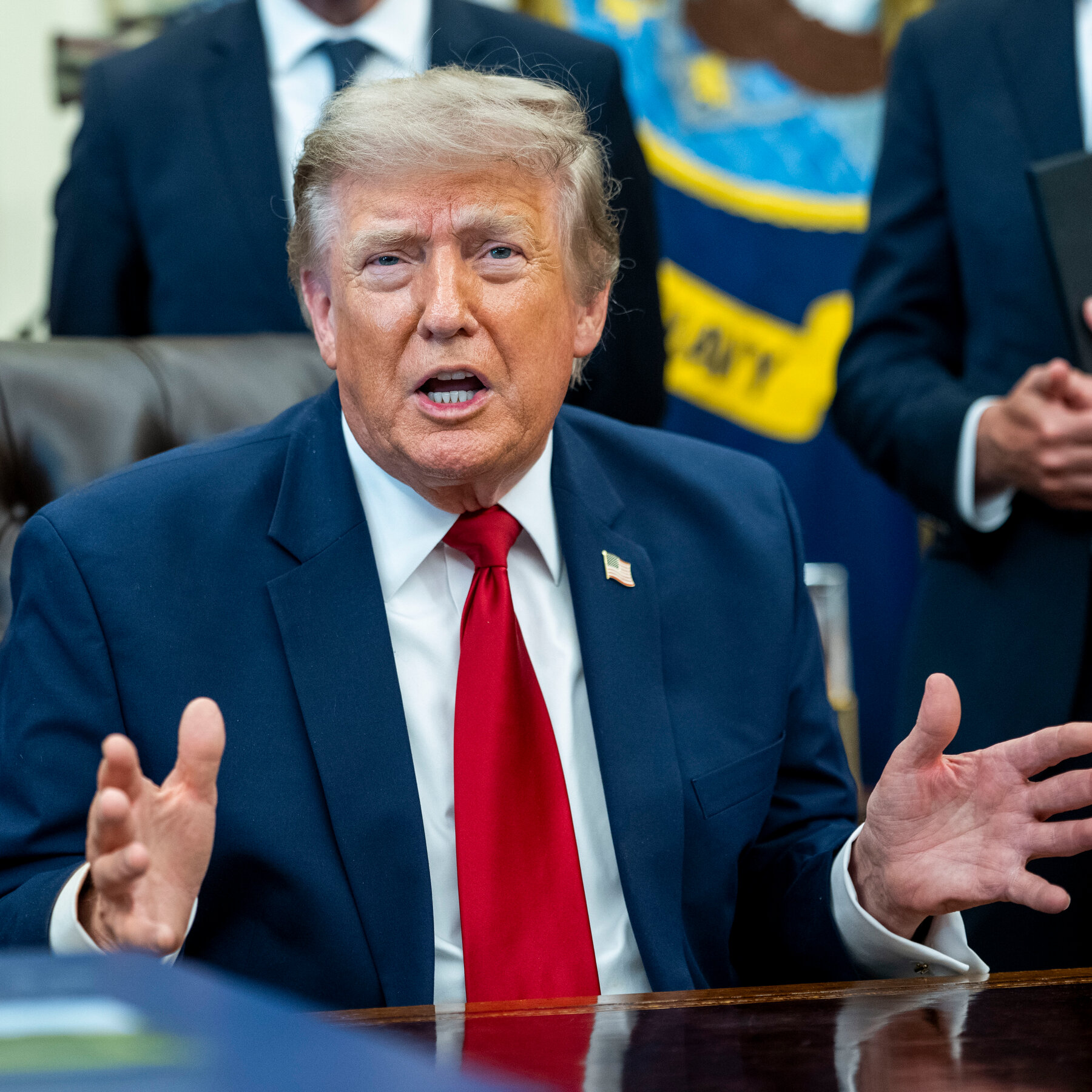
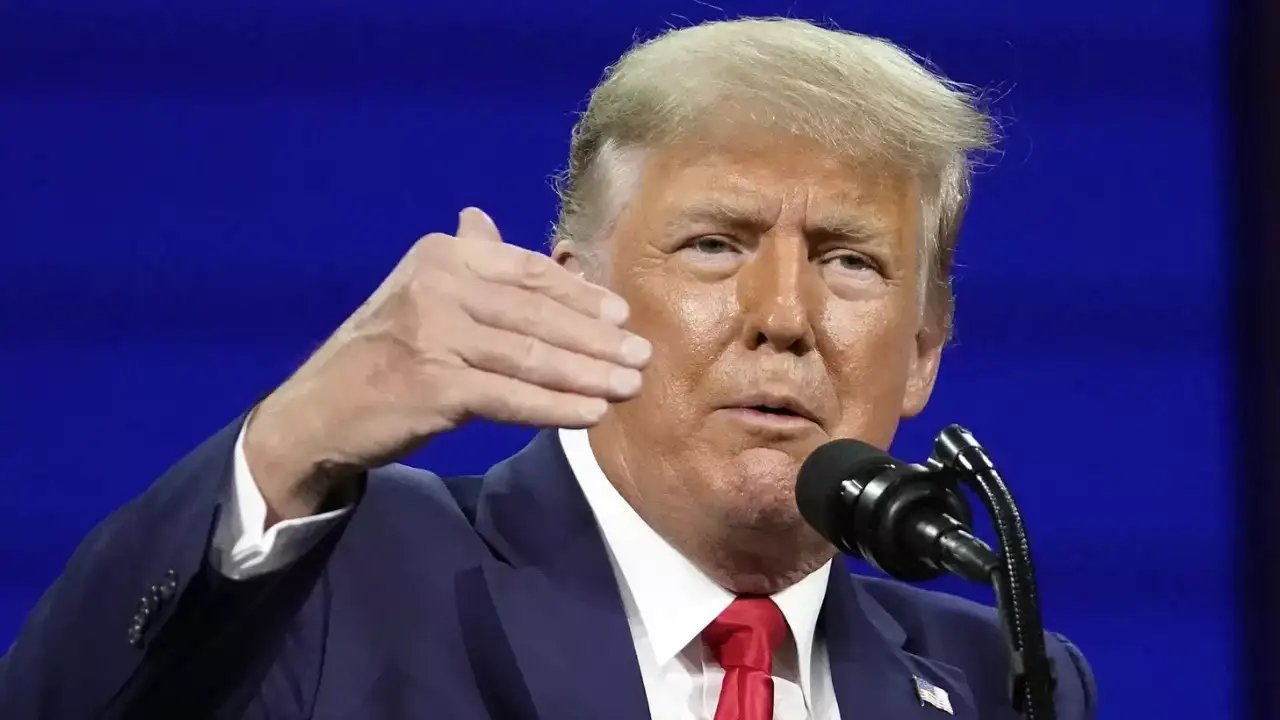
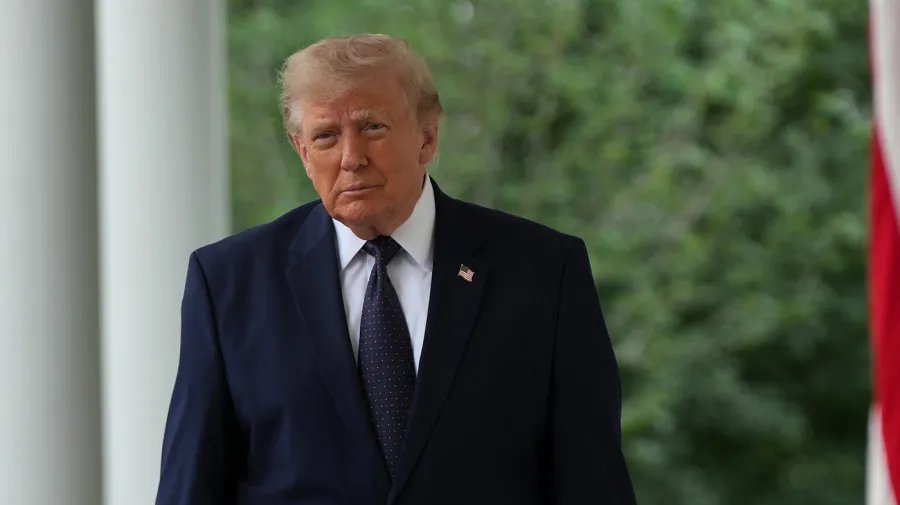
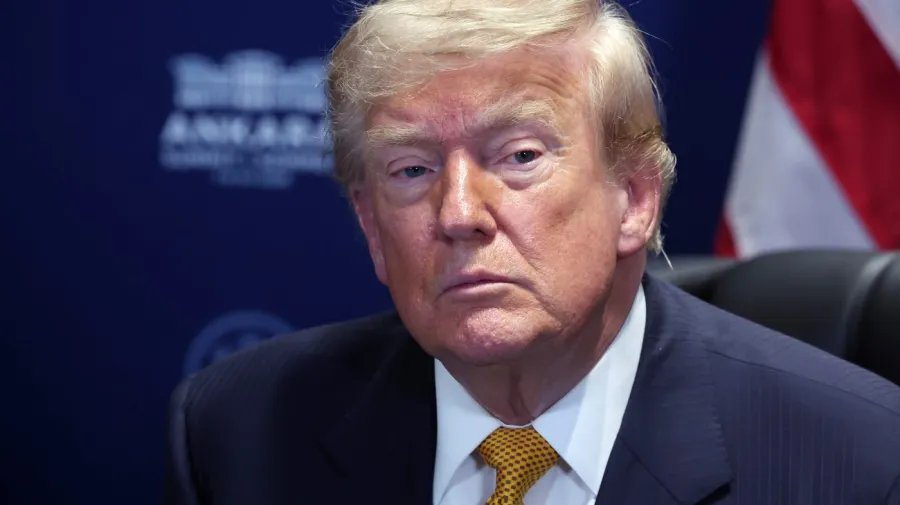
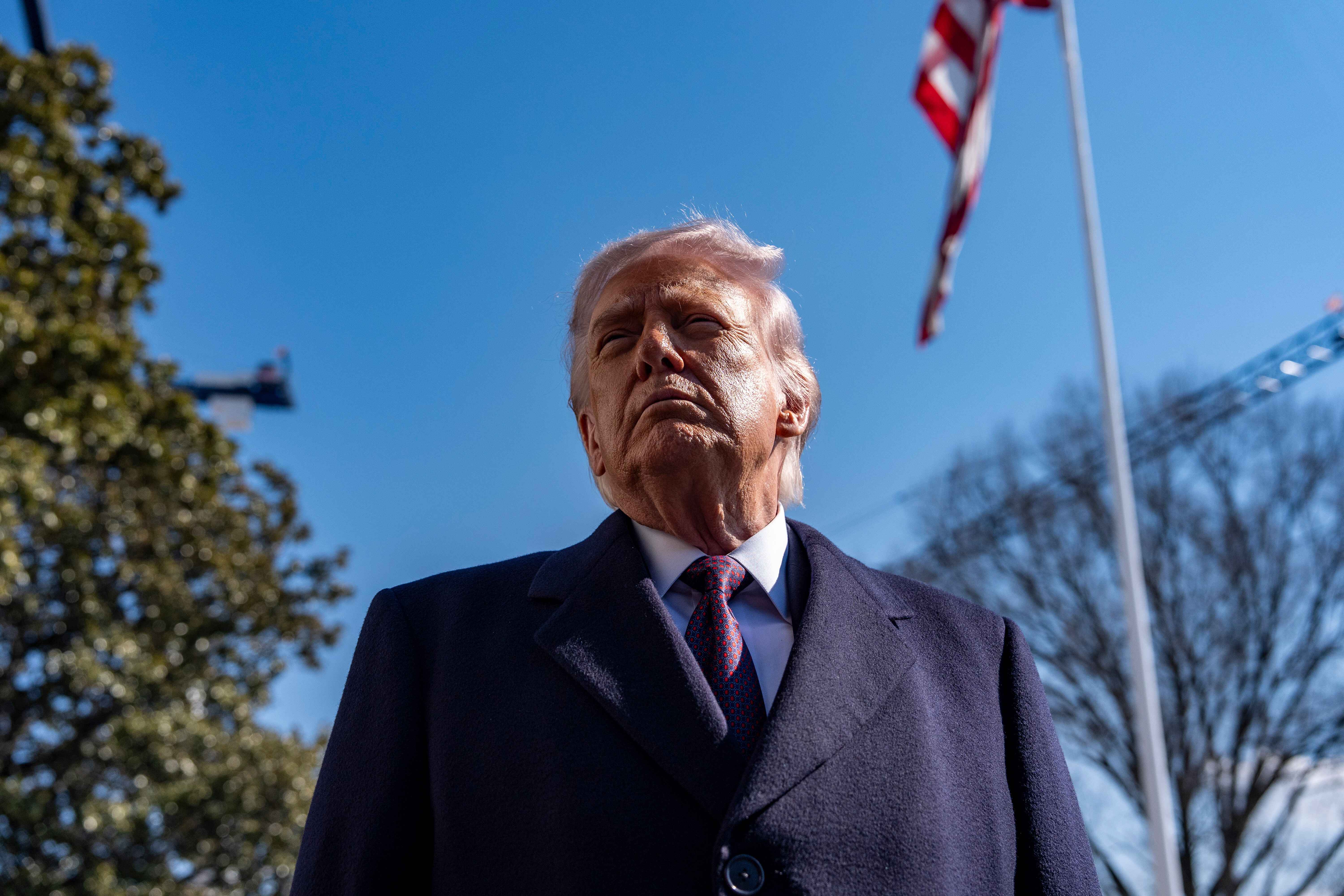
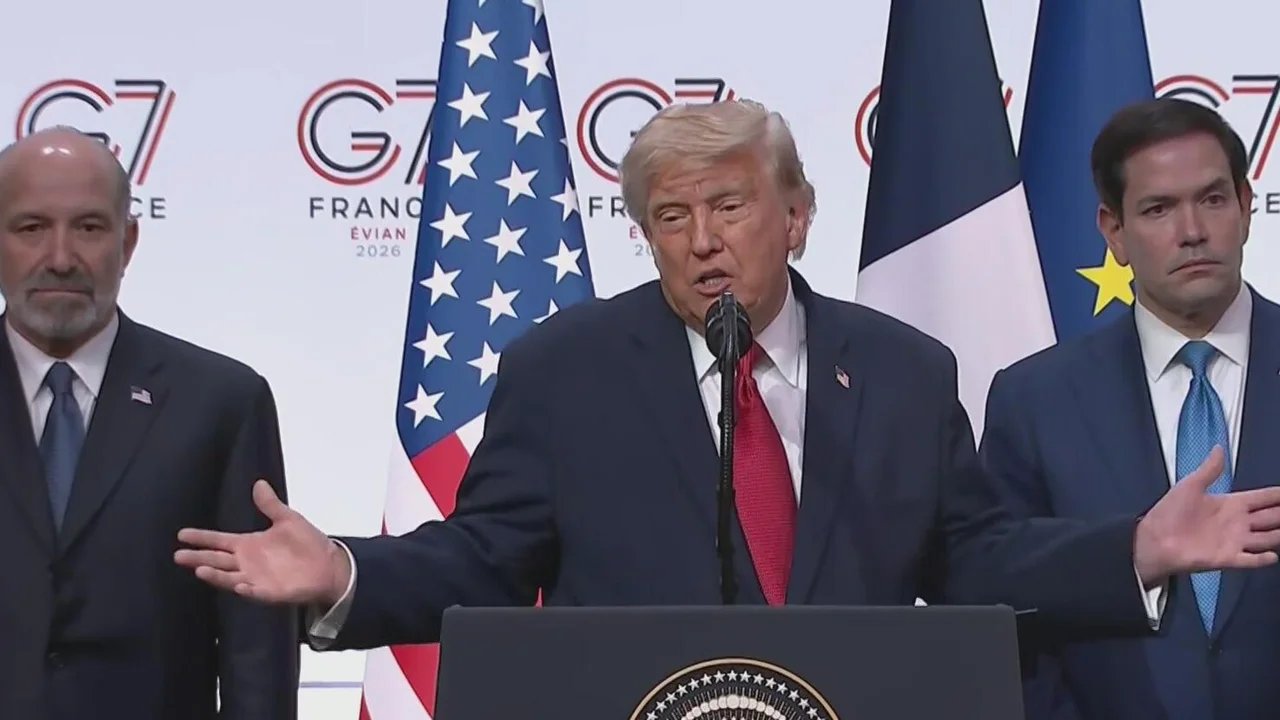
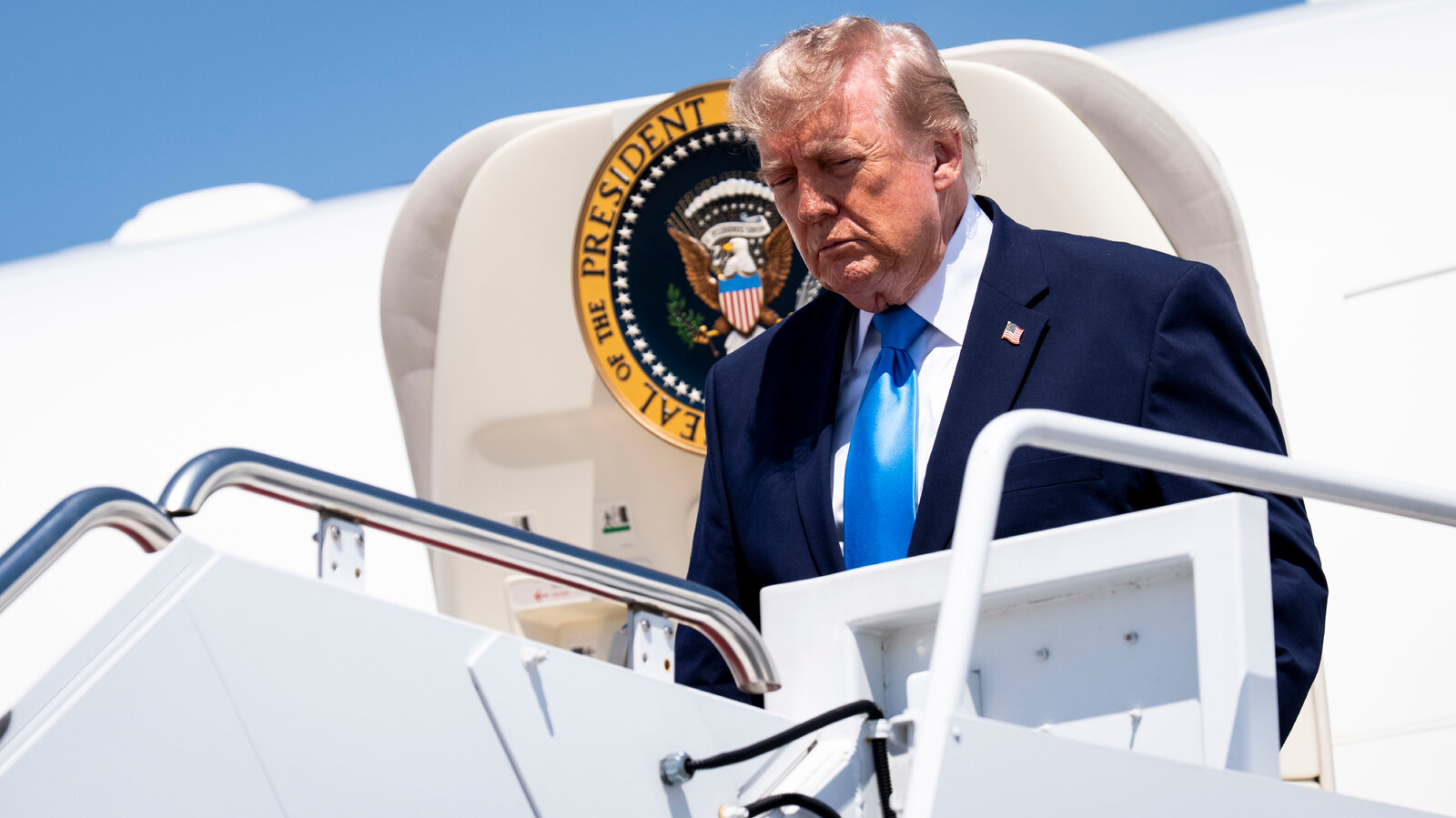
The U.S. administration expressed concerns that the current trade agreement did not sufficiently address trade deficits with its North American neighbors. An unnamed senior official from the Trump administration noted, “We need to come to a conclusion as quickly as possible.” This sentiment aligns with former President Trump's long-standing criticism of the agreement, as he previously stated that he would prefer not to have the USMCA at all, calling it “irrelevant.”
Future of Trade Talks
Despite the decision not to renew the agreement, discussions will continue. The U.S. plans to meet with Mexico the week of July 20 to explore potential modifications and improvements to the trade framework. Canadian Minister of Internal Trade Dominic LeBlanc emphasized the need for collaboration, stating that it is essential to identify ways to enhance trade and investment frameworks among the three countries.
Annual Review Process
If the U.S., Canada, and Mexico do not agree on an extension, the USMCA will enter an annual review process, subjecting it to debate each year until its expiration in 2036. Vina Nadjibulla, vice president and head of research at the Asia Pacific Foundation of Canada, pointed out that this annual renewal process is the most likely outcome following the U.S. announcement.
Economic Impact on Businesses
The uncertainty surrounding the USMCA could affect companies that rely on trade across North America. The decision to shift to annual reviews introduces a risk factor for businesses that thrive on stable trade agreements. As Canada previously sent nearly 80 percent of its exports to the U.S., any changes in trade policy could have a significant impact on the Canadian economy as well.
The future of North American trade relies heavily on the outcomes of the upcoming discussions between the U.S. and its neighbors. As companies brace for potential changes, the focus will remain on how the three nations navigate this pivotal moment in their economic relations.




























































































































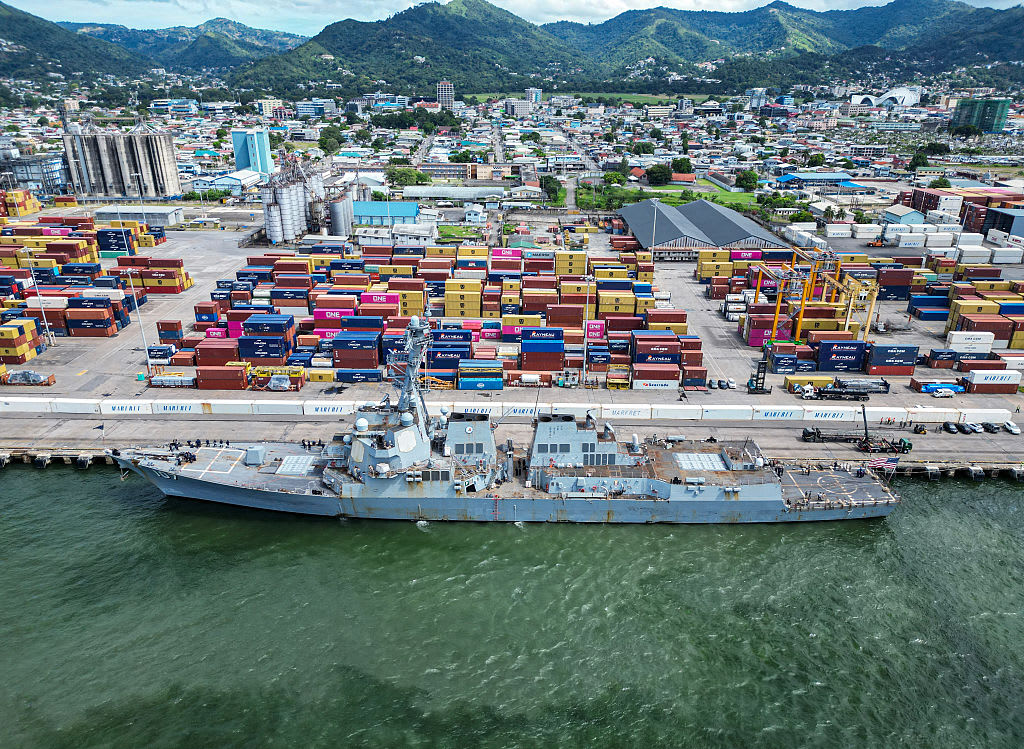






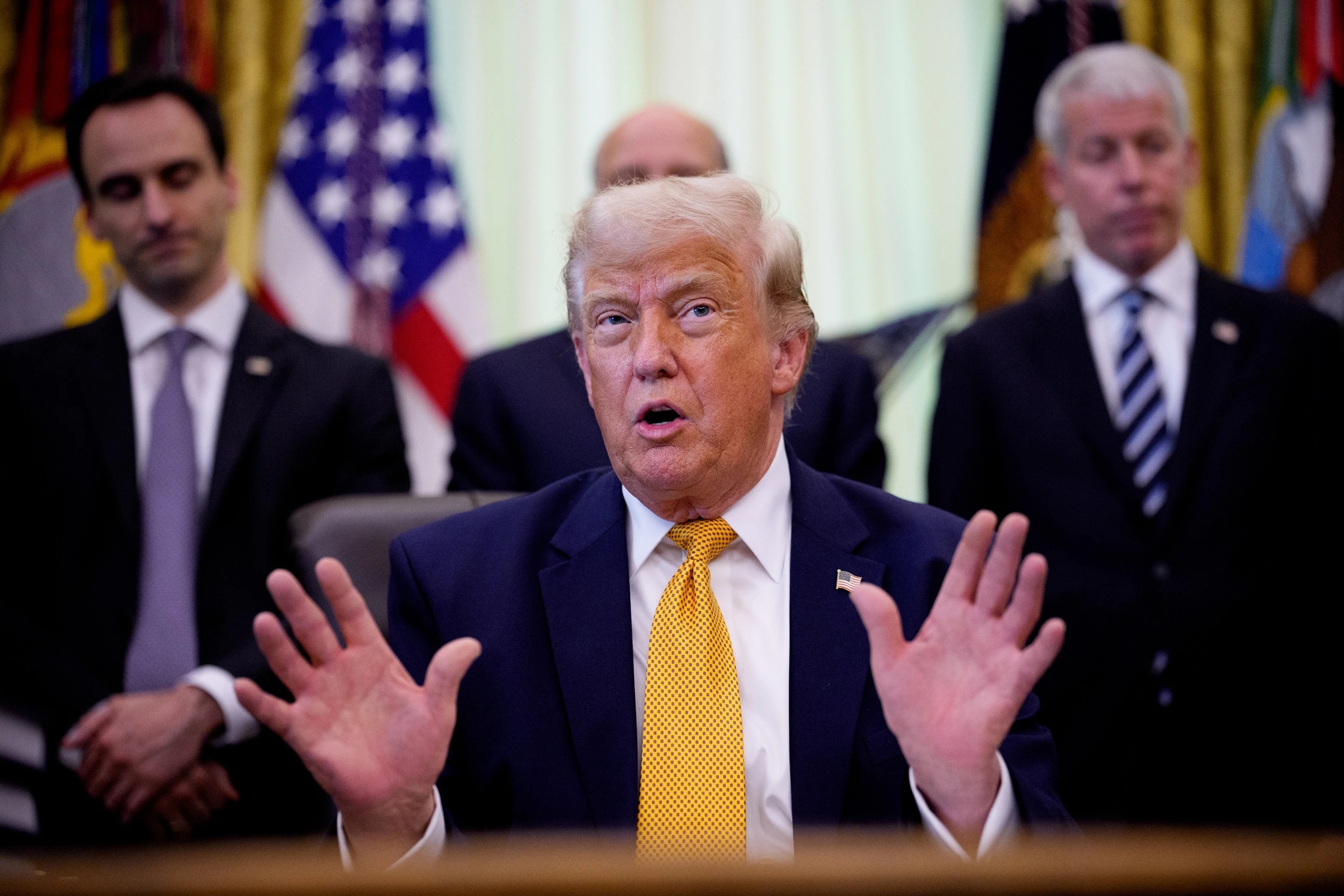











































































































































































































































For example, the sources report that Canada previously sent nearly 80 percent of its exports to the U.S., highlighting the potential economic impact of changes in trade policy.