




First Direct Attack Since Early April
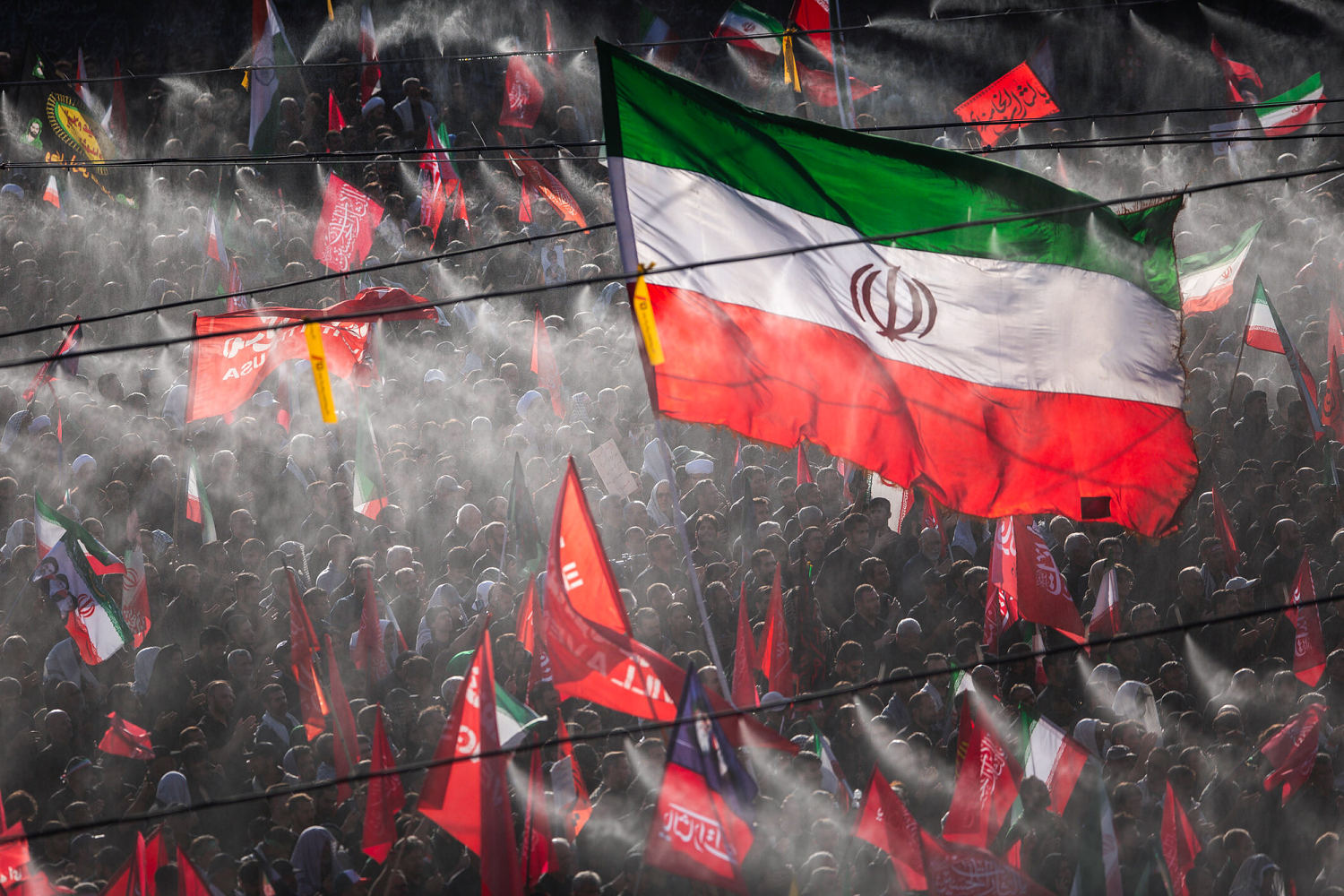
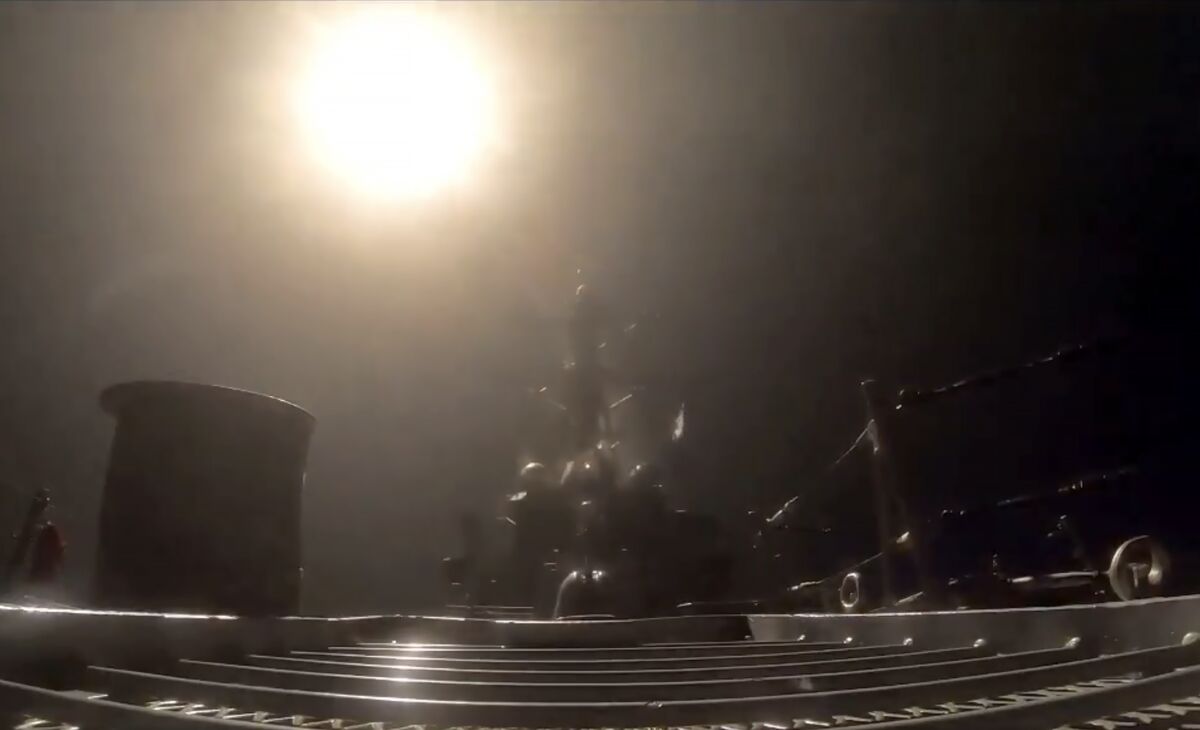
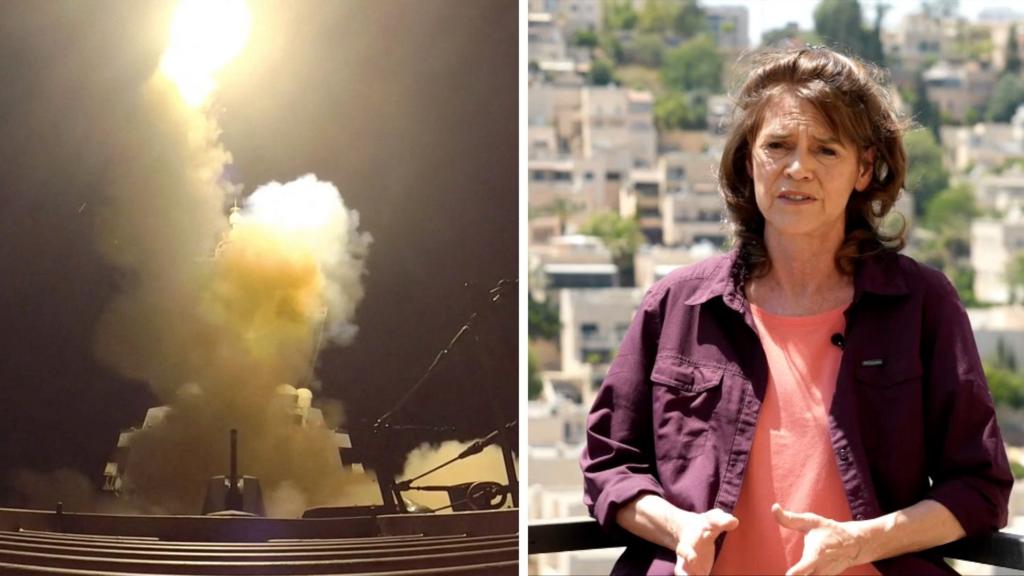
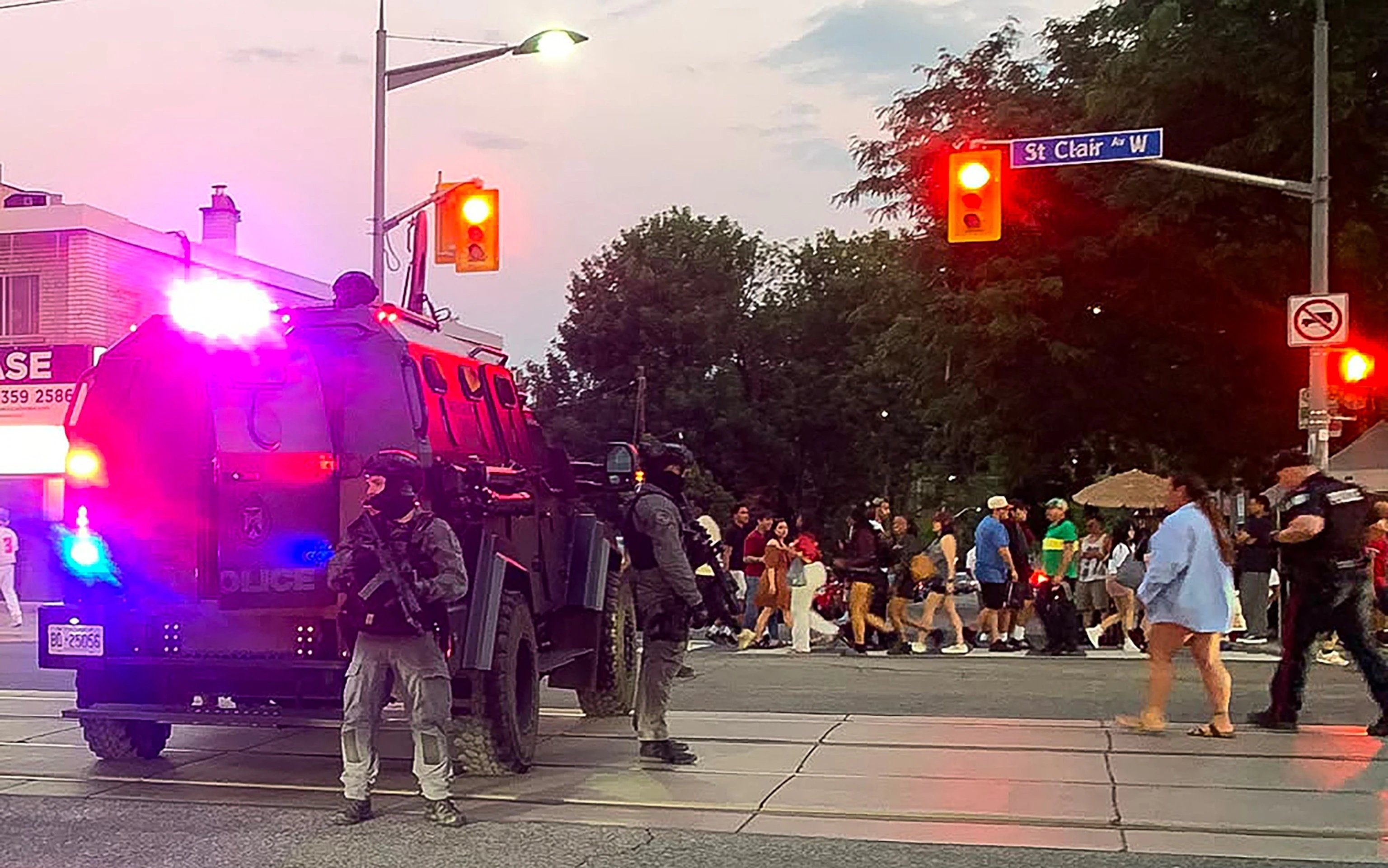
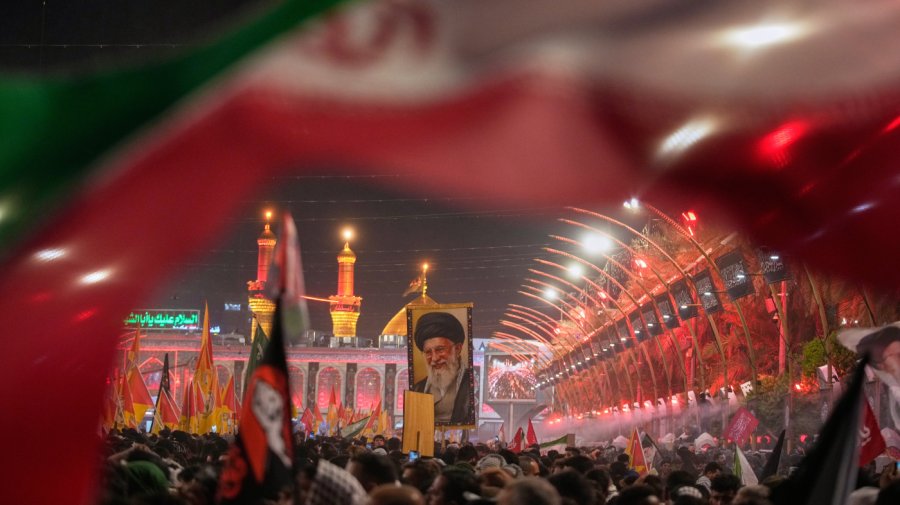
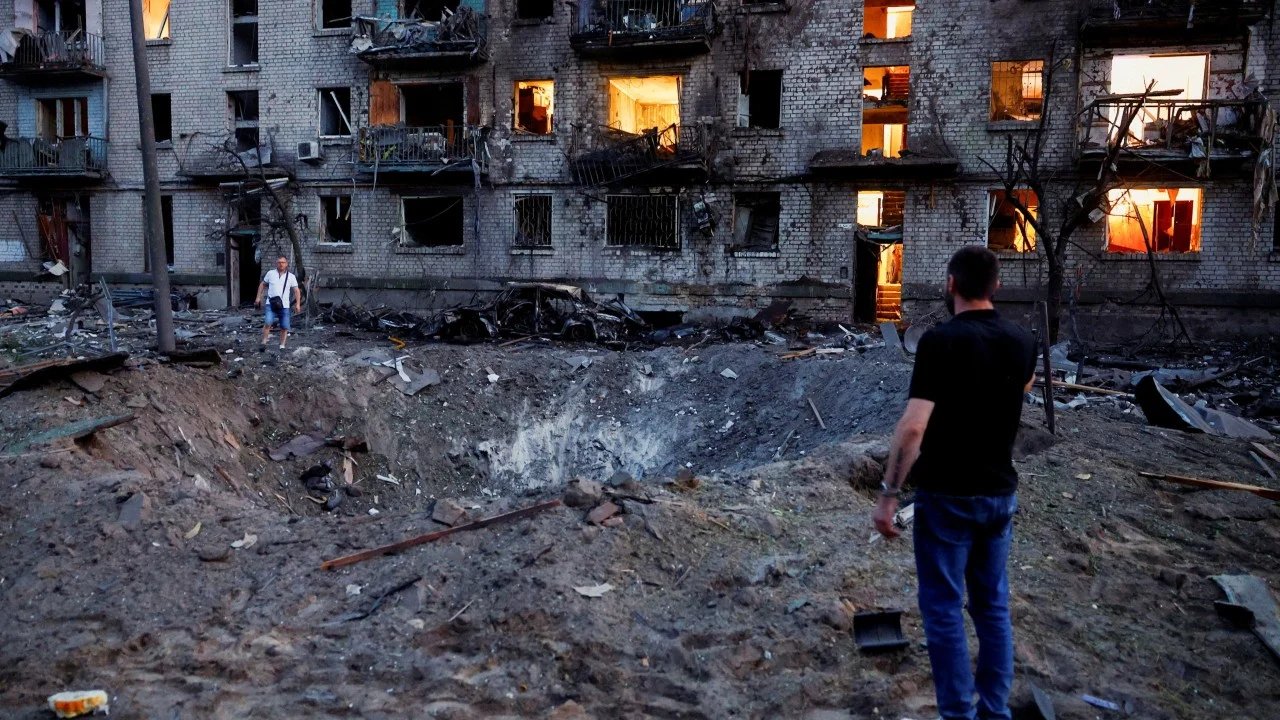
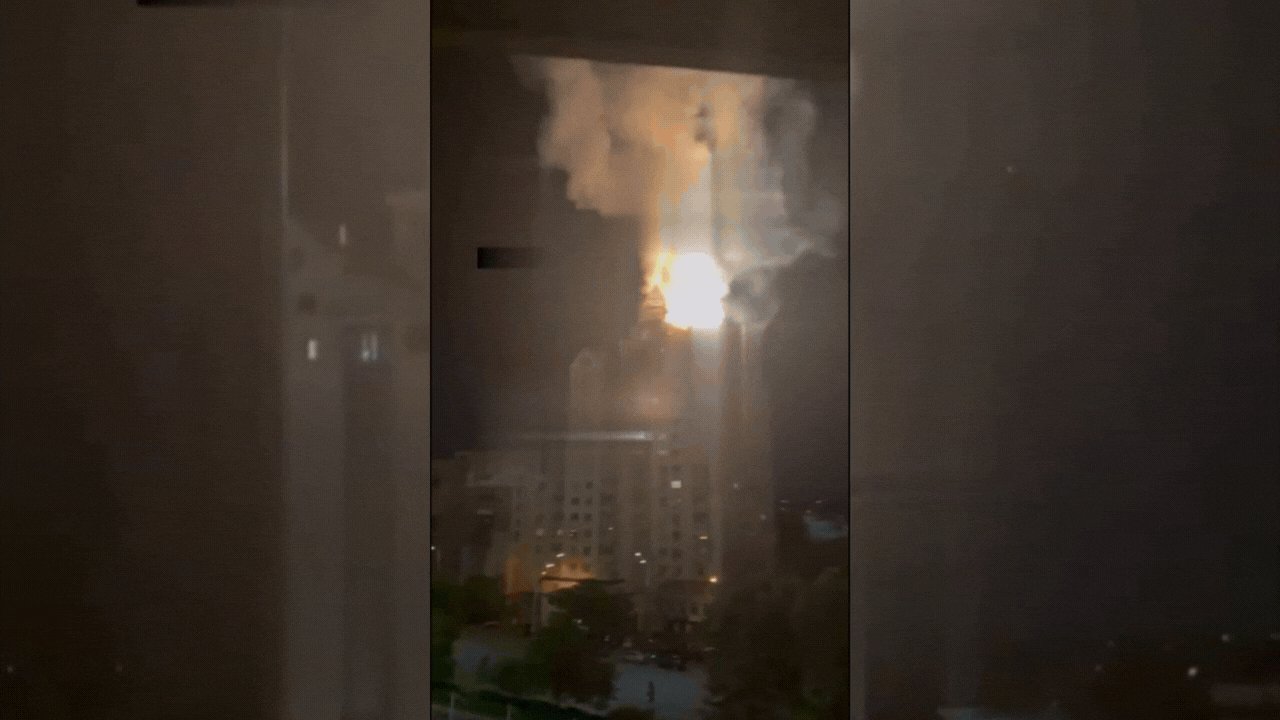
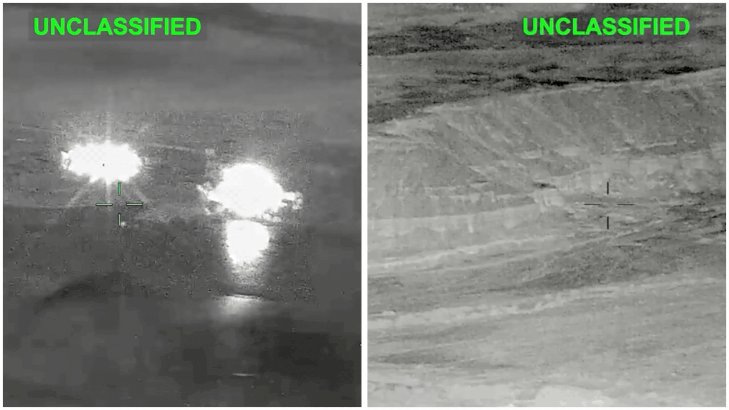
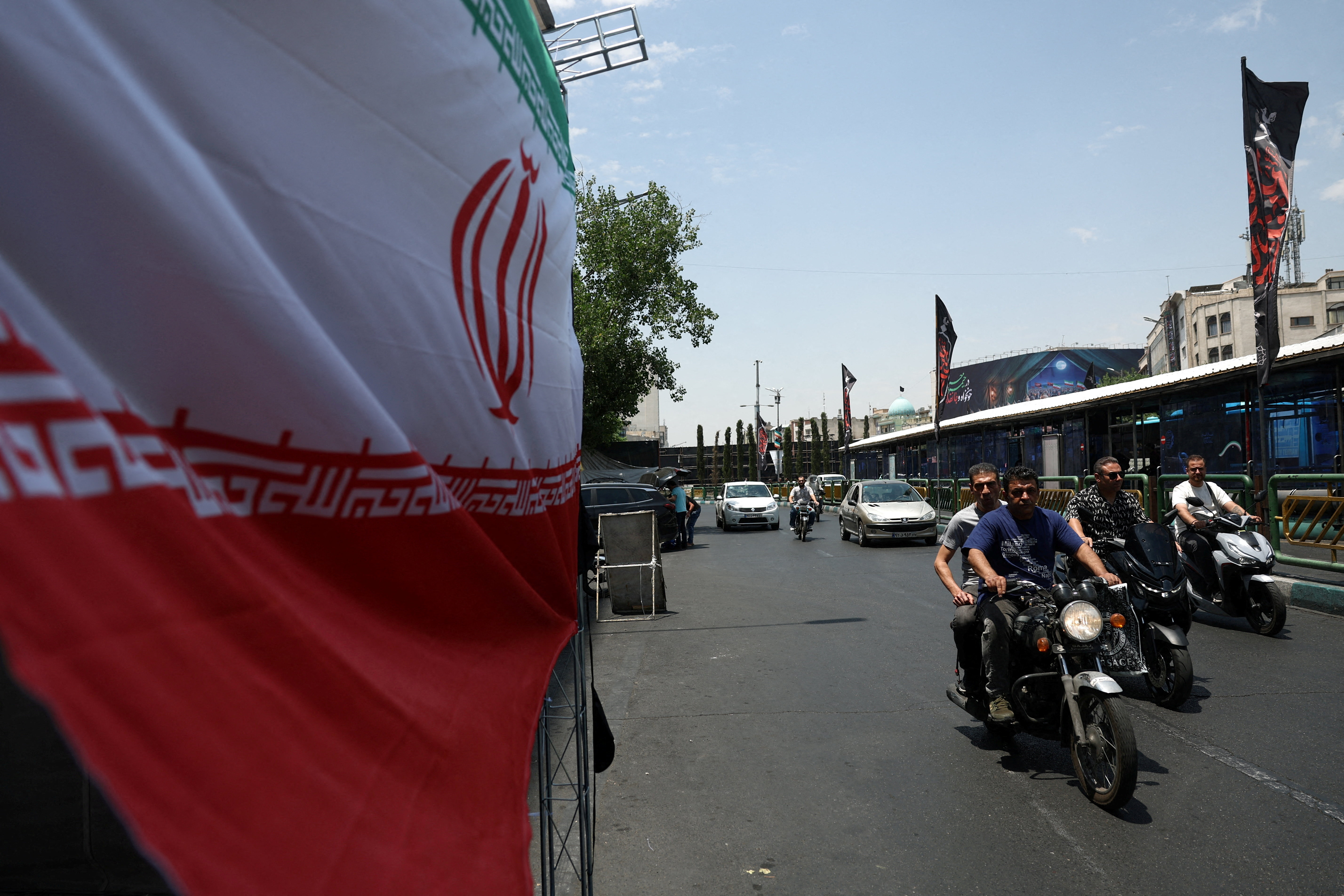
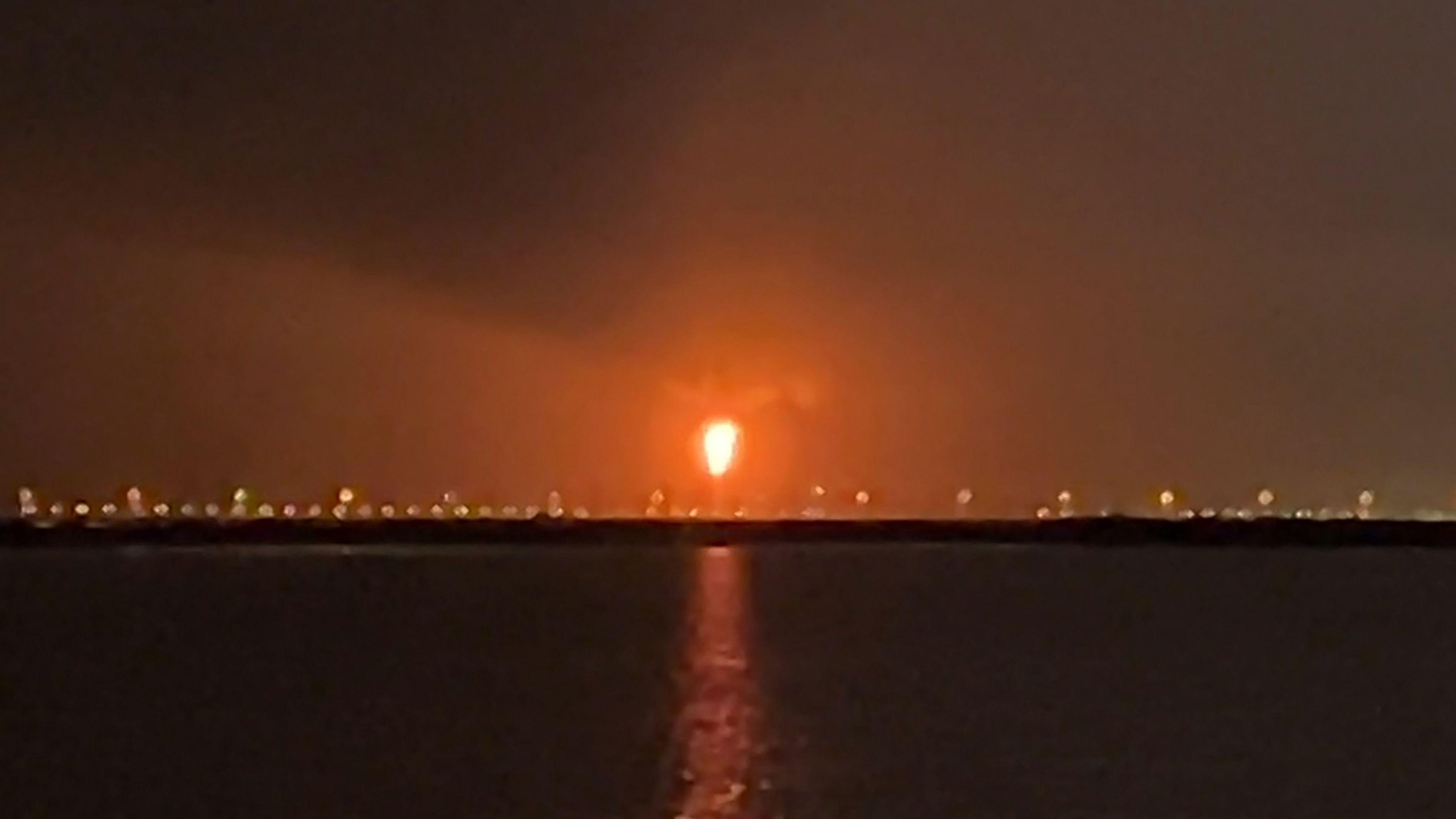
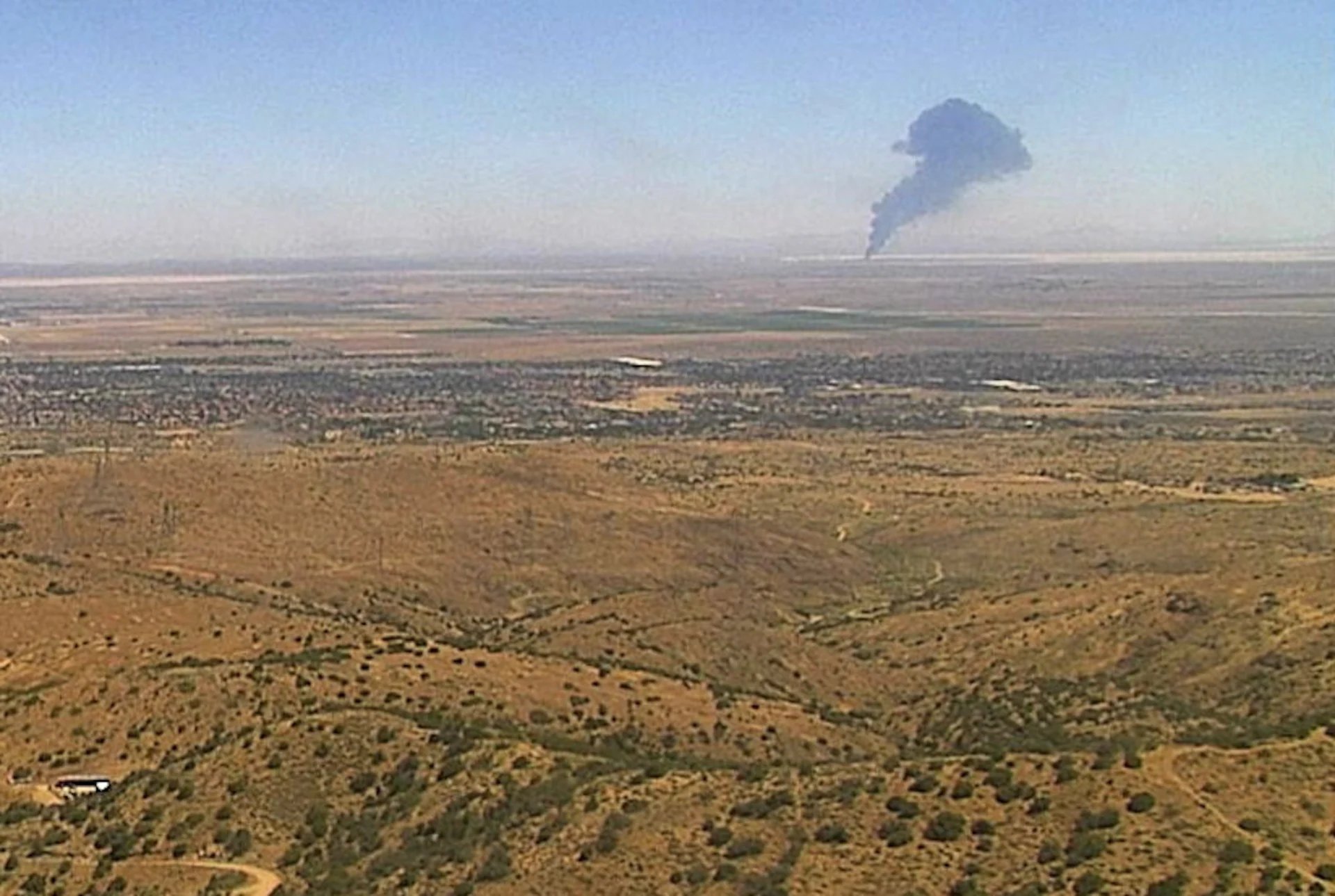
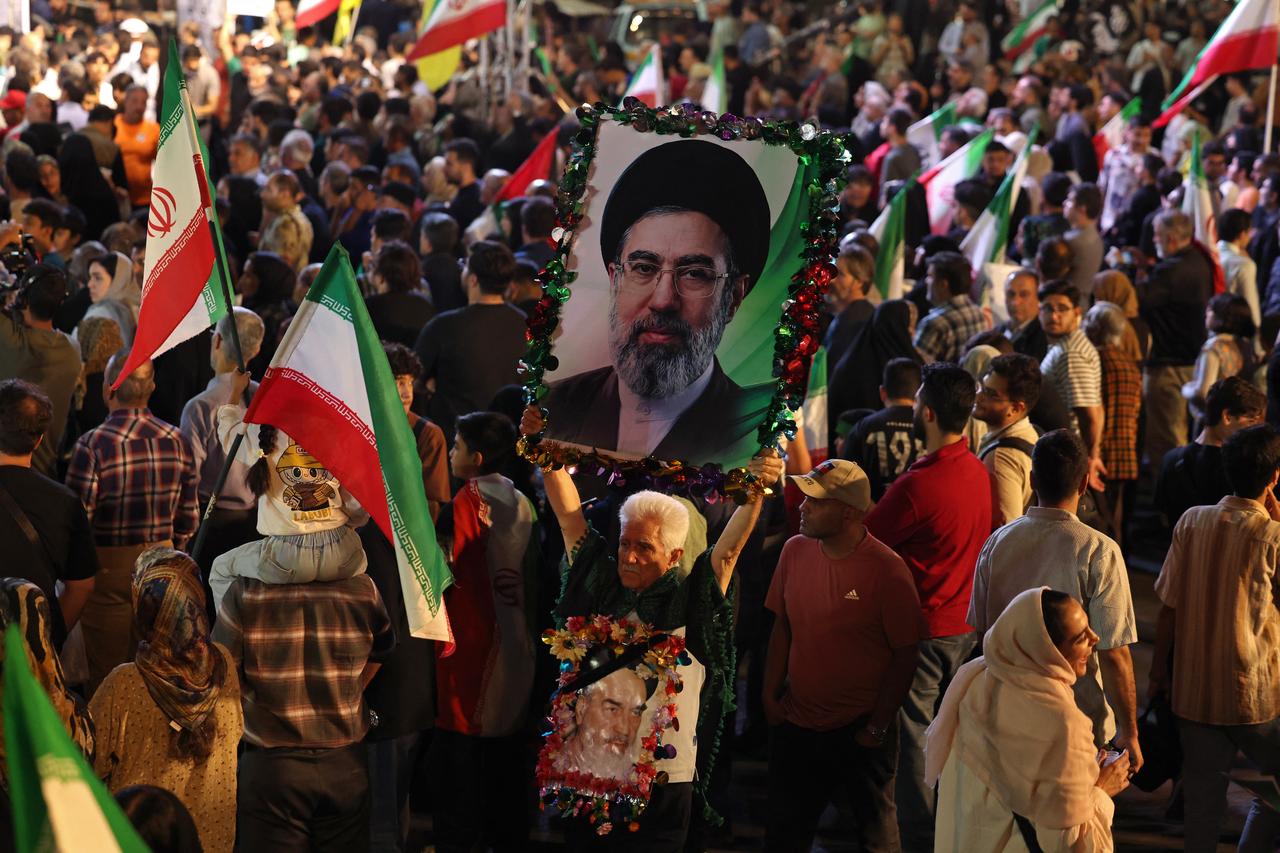
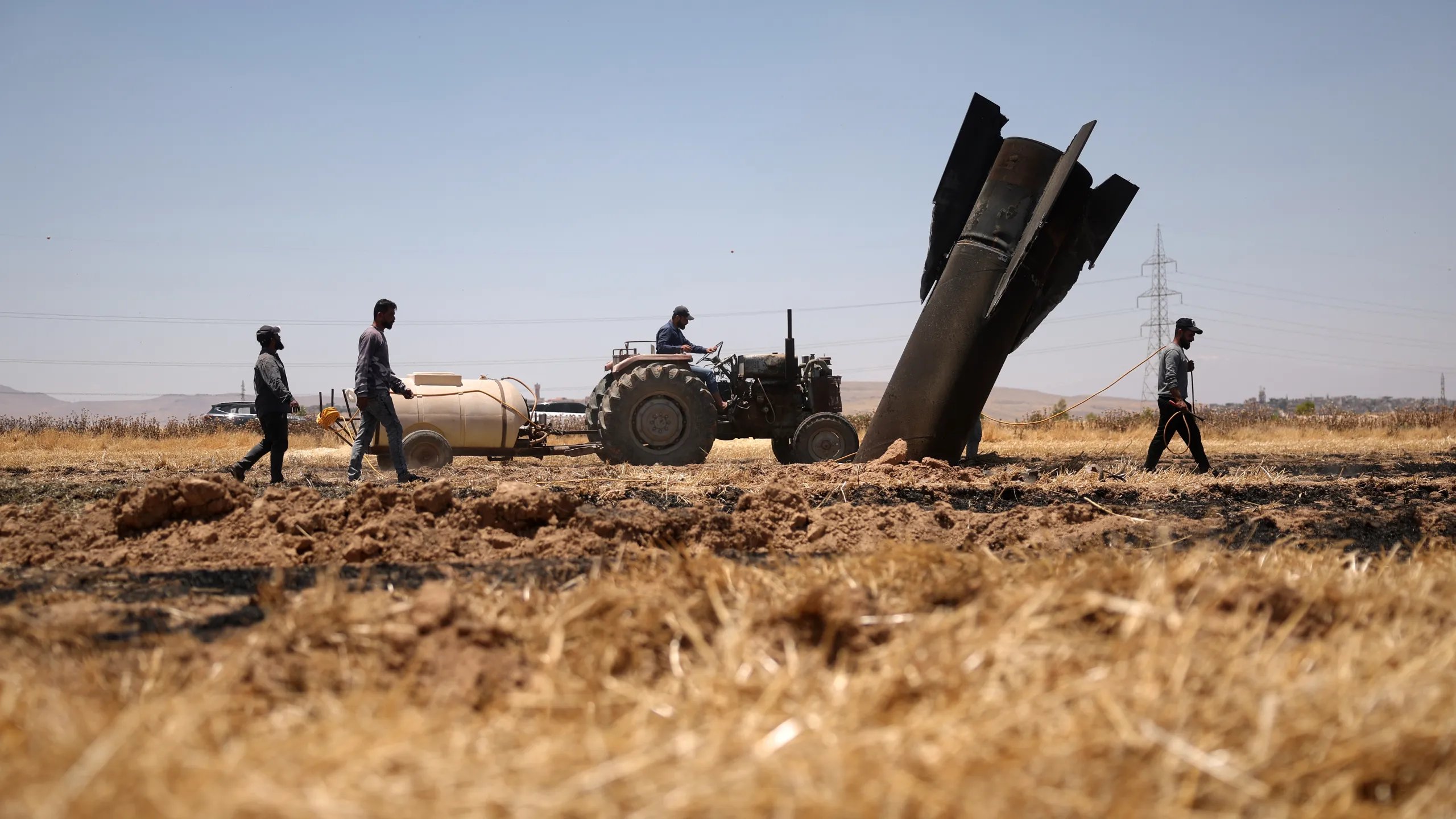
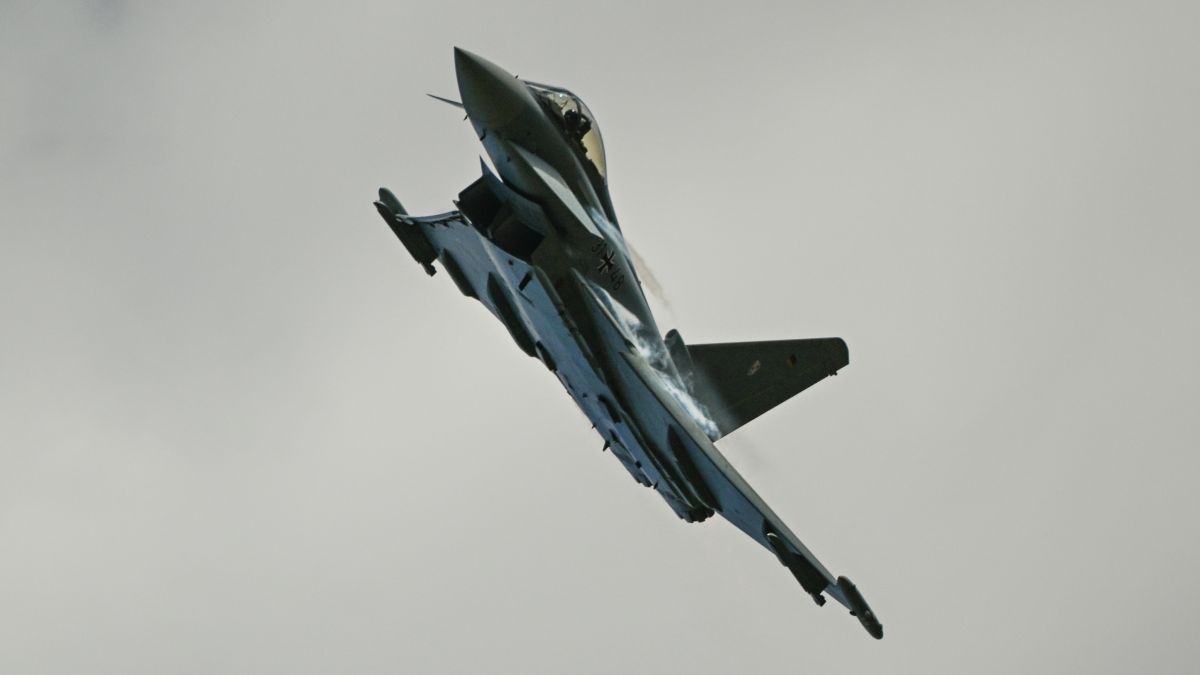
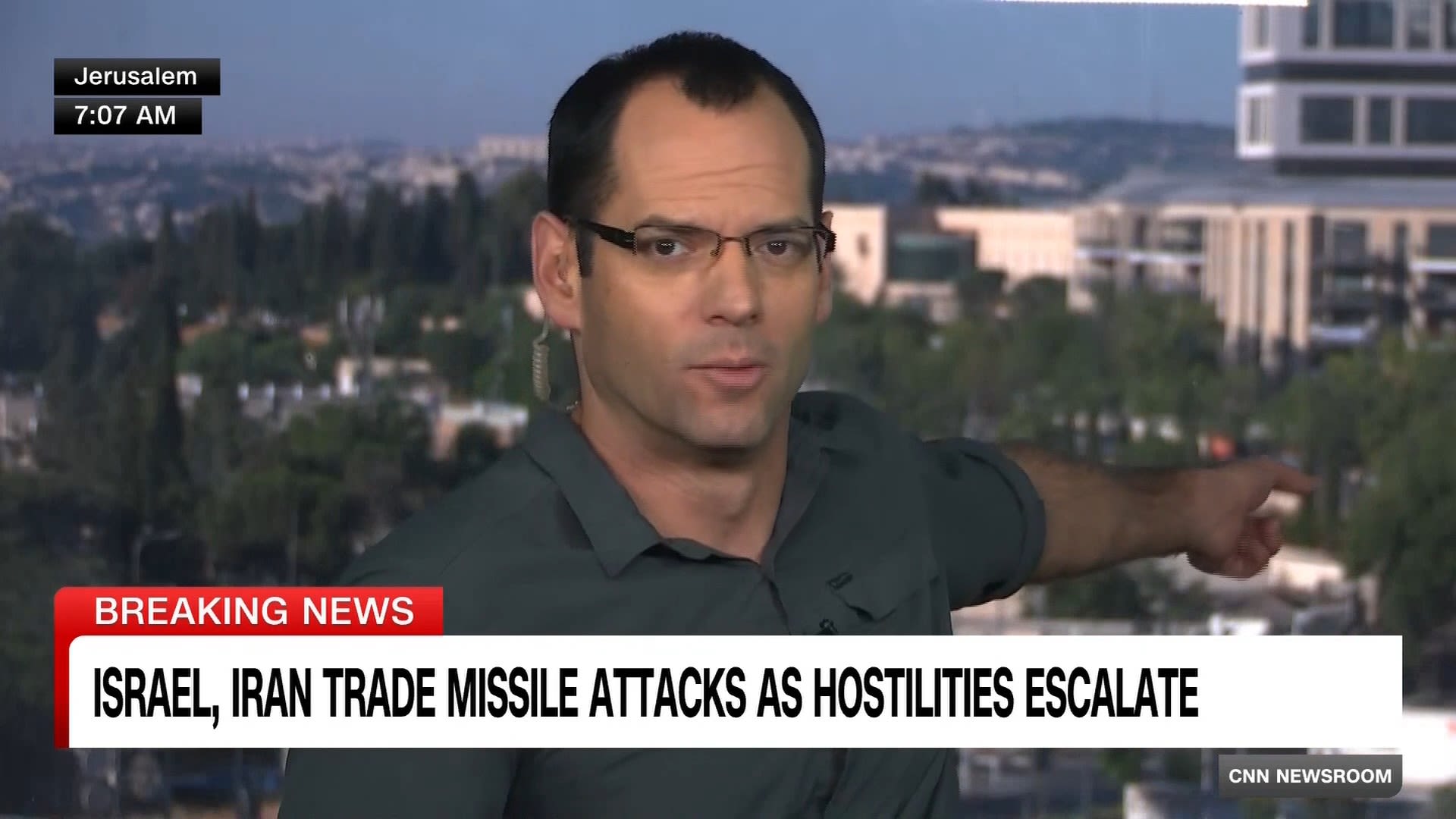
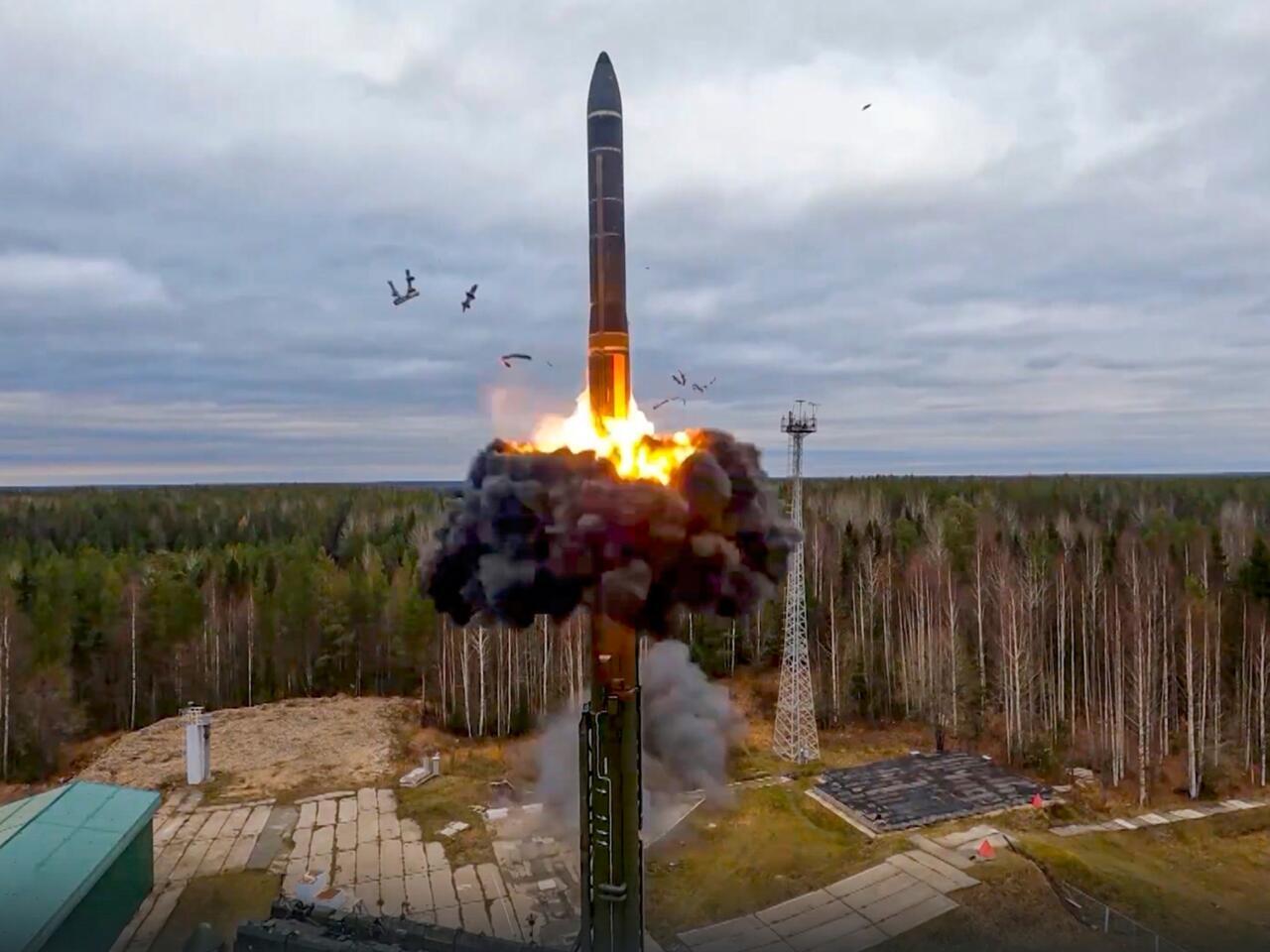
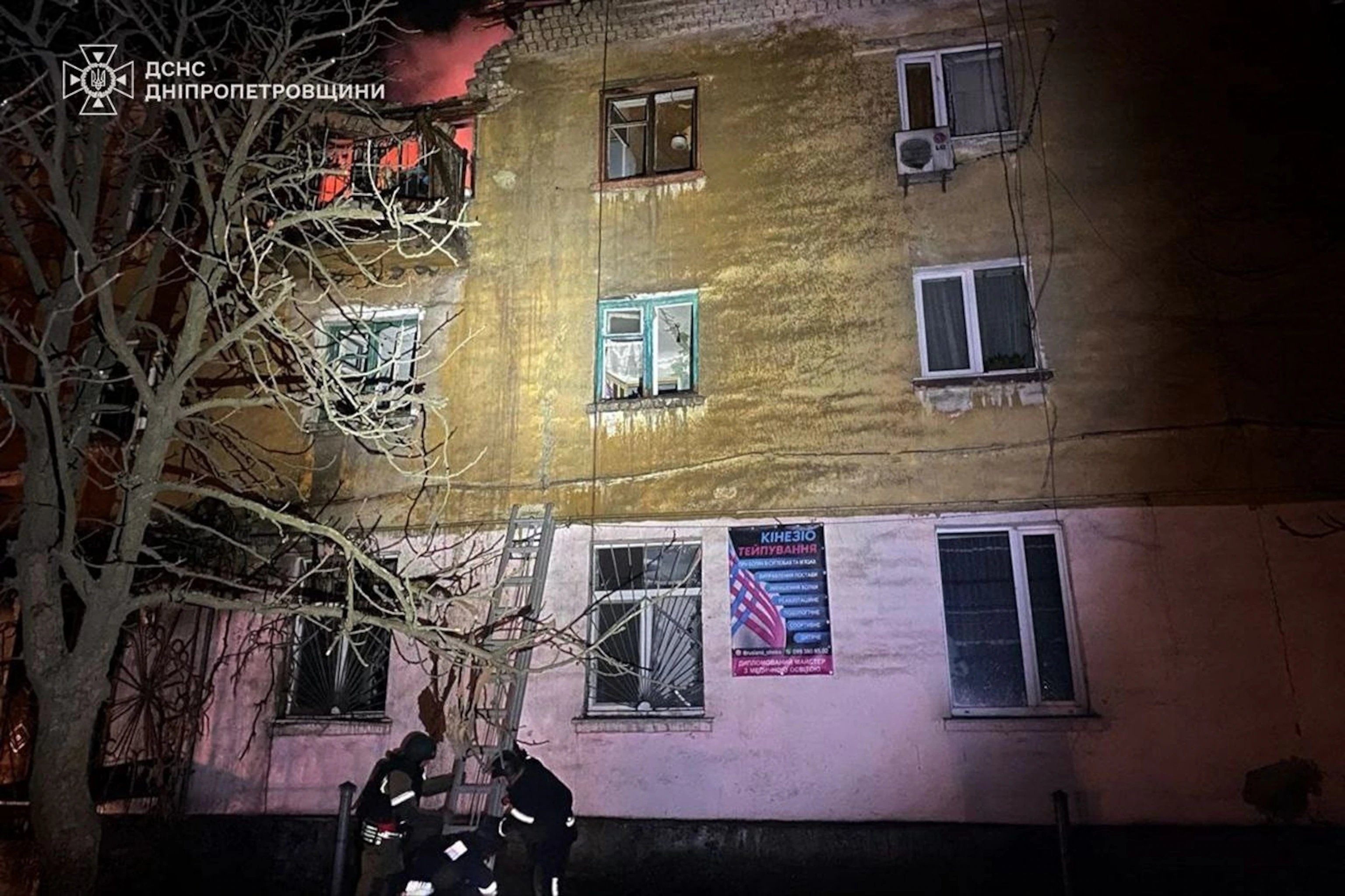
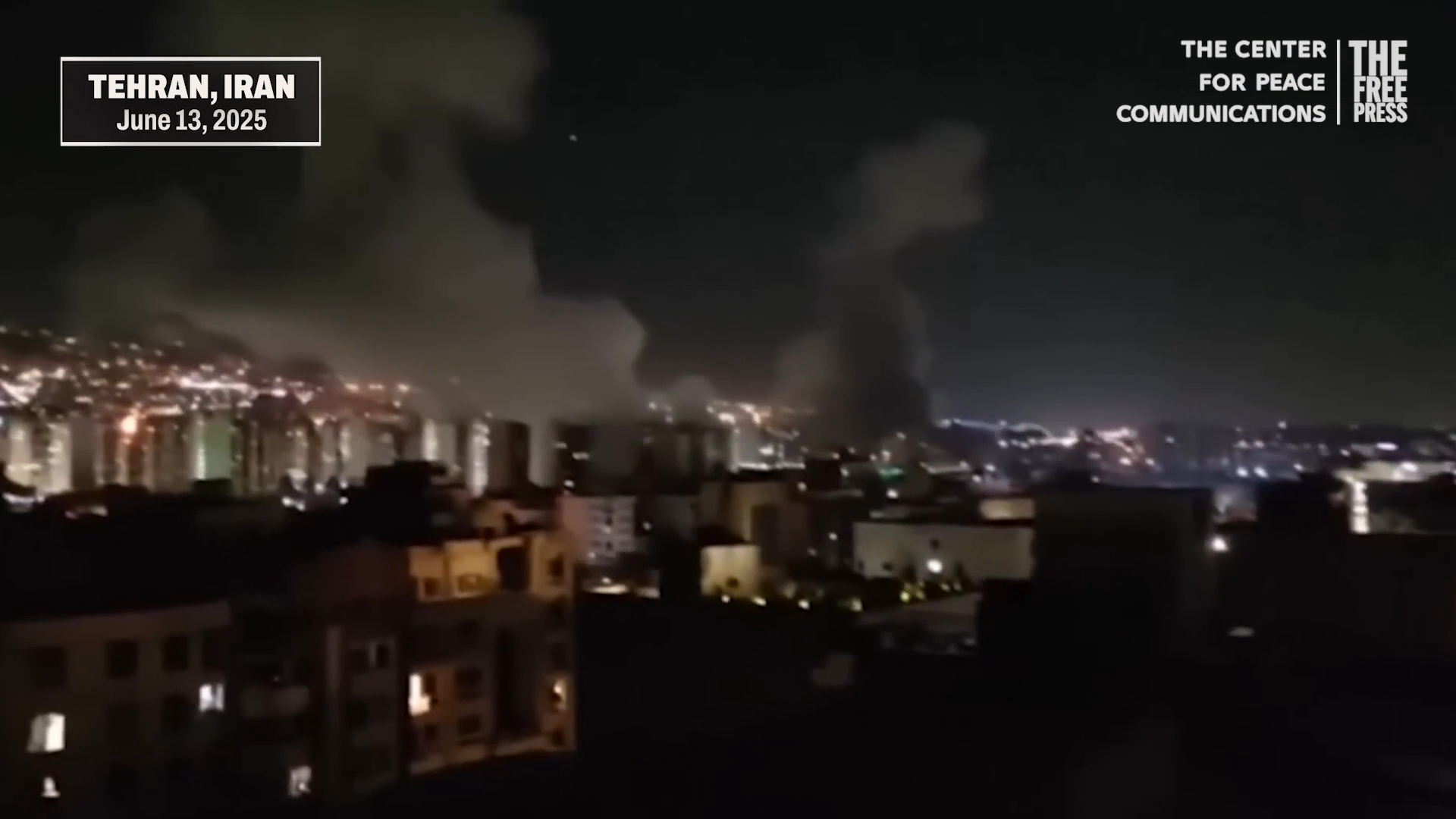
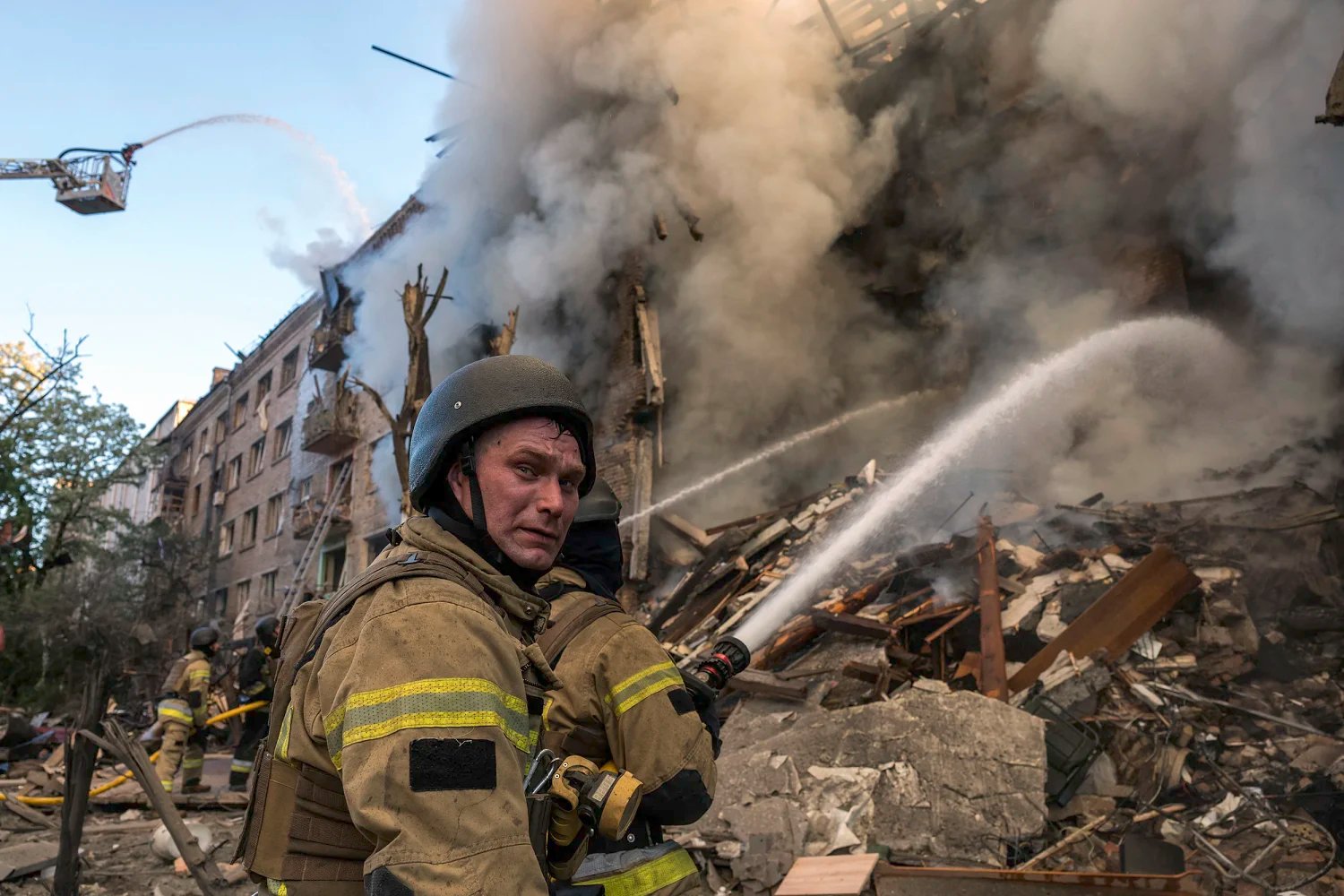
Iran launched missiles at Israel on Sunday, marking the first direct Iranian bombardment since a ceasefire took effect in early April. Air raid sirens sounded across northern and central Israel, including the cities of Haifa, Caesarea, and Hadera, as the Israeli military worked to intercept incoming fire. Iran's state broadcaster confirmed the launch, and Israeli military officials acknowledged that "the defense is not hermetic," meaning some missiles may have penetrated air defenses. One target was Ramat David Air Base in northern Israel, according to Iran's Islamic Revolutionary Guard Corps.
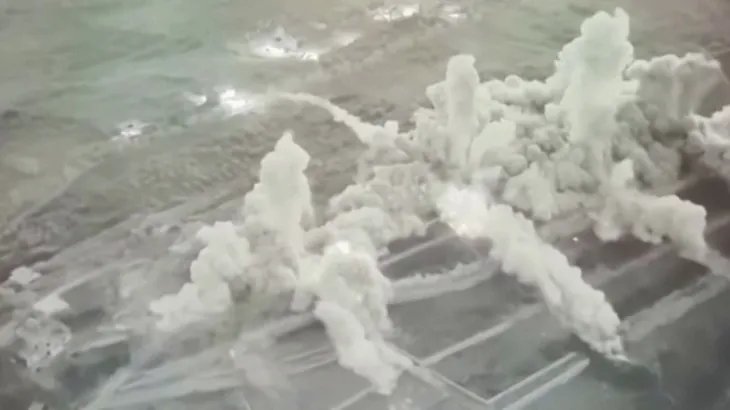
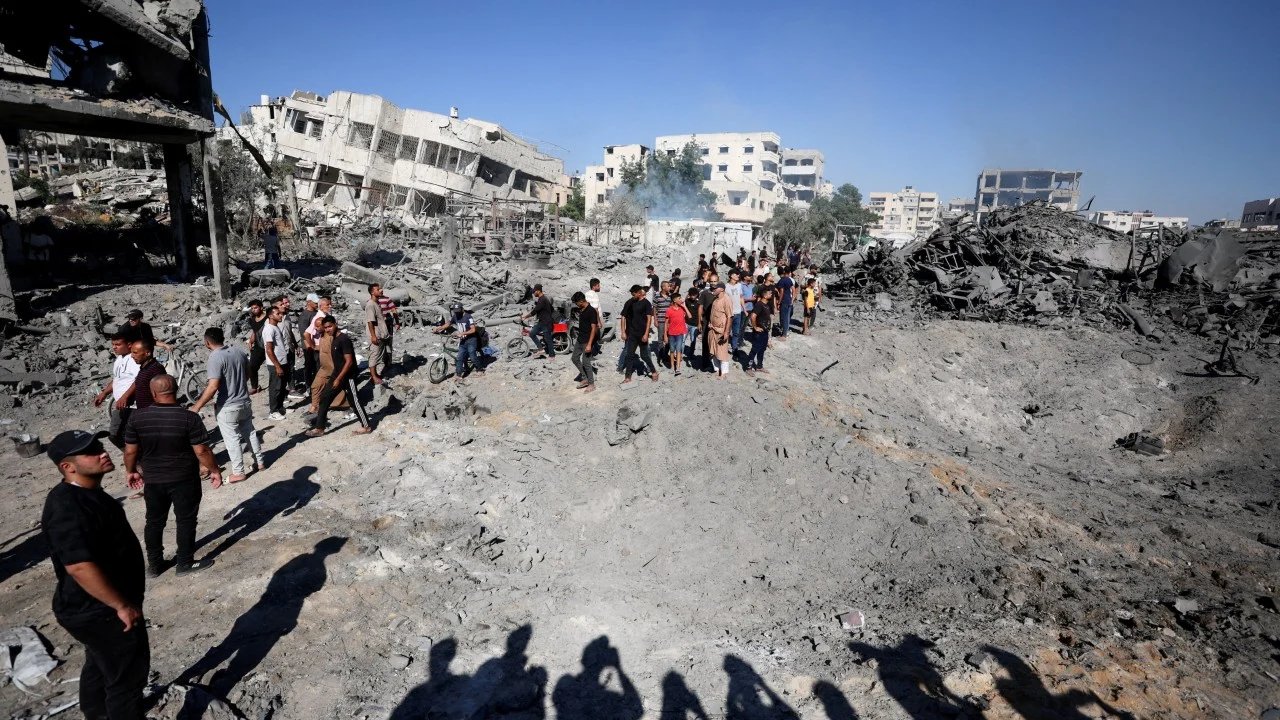
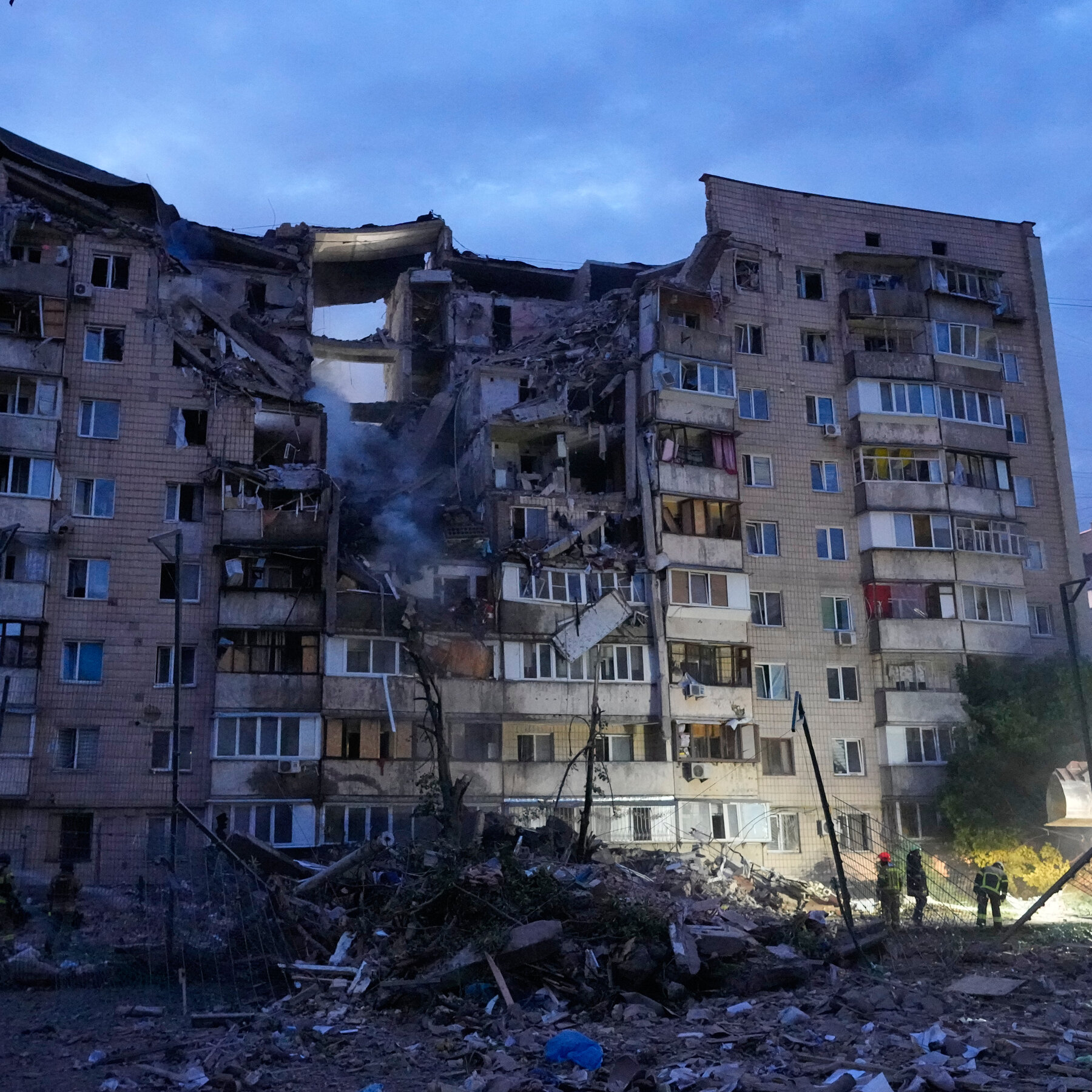
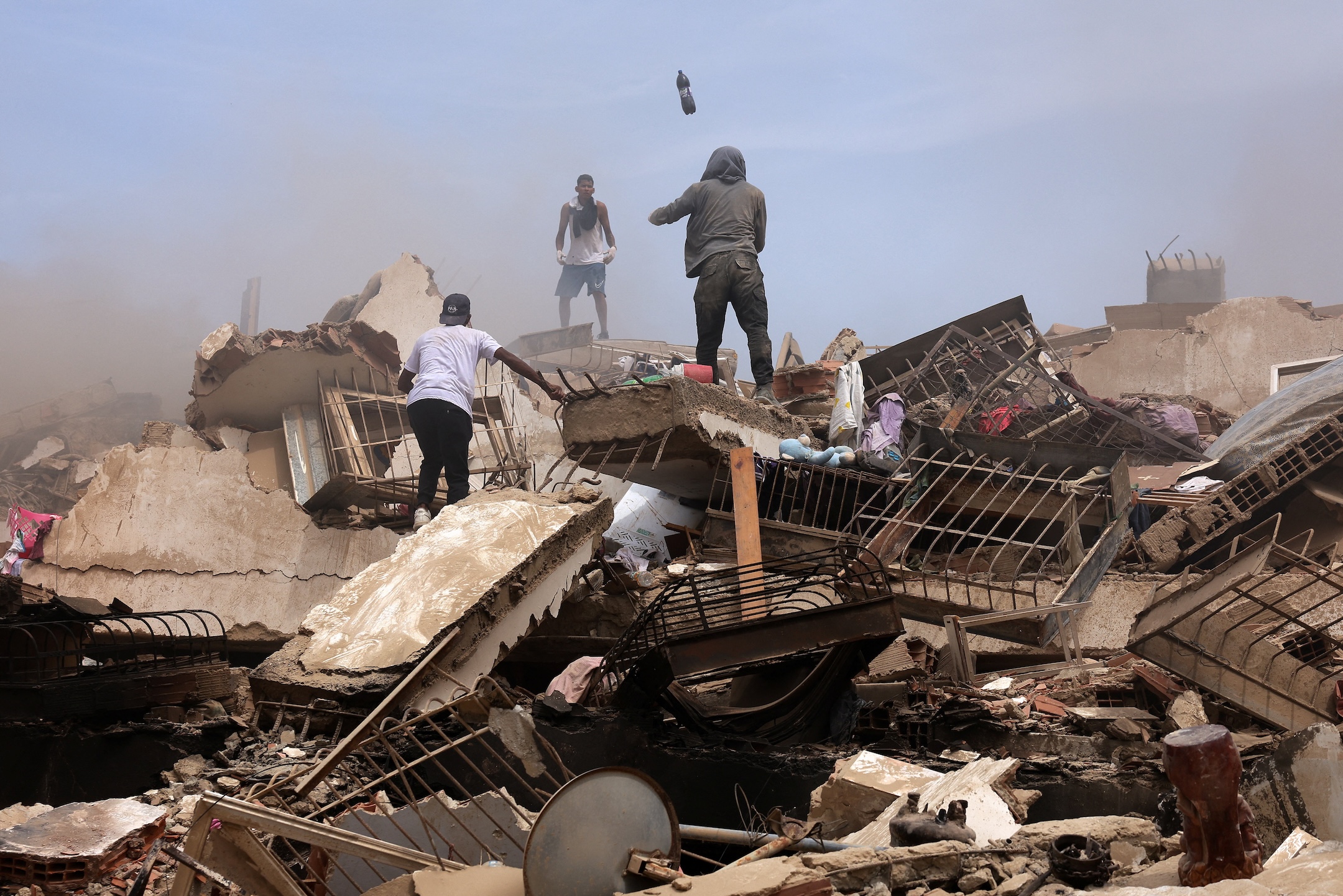
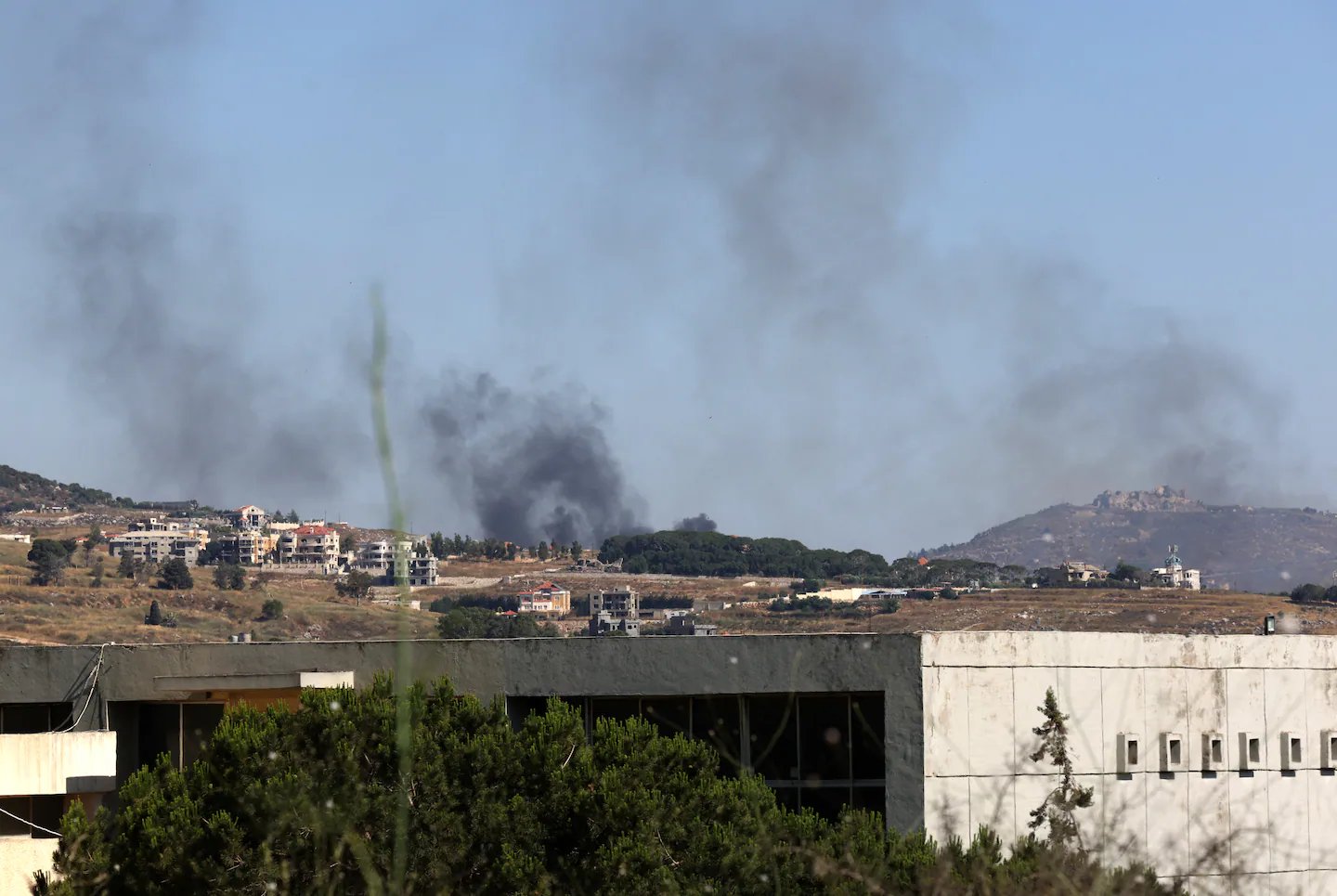
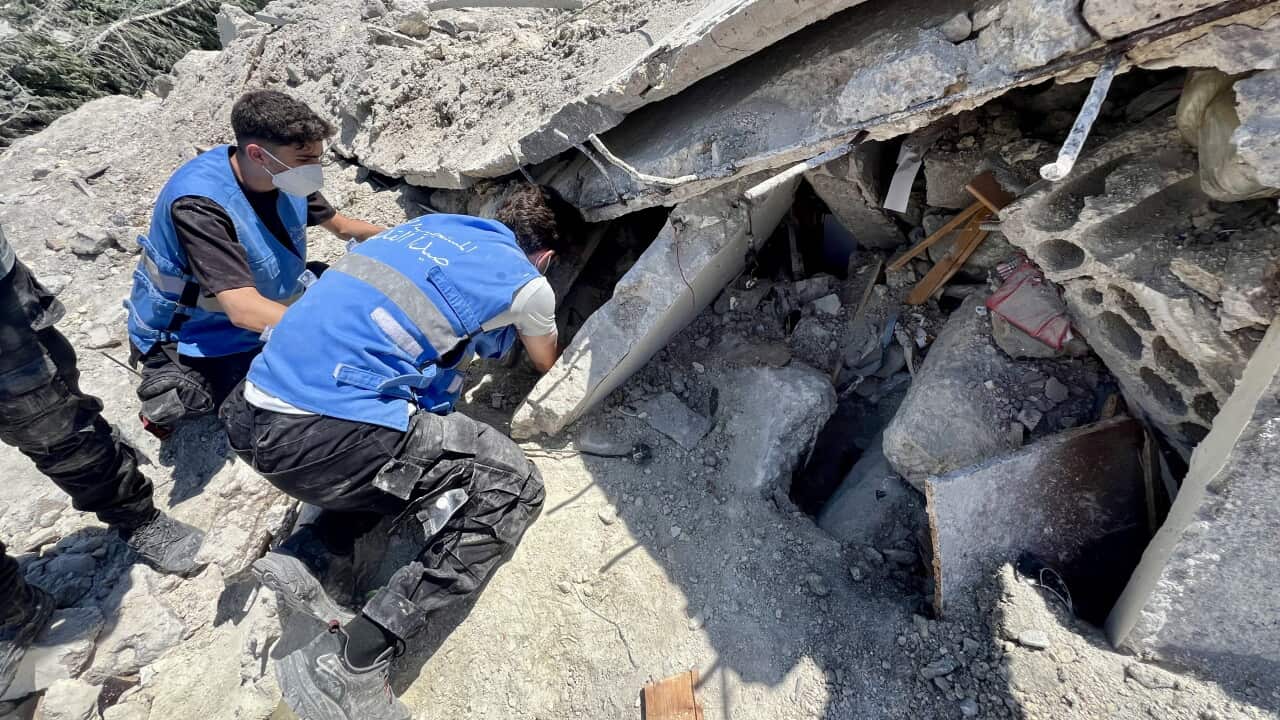
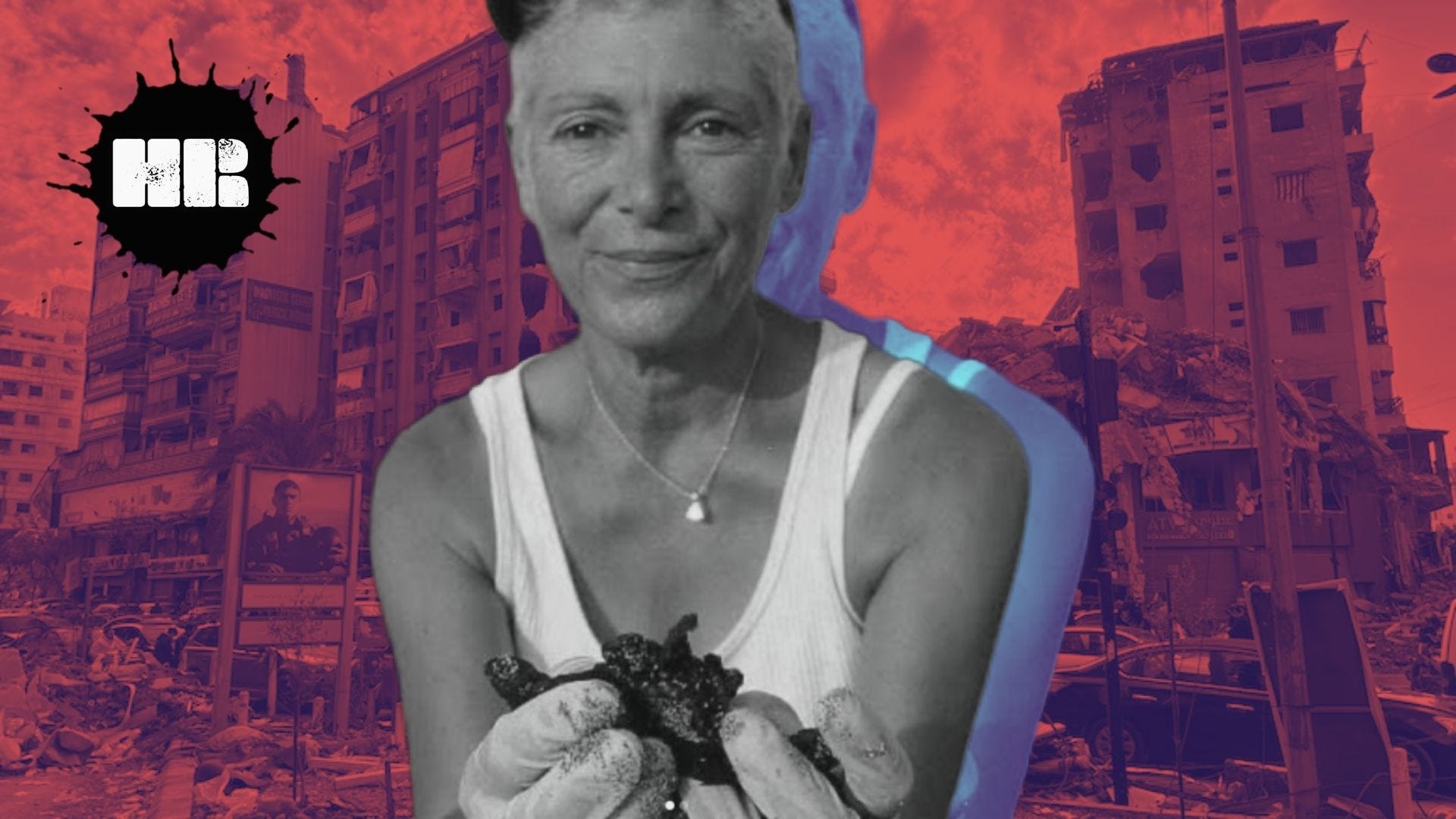
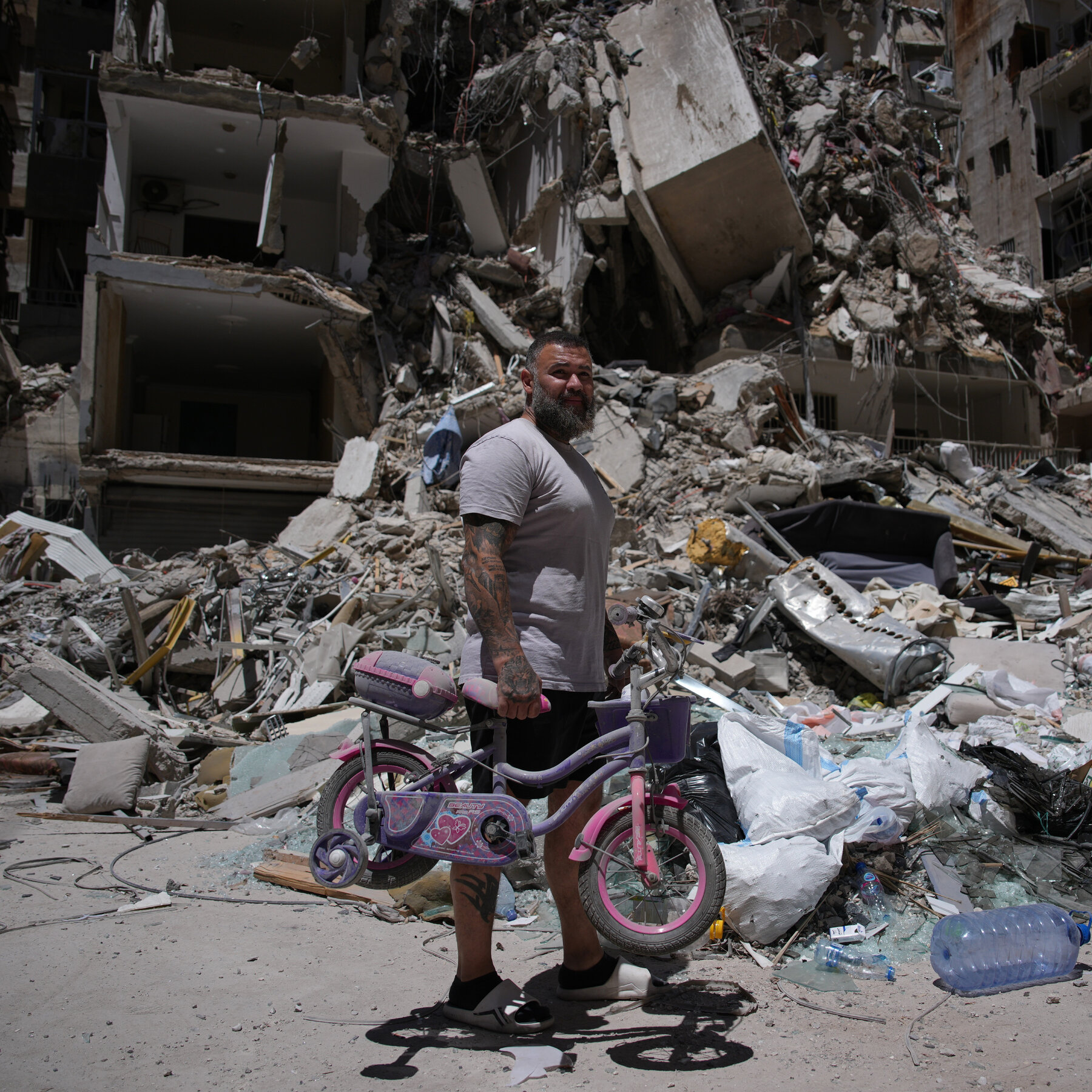
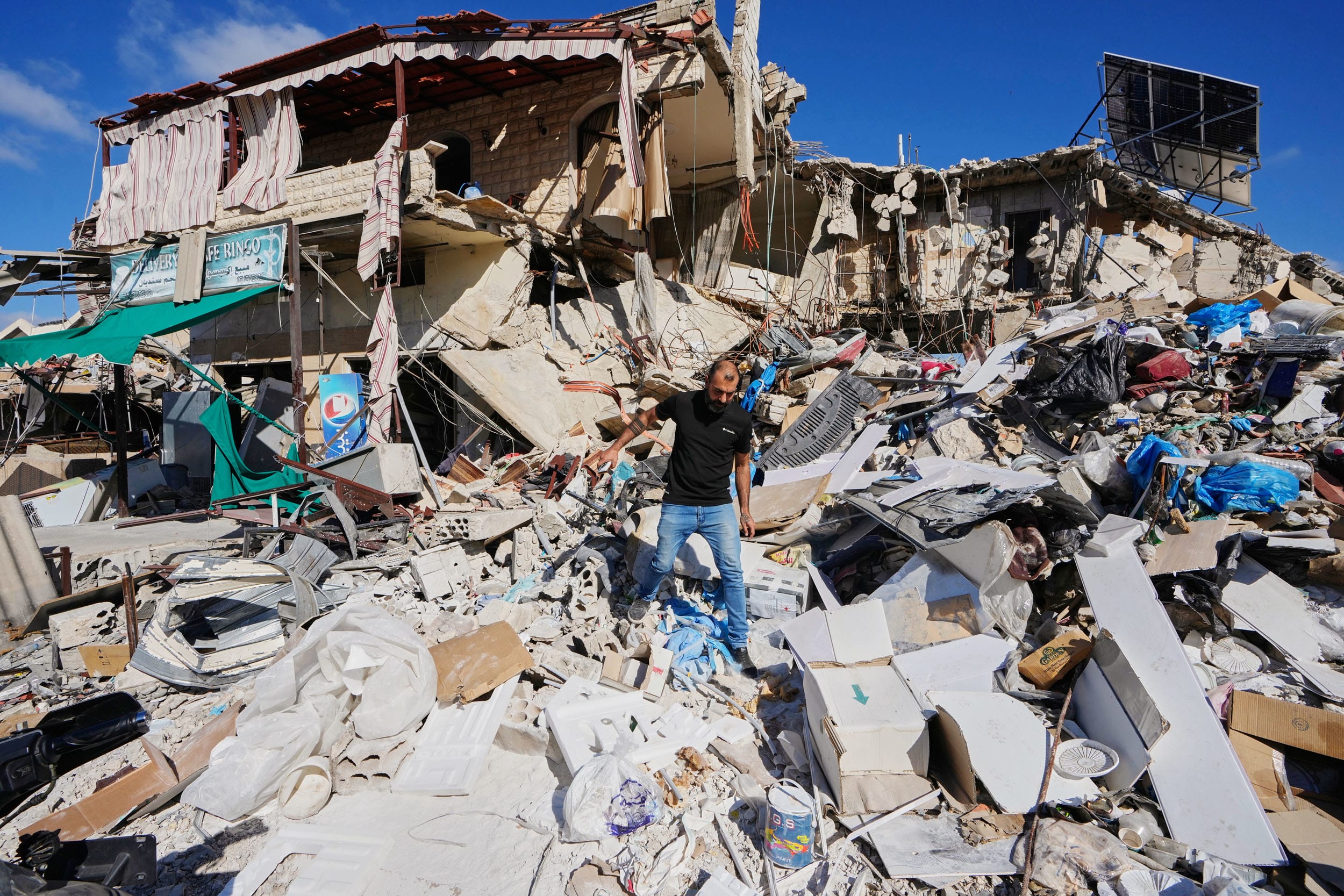
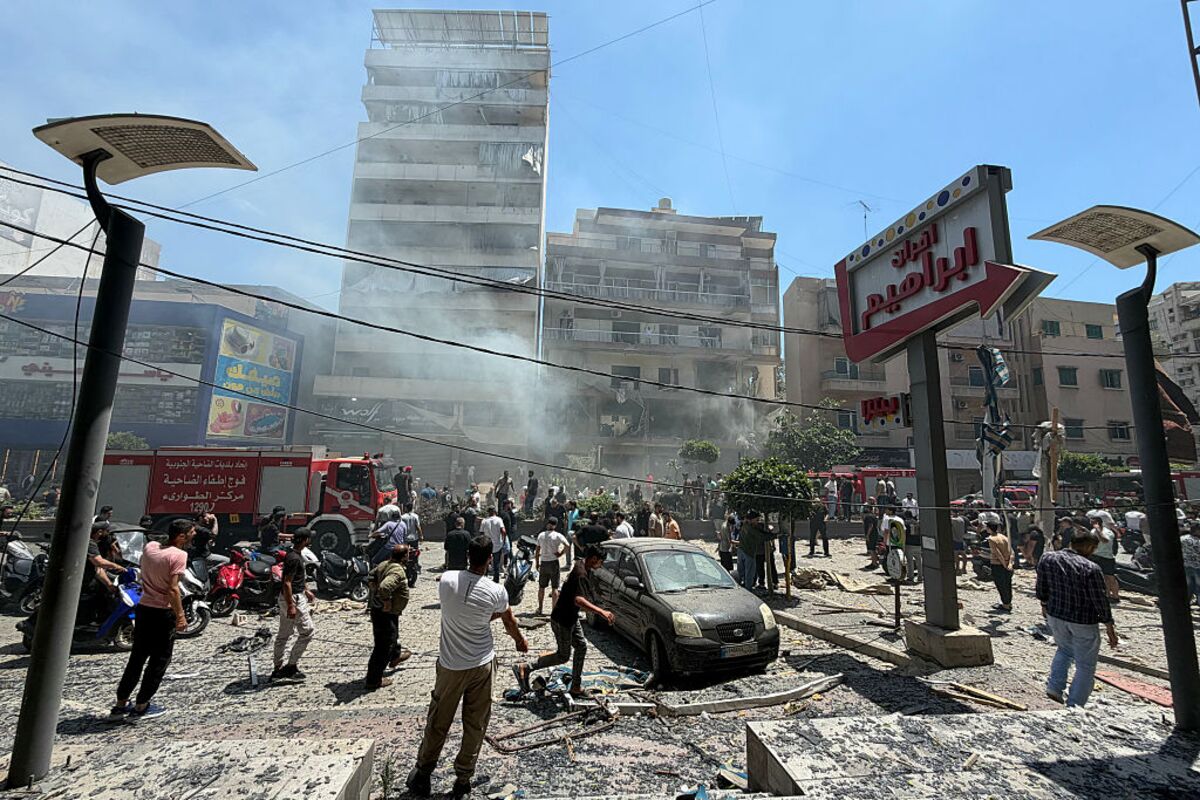
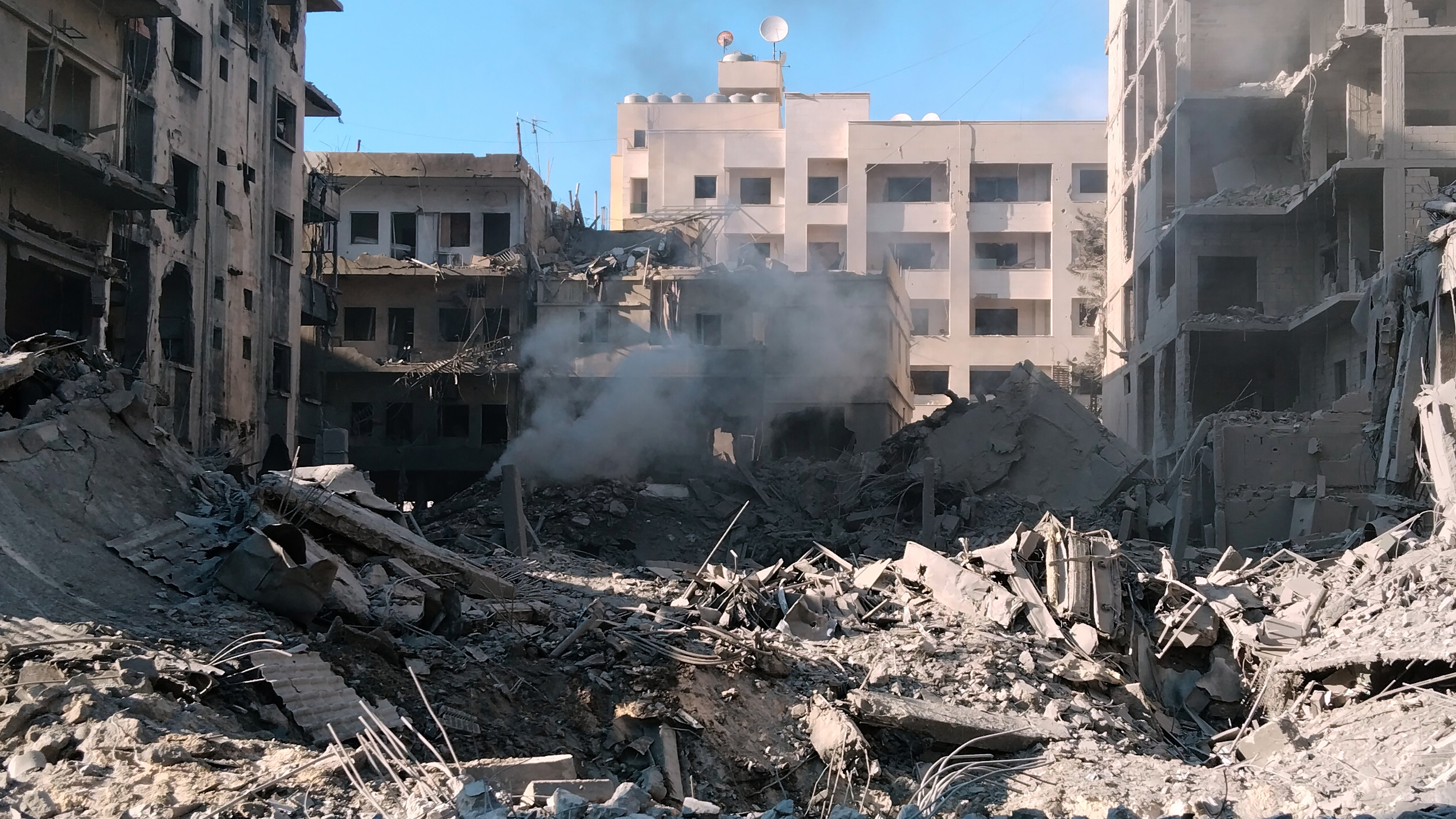
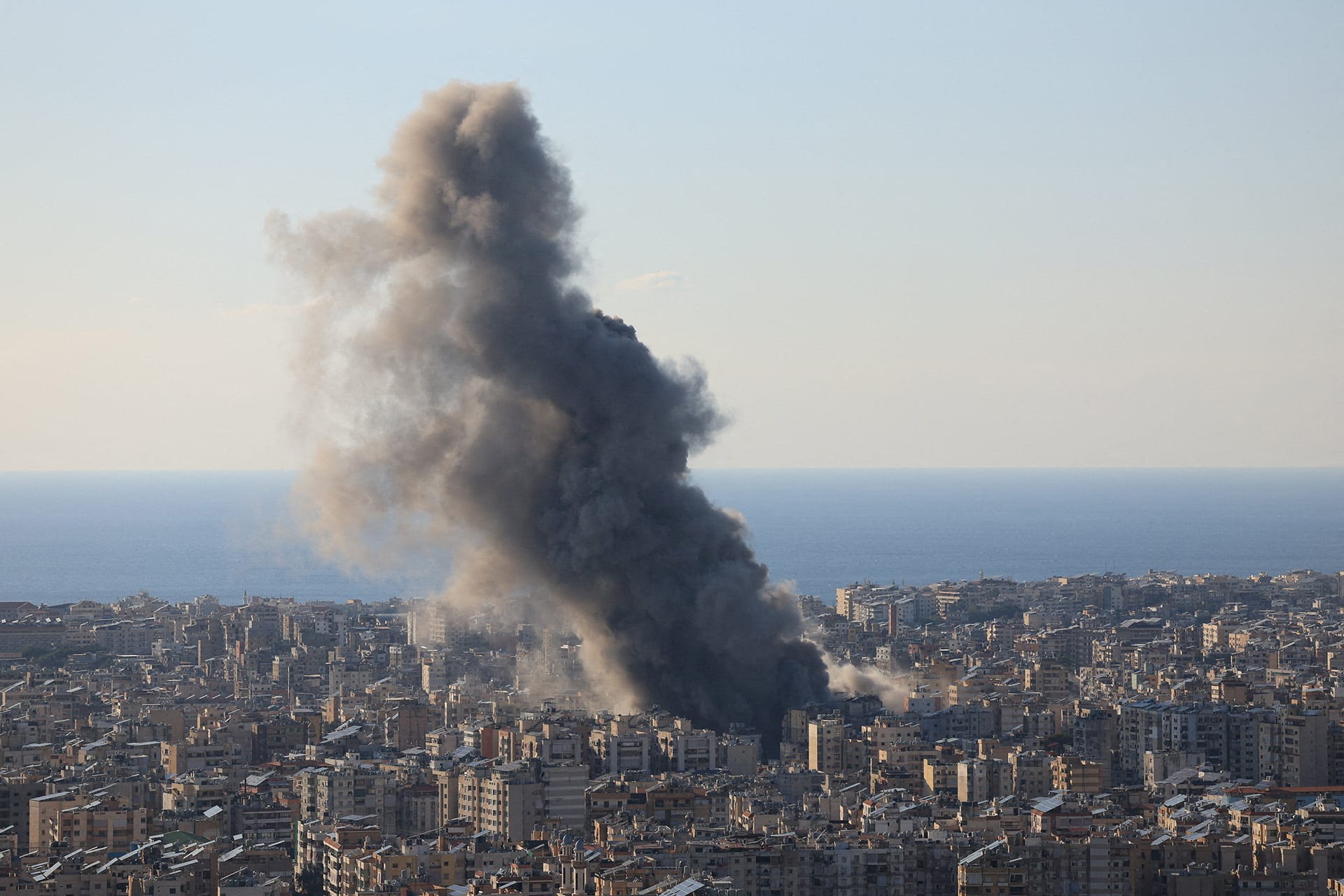
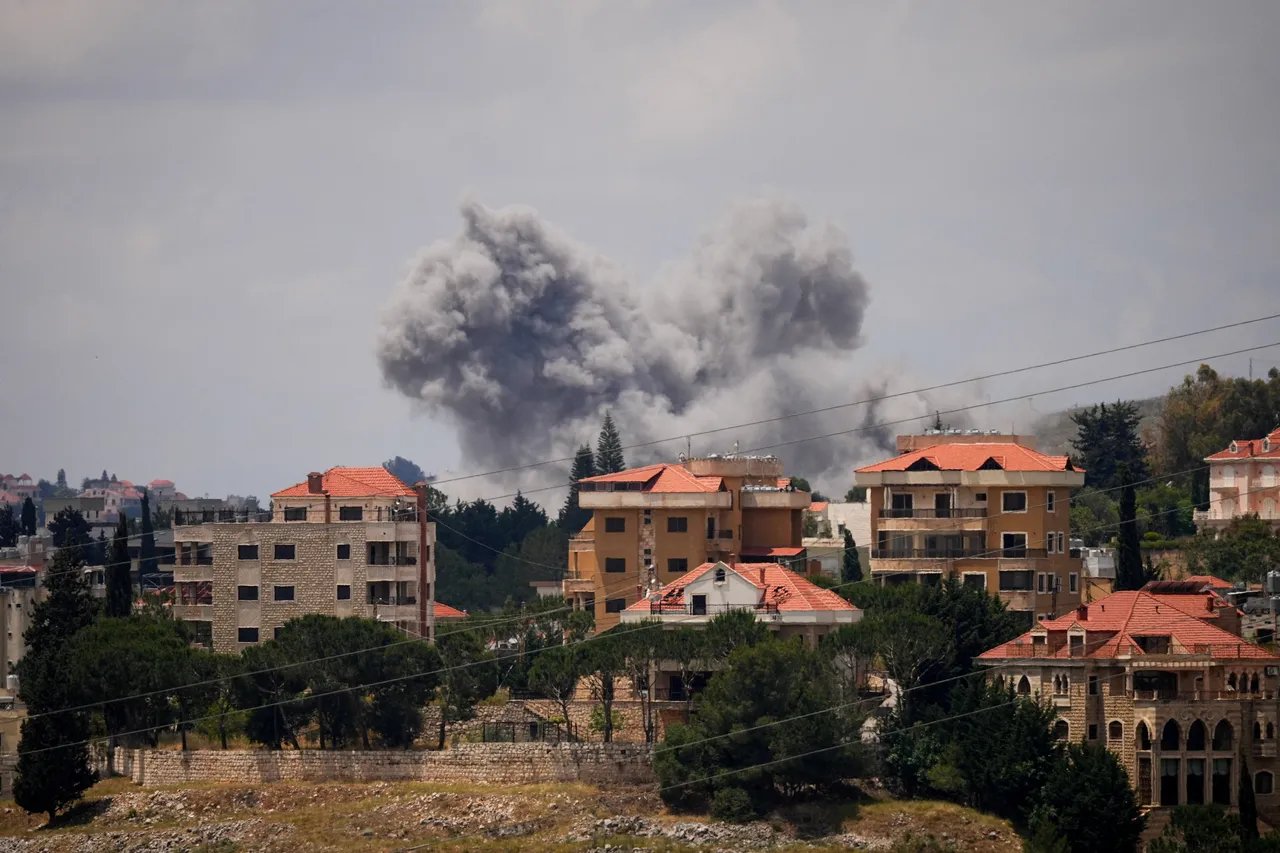
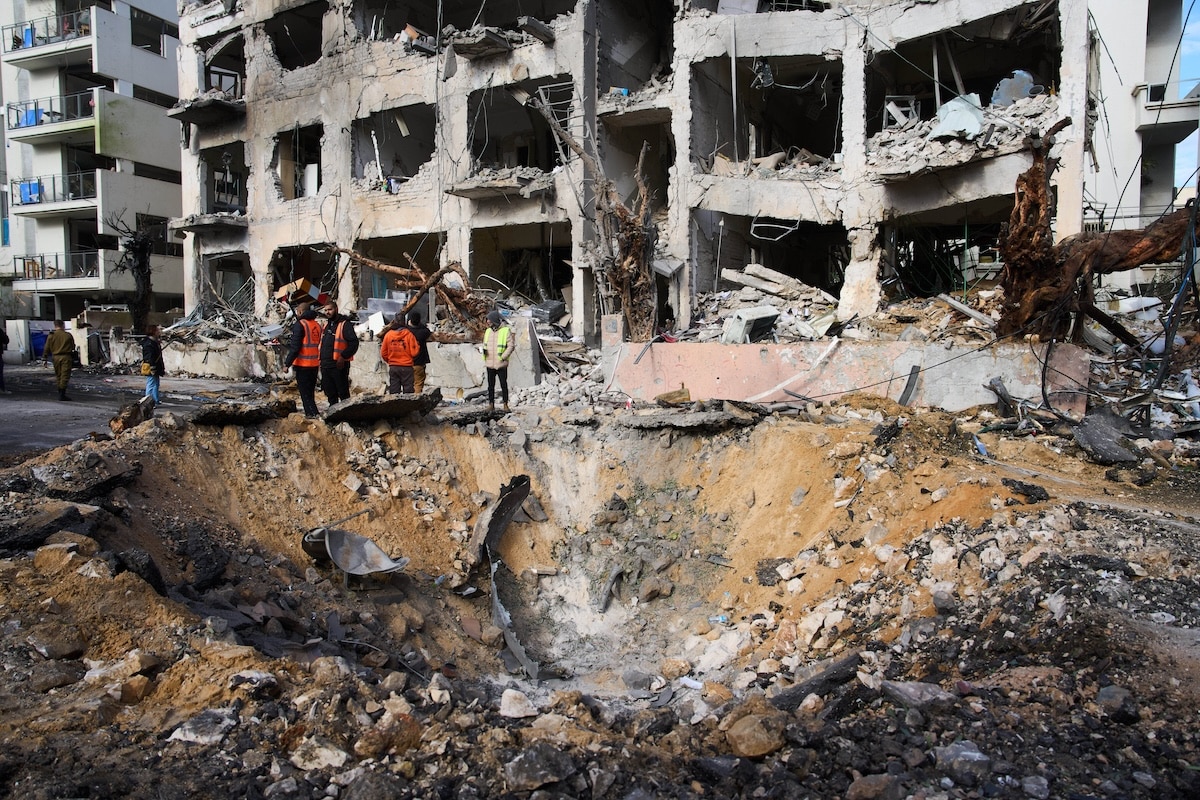
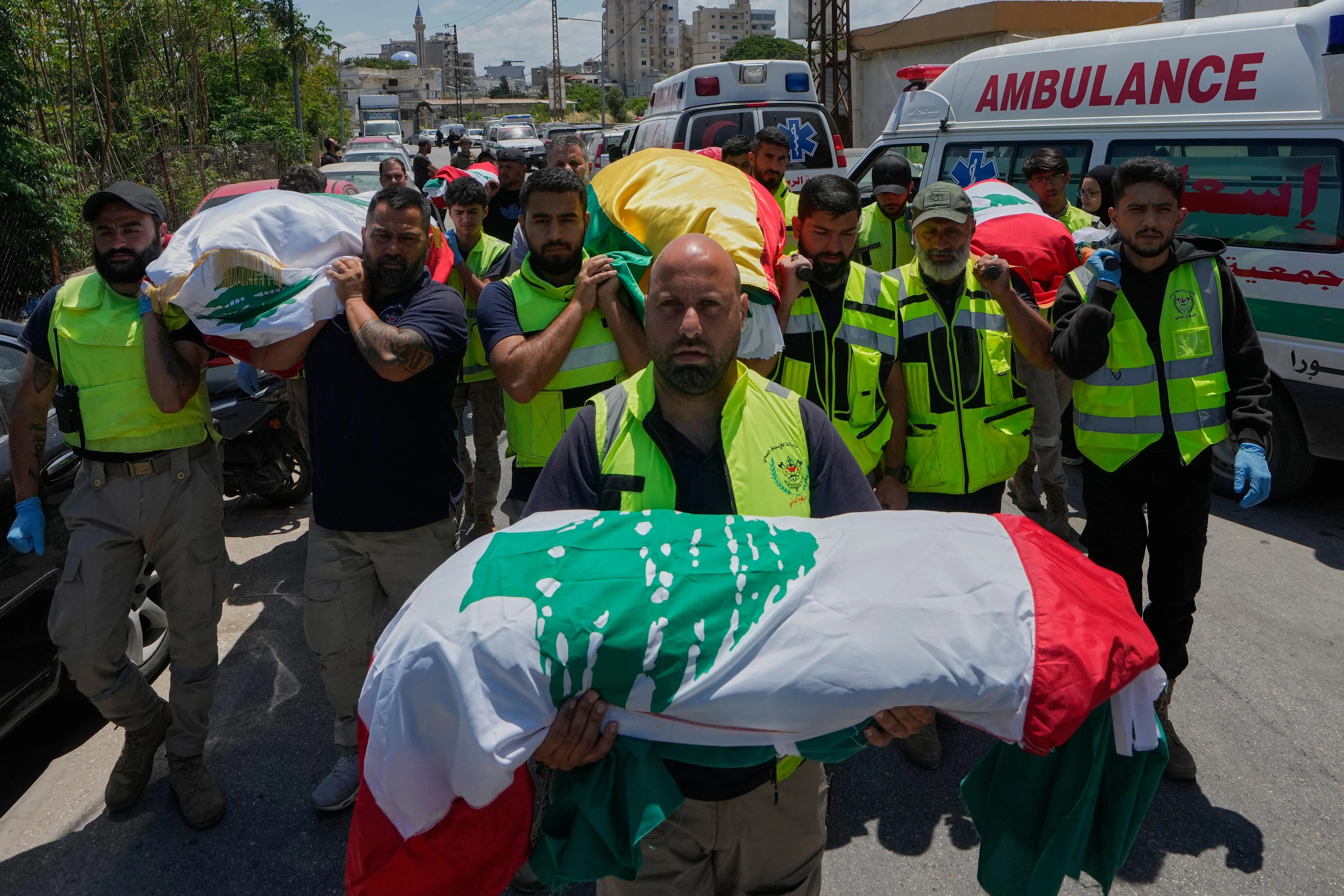
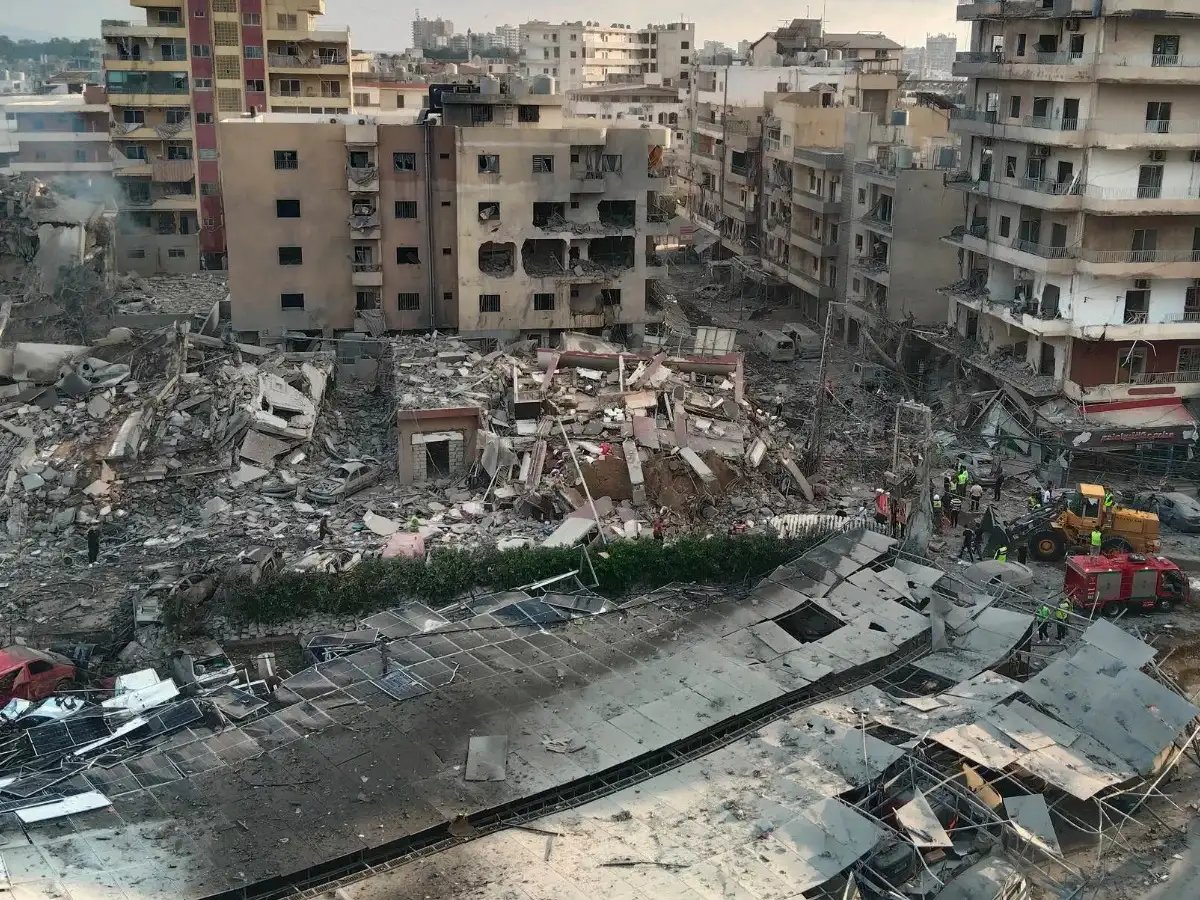
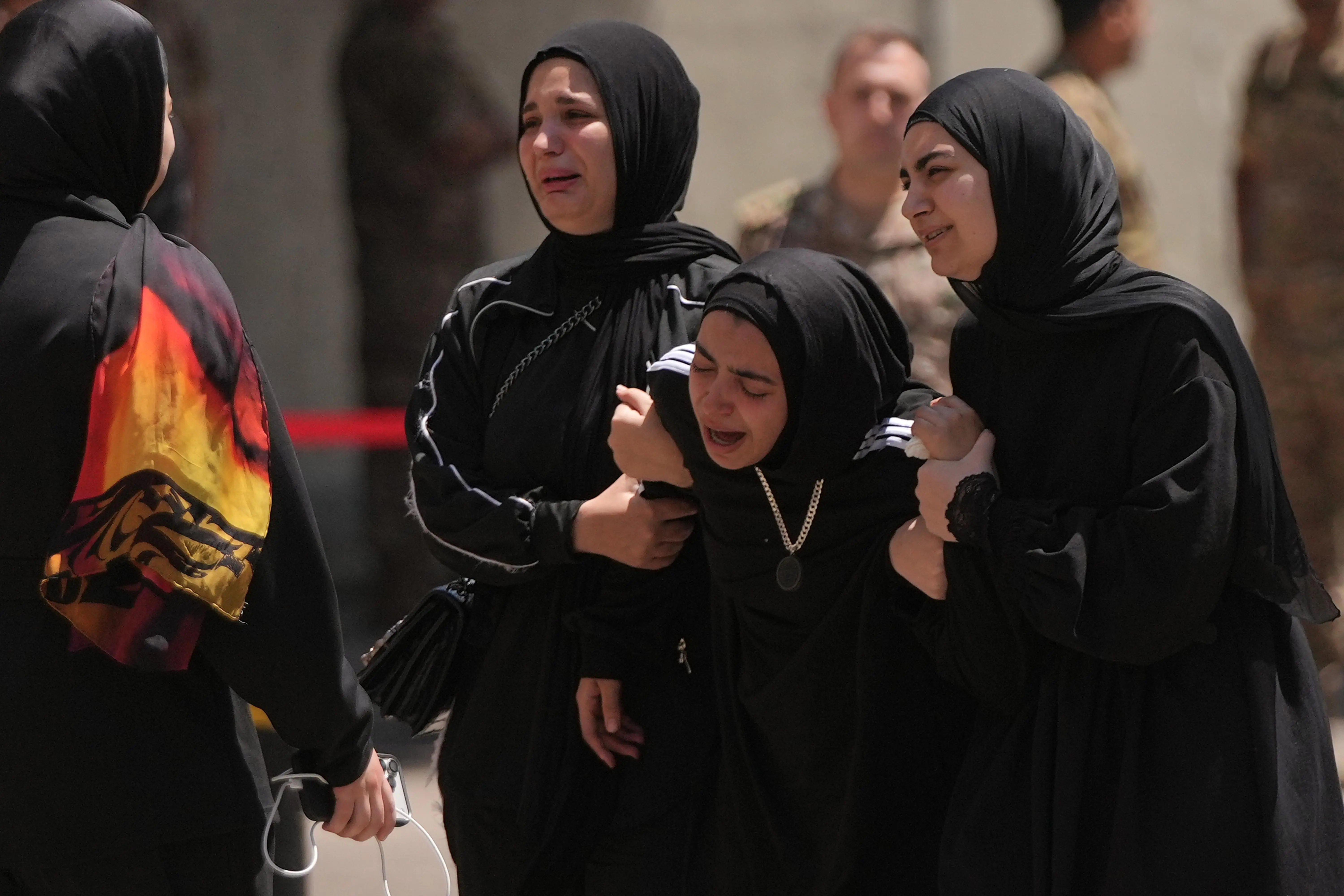
The attack represents a major breach of the ceasefire that has been central to U.S. diplomatic efforts to end the broader conflict. The strike came after Israel bombed Beirut's southern suburbs earlier Sunday without warning, killing two people and wounding 20 according to Lebanon's health ministry. Iran had previously warned that an attack on Beirut would trigger retaliation and potentially renew full-scale war across the region.
The Sequence of Sunday's Escalation
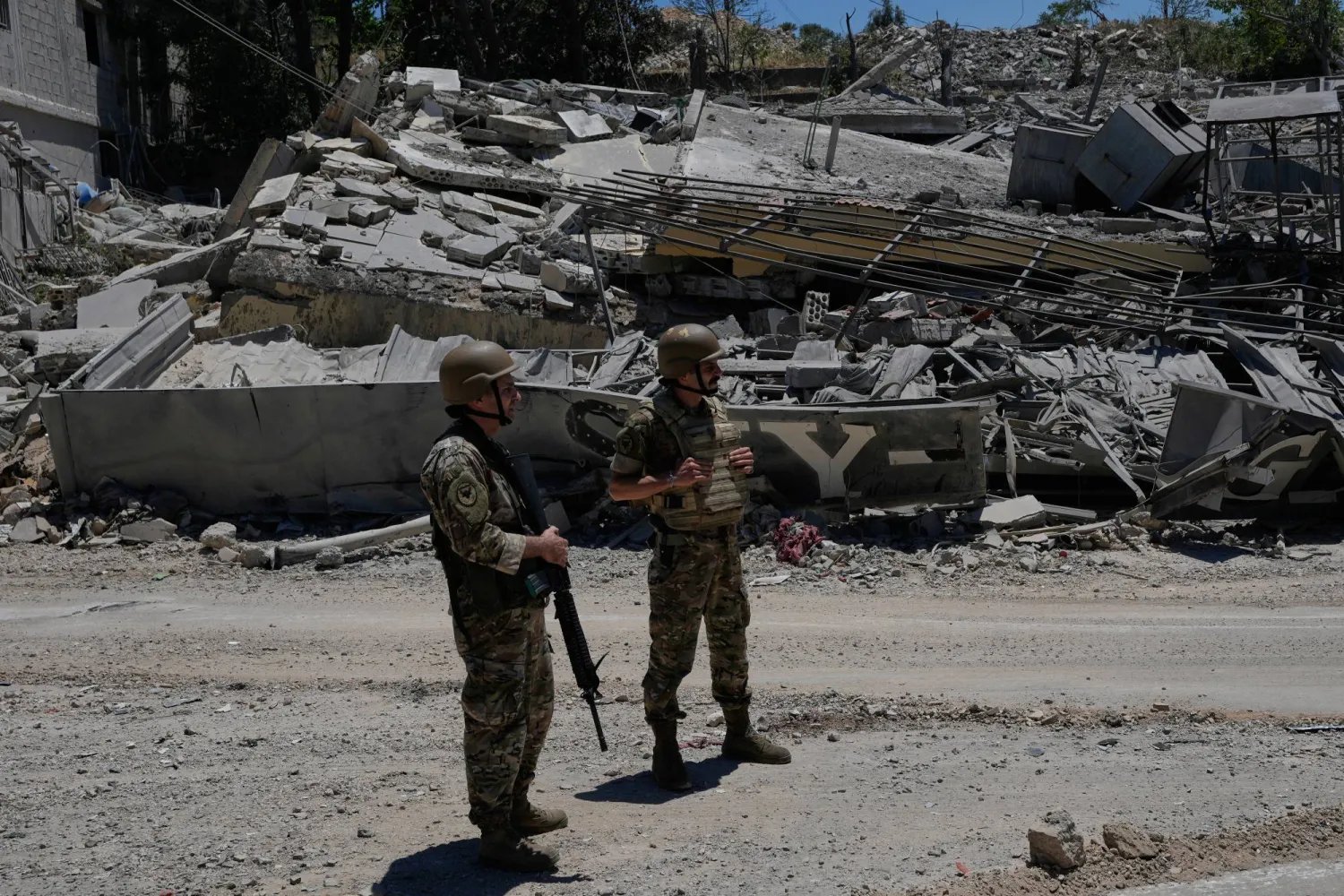
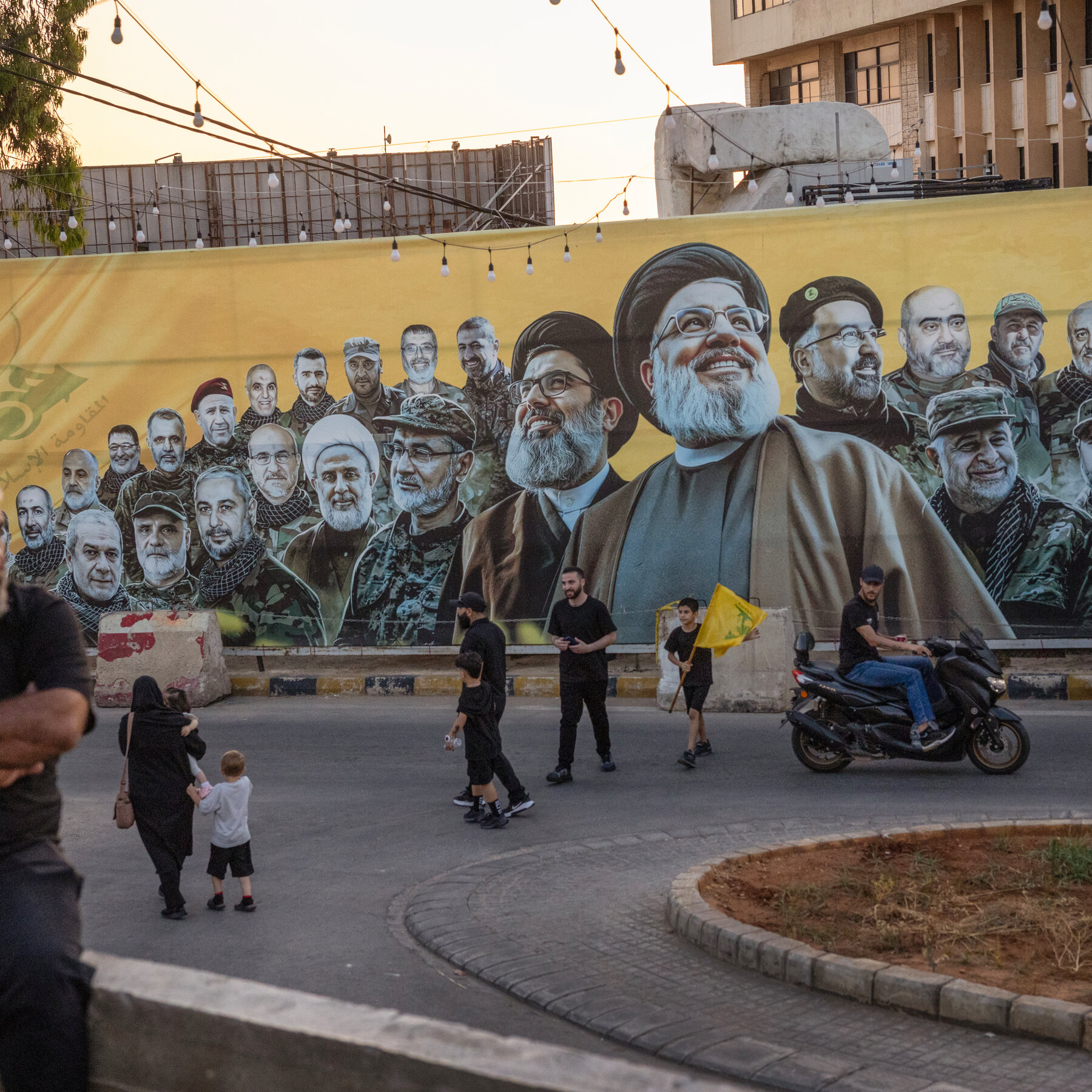
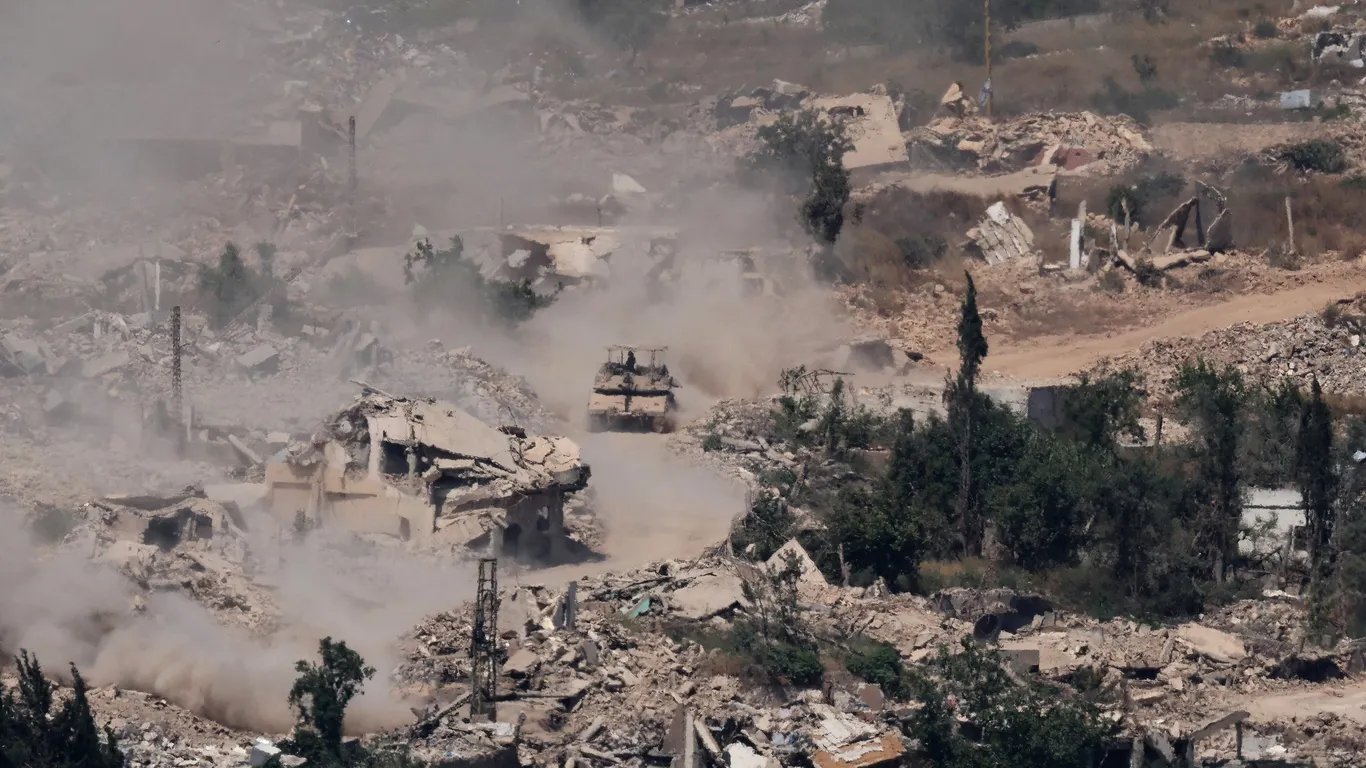
Israel struck Beirut's southern suburb of Dahieh in retaliation for what it said was Iranian-backed Hezbollah fire at northern Israel earlier that day. The Israeli strike violated a request from Washington made days earlier that Israel stand down. Hours later, Iran responded with its own bombardment, launching what Iranian state media described as multiple waves of missiles.
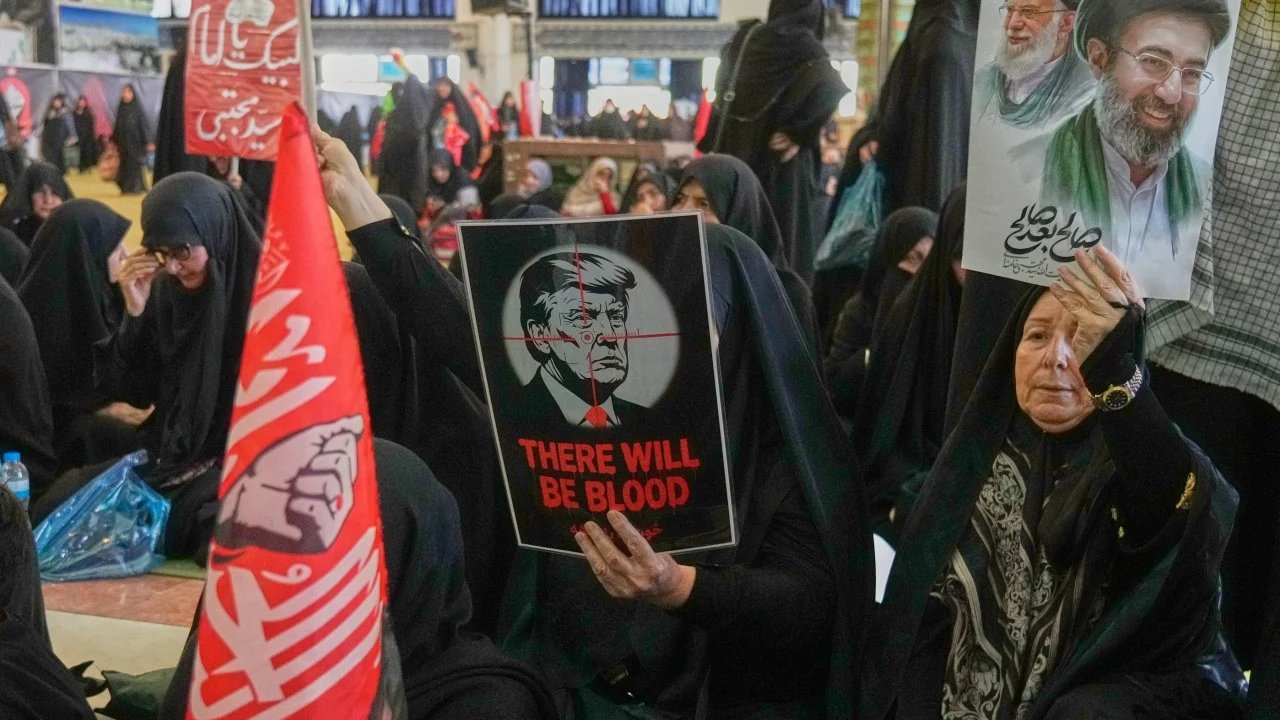
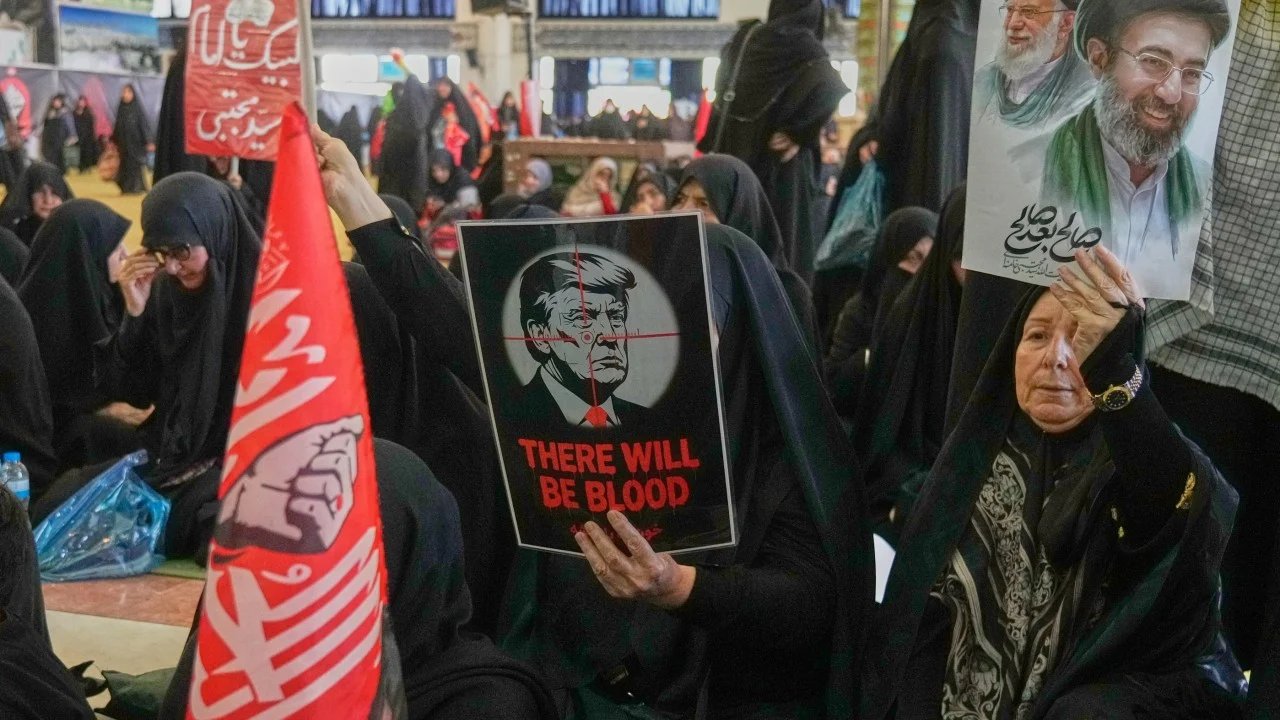
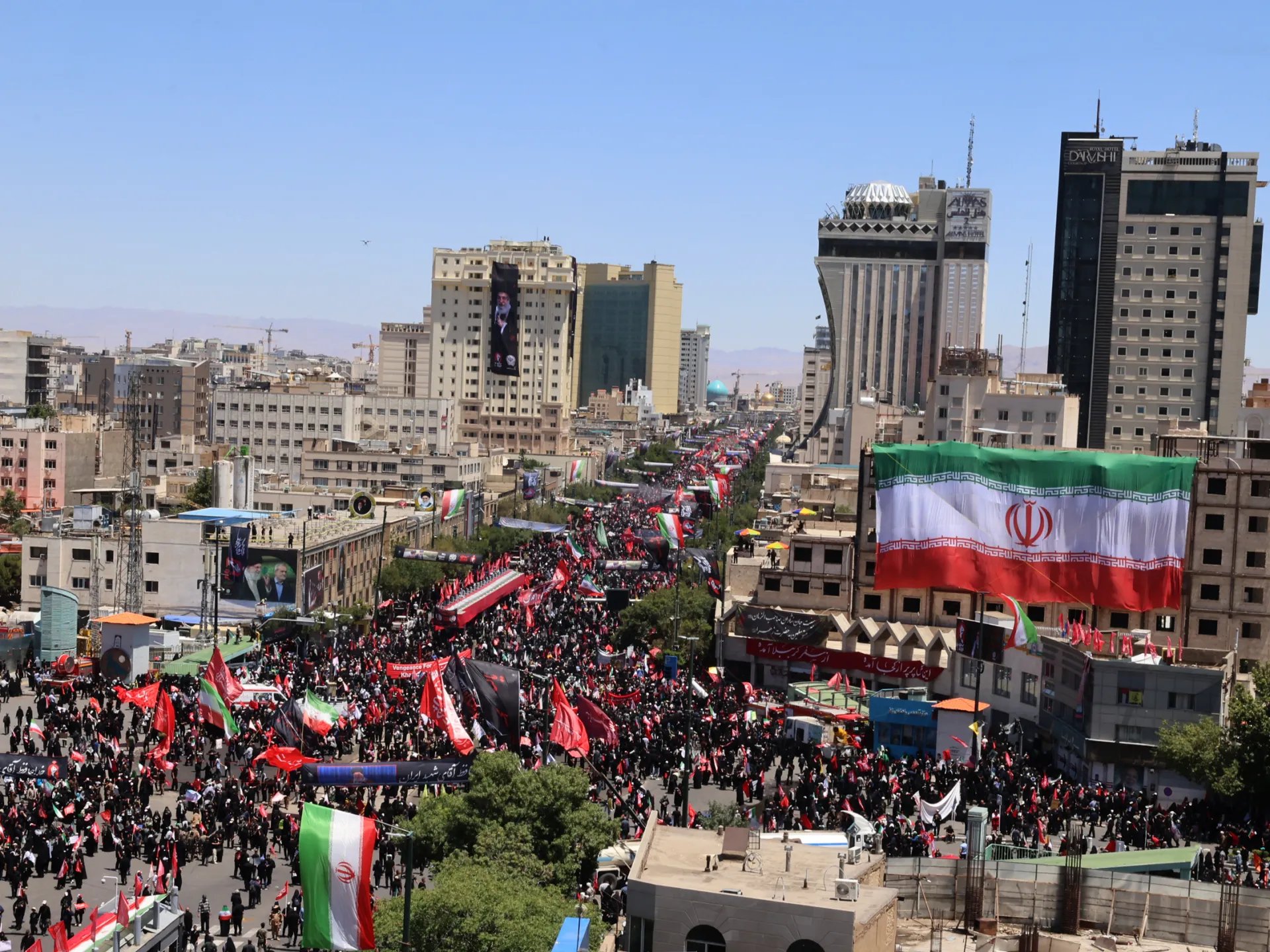
Israeli military spokesperson Brig. Gen. Efi Defrin stated that Tehran had "made a grave mistake" and that the Israeli Defense Forces was preparing military plans while continuing to strike Hezbollah targets in Beirut. Iran's Islamic Revolutionary Guard Corps said Israel had "crossed all red lines" by intensifying strikes in southern Lebanon and targeting Dahieh. The Guard Corps threatened that if Israel expanded attacks in that area or responded to Iran's action, "devastating attacks will be launched" against Israel and its supporters.
Ceasefire Collapse and Diplomatic Fallout
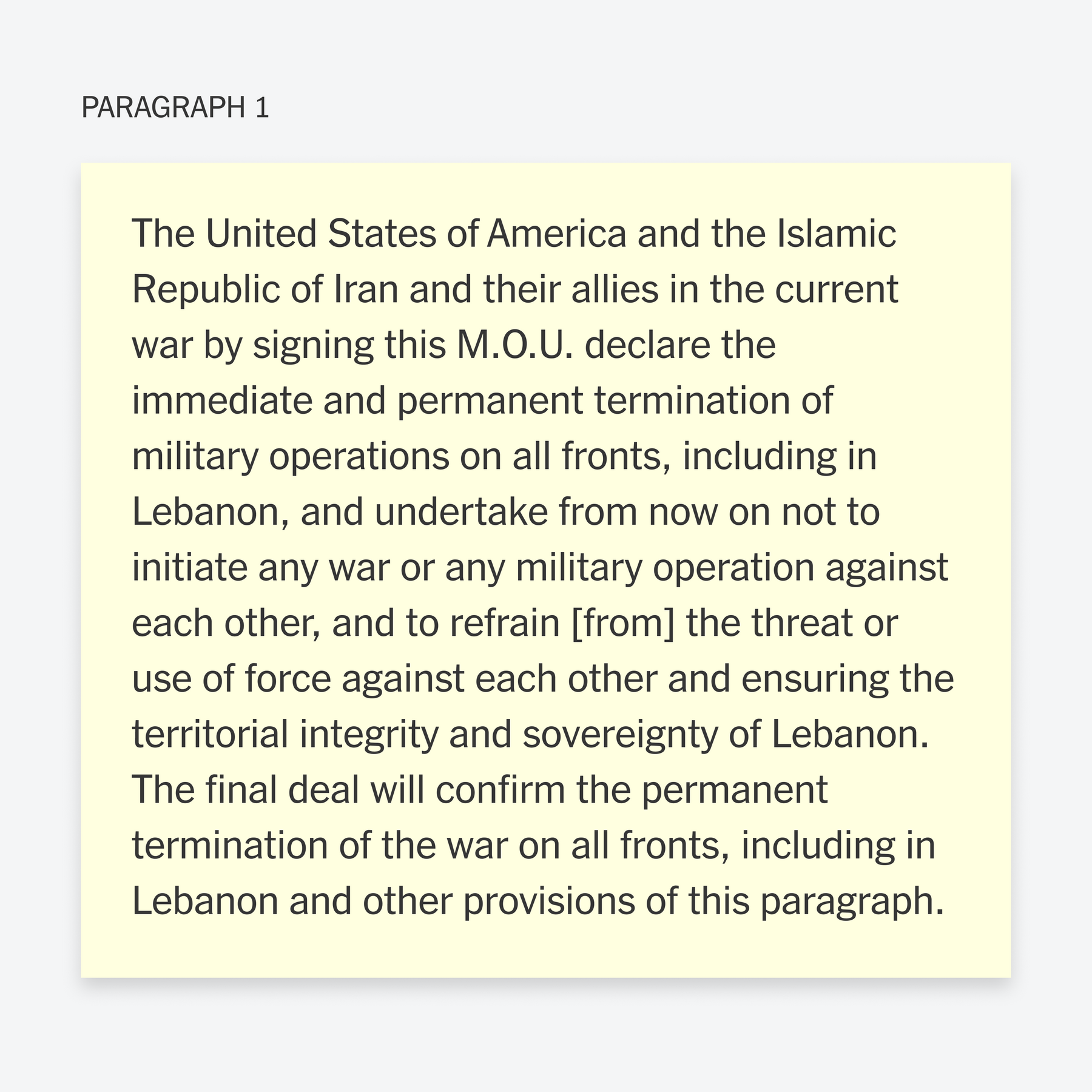
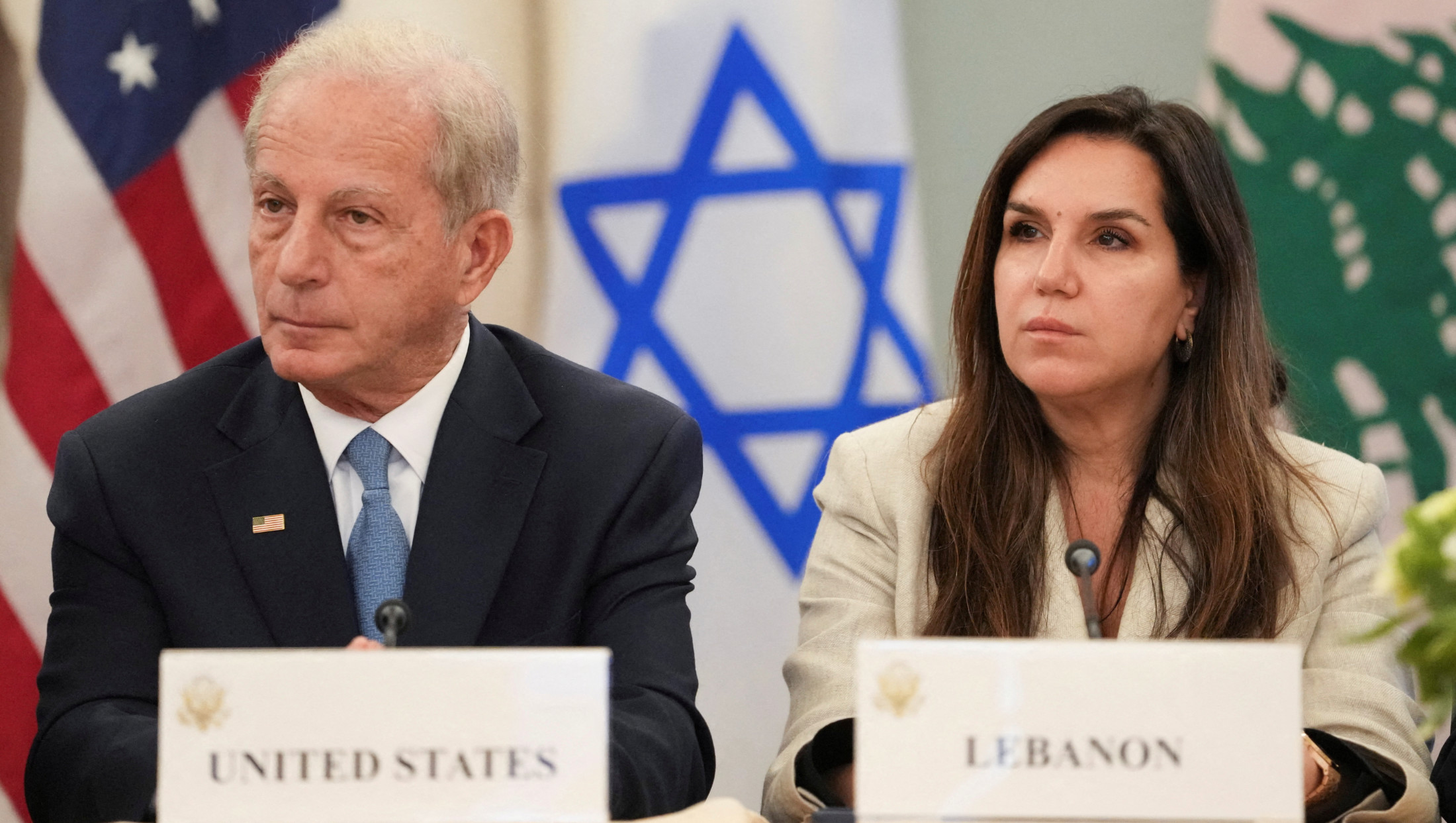
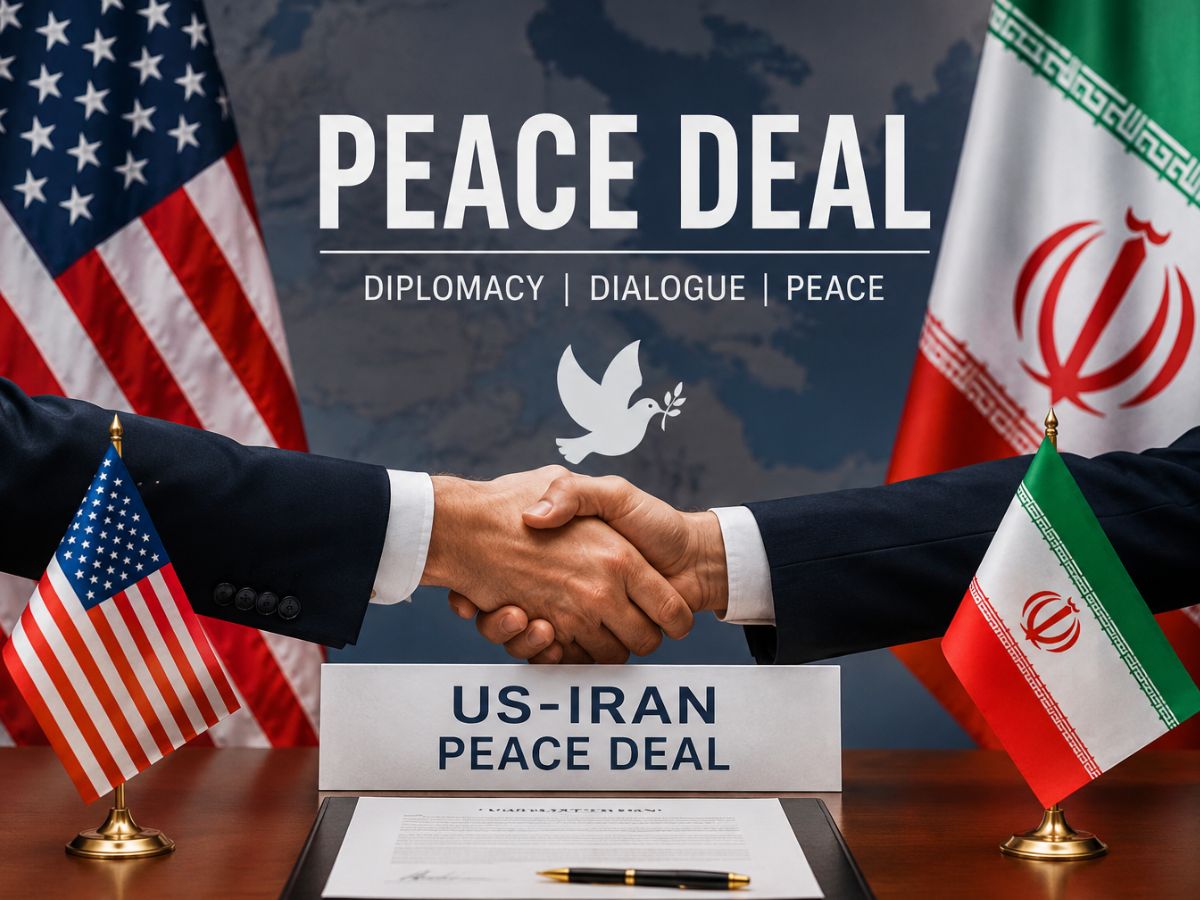
The missile attack directly undermines months of mediation efforts aimed at ending the broader war. A ceasefire between Lebanon and Israel had been agreed to in U.S.-hosted talks just days before Sunday's strikes, though Hezbollah rejected that separate deal. Iran has consistently demanded that any overall peace agreement between Tehran and Washington must include an end to fighting in Lebanon, a condition that has complicated negotiations.
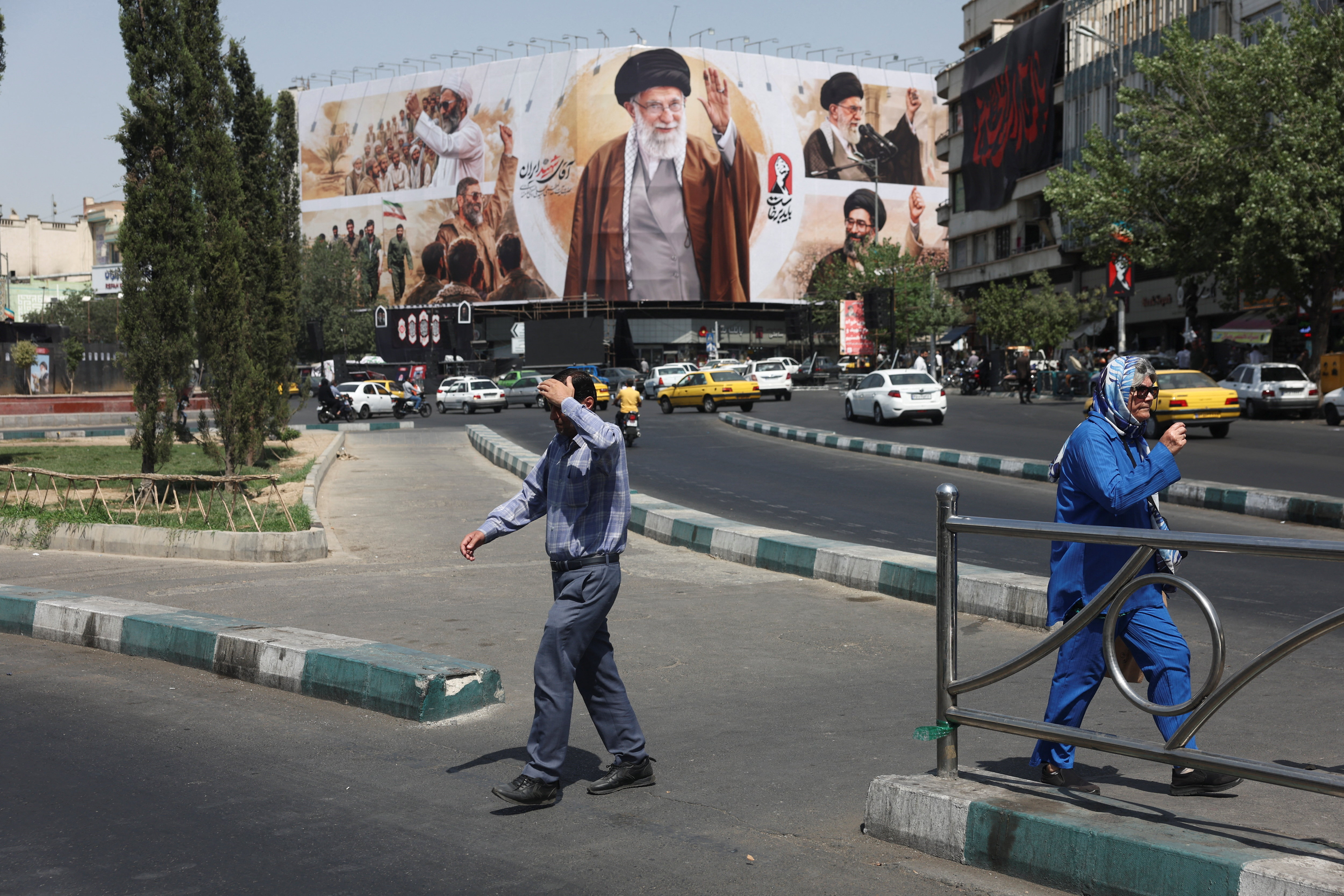
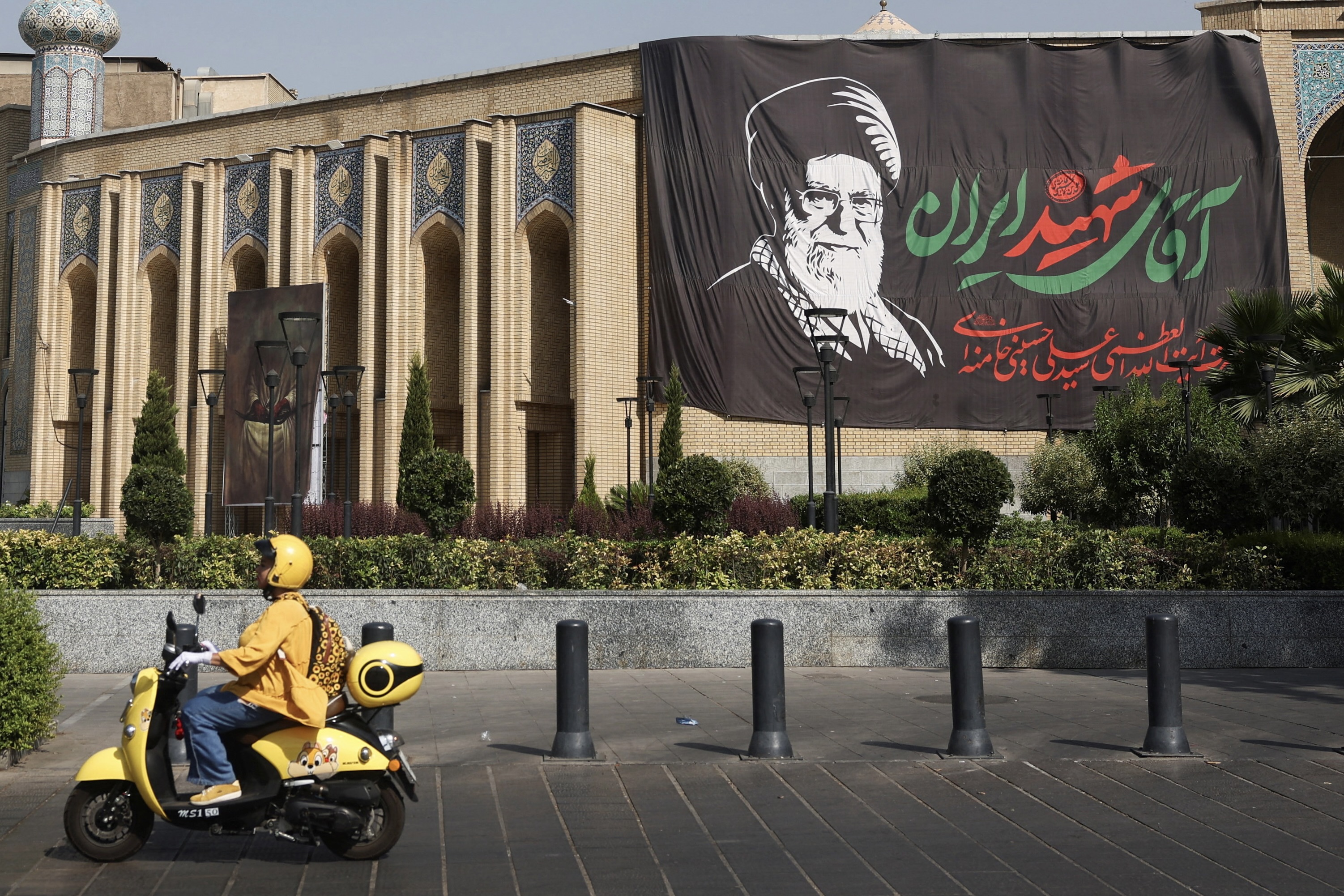
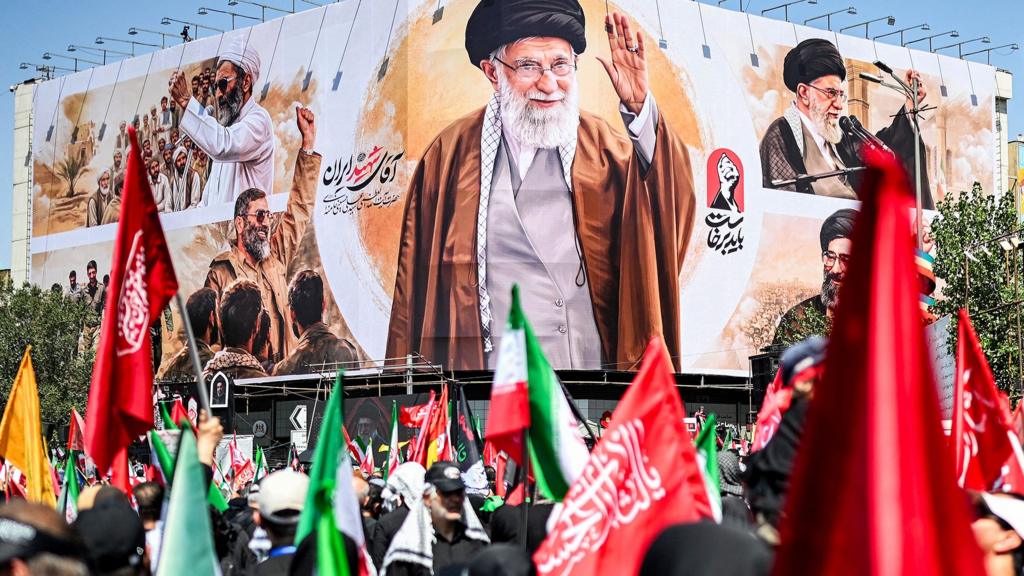
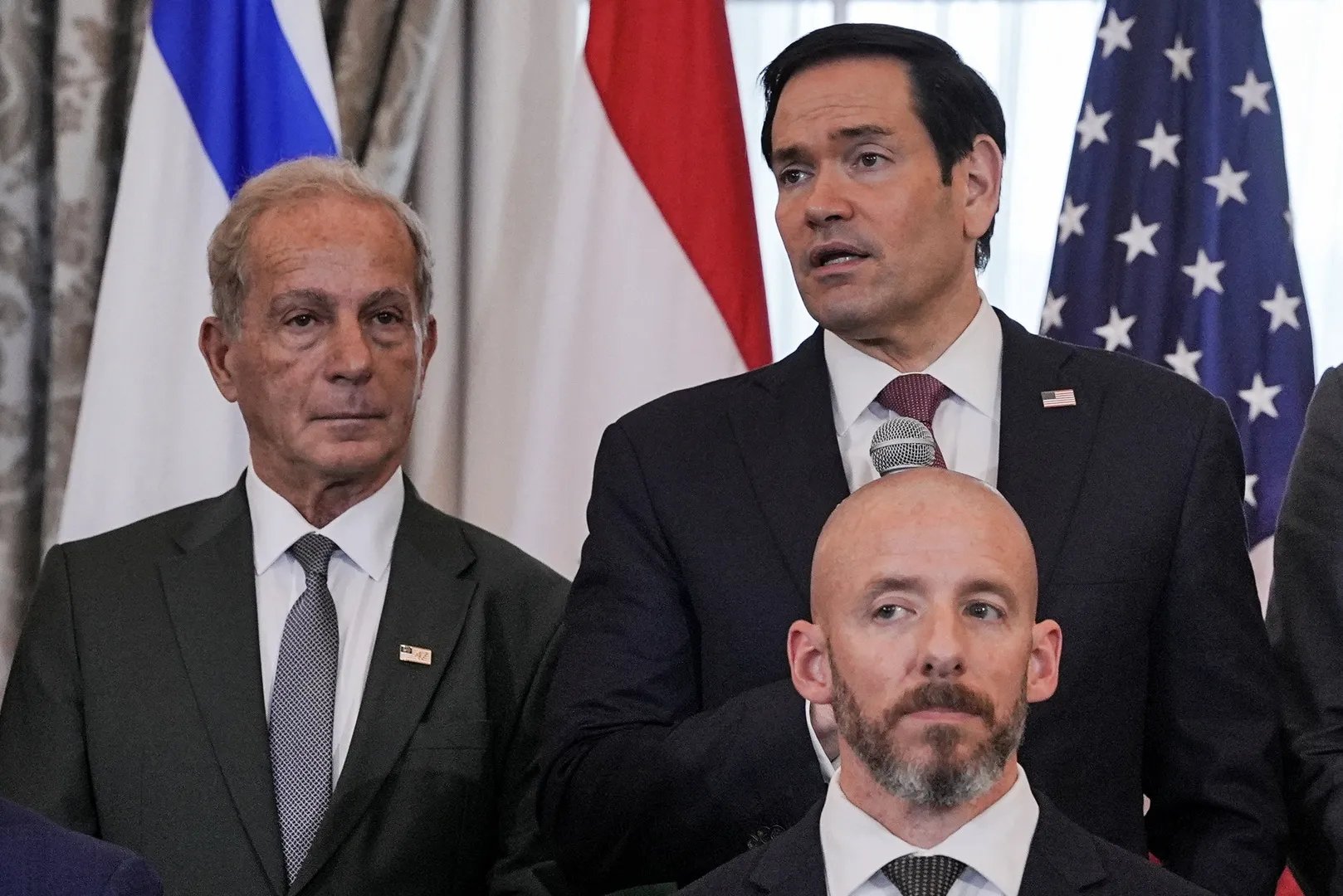
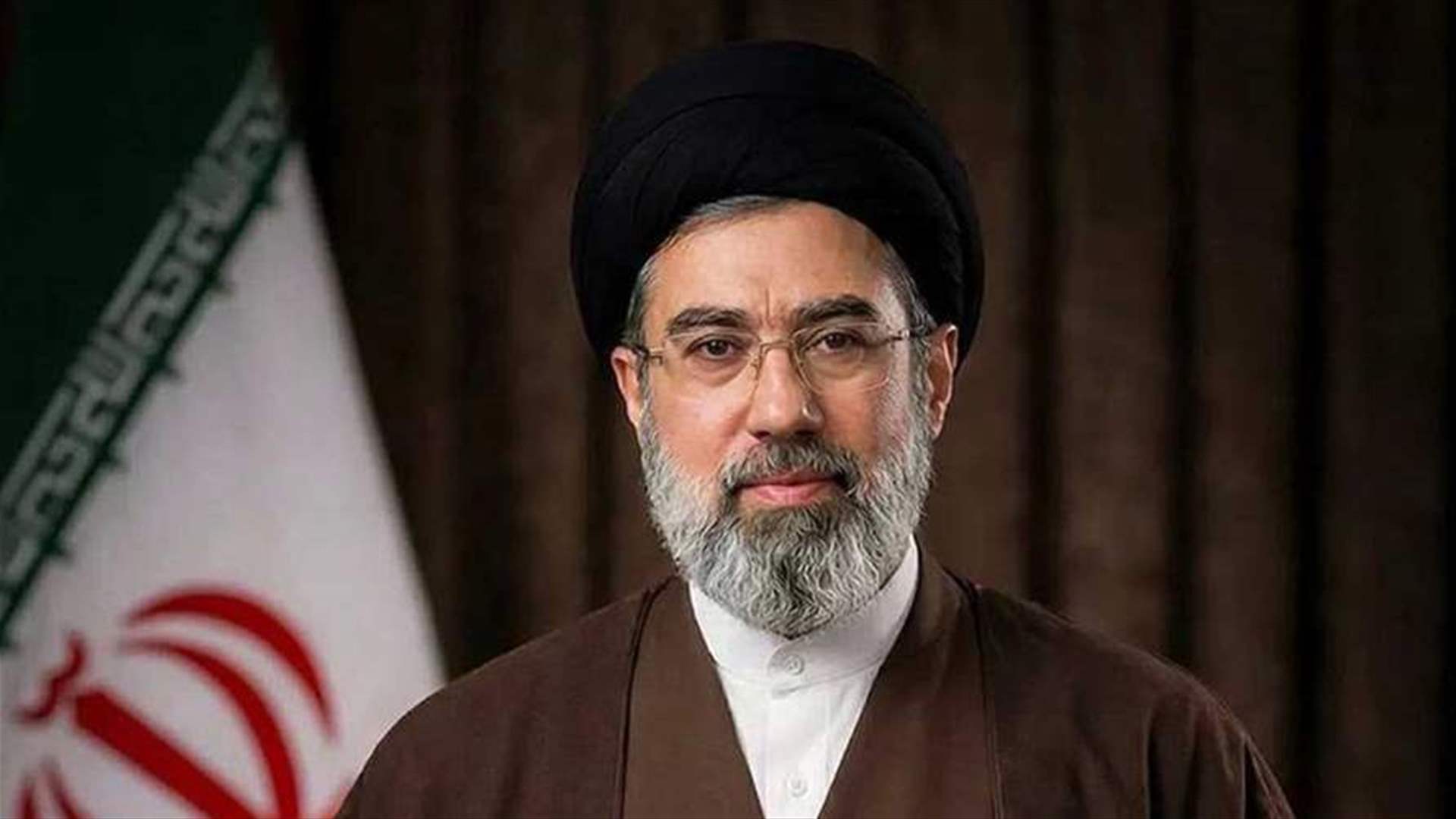
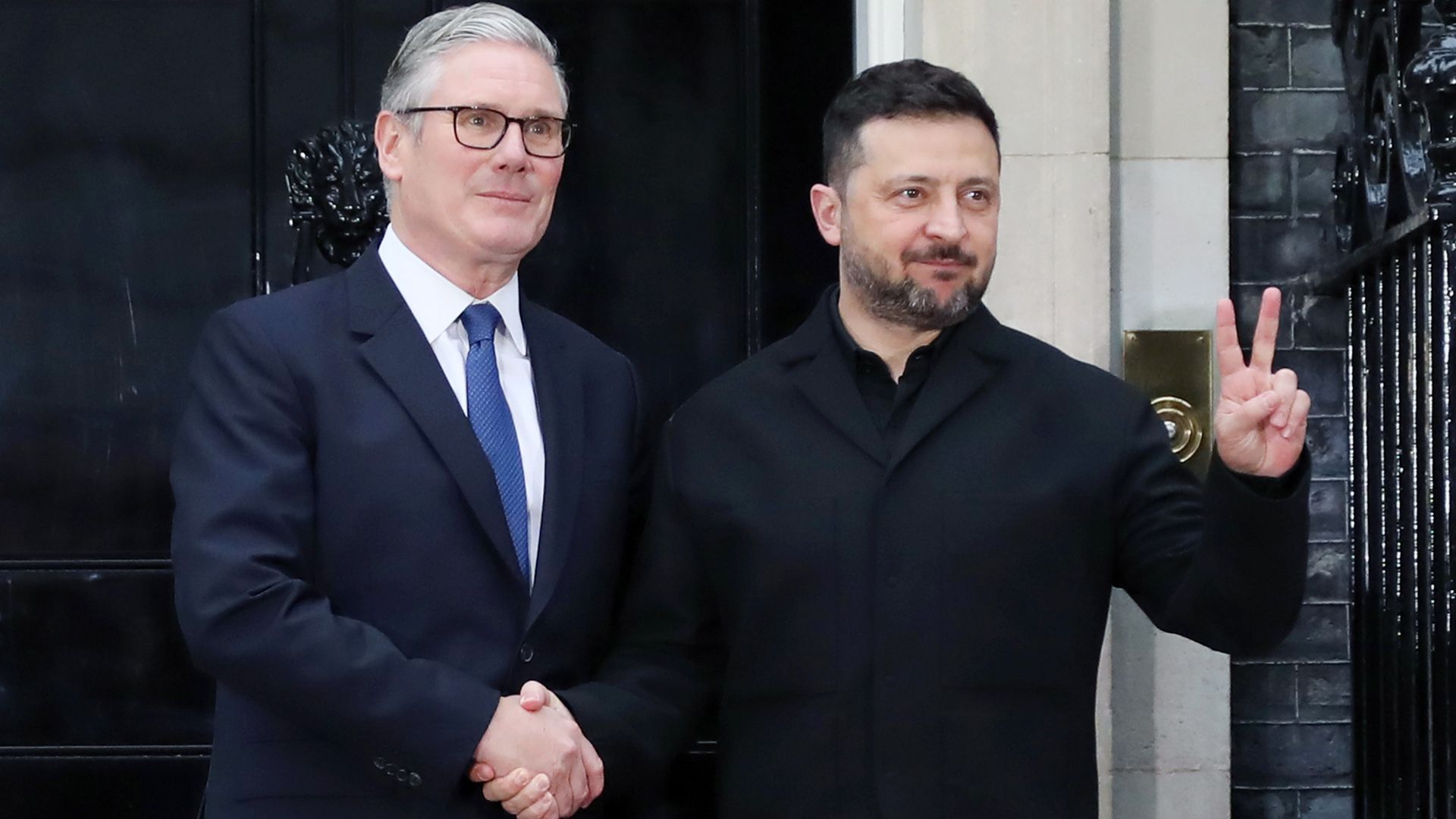
The Lebanese and Israeli governments agreed to their ceasefire, but Israel's continued military operations in Lebanon and Hezbollah's resistance to disarming have stalled the larger diplomatic process. Pakistan's interior minister, Mohsin Naqvi, was in Tehran on Sunday delivering a message to Iran's Supreme Leader Ayatollah Mojtaba Khamenei from Pakistan's army chief Field Marshal Asim Munir. Separately, Egypt's foreign minister and Qatar's foreign minister discussed "proposed elements" of a potential U.S.-Iran agreement, though neither side released details.
Trump's Pressure and Conditions
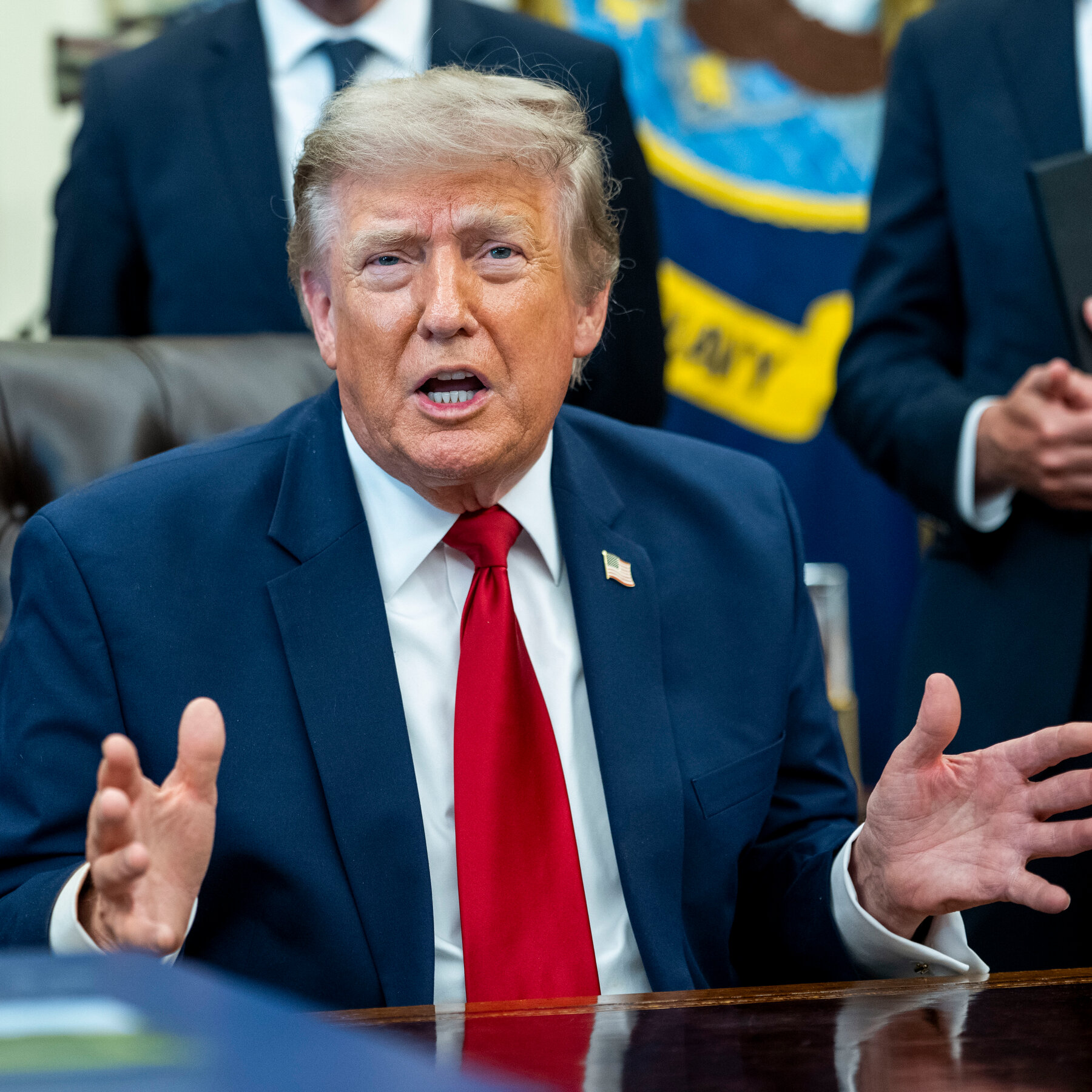
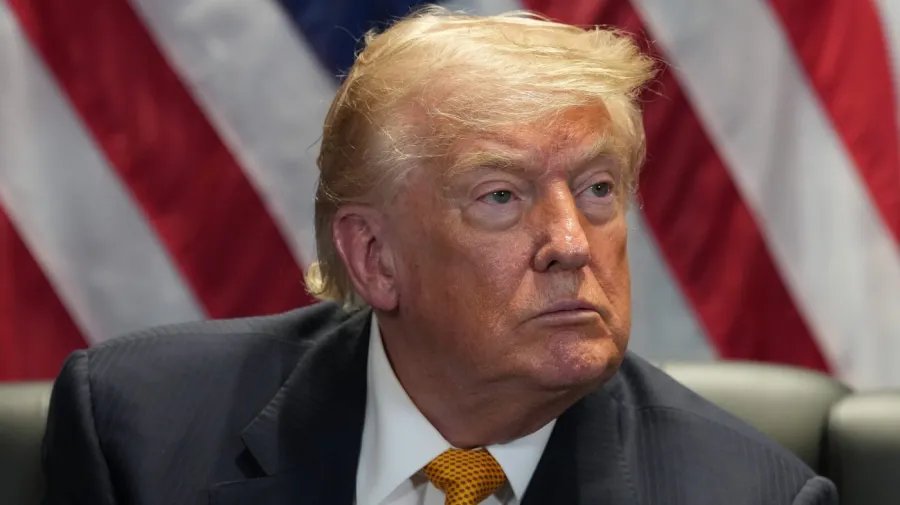
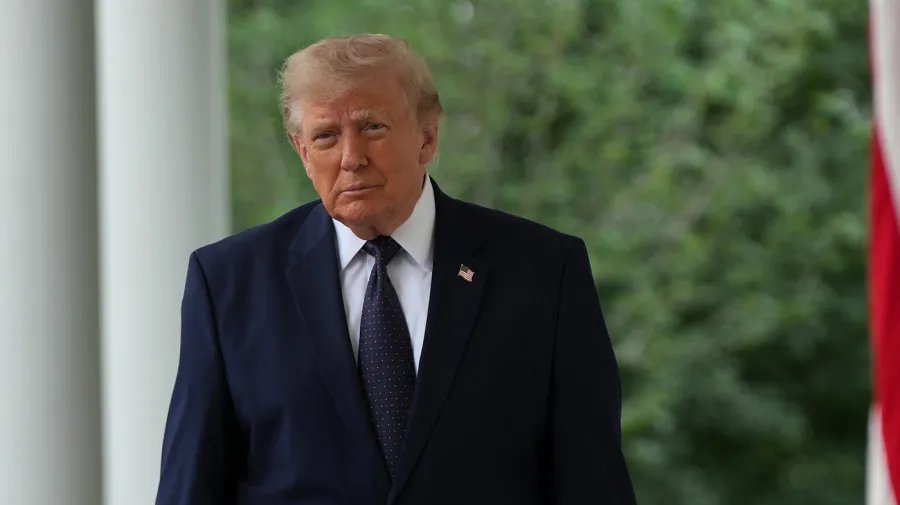
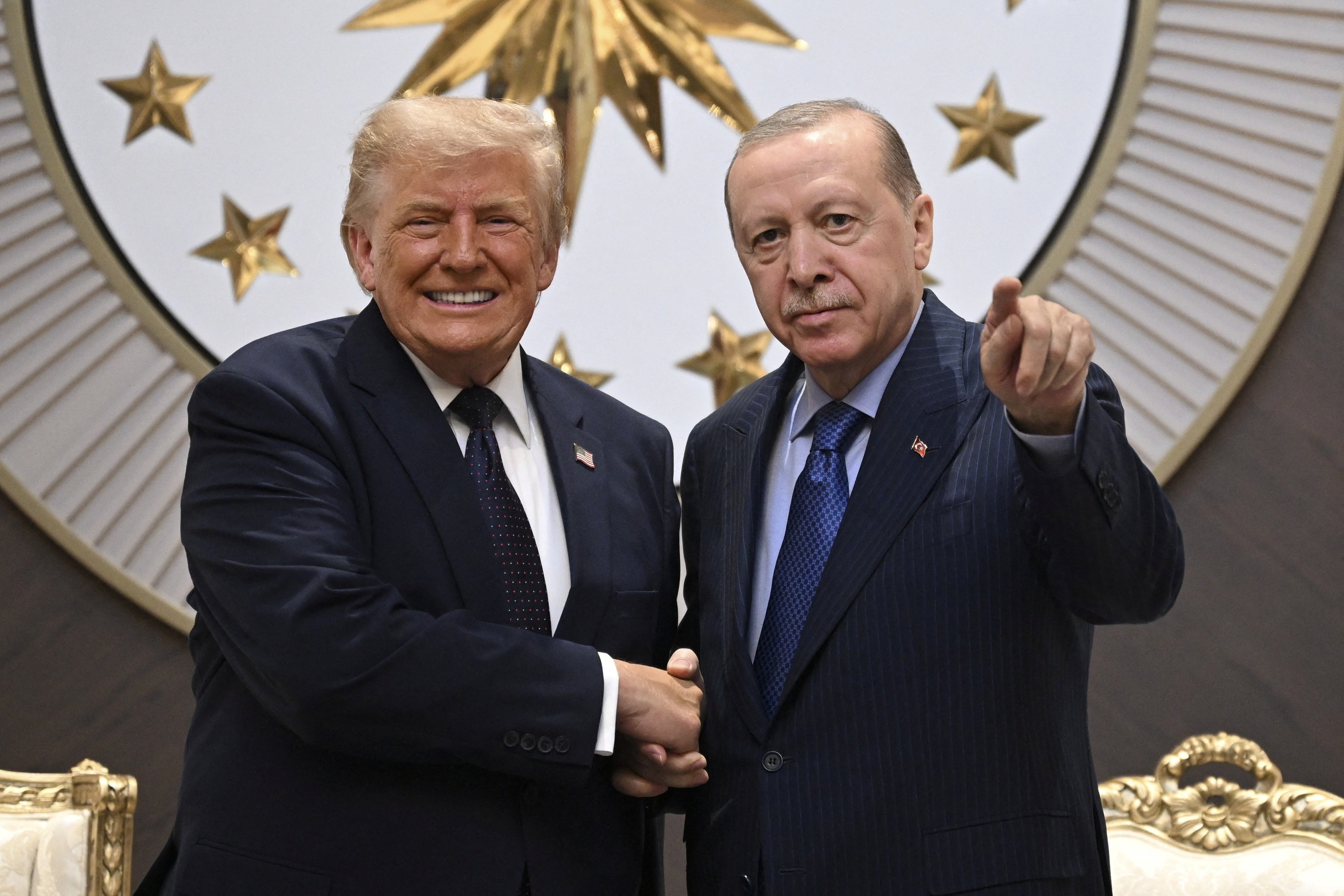
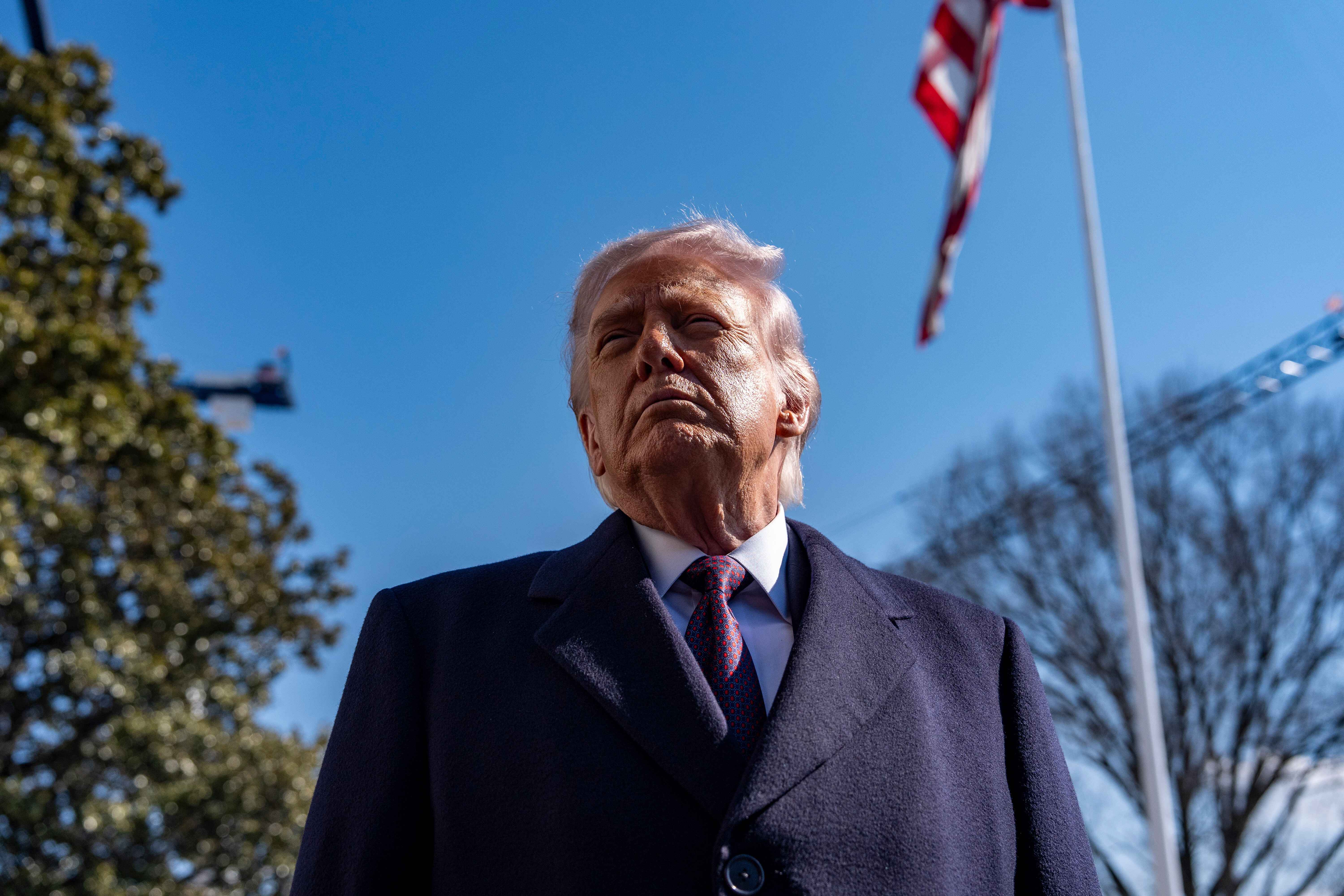
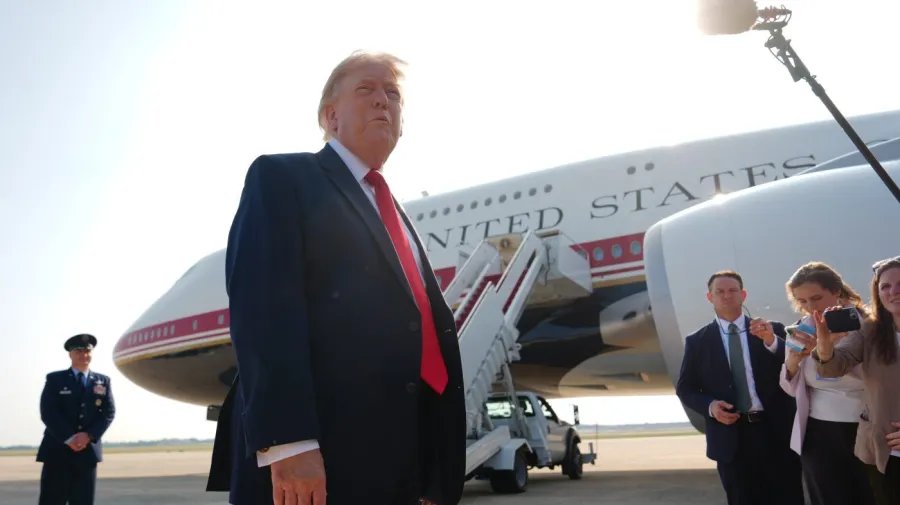
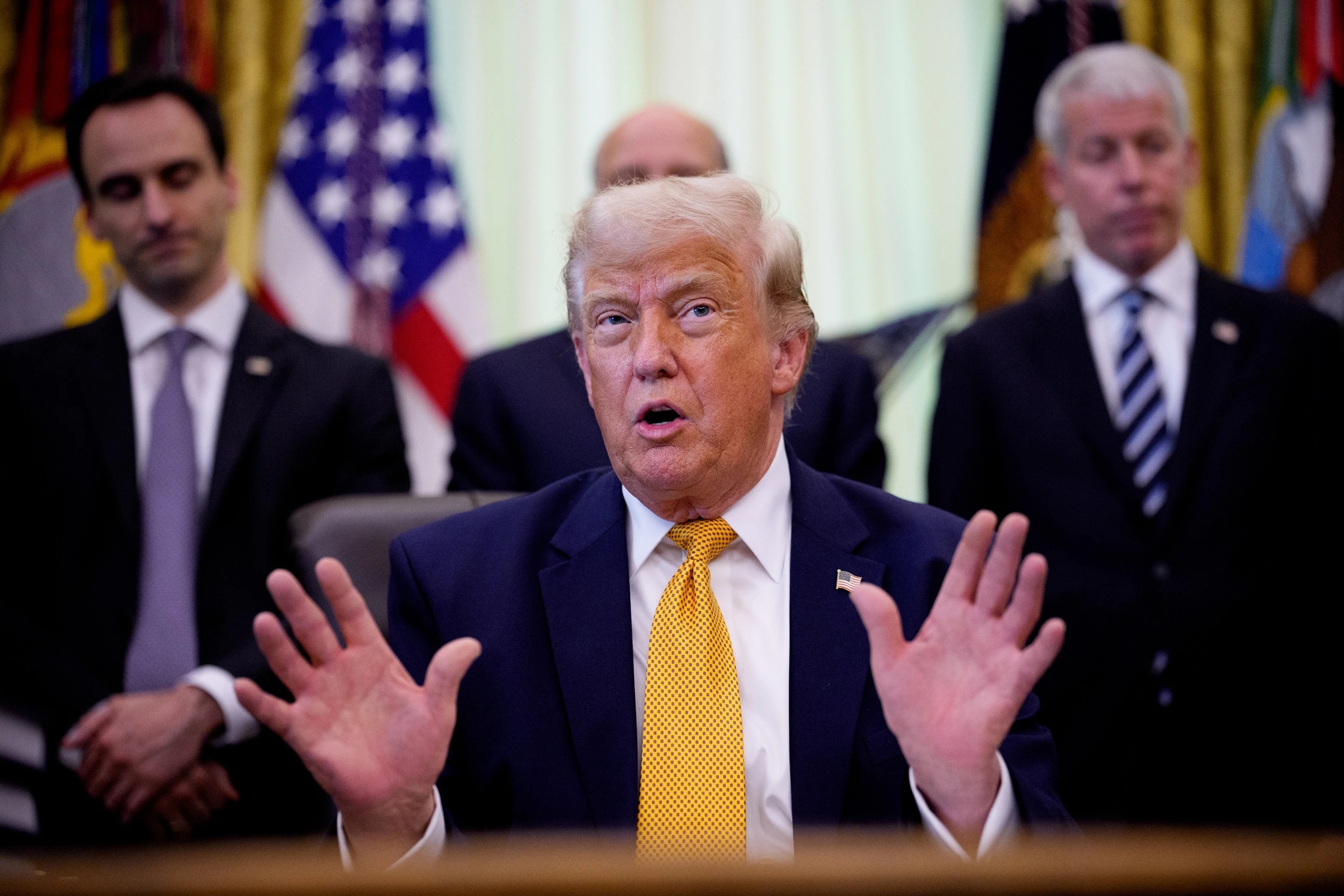
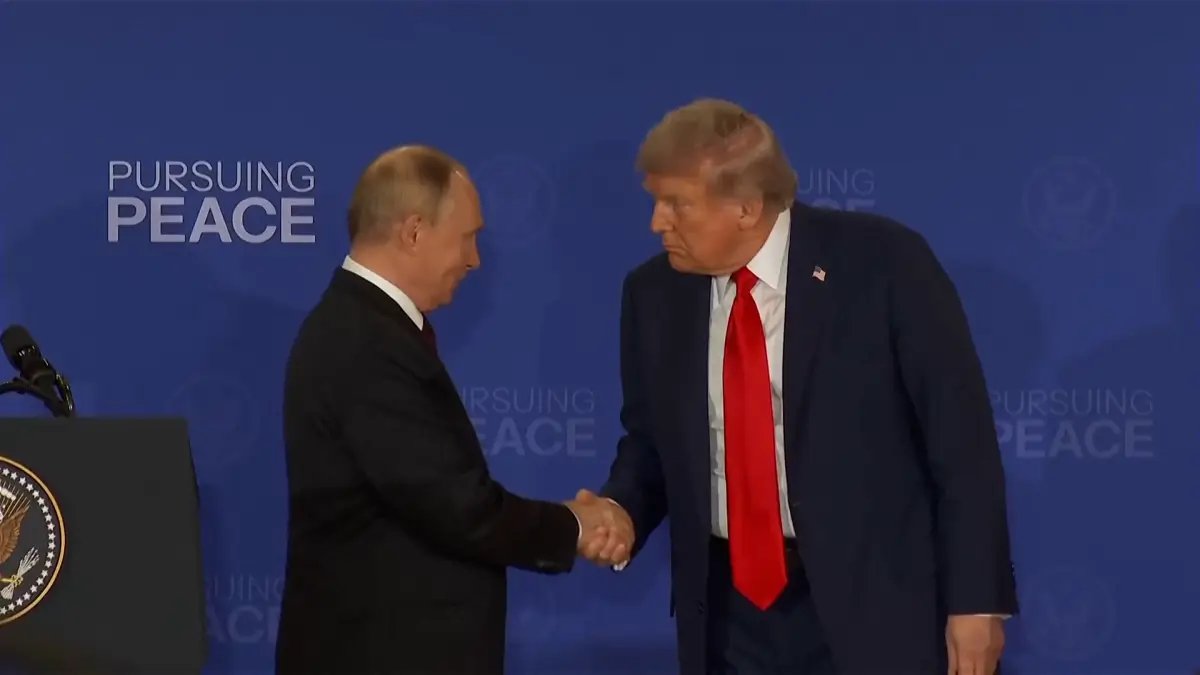
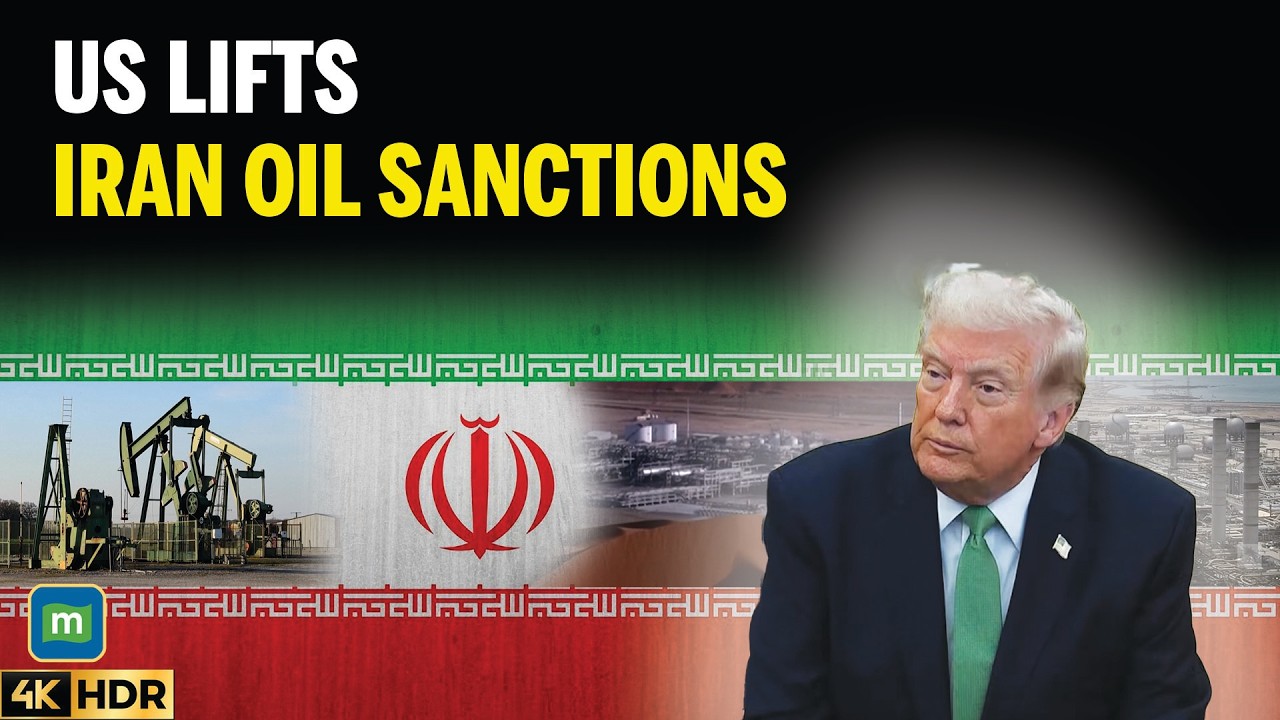
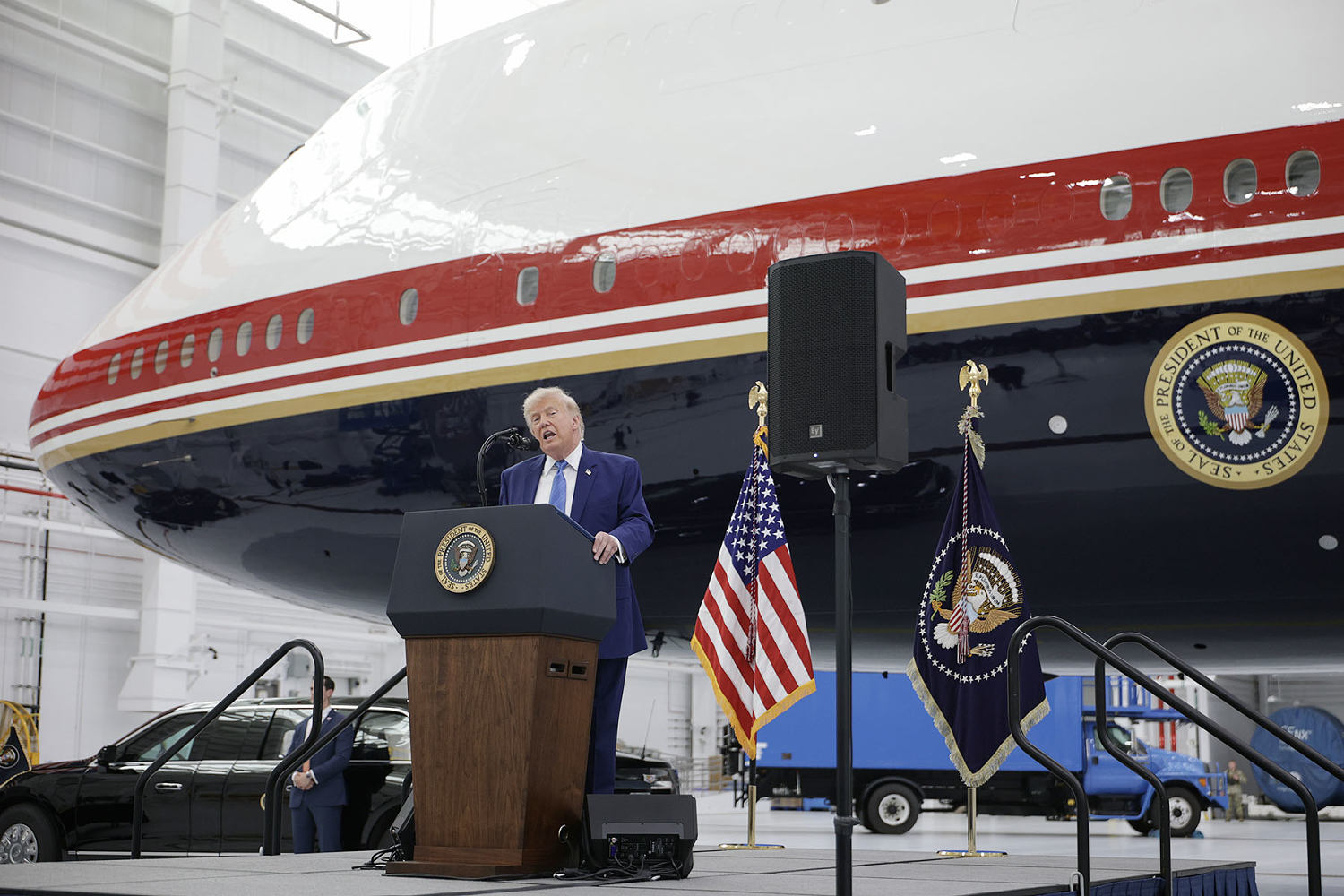
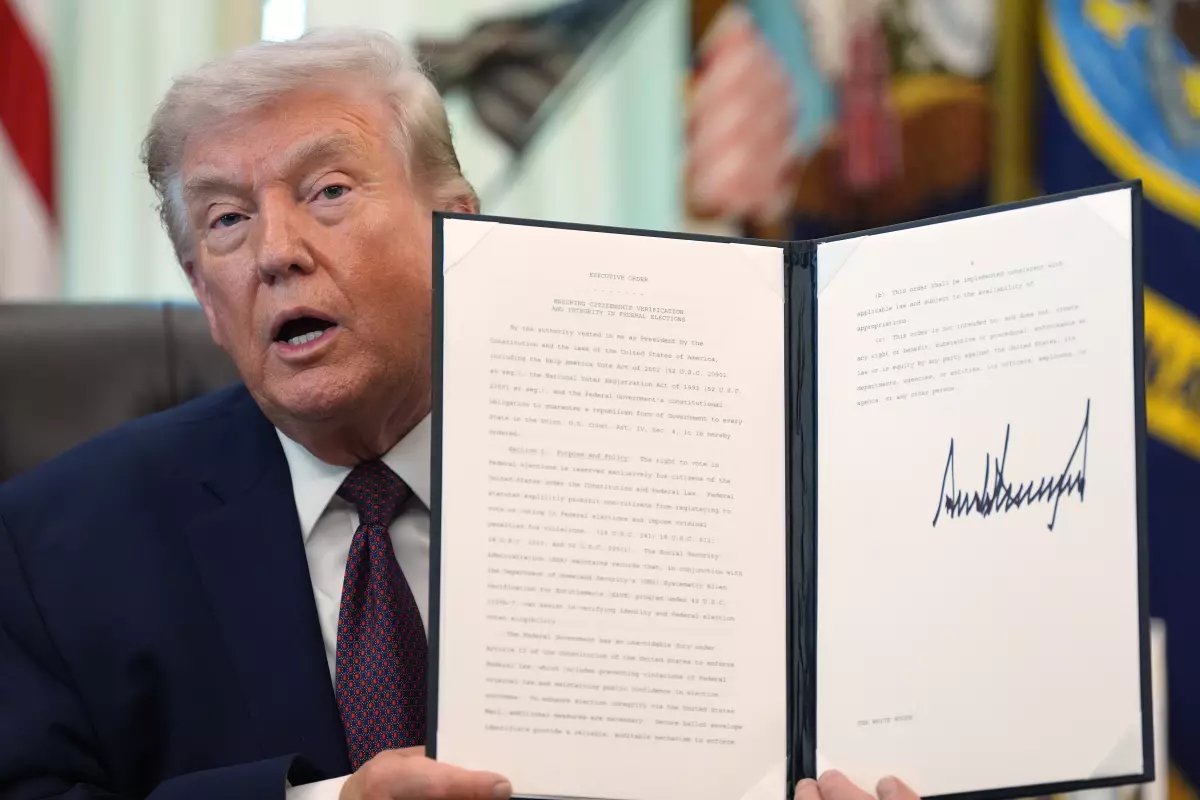
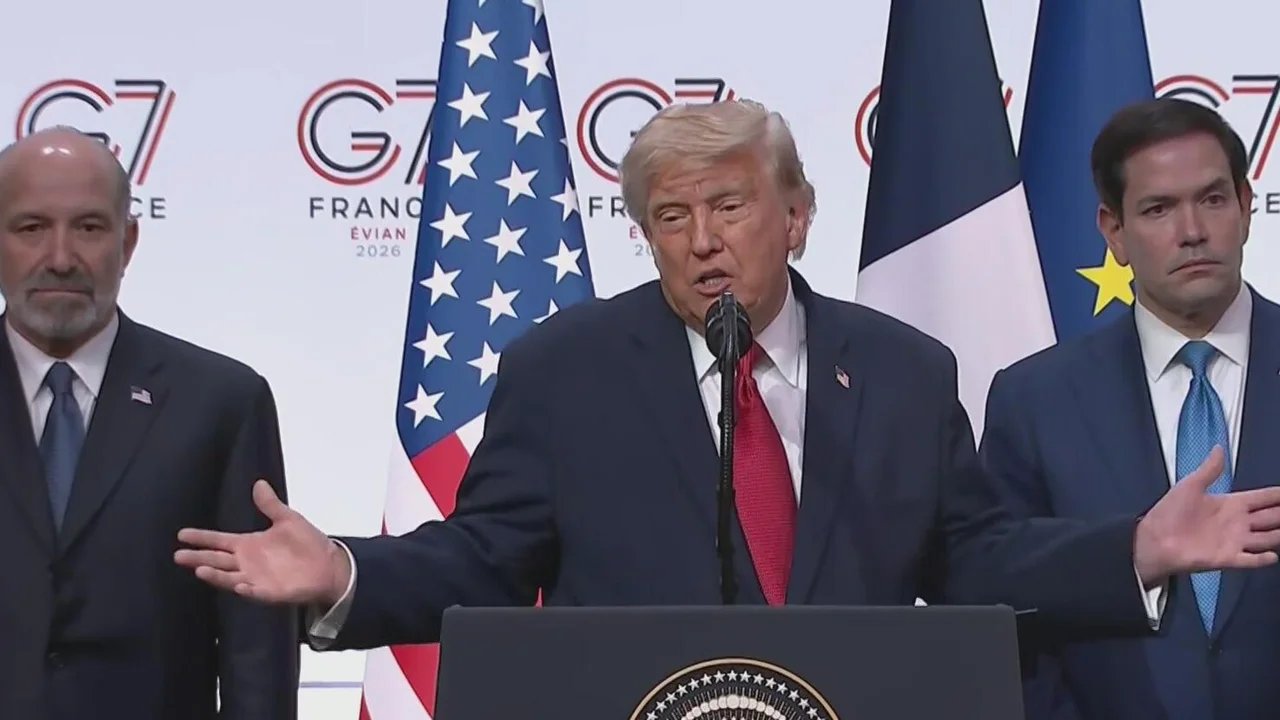
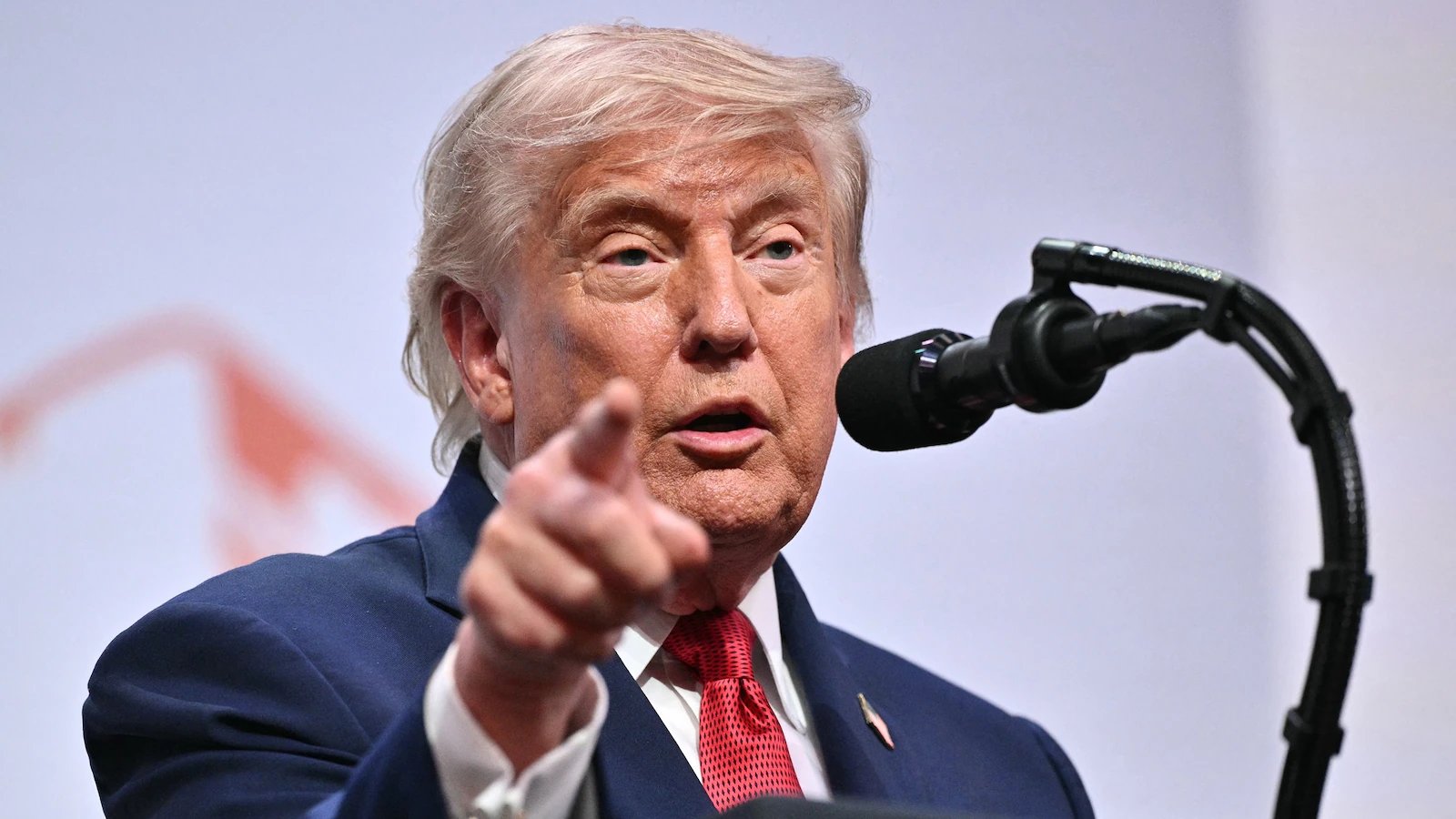
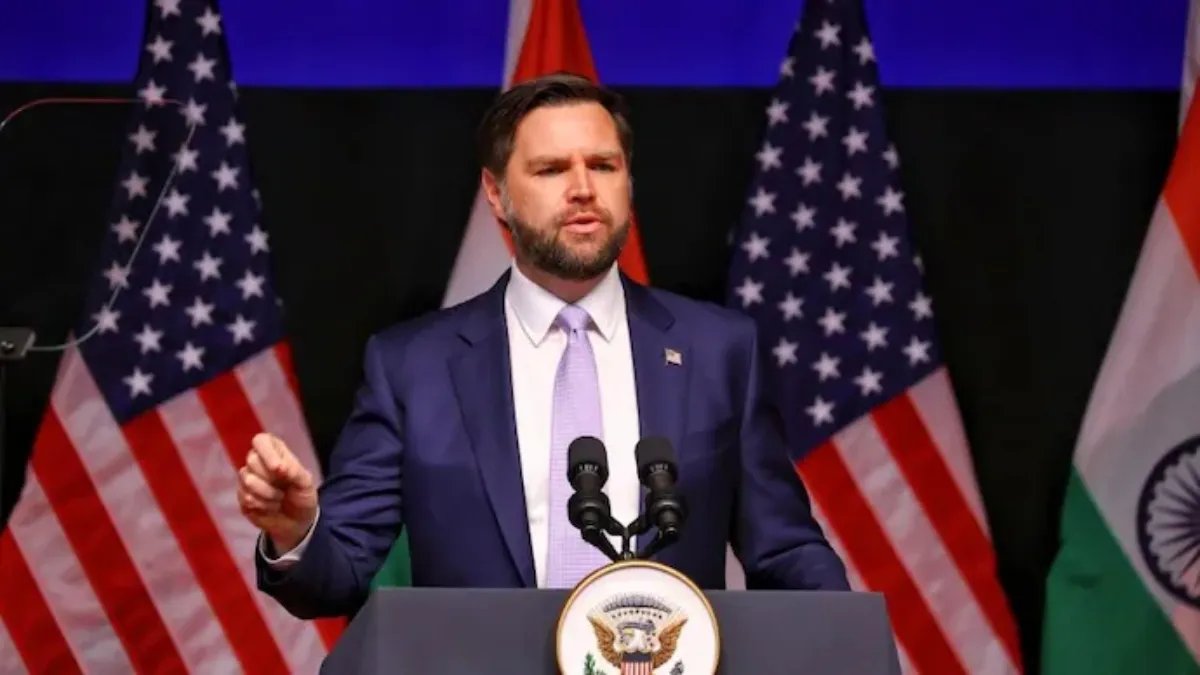
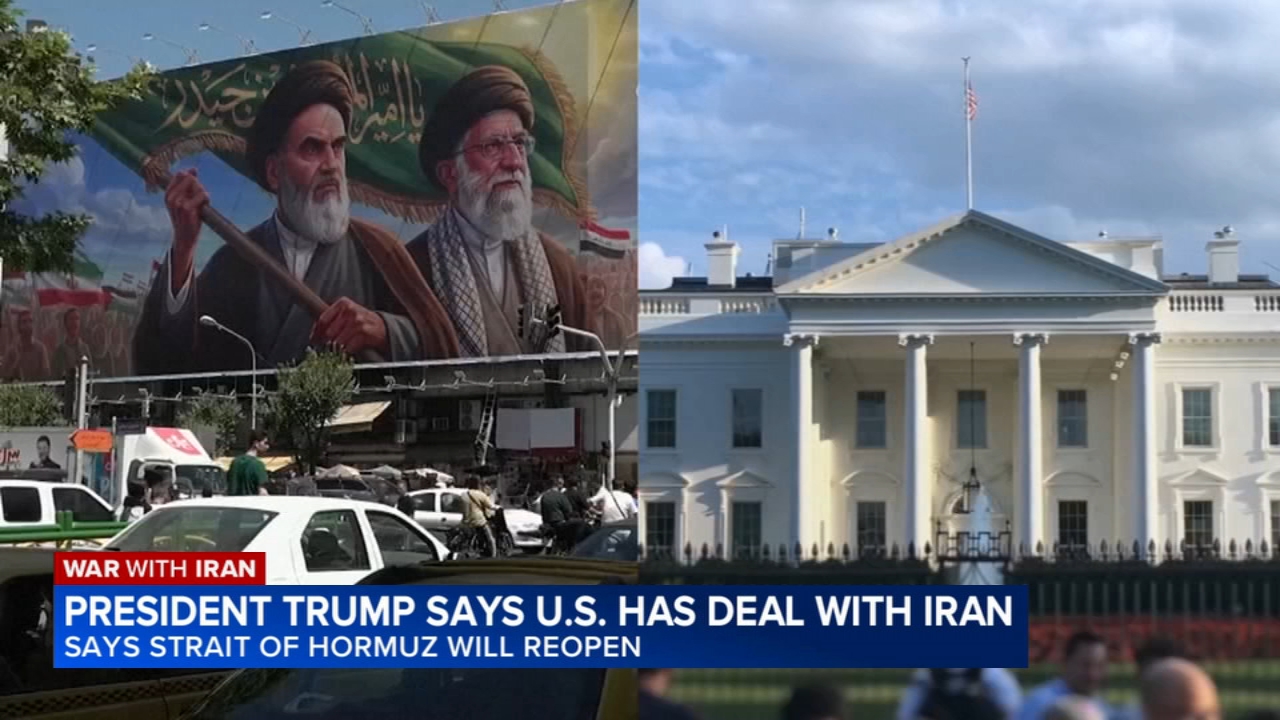
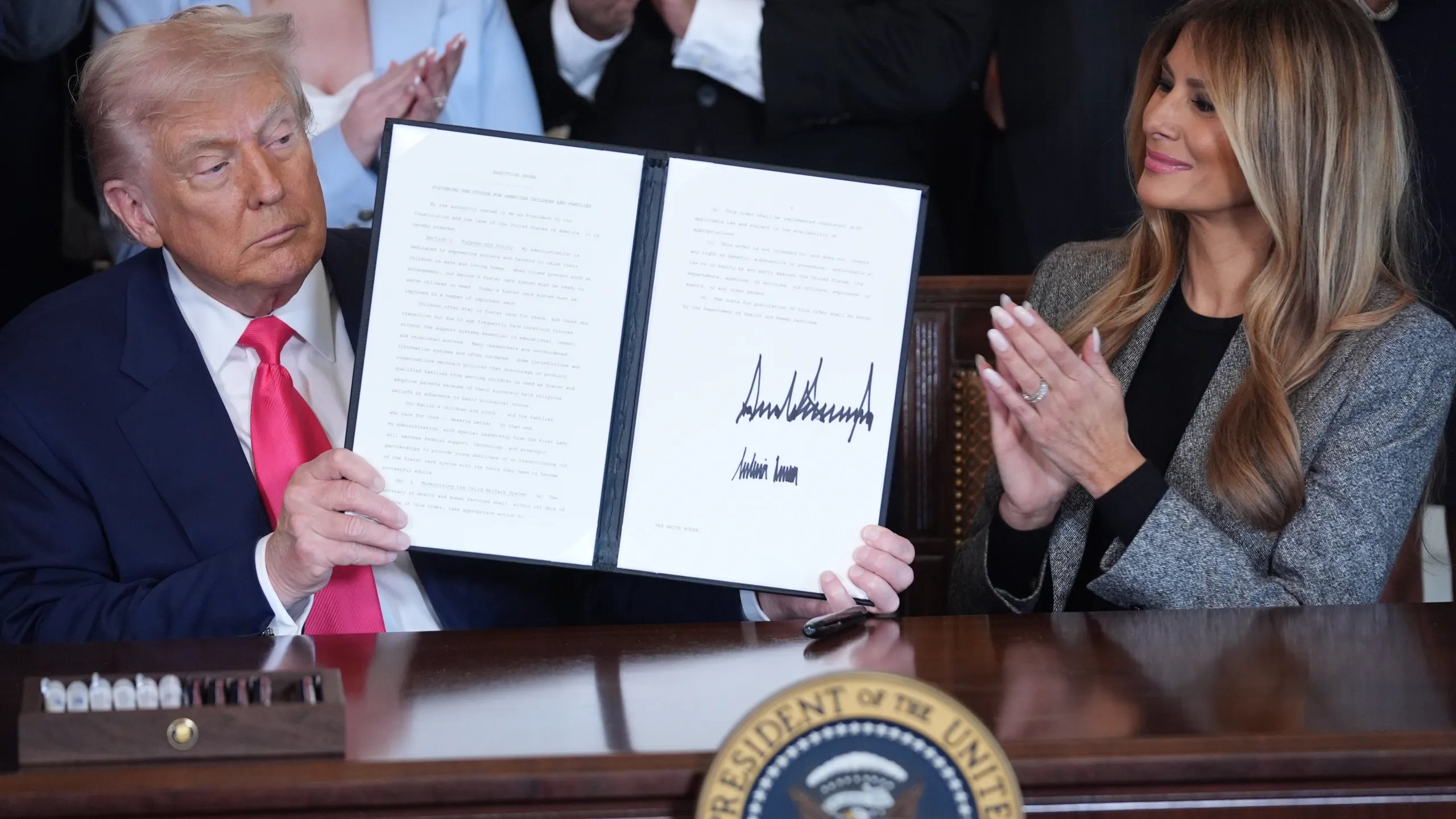
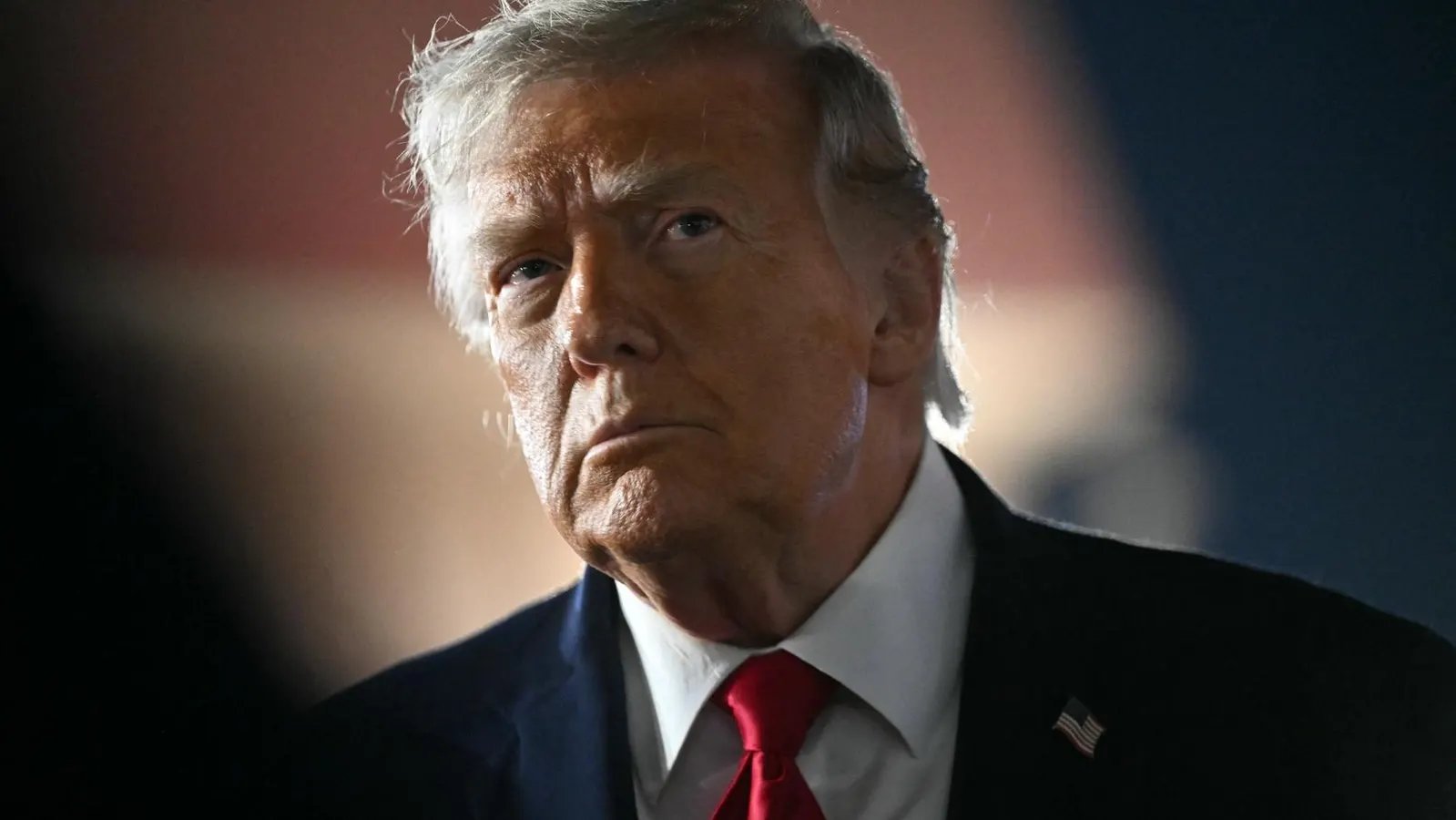
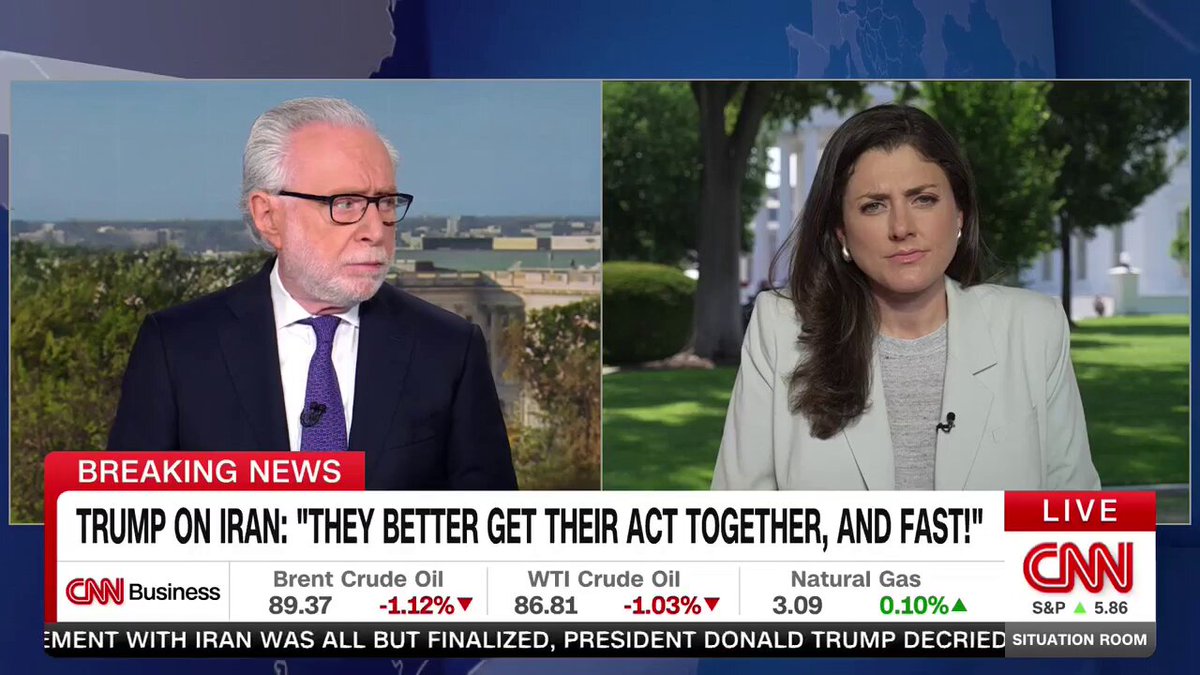
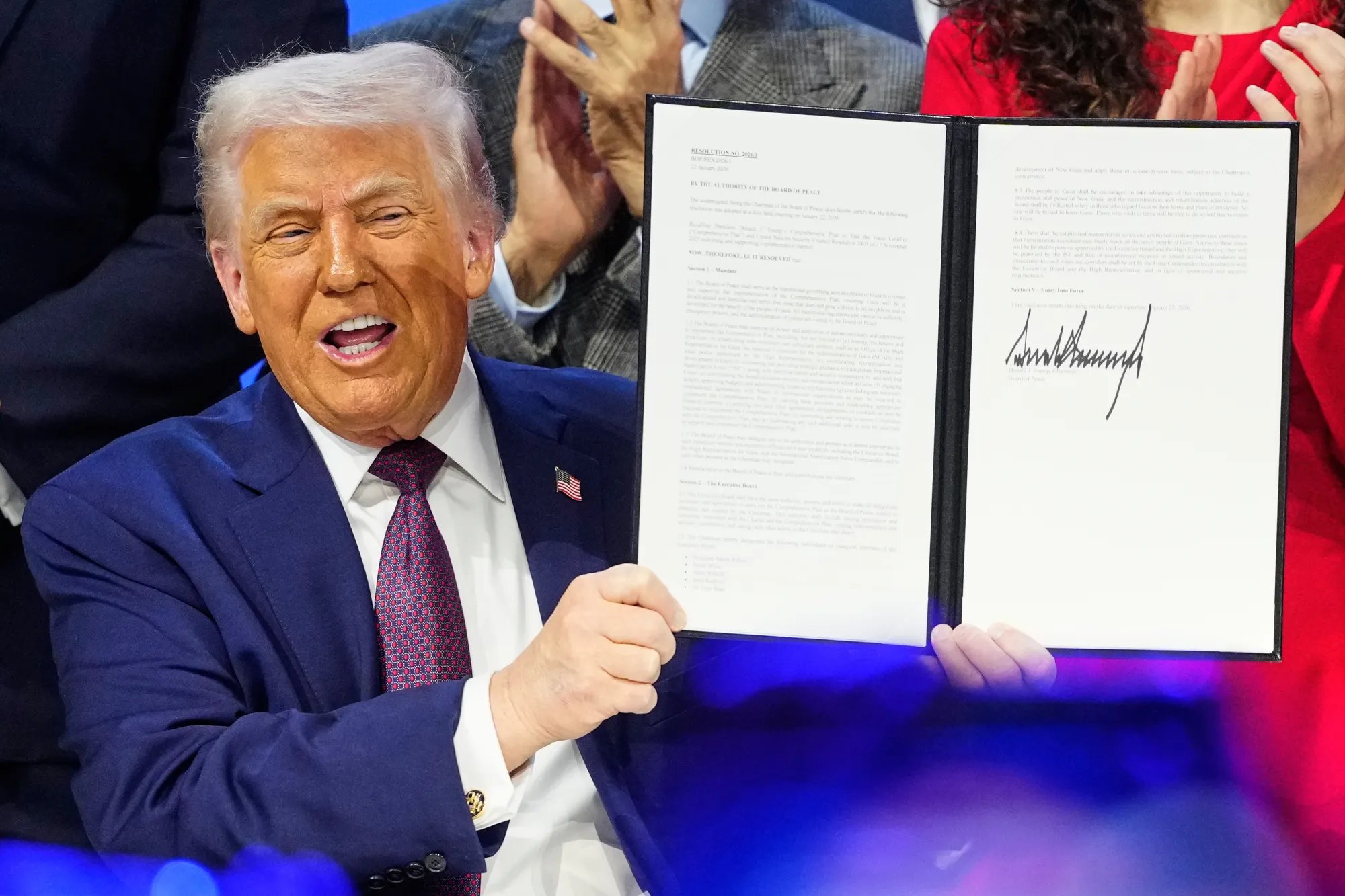
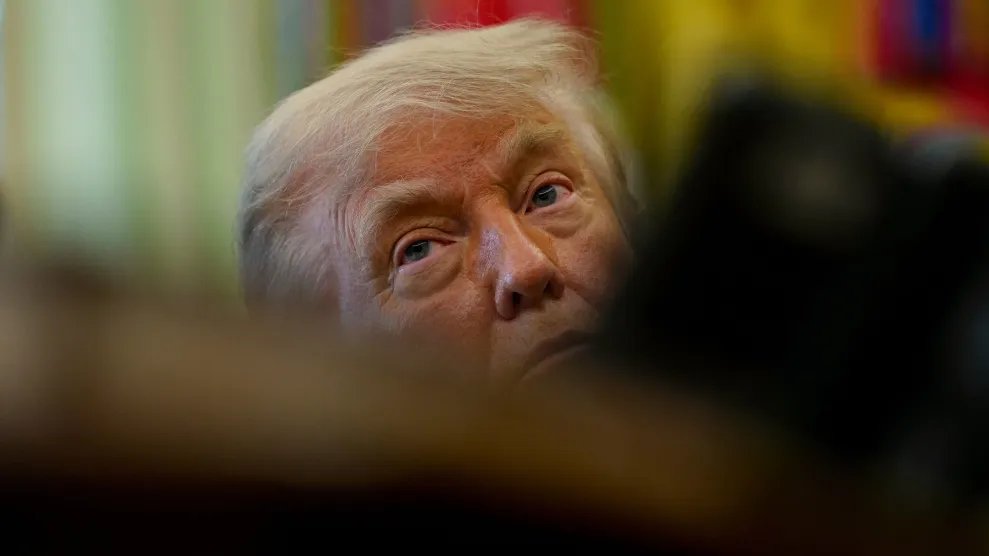
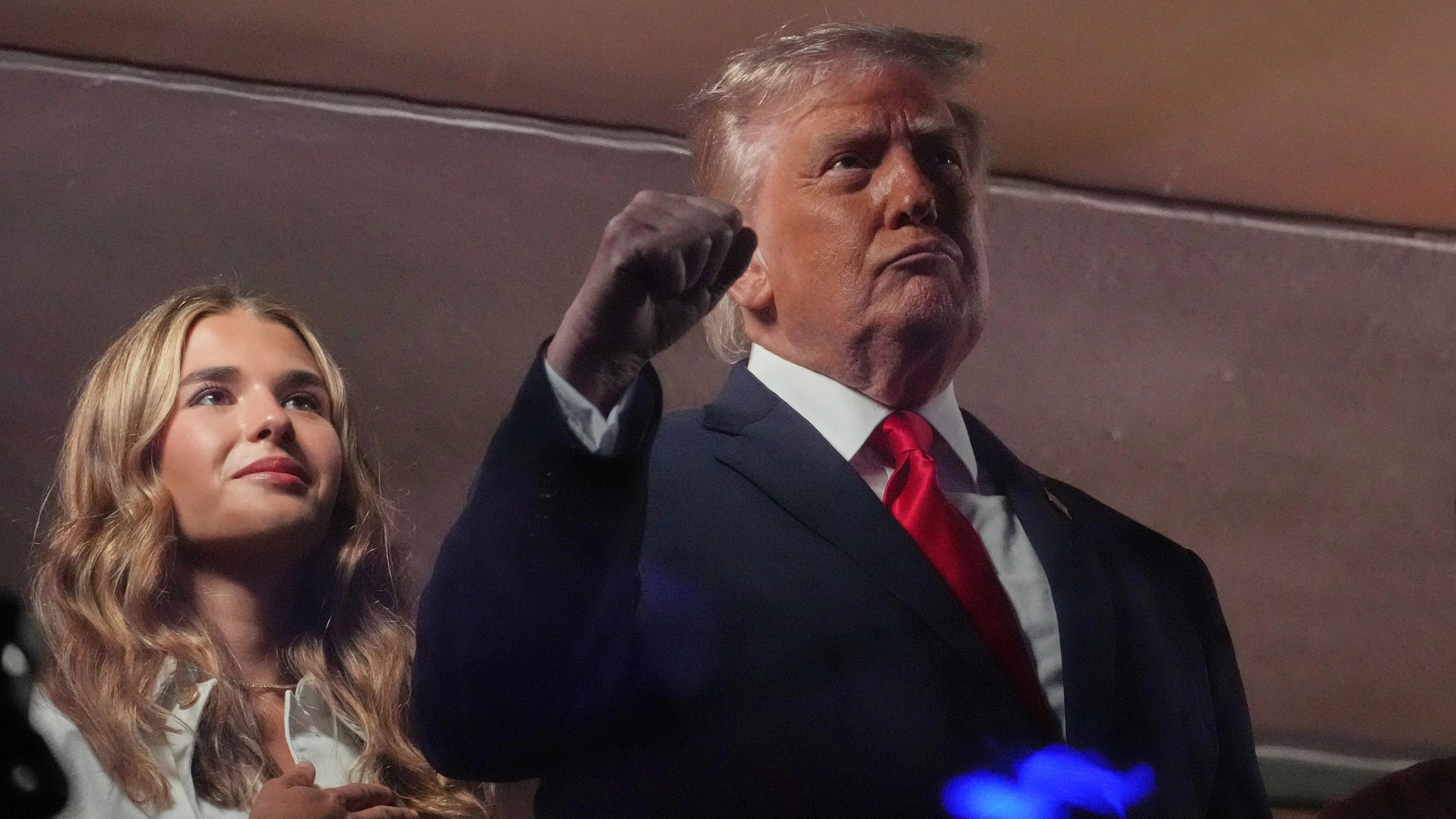
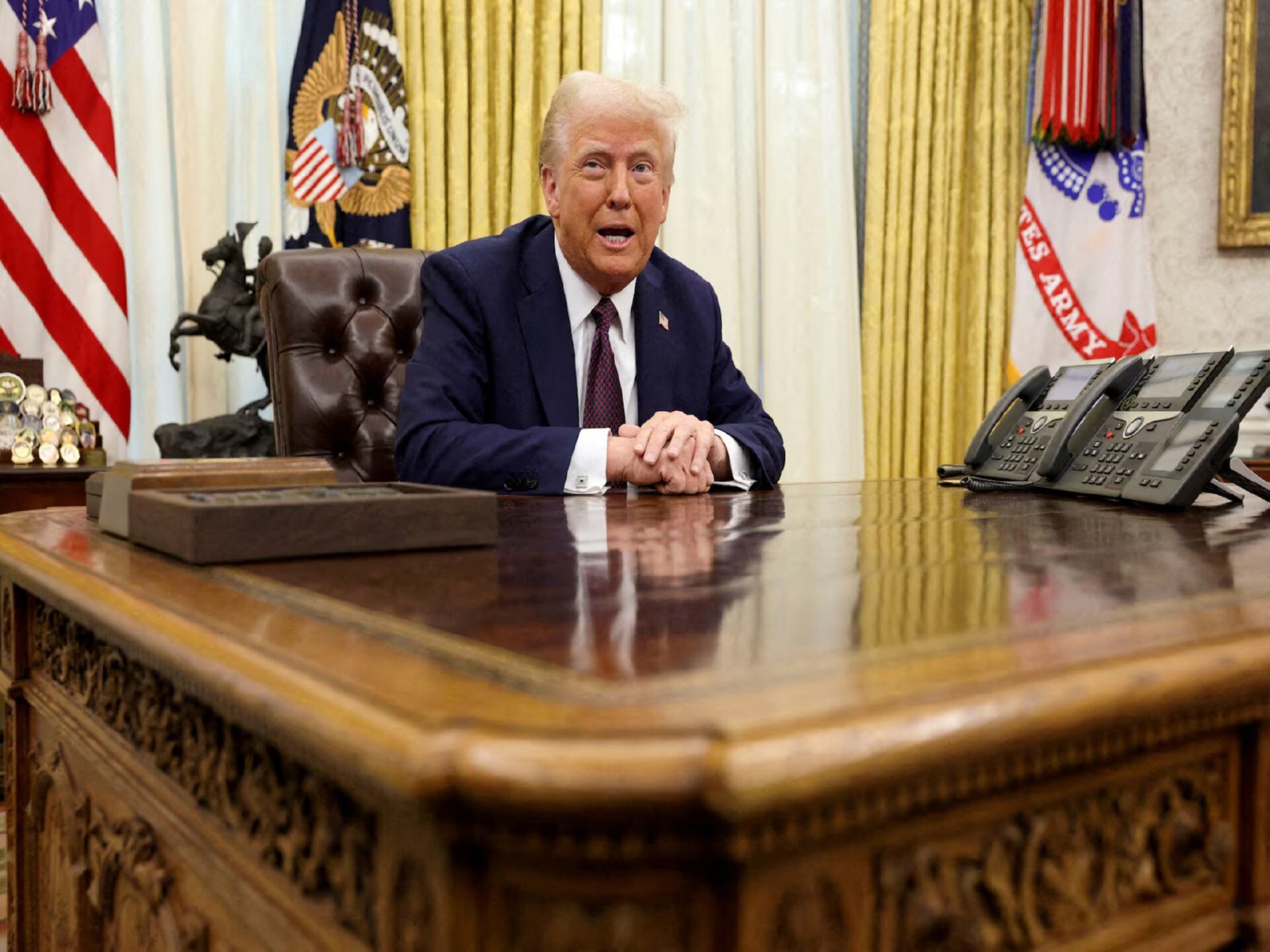
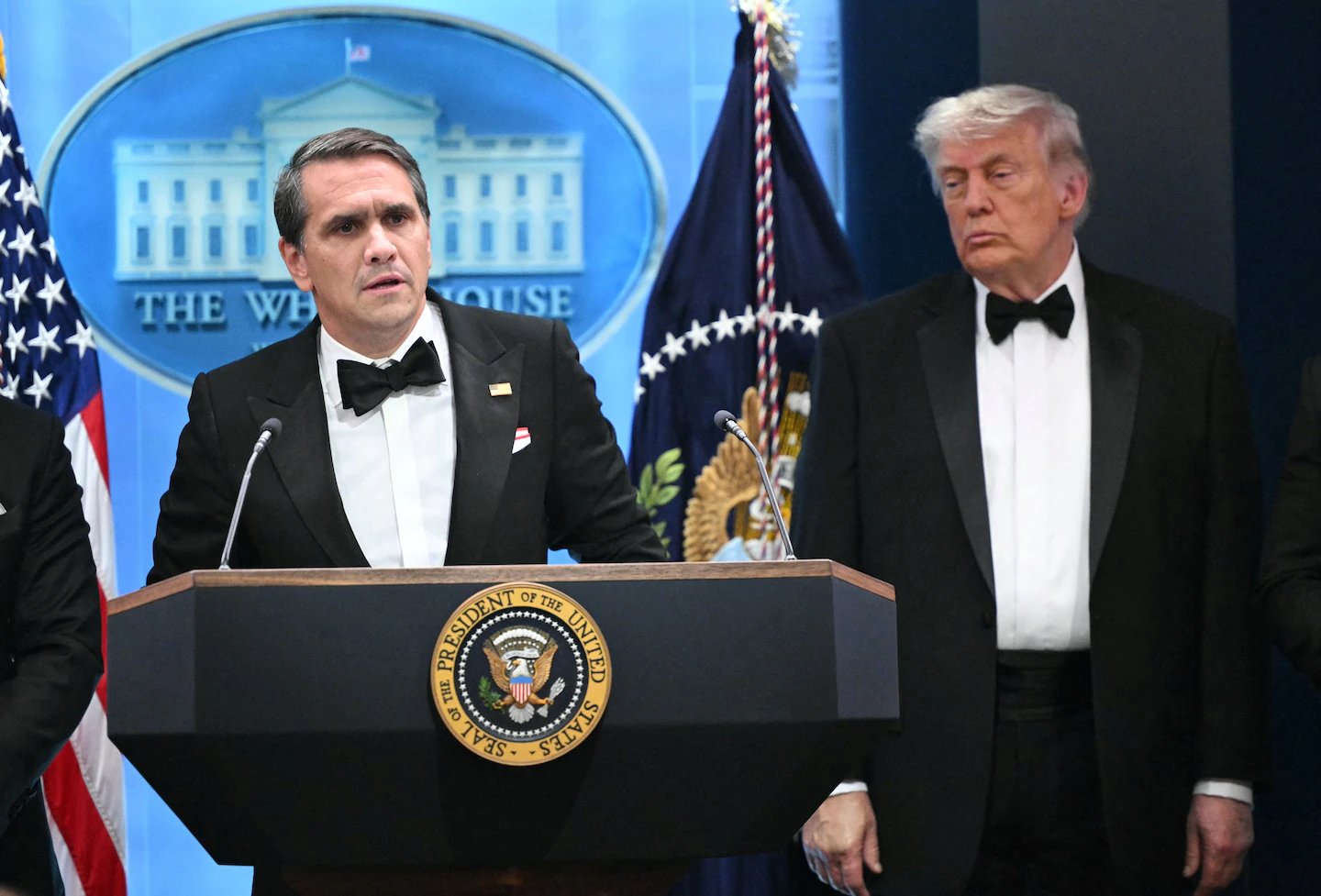
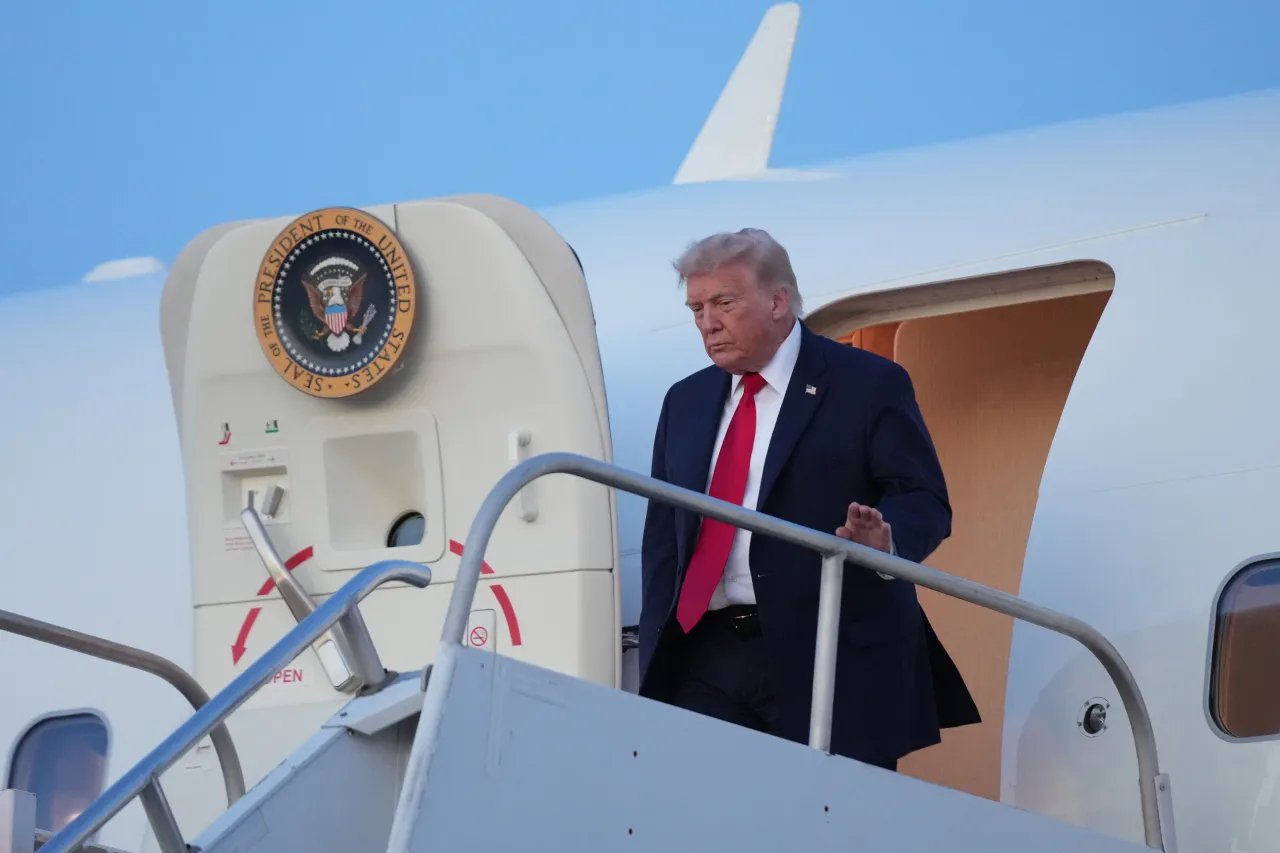
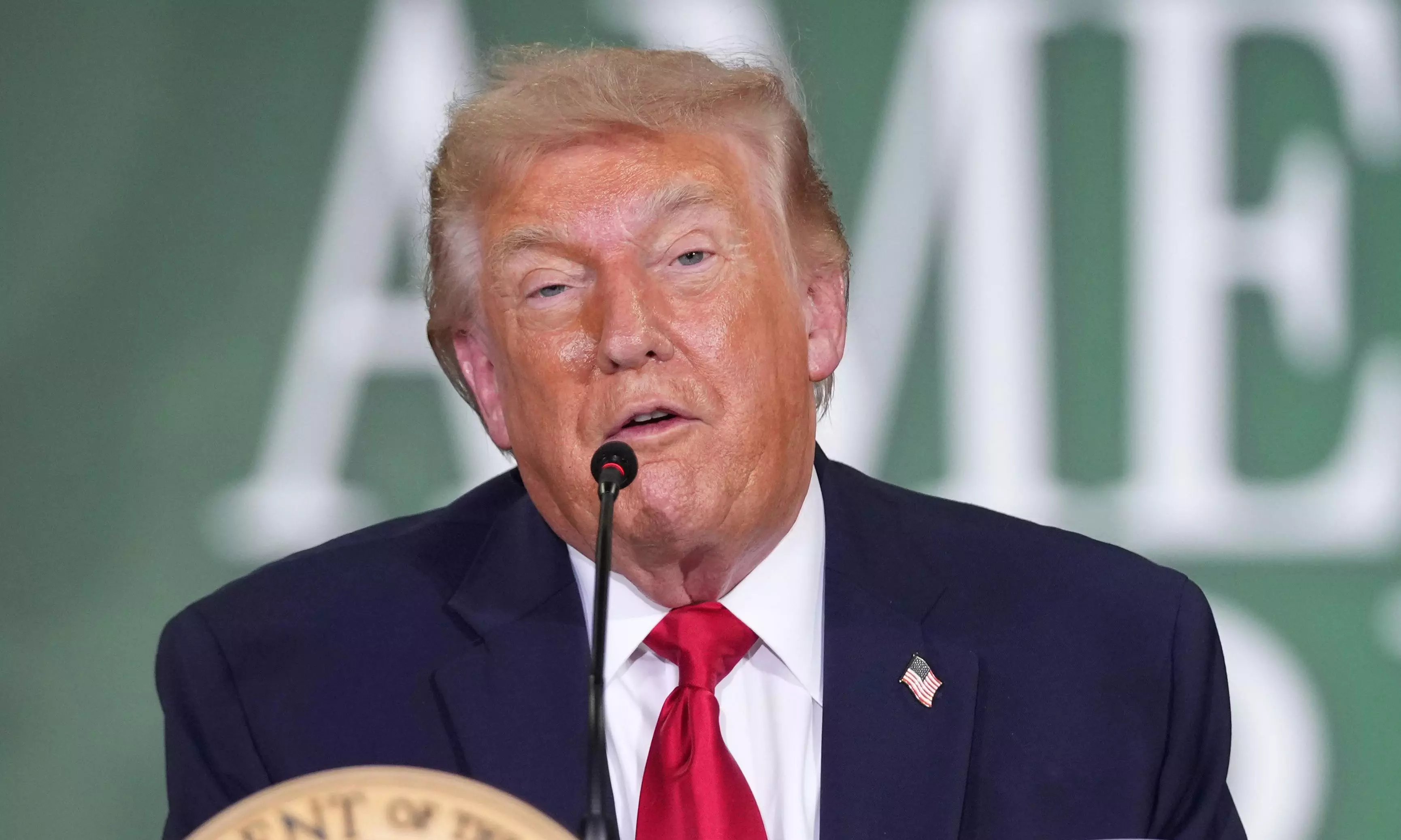
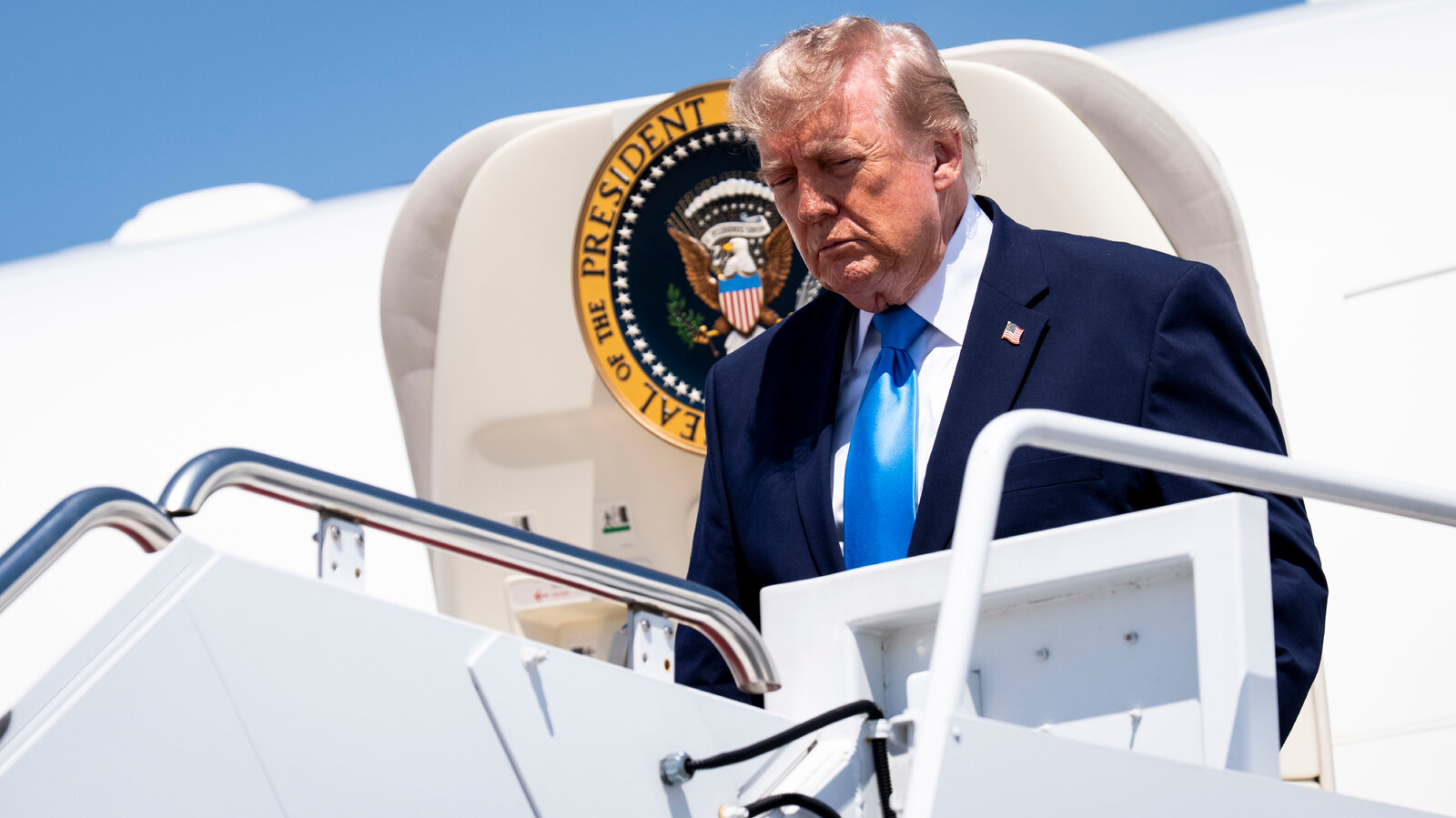
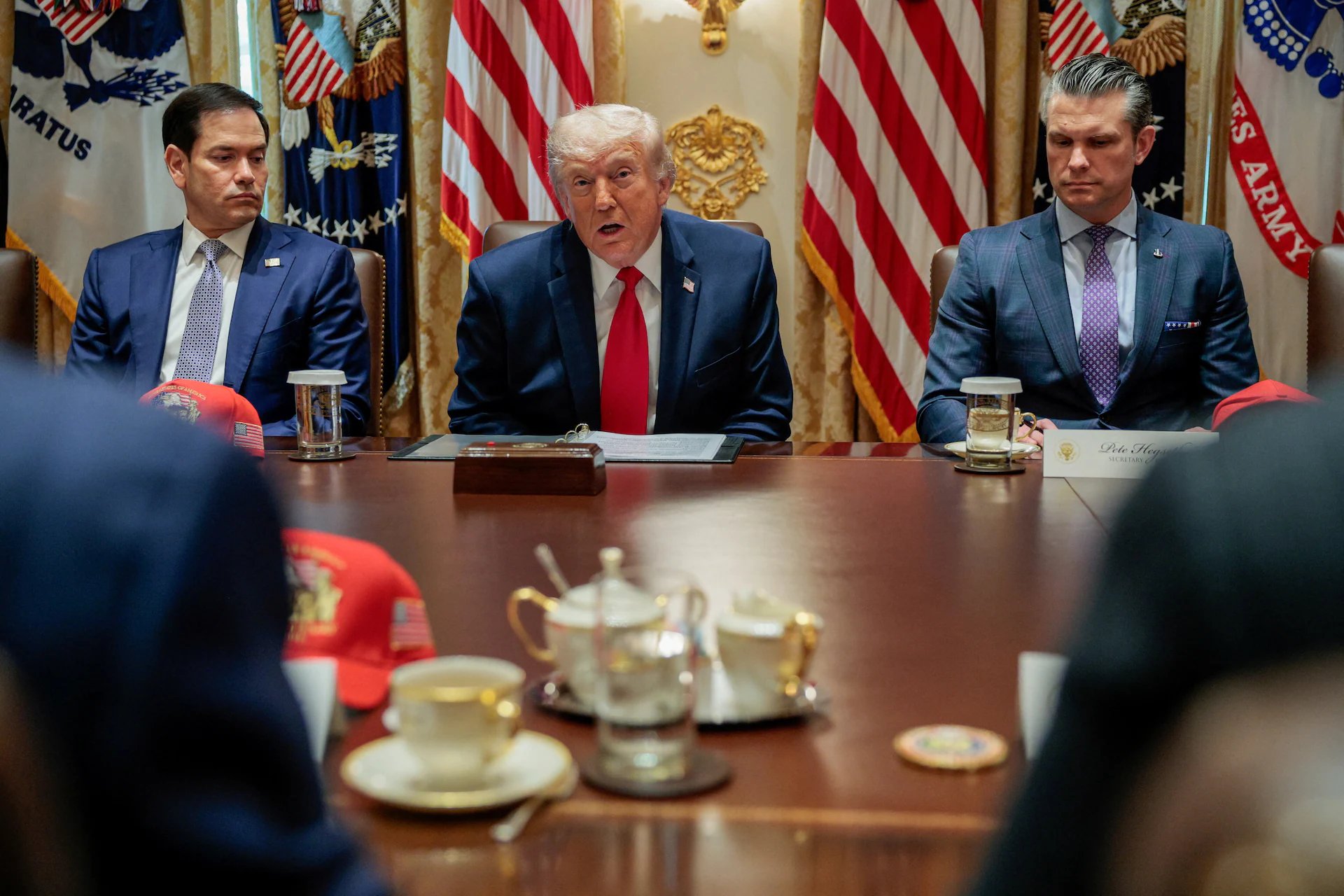
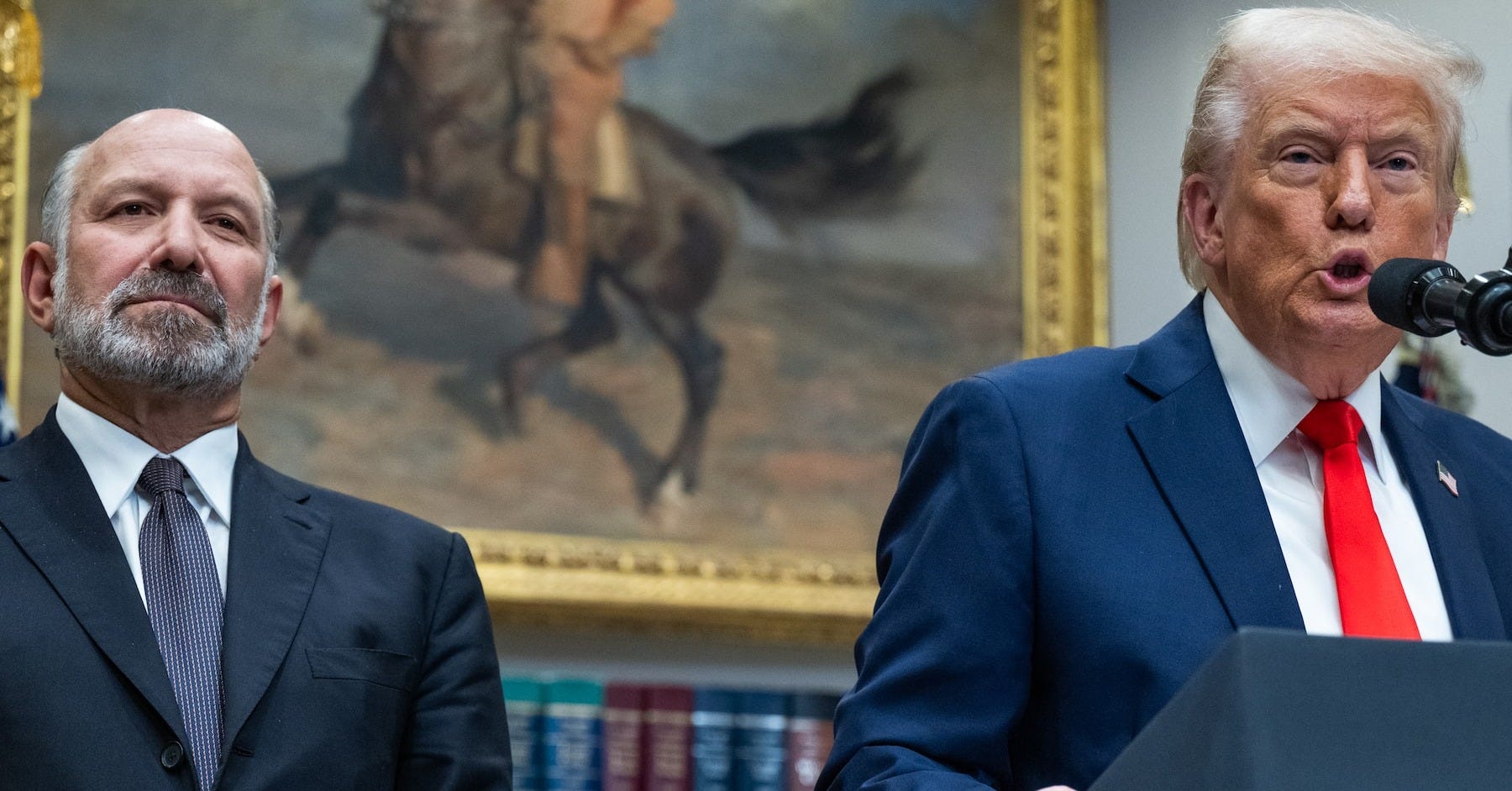
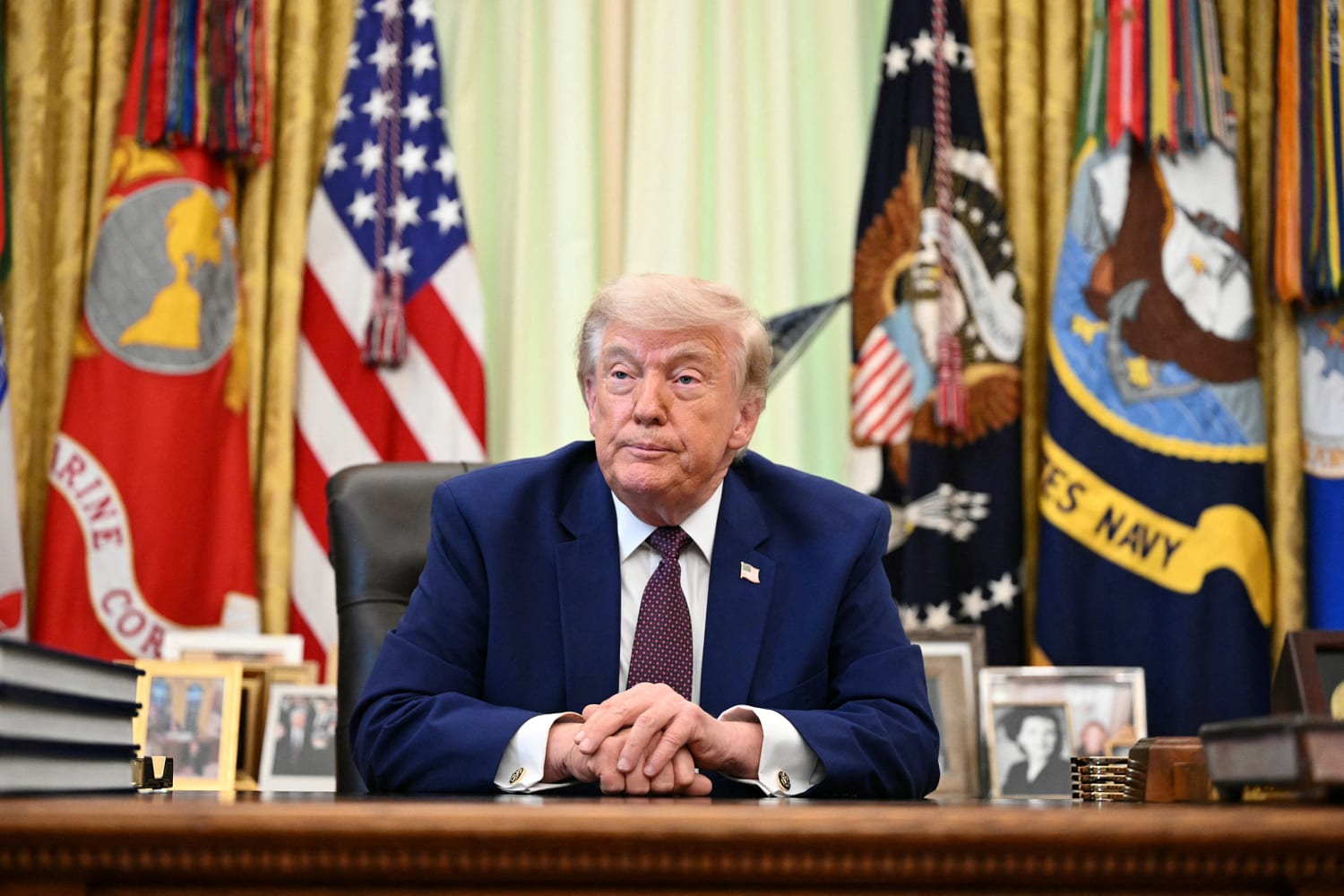
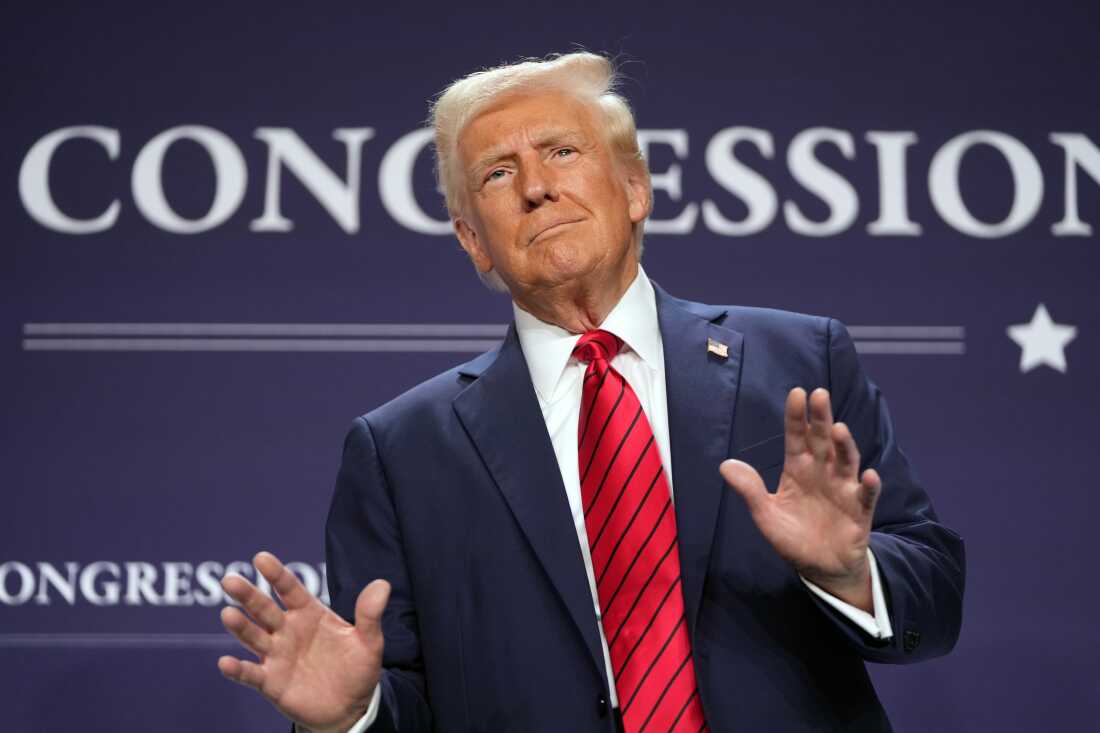
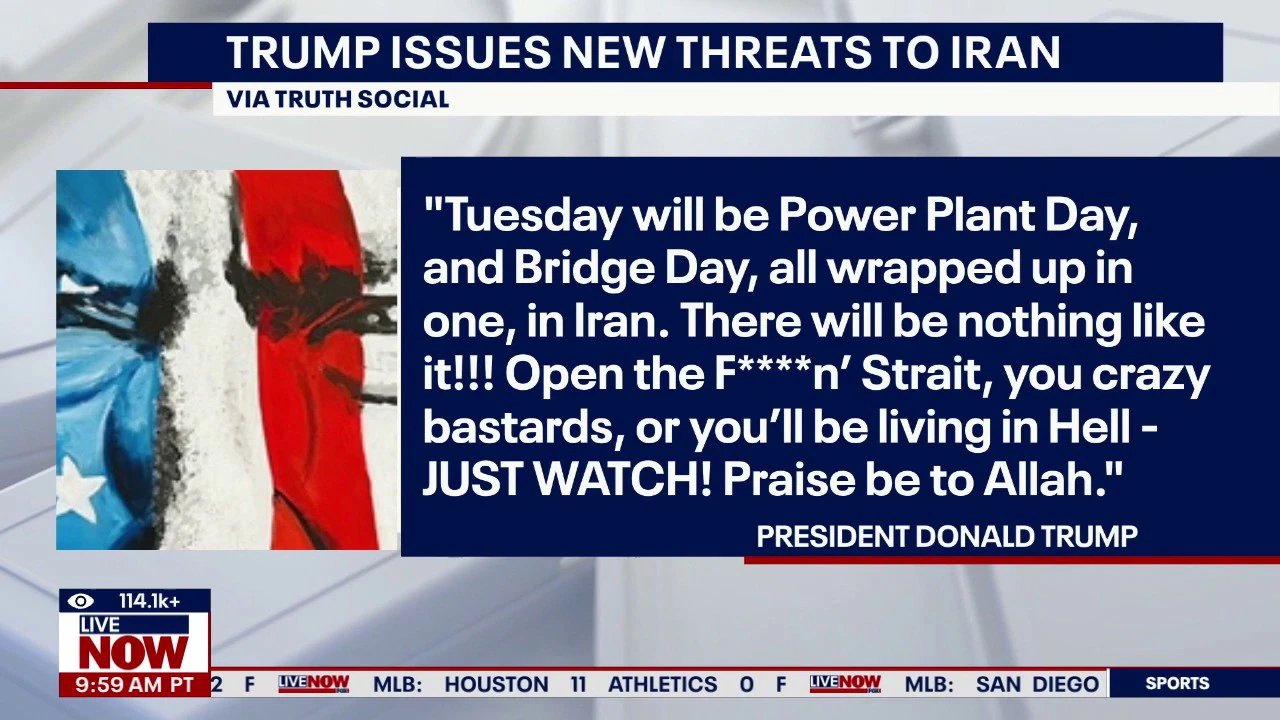
President Trump told Axios he would call Israeli Prime Minister Benjamin Netanyahu to urge him not to retaliate for Iran's missile attack. In an NBC interview that aired after a Friday taping, Trump said he would like to see a "more surgical attack on Hezbollah" and stated he was "not demanding" that Lebanon be part of an overall ceasefire deal between Iran and the United States. Trump also told Iran that sanctions relief and asset unfreezing are contingent on a peace deal, stating that Tehran must "behave" and face consequences after decades of perceived impunity.
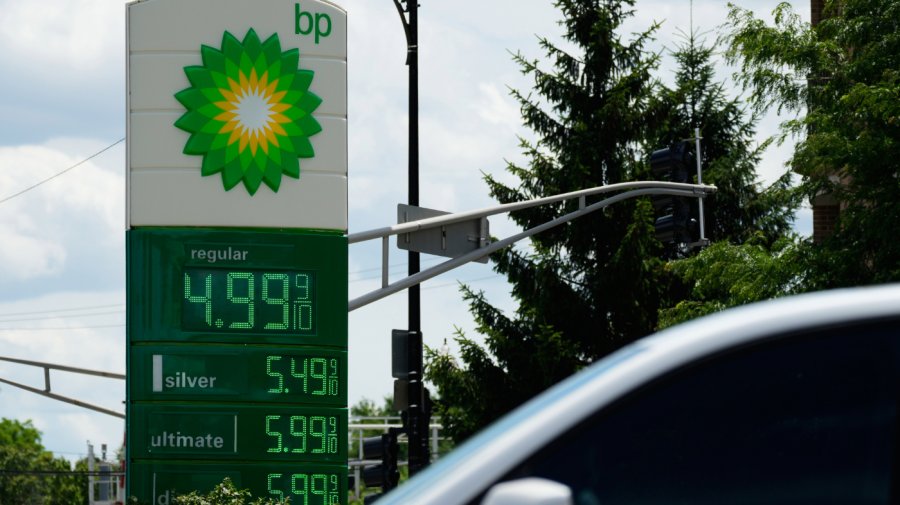
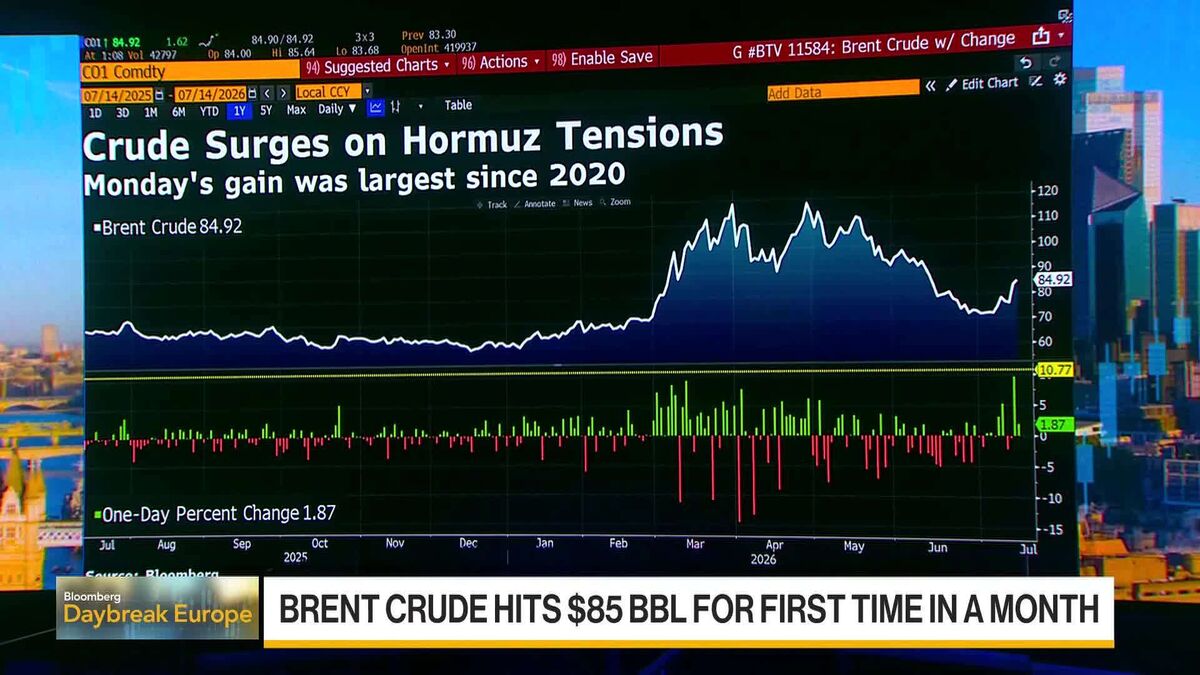
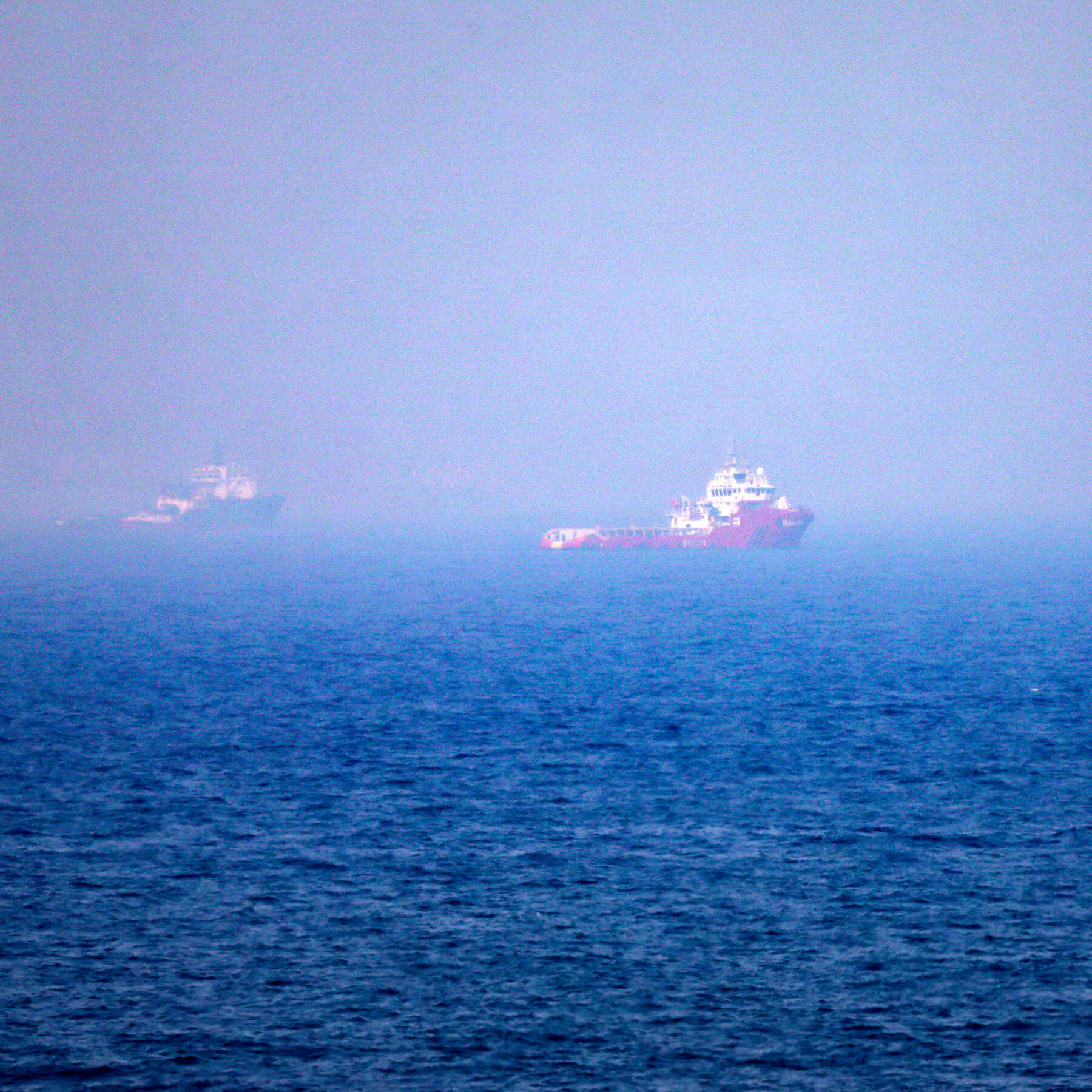
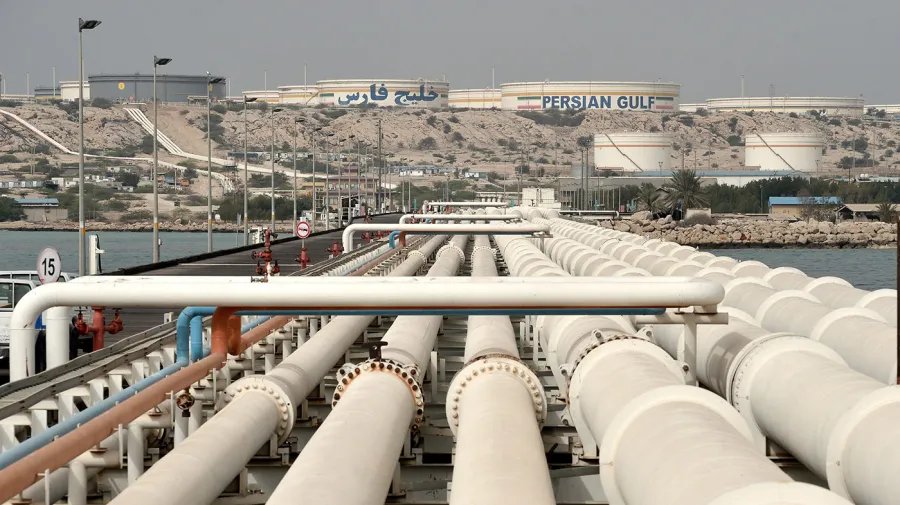
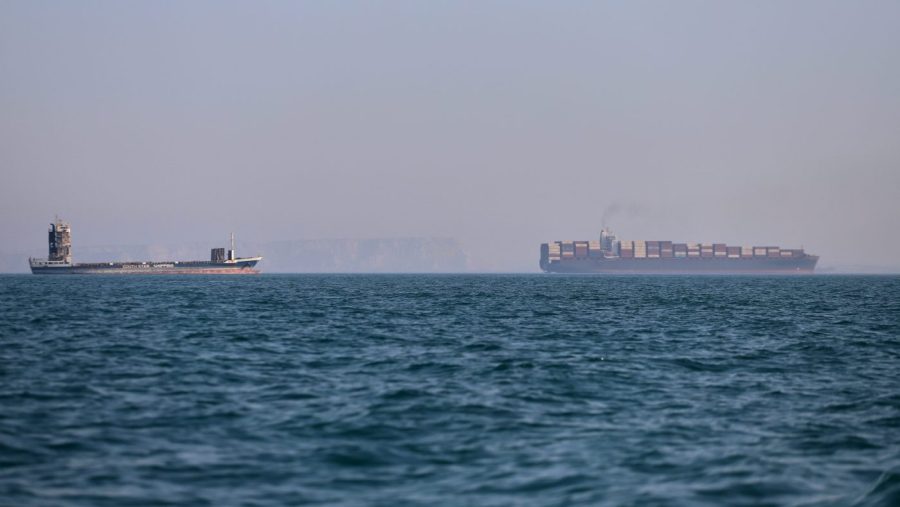
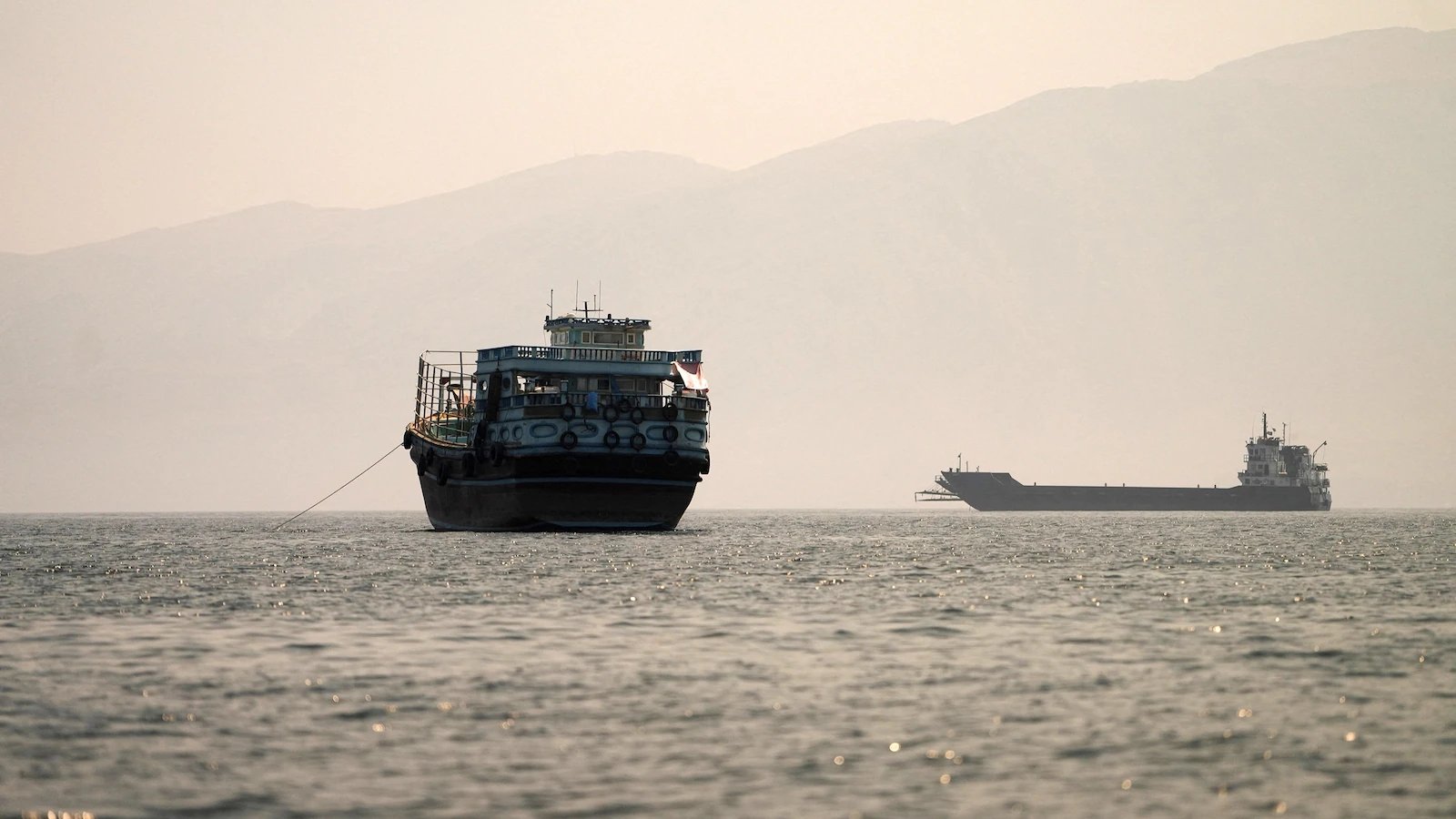
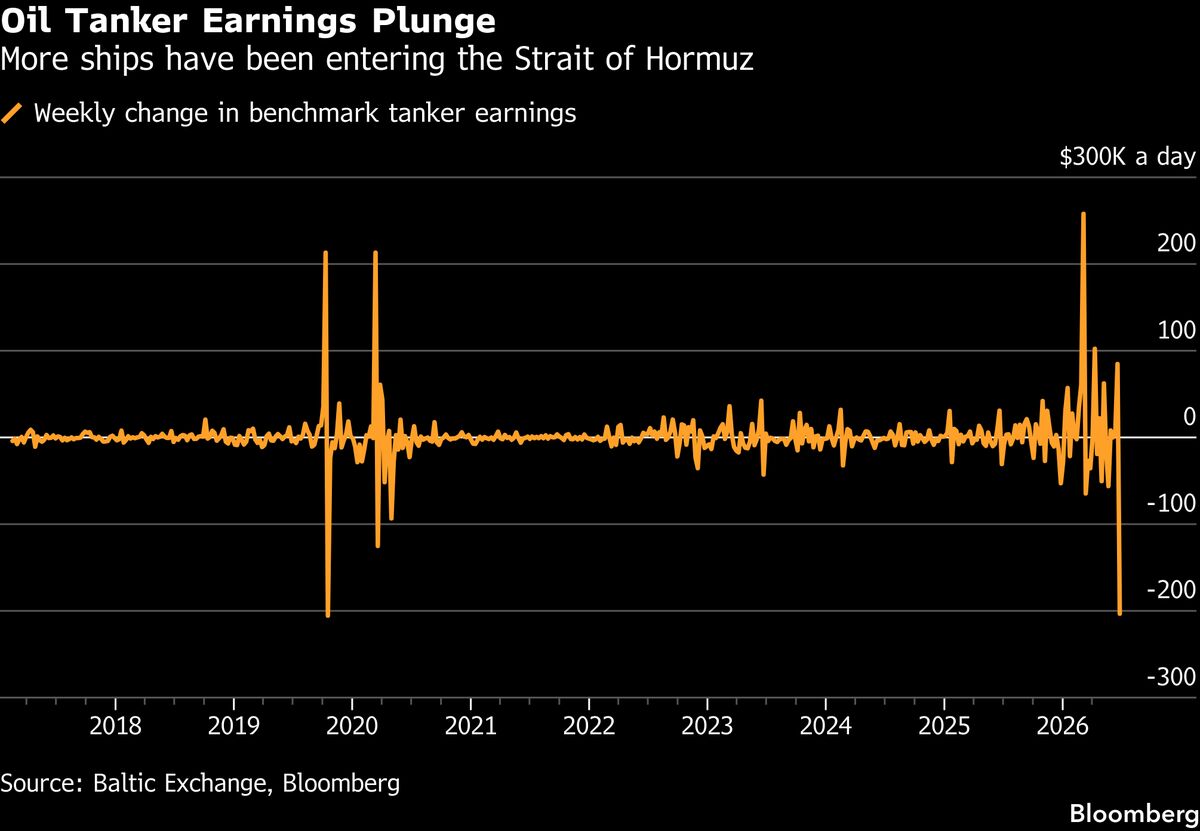
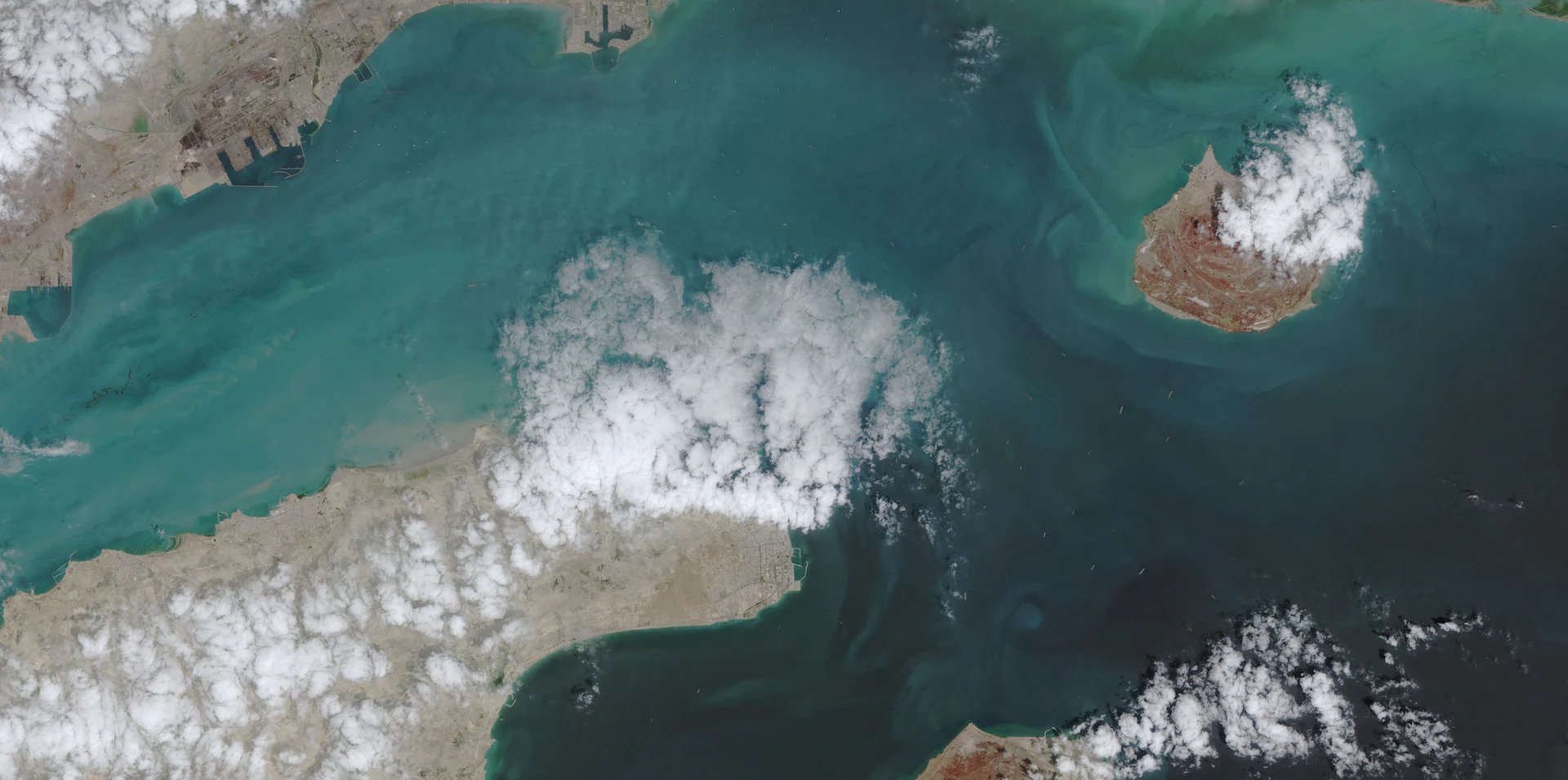
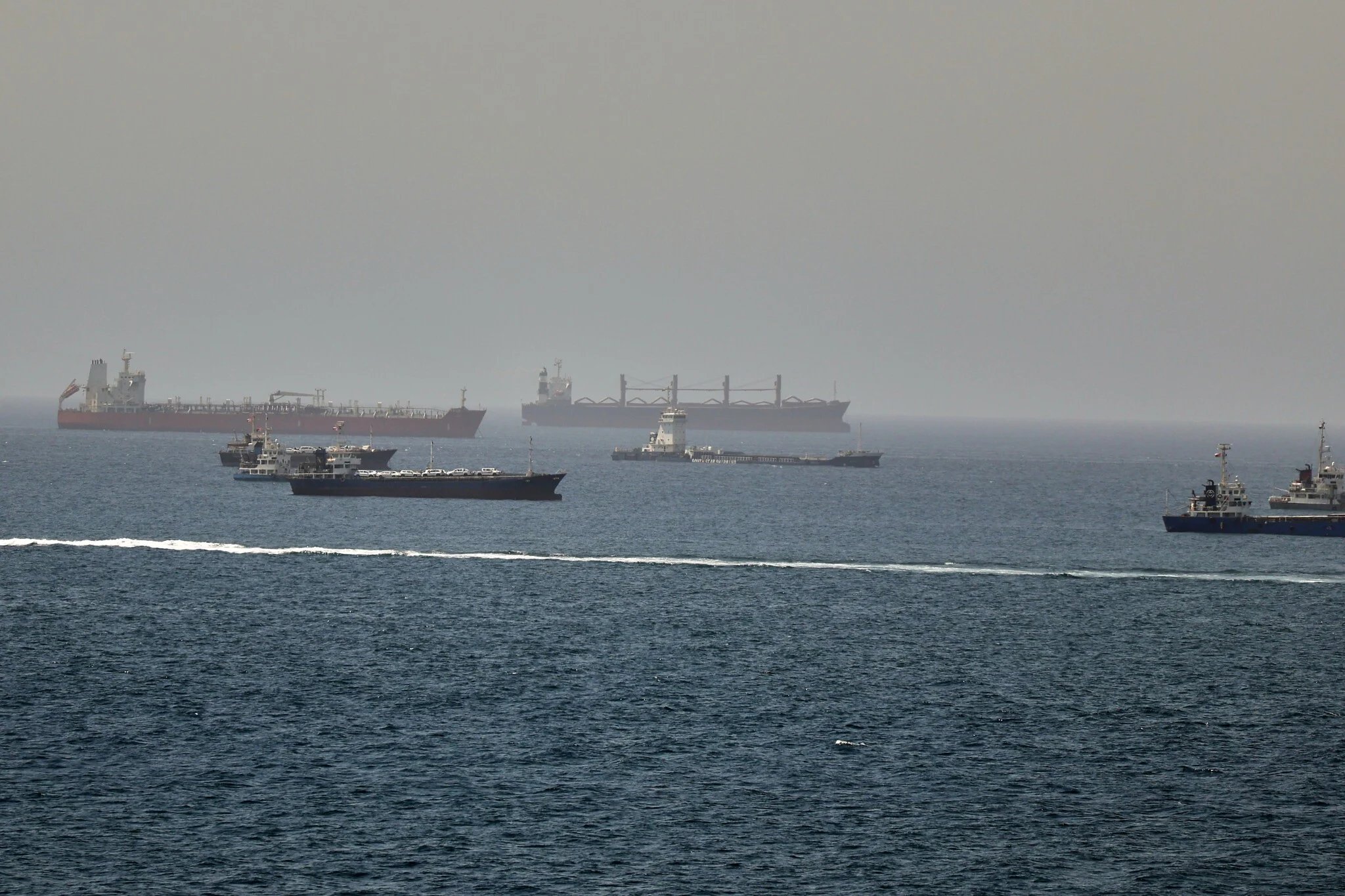
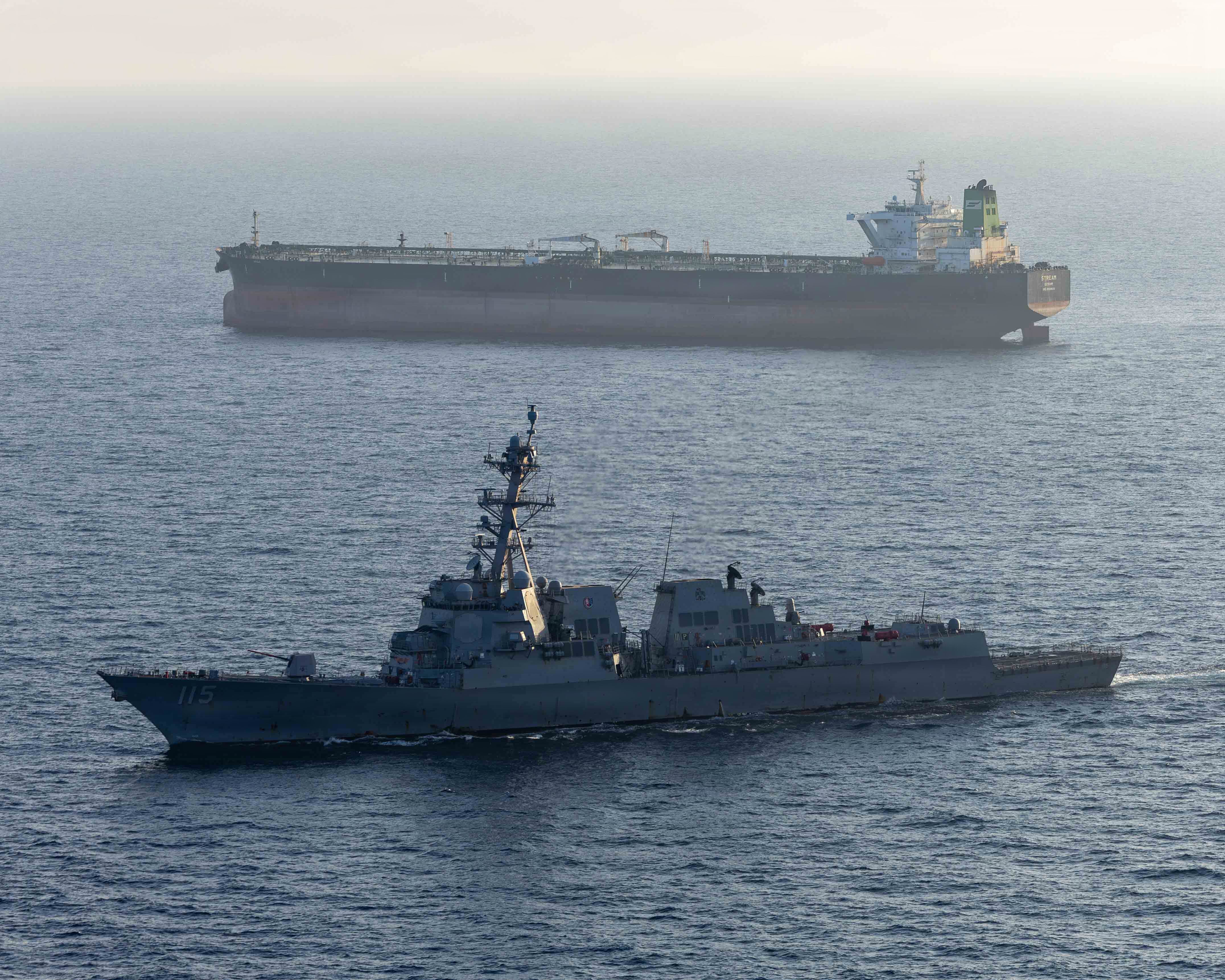
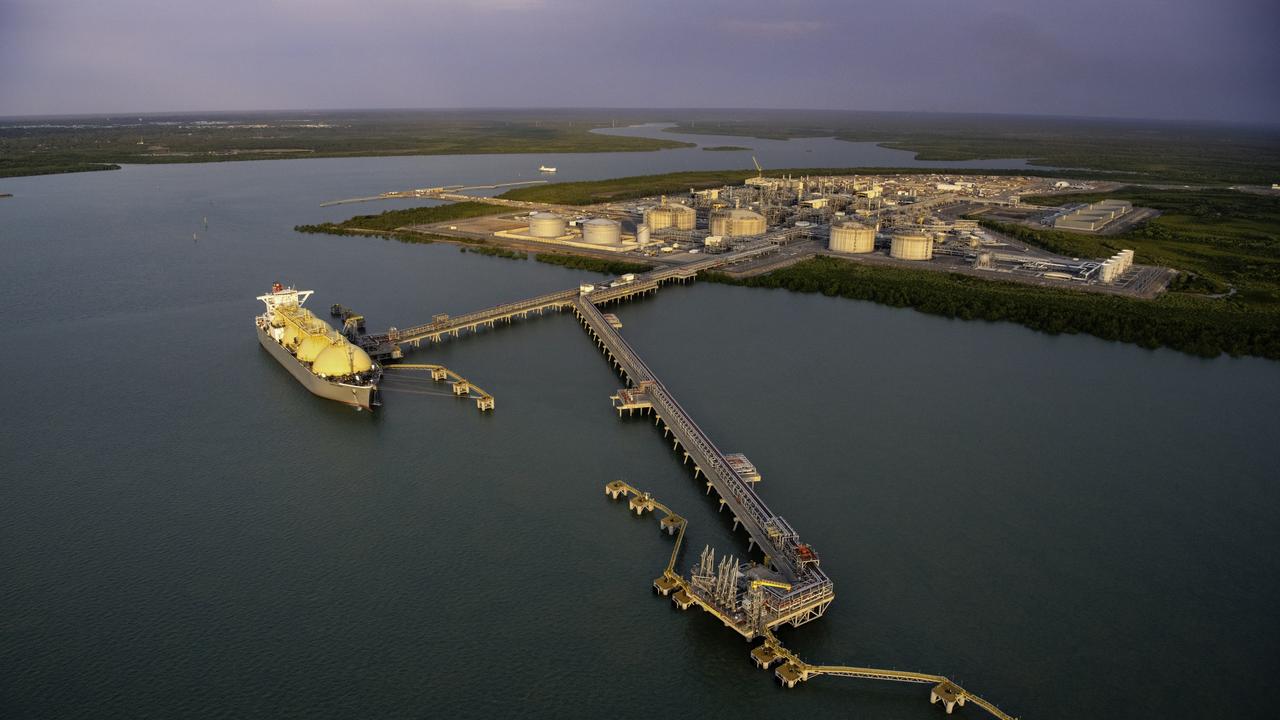
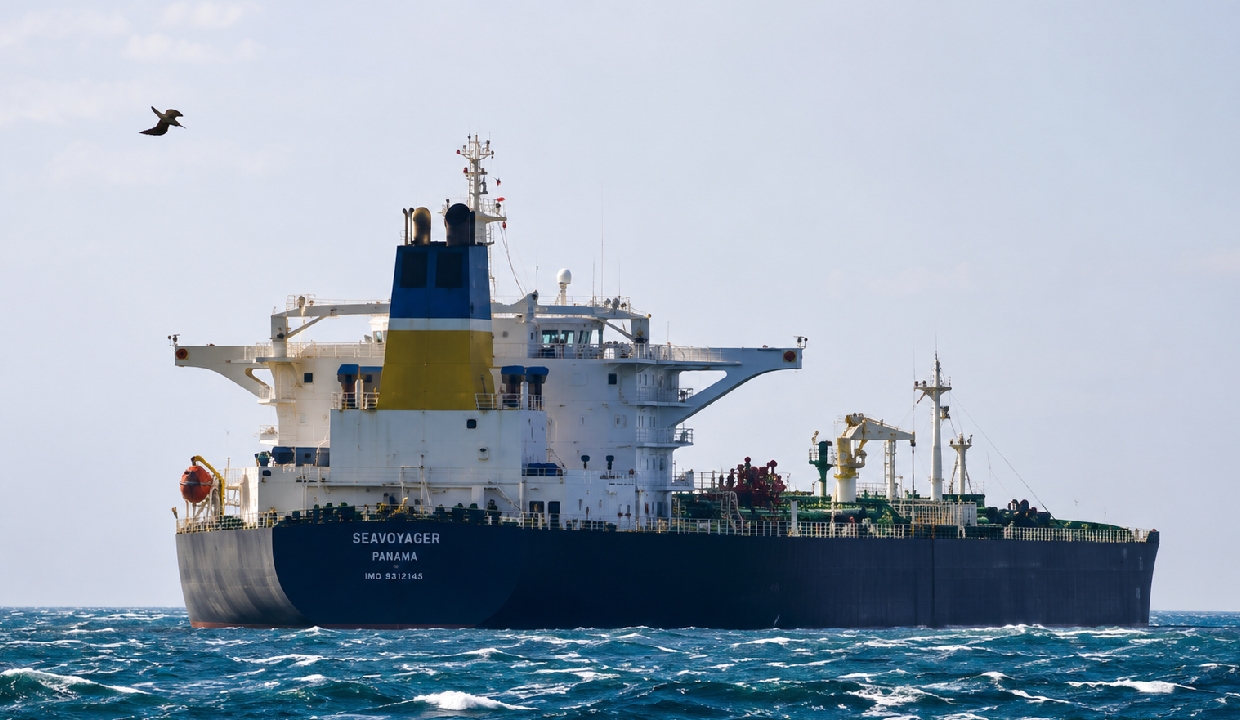
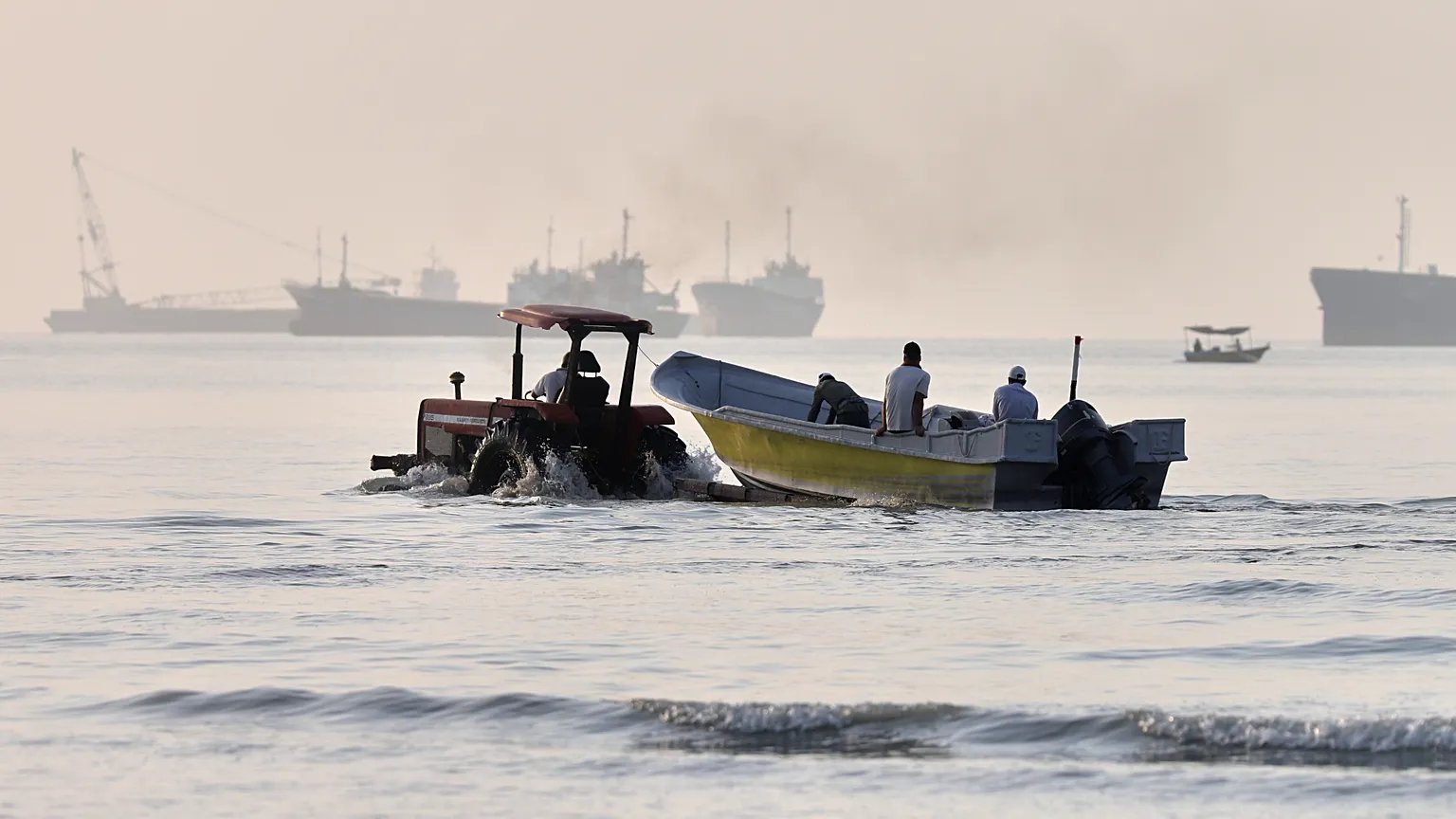
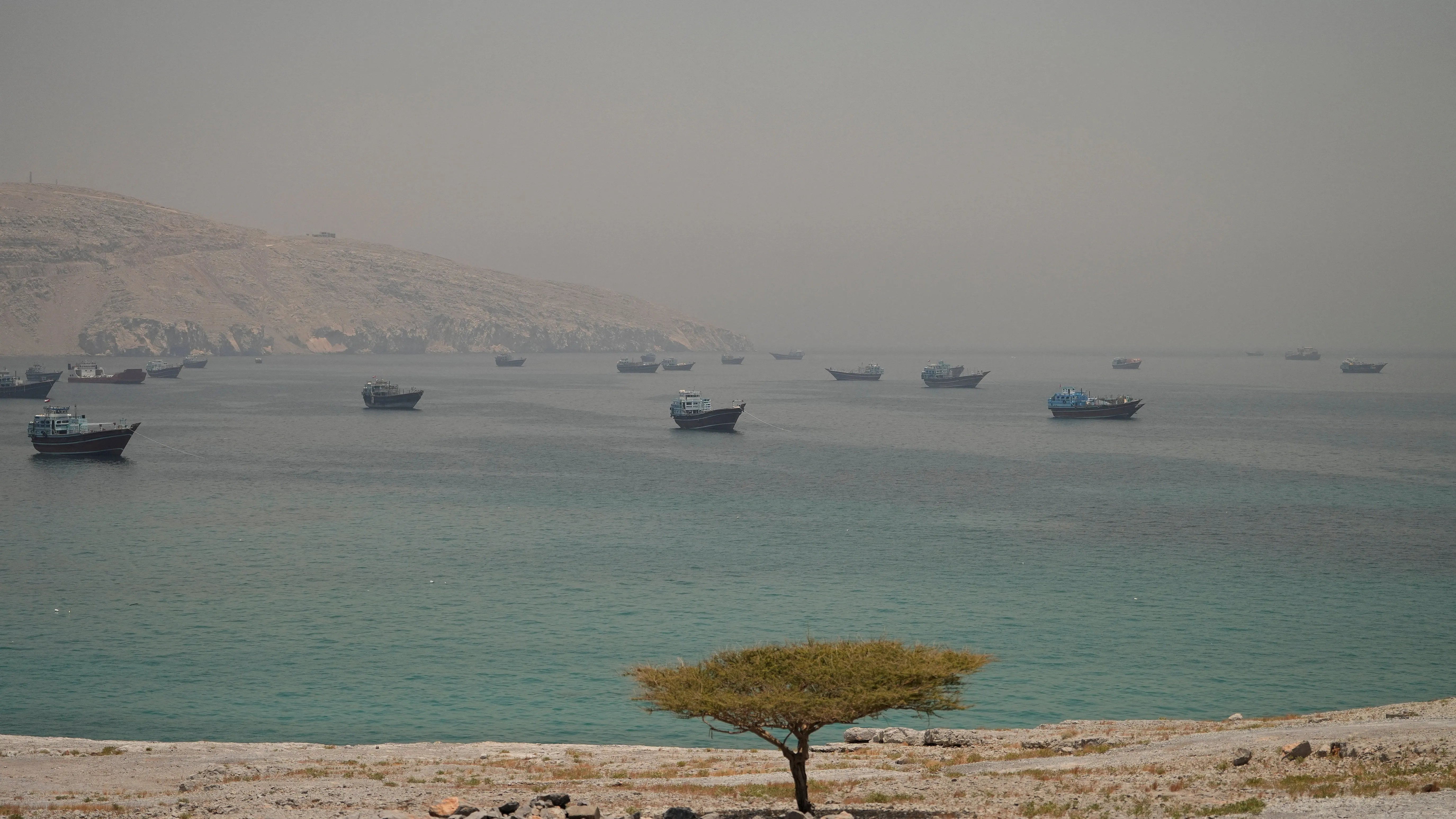
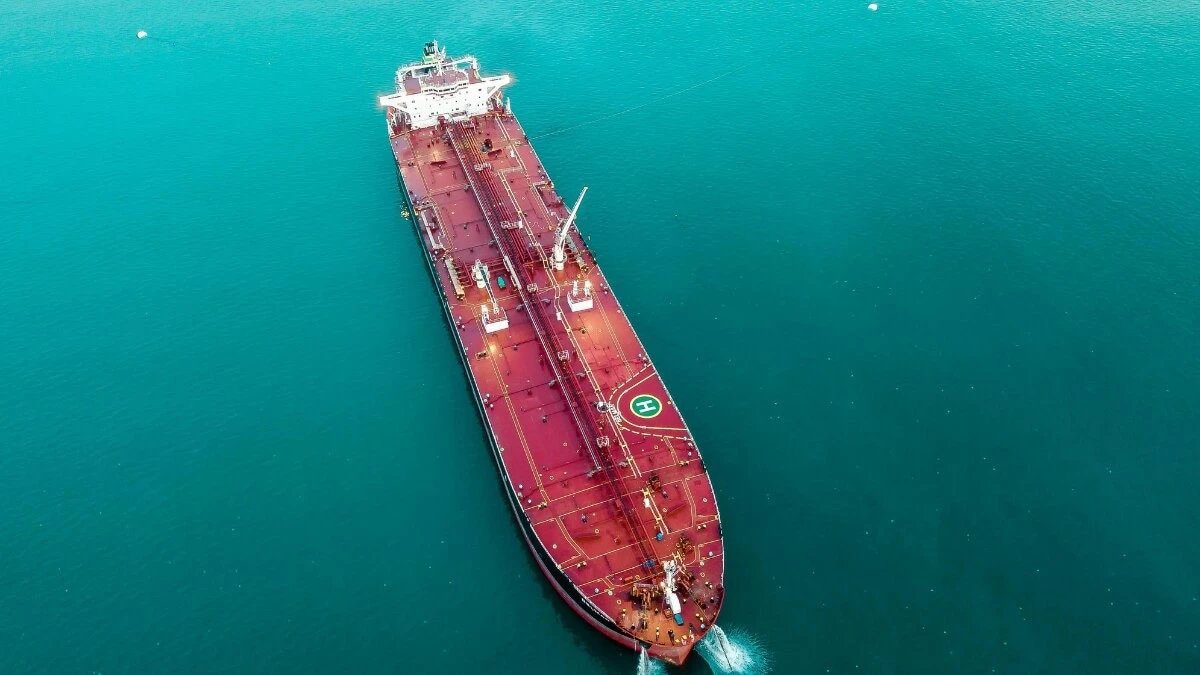
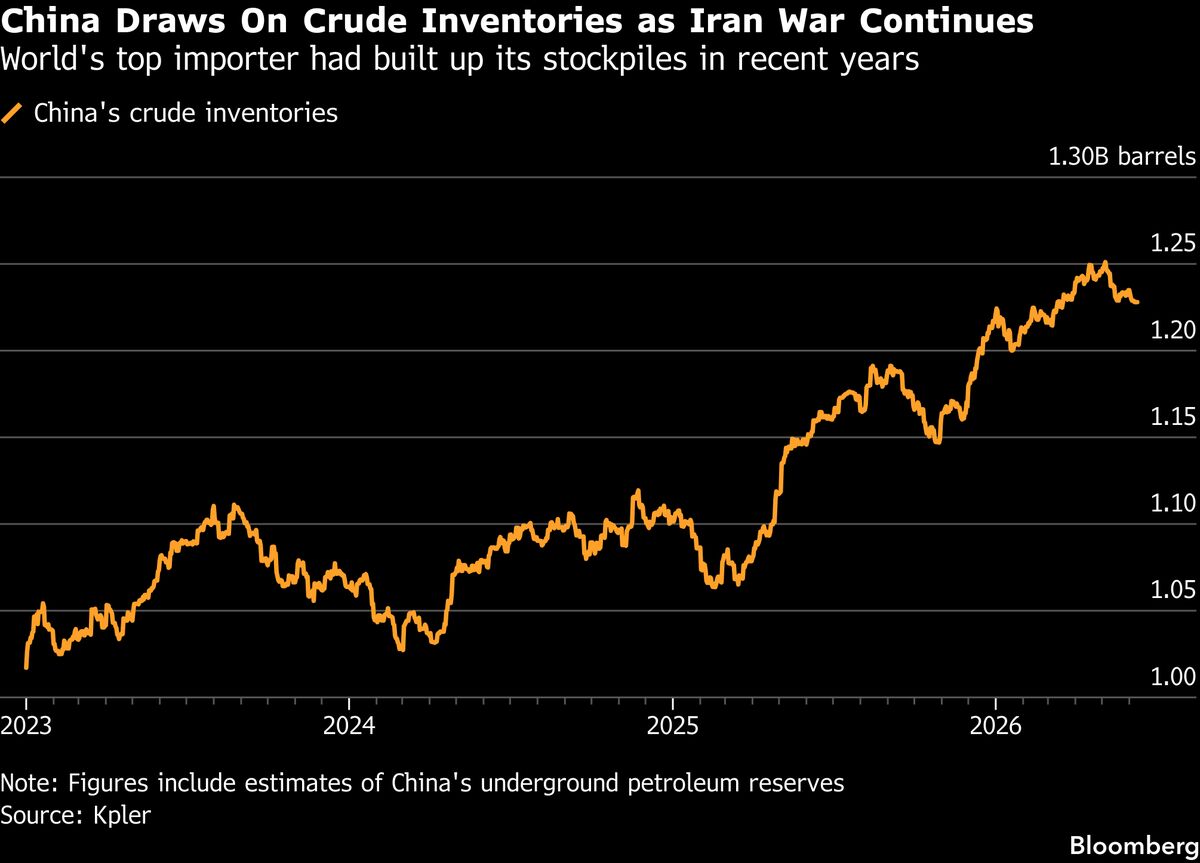
Netanyahu, who faces elections later this year, wants to press ahead with Israel's offensive until he believes Hezbollah no longer poses a threat. Meanwhile, Iran continues to assert control over the Strait of Hormuz while the U.S. maintains a blockade of Iranian ports, affecting shipments of oil, natural gas, and fertilizer and causing pain to the global economy.