




The Executive Order and Its Threat
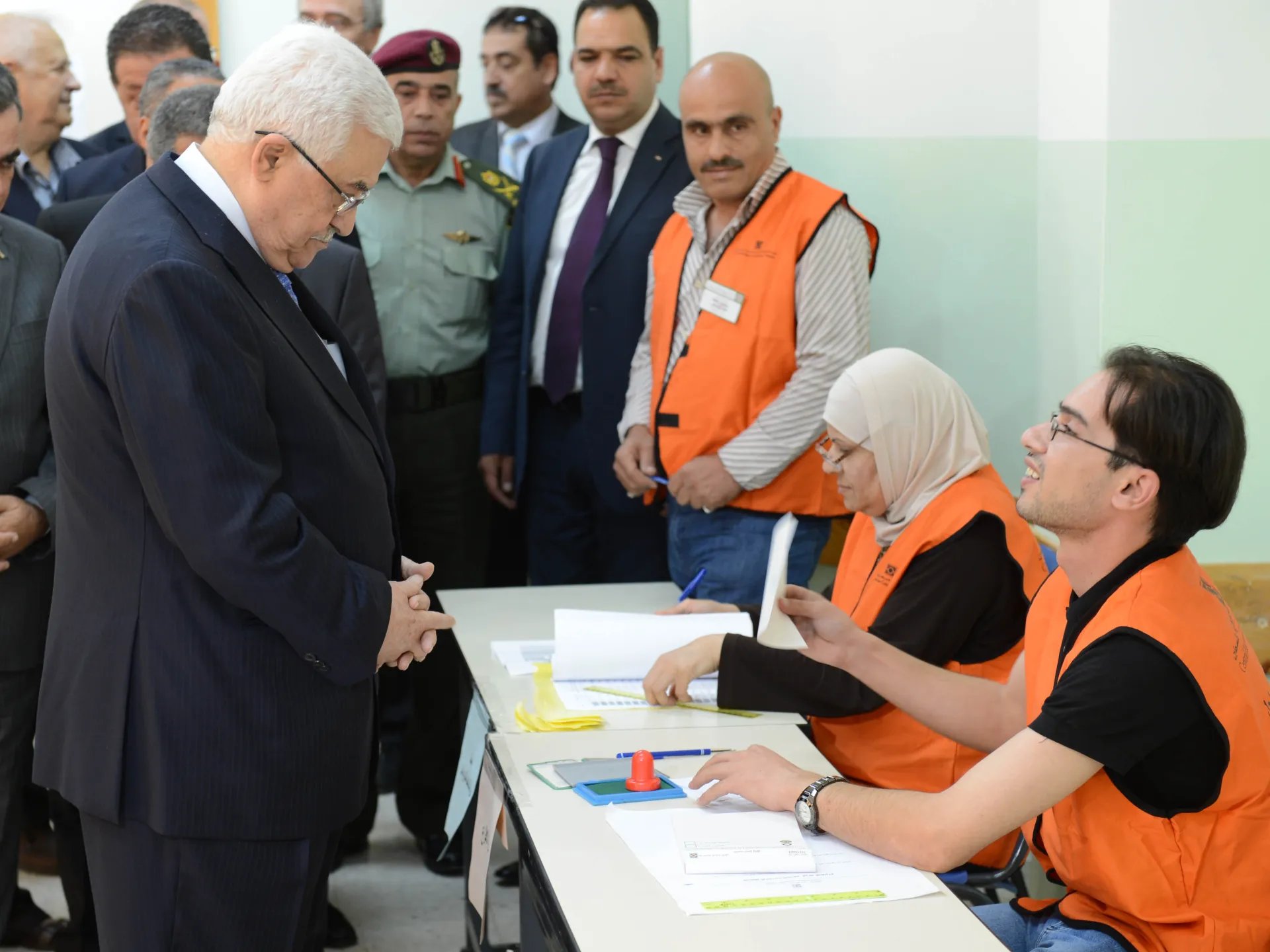
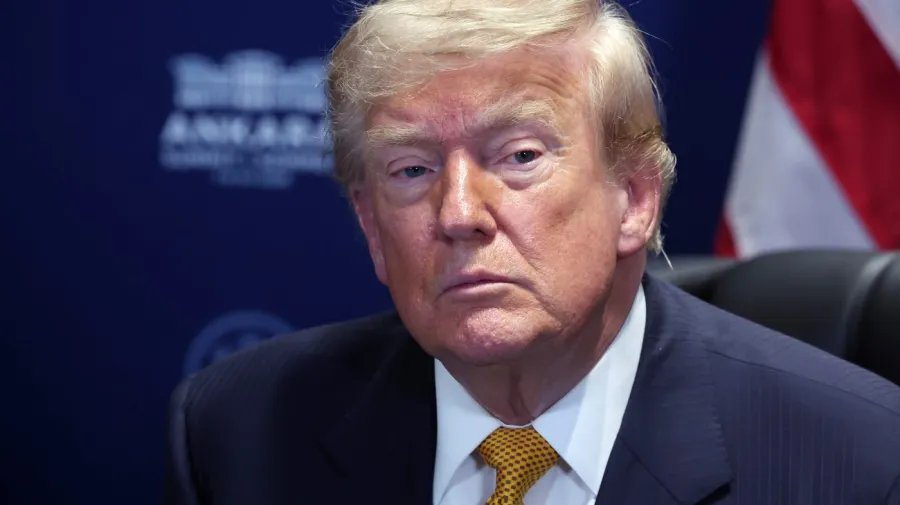
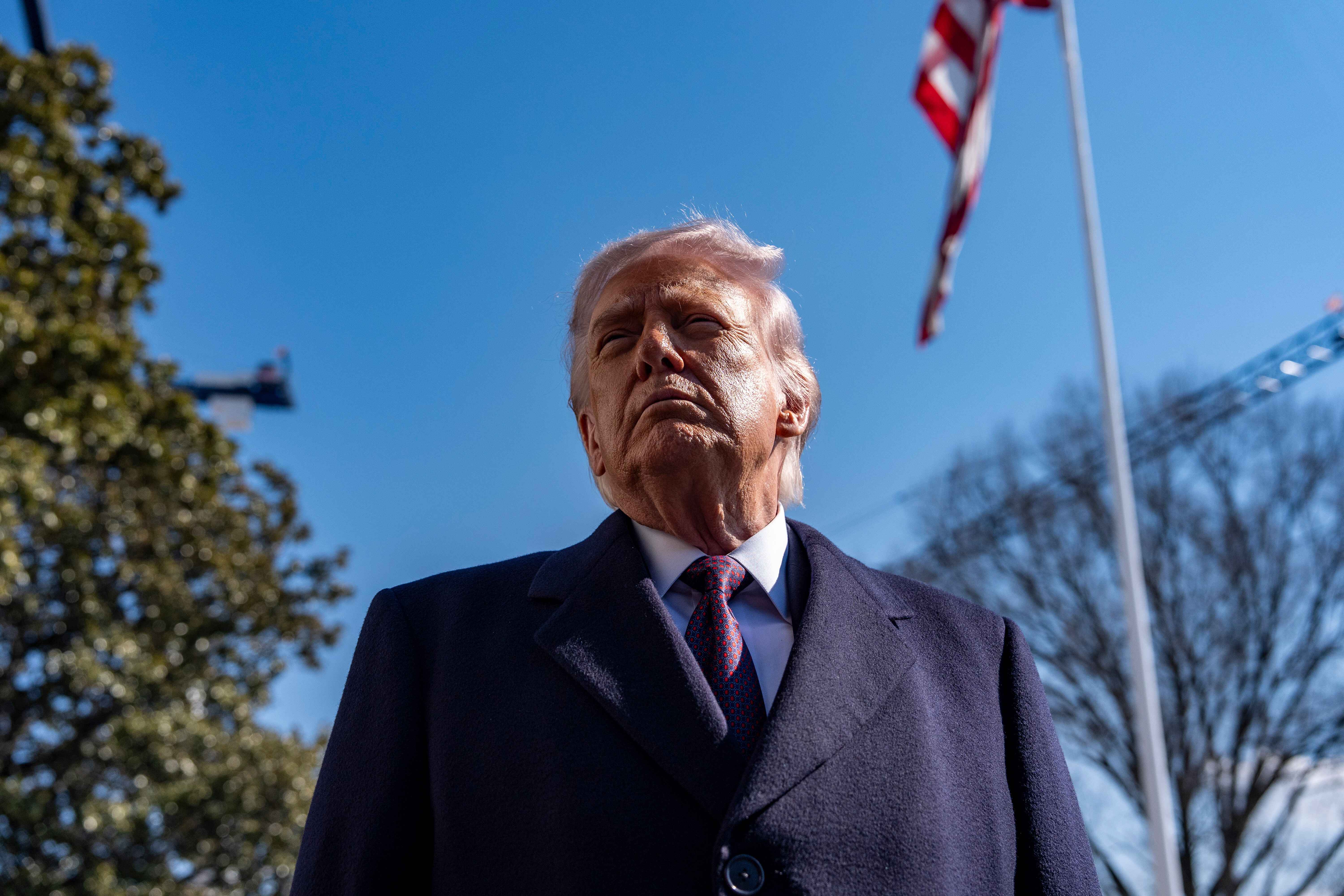
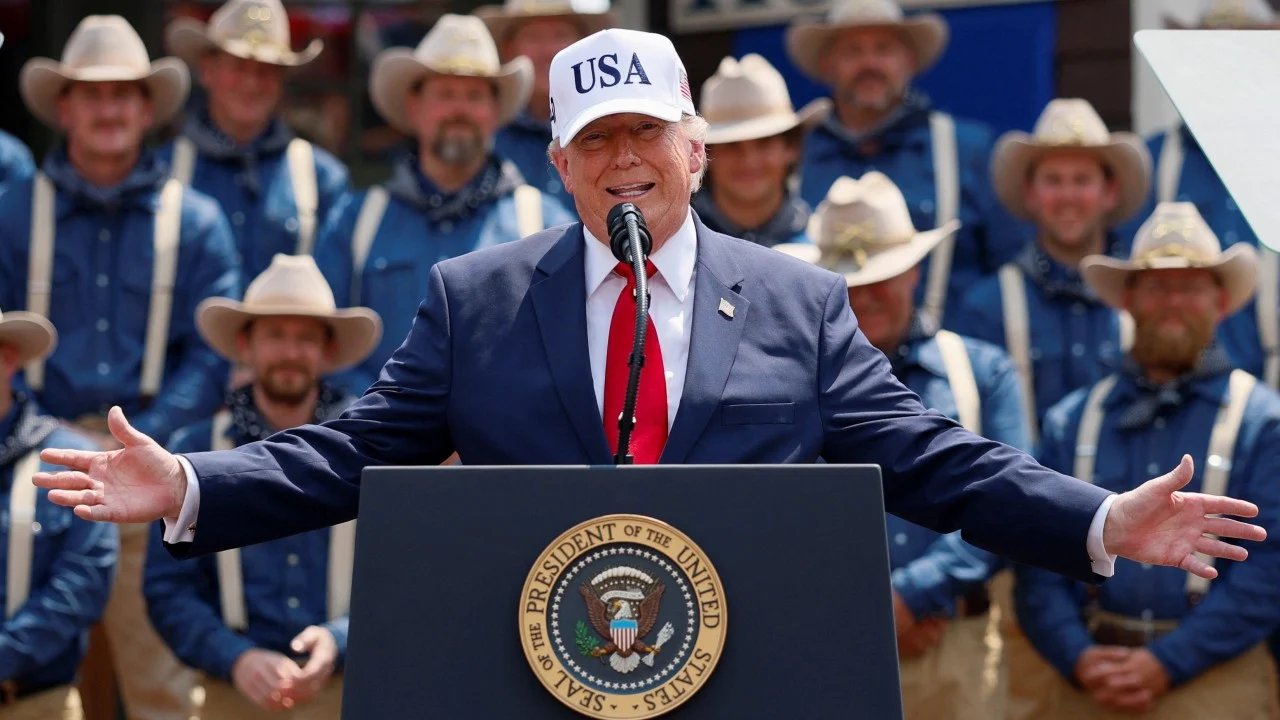
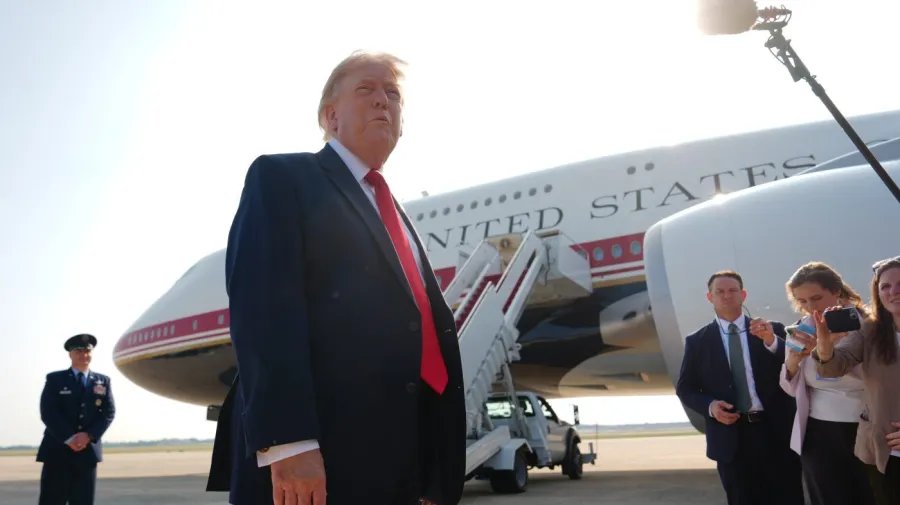
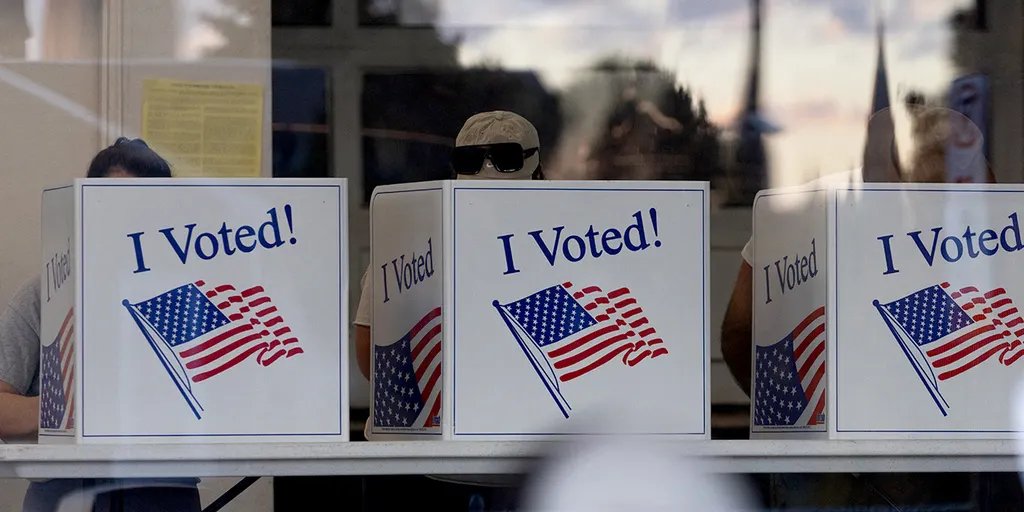
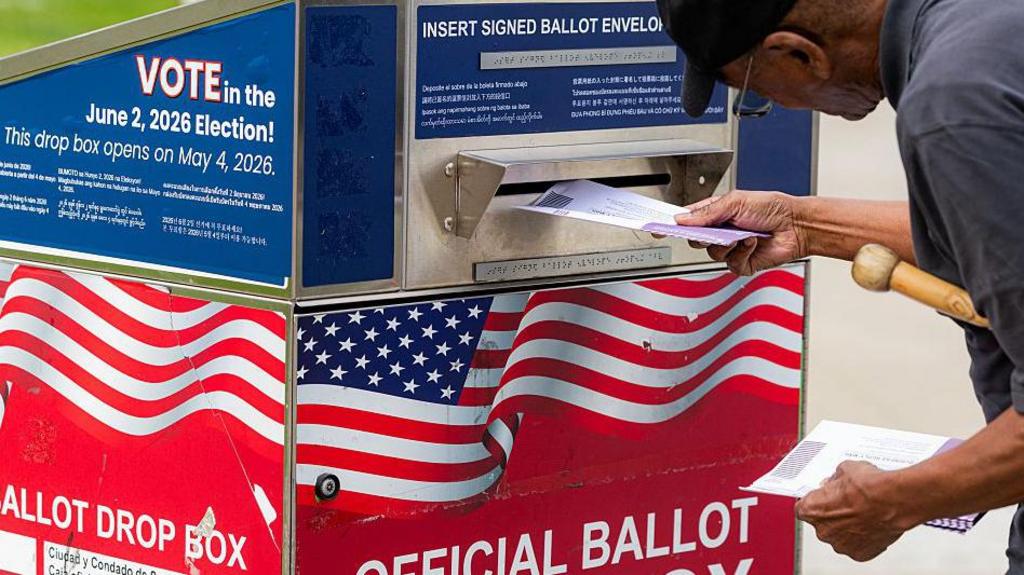
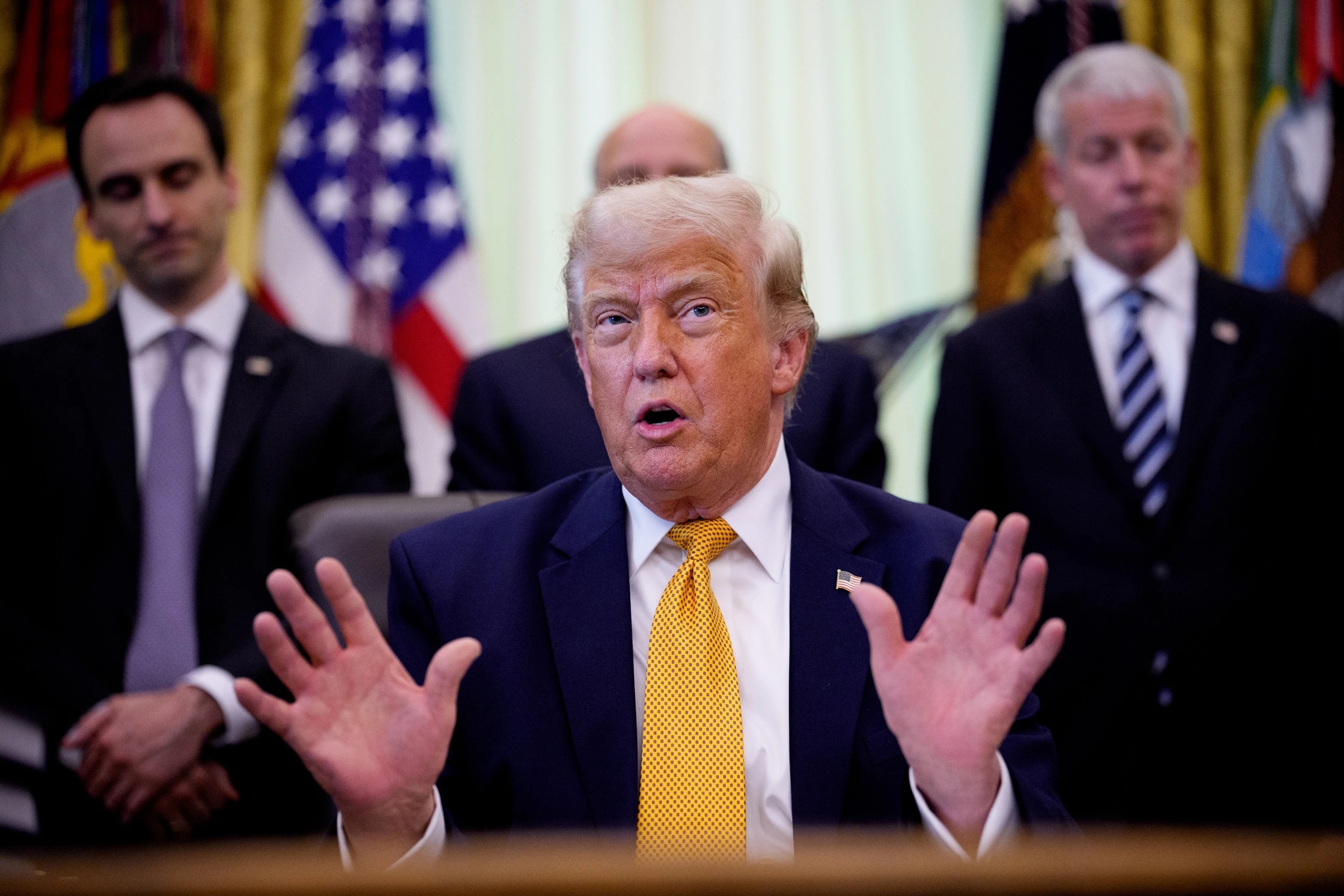
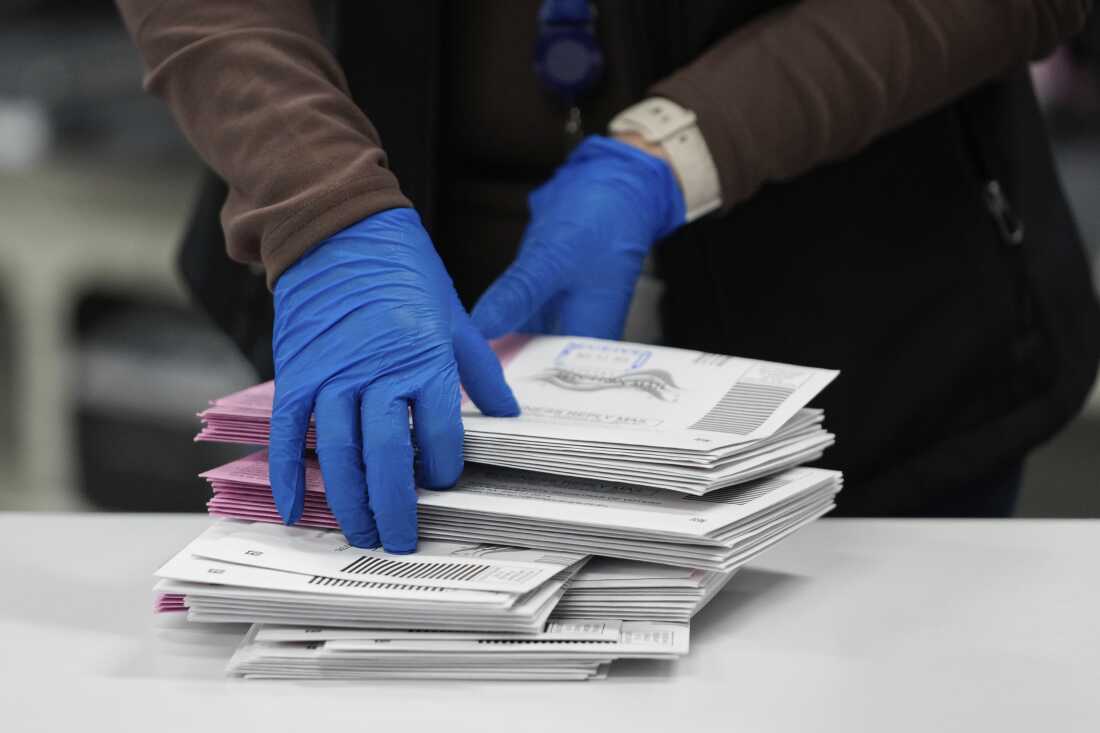
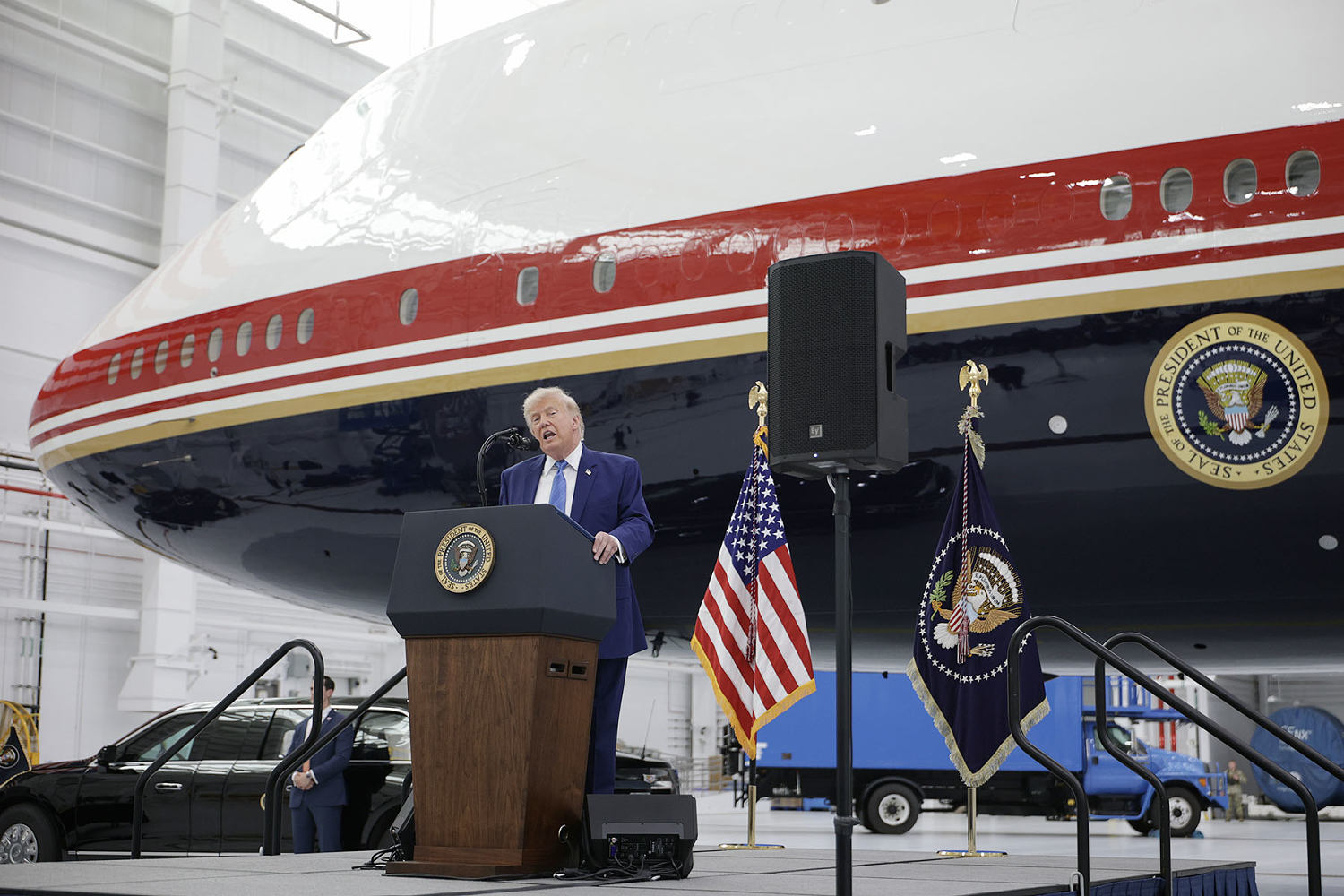
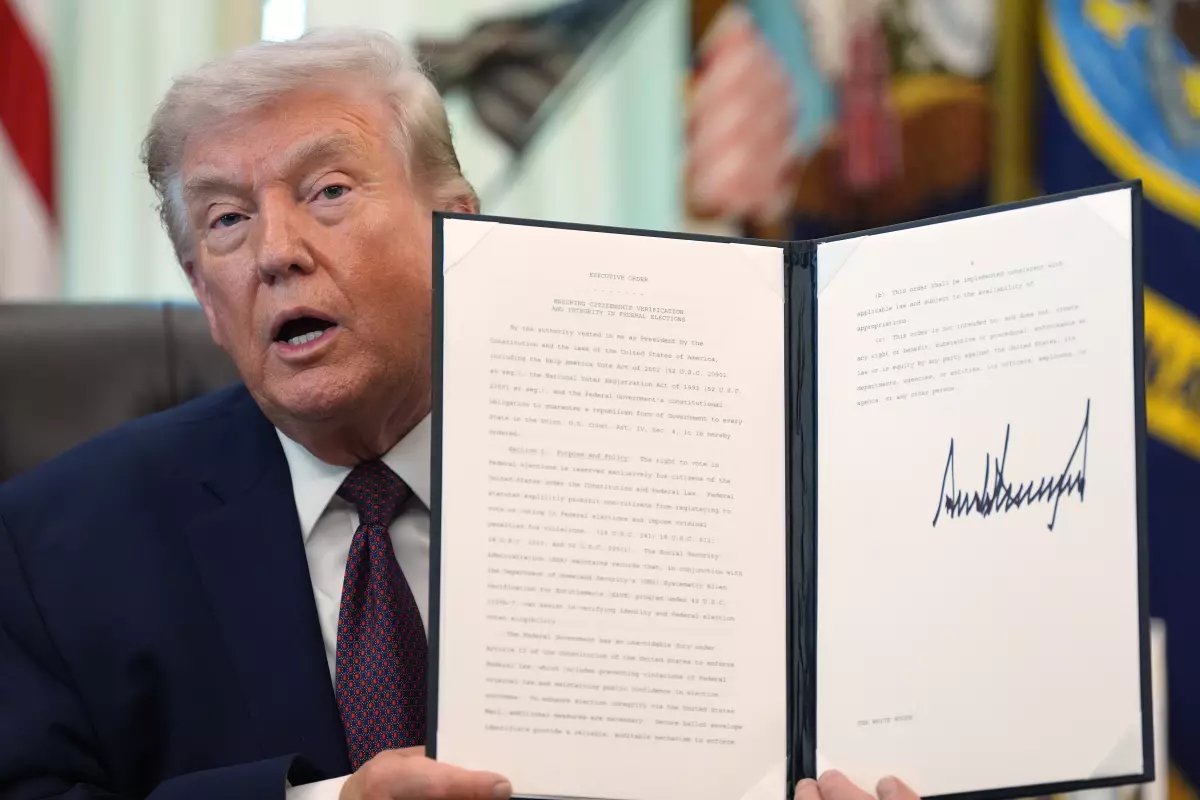
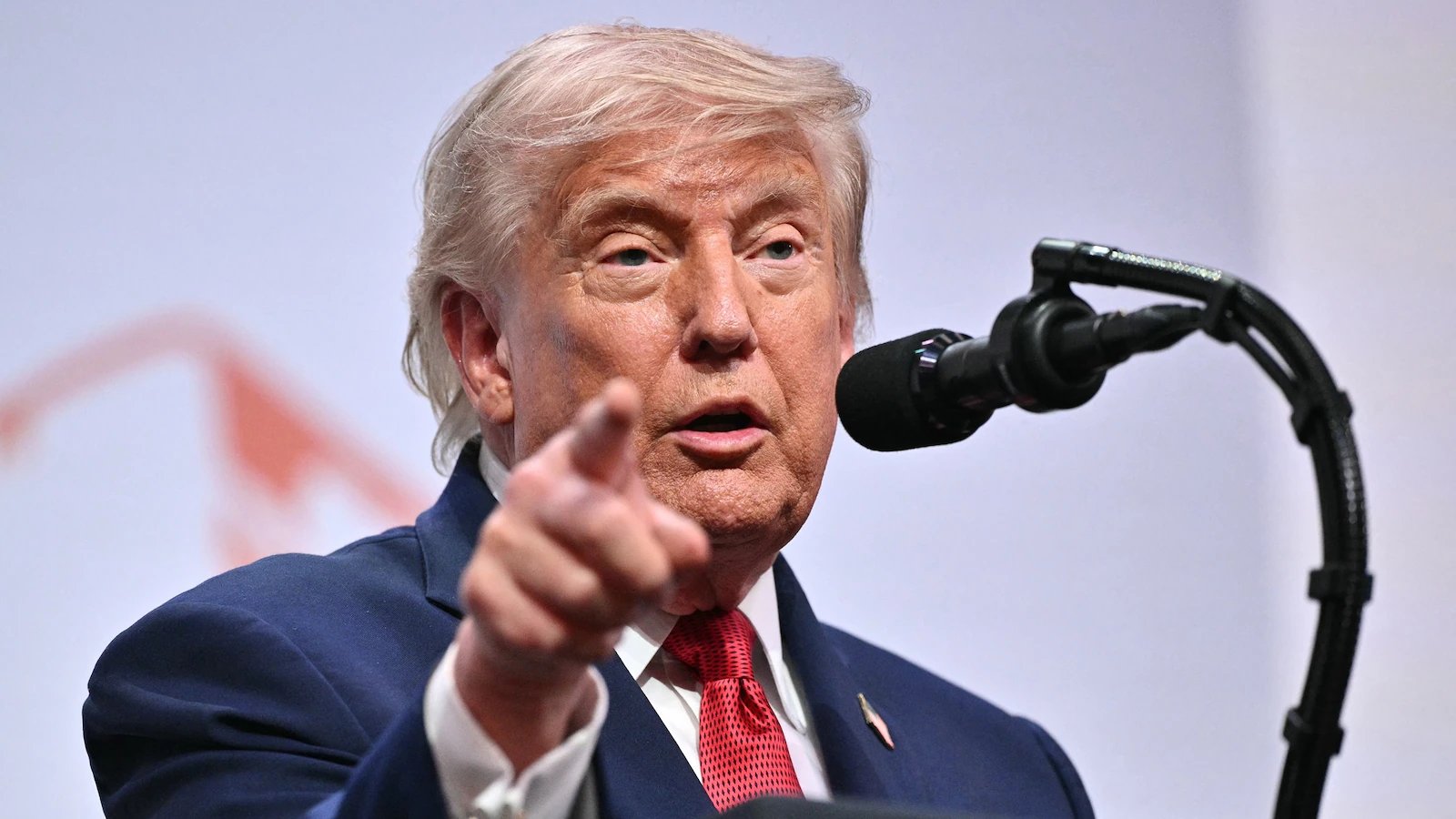
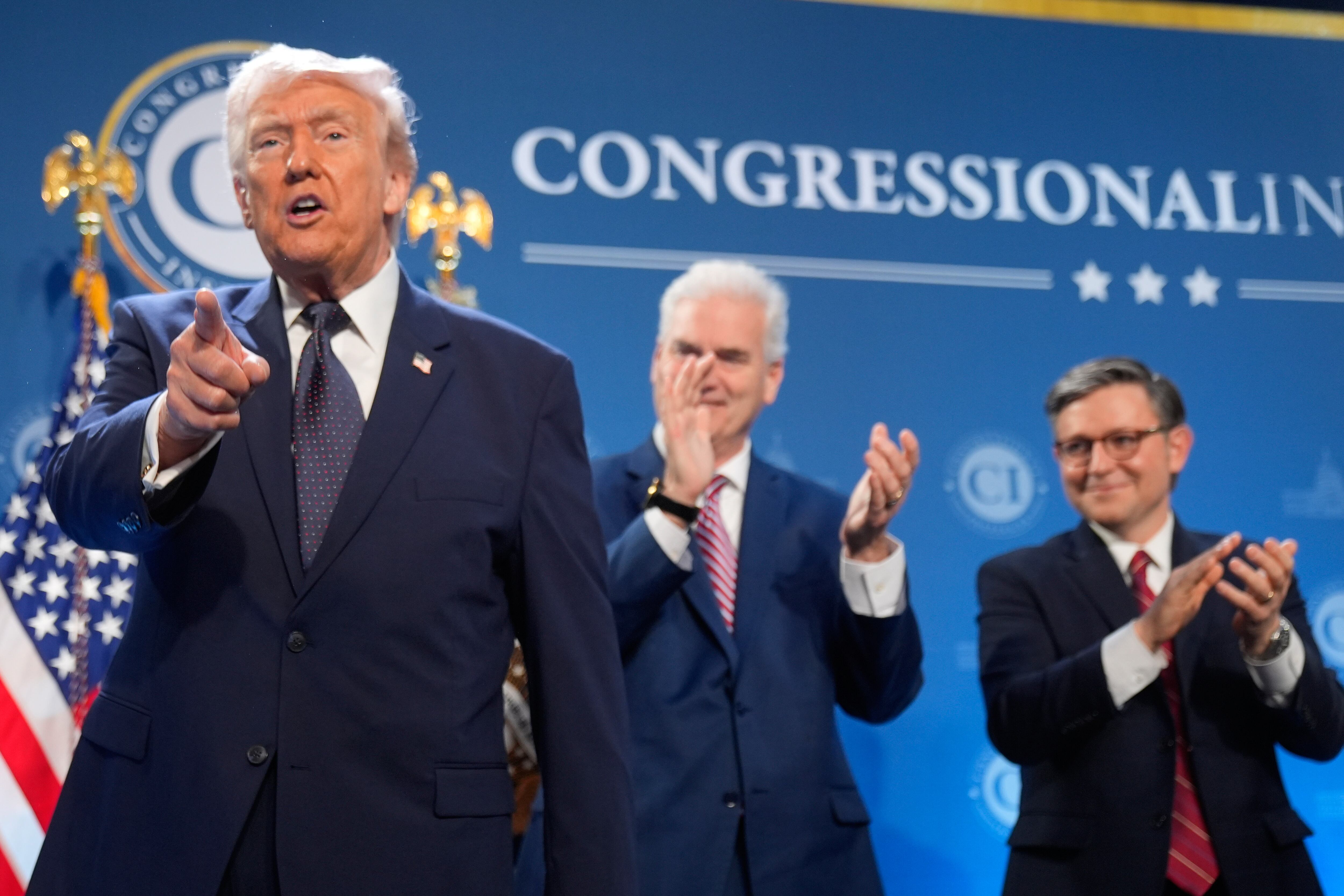
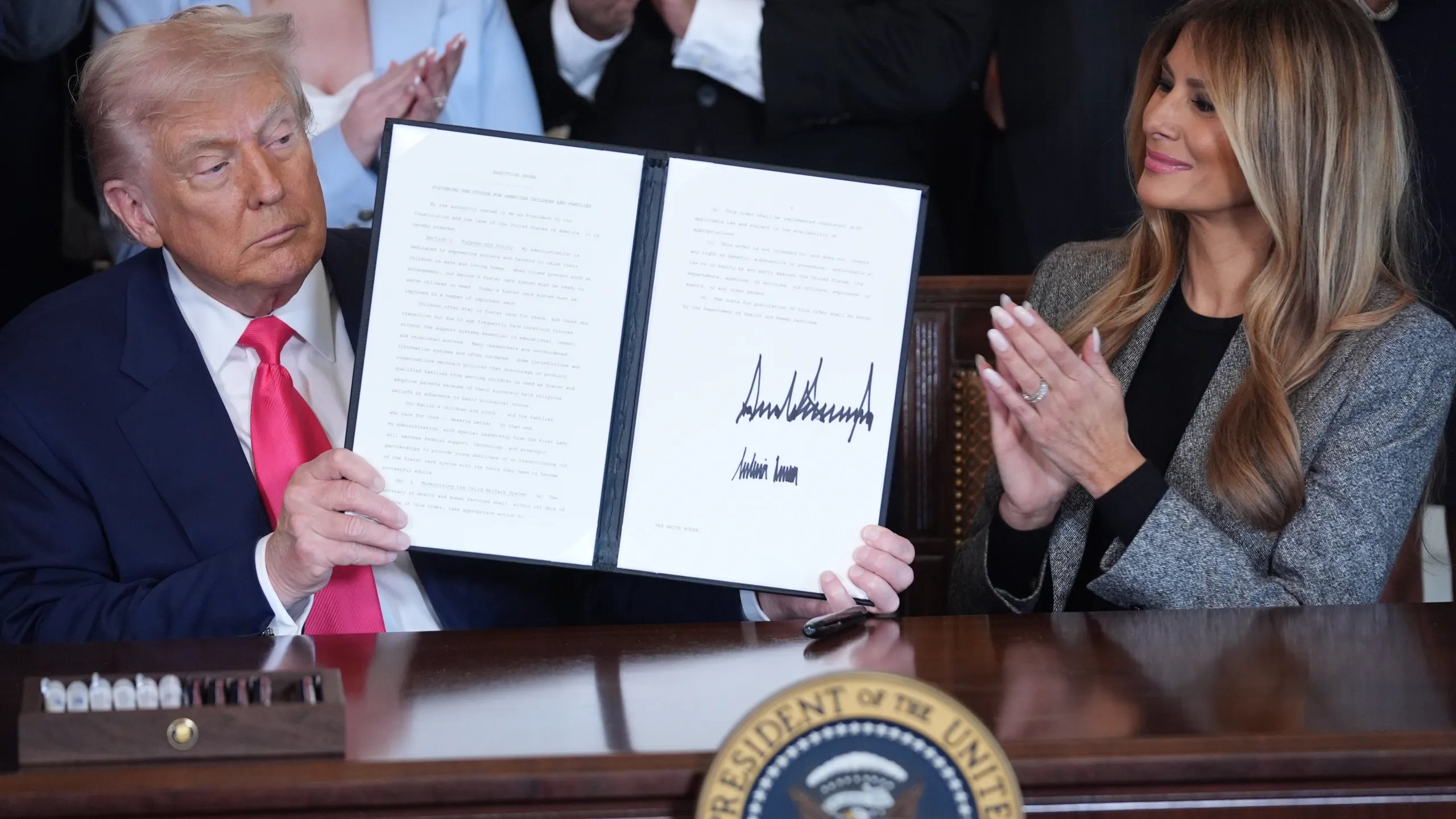
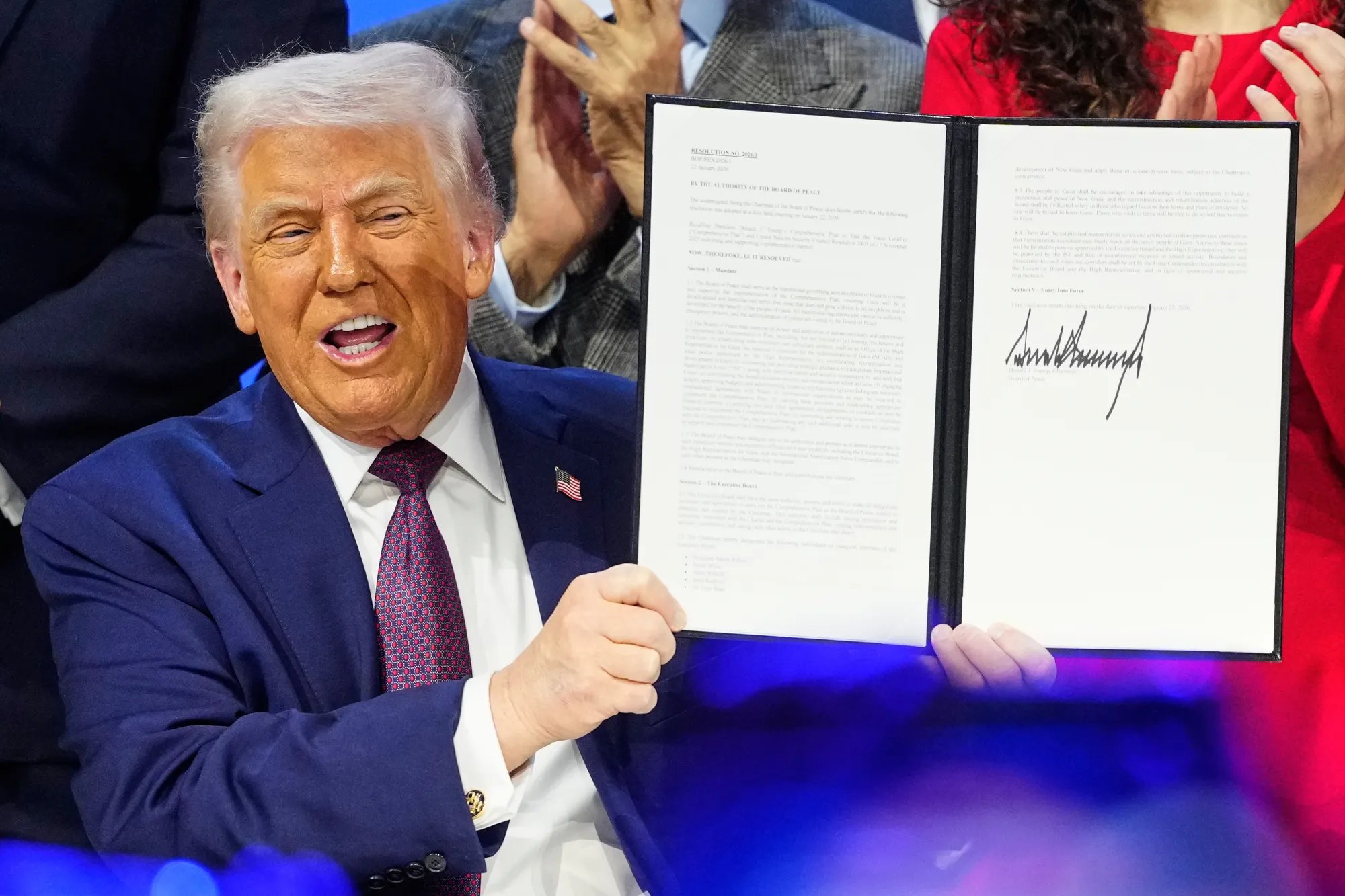
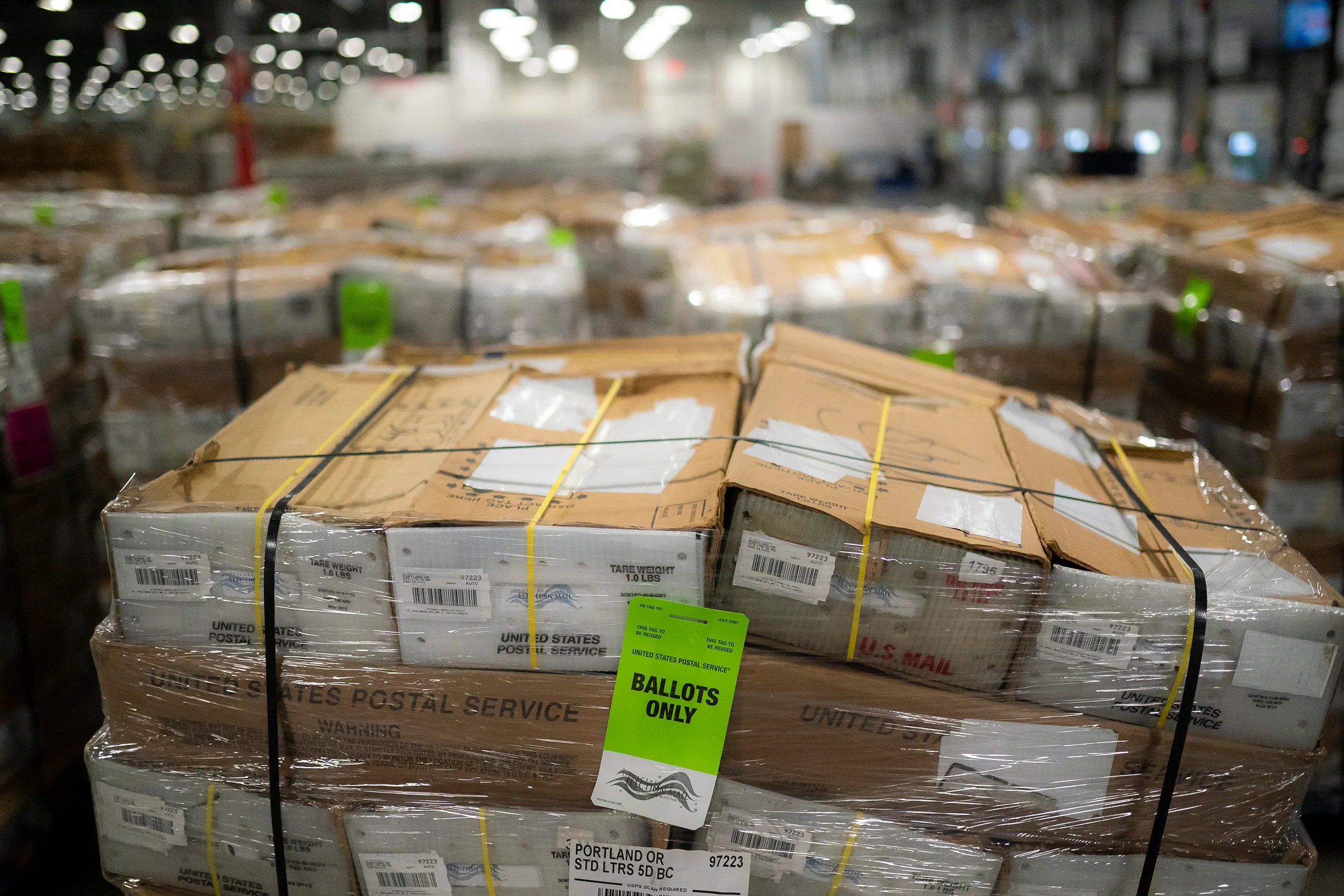
President Trump signed an executive order in March 2026 that would fundamentally reshape how Americans vote by mail. The order directed the Department of Homeland Security and the Postal Service to create federal lists of citizens eligible to vote in each state, then required USPS to deliver mail-in ballots only to people on those lists. States that refused to hand over their voter information to the federal government would have their ballots withheld entirely.
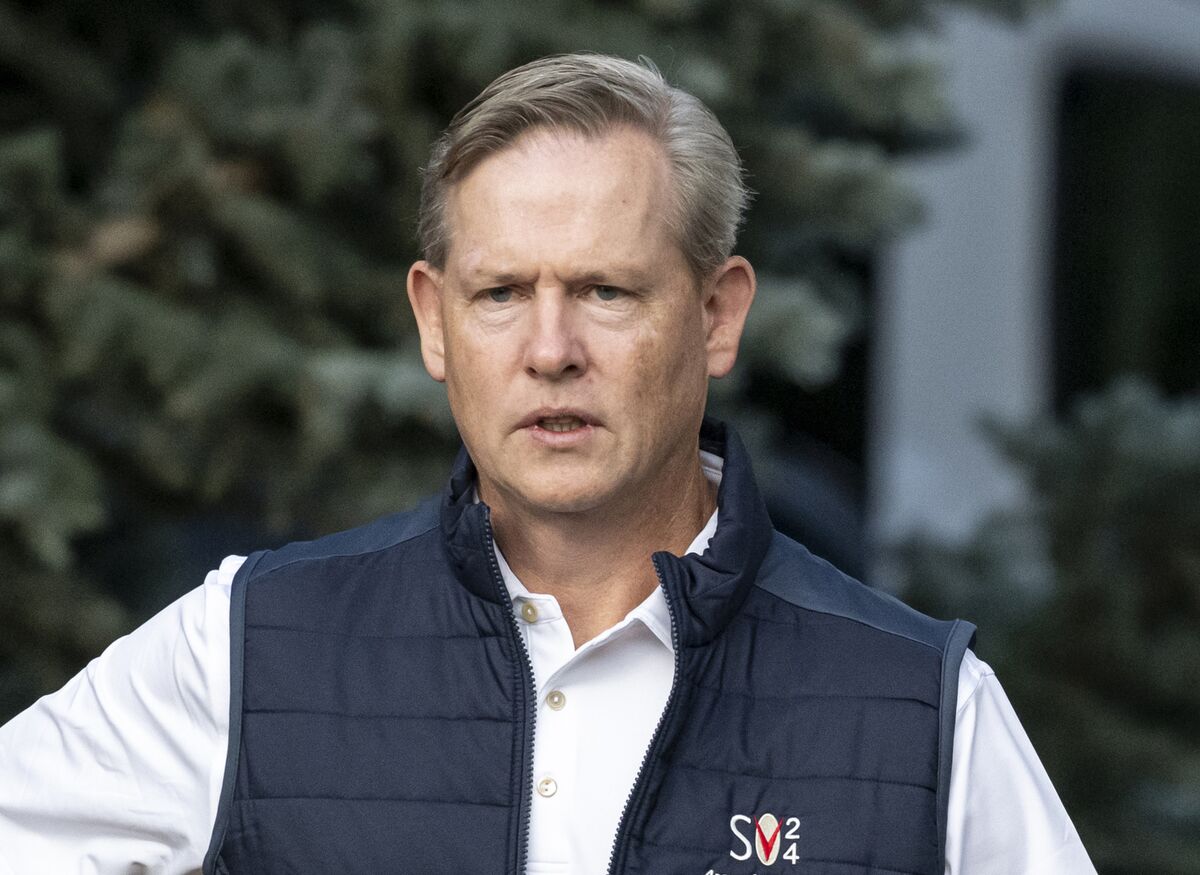
On Wednesday, Postmaster General David Steiner confirmed the proposal to senators. When asked directly by Senator Gary Peters whether USPS would still mail ballots from states refusing to turn over their absentee voter lists, Steiner answered: "Under our proposed regulation, no. We would tell the state that we need the manifest."
Judge Blocks the Plan
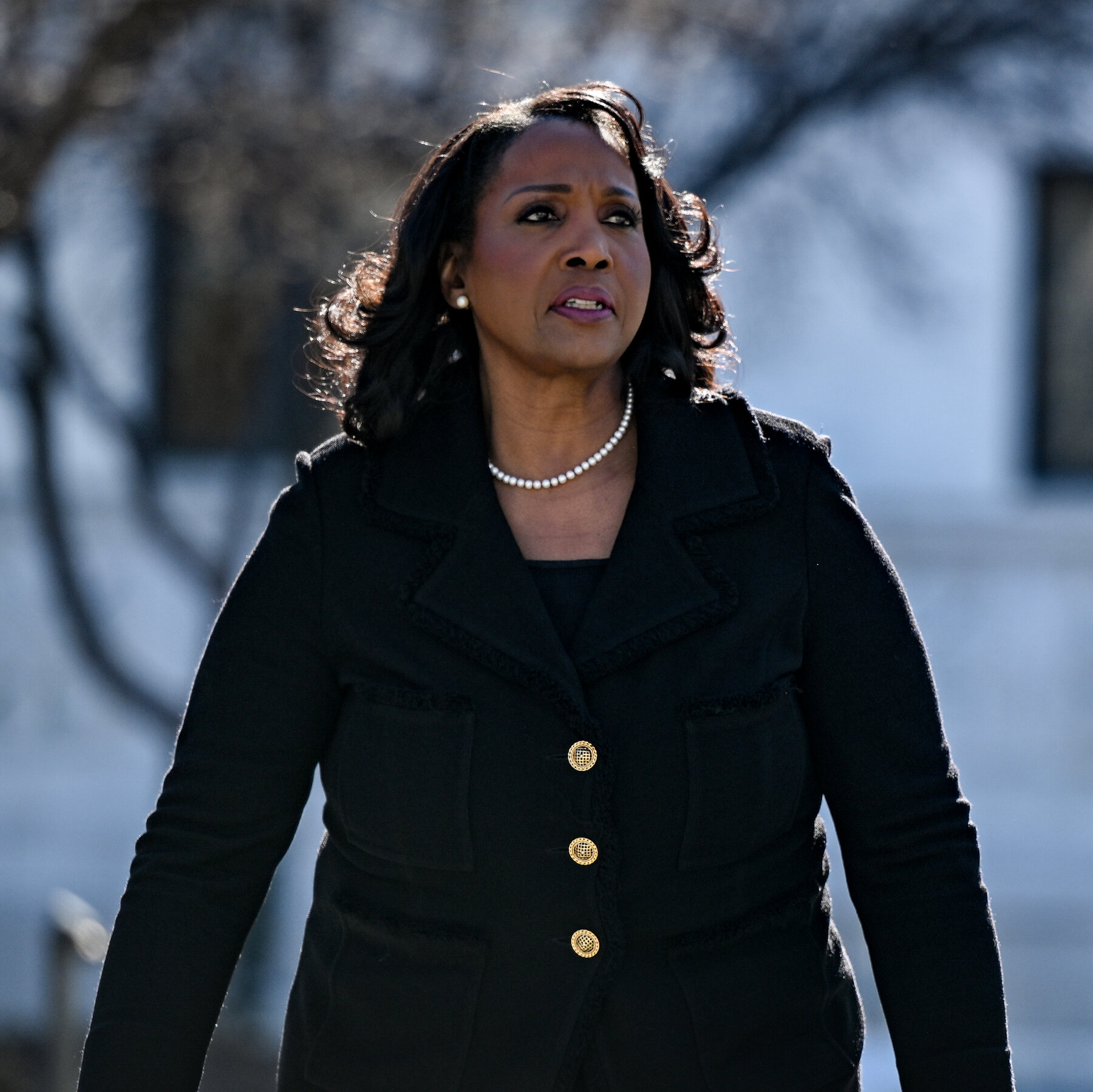
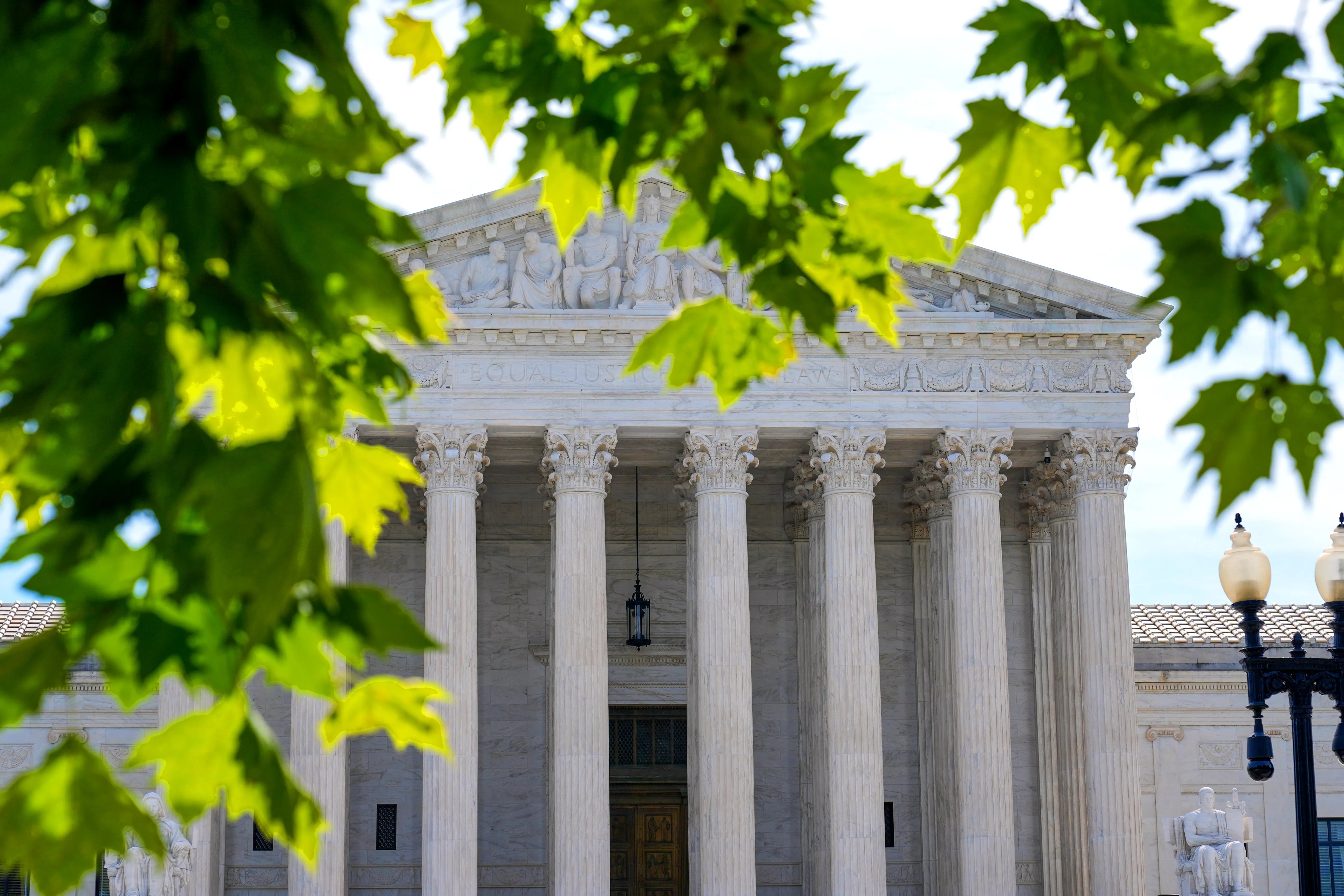
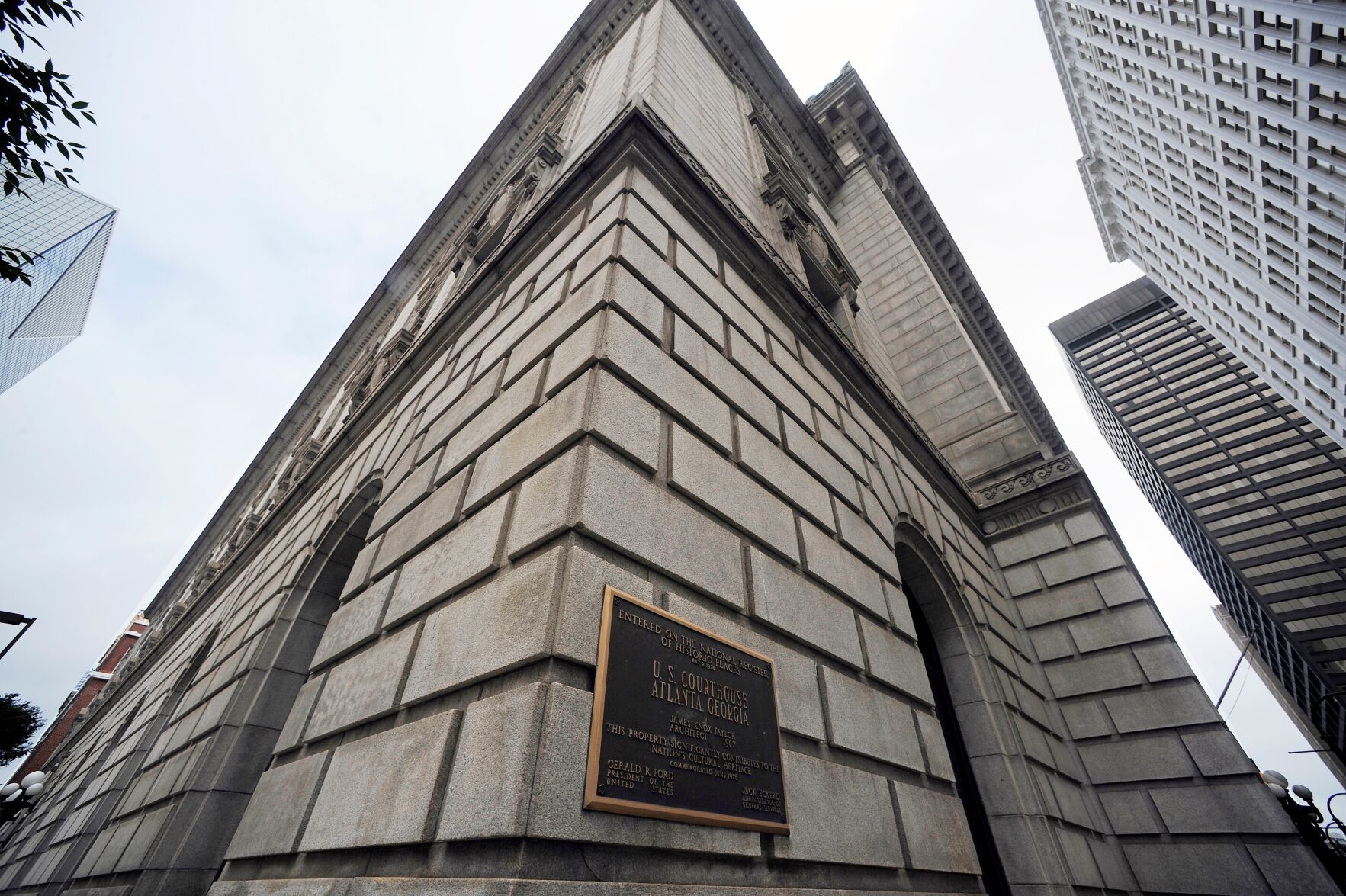
On Thursday morning, U.S. District Judge Indira Talwani of Boston issued a 37-page ruling that blocked the Trump administration from enforcing the order's core provisions. Talwani, an Obama appointee, barred the administration from creating the national voter list and from directing USPS to impose new mail-in ballot restrictions.
Talwani found that Trump's directives exceed his constitutional authority. "The Constitution does not grant the President any specific powers over elections," she wrote. She also ruled that Congress has not delegated to USPS any power to control mail-in voting, meaning the Postal Service lacks legal authority to enforce such restrictions.
The judge determined that the order attempted to "intimidate local election officials" by threatening prosecution if they did not use the federal lists. Such efforts, she wrote, "fall outside the Presidents' Article II and otherwise-delegated authority."
The States That Won
The ruling protects 23 states plus Washington, D.C., which filed one of five lawsuits challenging the order. The states covered by Talwani's decision are Arizona, California, Colorado, Connecticut, Delaware, Illinois, Maine, Maryland, Massachusetts, Michigan, Minnesota, Nevada, New Jersey, New Mexico, North Carolina, Oregon, Pennsylvania, Rhode Island, Vermont, Virginia, Washington, and Wisconsin. Most are led by Democratic administrations.
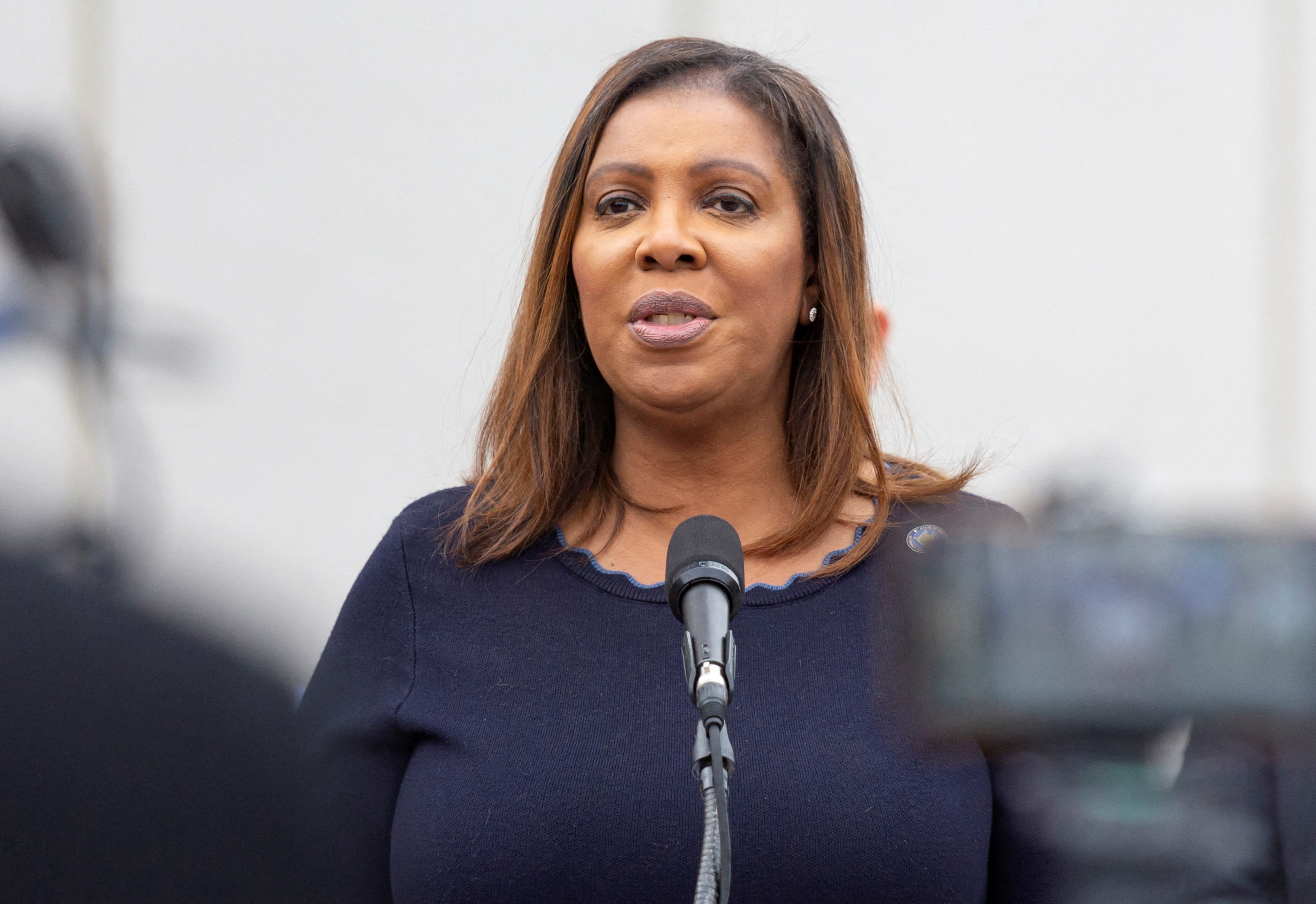
New York State Attorney General Letitia James, whose state is among the challengers, said the decision protects voting rights from "another unlawful attack." She added: "This executive order would have caused chaos for states, election officials, and voters across the country. It has no place in our nation."
A Pattern of Defeats
On Wednesday, Judge Denise Casper permanently blocked a separate Trump executive order requiring proof of citizenship to register to vote. She found no evidence of the "widespread illegal voting, discrimination, fraud, and other forms of malfeasance and error" that Trump claimed justified the order.
Earlier in the week, another federal judge blocked a Trump administration effort to use an immigration database to screen voter rolls, ruling that the government's system unlawfully consolidated "the private information of millions of Americans."
What Comes Next
The Trump administration is expected to appeal Talwani's ruling. In a statement, White House spokesperson Abigail Jackson said the order "lawfully protects our elections, and we are confident that we will ultimately prevail in its implementation." Multiple federal judges have now blocked separate Trump administration voting initiatives in recent days, and legal challenges to the mail-in voting order continue in other courts.
Talwani ordered the administration to file a status report within one week describing steps taken to comply with her injunction. The Postal Service's proposed rule, which triggered this legal challenge, remains open for public comment for another week.