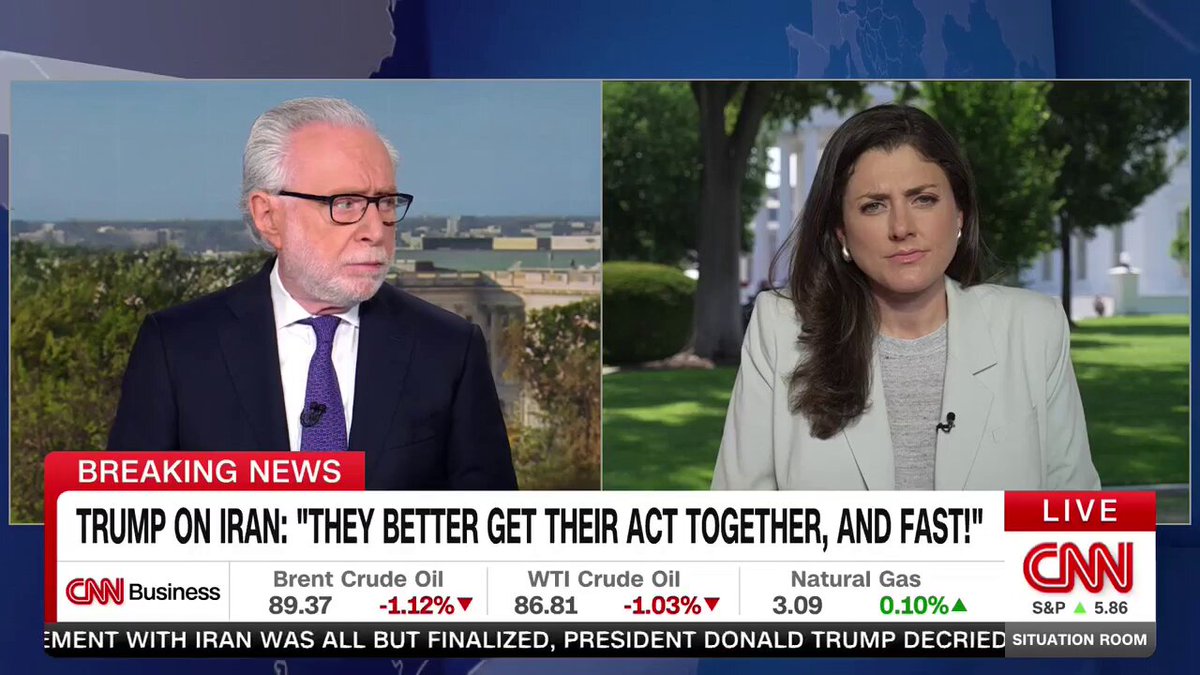
The World Bank has revised its global growth forecast for 2026 down to 2.5 percent, from the 2.9 percent predicted earlier this year, due to the ongoing conflict between the US and Iran, surging energy prices, and rising inflation. The latest Global Economic Prospects report warns that the outlook could deteriorate further if energy supply disruptions continue, with global growth potentially plummeting to as low as 1.3 percent this year.
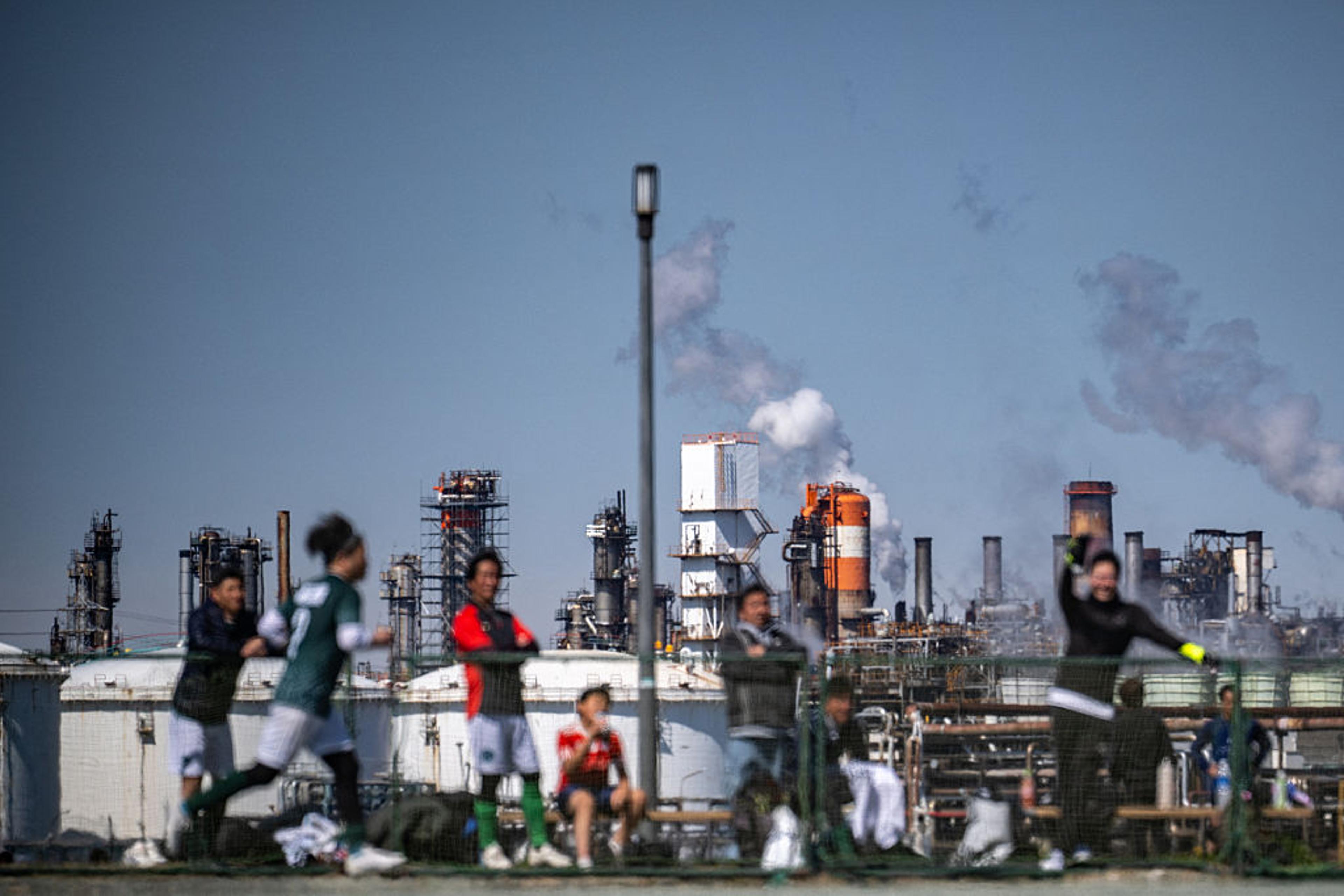
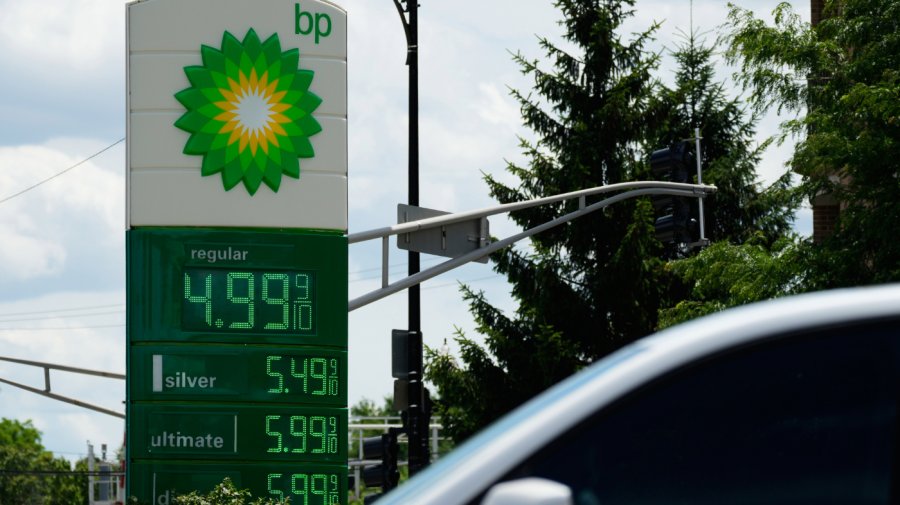
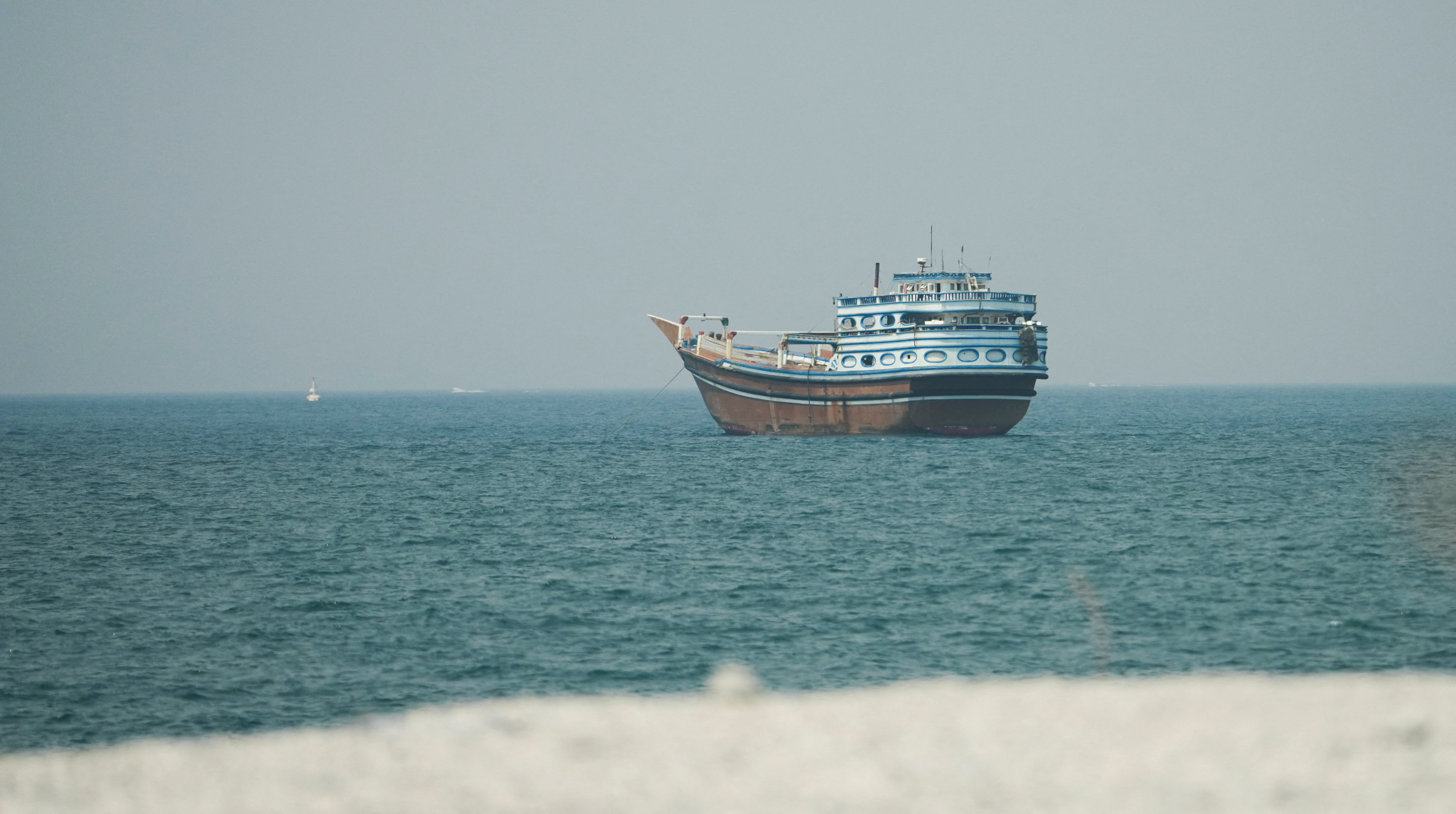
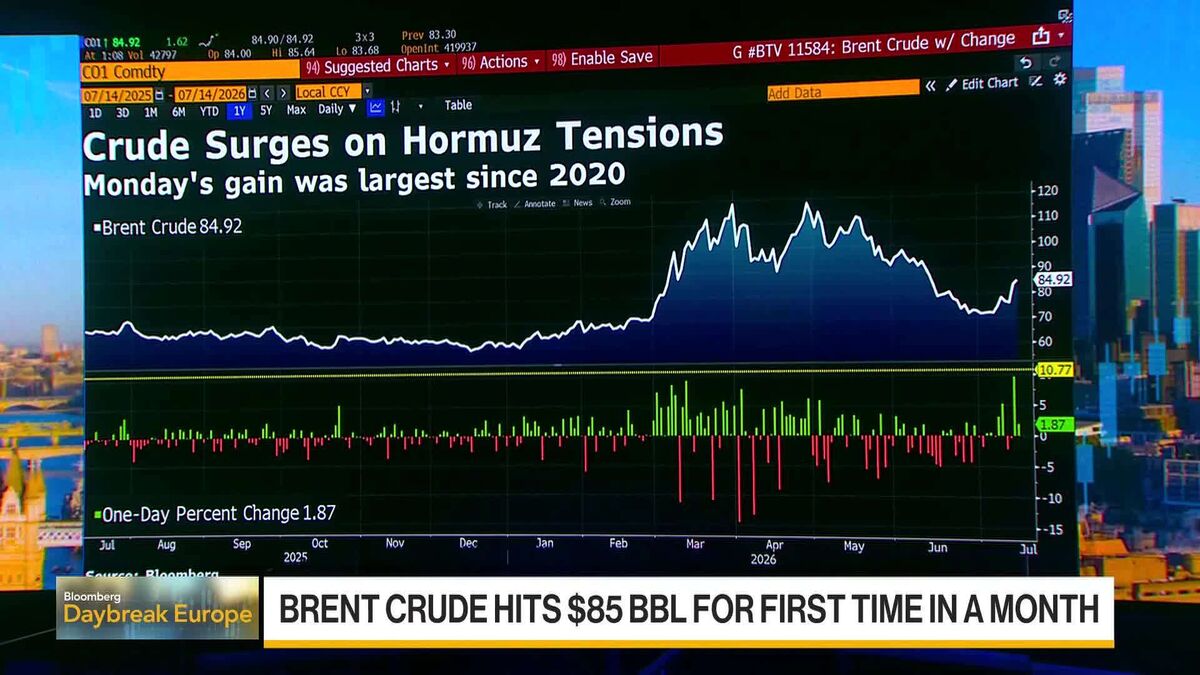
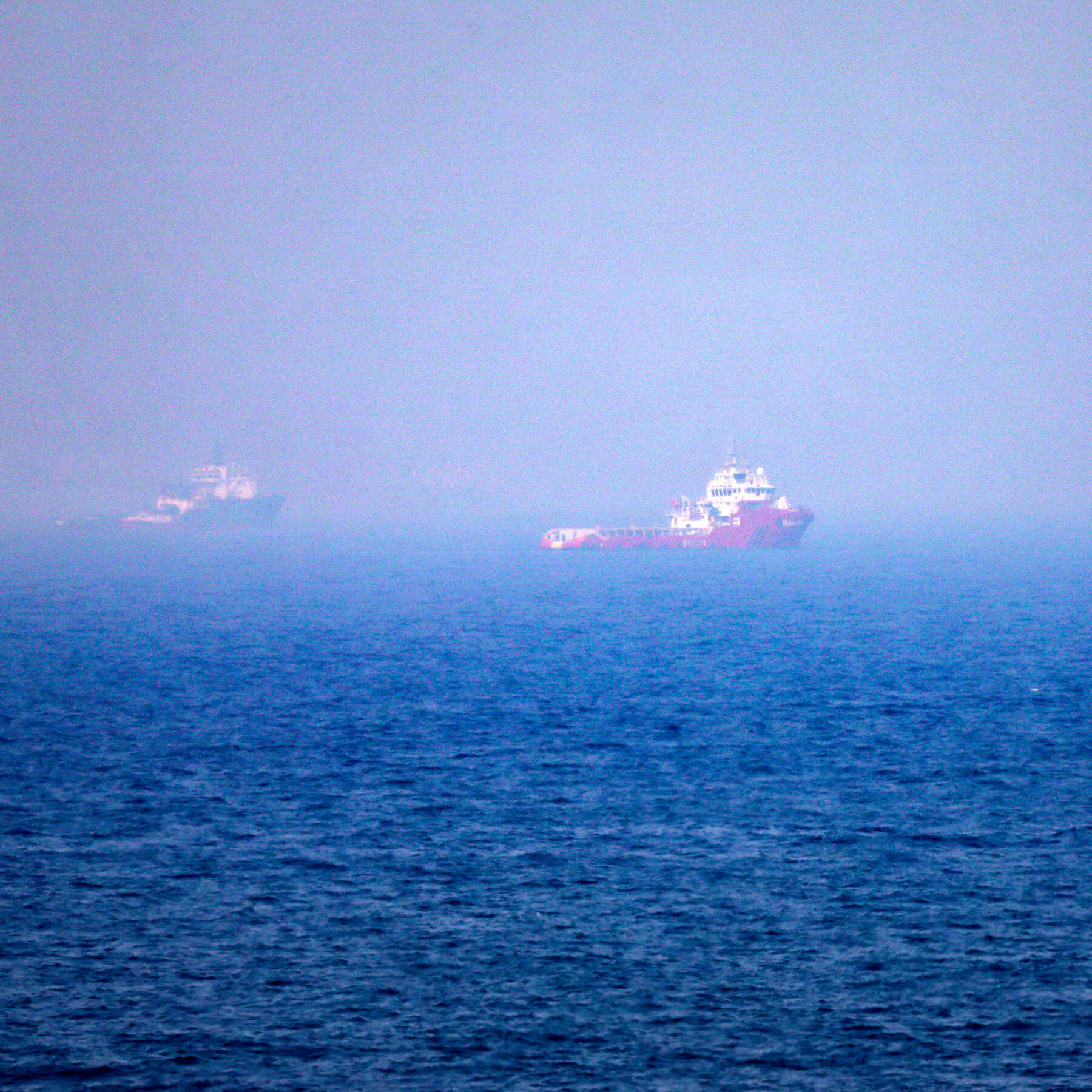
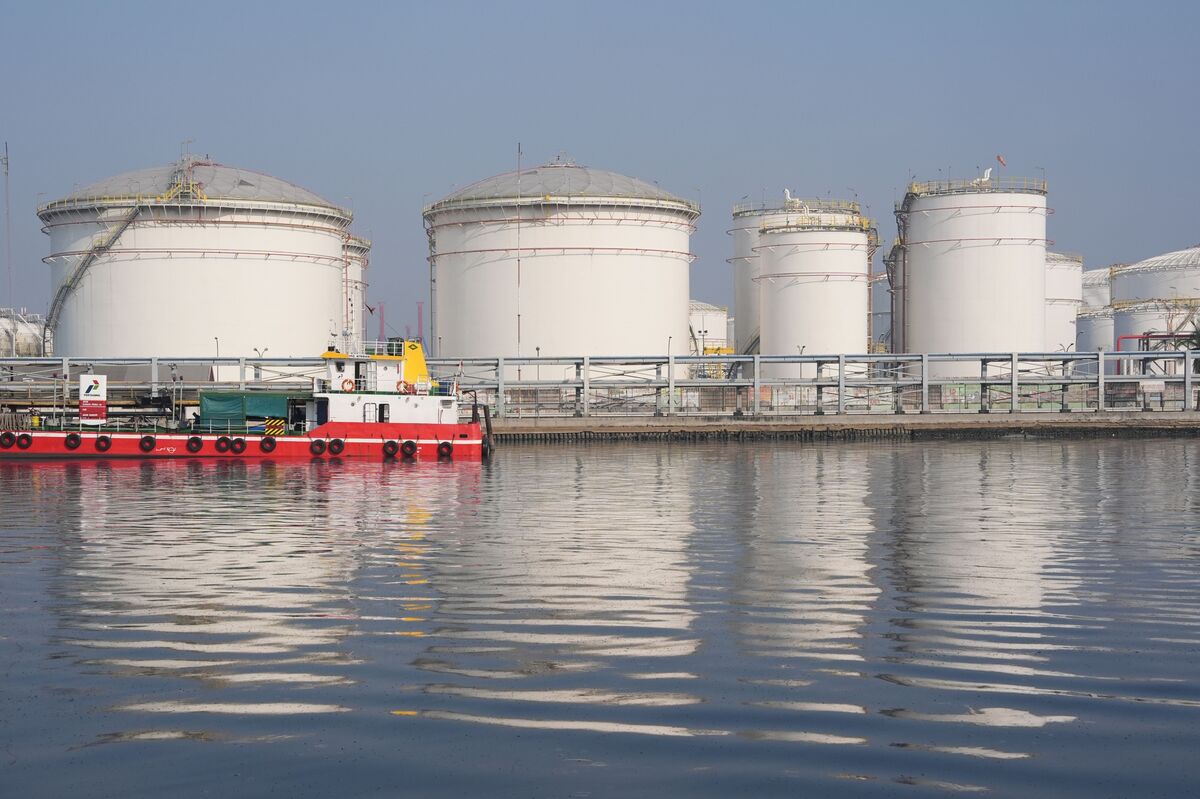
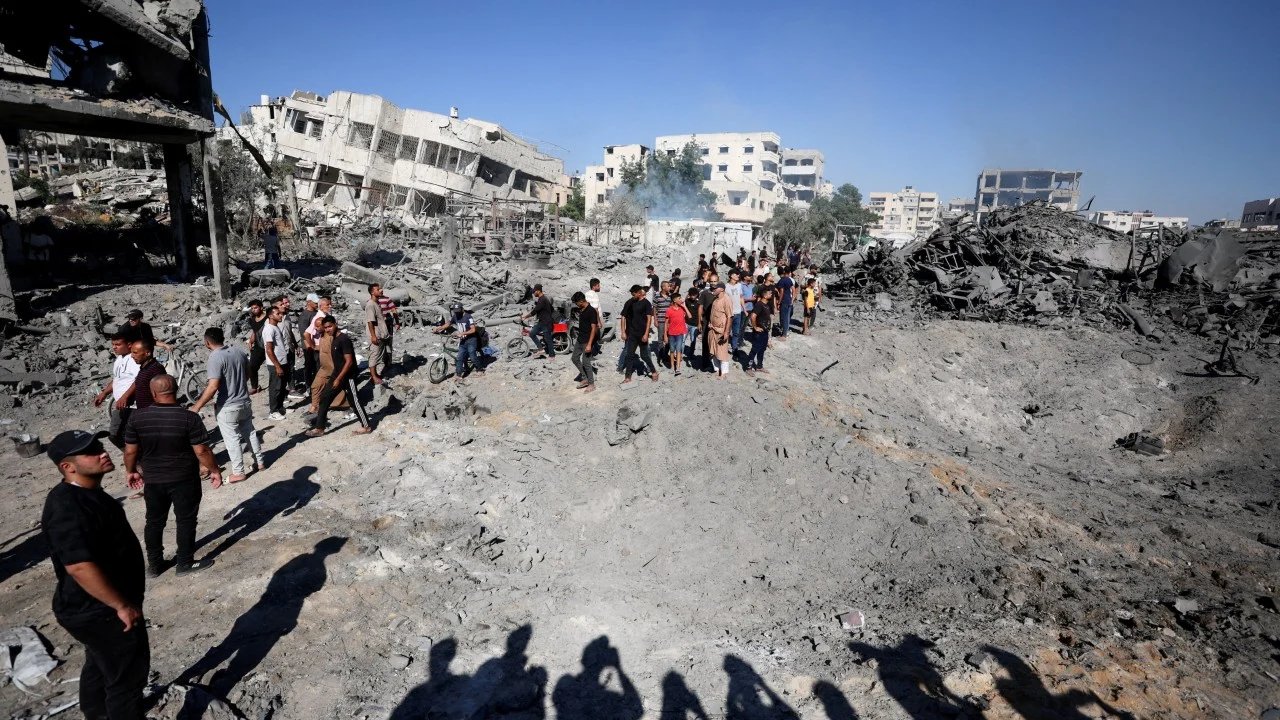
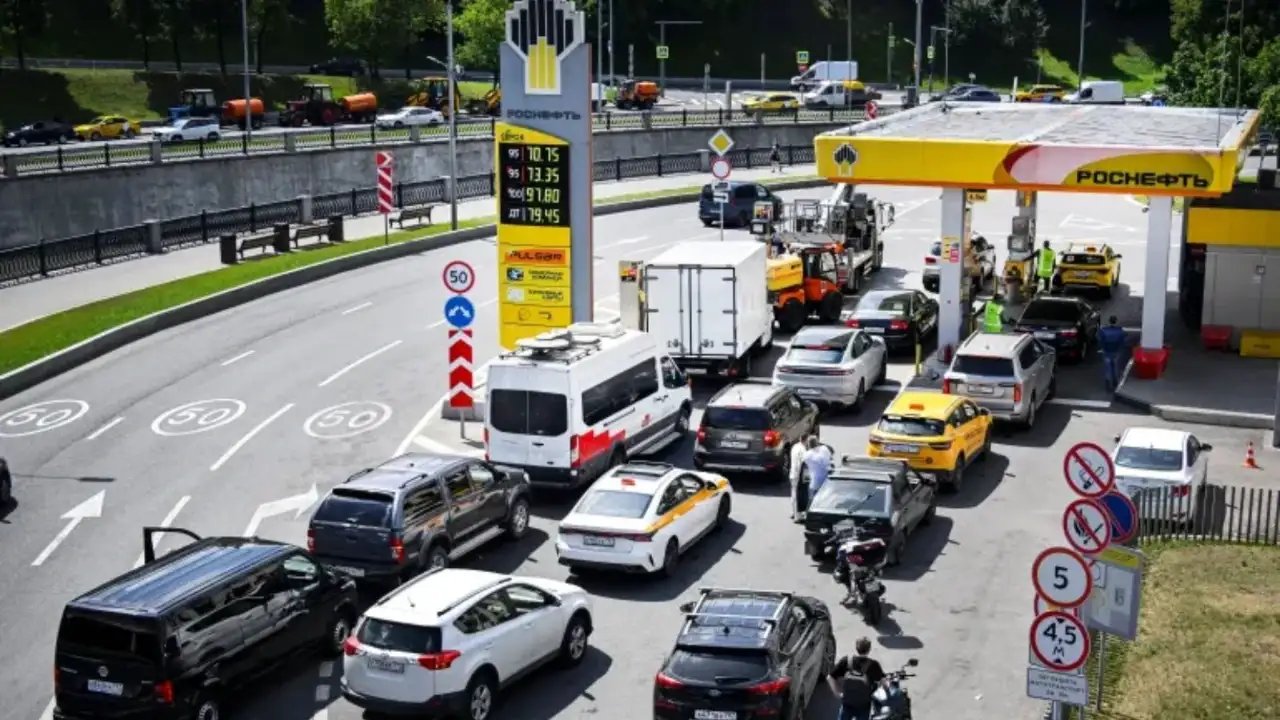
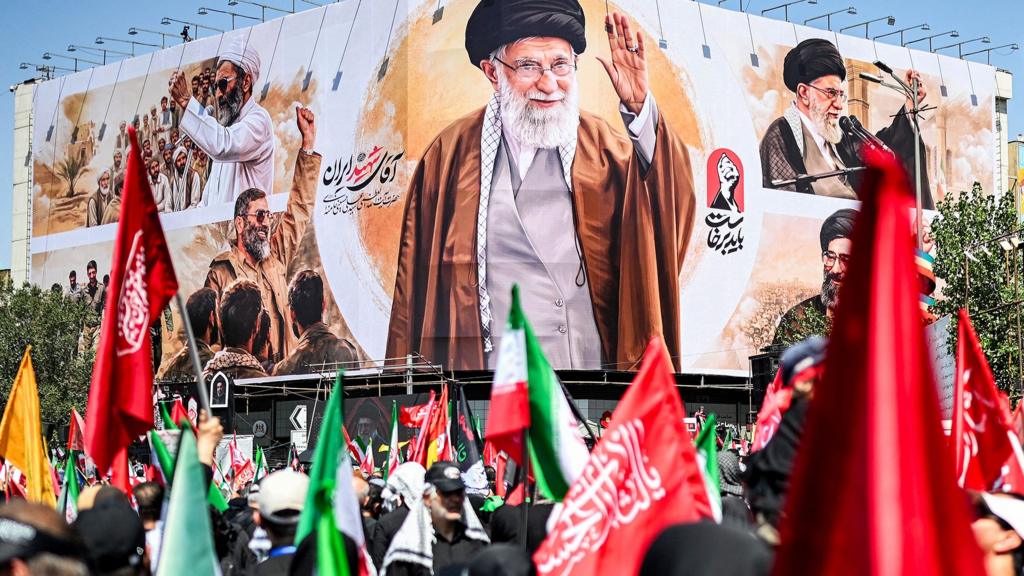
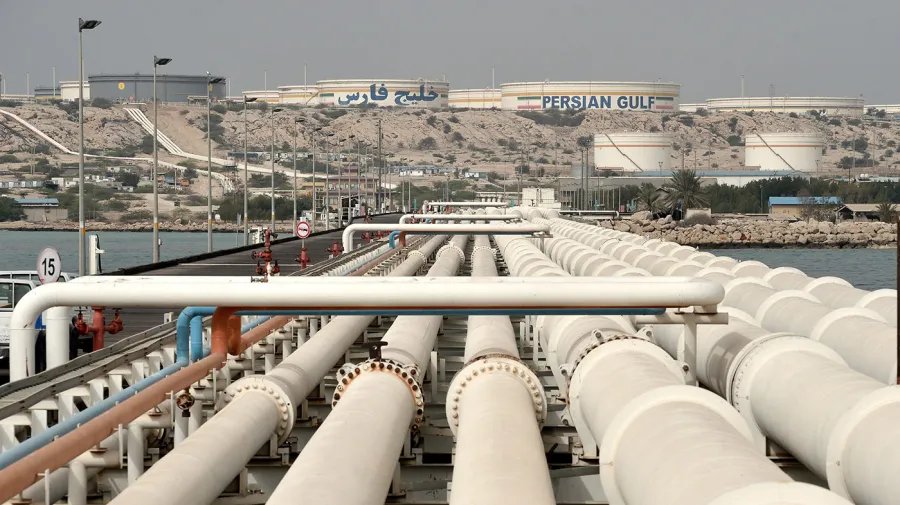
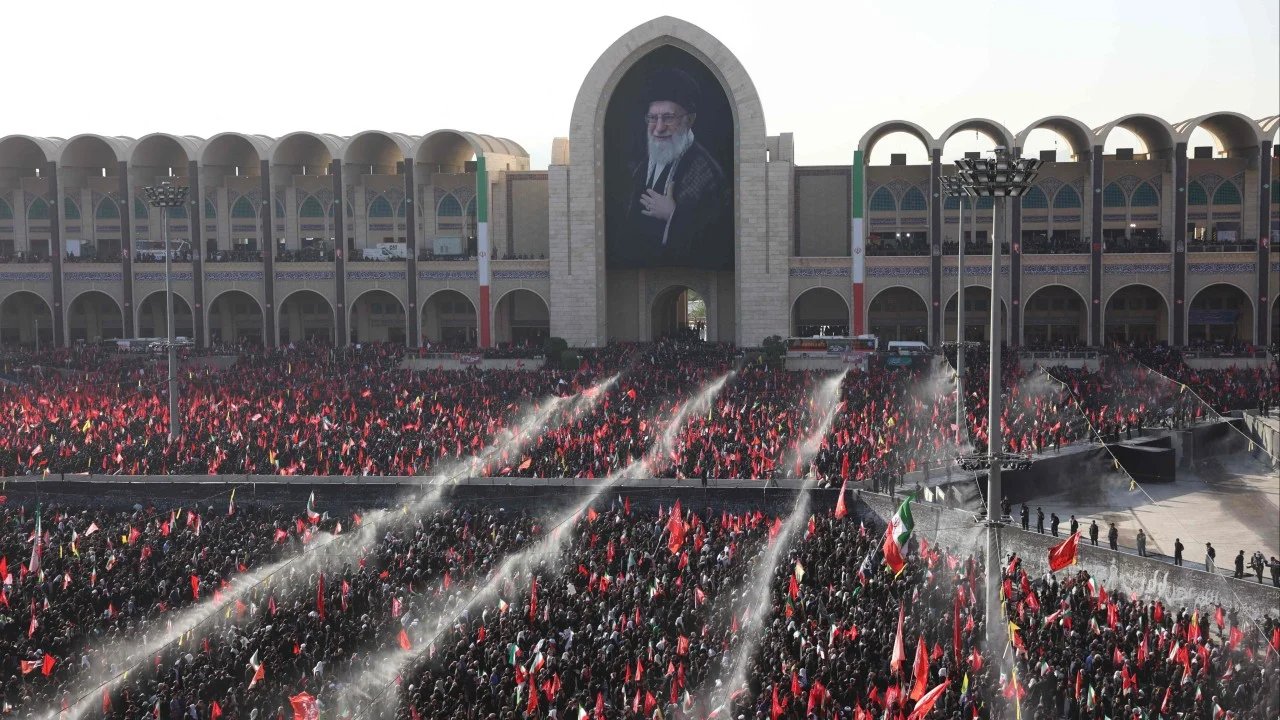
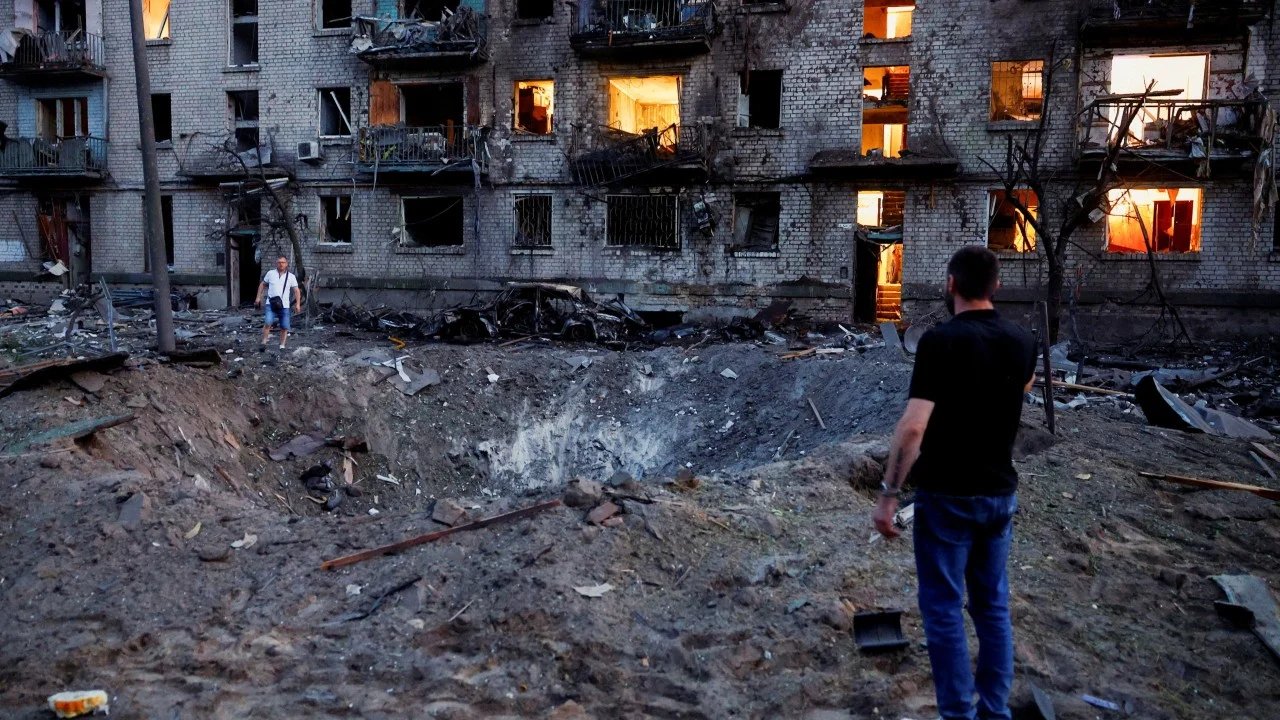
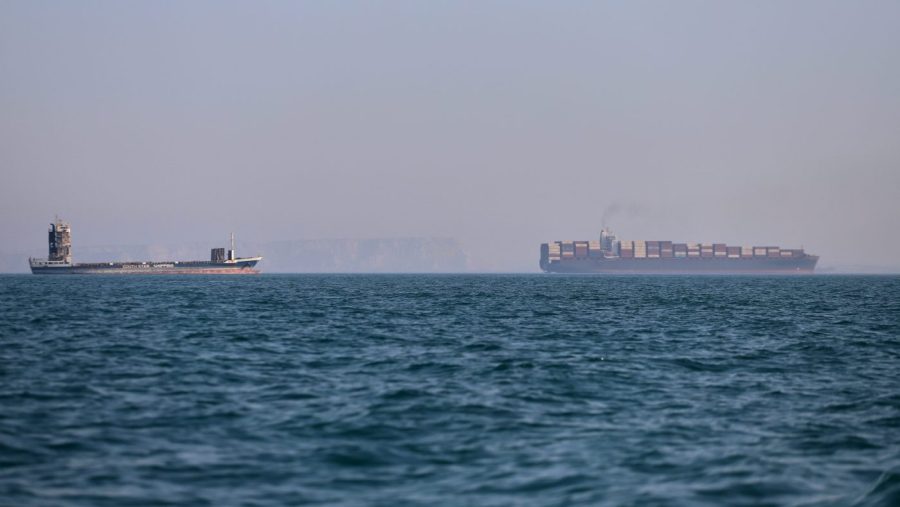
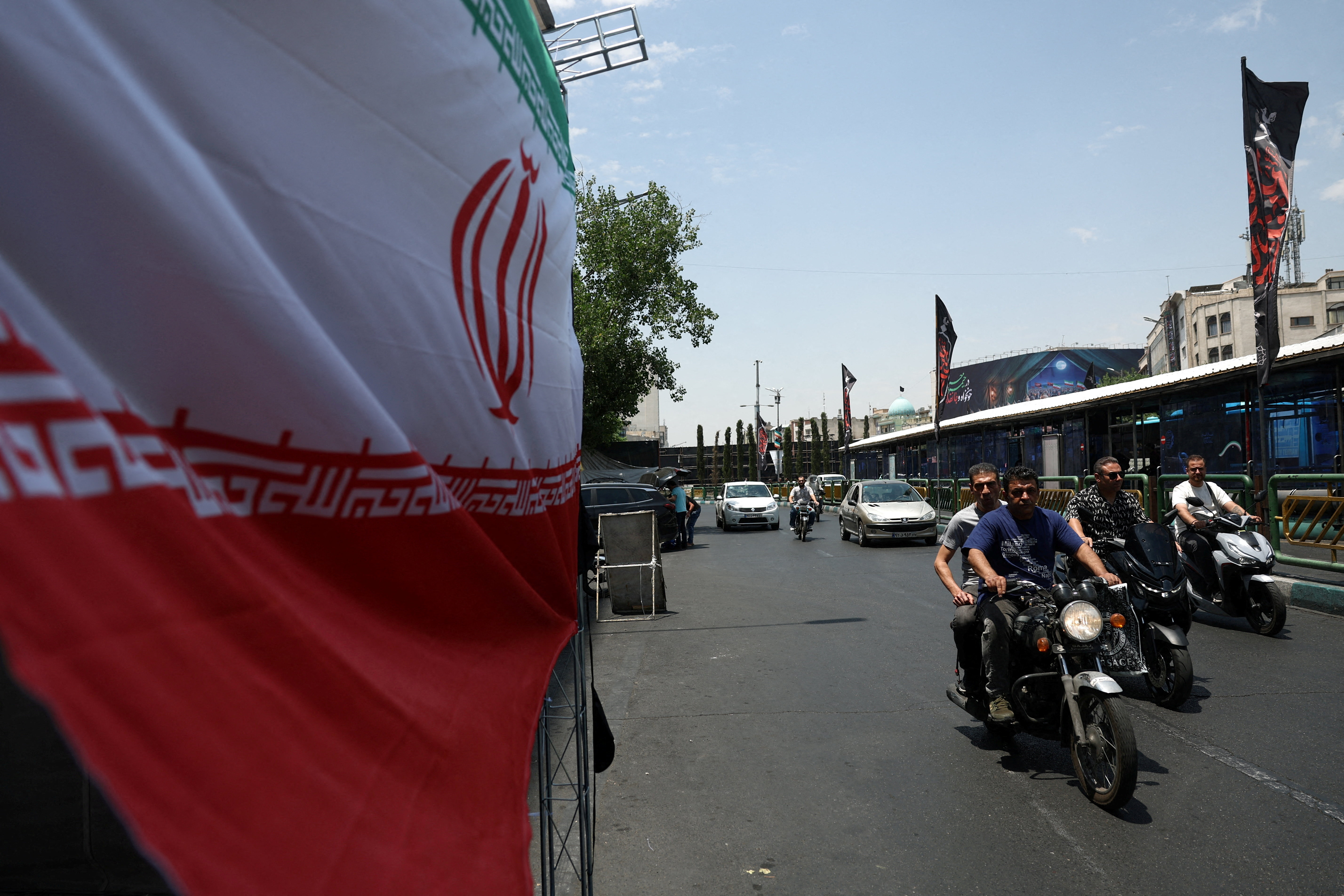
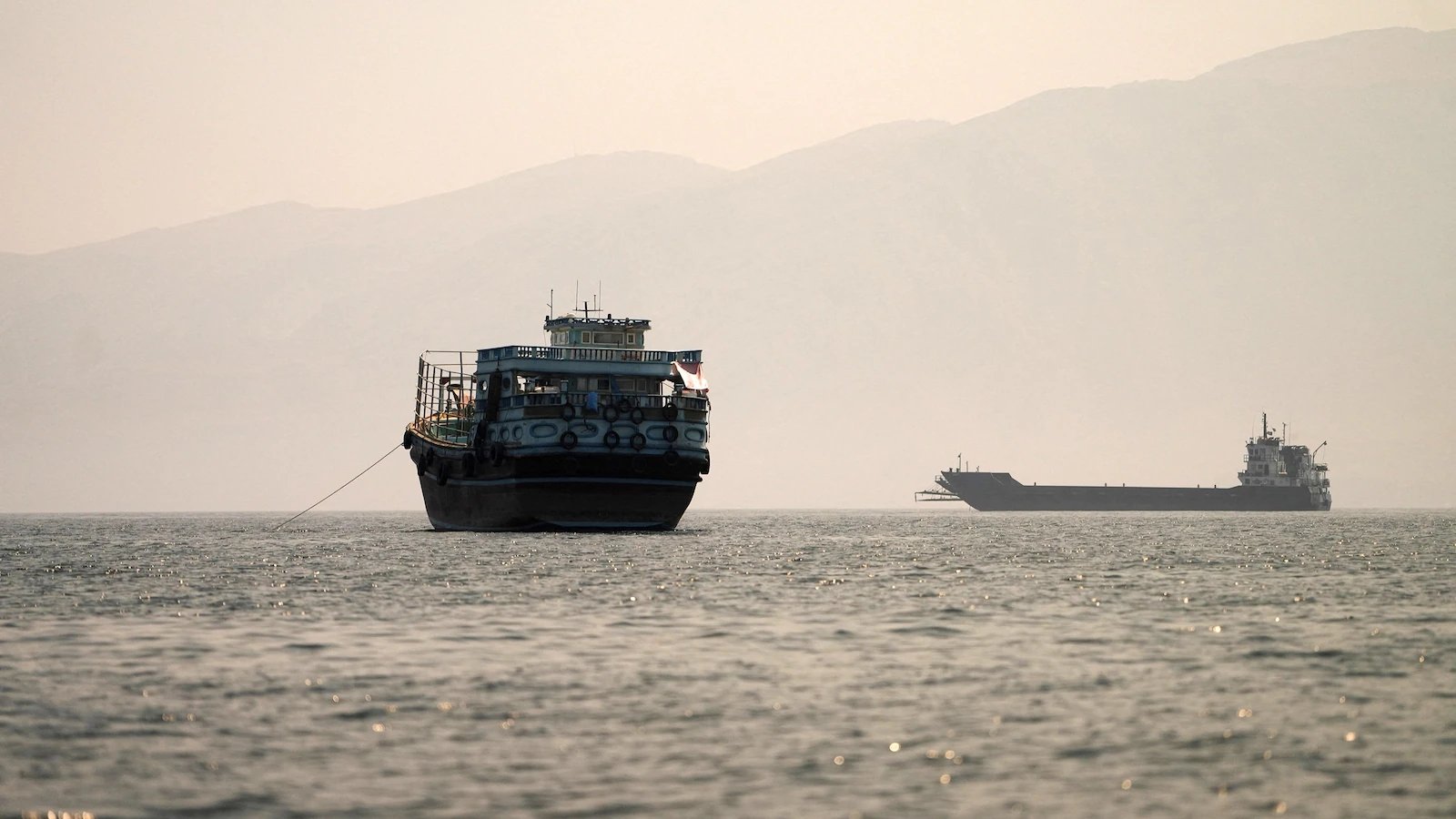
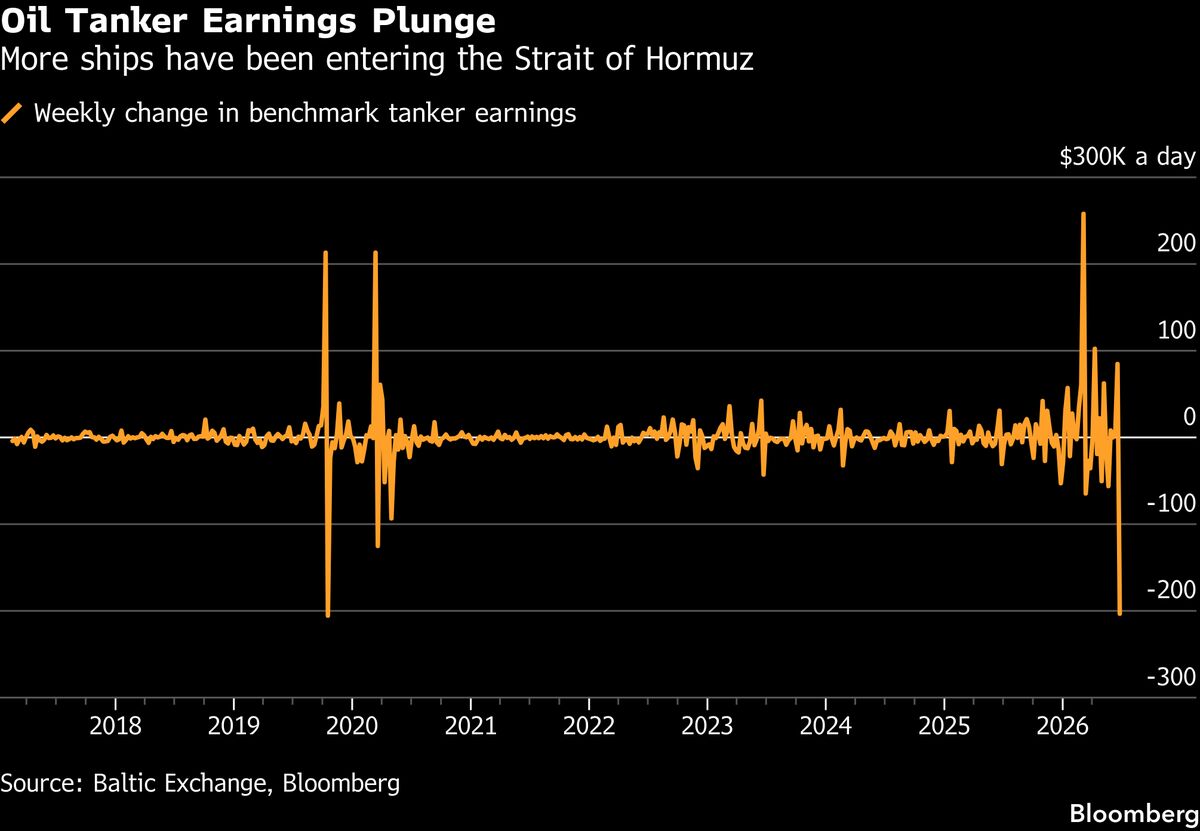
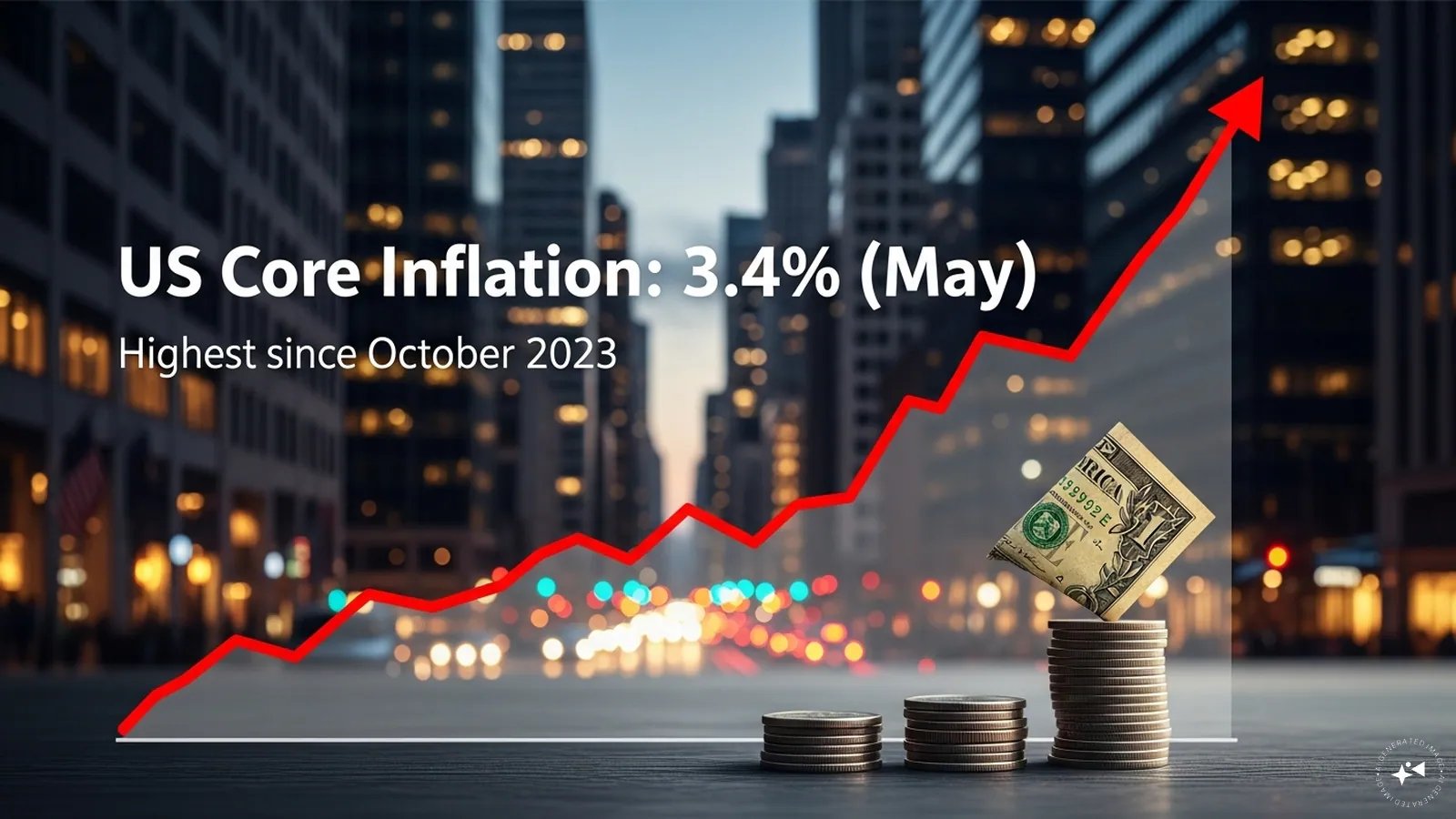
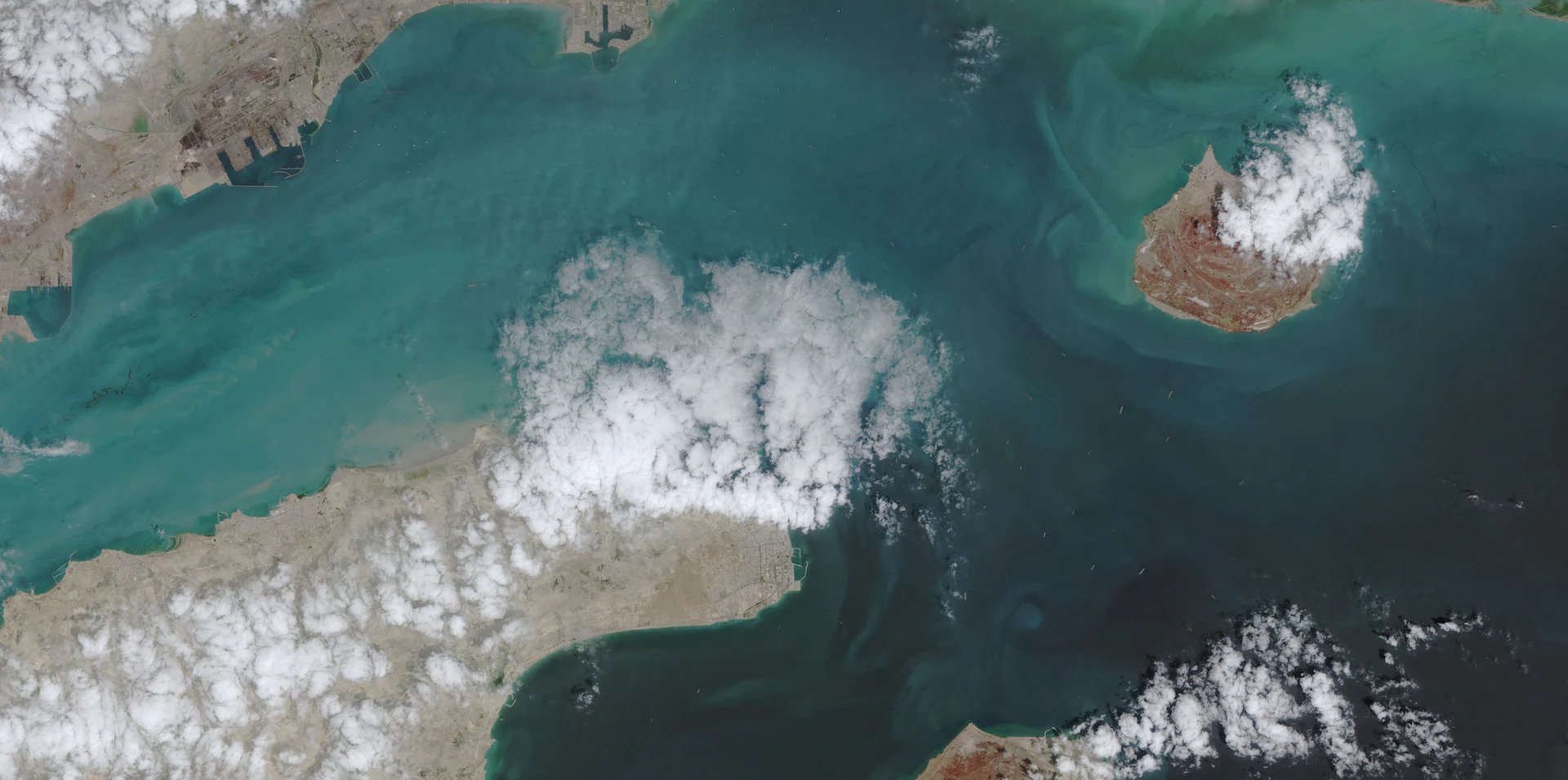
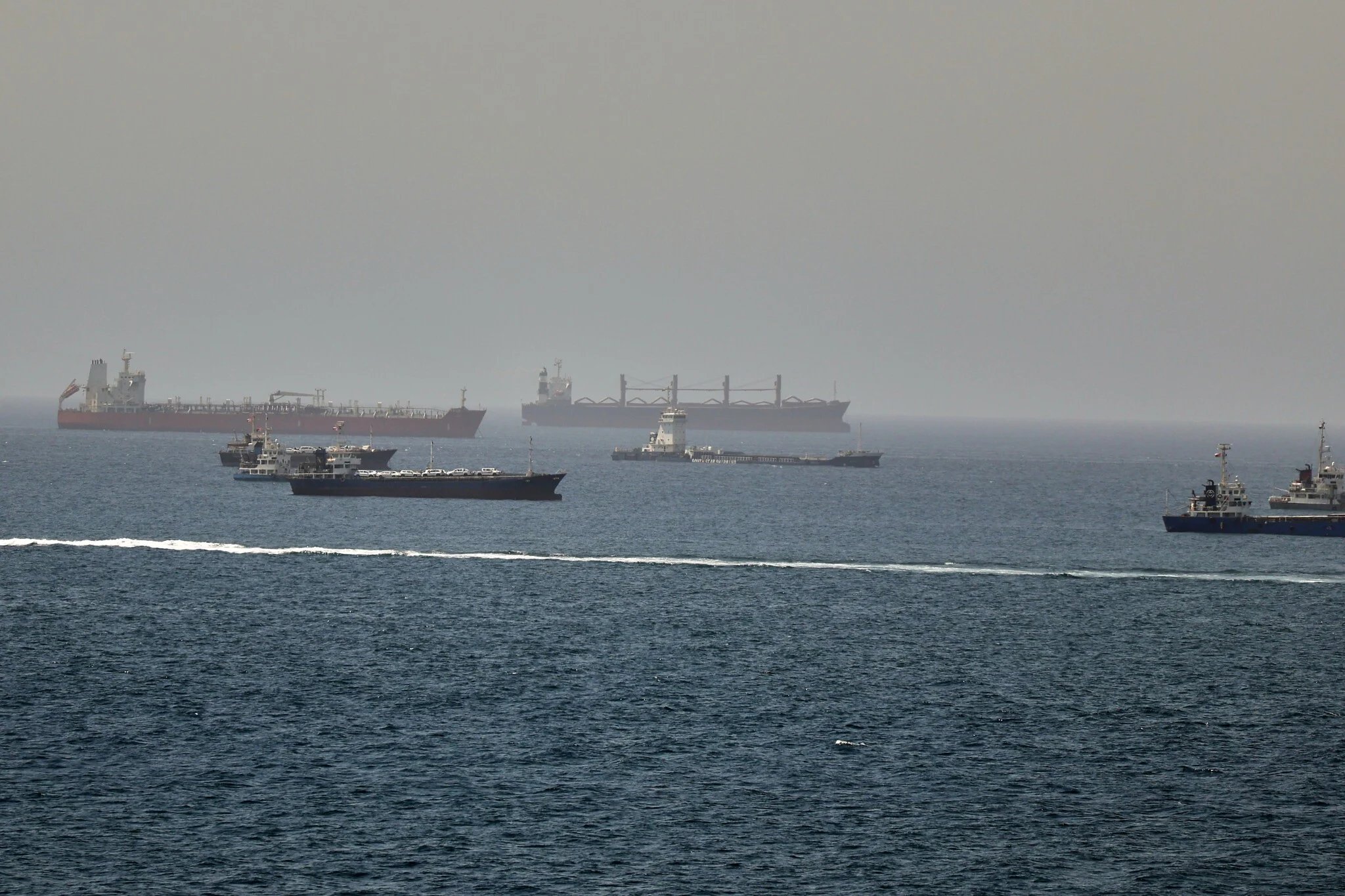
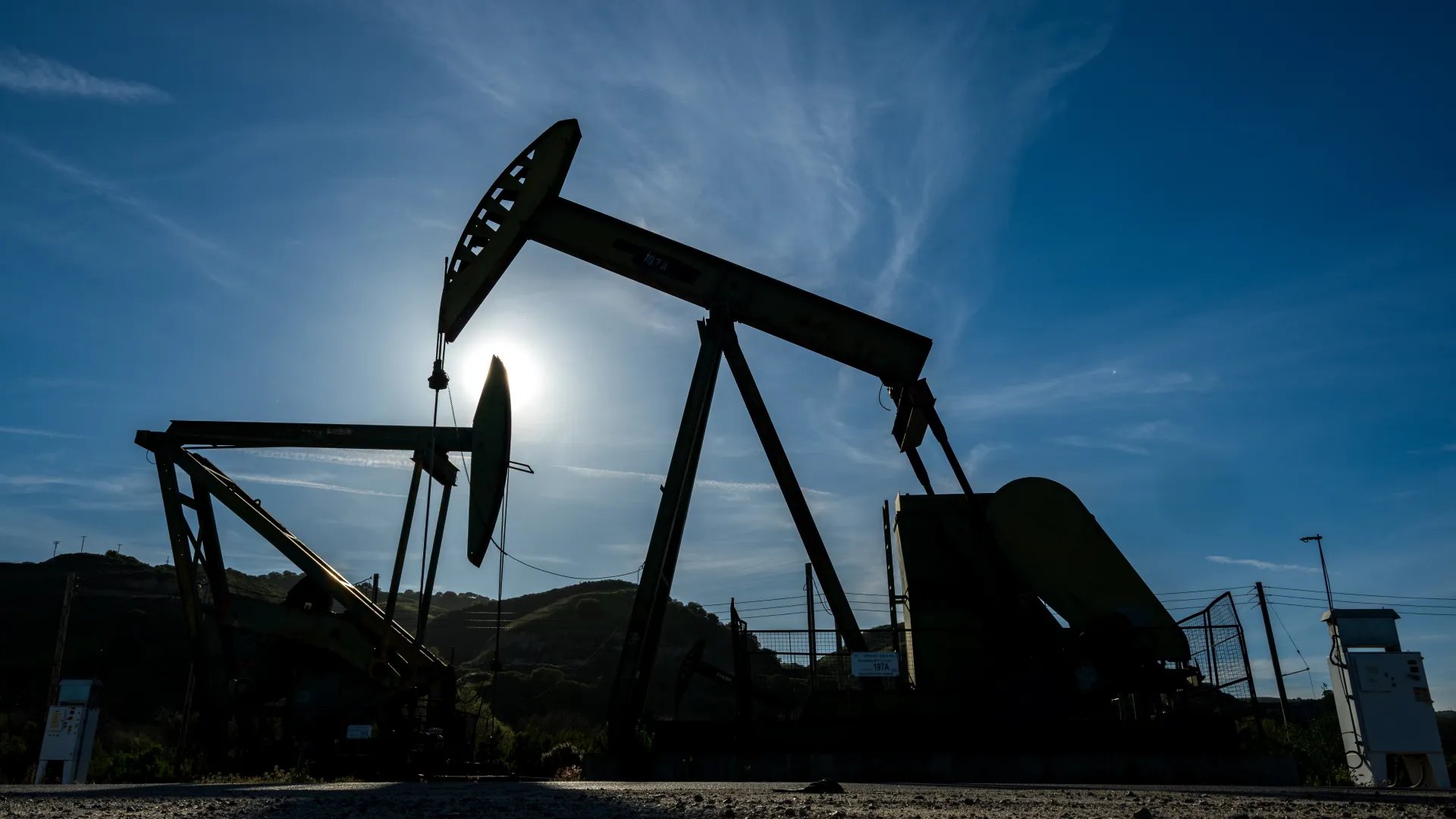
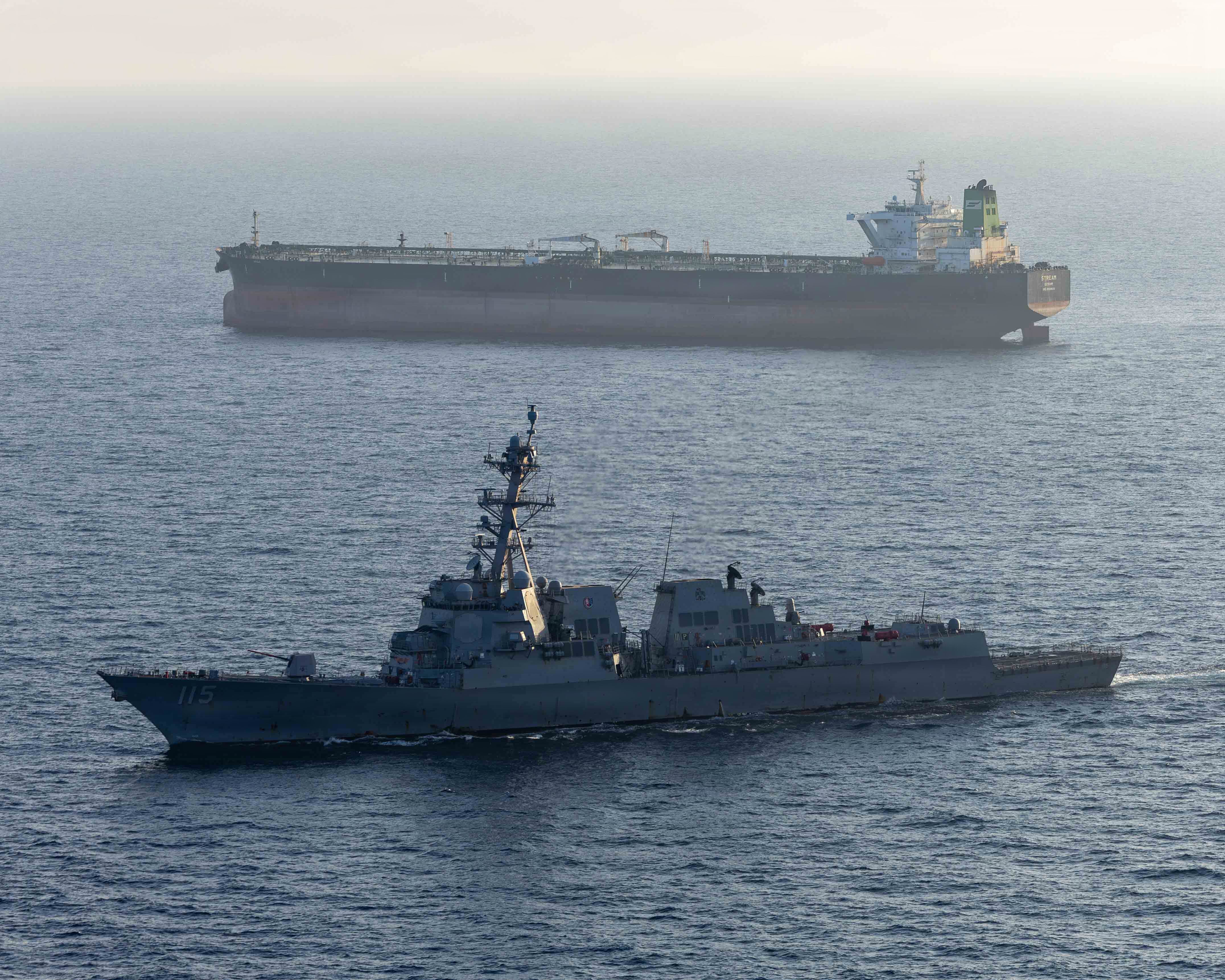
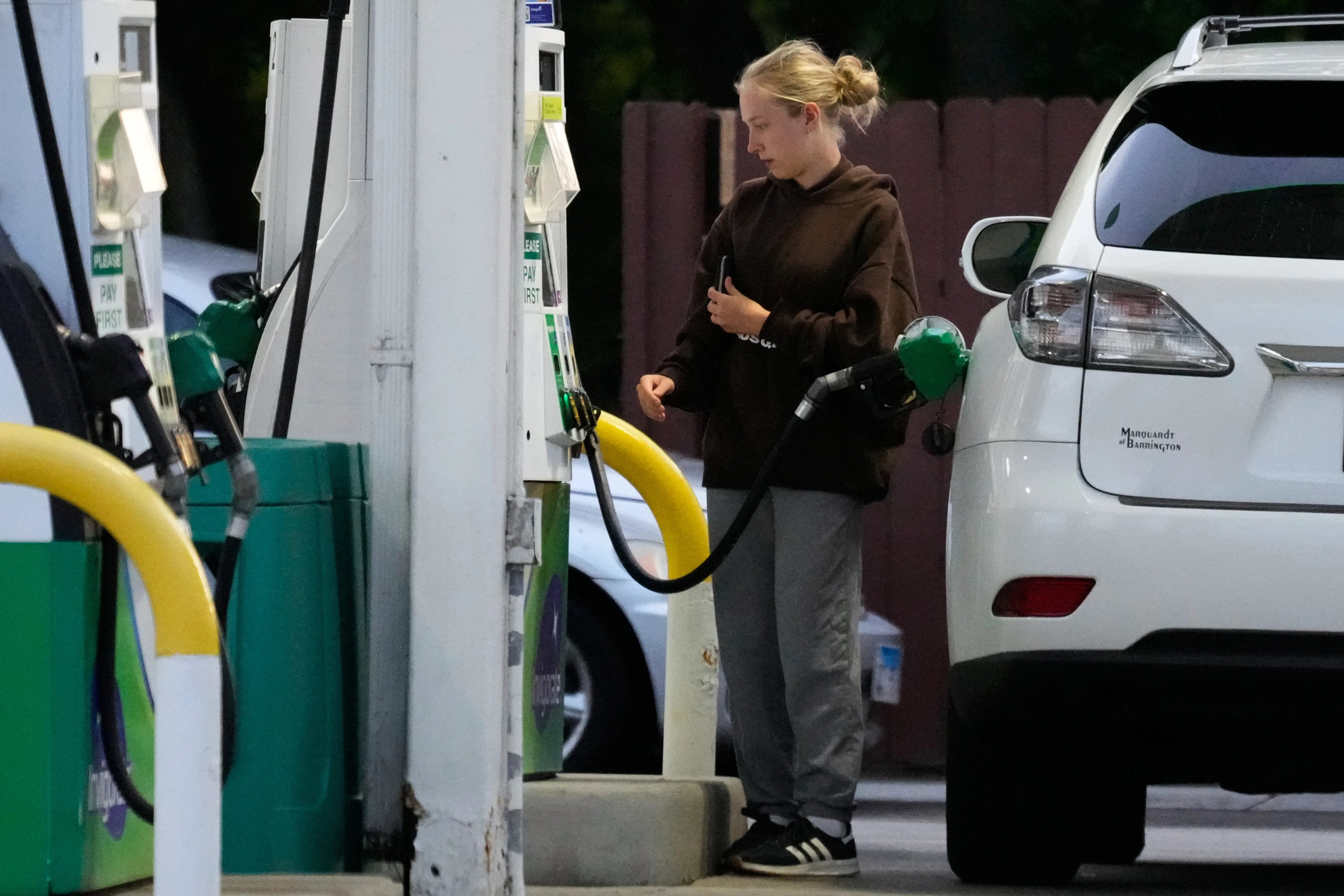
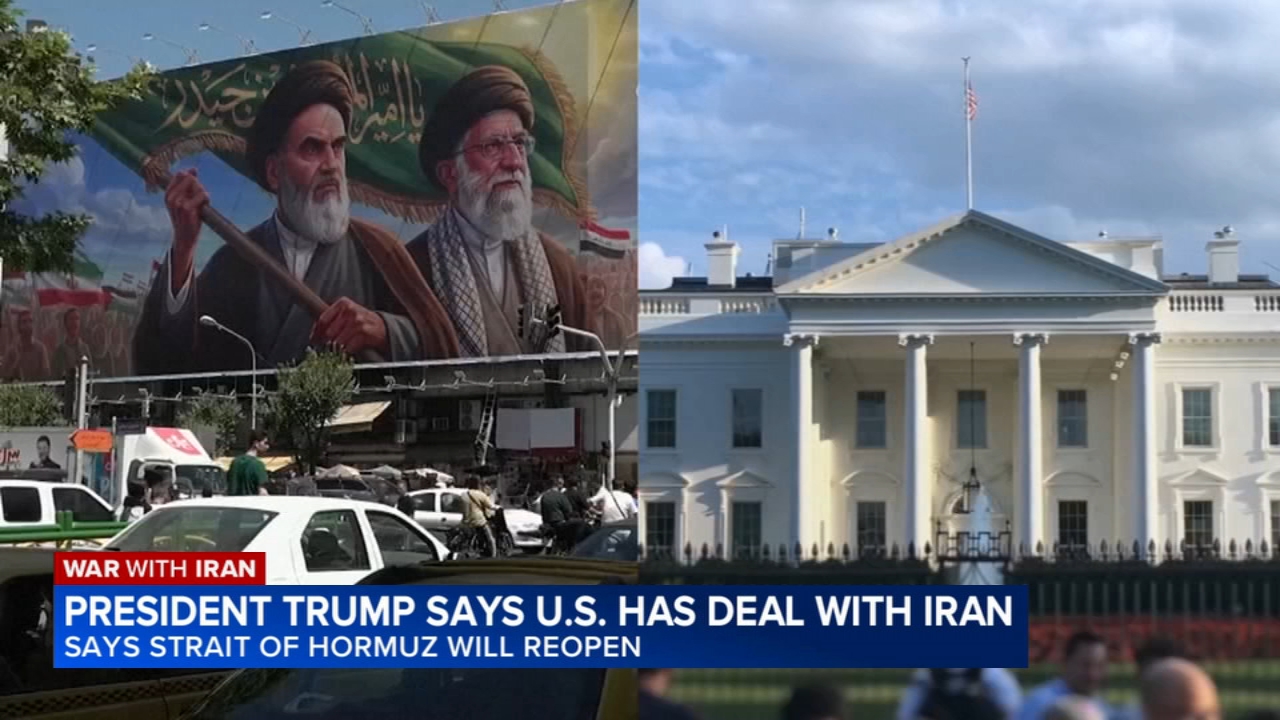
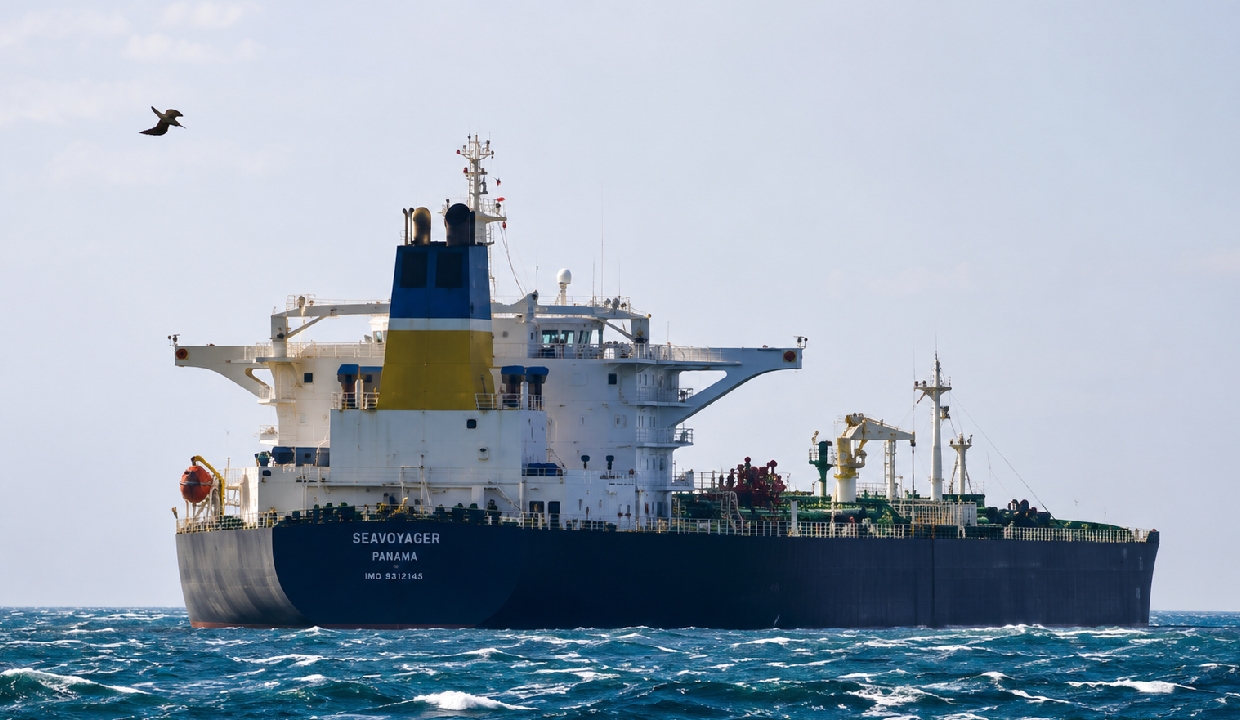
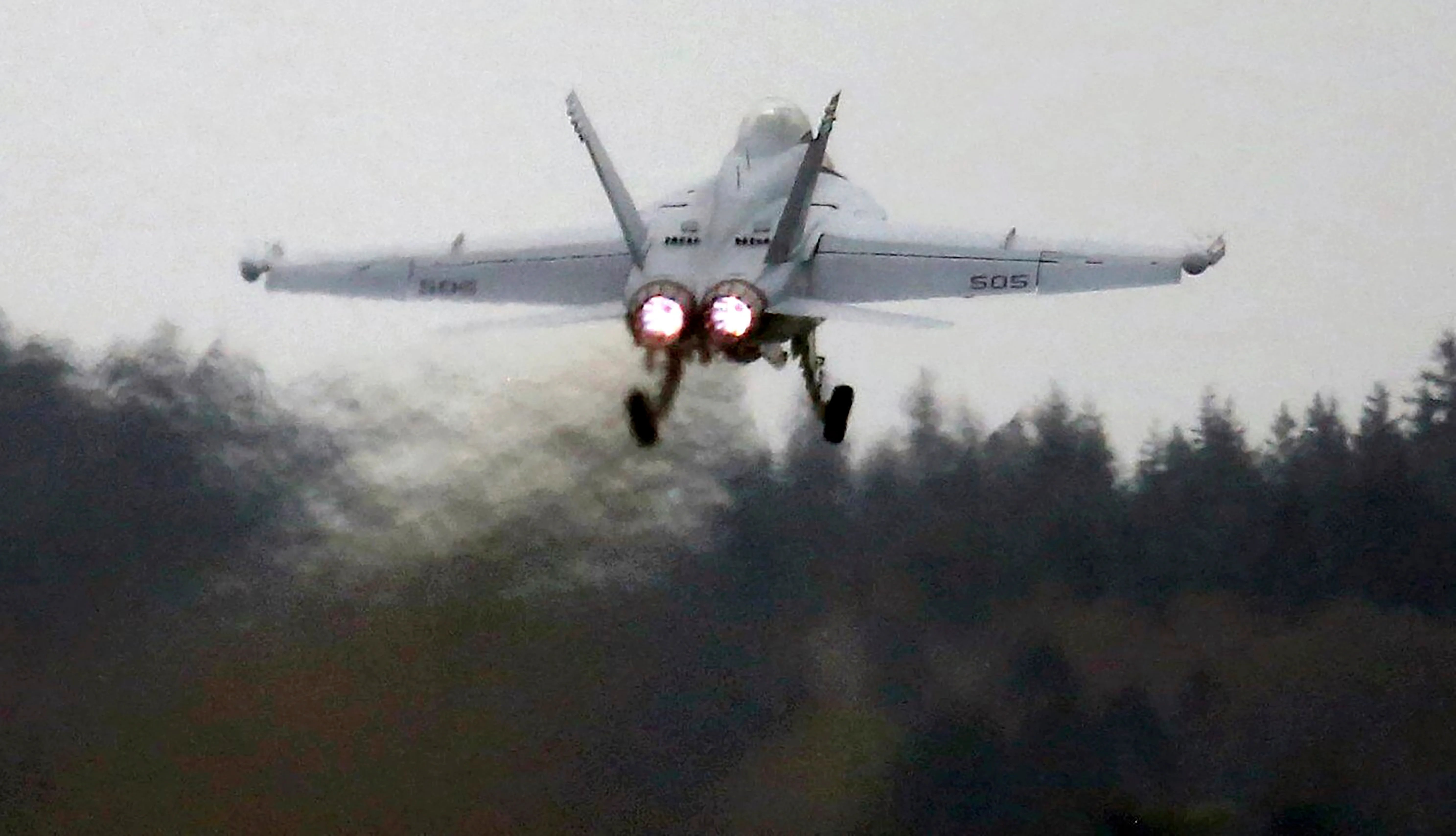
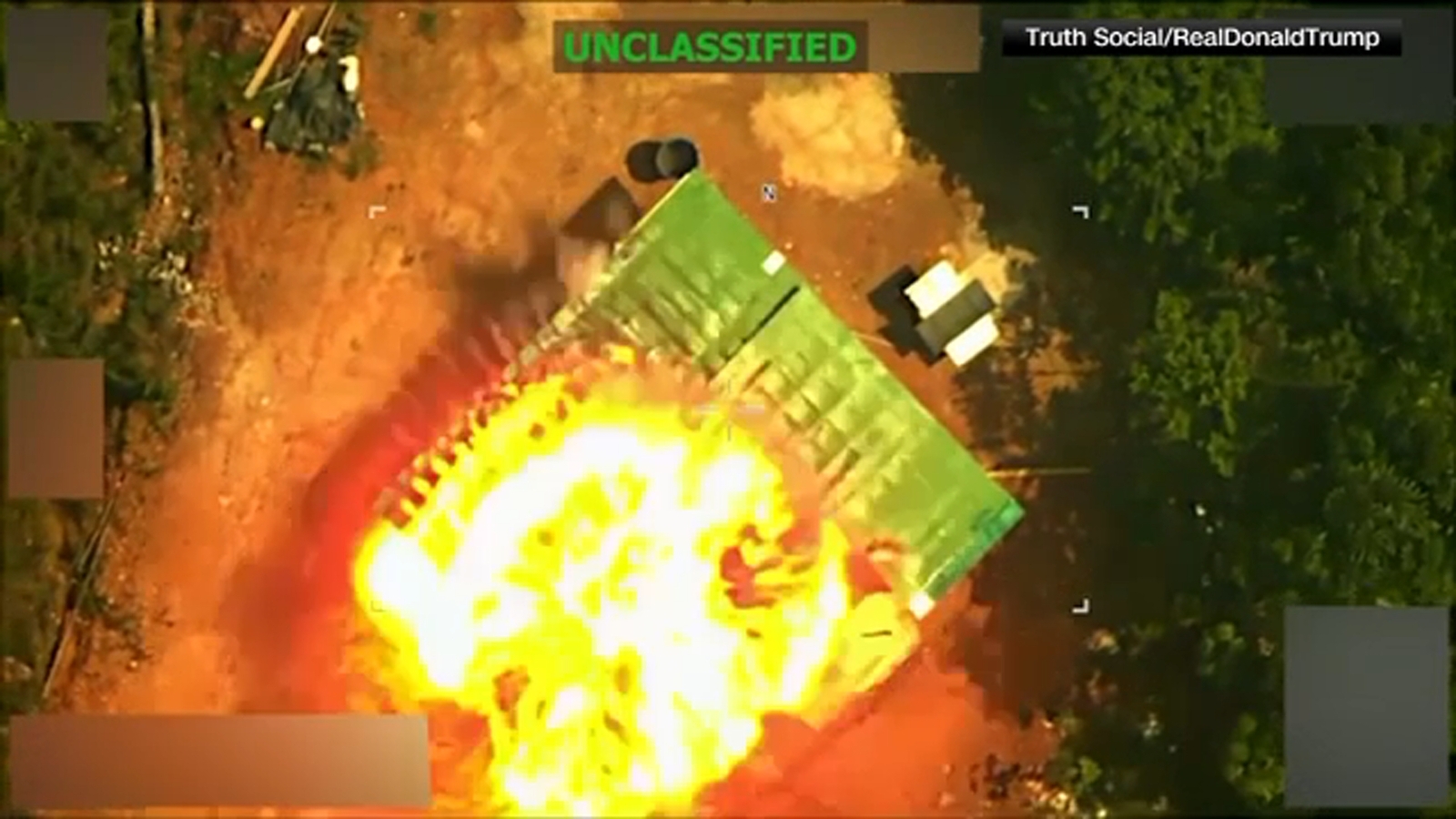
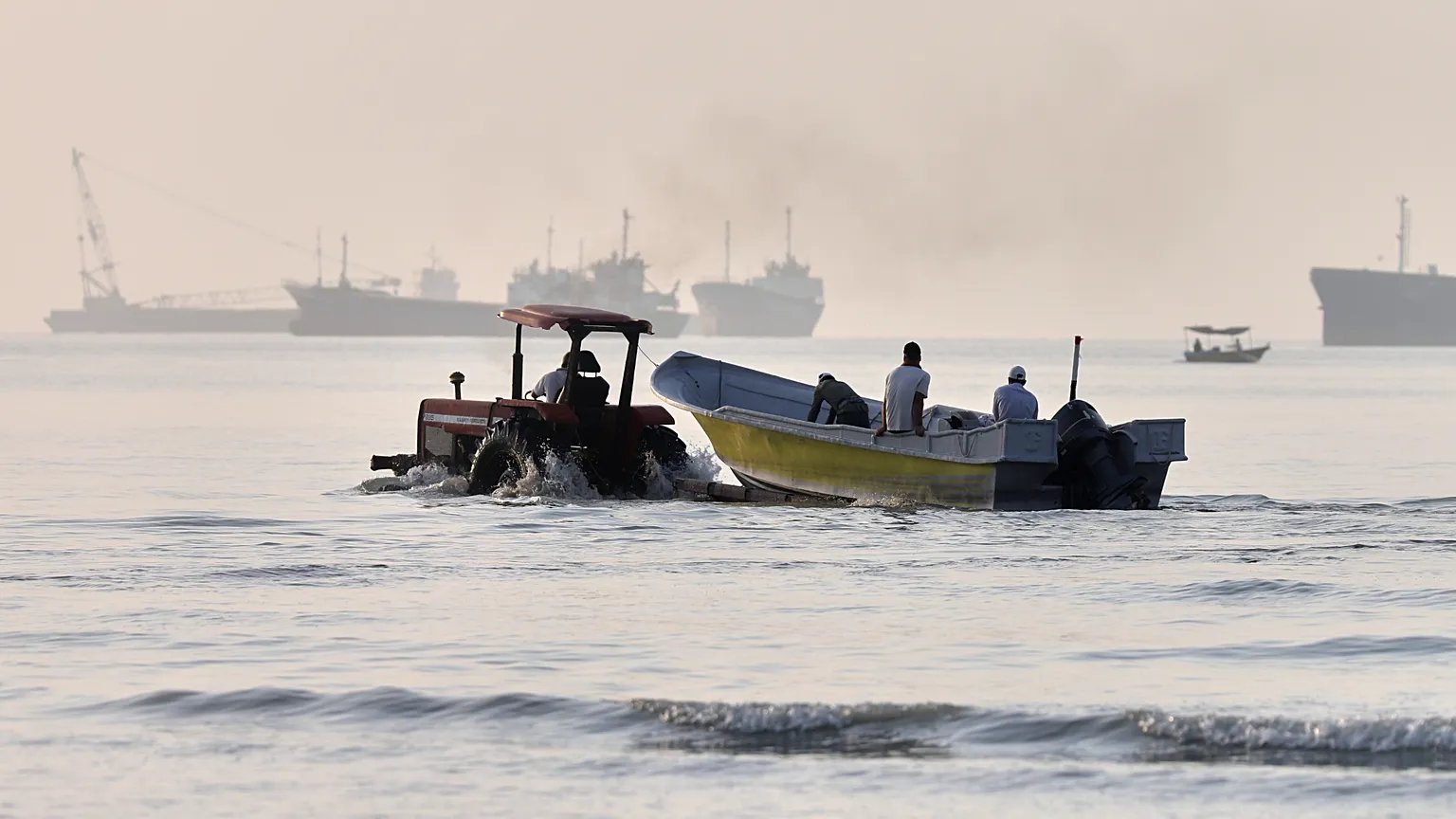
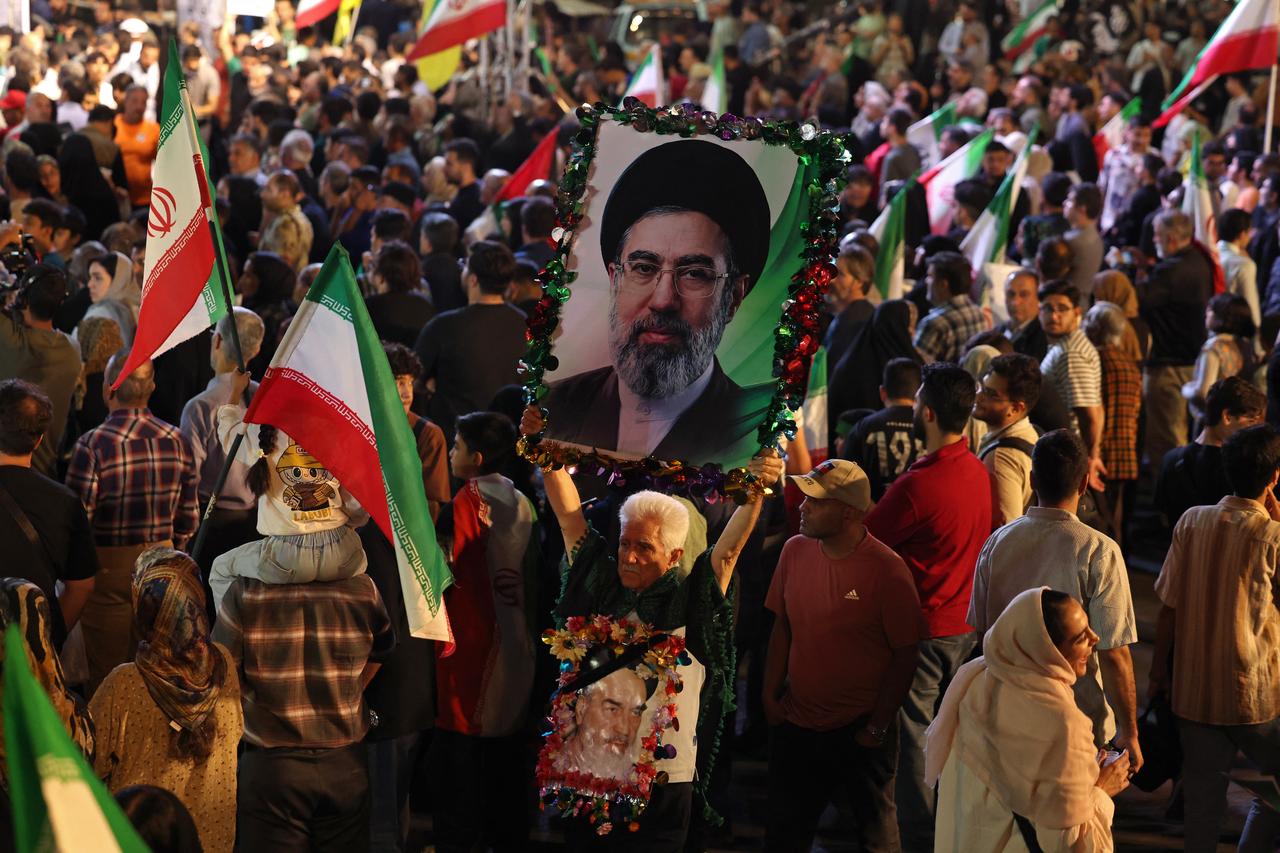
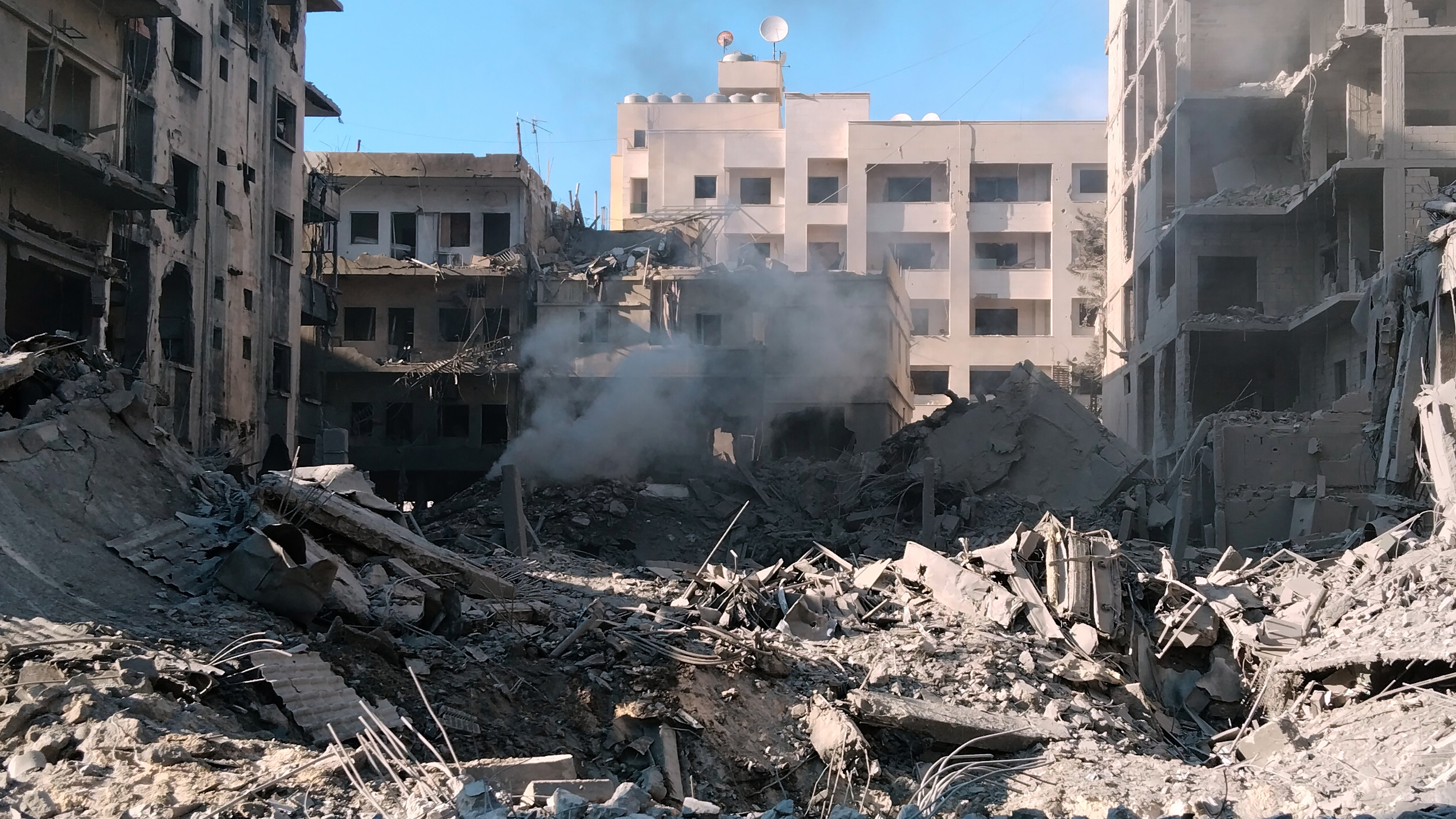
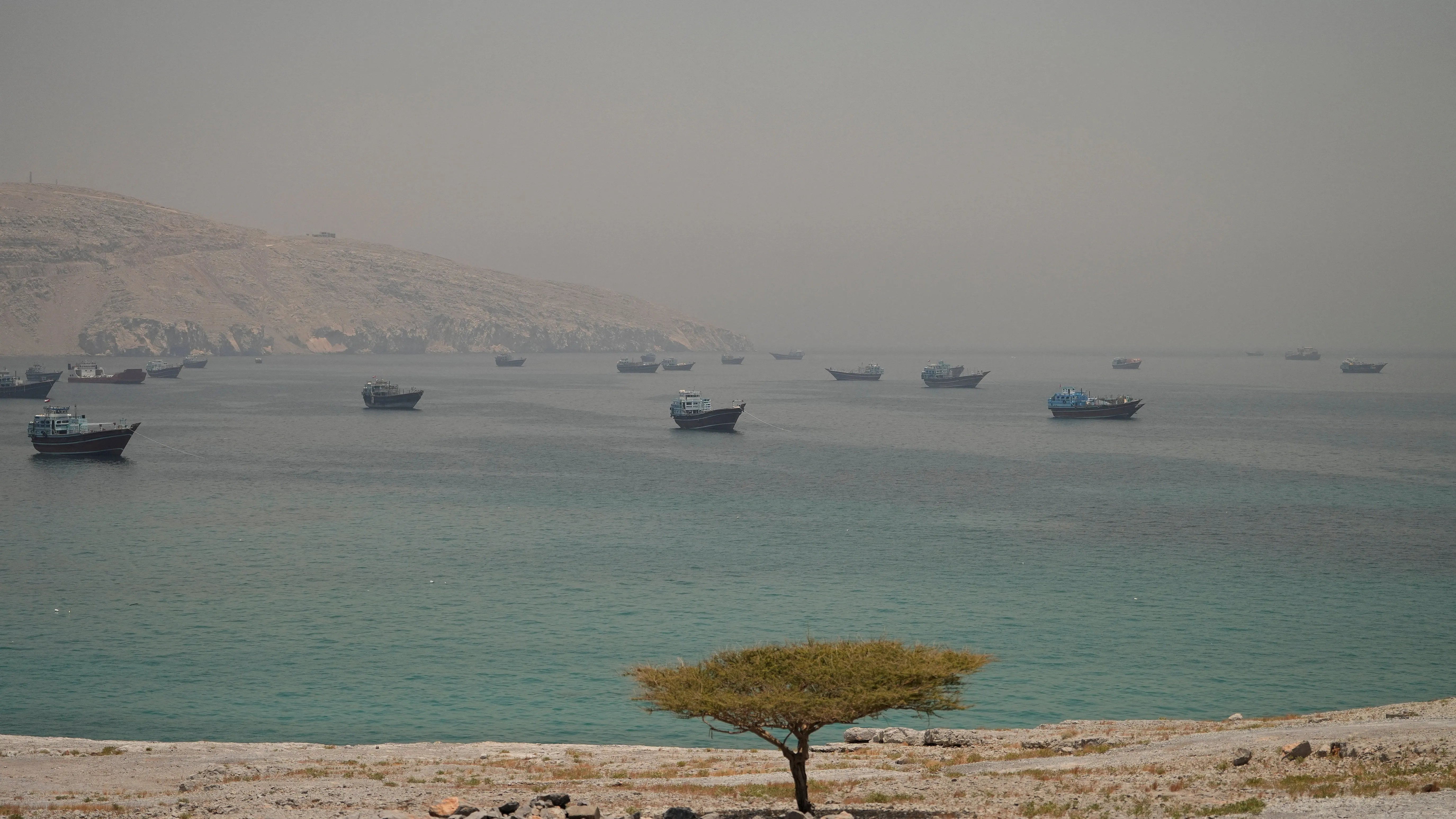
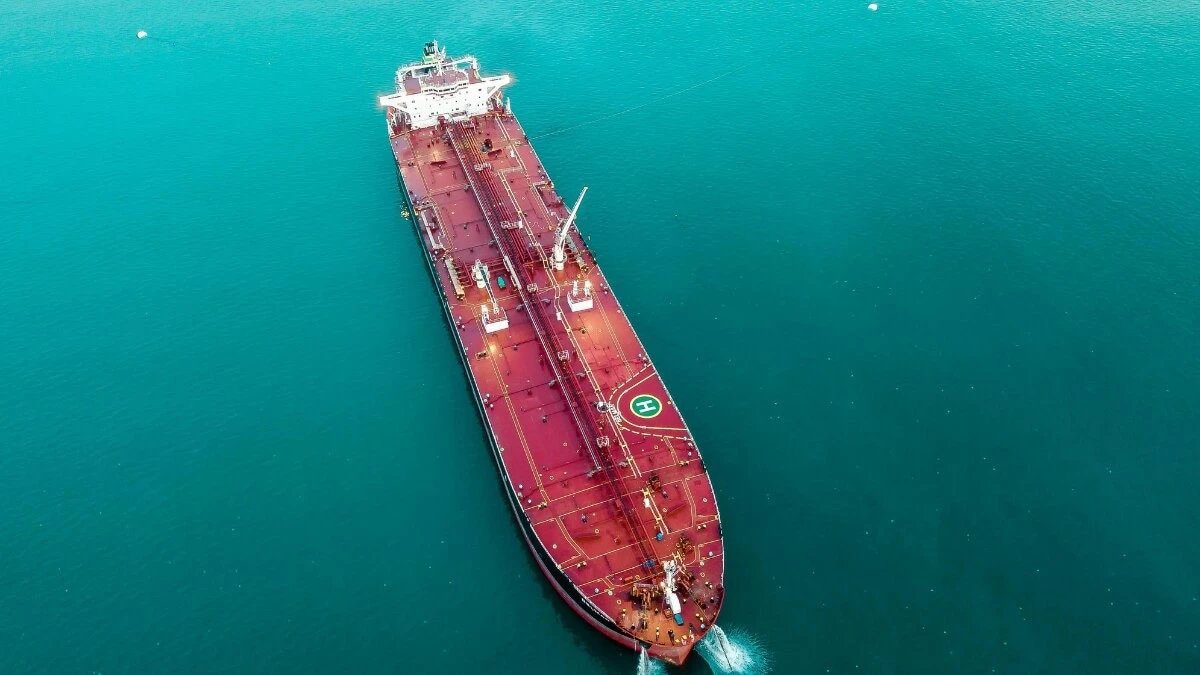
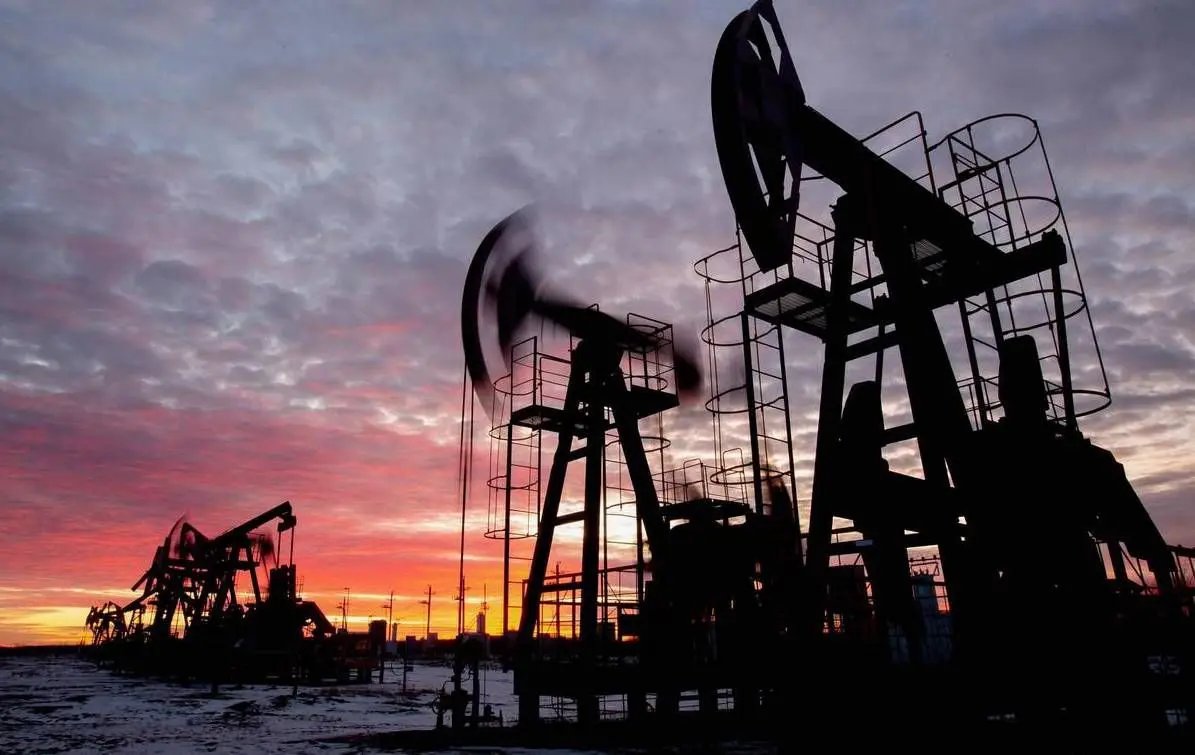
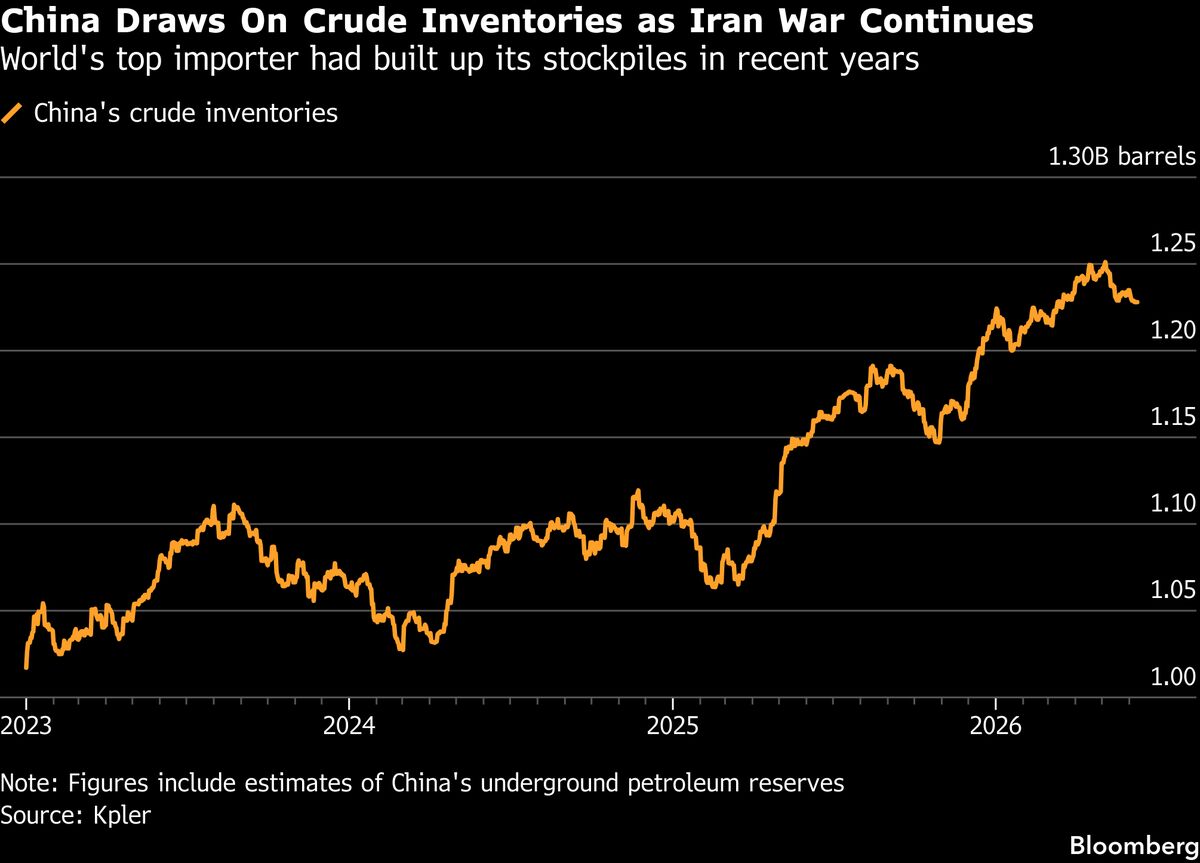
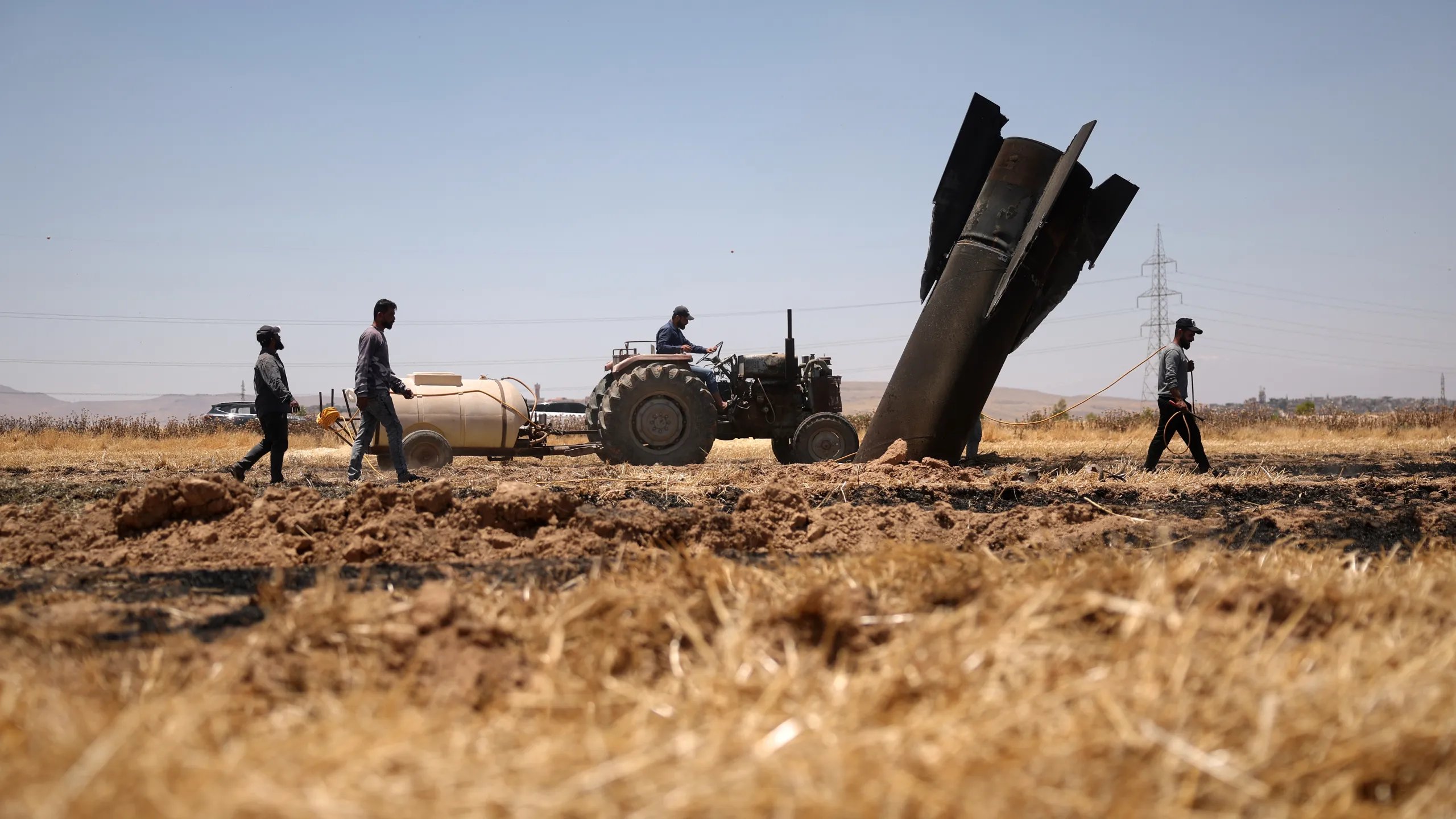
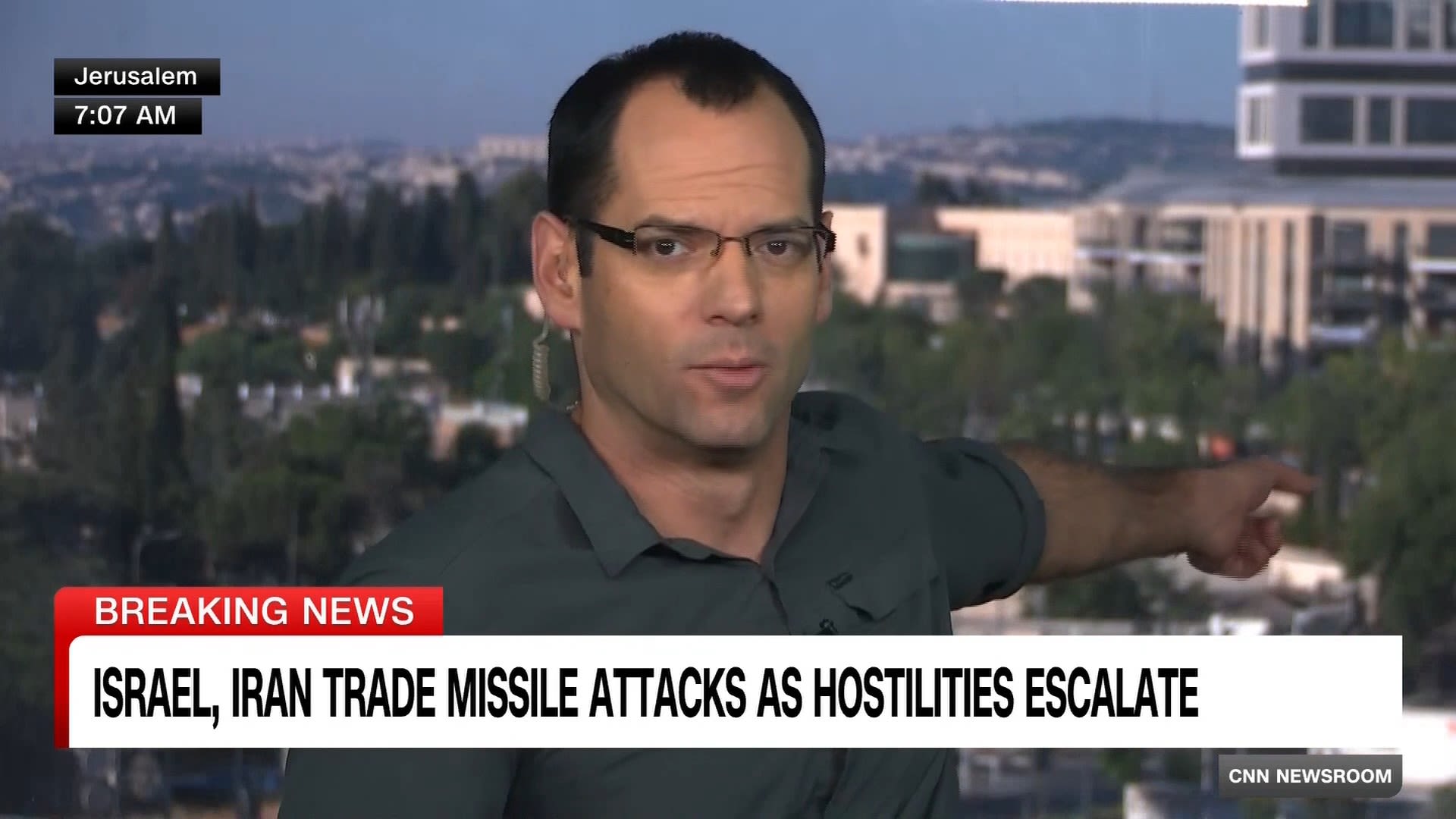
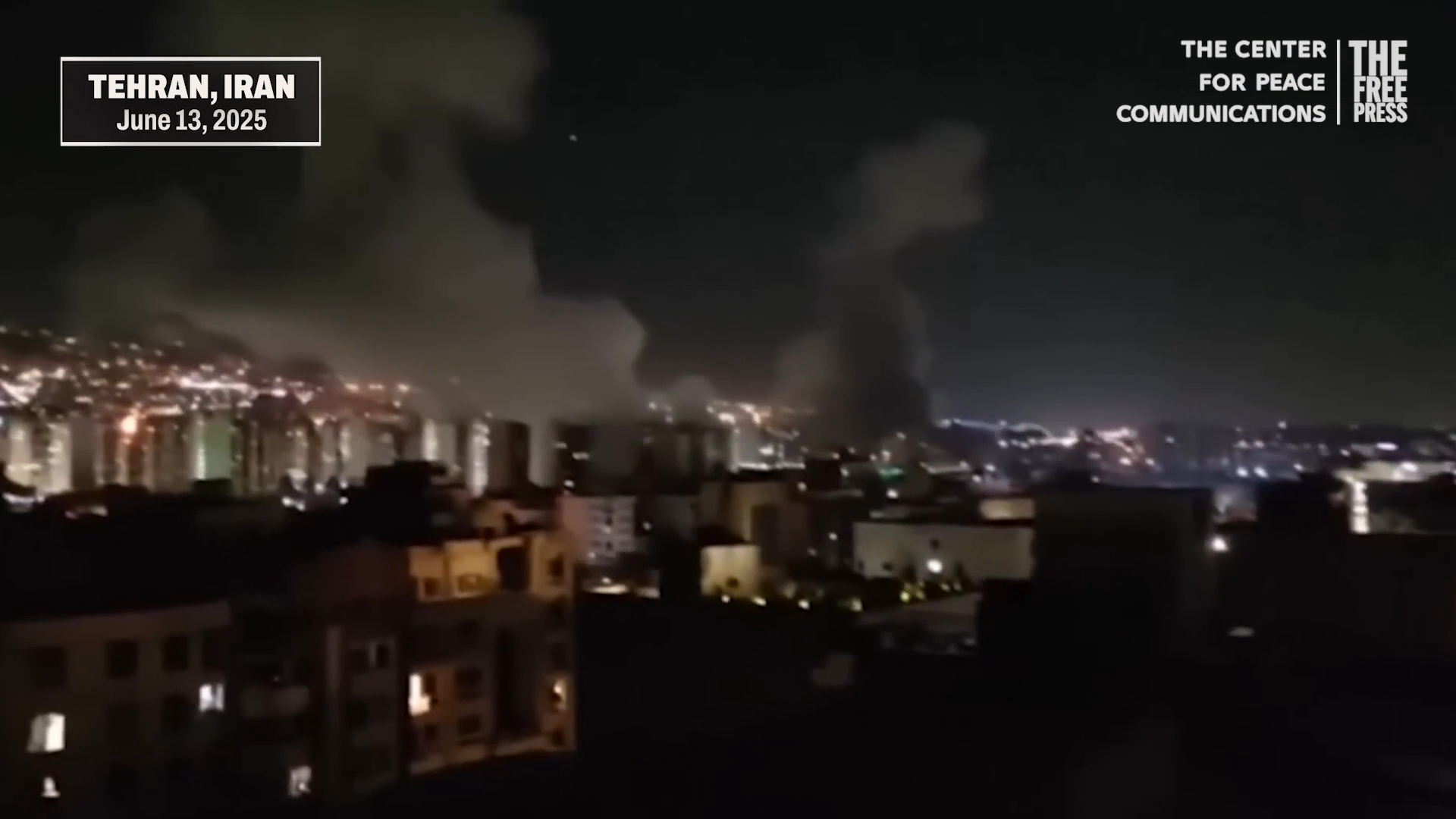
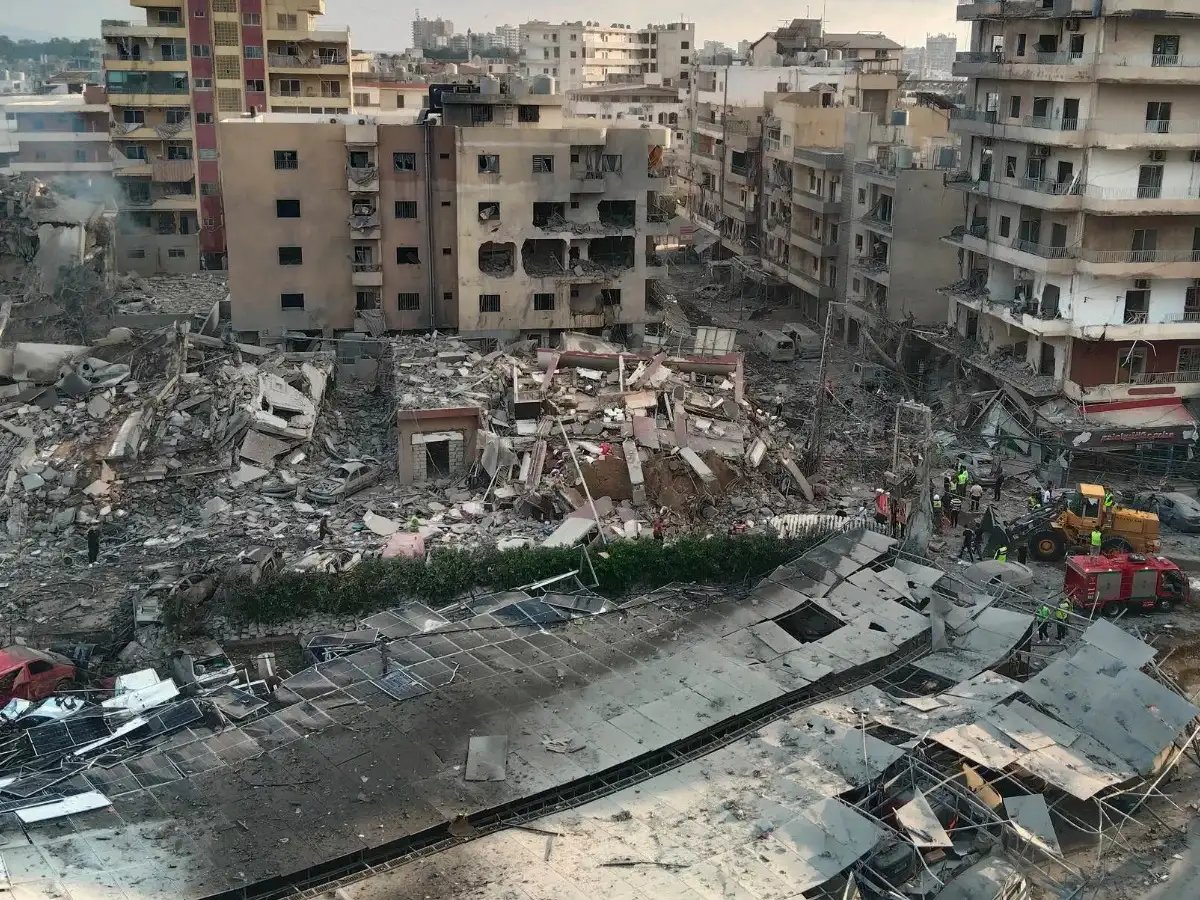
Iran closed the Strait of Hormuz in response to the hostilities launched by the US and Israel, according to the World Bank report. This has placed significant stress on global energy and supply chains. Brent crude prices are forecasted to average $94 a barrel this year, 36 percent above last year's average. Fertilizer prices are also projected to increase significantly, impacting food prices and pushing global inflation to 4 percent this year, compared to 3.3 percent last year.
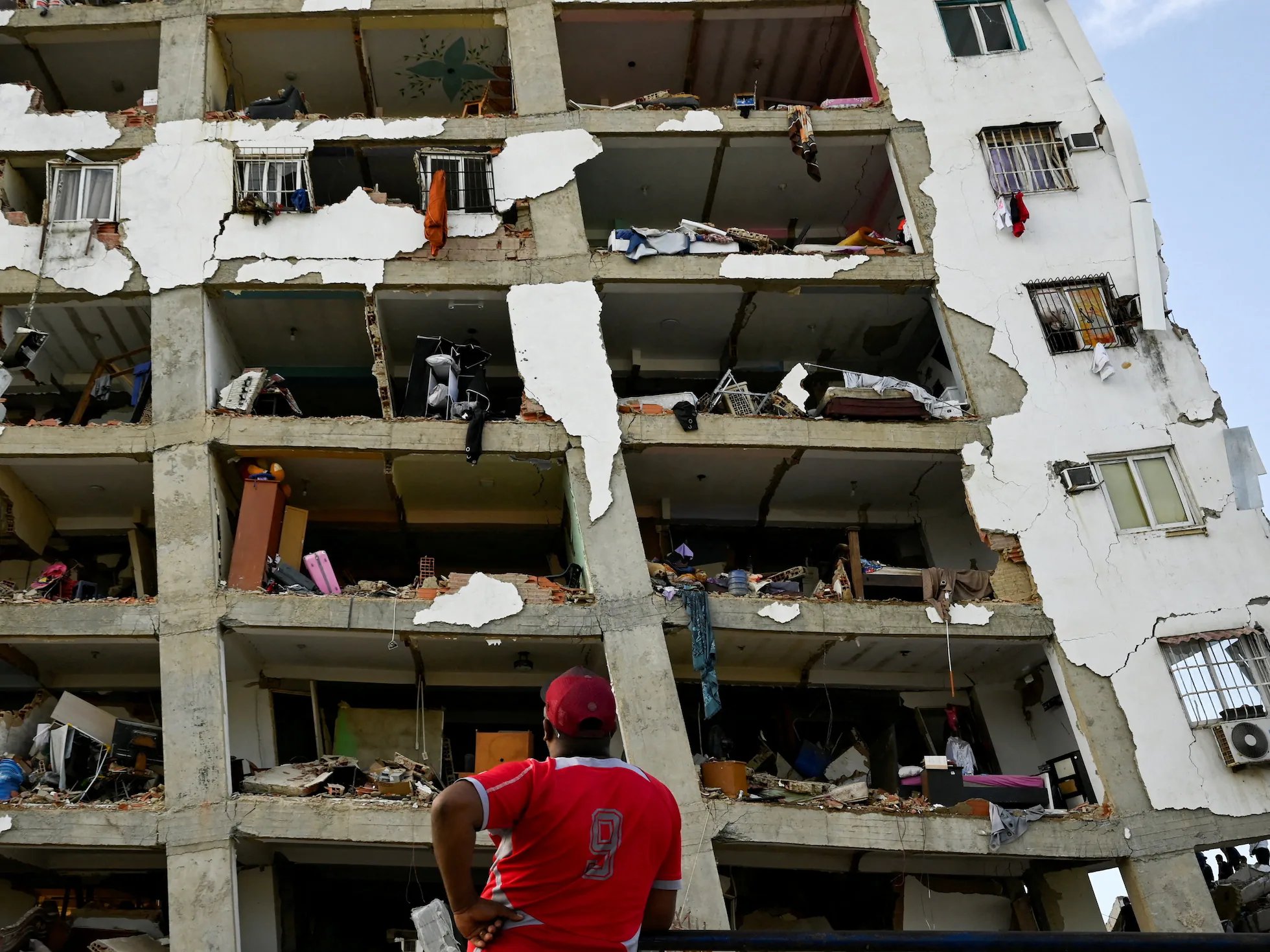
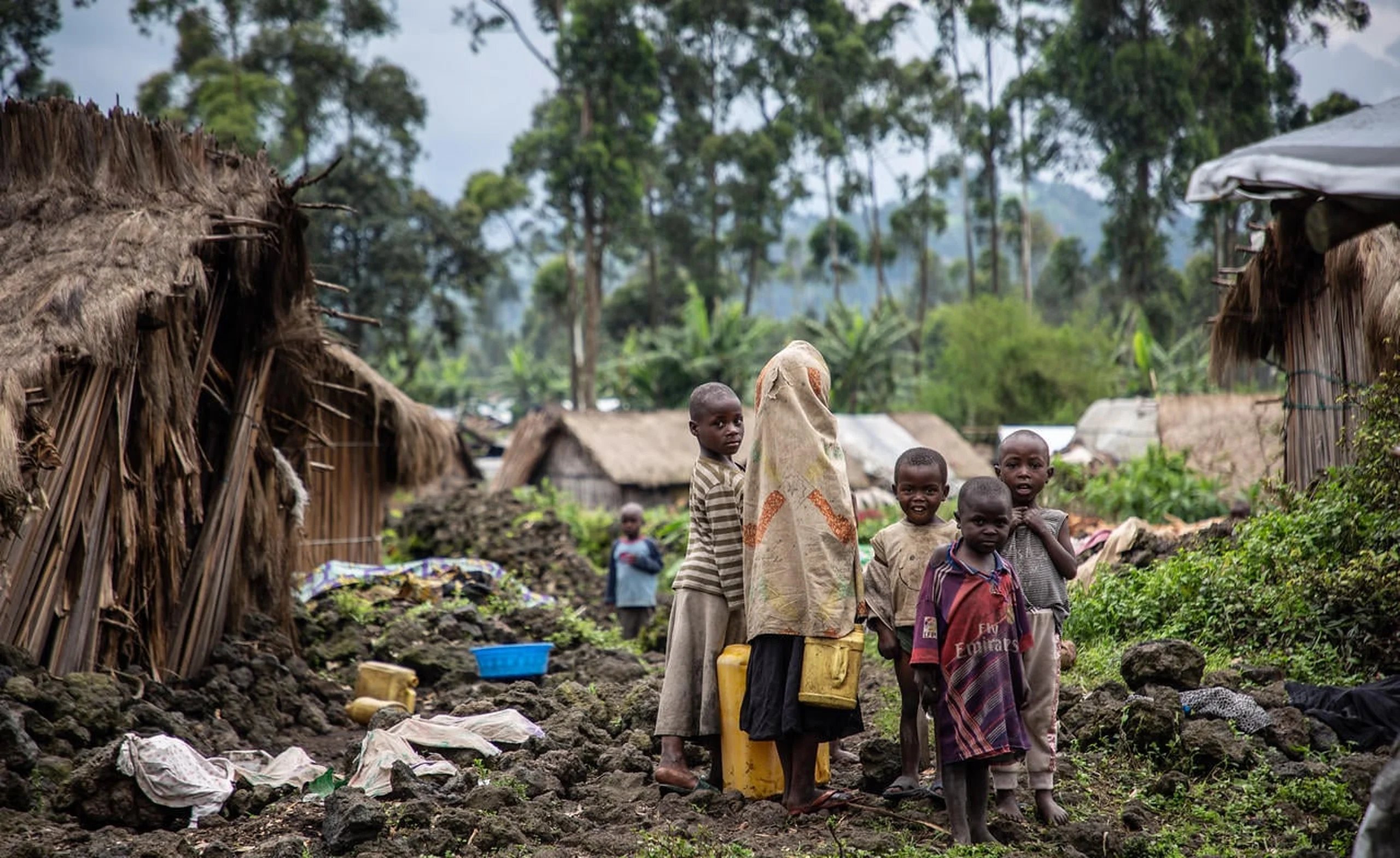
The World Bank report highlights the potential impact on developing countries, which are often on the front line of such economic disruptions. The institution has downgraded its growth forecasts for two-thirds of countries since January. Developing countries, excluding China and India, have made little progress towards narrowing their per capita income gap with wealthy nations over the past decade.
India is projected to remain the world's fastest-growing major economy, with a 6.6 percent growth rate in fiscal year 2026-27, even as global growth slows. However, higher energy costs may moderate India's growth, and fiscal deficits are expected to widen across South Asia.
The World Bank has pledged to assist any developing country experiencing the economic fallout from the Middle East conflict, setting aside up to $60 billion for support. If the conflict persists, the organization can increase its support to $100 billion.
The World Bank has revised its global growth forecast for 2026 down to 2.5 percent, from the 2.9 percent predicted earlier this year, due to the ongoing conflict between the US and Iran, surging energy prices, and rising inflation. The latest Global Economic Prospects report warns that the outlook could deteriorate further if energy supply disruptions continue, with global growth potentially plummeting to as low as 1.3 percent this year.
The closure of the Strait of Hormuz by Iran in response to US and Israeli hostilities has placed significant stress on global energy and supply chains. Brent crude prices are forecasted to average $94 a barrel this year, 36 percent above last year's average. Fertilizer prices are also projected to increase significantly, impacting food prices and pushing global inflation to 4 percent in 2026, compared to 3.3 percent last year.
The World Bank report highlights the potential impact on developing countries, which are often on the front line of such economic disruptions. The institution has downgraded its growth forecasts for two-thirds of countries since January. Developing countries, excluding China and India, have made little progress towards narrowing their per capita income gap with wealthy nations over the past decade.
Despite the global economic slowdown, India is projected to remain the world's fastest-growing major economy, with a 6.6 percent growth rate in fiscal year 2026-27. However, higher energy costs may moderate India's growth, and fiscal deficits are expected to widen across South Asia.
The World Bank has pledged to assist any developing country experiencing the economic fallout from the Middle East conflict, setting aside up to $60 billion for support. If the conflict persists, the organization can increase its support to $100 billion.
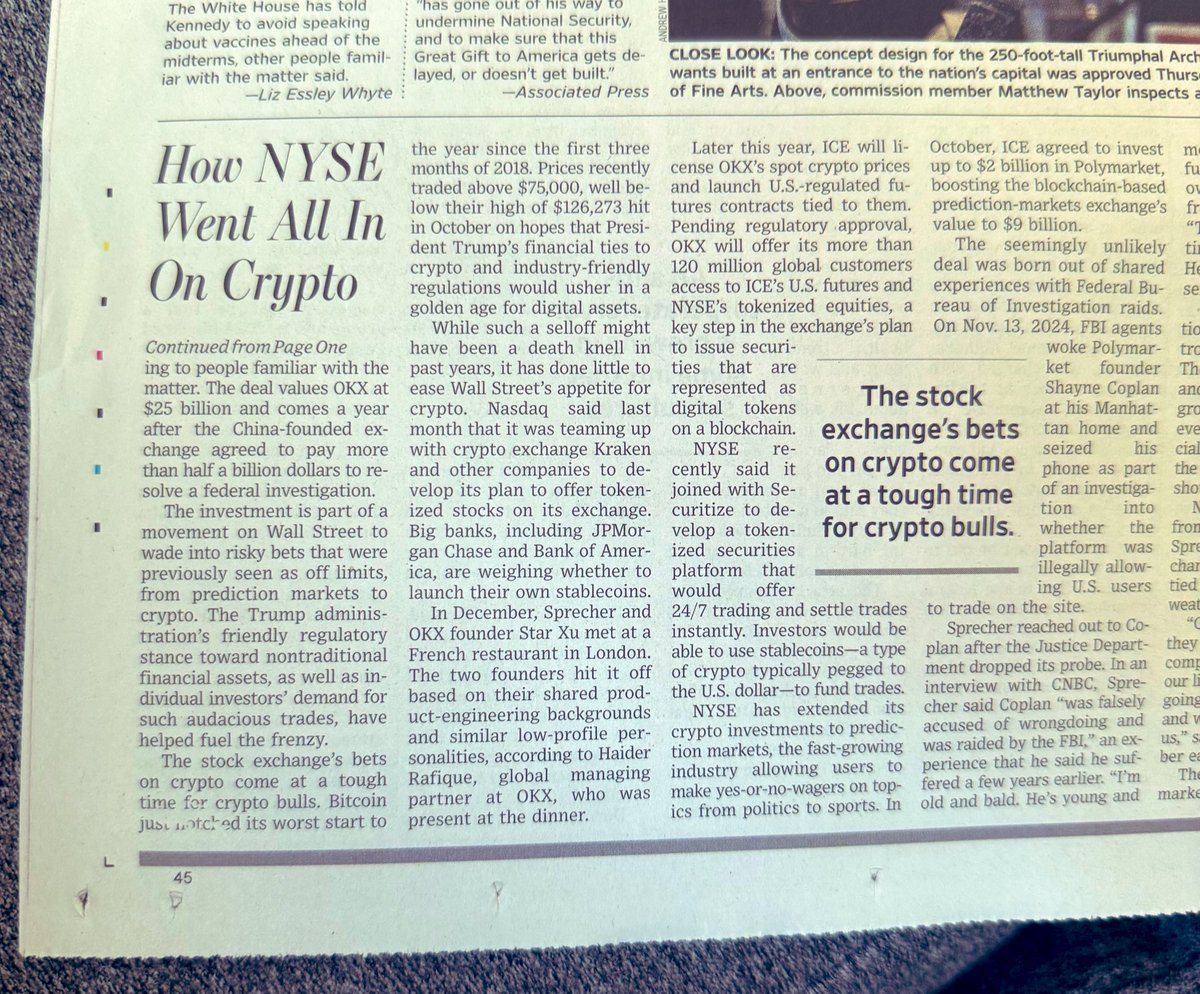
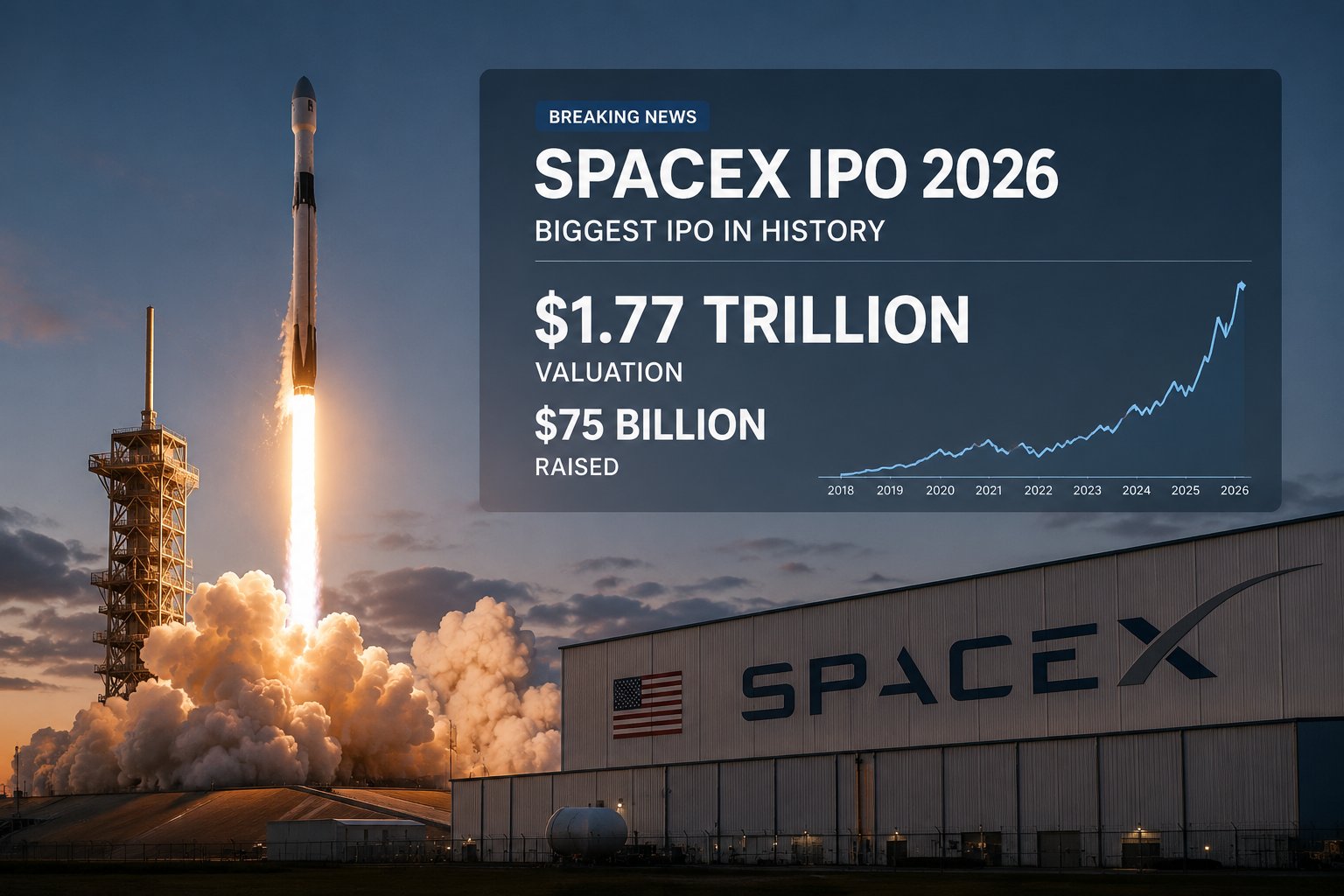
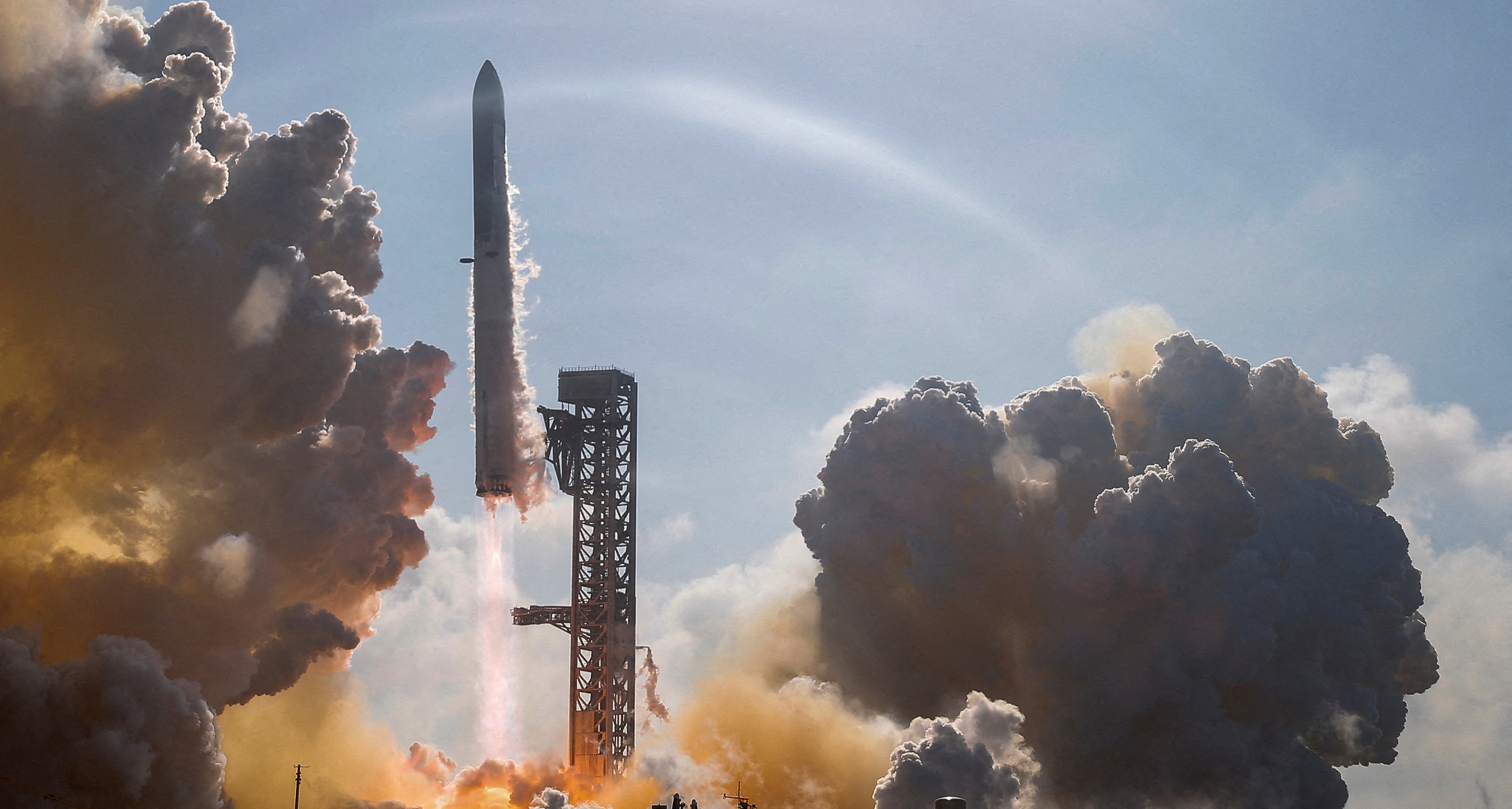
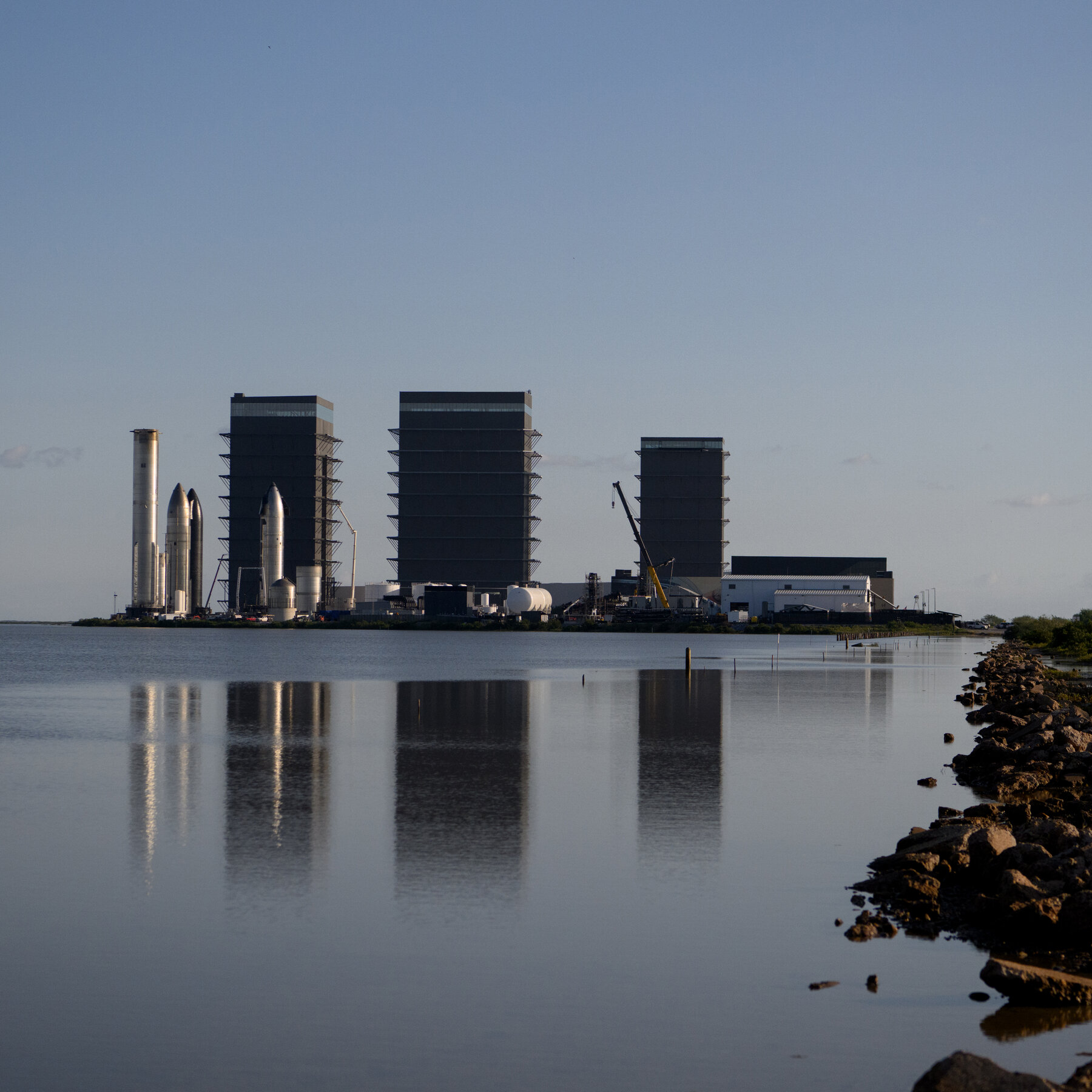
In contrast to the global economic outlook, US bank stocks reached record highs on Thursday, driven by optimism about a potential deal to halt the fighting in Iran and the record IPO of SpaceX. This indicates a divergence between the potential long-term economic consequences of the conflict and short-term market optimism.
Highlighted text was flagged by the council. Tap to see feedback.