




The Incident and Rescue
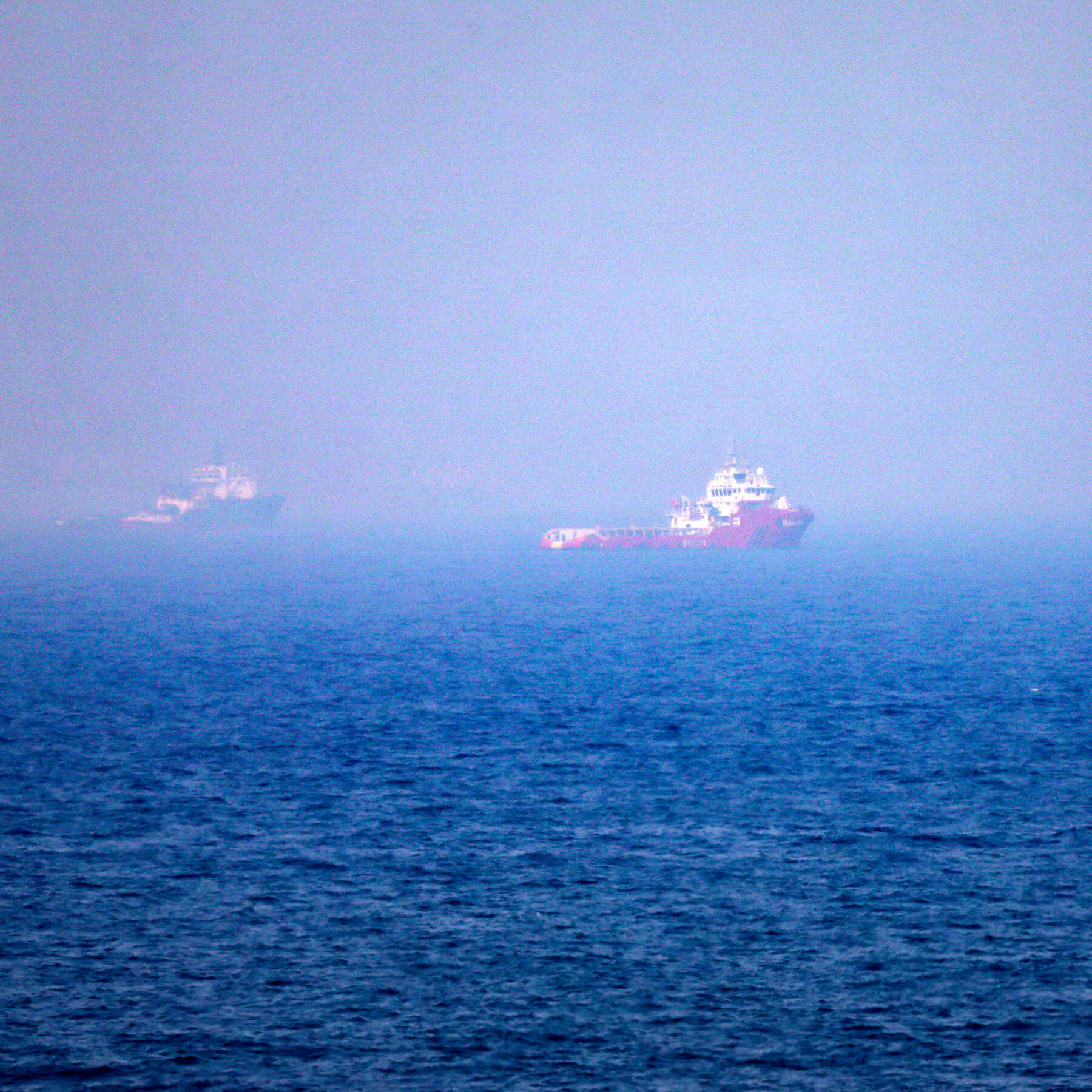
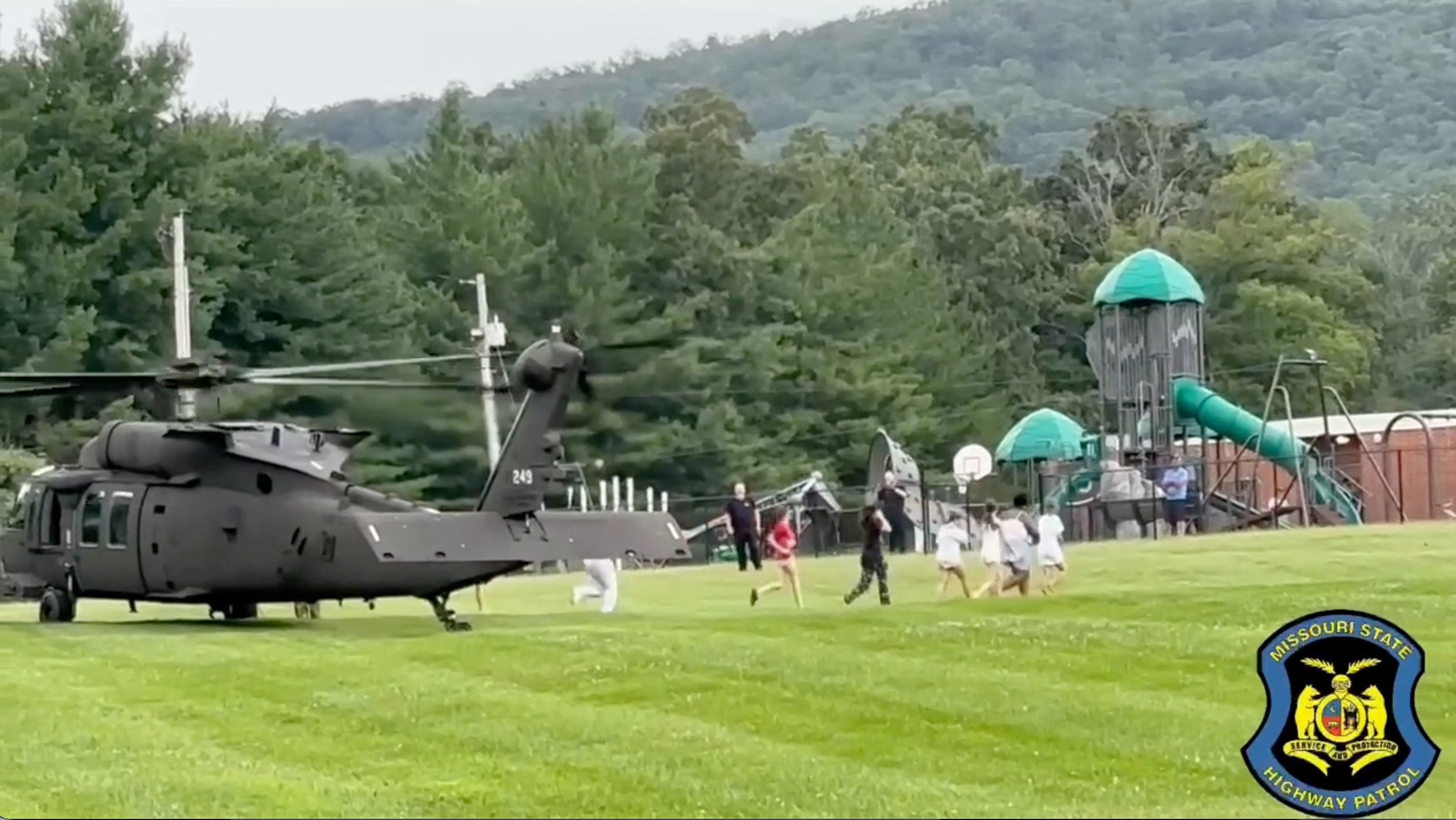
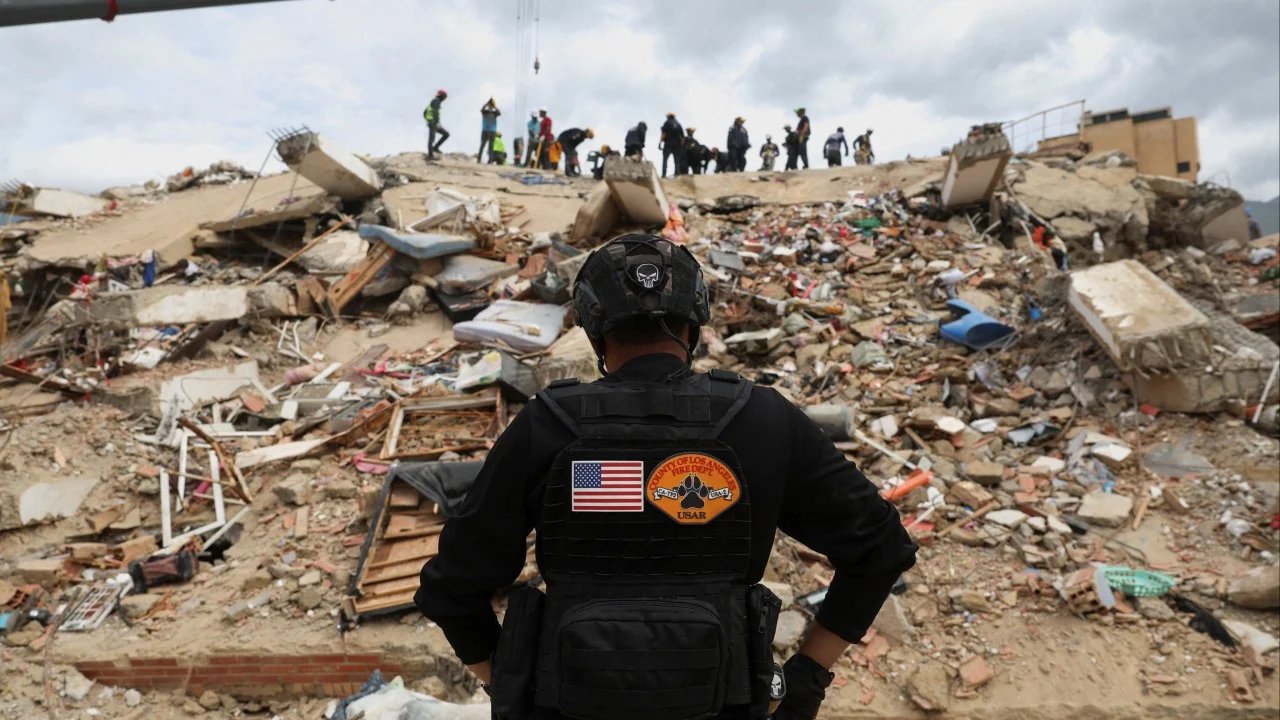
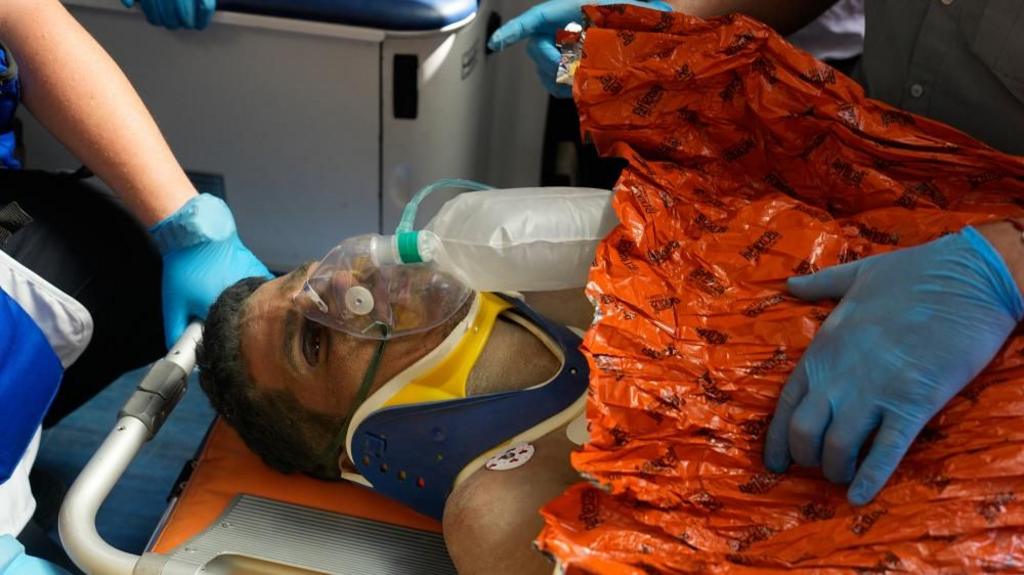
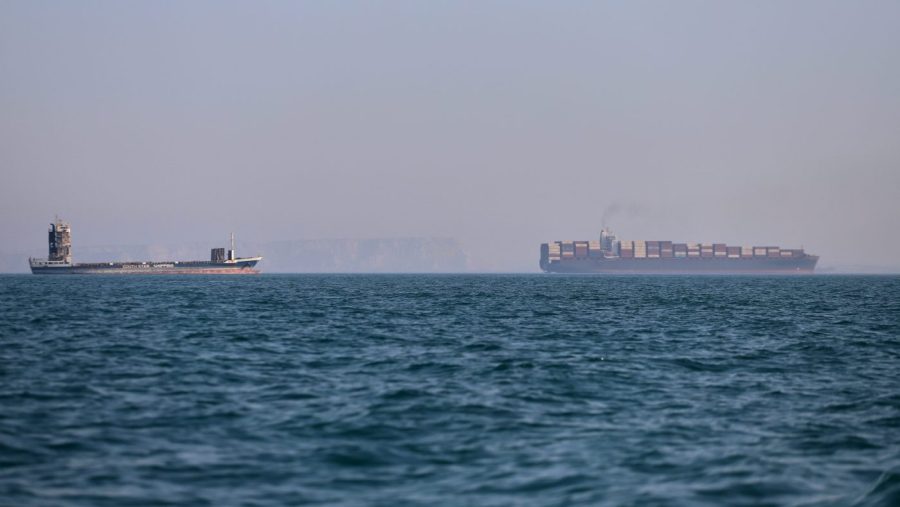
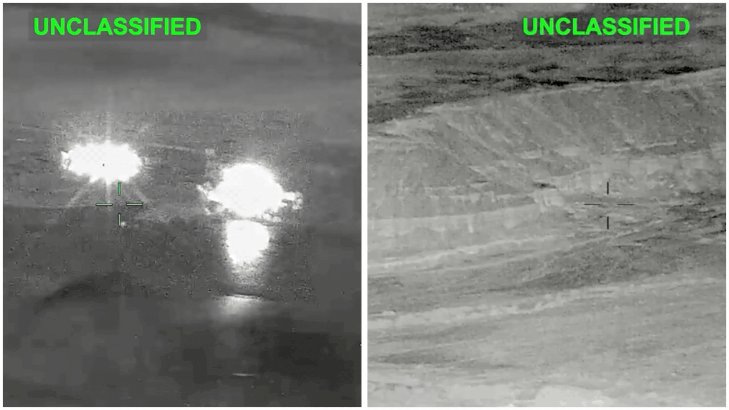
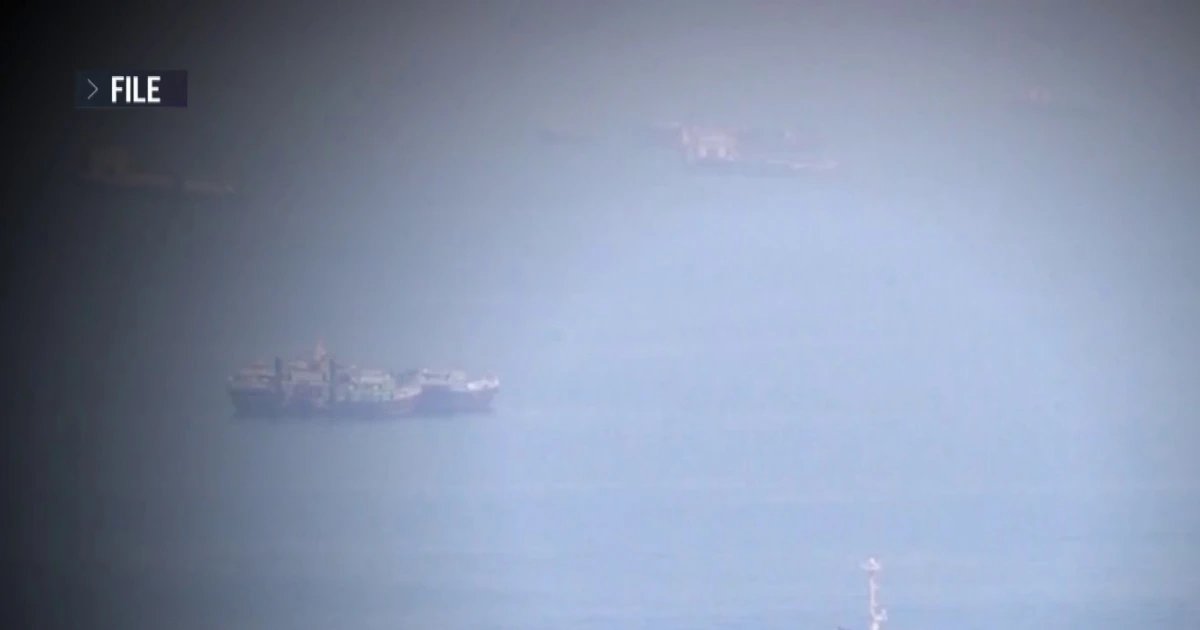
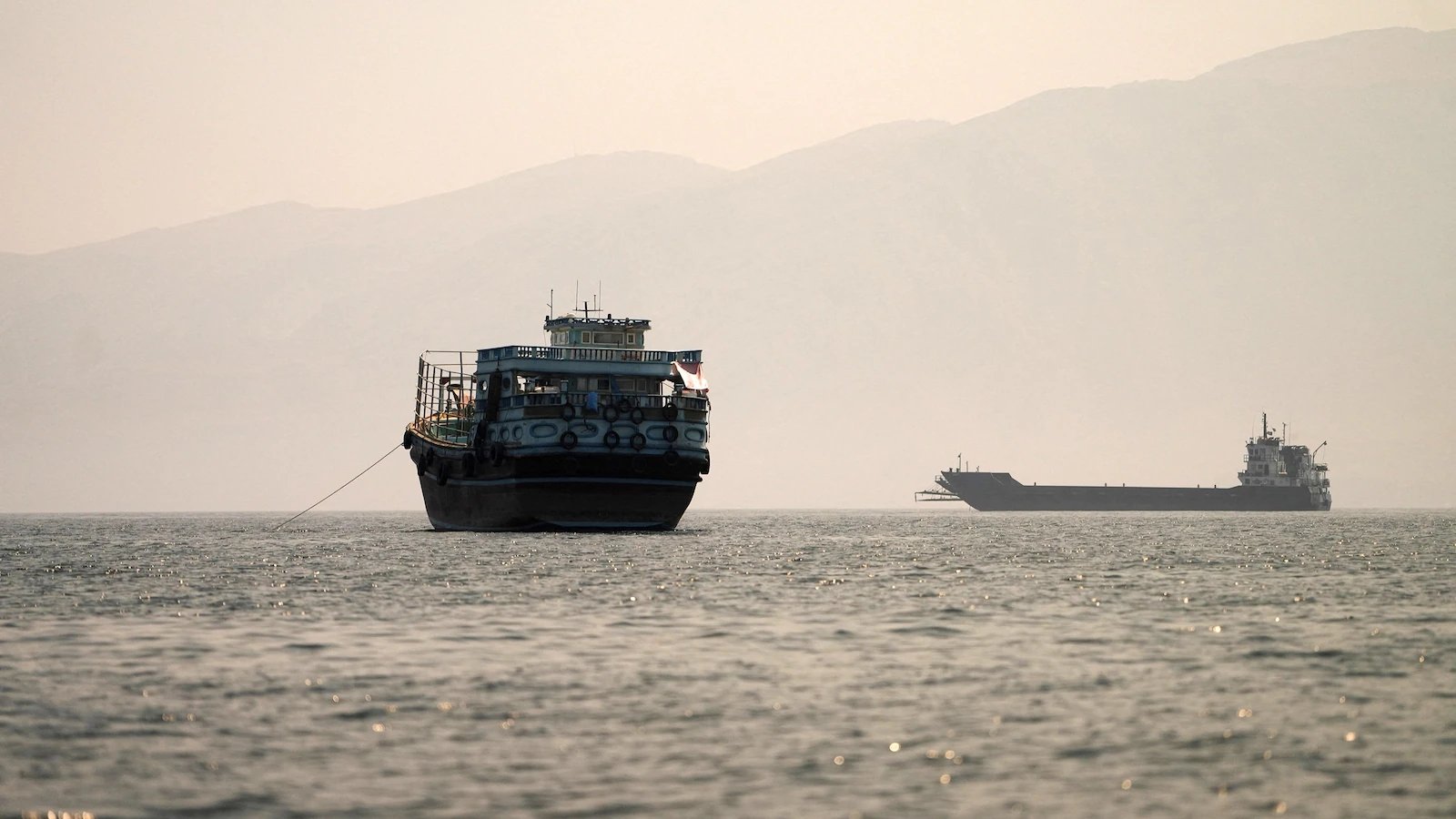
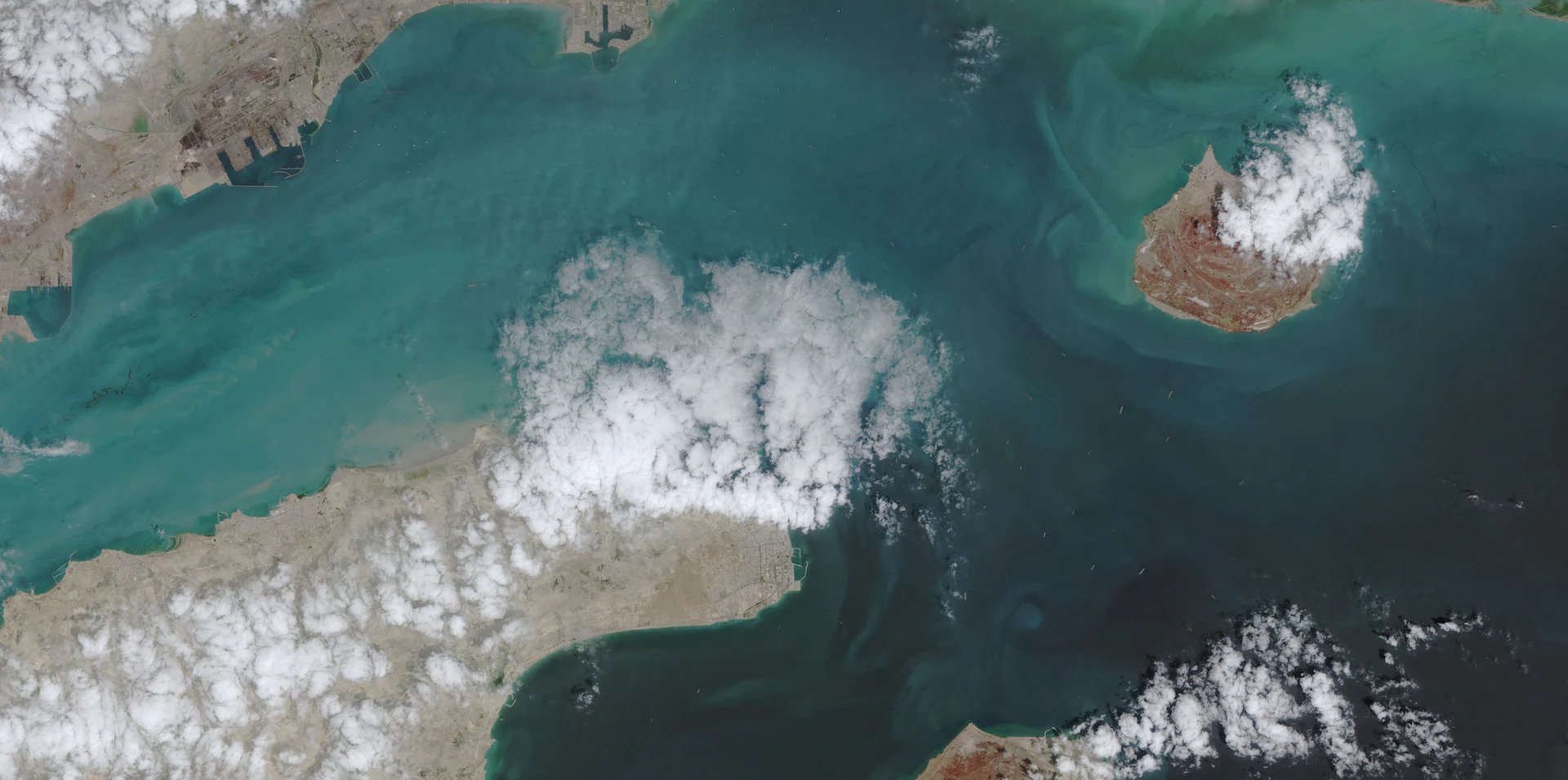
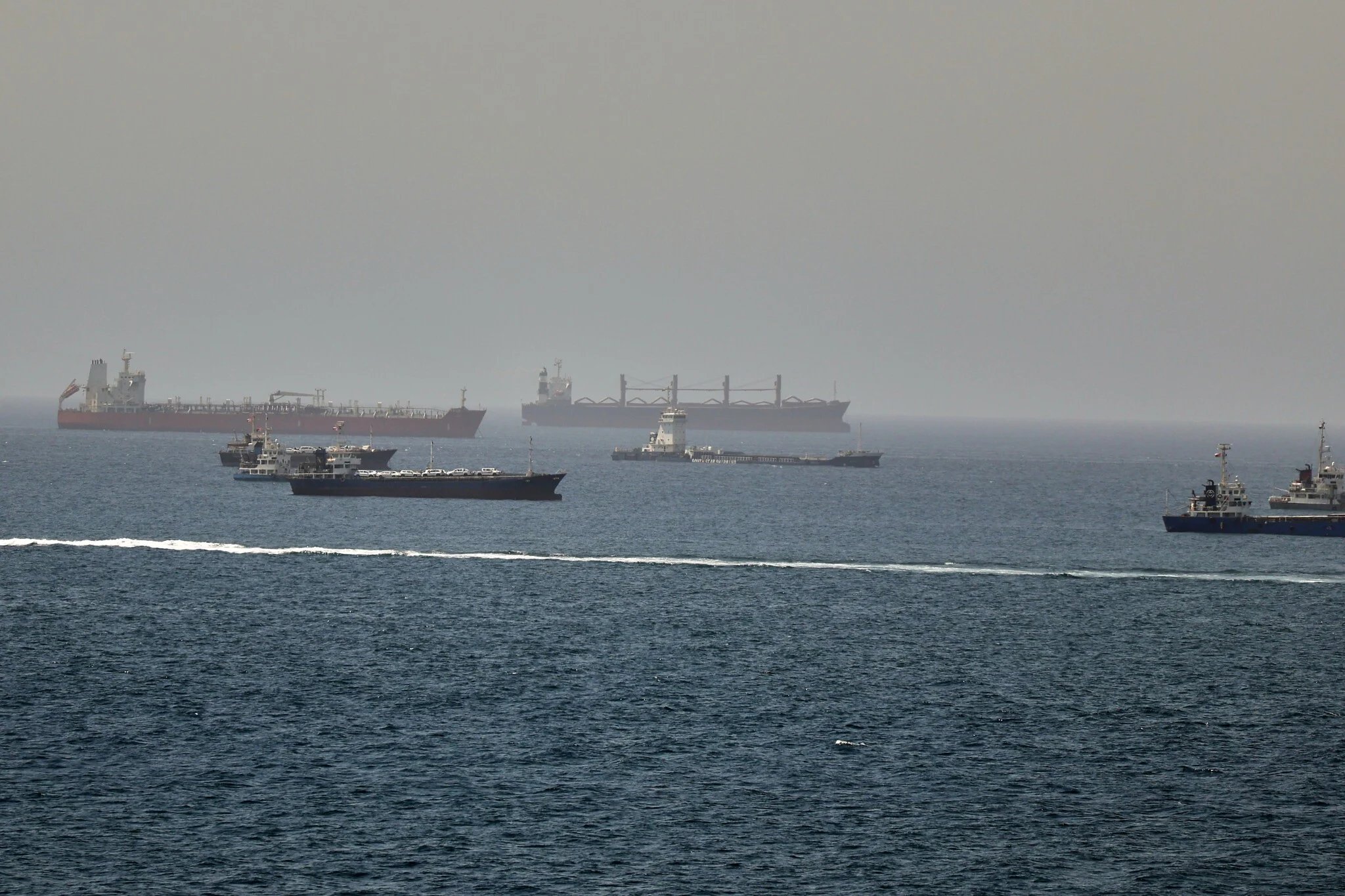
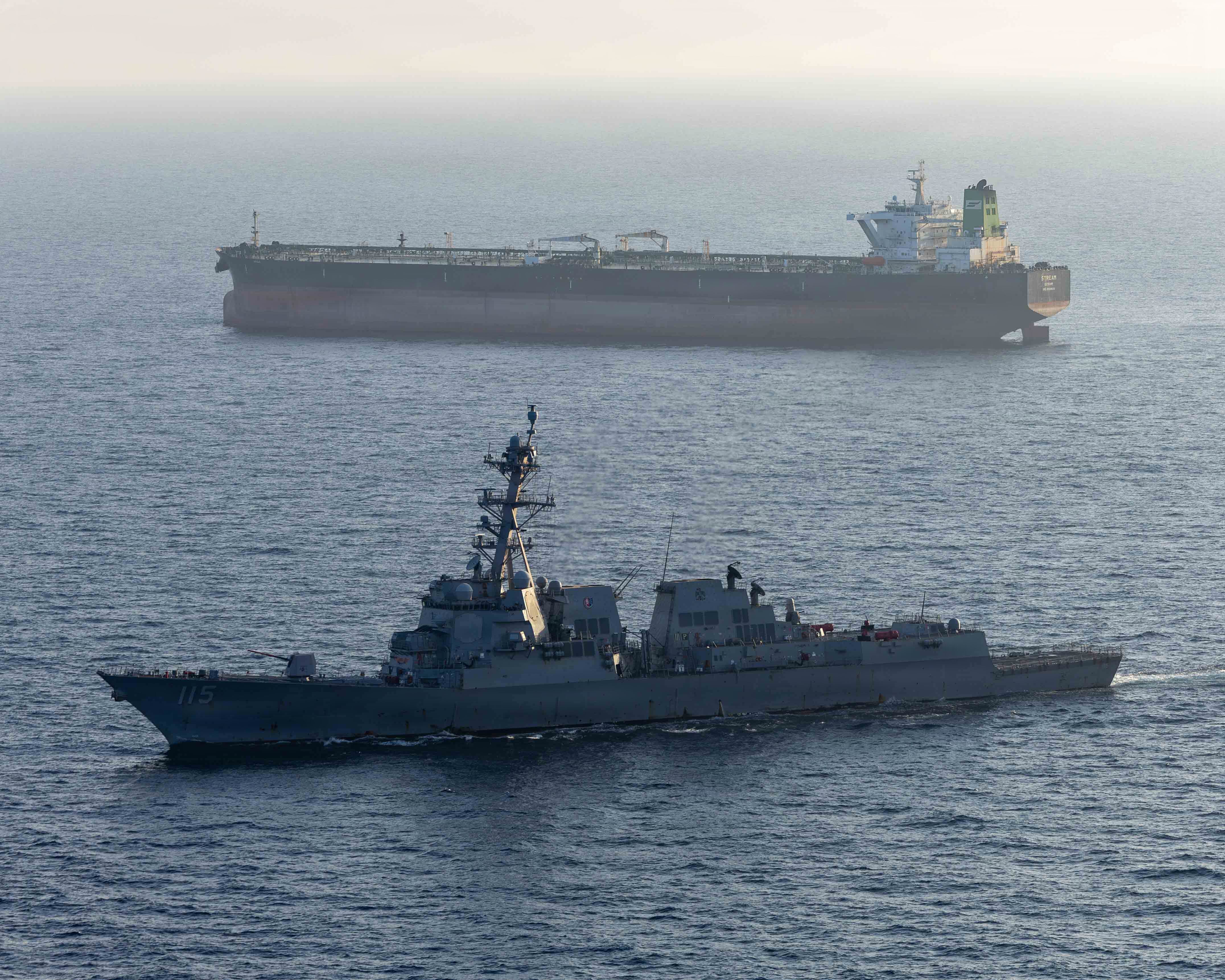
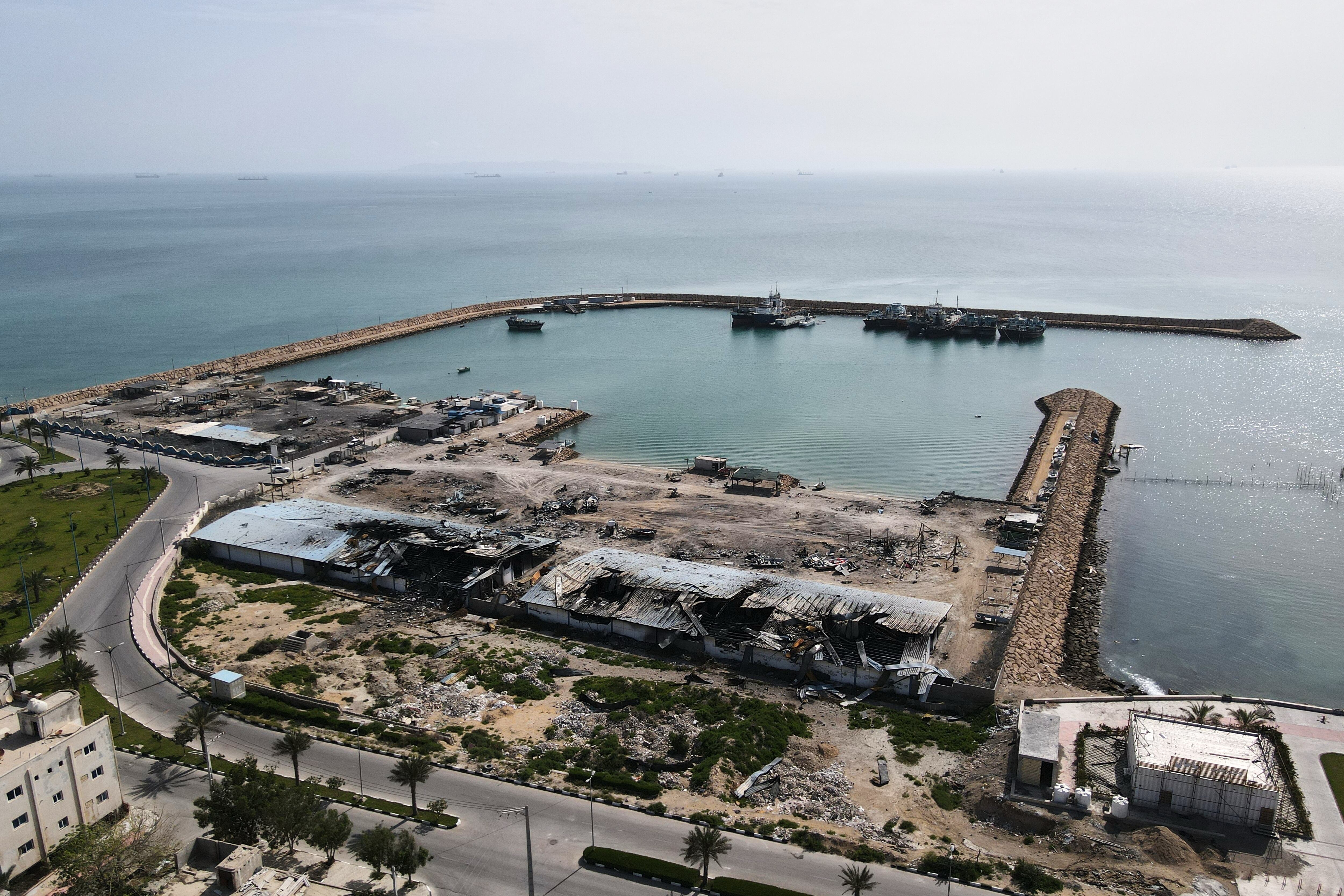
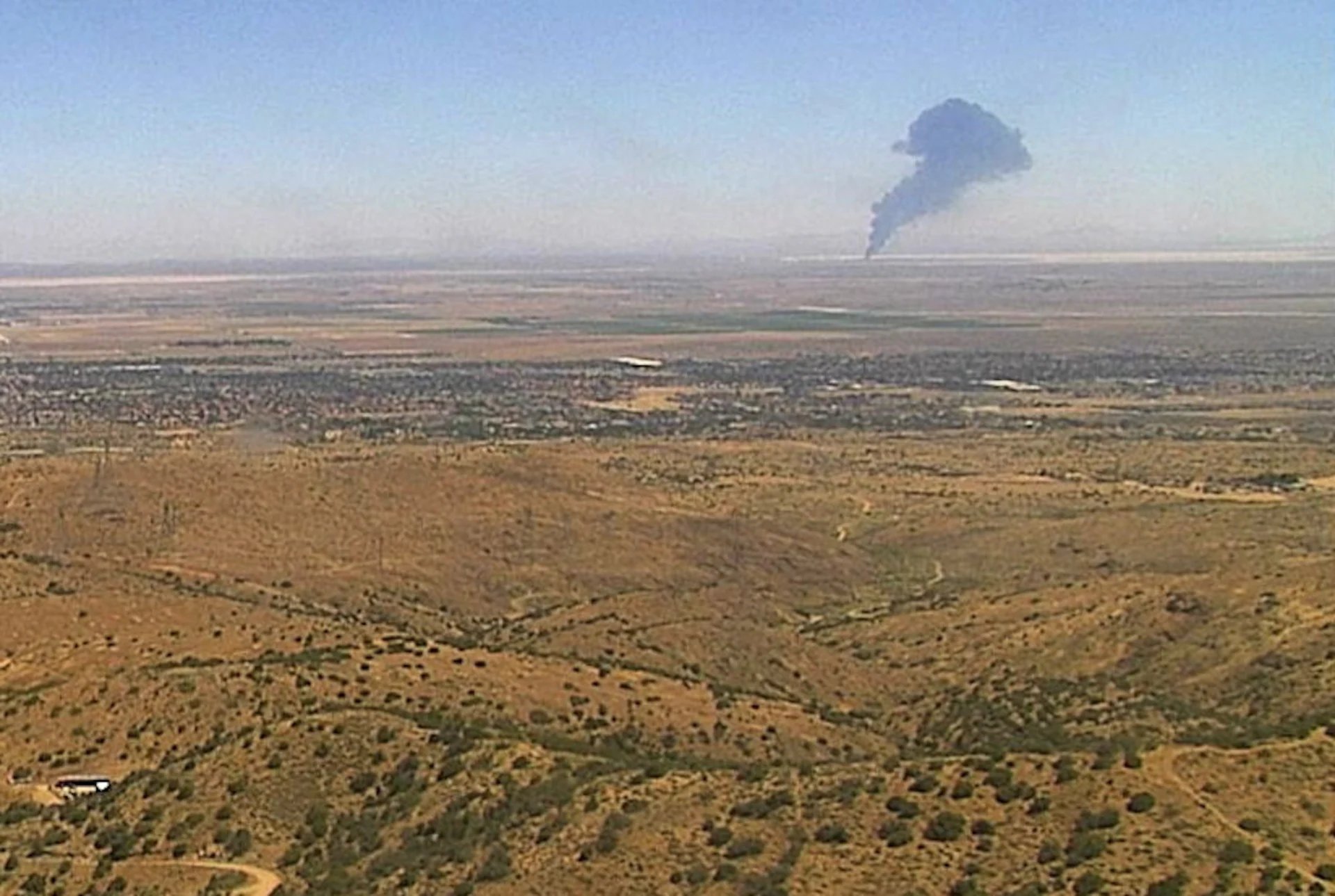
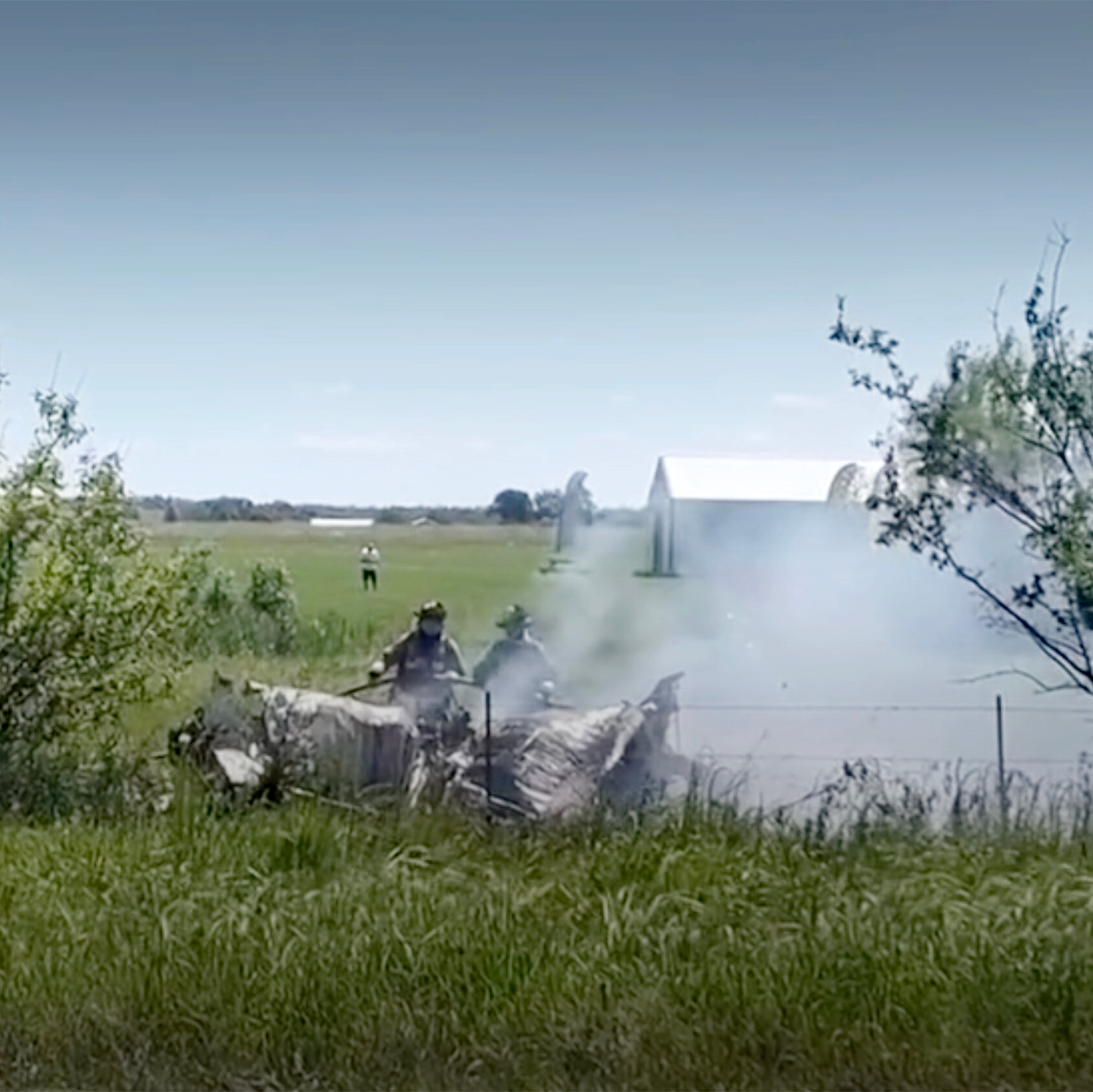
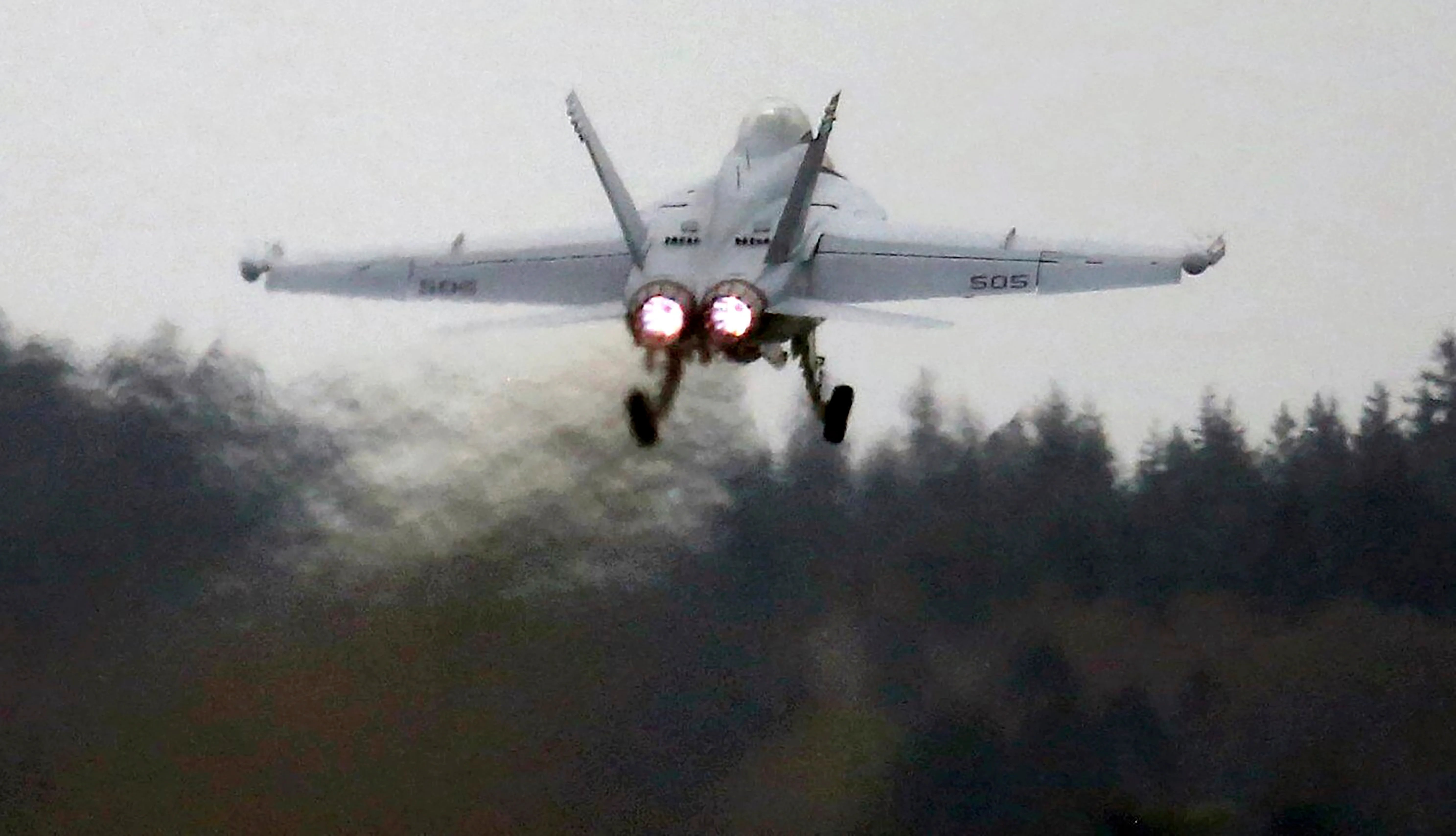
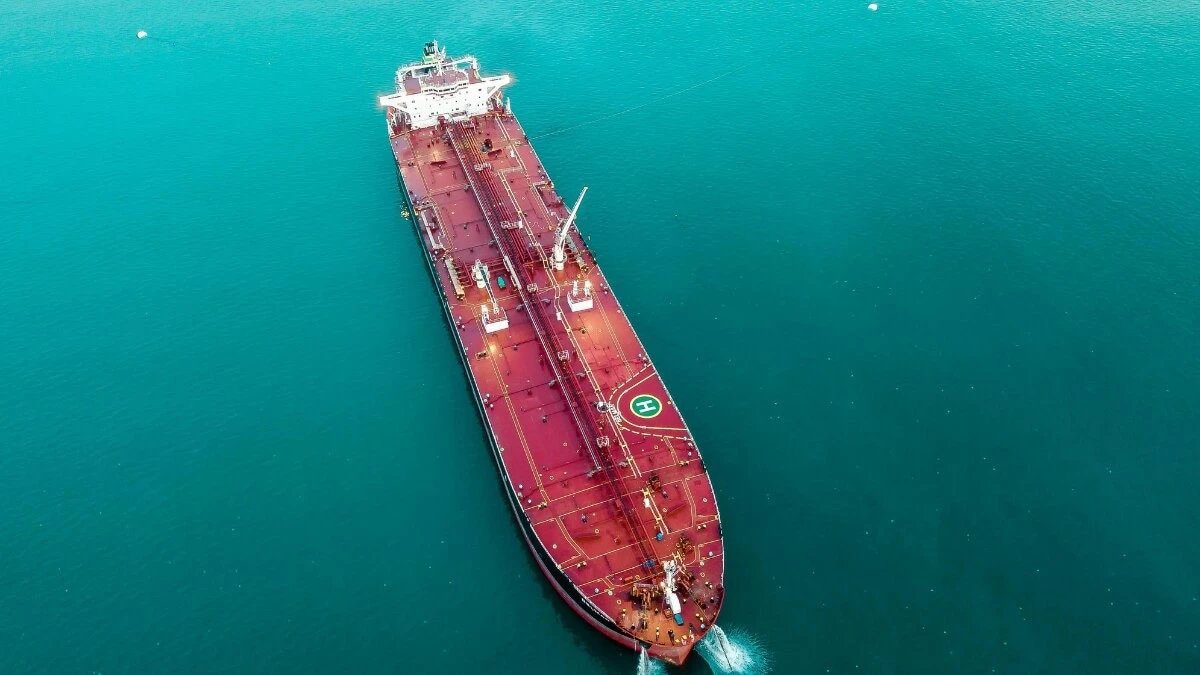
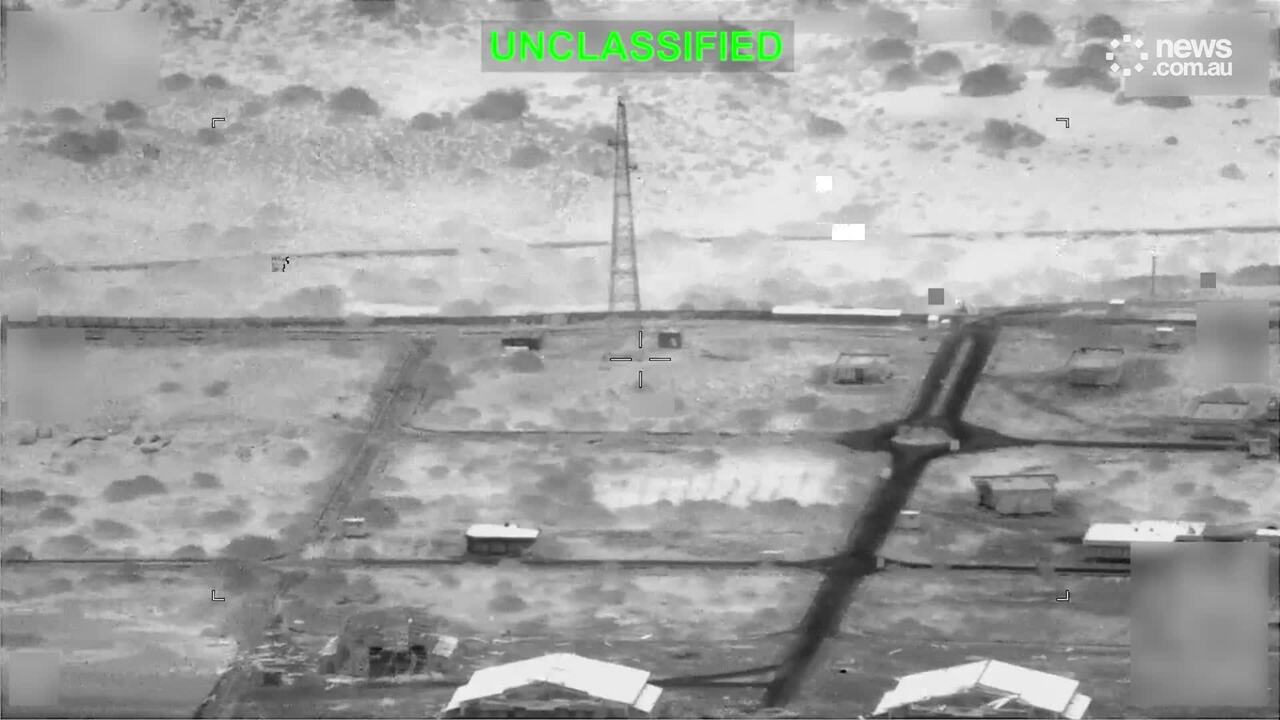
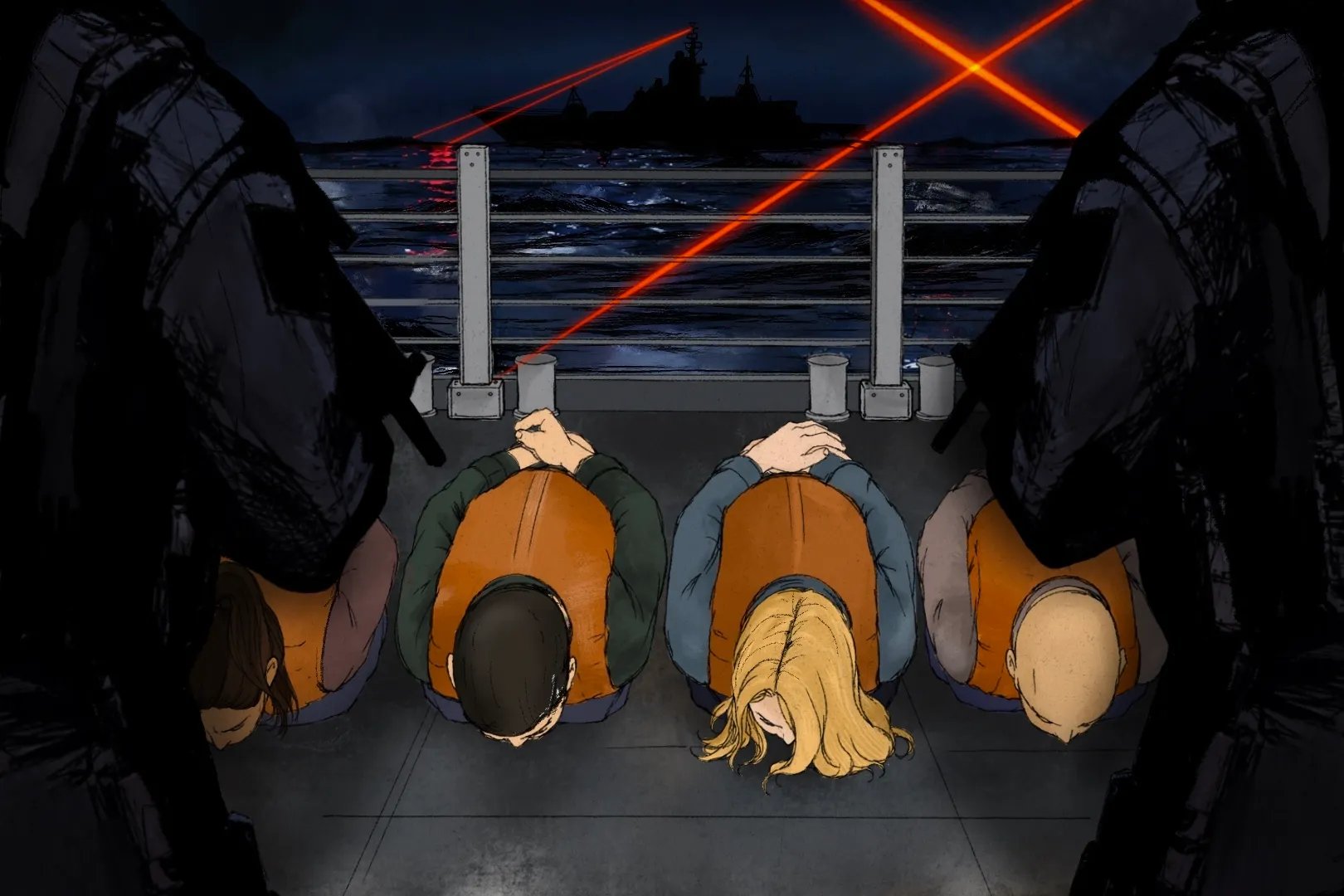
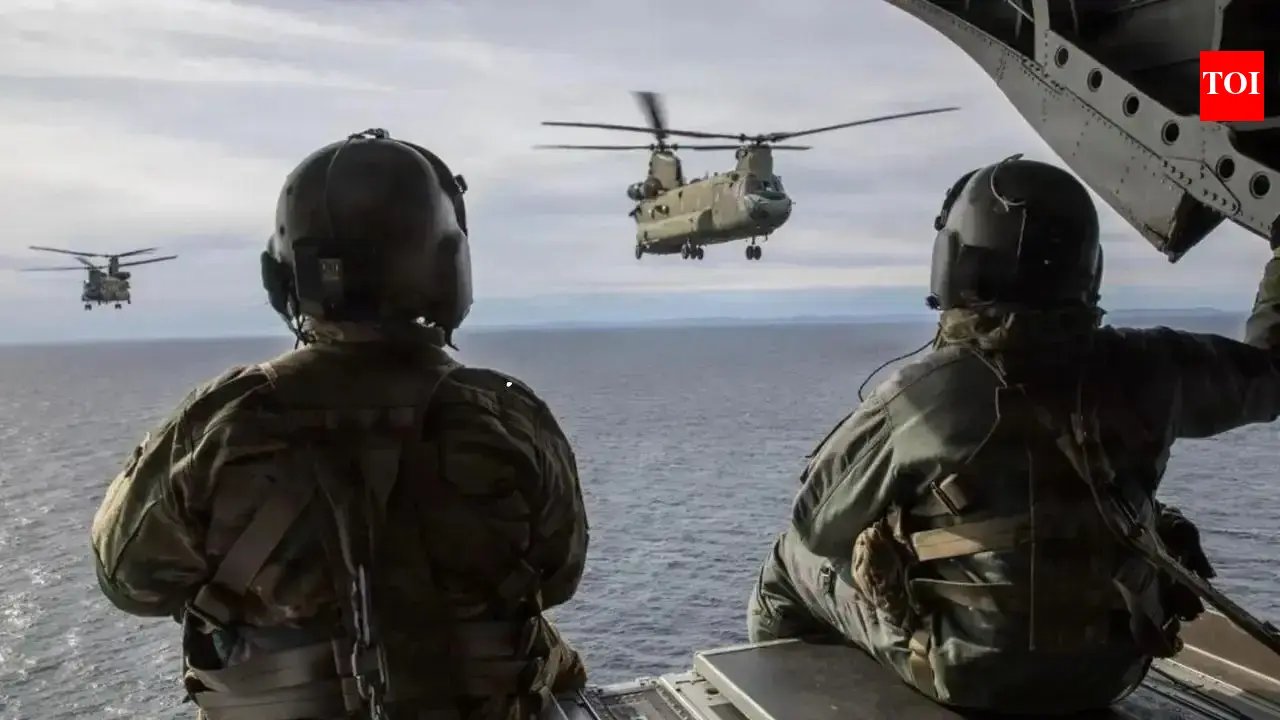
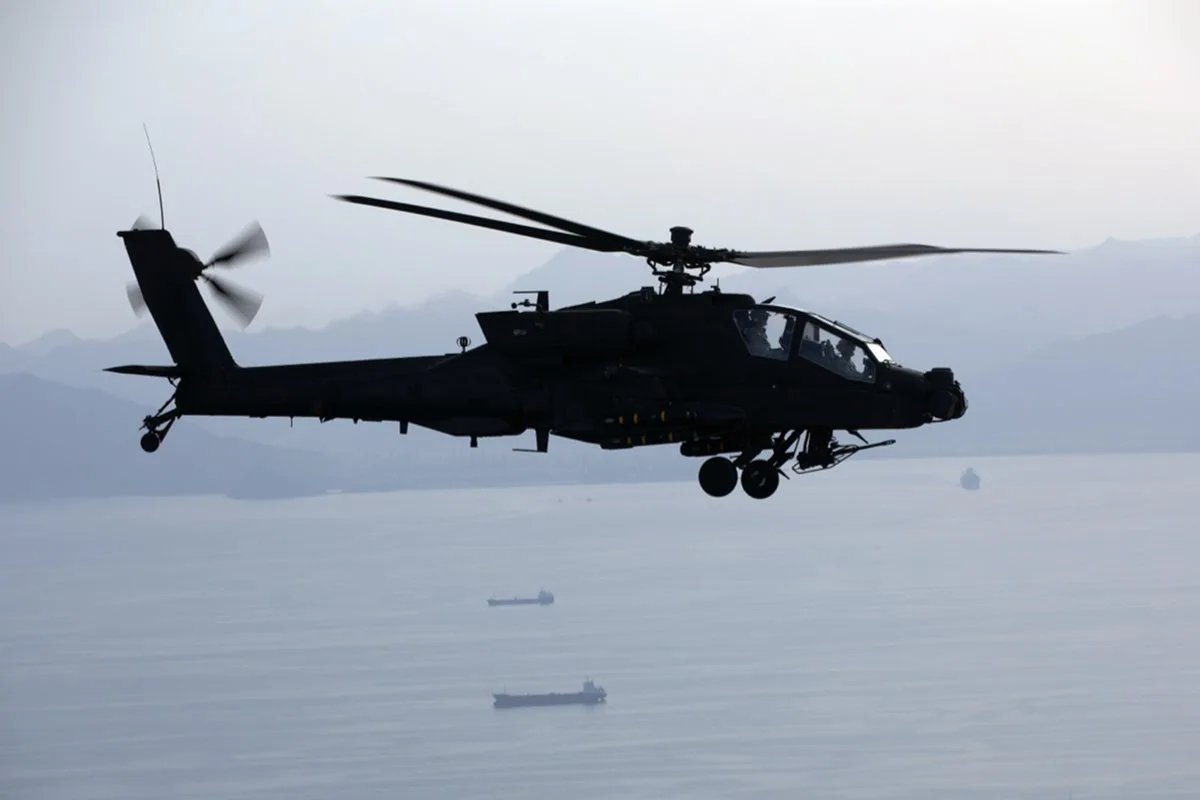
A U.S. Army Apache helicopter crashed near the Strait of Hormuz early Monday. Two U.S. officials told CBS News an Iranian drone apparently brought it down, though they said it remains unclear whether the attack was intentional. The two crew members aboard the AH-64 Apache were patrolling waters off the coast of Oman when the incident occurred. They were rescued at approximately 7:30 p.m. Eastern time on Monday, within two hours of the crash, and both remained in stable condition.
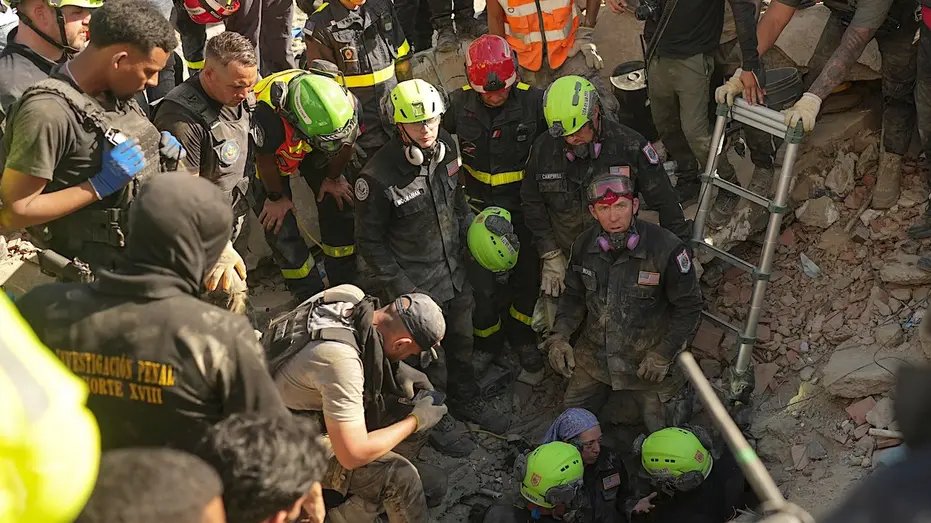
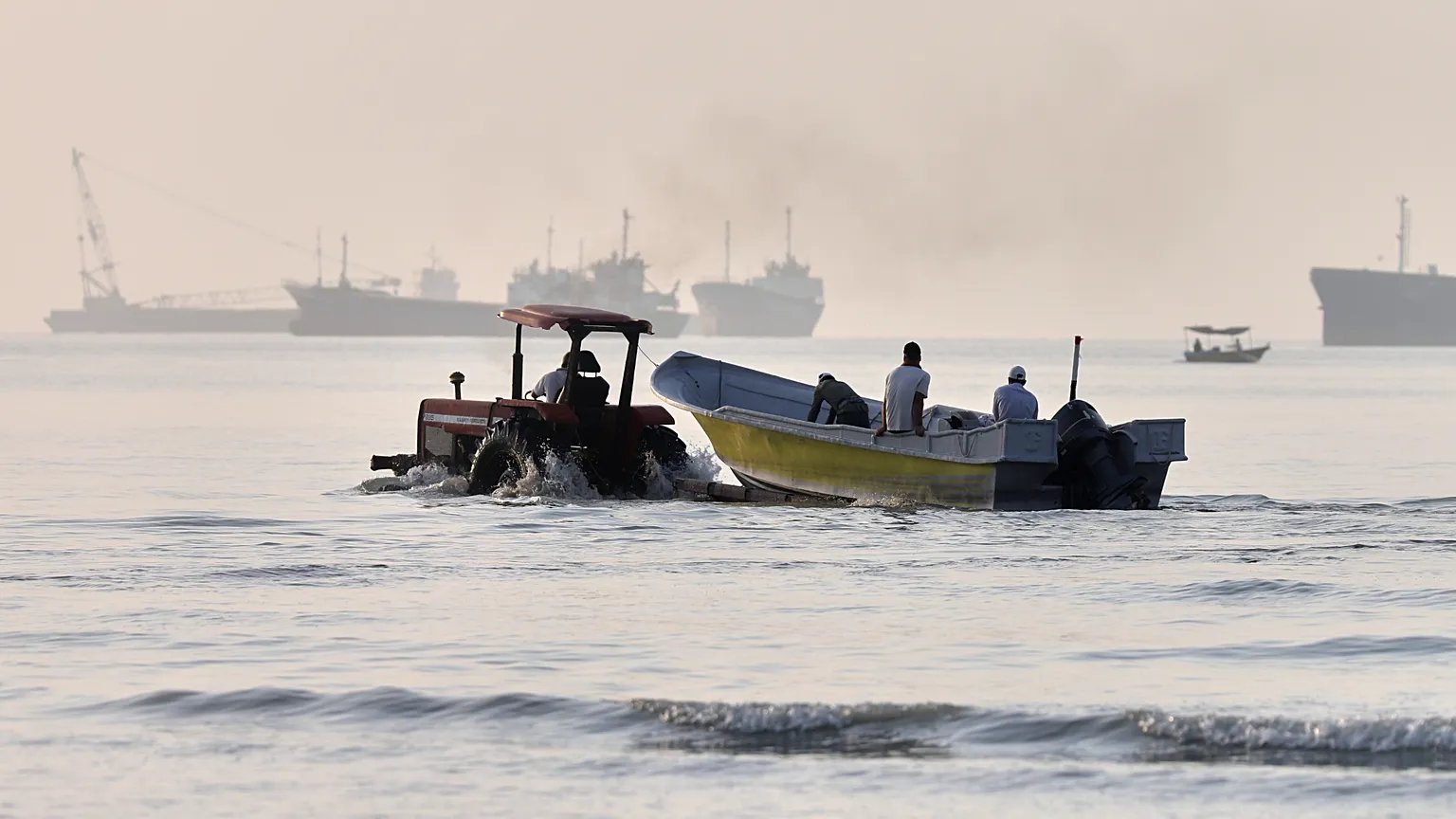
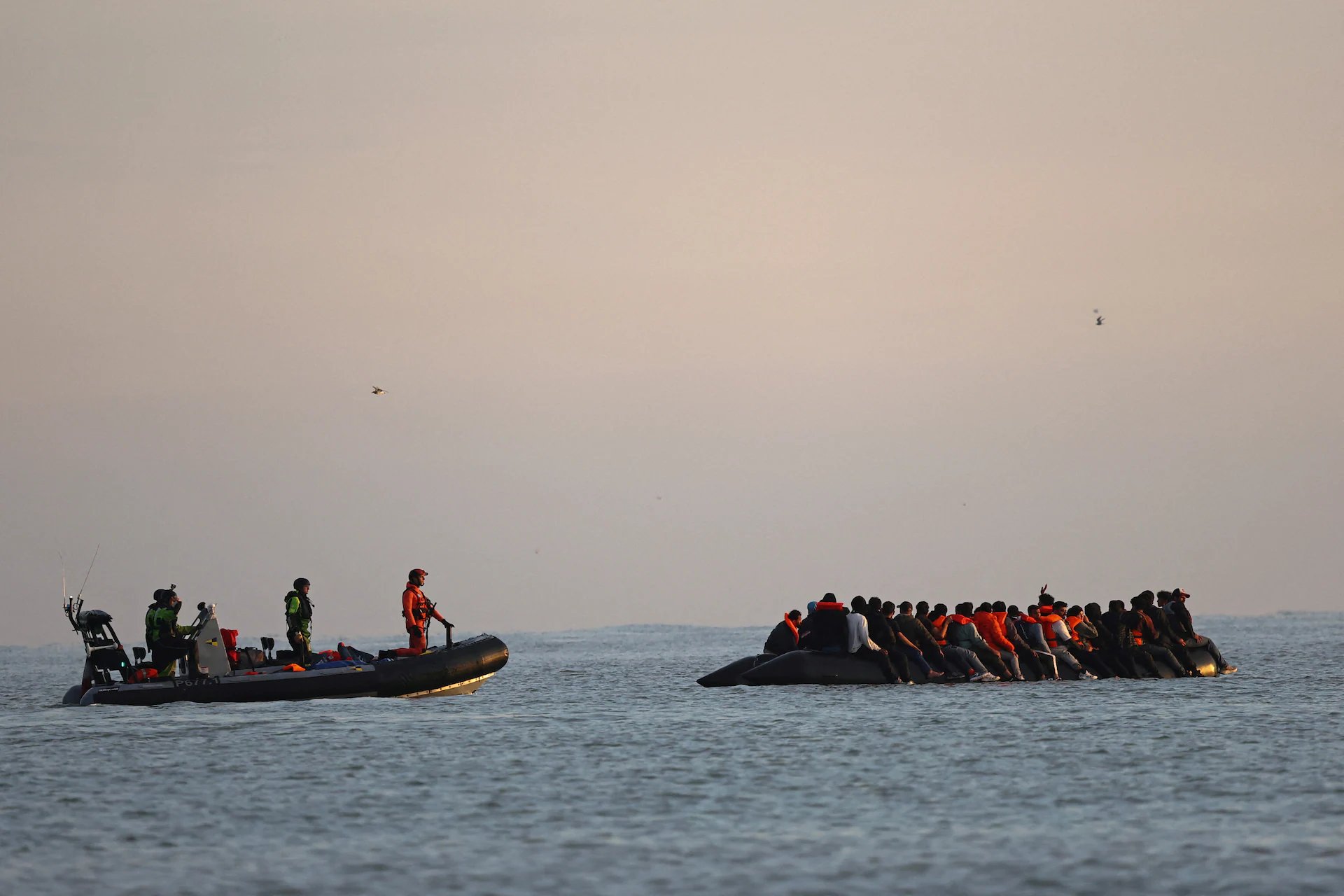
The rescue marked a historic first for the U.S. military. An unmanned surface vessel called Corsair, operated by Task Force 59 of the U.S. Fifth Fleet based in Bahrain, picked up the crew and transported them to another location on the water, where they were hoisted onto a helicopter for further transport. The Corsair, made by Saronic Technologies, is 24 feet long, can travel 1,000 nautical miles, carry 1,000 pounds, and reach speeds greater than 35 knots. Task Force 59 began fielding these drones in theater in late March.
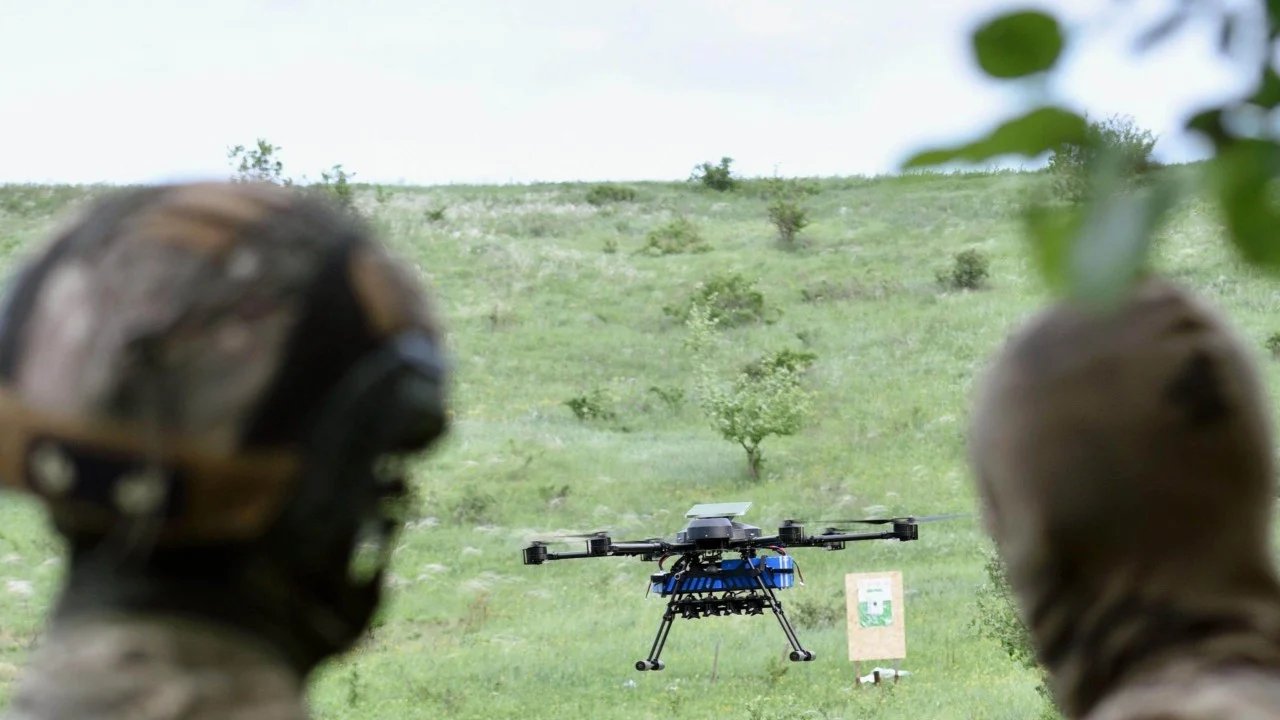
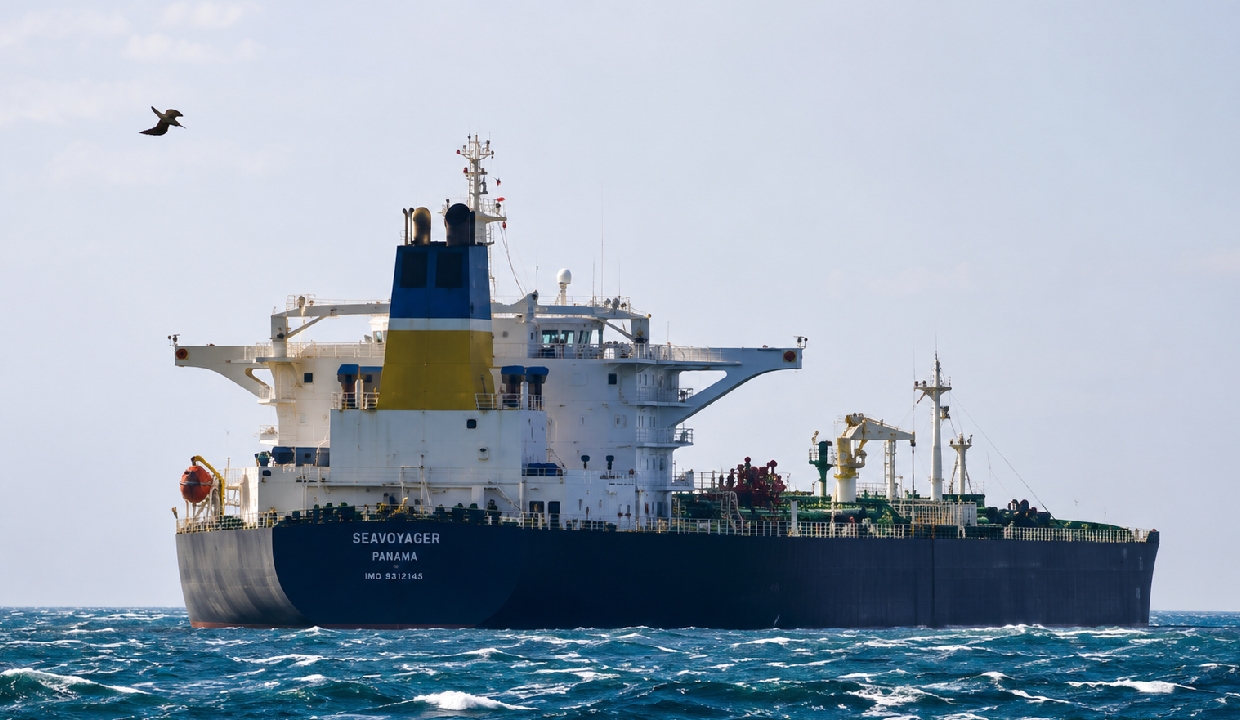
The drone involved in the incident is the same type Iran typically uses to target ships transiting the Strait of Hormuz, one U.S. official said.
Trump's Vow and the Escalation Risk
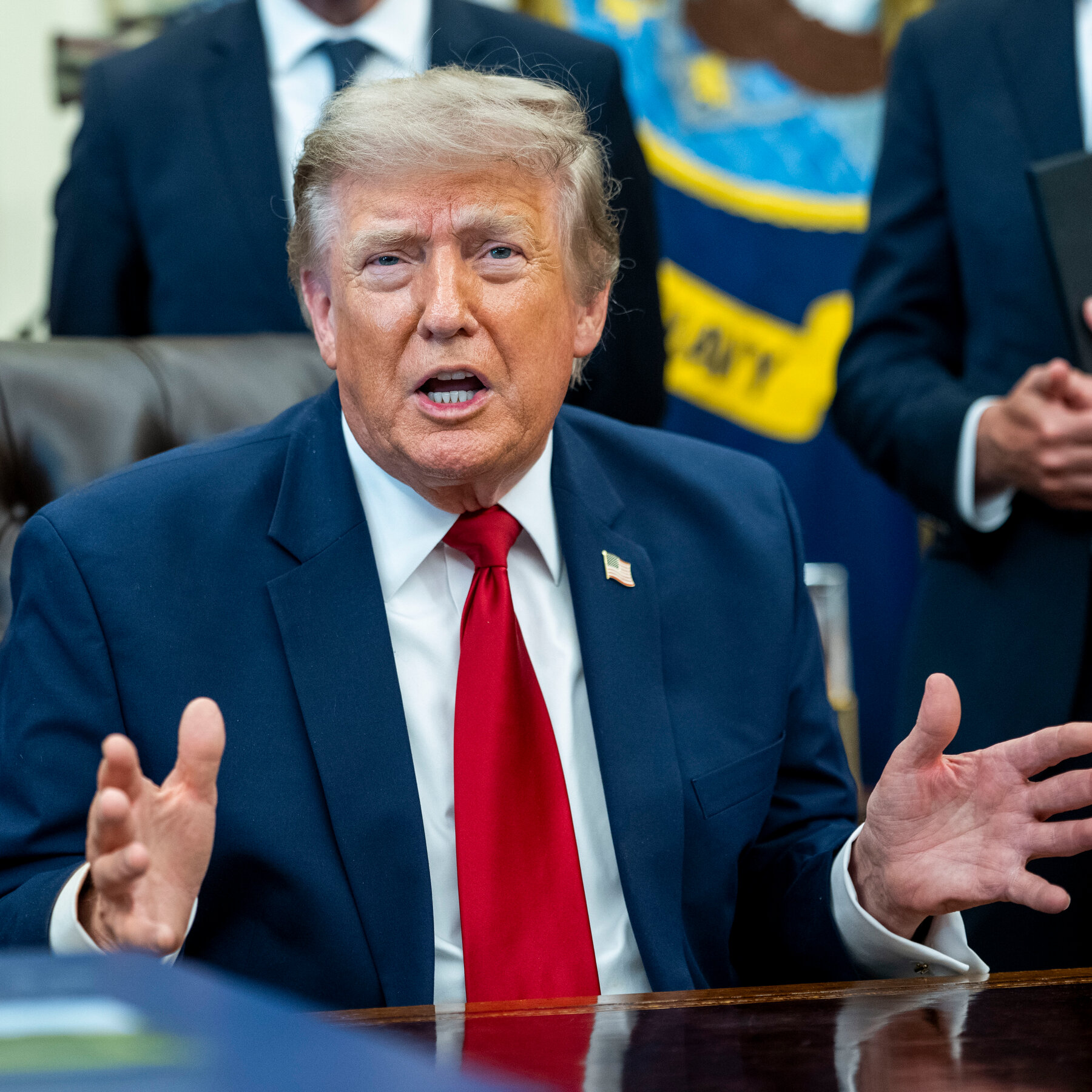
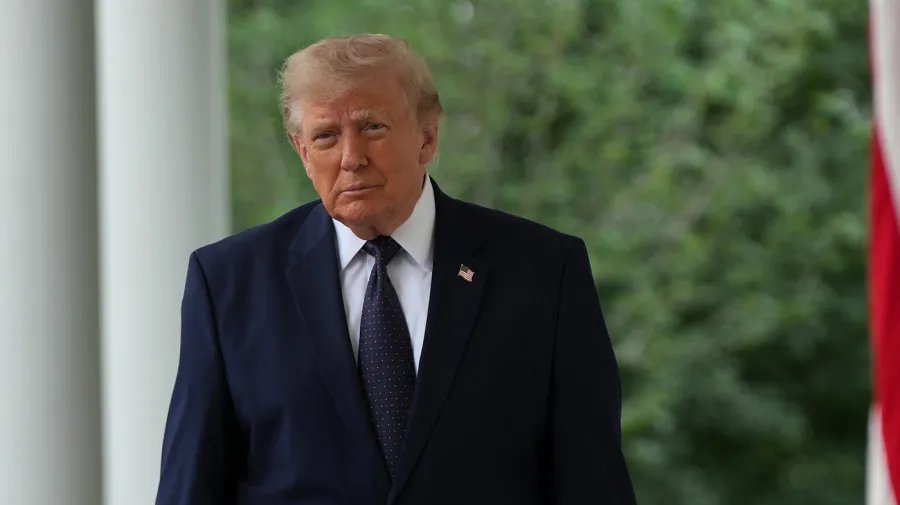
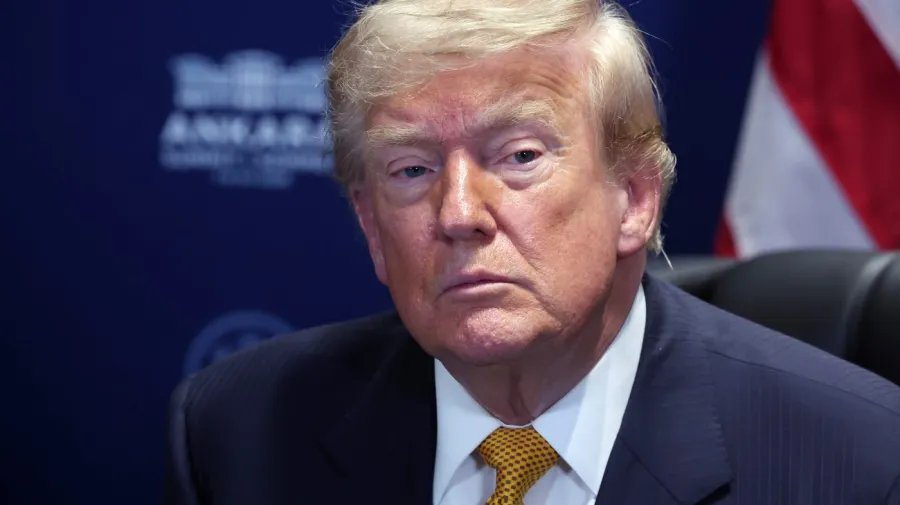
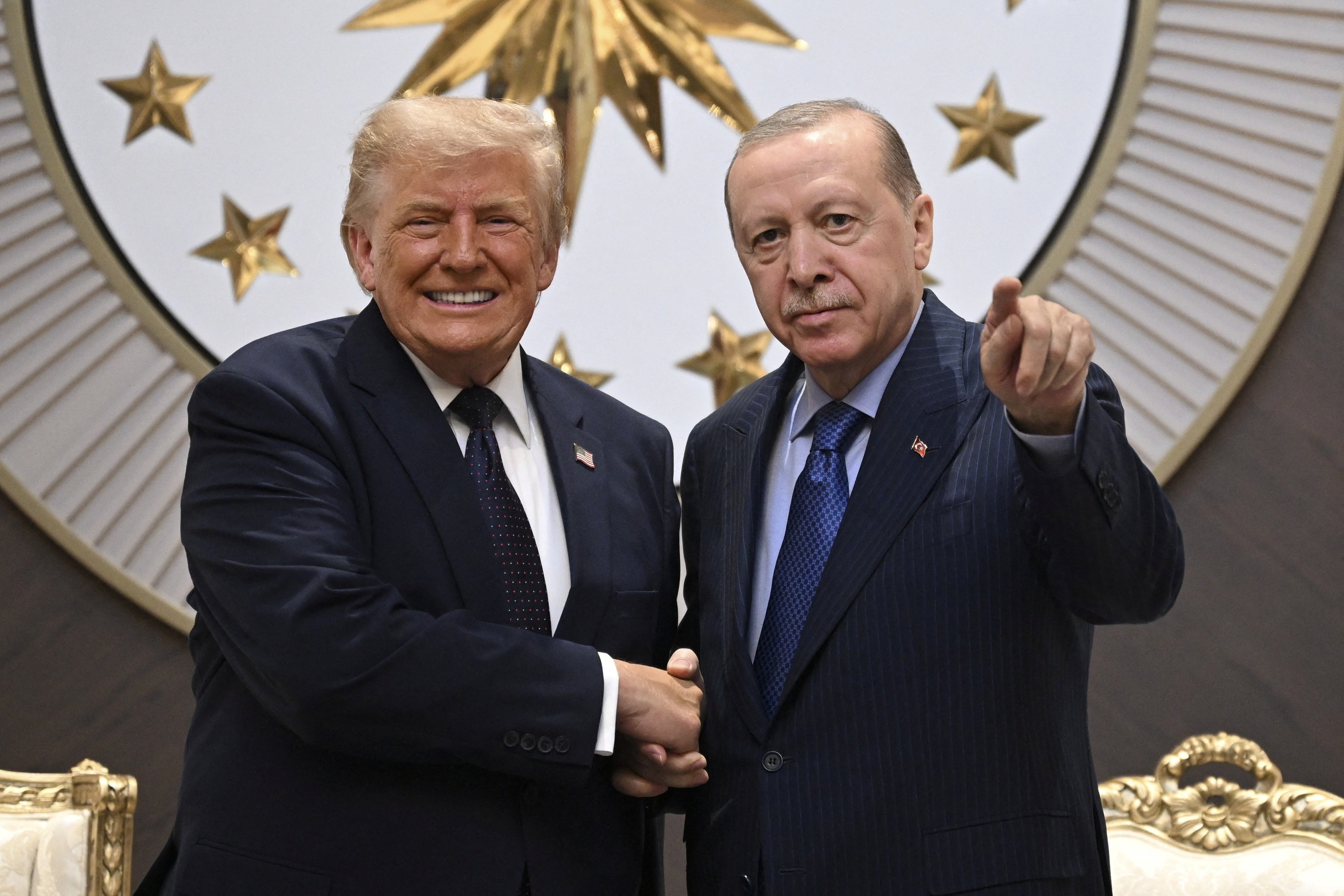
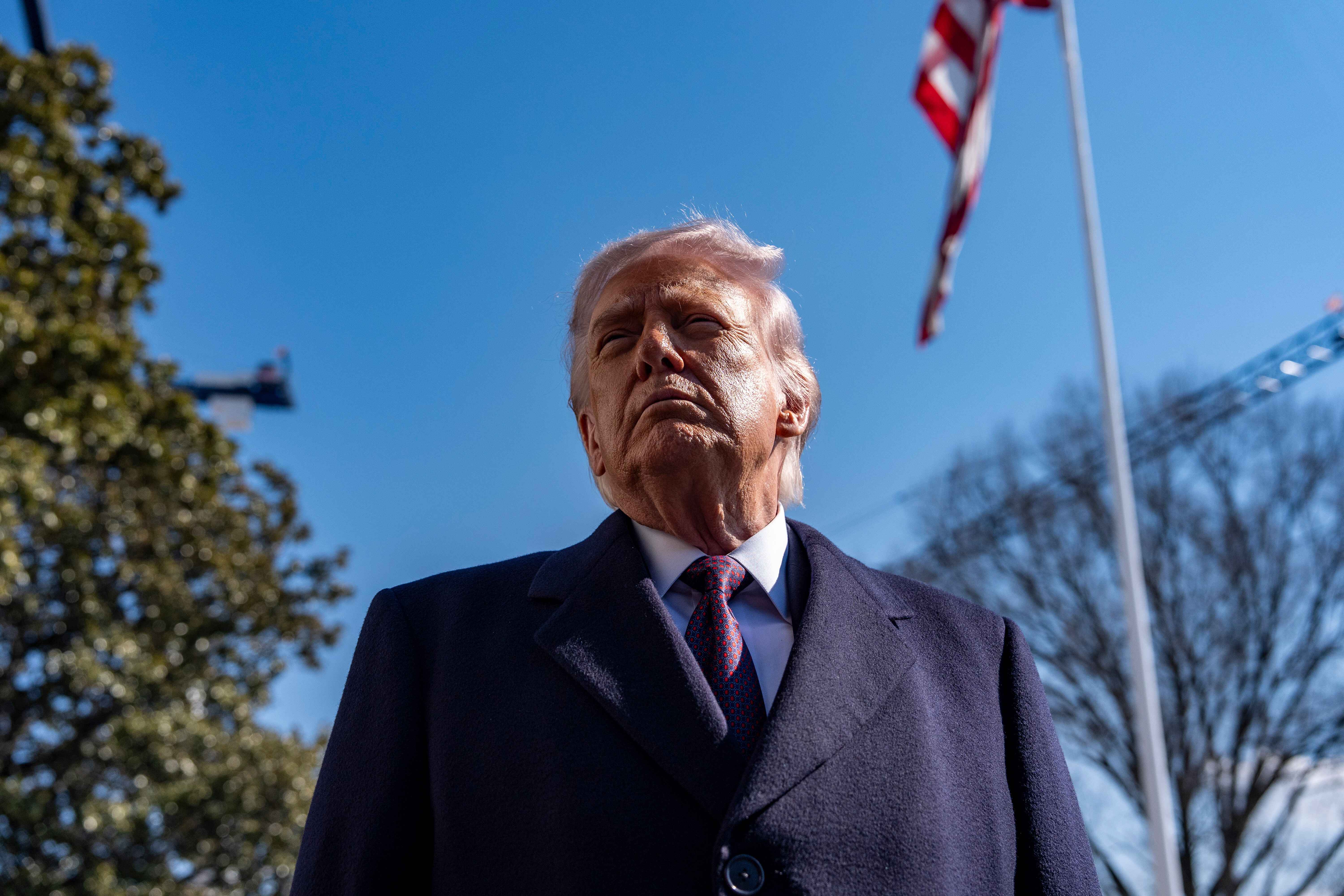
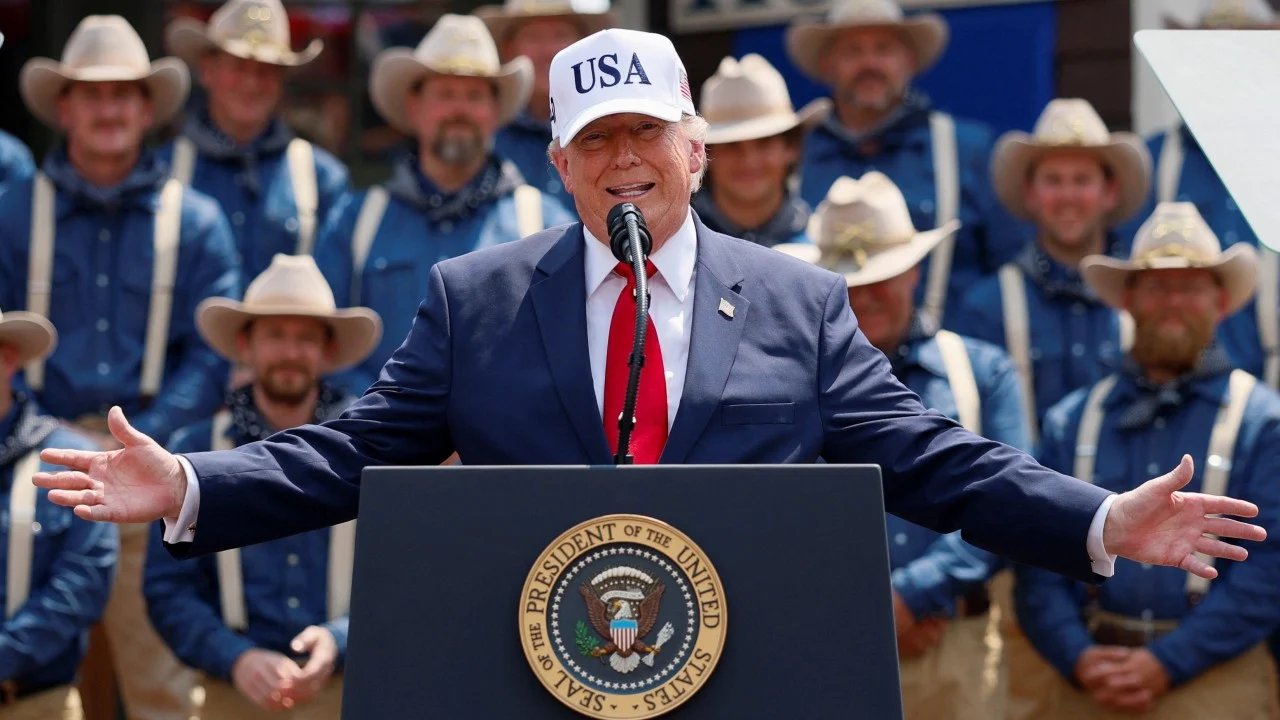
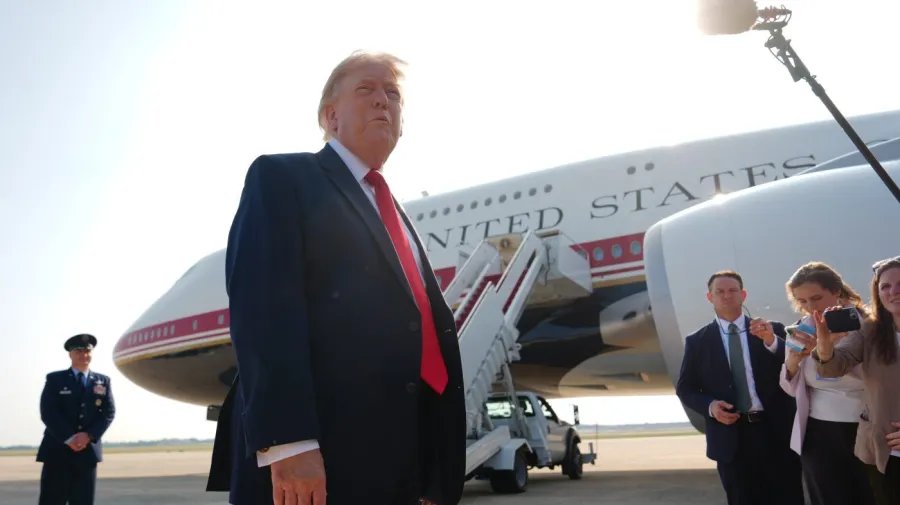
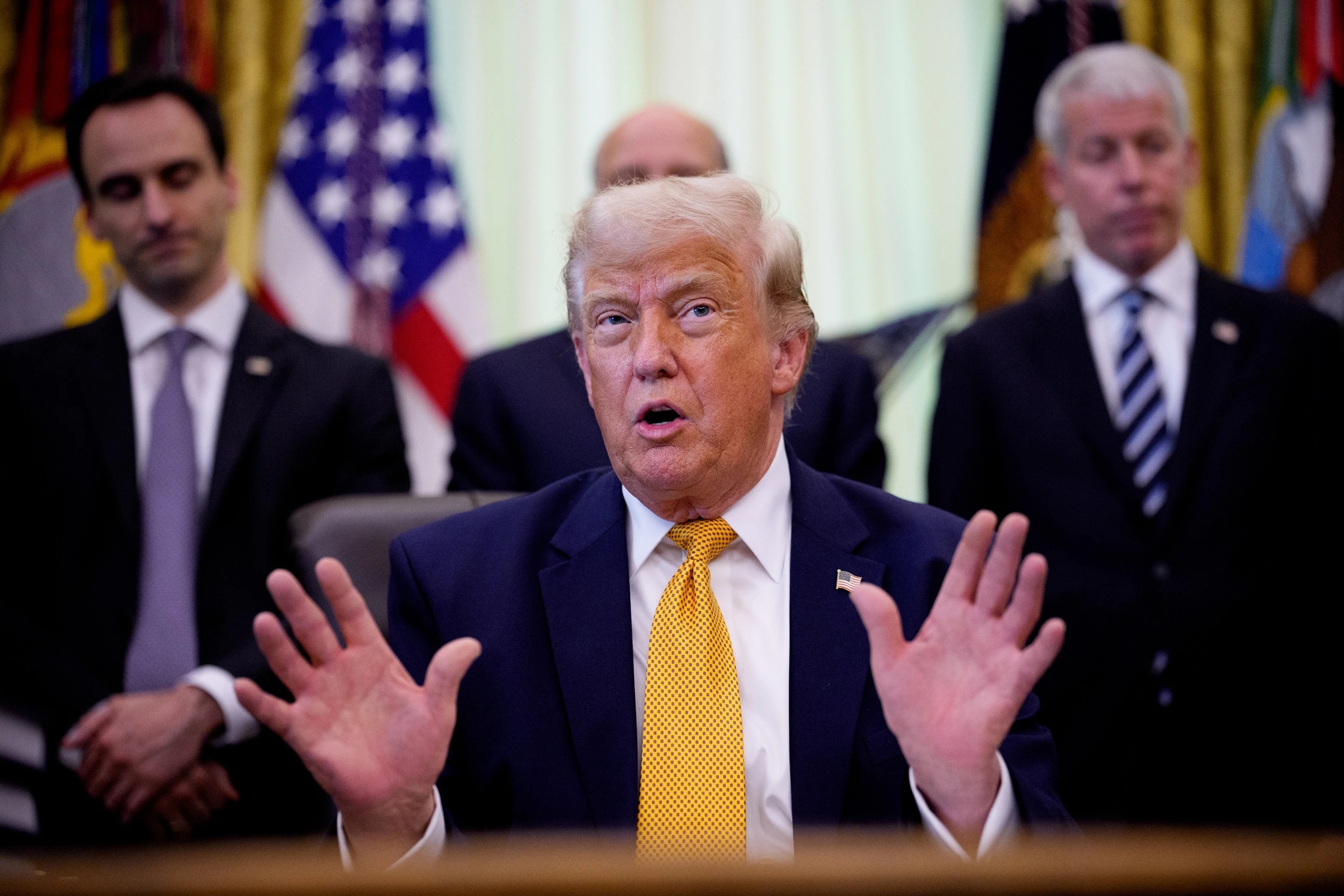
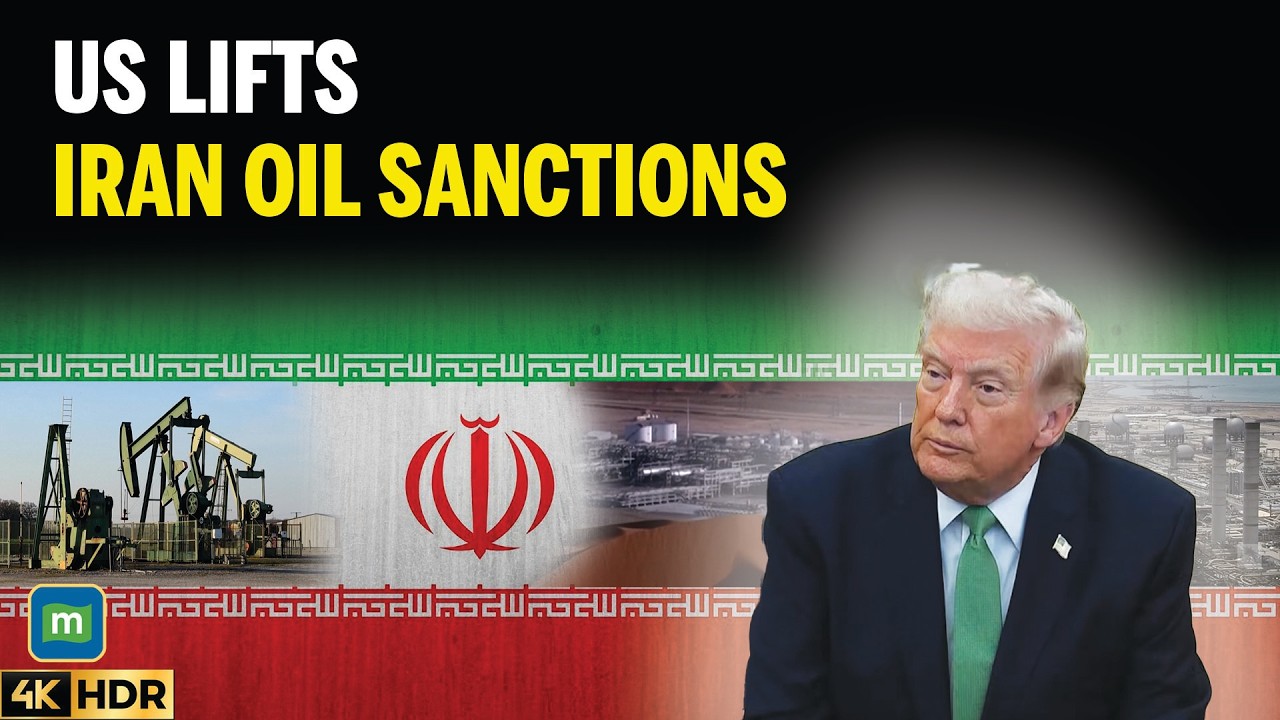
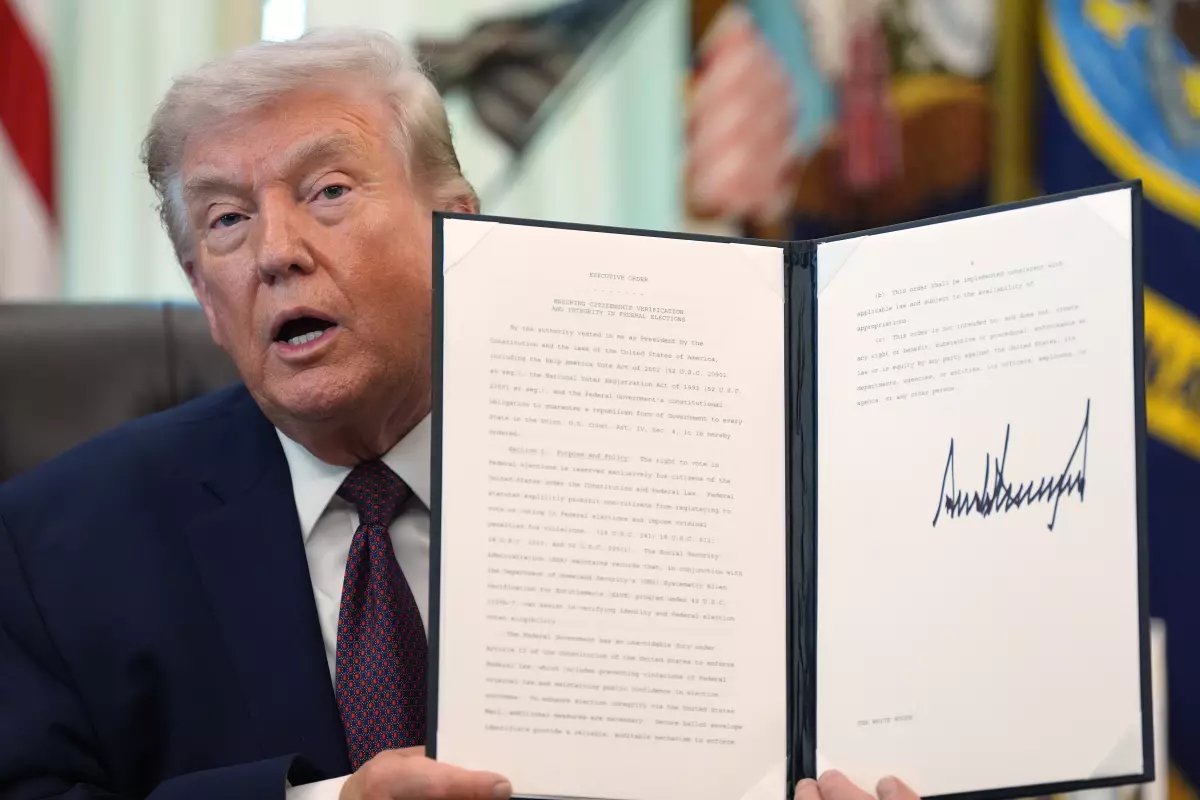
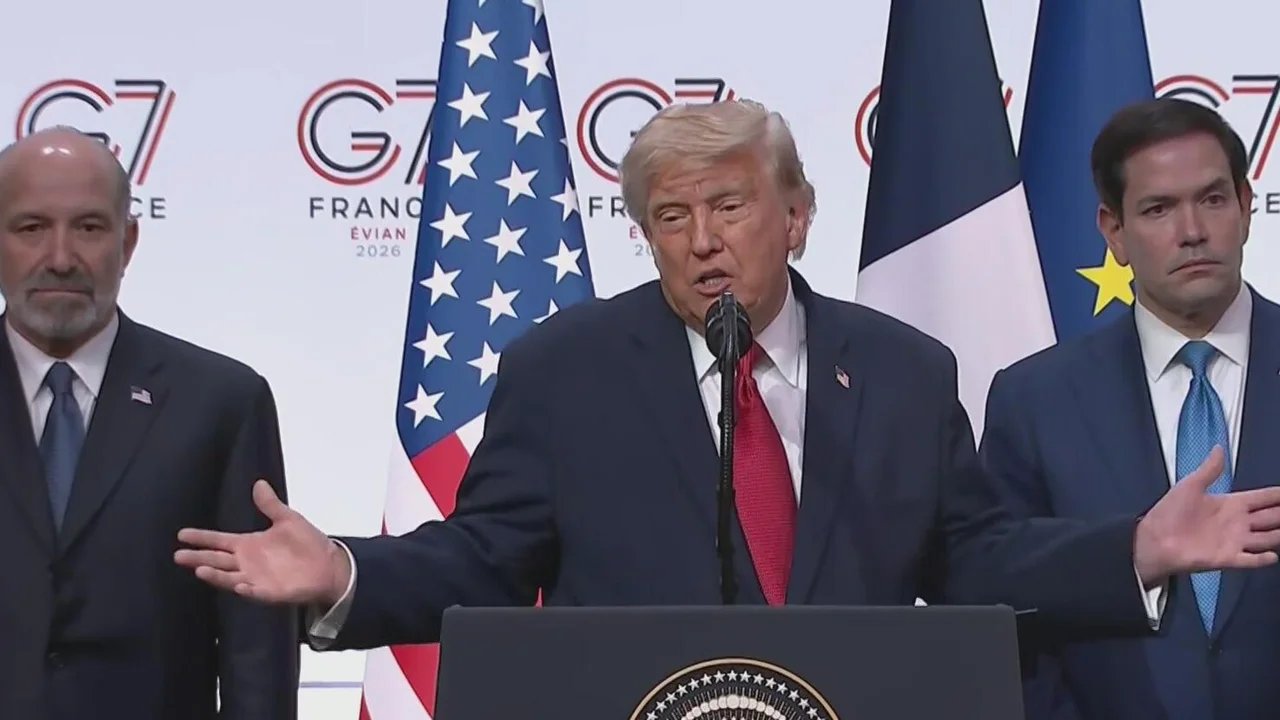
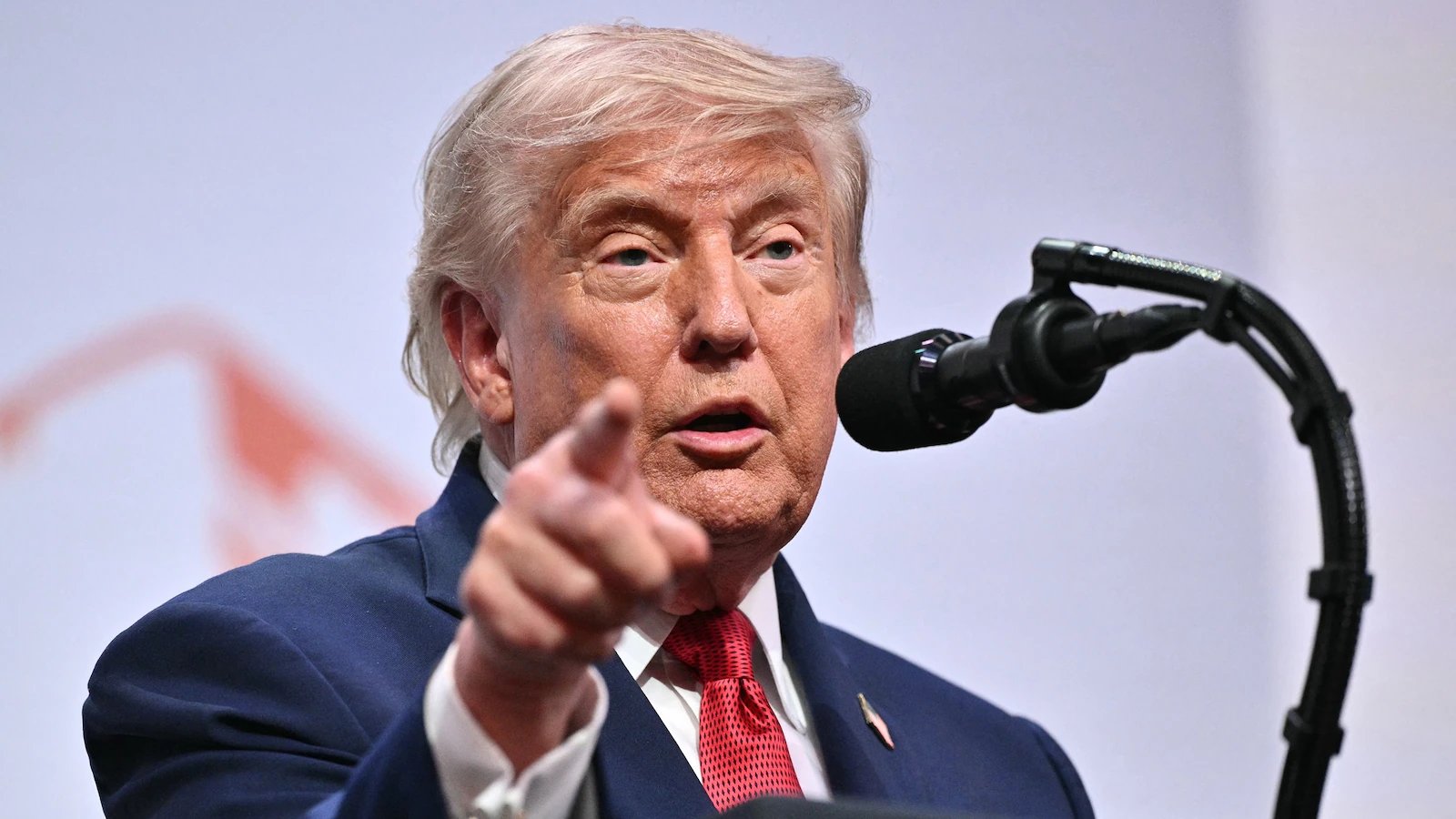
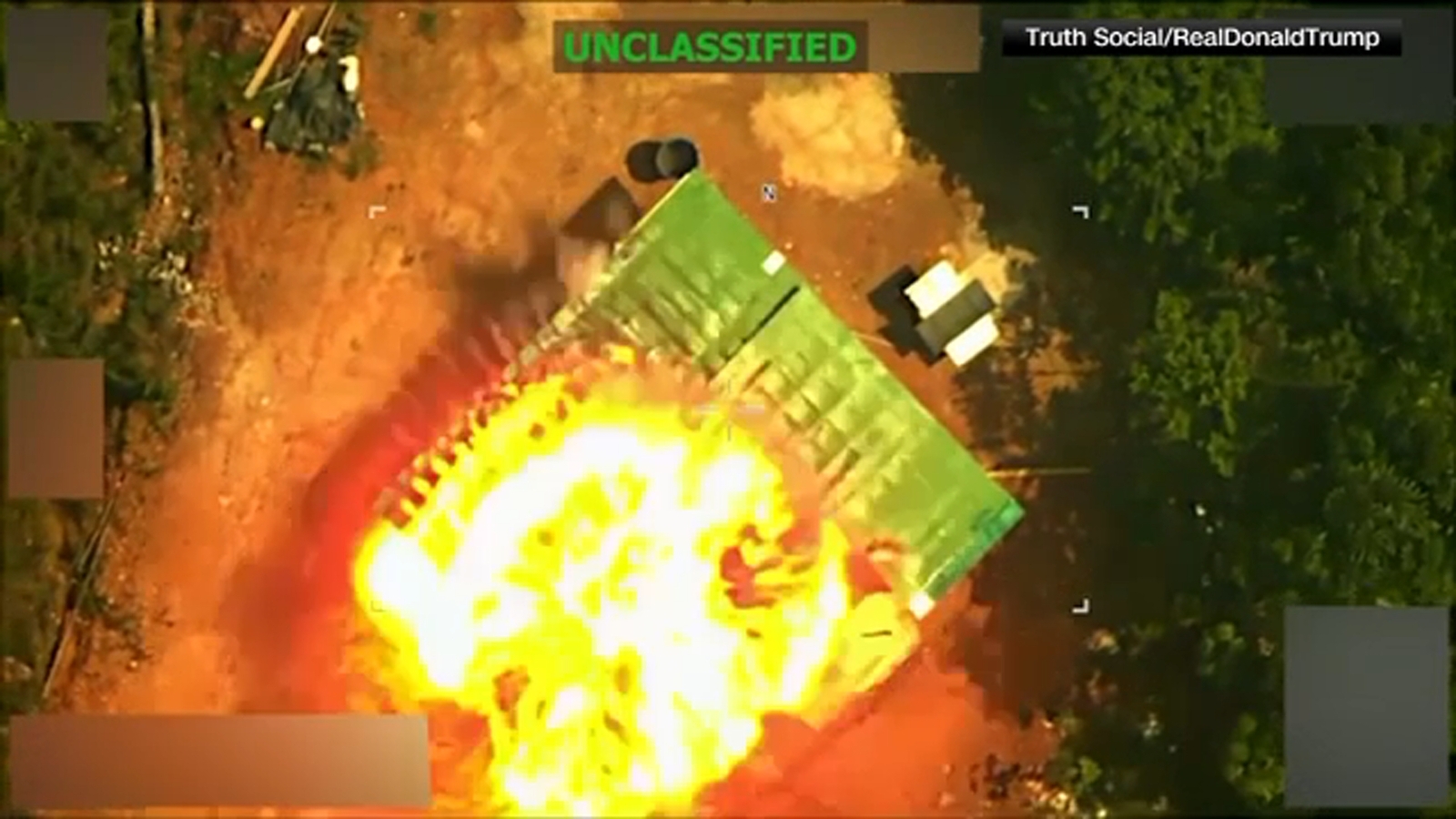
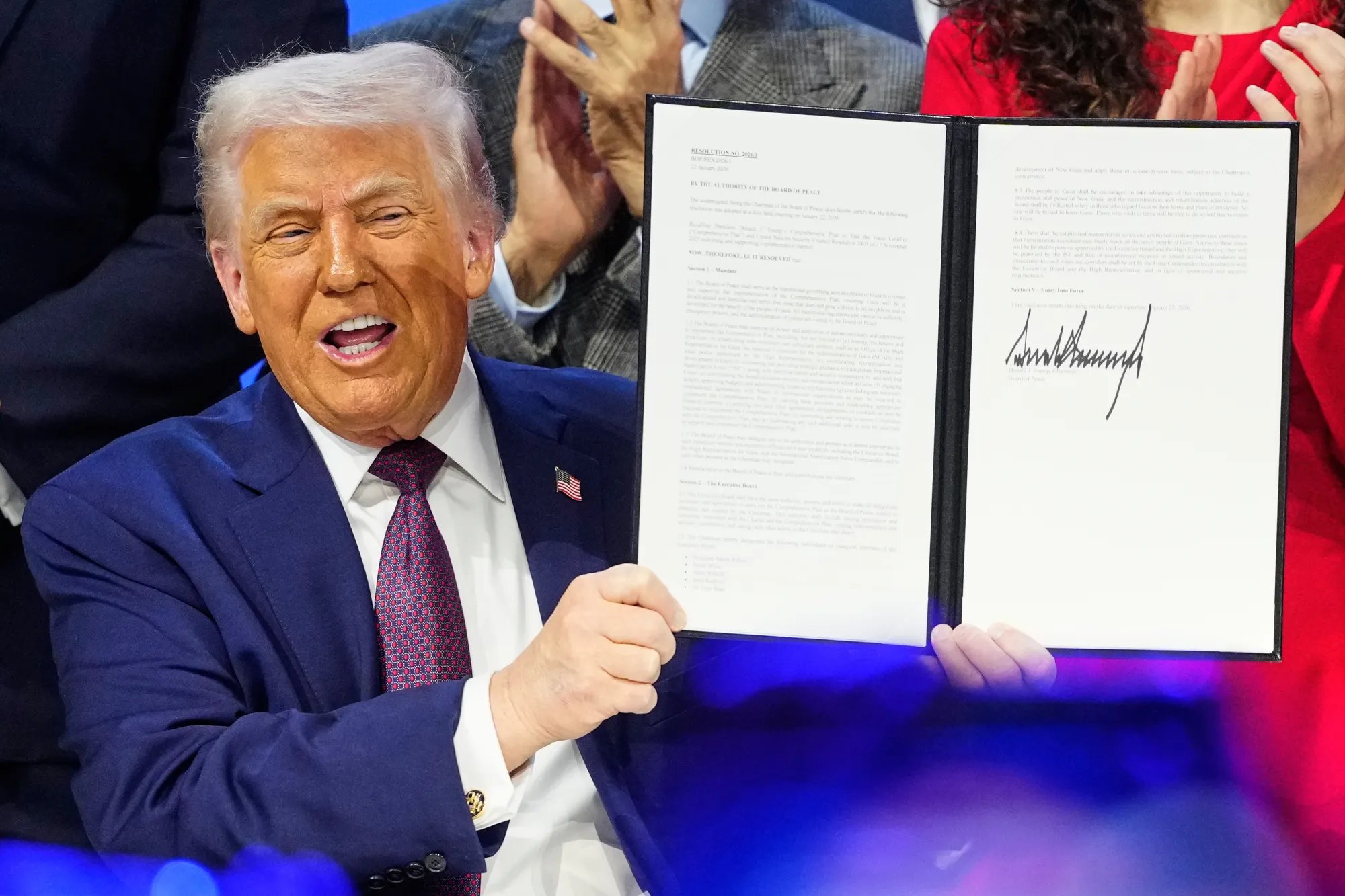
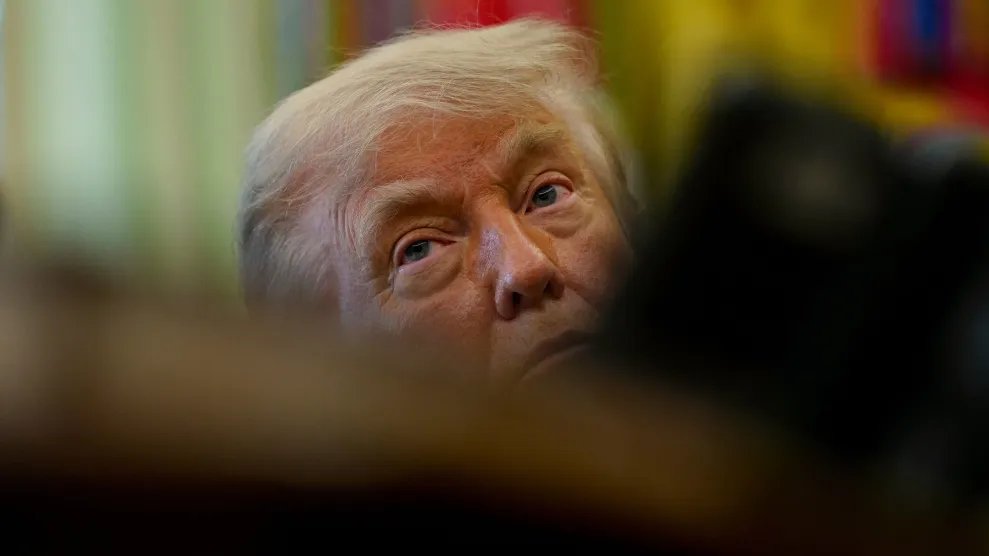
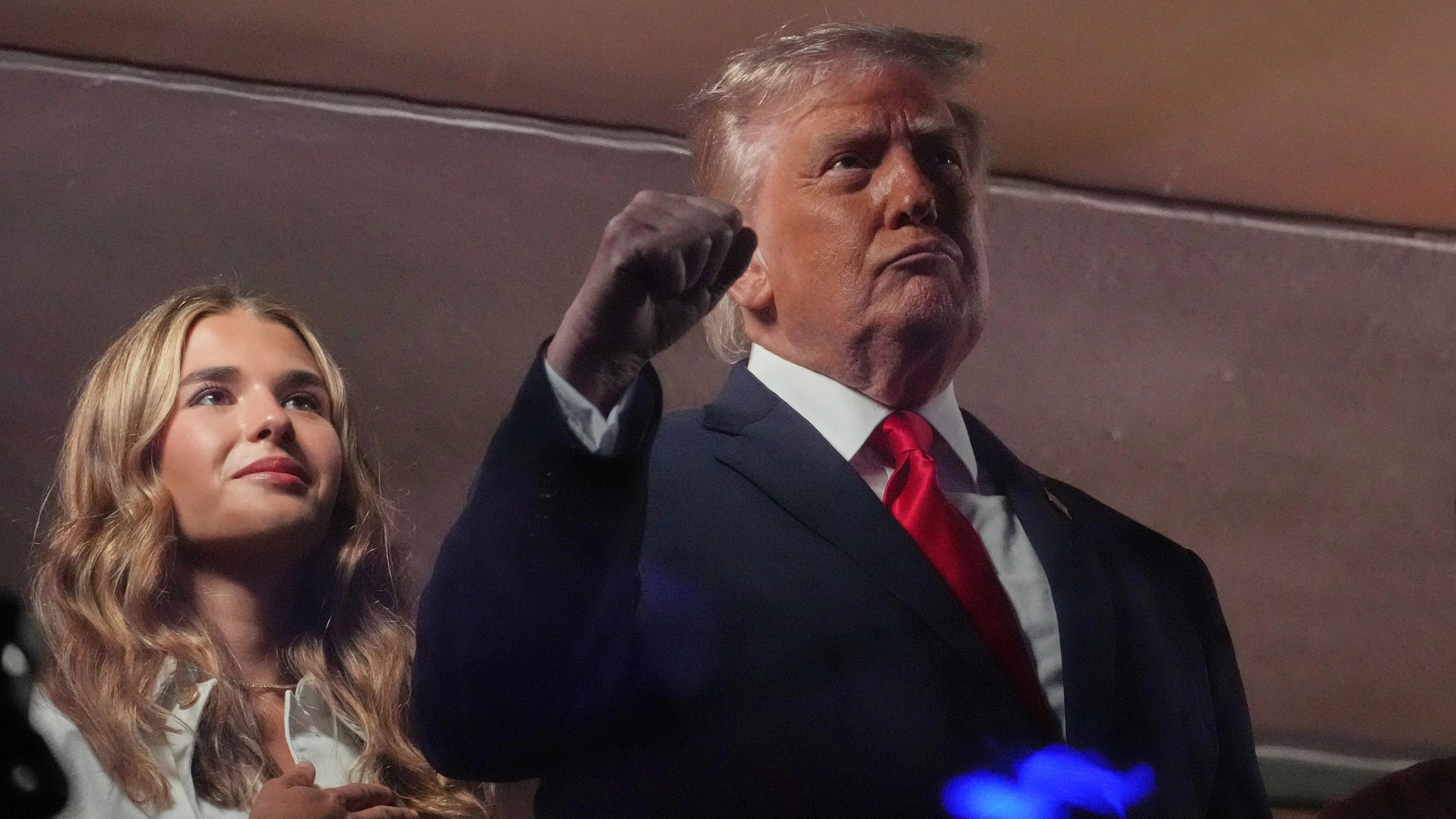
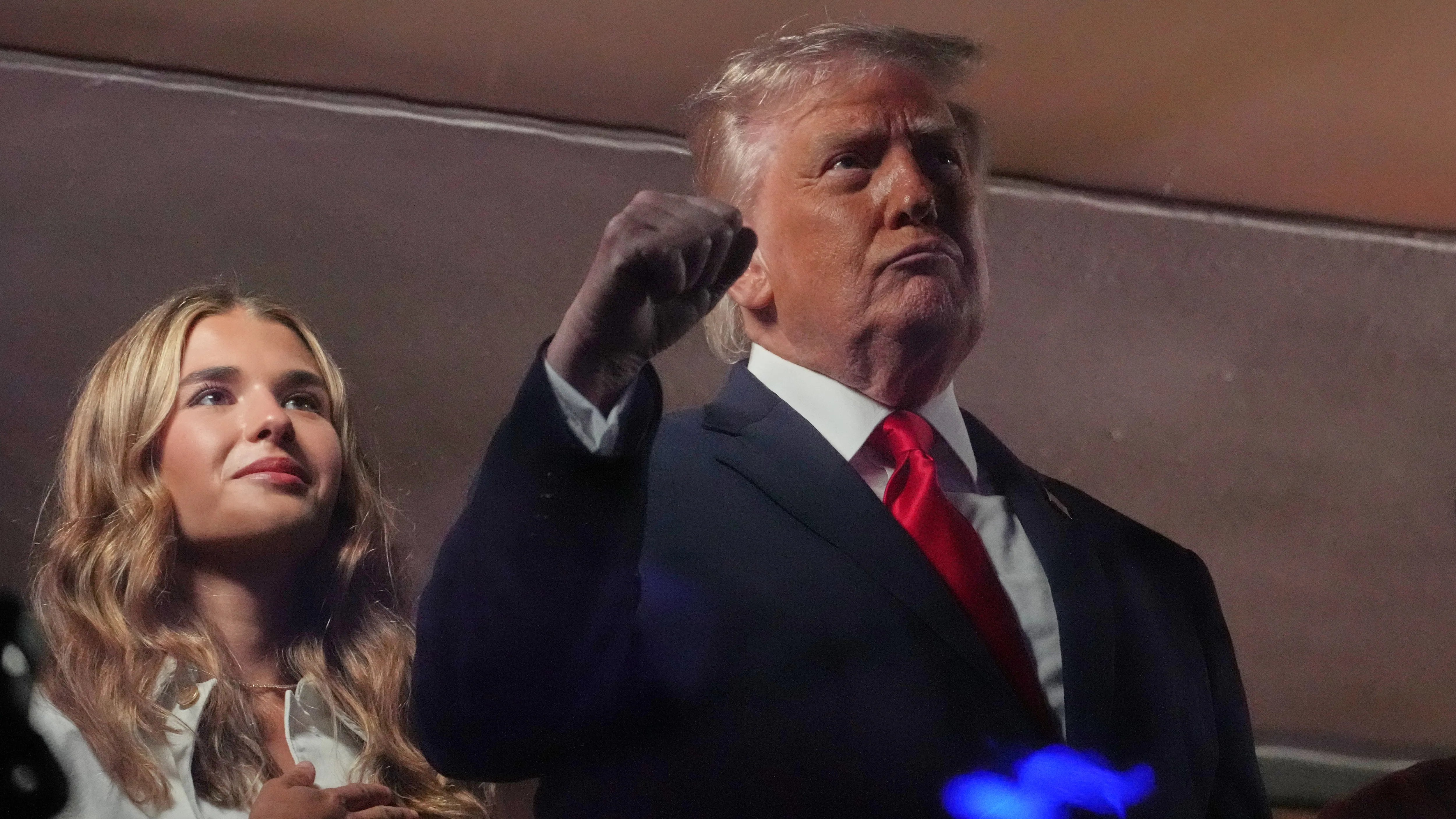
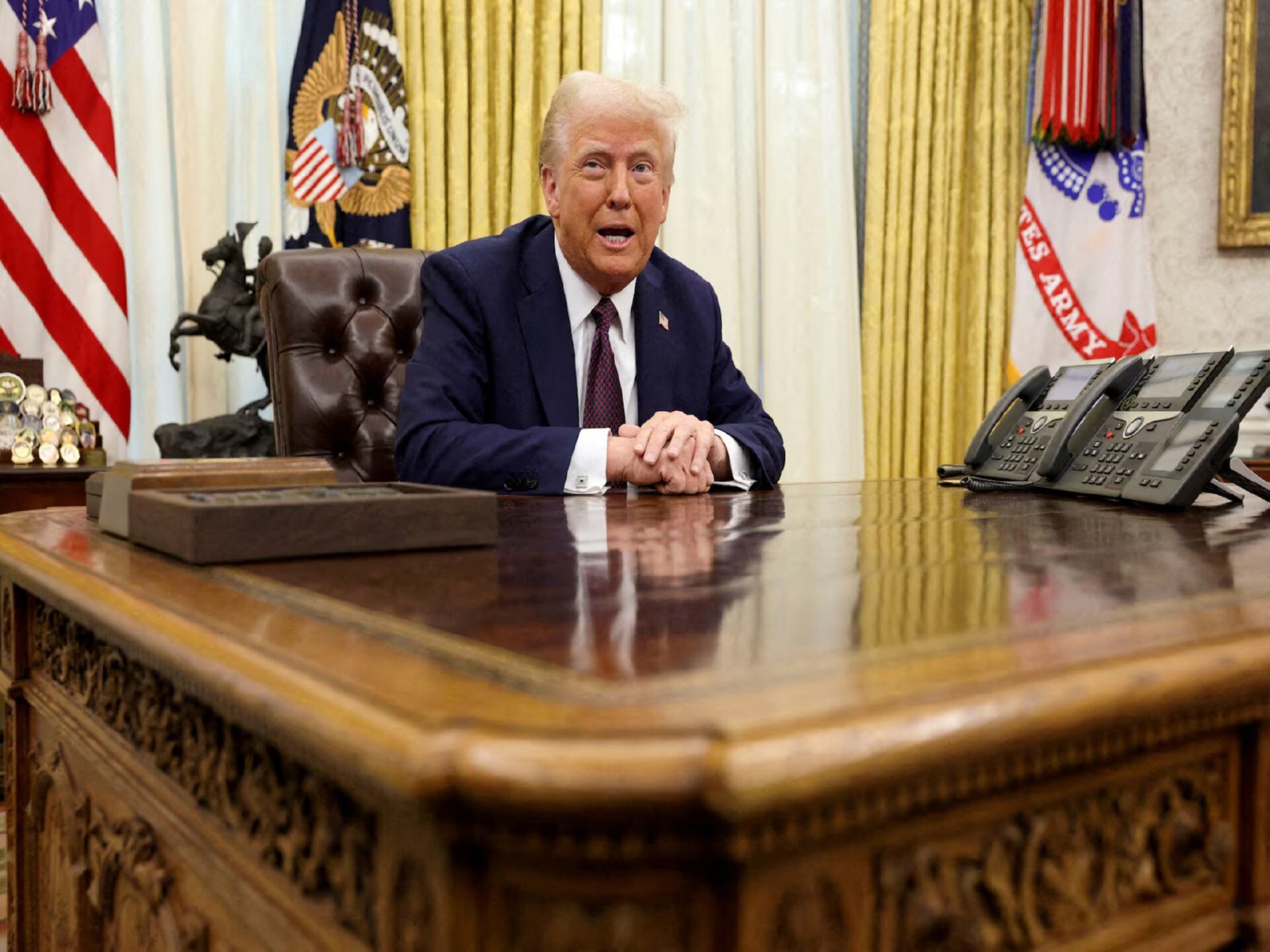
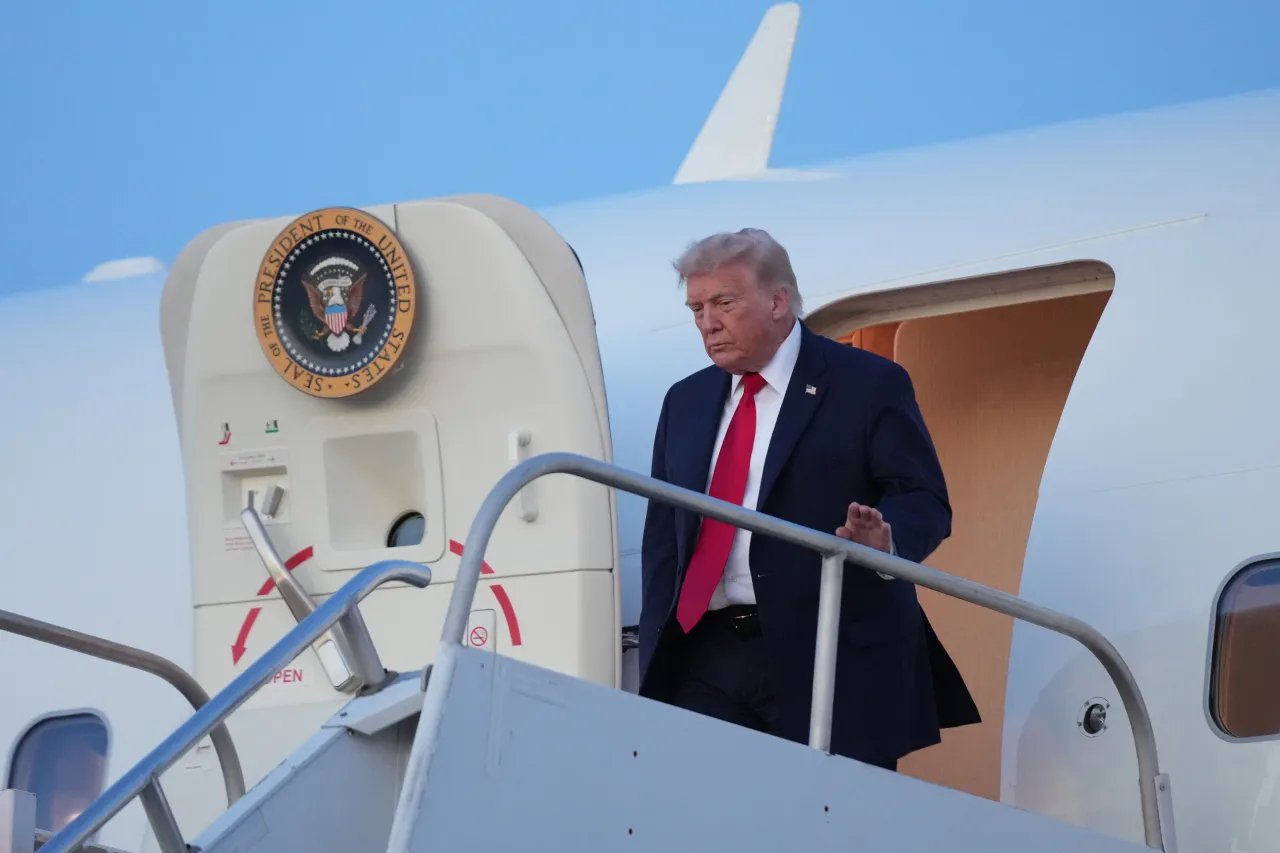
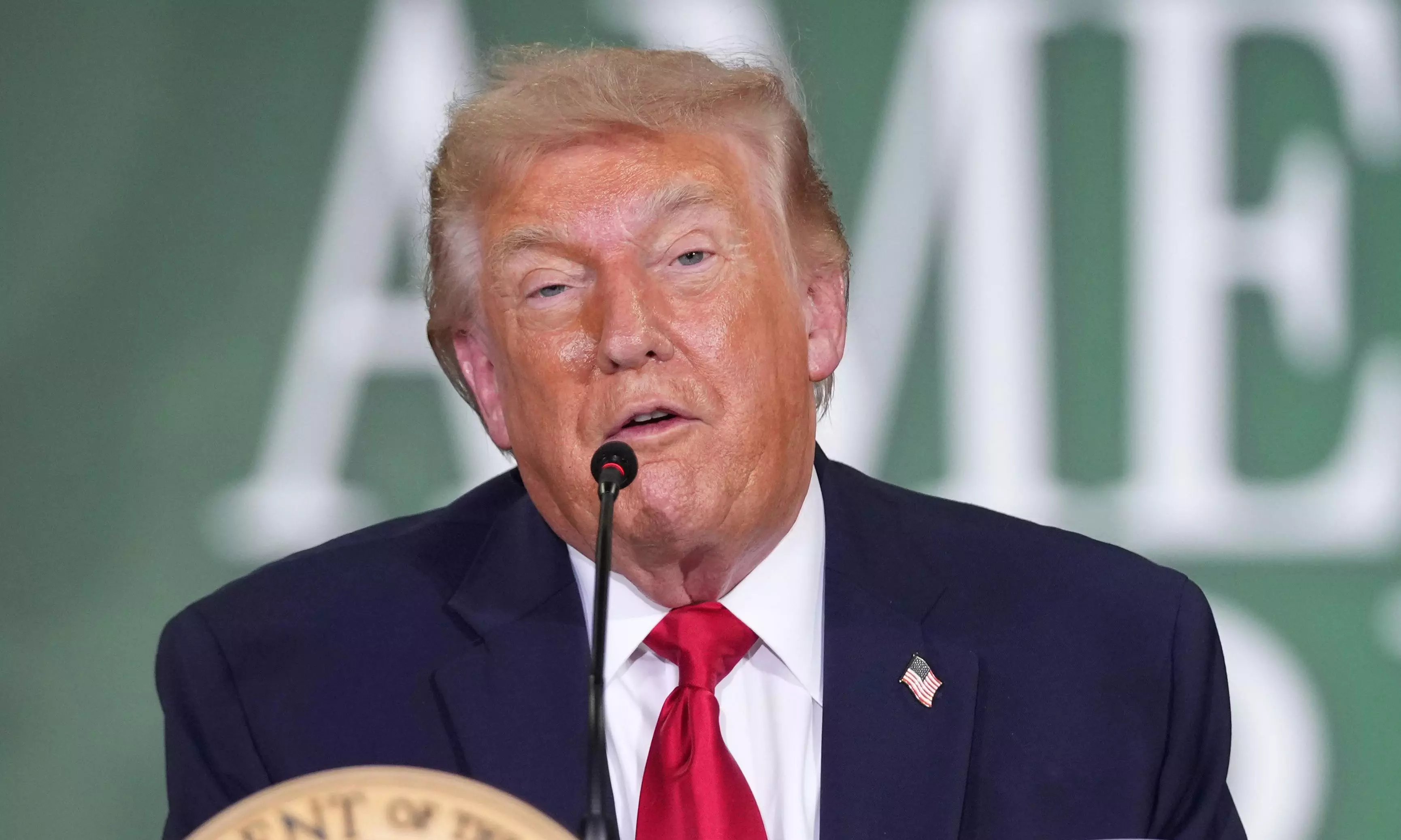
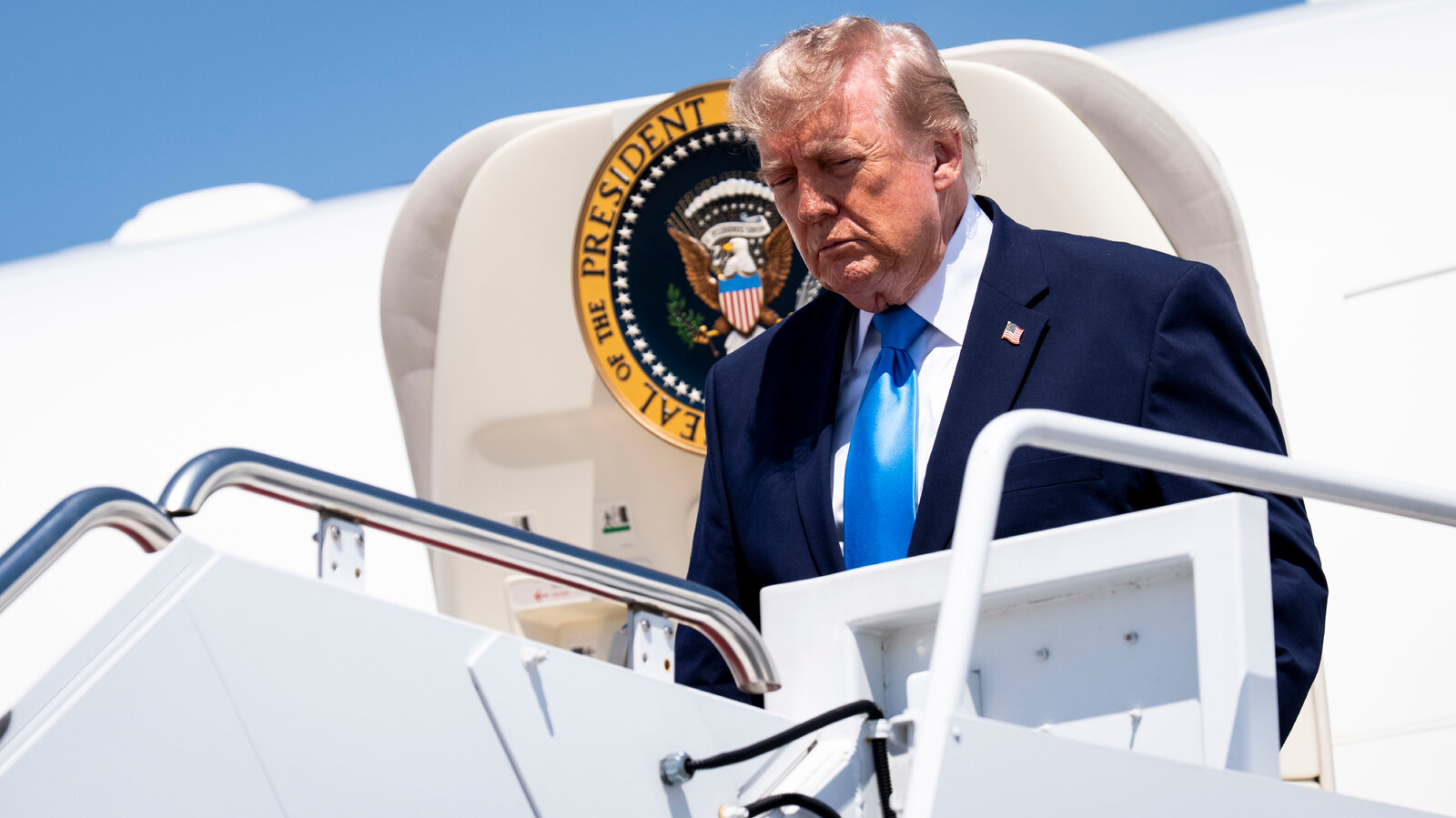
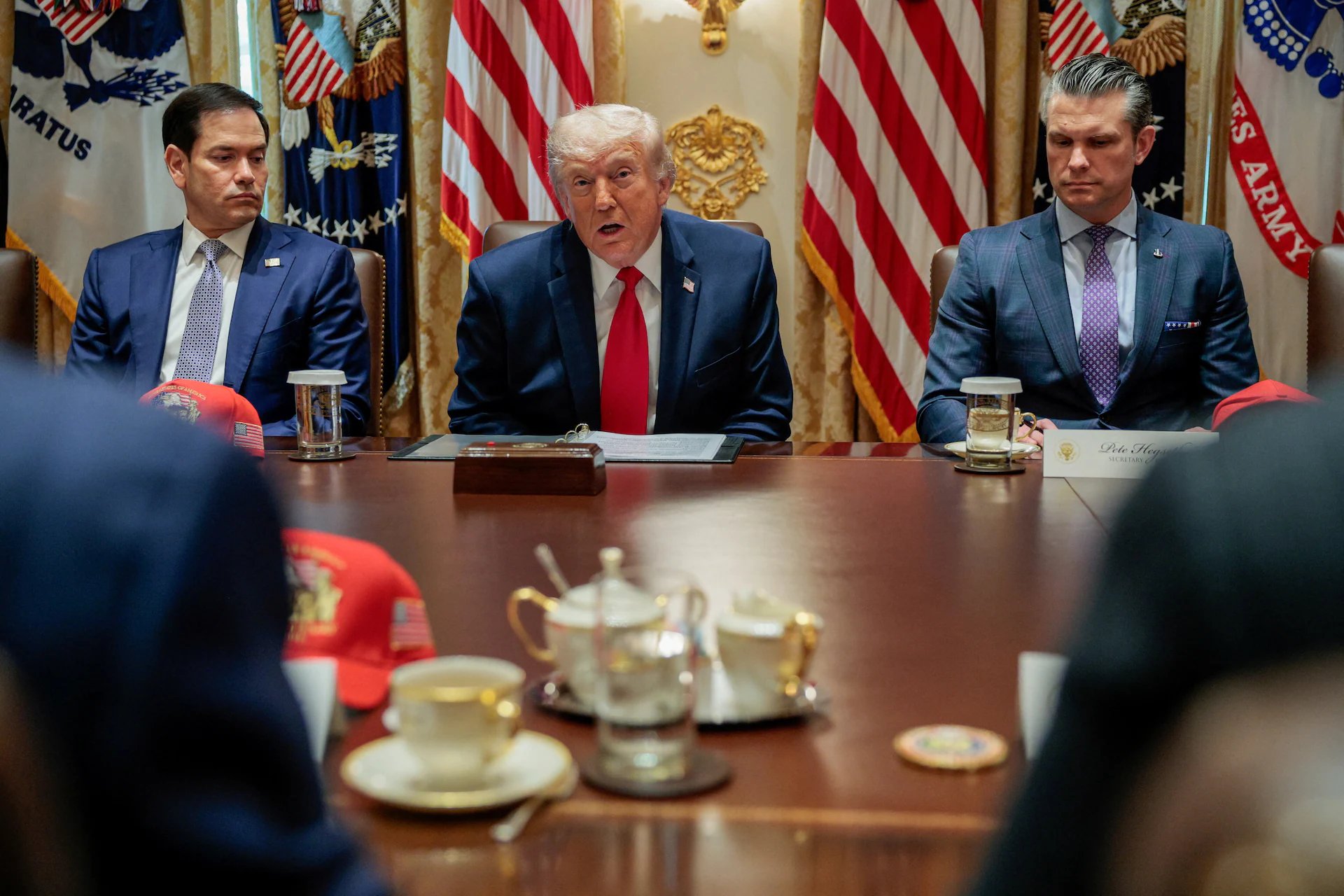
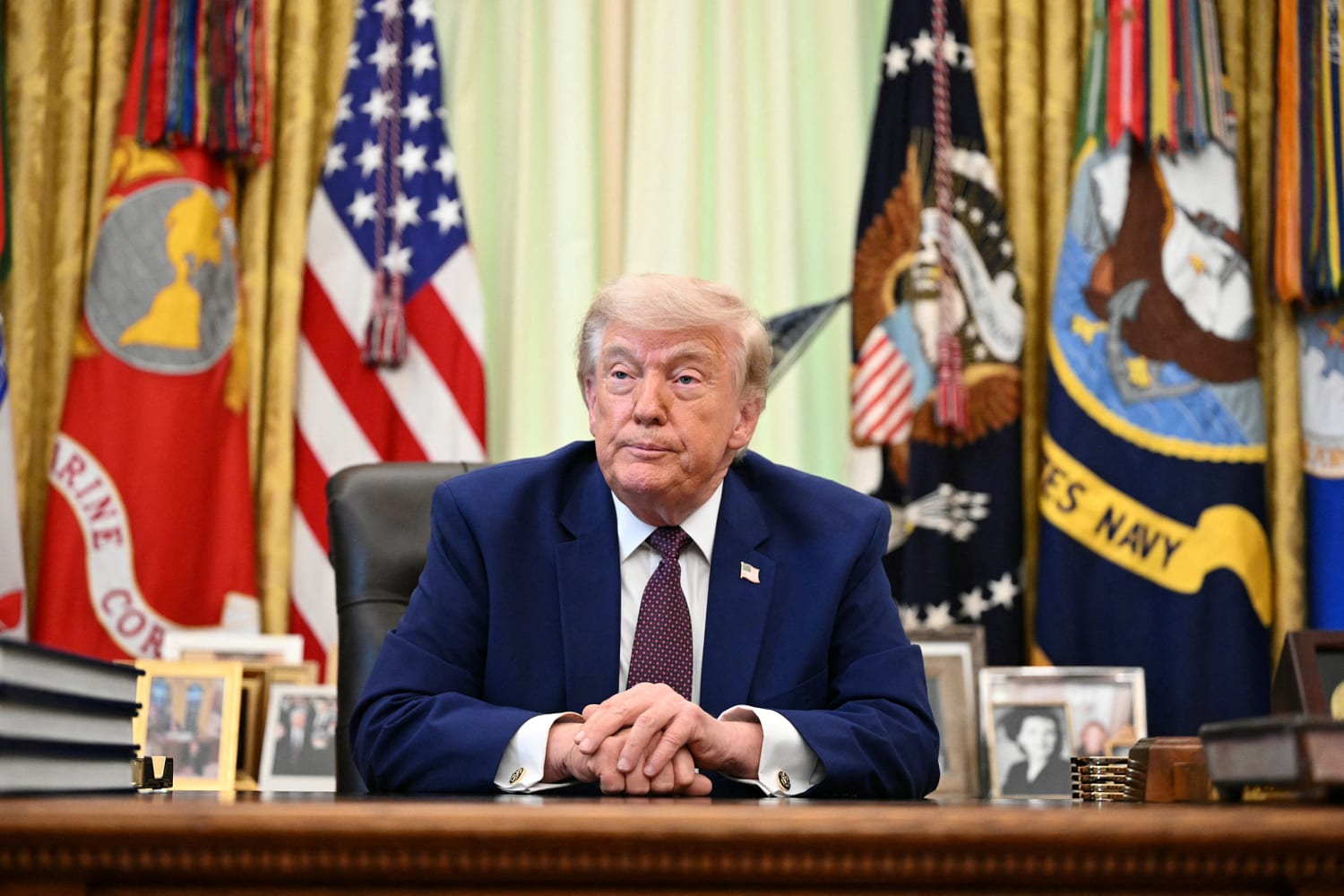
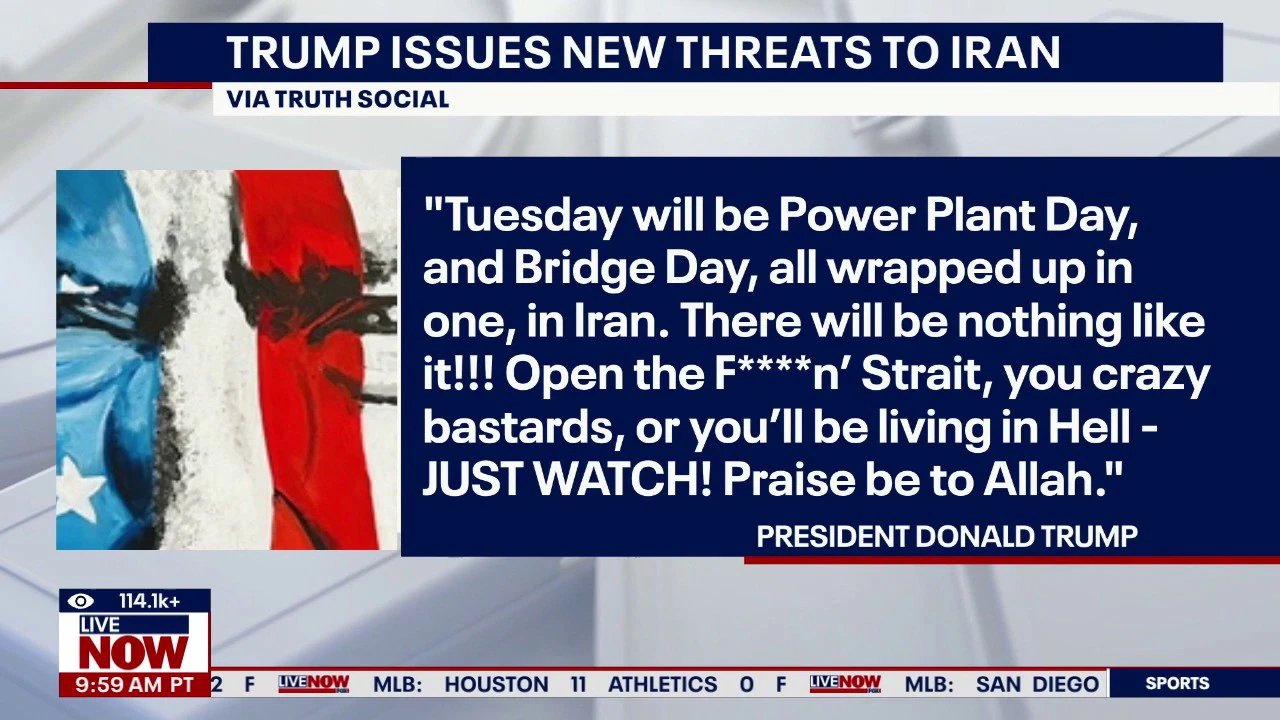
President Trump confirmed the Iranian attack on Tuesday and declared a response mandatory. "I have just been informed by our Great Military that last night the Iranians shot down one of our highly sophisticated Apache Helicopters while patrolling over the Strait of Hormuz," Trump wrote on Truth Social. "Nevertheless, the United States must, of necessity, respond to this attack."
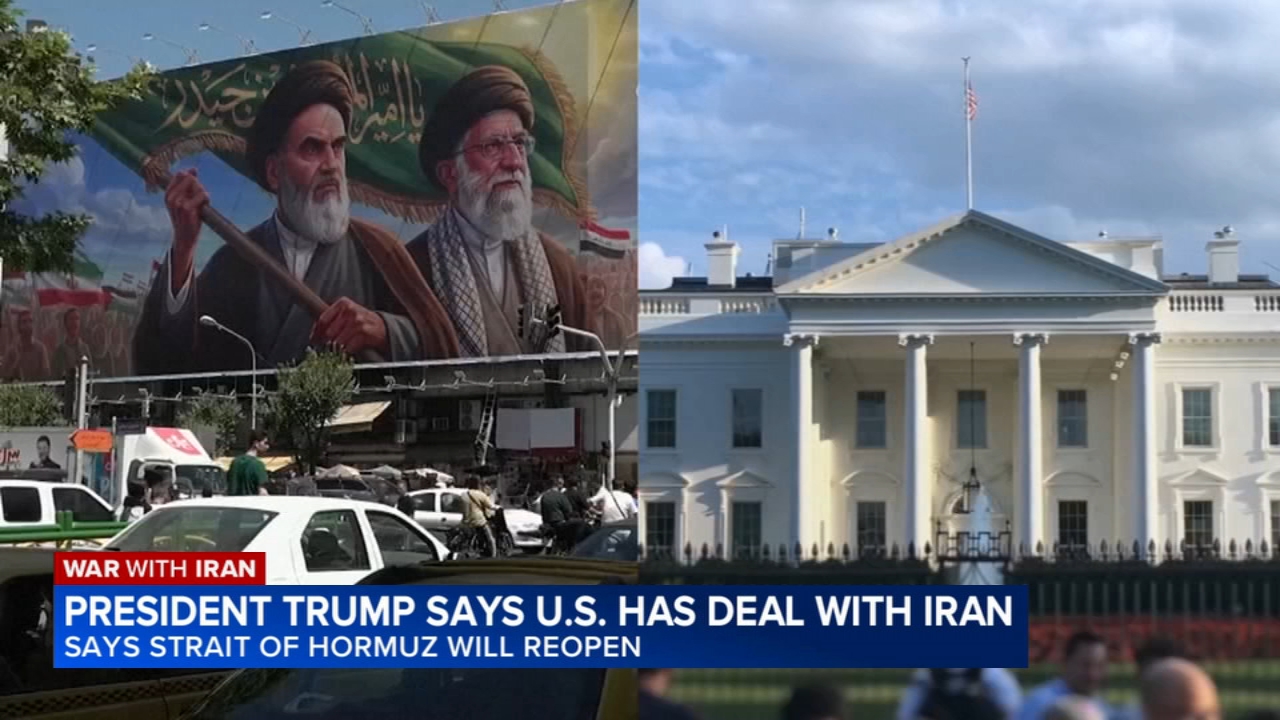
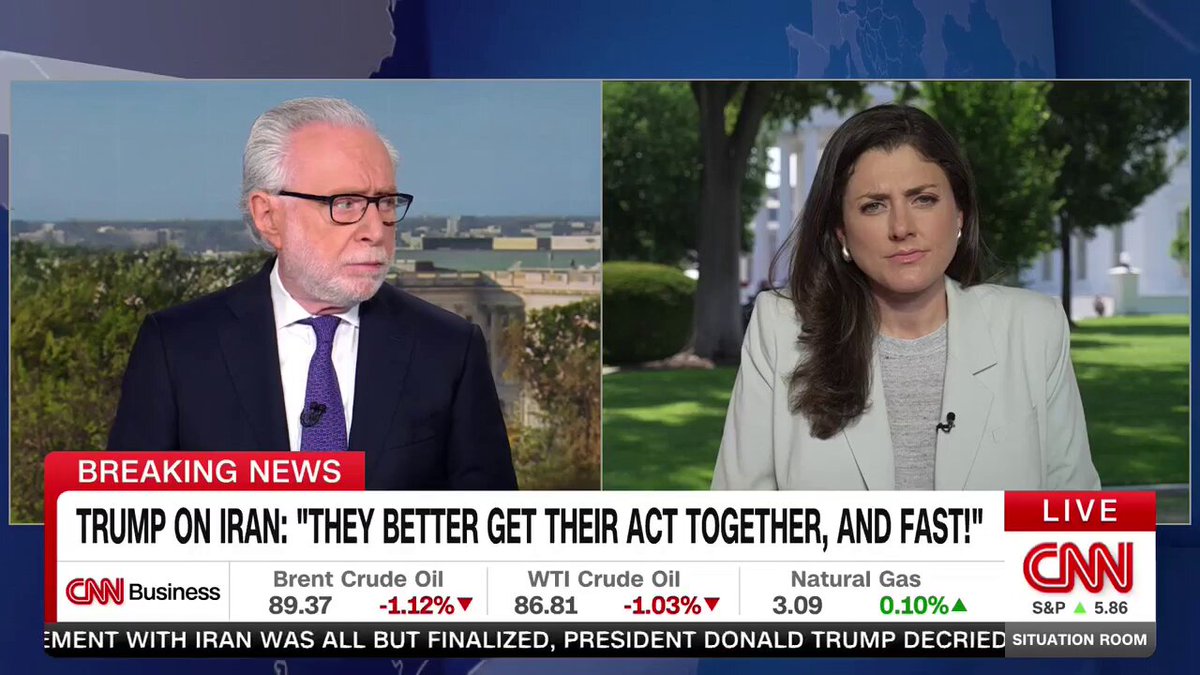
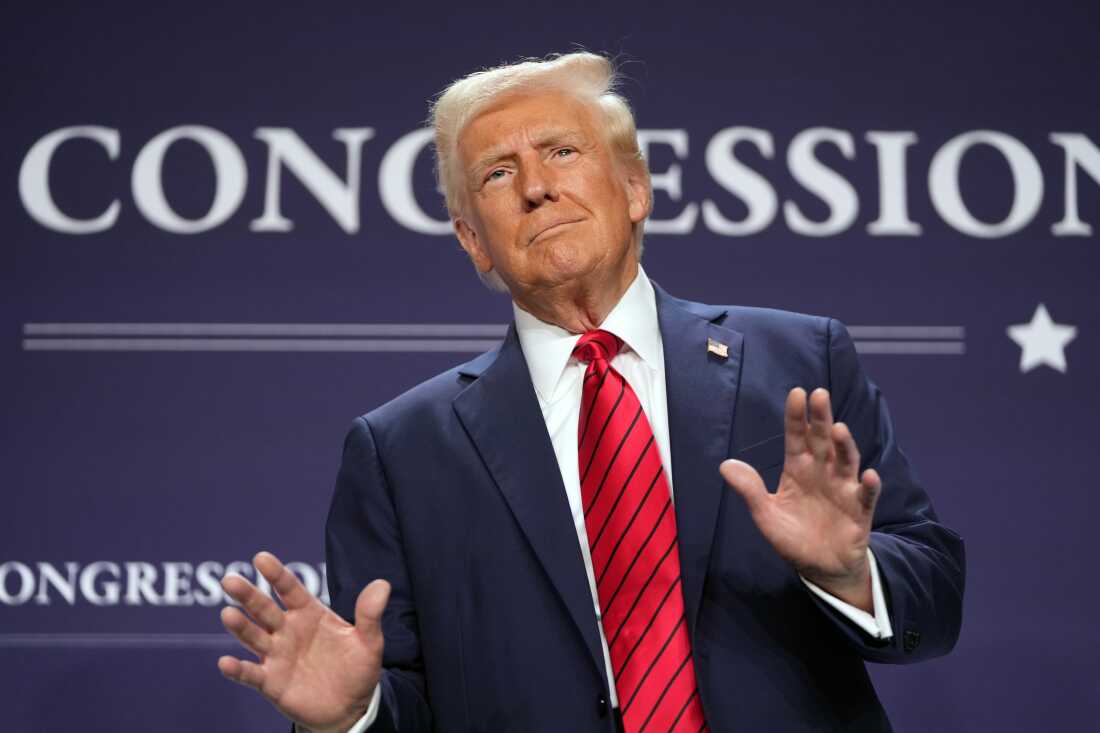
Trump stated both pilots were safe and uninjured. He has repeatedly claimed that a peace deal with Iran could materialize within "two or three days," yet the helicopter attack came amid fragile ceasefire negotiations that have stalled since April 8. The incident threatens to unravel diplomatic efforts that Trump has characterized as being in their "final throes."
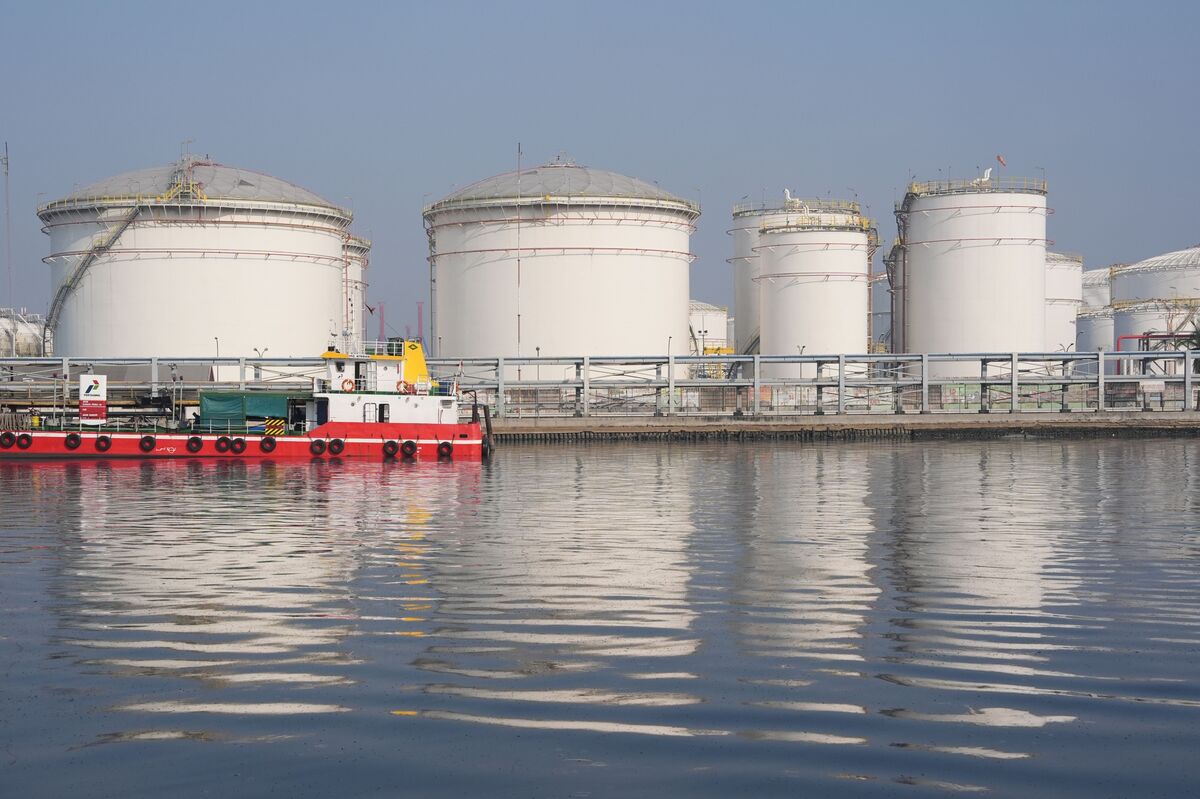
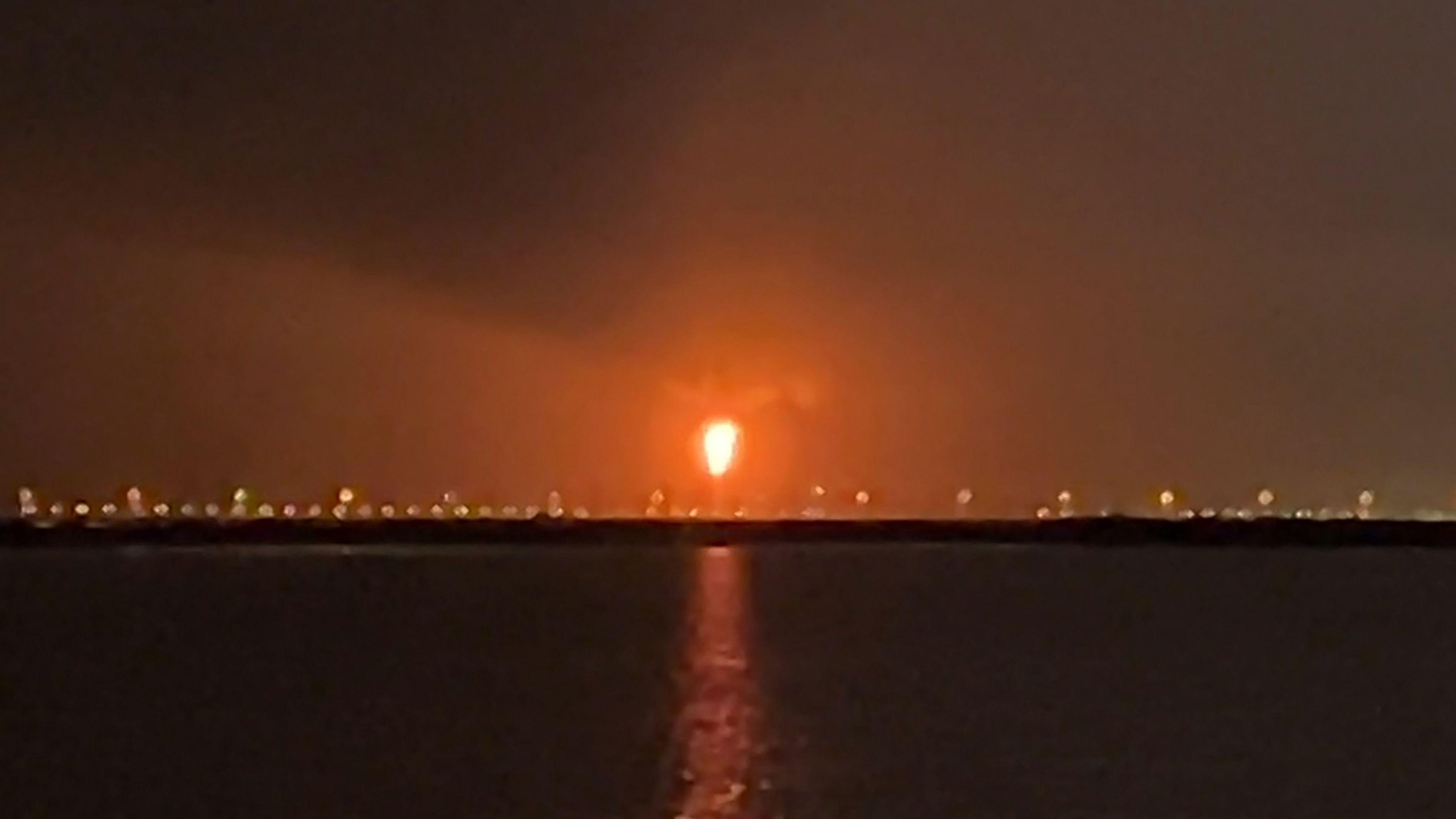
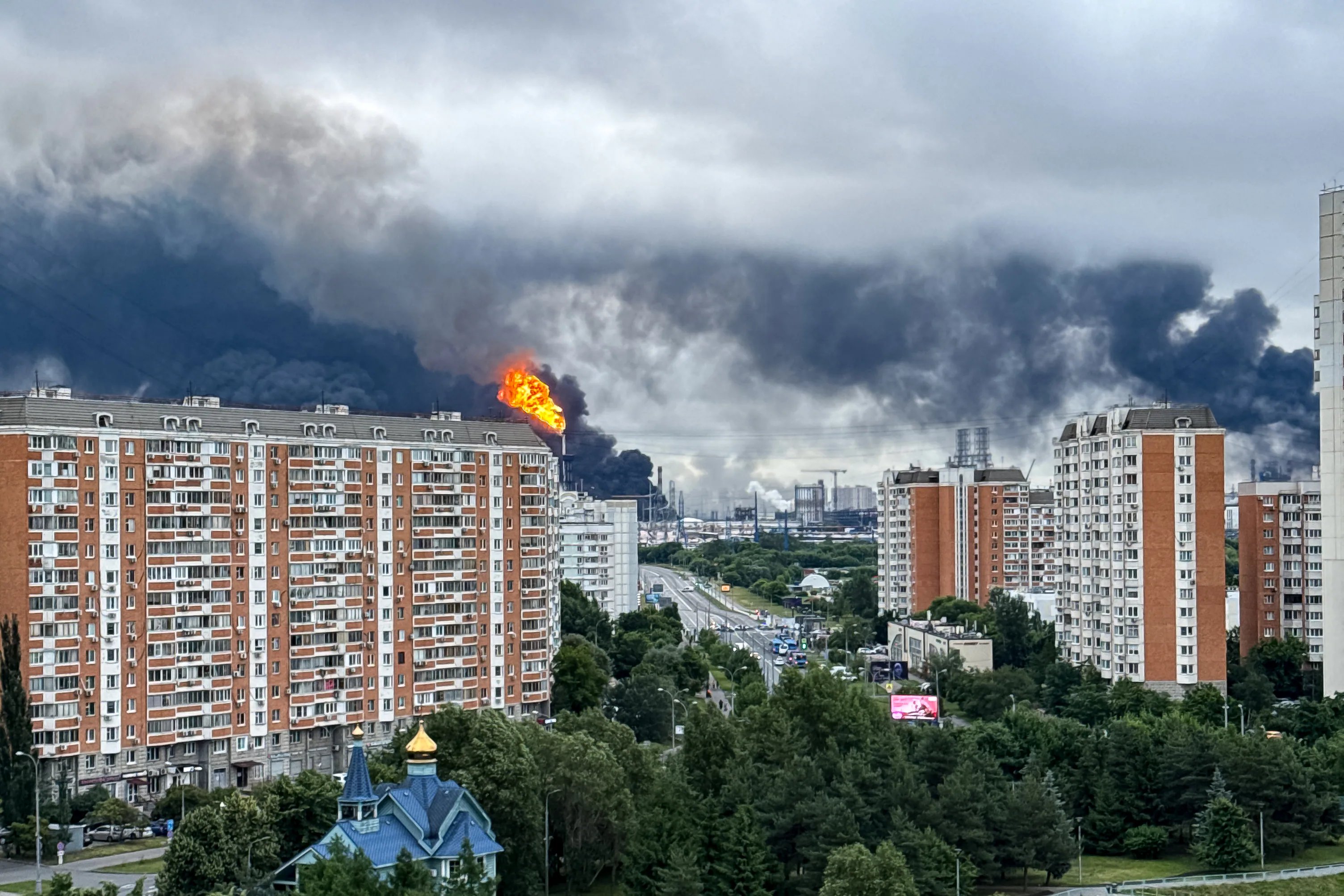
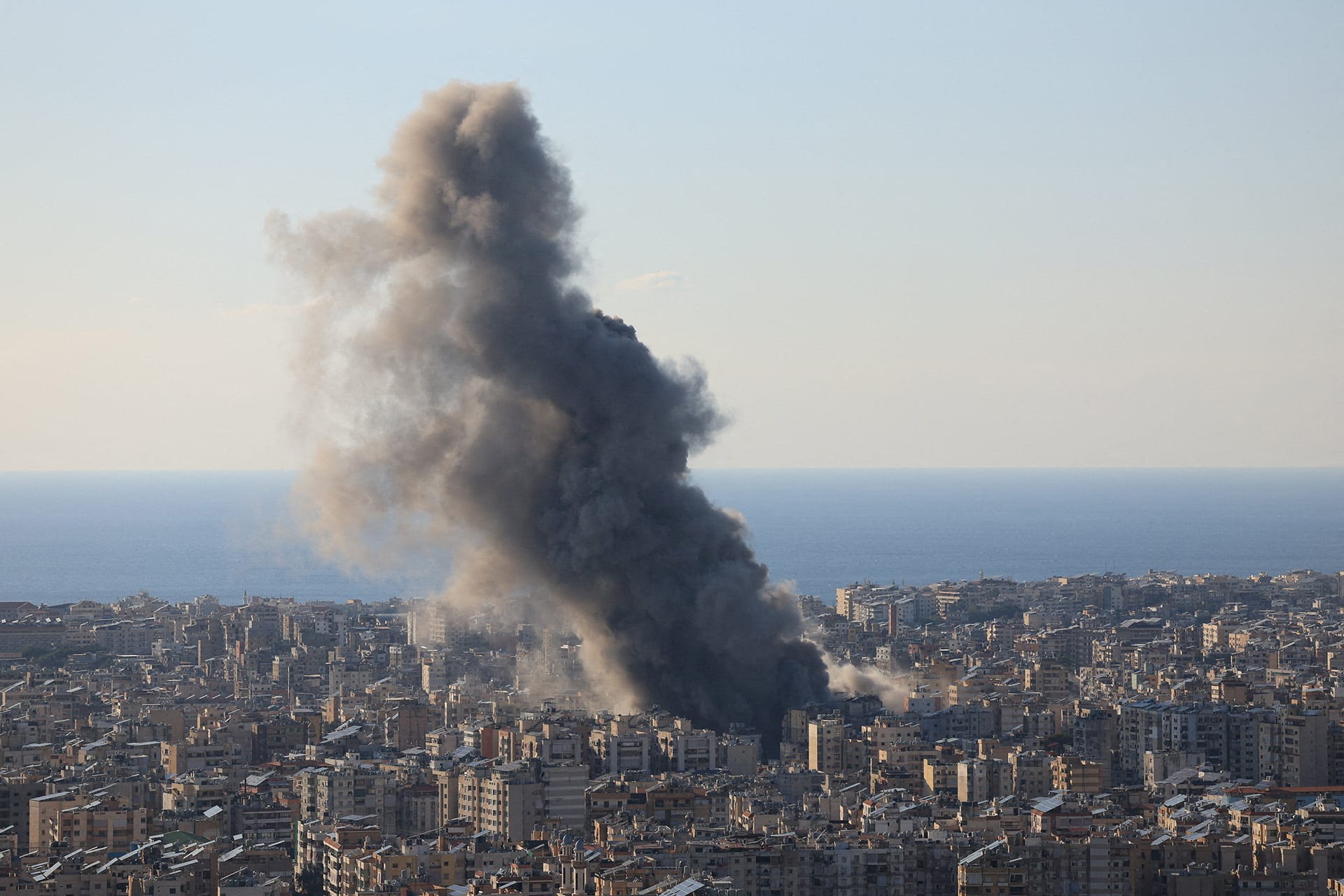
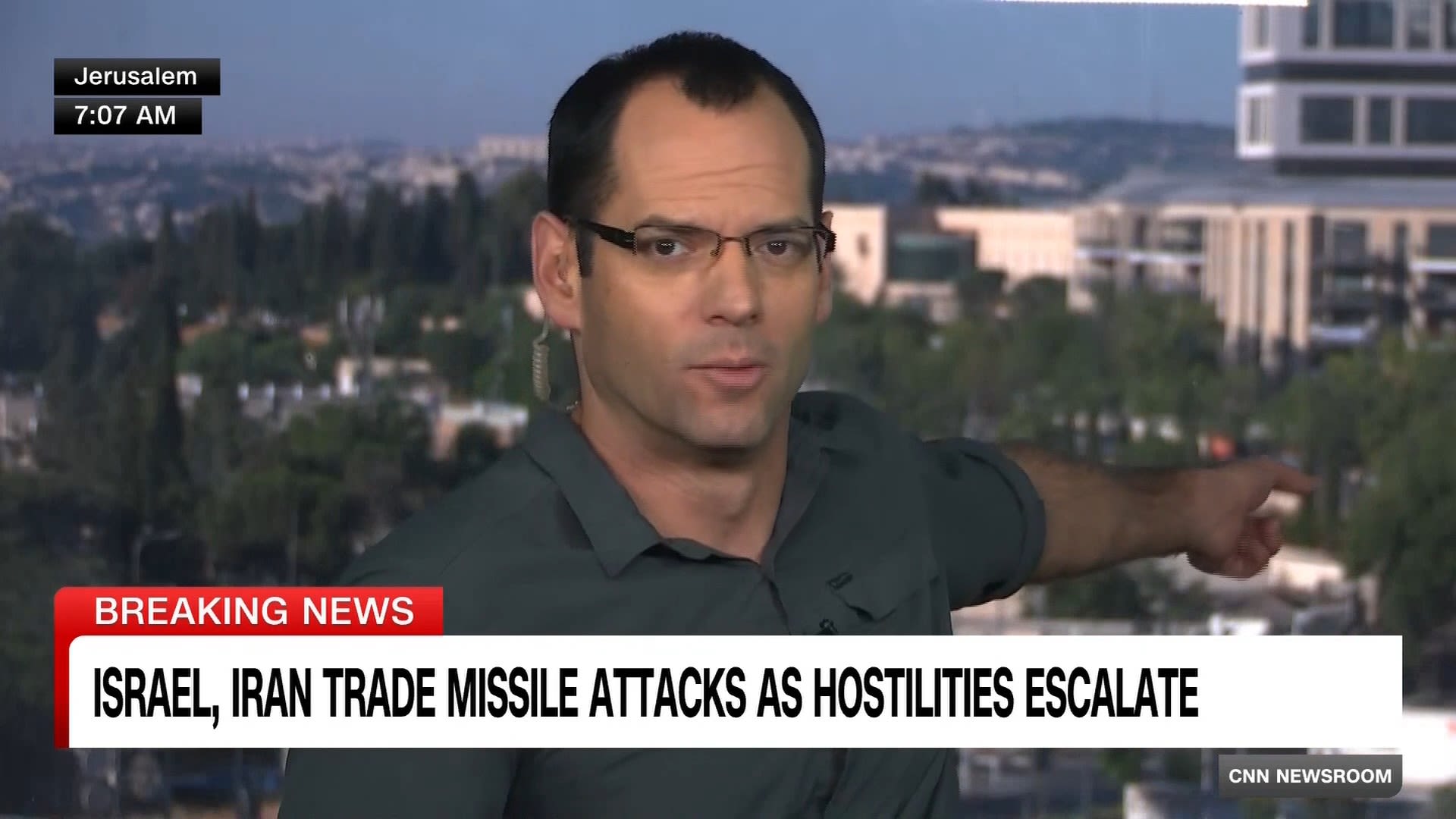
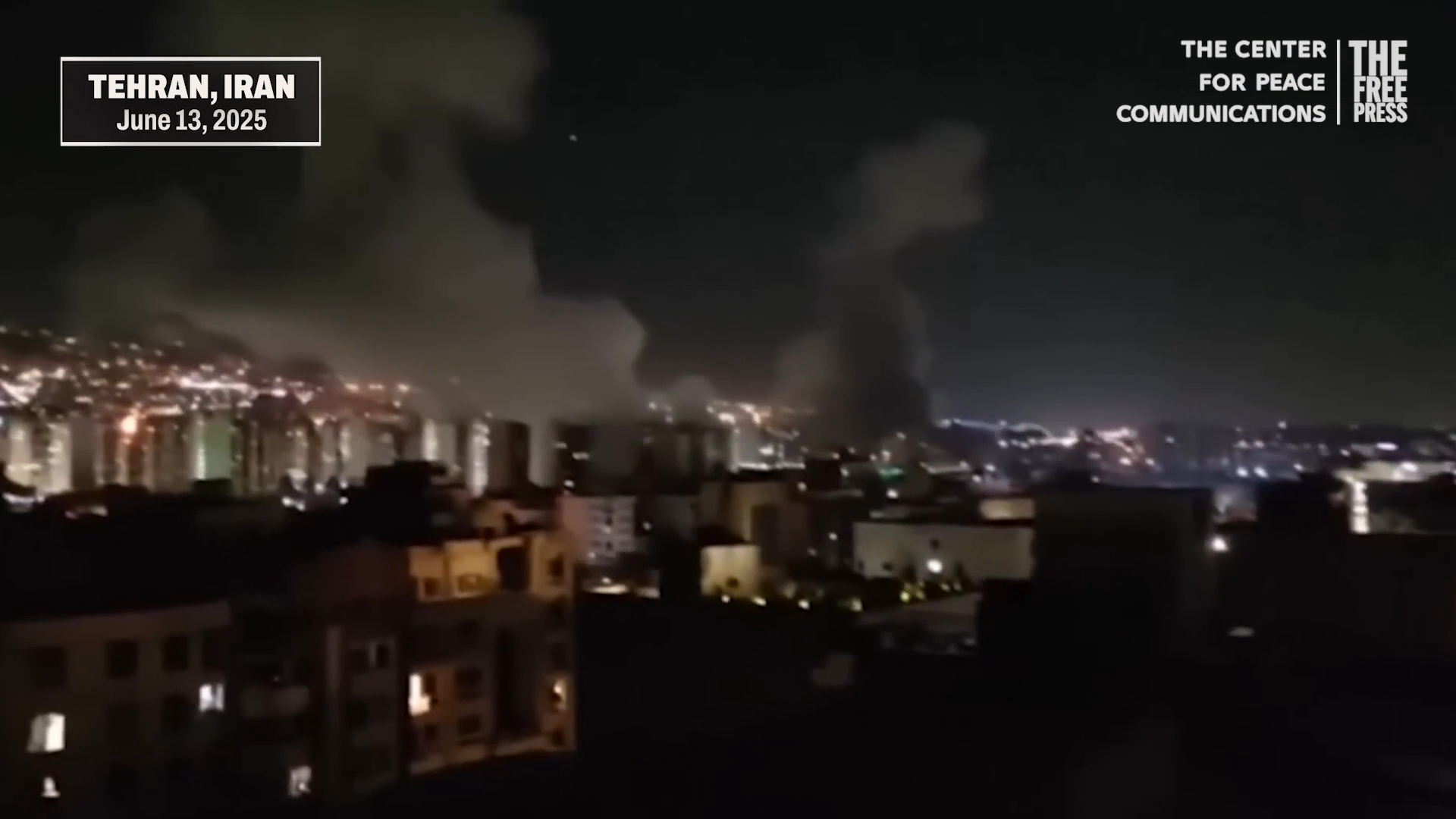
The timing is precarious. Iran and Israel exchanged strikes over the previous 24 hours in the most severe test of the ceasefire since it began. Israel struck targets in Tehran, including a key component of the country's largest petrochemical facility, after Iran launched missiles toward Israel in response to an Israeli strike on Beirut. Trump called Israeli Prime Minister Benjamin Netanyahu on Sunday evening and told him: "Bibi, you better be careful, or you will be on your own very soon." Netanyahu ultimately agreed to halt strikes after Trump warned that Israel might find itself fighting alone if it resumed the war.
Iran's Defiant Stance
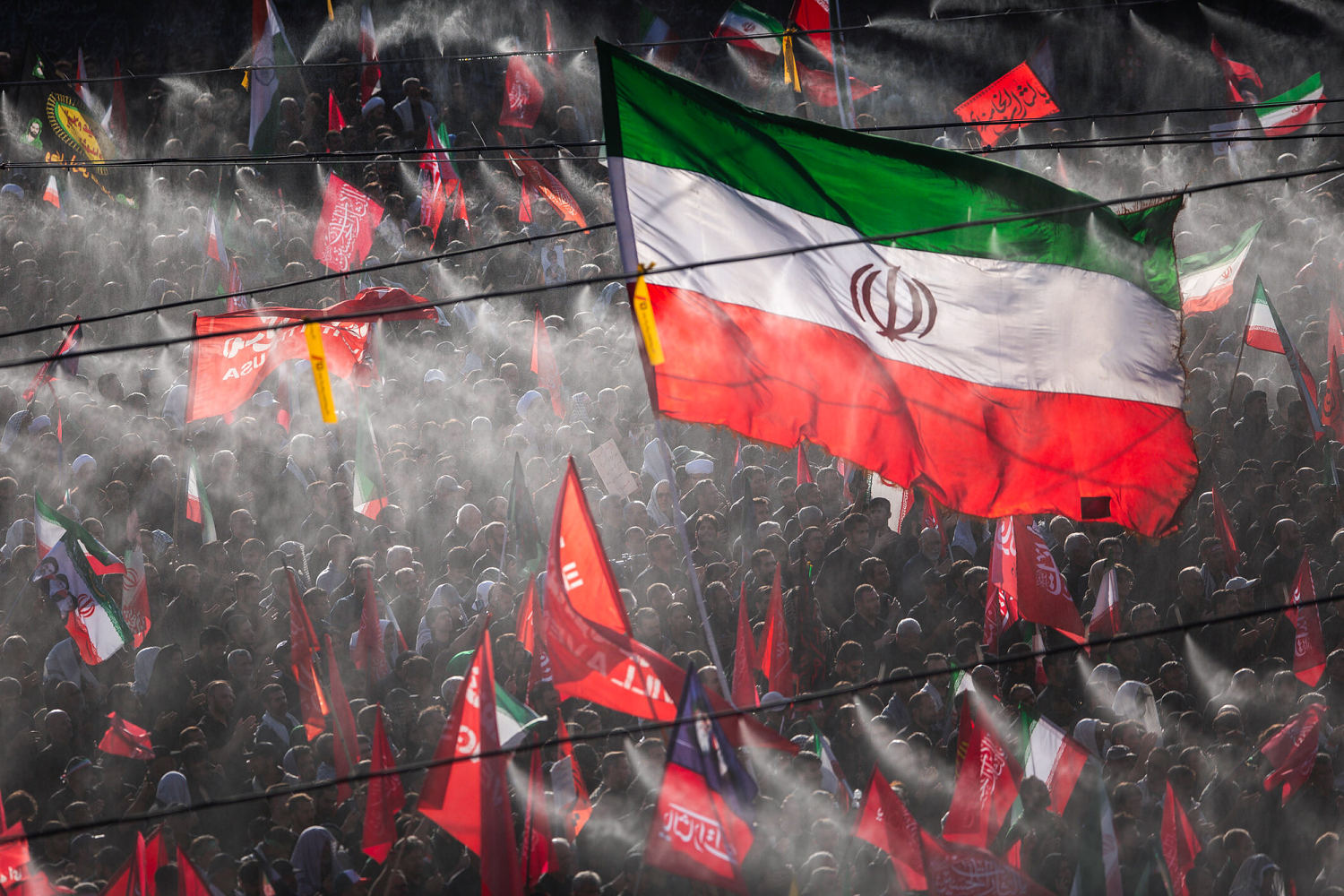
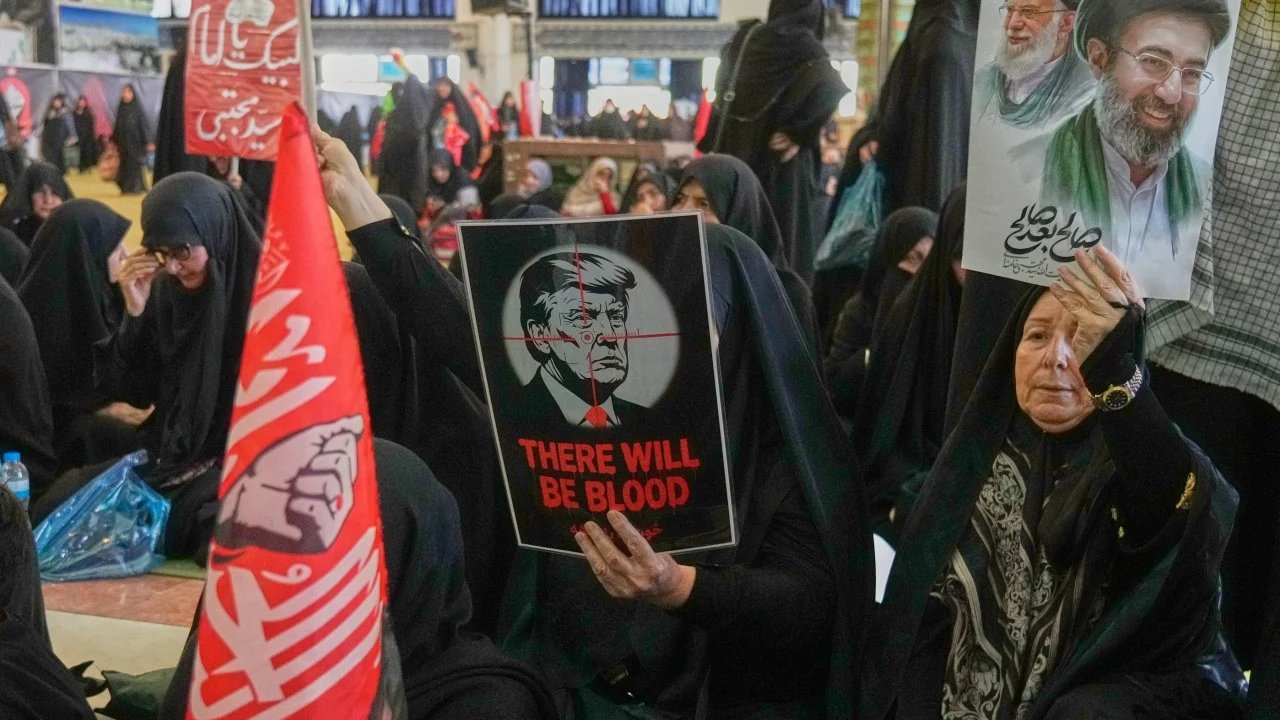
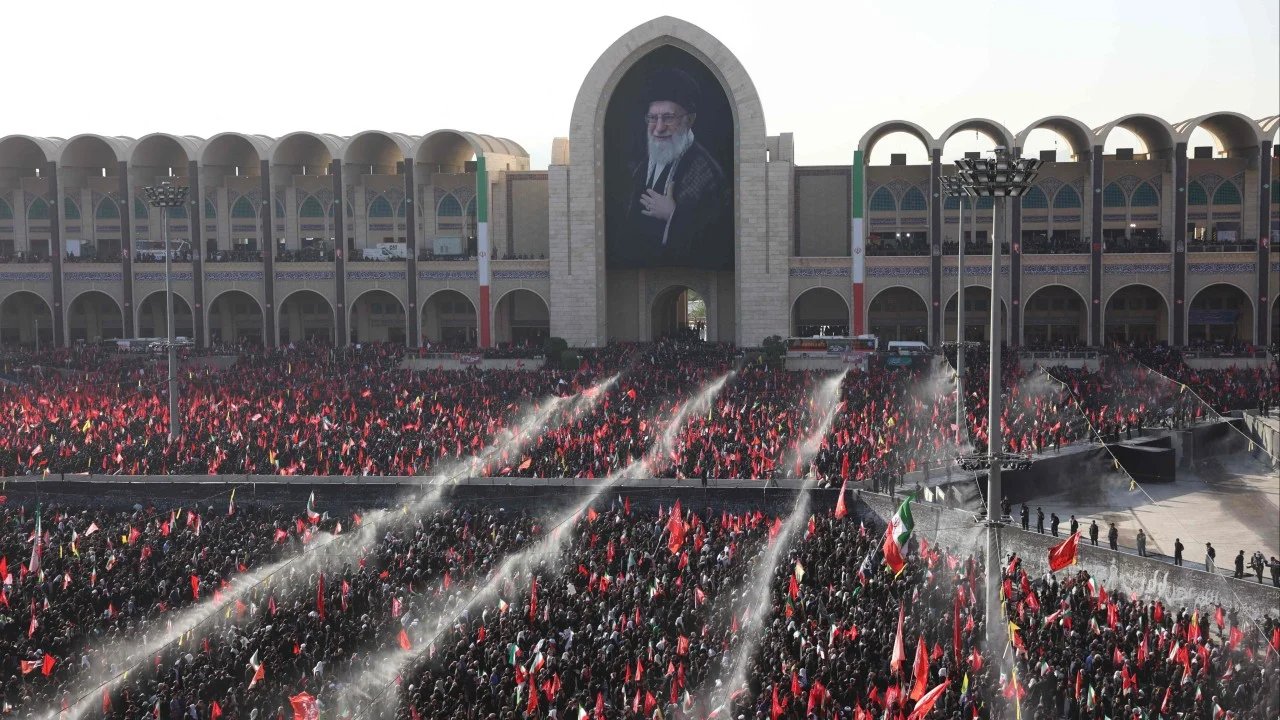
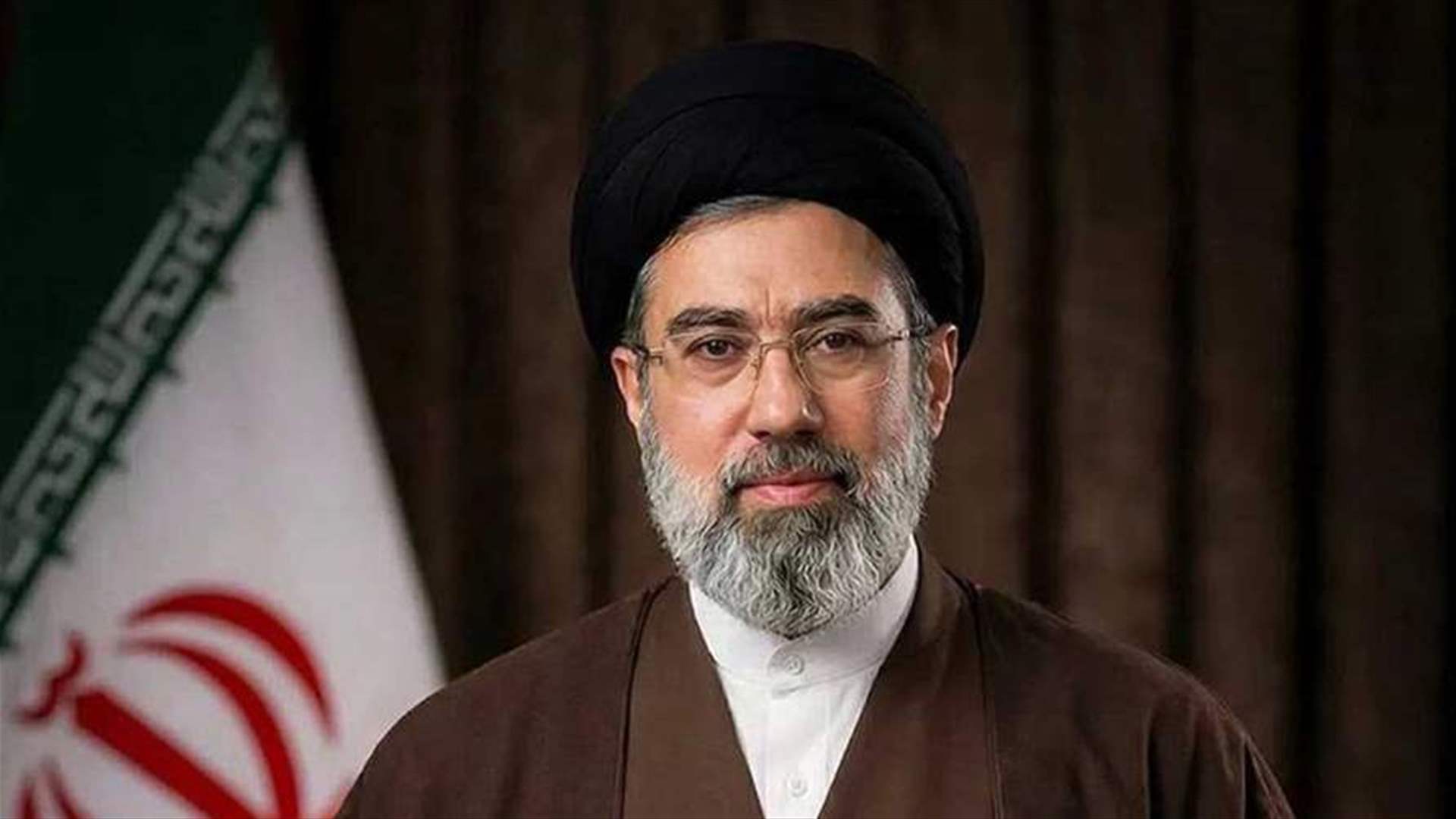
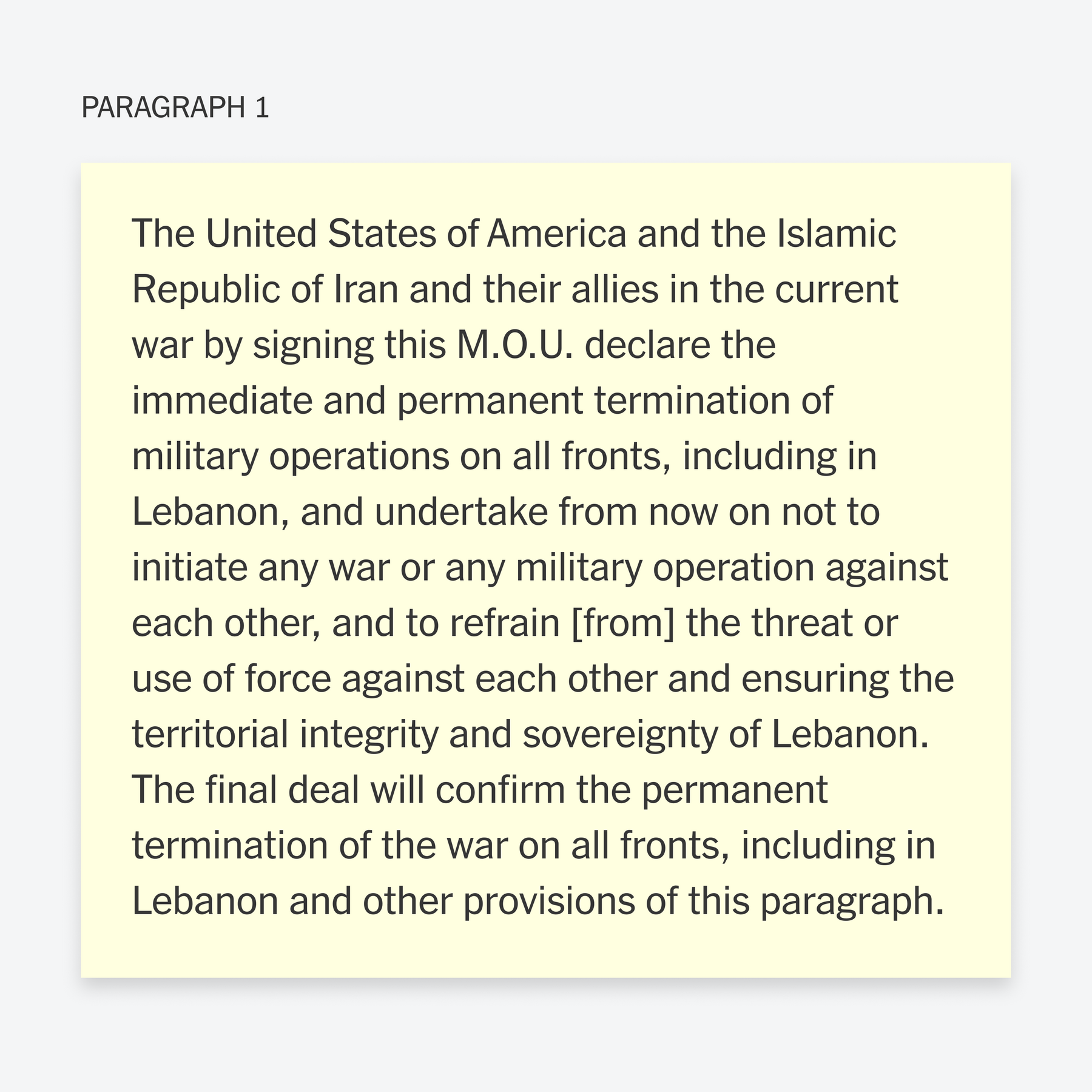
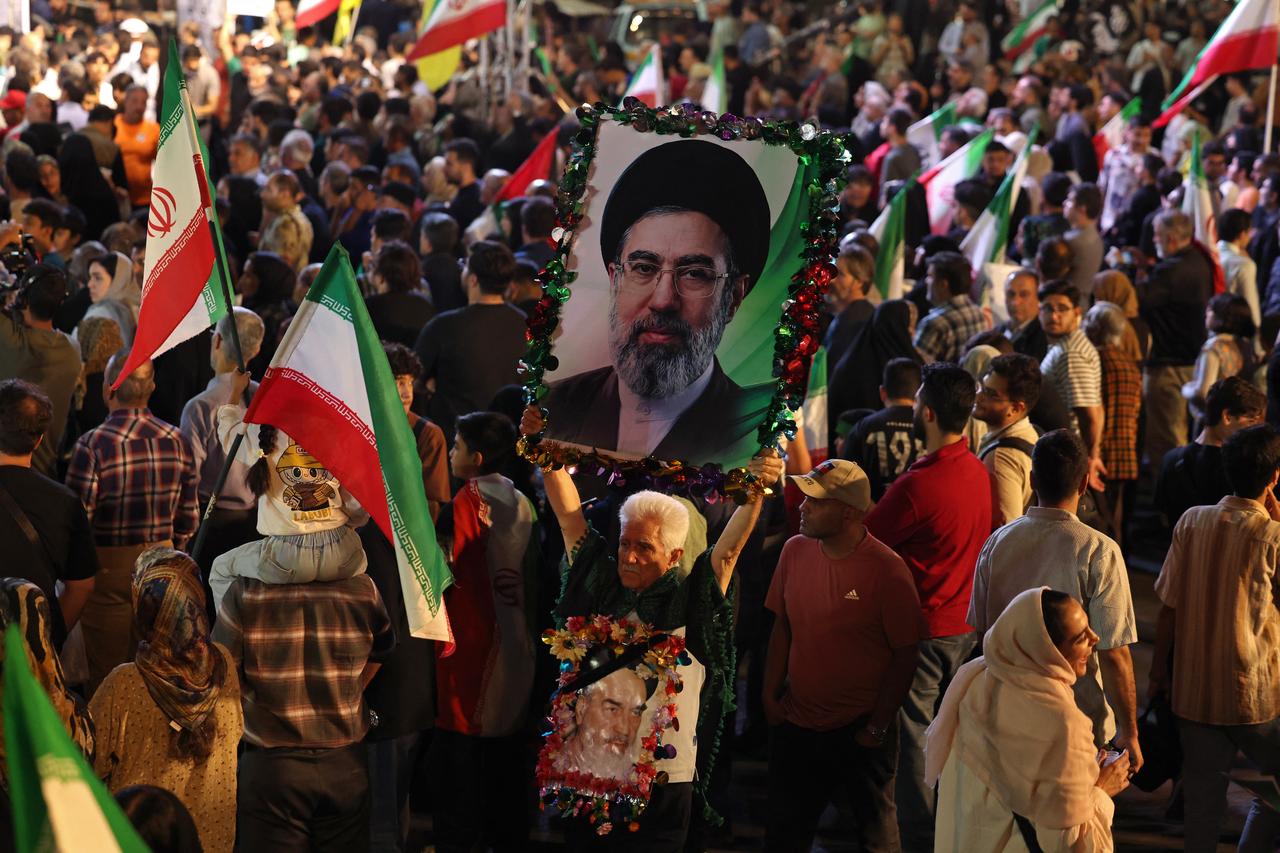
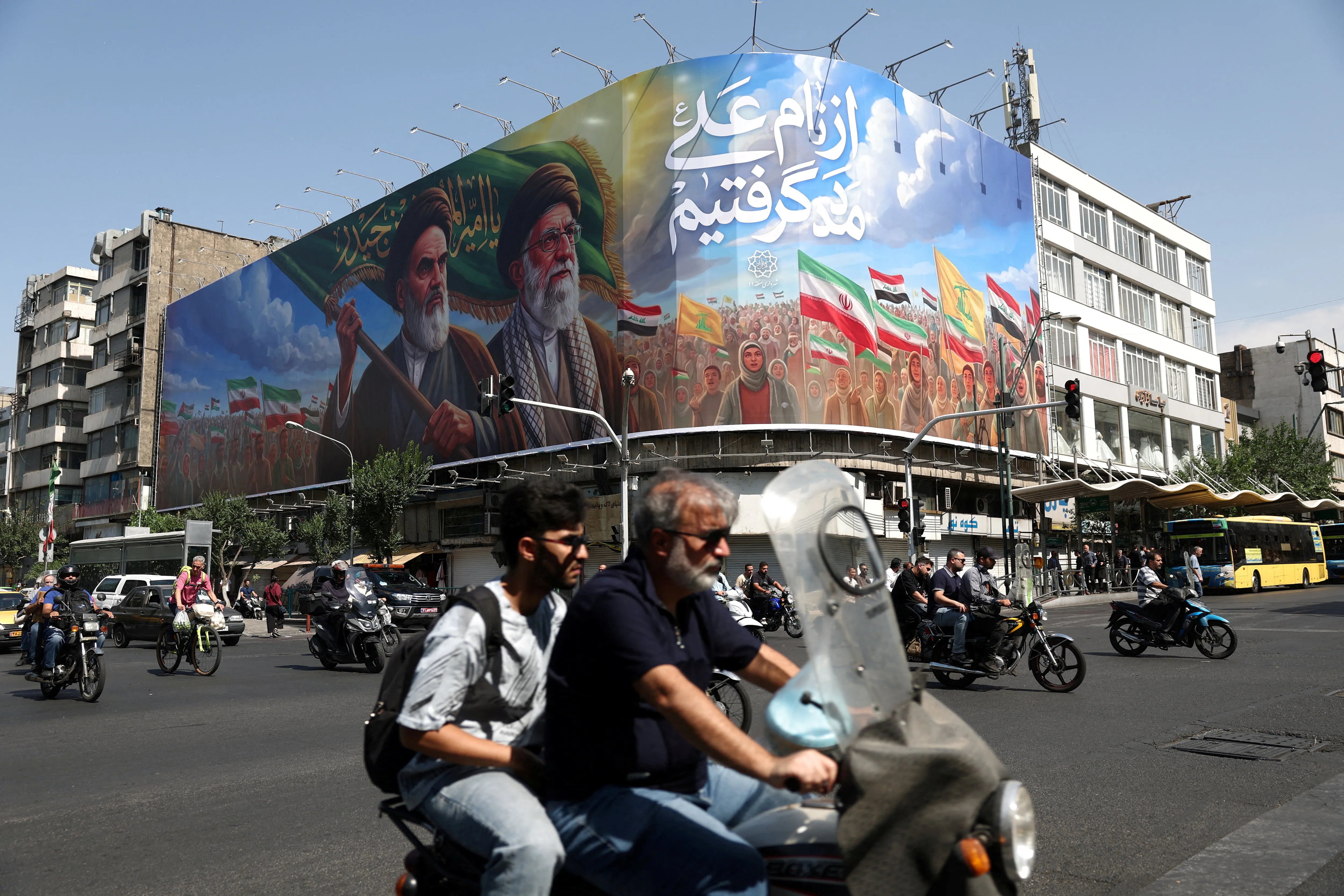
Mohammad-Bagher Ghalibaf, Iran's parliamentary speaker and chief negotiator, rejected Trump's claims about a pending deal. Ghalibaf said Trump's recent statements about the draft memorandum of understanding contradicted what had been agreed upon and added: "We have no trust in the other side."
In a separate post on X, Ghalibaf warned: "We prefer the language of diplomacy, but we speak other languages far more fluently. Break your commitments, and we'll switch to what we speak best." He also commemorated the 102nd day of the war, saying the Iranian nation had been "pulled from the jaws of the ravenous wolves" and praising the country's resilience.
The Broader Conflict Context
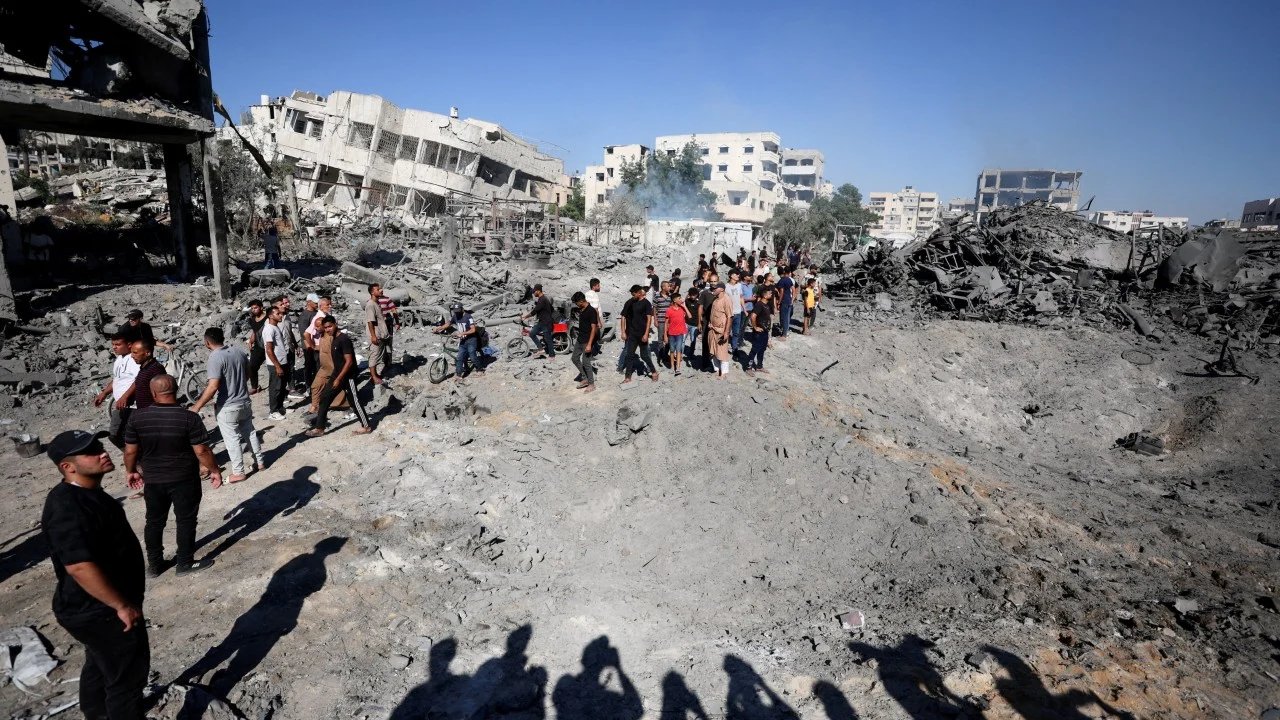
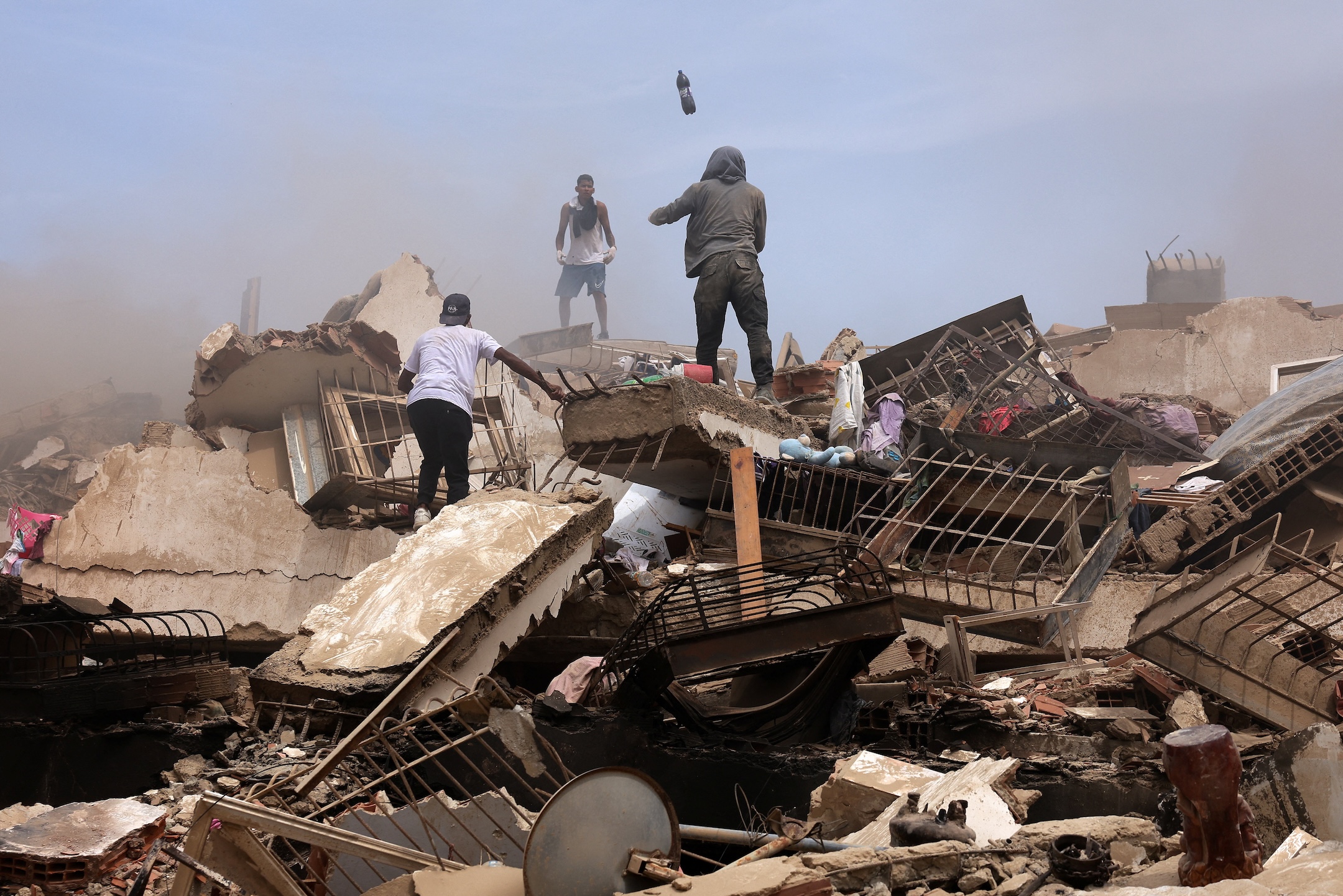
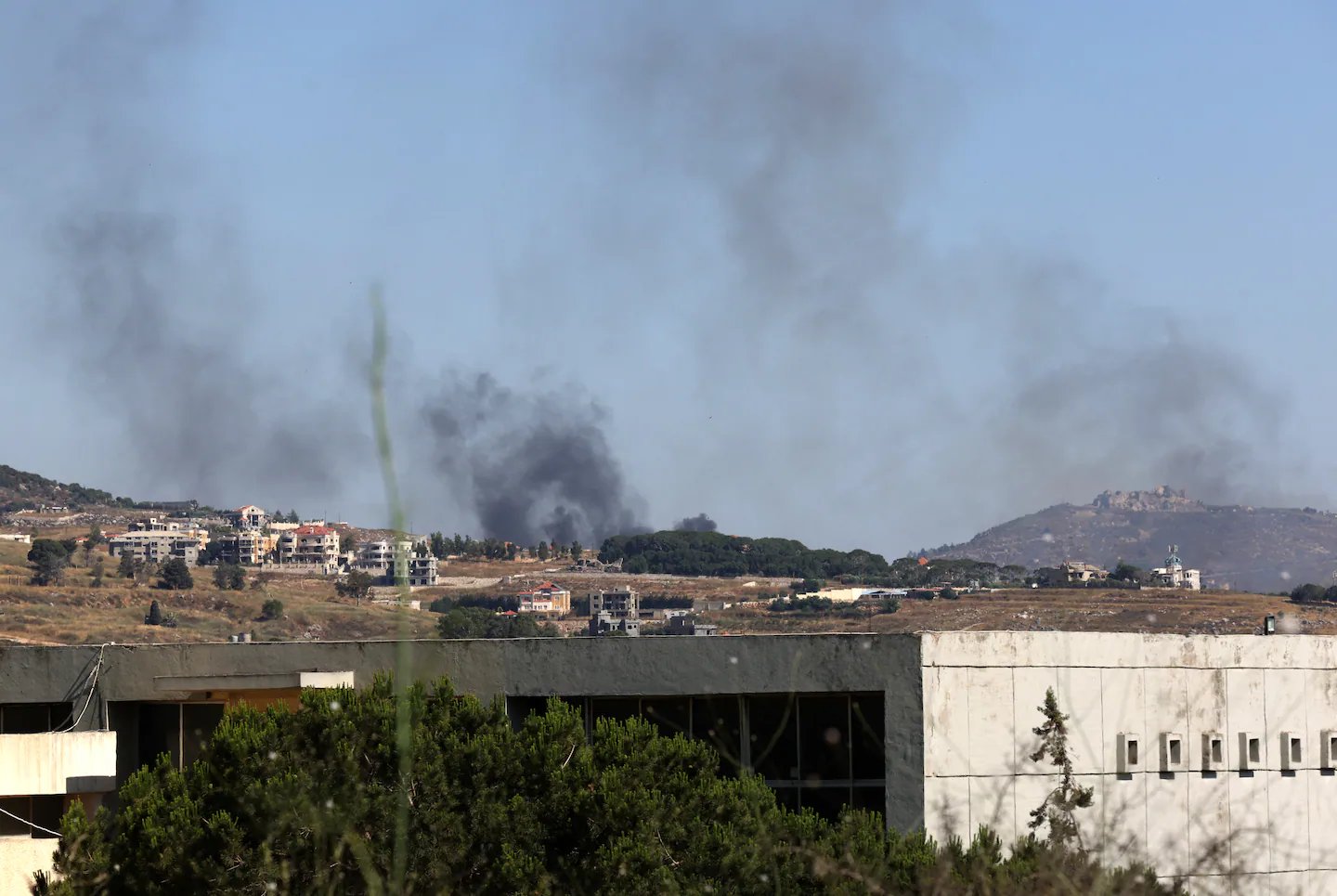
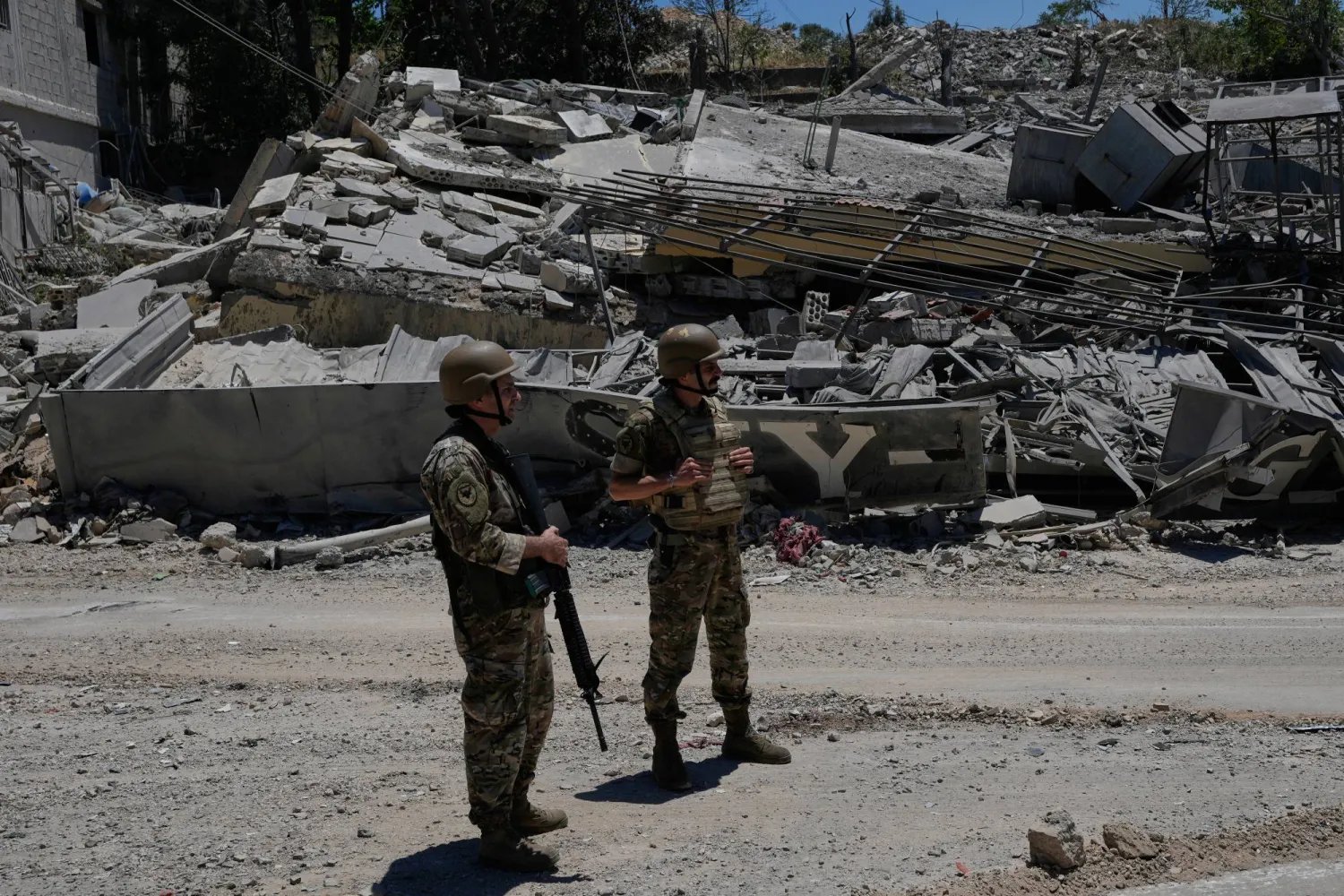
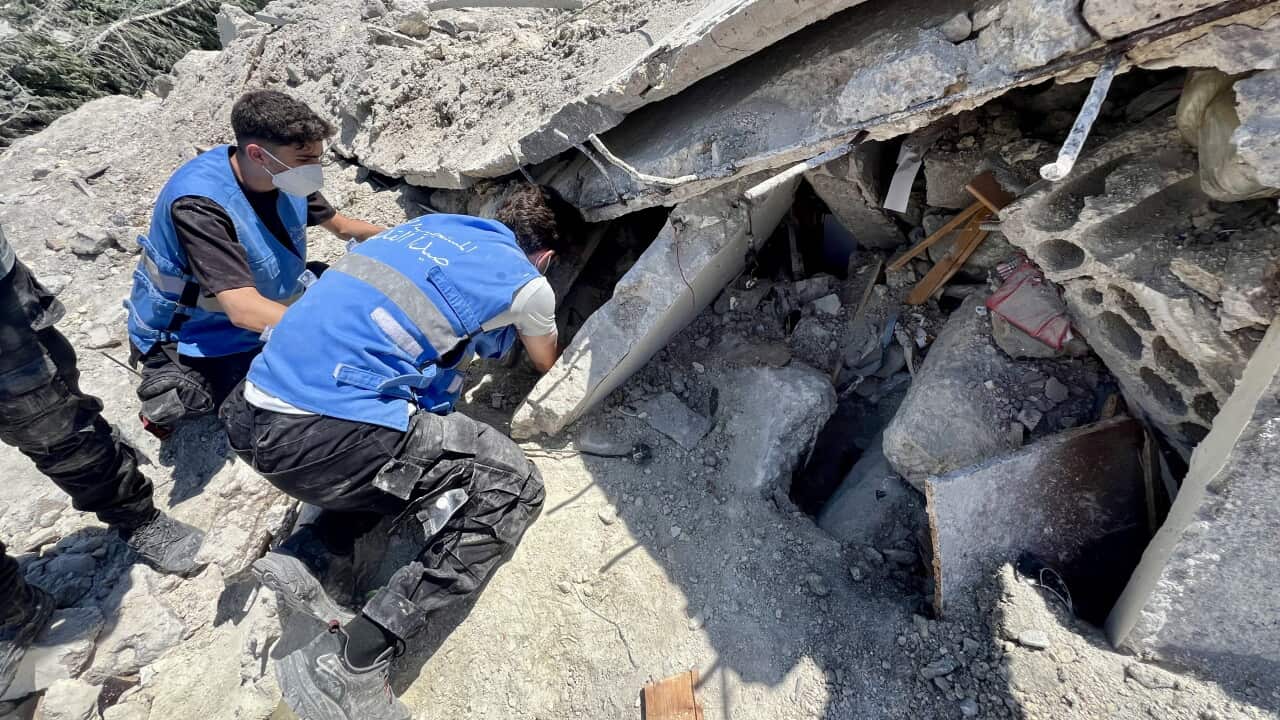
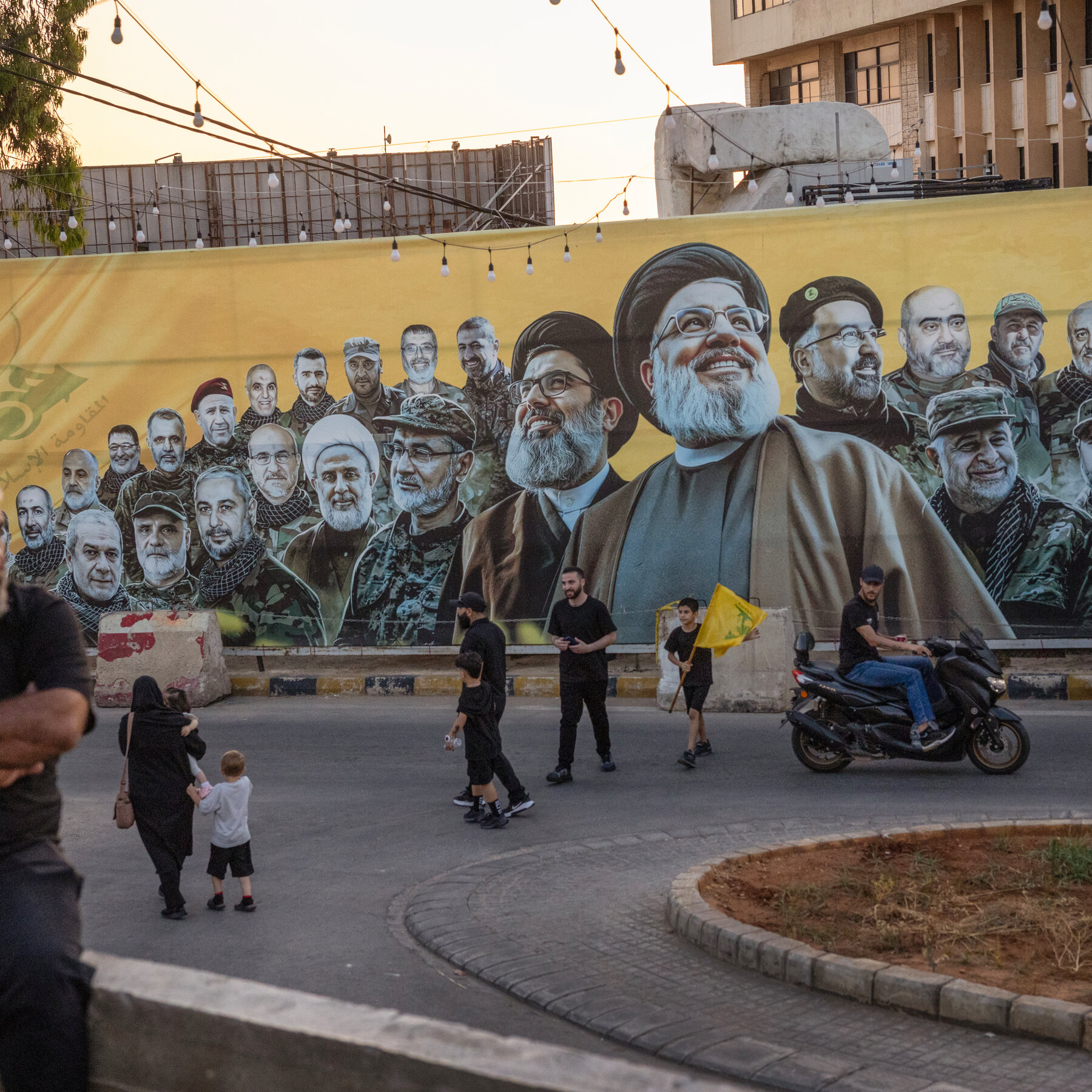
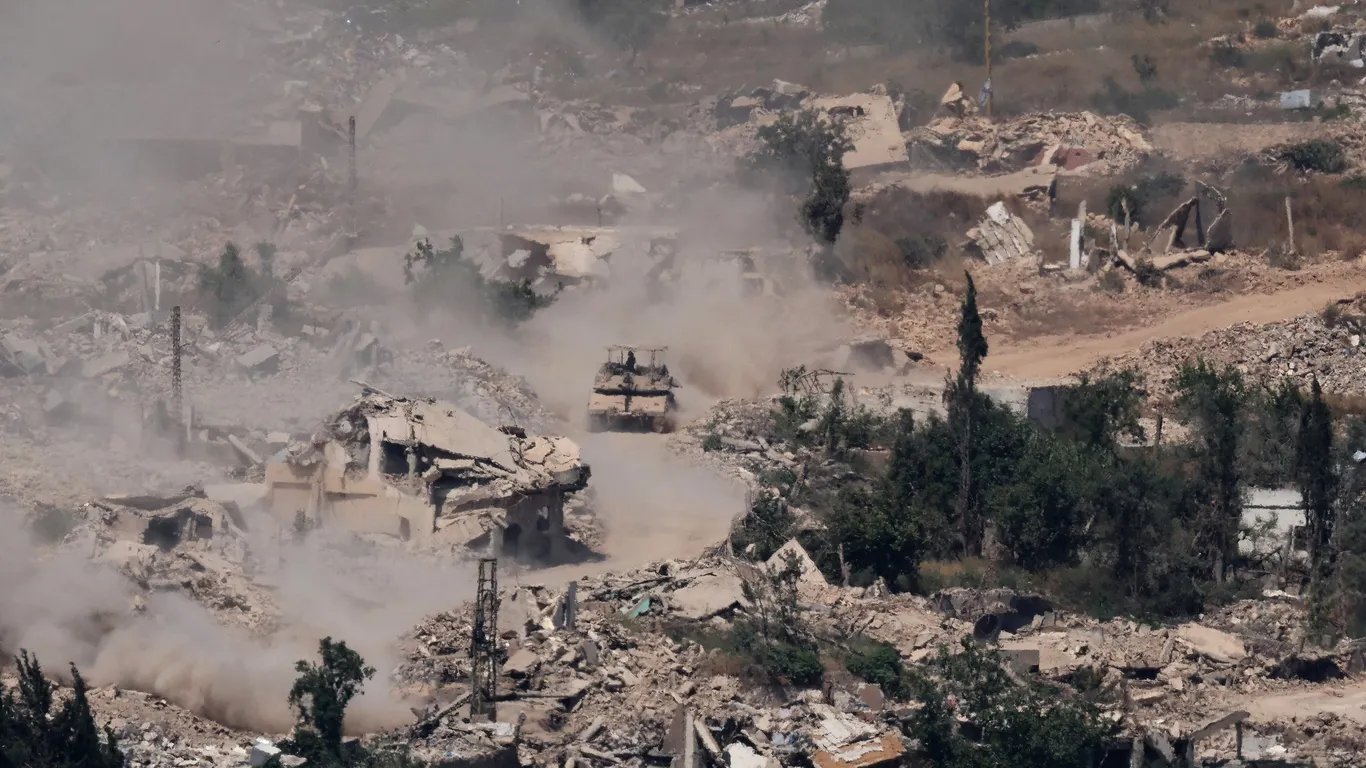
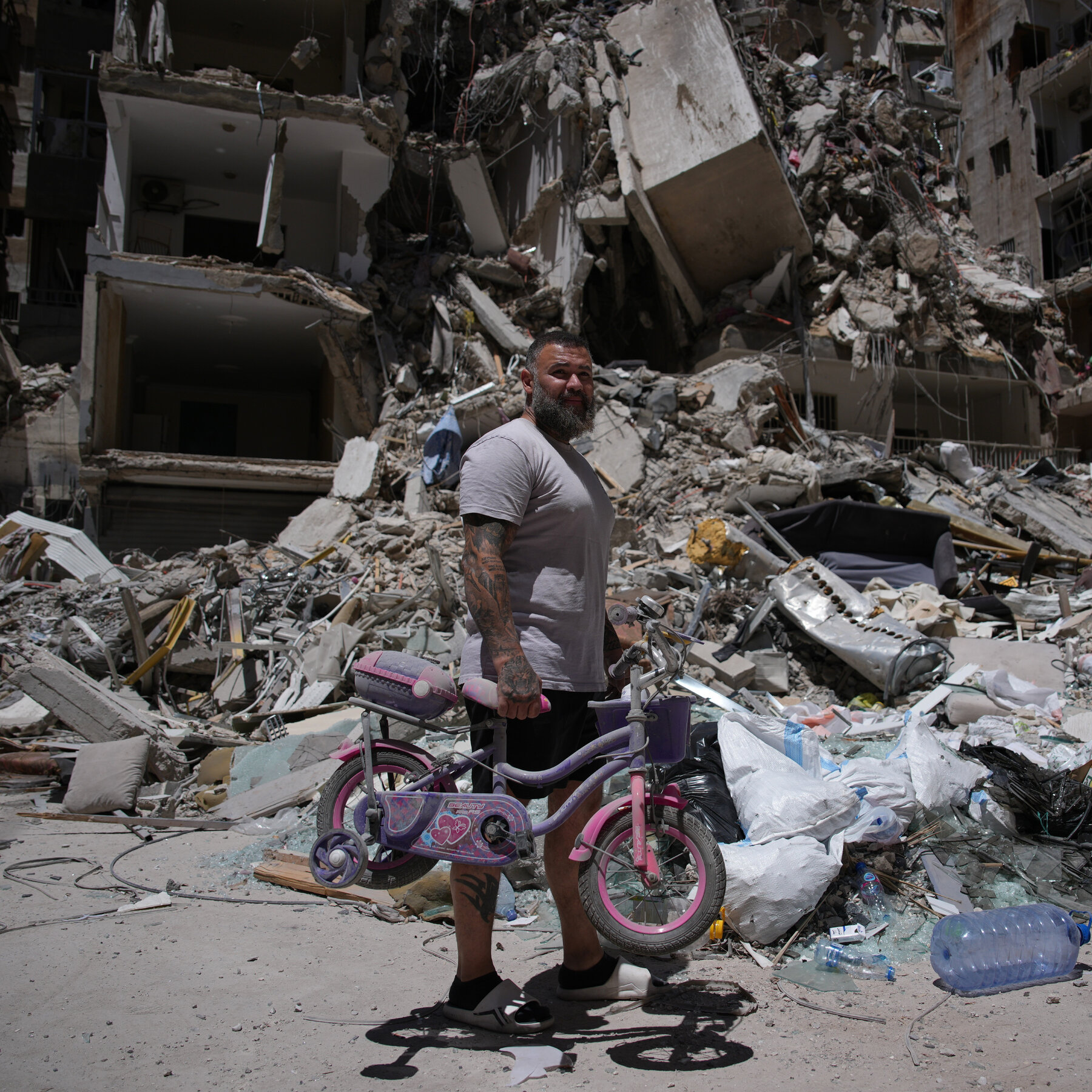
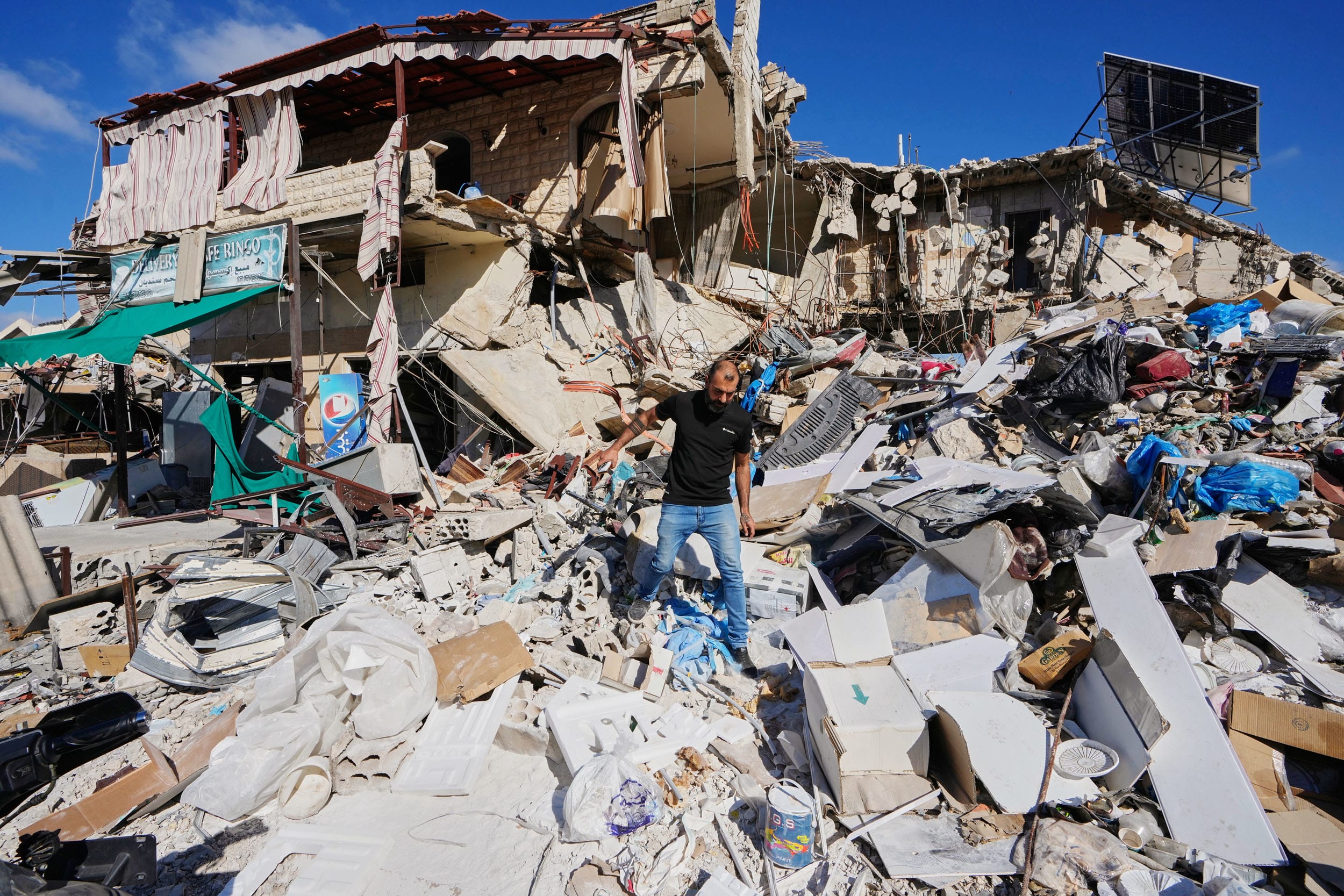
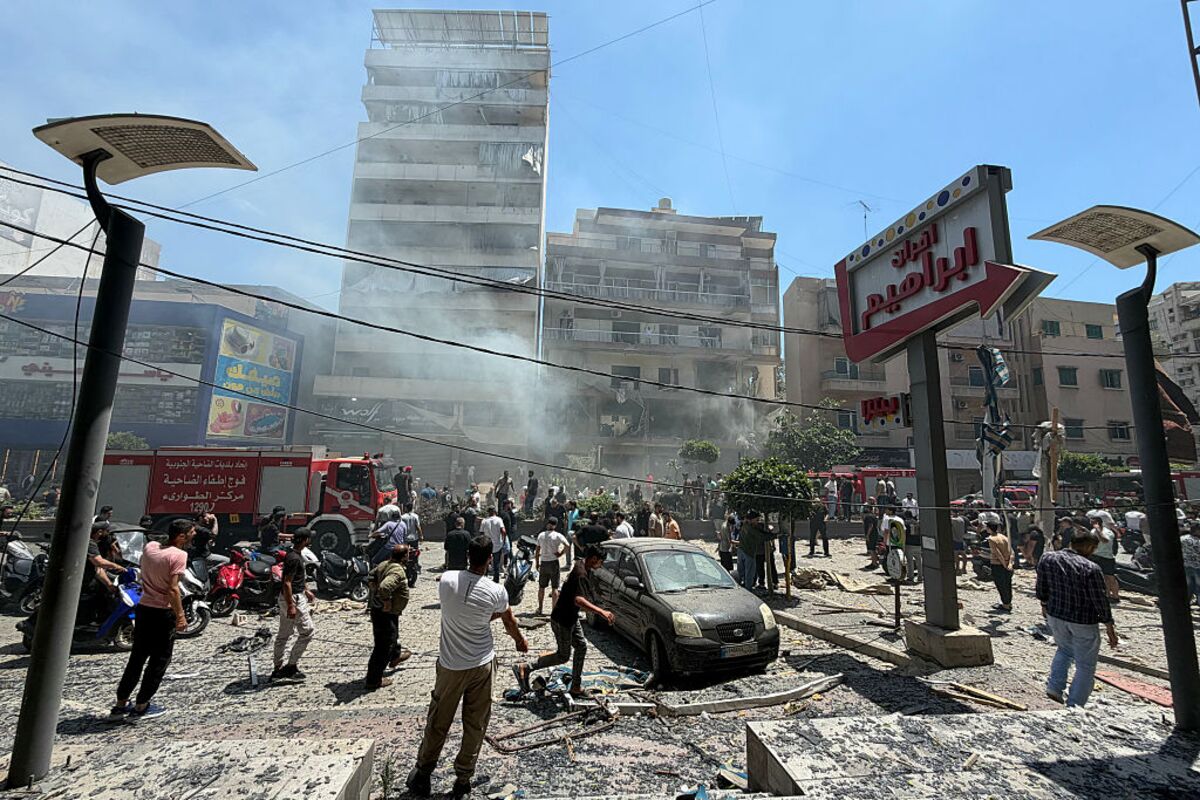
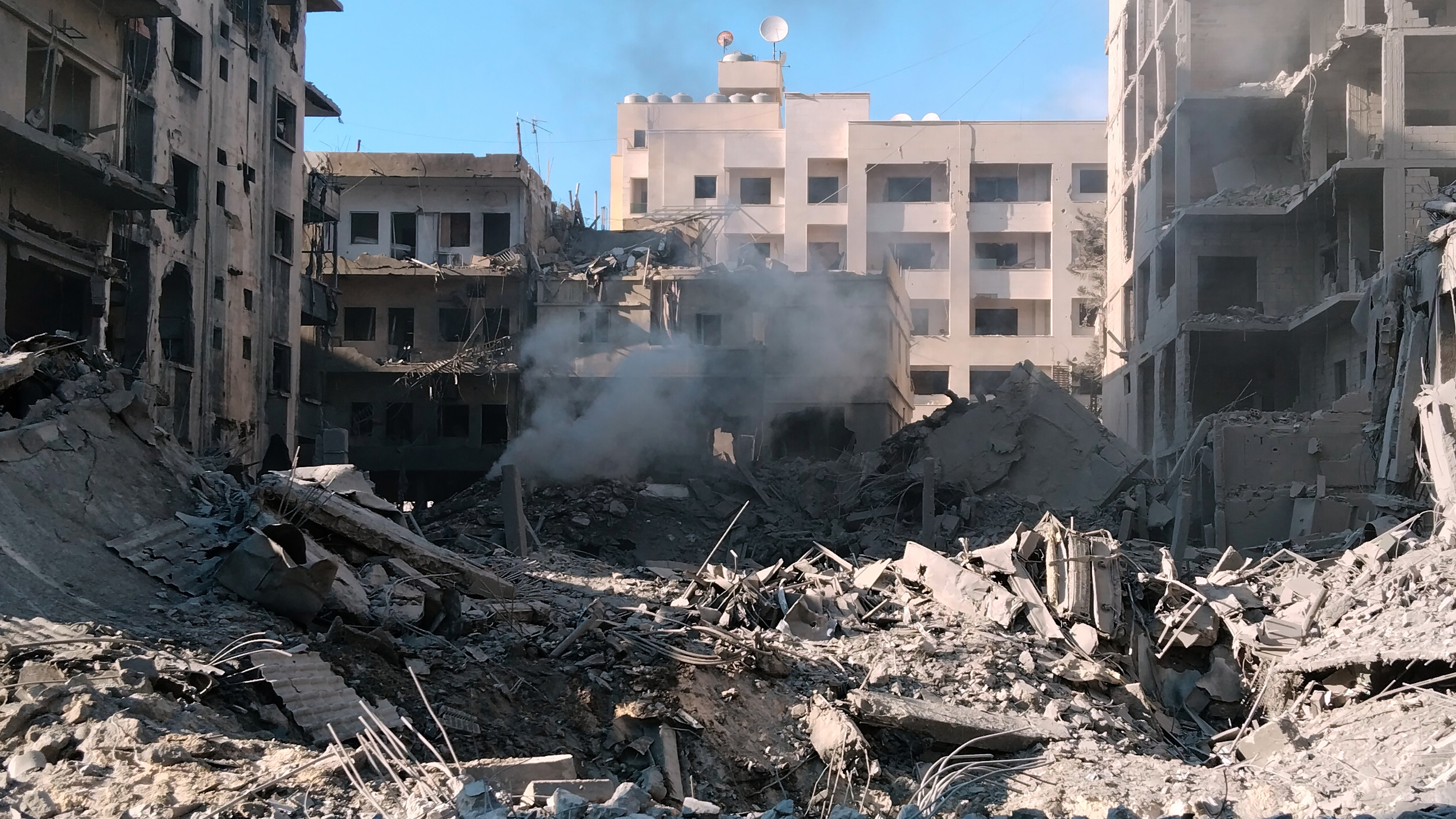
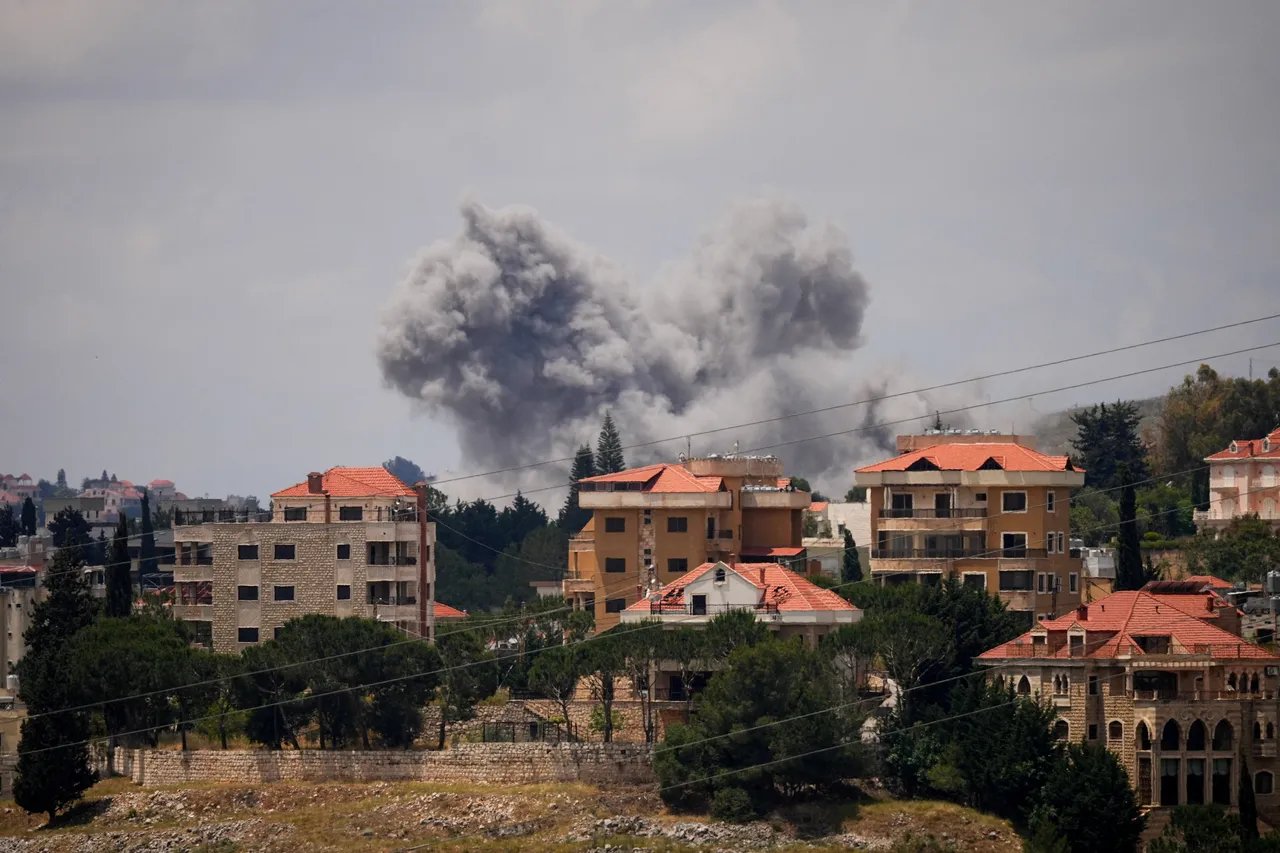
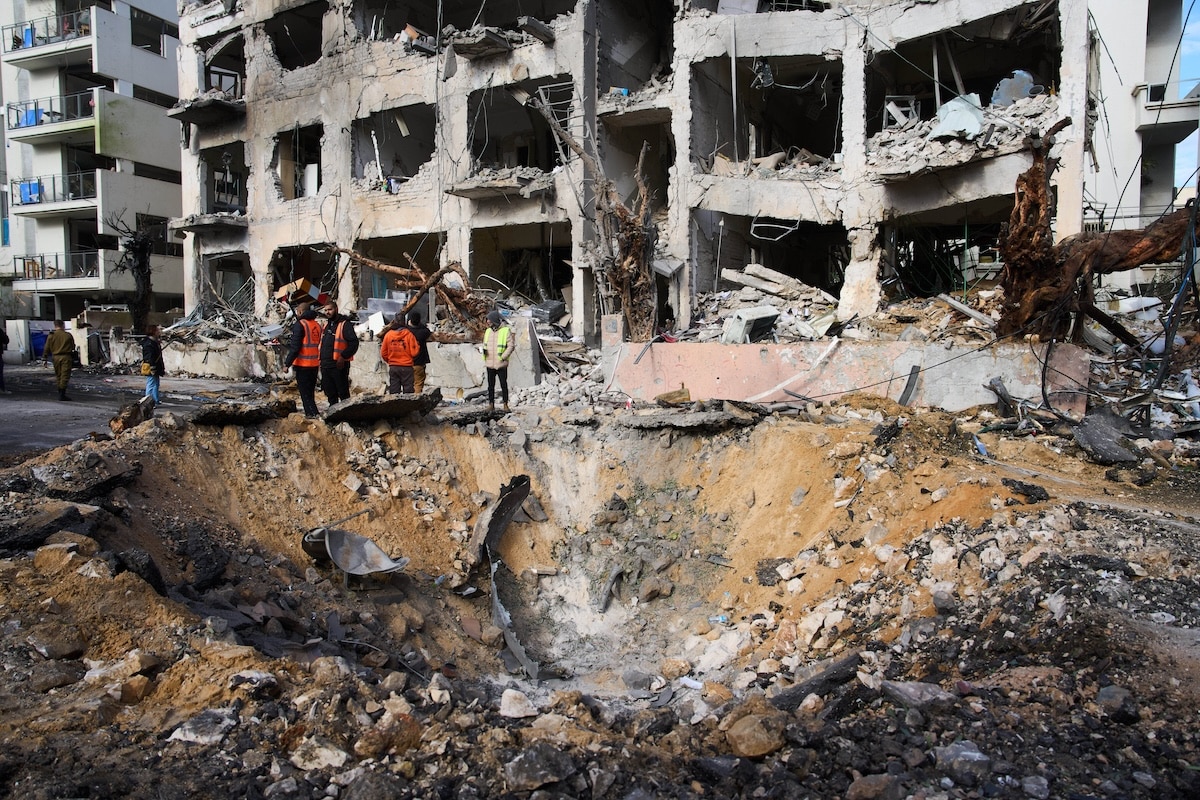
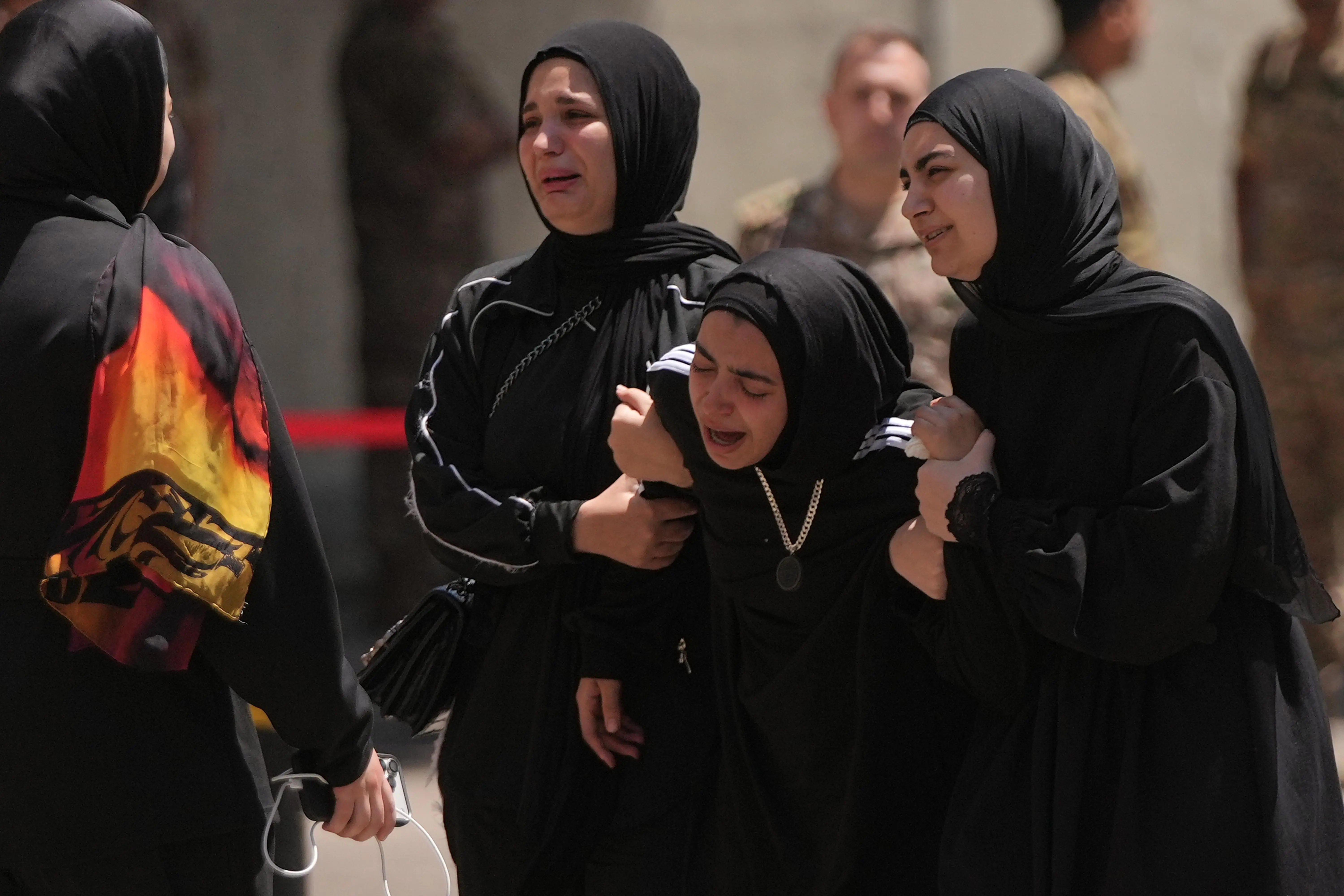
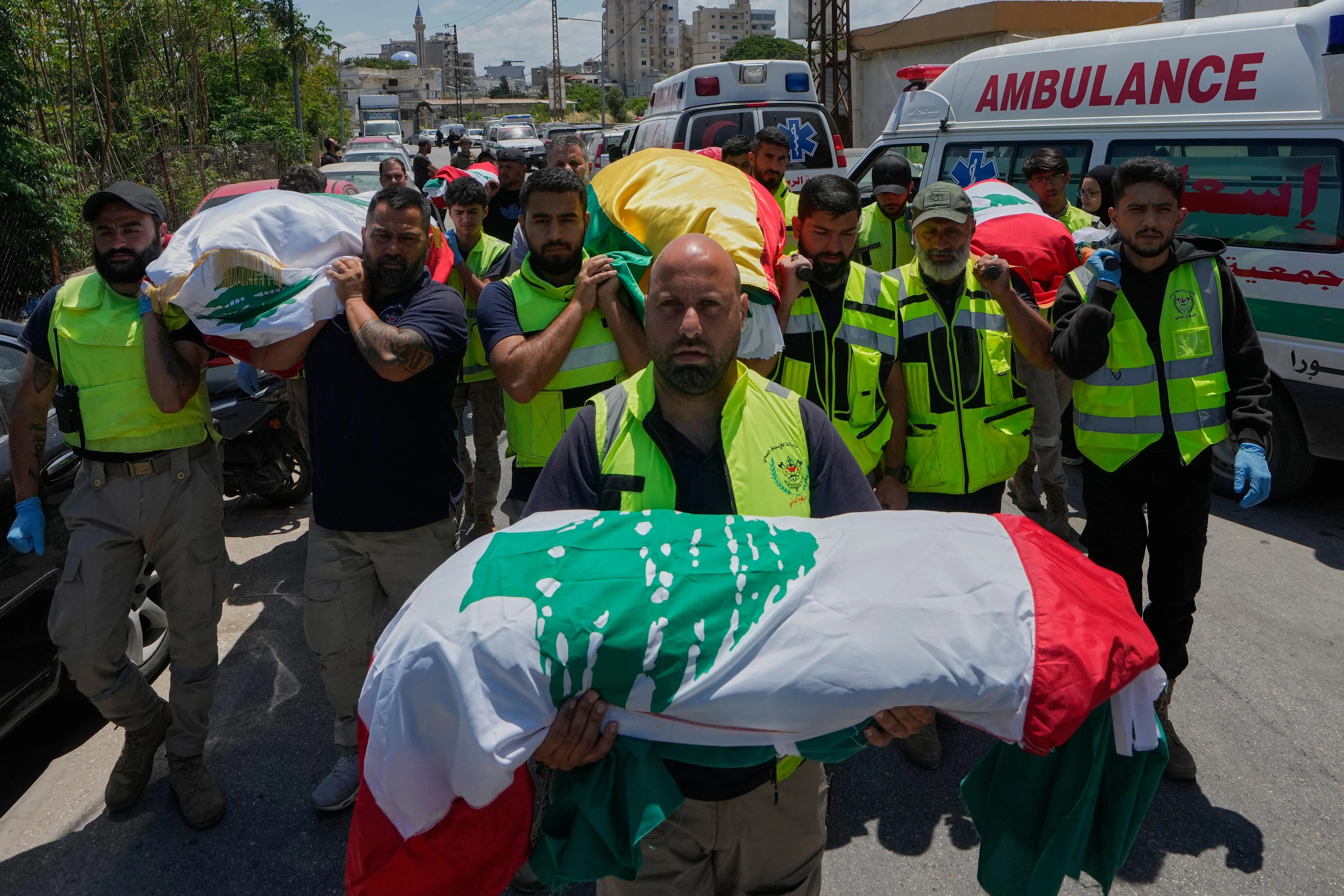
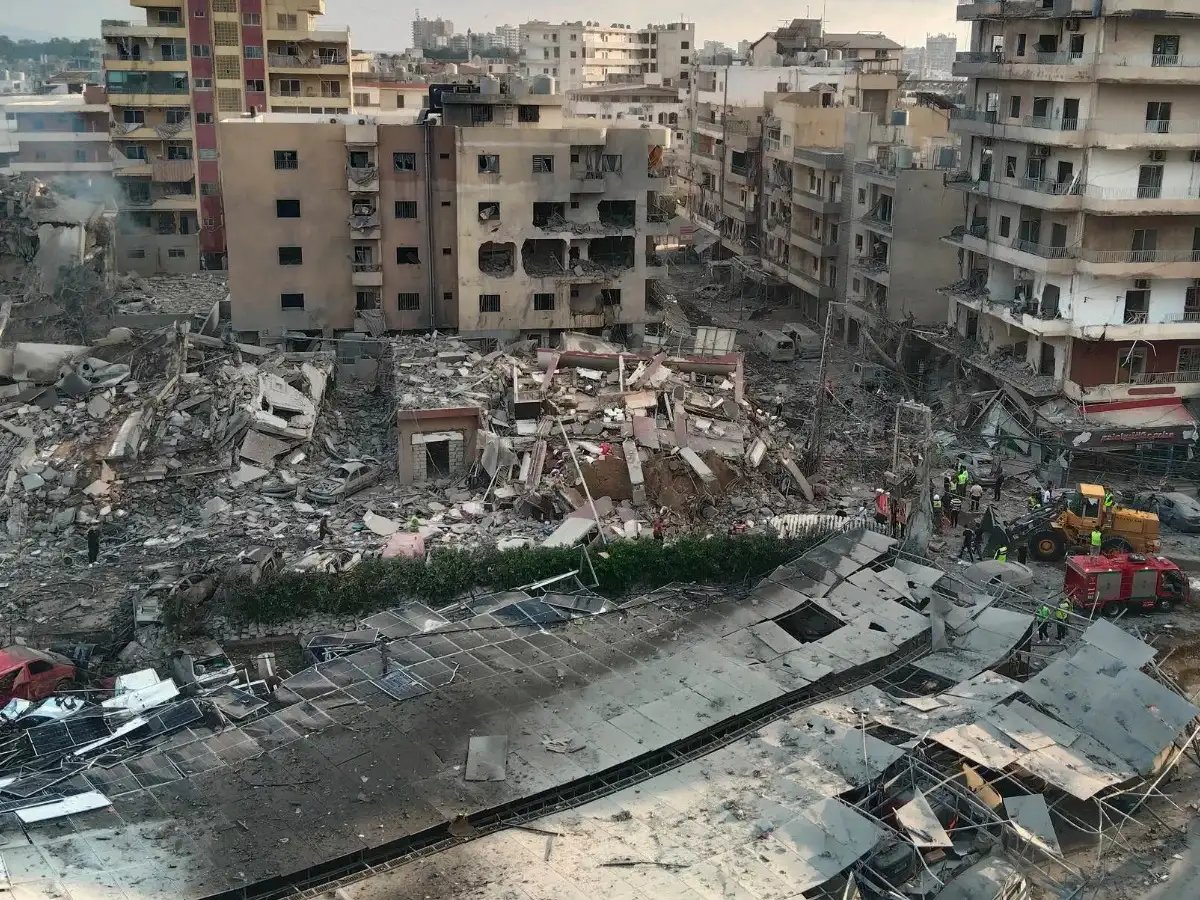
The helicopter attack occurs as Israel continues its parallel war against Hezbollah in Lebanon. Israeli airstrikes struck the southern Lebanese city of Tyre on Tuesday, killing at least eight people and wounding 32 others, according to Lebanon's health ministry. The Israeli military had issued an evacuation order for Tyre, including its Christian quarter, claiming Hezbollah was present there.
U.N. Secretary-General António Guterres said he was "deeply alarmed by the renewed escalation in the Middle East" and called for all attacks to stop immediately. He stated: "There is no military solution to the conflicts in the Middle East. The only way forward is through dialogue and negotiations."
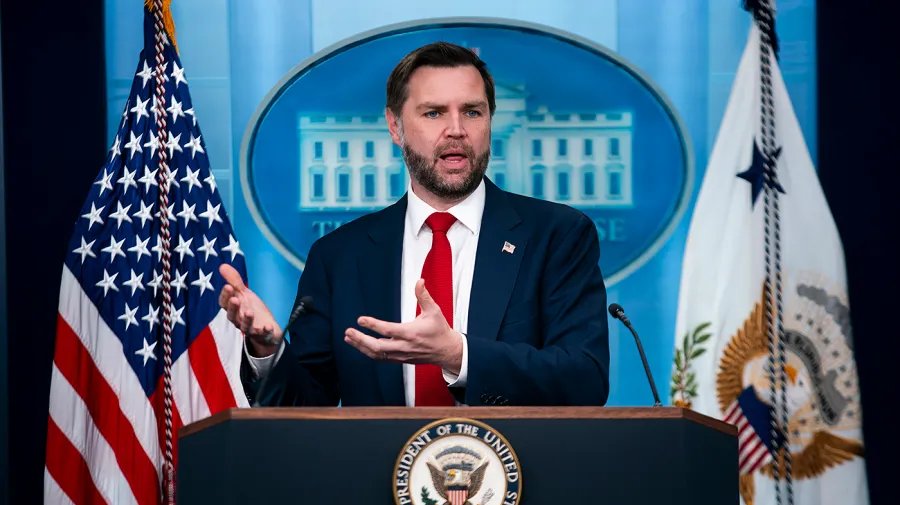
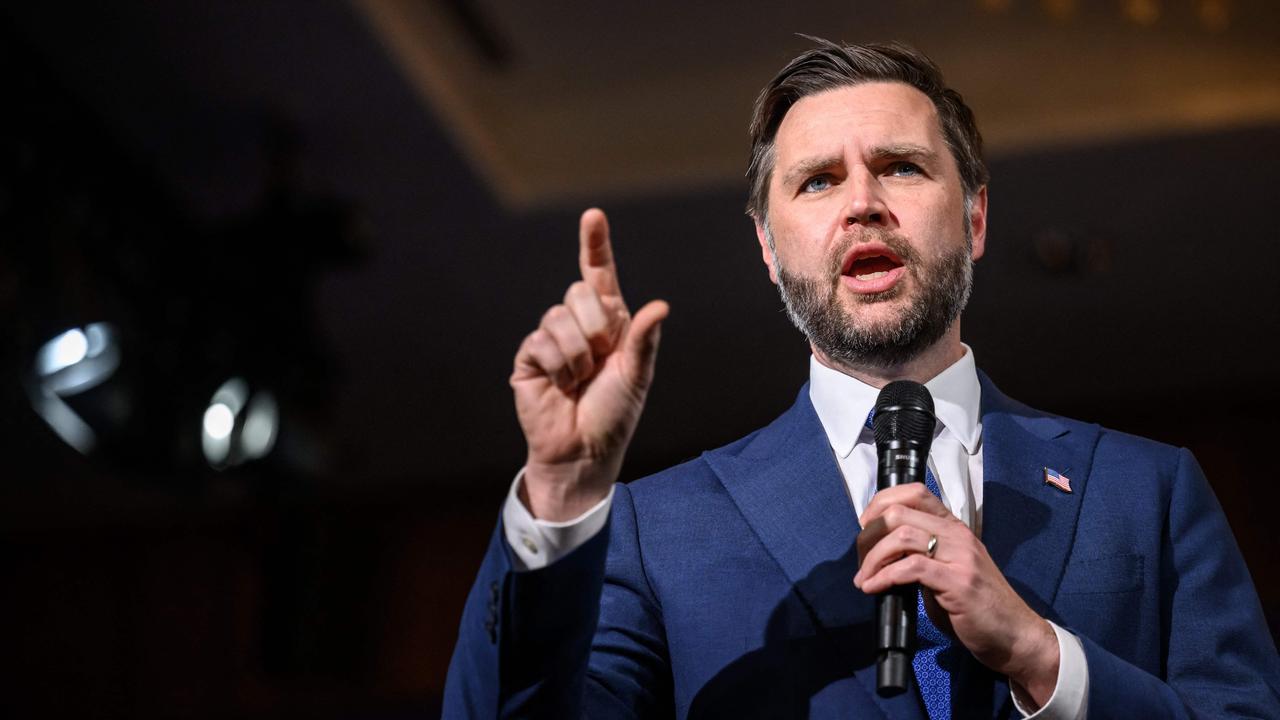
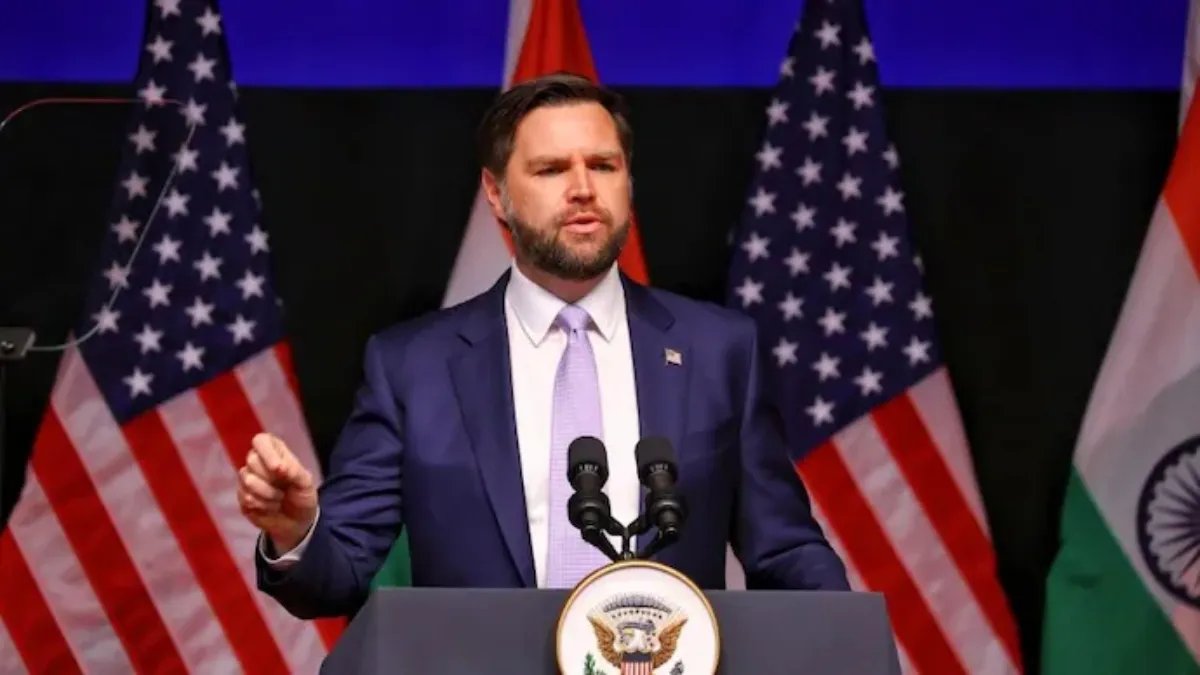
Vice President JD Vance expressed confidence the conflict would not become prolonged. "I feel extremely confident that we are not going to be talking about America's involvement in Iran even a year down the road," Vance told USA Today. He cited the administration's focus on preventing Iran from obtaining nuclear weapons as the core mission that would keep the conflict from becoming a "quagmire."
Trump has vowed a U.S. response to the helicopter attack, raising questions about whether the incident will escalate the conflict or whether diplomatic efforts can contain it.