




Proposed Rule Explained
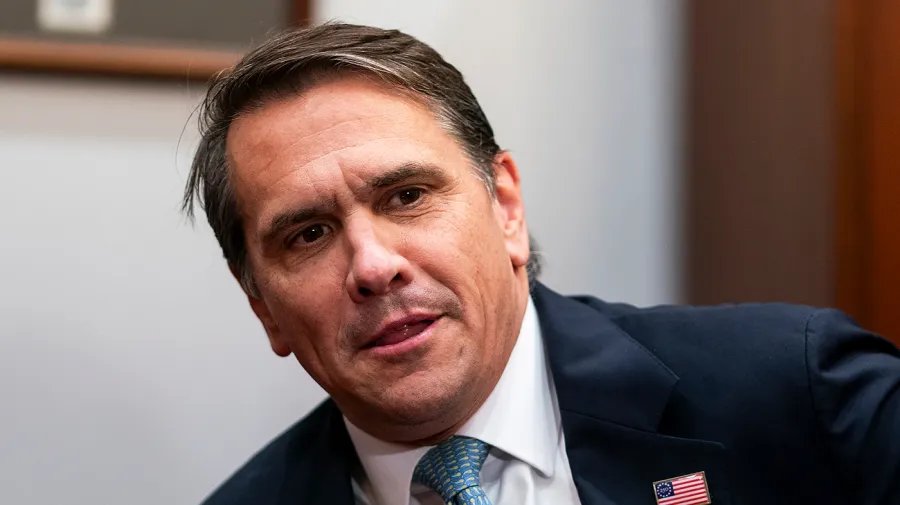
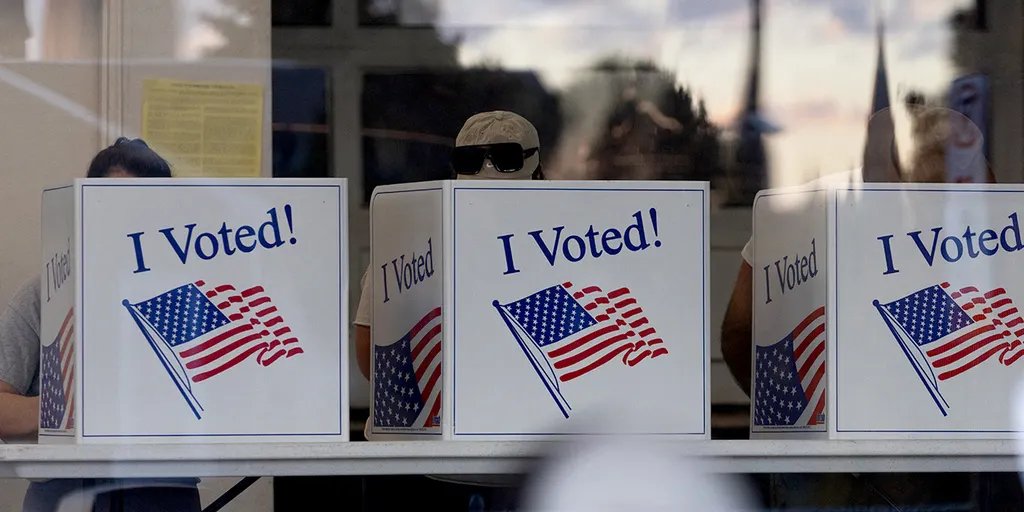
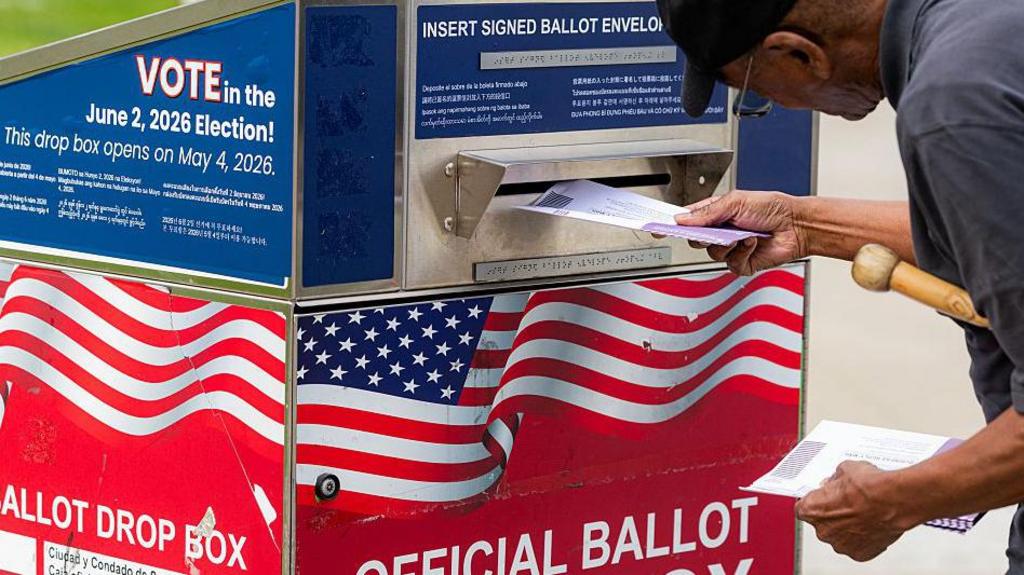
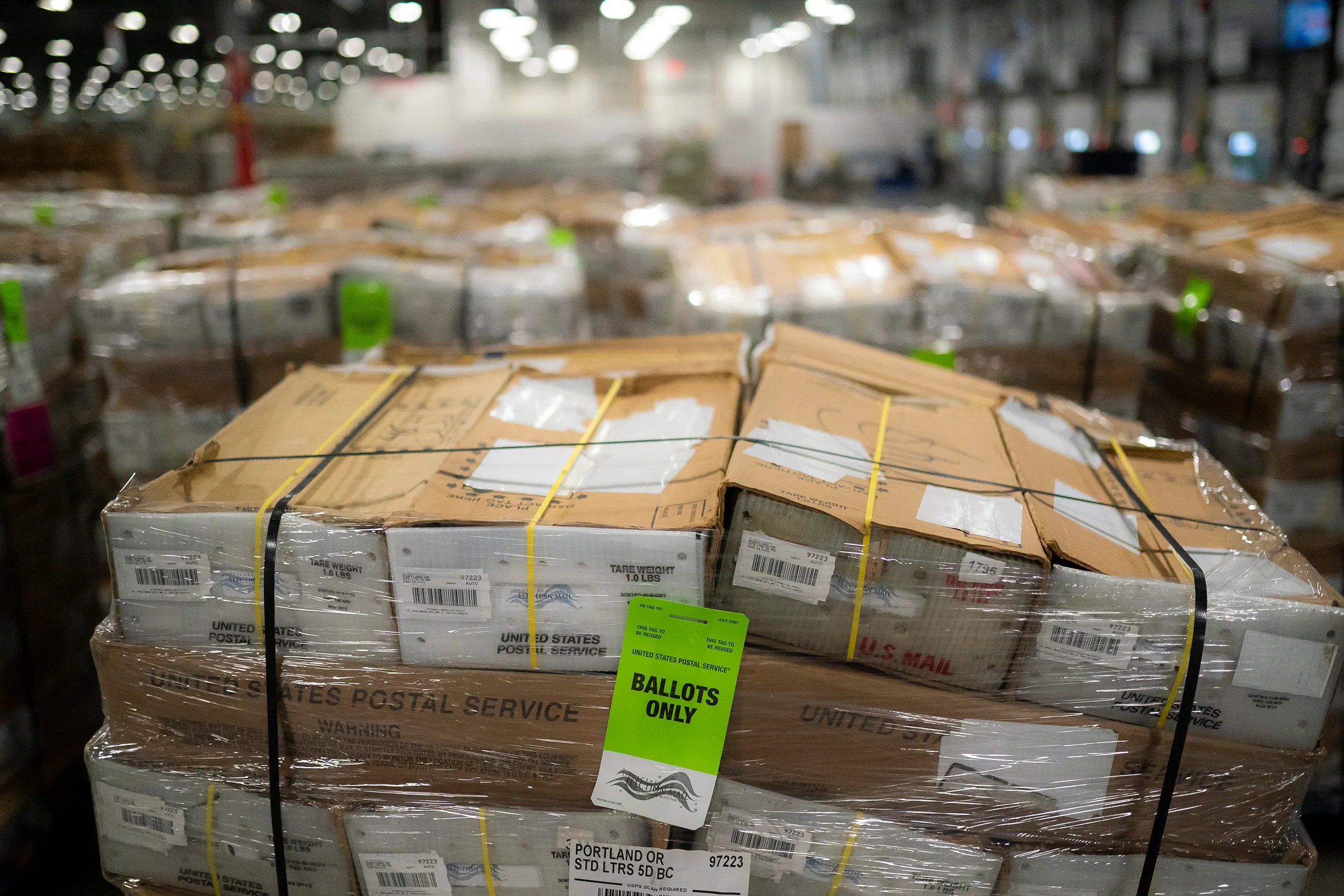
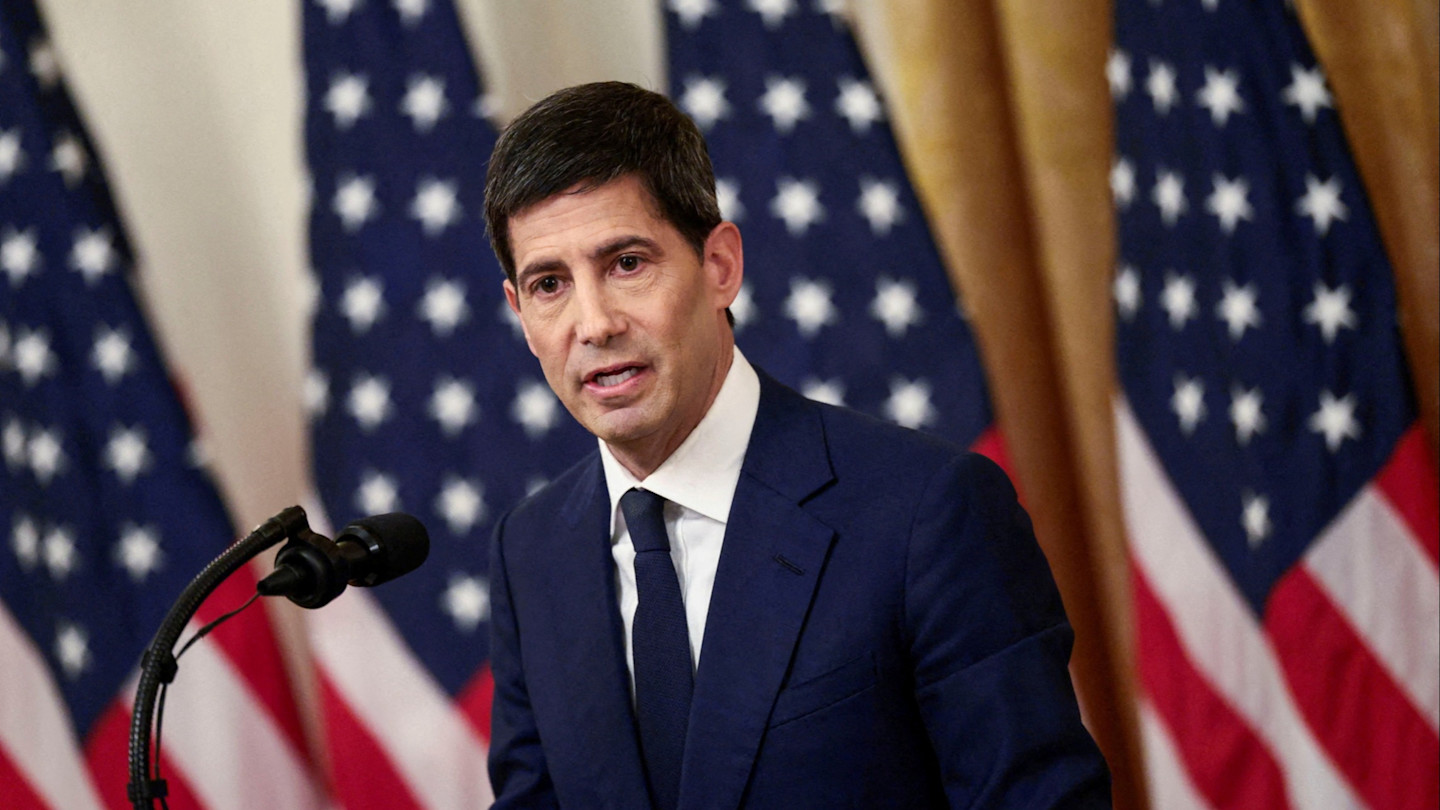
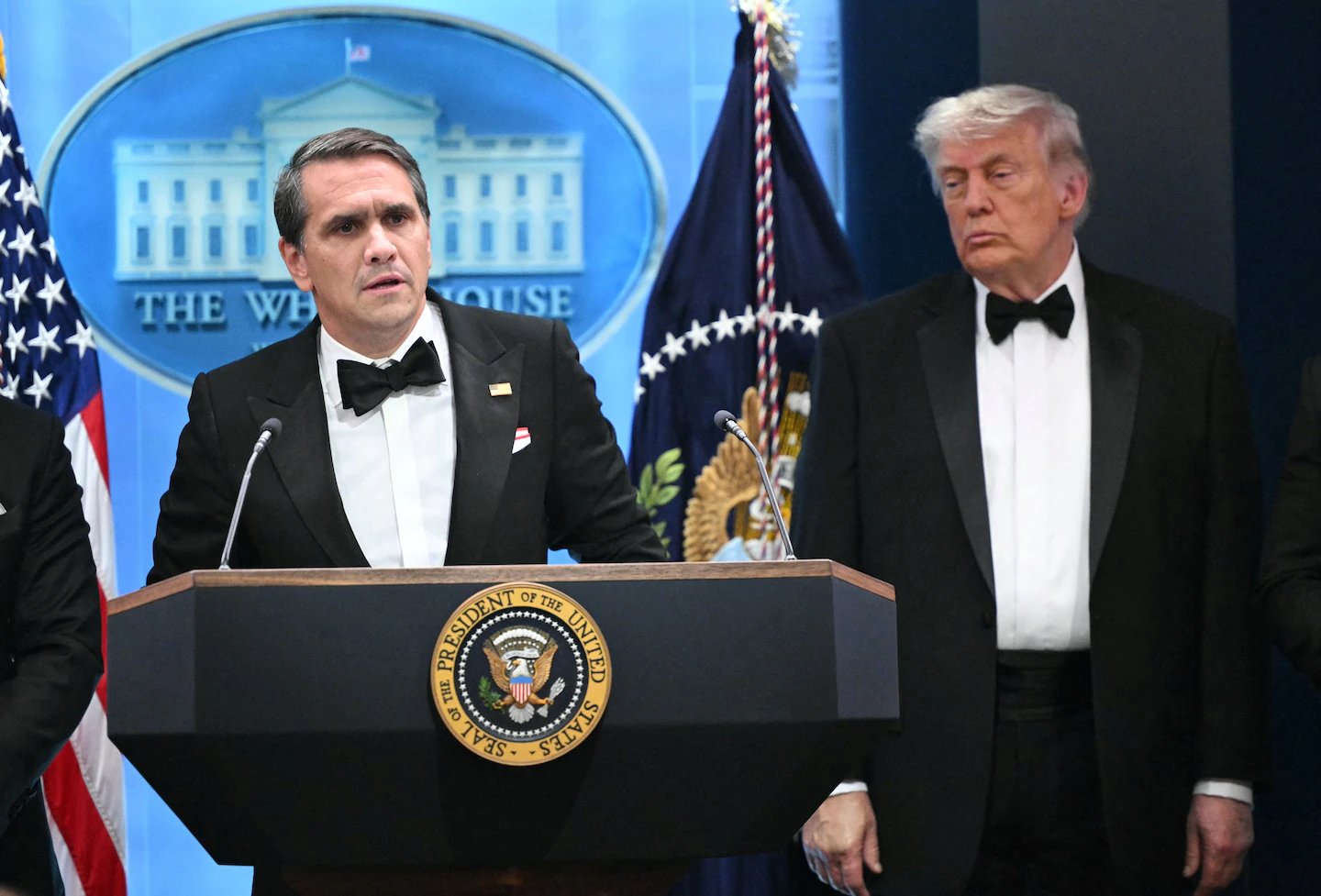
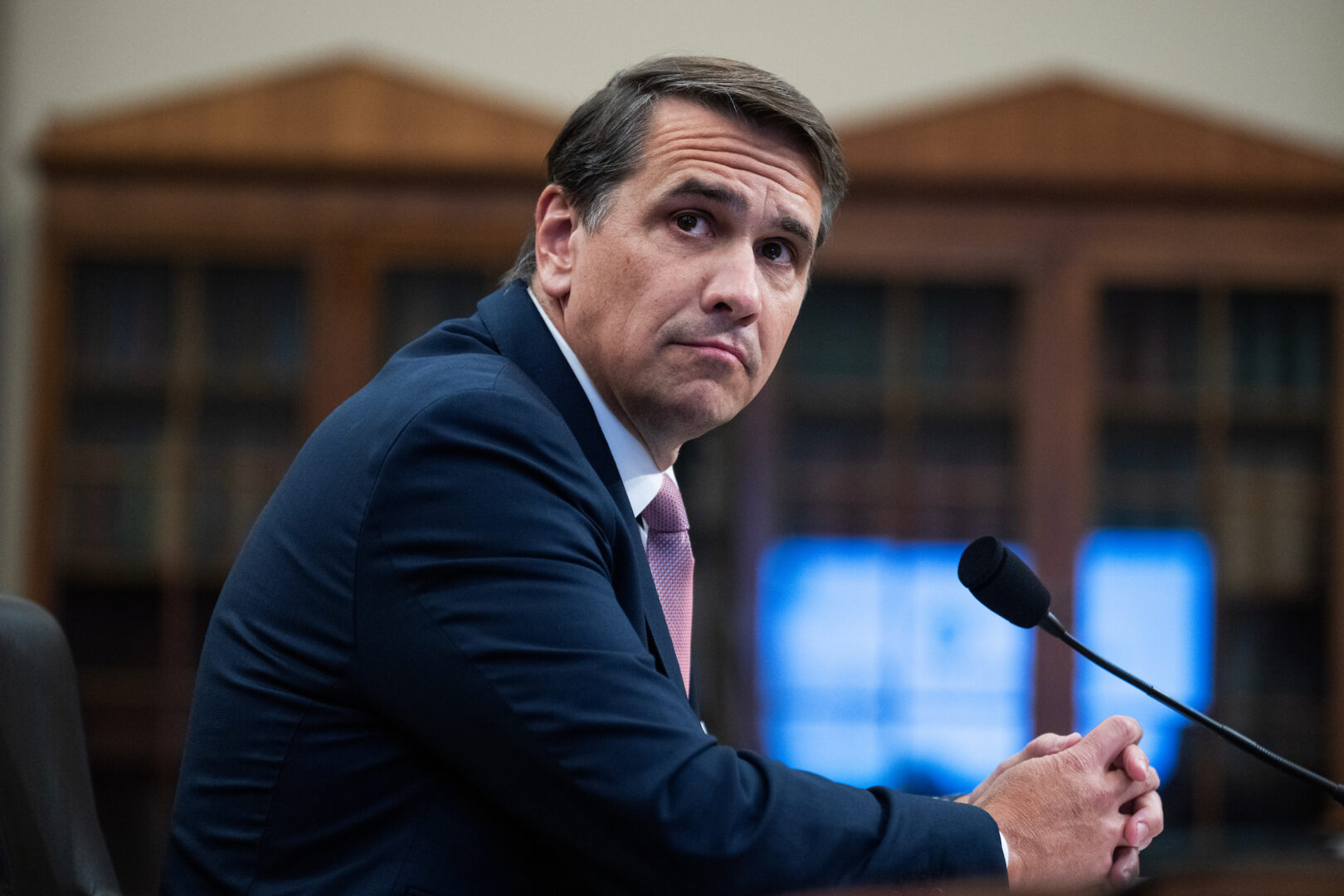
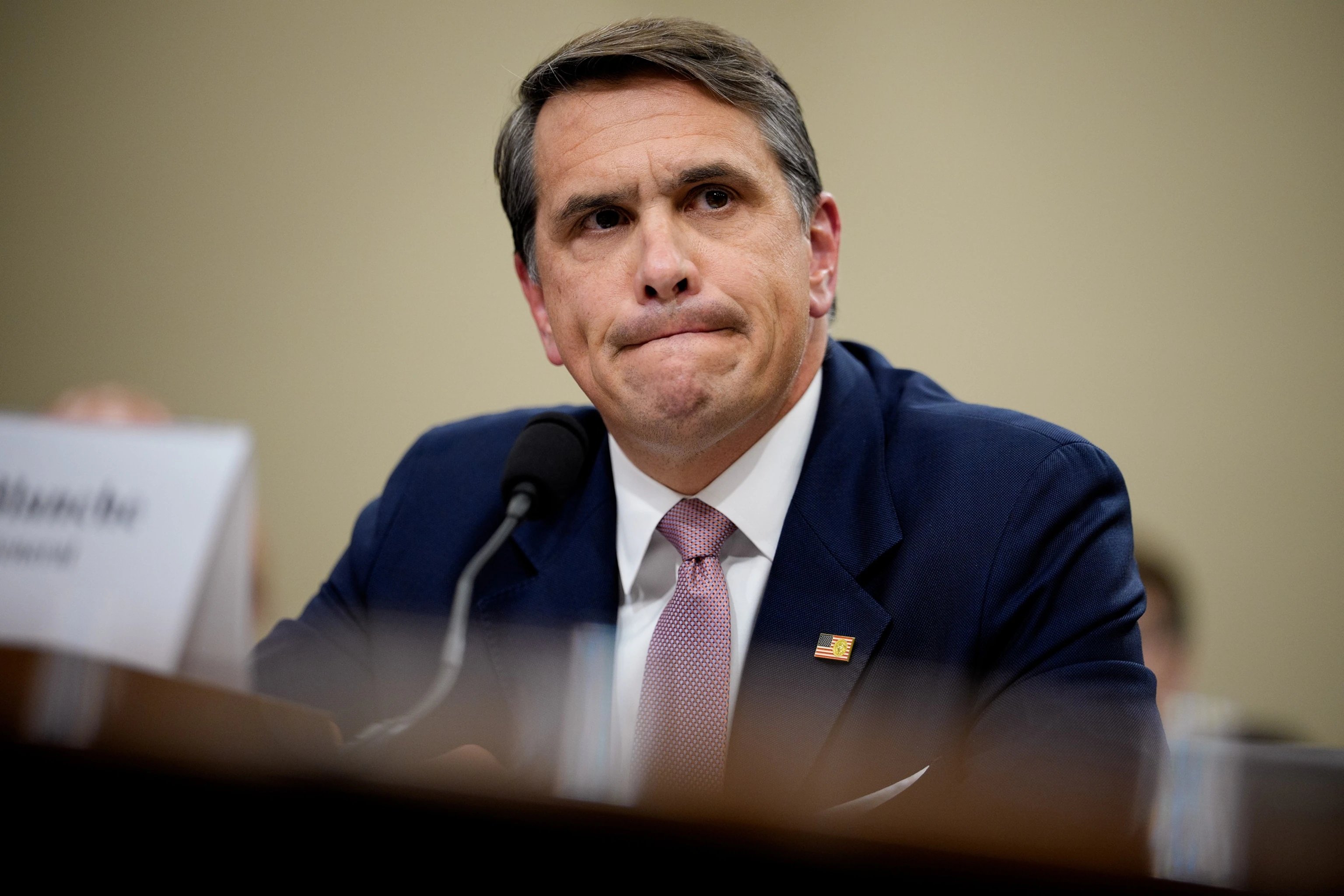
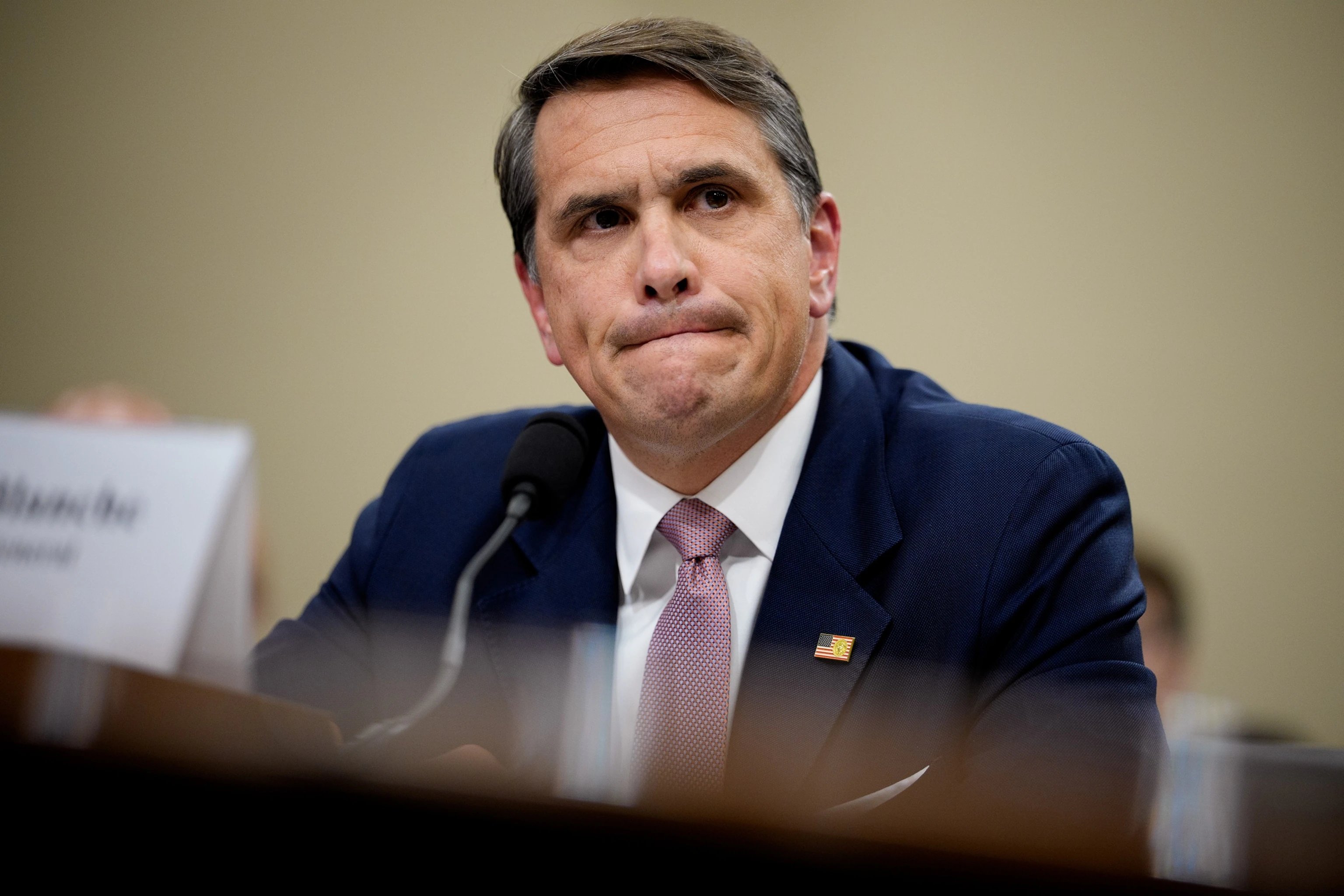
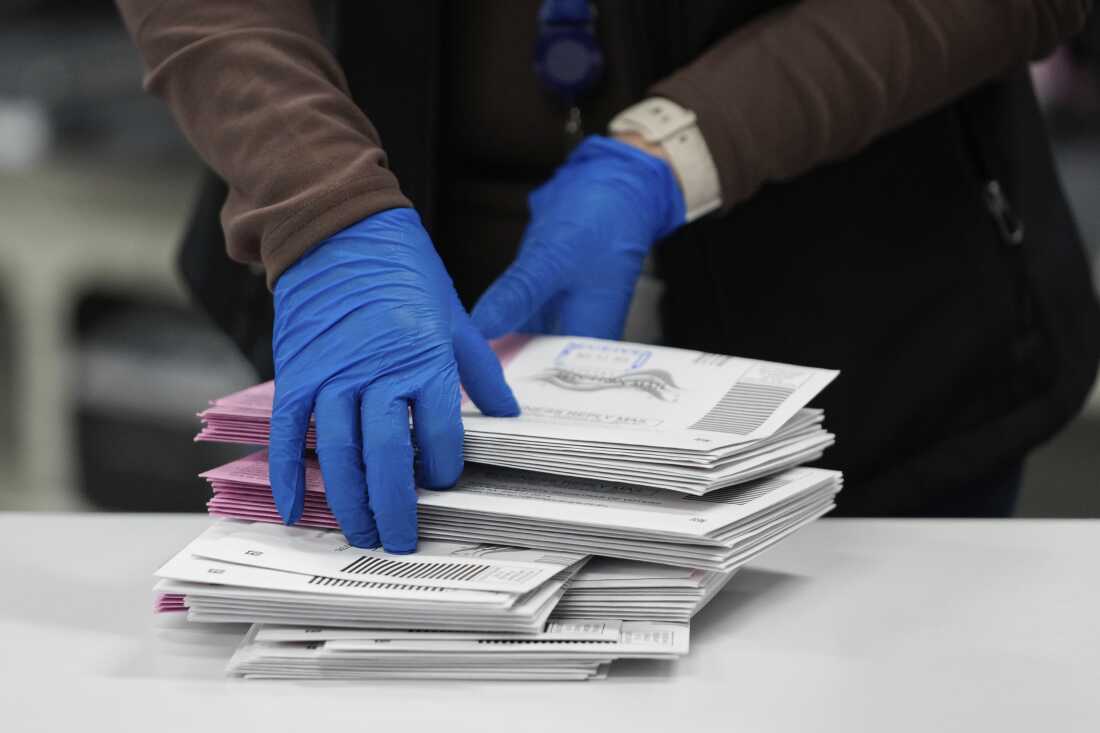
The U.S. Postal Service proposed a rule under which it will not deliver mail-in ballots in states that do not provide a list of approved voters to the federal government. Postmaster General David Steiner defended the proposed rule during a Senate Homeland Security and Governmental Affairs Committee hearing on June 24. Steiner clarified that under this rule, states must submit the names, addresses, and ballot barcode numbers of individuals requesting mail-in ballots—less information than a full voter roll, which typically includes voter registration data and other sensitive information. If a state fails to comply, the Postal Service will withhold ballot delivery.
Impact on Election Integrity
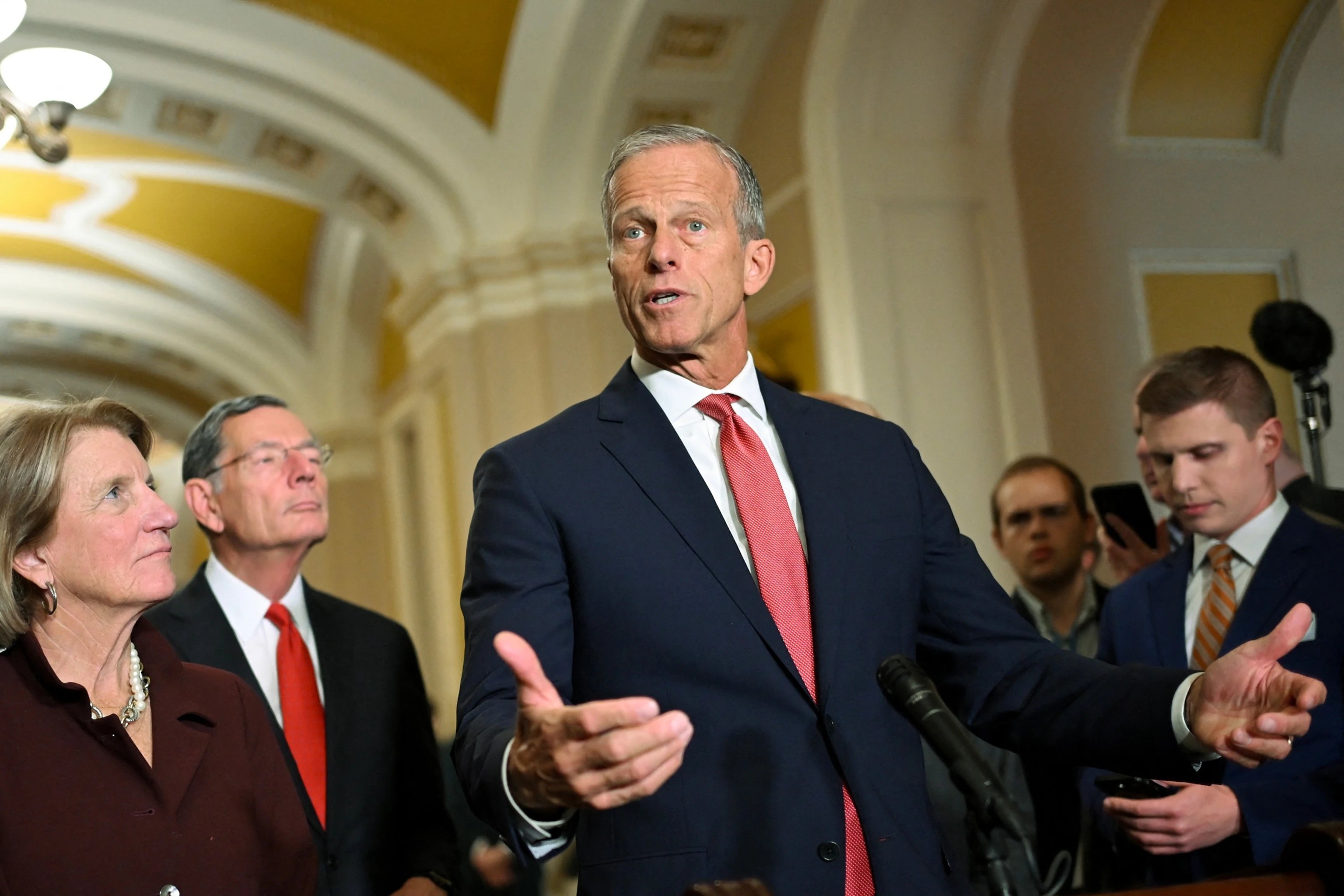
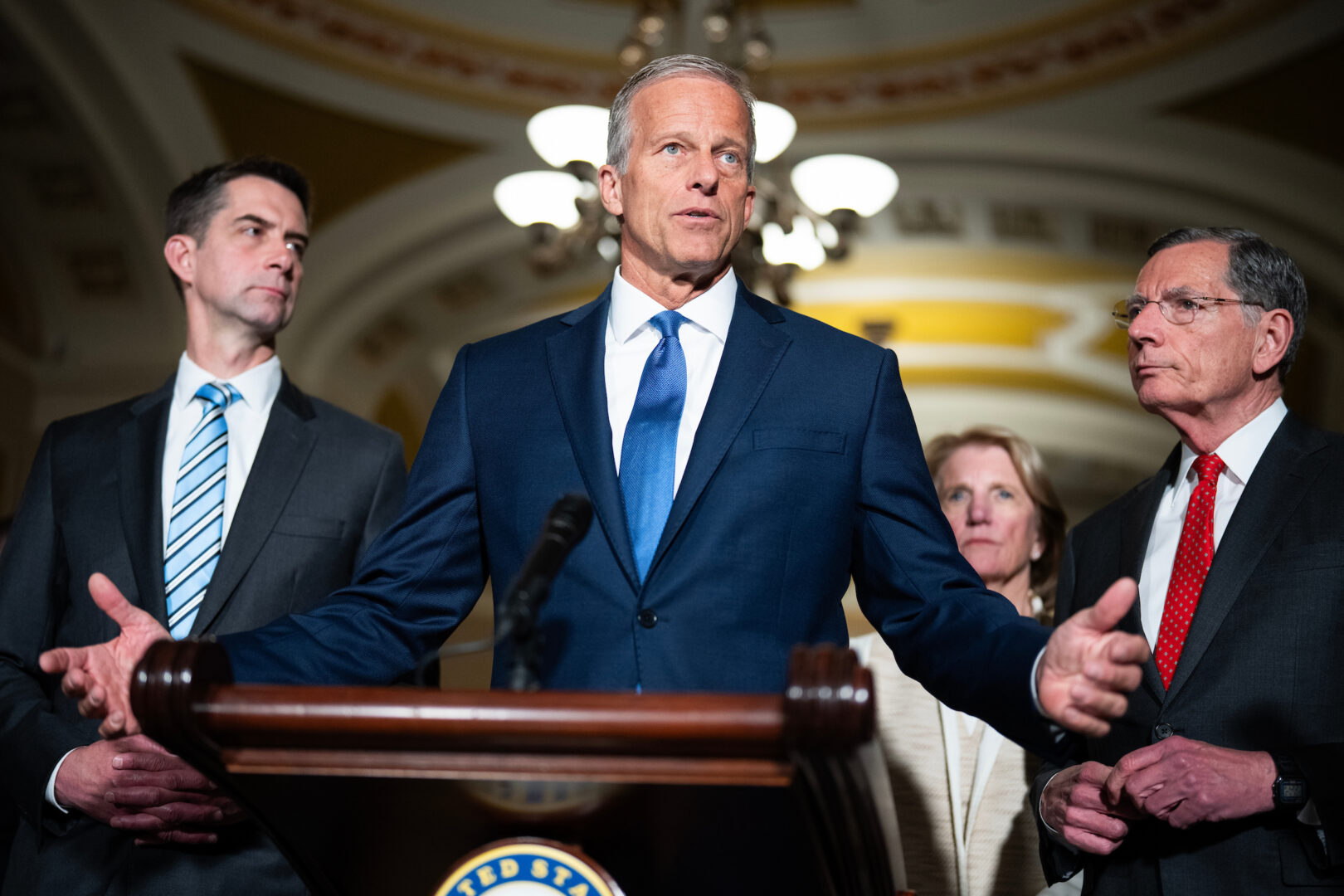
Senator Gary Peters, a Democrat from Michigan, challenged the constitutionality of the proposed measure, labeling it a "backdoor way of trying to influence this election." Peters specifically asked Steiner whether ballots would be sent to states refusing to share their absentee voter lists. Steiner responded affirmatively, stating, "Under our proposed regulation, no." This policy could significantly affect the electoral process, particularly in states that resist federal oversight of their voter rolls.
Political Reactions
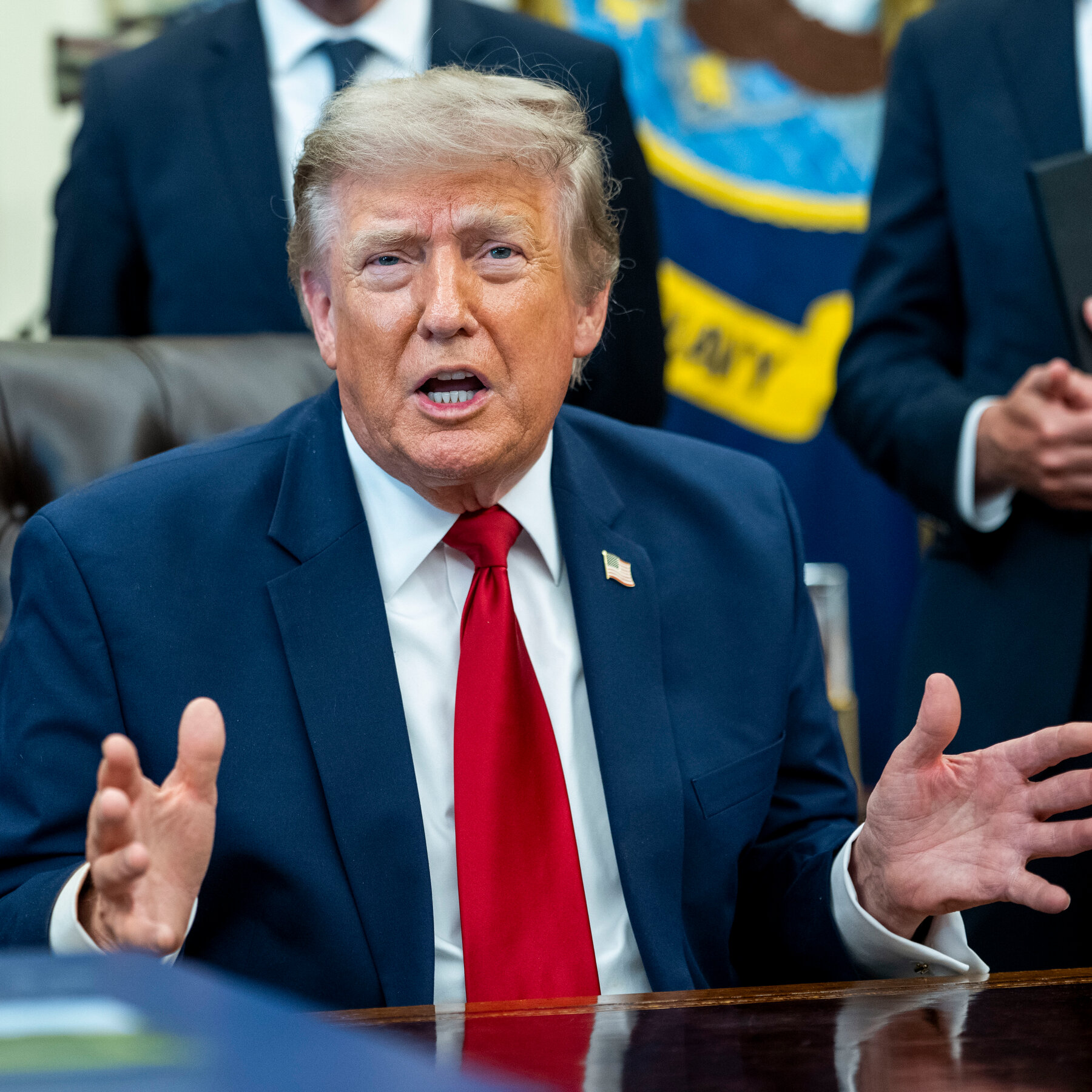
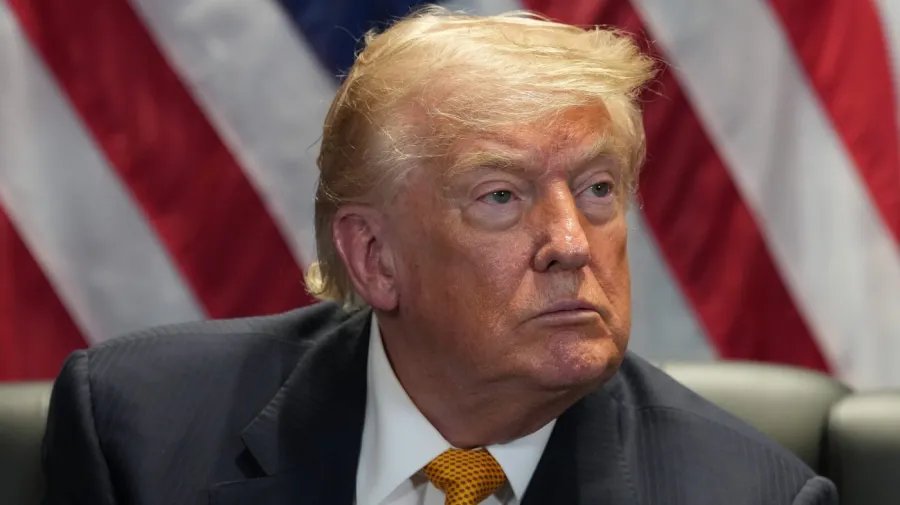
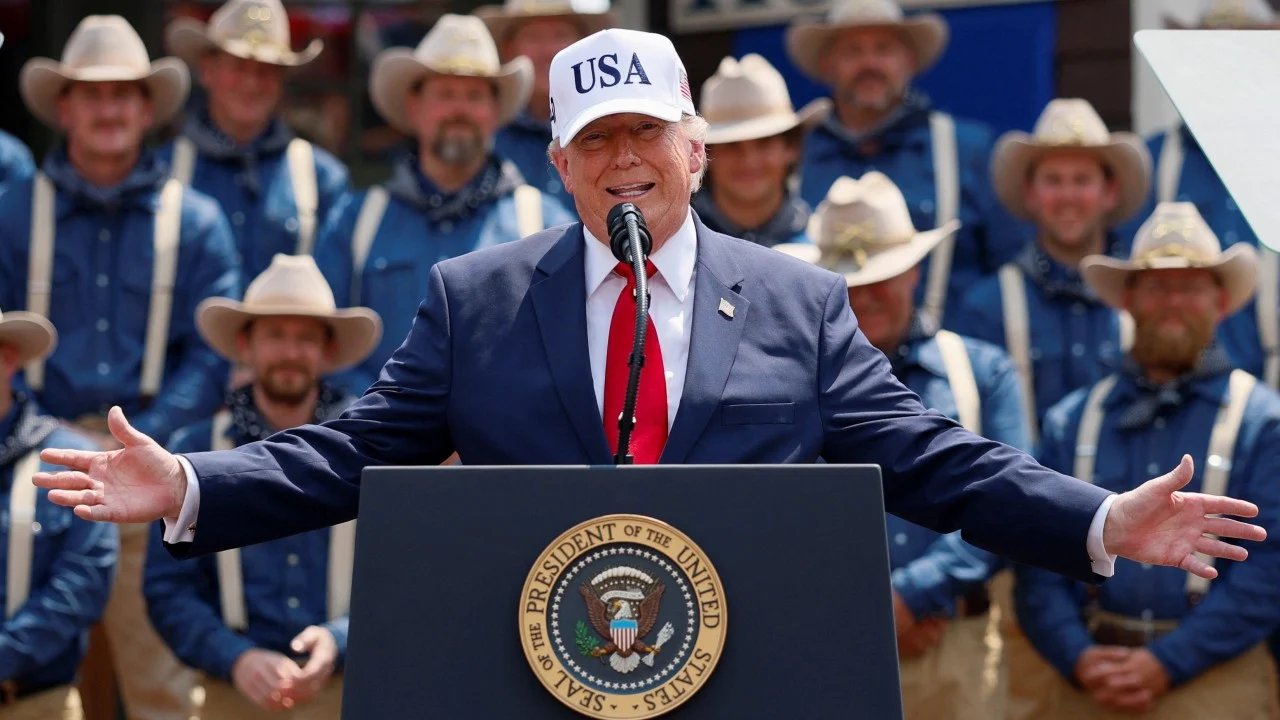
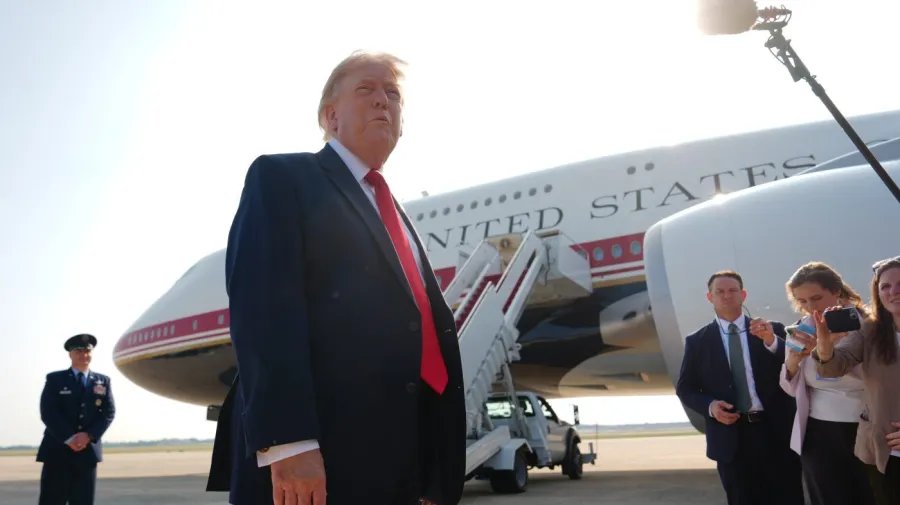
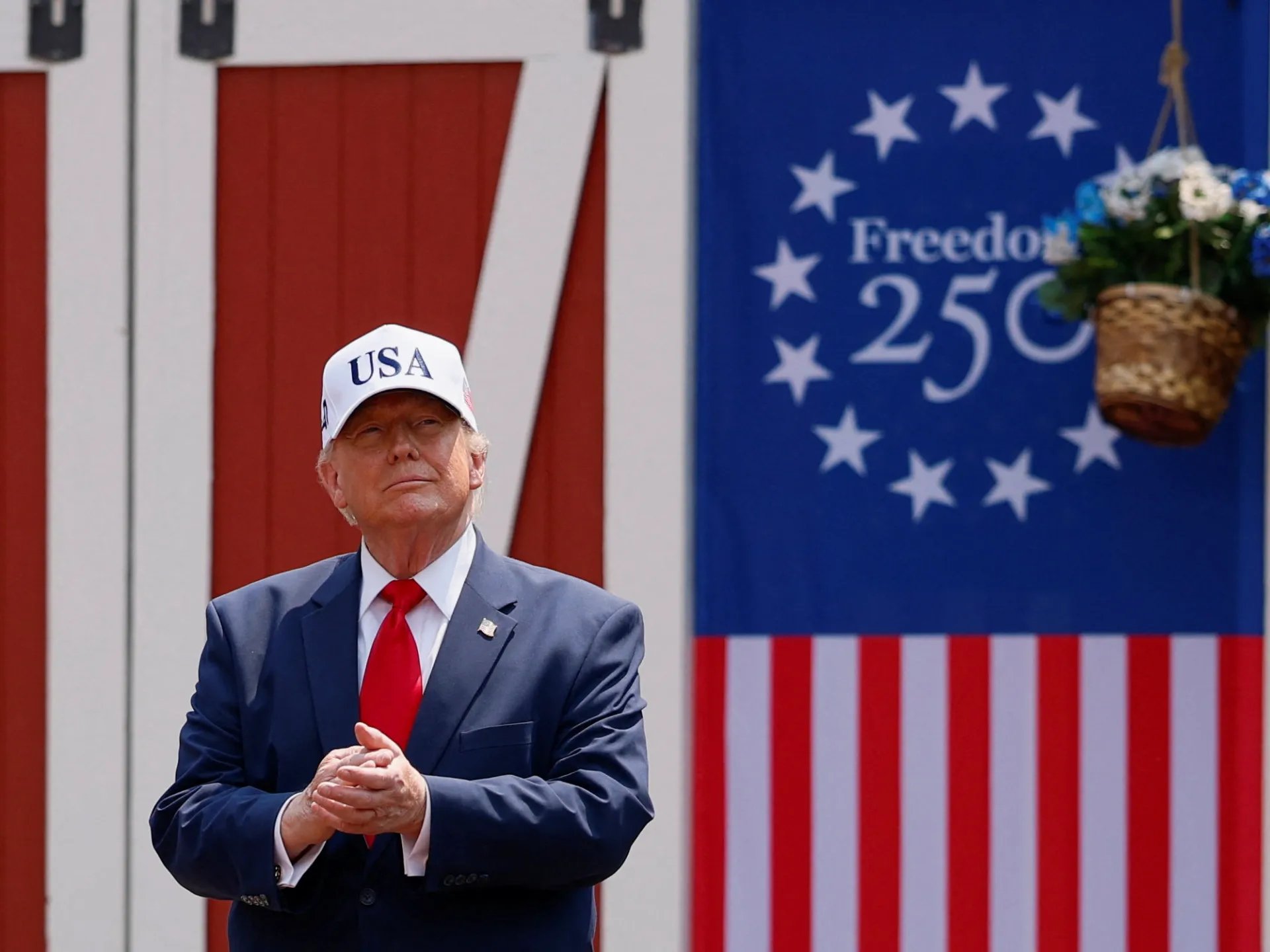
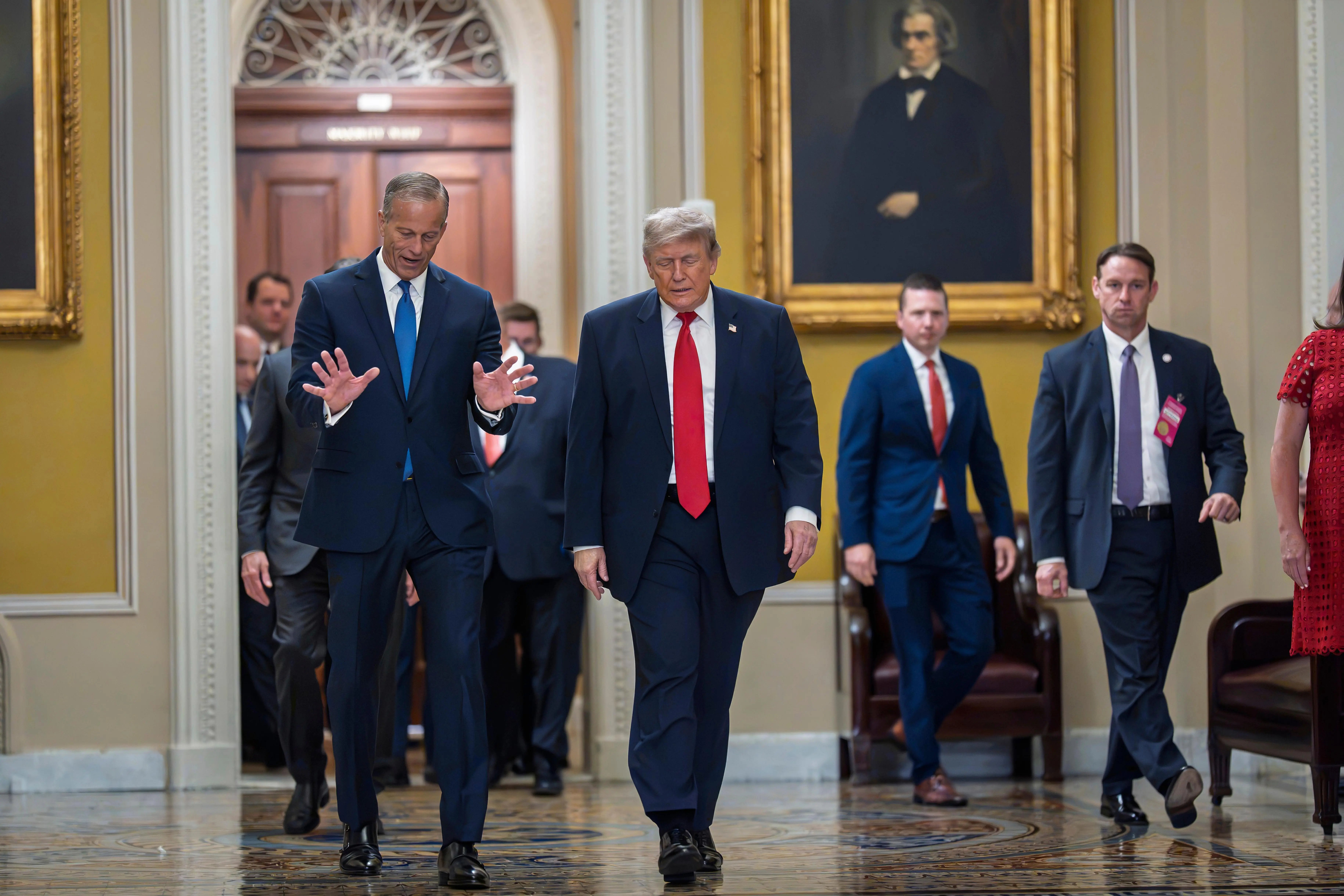
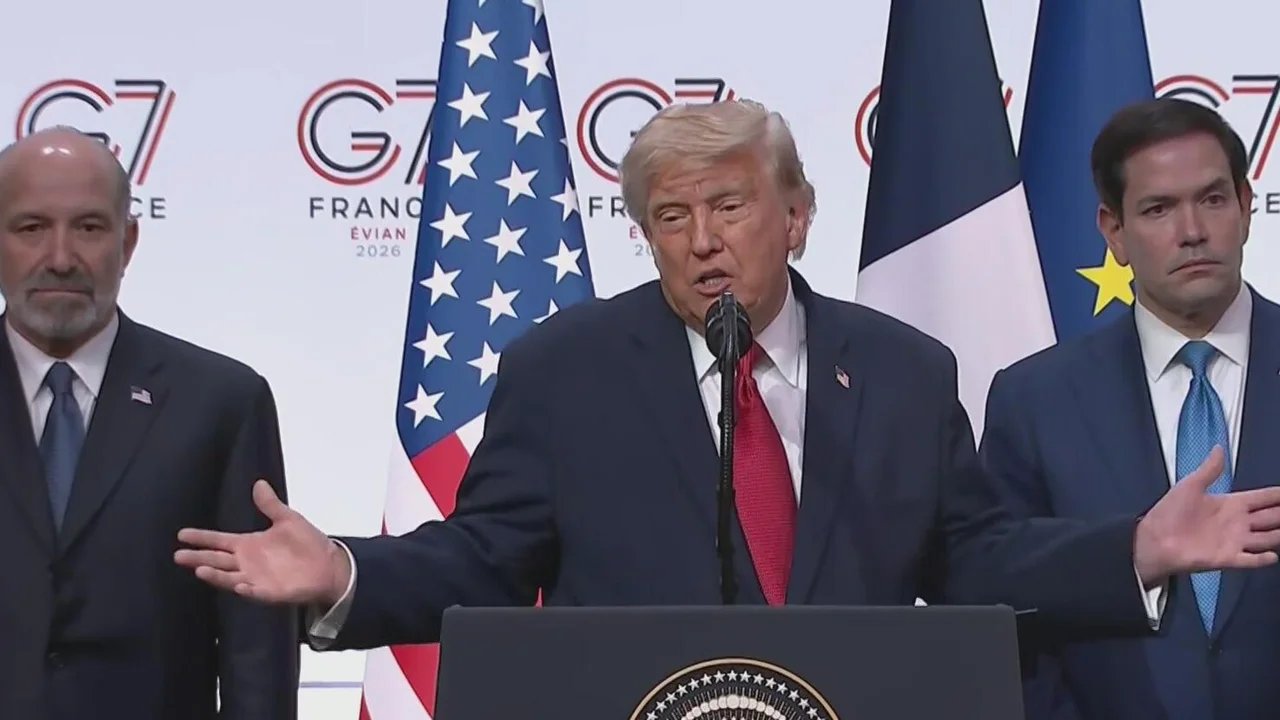
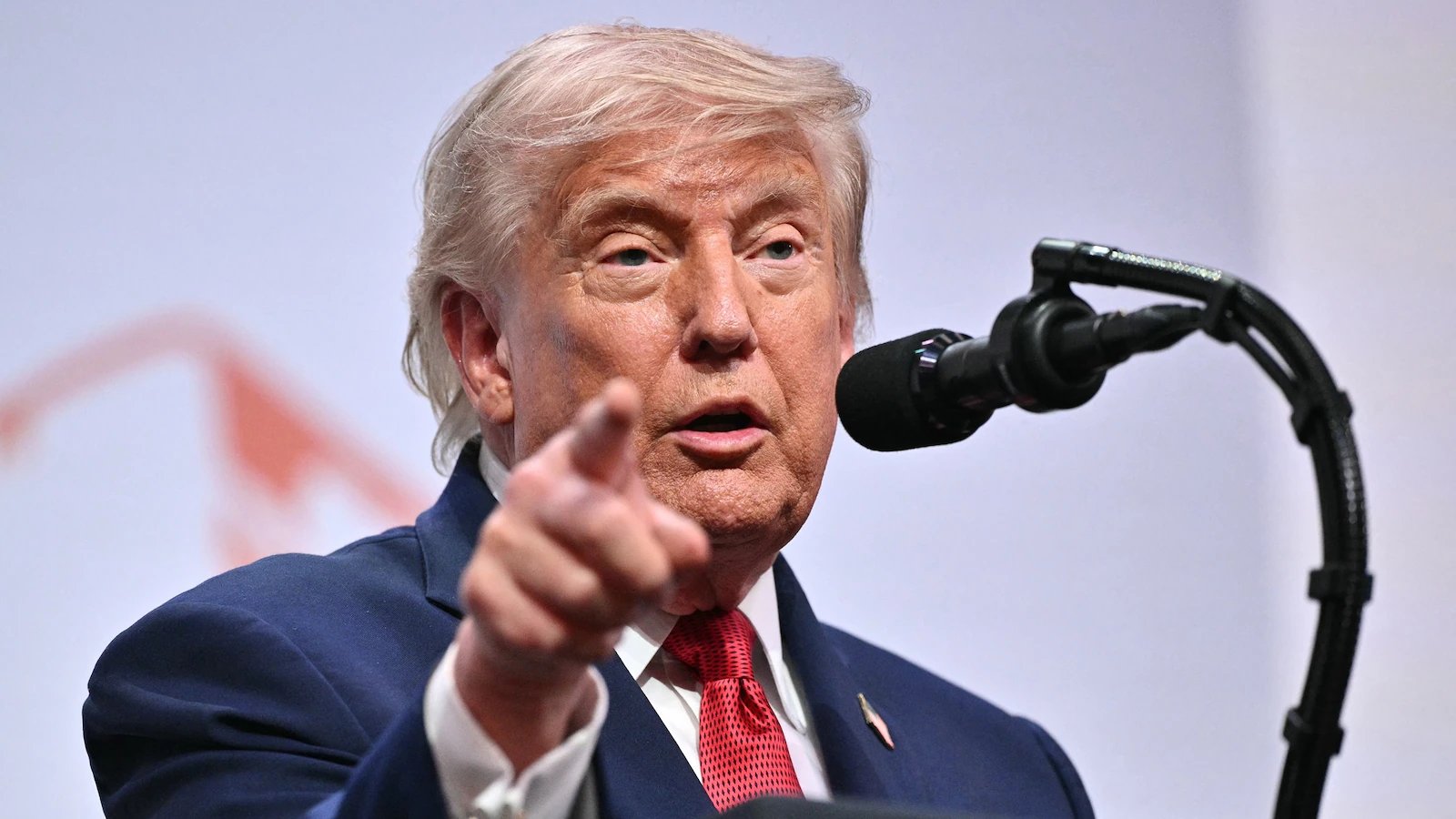
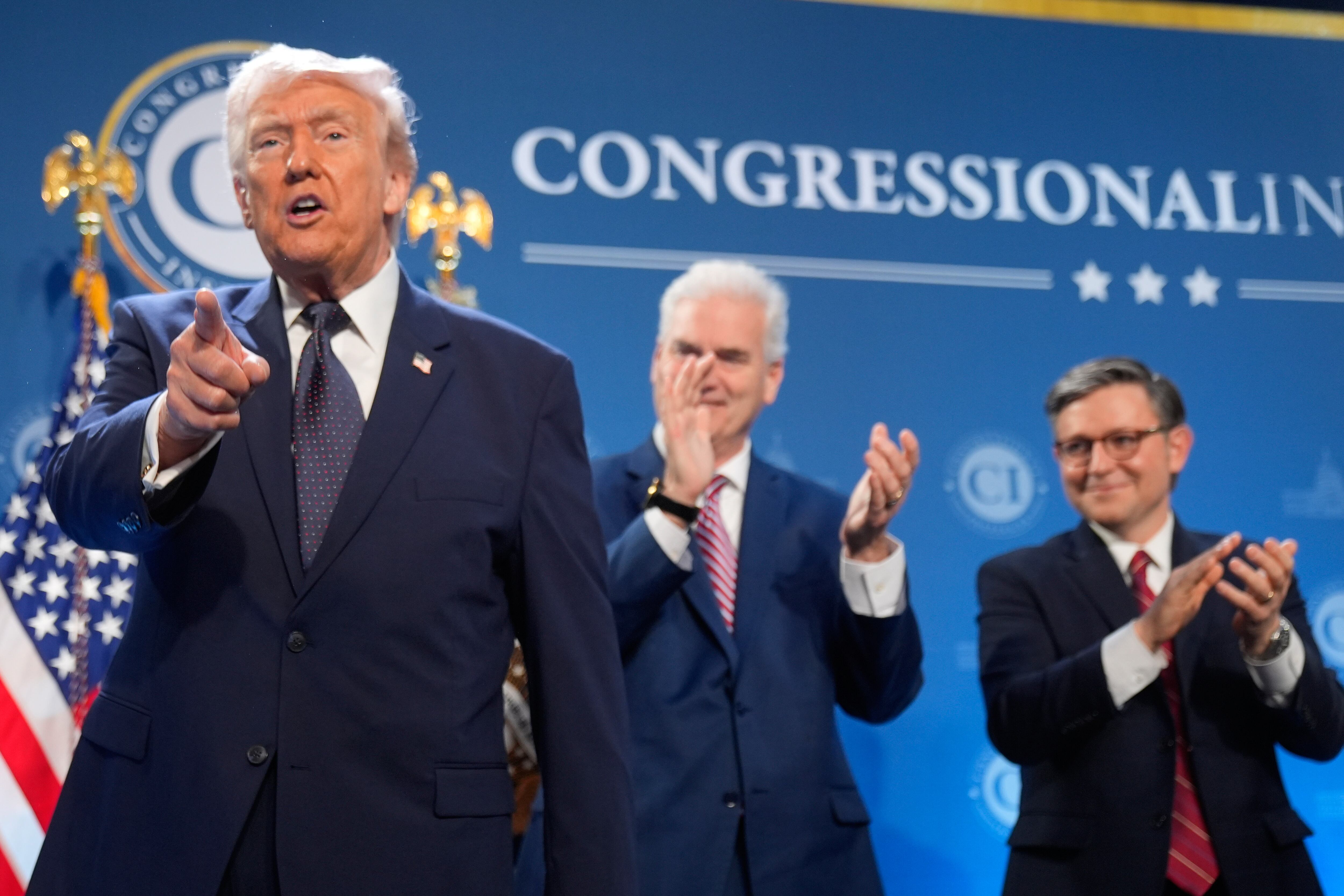
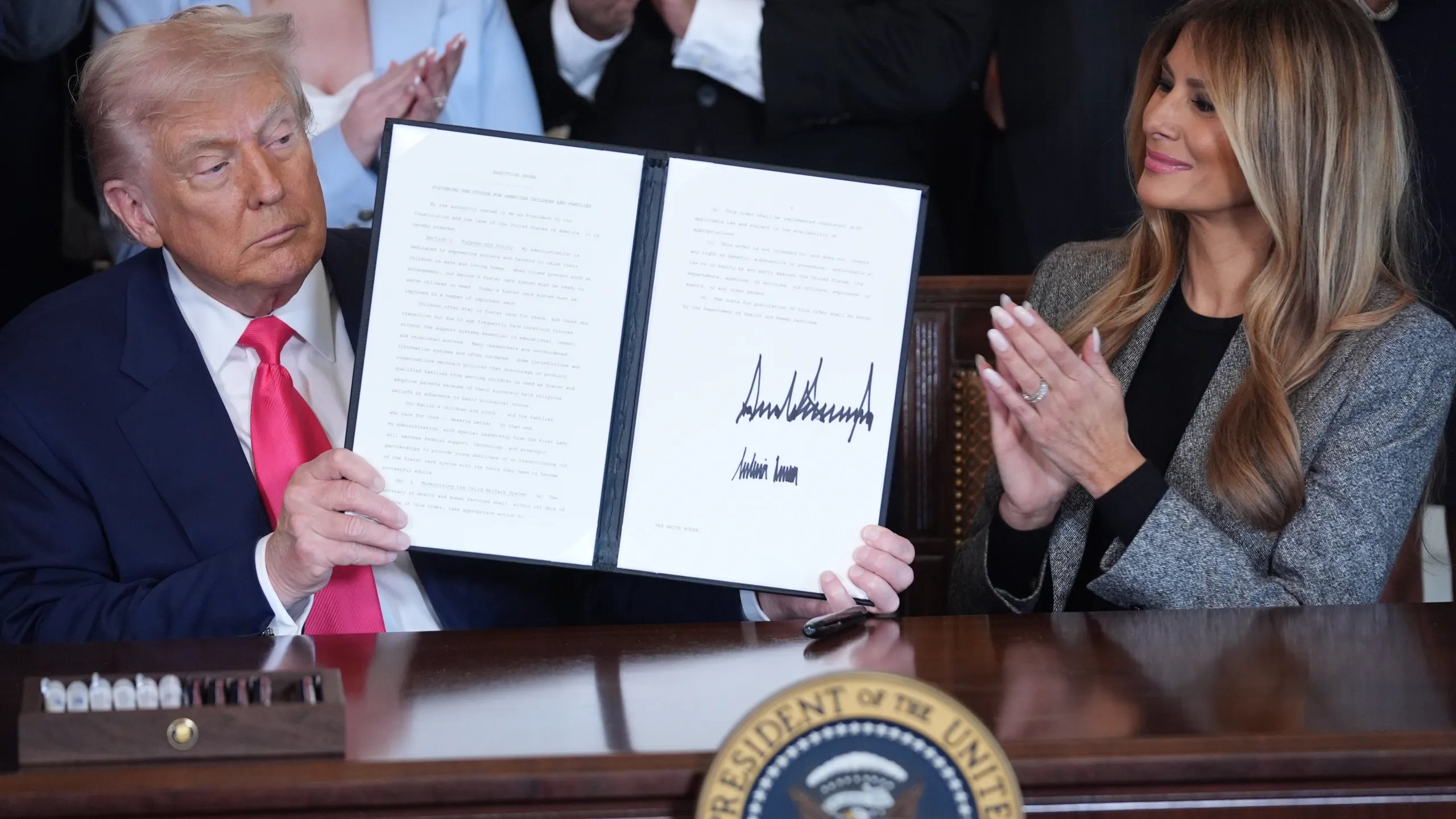
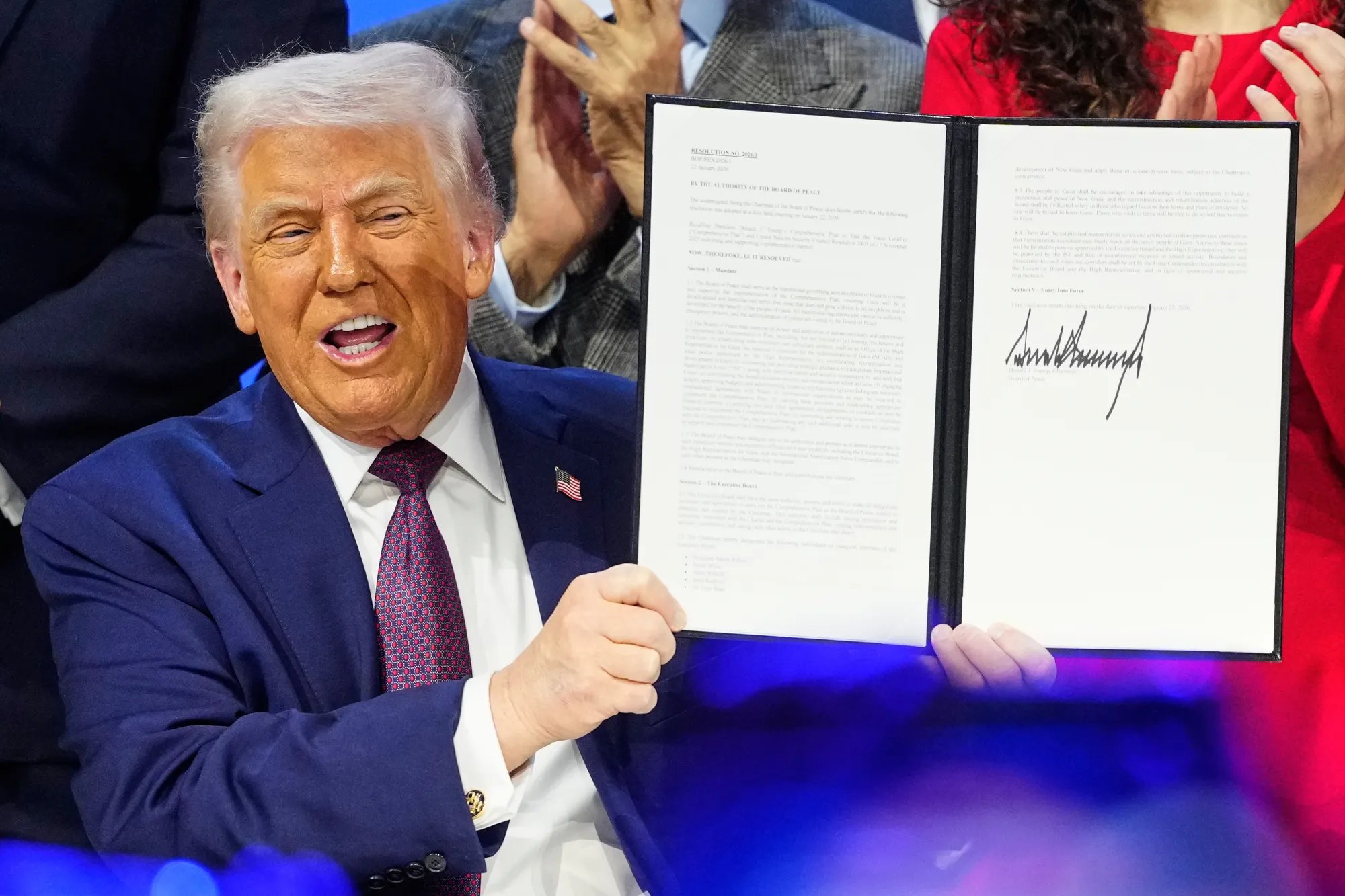
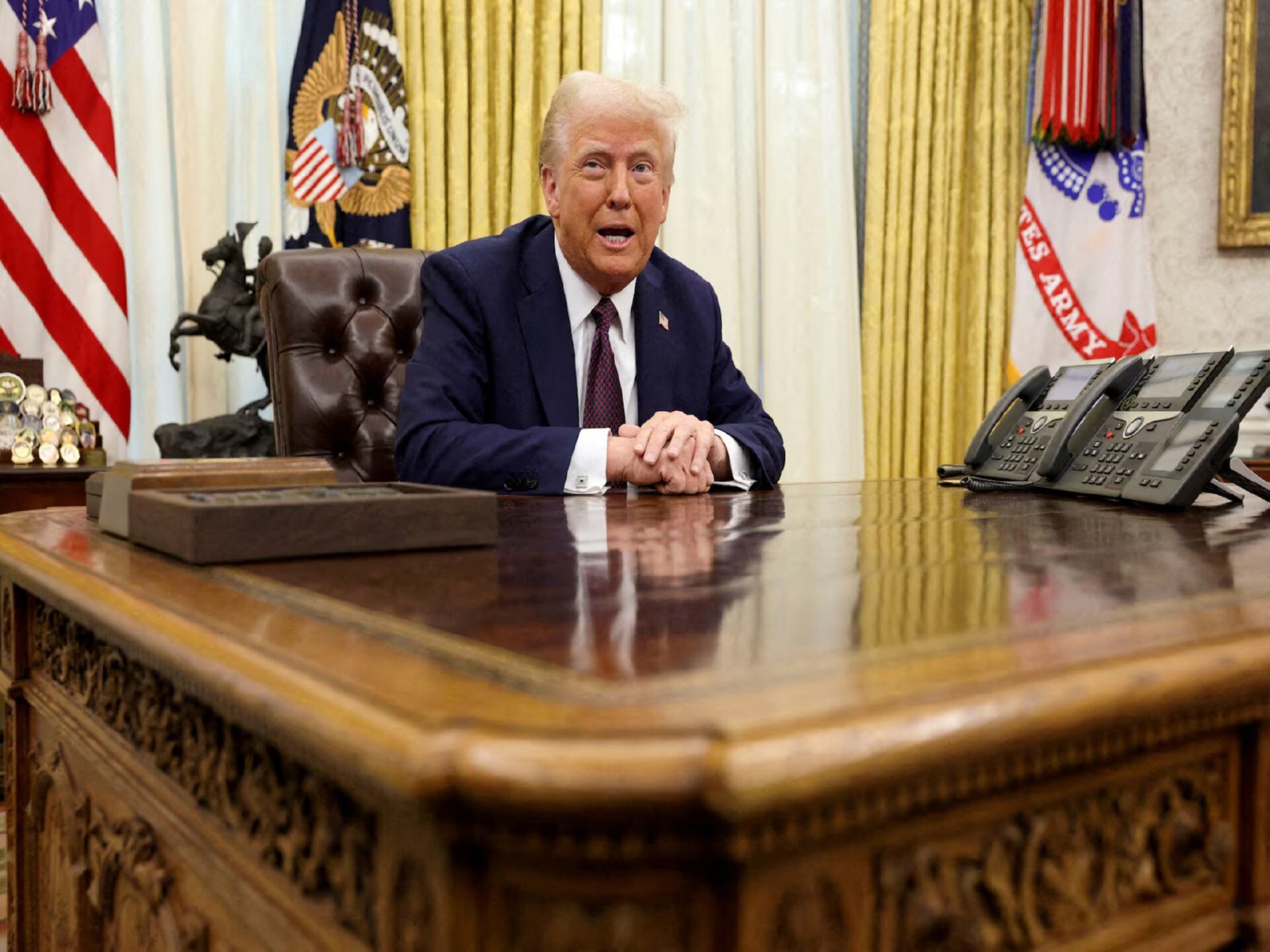
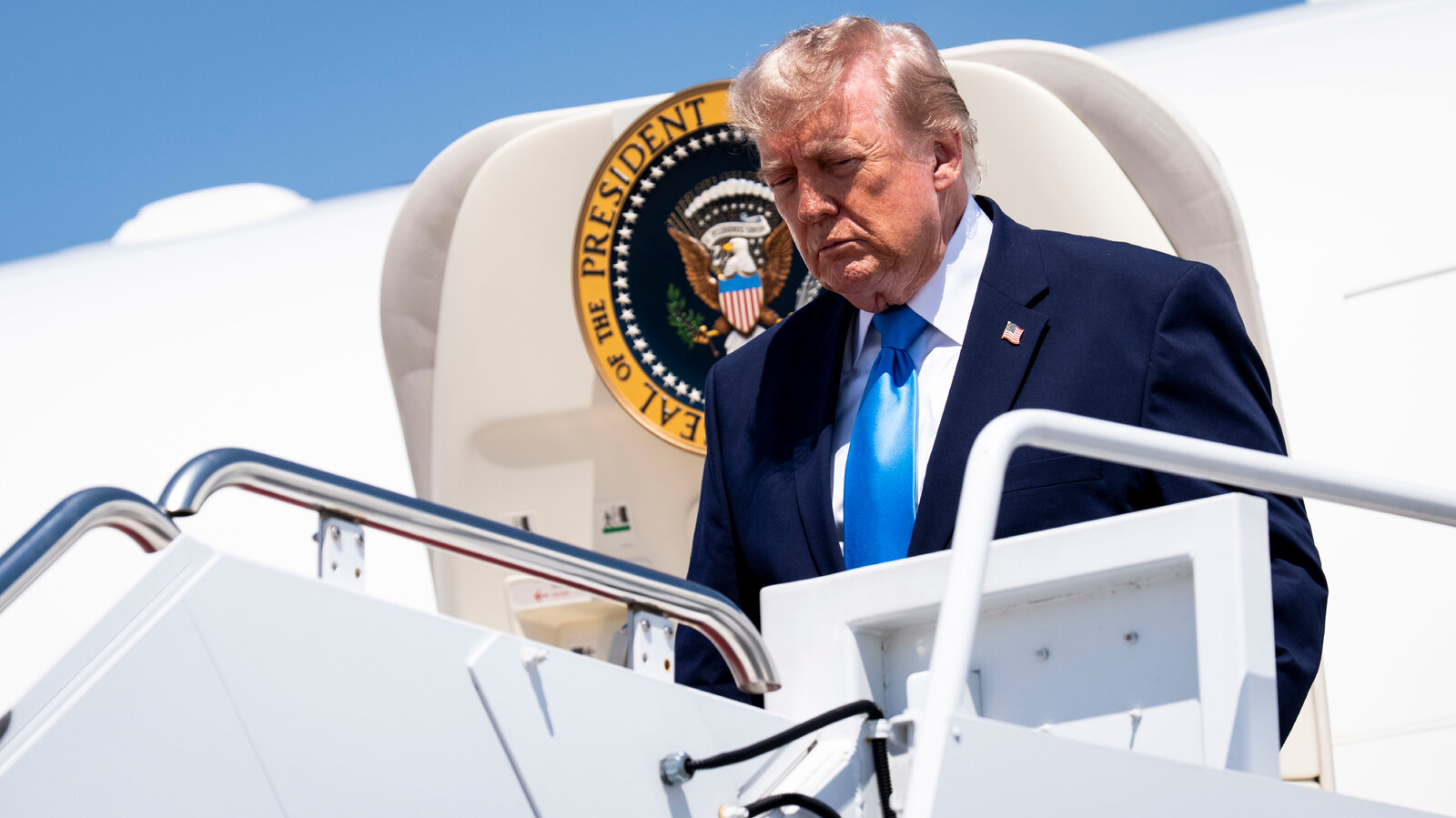
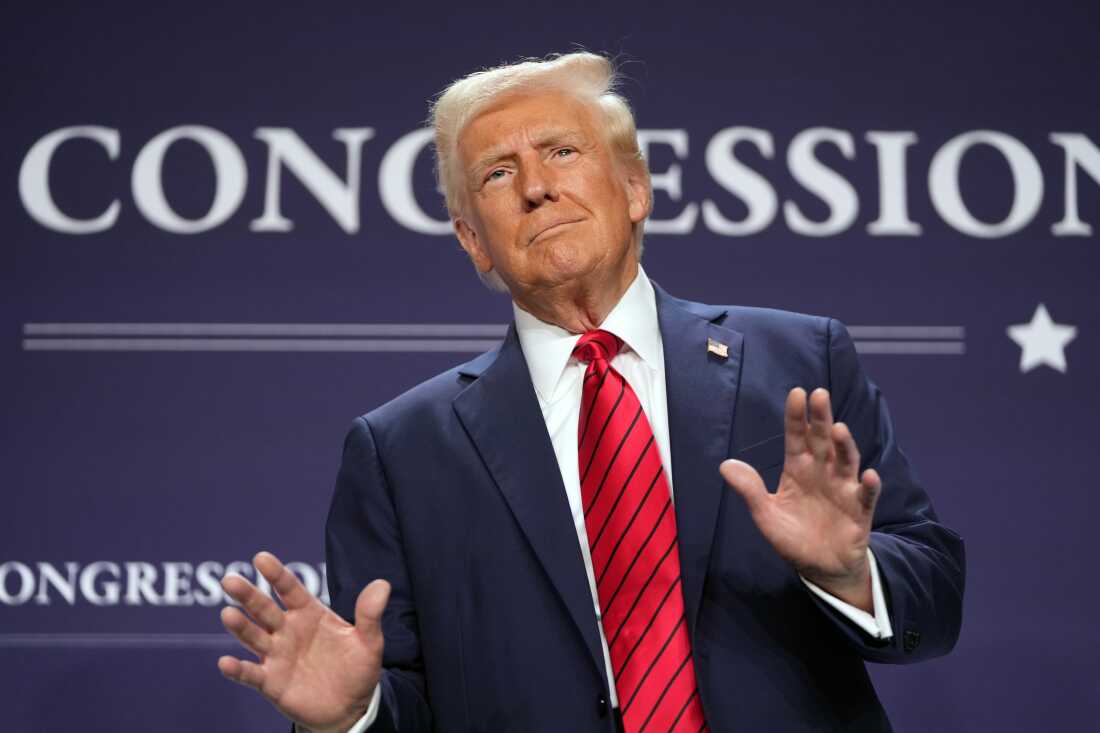
Democrats have opposed the proposal, asserting it represents an attempt by the Trump administration to increase federal control over elections. Senator Elissa Slotkin, also from Michigan, criticized the move, arguing it aligns with Trump's broader strategy to federalize elections. She emphasized the importance of maintaining the integrity of the electoral process, stating, "The U.S. Postal Service is now part of this bigger story of this president desperate to federalize our elections." Some Senate Republicans have also resisted Trump's election-related agenda, though the party remains divided.
Legal Challenges Loom
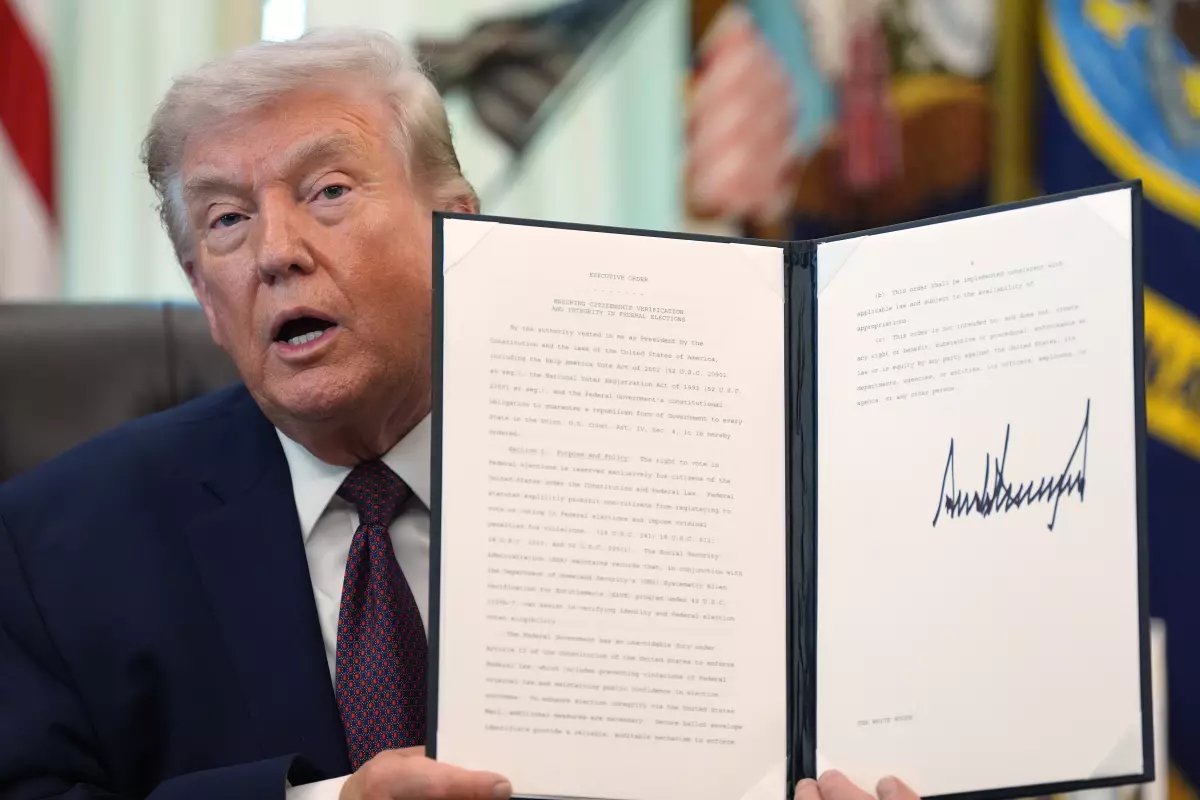
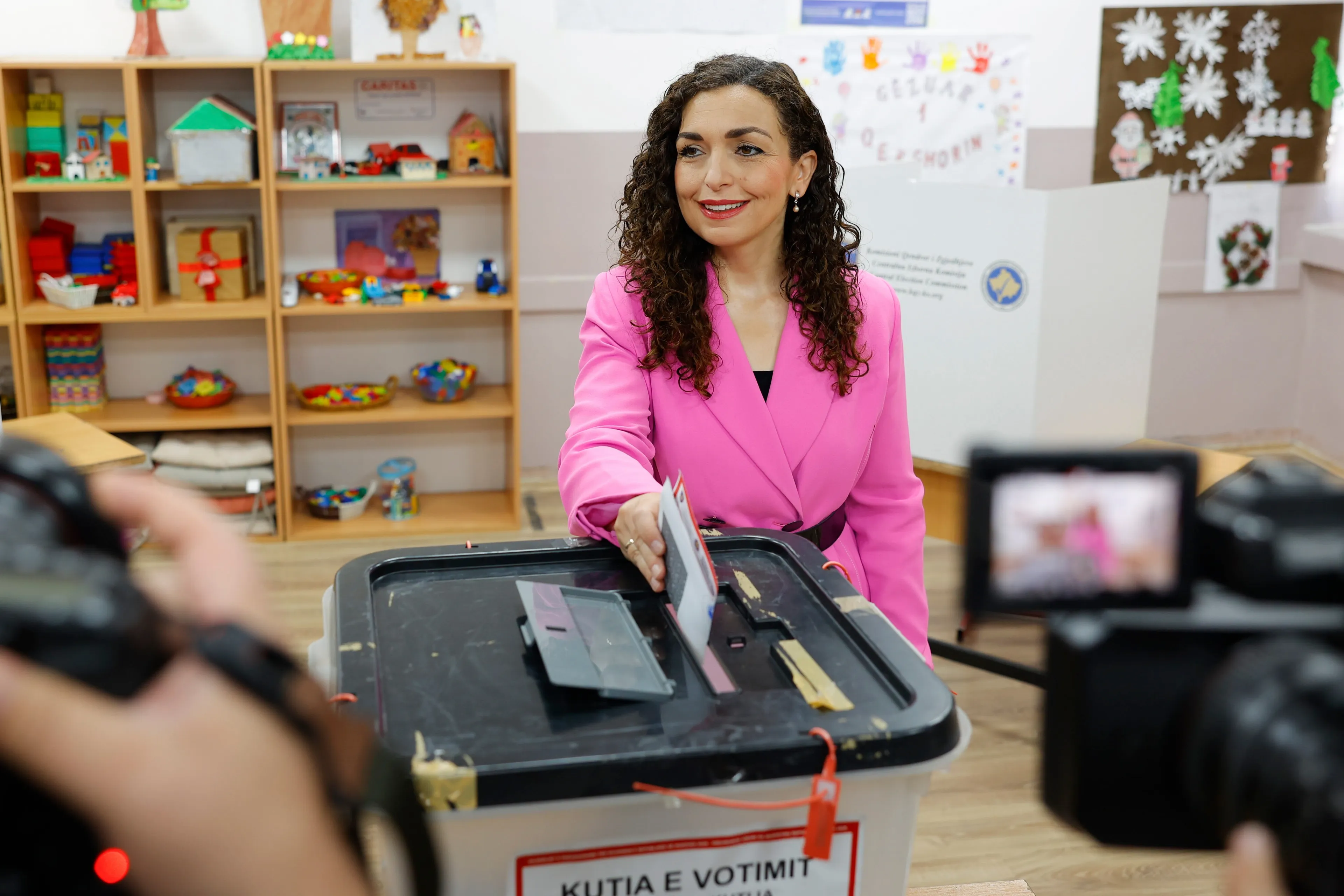
The proposed rule has already faced scrutiny, with at least five lawsuits challenging an executive order from Trump that aims to enhance federal oversight of elections. While some of these lawsuits have stalled, the comment period for the proposed rule remains open for public feedback, indicating that legal battles over this policy could intensify in the coming weeks.
Broader Context
This initiative is part of Trump's ongoing efforts to reshape voting regulations ahead of the midterm elections. The proposed rule aligns with the SAVE Act, a measure that seeks to implement stricter voting requirements, including voter ID and proof of citizenship. Trump's push has divided Senate Republicans, with some openly defying his demands, raising questions about the viability of such controversial policies.
Next Steps for States
As the proposed rule's comment period progresses, states will need to decide whether to provide voter data to the federal government or risk losing mail-in ballot delivery services. The implications of this rule could extend beyond individual states, affecting voter turnout and access nationwide. The final decision on the rule will likely shape the electoral landscape as November approaches, putting pressure on state lawmakers to comply with federal requests or risk disenfranchising voters.