






Drones and Missiles Over the Strait
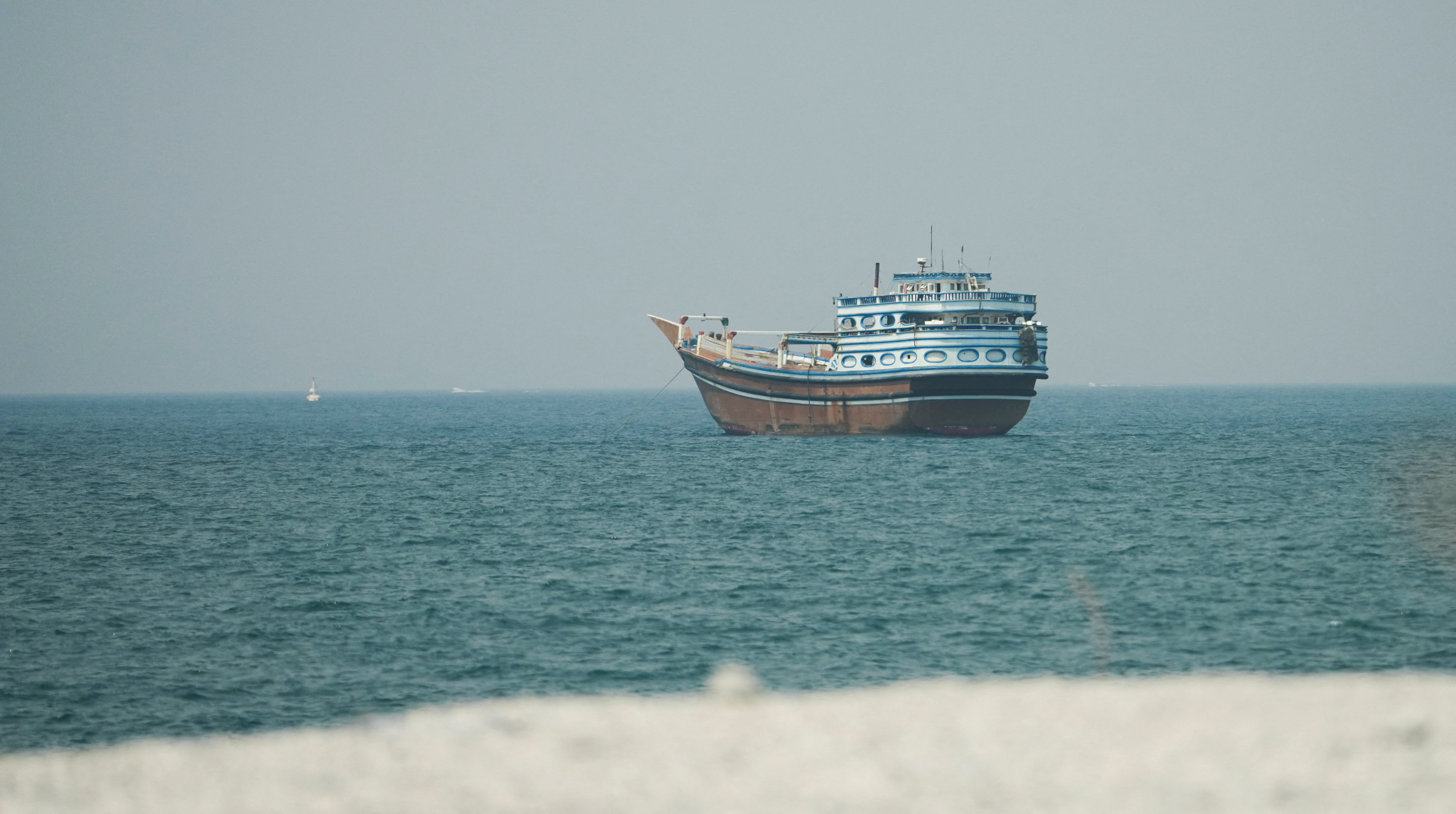
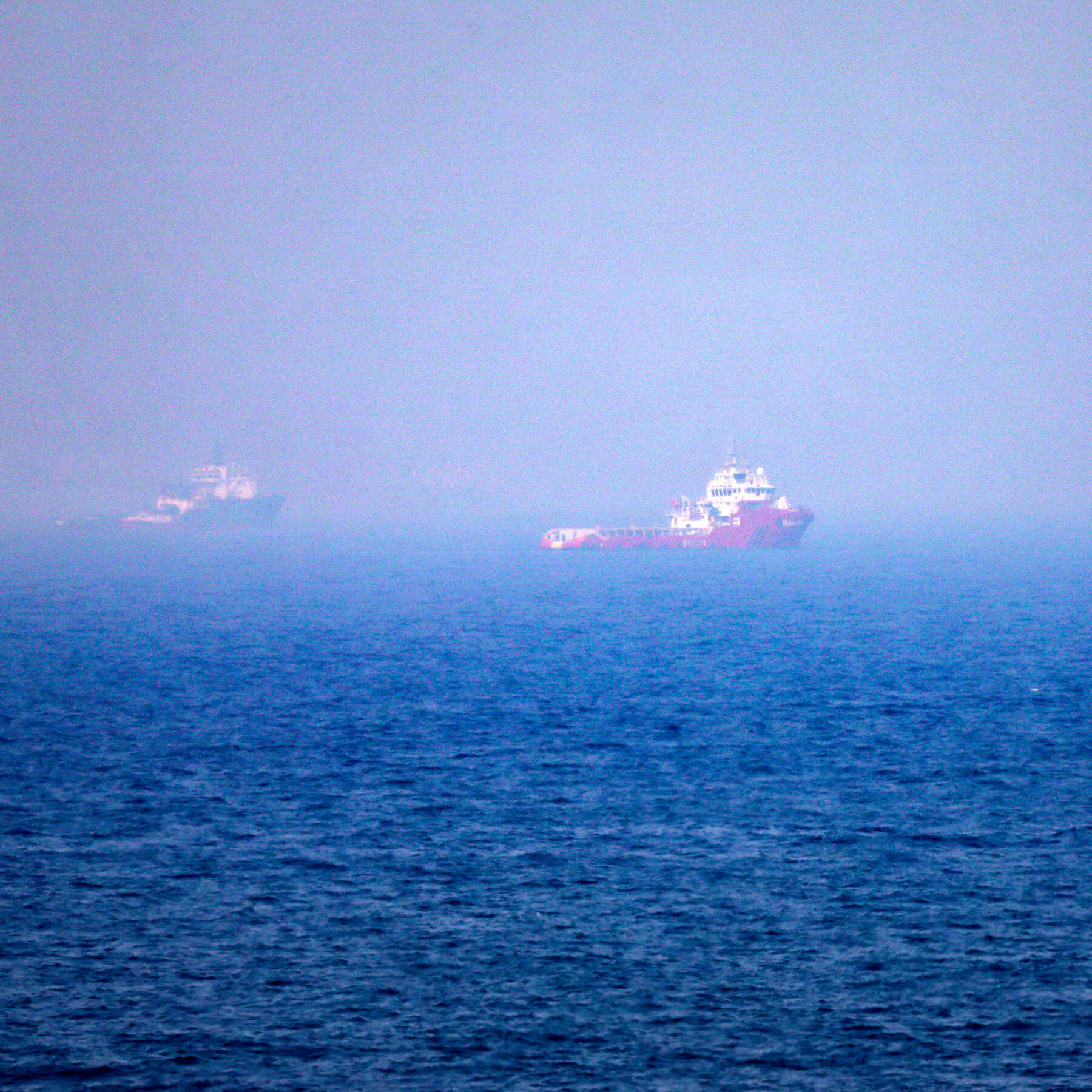
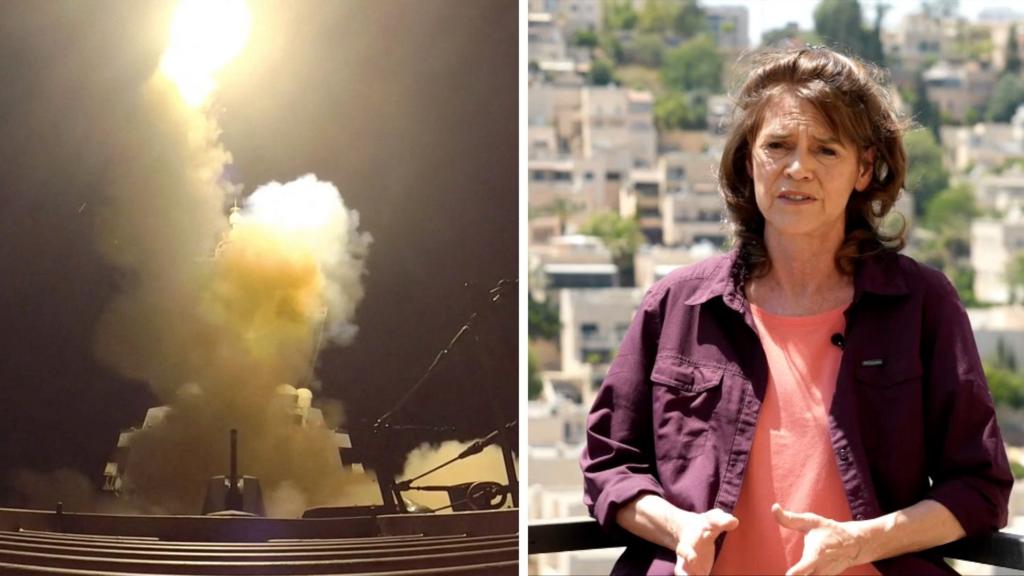
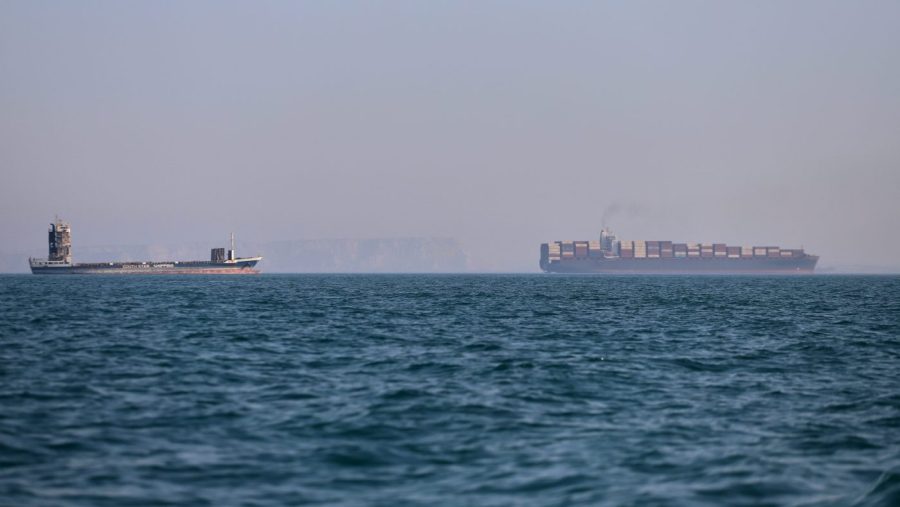
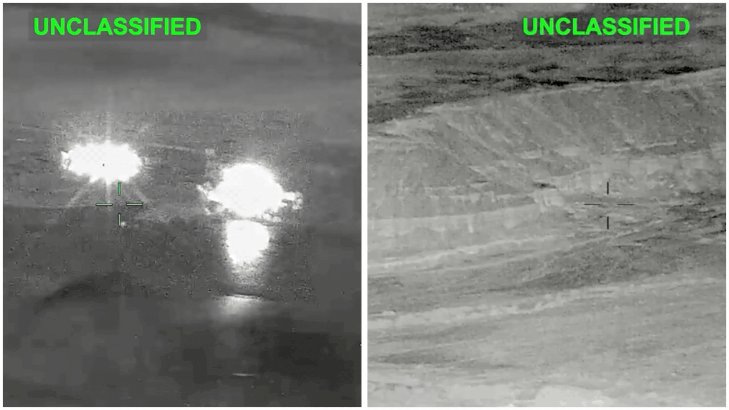
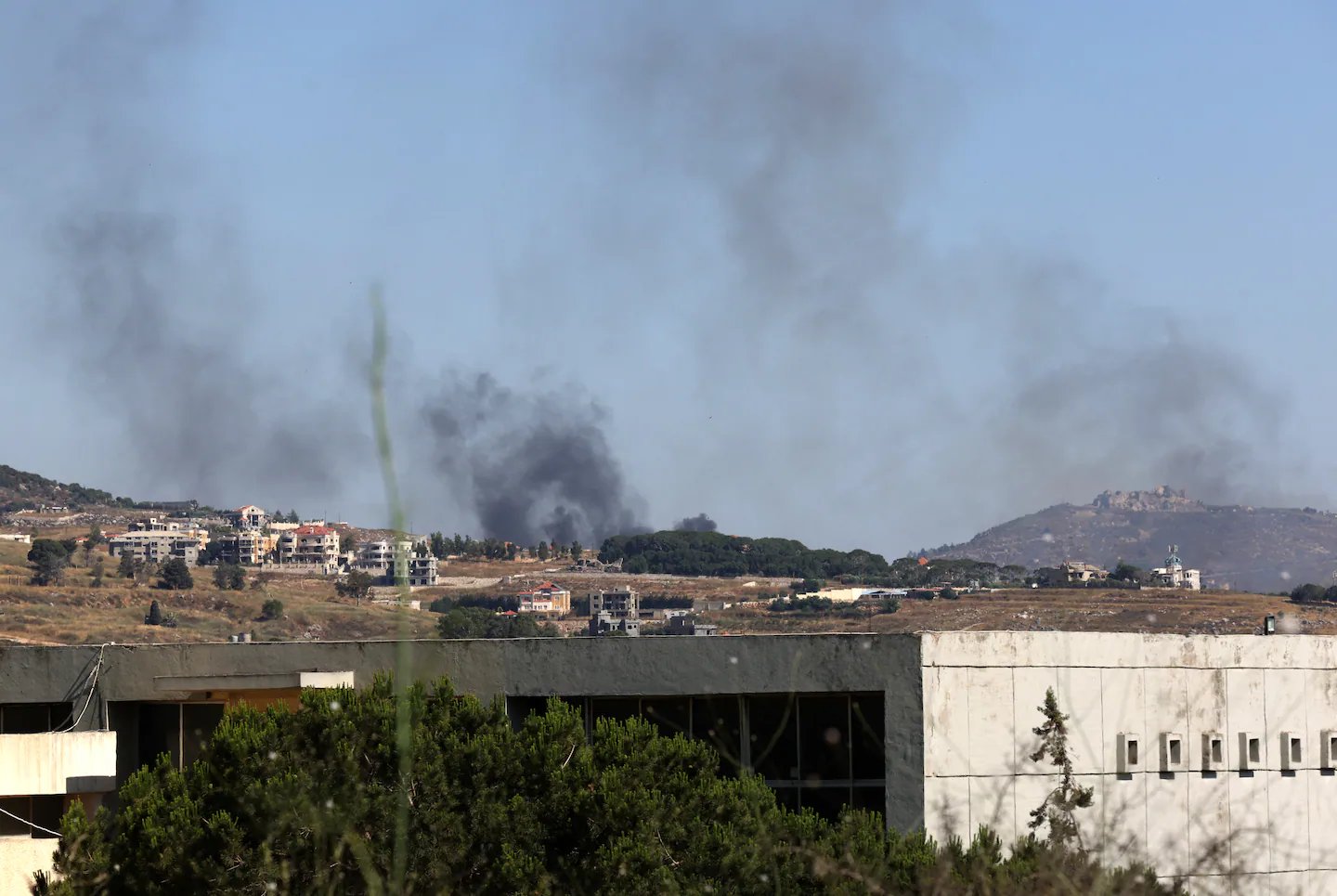
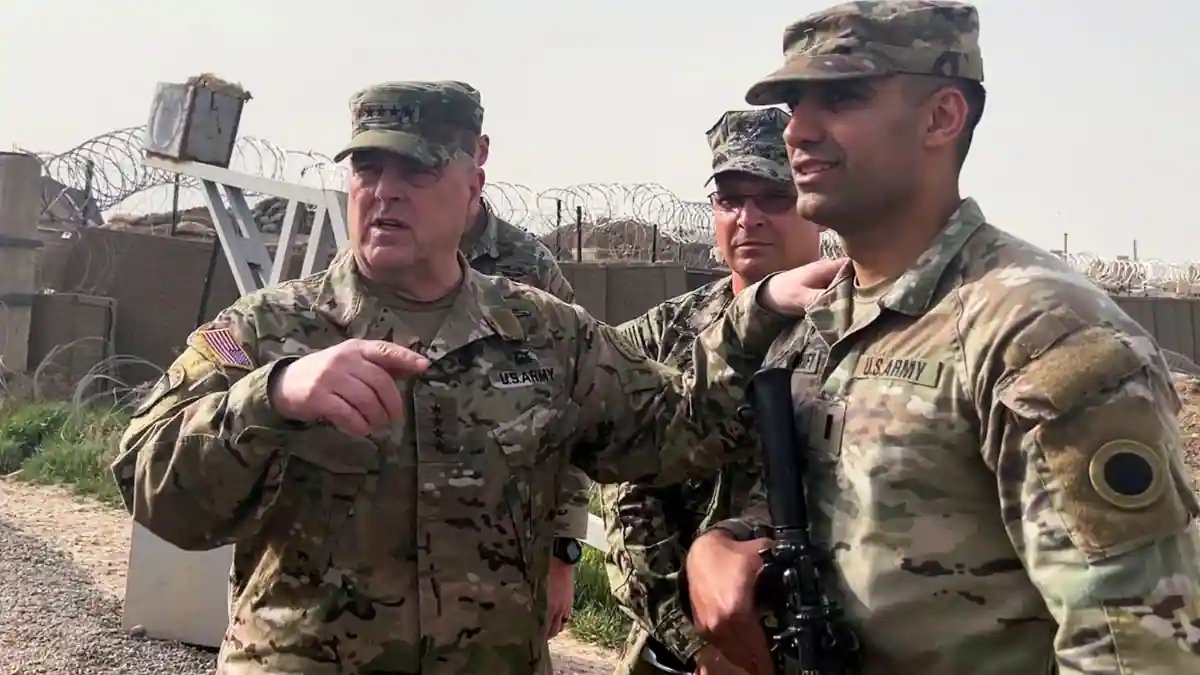
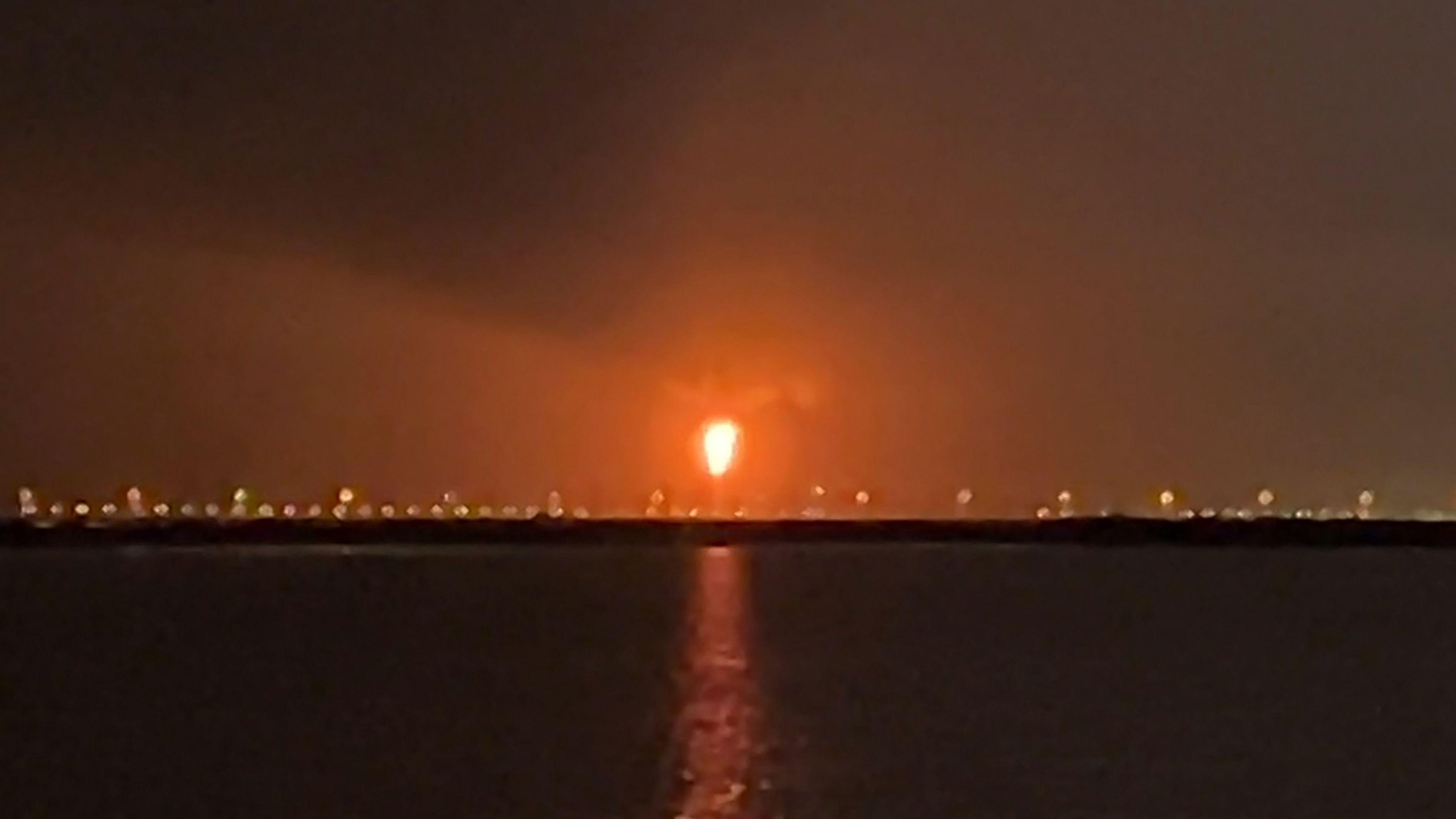
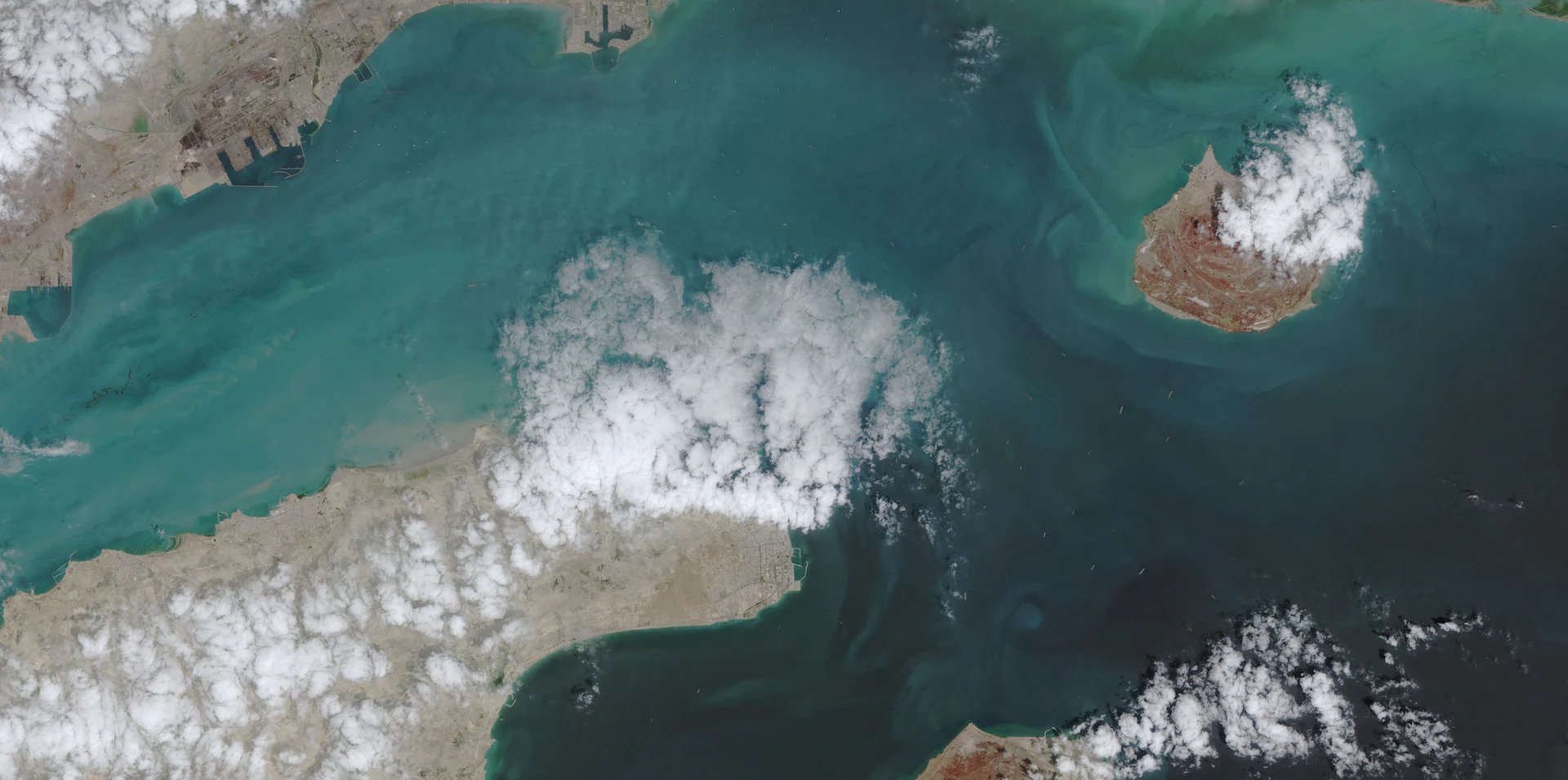
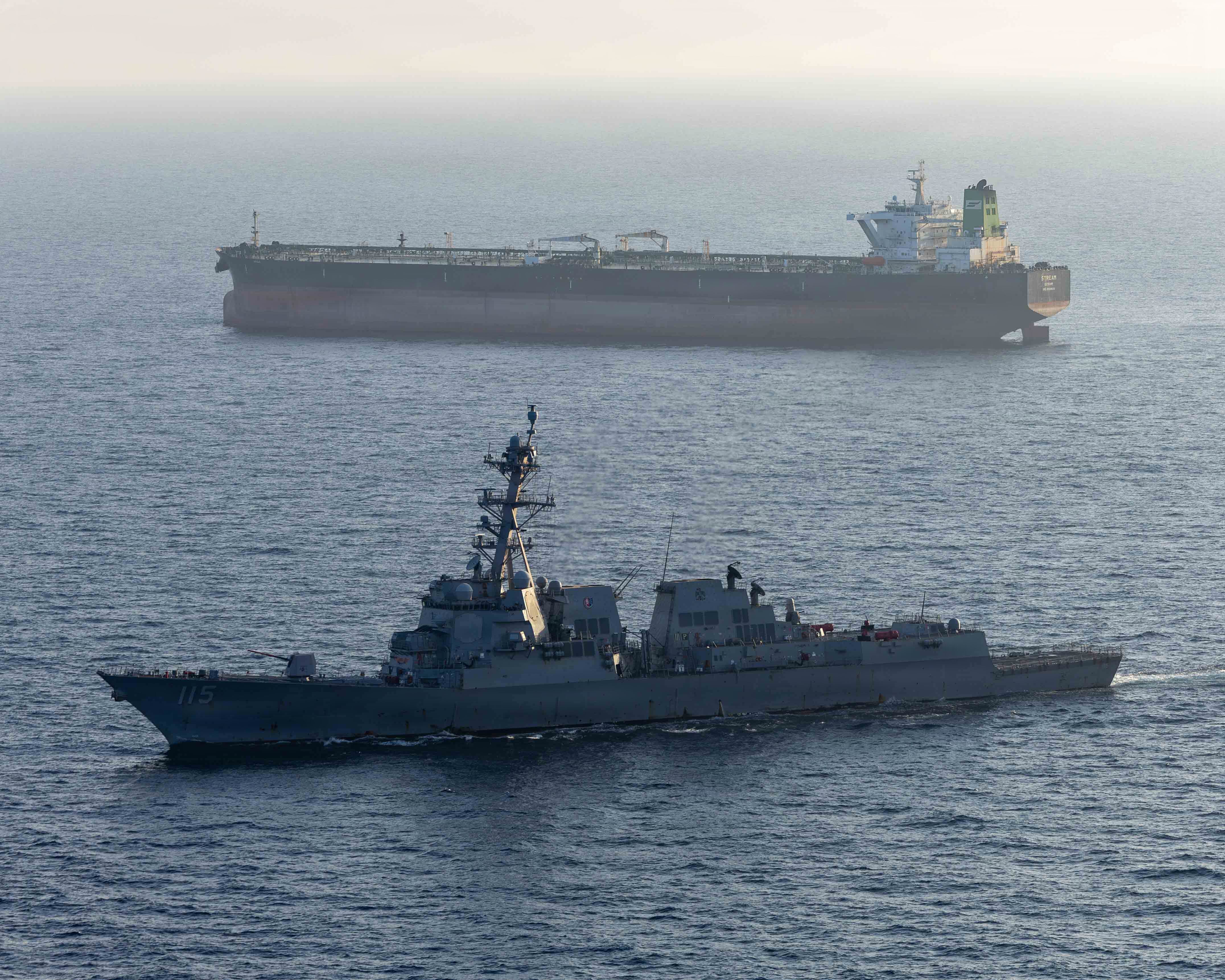
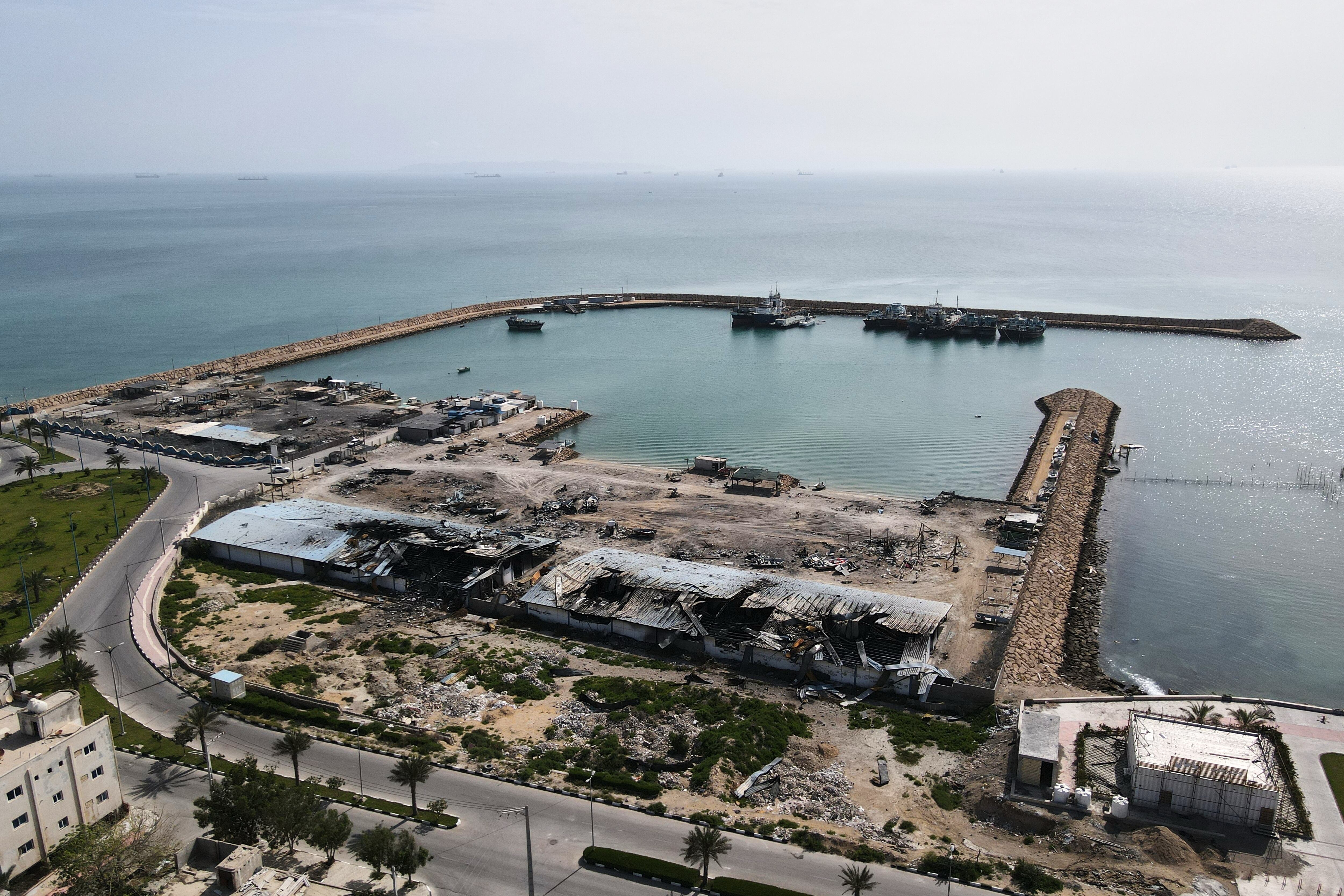
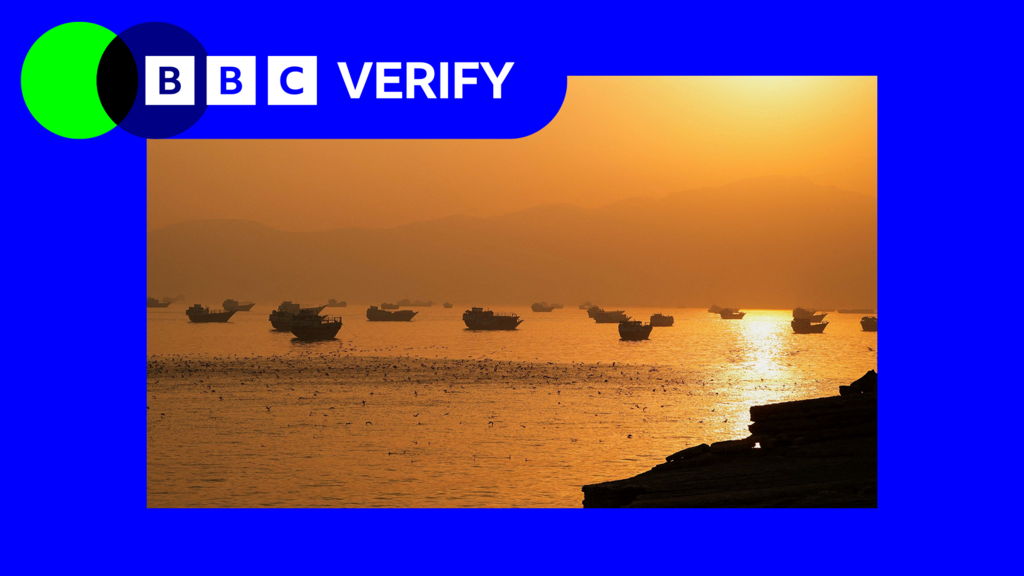
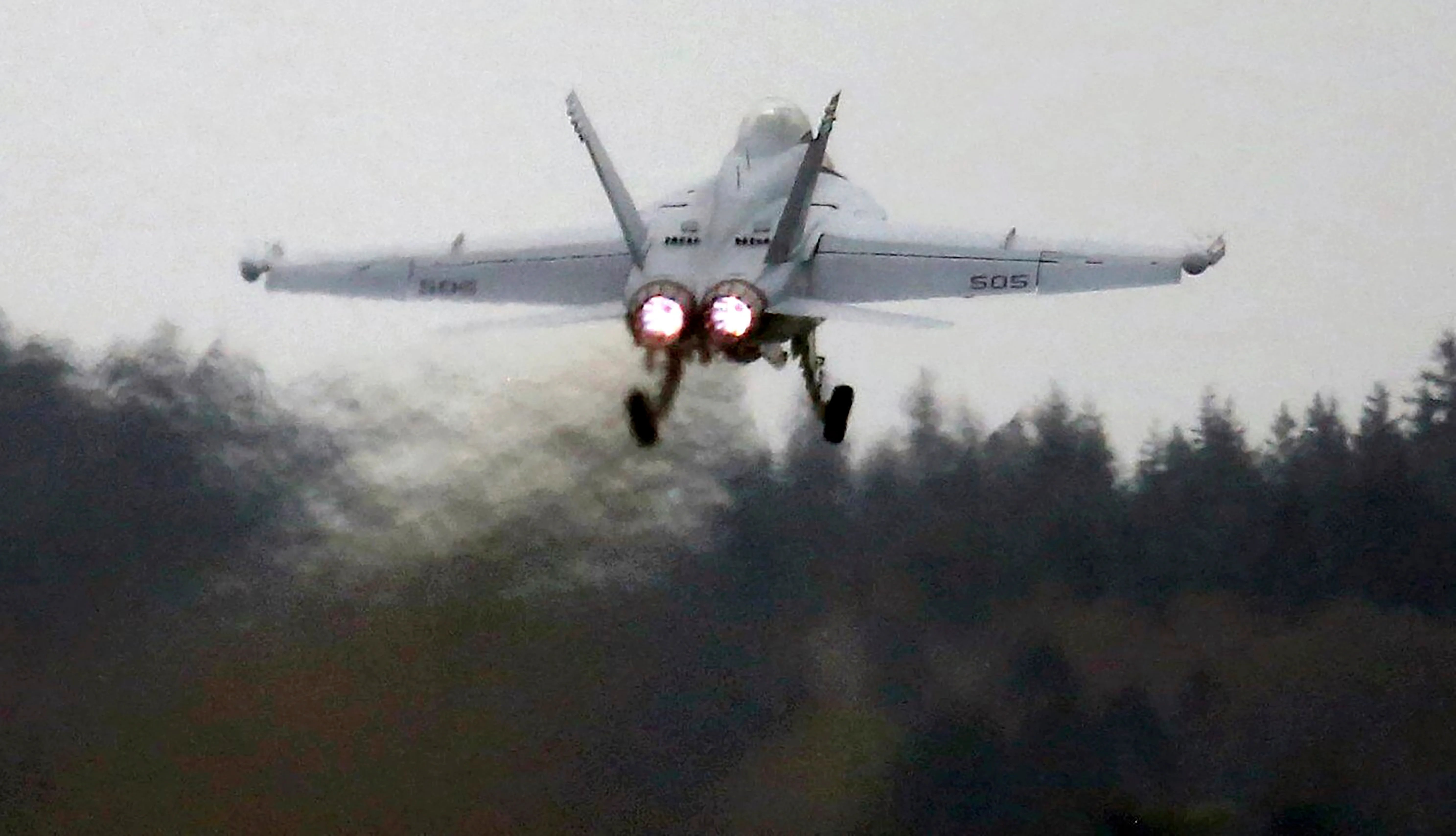
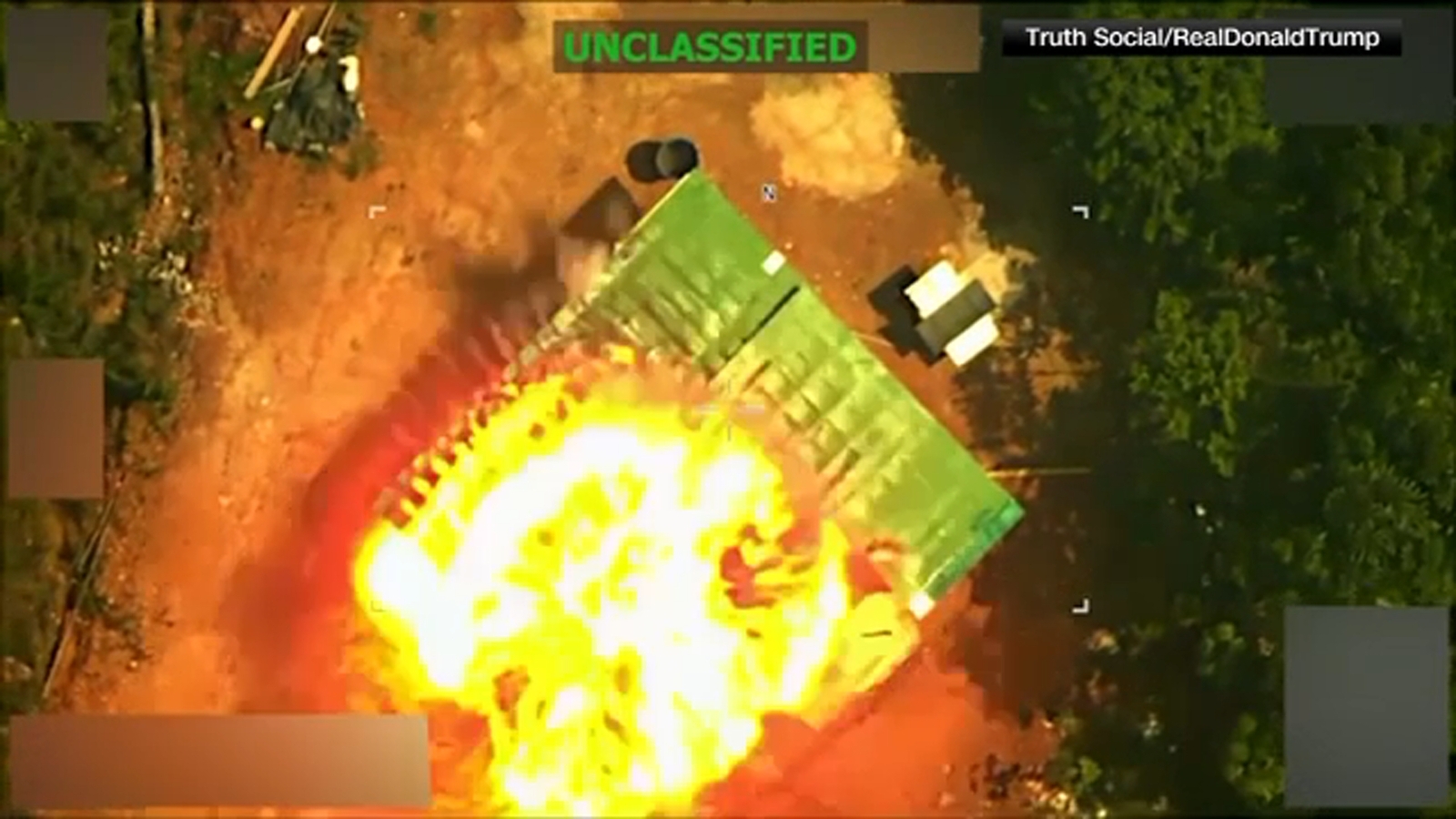
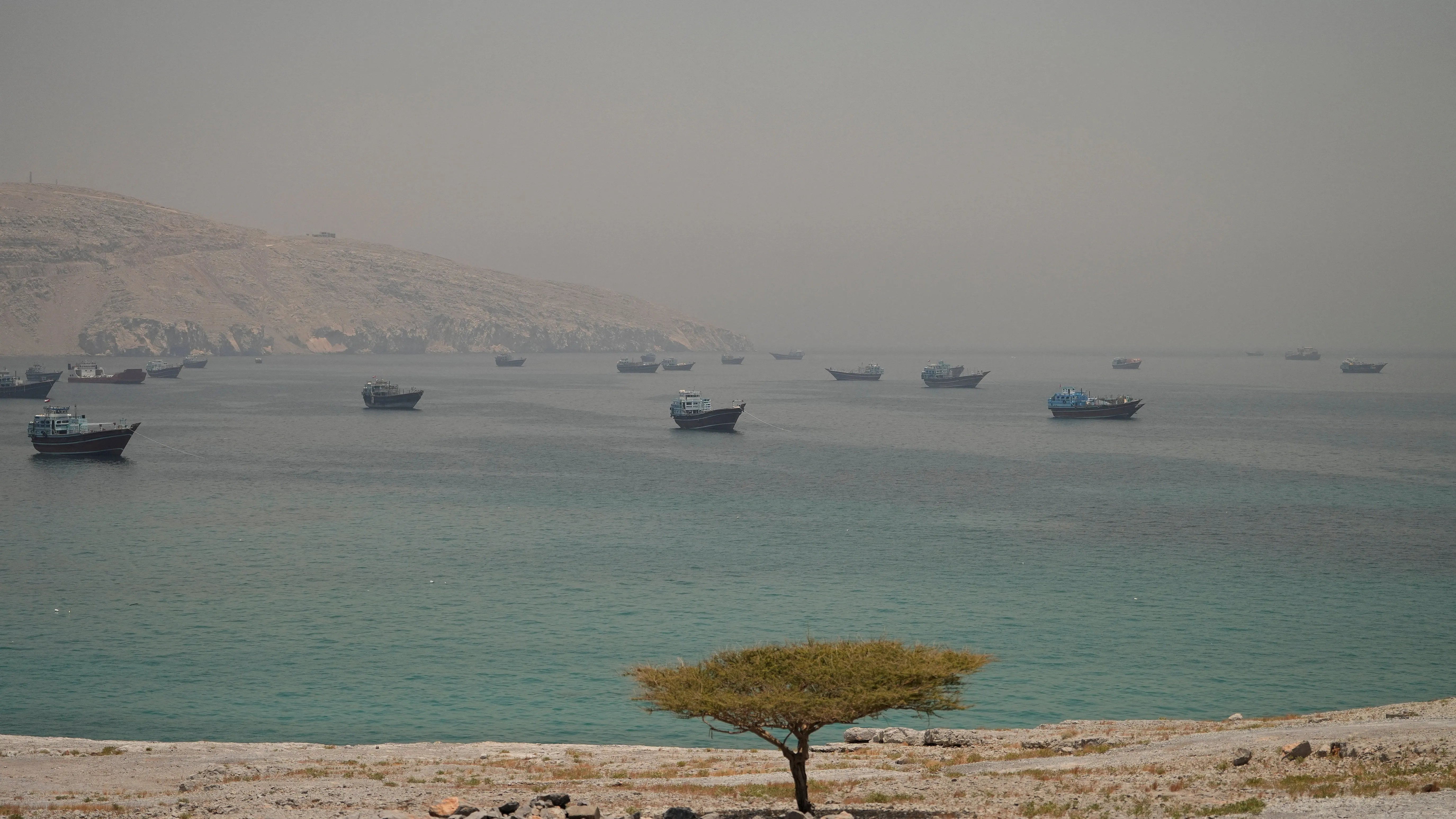
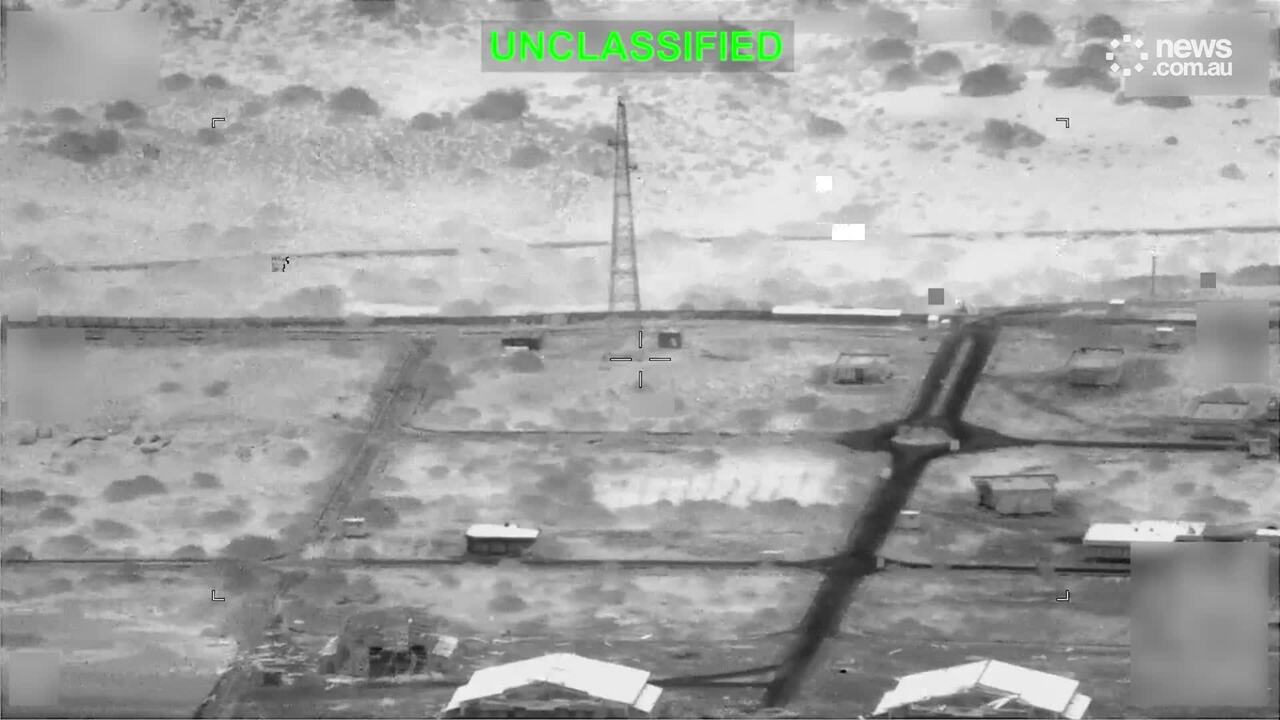
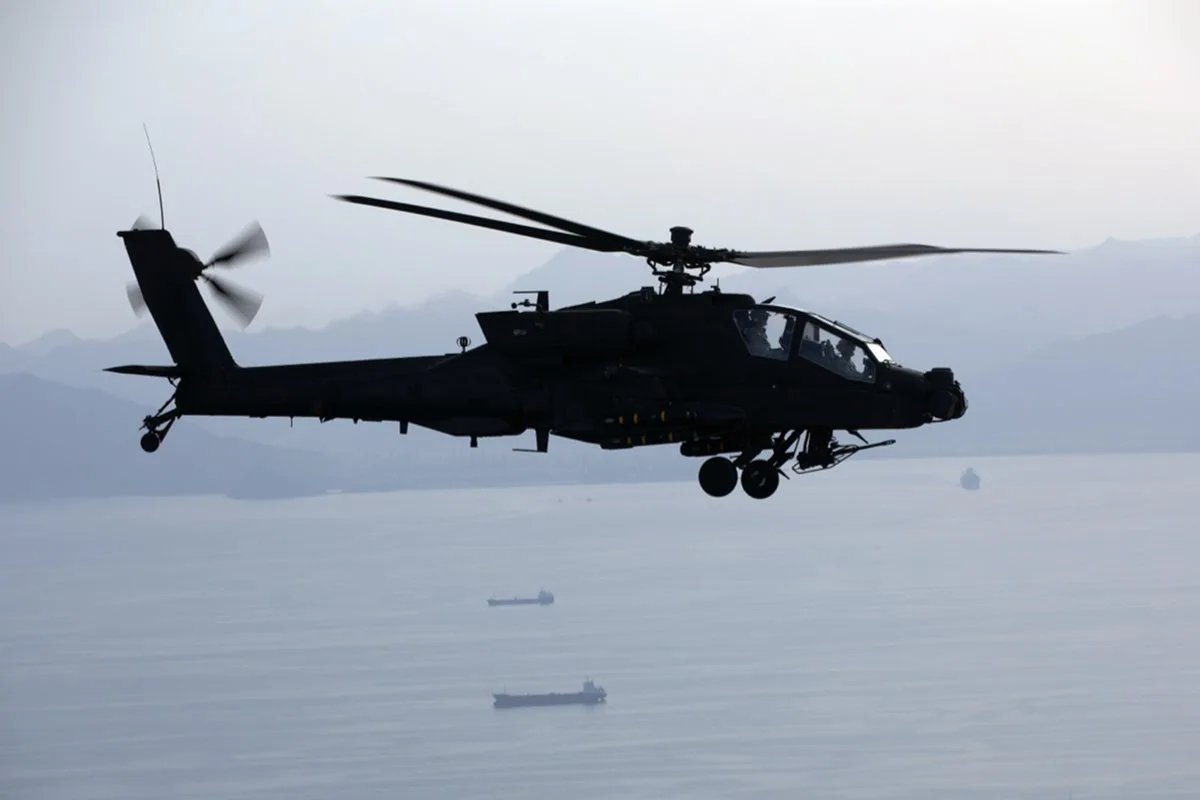
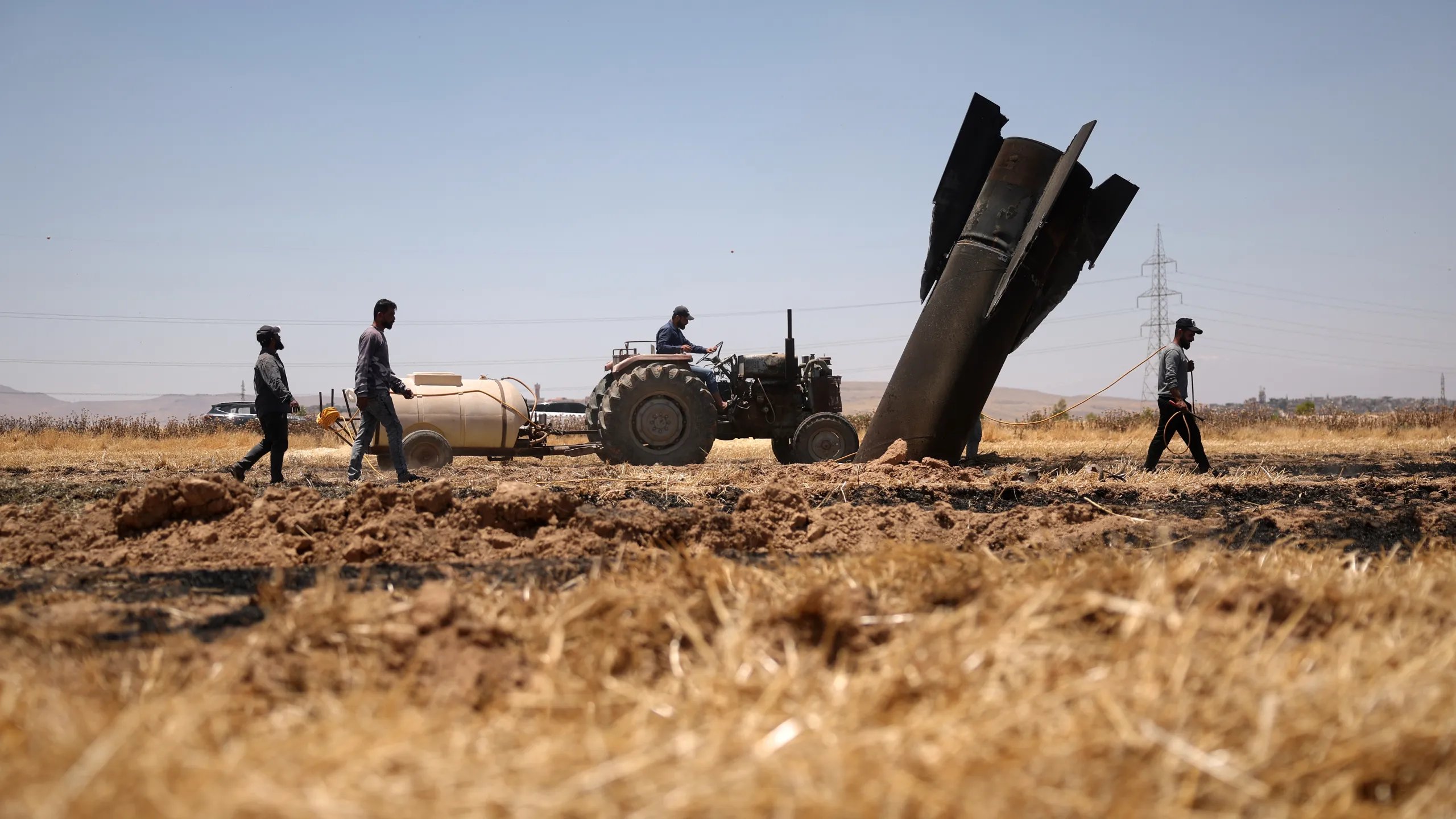
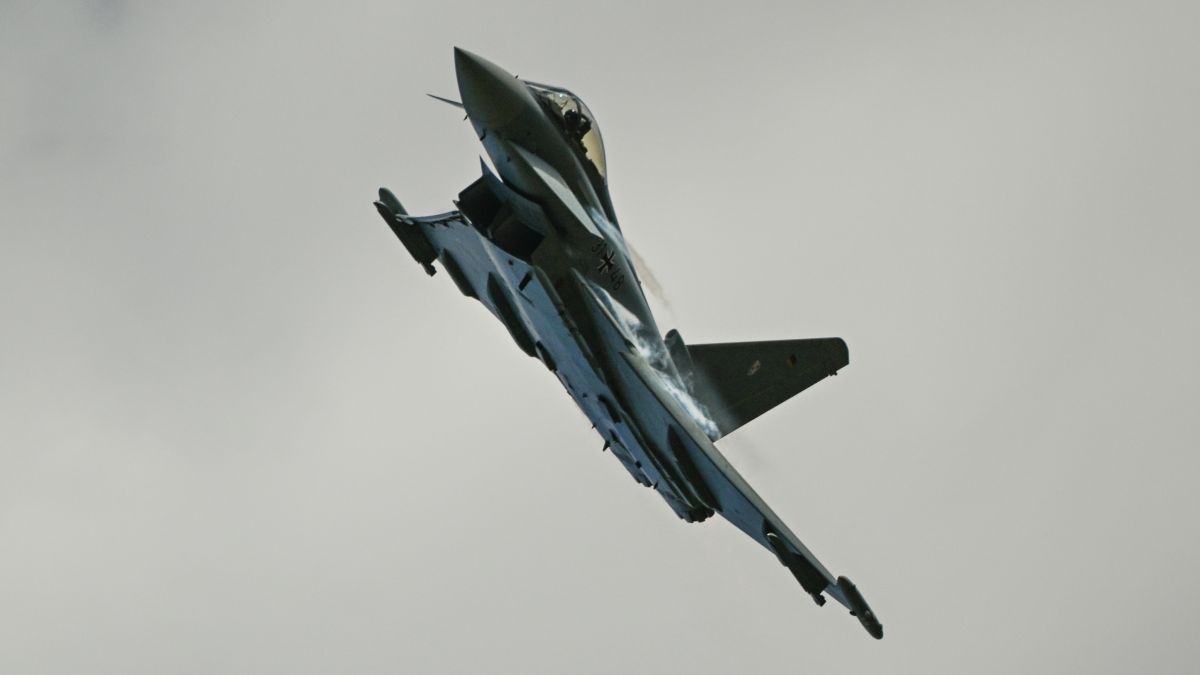
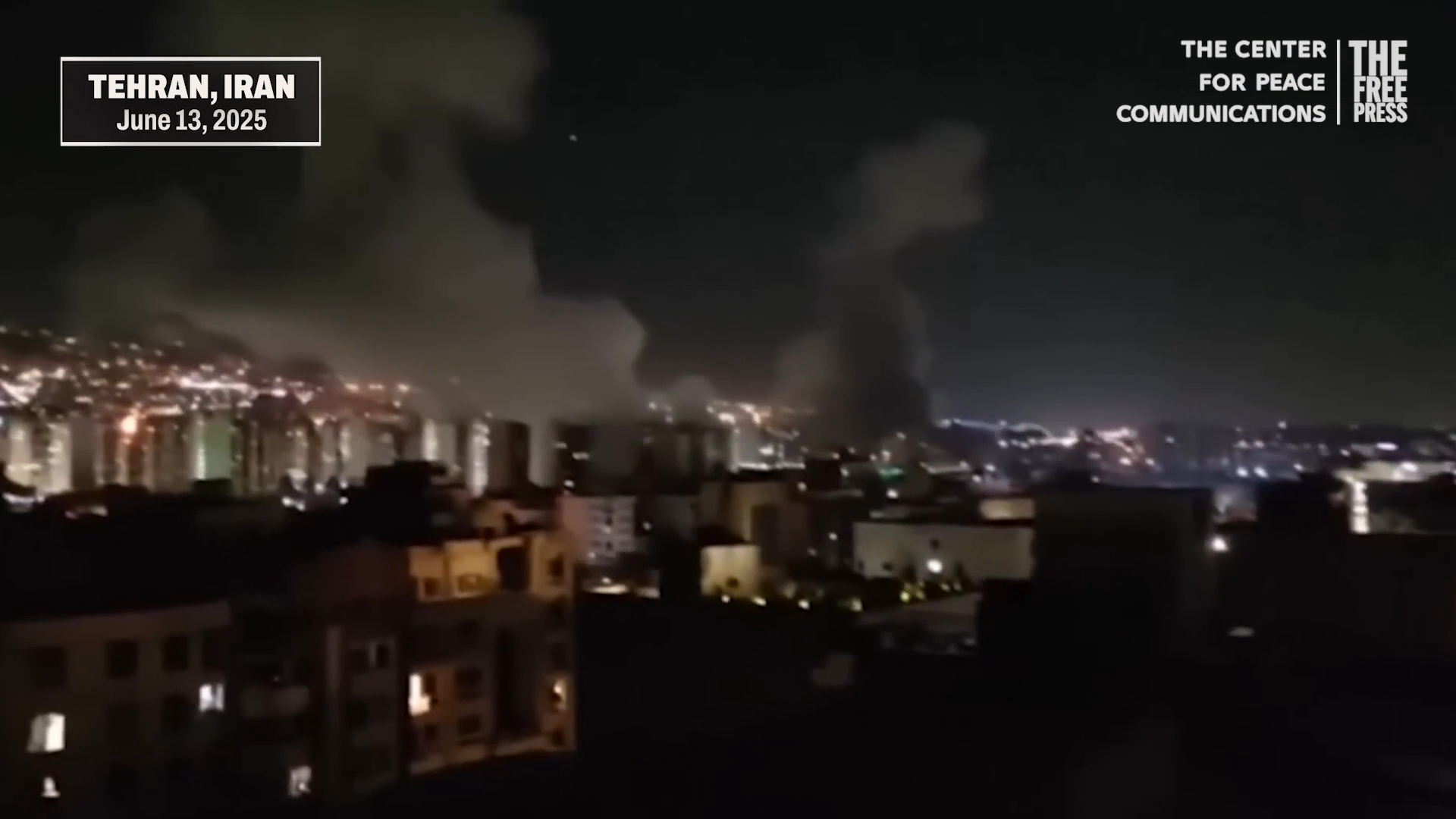
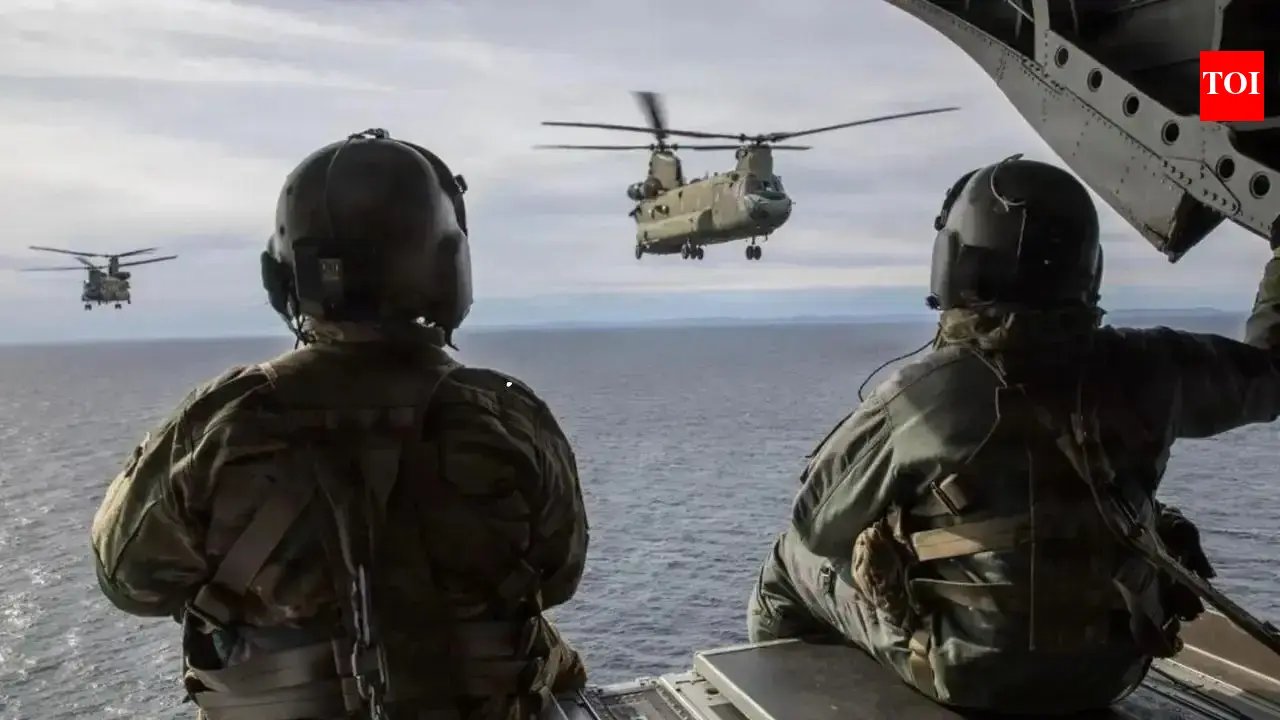
The US military shot down four Iranian "one-way attack drones" launched toward the Strait of Hormuz early Saturday, then struck Iranian coastal surveillance radar sites in the cities of Goruk and Qeshm on the Persian Gulf. US Central Command said the drones "posed an immediate threat to regional maritime traffic."
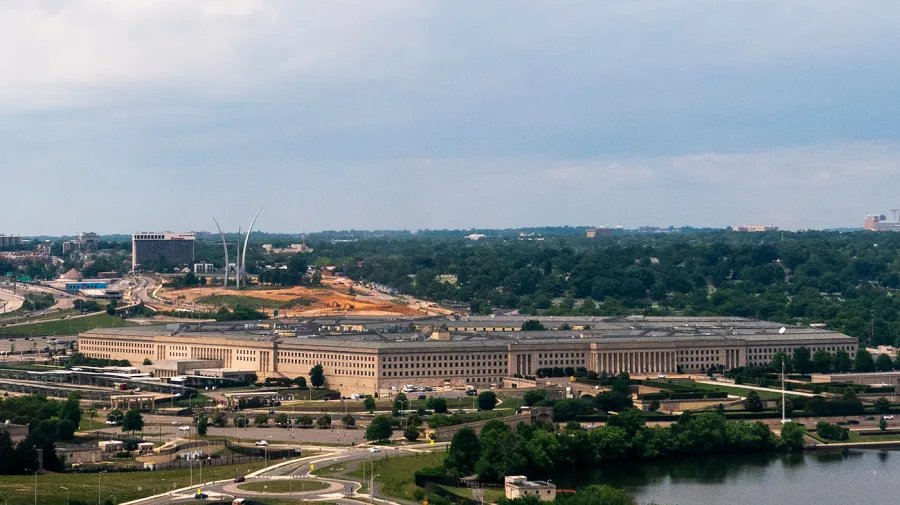
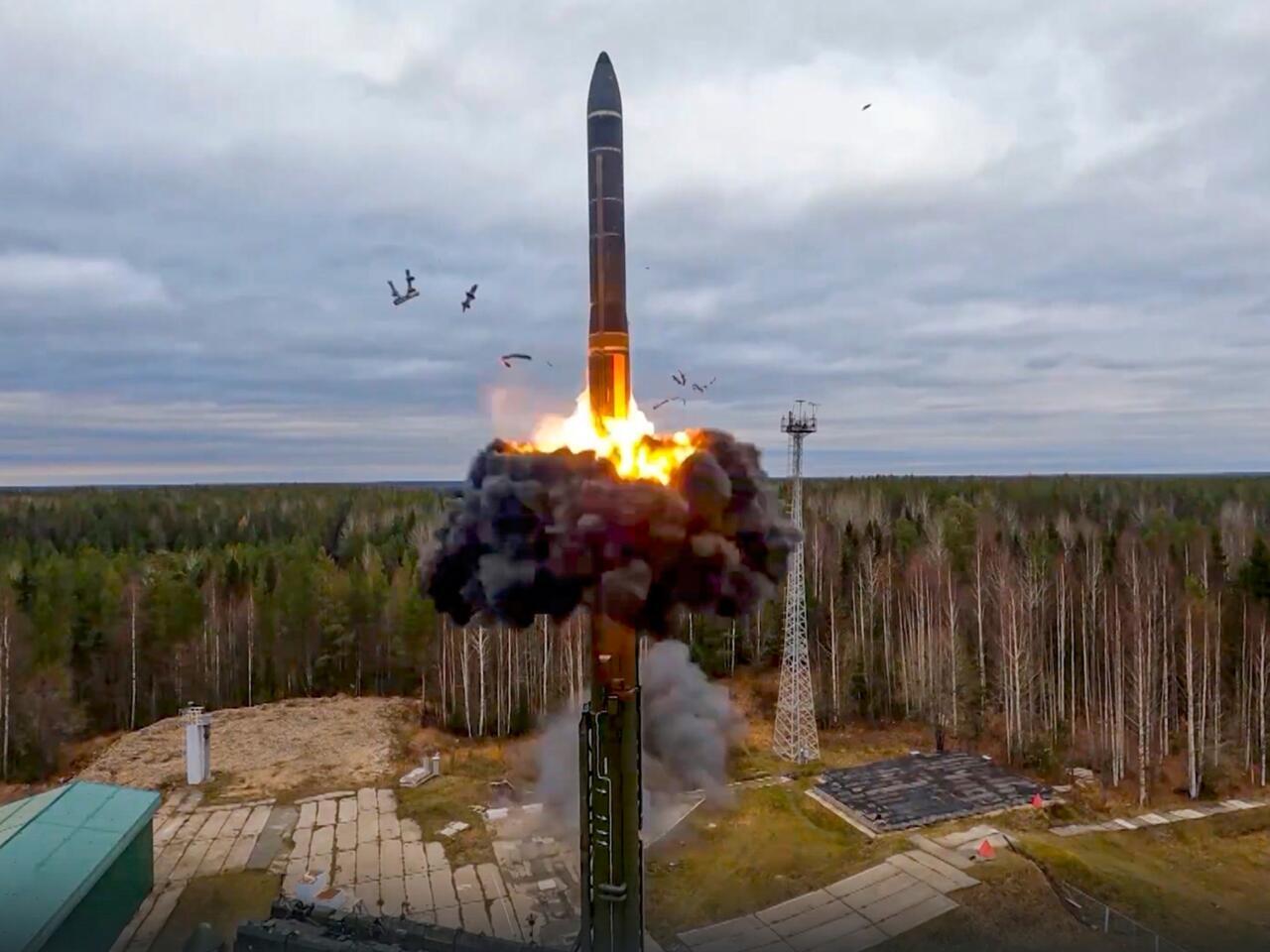
Iran responded hours later by firing seven ballistic missiles at US bases in Kuwait and Bahrain. US Central Command assessed that six missiles were intercepted and one did not reach its intended target. Kuwait's military confirmed its air defenses responded to "hostile" drone and missile attacks, while Bahrain activated air raid sirens and urged residents to seek shelter.
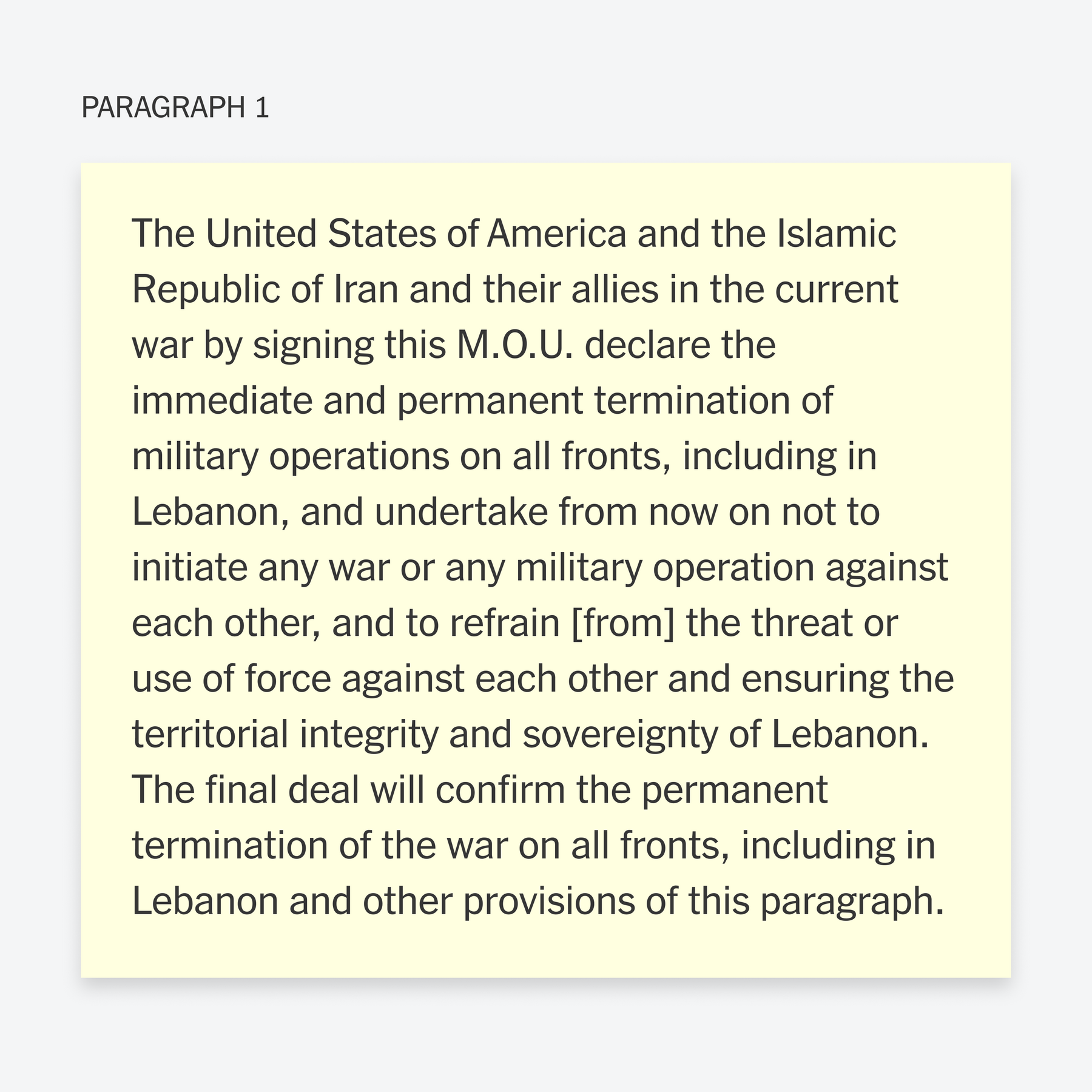
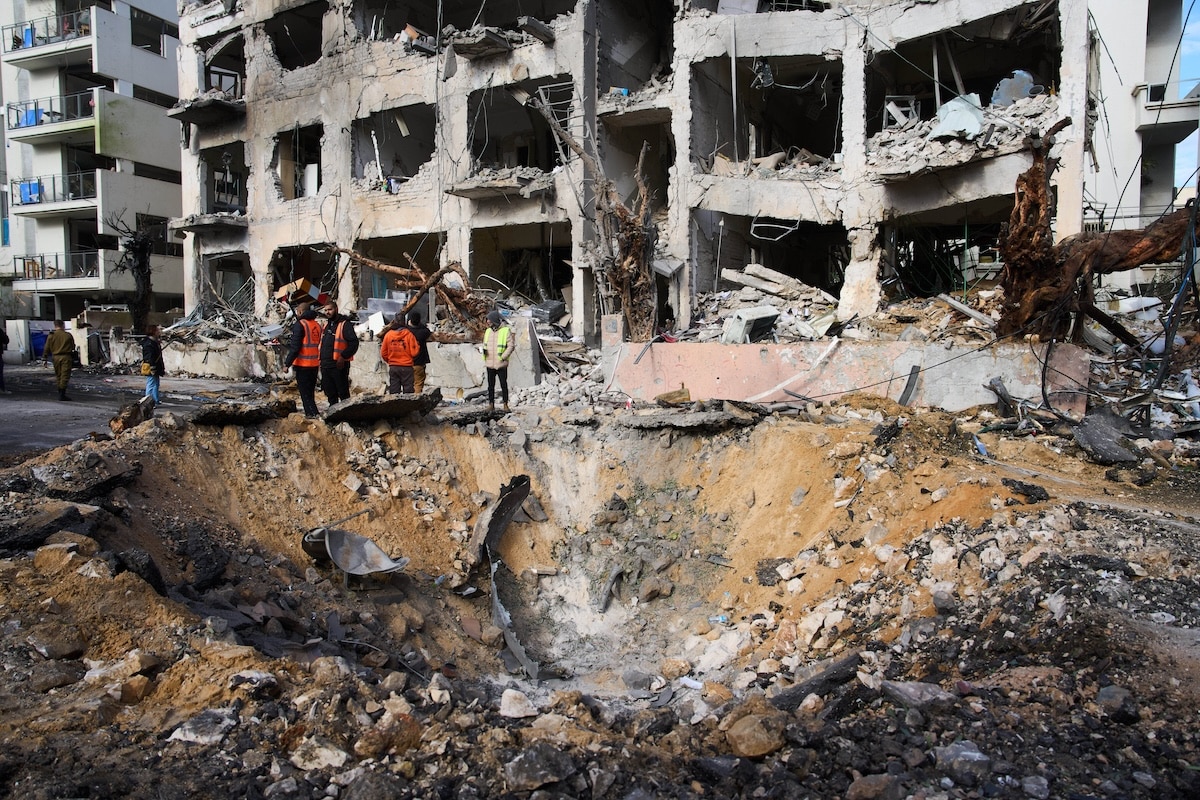
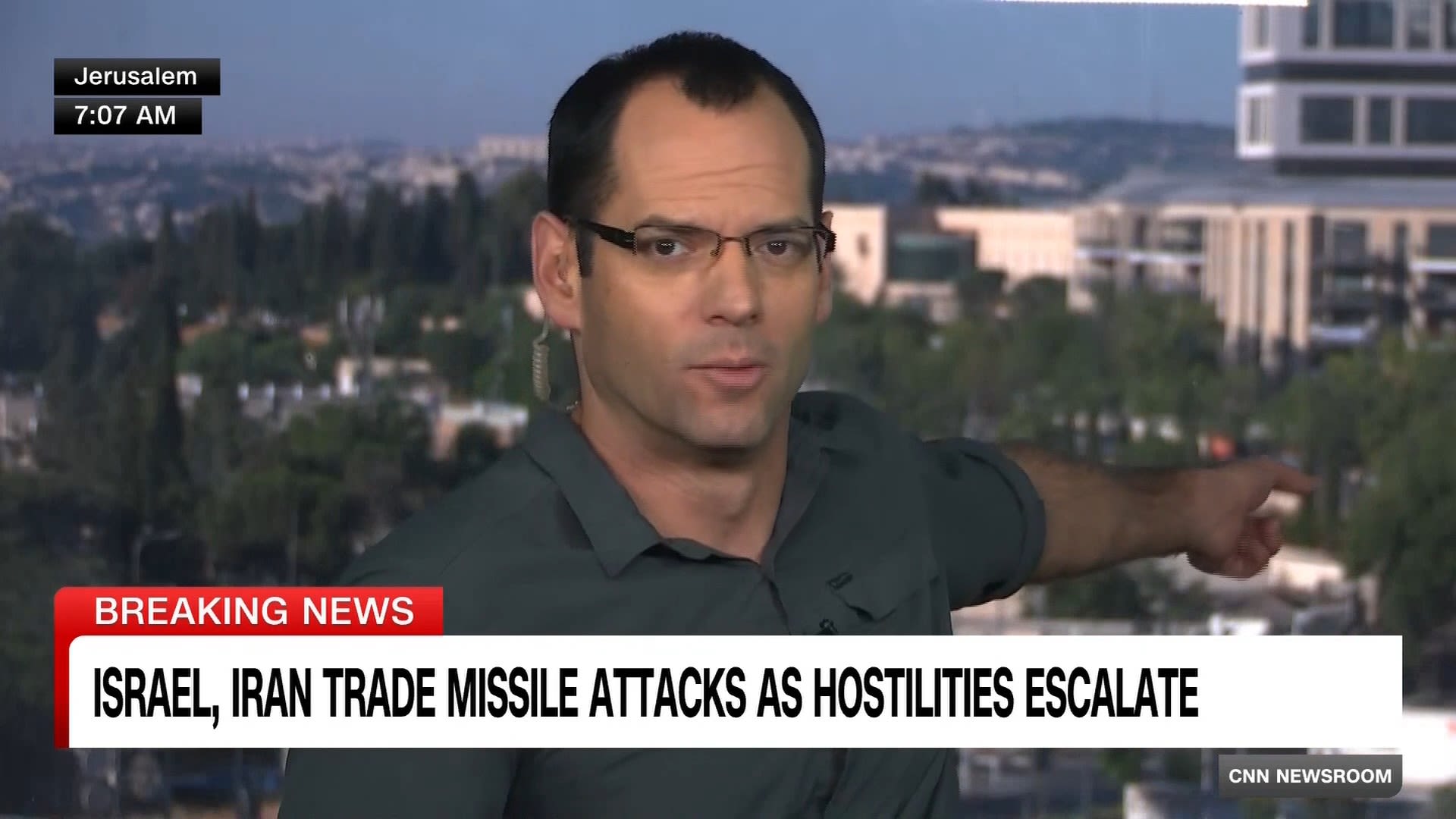
The exchange marks the latest breakdown of the ceasefire that took effect in early April. Iran's Islamic Revolutionary Guard Corps said it targeted US bases in retaliation for American strikes on Sirik and Qeshm Island, claiming the strikes followed what it called an "invasion" by the US military.
A Fragile Truce Under Pressure
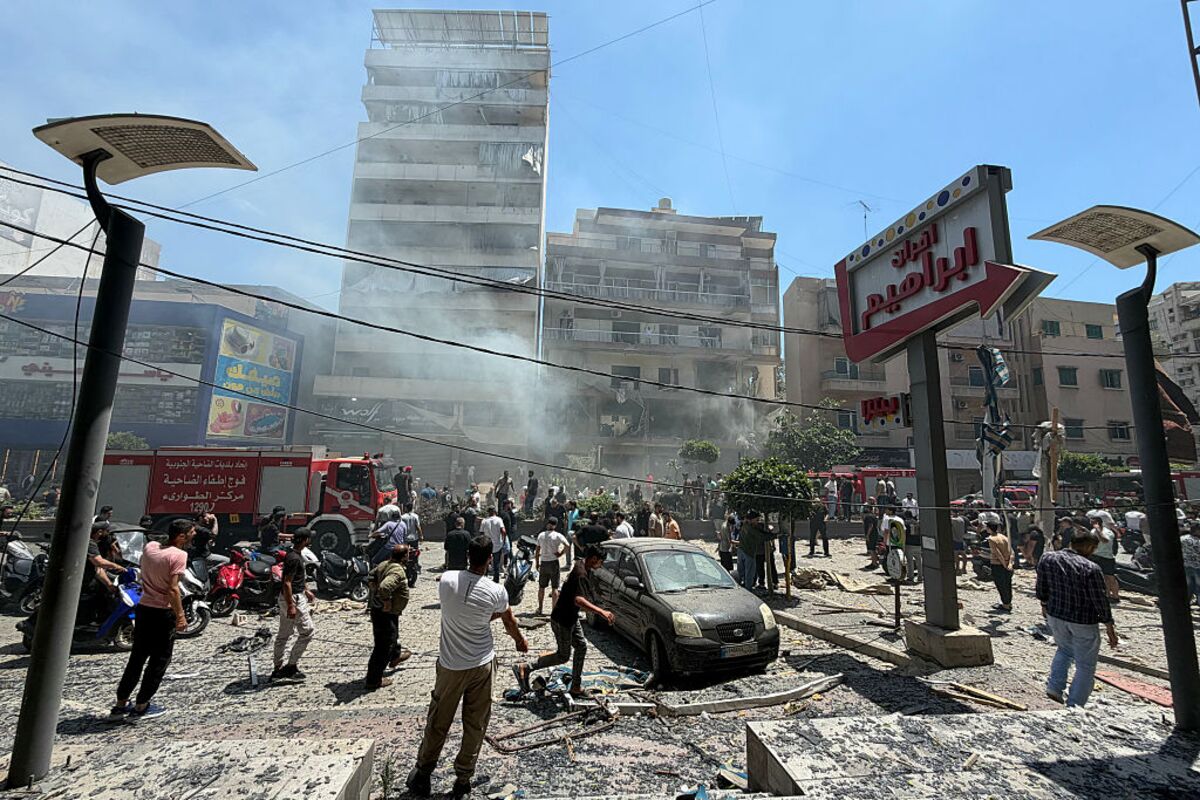
The ceasefire has been tested repeatedly. On Wednesday, one person was killed and more than 60 injured when drones struck Kuwait's international airport. Iran's Revolutionary Guard denied responsibility, claiming a US missile interceptor caused the damage. US Central Command rejected that account, calling the airport strike "deliberate, calculated and unjustified."
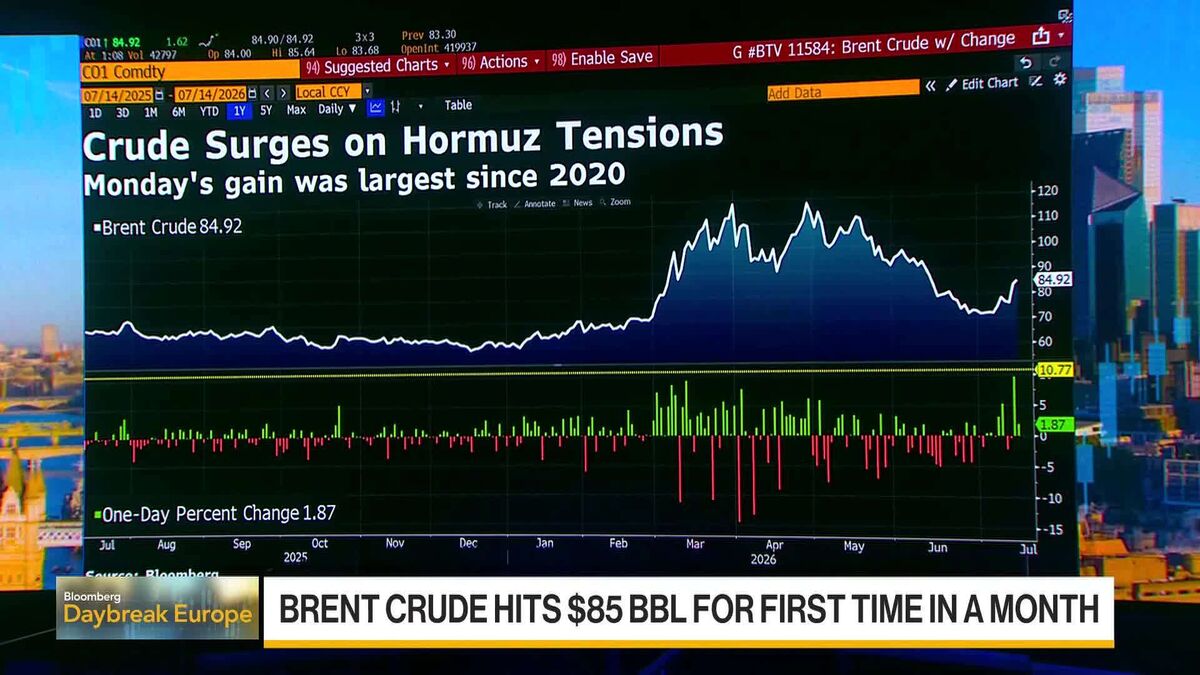
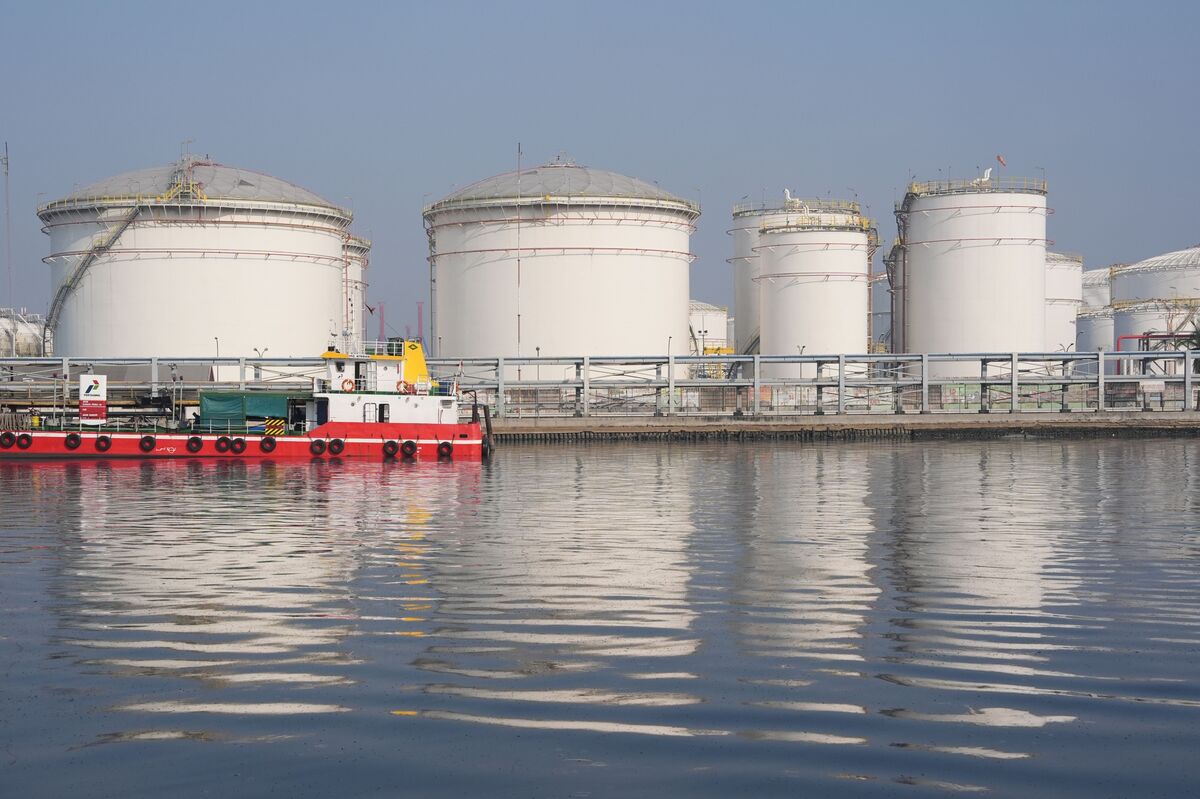
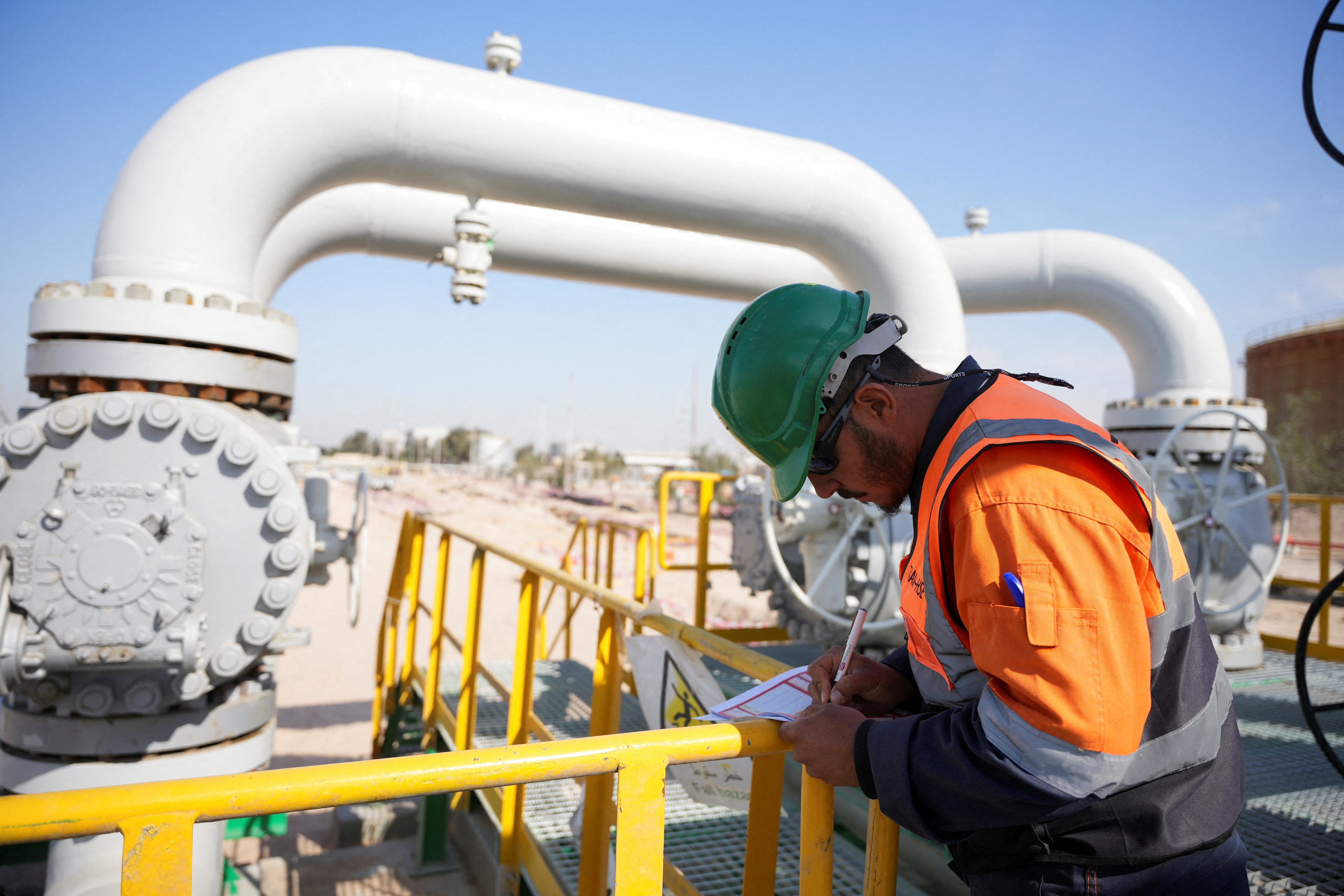
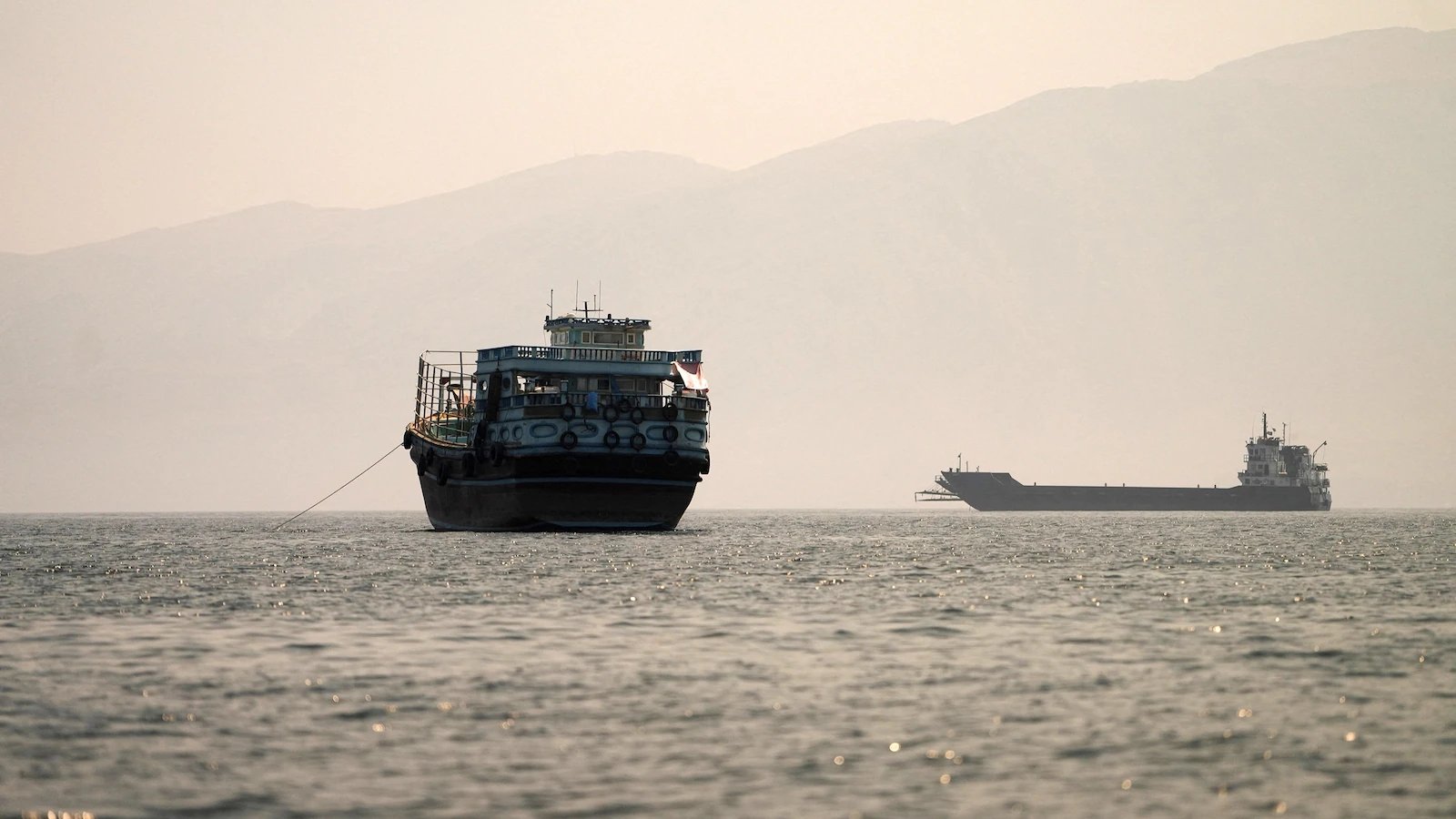
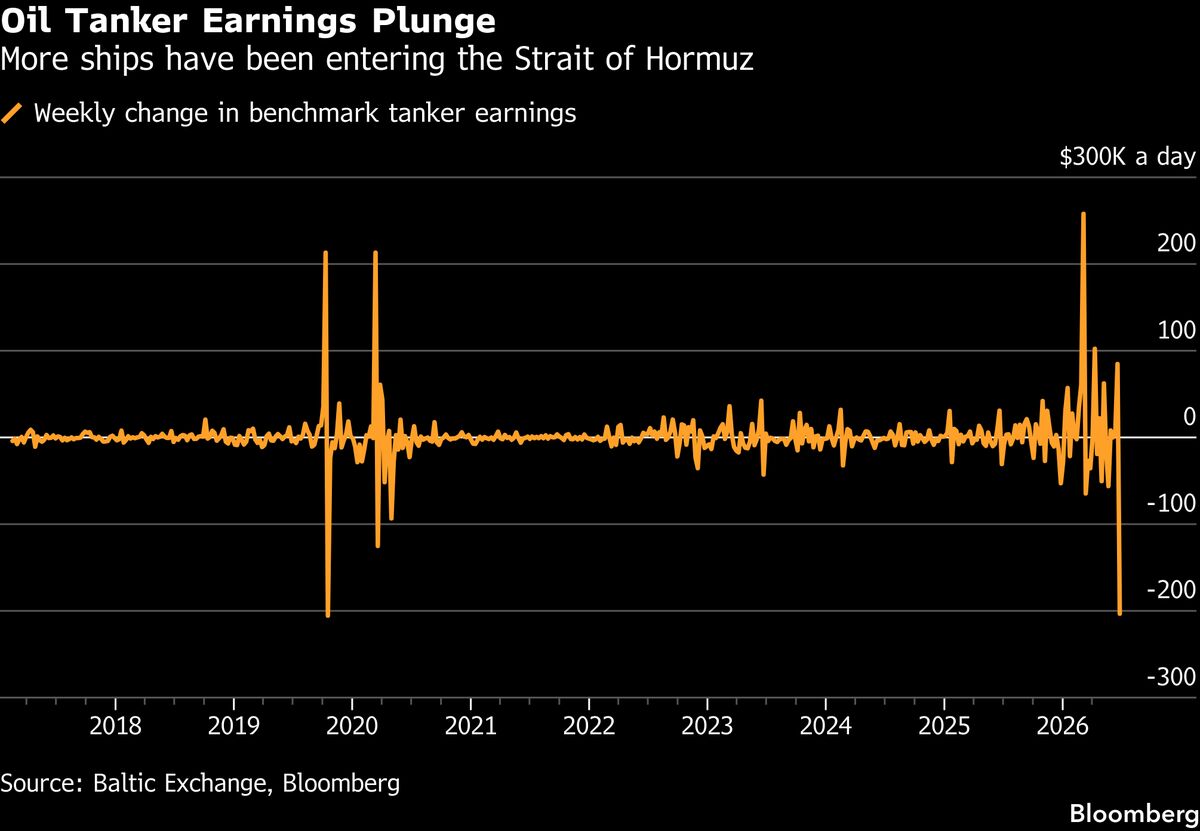
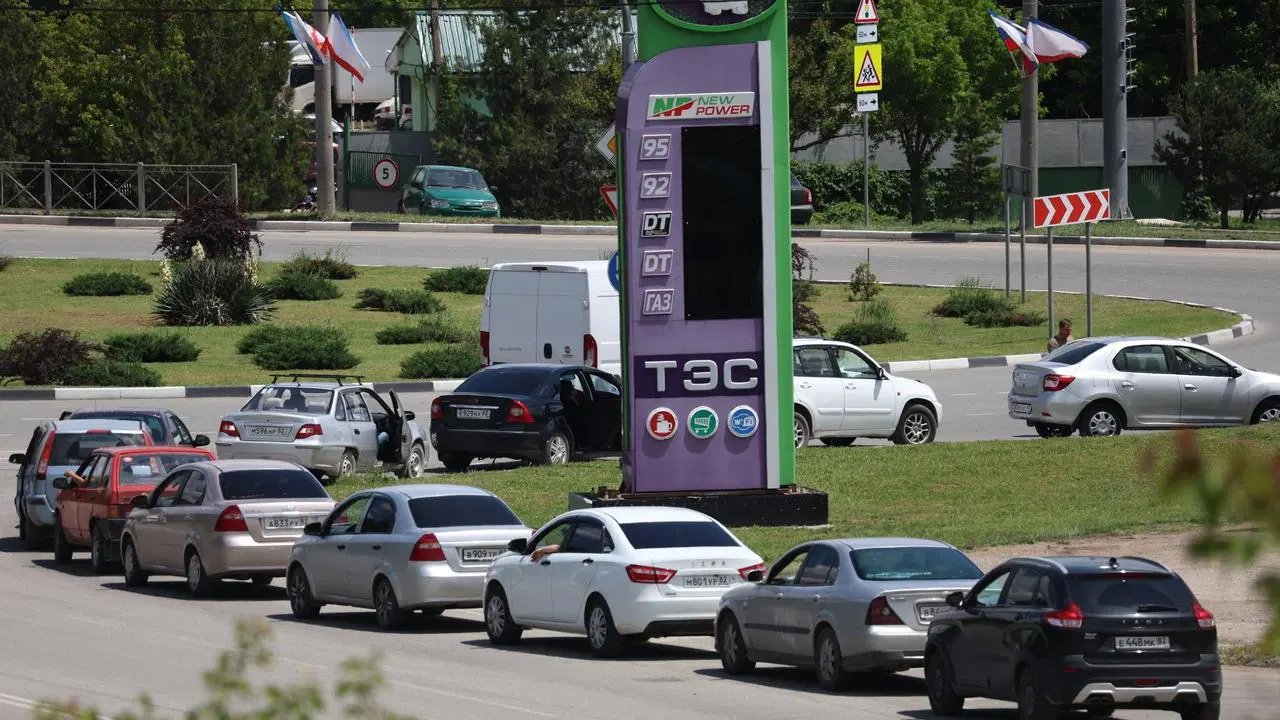
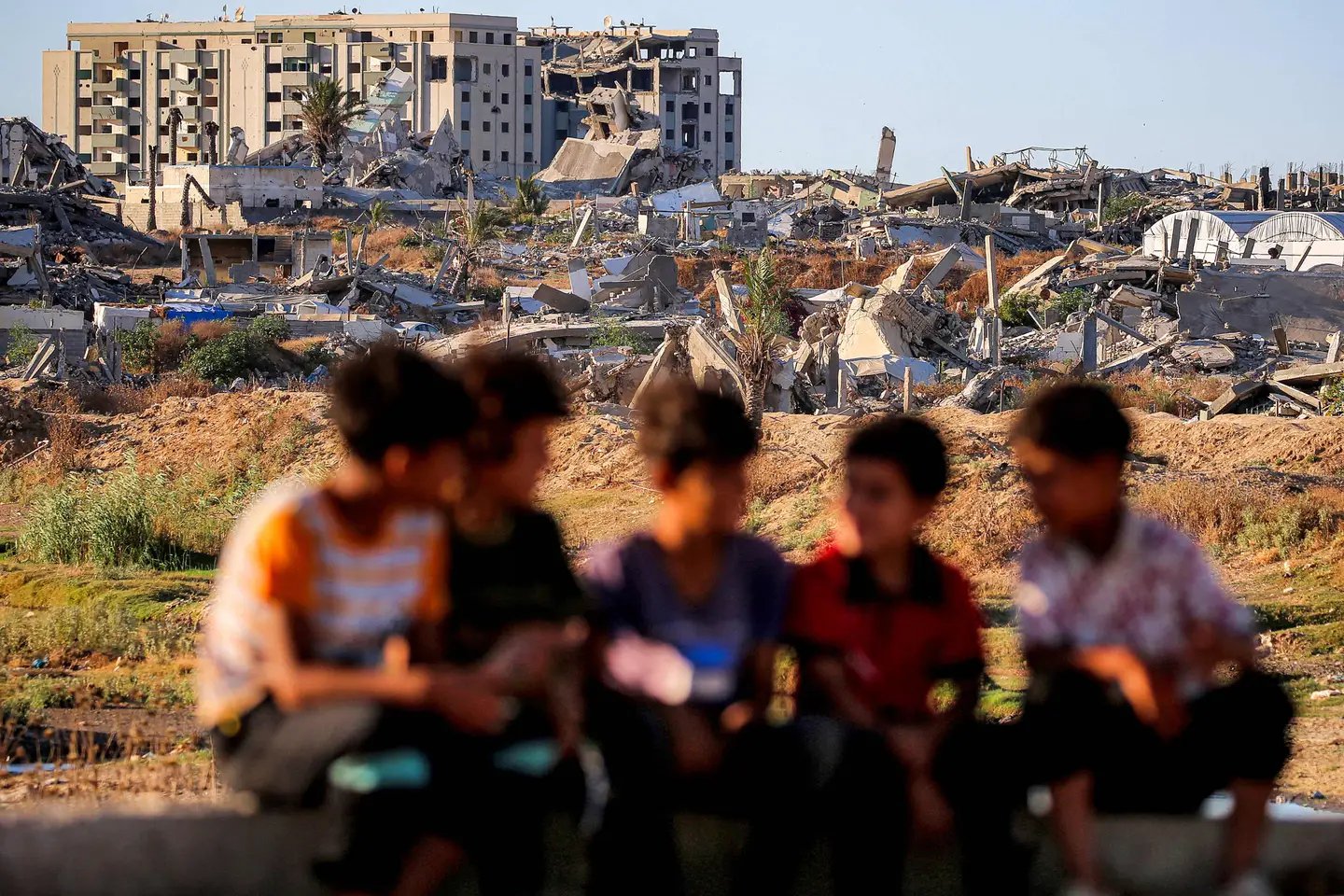
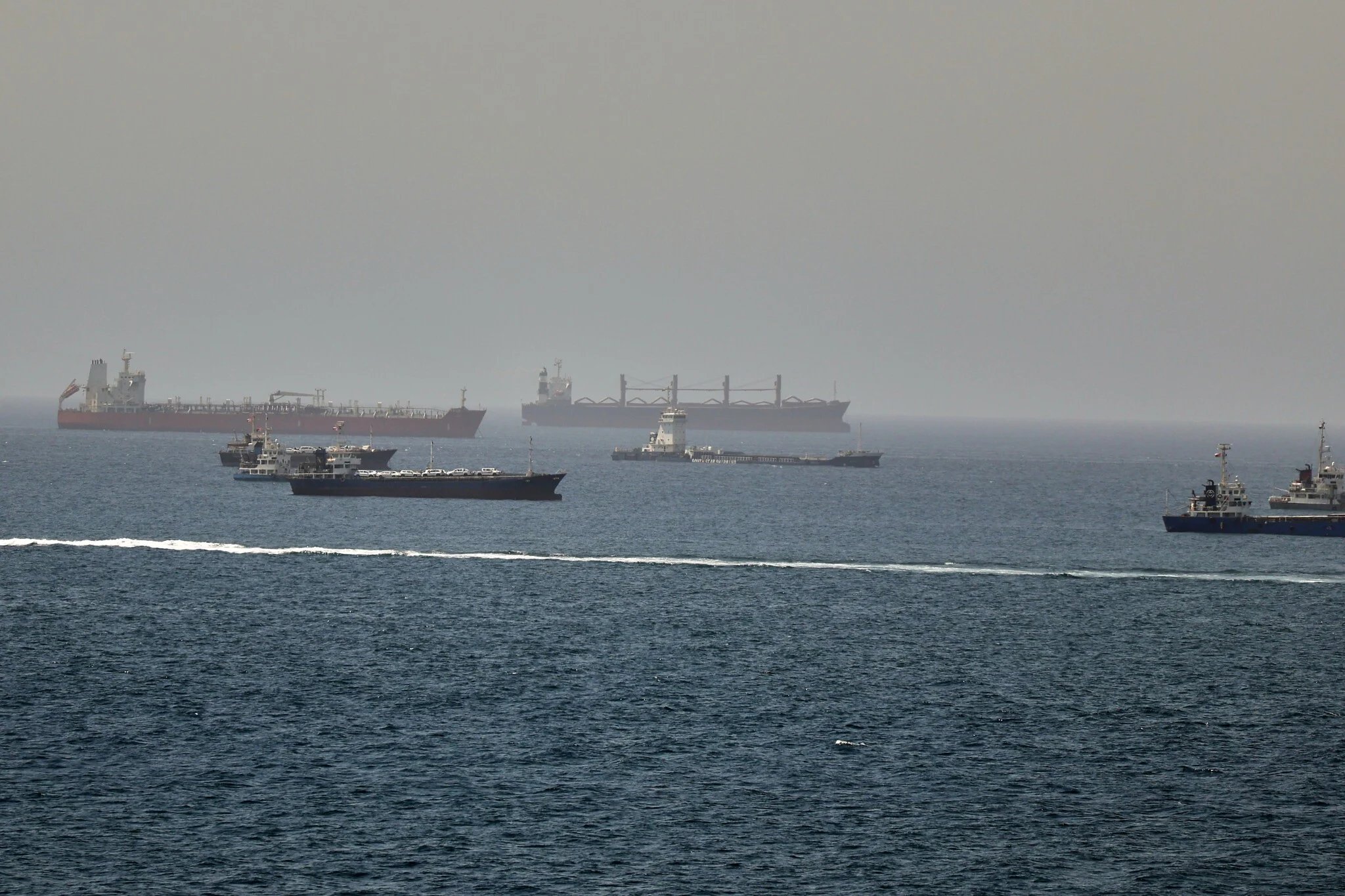
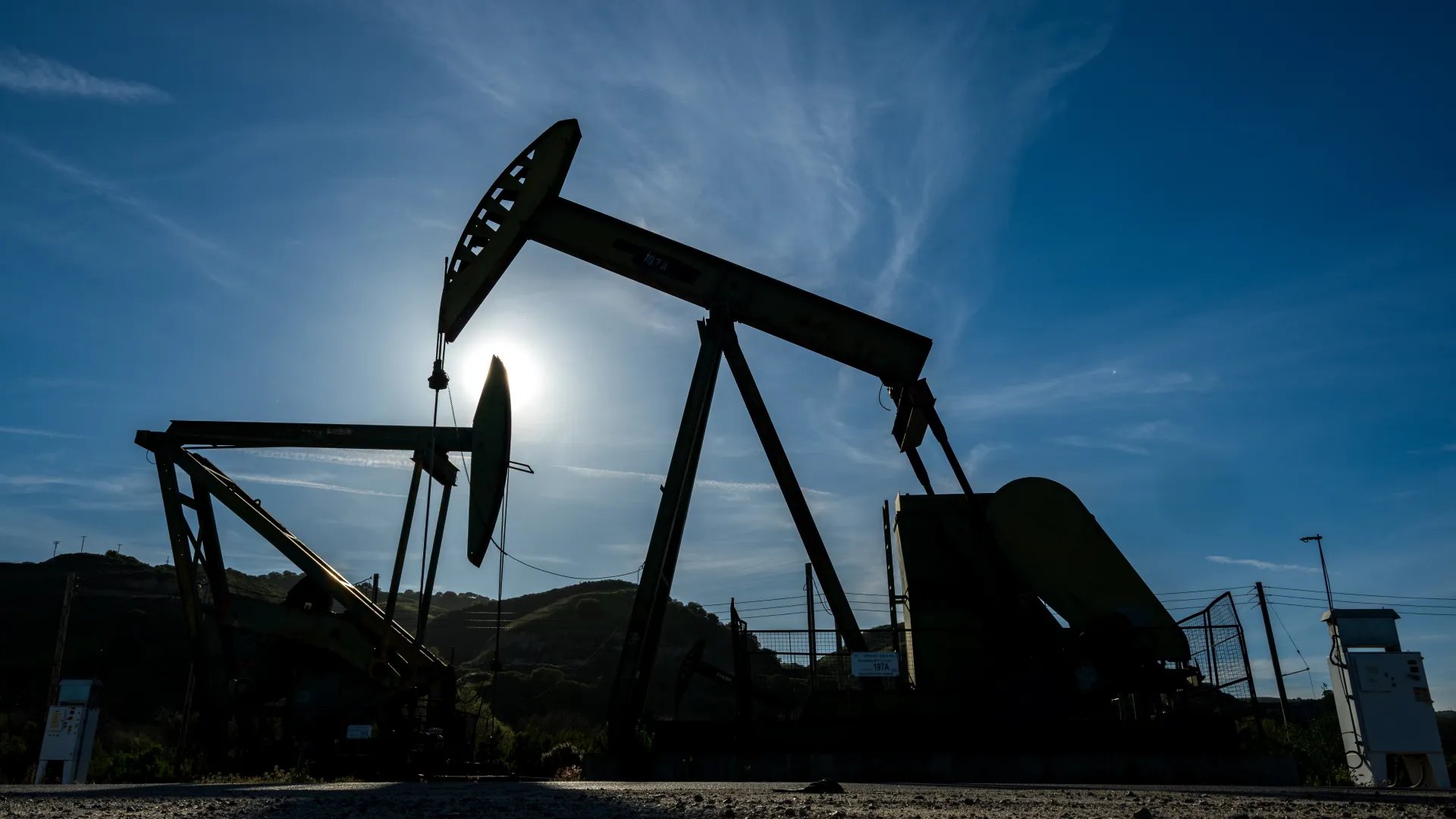
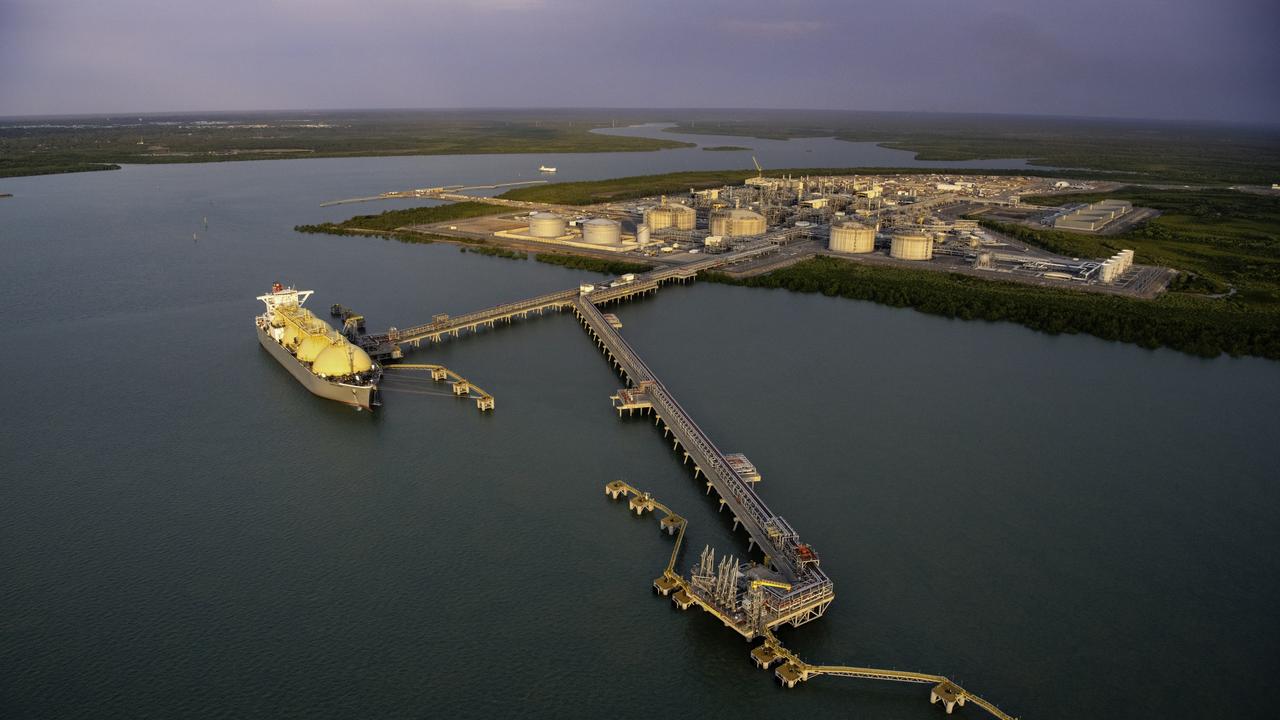
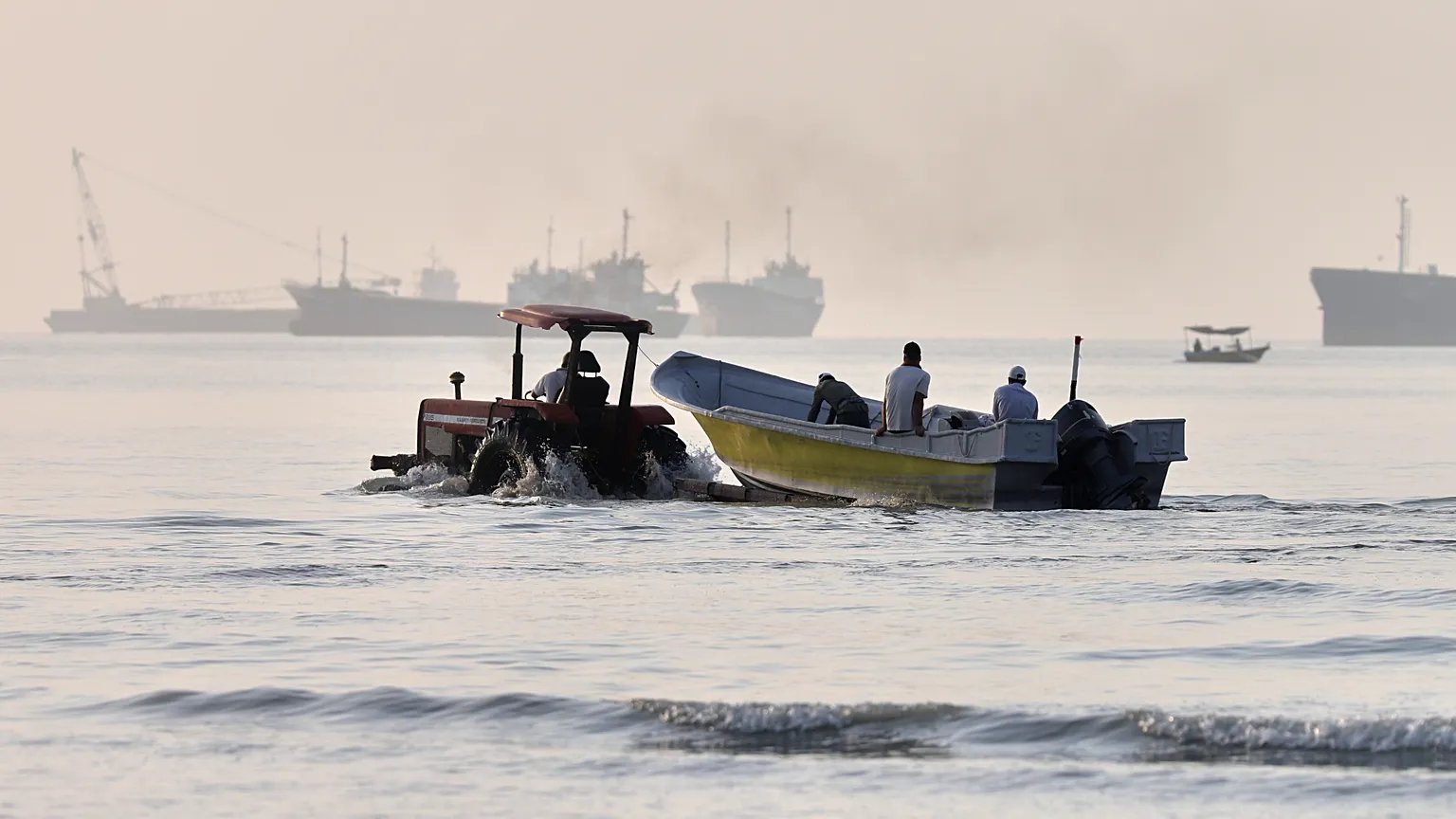
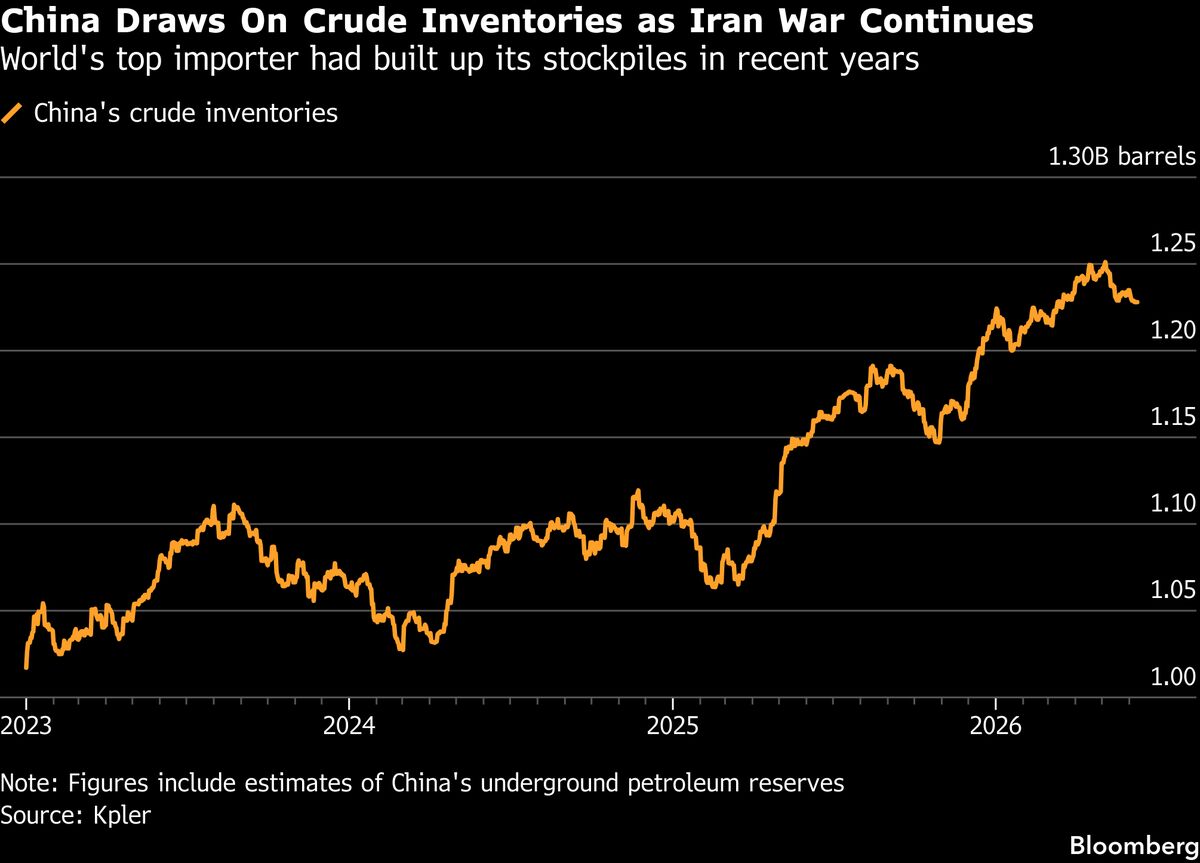
The underlying conflict stems from late February, when the US and Israel launched wide-ranging strikes on Iran. Iran responded by attacking Israel and US-allied states in the Gulf, effectively closing the Strait of Hormuz, through which approximately 20 percent of the world's oil and liquefied natural gas travels. That oil originates not only from Iran but also from Iraq, Kuwait, Qatar, Saudi Arabia, and the UAE. Oil prices surged globally as a result.
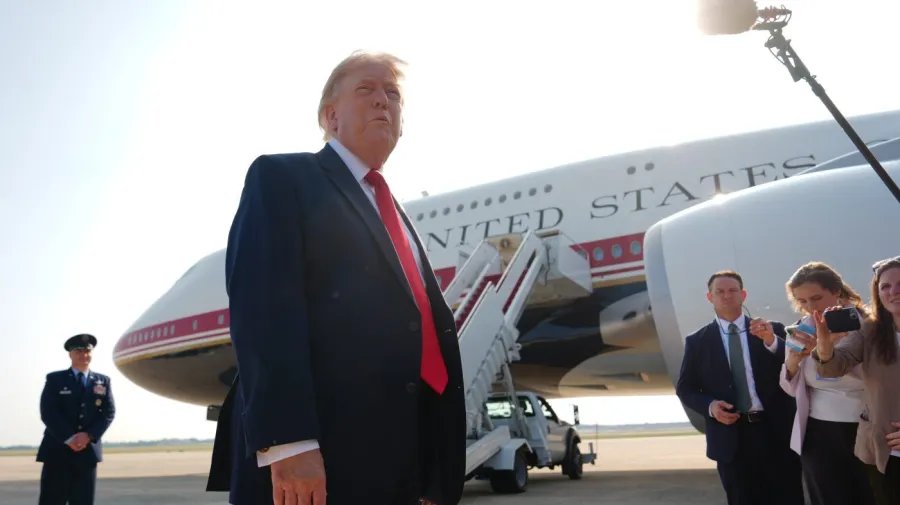
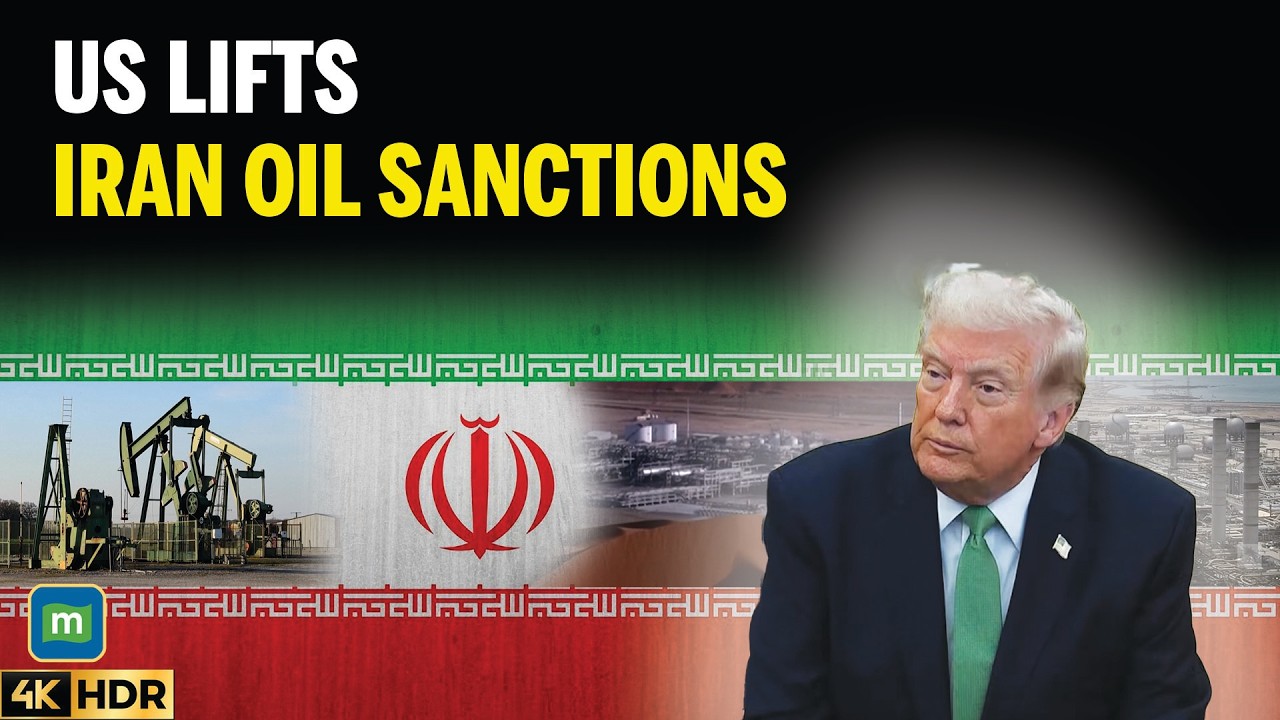
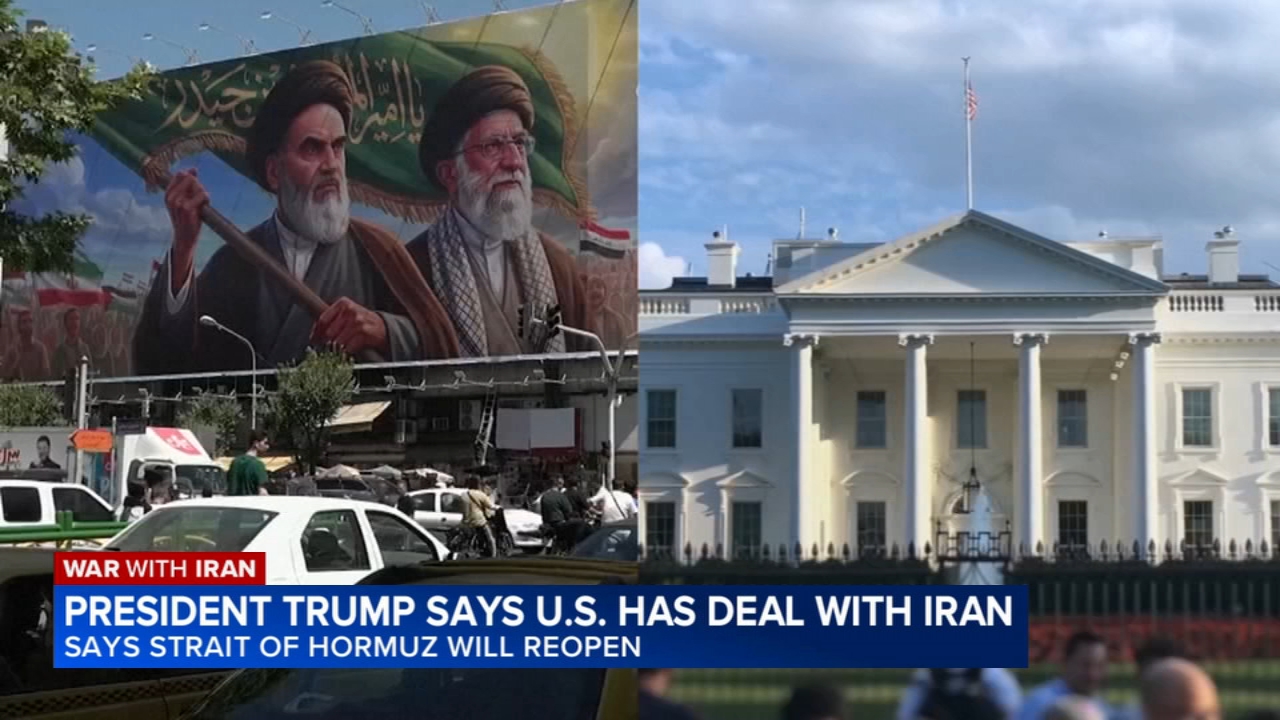
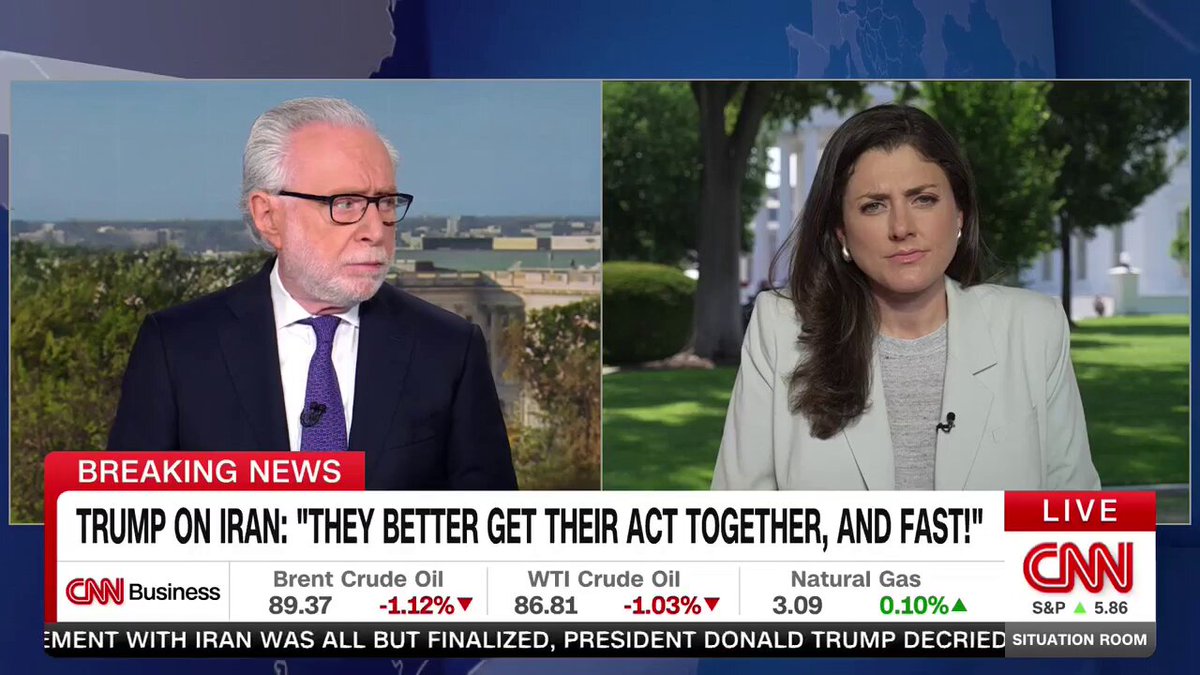
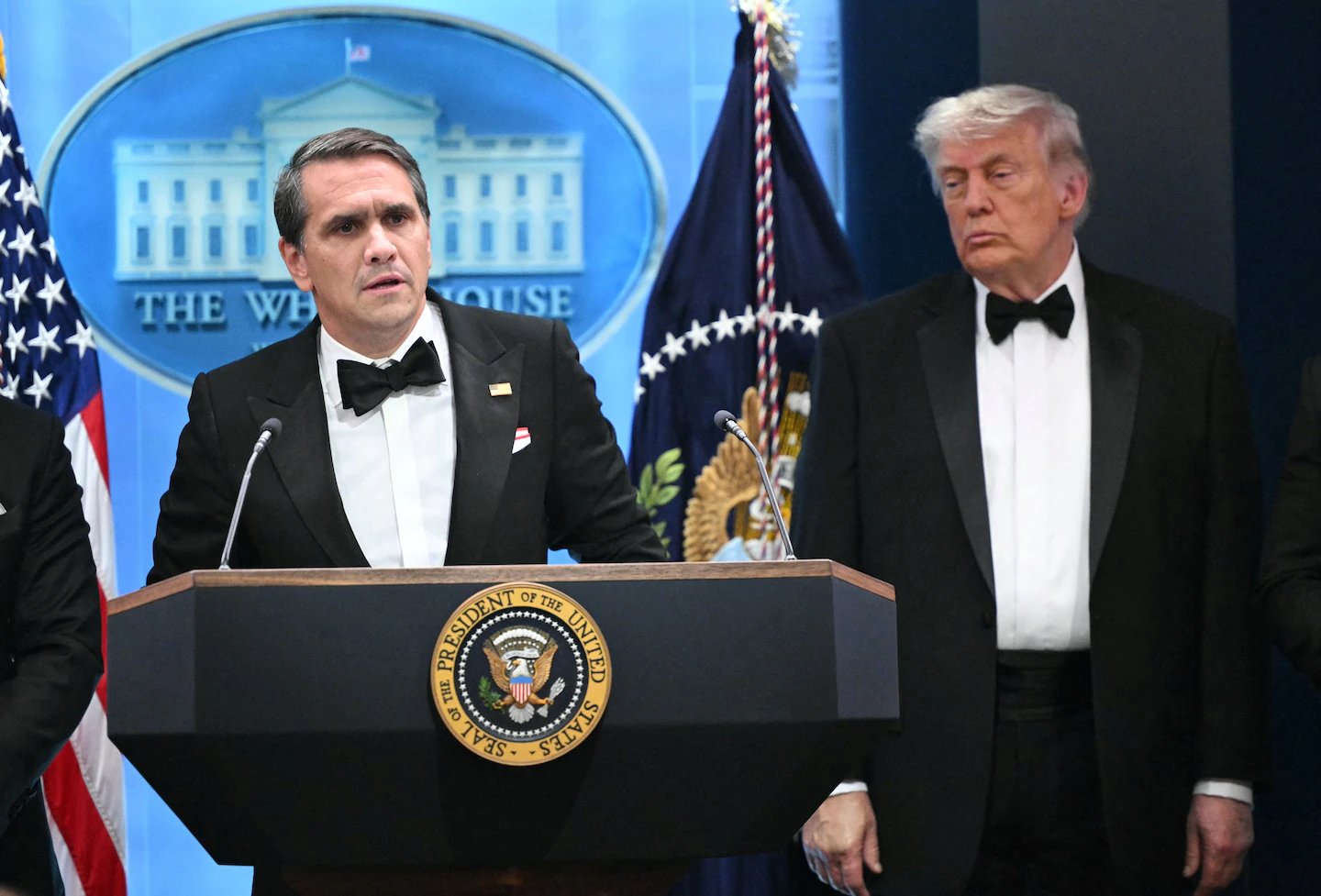
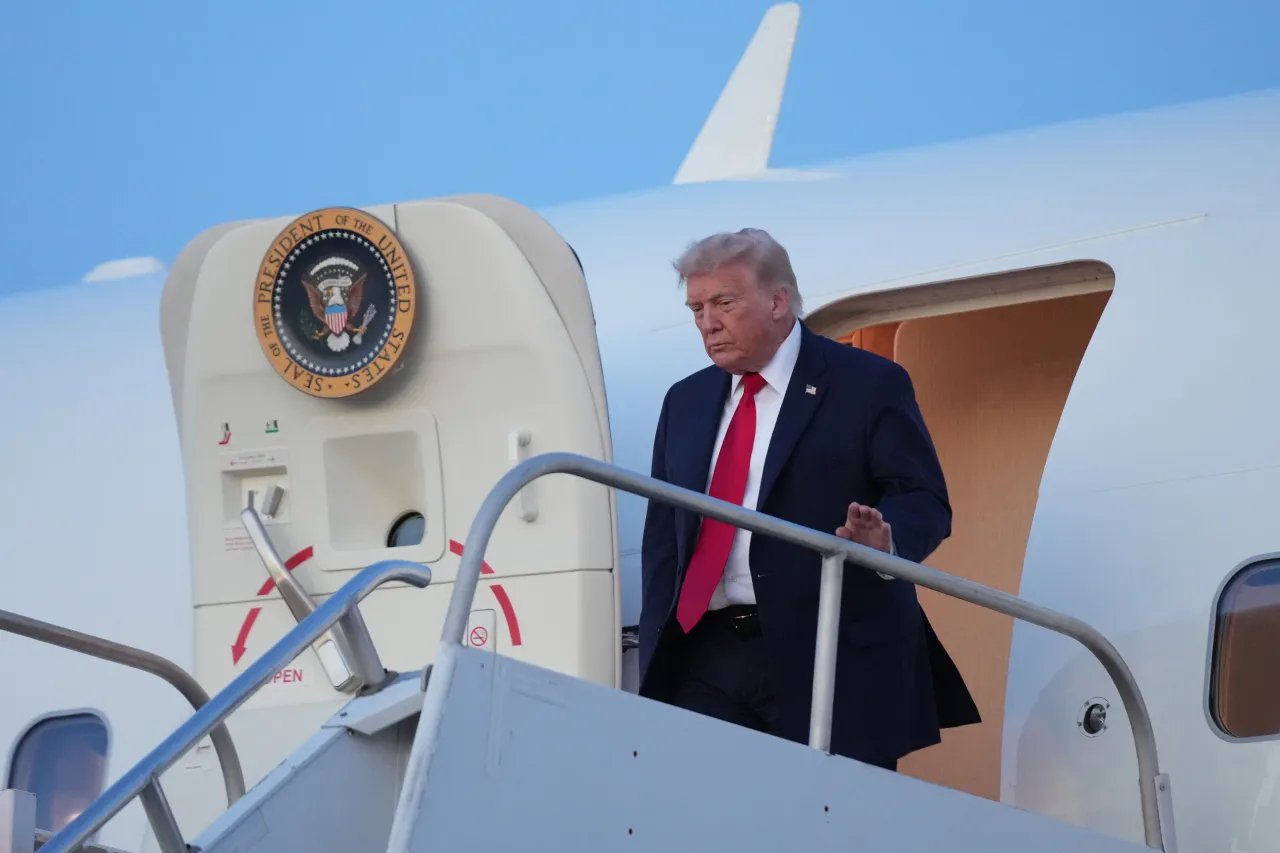
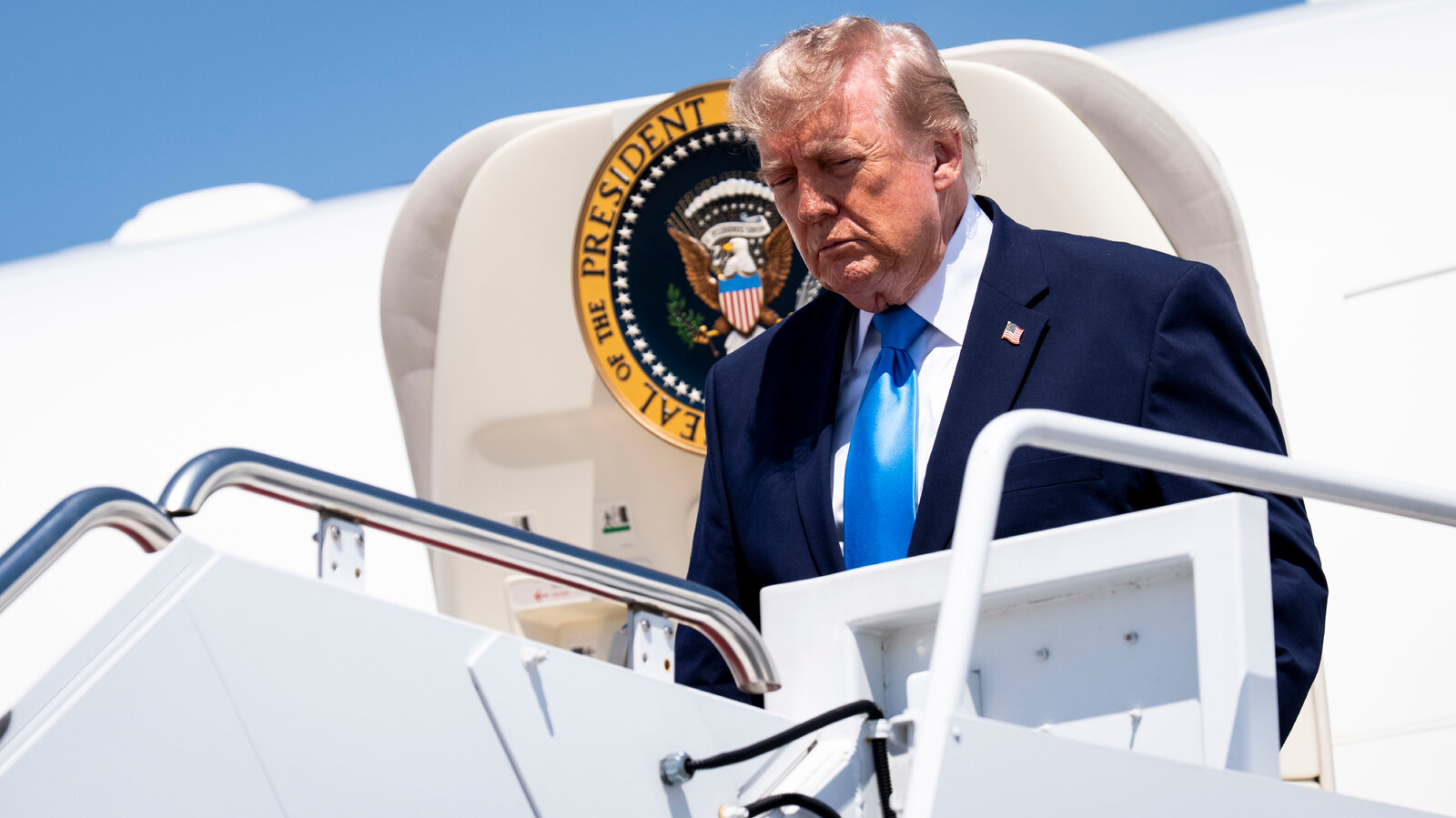
President Donald Trump established a blockade of Iranian ports after the ceasefire, saying it would remain "in full force and effect until an agreement is reached, certified, and signed." Ceasefire negotiations have stalled, with US media reporting that Trump requested changes to the terms of a proposed agreement. Iran's foreign ministry spokesman said the US was "constantly changing its views and putting forward new or contradictory demands."
Regional Governments Condemn the Escalation
Kuwait's Foreign Ministry condemned the latest Iranian attacks "in the strongest terms," calling them "brazen" and a violation of UN Security Council Resolution 2817, which called for a halt to Iranian attacks on Gulf states. The ministry said the strikes disregarded international calls for an end to such attacks and showed "utter indifference to the direct threat they pose to the lives of civilians and residents."
Bahrain's Foreign Ministry issued a similar statement, saying the attacks constituted "a flagrant violation of the sovereignty of both countries" and breached the same UN resolution. Both nations expressed solidarity with each other and called the strikes a "dangerous escalation" at a time when the international community was "exerting tireless efforts to halt combat operations."
World Cup Amid Conflict
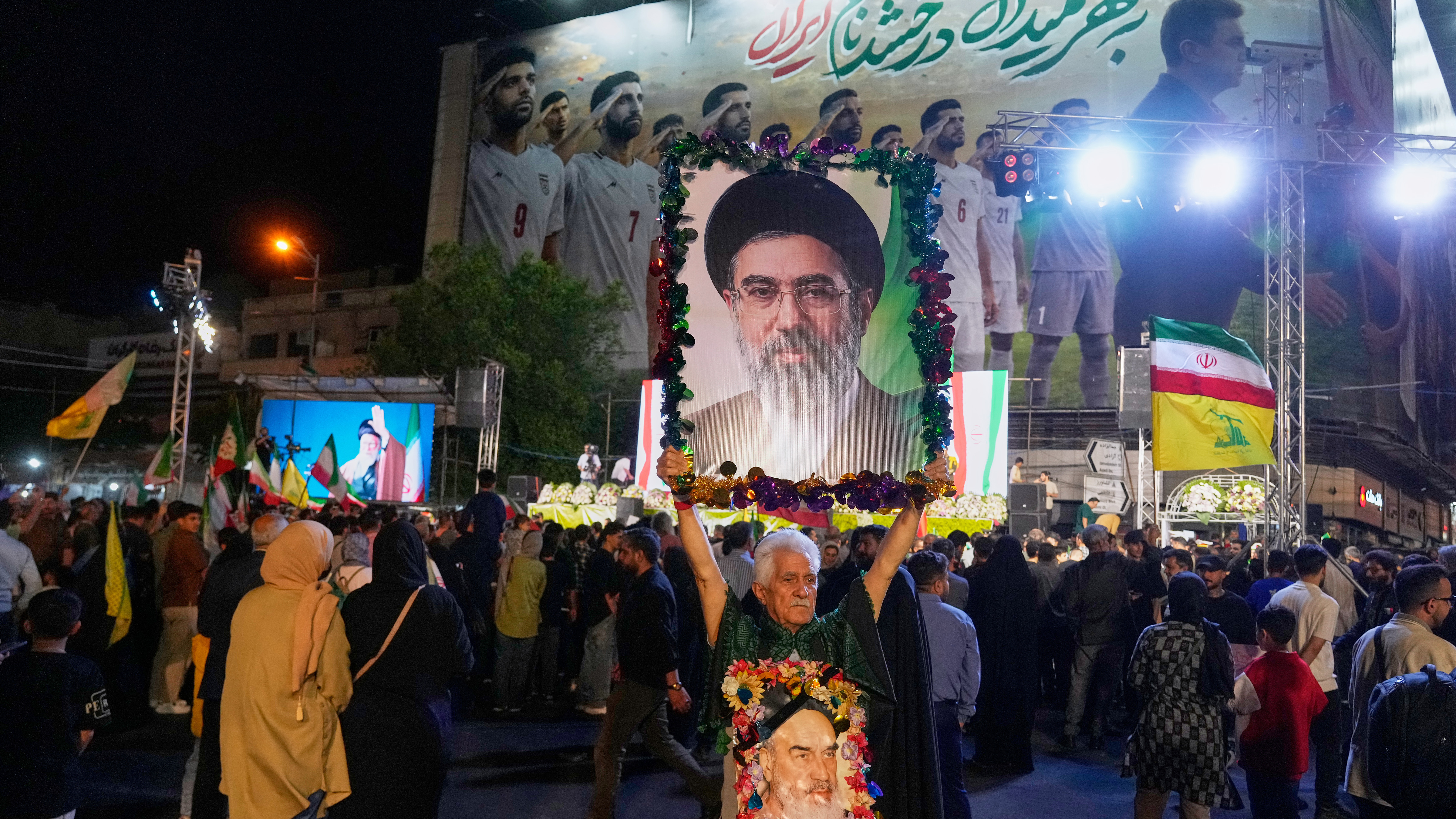
Despite the military escalation, the US granted visas to Iran's World Cup football squad, making it the first time a host nation has received a team from a country it is at war with. The squad will compete in the tournament beginning Thursday, with all three of Iran's group stage matches scheduled for the US Pacific Coast: two in Los Angeles and one in Seattle.
However, Iran's embassy in Turkey criticized US officials for denying visas to 12 members of the squad's support staff. Those denied entry included Executive Director Mehdi Kharati, federation secretary general Hedayat Mombini, and Media Director Mohsen Motamedkia. The embassy accused US Ambassador Tom Barrack of attempting to "whitewash conduct that violates FIFA regulations" and called on FIFA to "hold the US accountable for violations of its rules."
Global Consequences Spreading
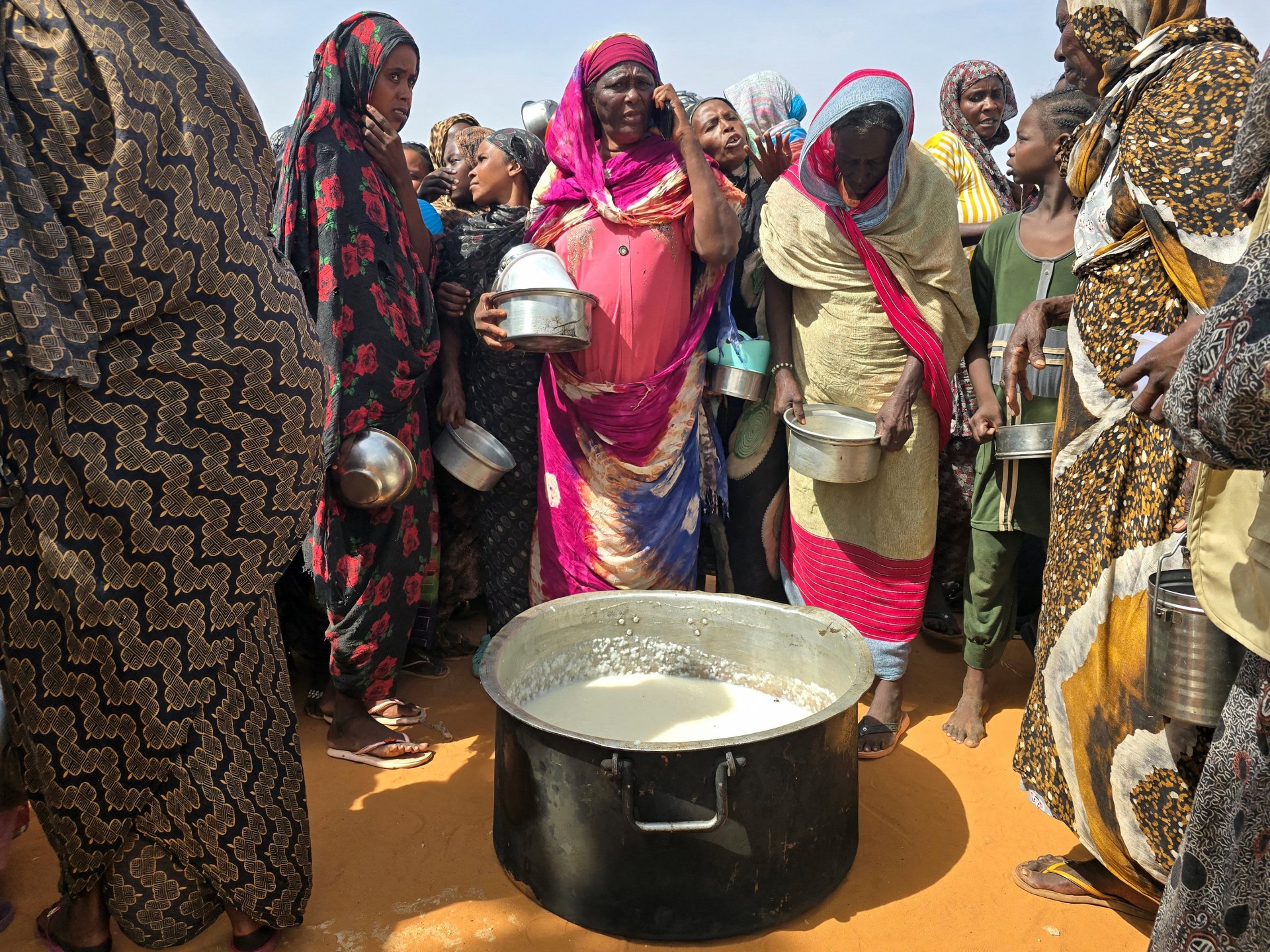
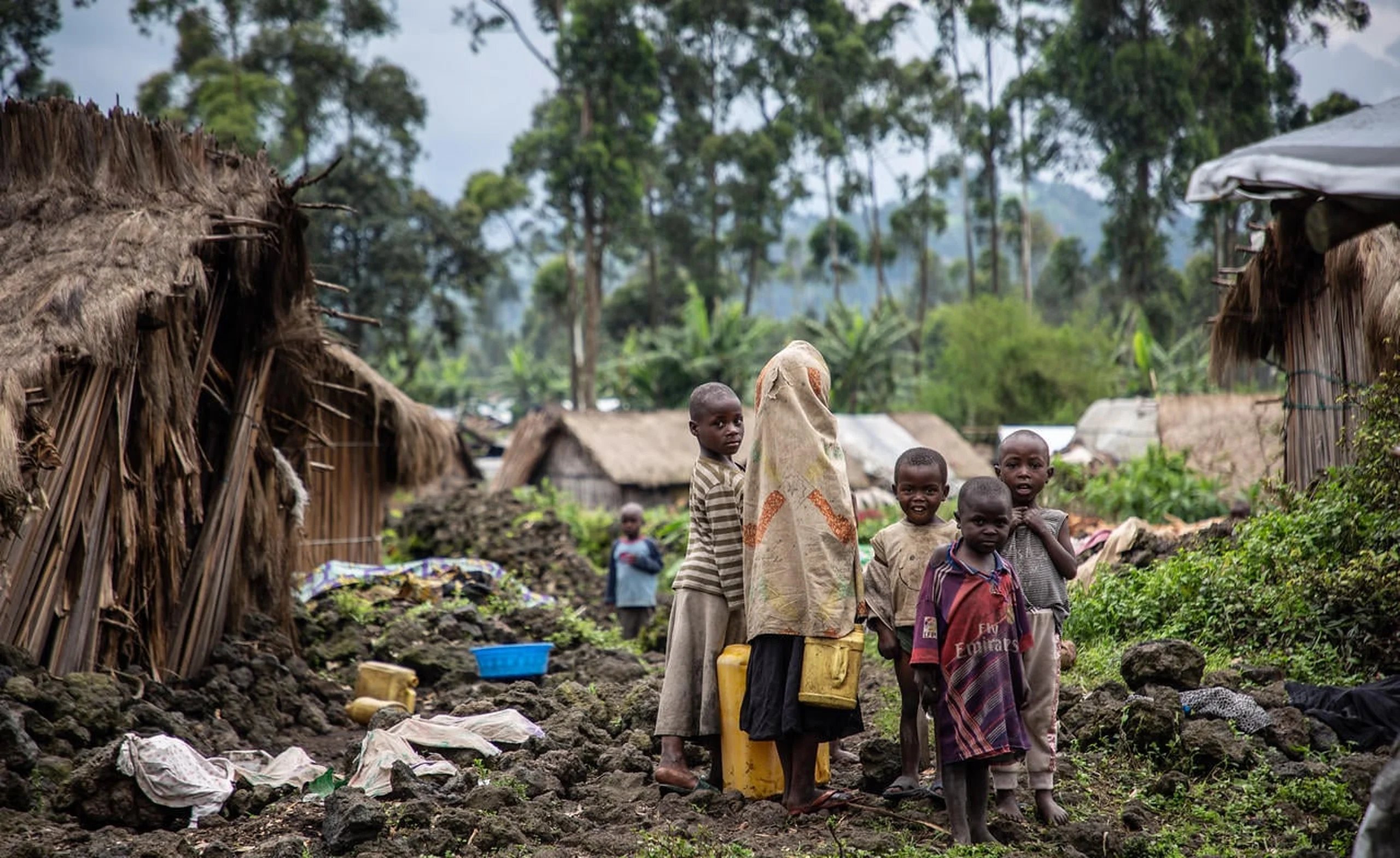
The conflict is pushing millions into hunger far from the Middle East. The UN's World Food Program reported that an additional 2.5 million people in Somalia, 1.3 million in Sri Lanka, and 2.3 million in Afghanistan are struggling to meet basic food needs due to high oil prices and fertilizer shortages caused by the Strait of Hormuz closure. Jean-Martin Bauer, director of the WFP's Food Security and Nutrition Analysis Service, warned that "the poorest families around the world, far from the center of the crisis, are being hit the hardest."
Airlines are also facing mounting pressure. The International Air Transport Association, representing more than 370 airlines and approximately 85 percent of global air traffic, had forecast record net profits of $41 billion for the year prior to the conflict. That figure will almost certainly be revised downward. A Deloitte survey of 21 global airline CEOs found that "what was supposed to be a record year" had turned "into a fight for margin" for the industry, as many carriers restrict services to the region and alter flight paths due to security concerns.





























































































































































































































































































































The sources also report that 12 visa applications were denied, including those of Iran's Executive Director Mehdi Kharati, federation secretary general Hedayat Mombini, and Media Director Mohsen Motamedkia.