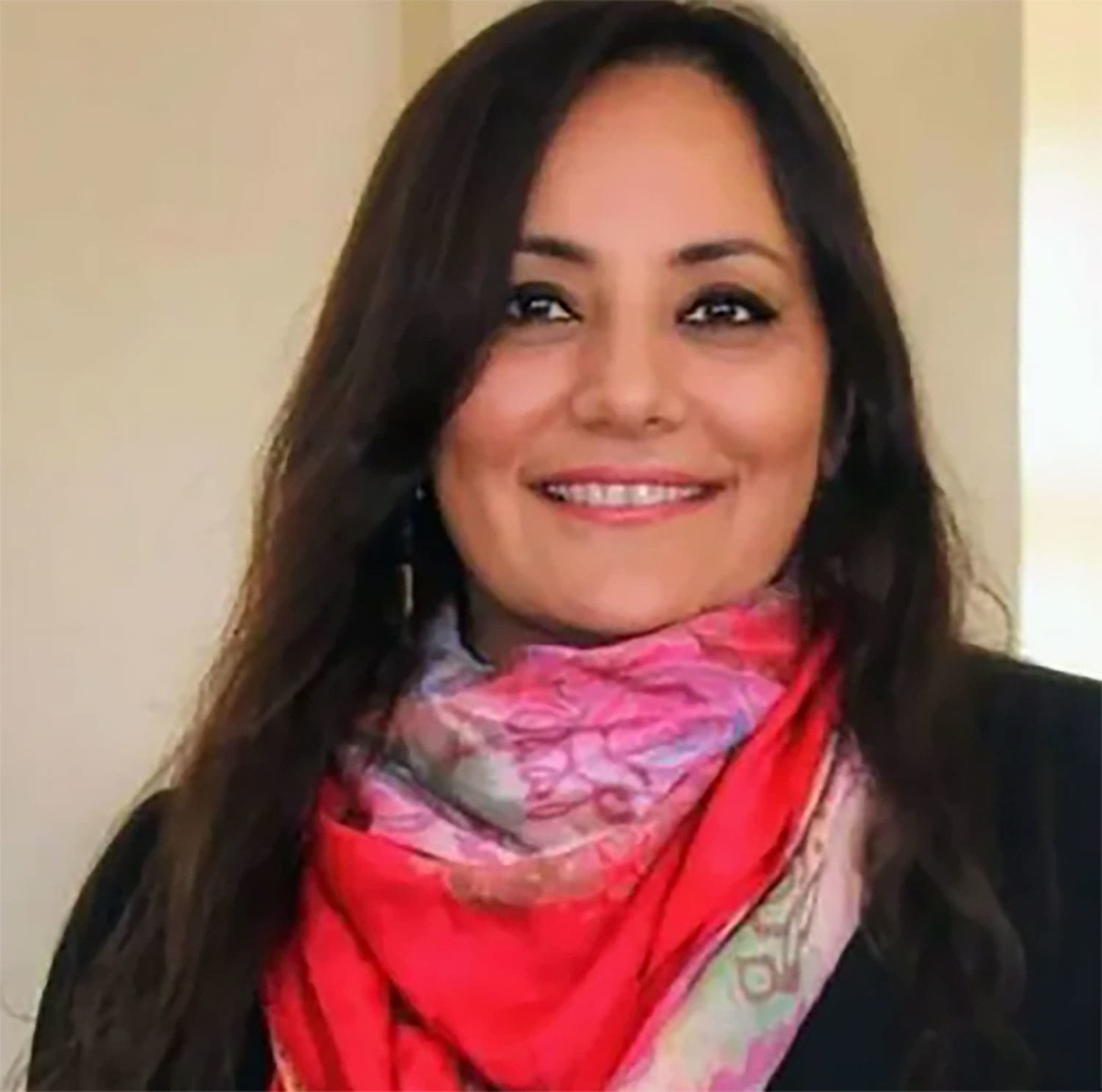
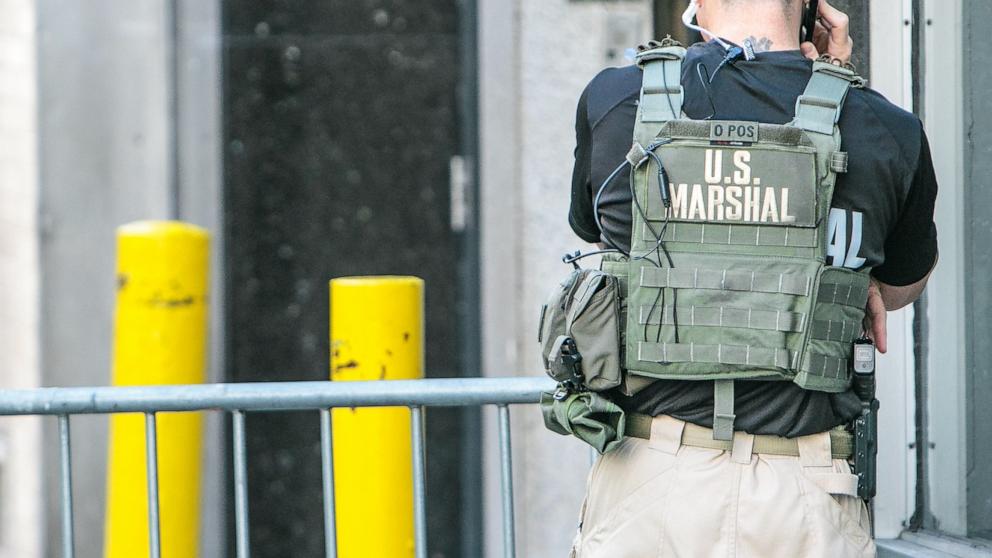
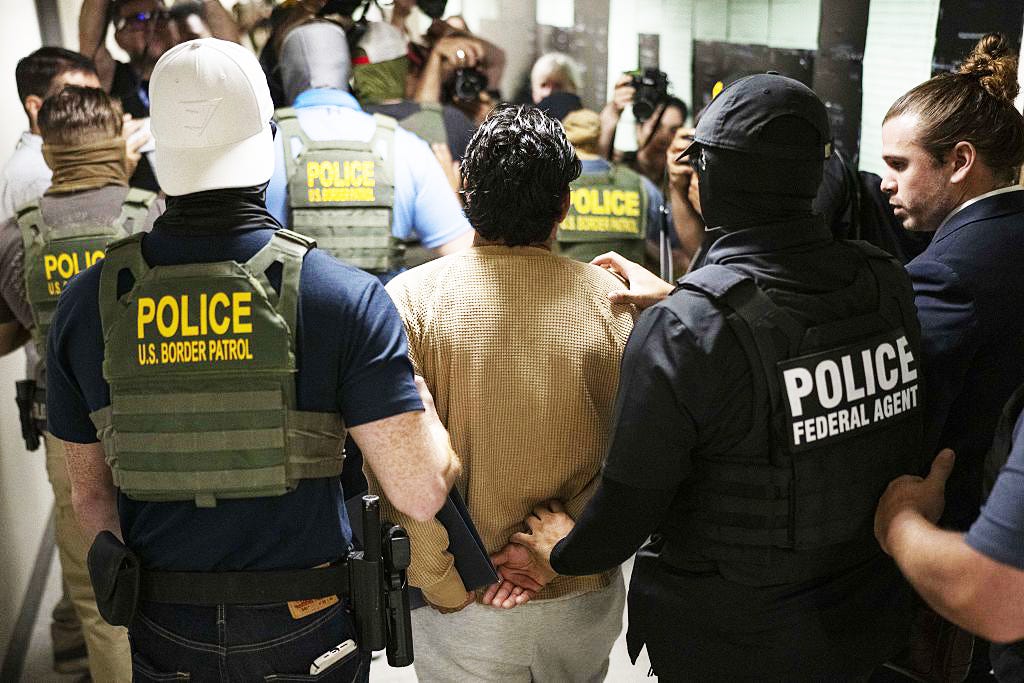
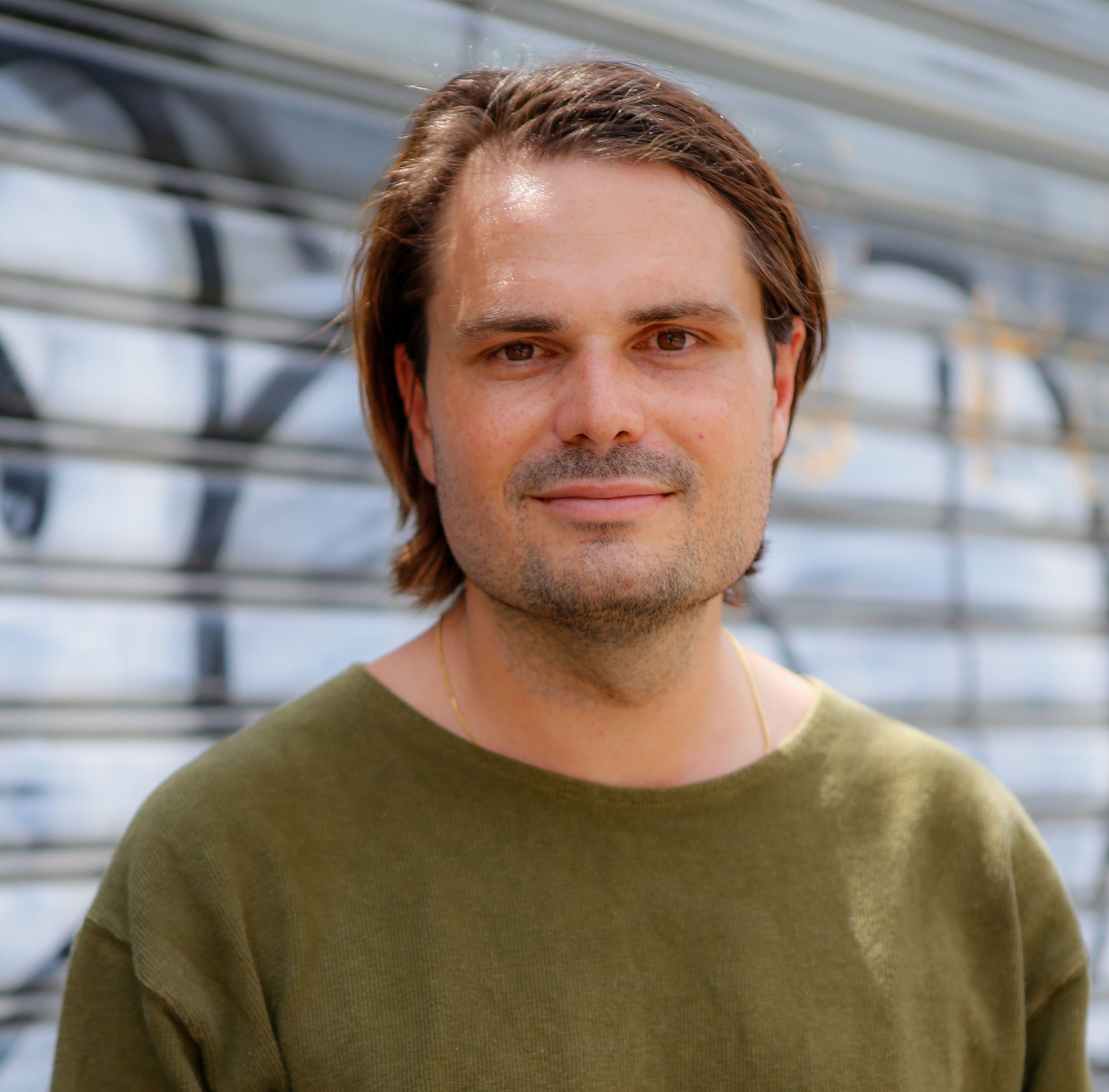
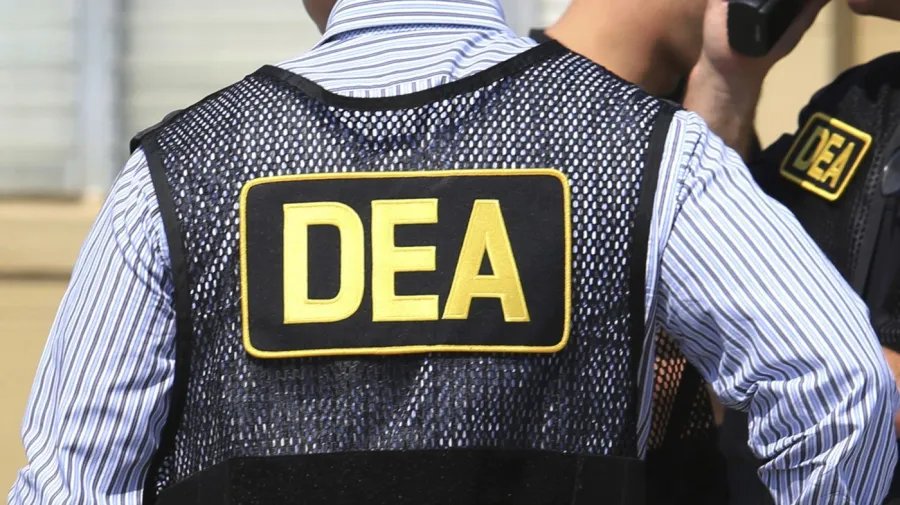
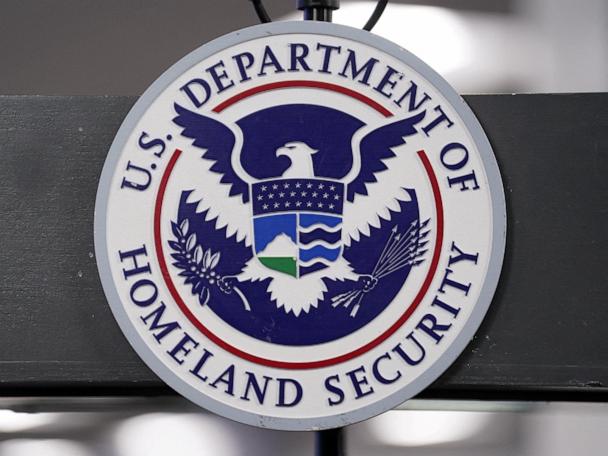
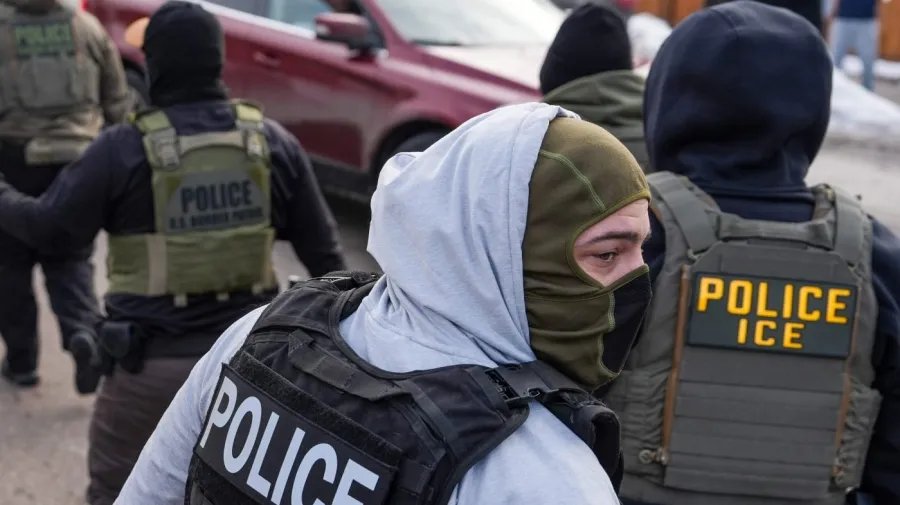
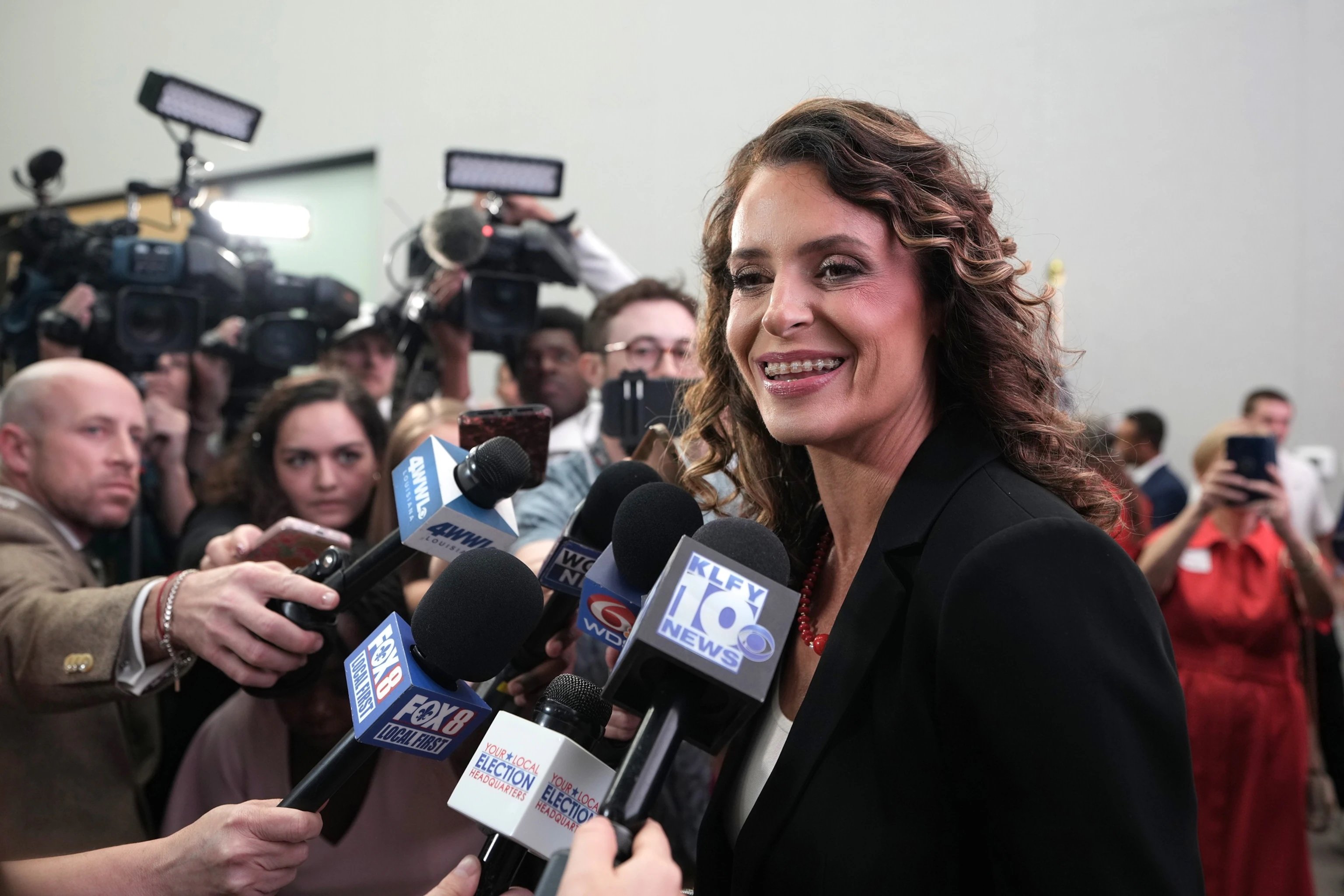
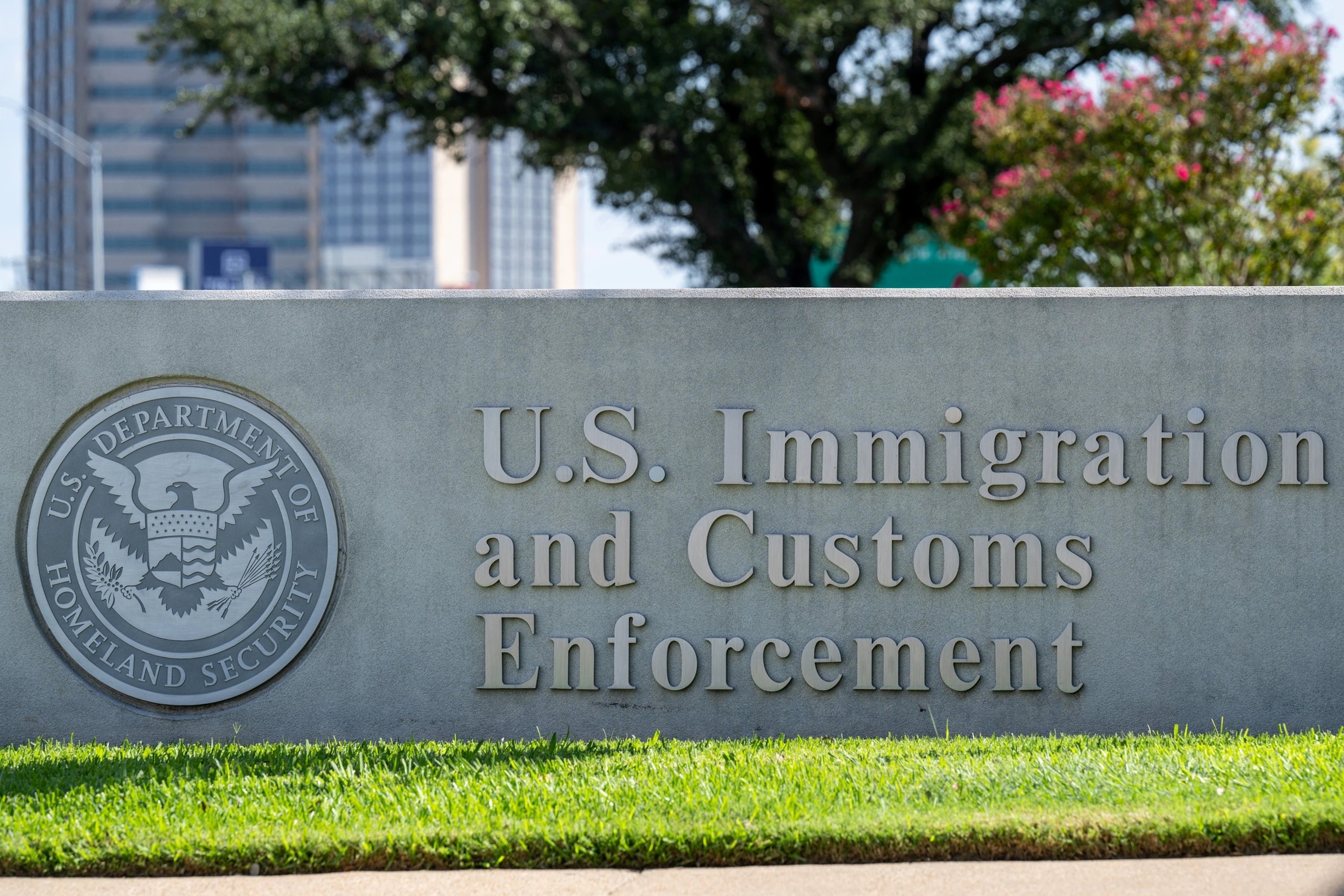
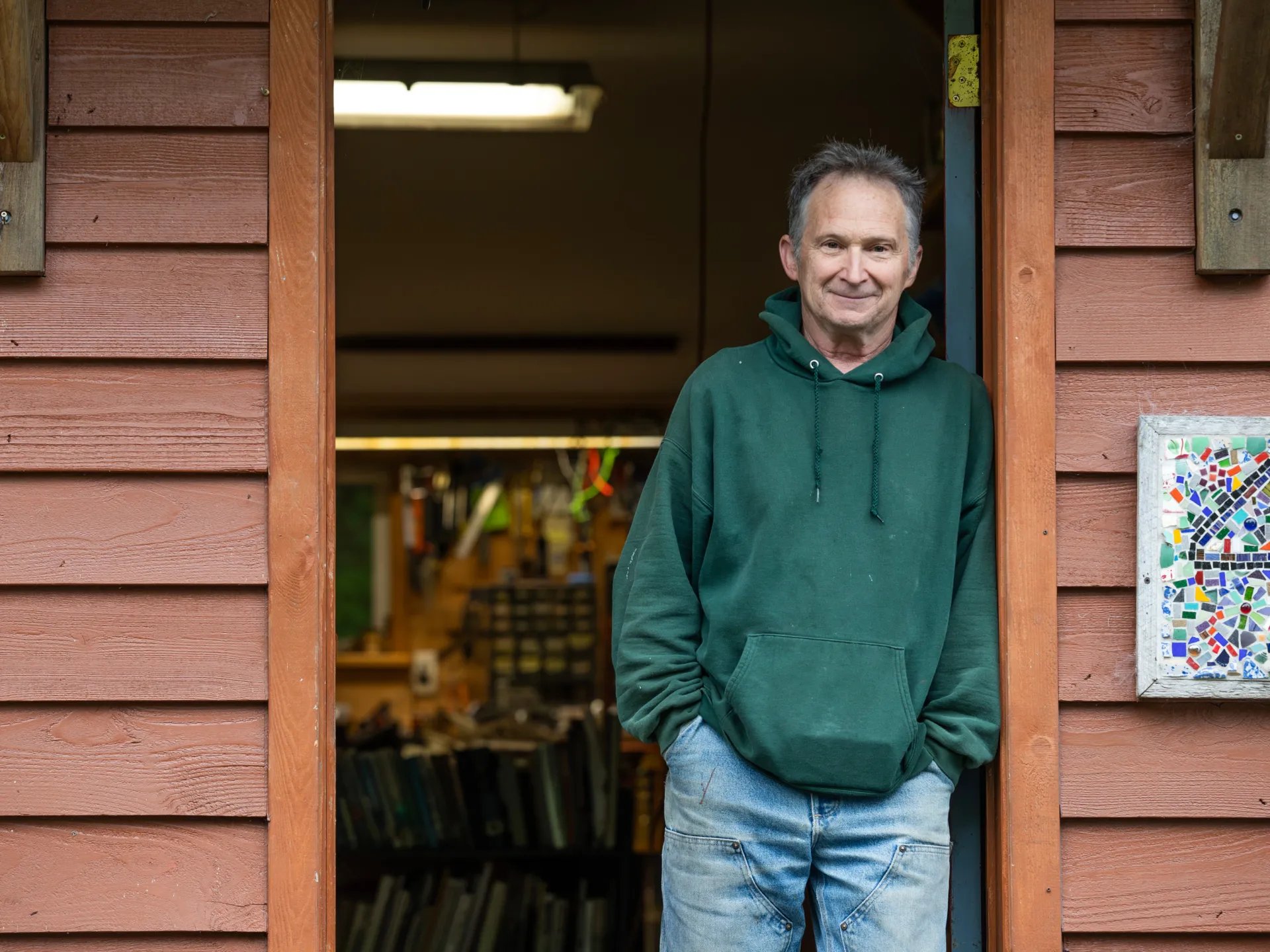
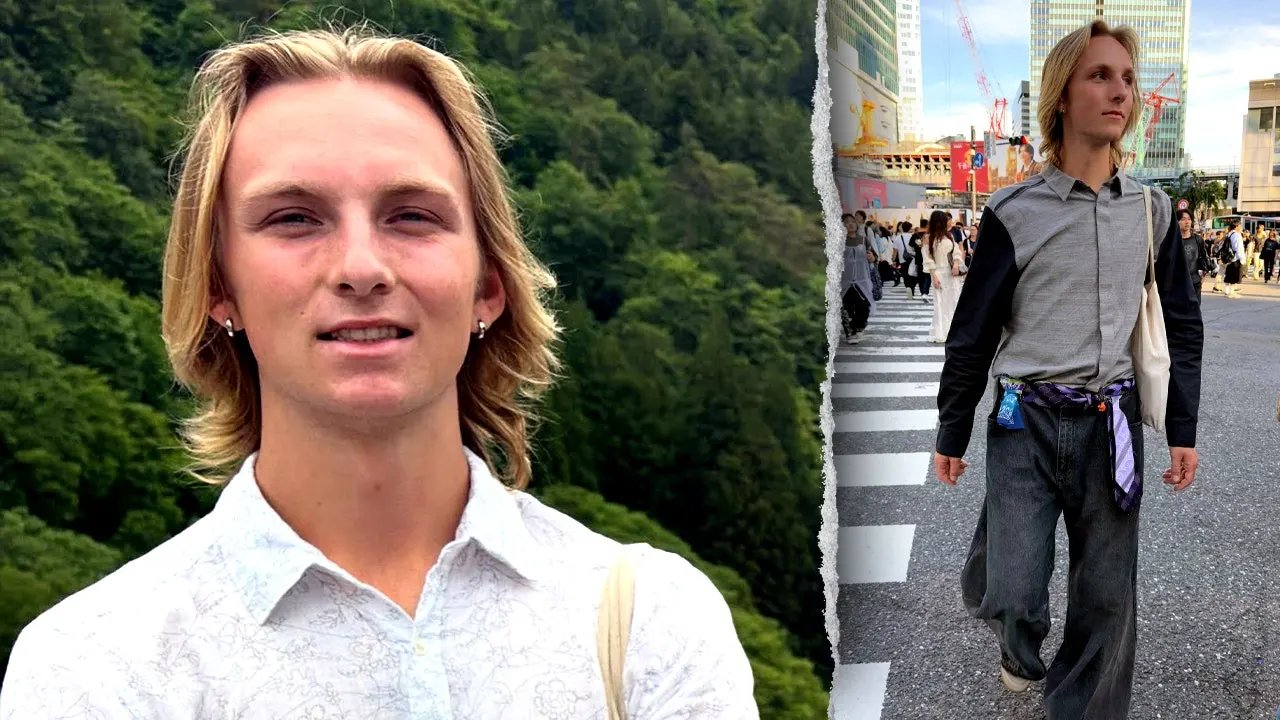
In January, Paigelynne Gonyea shared a post on social media discussing the immigration situation in Minneapolis. Five months later, agents from the Department of Homeland Security (DHS) visited her home, claiming that her post had doxxed a federal agent. Gonyea reported that the agents told her to take her post down.
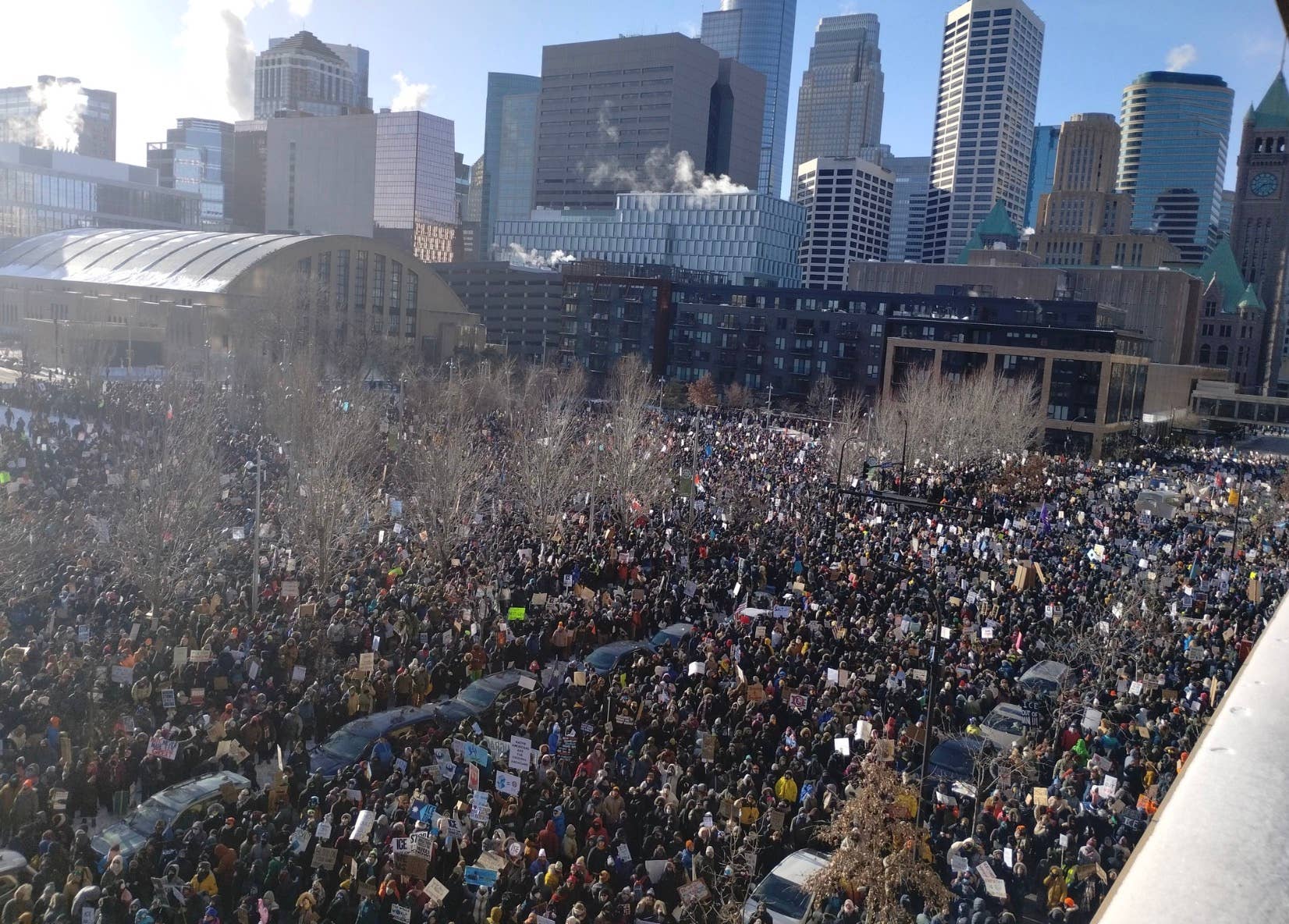
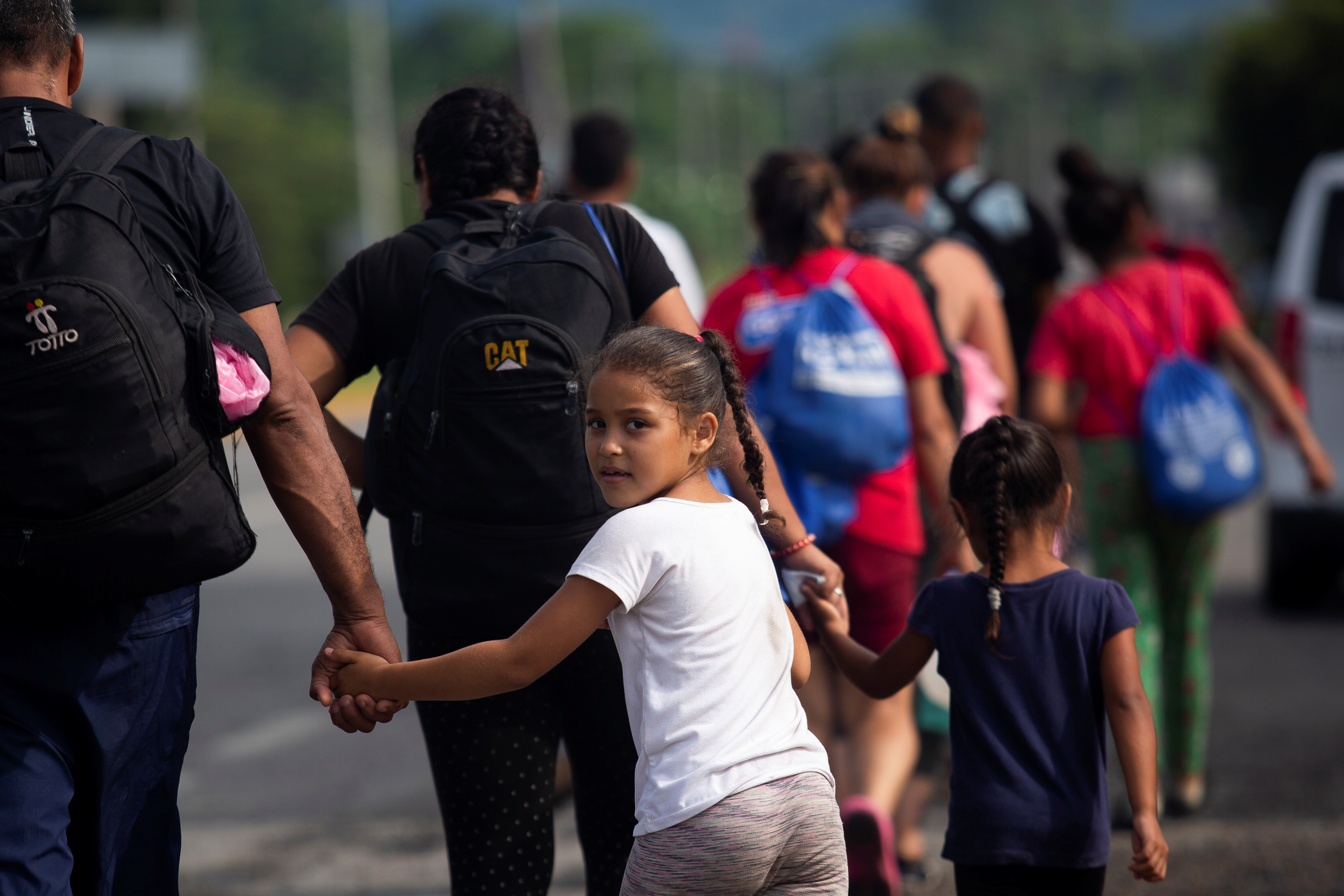
Gonyea's original post highlighted the influx of immigrant families in her community. She expressed her concerns about the impact of this surge on local resources. During the visit from DHS agents, they claimed that her post had doxxed a federal agent, which raised questions about the boundaries of free speech and the role of government in moderating public discourse.
The incident has sparked a broader conversation about government overreach and the chilling effects on free speech.
Local activists have rallied around Gonyea, asserting the importance of protecting free speech, particularly regarding discussions about immigration policy. They argue that the government should not intimidate citizens for expressing their views online. Activist Maria Lopez stated, "This is not just about one post; it's about our right to speak out on issues that affect our communities."
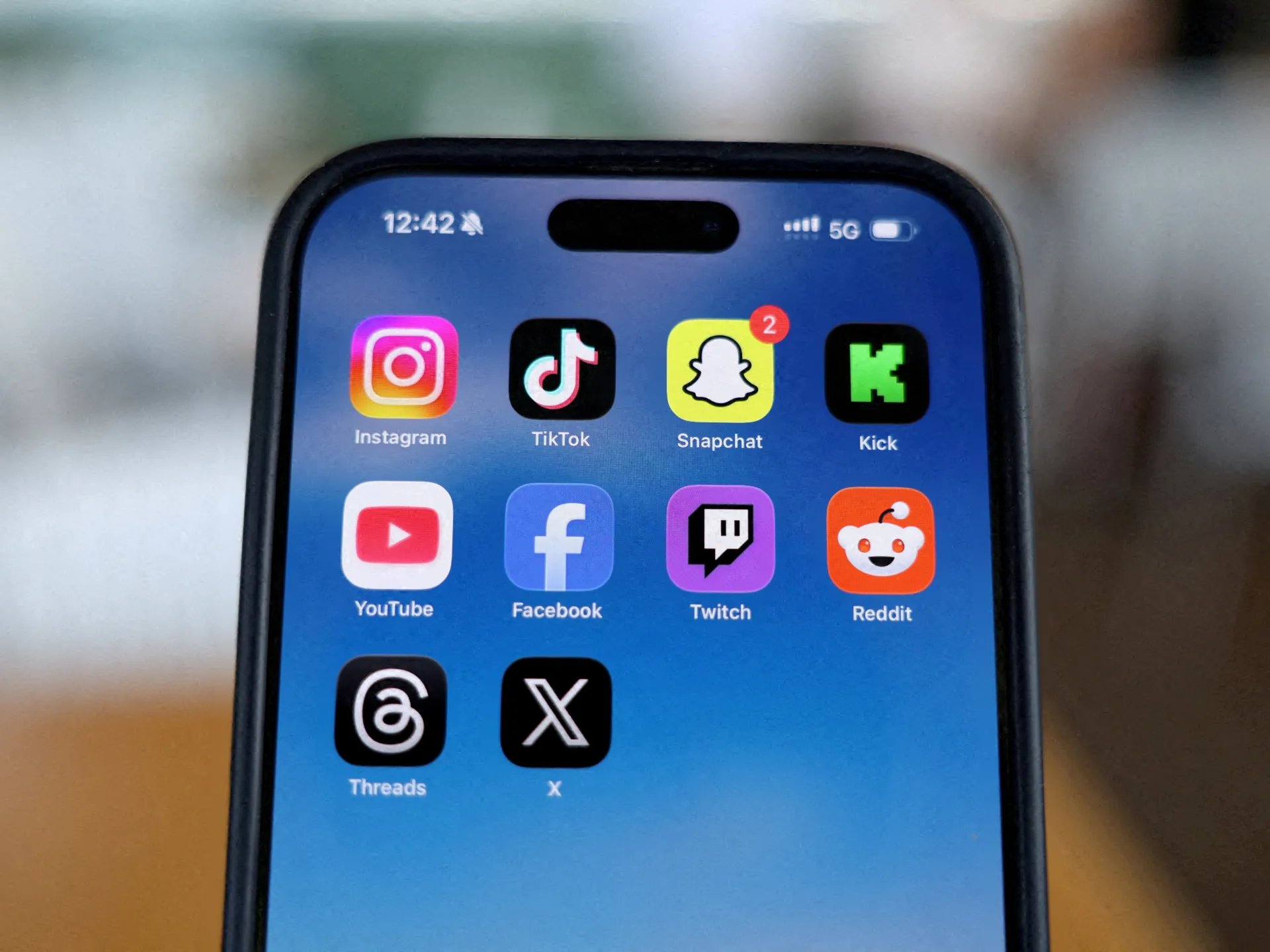
The incident has also reignited fears about government surveillance and the monitoring of social media. Concerns have grown regarding how agencies like DHS may be tracking individuals who engage with immigration topics. The incident has prompted calls for transparency and accountability within federal agencies regarding their interactions with citizens and their social media activity.
Gonyea plans to seek legal advice regarding the encounter with DHS agents. She hopes to understand her rights and the implications of being pressured to remove her post. As she navigates this situation, her case may serve as a touchstone for discussions about the balance between national security and individual rights in the digital age.
The outcome of this incident may have lasting effects on how citizens engage with sensitive topics online, and it underscores the need for vigilance in defending free speech amidst increasing governmental scrutiny.
In January, Paigelynne Gonyea shared a post on social media discussing the immigration situation in Minneapolis. Five months later, agents from the Department of Homeland Security (DHS) visited her home, claiming that her post had doxxed a federal agent. Gonyea reported that the agents pressured her to delete the post, citing concerns over her safety and the safety of the agent mentioned.
Gonyea's original post highlighted the influx of immigrant families in her community. She expressed her concerns about the impact of this surge on local resources. During the visit from DHS agents, they asserted that her post could potentially harm the agent’s safety, which raised questions about the boundaries of free speech and the role of government in moderating public discourse.
The incident has sparked a broader conversation about government overreach and the chilling effects on free speech. Critics argue that actions like those taken by DHS agents could discourage individuals from discussing important social issues out of fear of repercussions. Legal experts have indicated that such pressure may infringe upon First Amendment rights, raising alarms about the limits of government authority in moderating online expression.
Local activists have rallied around Gonyea, asserting the importance of protecting free speech, particularly regarding discussions about immigration policy. They argue that the government should not intimidate citizens for expressing their views online. Activist Maria Lopez stated, “This is not just about one post; it’s about our right to speak out on issues that affect our communities.”
The incident has also reignited fears about government surveillance and the monitoring of social media. Concerns have grown regarding how agencies like DHS may be tracking individuals who engage with immigration topics. The incident has prompted calls for transparency and accountability within federal agencies regarding their interactions with citizens and their social media activity.
Gonyea plans to seek legal advice regarding the encounter with DHS agents. She hopes to understand her rights and the implications of being pressured to remove her post. As she navigates this situation, her case may serve as a touchstone for discussions about the balance between national security and individual rights in the digital age.
The outcome of this incident may have lasting effects on how citizens engage with sensitive topics online, and it underscores the need for vigilance in defending free speech amidst increasing governmental scrutiny.
Highlighted text was flagged by the council. Tap to see feedback.