




The Policy Reversal
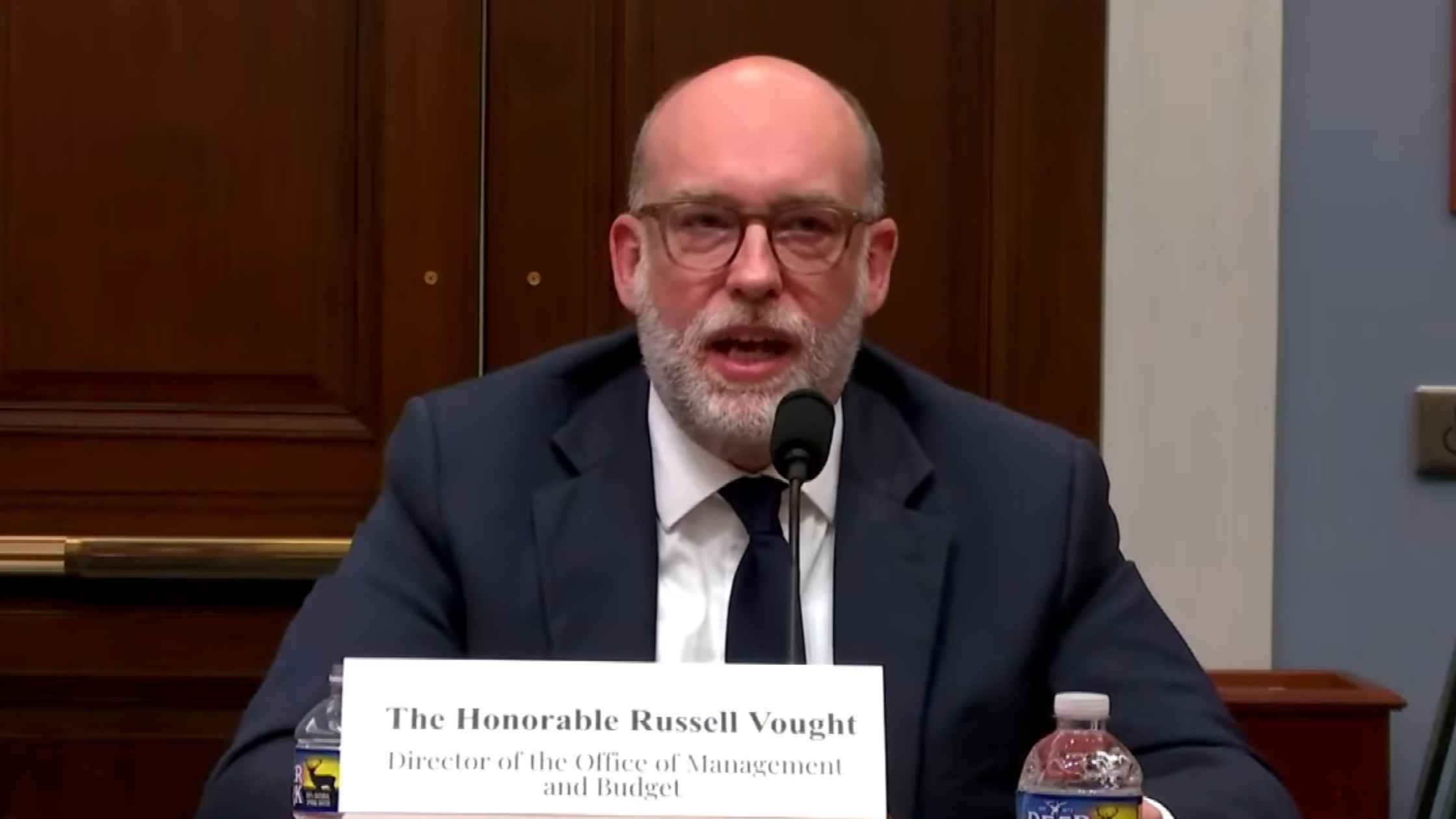
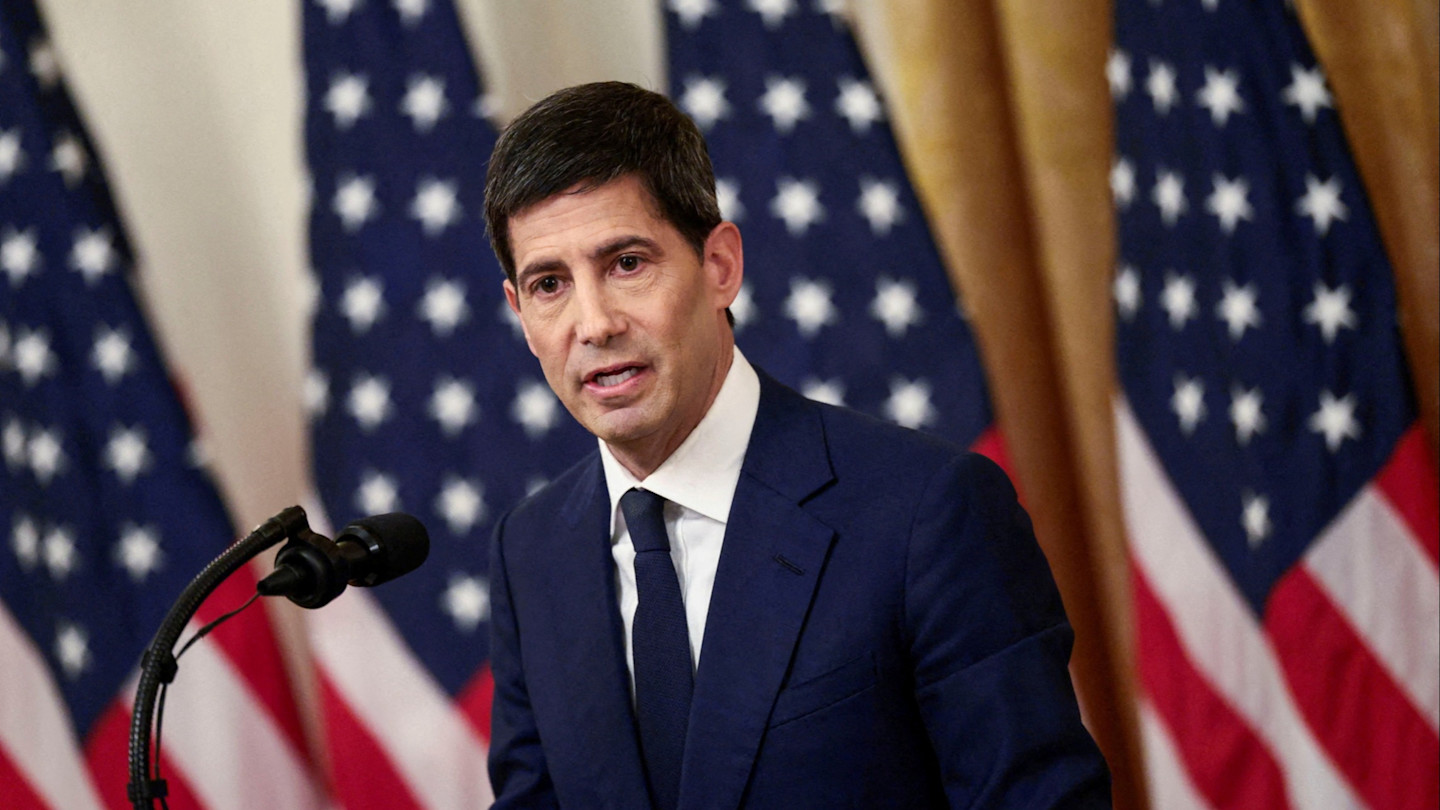
Acting Immigration and Customs Enforcement Director David Venturella issued a memo rescinding a 2021 Biden-era policy that required ICE to report deaths of detainees occurring within 30 days of their release. Under the new directive, ICE will only track fatalities that happen while individuals remain in agency custody. A Department of Homeland Security spokesperson called the change "common sense," stating that "ICE is not responsible when an individual passes away weeks after leaving their custody."
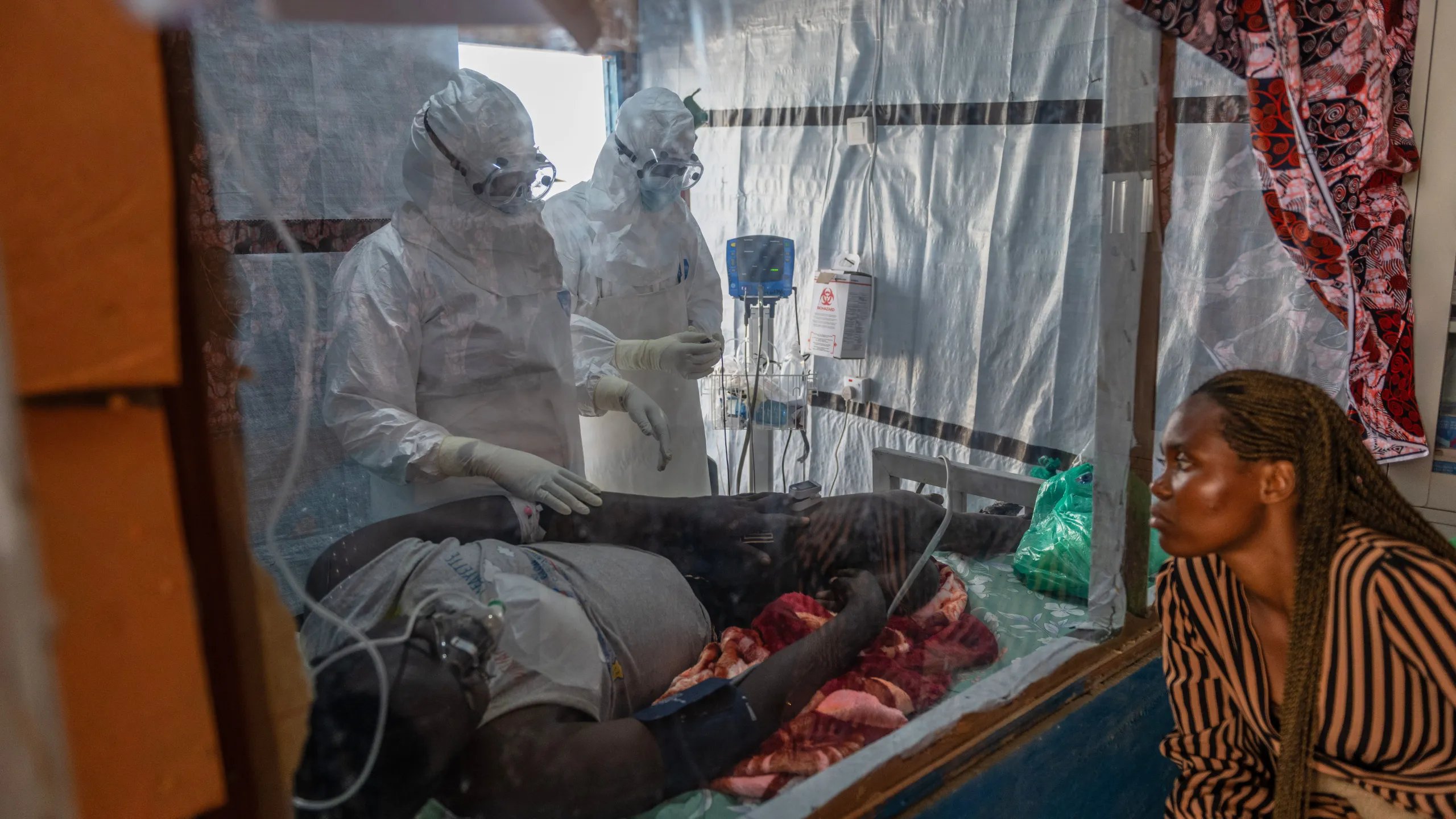
The 2021 policy existed because detainees with severe medical conditions have died shortly after release. One case involved a man who contracted coronavirus after suffering a stroke during two years of detention at the Adelanto detention center in California. He died three days after ICE released him. Deborah Fleischaker, acting chief of staff at the time, said the original policy was "changed to make clear that ICE should not release people simply to avoid deaths in custody."
Rising Deaths in Detention
The policy change comes as death rates in ICE facilities have surged. There have been 49 deaths in ICE custody since the start of the second Trump administration, according to lawmakers. An analysis of Immigration and Customs Enforcement data shows the first 14 months of the current administration represent the most deadly period for the federal detention system in recent years, with the exception of 2020 when the coronavirus pandemic drove detention deaths higher.
Eighteen people died in the first five months of this year alone. The DHS spokesperson told ABC News that ICE "remains committed to transparency regarding detainee deaths," but the agency will no longer publicly investigate or report fatalities that occur after release.
Conditions at Delaney Hall
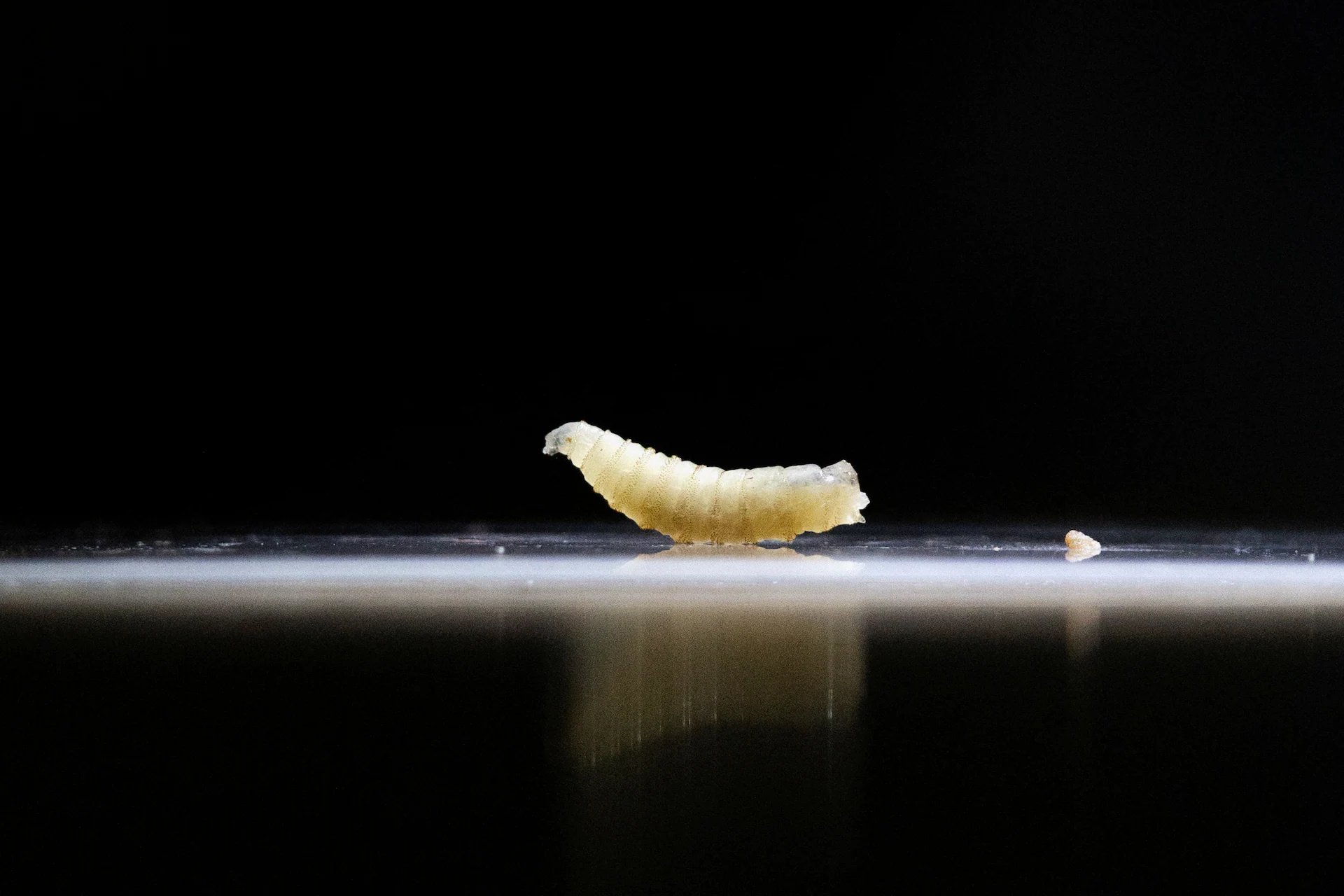
The policy reversal coincides with deteriorating conditions at immigration detention facilities. At Delaney Hall, a privately run ICE jail in Newark, New Jersey, operated by GEO Group under a 15-year, $1 billion contract, as many as 400 detainees launched a combined hunger and labor strike on May 22. The detainees reported decaying food riddled with worms, undrinkable water, outbreaks of flu, forced labor for as little as $1 per hour or no pay, and medical neglect.
Some detainees have languished in the facility for a year with no due process or release date. Some had already secured court orders for their release but remained detained. Others signed self-deportation papers to escape the conditions but were not released. Jean Wilson Brutus, a 41-year-old, died after a single day in custody at Delaney Hall. GEO Group, which operates 21 detention centers and jailed a company record of 24,000 detainees in 2025, generated $254 million in profits last year, with CEO George Zoley earning $11.2 million.
The Strike and Retaliation
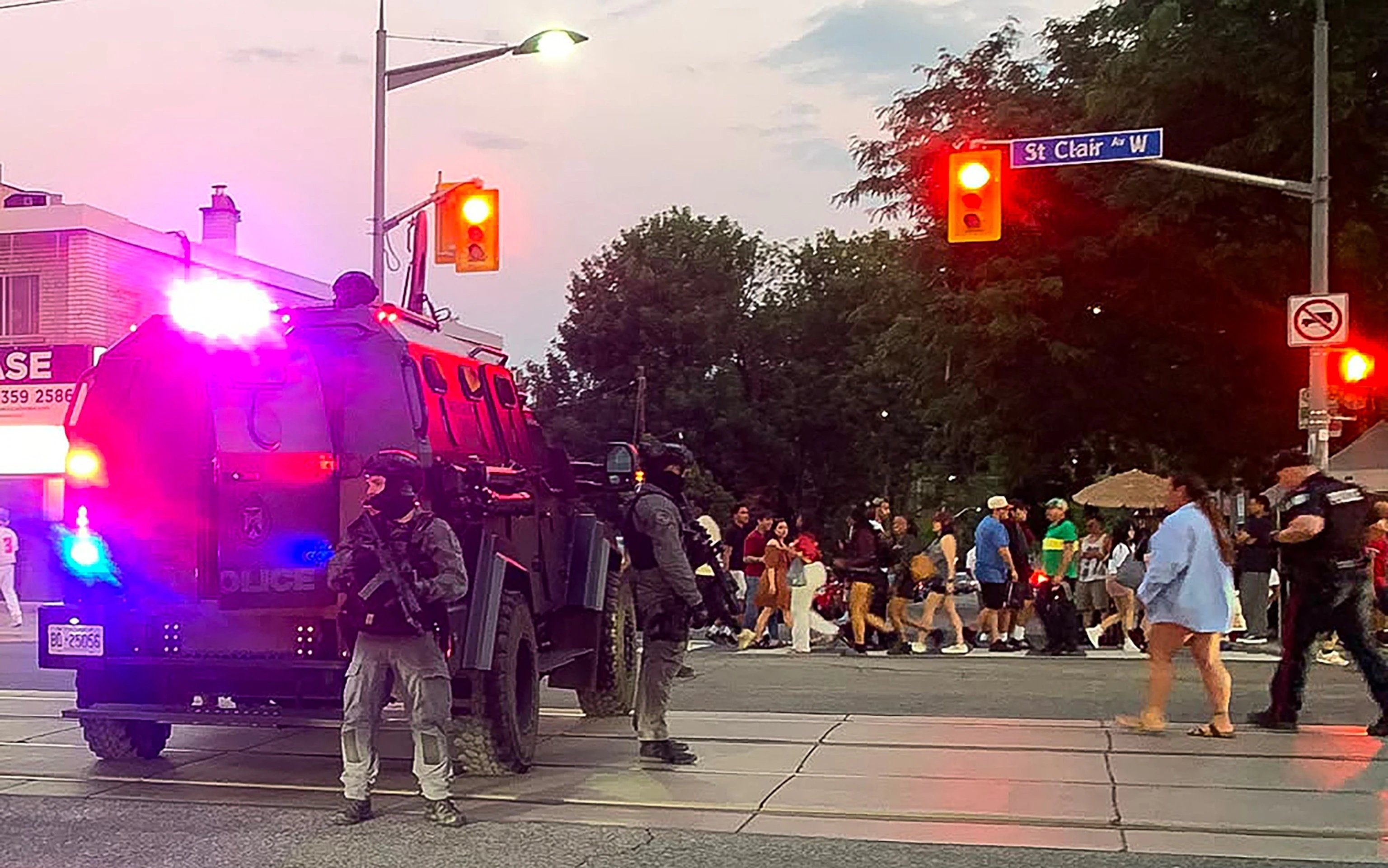
Striking detainees demanded meetings with the governor and the release of pregnant, young, elderly, and medically vulnerable people. Their ultimate goal was freedom for everyone inside the facility. ICE agents retaliated against the strikers by canceling visitation hours with family and violently assaulting detainees, leaving at least four people hospitalized. New Jersey Governor Mikie Sherrill, who supports closing Delaney, called in state troopers who have since joined other law enforcement officers in violently attacking people gathered outside the jail. On June 2, New Jersey filed a lawsuit against GEO seeking state health department access to inspect conditions, though a previous Newark lawsuit against GEO was relegated to private mediation by a federal judge.