





Attack on Crimea's Energy Infrastructure
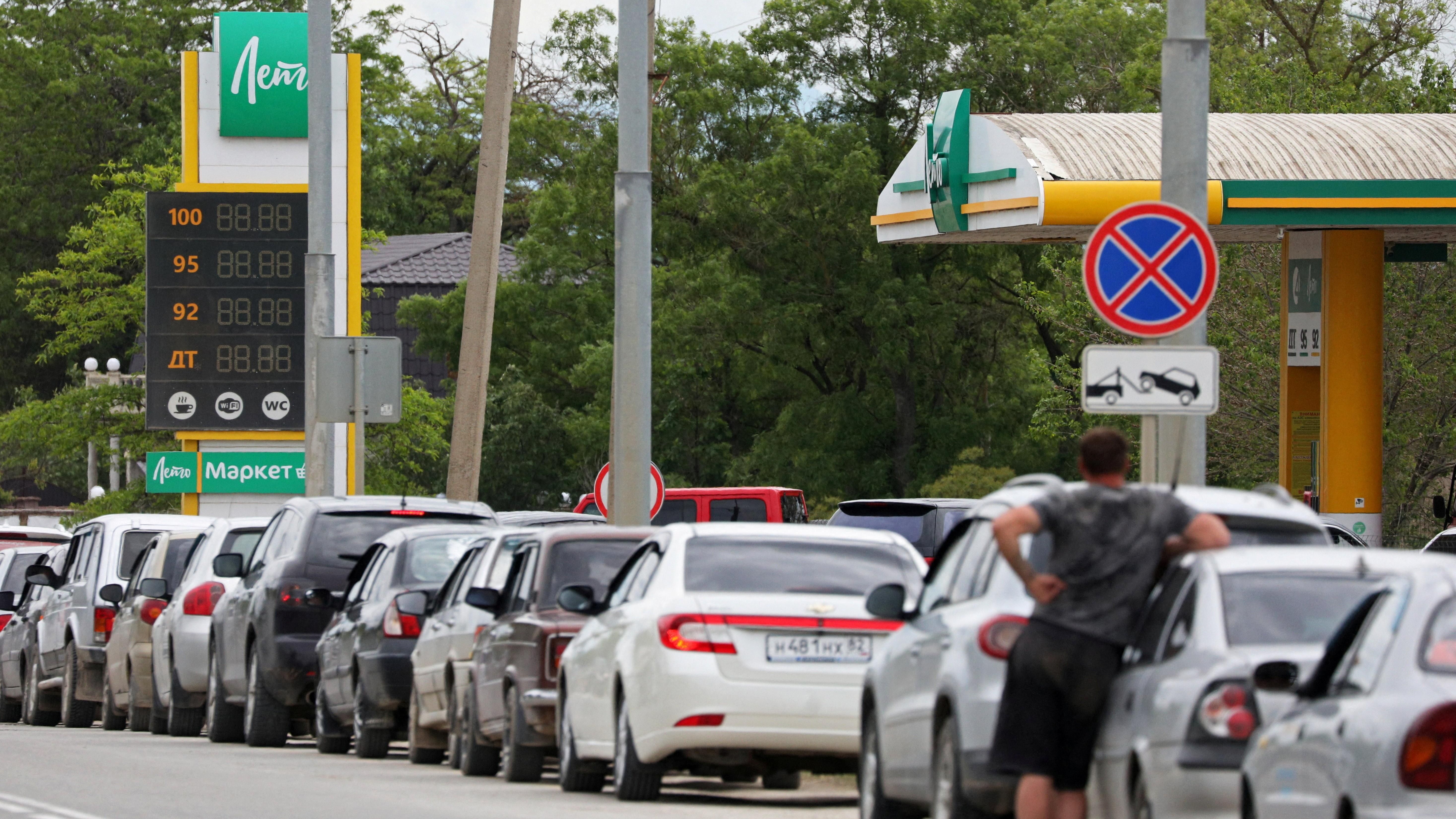
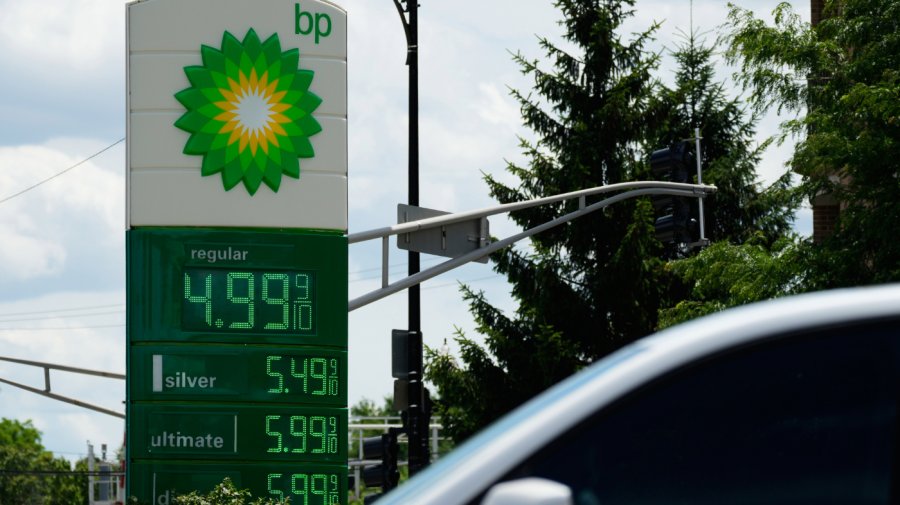
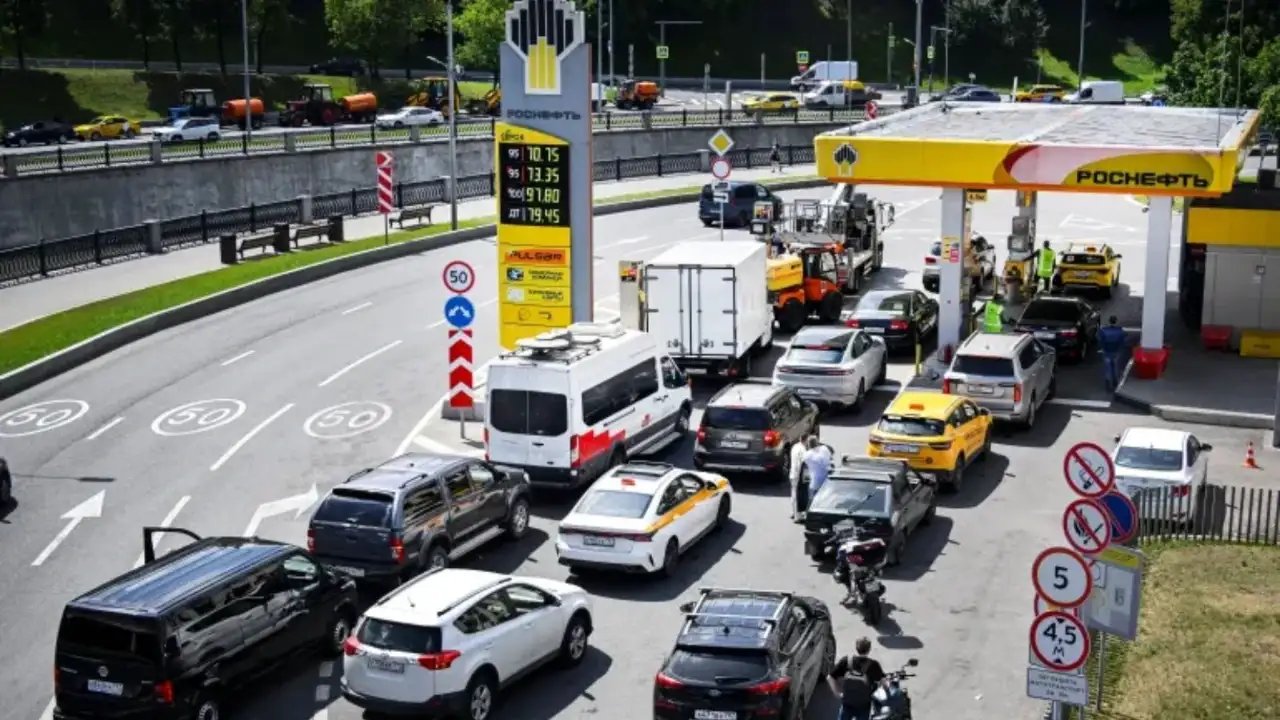
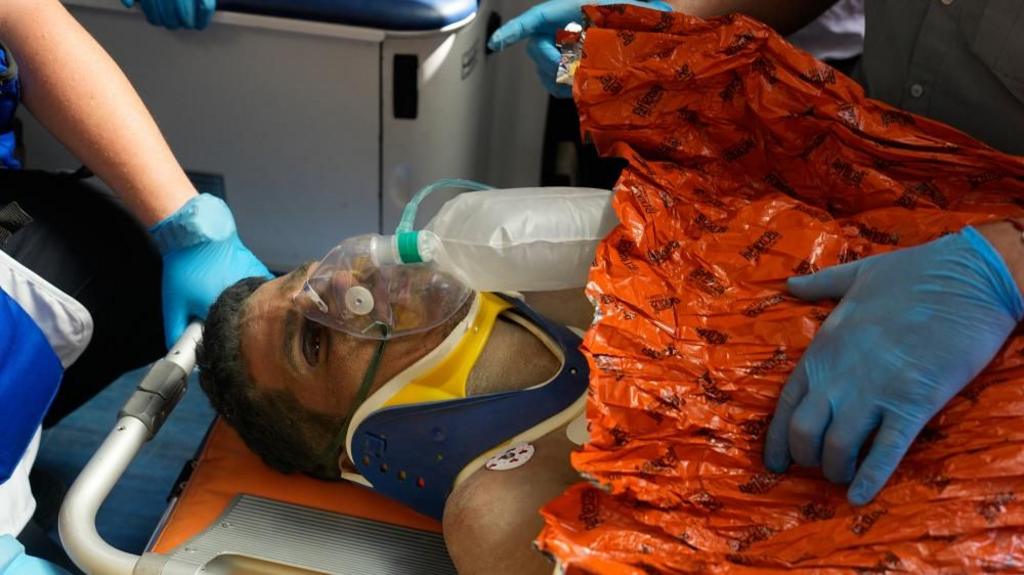
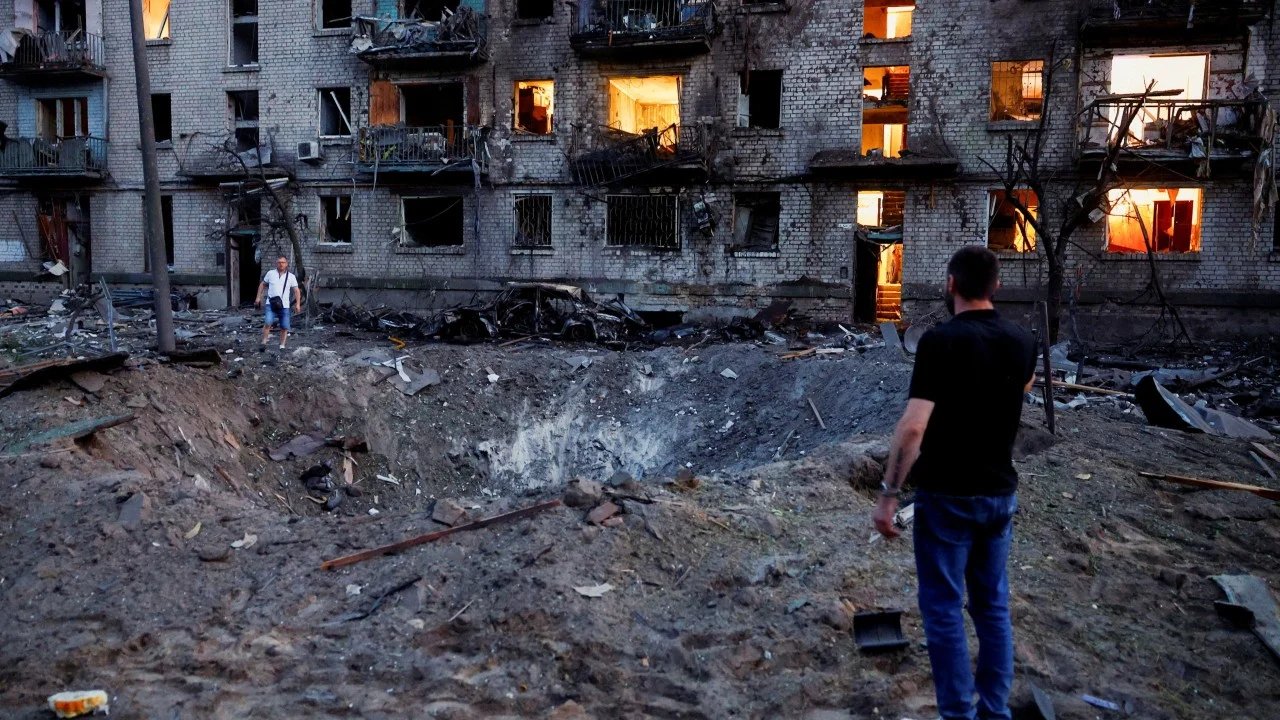
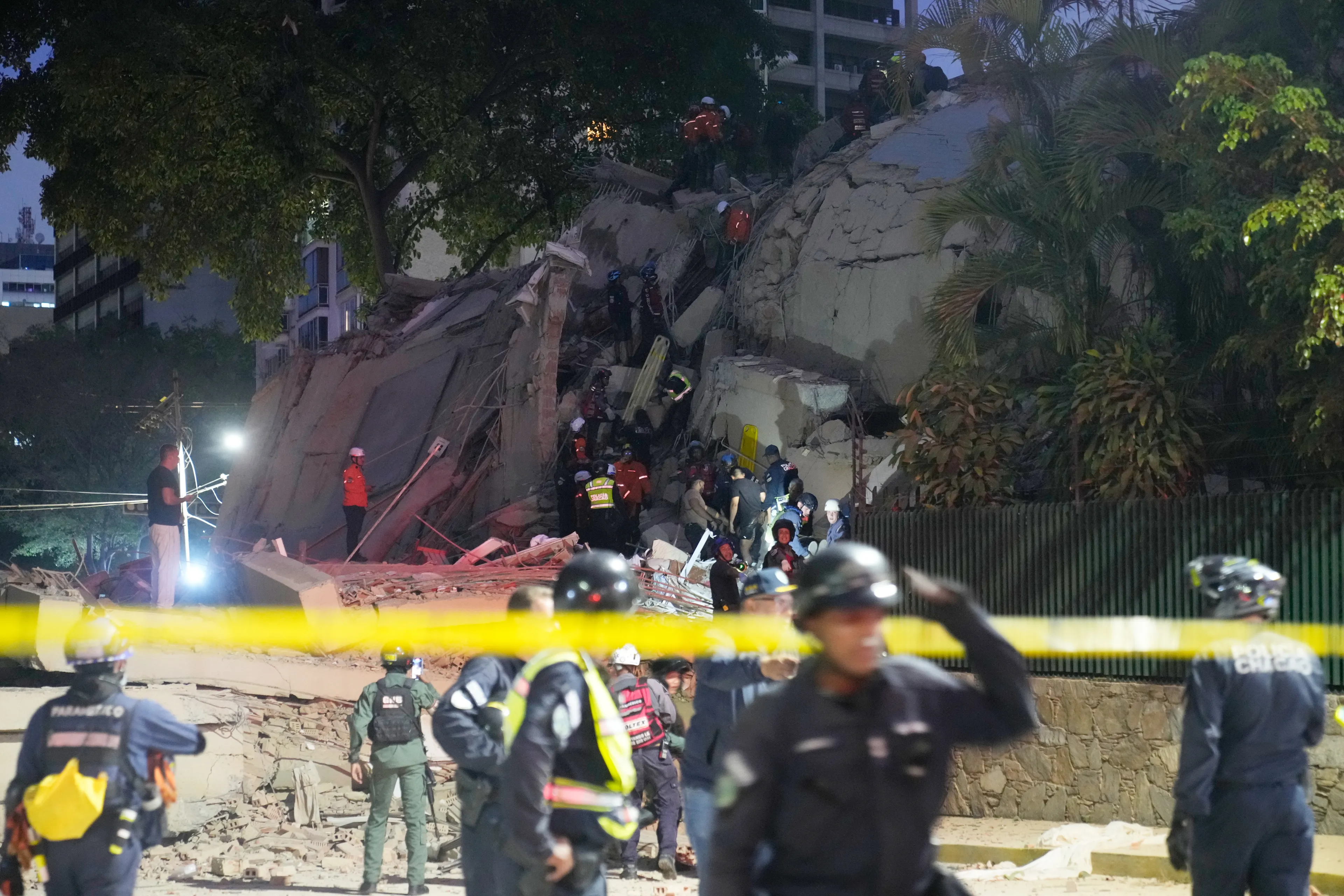
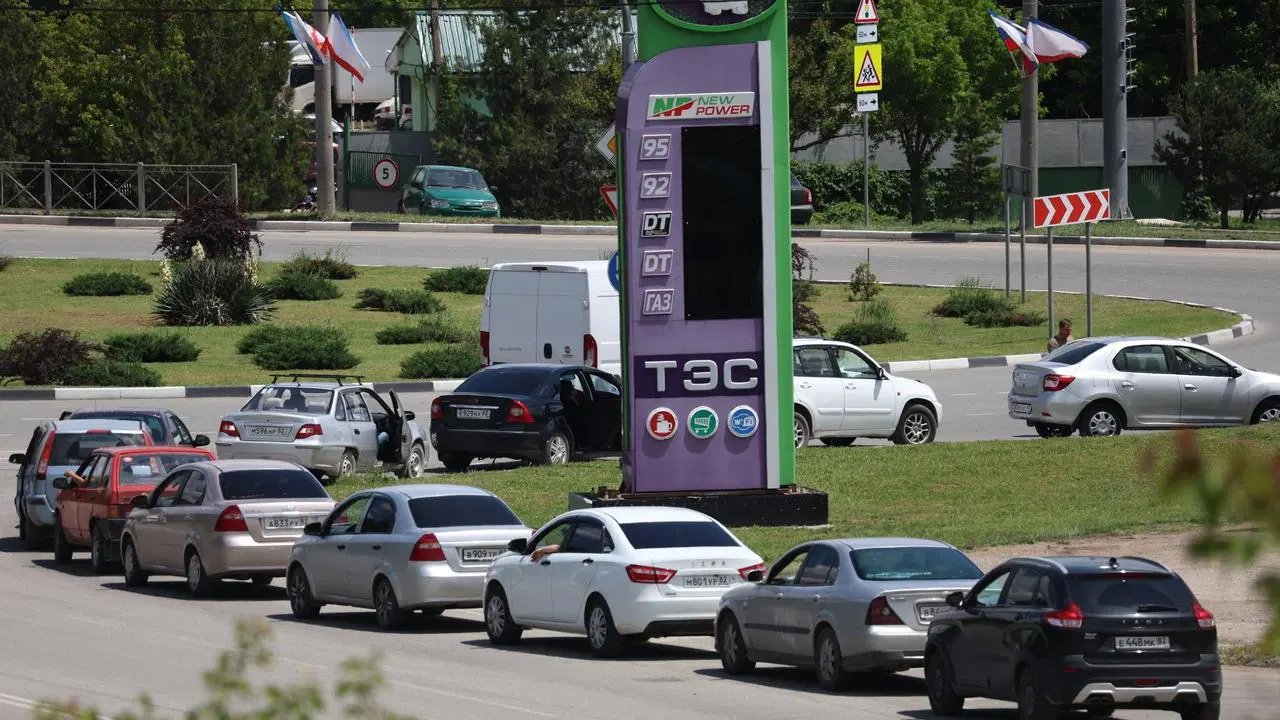
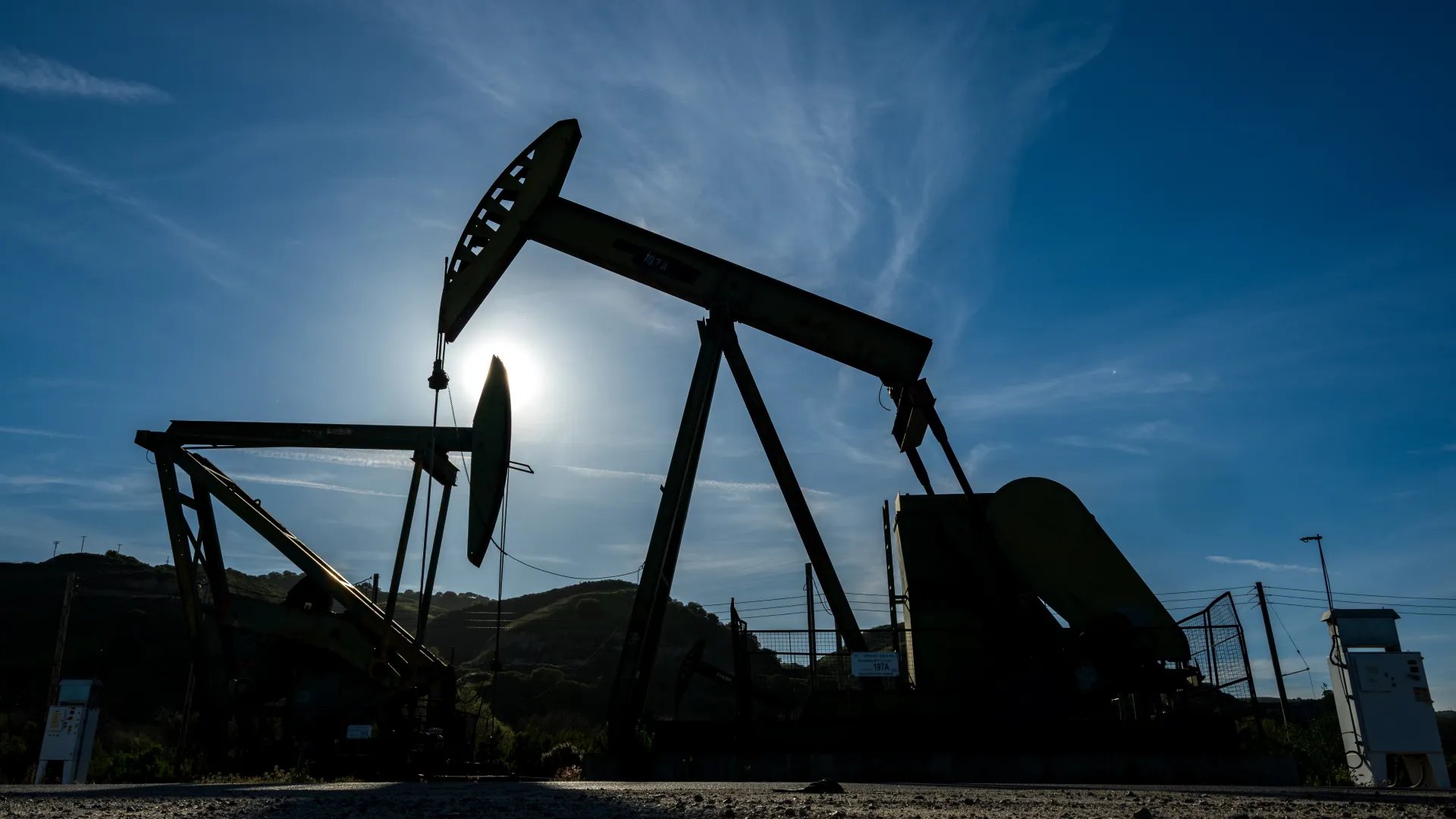
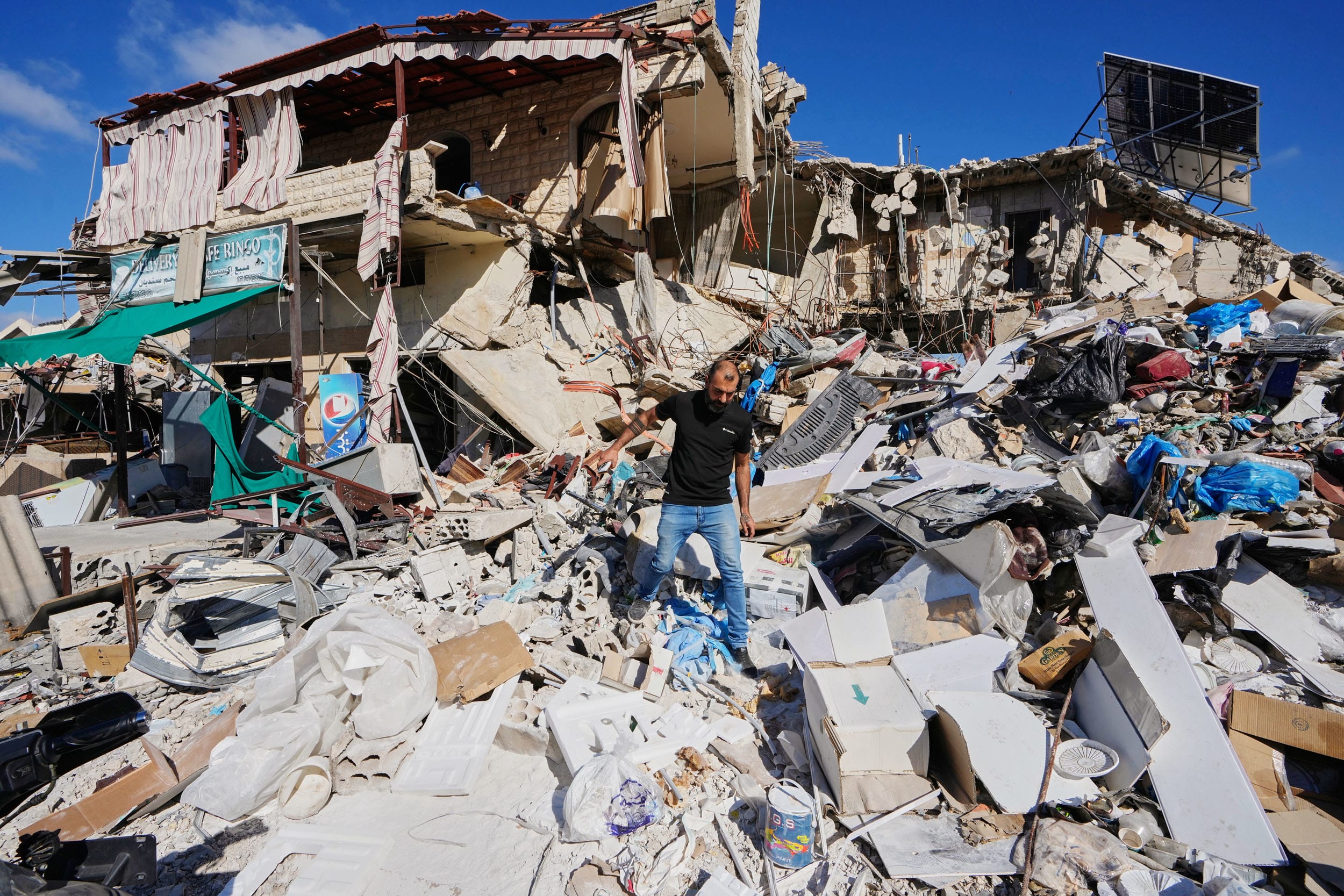
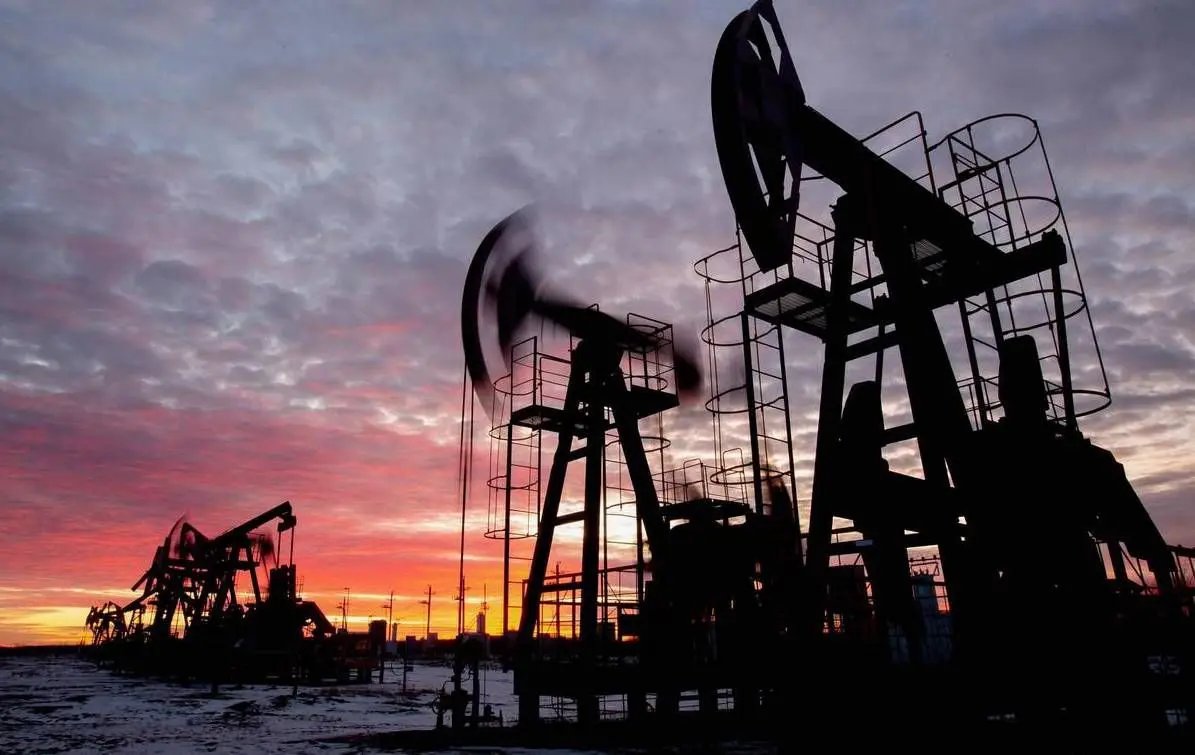
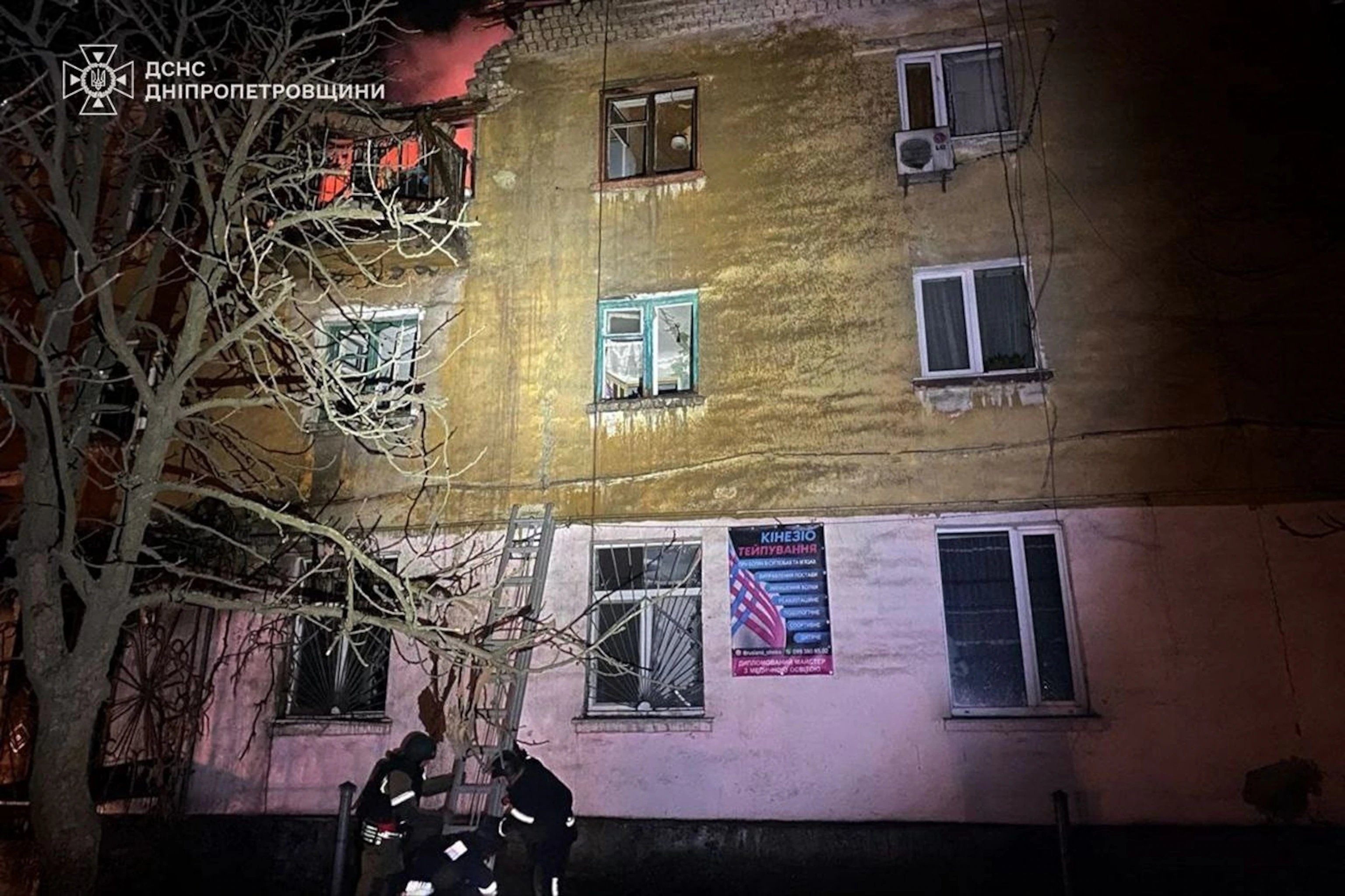
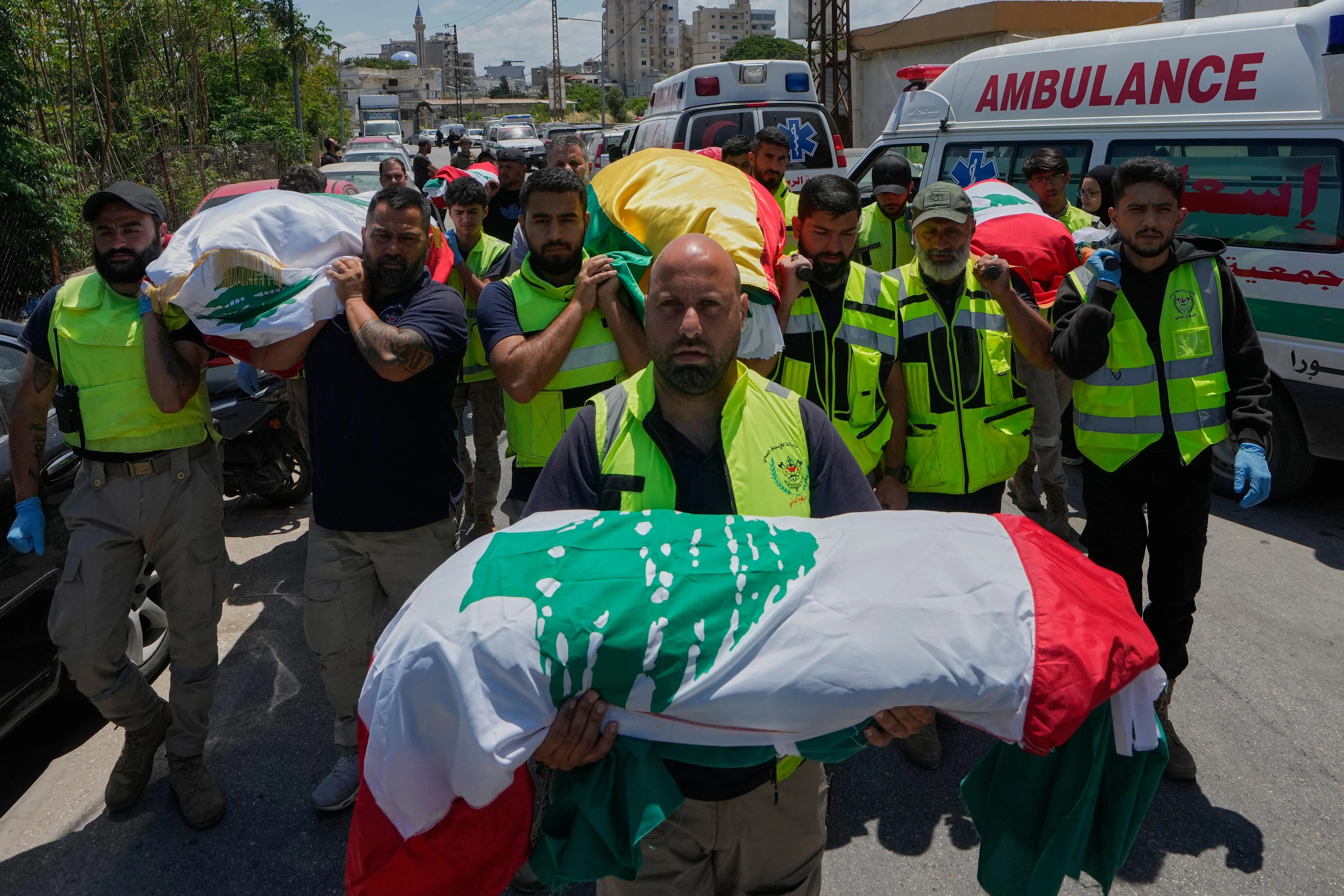
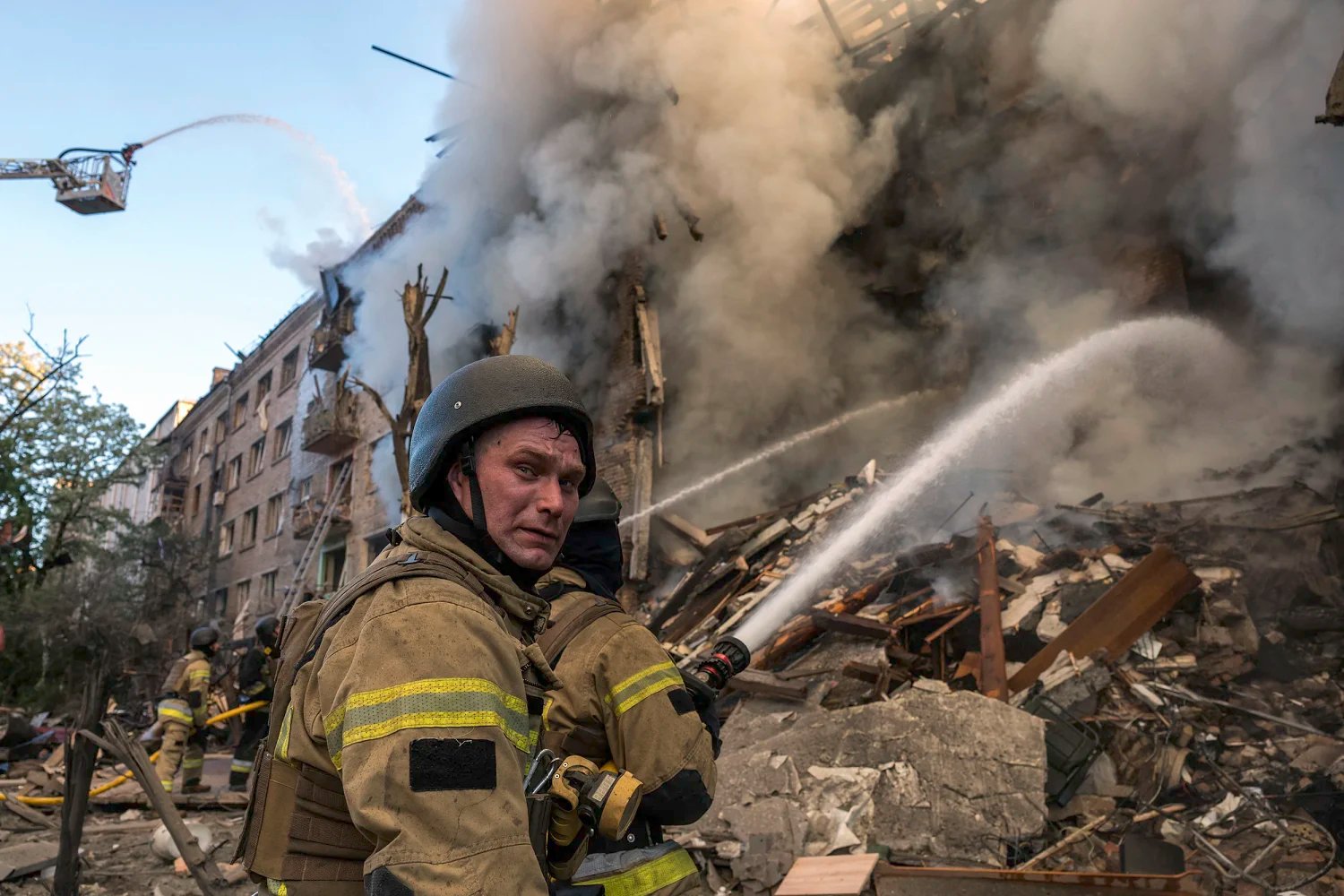
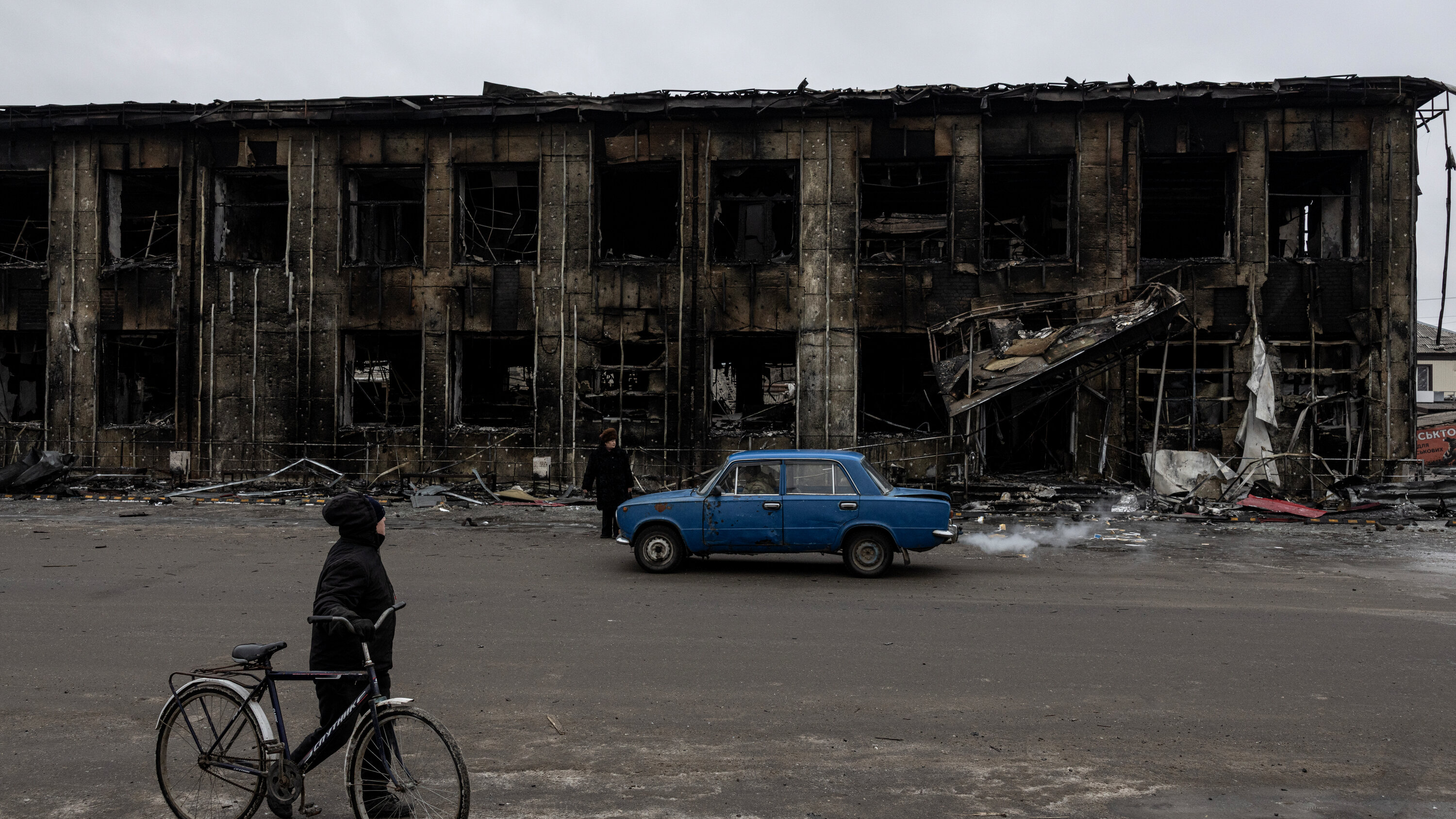
Ukrainian drone strikes on the Russian-occupied Crimean Peninsula have led to the suspension of fuel sales at local petrol stations, significantly impacting the region's energy supply. Governor Sergey Aksyonov announced that fuel would only be sold to government agencies ensuring Crimea's "functioning and security," marking a drastic measure in response to the attacks that left four dead and 28 injured. The BBC reported that Kyiv's focus has been to choke off revenue for Moscow's war chest by hitting its fuel exports.
Economic Consequences for Crimea
The halting of fuel sales comes as Crimea faces growing logistical difficulties due to Ukraine's targeted strikes on supply routes. Residents and businesses are being turned away from petrol stations. The situation is expected to worsen as the summer holiday season approaches, with tourism in the region likely to decline sharply, further straining the local economy.
Broader Military Strategy
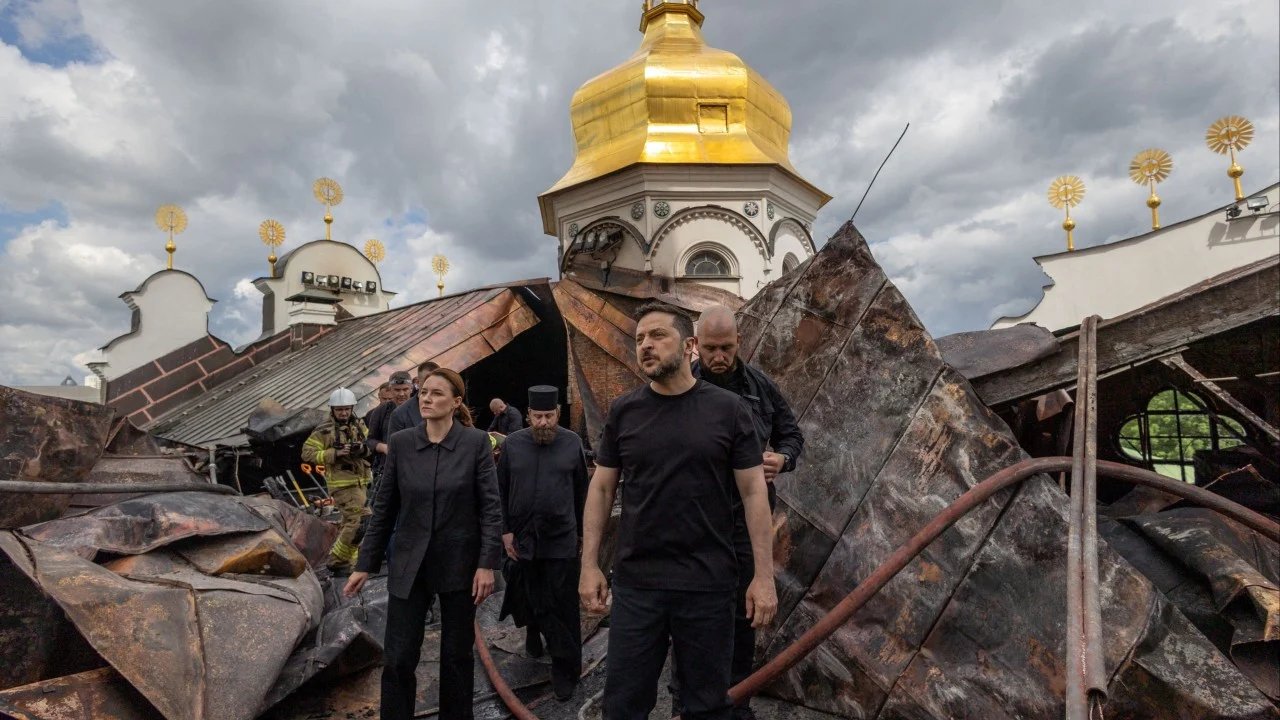
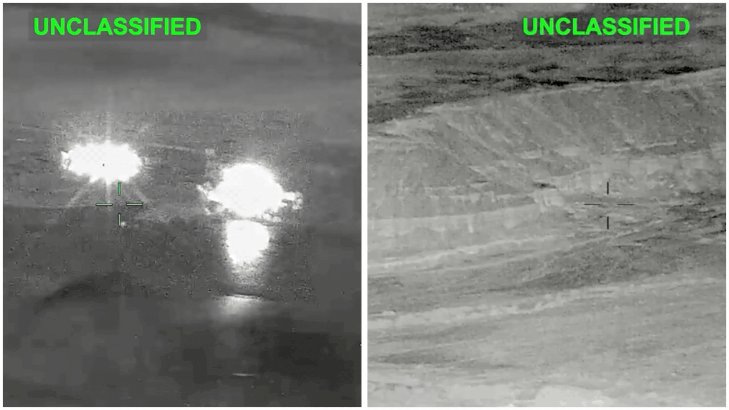
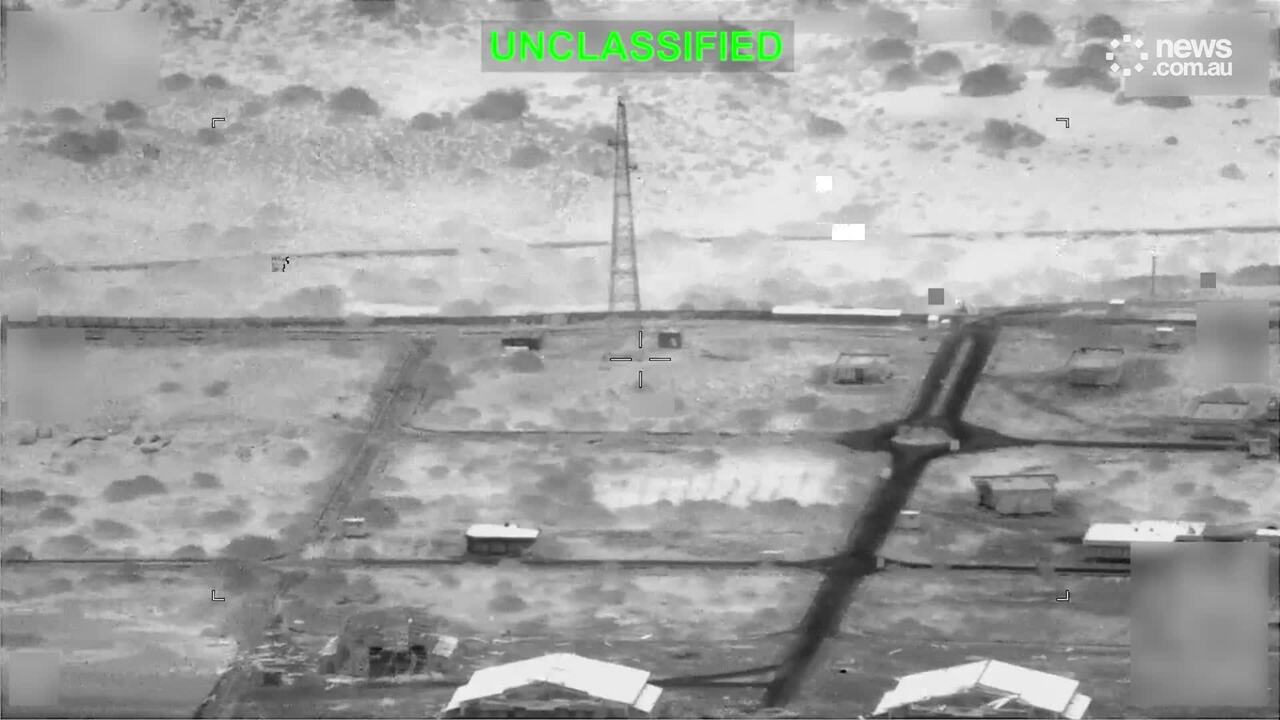
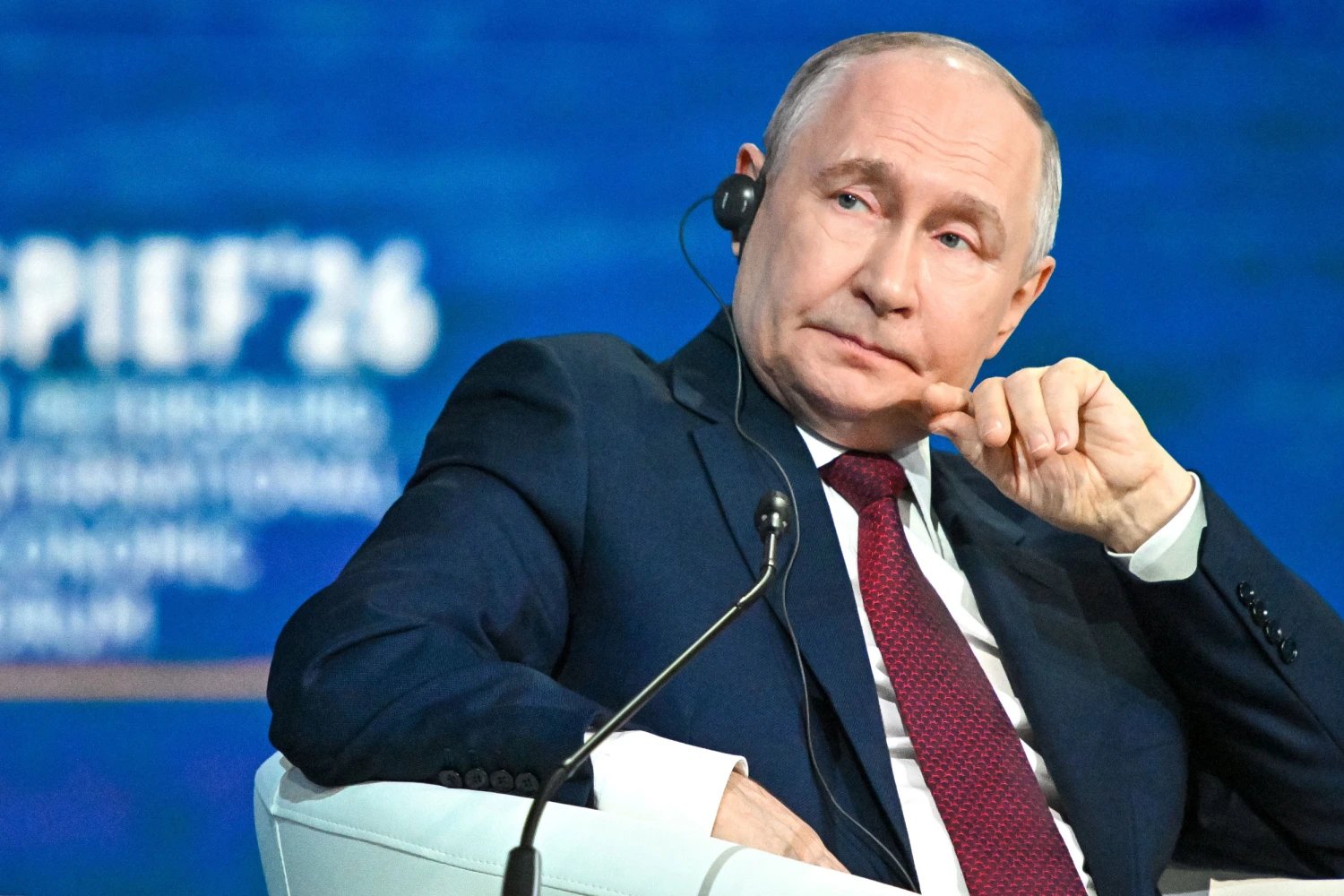
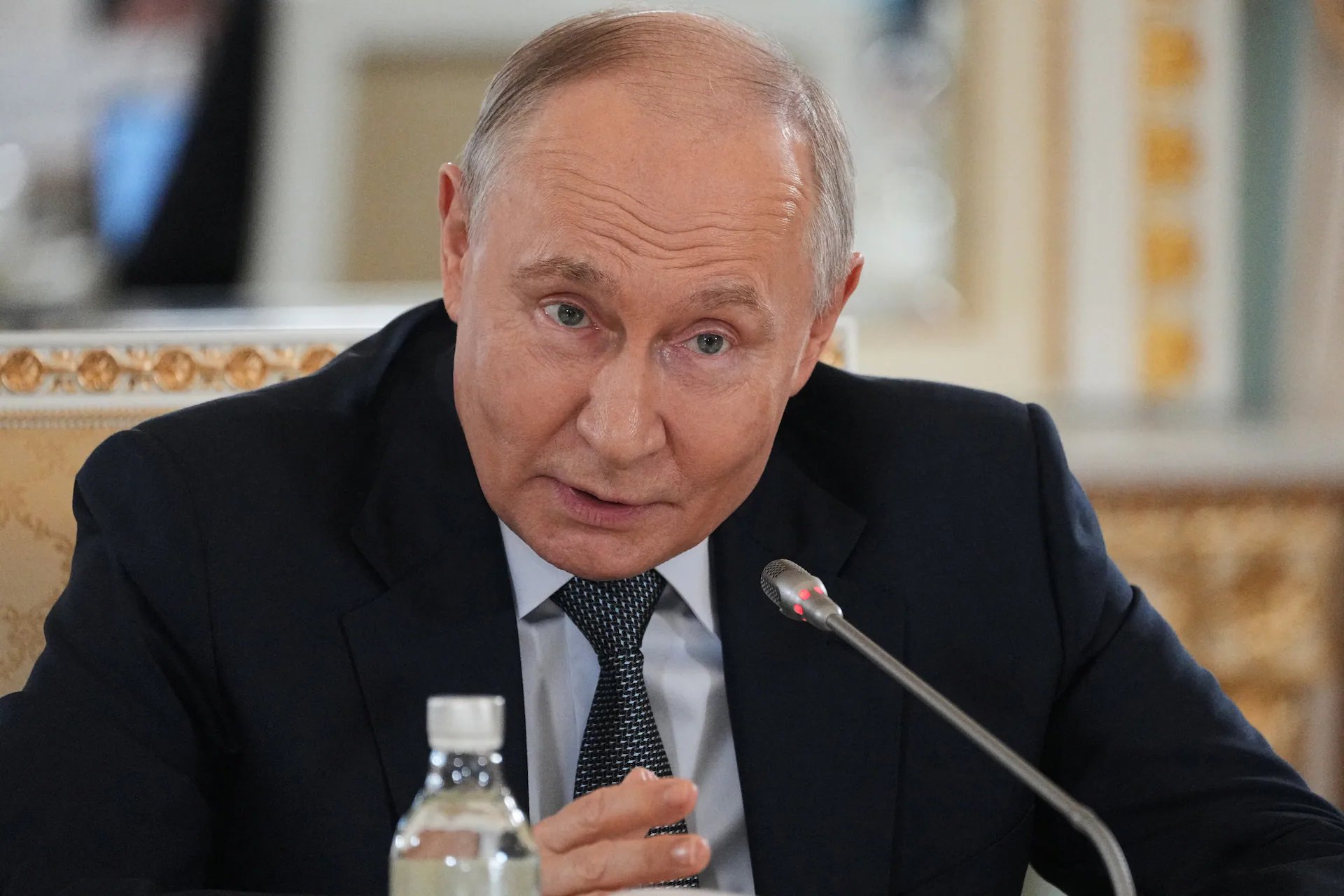
President Volodymyr Zelensky confirmed that the drone attacks targeted key military and energy facilities in Crimea, aiming to weaken Russia's operational capabilities. He stated that facilities for oil transportation in Russia's Krasnodar region were also hit. This approach seeks to disrupt Russia's fuel supply and apply pressure on President Vladimir Putin. However, the BBC reported there is little sign Putin is ready to negotiate, having rebuffed Zelensky's request for face-to-face talks in early June.
Regional Impact and Responses
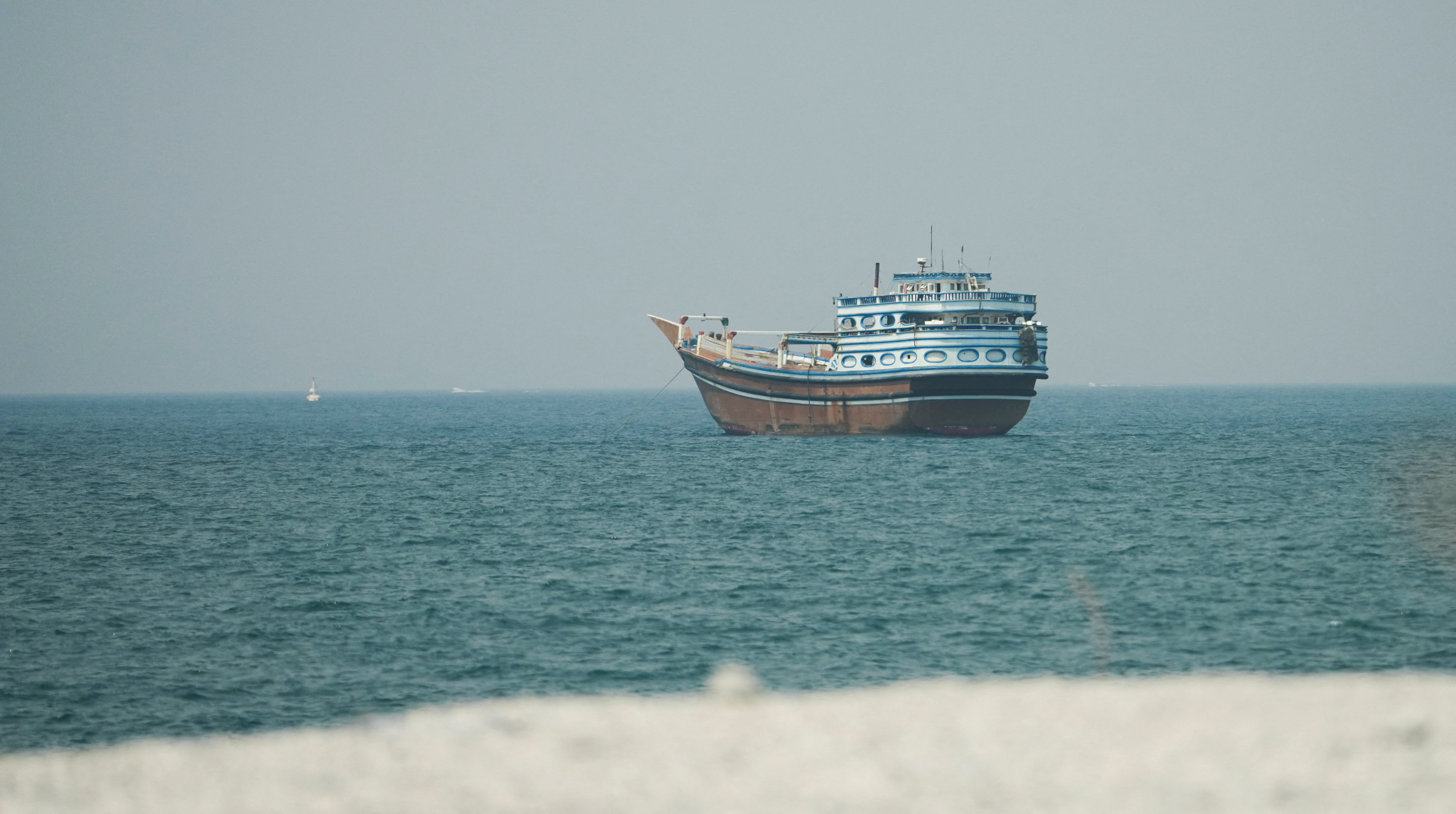
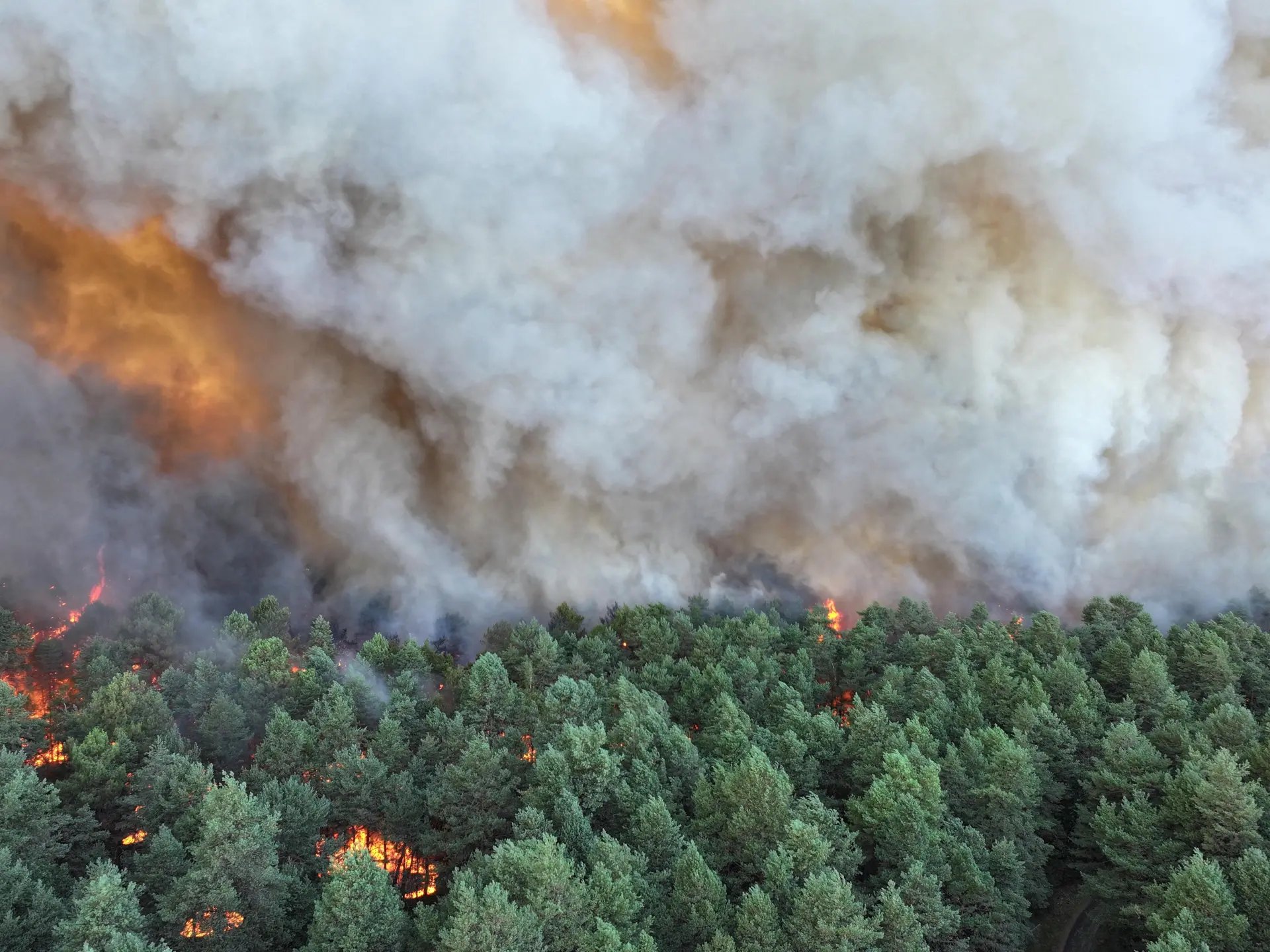
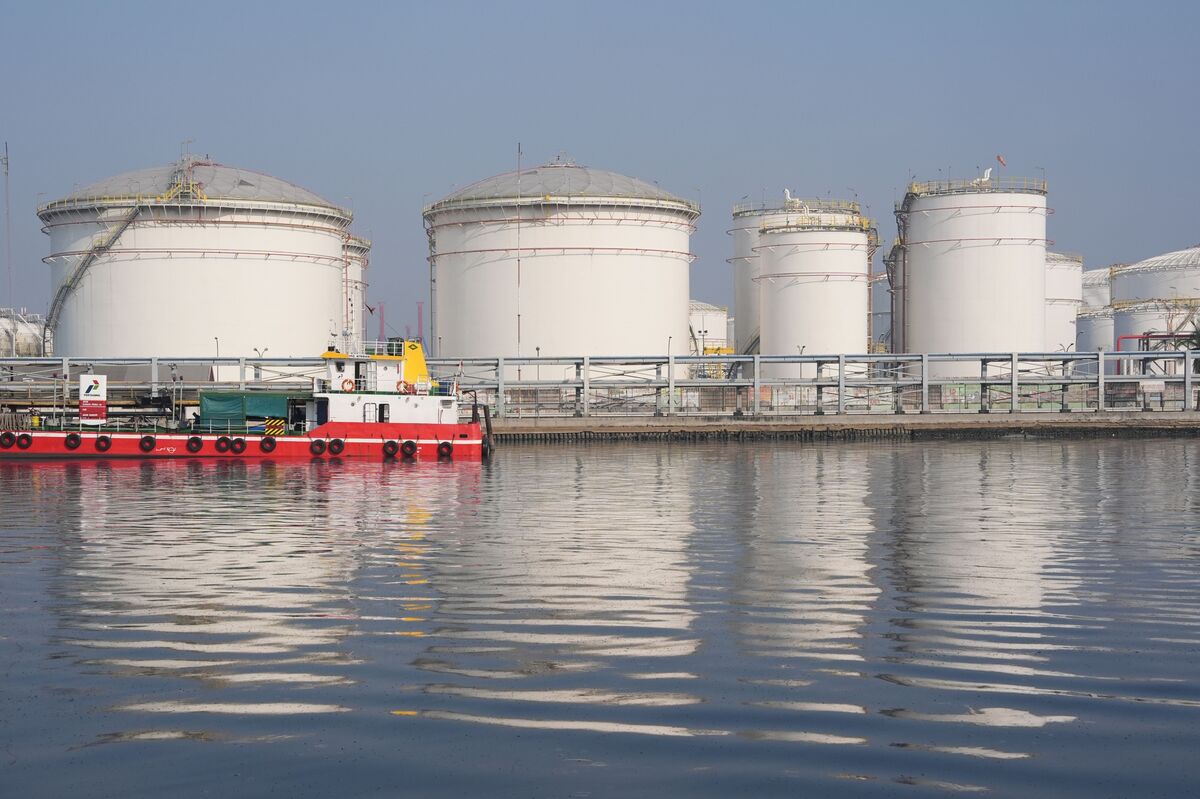
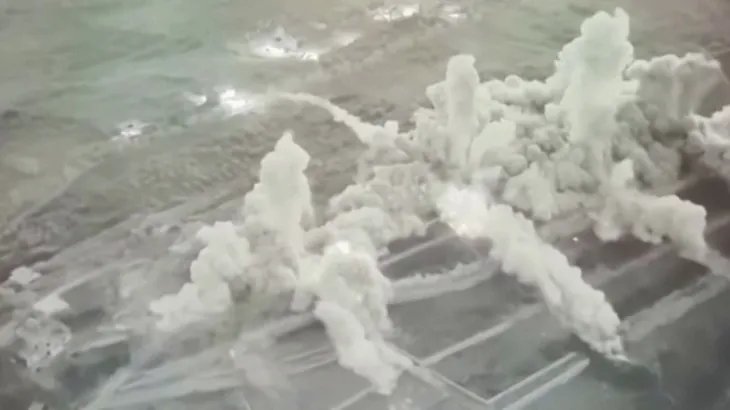
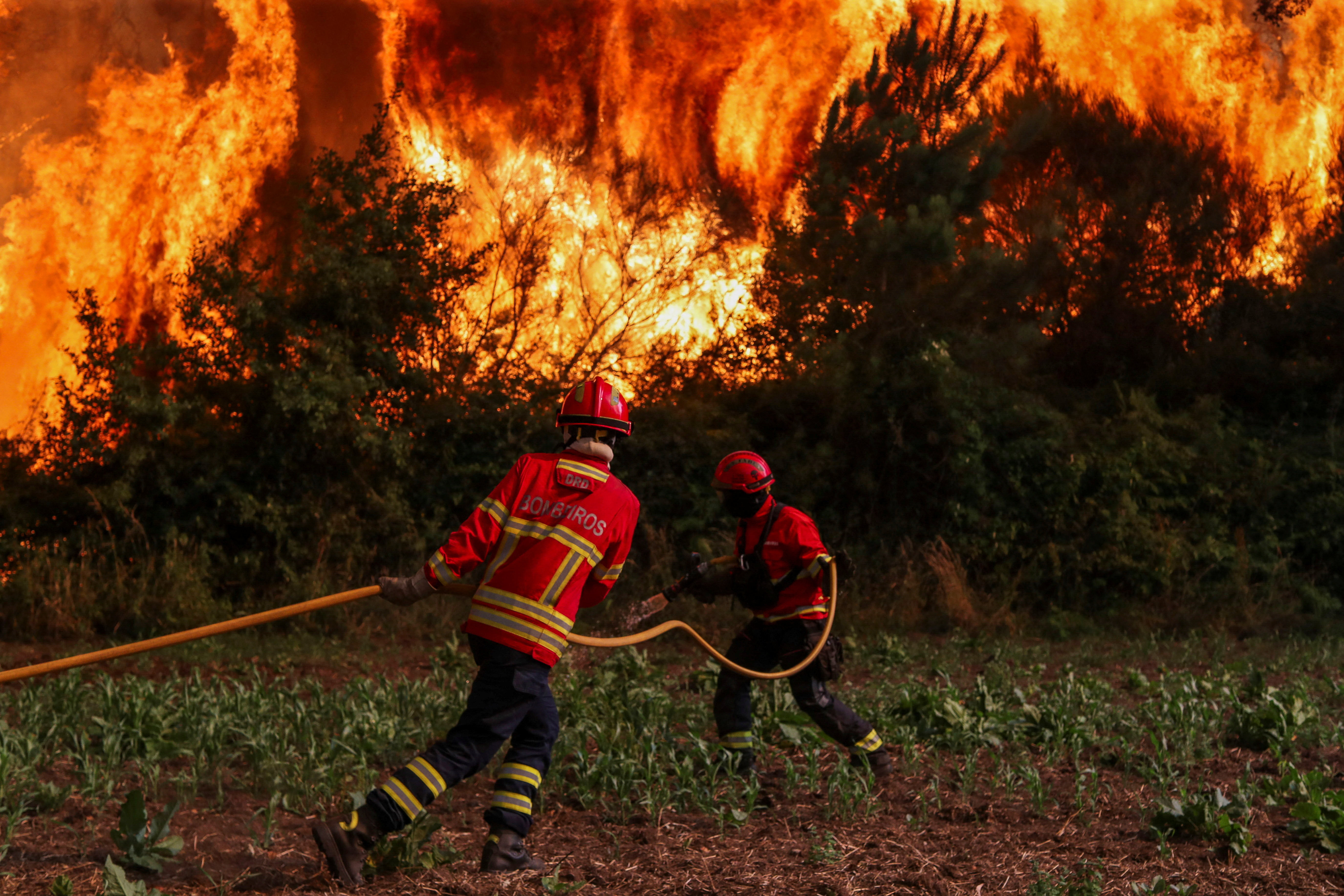
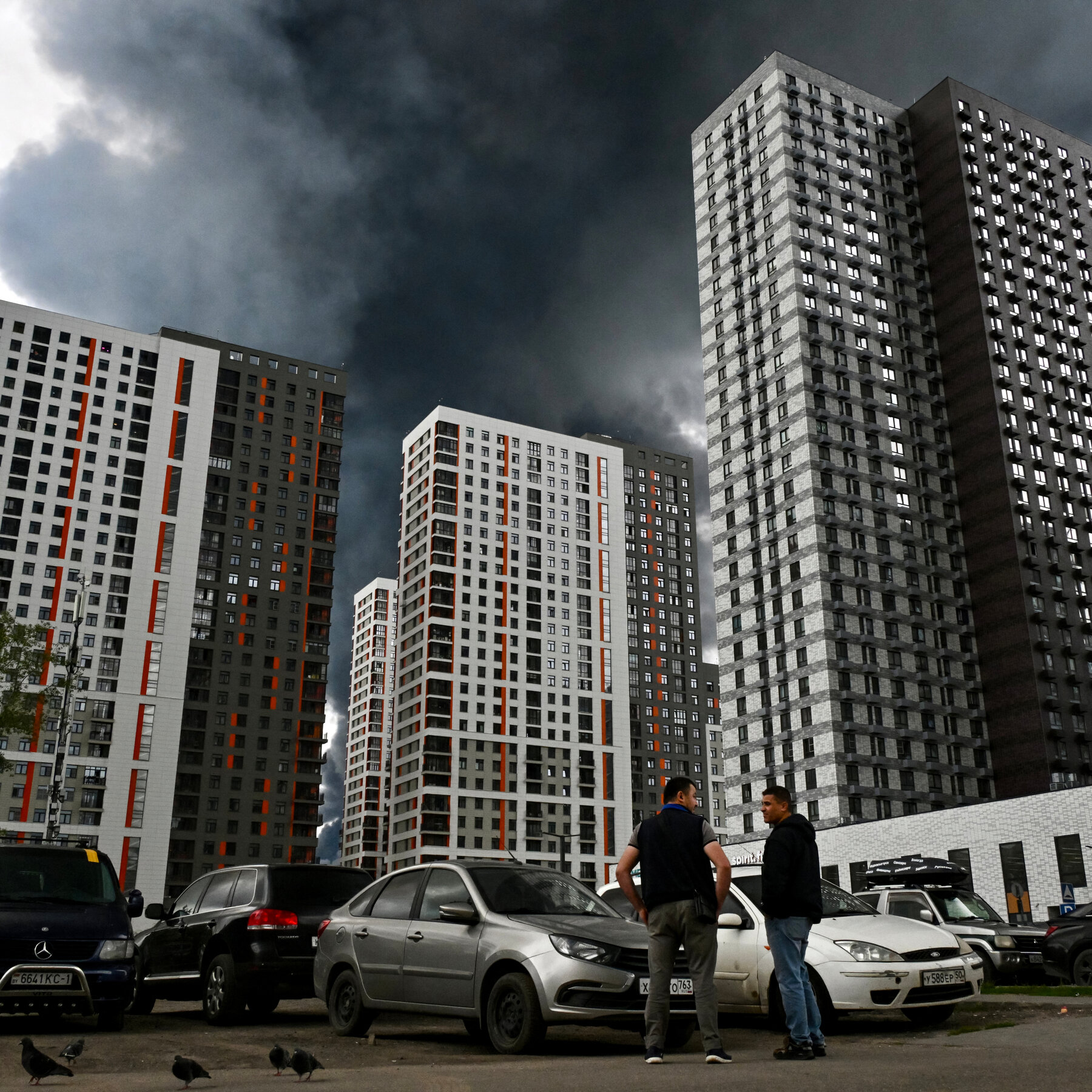
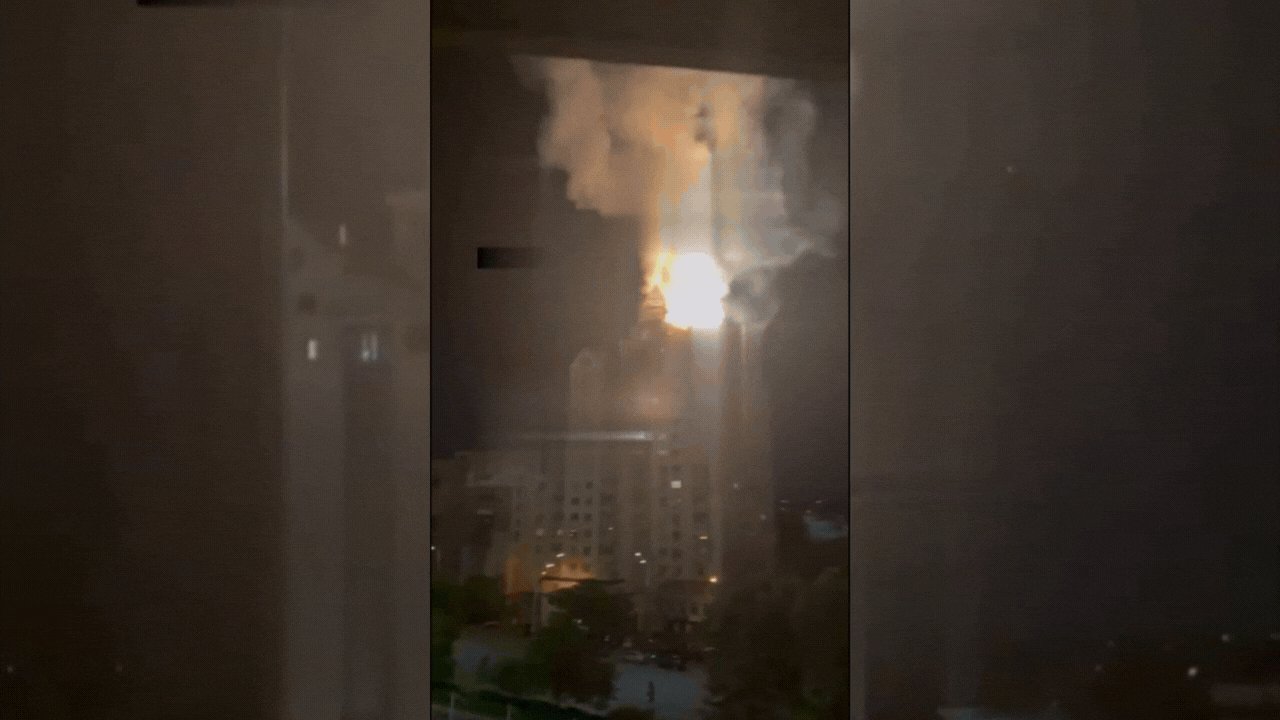
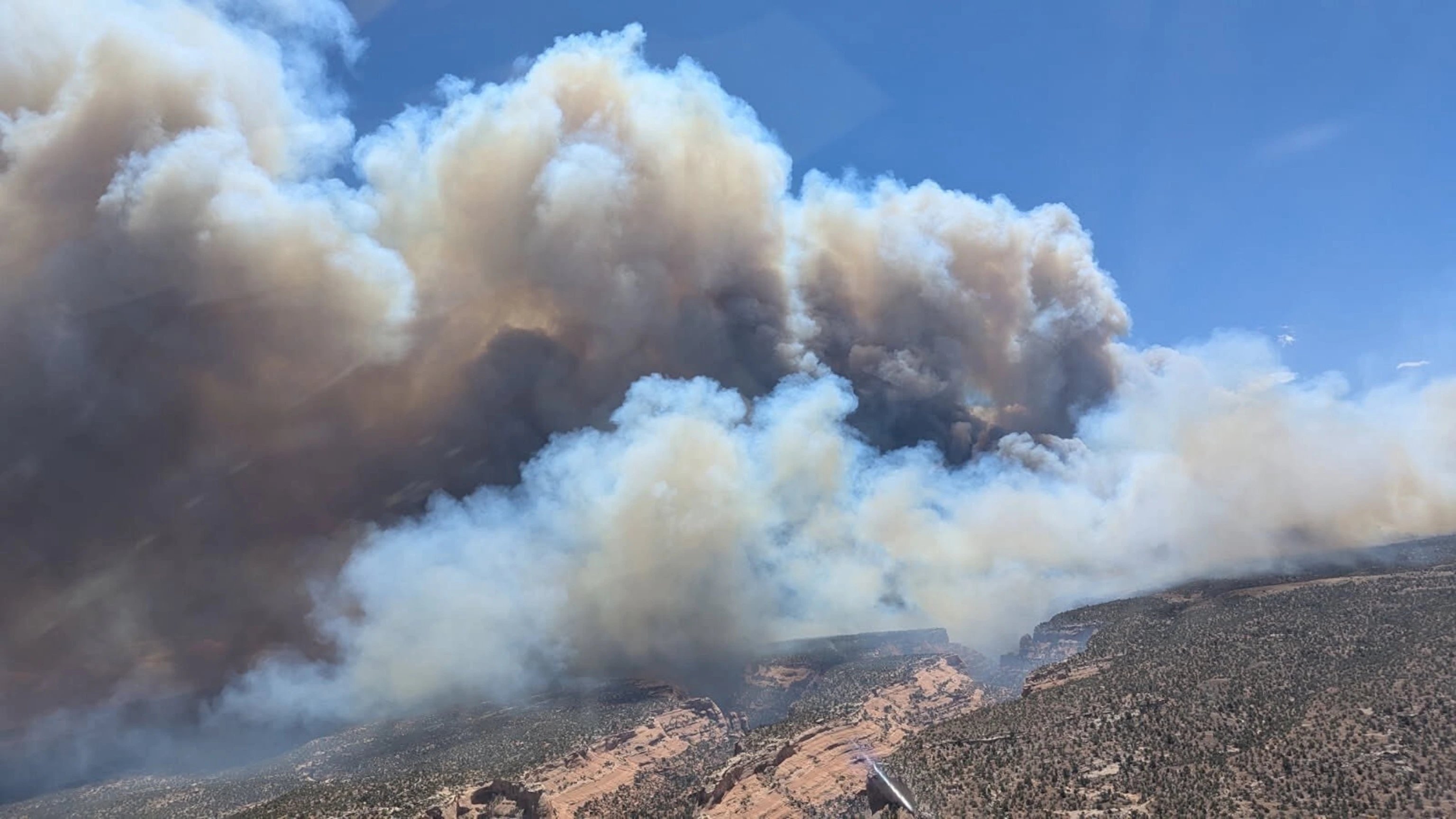
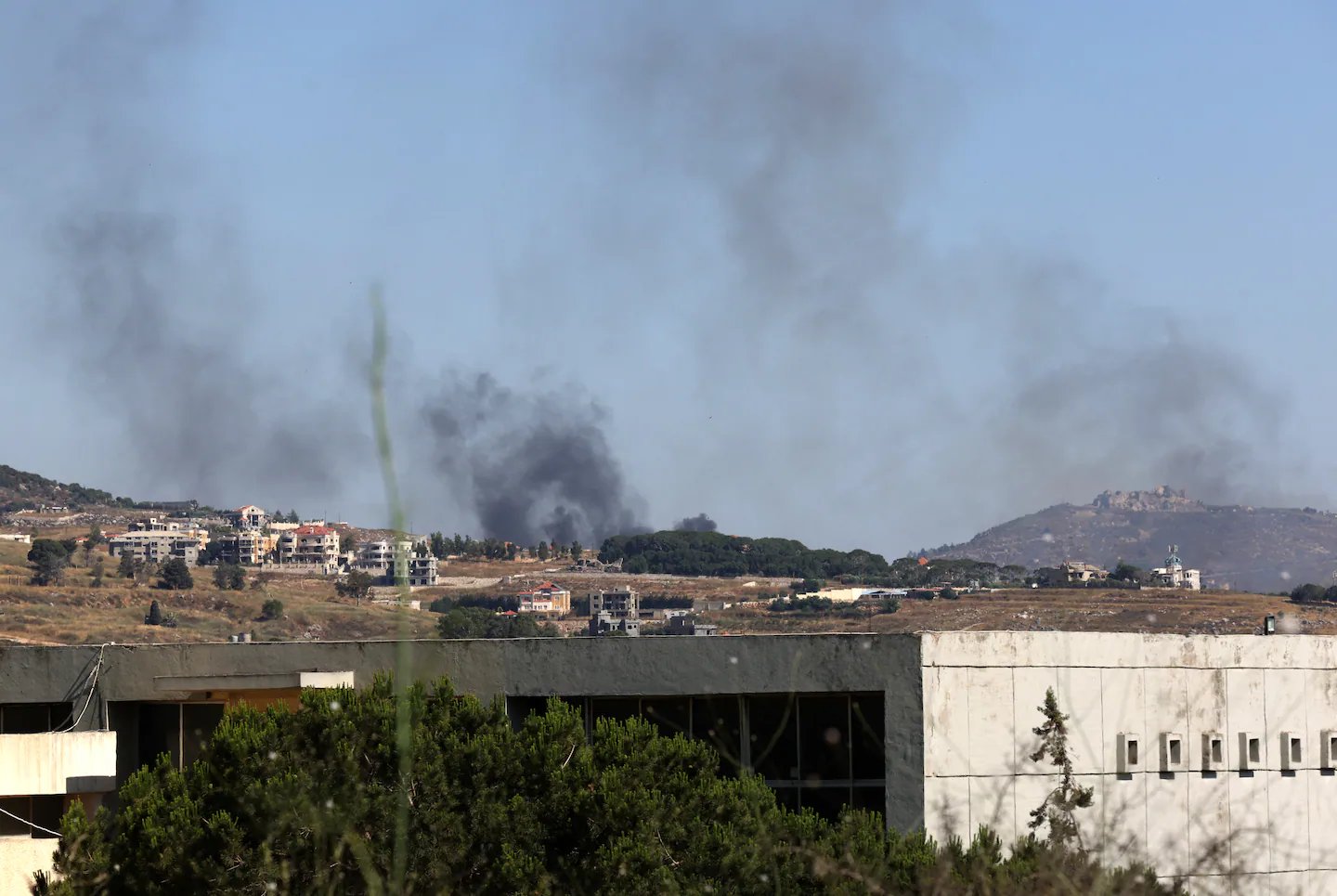
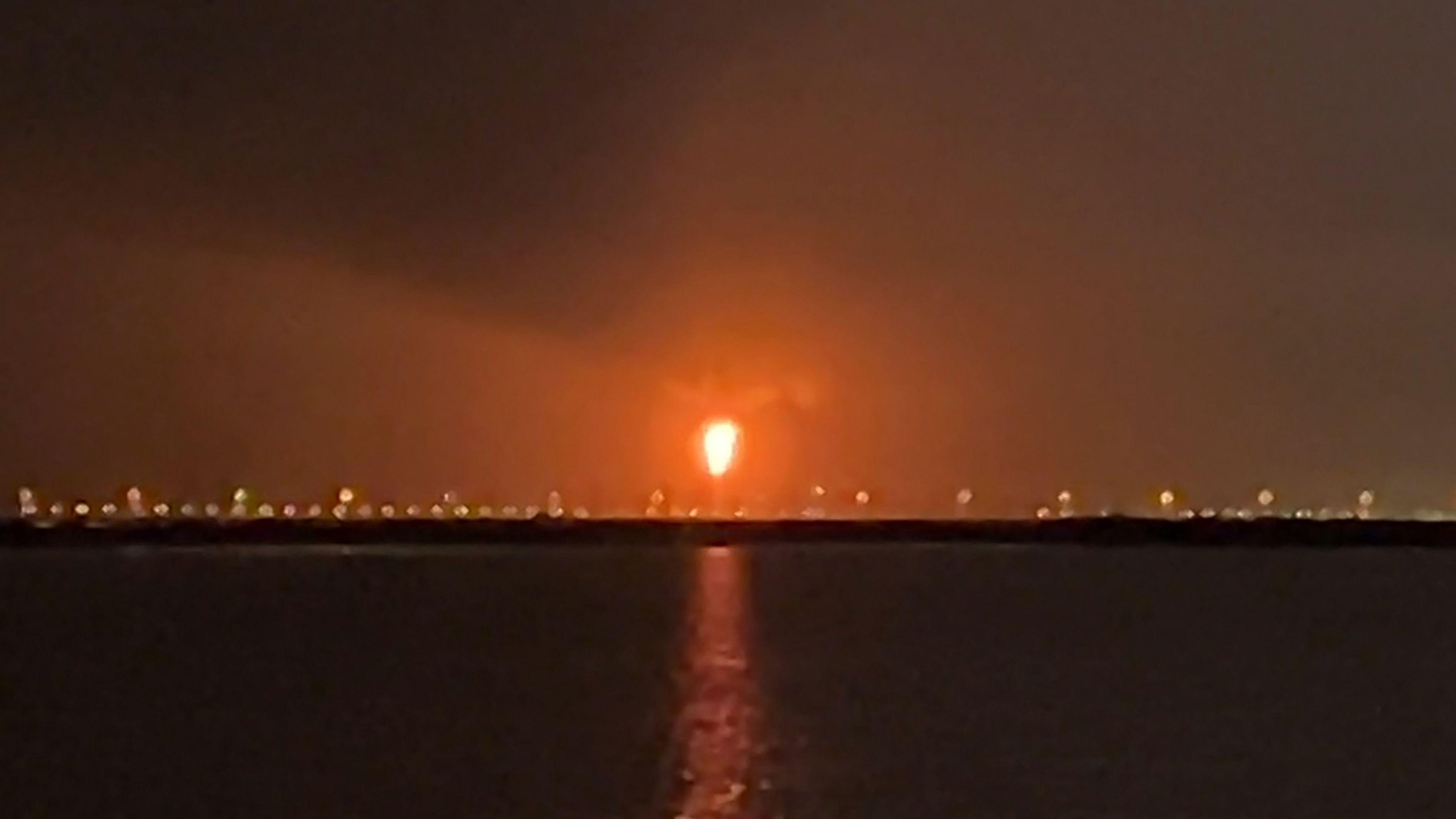
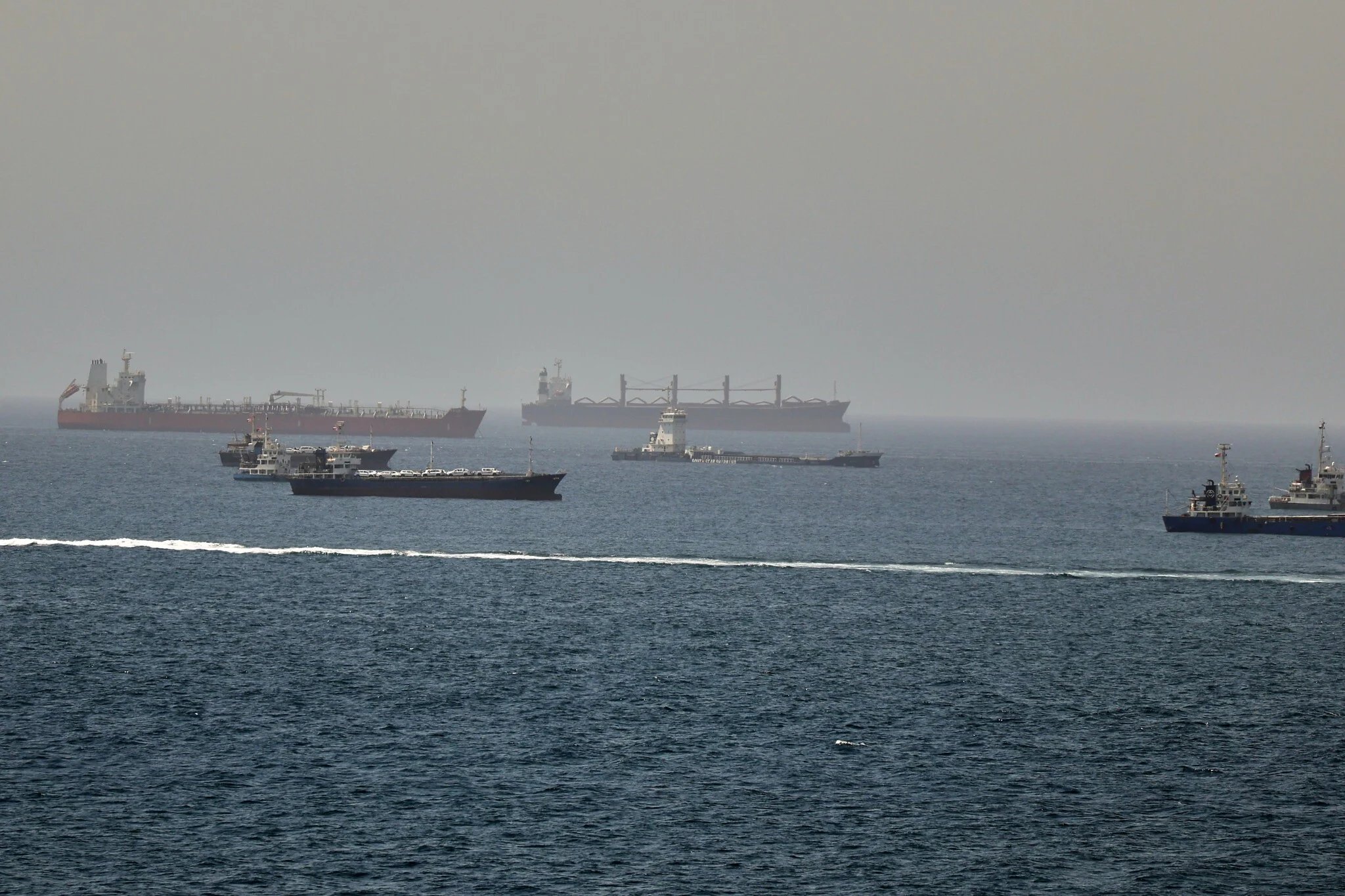
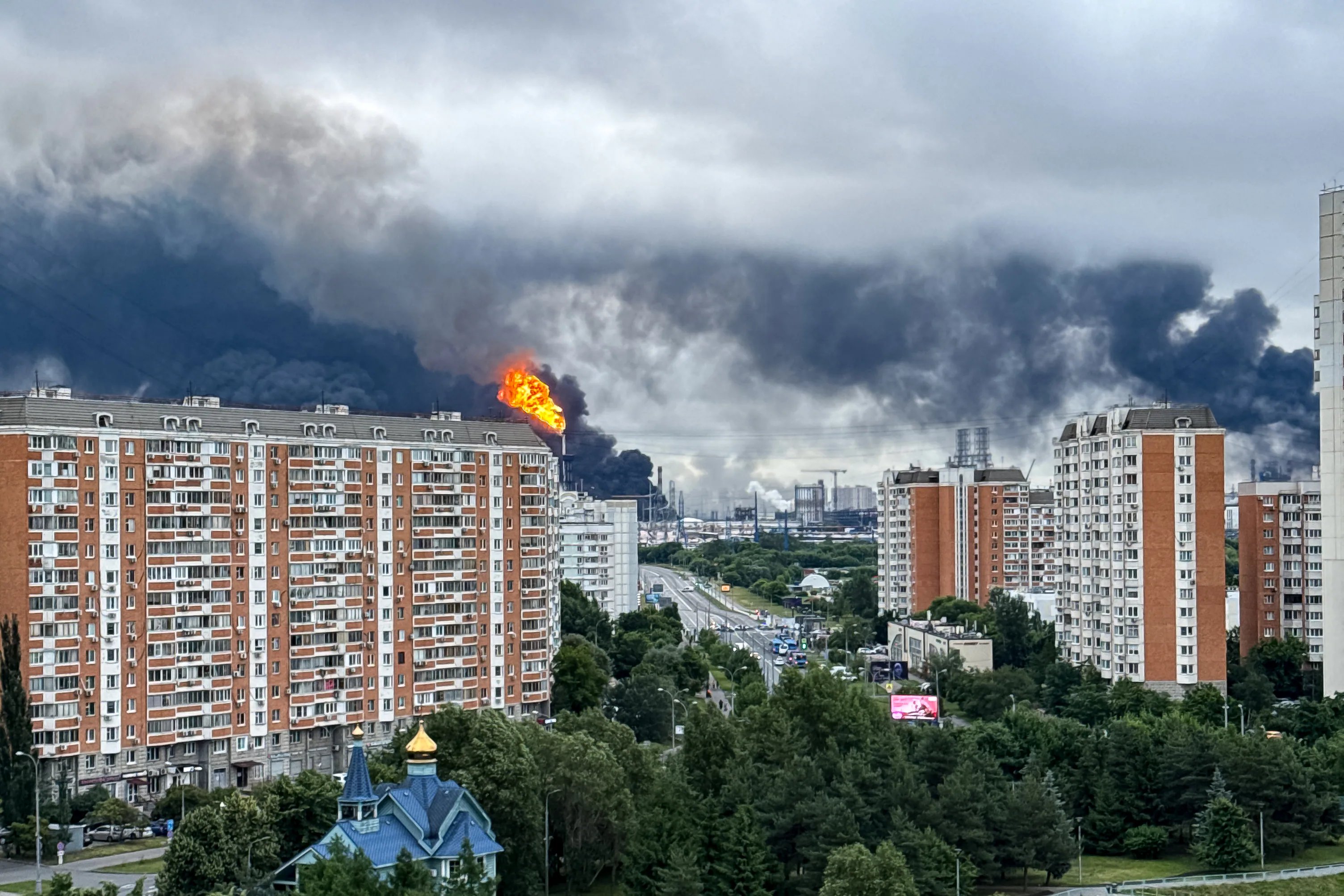
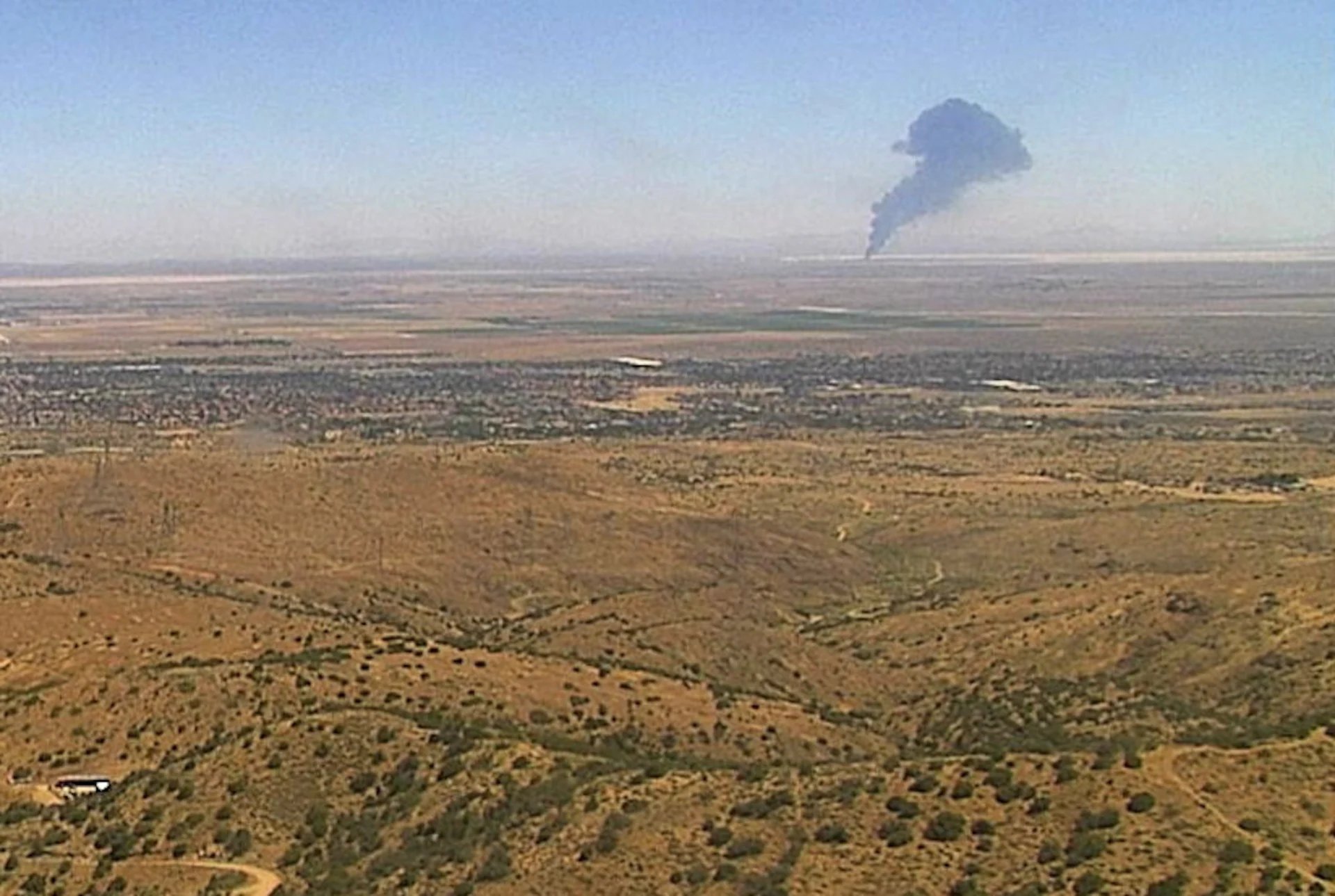
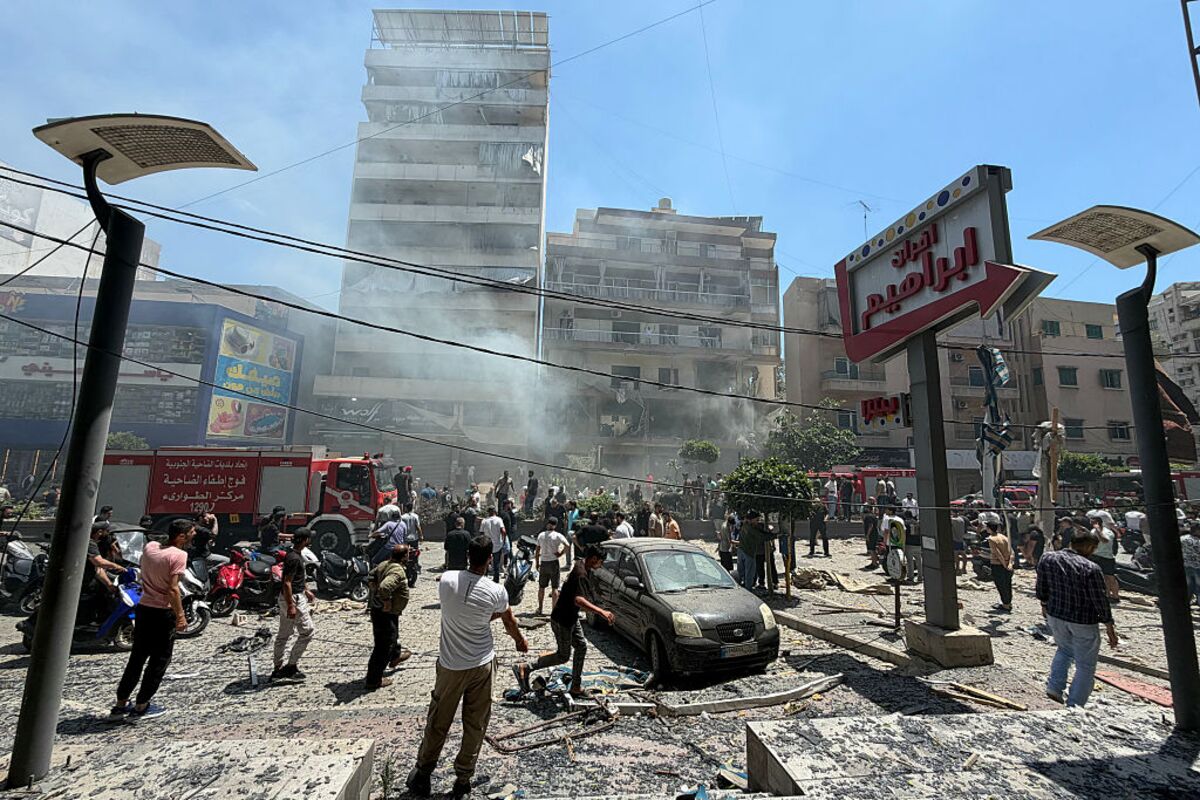
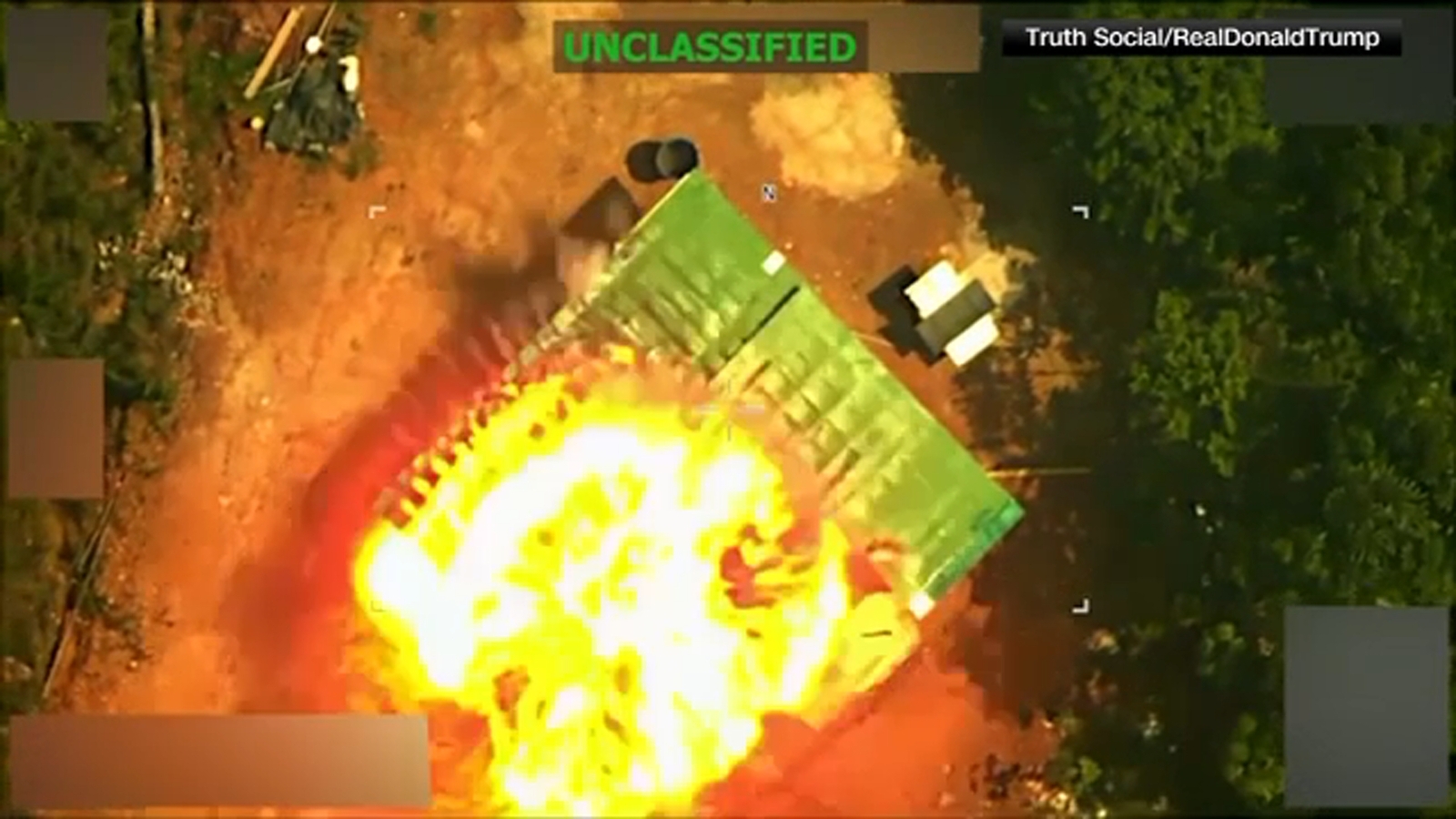
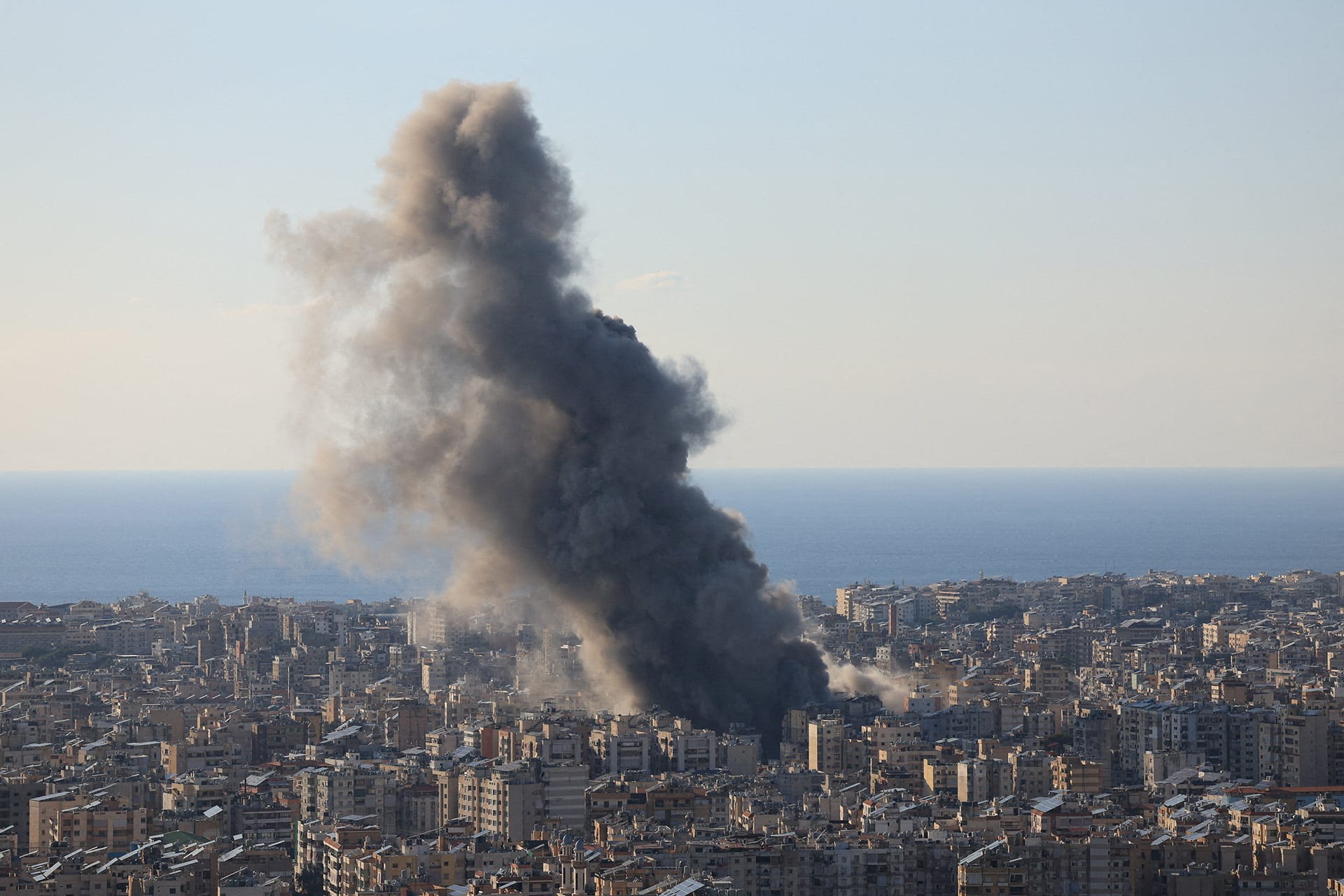
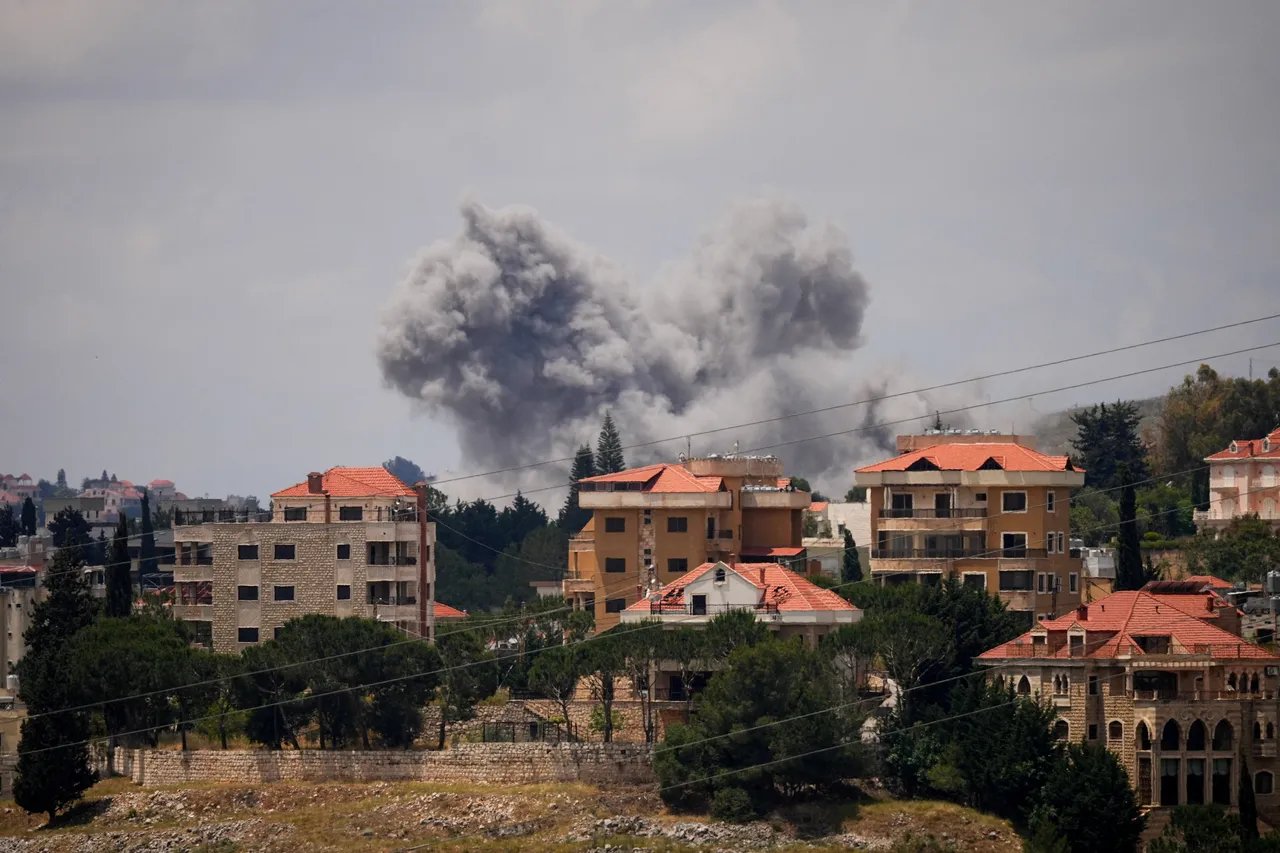
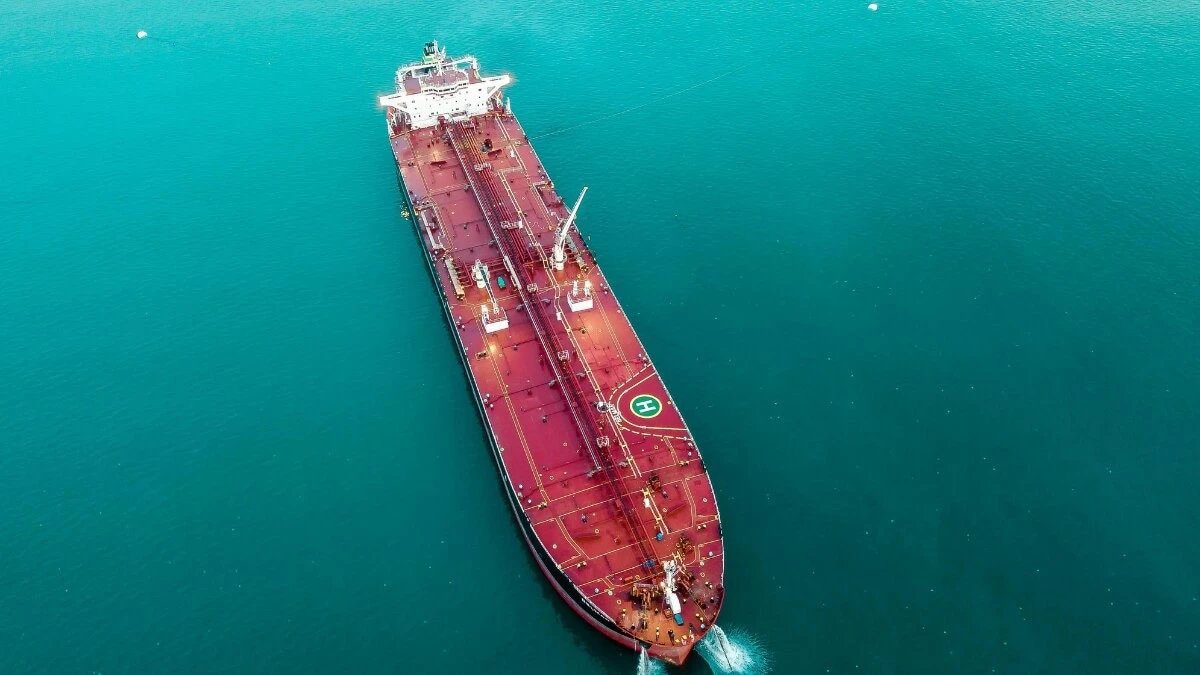
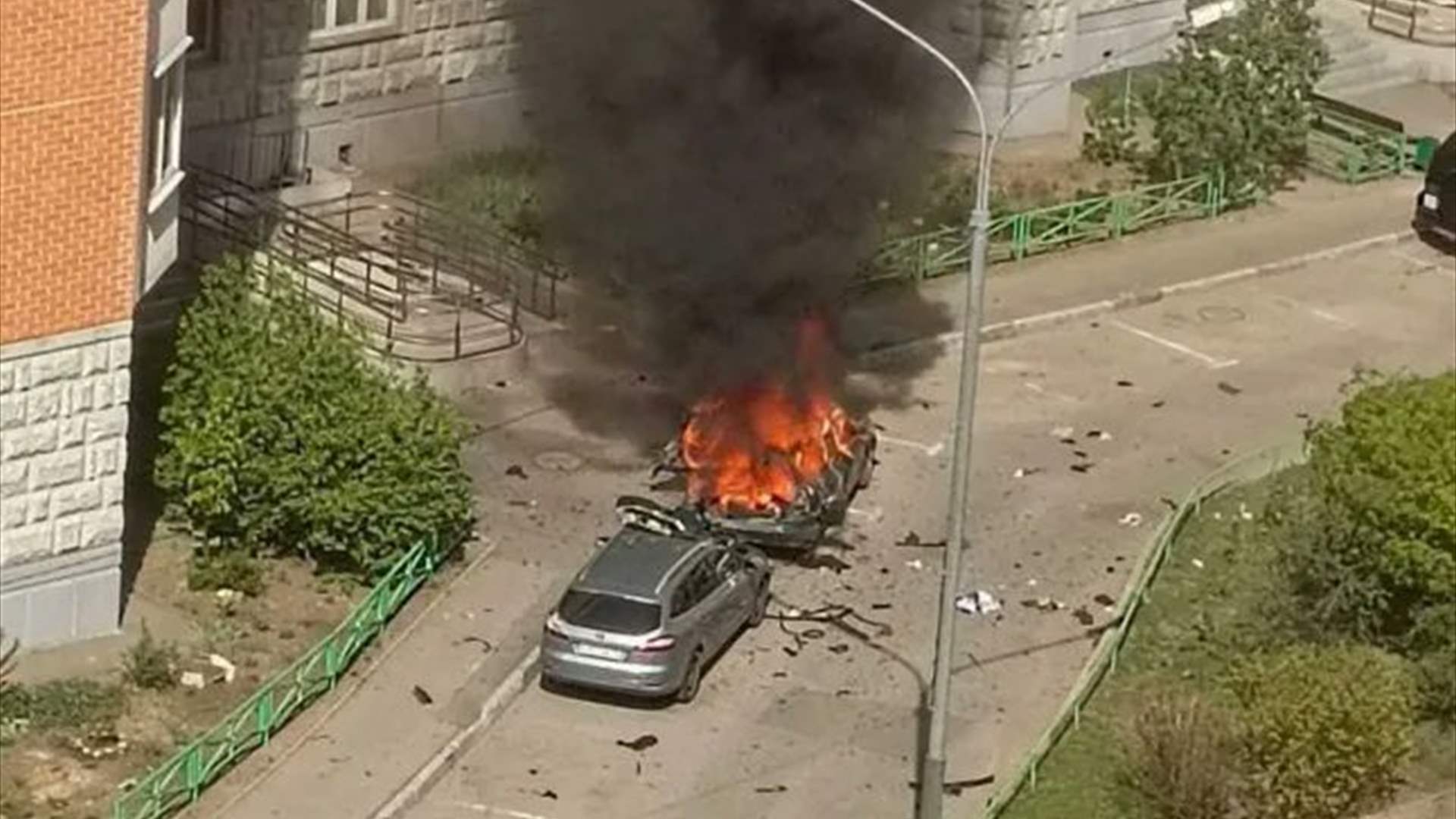
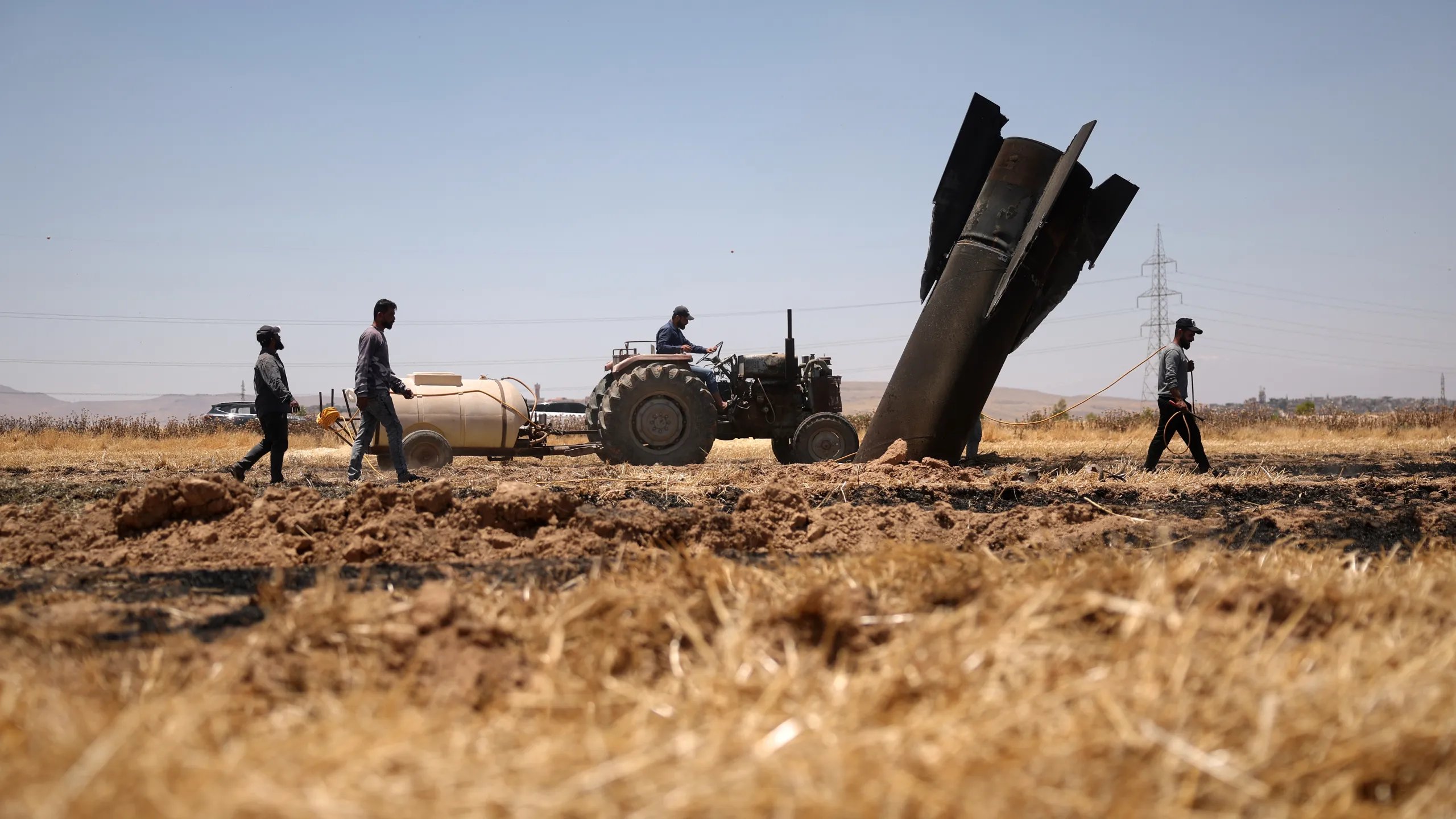
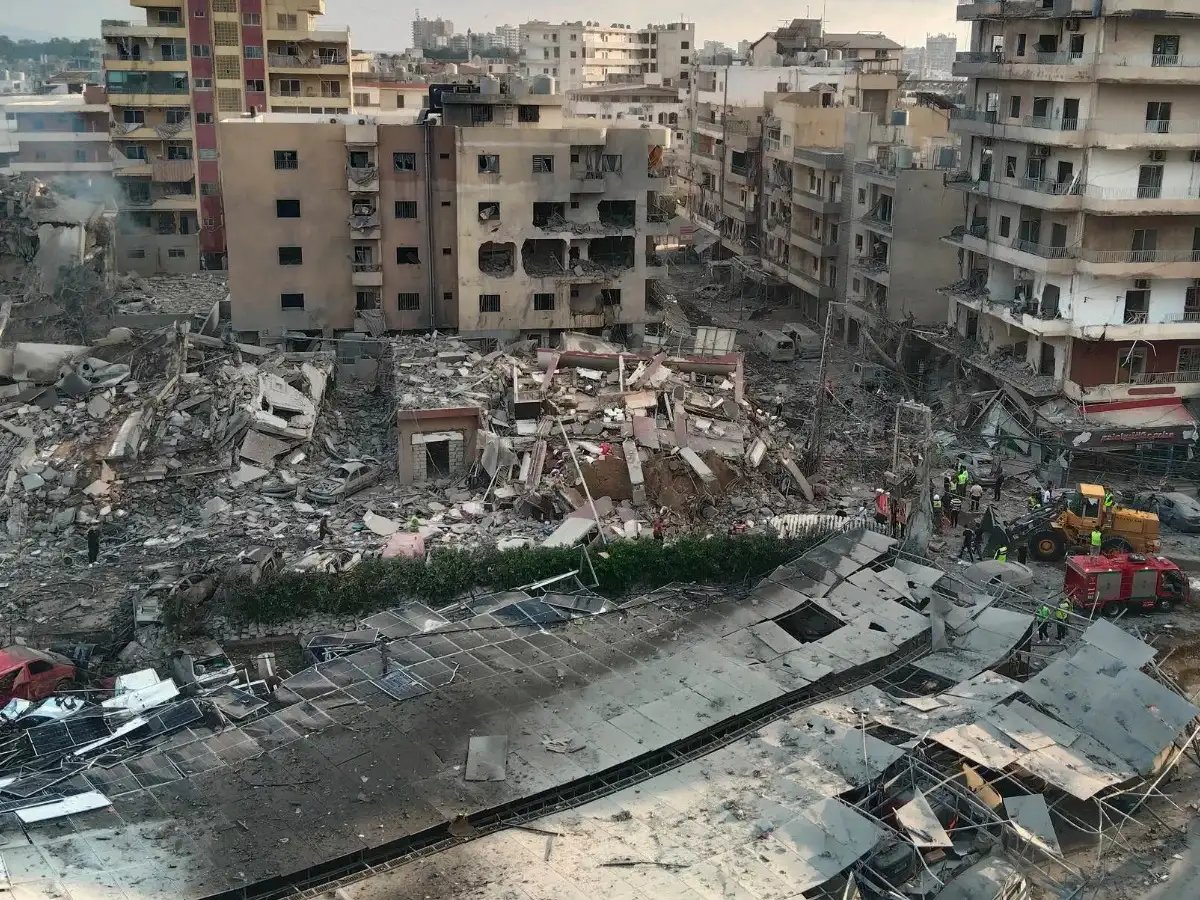
The strikes have prompted a temporary halt to ferry traffic between Crimea and Krasnodar, with local authorities reporting significant disruptions. Videos circulated on social media show flames and smoke rising from a major fuel depot in Kerch, underscoring the severity of the situation. Russian defense officials reported intercepting 239 Ukrainian drones during the assaults, highlighting the ongoing intensity of aerial engagements.
Long-Range Capabilities and Future Threats
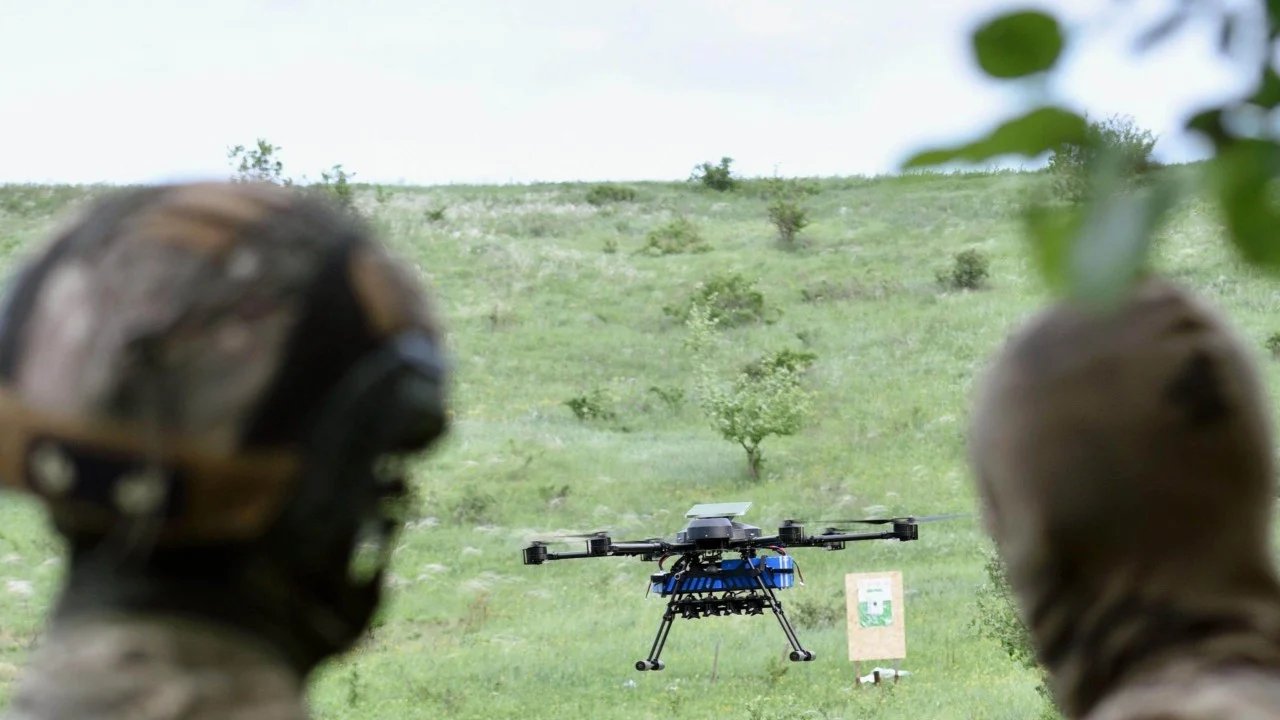
On Saturday, Zelensky said Ukraine had developed new long-range drones capable of operating over more than 3,000 kilometers. This development allows Ukrainian forces to strike targets deep within Russian territory, as evidenced by attacks on an oil refinery in the Tyumen region, located over 2,000 kilometers from Ukraine's border. Such capabilities could further change the dynamics of the conflict and challenge Russia's military infrastructure.
Implications for Negotiations
The escalation of hostilities raises questions about future negotiations. Despite the intensifying conflict, there are no indications that Russia is willing to engage in peace talks. Zelensky's calls for direct discussions have been rebuffed by Moscow, which continues to bolster its military presence in Crimea.
Conclusion: A Transforming Landscape
The suspension of fuel sales in Crimea due to Ukraine's targeted drone strikes signifies a critical shift in the conflict. As both sides ramp up military actions, the human and economic costs continue to rise. Residents in Crimea may face a summer marked by scarcity, while the broader implications of Ukraine's military strategy could reshape the region's geopolitical landscape in the months ahead.

















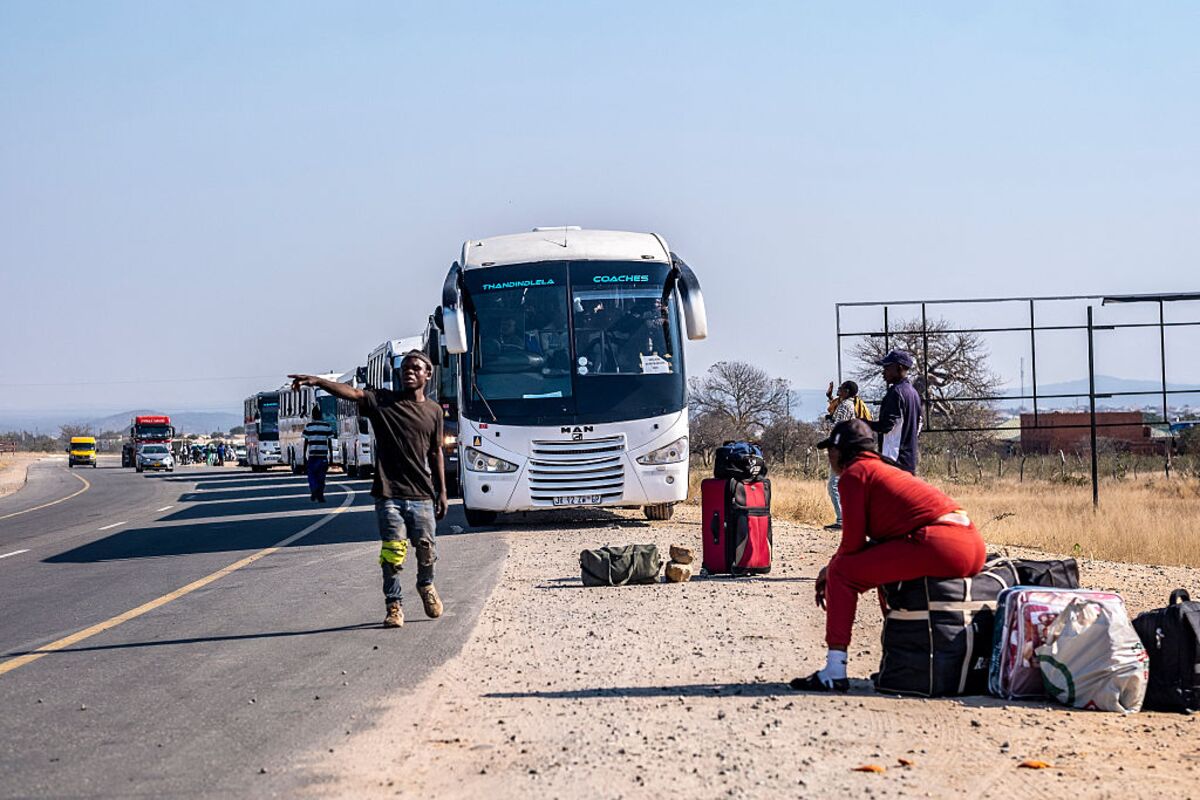


























































































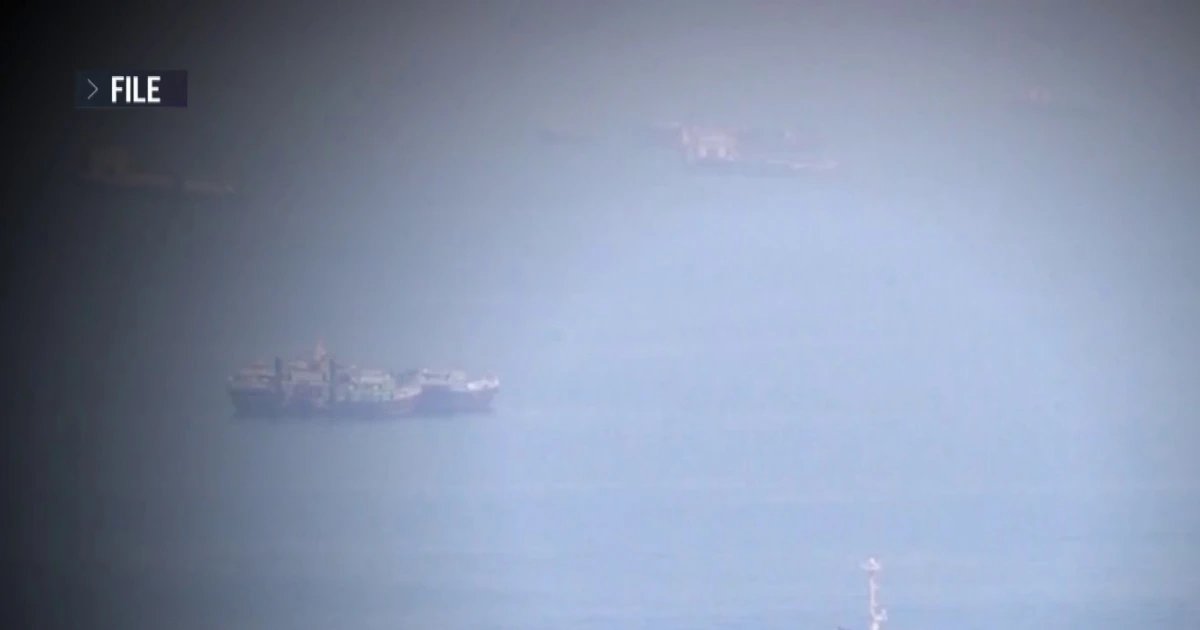




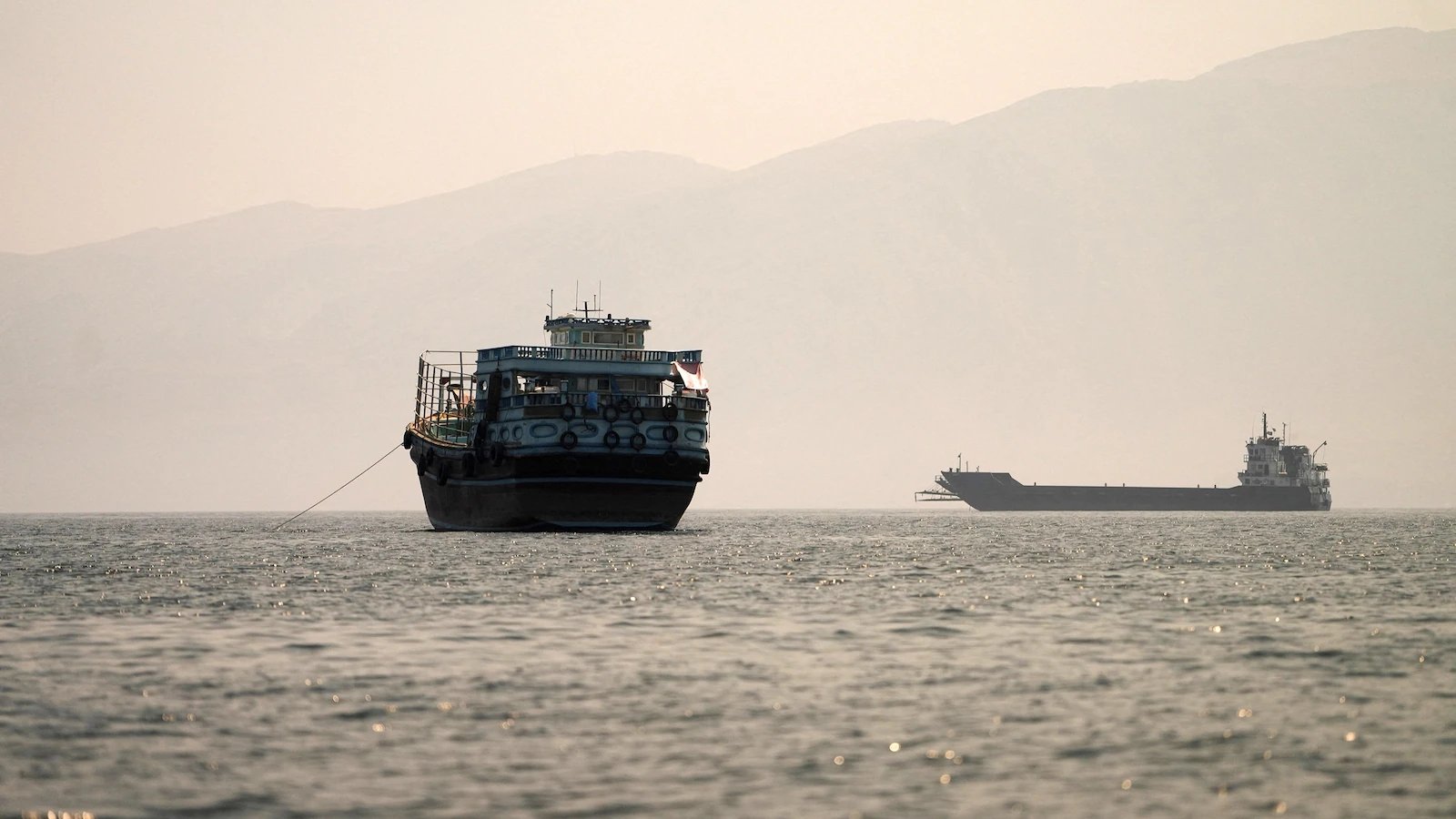

















































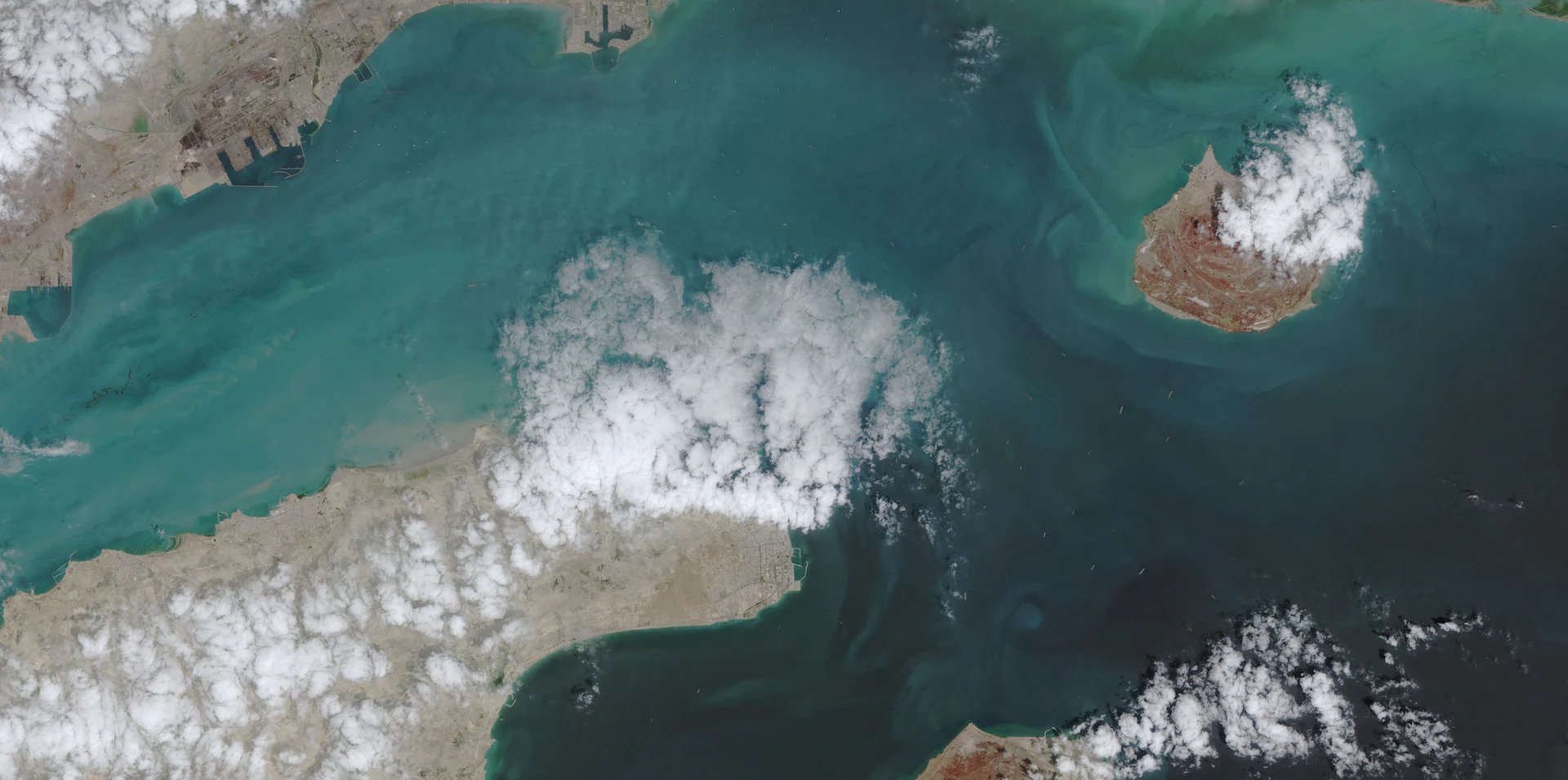










































































































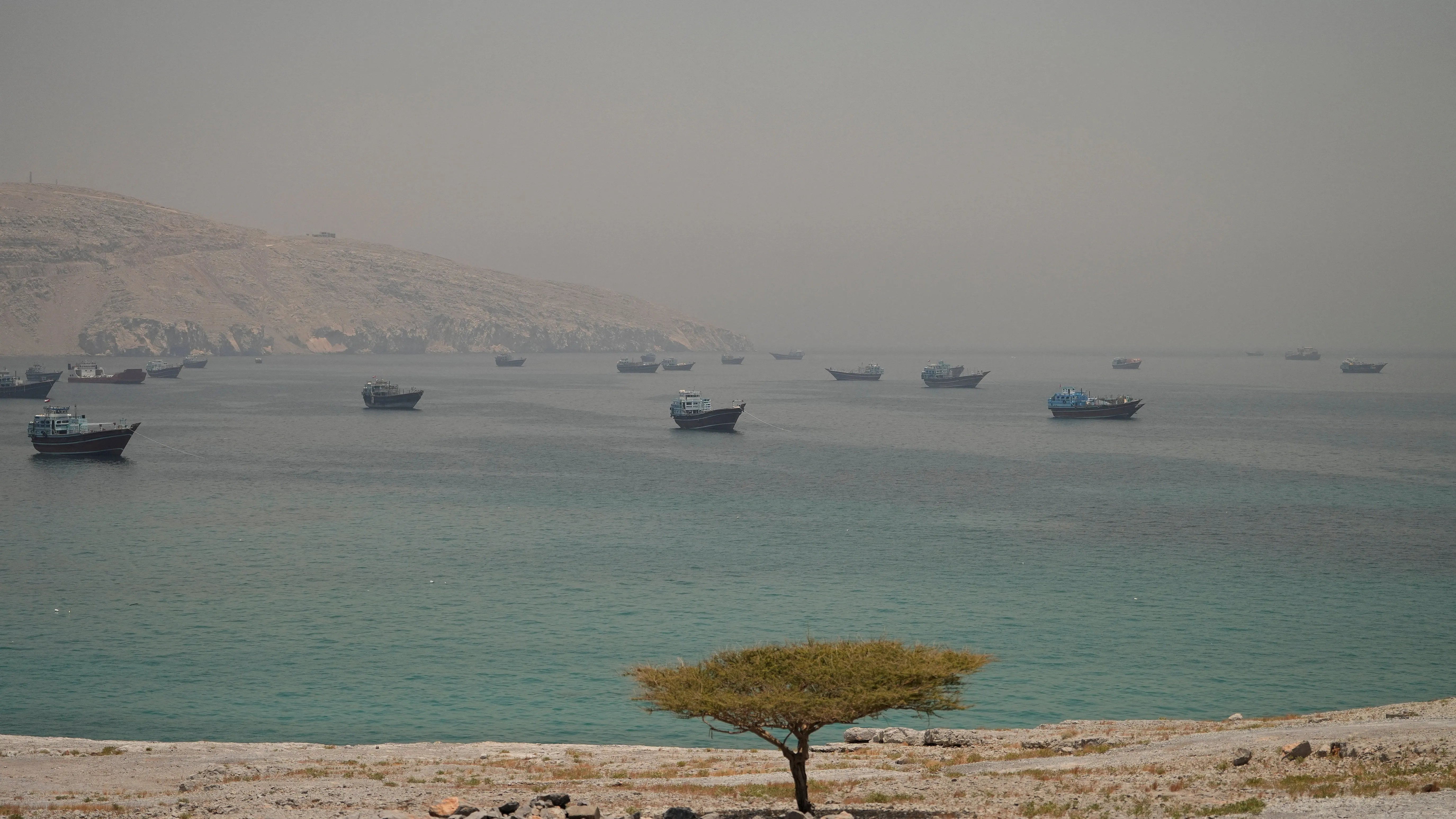




































































The sources also report that ferry traffic between Crimea and the Krasnodar region has been temporarily stopped following the drone attacks, alongside the shutdown of the bridge connecting the two regions.