




A Historic Qualification
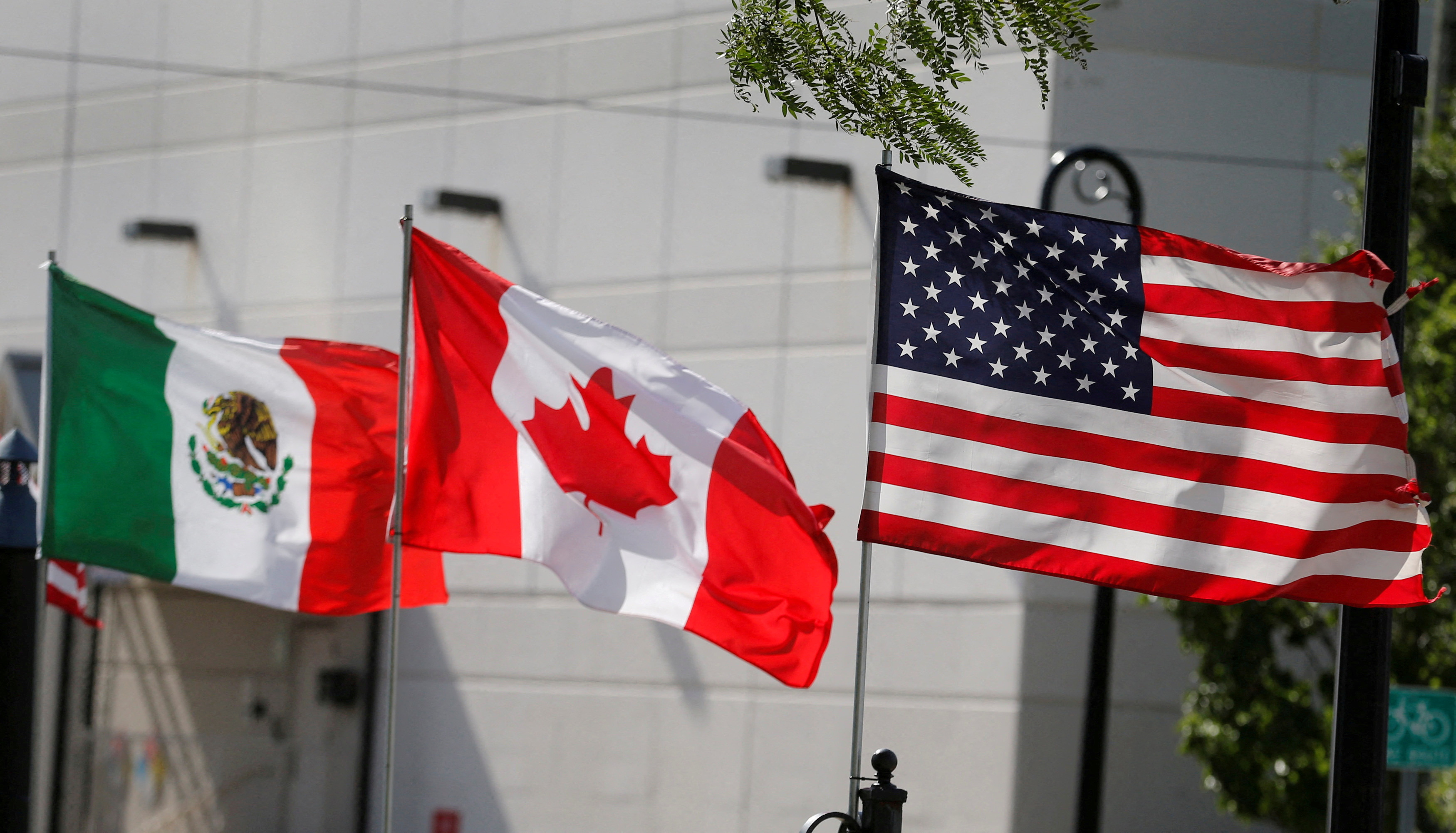
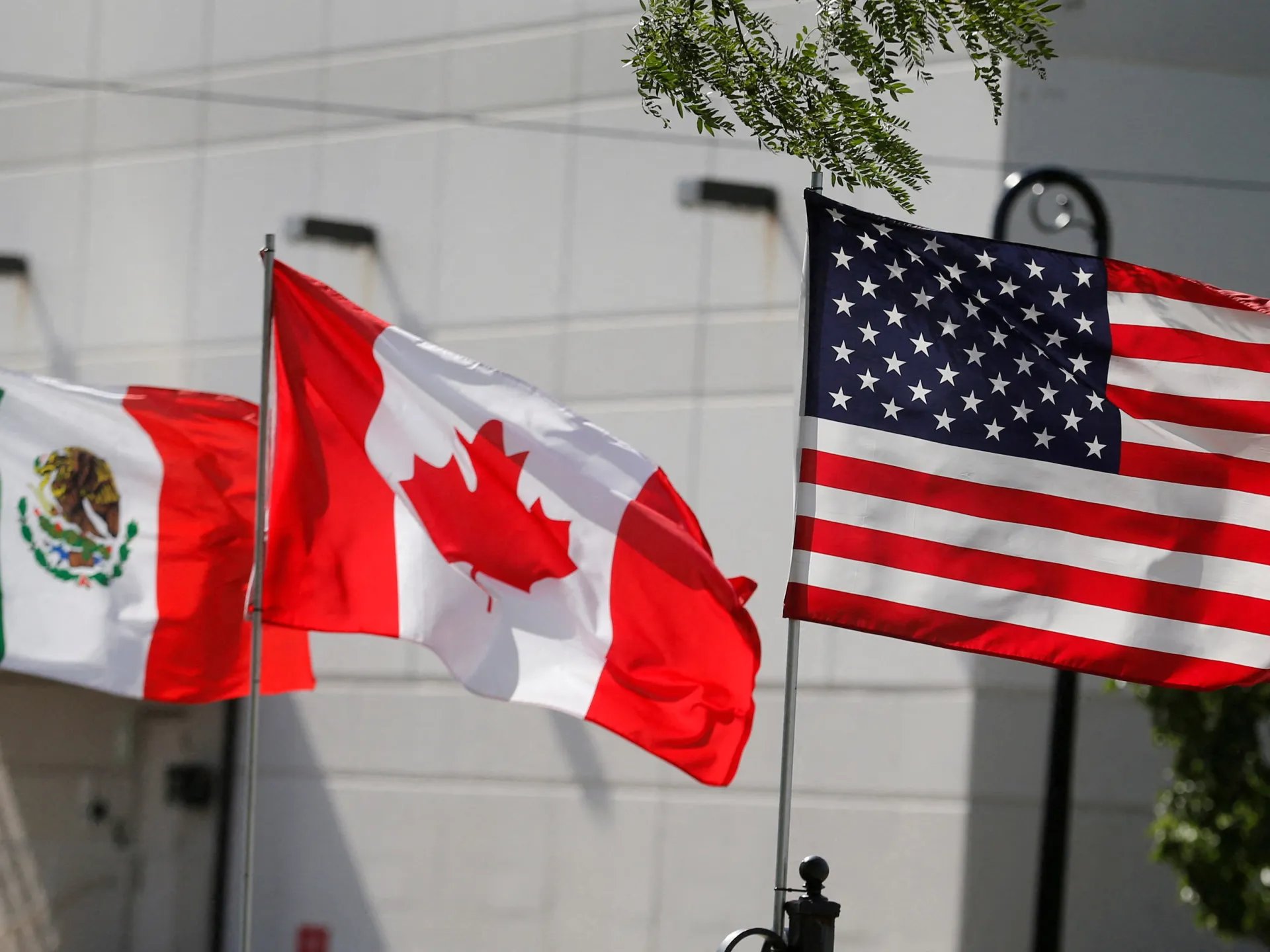
Uzbekistan is the first Central Asian nation to qualify for the World Cup, a historic moment for the region on soccer's biggest stage. The country's president has called the team a symbol of the "new Uzbekistan," and Uzbek fans have reveled in showcasing their nation and culture to the world during the tournament now underway across the United States, Canada and Mexico.
The qualification carries weight beyond sport. For a region that has rarely featured prominently in global soccer competitions, Uzbekistan's presence in the 104-match tournament represents a shift in international athletic representation. The team's participation means Central Asia now sits alongside every other inhabited continent in World Cup competition.
A Tournament of Firsts and Surprises
Cape Verde became the first World Cup debutant to advance to the knockout stage since Slovakia in 2010, finishing second in Group H after drawing 0-0 against Saudi Arabia on Friday. When Spain won 1-0, Cape Verde's dream became reality, with fans in blue jerseys and cheeks painted with the Cape Verdean flag erupting in celebration at Houston Stadium.
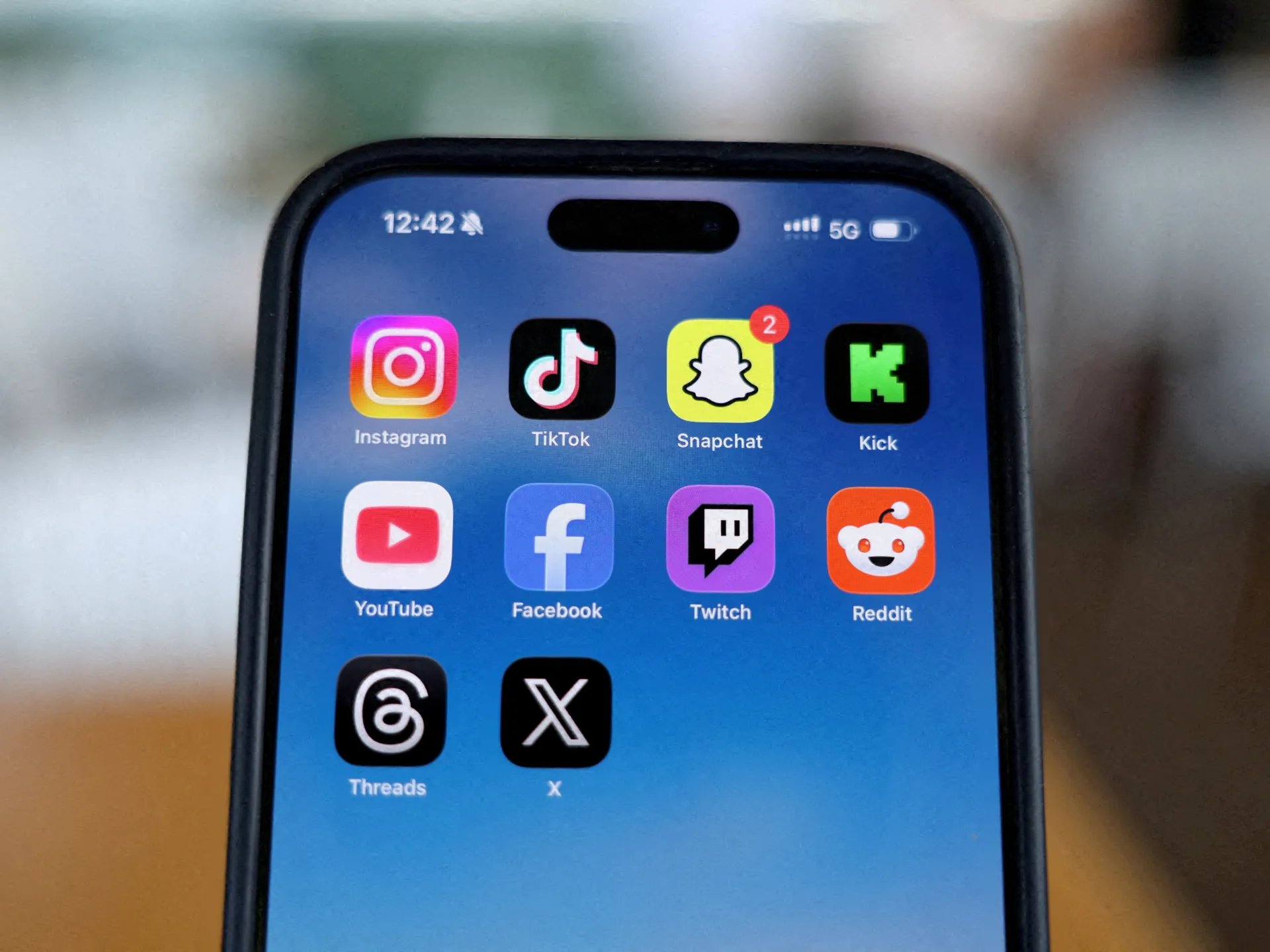
Cape Verde's goalkeeper, Josmiar "Vozinha" Dias, became an international sensation after his performance against Spain in the team's opening match. His Instagram following skyrocketed from roughly 50,000 to nearly 17 million followers. After an emotional interview where he shared his heartbreak over his mother being unable to attend due to visa costs, U.S. officials waived her fees, allowing her to reunite with her son at his Miami match.
The Global Stage and Its Challenges
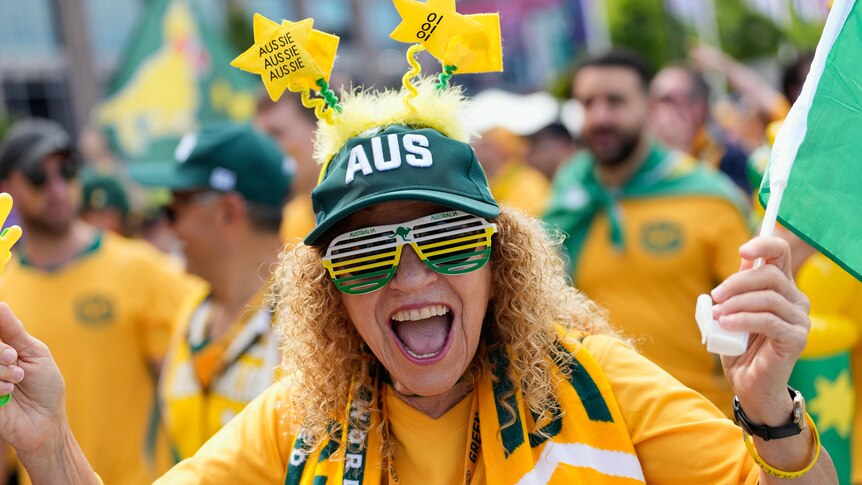
The tournament has drawn fans from across the globe, each bringing distinct cultural expressions. Norwegian supporters have made their "Viking row" — where thousands sit shoulder-to-shoulder and mime rowing a giant vessel while chanting "ro" — a signature display of national identity. The routine emerged during a friendly match in March and has since become the country's trademark celebration at the tournament.
Scottish fans, known as the Tartan Army, have also made their presence felt. An estimated 50,000 Scotland supporters traveled to Boston for the team's matches, many dressed in traditional kilts and accompanied by bagpipes. The fans have become recognizable fixtures across U.S. cities hosting matches.
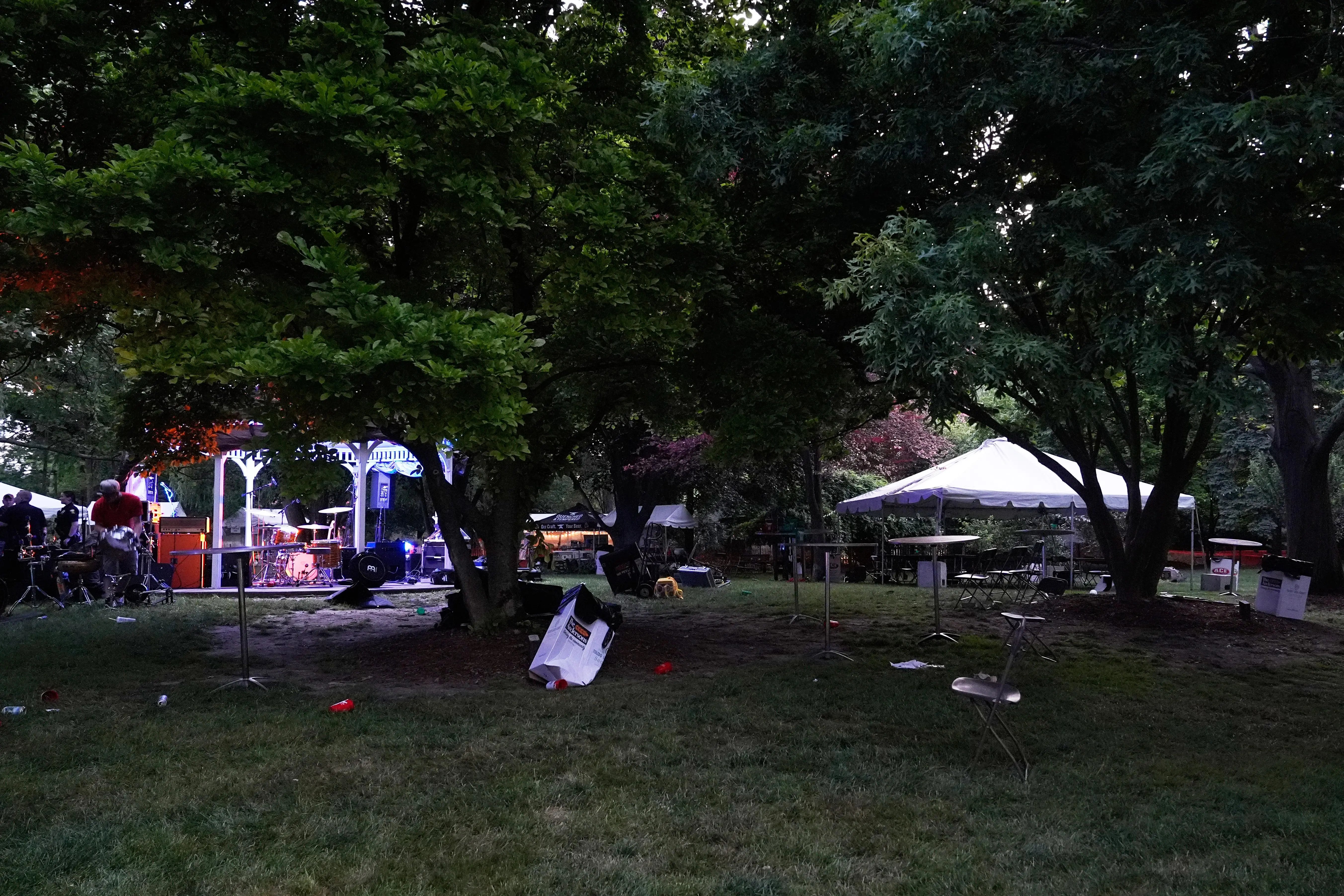
Yet the World Cup's hosting in North America has surfaced friction. International visitors have expressed frustration with American tipping culture, with some telling the BBC that tipping fatigue has set in. Meanwhile, at least four people were shot in Brockton, Massachusetts, as hundreds gathered after a World Cup match on Friday night. Brockton Police received multiple reports of gunfire shortly before midnight, with officers finding four people with gunshot wounds at the intersection of Main Street and Park Street. All four were transported to hospitals, though their conditions were not immediately disclosed, and no arrests were reported.
The Scale of the Event
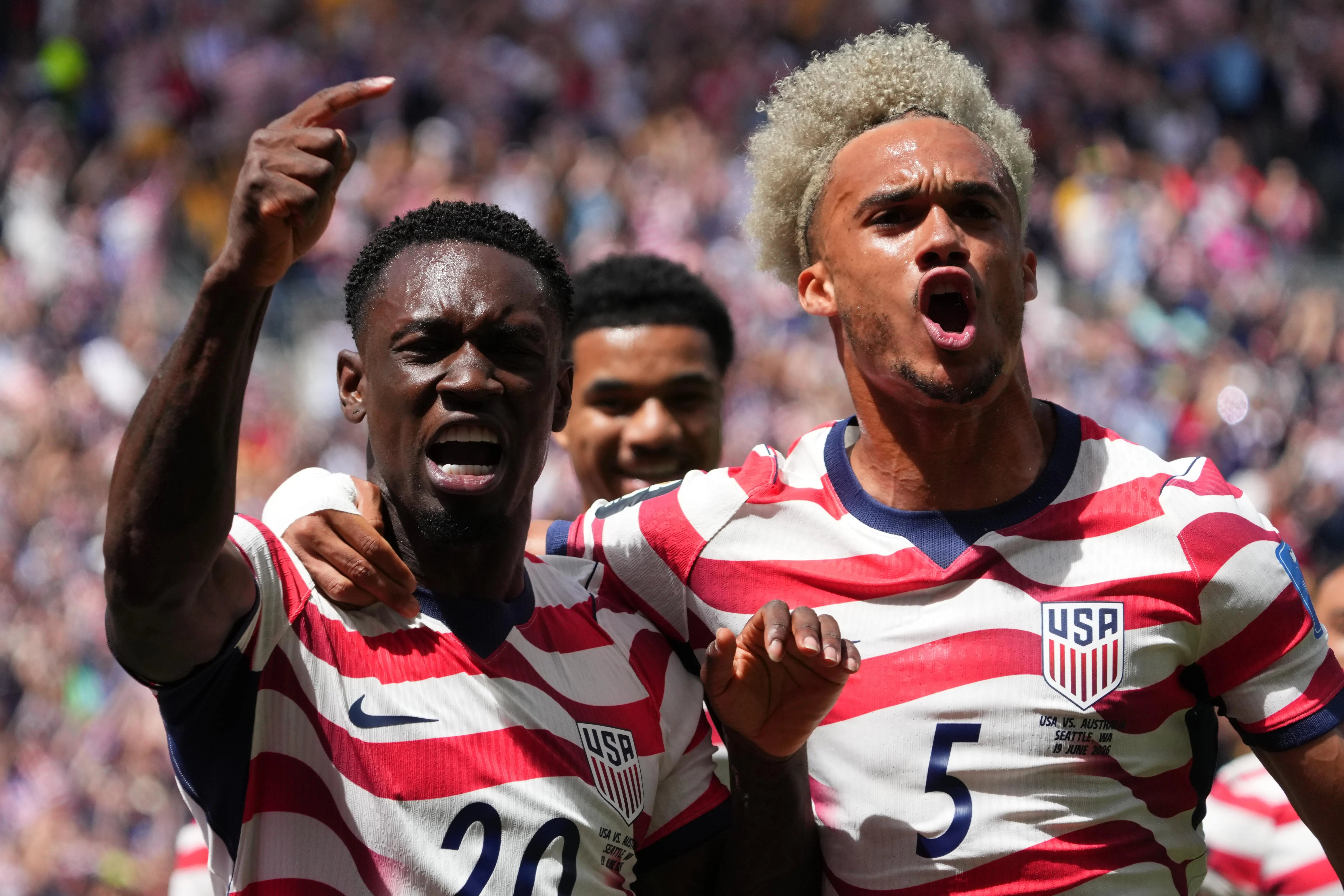
U.S. team captain Tim Ream has captured the tournament's magnitude, telling CBS News that the World Cup amounts to "a Super Bowl every single day for five weeks," with 5 billion people expected to watch globally. FOX and NBCUniversal hold broadcasting rights for the 78 games in the United States, with a record 40 matches airing during primetime on FOX. Seventy matches will be available free to viewers with a TV antenna or FOX network access, while all 104 matches can be streamed through various platforms including the FOX Sports app and Peacock.
The group stage runs through June 27, with the World Cup final scheduled for July 19. The U.S. team will face Bosnia and Herzegovina in the Round of 32 on July 1 in Santa Clara, California.