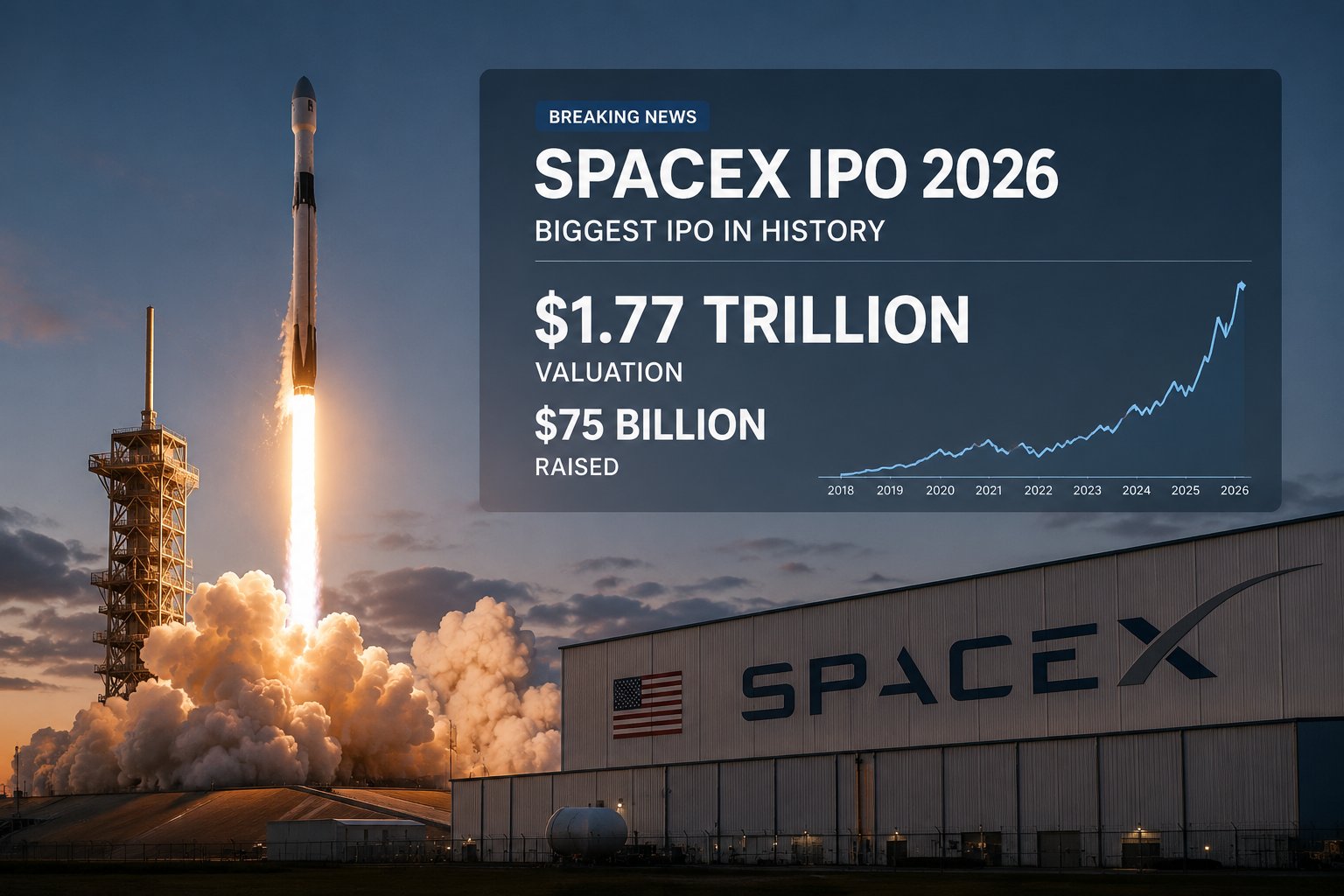





Record-Breaking Debut Transforms Musk's Wealth
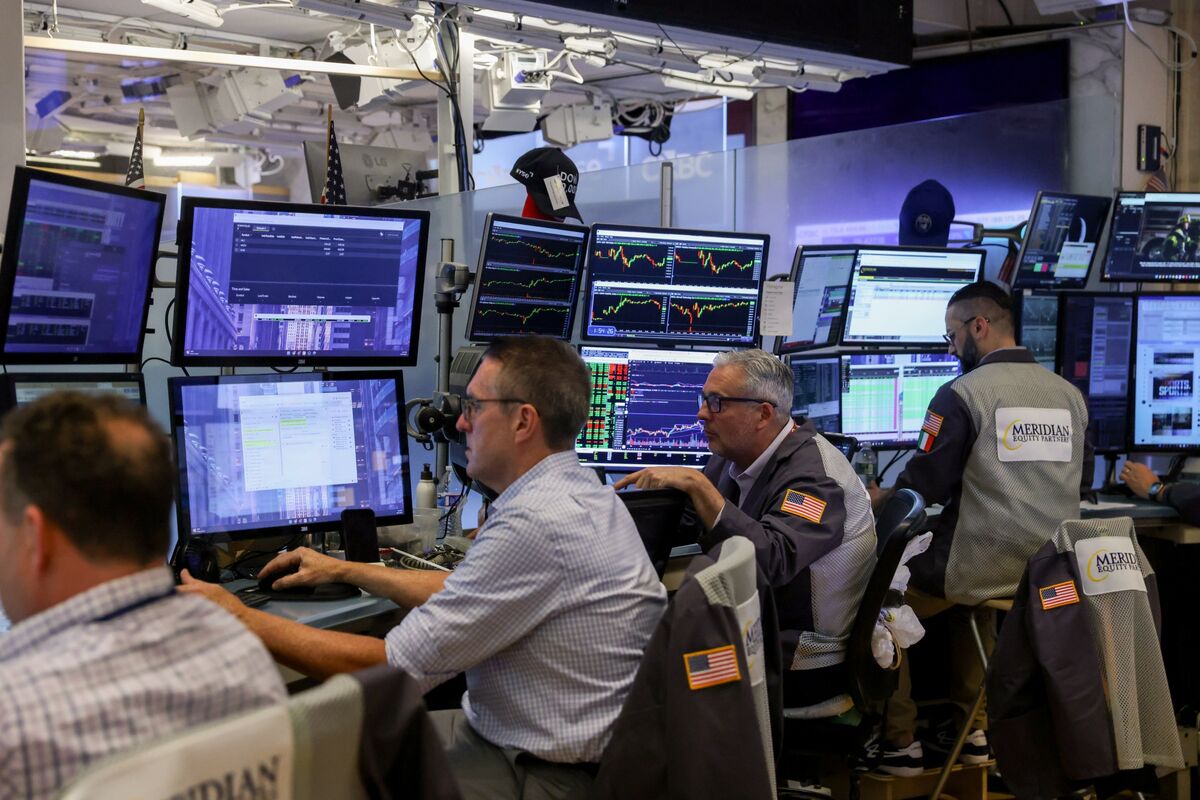
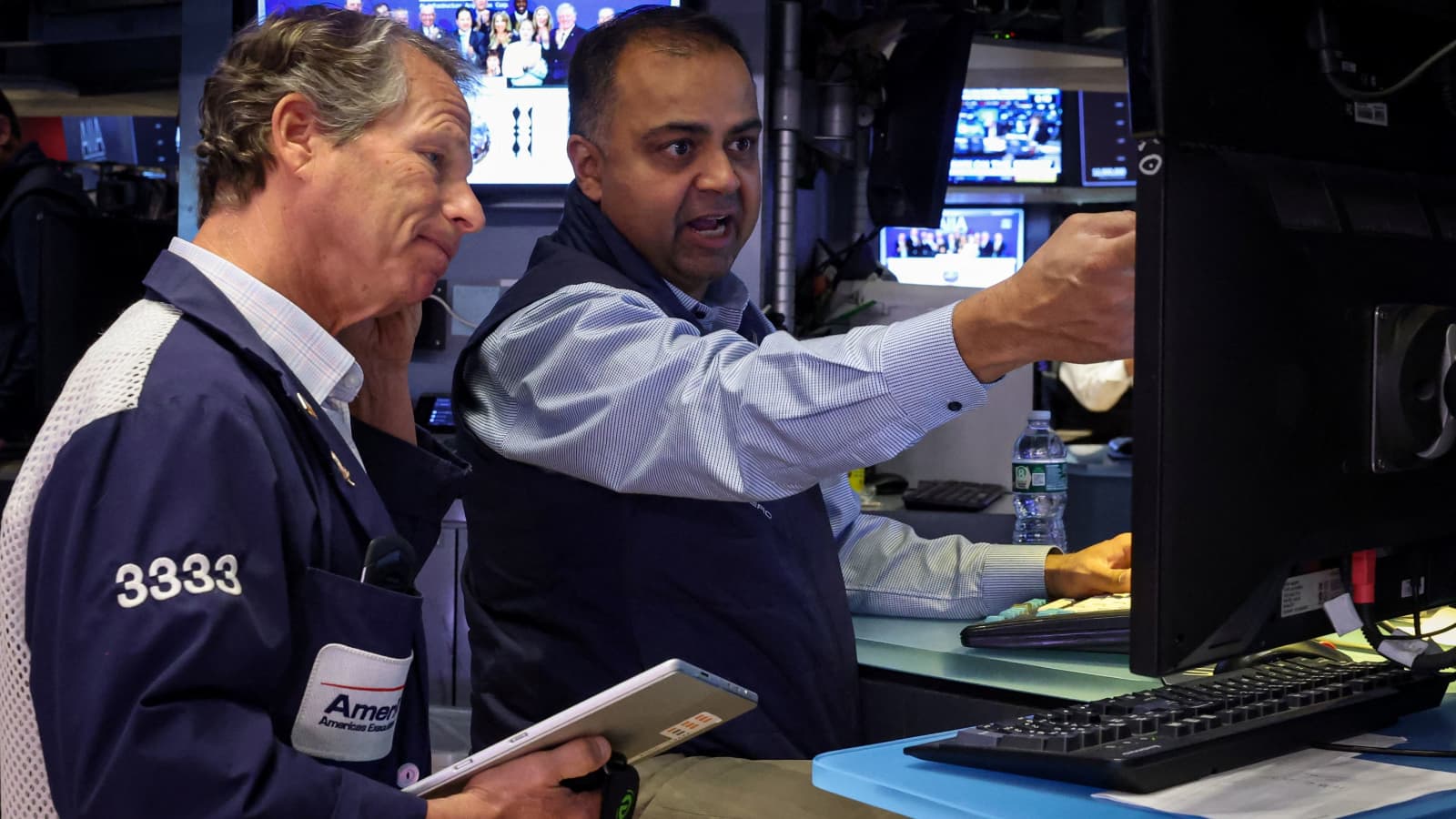
SpaceX began trading on the Nasdaq Friday at $135 per share, valuing the company at nearly $1.8 trillion and making founder Elon Musk the world's first trillionaire. Shares climbed to $160.95 by day's end, a gain of more than 19 percent. Musk's personal stake in the company is now valued at more than $700 billion. Thousands of current and former SpaceX employees became overnight millionaires through the company's stock options plan.
SpaceX, founded nearly a quarter century ago, now ranks among the most valuable companies globally and subjects itself to significant public disclosures that will reshape how it conducts business.
AI Drives Valuation, Not Space Exploration
The company's $1.8 trillion valuation rests almost entirely on artificial intelligence potential rather than traditional space business. SpaceX's S-1 filing from May reveals that "space-enabled solutions" and its Starlink internet constellation comprise less than 7 percent of the company's assessed value. Instead, Musk and SpaceX view the majority of their worth as coming from providing AI services from orbit, primarily for enterprise applications.
According to Ars Technica's analysis, most investors who purchased SpaceX stock Friday likely did so to make money rather than to fund Mars settlement or lunar exploration, though some space enthusiasts may have had longer-term mission goals. This creates a fundamental tension: the company must generate enormous profits through orbital data centers to justify its valuation to shareholders who now hold voting power over major decisions.
NASA Faces Uncertain Priority Status
The shift toward AI profitability poses risks for NASA, which relied heavily on SpaceX during its early years when bankruptcy loomed. A decade ago, SpaceX's contract revenue came predominantly from NASA and other U.S. government entities. That dynamic has reversed. Starlink revenues now significantly outstrip NASA contracts, and this gap will likely widen further.
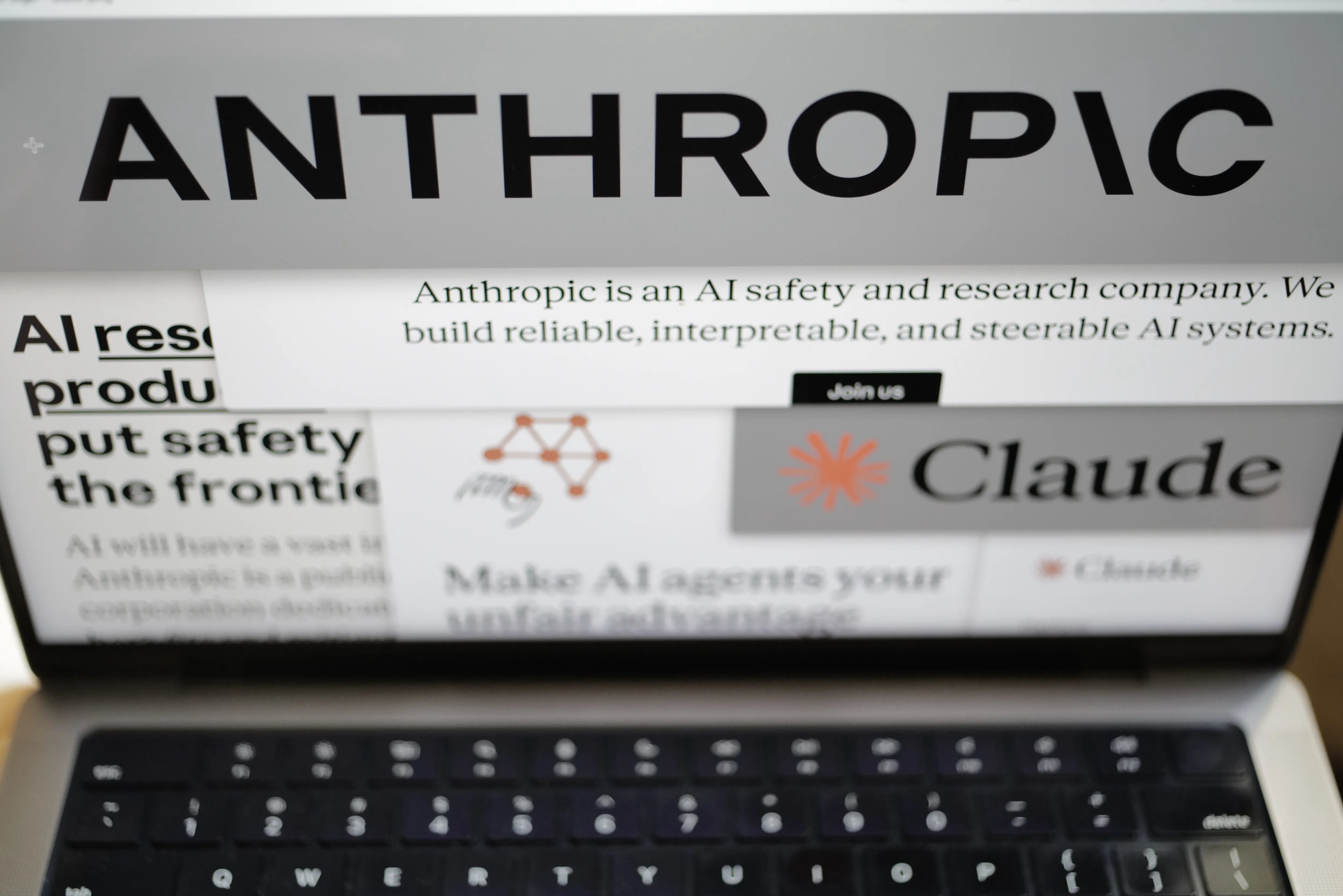
SpaceX signed a $2.9 billion contract with NASA in 2021 to build a Human Landing System for the Moon program. That agreement is now regularly dwarfed by AI compute contracts the company is signing with Anthropic and Google, each worth tens of billions of dollars. NASA depends on SpaceX for astronaut flights, science payloads, and the Artemis lunar campaign, yet the financial incentives now pull the company toward different priorities.
Starship Development Becomes Critical Battleground
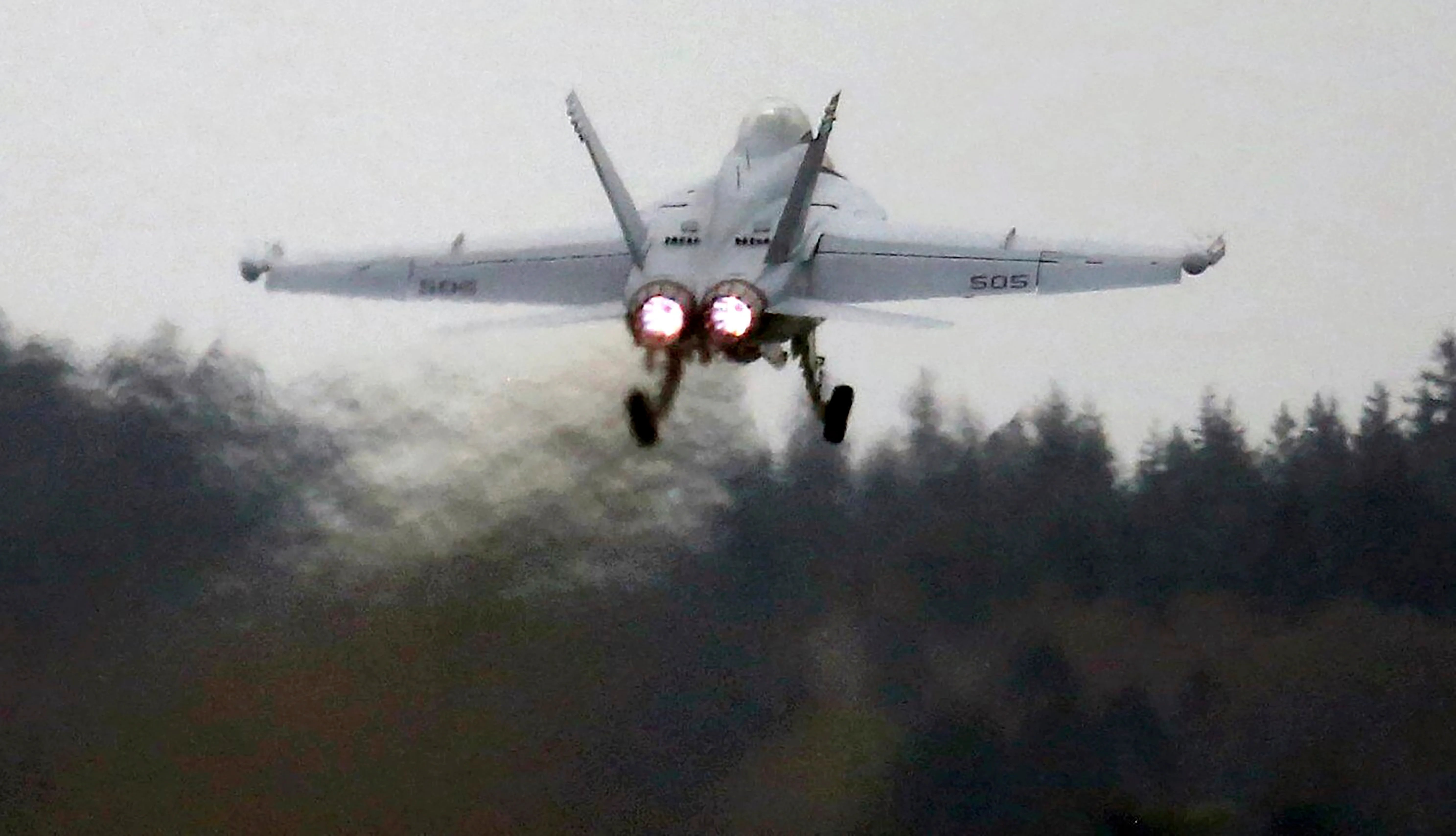
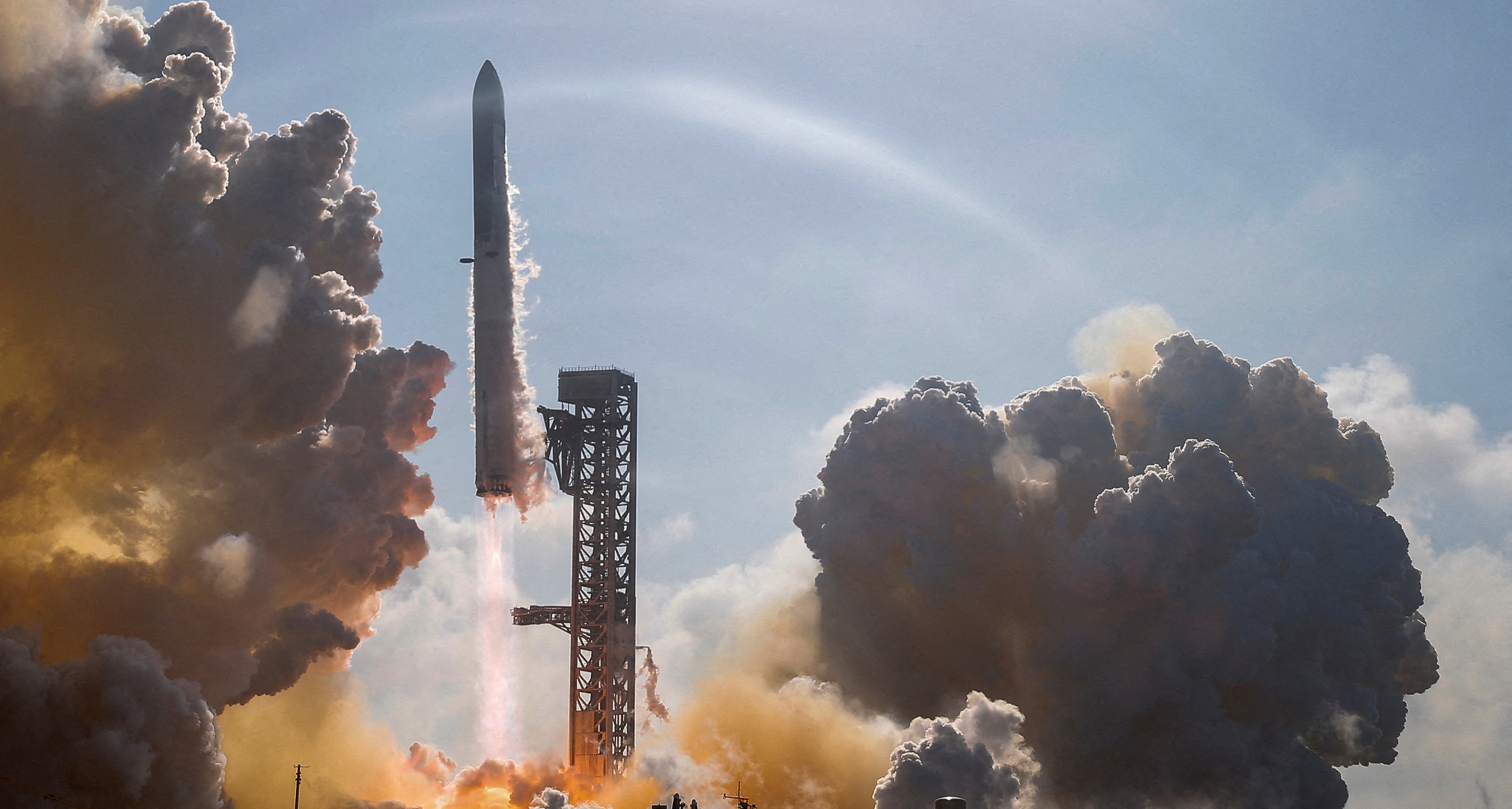
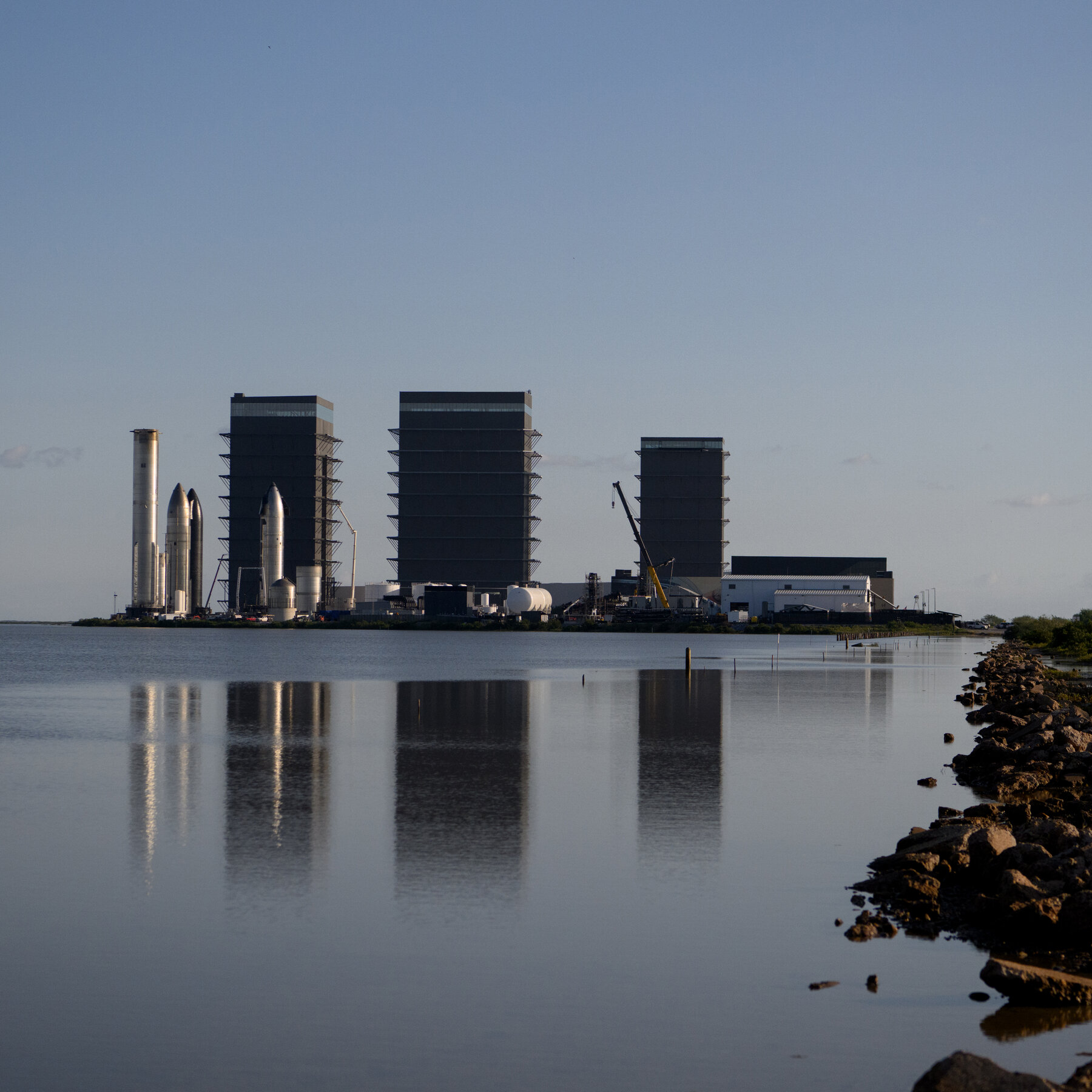
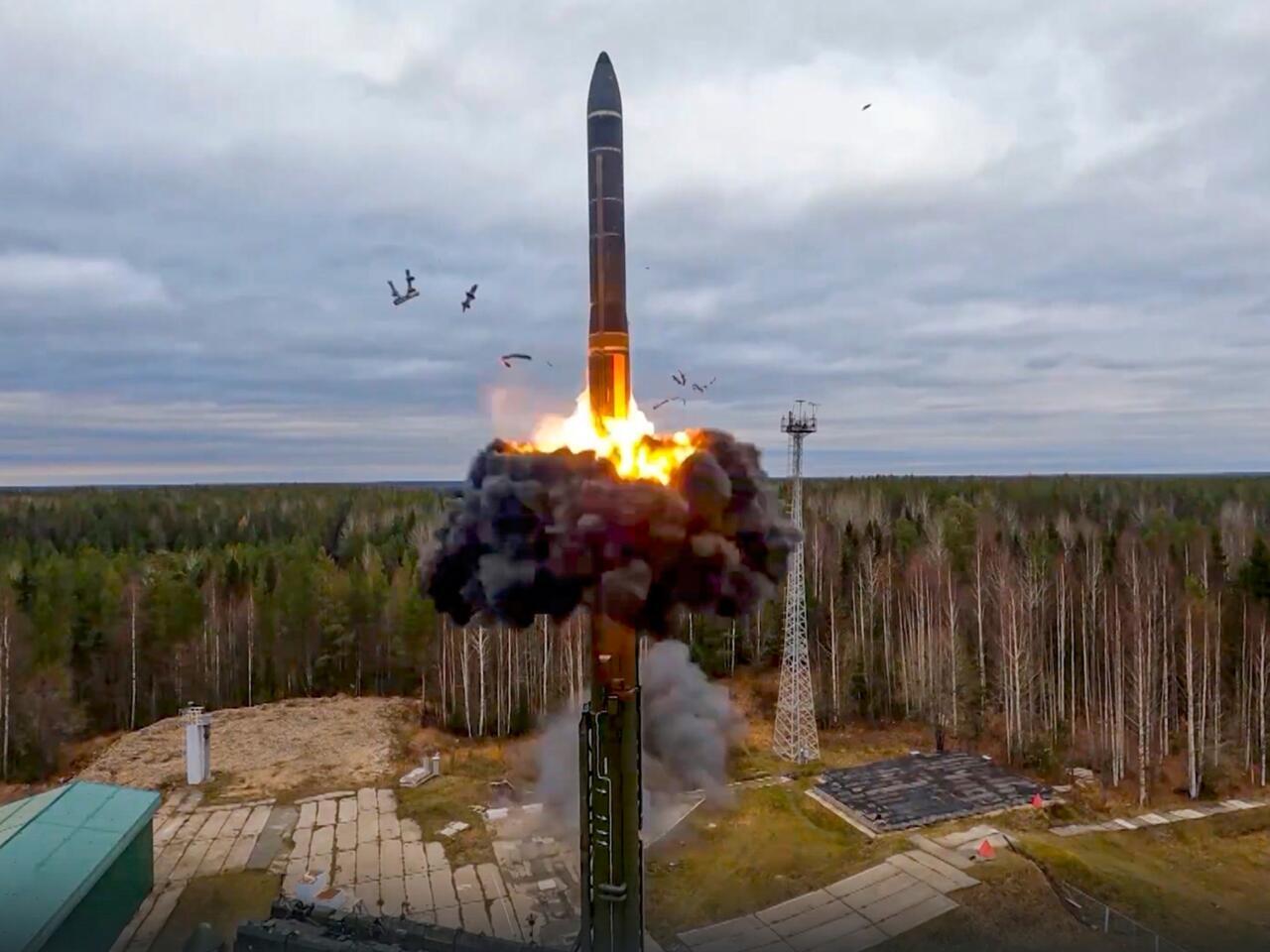
The massive Starship rocket will determine how SpaceX allocates resources. The vehicle appears close to operational status with the ability to put about 100 metric tons into low-Earth orbit. Assuming that milestone arrives in coming months, SpaceX faces a choice: pursue critical refueling demonstrations required for NASA's lunar landing program, which demand back-to-back Starship launches, or prioritize profit-generating Starlink satellite deployments and data center satellite tests.
Investors will monitor closely whether SpaceX follows the money or honors its government commitments.